Last day… As always, I woke up before our wake-up call so I could have my first coffee and cigarette in peace. As I watched the sun rise over the Pacific, I couldn’t believe how quickly the week had flown by.
Before the inevitable goodbyes, however, we still had a full day ahead of us. We’d be starting with two dives at Cousins Rock, a small, eroded volcanic islet off the north-eastern coast of Santiago Island. The dive site, according to Jimmy, is known for its steep, terraced formations covered in corals, sponges and black coral.
After everything we had witnessed at Wolf and Darwin, Jimmy warned us to adjust our expectations. I was still super excited. As far as I was concerned, any dive was worth doing as long as I got to be underwater. Plus, Mitch would be skipping the first one, meaning I would definitely get to finish the dive alongside the rest of the group.
The Final Descent
I have to say that the underwater landscape at Cousins Rock was impressive. Rocky ledges descended like enormous steps into the blue, with marine life hiding inside practically every crack and crevice.
We encountered our first whitetip reef shark of the trip, along with more sea lions, nudibranchs and an octopus. Then, thanks to Jimmy’s eagle eyes, we spotted a Pacific seahorse clinging almost invisibly to the reef. I had no idea how he managed to find such a well-camouflaged little creature, but somehow, he did. And just like that, we had crossed off practically everything mentioned during the briefings.
Mitch rejoined us for the second dive. Save for his constant underwater mumbling, he didn’t give us any trouble this time around. We encountered much the same cast of characters as before, while a pocket of warmer water provided a welcome reprieve from the freezing temperatures we had experienced throughout the cruise. It might not have been the most spectacular dive of the expedition, but it was perfectly pleasant and a fitting conclusion to our underwater adventure.
When Juan finally signalled that it was time to ascend, I looked down at the reef one last time. There would be no rushing to upload my footage, recharge my GoPro and prepare for another dive. No more hammerheads, whale sharks, marine iguanas or rays waiting for us an hour later. That was it. Our final dive was over.
PART II
Back on Solid Ground
By lunchtime, the Calipso had sailed back to Santa Cruz Island, where we’d be having our first land excursion of the cruise.
Santa Cruz, the central hub of the Galápagos, and home to Puerto Ayora, is the archipelago’s largest town. The island contains an extraordinary variety of habitats, ranging from dry coastal zones, mangroves and lava formations to lush highlands where giant tortoises roam freely.
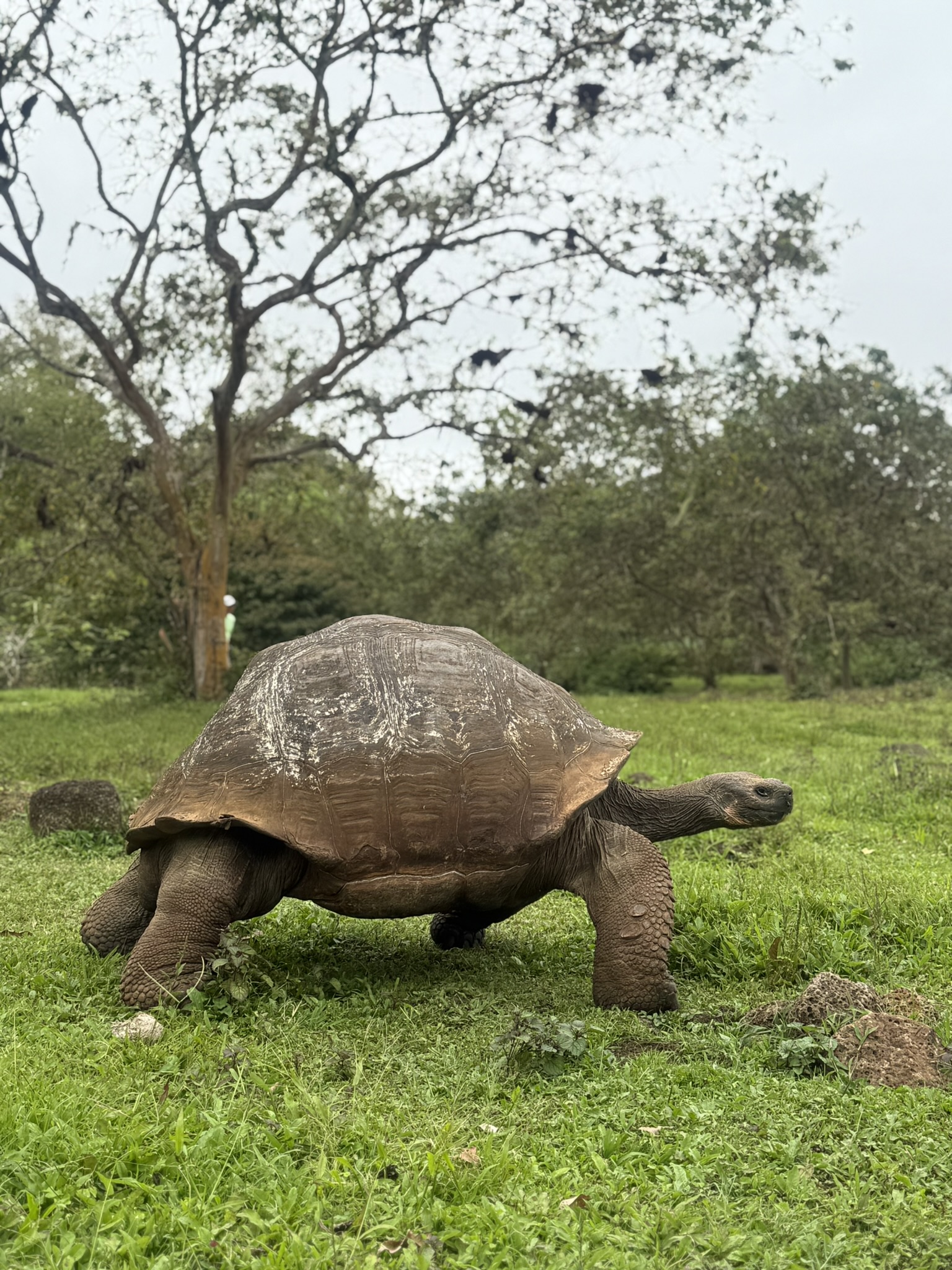
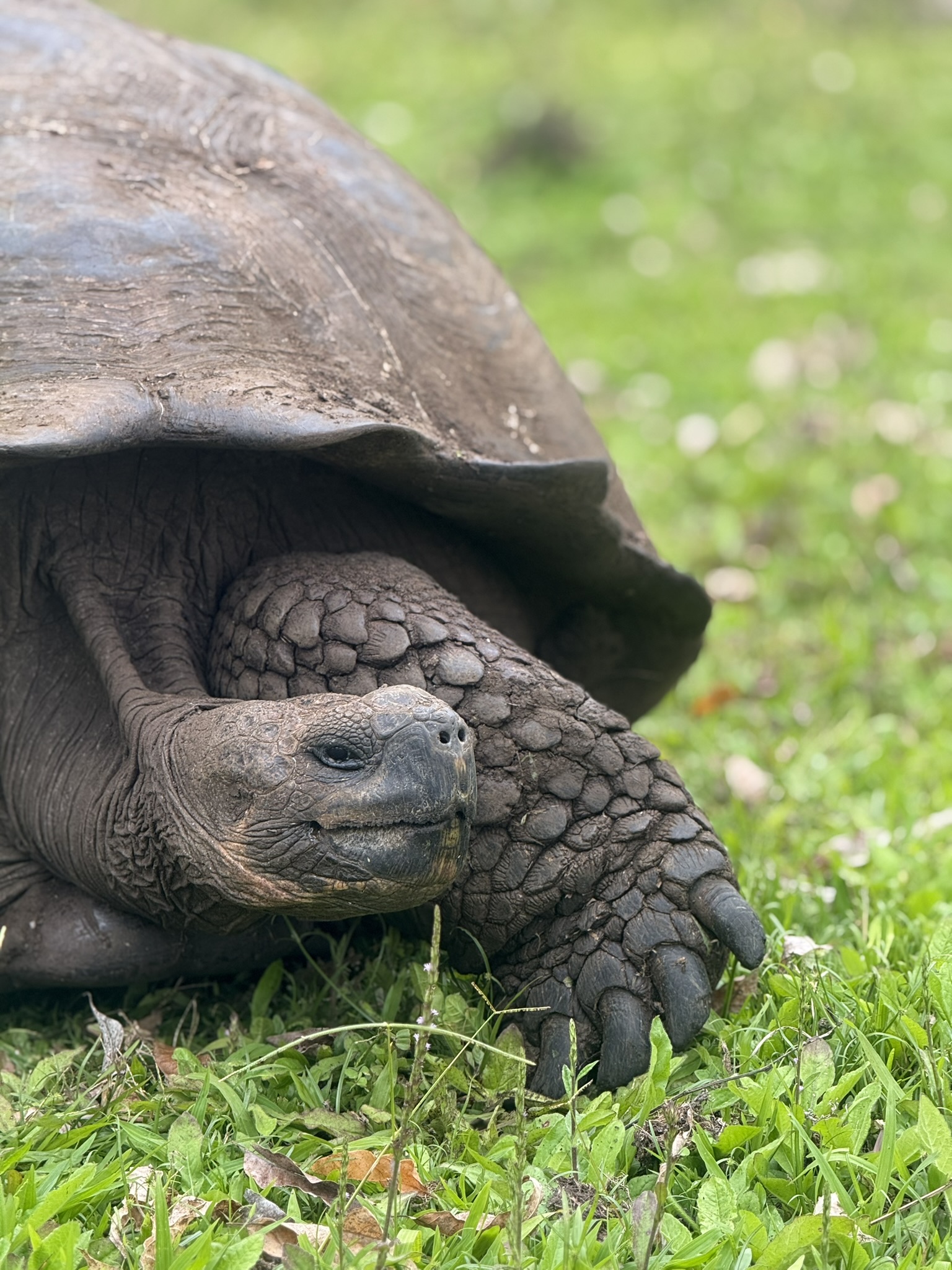
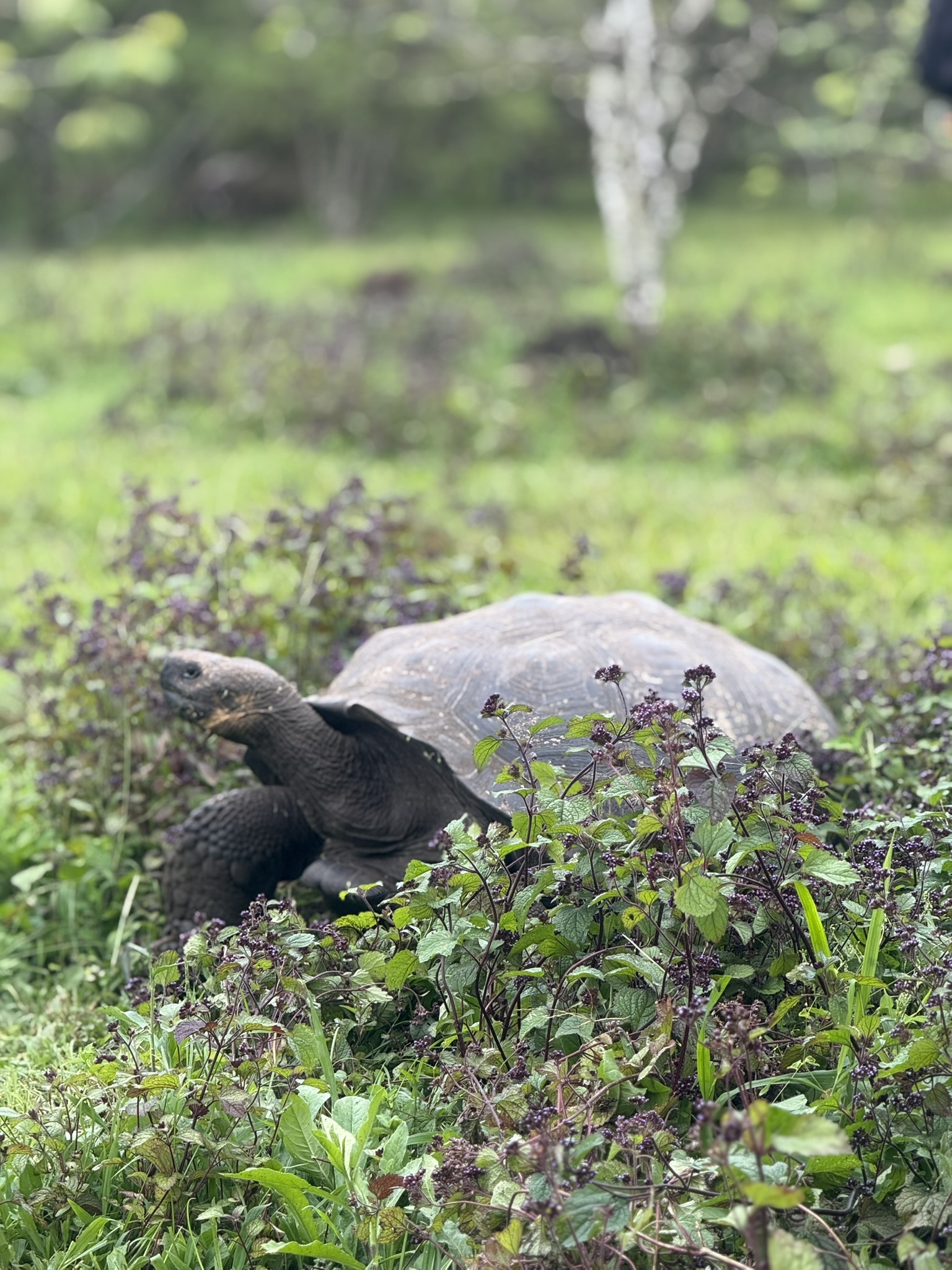
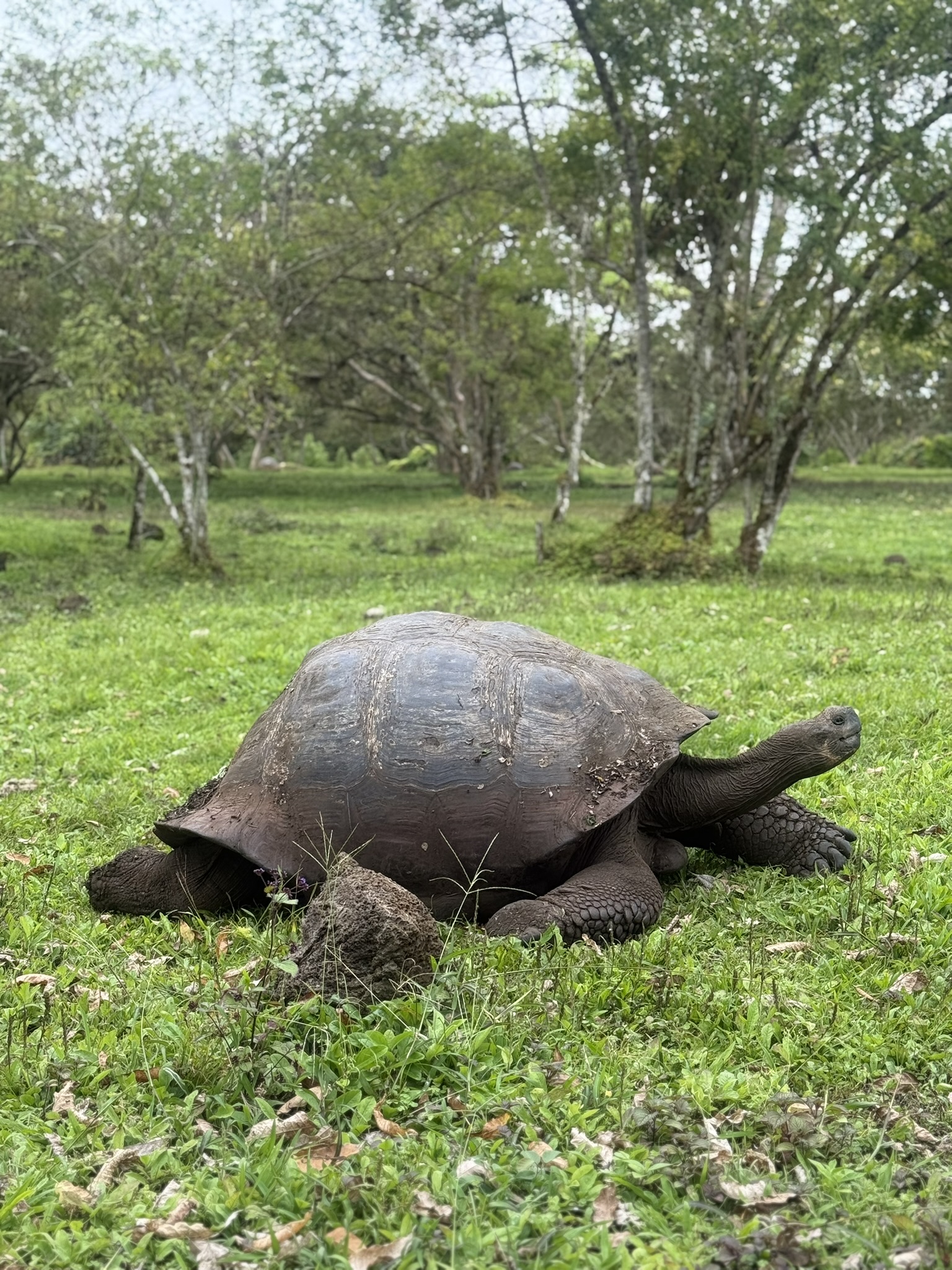
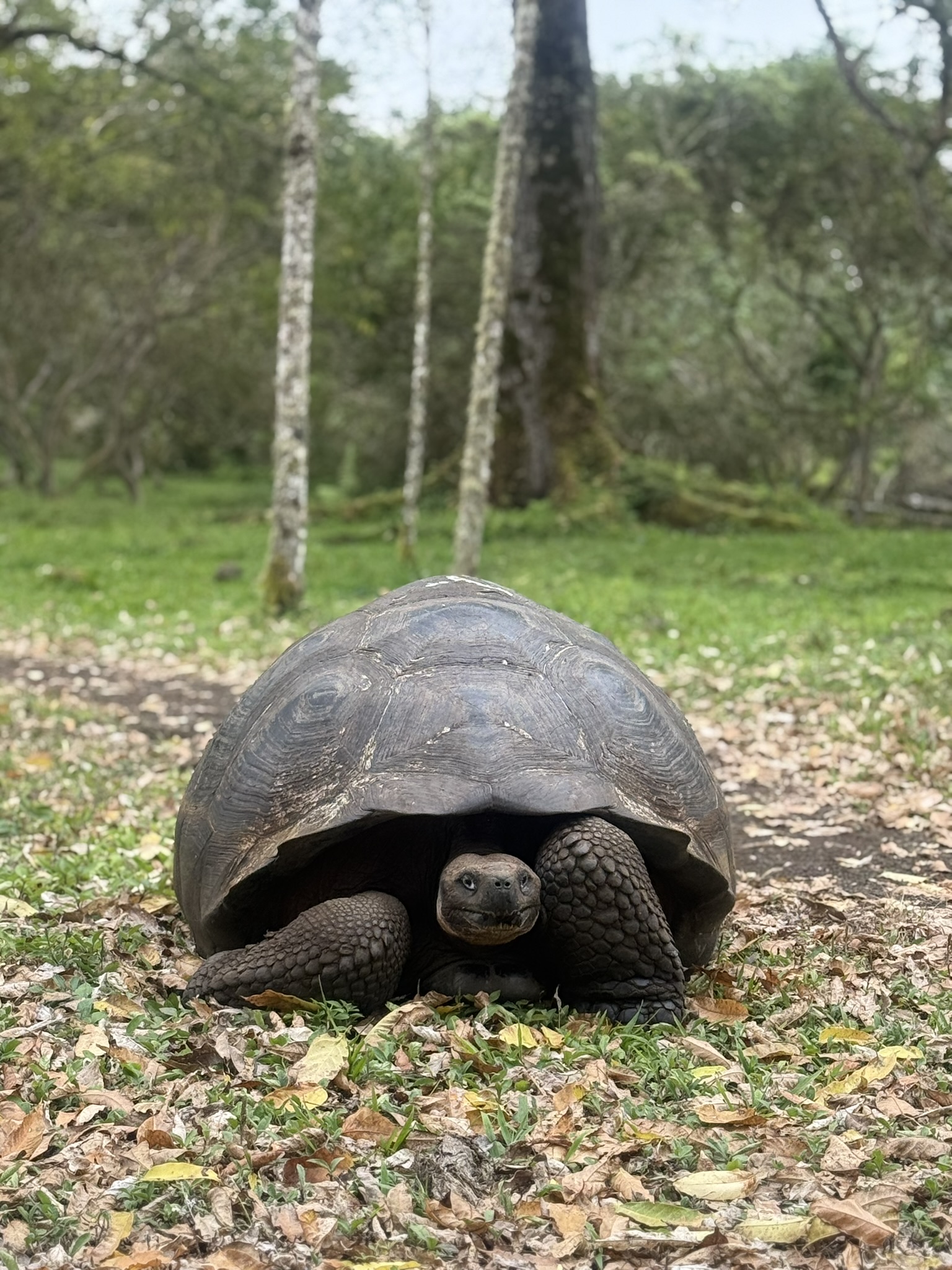
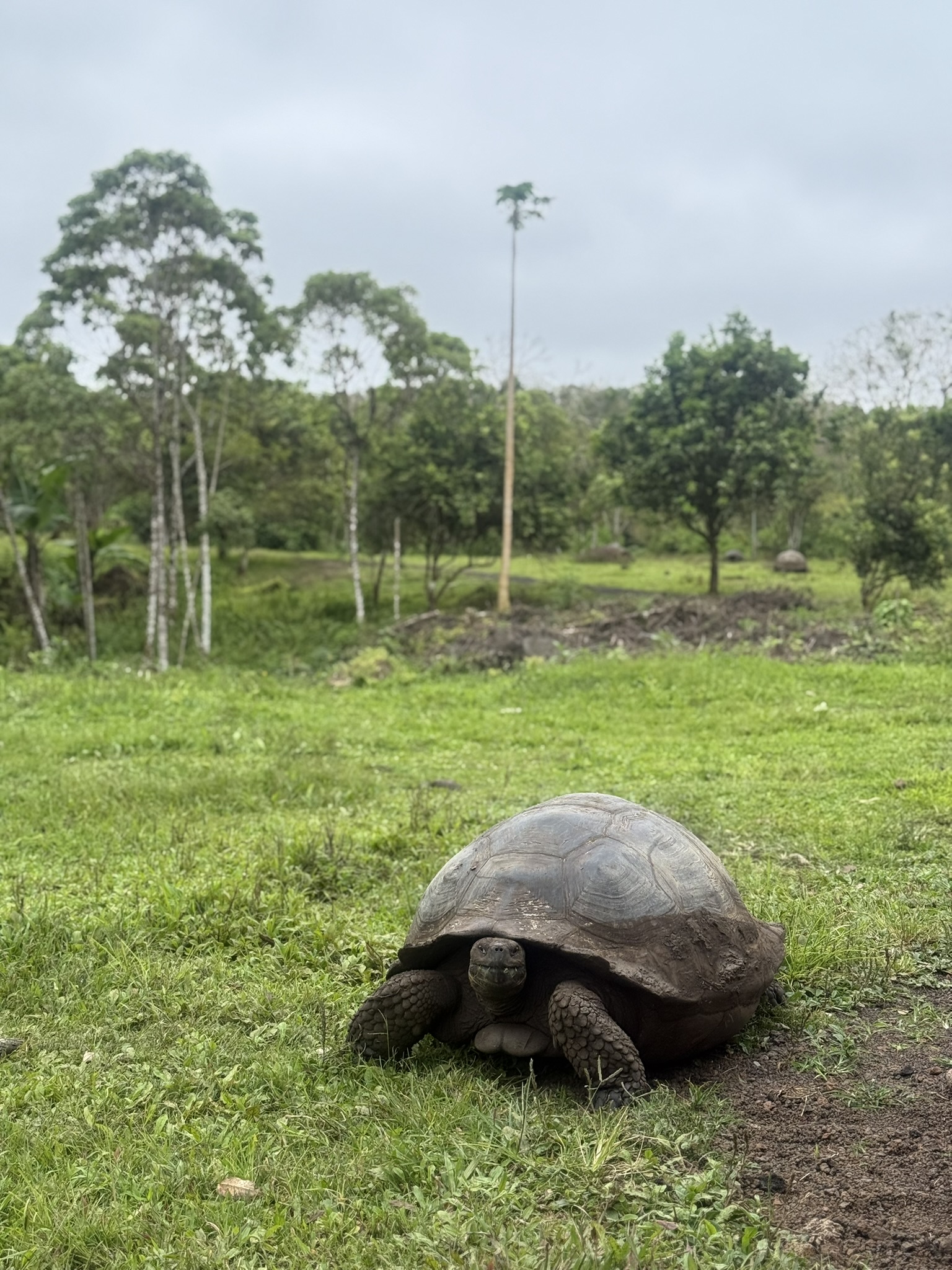
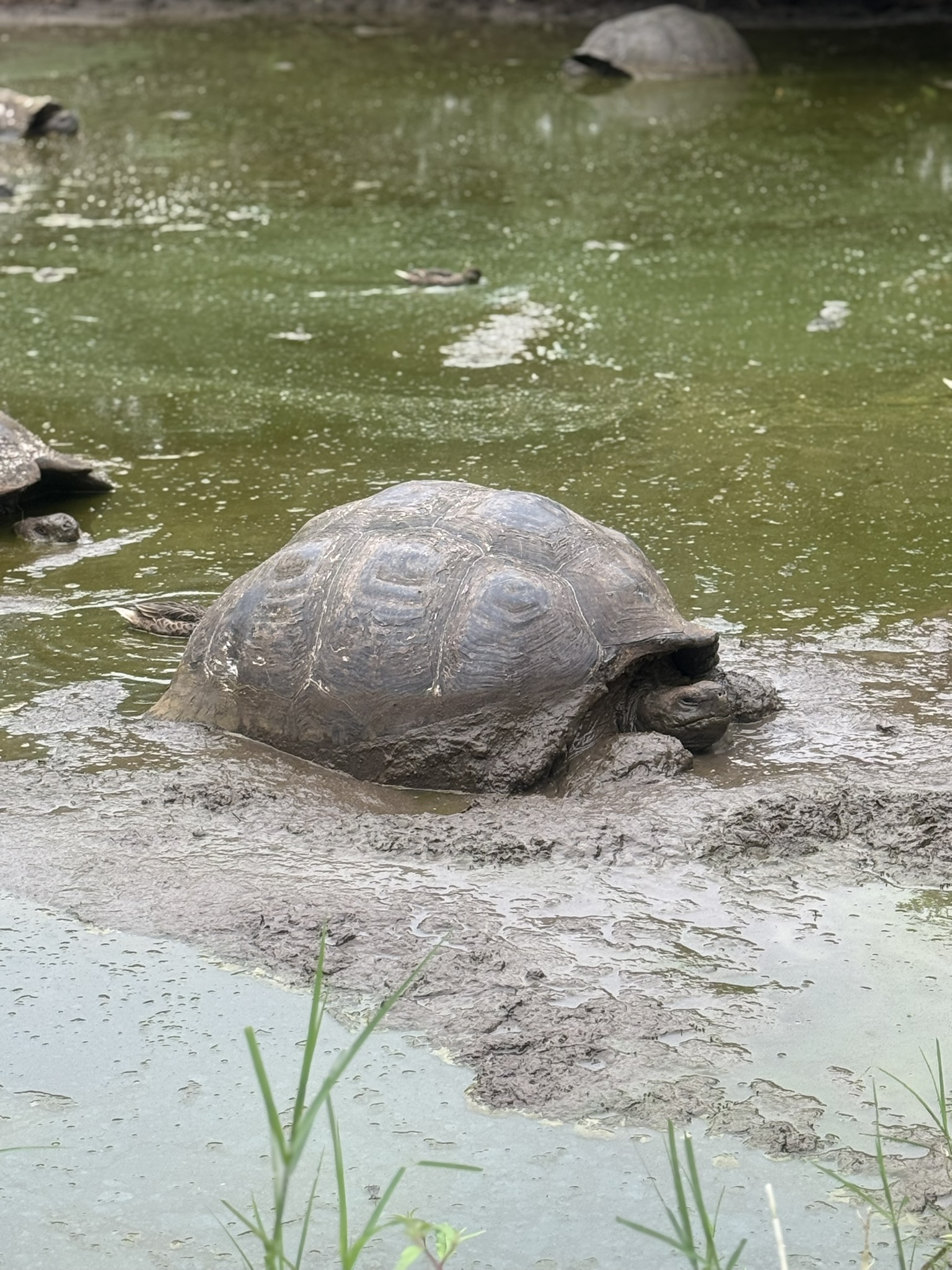
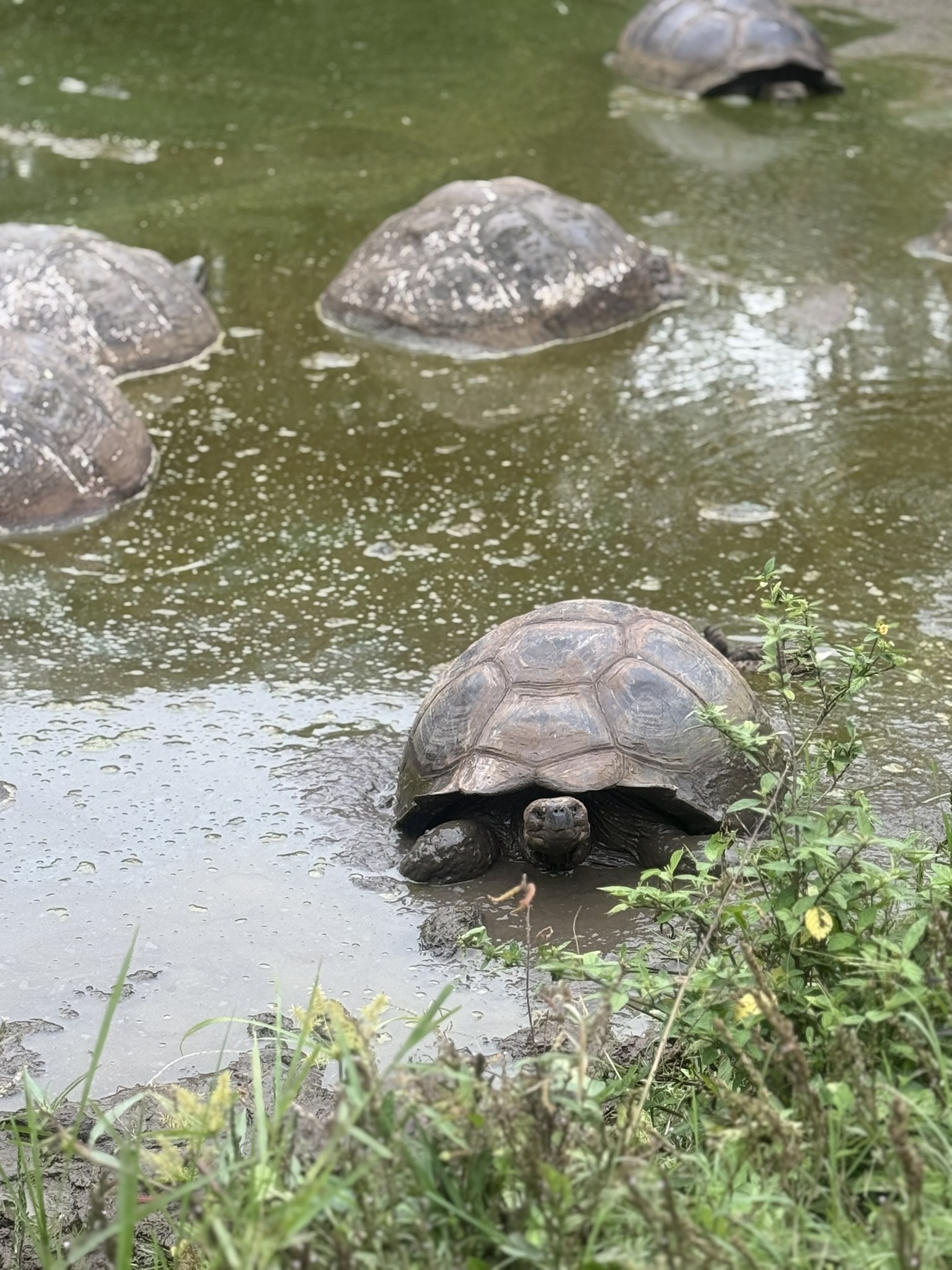
As soon as we disembarked, we headed towards Rancho El Chato – a private giant tortoise reserve in the highlands. At first, it felt like a rehash of my visit to the Galapaguera on San Cristóbal. The major difference was that these were wild tortoises roaming freely through the surrounding farmland rather than animals being raised inside a breeding and rearing centre – much like the one I had visited back in San Cristóbal.
We saw far more of them here. I counted at least 50 before we had even left the road, including one that took an excruciatingly long time to cross in front of us. Then again, I suppose rushing a giant tortoise would have been both pointless and slightly disrespectful.
Beneath the Lava
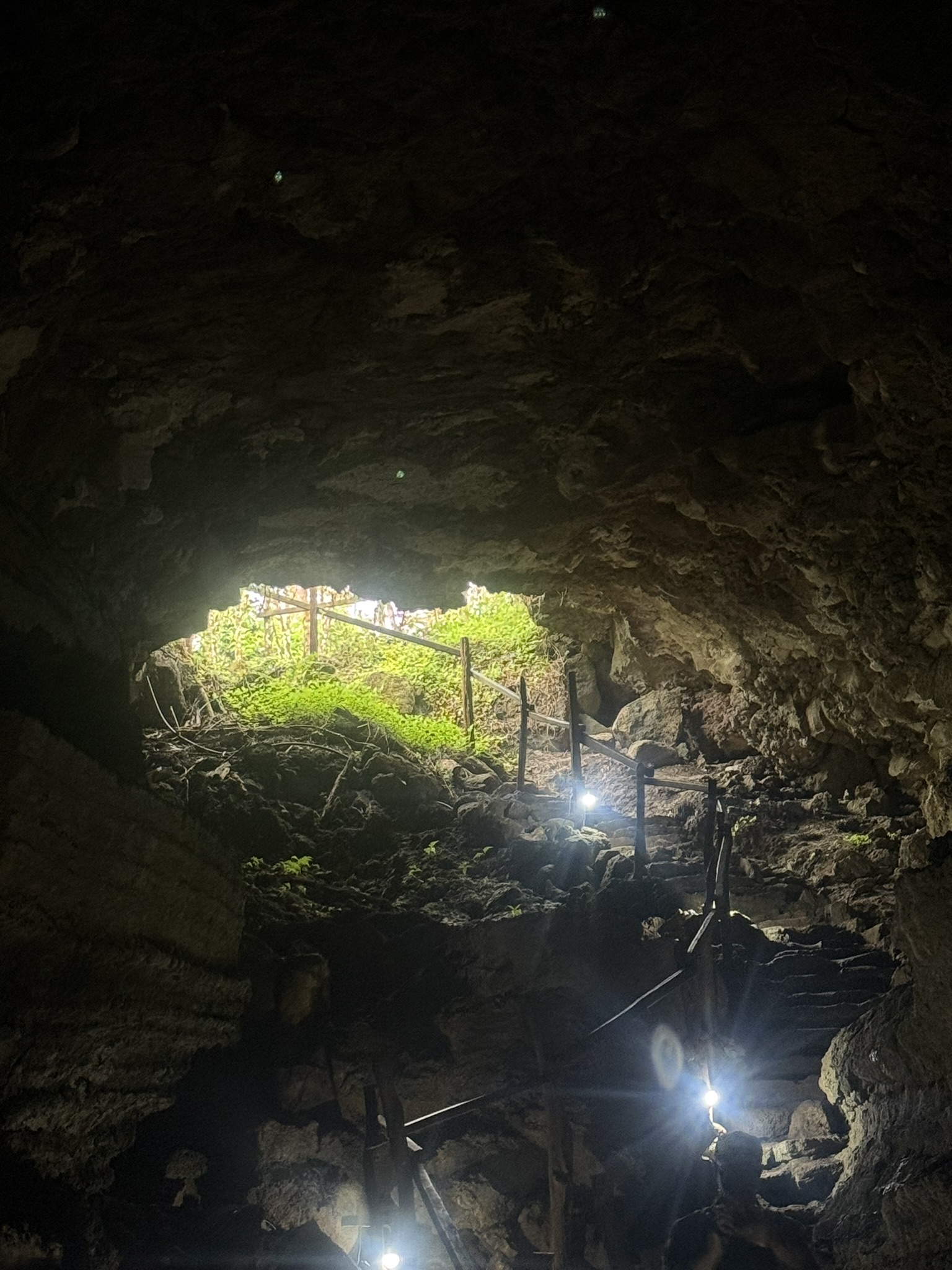
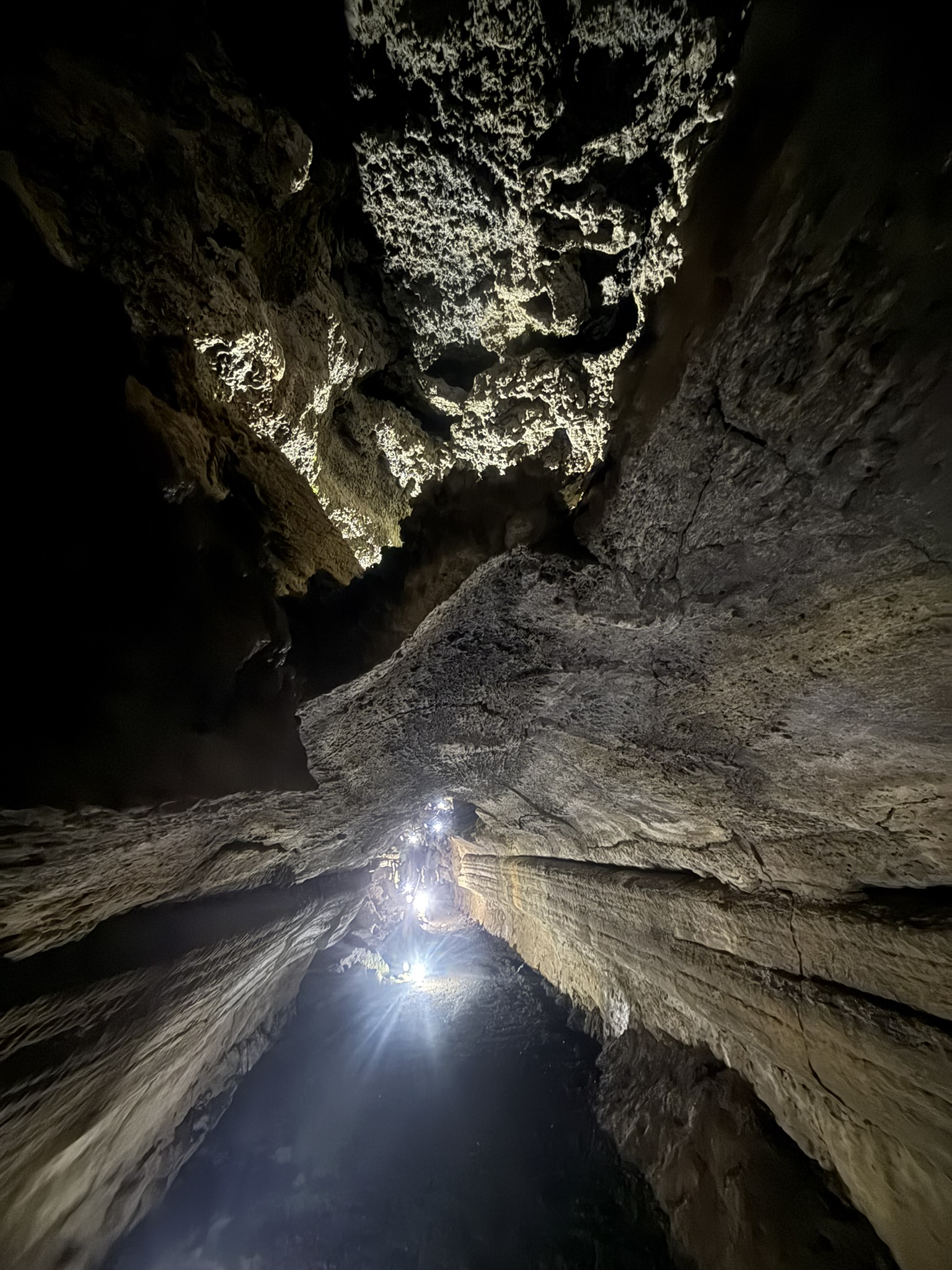
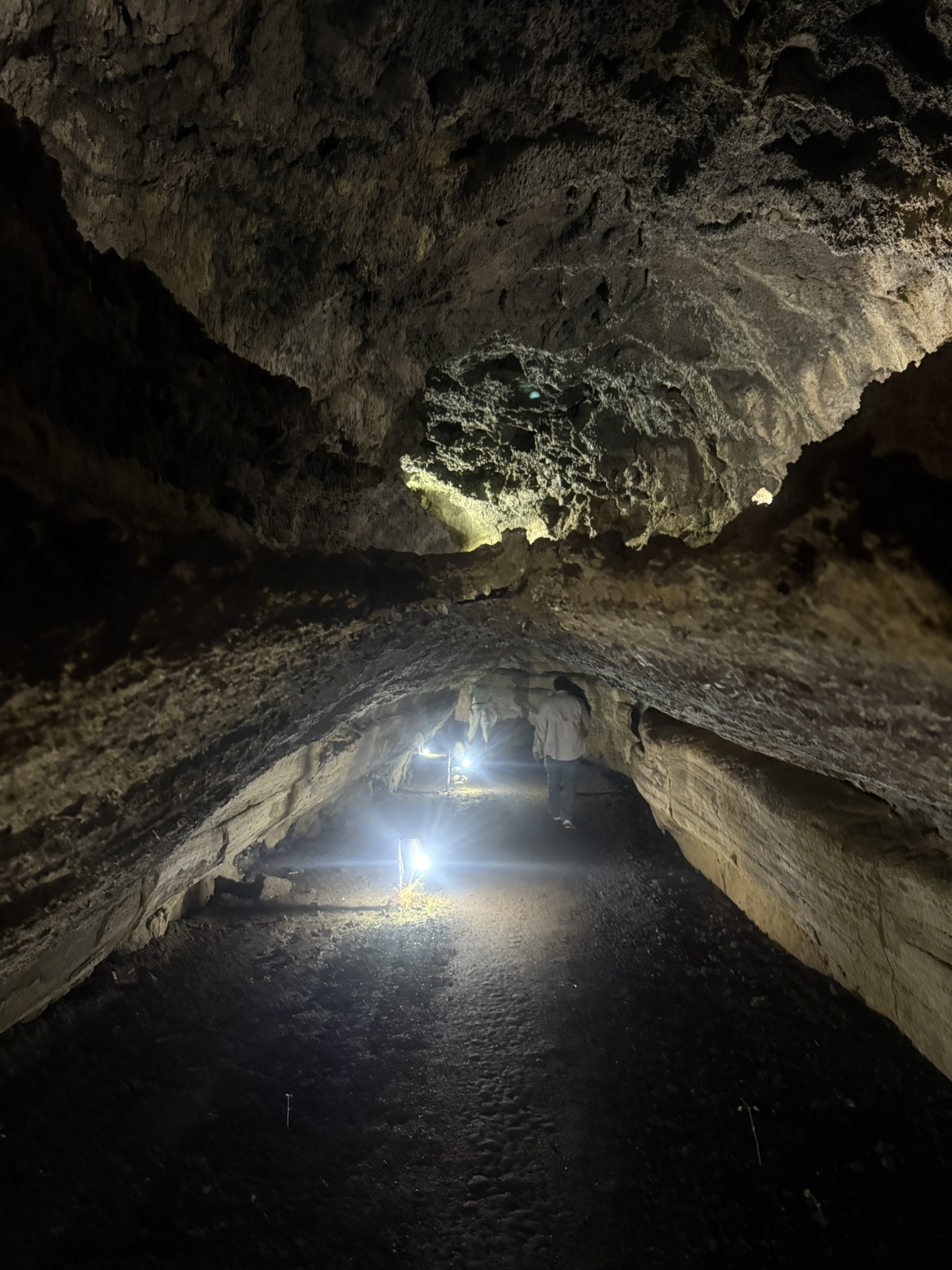
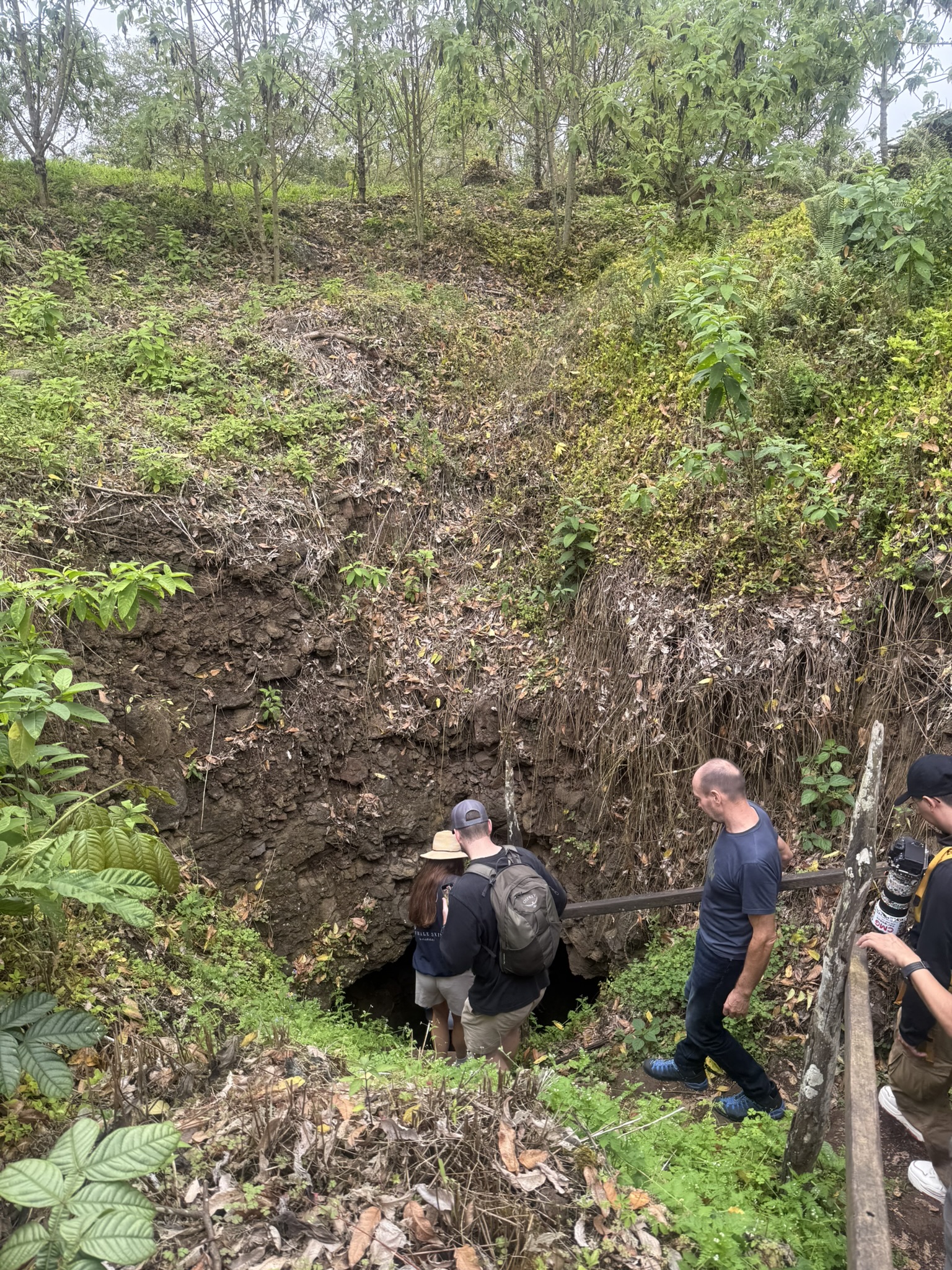
After the tortoise tour, the next part of our adventure would take us on a short walk through a lava tunnel – something Jimmy had hyped as a “must-do” in the Galápagos.
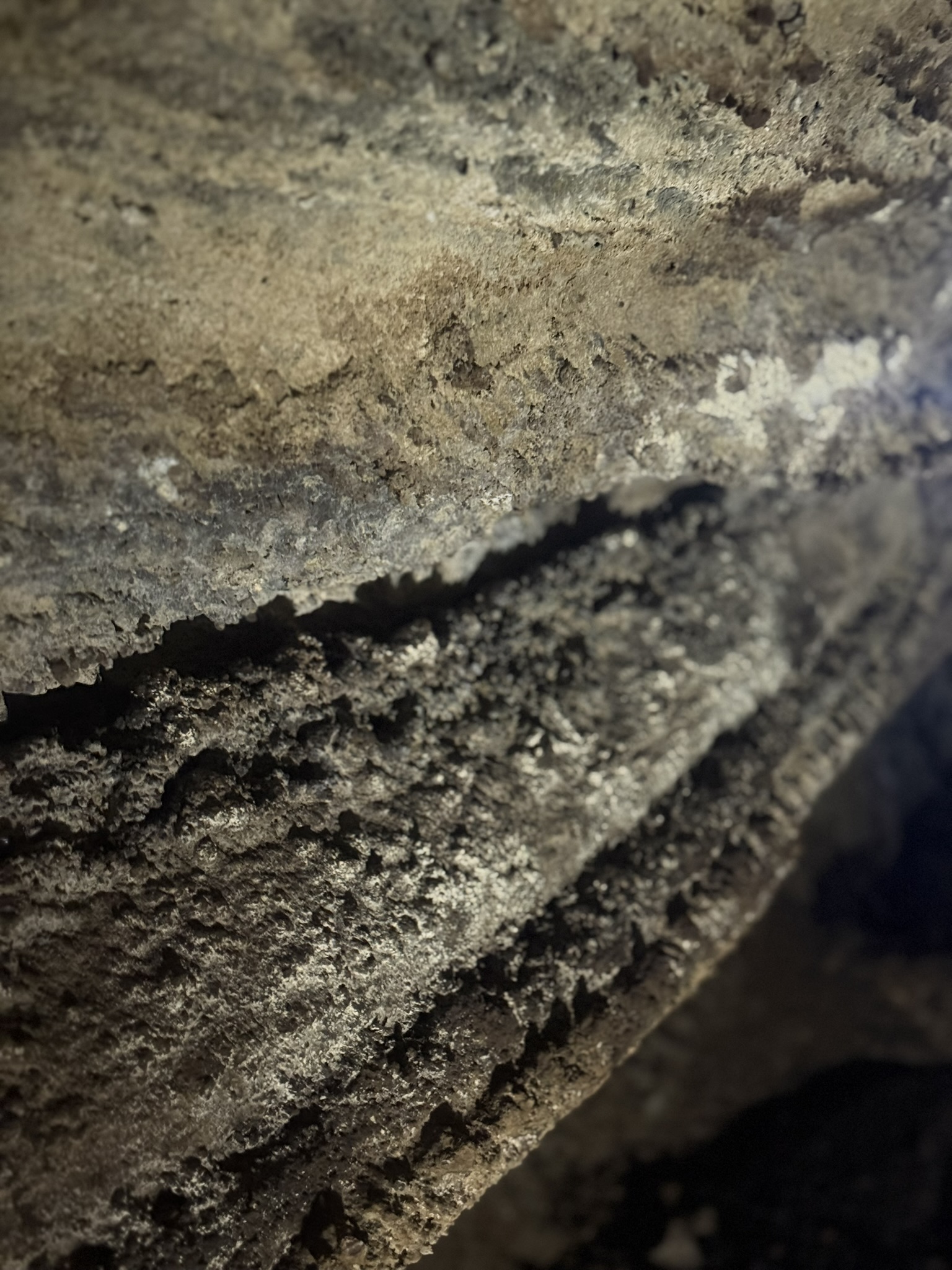
These tunnels, a local guide explained to us, form when the outer surface of a lava flow cools and solidifies while molten lava continues moving underneath it. Once the eruption ends and the remaining lava drains away, it leaves behind a hollow passage. Some lava-tube systems can extend for several kilometres and contain smooth walls, unusual rock formations and openings where sections of the roof have collapsed.
It was certainly a cool experience, but after seven days of diving, I mostly wanted to sit somewhere and do absolutely nothing. In fact, our bodies didn’t seem particularly thrilled about being back on land either. The ground felt as though it were still swaying beneath us, leaving everyone weak, dizzy and slightly nauseated. Our bodies might have left the Calipso, but our brains apparently hadn’t received the memo.
Bittersweet Vibes
When Jimmy told us we had around four hours to kill in Puerto Ayora, my soul practically left my body. All I wanted was to return to my cabin and sleep. While Brook, Craig and Mitch went off to do their own thing, I joined Belle and Jean as their newly adopted son.
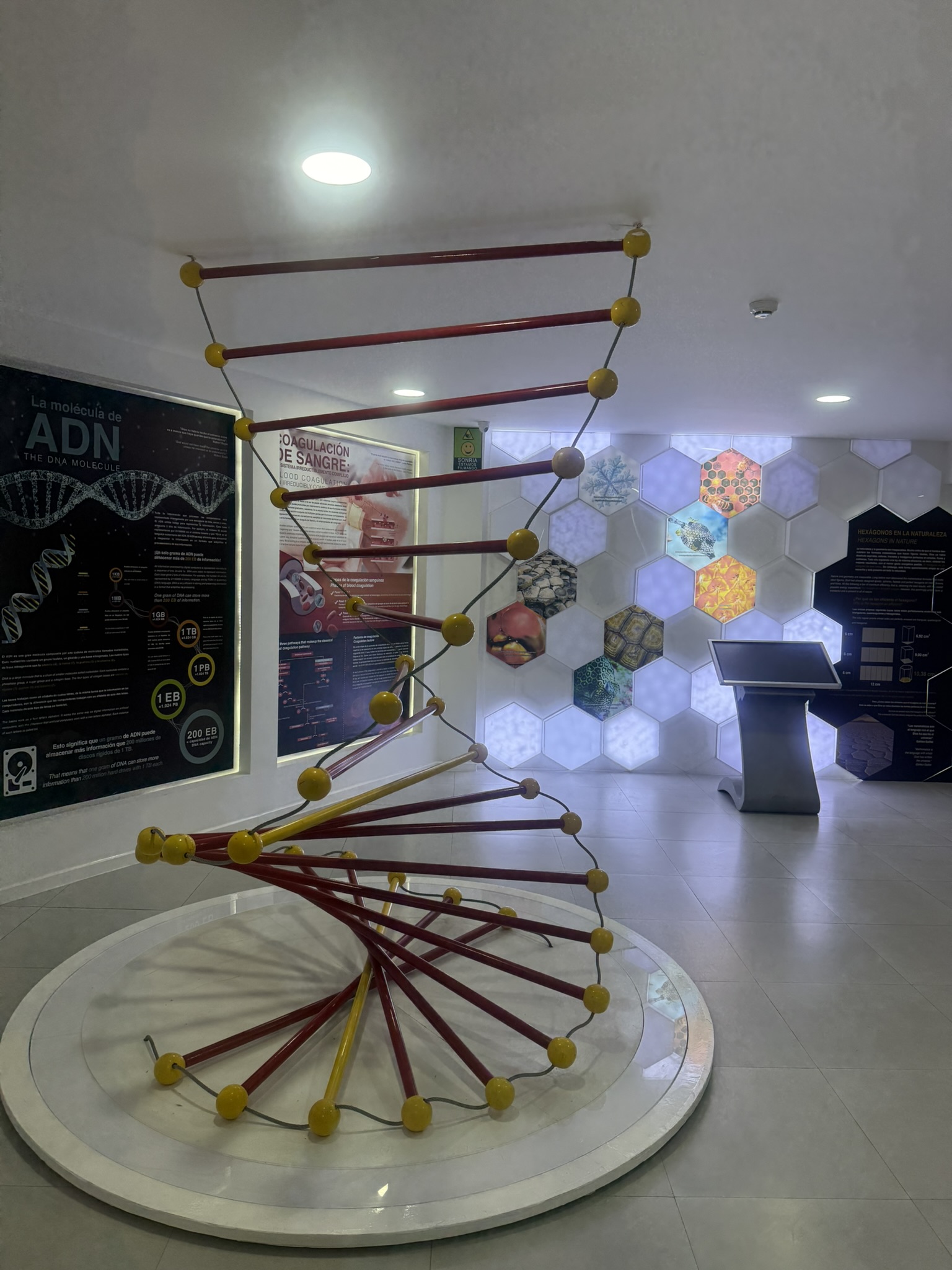
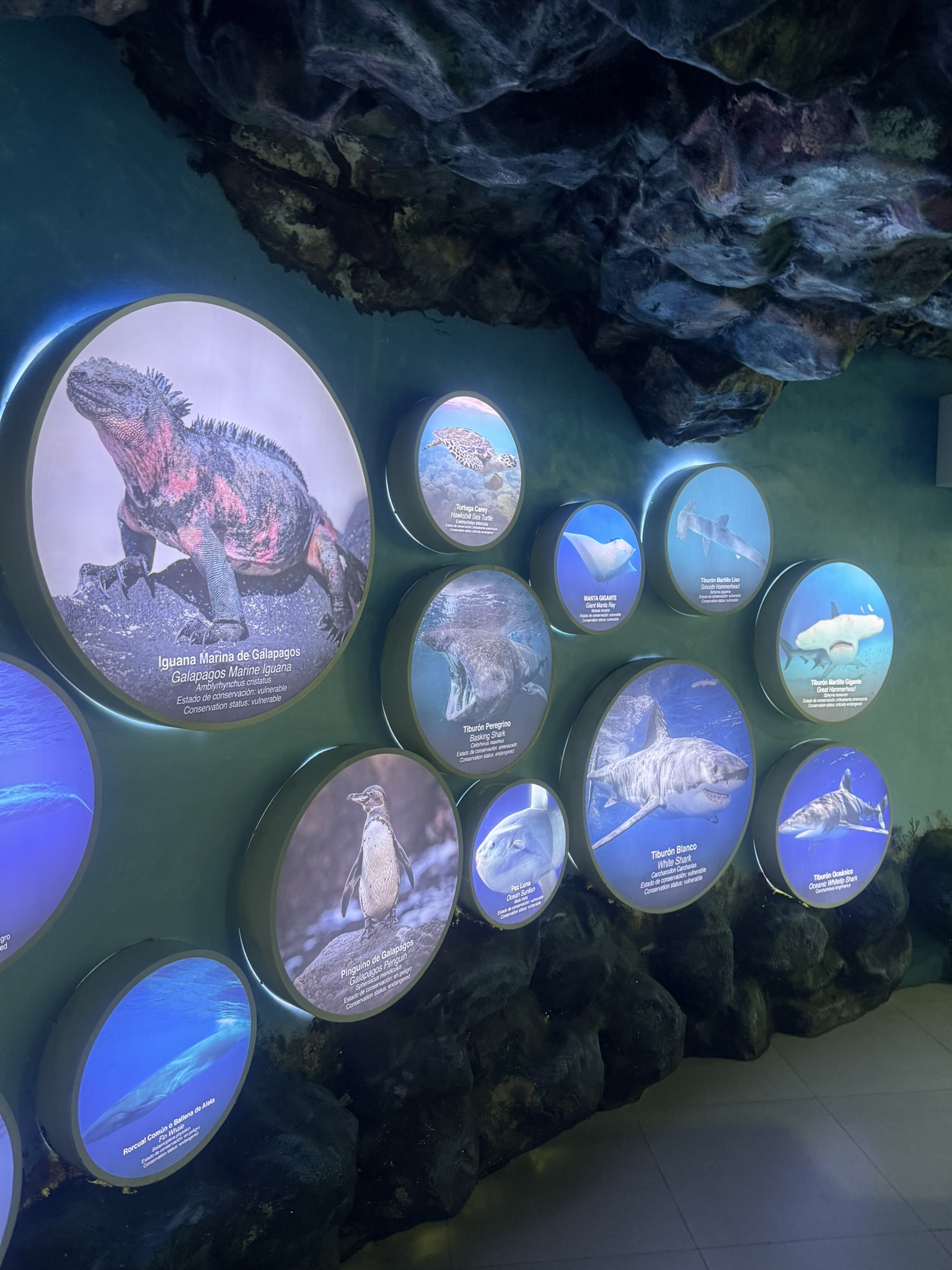
Together, we visited the Origins Museum of Nature. At first glance, it appeared to be a conventional natural history museum, with exhibits about the geological and biological history of the Galápagos, the islands’ volcanic formation and their remarkable biodiversity. What wasn’t particularly obvious from the entrance was that the museum presented these subjects through an explicitly Christian creationist lens. Many of the panels featured quotations about God, while one of the recommended ways of helping the planet was prayer. Finding a creationist museum on Charles Darwin Avenue, in the archipelago most famously associated with evolution, felt almost too on the nose – not my kinda vibe.
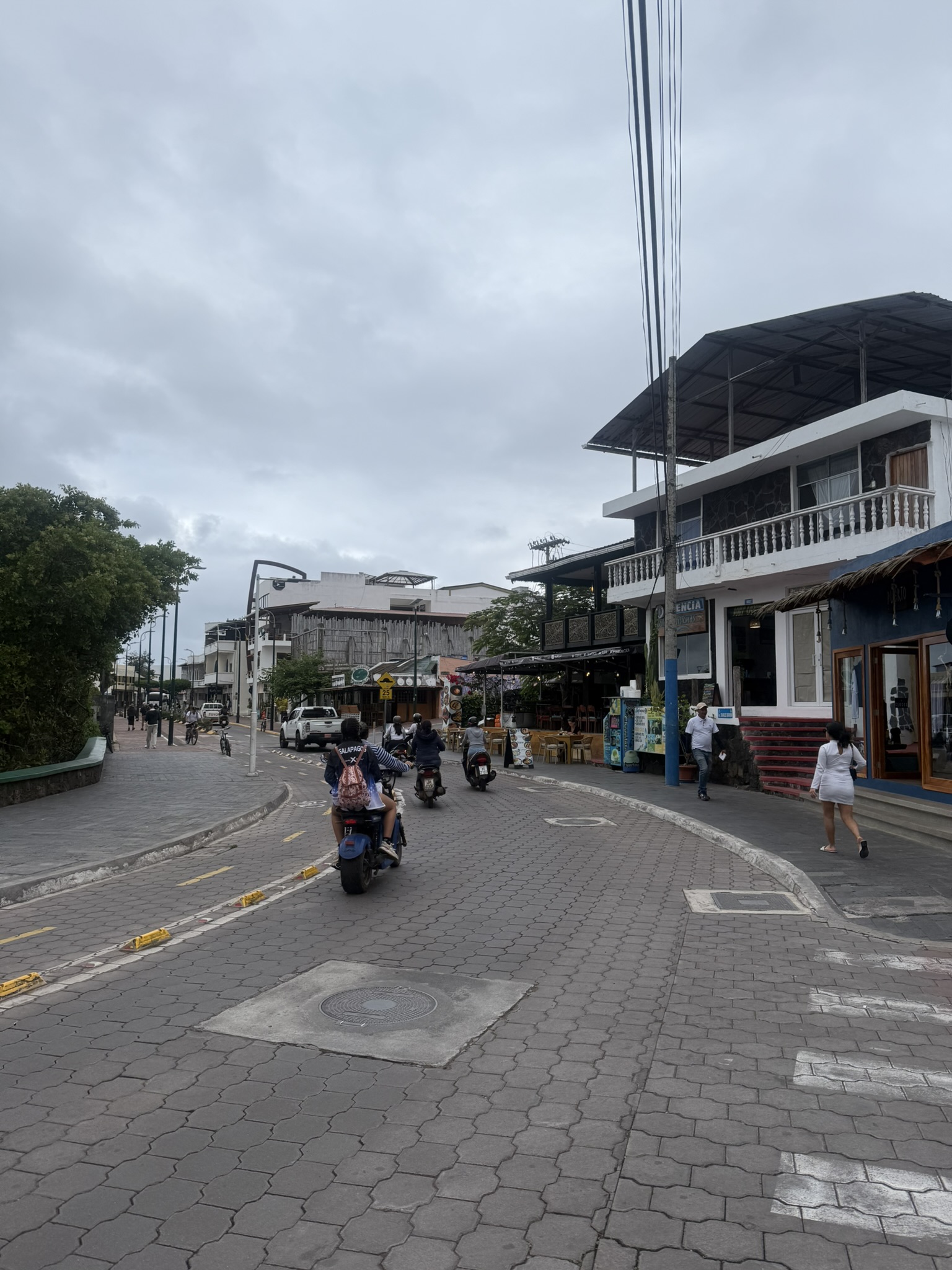
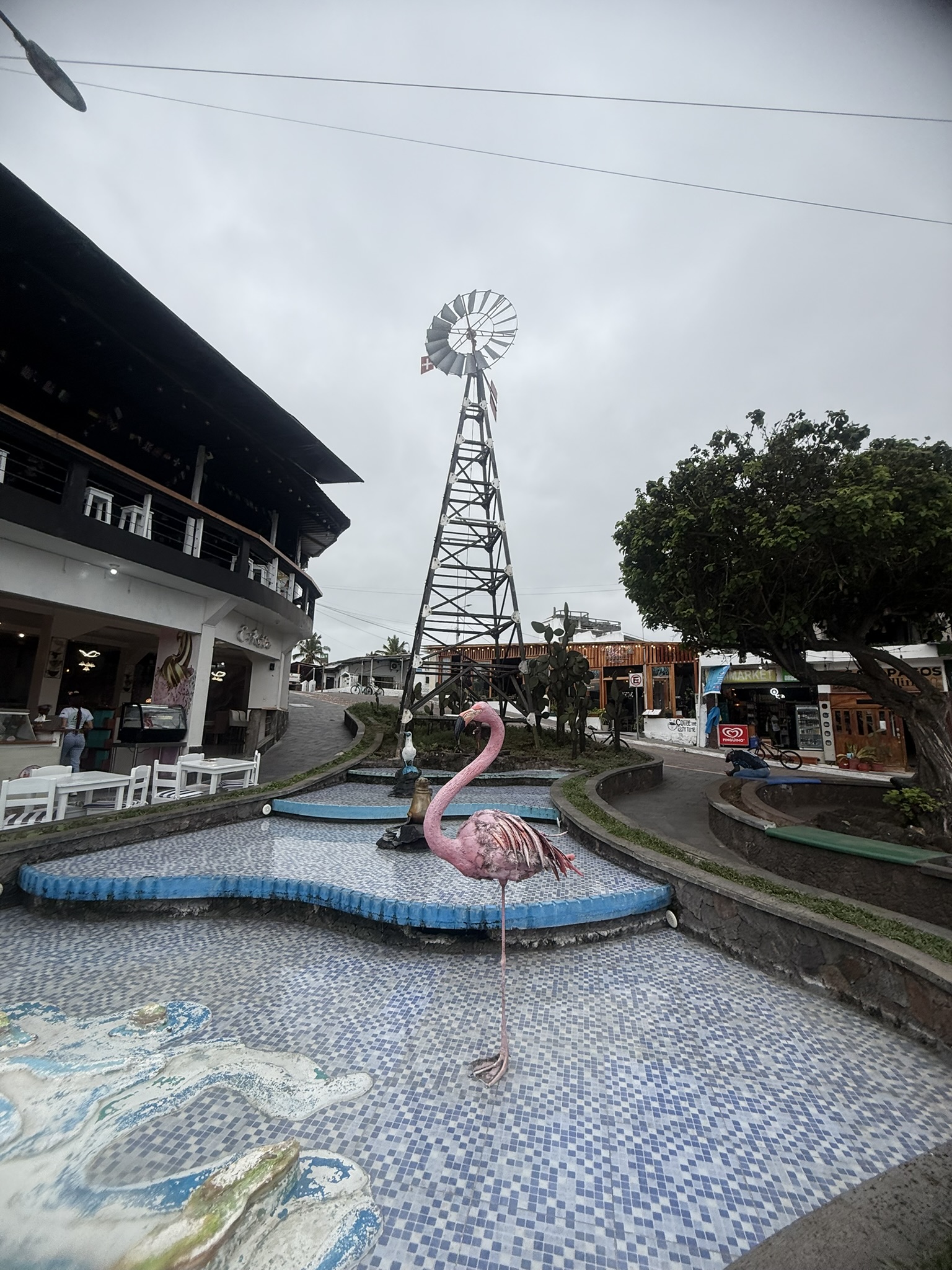
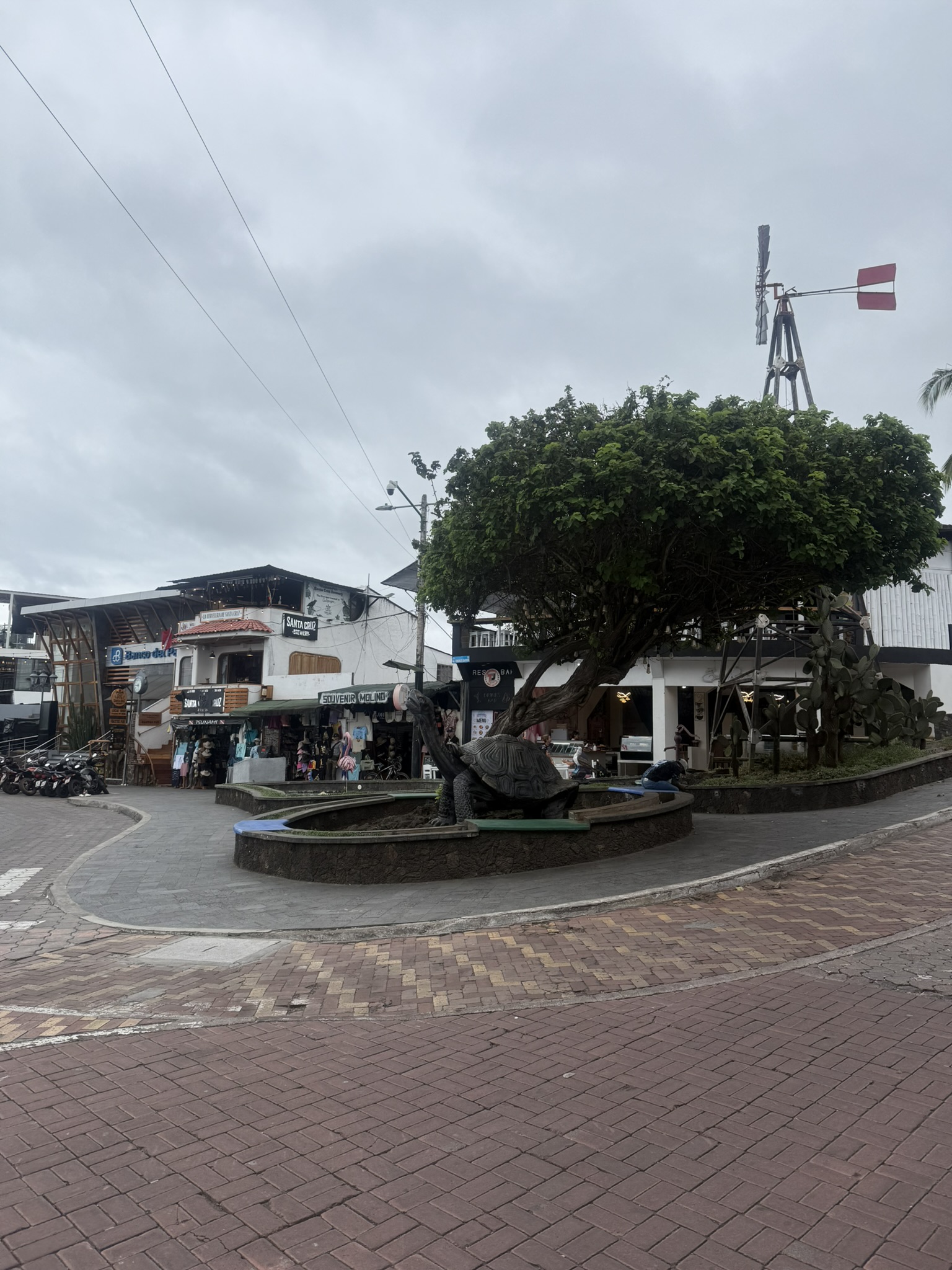
After spending the next few hours strolling through town and emptying our bank accounts on souvenirs, we reunited with the others for happy hour and dinner. As we chatted non-stop, I realised how much I was gonna miss everyone. Belle and Jean were incredibly decent people, excellent divers and the kind of parents anyone would be lucky to have. Brook and Craig were the picture-perfect American couple who would probably grow into the next generation of Belle and Jean after another 30 years together. And then there was Mitch… No comment on that one.
I guess that’s what I love about liveaboards. In the space of a single week, complete strangers became people whose voices, hand signals and underwater reactions I could instantly recognise. We had shared meals, complaints, freezing thermoclines, safety stops, sunsets and some of the most extraordinary wildlife encounters of our lives. And, weirdly enough, the following day we’d all be heading our separate ways and go on with our lives.
For one more evening, though, we could order another drink, tell another story and pretend that none of it was about to end!