Galápagos Islands – Day 7: Crossing the Equator
GALÁPAGOS ISLANDS
Day 7: Crossing the Equator
October 28, 2025
PART I
We had a relatively late start to the day, with our wake-up call coming at 6:30AM. We even got to enjoy breakfast and a surprisingly short briefing before the dives.
Overnight, we had sailed all the way to Fernandina Island. Located west of Isabela, Fernandina is the youngest major island in the Galápagos and the most volcanically active. It is dominated by La Cumbre, an enormous shield volcano surrounded by dramatic lava fields and very little vegetation. Despite the seemingly inhospitable terrain, the island supports an extraordinary abundance of wildlife. Frequent eruptions continue reshaping its landscape, making Fernandina a living example of the volcanic processes that created the entire archipelago.
We’d be doing two dives at Cape Douglas, one of the most spectacular and remote dive sites in the Galápagos, located on the north-western side of Fernandina. Diving in the western islands is often referred to as “icebox diving” because of the cold, nutrient-rich water delivered by the Cromwell Current. Water temperatures here can drop to around 14 or 15 degrees Celsius, so I decided to wear an additional wetsuit over the one I was already using, along with a hooded jacket. Spoiler alert: I was still absolutely freezing. No wonder Juan and Jimmy described the site as “a jacuzzi with a broken heater”.
Into the Ice Box
Our first dive was going to be my kind of diving. We’d descend to the sandy bottom at around 30 metres and spend most of the dive searching for all the strange creatures that lived down there.
After hearing the seemingly endless list of animals Jimmy mentioned during the briefing, I started feeling slightly anxious. How on Earth were we supposed to find all of those things during a single dive? It seemed completely unfathomable. But lemme just say, I stood corrected. Seconds after reaching the bottom, we encountered a marbled ray. No sooner had I started filming it than a mola appeared. A frggin’ mola mola – the one fish I had come all this way to spot.
You see, we have ocean sunfish back home in Maltese waters, but they’re so difficult to encounter that I had partly chosen my next diving destination according to where I’d have the best chance of seeing one. After years of hoping, there it was, right in front of my very eyes.
The mola mola, or ocean sunfish, is one of the largest and heaviest bony fish in the world. Its flattened, disc-like body can reach around three metres in length, while exceptional individuals may weigh more than 2,000 kilograms. Instead of possessing a conventional tail, its body ends in a stiff, rounded structure called a clavus, giving it the appearance of a gigantic swimming head. Although molas are often associated with jellyfish, their diet is considerably broader and can include salps, squid, crustaceans and small fish. They regularly dive into deep, cold water before returning towards the warmer surface, possibly to restore their body temperature. They also visit cleaning stations, where they hover vertically while smaller fish remove parasites from their skin. Near the surface, seabirds may help with the cleaning process too.
Seeing one in the flesh was quite literally a dream come true. That said, I didn’t have much time to bask in awe. With every passing moment, we seemed to be ticking another animal off Jimmy’s briefing list. We found a Galápagos searobin, which looked somewhat like a flying gurnard, and a red-lipped batfish, which looked completely ridiculous. We even encountered what Jimmy identified as a white-margin smoothhound, a shark few divers ever get to see. We saw practically everything except the elusive Galápagos bullhead shark.
When Everything Went Haywire
After around 30 minutes, Juan signalled that we would be ending the dive early. Everyone was freezing beyond belief, while Mitch was already running low on gas, so none of us objected.
That was when everything began going wrong. During our ascent, Mitch became visibly panicked and rapidly used the remainder of his gas. As his buddy, I immediately offered him my alternate regulator, although Juan chose to take over the air-sharing himself. He handed me his DSMB line while he dealt with Mitch. At that exact moment, I noticed Yun becoming positively buoyant and beginning to drift towards the surface. My divemaster training kicked in automatically. I caught hold of Yun and helped arrest her ascent while managing the DSMB line and trying to keep the rest of the group together.
Thankfully, we regained control and everyone reached the surface safely. It had been a messy ending to an otherwise remarkable dive, but given the cold water, limited visibility and impossible number of animals we had just encountered, none of us had any complaints about the dive itself. Still, that Mitch guy was trouble. Grrr!
PART II
Tiny Godzillas
Our second dive would also be at Cape Douglas, but this time we’d remain in the shallows. That left us feeling slightly apprehensive given the considerable surge around the island’s rocky coast.
Still, we were prepared to brave whatever Fernandina threw at us because this was our chance to see marine iguanas feeding underwater. As Juan explained, the marine iguana is the world’s only lizard adapted to forage in the ocean and is found exclusively in the Galápagos. Fernandina supports one of its most important populations, including some of the largest individuals in the archipelago.
Marine iguanas feed almost entirely on algae. While many forage around the shoreline, larger males can dive to depths approaching 30 metres and remain submerged for well over half an hour. Their flattened tails propel them through the water, while their powerful claws help them cling to the rocks as waves and currents crash around them. Specialised glands filter excess salt from their blood, which they then sneeze dramatically from their nostrils. Once they finish feeding, they return to the black lava and bask in the sun to restore the heat lost in the cold water. Cool, cool.
Our dive profile was the complete opposite of the first. We descended to only around five metres, with the sole purpose of watching the iguanas in action. And lemme just say, they were incredible. Not only did they resemble tiny Godzillas, but they also seemed almost completely unaffected by the powerful surge. Meanwhile, the rest of us were being pushed helplessly backwards and forwards. I sincerely counted myself lucky not to have smashed into the rocks or, even worse, into one of the many scorpionfish camouflaged between them.
As extraordinary as the marine iguanas were, they weren’t the only animals keeping us entertained. We also encountered Galápagos triplefin blennies, harlequin wrasses and green sea turtles before finally surrendering to the cold and returning to the boat.
Five Molas and Another Meltdown
After lunch, we began sailing towards Isabela, the largest island in the Galápagos Archipelago. This island, Jimmy explained, was formed through the gradual merging of six enormous shield volcanoes, five of which remain active.
Punta Vicente Roca, a dive site on the island’s north-western coast, is a prominent rocky headland with a steep underwater wall and several established mola cleaning stations. We hadn’t even entered the water when we spotted two molas swimming near the surface. Once we descended, we encountered an enormous one beside the wall. Then came a second, hovering vertically while cleaner fish moved across its body. Then a third and a fourth. By the time we found the fifth, I started concentrating on the gorgonian corals instead, hoping to locate one of the acclaimed seahorses that were always so difficult to spot.
That was when everything began going south again. Mitch appeared increasingly distressed, even though he repeatedly gave us the “okay” signal. His behaviour suggested otherwise: he was kicking aggressively, moving unpredictably and struggling to remain with the group. Juan tried to calm him, but when that failed, I agreed to accompany Mitch back towards the surface while Juan continued the dive with everyone else.
My doctorly instincts kicked in automatically, and I concentrated on keeping him calm and ensuring that we ascended safely rather than sulking over the abrupt end of my dive. My reward came during our safety stop, when we encountered the Galápagos bullhead shark that had eluded us during the previous dives. Perhaps the universe felt slightly guilty after all!
After completing the stop, I deployed my DSMB and we surfaced. Mitch blamed the poor visibility for triggering his panic, which was entirely understandable. He then blamed Juan for making the situation worse, which was considerably way less understandable.
A Detestable Fool
What followed was a whole litany of complaints and not a whole lotta awareness or insight. It was one excuse after the other instead of acknowledging what had really happened.
Needless to say, I didn’t expect him to apologise for becoming panicked. Panic can happen to anyone underwater, regardless of experience. I did, however, think he could have acknowledged that I had ended my last dive of the day early on his account. Instead, he insisted that we had already seen everything there was to see, which was an absurd statement, and that the site hadn’t been anything special, which it most certainly had been to me. I was seething.
Back aboard the Calipso, I vented to Brook, who assured me that she wouldn’t have handled the situation nearly as gracefully had she been in my position. Mitch, meanwhile, remained cavalier and dismissive about everything that had happened. Since I knew I’d still have two more dives with him as my buddy, I eventually decided that the issue had to be addressed. When he once again attempted to blame Juan, I told him directly that as a divemaster, he had done exactly what any responsible diving professional should have done. When a diver appears panicked and attempts at de-escalation fail, the safest response is to abort the dive. Everyone nodded while Tom stood there looking dumbfounded.
I didn’t want to shame him for becoming panicked. That wasn’t the issue. Denying what had happened and attempting to blame the person who had tried to protect him was. Especially when that person was Juan. Not only had he been an exceptional guide throughout the cruise, but he was also ridiculously easy on the eyes.
PART III
Above the Surface
Instead of completing a fourth dive, we decided to go on a Zodiac excursion along the shoreline. We had already seen most of the animals we had hoped to encounter, and the Zodiac excursion would give us our best chance of finding more animals – without having to freeze our asses off!
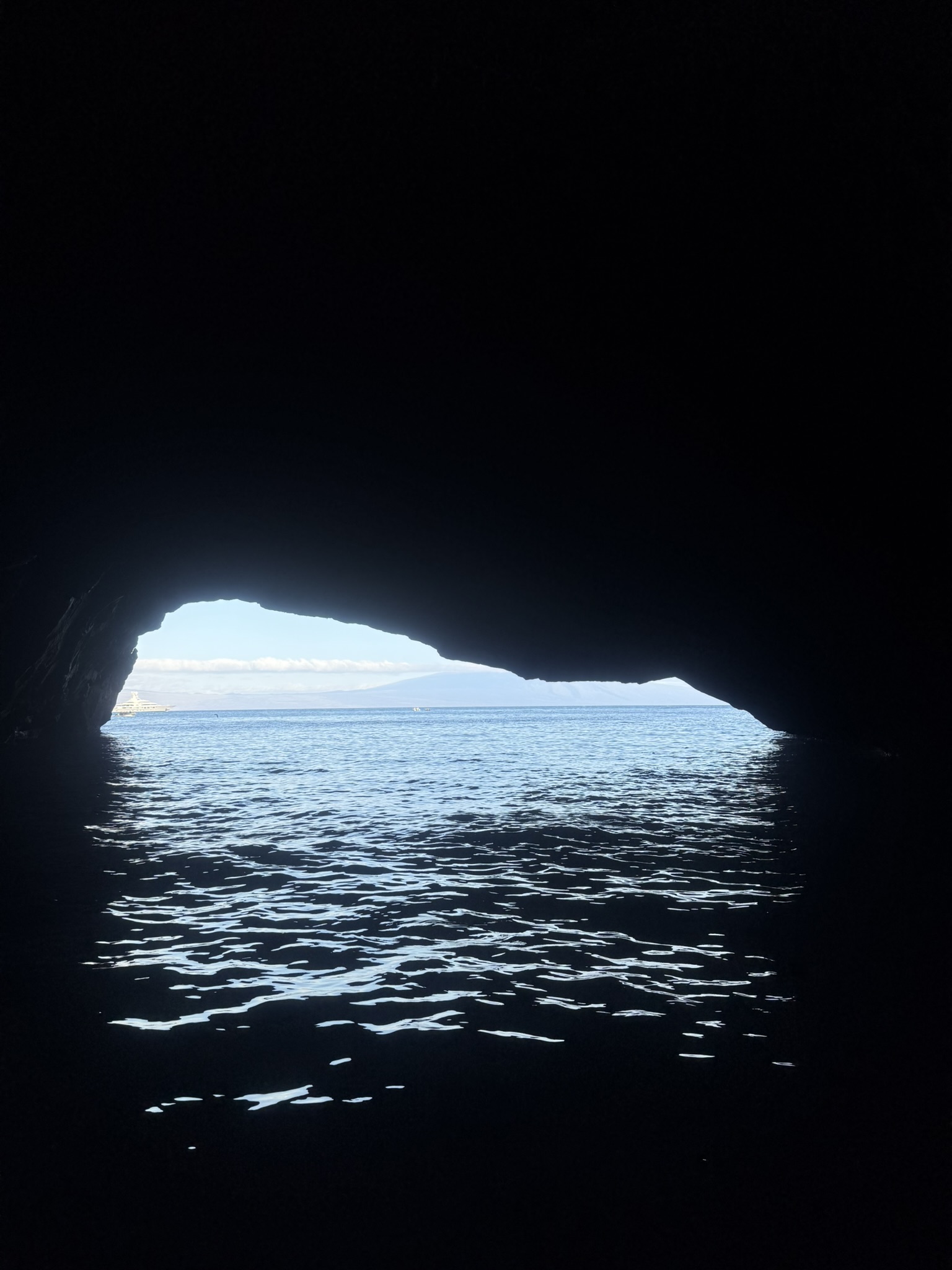
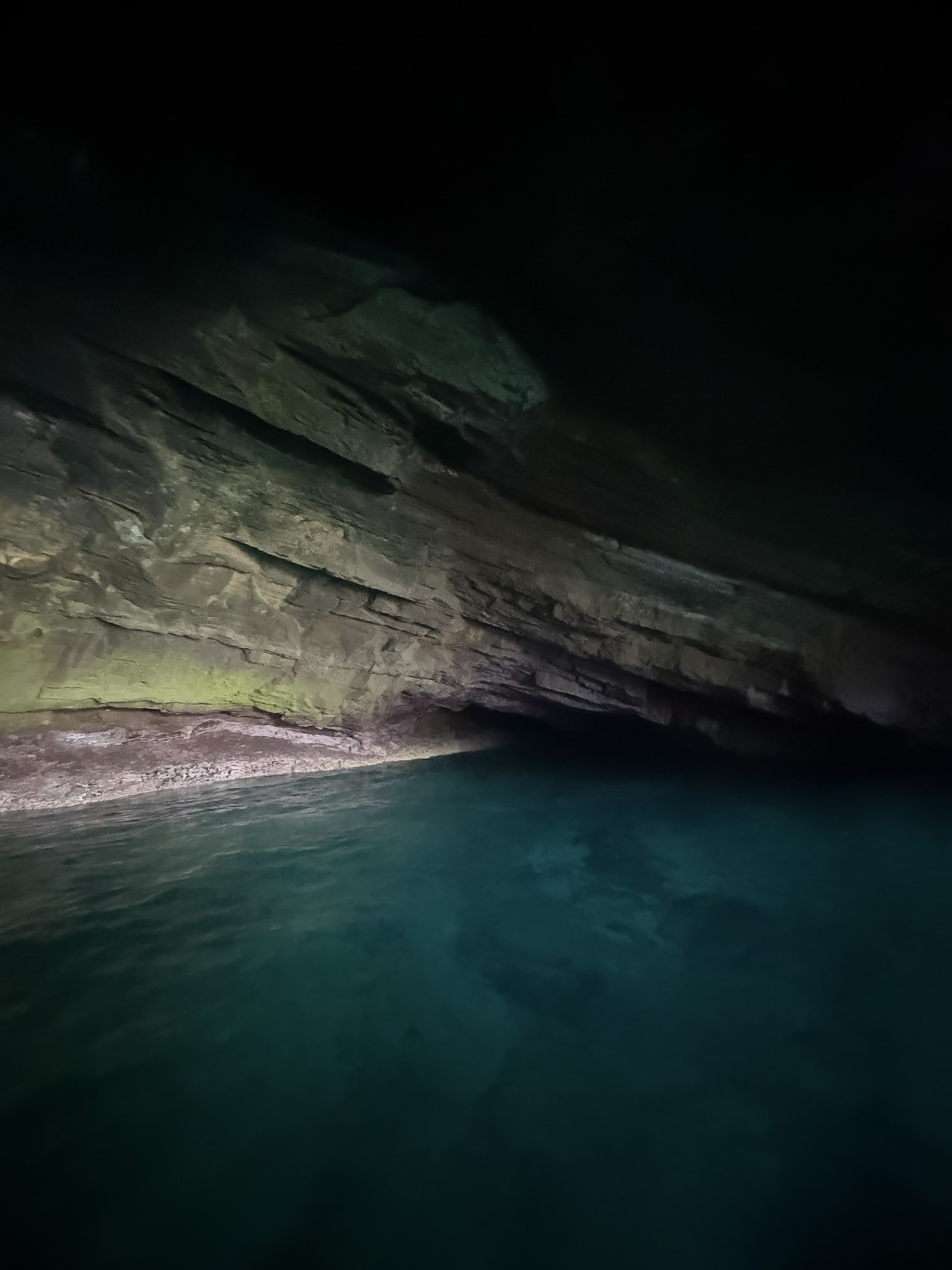
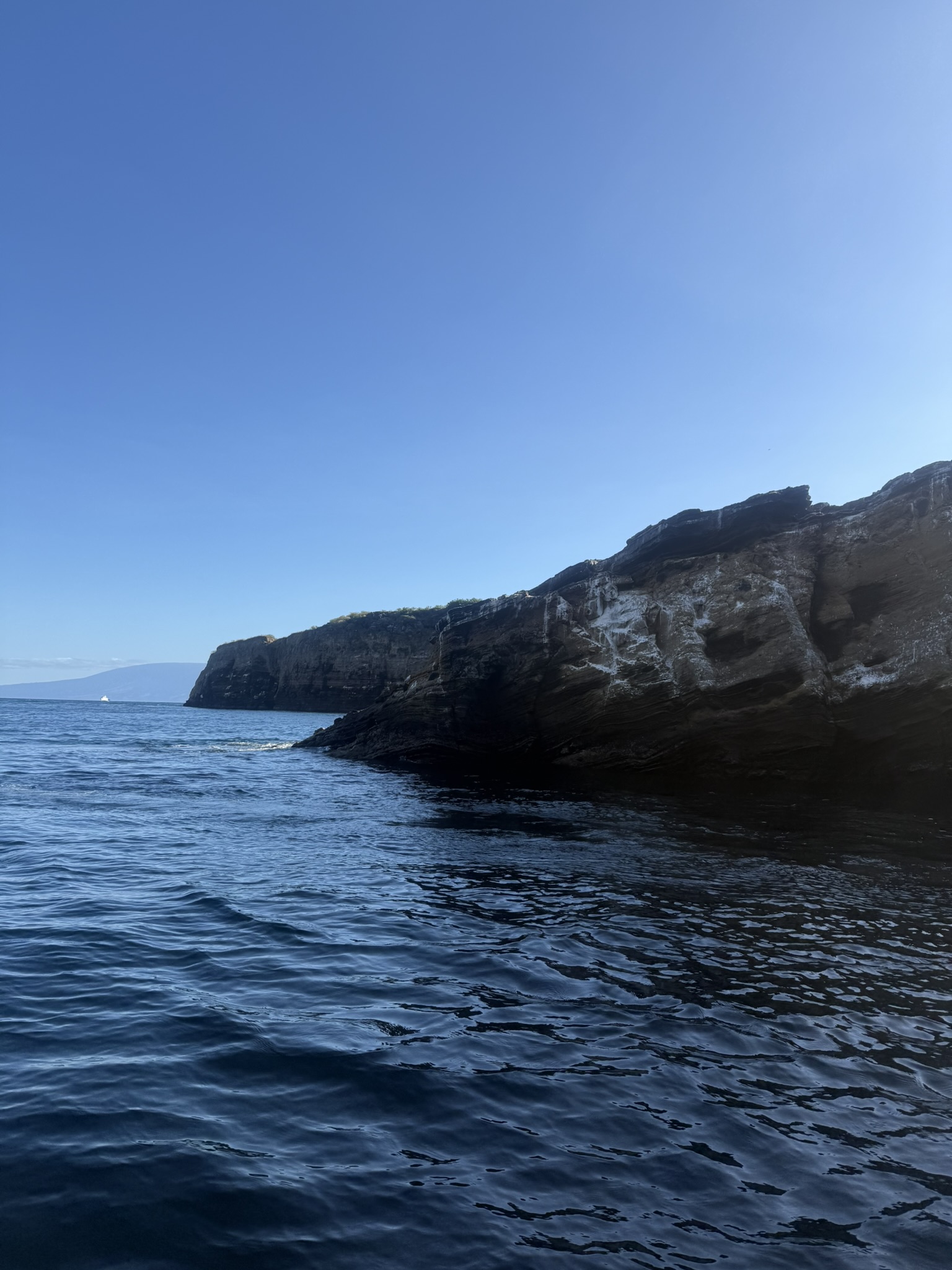
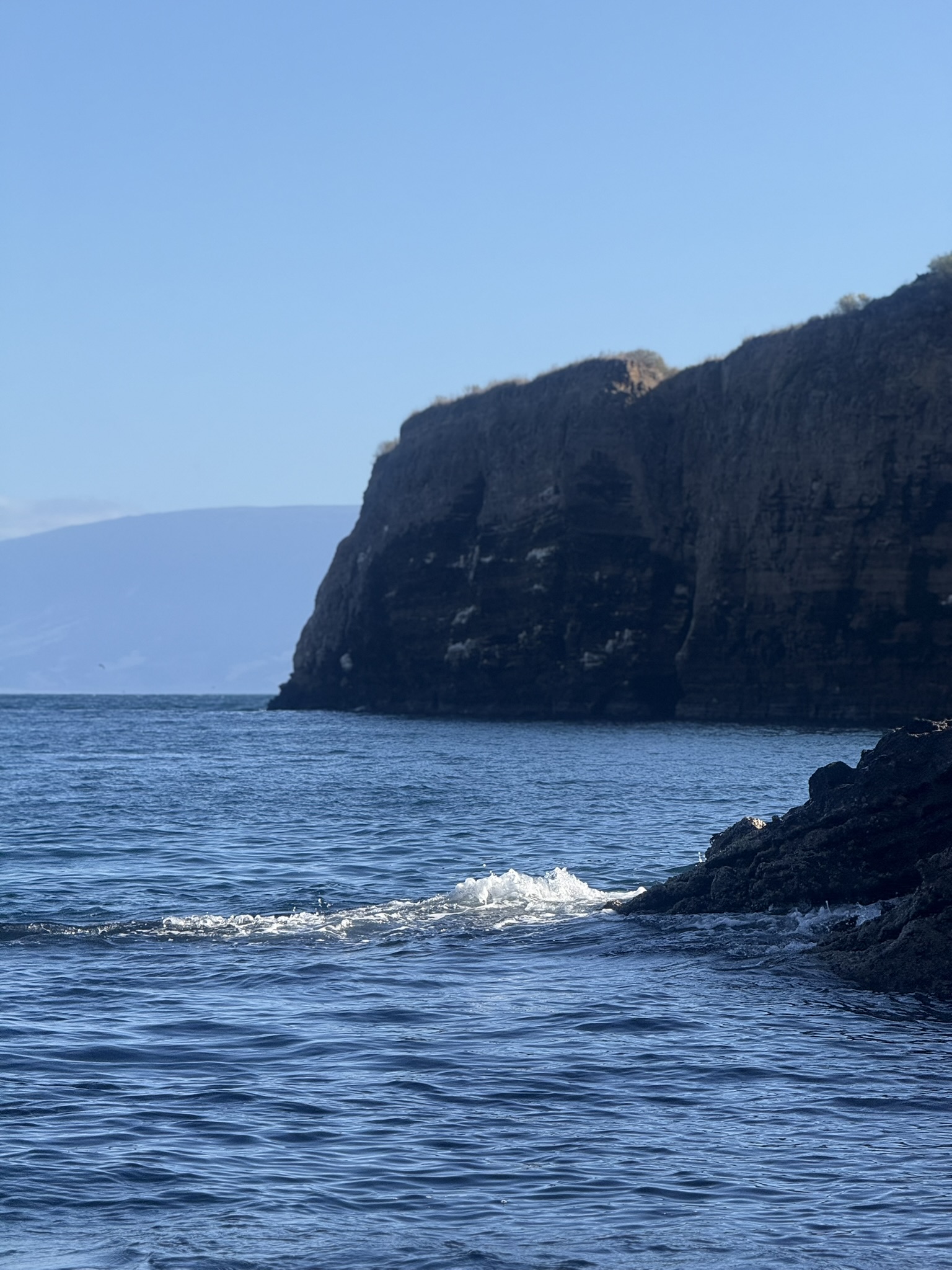
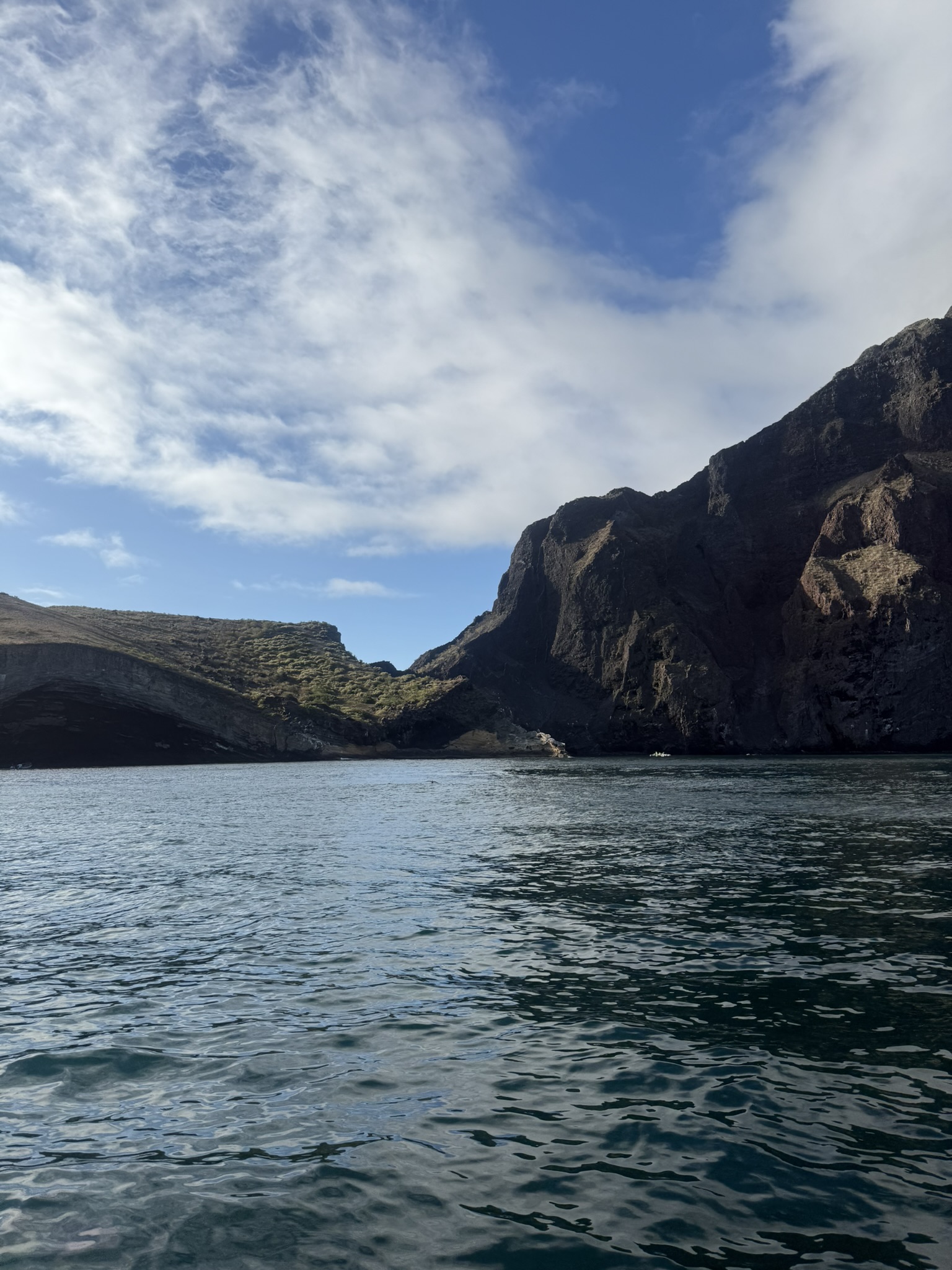
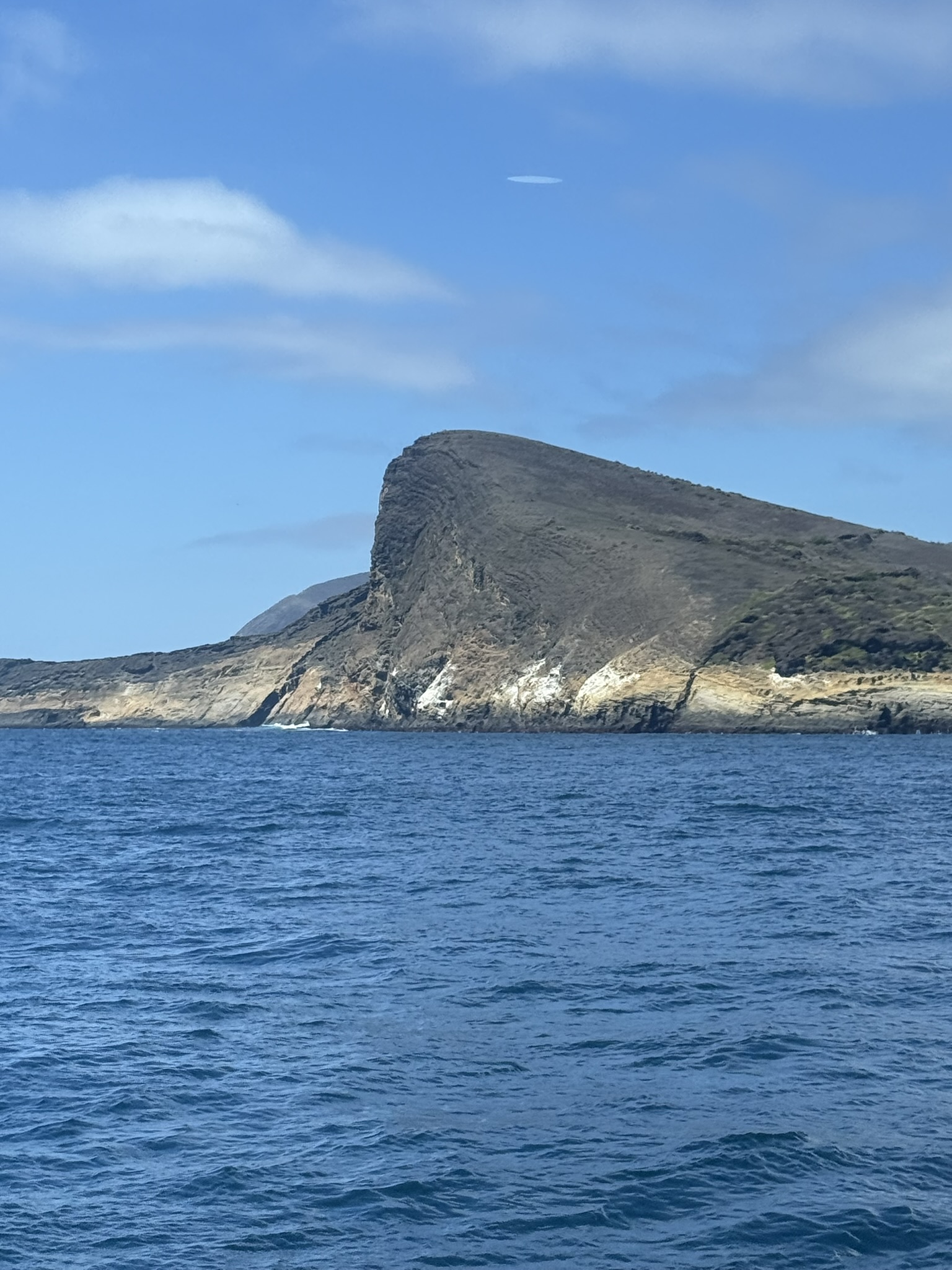
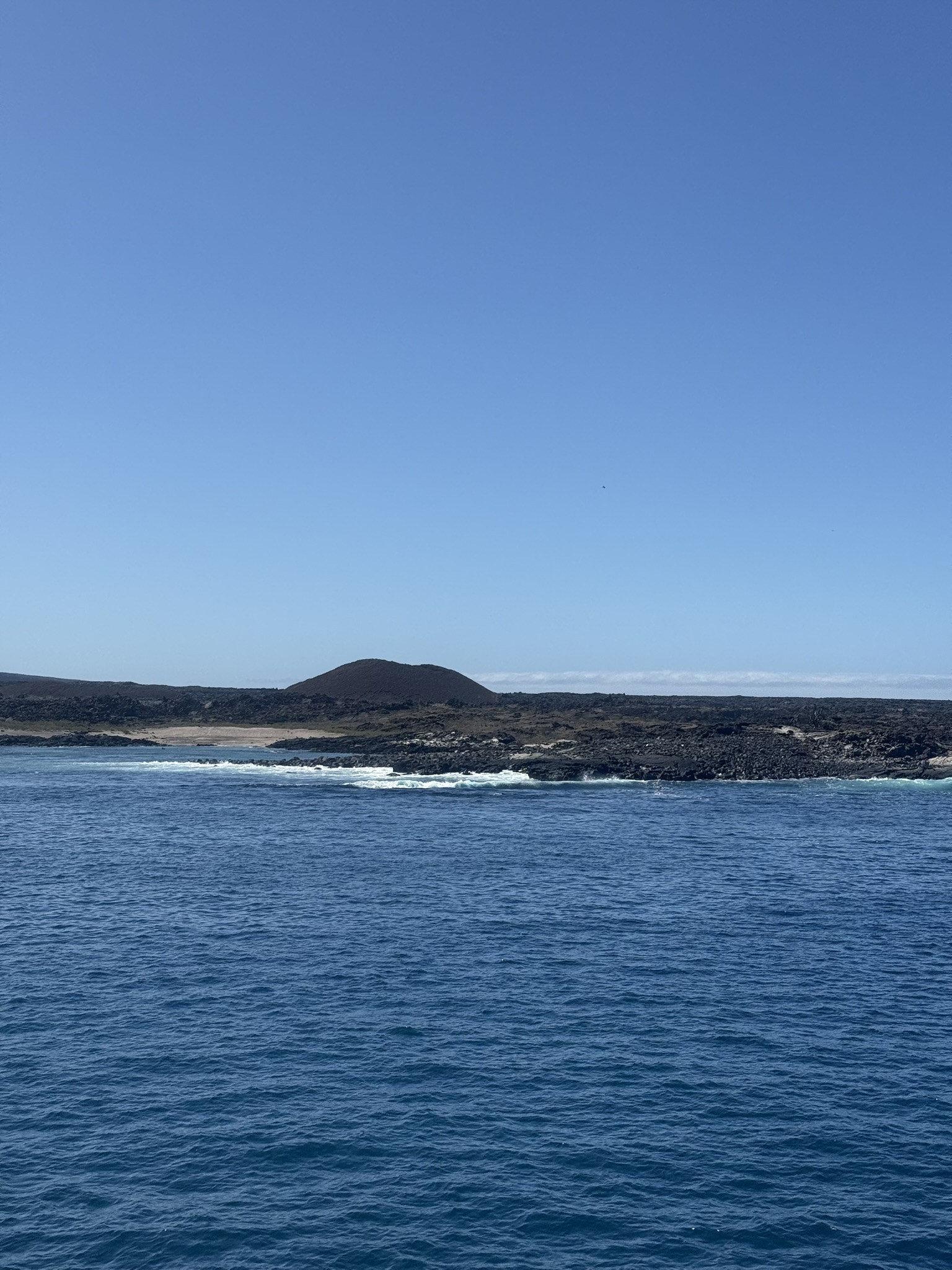
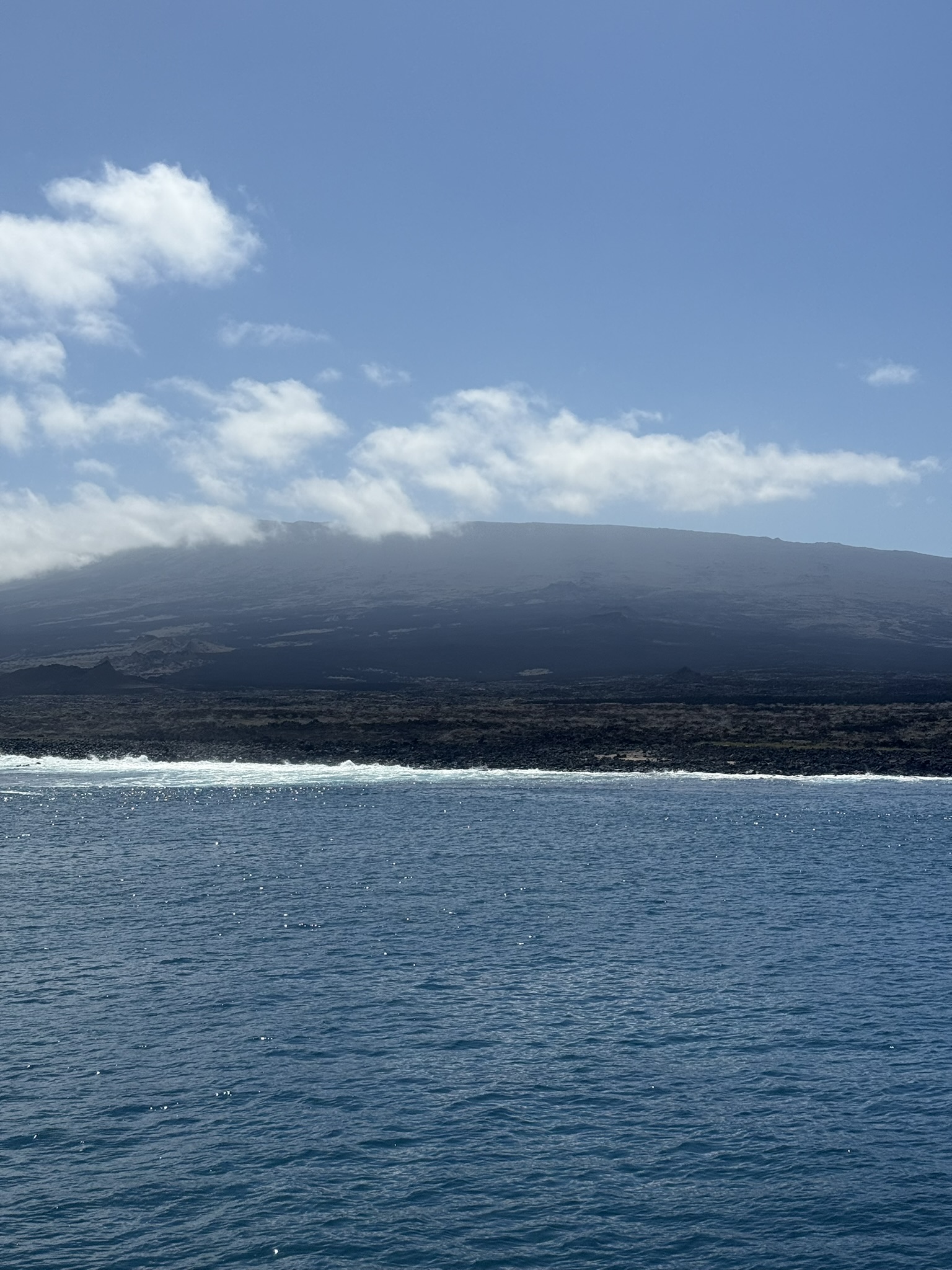
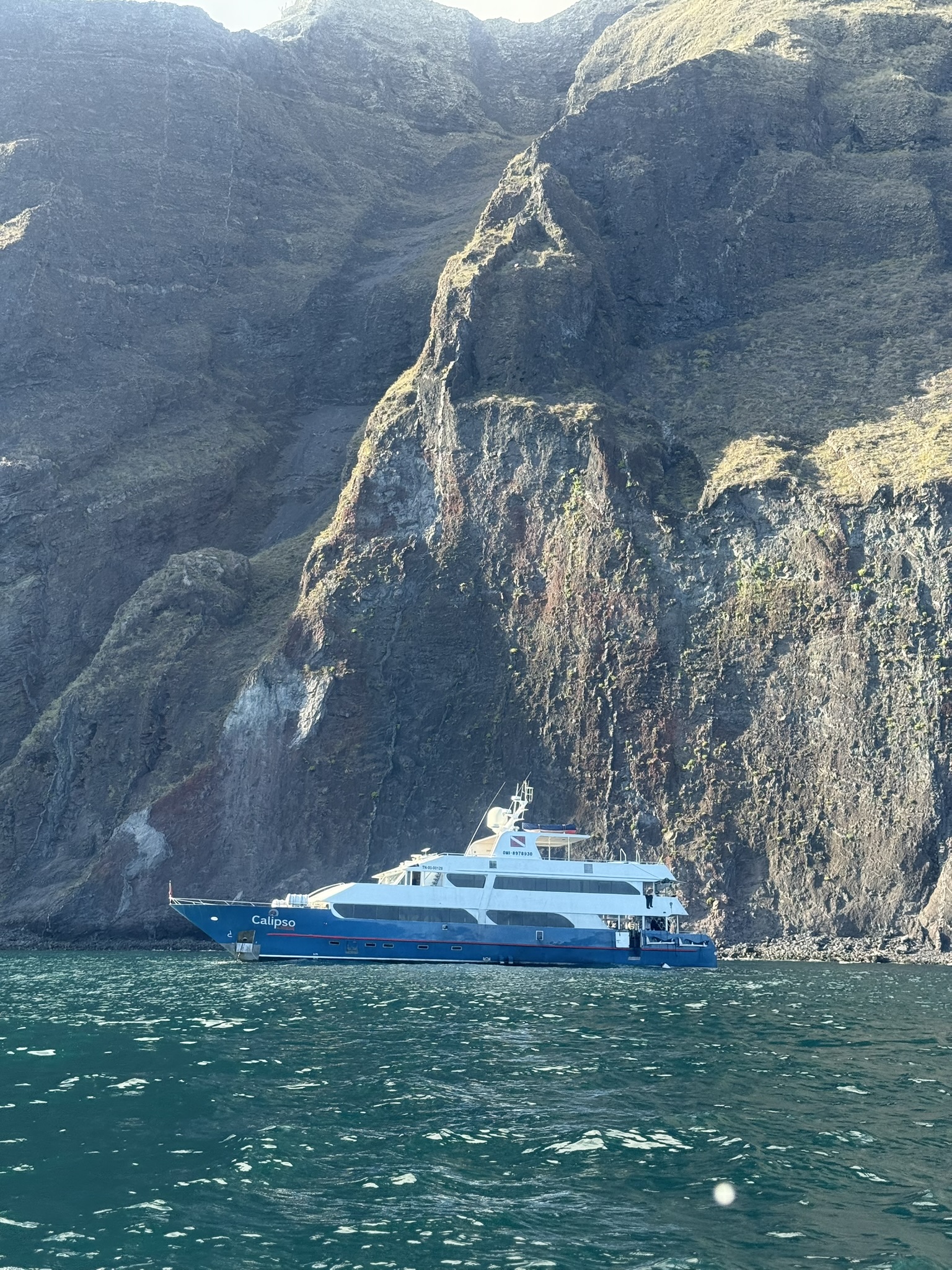
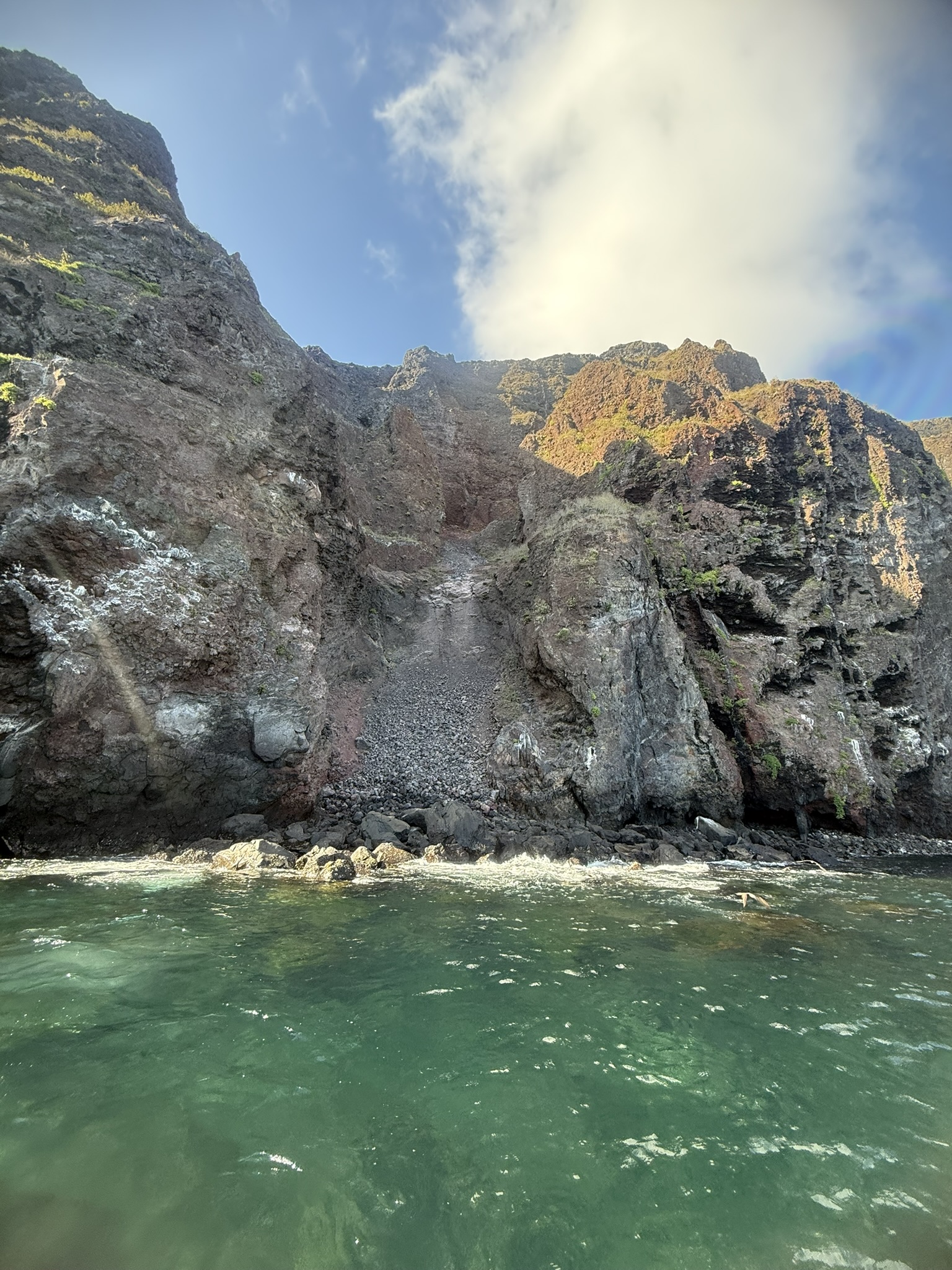
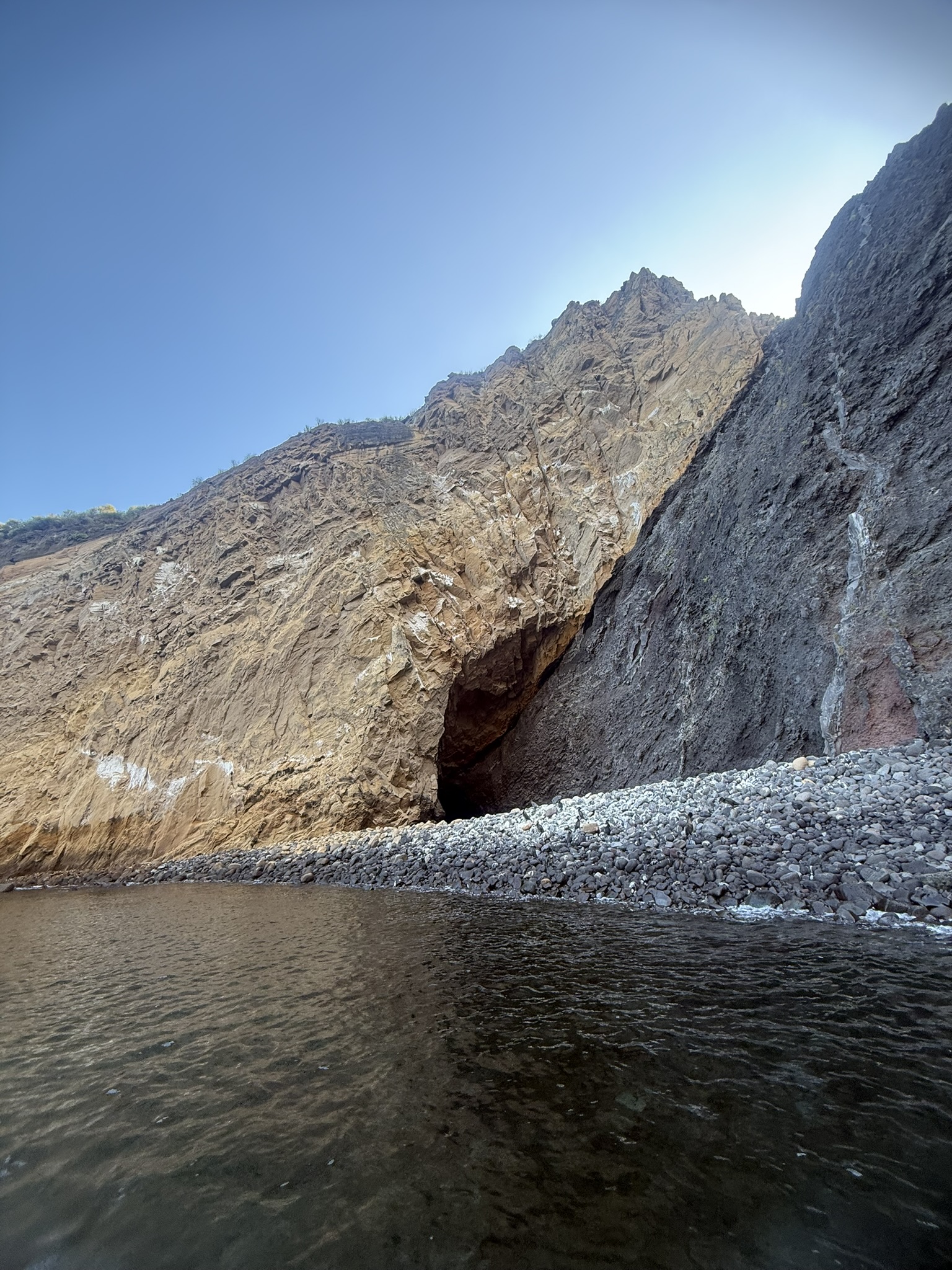
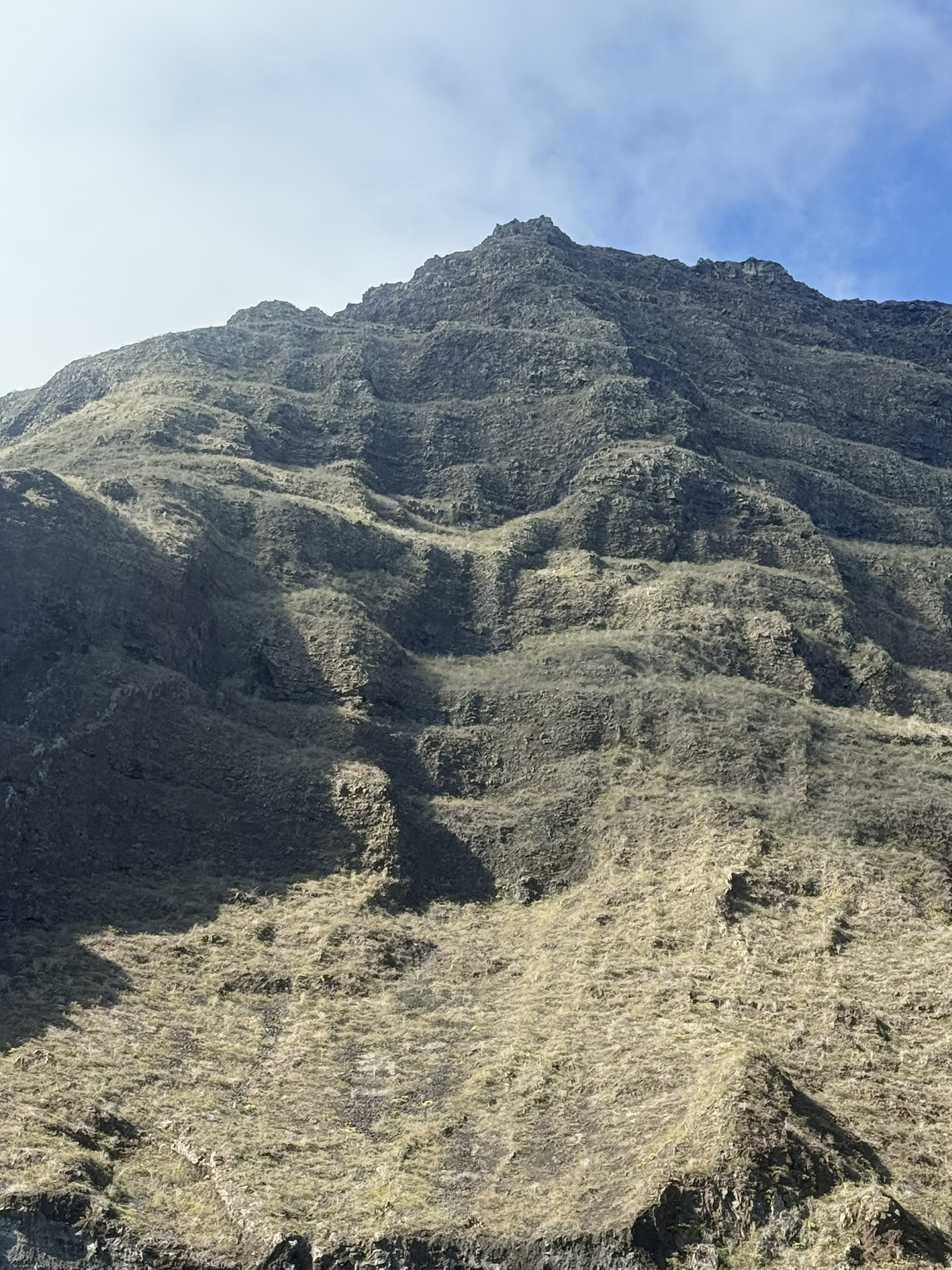
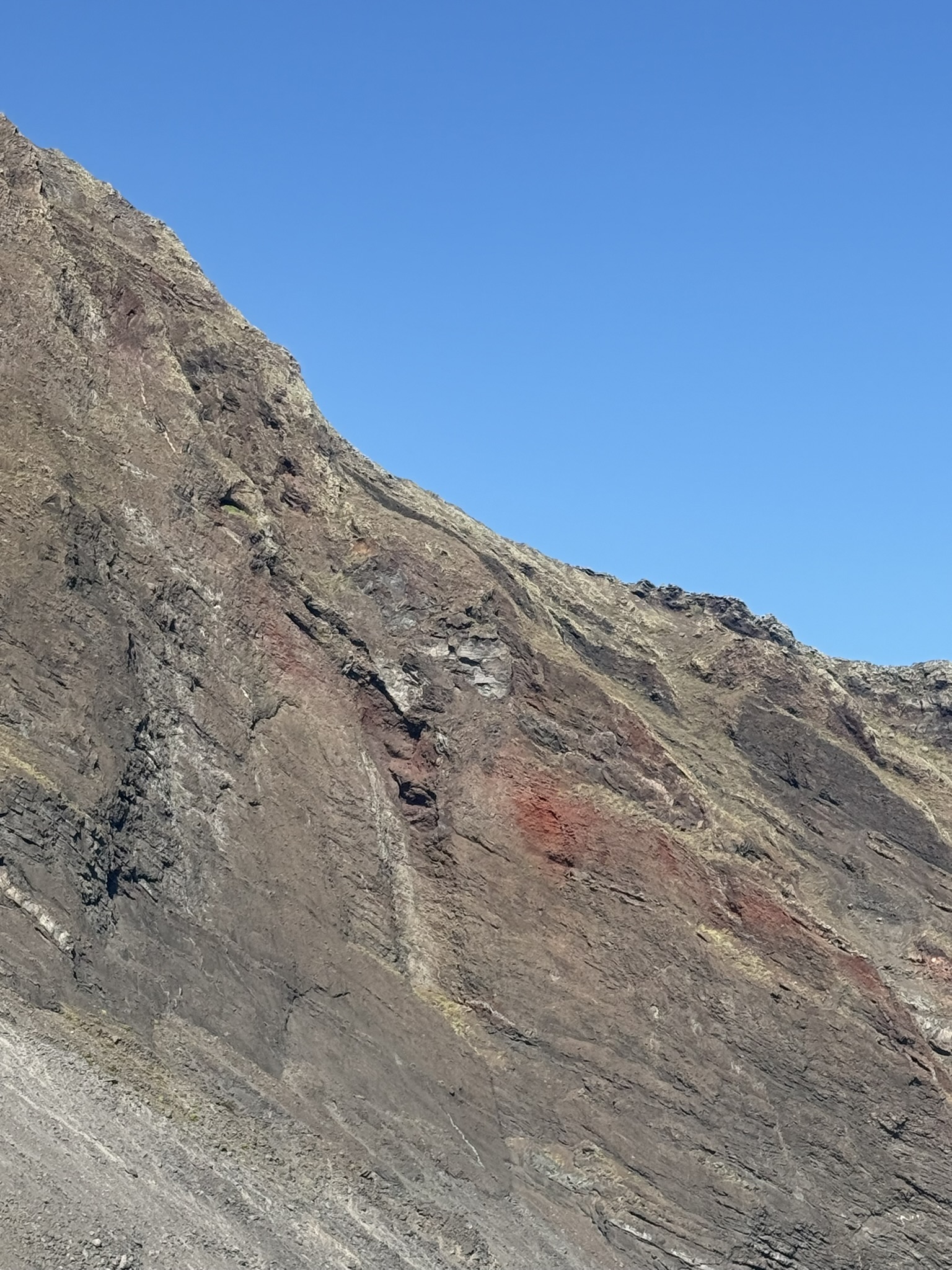
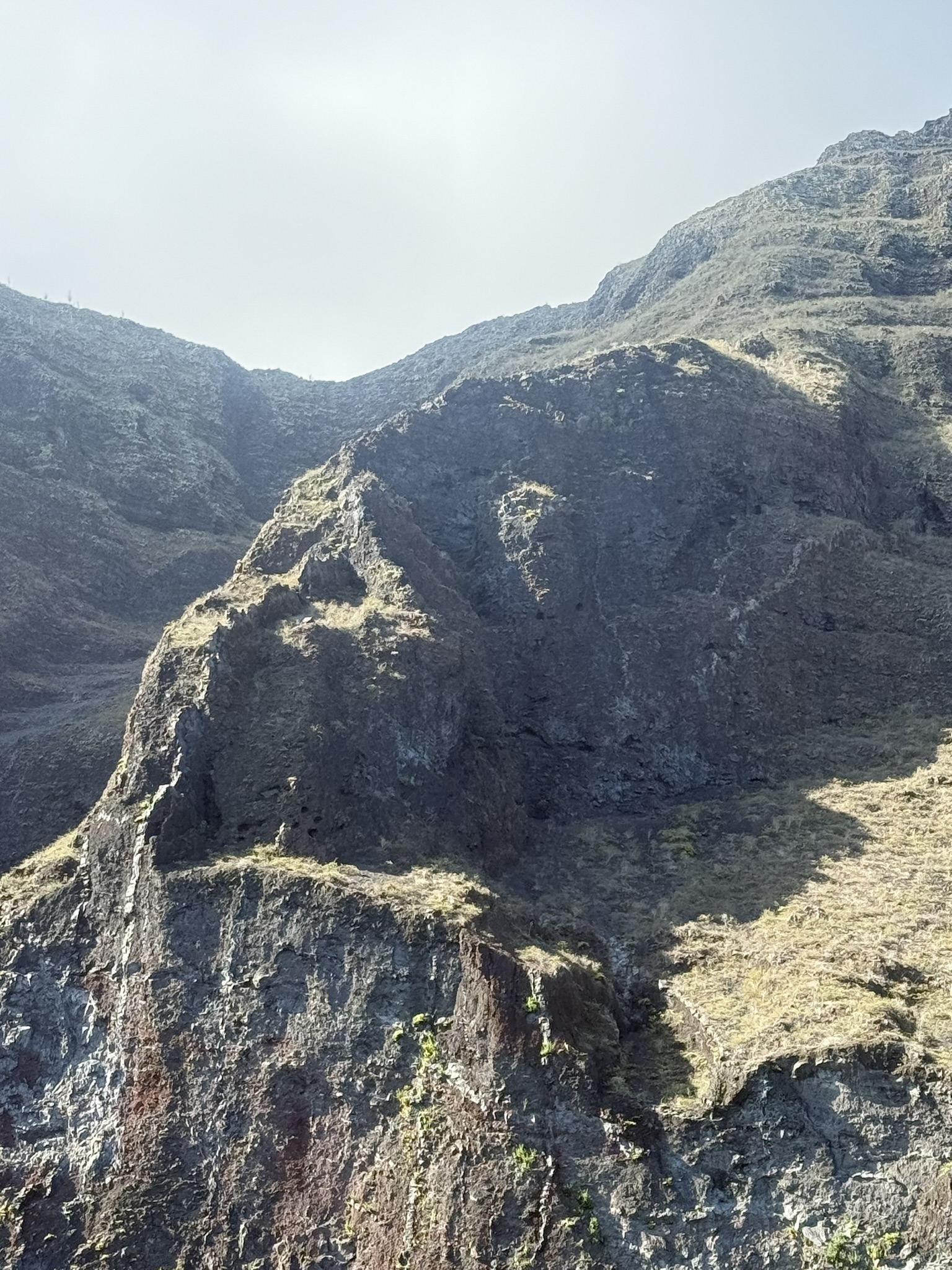
And so, we boarded the Zodiac and set off around Punta Vicente Roca. Apart from the imposing cliffs and a sea cave that we entered, we also encountered much of Isabela’s remarkable wildlife. We spotted lava gulls, flightless cormorants, Nazca and blue-footed boobies, petrels, frigatebirds and finches.
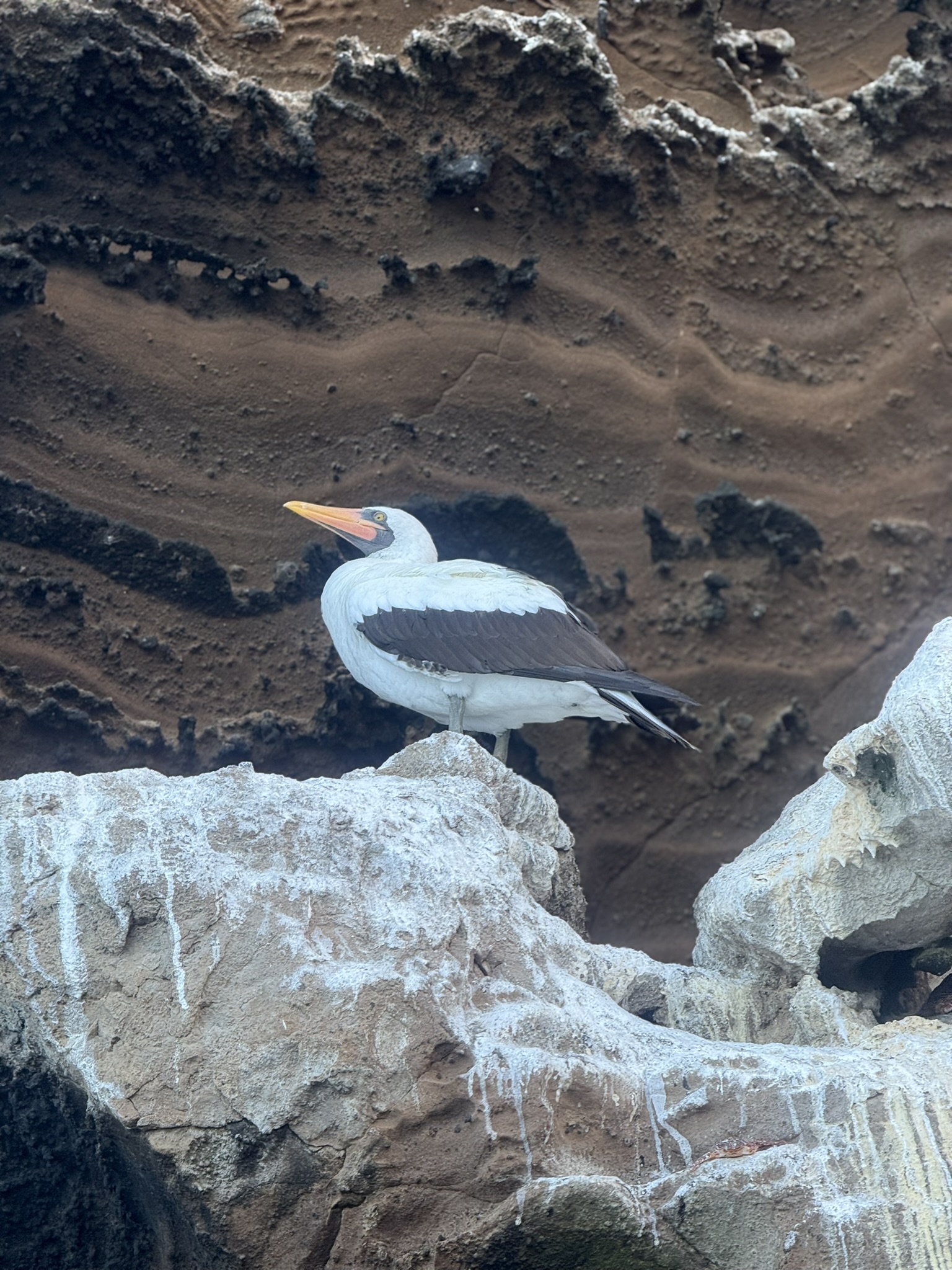
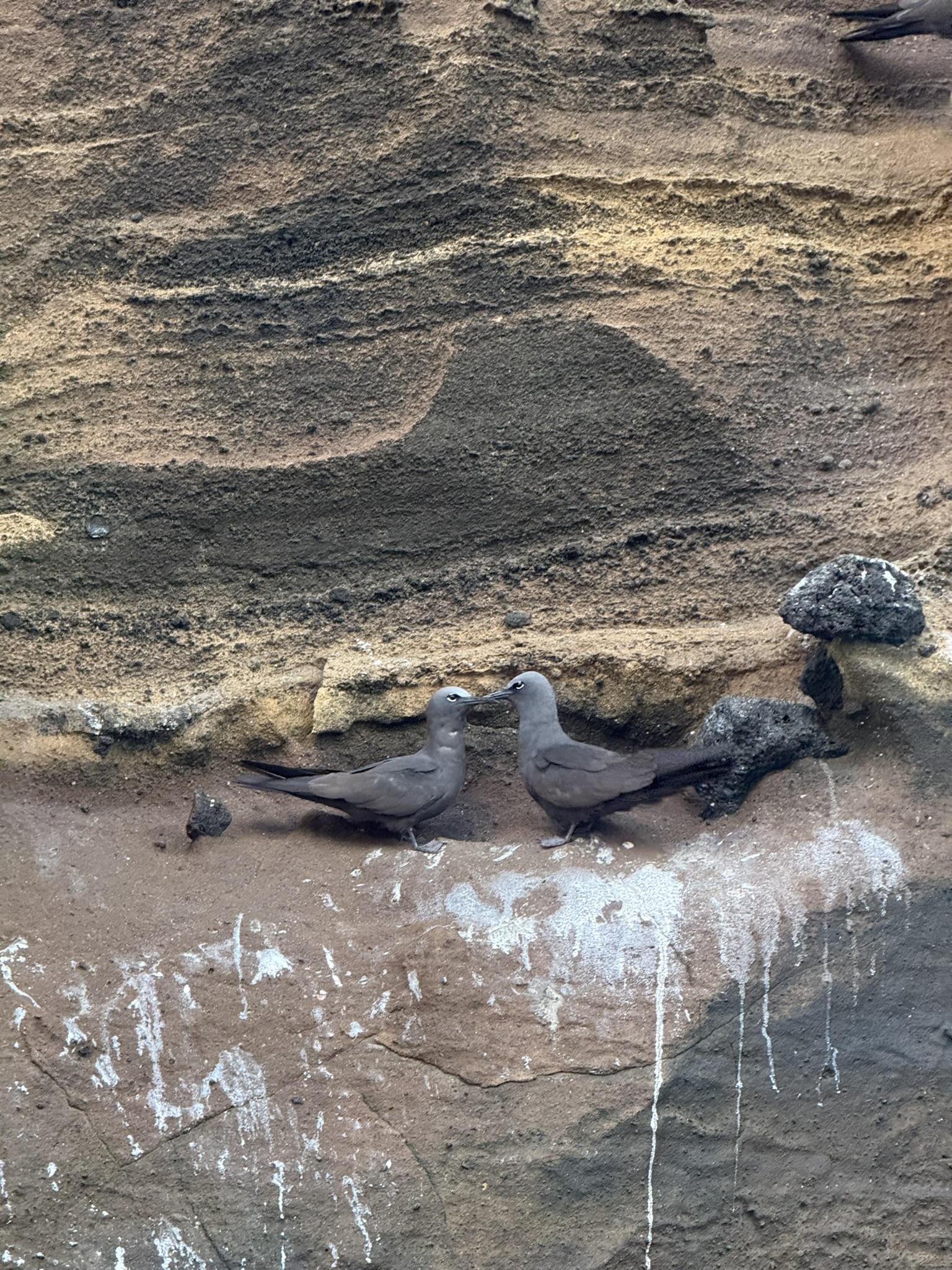
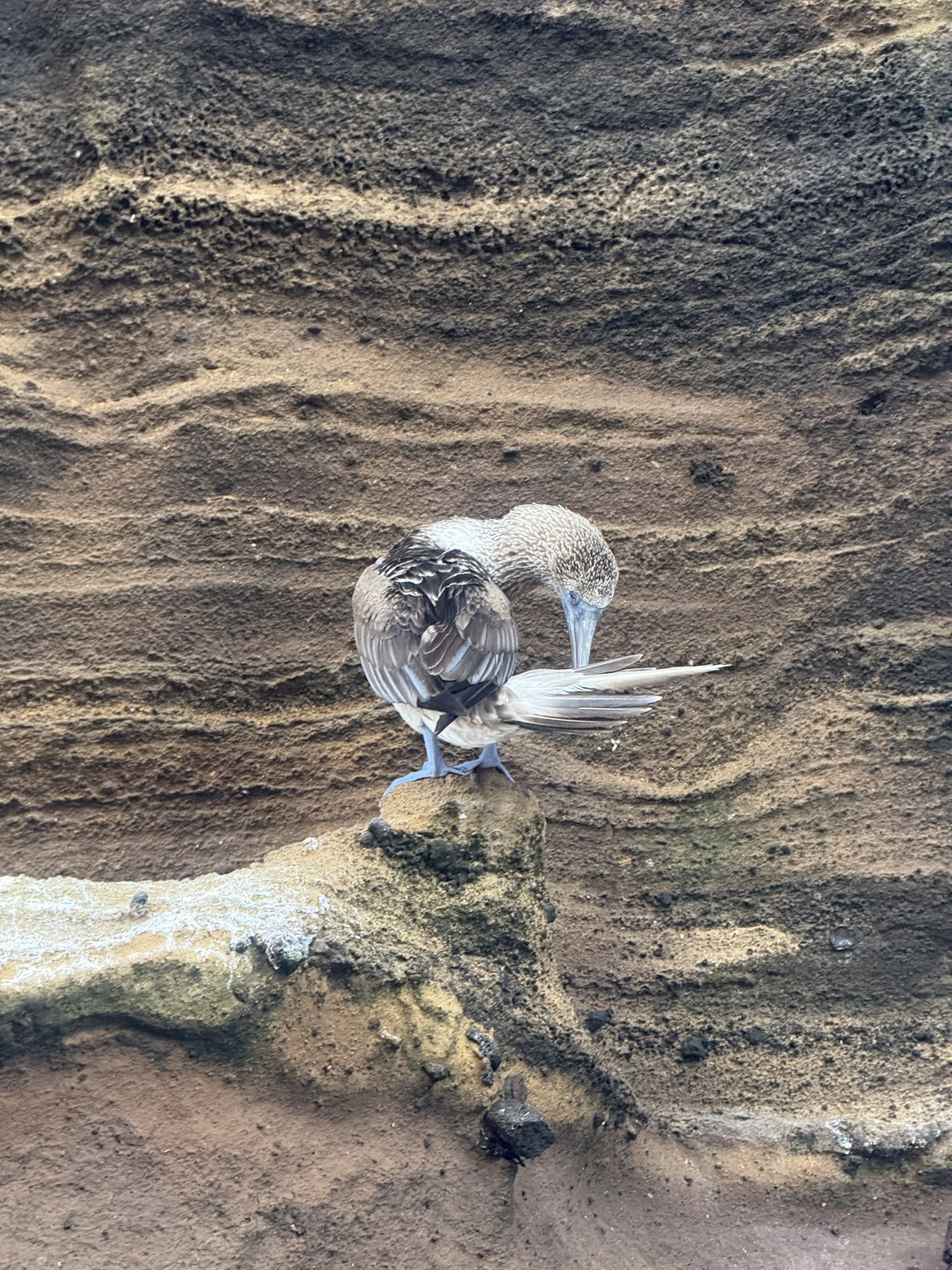
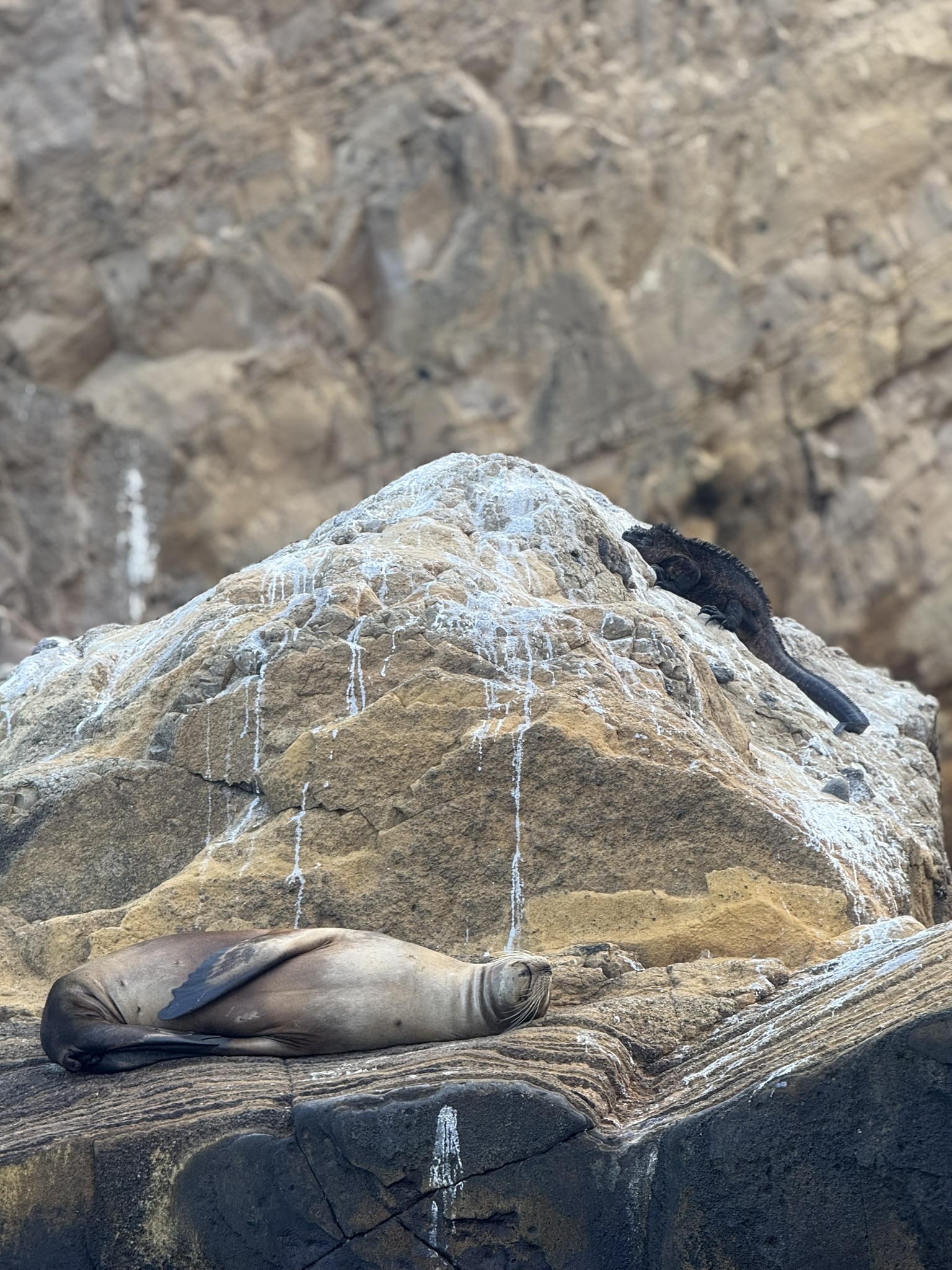
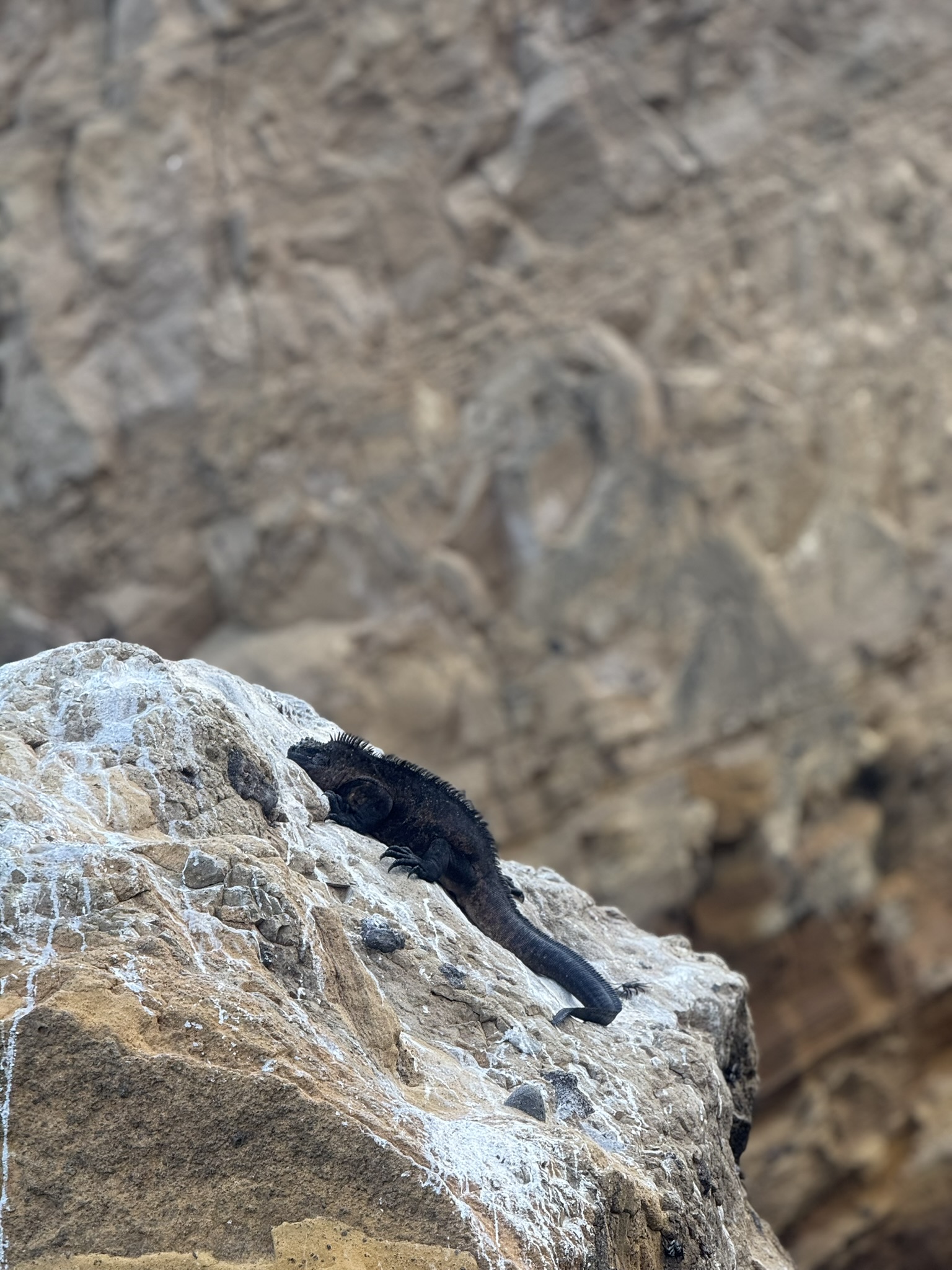
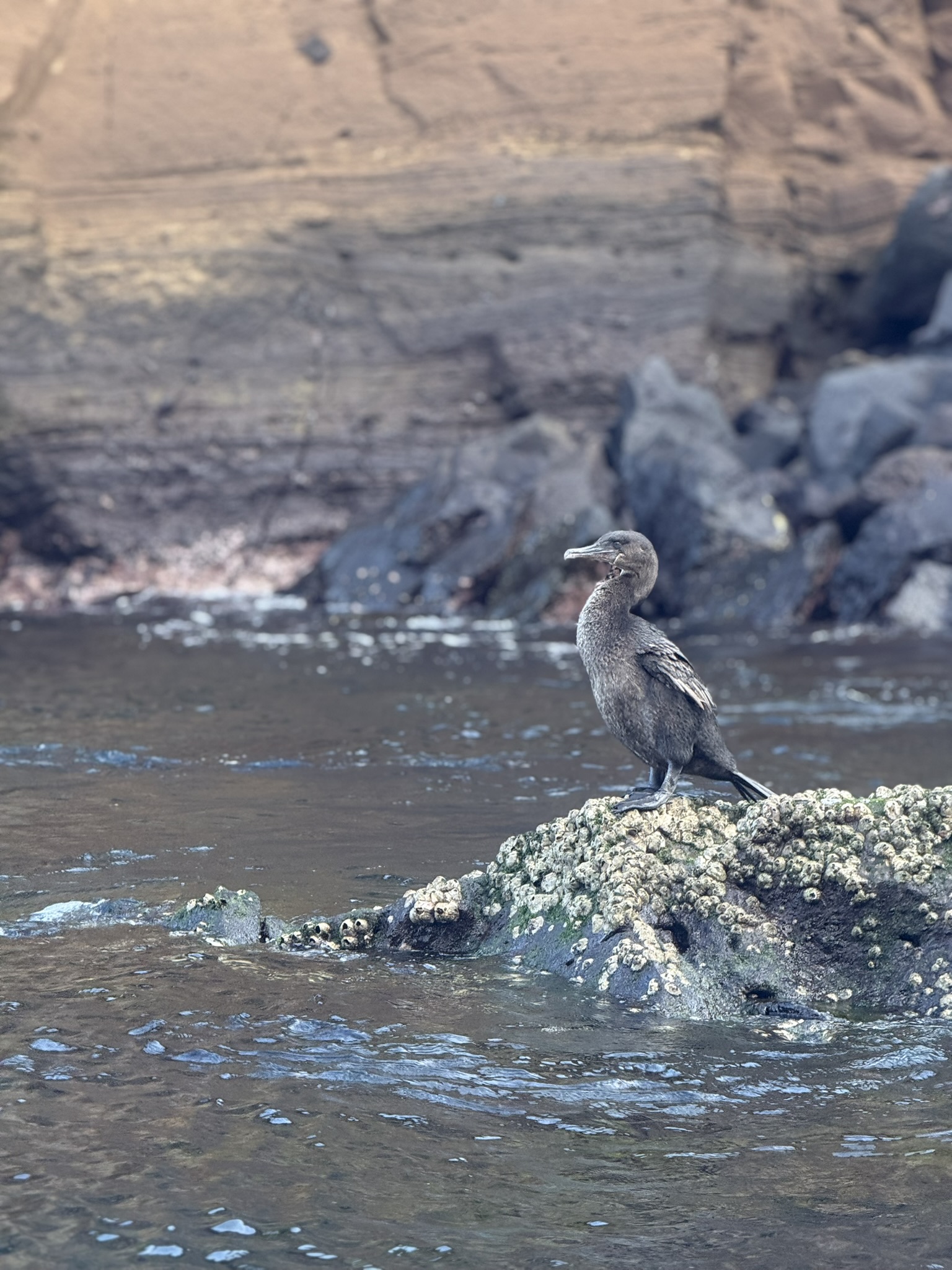
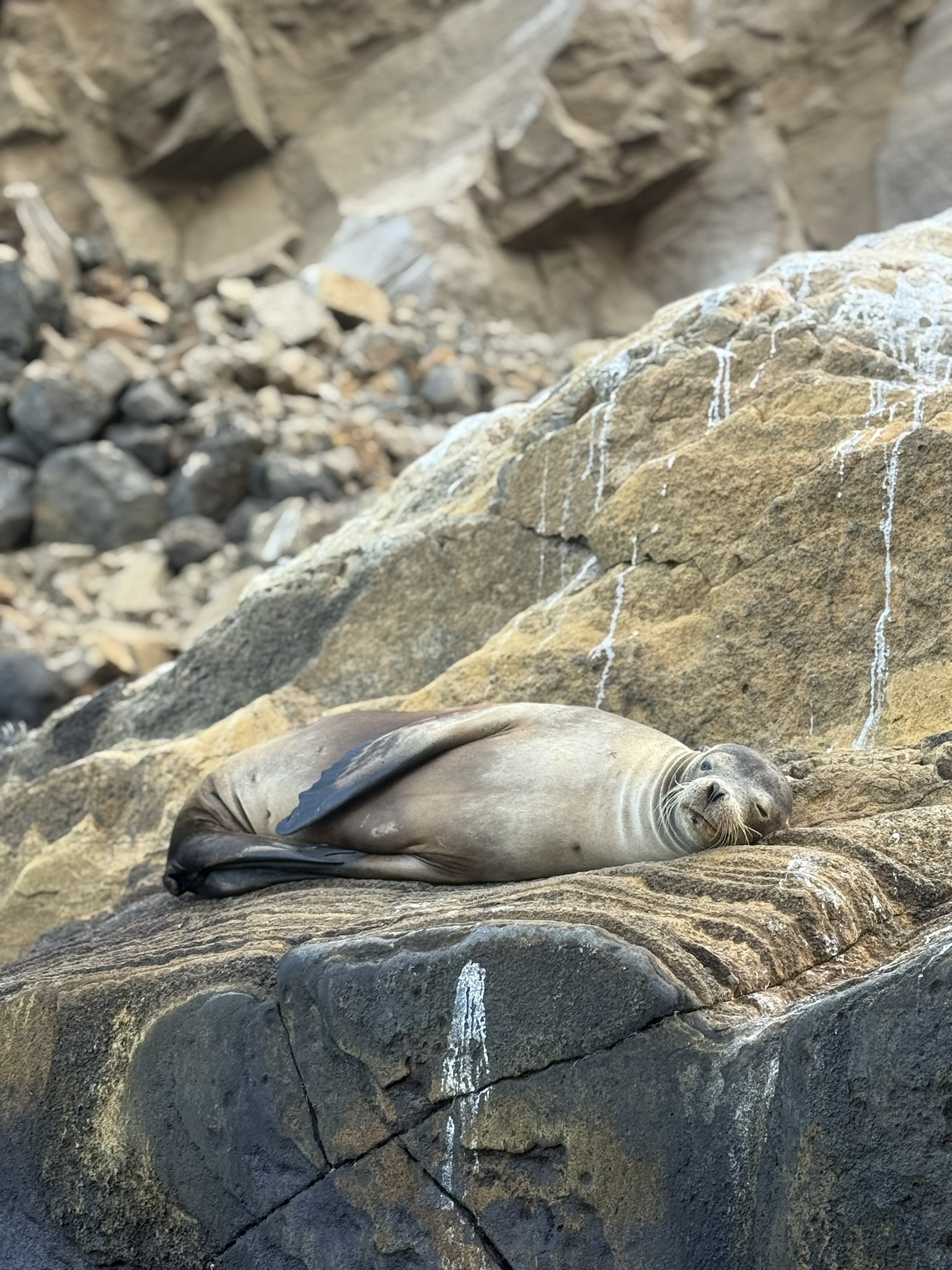
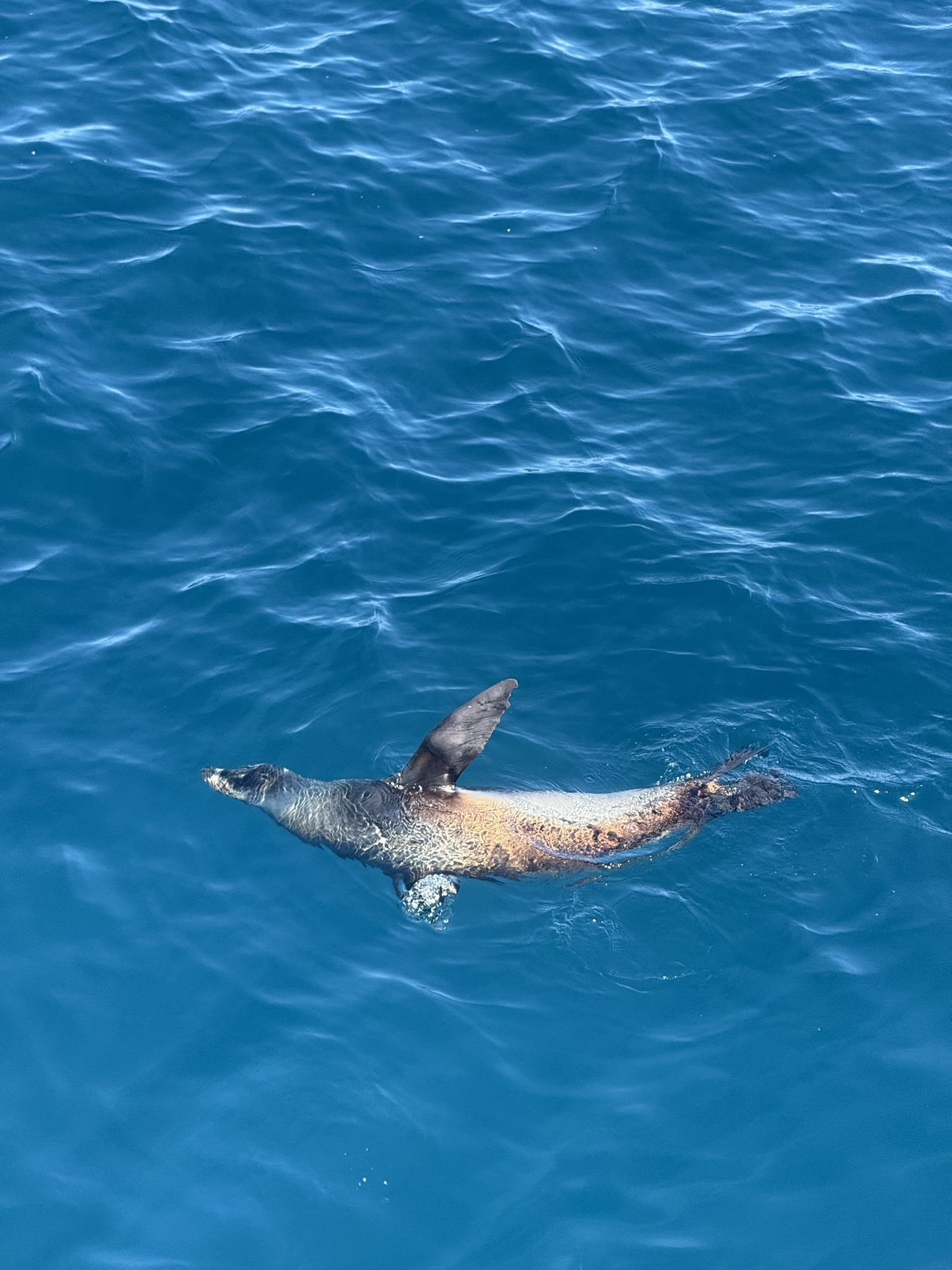
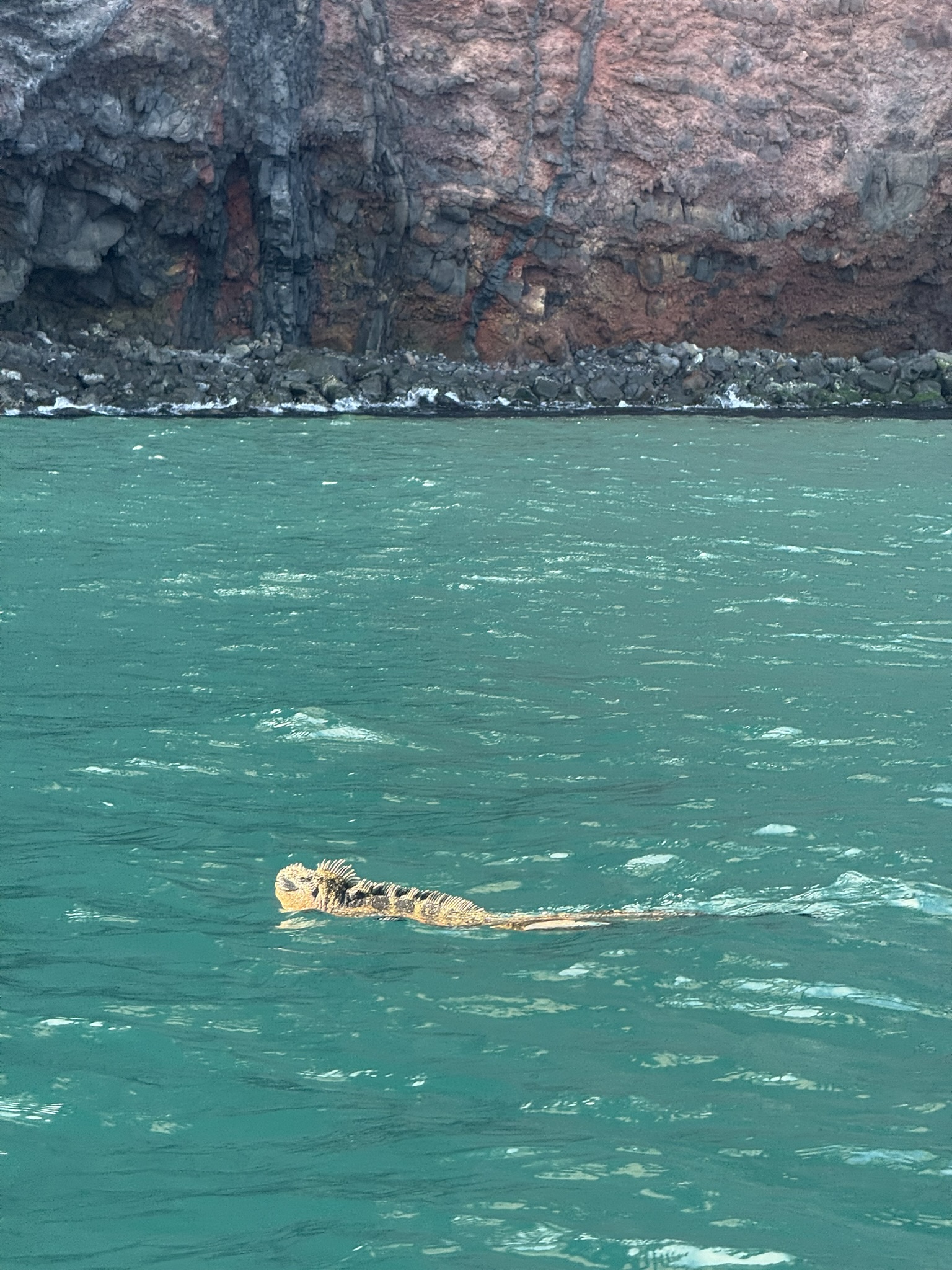
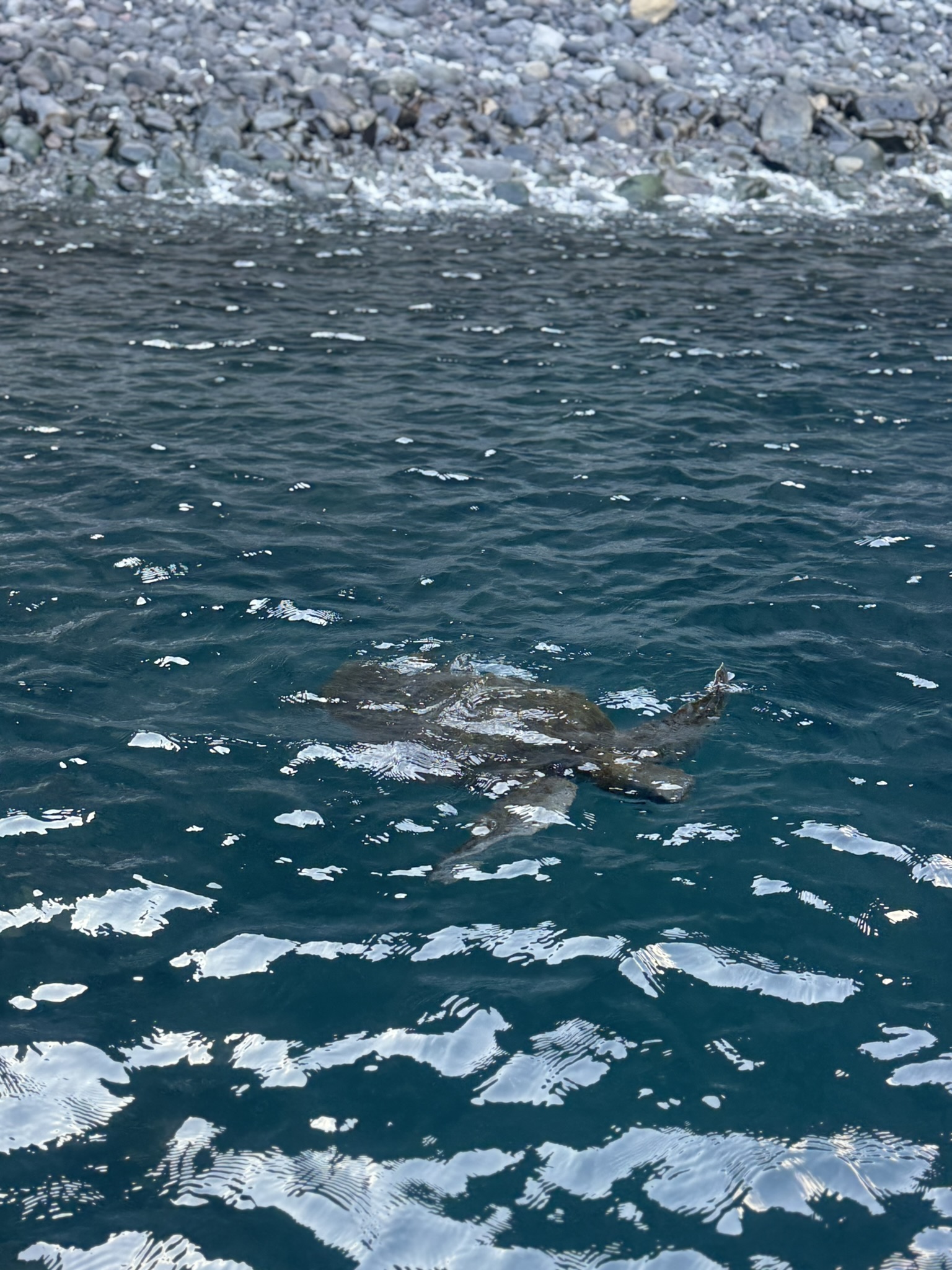
We saw practically everything we had been promised except for the one elusive creature I had really wanted to find: the Galápagos penguin. The marine iguanas basking on the rocks and the sea lions lazing around the shoreline proved to be worthy distractions, though. Not to mention all the great views and rock formations!
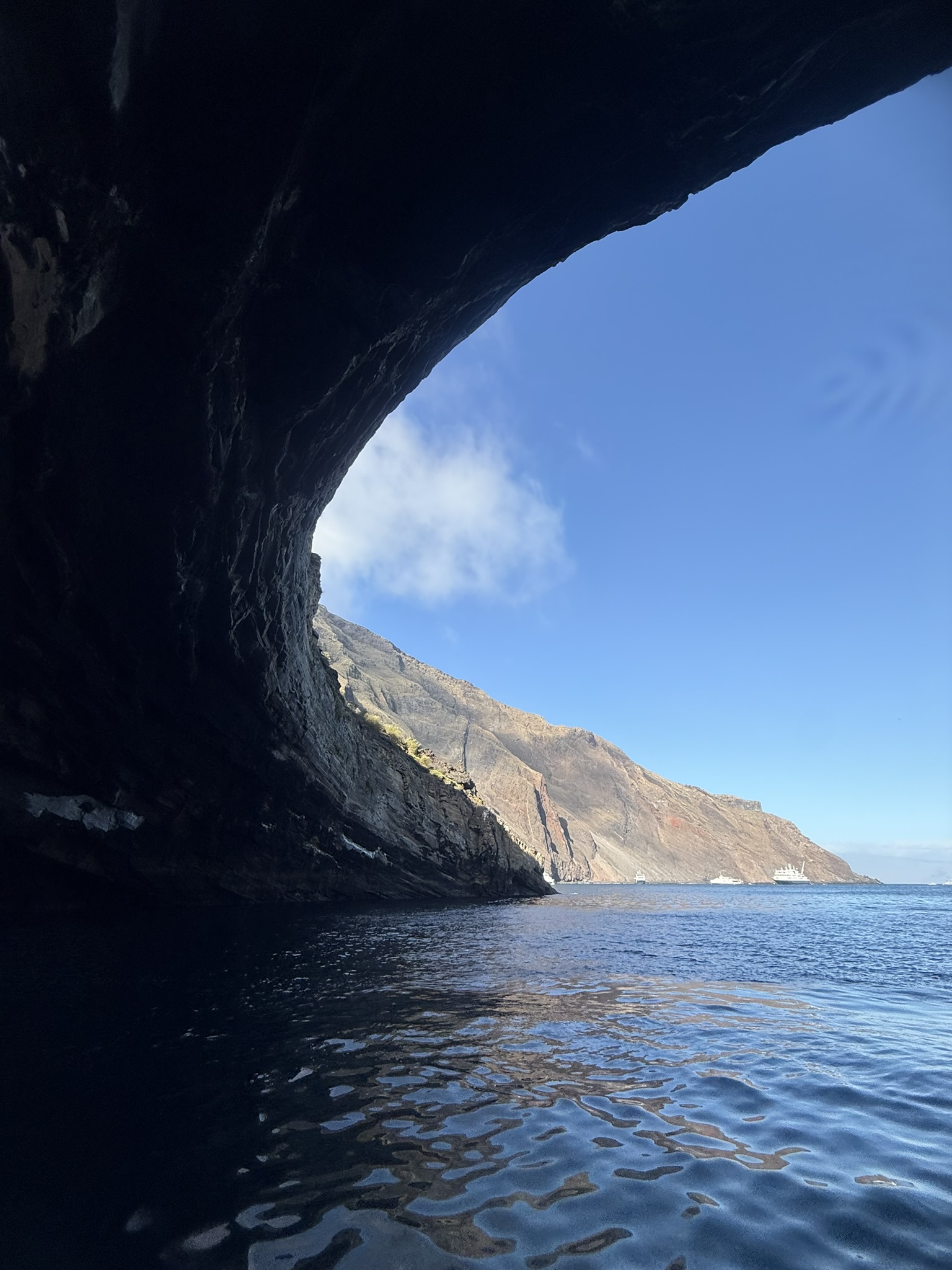
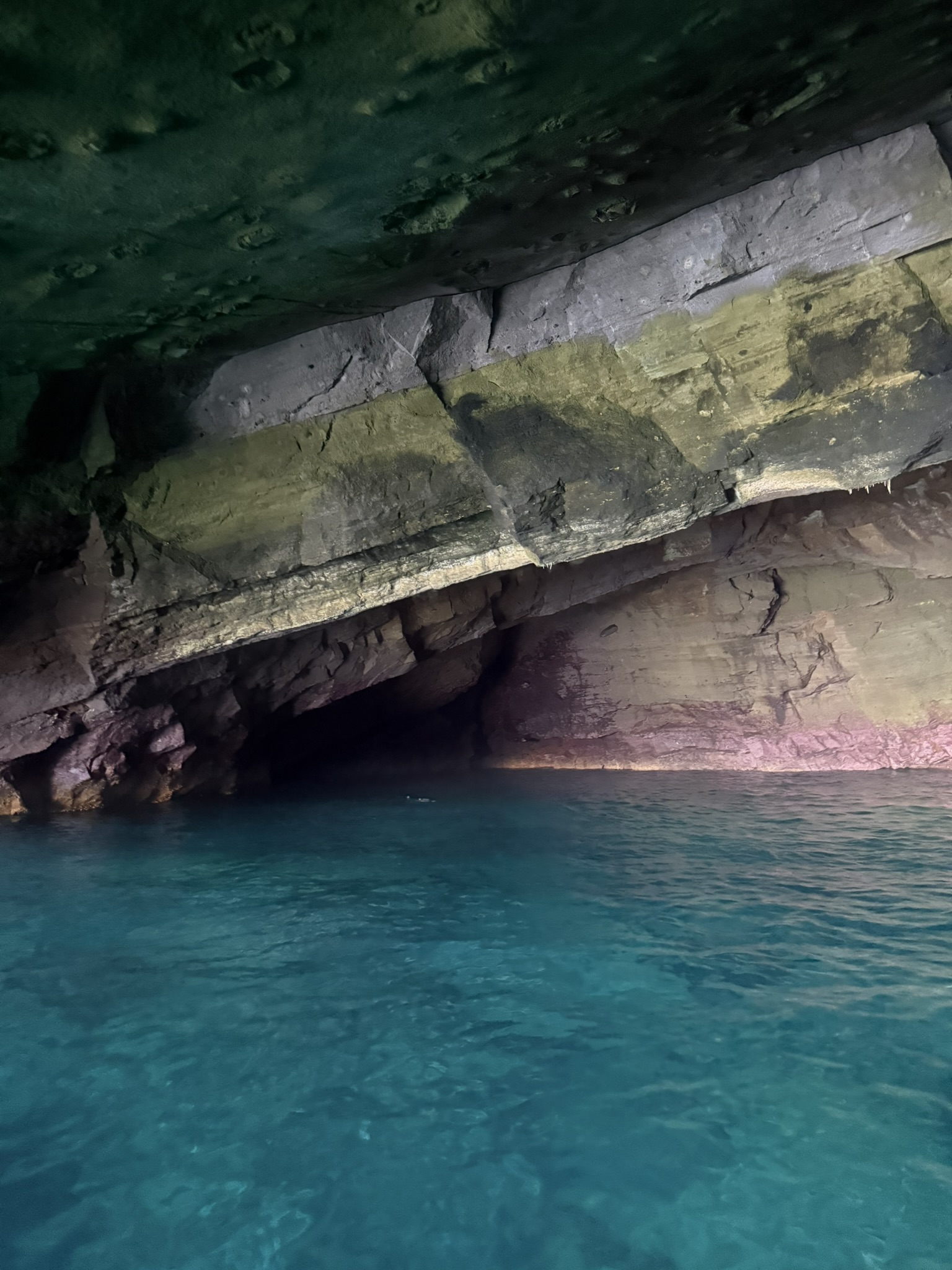
Pole Dancing and a Proposal
Back aboard the Calipso, we gathered on the upper deck at sunset for another special occasion: we were about to cross the Equator – for the third time.
As we crossed, the captain sounded the ship’s horn and we were each expected to take part in a short ceremony. We had to perform a dance, down a shot of aguardiente and receive a commemorative certificate. While everyone else performed something relatively sensible, I improvised a semi-striptease and pole-dancing routine that left me bruised and battered.
Then came something even more special. Florian and Shasha, a French and Chinese couple living in Bali, got engaged right there on the deck. The captain presented them with a signed commemorative certificate, while the chef baked them a special cake. Oh, and we also got to down a couple of glasses of Prosecco. Not a bad day… Not a bad day at all!
From dream fish and diving emergencies to tiny dinosaurs, equatorial pole dancing and surprise engagements, it had been the coldest and most chaotic day of the entire cruise. Yet somehow, it had also been one of the best!
