Tirana: Faith, Fear and Freedom
TIRANA
Faith, Fear and Freedom
June 22, 2025
Though I had started this trip on the verge of a mental breakdown, my stay in Theth had rejuvenated me, and I was ready for one final day of exploring.
Once aboard the bus back to Tirana, I began noticing familiar faces from the previous few days. Much like when I was backpacking through Central America, it felt as though everyone was following the same well-worn trail. These were the people I had travelled alongside from Shkodër all the way to Theth.
We were complete strangers who had shared little more than the occasional nod or a few minutes of small talk, yet I somehow felt bonded to them. We had crossed the same lake, climbed the same mountains, been soaked by the same storms and survived the same deranged drive back to Shkodër. We might never have learnt each other’s names, but we had shared one hell of a journey!
At the Heart of Tirana
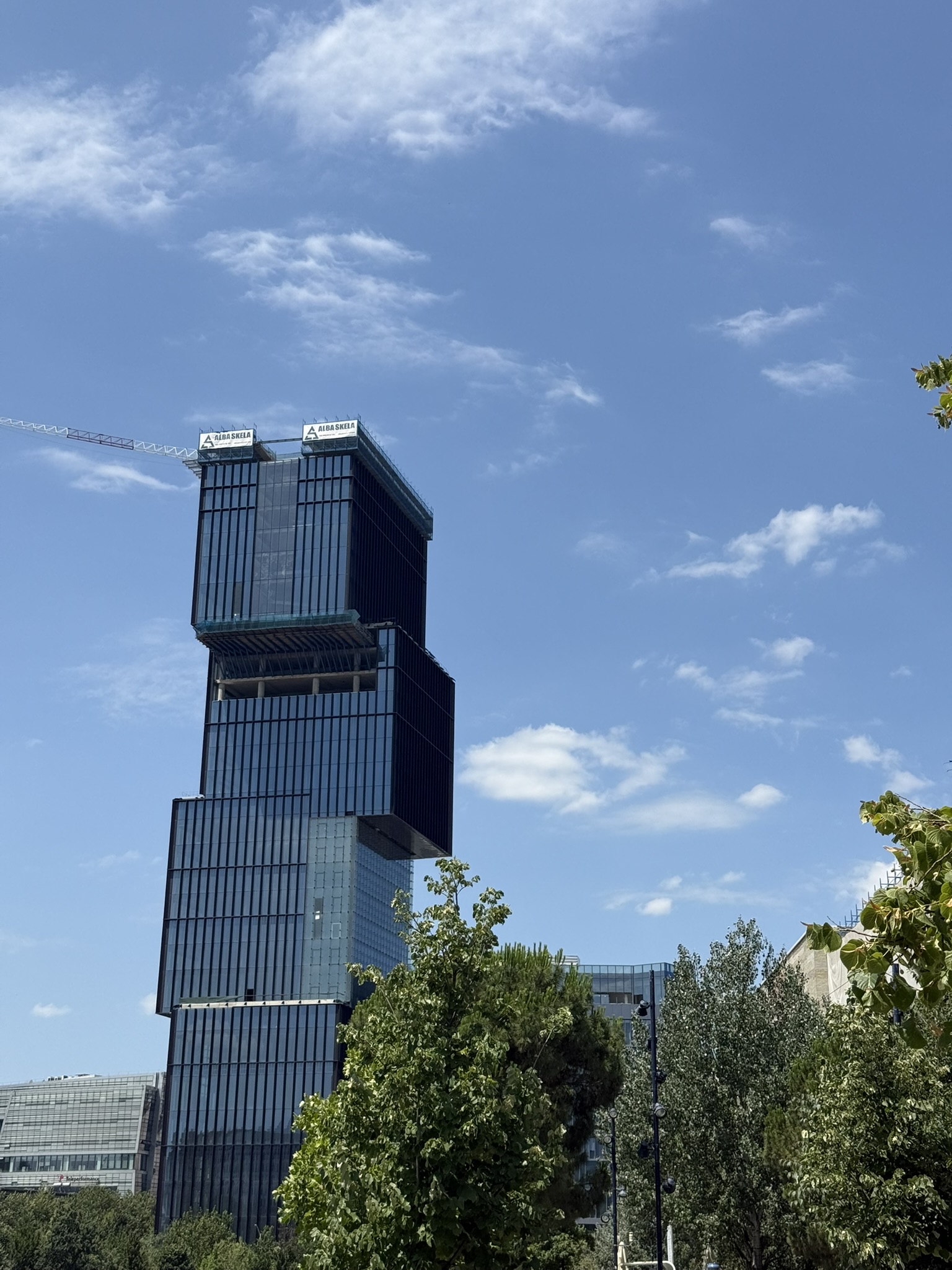
Back in Tirana, I had one last day to explore more of the city. As soon as I arrived, I dropped my belongings off at the hotel and made my way towards Skanderbeg Square – the central plaza of Tirana and the symbolic heart of Albania.
The enormous pedestrian square is surrounded by some of the capital’s most important landmarks, including the National Historical Museum, the Et’hem Bey Mosque, the Clock Tower, the Palace of Culture and the equestrian monument to Gjergj Kastrioti Skanderbeg – the 15th-century military leader celebrated as Albania’s national hero. Together, it felt as if they revealed the different layers of Tirana’s history – from its Ottoman beginnings and Italian-influenced interwar expansion to socialist monumentalism and the rapidly developing city of today. The square now serves as one of the city’s primary gathering places for concerts, festivals, national celebrations and evening strolls.
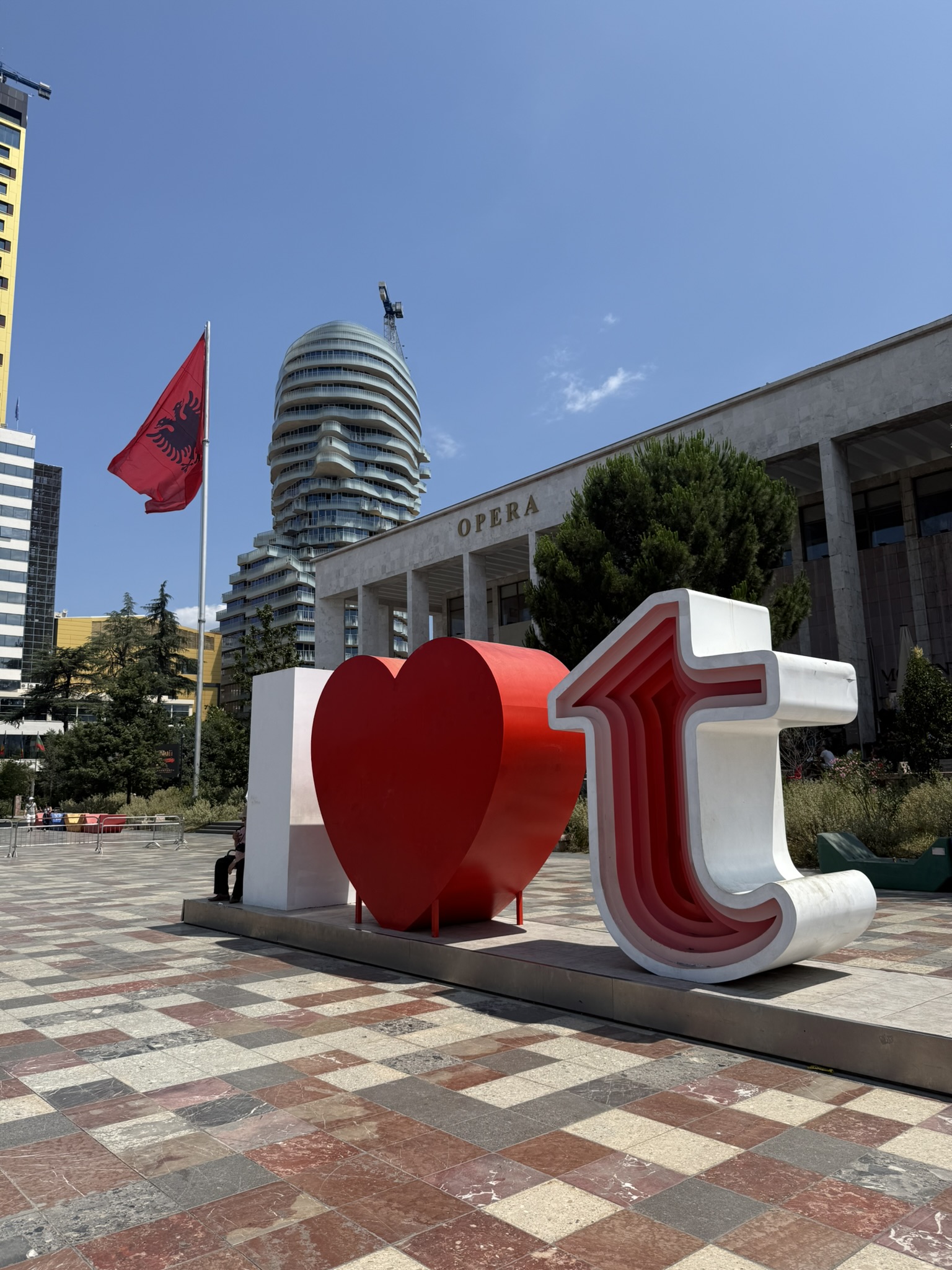
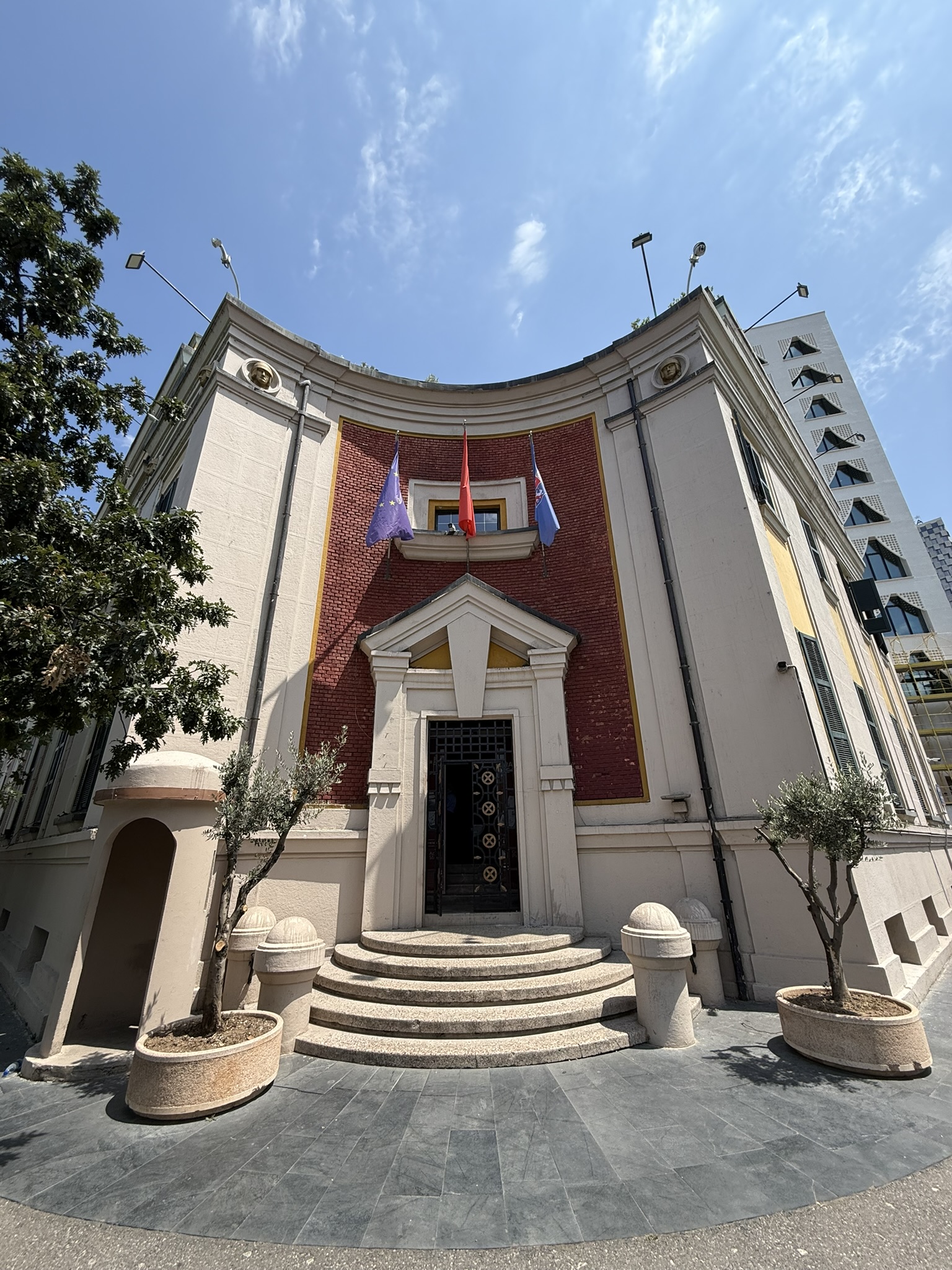
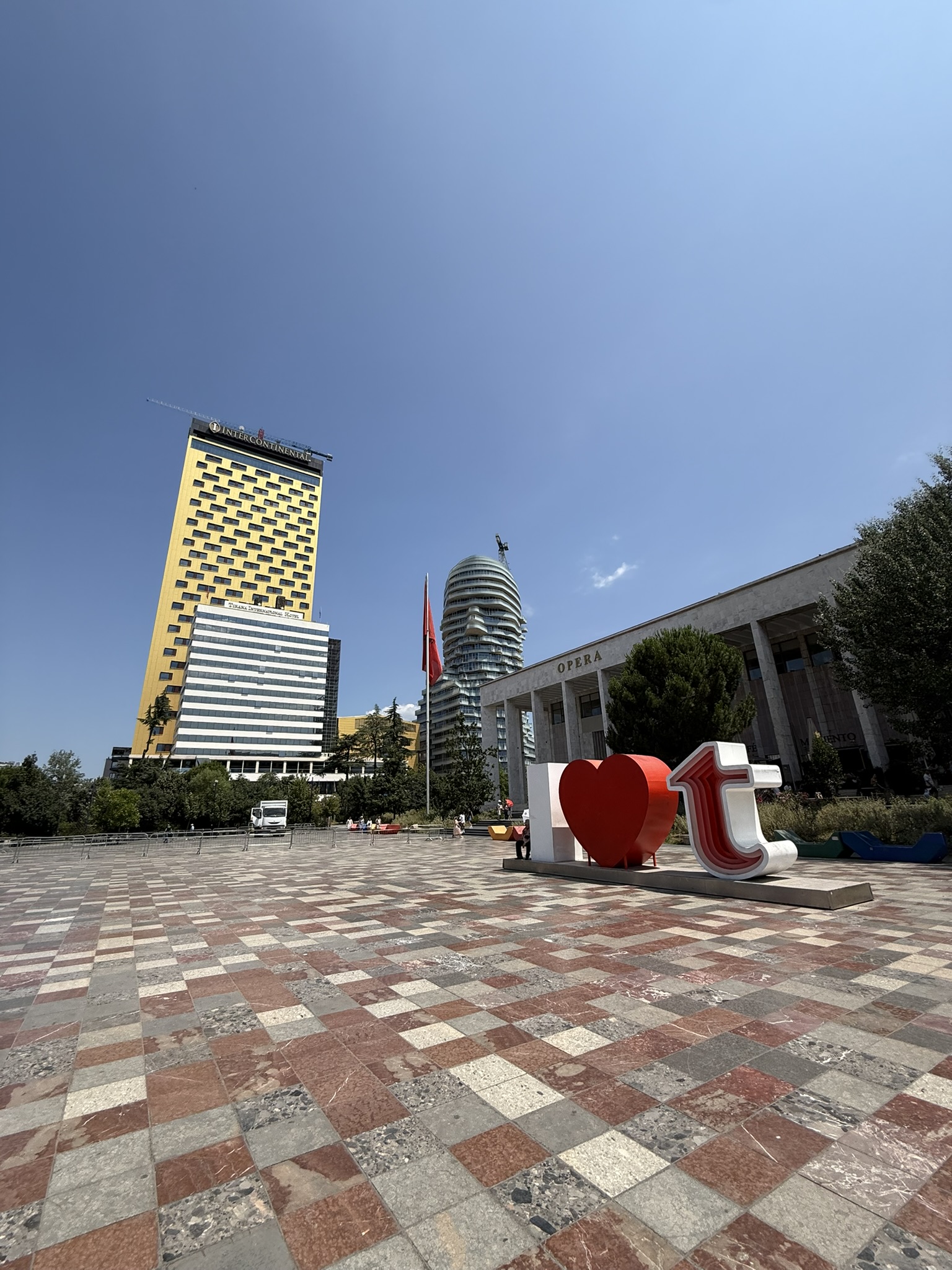
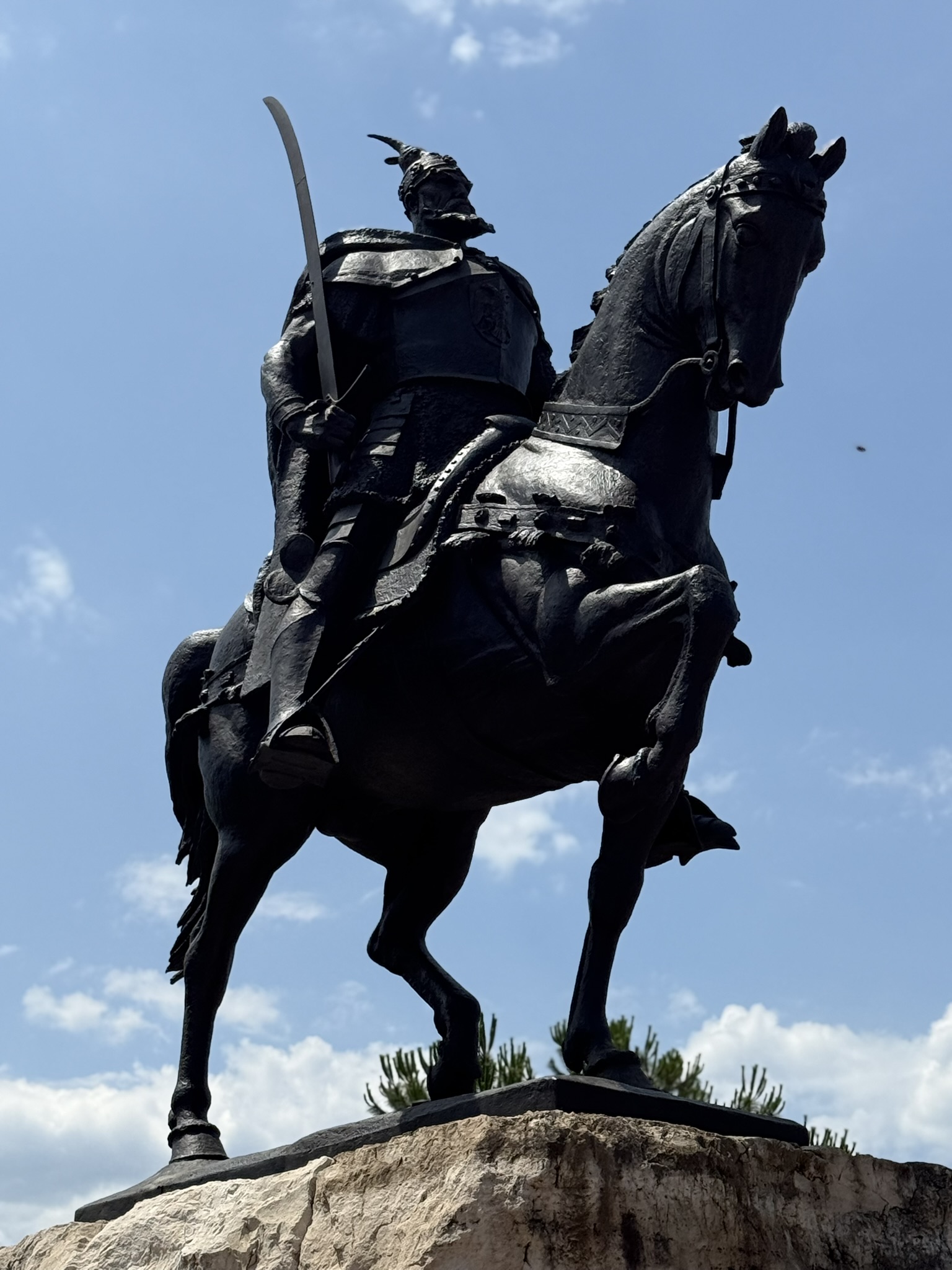
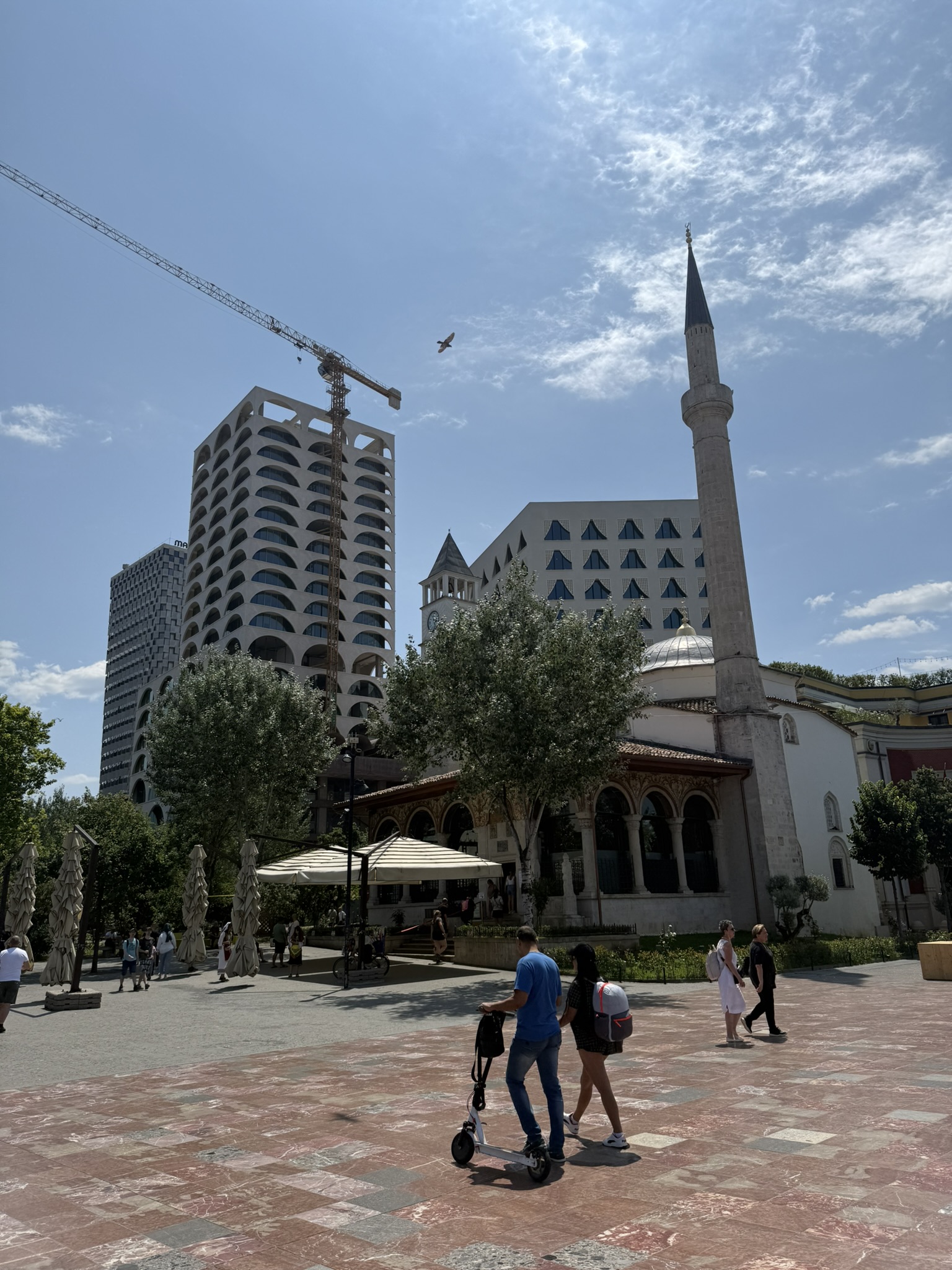
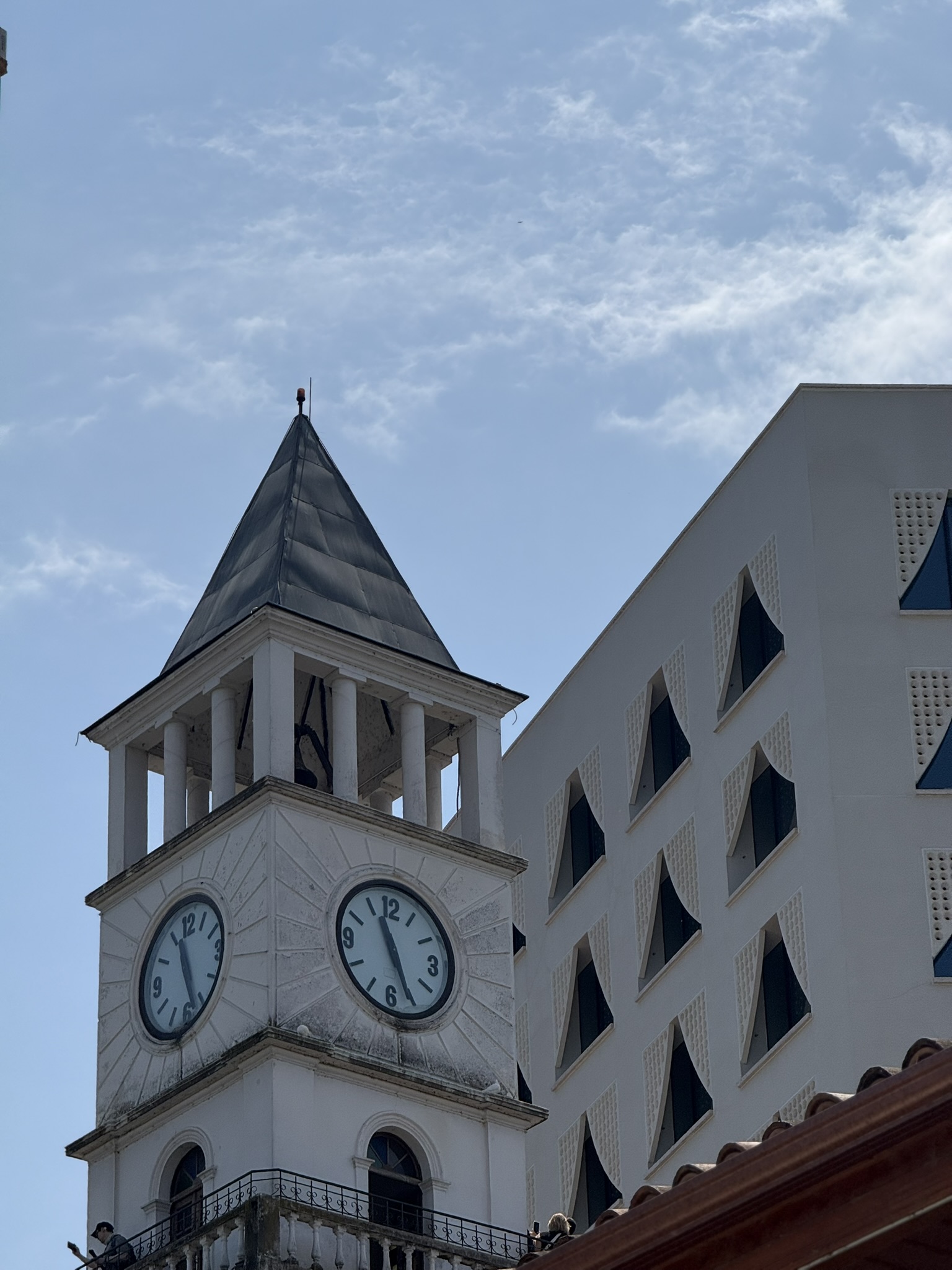
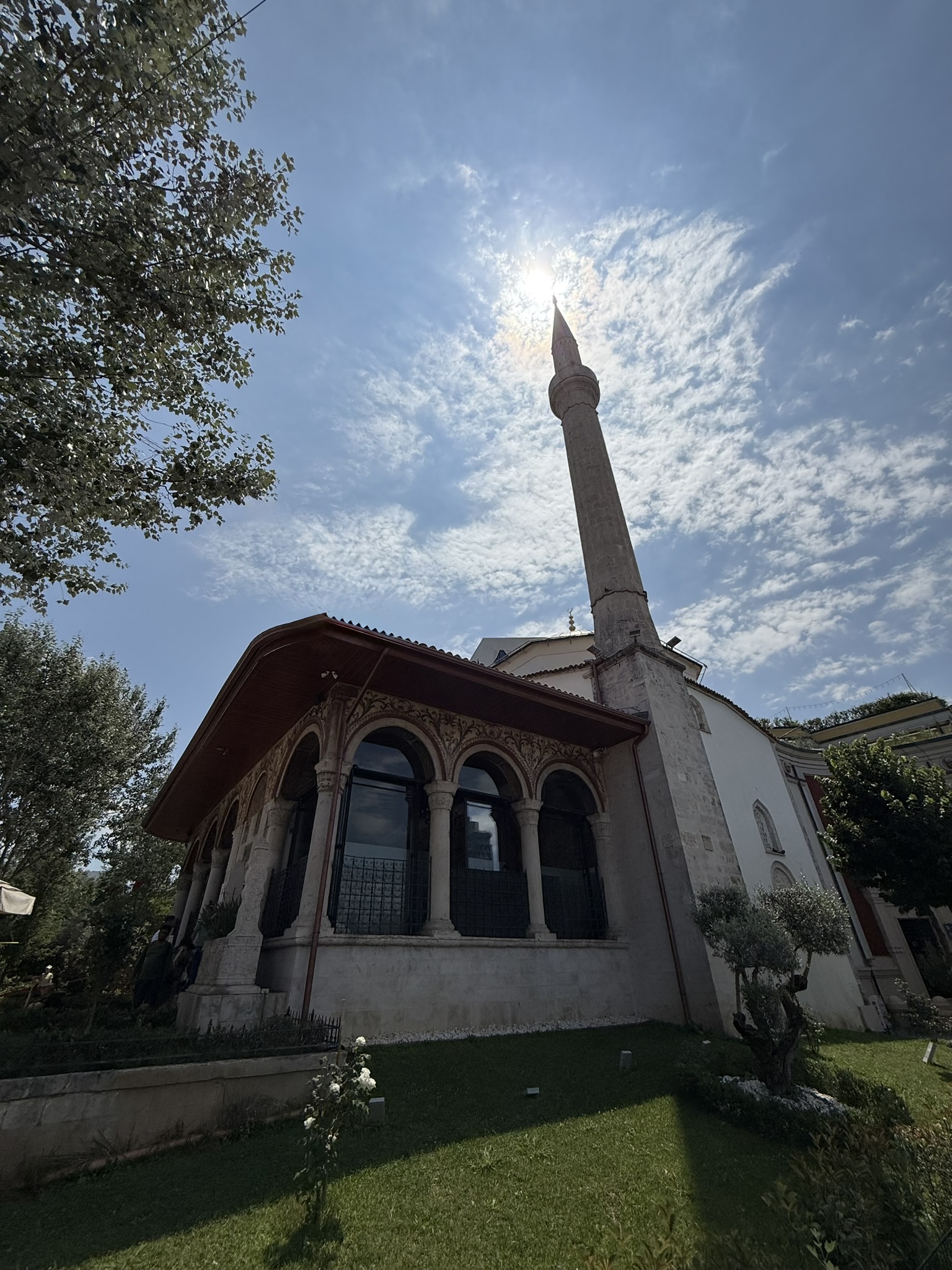
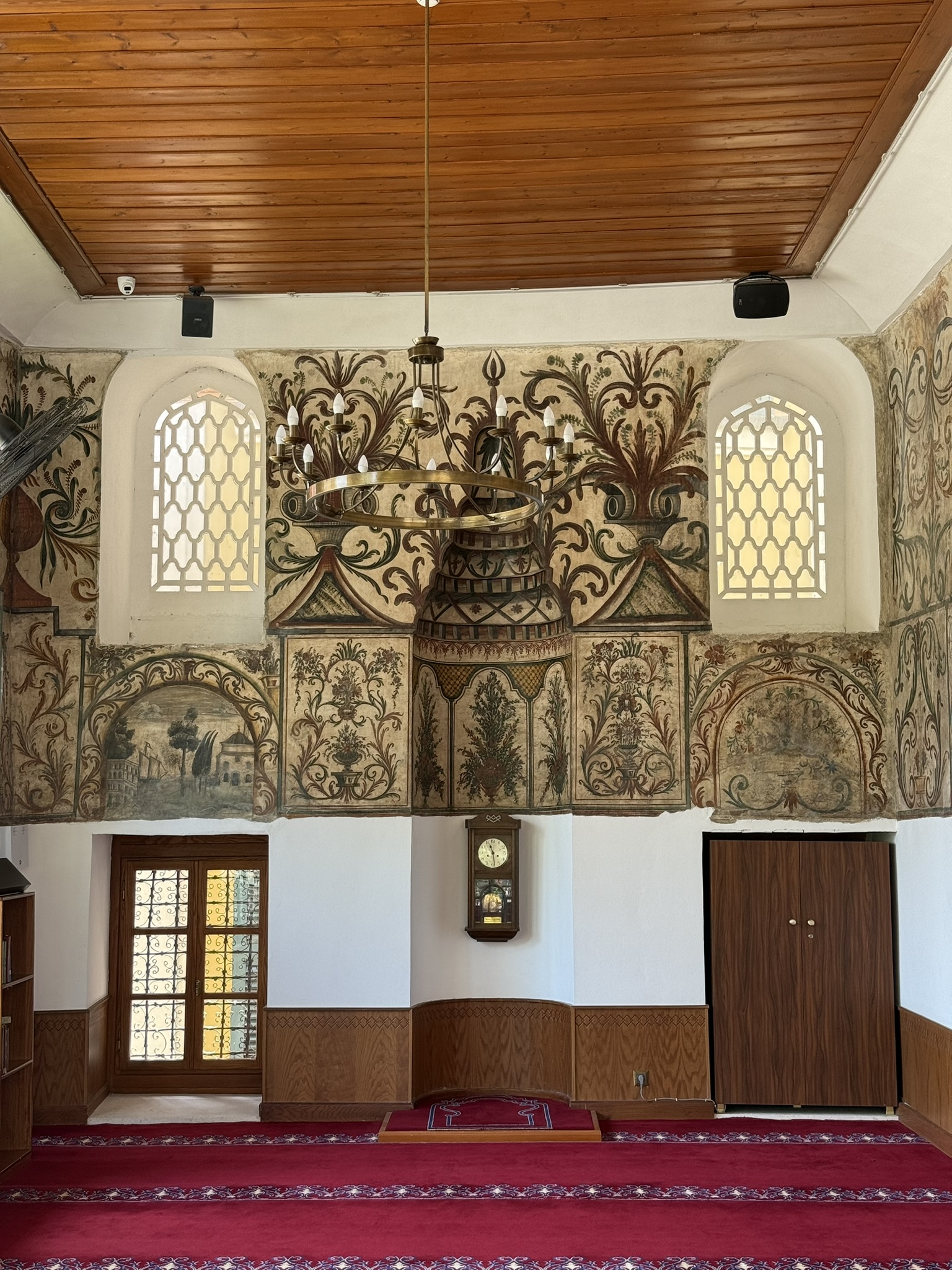
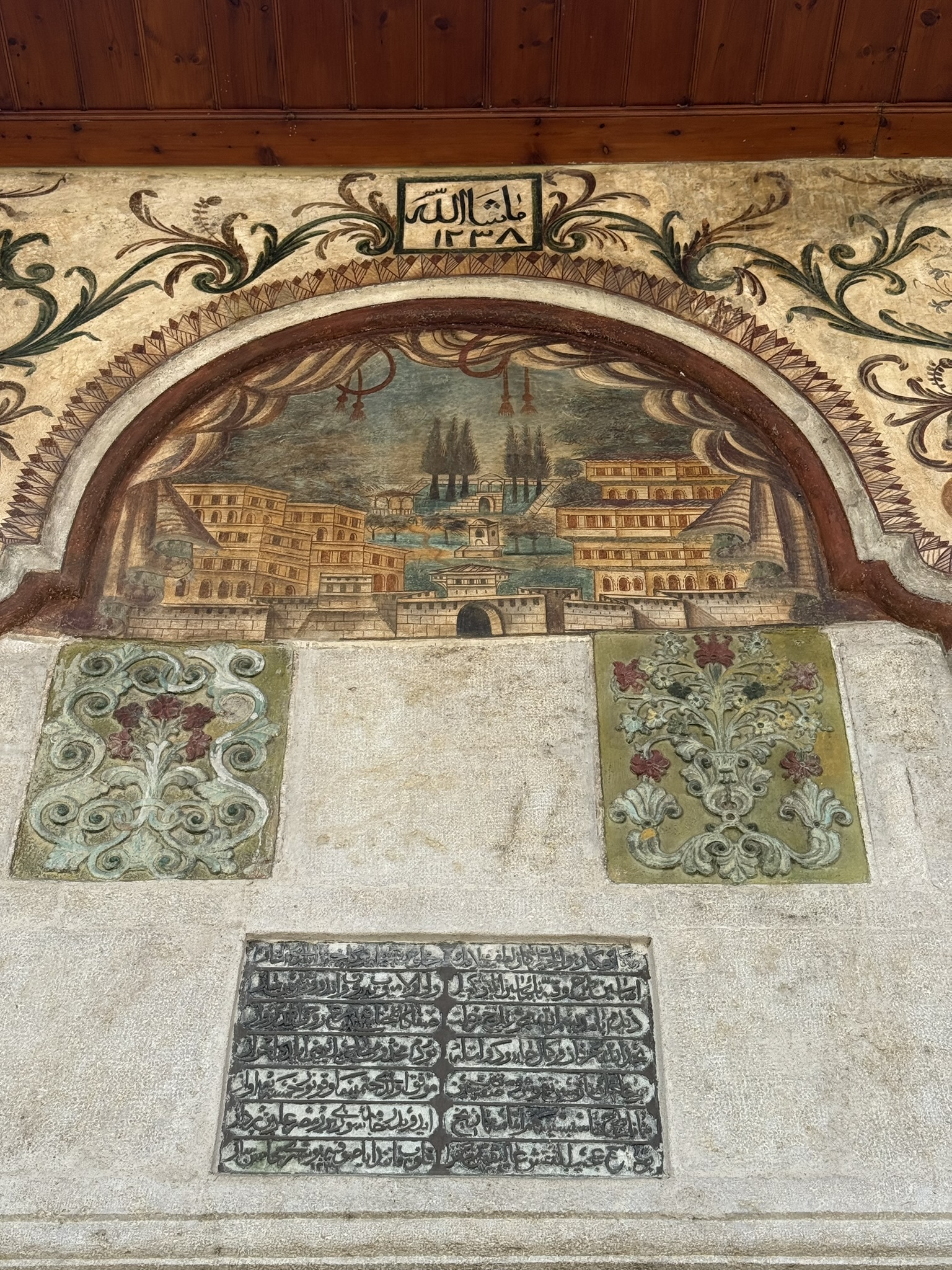
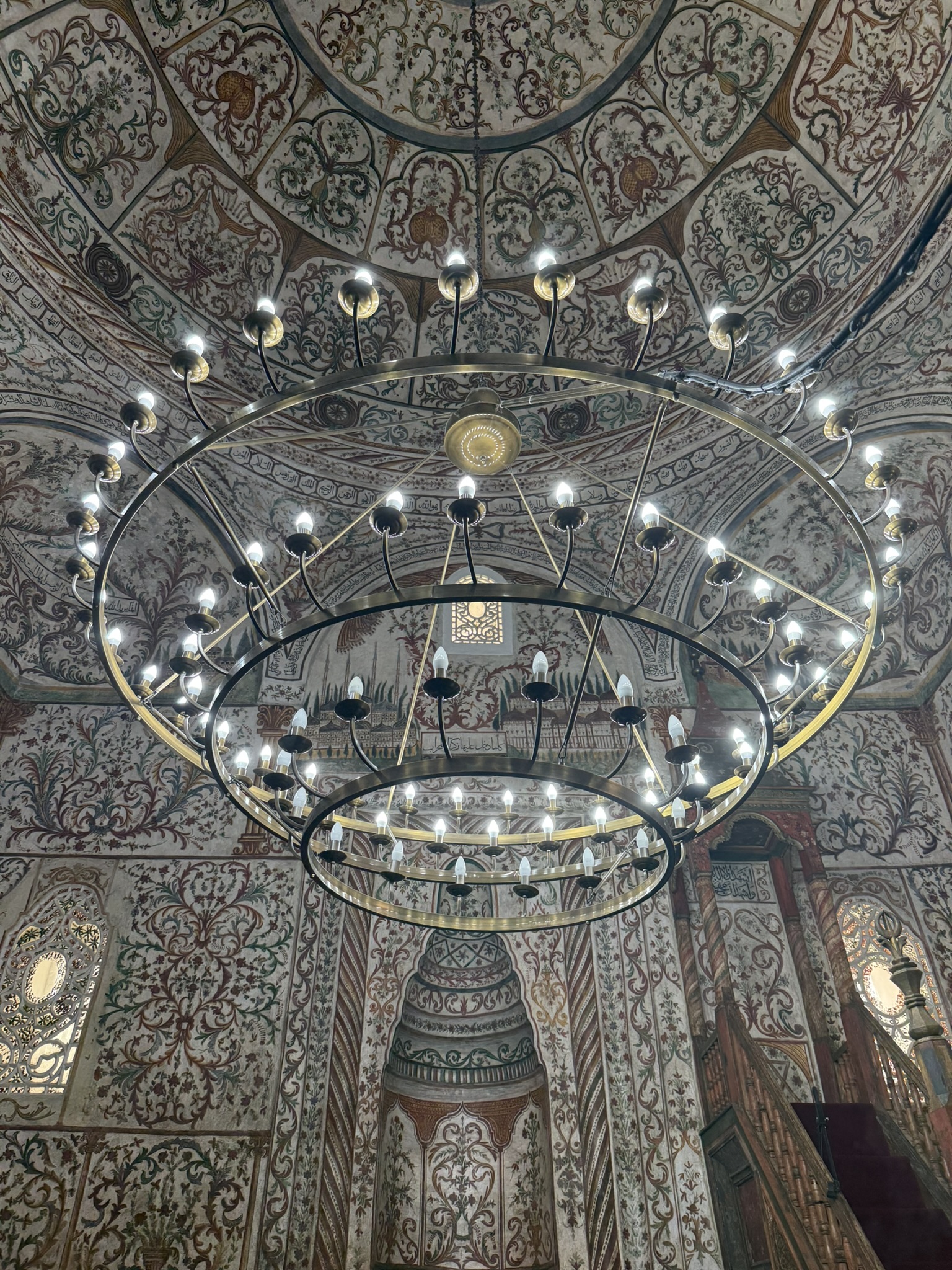
After wandering around the square, I stepped inside the Et’hem Bey Mosque, one of Tirana’s oldest and most cherished landmarks. Construction began towards the end of the 18th century and was completed in the early 19th century. The mosque is particularly known for its delicate frescoes depicting trees, waterfalls, bridges and imagined landscapes – decorative themes that make it unusual among surviving Ottoman religious buildings in the region.
Turns out, the mosque had been closed for worship under communist rule, when organised religion was suppressed throughout Albania. In January 1991, thousands of people entered and prayed there without official permission. The authorities did not intervene, and the event became a powerful symbol of the country’s return to religious freedom.
Beneath the Capital
Next came a visit to Bunk’Art 2 – a former Cold War bunker beneath central Tirana that has been transformed into a museum examining Albania’s communist dictatorship, the Ministry of Internal Affairs and the methods of surveillance and political persecution employed by the Sigurimi, the regime’s secret police.
The underground complex contains 24 exhibition rooms spread across approximately 1,000 square metres. Its cramped corridors, reinforced chambers, documents and preserved equipment trace the development of Albania’s security forces and the machinery of control that governed everyday life during the dictatorship.
After the Second World War, Albania fell under the control of Enver Hoxha, who ruled from 1944 until his death in 1985. Hoxha established one of Europe’s harshest and most isolationist communist regimes, reshaping nearly every aspect of Albanian society. In 1967, the government launched a violent campaign against religious practice and declared Albania the world’s first officially atheist state. Churches, mosques and monasteries were closed, destroyed or repurposed, while public religious observance was prohibited. More than 2,000 religious buildings had been shut or converted to other uses by the end of that year.
Meanwhile, the Sigurimi monitored the population relentlessly. Informants, surveillance, interrogation and political imprisonment ensured obedience through fear. Even private conversations or behaviour considered disloyal to the state could result in accusations of counter-revolutionary activity.
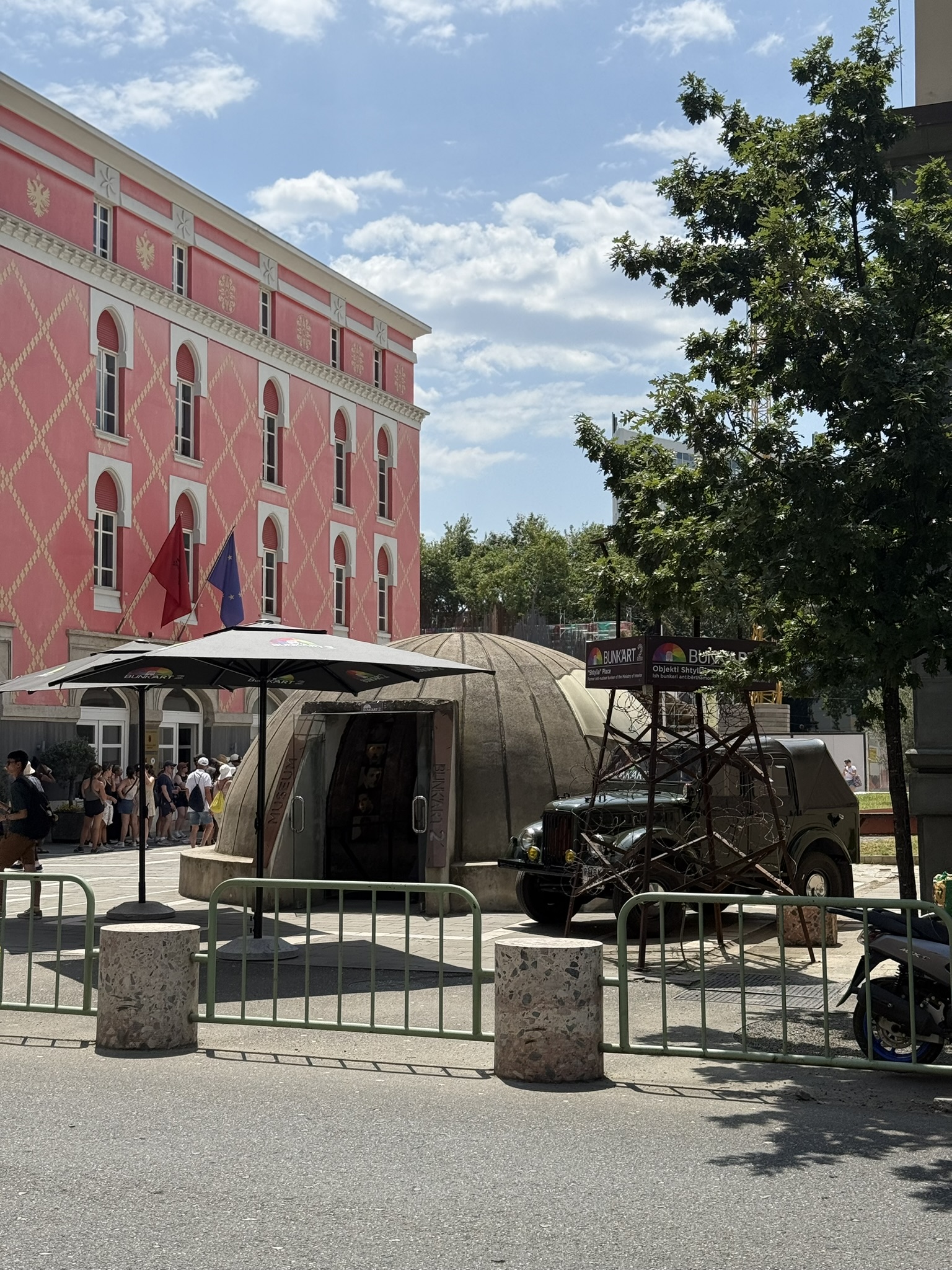
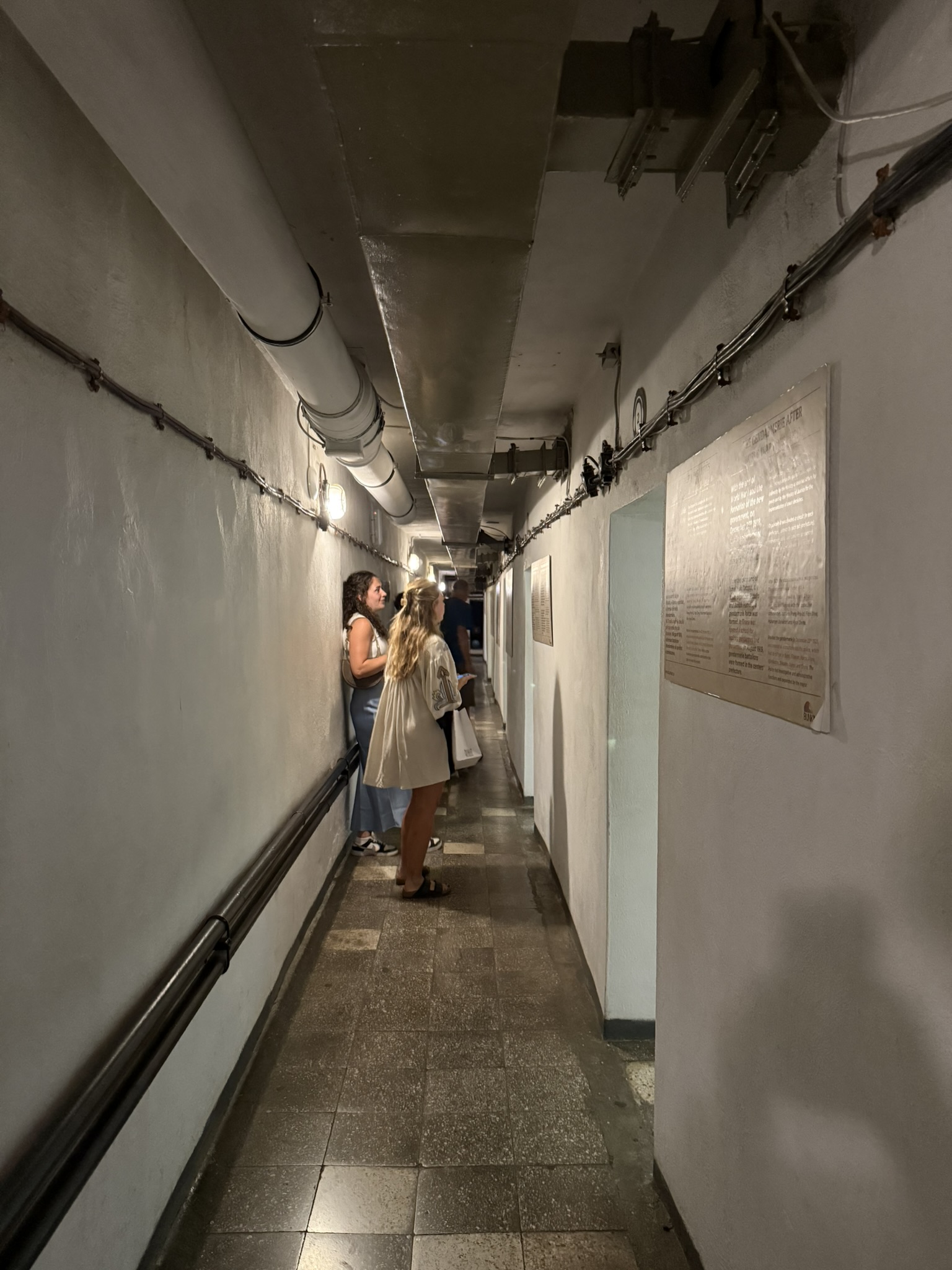
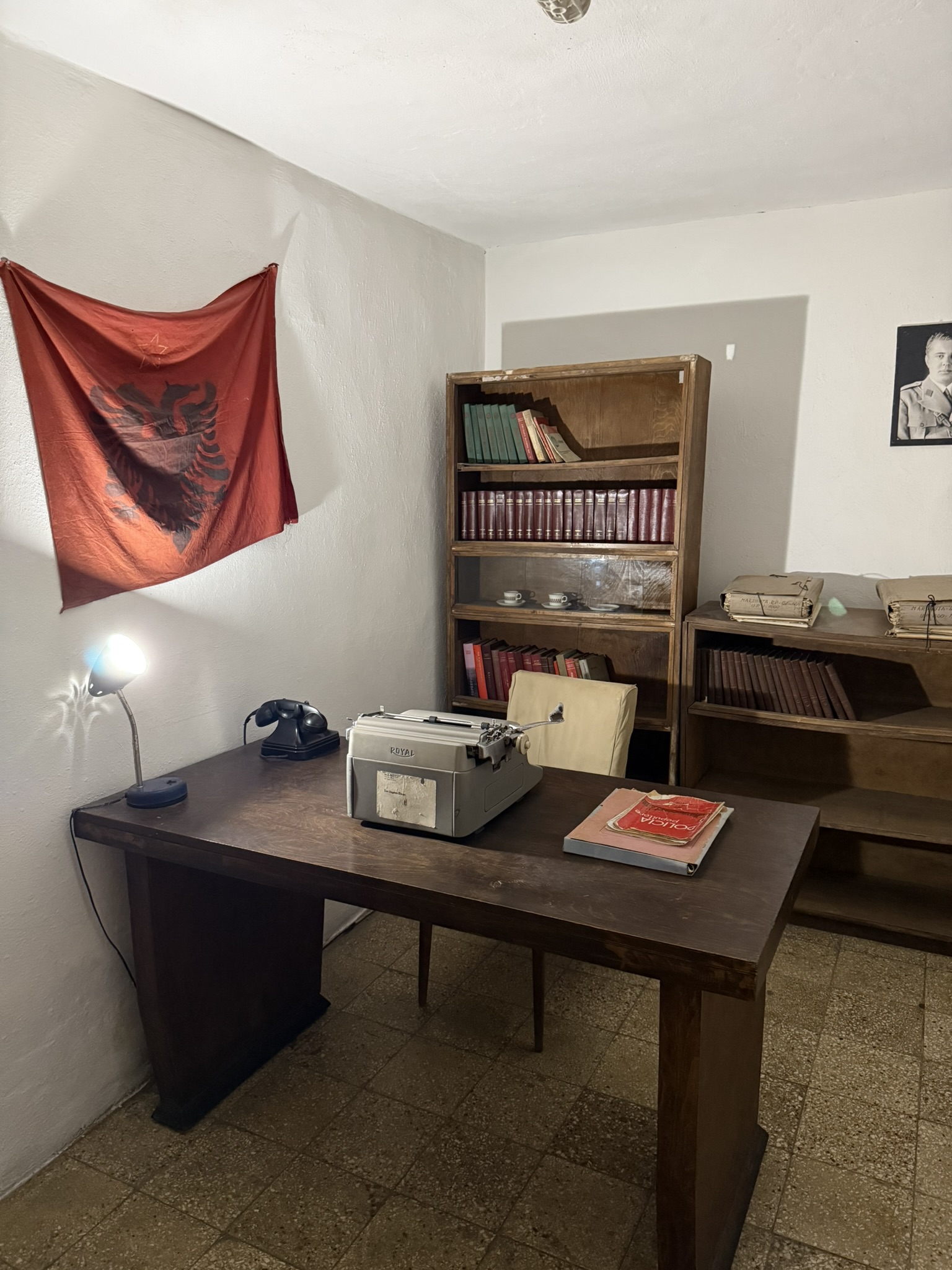
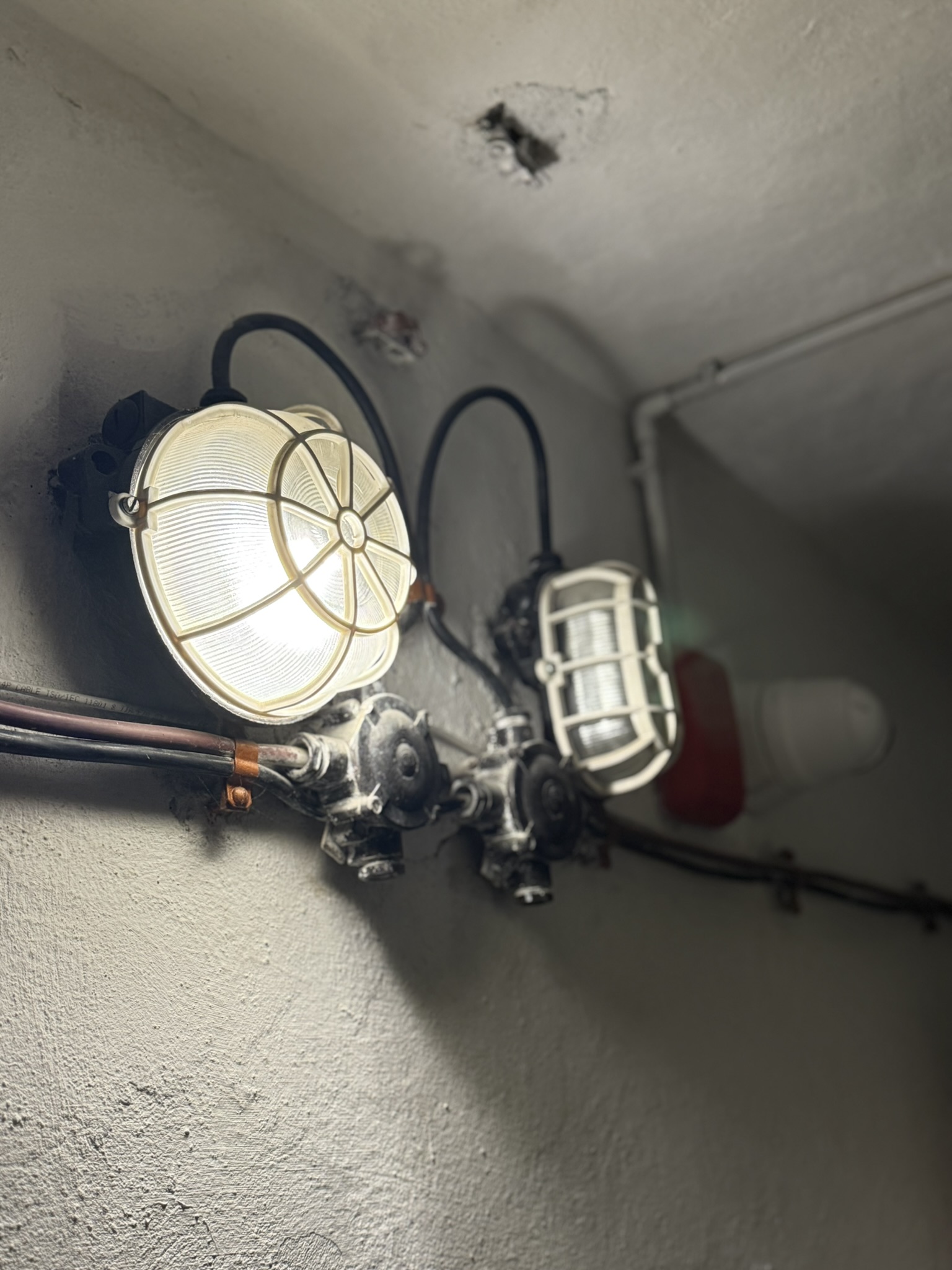
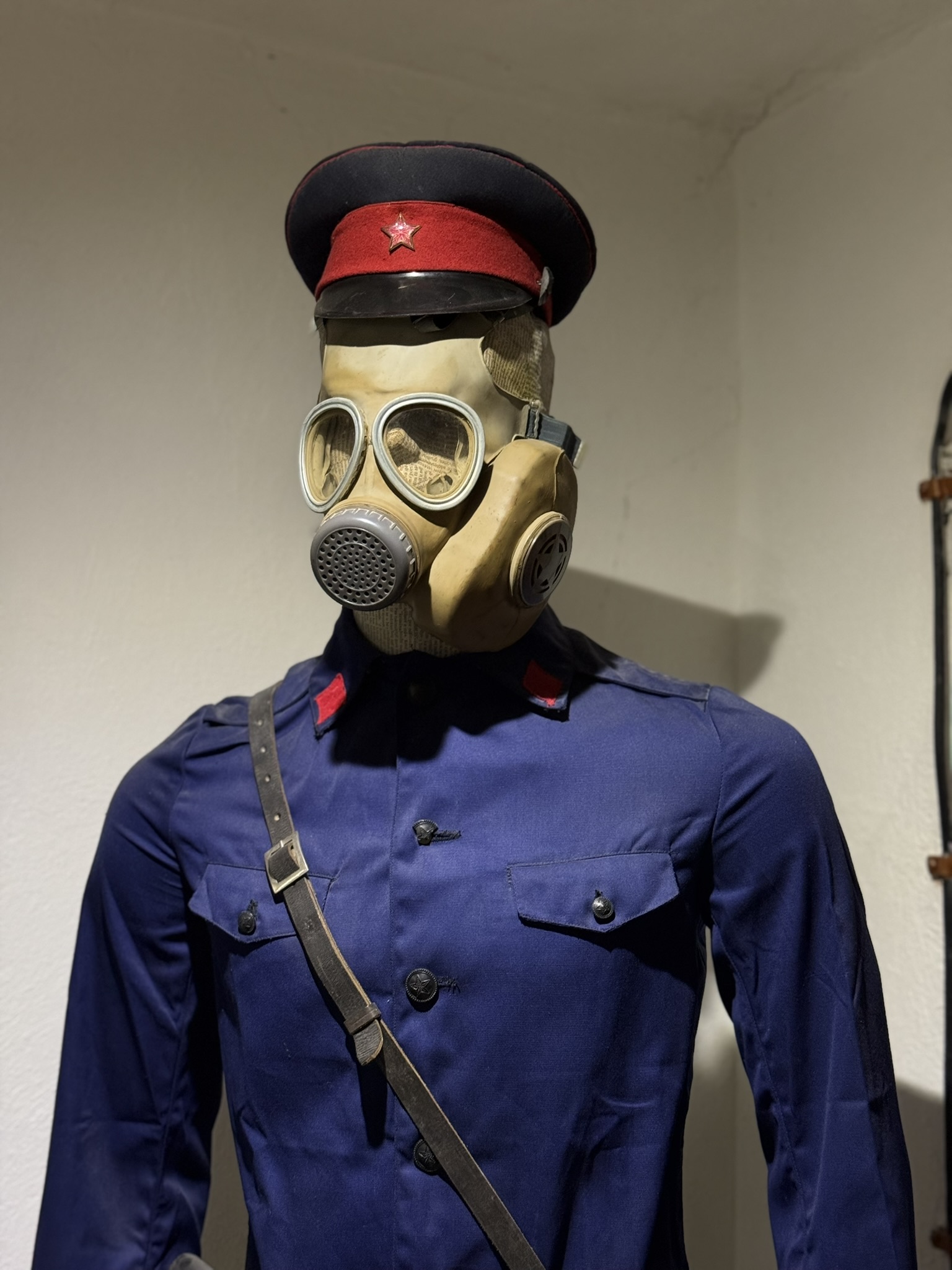
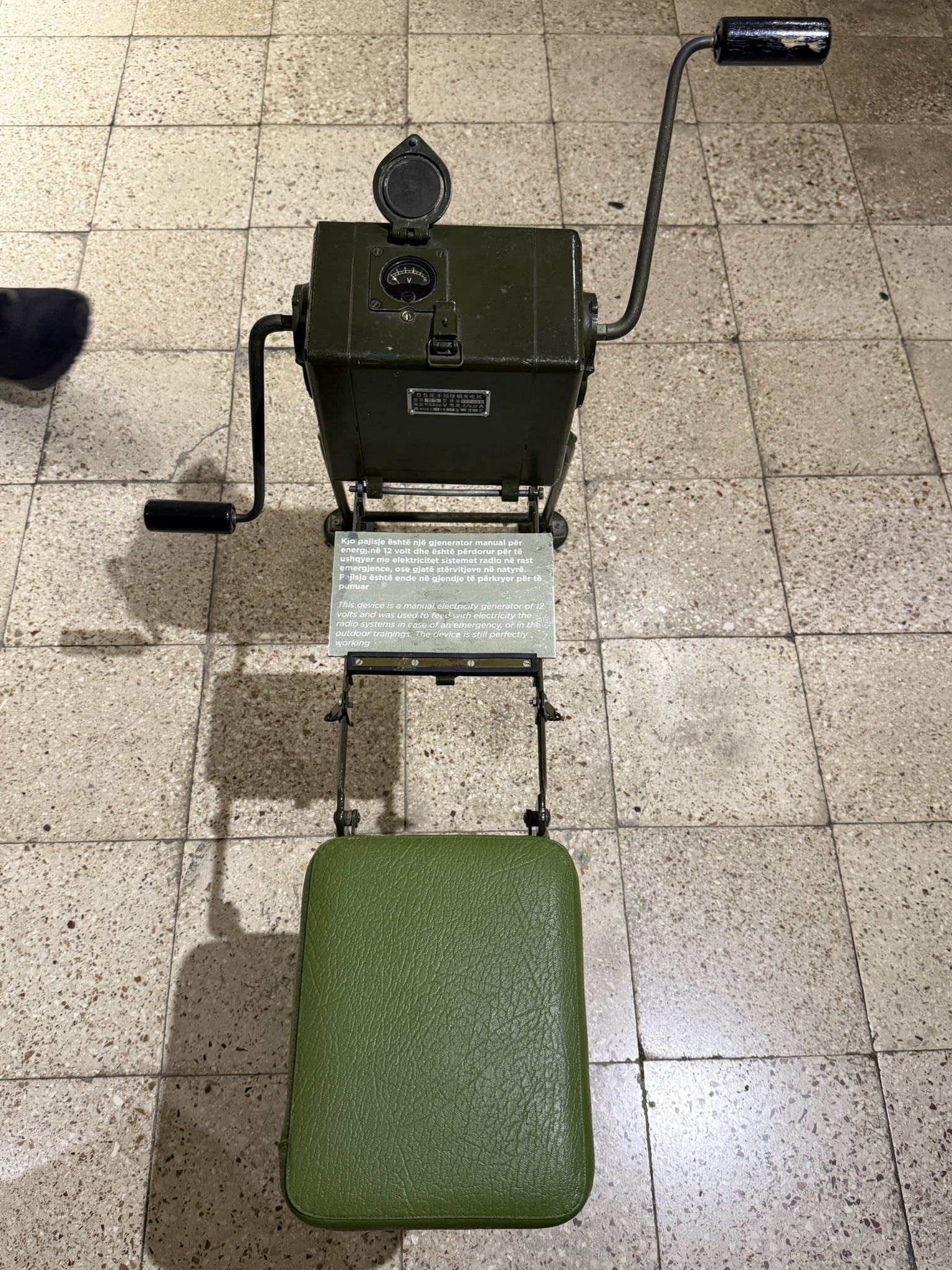
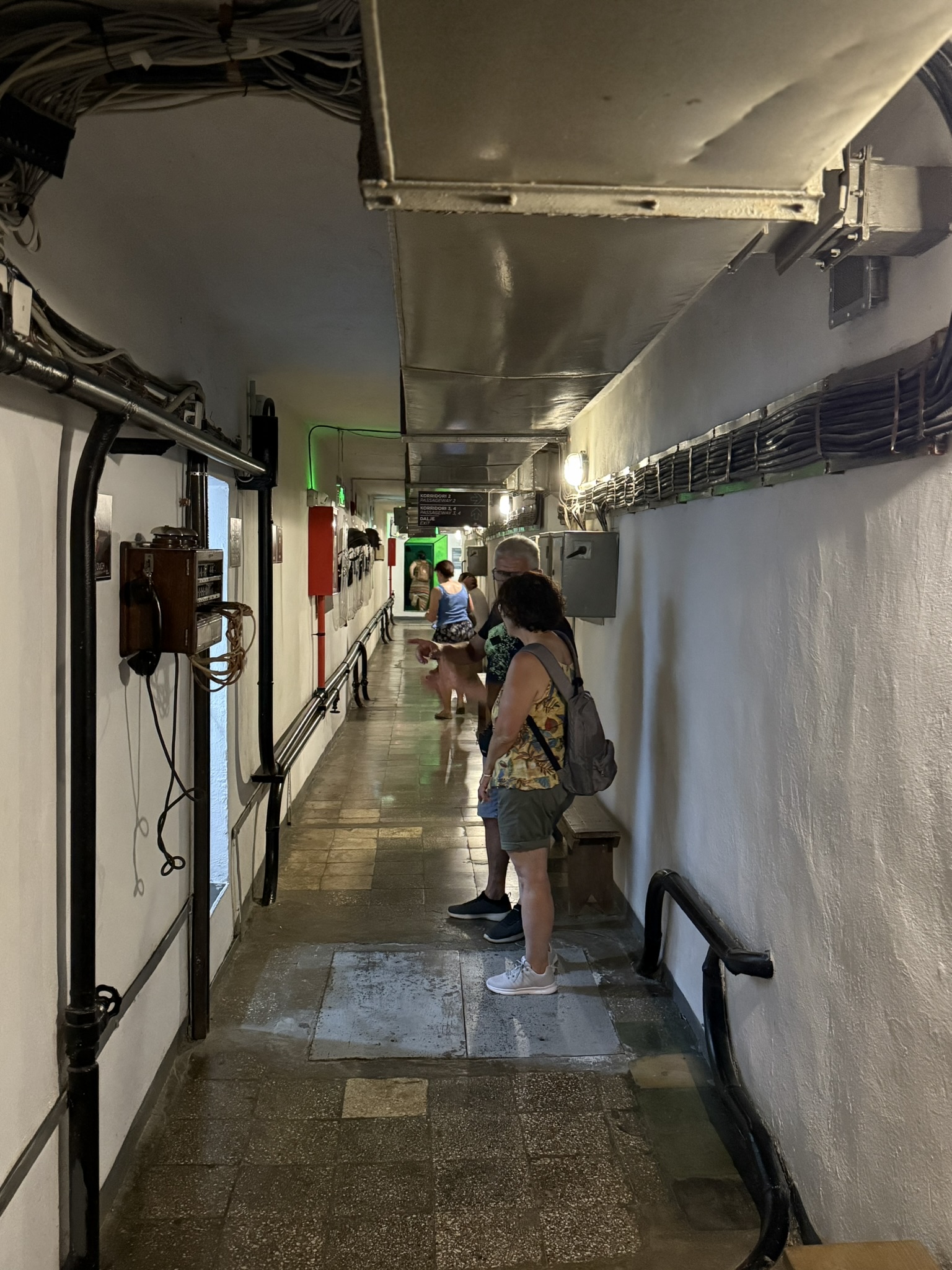
Convinced that Albania could be invaded by enemies from either the capitalist West or the communist East, the regime covered the country with concrete bunkers. Archival research indicates that more than 173,000 bunkers and fortified structures had been completed by 1983, although most were never used for their intended purpose.
During this time, foreign travel was heavily restricted, the economy remained centrally controlled and contact with the outside world was minimal. Albania first broke with Yugoslavia, later split from the Soviet Union and finally lost its alliance with China in 1978. By the end of that decade, the country had been left almost entirely isolated. The regime did achieve some lasting developments. Literacy rose significantly, education became far more widely available and the state expanded roads, industry and public infrastructure. Yet these gains came at an enormous human cost. Individual freedom was crushed, dissent was brutally punished and decades of isolation left Albania economically stagnant and disconnected from much of the outside world.
Even now, the remains of this period are scattered throughout the country. Concrete bunkers protrude from beaches, fields and mountainsides. Abandoned factories decay beside modern roads. Museums preserve the testimonies of people who were watched, imprisoned or persecuted. Bunk’Art 2 itself was constructed during the 1980s as a protected shelter connected to the Ministry of Internal Affairs. Walking through its low corridors and reinforced rooms gave me an unsettling glimpse into the paranoia upon which the dictatorship had been built.
Back into the Sunlight
By the time I emerged, I felt as though the weight of the entire city had been pressing down from above. Despite the macabre atmosphere of the bunker, I have to admit that it had provided a welcome escape from the scorching heat.
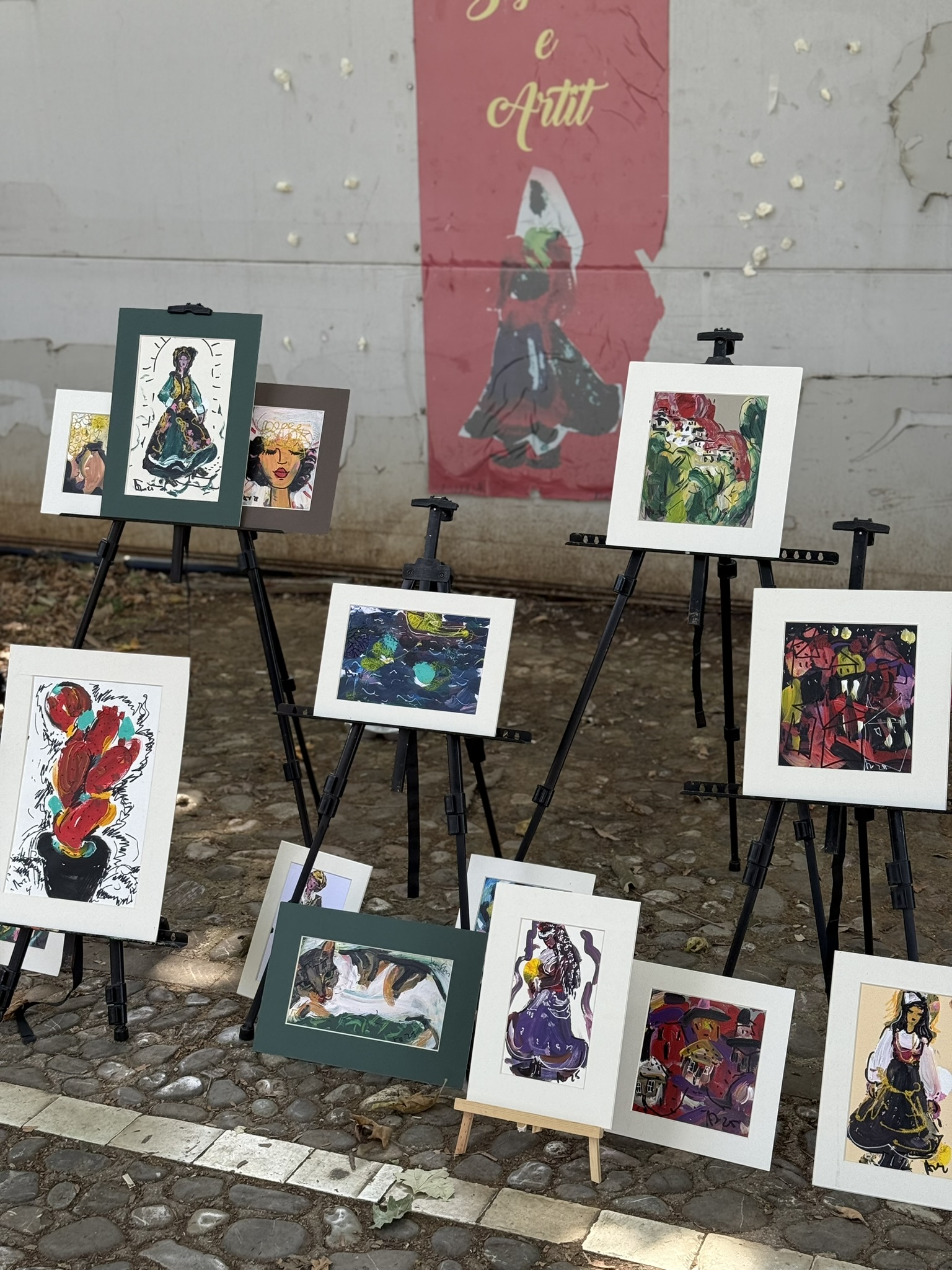
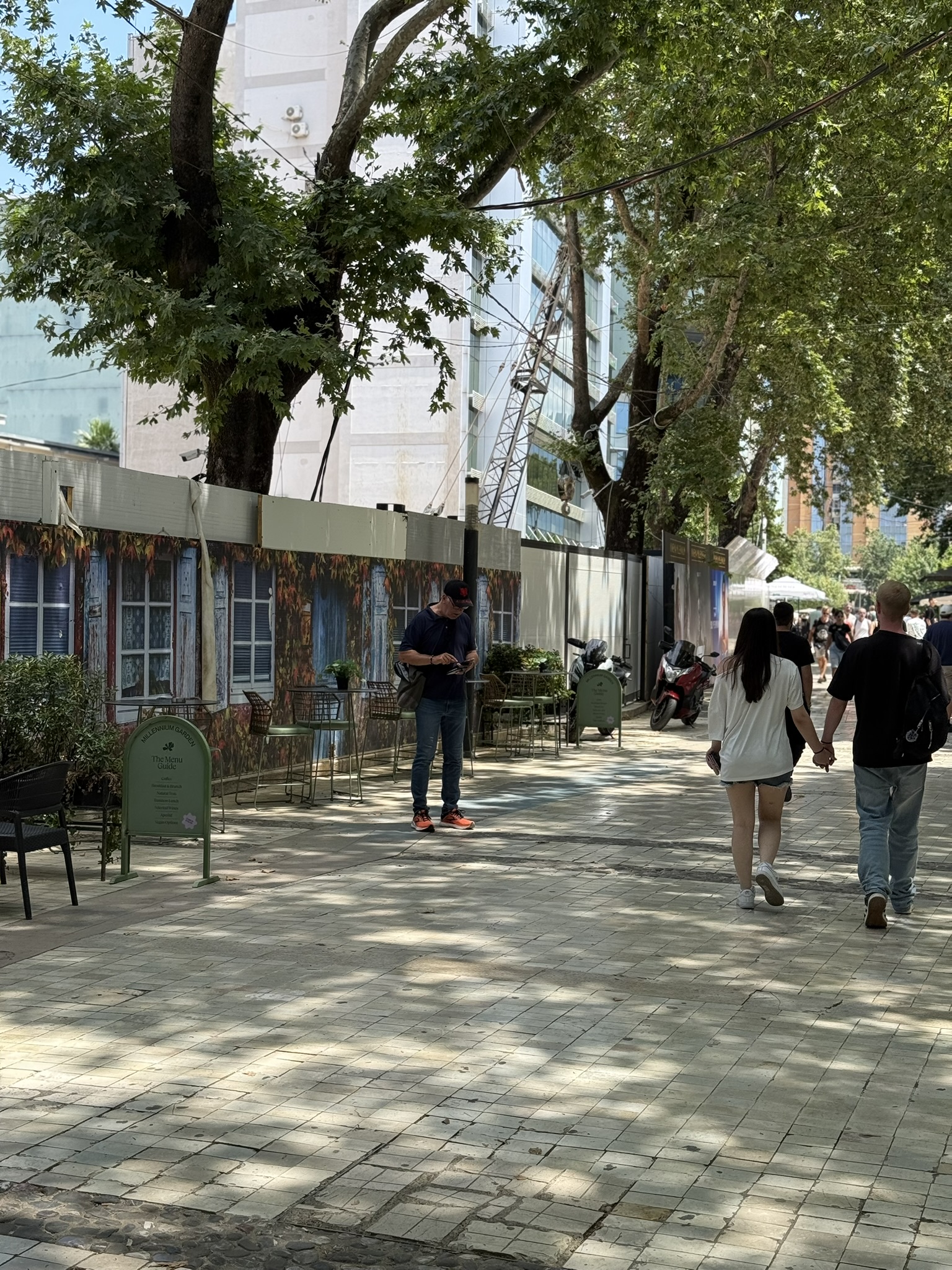
Once back above ground, I made my way towards Shëtitorja Murat Toptani, one of central Tirana’s most iconic pedestrian streets. The leafy promenade passes several important buildings and historic sites, including the remaining walls of Tirana Castle, the Academy of Sciences and the former National Library. Under the shade of the trees, I wandered past paintings displayed on stalls, historical buildings and lively outdoor terraces. After the bunker’s dim corridors and stories of surveillance, simply being outside among people drinking coffee, talking loudly and going about their lives felt strangely liberating.
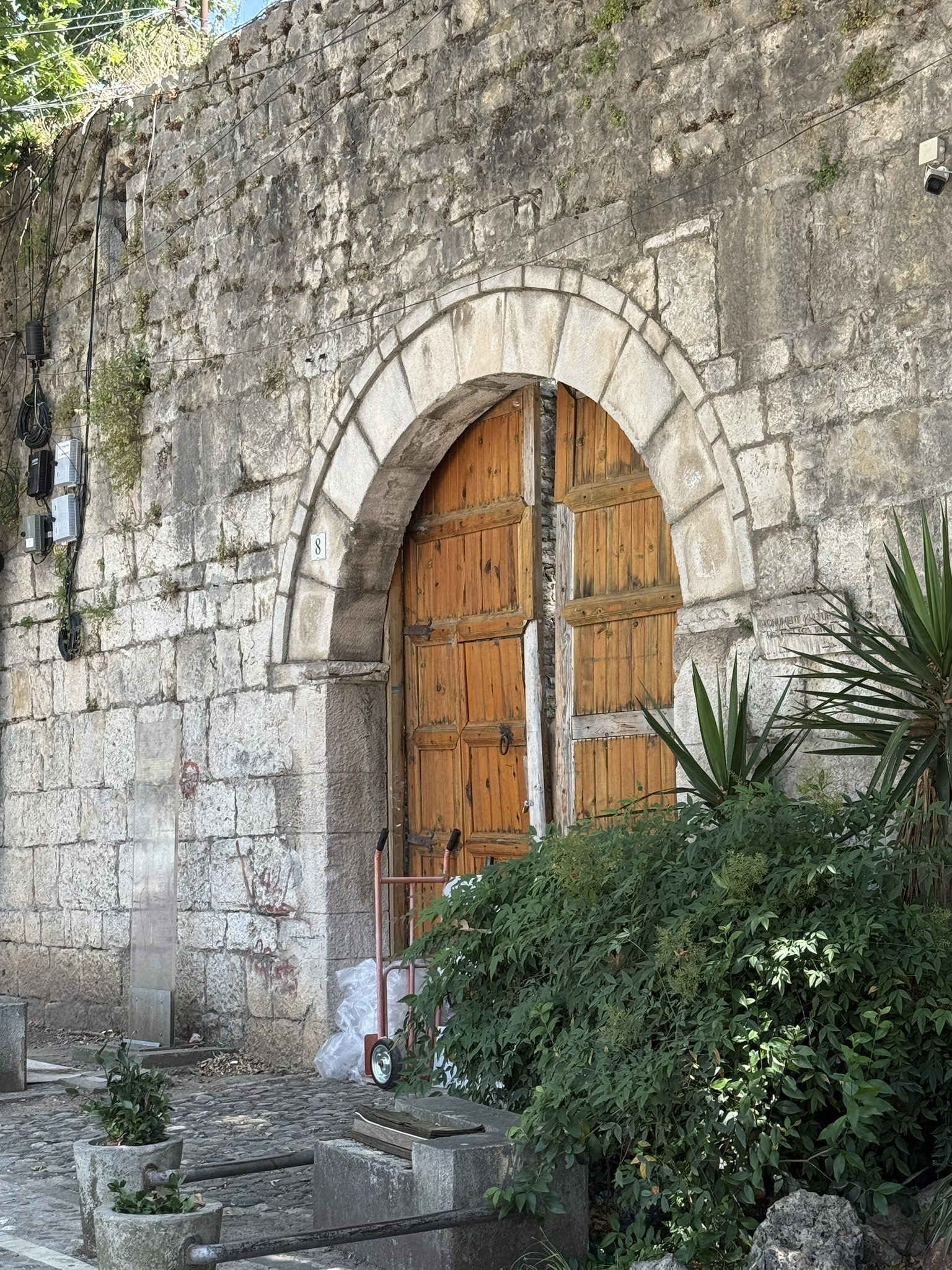
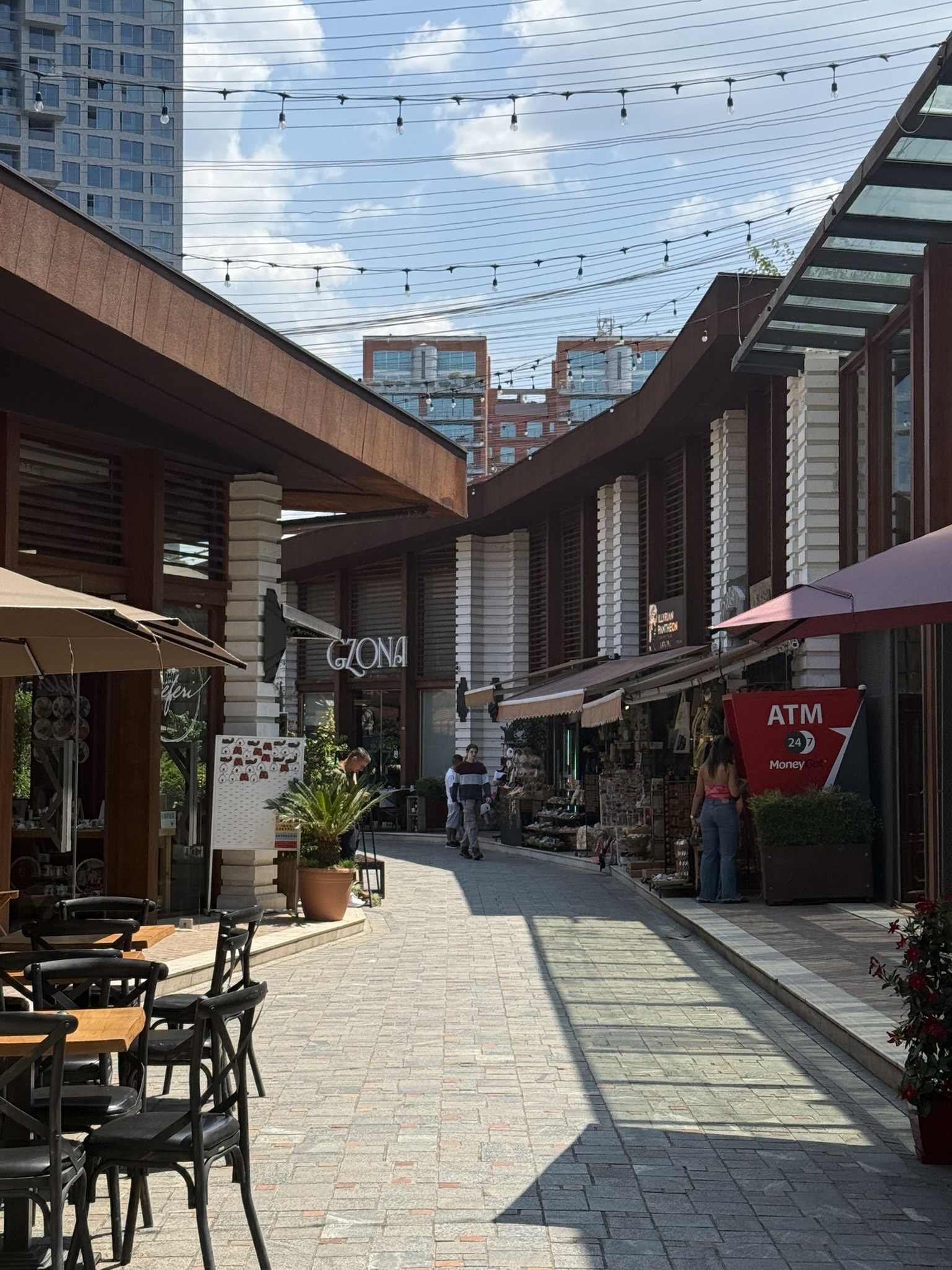
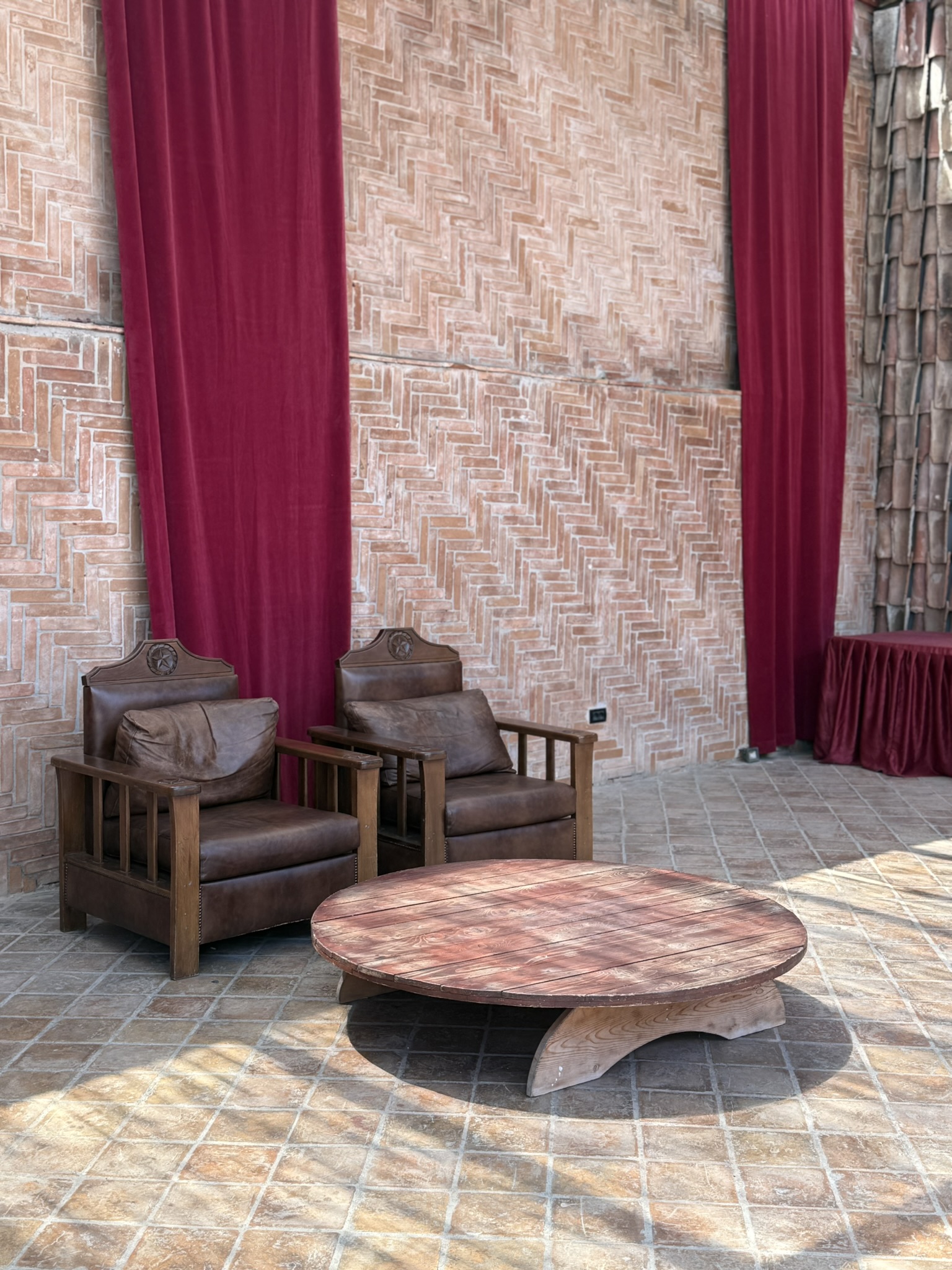
Nearby stood the surviving walls of Tirana Castle which is thought of as a Byzantine fortification, although much of the surviving structure is linked to later Ottoman-era construction and the influential Toptani family. Today, the space within the old walls has been transformed into a courtyard filled with restaurants, cafés, craft shops and boutiques.
Leaving Wanting More
Much like I always do at the end of every trip, after lunch I headed straight to my hotel to spend a few hours journalling ahead of my flight home – a tradition I had grown fond of as I could look back on yet another great trip.
I had begun this adventure feeling exhausted, restless and almost resentful that I had forced myself to travel again so soon. I had arrived in Albania convinced that something in my life needed to change, although I had no idea what that something was. That said, the country had not magically solved my problems. It had not handed me a perfect answer beside a mountain lake or revealed the meaning of life at the top of Valbona Pass. What it had given me was distance – from my routine, my expectations and the constant pressure I placed upon myself to keep achieving, travelling and moving forwards.
Sometimes, that distance was enough. I might not have been too jazzed about the trip when it started off, but I was leaving wanting more. There was still a six-day coastal trek I had been eyeing, countless towns and beaches I had not visited and, most importantly, a little guesthouse in Theth which felt like home – though I had only spent one night there. I would definitely have to return!
Perhaps that was the greatest sign that the trip had given me exactly what I needed. I had arrived wanting to escape my life and I was leaving ready to return to it.