Tena – Day 1: Road to the Amazon
TENA
Day 1: Road to the Amazon
October 15, 2025
PART I
In a surprising turn of events, I woke up before my alarm. It probably had something to do with knowing that I’d be receiving the result of my MRCEM SBA.
Lo and behold, I woke up to an email announcing that the results had been released. Only the website wouldn’t load. A few minutes into my meltdown, I received another email saying that the website was down. As relaxed as I usually was about sitting exams and waiting for the results, I couldn’t quite say the same about this one, knowing that my career progression depended on it. And so, my frustration grew with every unsuccessful refresh.
Throughout this whole ordeal, I showered, had breakfast and got ready for the next leg of my journey – all the while wondering if the rest of my trip was gonna be a celebration or a consolation prize.
Four Hours of Refreshing
In between one refresh and another, I was met with Arlynn and Jesús – a Mexican couple living in Texas, and Cirilo, a local guide who would drive us all the way to the Amazon rainforest near Tena.
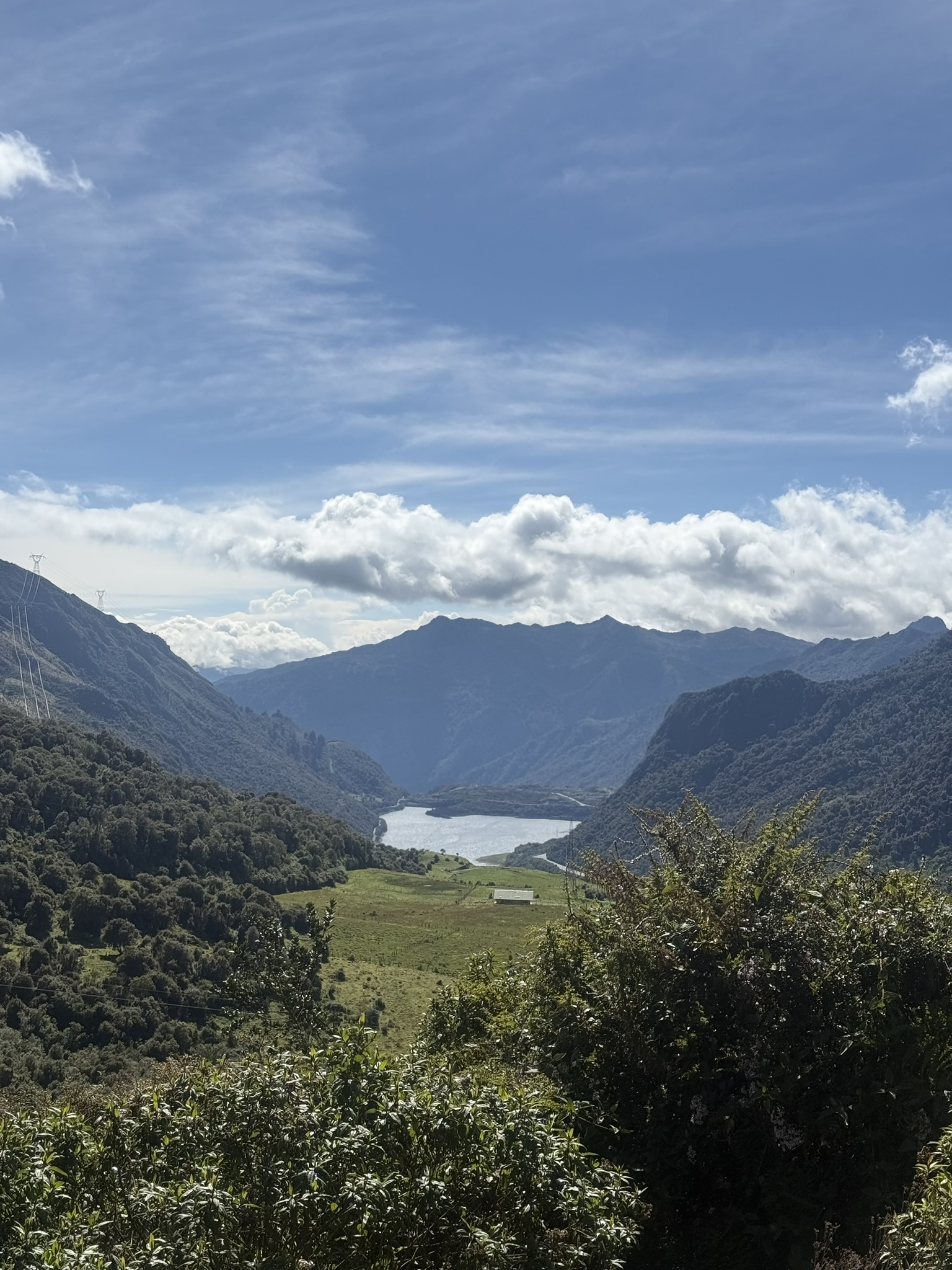
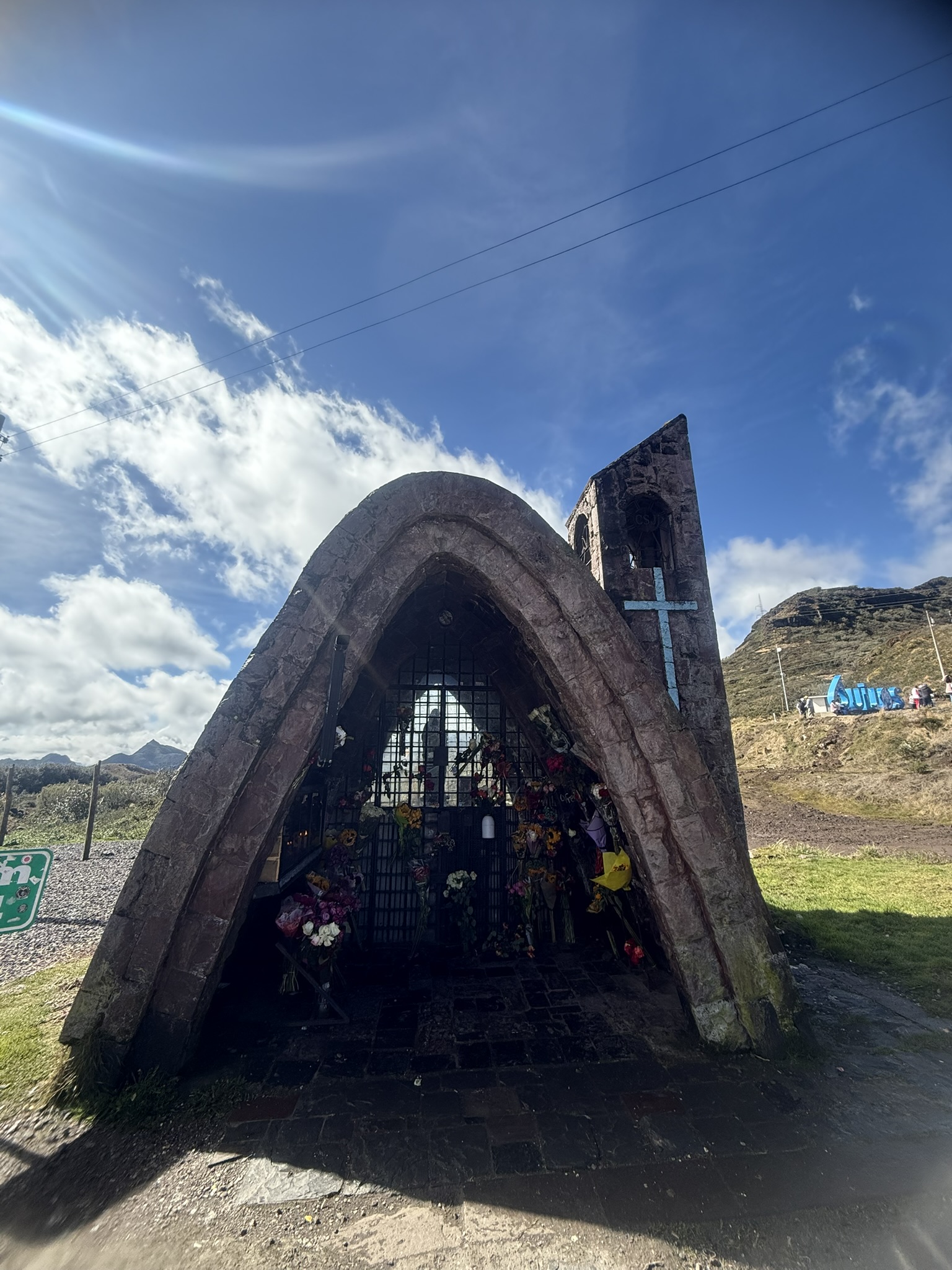
We stopped at all kinds of viewpoints and villages along the way, but I could barely focus on anything other than the result. When Cirilo told us that an unobstructed view of Antisana Volcano was an incredibly rare sight – visible around six days each year – I could do little more than smile in response.

It was at our empanada stop at 10AM that the website finally came back online – four friggin’ hours later. We had our quick meal and, before travelling deeper into the Amazon, where there presumably wouldn’t be much internet, I asked Cirilo to give me a couple of minutes for the result to load.
And the result… Let’s just say I was kinda expecting it. I had failed this exact same exam by a single mark the first time round. After that, I had been forced to sit down and make myself study properly. Turns out, spending an entire summer going over the same notes more than made up for that one mark. In fact, when I saw the word ‘pass’, I barely reacted. I lit up a cigarette and, knowing that I had finally completed the prerequisites needed to apply for my next training post, I felt some relief. Normally, I would’ve been exhilarated, riding that natural high that follows months of hard work finally paying off. I probably would’ve looked up at the sky with tears in my eyes and a smile on my face, thanked the universe and thought about my father and how proud he would’ve been. I would’ve texted all my friends and asked them to celebrate with me once I got back.
Instead, the whole process of receiving the friggin’ result had drained the moment of nearly all its joy. After all those months of studying, I hadn’t even been allowed to take it in properly. To this day, I still have no idea why it’s so damn complicated to receive an exam result – especially two months down the line!
PART II
The Road into the Amazon
With that final piece of work stuff finally settled, I could focus on enjoying myself and the remainder of the trip, knowing that I’d go home to a new phase of my life.
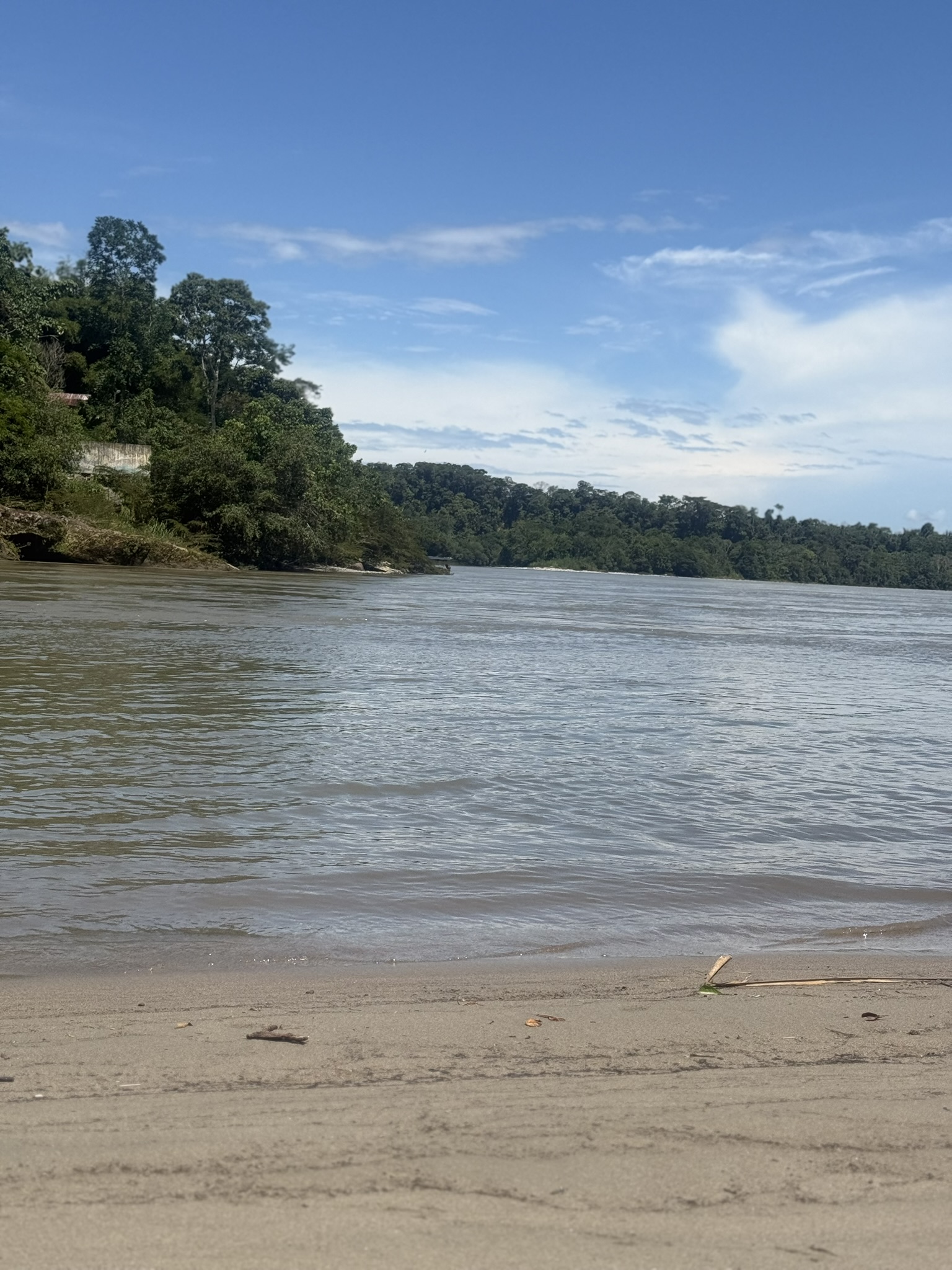
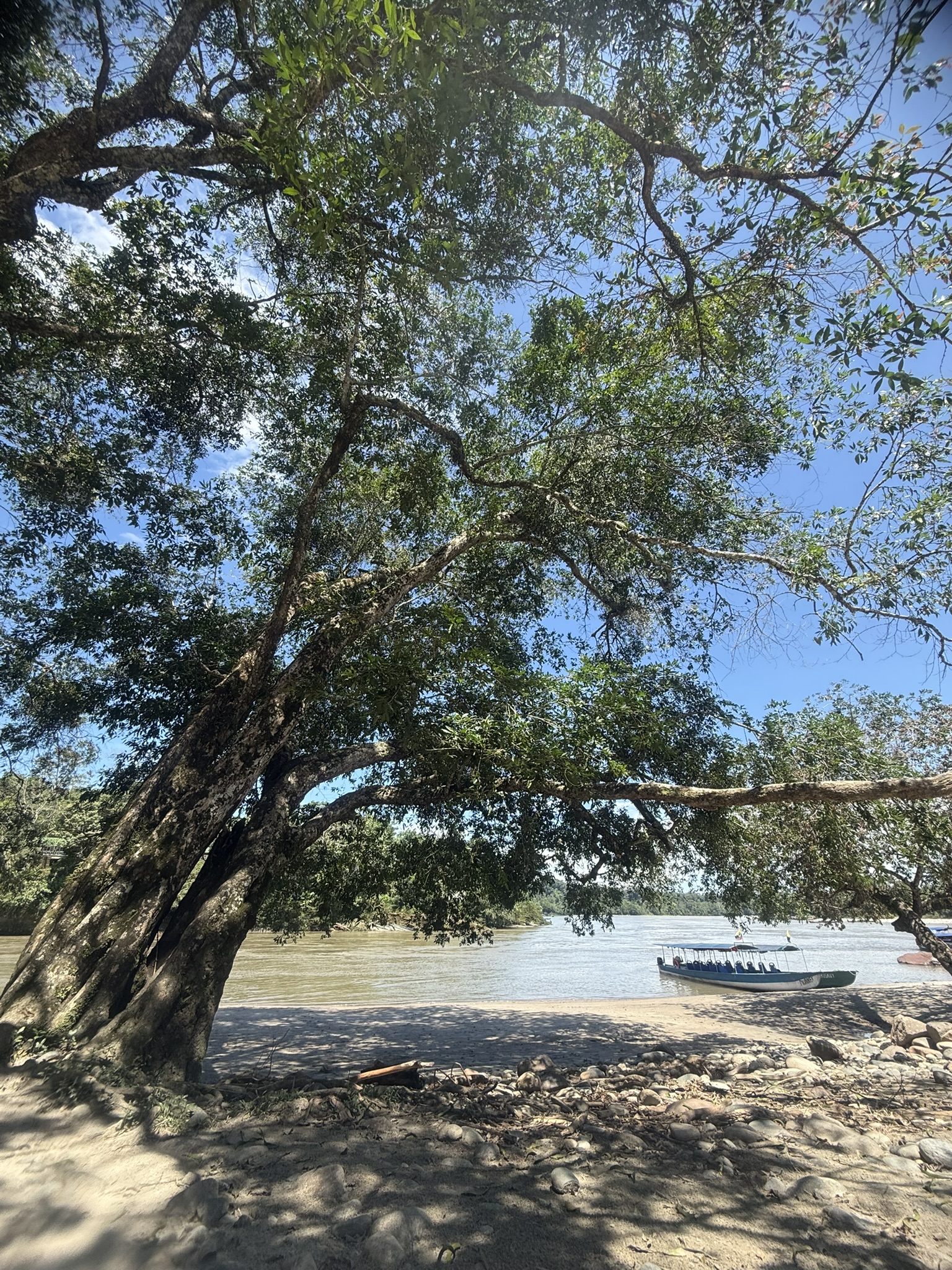
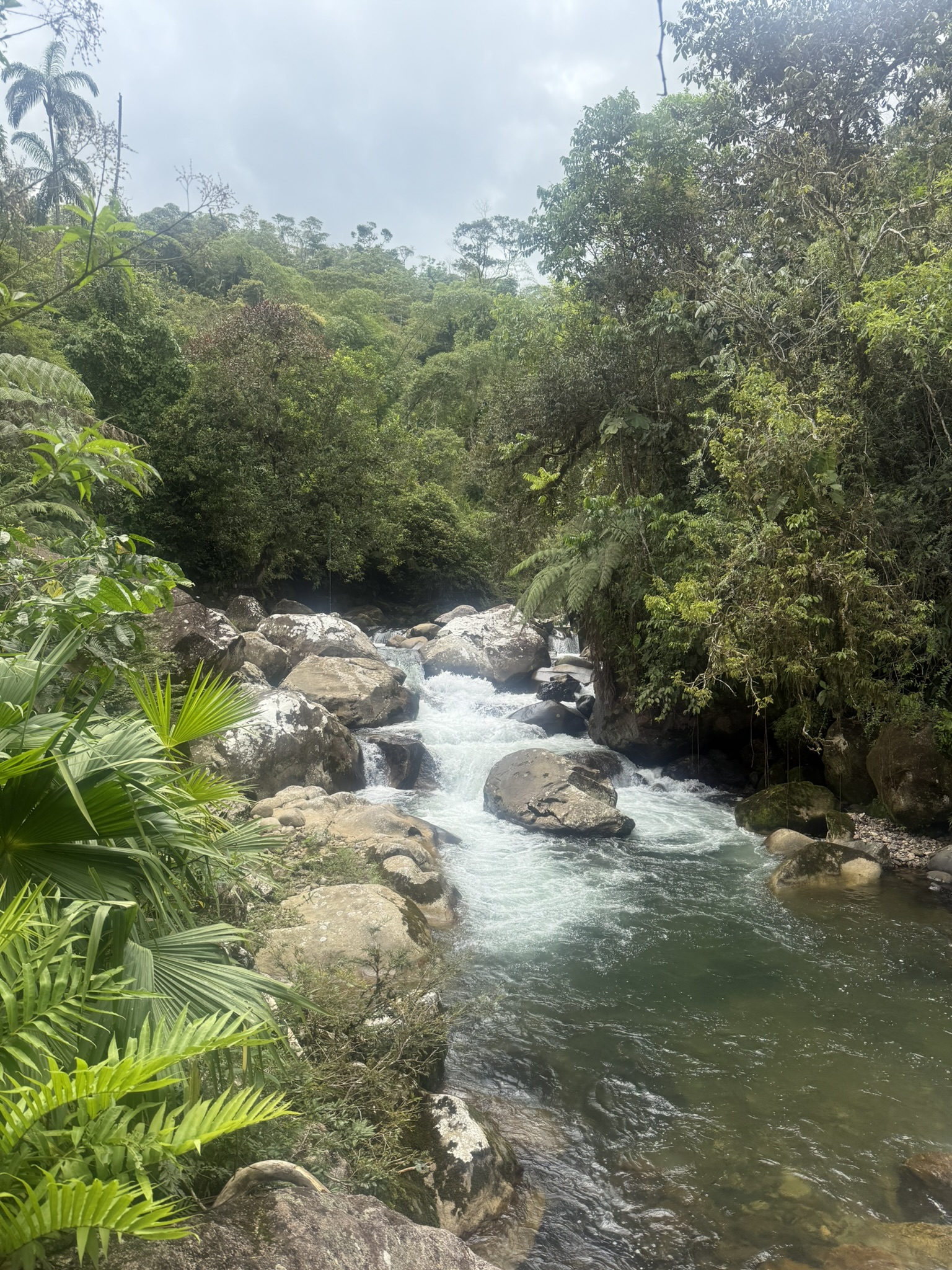
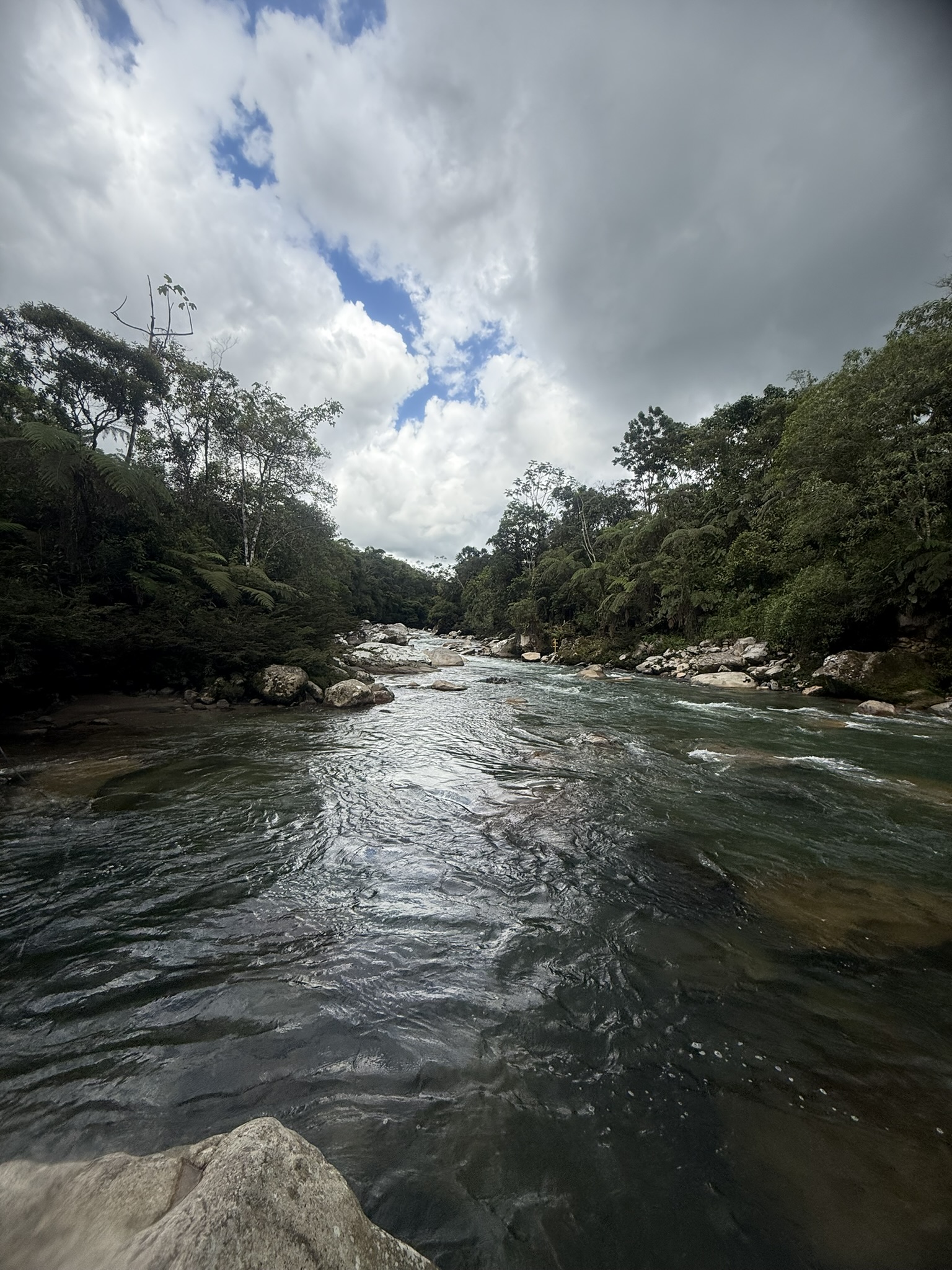
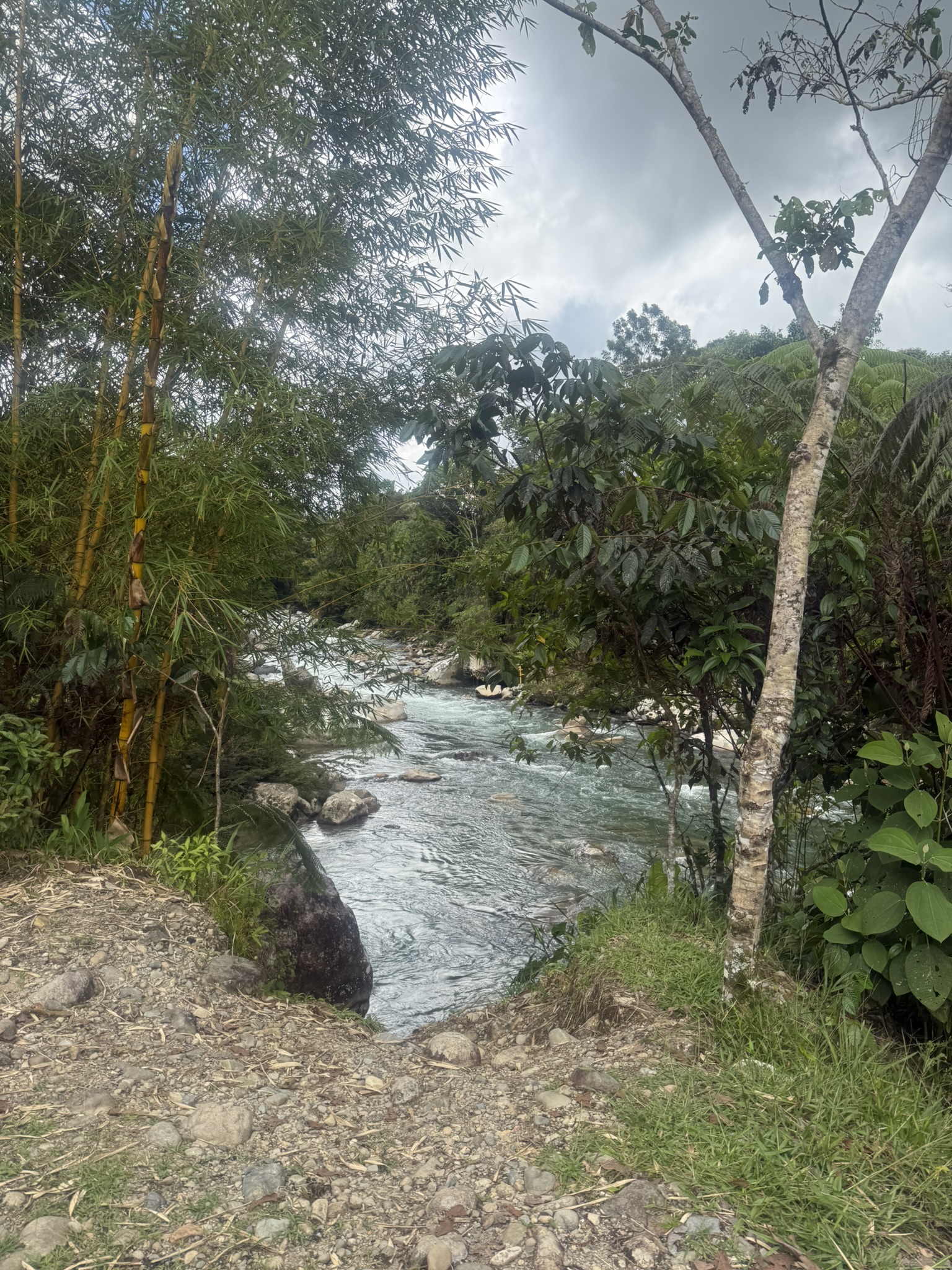
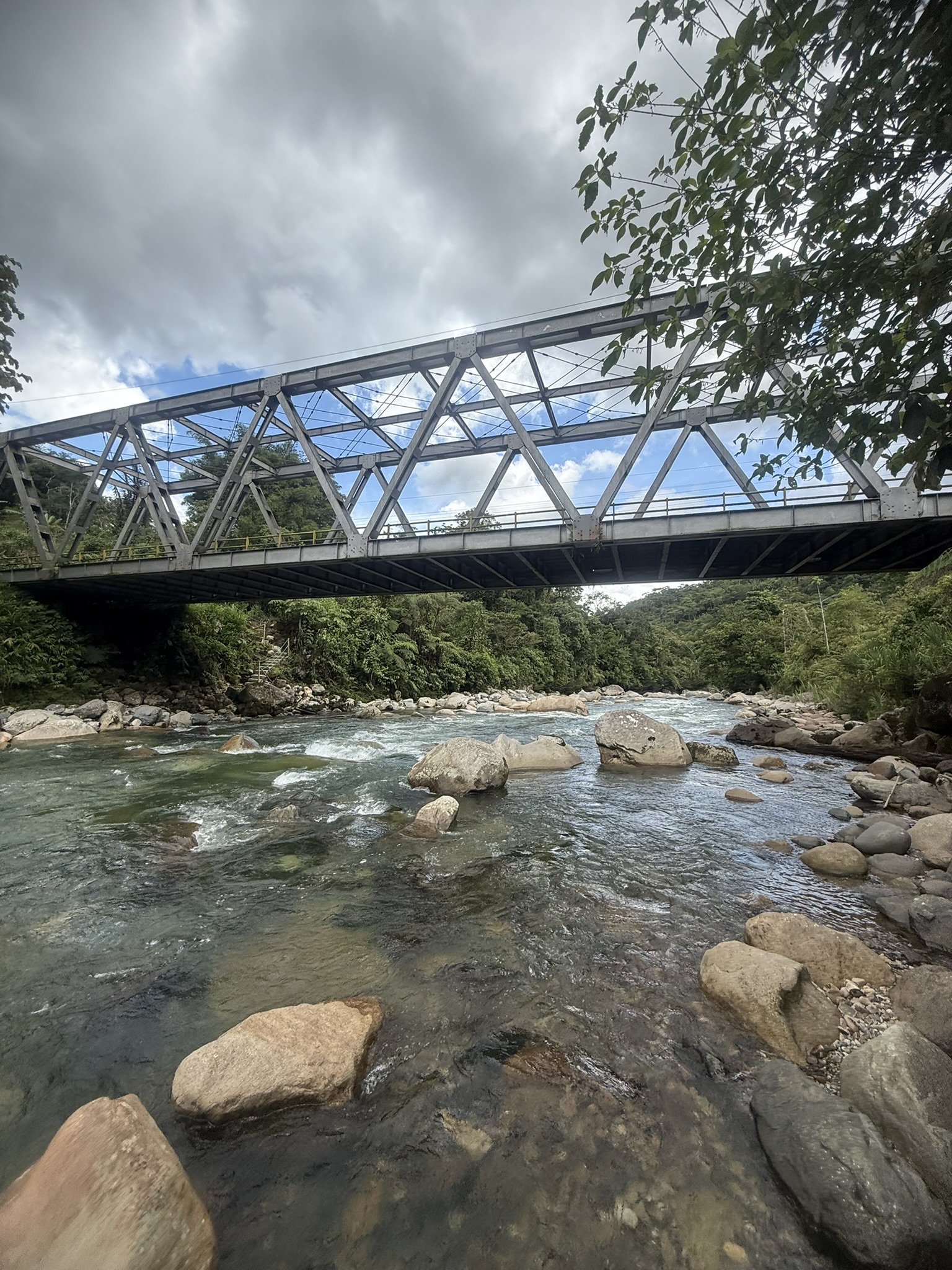
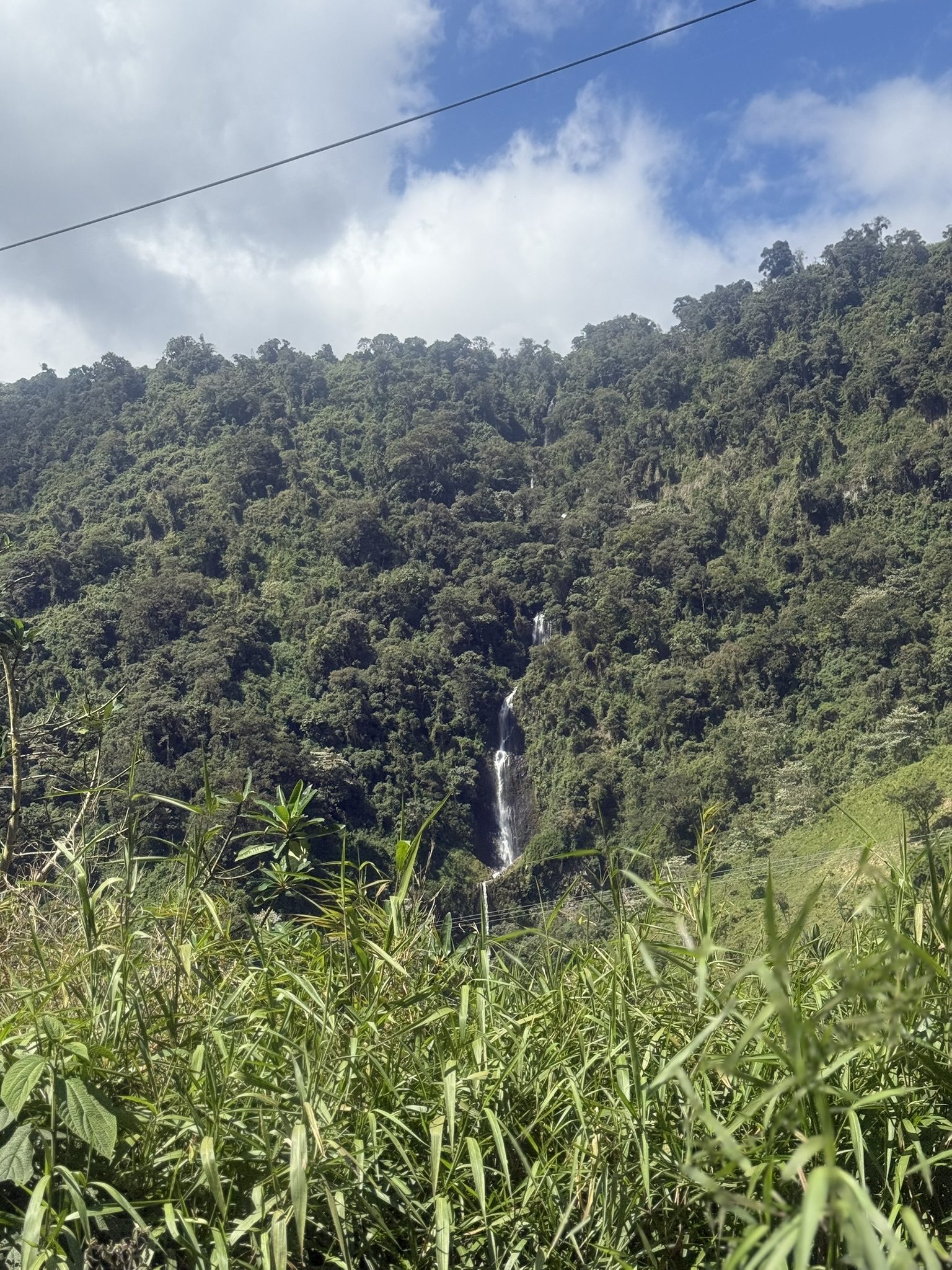
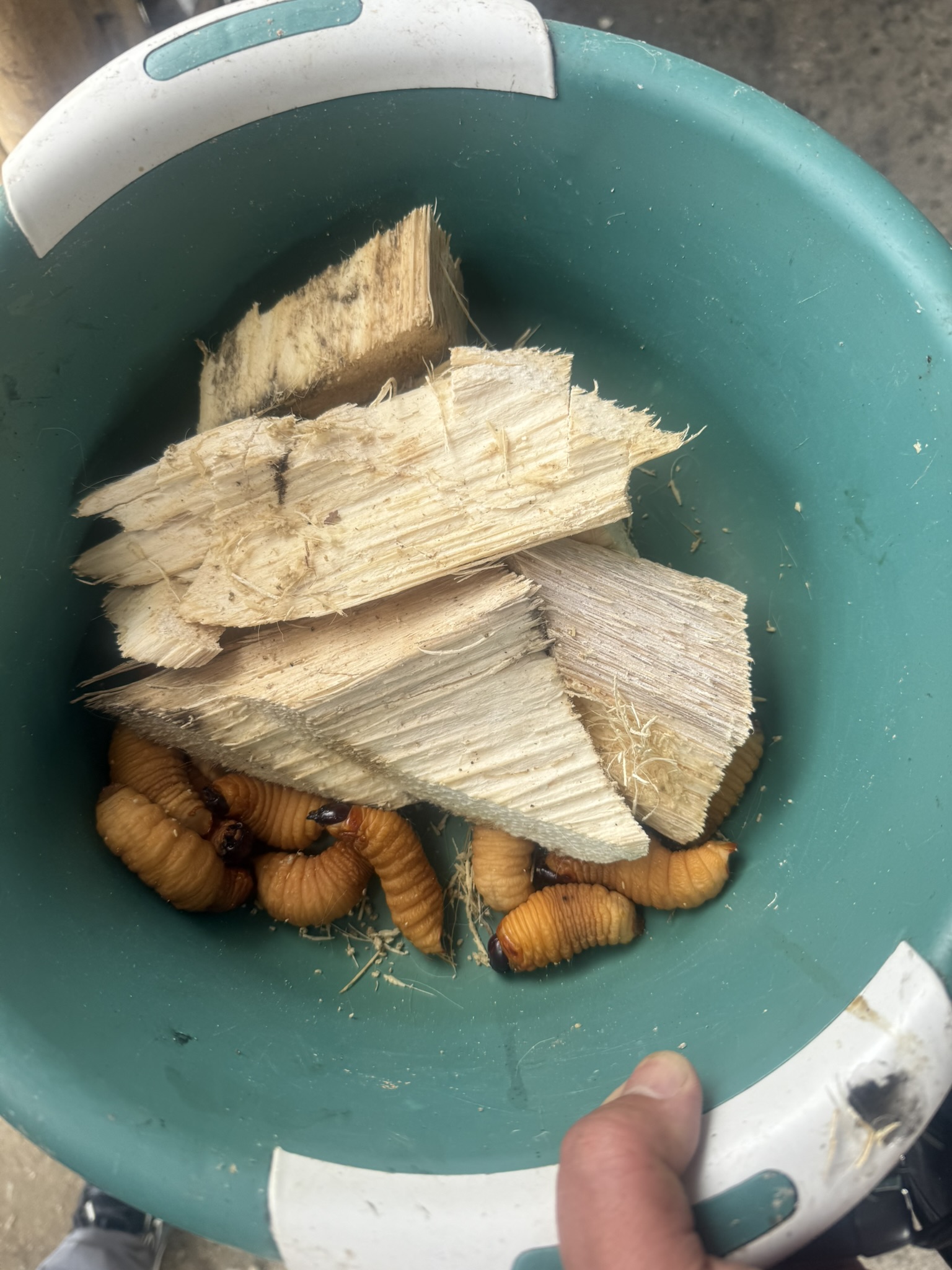
Our journey into the Amazon was full of small surprises, such as eating chontacuros – the same palm-weevil larvae I had eaten in the Peruvian Amazon, though these were definitely better and tasted almost like crispy chicharrón. We also stopped to admire the Tres Marías Waterfalls, took a short break beside a river and walked around Monkey Beach in Puerto Misahuallí, our final stop before reaching the lodge.
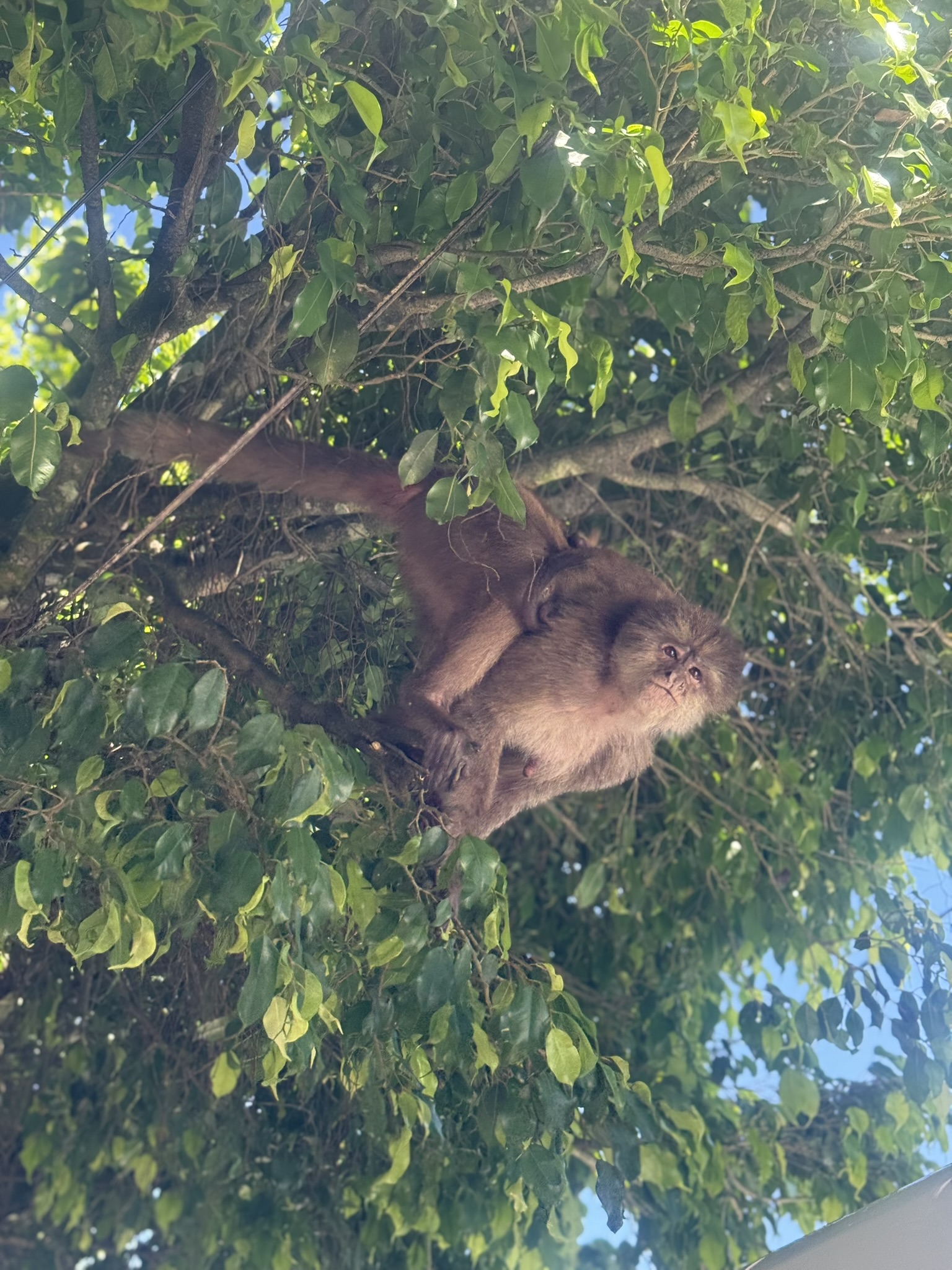
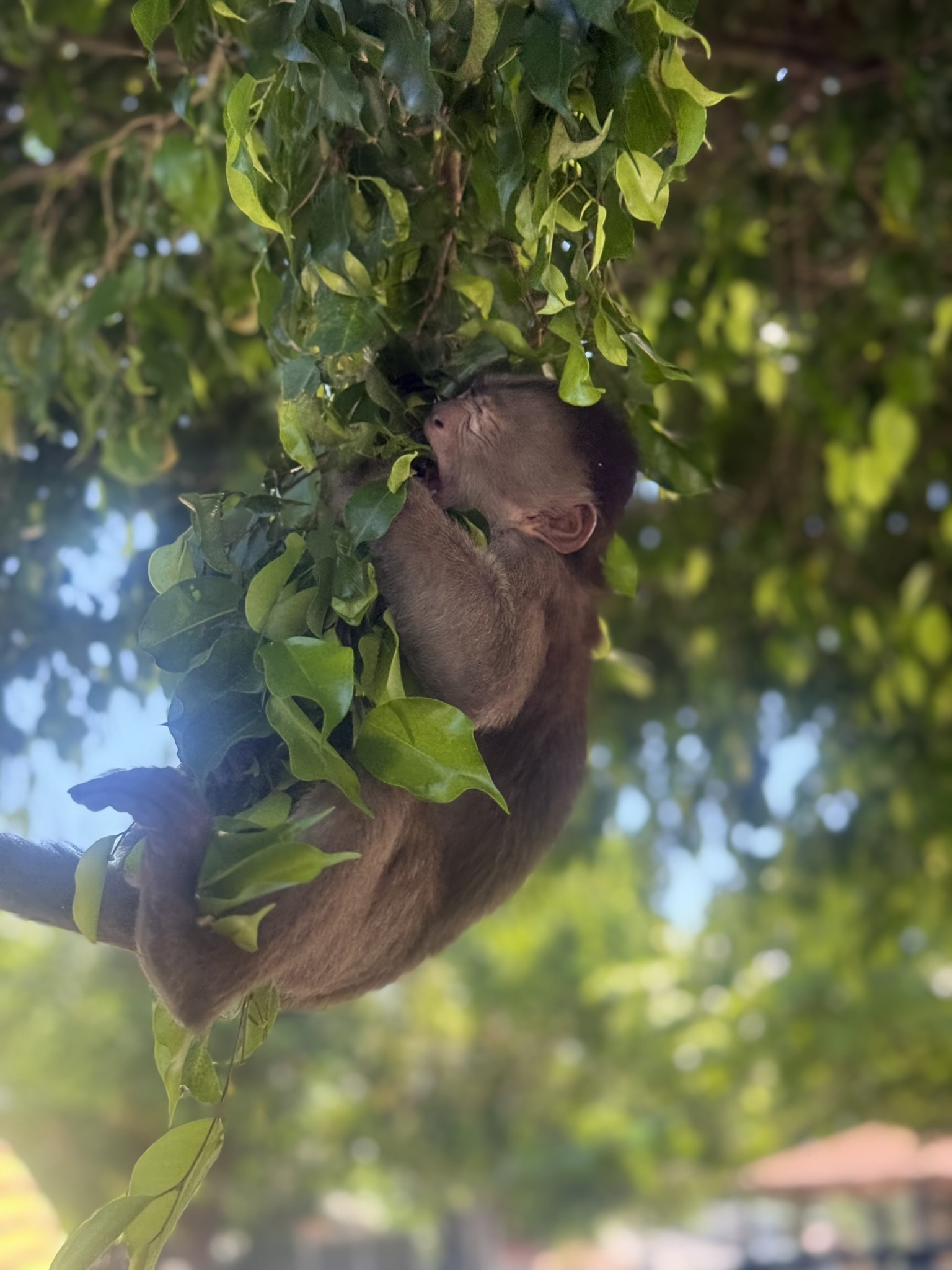
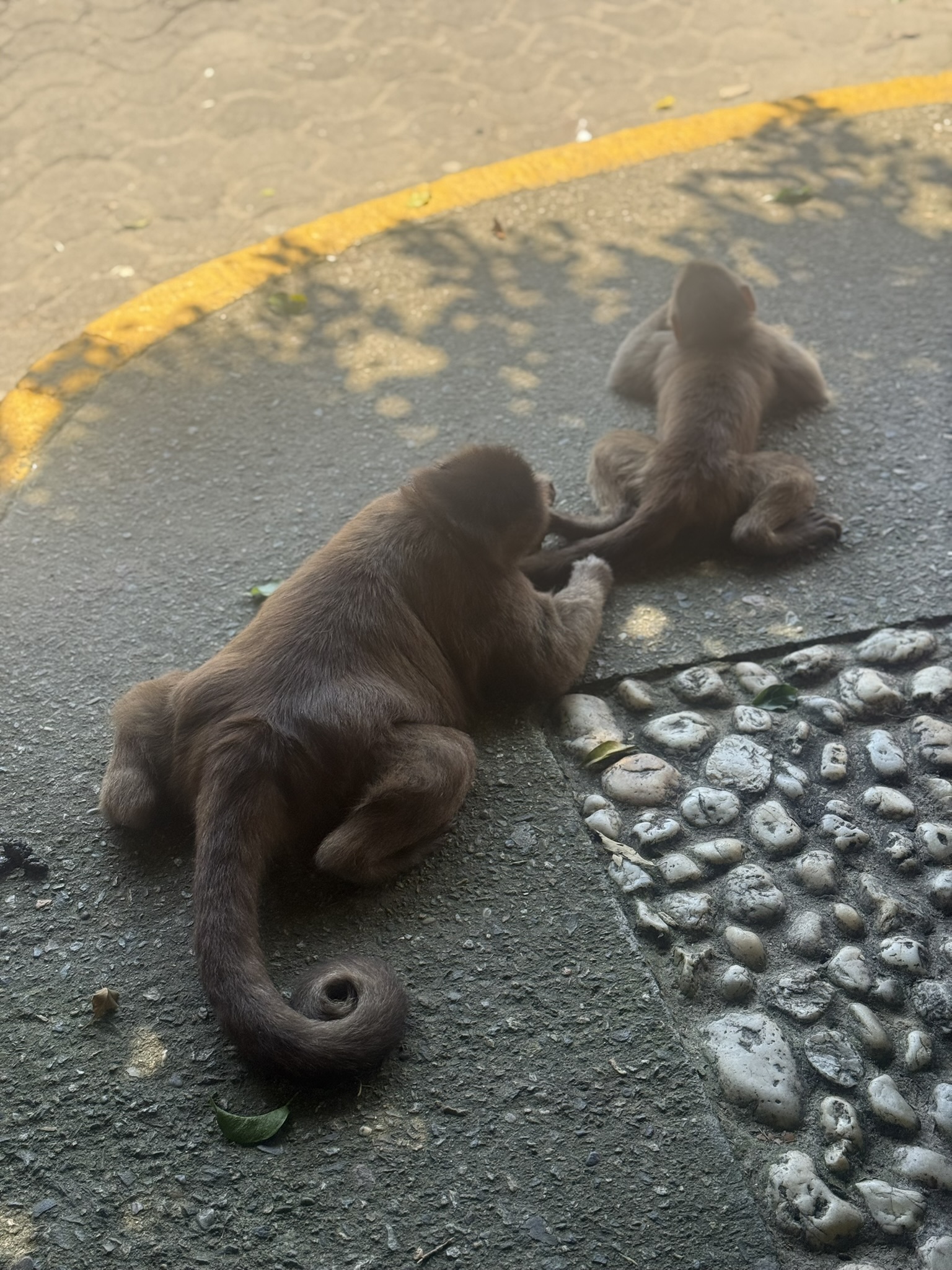
Named after the capuchin monkeys that inhabit the area, it is where locals gather to swim near the point where the Misahuallí River meets the Napo. Although we didn’t get the chance to swim on account of our tight schedule, we spent plenty of time watching the monkeys, some of which came much closer than expected. One appeared heavily pregnant, another was only a few months old, and a large adult male kept a watchful eye over the entire spectacle.
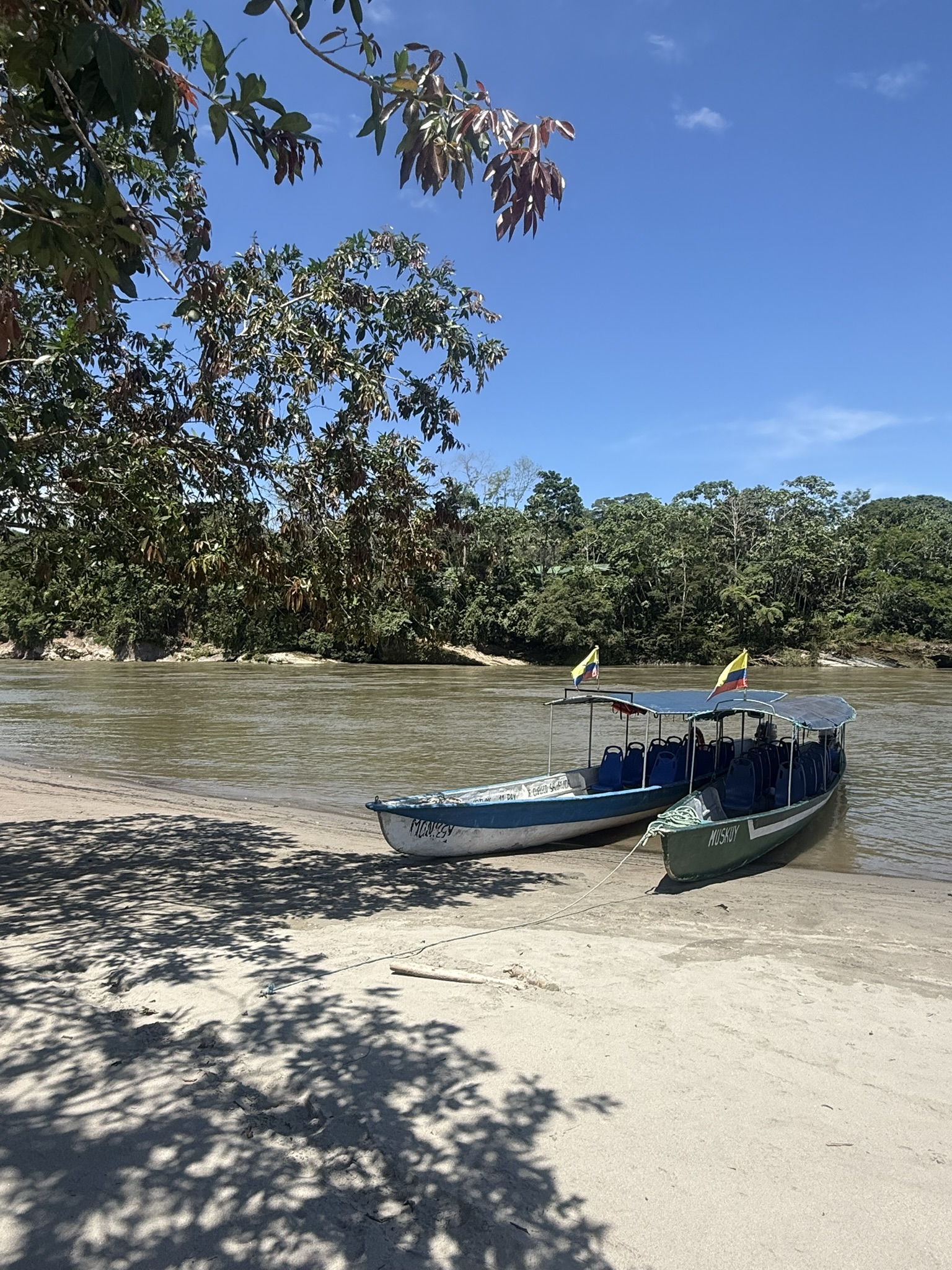
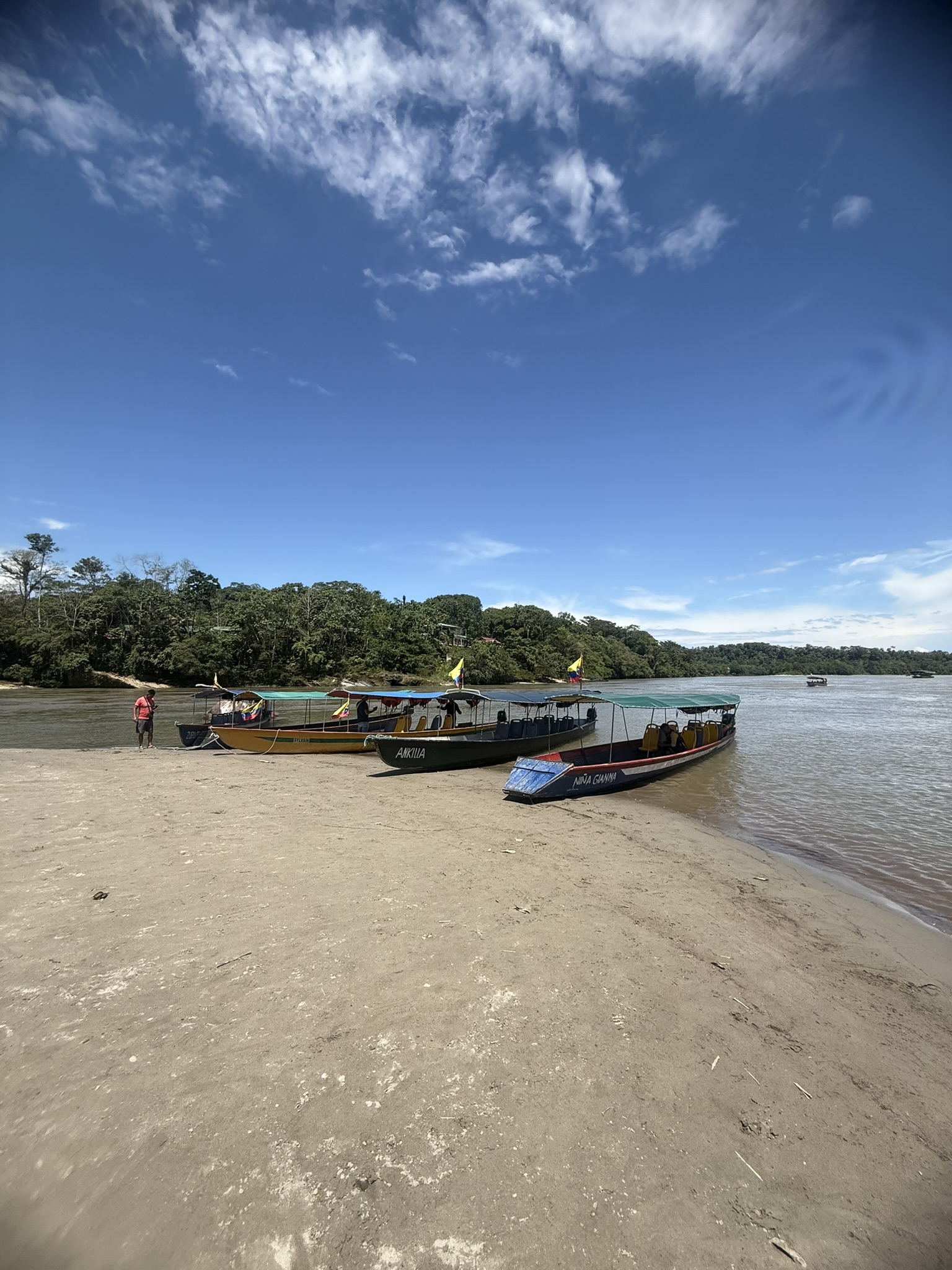
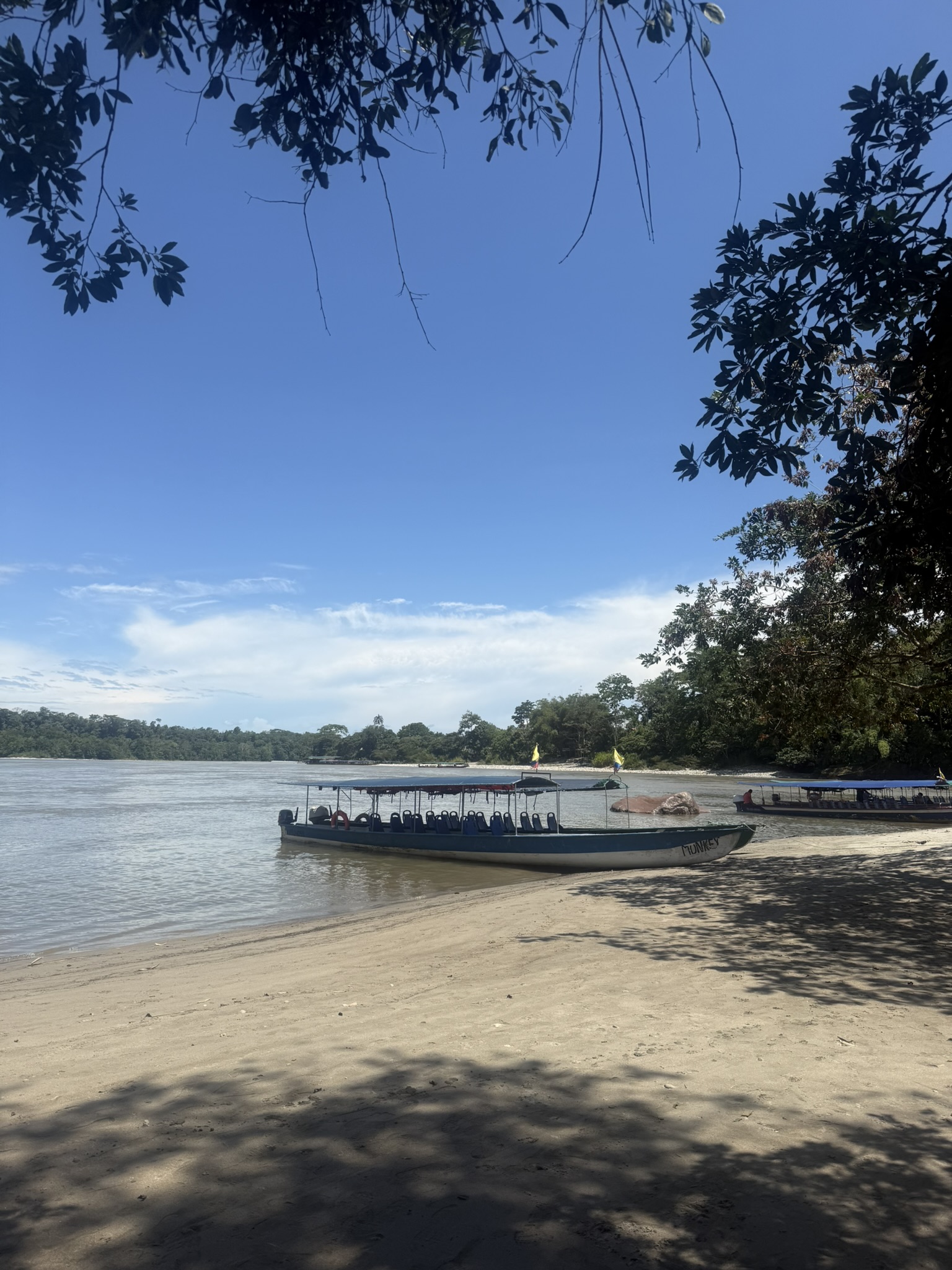
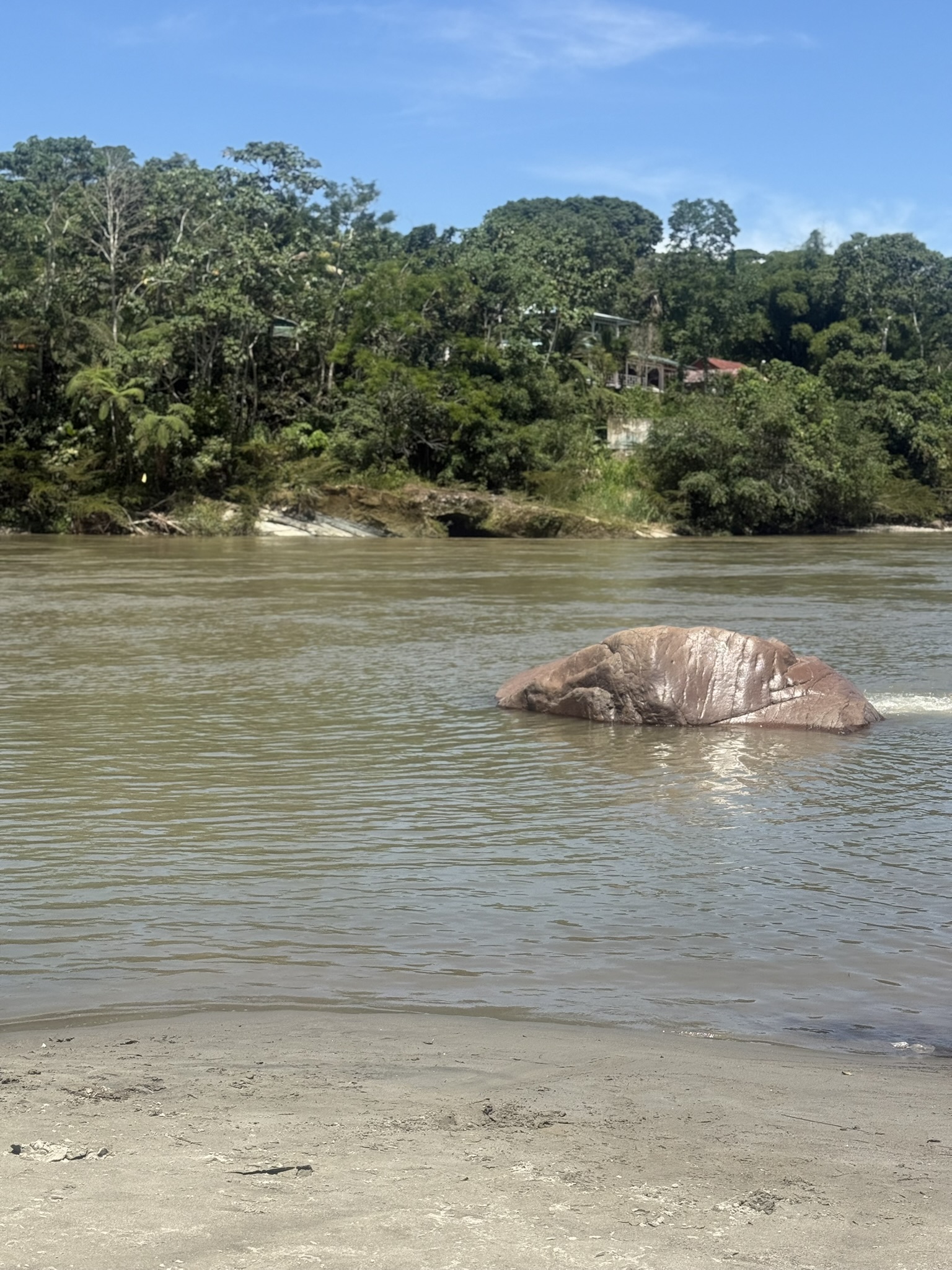
After a total of around six hours on the road, we finally arrived at Suchipakari Jungle Lodge, near Tena, where we’d be staying for a couple of days. I have to admit that I was feeling a bit disenchanted by it all. First, I had already visited the Amazon in Iquitos, Peru, and suspected I’d end up comparing everything to that experience. Second, the eco-lodge I had stayed at in Iquitos had been so deep in the jungle that we needed a canoe to reach it, rather than simply driving there. Third, I had booked this place without doing much research, overlooking the fact that destinations such as Yasuní National Park might have offered a better chance of appreciating more wildlife.
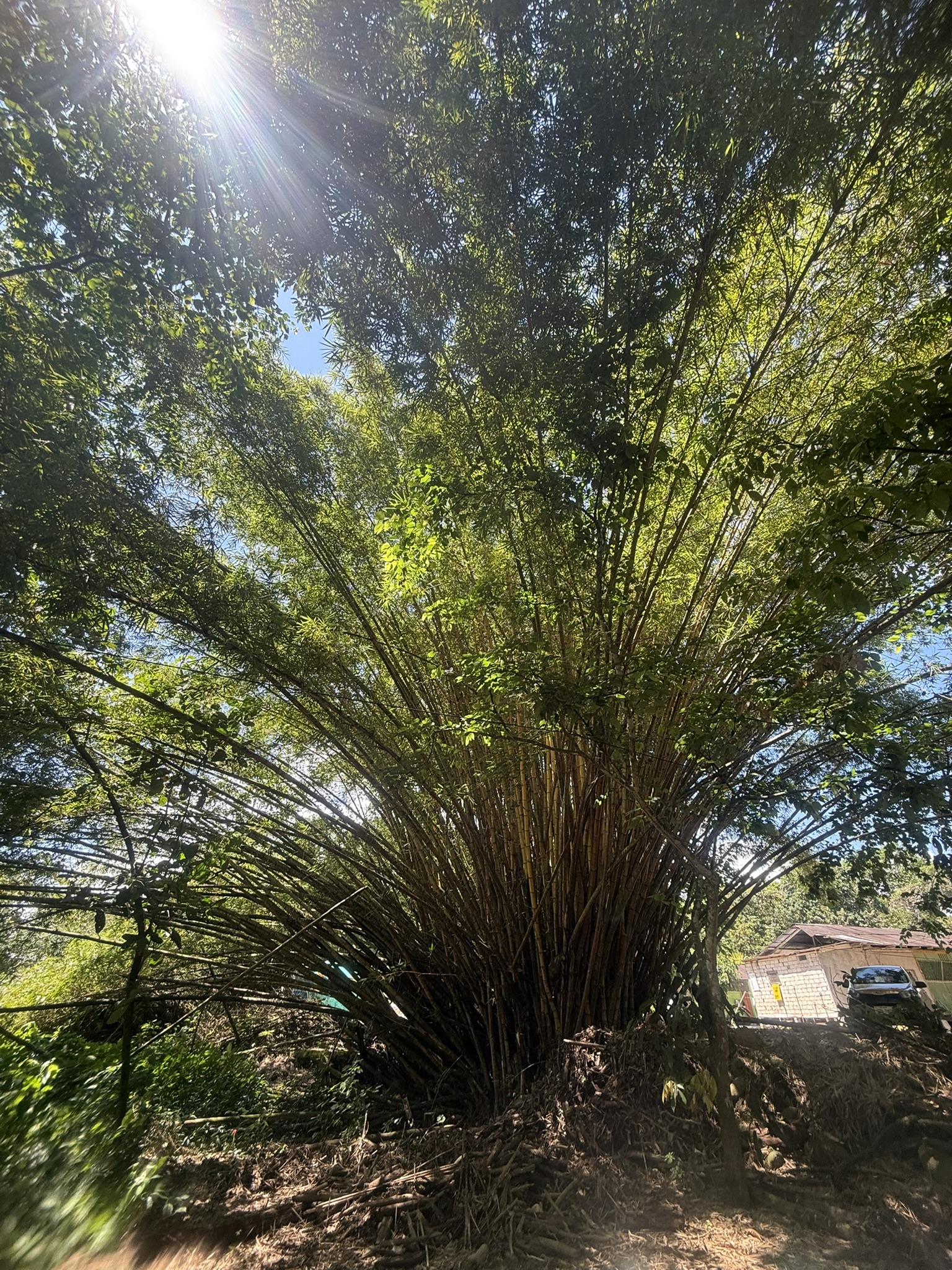
The second we arrived at the lodge, however, I swallowed both my words and my negativity. It reminded me of the Jaguar Creek resort back in Belize, only this place was somehow infinitely better. All kinds of tropical flowers and plants surrounded the wooden building and its classic thatched roof, which sheltered a dining area, a bar beside the pool, a spa and an open space for activities. The rooms where we’d be staying were practically in the middle of the jungle, each with a balcony leading directly into it. Can you imagine having the Amazon as your backyard?


The Jungle Speaks
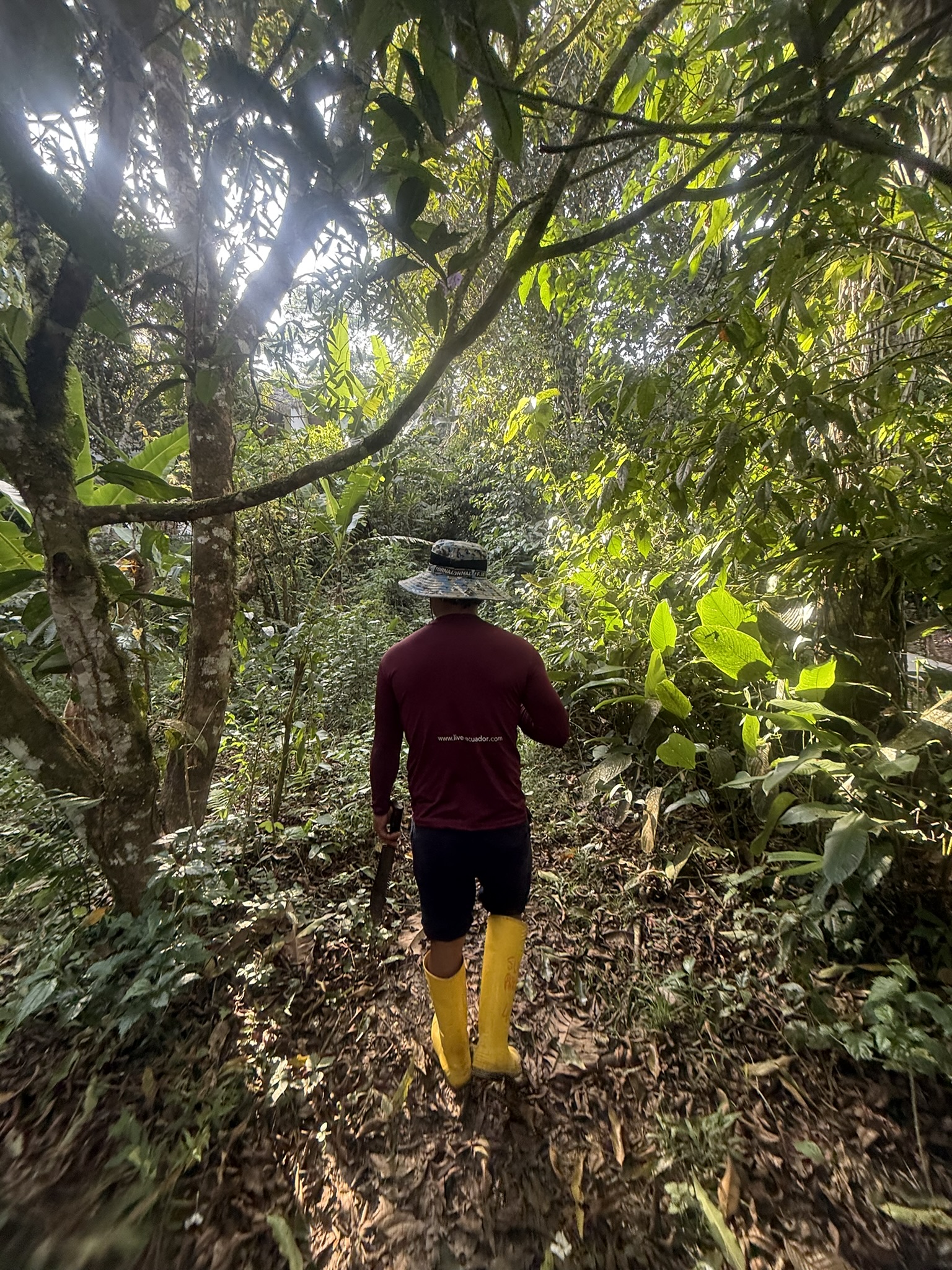
After a quick lunch, we were shown to our rooms and then led towards the starting point of our first jungle tour. Brian, a local Kichwa guide, would be leading us throughout our stay. Along with Arlynn and Jesús, we were joined by Dorijan, a guy from Slovenia who had been backpacking around South America for a few weeks (and smelled like it) and Igor, a Belgian pilot on holiday (whose flights had cost around a quarter of what I had paid).
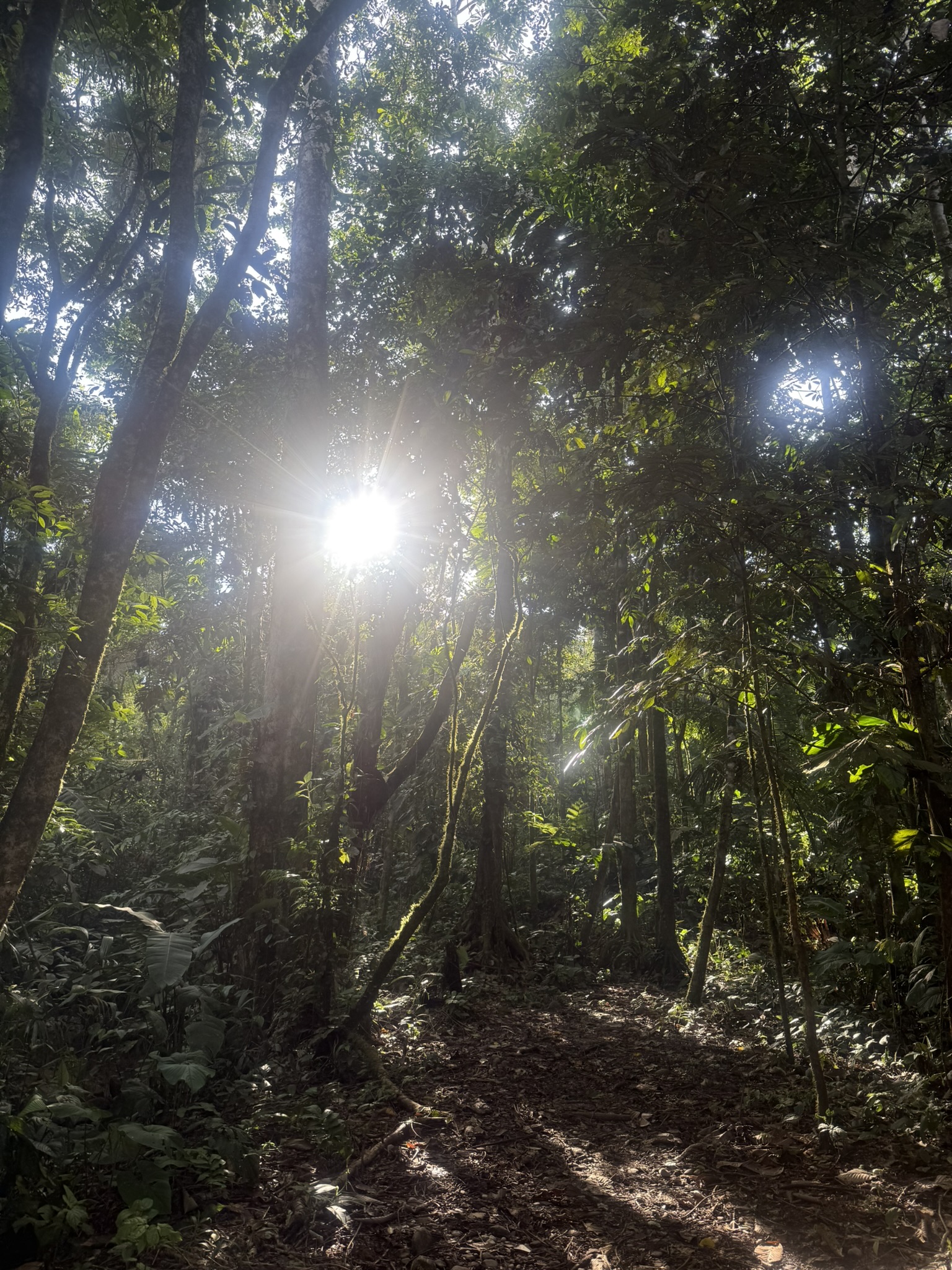
Without wanting to sound too privileged, the walk was practically a rehash of the jungle tour I had done in Iquitos. Brian showed us many of the same plants and trees, but, to my surprise, it didn’t feel boring or repetitive. In fact, I found myself feeling proud that I already recognised most of them and happy to consolidate my knowledge, especially whenever he added some detail or story that I hadn’t heard before. The main plants and trees we encountered were:
- Ayahuasca vines: Although I was already familiar with its psychedelic effects, Brian told us about its long history in Indigenous Amazonian healing and spiritual practices. According to his account, Spanish missionaries often viewed shamans and their use of ayahuasca and other medicinal plants as devilish, particularly when local practices appeared to succeed where their own prayers and remedies had failed.
- Ishpingo tree: Often described as Ecuadorian cinnamon, its leaves released an incredible cinnamon-like aroma when we chewed them. Brian called it Tena’s own El Dorado, referring to the Amazonian ‘Land of Cinnamon’ that once fascinated Spanish explorers.
- Guayusa plant: Nicknamed the Amazonian Red Bull, its caffeinated leaves are used to make an energising tea. Brian explained that some Indigenous families traditionally wake before dawn to prepare a large pot, gathering around the fire to drink it, talk and begin the day together. He also told us that the smoky preparation may be splashed onto the skin or clothing to discourage insects and that guayusa has a reputation as an aphrodisiac.
- Jungle pumpkin tree: The Crescentia cujete, better known as the calabash tree, produces a large fruit with a hard, woody shell. Once dried and hollowed out, the shell can be used to make bowls, cups and other practical objects, including, Brian joked, bras for women.
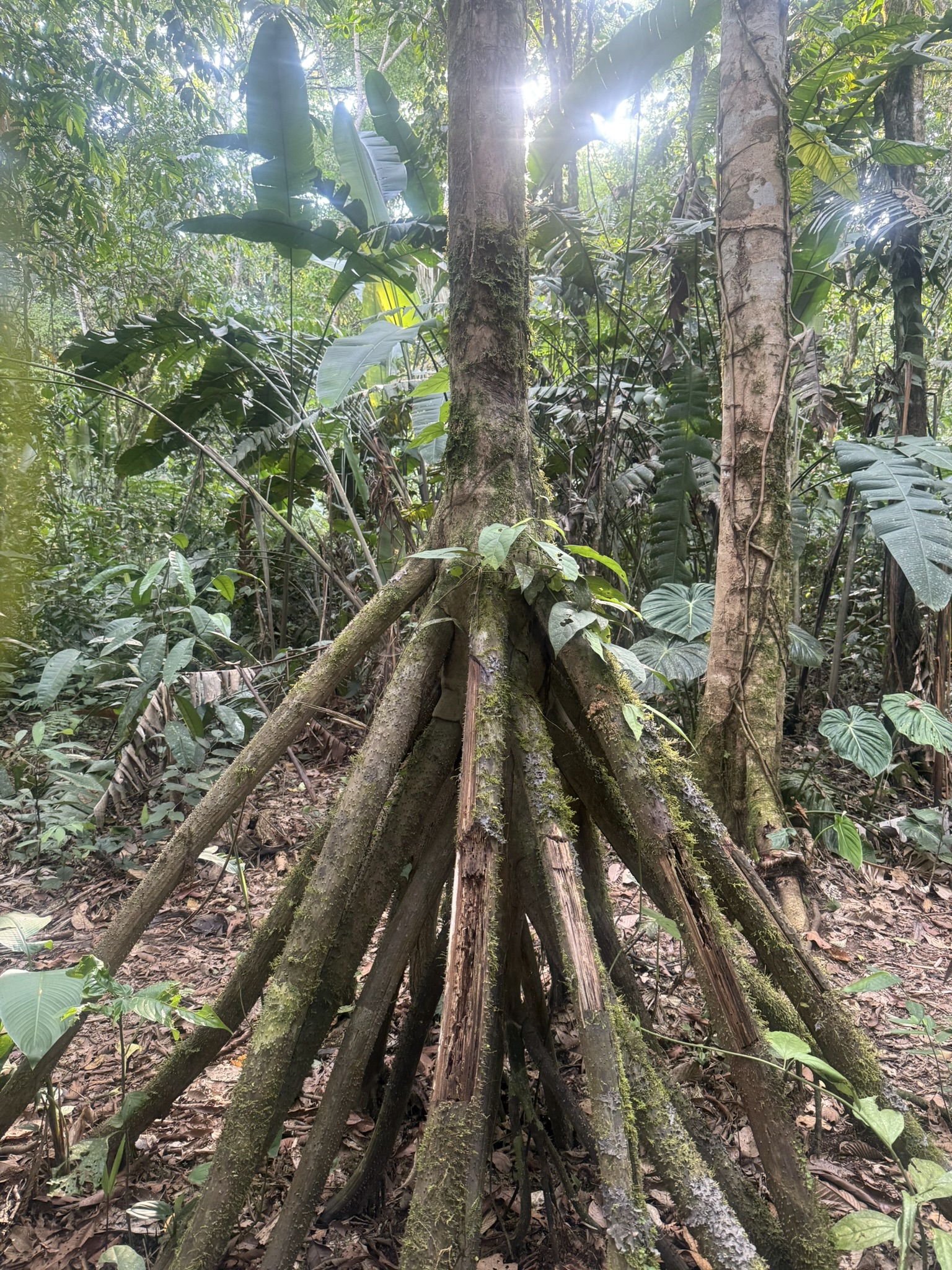
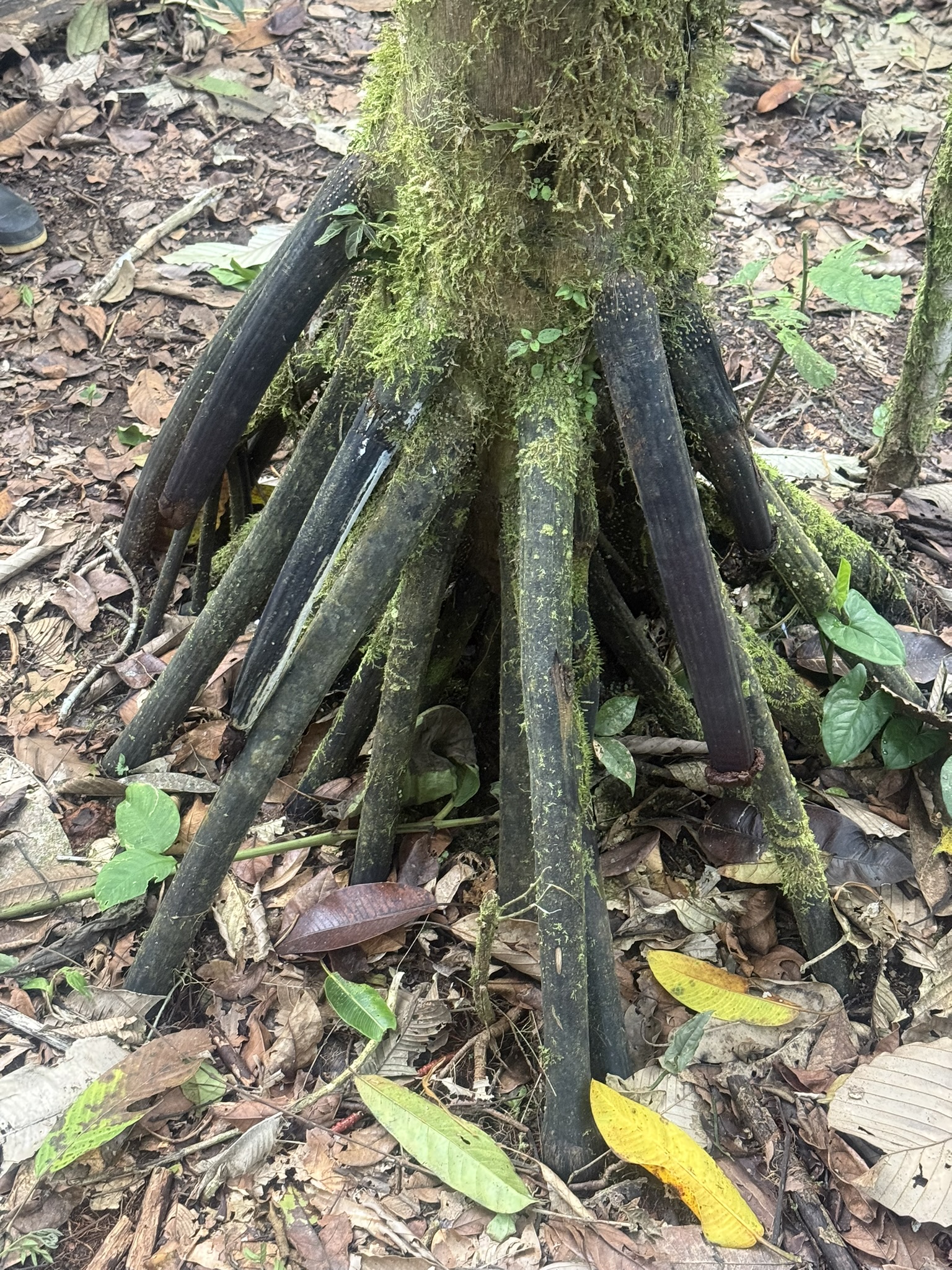
- Huacrapona palm: Brian introduced this one by its much more memorable nickname, the devil penis palm. Its red, spiky stilt roots ended in rounded tips that certainly resembled what he was describing. When he squeezed a cut tip, a small amount of clear liquid emerged, which he said could be drunk in a survival situation. When the root was stroked, however, nothing happened.
- Pambil palm: Its long stilt roots have fuelled stories that certain rainforest palms can ‘walk’ towards better light by growing new roots on one side and allowing old ones to die on the other. In reality, the trunk does not migrate across the forest floor, but the story is certainly more fun. Brian also explained that chontacuro larvae develop inside felled or decaying palm trunks and that the tough, spiky roots of certain palms have traditionally been used as tools, graters and even weapons for spanking disobedient husbands.
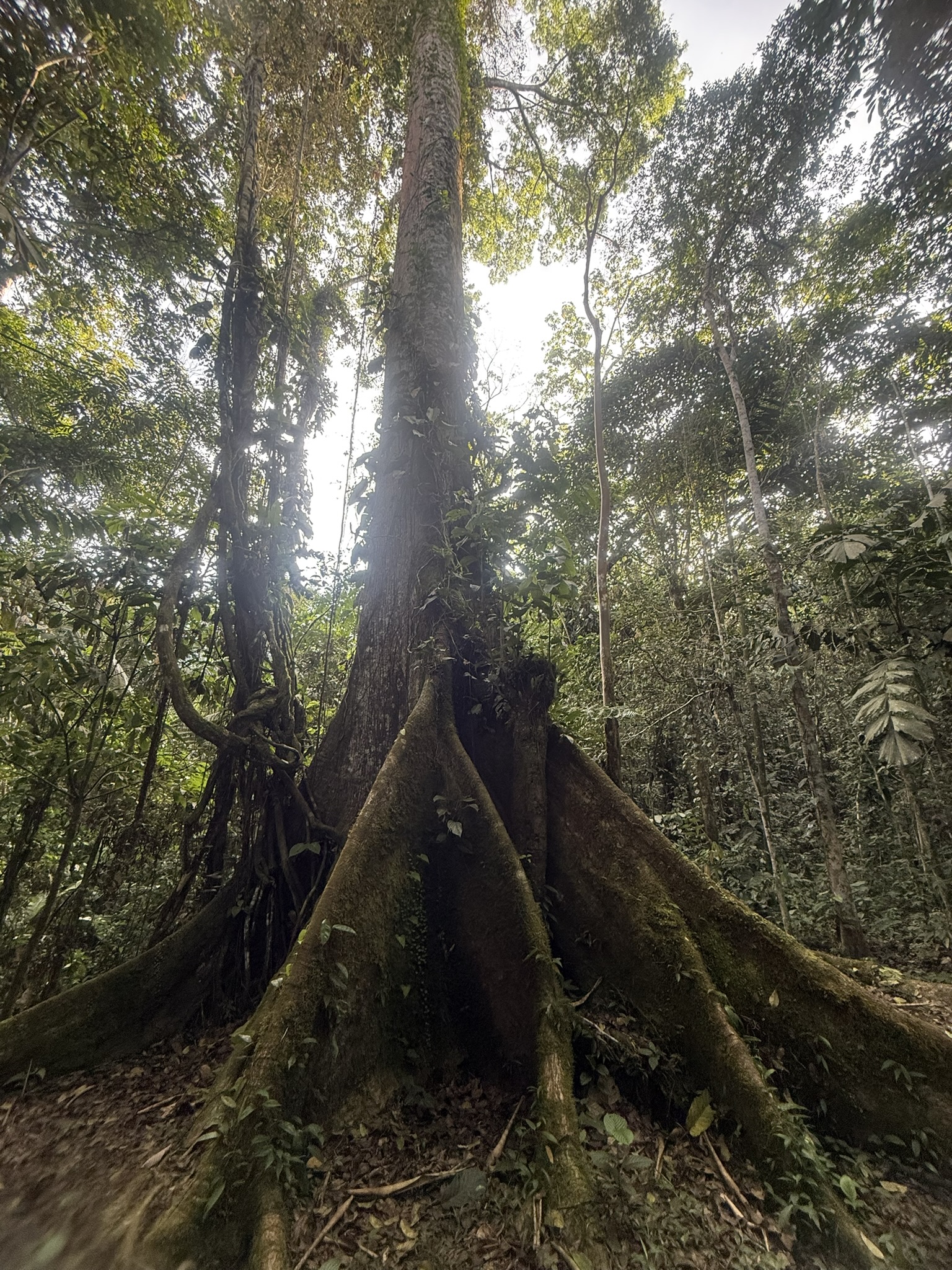
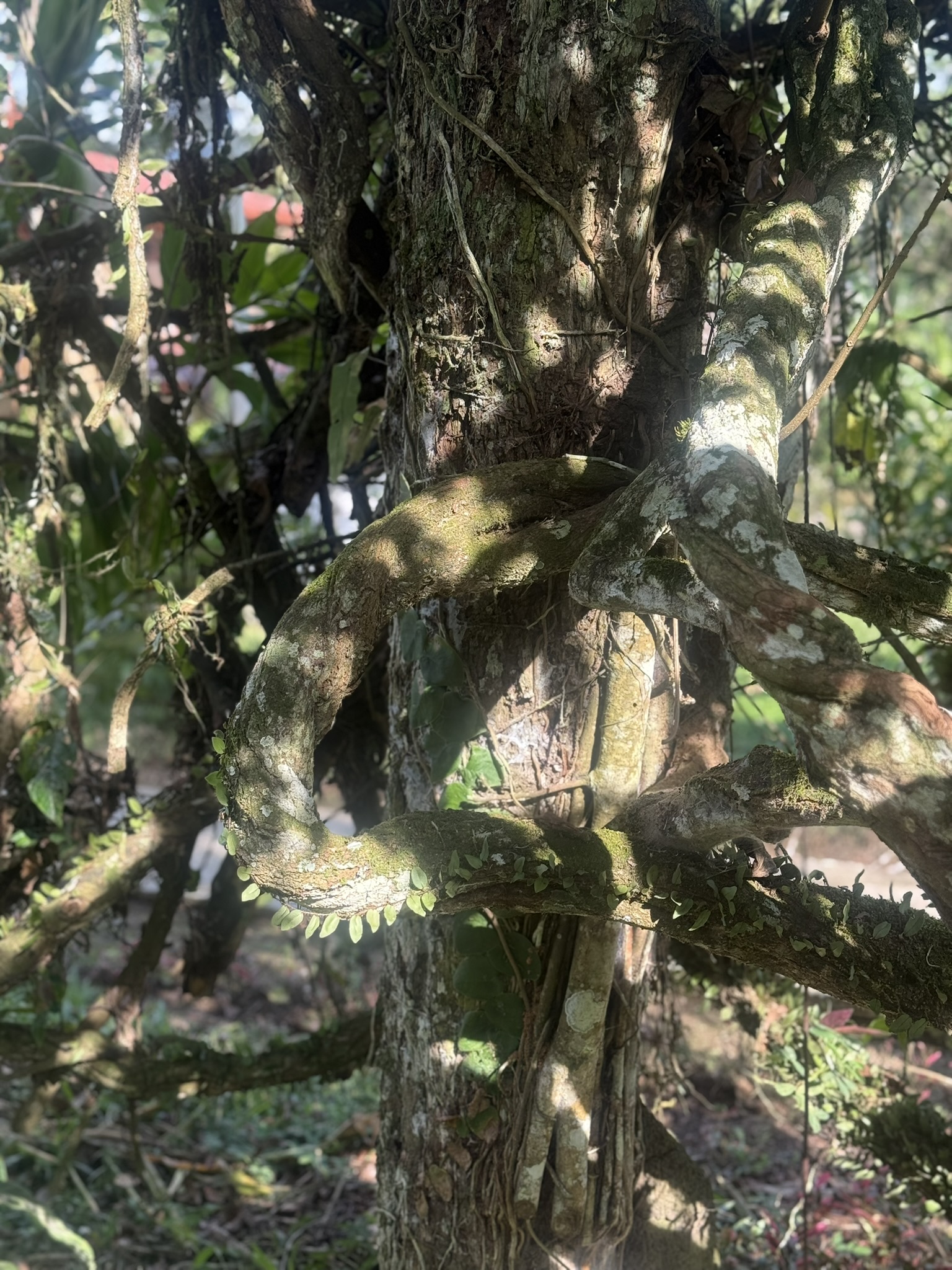
- Drum tree: The hollow buttress roots of this strangler fig produces a deep, drum-like sound when struck with a hard object. Brian told us that people once used different rhythms to communicate through the jungle, almost like Morse code, earning it the more modern nickname of the iPhone Tree. The tree also releases a milky white latex that, according to local tradition, can be applied to small wounds to help control bleeding.
- Ceiba tree: Seeing this legendary tree once again took me back to my days in Central America, where the Maya revered it as a sacred link between the underworld, the earthly realm and the heavens. Here, we laid our eyes on a ceiba that Brian estimated to be around 300 years old and told us was still used during local shamanic rituals.
By the end of the tour, I felt as though I had finally found my way back home. The jungle had felt special to me from the very first time I had set foot in one, way back in Colombia. Since then, every time I entered one, I felt re-energised in a way that nowhere else could quite replicate. Except maybe the sea, of course.
Adrift by Day, Alive by Night
Next up was something I’d never tried before: river tubing! Armed with a huge rubber tube, we went on a short walk upstream towards our starting point.
Once there, we each took a dip in the river, which, lemme just say, felt like the best thing imaginable in the warmth and humidity of the Amazon. We were then told to lie across our tubes and always paddle backwards whenever we needed to manoeuvre around the river. Otherwise, we could simply relax and let the current carry us towards the finish.
Once adrift, I felt a sense of peace unlike anything I had experienced before. Surrounded by the verdant, living jungle as I floated along the muddy brown water, with birds, cicadas and crickets calling all around me and a cloudless blue sky overhead, I felt as though I were part of the jungle itself. That was until we hit the first rapid, with my butt taking the brunt of many a rock in the shallower sections. Honestly, though, it was so, so much fun! That was how the next half-hour went, a peaceful drift interrupted by the occasional exhilarating rush of the rapids.
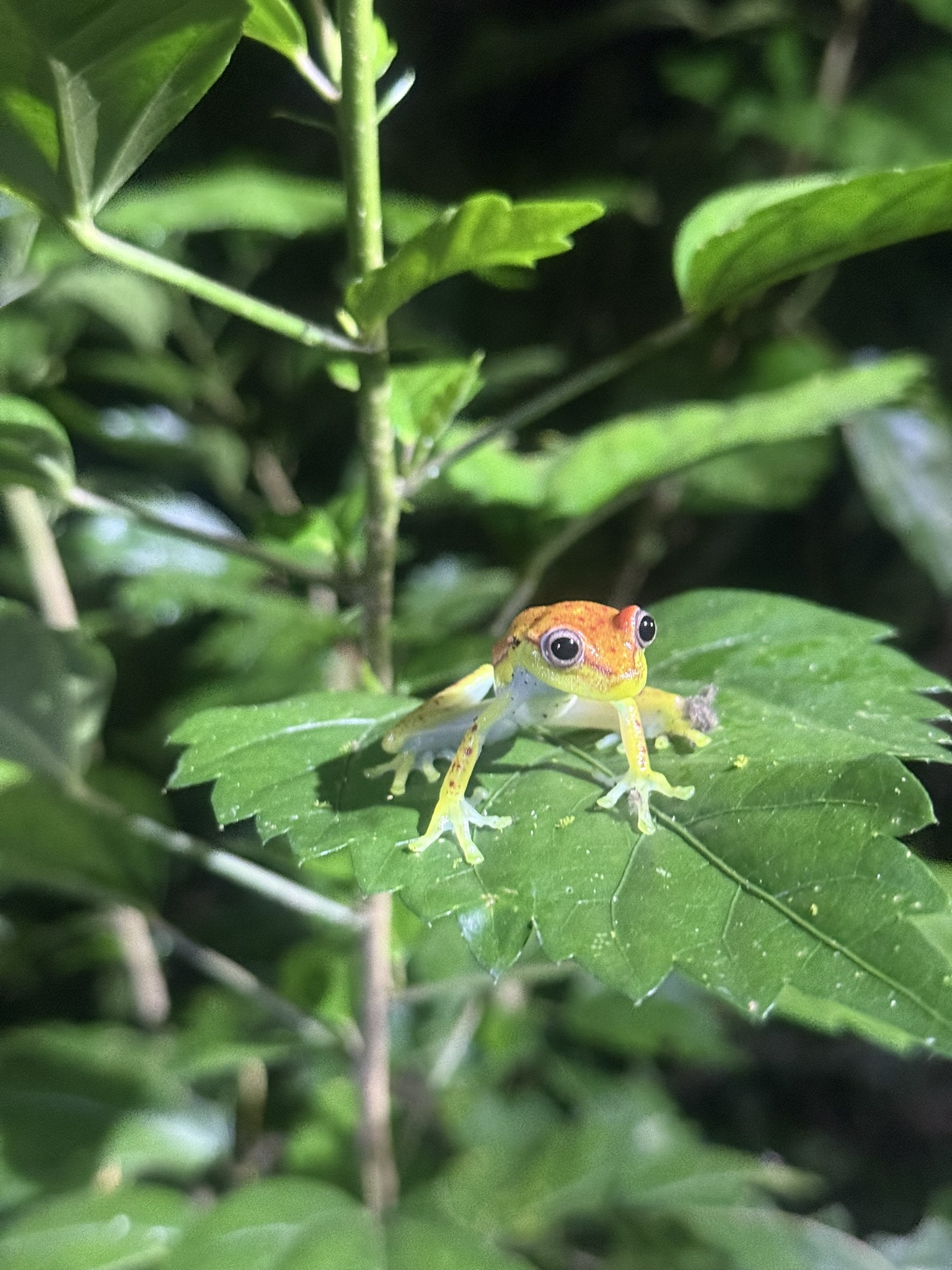
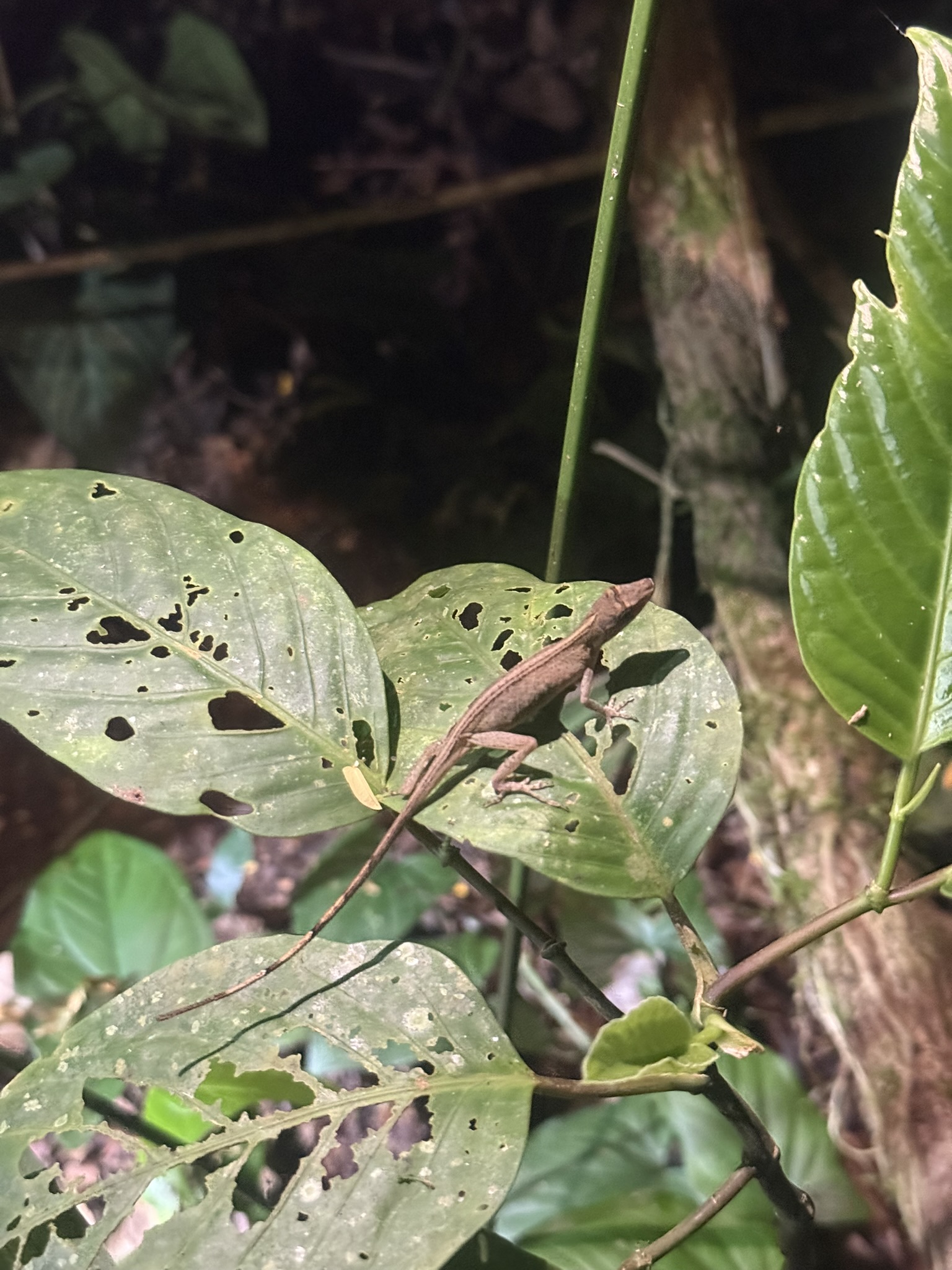
After reaching the final point along the riverbank, we walked back to the lodge. Dinner was waiting for us, followed by the activity I had been looking forward to most: a night-time jungle walk! Given all the wildlife I had seen during similar walks in Peru and Costa Rica, I could hardly wait. And I was right to be excited. From polka-dot tree frogs and common tree frogs to Amazonian poison frogs and common toads, from wolf spiders and harvestmen to orb-weavers and tailless whip scorpions, and from caterpillars and beetles of every possible shape and colour to stick insects, grasshoppers, crickets and dragonflies, we were entertained throughout. It felt incredible to be back!
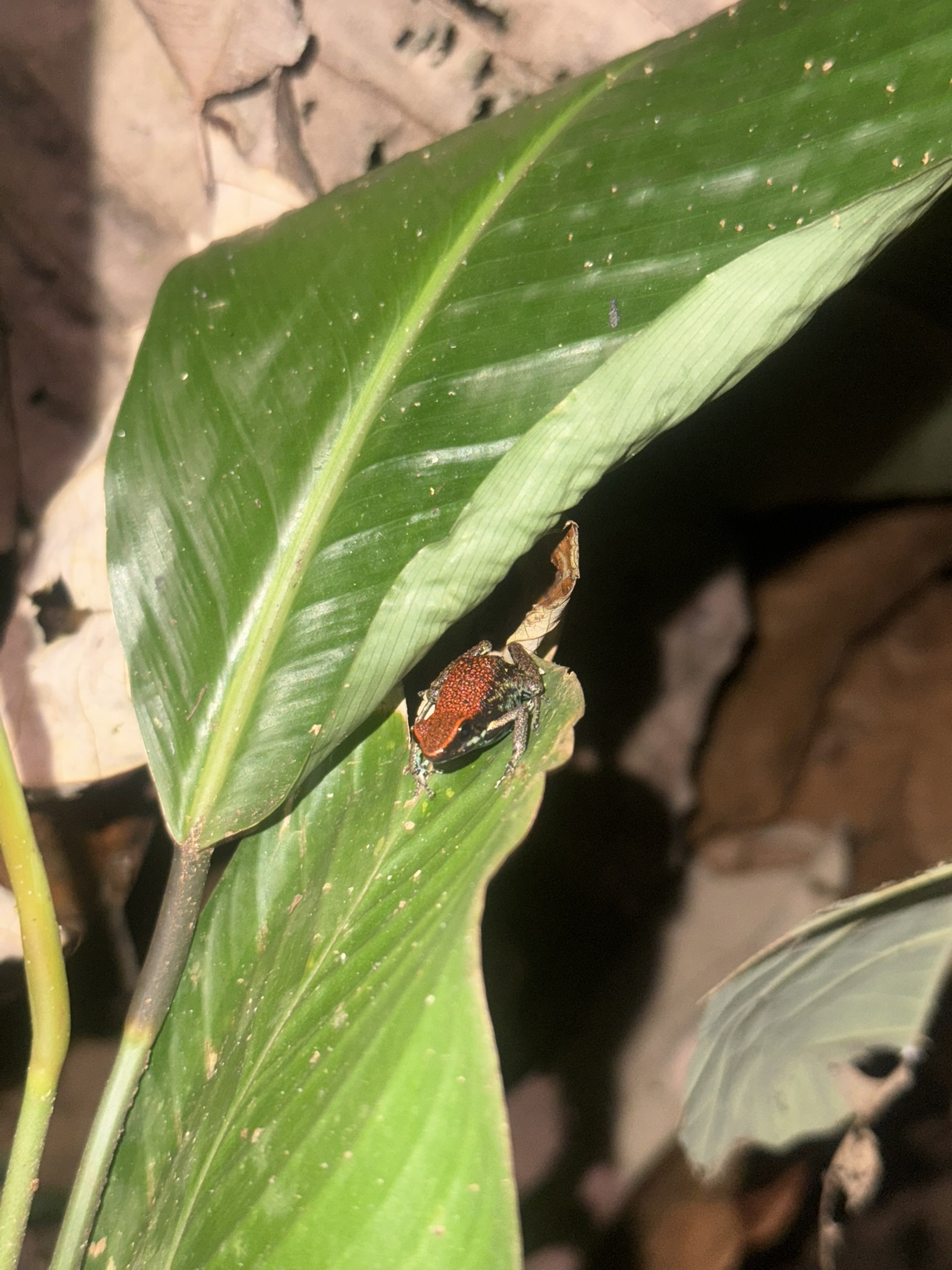
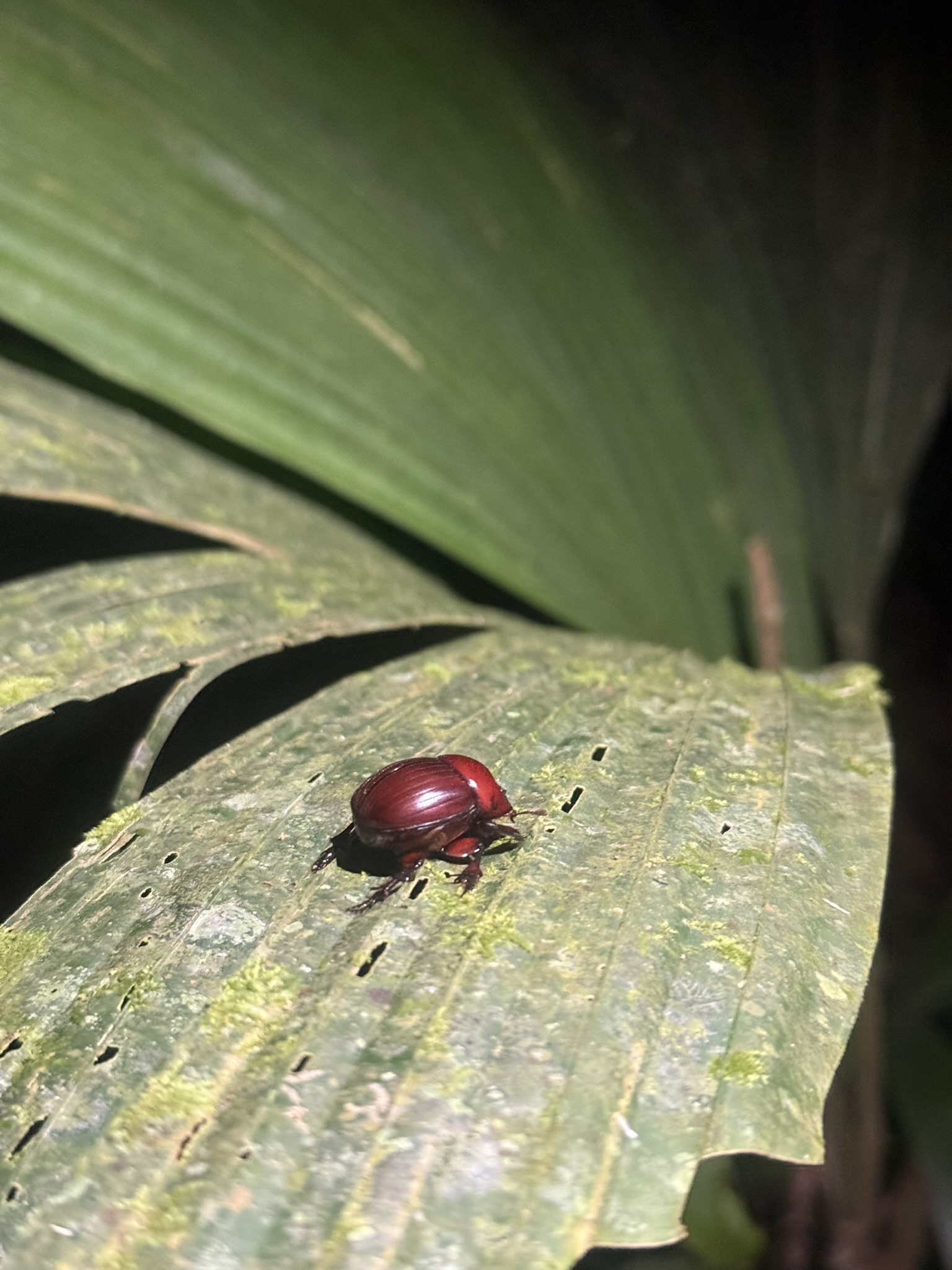
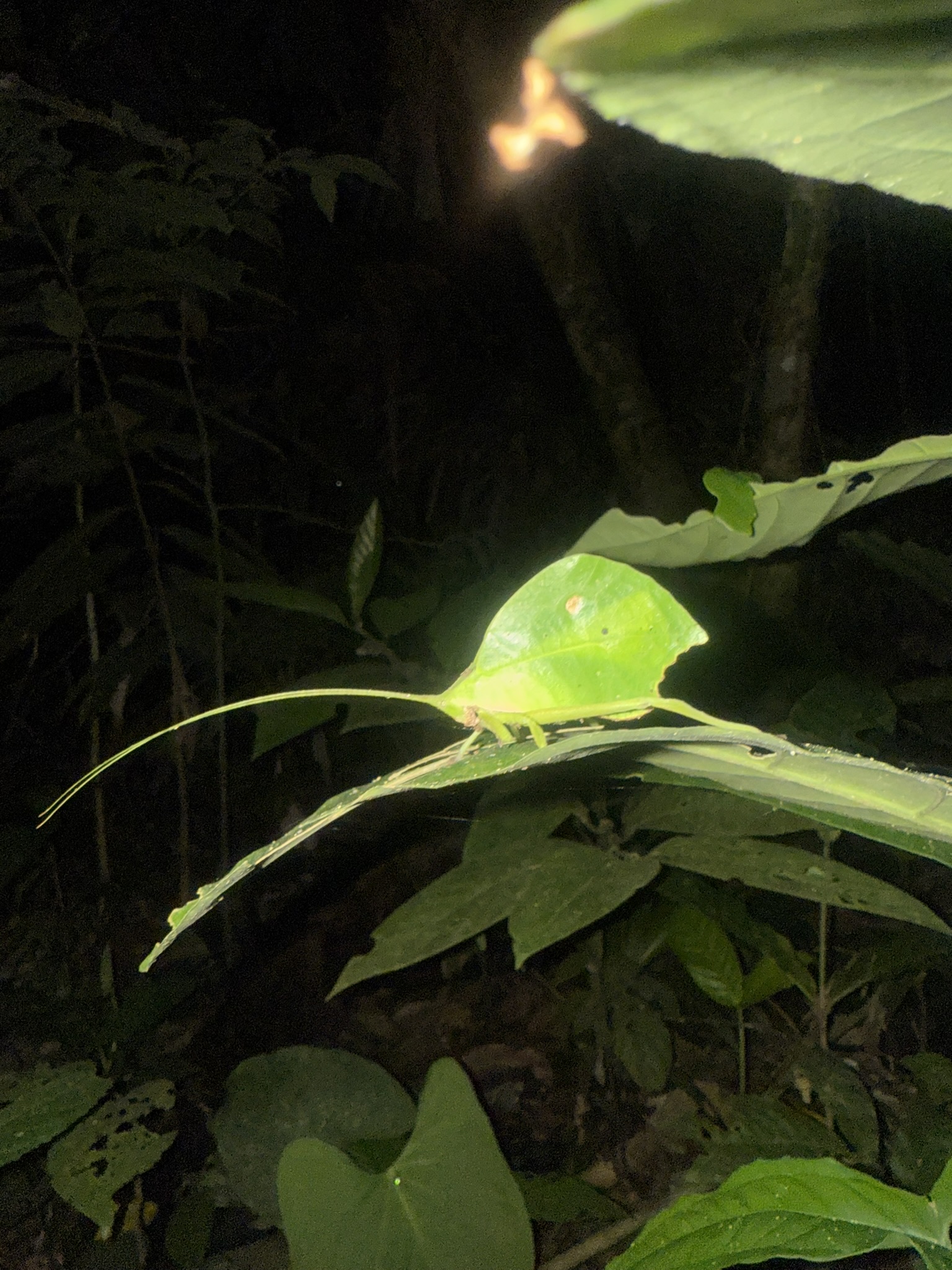
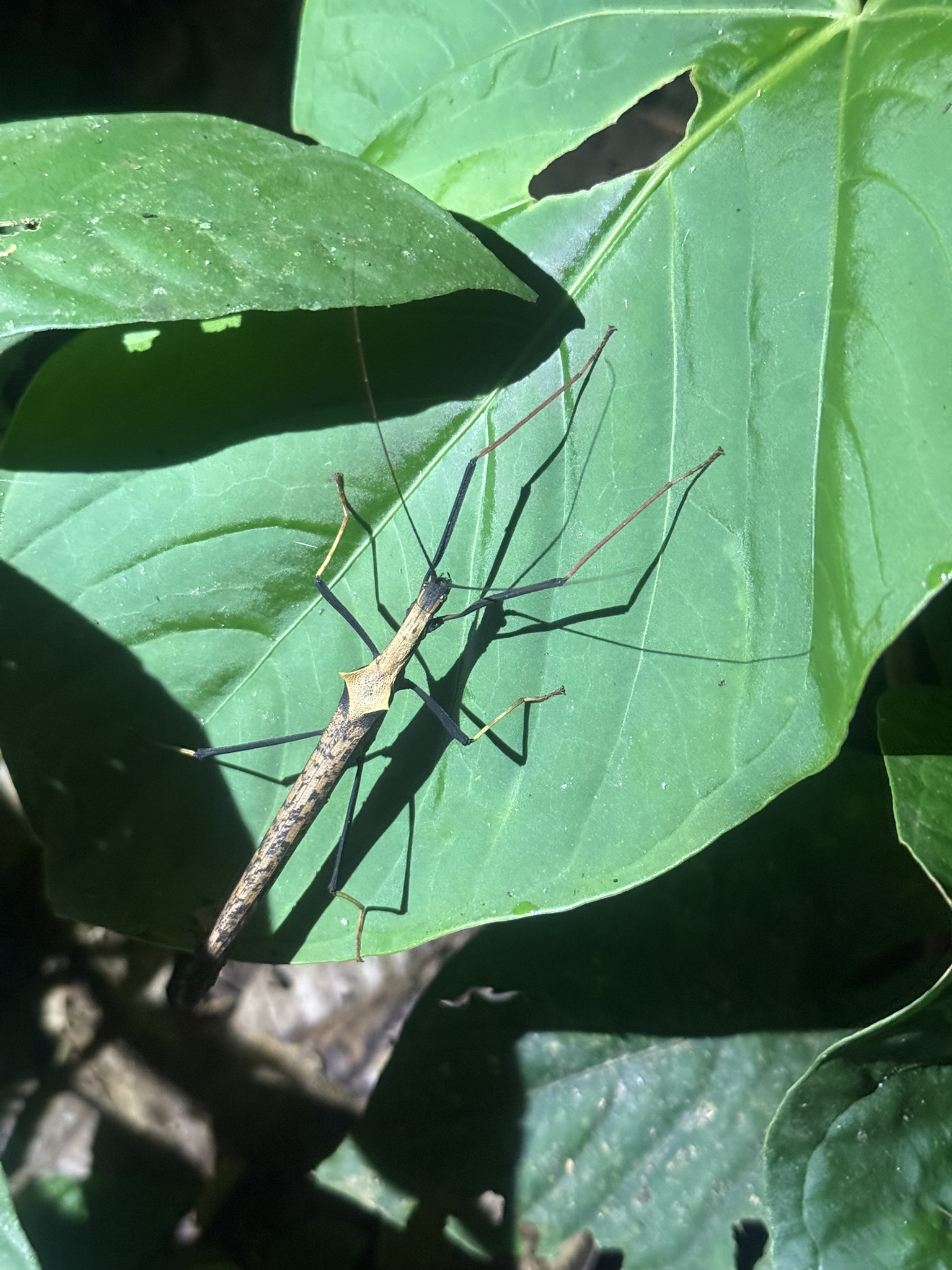
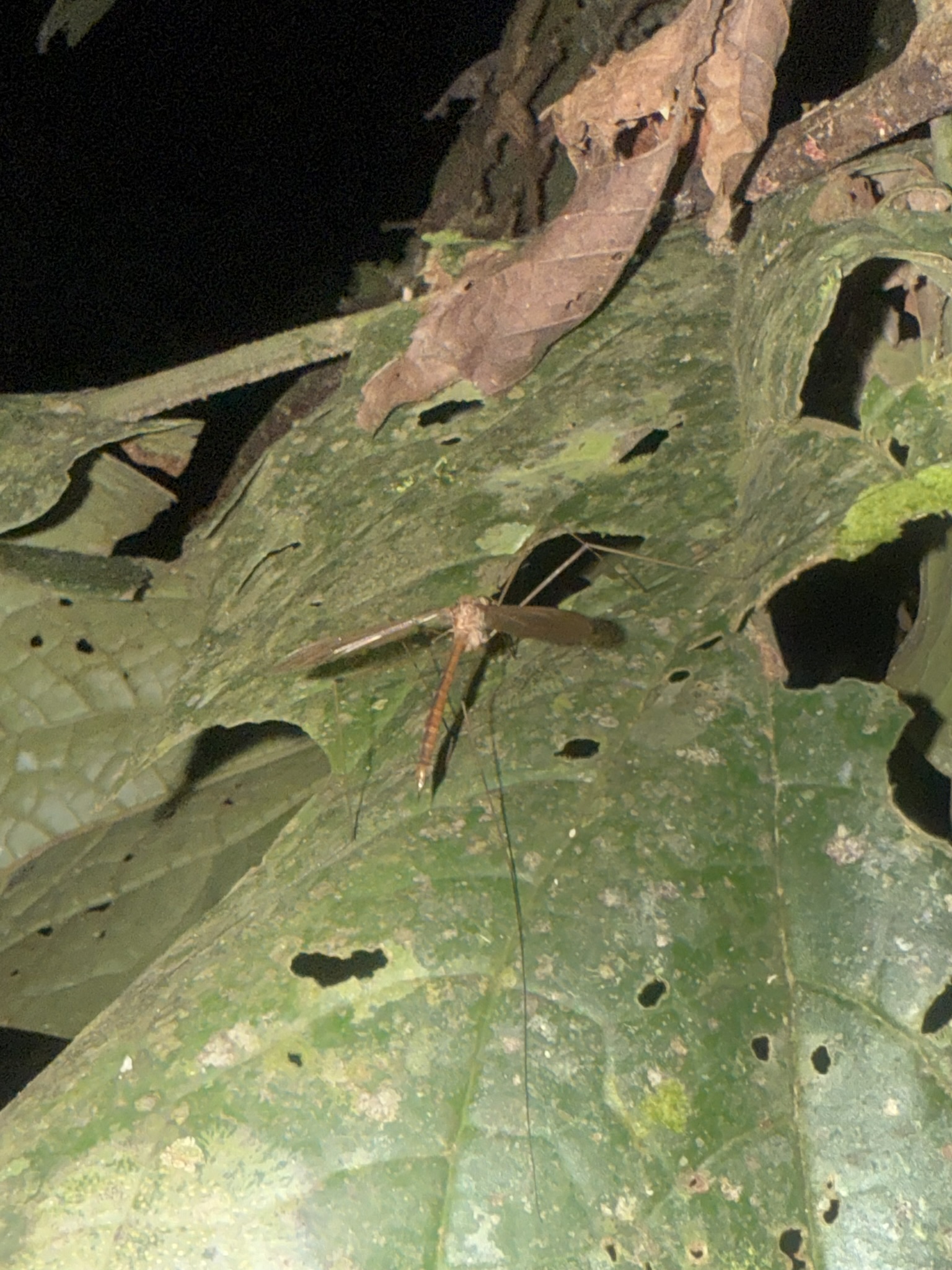
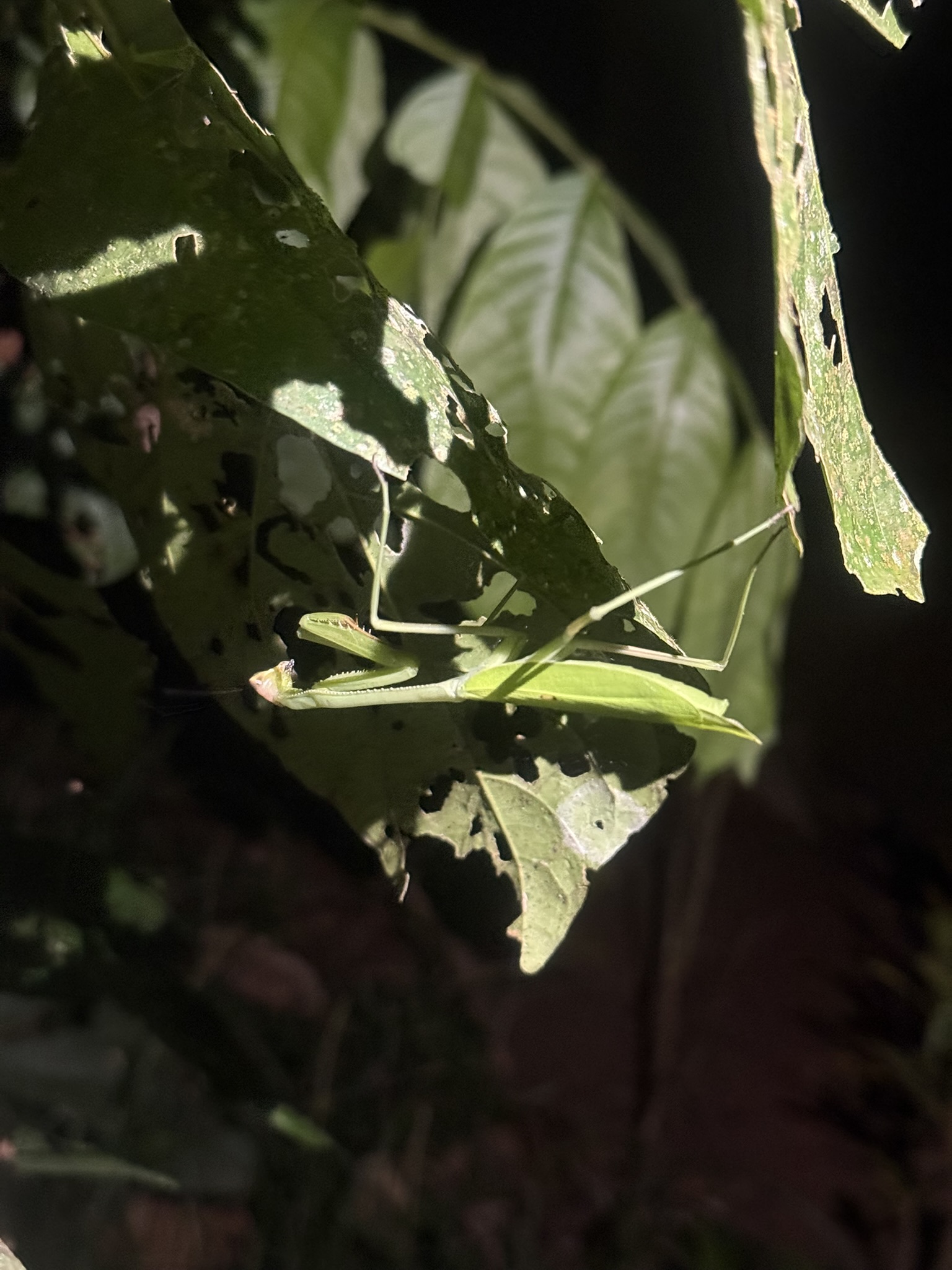
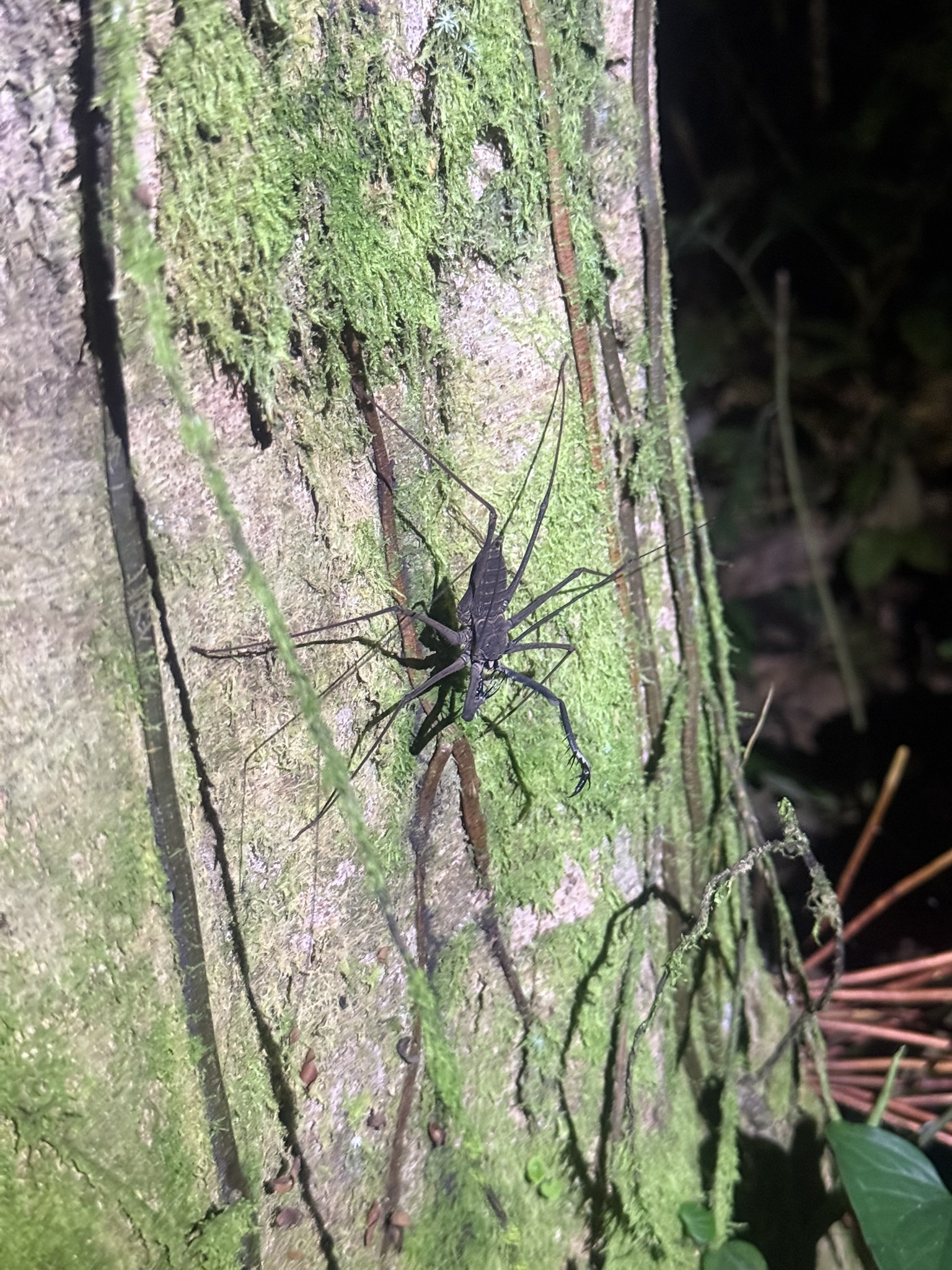
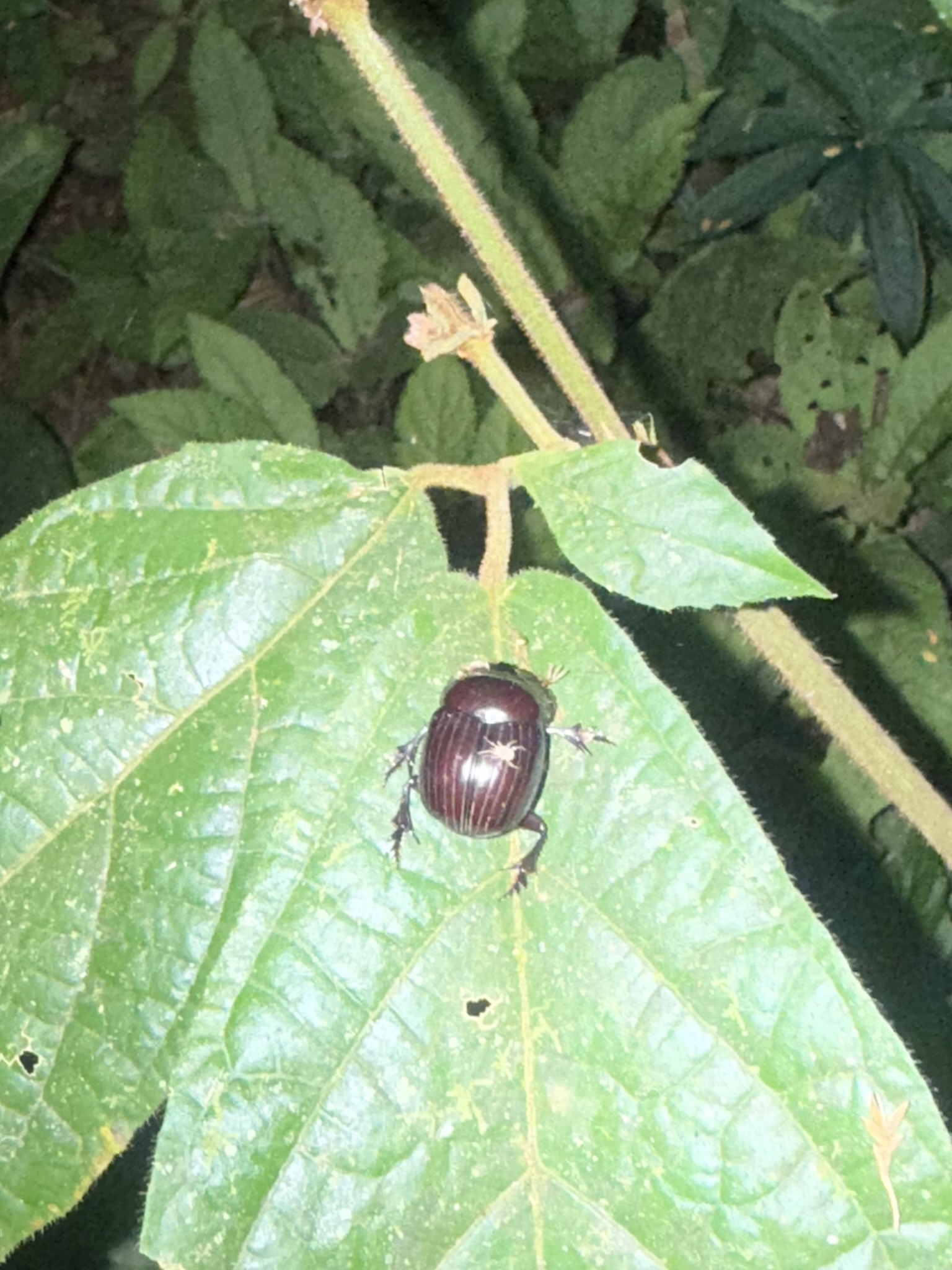
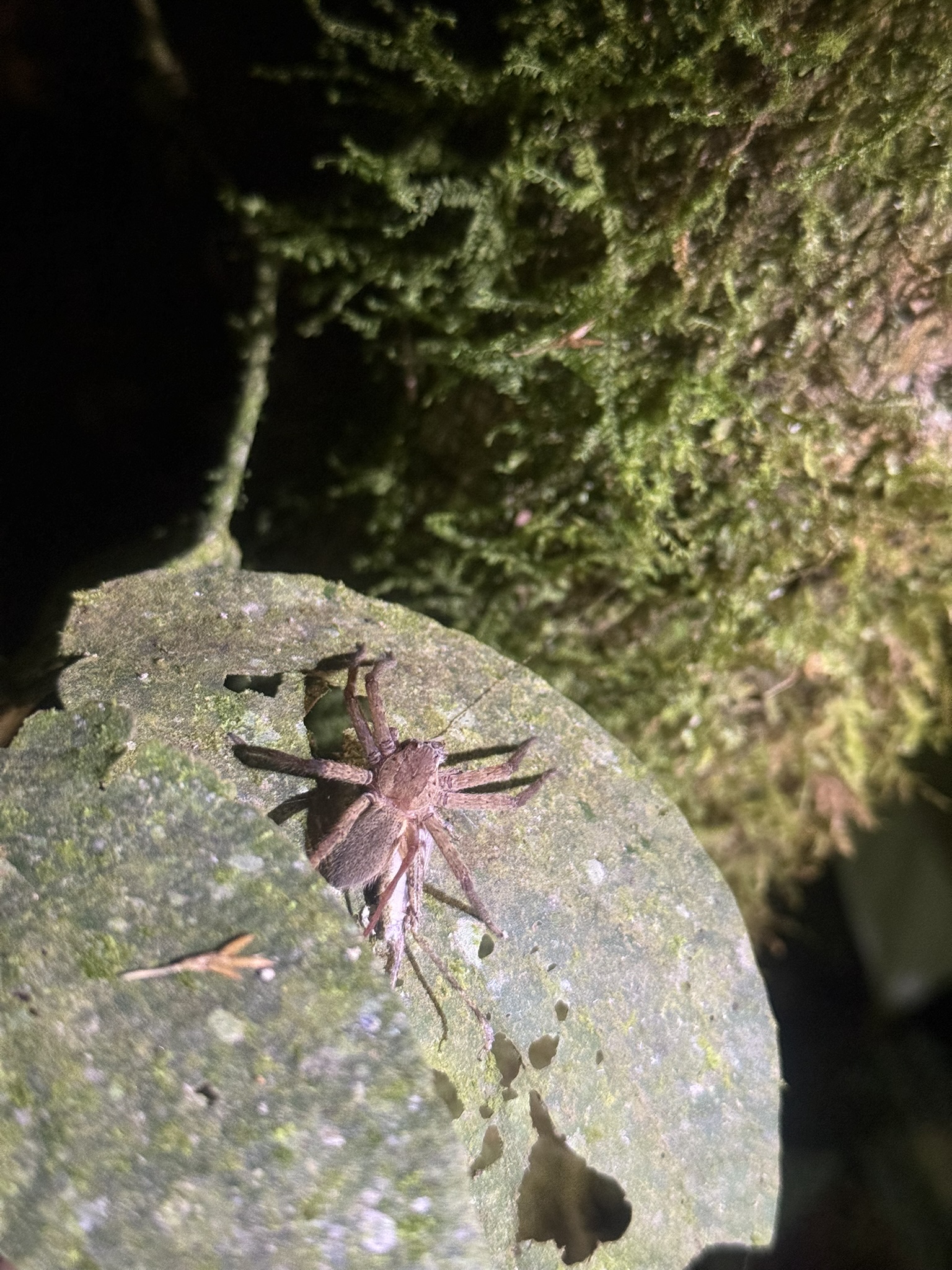
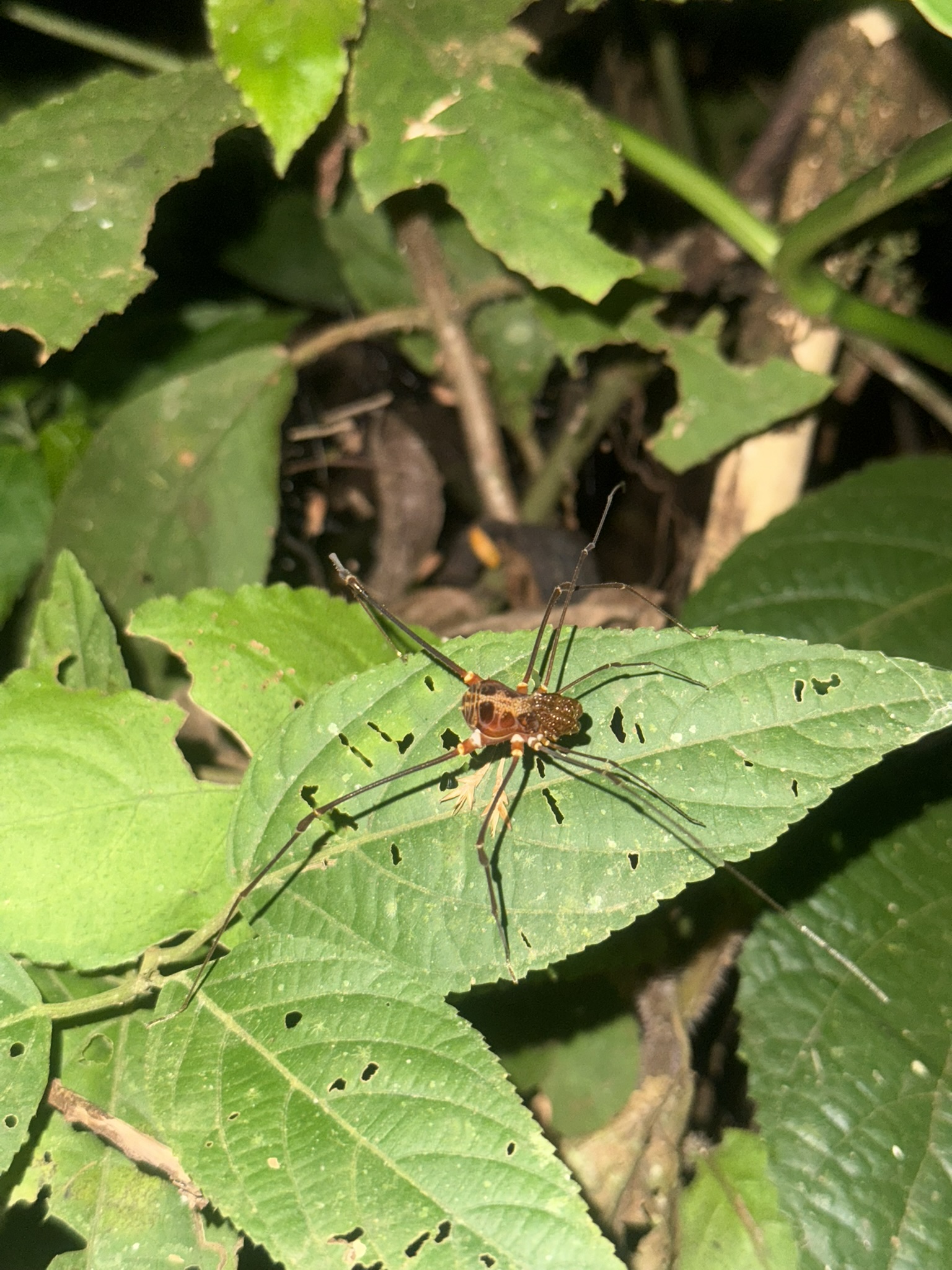
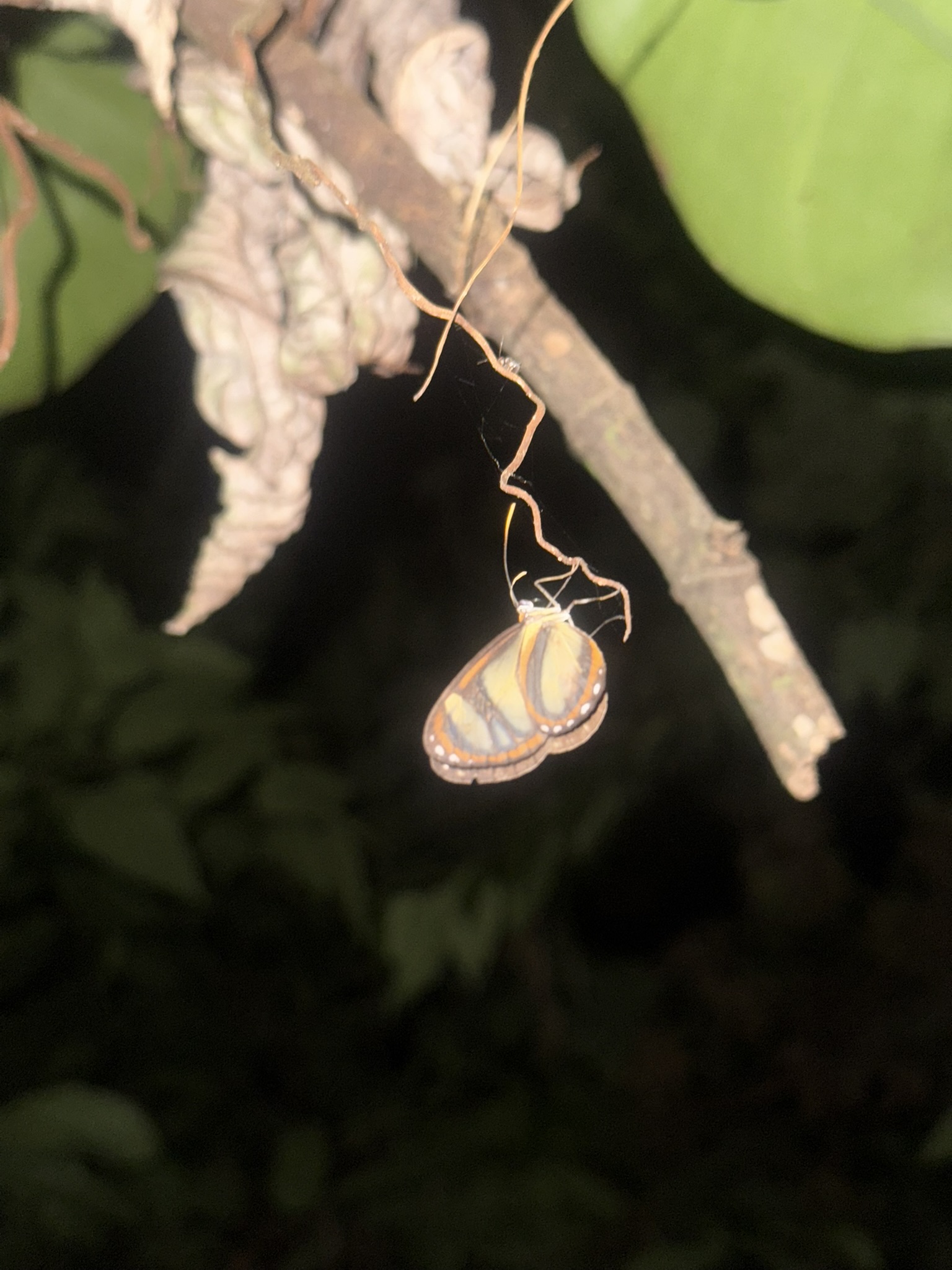
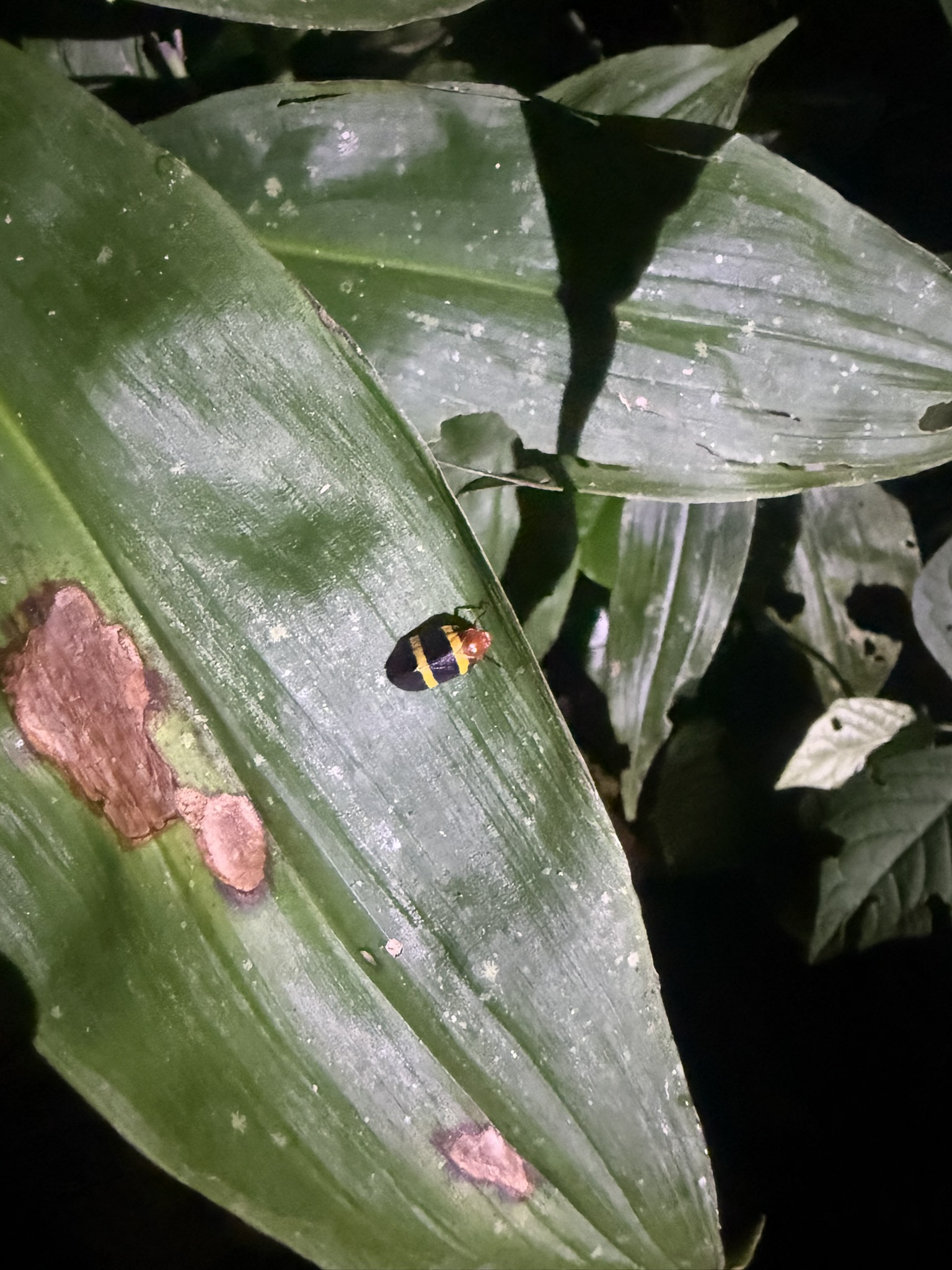
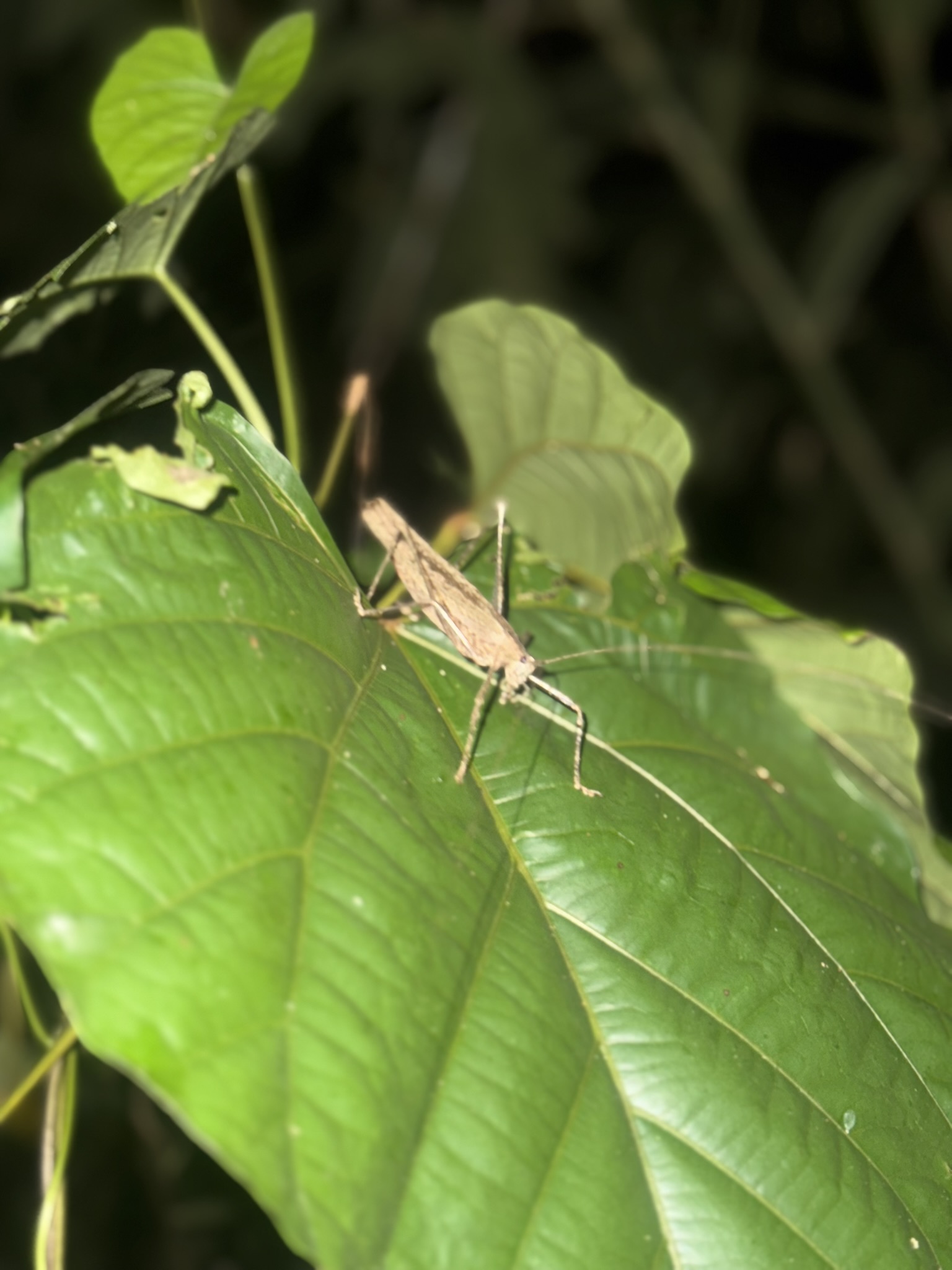
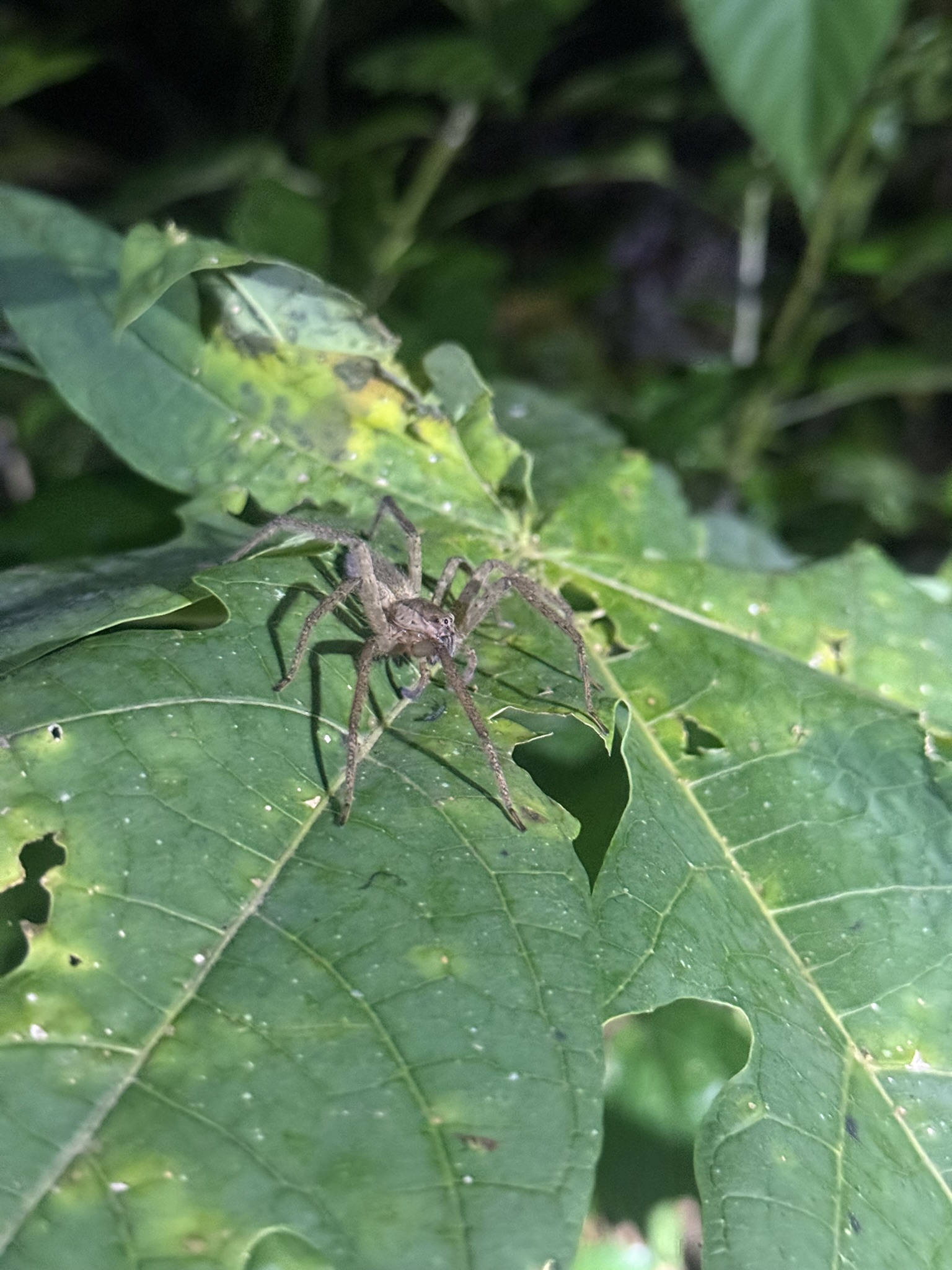
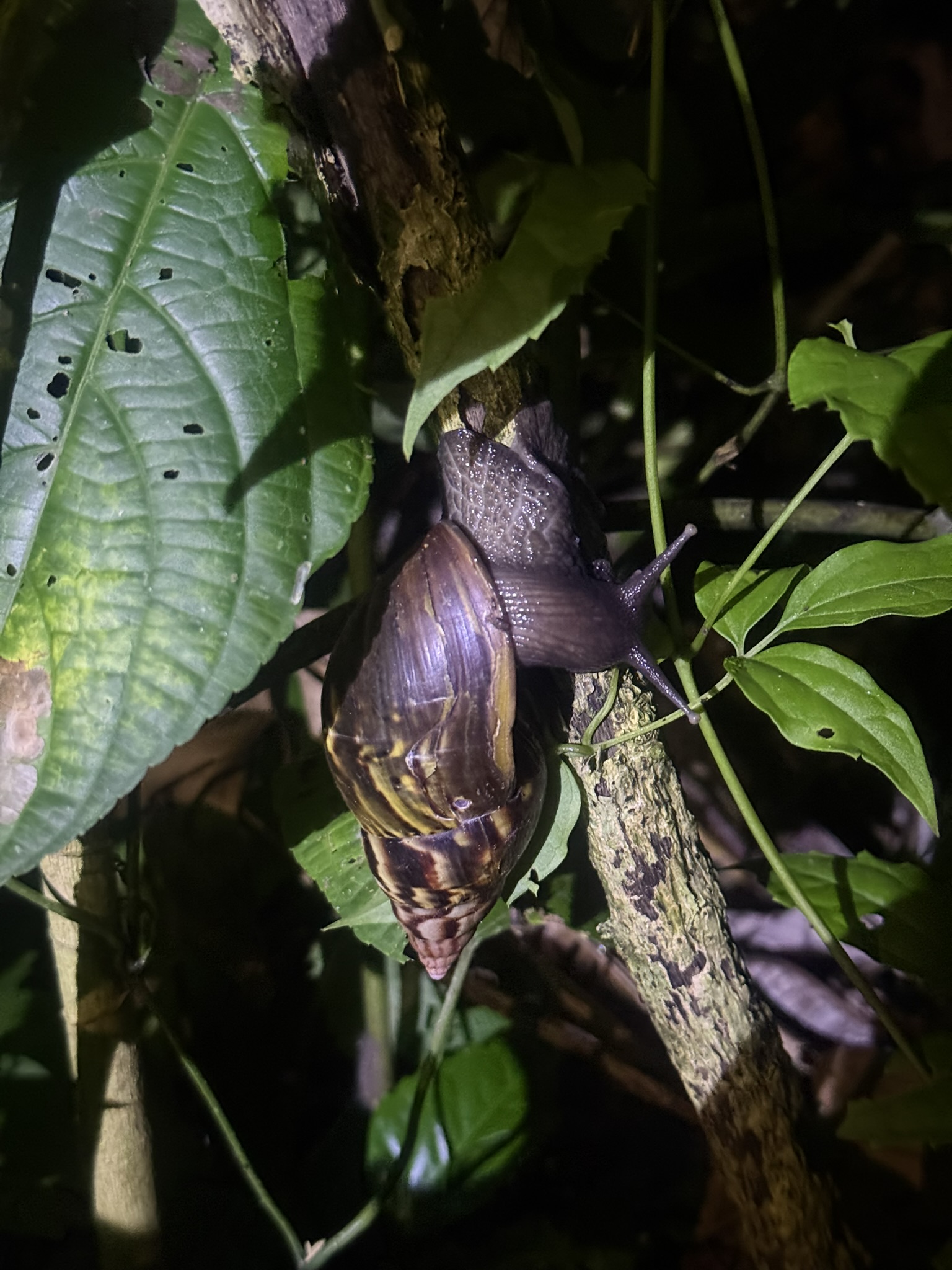
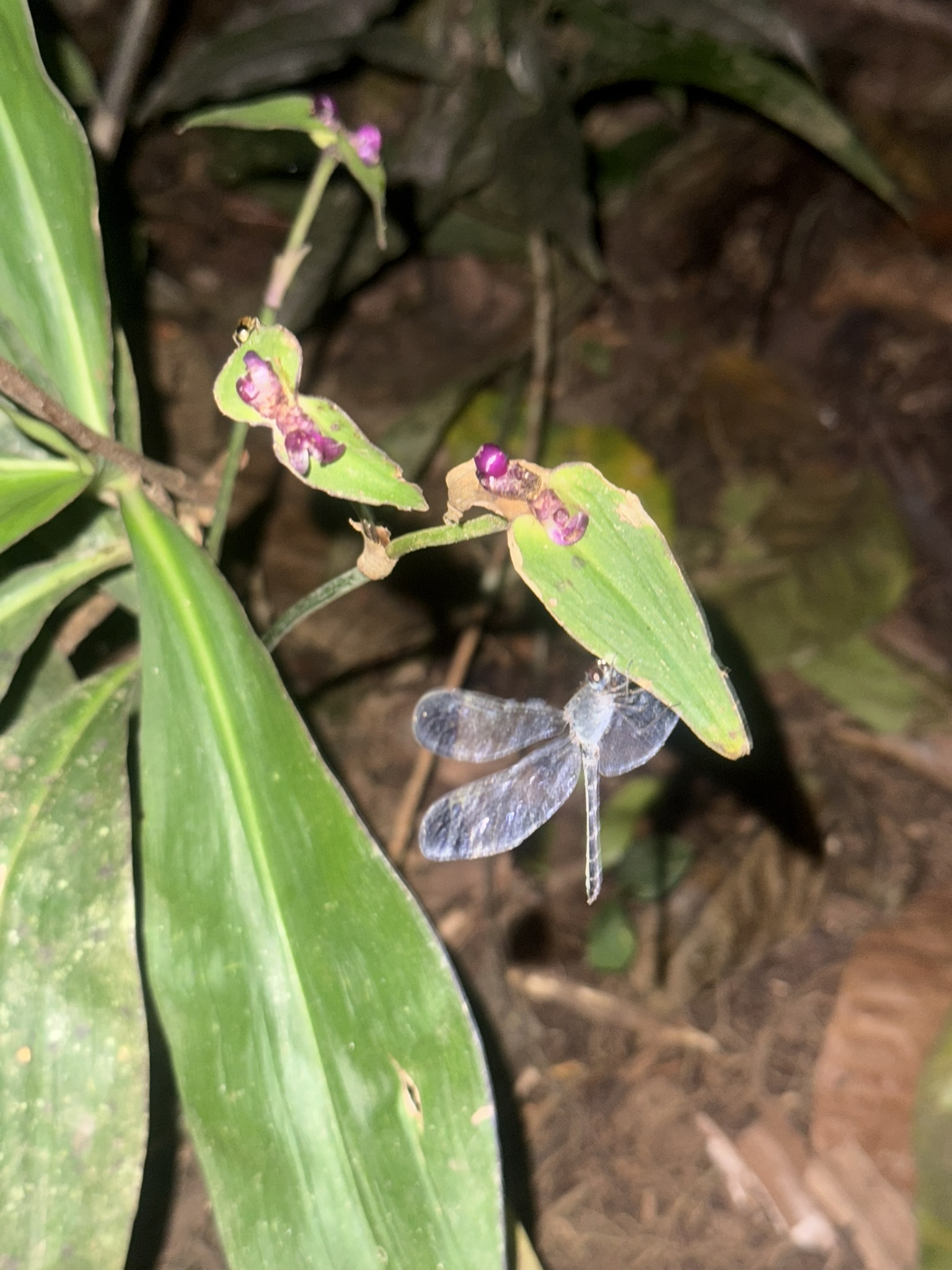
As good as that felt, I have to admit that what followed was somehow even better: a full-body massage inspired by Amazonian traditions. With aromatherapy, bamboo sticks and hot stones, it was easily one of the best massages I’d ever had. Not a bad way to end my first day back in the Amazon, huh?