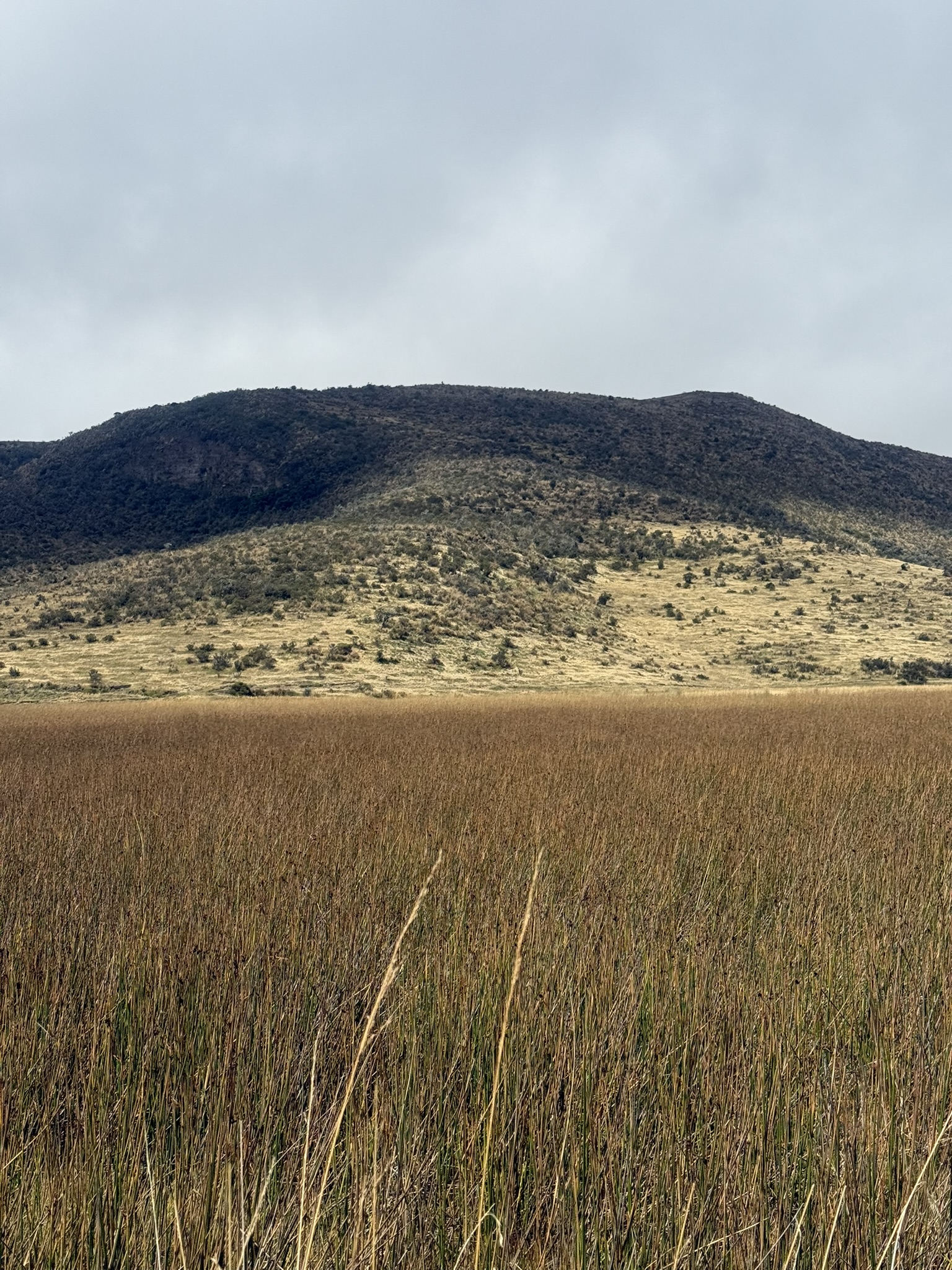
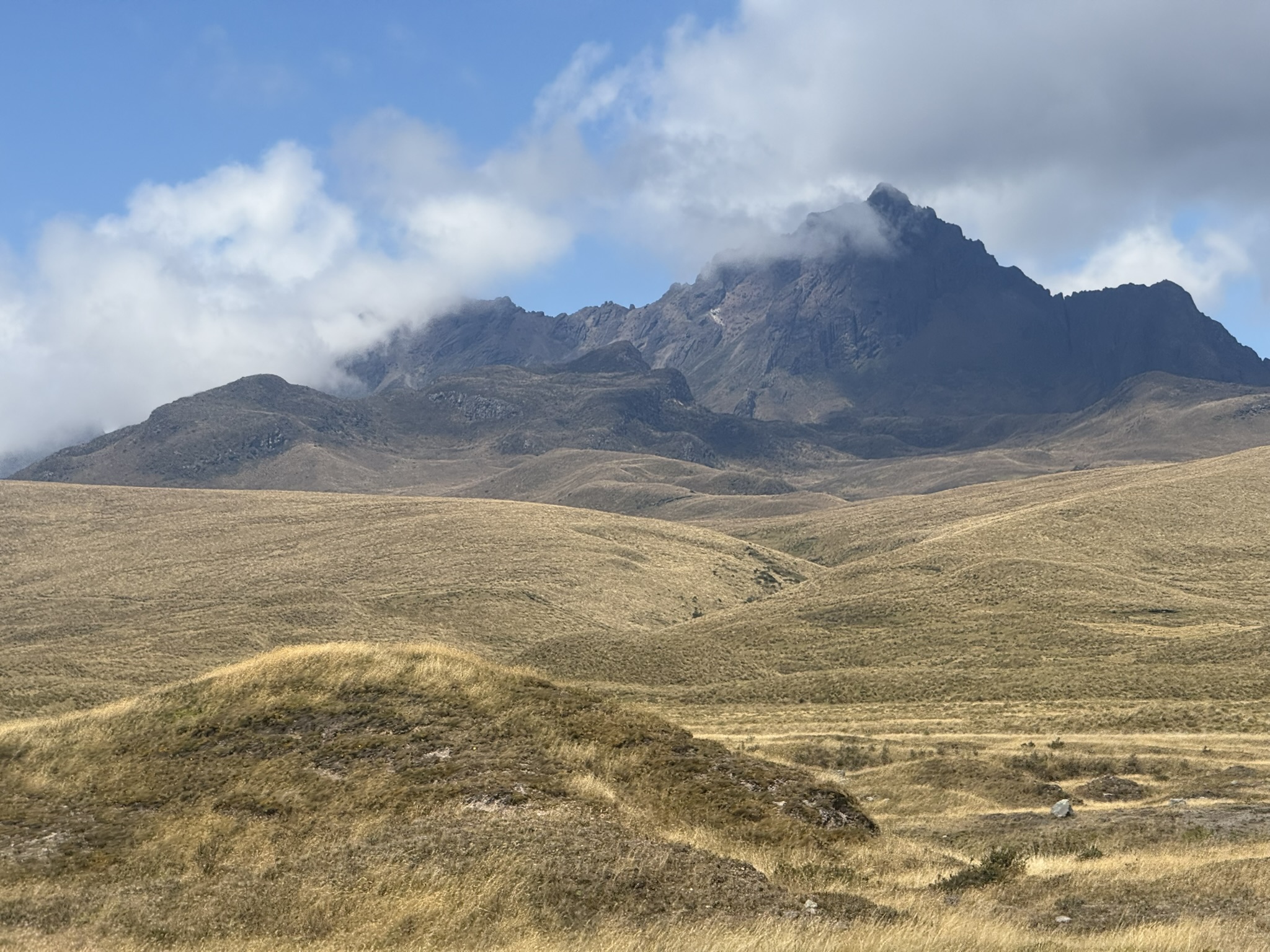
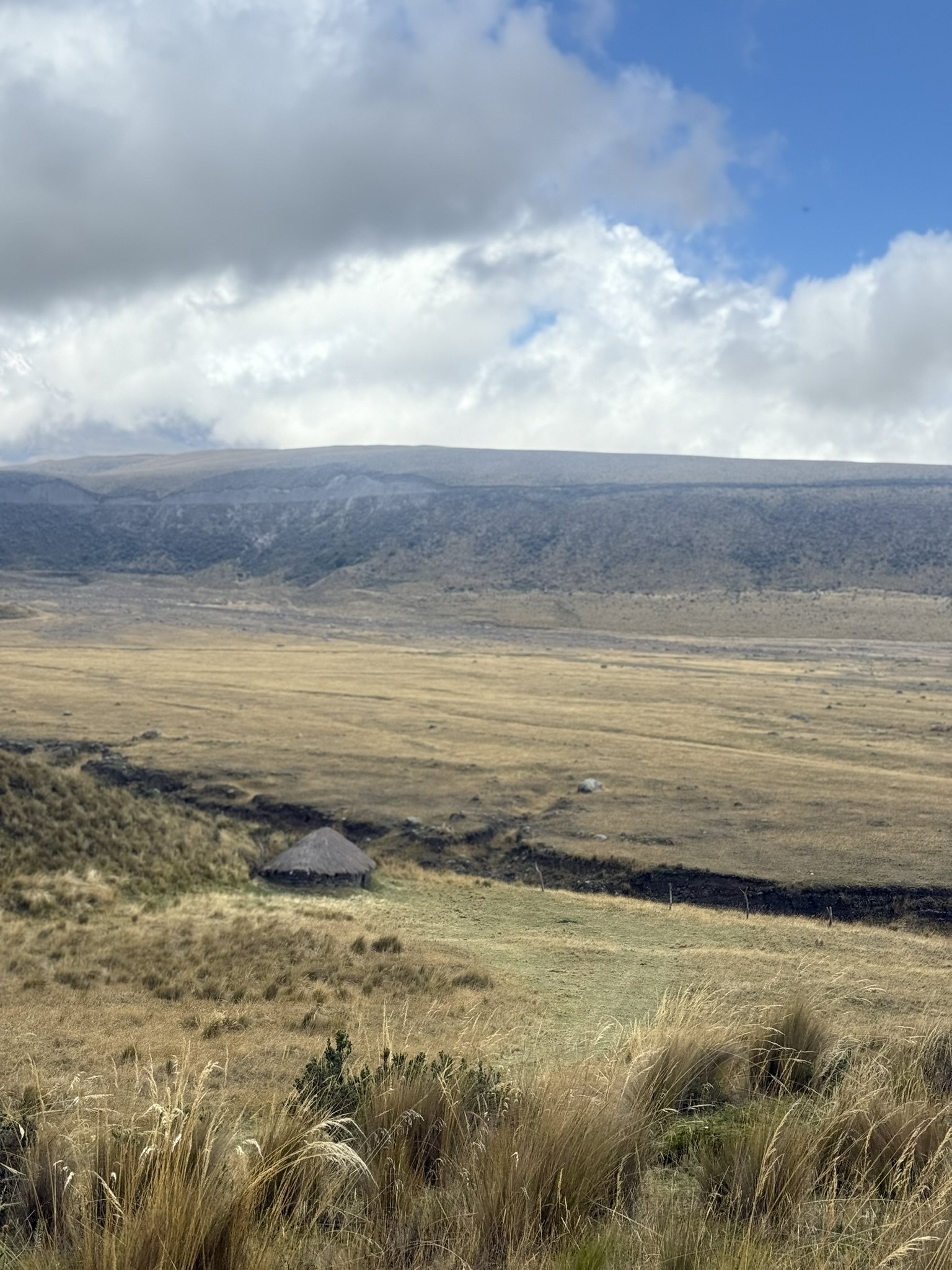
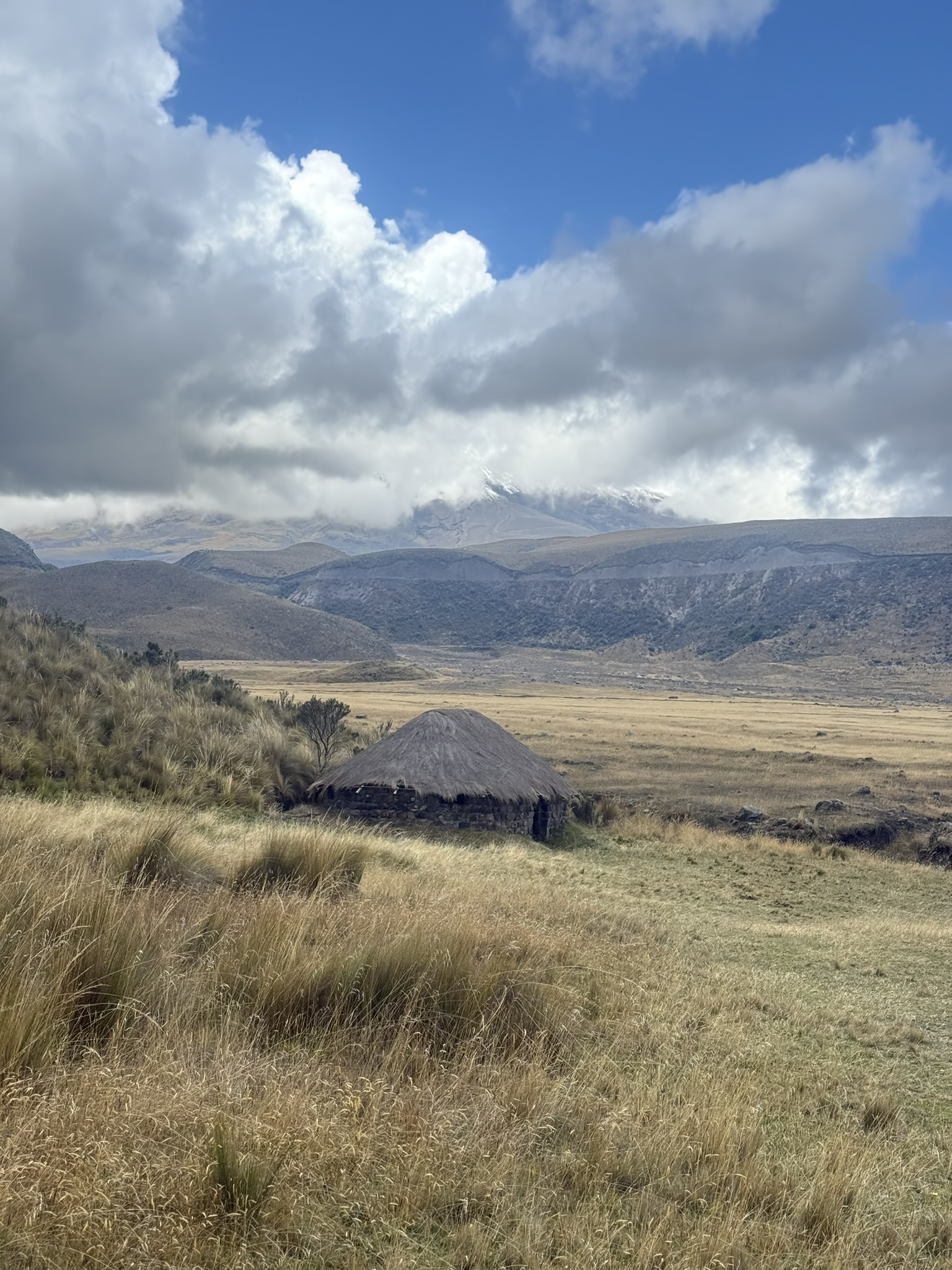
The sky was blue. The volcanoes were all visible. The hills and valleys looked pristine. Then I connected to the internet for the first time in three days and there it was: I had passed my departmental exam.
This meant far more to me than simply passing another exam. This was one of the major hurdles standing between me and the next stage of my training, and after months of revision squeezed between shifts, nights, trips and everything else I somehow managed to cram into my life, I had finally cleared it. It was tangible proof that all that effort had actually amounted to something. Better still, it brought higher specialist training that little bit closer.
There was, however, one rather important piece still missing. My MRCEM result was due the following day. So while I could celebrate this win, I couldn’t quite close the chapter yet. Somewhere in the background was that little knot of anxiety, reminding me that one email could still change everything. For now, though, I let myself enjoy it. I had passed the departmental exam, I was standing among the volcanoes of Ecuador, and for at least one day, things seemed to be falling rather nicely into place. It was shaping up to be a really good day!
On the Way
Together with Laurie – a volunteer at Secret Garden from France – and a few other girls, I’d be going to Limpiopungo Lagoon. I had read that it was a pristine lake, a perfect haven for birdwatchers, and that, on a clear day, one could see Cotopaxi reflected perfectly on its surface.
Having been told that it wasn’t usually offered as a tour, I was immensely thankful to the girls for making it possible. This tour had been on my to-do list for various reasons: it would be a short and relaxing hike, I could give in to the desires of my inner ornithologist, and the lake itself promised to be glorious. With the girls sitting at the front of the pick-up truck with our guide Henry, Laurie and I settled into the back, the fresh breeze and warm sun making me feel as free as air.
We had a long conversation about sustainability, which was what Laurie’s work involved. She had previously worked with the French football team, making sure they complied with certain environmental protocols and minimised their impact on the planet. She had then worked for Heineken and was now on a long, long holiday. Her trip had mostly been land-based because she tried to avoid flying due to its carbon footprint. While that was admirable, I found myself wondering how on earth I’d be able to do what I do without airplanes given that I’m based on an island. Something to consider, I guess…
PART II
Birdwatching Commences
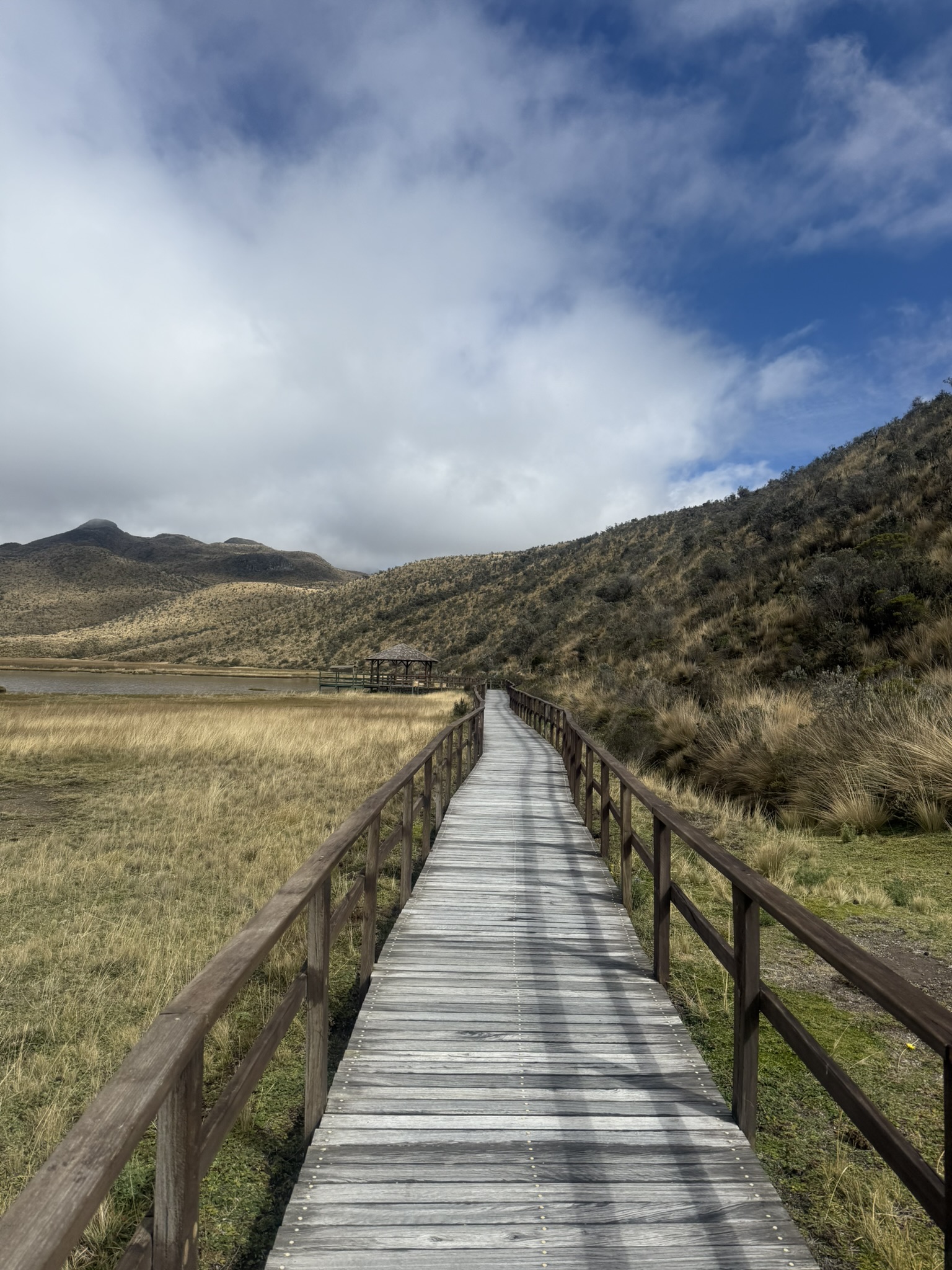
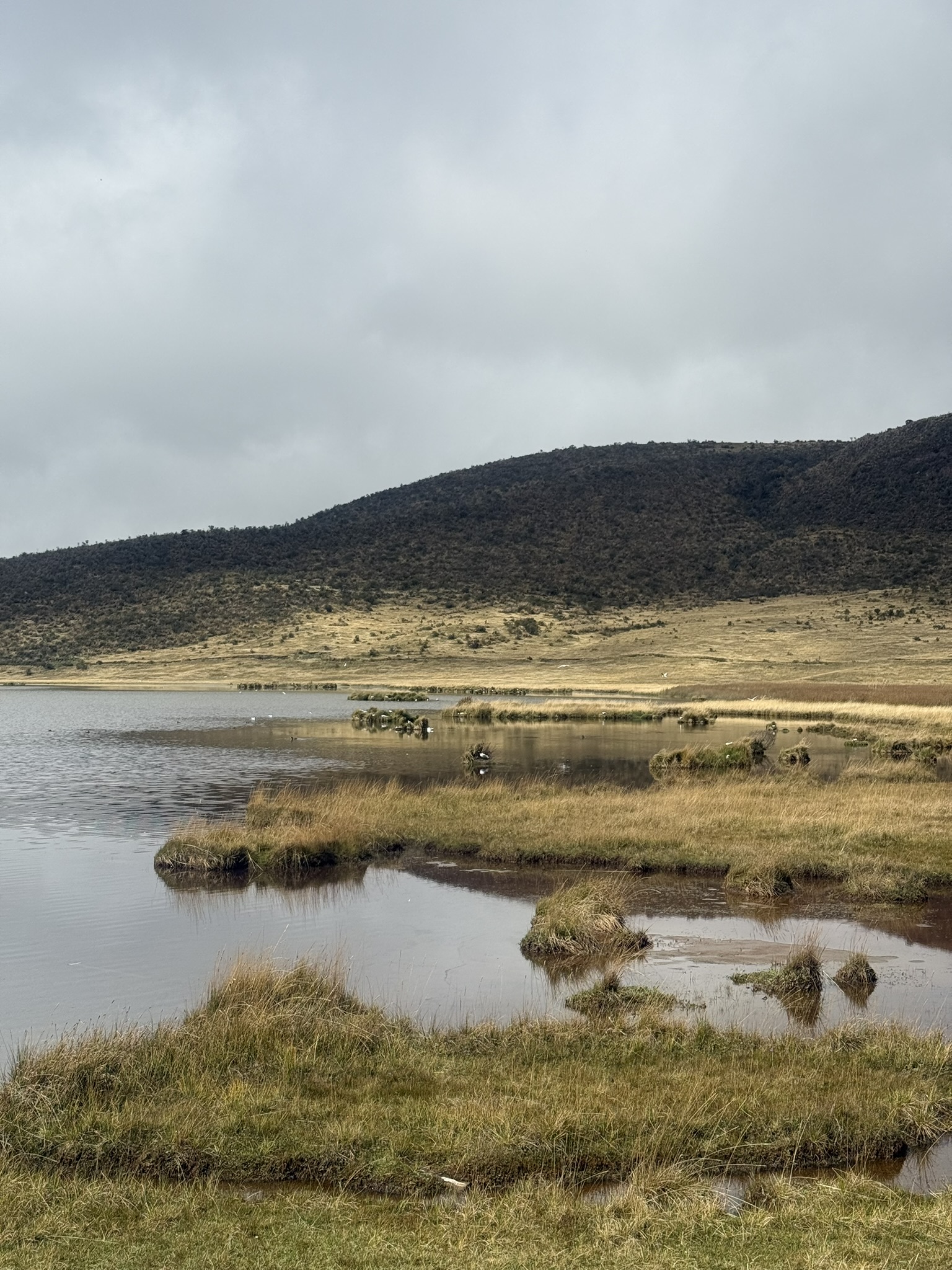
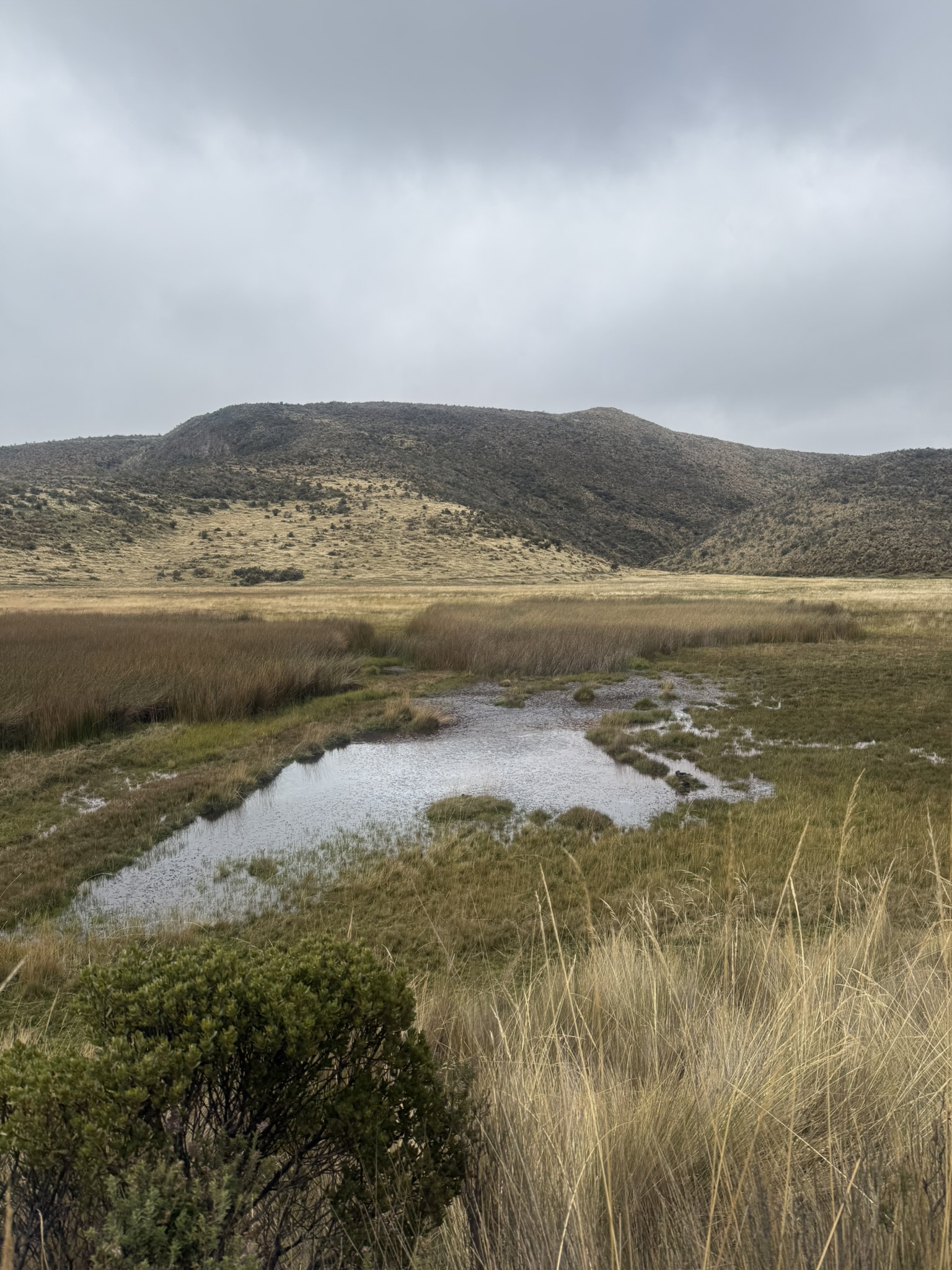
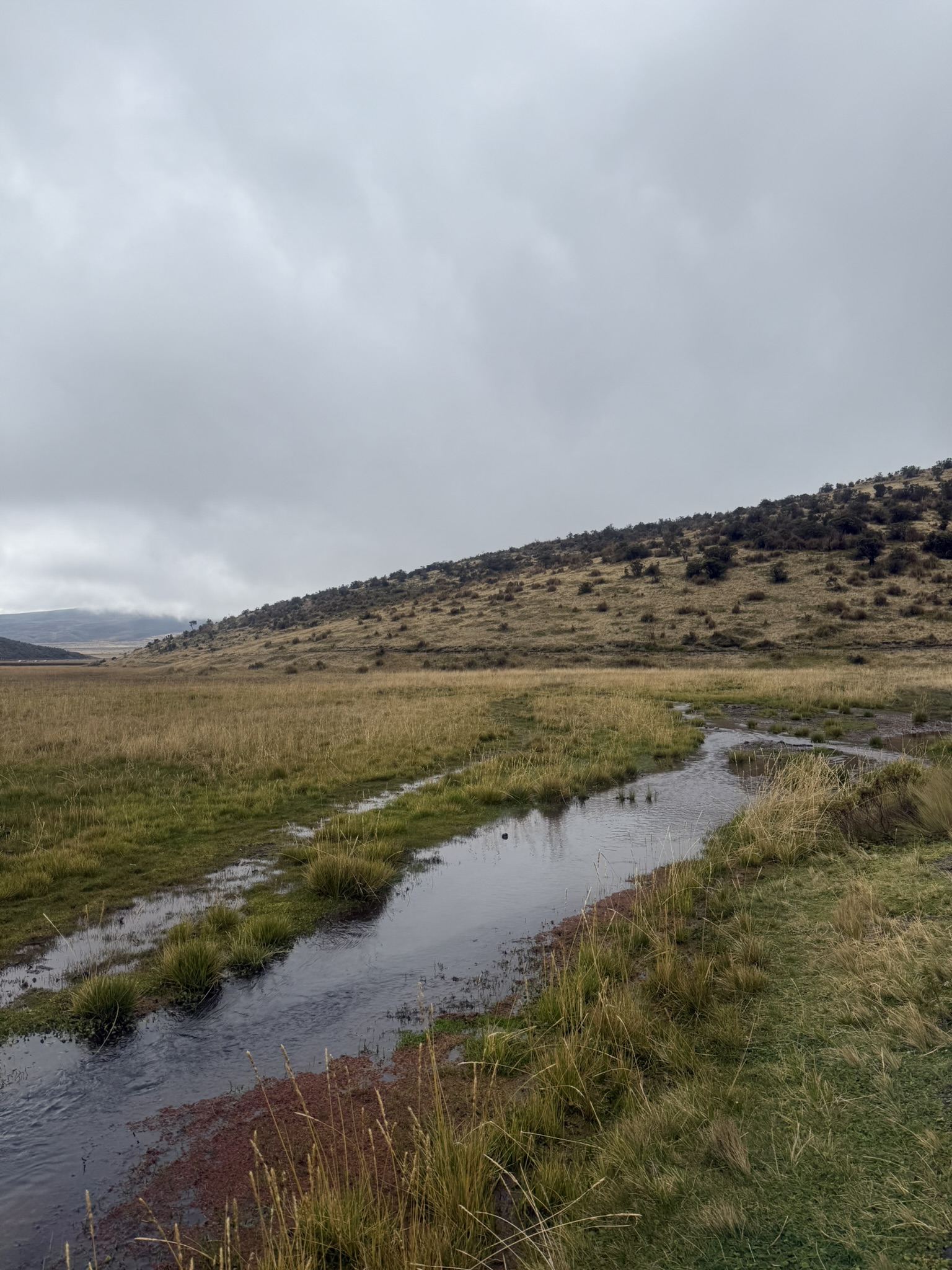
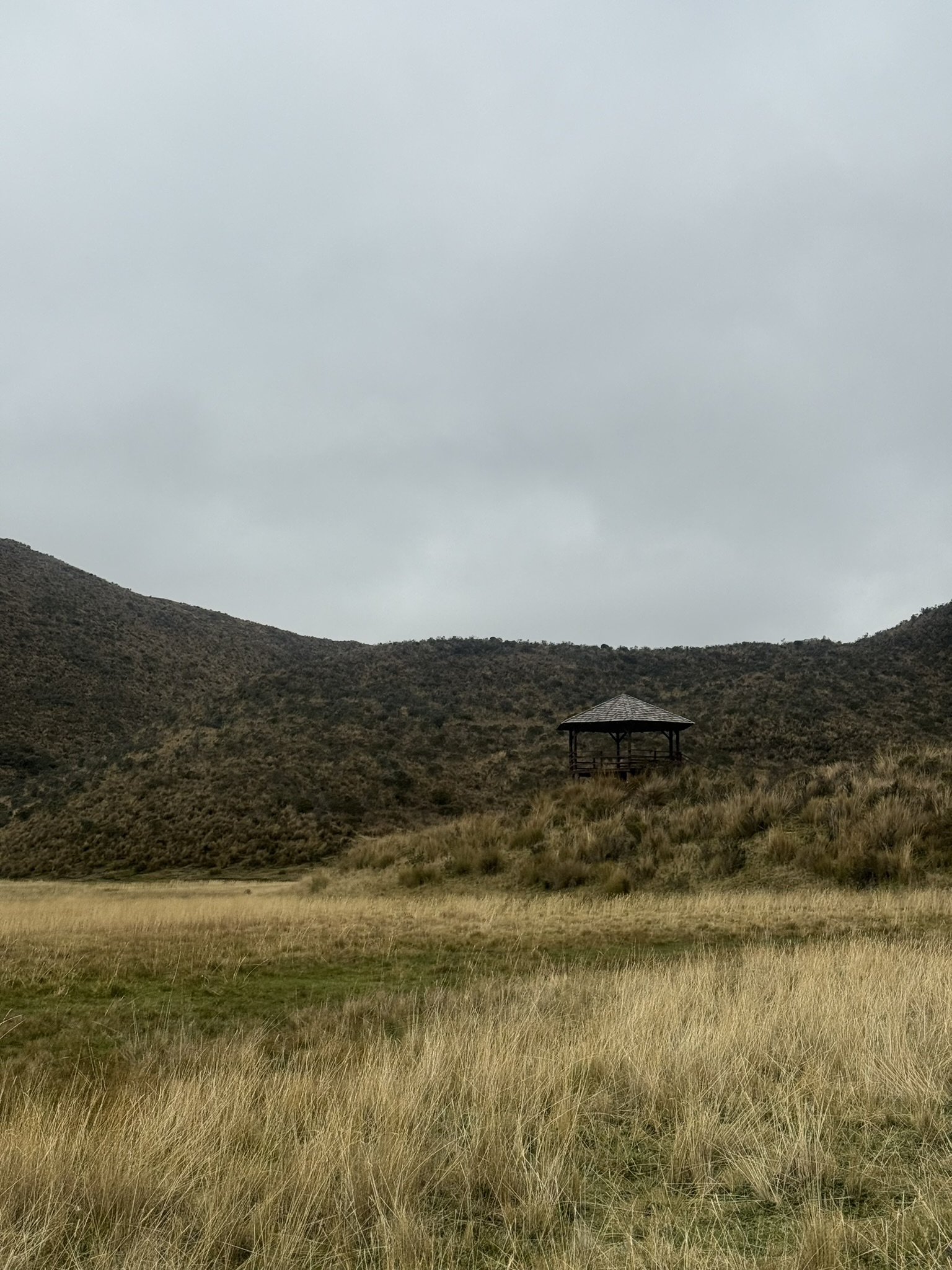
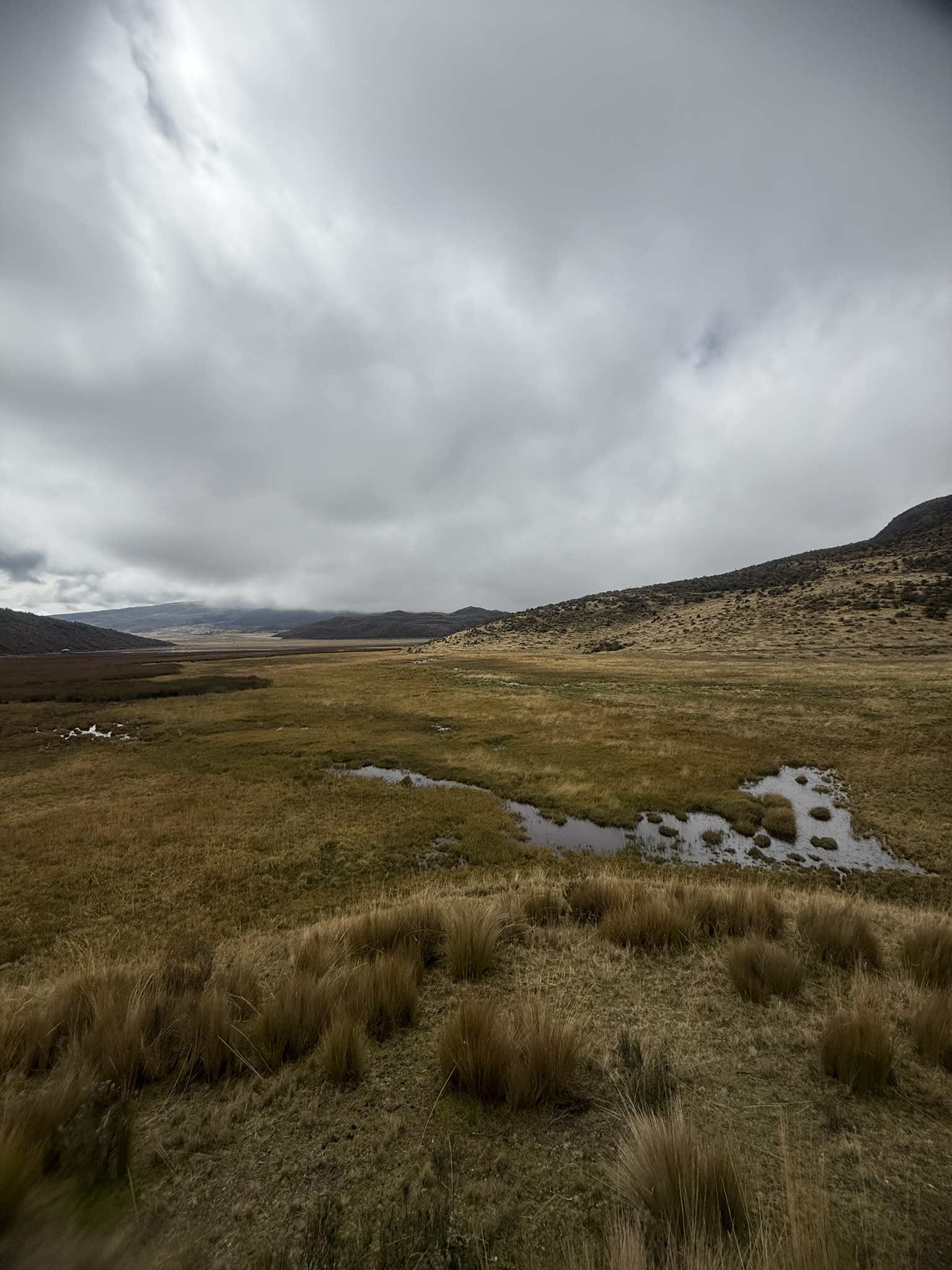
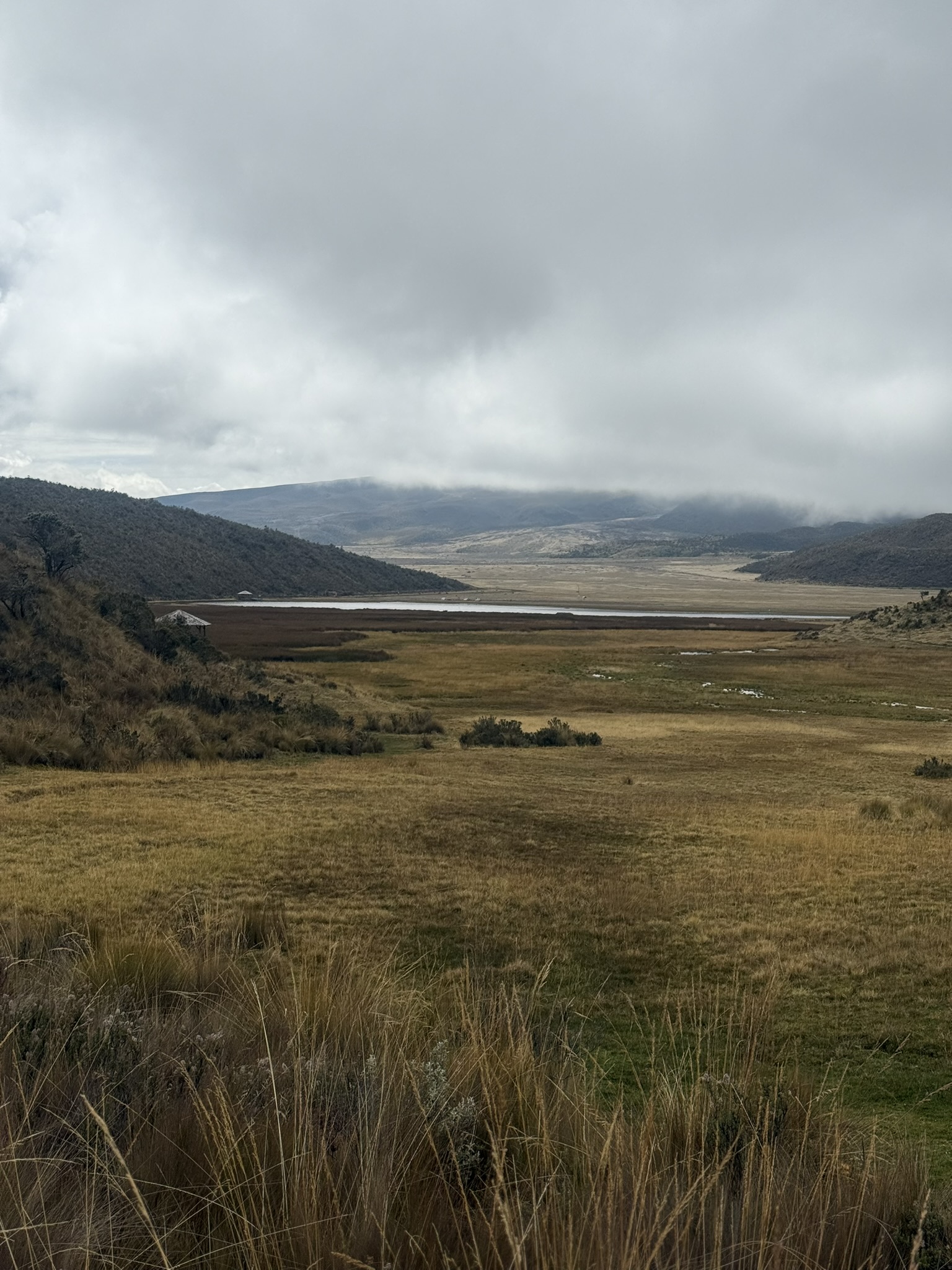
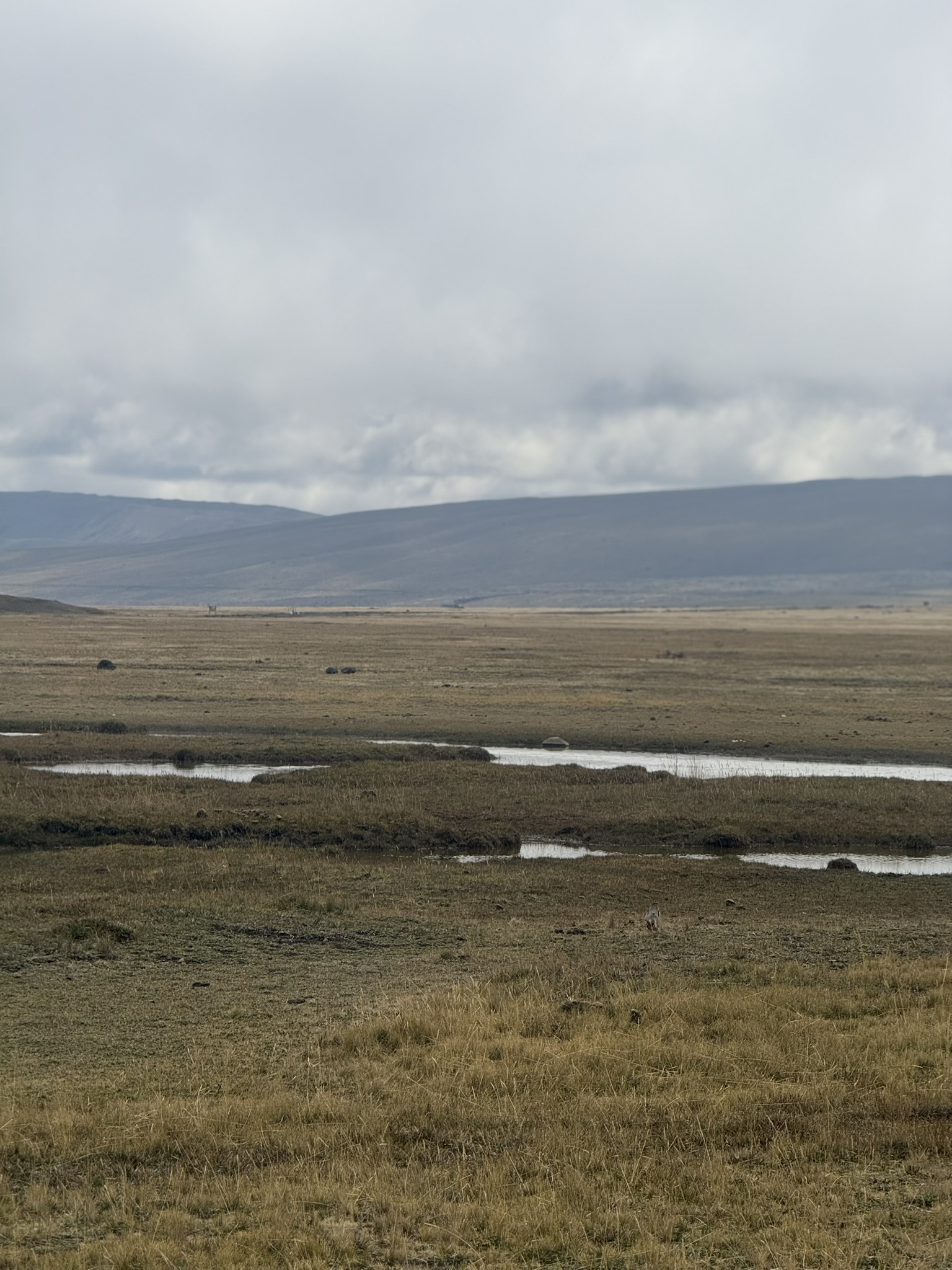
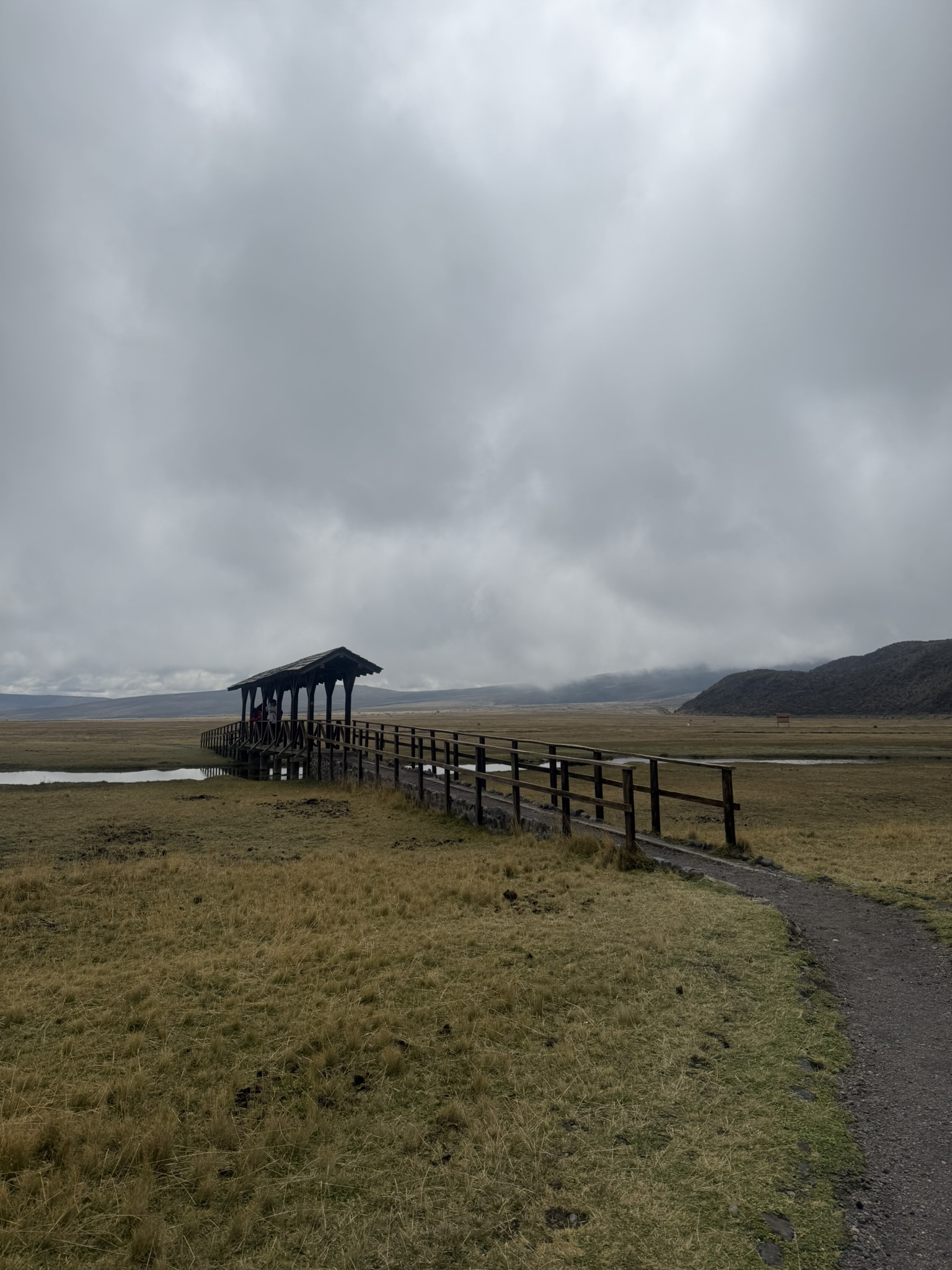
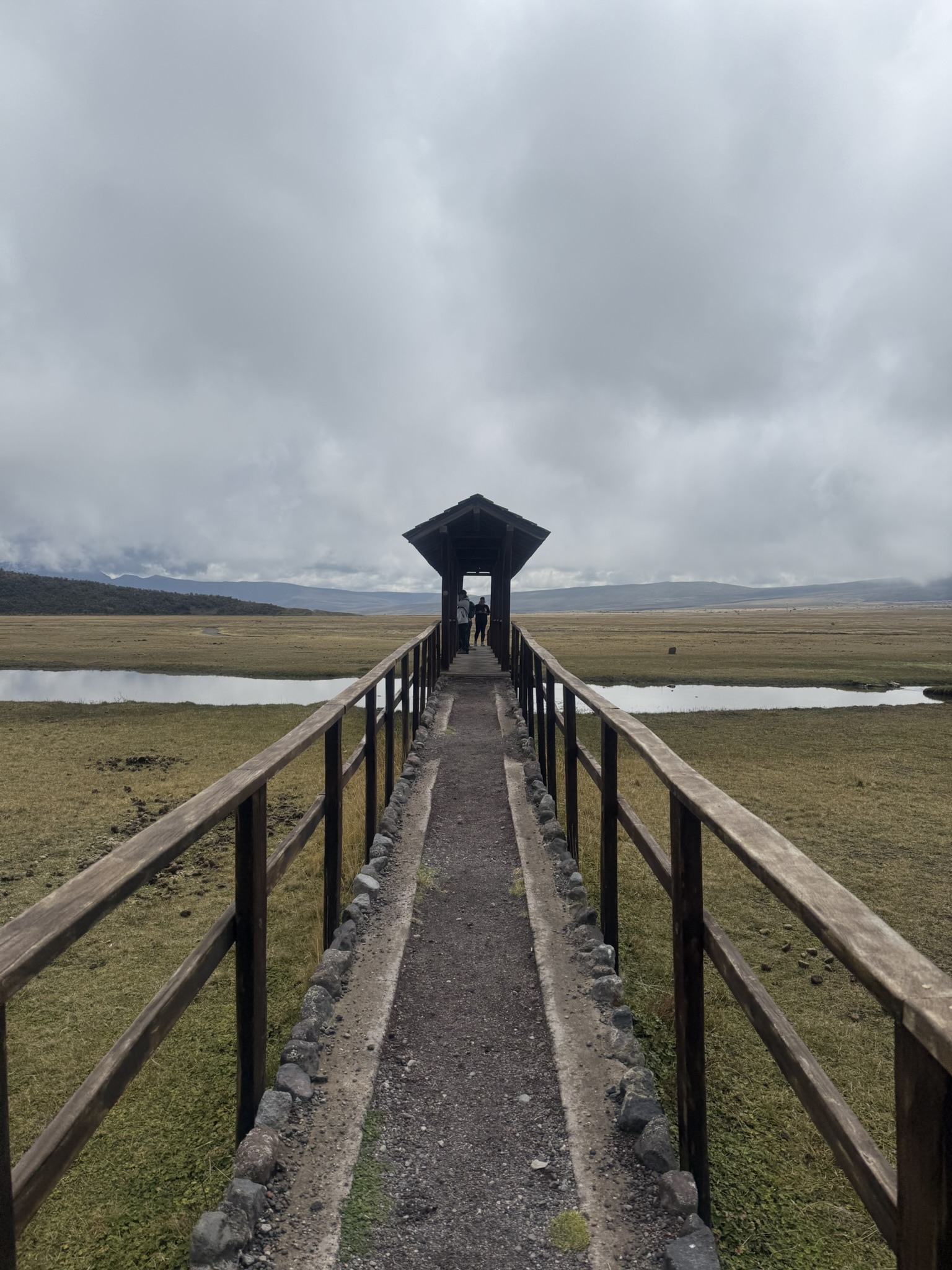
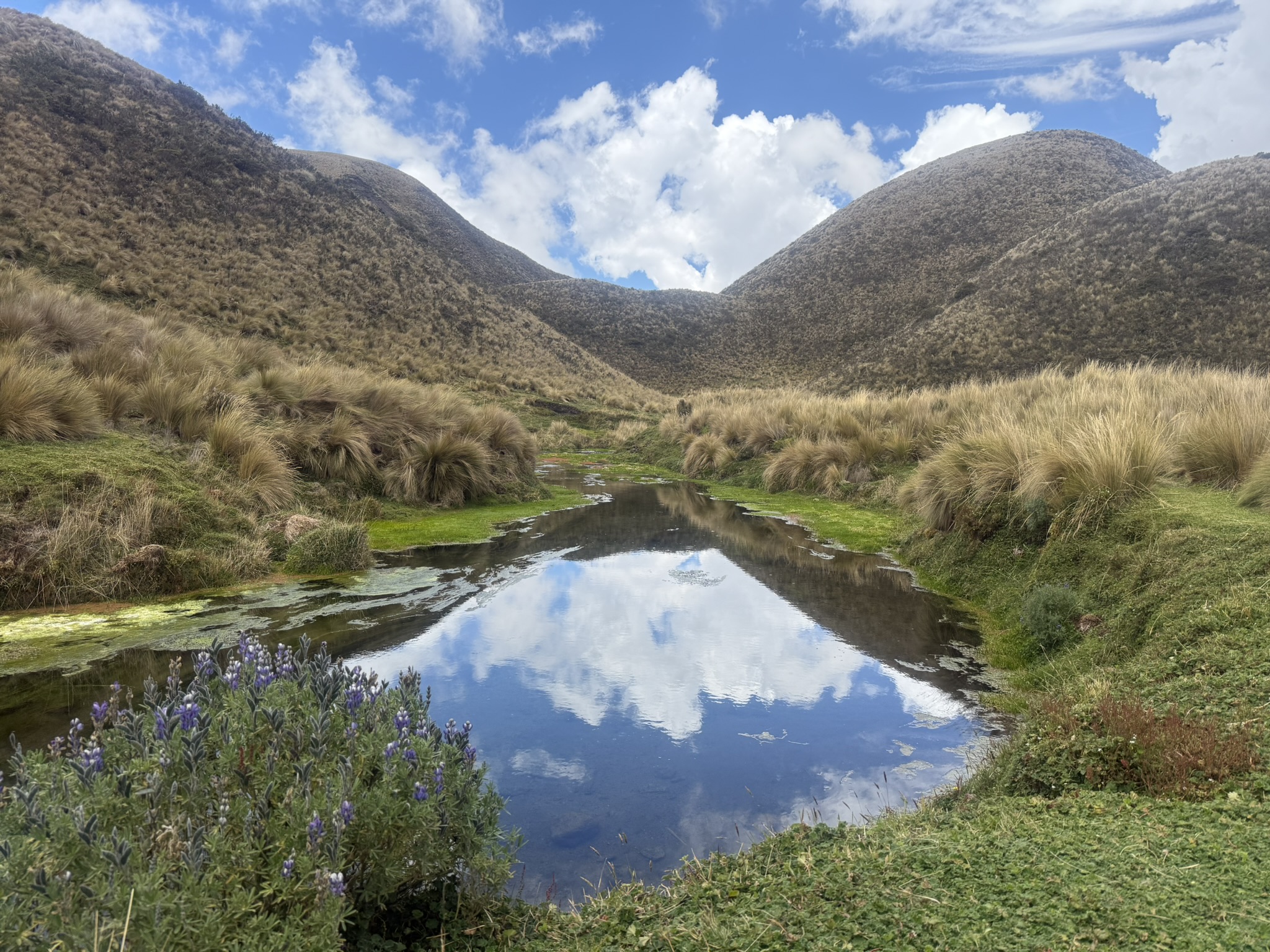
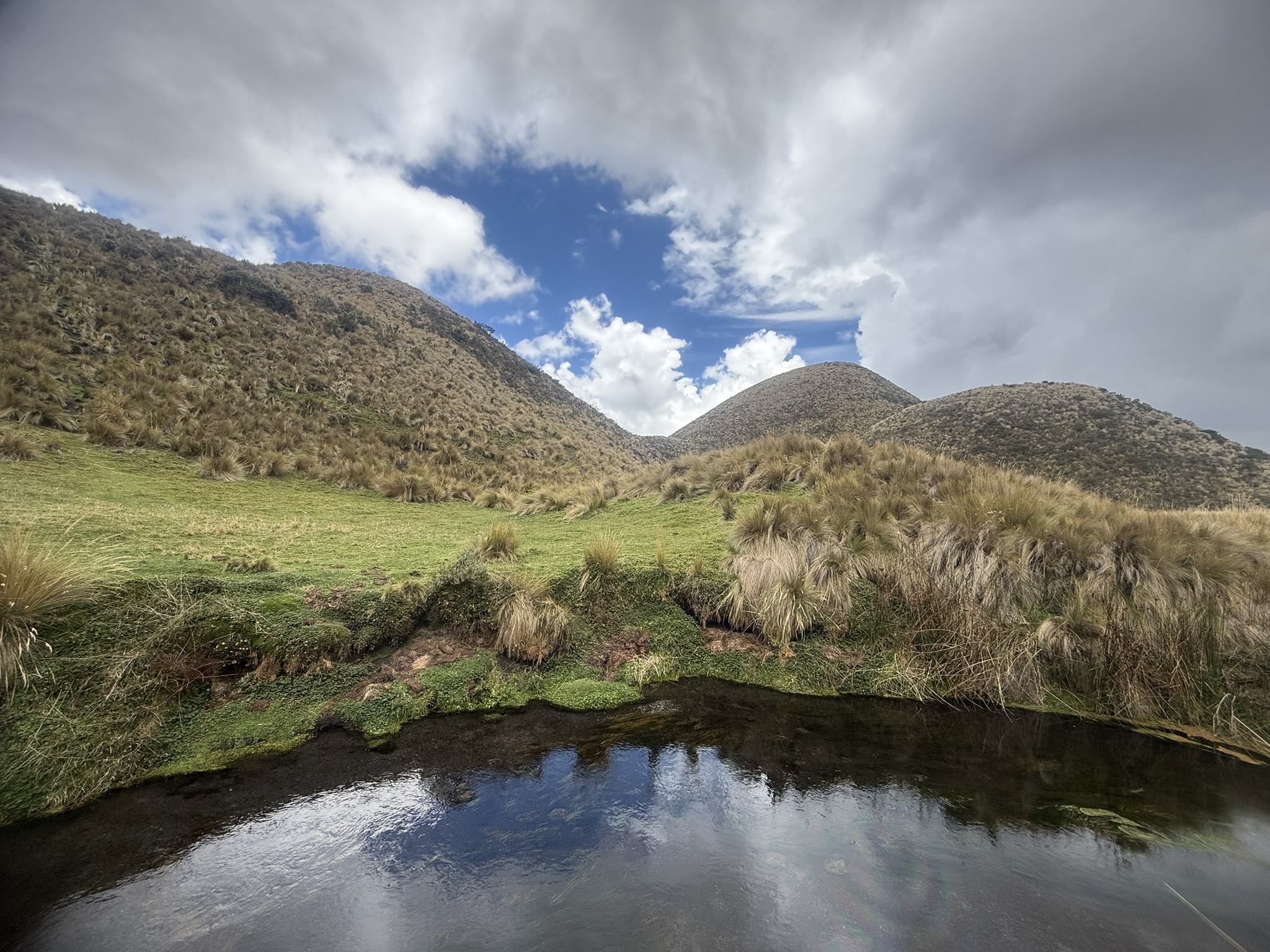
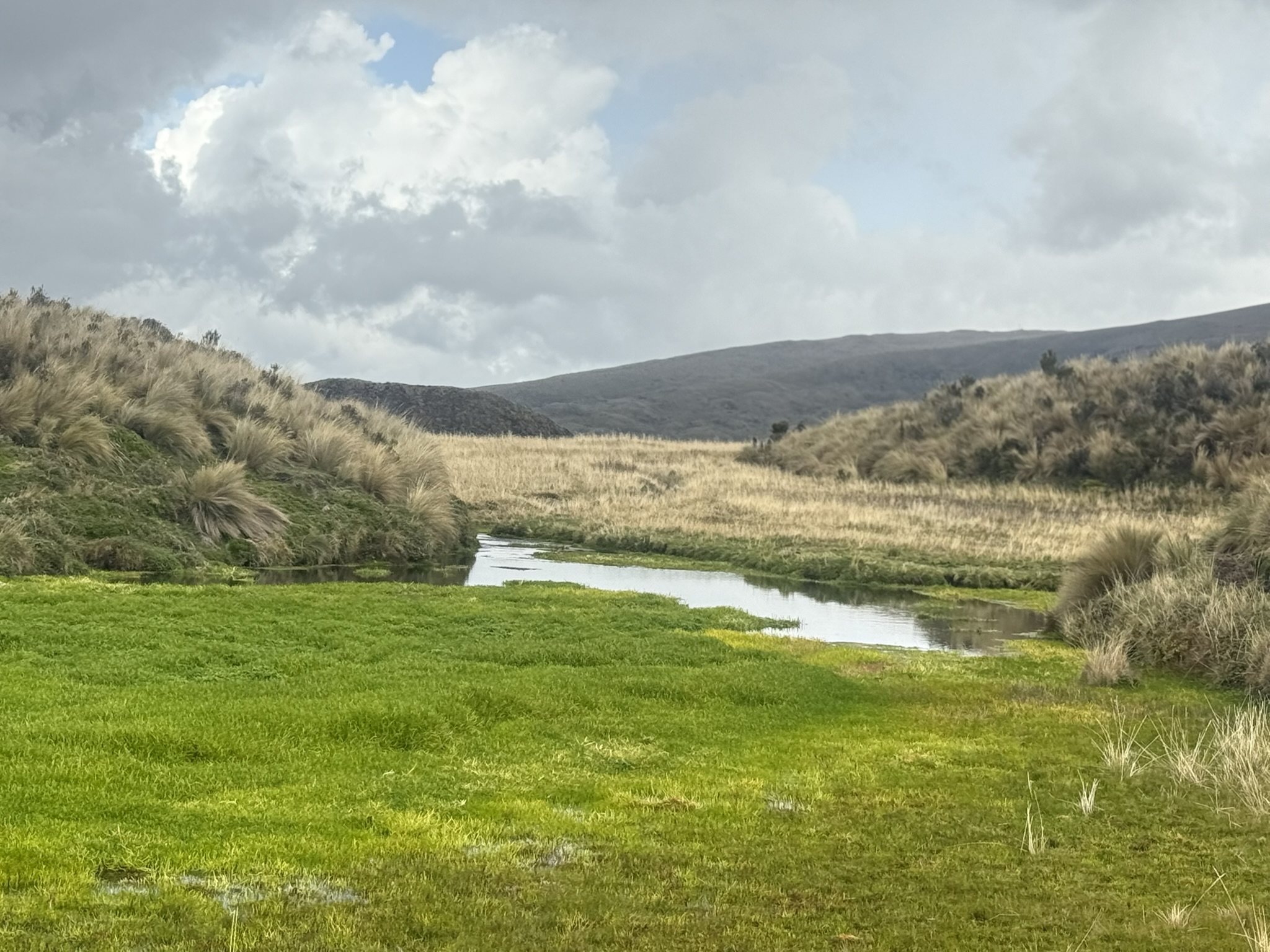
After an hour or so on the road, accompanied all the while by splendid vistas, we arrived at Limpiopungo Lagoon. The first and most obvious thing we noticed was that it wasn’t so much a lagoon as a big puddle.
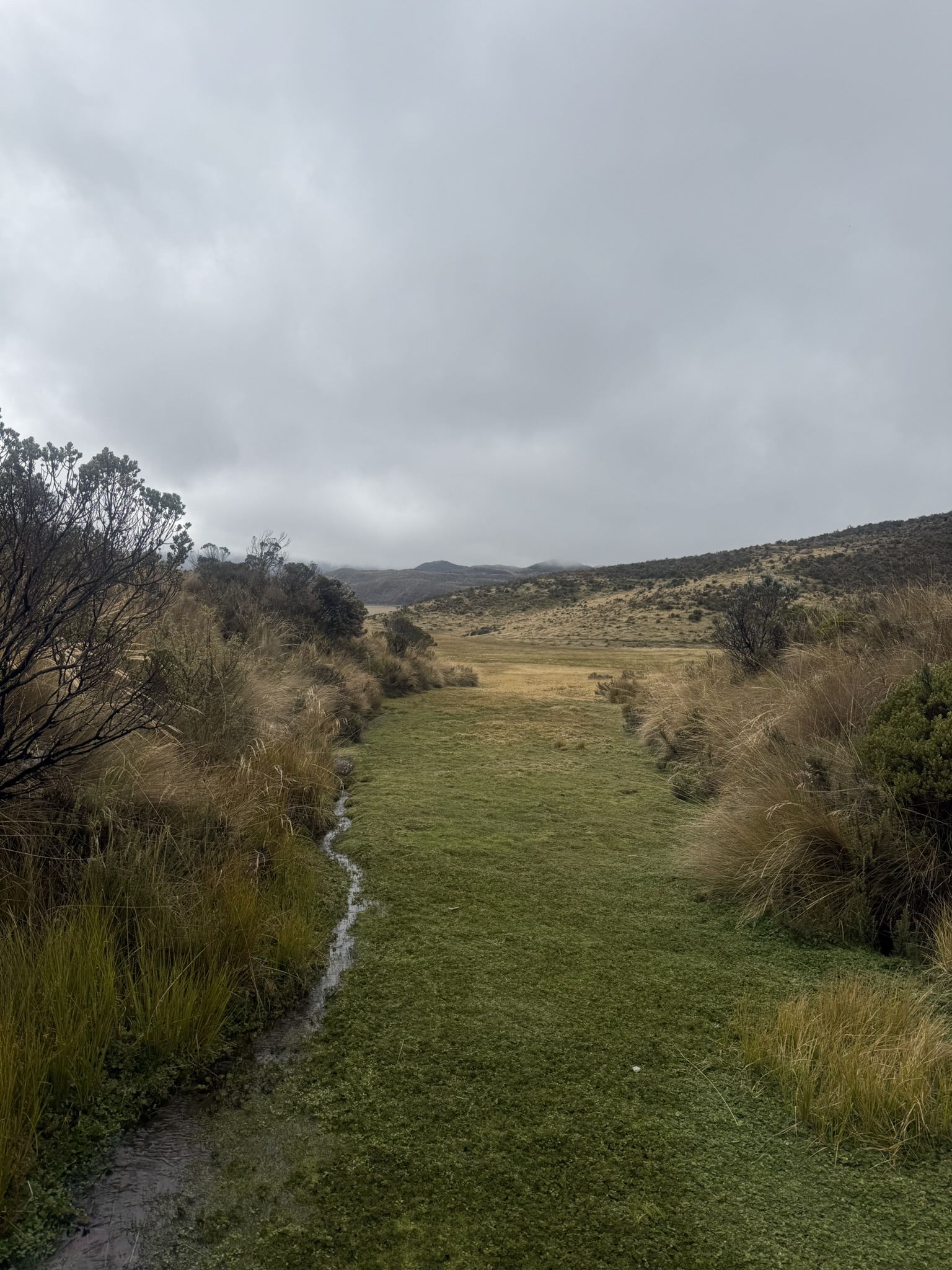
We were told that the shallow lagoon had been shrinking over the years, likely due to a combination of changes in its water supply, wetland encroachment and broader climatic pressures. The second thing we noticed was that, regardless of its size, it was still a sight to behold. Surrounded by yellow-green shrubs and marshland, the lagoon was home to all kinds of birds flying in and out. With my trusty binos out, I could barely contain my excitement. It had been so long since I’d done a bit of birdwatching!
That said, the birds weren’t the first thing to steal our attention. Here, Henry pointed out something moving among the bushes. There, in all its glory, was an Andean fox. Understandably apprehensive about us, it watched our every movement and took a few steps back whenever anyone got too close. I crouched at a respectful distance and waited, taking a few photos while it studied us in return. I was in awe, looking straight into its eyes and trying to absorb as much detail as possible. It was so, so cool!
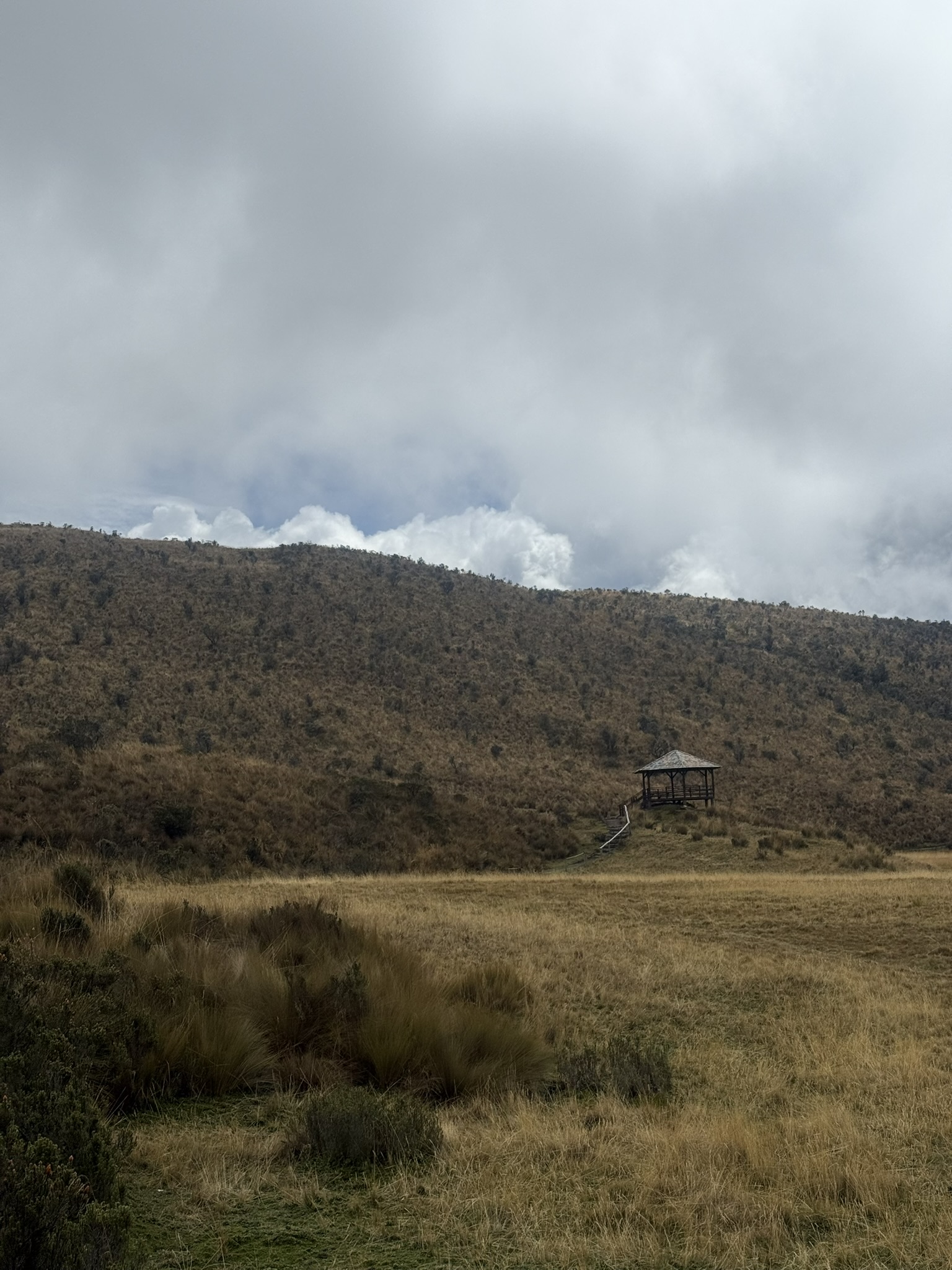
After the fox fled, we started making our way around the lagoon. From the different viewpoints along the route, we could appreciate all sorts of birds. From Andean lapwings to Andean gulls, from Baird’s sandpipers to solitary sandpipers, from Andean coots to Andean teals, and from carunculated caracaras to what we believed were plain-breasted hawks, we saw everything we wanted to see and then some!
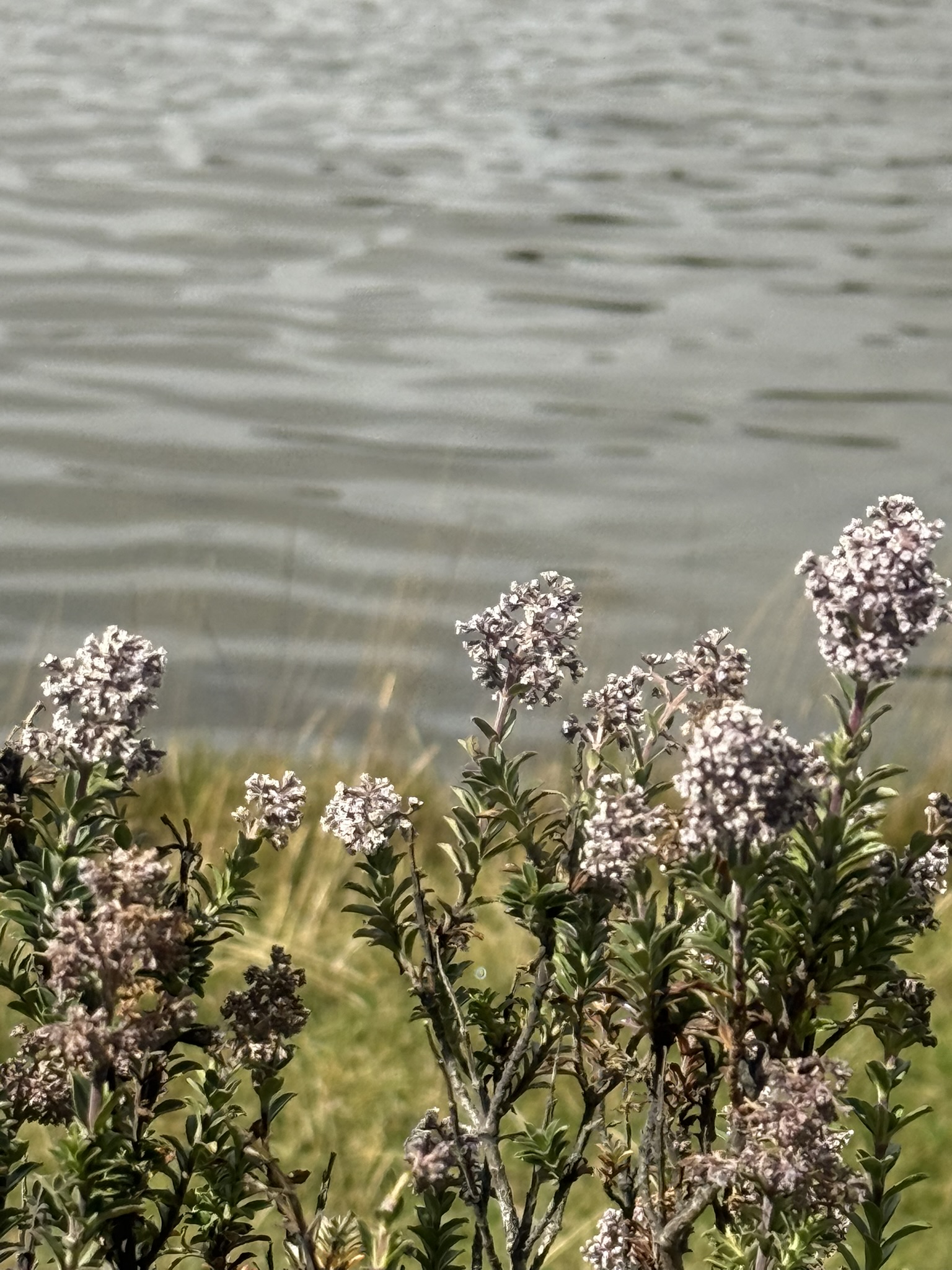
It wasn’t just about the great views and birds, though. As we circled the lagoon, our guide kept pointing out different types of plants, each with its own traditional uses:
Valerian: Henry explained that its roots are harvested and dried before being used in preparations such as teas and powders. Different species of valerian have traditionally been used for their calming and sedative effects.
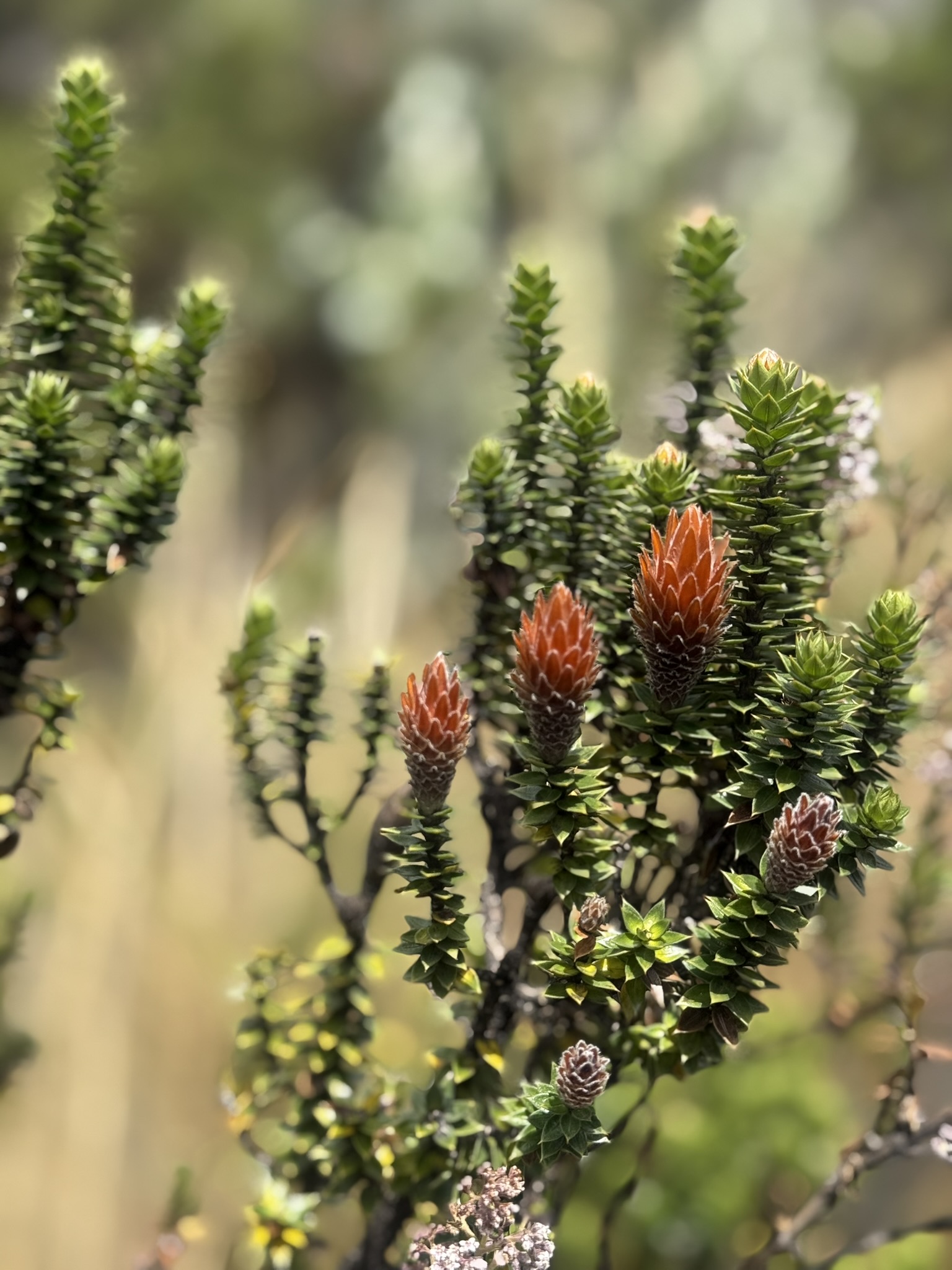
Chuquiragua: Often celebrated as an emblematic flower of the Ecuadorian Andes, Henry also called it the Rose of the Andes, the Spear of Fire and the Flower of Eternal Spring. Tea made from its flowers is traditionally used as a diuretic and warming infusion.
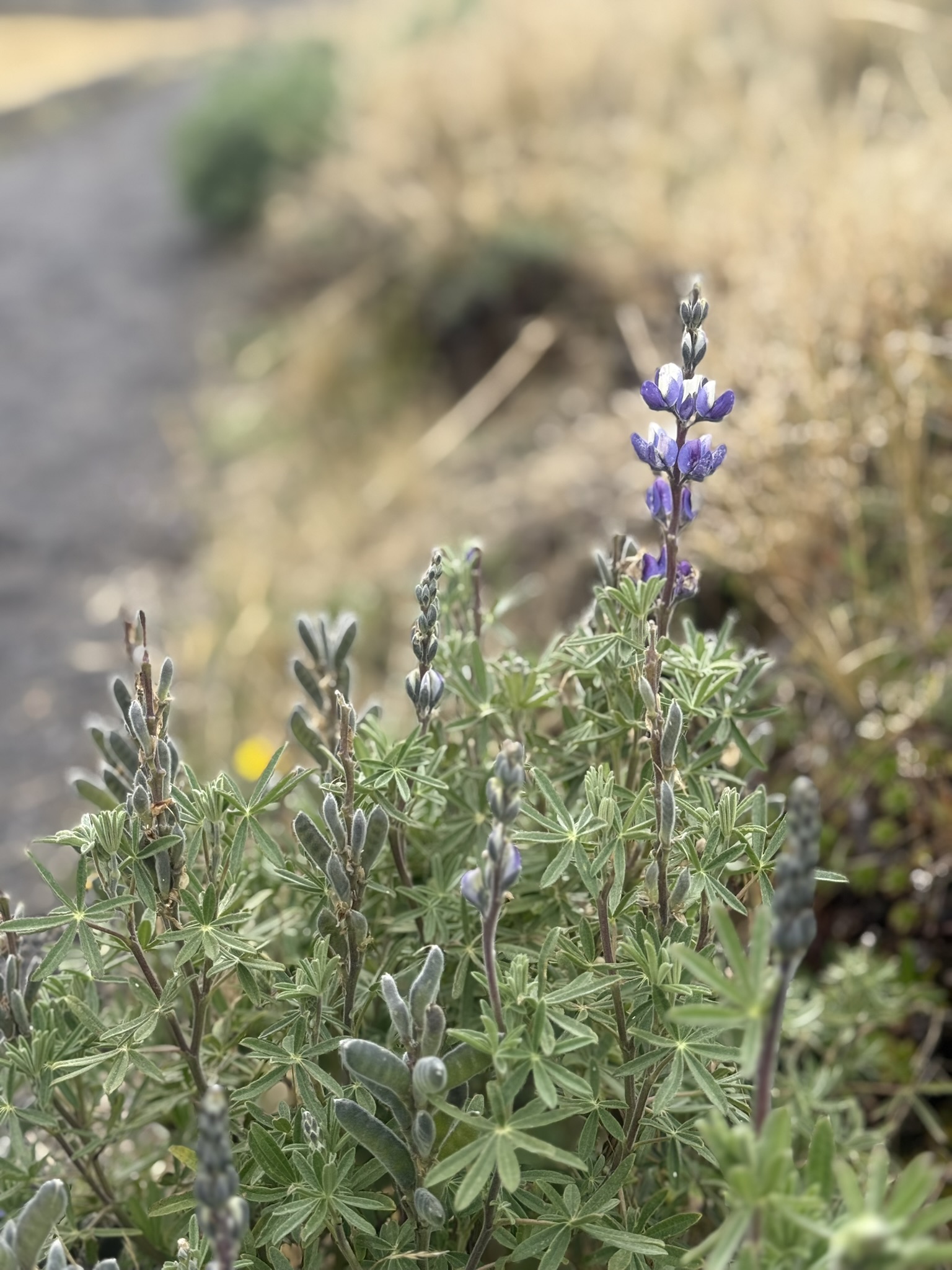
Ashpa chocho: A wild lupin whose pods are eaten by wildlife. Related cultivated varieties of chocho are eaten by humans, but their seeds must be carefully processed to remove naturally occurring bitter alkaloids.
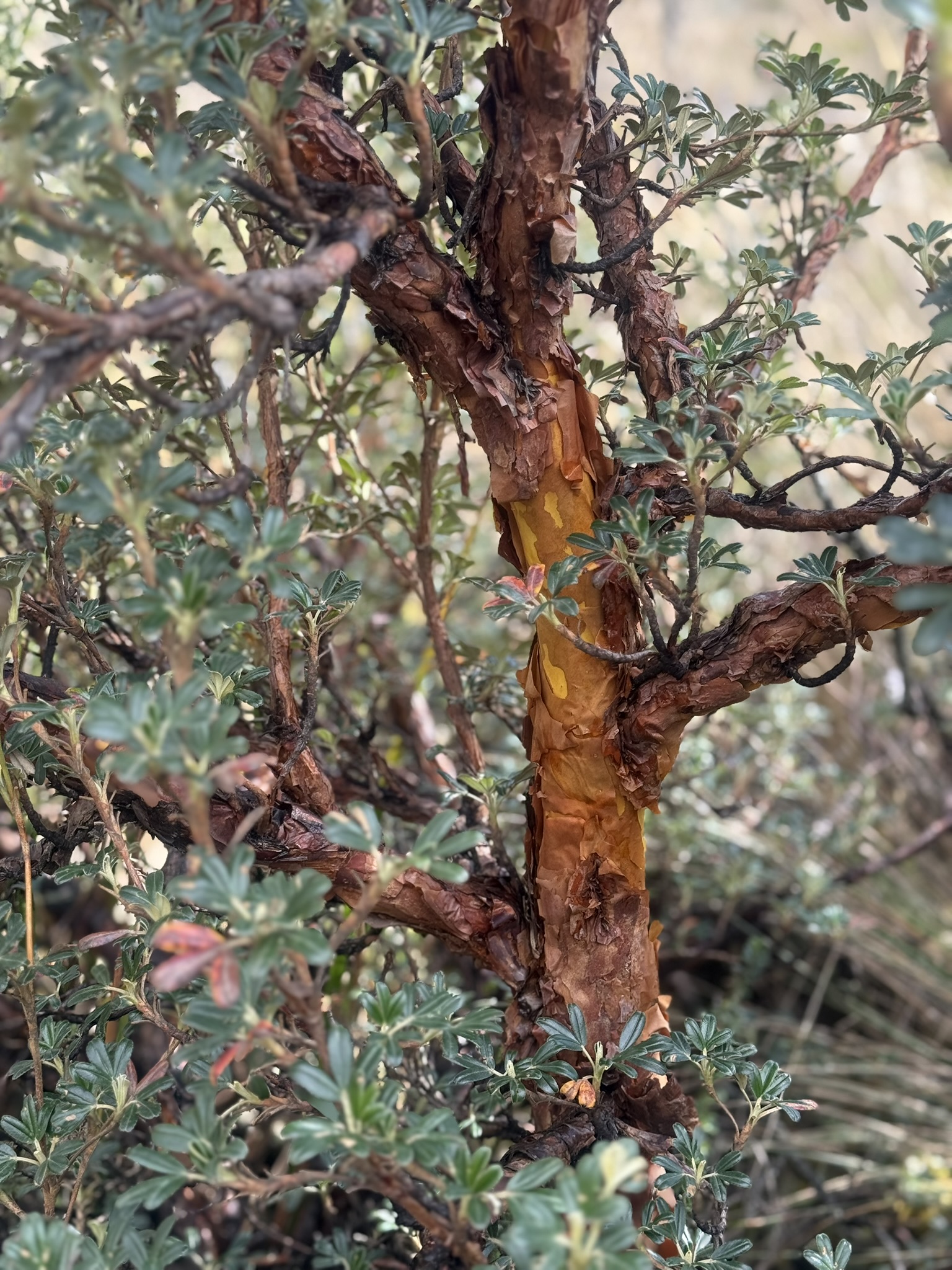
Polylepis tree: Its bark peels away in thin, paper-like sheets, giving it the nickname ‘paper tree’. Henry explained that different Polylepis species have traditionally been used for medicine, dyes and fuel.
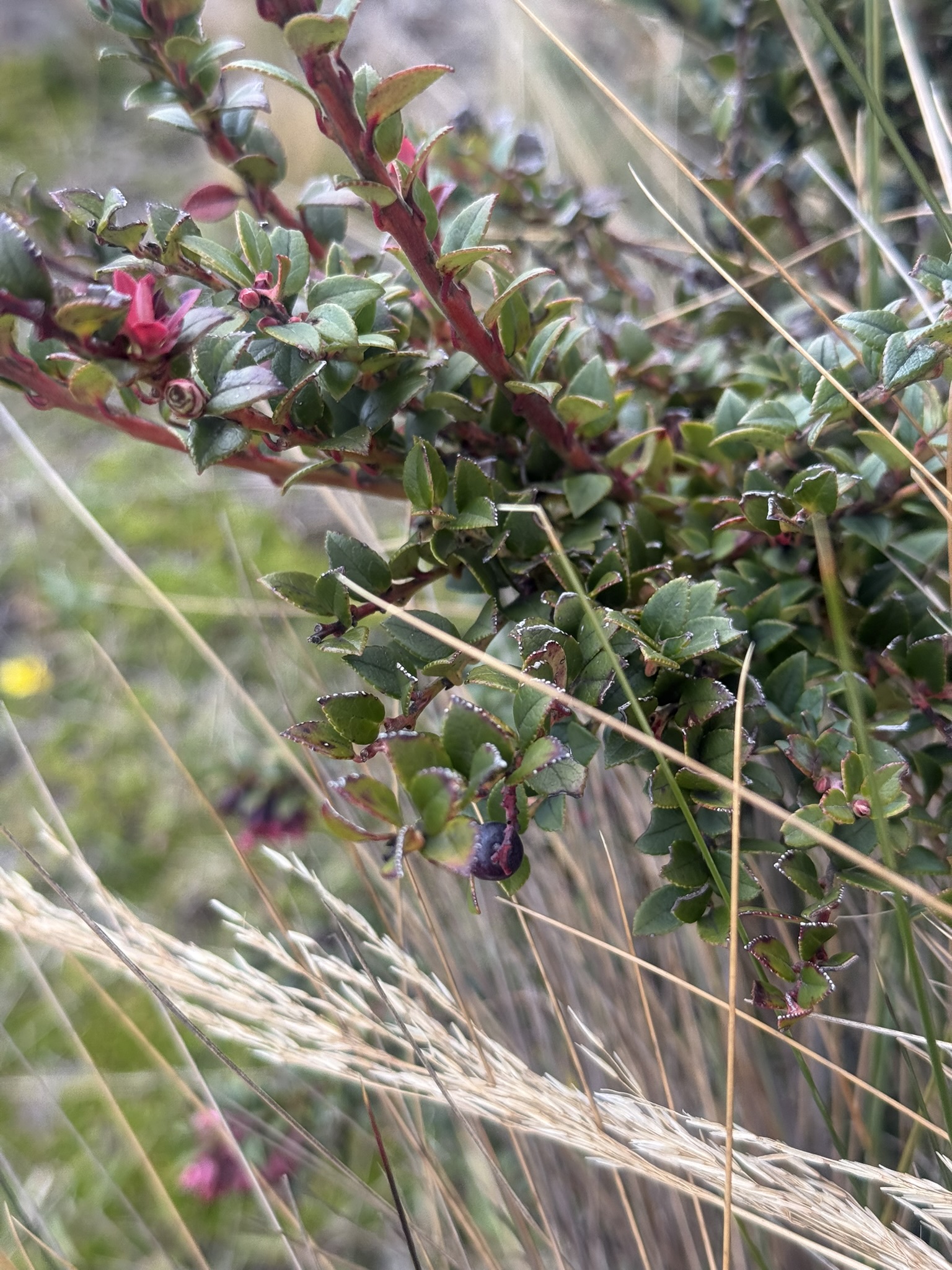
Shanshi or chanche: Its dark purple-red berries have a reputation for producing psychoactive effects, but the plant can also be dangerously toxic. I ate three and nothing happened, but, in retrospect, tasting unidentified wild berries was definitely not my finest piece of fieldwork.
The walk felt like everything I needed at that point. In fact, I found myself wondering how on earth such a tour wasn’t offered regularly. It was the perfect activity after a strenuous volcano climb!
Water, Stone and Forgotten History
After walking around Limpiopungo, we climbed back into the 4×4 and headed towards our second location: Manantiales.
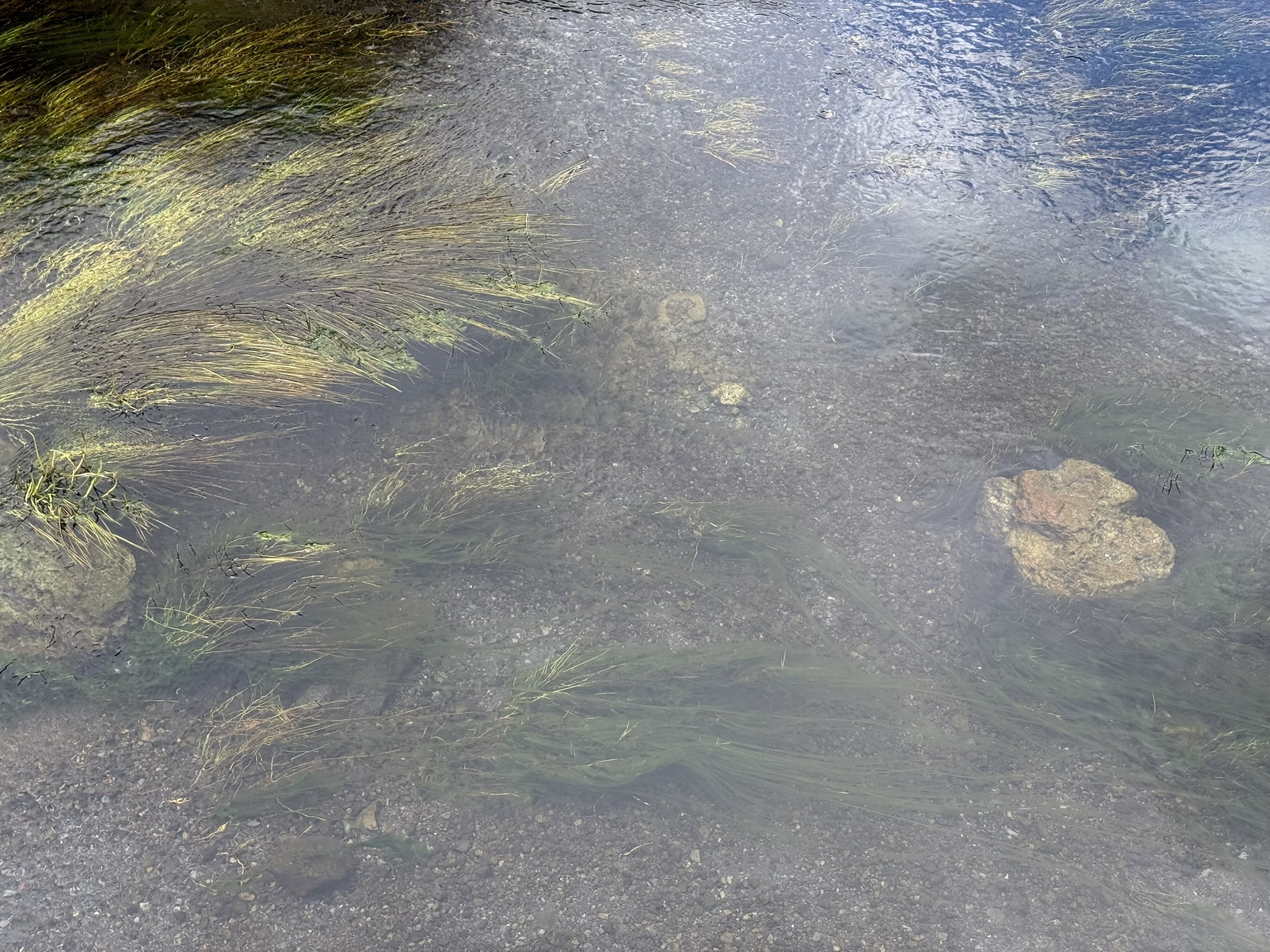
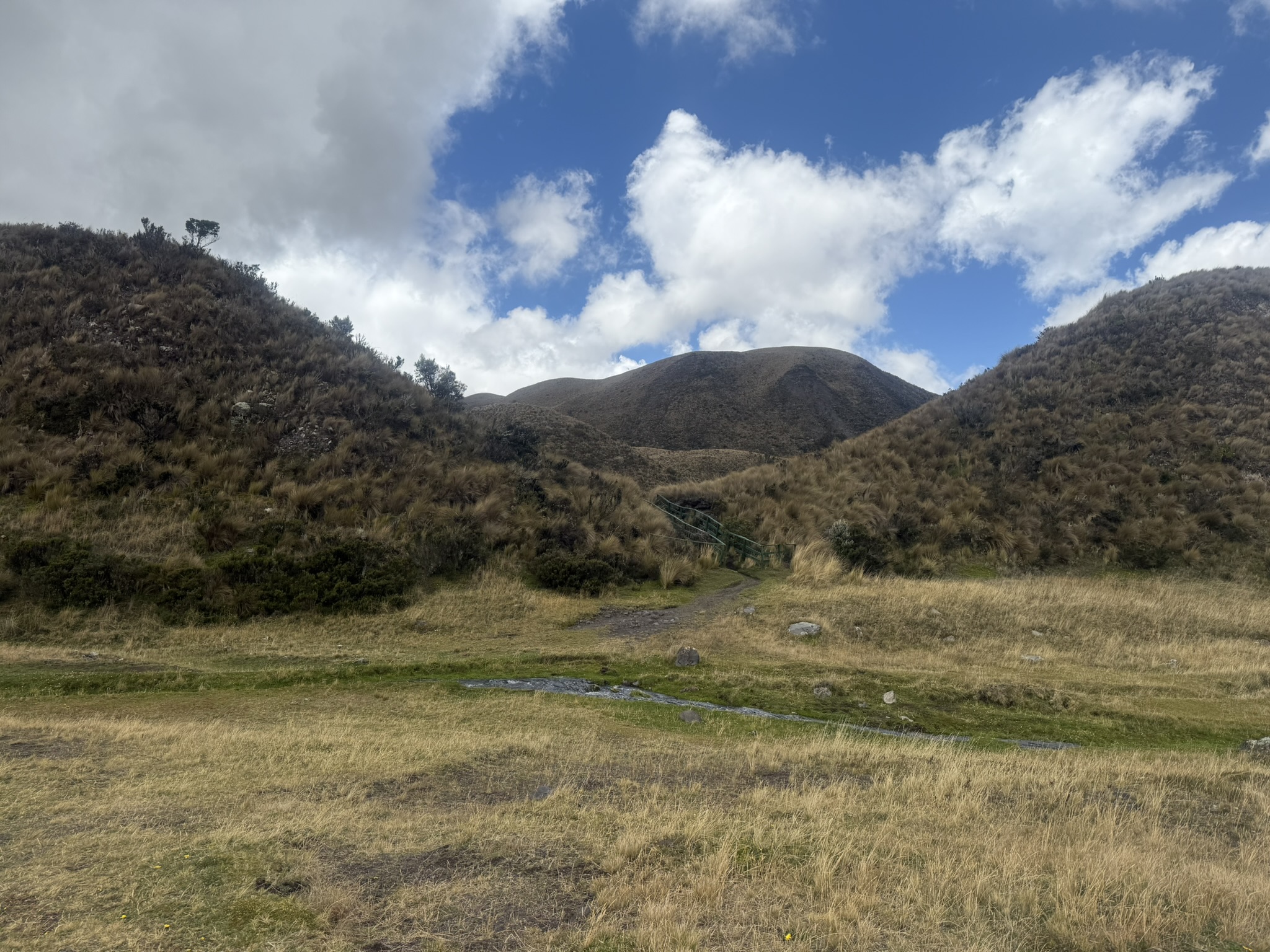
Here, nestled between the volcanic promontories surrounding Cotopaxi, was a spring said to be fed by meltwater from the volcano. Here, the water filters through porous volcanic rock and travels along underground channels before eventually resurfacing. Hidden behind the hills, it felt as though we had entered a sacred space when we reached the spring. Save for a couple of Andean rabbits, the rustling grass and the flowing water, everything was perfectly still. I hadn’t felt so at peace in a long, long time!
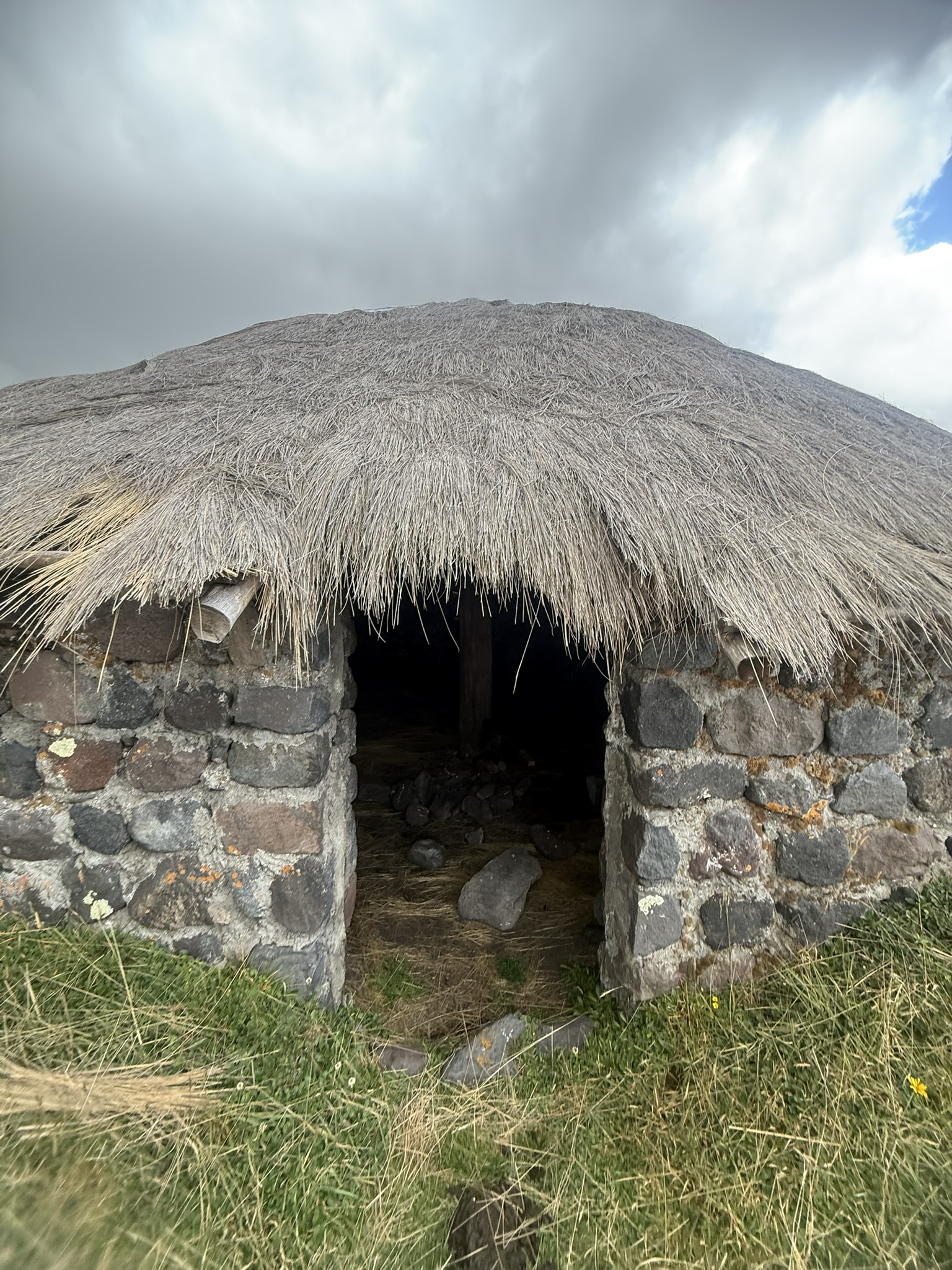
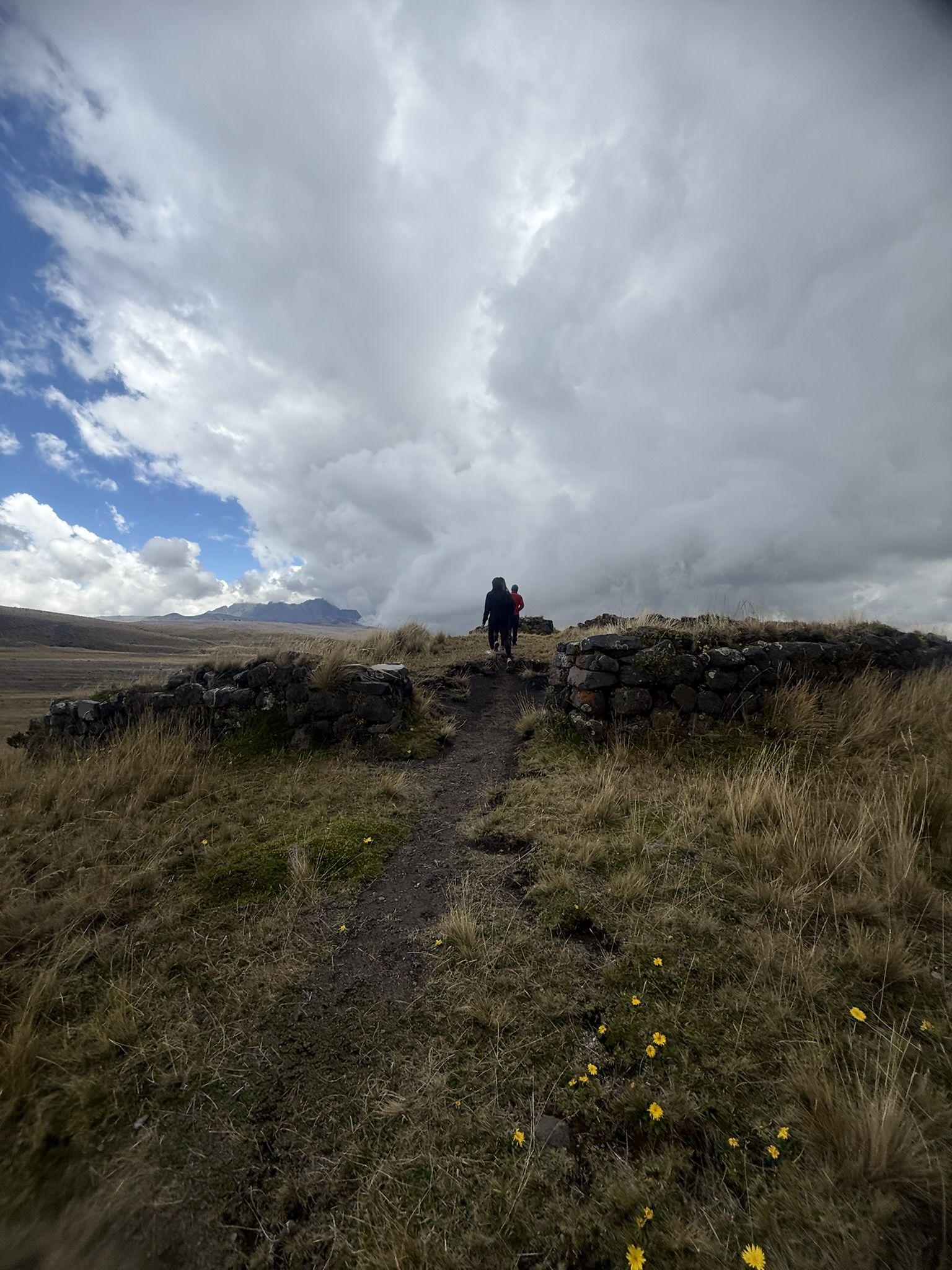
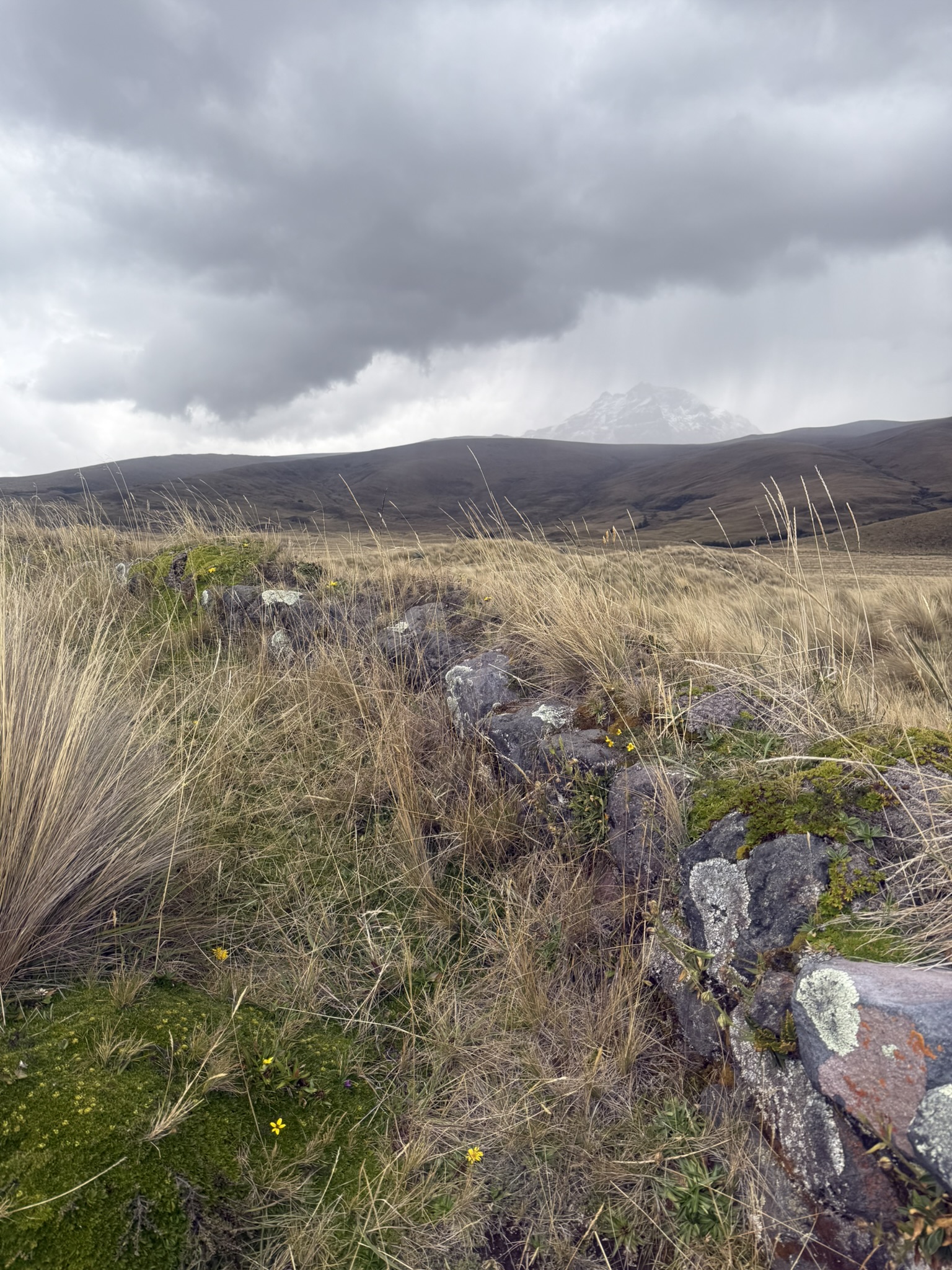
After this, we headed towards the ancient pre-Hispanic ruins of Pucará del Salitre. Archaeological evidence suggests that the site was primarily an Inca fortress, though local Panzaleo communities may also have influenced or occupied it. While only a few walls remain standing, Henry shared some pretty cool facts about the site. Its position atop a hill would have allowed its inhabitants to watch for enemies and monitor movement along routes connecting the Amazonian lowlands, Quito and other parts of the Andes. Henry also explained that the three surrounding volcanoes – Cotopaxi, Sincholagua and Rumiñahui – may have held spiritual significance and that animal offerings, including llamas, could have been made there.
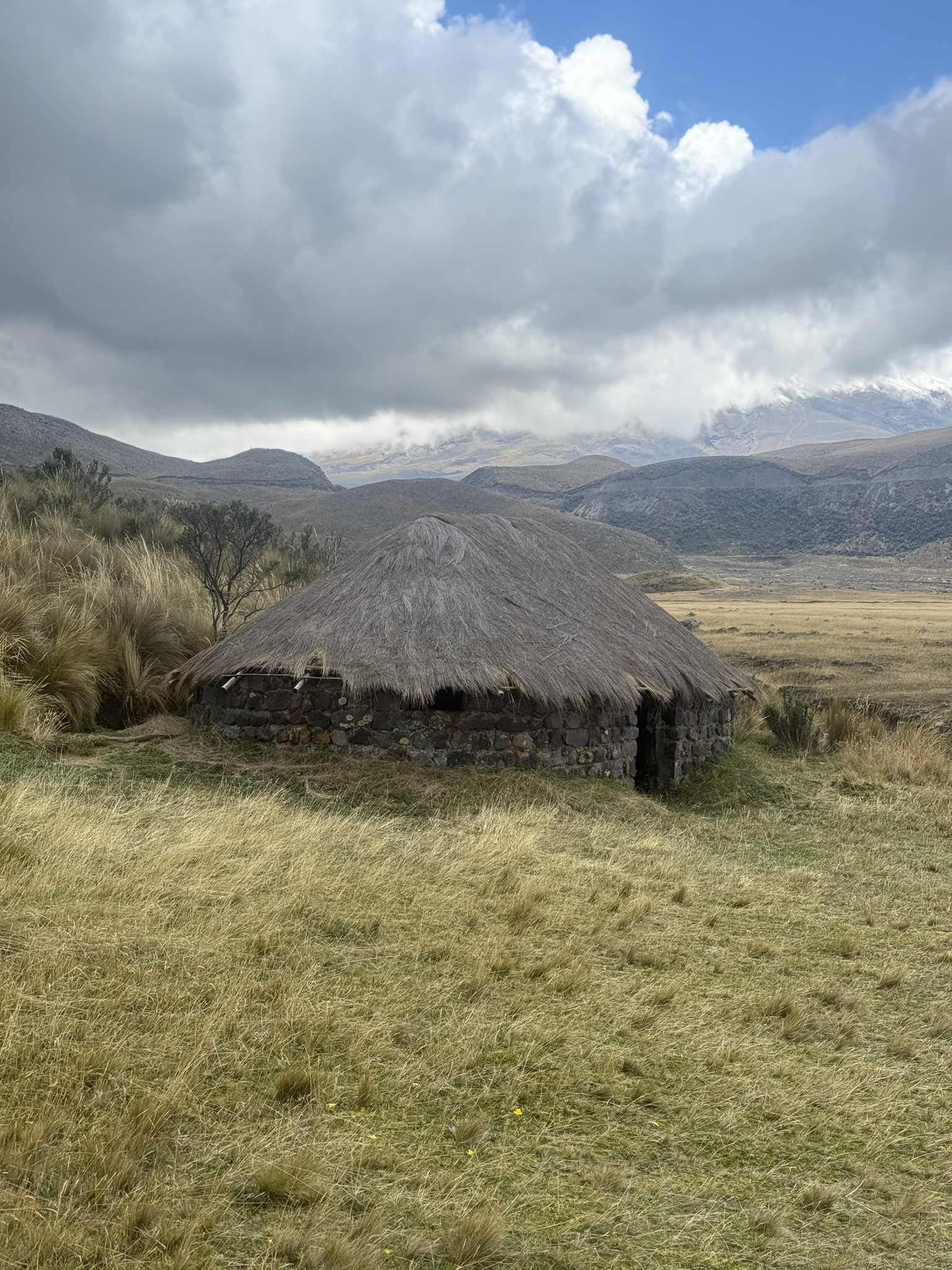
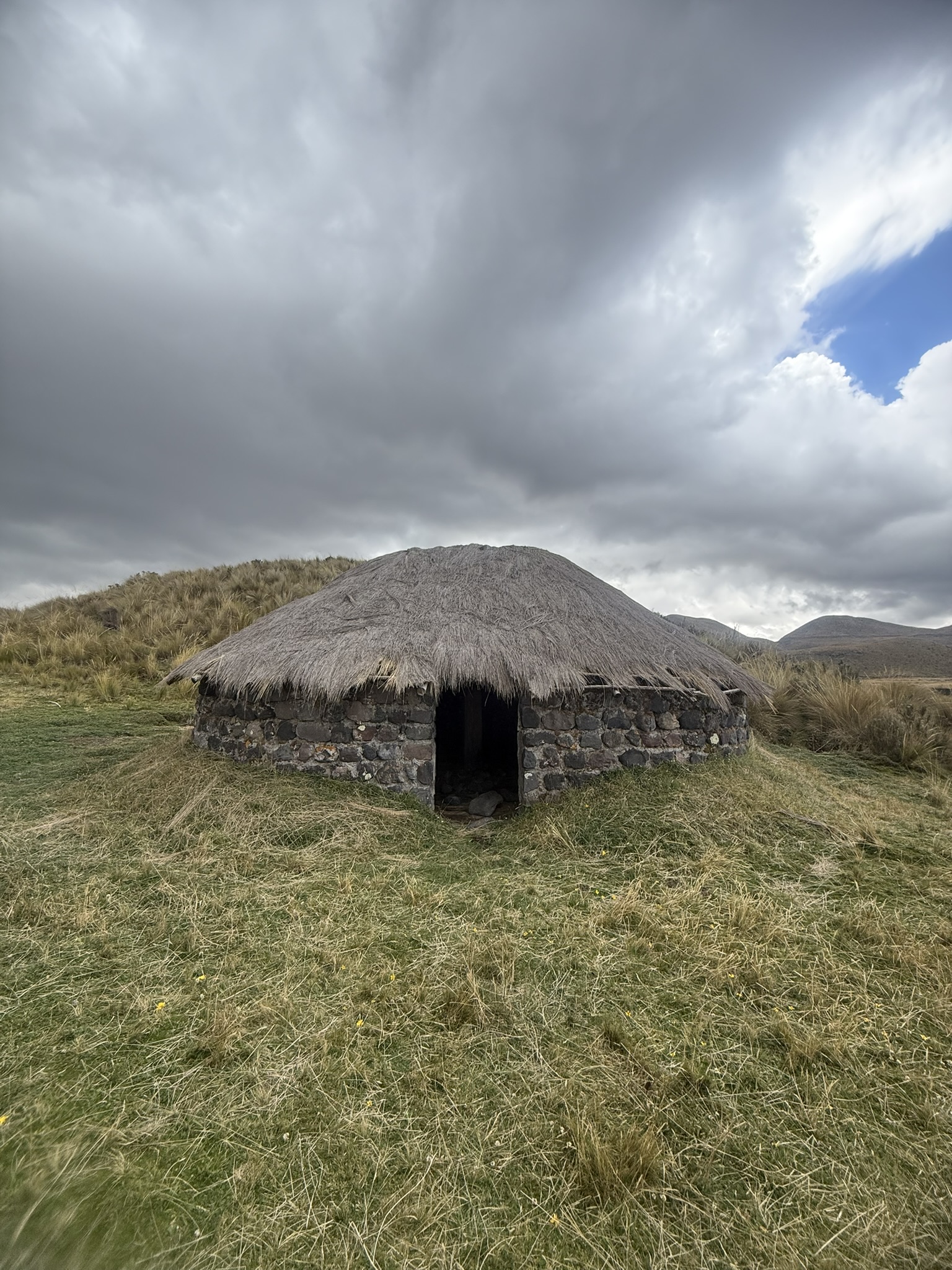
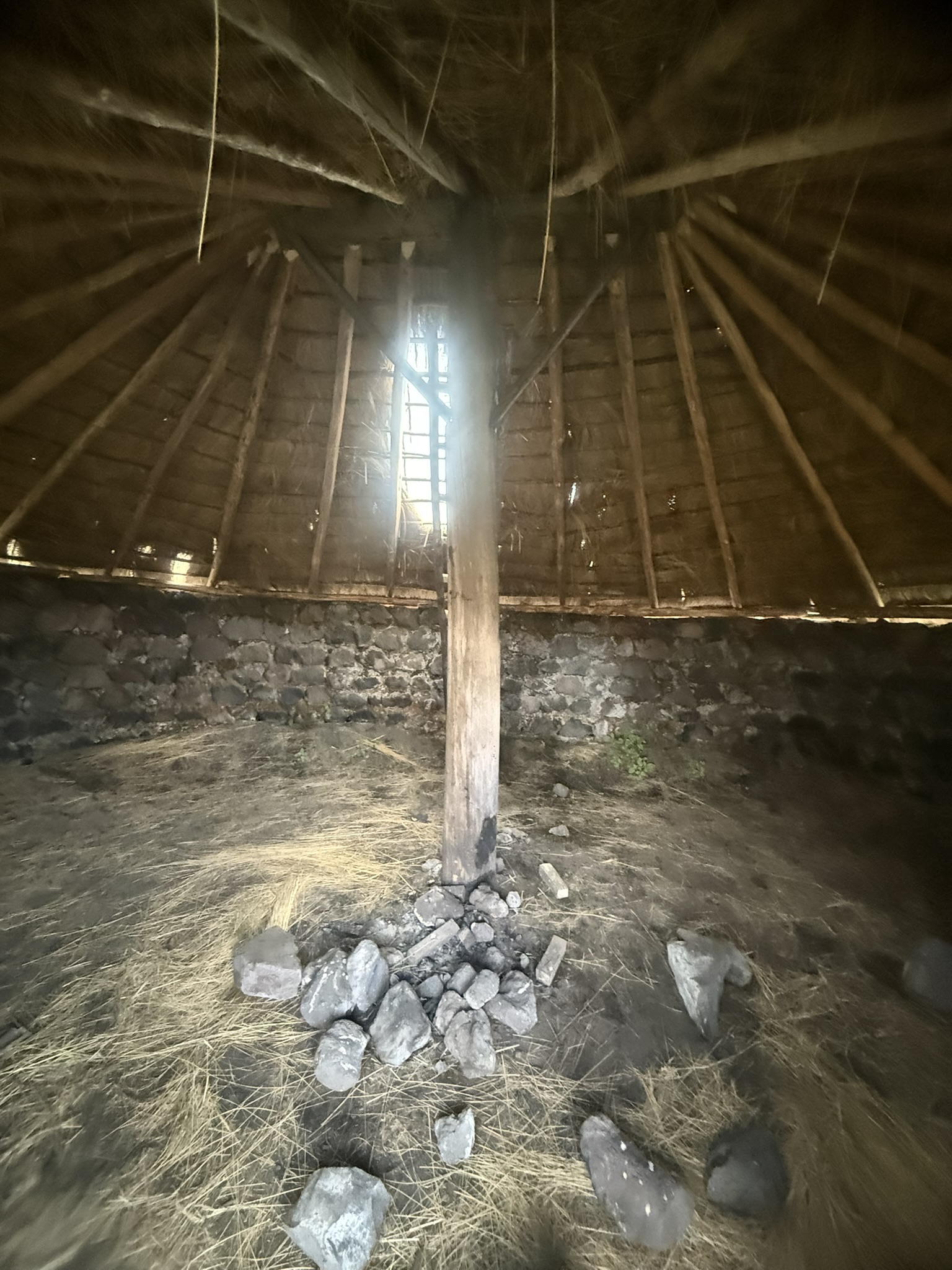
The walls, he went on, were constructed using an Andean stonework technique known as pirca. Rather than using modern cement, builders arranged stones using earth and smaller material as filling where necessary. Apart from the main fortified enclosure, the site contains the remains of smaller cylindrical structures that may once have served as living quarters. Henry also asked us to imagine the thatched-roof chozas that would once have stood there, made using fibres from the surrounding pajonal grass. According to a local story, a nearby watercourse later disappeared following one of Cotopaxi’s eruptions, possibly contributing to the site’s abandonment. It was difficult to know where archaeological fact ended and local legend began, but that only added to the mystery of the place.
As soon as our tour ended, a torrential downpour began. Let’s just say the back of the 4×4 didn’t provide much shelter from the pelting rain. Try as we might to cover ourselves with our jackets, Laurie and I were drenched after a couple of minutes – as were a few other unlucky souls we encountered on the road. We somehow managed to huddle together inside the truck and practically filled the back with random hitchhikers!
I gotta admit, despite the daily showers, I had been incredibly lucky with the weather. It seemed to rain only when it wouldn’t inconvenience us, as though nature had been on our side!
Goodbye Cotopaxi!
Back at Secret Garden, we had one final lunch before it was time to leave. In just four days, the place had started to feel like home, and it felt far too soon to be leaving. I would’ve gladly spent a couple of weeks there, exploring all the incredible wonders of Cotopaxi National Park.
That said, I had an itinerary to follow. The six-hour ride back to Quito flew by and, once I arrived at the hotel, it was raining too heavily for me to go exploring. It felt like the universe was spitting in my face after I had just praised the weather for being so favourable throughout my stay. I’d still have a few hours here and there to explore, but, if worst came to worst, I figured I wouldn’t be too bummed about missing some of the city’s highlights.