Tromsø – Day 2: The Aurora Hunt
TROMSØ
Day 2: The Aurora Hunt
November 29, 2024
PART I
I woke up thinking it was still the middle of the night. I wasn’t completely wrong – it was, after all, the seemingly endless polar night.
It felt strange leaving the house at 8AM in complete darkness with a full day ahead of us. Being an island boy from Malta – one of the sunniest countries in Europe – I could already feel the sunlight withdrawals kicking in and, in my mind at least, my vitamin D levels tanking. While this was a unique experience in and of itself, I was certain it wasn’t something I could handle long-term. My aspirations of becoming an expedition medic somewhere in the Arctic quickly dwindled as I found myself low on energy and ready for bed shortly after waking up.
Christmas in the City
We’d start our day in Tromsø’s city centre, located on the island of Tromsøya. Akash, Zara, Joshin and Manish would stay with Priya to join a silver ring-making class – she was planning to make one as an engagement present for her fiancé.
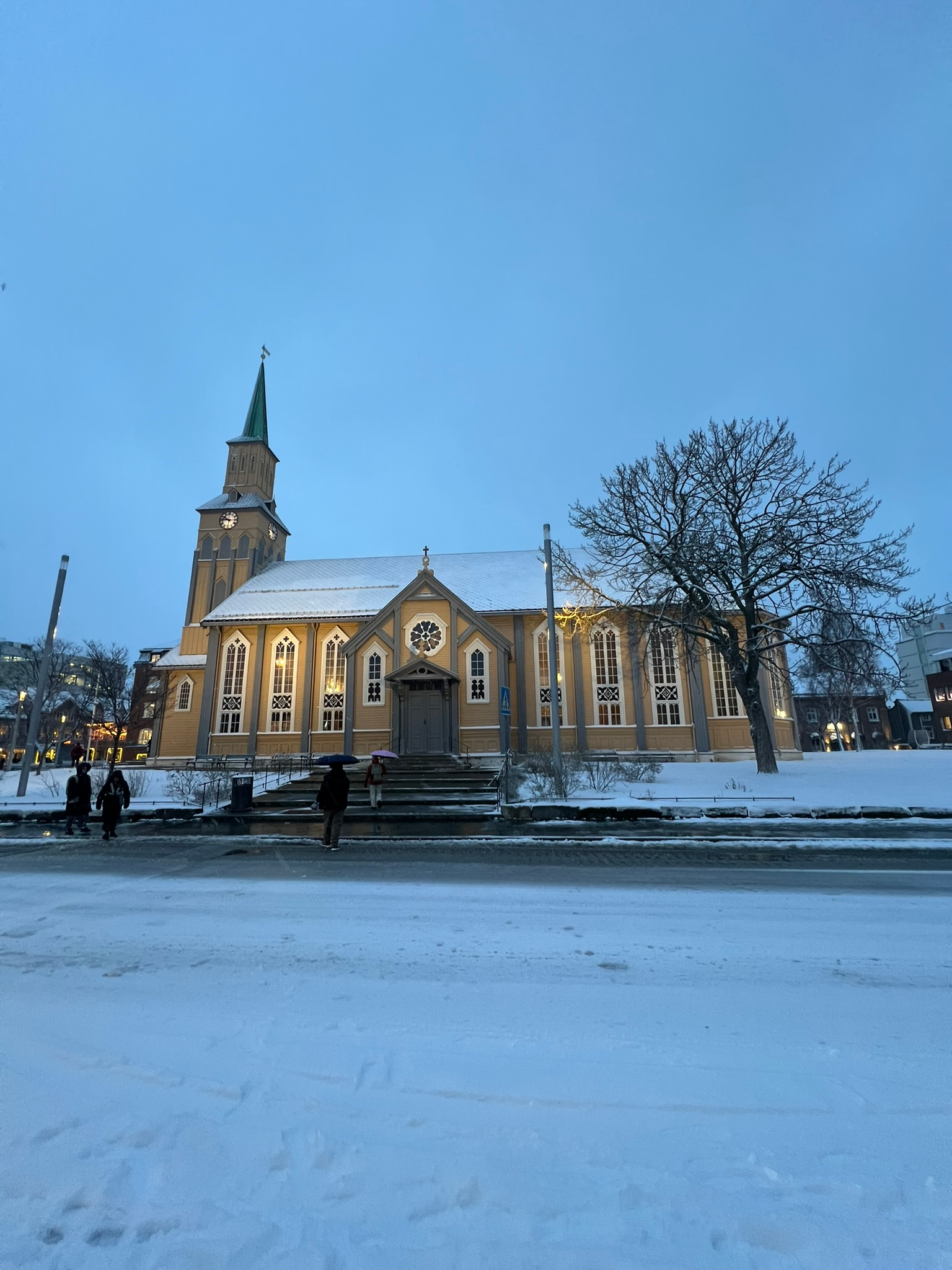
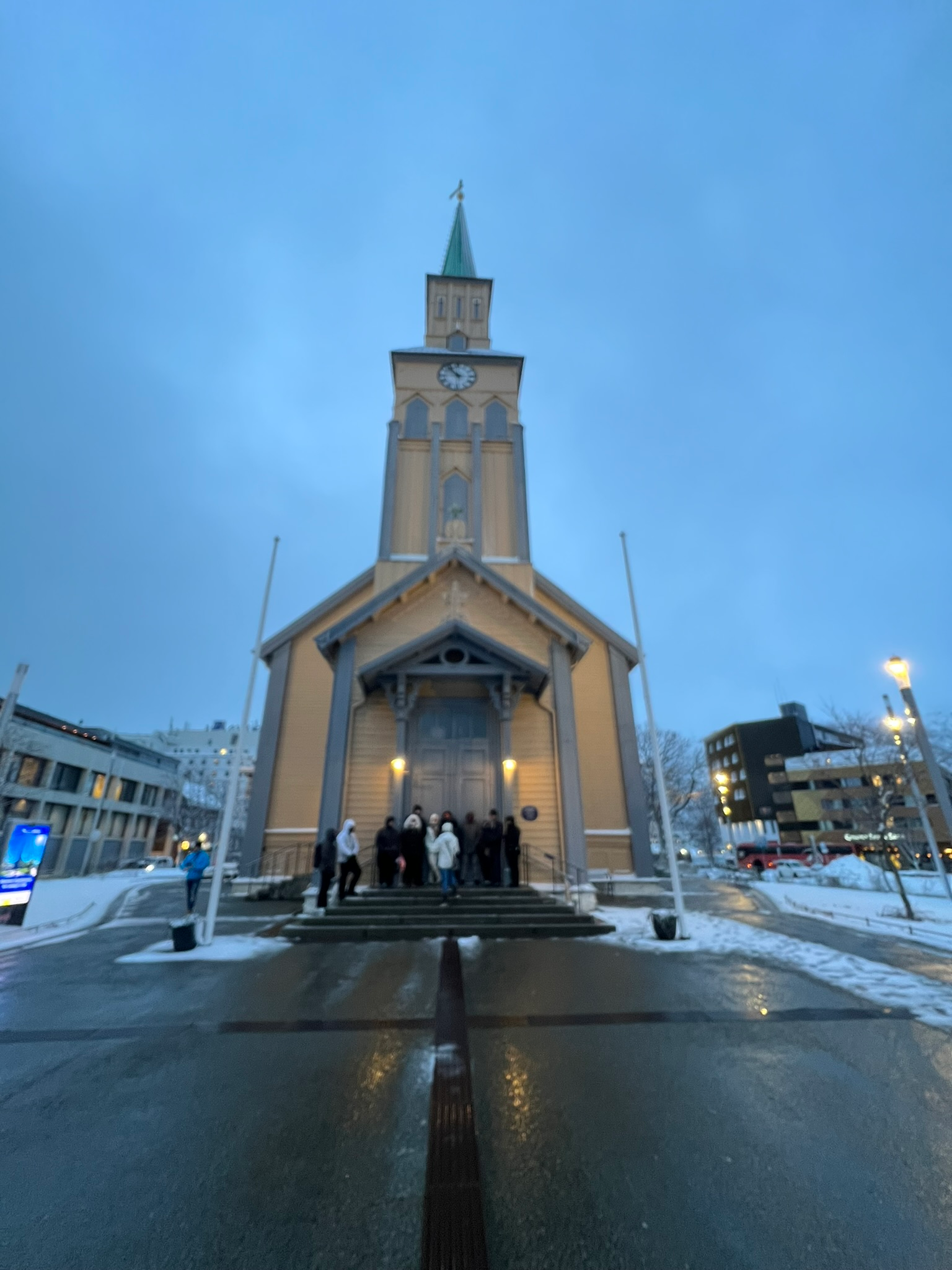
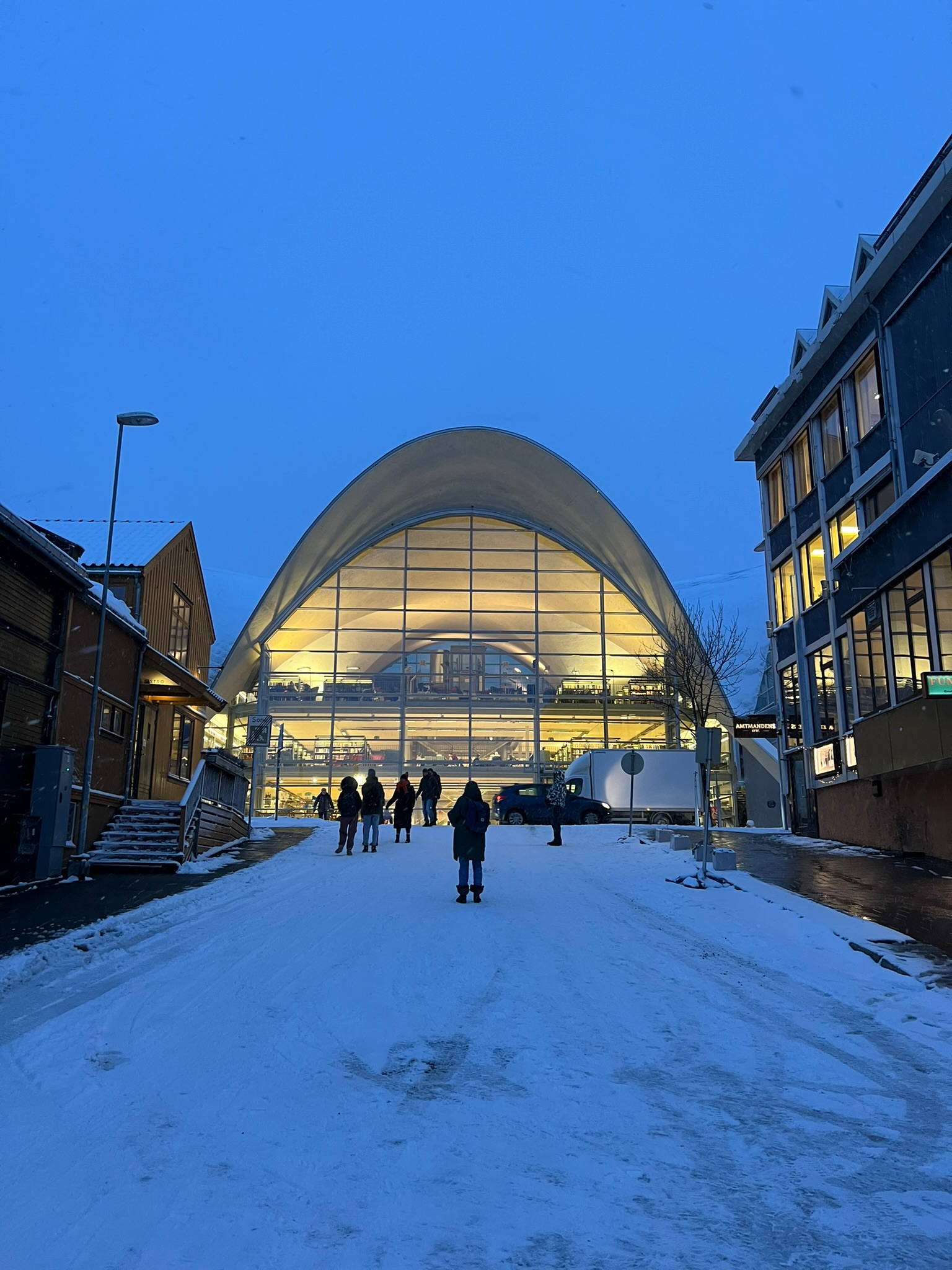
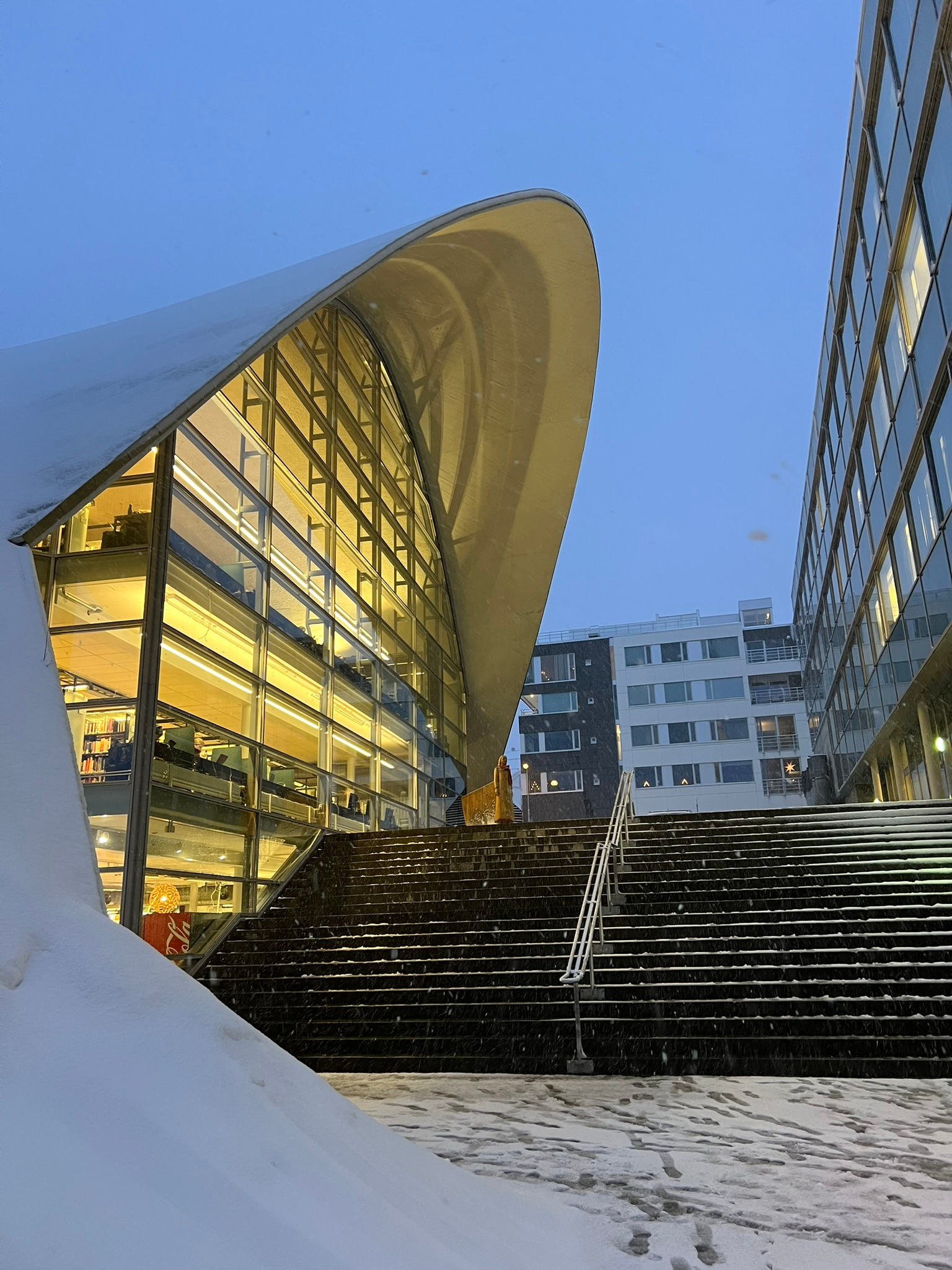
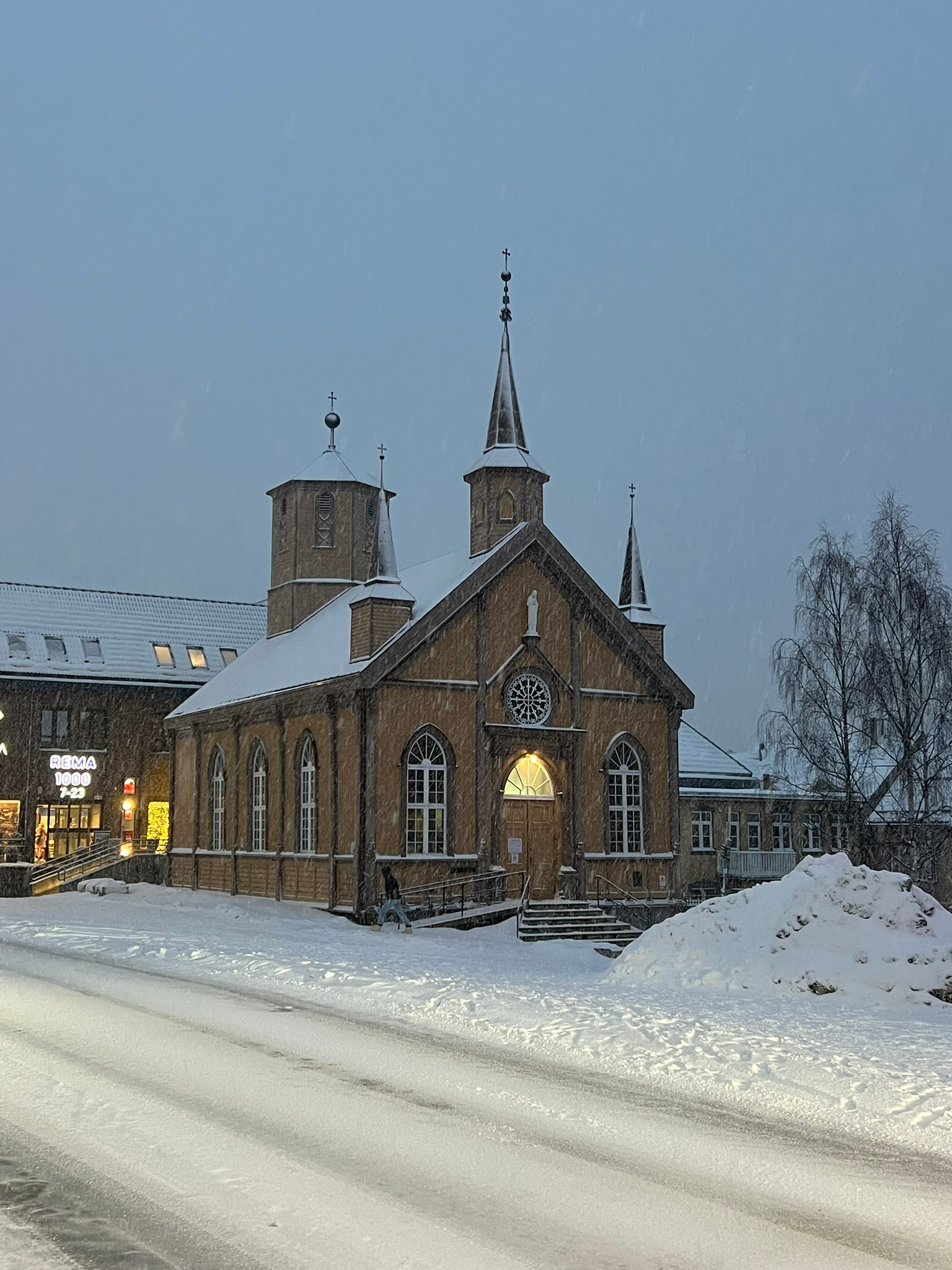
Feeling bitter and unwilling to spend money on something so disgusting and cheesy – I believe in love, just not their love, okay? – I decided to explore the city instead, with Rohan joining me simply cause he didn’t fancy the class either. We started on Storgata, Tromsø’s main shopping street, which was completely illuminated for Christmas. Here, we stopped at Tromsø Cathedral – a yellow wooden church designed in the Gothic Revival style and completed in 1861. We then headed to Tromsø’s public library, one of the city centre’s most striking modern buildings, with its sweeping glass façade and distinctive curved roof.
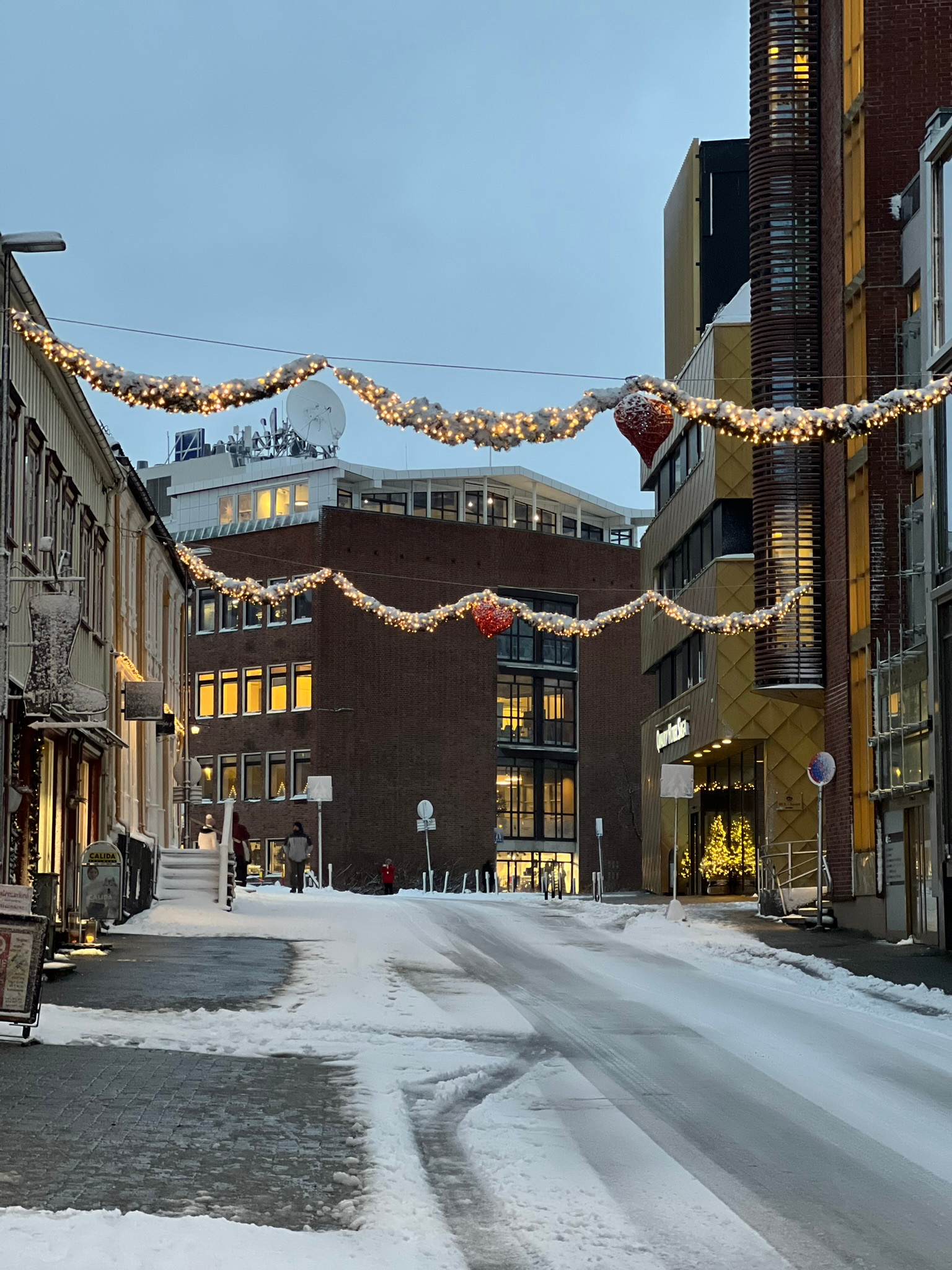
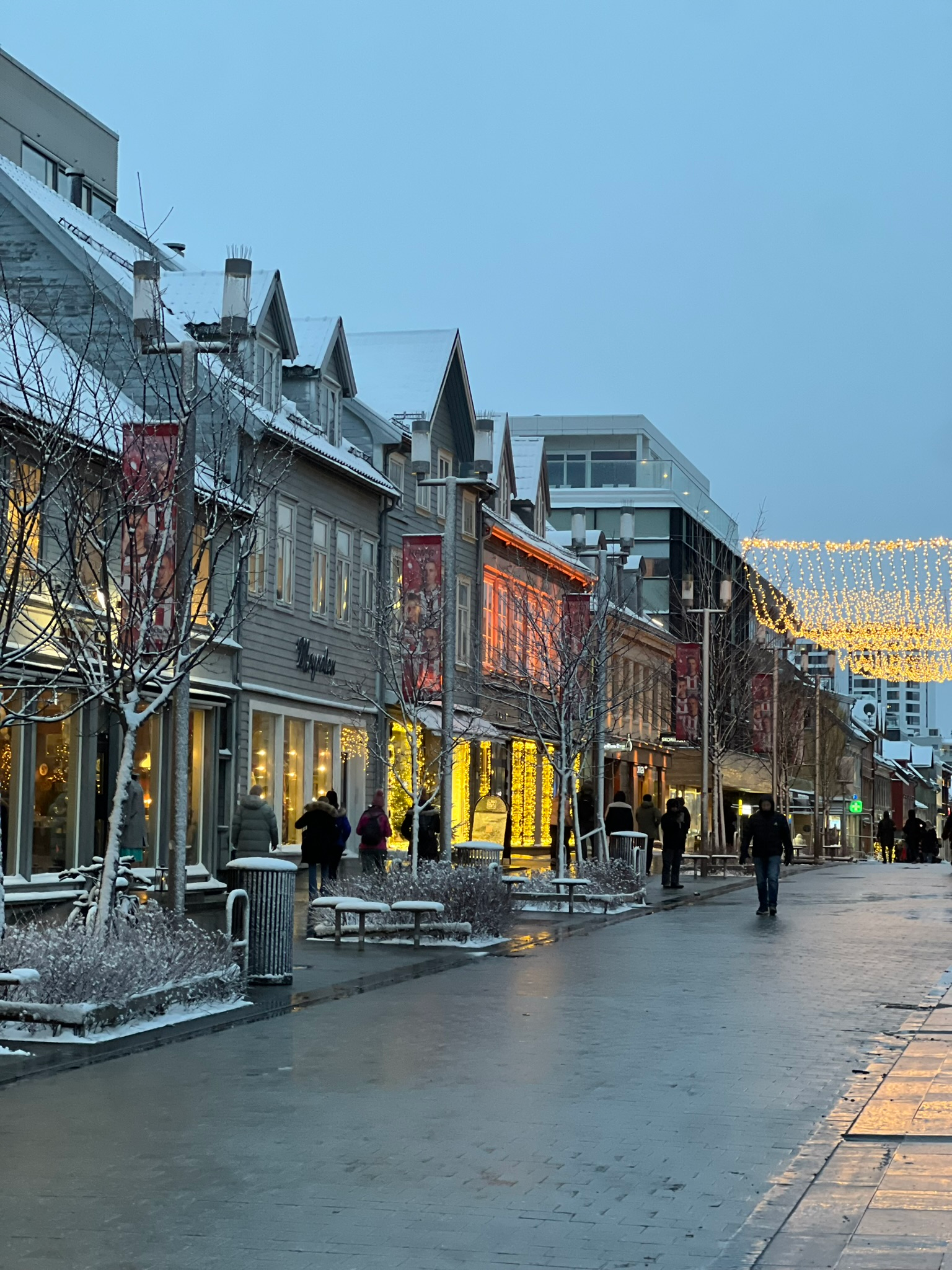
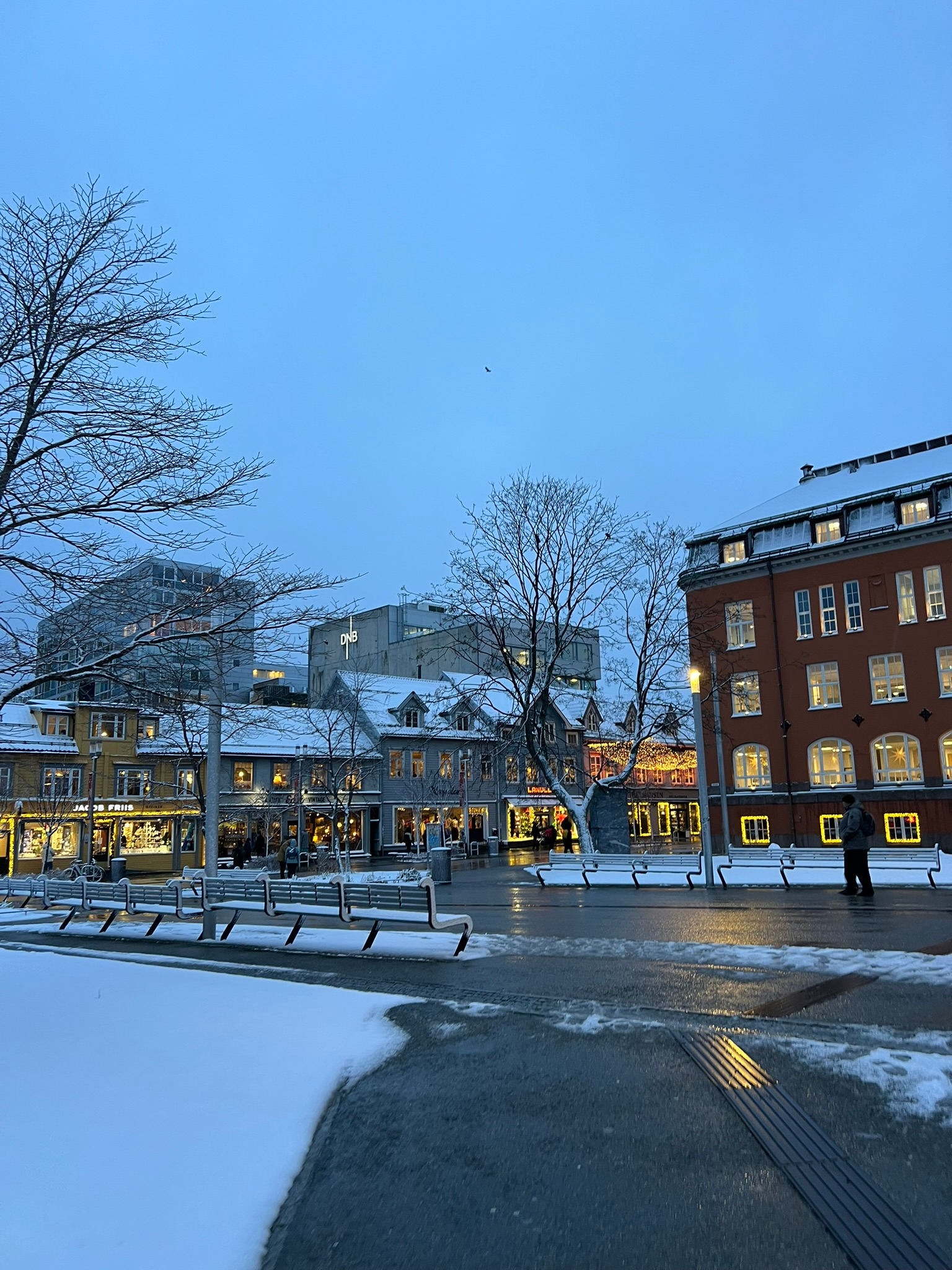
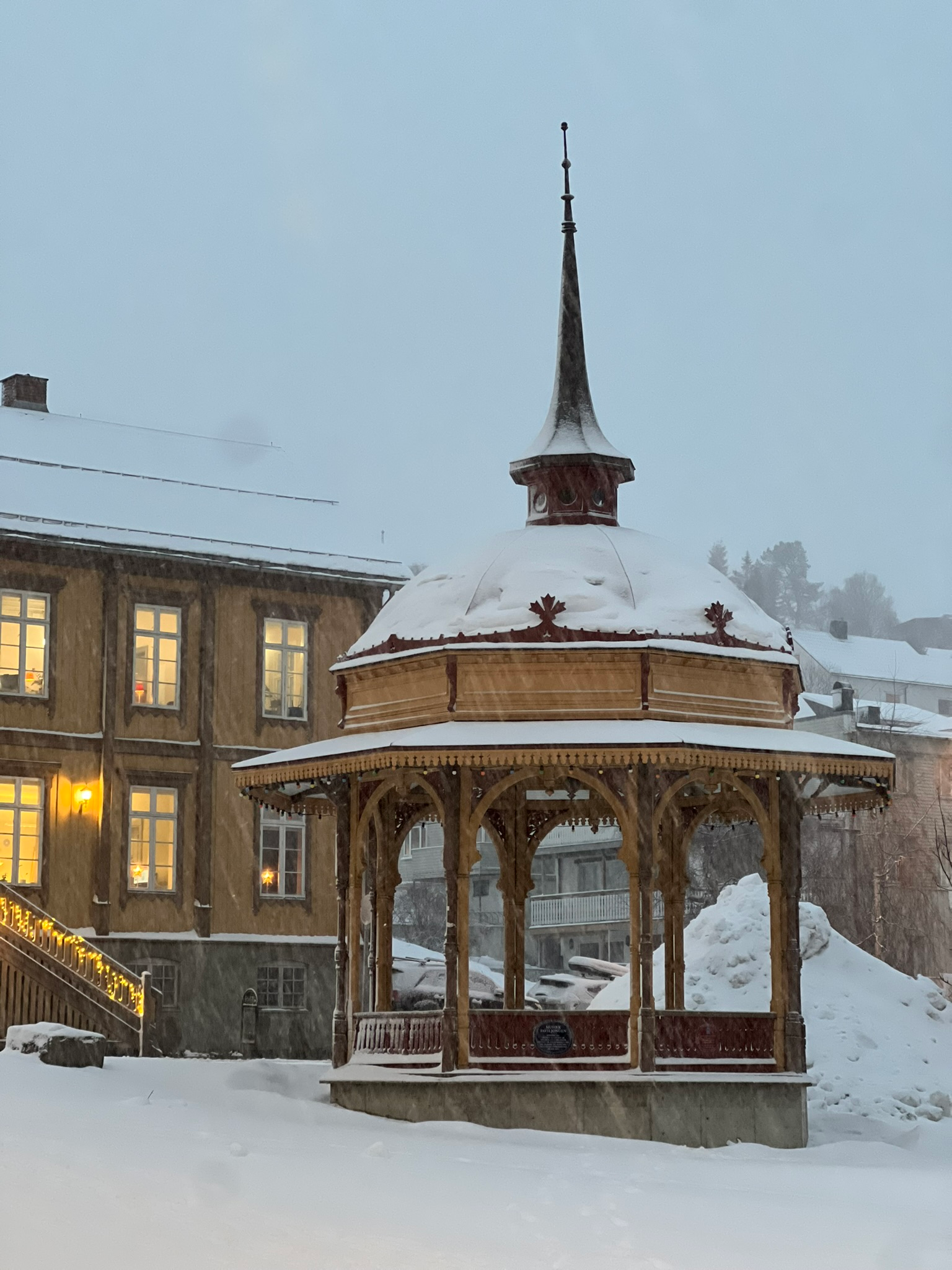
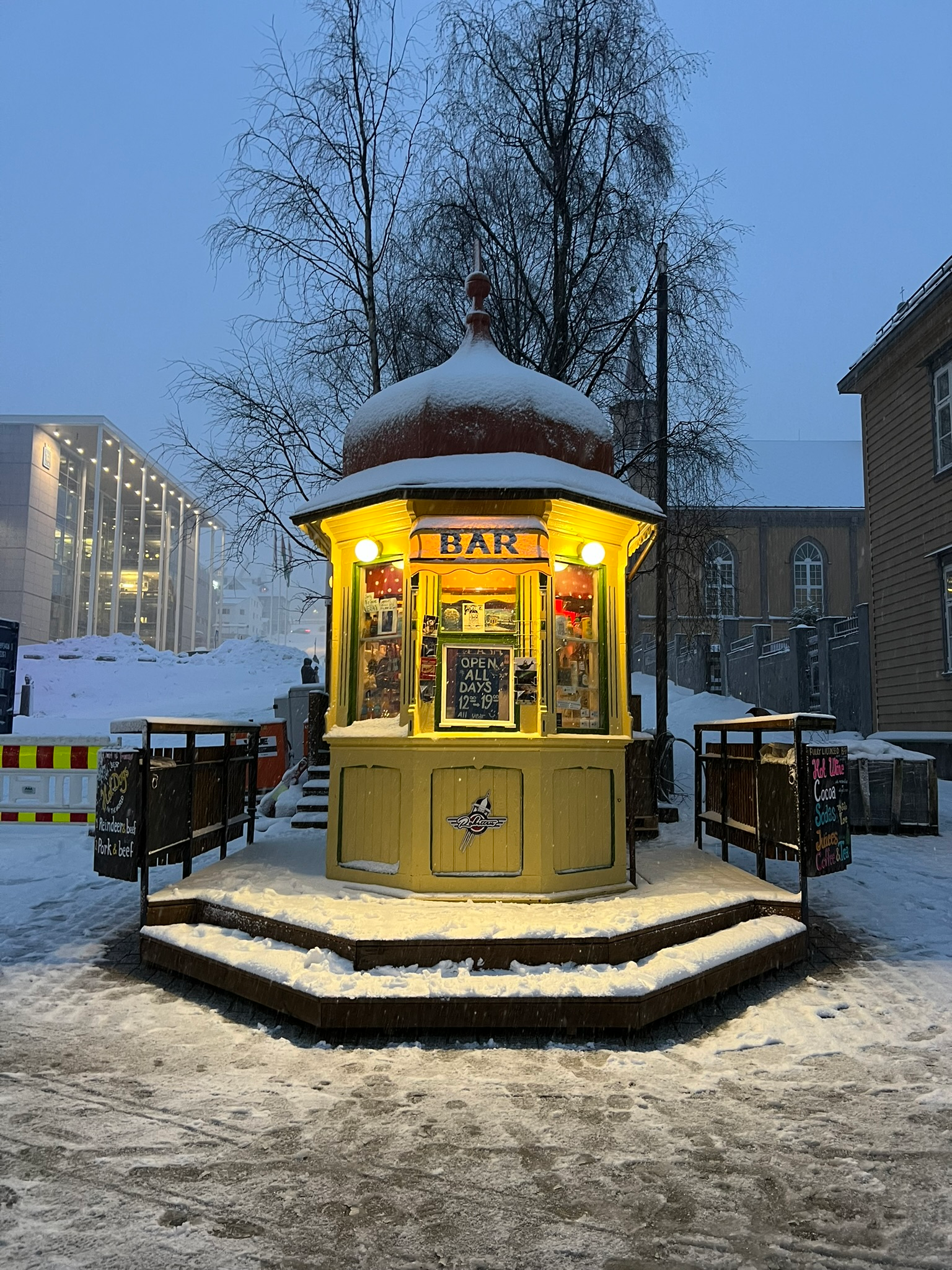
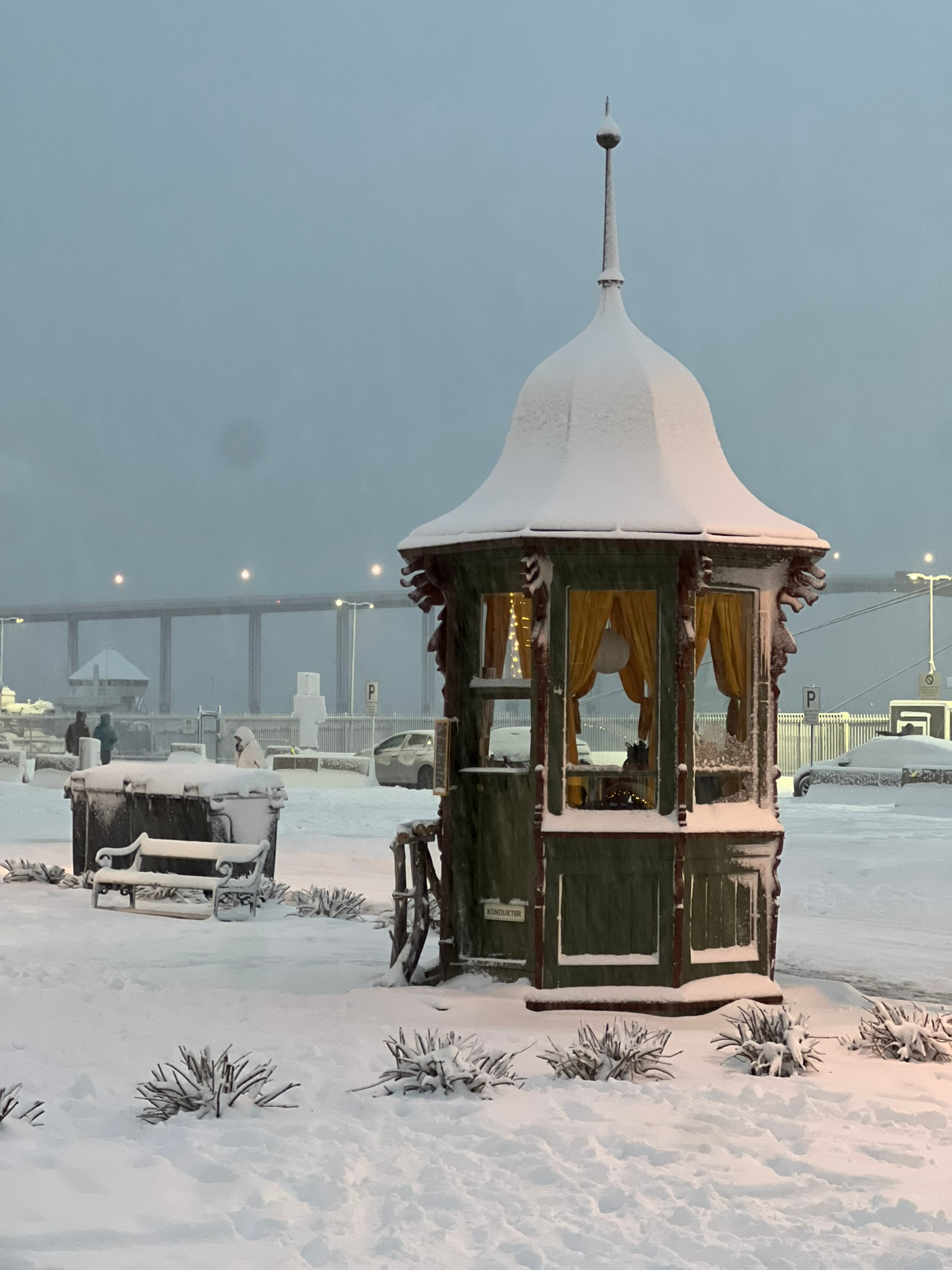
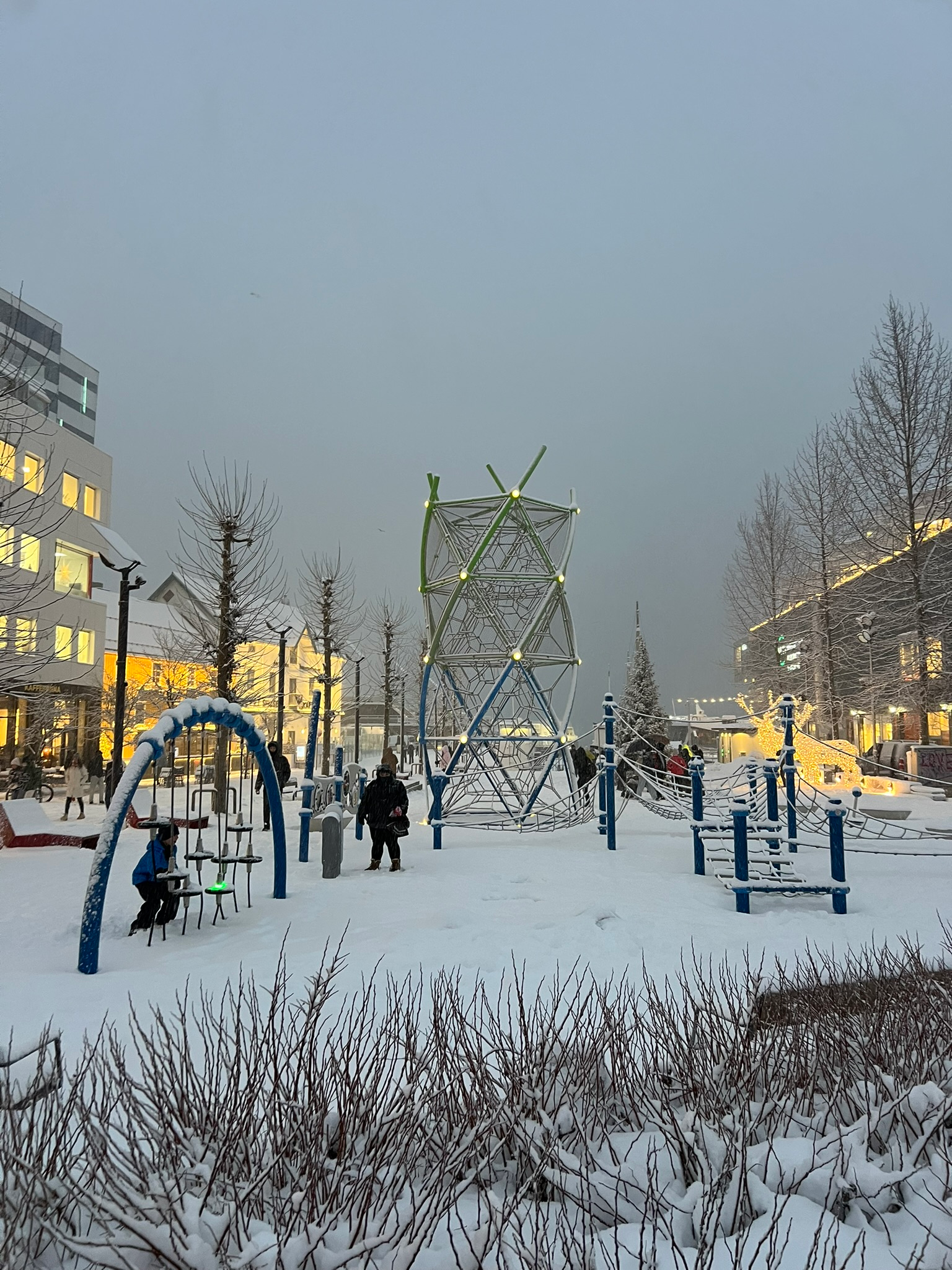
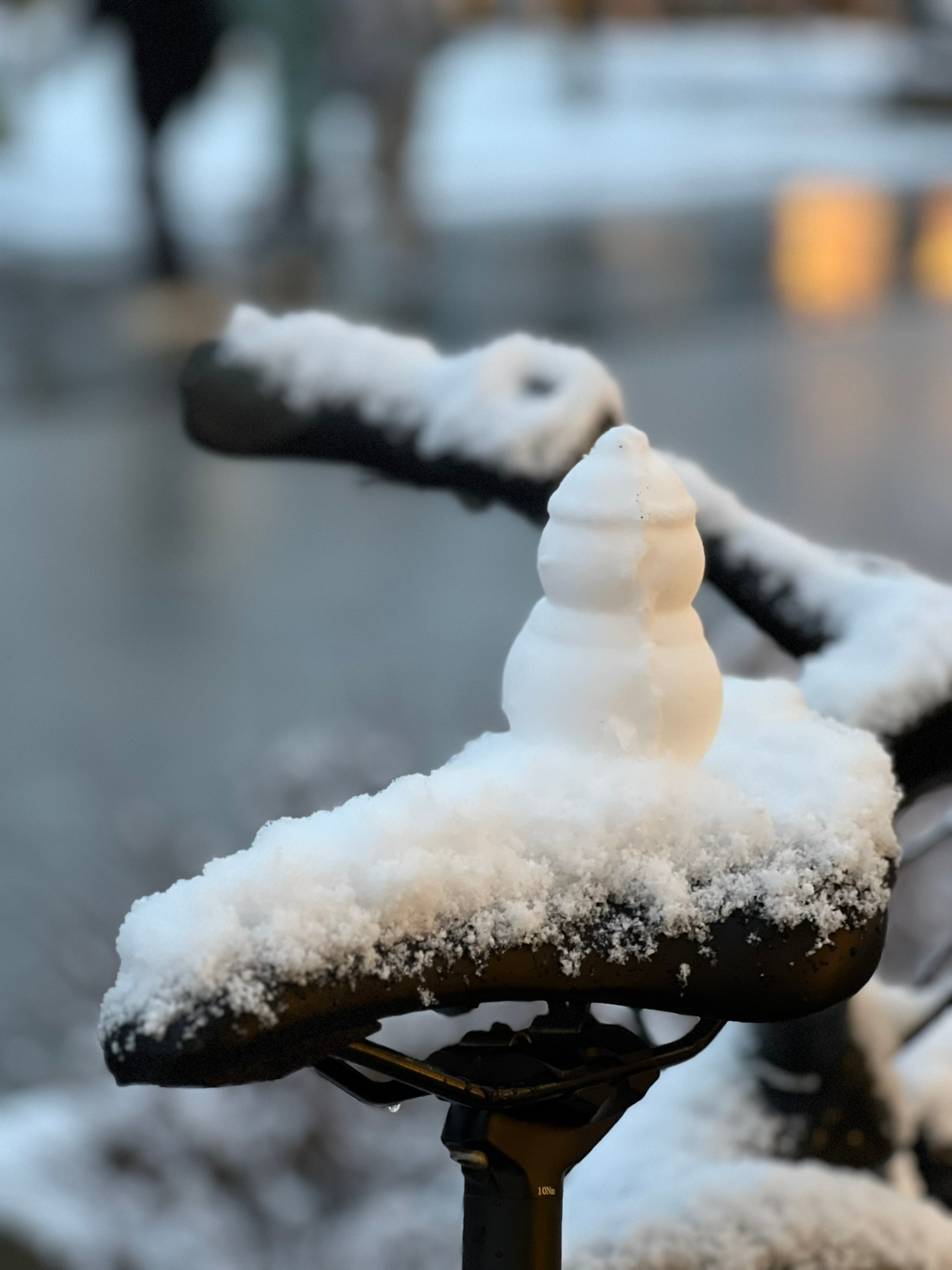
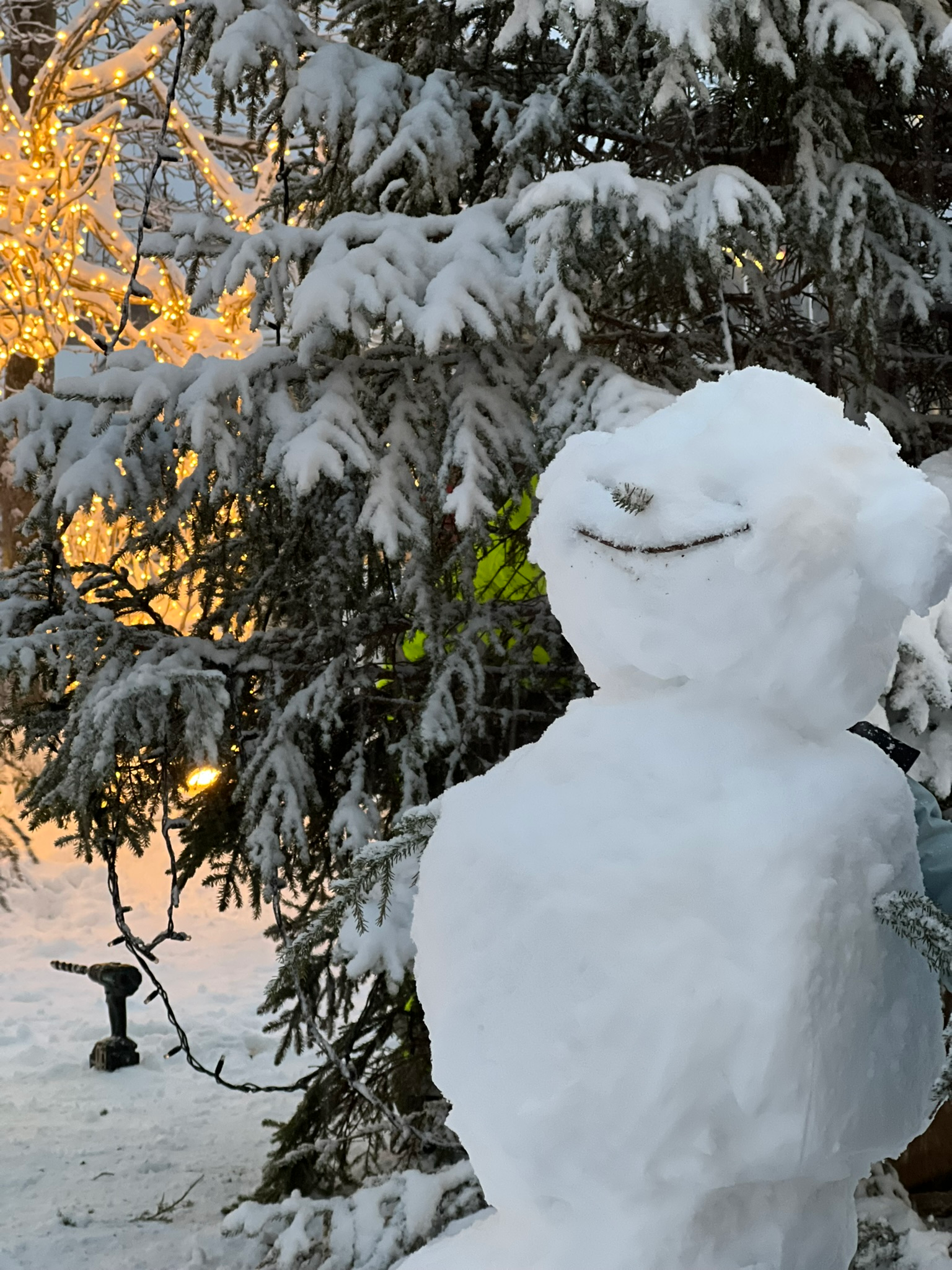
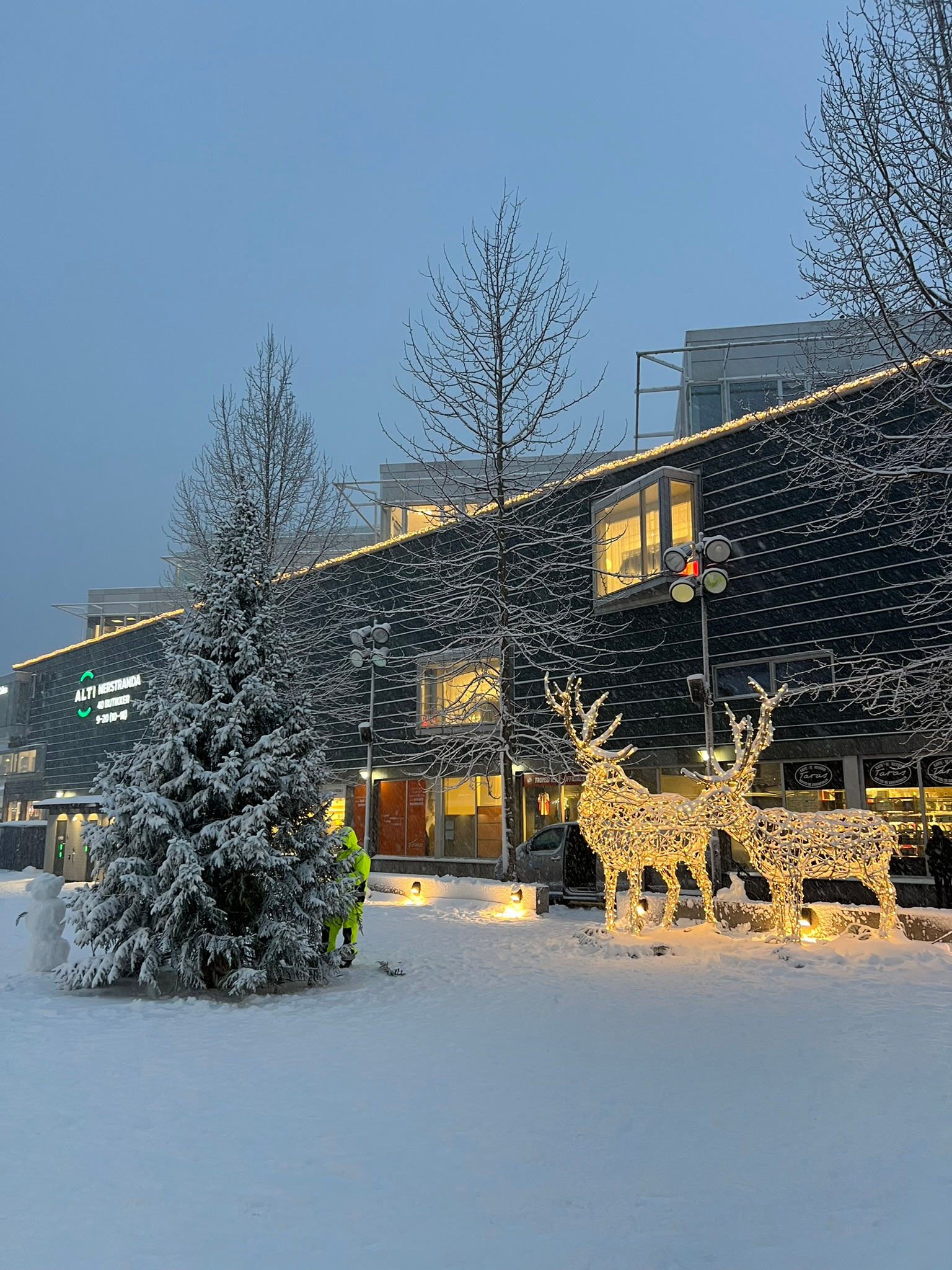
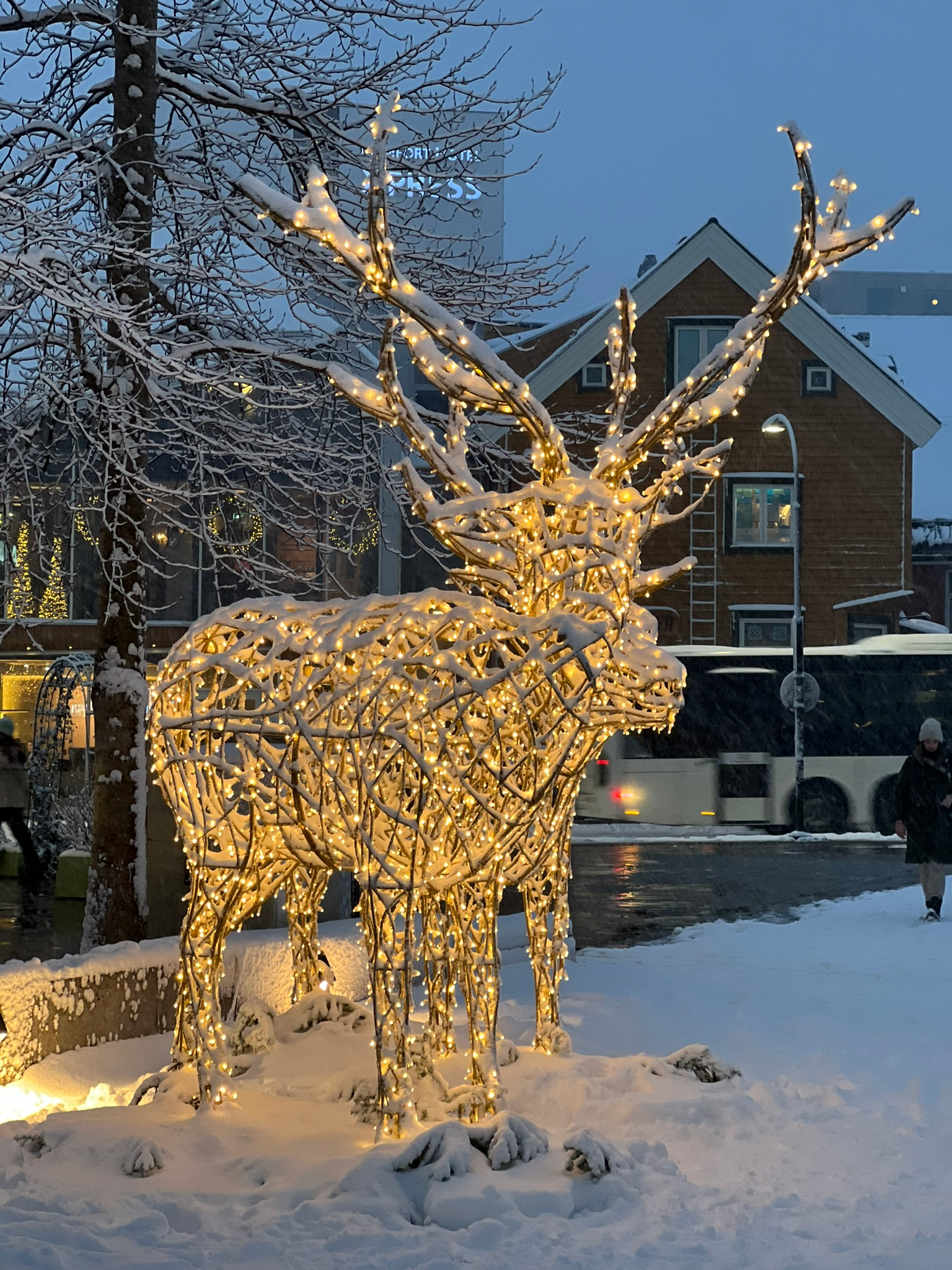
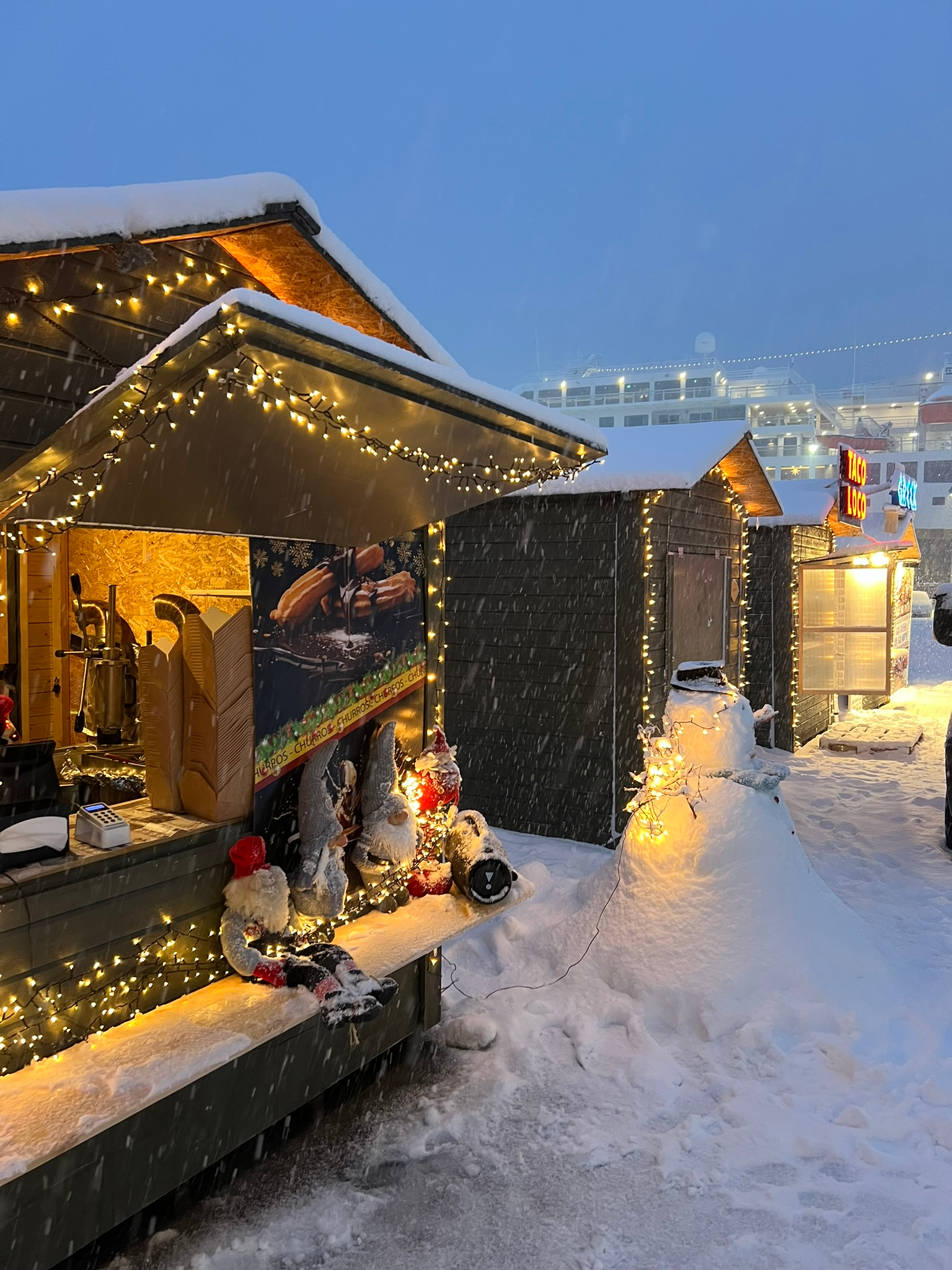
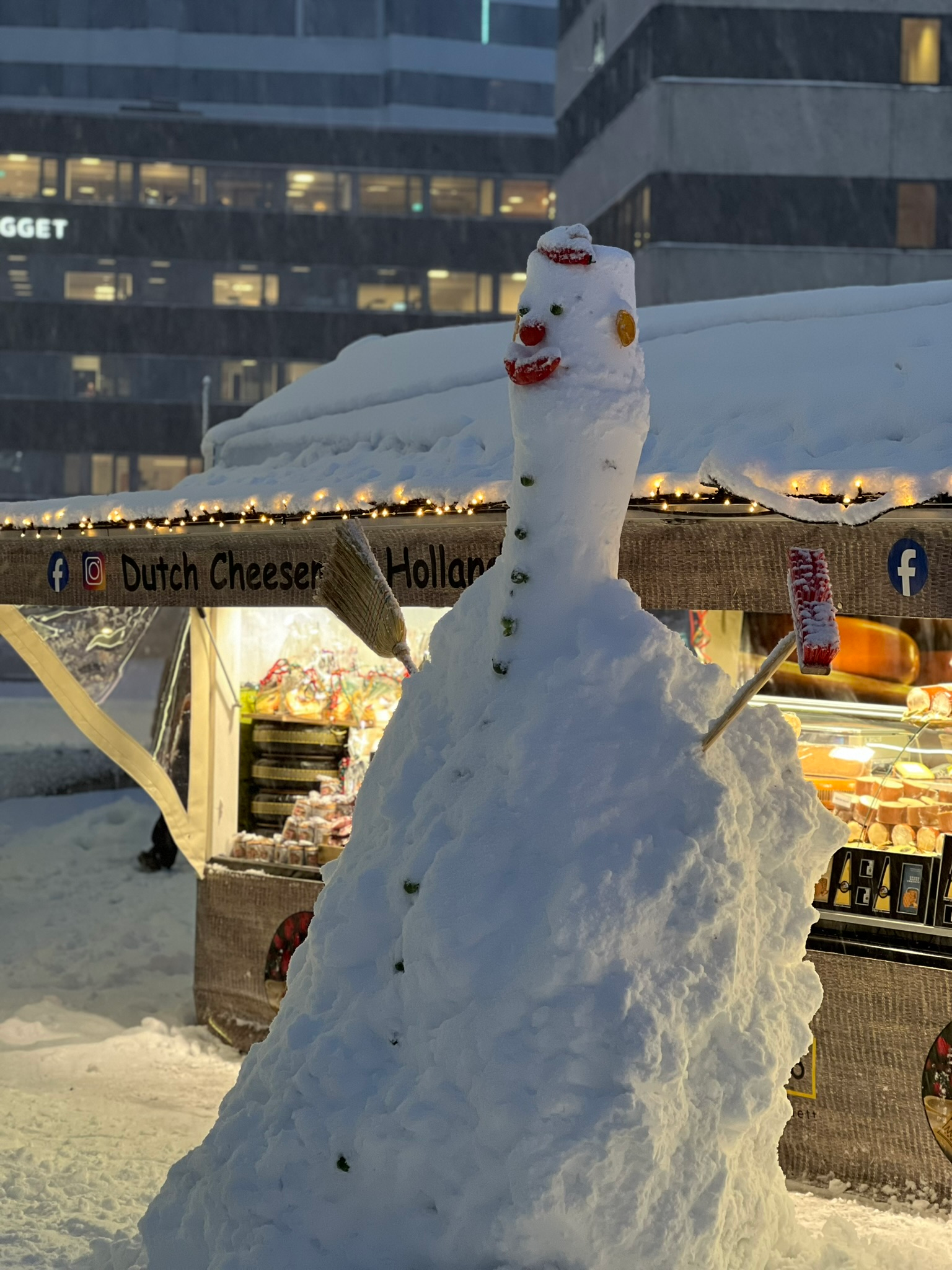
Between coffee breaks and aimlessly strolling about, I was already kinda falling in love with the city. Perhaps the polar night wasn’t so bad after all. Then, just as it started snowing, the rest of the gang joined us and we headed towards a small Christmas market, where snowmen of all shapes and sizes stood throughout the square. Some of the locals were still hard at work building even more of them. As dark, icy and wintry as it could get, the people of Tromsø had somehow managed to do the impossible and make everything feel cosy and festive.
After lunch, we walked along the island’s eastern waterfront, where we could see the Tromsø Bridge connecting Tromsøya to the mainland. Docked around the harbour were all kinds of vessels – from cargo ships to expedition ships. I could just imagine myself leaving everything behind and becoming an Arctic pirate… I’d be so badass, huh?
PART II
Chasing the Lights
With the dark skies lulling us to sleep, we decided to head back to the house and rest for a while before our next adventure.
While the polar night might not be a cause for celebration, it does have one major perk. November falls within Tromsø’s northern lights season, which generally runs from late August or September until early April. The long hours of darkness gave us plenty of time to look for them, although clear skies and auroral activity would still be essential. That evening, we’d finally be going on an aurora-hunting tour in the hope of scratching one of nature’s greatest spectacles off our bucket list.
We were picked up at the meeting point alongside a bunch of other tourists and hopped onto a bus that took us all the way to Breivikeidet – a quiet rural valley east of Tromsø, surrounded by snow-covered mountains and wide-open Arctic landscapes. Here, hundreds of farms were scattered across the valley floor, with dark forests climbing the slopes around them. Far from the lights of the city, it seemed like the perfect place to search for the aurora.
A Crash Course in Auroras
When we arrived, we were immediately shown into a lodge, where Olaf, our guide for the night, began his briefing. He explained that the aurora borealis, or northern lights, is a natural light display seen predominantly across high-latitude regions around the Arctic.
This phenomenon, he went on, occurs when energetic particles from space are guided by Earth’s magnetic field towards the upper atmosphere, where they collide with atoms and molecules and cause them to release light. The colours depend on the gases involved and the altitude at which the collisions take place:
- Green: Produced by excited oxygen, generally around 100 to 200 kilometres above the Earth. This is the most common colour.
- Pink, purple and blue: Primarily associated with nitrogen, particularly at lower altitudes.
- Red: Produced by excited oxygen higher in the atmosphere, generally above 200 kilometres. It is less commonly seen than the rest.
The displays, he continued, often appear as shimmering curtains, arcs or bands. Their presence and intensity aren’t constant either. While our ability to see them depends on clear skies and darkness, displays depend largely on:
- Solar activity: Strong geomagnetic storms tend to occur more frequently during periods of maximum solar activity, when the sun reaches the most active phase of its roughly 11-year cycle.
- Geomagnetic activity: The Kp index, which ranges from 0 to 9, measures disturbances in Earth’s magnetic field. Higher values generally mean that the auroral oval expands farther south and that the display may become more active, although the relationship is only approximate. Naturally, this prompted all of us to download an aurora-hunting app.
Olaf told us that the same phenomenon occurs around the southern polar regions. Its southern counterpart, the aurora australis, can sometimes be seen from Antarctica, southern New Zealand and parts of southern Australia, including Tasmania – although, despite my Antarctic expedition, I had yet to observe it. Both auroras, he explained, tend to be more active around the equinoxes in March and September. The reason is more complicated than Earth’s magnetic field simply aligning with the sun, involving subtle changes in how the solar wind interacts with the magnetosphere.
To conclude, he told us that auroras weren’t studied purely for the natural beauty of their light displays. They are also an observable part of space weather, which can affect satellites, power grids, radio communications and navigation systems. Auroras have also inspired countless stories and beliefs among the peoples of the far north, including the Sámi who saw the lights as ancestral spirits, or the Norse viewing them as divine signs. In fact, he told us that once we see the lights, we should remain calm and quiet, as making too much noise could be seen as disrespectful and might anger the ancestors dancing above us.
Hope in the Clouds
With that, we were ready to head outside in front of the lodge and see whether we could spot the aurora.
We had been warned that the forecast Kp value that evening was relatively low and that the cloudy sky might make the aurora even harder to spot. With nature always being unpredictable, I knew better than to get my hopes up. In fact, after an hour or so of cloud-gazing, I had all but given up on seeing the northern lights. Plus, it was so, so cold! I swear, even if the northern lights had appeared, they probably would’ve been obscured by clouds of our own breath freezing in the air!
We spent a couple of hours going in and out of the lodge, warming ourselves beside the hearth with cups of coffee and a few snacks in between. I have to say that, even though the reindeer stew was delicious, it was the kanelbolle – a Norwegian cinnamon bun – that stole the show for me. I swear, I must’ve eaten at least a dozen of those things – calories be damned!
Not Quite Magic
It was right at the end, when we had all but given up on seeing the aurora, that a faint glimmer appeared in the sky. When Rohan pointed it out to me, I dismissed it as yet another wispy cloud.
Lo and behold, when I pointed my phone camera at it, the screen lit up green. Three streaks of glowing green. That was it. That was the aurora. At that point, I felt a mixture of emotions. Admittedly, most of them were negative. This was what we had come all the way here for? A faint grey line between the clouds? That was the natural wonder? I felt cheated.
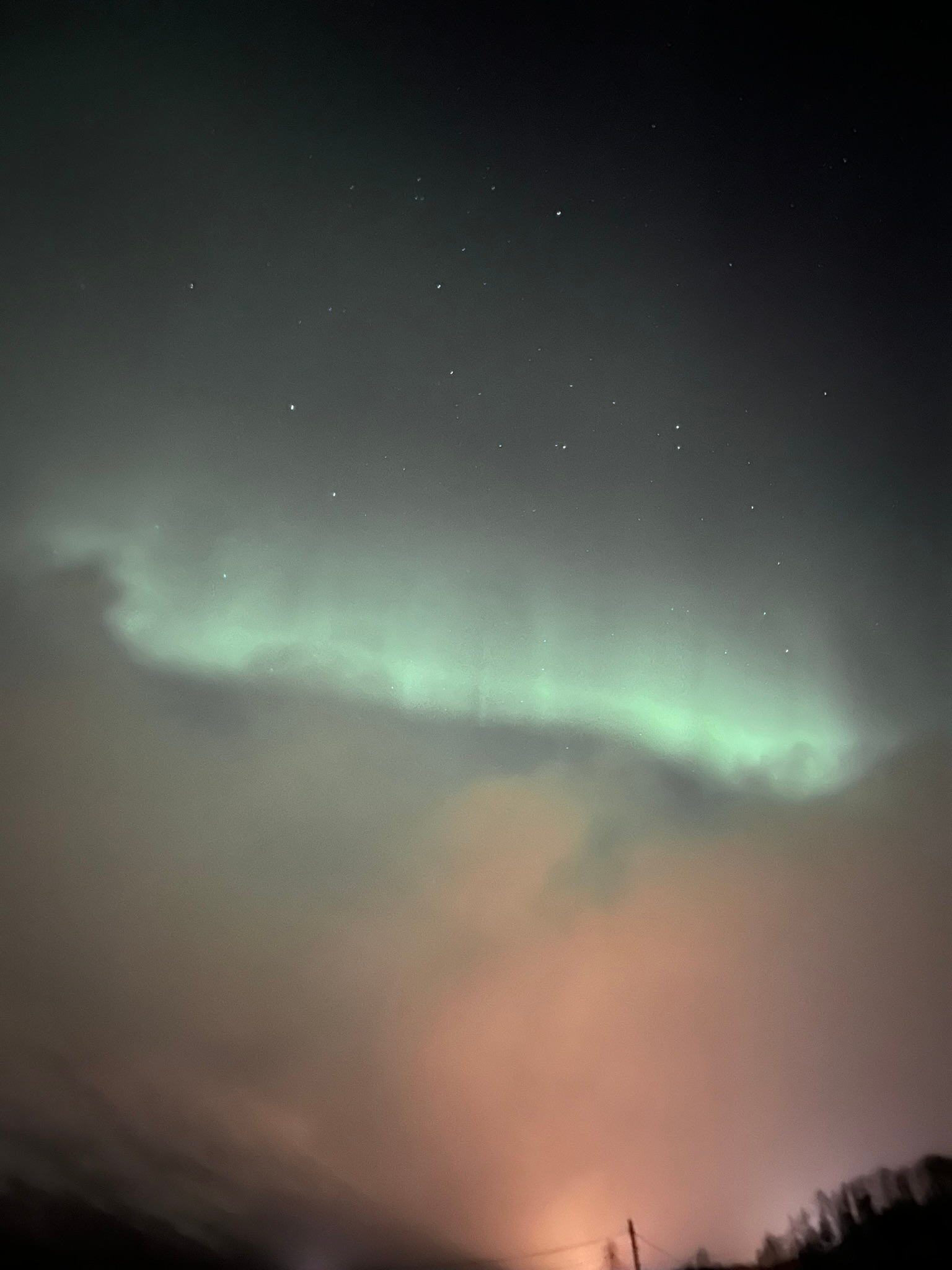
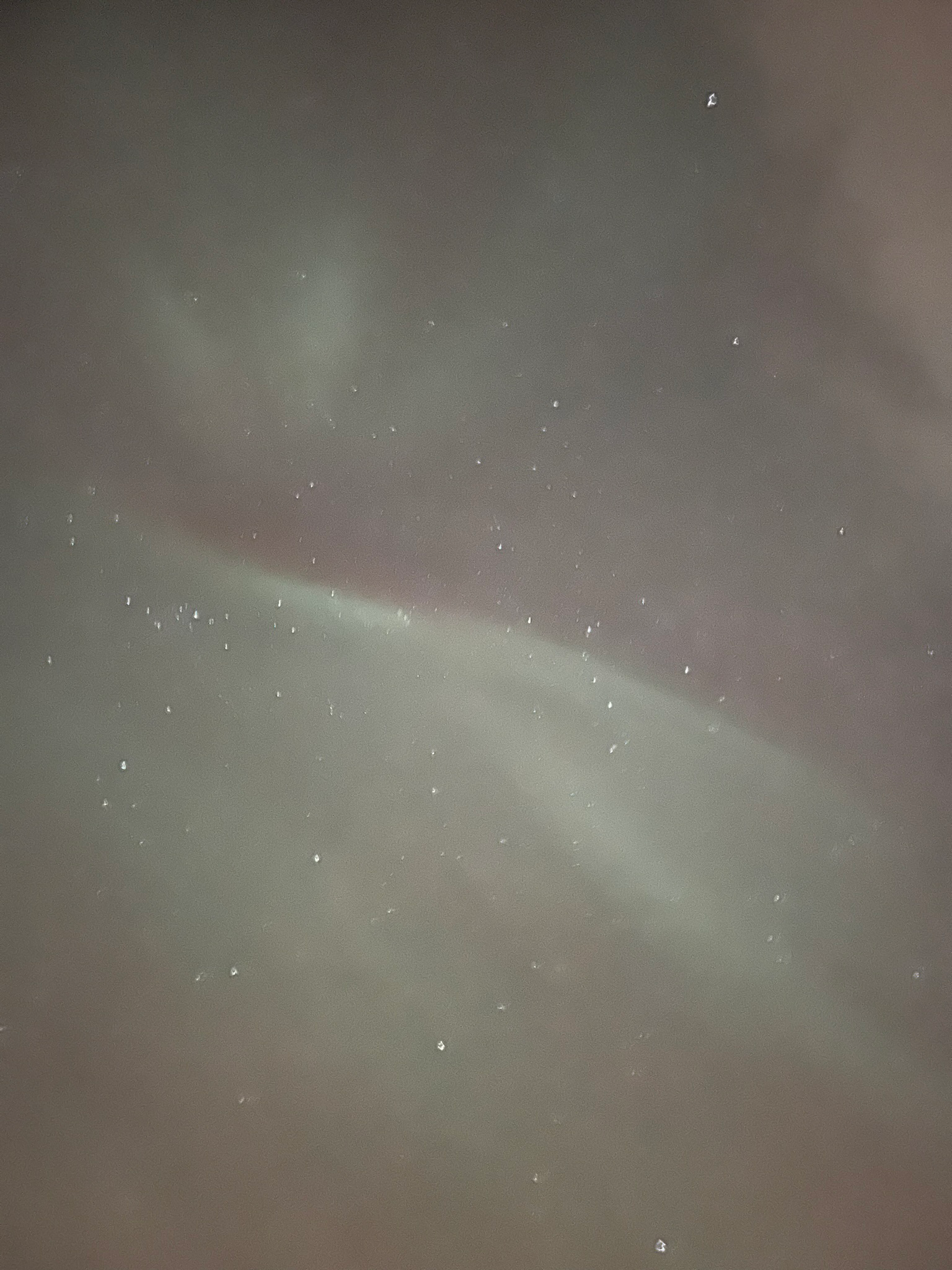
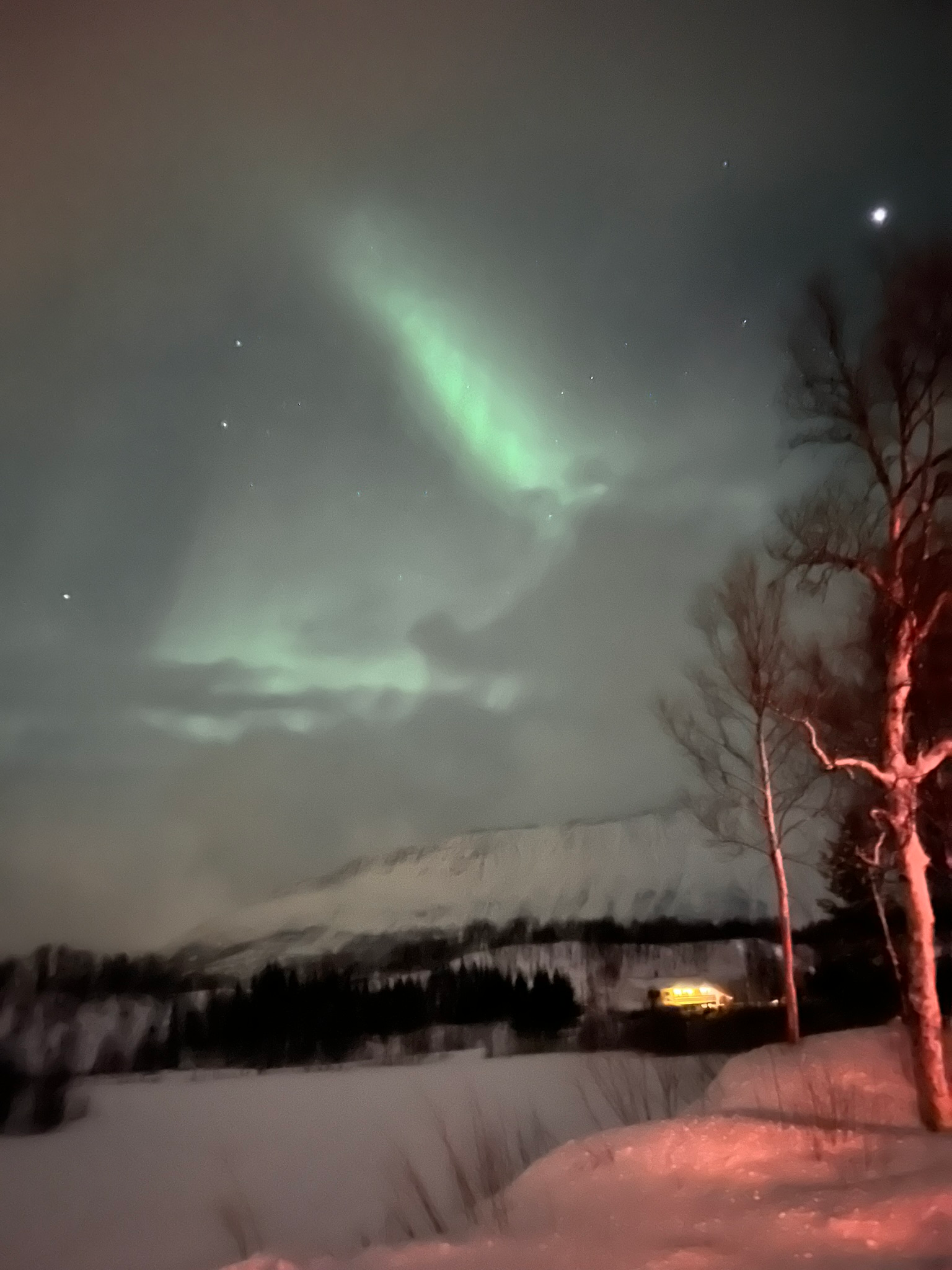
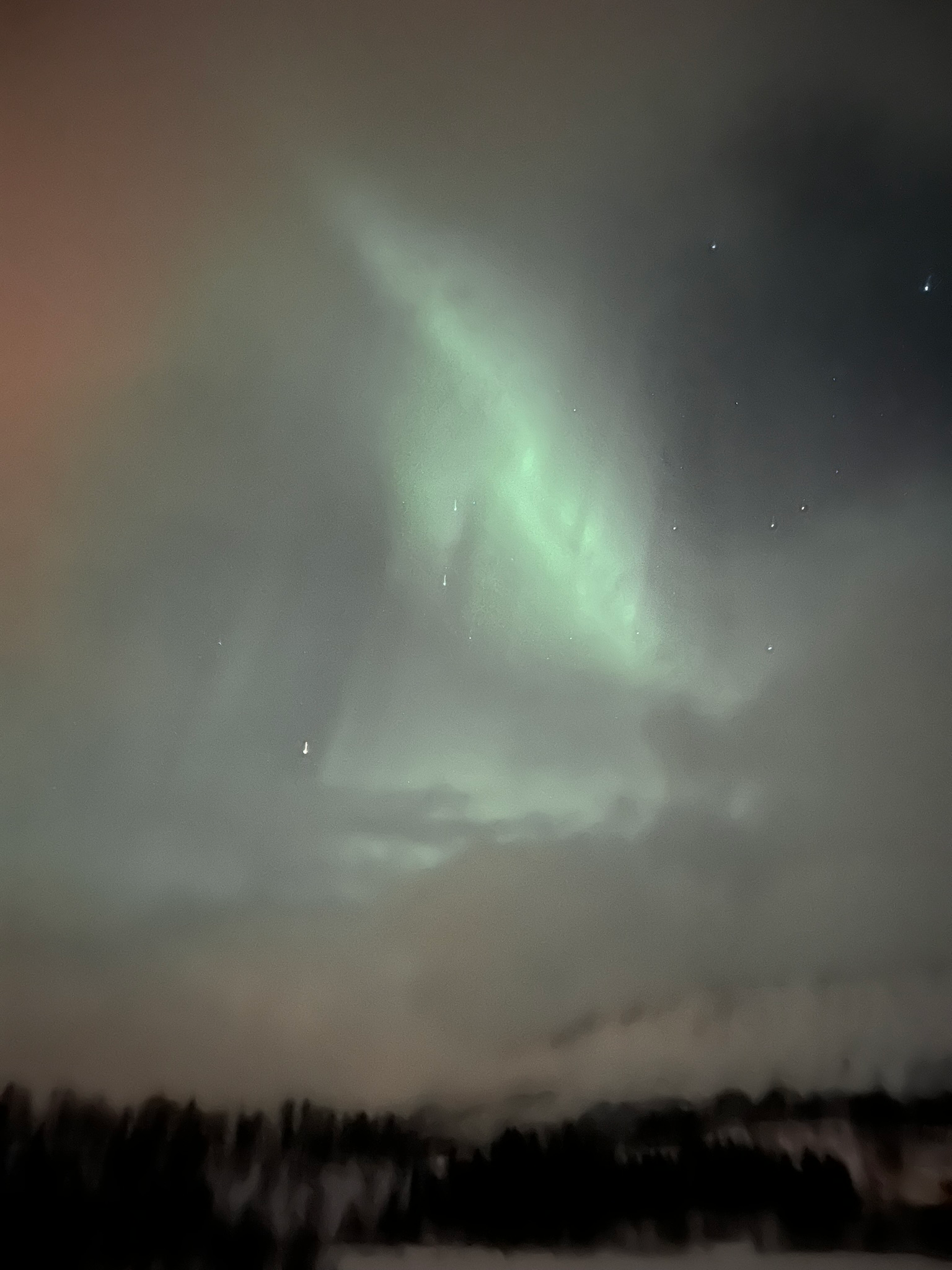
According to Olaf, cameras often make the colours appear much stronger or more vibrant than they do to the naked eye. Digital camera sensors are extremely sensitive and can capture faint auroras that a person can barely see at all. Strong displays can still appear vivid and spectacular without a camera, but this was certainly not one of those occasions. In fact, while the rest of the group were thrilled by the vivid colours appearing across their phone screens, all I felt as I stared at the disappointing scene with my own eyes was underwhelmed – and strangely demystified. Especially when some guy got down on one knee to propose to his girlfriend. Talk about anticlimactic!
As time went by, the milky-grey cloud began to twist and flicker, occasionally giving off the faintest hint of green. Through our cameras, we could see glowing bands and curtains dancing across the sky, with occasional pink and purple hues appearing among them. As cool as the lights looked on our screens, I was still waiting for the scene from Brother Bear that I had expected all along – blinding rivers of colour surrounding us and making us feel as though we had stepped into some ethereal dimension.
That, unfortunately, didn’t happen. It was cool, sure, but it wasn’t anything life-changing. In fact, after that experience, I didn’t feel as though I could strike “Aurora Borealis” off my bucket list just yet. Luckily, we still had a few more days in the Nordic region. Now my hopes were up.