Tug 2 Harbour Tug
Tug 2 is compact enough to understand quickly, shallow enough to feel approachable and varied enough to keep returning to.
Lying just offshore from Exiles in Sliema, Tug 2 is a purpose-sunk harbour tug roughly 30 metres long, resting upright at about 22 metres. Its size makes a full exterior circuit realistic without turning the dive into a race.
The reef is part of the site rather than just the route in. A dive can focus on the wreck, combine it with the surrounding reef for a longer multi-level profile, or use the compact layout for navigation, buoyancy work and controlled training.
Site profile
- Access
- Shore
- Distance from shore
- Just offshore
- Depth
- ~5–22 m
- Wreck length
- ~30 m
From working tug to east-coast artificial reef.
Tug 2 is a recent wreck by Maltese standards. Its history is shorter than many of the islands' larger ships, but that recency is part of its identity.
Tuo Lun Er Hao
Built at Malta Drydocks for the Chinese government, the tug measured about 30 metres in length with a beam of 7.5 metres. Although registered under its Chinese name, it spent its working life in Maltese waters.
Harbour service
The tug worked in and around Grand Harbour alongside its sister vessel. Over time the pair became informally known as Tug 1 and Tug 2, and those practical names eventually stuck.
Out of service
After decommissioning, Tug 2 was acquired by Bezzina Marine Services and remained laid up in the shipyard for years before its final move offshore.
The scuttling
On 20 June 2013, Tug 2 was deliberately sunk off Exiles to create an artificial reef and accessible wreck for scuba divers and freedivers. A storm in 2016 later shifted the wreck closer to the reef and altered its orientation.
A small tug, with no wasted space.
The wreck lies upright at around 22 metres, compact enough to understand in a single pass yet structured enough to reward a slower look.
Compact machinery spaces
The aft end shows the tug's working character clearly. Openings and metalwork hint at the engine-room area, giving enough complexity to feel like a proper wreck without overwhelming the dive.
Bridge, wheelhouse and access points
The central superstructure is the visual anchor of the site. Windows, doorways and the wheelhouse form the most recognisable part of the wreck and naturally attract photographs and careful short penetrations.
Where wreck meets reef
The bow is part of what makes Tug 2 feel different from an isolated wreck. Rock, sand, seagrass and artificial structure all meet within the same compact dive.
A macro-friendly artificial reef
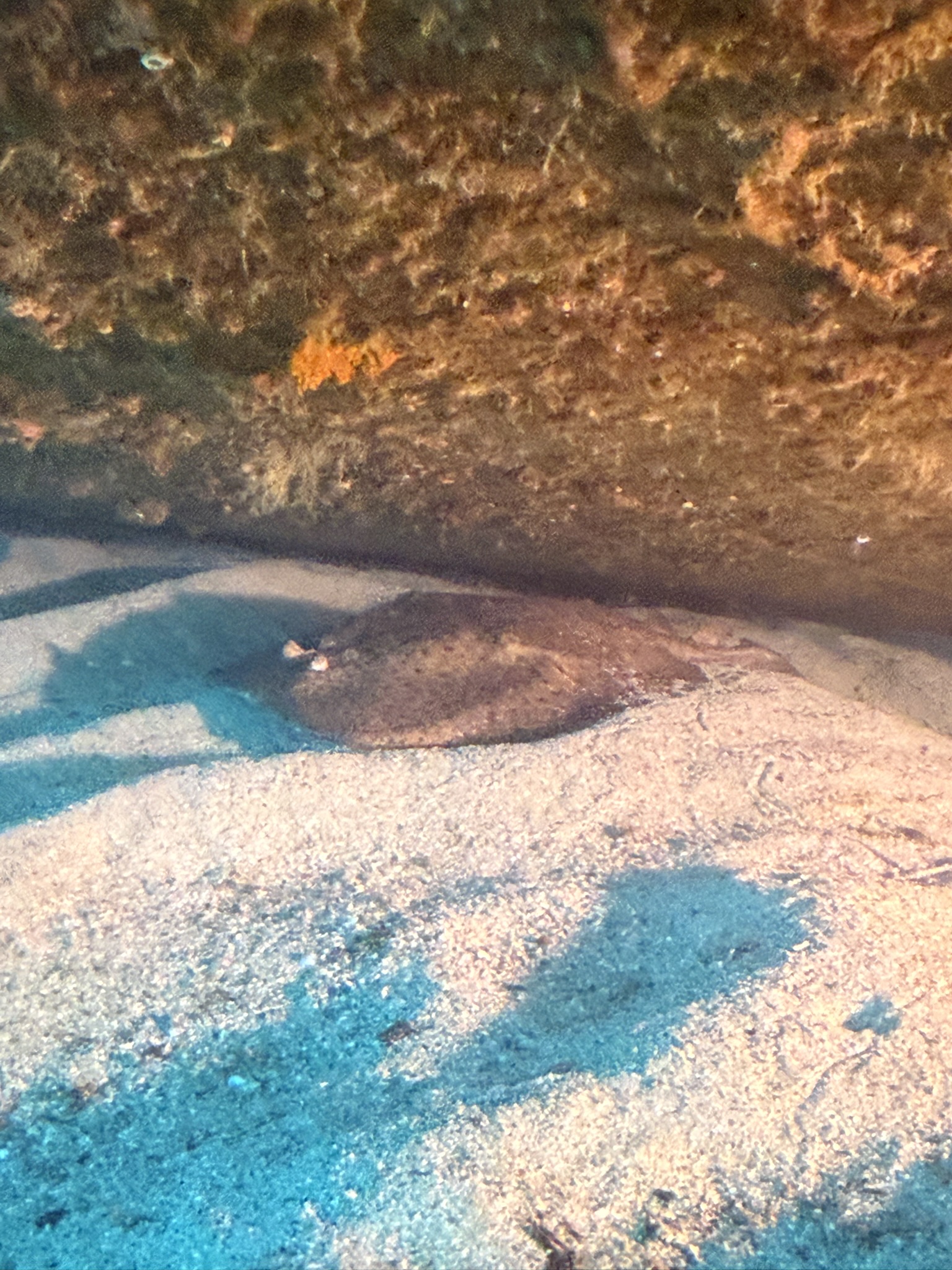
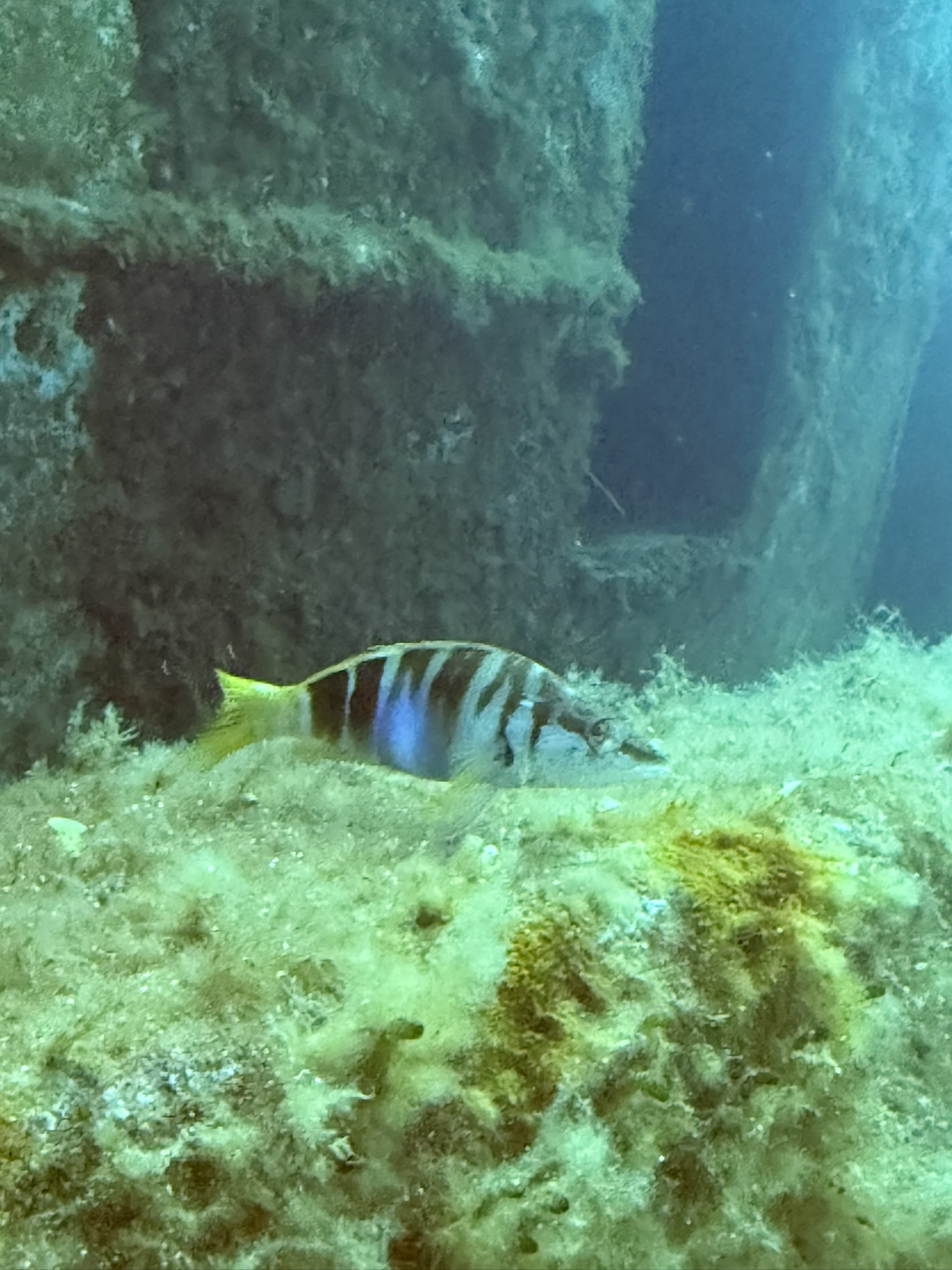
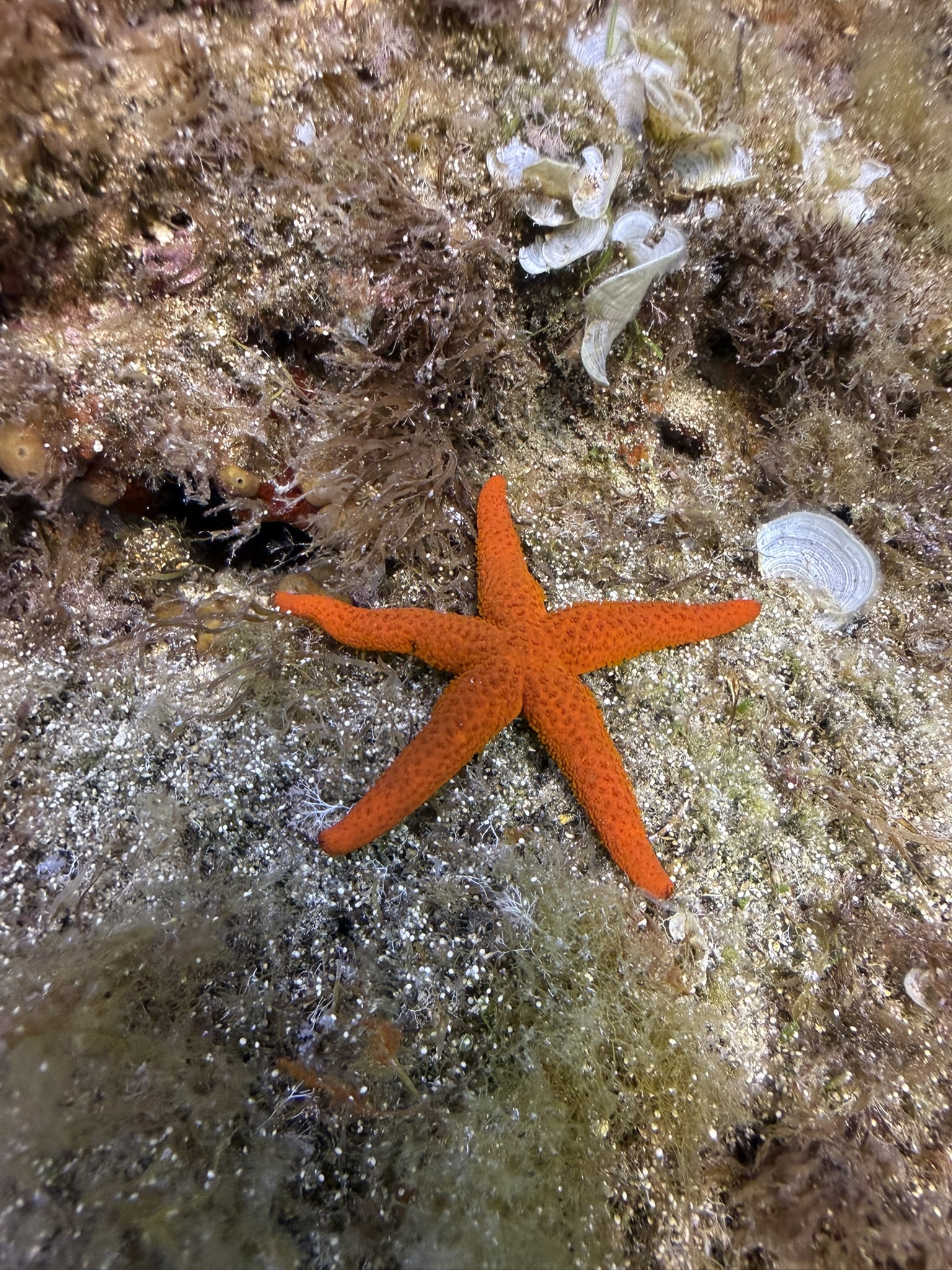
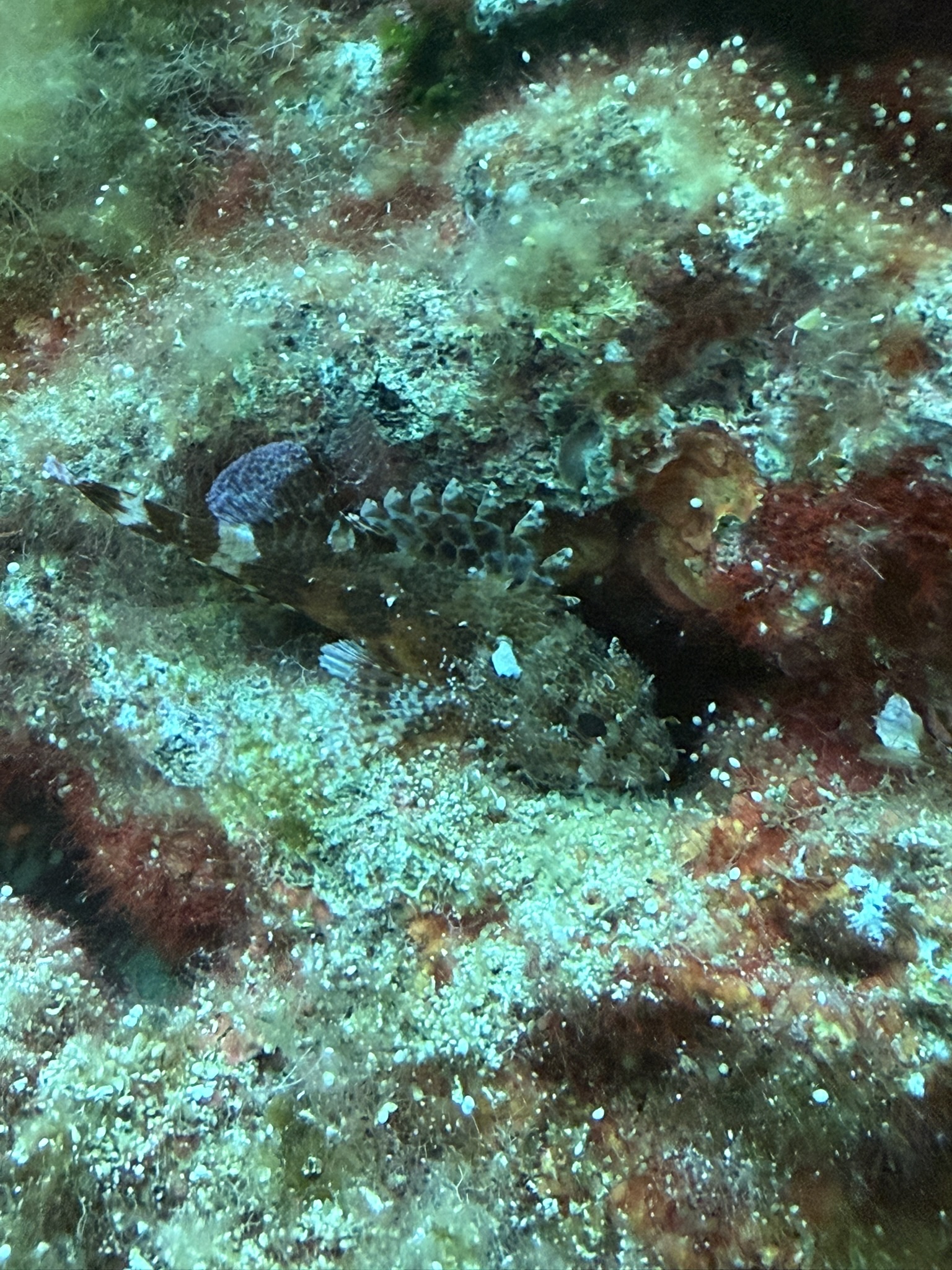
Tug 2 often rewards the diver who slows down. Ledges, shaded corners and the surrounding reef can be as interesting as the wide view of the wreck itself.
Choose what the site is for today.
Tug 2 works because it can be adapted: a straightforward wreck circuit, a wreck-and-reef combination, or a controlled training or night dive.
Approach
Use the reef edge and sand transition to make the offshore swim deliberate.
- Enter from Exiles, settle buoyancy early and follow the reef edge and sand transition offshore rather than swimming into featureless blue water.
- Use the reef contours and the team's planned navigation to keep the approach purposeful and easy to reverse.
- When the wreck appears, pause to confirm orientation before committing to the circuit or reef-combination route.
- Keep the return, surface traffic and the possible need for a DSMB in the plan from the start.
Classic Tug 2 circuit
A simple route focused on finding the wreck cleanly, circling it and leaving with gas still to spare.
- Pick up the wreck from the bow or midships, then make an unhurried exterior circuit to understand its orientation before approaching any openings.
- Pause at the bridge and wheelhouse - the most distinctive part of the wreck - then continue aft towards the stern and machinery spaces.
- Use the compact size of the site to slow down, check the structure for marine life and still keep the dive tidy.
- Leave the wreck with an agreed reserve and return on a heading that reconnects you with the reef rather than surfacing far offshore.
Tug 2 + Exiles reef
Best for divers who want the wreck without making the entire dive about steel.
- Spend the deeper part of the dive on the wreck first while gas and no-decompression time are at their most generous.
- Make a concise tour of the bridge, stern and bow without lingering simply because the depth feels comfortable.
- On the return, shift attention to the reef and seagrass, where the shallower water changes the tempo of the dive.
- Use the reef's contours and gullies to keep the navigation intuitive, then finish shallow before the planned exit.
Night or training dive
A smaller wreck can be ideal for practising skills when the plan stays disciplined.
- Agree the objective before entering the water - navigation, wreck familiarisation, buoyancy work, line awareness or a relaxed night tour.
- Use the wreck's compact size to keep the team oriented while practising around a real structure.
- Restrict any overhead element to divers with the appropriate training, equipment and comfort.
- At night, use the bridge, rails and edges as natural reference points and be especially deliberate about the exit and surfacing phase.
Tug 2, frame by frame.
Wreck views, marine life and short clips from around the site.
Tug 2
Four frames


Wildlife
Four frames