The Dead Sea – Day 2: Holy Ground
THE DEAD SEA
Day 2: Holy Ground
April 10, 2025
Much like the previous day, Rafael and I booked another day tour that would take us directly to our next destination by the end of the day.
Before that, however, we had a long, long day ahead of us. A biblical one – quite literally. Though we’d be visiting several sites that attract many devout Christians, Rafaeland I were mainly there for its cultural and historical significance. Still, standing in a place that had inspired centuries of belief forced me to think again about everything that had occupied my mind during the Jordan Trail. While I might not be religious, I do have to admit that these sites had me reconsidering certain aspects of organised religion.
For starters, some good undoubtedly comes from it, even when that good is sometimes overshadowed by the institutions surrounding it. More importantly, religion has inspired so much of our art and culture that simply casting it aside would be a disservice to humanity. So many paintings and sculptures. So much music and theatre. And let’s not forget the architecture – churches, basilicas, cathedrals, temples, mosques, synagogues and monasteries. Religious belief helped inspire everything from the monumental pyramids of the ancient Maya and Egyptians to St Peter’s Basilica, Notre-Dame Cathedral, Hagia Sophia and the Taj Mahal. Not to mention prehistoric sites built for ritual purposes that we still don’t fully understand – including the megalithic temples we have back home in Malta!
Throughout my travels, discovering these civilisations and learning about their cultures and religions has always been a highlight. I might no longer believe their stories literally, but that doesn’t make the stories themselves any less powerful – or the places they inspired any less extraordinary.
The Baptism Site of Jesus
First up was the Baptism Site of Jesus, one of the most sacred places in Christianity and a UNESCO World Heritage Site. Located on the eastern bank of the Jordan River, just north of the Dead Sea, it is traditionally believed to be the area where John the Baptist baptised Jesus more than 2,000 years ago. The site isn’t just a single spot, but a much wider archaeological and spiritual landscape.
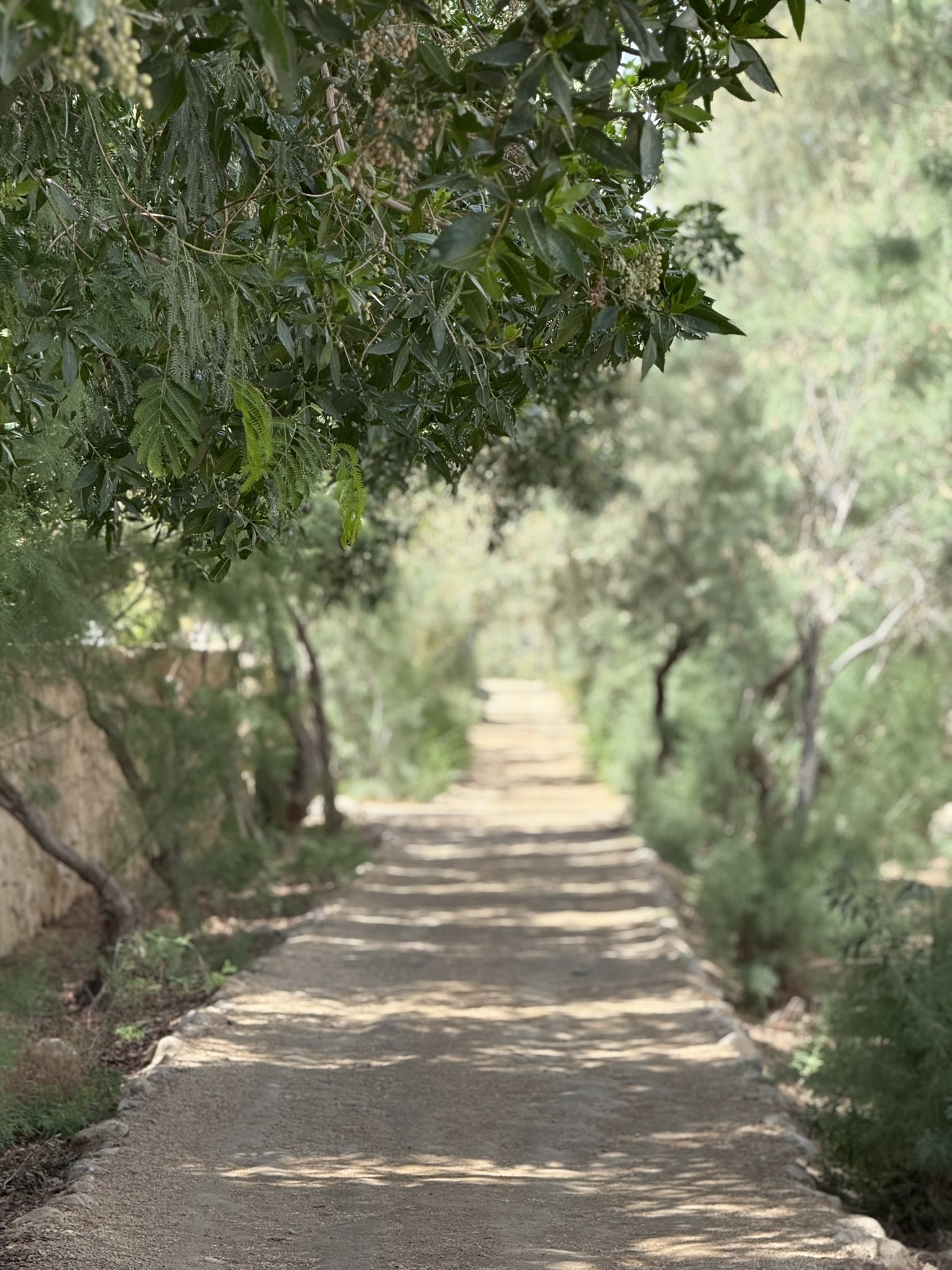
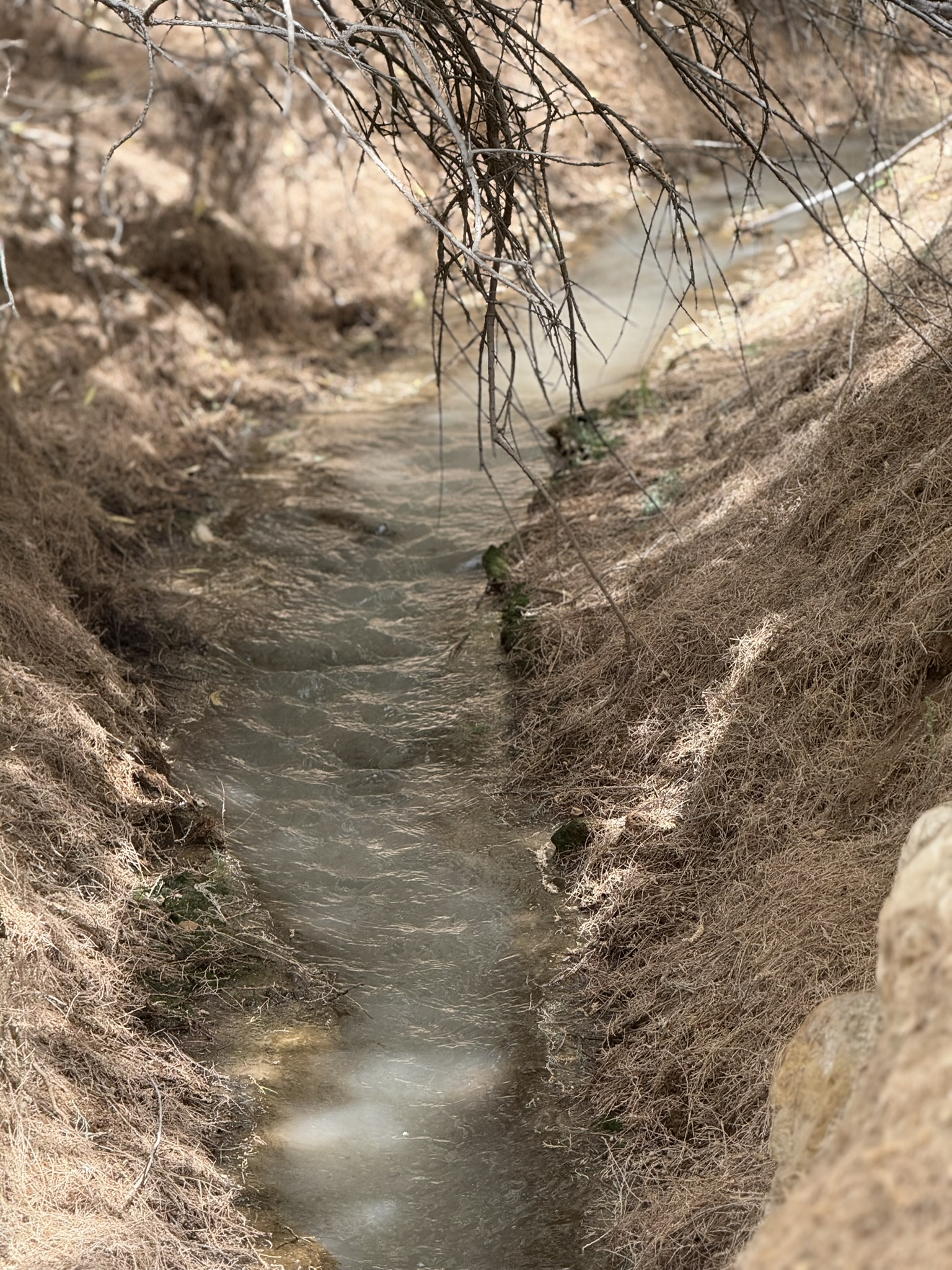
As we approached the Jordan River, the desert quickly morphed into an oasis of sorts. We were dropped off at the entrance, where – of course – a souvenir shop was waiting for us. I’m sure Jesus would’ve loved that. A short walk along a path surrounded by shrubs led us towards the remains of ancient baptismal pools, early churches and water channels, revealing a history of Christian pilgrimage dating back to at least the 4th century. One of the focal points lies beside the remains of a Byzantine church, where the ruins of a baptismal complex mark the area traditionally associated with the baptism of Jesus.
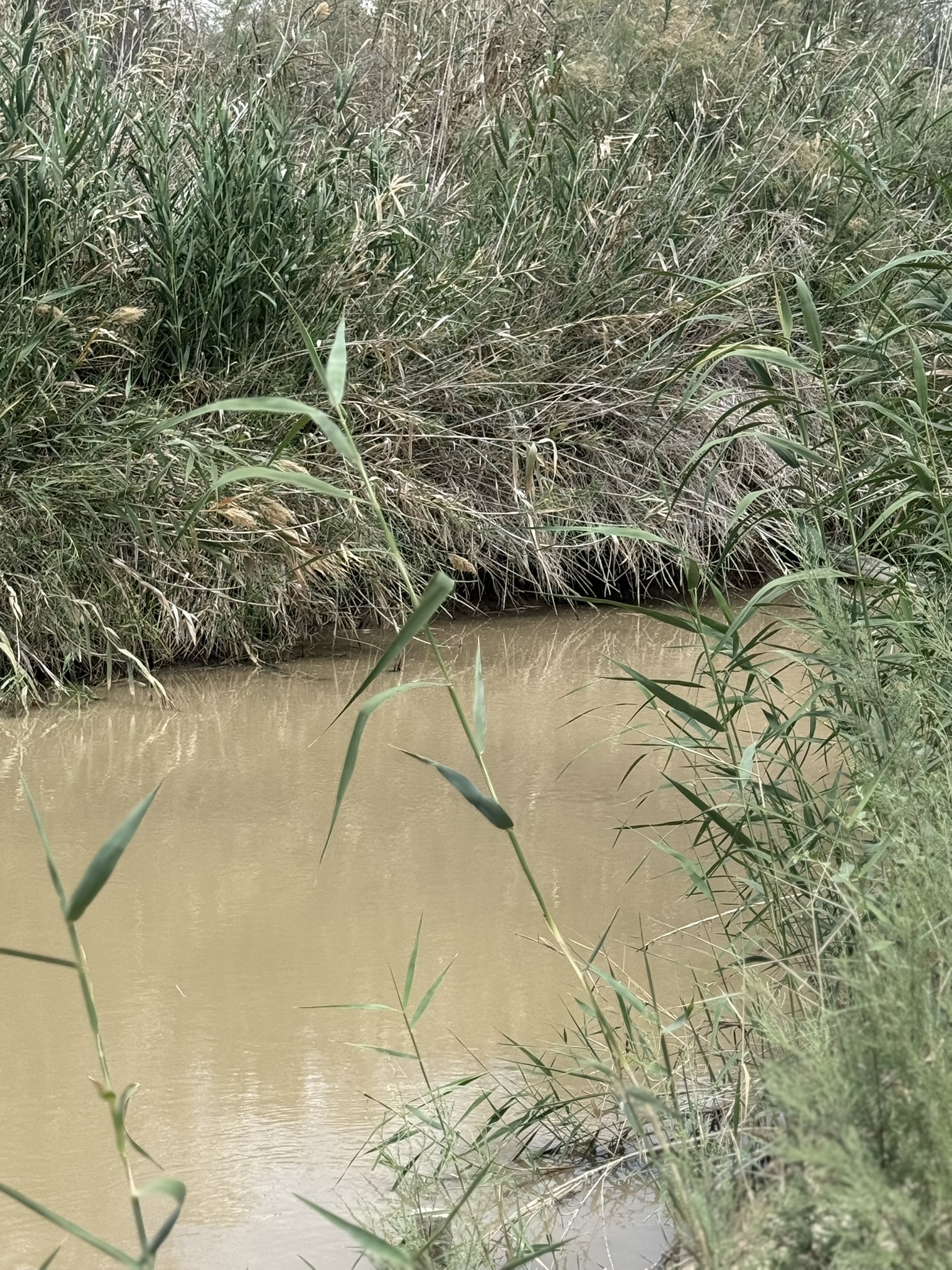
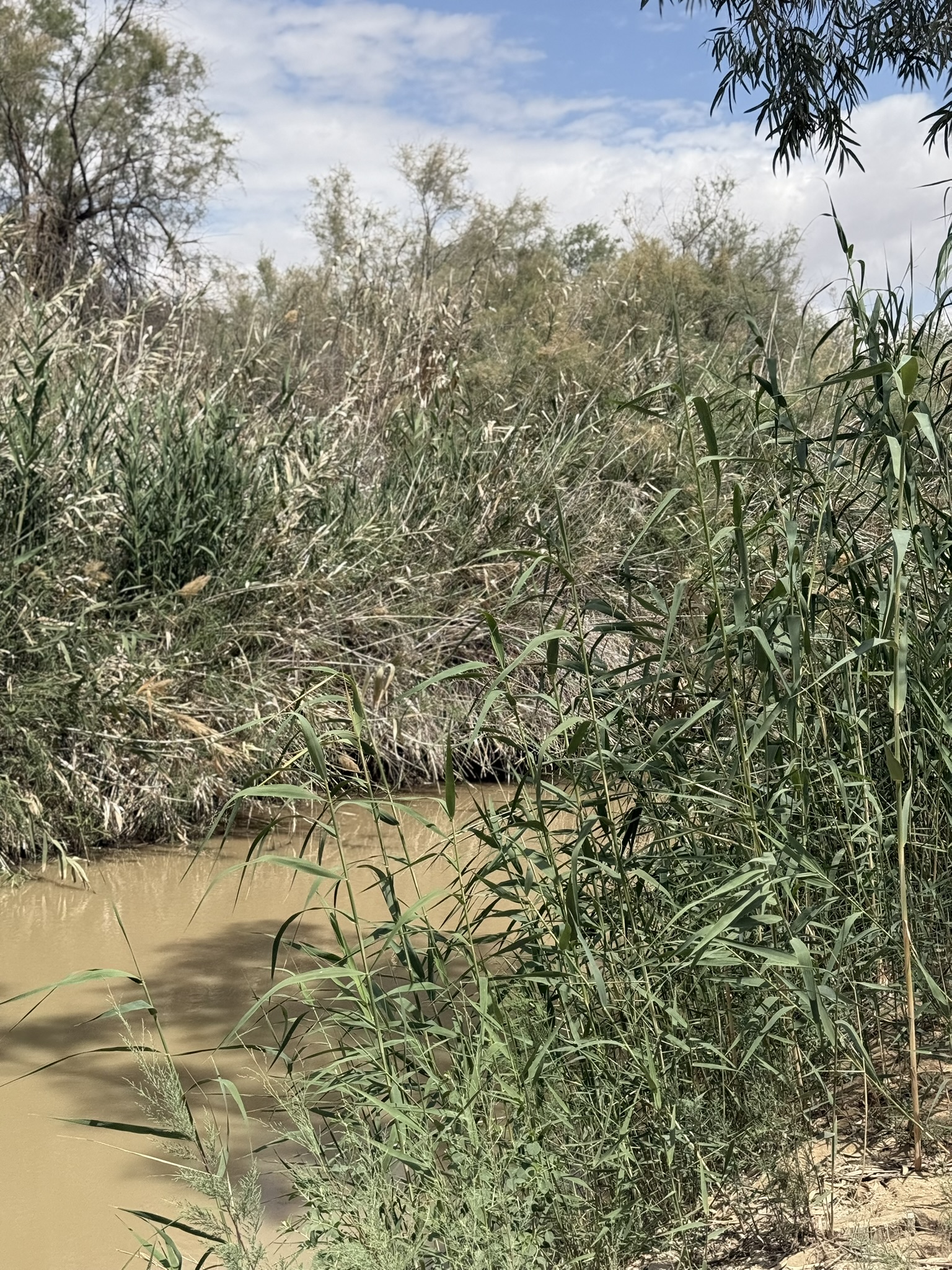
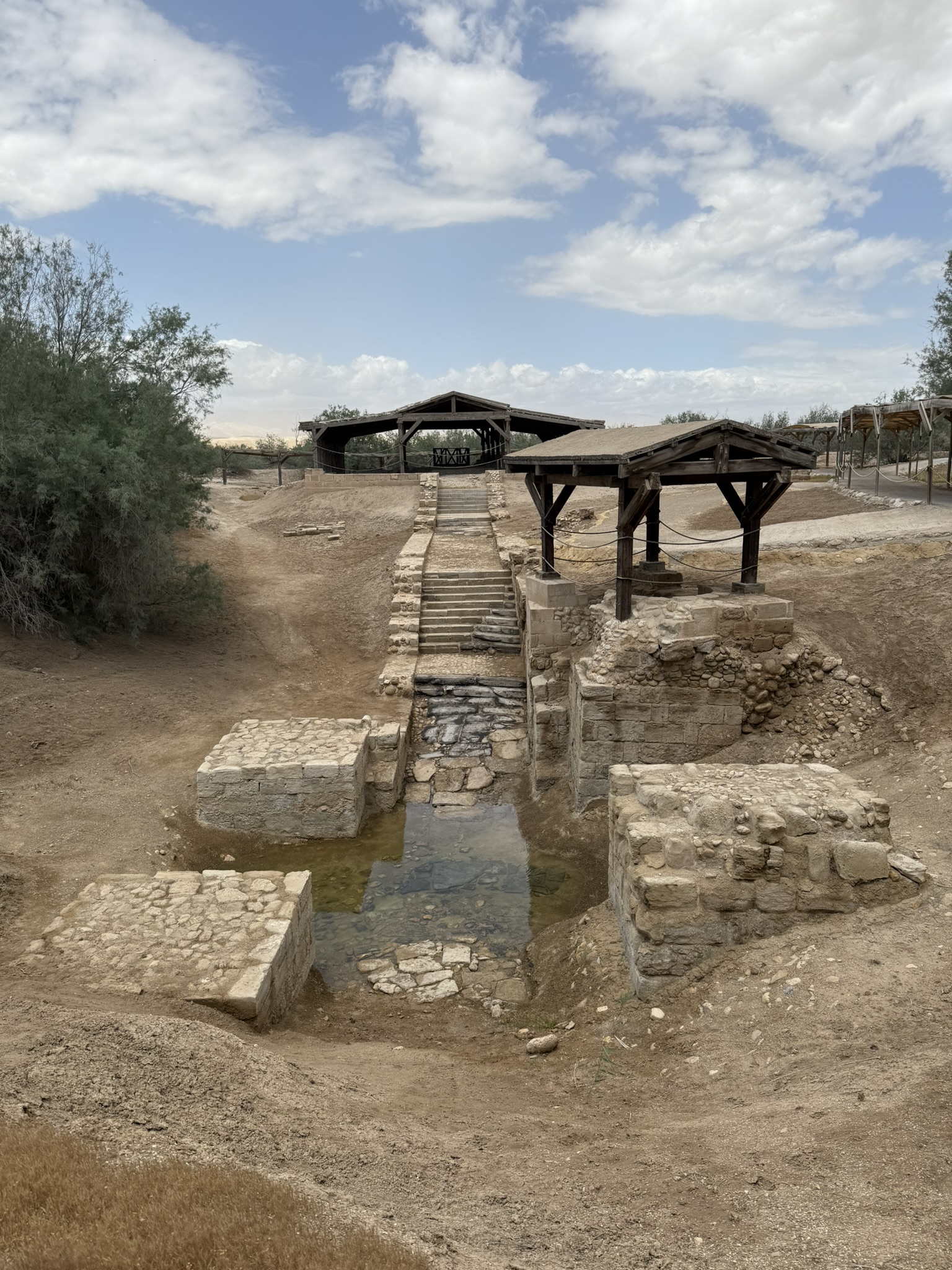
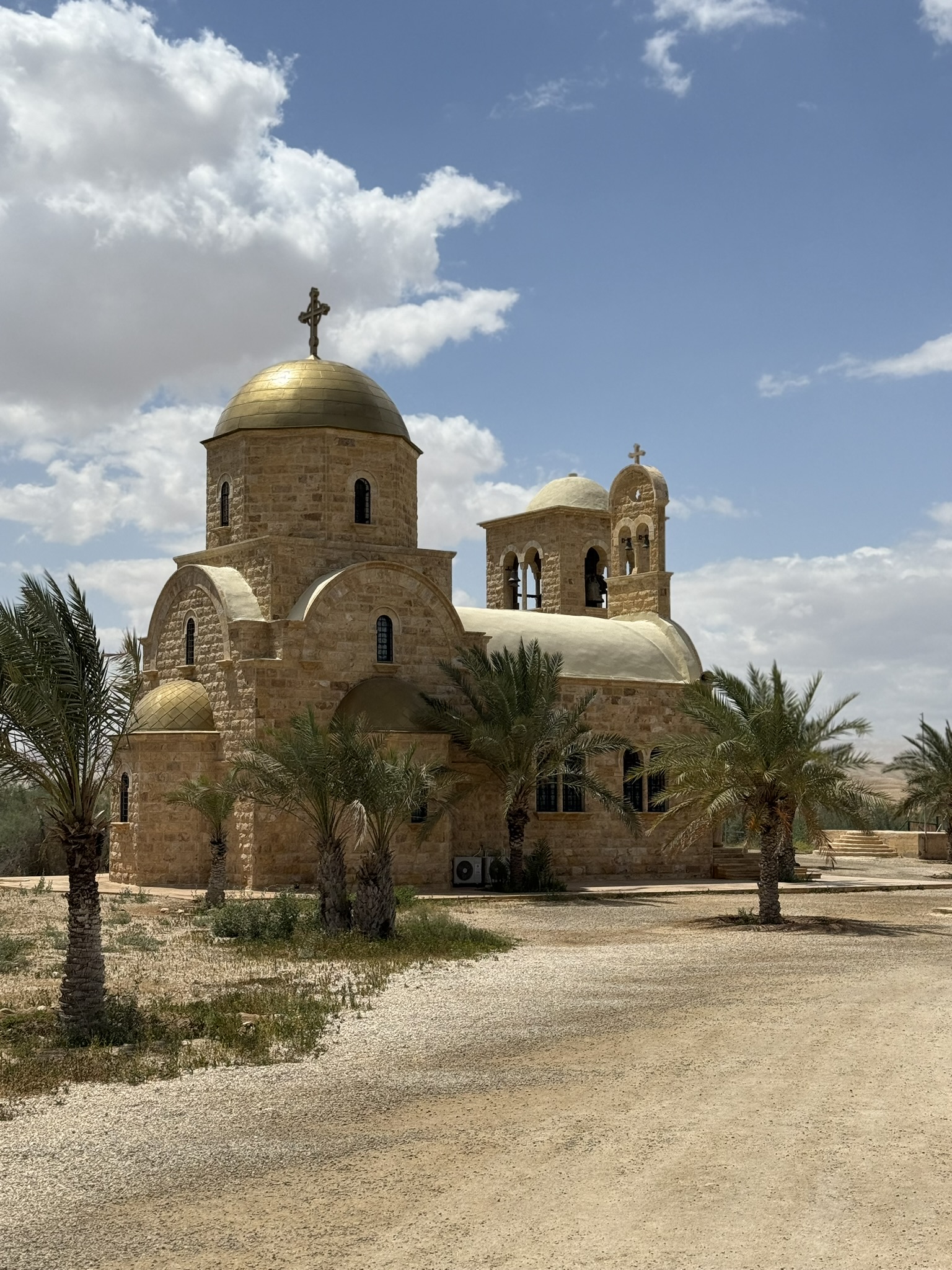
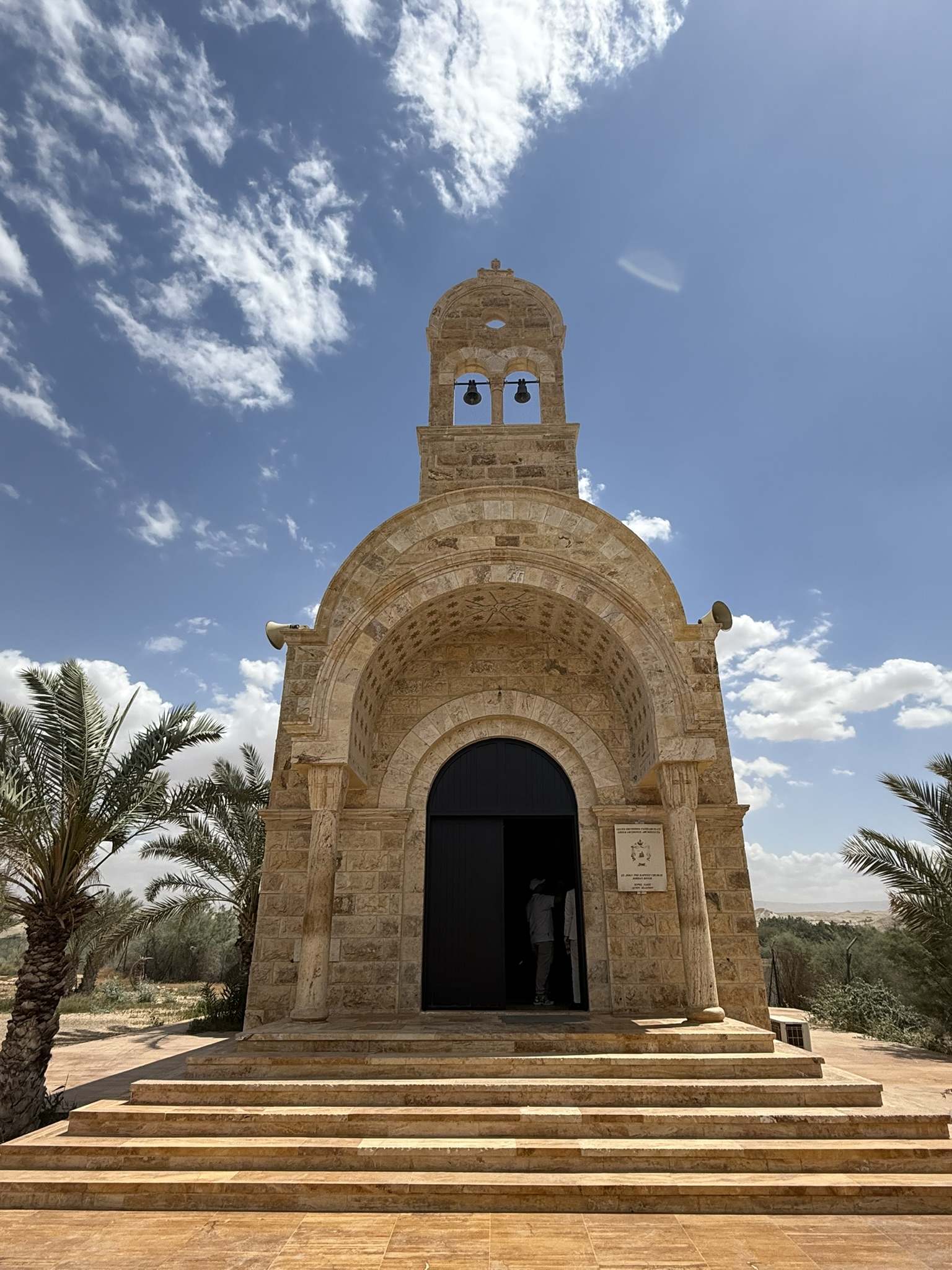
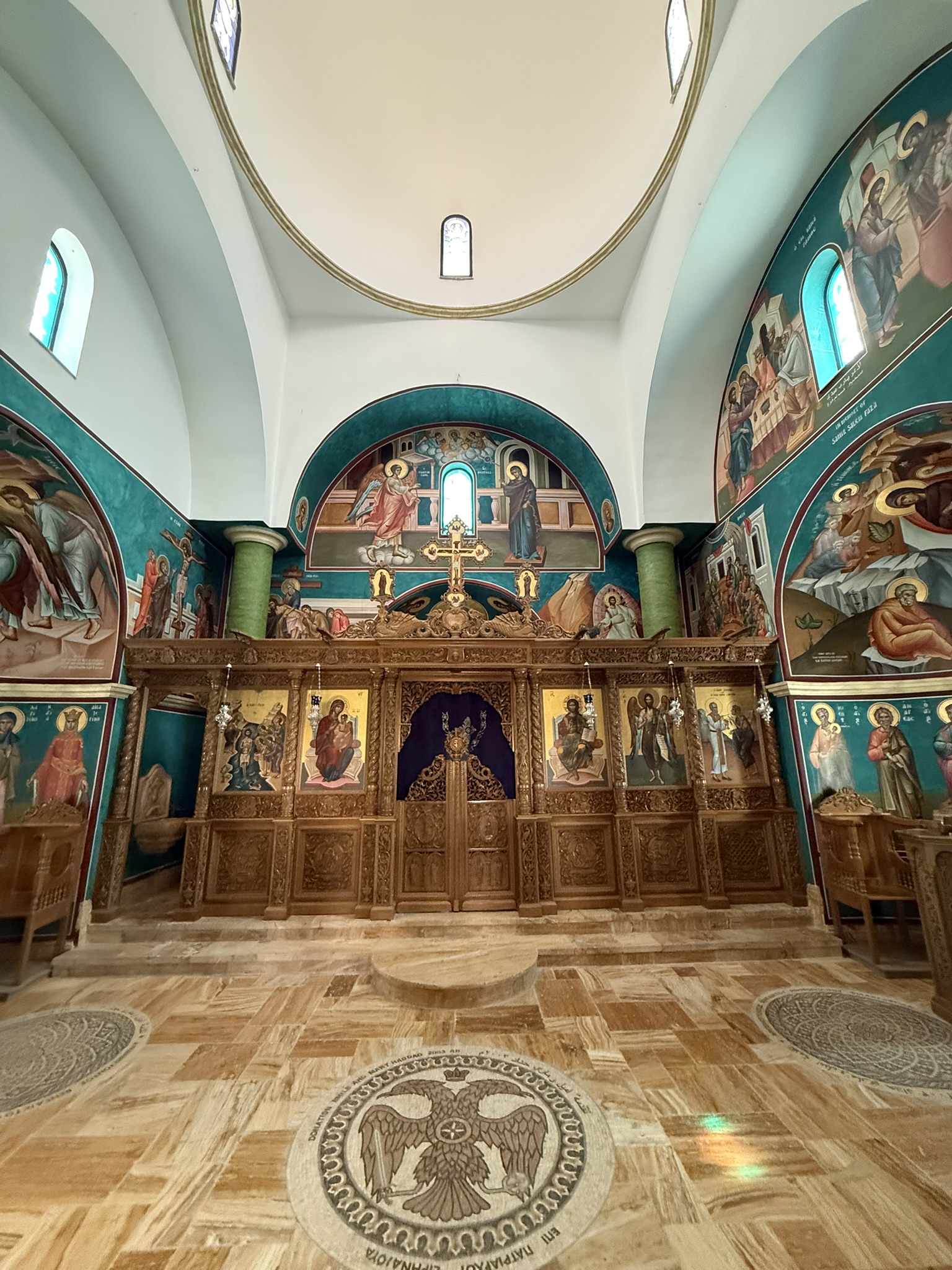
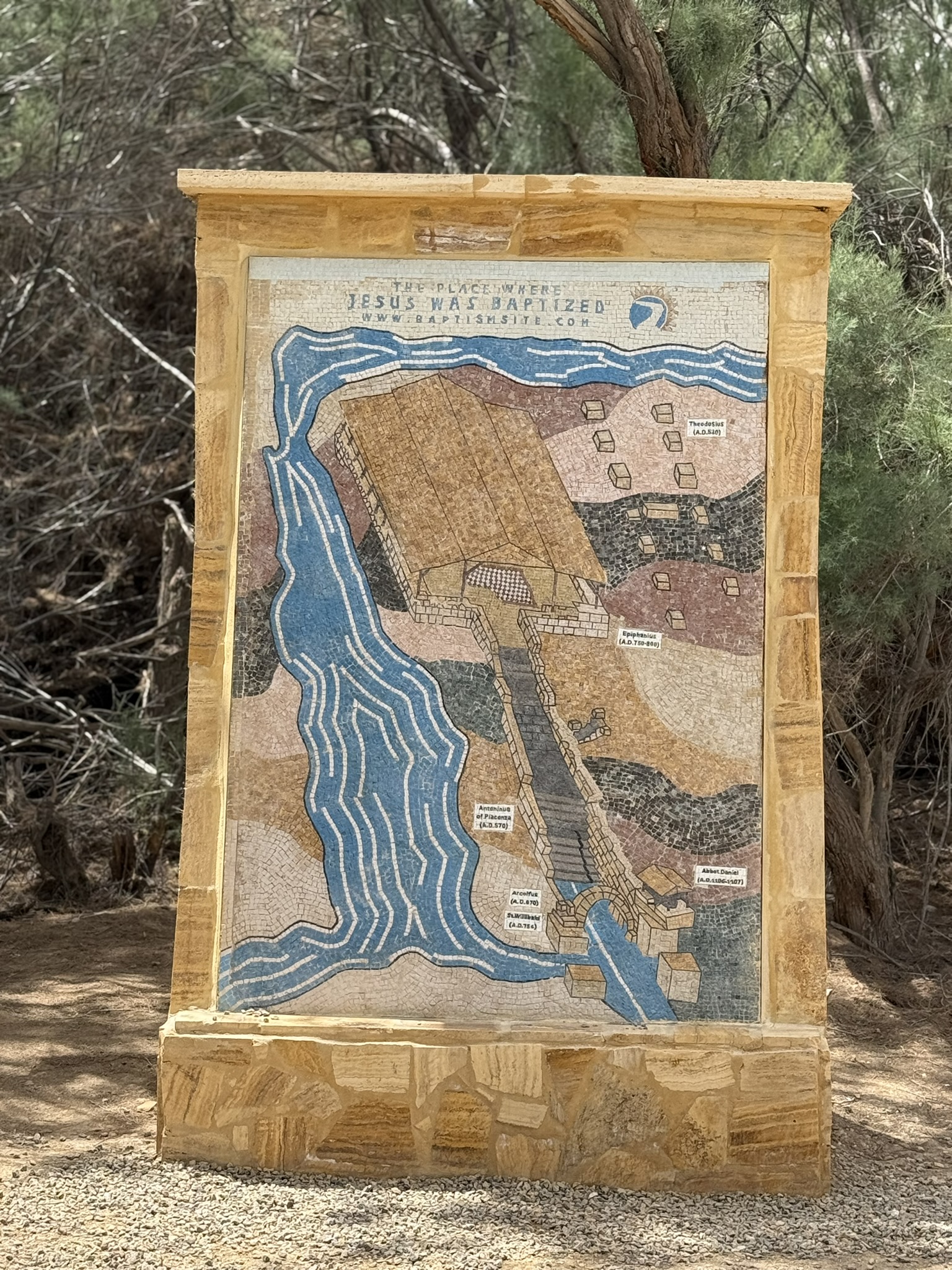
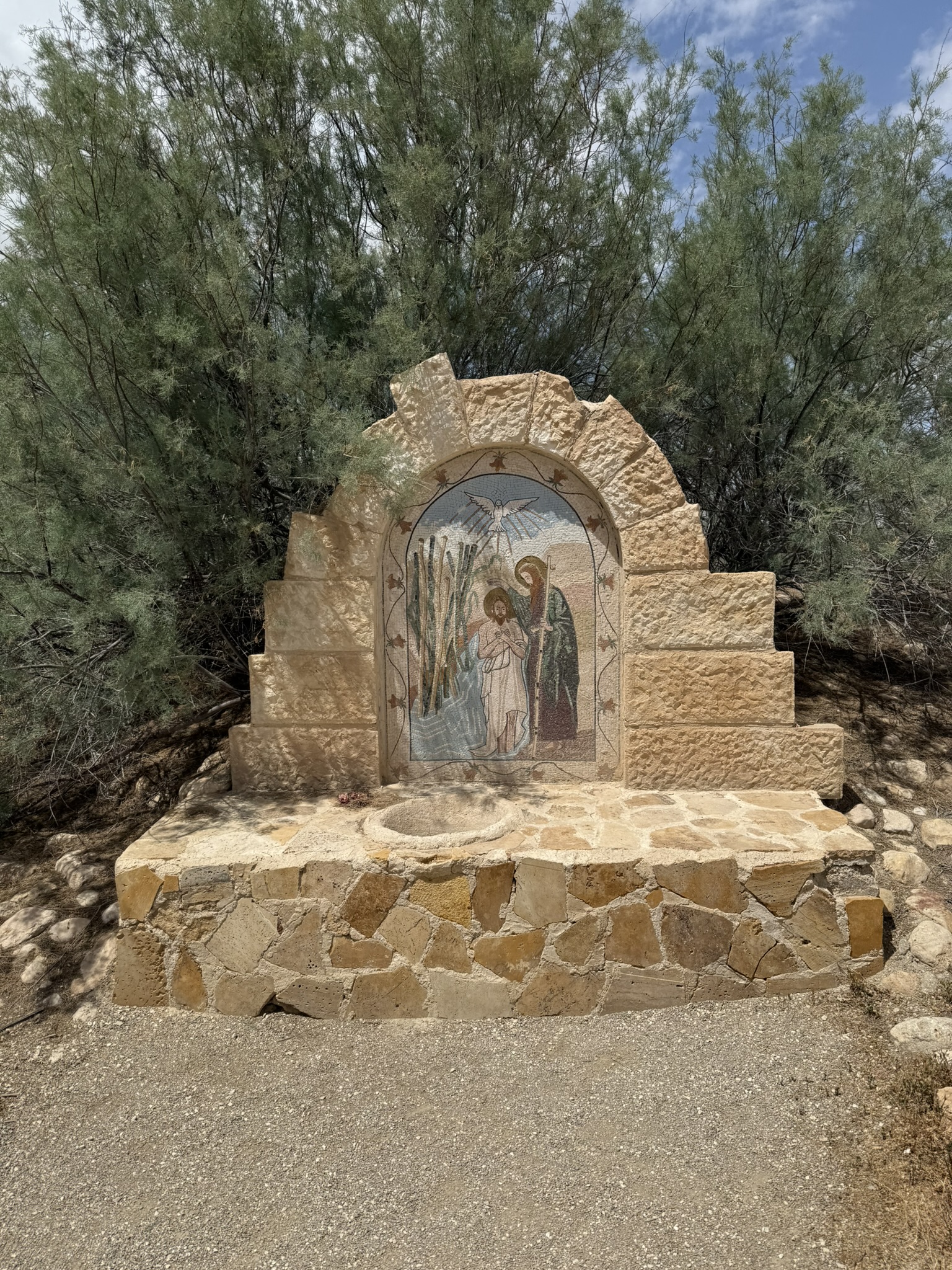
Down by the river, the atmosphere became somewhat quiet and reflective as everyone seemed to want to distance themself for some solitude. The Jordan River here was narrow and peaceful , with only a few metres separating the Jordanian baptism platform from Qasr al-Yahud on the opposite bank, where another platform faced directly towards us.
Turns out, pilgrims from all over the world come here to be baptised, renew their faith or simply stand near the place where one of Christianity’s foundational moments is believed to have taken place. In fact, we watched a young child being baptised right there in front of us.
Moses and the Promised Land
Up next was Mount Nebo – another of Jordan’s most important biblical and historical sites. After a short drive, we reached the summit, which rises above the Jordan Valley and offers sweeping views over the Dead Sea, the Judean Hills and, on a clear enough day, Jerusalem.
According to biblical tradition, this is the mountain from which Moses saw the Promised Land before he died, making it a place of deep spiritual significance across the Abrahamic faiths. Much like at the previous site, everyone here seemed solemn, with believers making the sign of the cross at every turn. Rafael and I, on the other hand, just wandered around as we tried hard to take it all in – in a secular kinda way, of course.
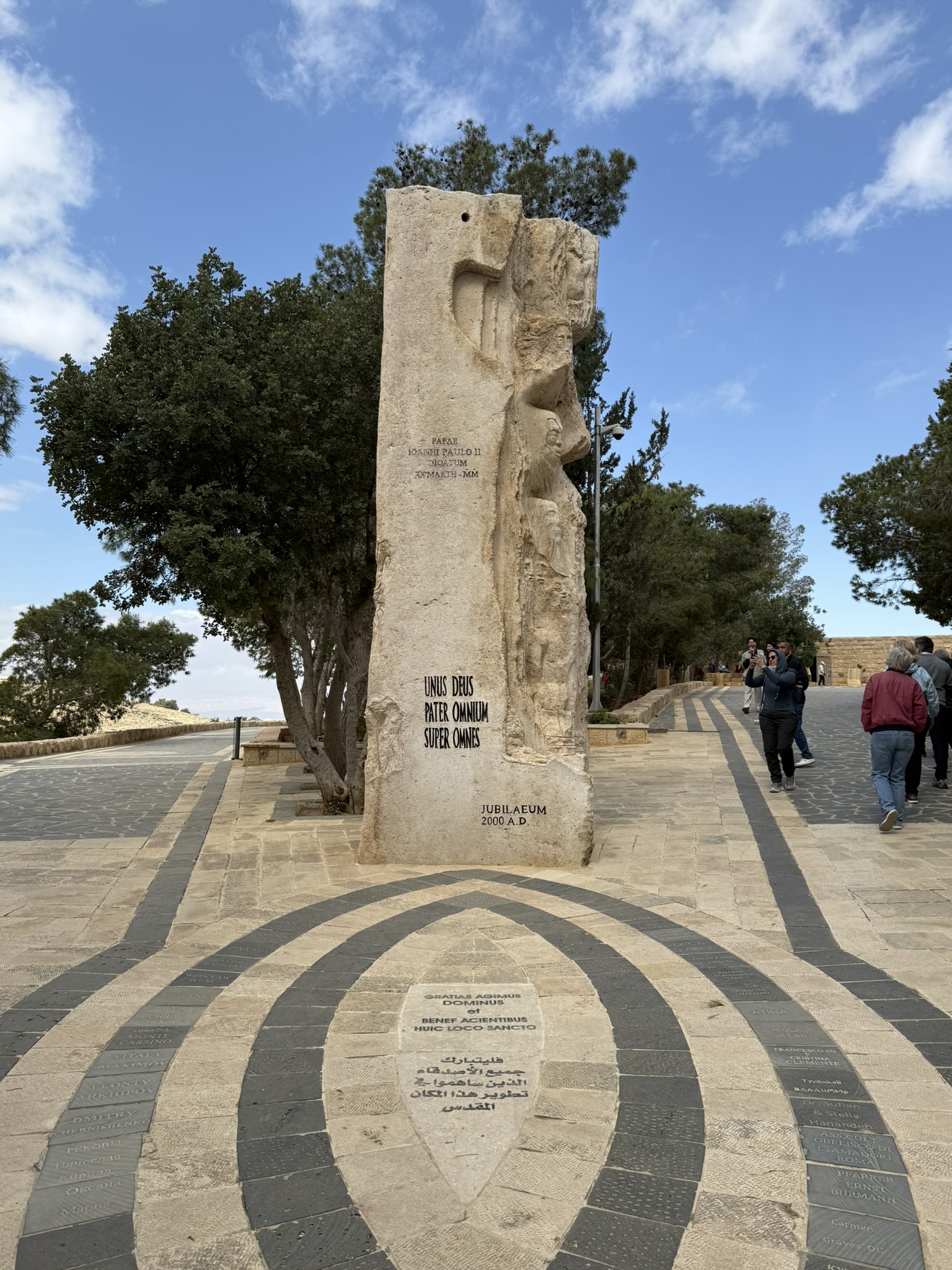
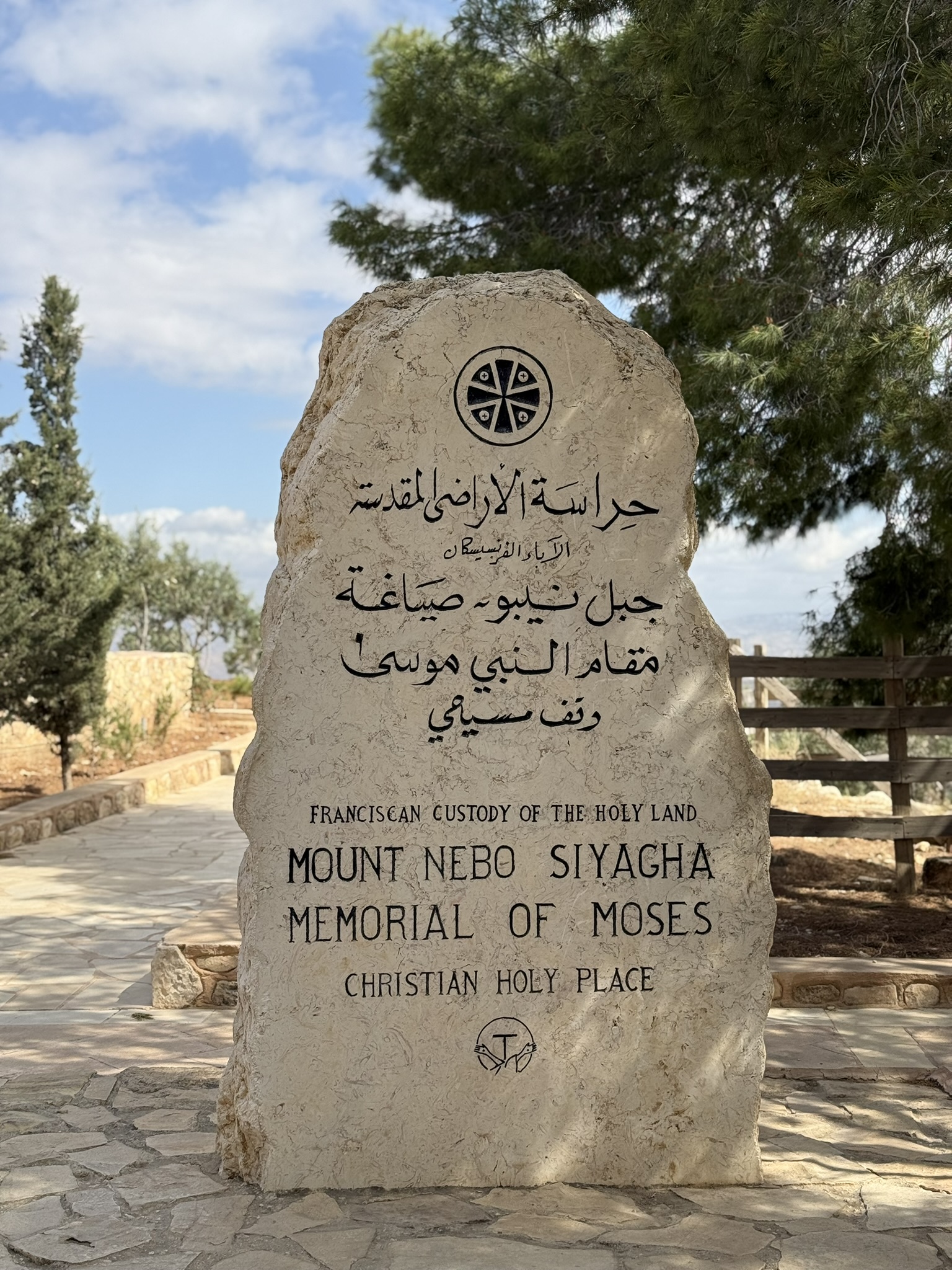
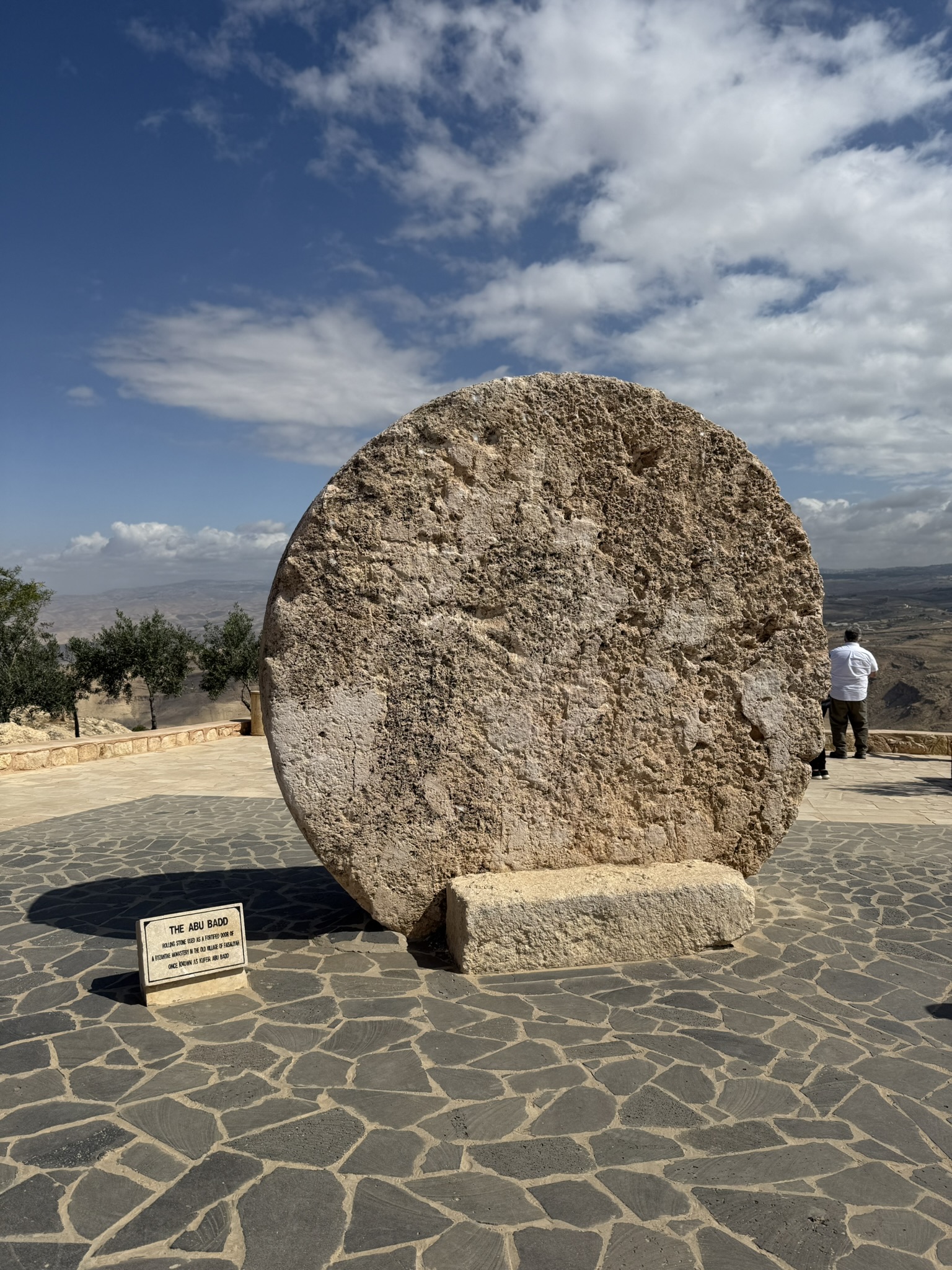
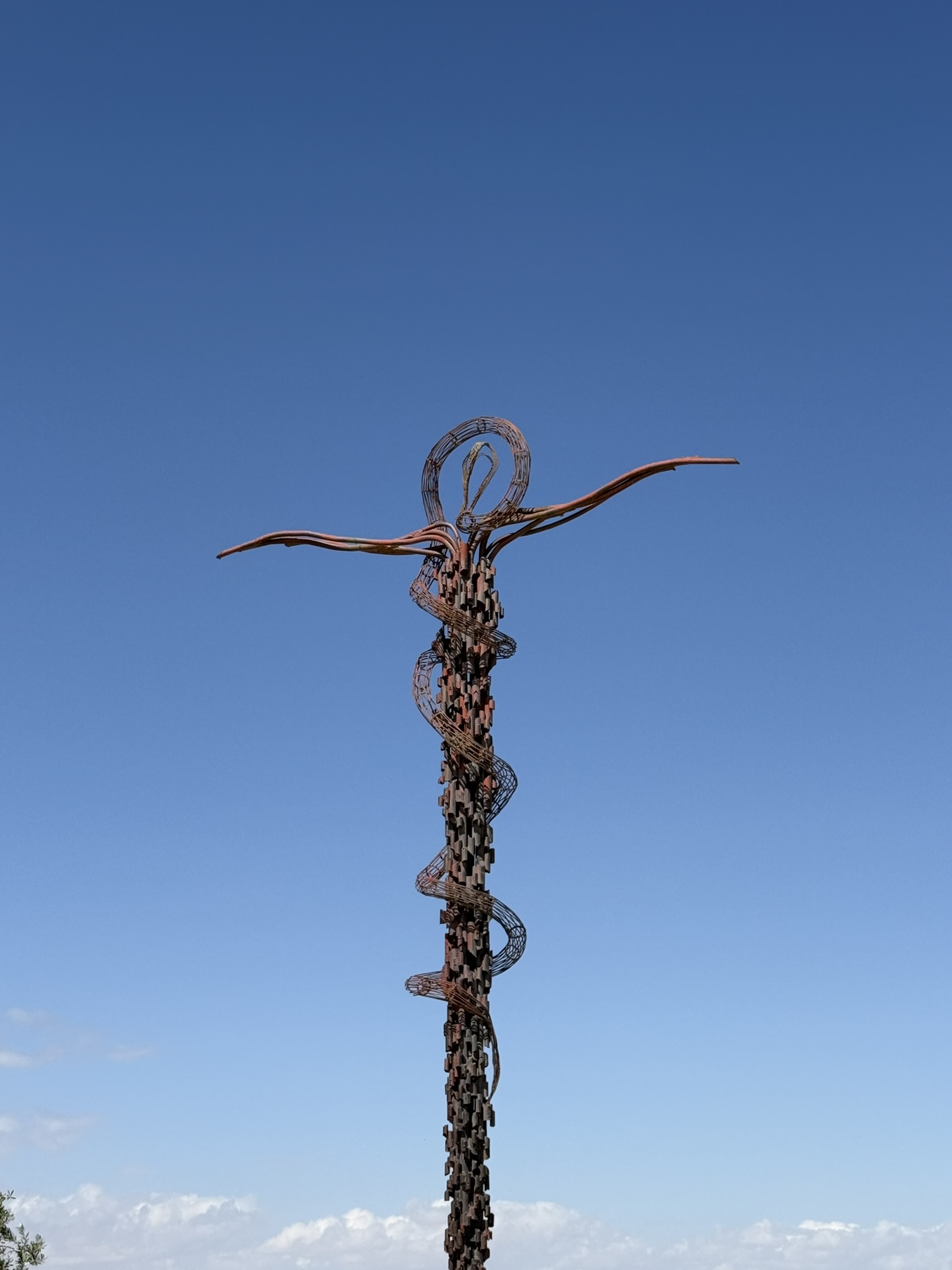
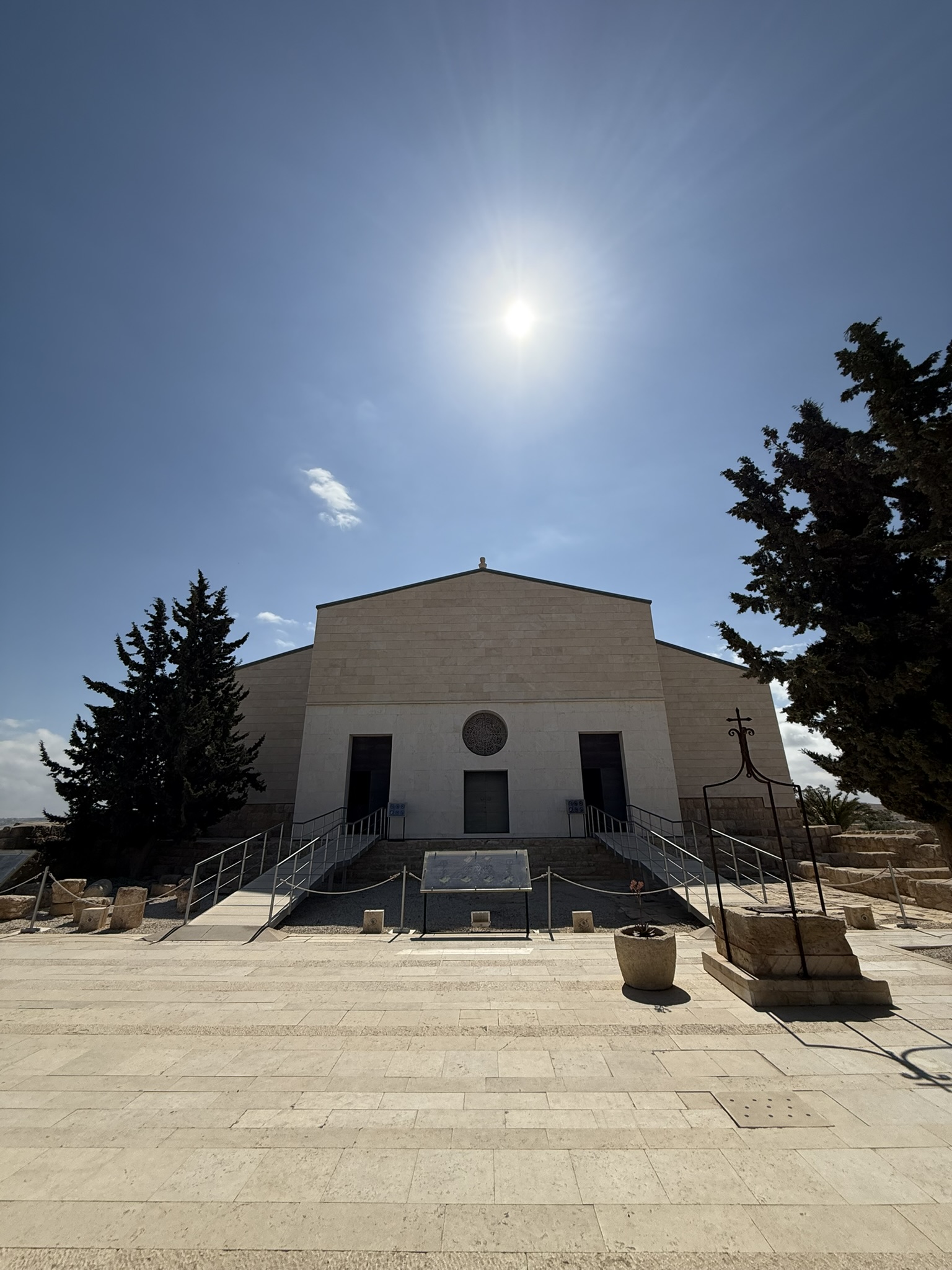
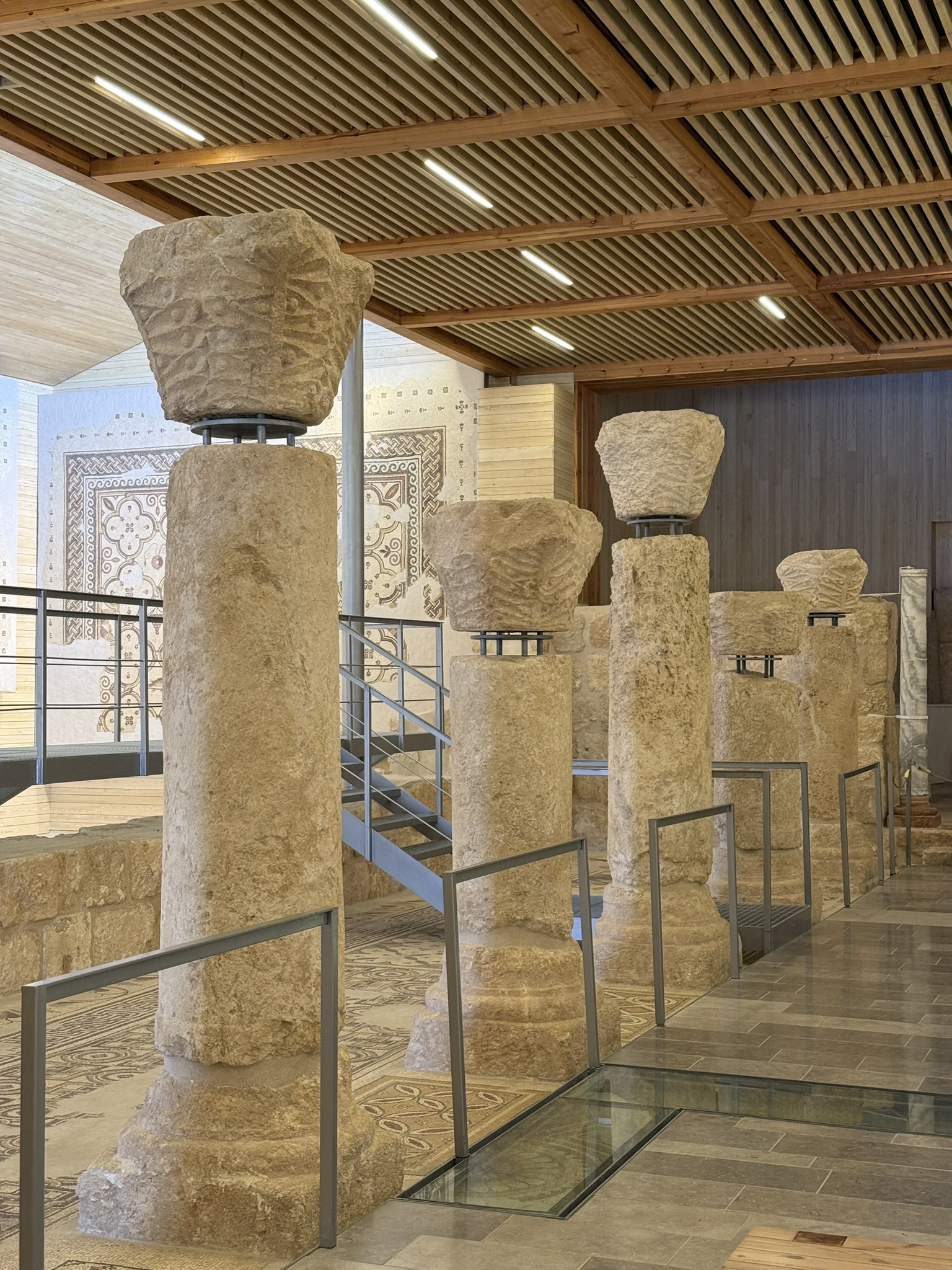
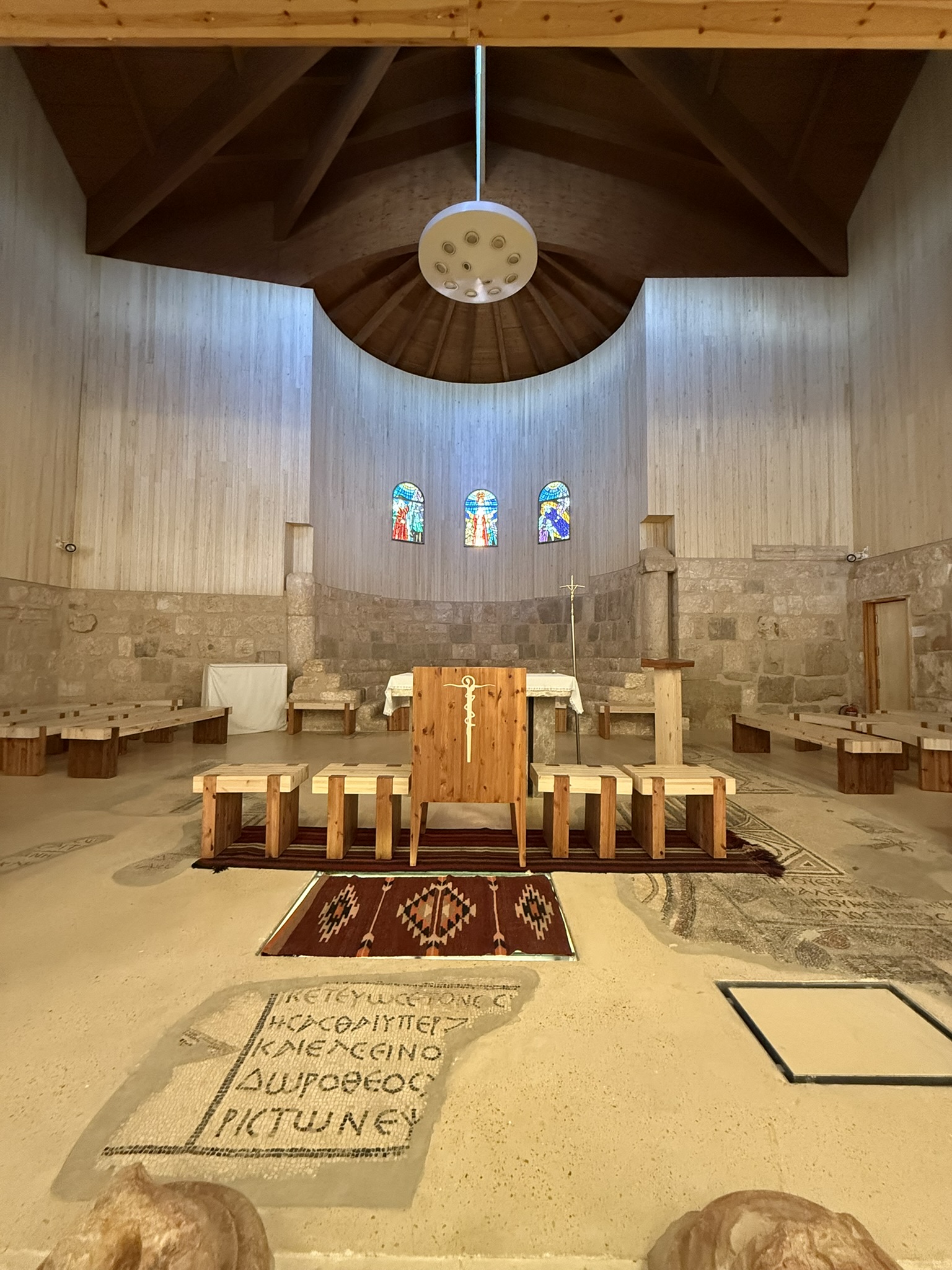
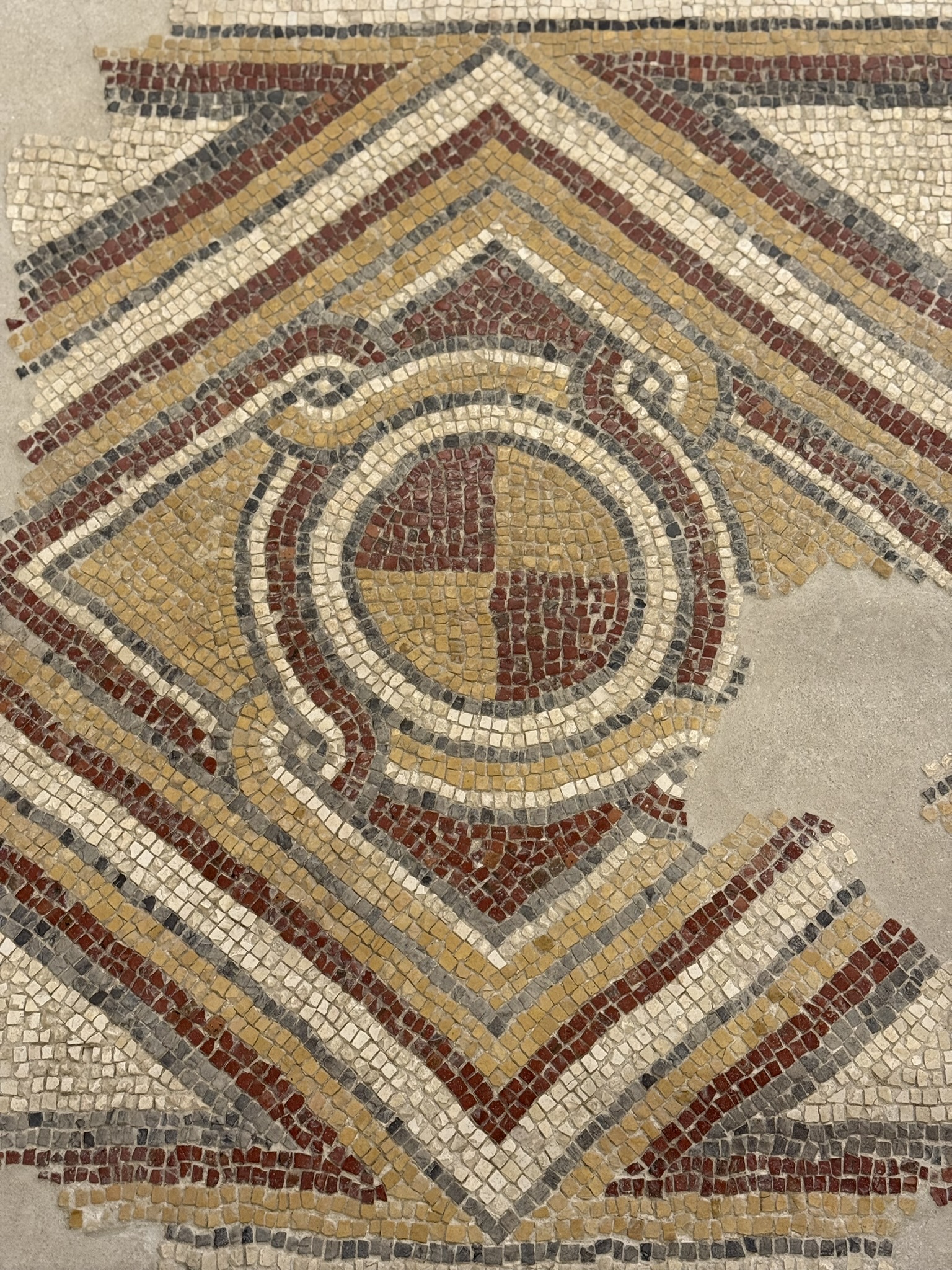
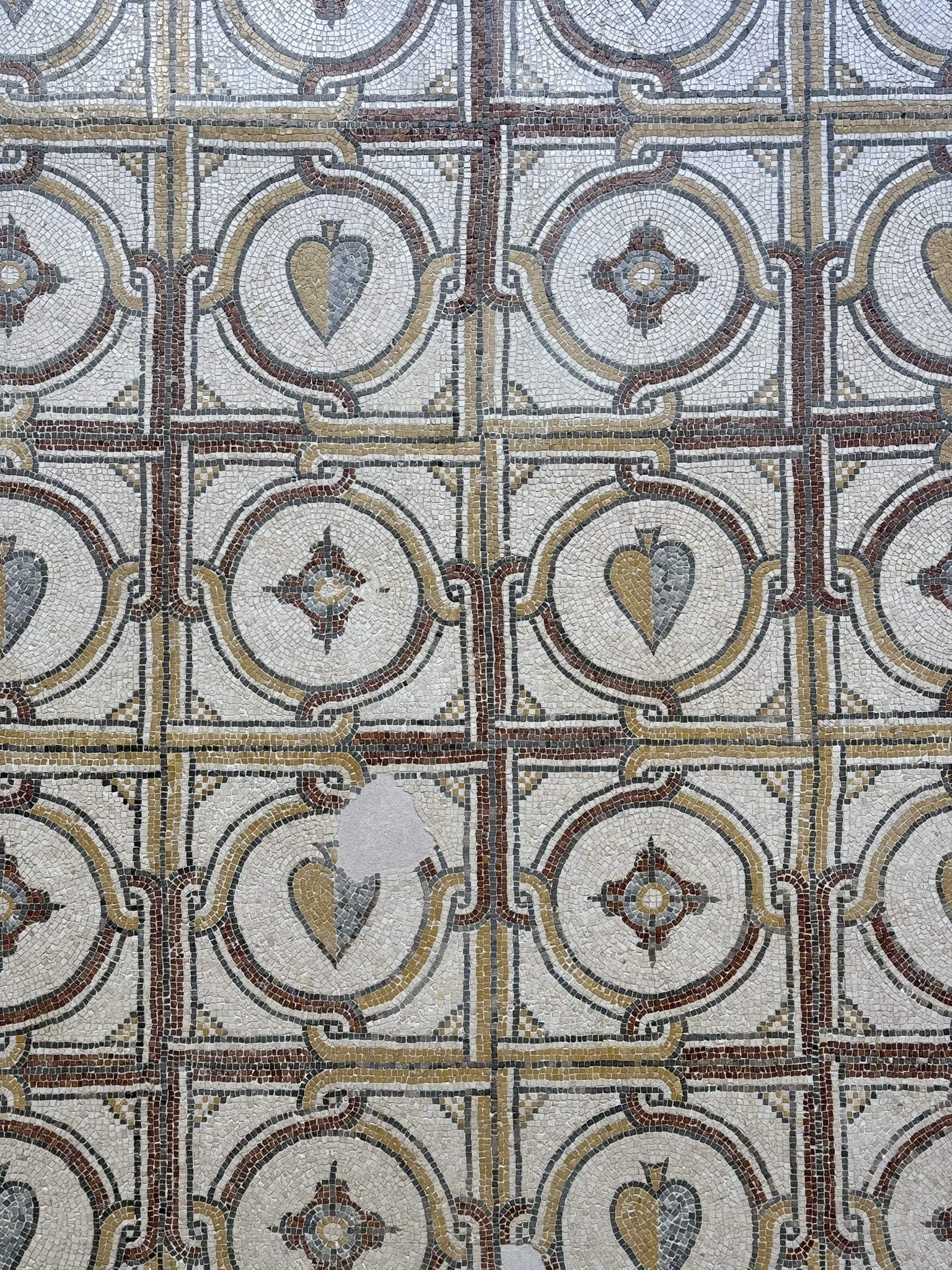
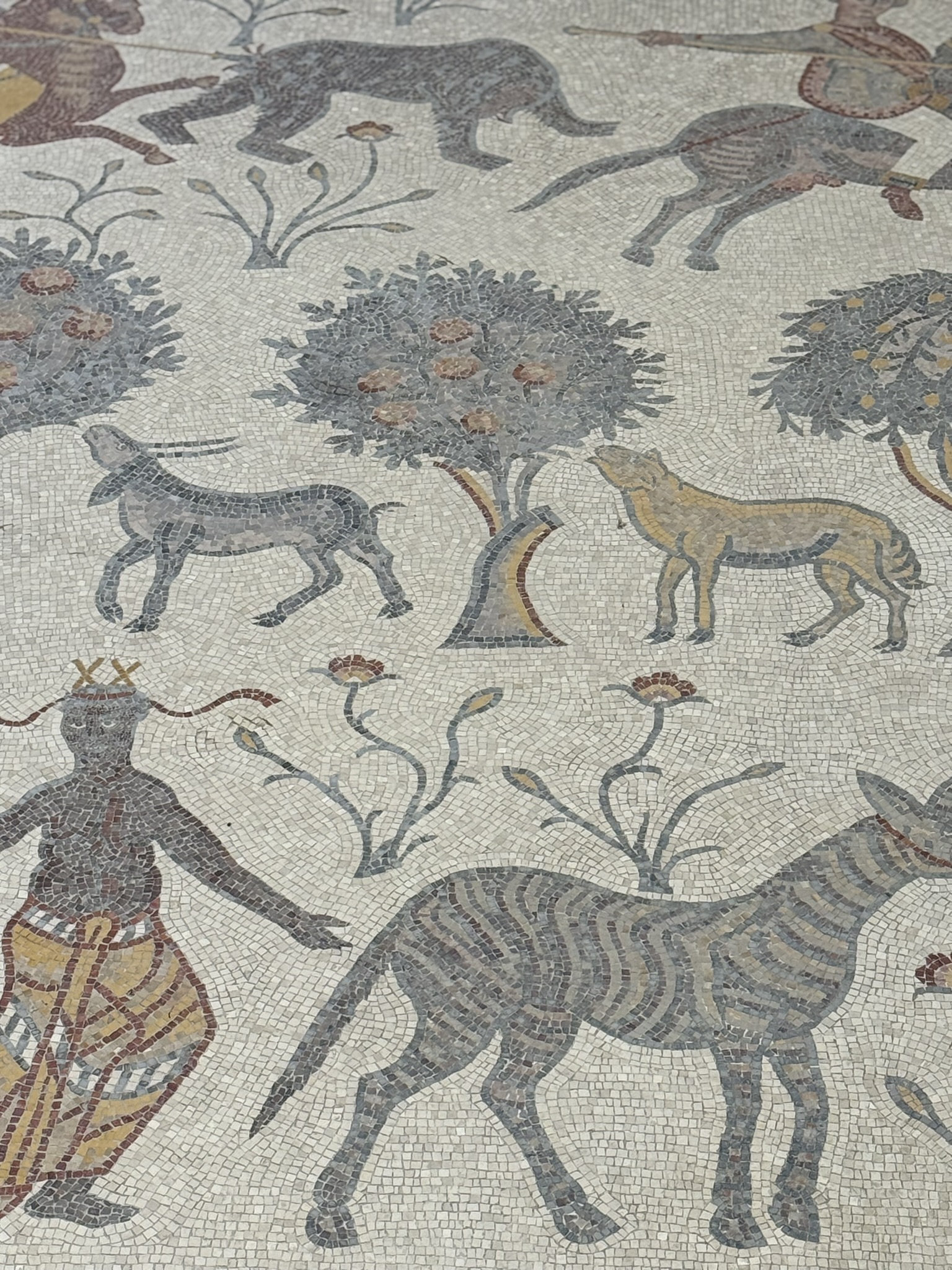
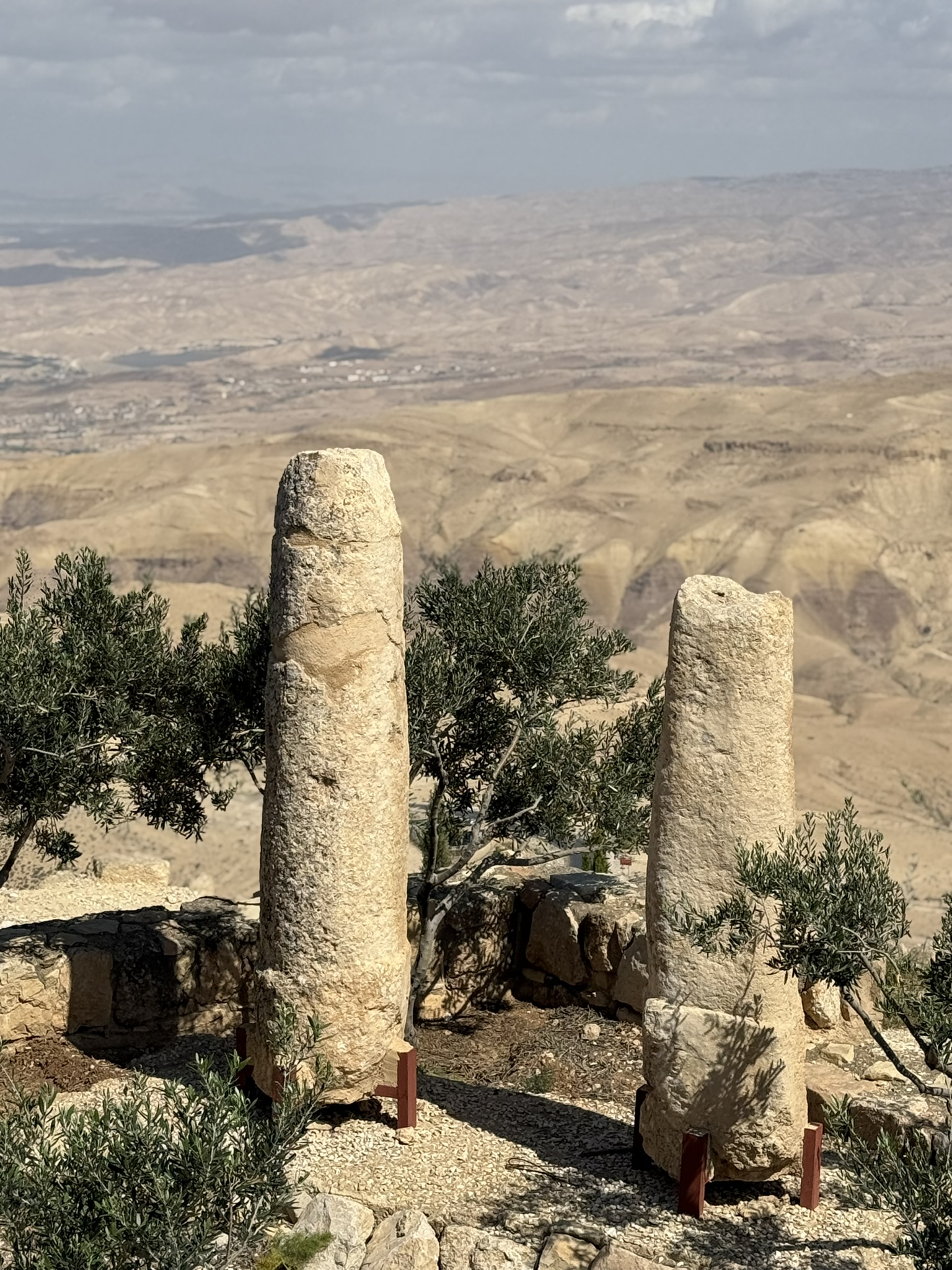
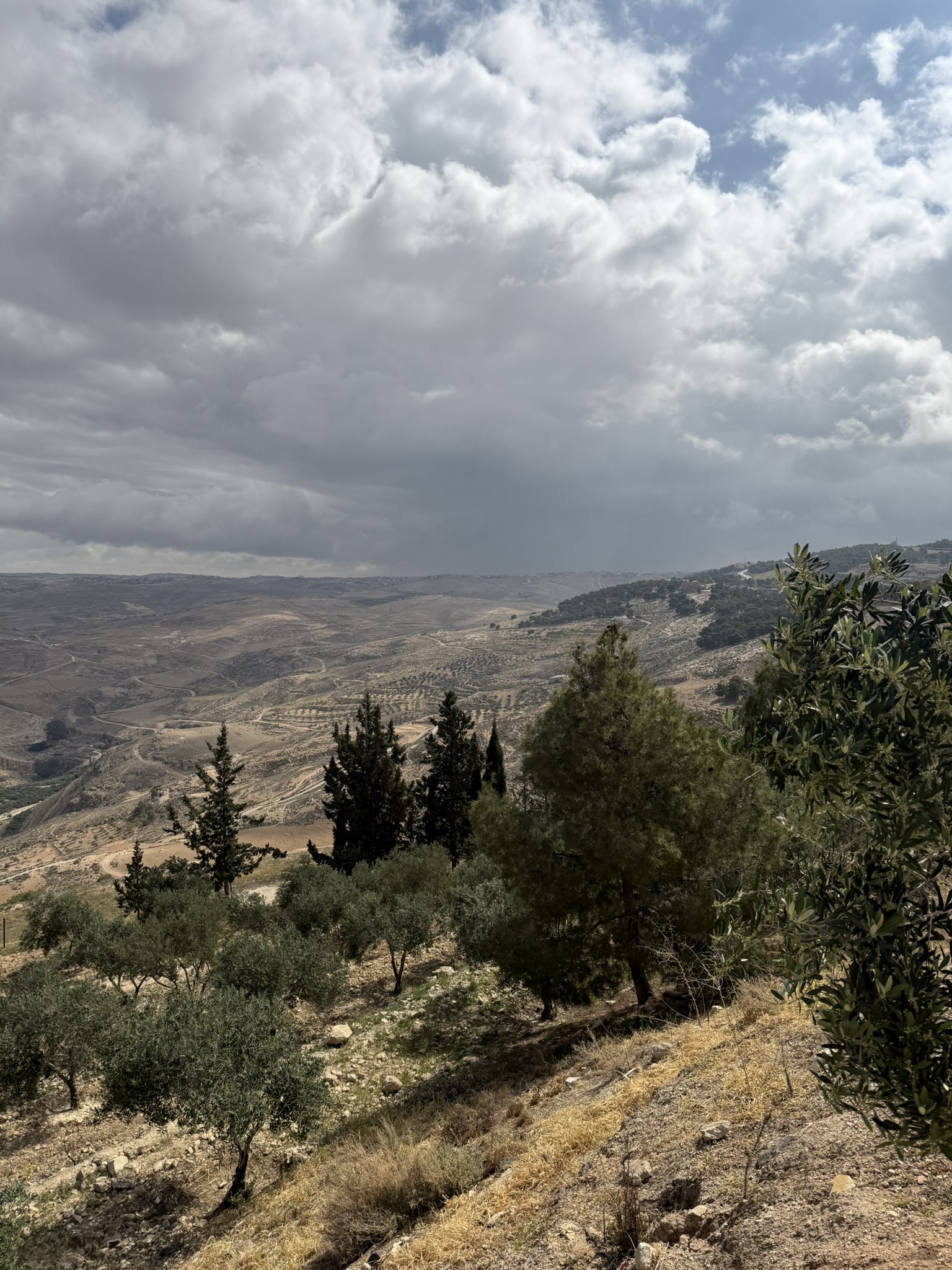
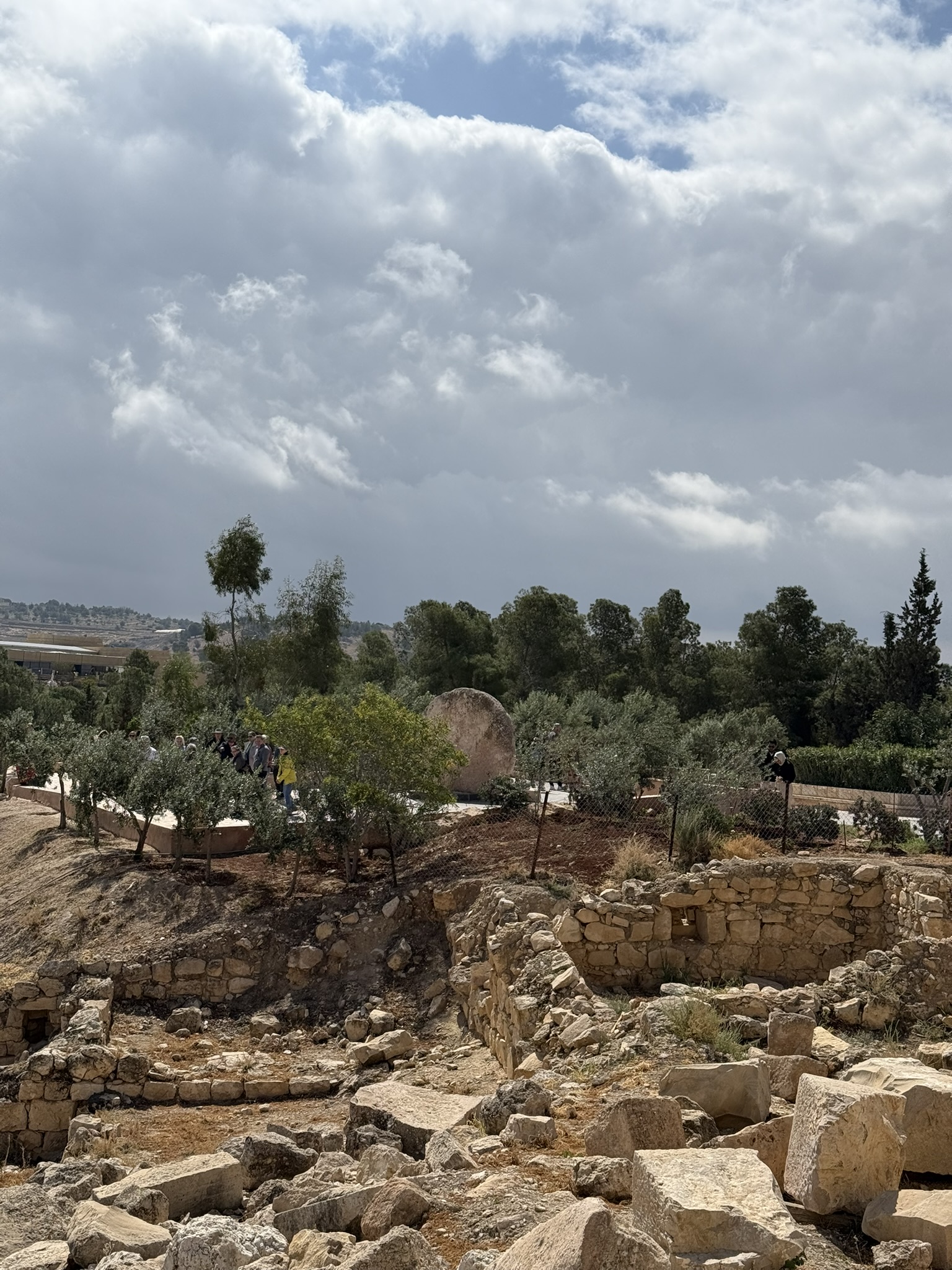
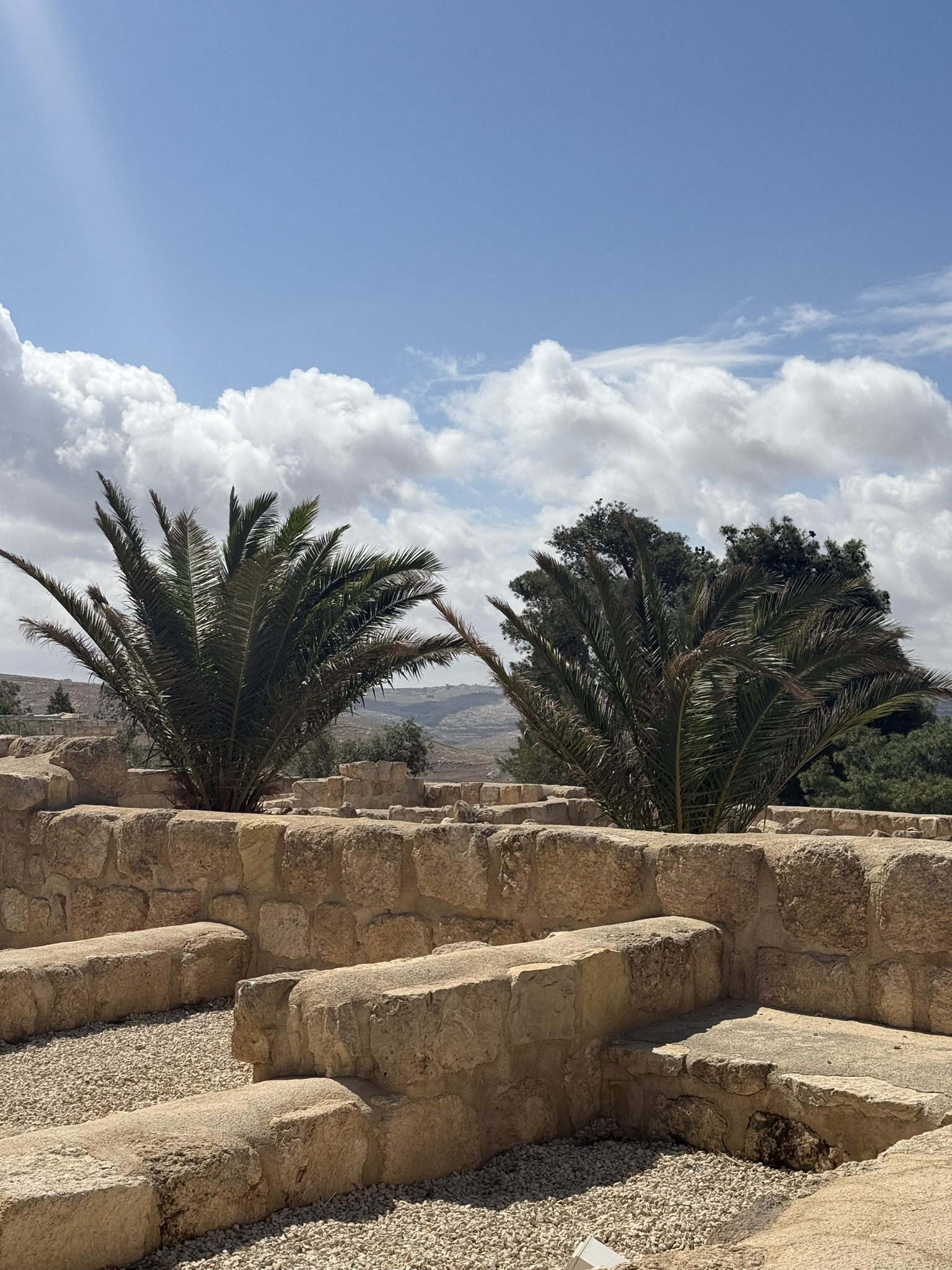
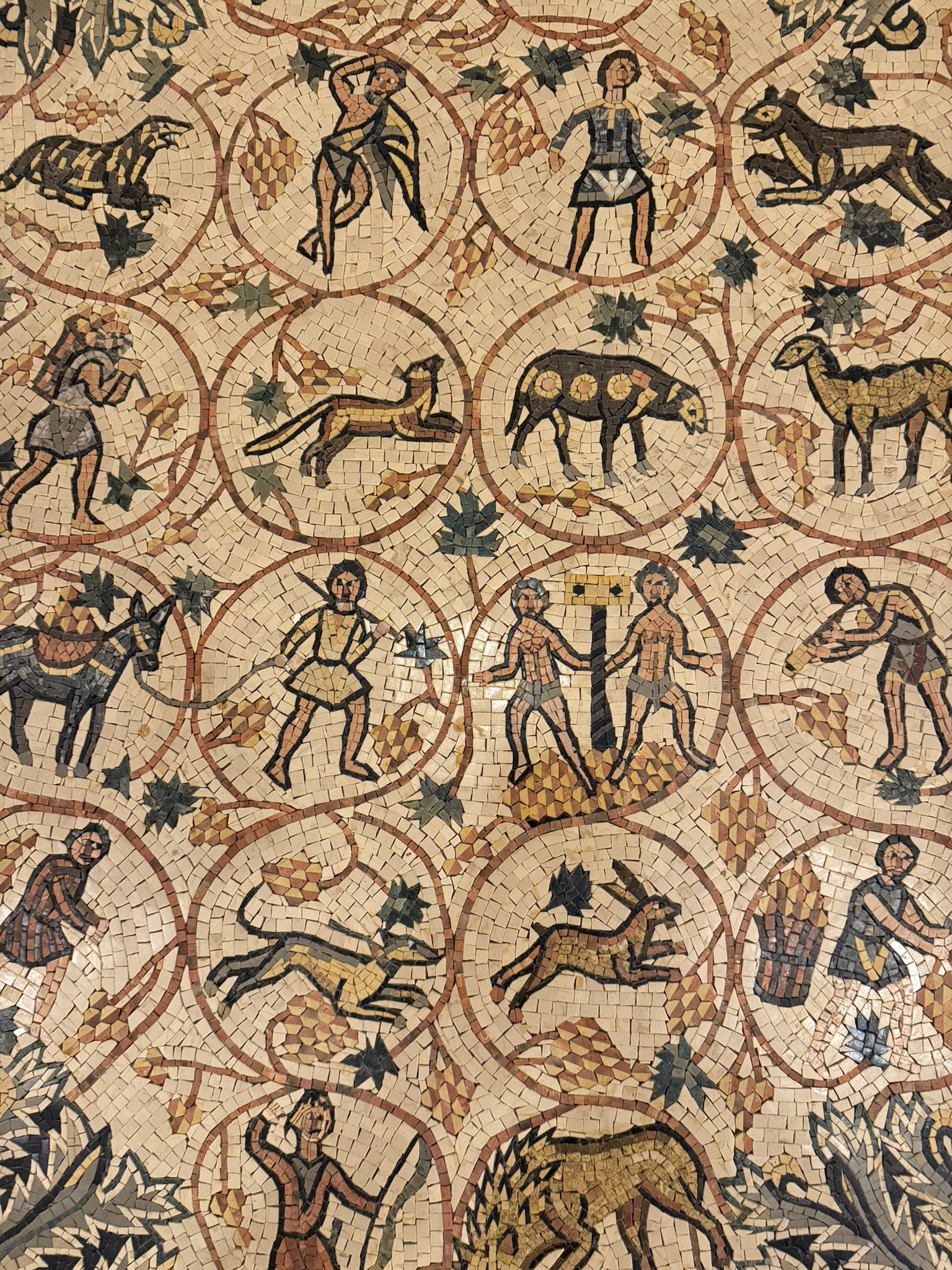
At the summit stands the Memorial Church of Moses, which preserves the remains of a sanctuary first established during the 4th century and later expanded into a basilica. Inside, beautifully preserved Byzantine mosaics depict hunting scenes, animals and pastoral life, offering a vivid glimpse into early Christian art. Outside, the iconic Brazen Serpent sculpture – a modern piece symbolising both Moses’ bronze serpent and the crucifixion of Jesus – stands against the panoramic backdrop.
Once again, our visit held no particular religious meaning for us, but the atmosphere was so calm and reflective that I found myself reliving one of the many Bible stories I had read as a child. With the wind sweeping across the plateau as we looked out over the incredible landscape below, Mount Nebo truly felt like a timeless viewpoint suspended somewhere between history and legend.
Mosaics Beneath Madaba
After a quick lunch, we headed towards yet another of Jordan’s religious and historical highlights – the city of Madaba.
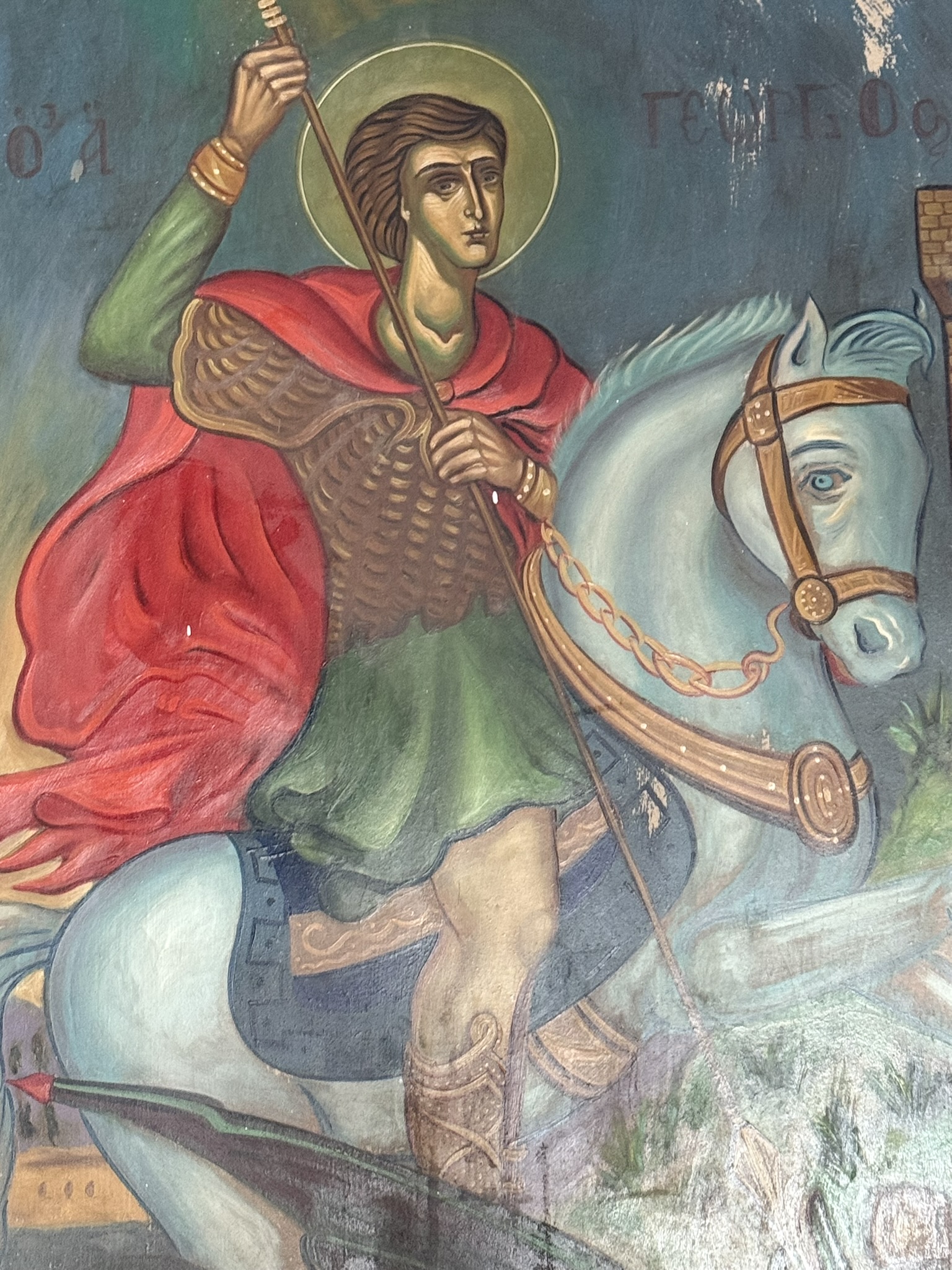
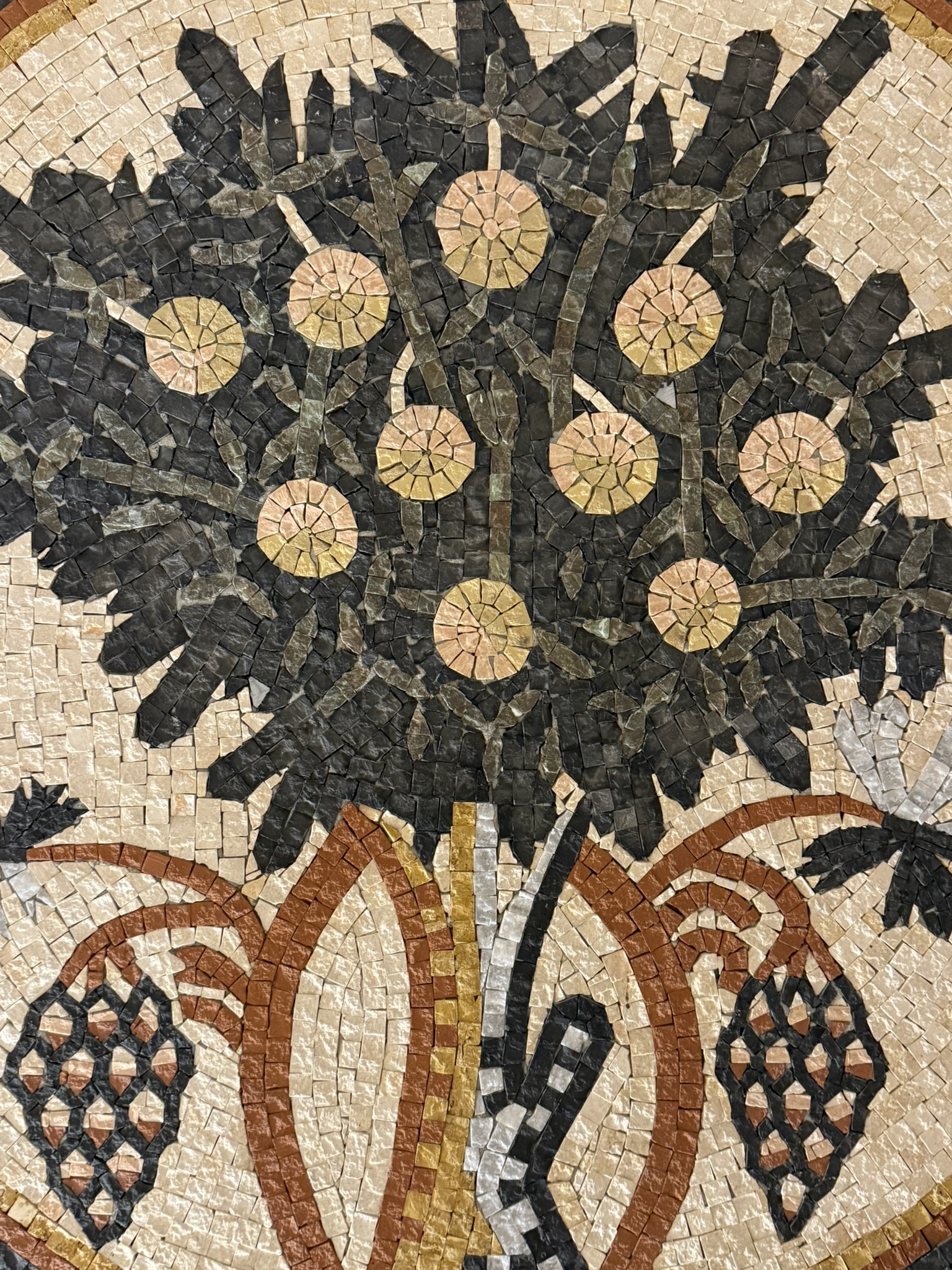
Madaba is one of Jordan’s most charming and historically rich cities, famous for its biblical sites and remarkable collection of Byzantine and Umayyad mosaics – some of the finest in the Middle East. Its most iconic treasure is arguably the Madaba Mosaic Map, a 6th-century floor mosaic housed inside St George’s Church that depicts Jerusalem, the Holy Land and parts of the surrounding region in remarkable detail. It is widely regarded as the oldest surviving pictorial map of the Holy Land. Standing over something so ancient felt nothing short of stepping back in time!
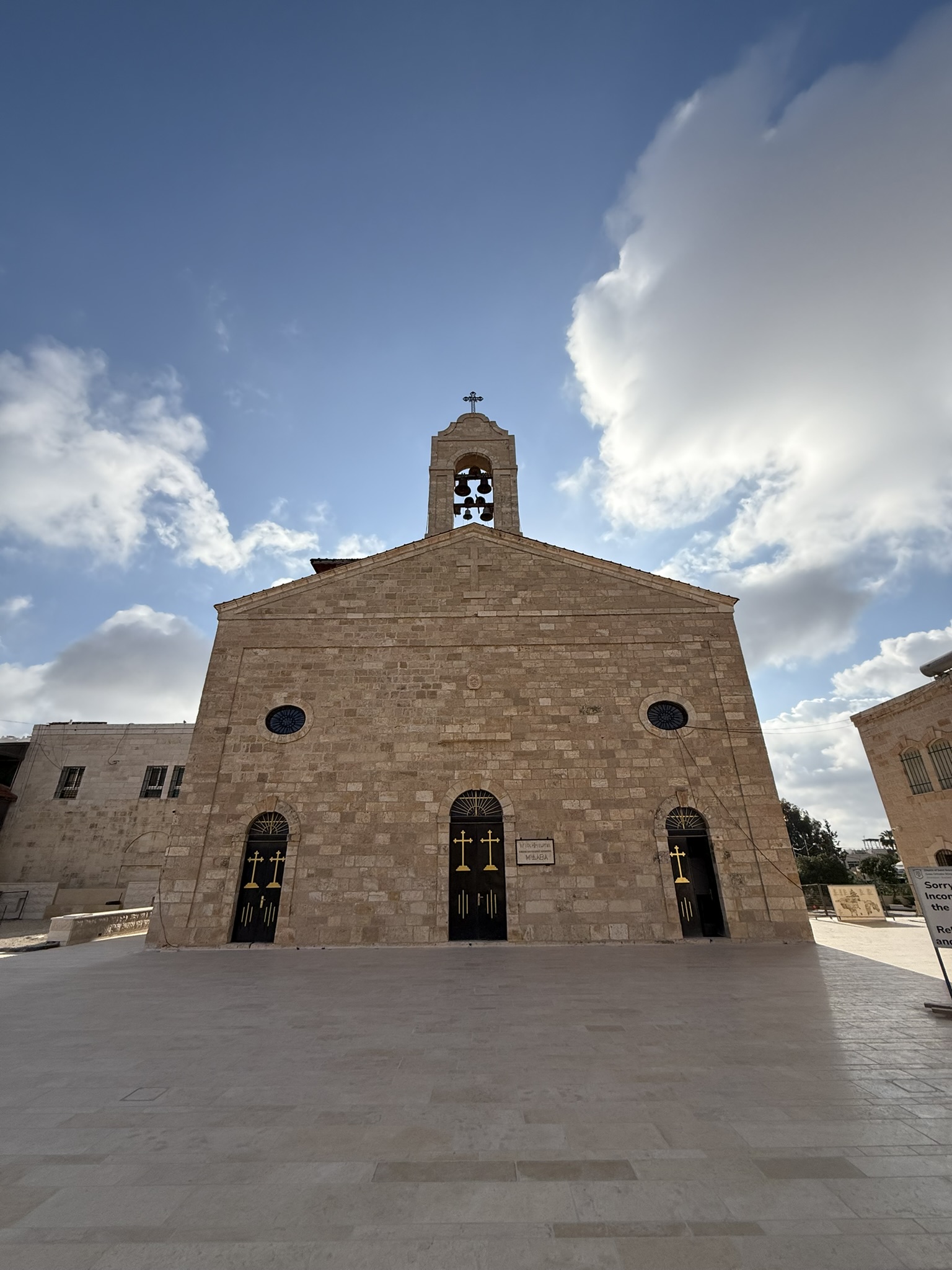
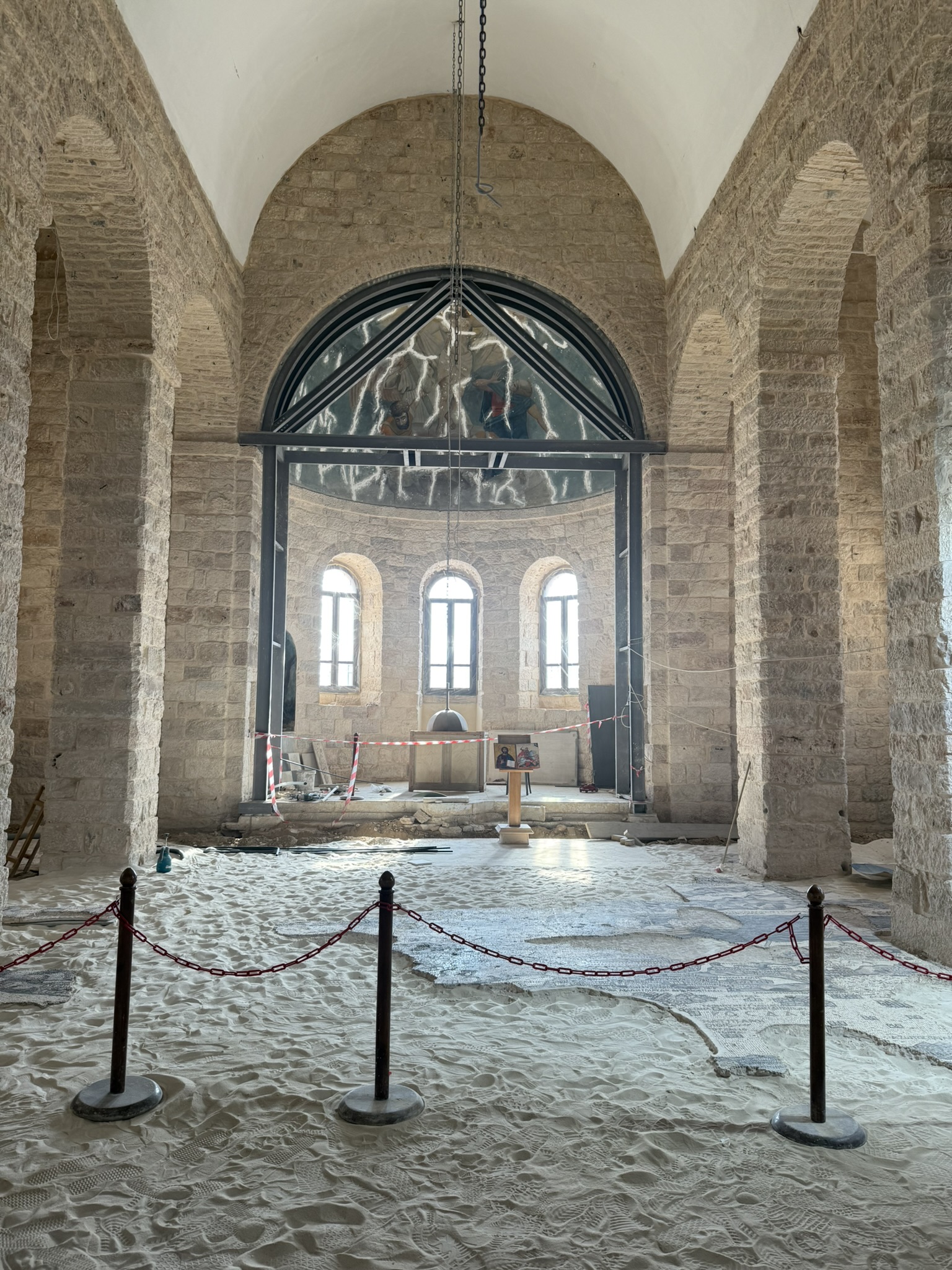
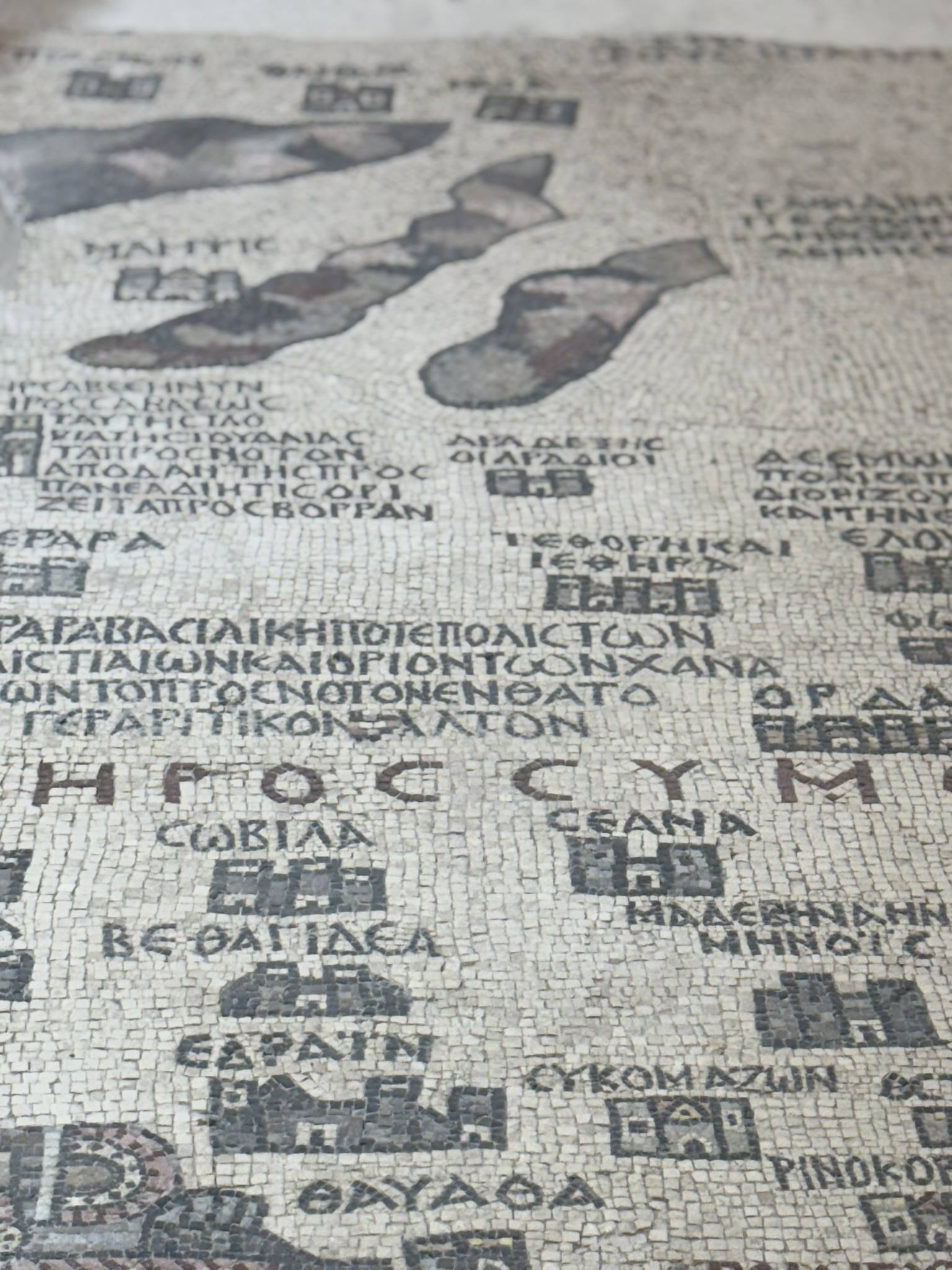
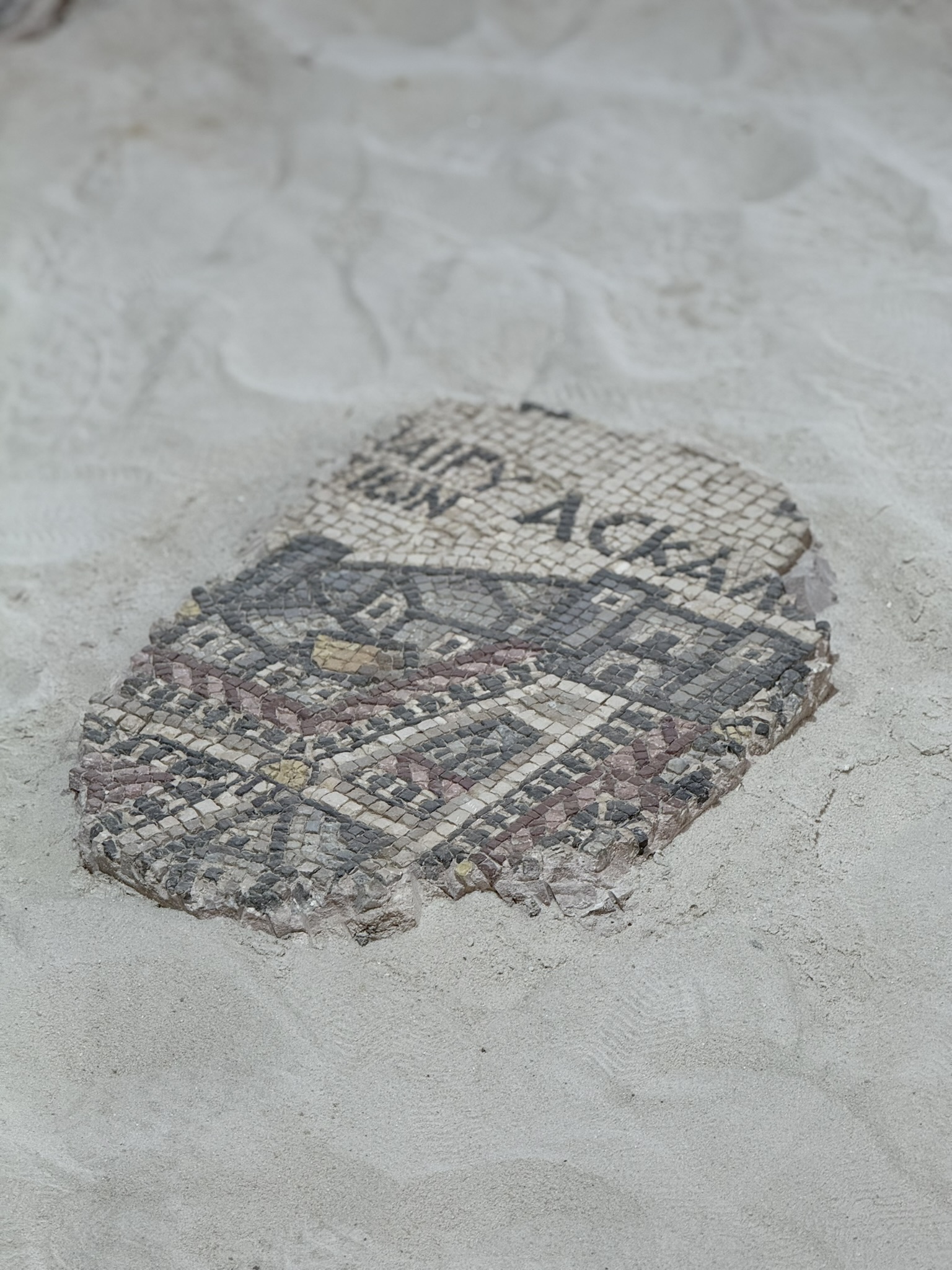
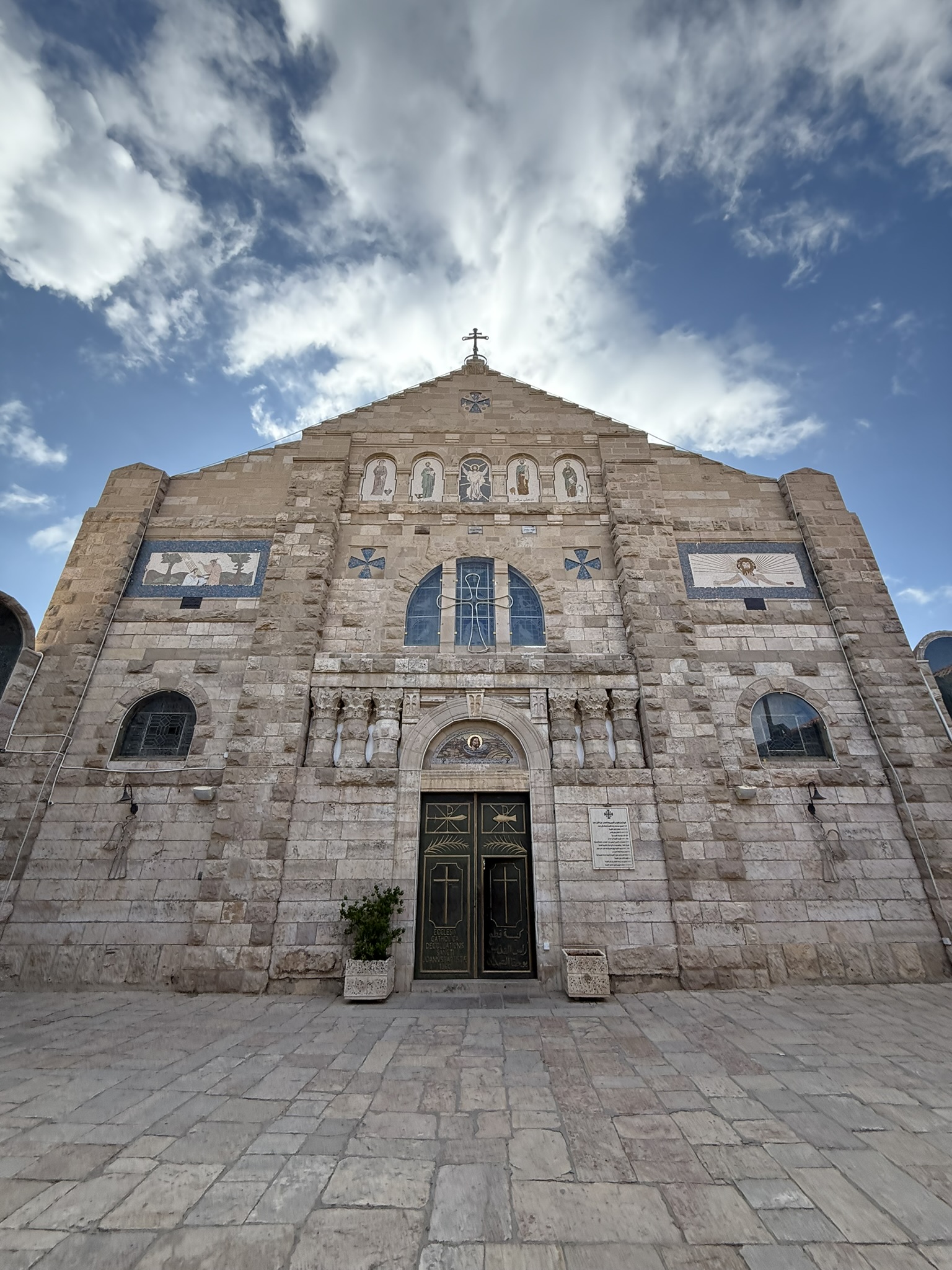
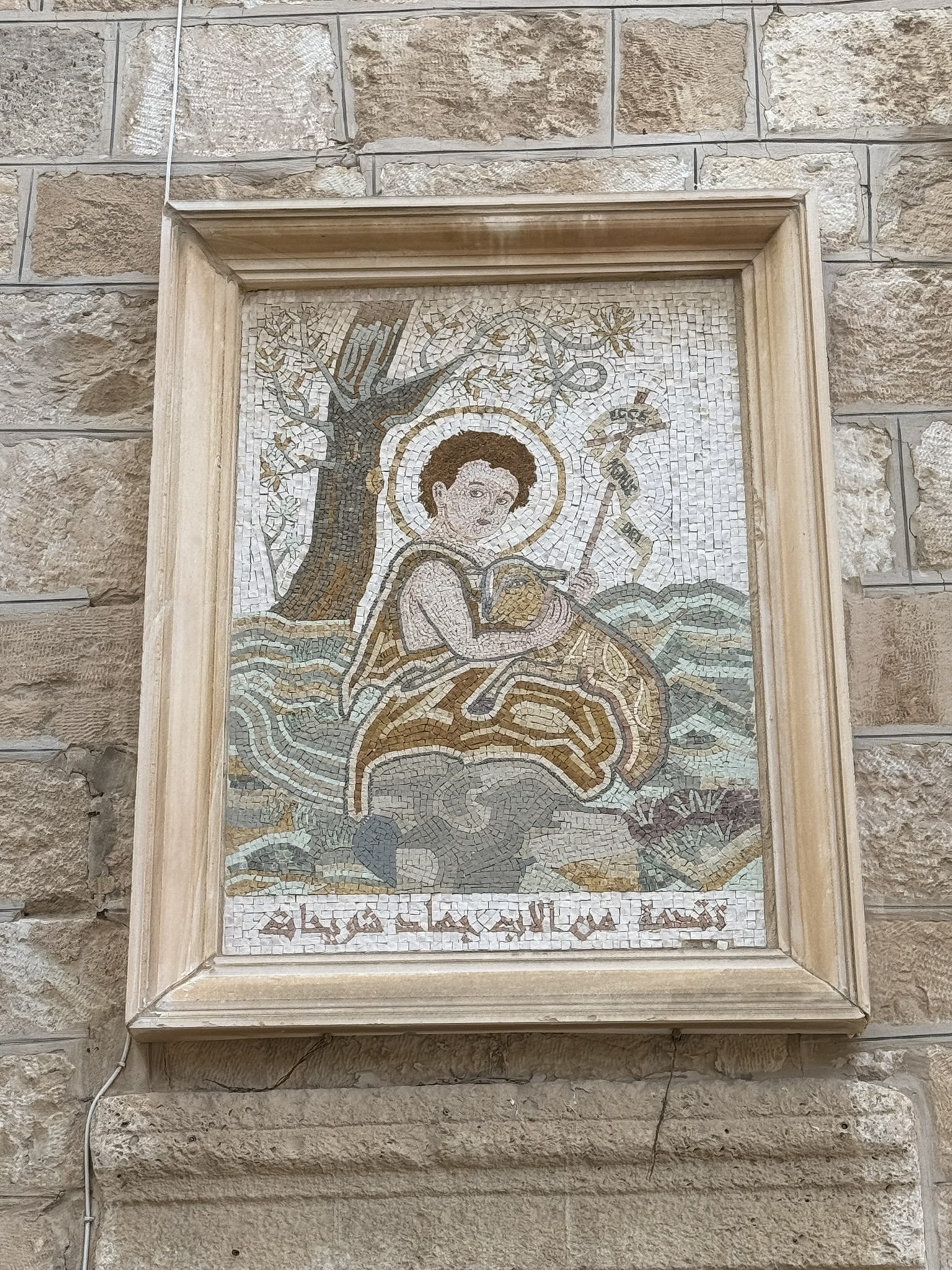
Just a short stroll away stands the Roman Catholic Church of the Beheading of Saint John the Baptist – one of Madaba’s lesser-known gems. Although the present church was completed in 1913, it stands upon an ancient acropolis containing layers of history stretching from the Moabite era through the Roman and Byzantine periods.
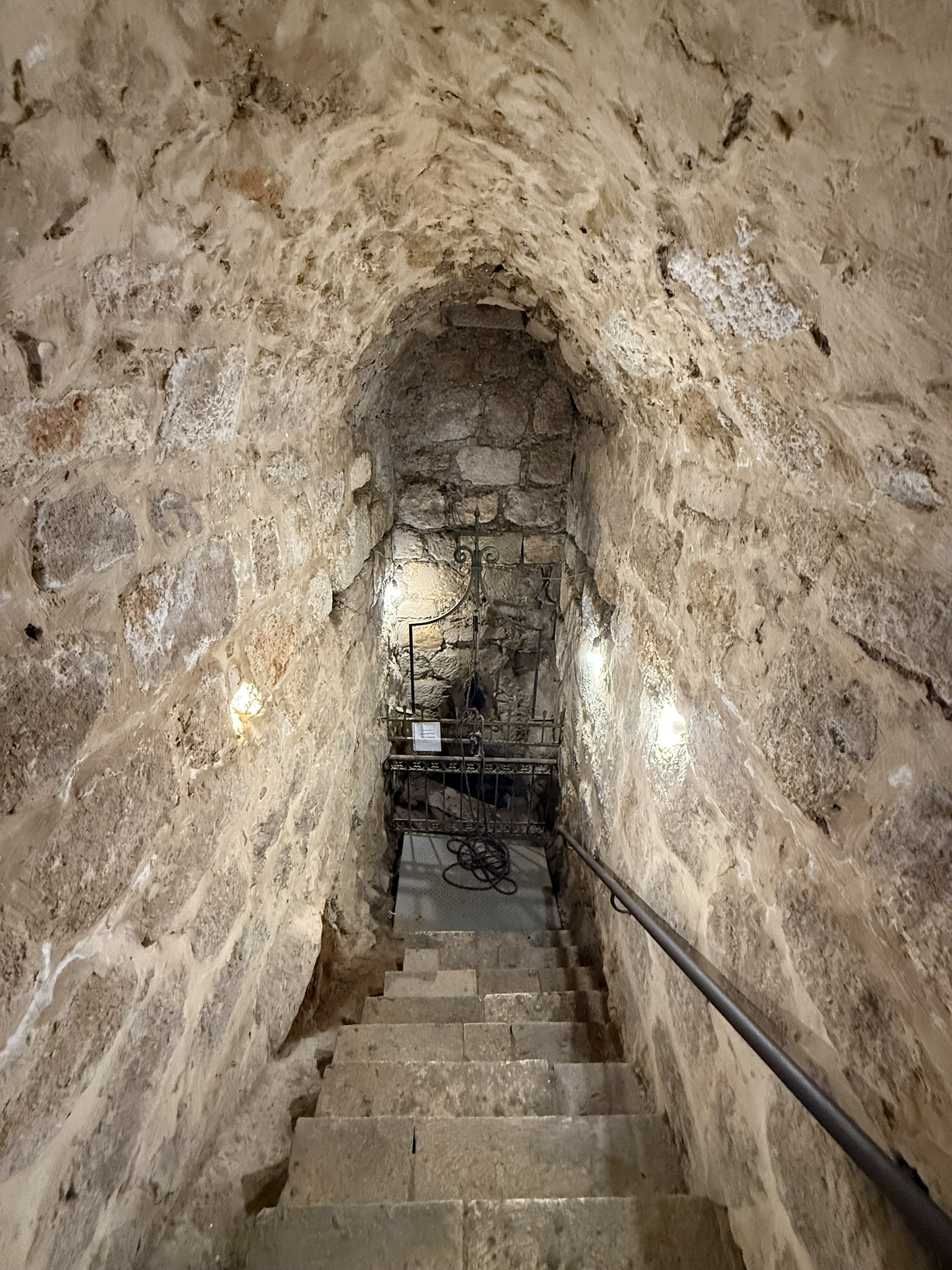
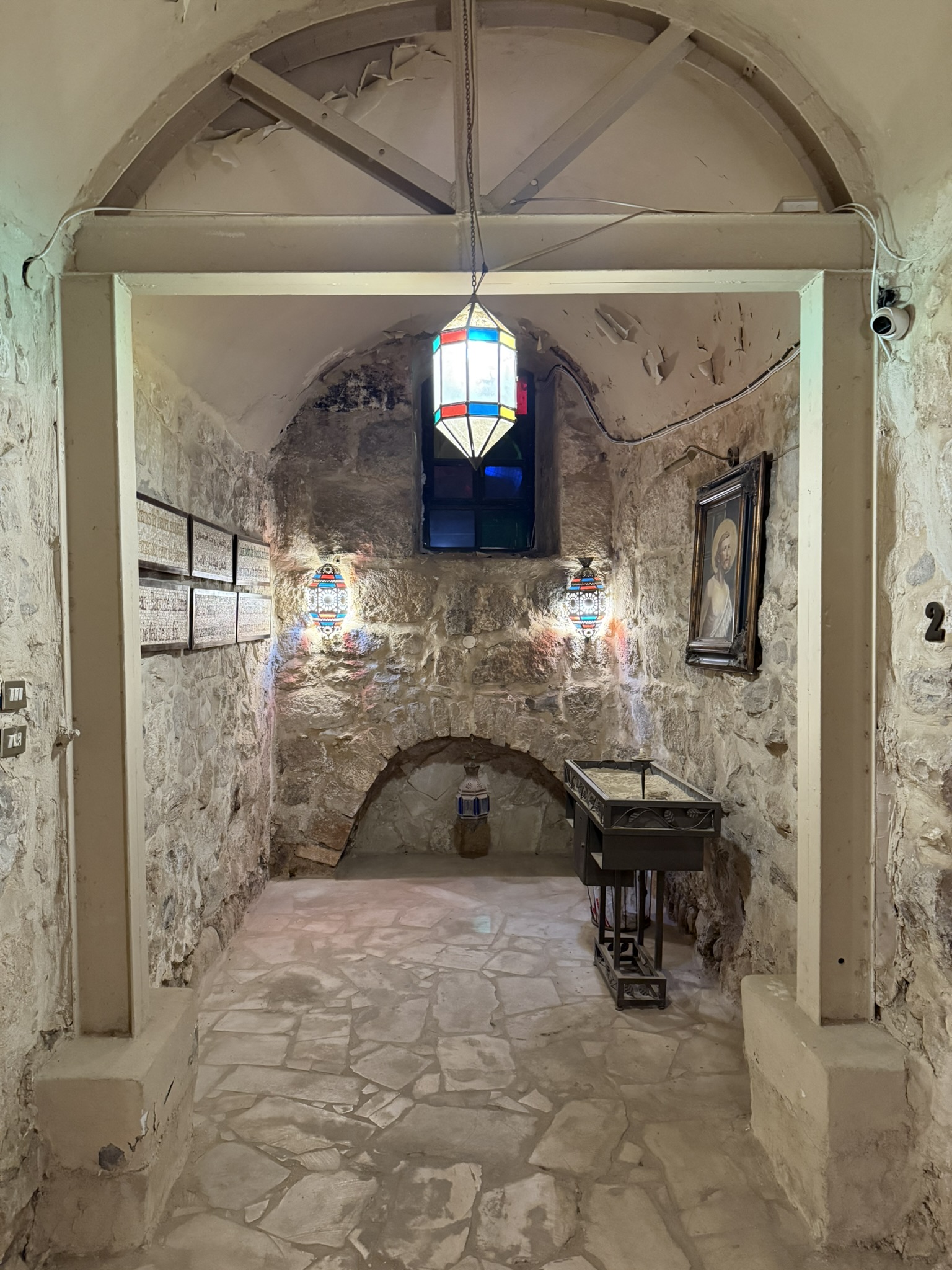
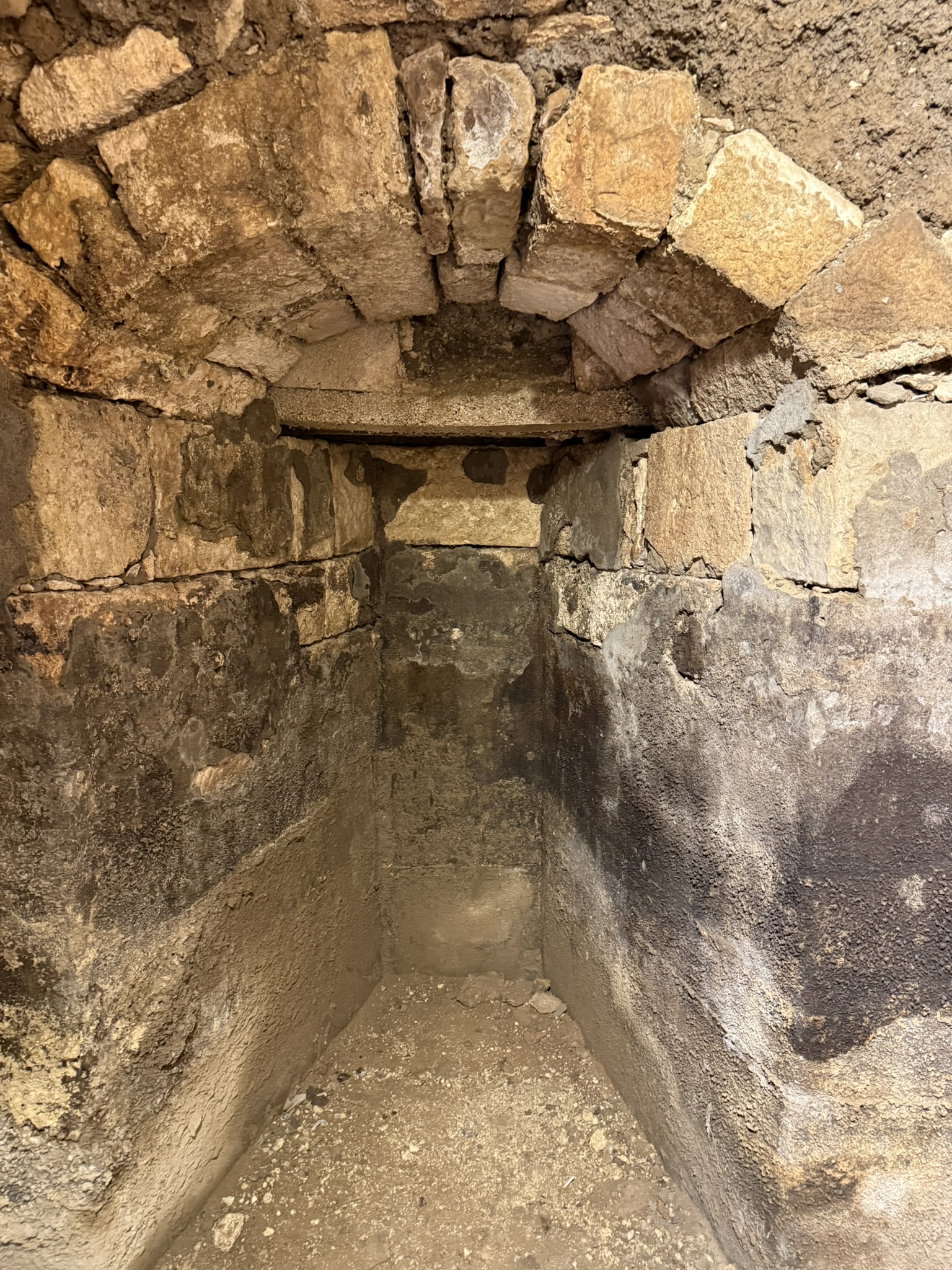
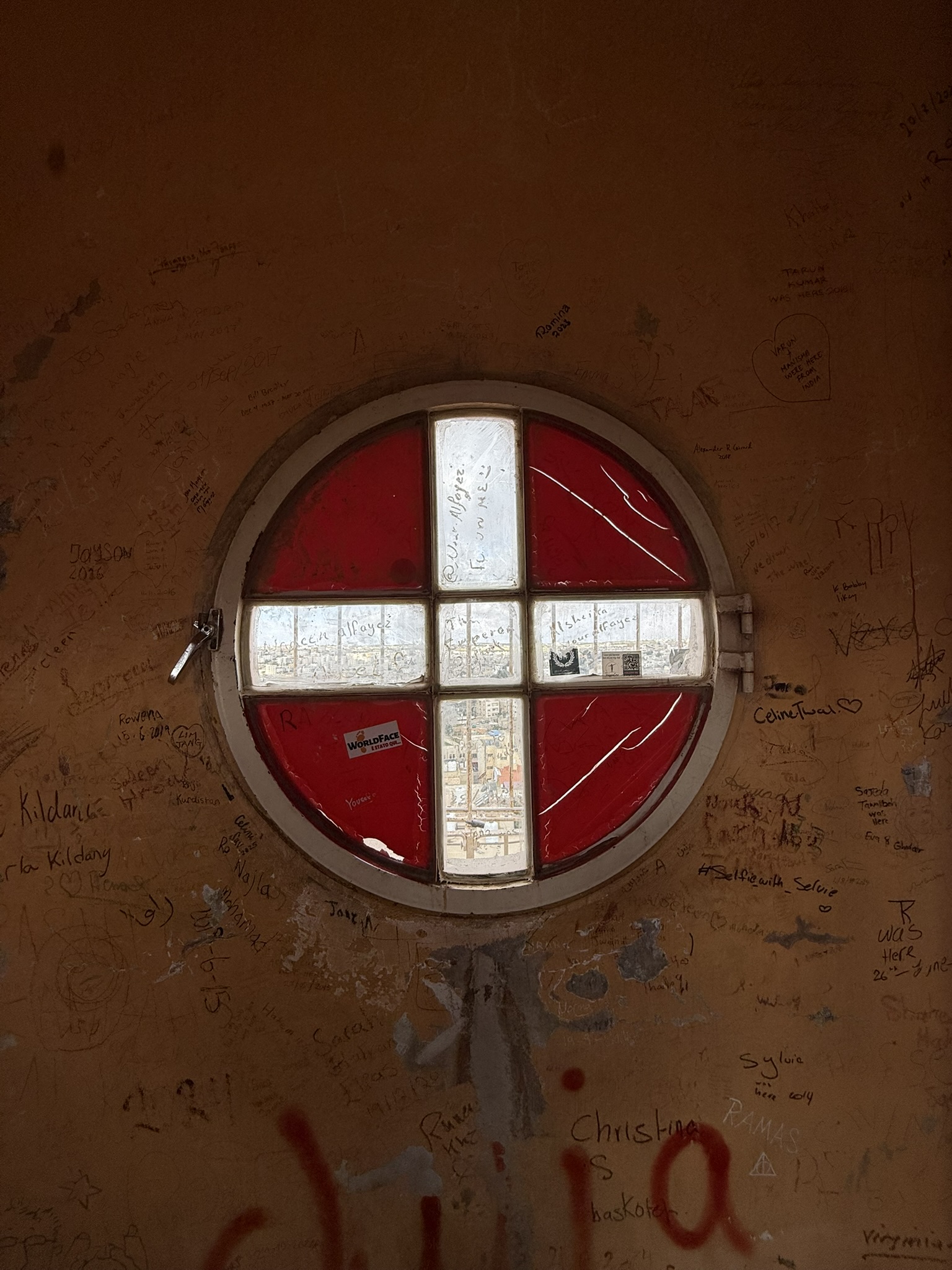
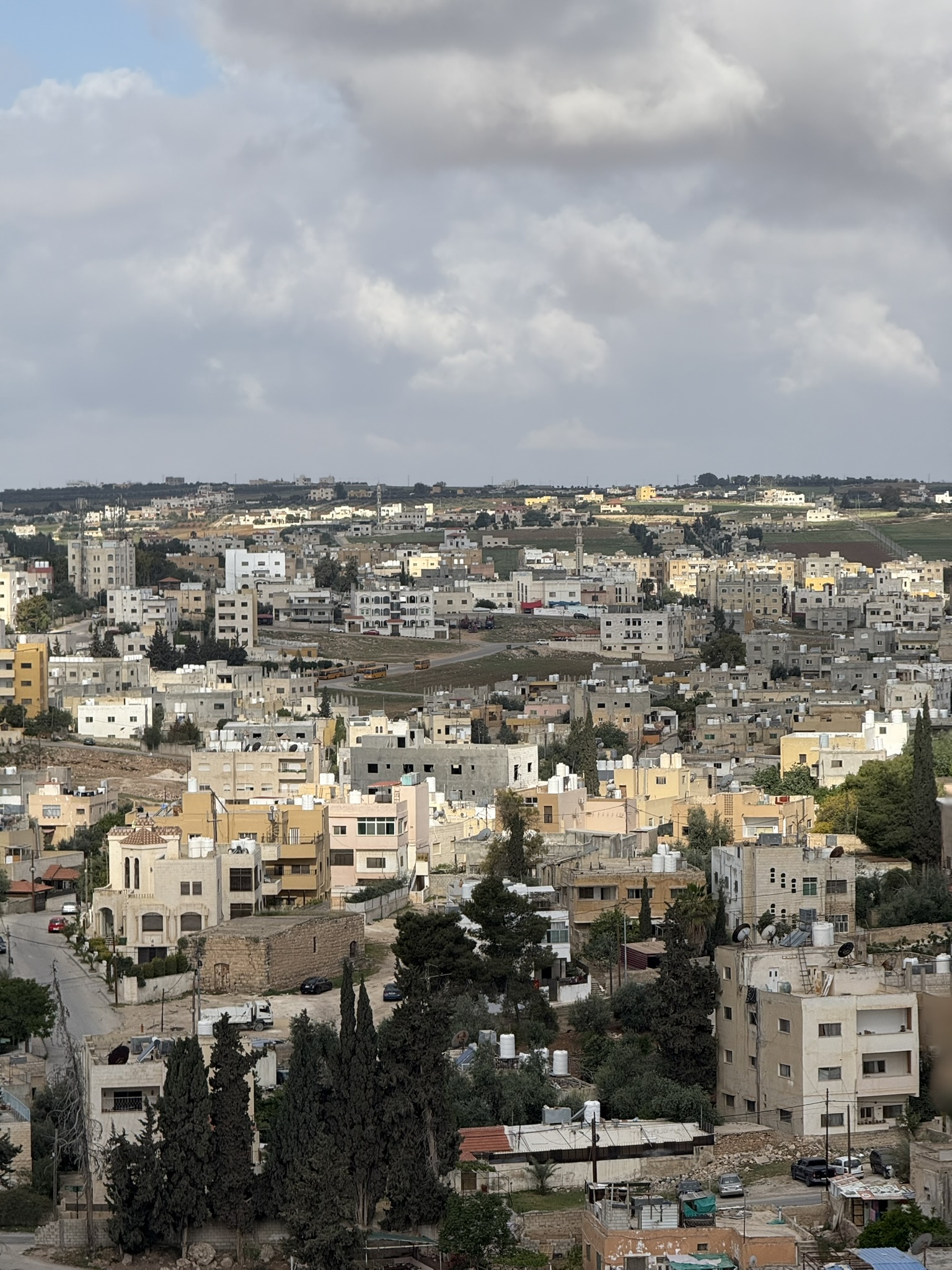
Inside, the church was warm and quiet, decorated with icons, lanterns and stone arches that carried a sense of living history. The real treasure, though, lay underground. A narrow staircase led us into the archaeological chambers beneath the church and monastery – a maze of excavated rooms built into the remains of Madaba’s ancient acropolis. Here, we explored vaulted stone chambers, old passageways and an ancient well, alongside remnants of walls, columns and water channels. We also got to climb the bell tower, where the fantastic view from the top revealed a patchwork of rooftops and minarets, with the rolling desert stretching beyond the city.
And with that, our biblical day came to an end. We were dropped off back in Amman – the city where it had all begun.