The Great Divide
THE GREAT DIVIDE
Over the first week in Nepal, we were kept busy with the orientation program. We were taught some basic Nepali, informed about local customs and told what we were expected to do. We parted ways with the rest of the group who’d be participating in other programs – mainly construction, female empowerment and teaching – and, as the only medical volunteering group, we stayed in Kathmandu.
Our residence was near the Thamel neighbourhood, a thriving tourist centre packed with shops, restaurants, bars, hotels and pretty much everything you can imagine. From spices and crystals to souvenirs and trekking gear, one can find anything their heart desires. We’d get lost in the narrow, colourful roads of Thamel without a care in the world, buying all kinds of weird stuff and eating even weirder food. I’m not gonna go as far as to say it felt like home, cause honestly I never had to use a mask to avoid choking on dust back in my country, but still, as strange and outlandish as that place felt at first, it ended up becoming as familiar as… well, maybe a second home. I’m slightly hungover so please forgive my lack of wittiness at present. But let’s not allow my feeble, debilitated condition to stand in the way of what would otherwise be a florid account of my adventures in Kathmandu.
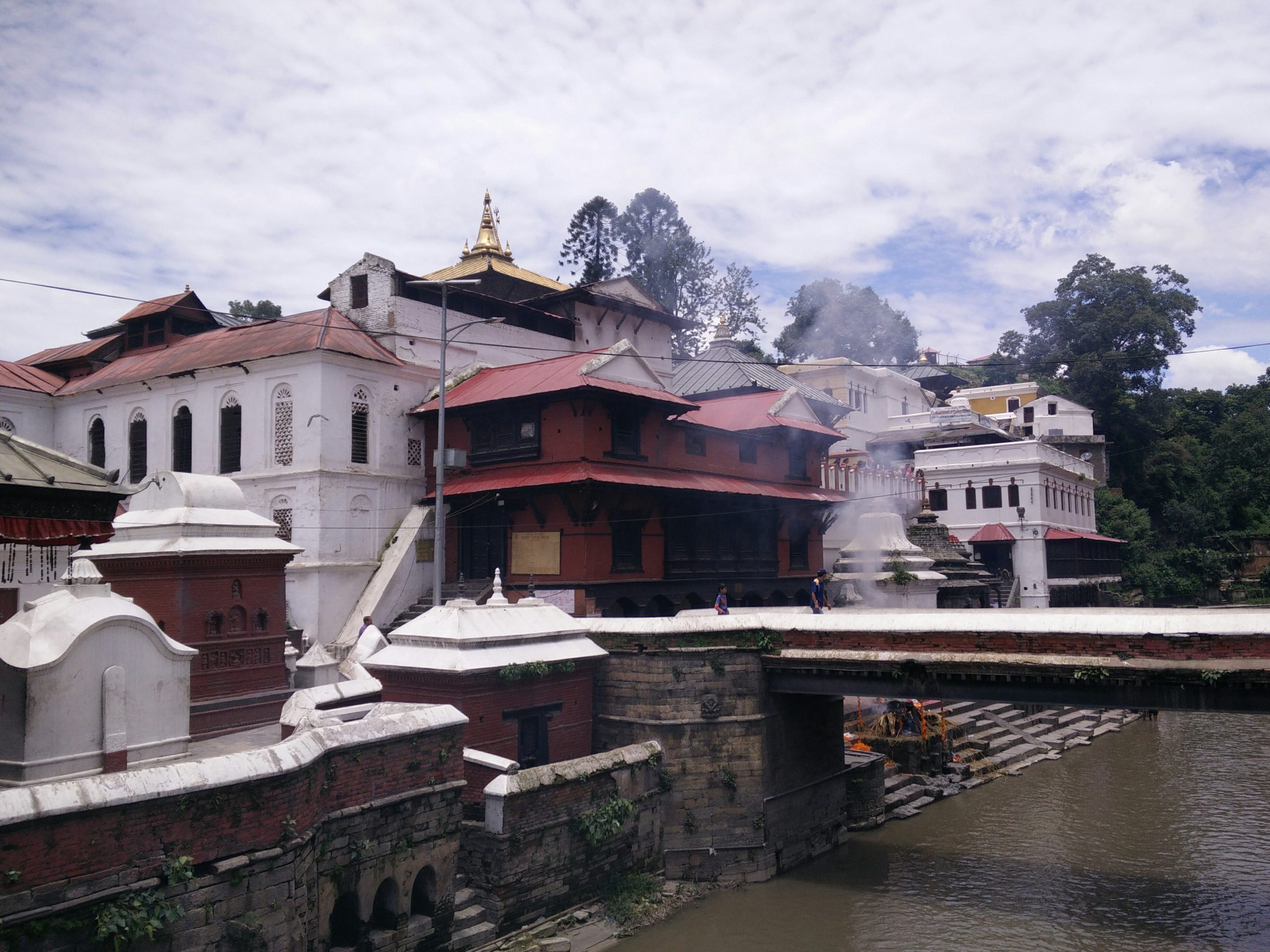
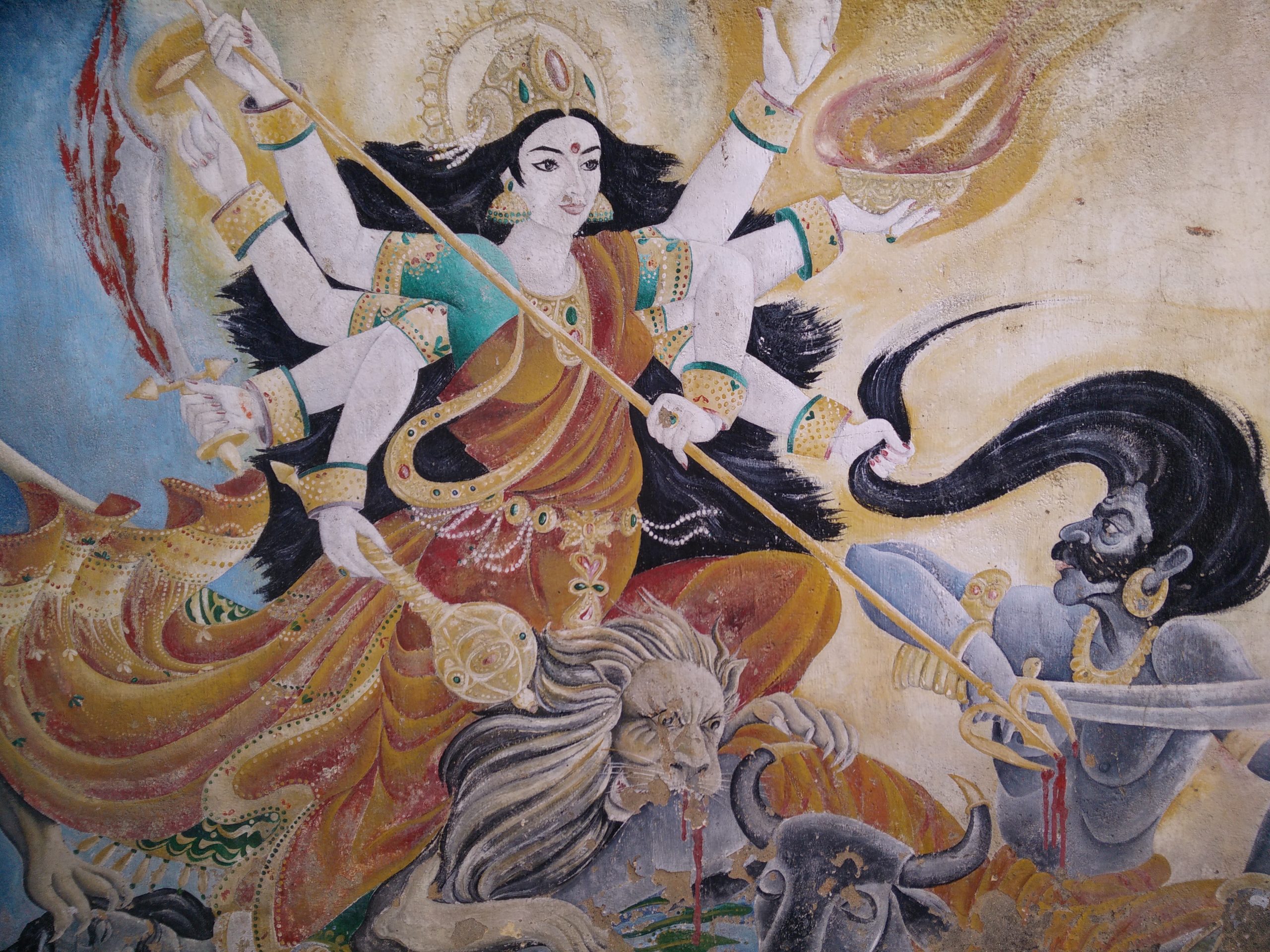
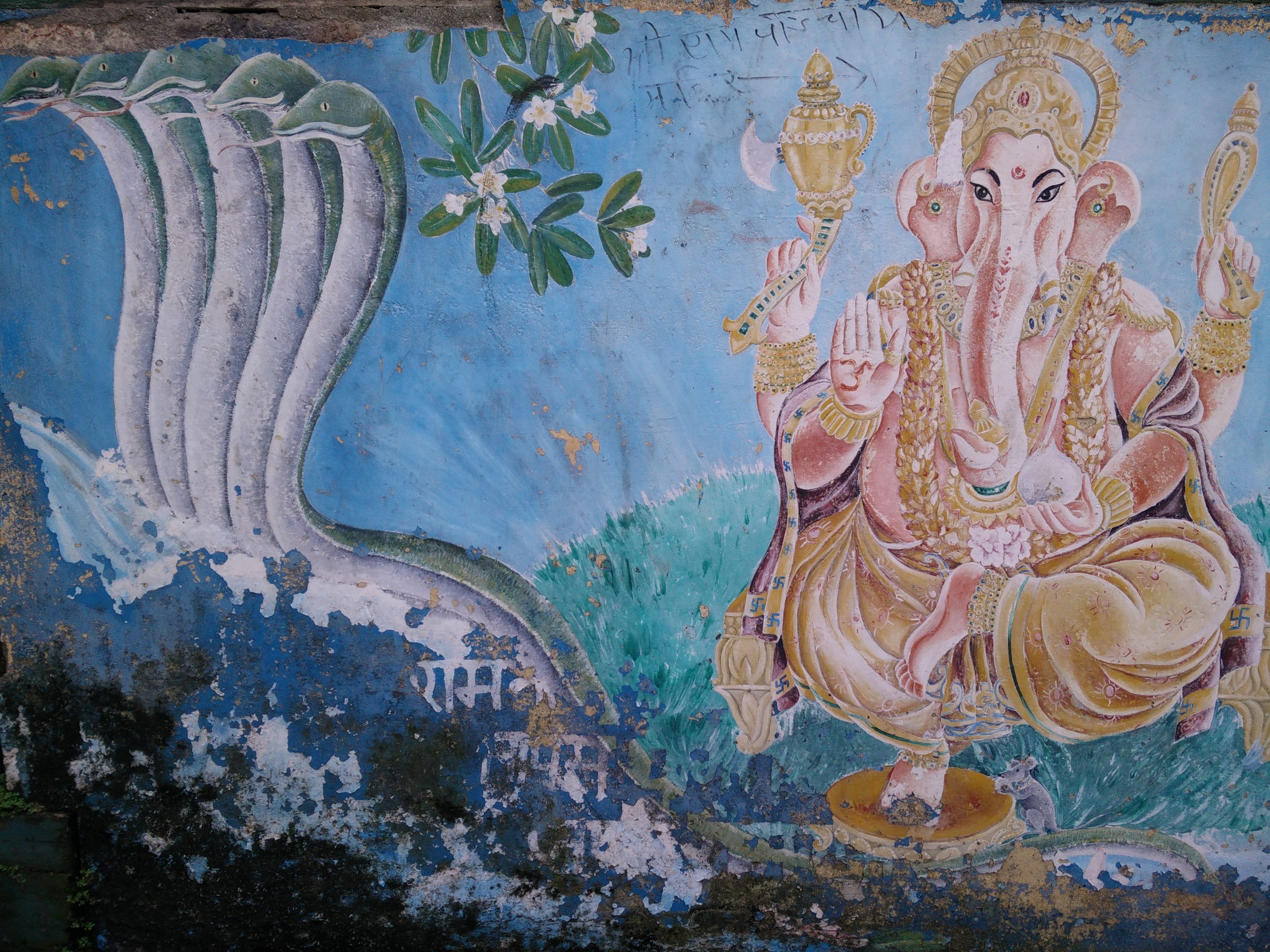
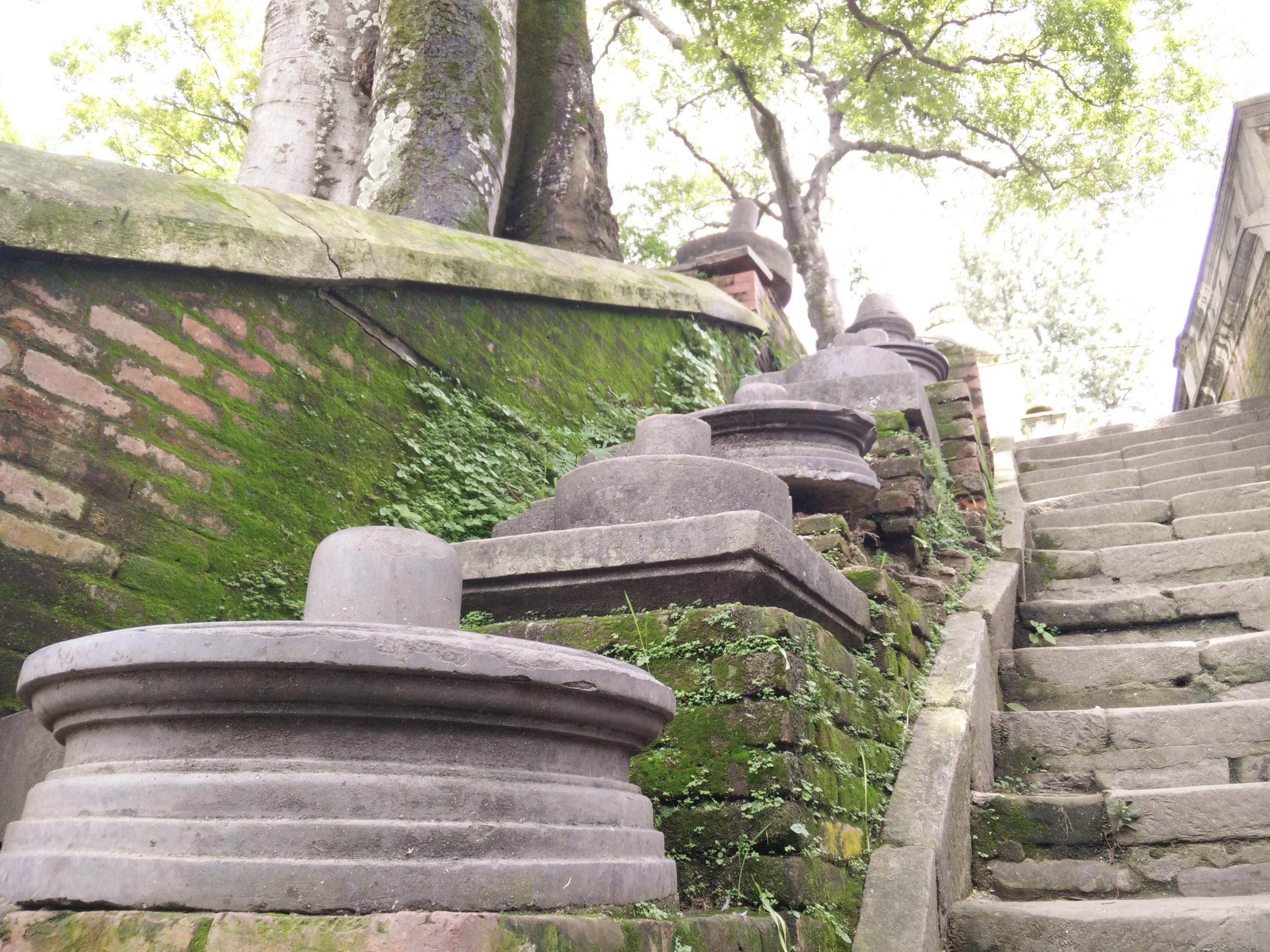
From Thamel to Pashupatinath, a Hindu temple complex dedicated to Lord Shiva where cremations are performed, and Boudhanath Stupa, a huge white dome that serves as a beacon of faith to Buddhists, our expectations were definitely exceeded. It felt great to be in such an exotic country doing whatever the hell we wanted, going around and absorbing as much of the culture as possible.
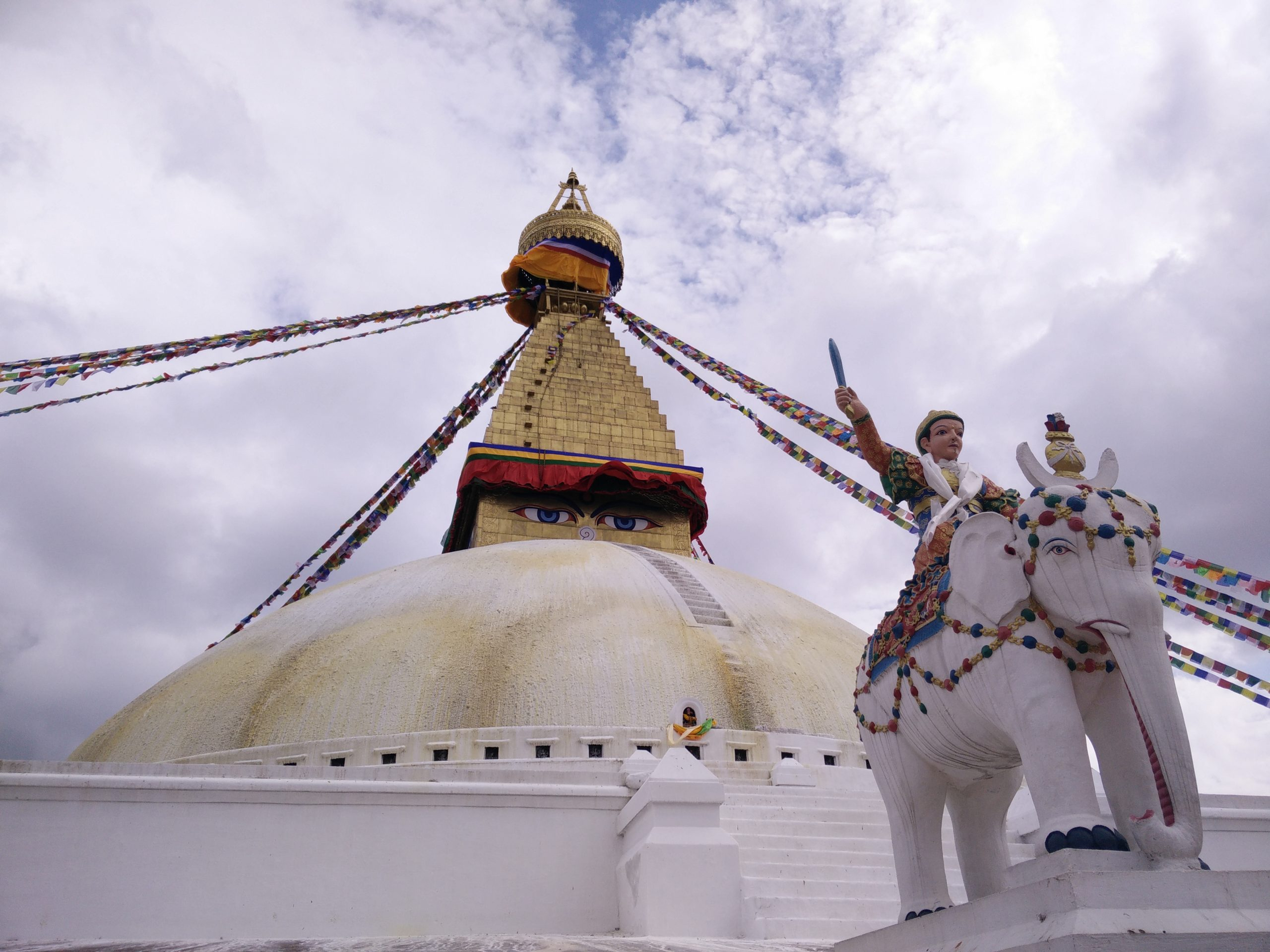
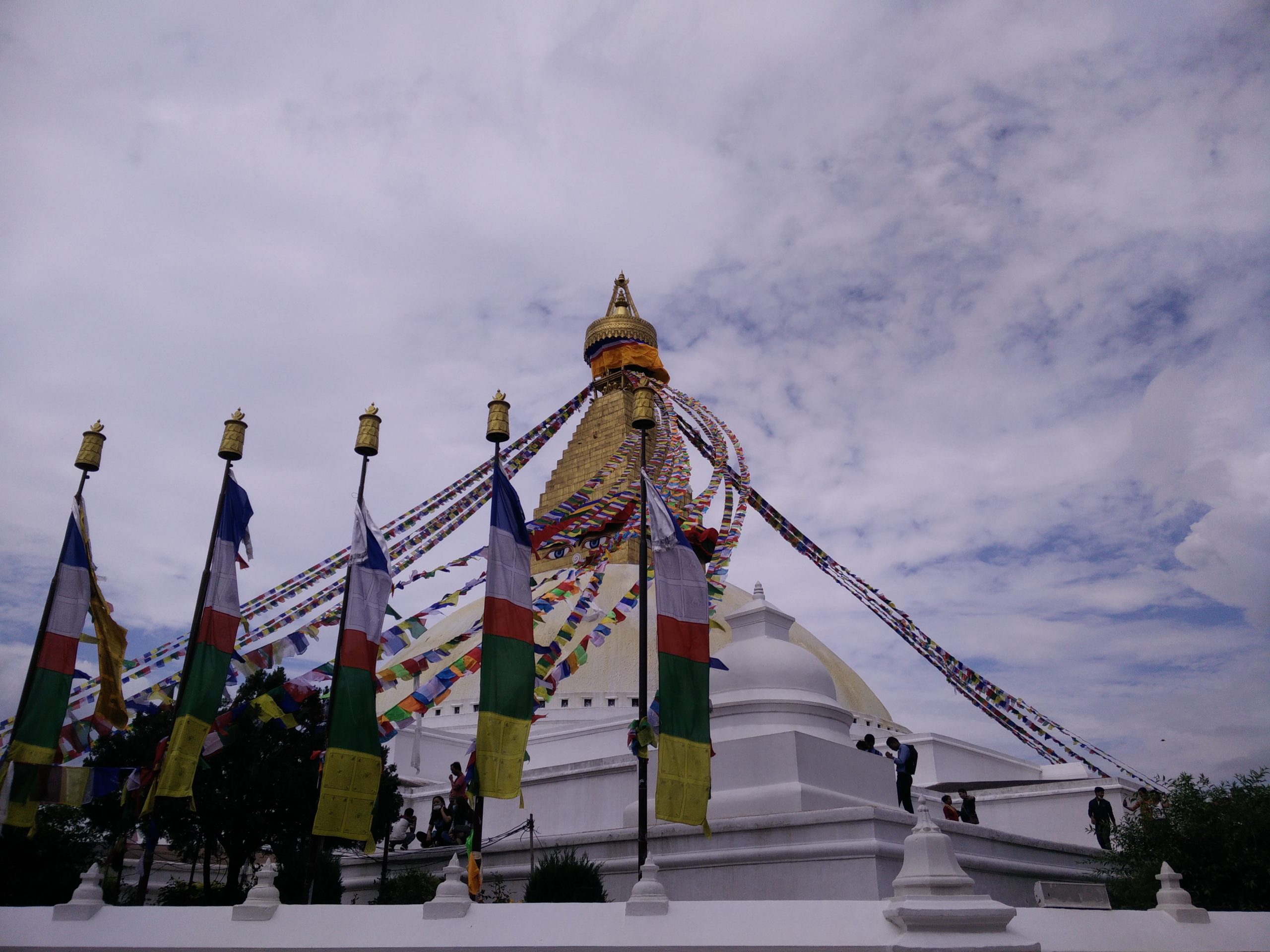
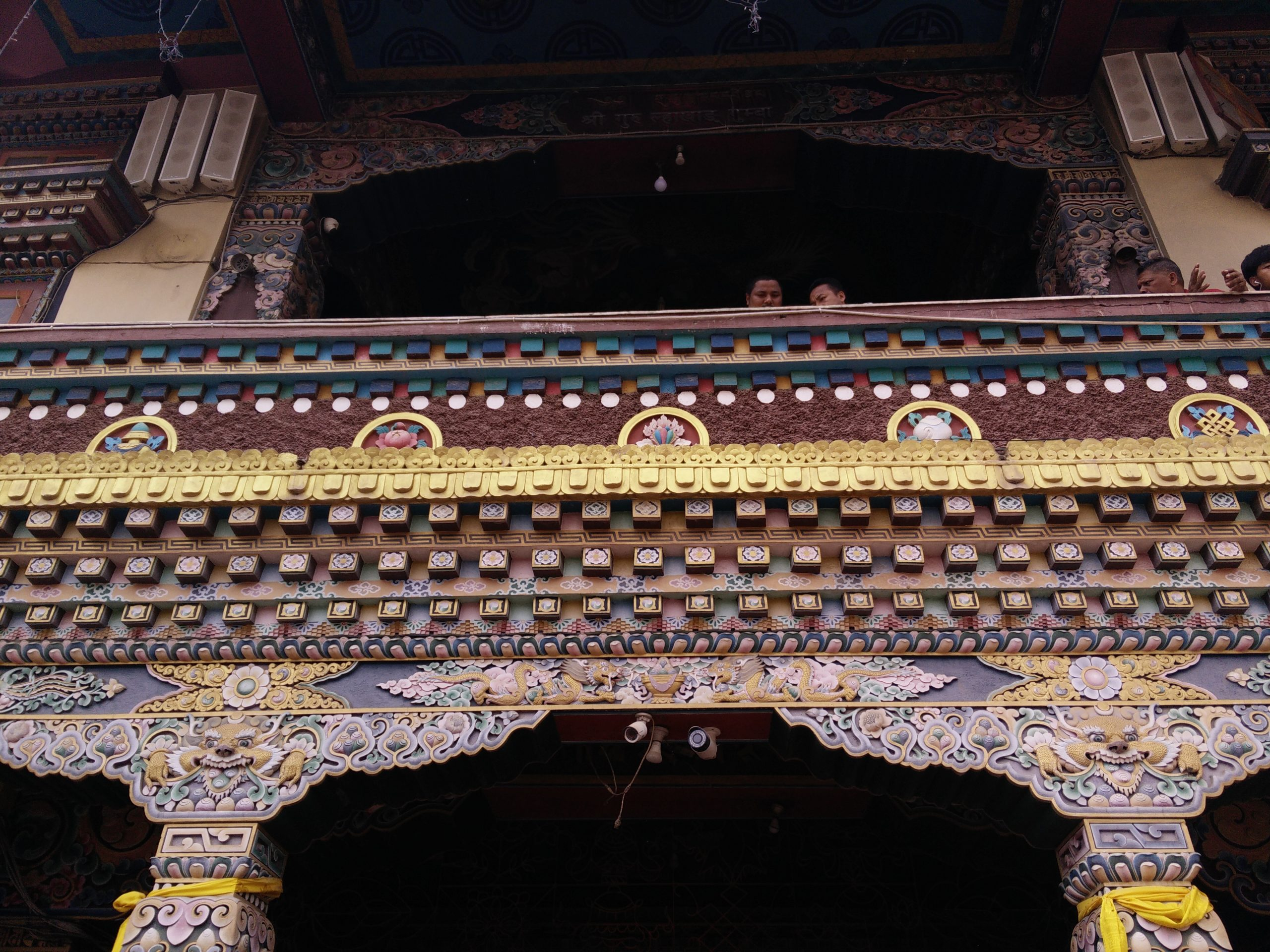
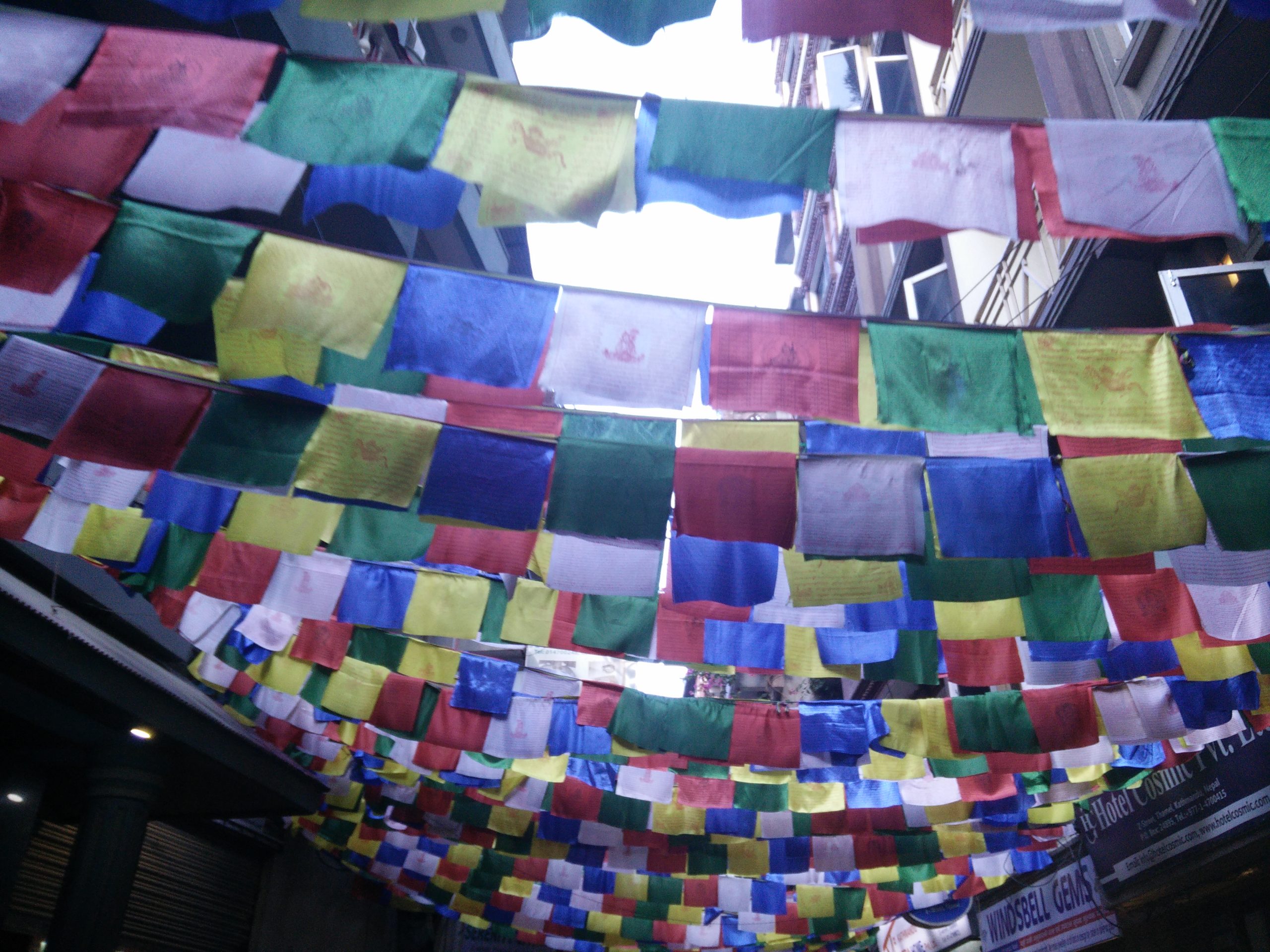
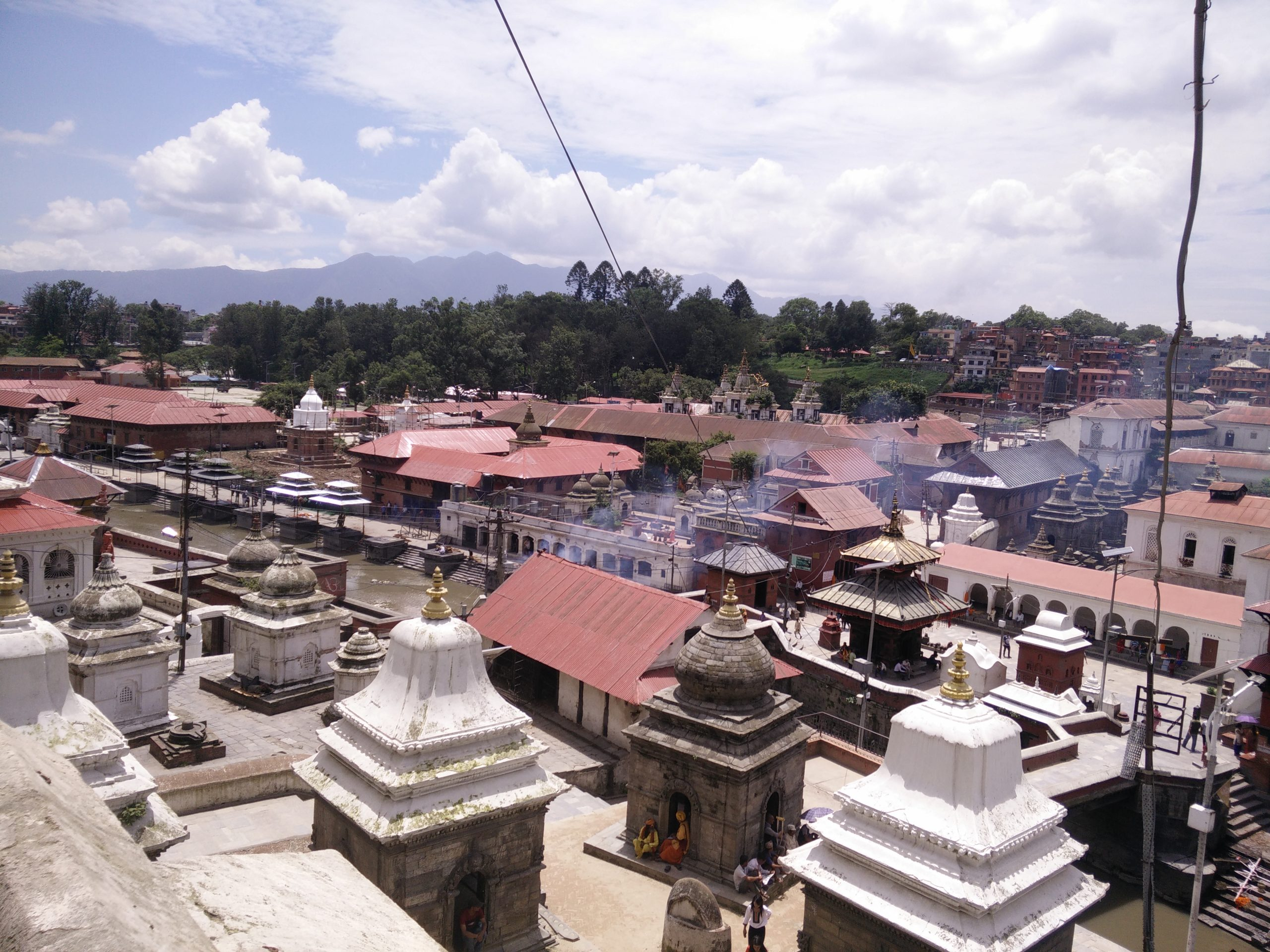
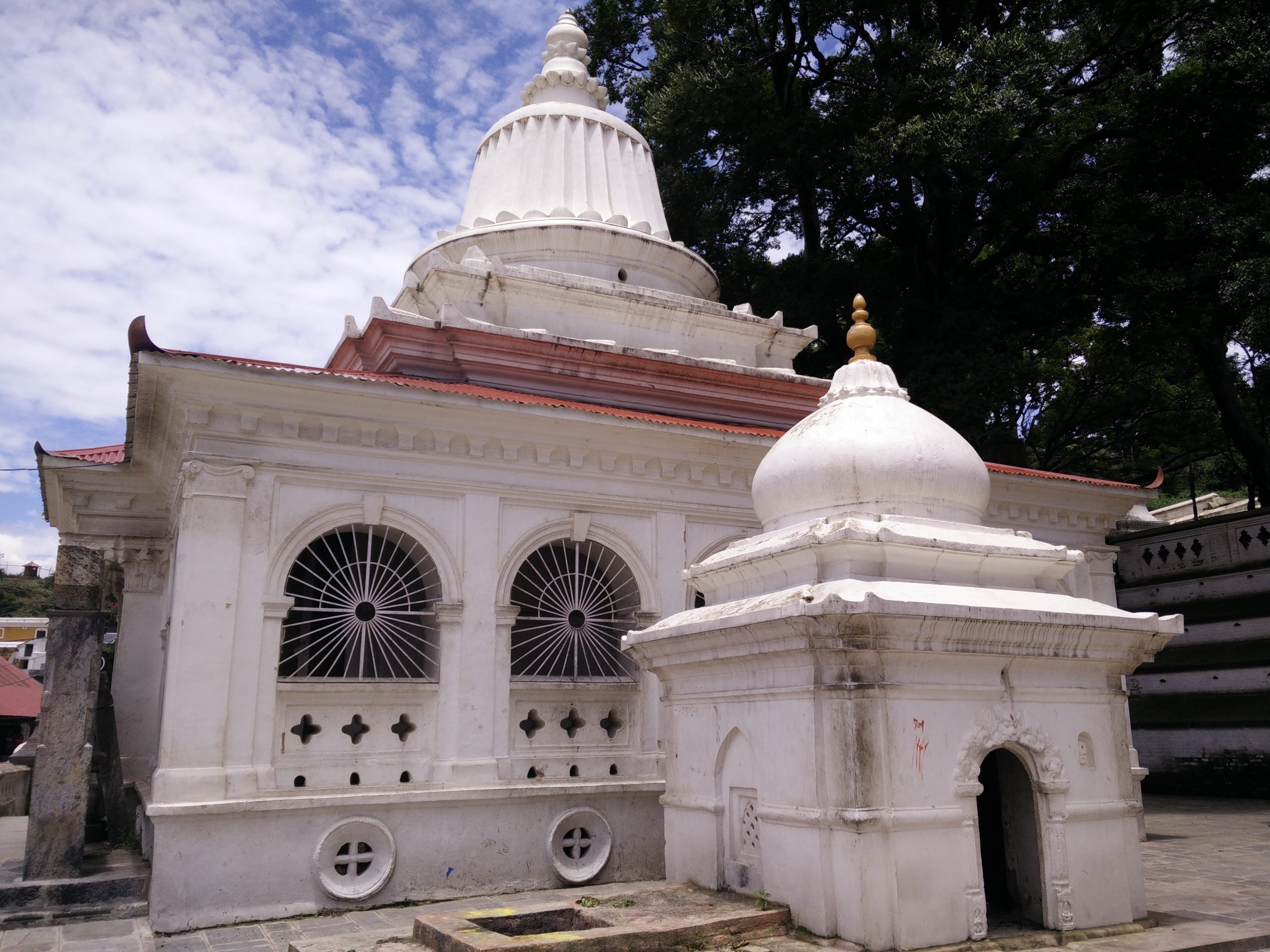
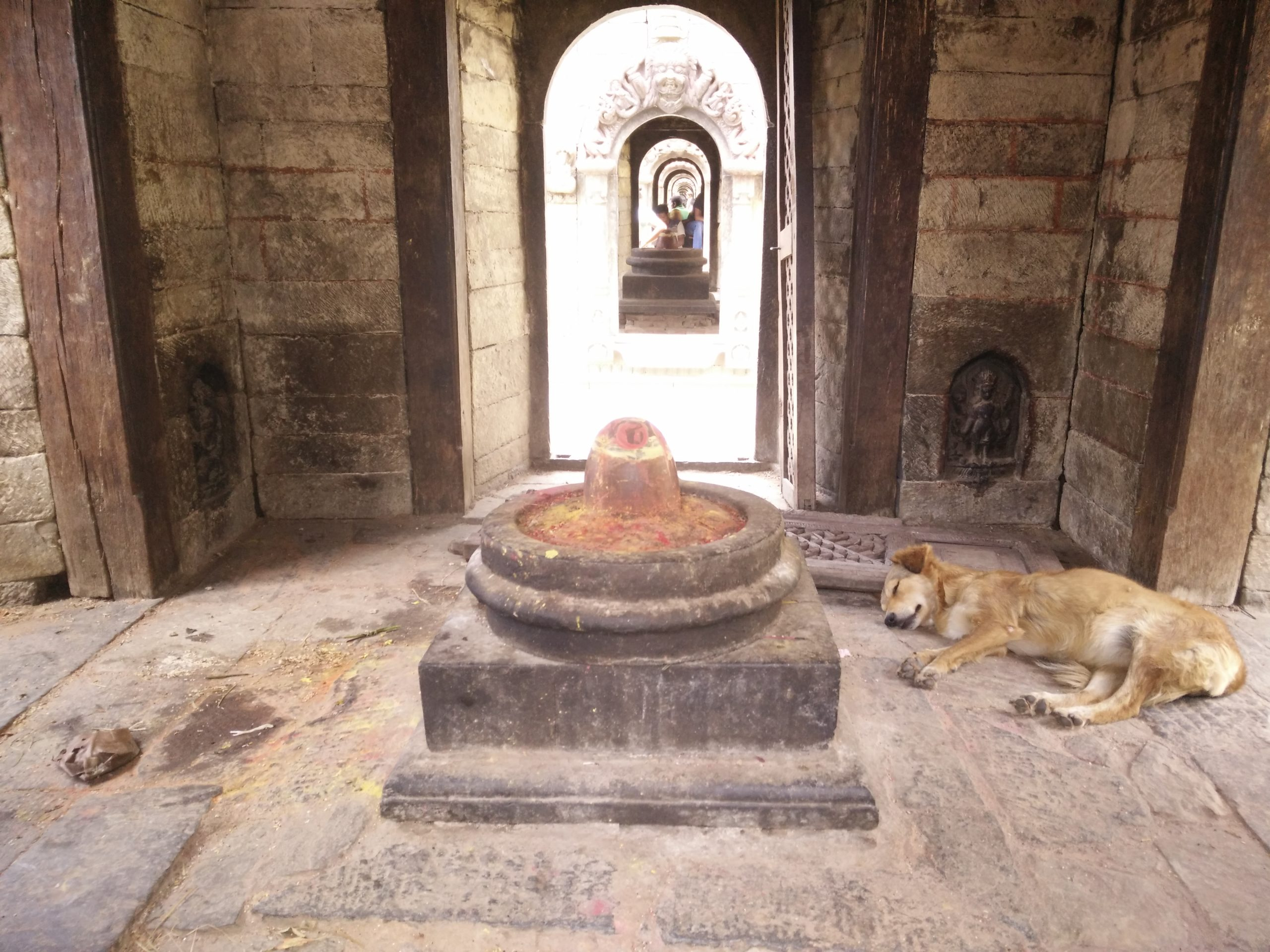
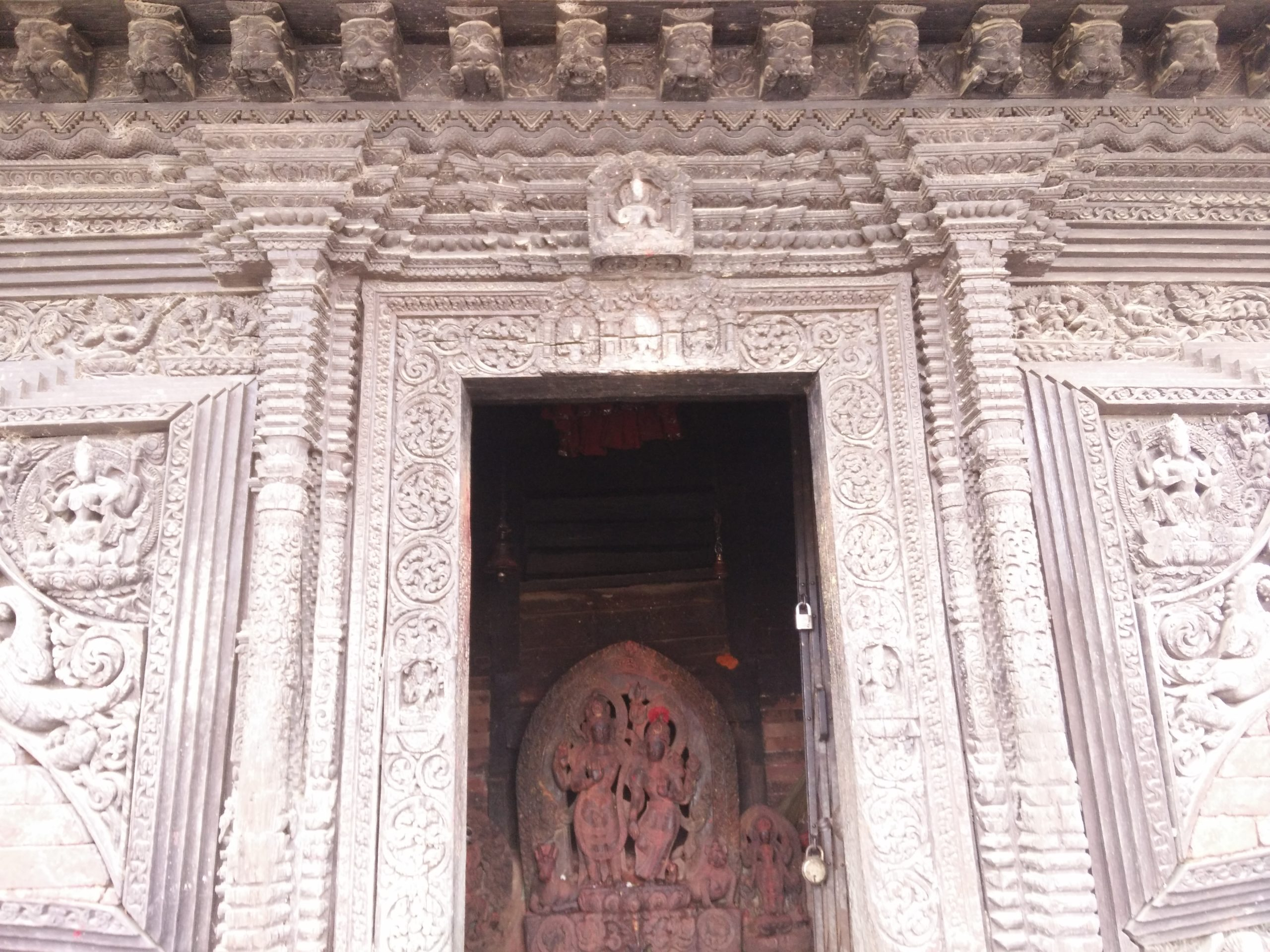
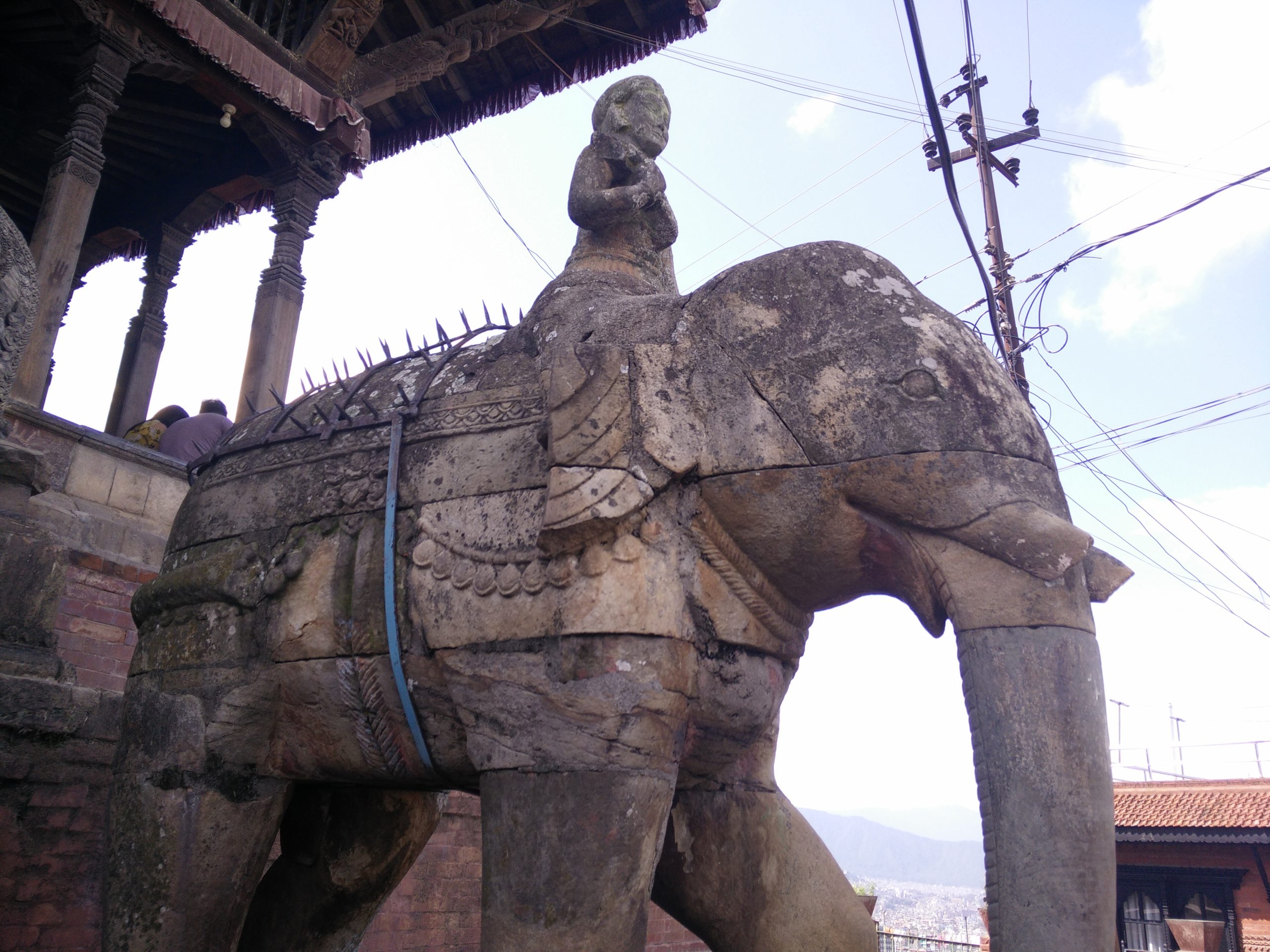
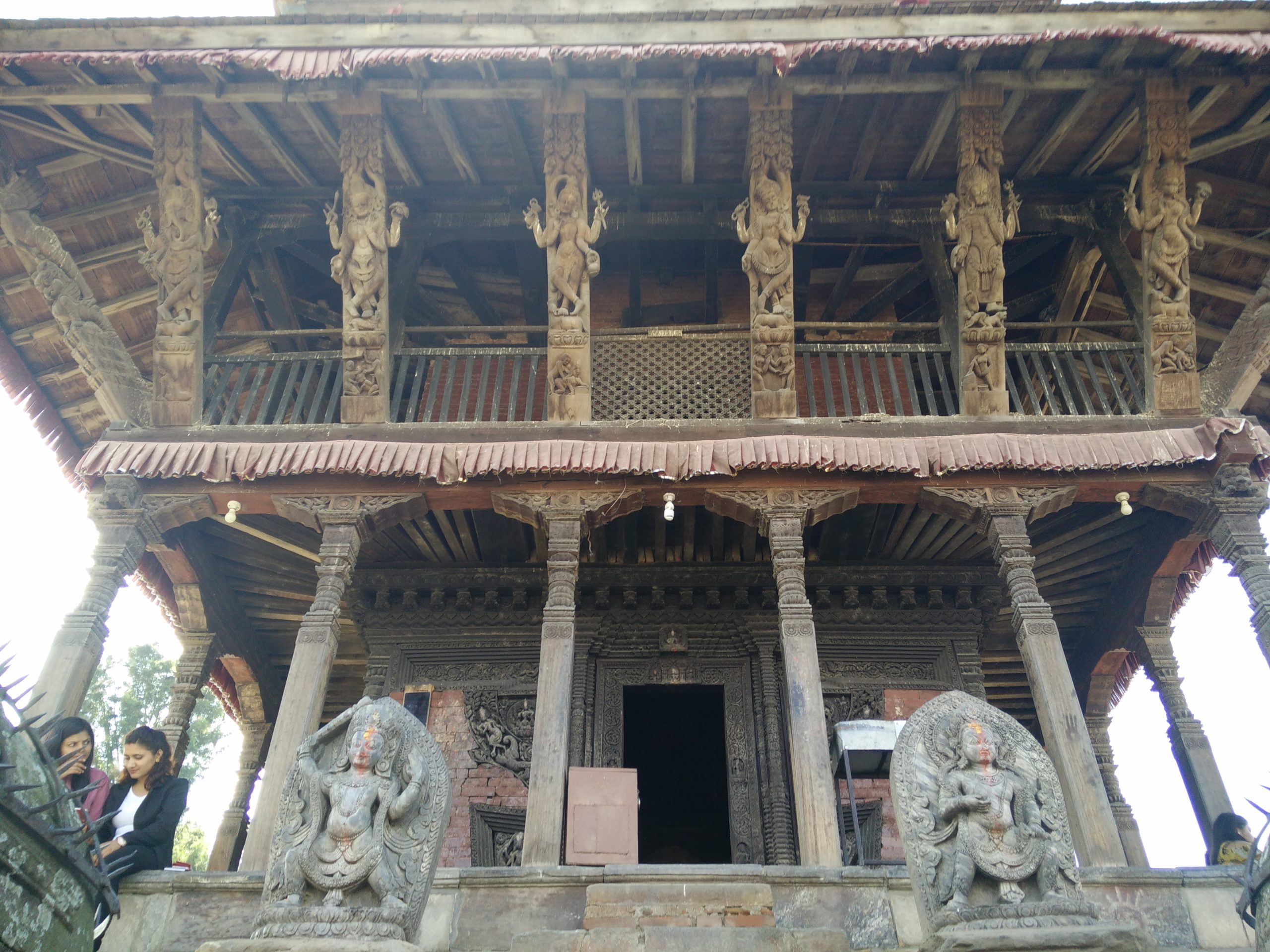
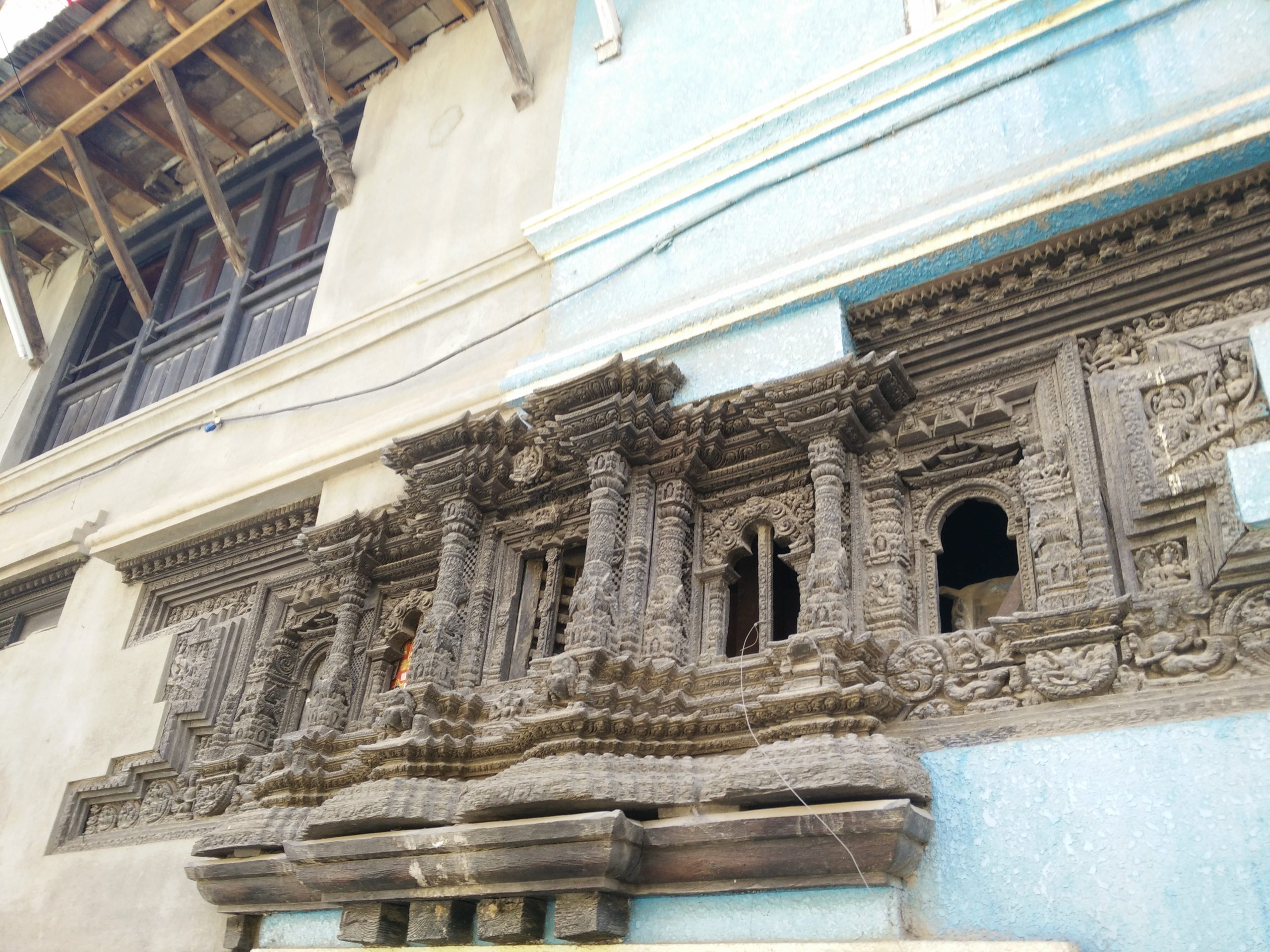
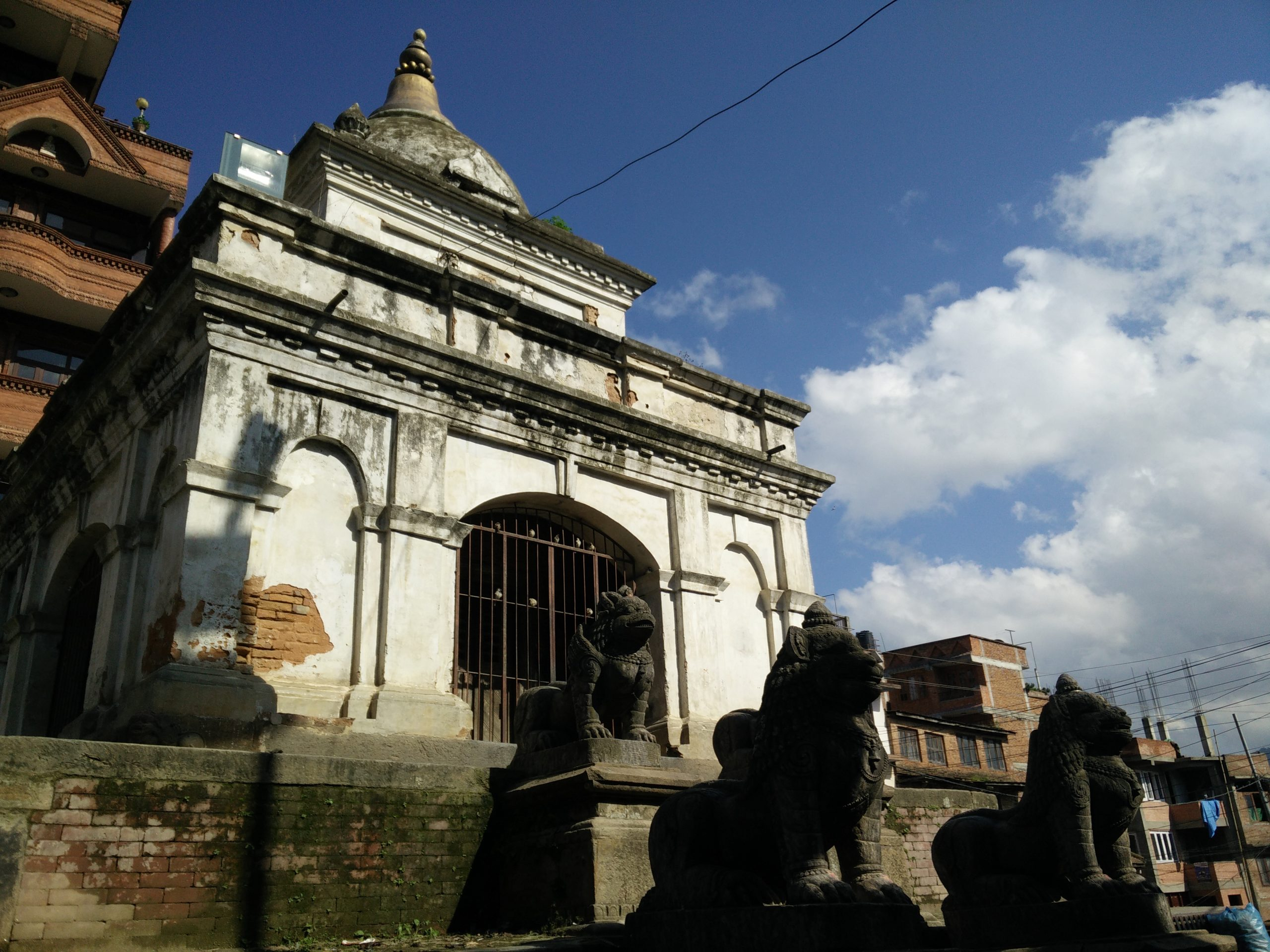
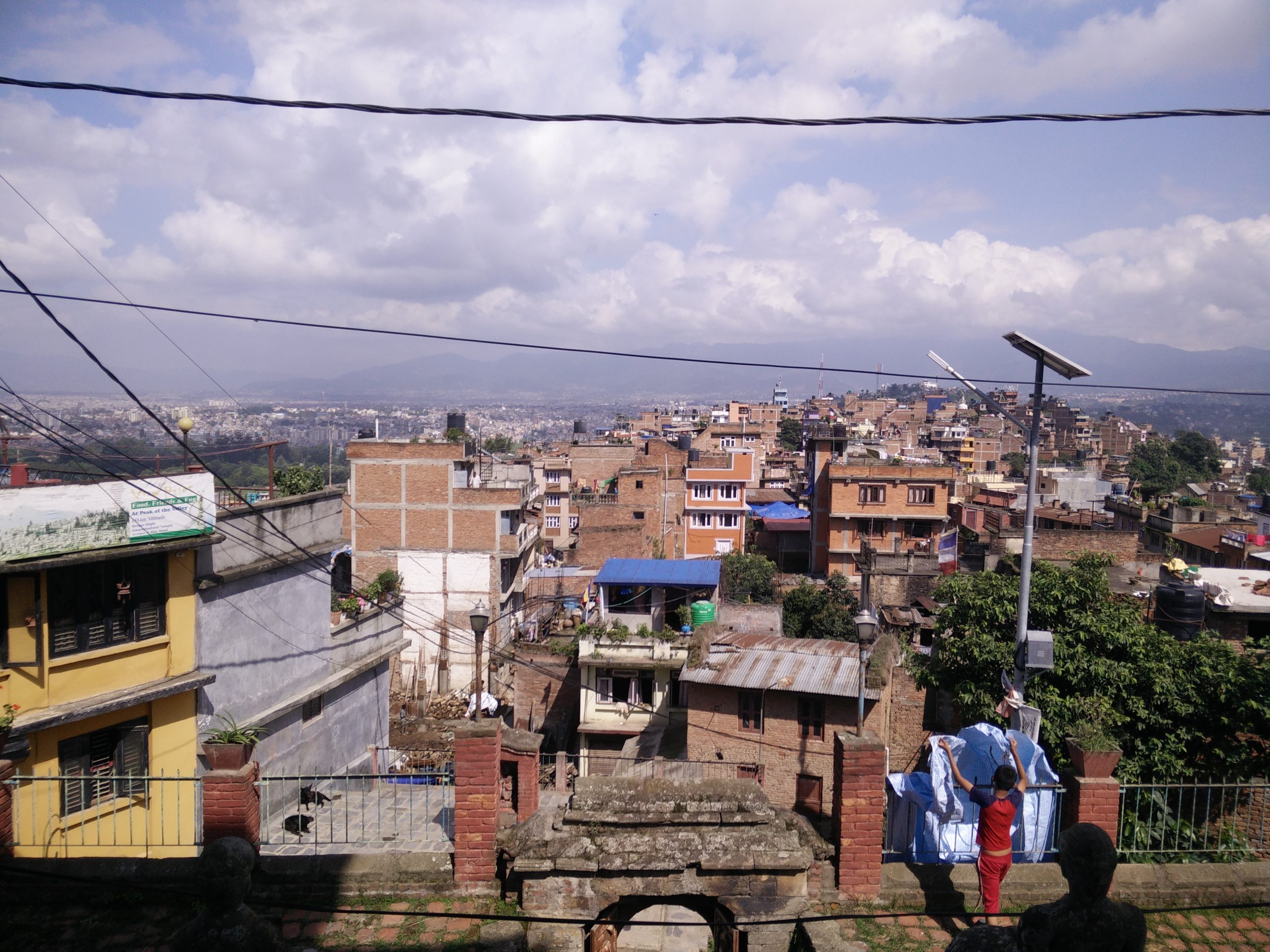
During all those months of planning and research, I’d focused solely on everything the country had to offer: the mountains, the jungles, the cities, the food, the clothes and everything else TripAdvisor promised.
And you know what Nepal’s known for? Trekking. Lots and lots of trekking. Home to the Himalayas, the highest mountain range in the world, Nepal attracts millions of amateur and expert trekkers every year who come to witness some of the most stunning views one could ever hope to see in their lifetime. And I’d get to be there! “I’ll finally get to do some trekking out in the wild again! I could very well be on my way up Mount friggin’ Everest in a few months’ time!” I’d tell myself, Eye of the Tiger playing loudly in the back of my mind.

Only that wasn’t why we were there. We were going as aspiring Mother Theresas – to help those in need, to give something back, to save the dying, to be their knights in shining armour, or rather, medics in shining scrubs.
And let me tell you, that felt like such a load of crap to me. You see, in medicine we’re taught to treat the disease, not the symptoms; the cause, not the consequence. All the adversities we hear about but choose to ignore on a daily basis? Poverty and hunger, wars and displacement, climate change and lack of resources… all of those are symptoms of a diseased society. I’m not gonna go on about how unfair it all is, about how inequity has no place in a society as supposedly advanced as ours, about how we have the audacity to sit idly by while some people don’t even have access to basic human rights. There are way too many people better suited to rant about that, like Michael Marmot who wrote The Health Gap (definitely a must read). People like him can shed far more light on these issues and how far we still are from anything resembling adequate standards.
This always has me wondering one thing: On the grand scheme of things, does knowing about a seemingly unsolvable problem make a difference? They say knowledge is power and that recognising a problem is the first step to solving it. As much as I value knowledge, I don’t think that’s enough. I think knowledge pales in comparison to action – at least in this case. Philosophers spend their entire lives thinking and overthinking, trying to identify a problem and then solve it. Some manage. Many go crazy – in the literal sense. I used to be like that, always on the sidelines, observing, thinking… But the helplessness, the feeling of ineffectuality… I couldn’t take it. In the face of such injustices, knowledge alone cowers in fear and becomes a hindrance. Knowing isn’t enough – being aware of the problem and actually doing something about it is a whole other thing.

And doing something about it… what does that actually entail? Donating money? Shipping food overseas? Upending your entire life on a delusional whim that you might be the change, the solution, the answer to the world’s problems? Is that it? Is having a Messiah complex the way to go? I doubt it. So what could a stupid idiot like me ever do to help? And how would a couple of weeks of volunteering make any difference? These things were just half-measures, temporary fixes, tape and glue – not the solution. I’d be treating the symptom, not the disease.
That was my reasoning. And so, I wasn’t thinking about the poor, the needy, the famished or the sick. All I could think about was time lost. Time I could have spent trekking or rafting or doing whatever. This wasn’t going to be anything like Colombia. It wasn’t going to be just a holiday. We’d have time to go around, sure, but all those outdoorsy adventures I was dying for? Poof. Gone. Such a big sacrifice for something I didn’t even believe in. And so, my expectations weren’t all that grand.