The garden is conceived
The project was designed as a Chinese classical garden for Santa Luċija, drawing on the traditions of Suzhou garden design.
A Suzhou-style Chinese garden in Santa Luċija - a sequence of water, rock, pavilions, winding corridors and quiet spaces designed to slow you down.
The Garden of Serenity feels deliberately separate from the streets around it - enclosed, layered and designed to reveal itself a little at a time.
Set along Santa Luċija's green belt, the Chinese Garden of Serenity - Ġnien is-Serenità - was created as a gift from the People's Republic of China to Malta and officially opened in 1997.
It follows the language of a classical Suzhou garden. Water, rock, planting and architecture are arranged not as decoration alone but as parts of a larger idea: balance, contrast and reflection. Walls divide the space into smaller garden rooms, while doors, bridges and zigzag corridors control what you see next.
The garden is relatively young by Maltese standards, but its story has become closely tied to Santa Luċija and to Malta's cultural relationship with China.
The project was designed as a Chinese classical garden for Santa Luċija, drawing on the traditions of Suzhou garden design.
Work began in September 1996 as a gift from the People's Republic of China to the people of Malta.
Prime Minister Alfred Sant officially opened the Garden of Serenity on 7 July 1997.
A major China-Aid restoration and embellishment programme was launched to renovate and expand the garden.
Adjacent Ġnien l-Iskultura opened in 2025 with complementary Oriental elements, while the Chinese Garden itself featured among public gardens receiving regeneration work in 2026.
Suzhou is famous for its classical gardens, where architecture, water, rock and planting are composed as miniature landscapes. The Malta garden was designed by garden masters from the Suzhou Garden Institute.
Nothing needs to be monumental here. The experience comes from movement - what is hidden, what is framed and how water and stone repeatedly oppose and complete one another.

The Garden of Serenity is divided into smaller spaces by walls, roofed corridors and built structures. Passing from one area to another is part of the design: each threshold resets the view.
Rock and water are especially important. In Chinese garden philosophy they work as complementary forces - the solid and the fluid, activity and contemplation, the landscape and the life moving through it.
Garden of Serenity map. Tap to open full-screen.
Ponds, channels and moving water open the garden visually and create shifting reflections beneath bridges and pavilions.
Stone provides mass, texture and the suggestion of mountains - a miniature landscape compressed into a small urban site.
Walls, circular openings, doors and corridors hide as much as they reveal, constantly changing how one garden room is seen from another.
Once you stop looking only for a 'main attraction', the garden becomes much more interesting.
Its value lies as much in the ideas behind the design as in the individual structures and plants.
Classical Chinese gardens deliberately resist the straight, obvious route. Winding corridors, walls and openings create changing compositions as you move.
That is why the garden often feels larger than it is: each turn suggests that another space is waiting beyond the one you can currently see.
The garden was funded by China as a gift to Malta and has repeatedly hosted cultural activities, including Chinese arts, performance and community events.
Over time it has become one of Santa Luċija's defining landmarks and part of the green belt that gives the locality its 'Garden City' character.
The garden is compact. The point is not distance, but noticing how each small space changes the mood of the one before it.
The transition from Santa Luċija's streets into an enclosed garden world is part of the experience.
The pond, bridge and water features anchor many of the garden's strongest views.
Openings and corridors turn neighbouring spaces into composed pictures.
The pavilions and quieter edges make more sense when you stop treating the garden as something to finish.
From the entrance and oriental garden to the ponds, courtyards and statues.


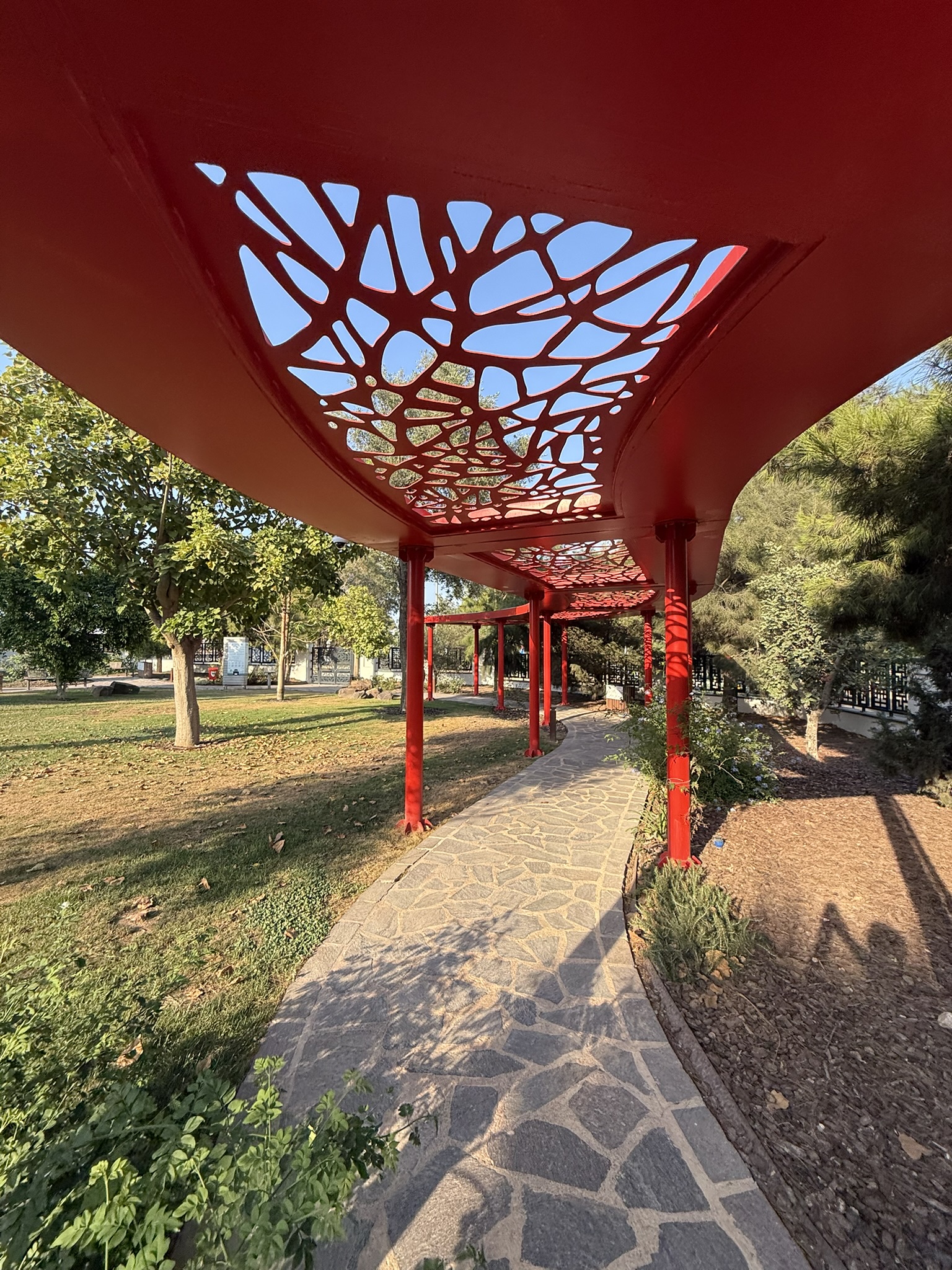

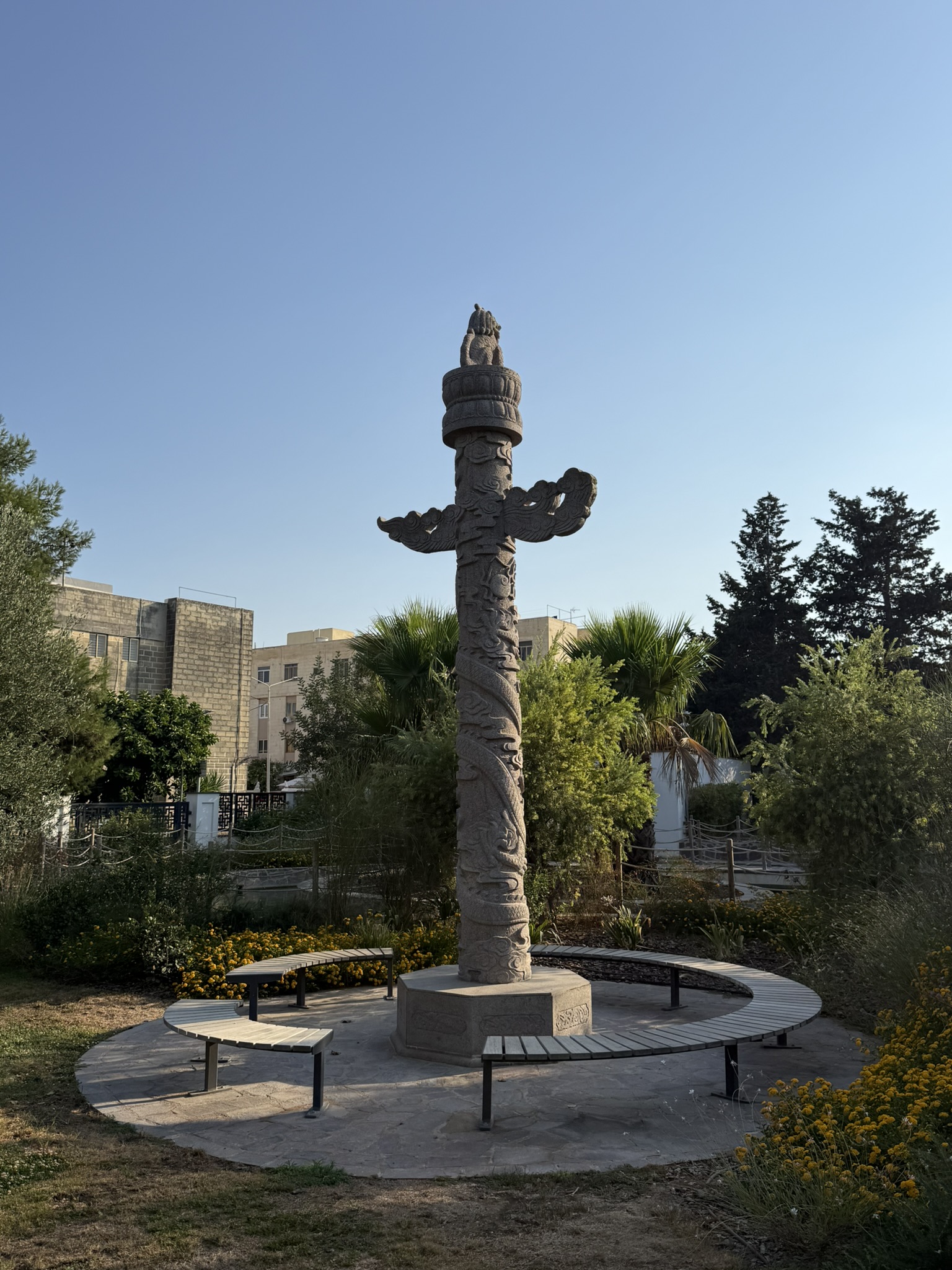

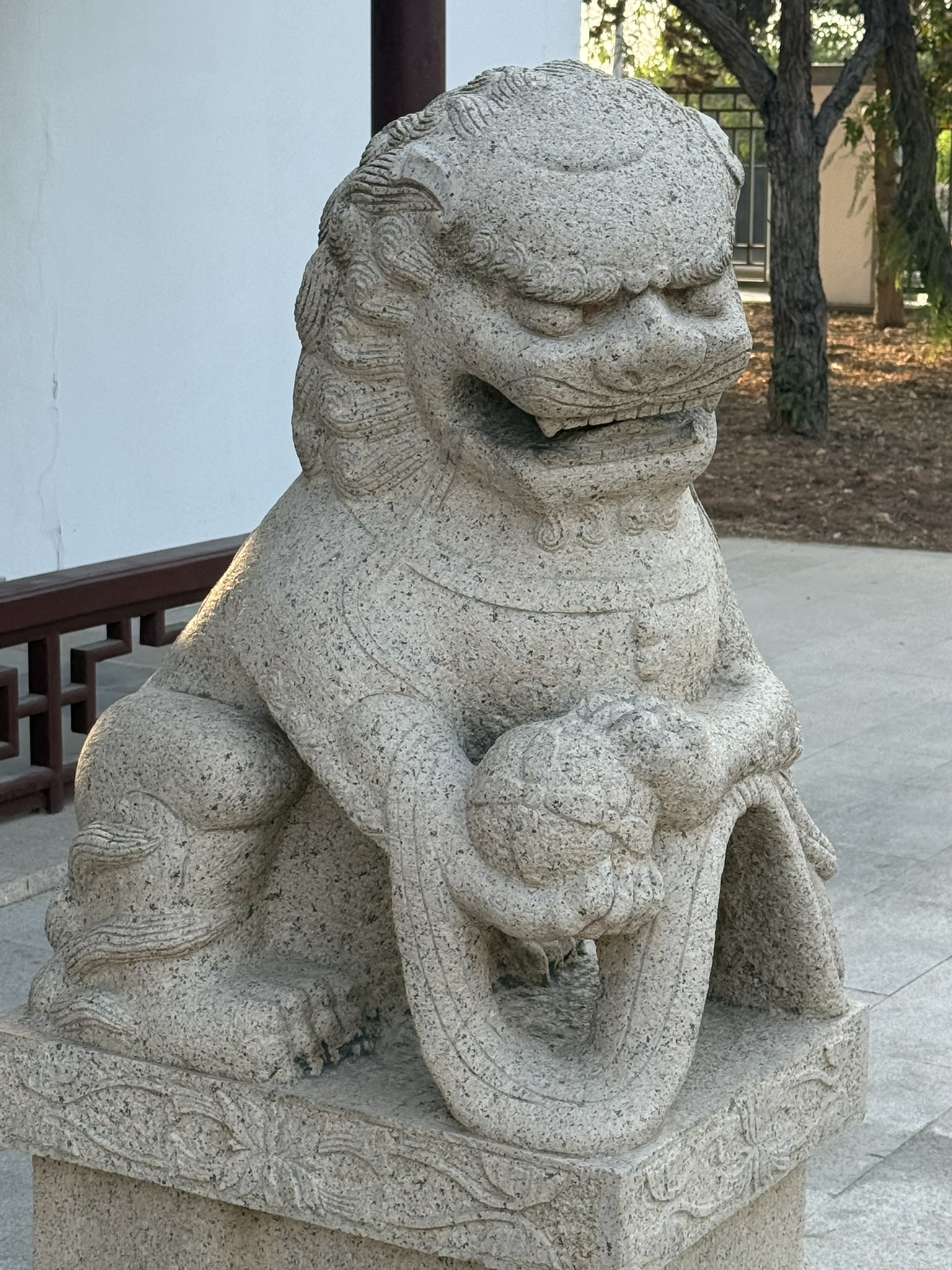
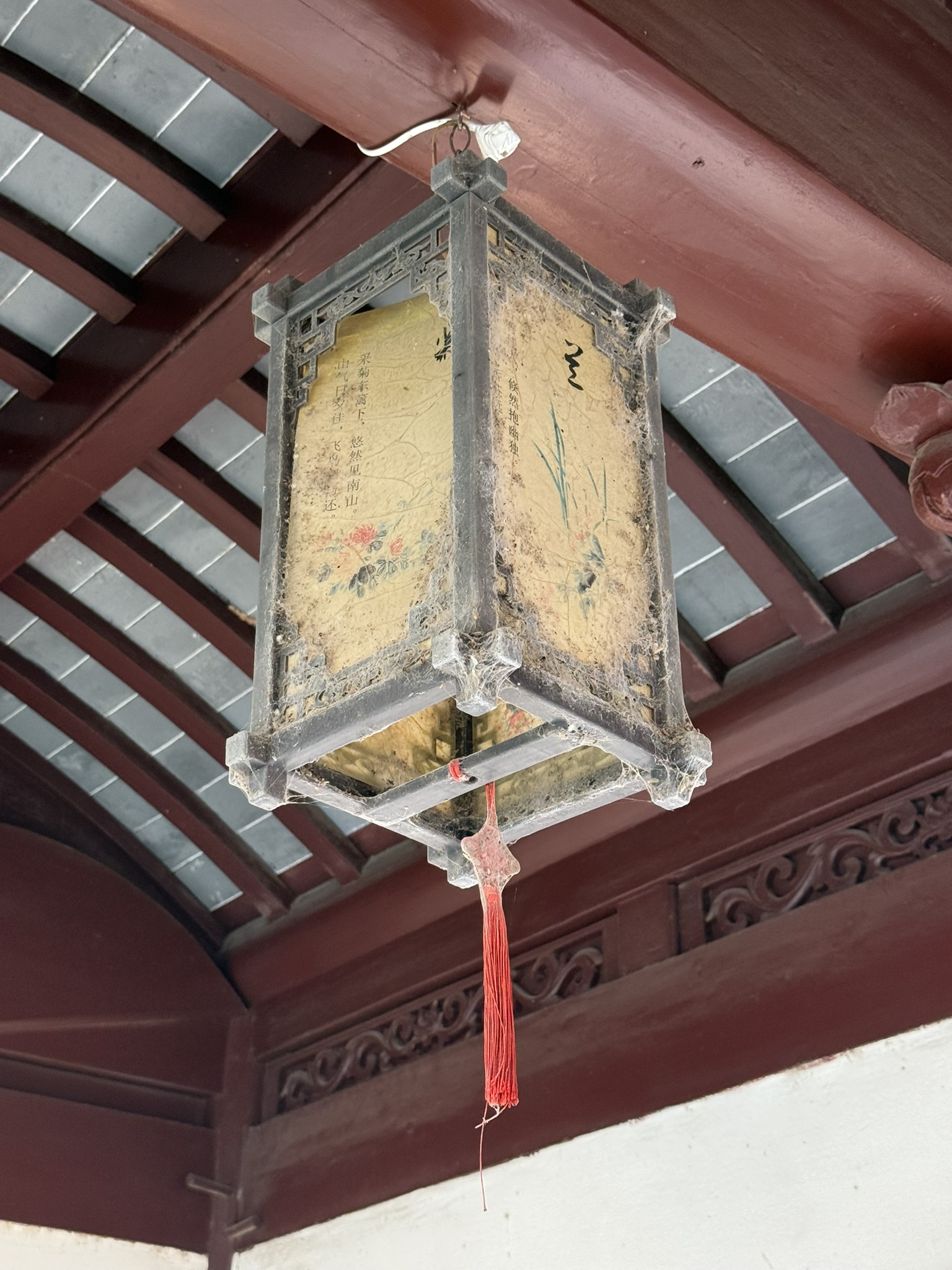


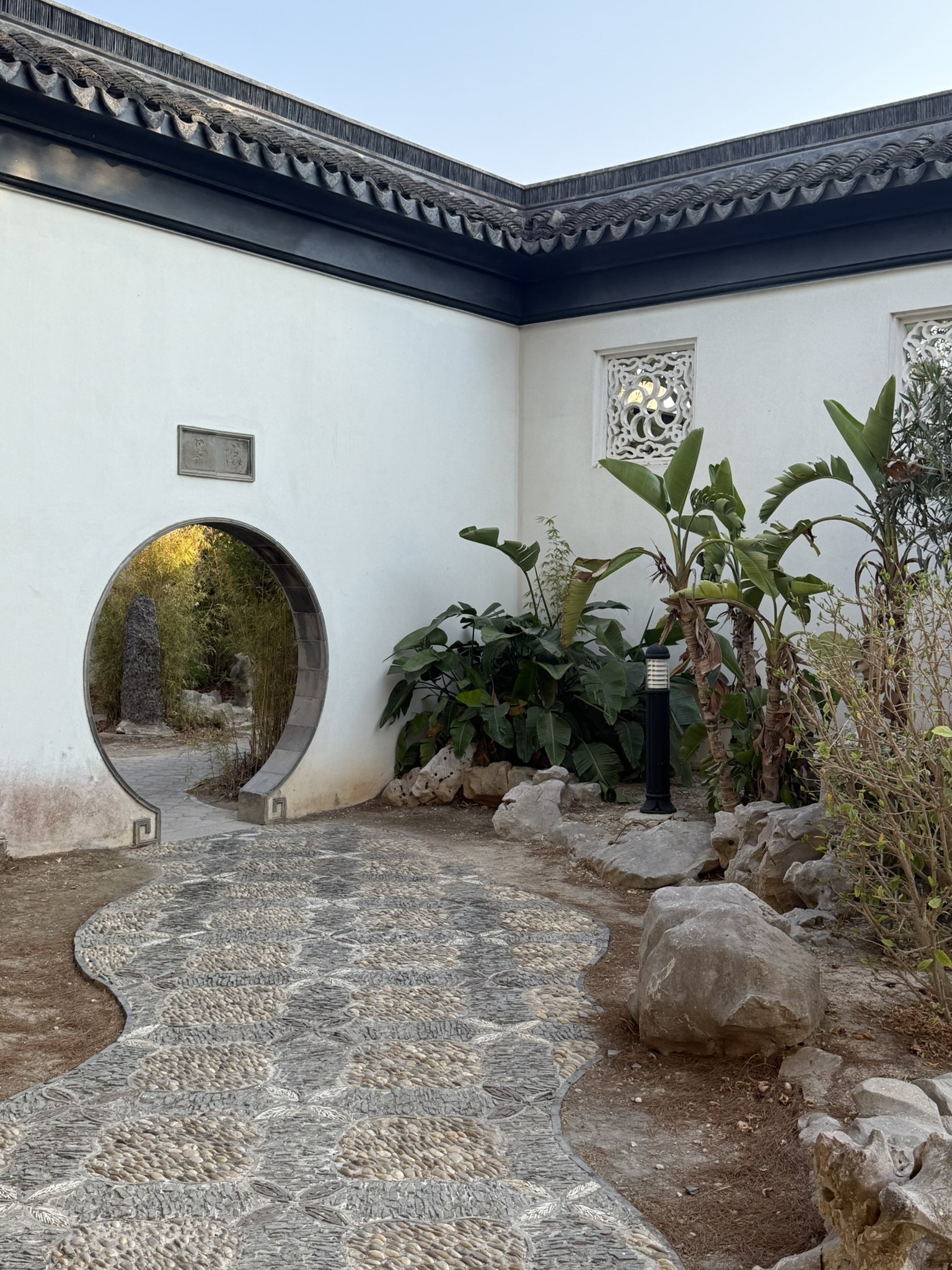


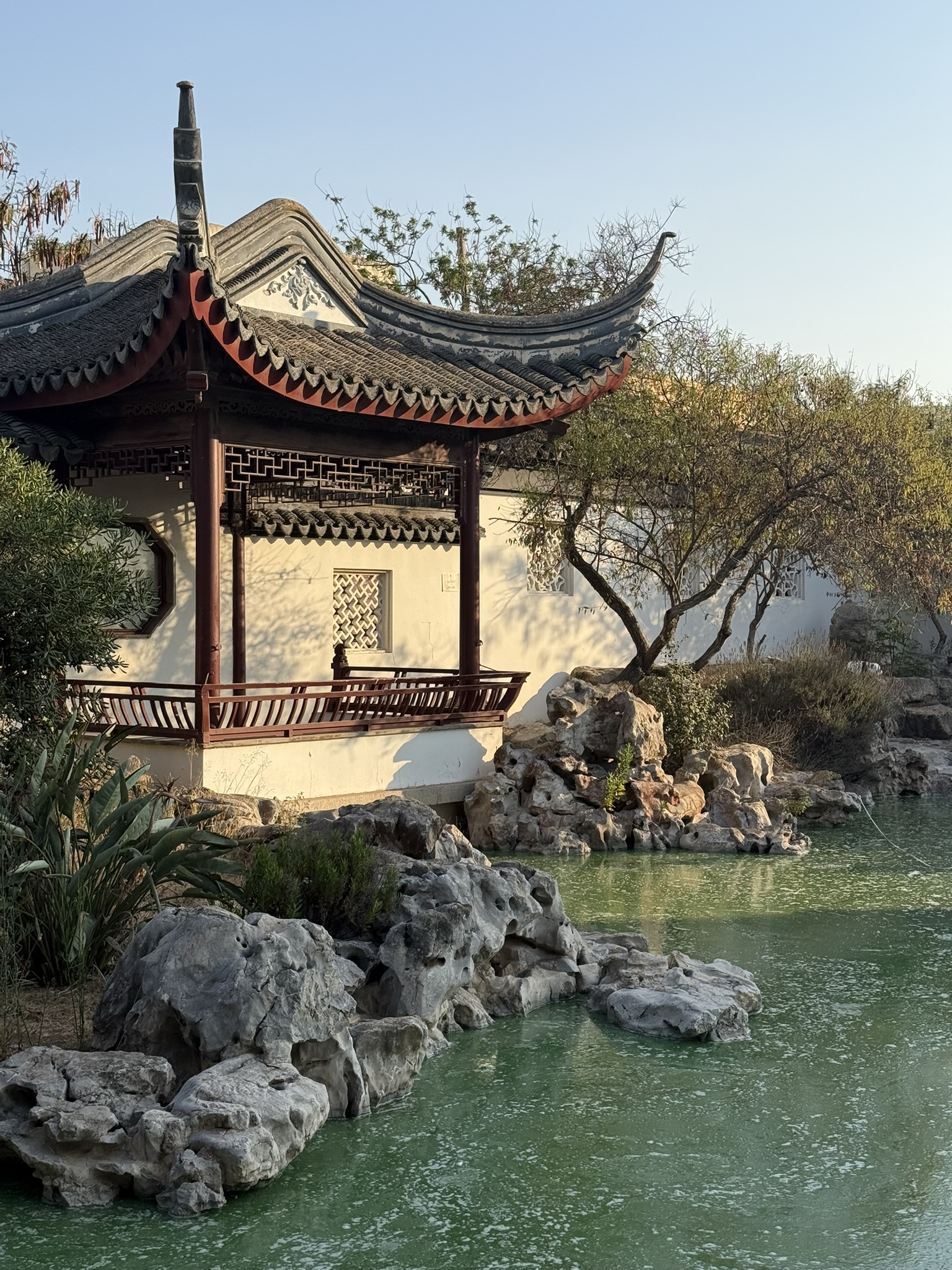

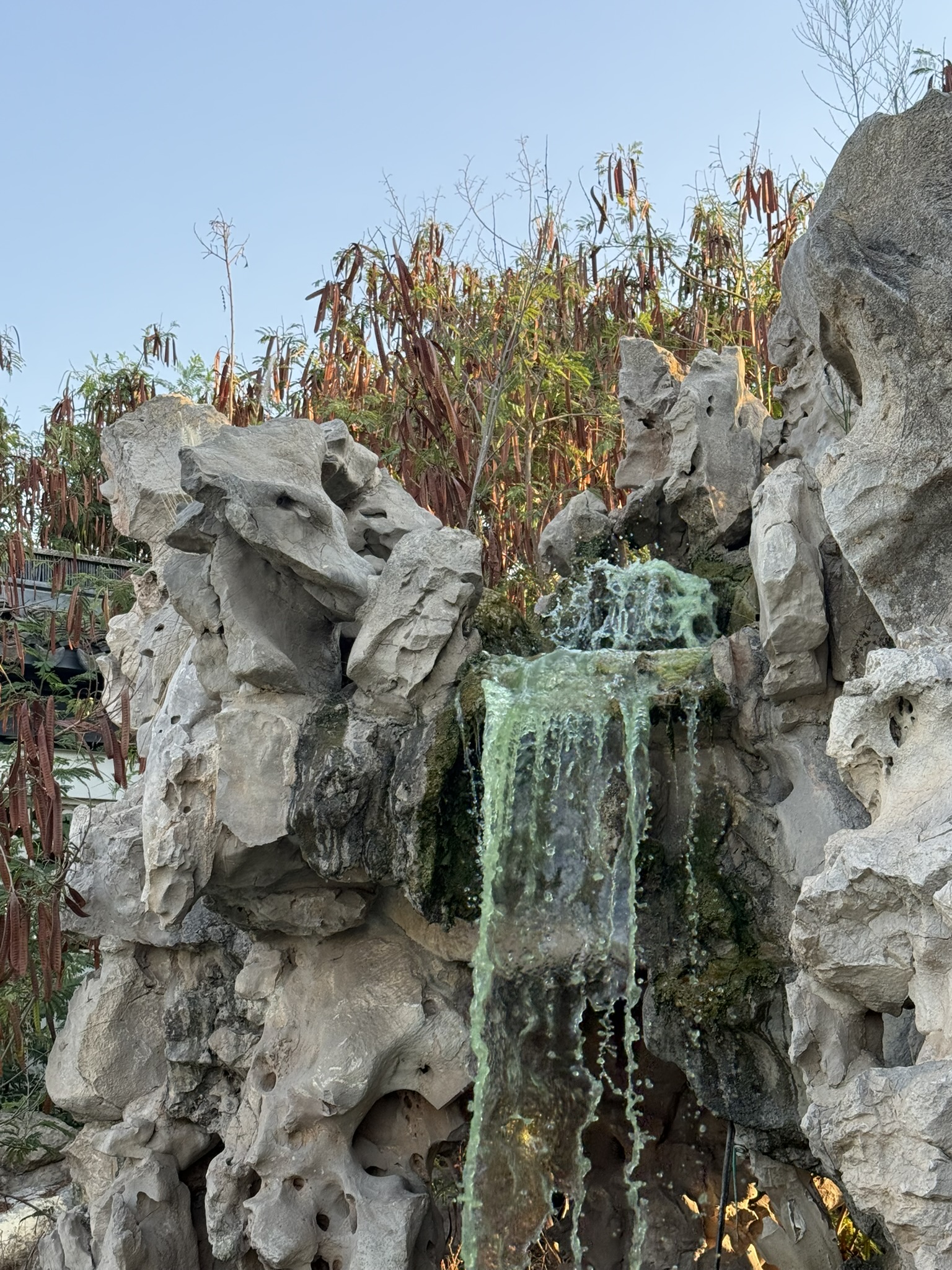




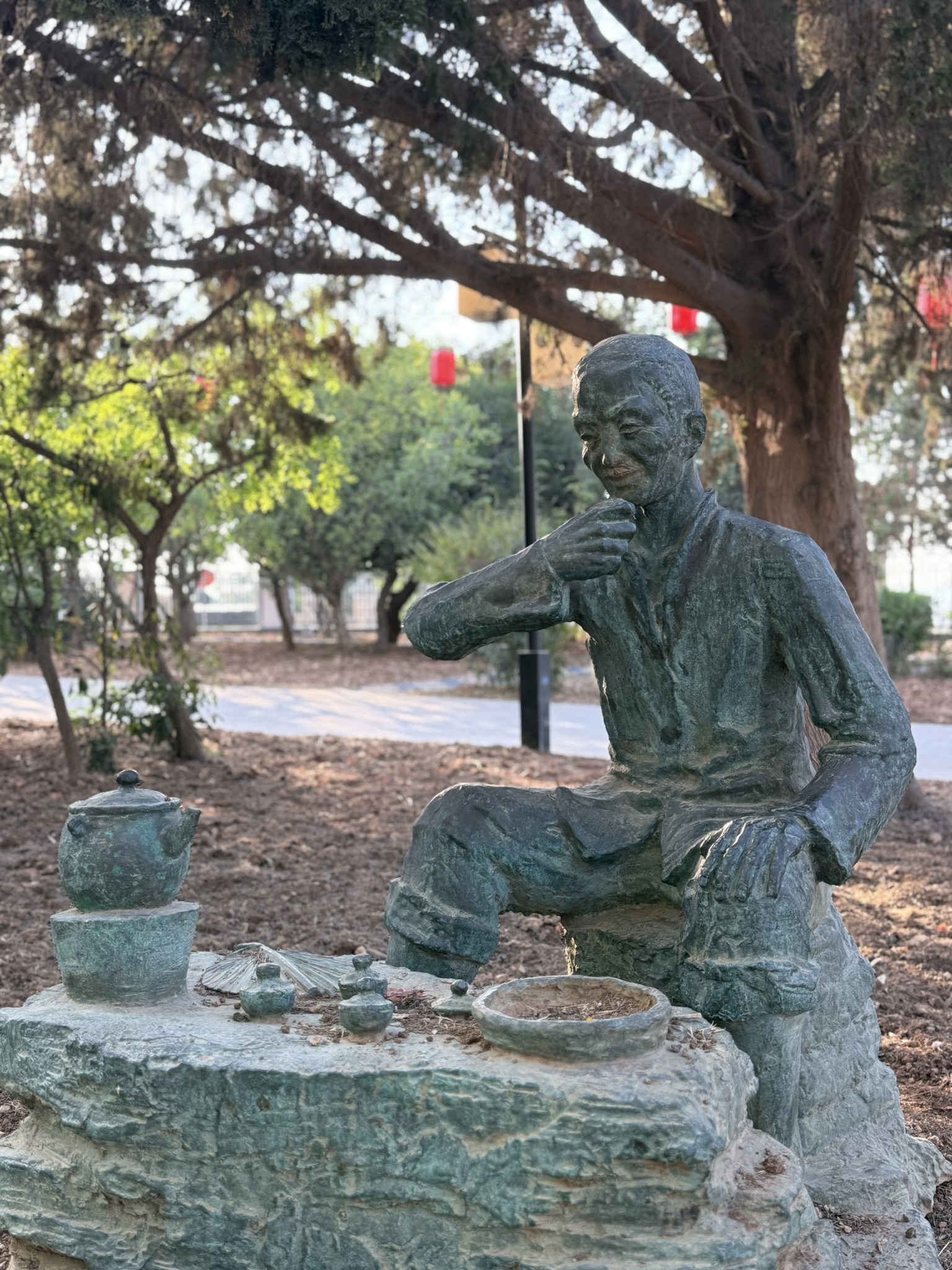
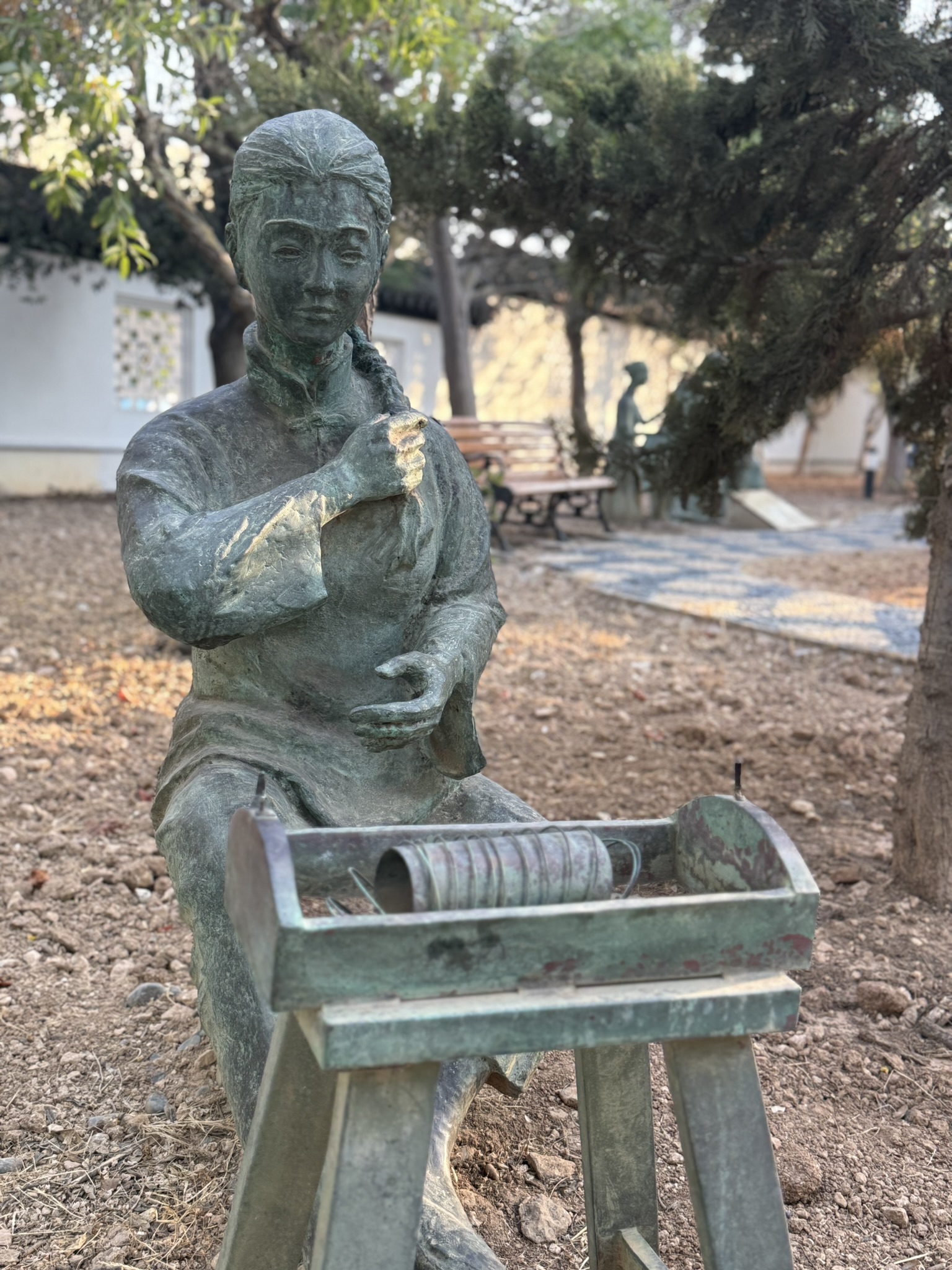
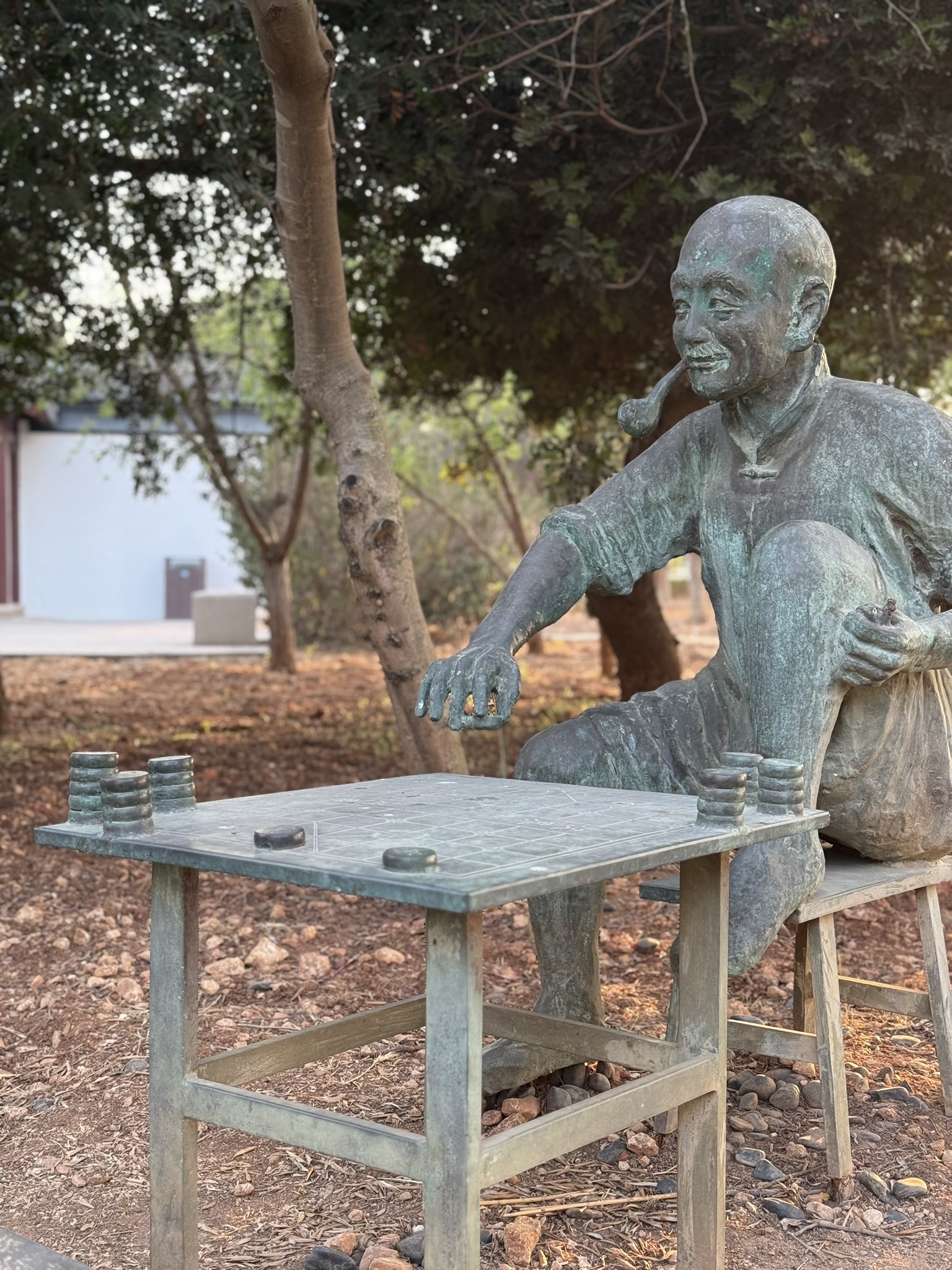

I come to the Garden of Serenity often, and one of the things I always notice is how quickly it separates itself from everything outside its walls. Santa Luċija is still there, of course, but once I step inside, the garden feels deliberately enclosed - quieter, slower and almost self-contained.
I find myself paying more attention to the transitions than to any single feature. A doorway suddenly frames a pond, a corridor bends away from view, or a bridge reveals an angle of the garden that was hidden only a few steps earlier. It makes the place feel much larger than it really is.
There is something very calming about the balance of stone, water, planting and architecture here. It never feels grand or overwhelming. Instead, it asks me to slow down and notice small things. Even though I know the garden well, it still has an unusual ability to make time feel a little less important every time I return.
The Santa Luċija Local Council provides the garden's local listing, Parks in Malta explains its present design and amenities, and government updates document recent regeneration in and around the site.