The Knights build the salt pans
The present salt-pan system was developed by the Knights of St John in the second half of the sixteenth century, turning the sheltered coast into a major salt-producing landscape.
Centuries-old salt pans, saline wetlands and migrating birds meet at one of Malta's most unusual coastal landscapes.
Salina is a working cultural landscape that has also become one of Malta's most important places for wetland wildlife.
At the mouth of the Burmarrad valley, Salina spreads across about 154,000 square metres of saline marshland, salt pans and surrounding garrigue. What was once a harbour was progressively reshaped into a carefully controlled landscape for producing sea salt.
Today the same shallow water, brine and mud that made salt production possible also attract gulls, waders, herons, egrets and other migratory birds. BirdLife Malta manages the reserve, while the historic salt-making tradition has been restored rather than abandoned.
Its ecological value is recent in management terms, but the geometry of the site was created by centuries of salt production, defence and water control.
The present salt-pan system was developed by the Knights of St John in the second half of the sixteenth century, turning the sheltered coast into a major salt-producing landscape.
The Ximenes Redoubt began as a coastal fortification under Grand Master Perellos and was later adapted and enlarged with salt-storage facilities.
After centuries of use, large-scale production stopped and the pans fell into disrepair, leaving an important industrial and ecological landscape neglected.
BirdLife Malta took over management in 2016, and restoration work eventually allowed traditional salt production to restart in 2021.
A restored wetland and photography hide opened after rehabilitation works, followed by Malta's first dedicated Salt Museum in 2024.
Salina is inseparable from salt. The name reflects a landscape designed around brine, evaporation and harvesting, but those same shallow saline waters now also sustain a remarkable wetland ecosystem.
The reserve is not one pool but a sequence of basins, channels and wetlands, each with a different role in salt production and wildlife.

Seawater is progressively settled, concentrated and moved through the pan system until brine reaches the shallow crystallising pans. Summer heat then does the final work, leaving salt behind for harvesting.
For wildlife, the changing water depths and salinity create feeding and resting habitat. Muddy edges, shallow pans and the restored wetland support different groups of birds, fish, invertebrates and salt-tolerant plants.
Salina map · The Roving Doctor. Tap to open full-screen.
Early basins allow sand and suspended material to settle before cleaner seawater moves deeper into the production system.
Evaporation progressively increases salinity until salt crystals form in the shallow pans during the hottest part of the year.
Managed water levels also provide feeding, roosting and resting habitat for resident and migratory birds.
Salina changes through the seasons, with winter gulls, spring and autumn migrants, and specialised species that depend on saline habitat.
Salina matters because its heritage structures and saline ecology now protect each other.
Shallow saline water attracts gulls, waders, terns, herons and egrets, while the reserve also supports the Maltese Killifish, a species restricted to only a handful of Maltese sites.
Salt-tolerant plants such as Borrer's Salt Marsh Grass and Sea Couch add another layer of habitat rarely encountered elsewhere on the islands.
Salina is not preserved as a frozen monument. Restored salt production keeps the historic engineering legible, while the Salt Museum explains the work, tools and culture that surrounded the industry.
The result is both a nature reserve and one of Malta's clearest surviving examples of a working historic landscape.
Winter brings large numbers of gulls, while spring and autumn migration can produce waders, herons, egrets and occasional rarities. Summer shifts the focus towards the salt harvest and the striking colours of concentrated brine.
Allow at least an hour, and longer if you want to birdwatch properly or spend time inside the Salt Museum.
Understanding the salt industry makes the geometry outside immediately more meaningful.
Follow the progression from larger basins towards shallower, more concentrated water.
The restored wetland on the Kennedy Grove side adds a different habitat to the historic pans.
The fortification, salt stores and open pans show how defence, industry and ecology overlap.
From the reserve trails and wetland vegetation to the historic salt pans, museum and birdlife.


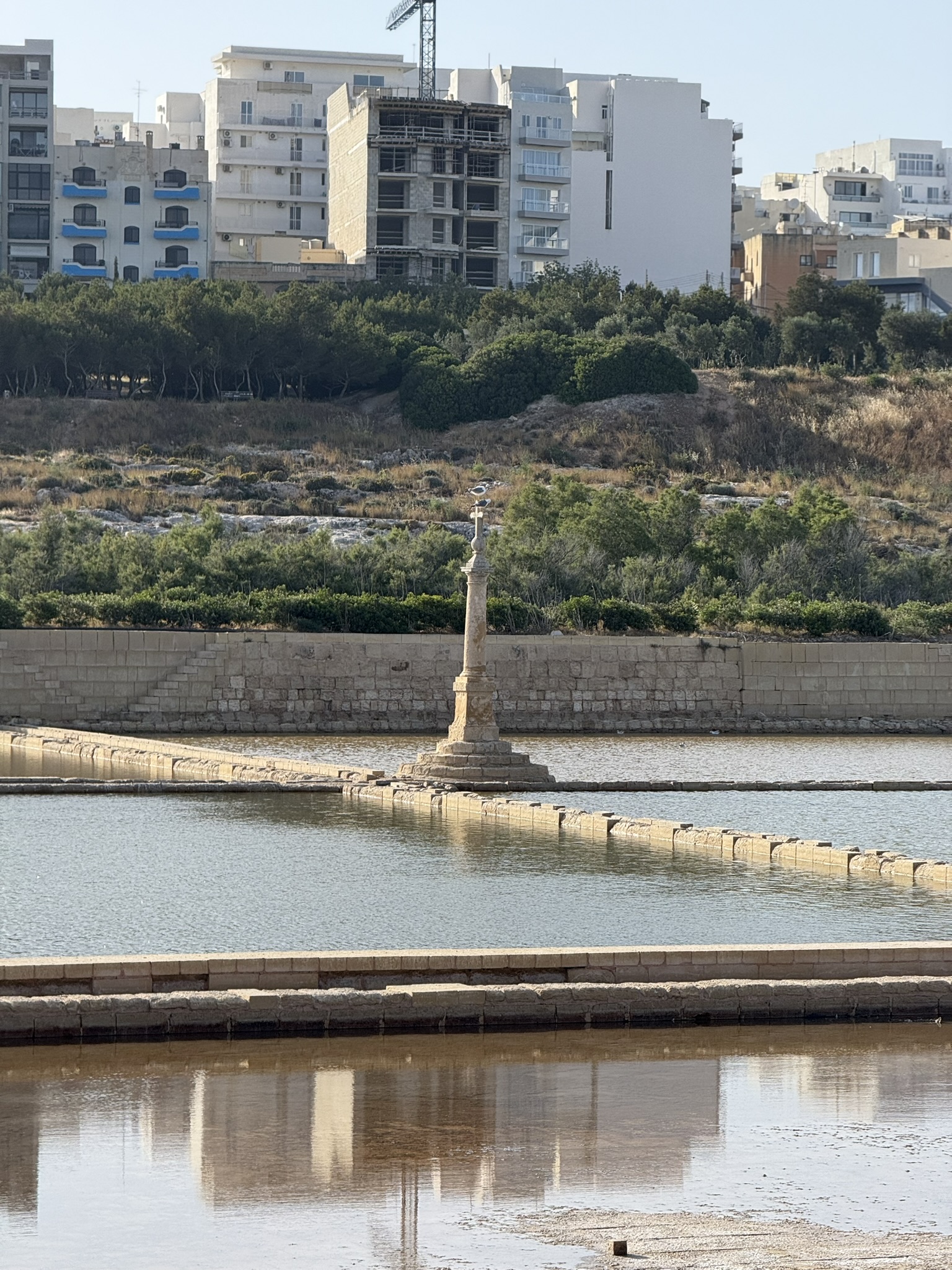
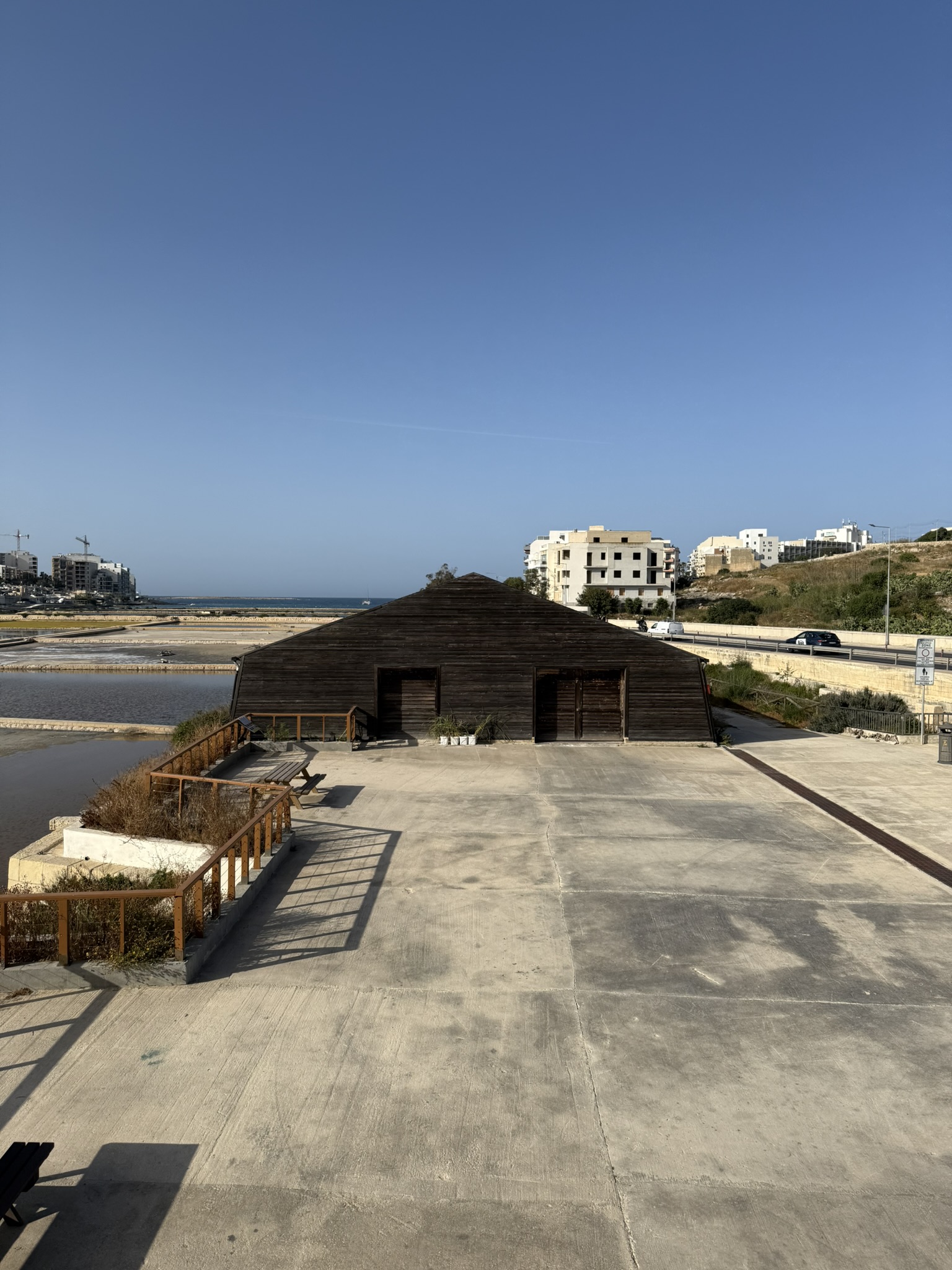


Salina is easy to overlook, but once inside the reserve the salt pans, shallow pools and birdlife make it feel surprisingly peaceful.
I especially enjoy it in the softer late-afternoon light, when the water reflects the sky and the whole landscape seems to slow down.
BirdLife Malta's reserve page is the best source for current access, opening hours, wildlife and facilities. Its salt-production material explains how the historic pans work and how harvesting was restored.