Antoine de Paule builds a country villa
Before becoming Grand Master, Antoine de Paule established a country residence in Attard, close to other rural estates of the Order.
A seventeenth-century palace garden in Attard - formal avenues, fountains, citrus groves, monumental trees and one of Malta's best-known green escapes.
San Anton is one of those rare Maltese places where architecture, horticulture and everyday public life sit comfortably inside the same walls.
The gardens developed around the country villa of Antoine de Paule, who became Grand Master of the Order of St John in 1623. After his election he enlarged the residence into what became Sant'Anton Palace and expanded the surrounding gardens.
Today the palace is the official residence of the President of Malta, while part of the historic garden has been open to the public since 1885. Formal paths cut between old trees, citrus groves, flower beds, ponds, fountains and architectural features.
The garden's story follows the changing role of the palace - from a Grand Master's country retreat to a state residence.
Before becoming Grand Master, Antoine de Paule established a country residence in Attard, close to other rural estates of the Order.
On his election as Grand Master, de Paule enlarged the residence and developed the surrounding gardens, including orange and citrus planting.
During the Maltese uprising against the French, Sant'Anton Palace served as headquarters of the Maltese National Assembly.
During the British period, part of the gardens was formally opened to the public, beginning the role San Anton still plays today.
The palace remains the official residence of Malta's President, while the public gardens continue to function as a historic green space in Attard.
Sant'Anton reflects Antoine de Paule's patron saint, Saint Anthony of Padua. The name outlived the Grand Master and became attached to both the palace and its gardens.
The garden feels lush and informal at first glance, but its bones are highly structured: straight walks, planned intersections, fountains and planted compartments.

The official palace history describes fountains and exedrae placed at the intersections of geometrically planned walkways. Those axes still give San Anton its rhythm: long views, sudden garden rooms and recurring stone-and-water focal points.
Citrus groves remain one of the estate's signatures. Historically, fruit from the gardens was presented to visiting dignitaries, and citrus is still harvested from the palace grounds today.
San Anton Gardens map. Tap to open full-screen.
Straight paths and carefully placed intersections create the formal framework beneath the dense planting.
Fountains, basins and ponds punctuate the route and give otherwise green spaces a strong architectural focus.
Mature trees, palms, flowering plants and productive citrus groves make the gardens feel both botanical and domestic.
San Anton rewards a slower walk. Look past the main avenue and the garden begins to reveal smaller layers.
San Anton sits at the meeting point of Malta's political history, horticultural tradition and everyday public space.
Unlike a modern municipal park, San Anton developed as part of a working residence. The relationship between palace, garden, citrus and ceremony is still visible.
That continuity gives the site unusual depth: this is not simply a preserved garden style, but a landscape that has remained connected to state life for centuries.
Mature trees, fountains and groves are part of the heritage fabric just as much as walls and monuments. They need active care rather than static preservation.
That is especially relevant now, as restoration and conservation works are being carried out in phases across the gardens.
This is not a rigid route. Use the four stages as a way of noticing how the garden changes as you move away from the main axis.
Use the straight paths to understand the underlying geometry before wandering into the side spaces.
Fountains and ponds turn intersections into small architectural rooms.
The garden becomes less architectural and more botanical as you focus on the trees and citrus.
The palace itself is not simply a backdrop: it explains why this garden exists in the first place.
Peacocks, old paths, fountains and the palace - a few details from around the gardens.

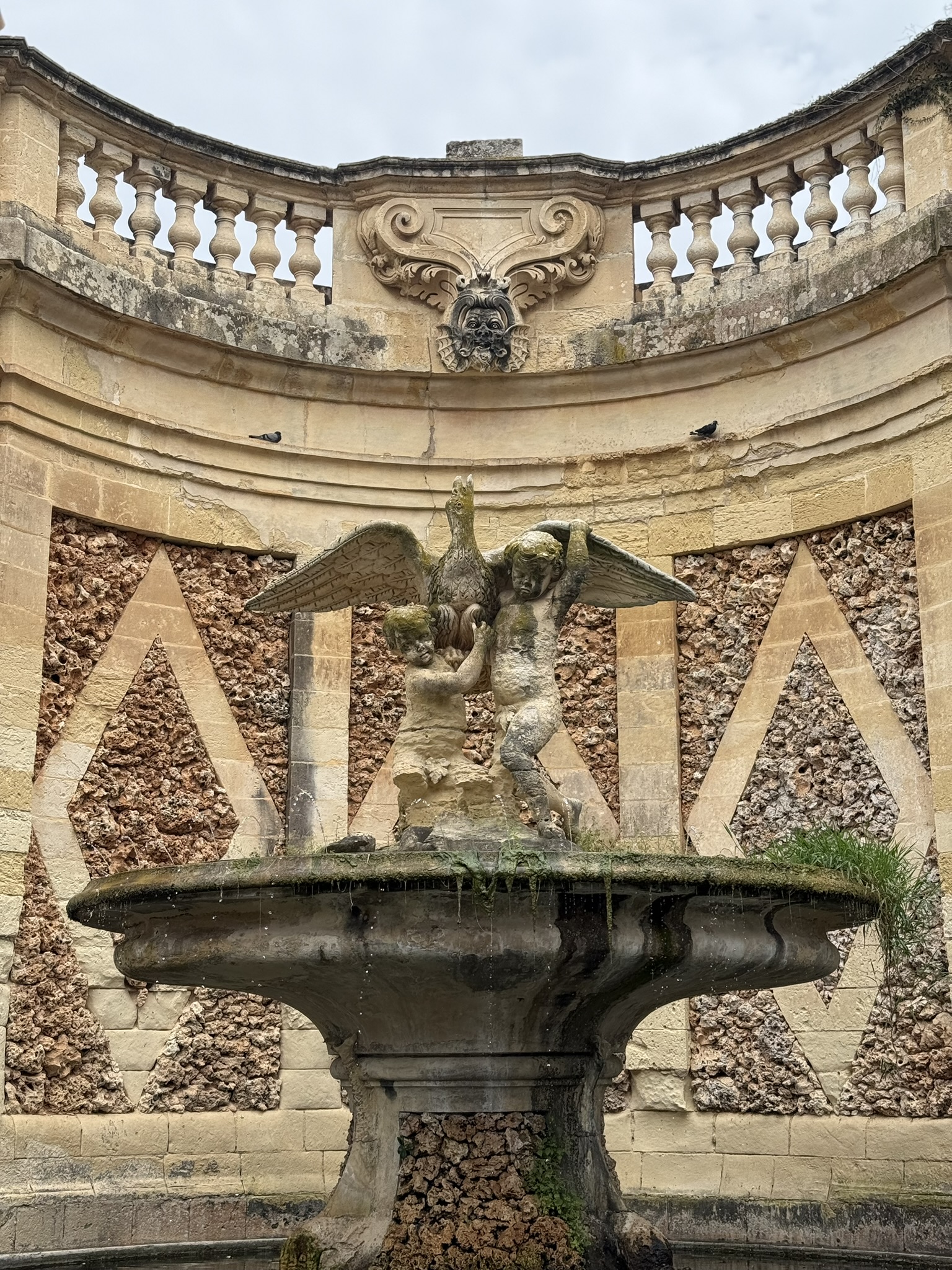

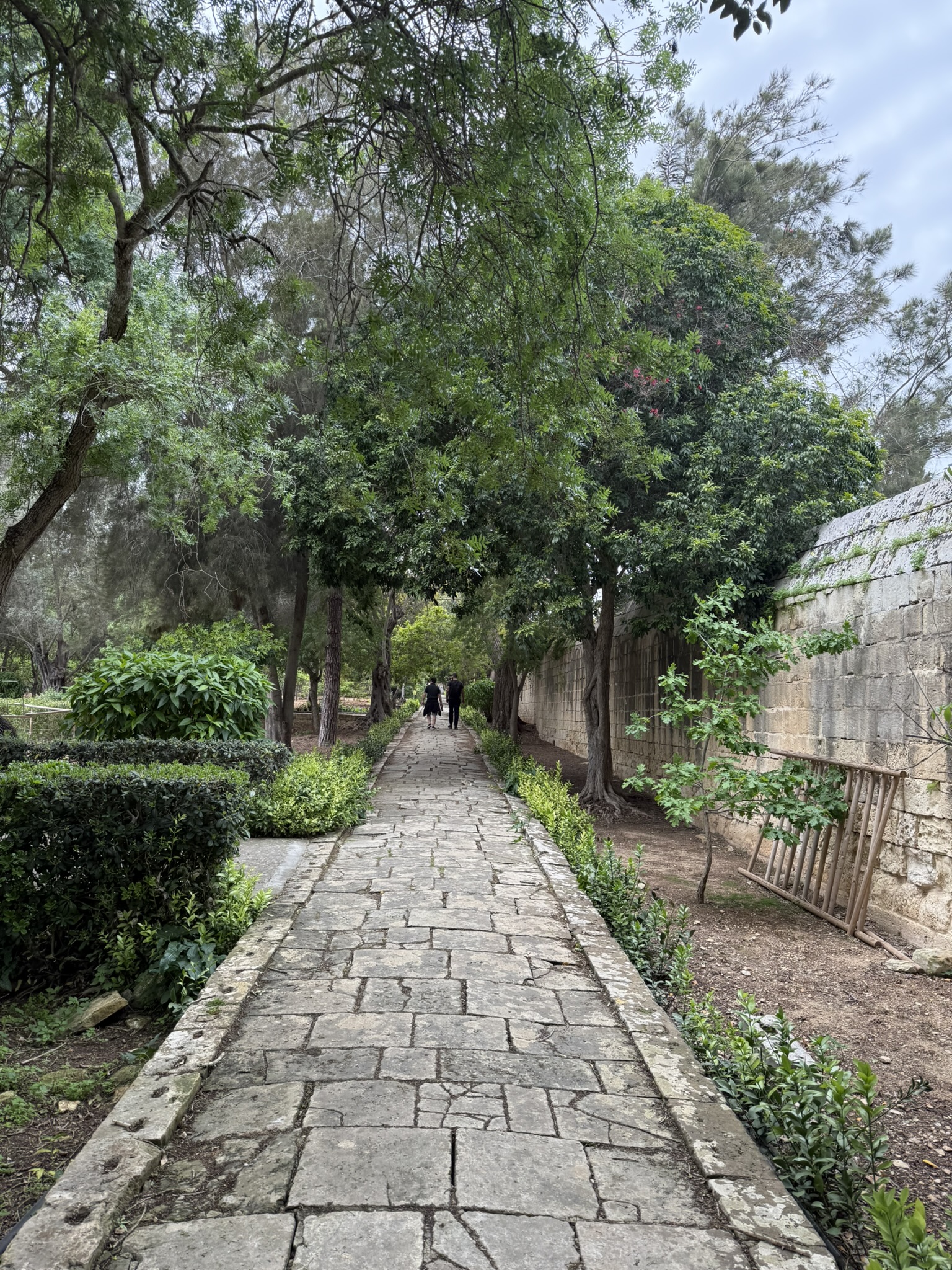
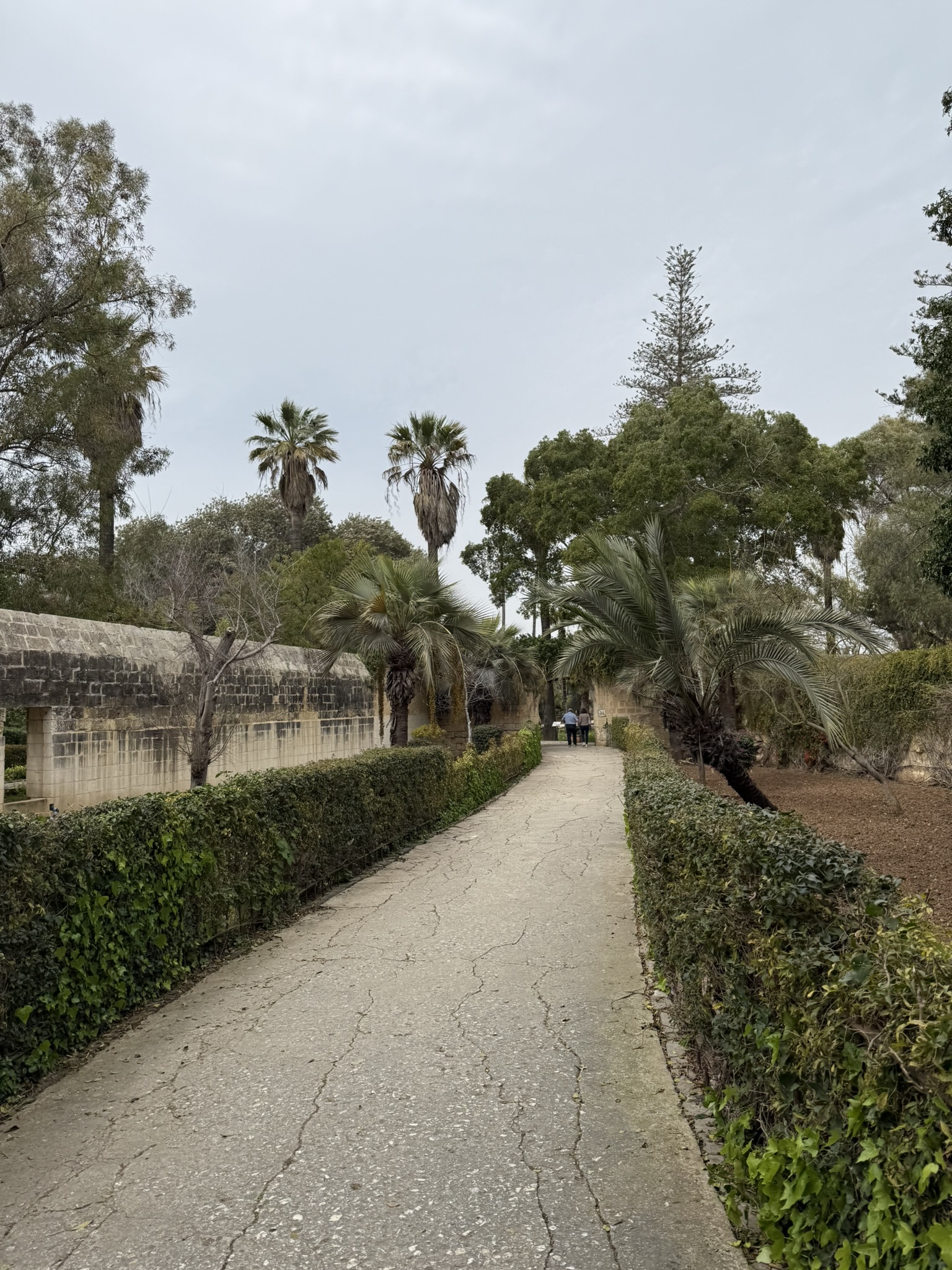


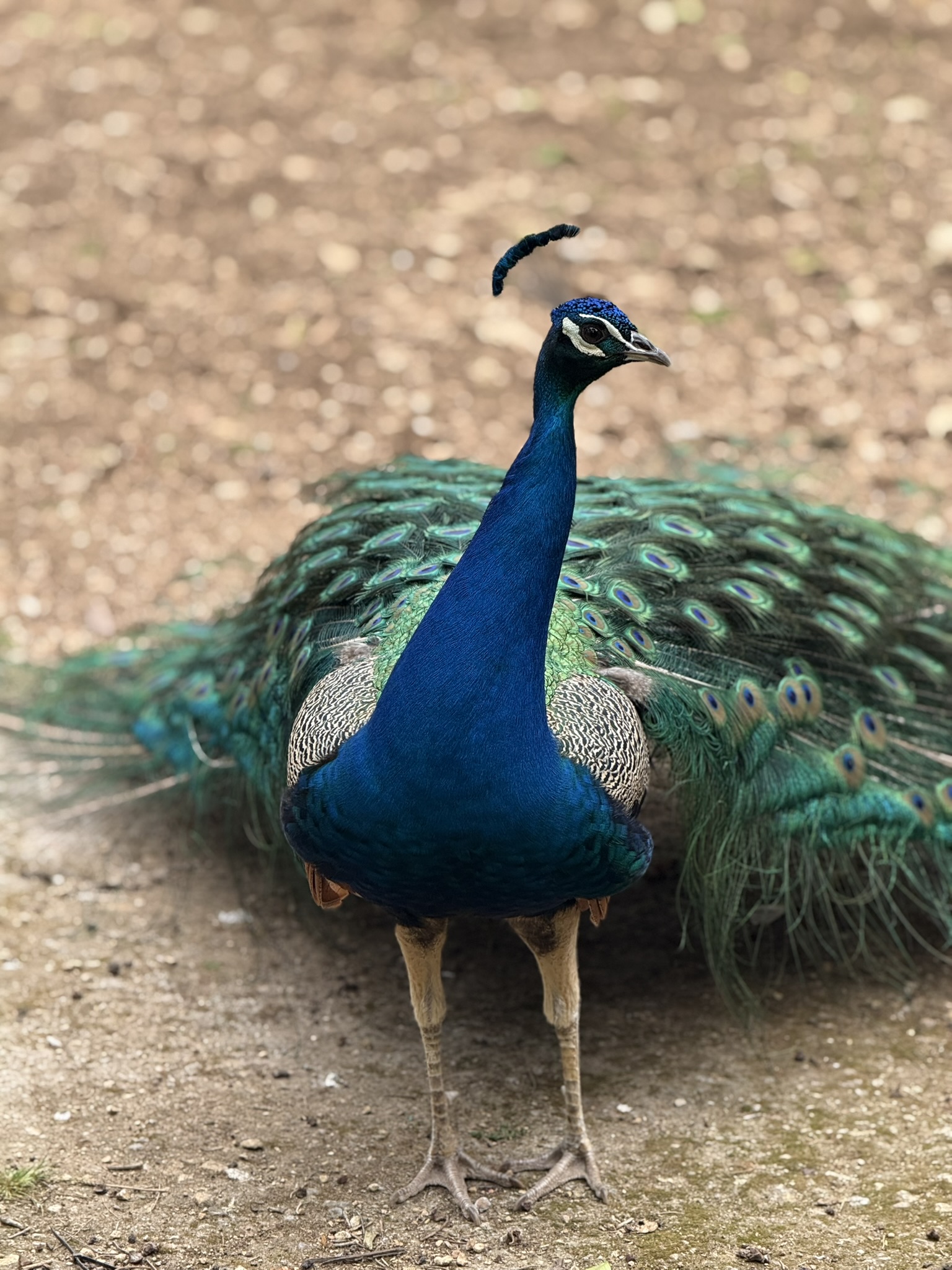

Some of my earliest memories are here. I remember coming to San Anton when I was young, and those memories are still incredibly close and dear to my heart.
There is something about this place that feels timeless. The old, uneven and sometimes broken steps, the worn paths and the slightly imperfect edges have barely changed in the way I remember them. To someone else, parts of it might feel neglected. To me, they feel familiar.
It is one of those rare places where age does not make it feel tired. It makes it feel preserved. Walking through San Anton now feels a little like stepping back into childhood - not because everything is exactly the same, but because enough of it still is.
The Office of the President gives the clearest history of Sant'Anton Palace and its gardens. A 2026 government update explains the current phased conservation project.