The cave takes shape
Water enlarged cracks in the limestone, creating passages that later trapped layers of sediment and bone.
A cave where Malta's story can be read in layers - from Ice Age elephants and hippopotami to the islands' earliest known settlers.
Għar Dalam is a cross-section through hundreds of thousands of years of Malta's natural and human history.
Its sediments preserve Ice Age elephants, hippopotami, deer, swans and smaller mammals. Higher layers contain pottery, tools and domestic animal remains from some of Malta's earliest farming communities.
Għar Dalam links geological change, animal migration, island evolution and human settlement in one place.
Water enlarged cracks in the limestone, creating passages that later trapped layers of sediment and bone.
Lower sea levels made dispersal from Sicily easier. Elephants, hippopotami, deer and other animals reached Malta, then became isolated as the sea rose.
Upper deposits preserve pottery and domestic animal remains linked to some of Malta's earliest known settlers.
Genoese naturalist Arturo Issel carried out the first documented excavation, finding human and animal remains and establishing the cave's scientific importance.
Research continues to reassess the cave's stratigraphy, fossil chronology and how sediments entered it.
Island isolation can reshape body size: large herbivores may become smaller while some small species grow larger. Għar Dalam's elephants and hippopotami are part of that story.
Different deposits preserve different periods. Traditional layer names help explain the sequence, though modern research continues to refine their ages and interpretation.

Lower deposits record Malta before permanent settlement; higher layers preserve later Ice Age fauna, while the upper material records people, pottery and domesticated animals.
Older publications give very specific dates to individual layers. Heritage Malta's 2025 work re-examined the biochronology and stratigraphy, so the sequence is best read as an evolving scientific model rather than a fixed timeline.
Layers illustration: The Roving Doctor.
Elephants, hippopotami, deer, swans, dormice and carnivores reveal a Malta very different from today.
Pottery and domestic animal remains mark the shift to farming communities arriving from Sicily.
The dark inner cave remains habitat for an endemic woodlouse and roosting lesser horseshoe bats, helping explain why access is restricted.
The fossils record changing sea levels, migration, isolation and evolution as well as the animals themselves.
The cave is not a perfectly frozen record: excavation history and modern dating make the picture more complex.
The fossils show close links with Sicily. During colder periods, lower Mediterranean sea levels reduced the distance between landmasses and eased animal dispersal.
As sea levels rose, populations became isolated, contributing over generations to the distinctive island forms in Malta's fossil record.
Għar Dalam was excavated repeatedly from the nineteenth century, before modern recording and dating methods, and some deposits were disturbed or removed.
Recent research has revisited old records and the stratigraphy. The broad sequence is clear, but some dates and interpretations remain under study.
The museum and cave work best as one story: seeing the fossils first makes the cave layers easier to understand.
The Victorian-style displays make the scale of the fossil record tangible.
The newer displays connect the species, excavators and changing interpretations.
Only the first part of the 144-metre cave is open, but it is enough to understand the site.
The valley outside is a reminder that Għar Dalam is ecological as well as archaeological.
From the fossil collections to the cave, exposed deposits and surrounding valley. Tap any image to open it full-screen.
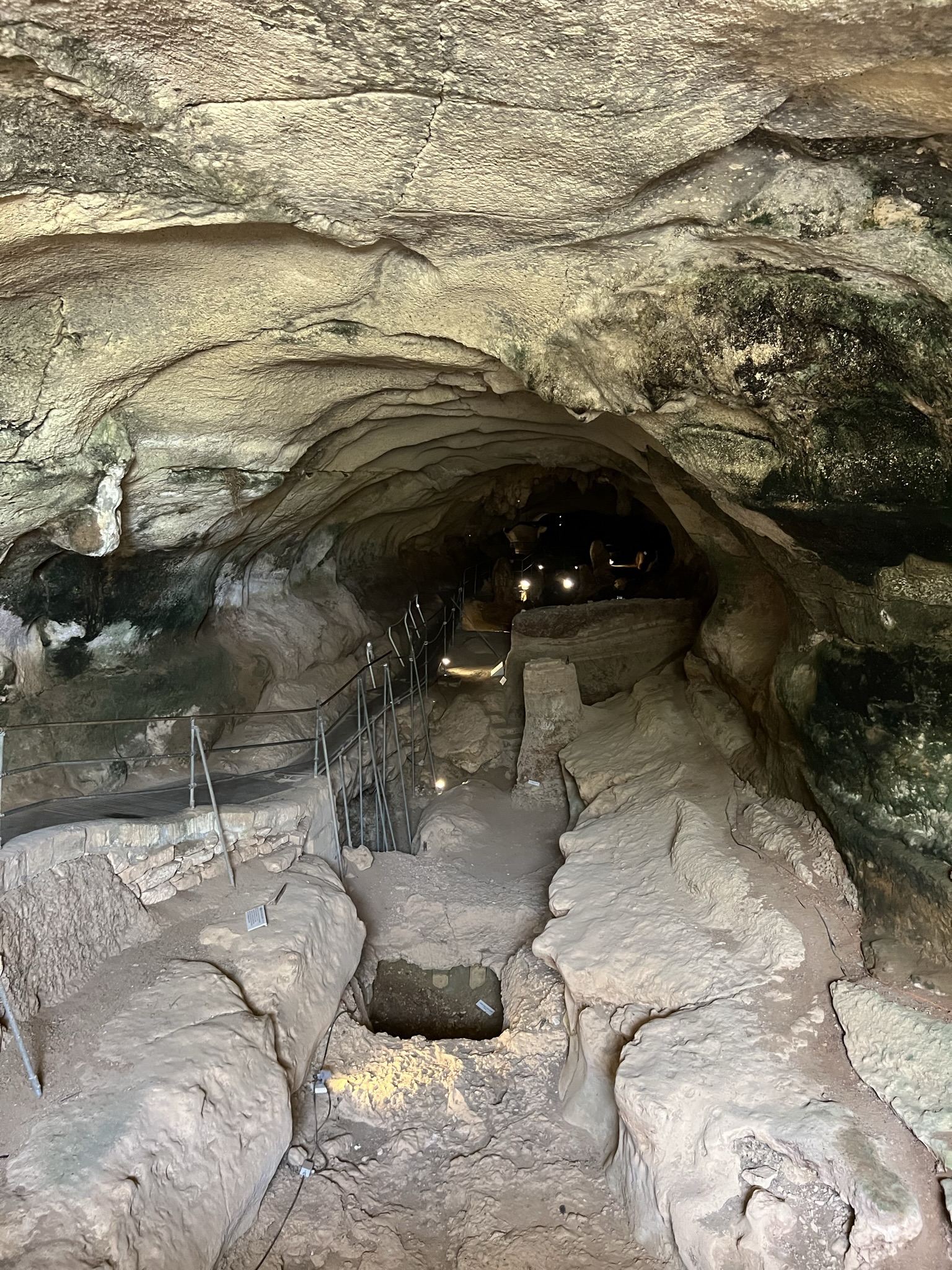


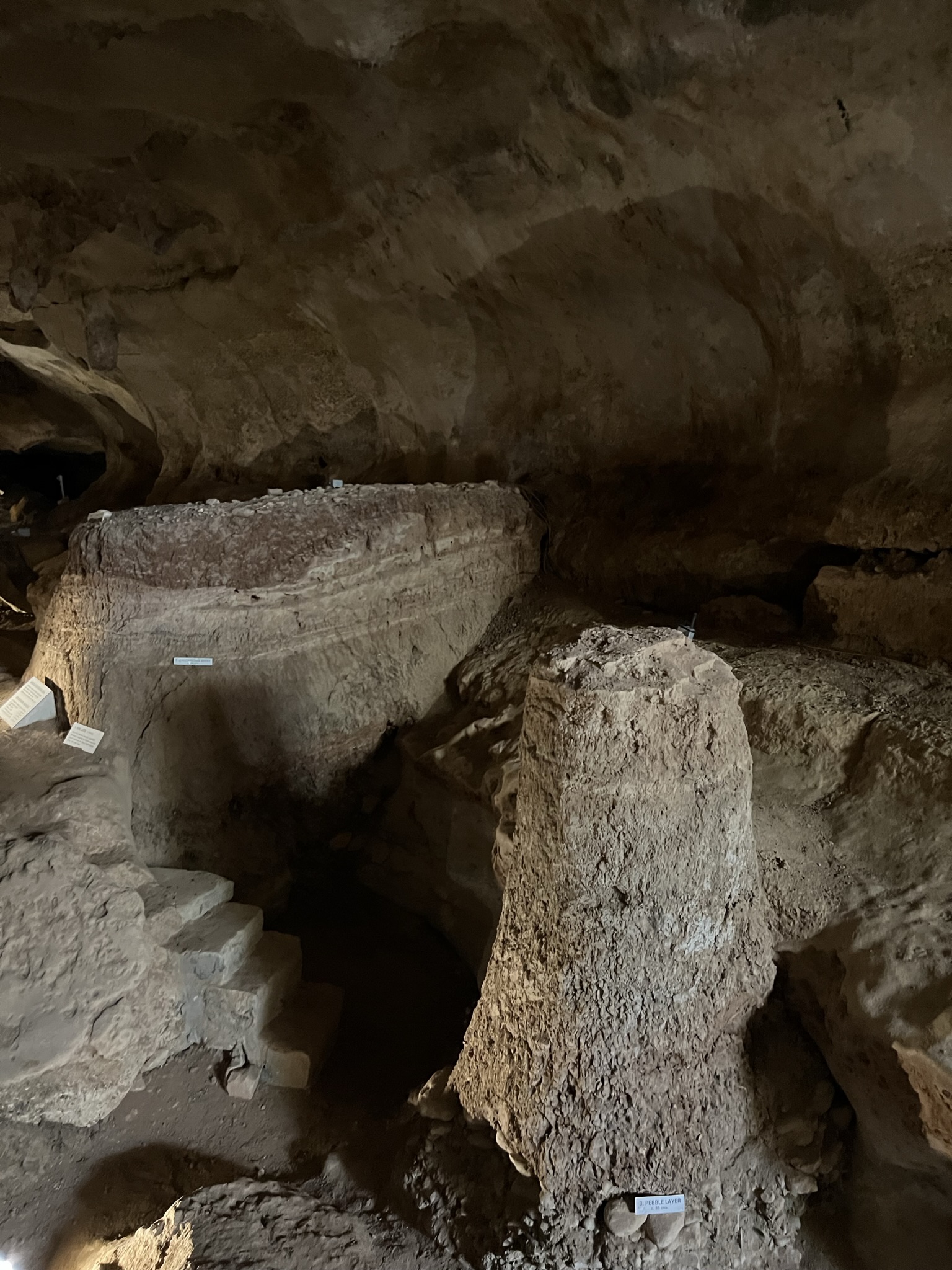
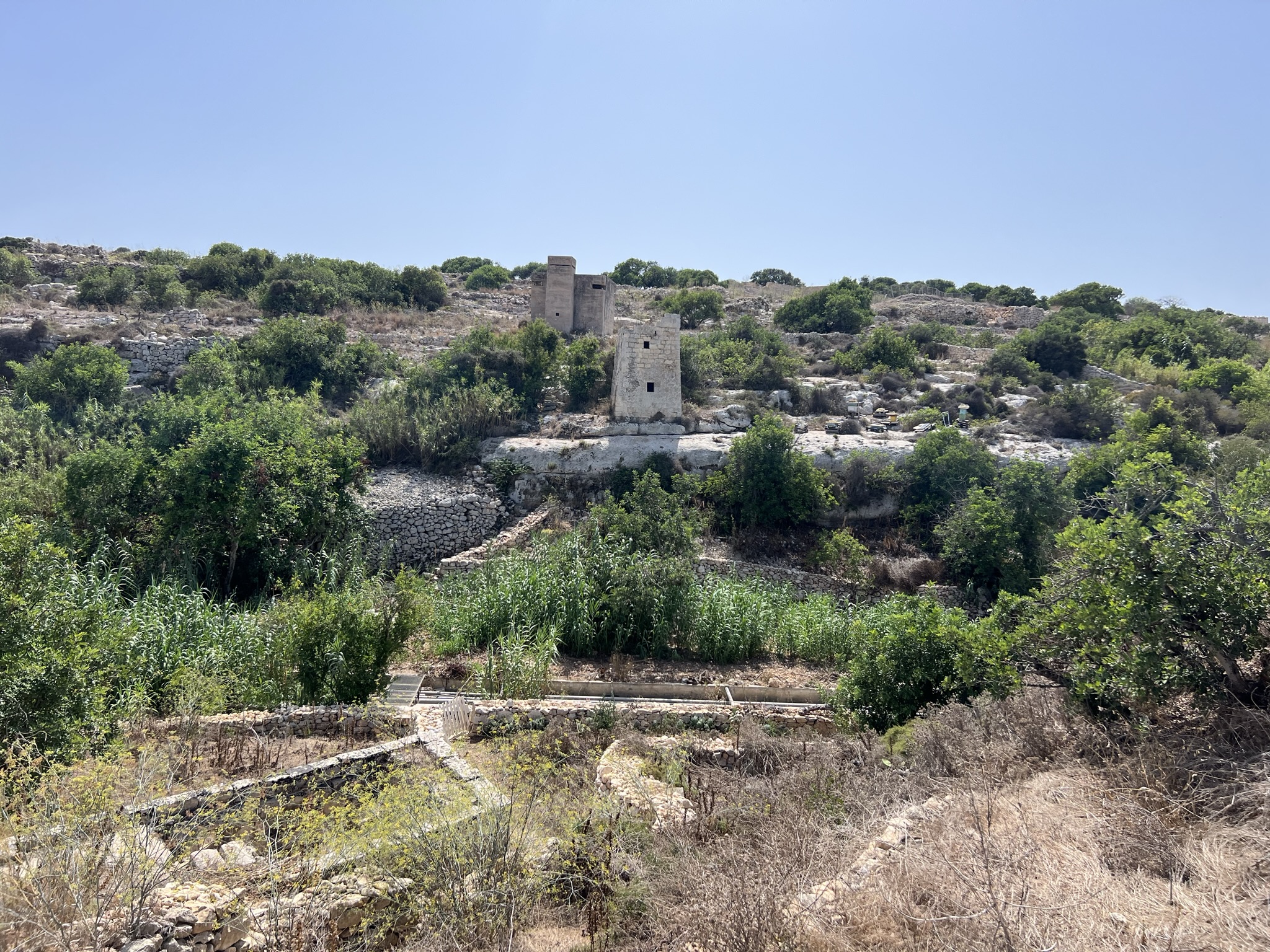


Għar Dalam's impact comes from its scale: a modest cave preserving vanished Ice Age ecosystems and the first communities who made Malta home.
The deposits are the archive; without the stratigraphy, the bones lose much of their meaning.
Small elephants and hippopotami show how isolation can reshape animal populations over time.
The dense, old-fashioned rows of bones are now part of the site's museum history.
Rare invertebrates and bats inhabit its darker reaches, making conservation part of the modern story.
Use Heritage Malta for current visitor information and its 2025 research for the latest interpretation of the cave's stratigraphy and fossil chronology.