Quito: Four Worlds, One Country
QUITO
Four Worlds, One Country
October 31, 2025
PART I
One last day – before two full days of travelling back home, that is. Man, I couldn’t quite believe that it was almost over. Even worse, I couldn’t believe I still had nothing else planned to look forward to!
The irony wasn’t lost on me. Barely a day earlier, I had wanted nothing more than to teleport myself home. Now, faced with an empty travel calendar, I was already panicking about what would come next. In fact, my final day in Quito was entirely unplanned. I considered heading to the Mindo Cloud Forest for some birdwatching, but the available trips were far too expensive for my remaining budget. I could also have returned to Baños or Papallacta for another dip in the hot springs, but I didn’t have the energy.
Eventually, I settled on a compromise: a hop-on, hop-off bus tour that would allow me to see whatever I had missed during my previous stops in Quito without requiring too much actual effort.
Forgetting to Hop Off
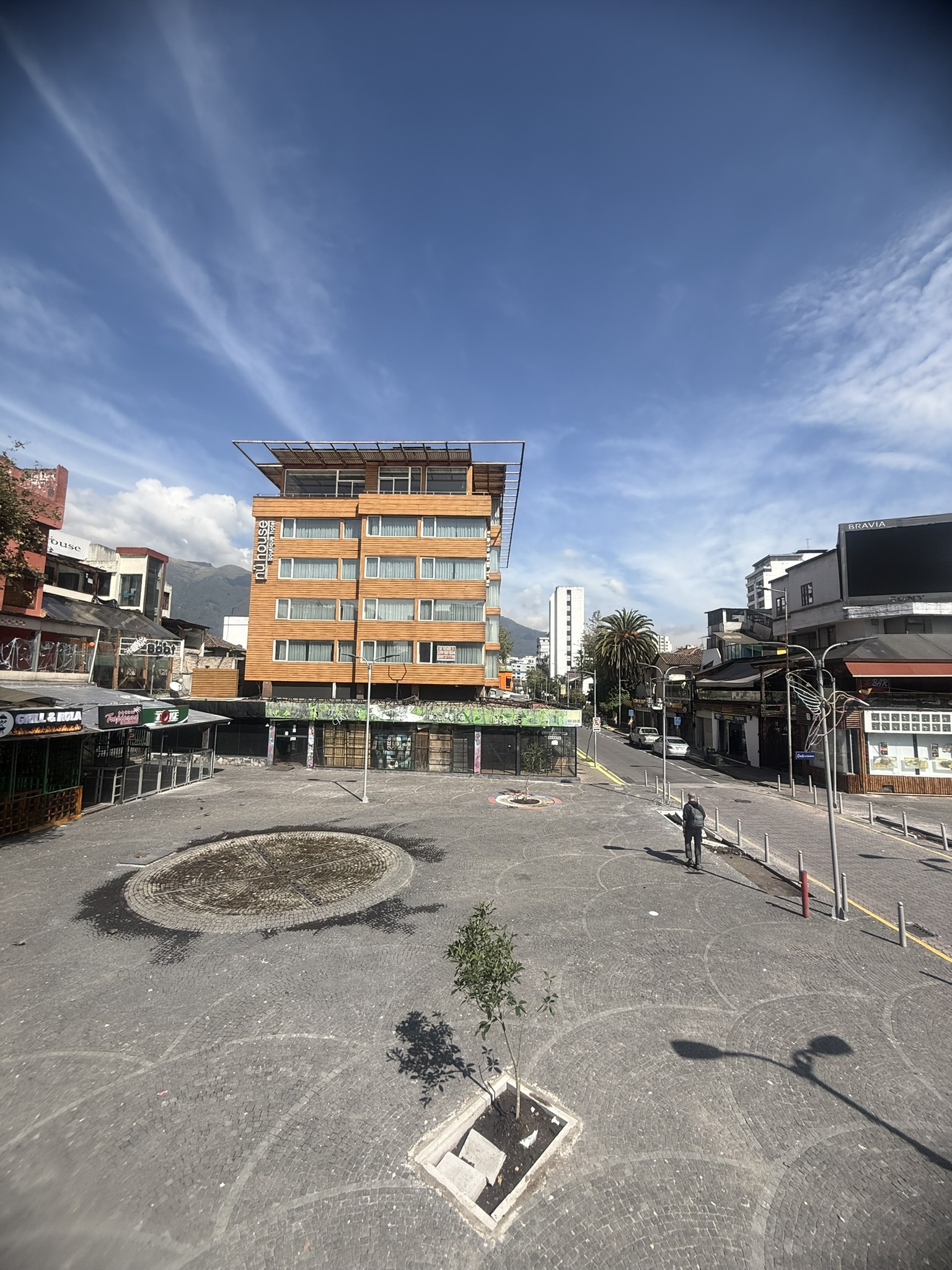
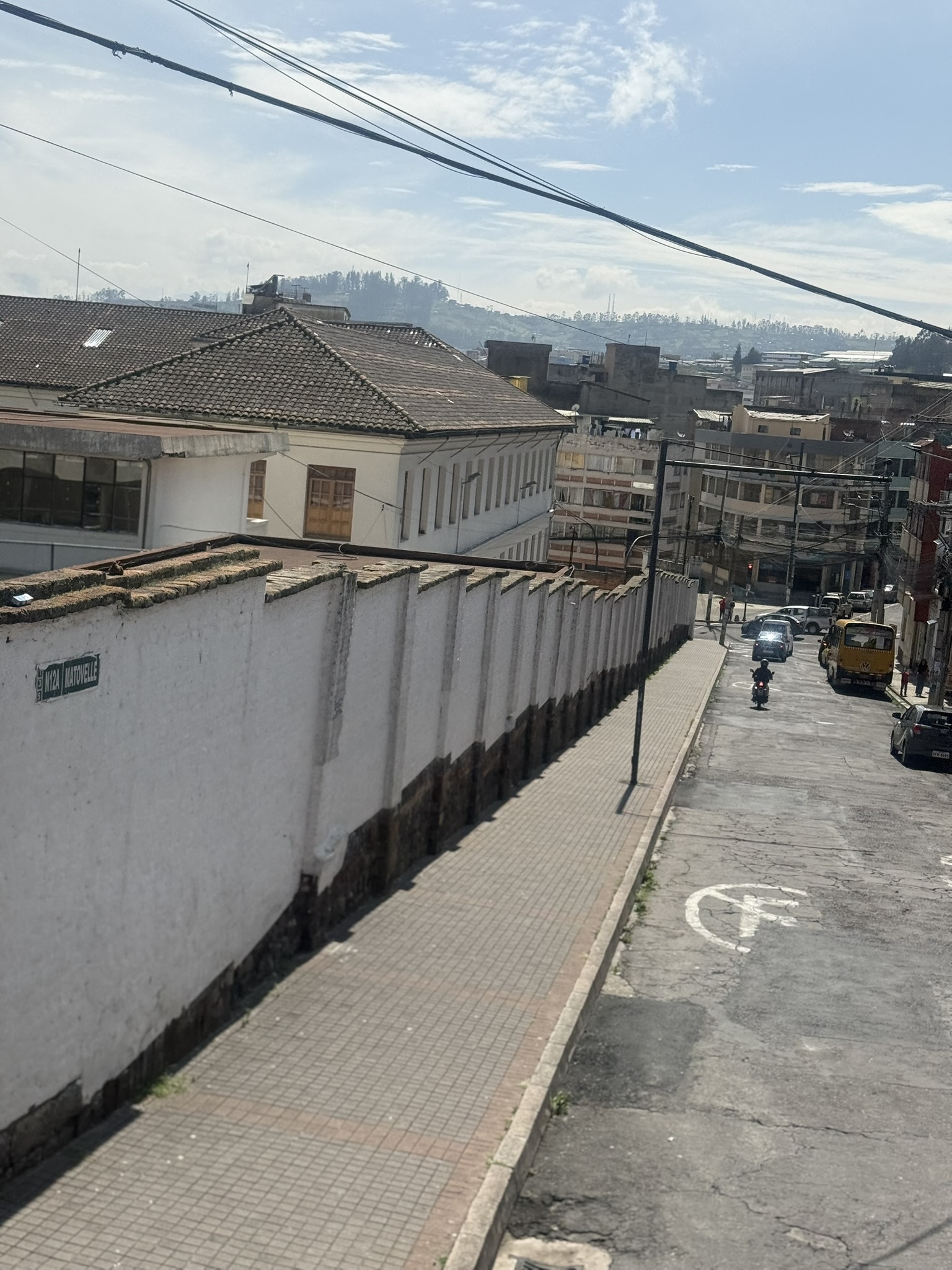
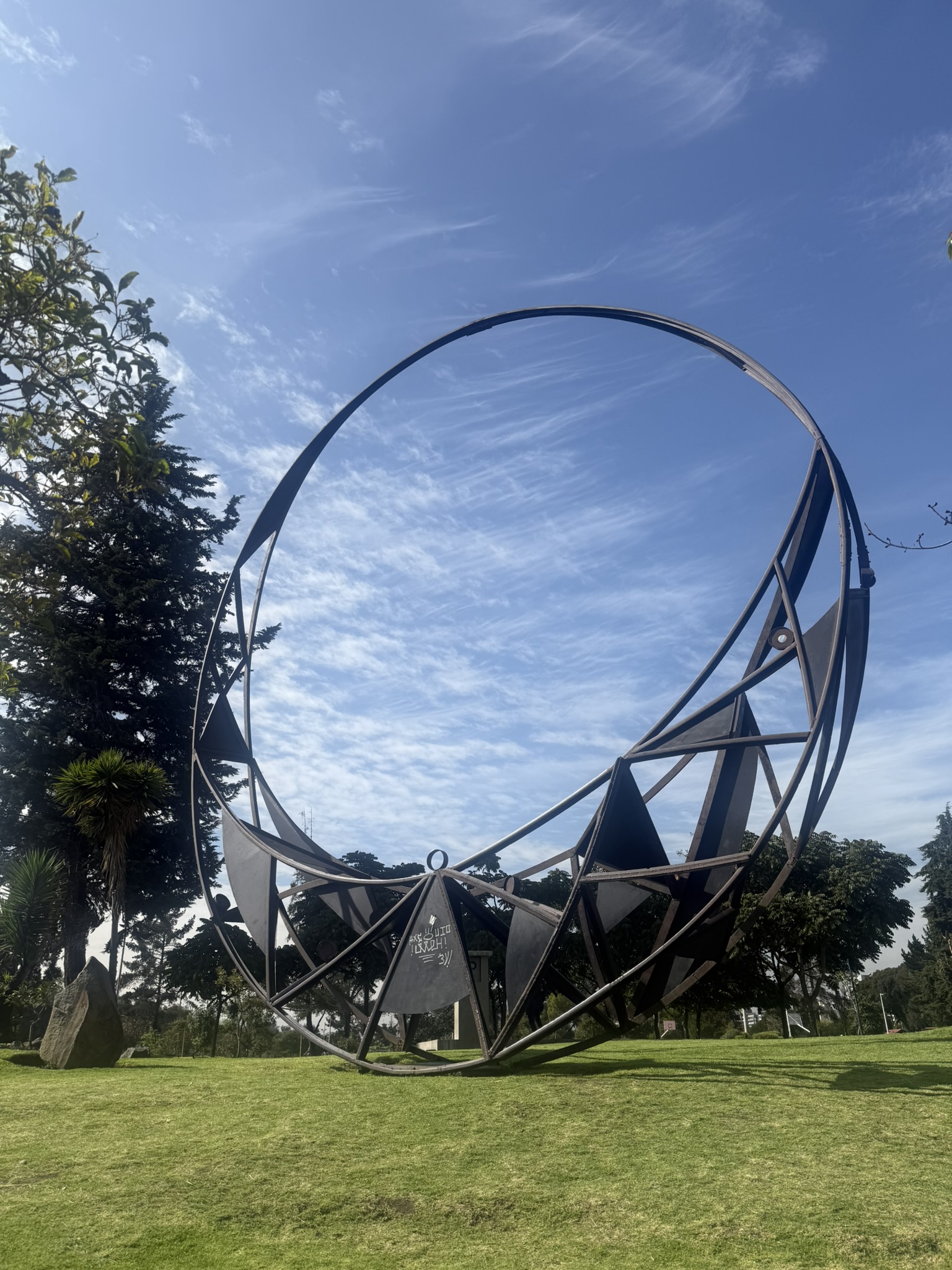
The meeting point was on Bulevar Naciones Unidas, a modern area in northern Quito built around one of the city’s widest avenues. With its broad pedestrian spaces, fountains, gardens and public artworks, it felt completely different from the historic centre I had explored earlier in the trip.
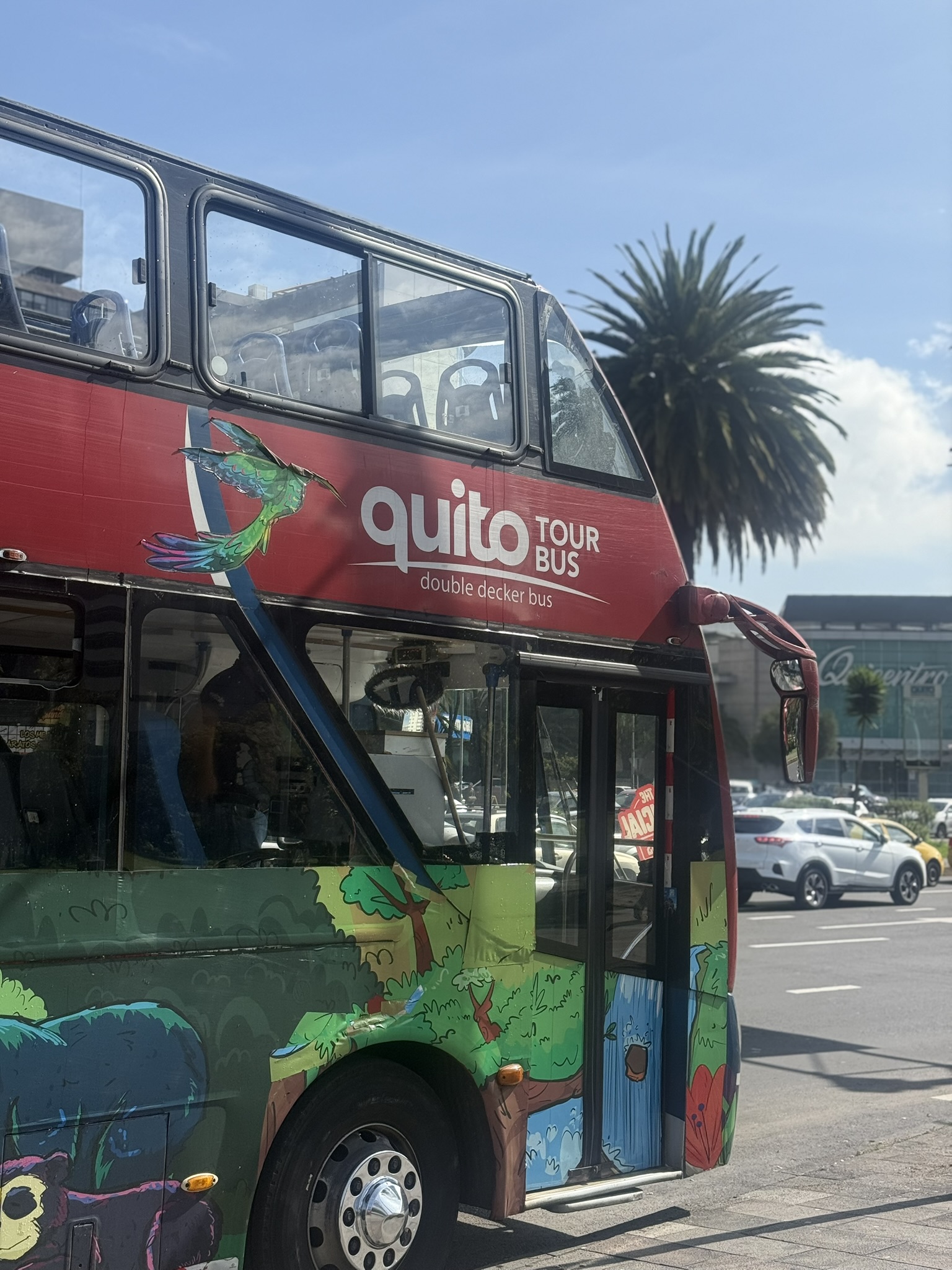
I climbed aboard the double-decker bus and promptly forgot about the “hop-off” part of the experience, mainly cause most of the stops were places I had already visited. Throughout the journey, Alberto, our guide, told us about important roads and buildings, different kinds of trees and the volcanoes dominating the surrounding landscape. I was more than happy to remain seated, listening to his explanations while watching the city pass beneath me.
Three Layovers Later
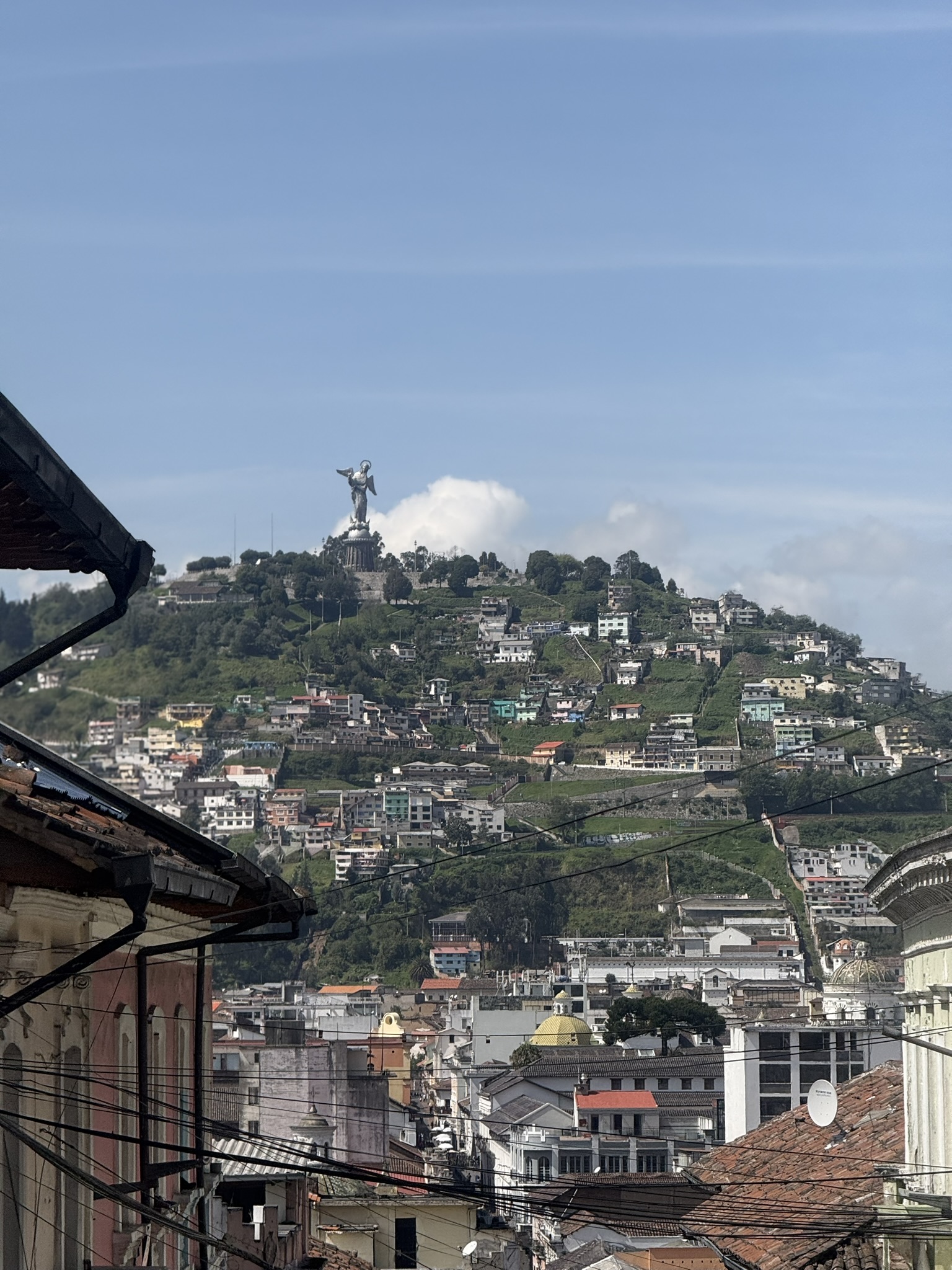
There was really only one place I intended to leave the bus. The final stop had been my goal all along: somewhere I had tried to visit during each of my three stays in Quito, only for the rain to ruin every single attempt. But finally, it was time for both the sun and me to shine as we made our way towards El Panecillo.
El Panecillo is a rounded hill in central Quito that rises around 200 metres above the surrounding city. Its Spanish name means “little bread roll”, referring to its distinctive shape. At the summit stands the Virgin of El Panecillo, an enormous aluminium monument depicting the Virgin Mary with wings, a crown of stars and a serpent beneath her feet. The 30-metre statue stands on an 11-metre pedestal and was assembled from around 7,000 pieces of aluminium. Its design was inspired by Bernardo de Legarda’s 18th-century Virgen de Quito, an unusual winged depiction of Mary that appears to be dancing.
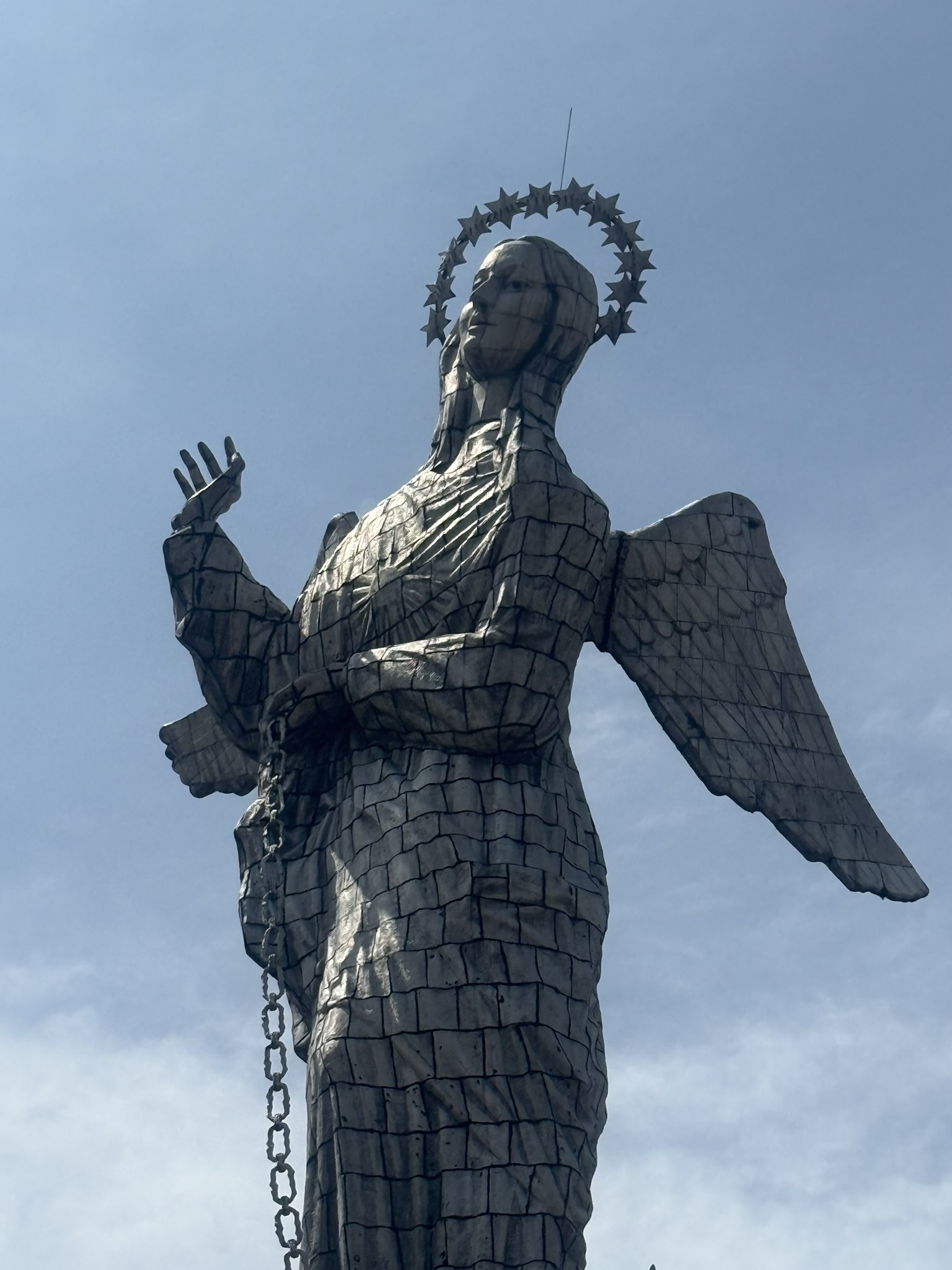
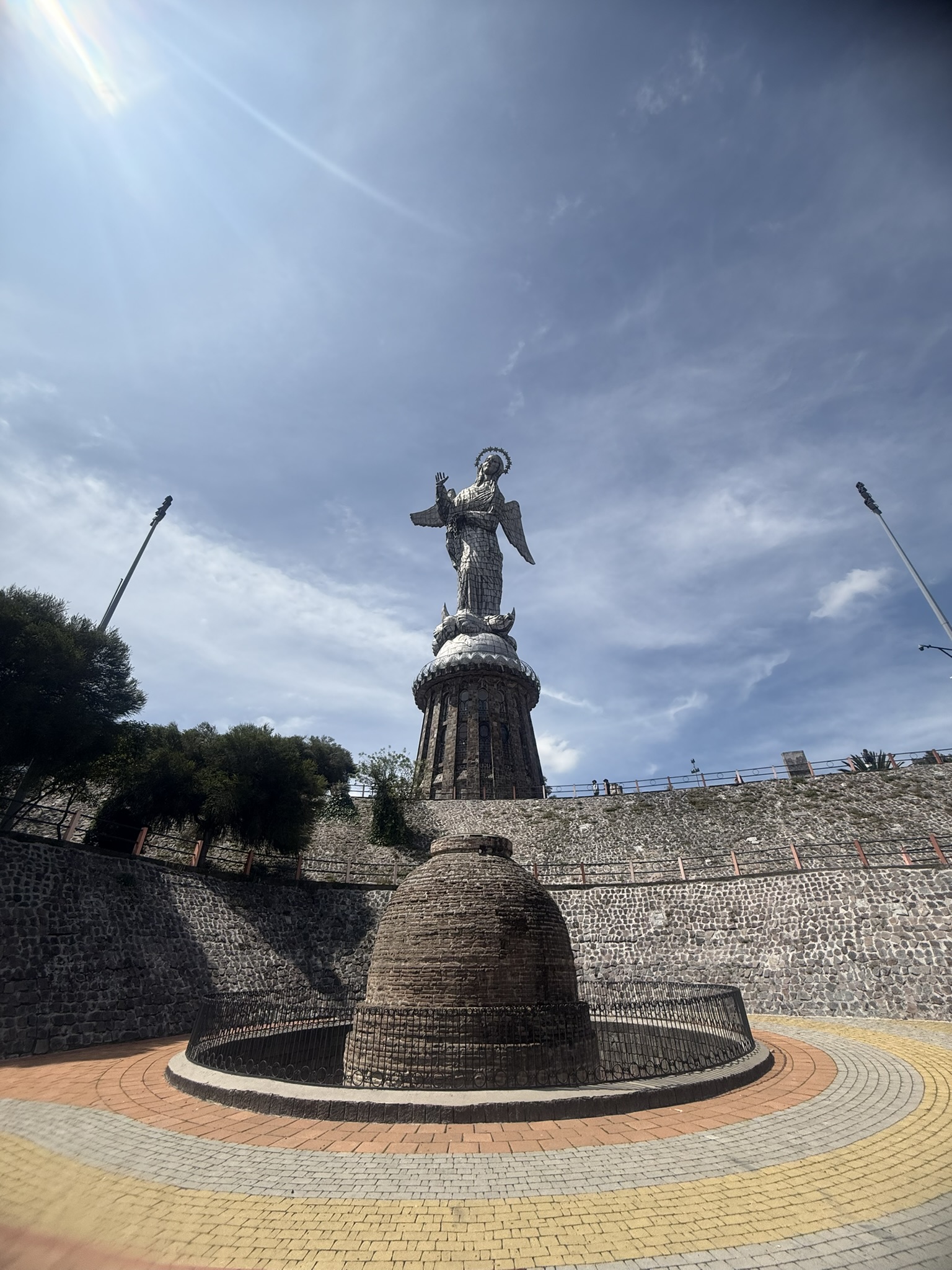
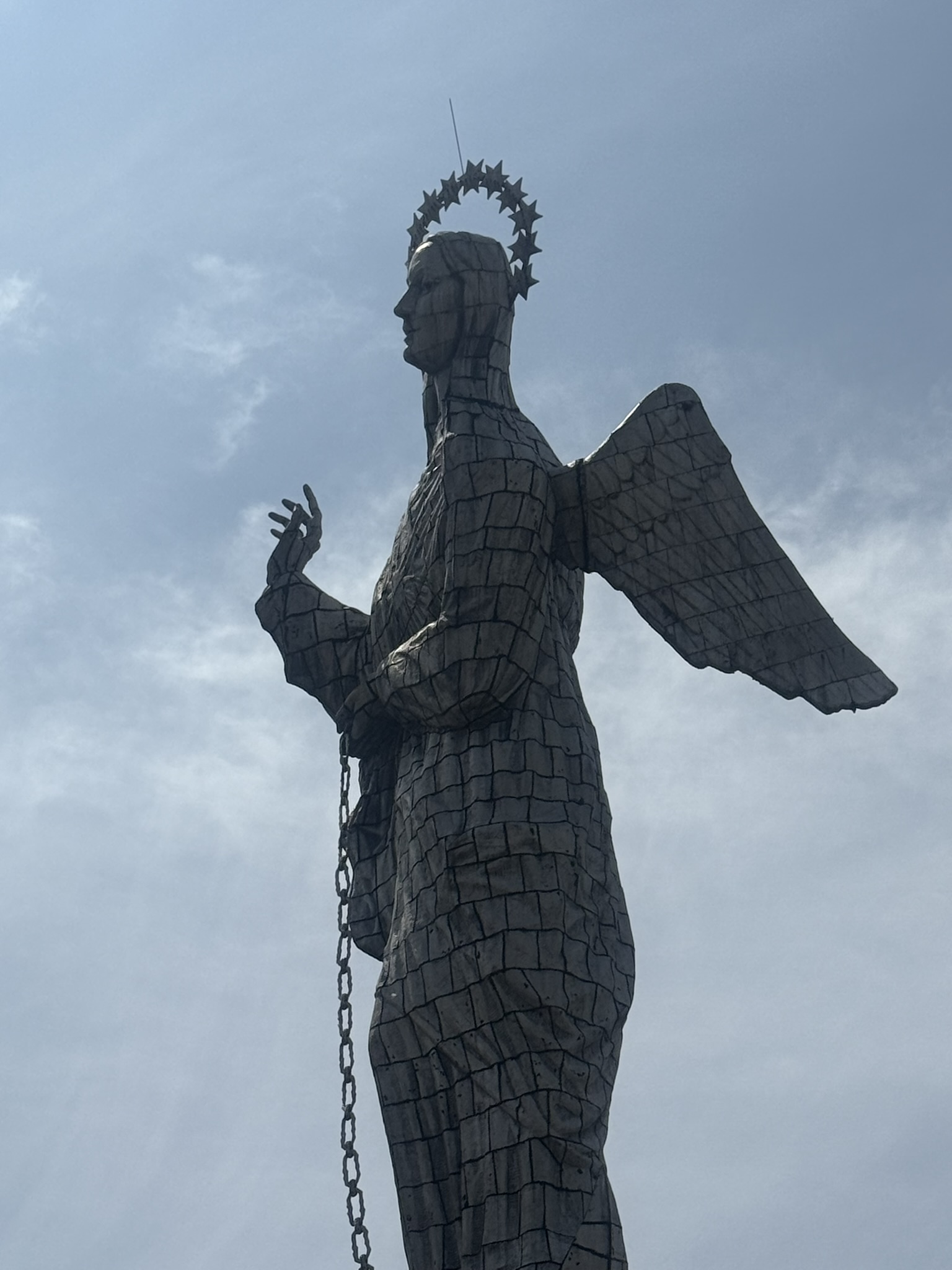
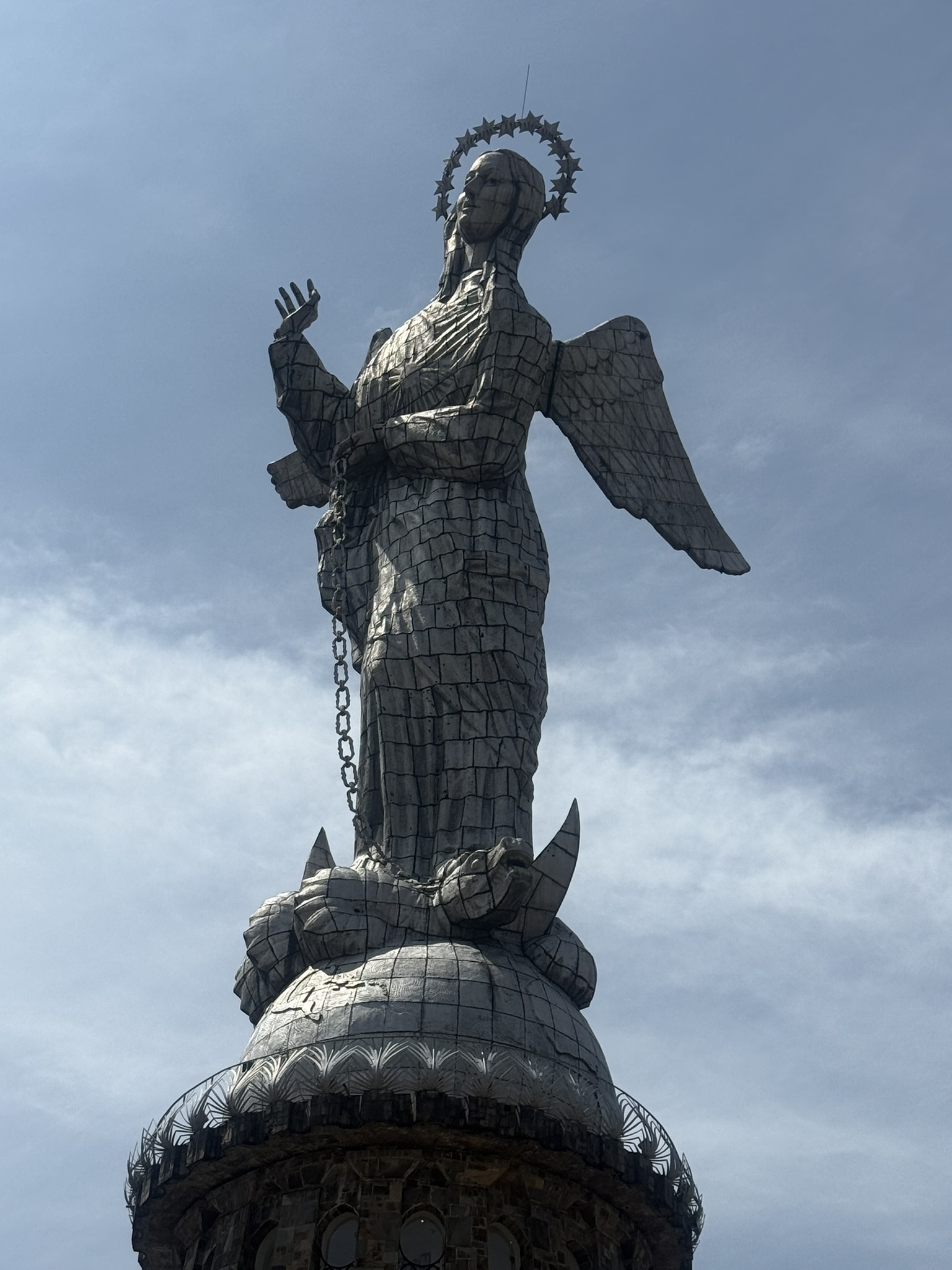
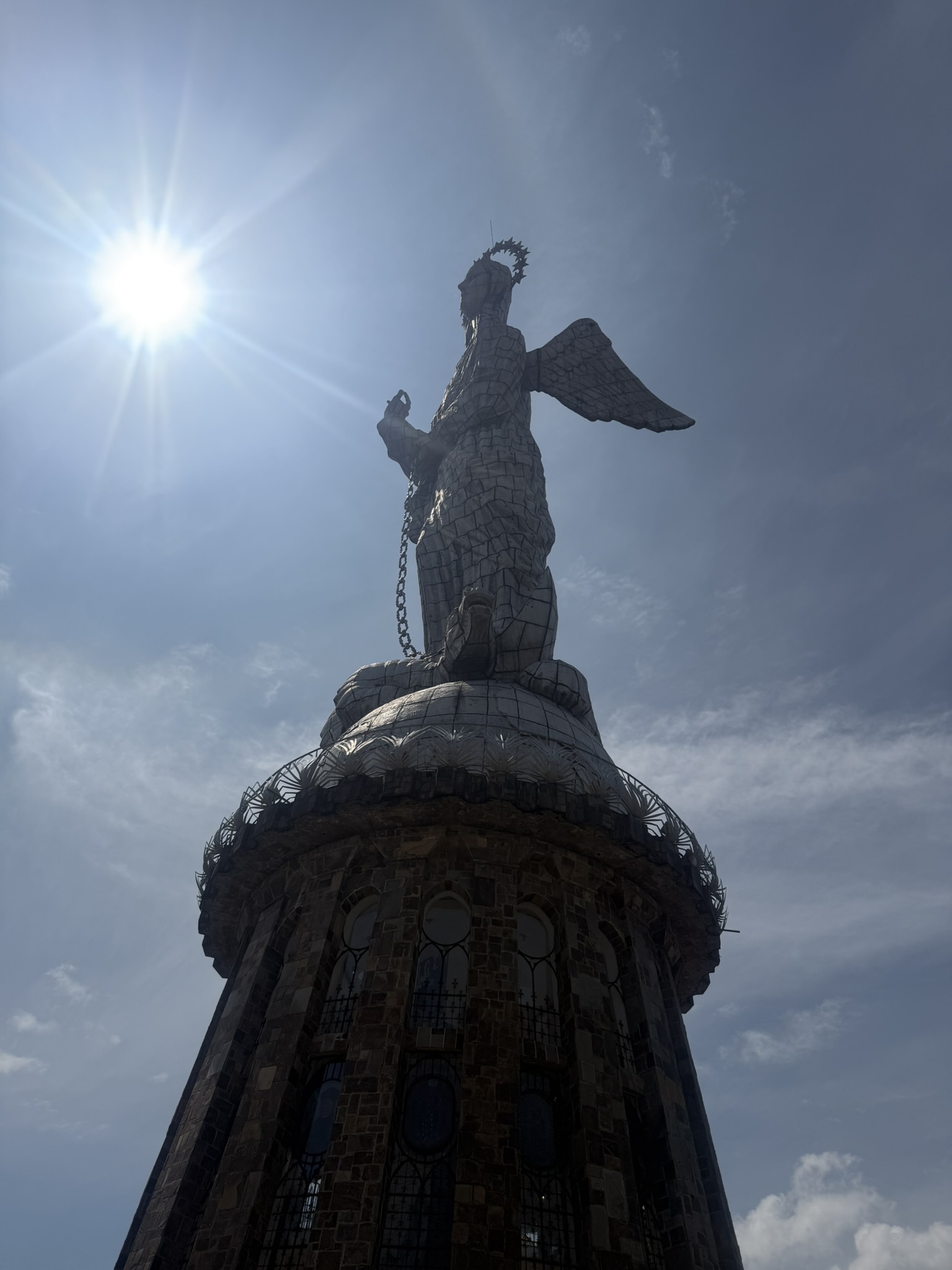
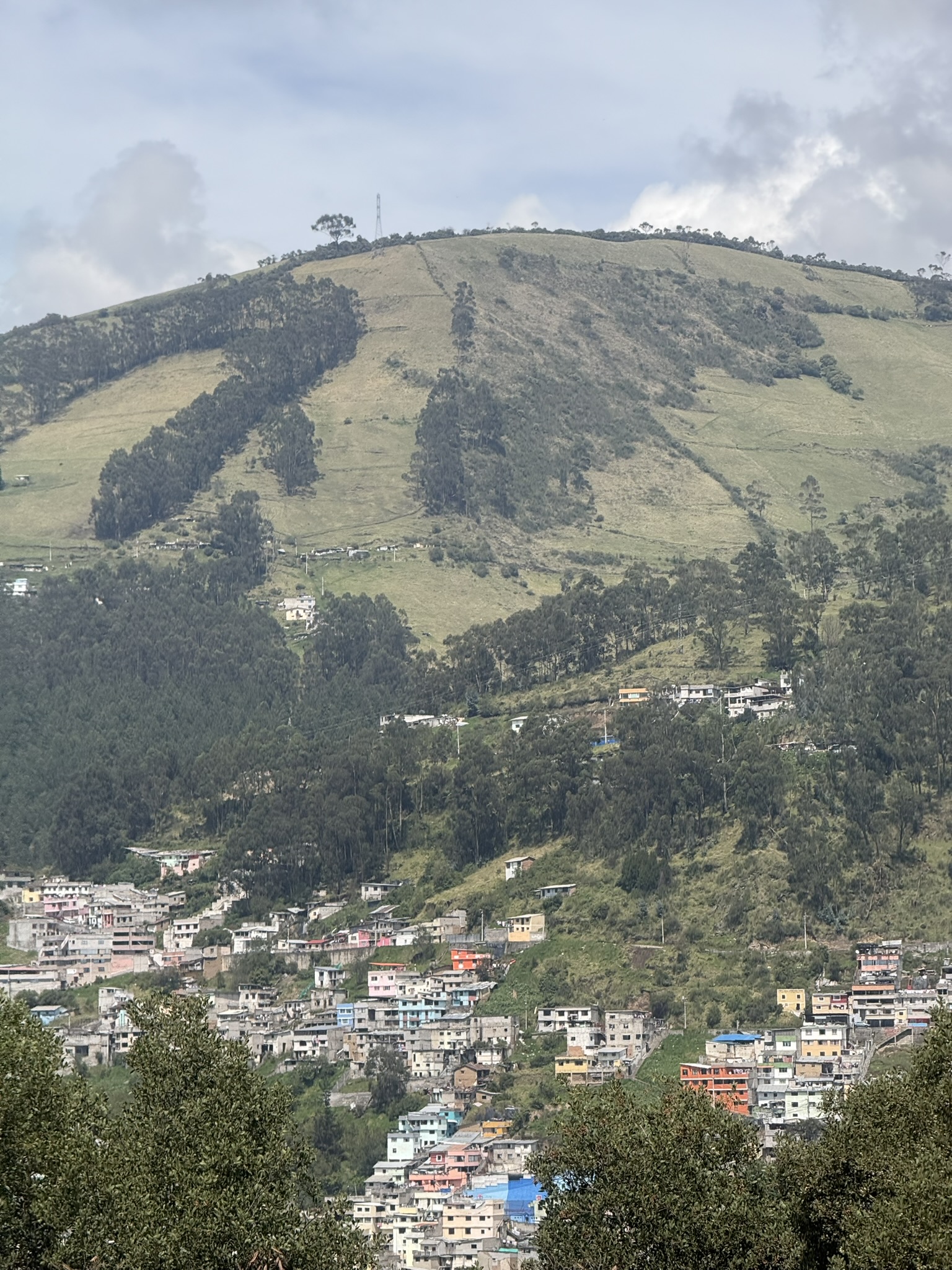
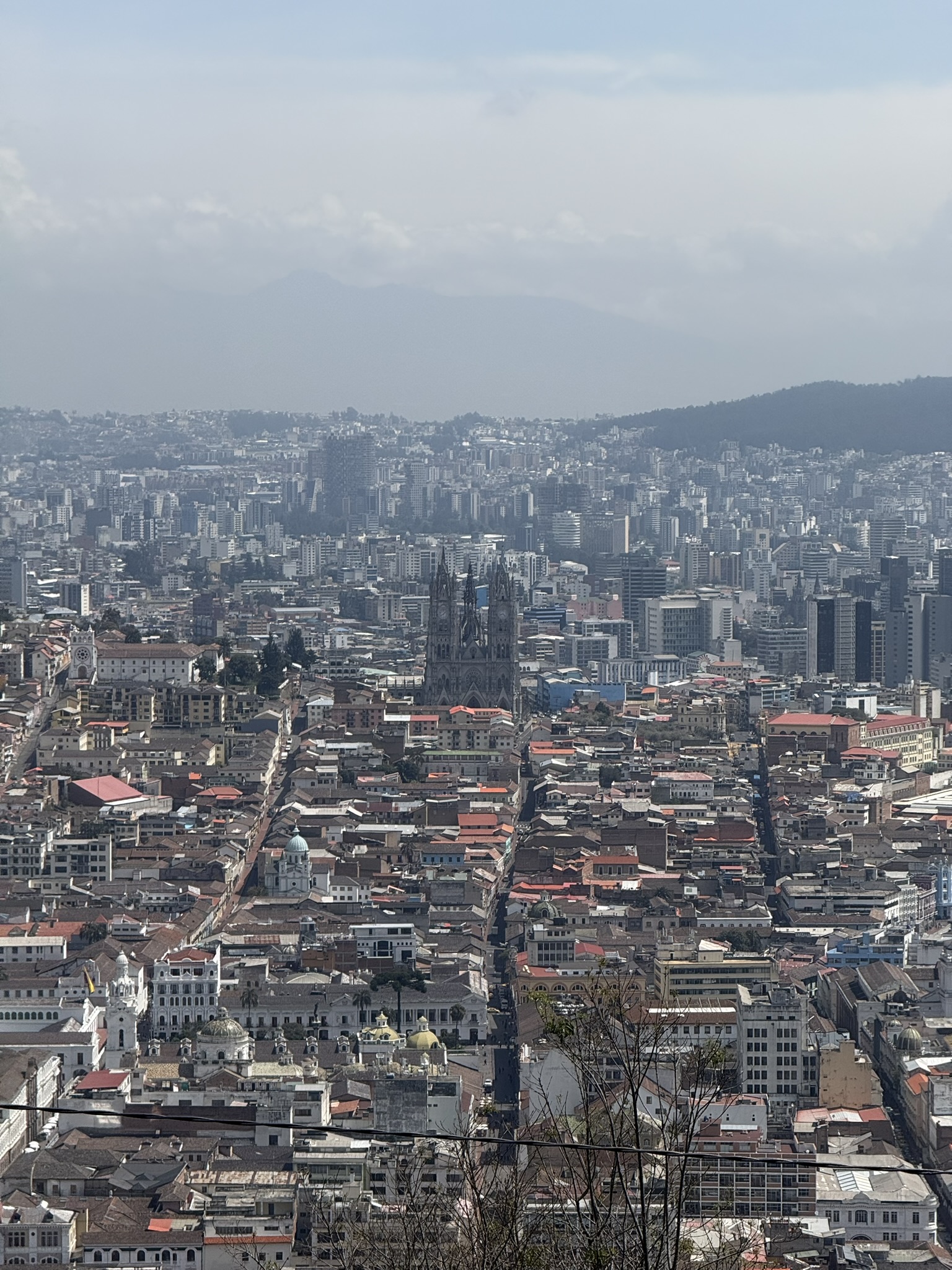
I had been seeing the monument from afar throughout my time in Quito, somewhat doubting whether I would ever manage to get a closer look. Now that the sky had finally cleared, I could properly appreciate both the artwork and the enormous city unfolding beneath it. From the viewpoint, Quito appeared to stretch endlessly between the mountains. Its historic centre spread below us, while modern neighbourhoods, valleys and volcanoes faded into the distance. After so many failed attempts, standing there beneath the statue felt like crossing one final item off my Ecuador list.
While at El Panecillo, I also got to try something else I had been hunting throughout the trip: canelazo. This traditional Andean drink combines aguardiente with naranjilla juice, cinnamon, cloves and panela before being served piping hot. Sweet, fruity and warming, it was exactly what I needed. It was so, so good!
Quito’s Green Heart
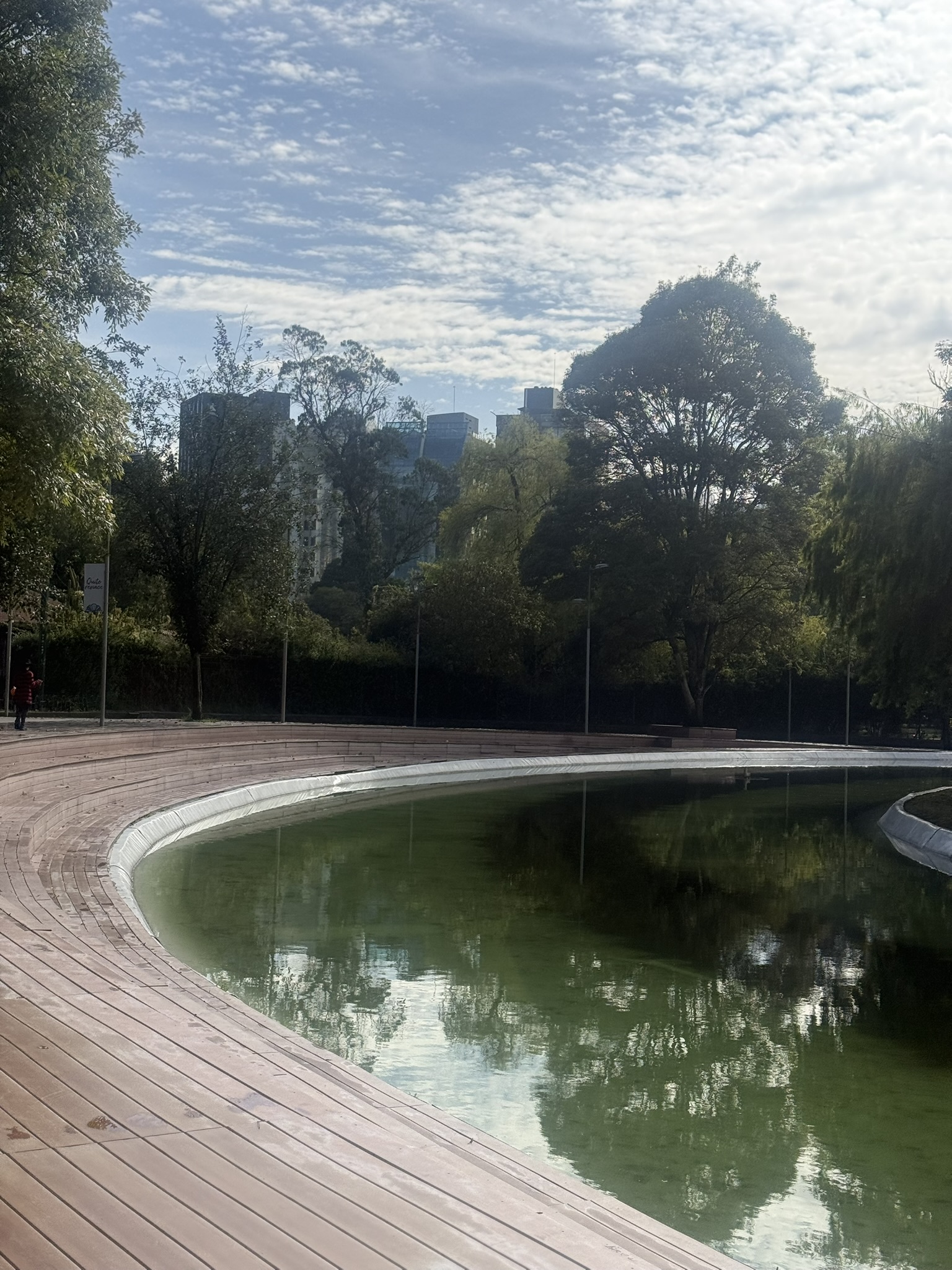
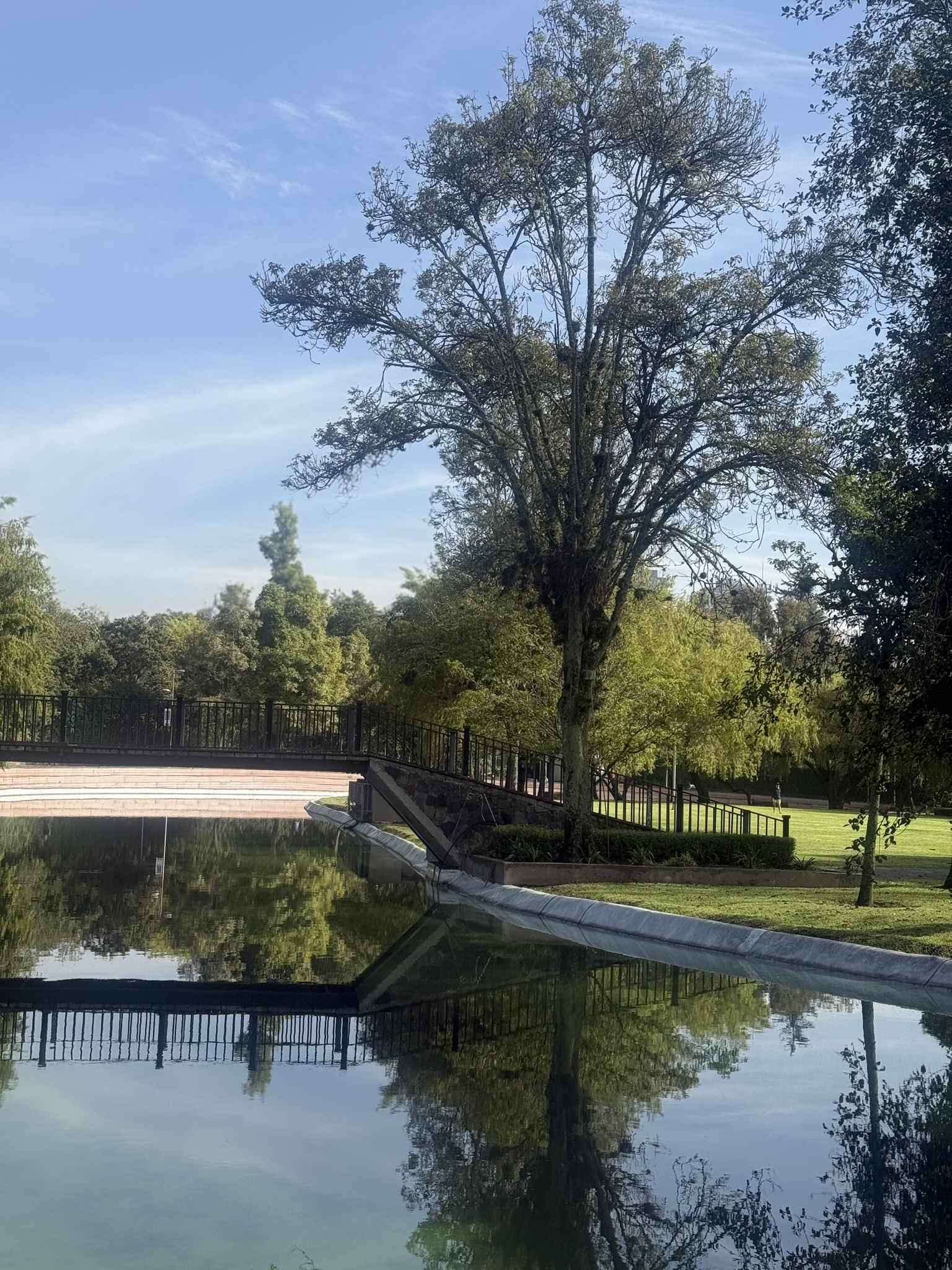
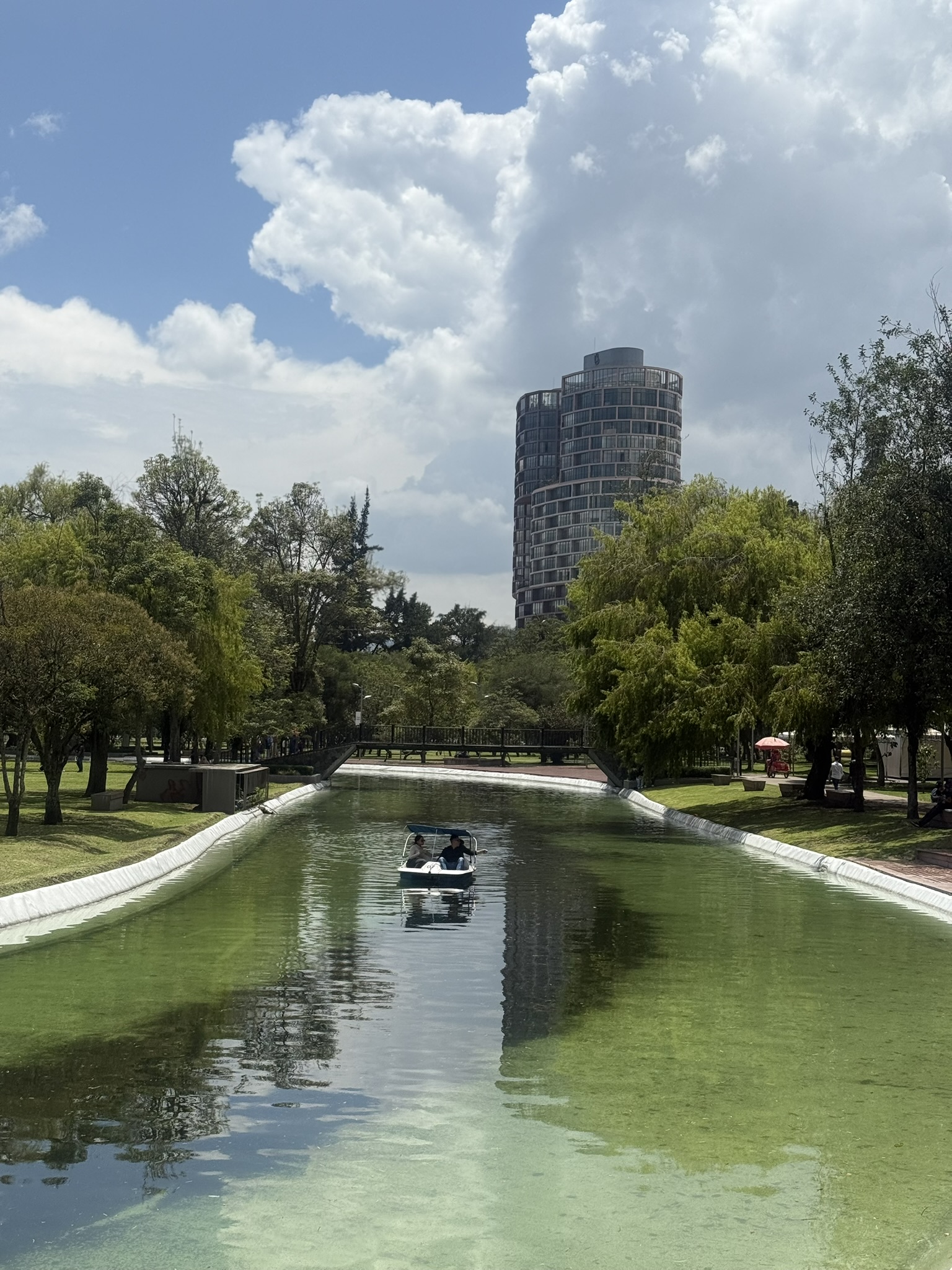
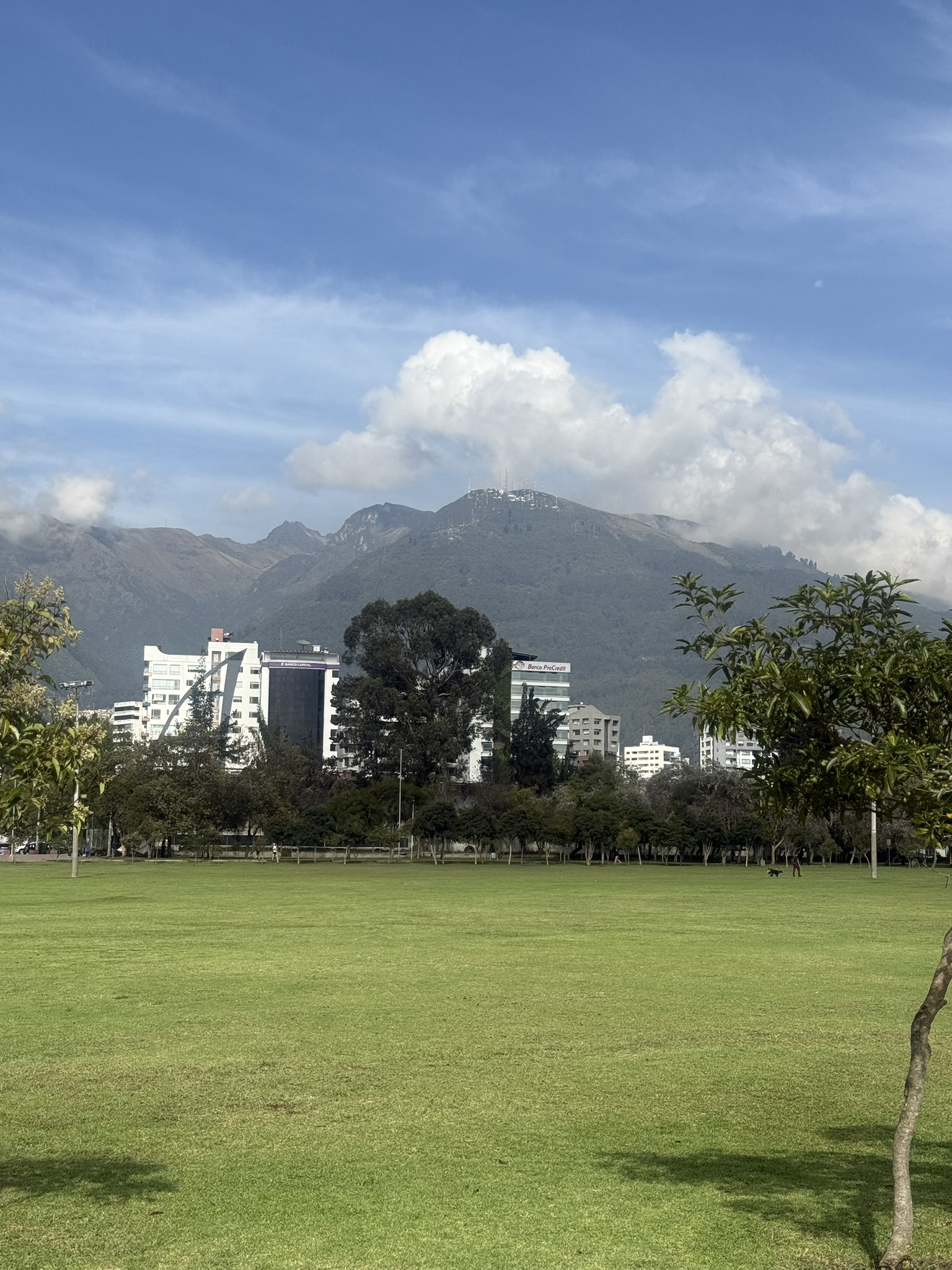
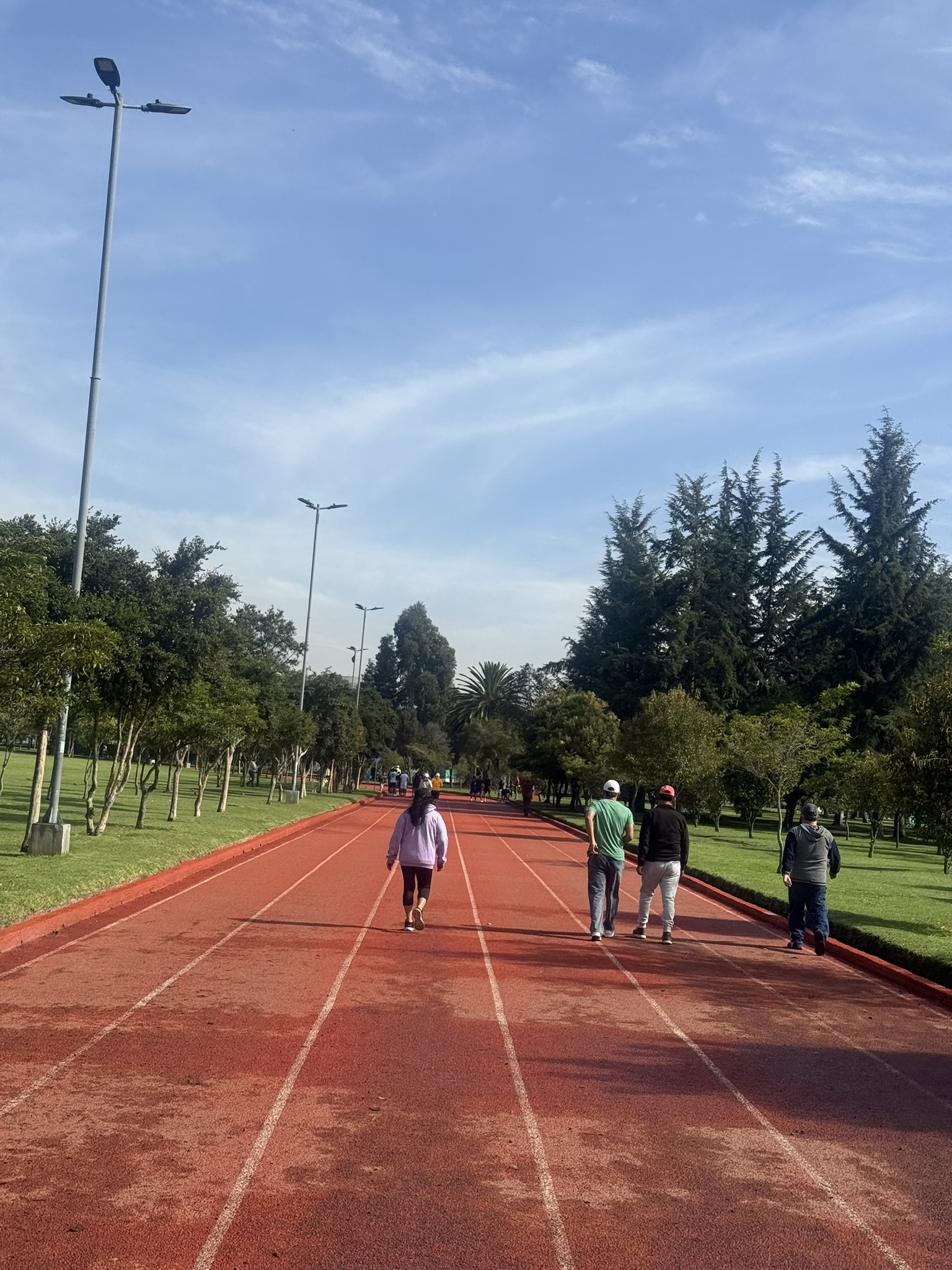
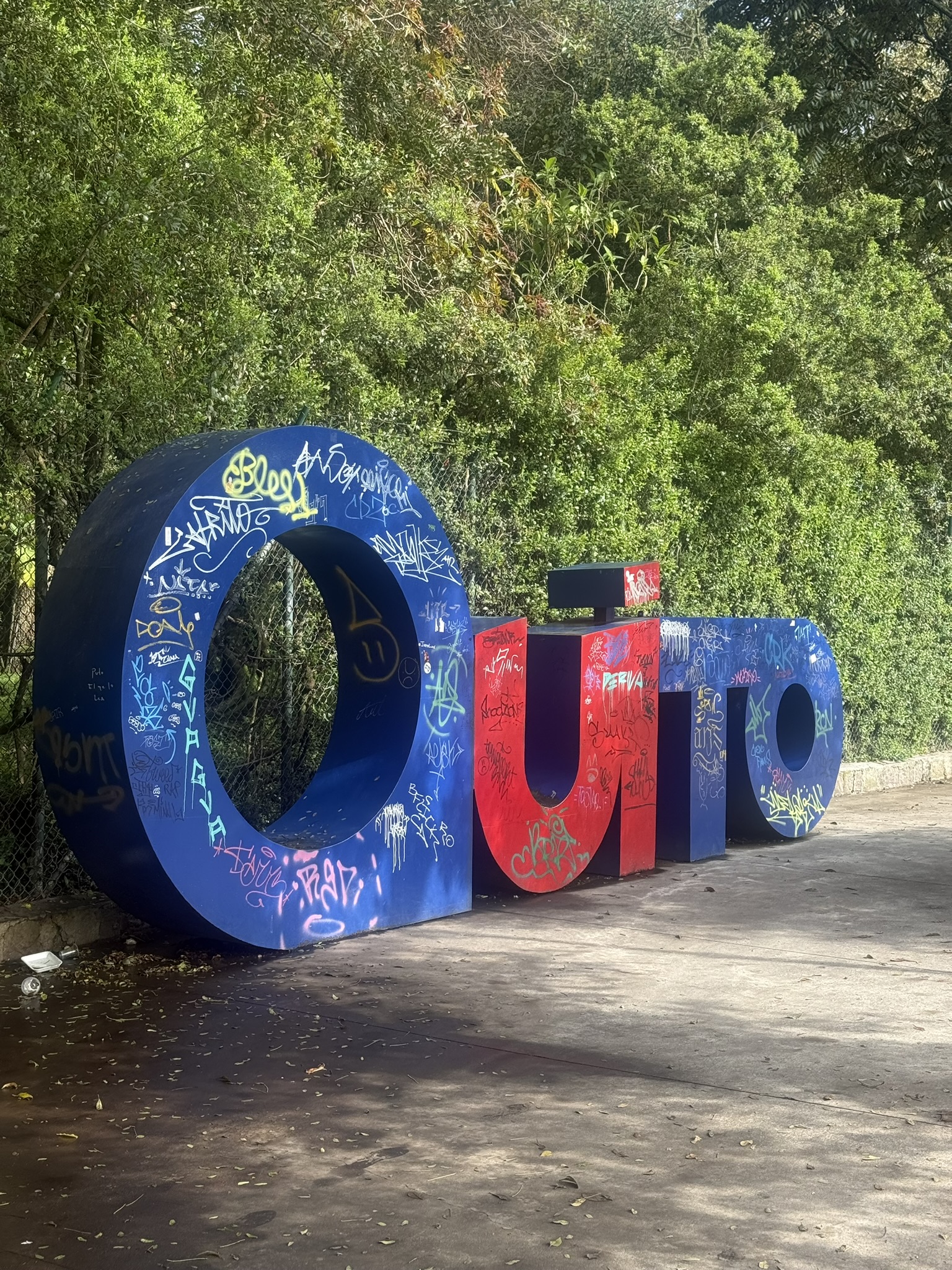
Afterwards, the tour bus dropped us back at our starting point, conveniently located beside Parque La Carolina. Covering more than 60 hectares, La Carolina is one of Quito’s largest and most popular urban parks which is often described as the green heart of the modern city.
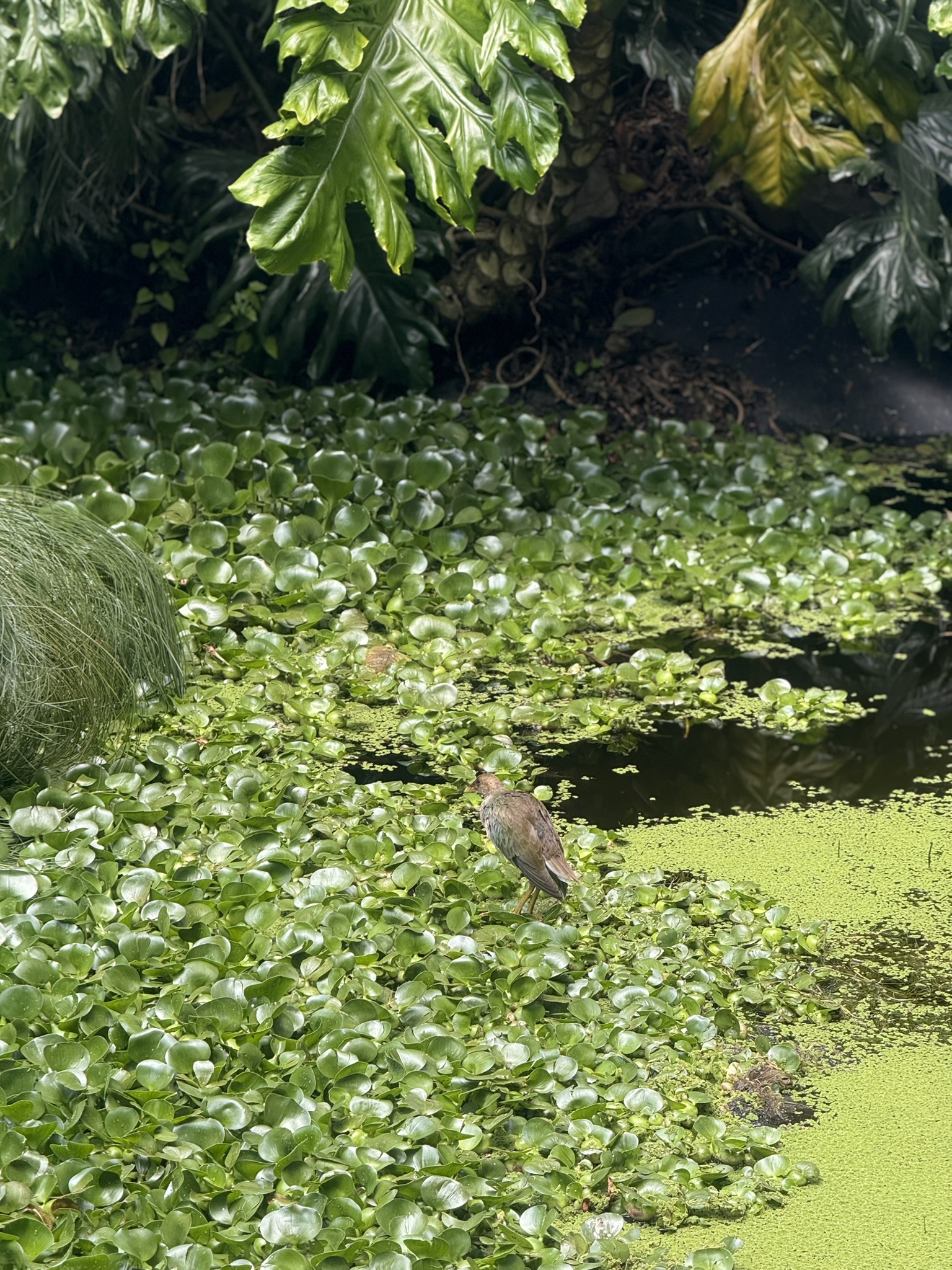
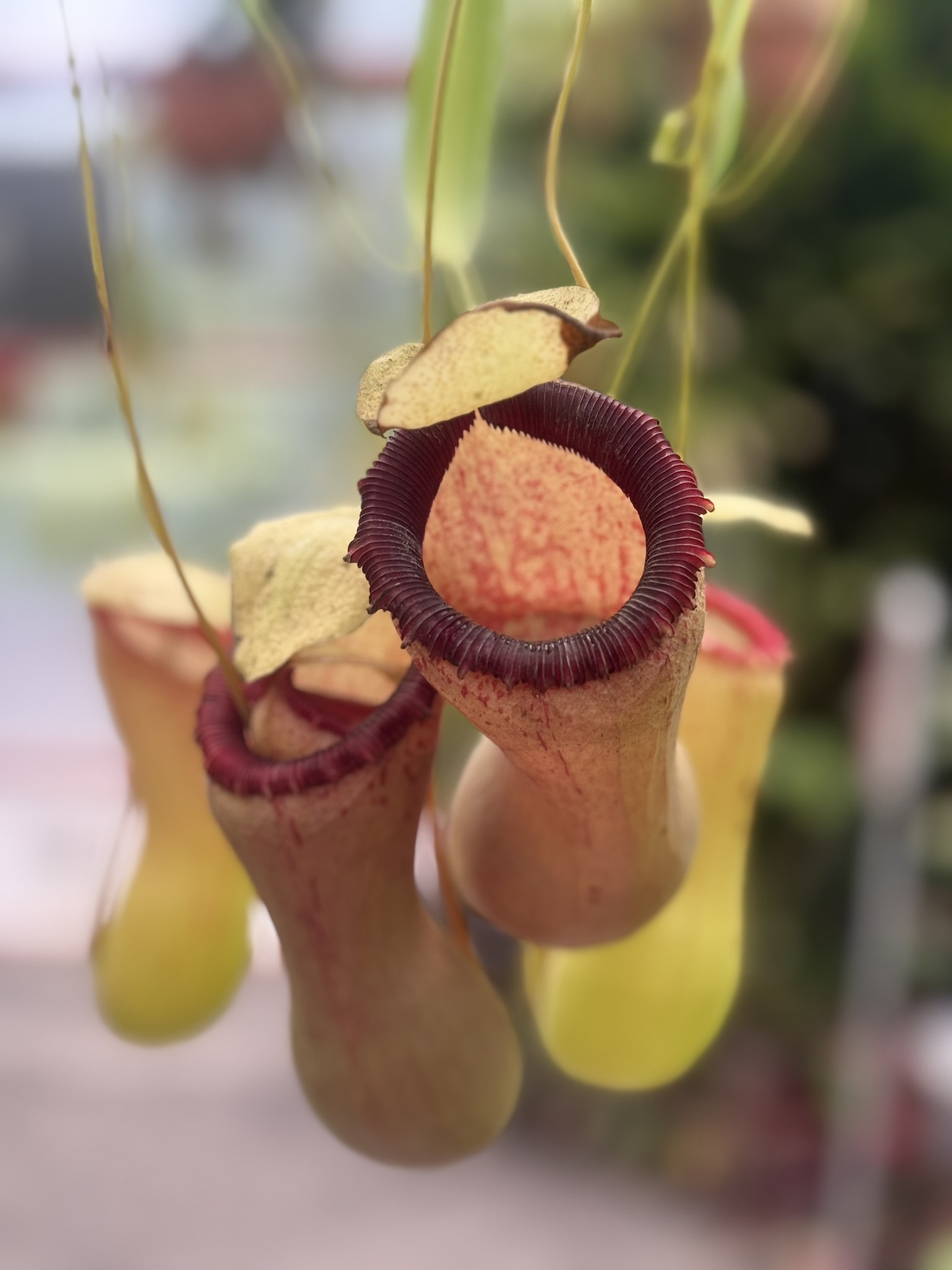
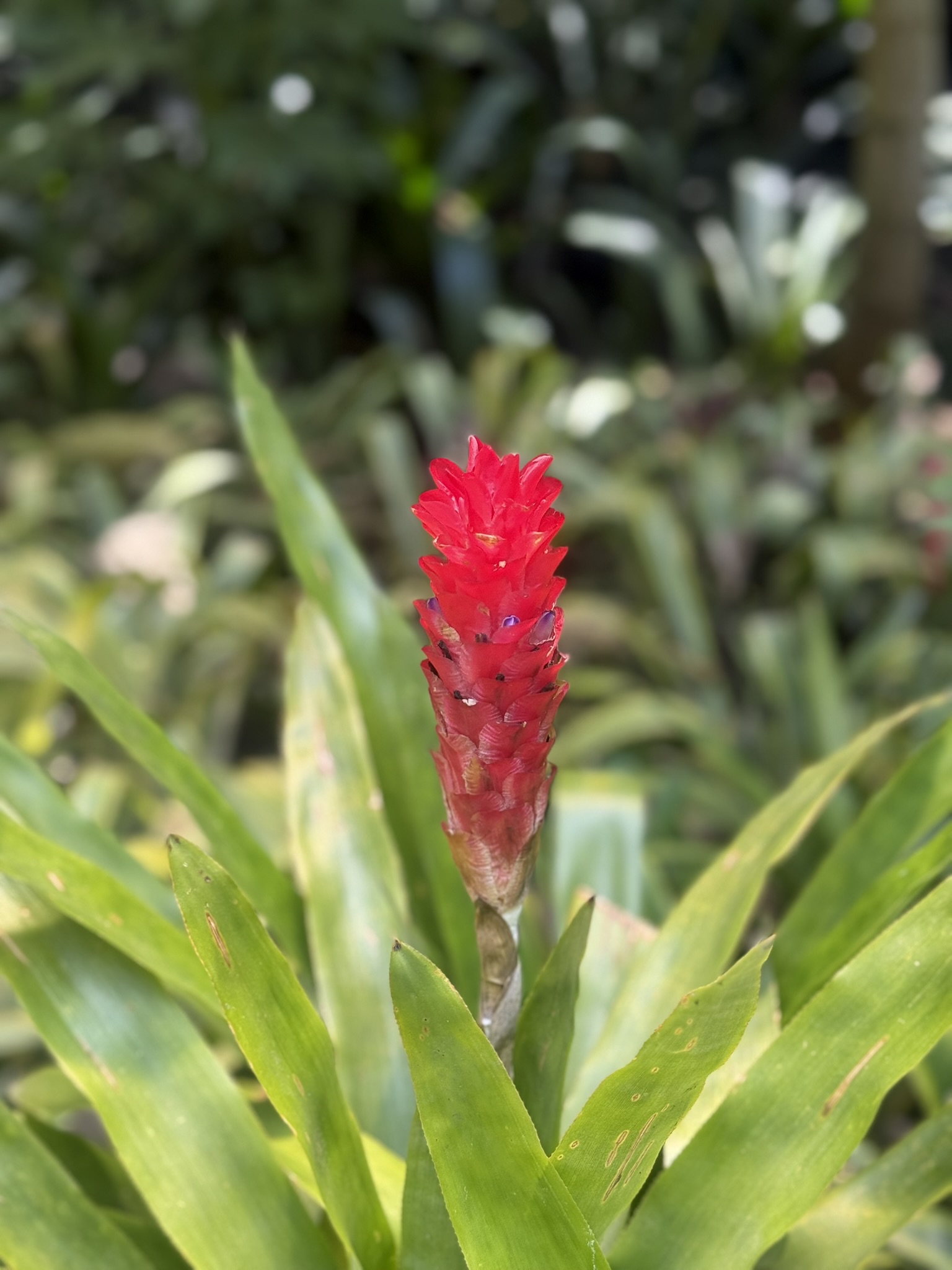
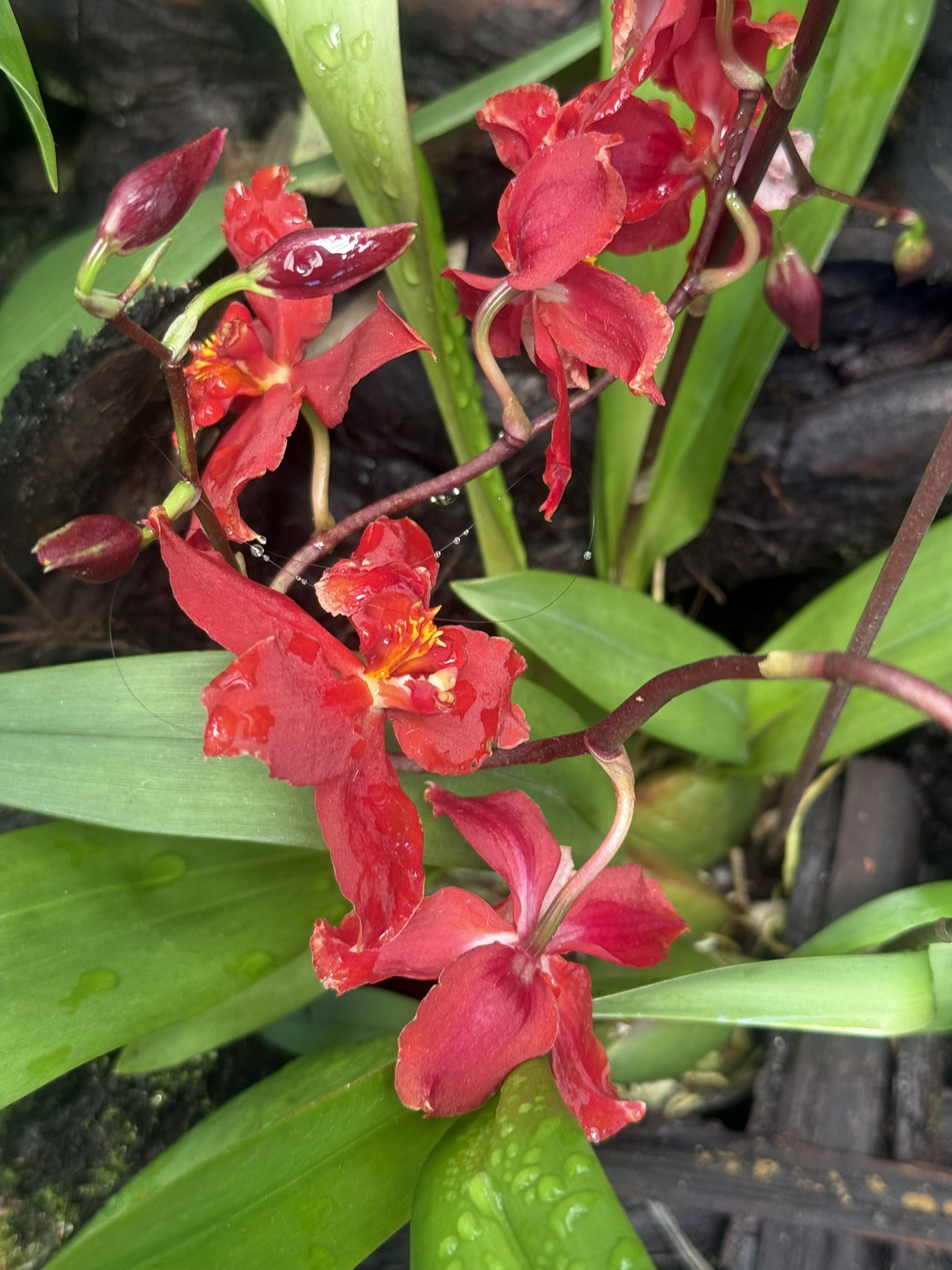
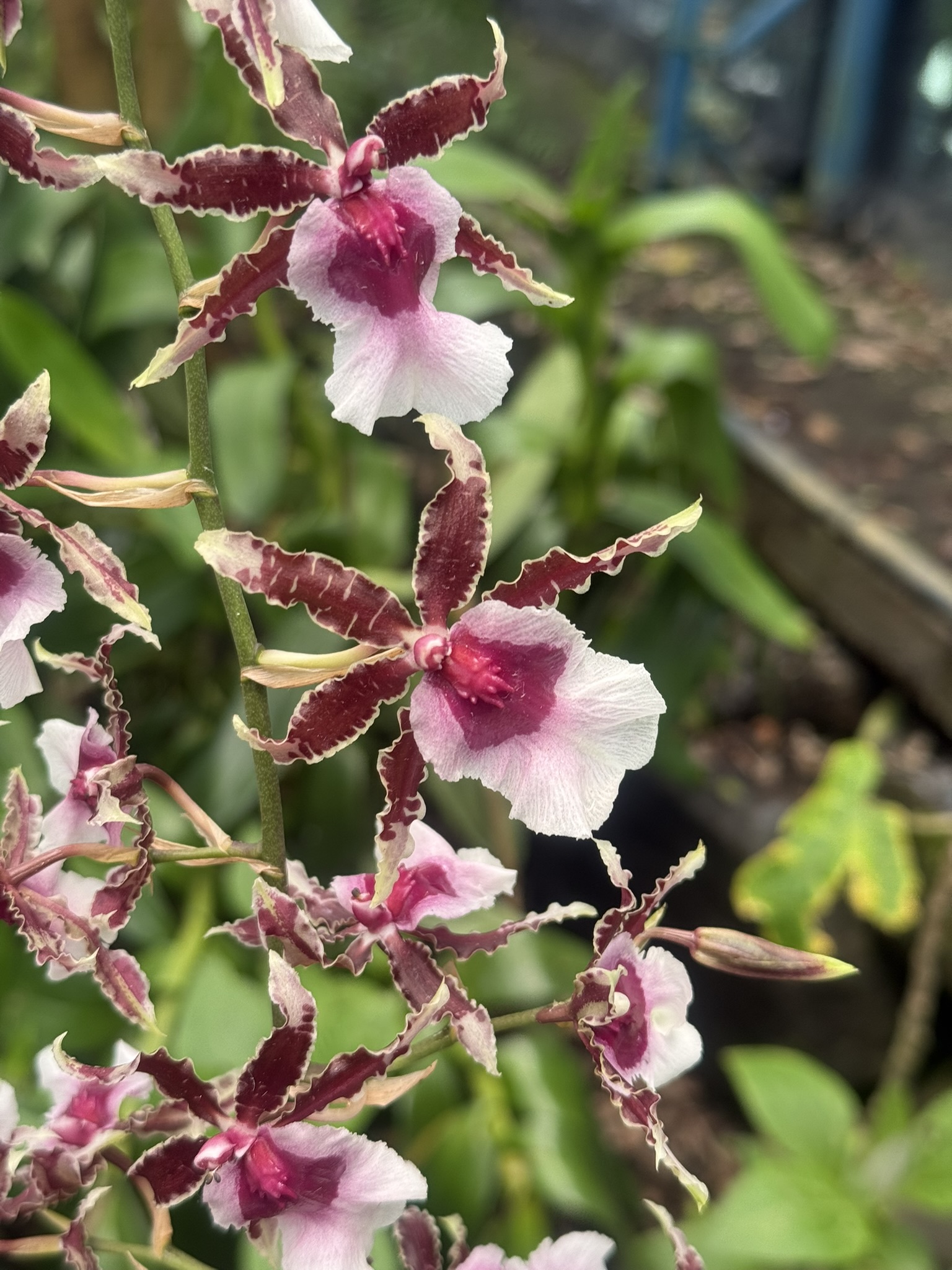
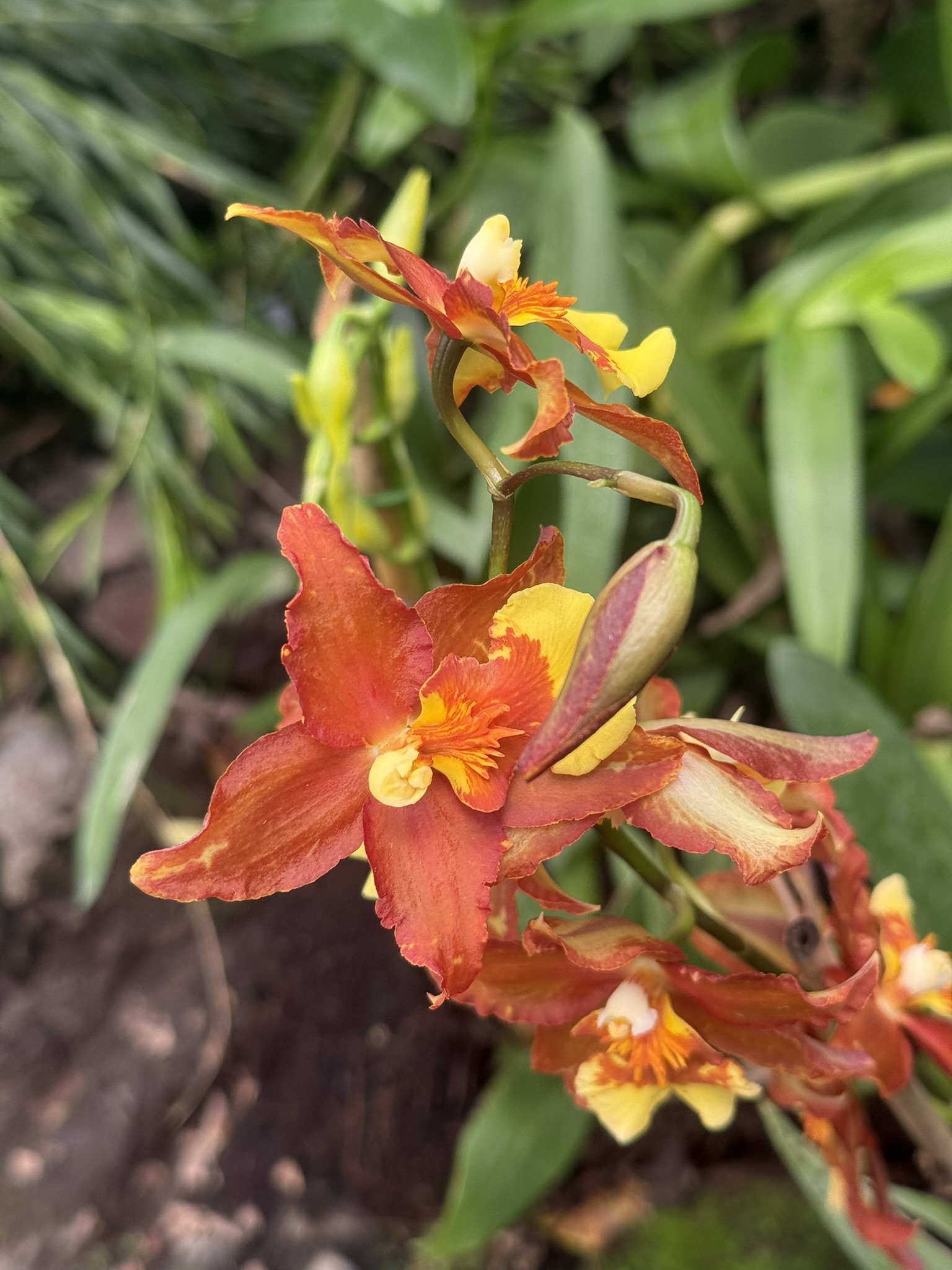
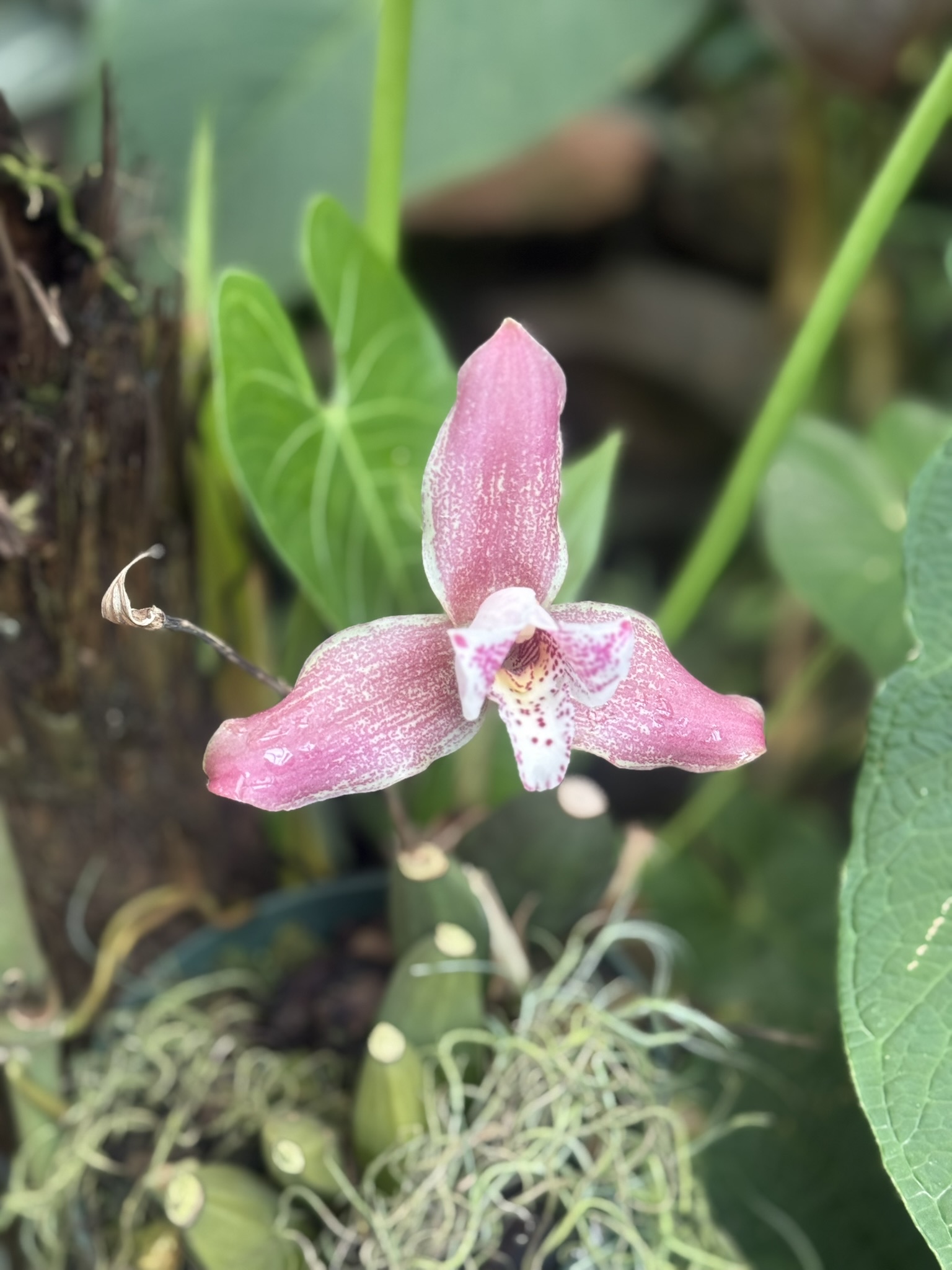
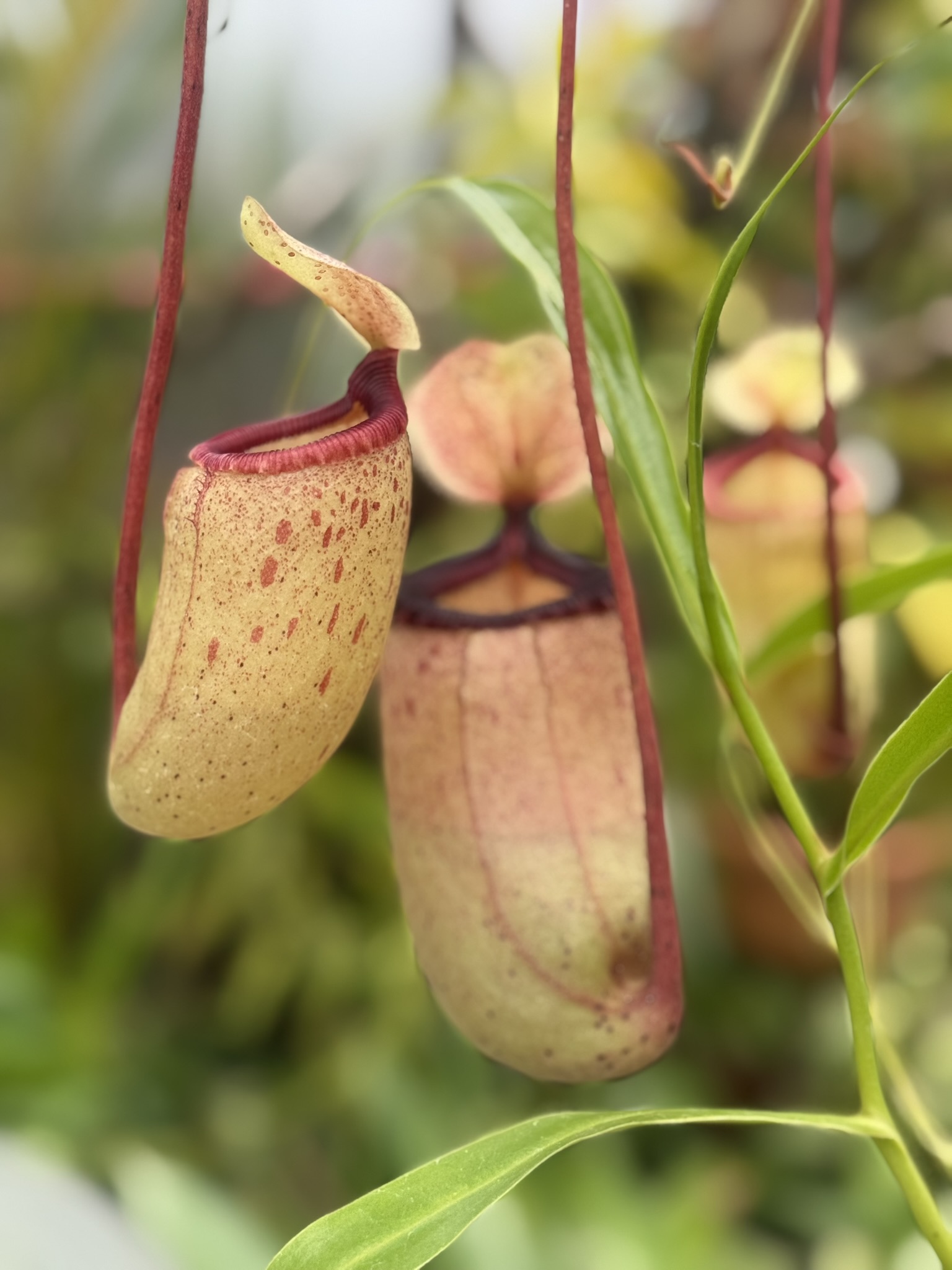
While I enjoyed strolling through the park, it was the Quito Botanical Garden that truly stole my heart. The gardens showcase plants and ecosystems from across Ecuador, with the orchid houses and carnivorous-plant collection leaving me in awe. Turns out, the garden contains almost 2,000 orchids displayed across warm and cool environments, surrounded by waterfalls, ferns and bromeliads.
PART II
Looking Back
Still exhausted from the diving expedition and that morning’s tour, I eventually returned to my hotel. On the final day of every long trip, it had become something of a tradition for me to lock myself inside my room and journal ad nauseam.
Having done everything I had set out to accomplish, and then some, I would use those final hours to look back on the journey and try to understand what it had taught me. Apparently, simply experiencing something wasn’t enough. I also needed to extract some kind of meaning from it. In many ways, journalling was another attempt to impose order on the chaos. I would take several weeks of experiences, emotions and contradictions and try to arrange them into a coherent narrative. There had to be a lesson. There had to be growth. Ideally, there had to be a new and improved version of me emerging at the end of it all.
Ecuador, however, had left me with more questions than answers. Earlier in the trip, while sitting atop Pasochoa, I had worried that I was becoming desensitised to adventure. I had looked across a magnificent volcanic landscape and felt practically nothing as the people around me gasped in awe. Trekking through mountains and admiring beautiful scenery had begun to feel like the same old, same old, leaving me convinced that I needed to travel differently.
Ecuador had kinda complicated that conclusion. I learnt that even when I appeared to be repeating the same activities, no two experiences were truly alike. Every mountain, dive and journey introduced me to different landscapes, people, cultures and versions of myself. Something didn’t become worthless simply because I had experienced something vaguely similar before. Repetition wasn’t necessarily sameness. That didn’t mean my desire for change had disappeared. Trekking and diving had once represented completely uncharted territory. Now, they had become part of my comfort zone. I still loved them, and I had no intention of giving them up, but I also wanted something fresh.
Perhaps my next challenge didn’t need to involve a taller mountain, a deeper dive or a tougher current. Perhaps I needed an experience that forced me to become a complete beginner again. Something that challenged me through uncertainty rather than altitude, distance or depth. Maybe the real change needed to be in how I travelled, not merely where I went.
Four Worlds, One Country
Ecuador had also taught me an incredible amount about the world itself. It might have been a spur-of-the-moment itinerary that I came up with in between ungodly working hours, but it worked out well in the end.
During a single trip, I had travelled through each of the country’s four major geographical regions: the Andes, the Amazon, the Pacific coast and the Galápagos Islands. I had learnt about the forces at play along the equator, explored ecosystems ranging from cloud forests and páramo to tropical rainforest and volcanic islands, and encountered wildlife I had previously only seen in documentaries.
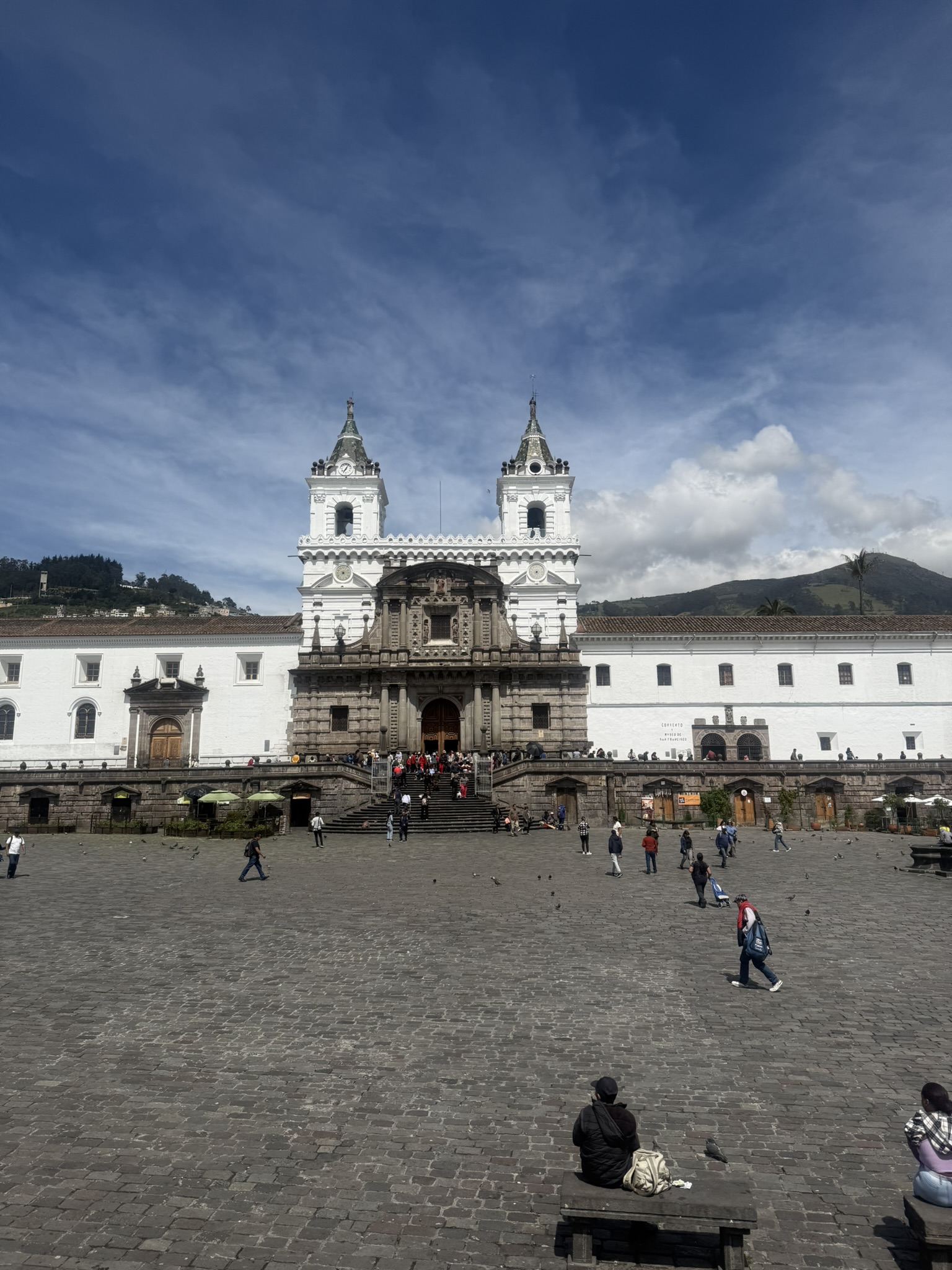
Then there was Ecuador’s history and culture. Between its Indigenous traditions, colonial cities, local food, markets, music and endlessly varied landscapes, I felt as though I had experienced a pretty good taste of what the country had to offer. Only a taste, mind you. There was still so much more left to discover. Which is always a plus when it’s a country you’ve grown in love with – it means you can always go back!
As always, I ended my final entry by looking towards the future. I’d be going back ready to move on to a new job post, but when it came to life itself, I still had no idea what would come next. That said, the empty space ahead of me didn’t feel like something to fear – it felt like possibility.