My newfound existential crisis had to take a back seat. Regardless of my new love for emergency medicine, it had to come second – at least for the time being. Surgery was all I could think about now that the MRCS Part B exam was right around the corner.
This exam is usually taken by basic specialist trainees in surgery during their second year. Meanwhile, I was still a good two years away from that stage. I knew sitting it would be an overreach – especially with only three months of studying under my belt. That said, even preparing for it had already made me a much better clinician in general. So even if I failed, I would still have gained a lot from the experience.
And so, it was finally time to pack my bags and head to London. For a Maltese person, it’s practically unheard of to be visiting London for the first time at twenty-six. It’s usually the default destination – often the very first stop on most people’s travel radars. London is like a Mecca for us Maltese. Yet somehow, despite having visited the UK several times, I had never made it there. That said, I wasn’t exactly travelling for sightseeing. This was where I’d be sitting my exam.
I arrived a couple of days before the exam and spent most of my time locked inside the shoebox of a hotel room I’d managed to book for the cheapest price imaginable. I revised nonstop, going over everything I hadn’t managed to cover properly in the preceding months – which, as it turned out, was a lot. I’d focused most of my time on theory and knowledge, largely neglecting the clinical component – assuming my daily work in the Emergency Department would compensate. When I realised that the majority of marks were allocated to the clinical stations, I freaked.
On the day of the exam, I was an absolute wreck. I felt nauseous, jittery, and exhausted. Never in my life had I sat an exam feeling as unprepared as I did for this one. I knew my chances of passing were slim, but I still went through with it.
Before stepping into the majestic building of the Royal College of Surgeons of England, I took a deep breath. I’d done everything I could. Now all that was left was to perform. After registration, I was led to the waiting area alongside several other candidates. I looked around, feeling utterly defeated. Most of them were probably already surgical trainees – and they looked the part. I didn’t stand a chance. Just as I was spiralling, a bell rang, signalling the start of the exam.
What followed was a brutal three-hour assessment designed to evaluate the knowledge, clinical skills, and professional attributes expected of a trainee at the end of core surgical training. It involved moving rapidly from one station to the next, managing clinical scenarios, performing procedures like suturing, describing anatomy in painstaking detail, and tackling ethical dilemmas such as patients wanting to discharge against medical advice.
As expected, I felt confident in the knowledge-based stations and knew I’d done well there. My clinical skills, on the other hand, were a different story. I could tell from the examiners’ expressions that my relative inexperience showed. While part of that was undoubtedly due to insufficient preparation, there was one encounter I still felt was unfair.
The station involved a man in his thirties who’d sustained an ACL rupture while playing football. I examined him, gave my differentials, and outlined a management plan. When asked about potential complications, I mentioned osteoarthritis as a possible long-term outcome. The examiner latched onto that and asked how I’d manage it. When I mentioned surgery as a potential option, he scoffed, “You’d do a total knee replacement on a thirty-year-old?” I was more than ready to justify my answer, but the bell rang, cutting me off mid-thought.
I walked out of that station feeling awful. But there was no time to dwell on it – I still had several stations left. When it was finally over, I stepped out of the stuffy building, loosened my tie, unbuttoned my shirt, and took my first proper breath in hours. I had no idea how I’d done. I knew I’d bombed some stations and nailed others.
Only time would tell. So the moment I stepped out of the college, I put it behind me and decided to enjoy a much-needed holiday in London.
I had a couple of days to explore the city properly, and it didn’t take long to understand the hype. I did all the classic tourist stuff – walking along the Thames, shopping around Trafalgar Square, hanging out in Hyde Park, and getting lost in London’s charming streets. I visited London Bridge (iconic), the London Eye (ironic – scratched to hell), Westminster Abbey (impressive), the Tower of London (depressing), and Big Ben. I’d have loved to visit Buckingham Palace too – especially after watching The Crown – but that requires booking months in advance. I also spent hours wandering through the British Museum and the National Gallery, indulging my cultural side.
I made time for Camden Town too – a loud, chaotic, unapologetically weird version of London. The streets buzzed with buskers, punks, tourists, and locals colliding in a glorious mess of colour and sound. Markets overflowed with vintage leather jackets, band tees, and street food from every corner of the planet. The air smelled of incense, fried noodles, and coffee, graffiti-covered shopfronts fought for attention, and live music seemed to spill out of every pub and basement. No wonder Taylor Swift loves walking around there.
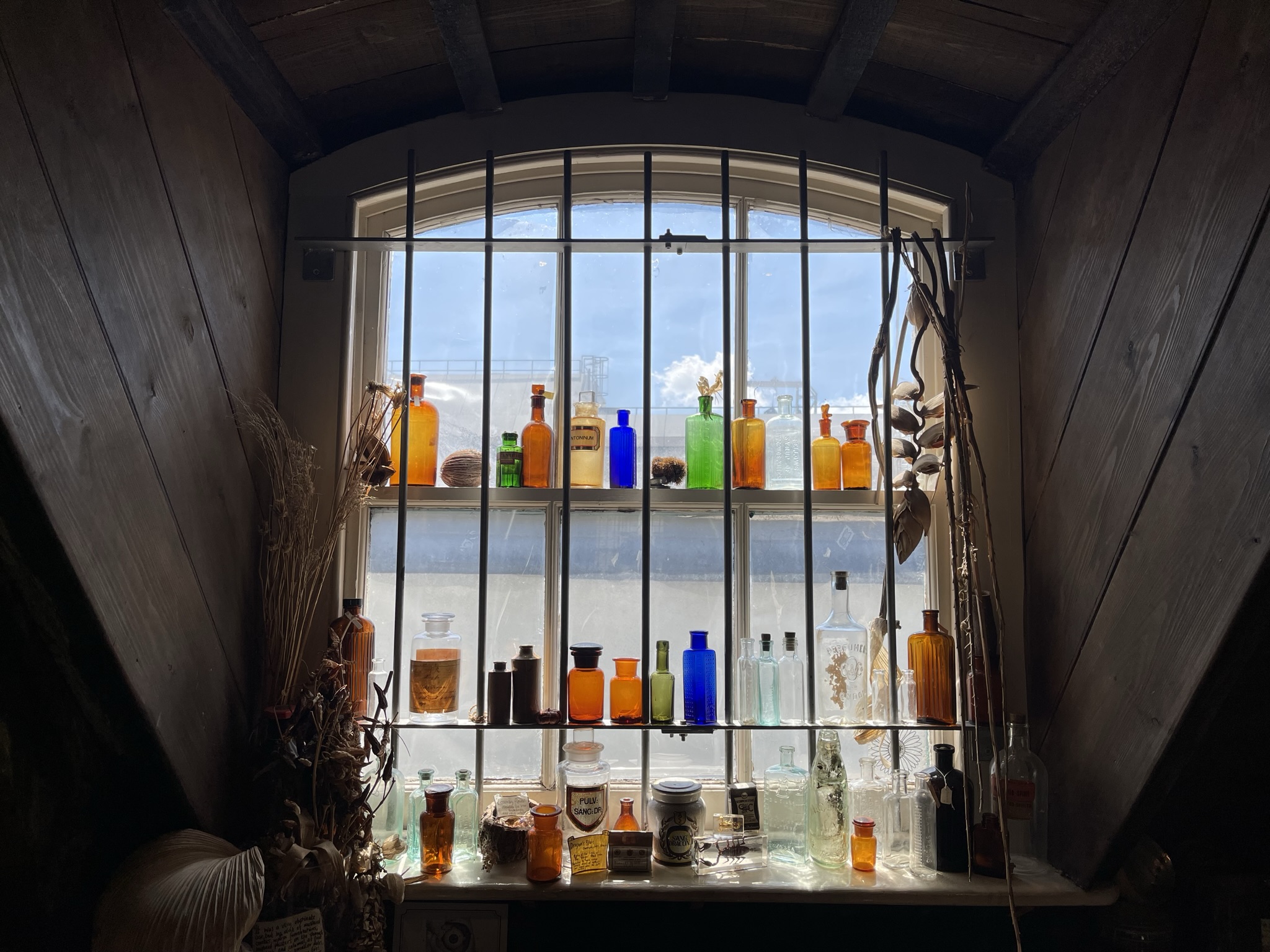
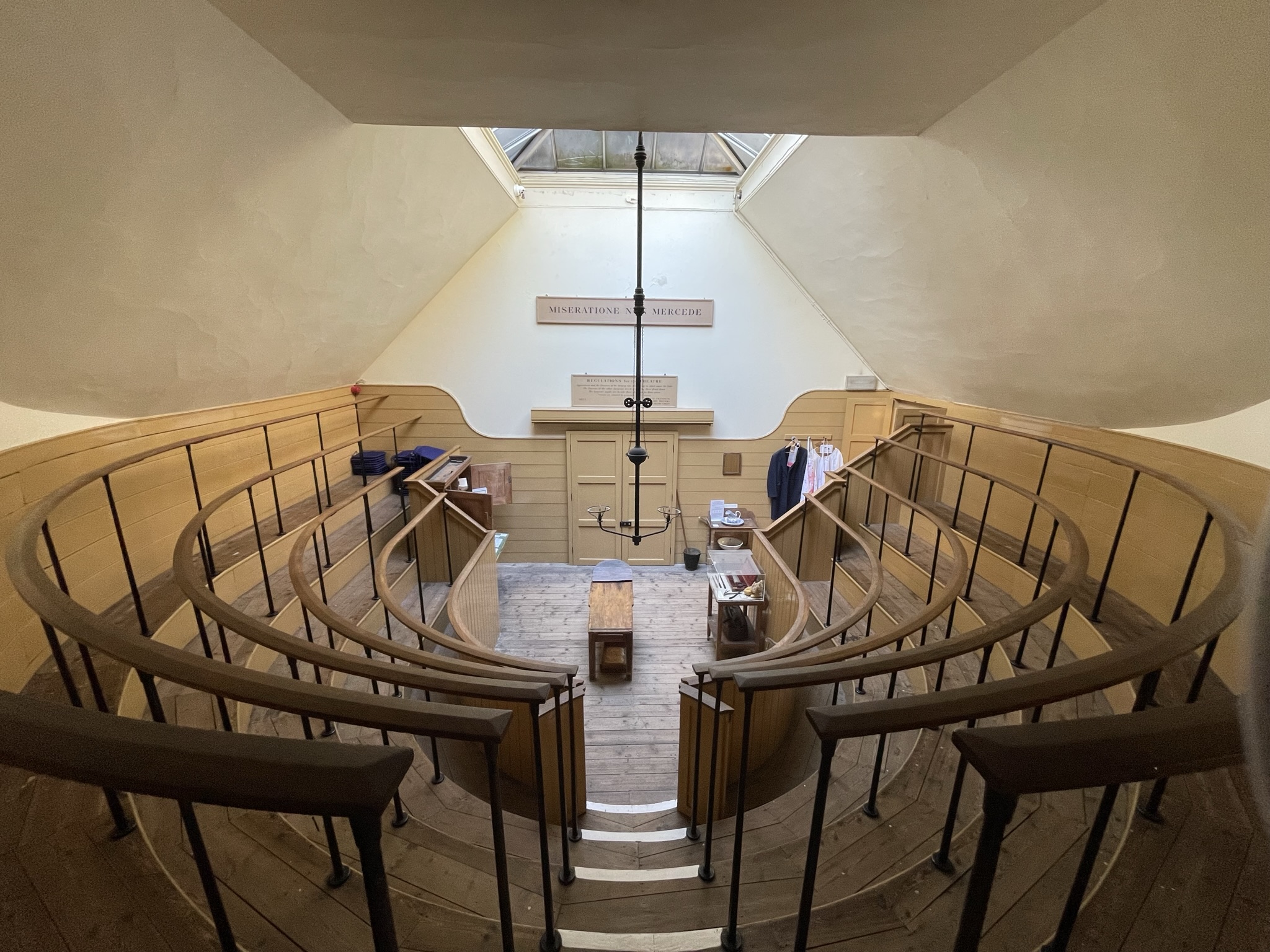
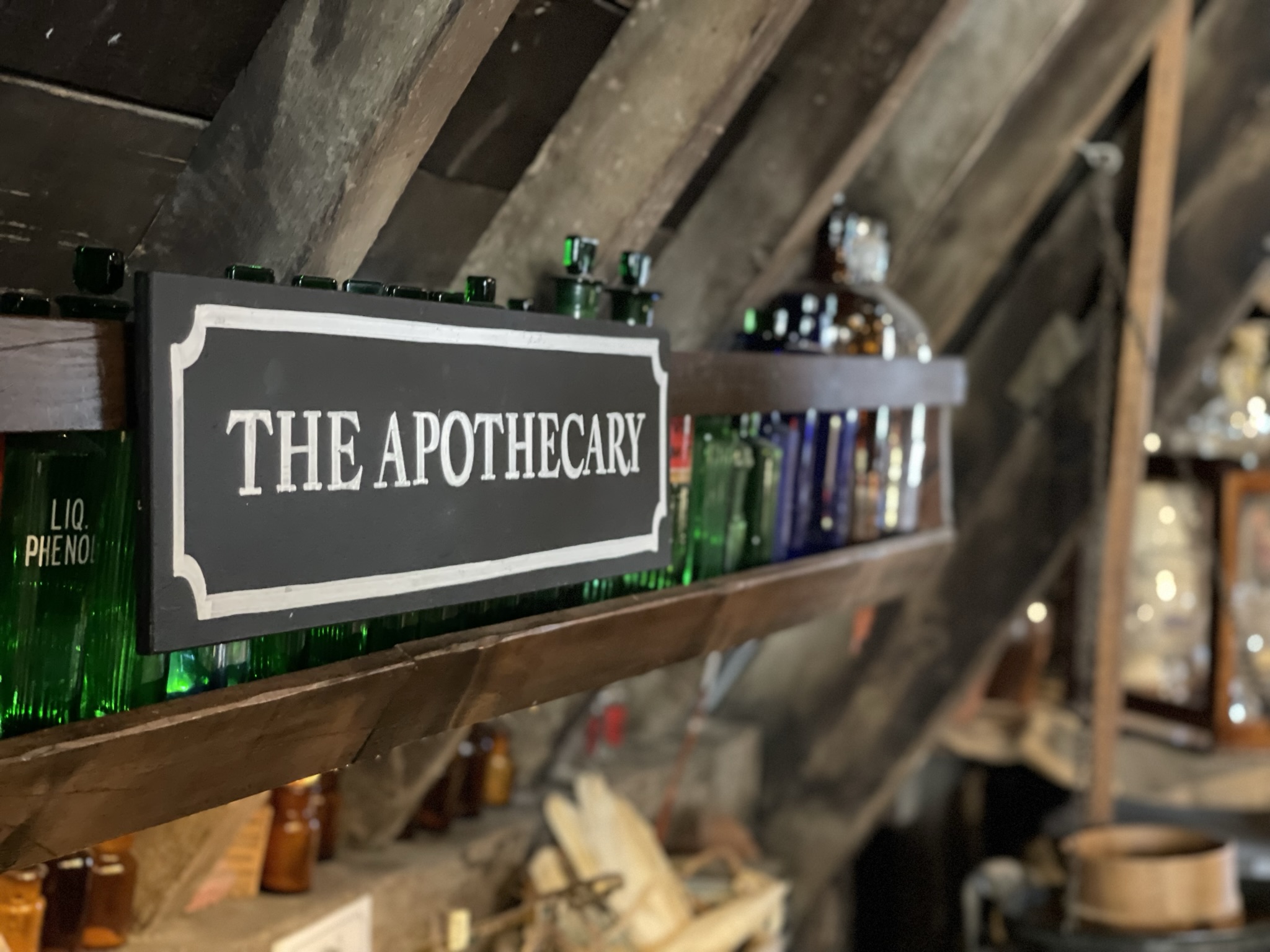
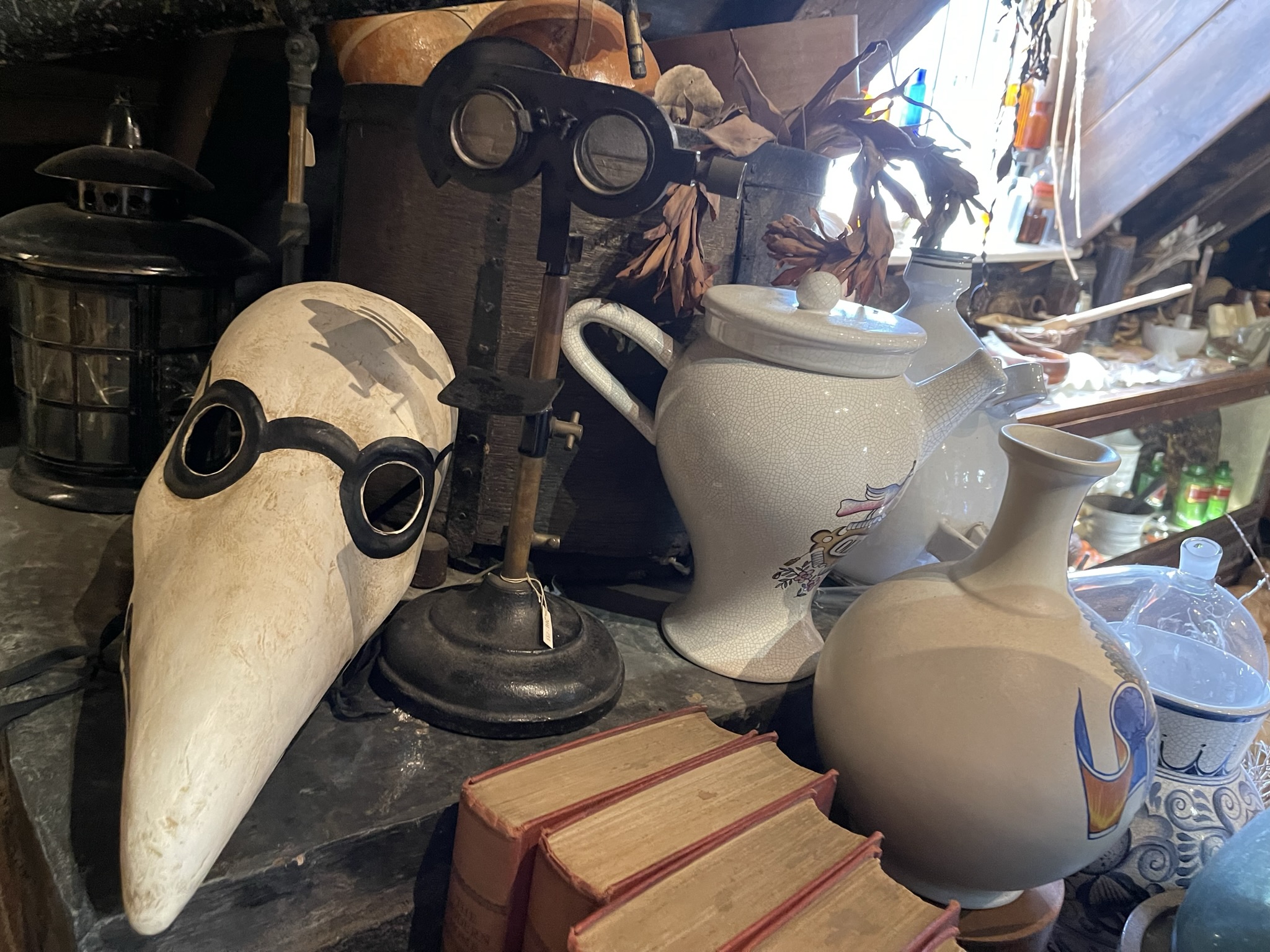
As much as I enjoyed all that, a few places truly made me fall for London. The Old Operating Theatre Museum was first – equal parts fascinating and disturbing. Hidden in the roof of a church near London Bridge, it’s the oldest surviving operating theatre in Europe, with steep wooden benches and a scarred table where surgery was once performed without anaesthesia or antisepsis. Standing there, it was impossible not to imagine the screams, the speed, and the brutality of pre-modern surgery. The adjoining herb garret offered an eerie calm that only sharpened the contrast. It was humbling and deeply unsettling.
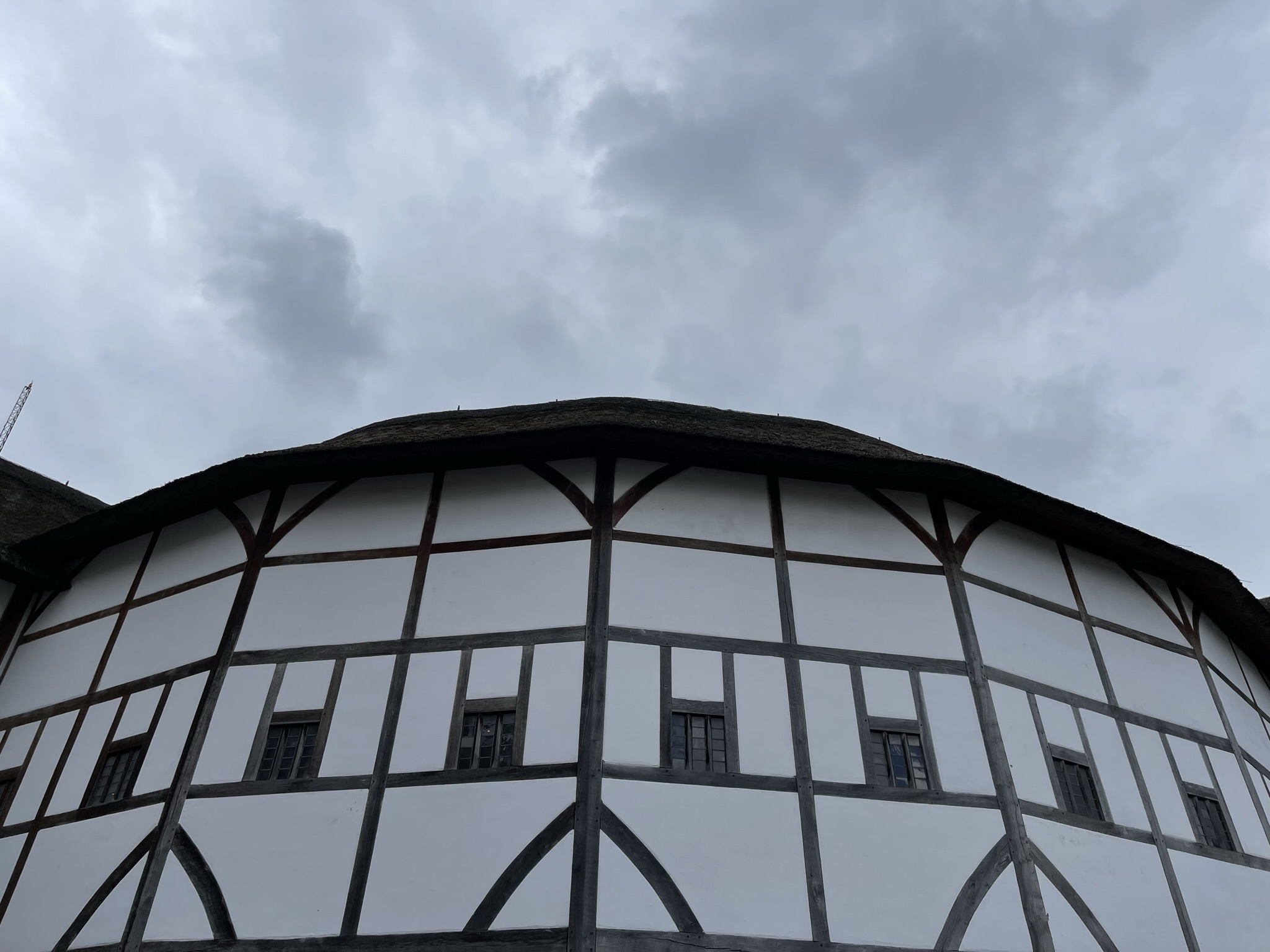
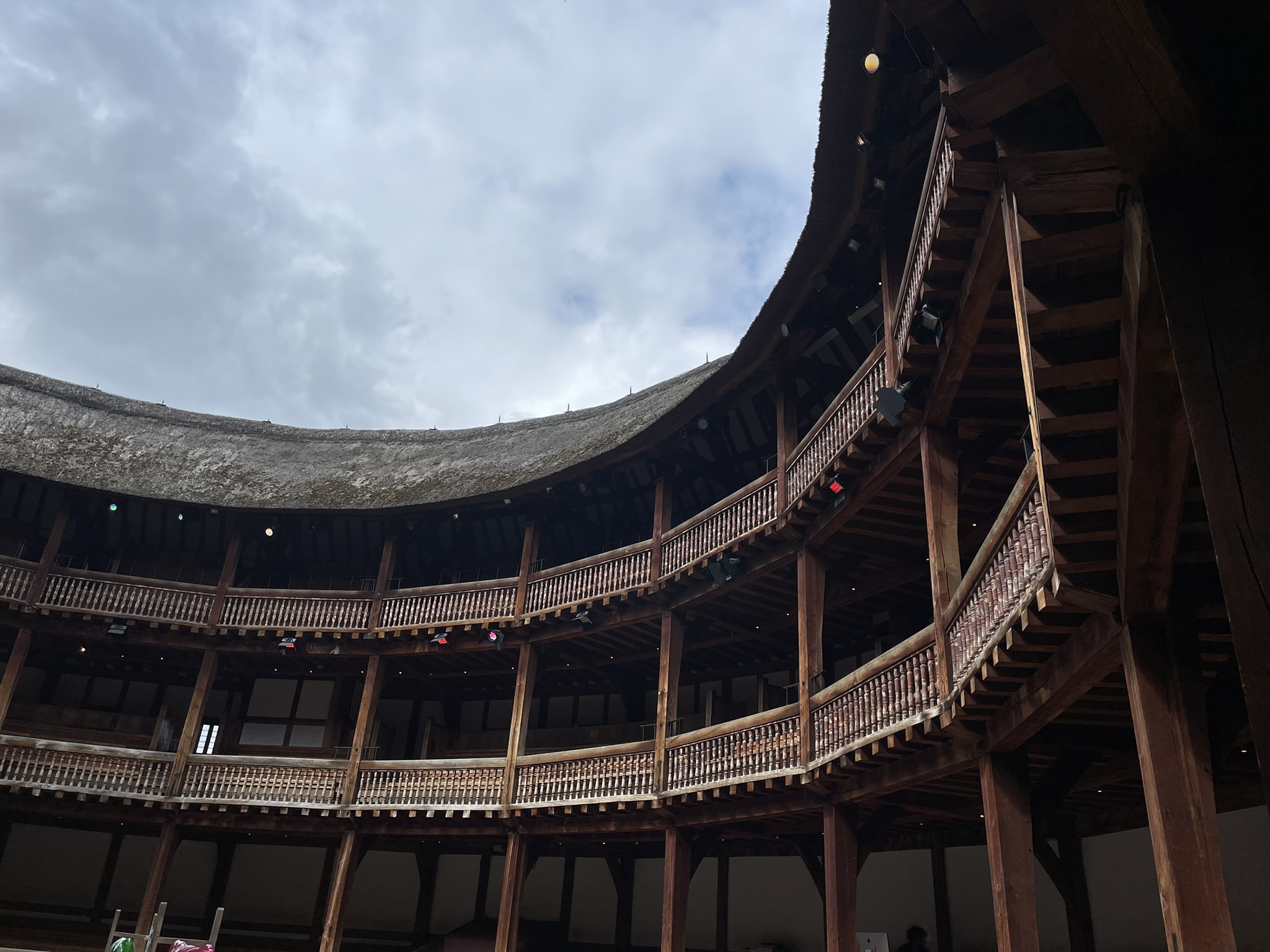
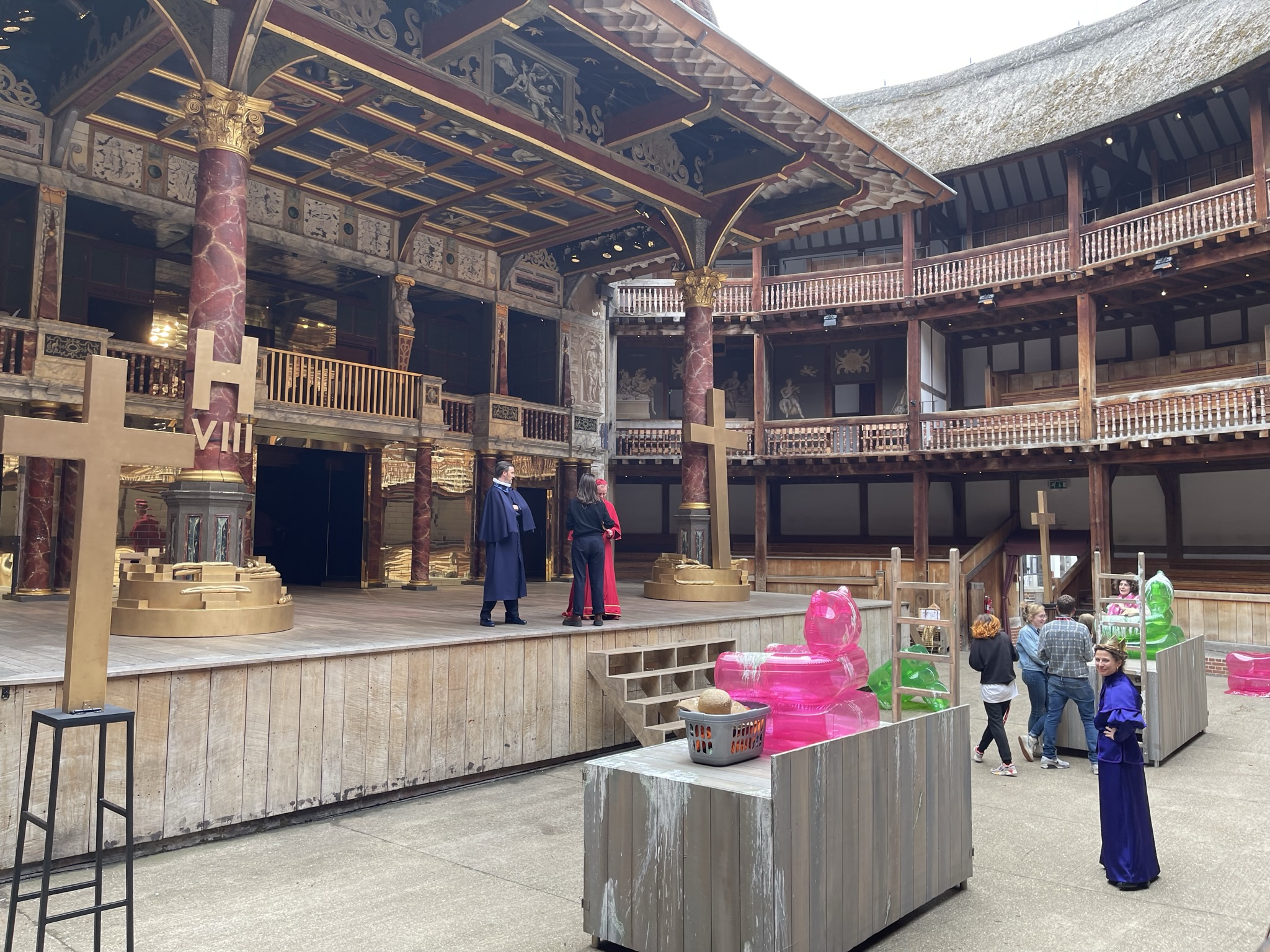
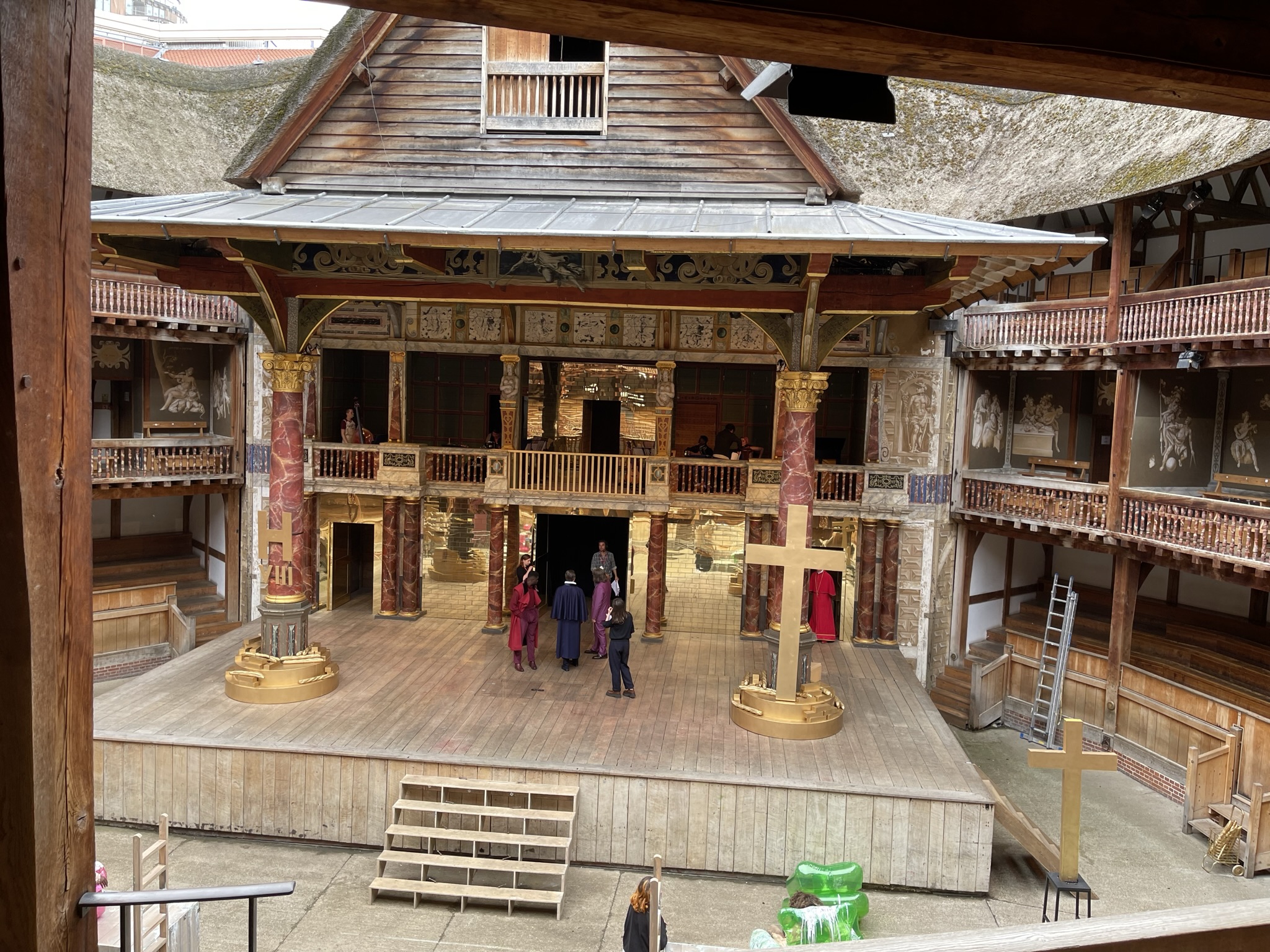
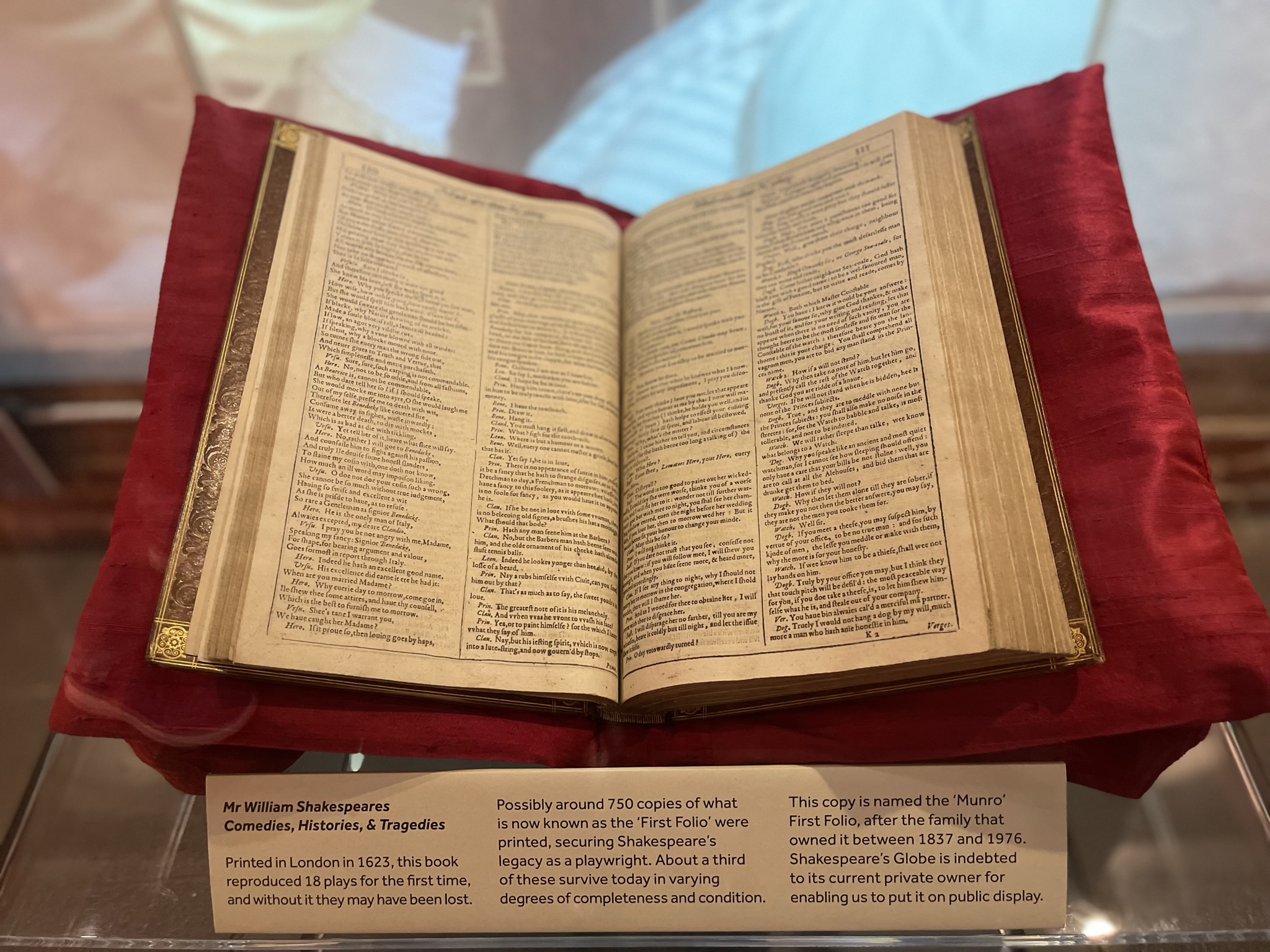
Then came Shakespeare’s Globe, which felt like stepping straight into literary history. Sitting on the banks of the Thames, the open-air theatre is a meticulous reconstruction of the original Elizabethan playhouse. After a short tour, we got to watch actors rehearse a scene from The Merchant of Venice. It took me right back to my teenage years, when I dreamed of becoming an actor and performing Shakespeare on that very stage. As much as I love medicine and science, I’ll always carry that lingering “what if”.
Finally, I did the most Maltese thing imaginable while in London – I went to see The Lion King musical. I was sceptical at first, having never seen a musical before. Seconds after the curtains rose, I was already crying. By the end, I was an absolute mess. So much so that I booked tickets for The Book of Mormon the following day. Spoiler alert: it did not disappoint. Once again, I found myself crying hysterically – this time from laughter.
What started as a purely academic trip centred around a single exam turned into one of my favourite holidays ever. After those few days wandering London, I finally understood why it captivates so many people. I could genuinely see myself living there.