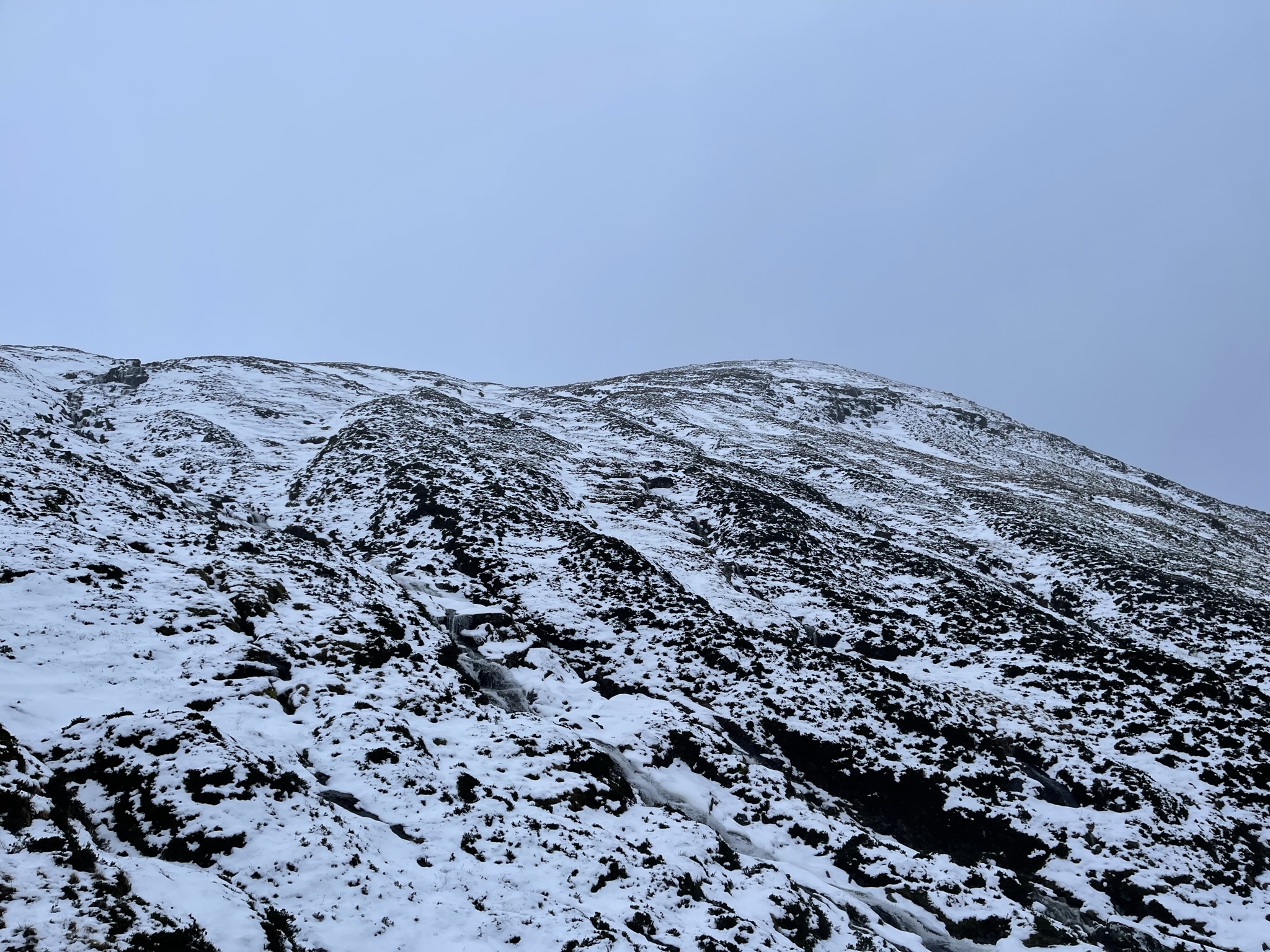
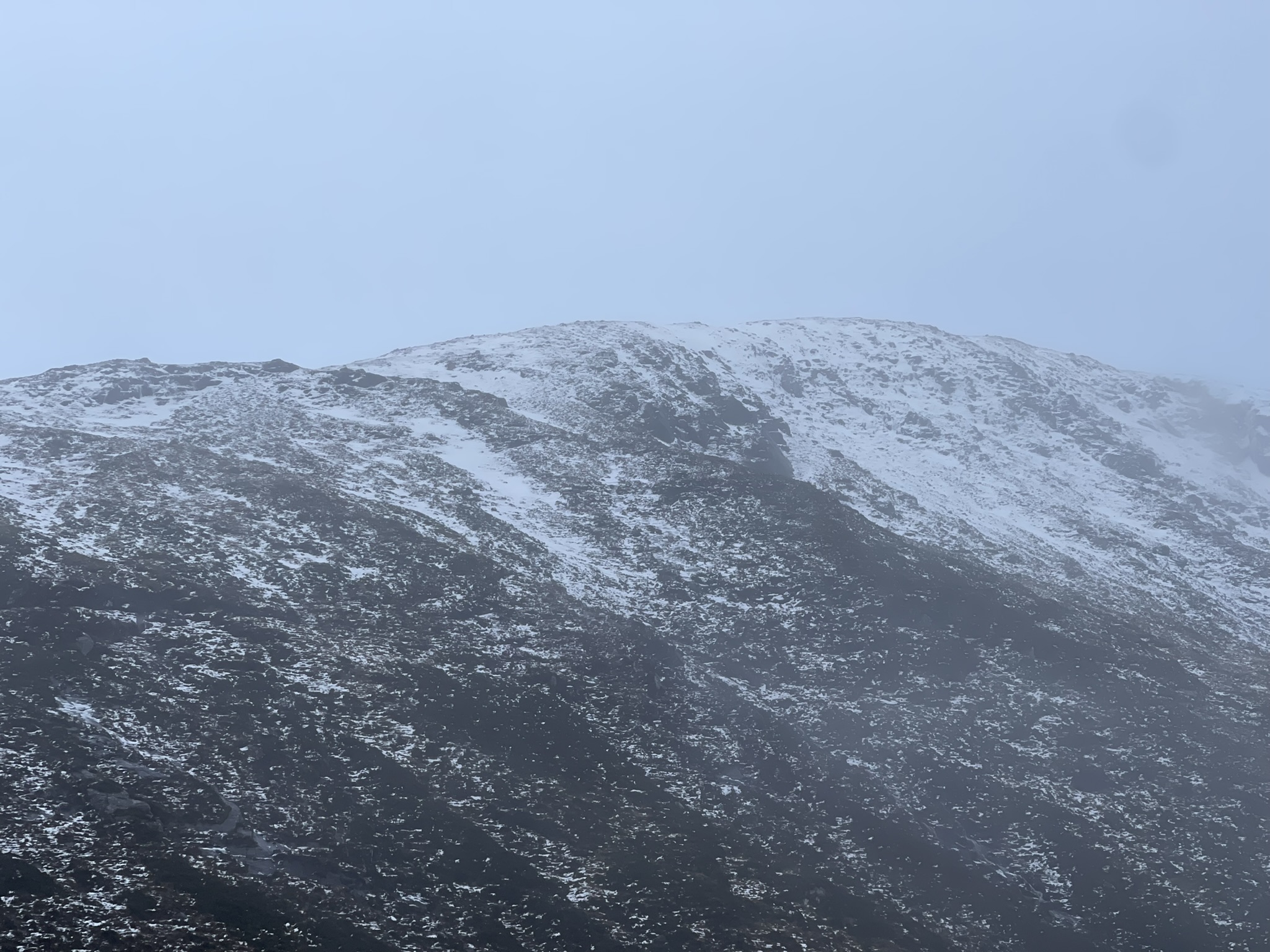
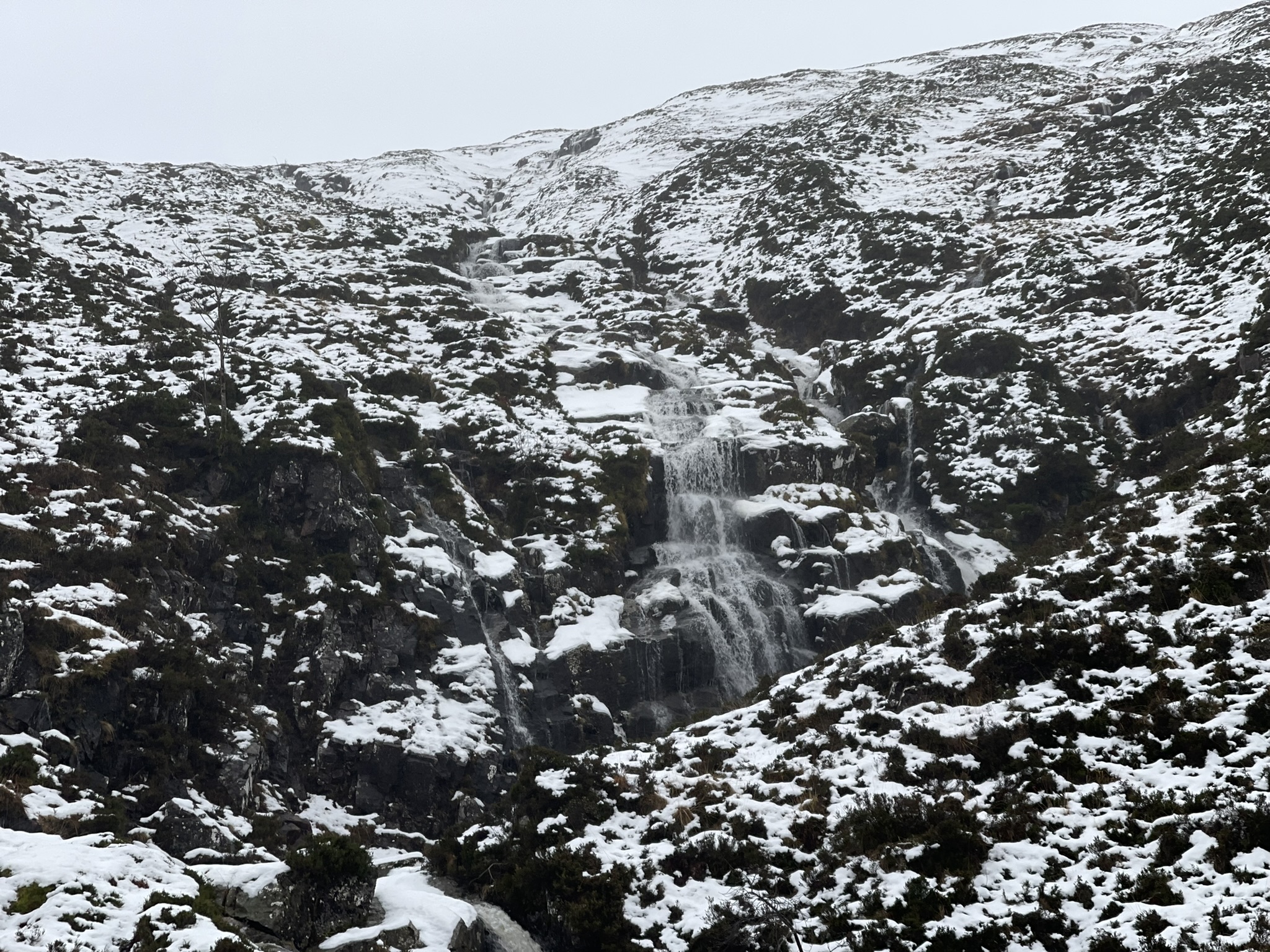
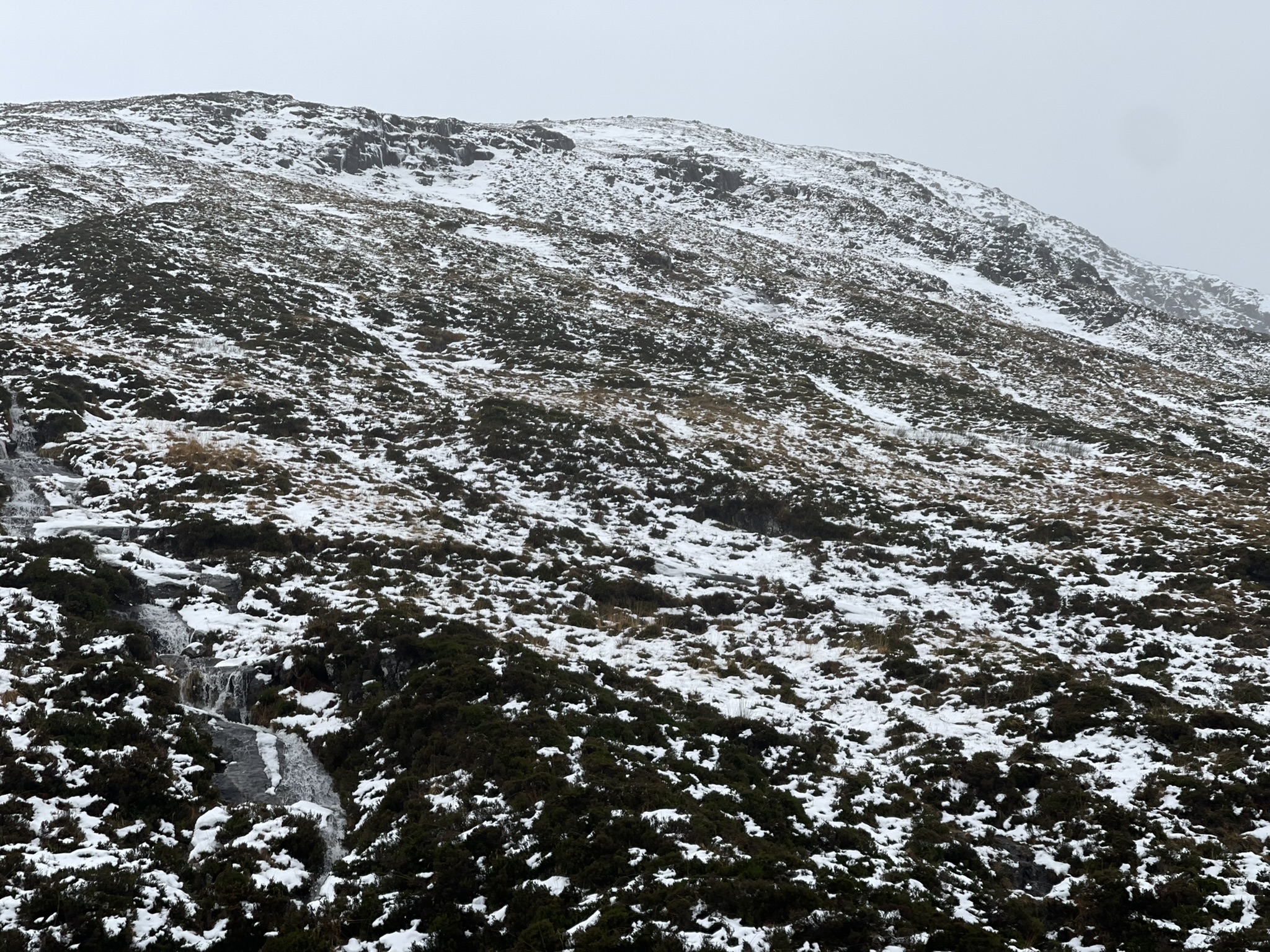
While the Basic Surgical Skills course itself didn’t allow much time for us to enjoy the city of Glasgow, we had a few extra days afterwards to explore more of Scotland.
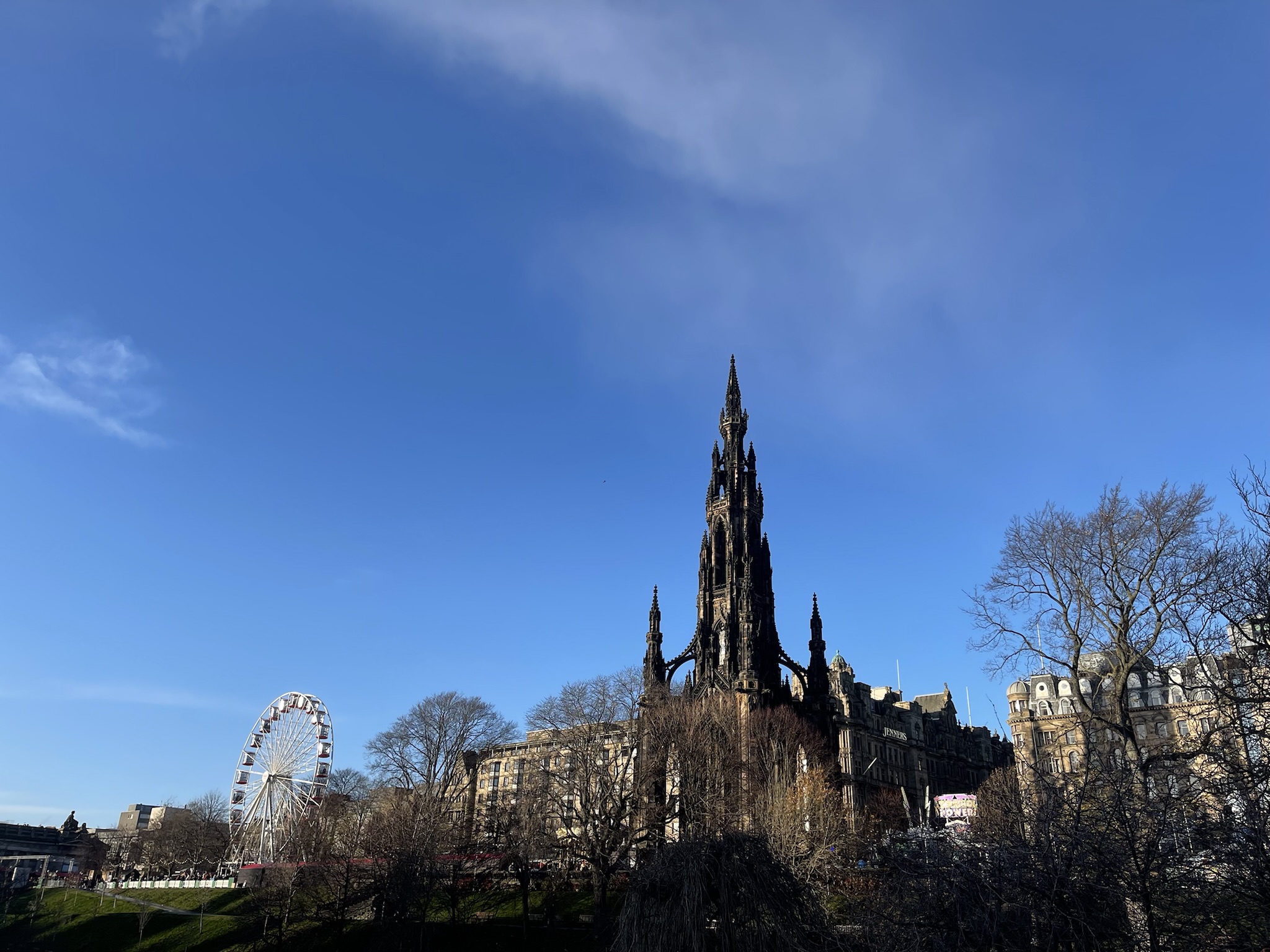
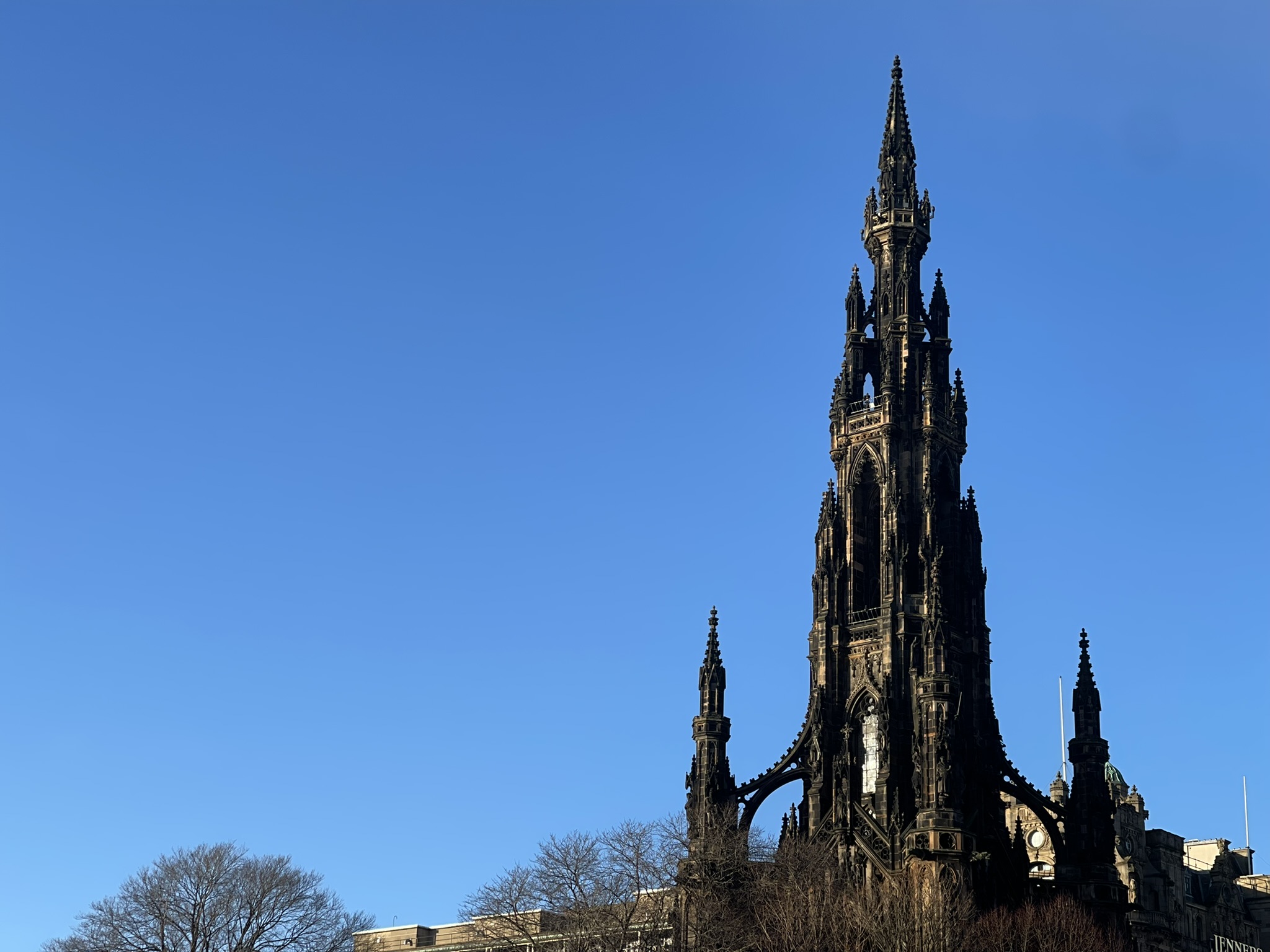
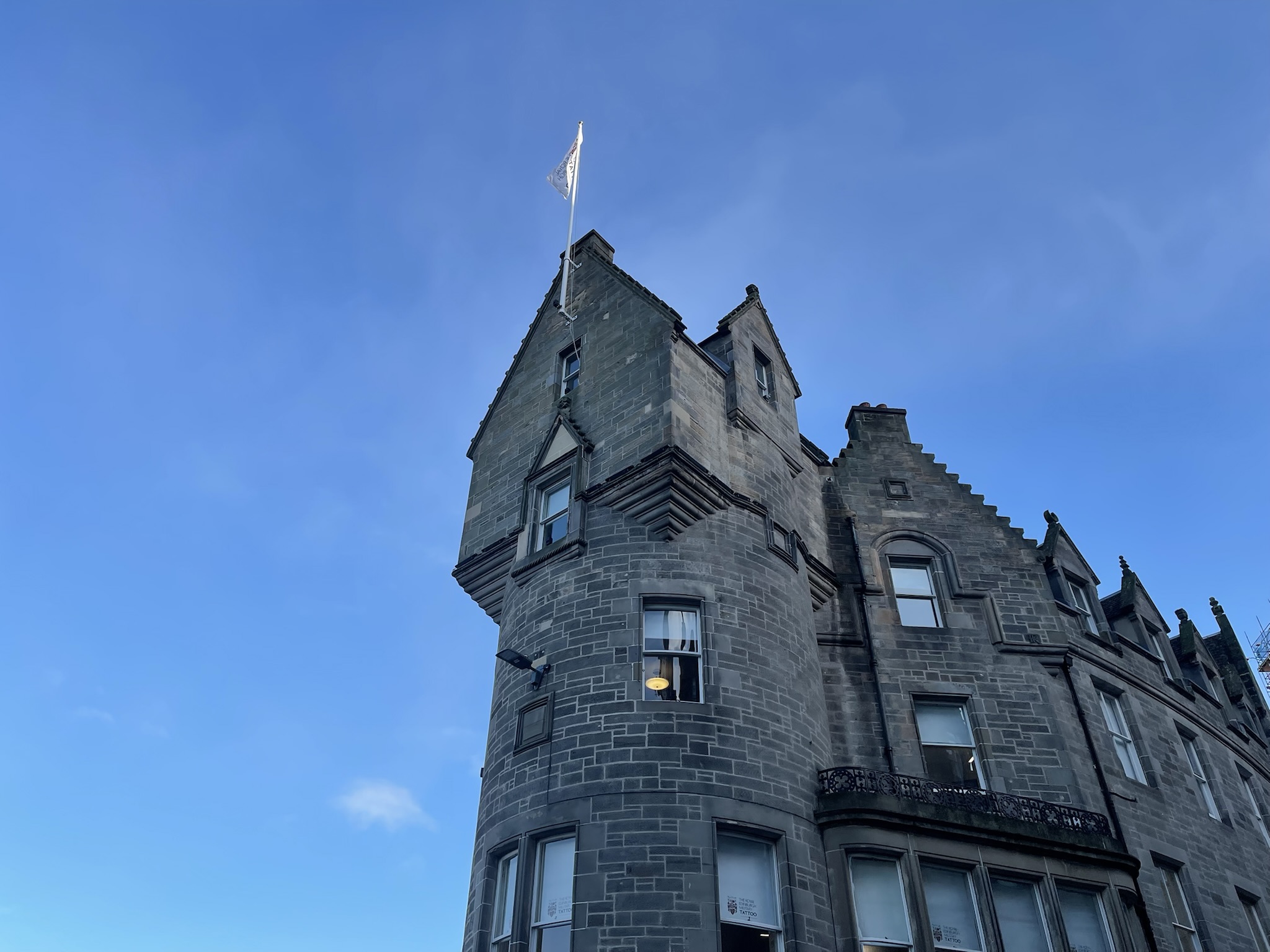
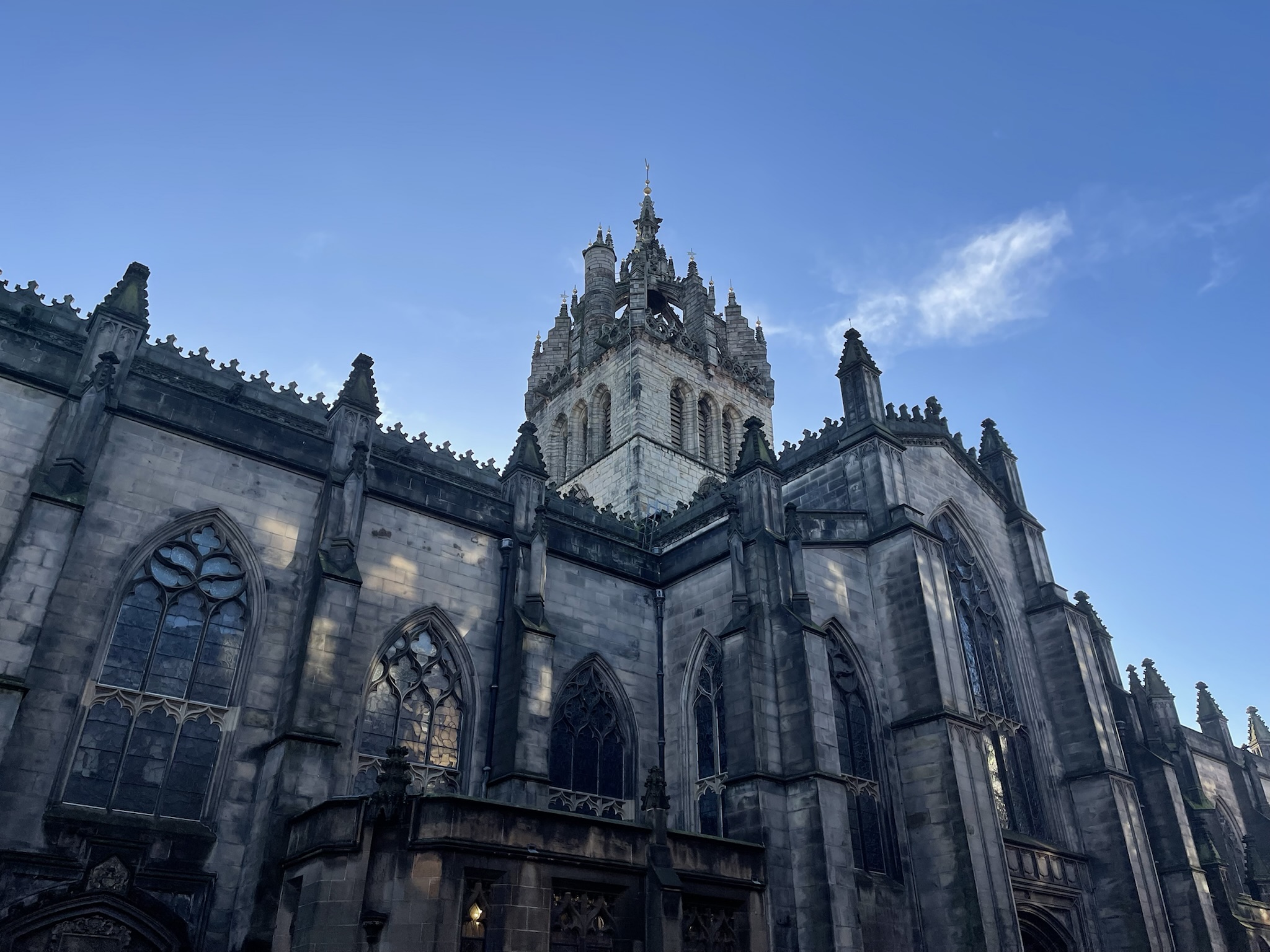
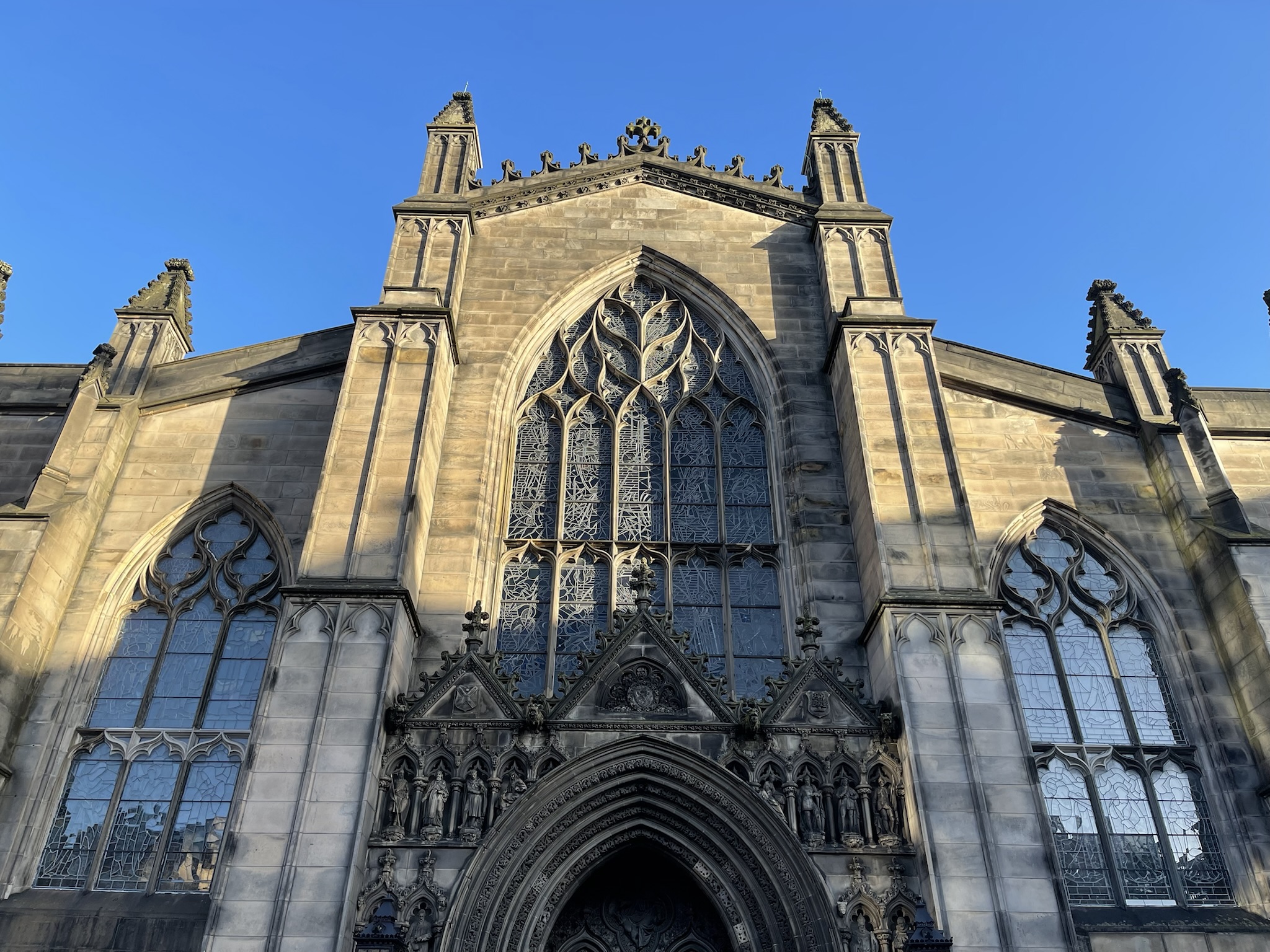
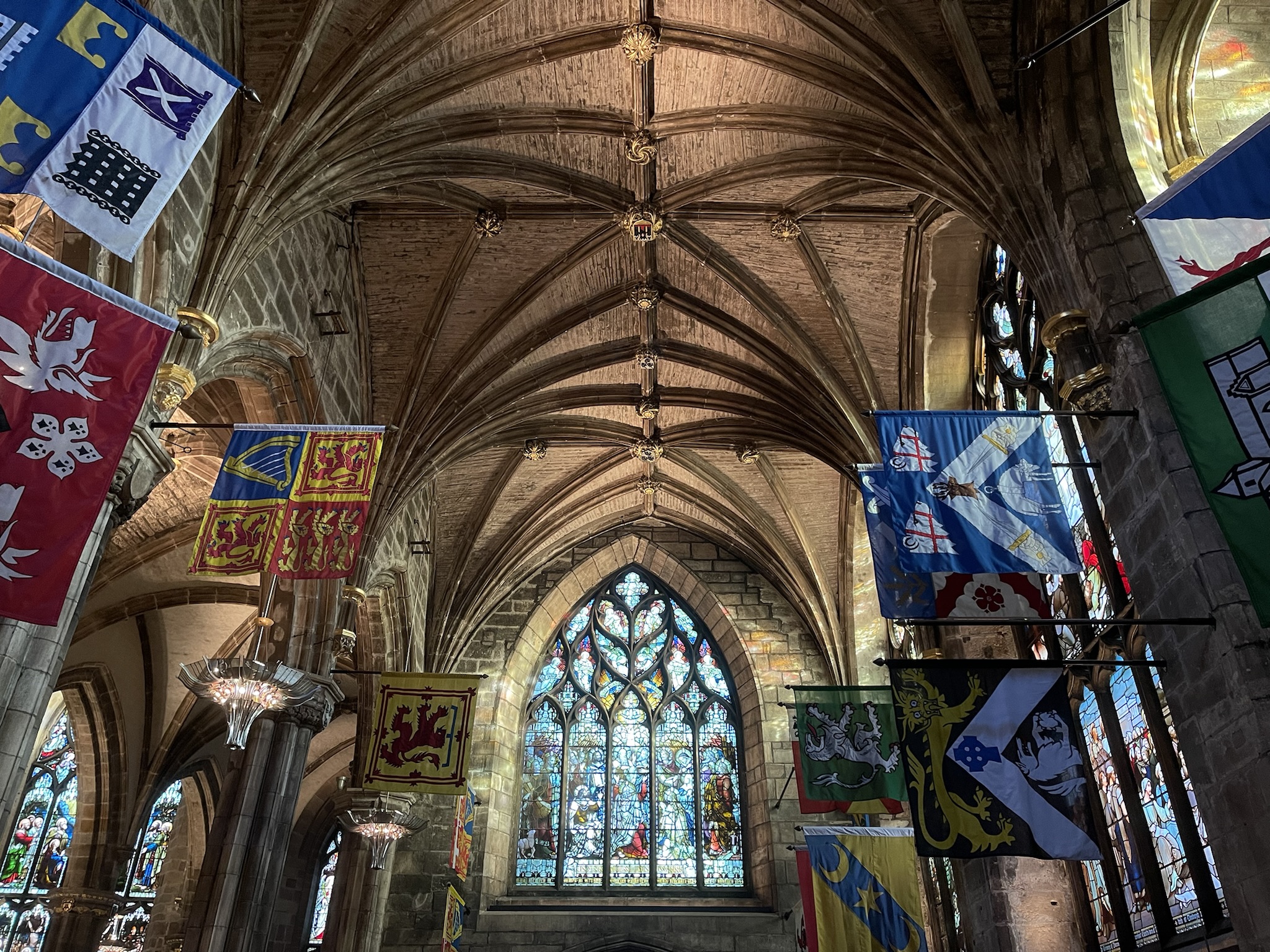
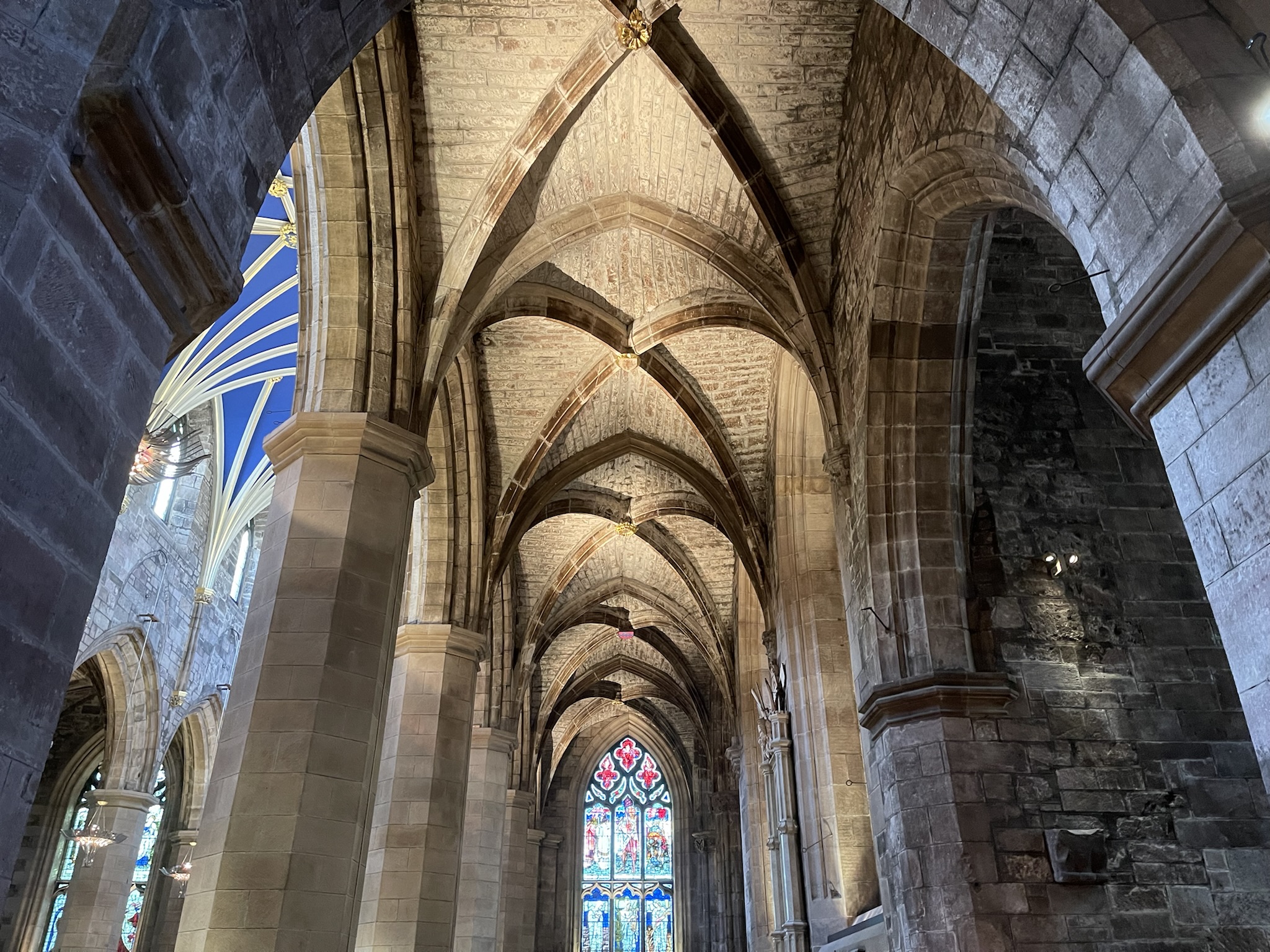
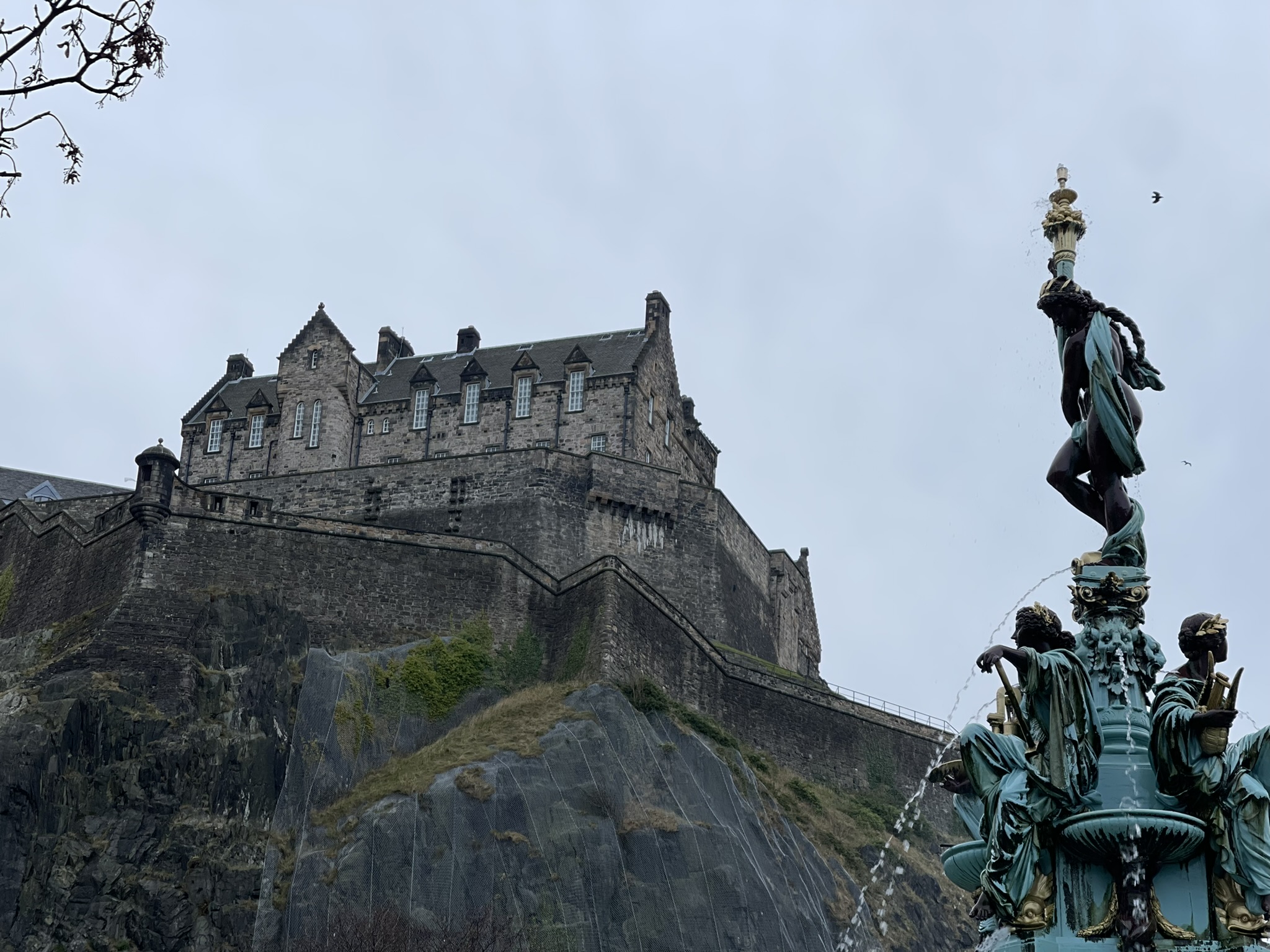
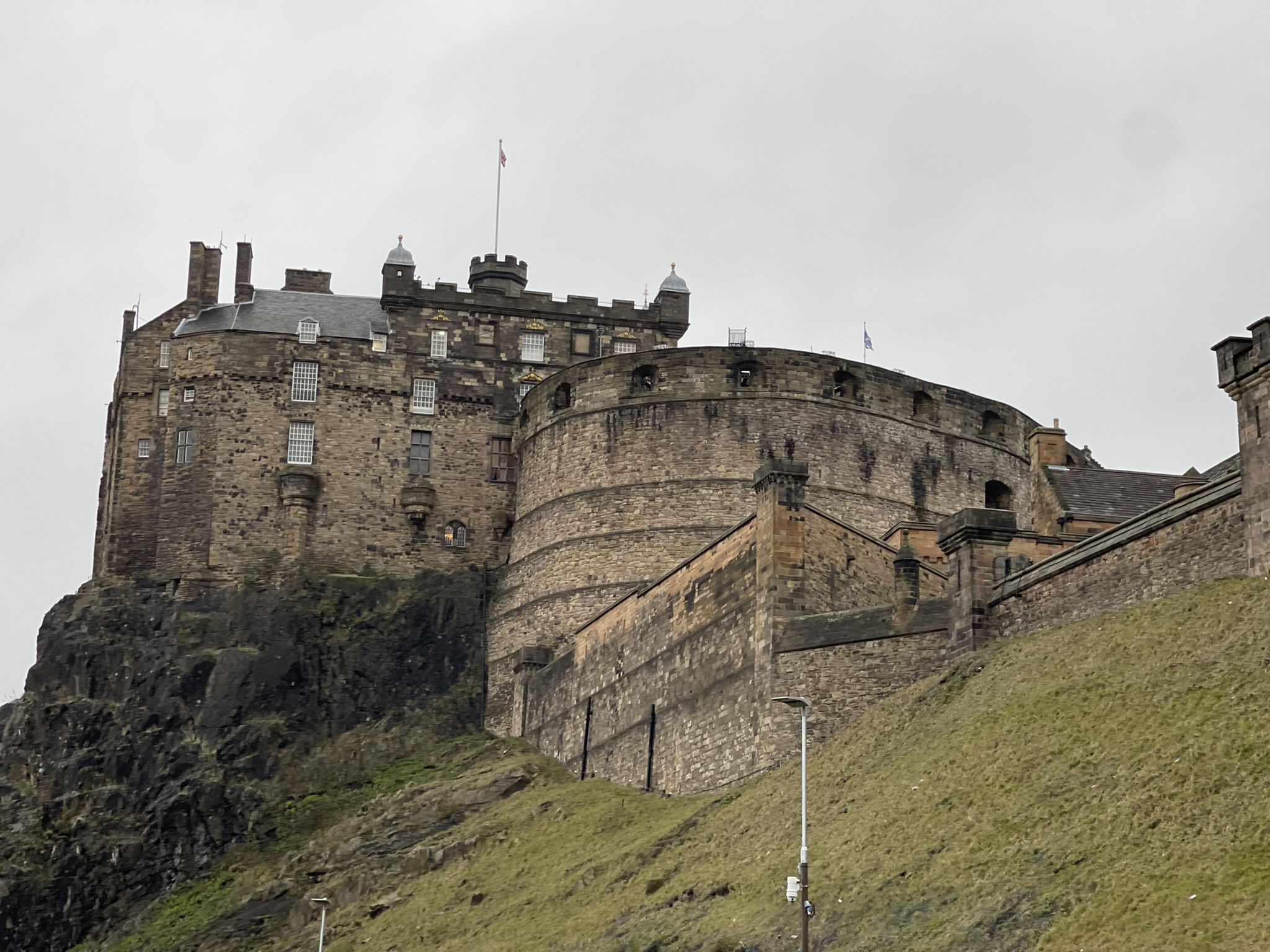
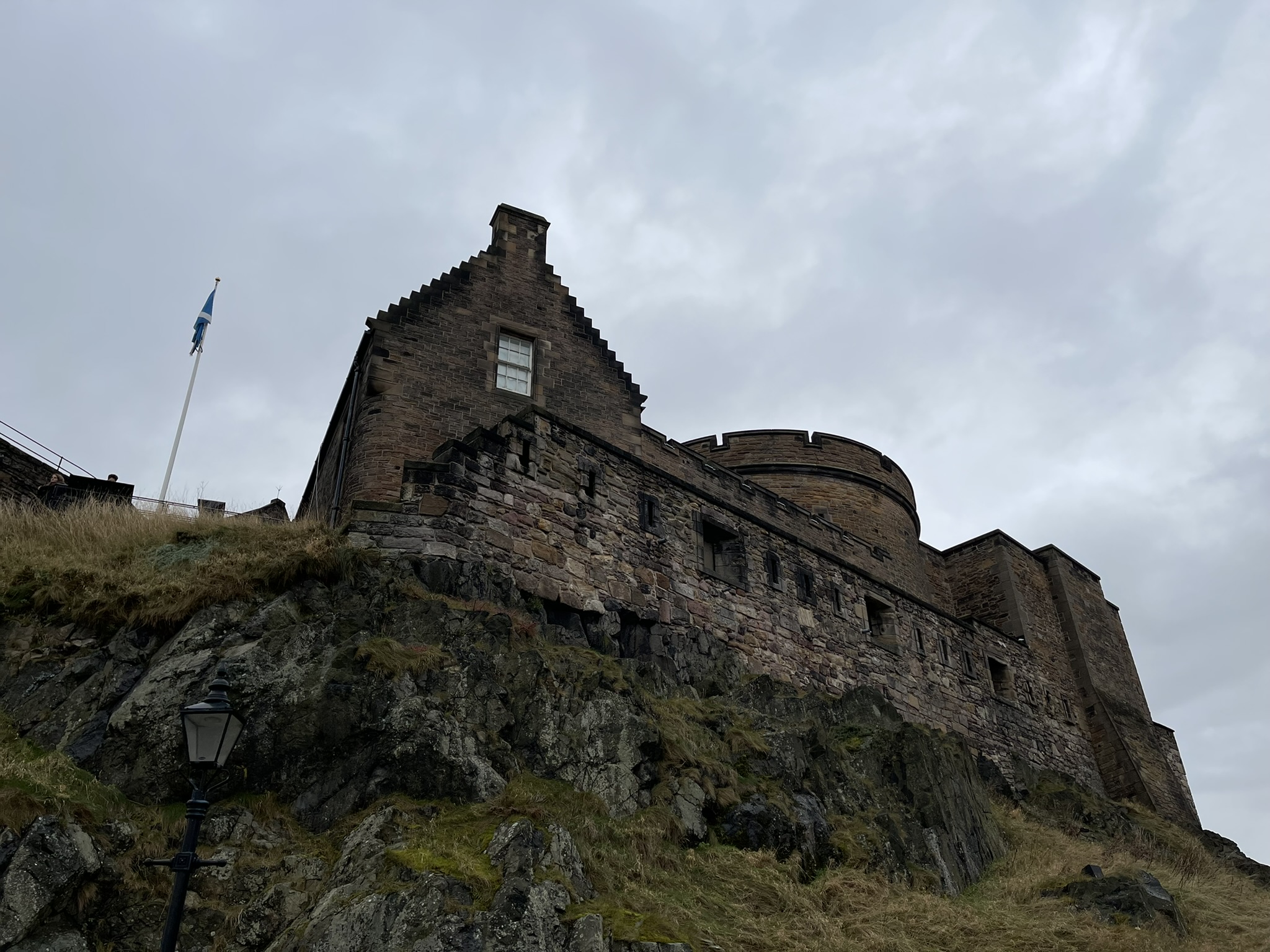
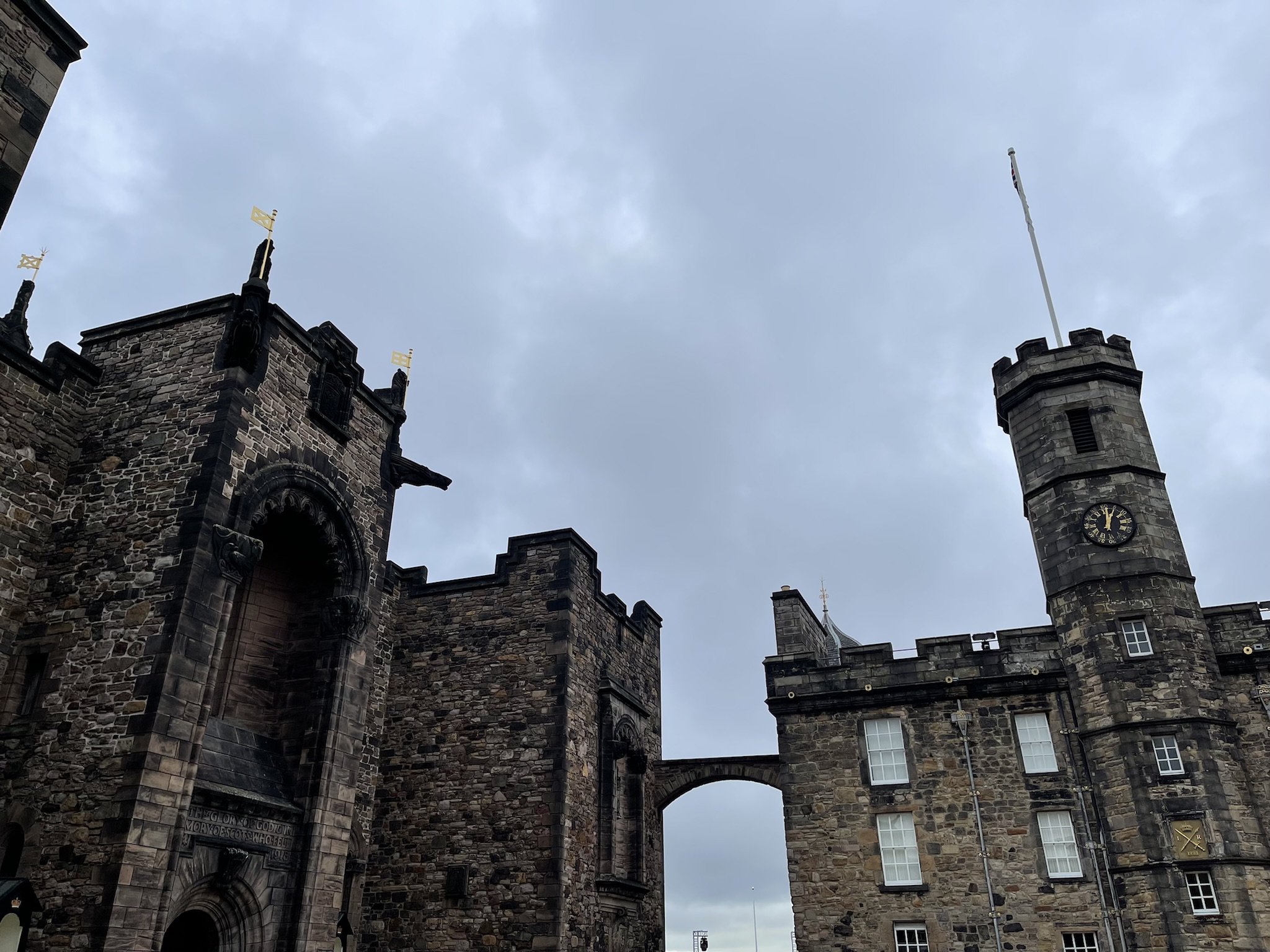
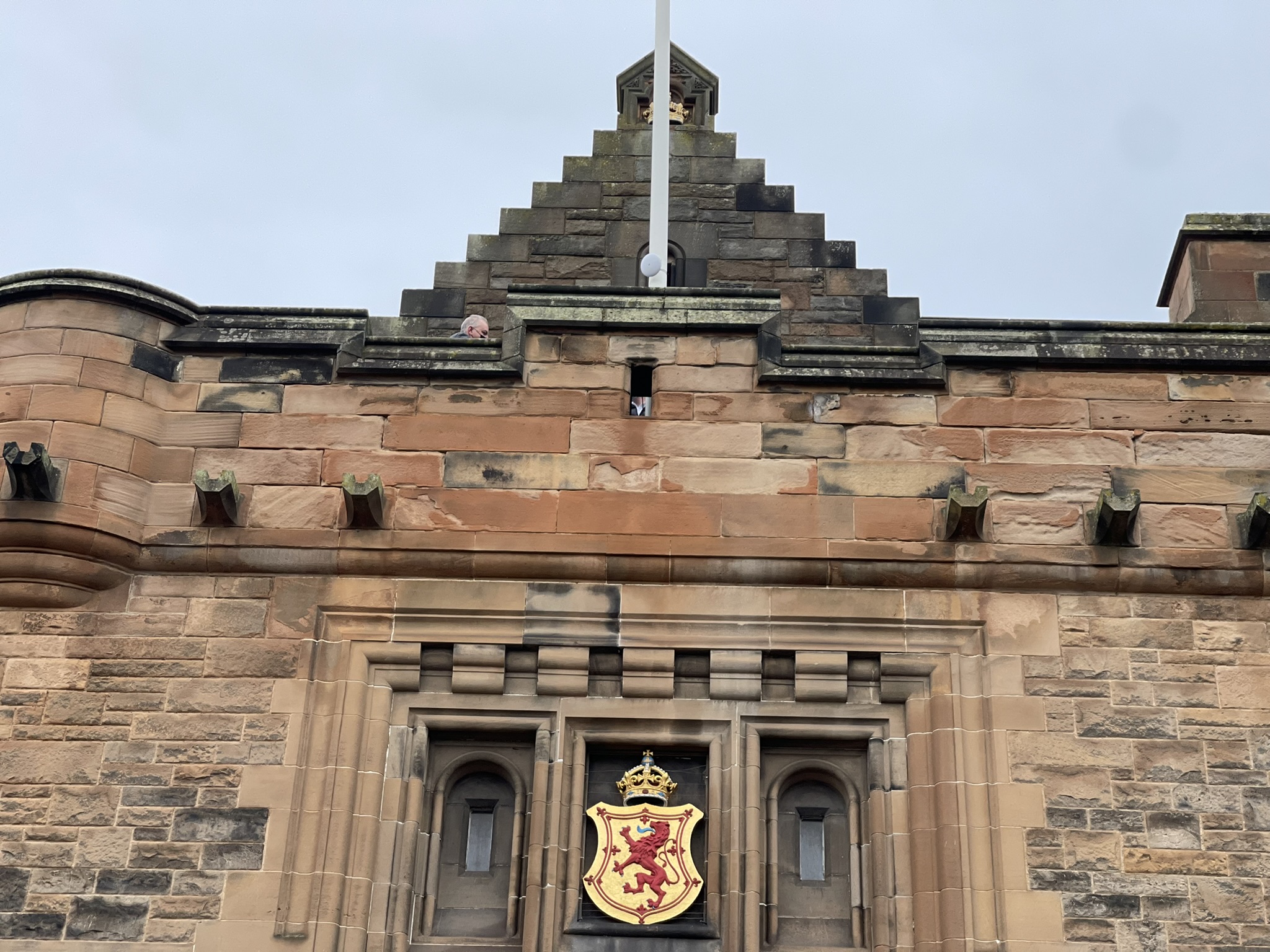
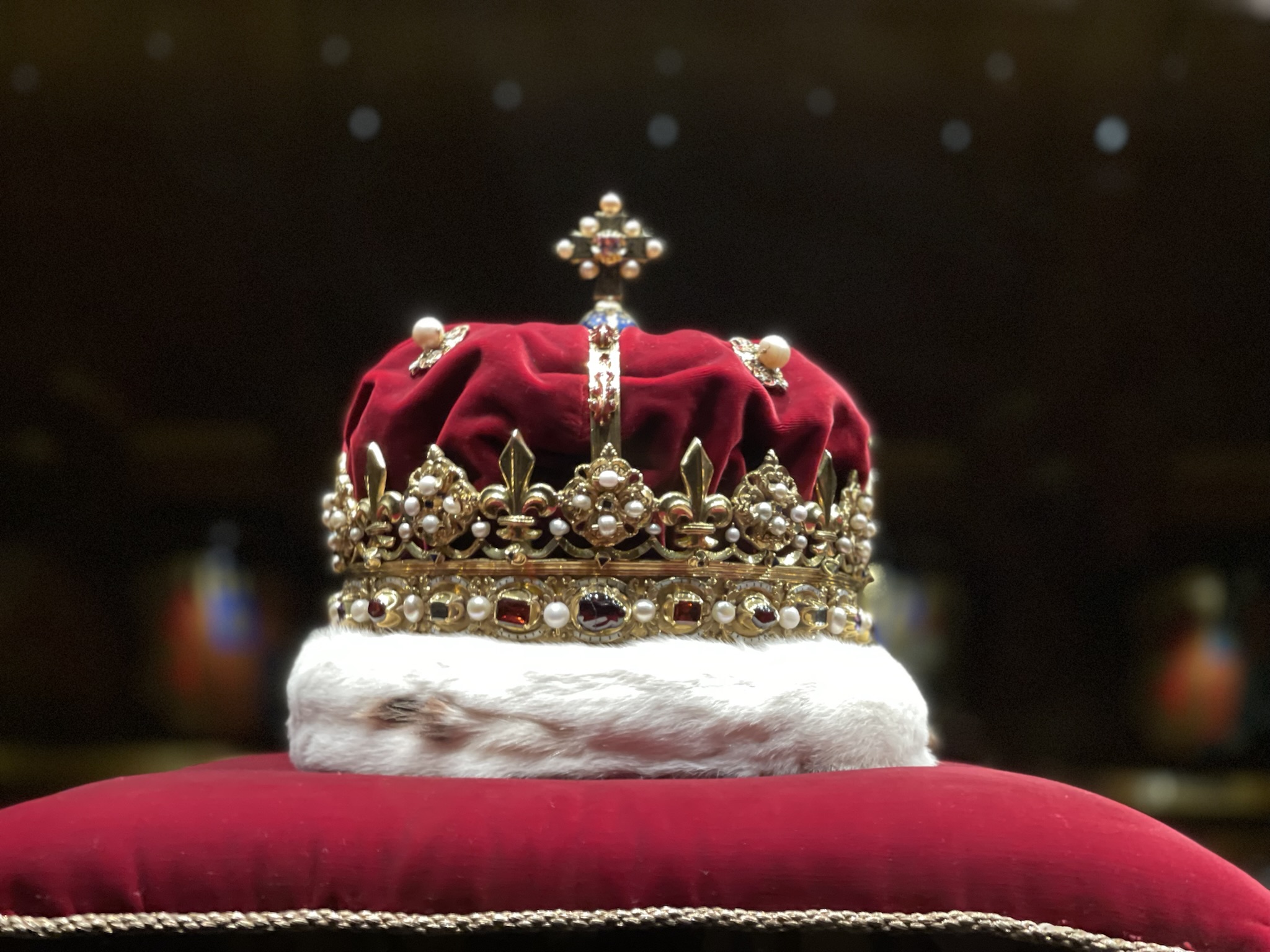
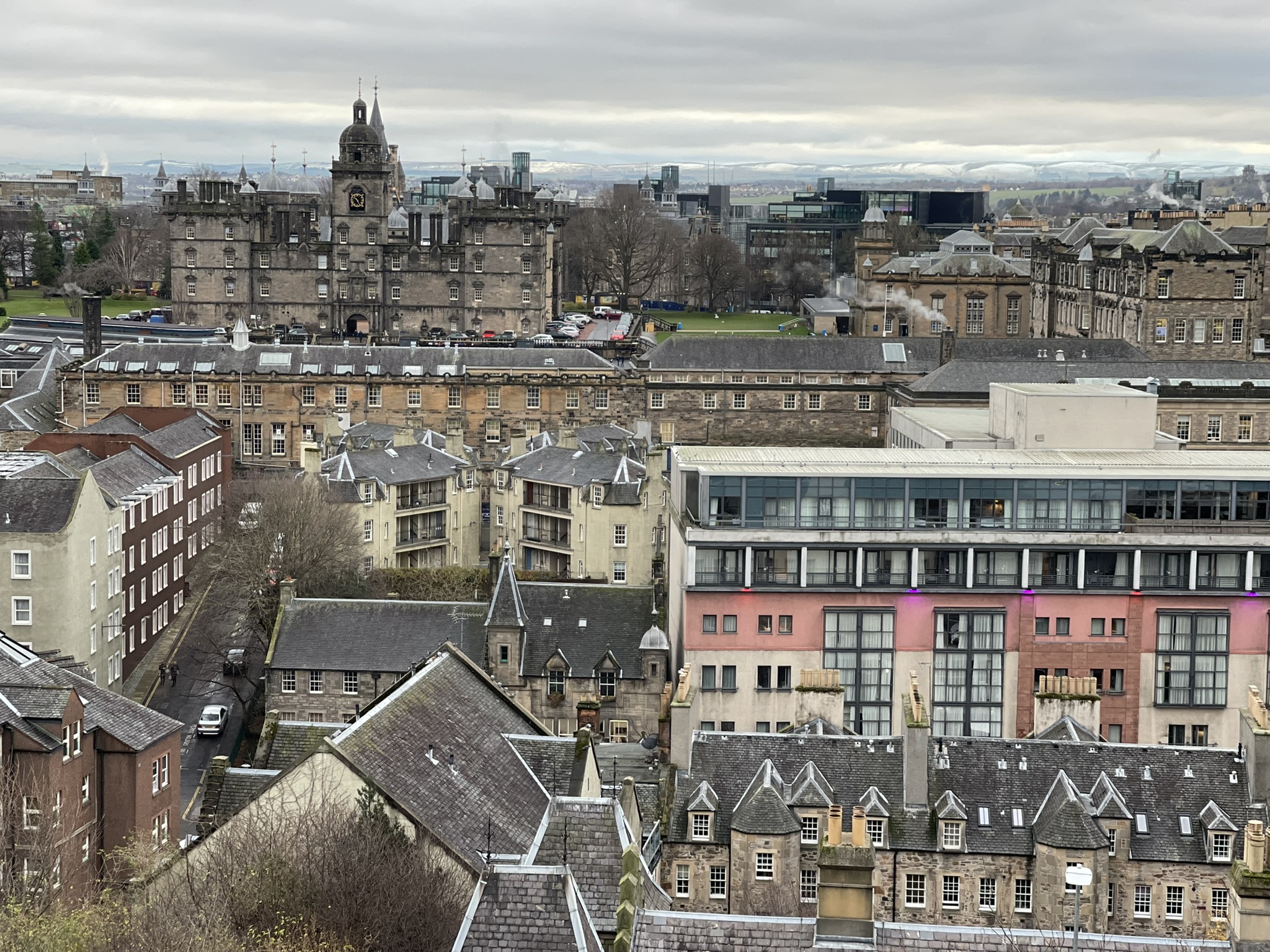
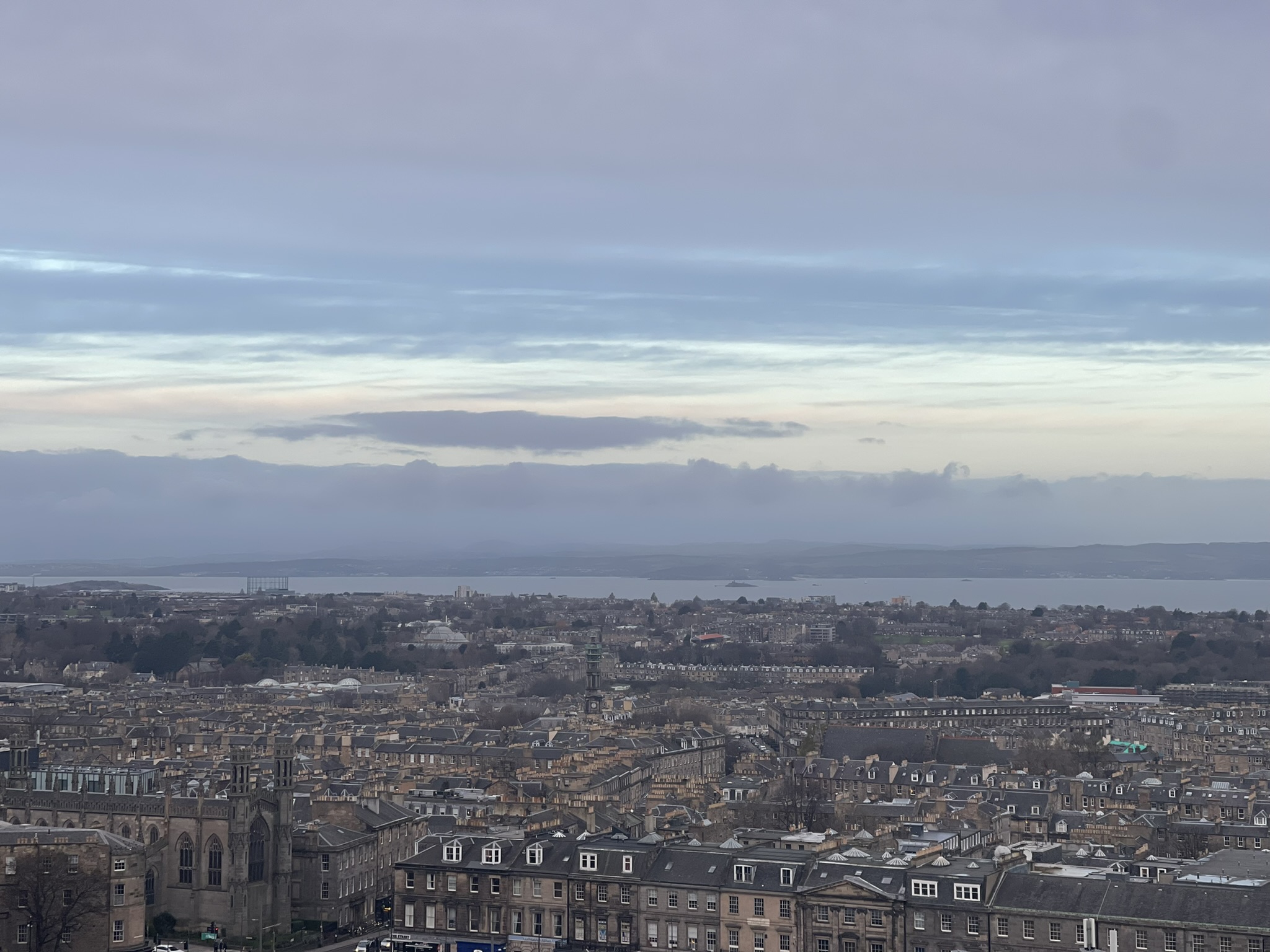
First up was the incredible city of Edinburgh, which genuinely felt like stepping into a medieval haven. Over the two days we spent there, we had the best time. We explored most of what the city had to offer, including St Giles’ Cathedral, its soaring interior offering a quiet, reverent pause from the buzz outside, before passing beneath the towering Scott Monument, its Gothic spire rising dramatically in the very heart of the city. Then there was Edinburgh Castle – an imposing fortress looming above the city, ever-present, with its ramparts offering sweeping views over rooftops and distant hills.
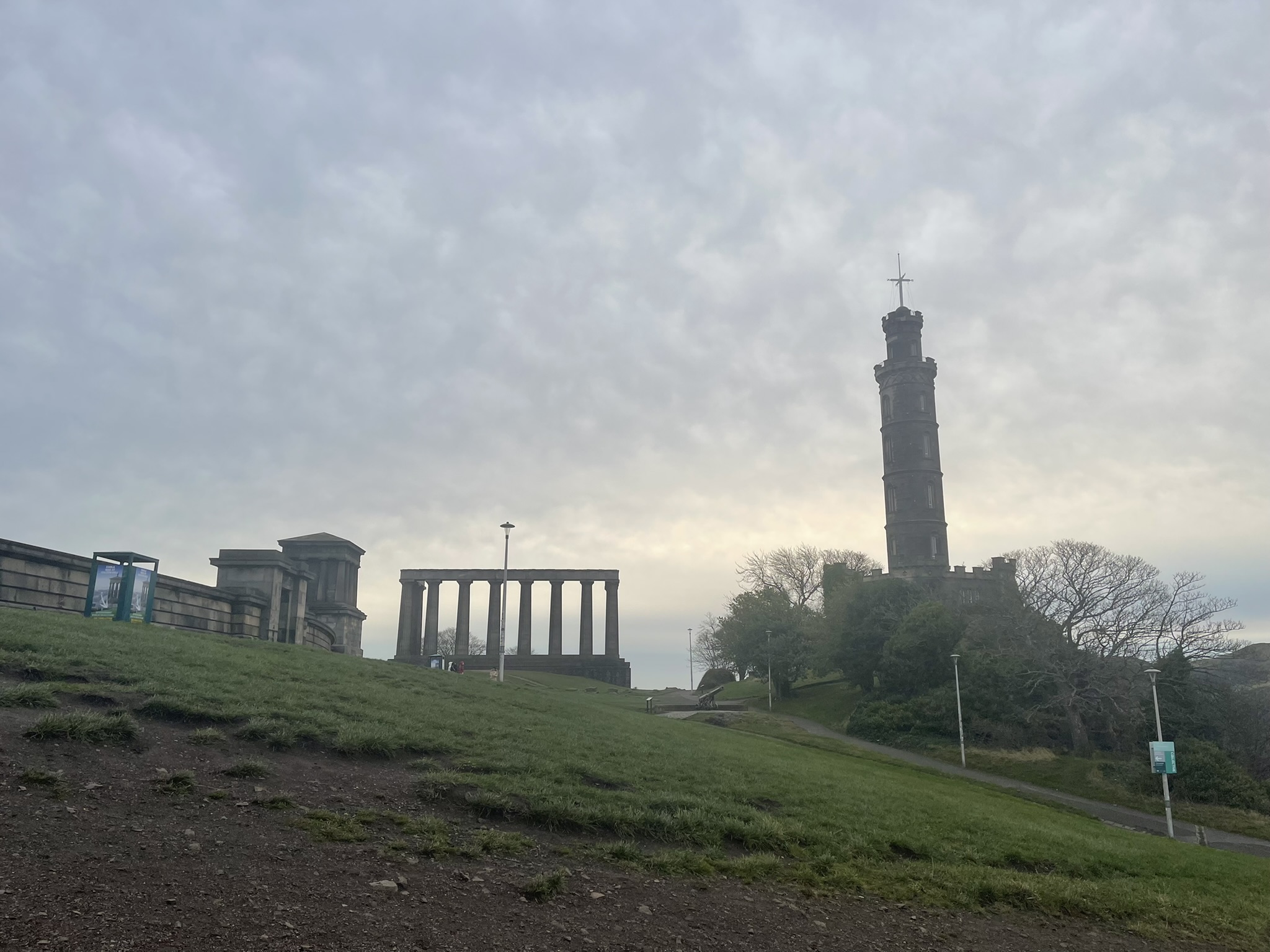
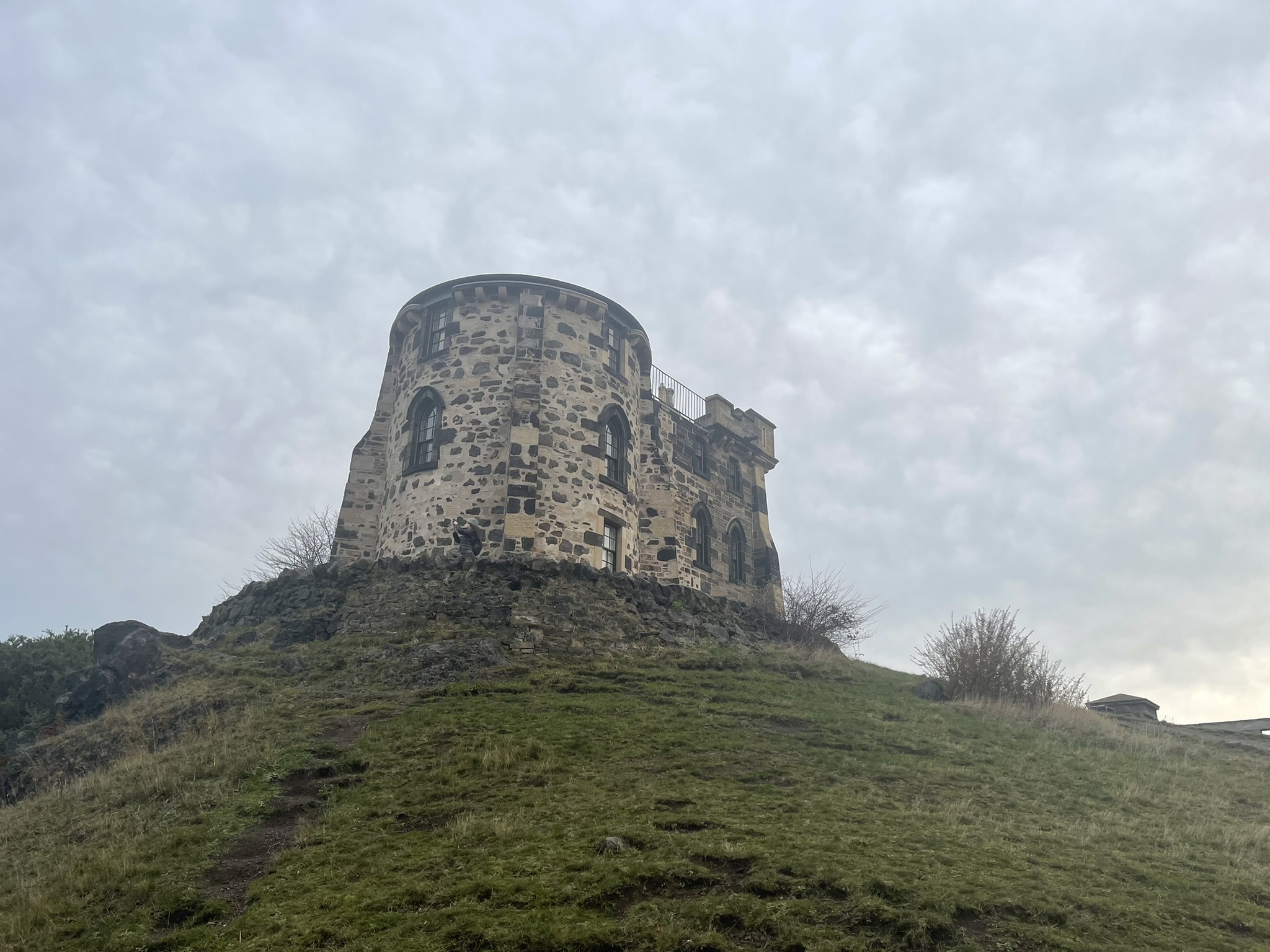
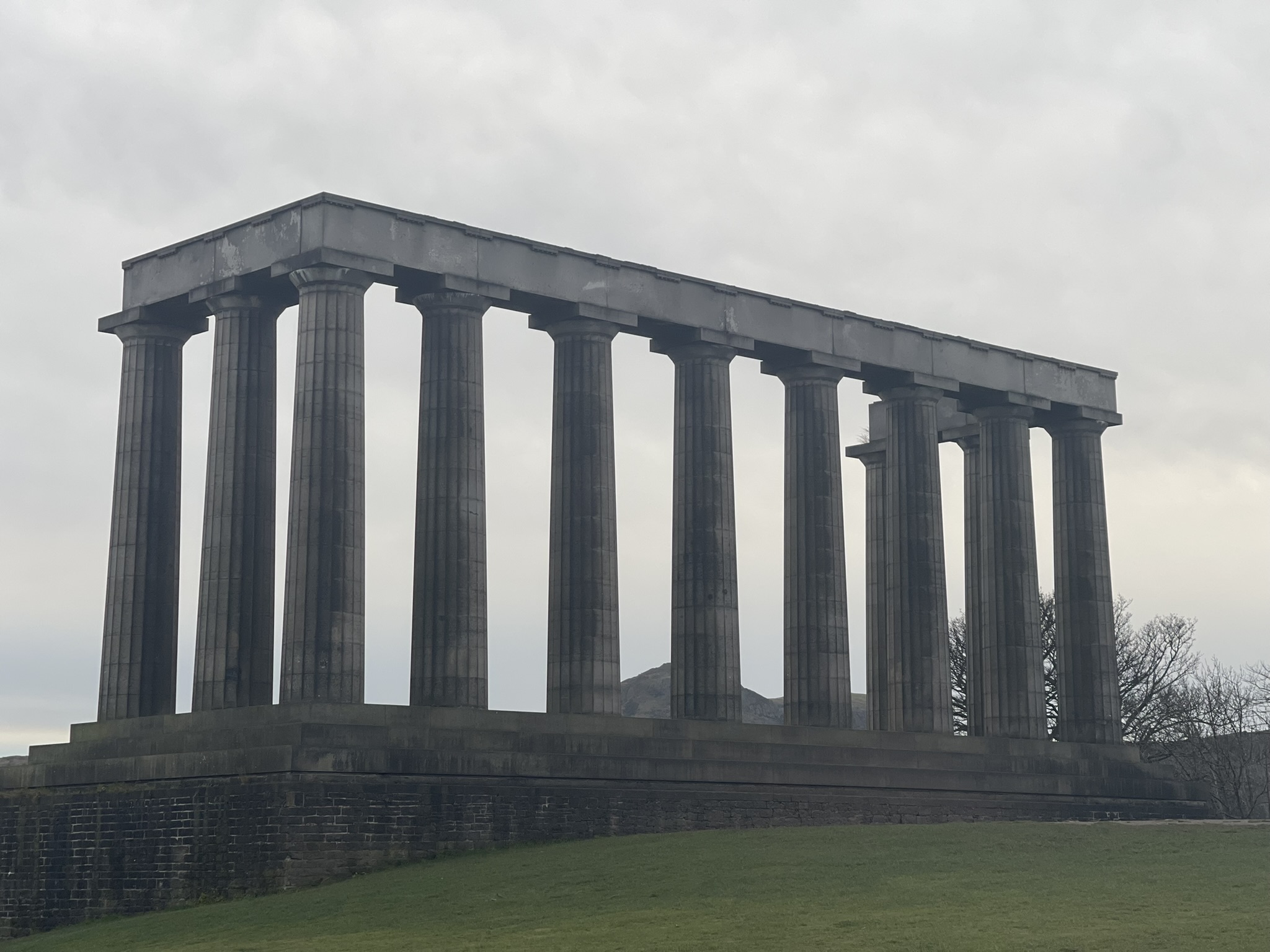
And speaking of hills, we climbed Calton Hill – a natural balcony overlooking the city, its monuments silhouetted against the sky. The most impressive of these is the unfinished National Monument of Scotland that dominates the summit – a failed attempt to recreate the Parthenon in honour of Scottish soldiers who died in the Napoleonic Wars.
We balanced history with indulgence – like doing the Johnnie Walker Experience, learning the craft behind the whisky before enjoying a well-earned dram, and visiting the Camera Obscura & World of Illusions, where distorted perspectives and playful exhibits had us feeling like kids again. Also, so many brunches and teas at the most charming cafés and lounges.
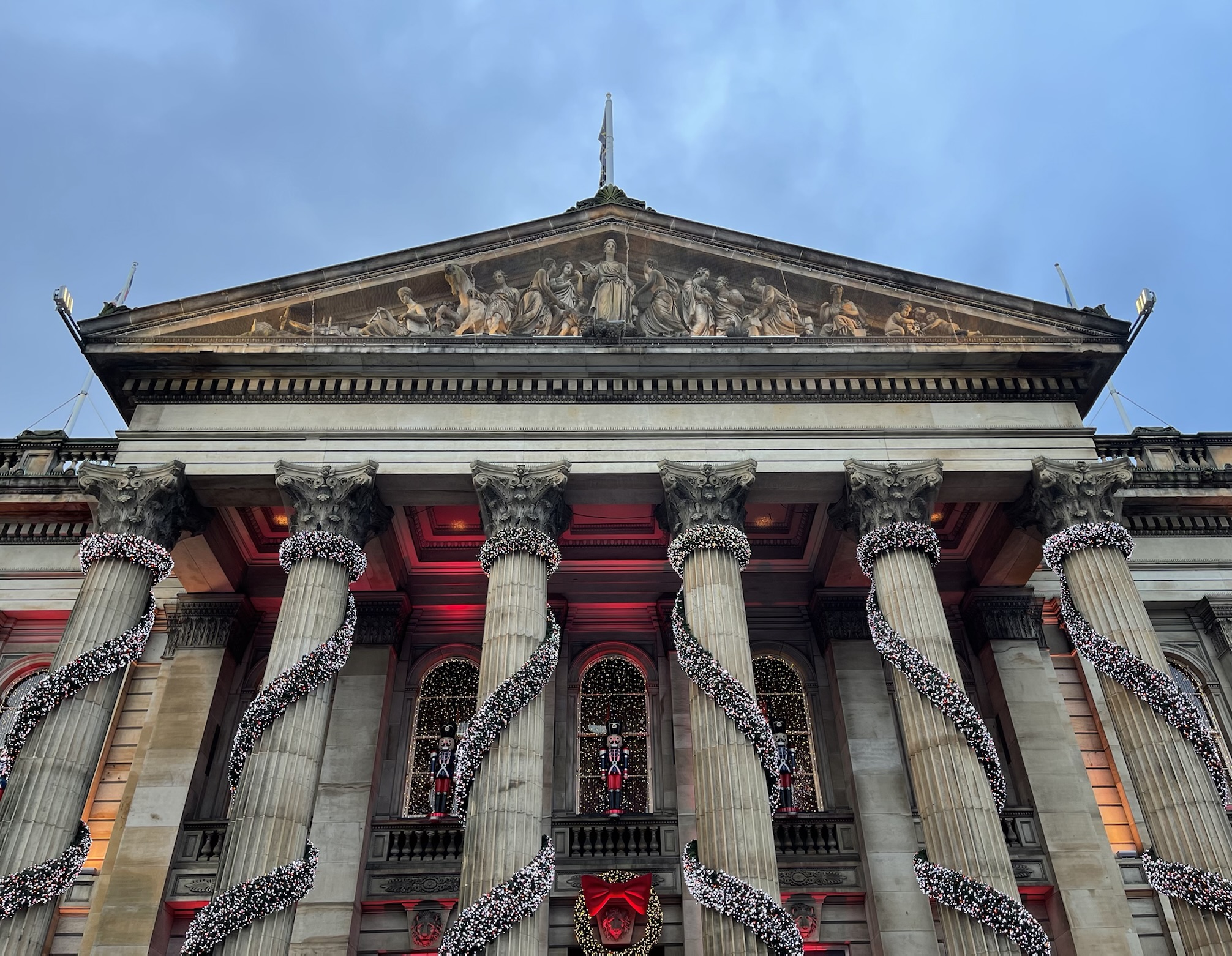
But the best part? I guess it was the Christmas Market – the air thick with the smell of mulled wine and roasted nuts, lights glowing against the stone backdrop of the Old Town, and the Ferris wheel adventure that had one of us retching for hours on end. Good times.
The adventure wasn’t quite over yet though. With a few more days left, we decided to rent a car and head north on a road trip towards Scotland’s surreal Highlands.
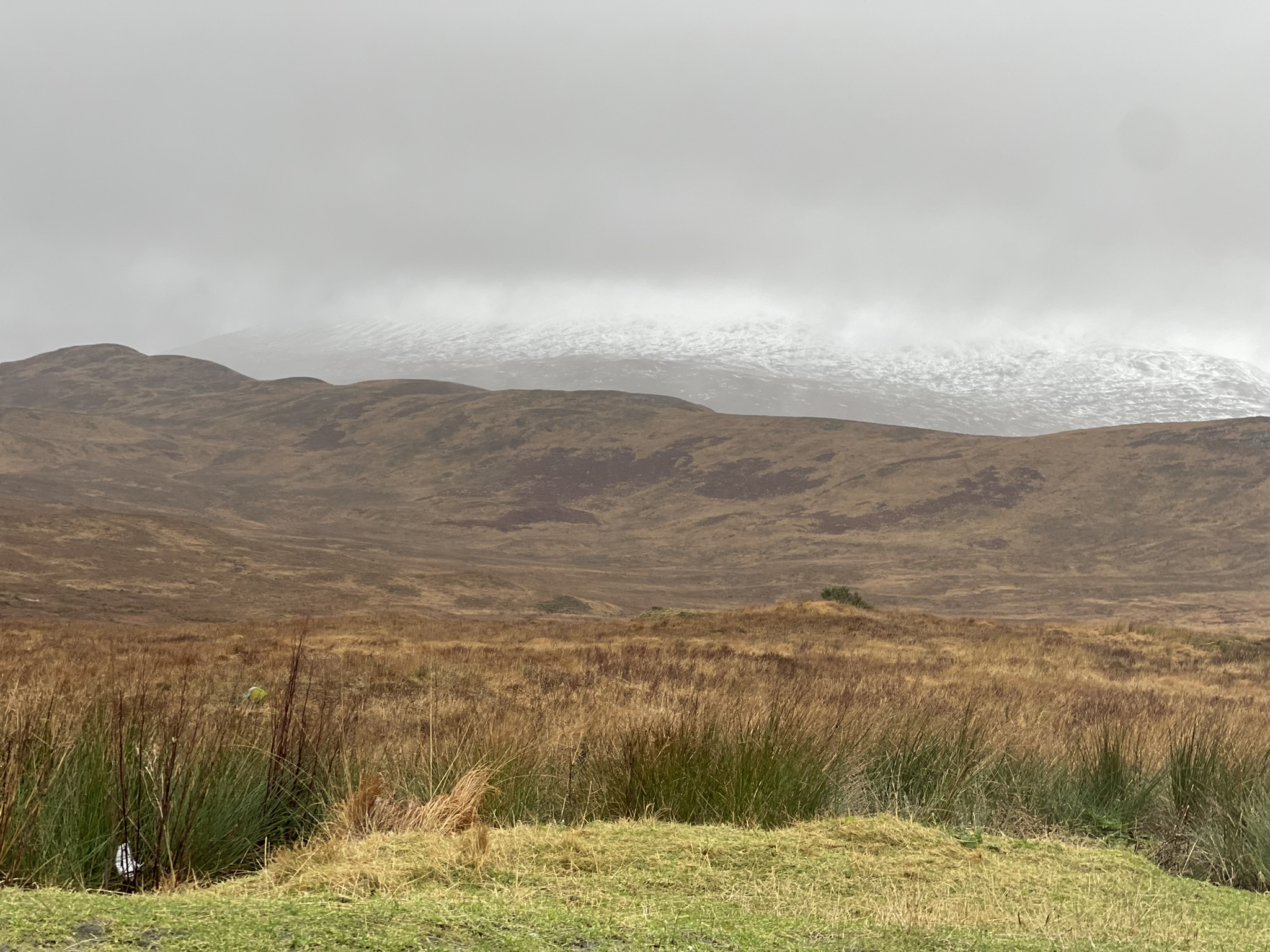
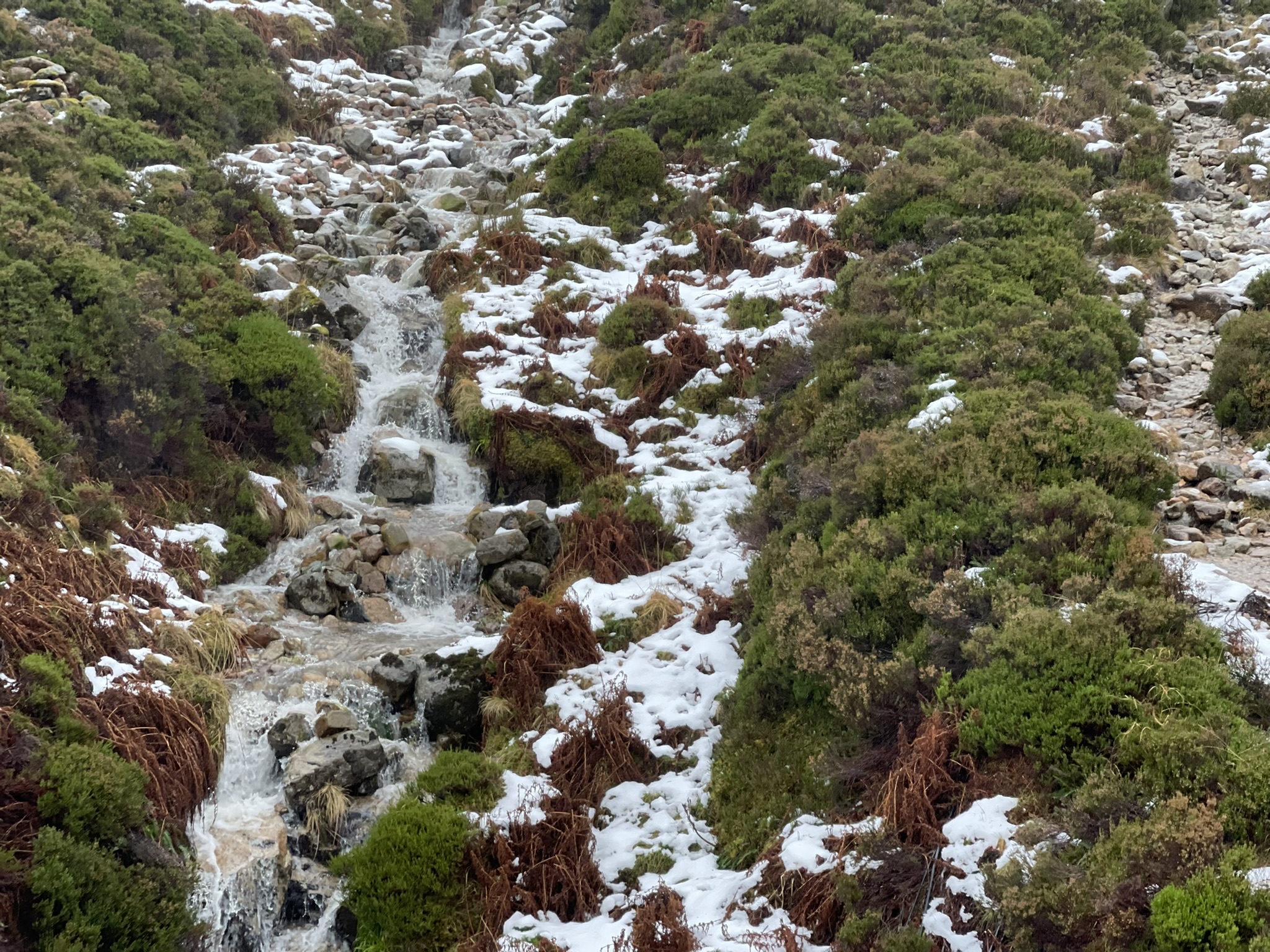
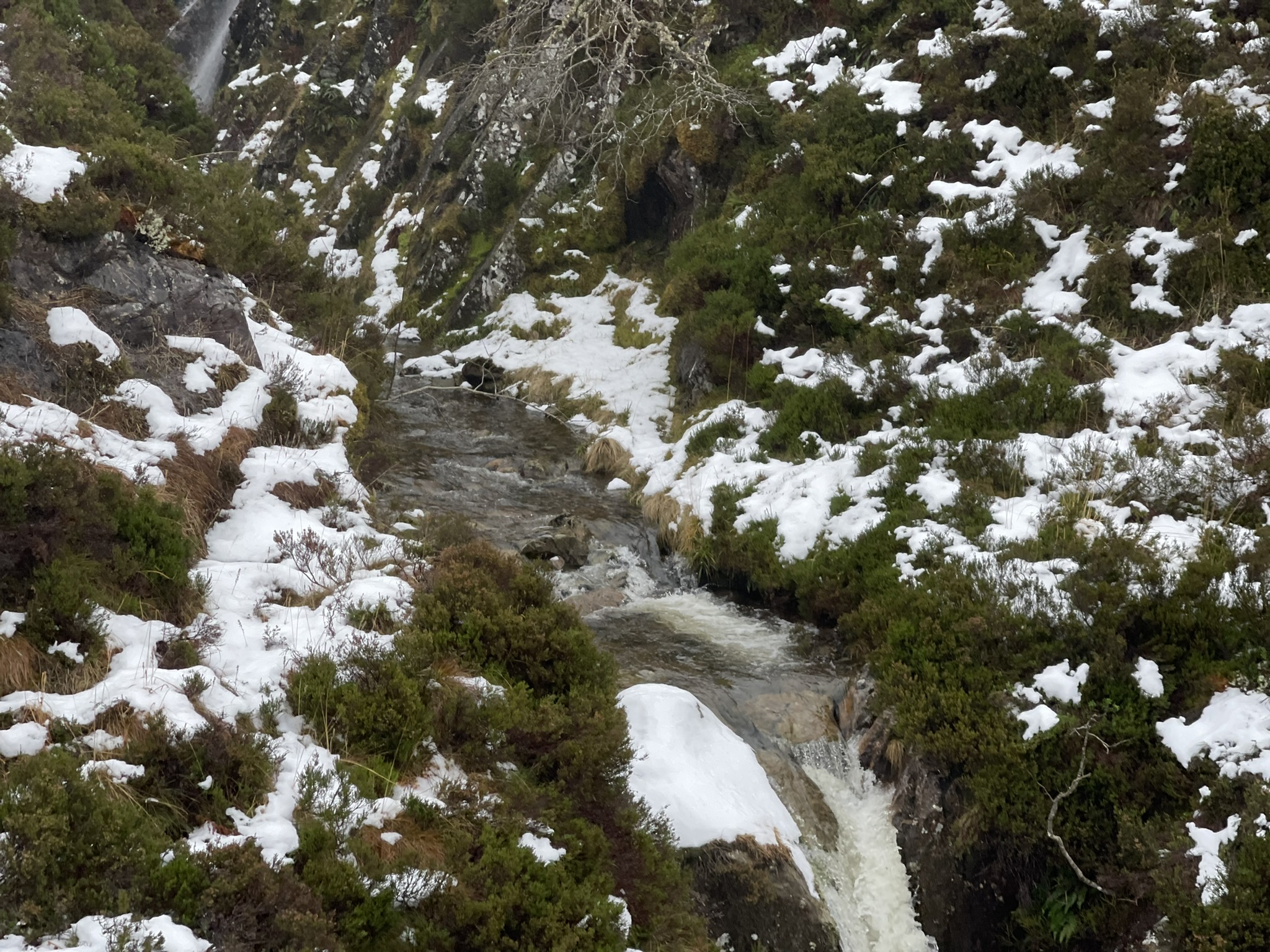
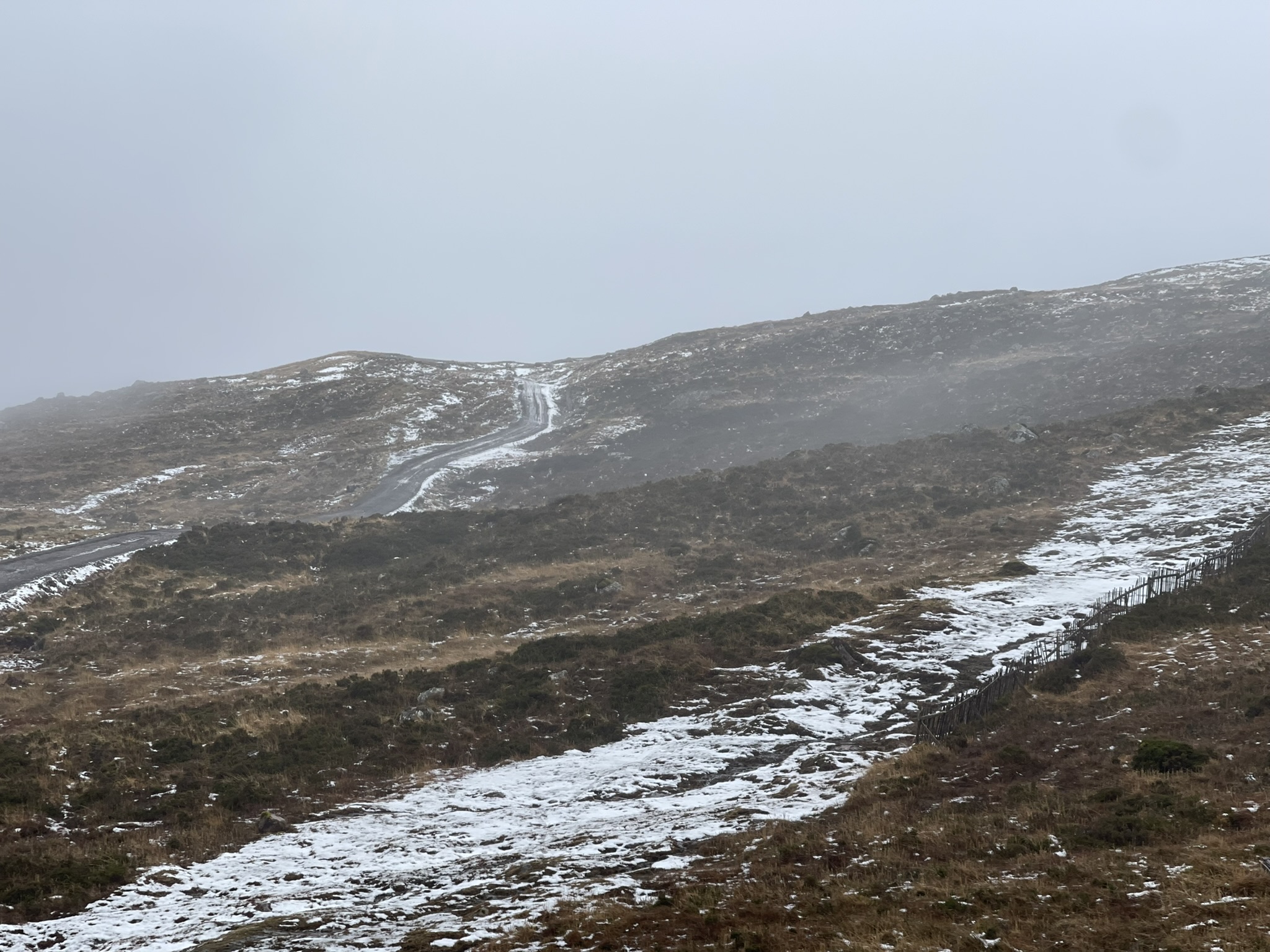
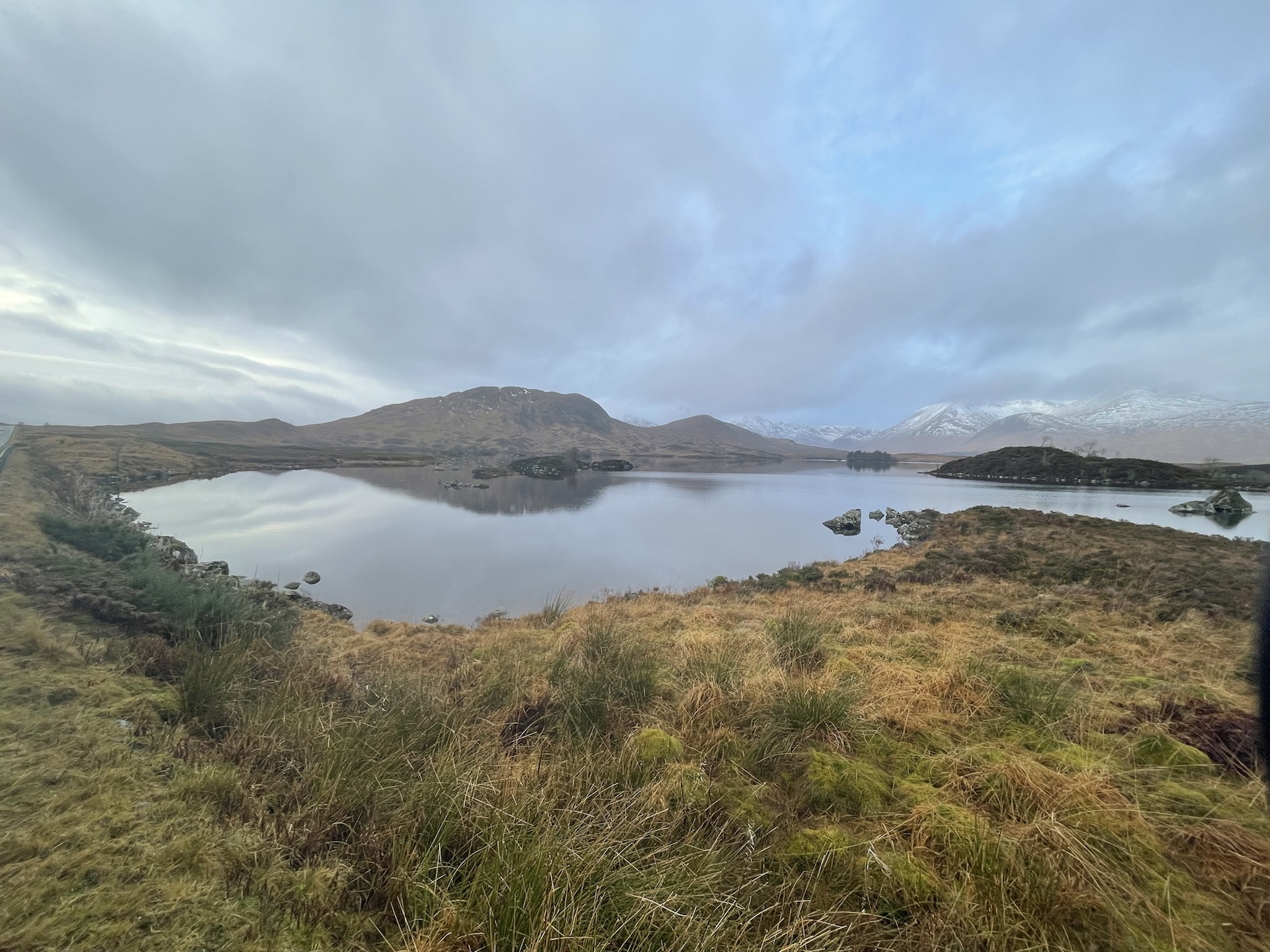
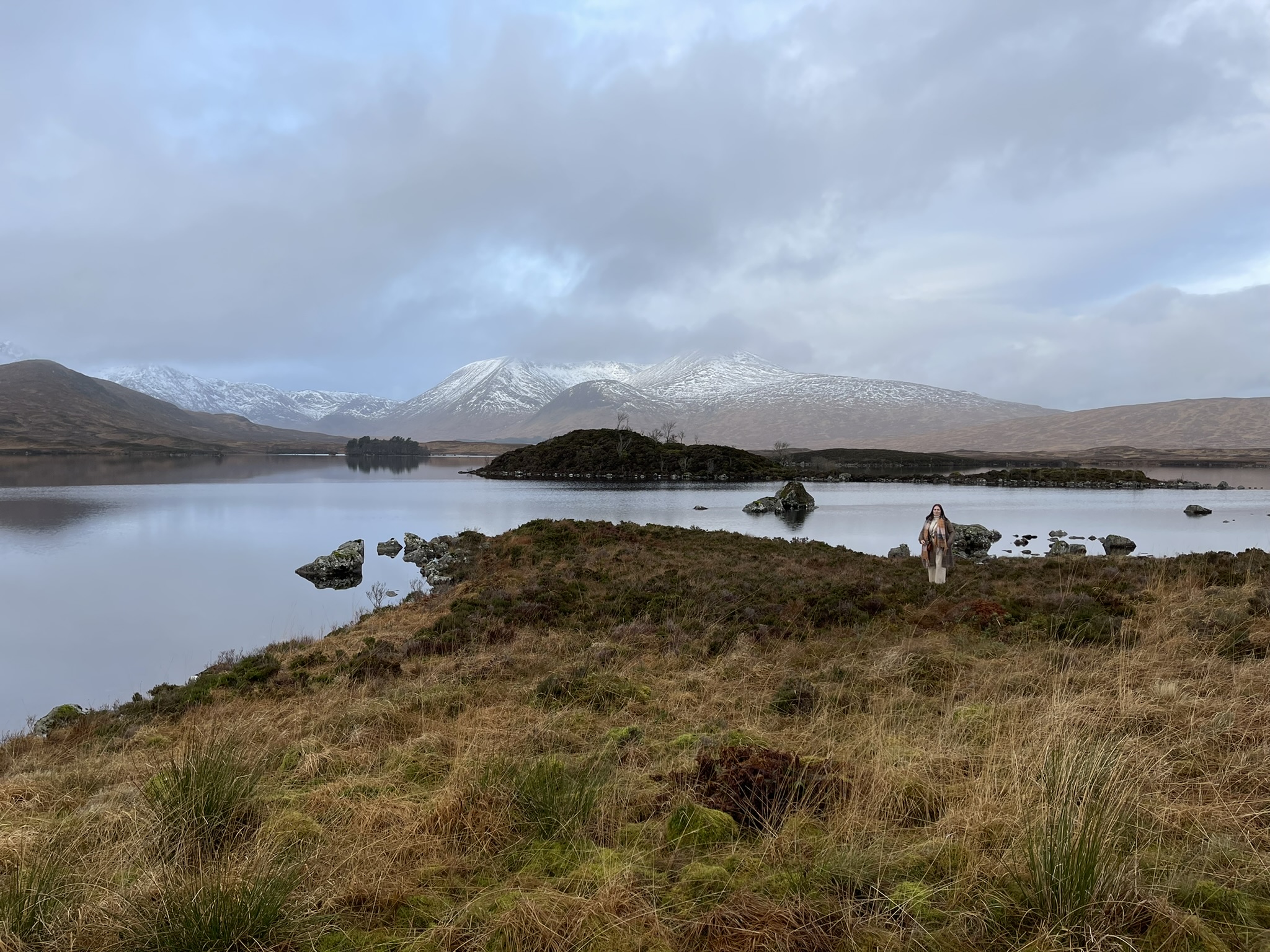
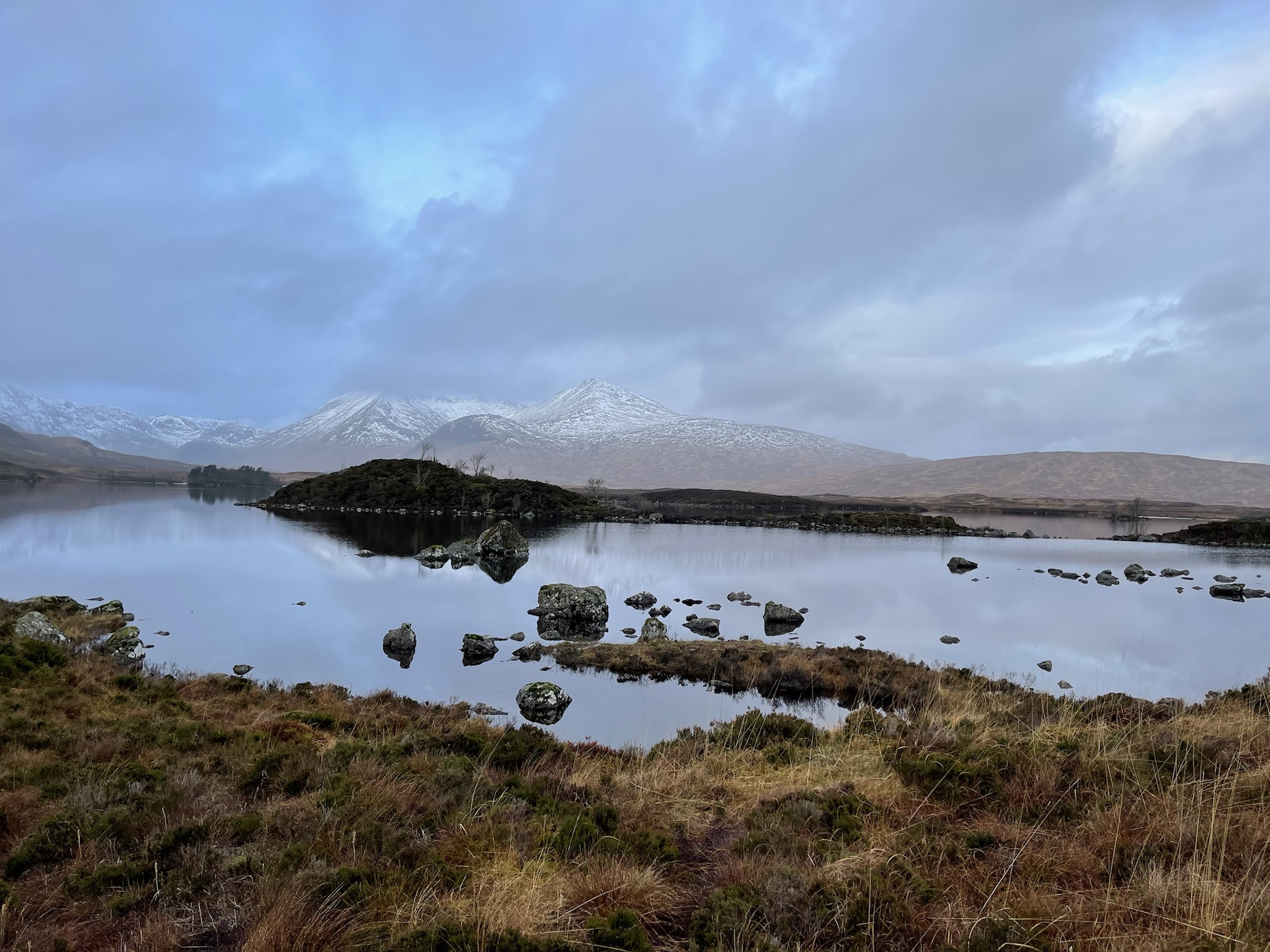
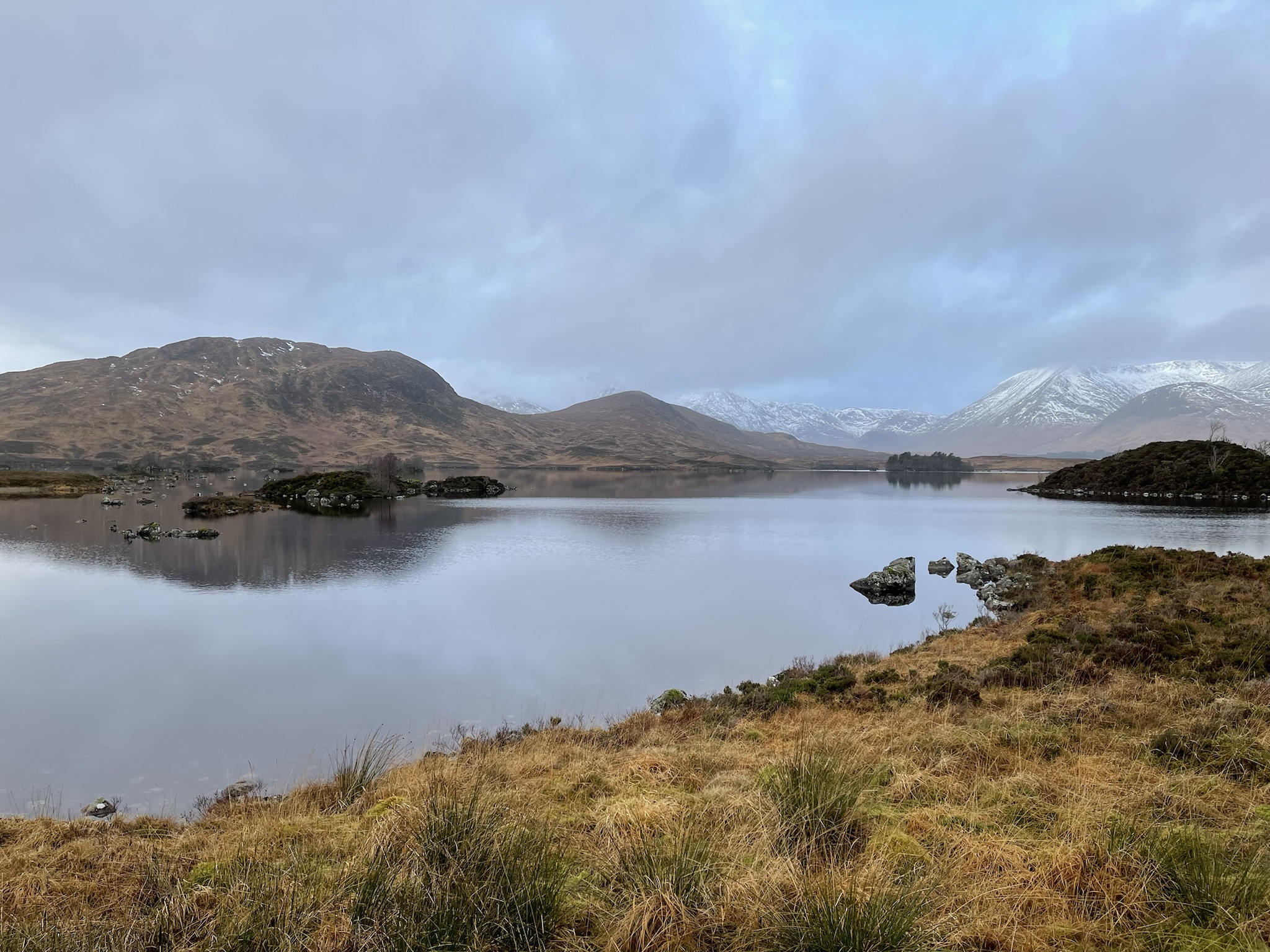
The Scottish Highlands are a vast, rugged region of mountains, glens, and lochs, known for their wild beauty, shifting weather, and deep sense of history. Shaped by ancient geology, clan culture, and the scars of past upheavals, the landscape feels remote and untamed, offering a powerful mix of natural drama, quiet solitude, and timeless atmosphere.
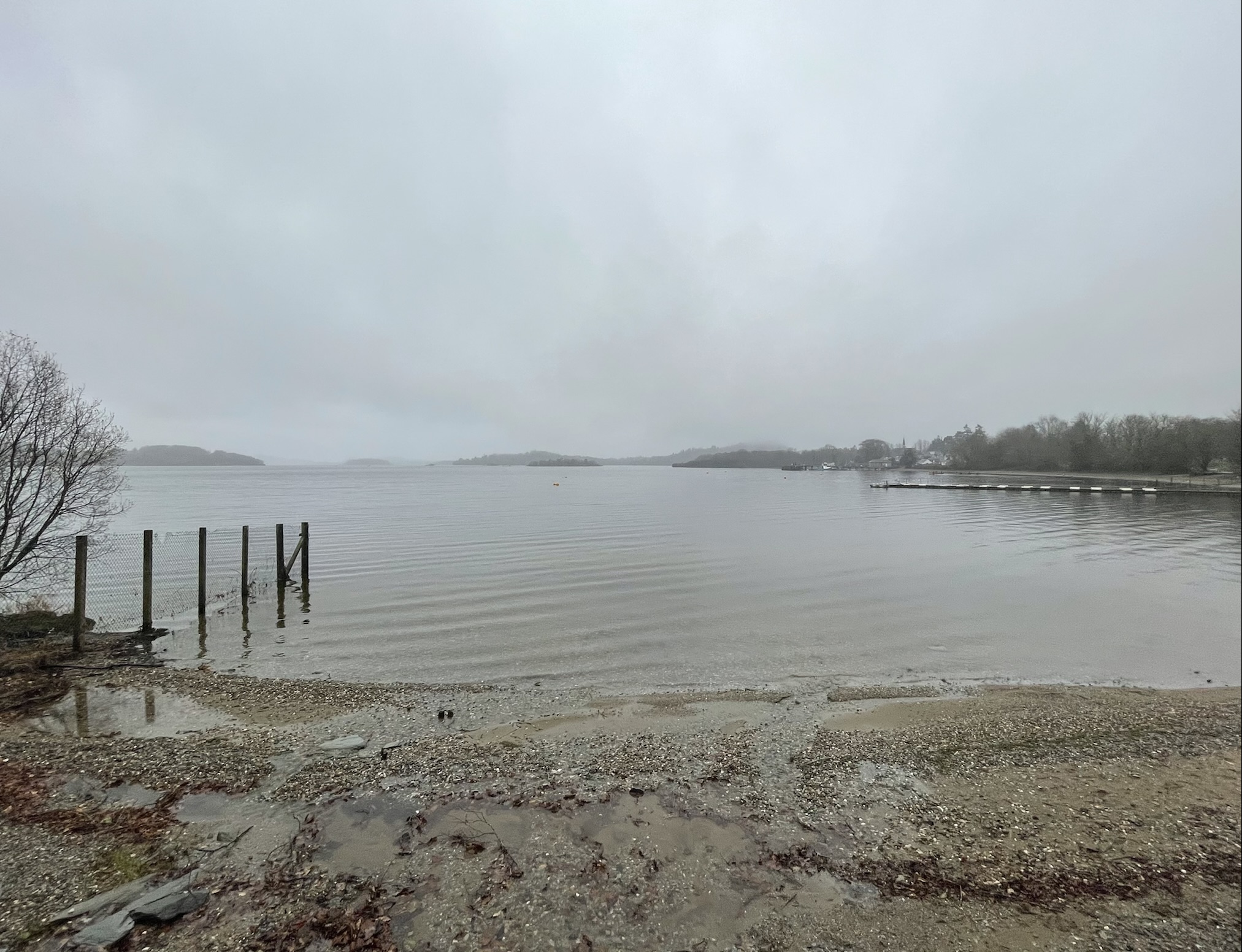
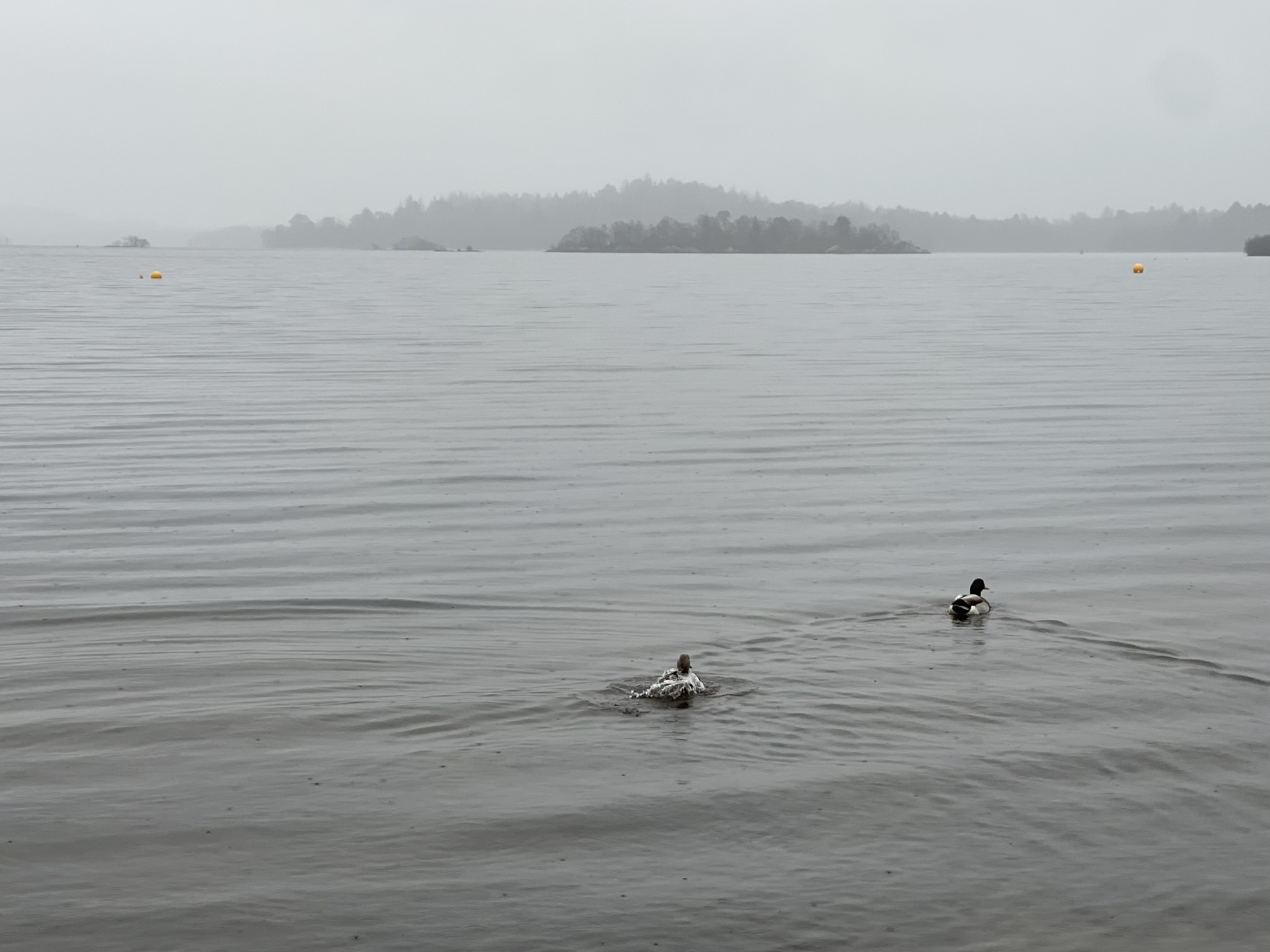
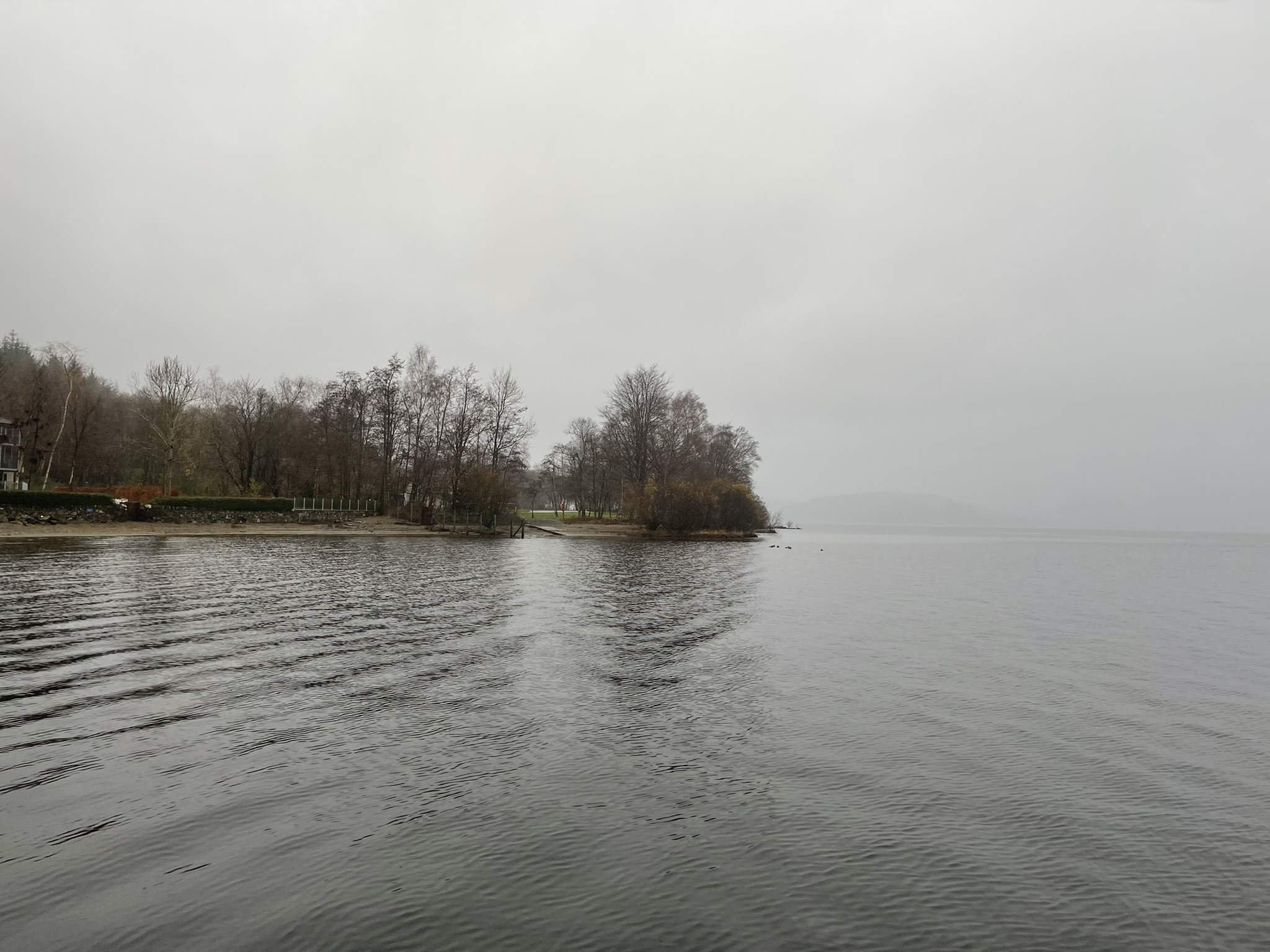
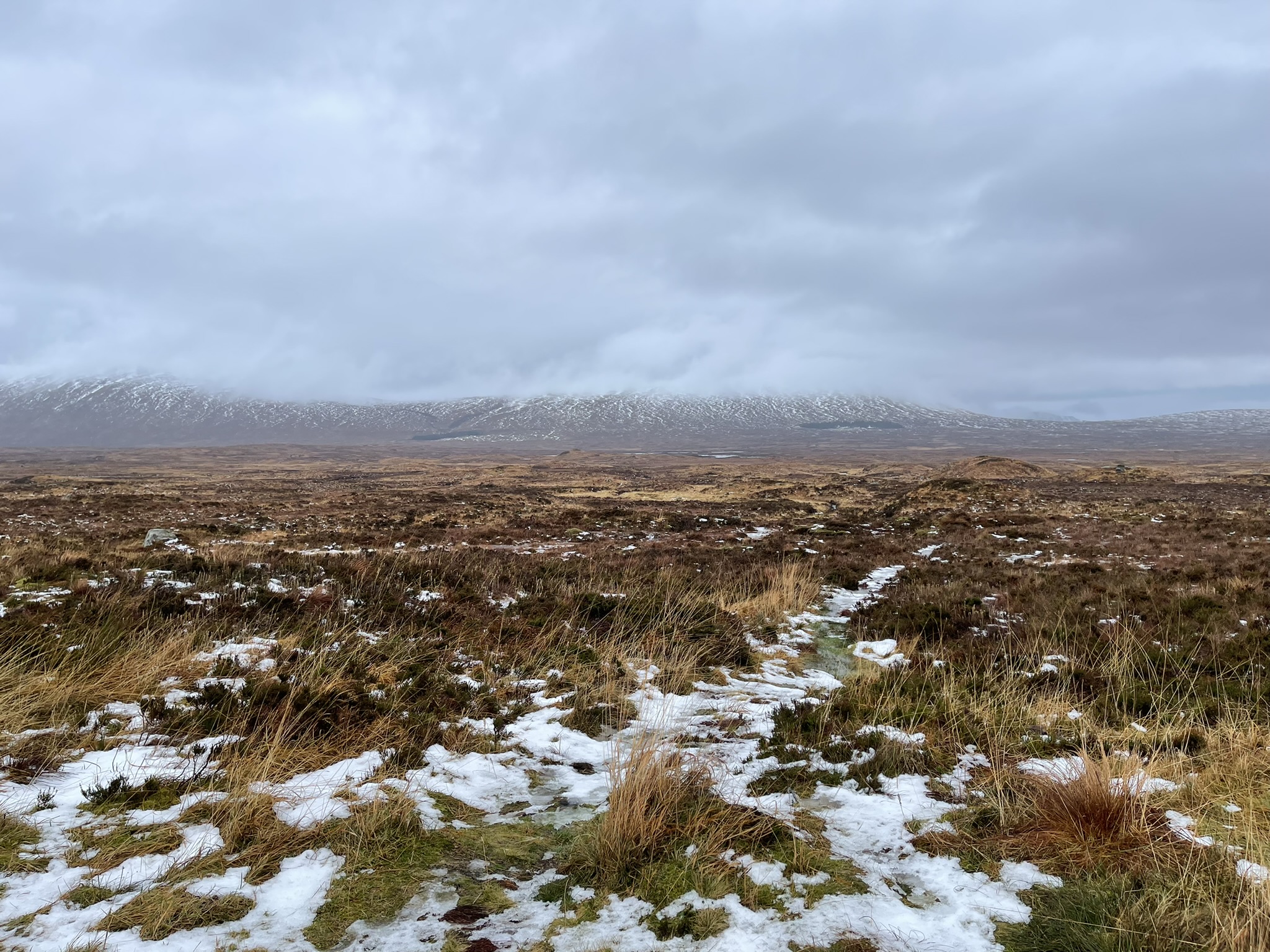
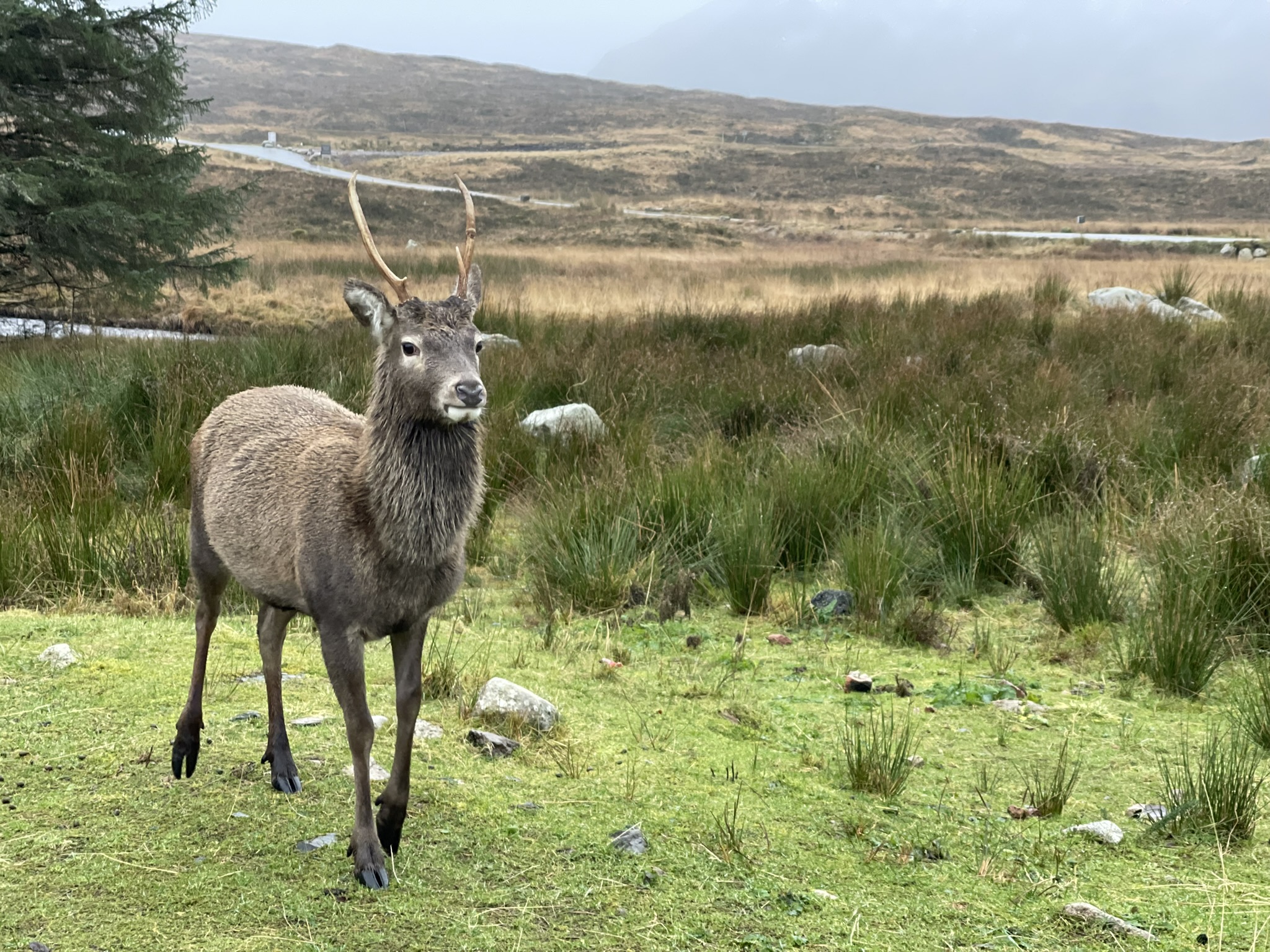
We started off at Loch Lomond – stone cottages, forested hills, and a peaceful pier looking out across the water making for a serene start to our trip. Then we made our way to Kingshouse – a charming inn built in the 17th century that sits alone on the edge of Rannoch Moor, one of the wildest, most desolate landscapes in Scotland, featuring a vast expanse of peat bogs, lochans, rock, and low hills stretching between Glencoe and the central Highlands. While the views had our jaws on the floor, it was the red deer grazing nearby that truly stole our hearts.
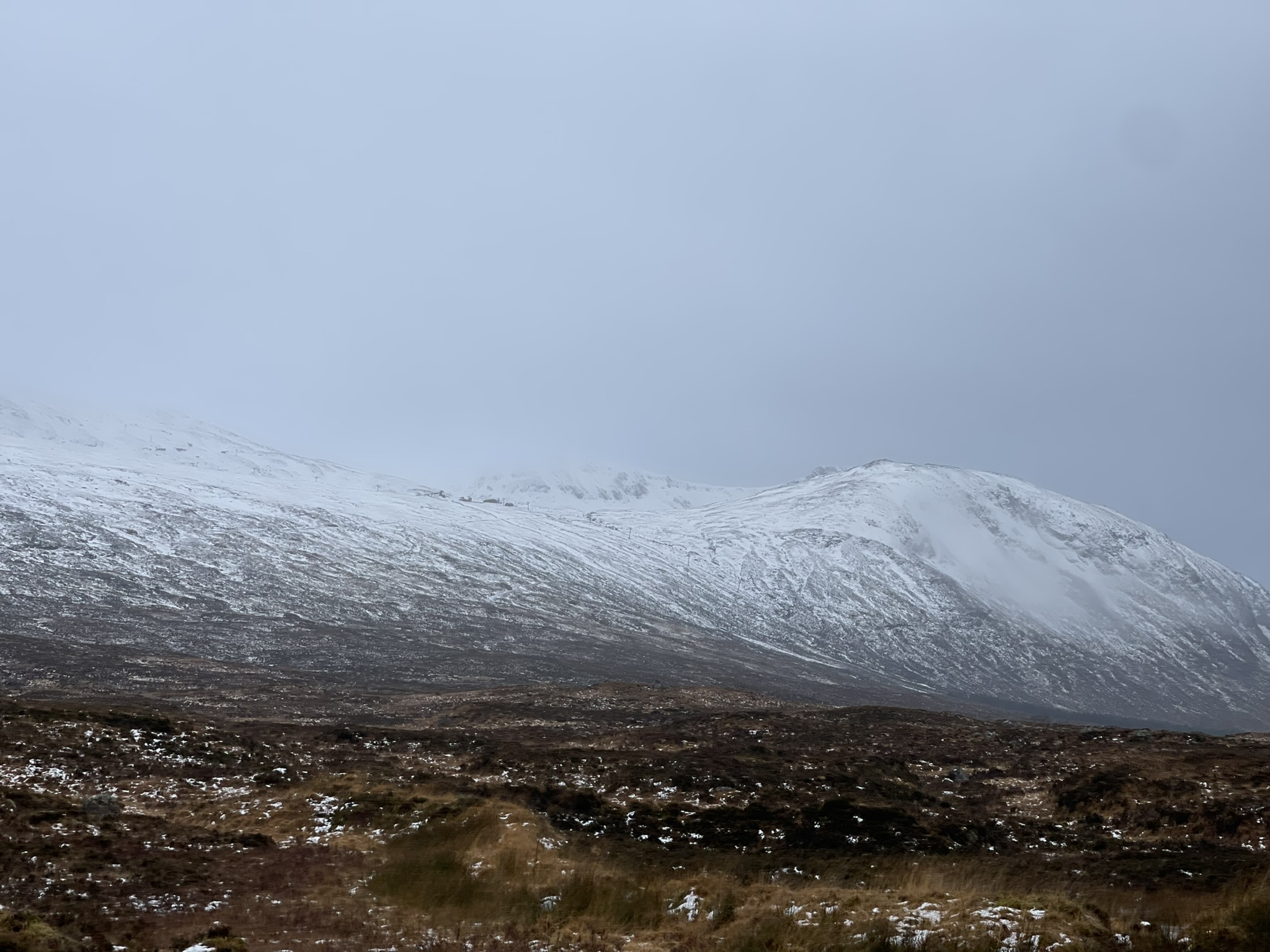
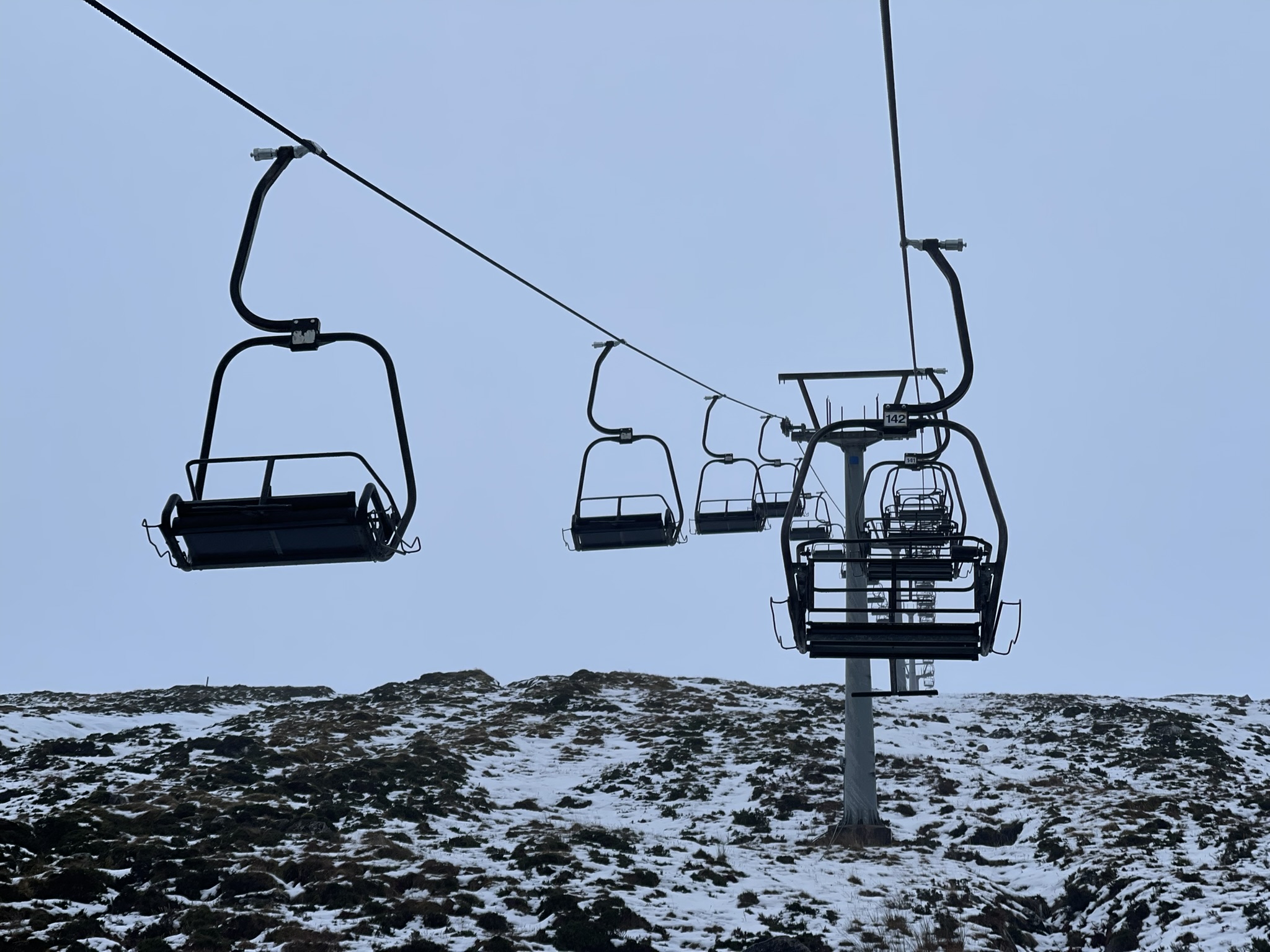
From there, we grabbed a cable car up to the Glencoe Mountain Resort on the slopes of Meall a’ Bhuiridh. Given our modest city attire, it was a foolish decision to say the least – the icy cold at the summit making us regret it the second we arrived. Ski season was in full swing, with everyone else far better equipped than we were. We nearly froze our asses off – but the views were damn well worth the suffering.
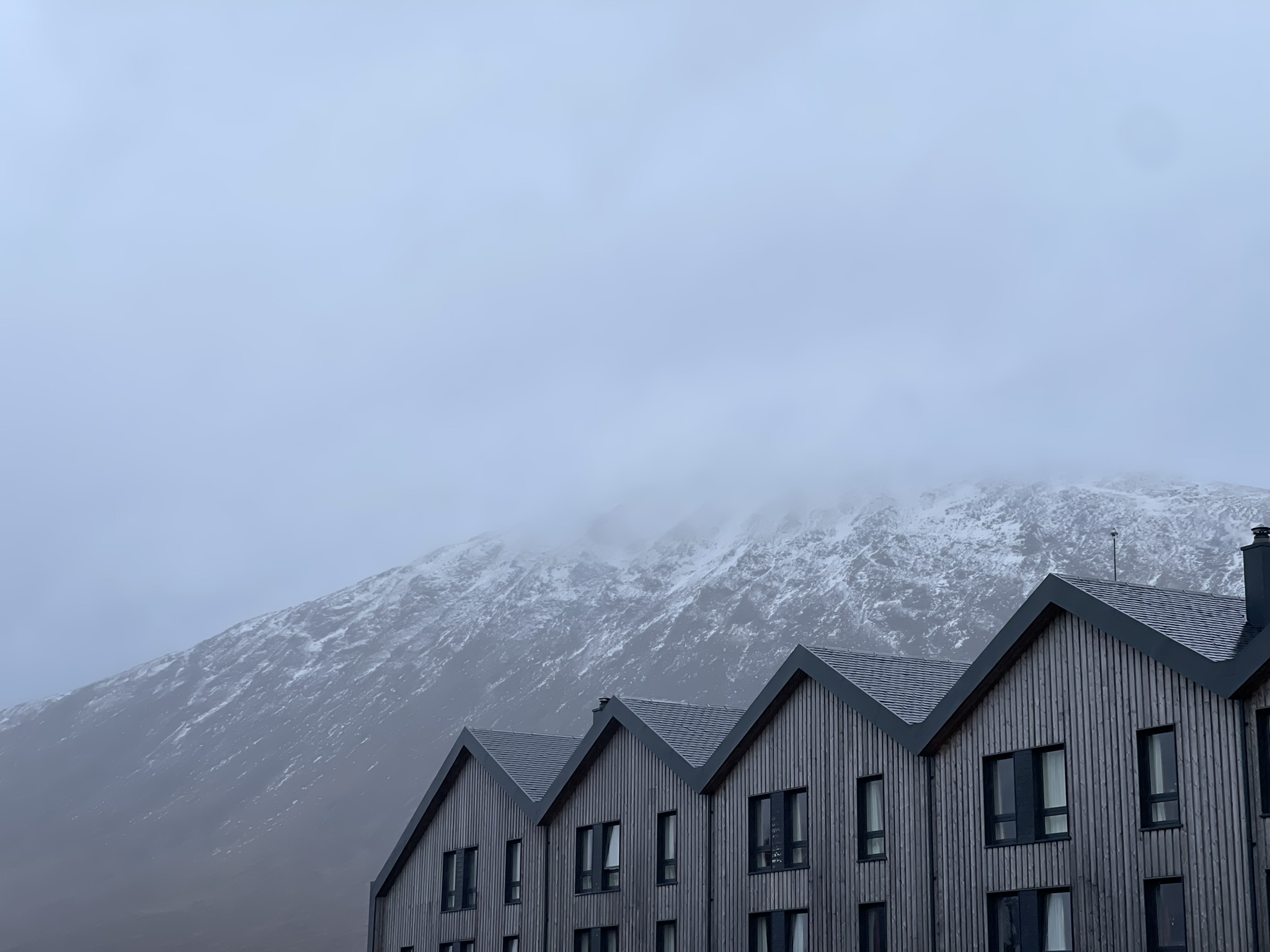
Our final stop for the day was Glencoe Village, sitting quietly at the western end of the glen where the mountains ease into the waters of Loch Leven. Small and unassuming, the village features whitewashed houses, a handful of cafés and pubs, and dramatic peaks rising immediately behind it. Despite its size, it carries the weight of Glencoe’s history, shaped by clan heritage and the aftermath of the 1692 massacre, giving it a subdued, reflective atmosphere that contrasts with the raw grandeur surrounding it.
As much as we wanted to explore more, we all had one thing on our minds – a steaming hot shower. And so, the second we arrived, we headed straight to the homestay we’d be spending the night at.
Here, we were met by our hosts – a crazy, psycho couple who’d probably win an Oscar if they ever featured in a horror movie.
Drenched to the bone and trembling with cold, we assumed they’d simply let us in and give us a warm welcome. We assumed wrong. Very wrong. Instead, they gave us an eternally long tour of their humble abode – going over every infinitesimal detail and explaining the many do’s and don’ts we’d have to adhere to during our stay. By the end of their litany, we’d all but given up hope of ever taking off our soaked clothes.
When we finally did, we tried to settle in – though that’s not really the right term. They kept checking in on us every other minute to make sure we weren’t doing anything suspicious. I wondered what we’d done to give off such a bad impression. I figured they probably weren’t too accustomed to having people around their home – which might explain why they barely had any reviews on Airbnb.
Luckily, we were only staying one night, and thank god for that. The following morning, after being served a single slice of toast and one of the worst cups of coffee I’d ever tasted, we were quickly shooed out the door.
Finally free from the scourge of what was probably a clinically insane couple, we resumed our road trip.
First up were the Three Sisters of Glencoe – the most recognisable and dramatic peaks in the valley, rising sharply from the floor of the glen like giant stone sentinels. Part of the Bidean nam Bian massif, they’re known individually as Gearr Aonach, Aonach Dubh, and Beinn Fhada, each carved by glaciers into steep ridges and deep gullies. Wrapped in mist, they gave Glencoe a brooding, almost mythic feel.
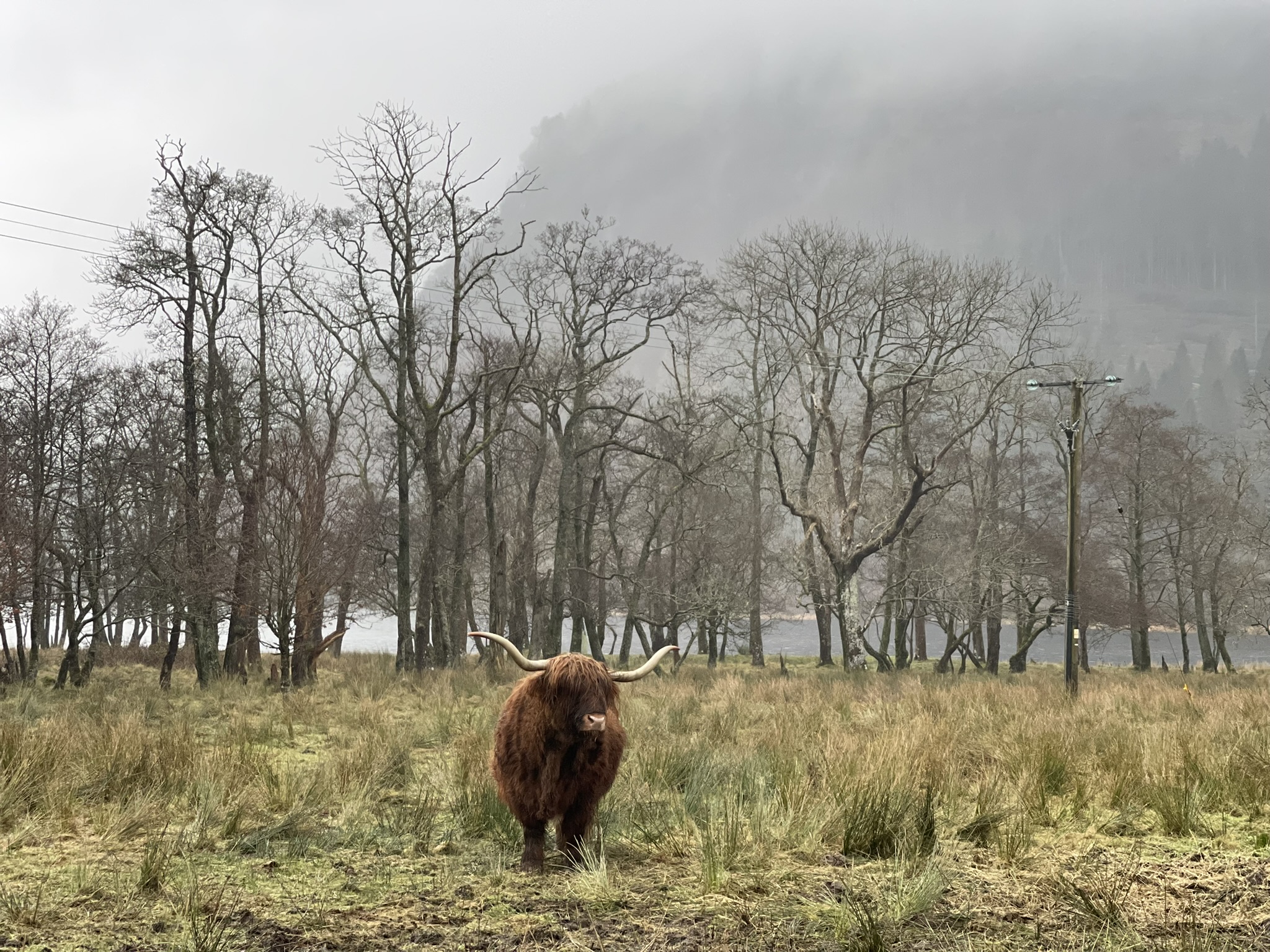
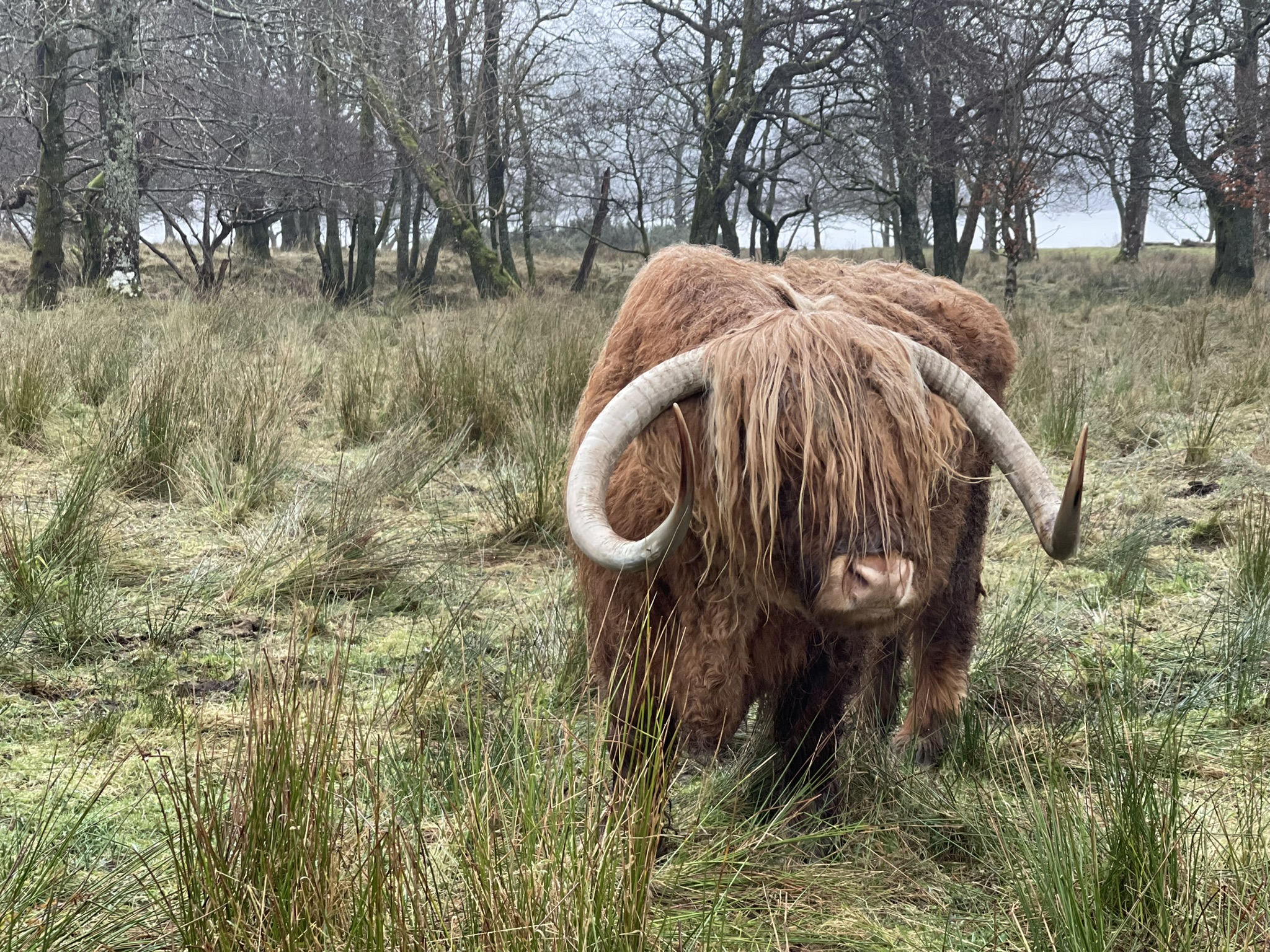
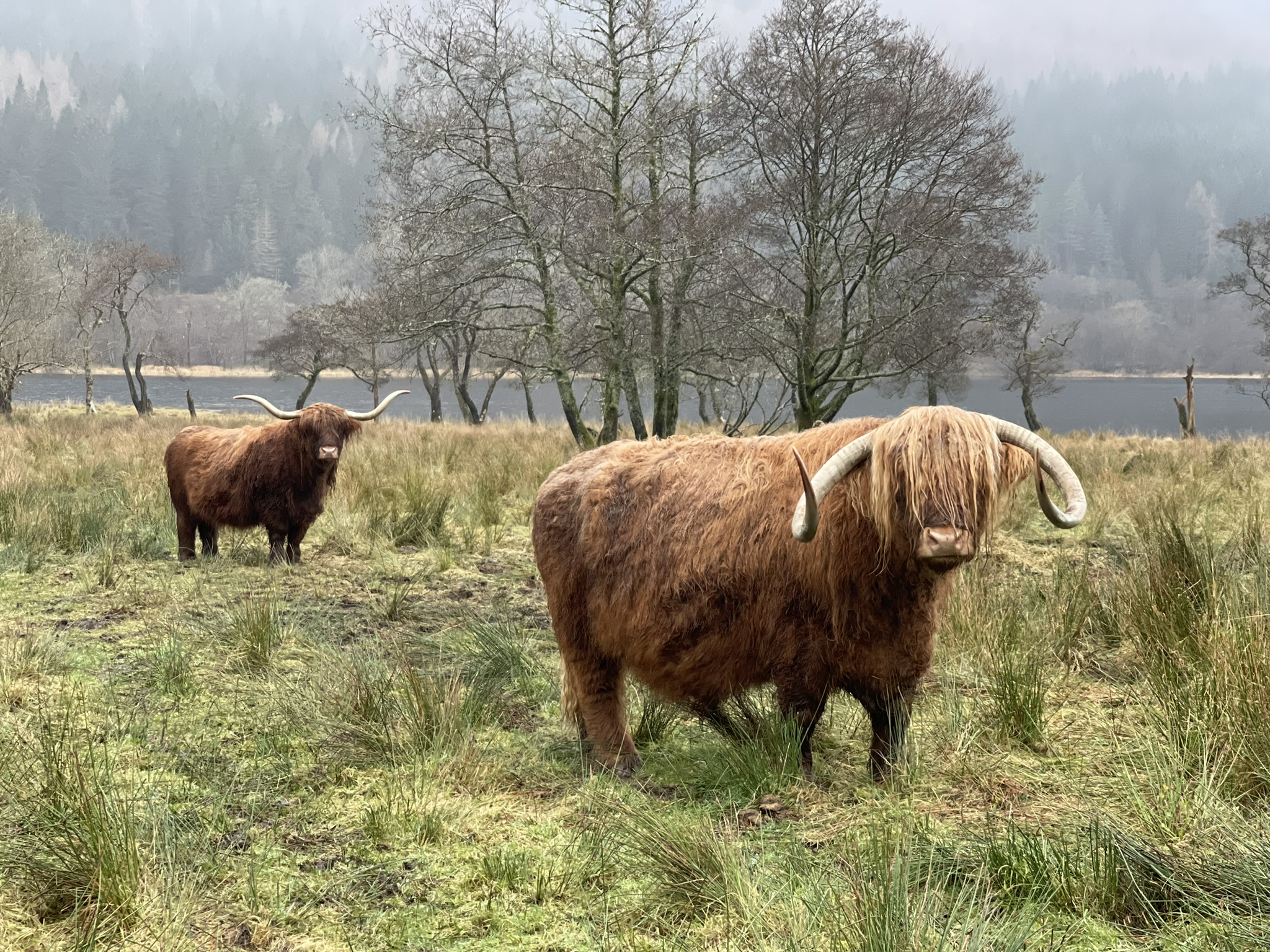
As we drove on, we stopped countless times to soak in the views. We even managed to beg a farmer we spotted along the road to let us into his field. One of us had been desperate to see Scottish coos up close – and until then, we hadn’t seen a single one. When we finally stumbled upon an entire herd, we had to stop. And lemme tell ya, I’m so glad we did. With their long shaggy fringes, sweeping horns, and surprisingly gentle expressions, it’s no wonder they’re one of Scotland’s most beloved and recognisable symbols.
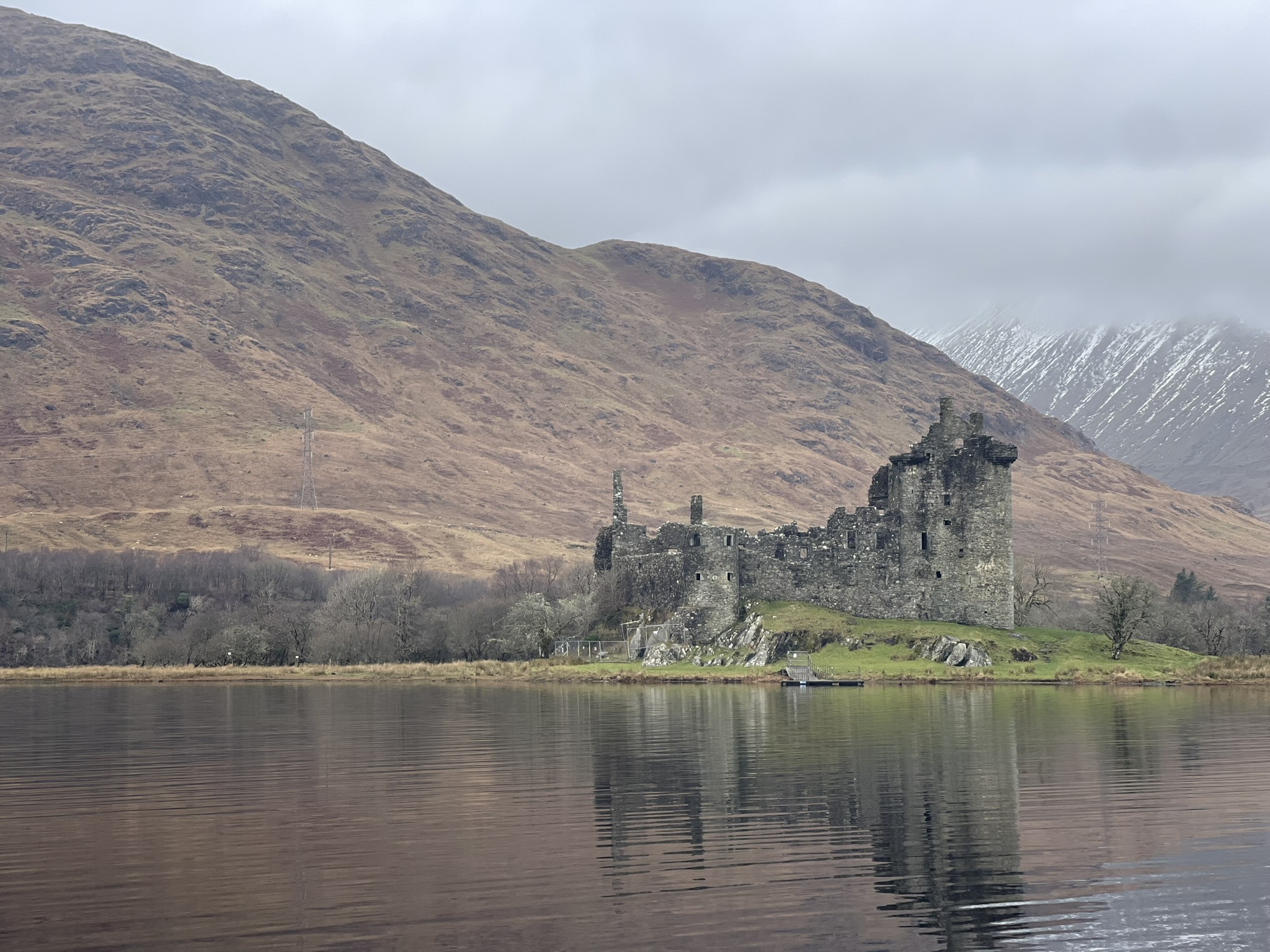
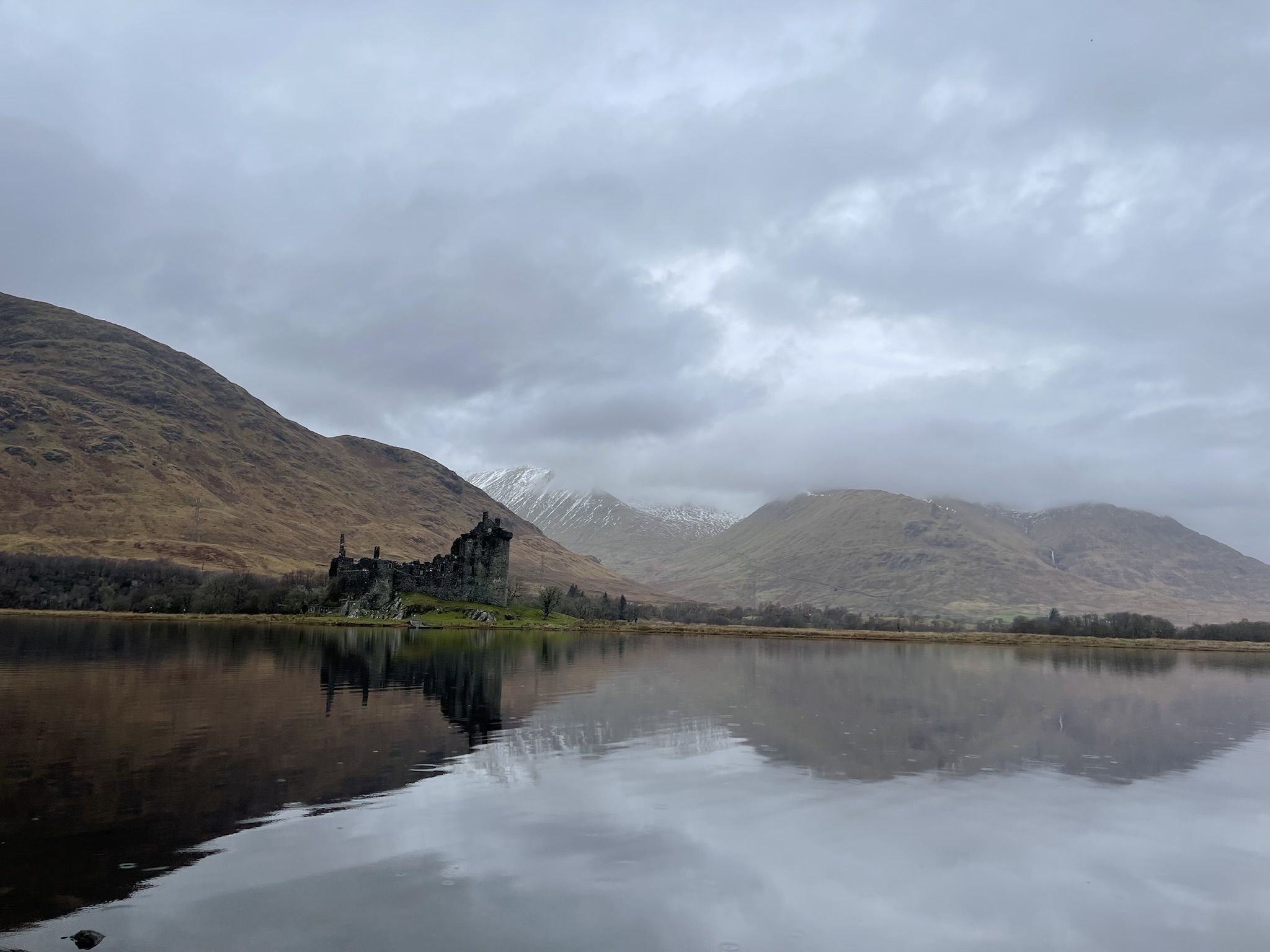
Before heading back to Edinburgh, we made two final stops. The first was Kilchurn Castle – or what’s left of it. The ruins stand dramatically on a rocky peninsula at the northeastern end of Loch Awe. Built in the mid-15th century as a stronghold of Clan Campbell, it once guarded key land and water routes through Argyll. Today, its roofless towers and crumbling walls are mirrored in the still loch, mountains rising behind them, giving the place a quiet, almost reverent feel.
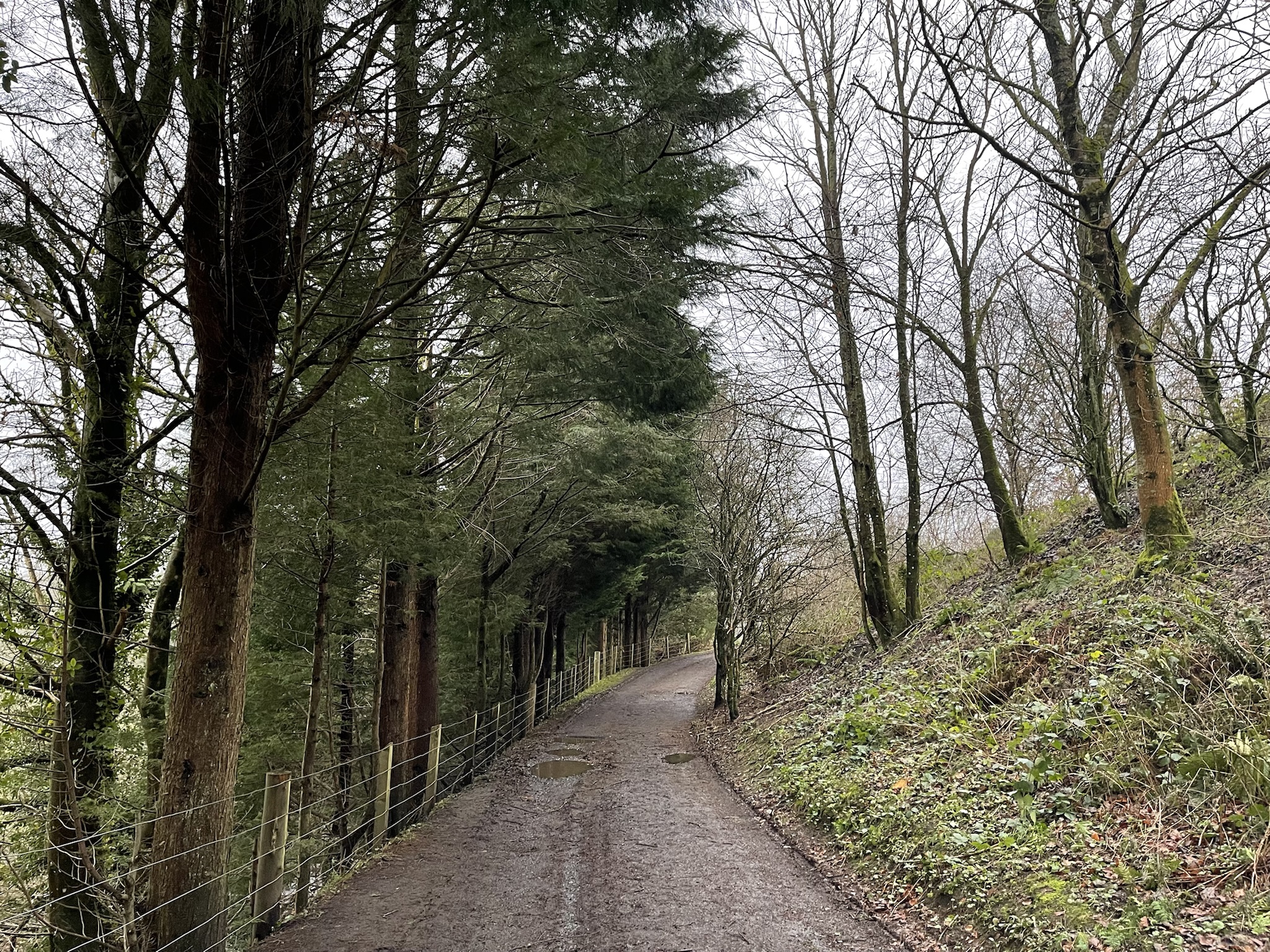
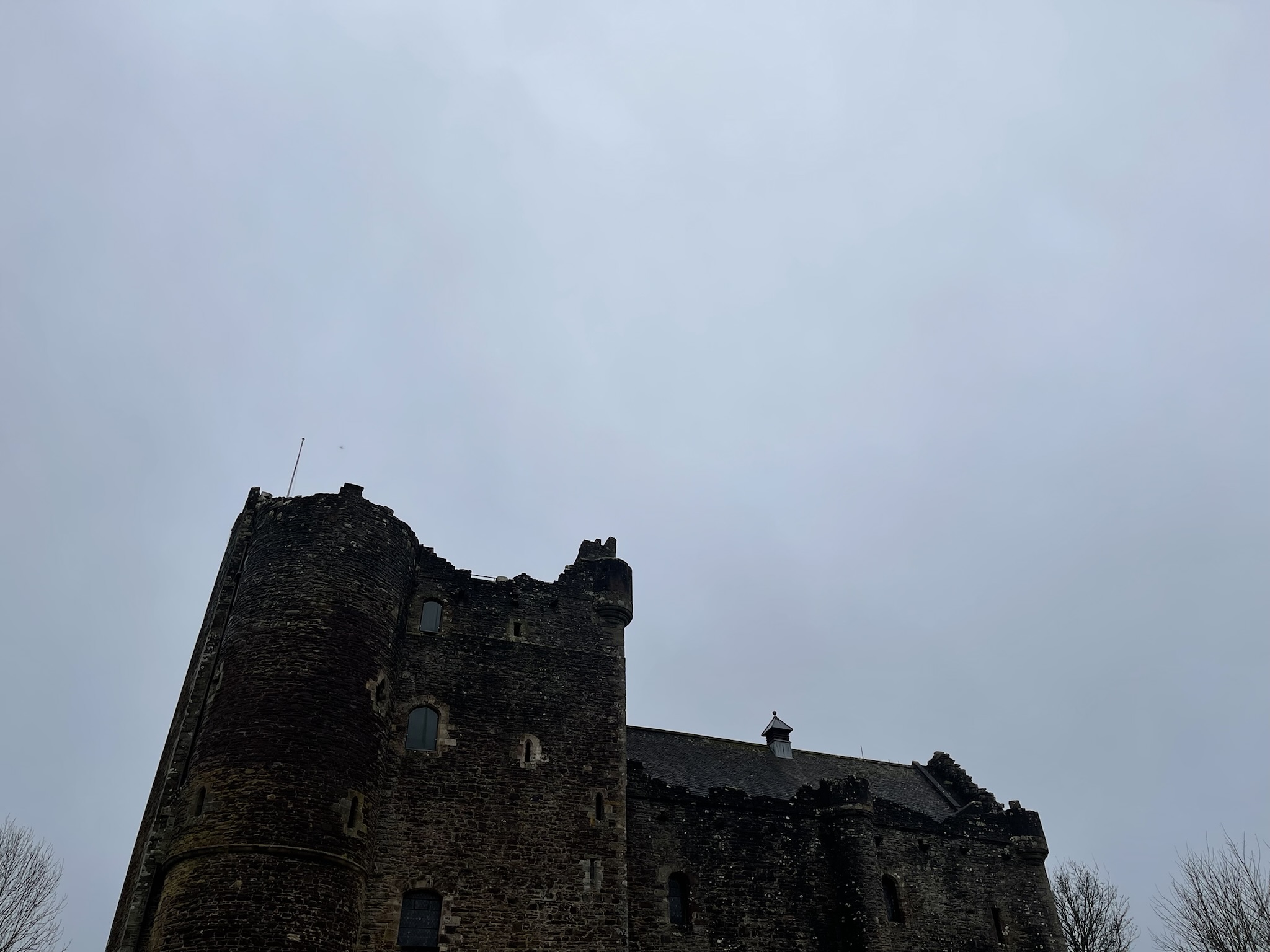
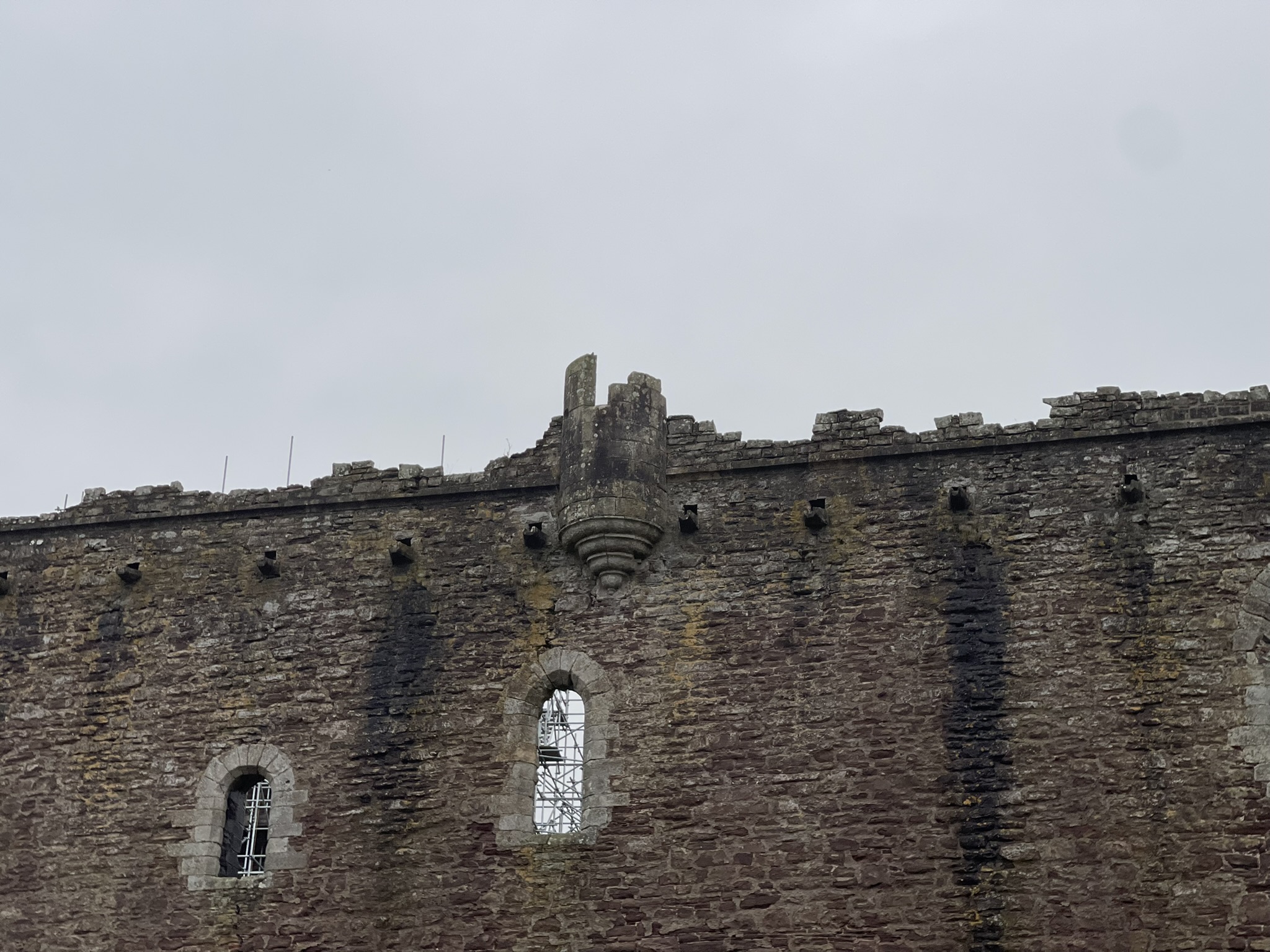
Our final stop was Doune Castle – one of Scotland’s most recognisable and versatile fortresses, sitting beside the River Teith near Stirling. Built in the late 14th century as a grand residence for the Duke of Albany, it’s best known today for its pop culture fame as Castle Leoch in Outlander, a filming location for Monty Python and the Holy Grail, and later Game of Thrones. We didn’t have time to go inside, but we still managed to admire its imposing exterior.
And just like that, our trip was over. From cutting and suturing pig feet (questionable), to stitching bowels and veins, from wandering Edinburgh’s medieval streets to roaming Scotland’s vast Highlands – it was truly an incredible adventure.