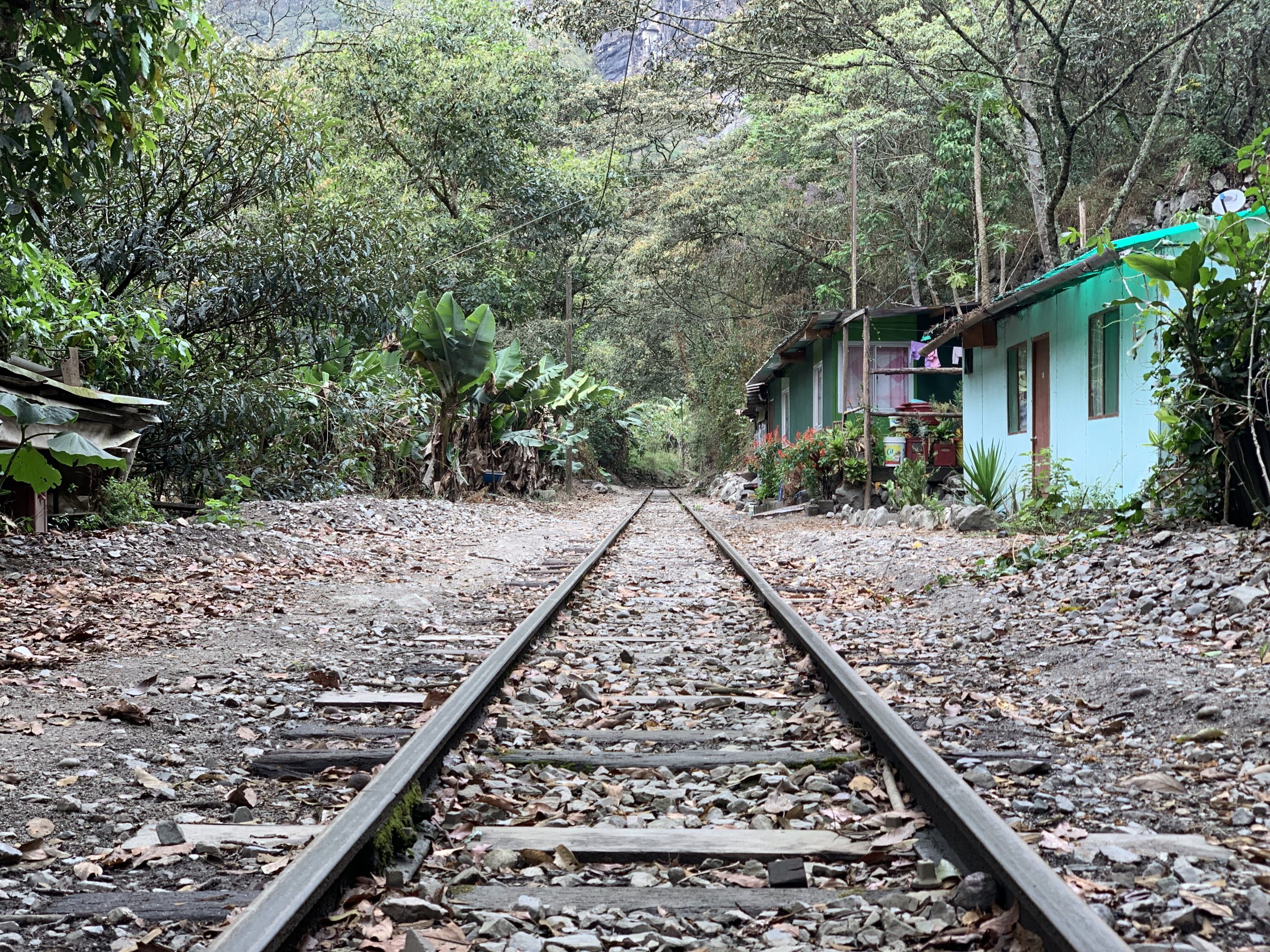
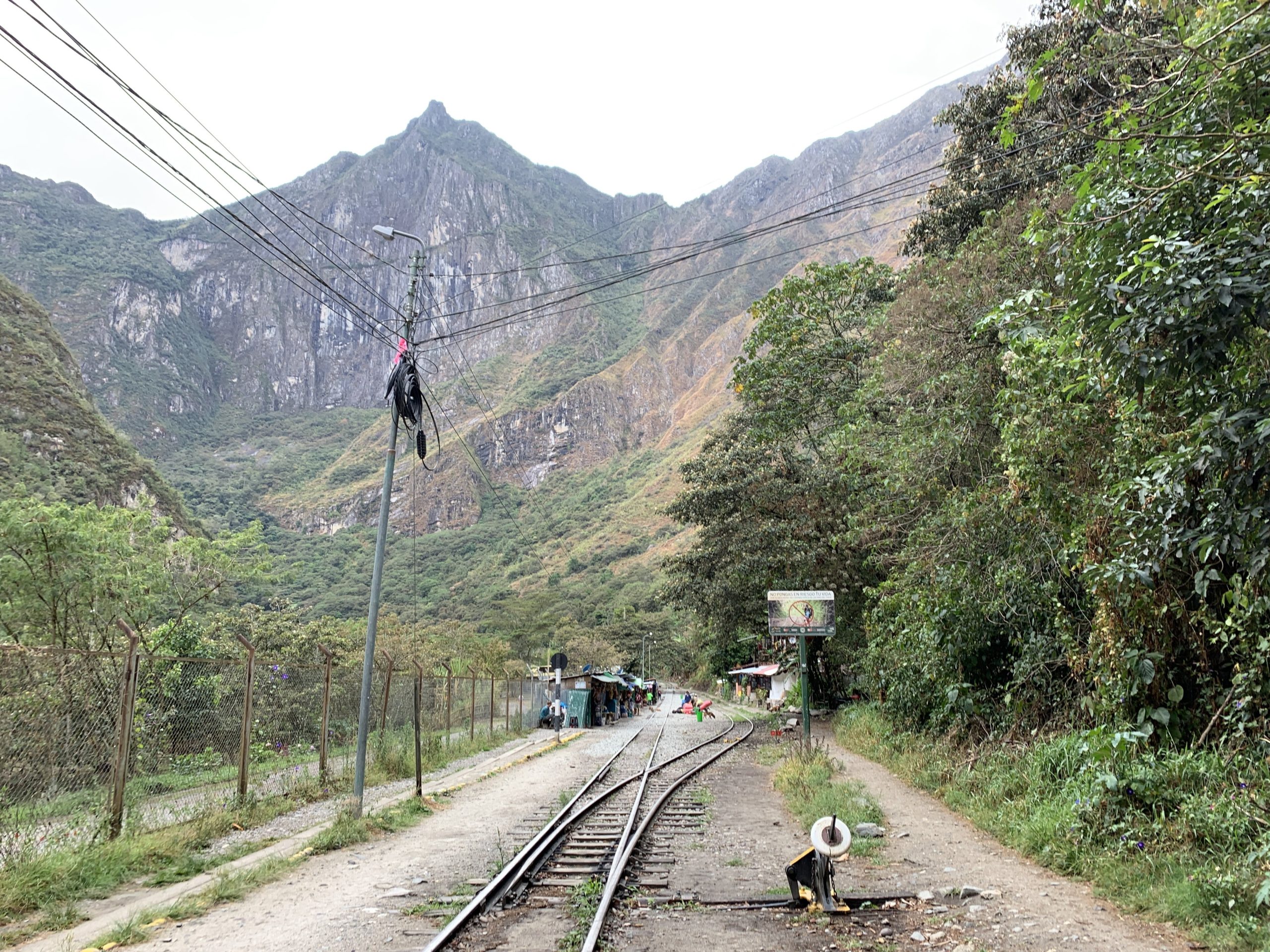
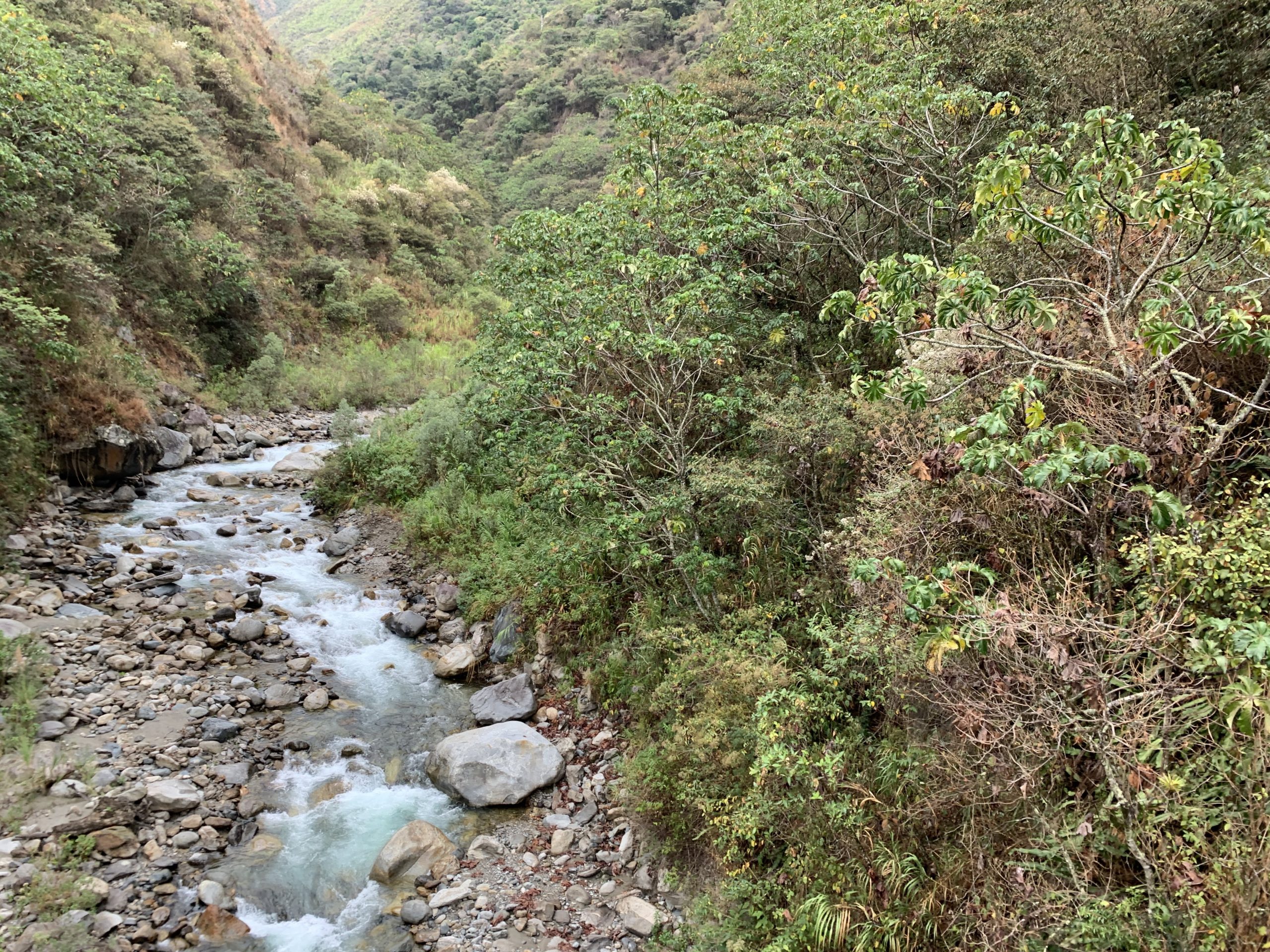
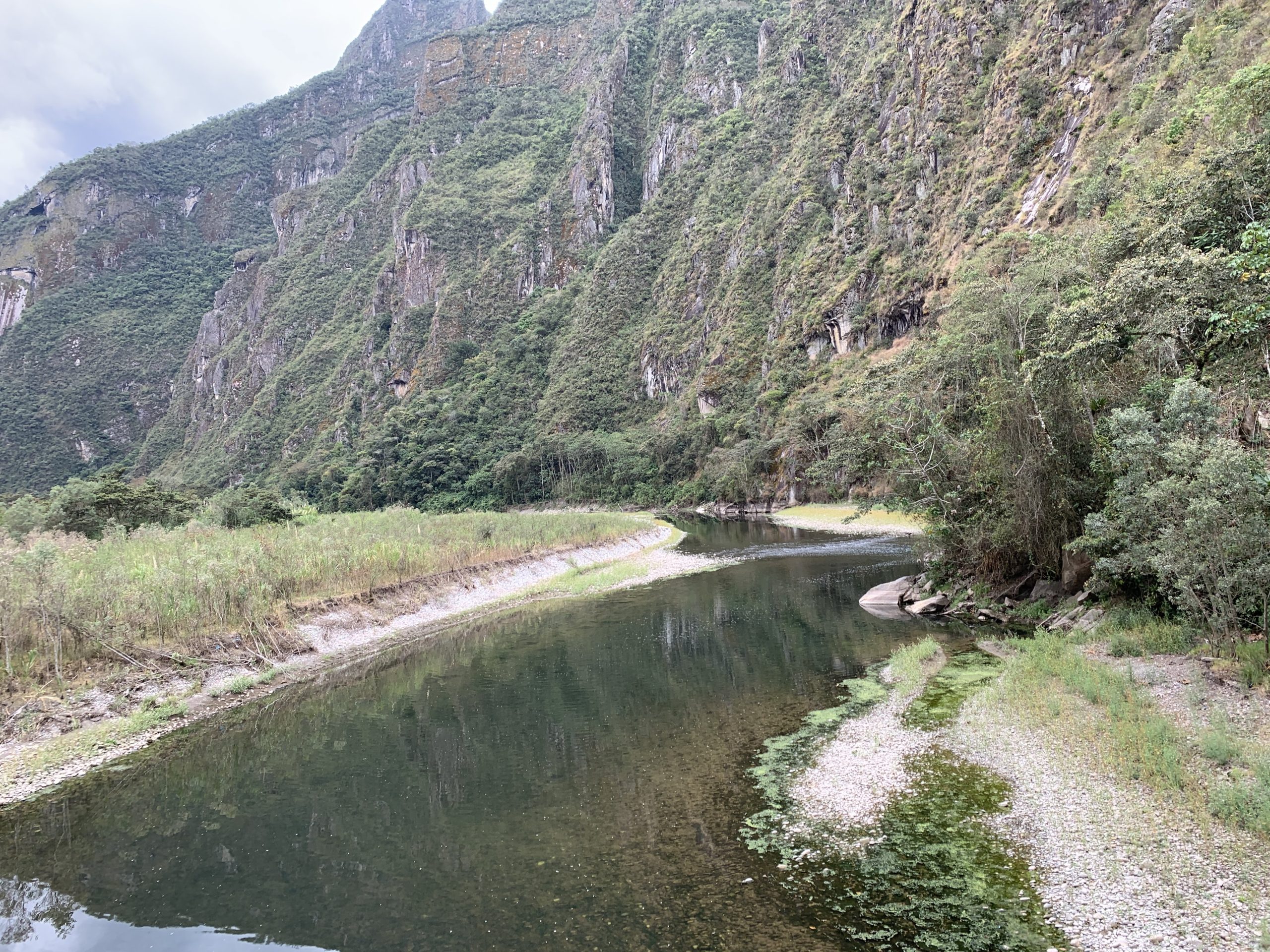
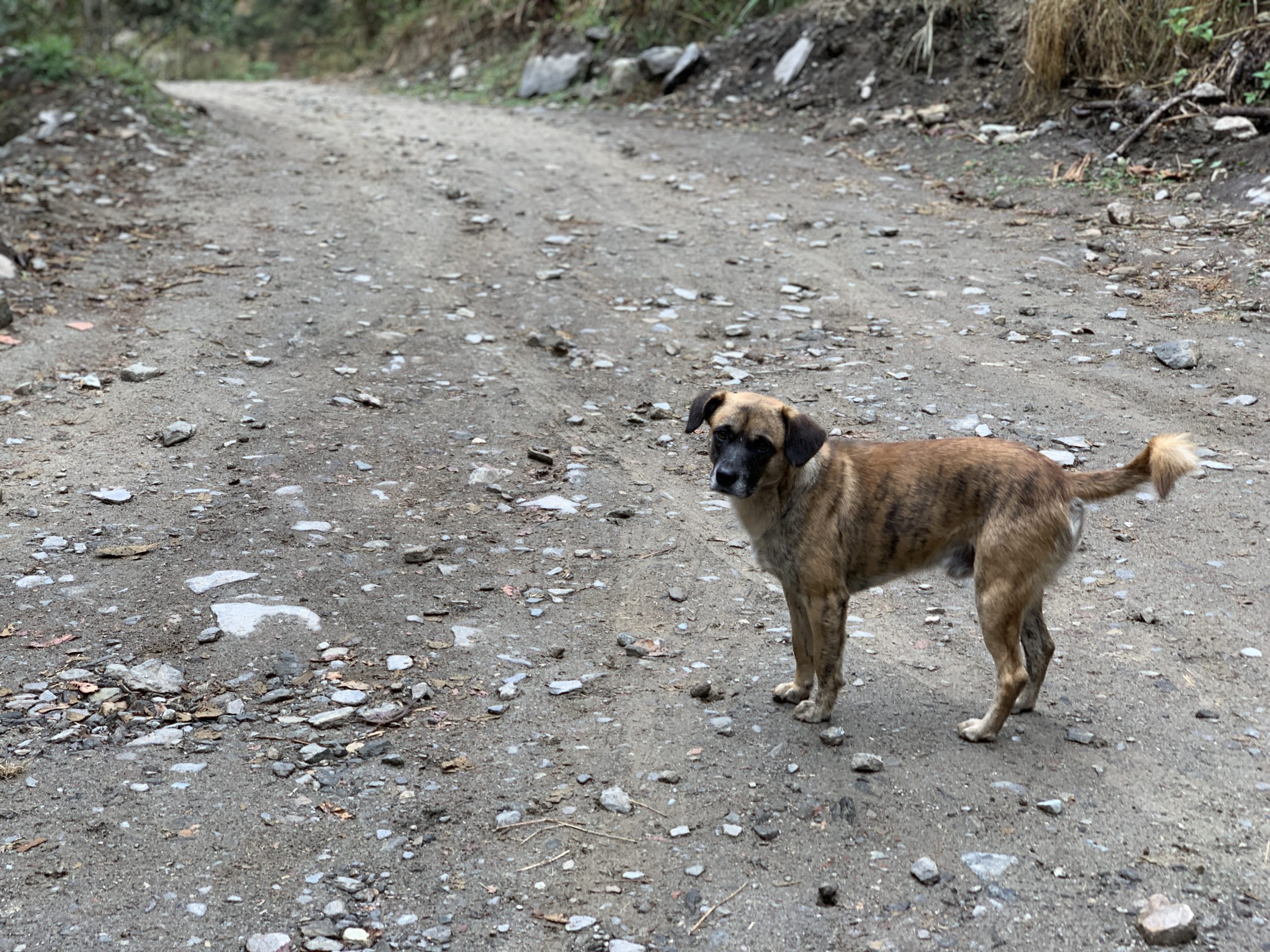
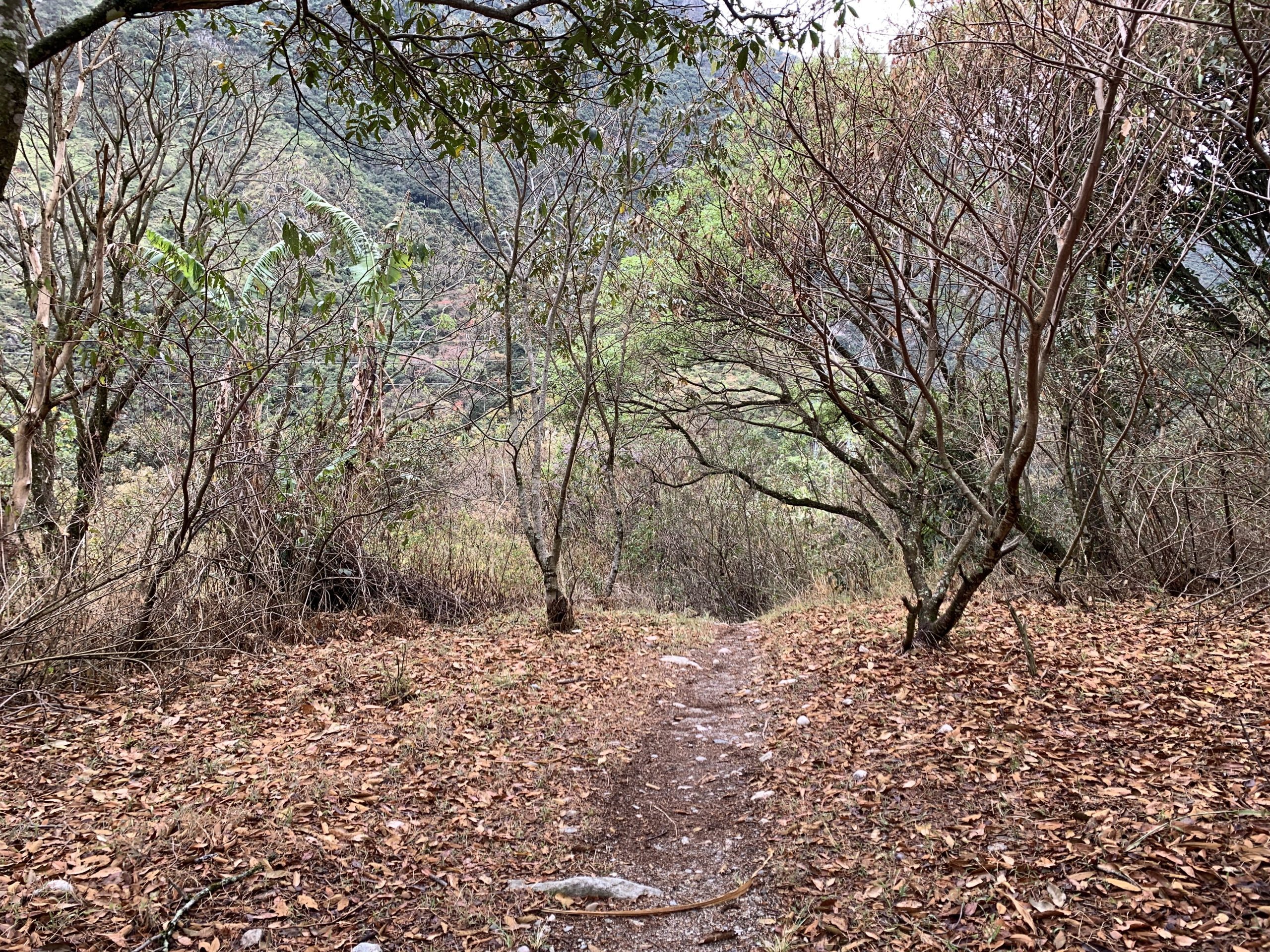
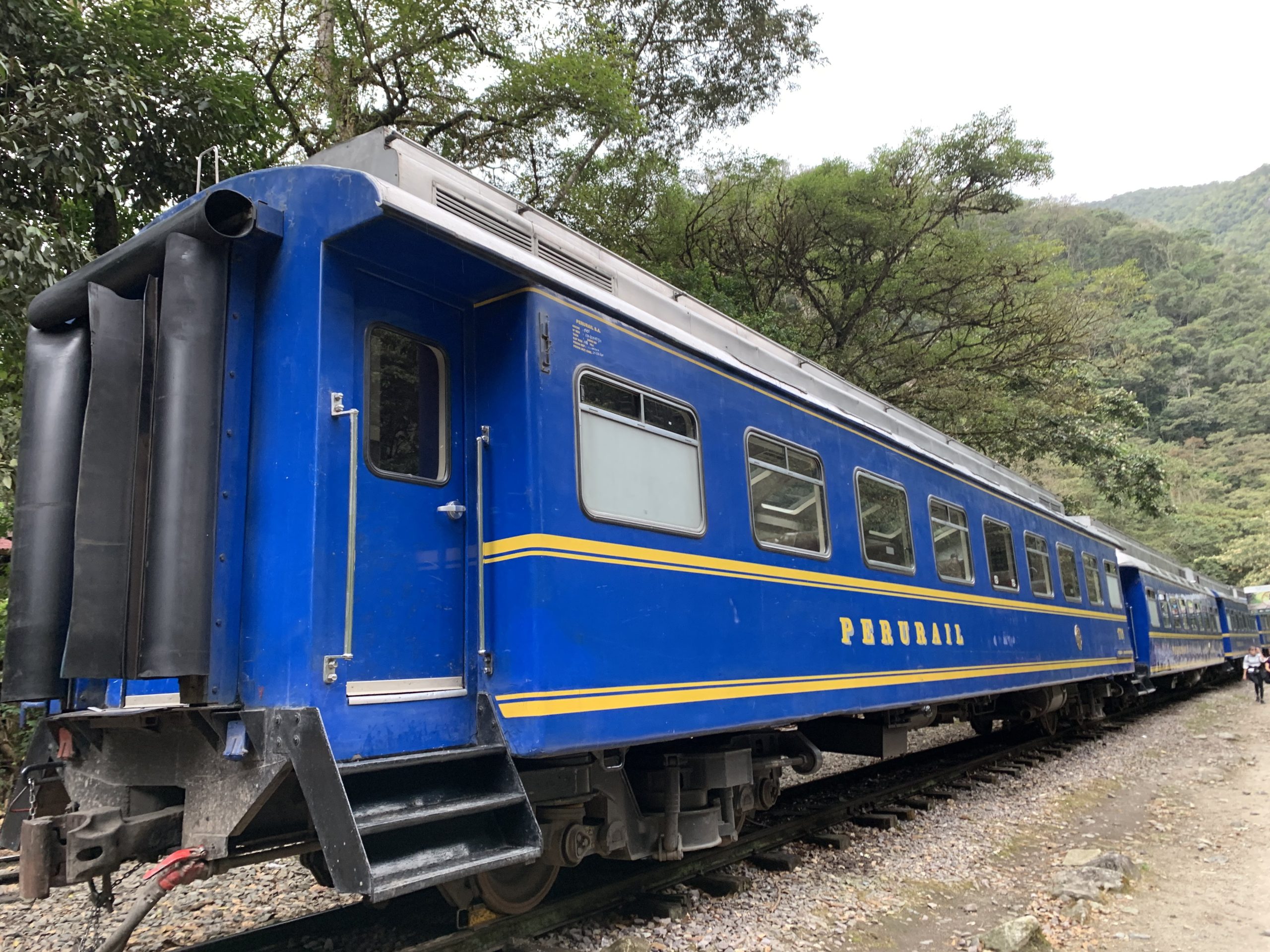
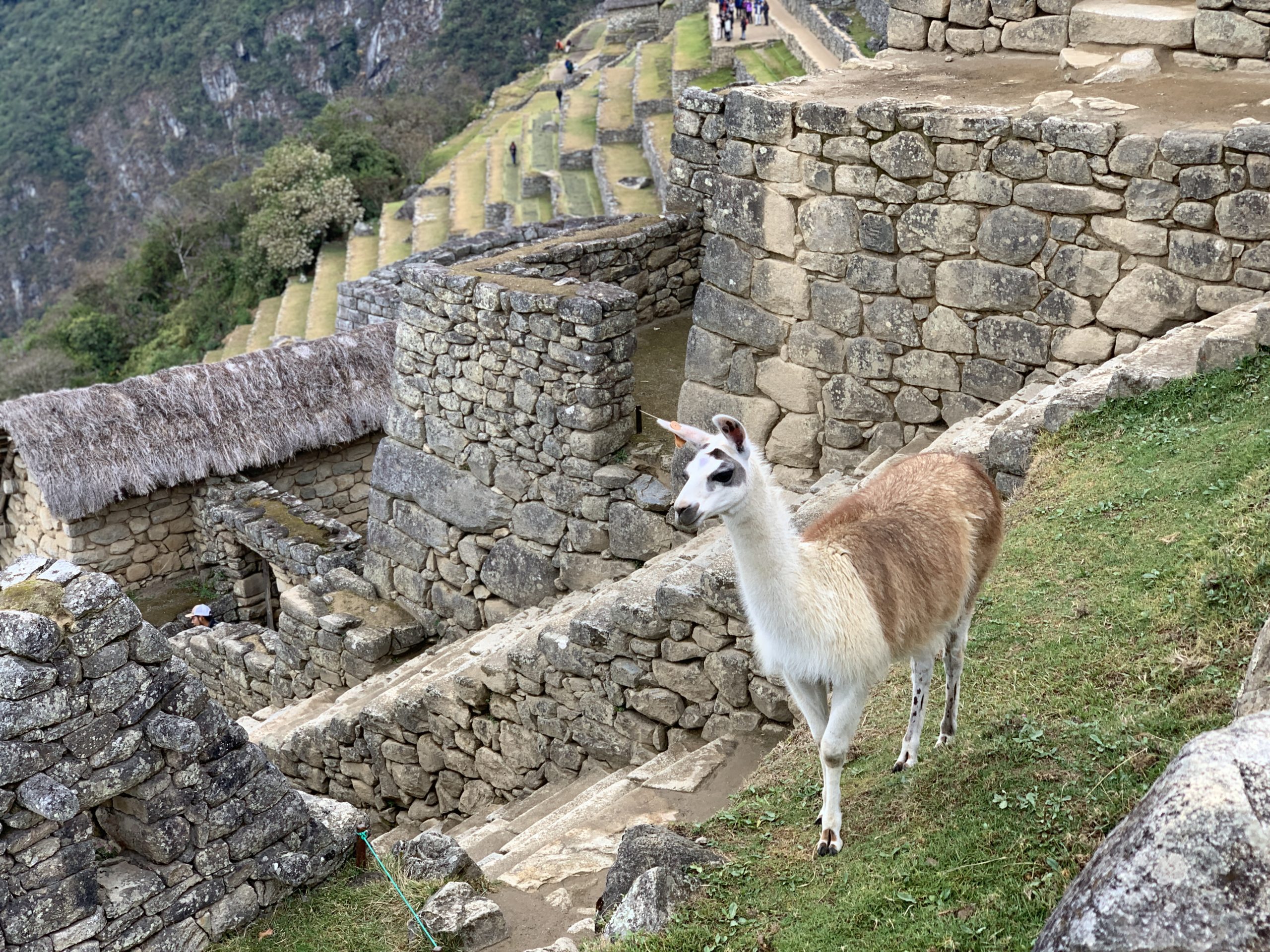
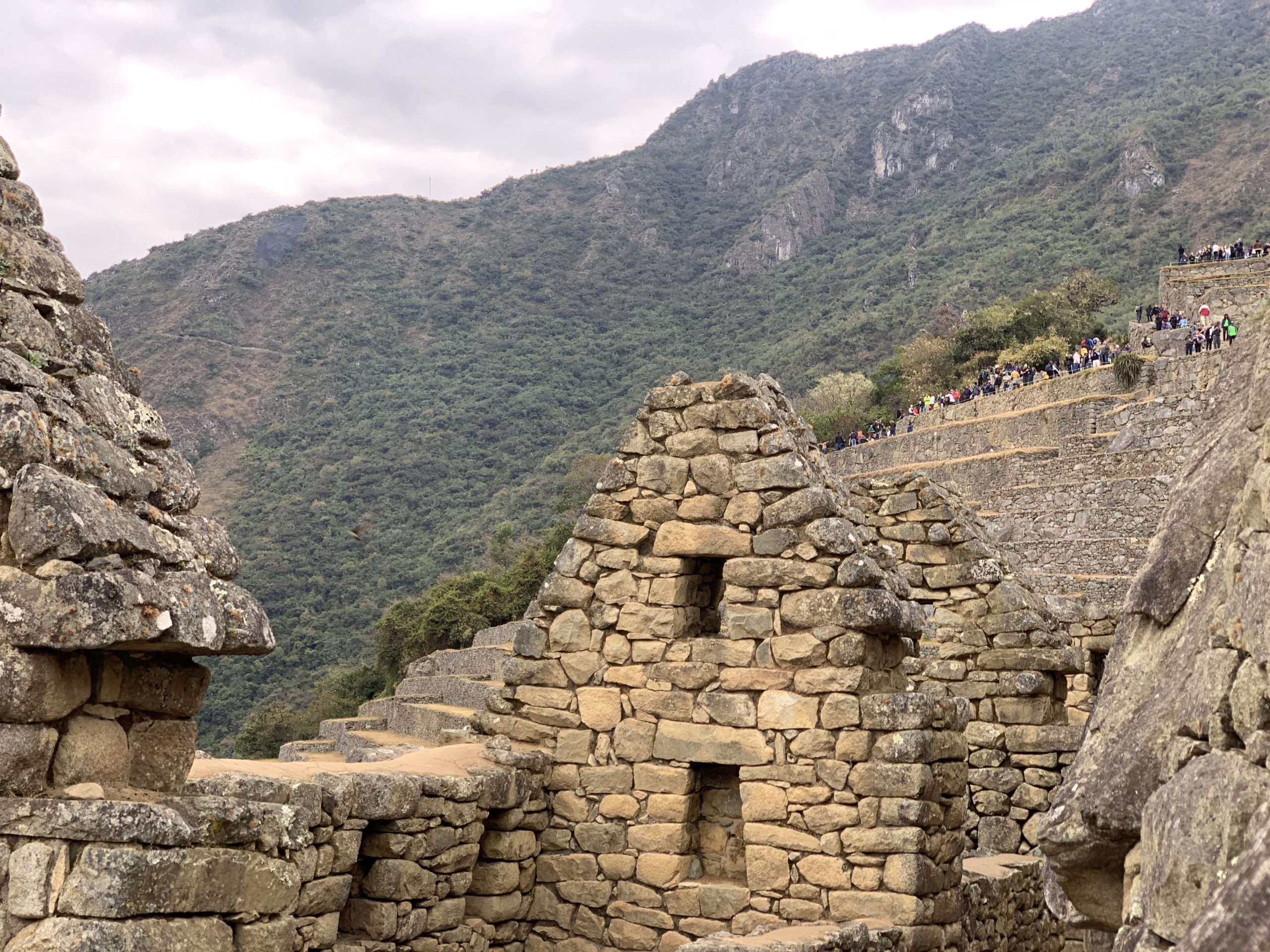
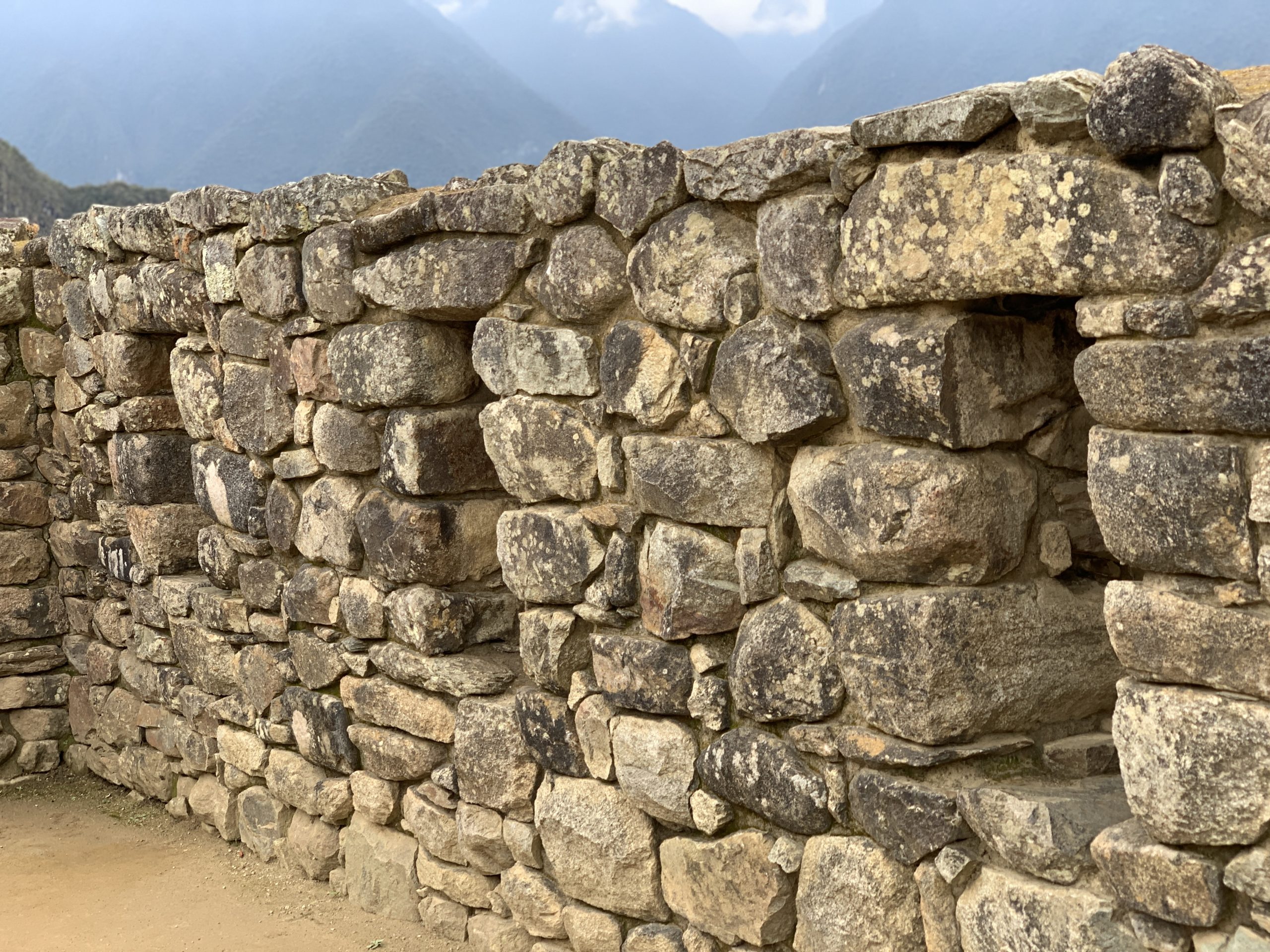
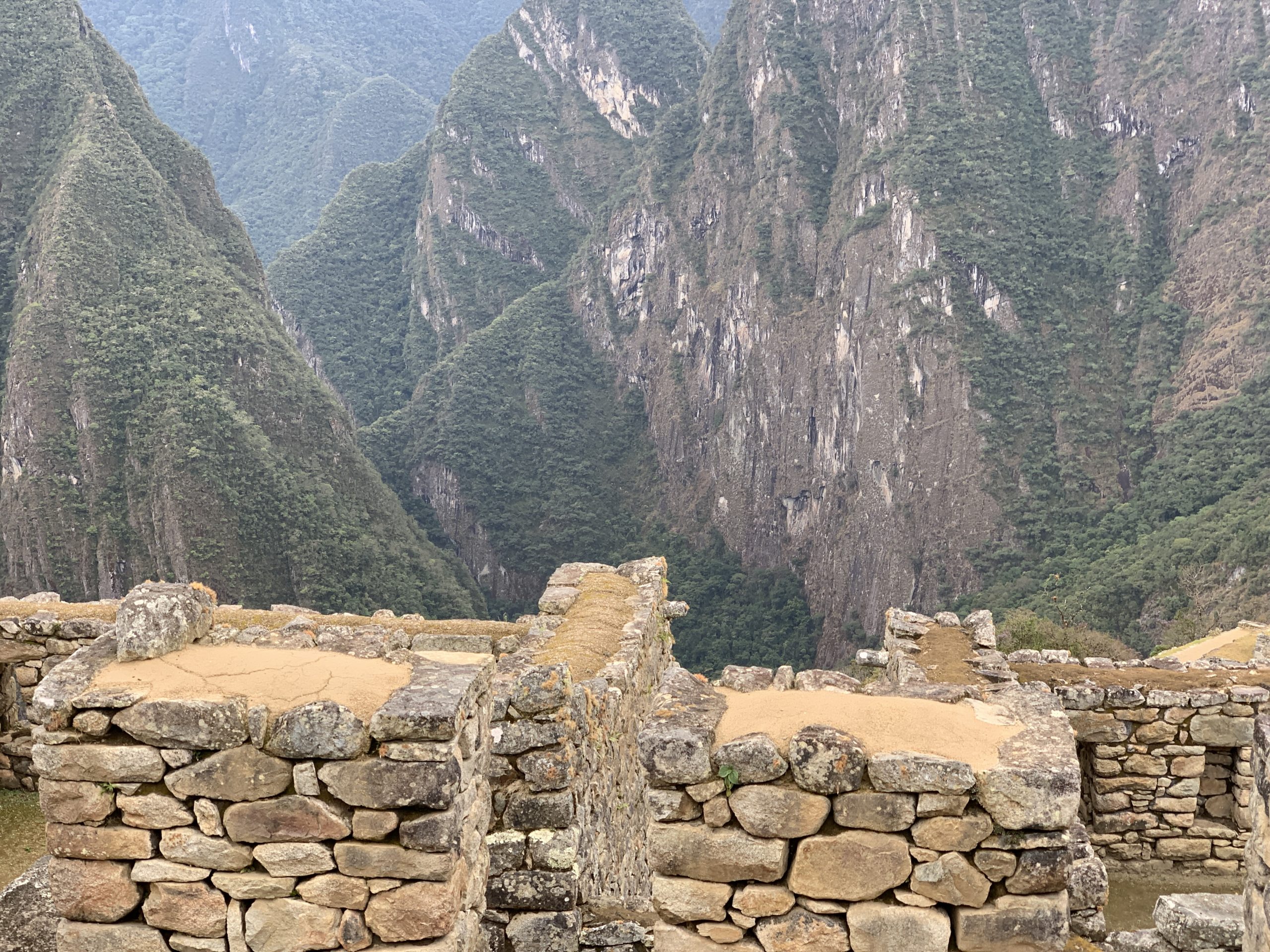
The fourth day… the fourth day was fine. The fourth day meant we’d be walking around 15 kilometres along some train rails. It’d be a straight path on a flat terrain, not too challenging, not too exhilarating either.
In fact, the only things that made it interesting were the random conversations I had with my fellow trekkers and the powerwalk race I had with this guy from another group who made it a point to let everyone know he was in the navy. Mister Jackass, a carbon copy of Duke Nukem and the epitome of toxic masculinity, recounted all his expeditions and hikes and treks and missions and god knows what else he’d embarked upon to let us know how oh so superior he was. I mean, he was in the navy after all. Pity he ate our dust.
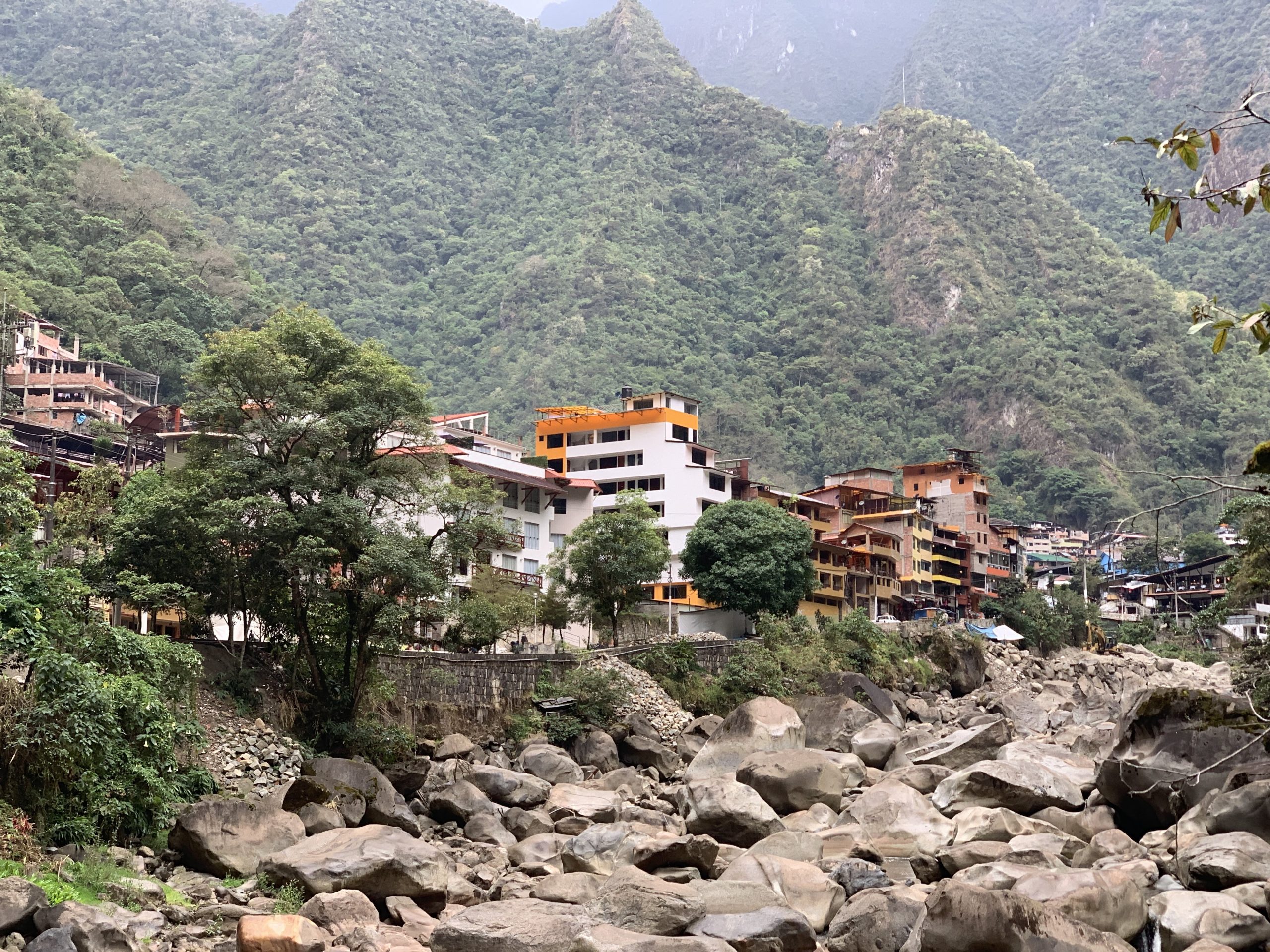
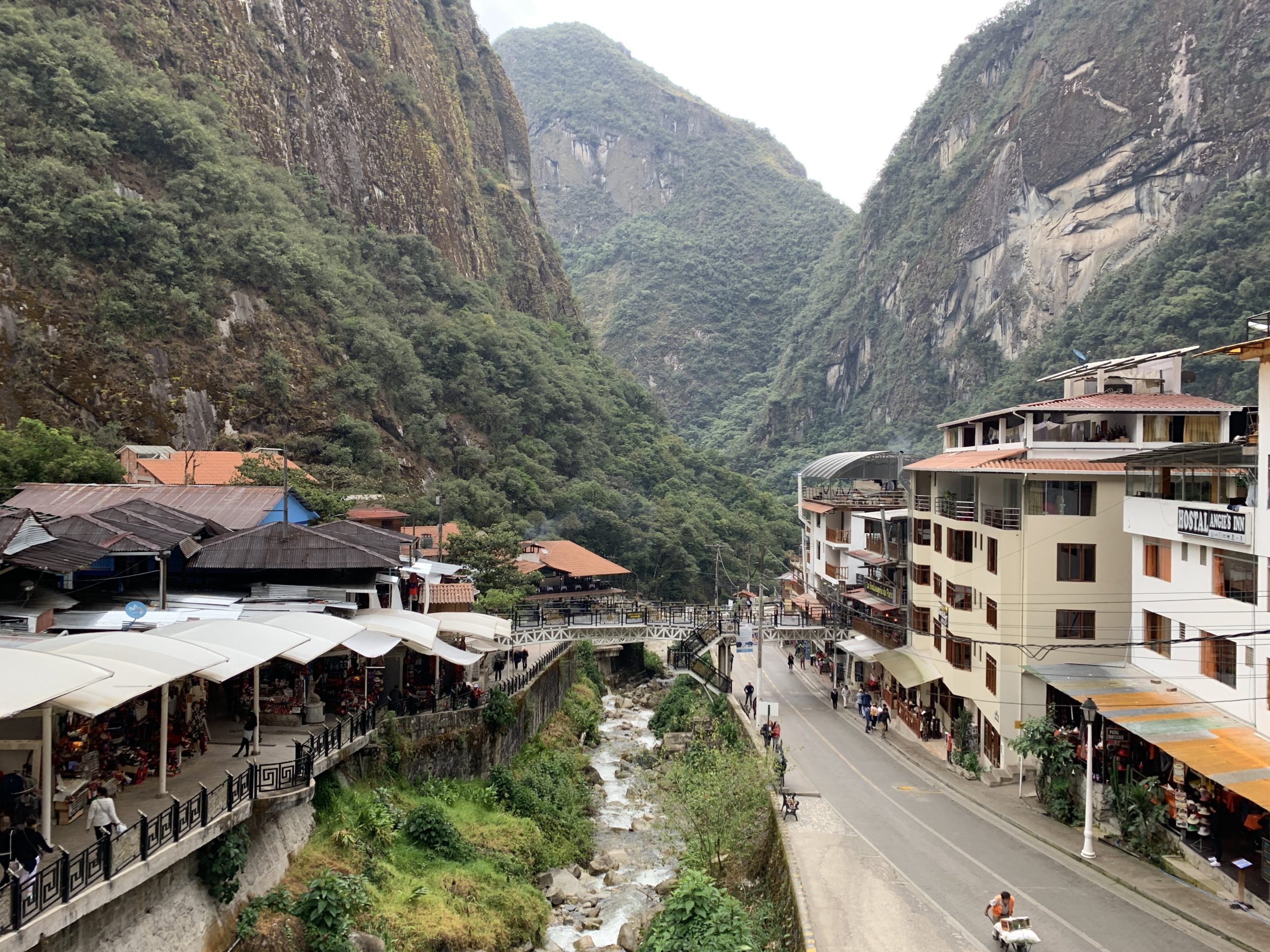
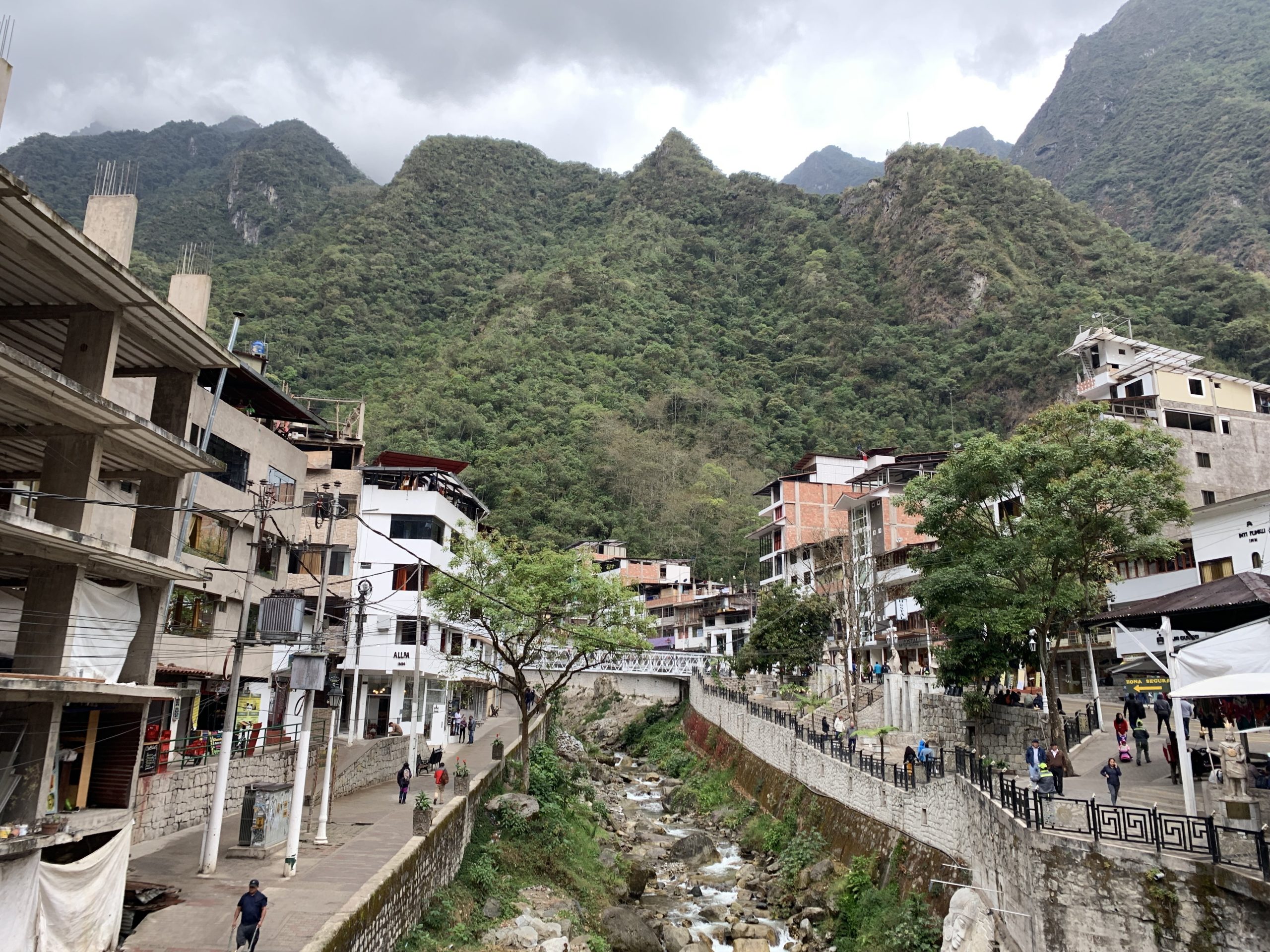
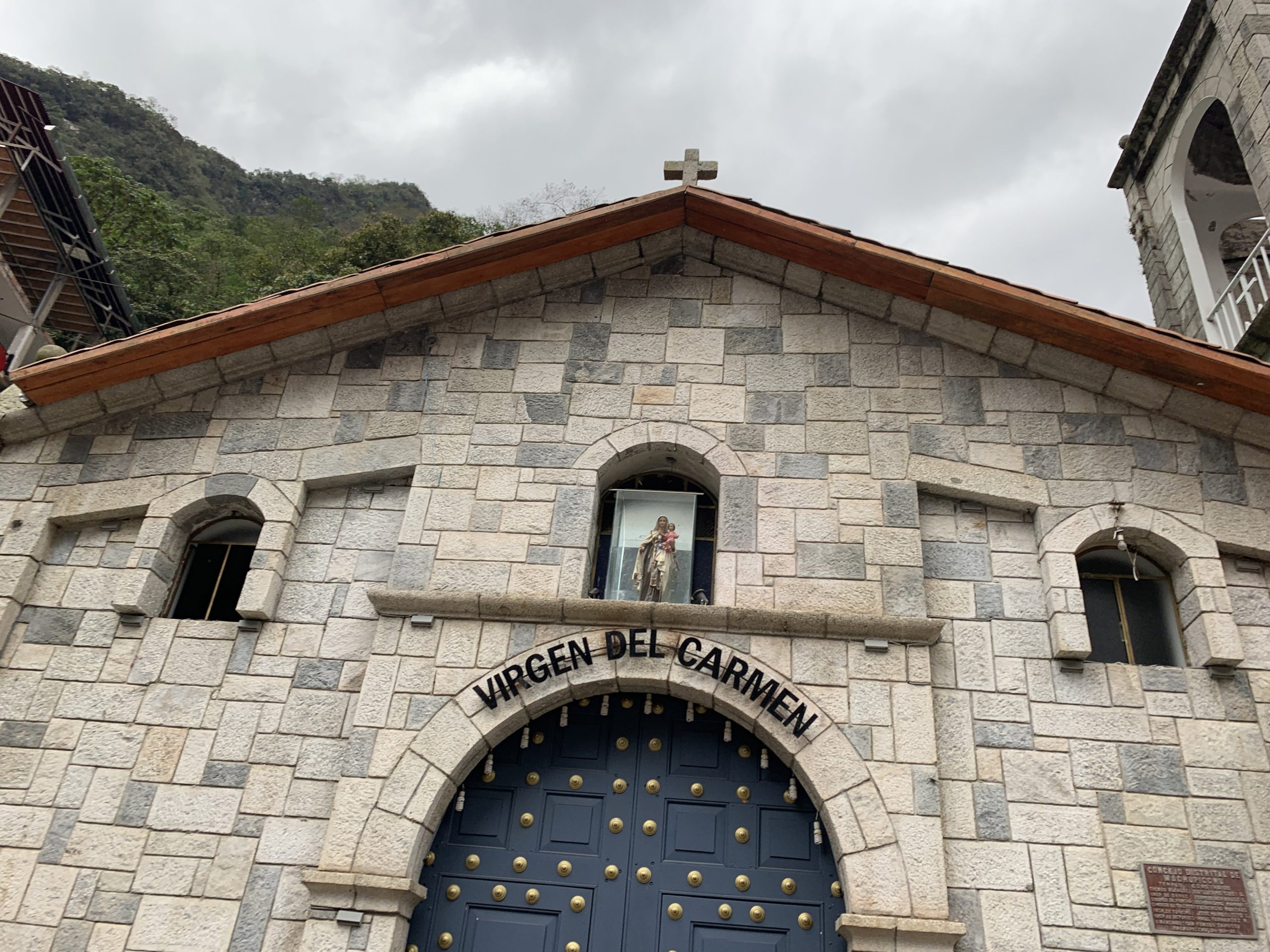
At the finish line, civilisation was waiting for us. Four days of trekking had led us to Aguas Calientes, a town located in the Urubamba River valley, teeming with all kinds of tourists who had just gotten there by bus.
We’d be taking a bus ourselves the following day to get to the same magical lost land of the Incas we’d been yearning for all along. And boy was that disappointing. We climbed and walked and hiked and trekked, we persisted and persevered, fought through blood, sweat and tears, survived bruises and blisters and a race with an idiot to get to the magical lost land of the Incas. We were so close I could just taste it. But instead of going on with the trek, we’d be staying in a bustling town at the foot of the mountain and then taking a figgin’ bus to our destination. All along I had been expecting a similar experience to that back in Ciudad Perdida – reaching the thousandth step against all odds and being faced with the majestic view all at once. Talk about a let down!
Anticlimactic though that might have been, I do have to admit we did need to be pampered a bit. We practically ran to the thermal baths, had a huge meal and enjoyed a good night’s sleep at a luxurious hotel.
The following morning, much to our dismay, a bus full of random tourists picked us up and drove all the way up to the Wonder of the World. After dropping us off, it went down again to do the same thing over and over – delivering tourists to the ruins like a conveyor belt in a factory. I didn’t want this to get to me – either way, we had gotten to our destination!
So, a little bit about Machu Picchu. First of all, it’s actually supposed to be pronounced Machu Pikchu, which means ‘old mountain’ in Quechua. The historic sanctuary is believed to have been constructed by order of Emperor Pachacuti around the year 1450 and used for around 80 years before being abandoned by the Incas during the Spanish Conquests. However, its existence remained all hushed up until 1911 when American historian Hiram Bingham reached the overgrown ruins with the aid of local farmers and returned again the following year to start the excavation. Populated by some 750 attendants, the archaeological wonder is divided into residential, agricultural and ceremonial areas, with over 200 buildings found along hundreds of terraces that were used to grow corn and potatoes.
www.worldhistory.org
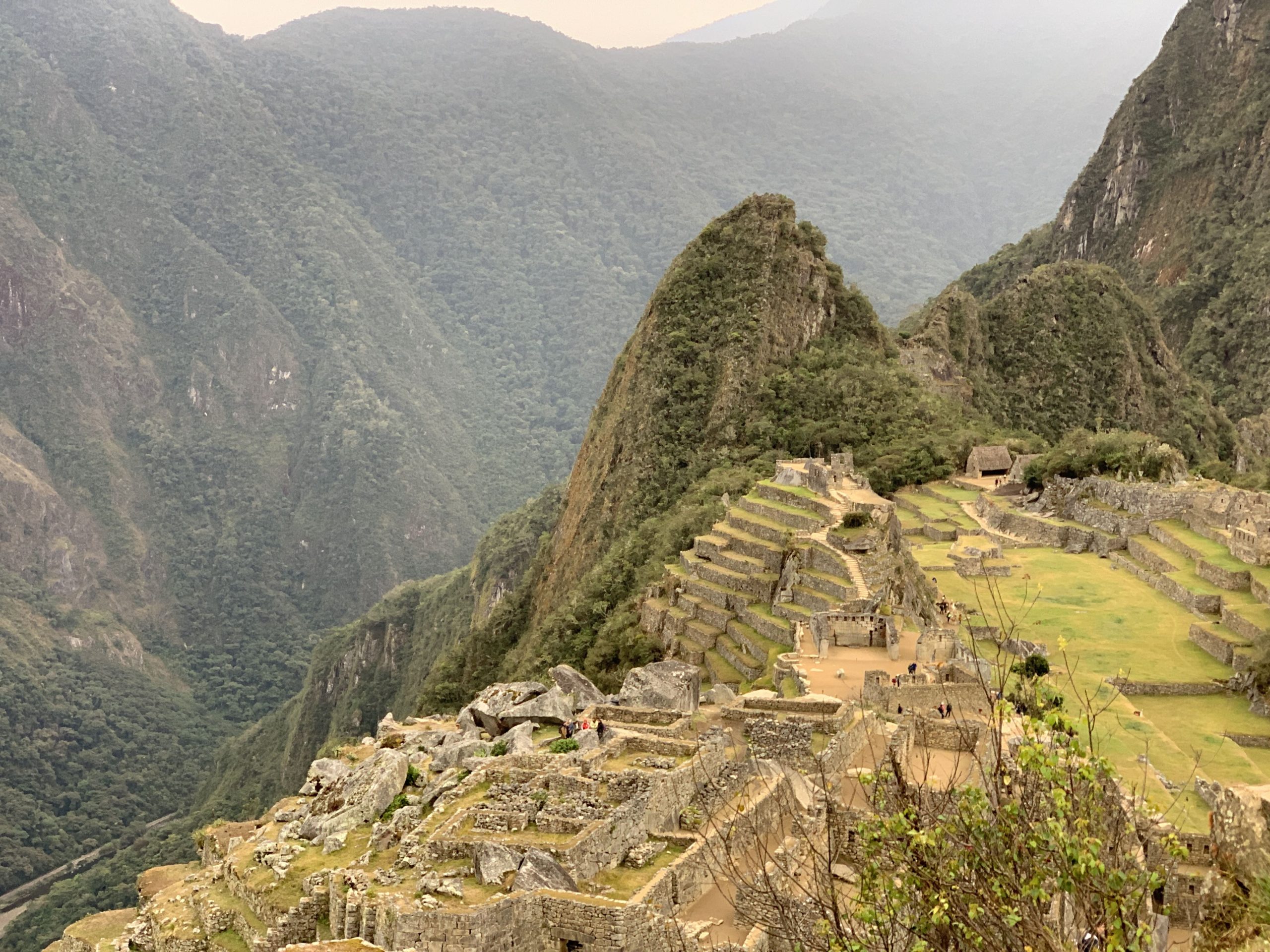
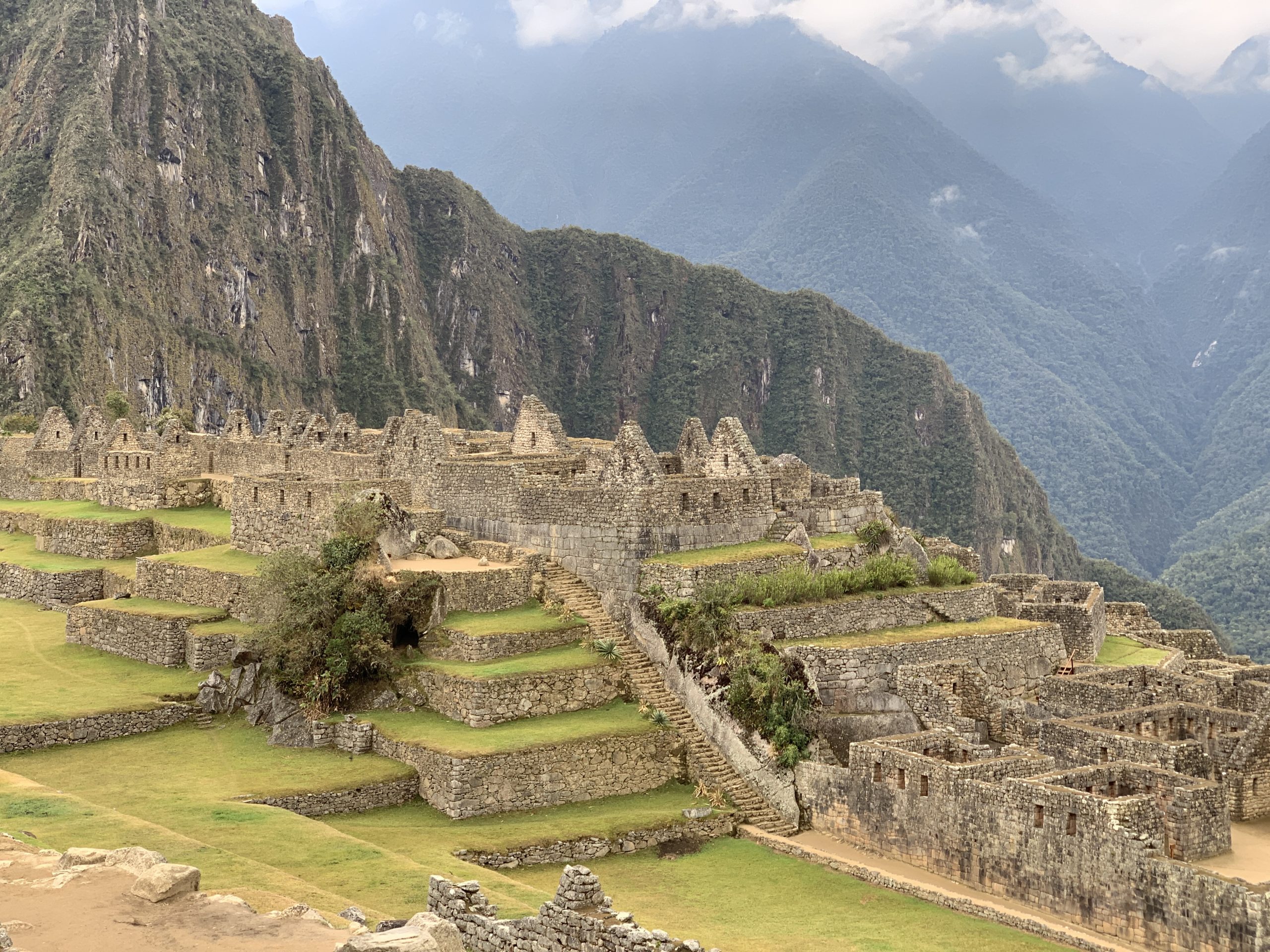
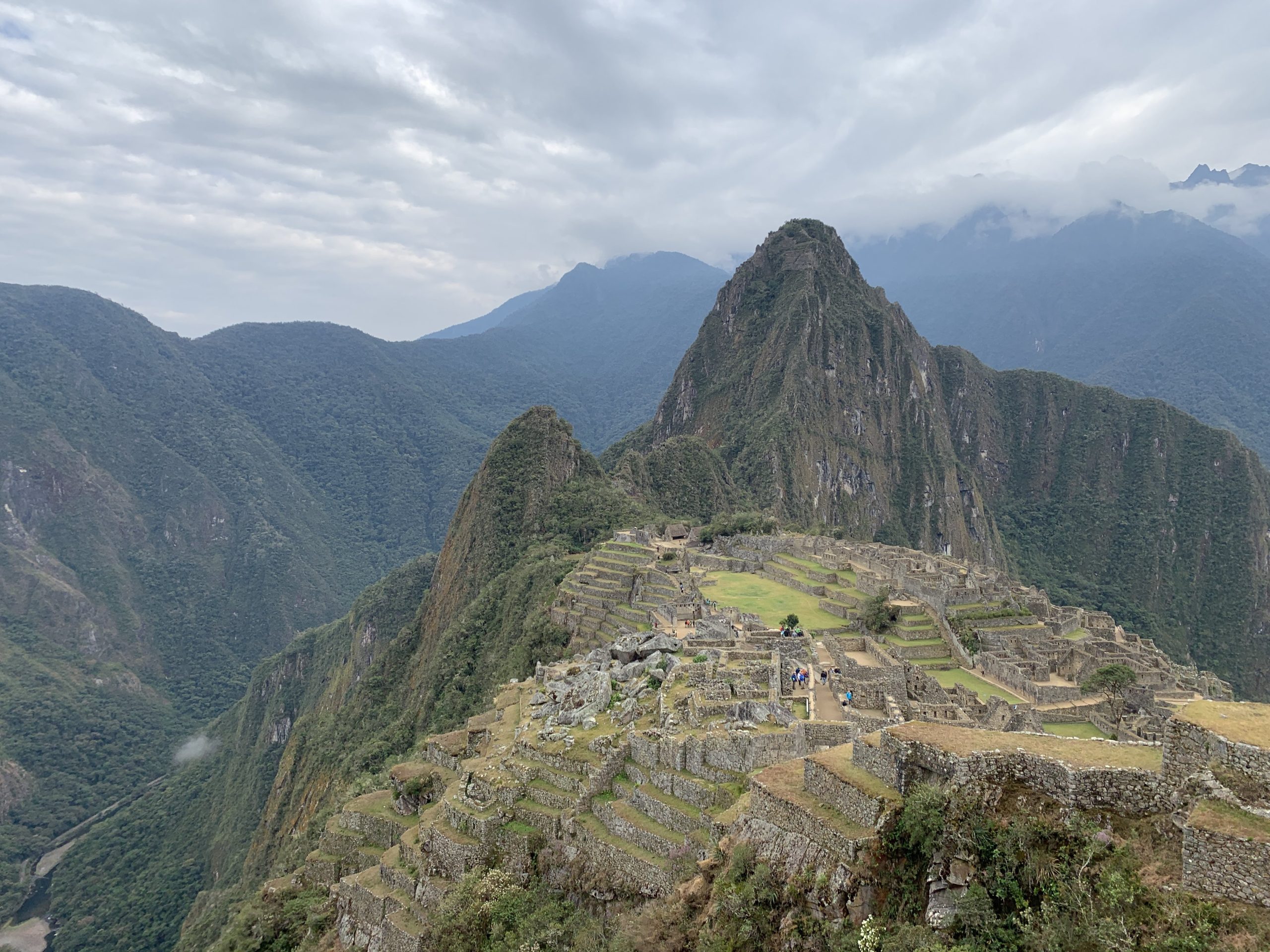
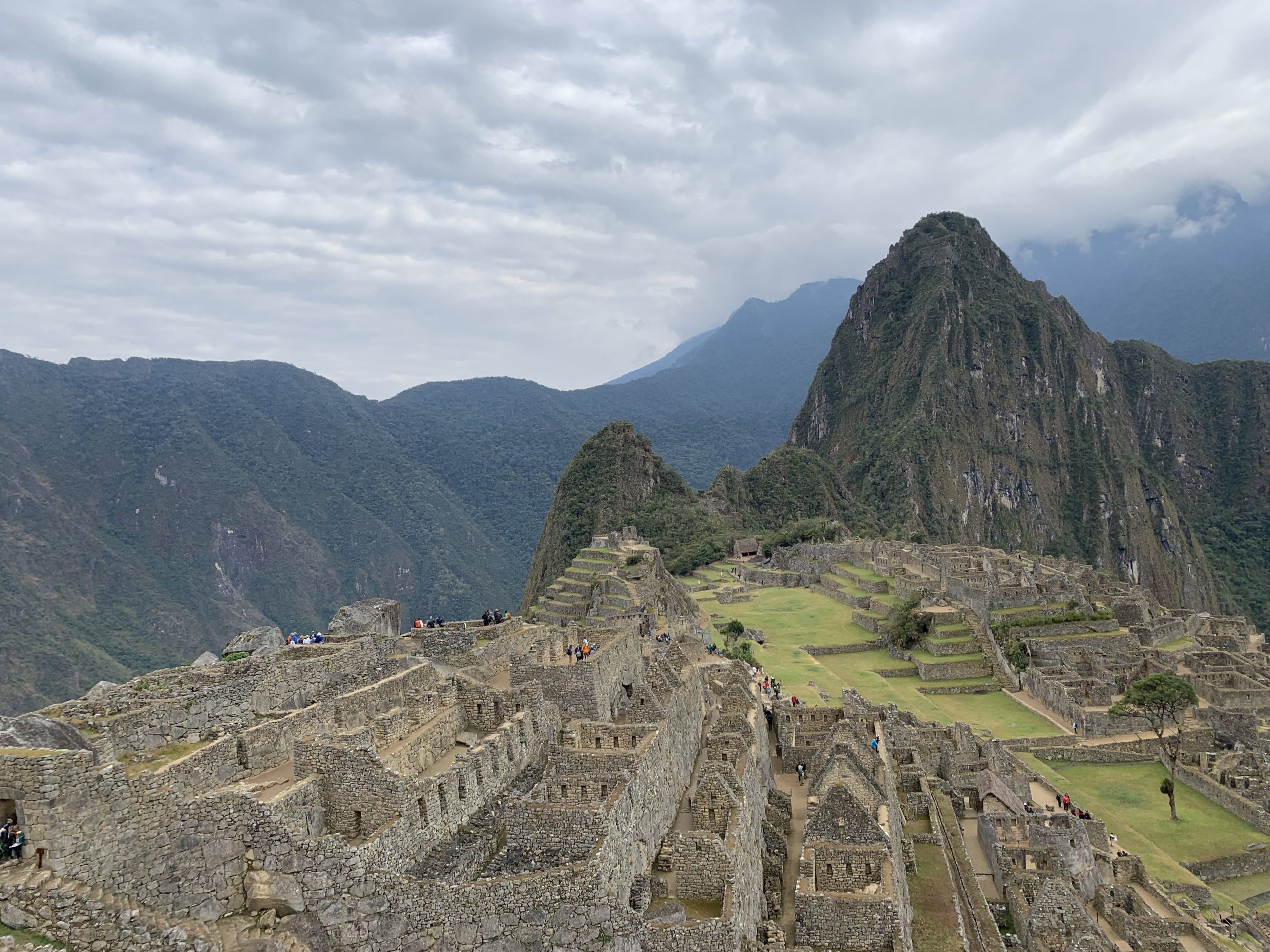
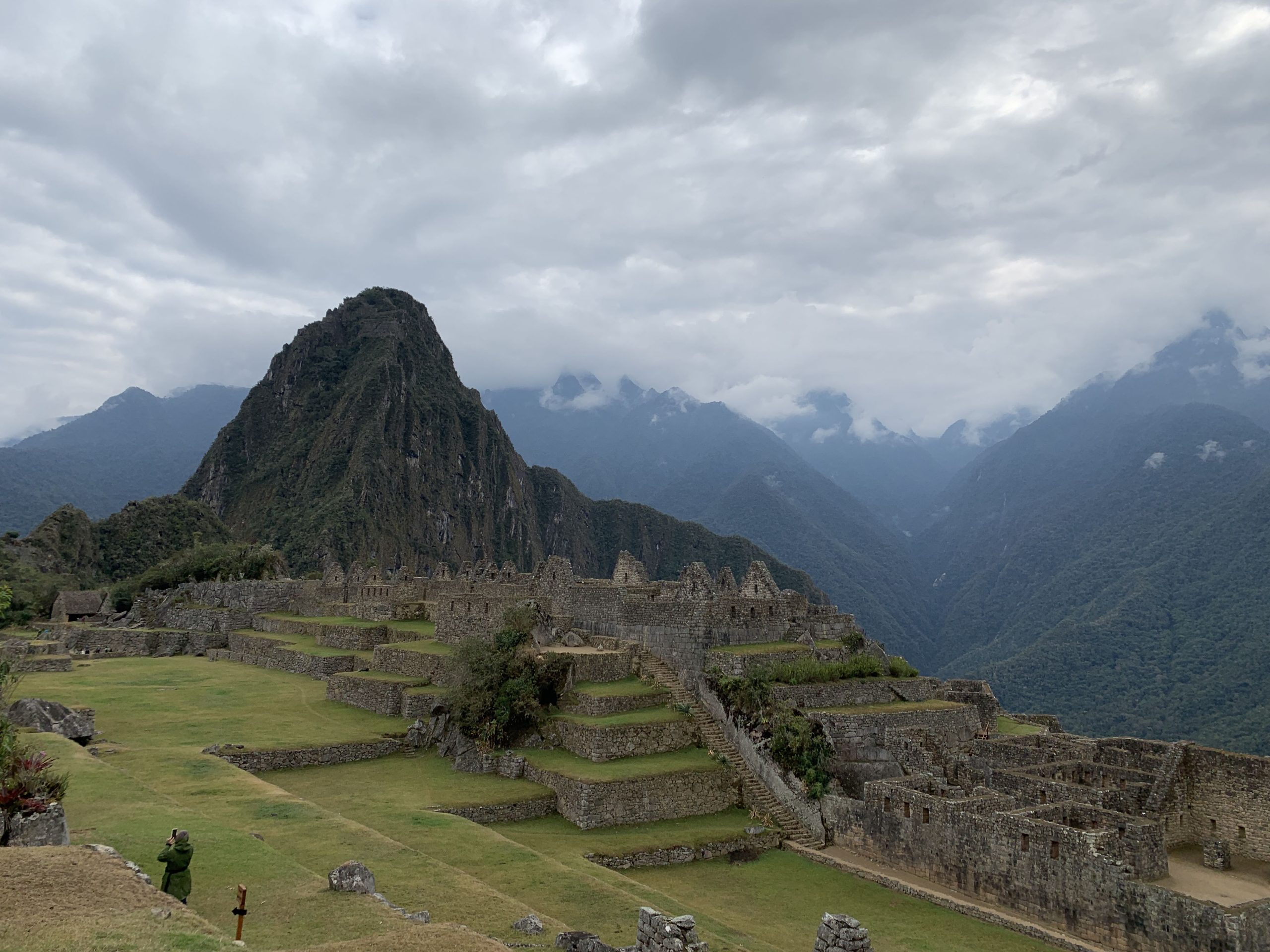
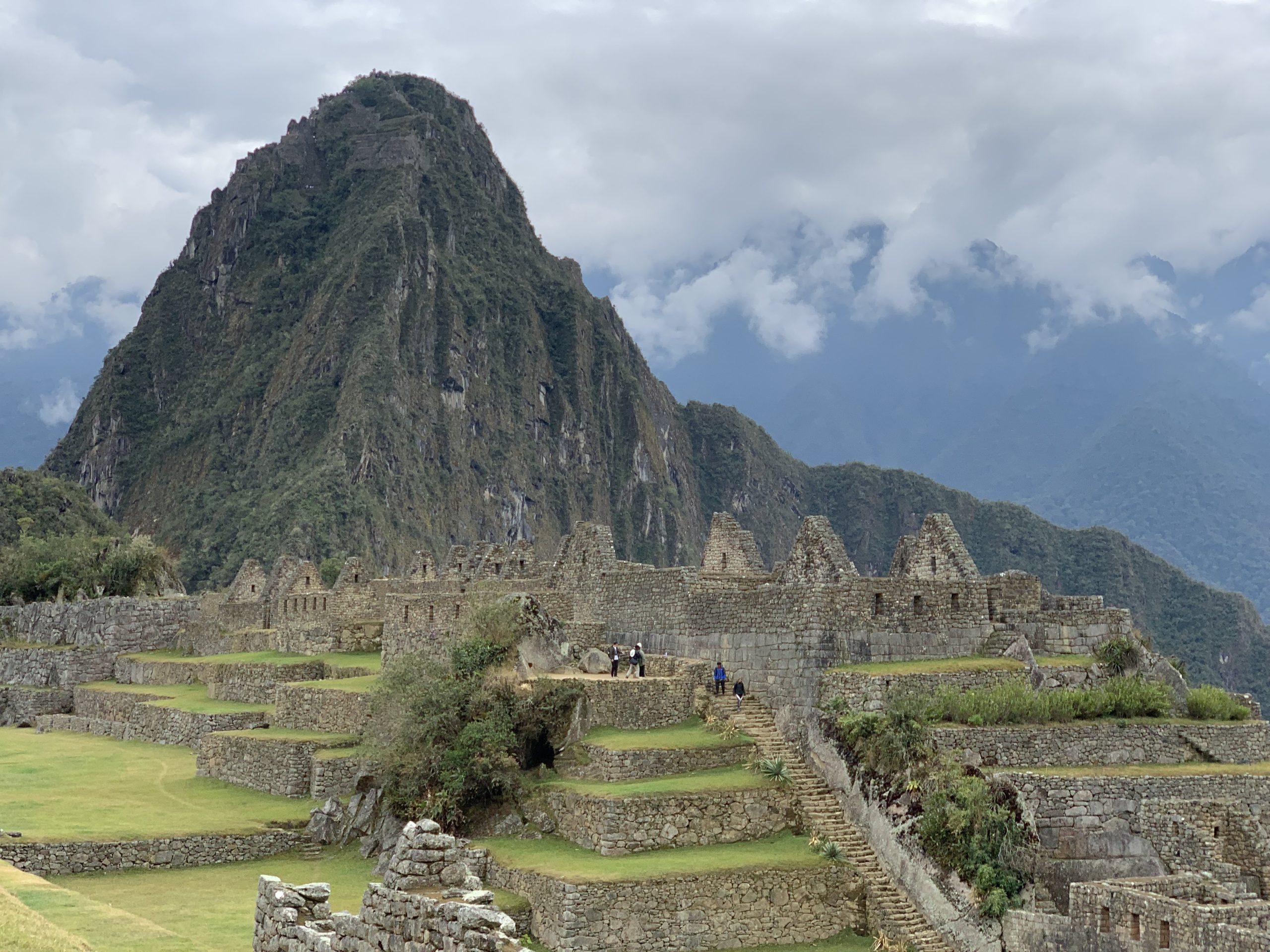
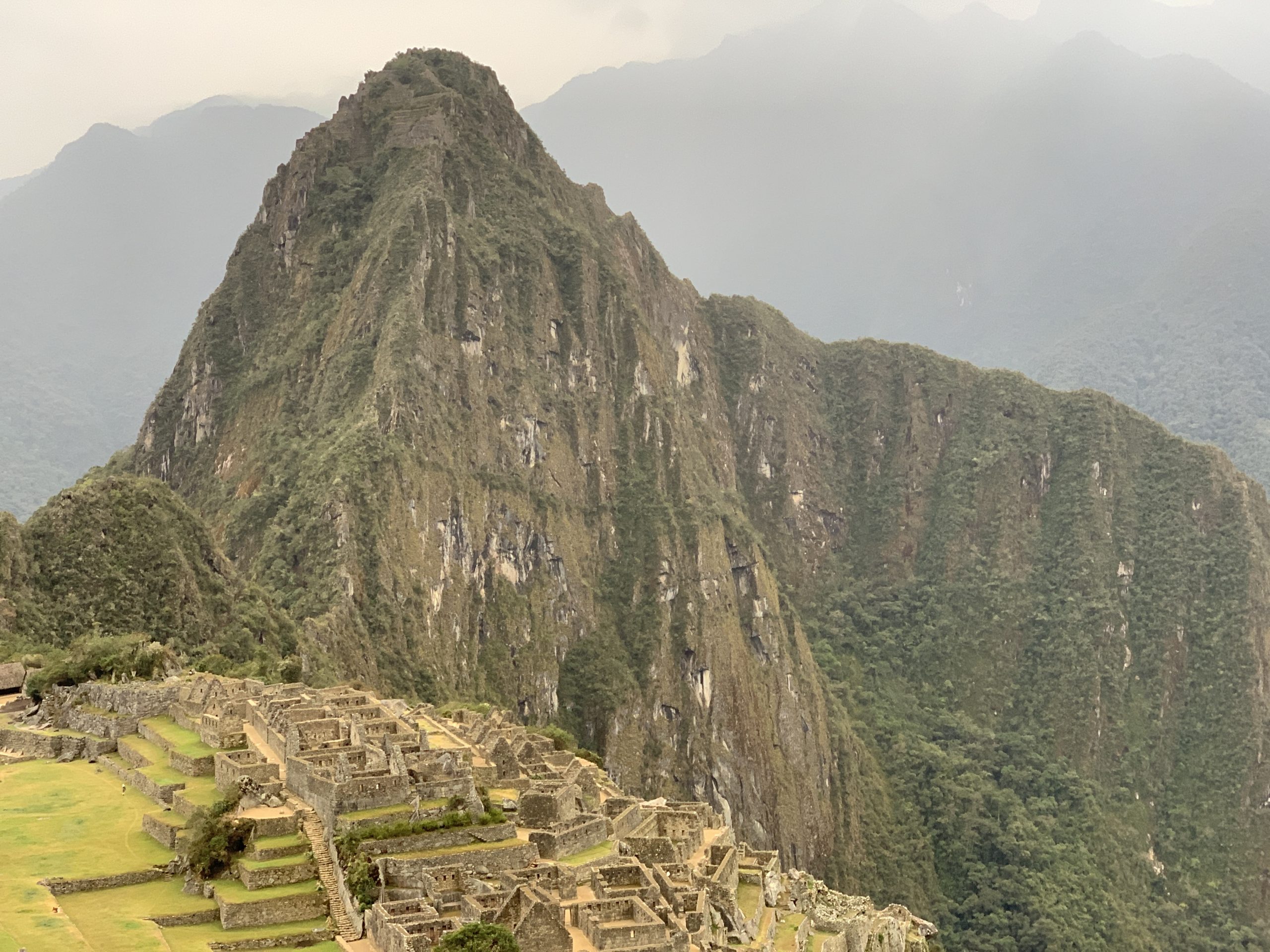
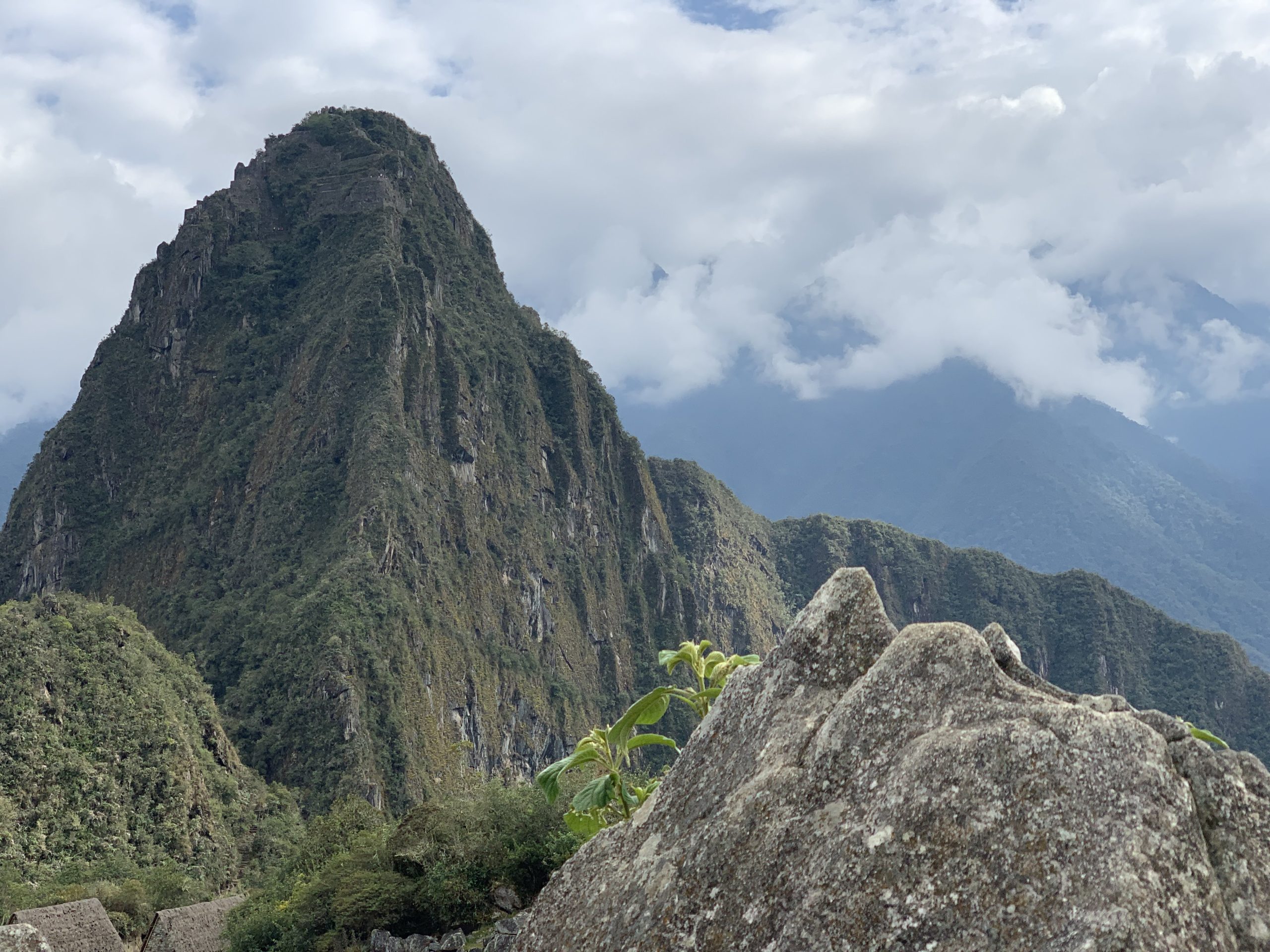
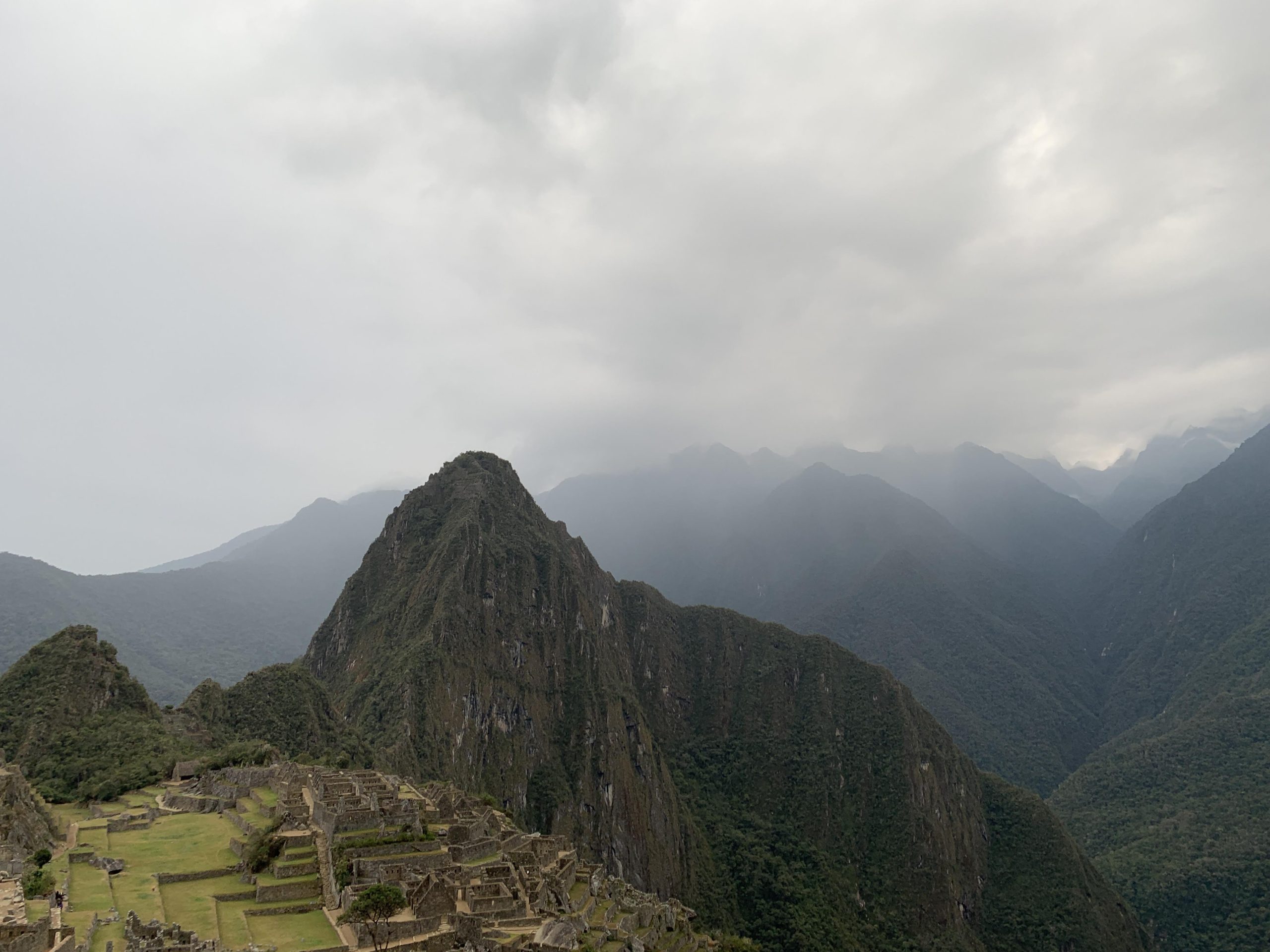
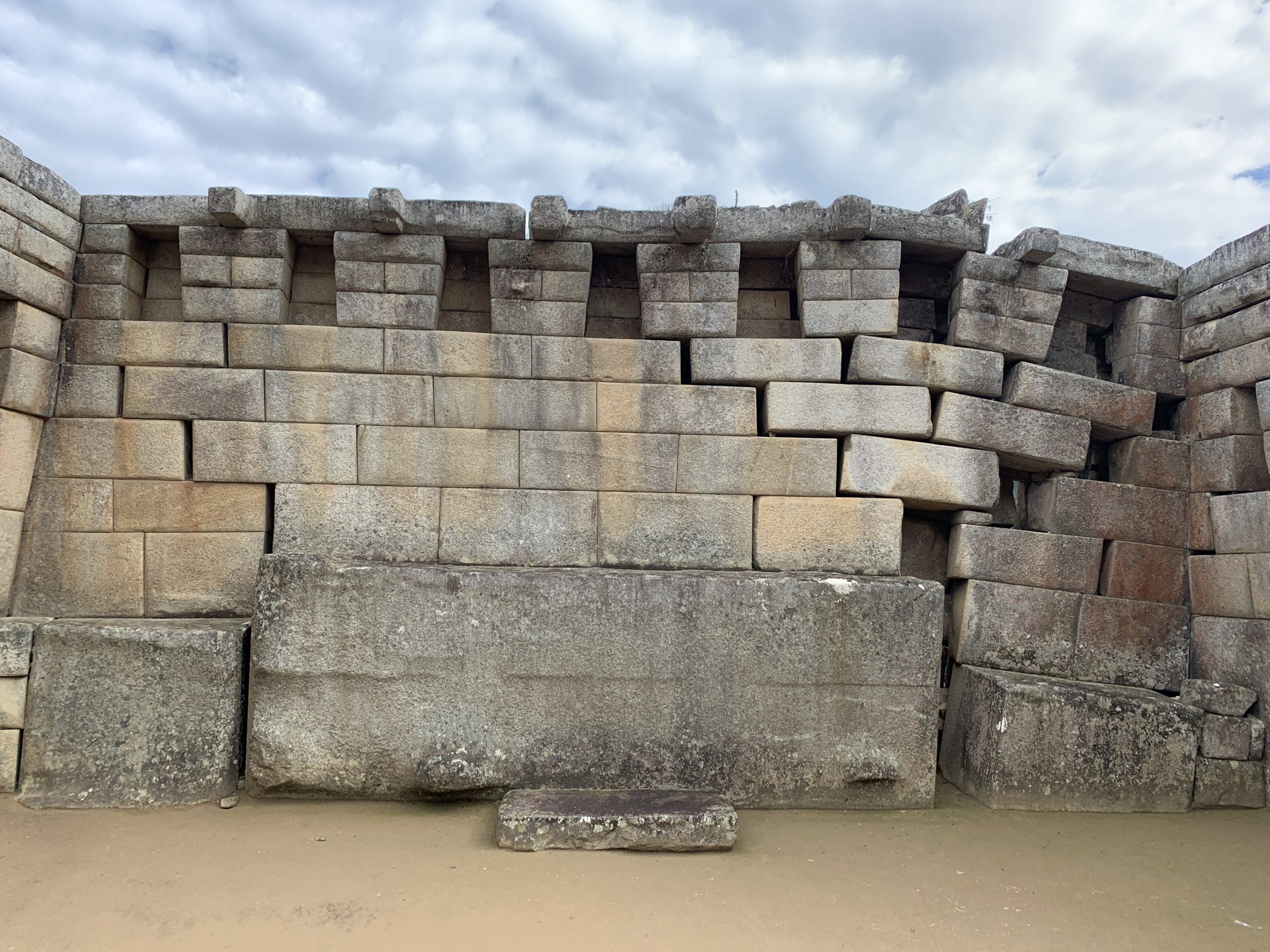
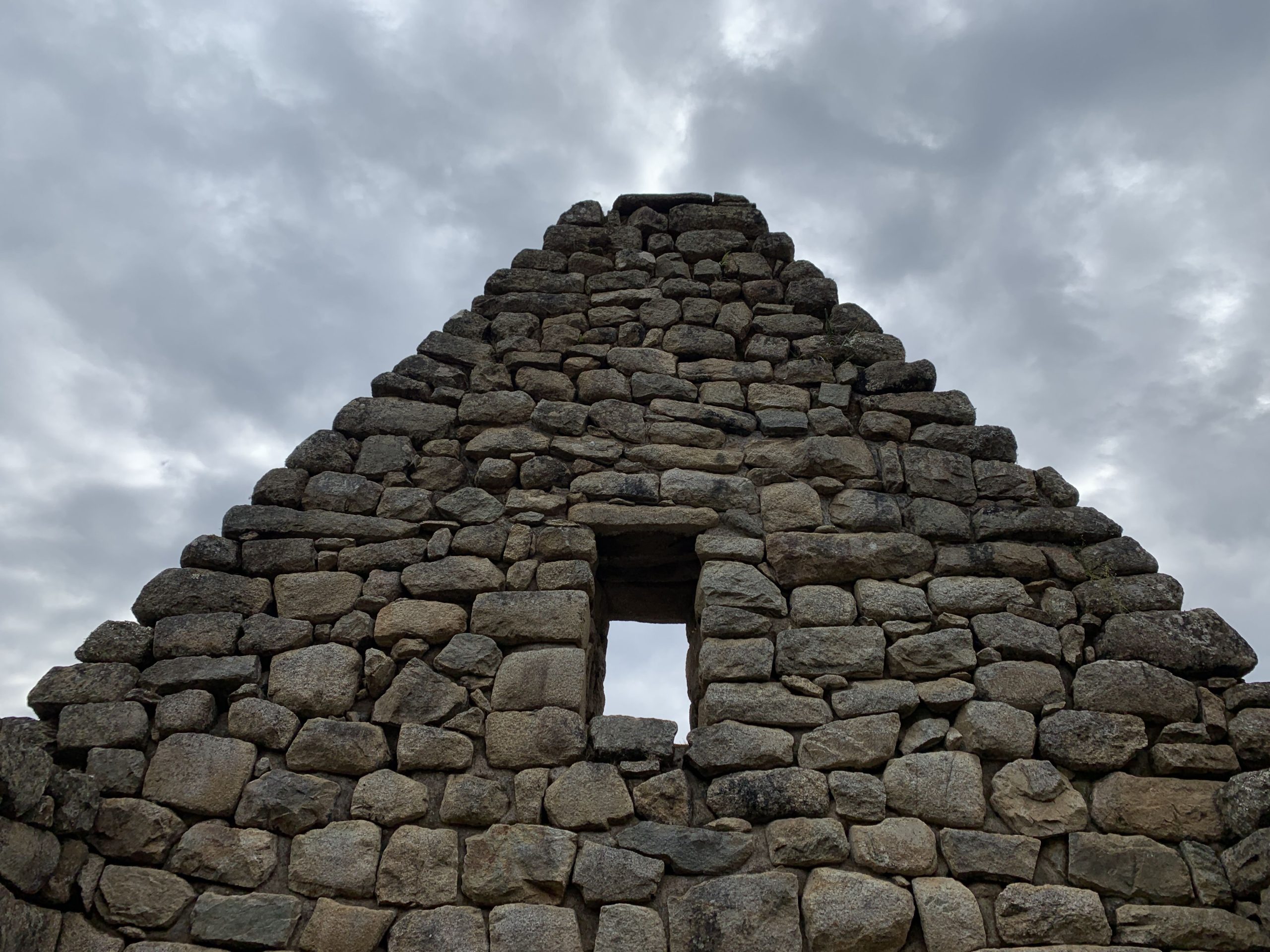
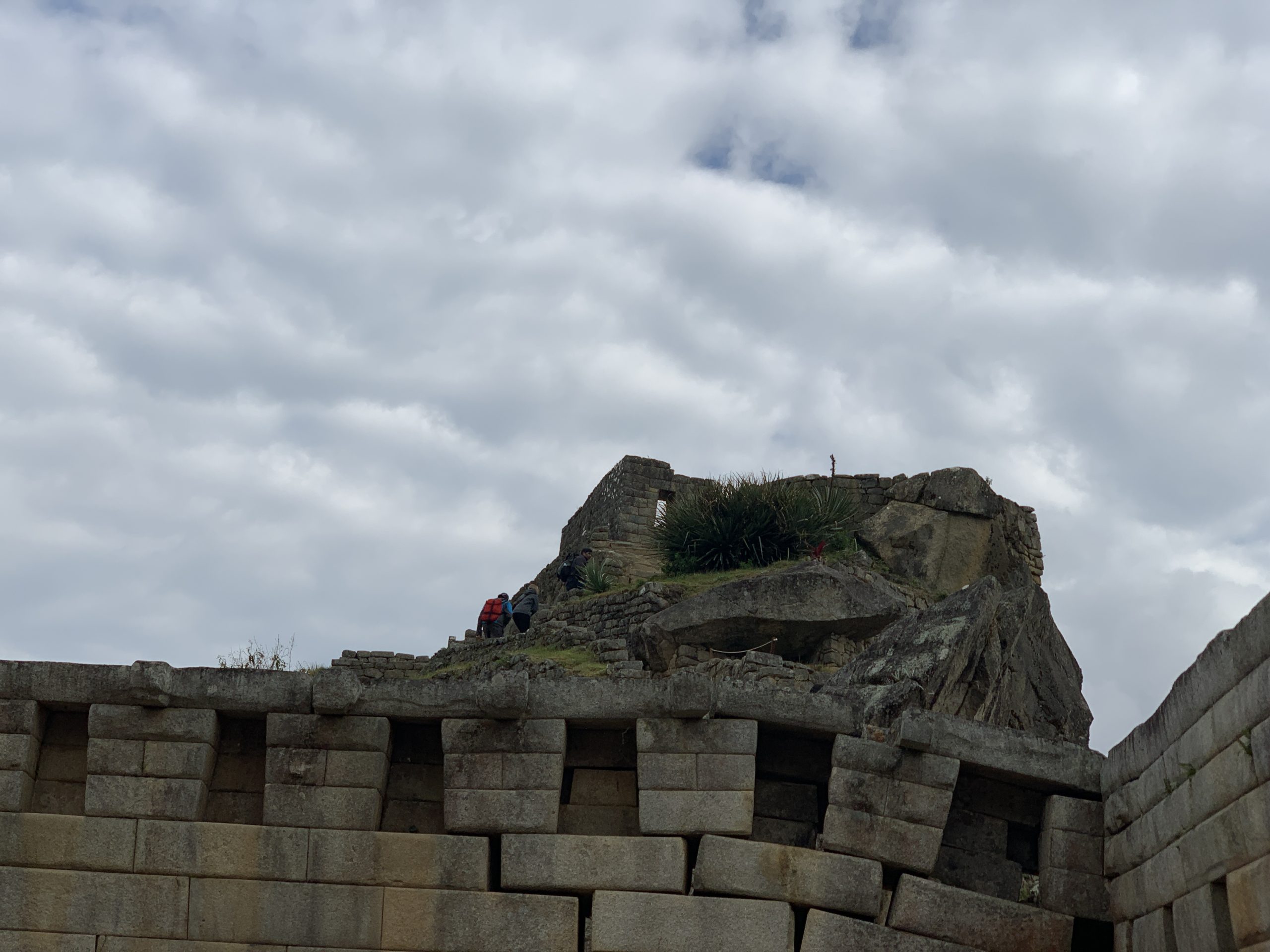
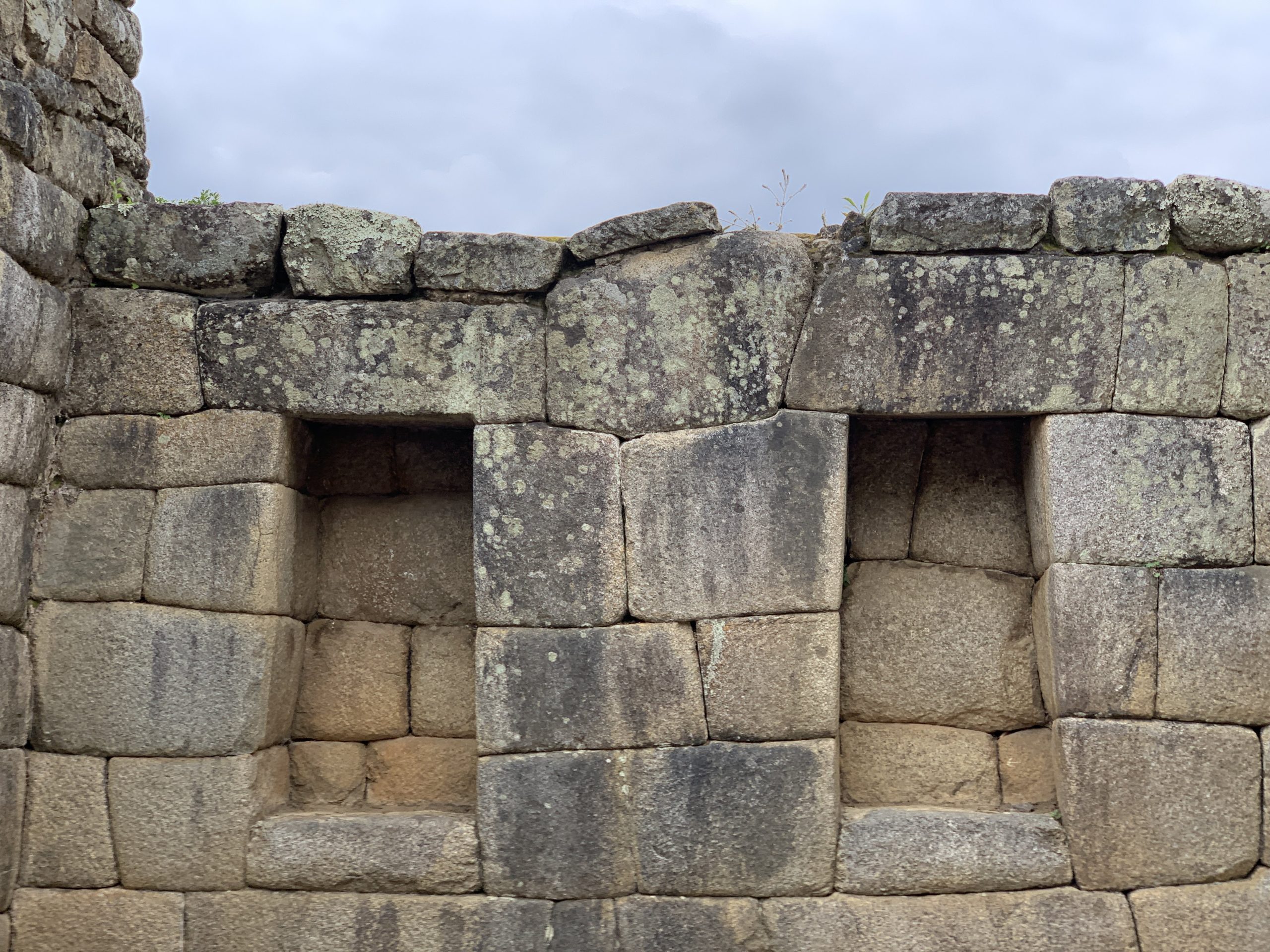
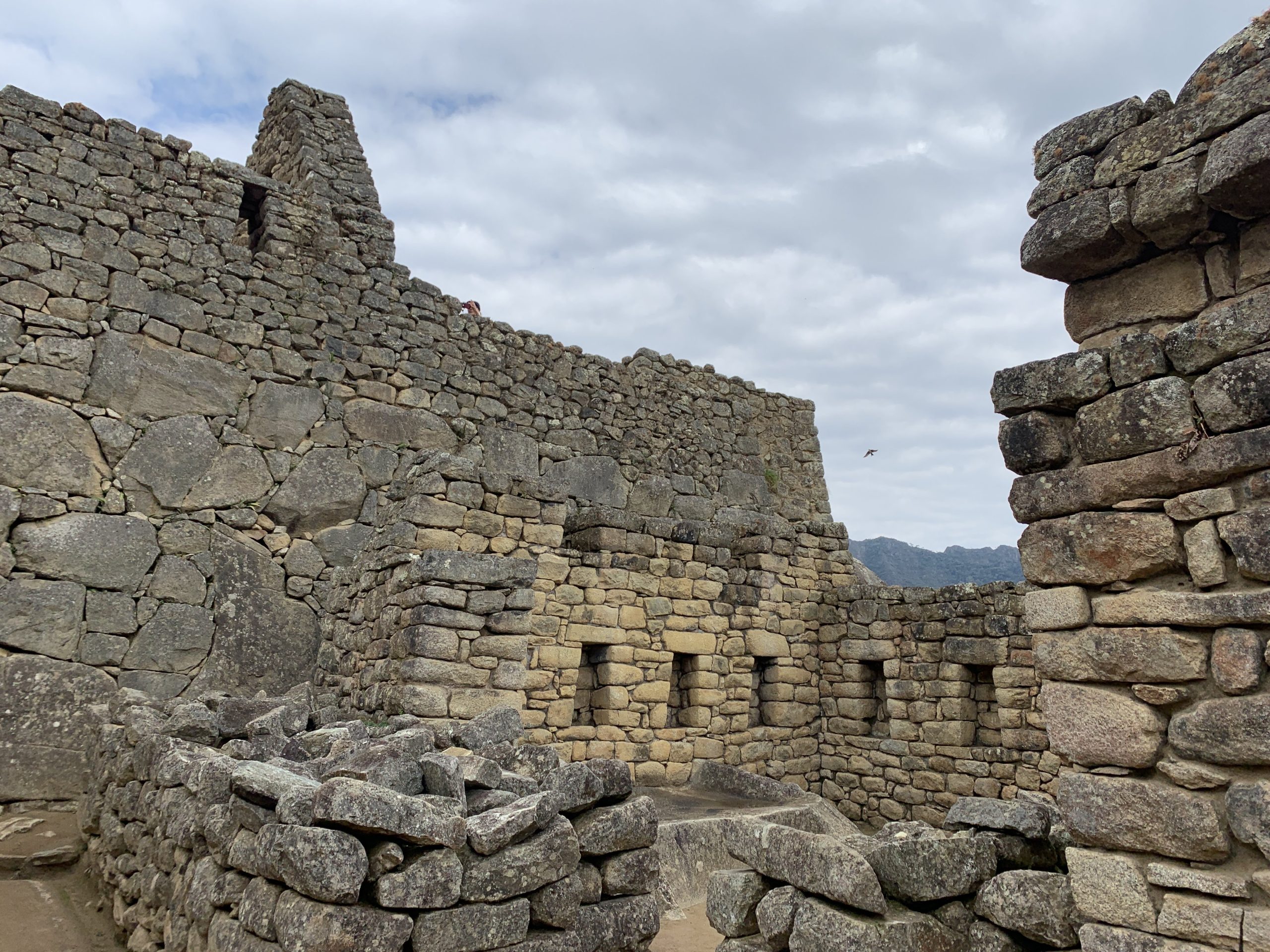
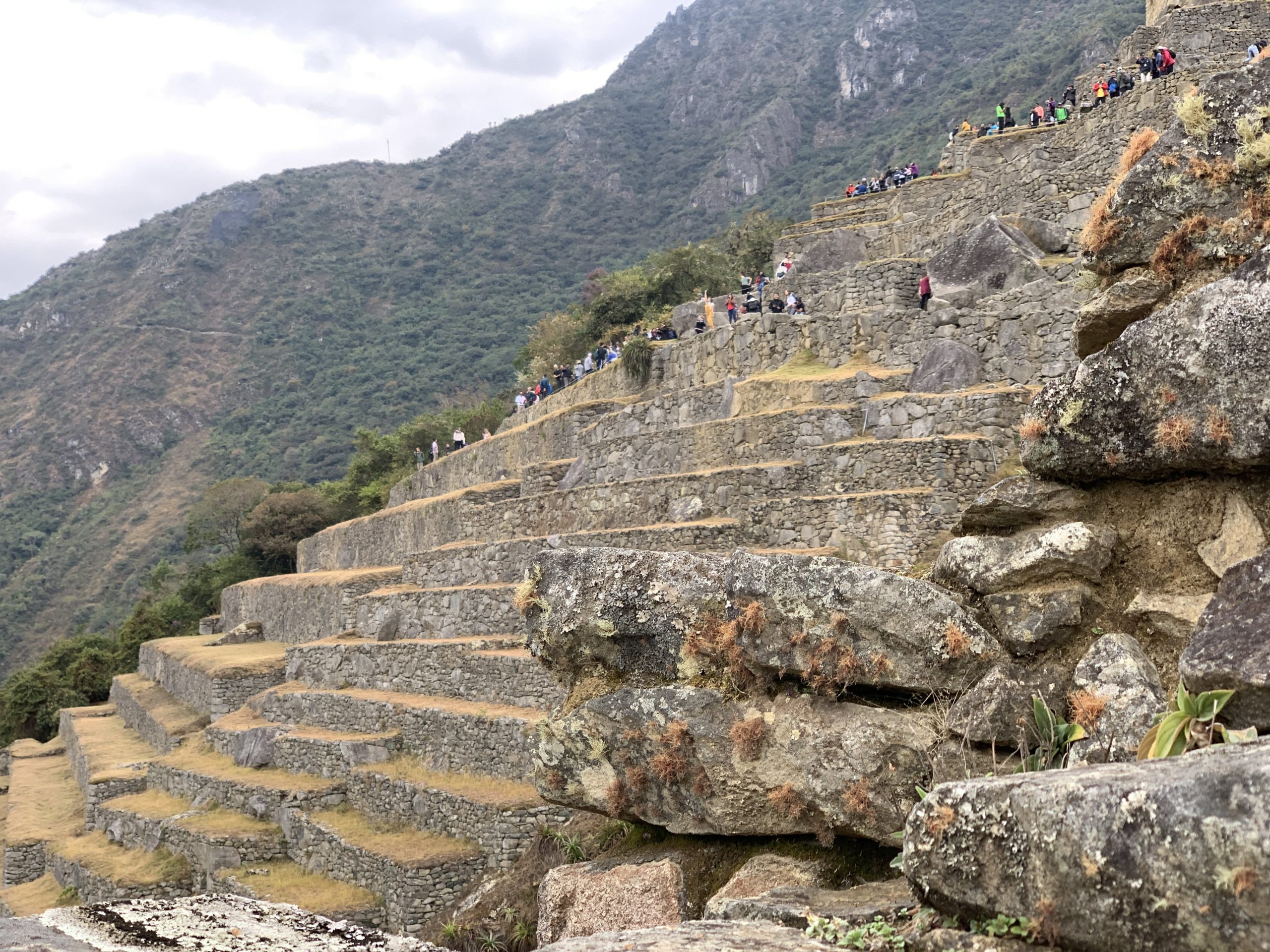
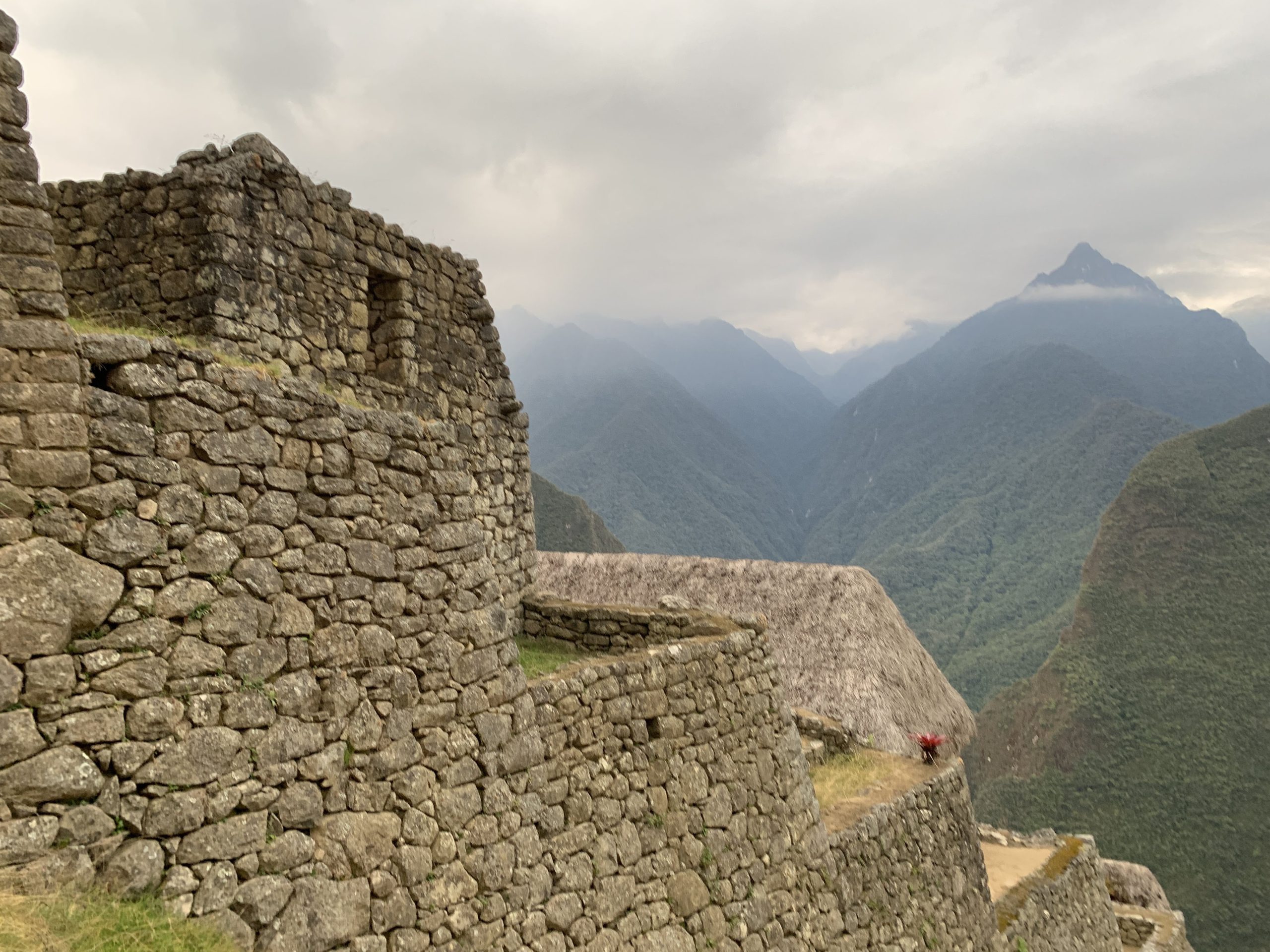
Wandering through the ruins felt like stepping into the skeleton of a forgotten kingdom. The architecture was mind-blowing in its precision: dry-stone walls fitted so neatly you couldn’t slide a blade between them, terraces carved into the mountain like giant green steps, and narrow stairways that twisted past temples, fountains and hidden courtyards. Every turn opened up another postcard view – the mist rolling over jagged peaks, clouds drifting across the mountains, and the valley plunging down into a swirl of jungle and river. Even with the crowds, there were moments when the silence hit, and for a second it really did feel like the Incas had built the whole place just to show off how beautiful the world could be.
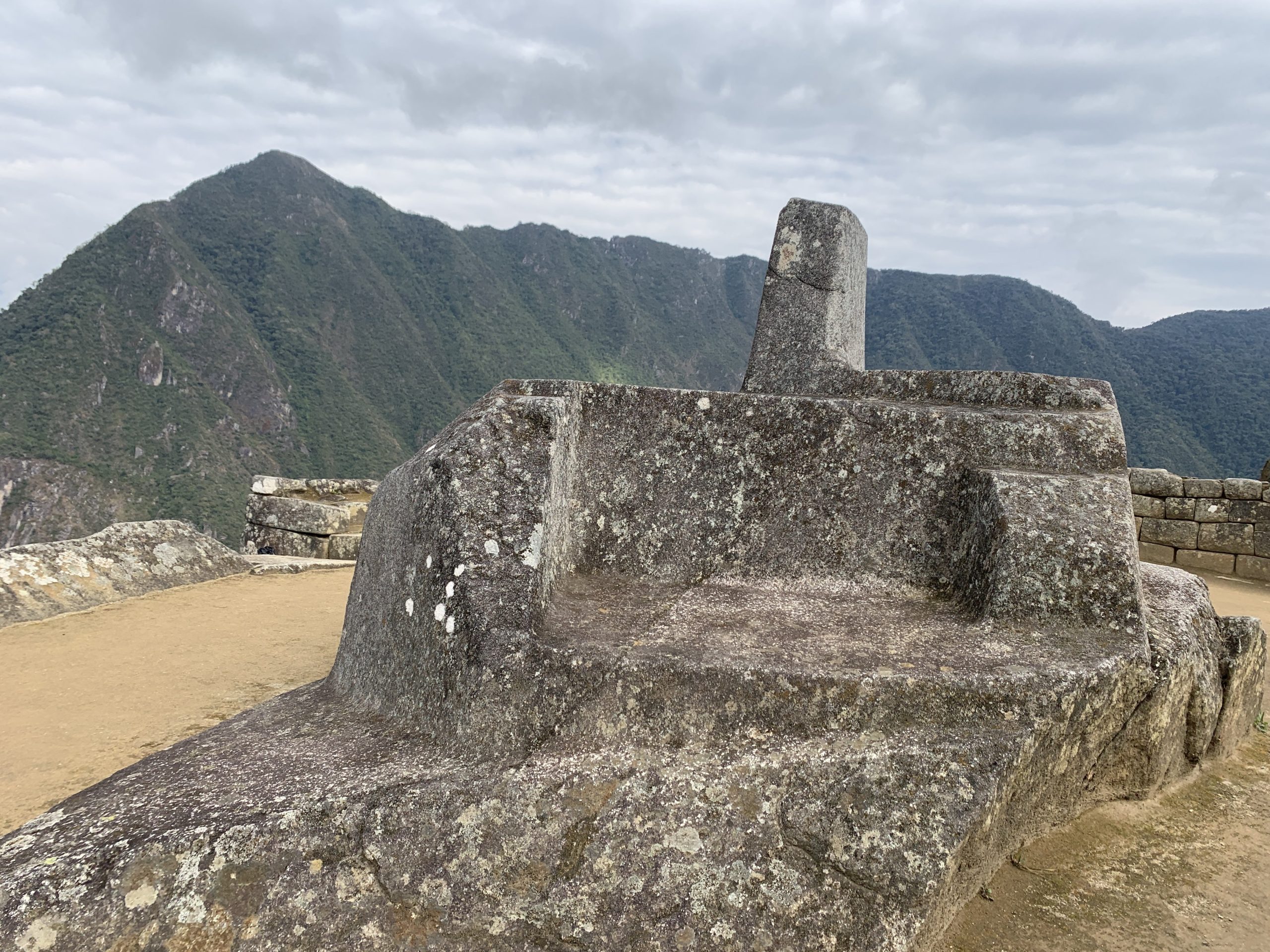
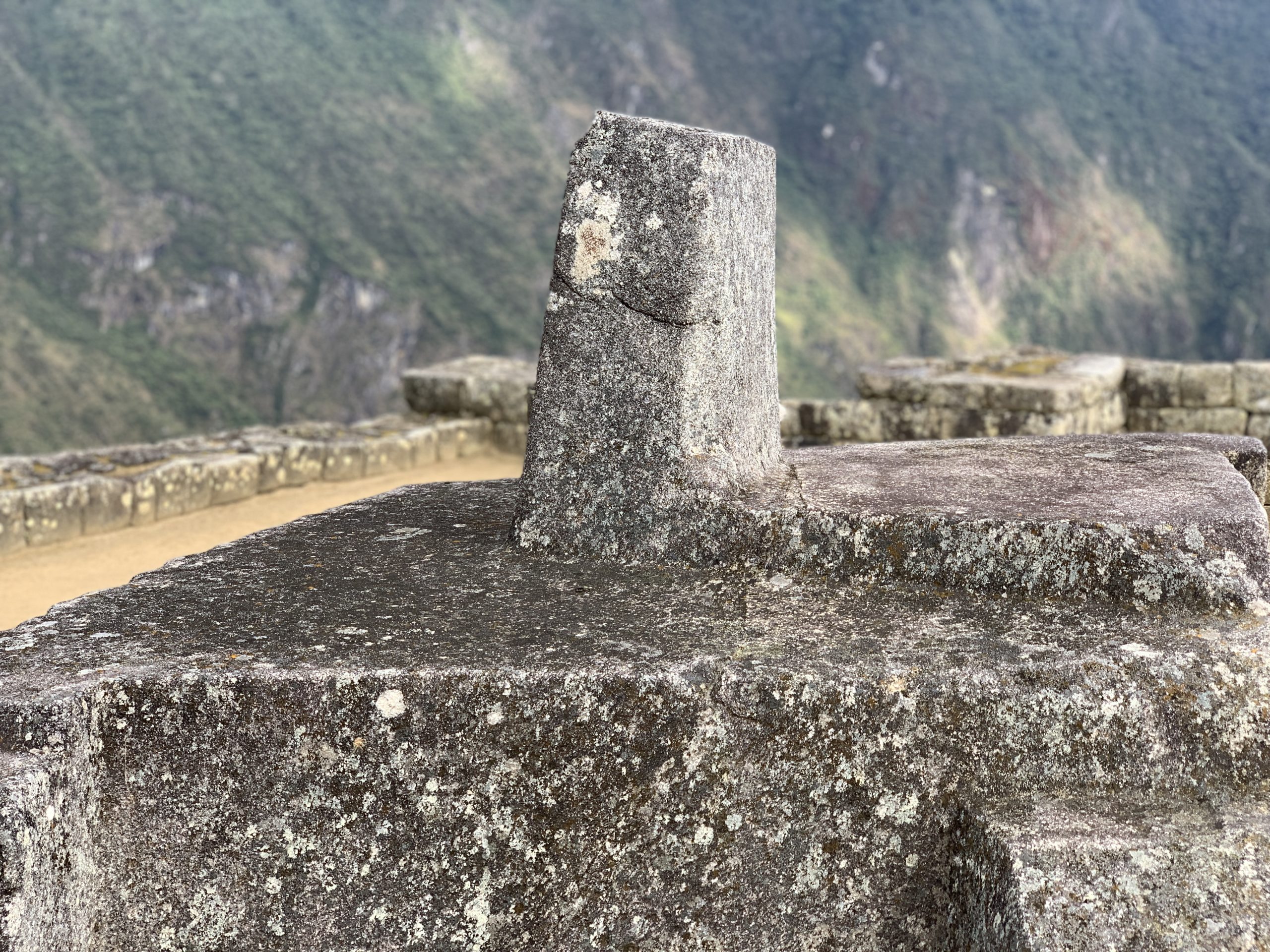
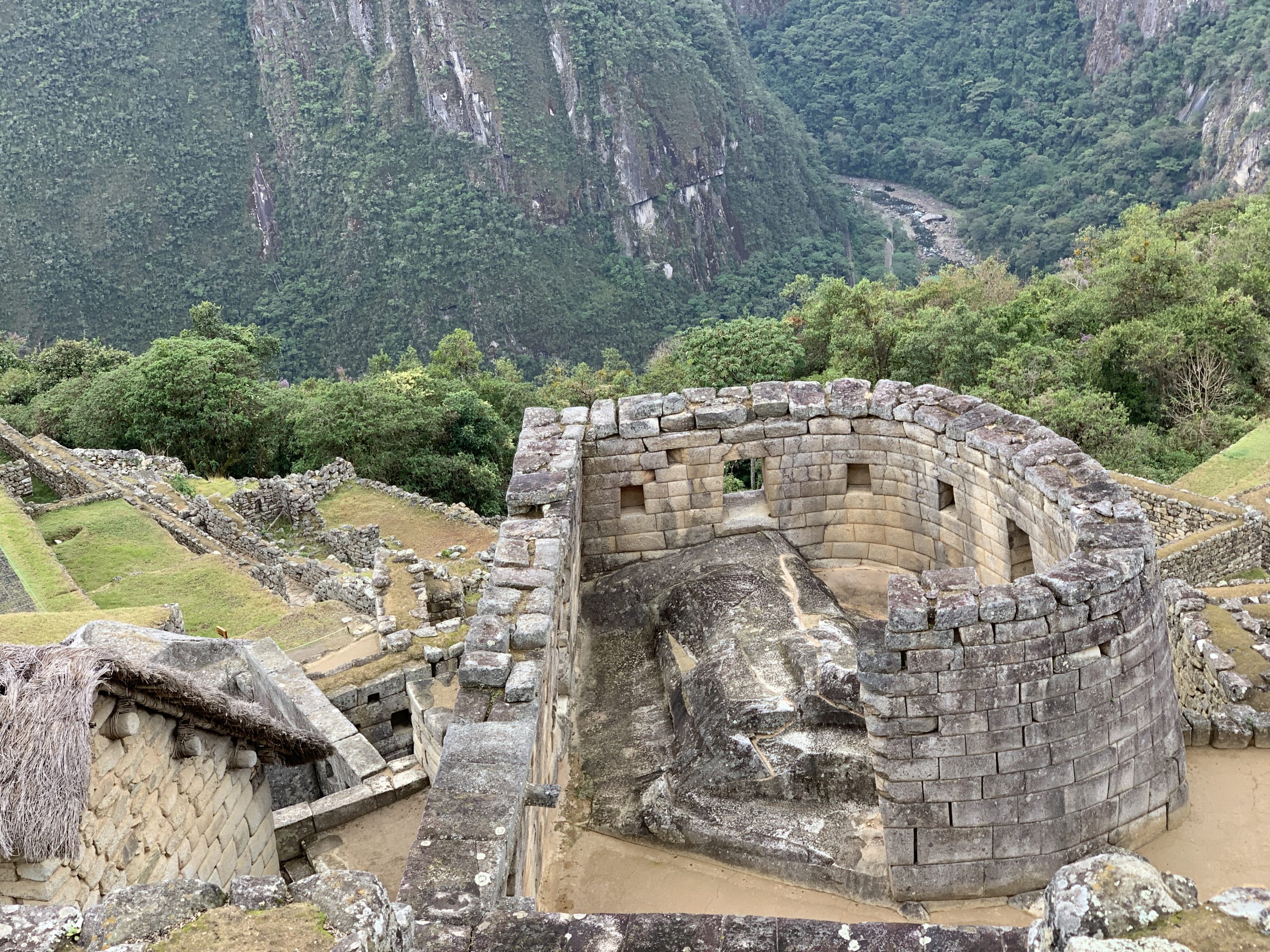
Not surprisingly, the main religious and ceremonial monuments, Intiwasi and Intihuatana, both have to do with the cosmos and agriculture. Intiwasi, otherwise known as the Temple of the Sun, is dedicated to the sun god Inti, much like Coricancha in Cusco. It features three windows, two of which are oriented to the winter and summer solstices. Then there’s Intihuatana, a weirdly shaped stone believed to be a sundial that ties the sun to its orbit. Keyword ‘believed’, okay? The stone casts the longest shadow on the summer solstice, the shortest on the winter one and no shadow at all during both equinoxes. I might just be another run-of-the-mill dumbass, but as far as my astronomical knowledge goes, that’s quite cool.
Whilst the sense of awe and wonder I had been awaiting did not exactly reach my expectations – with what the thousands of tourists swarming the site and me having to contort my body in ways I never thought possible to take decent photos without human interference – a lot can still be said about the views.
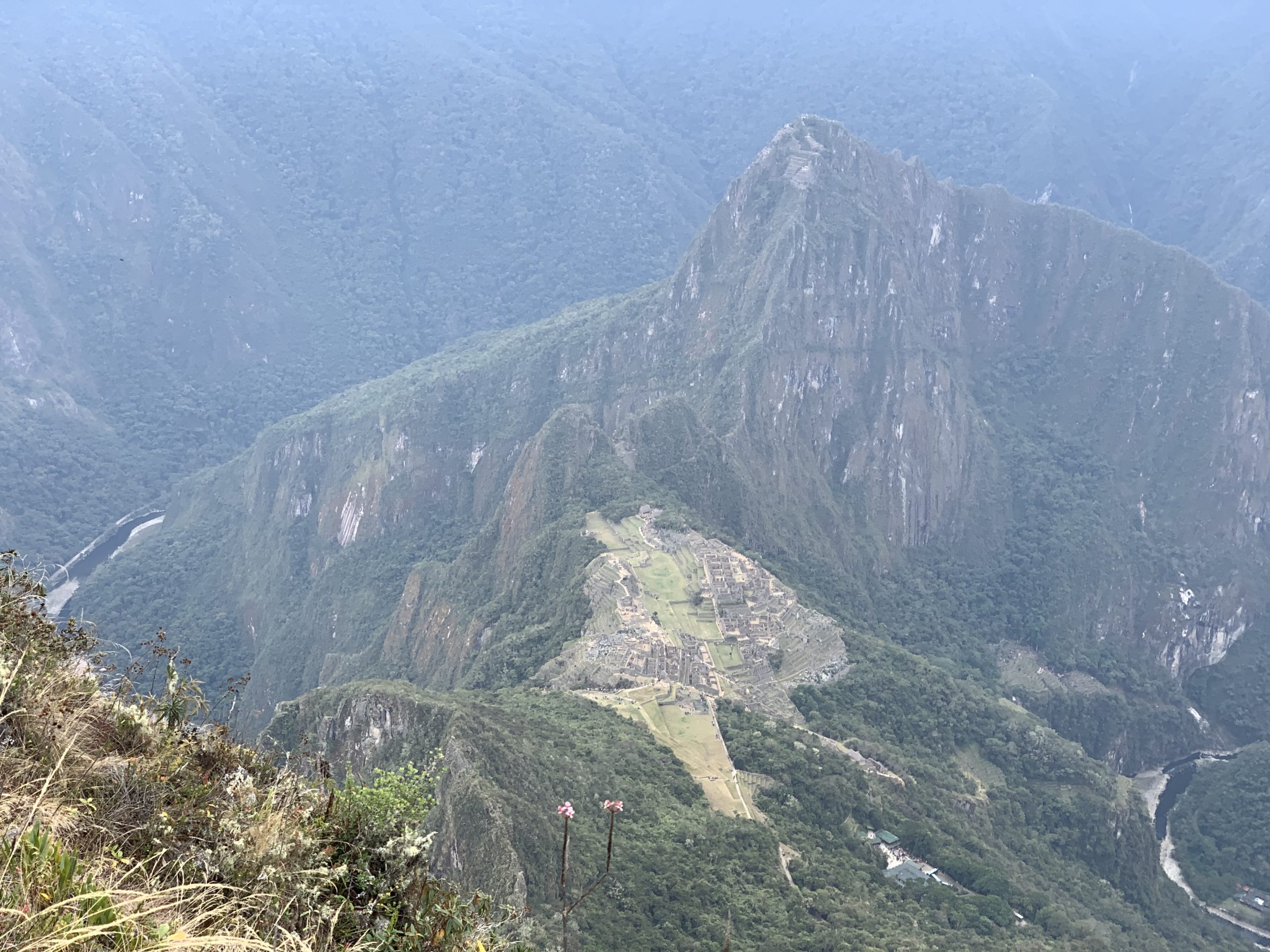
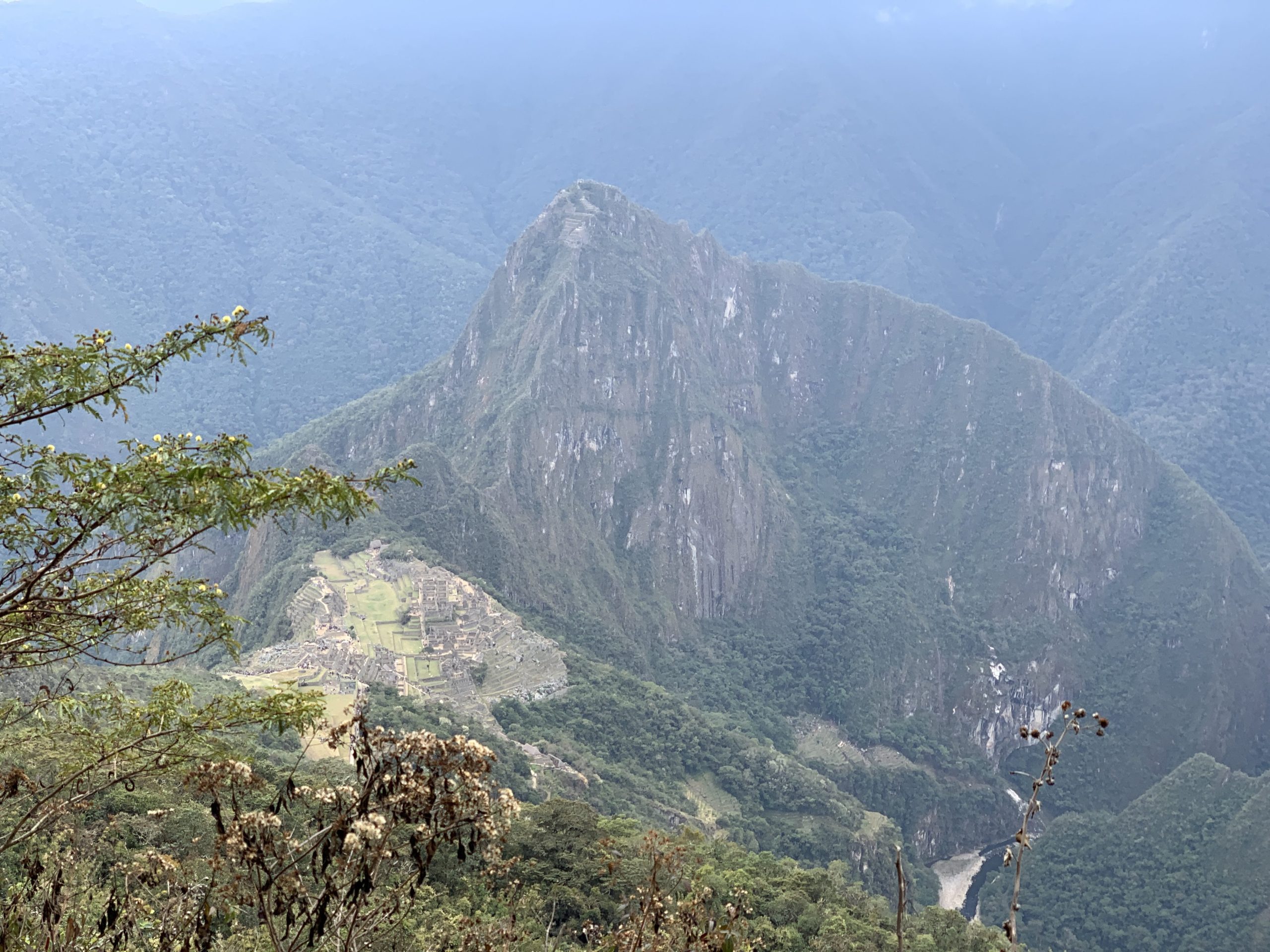
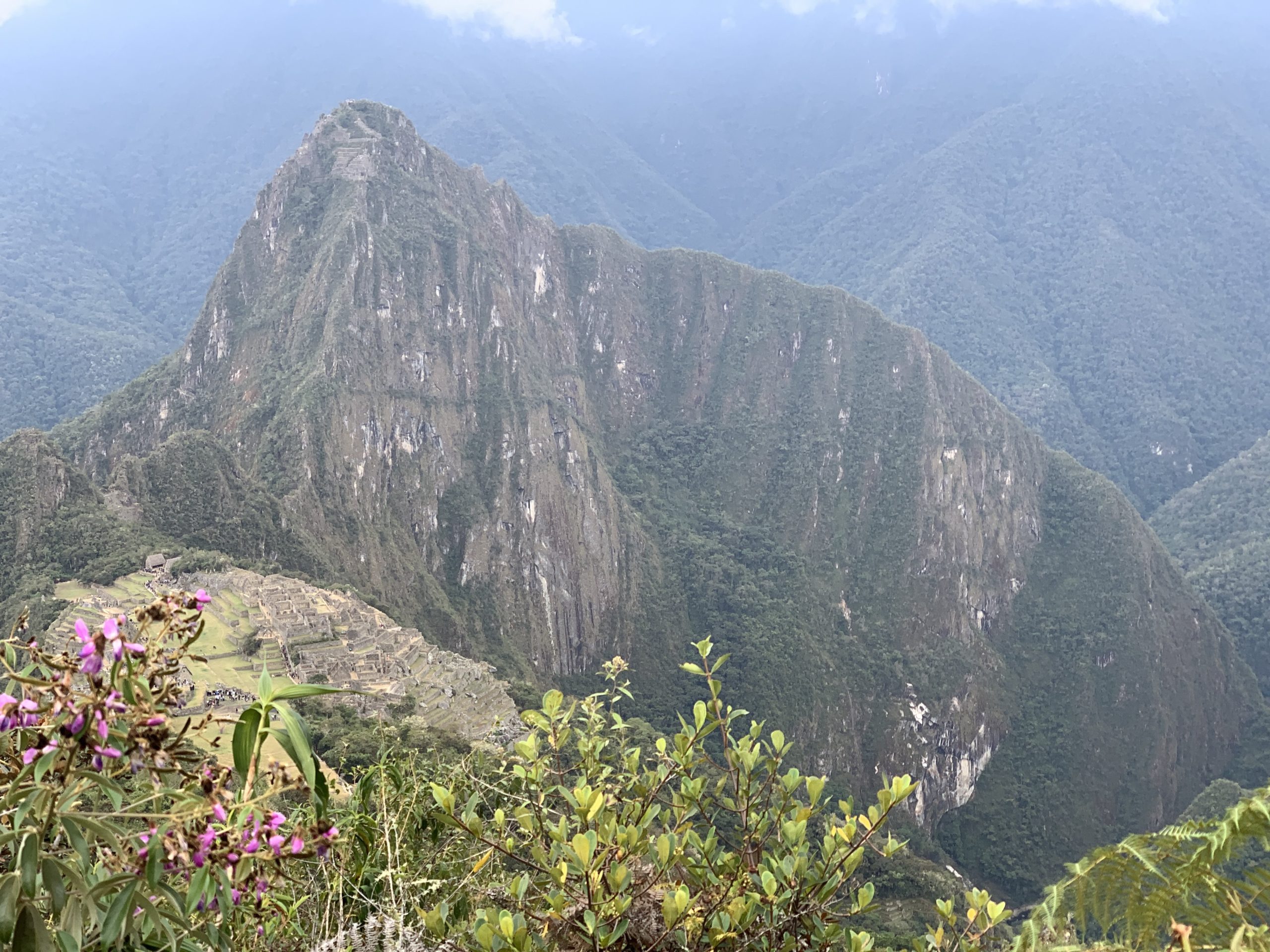
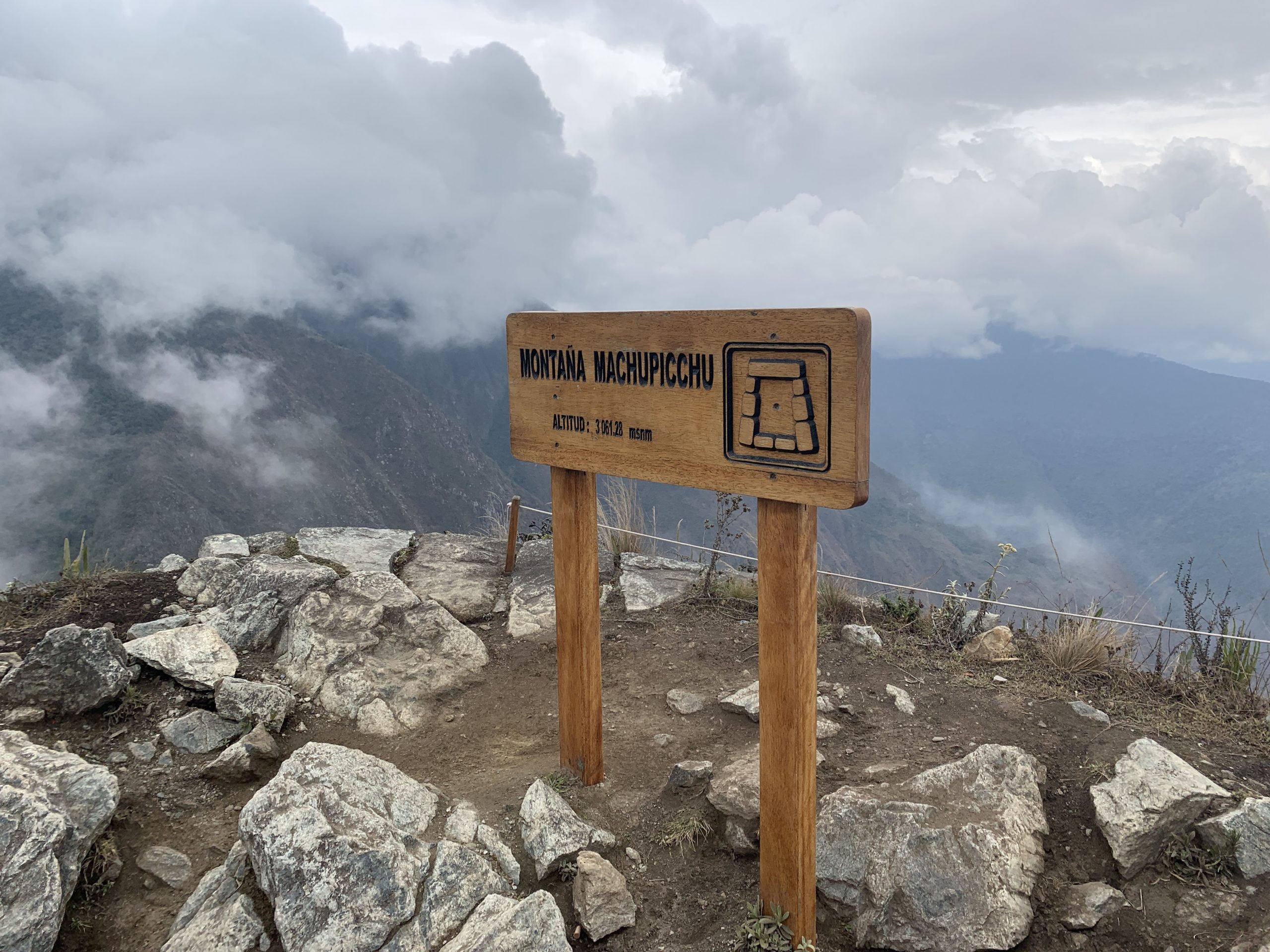
For starters, the contrast between the apple-green grass covering the terraces and the grey, cloudy sky and dry-stone walls of the houses makes for a spectacular sight, truly one to behold. Then there was also the hike to the summit of Mount Machu Picchu. Punctuated by twelve checkpoints, each offering incredible vistas with the ruins underneath and Mount Huayna Picchu on the opposite side, the climb took our breath away in both metaphorical and literal senses.
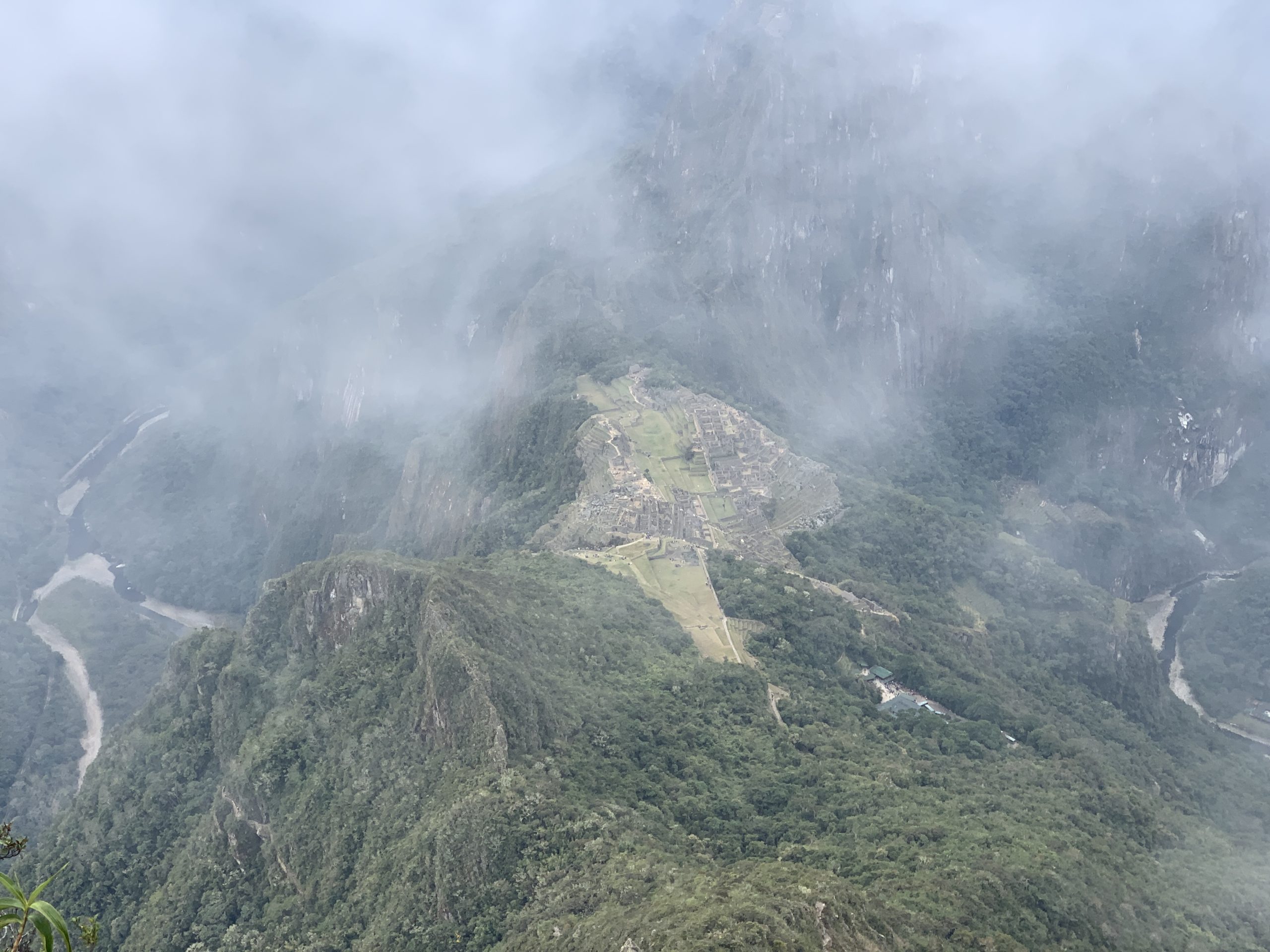
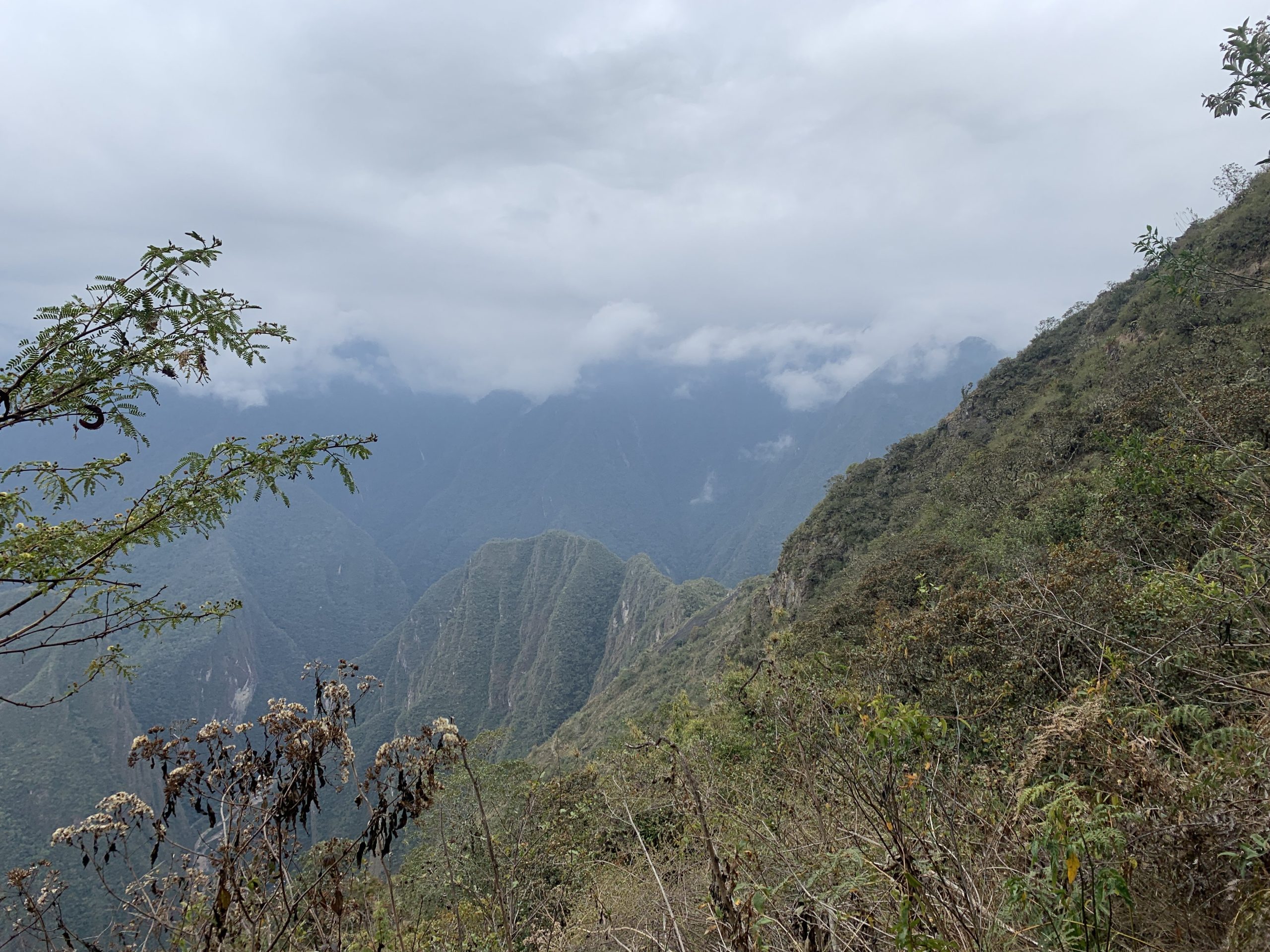
But as the warriors that we had become, we managed. And the view from the top? Well, it’s subjective. Depends on how much of a fan of fog one is. At the very top, we were practically standing in the middle of a cloud, which admittedly was still kinda cool. And hey, we did catch a glimpse of the ruins at one point, fleeting though it was.
At the end, I wish I could say that seeing the ruins inundated with people didn’t take away from the magic of it all. I wish I could say it was just as wonderful as I’d thought it’d be. But it really wasn’t. And this isn’t me trying to be a Negative Narius. To me it kinda felt like taking a stroll around some beautiful ruins, but that’s it. Still cool – not life-changing though.
And so, this adventure too came to an end. We climbed down the mountain, took the bus back, had one final dinner, and after a train ride that seemed to undo all the efforts of the previous few days, the Salkantay Family said its tearful goodbyes. From shaming dogs, chickens, kids and llamas (don’t ask) to singing countless tunes… From powering through uphills to powering through my jokes… From strangers to family… this was one hell of an experience with one hell of a group. Thank you Salkantay Family.