The Ravage of Time

IV.II.IV
THE RAVAGE OF TIME
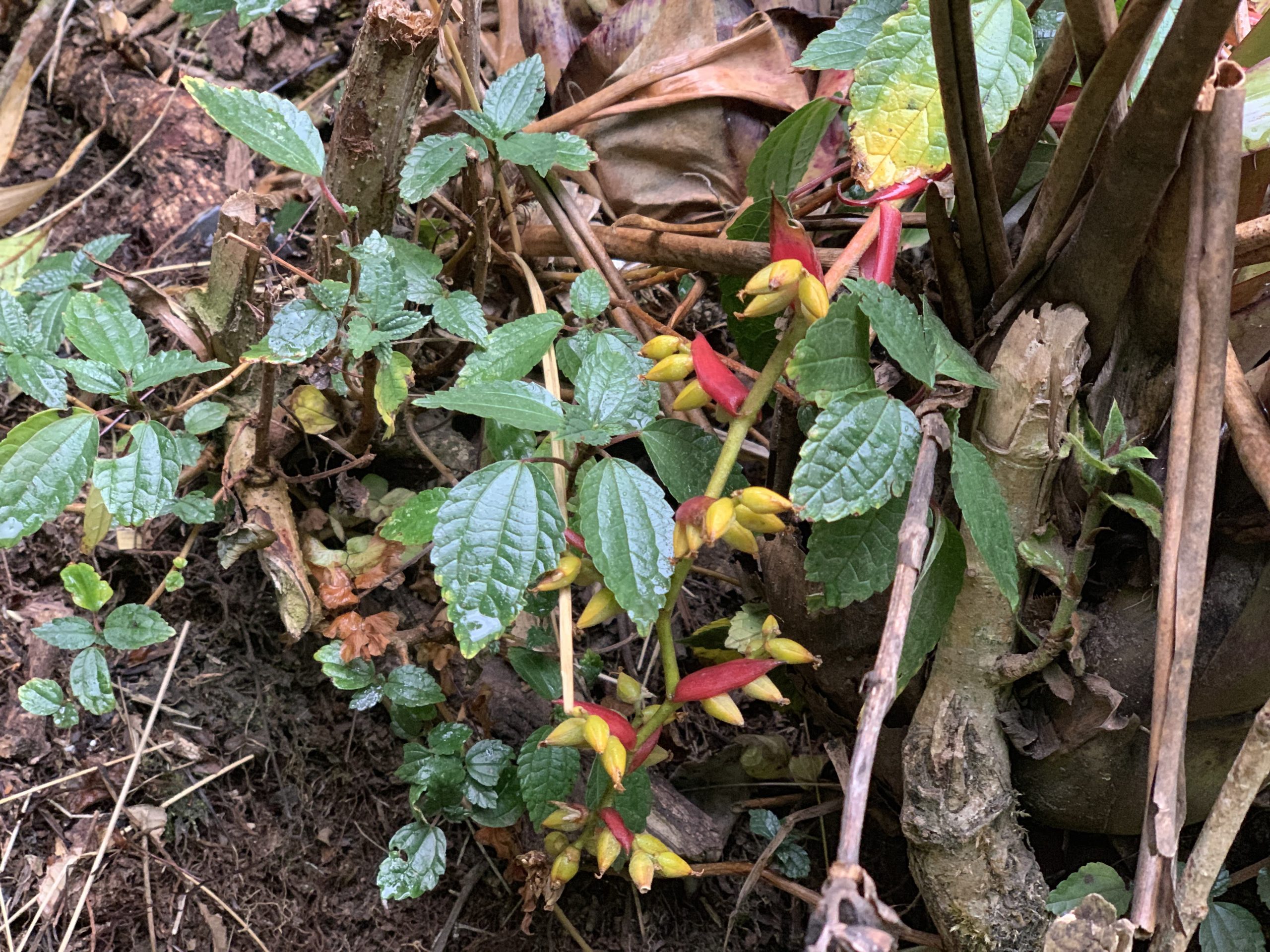
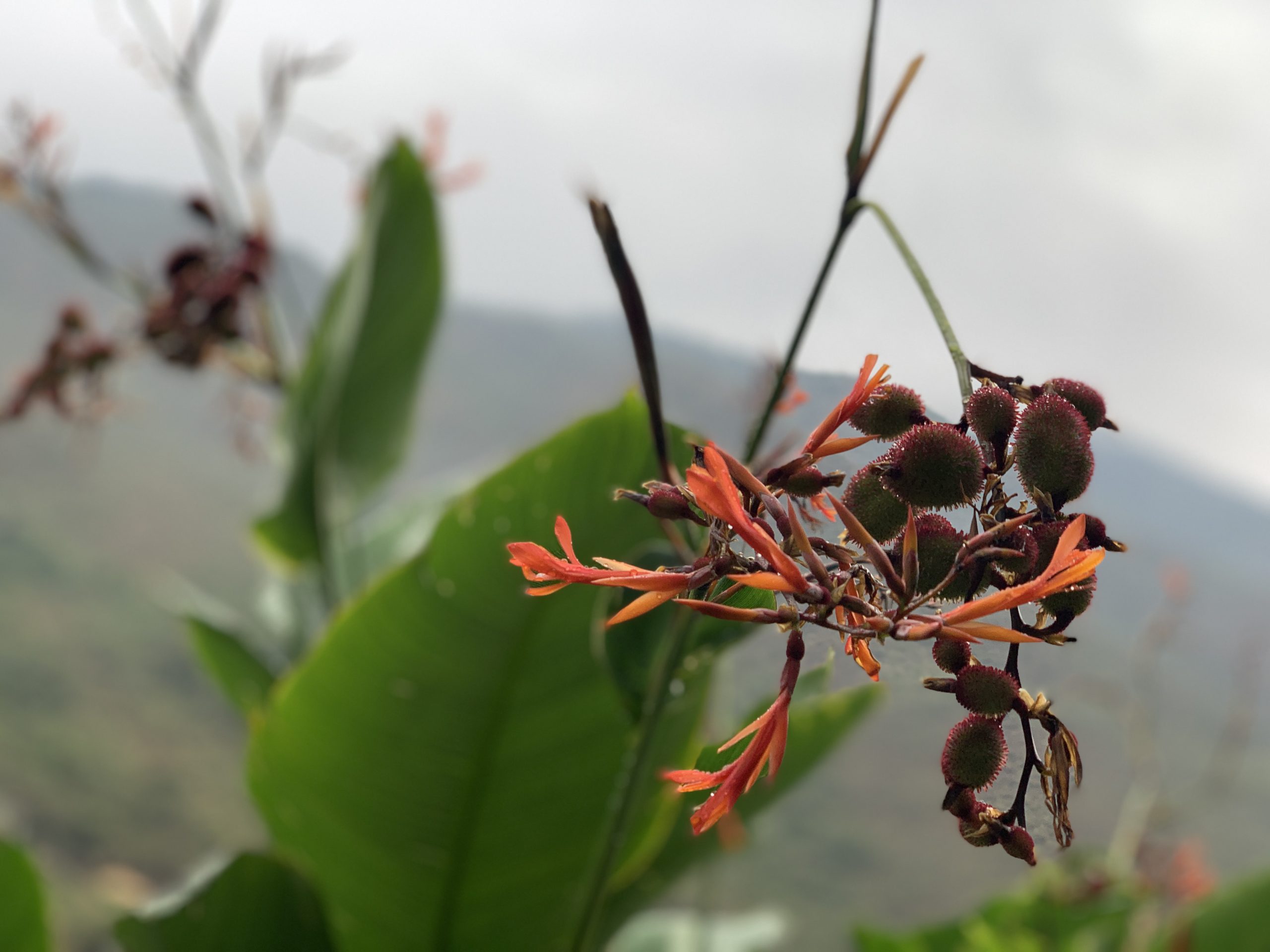
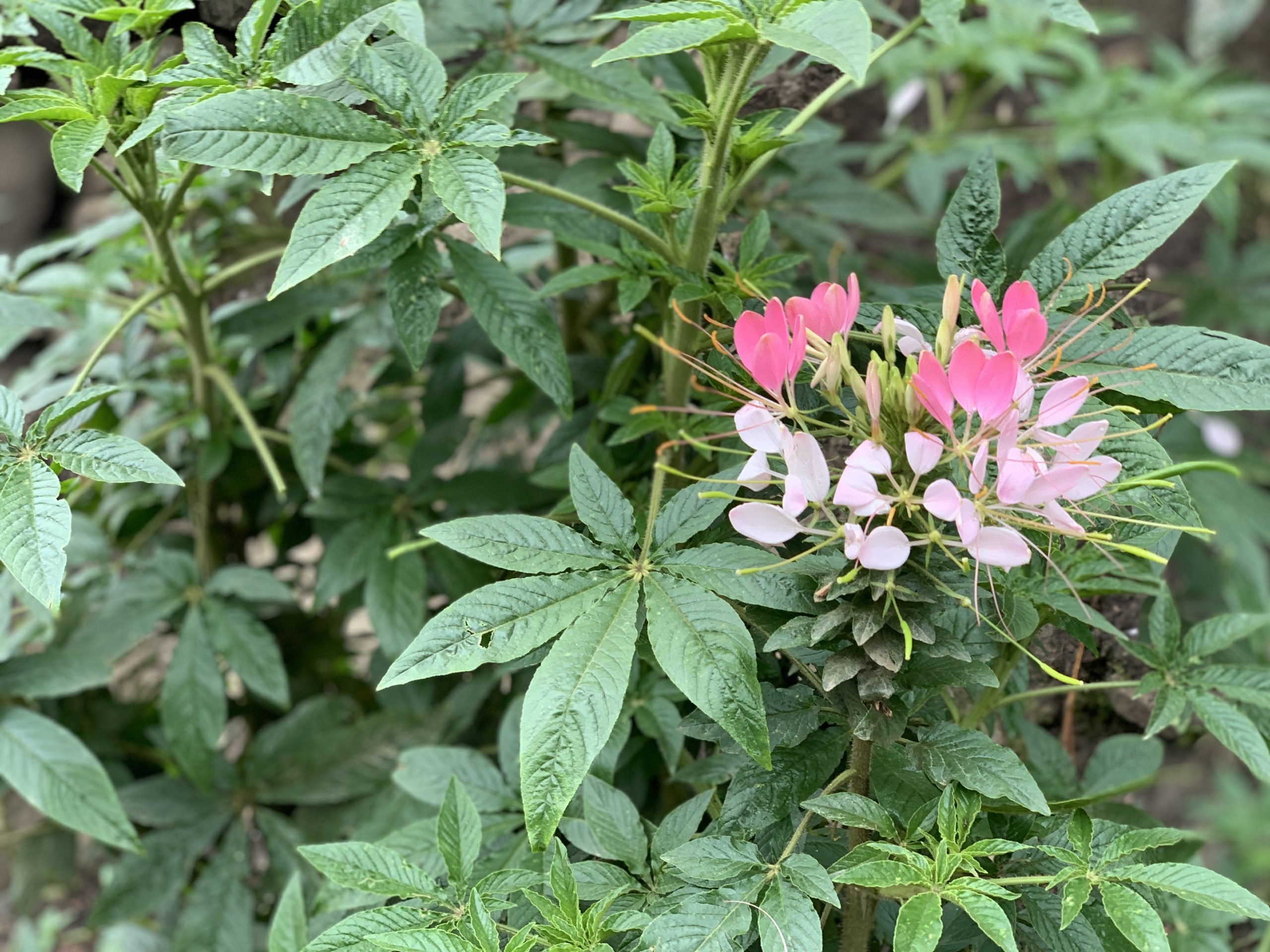
The rocky and foggy terrain surrounded by the icy glacier peaks of the first day slowly gave way to warmer, greener surroundings as we neared the tropical rainforest. Once again, I was in a jungle! With arms in the air and toes curled upwards (as much as Blister would allow), I took a deep breath as finally, I was in my element again.
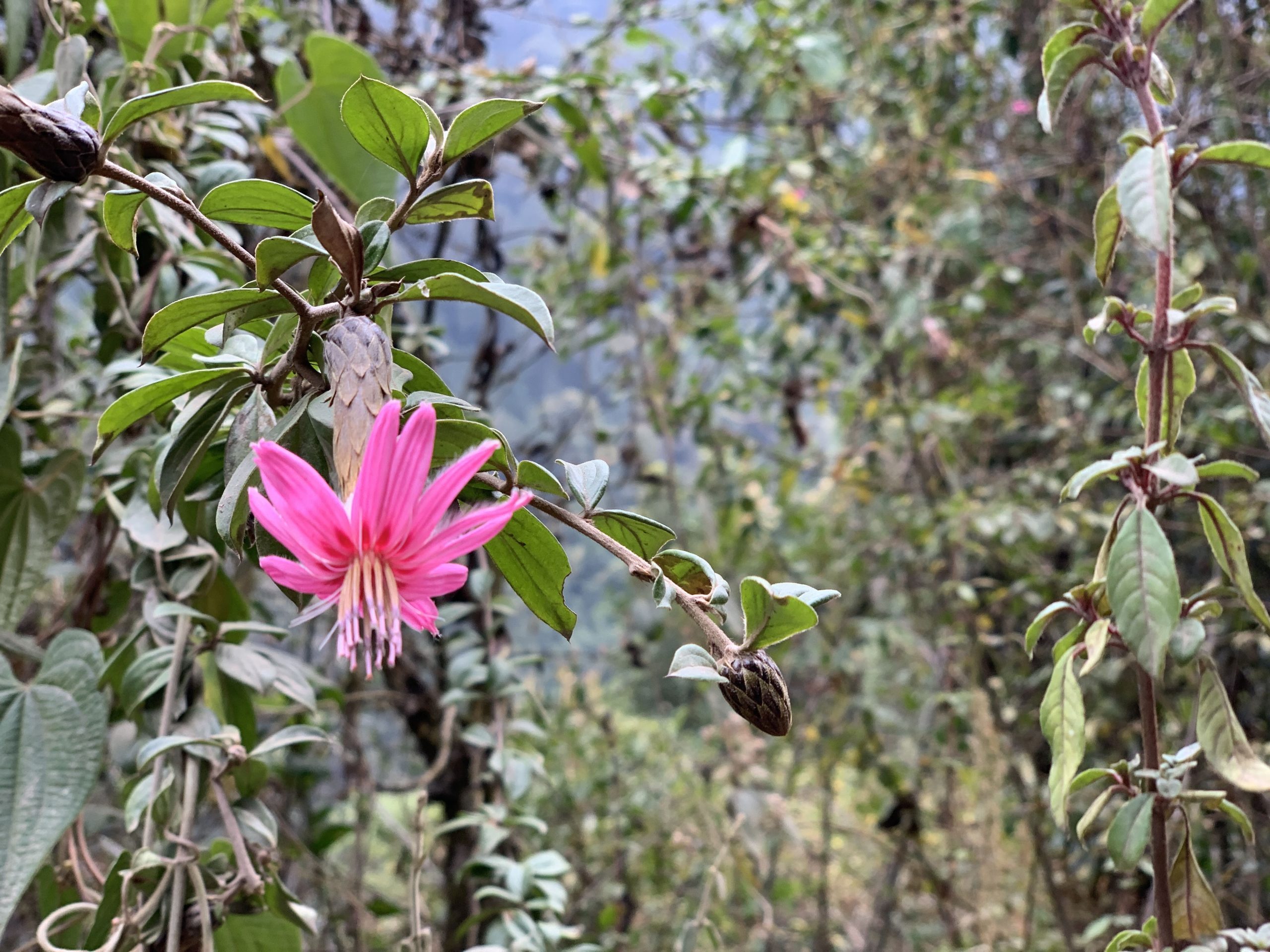
Aah, to be surrounded by ferns and fruit, trees and roots, rivers and waterfalls, flora and fauna… From the pink Sobralia to the rare yellow Telipogon orchids, from hummingbirds and tanagers to falcons and condors and whatever else you can imagine, it was all there. The whole jungle, abuzz with life. I mean don’t get me wrong, I do enjoy the city life. I enjoy driving, eating out, going to the spa and gym, studying at a fancy hospital and being generally high maintenance and spoiled and chic and urban and whatnot. I enjoy that. But I don’t love it love it.
The jungle though? That I do love. Even if it’s constantly raining and I’m soaked to the bone and muddy as hell. It’s nature – it’s all good baby! Man, what I wouldn’t give to be Tarzan or Mowgli…
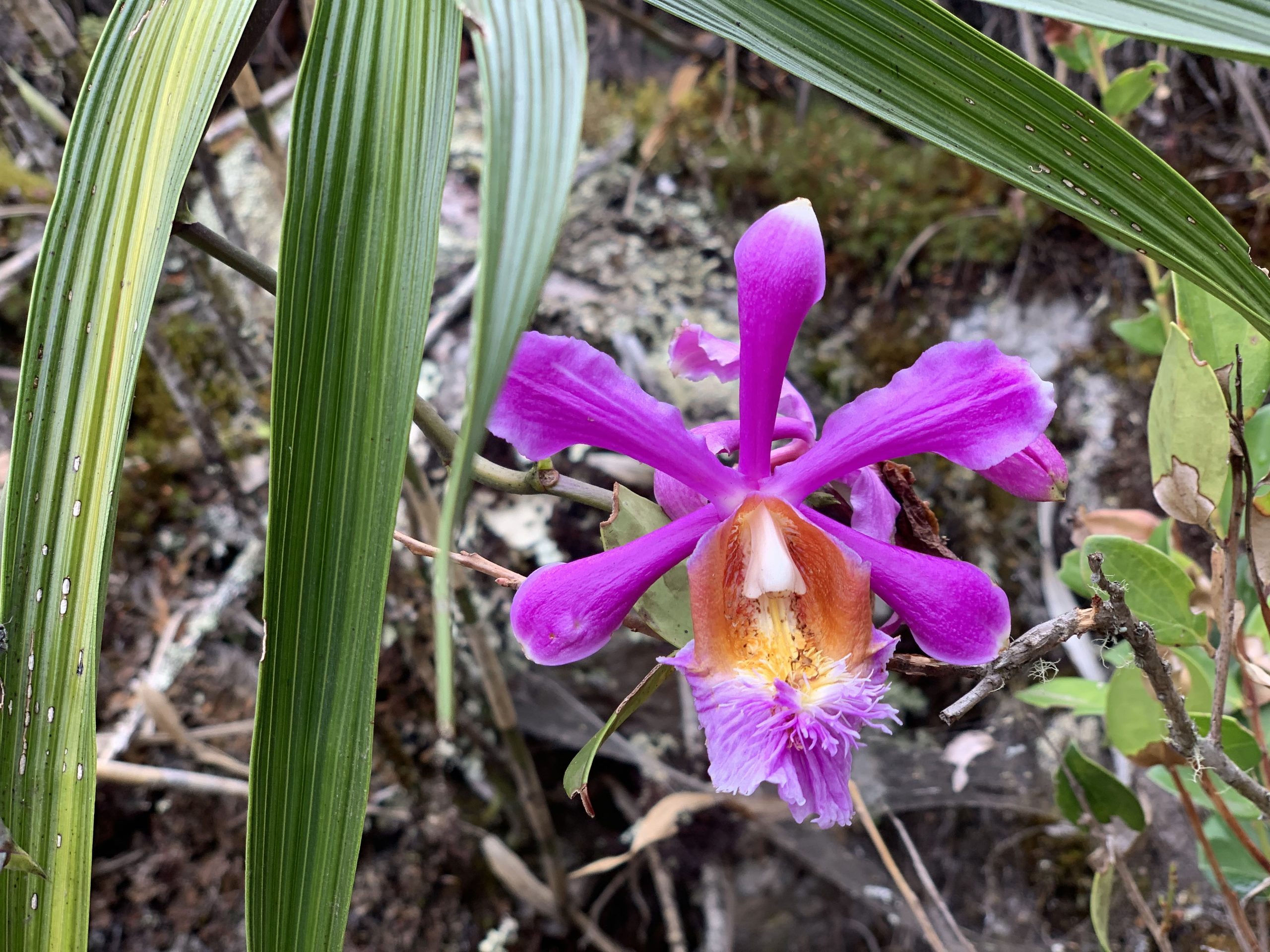
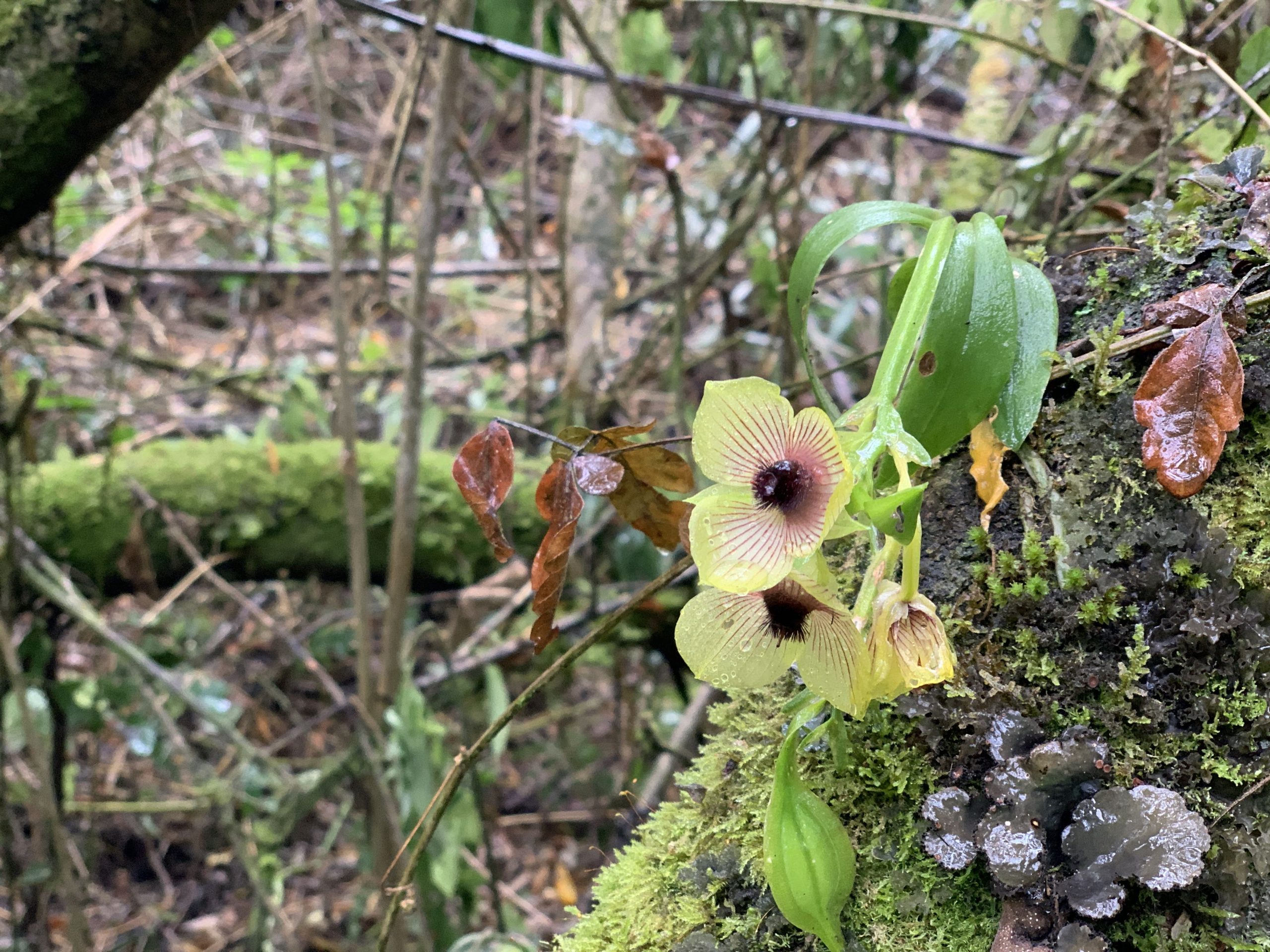
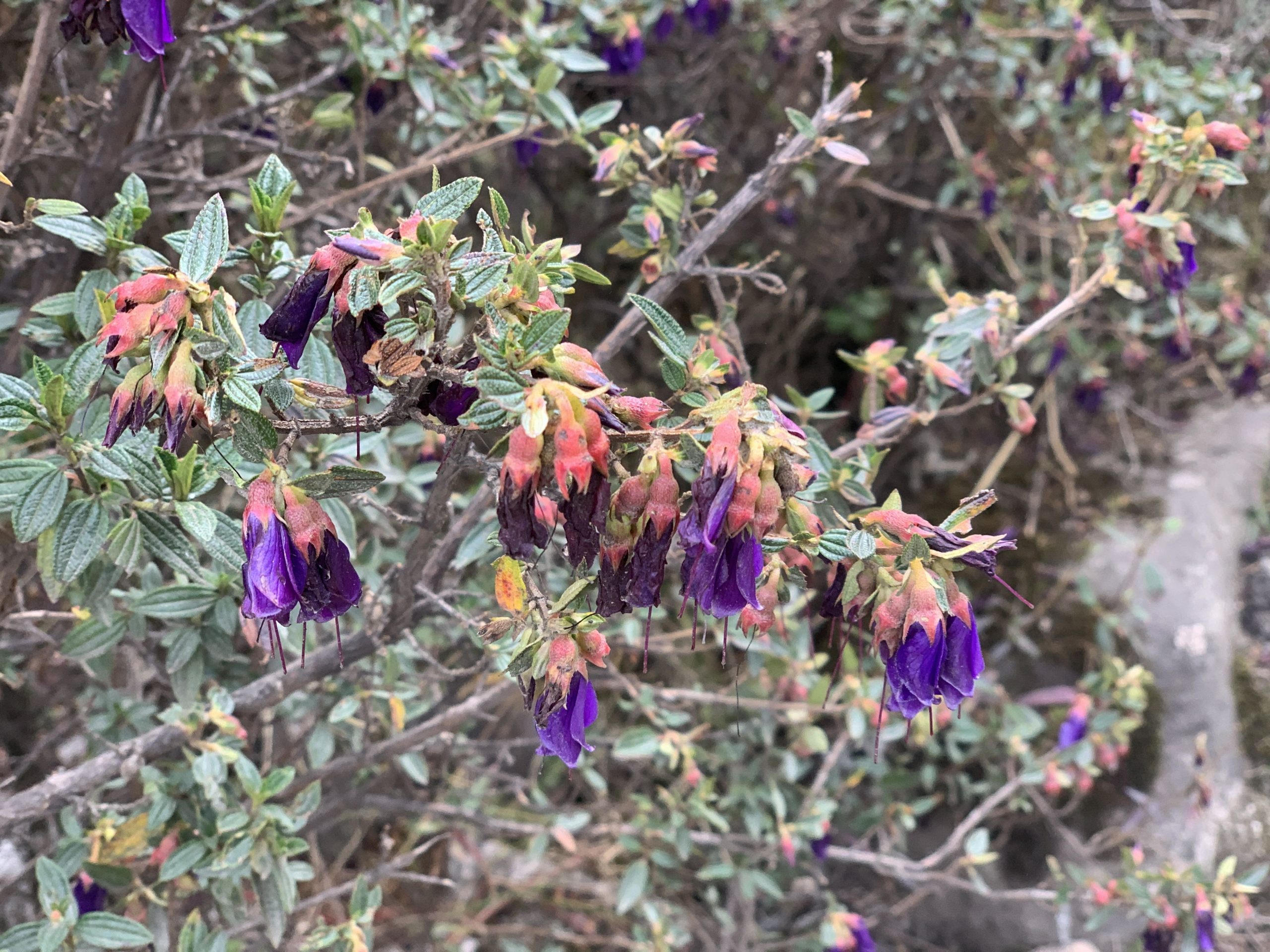
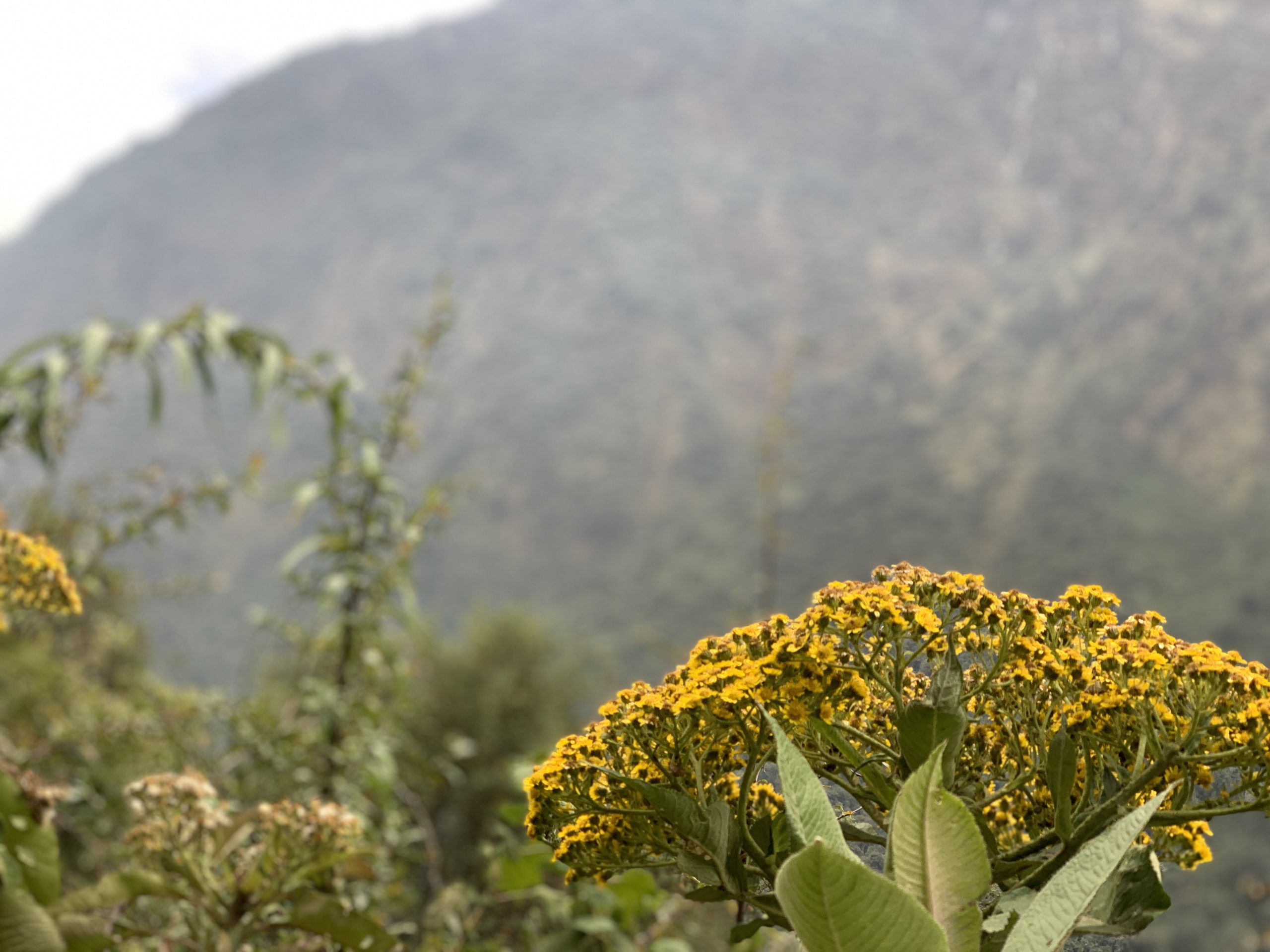
After around 22 kilometres, we arrived to our second campsite – that of Ccollpapampa Loreta. Here, we were ecstatic at the thought of spending our night in a Hobbit House. Being a Lord of the Rings fan, this had me feeling over the moon to say the least. That said, the hot shower had me feeling over the friggin’ sun.
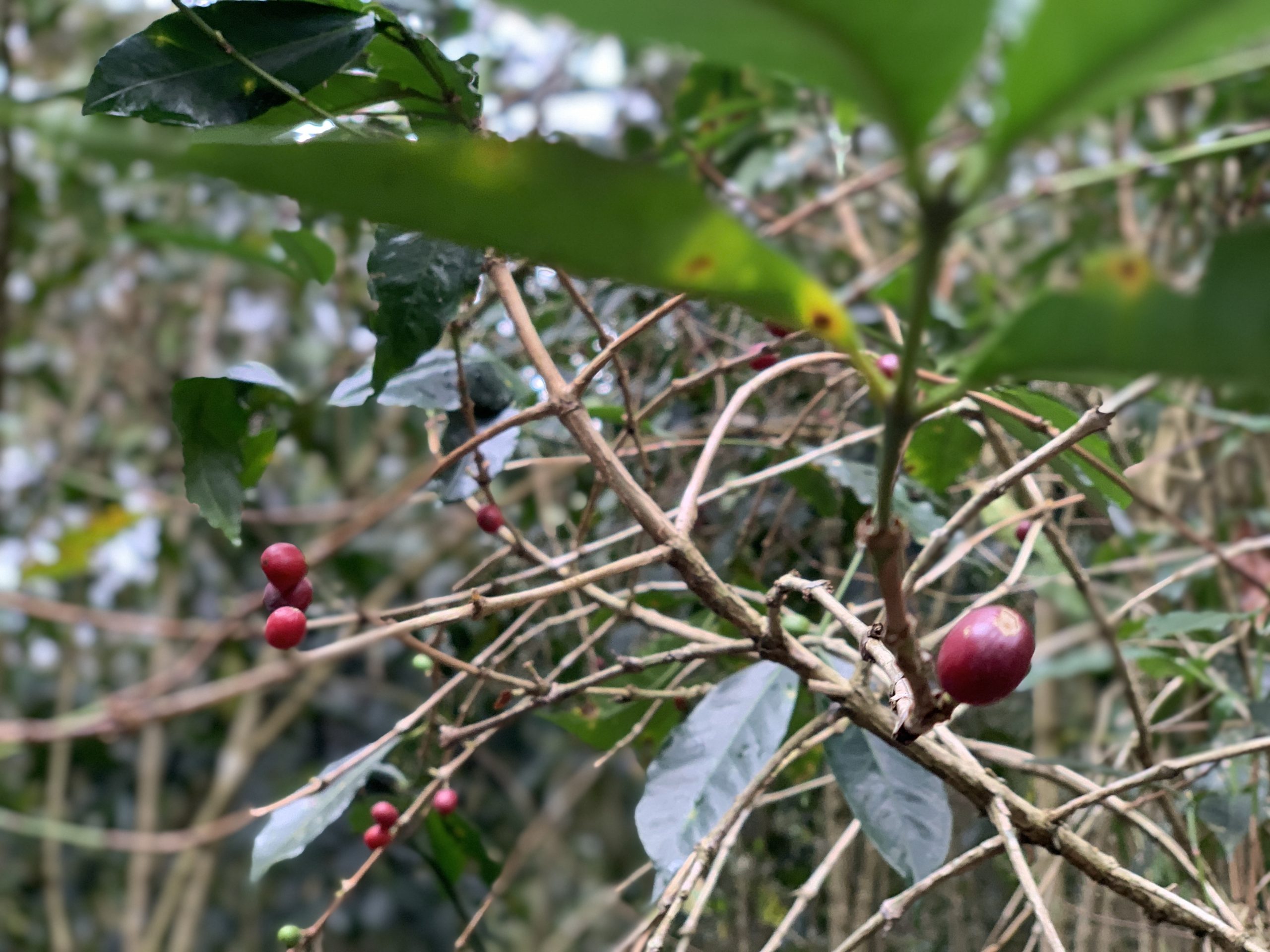
If that wasn’t enough to boost our morale, the third day would be the shortest and least challenging – though one filled with incredible vistas and a few adventures. The mountains here were covered in all sorts of plantations – including avocado, orange, and… wait for it… coffee plants! Given my undying love for the heavenly substance, you can imagine my exhilaration when Reynaldo and Lourdes told us we’d be stopping at one of them for a brief tour. They explained that there are many to choose to from, and since there’s so many of them, different groups alternate between different ones during every tour in order to give all of them equal exposure and thus sell their goods fairly.
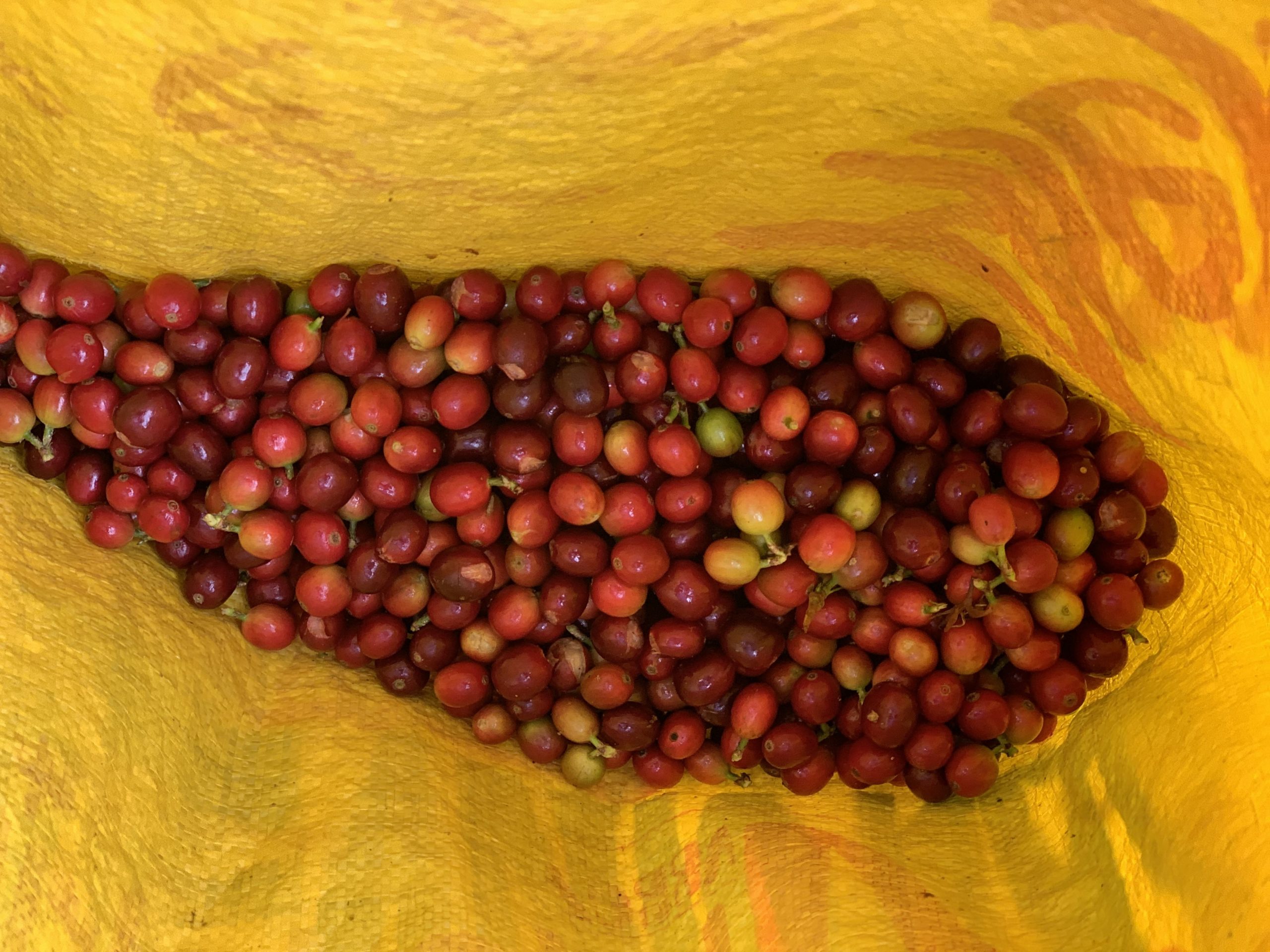
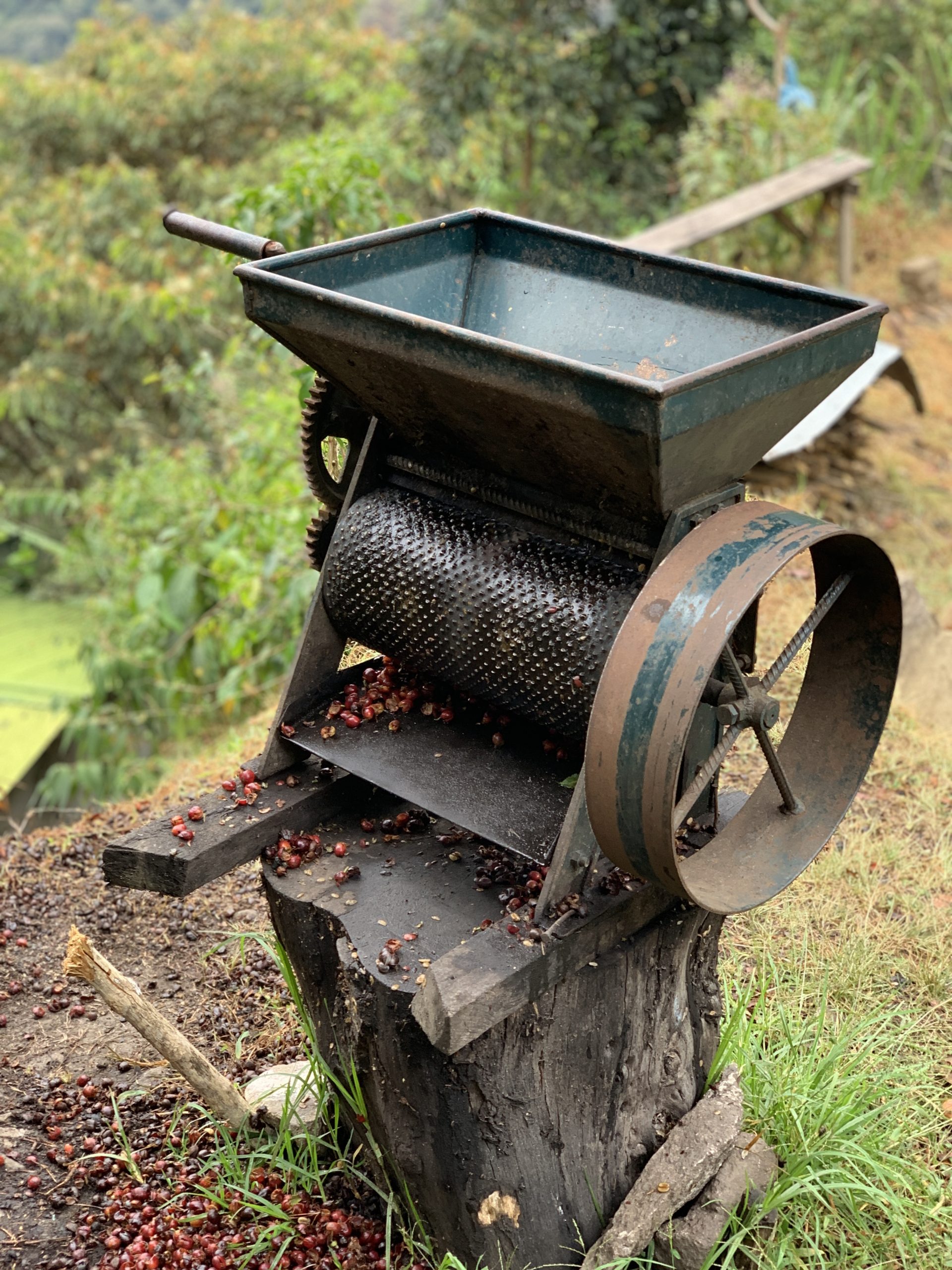
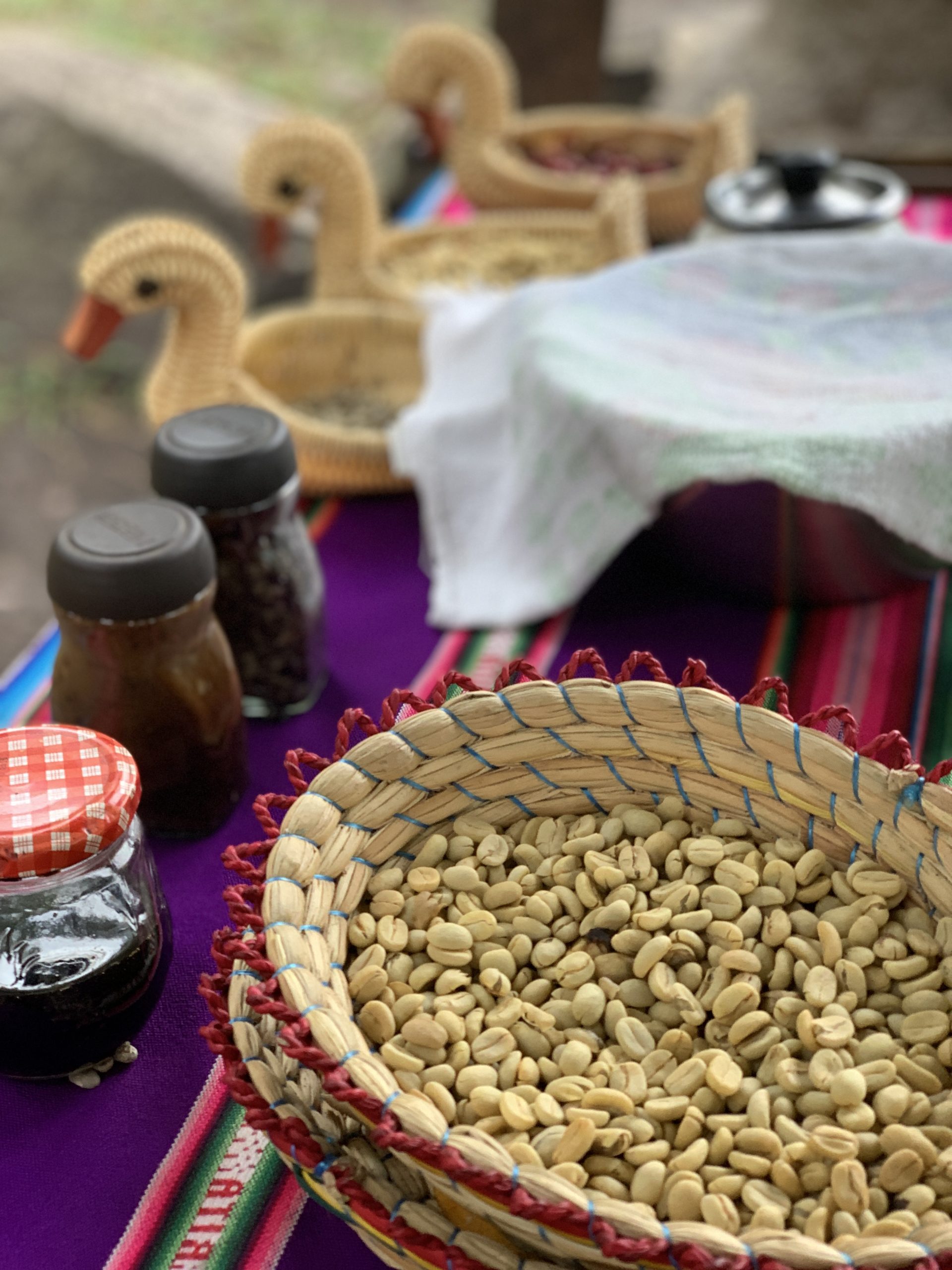
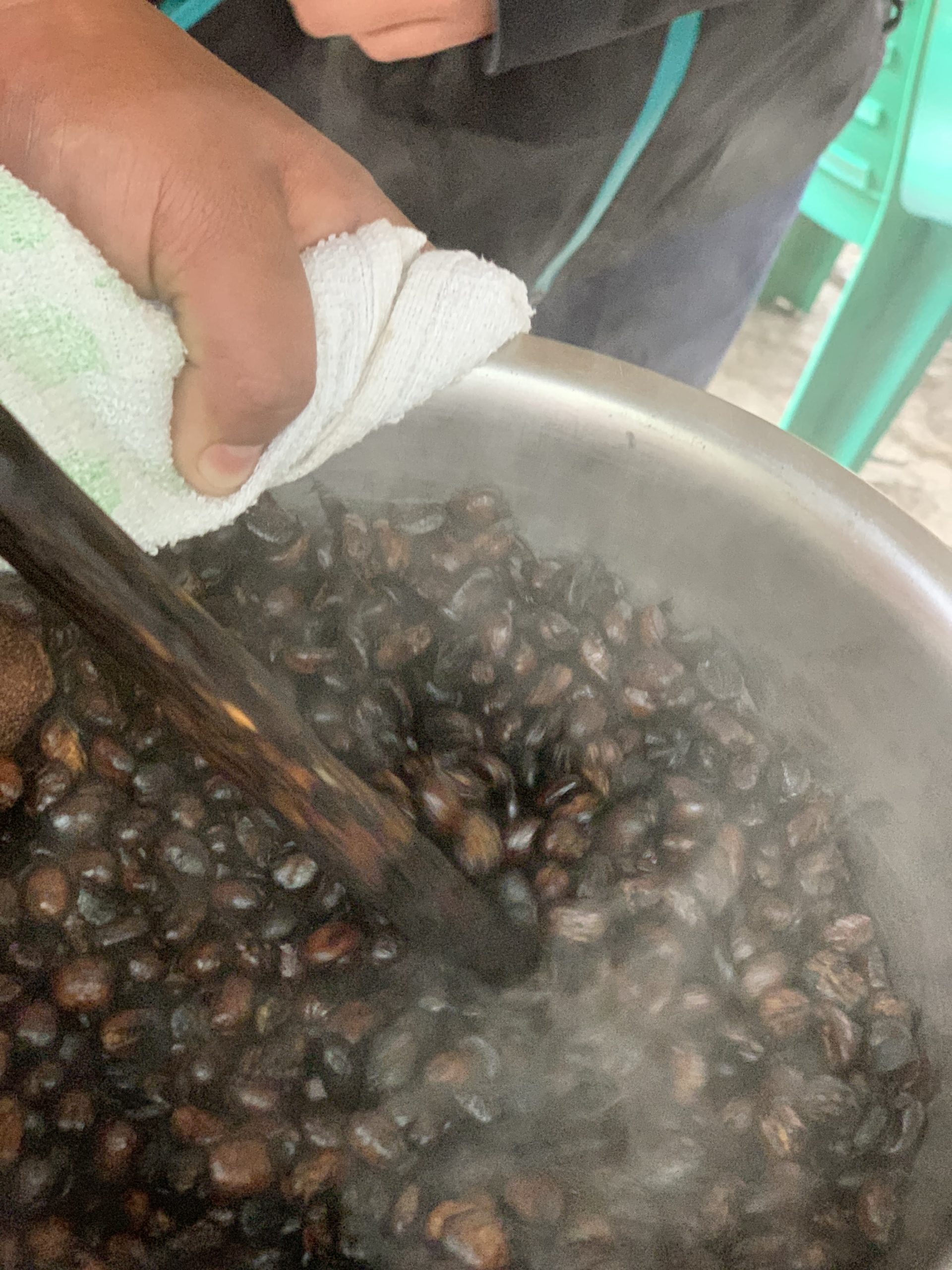
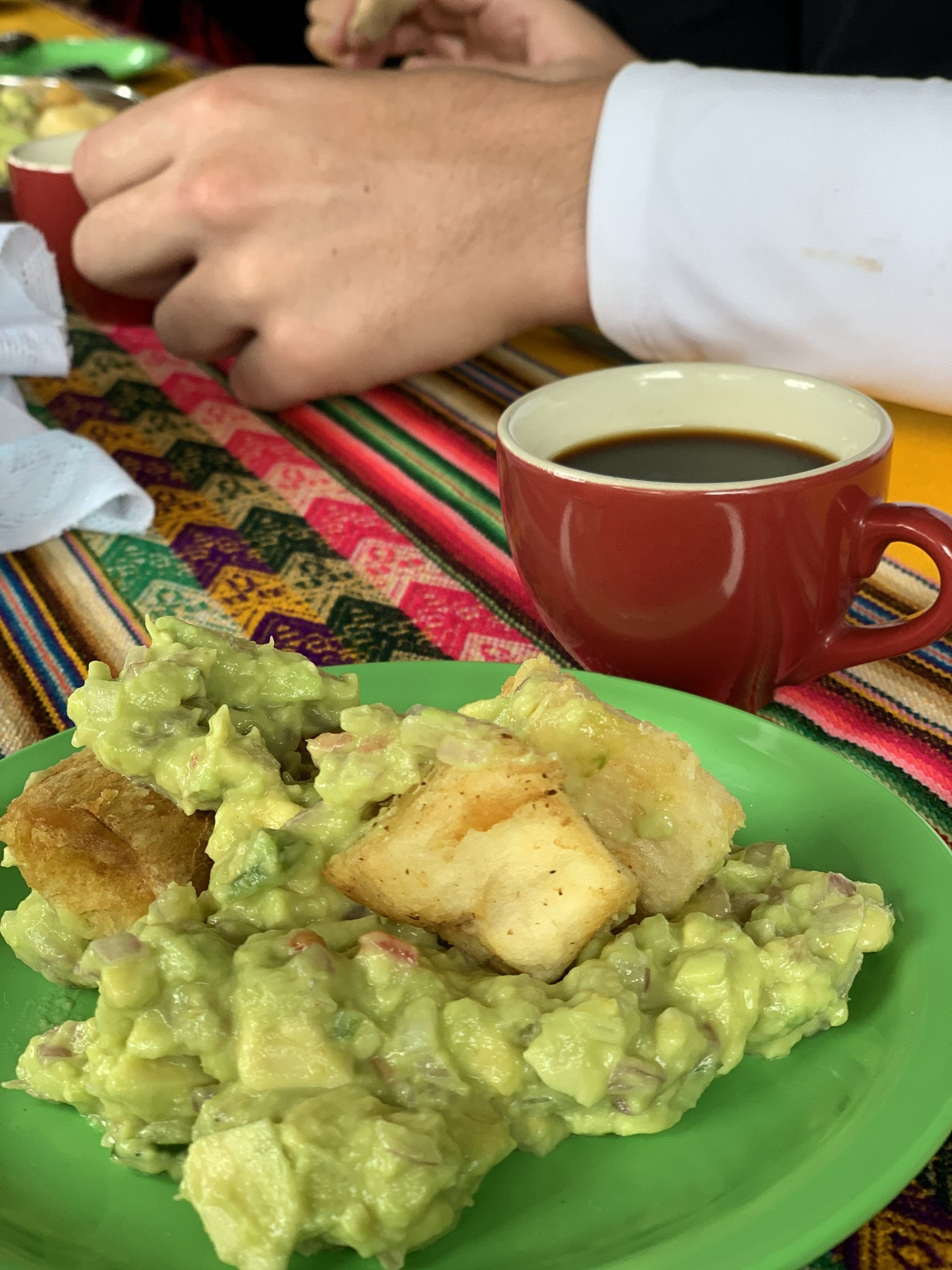
Whilst we were there, we were given some first hand experience as to the entire process. You’d think it’s as simple as picking beans, but apparently even that has a technique. One of us would grab onto a tree and hold it down while the rest of us picked beans from the top – the ones that would otherwise go unclaimed. We picked as many beans as humanly possible (something they do day in, day out), and then, with bags full to the brim, we set out to turn them into actual coffee. We removed the shells using a primitive huller, roasted the beans over open fire, and finally ground them before brewing ourselves a very well-earned cup of Joe.
To think they usually do all this on their own… Quite impressive really. Especially seeing how much work goes into every single cup of coffee. Once again, I feel obligated to apologise to the mules who had to carry all the extra weight of the coffee bags I bought.
After, our path finally converged with the Inca Trail and my terribly tragic disease – my FOMO – could finally remit. Like this, I could technically claim I had trekked on the Inca Trail. Here, Lourdes took the opportunity to tell us a bit about the Incas.
Much to my surprise as an uncultured idiot, the Incas were not an ancient people. Their civilisation was established in Cusco just over 500 years ago and lasted a little less than a century before the Spanish conquistador Francisco Pizarro captured and killed the last Inca emperor. Their origin is still debated, with some sources claiming Manco Cápac was the original leader of the tribe and Pachacuti being the first true emperor who expanded their territory, incorporating half the Andes and a large part of western South America. Pachacuti is also said to have built Machu Picchu in the fifteenth century as a royal estate.
Their beliefs centred on the cosmos, with the movements of the planets guiding agricultural cycles – something essential to their way of life. They saw the cosmos as divided into three worlds, known as Pacha:
- Hanan Pacha: The upper realm is represented by the condor and incorporates everything from the sky to the most distant galaxies. It is ruled by the sun god Inti – the most important god in Incan mythology for whom Coricancha was built.
- Kay Pacha: The middle realm is represented by the puma and is the perceptible world in which we all live in. This usually serves as the nexus between the other two worlds.
- Ukhu Pacha: The lower realm is represented by the snake and is considered as both the realm of death, ruled by Supay, and the realm of new life, ruled by the goddess of fertility Pacha Mama.
We were also told that the Incas were particularly skilful – especially with regards to craftwork, engineering and architecture. In an effort to show us how handy they were, Reynaldo, who comes from a Quechuan background, demonstrated how a rope bridge used to be built using mountain grass twisted upon itself. Having each of us stand on the hand-made rope whilst two other held it in mid-air did indeed show how durable and strong it was. Truly an impressive civilisation!
The Inca Trail led us to our final campsite, Llaqtapata – an archaeological site full of ruins standing atop a ridge that directly faces the destination most people trek for. There they were, right in front of my very eyes: the ruins of Machu Picchu.
The only things standing in my way were two days of trekking and a giant gorge between both mountains. I was so close I could already feel that sense of wonder and magic. Those ruins had captivated me since childhood and had been my obsession for days. Cradled between Machu Picchu Mountain and Huayna Picchu Mountain, they were just within reach. I’d be crossing off one of the New Seven Wonders of the World in just a few days.
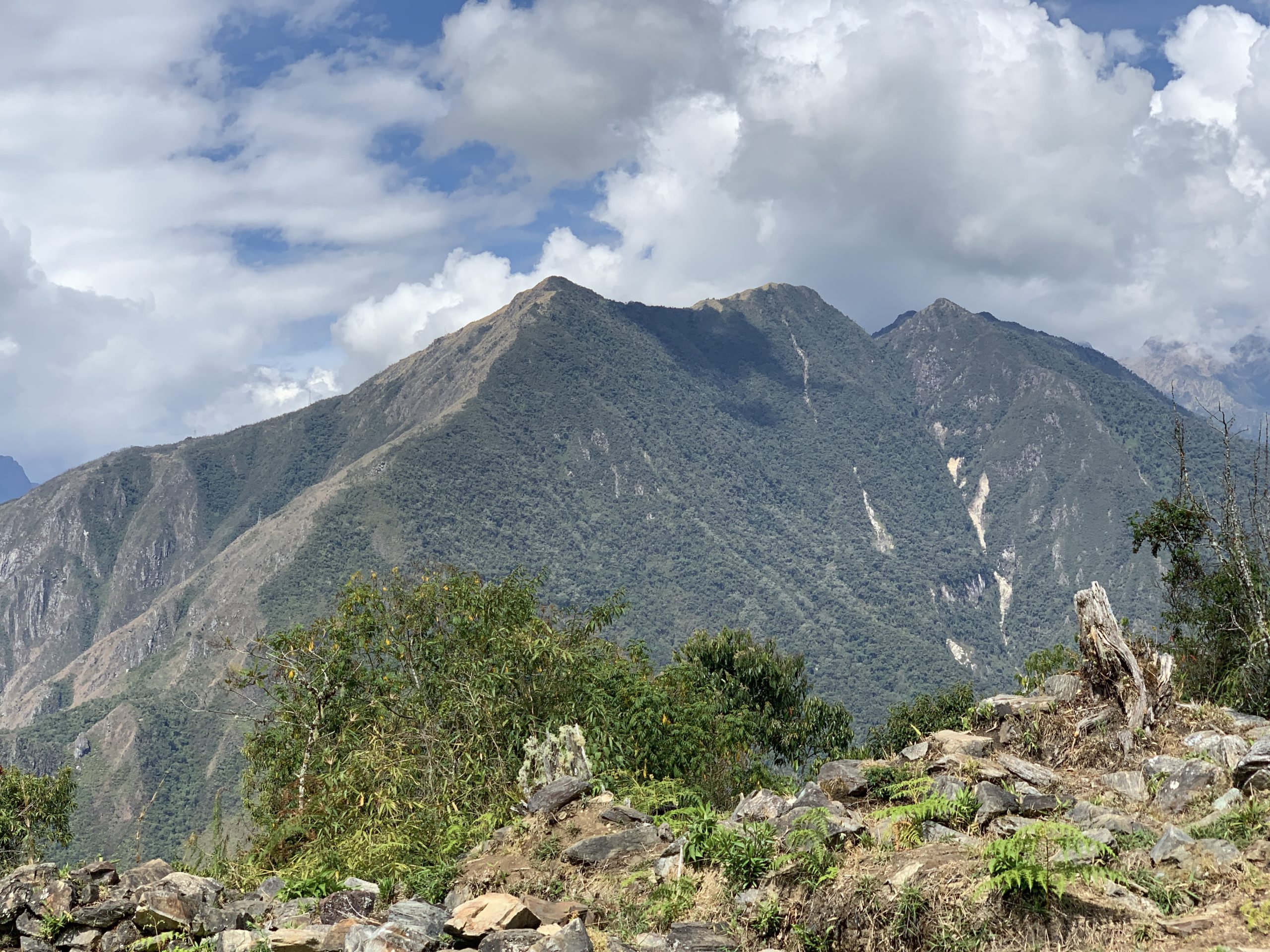
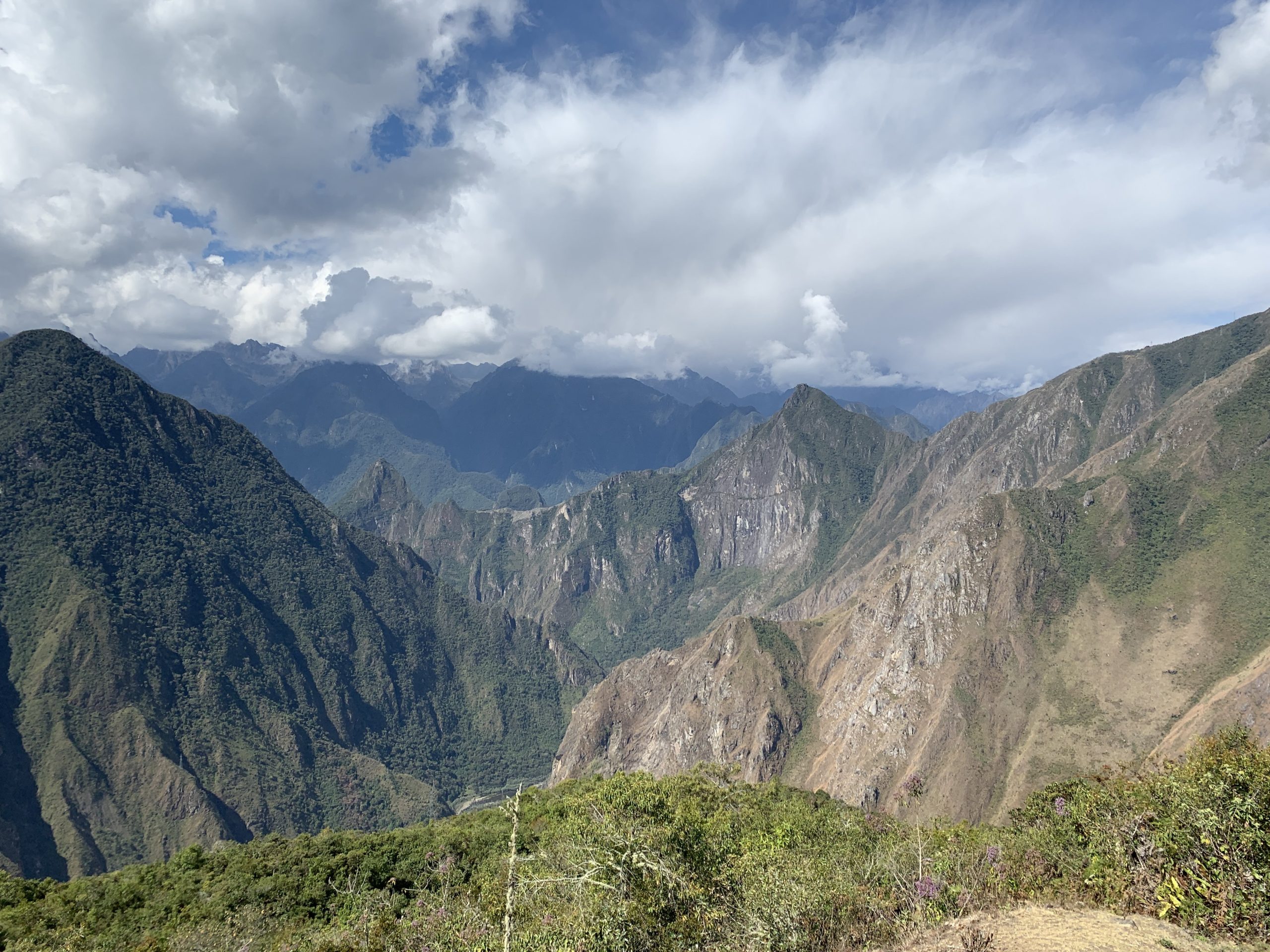
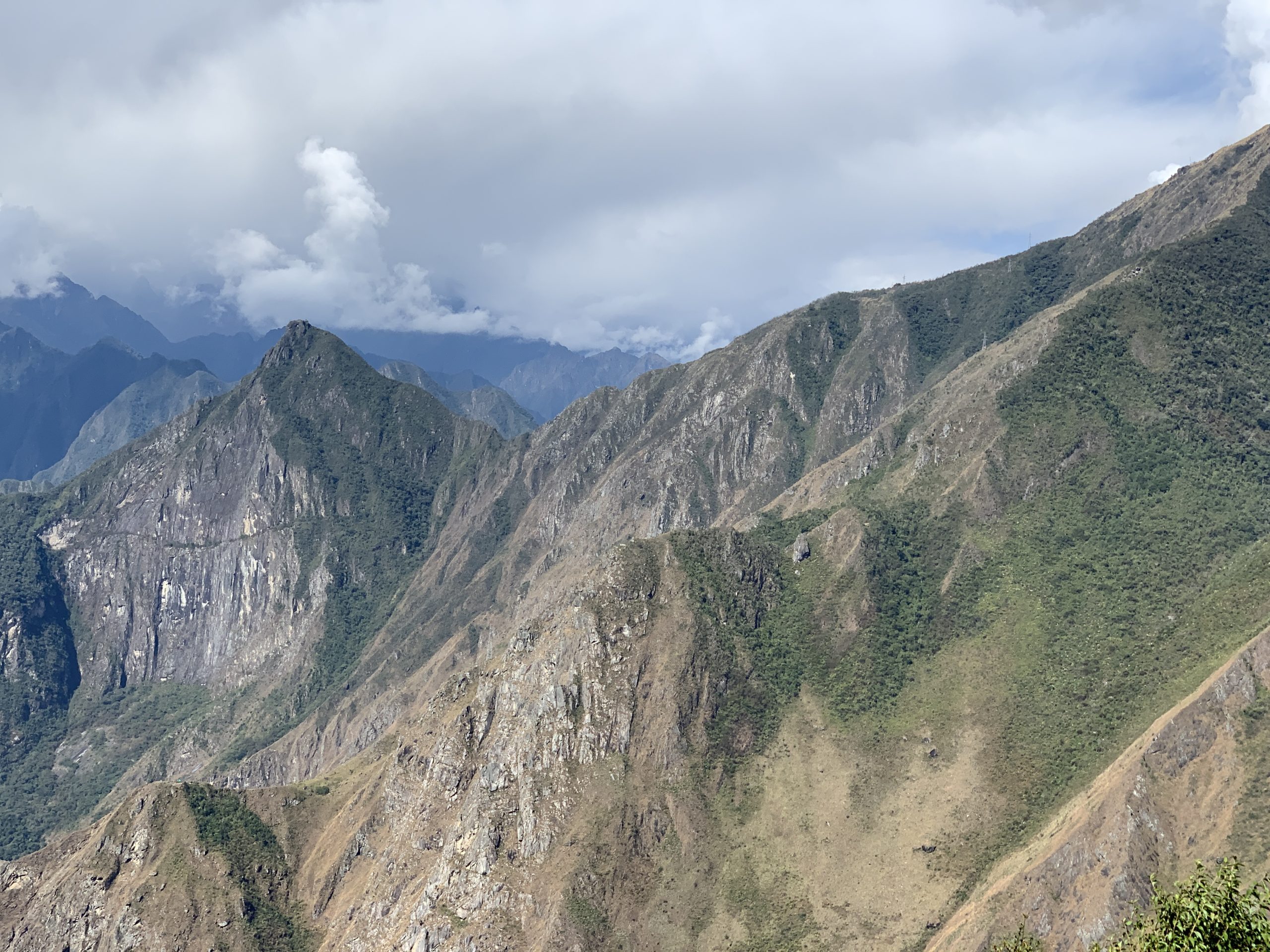
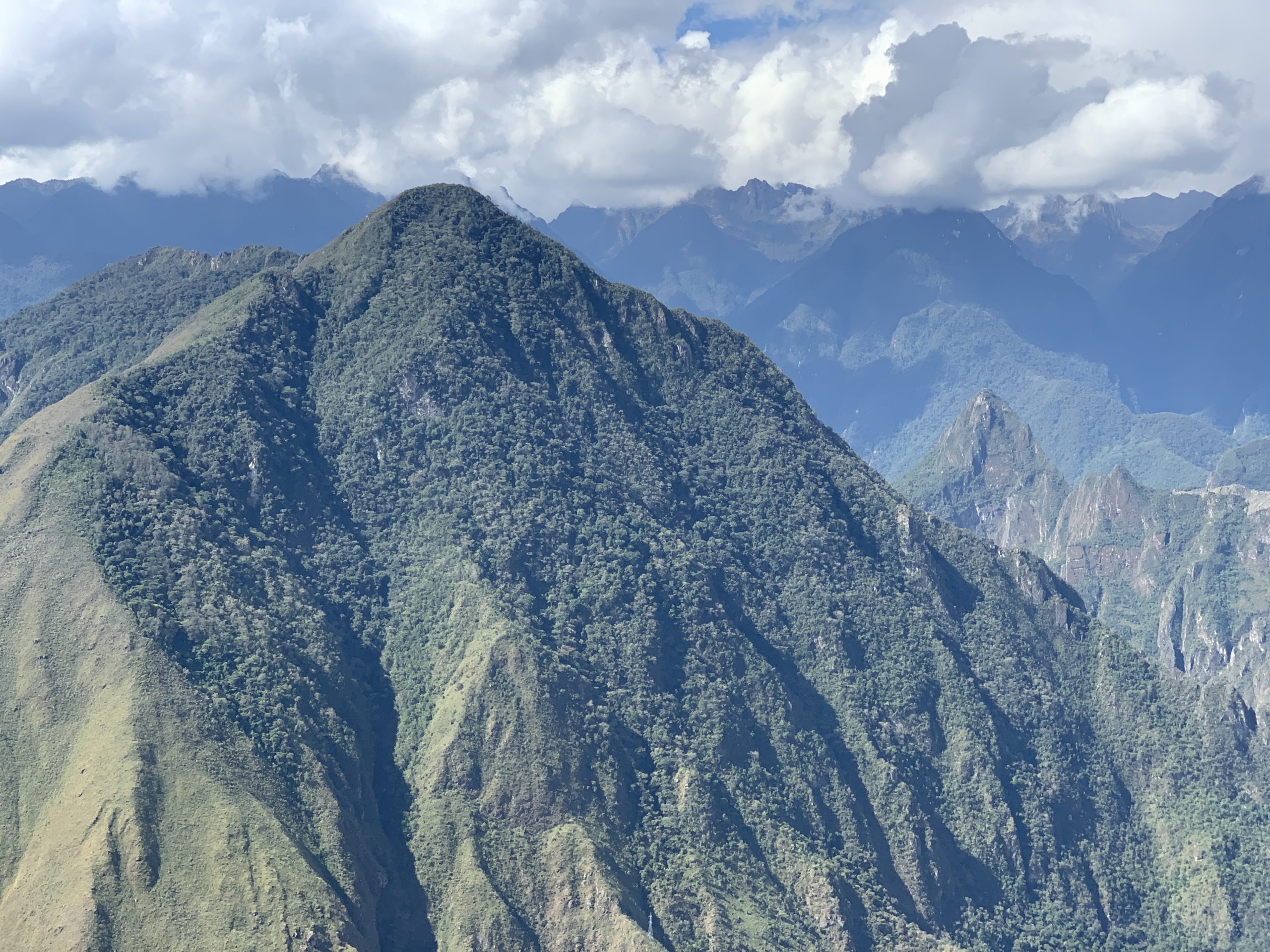
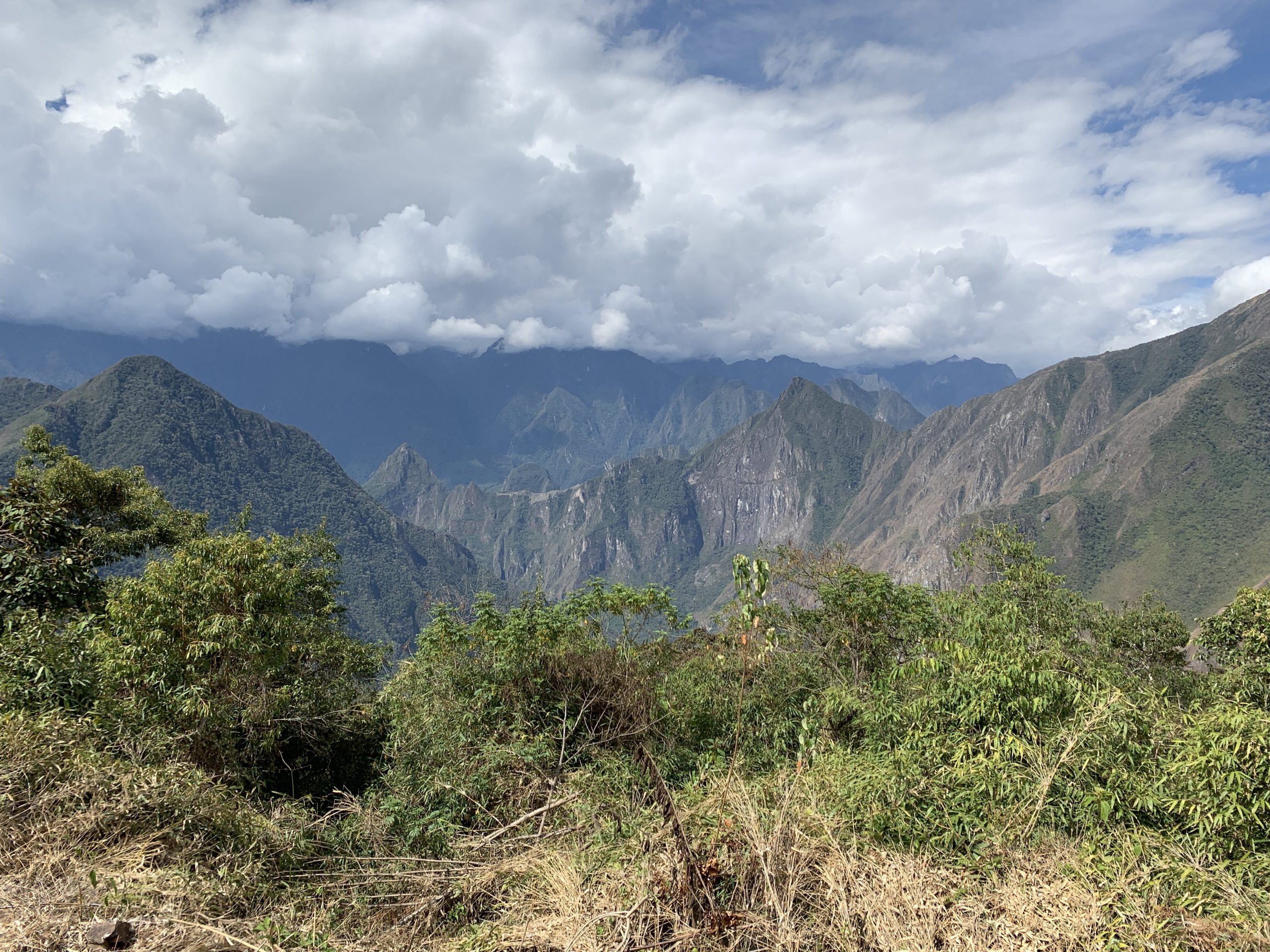
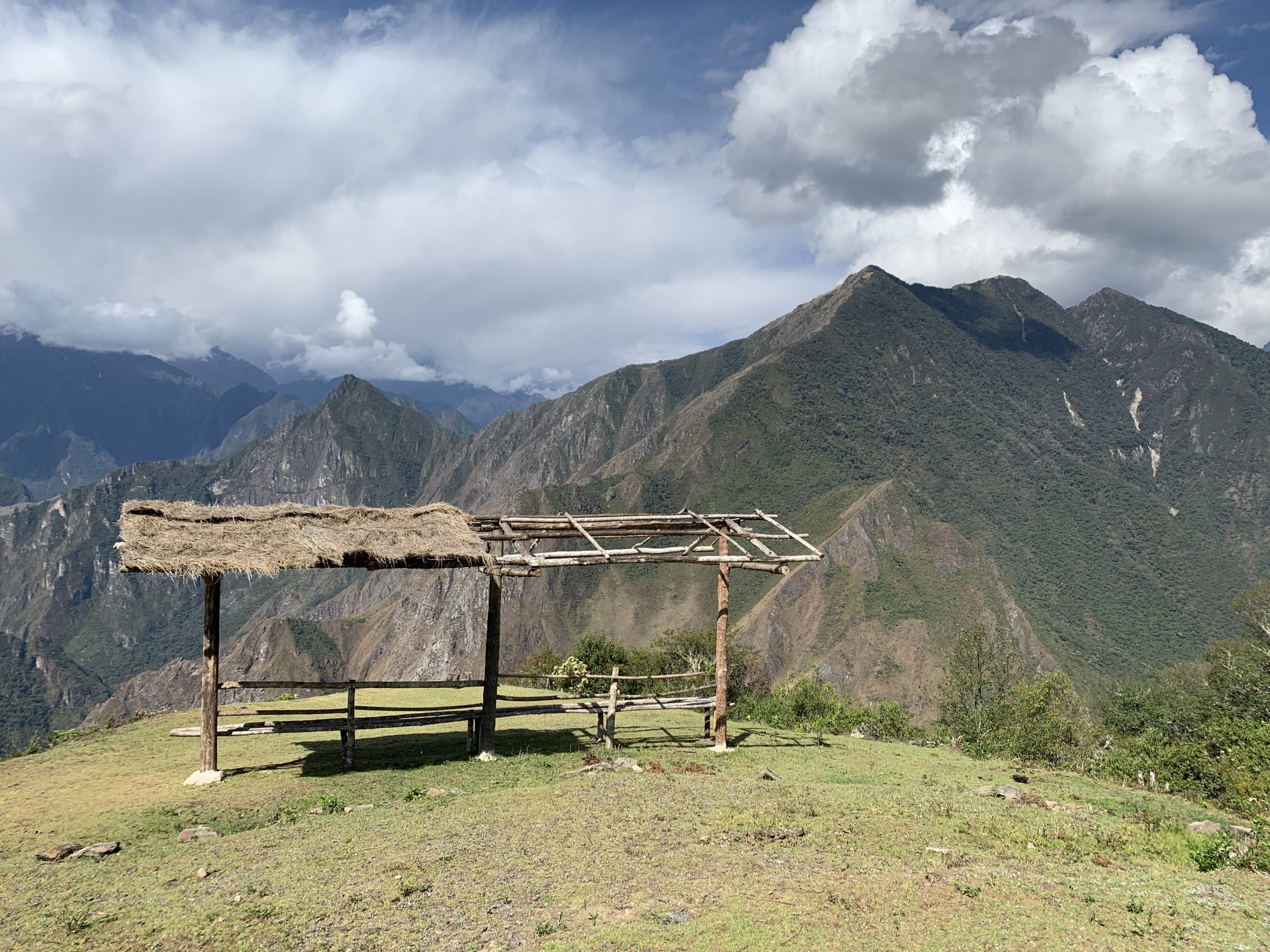
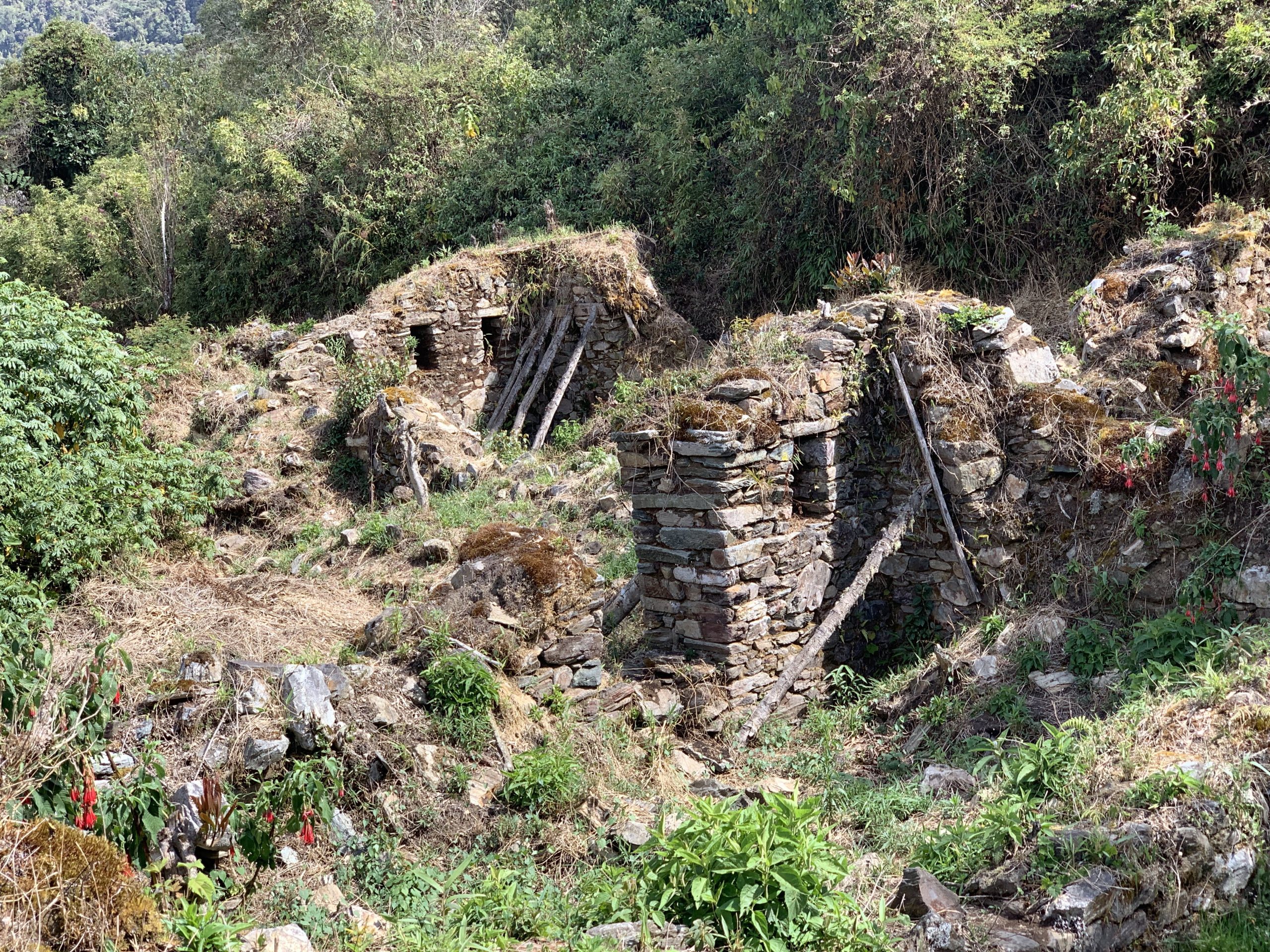
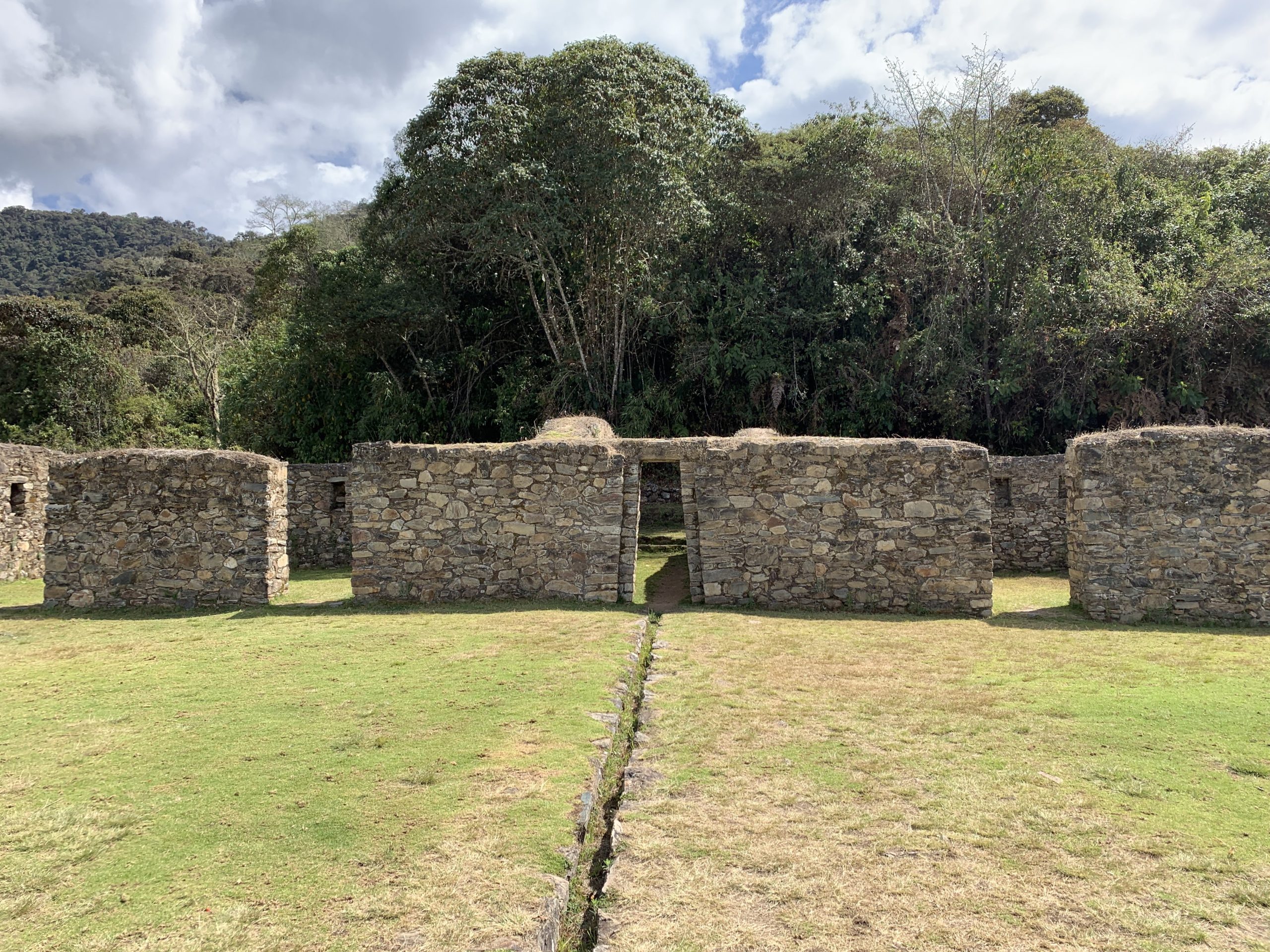
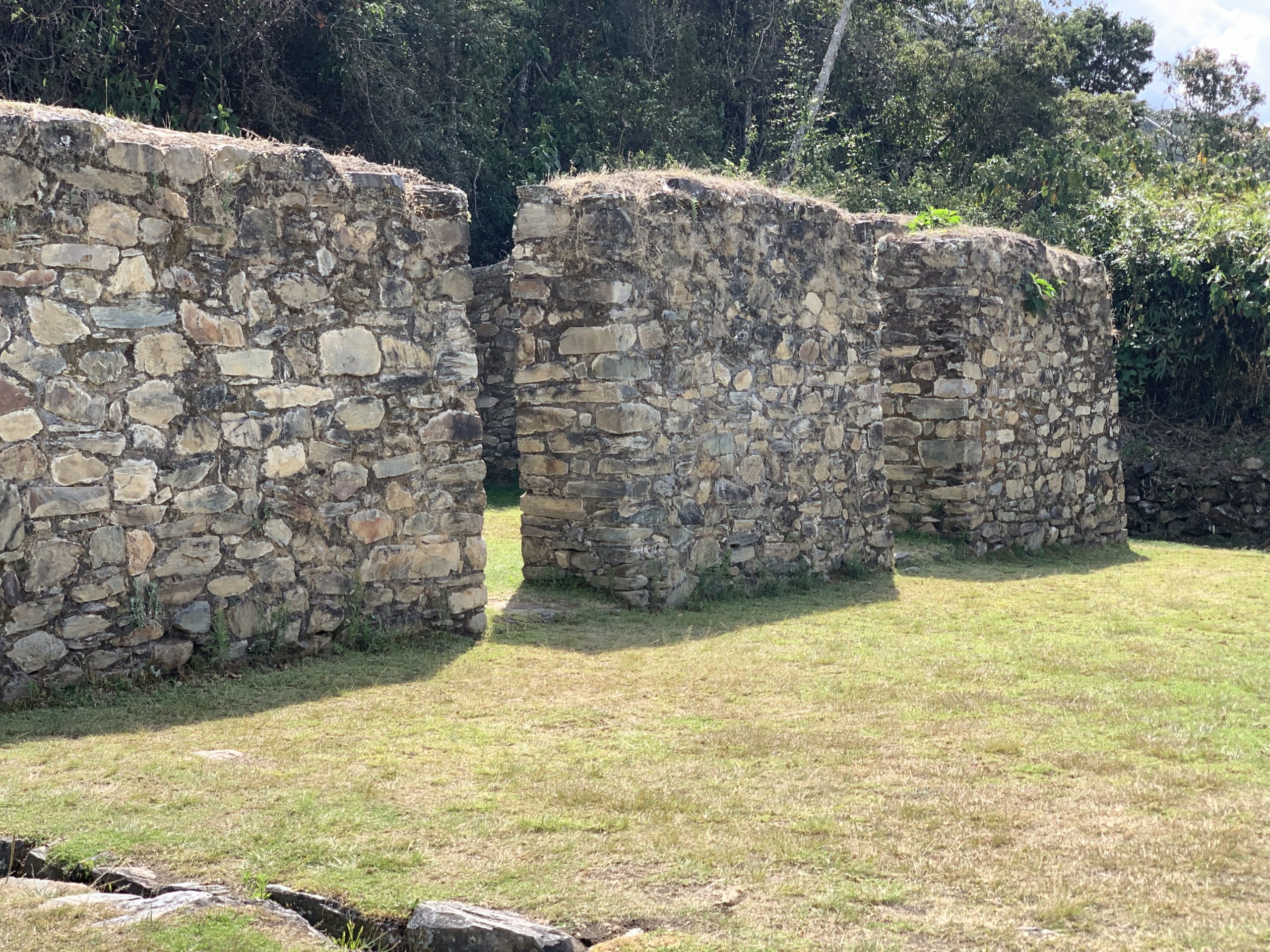
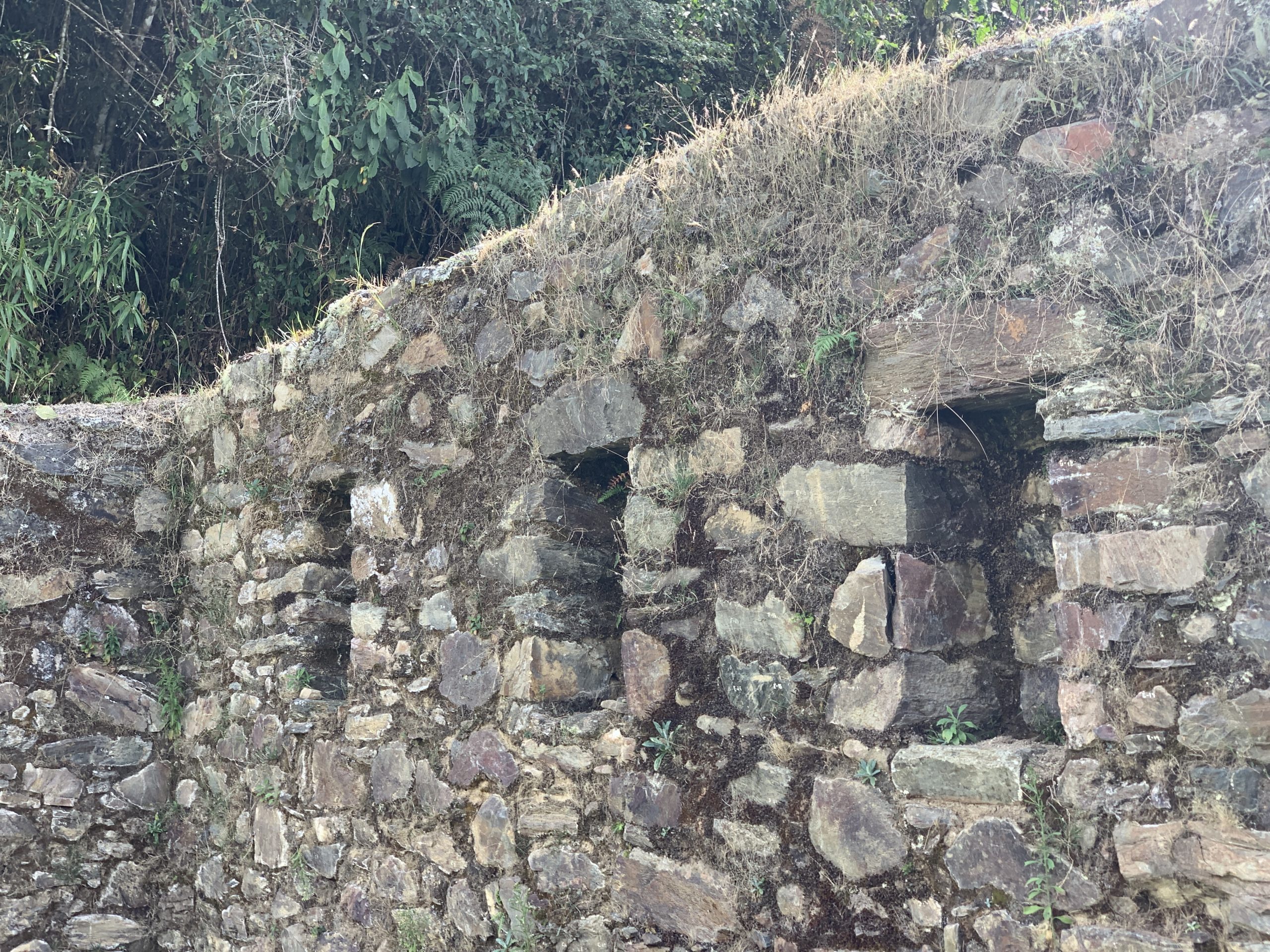
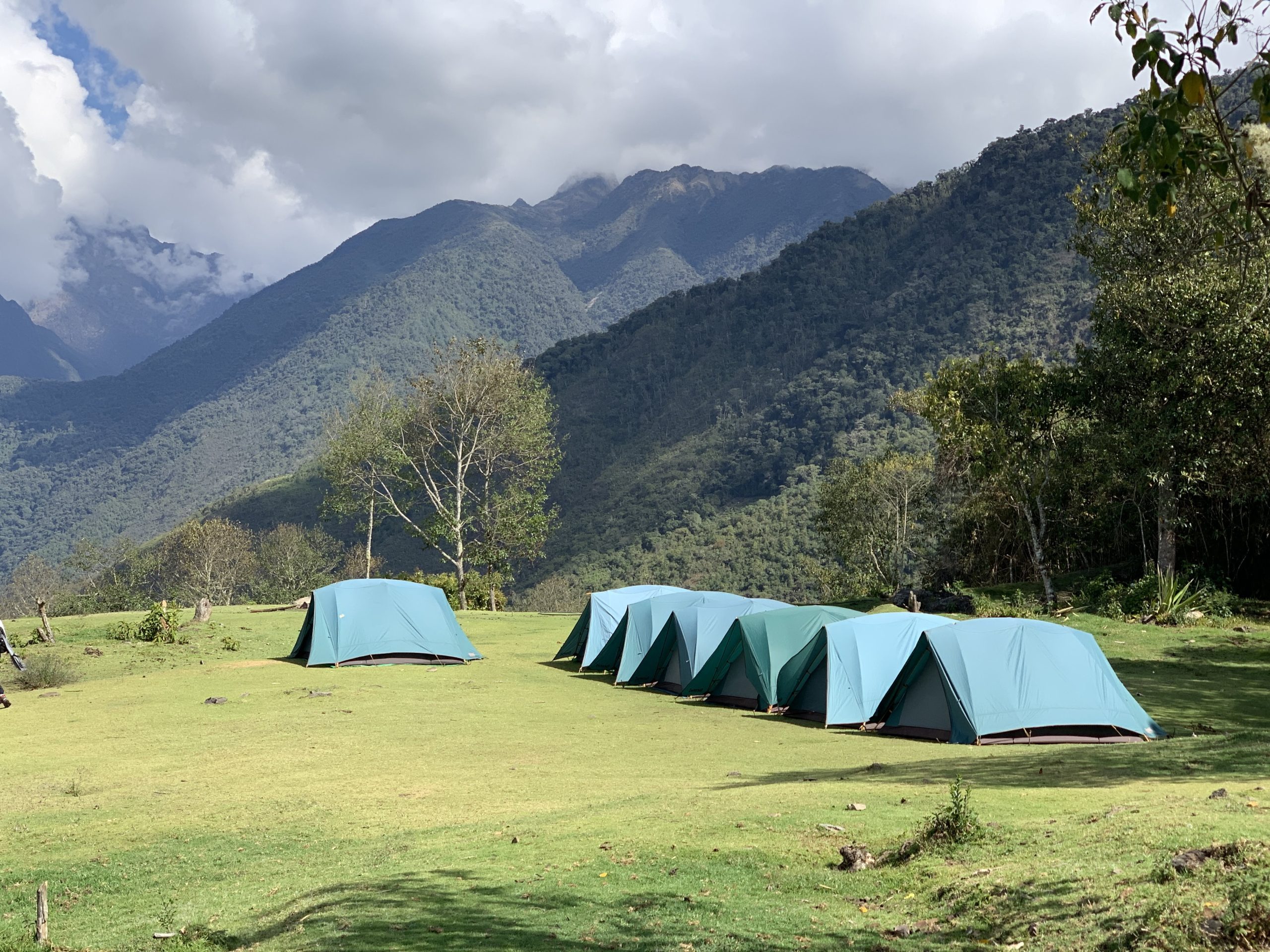
That view… That view was mesmerising, but what it promised was something beyond that. I’d feel exactly the way I felt back in the Acropolis, the Roman Forum and Ciudad Perdida. Like I was suspended between the past and the present, back in the glory days though everything had aged and decayed. A nostalgia for a time unlived. It immediately made me think of a poem written by Percy Bysshe Shelley I’d studied as a kid:
“My name is Ozymandias, King of Kings;
Look on my Works, ye Mighty, and despair!
Nothing beside remains. Round the decay
Of that colossal wreck, boundless and bare
The lone and level sands stretch far away.”
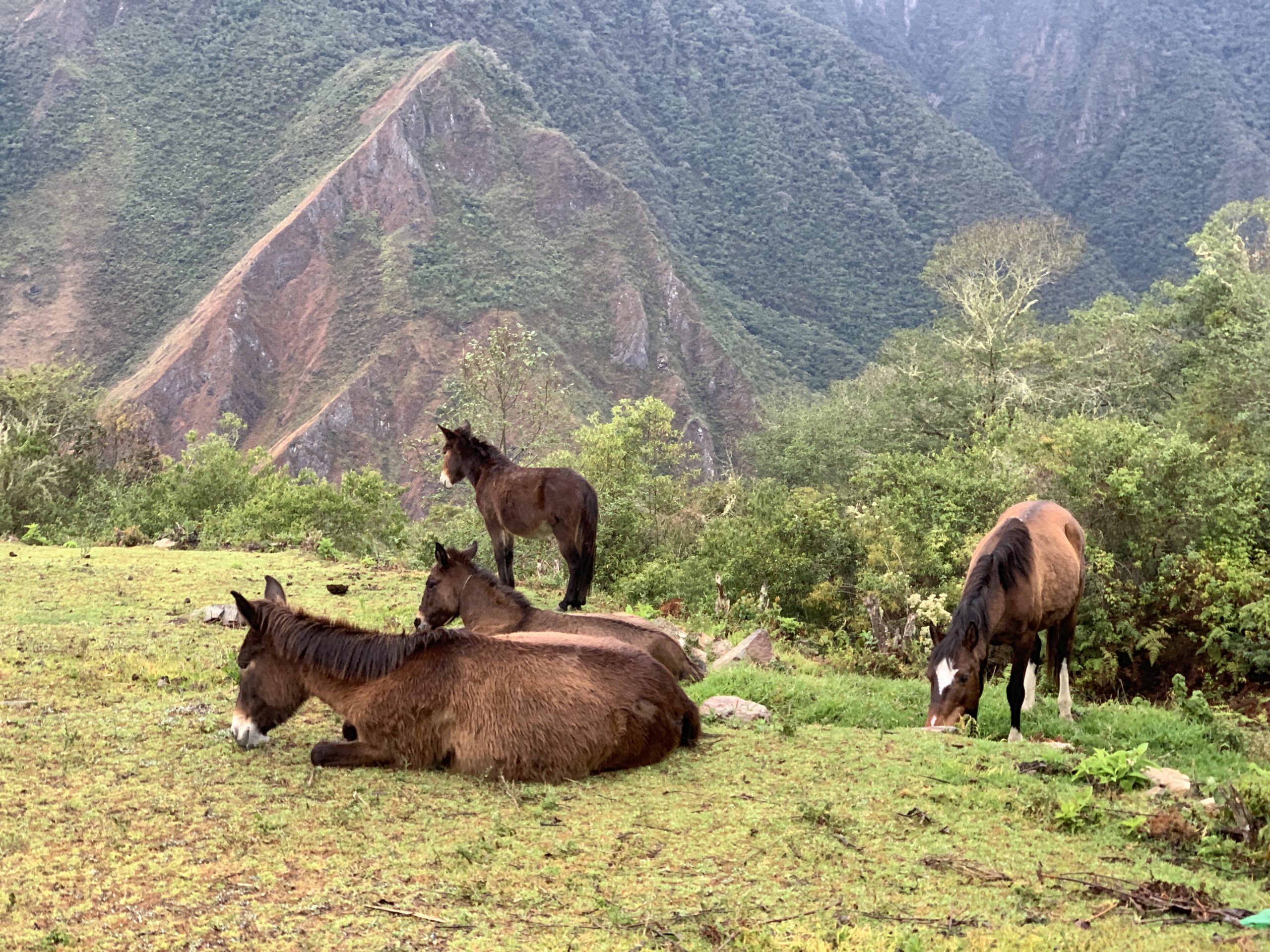
I shall never forget those moments spent on the mountainside just contemplating. Staring into the distance for hours, trying to remember every single detail. The contour of the valleys and mountains, the ruins etched upon them, their peaks lost between the heavens and the clouds. The horses softly braying next to us as we sat on the grass, spellbound by Meghan’s mellifluous voice as she sang La Vie en Rose while strumming on her ukelele. And then darkness fell and was swept away by the sea of stars that shone above us all night long. What a night…
Sorry, didn’t mean to be a faux Poe. I can’t be poetic for the life of me. But what I lack in charm and finesse I make up for with humour and crass. Damn it, I did it again.