Ascent

IV.II.III
ASCENT
The hike to Rainbow Mountain was a sort of preamble to what I was about to embark on the following day. I’m talking about a journey that would lead me to one of the Seven Wonders of the World – none other than Machu Picchu in all its glory.
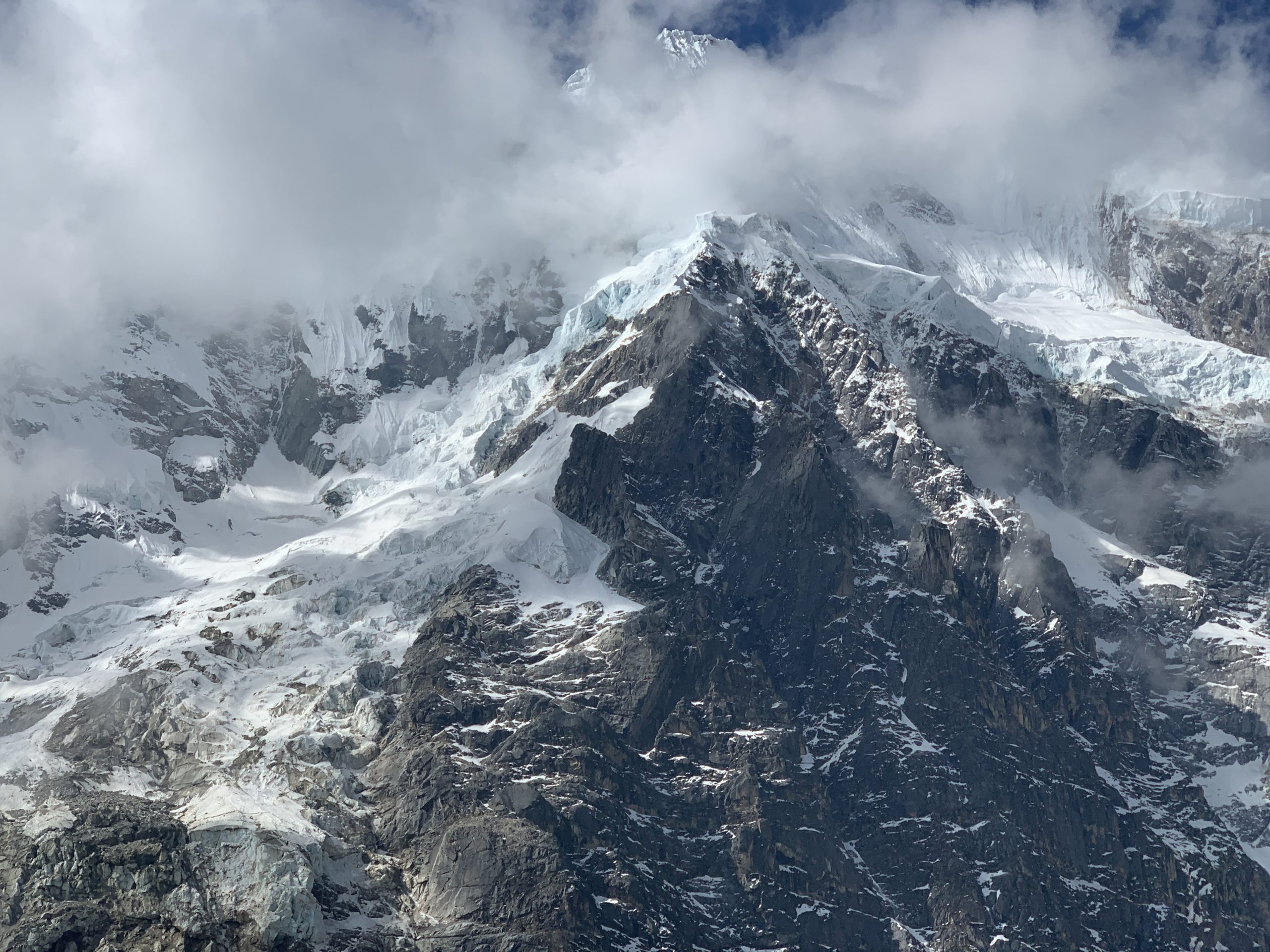
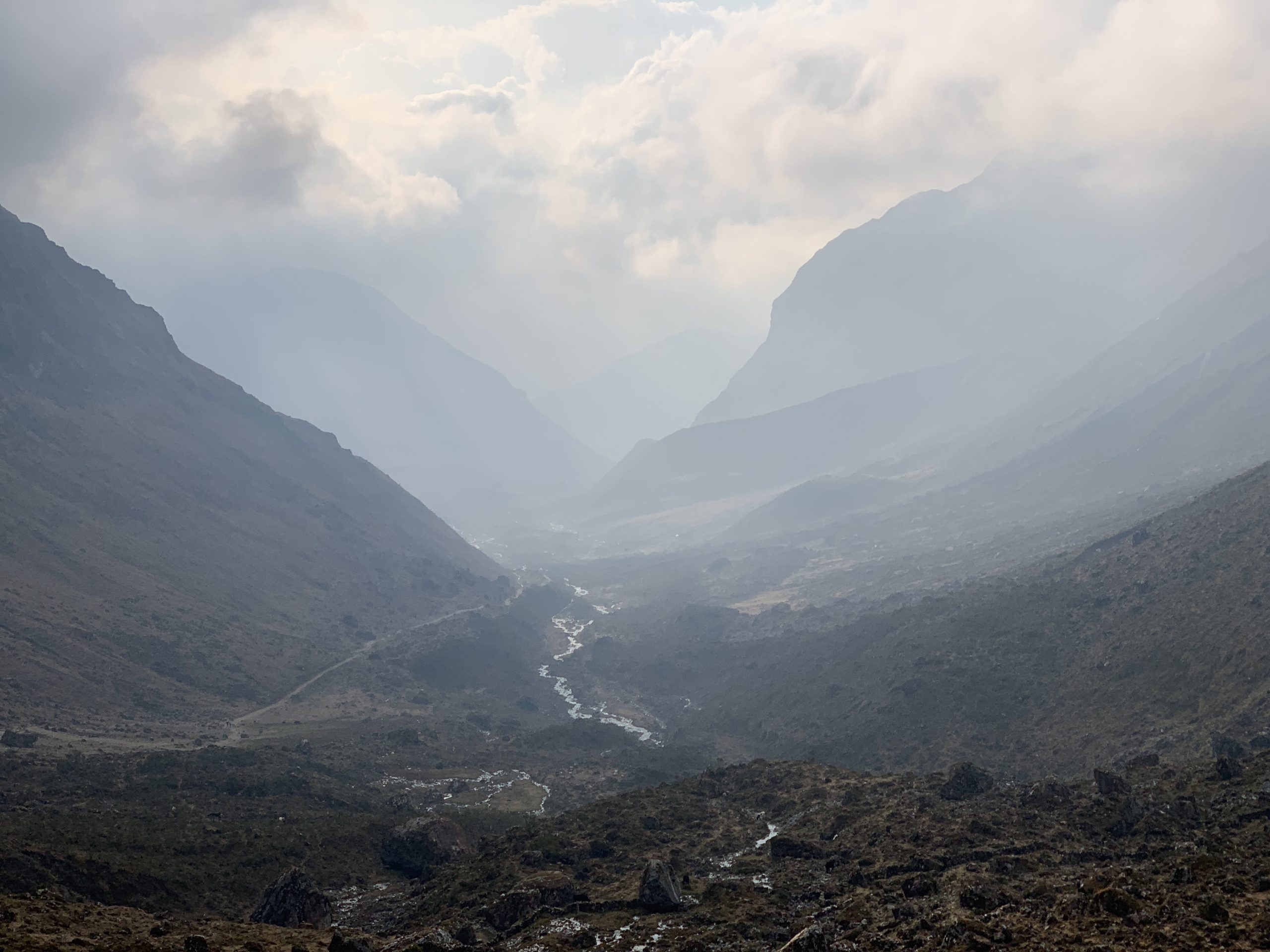
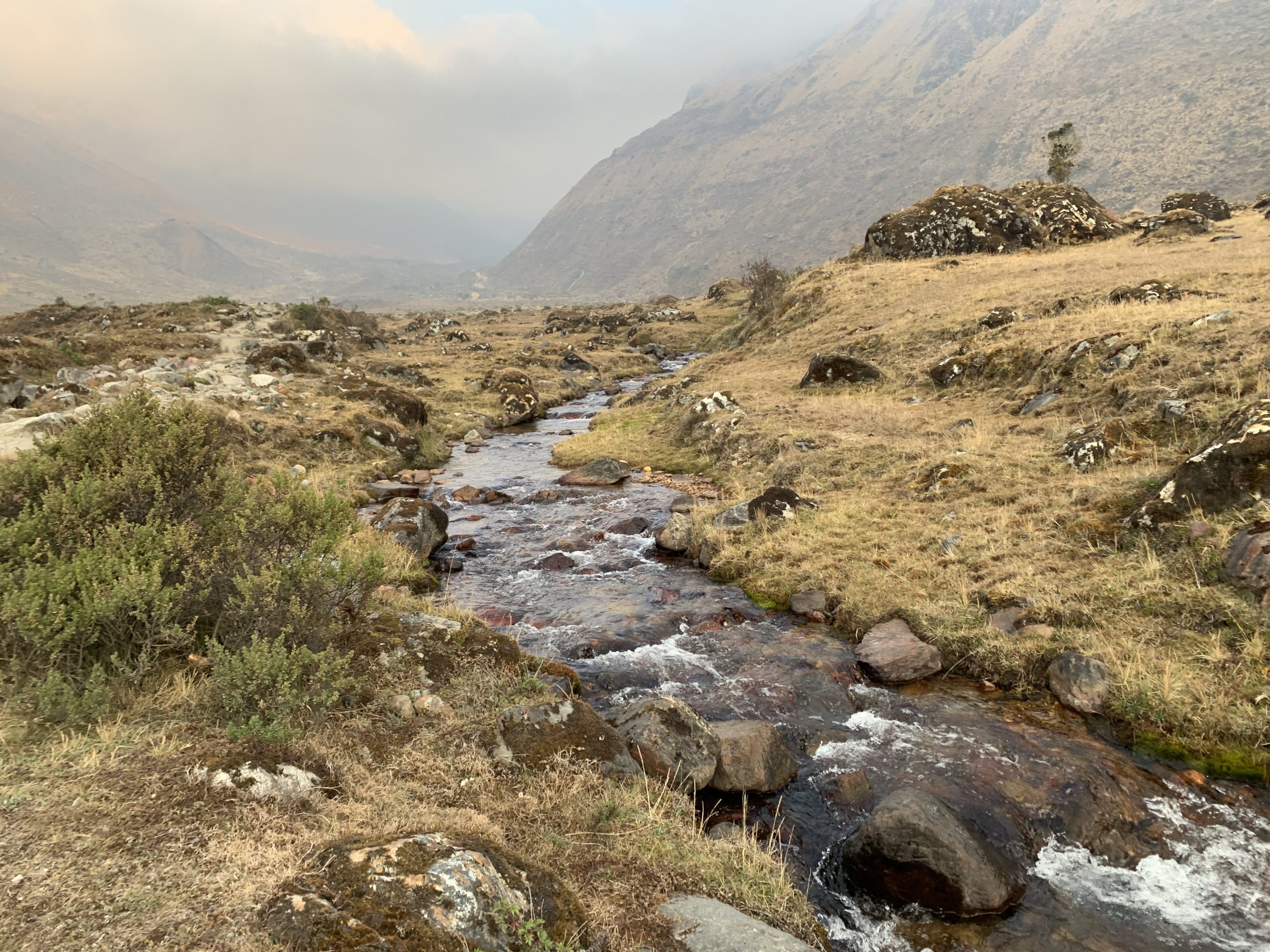
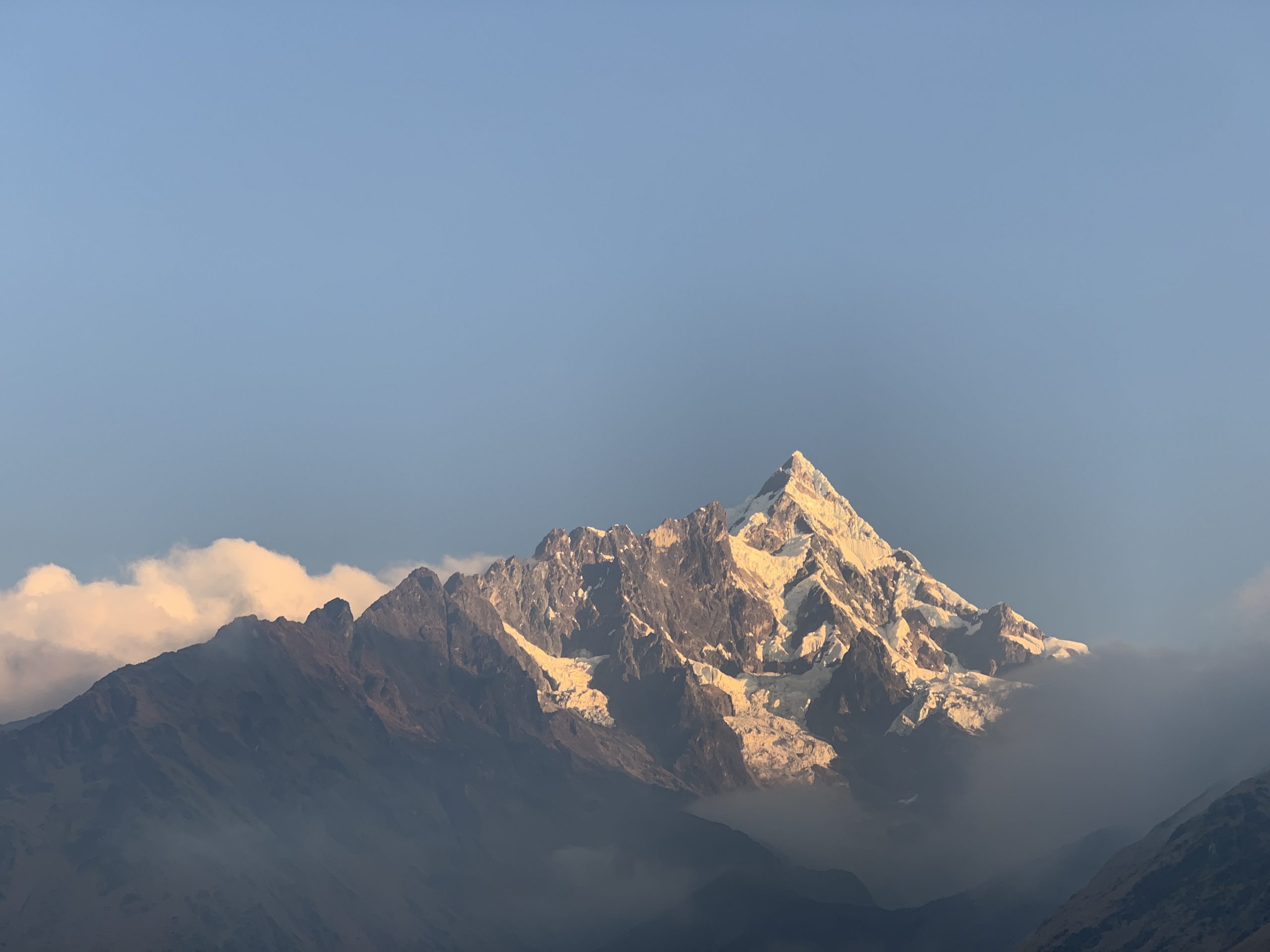
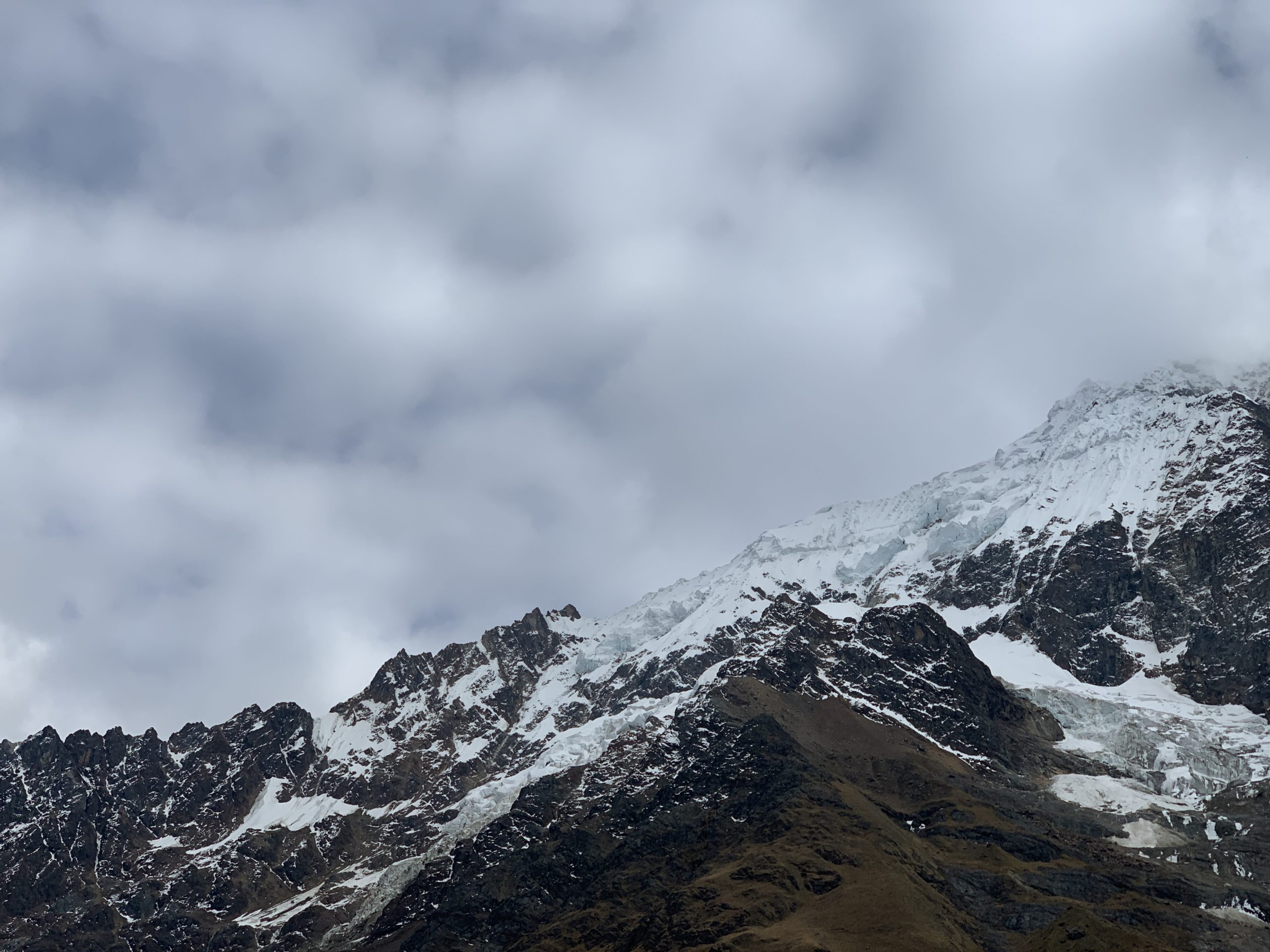
Being overly ambitious and completely delusional, I opted for the five-day Salkantay trek, a route that has you climb higher than the classic four-day Inca Trail. Difficulty aside, all I wanted was to experience something similar to the Ciudad Perdida trek once again. And let me tell you, the Salkantay Trail did not disappoint. Rightfully named after the Quechua word “sallqa”, which roughly translates to savage or wild, the trail winds around the Eastern Cordillera – a harsh and unforgiving mountain range with peaks soaring above 6000 metres. The highest point we’d reach – as explained during our briefing the day before – would be the Salkantay Pass at around 4600 metres.

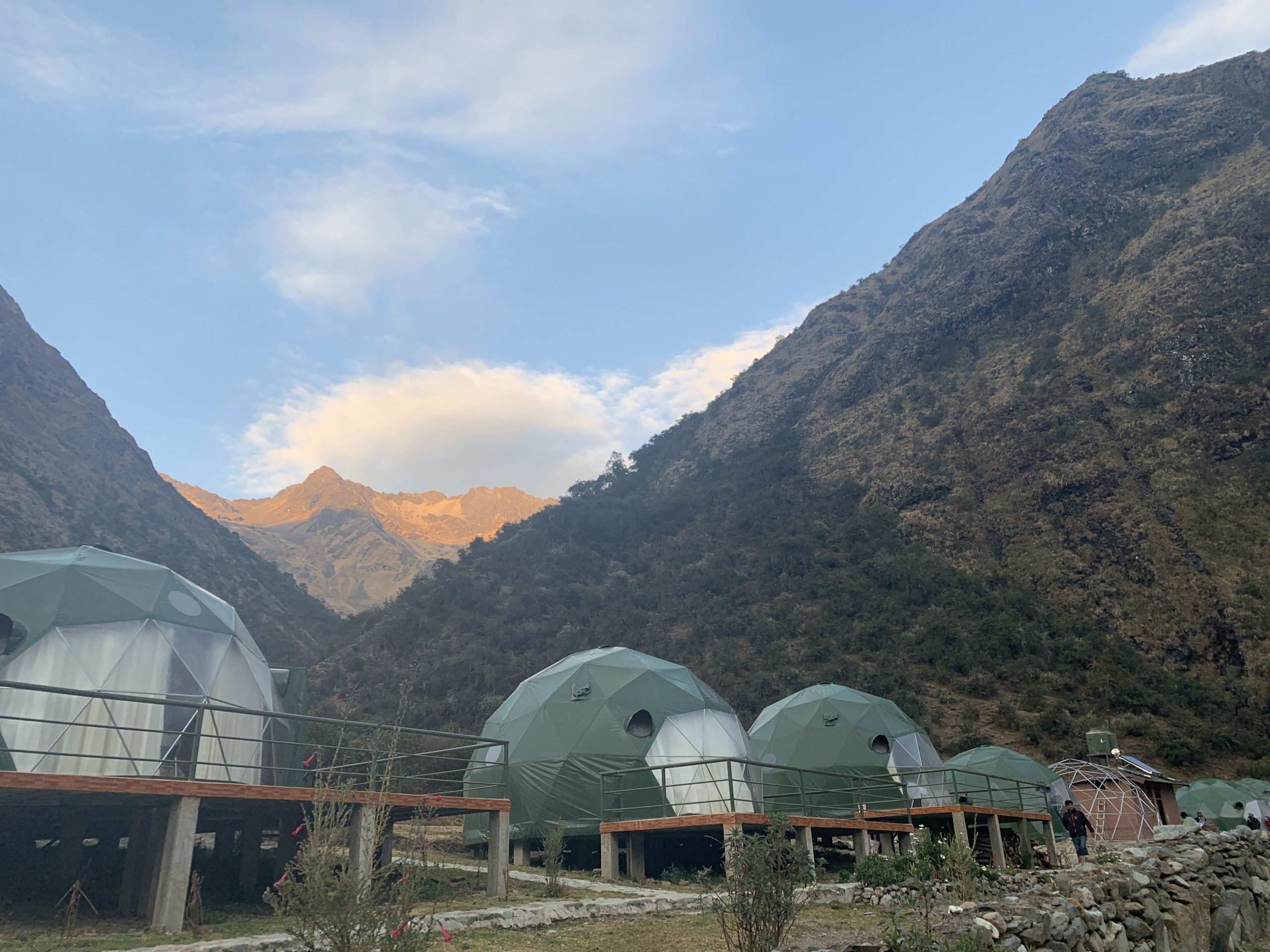
After a three-hour ride the next morning, we arrived at Soraypampa, a lodge facing the imposing mountain we’d soon be climbing. There, along with ten other trekkers I’d be joining, we relaxed and enjoyed each other’s company – the calm-before-the-storm kinda fun.
Our guides would be Reynaldo and Lourdes – two locals with Quechuan roots. My fellow companions would Meghan and Rachel, Matt and Ryan, and Alex – all from the US. Then there was George and Daphne from China, Ketki from India, Danielle from Irelands, and yours truly. As we ate, laughed and shared our favourite tales, I remember thinking how weird it is that I always stumble upon these groups. Ones that seem destined to be together, ones that are the perfect match. I felt the same in Colombia with the Ciudad Perdida Family and again in Hungary with my fellow exchange students. Isn’t it strange how random strangers from all around the world come together to form such an amazing little community?
On our first day, we ambushed the sunrise as we prepared for one of the longest days of the trek. We were told to expect a steady hour-and-a-half uphill climb to our first stop: Humantay Lagoon, sitting at an altitude of around 4000 metres. Our definition of steady was quite different, as for us it meant tons of breaks and pit stops, which we oh-so-rightfully needed to regain our breaths given the scant amount of oxygen at that altitude.
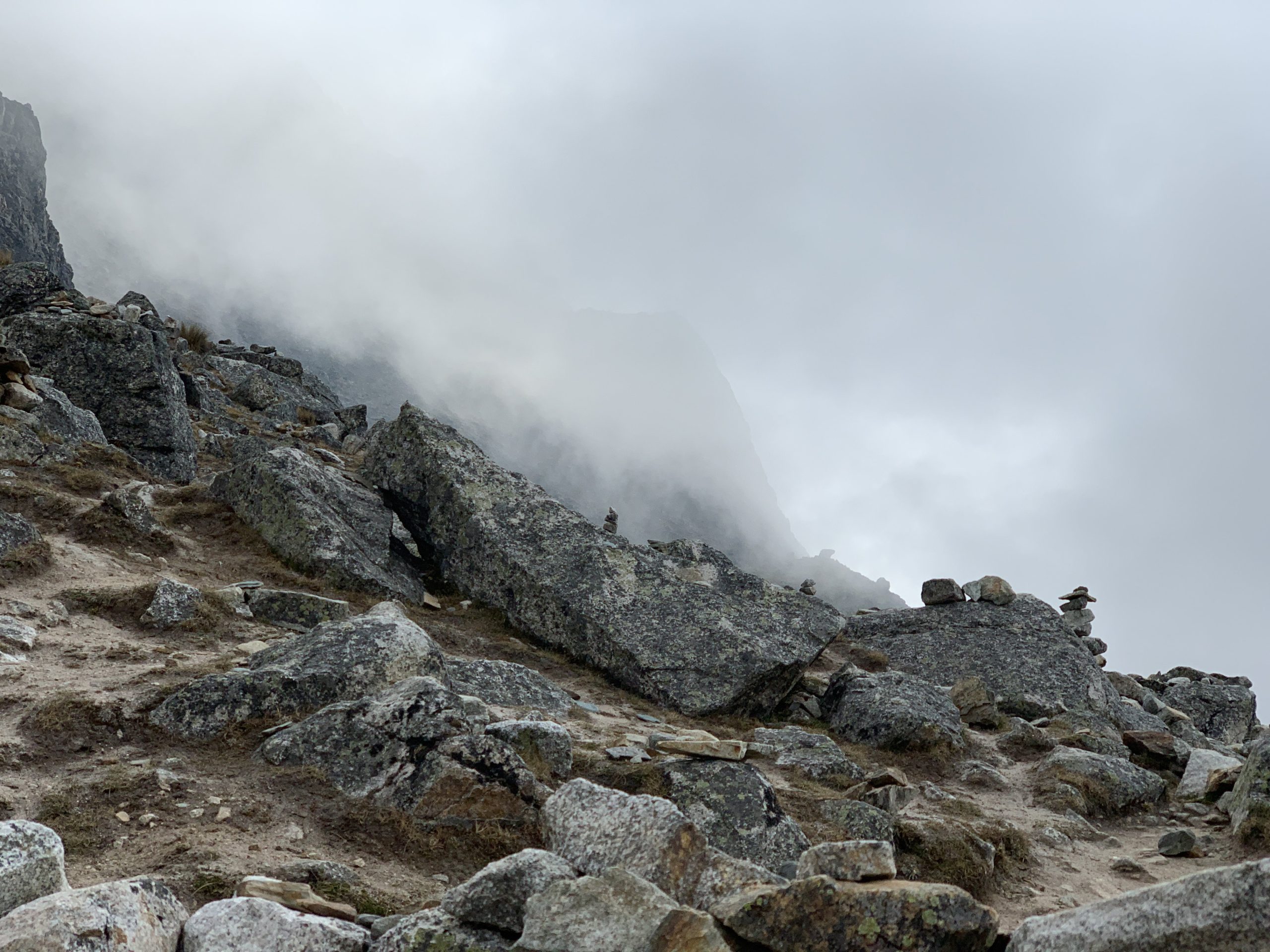
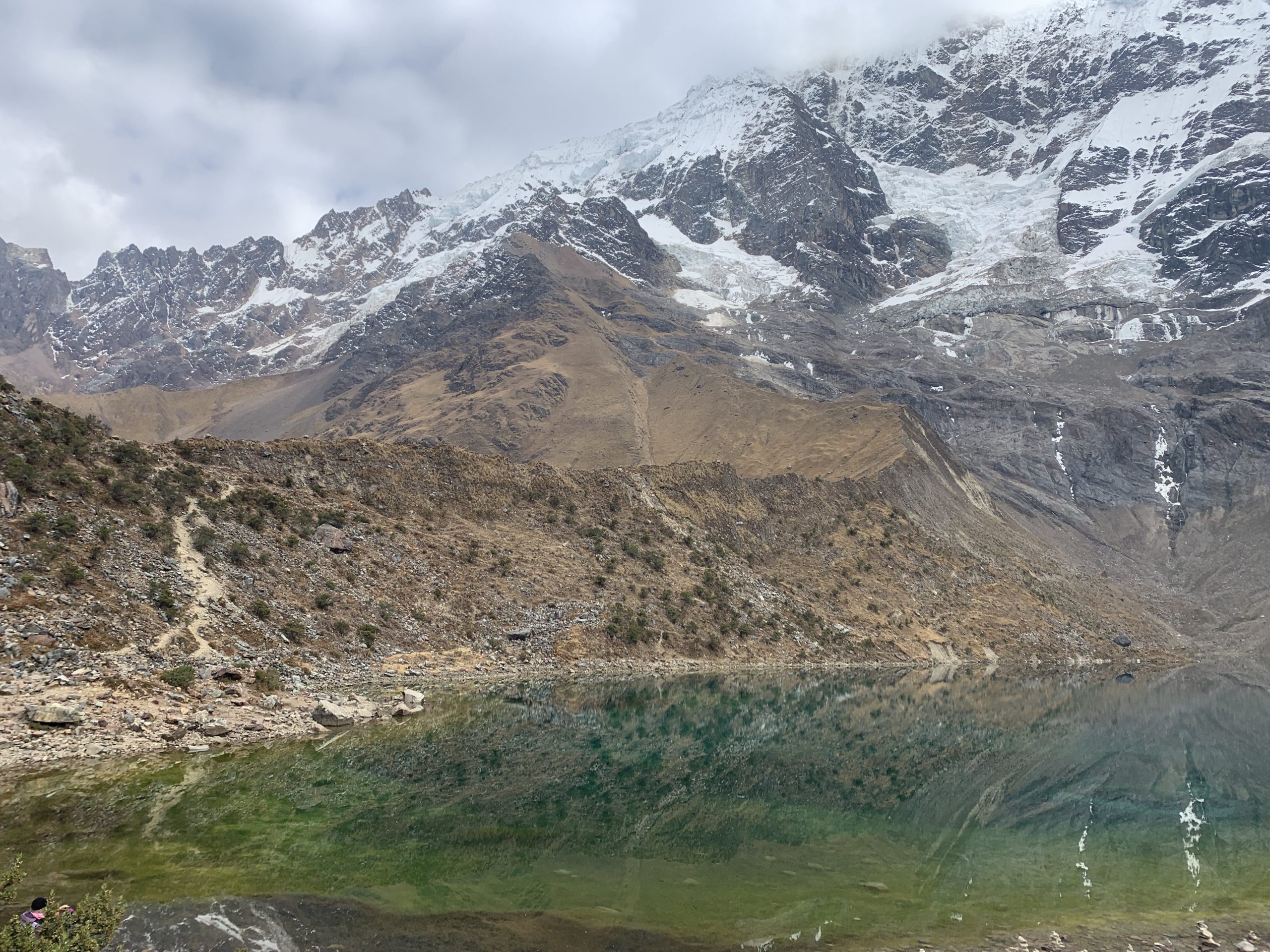
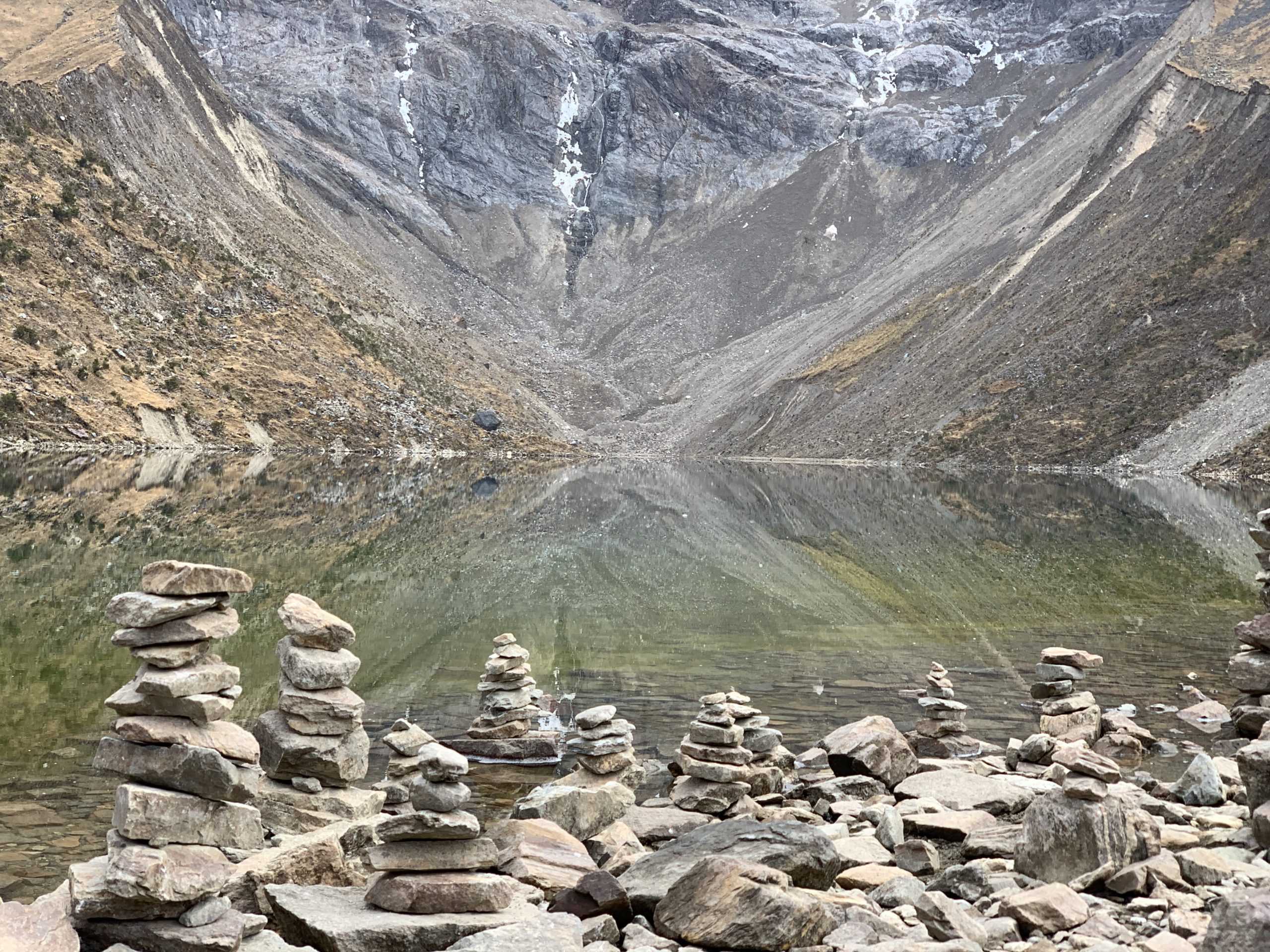
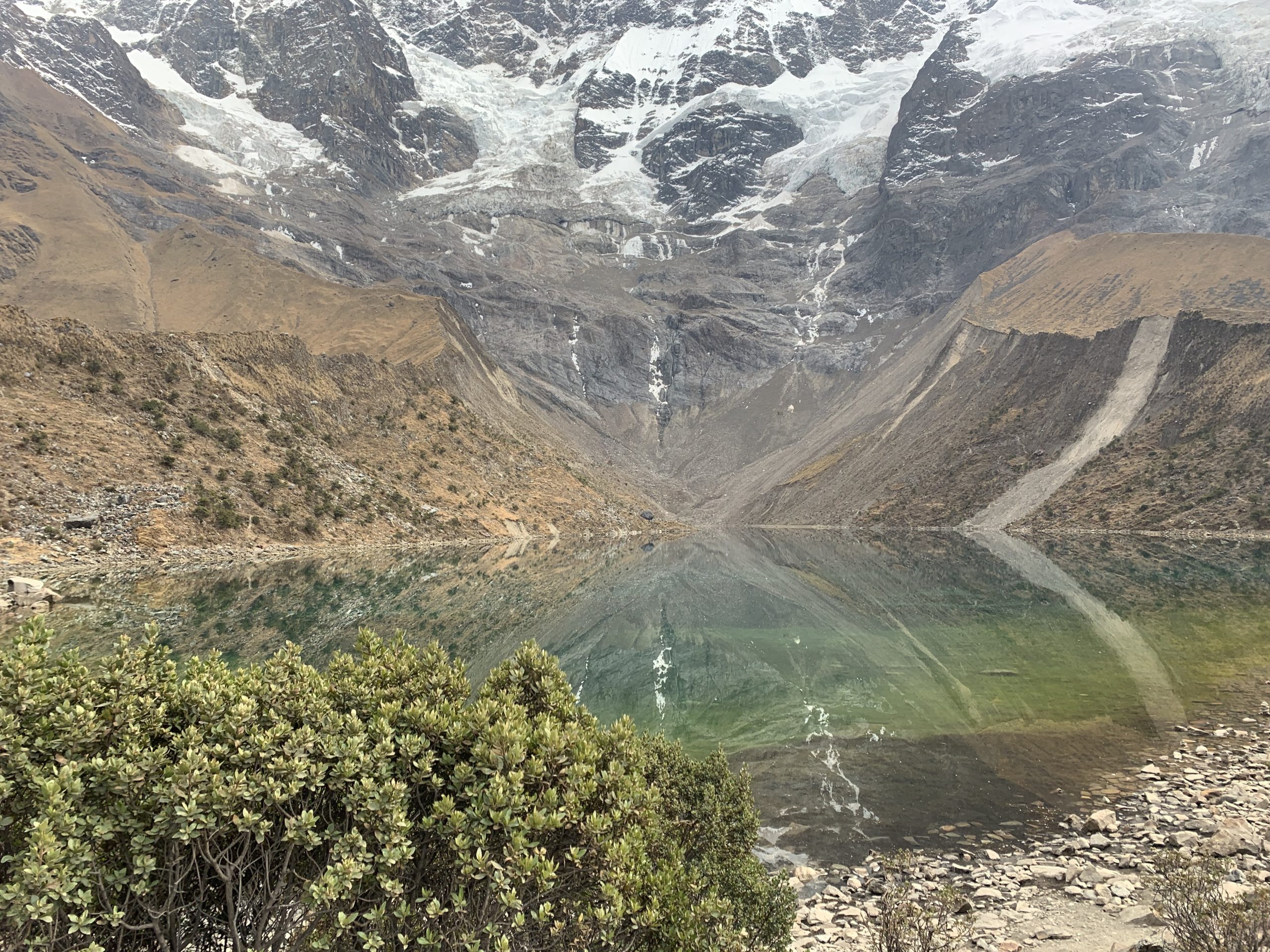
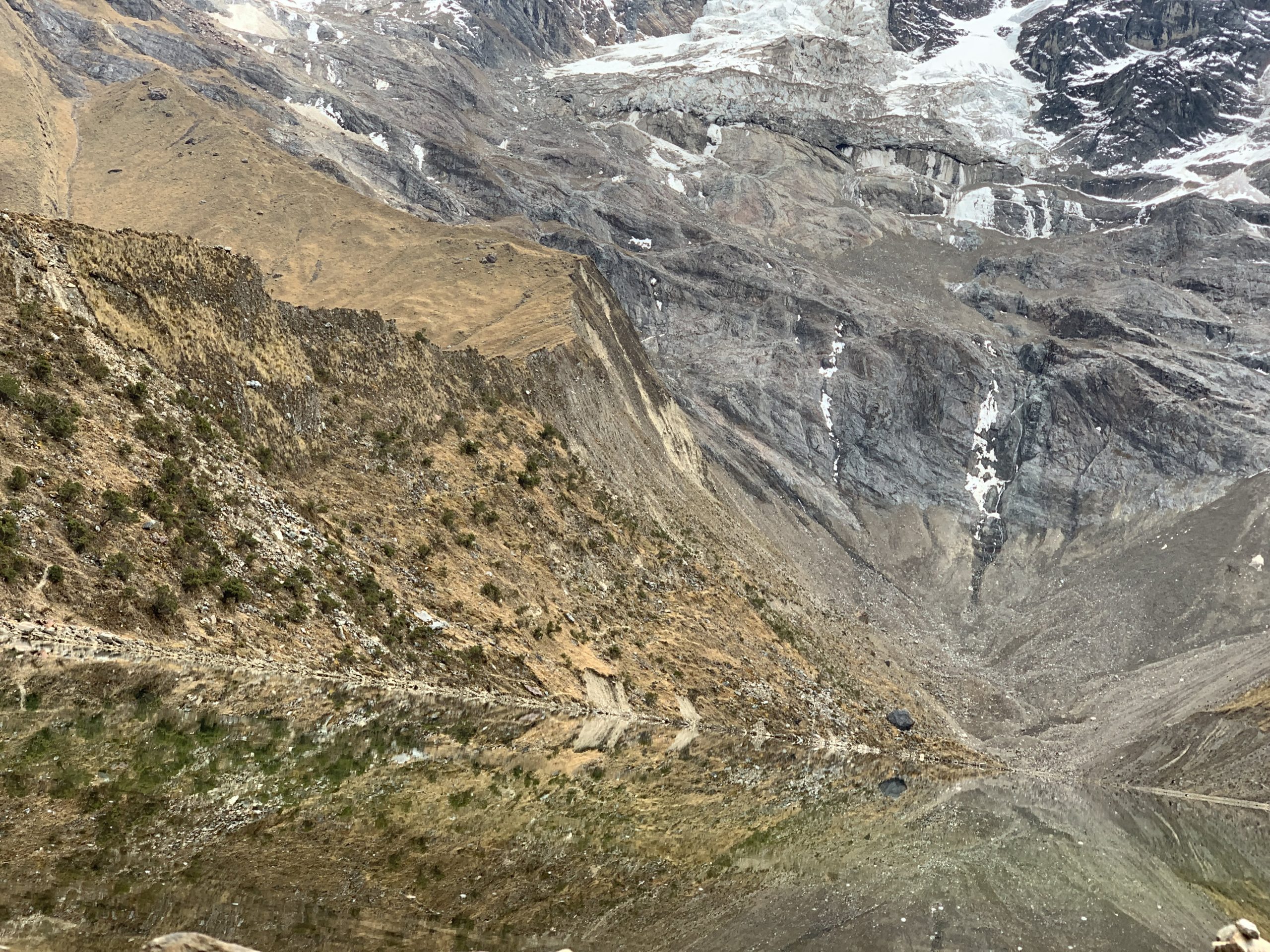
But slowly and surely, we managed. Awaiting us was one of the most spectacular views I had ever seen. Nestled between the snow-capped peaks of Humantay and Salkantay is this crystalline body of water coloured in every shade imaginable of blue and green. No photo could ever do it justice – it’s just that gorgeous. Legend has it that anyone who touches the lagoon’s freezing water will never age. We’ll see about that – not gonna give up on my skincare regimen quite yet though. Along the lagoon’s edges, we could see countless stones piled on top of each other. These are offerings called apacheta, set up by shamans and travellers alike, usually dedicated to Pachamama – the Incan version of Mother Nature.
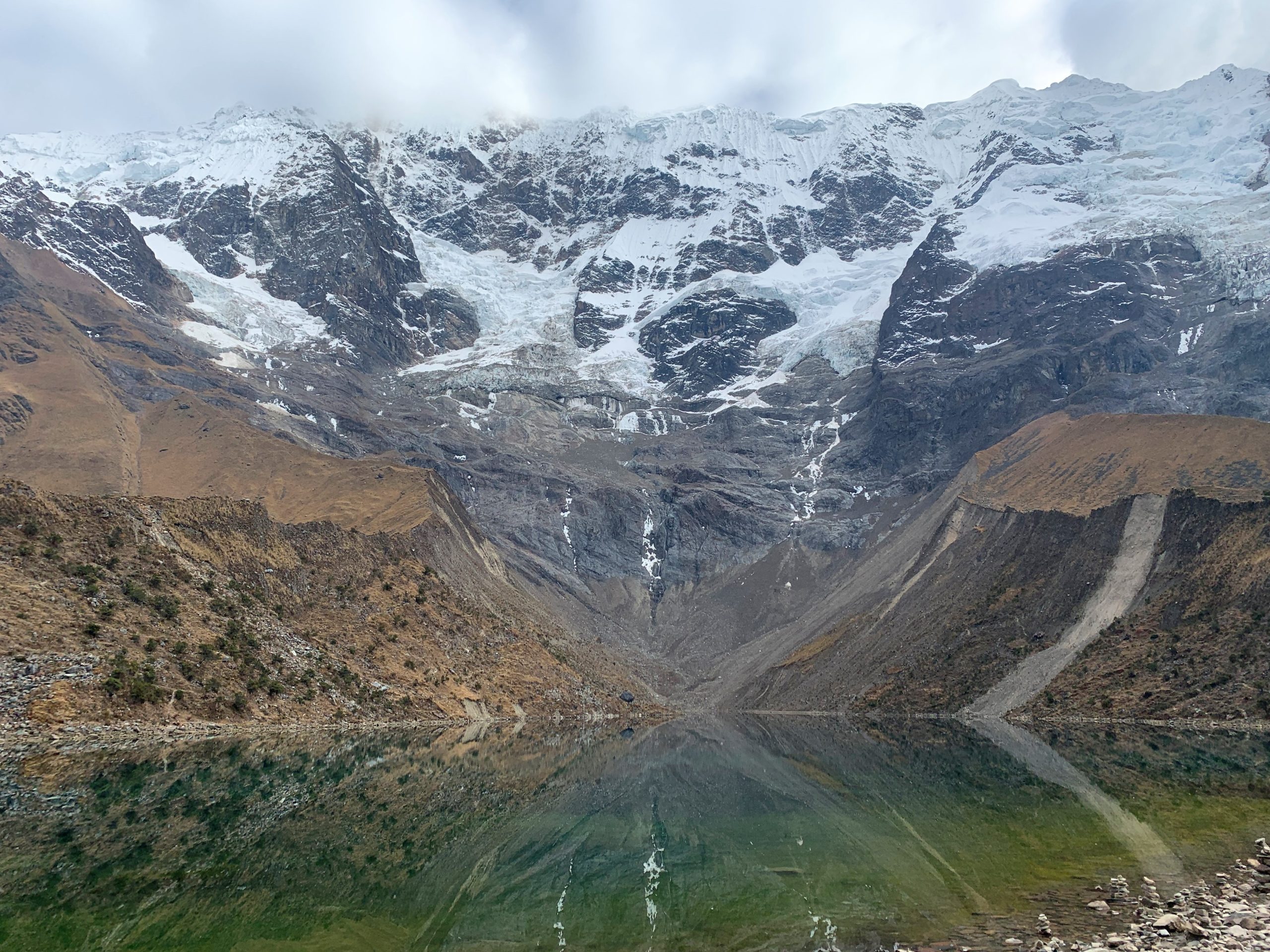
After taking it all in (or at least as much as possible), we continued with the trek. That first stop – much to our disbelief and dismay – marked only ten percent of the day’s progress. What followed were three hours of trekking on gradually ascending terrain, never wanting for vistas and scenery.
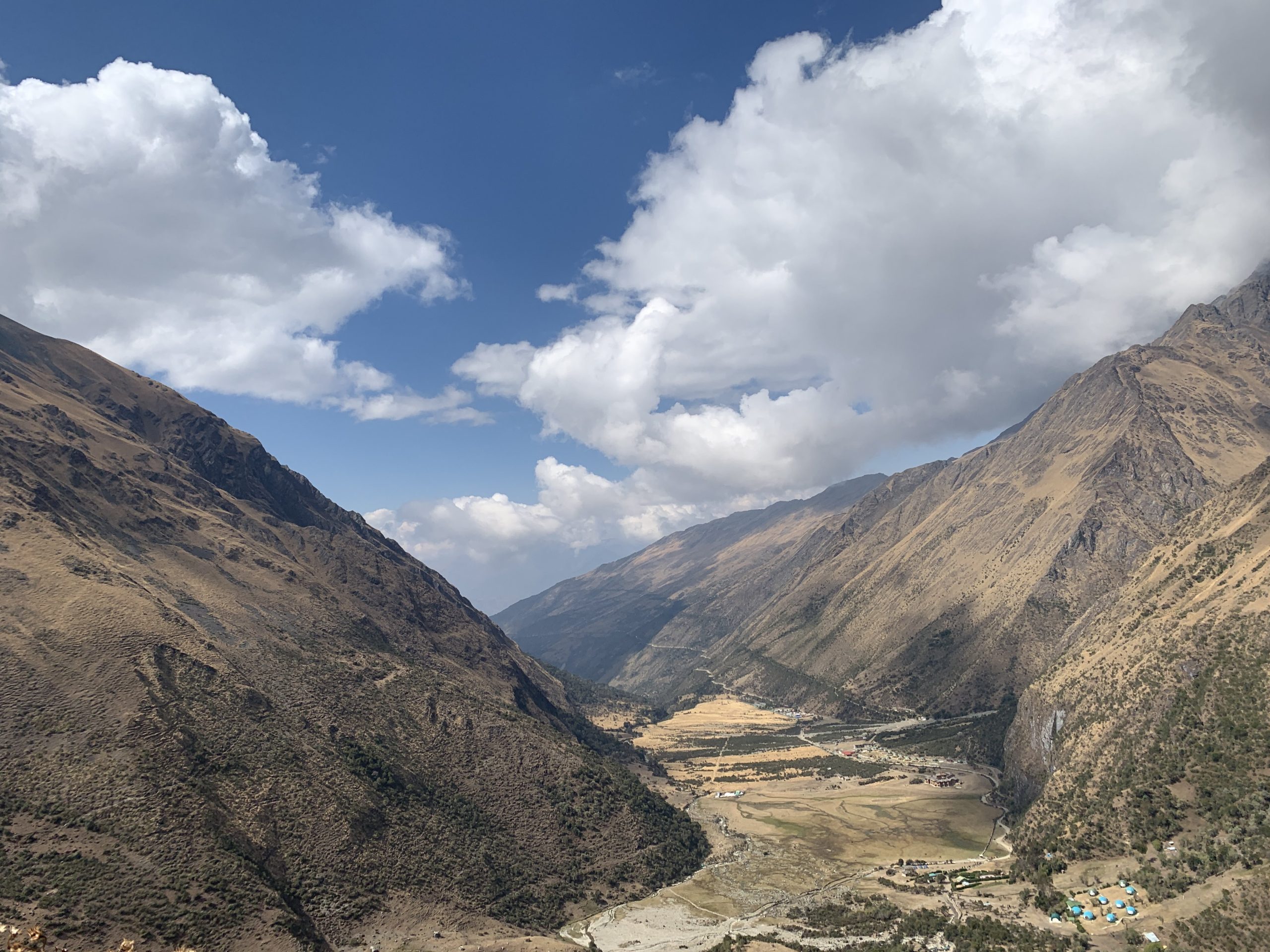
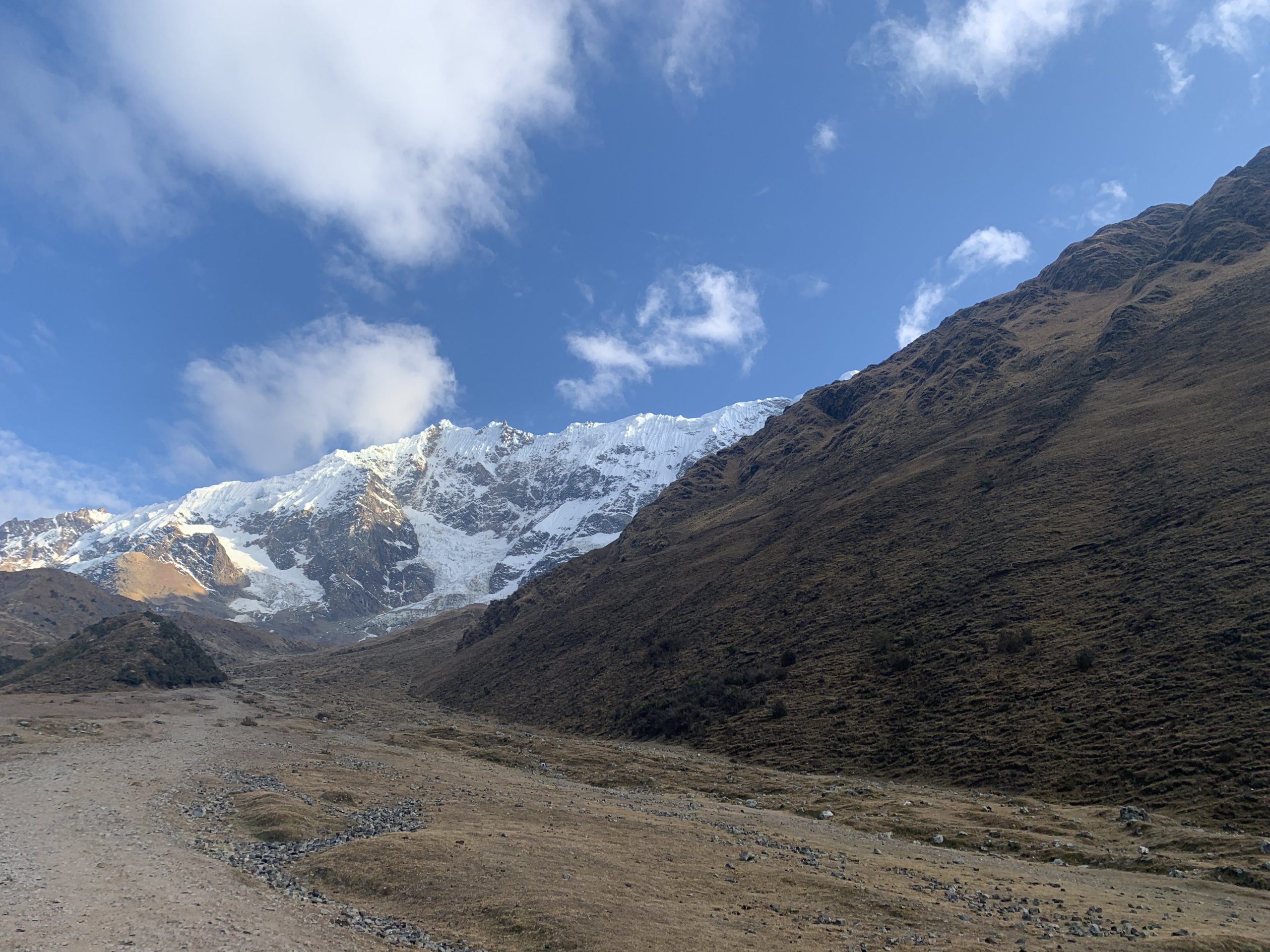
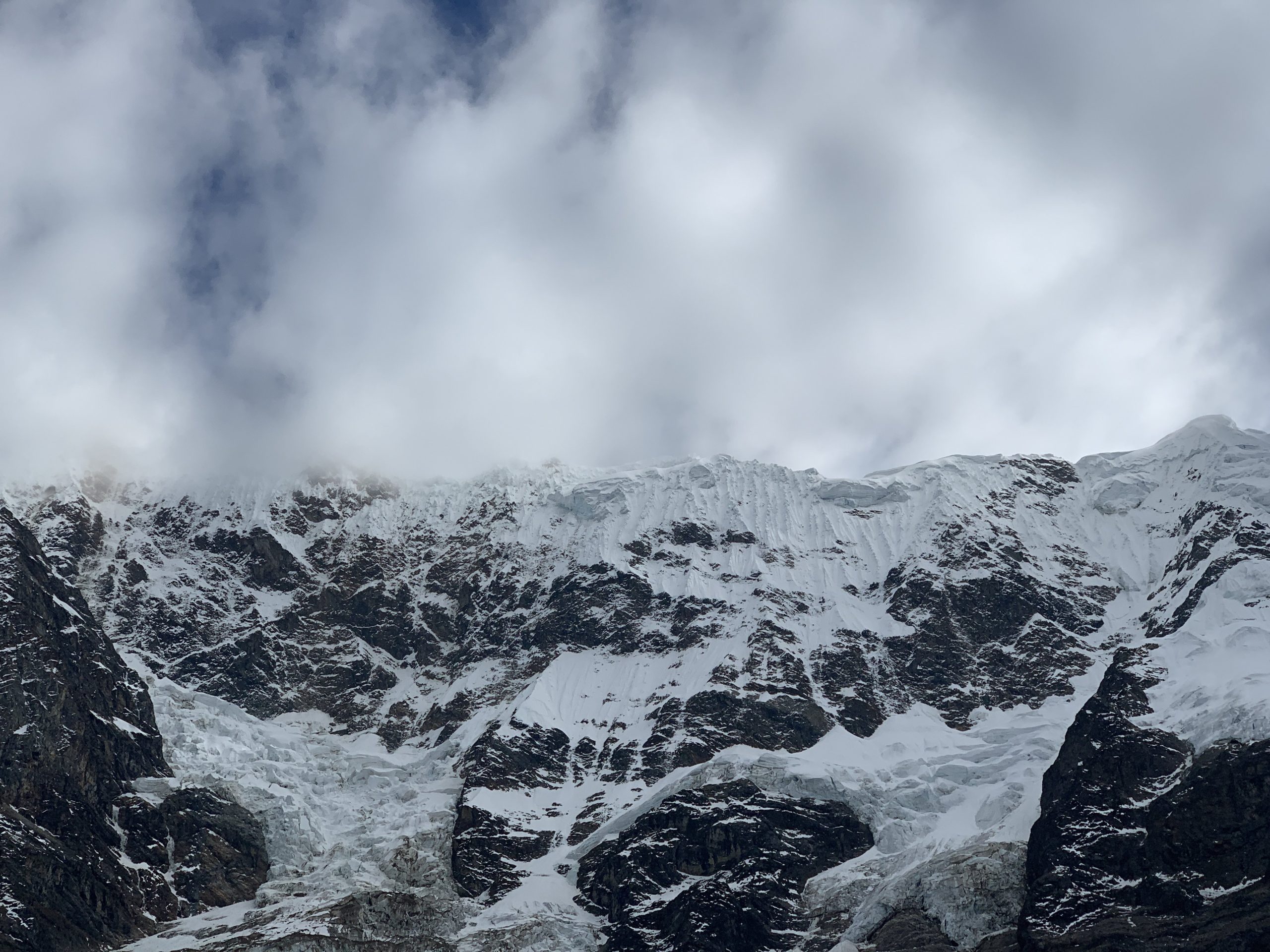
Couldn’t say the same about the oxygen in my lungs though. Before heading out on this trek, I expected things to be different from my time on the Ciudad Perdida. Since then, I’d quit smoking, started working out and was in the best shape of my life. I thought the Marius who used to trudge behind everyone with a sixty-year-old was long gone. In reality, I wasn’t faring that much better. Boy did I underestimate the powers of oxygen. Be that as it may, this was a different kind of breathlessness – the kind that disappeared after a few seconds of rest. And so I didn’t give up on this new, fit, albeit still-out-of-breath Marius.
On the way to our first lunch spot, a new companion appeared. Cue Pokémon battle music: a wild llama appeared. Come to think of it, why are there no llama Pokémon yet? Satoshi Tajiri and Ken Sugimori – I expect one in the next generation! Anyway. We named him Larry. And Larry the llama joined us and acted as our interim guide – always one step ahead and occasionally looking back to check whether we were still following.
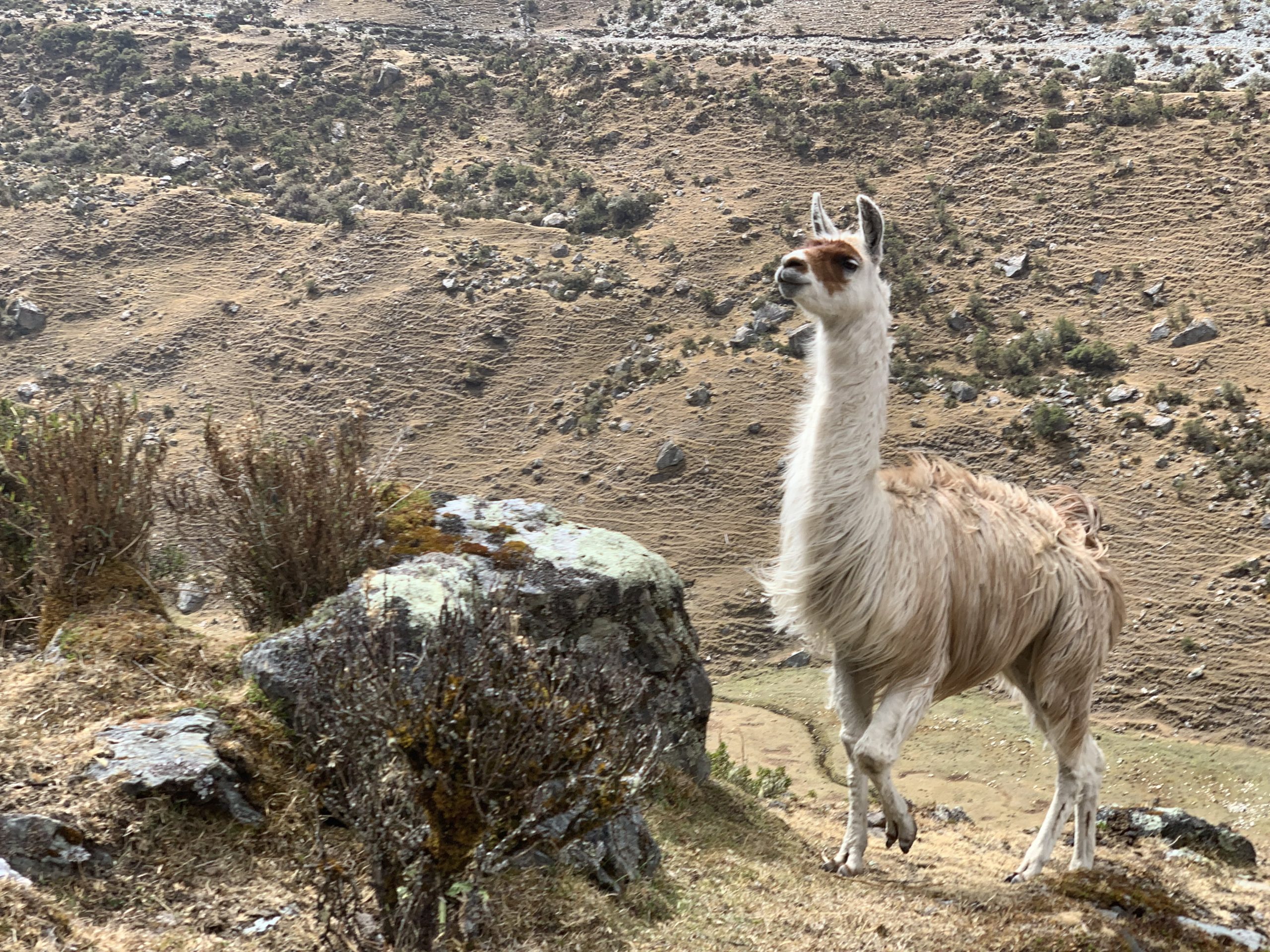
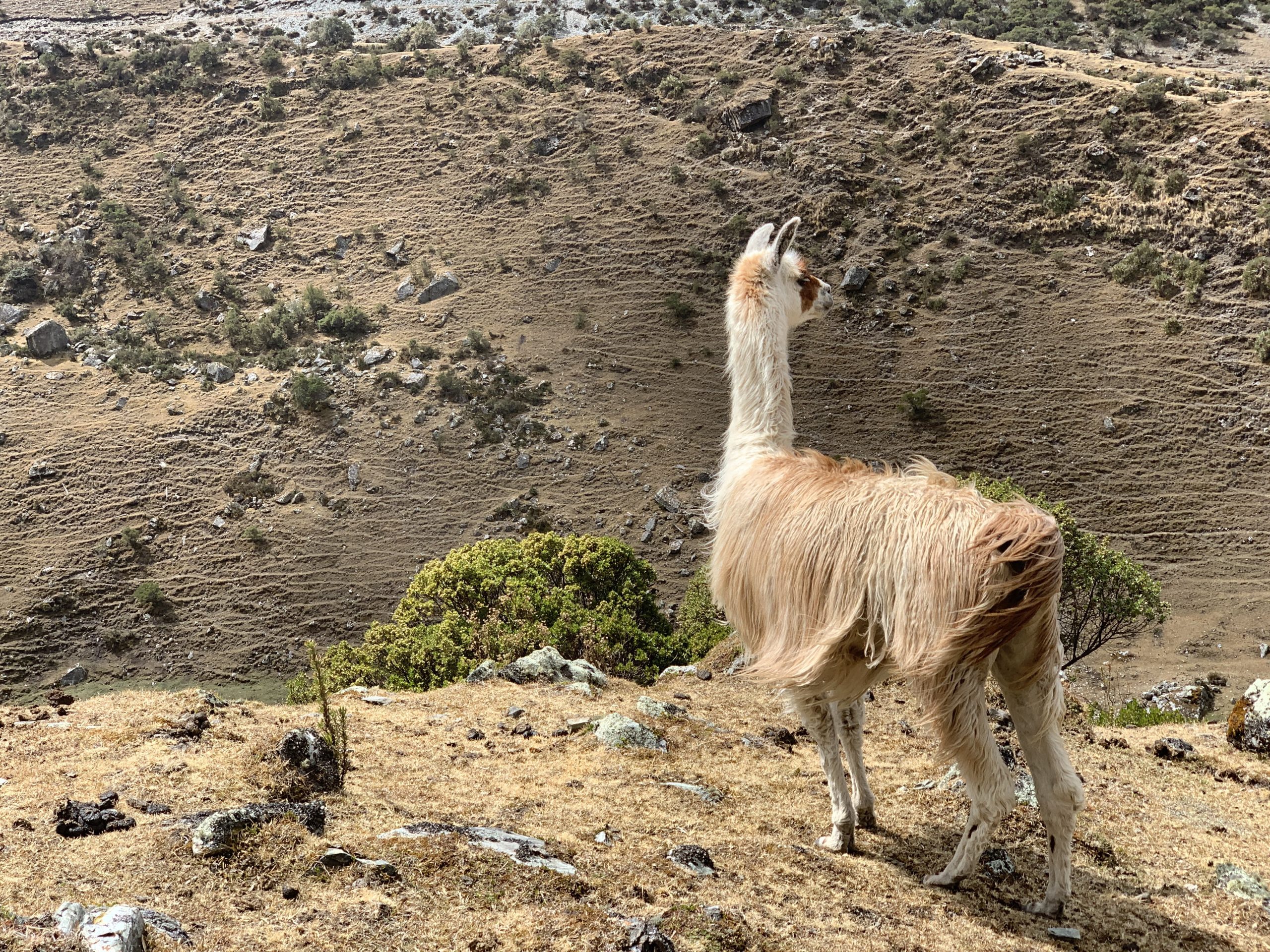
Turns out Larry wasn’t guiding us so much as trying to get to his calves before us. Without realising we were close to his den, I stepped a bit too close – which, I admit, was my fault – and that’s when things went sour. Feeling threatened, he started moving toward me, and just as he was about to pounce, I swung my trekking pole from afar with a cat-like reflex I never knew I possessed. Luckily it scared Larry away without either of us getting hurt. Still, I had lost a travelling companion, a friend and a guide in one fell swoop.
Distraught as I might have been, we persevered. Until, finally, we reached the Salkantay Pass – the highest point of the entire trail. There, the group got to rest and recoup.
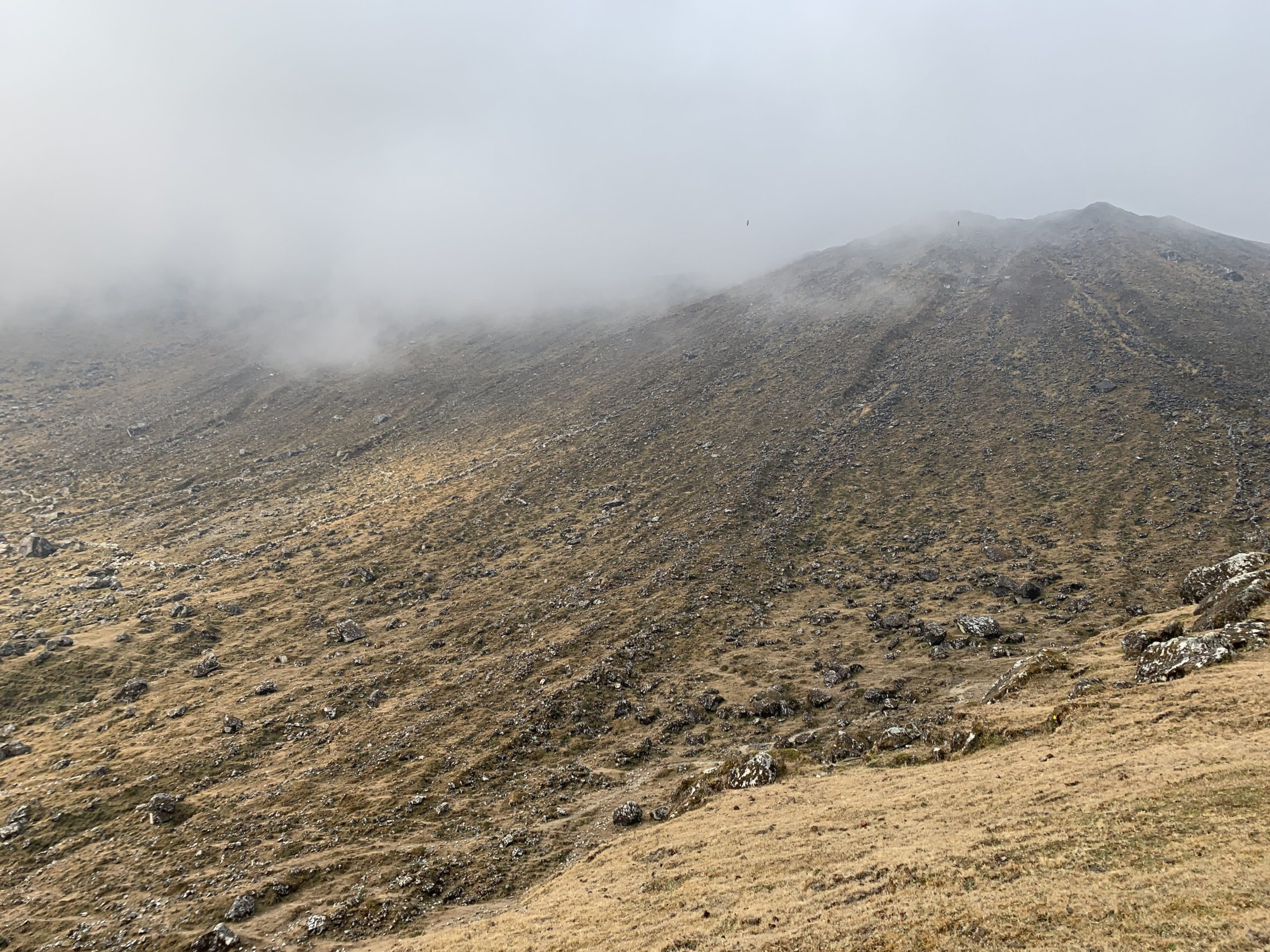
As well-rested as one can be after a thirty-minute break, our journey resumed. This time, three hours of downhill awaited us, and boy was I surprised. As we descended, it became much easier to breathe. Like a lot easier.
That was when I realised just how much I’d actually improved since my trek in Colombia. I practically ran down the route and covered three hours’ worth of trail in half the time. Does that sound braggy? No? Well, what about this? At that moment, I could have crowned myself King of the Downhill. I know I’m nowhere near being an athlete, but growing up I believed I could never be one of those sporty, jock kinda guys. I thought it was either books or sports, no in-betweens. And I was definitely on the book side. Seriously, ask anyone – I barely know how to walk. You might think I’m joking, but it’s true. Apparently, much like Jamie Dornan, I toe-walk (and this is where the comparisons stop). Most kids outgrow it. I didn’t.
I’m also incredibly clumsy and uncoordinated. Many cups of hot java have been sinfully spilt from these hands. And I remember tripping down every single staircase I climbed back in my twelfth year of life. Again, you might think I’m exaggerating, but let me give you some concrete proof: during team sports, I’d be chosen second-to-last. True, being chosen last might make for a more dramatic read, but I’m not gonna start making stuff up now. Anyway, this never made me feel like I was missing out or that I was inept. Whenever I play something, my aim is to win – why would I want someone who’d drag me down on my team? I was always resigned to the fact that I wasn’t good, and that was that. I’d still play, still have fun, but that’s it.
Being physically active hadn’t been on my radar for a long time, and when I started smoking and discovered chicken wings, the idea of me ever being healthy was thrown out the window. Then came Colombia’s trek and my experience in Hungary, and things started to change. I began lifting weights and running and doing jump rope and whatever else, and I proved to myself that hey, at least I can do these things. And that was enough. Not when it comes to going downhill though. Hell, I can imagine doing that competitively – as long as there are no uphills in the mix, of course.
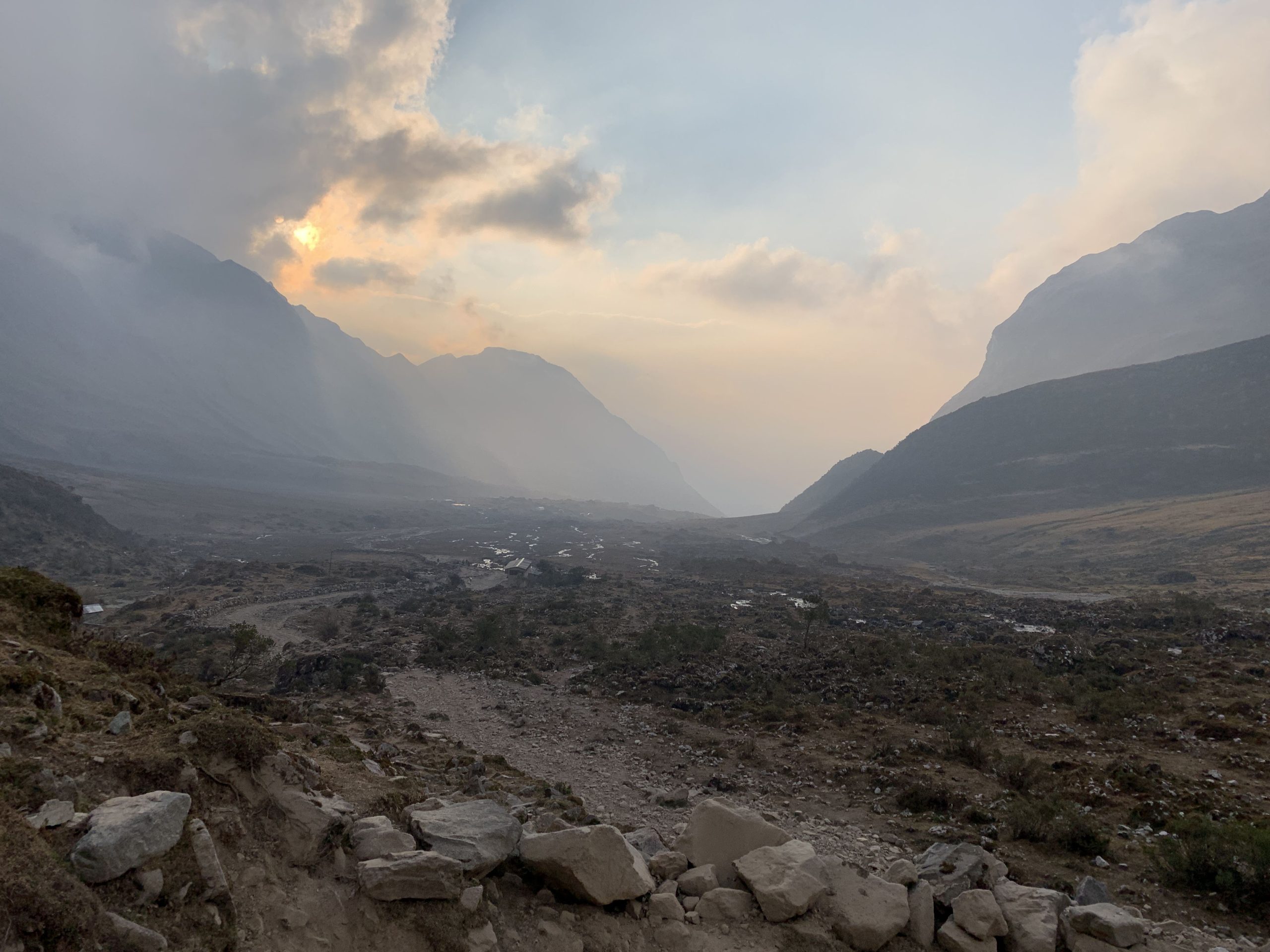
As my shadow and my fellow trekkers caught up, we finally arrived at Wayracmachay, our first campsite. We reached it just before dusk, where one of the most gorgeous vistas awaited us. The rosy-pink sky as the sun descended over the icy peaks of the Salkantay mountain… Being unable to move was a combination of being mesmerised by such a panorama and being so exhausted by a full day’s trek.