Just before we’d get to enjoy the city of Bogotá, we had one final road trip planned in order to cover as much ground as possible. Luckily, Pedro’s father offered his car for that.
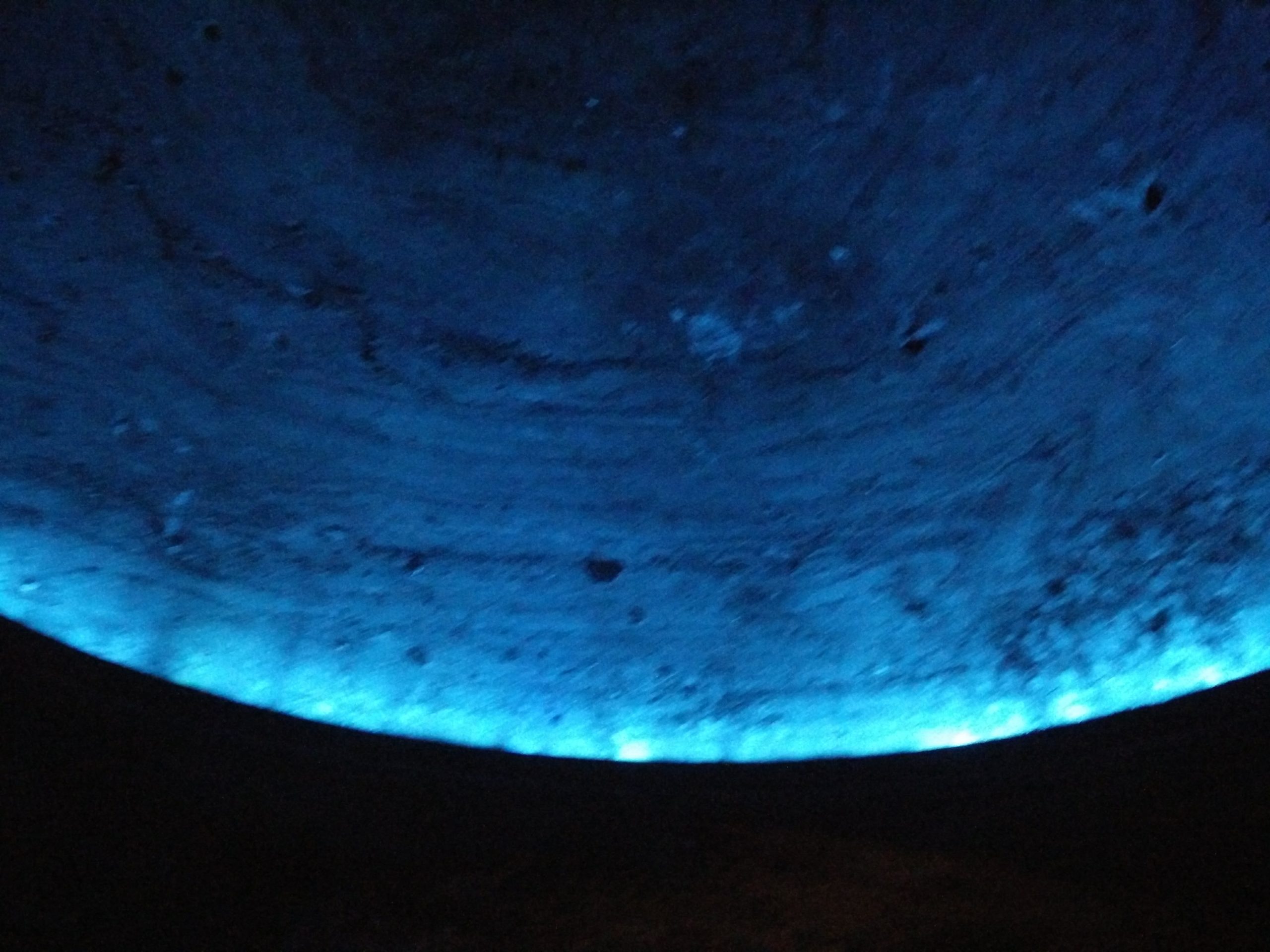
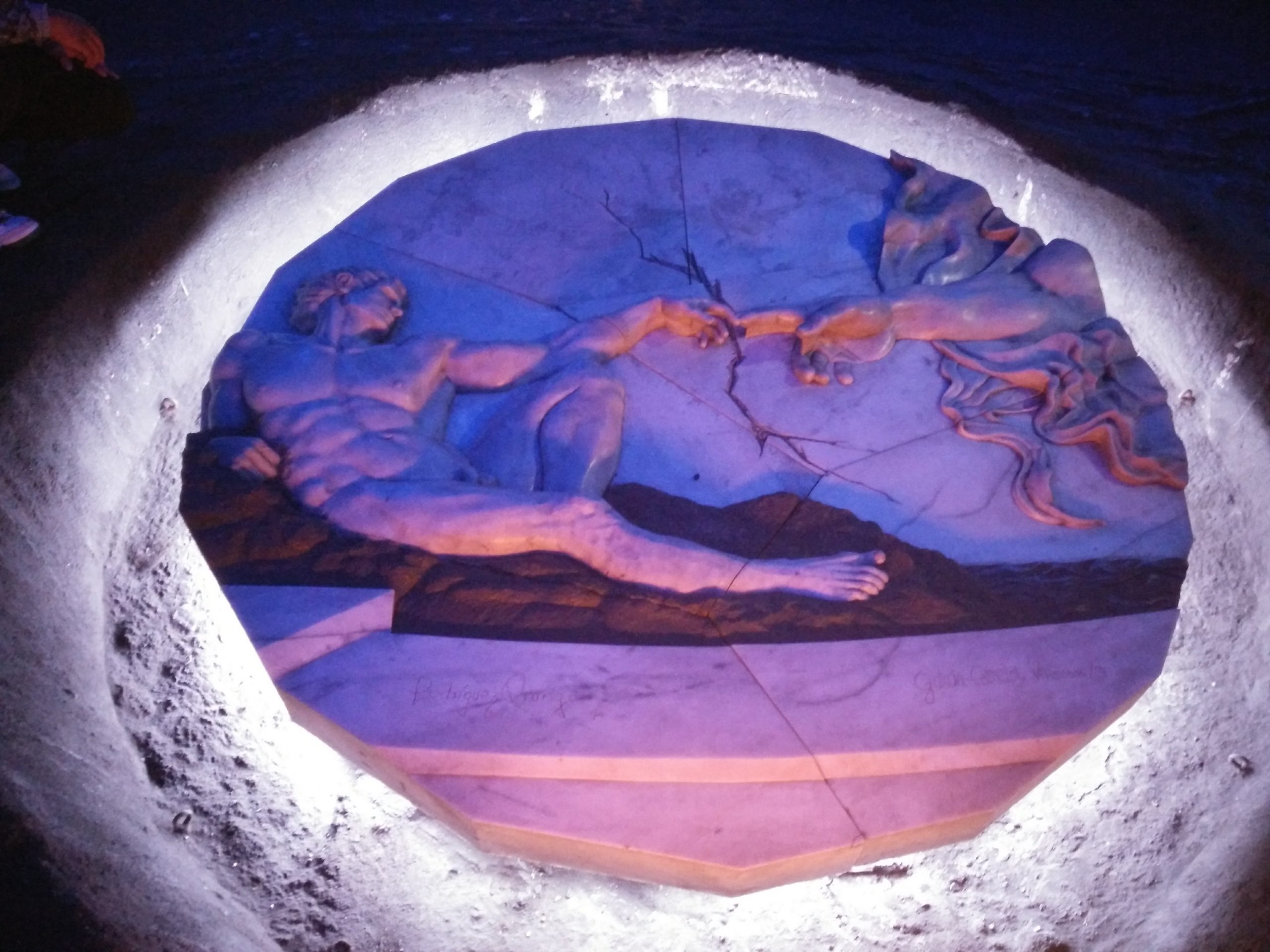
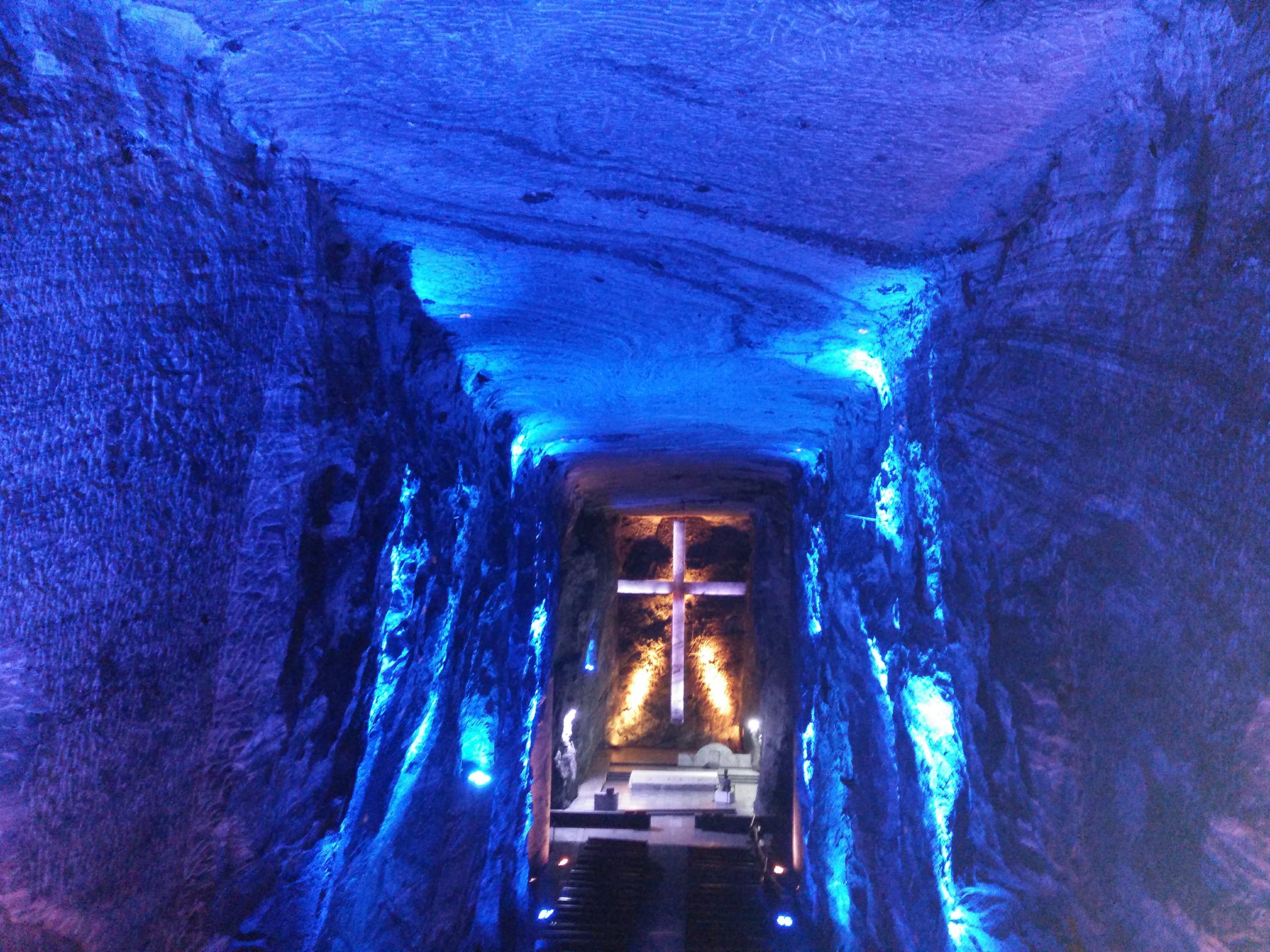
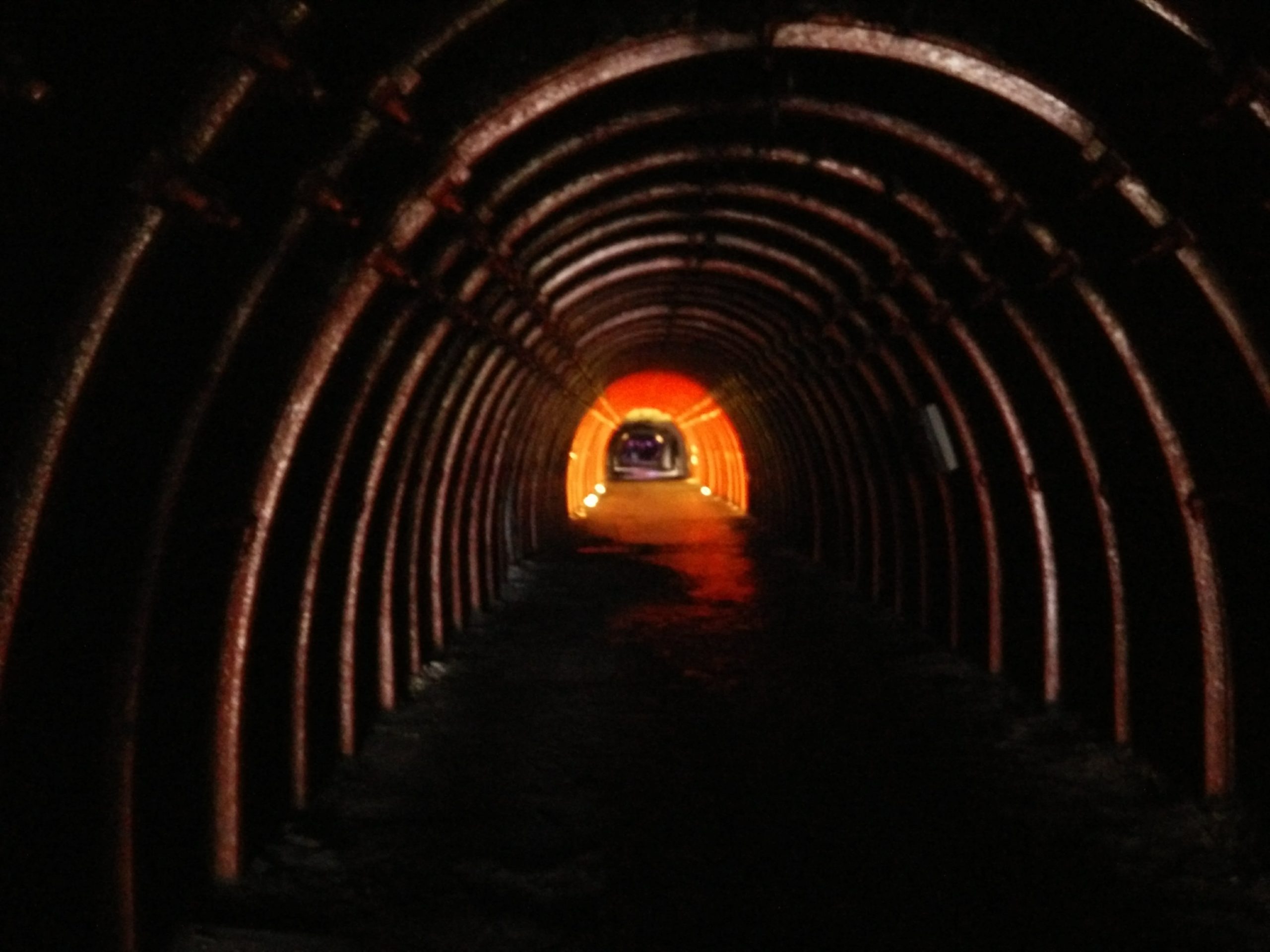
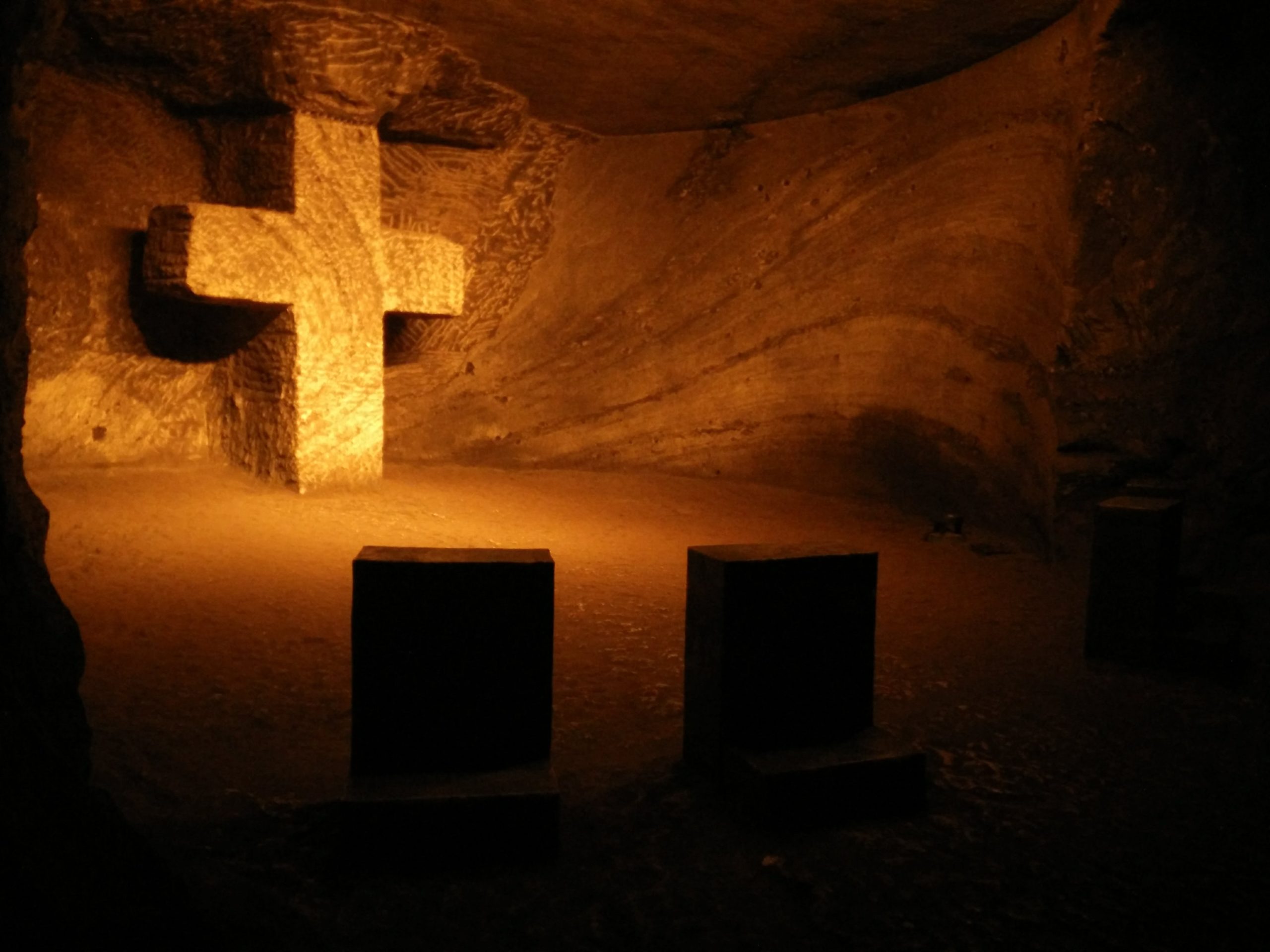
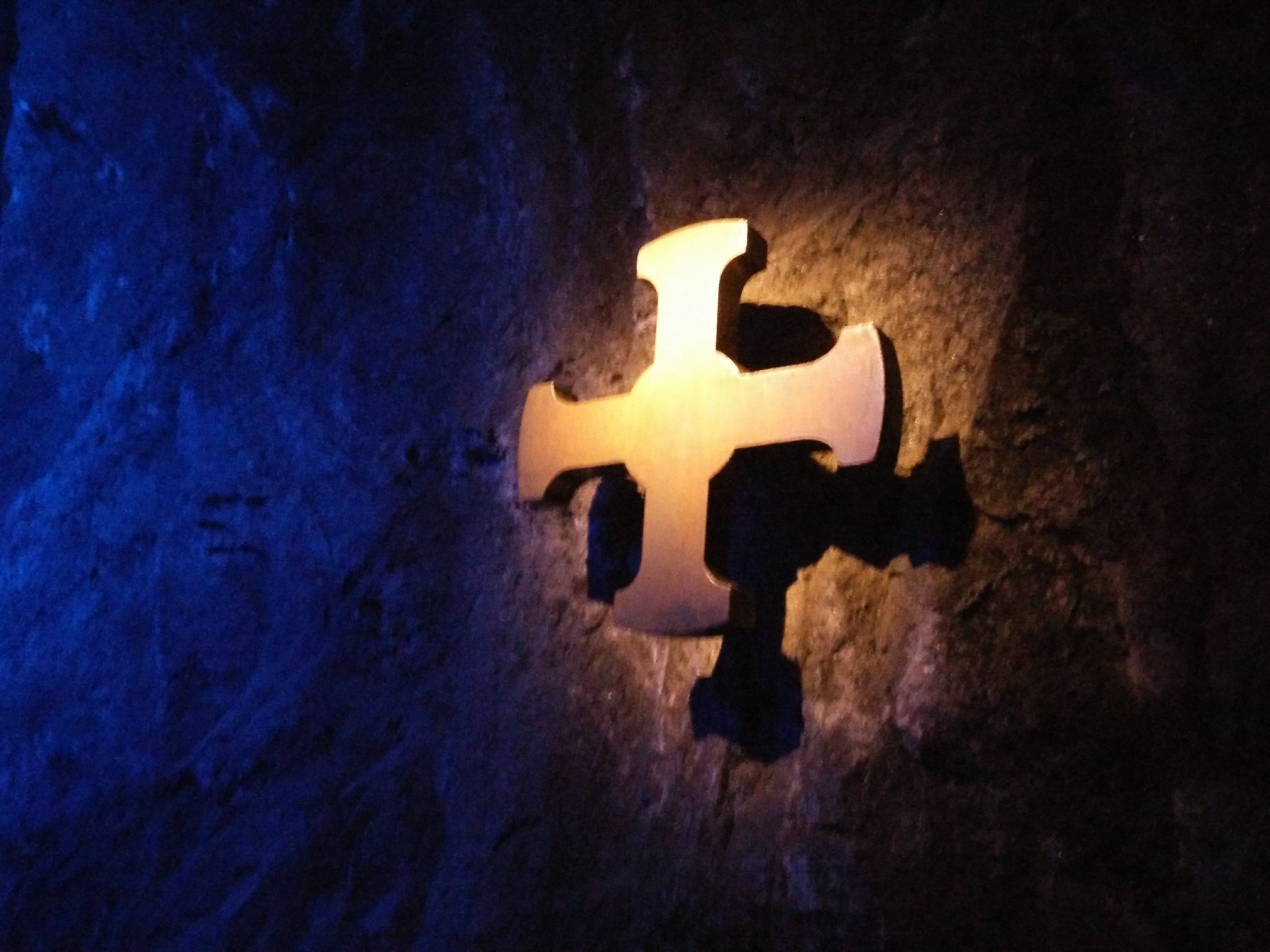
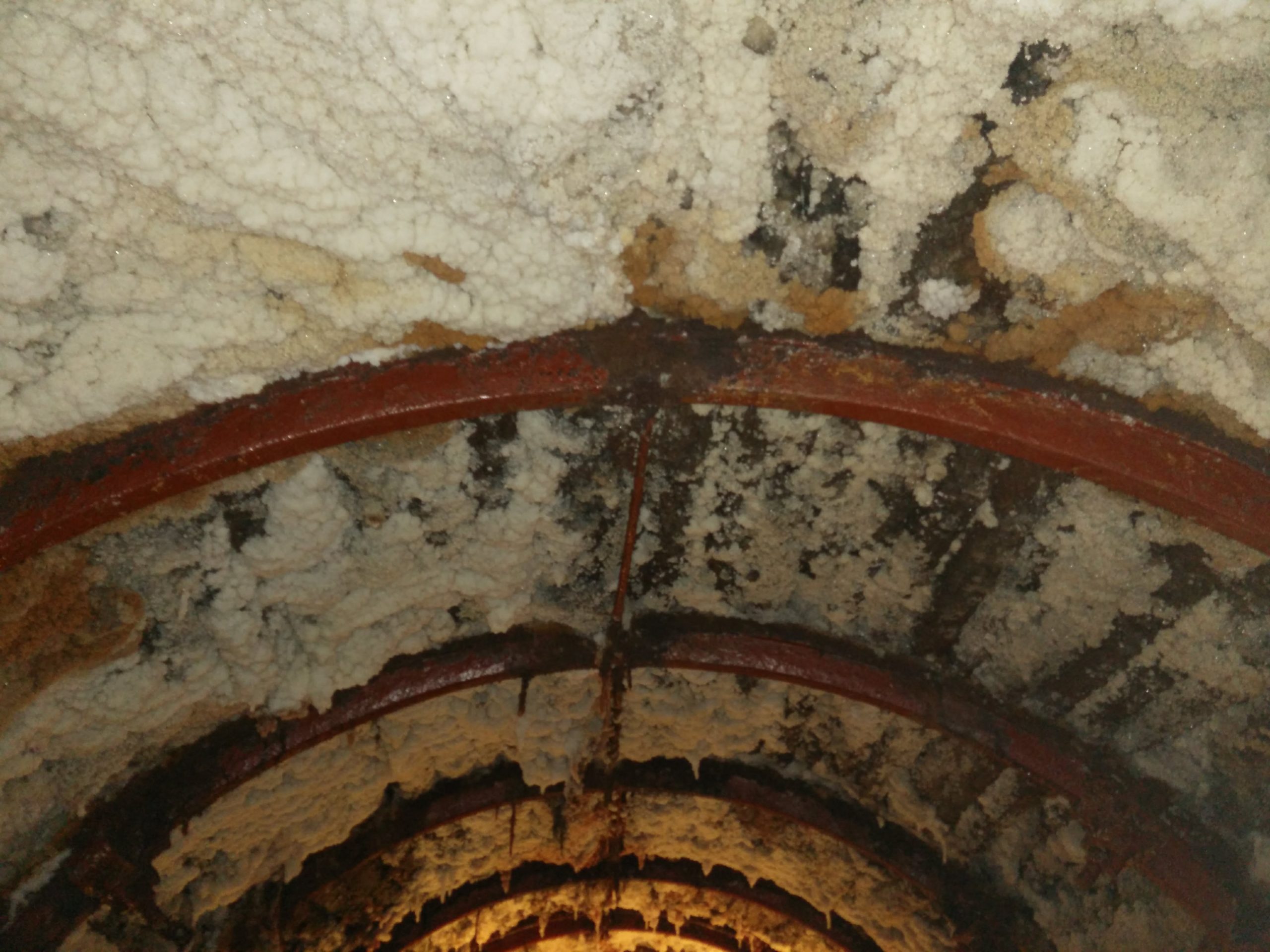
Our first stop was the Catedral de Sal de Zipaquirá, salt mines extending some 650 feet underground with a church at their epicentre. Apart from being an architectural masterpiece, the cathedral also boasts impressive salt sculptures and murals. Wandering inside the salty underground labyrinth felt surreal to say the least. It’s here that I also learned about the 7 Wonders of Colombia, of which I had unknowingly already visited three – the salt cathedral, the Lost City and the Castillo San Felipe de Barajas in Cartagena.
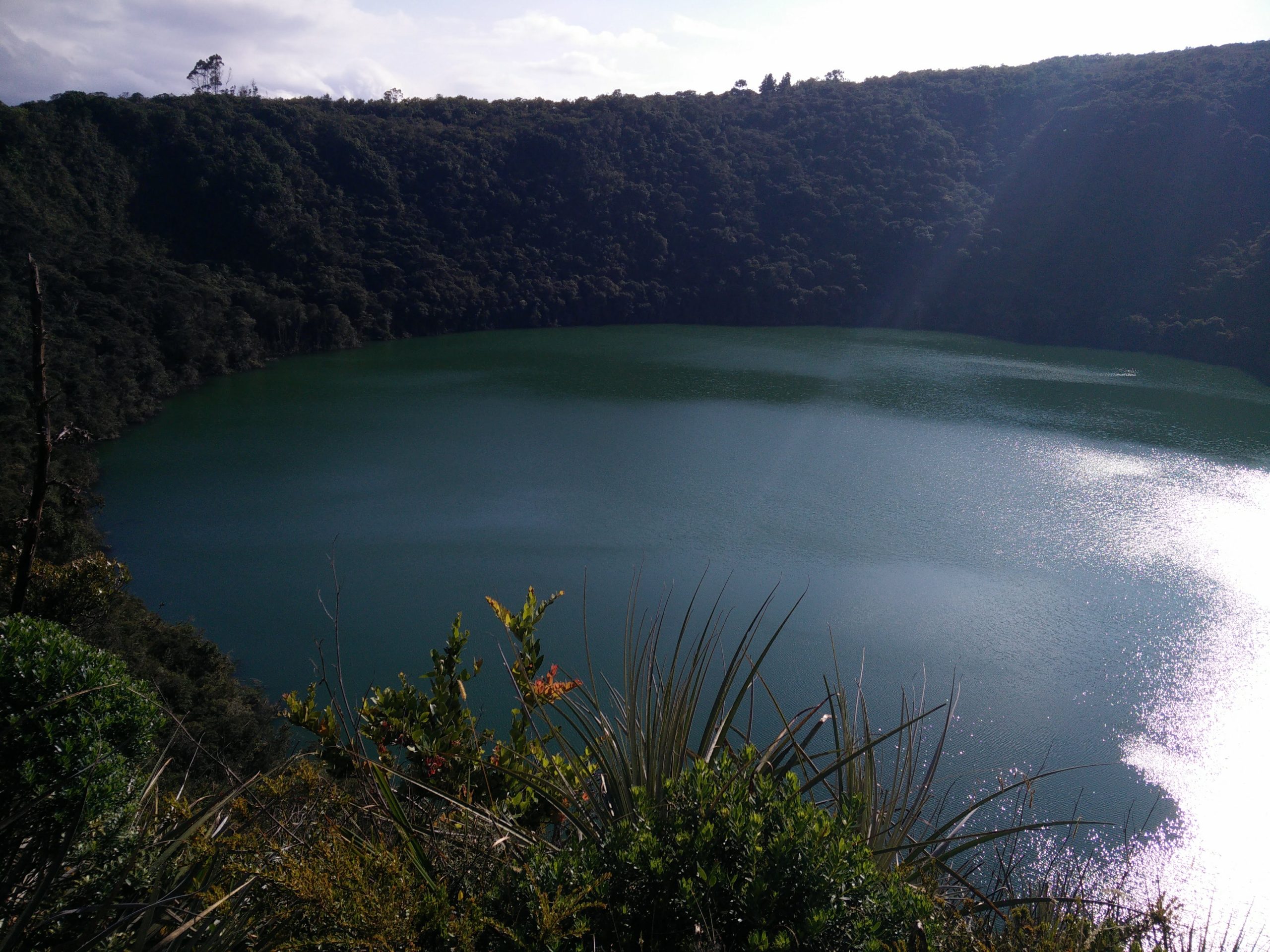
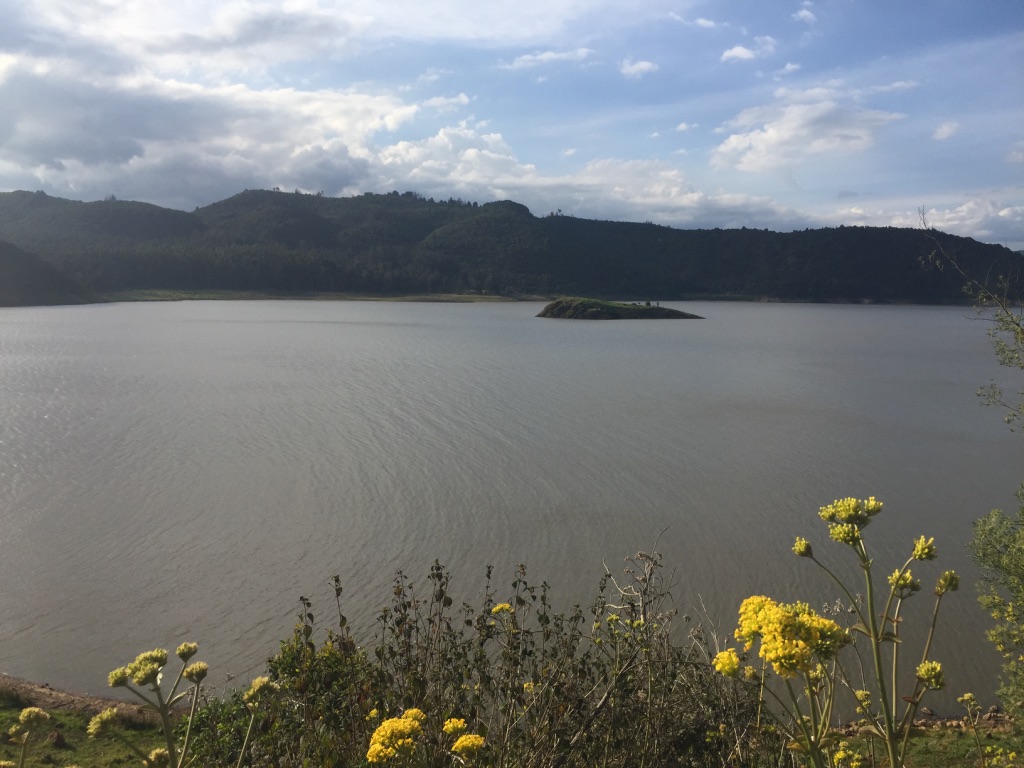
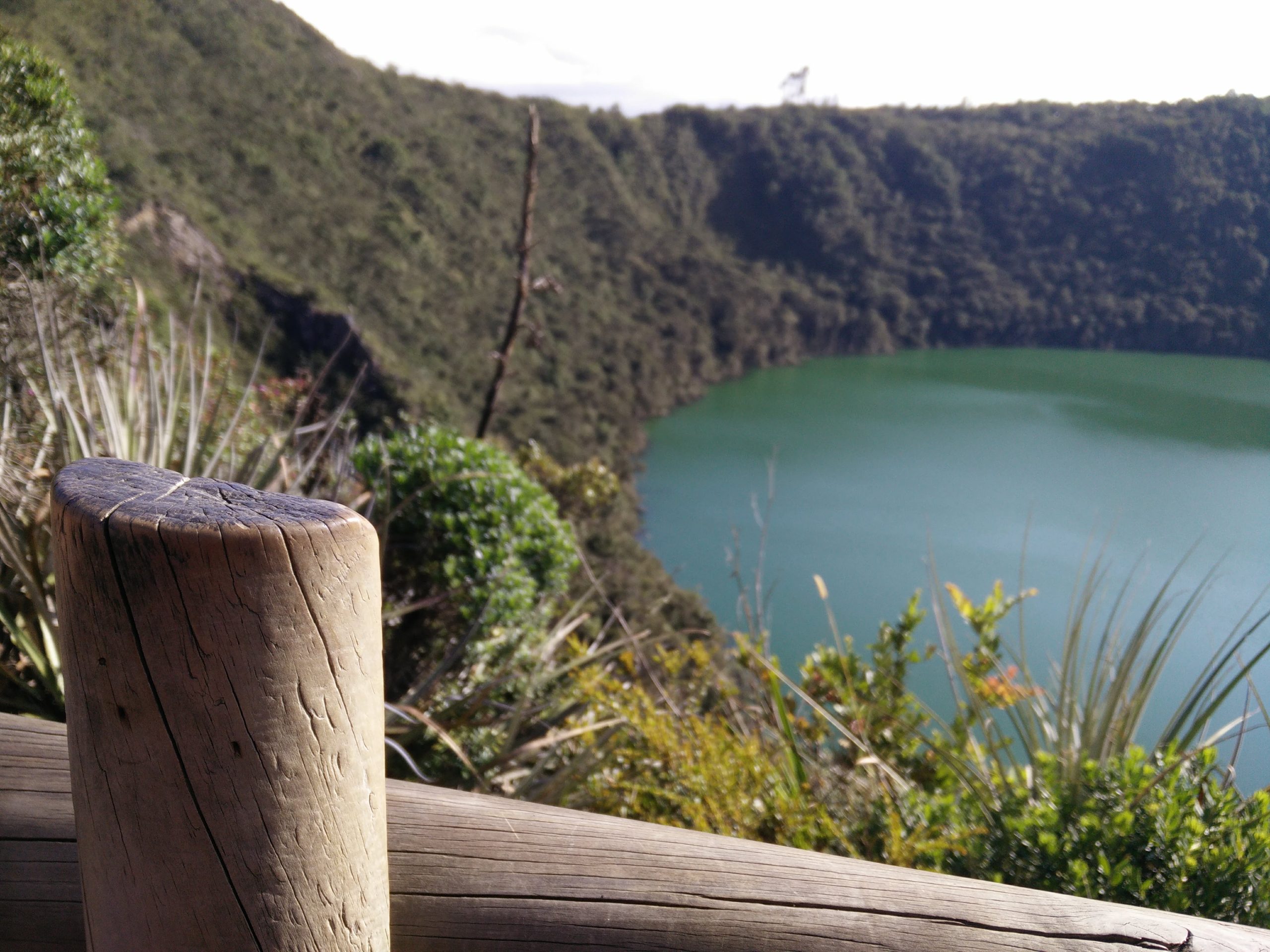
Then it was time for something I had been waiting for since I’d started planning my trip – the Laguna de Guatavita – a lake. Yes, a lake, but not just any lake. It’s the lake (at least to me). Remember when I compared the Lost City to El Dorado? Well, this lake is widely thought to be the basis of the myth itself!
Legend has it that the Muisca people who inhabited these lands used to conduct a ritual involving throwing gold and other precious metals and jewellery into the centre of the lake as a sacrifice to the gods. In their search for gold, the Spanish conquistadors and others who followed, attempted (and mostly failed) to drain the lake in hopes of finding said gold. Though some were successful, much of the presumed treasure is still buried in its depths to this very day – or so it’s believed.
I don’t know about you, but I’m a sucker for these things. What I’d give to be able to go back in time… to be able to live in those eras, to take part in such tribal ceremonies… I felt the same overwhelming wave of inexplicable nostalgia when I was at the Lost City and a few years earlier in Greece as I walked on ground once trodden by an ancient civilisation I’d never be able to witness myself. Think about it. How many untold tales have been erased from history – tales we’ll never get to unravel…
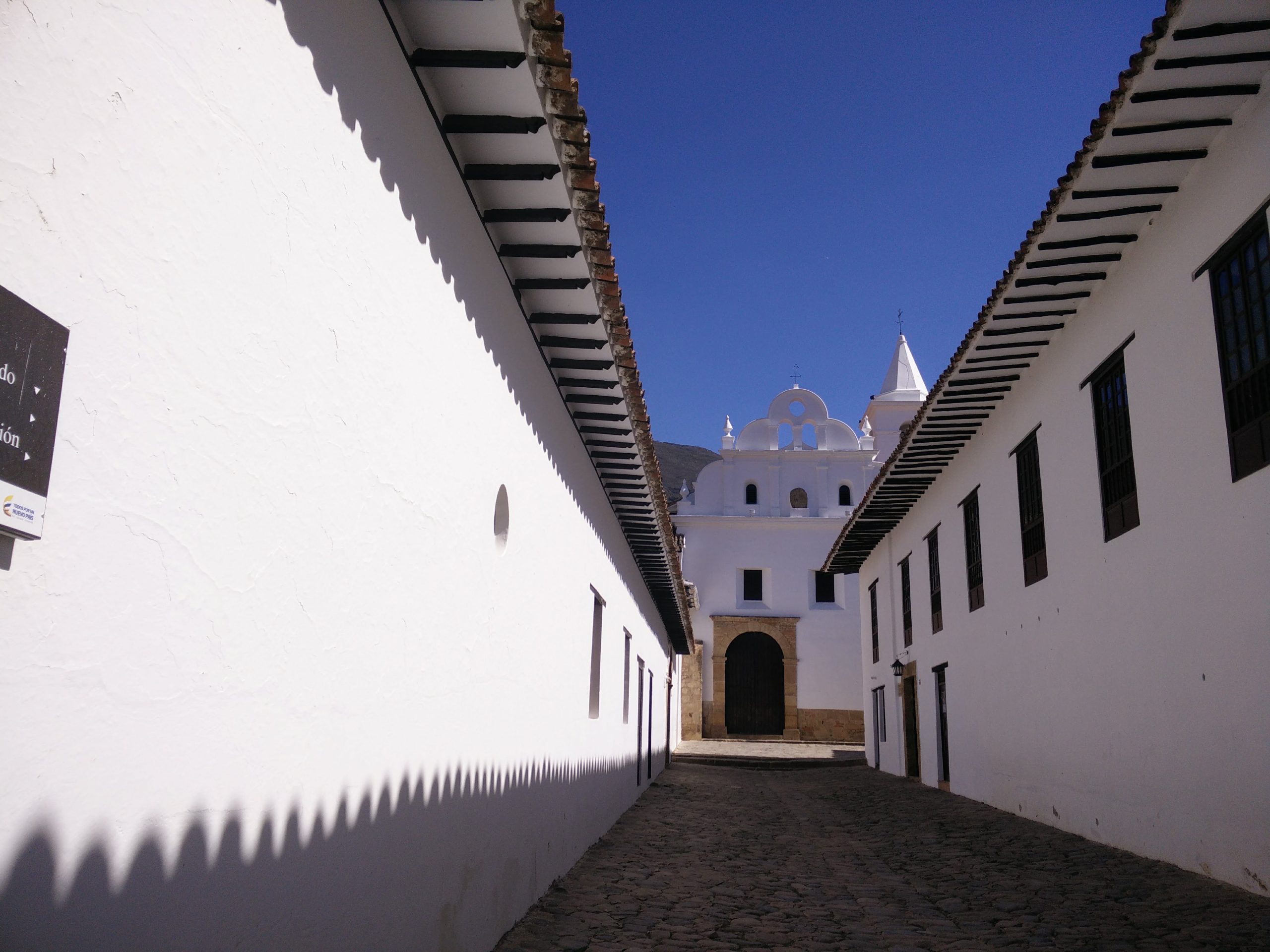
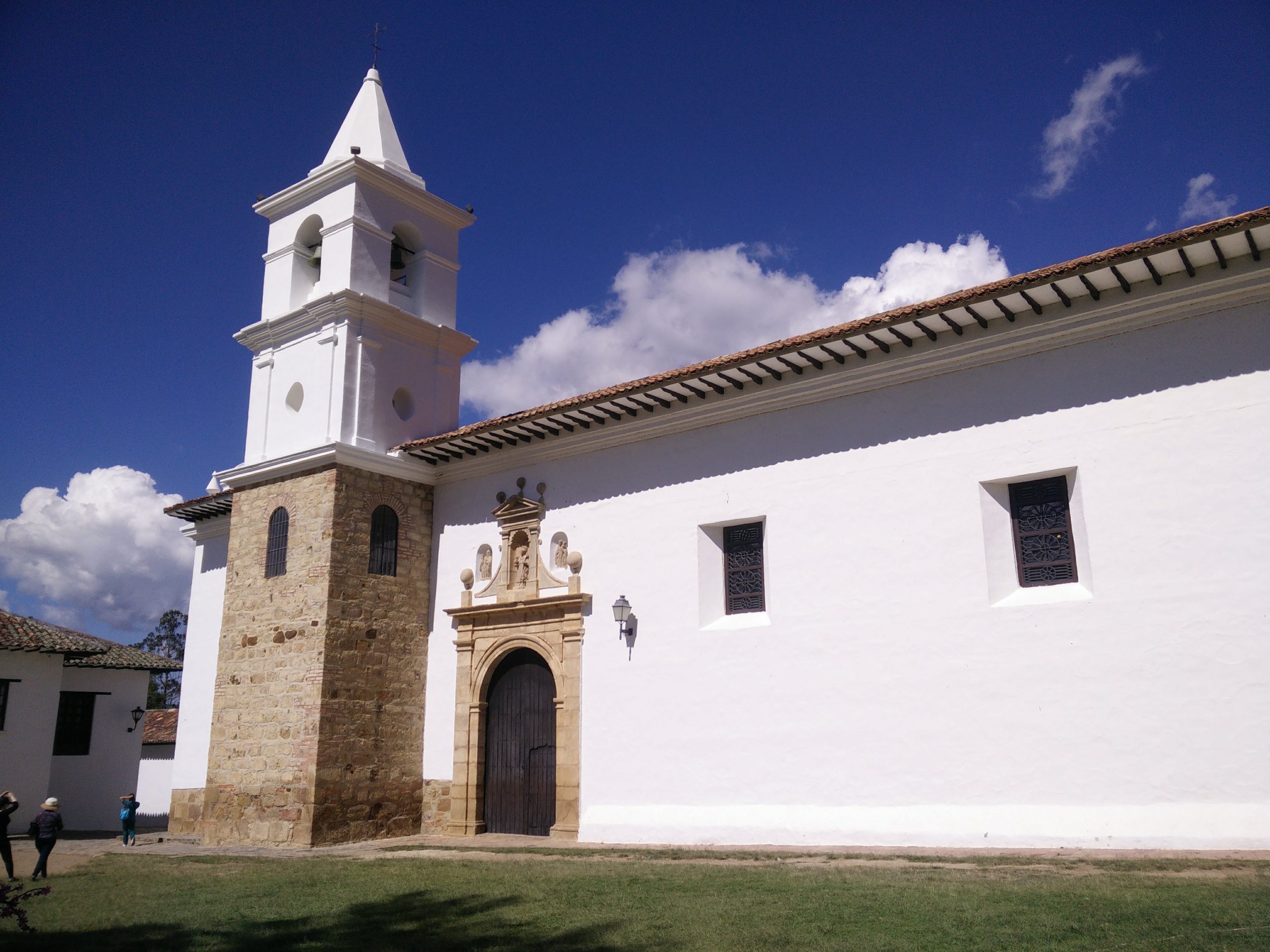
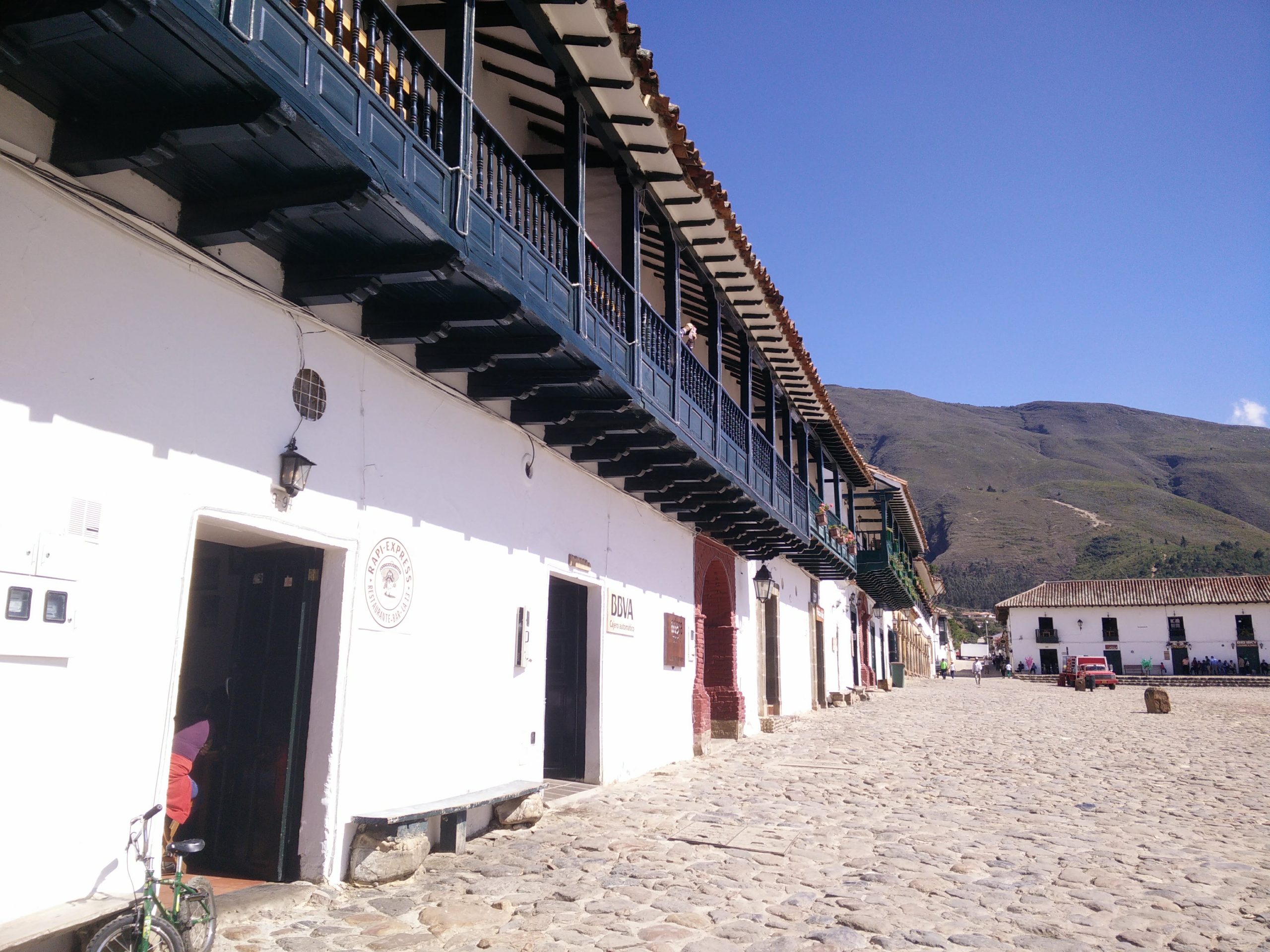
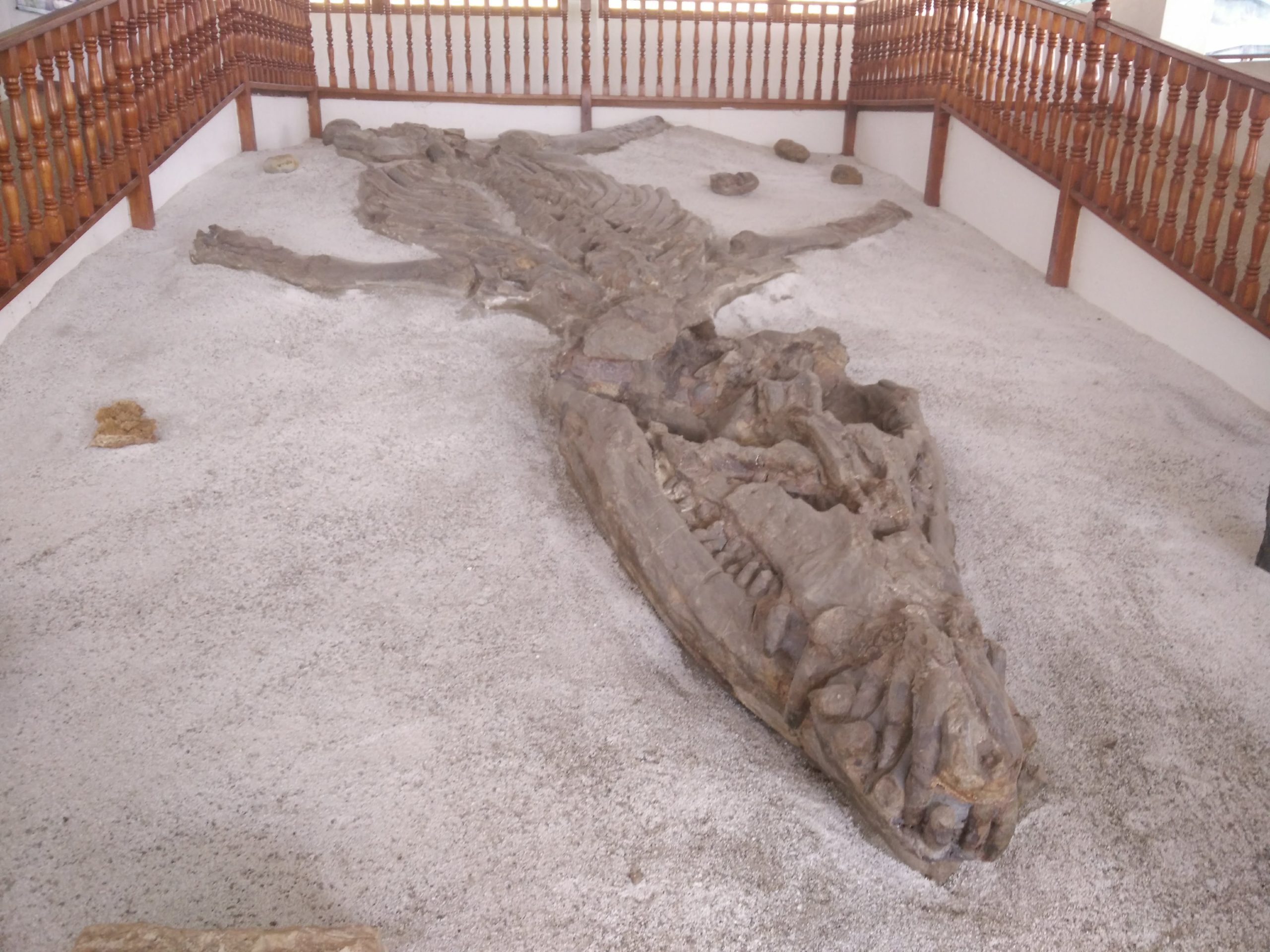
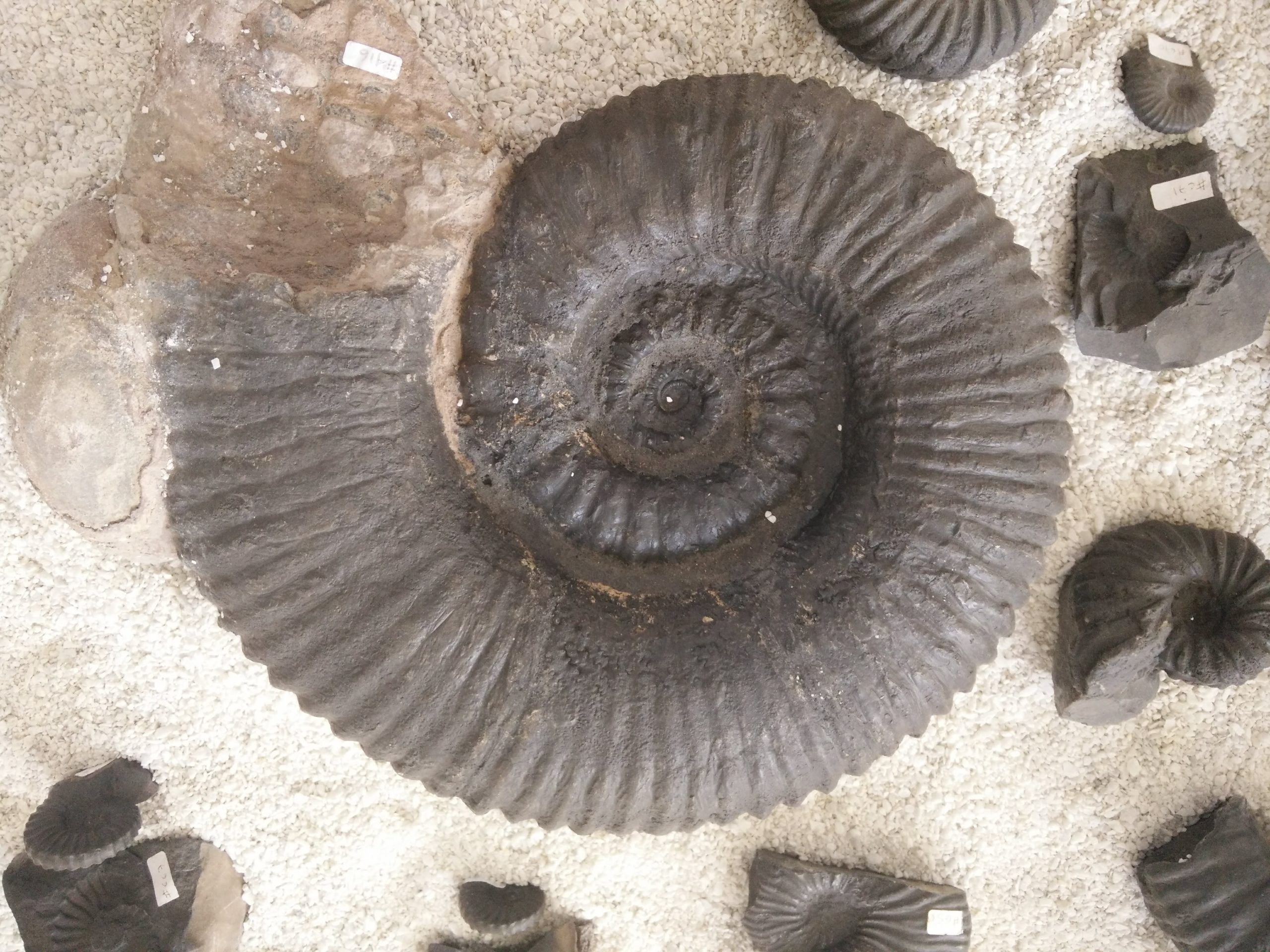
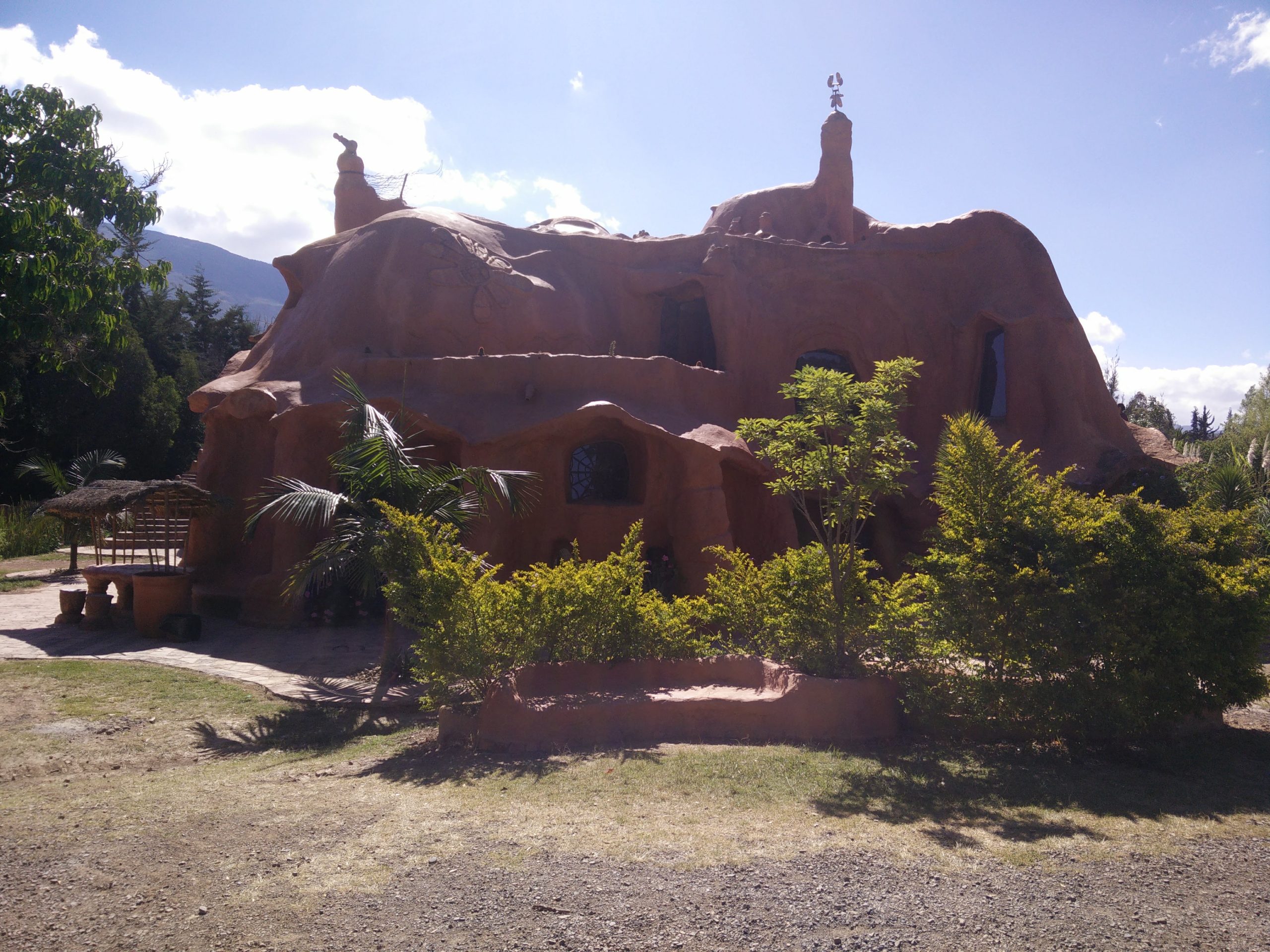
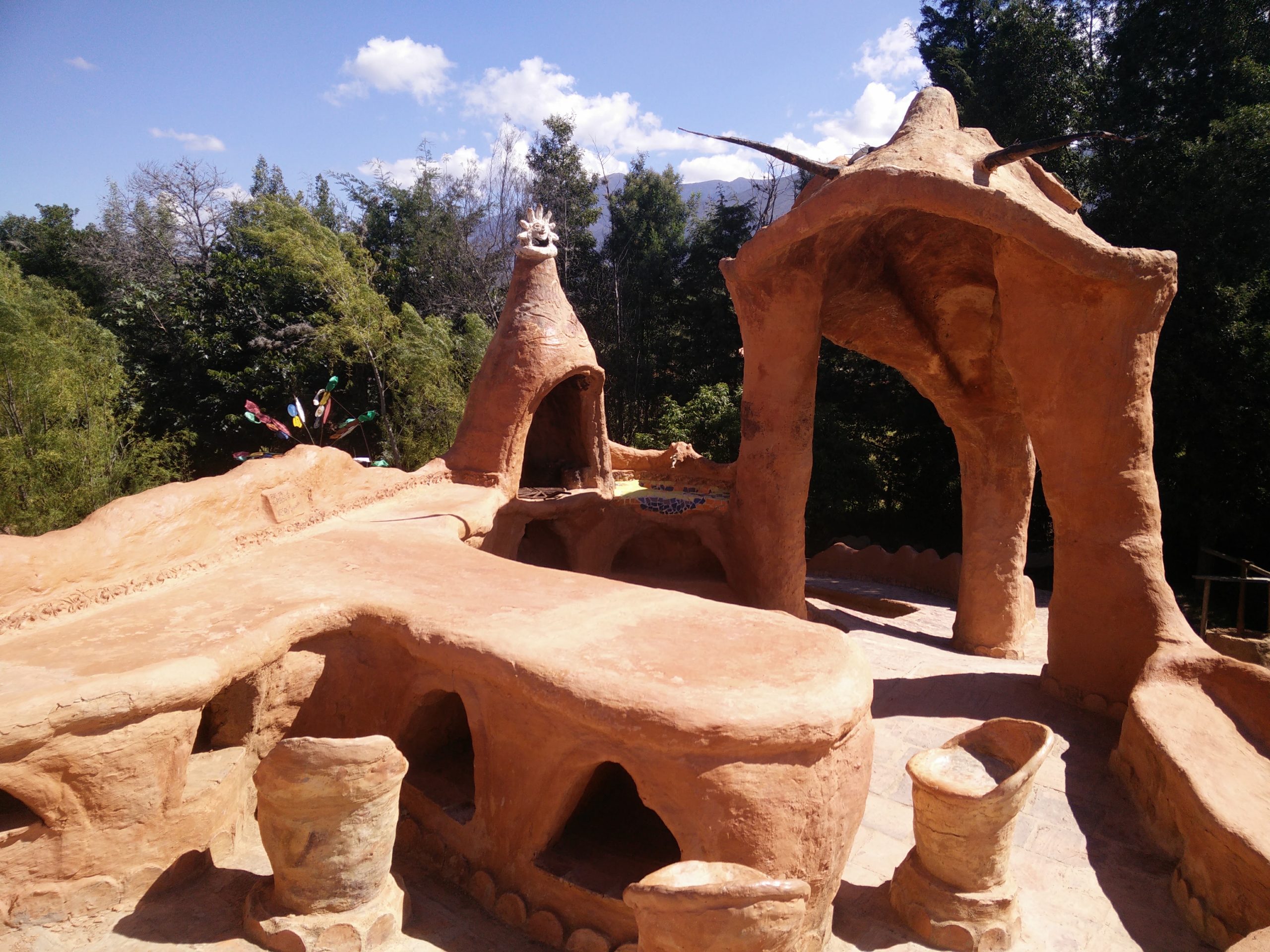
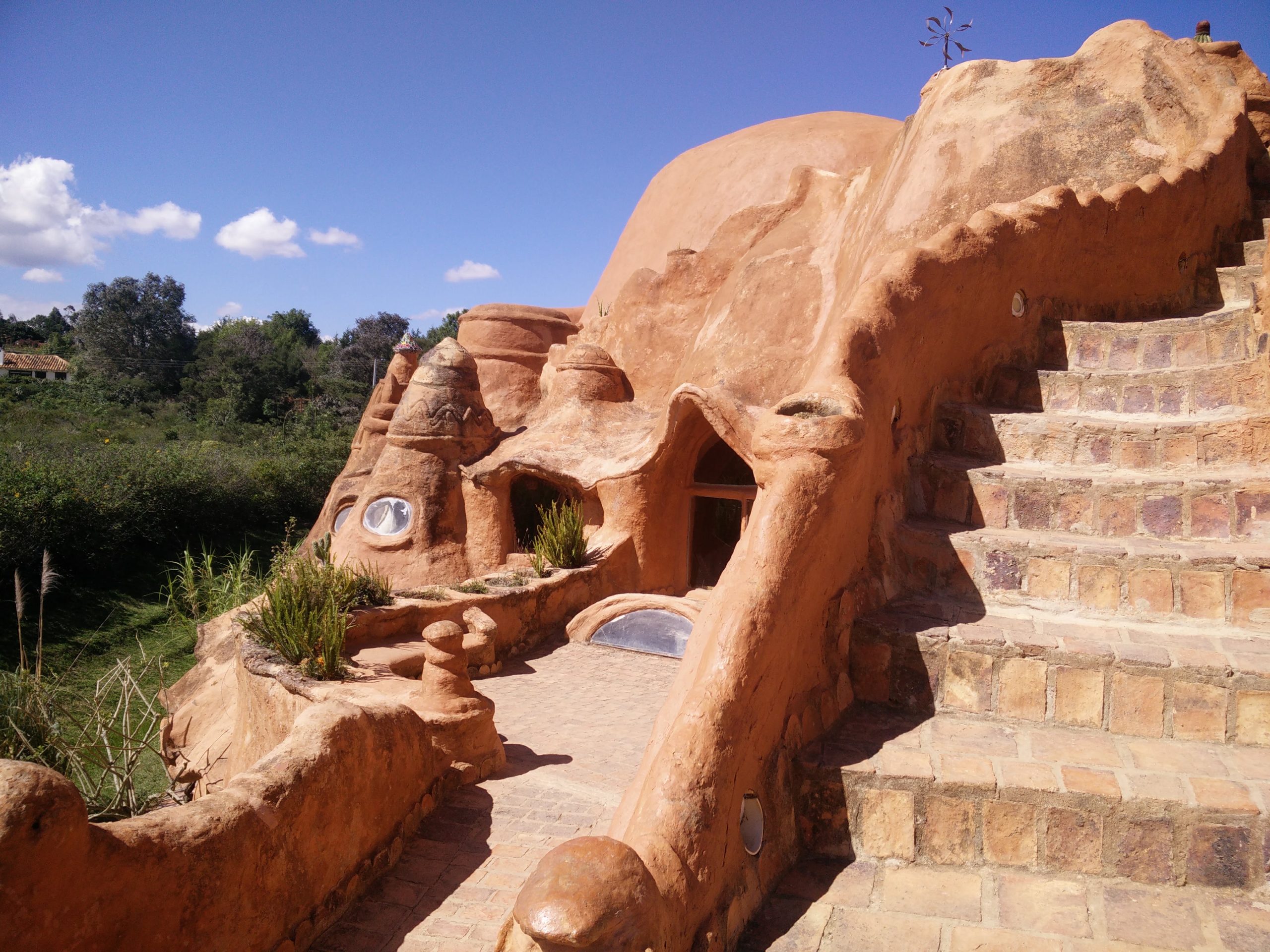
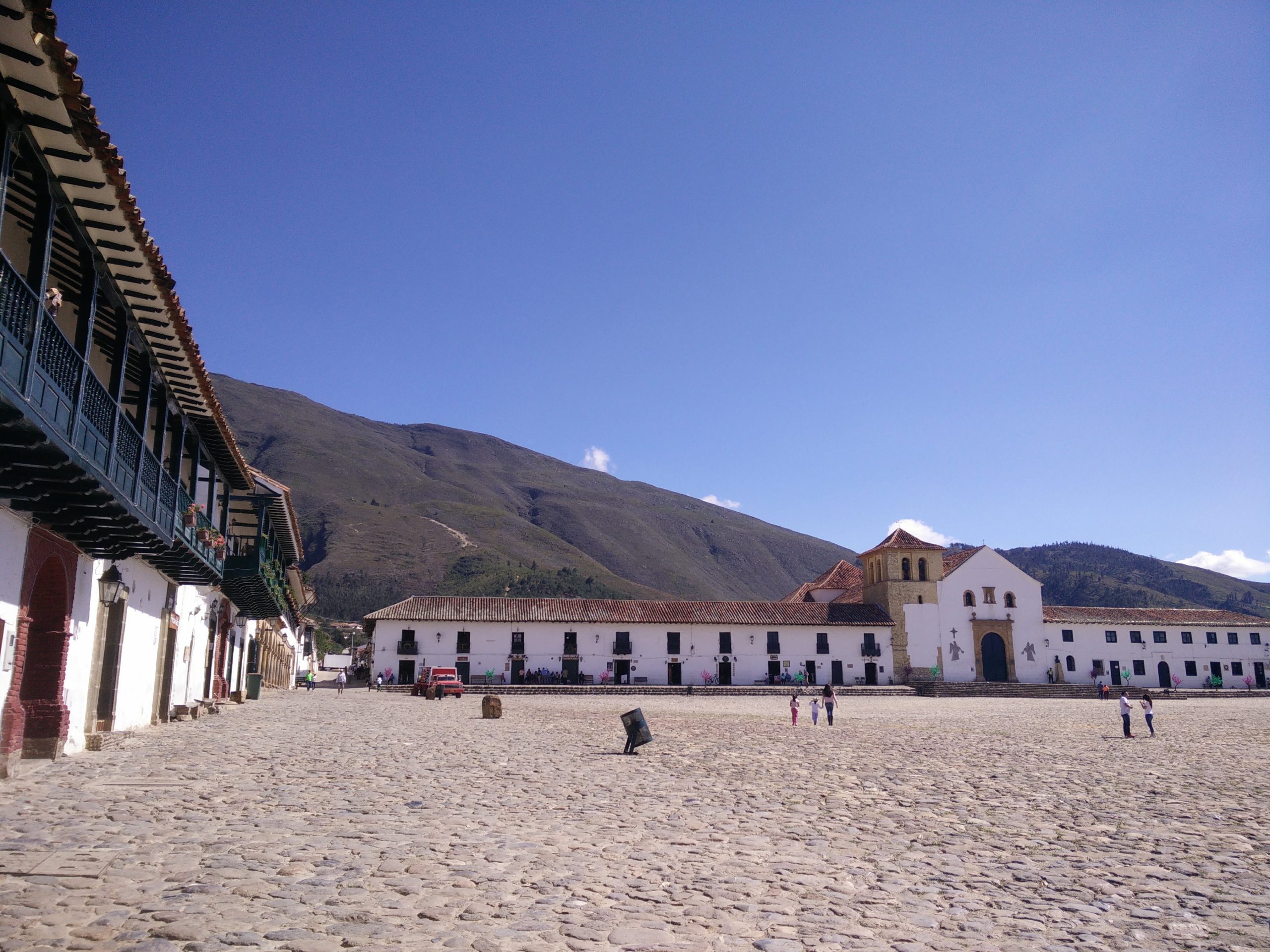
To finish off, we finally got to Villa de Leyva, another colonial town with cobblestone streets and a large central plaza. After spending the night there, we had a full day to enjoy the city and its surroundings. Here we visited the coolest archaeological museum where you can find the fossilised remains of the giant Kronosaurus, and we roamed around the incredibly weird yet cool Casa Terracotta.
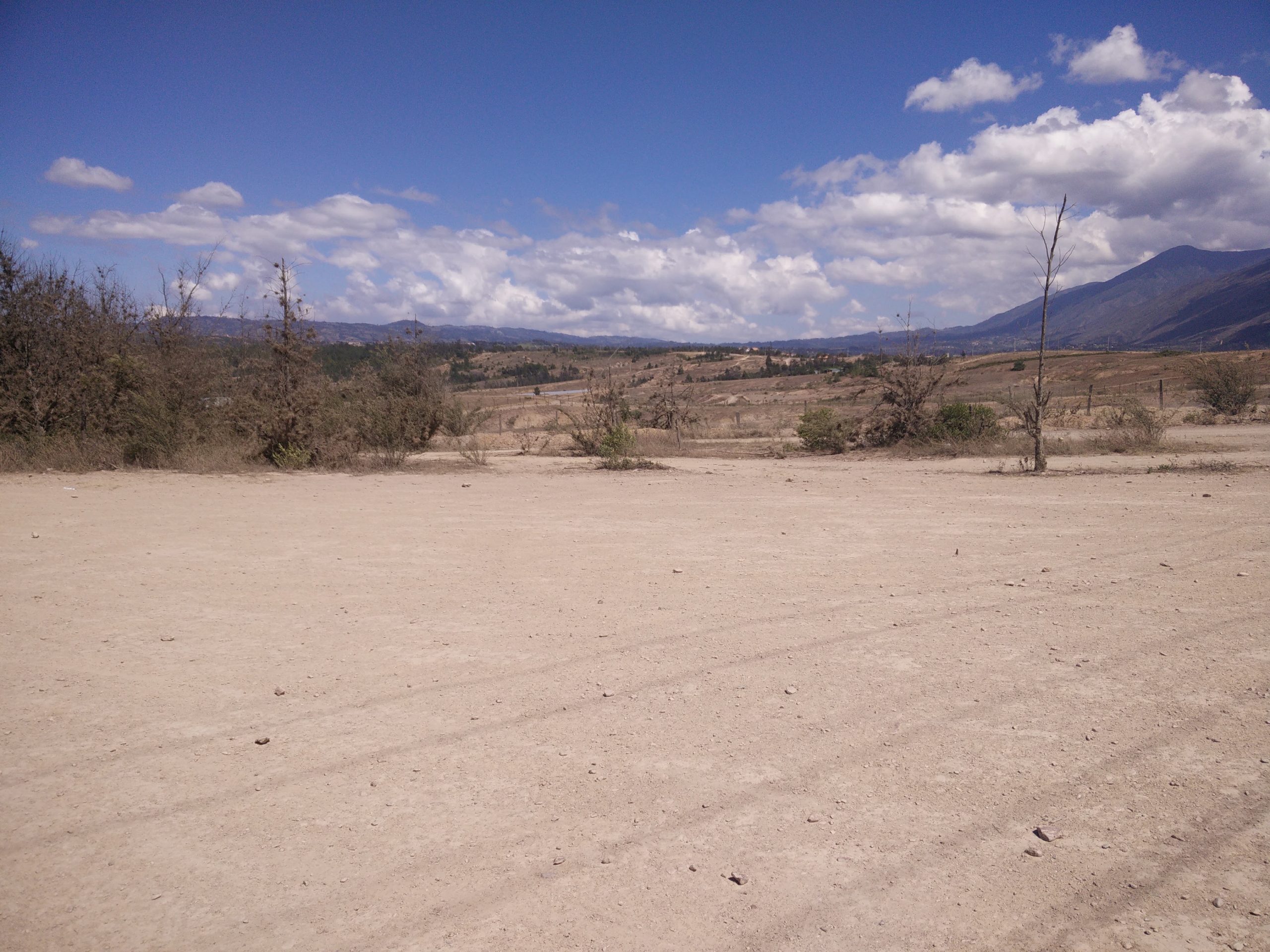
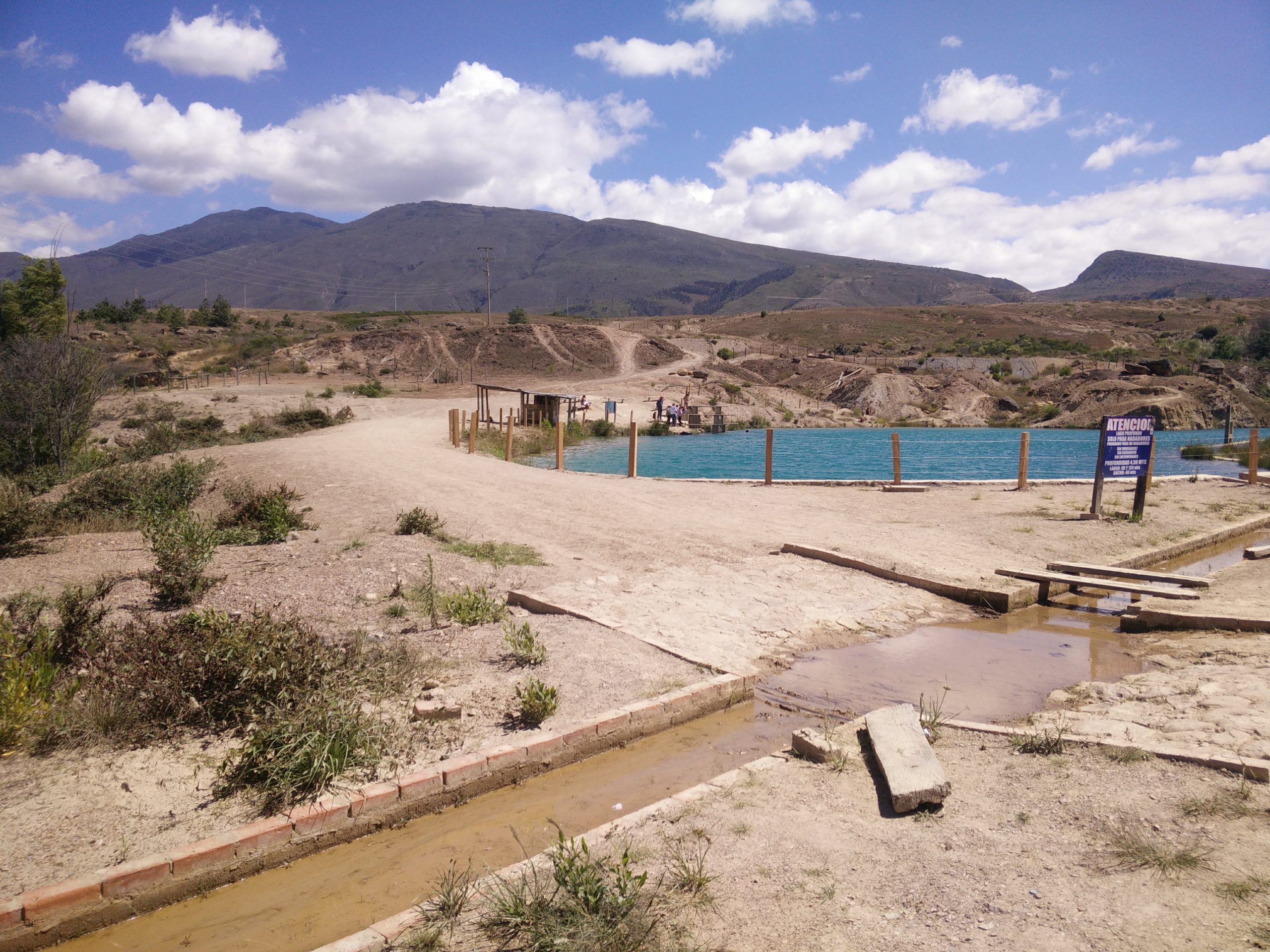
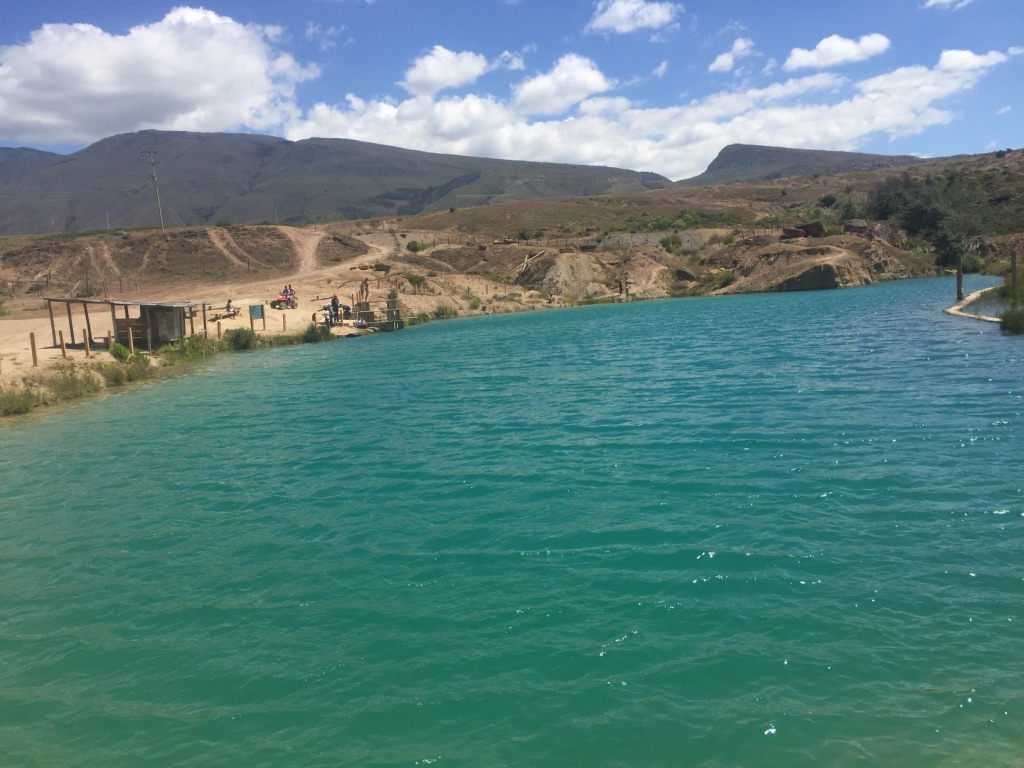
We also rented a quadbike and drove around the middle of a semi-desert. I know, a semi-desert. Not that impressive – but it was an enjoyable experience nonetheless. Especially when we got to the Pozos Azules, small pools of turquoise water in the middle of the desert where we enjoyed a swim.
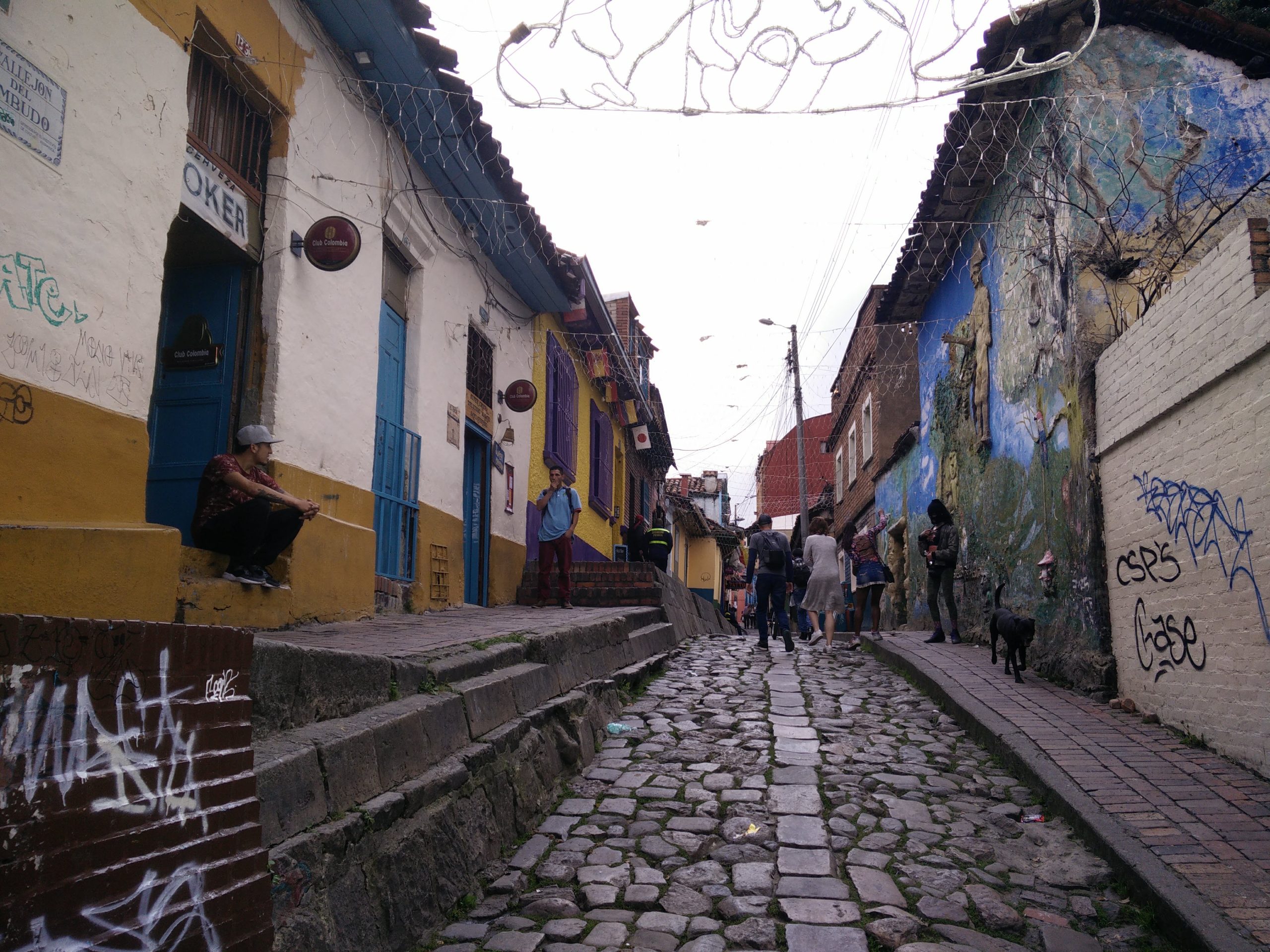
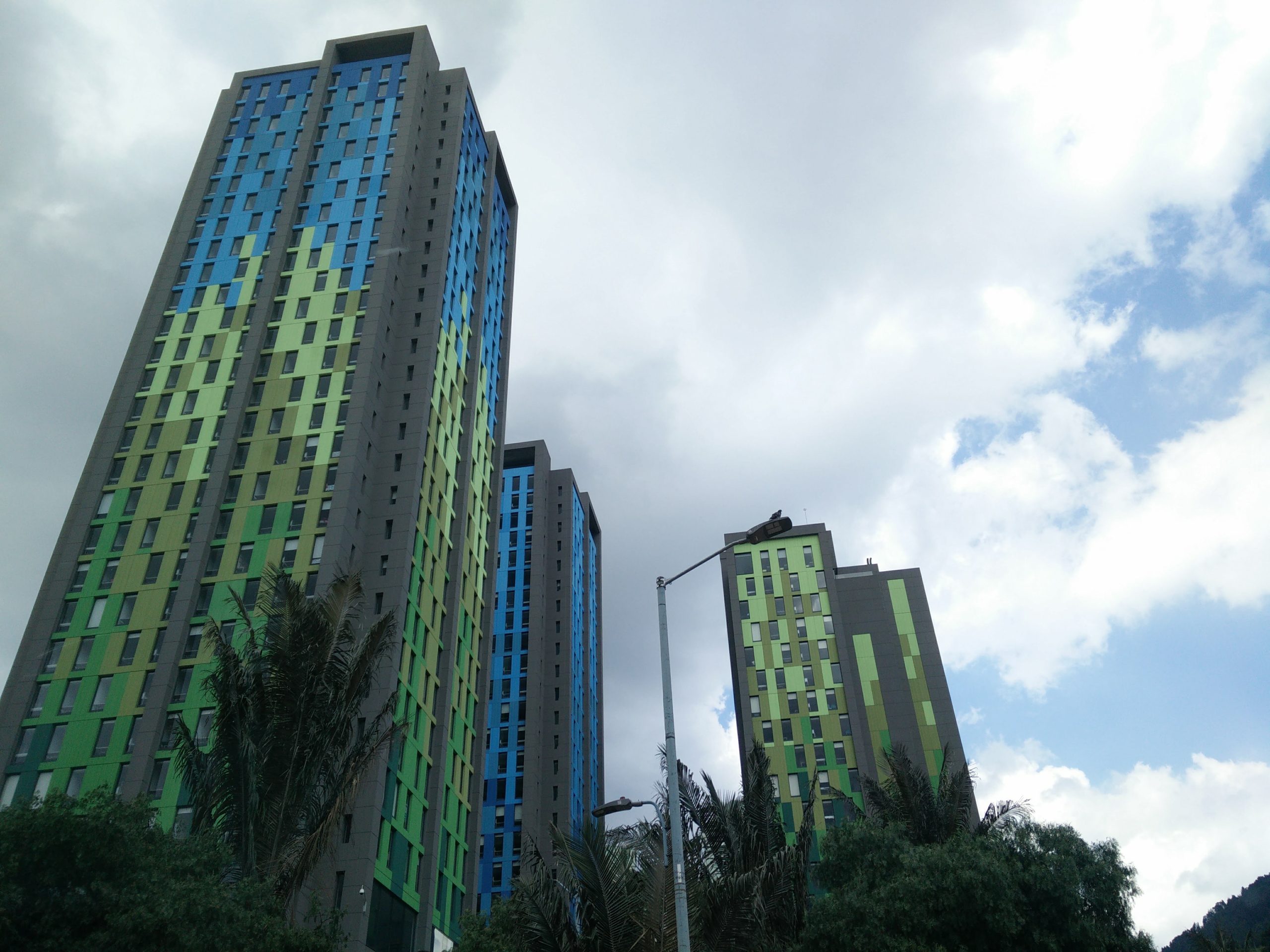
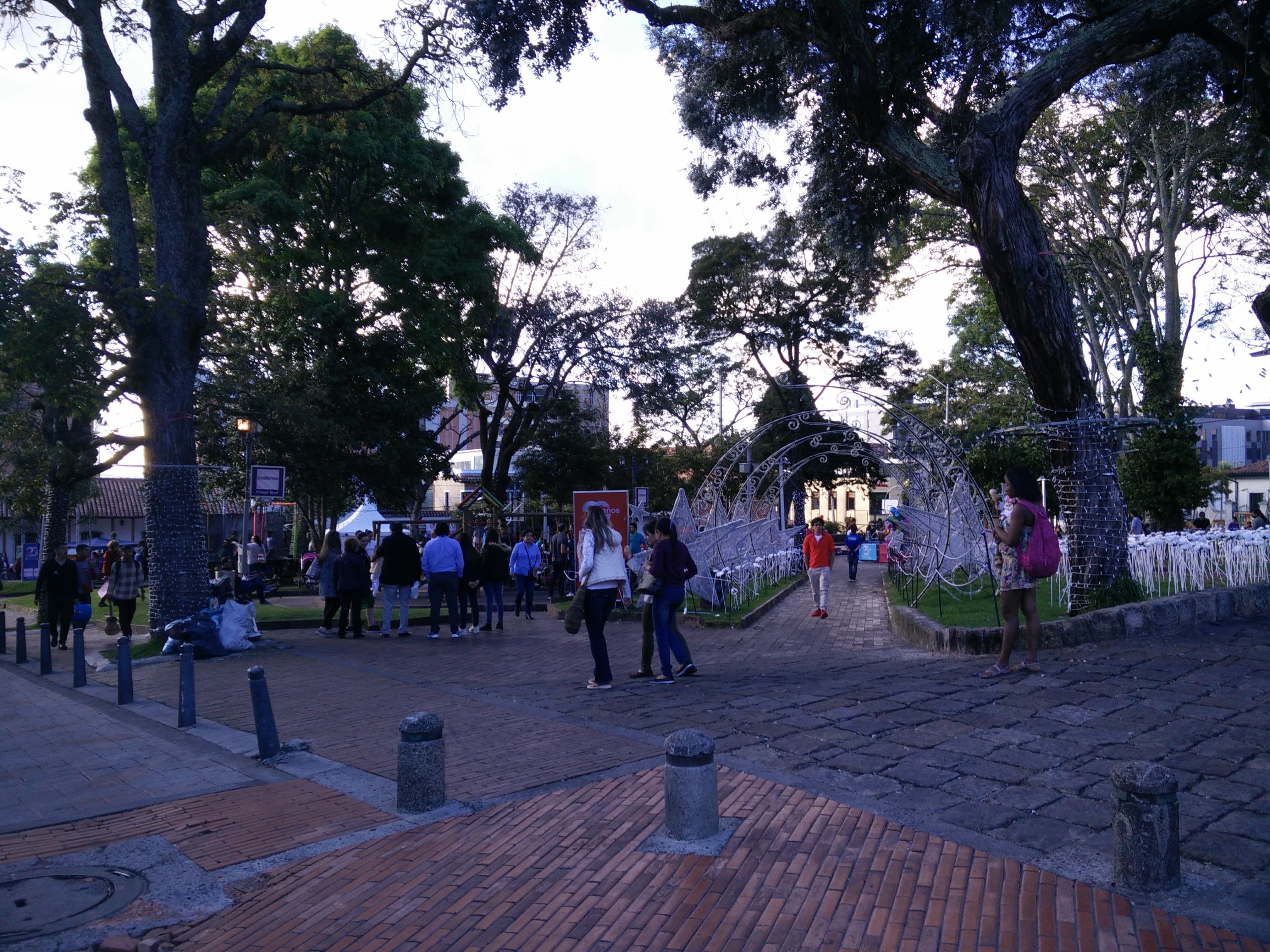
And that was that. I’d spend the last few remaining days in Colombia exploring the capital. Bogotá, the Lady of the Andes – Colombia’s beating heart. The urban capital, west of the Andean peaks, is right at the centre of the country. Diverse and multicultural, the vibrant city boasts modern and colonial architecture, a one-of-a-kind place rich in history, culture and, most importantly, the passion of its people. By now, the city was not just another box I checked off my bucket list. It was home.
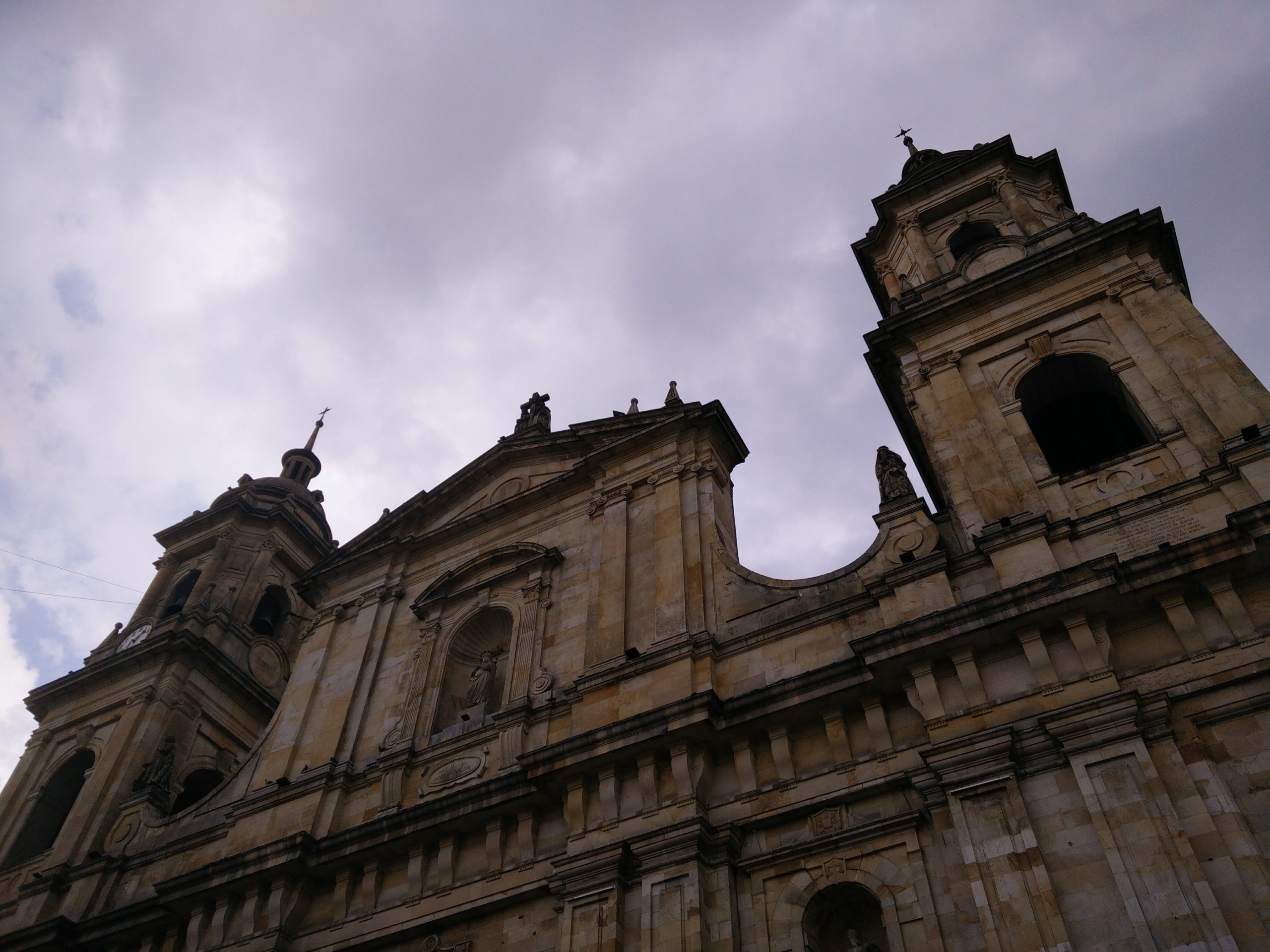
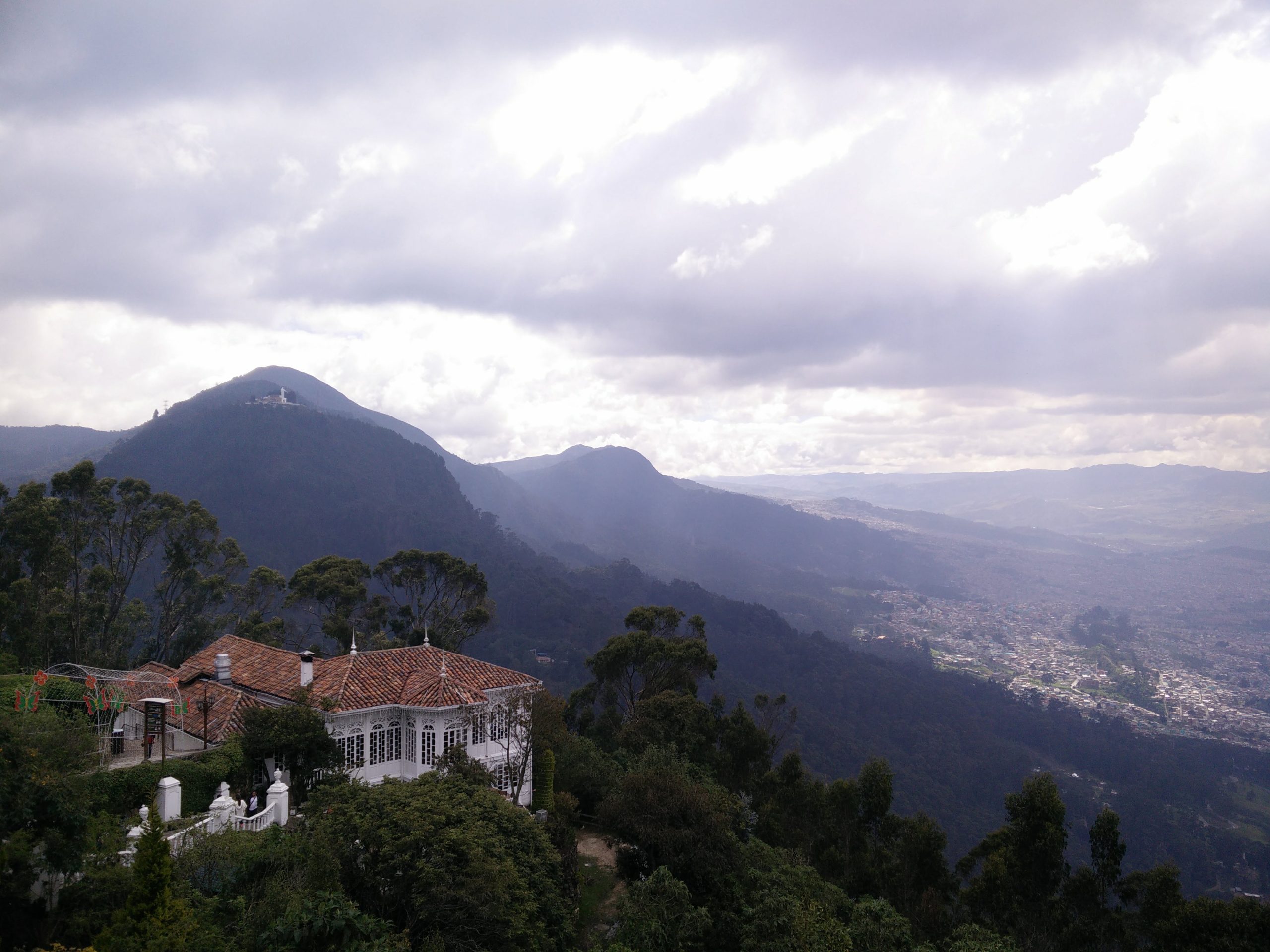
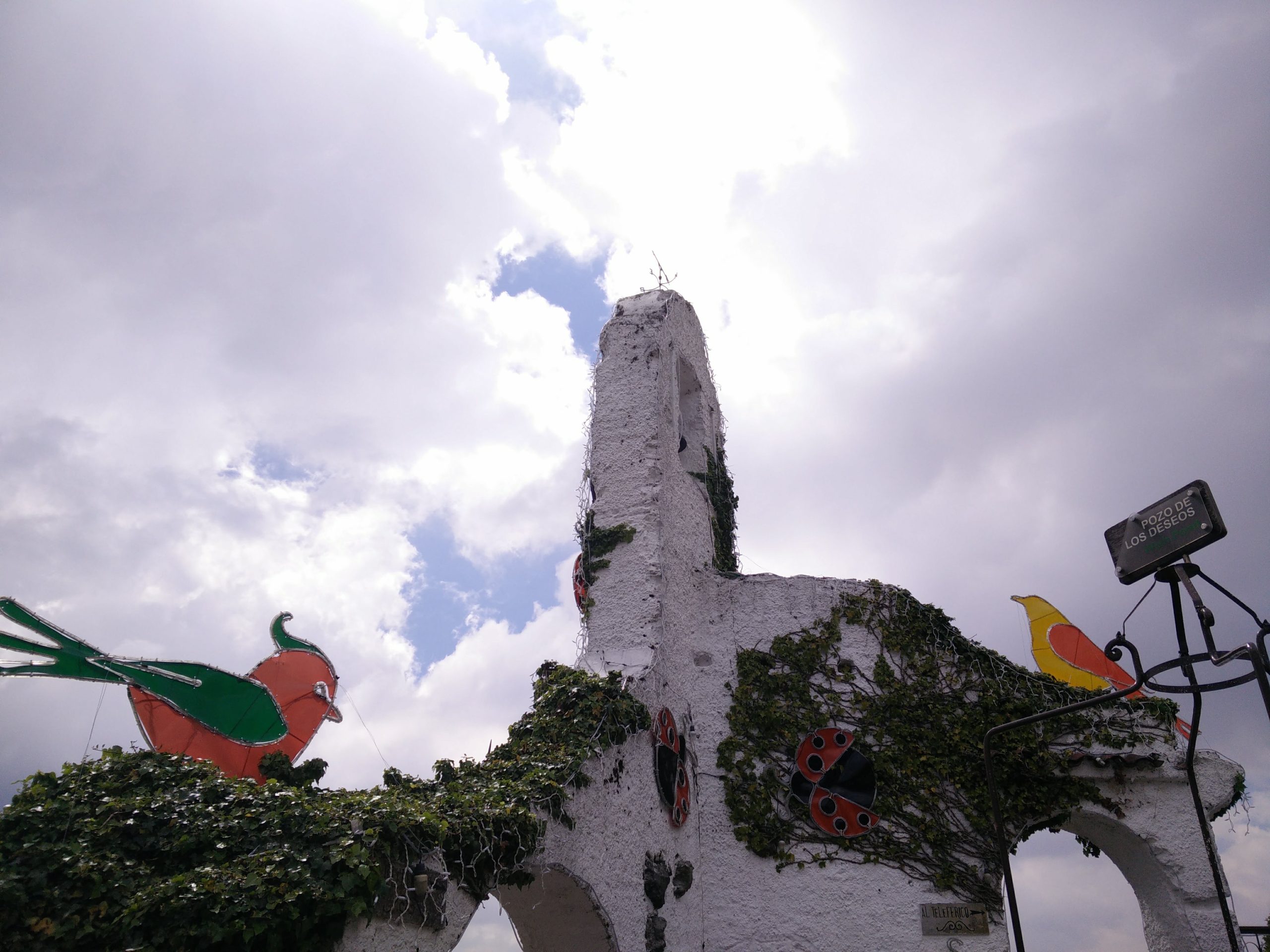
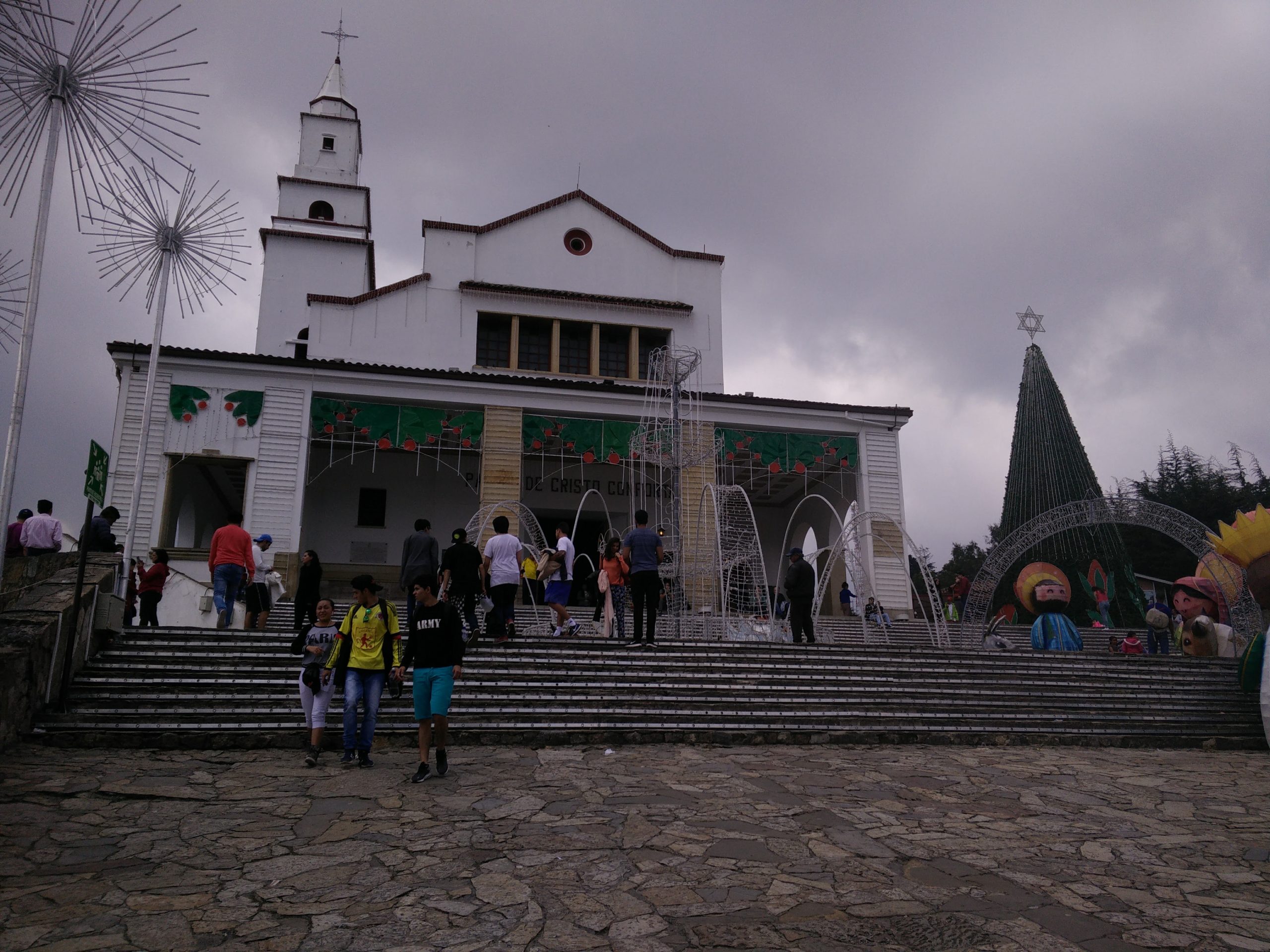
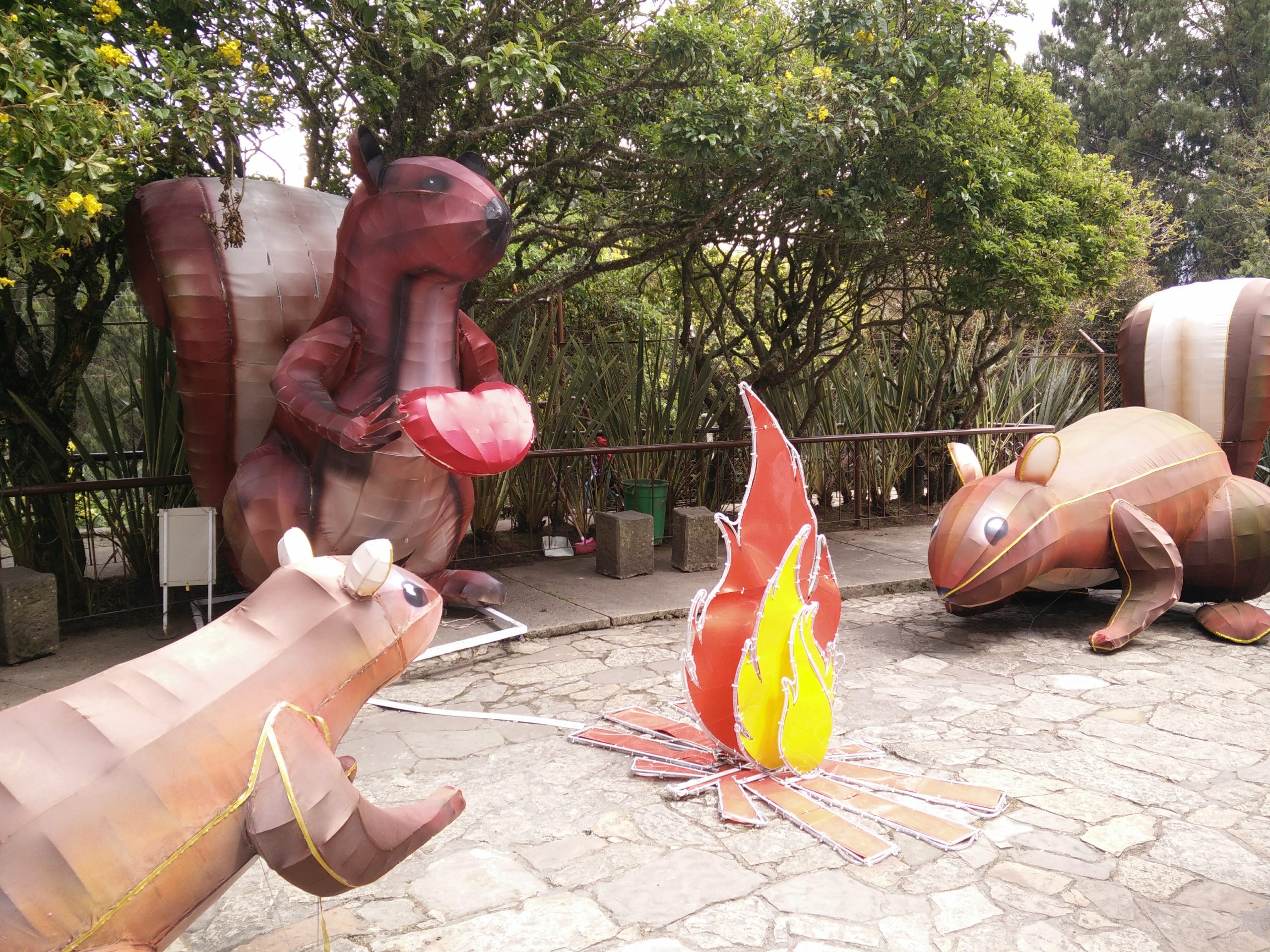
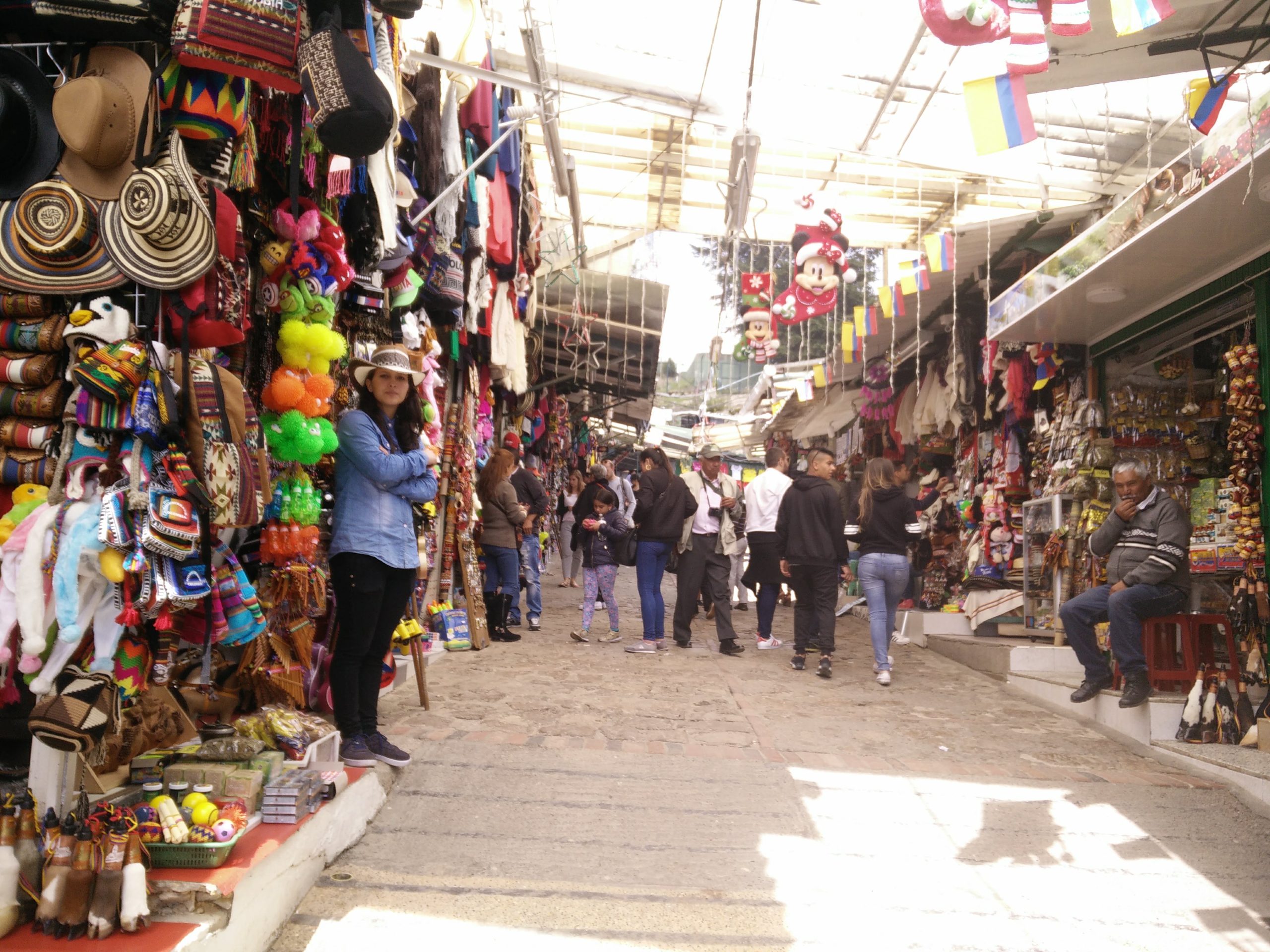
From La Candelaria, a neighbourhood downtown known for its colonial and baroque style, to Cerro de Monserrate, a hill towering over the entire city with a church at its summit and quirky decorations all over, we had no time to be bored. We roamed around the city’s streets, visited cathedrals and museums, spent all our money on coffee and local food, and we were practically in heaven.