Wild

II.III.III
WILD
My journey through Colombia led Pedro and me to Santa Marta, a city renowned for Tayrona National Natural Park, a wildlife sanctuary that is practically heaven on earth. Yet it wasn’t for this either that we had travelled there.
It was for the Ciudad Perdida – the Lost City of Teyuna, an ancient settlement hidden deep in the jungle of the Sierra Nevada mountain range. Built around 800 AD, this archaeological site is a remnant of the Tairona people, who inhabited the region until the Spanish conquest. Lost to the outside world for centuries, it was rediscovered in the 1970s when tomb raiders stumbled upon it while searching for valuables.
Pretty soon, I’d be stumbling upon those same ruins myself. That was what I had been waiting for: a four-day trek in the middle of nowhere that promised not only the sight of ruins thought to have been long forgotten, but also the rediscovery of something I had long lost within me.
Finally, the long-awaited day arrived – accompanied by a sudden bout of fever and malaise. Add to that the fact that I felt completely unprepared for such a trek, and it already spelled disaster.
The reason for that is simple. All my life, I had been a couch potato. A bed potato, really. My bed was my best friend and my comfort zone. I’d watch TV, study, eat, read, write and do whatever possible from my very comfortable, very safe bed. Back then, my only exercise was walking to the refrigerator to get a snack and then crawling right back under my sheets. It took a while for me to realise that life happens outside of my bed, despite my overpowering clinomania. When I finally did, I threw myself right into the deep end. I started planning a trip that would challenge my physical limitations unlike anything I had ever done before.
And now, here I was, about to roam around the jungle with hiking boots that would later earn the name Blister and a bag that weighed just as much as I did, victualled with everything I’d need on the trek, plus a few extra supplies in case of an apocalypse. Throughout the previous month, Pedro had been warning me that it’s not something you can just jump into – that you need to train and exercise. Of course, that’d be Future Marius’ problem. And now Future Marius was Present Marius, and Present Marius hated Past Marius with a passion.

Already feeling defeated, we arrived at the tour agency where we were shoved on a 4×4 along with ten other trekkers from all over the world. It was a two-hour, overly bumpy ride along a dirt road that took us pretty much right into the middle of the mountains, surrounded by lush jungle on all sides – the very first time I had ever found myself in one! Between marvelling at the gorgeous views and breaking the ice with everyone else, by the time we reached our destination I had mostly forgotten about my ailments.
The starting point of our trek was a small mountainside town called El Mamey. Here, we met Hugo, our guide, and were introduced to some of the Taironas who live in the area, all clad in white clothing. The word idyllic doesn’t even begin to describe the setting, with mules and chickens scurrying around everywhere you look.
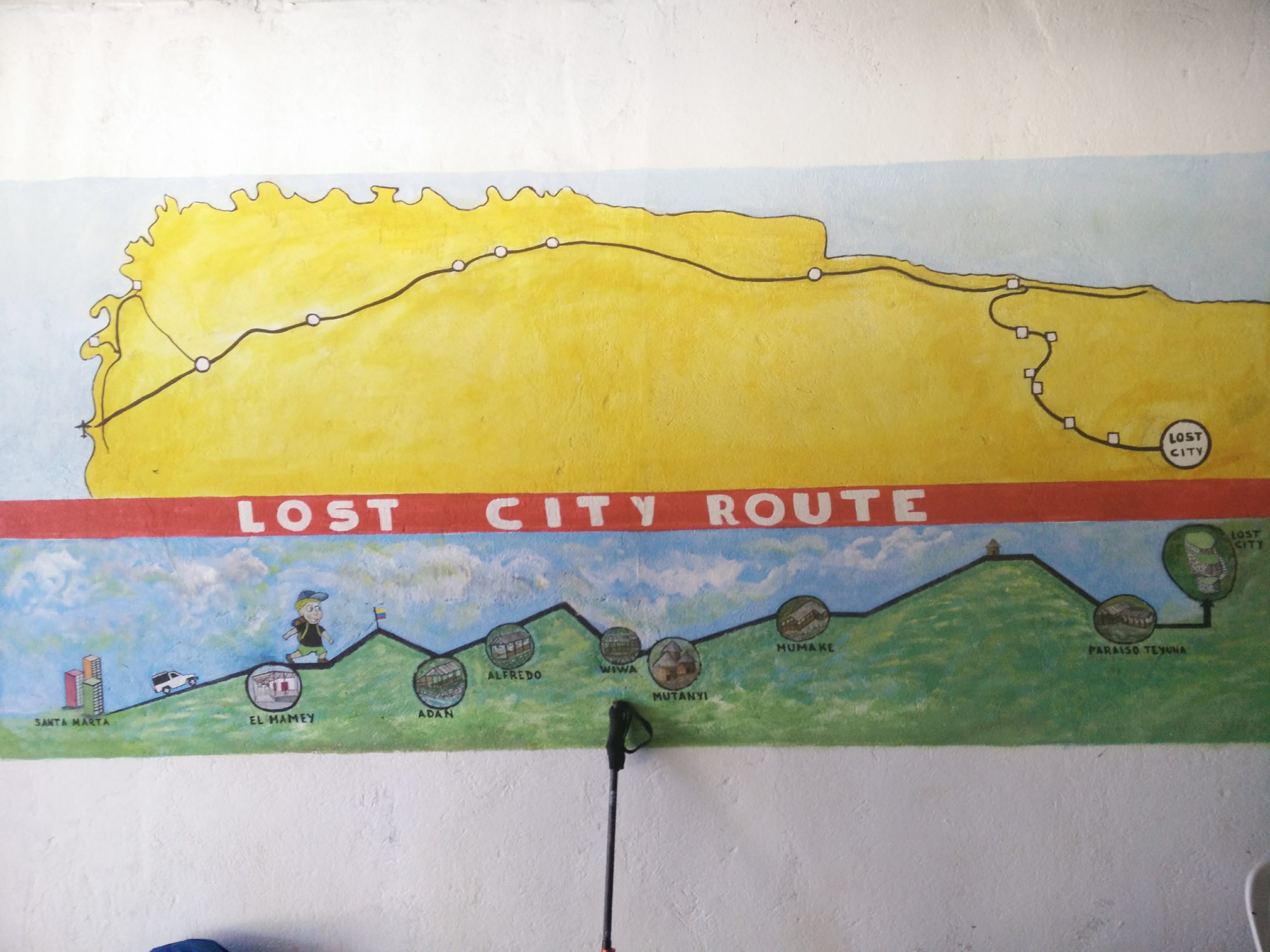
Once we all settled down, we were shown a map detailing the various parts of the trek and were told that we’d be hiking around 45 kilometres and reaching an elevation of around 1,100 metres in the coming days. Doesn’t sound too bad, right? Right. If you’re not a febrile bed potato, it’s totally not bad. And I seemed to be the only one who was – the rest of the group looked like they did this sort of thing before breakfast.
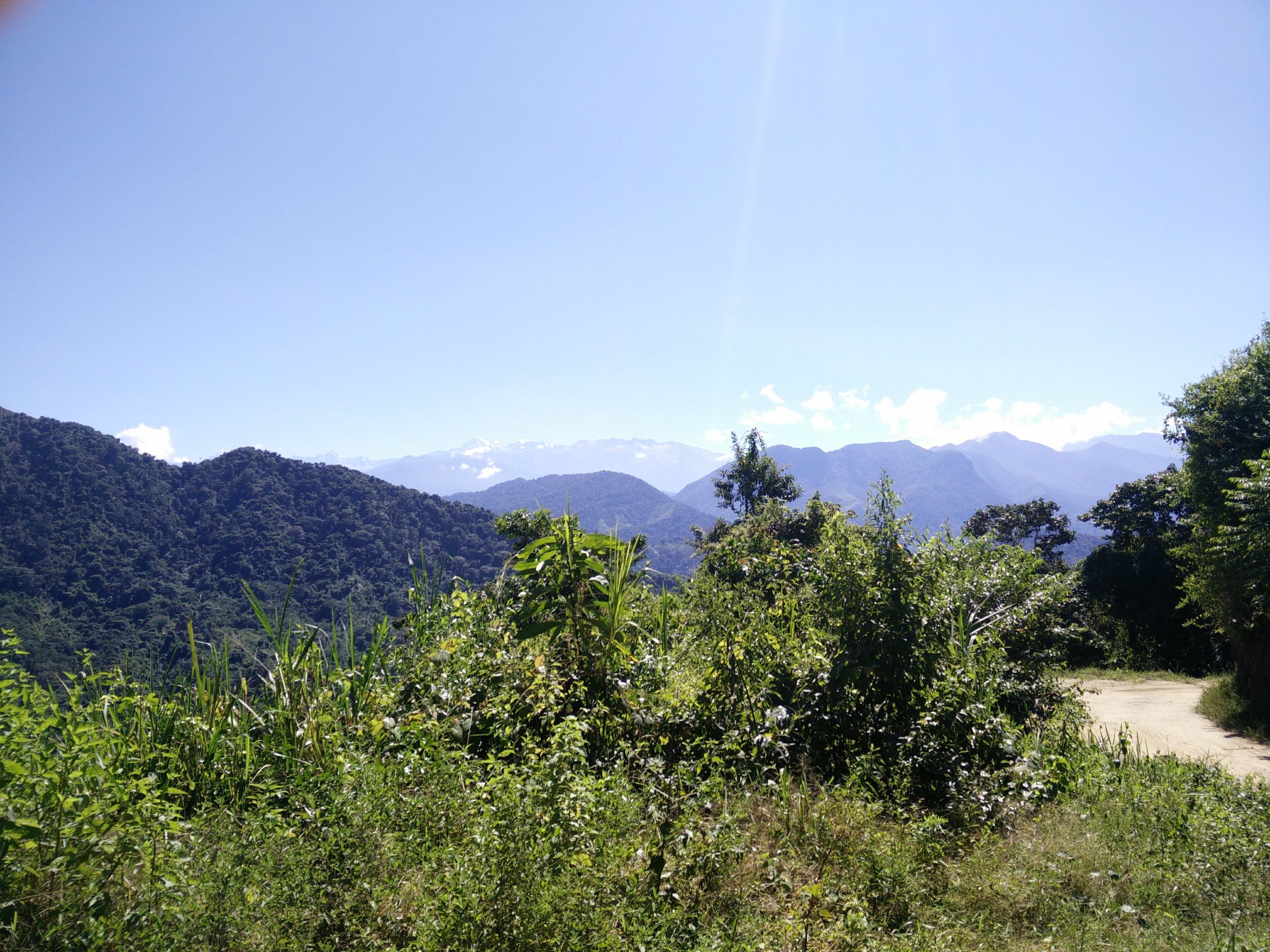
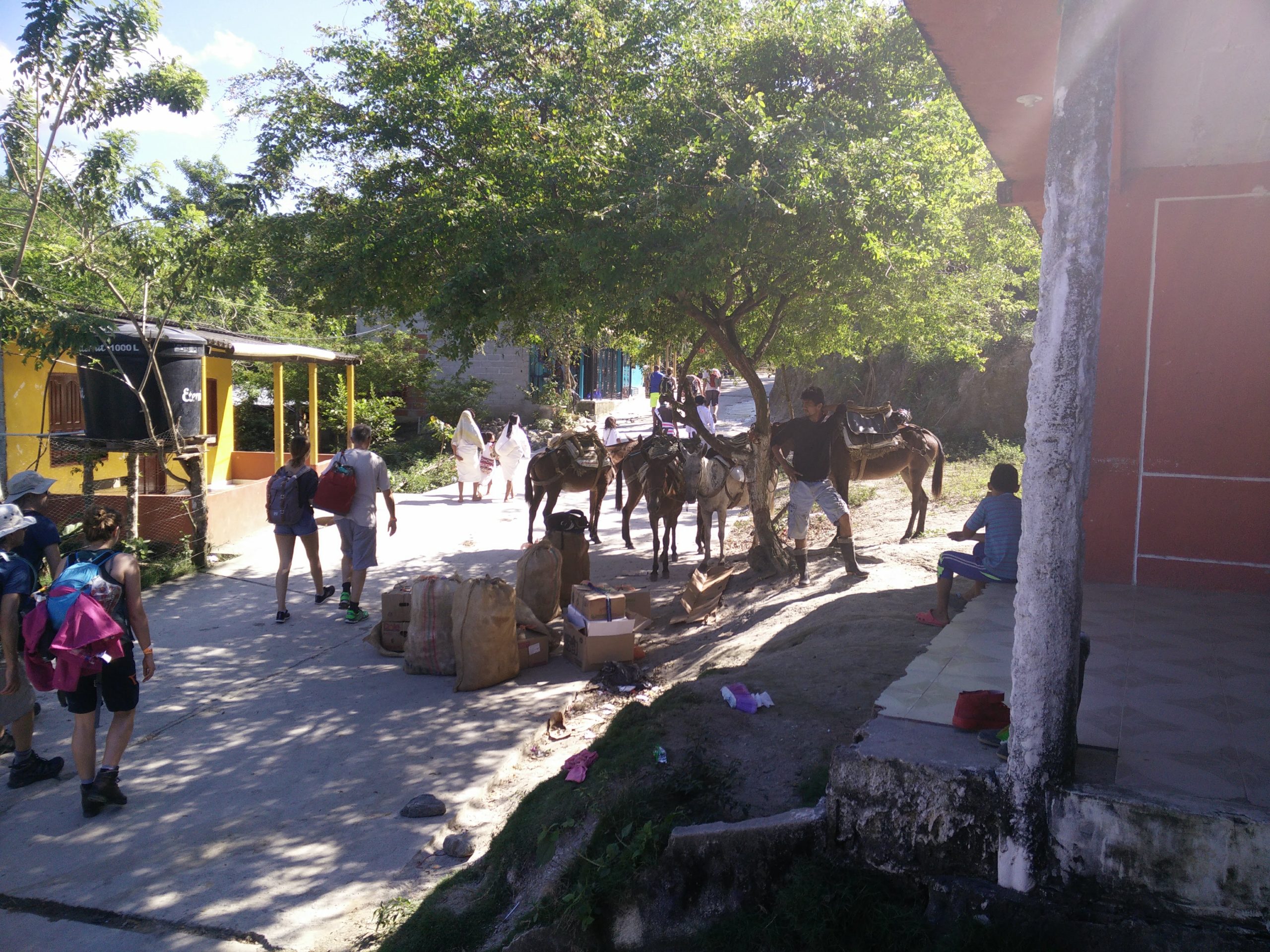
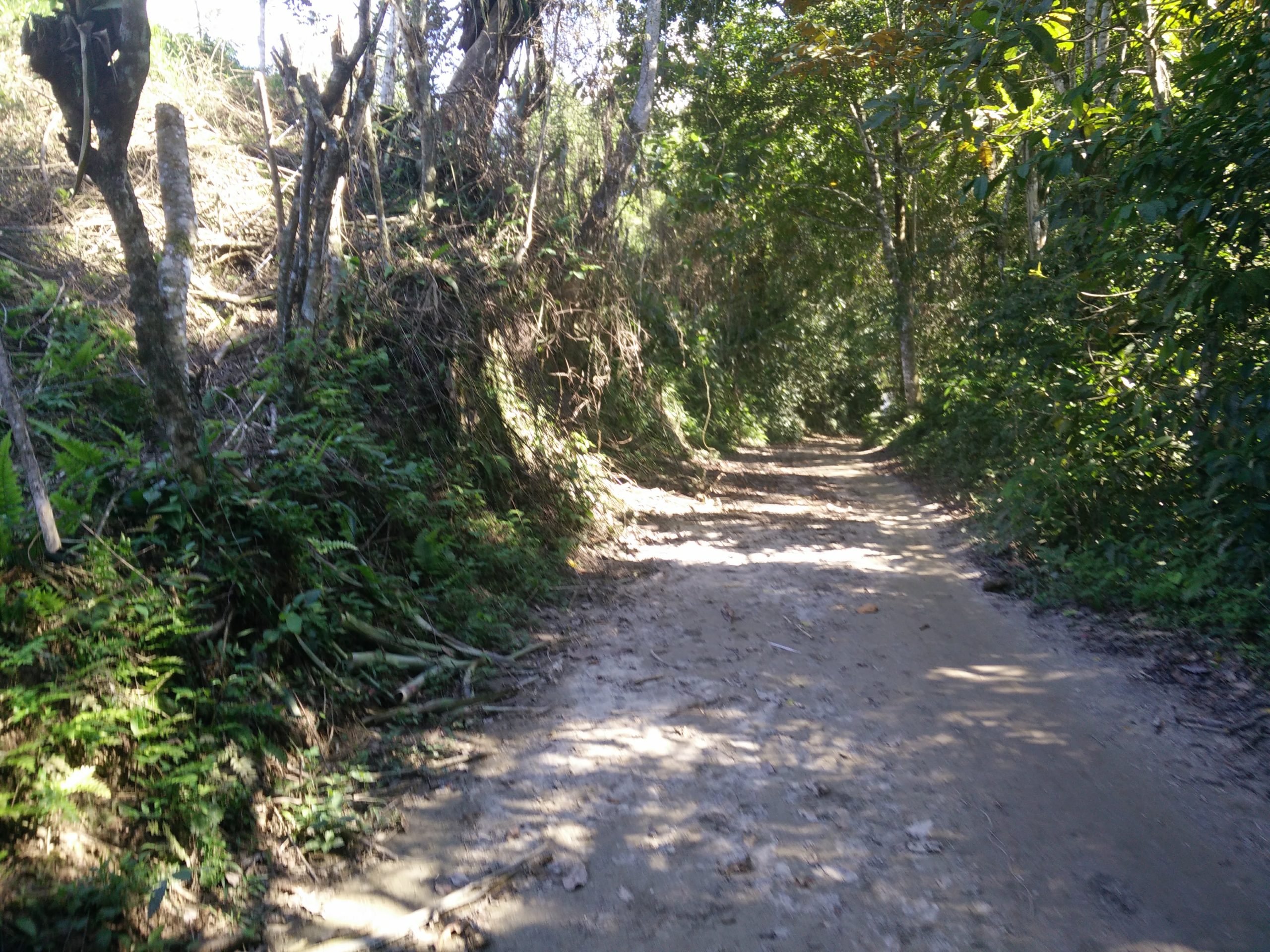
With that, we started our journey. It really wasn’t all that bad at first. I was keeping up, observing everything around me. Vistas and panoramas worthy of a National Geographic cover had me in constant ecstasy. Every leaf of every tree seemed to be the most interesting thing I had ever seen.
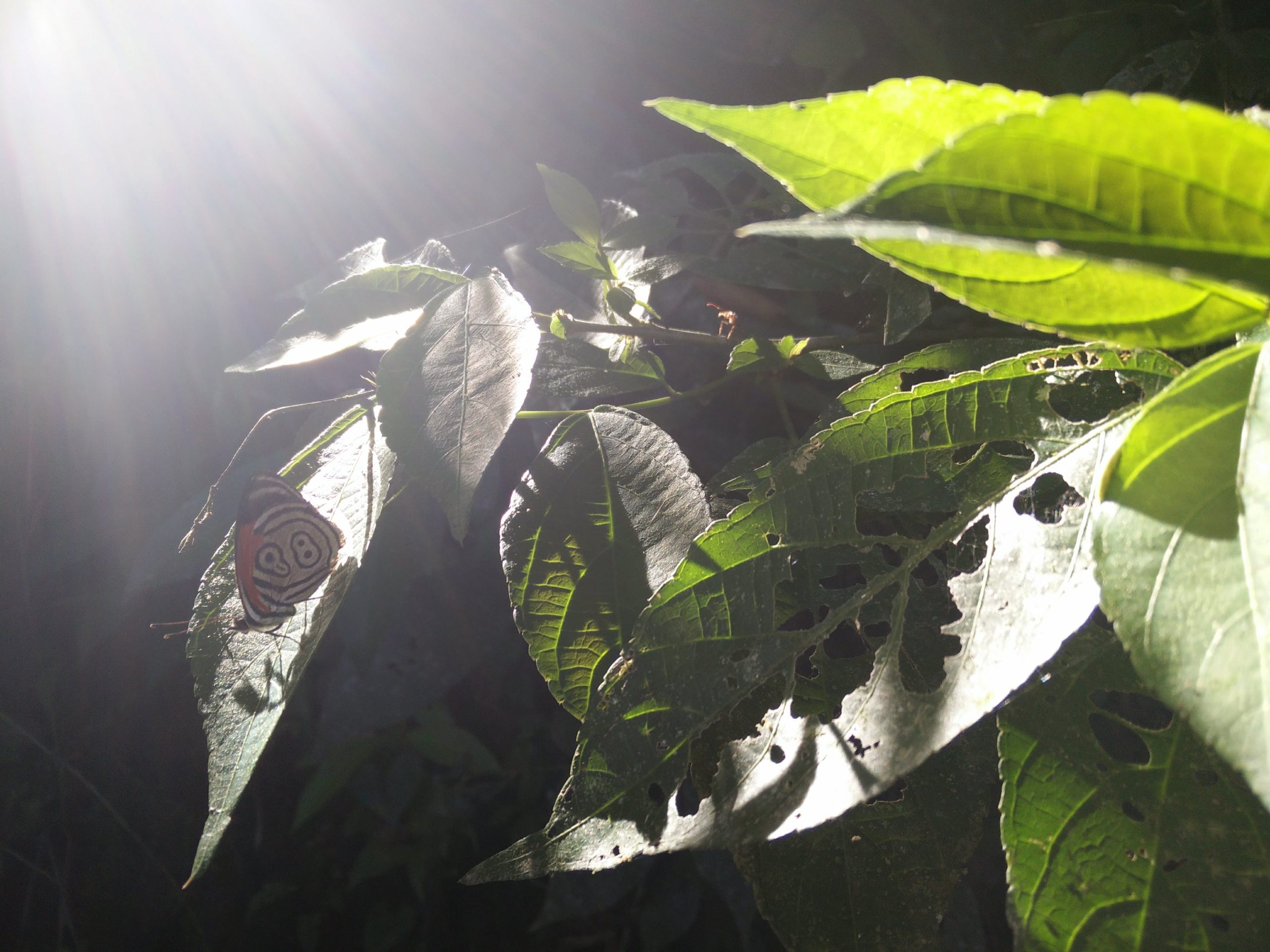
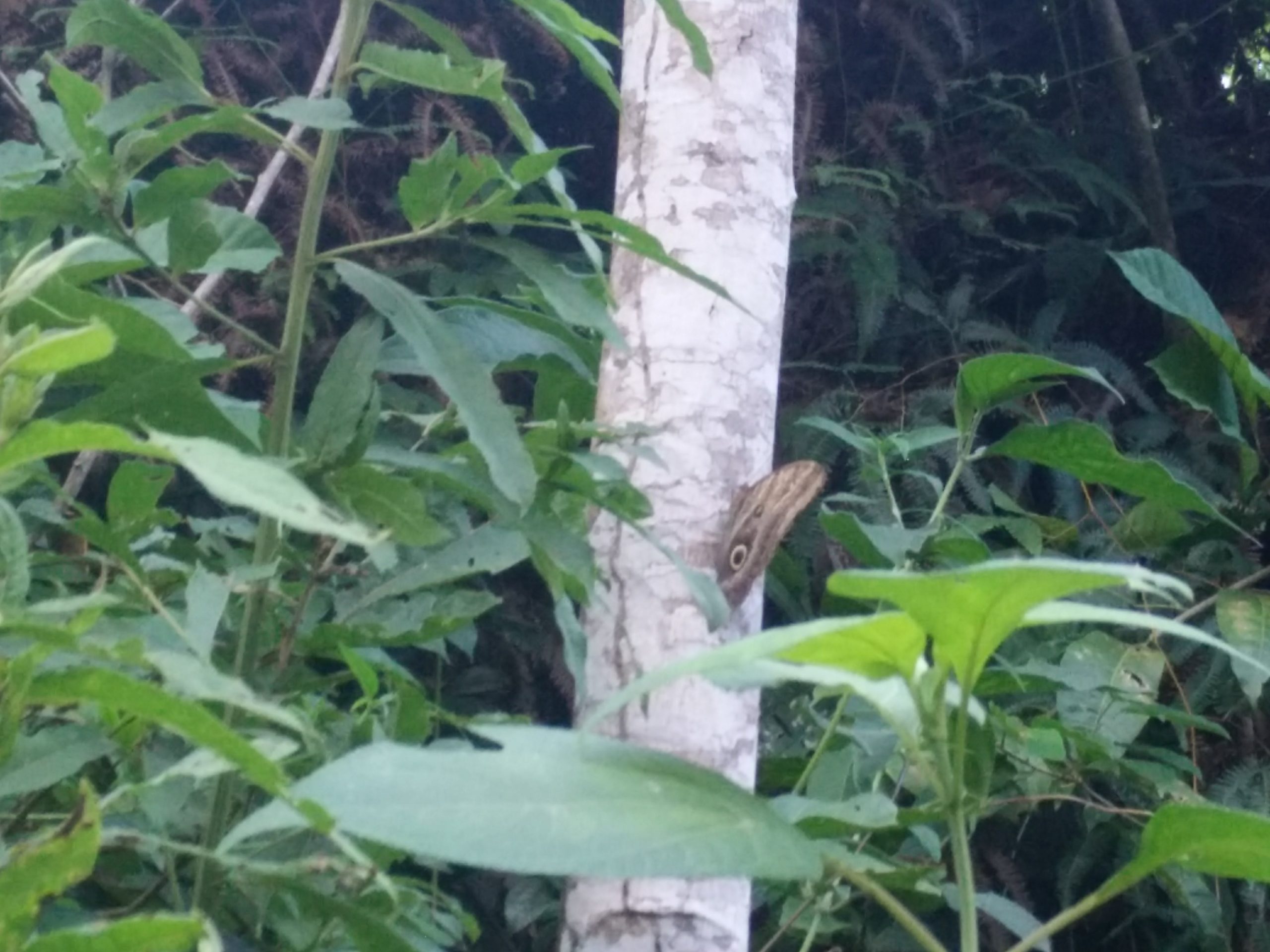
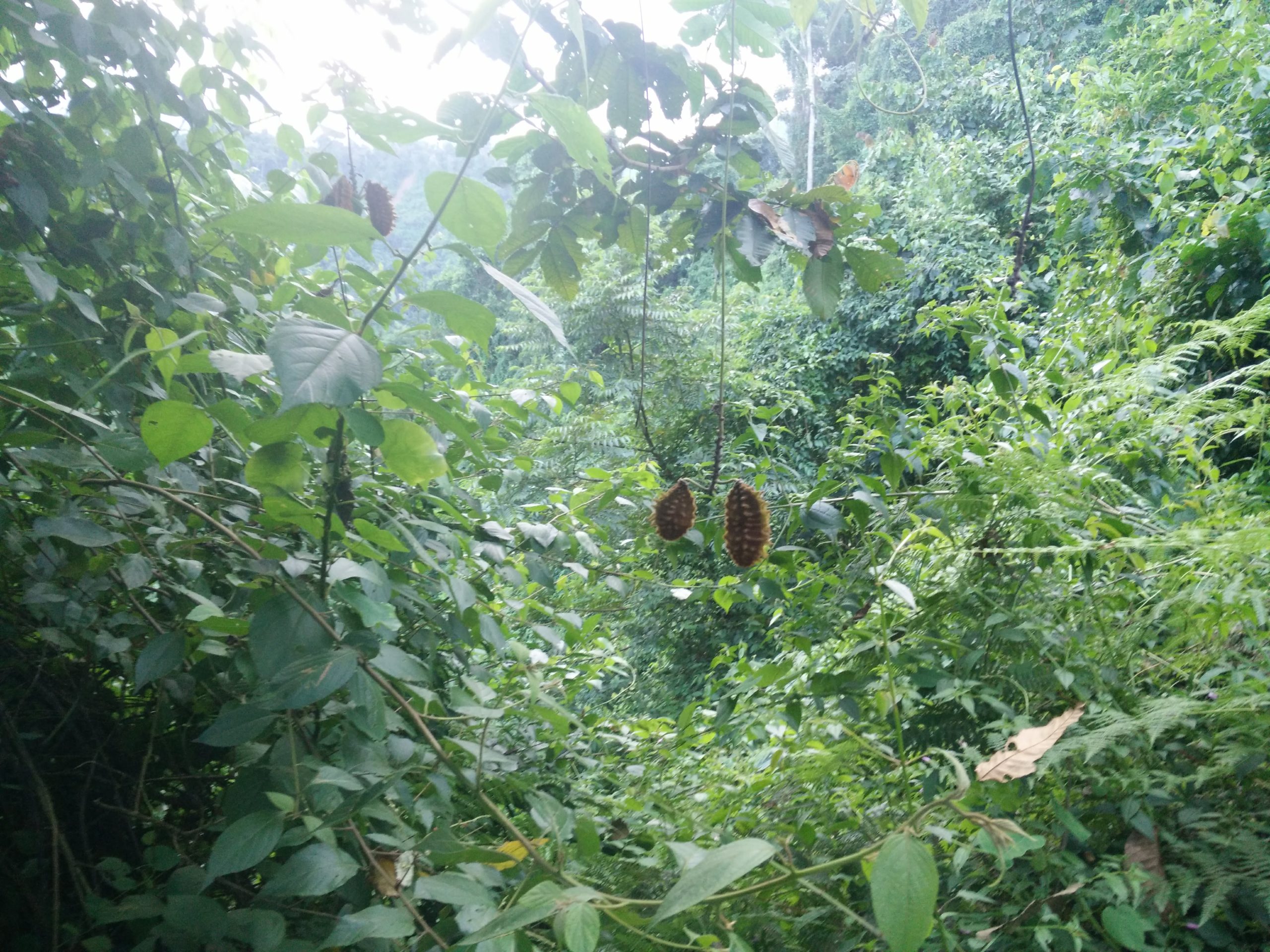
Butterflies of all kinds and colours, including the rare Diaethria anna – the eighty-eight butterfly, with zebra-like markings forming the number 88 on its wings. Owl butterflies and big blue morphos that seemed too unreal to exist, leaf-cutter ants, poisonous spiders – an entomophile’s dream come true. Woodpeckers, hummingbirds and parrots, flowers of every hue and shape, exotic fruits and bizarre plants. I wanted to remember every single detail, so I took photo after photo until I started falling behind the rest of the group. I’d catch up, get distracted, fall behind and then catch up again. Not only wasn’t this hard – it was fun!
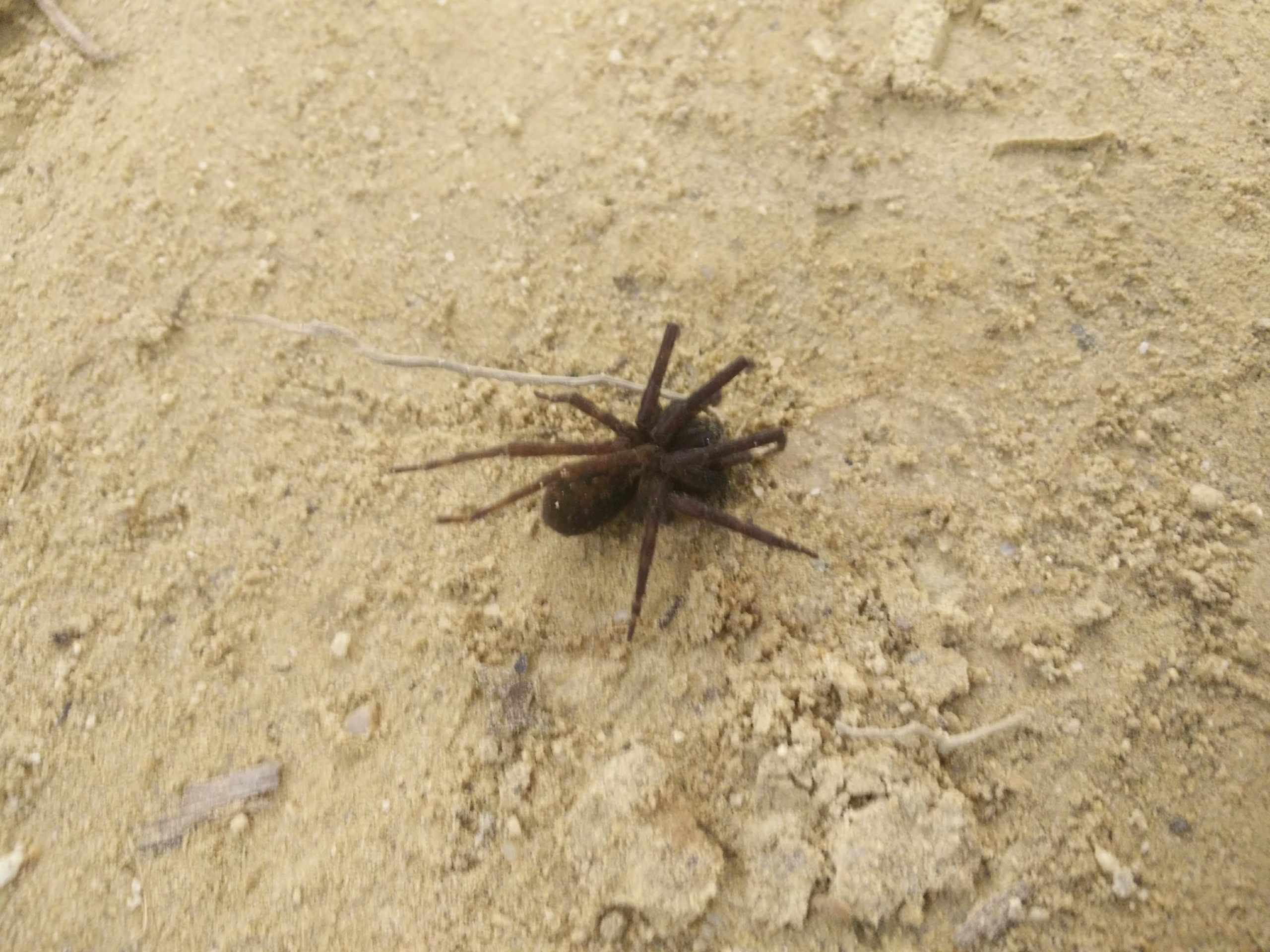
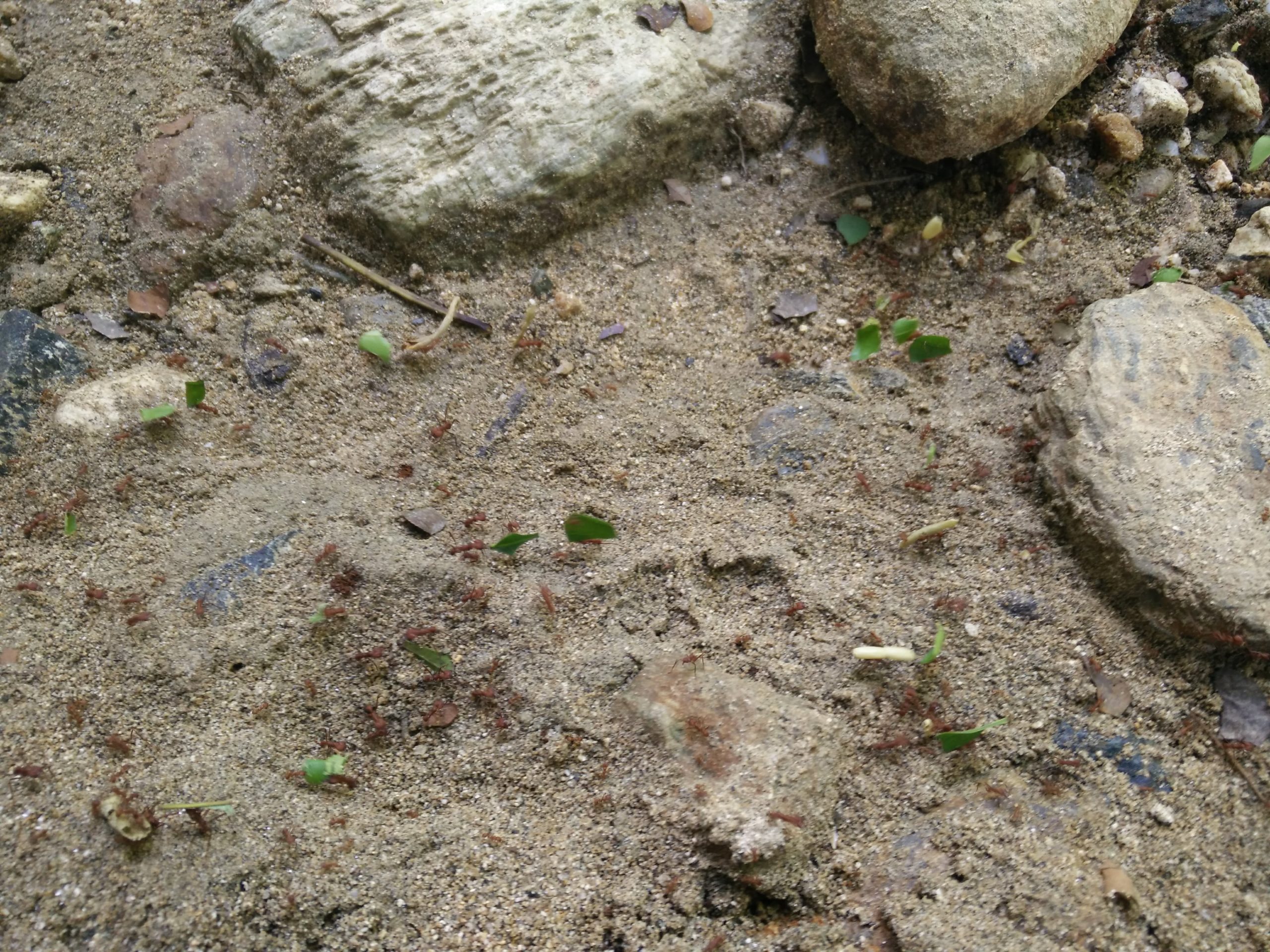
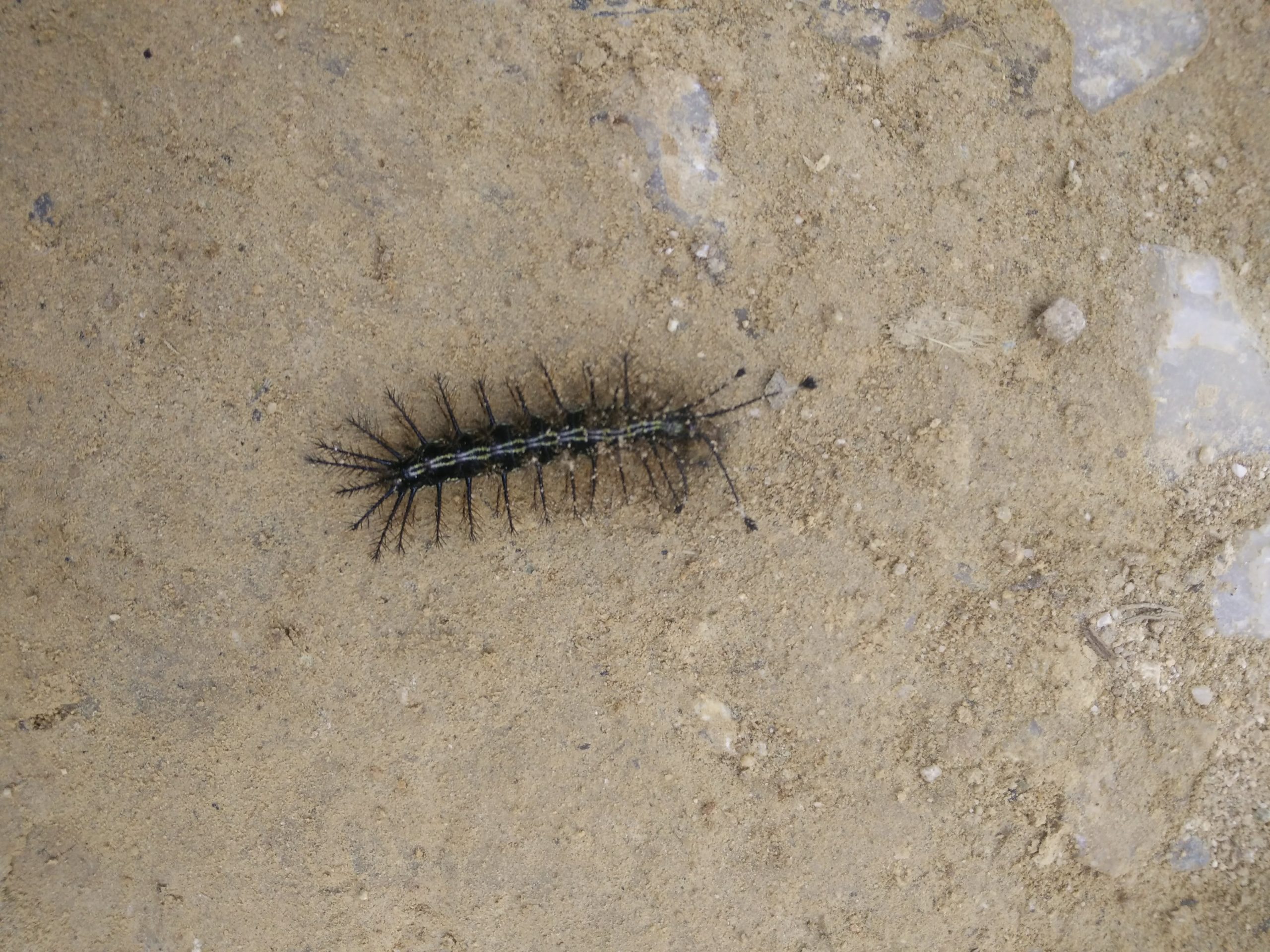
Or so I thought. After a couple of hours, my positive attitude began to crack. My calves started cramping, my heart seemed to be beating in my throat, I was drenched in sweat and felt like I was being sucked dry by millions of mosquitoes. Pretty soon I was trudging behind the group with Hareth, a sixty-year-old German guy who’d become my trek companion (along with his son Nicholas, who’d occasionally tag along out of pity). Then we reached a point where we were no longer under the cover of trees. The scorching sun turned the vibrant jungle into a lifeless Tatooine as we climbed one exposed switchback after the other. The path grew steeper by the minute, and I was panting and moaning until I was done.
“What the hell did I get myself into?! I can’t do this!” I kept repeating. “Just a few minutes until we get to the checkpoint!” Hugo would insist. Only after hours went by did I realise that this was just one of those motivational lies people use to keep you going. Up and up we went, always on the lookout for the Colombian flag marking the first checkpoint. Up and up and up. I was pretty sure it was a myth by the time we finally reached it. But one way or another, we did!
Needless to say, the others, including Pedro, had been waiting for us for quite a while, and some had already moved on. As I devoured the slice of watermelon handed to each of us at the checkpoint (so sweet, so juicy, so refreshing) and enjoyed the stunning mountainside view, I figured that despite how degrading it felt for a twenty-two-year-old to be so slow and unathletic, at least I was doing it one way or another. Better to do it at my own pace and actually enjoy it.
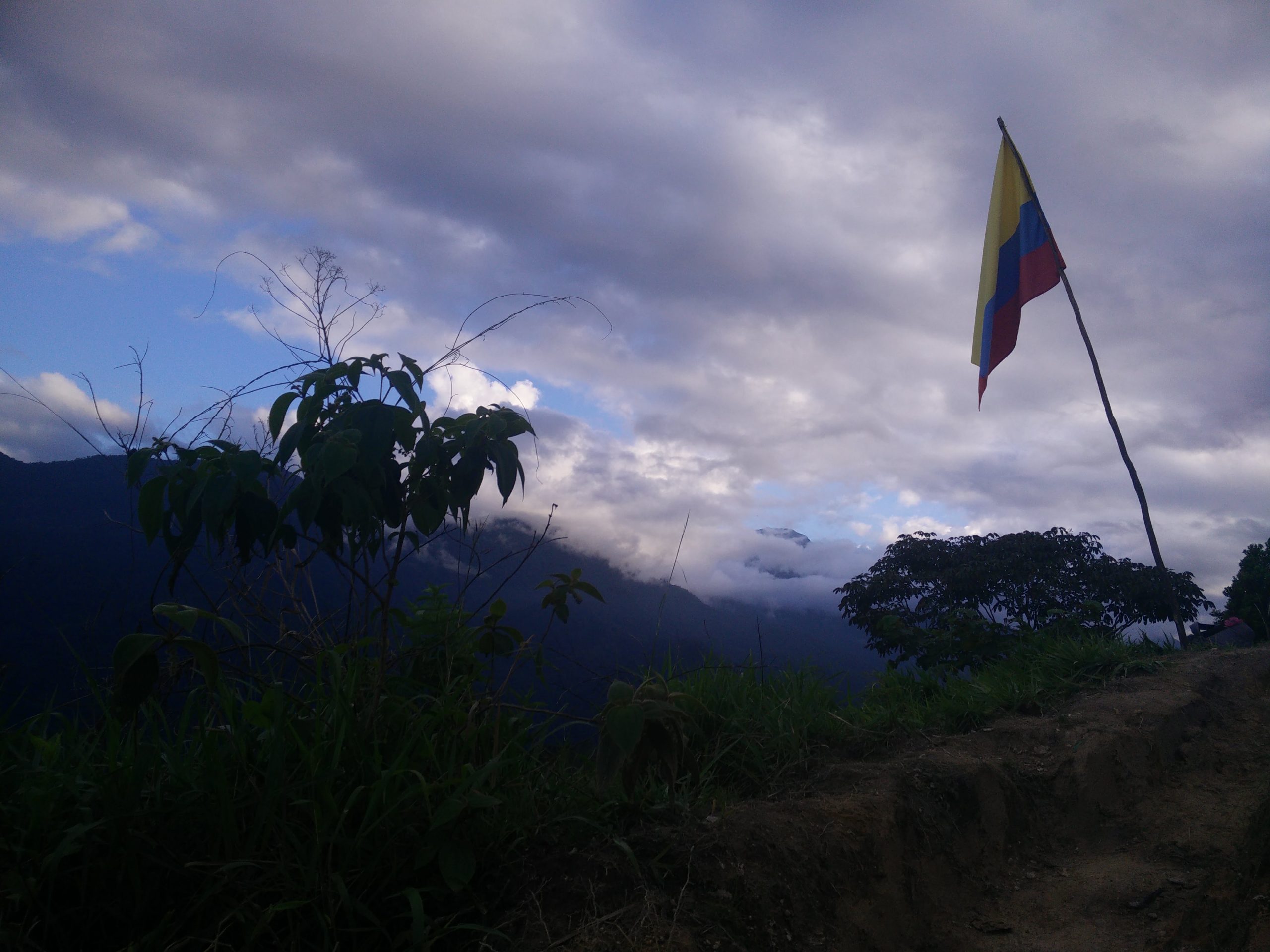
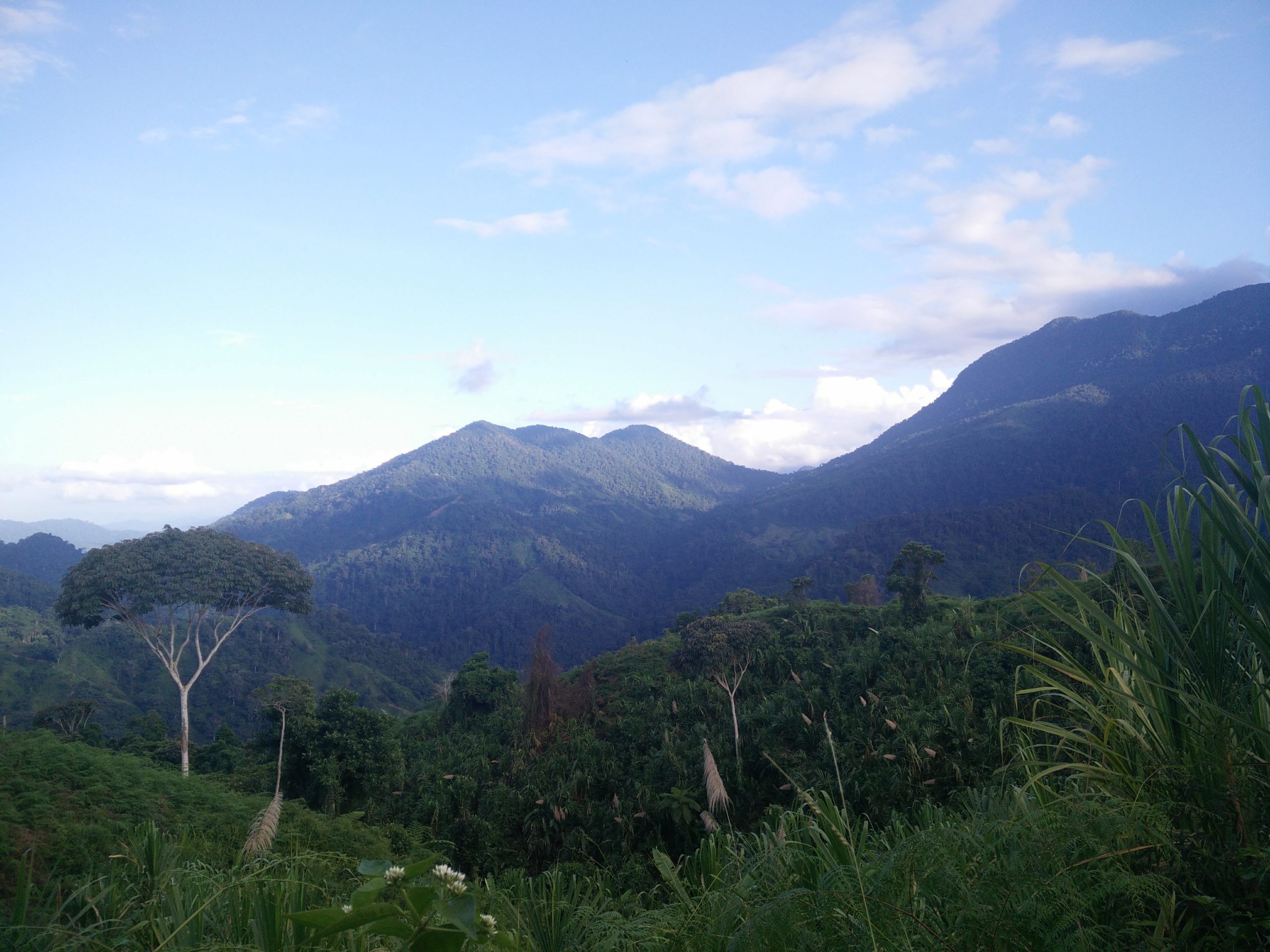
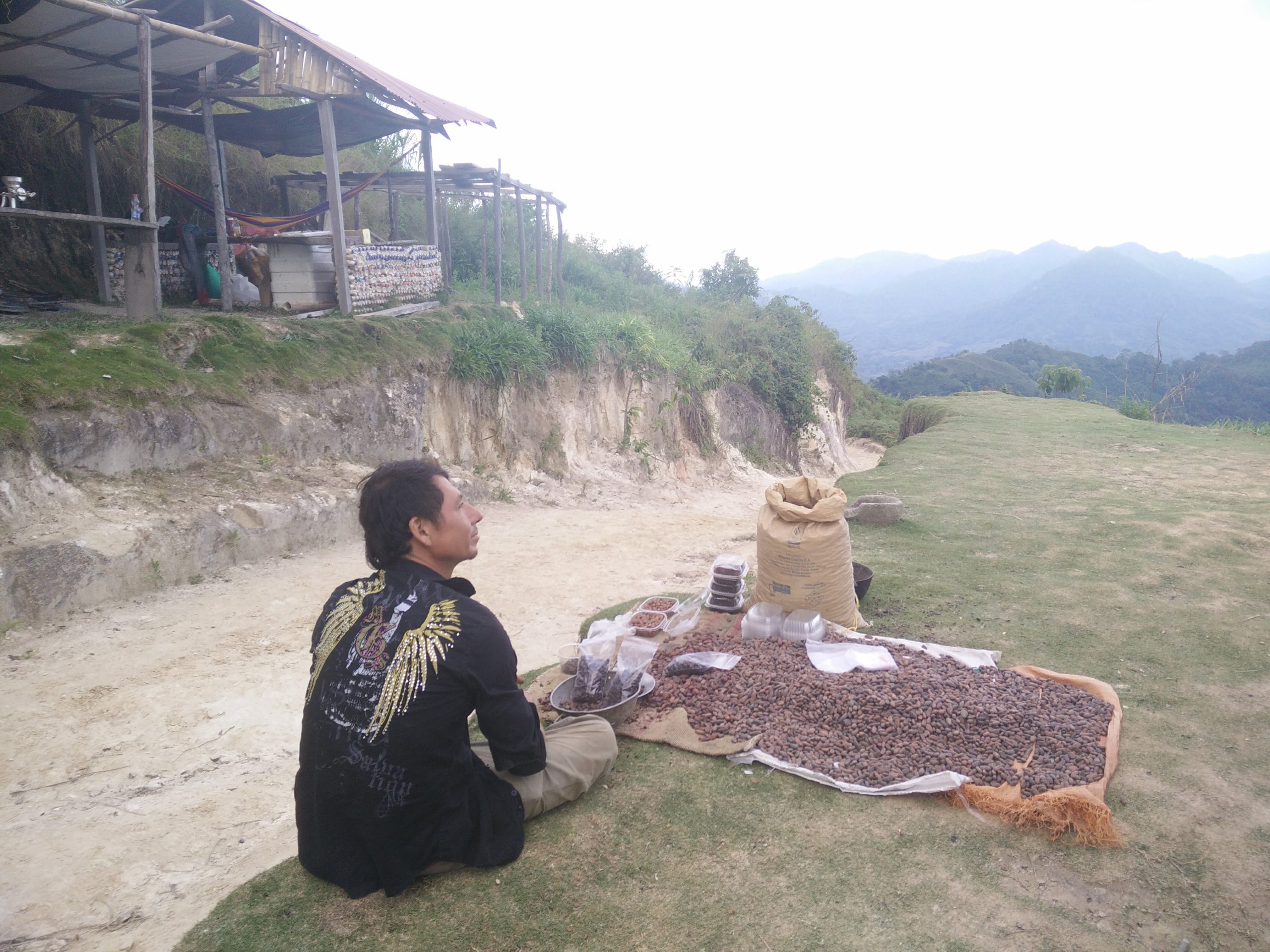
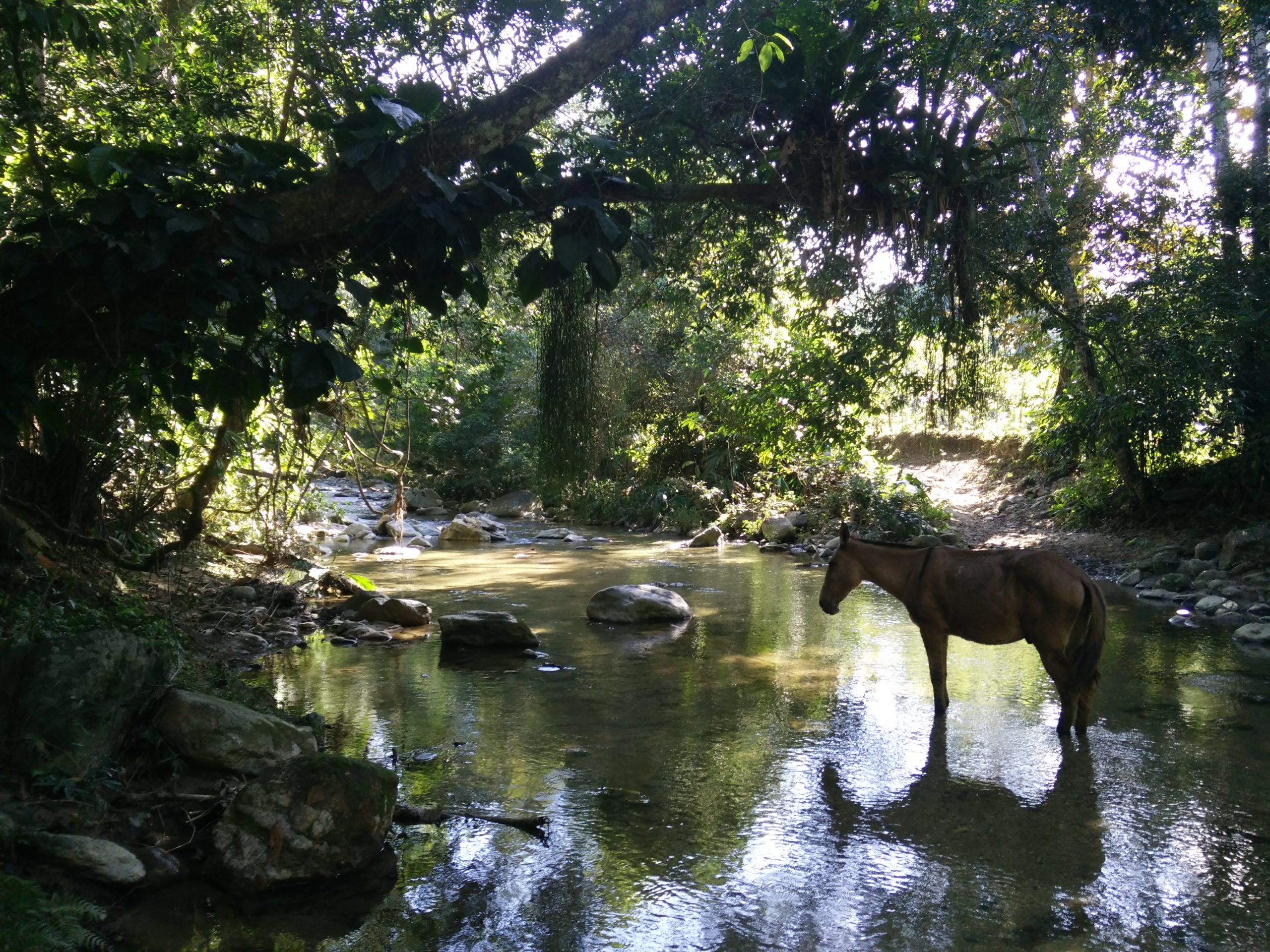
Up and down we climbed, crossing dilapidated bridges and traversing rivers, all while shrouded by dense foliage. It felt like being on one of those wild expeditions you see in documentaries.
I still remember the first river crossing so vividly. It felt like such an incredible feat to all of us. We had to take off our boots and, while holding everything in our arms, we had to find our footing on the loose rocks and pebbles on the riverbed as we fought the current without losing balance. As challenging as it was, having cold water caress your feet after all those miles of hiking felt like the best damn thing ever.
By the end of the day it felt like we had been trekking in the jungle for days on end, and most things – like scrambling over rocks or trudging through mud – felt almost effortless. Who would’ve thought? Bed potato Marius had somehow managed. Against all odds, against all logic, I had made it. I had survived. We reached the camp at dusk, everyone collapsing onto the benches as soon as we arrived.
The campsite – an open space with a corrugated iron roof over wooden bunk beds covered with mosquito nets – was lacklustre at best. Even so, it might as well have been paradise, with the promise of rest overpowering any sense of décor or luxury. After eating and “showering” (the water so frigid it lasted a few minutes at best), I retired for an early night, hoping I’d wake up feeling better the following day.