Sharm El Sheikh – Day 3: Sunset on the Sinai
SHARM EL SHEIKH
Day 3: Sunset on the Sinai
November 14, 2023
Our last day in Sharm El Sheikh was all about sightseeing and touring around the city. First off, we started with a mini city-centre tour, visiting the grand Al Sahaba Mosque and the Old Market.
Then, after a quick round of mini-golf at the hotel with Rohan, we all embarked on an ATV tour in the Sinai Desert. Last time I had been on a quad bike with this group, it was back in Turkey and I had Priya behind me – a Bollywood actress who not only stole my photos without giving me credit, but also my heart. To this day, she is still my number one crush.
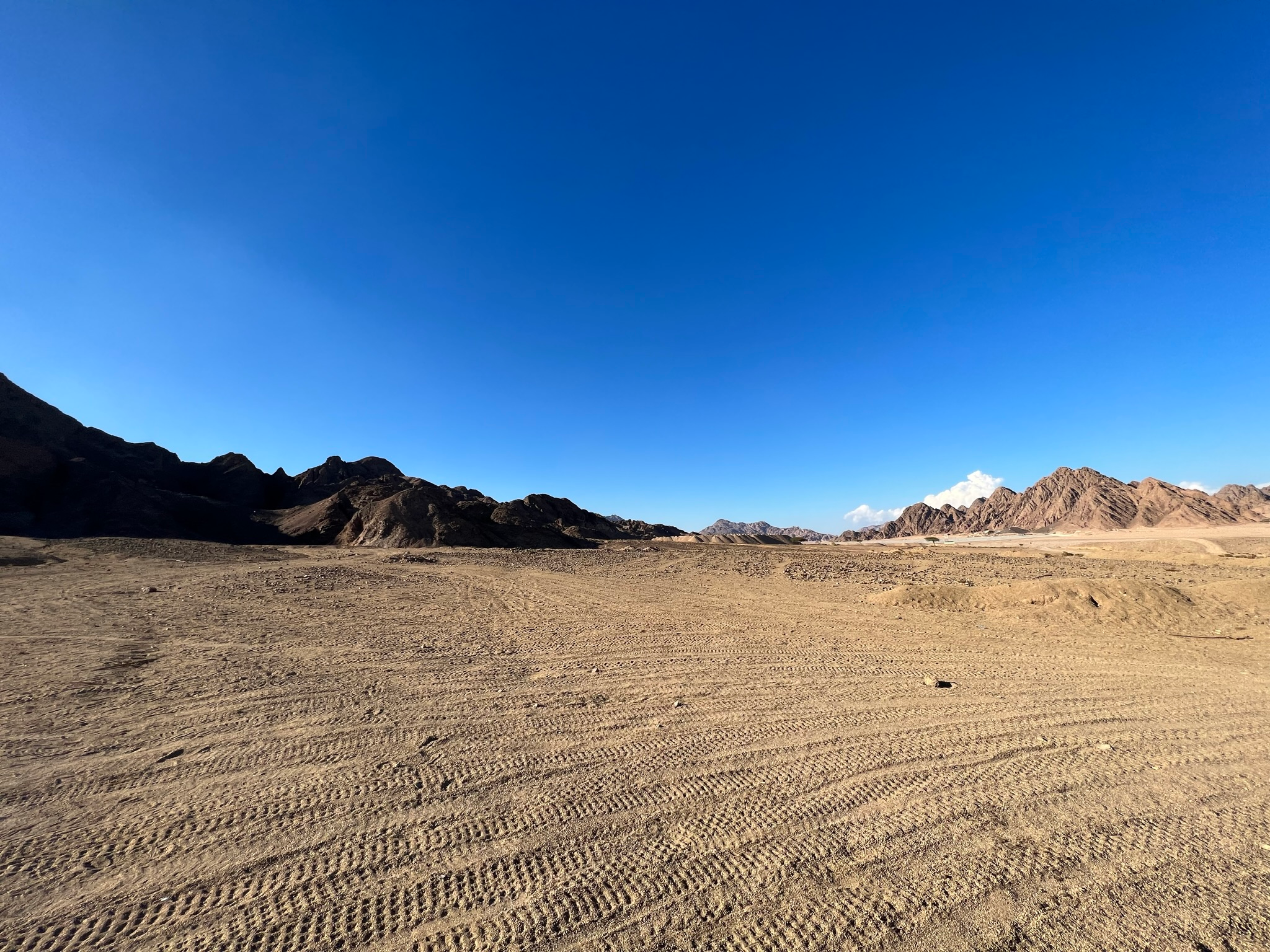
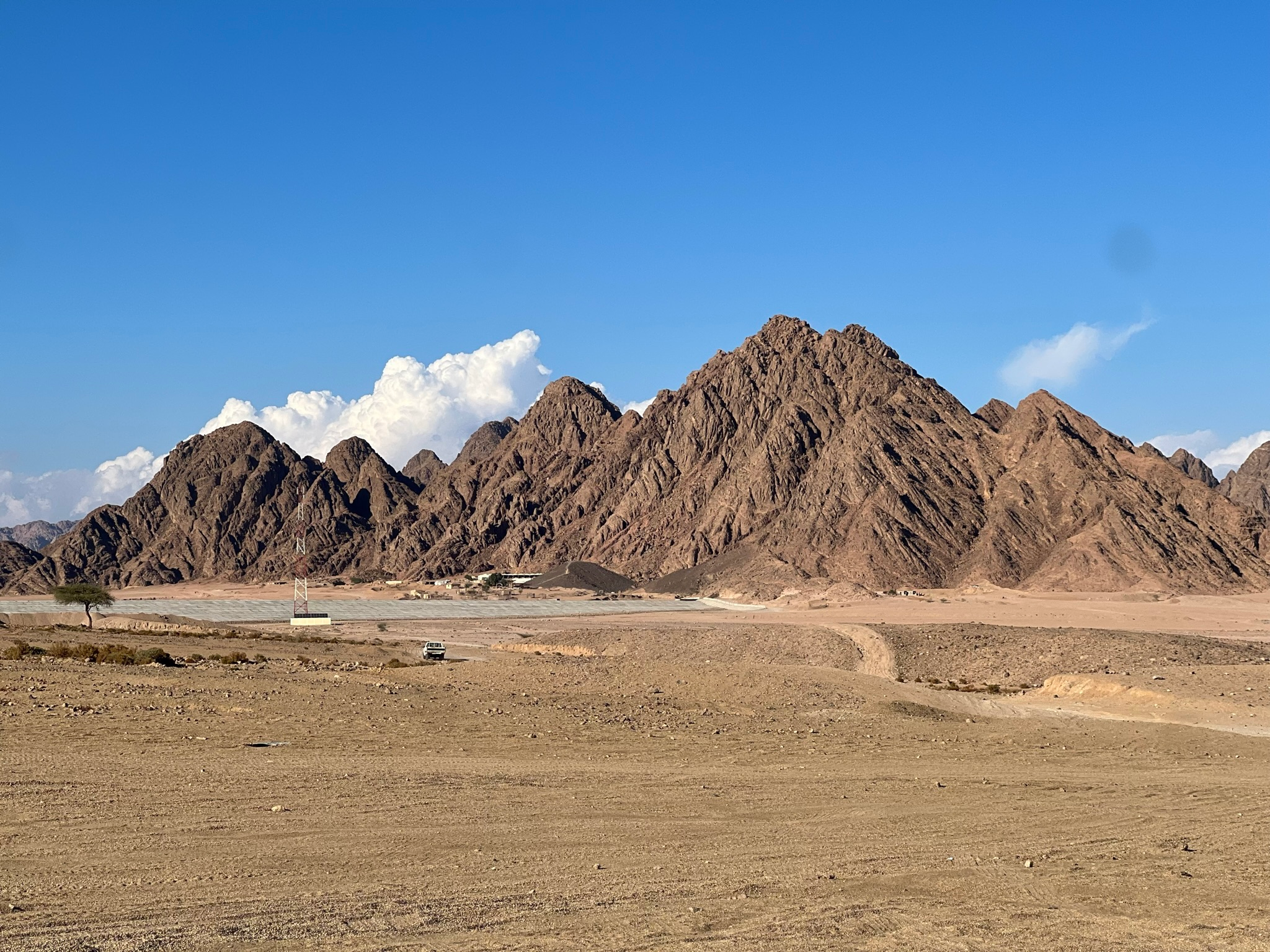
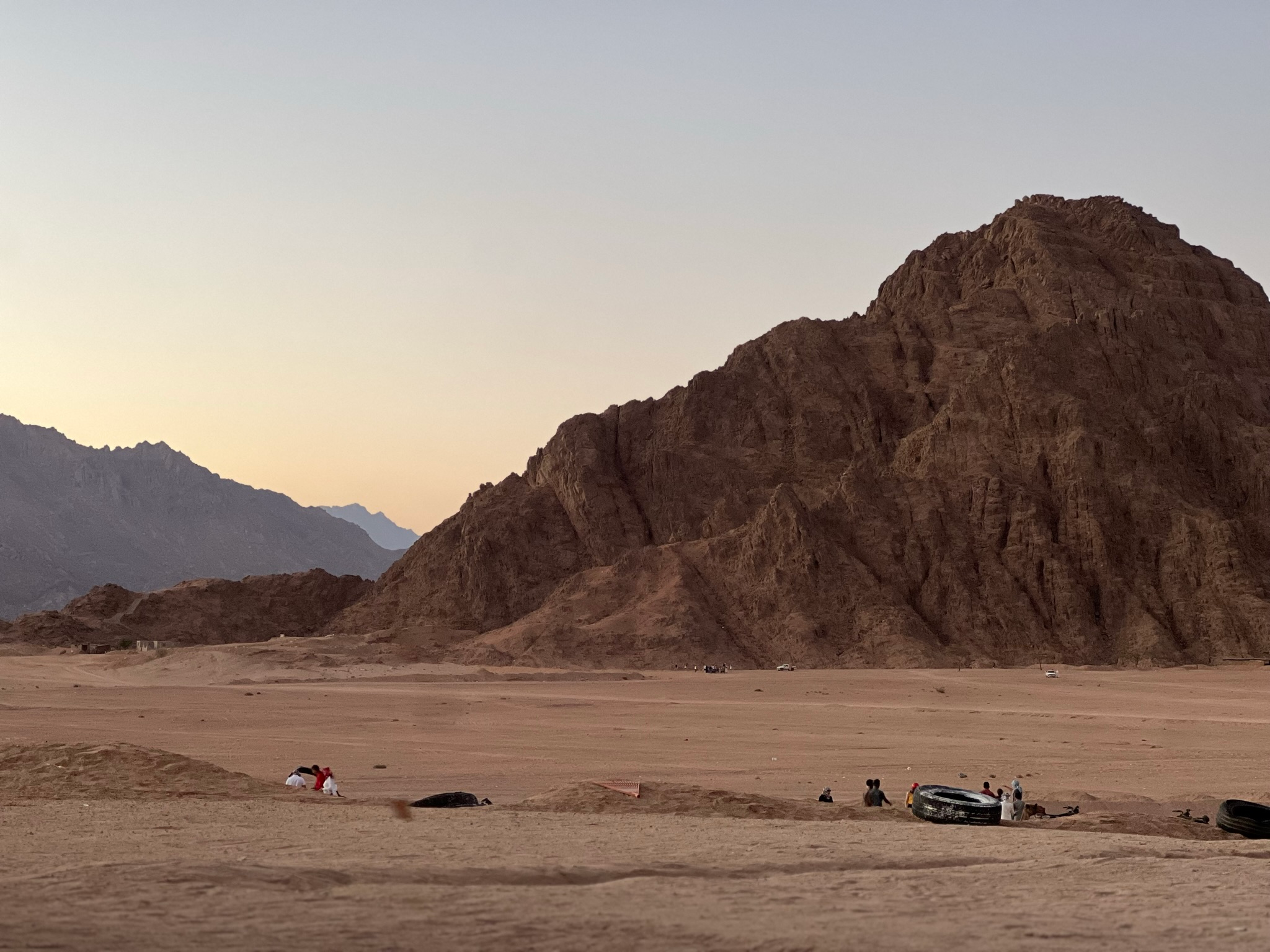
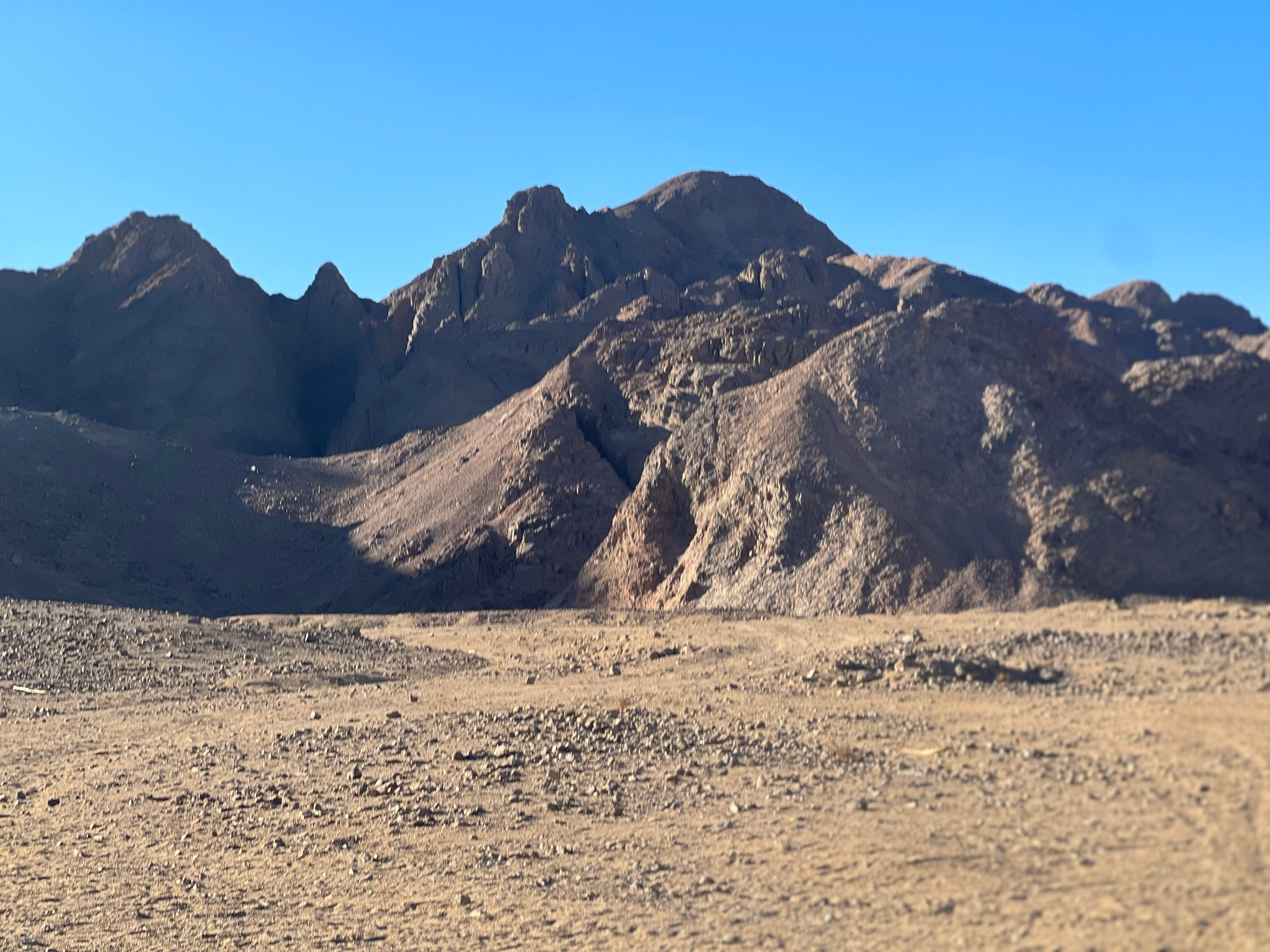
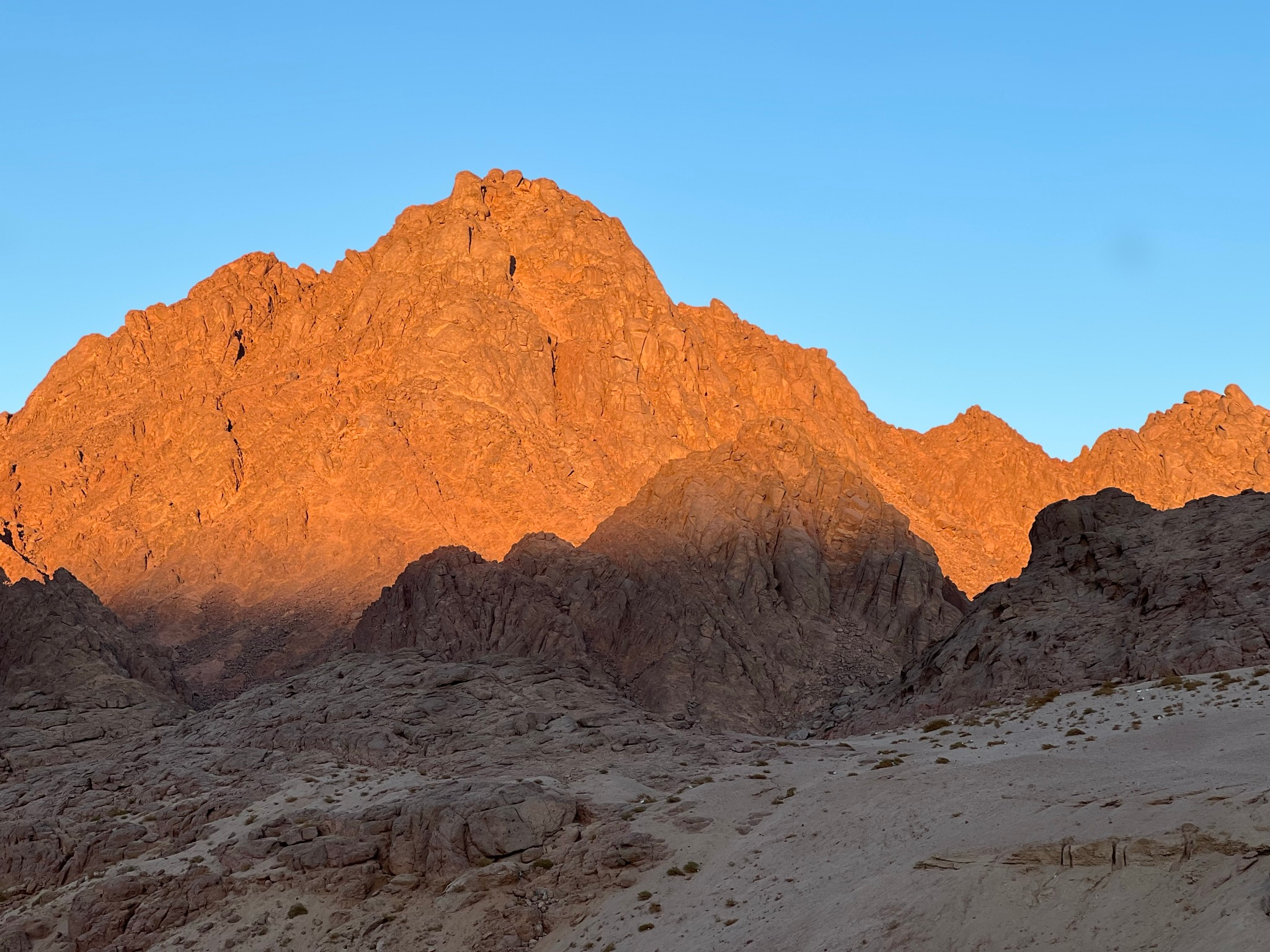
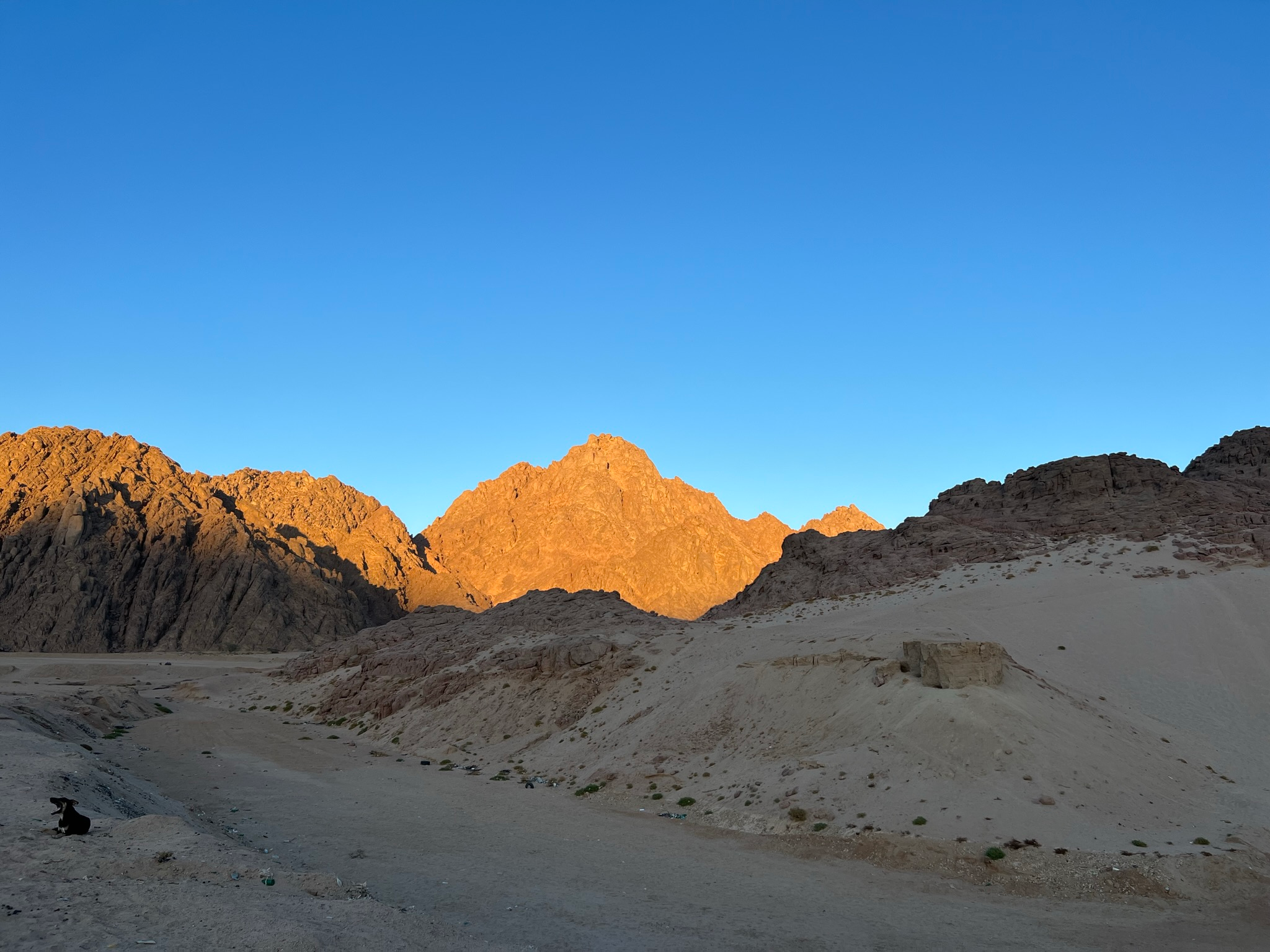
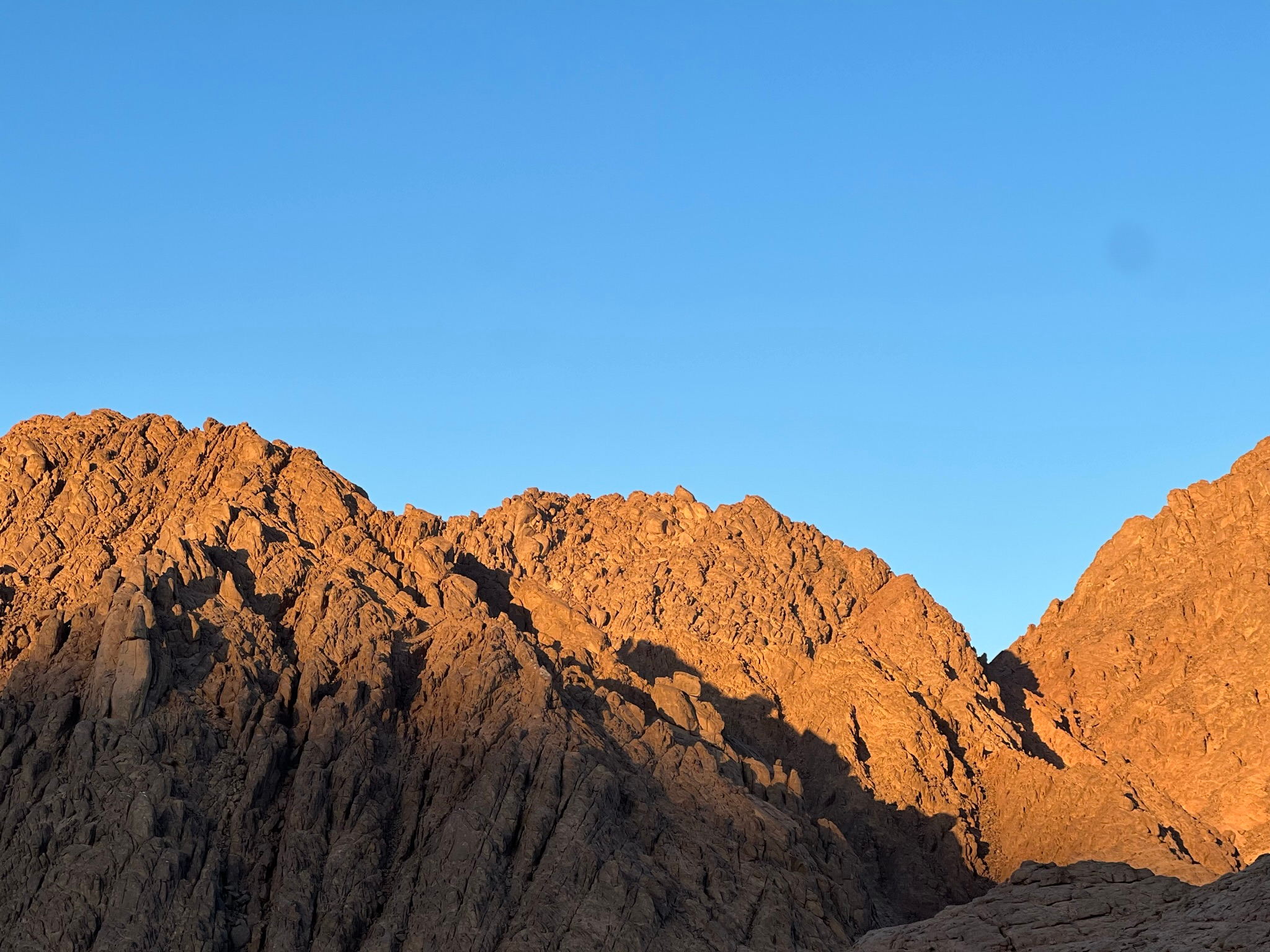
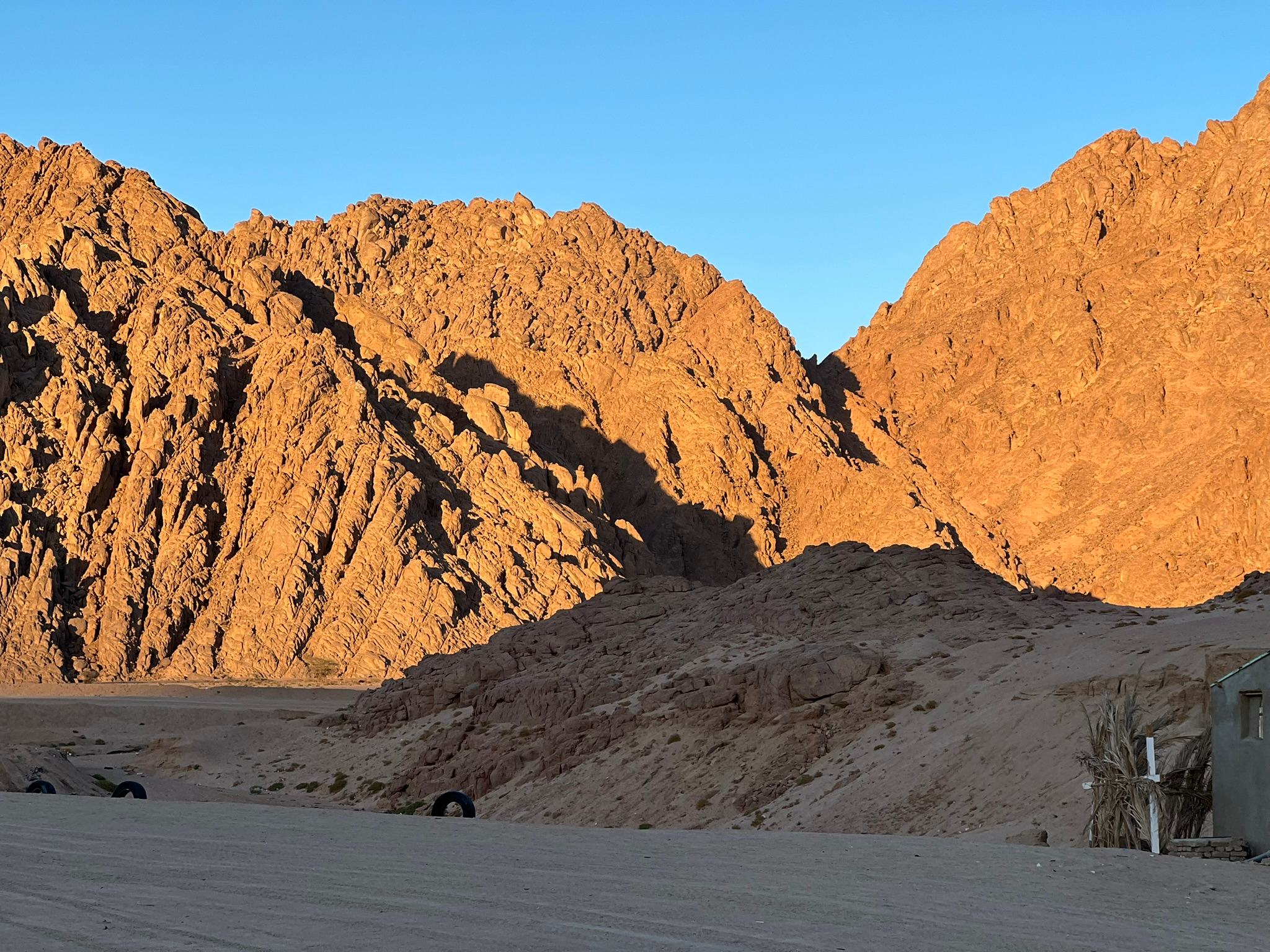
Cruising through the Sinai Desert was a pretty damn good consolation prize, though. Seeing the sand dunes and rocky mountain formations forming a backdrop to the vast and desolate landscape, I found myself thinking about how different it all was from other deserts I had visited, including the Atacama a few months previously and the Sechura Desert in Peru.
Tea, Traditions and Bedouin Life
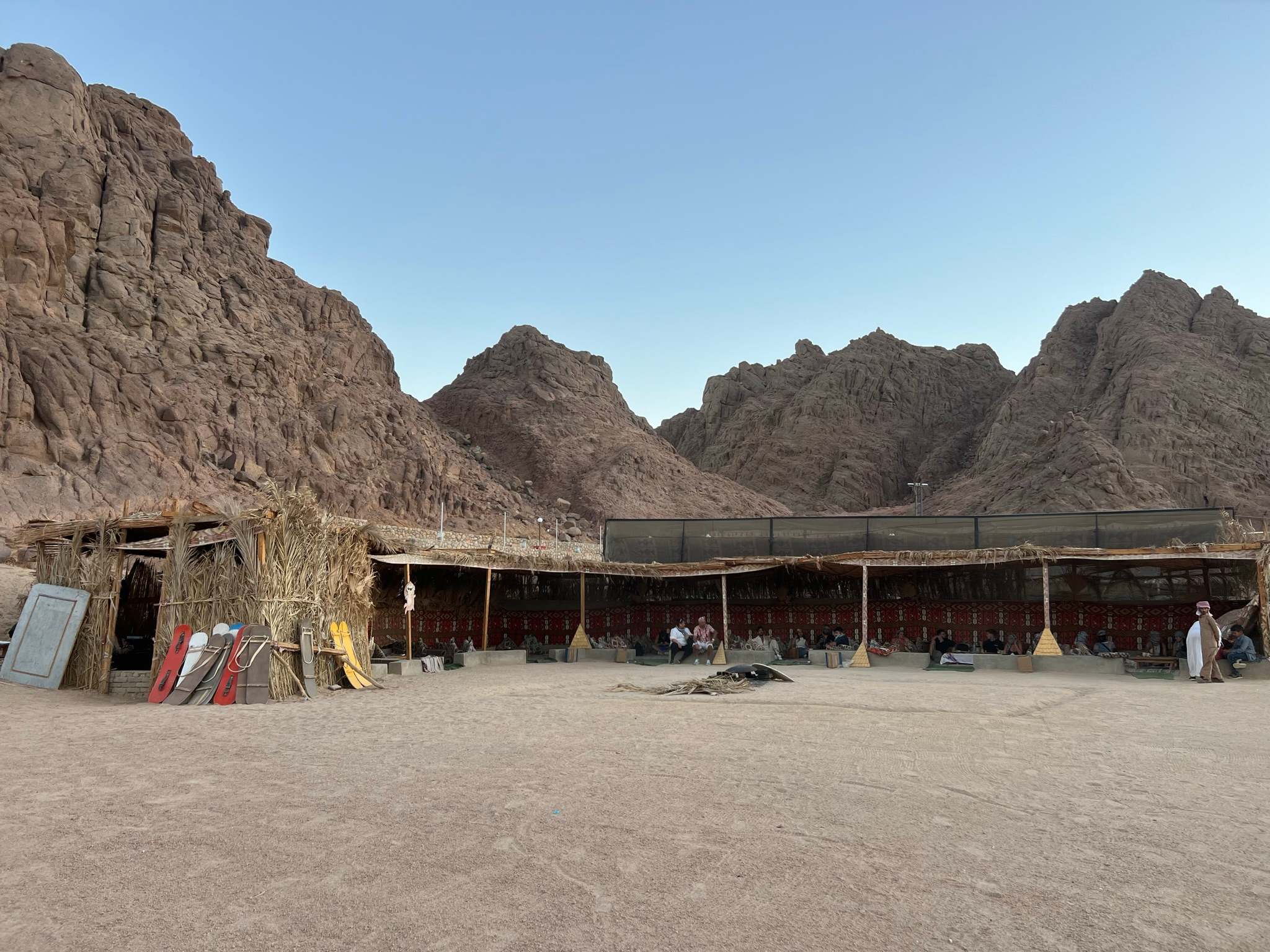
It took us around an hour to reach our first stop – a Bedouin camp where we had the opportunity to relax and enjoy a traditional cup of marmareya tea whilst learning a bit about traditional Bedouin life.
Quite aptly, the word “Bedouin” derives from the Arabic word badawi, meaning “desert dweller”. These traditionally nomadic Arab tribes have inhabited the deserts of North Africa and the Middle East for centuries. Whilst different clans have different customs, the vast majority of Bedouins are Muslim and share certain traditions, including livestock herding, oral poetry, singing and camel riding, amongst others. Some tribes, our guide explained, maintain relatively limited contact with wider society, whilst others have become more integrated into modern life, with some members working in tourism and guiding visitors through the desert.
Mohammed, the tribe leader, explained that the Bedouins living near Sharm El Sheikh used to move from one place to another in search of water, packing up their belongings and travelling by camel whenever necessary – a lifestyle to which they had become well accustomed. In the 1980s and 1990s, as tourism rapidly expanded along Egypt’s Red Sea coast, many traditional Bedouin communities saw their way of life change dramatically. Whilst some families settled into permanent housing with access to electricity and running water, others sought ways to preserve elements of their traditional culture whilst adapting to the modern economy.
Mohammed joked that whereas before they had to move around to find water, now they have to organise tours, rent camels and sell handmade souvenirs to pay for water and electricity.
Marriage Traditions in the Desert
He then went on to explain some of their traditions. For example, Bedouin women have traditionally played a central role within the family and household, and customs surrounding courtship and marriage vary considerably between tribes and regions.
He then went on about some of their traditions. Like, for example, the fact that Bedouin women in certain tribes usually stay at home and, once all grown up, they need to start covering up. When ready for marriage, the groom’s sisters and mother visit the family and if they deem the bride-to-be fit for marriage, they allow them to meet. The courtship ritual that follows is a bit of a strange one – albeit quite cute. When they eventually meet up, the woman prepares a fresh brew of tea and if she adds sugar, it means she likes the man. If the man drinks the tea, it means the feeling is mutual and well reciprocated, and they can proceed with the marriage ceremony.
Afterwards, the man may have more than one wife; however, he would need to inform the first wife beforehand. And, he emphasised, it comes with a major caveat. If the husband buys one thing for one wife, he needs to buy the same thing for all the others. He needs to take care of all of them equally, otherwise he stands to lose everything! Fairness, he stressed, is not optional.
Bucket Lists and Bumpy Camel Rides
After enjoying the Bedouins’ company, we headed to the next part of the tour – a short camel ride around their camp. Qadir, a beautiful beige-coloured camel, would be my companion for this adventure.
Whilst the ethical implications of riding animals are certainly open to debate, Mohammed and our guide assured us that the camels were well cared for and played an important role in both local culture and daily life. Since they are valuable working animals and an important source of income, their wellbeing is taken seriously. As such, it didn’t take much for me to accept the ride.
The same thing can’t quite be said about Zara, who started reconsidering her decision the second she saw me nearly launched off Qadir when he stood up. The sudden forward-and-backward jolt was abrupt and unexpected, to say the least. If that wasn’t enough, the ride itself wasn’t exactly comfortable either. My chafed thighs and sore butt were undeniable proof of that. Still, it was definitely an experience – especially whilst watching a surreal sunset unfold over the magnificent desert landscape. And thanks to Qadir, I had yet another item crossed off my bucket list – including being spat at by a camel. Lovely experience indeed!

Under the Sinai Night Sky
Following that, we were taken to yet another Bedouin camp, this one featuring a large open space with low tables and cushions all around.
Here, we were served one of the most delicious dinners of the trip – a casserole made of potatoes, vegetables and chicken with flatbread, as well as kofta and rice cooked over a coal fire. As everyone was still busy wiping drool off their faces, the Bedouins had something else in store for us – a dance show.
First, it was this impressive fire dancer who left us with our jaws on the floor. Then came a Tanoura dancer, wearing a traditional multicoloured skirt that he spun around himself in a mesmerising display that had us all captivated. And then, to finish off, all the Bedouins joined in the centre and sang a song whilst clapping and dancing – inviting all of us to join in.
The tour didn’t end there just yet. We had one final surprise. Our tour guide had set up a couple of telescopes for the astronomical tour section. Apart from getting a great view of Saturn, Jupiter and the Moon, we also got to observe the stars that make up the Northern Cross, an asterism closely associated with the constellation of Cygnus. This, we were told, is made up of five stars: Deneb, Sadr, Gienah, Al Fawaris and Albireo, with the latter being a binary star that appears as a single star to the naked eye. Much like the Southern Cross, the Northern Cross can be used as a seasonal indicator, with its position changing throughout the year.

The Perfect Farewell at Farsha
You’d think we’d be ready to settle into bed after such a long day, but with Akash and Zarabeing travel influencers in the making, we had to make an appearance at Sharm El Sheikh’s hottest hangout – the Farsha Mountain Lounge.
This colourful, vibrant beachfront sanctuary is found on the cliffside and is basically an Arabian fairytale come to life (as many others before me have put it), making it the “it place” to be. Speckled with all kinds of lamps, lights and candles, as well as an assortment of quirky gadgets and decorations, the place took me back to that one night in Bogotá when Pedro had taken me to Andrés Carne de Res and we had had the most amazing of nights.
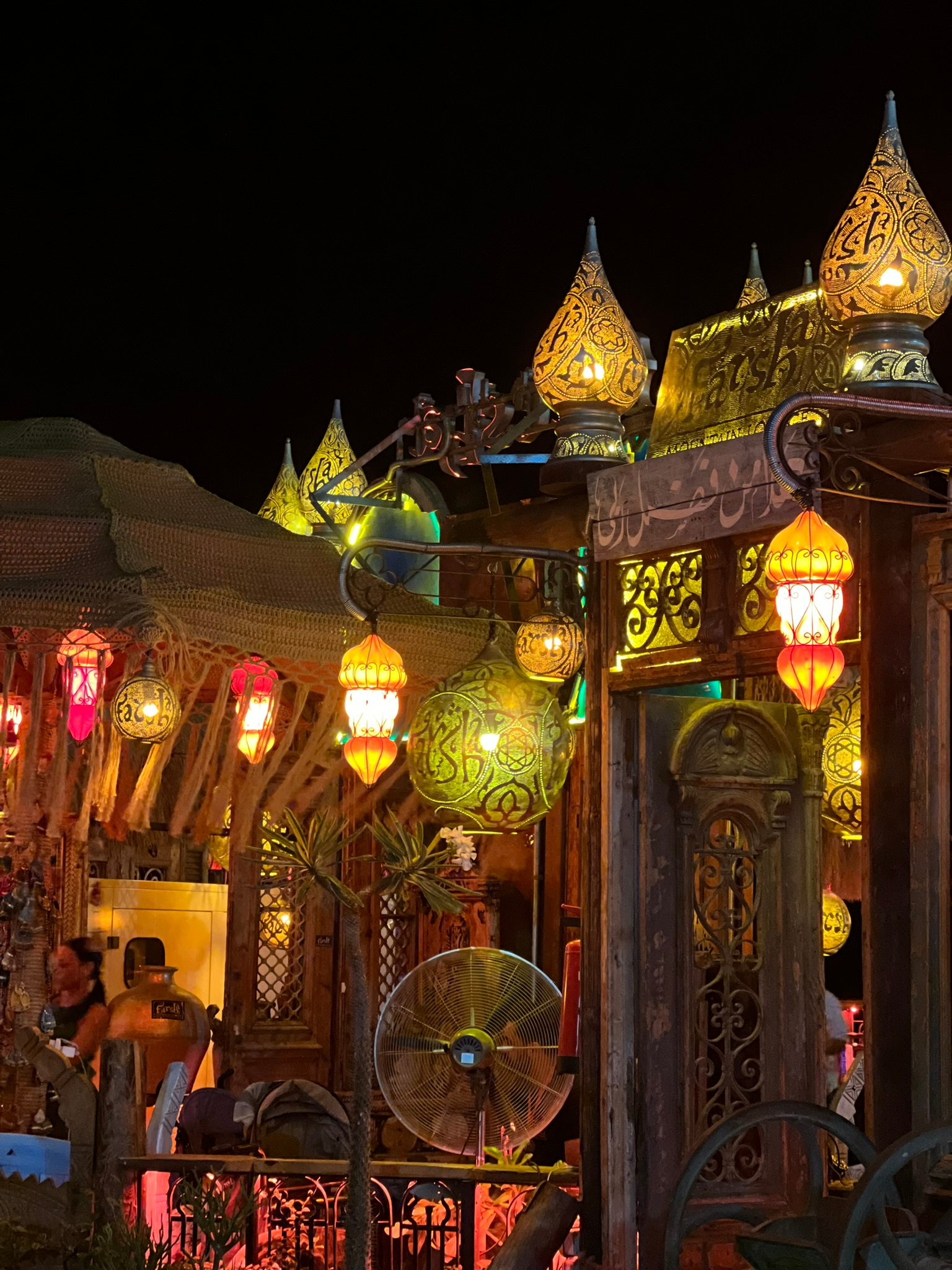
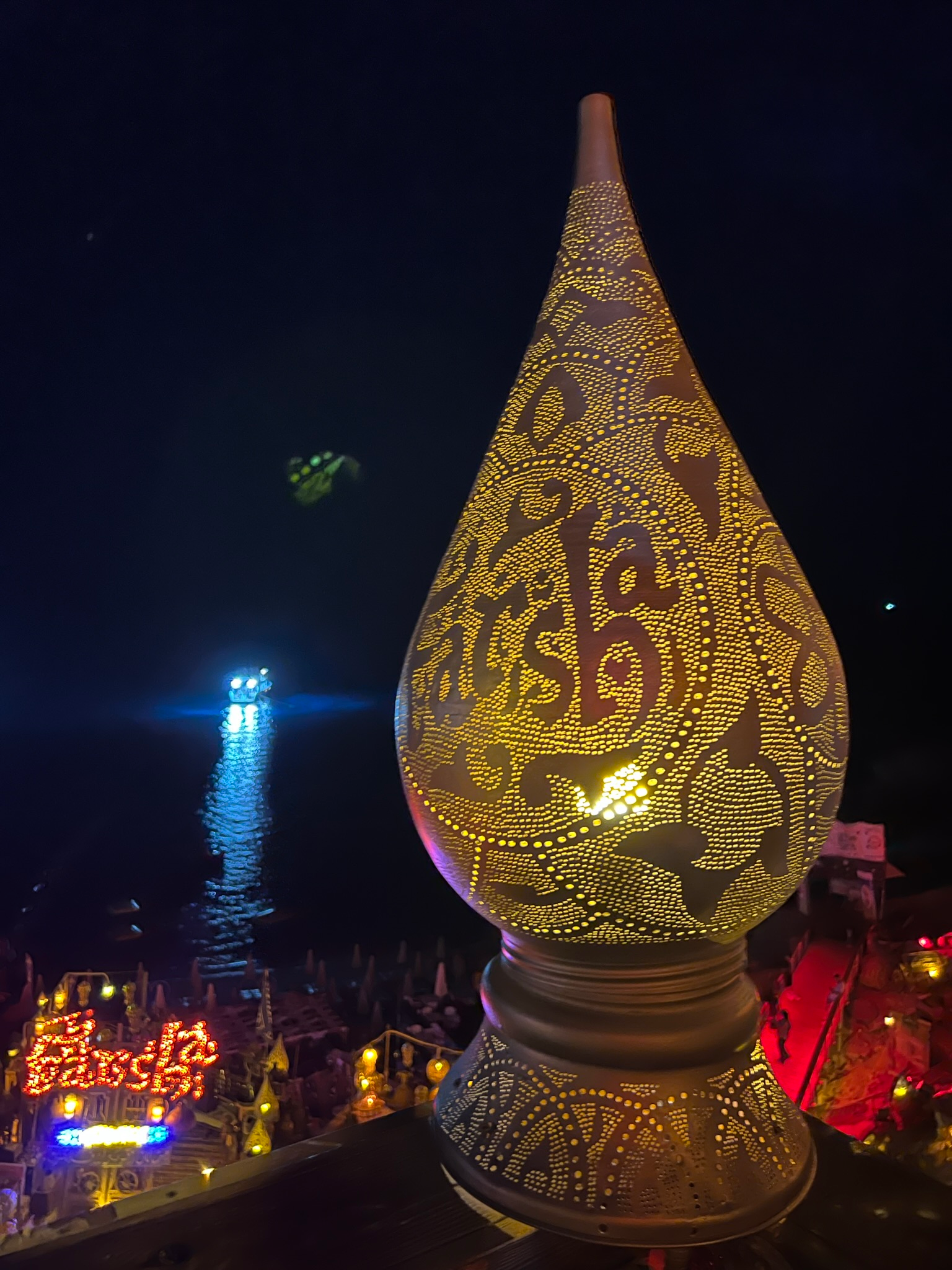
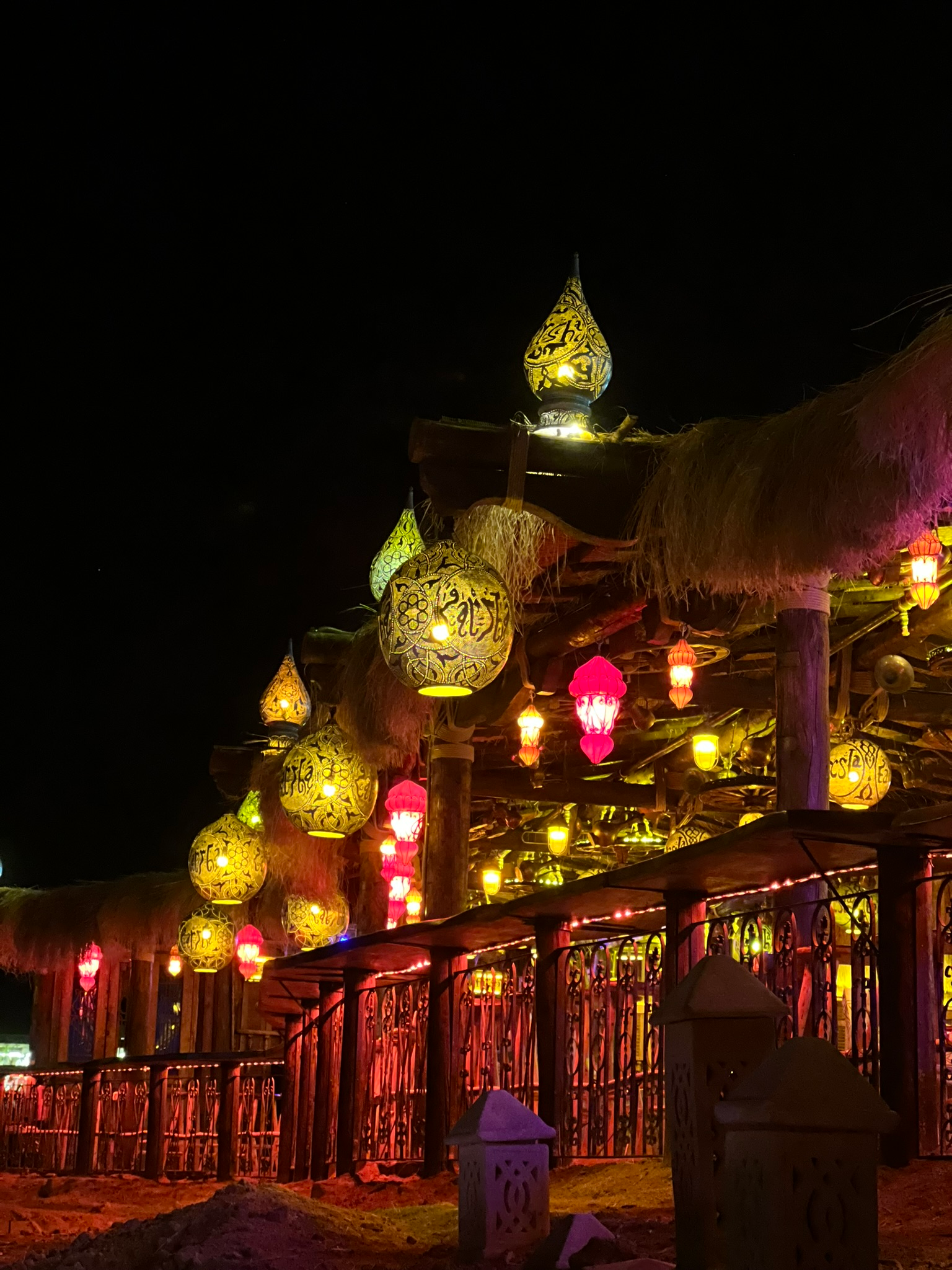
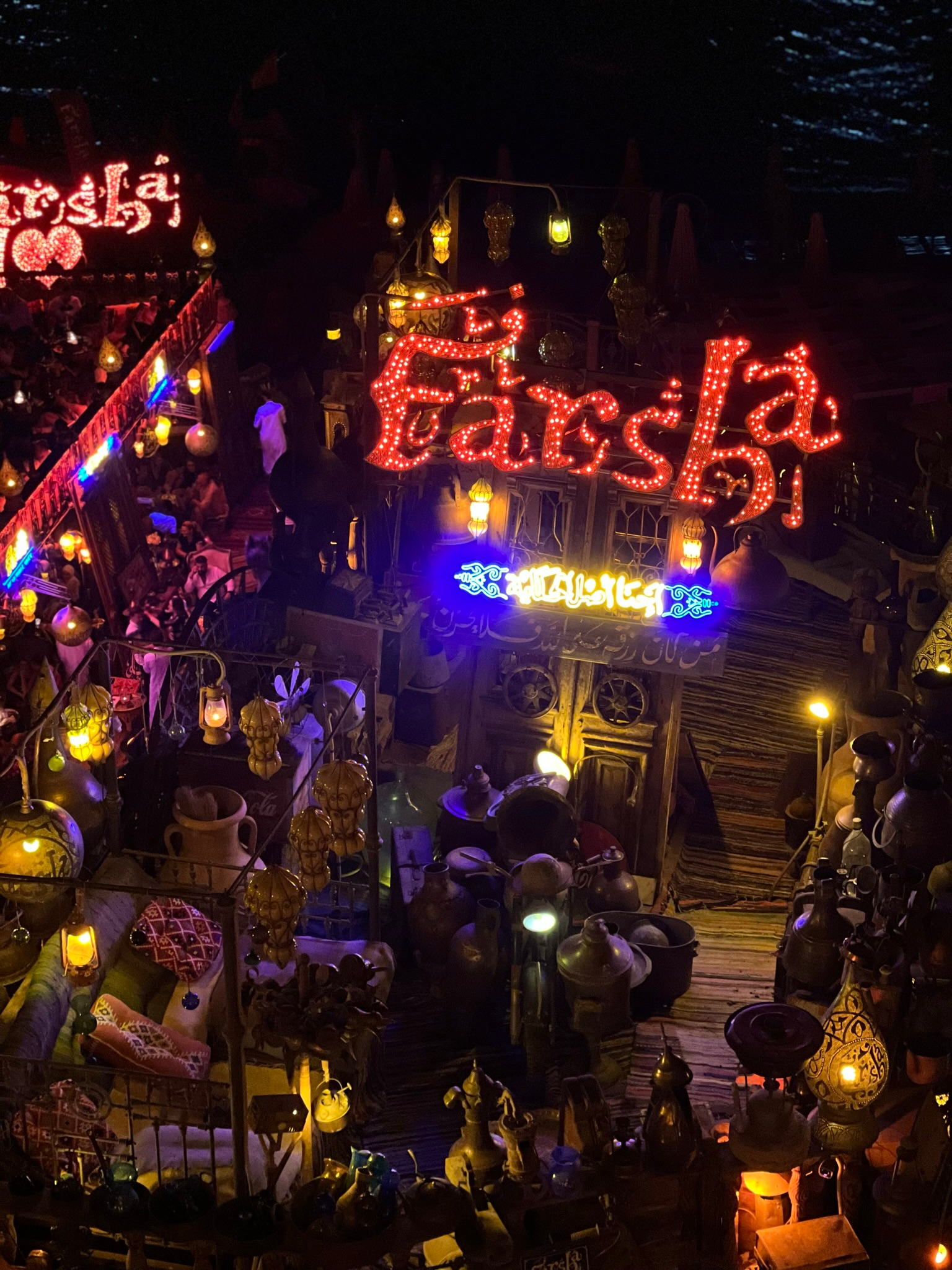
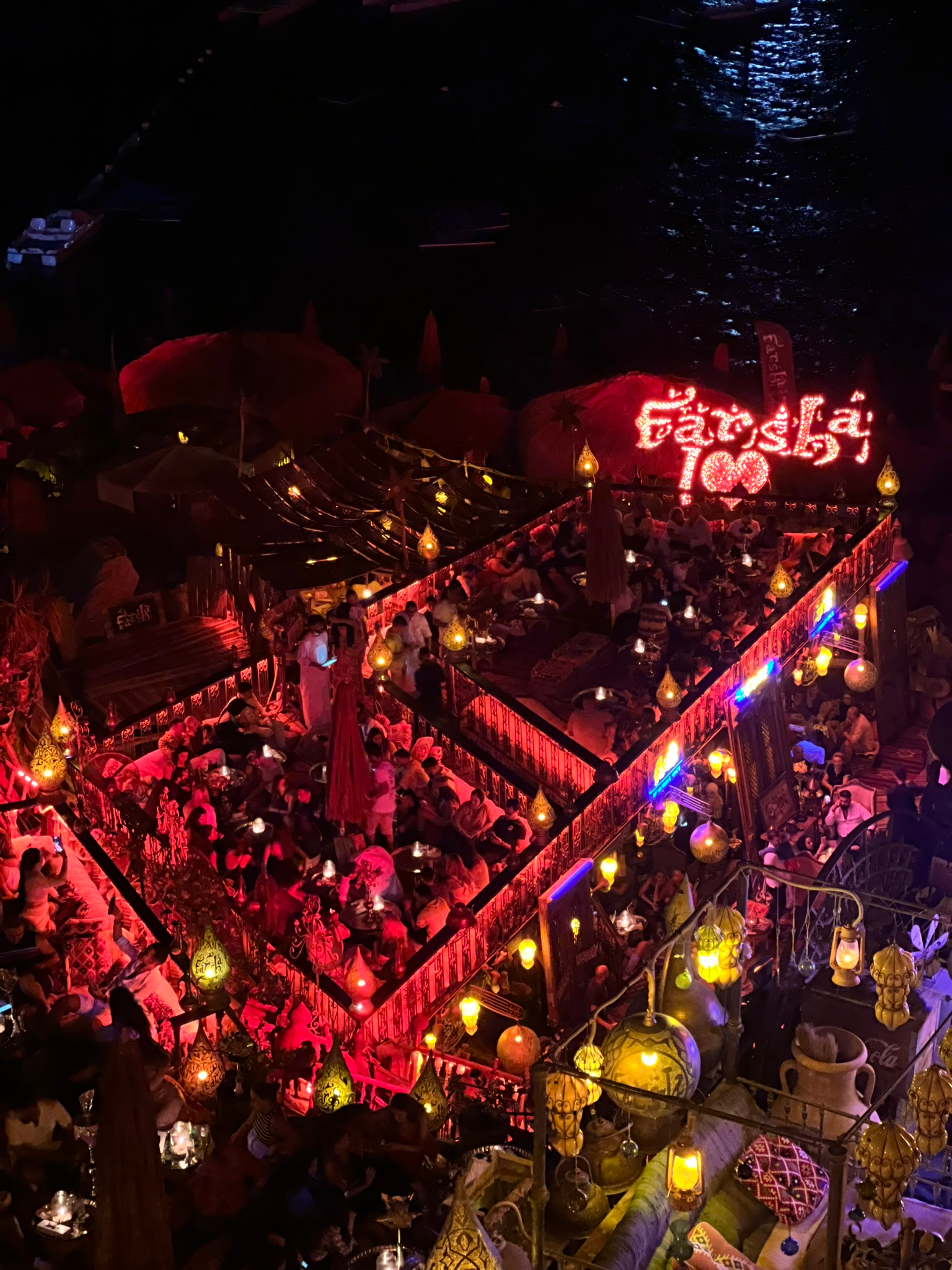
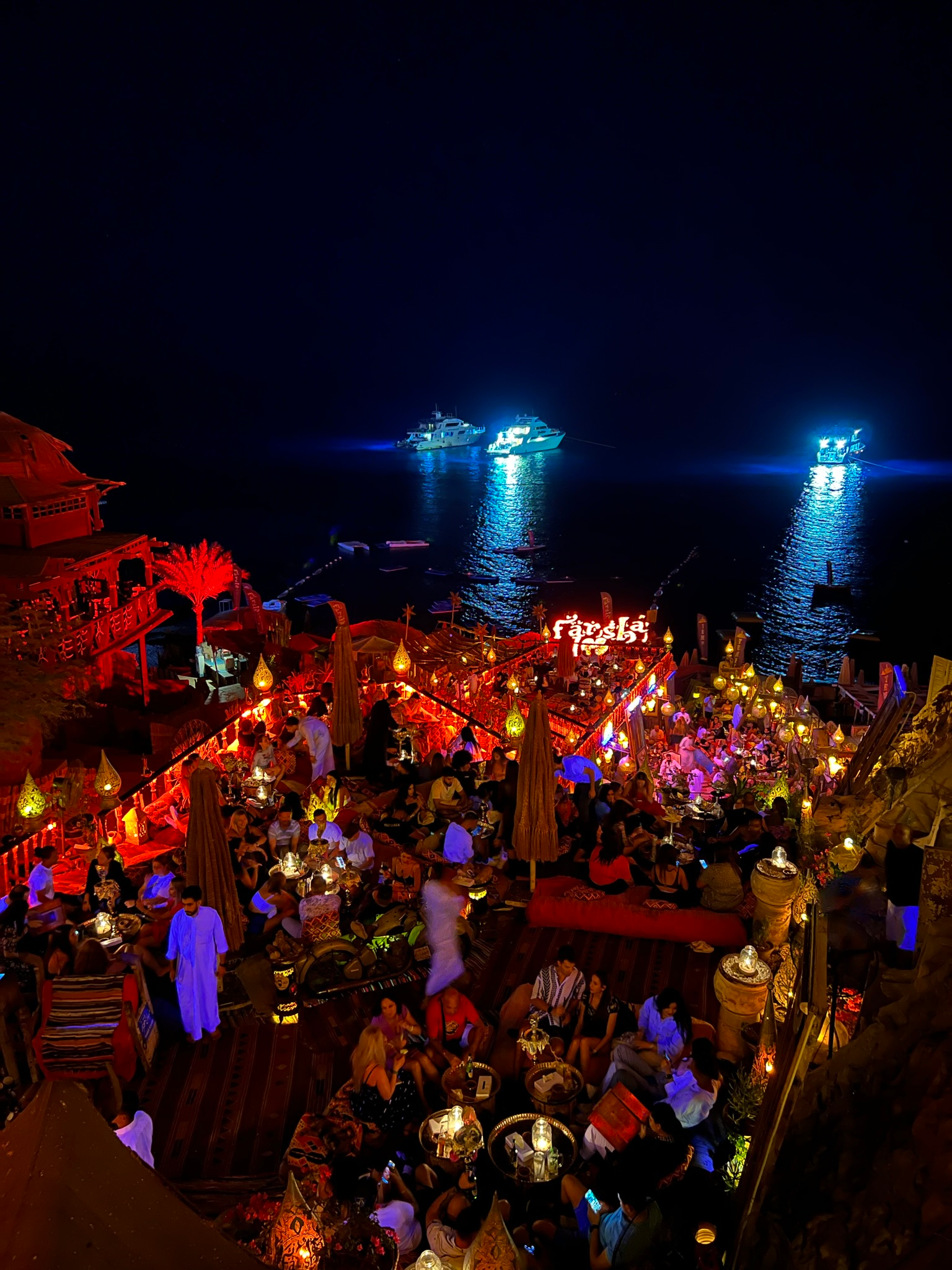
To be fair, the one at Farsha came quite close, with dancing, singing and smoking shisha making it another night I could hardly ever forget!