Sharm El Sheikh – Day 2: Ghosts of the Red Sea
SHARM EL SHEIKH
Day 2: Ghosts of the Red Sea
November 13, 2023
We had an entire free day to hang out at the hotel. Staying true to my convictions and resort-hating self, I made other plans – ones that were definitely more fun to me.
Quite surprisingly, I hadn’t had quite enough of diving in the Red Sea (go figure – after two shore dives!), and so I had Mohammed organise a boat trip that would take me to two of the most famous dive sites in all of Egypt (and the world, really): the SS Thistlegorm and Ras Mohammed National Park. I knew I’d have to come back one day and spend a week (or five) diving here, but at least I’d get a couple of extra dives in before heading back.
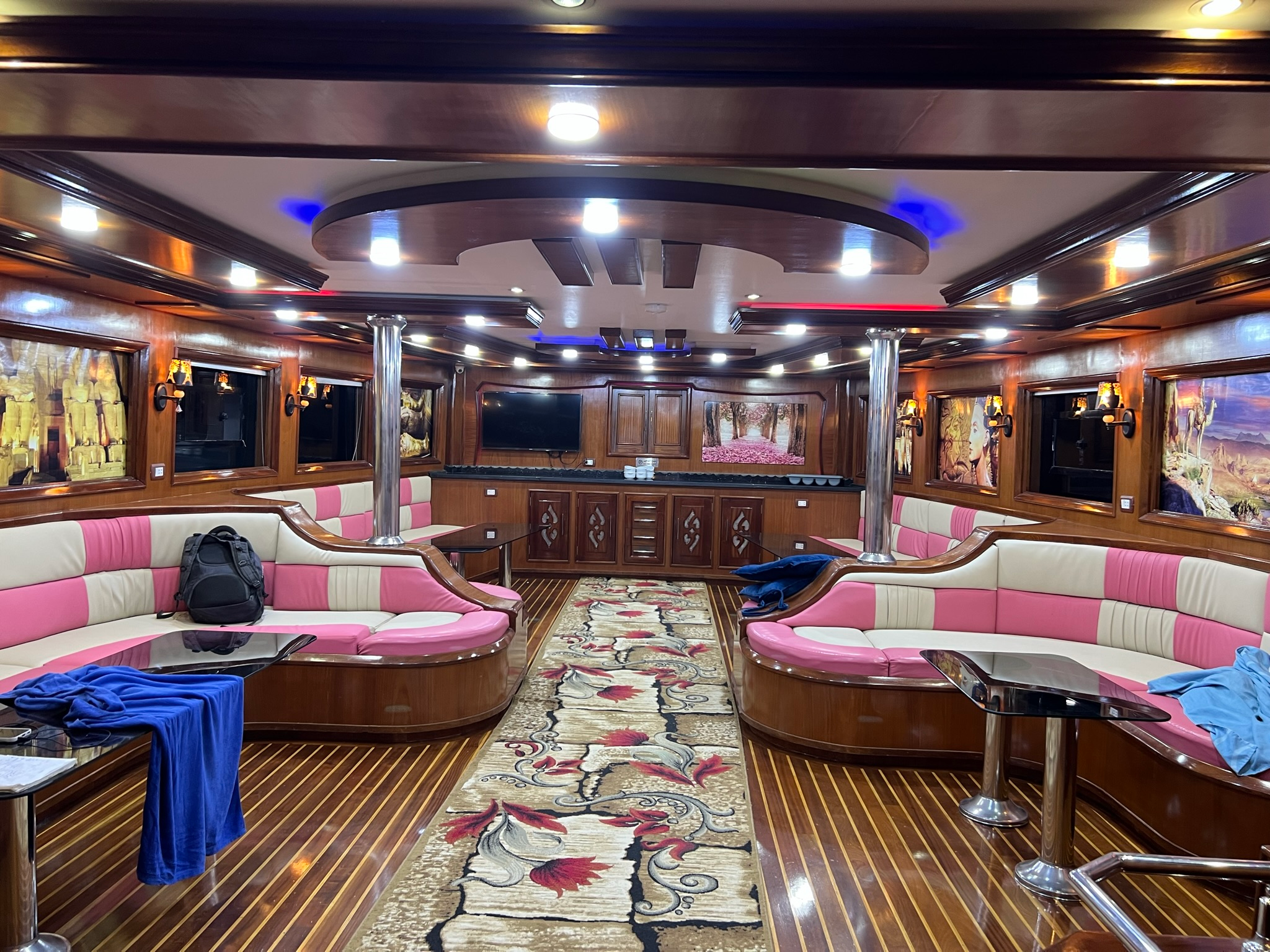
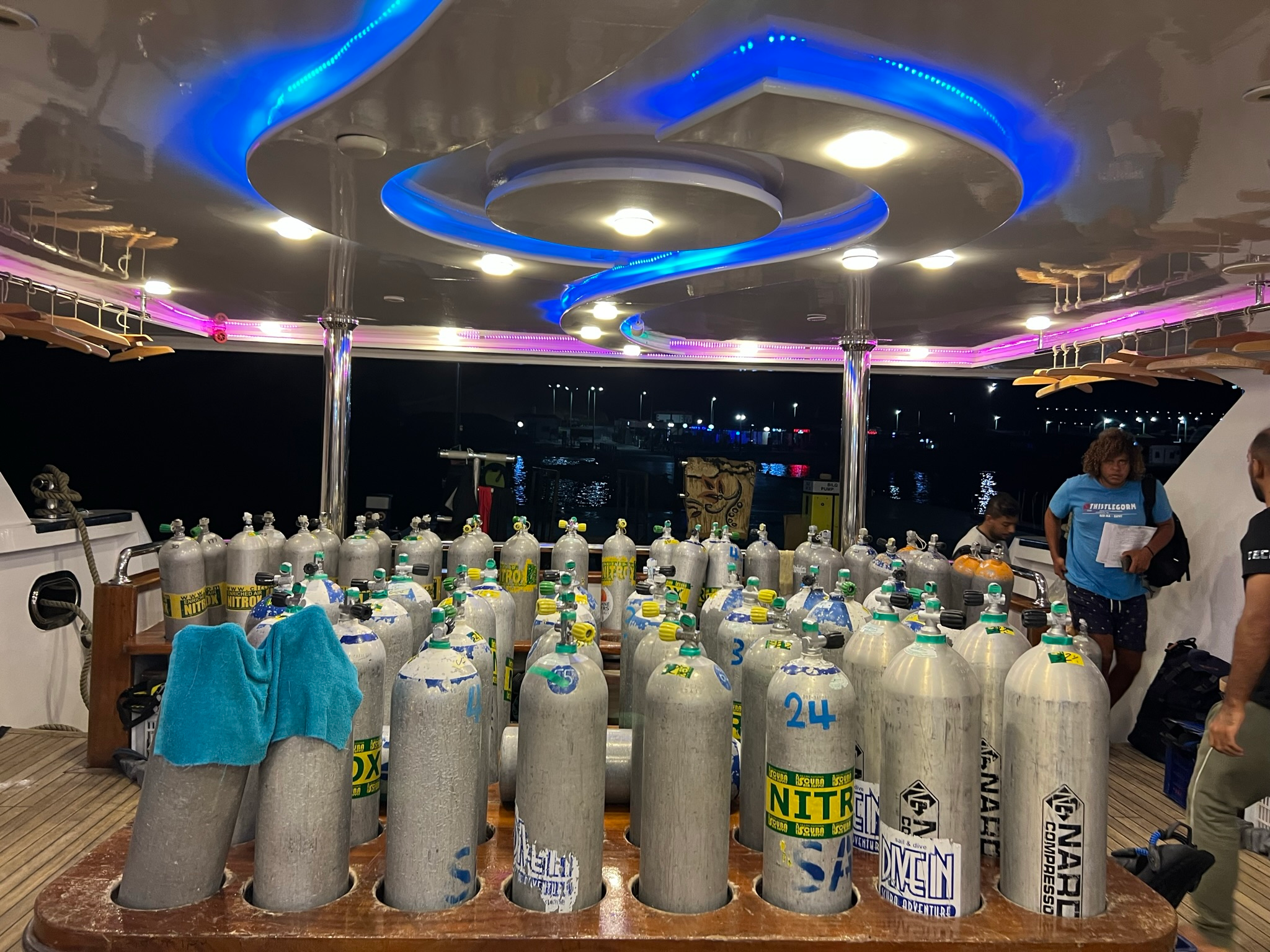
And so, at the ungodly hour of 4AM., I found myself sneaking out of our hotel room and rushing to the exit to meet Mohammed, who’d be driving me to the boat. Once at the marina, I found the most ostentatious, flashy kind of vessel waiting for me – blue and pink neon lights adorning the dive deck and clashing horridly with the pitch-black desert surrounding us. The lounge was no less over-the-top, looking pretty much like your average casino sans the slot machines – not exactly what I had envisioned for a diving boat. From what I had seen so far, this part of Egypt seemed to attract a certain type of clientele, with a bunch of other divers having made themselves right at home from the get-go.
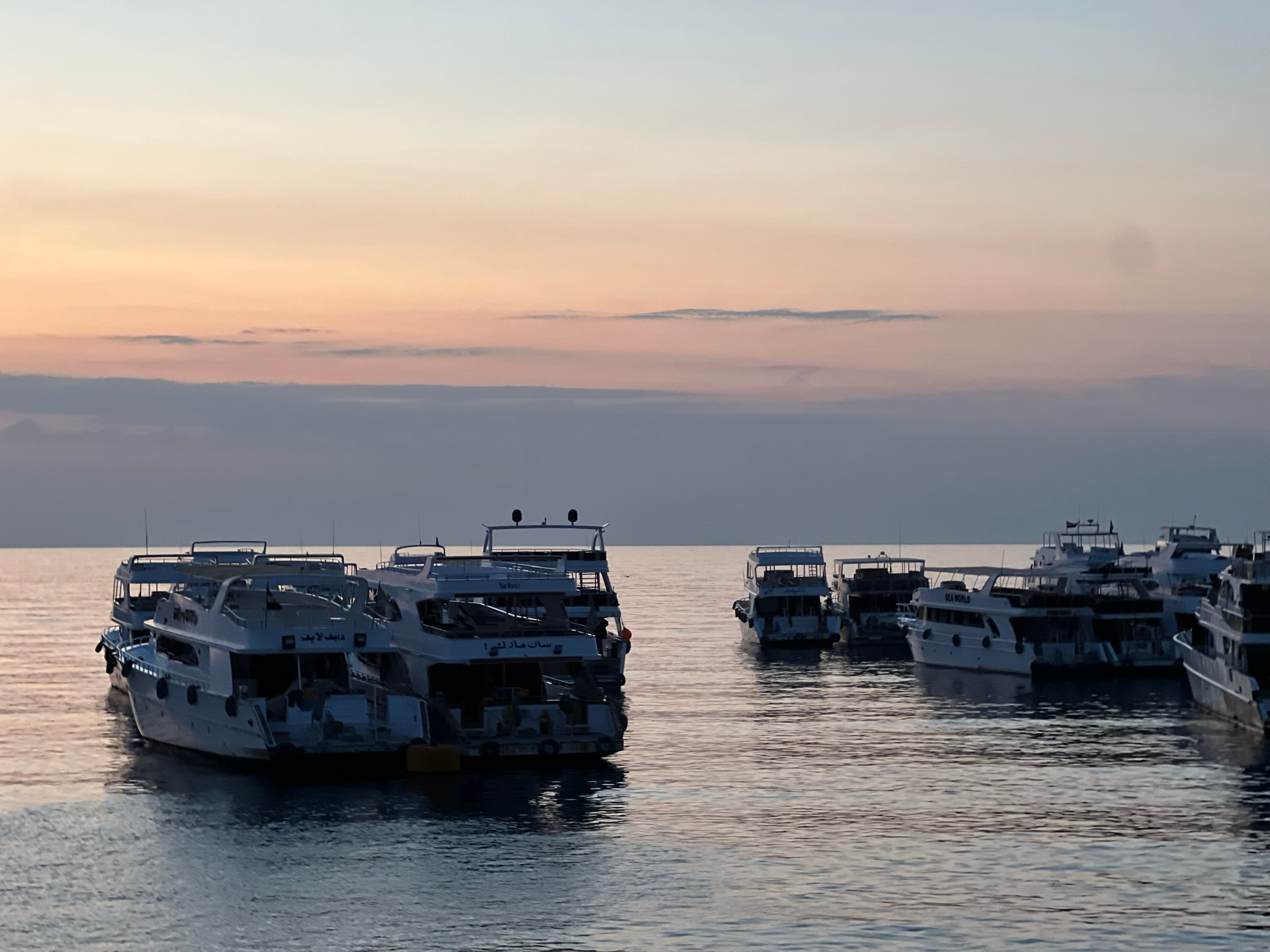
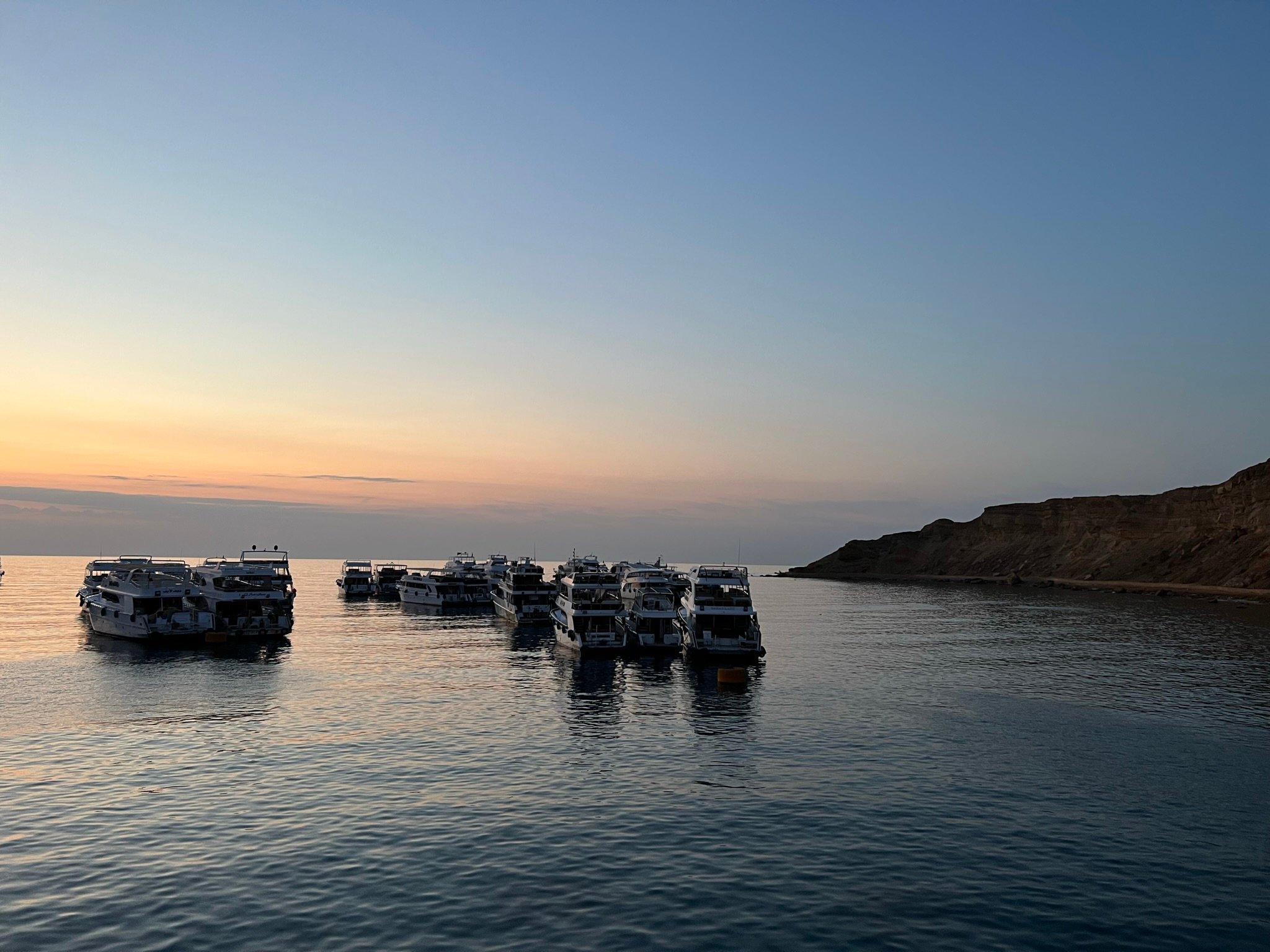
The good thing about the boat was the unlimited supply of coffee, which I got to enjoy on the upper deck as I watched the gorgeous sunrise unfold over the sea.
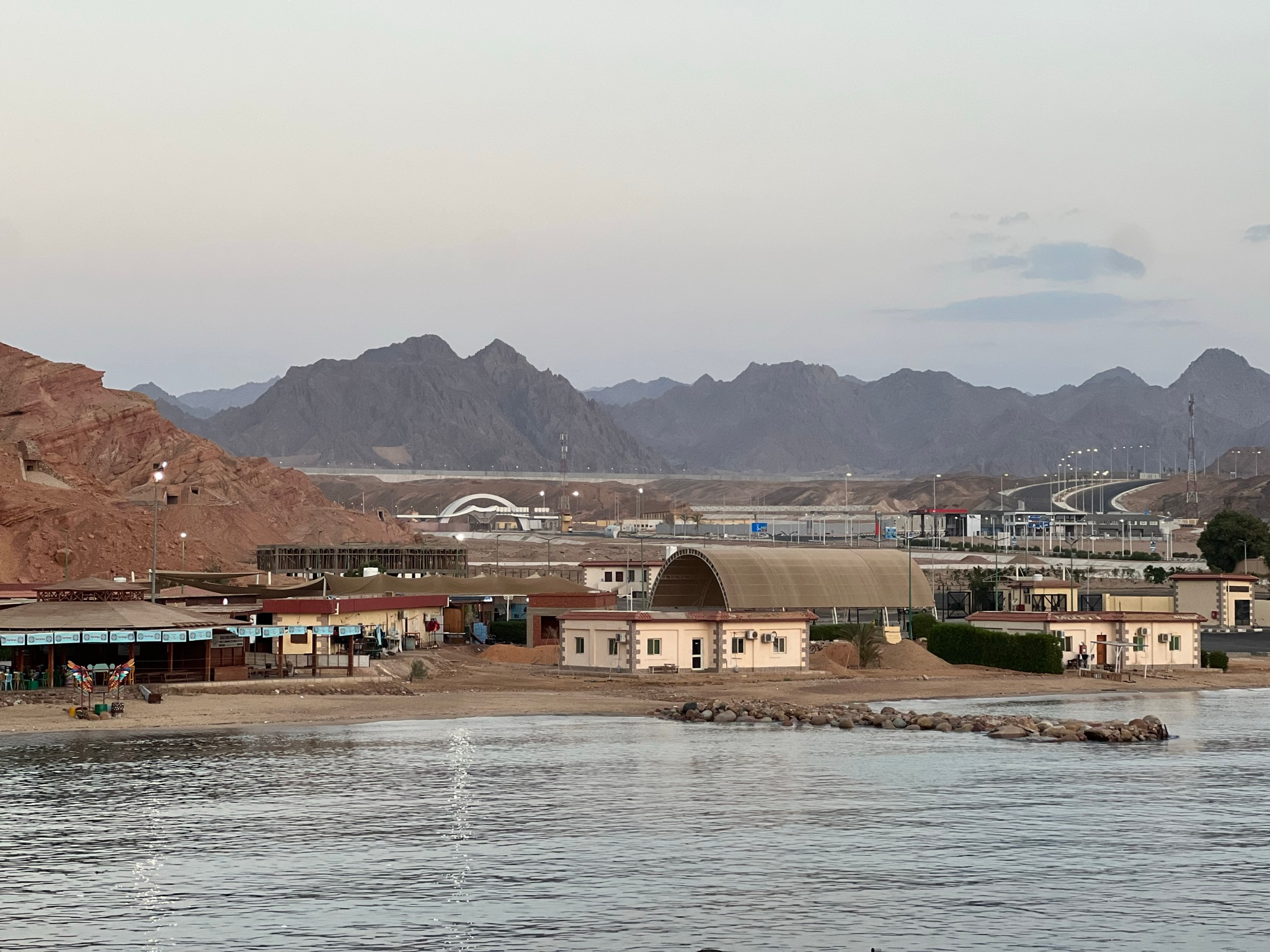
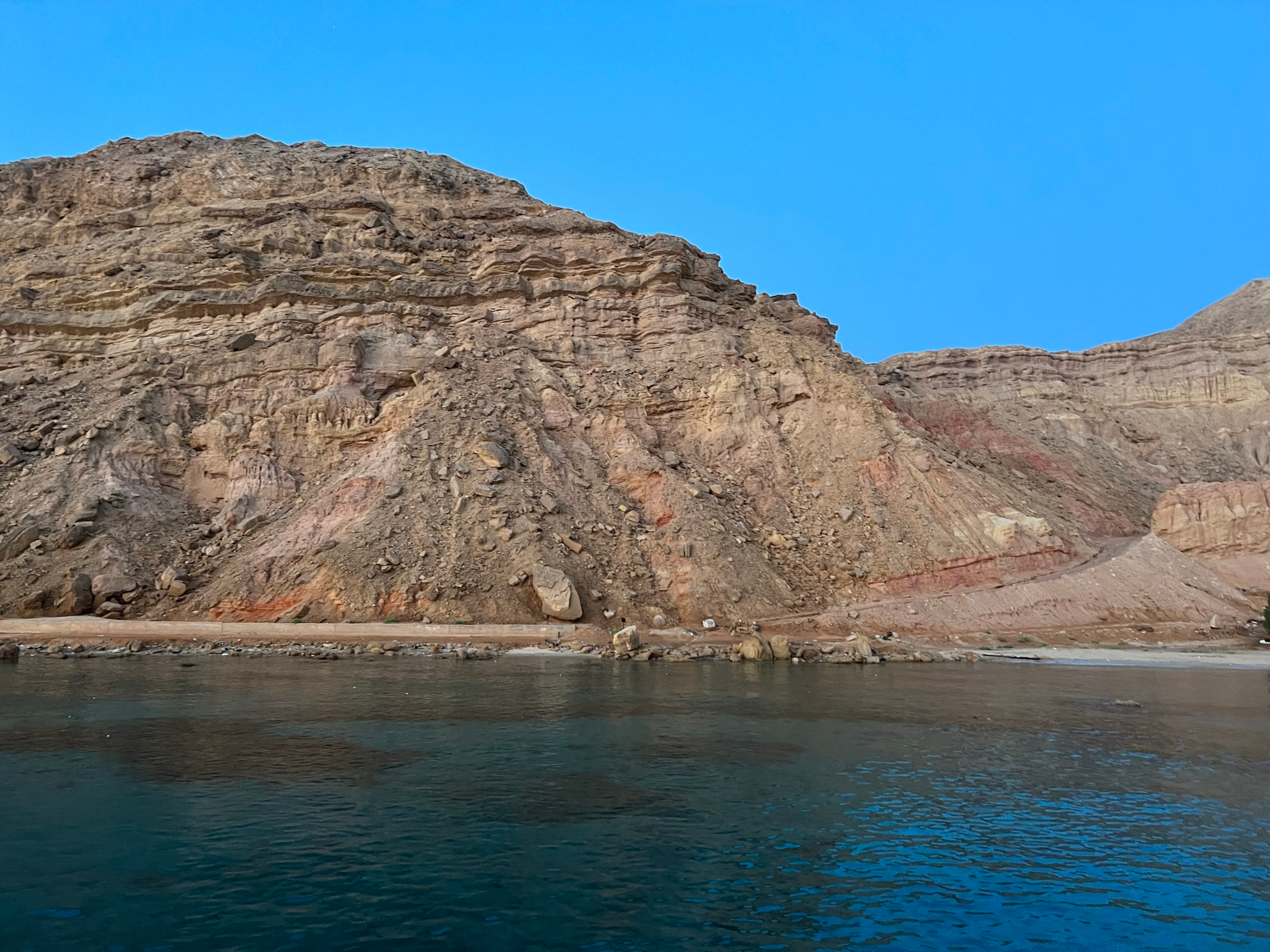
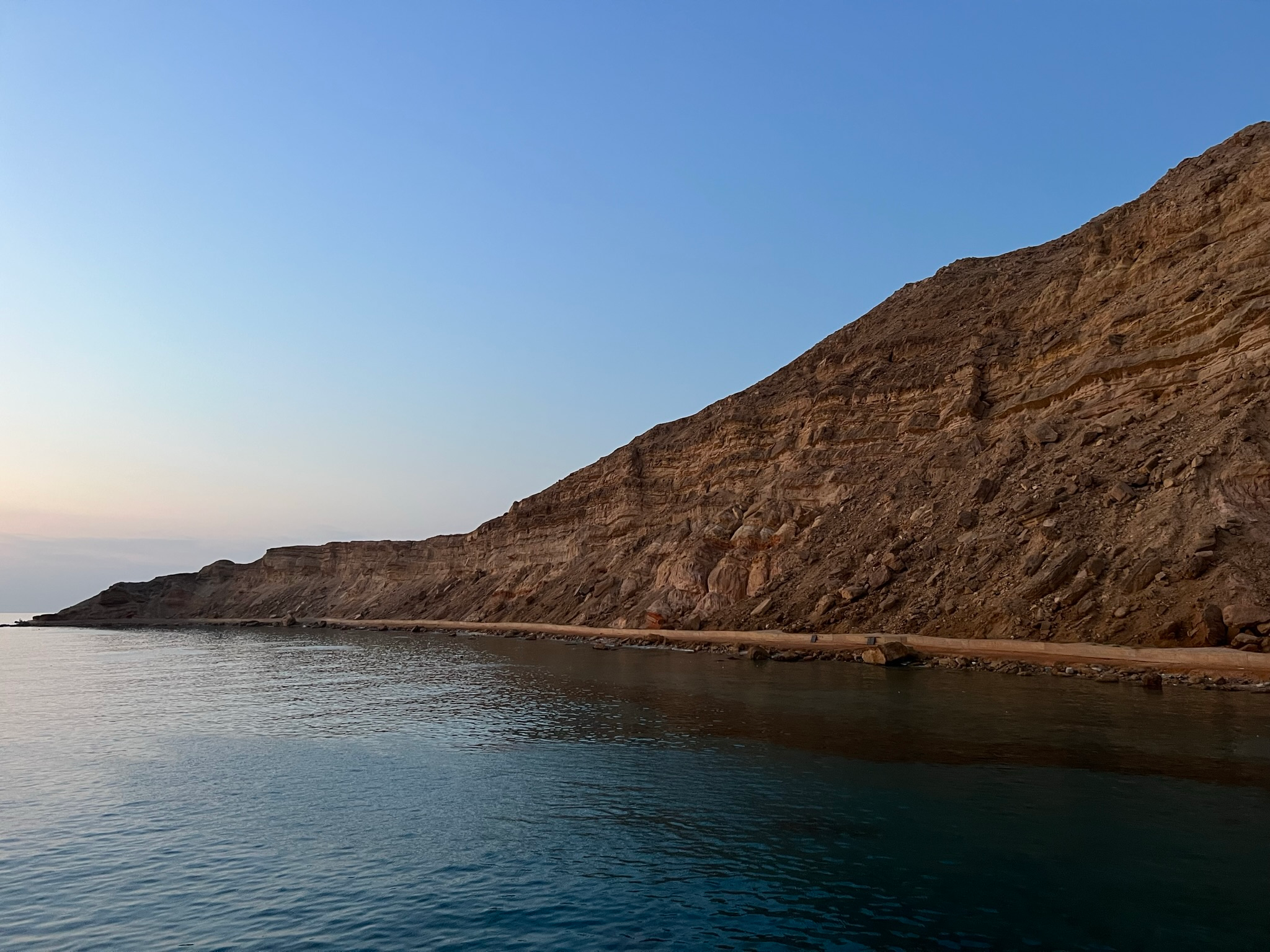
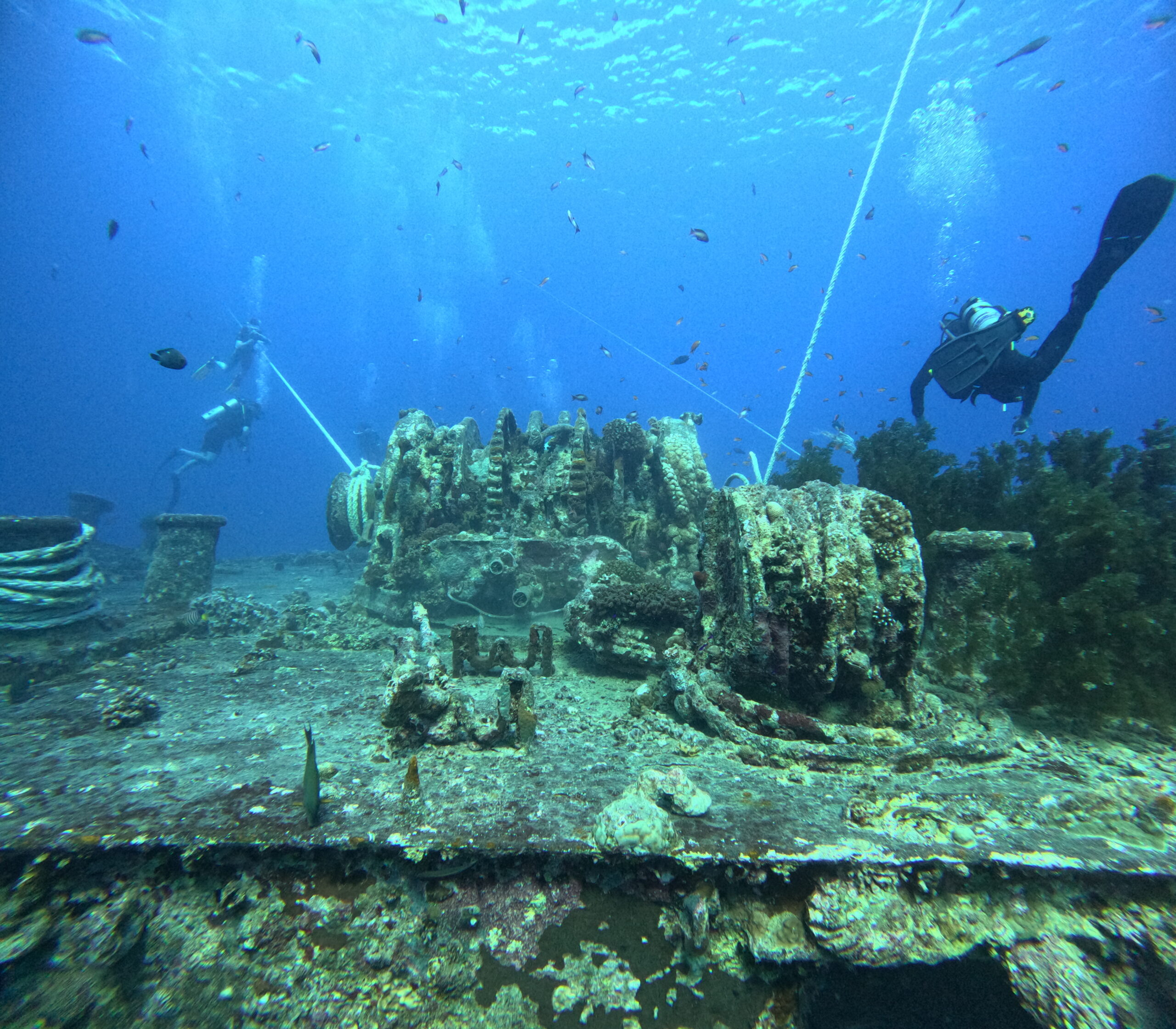
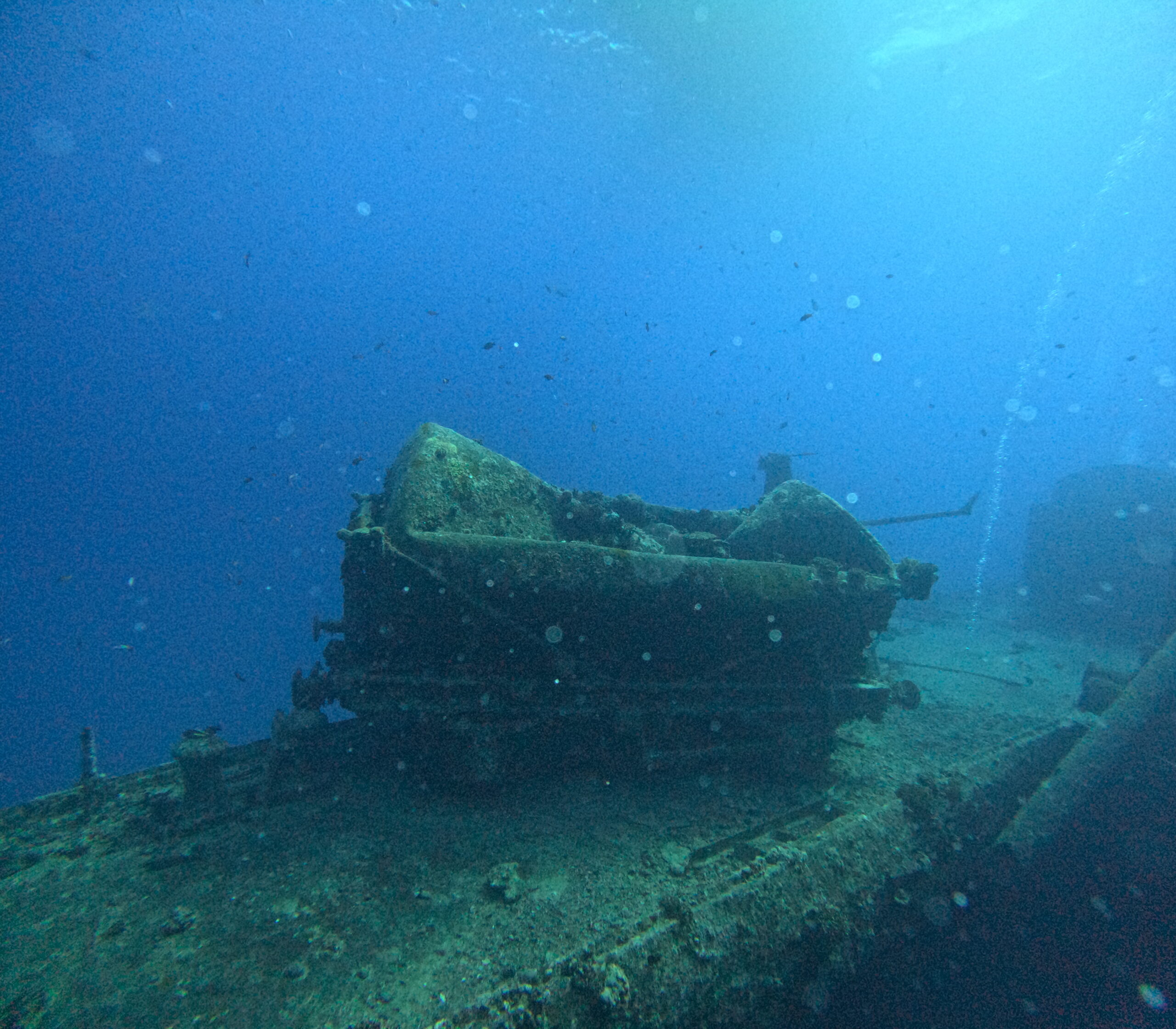
The SS Thistlegorm!
Before long, we were at the SS Thistlegorm and one of the divemasters, Omar, introduced himself as my guide. I had no idea up until that moment that it’d be just the two of us – especially given how cheap the day trip was.
The Thistlegorm, he explained, was a British armed merchant vessel used to carry military supplies during the Second World War until it was sunk by German bombers in 1941. The 126-metre-long freighter boasts a remarkable variety of cargo that sank along with it – one of the many reasons why it is considered one of the most famous wreck dives in the world. Found at a maximum depth of around 30 metres, the Thistlegorm is ideal for recreational divers to explore. And, luckily enough, I’d be one of them.
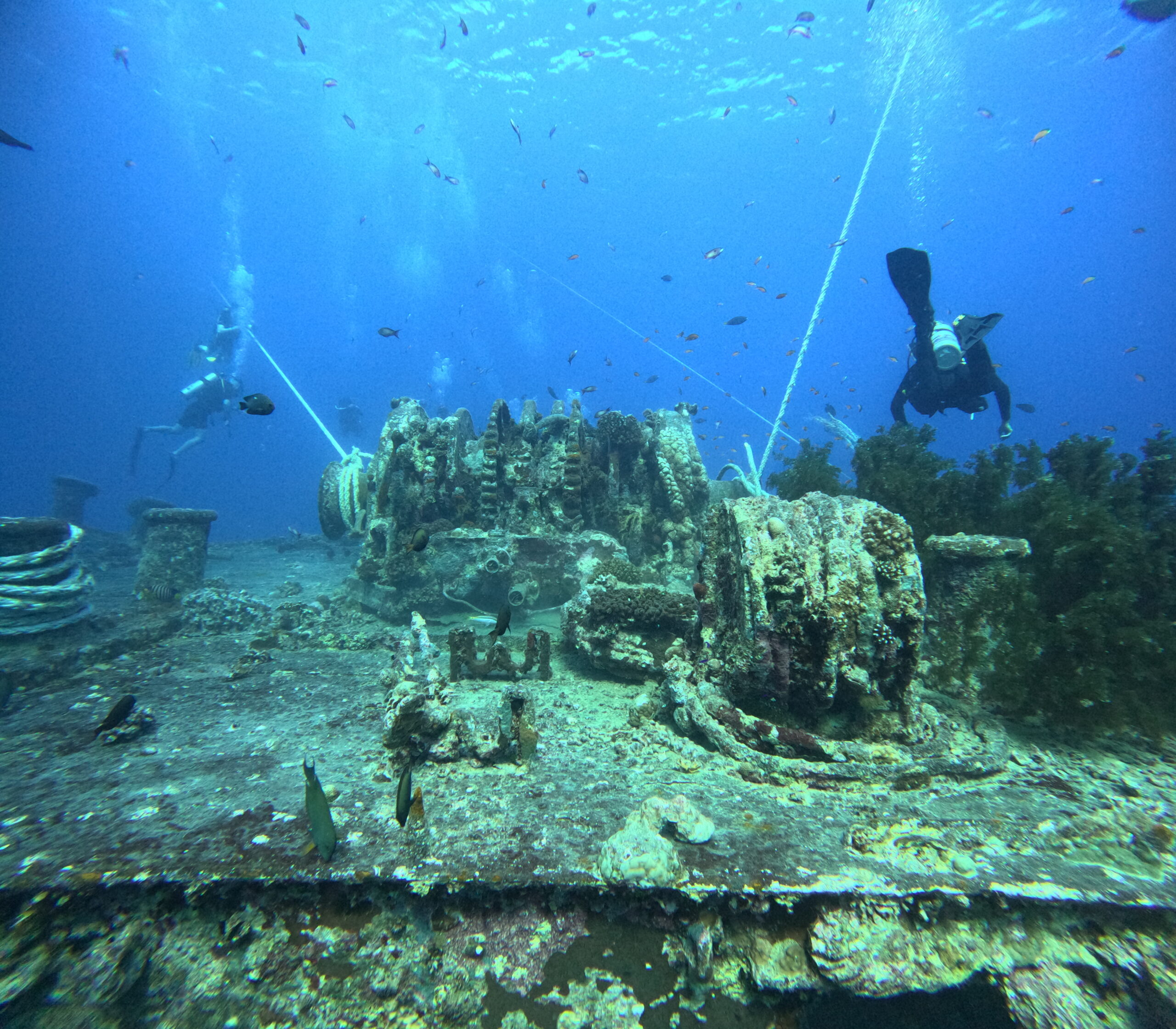
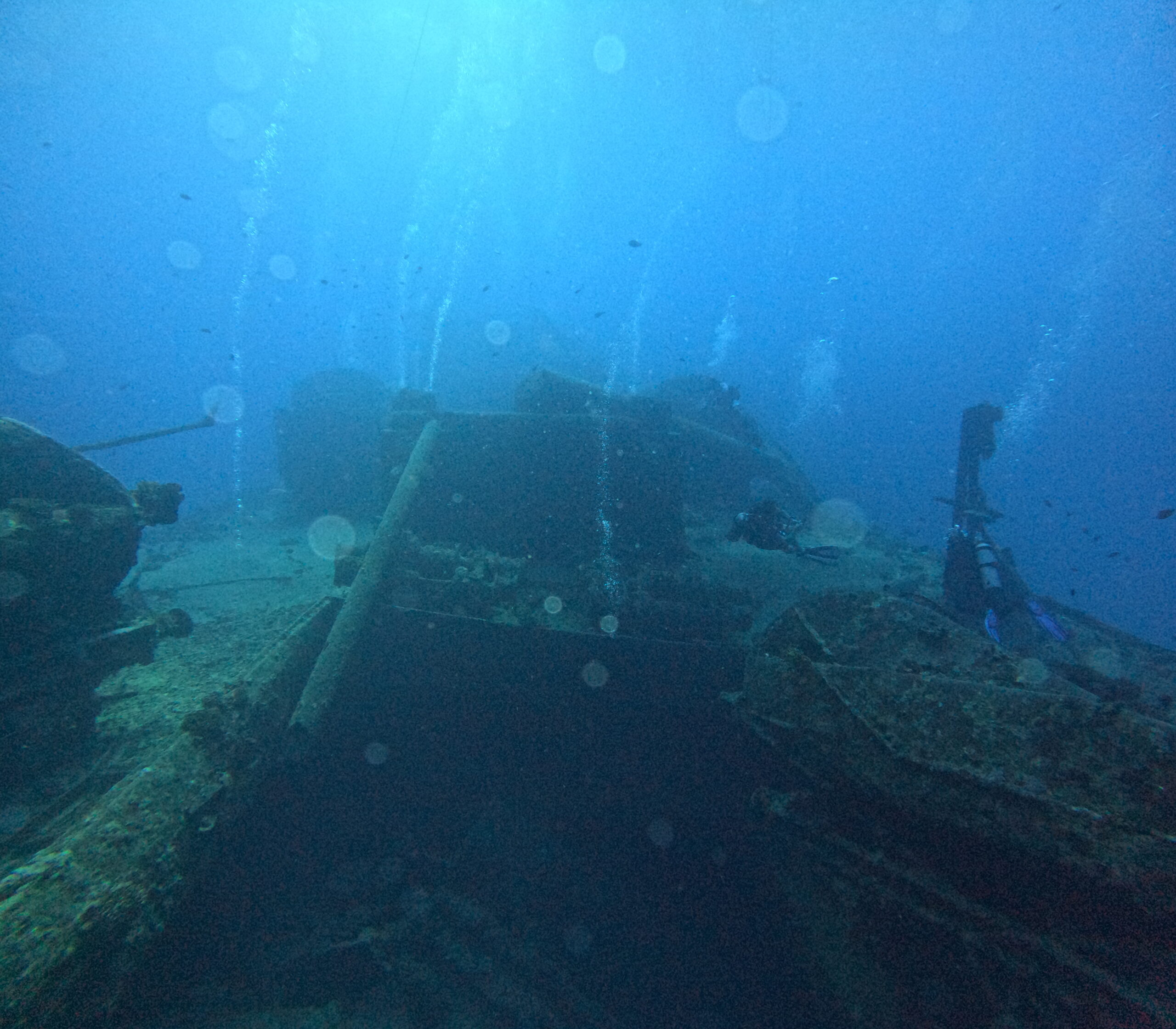
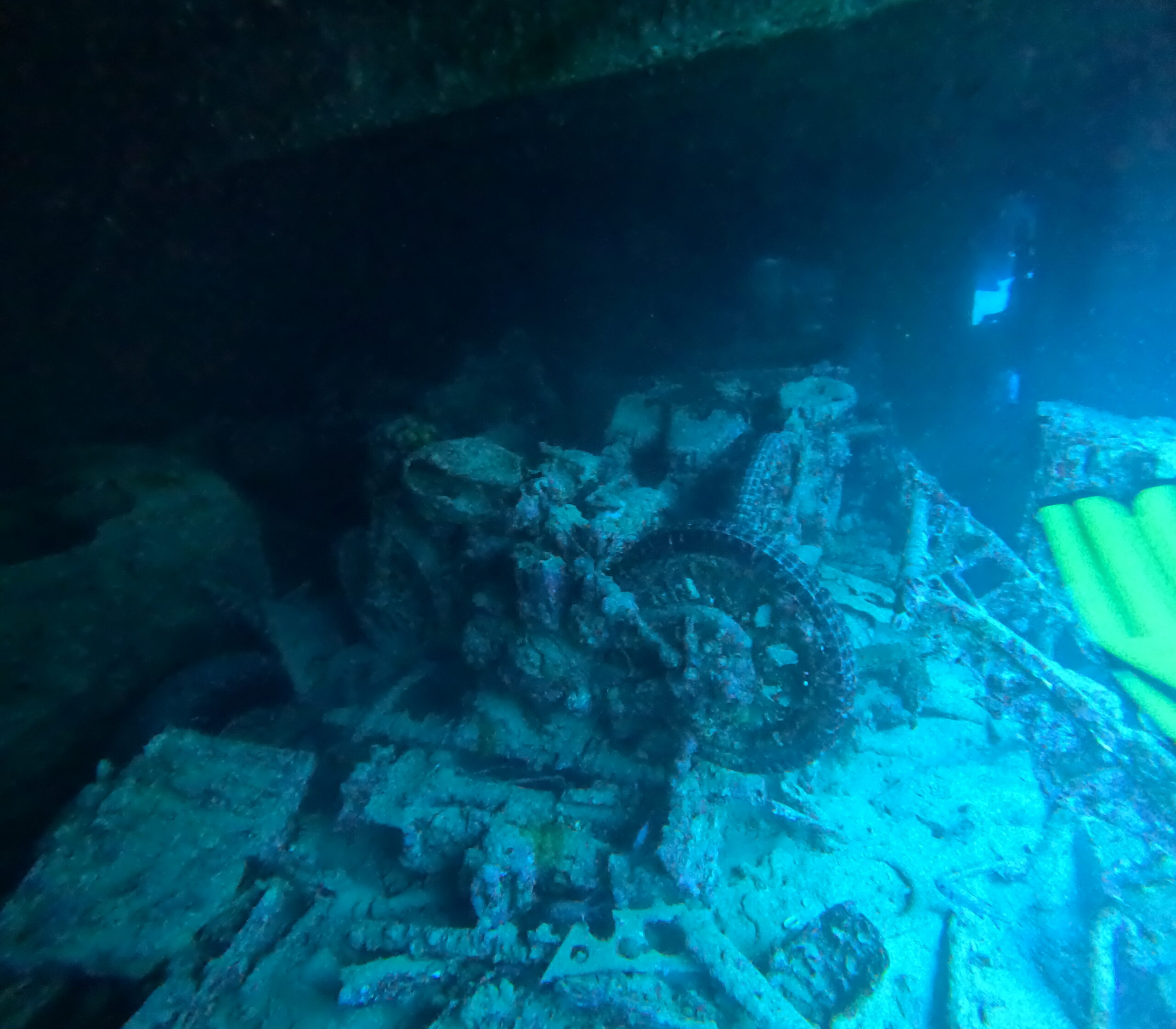
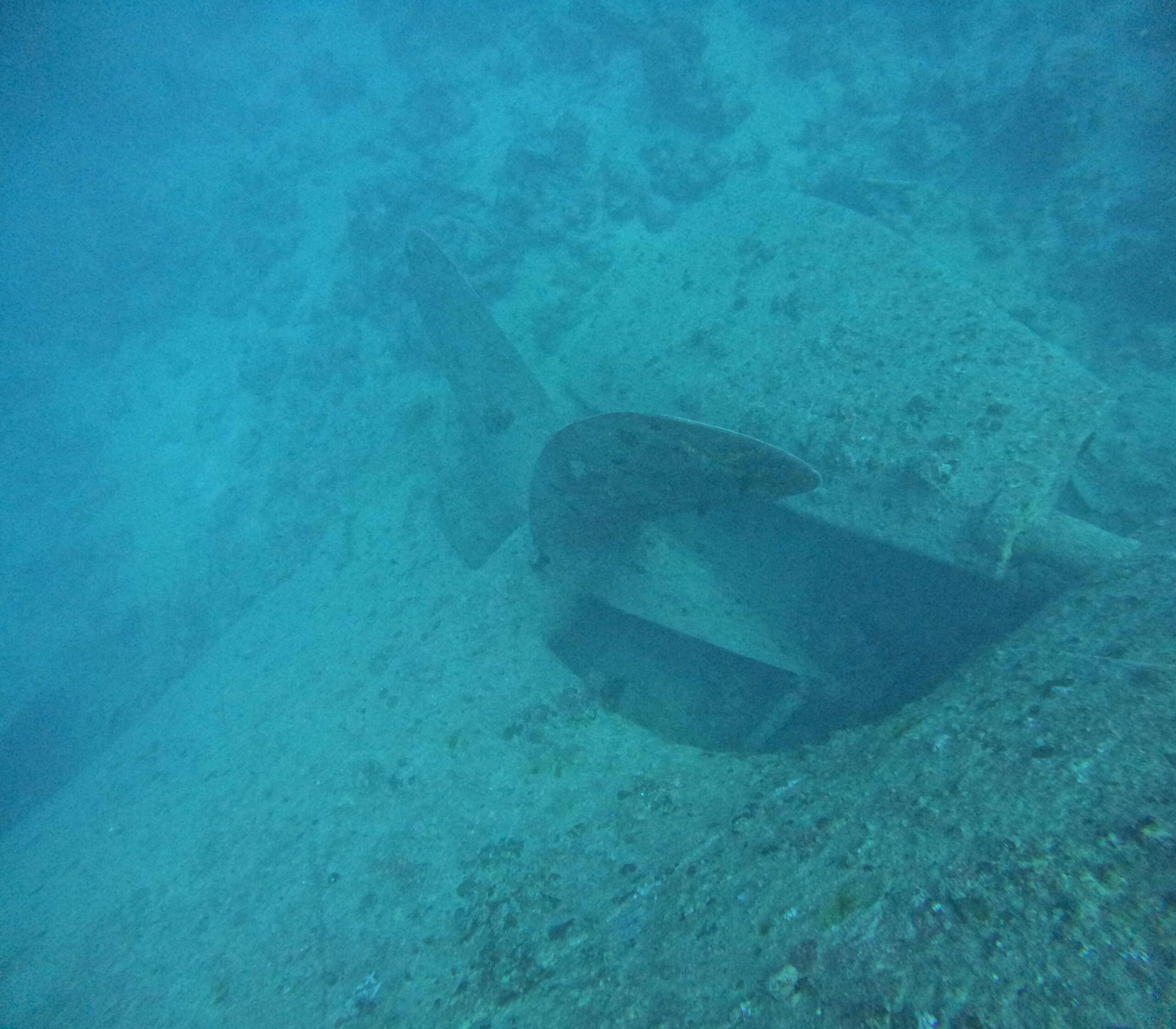
Together, Omar and I went over the layout of the ship and planned our two dives according to what I wanted to see most. For the first one, we agreed to circle the wreck from the outside. We descended right over Hold No. 4 – the section struck by the German bombs. Once there, the first things I noticed – apart from the schools of fish swimming about – were huge tyres and two military vehicles lying on their sides (friggin; awesome). Having spent a few minutes trying to make sense of the debris scattered around us, we then made our way to a sandy patch on the starboard side where one of the locomotives could be found. Needless to say, everything left me in awe – even the things I couldn’t, for the life of me, recognise. That’s how it went for the rest of the dive as we circled the entire wreck, with the propeller, anchors and anti-aircraft gun being the highlights. I gotta admit, it was quite overwhelming trying to take it all in!
The second dive offered us a glimpse inside the wreck. And lemme tell ya, if the first one was amazing, the second was nothing short of insane. We descended over pretty much the same spot and penetrated the wreck through an opening created by the explosion, gradually making our way towards the bow.
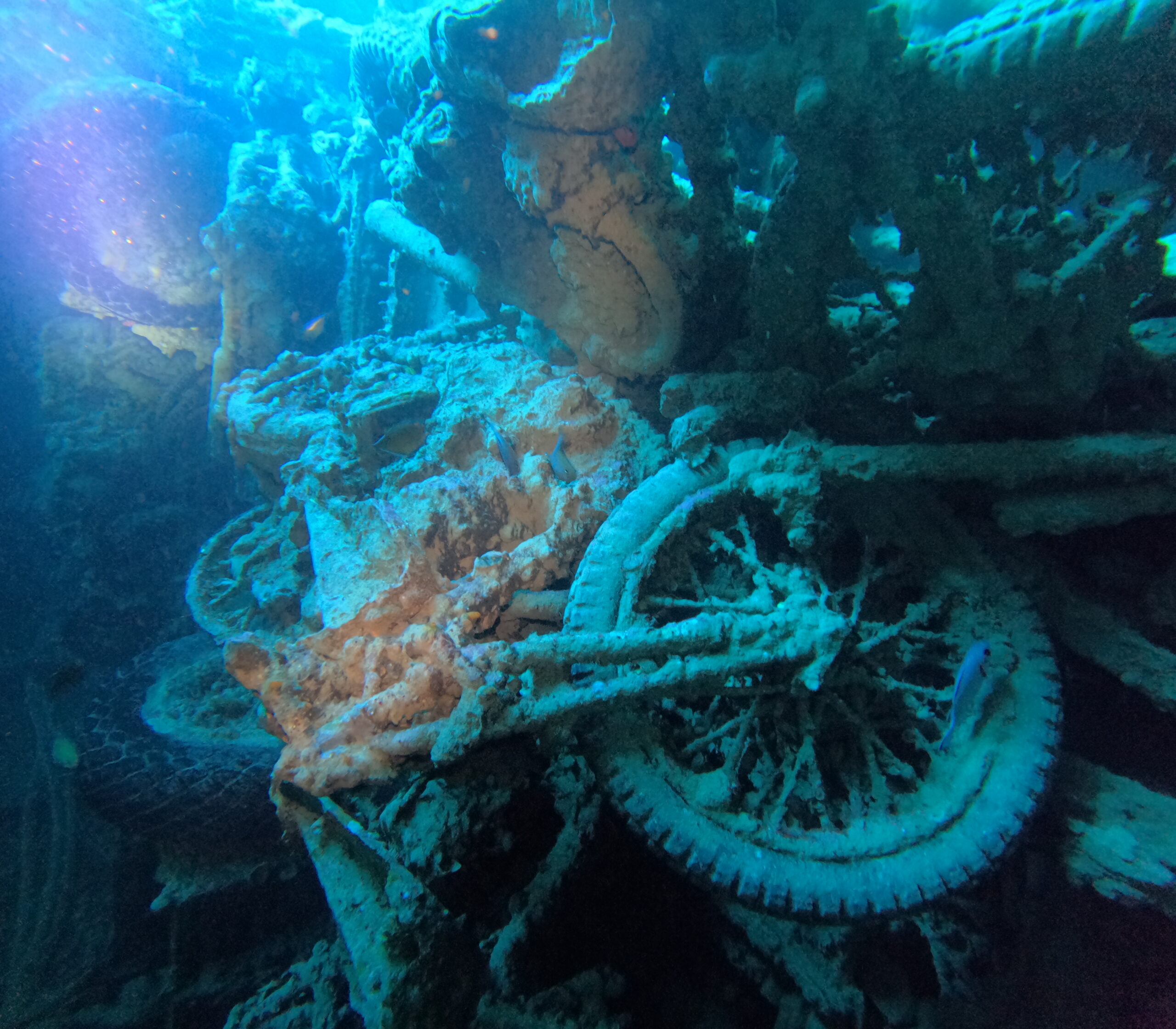
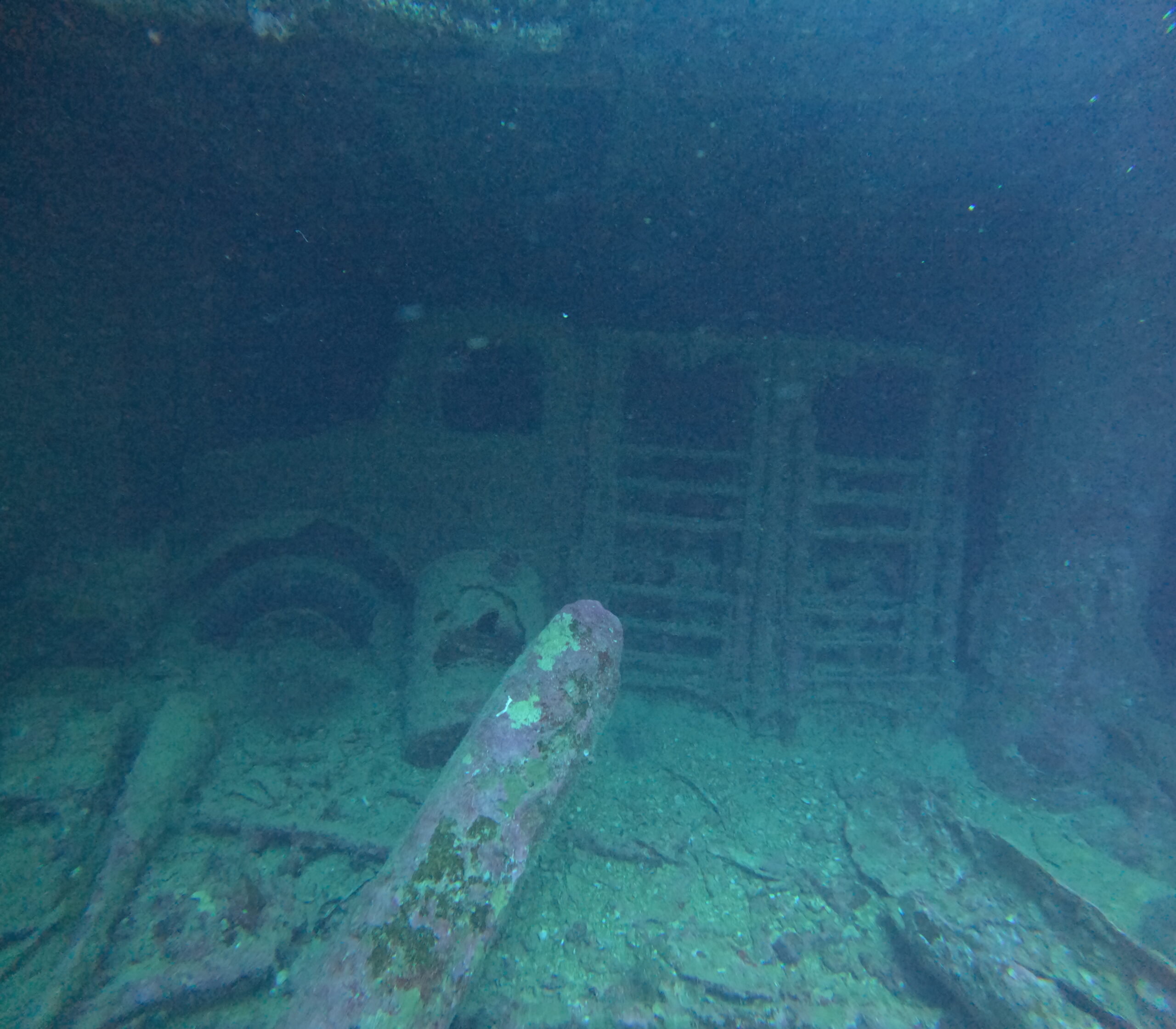
The internal structure of the ship completely eluded me, as all I did was follow Omar blindly whilst ogling my surroundings. There, inside the various holds and spread across different levels, were all kinds of crazy things – from entire rows of motorbikes to trucks and jeeps, hundreds of tyres and boots, rifles and ammunition, and all sorts of other contraptions. Seeing all those objects covered in rust and salt deposits left me with the eeriest of feelings. Such waste! Millions of pounds’ worth of equipment had sunk to the bottom of the sea and now lay there – arguably earning the locals far more than their original value simply by attracting thousands of divers every year.
The dive itself was unique, to say the least. Seeing the silhouettes of thousands of fish swimming through these ancient relics against a dark blue backdrop left me in awe. Not to mention how disorientating it all was – not only was the wreck cluttered with all kinds of gizmos and gadgets, but there were also dozens of divers swimming through it. No wonder Omar kept looking back to make sure we didn’t get separated. All in all, it didn’t take long for me to understand why the Thistlegorm is considered one of the greatest wreck dives on Earth.

Ras Mohammed National Park
Our third and final dive was in Ras Mohammed National Park. Although it was a great dive – as all dives over vibrant coral reefs are – I gotta admit that it wasn’t anything particularly special compared to the Thistlegorm. Granted, we did spot a huge Napoleon wrasse that was almost the same size as me and I certainly didn’t expect to find dozens of toilet bowls scattered across the seafloor. Turns out, these belonged to the cargo of the Cypriot freighter Yolanda, which struck a reef and sank in 1980.