One last day. I woke up and did my best not to think about that. I had no plans here in Manila, and I certainly wasn’t going to waste the only day I had doing nothing.
And so, I booked the first tour that popped up on the internet. It’d be something I’d never done before, something I couldn’t quite do before. But the new and improved me had come a long way and got himself some new skills. I’d be going on my first ever city bike tour. I know, I know. About damn time. But hey, I had only learned how to ride a bike a year or so earlier, and I wanted to improve just enough to not get myself killed in the middle of a street far away from home.
That said, I can’t say I wasn’t the least bit nervous. For me, biking was still a hobby I did every now and then, and I rarely ventured into streets riddled with cars. I had no idea what to expect. But, as I figured, I could always hop off and walk back to the office if worse came to worst.
A Bit About Manila
I made my way to the starting point, the Bambike Ecotours office, where, together with a bunch of other tourists, I’d be riding on a sustainable, handcrafted bamboo bike. Not only was I promised a smooth and quiet ride, I’d also be supporting local craftsmanship and eco-tourism. Cool, cool.
Before we set off, Carla, our guide for the day, gave us a brief introduction to Manila’s history. Manila, the capital of the Philippines, has a rich and complex past shaped by indigenous, Asian, Spanish and American influences. Long before European arrival, the area was already a settlement and trading hub connected to wider Asian networks. In 1571, Spanish conquistador Miguel López de Legazpi established Manila as the colonial capital, with Intramuros becoming the fortified centre of Spanish governance, religion and trade. Over the next few centuries, Manila grew into a key port in the galleon trade connecting Asia, Mexico and the wider Spanish empire.
Carla then briefly took us through the city’s later chapters: American rule after 1898, the modernisation of infrastructure and education, the devastation of the Battle of Manila in 1945, and finally Philippine independence in 1946. It was a lot to take in, but it also made sense. This wasn’t just a city with old buildings – it was the past and the present co-existing beautifully and sometimes brutally.
Intramuros on Two Wheels
And with that, we could start the tour. I got on the bike and, all wobbly, managed to keep up with the group. It took me a while to get used to it, but after a while, I was doing just fine.
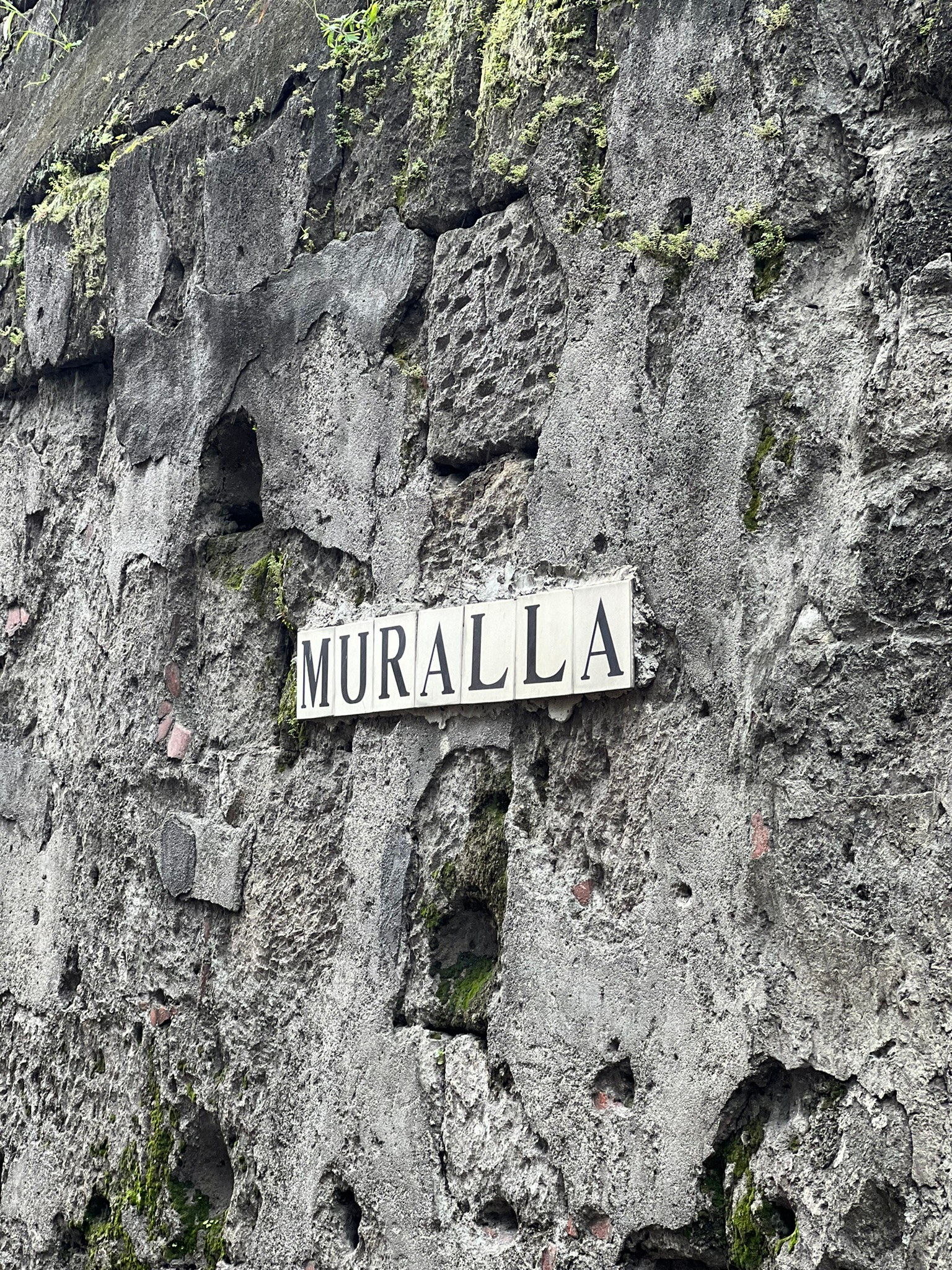
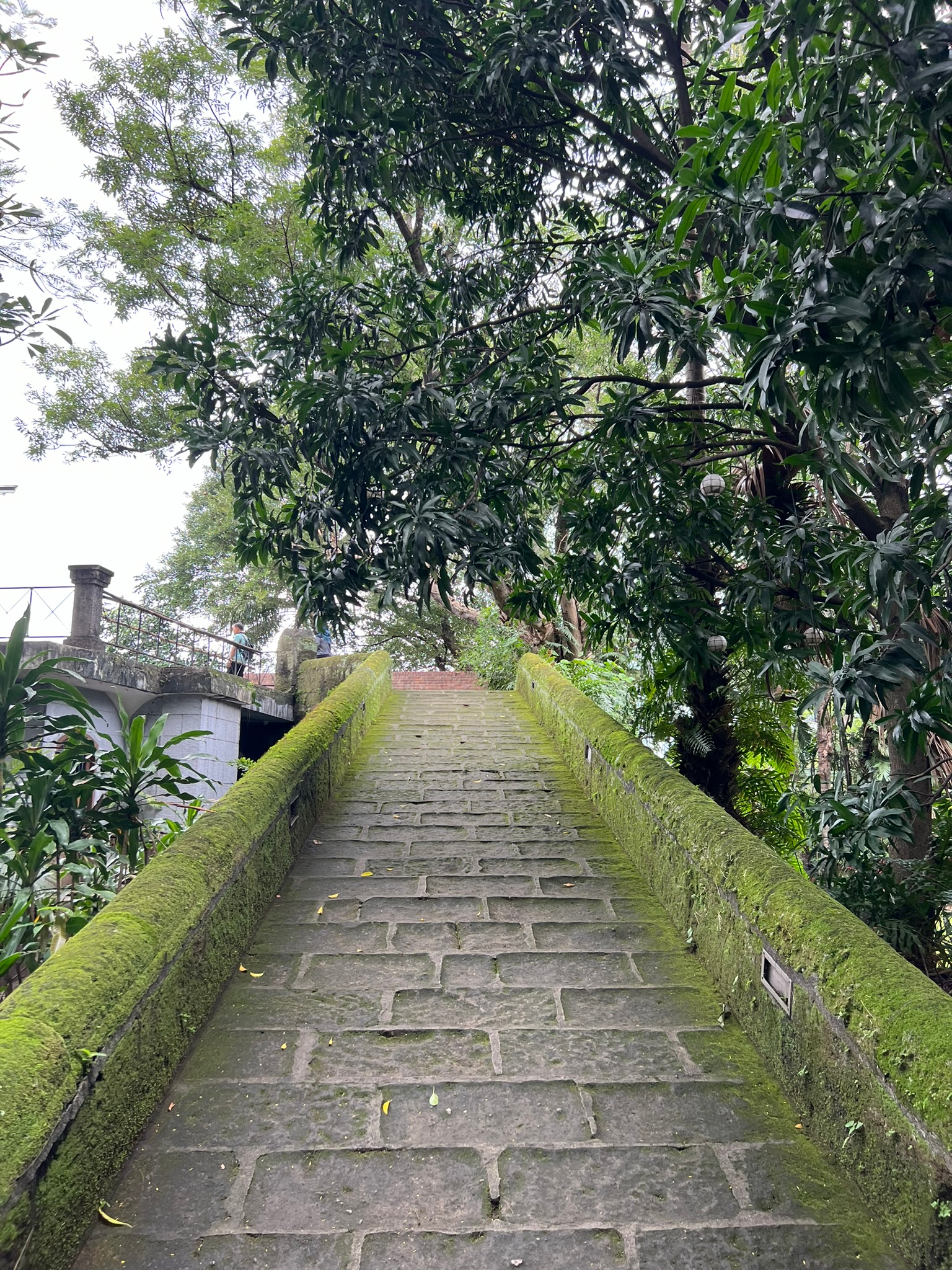
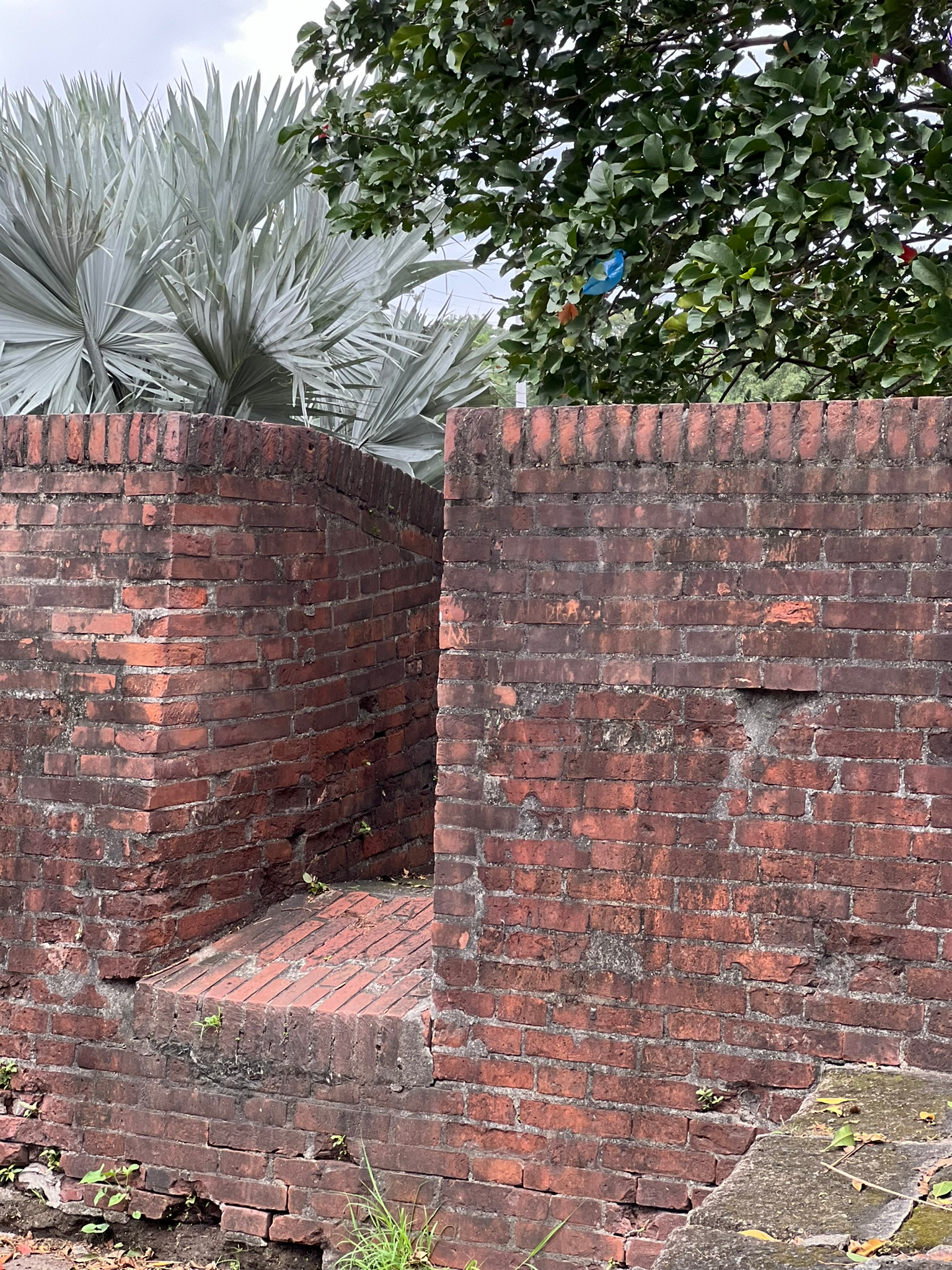
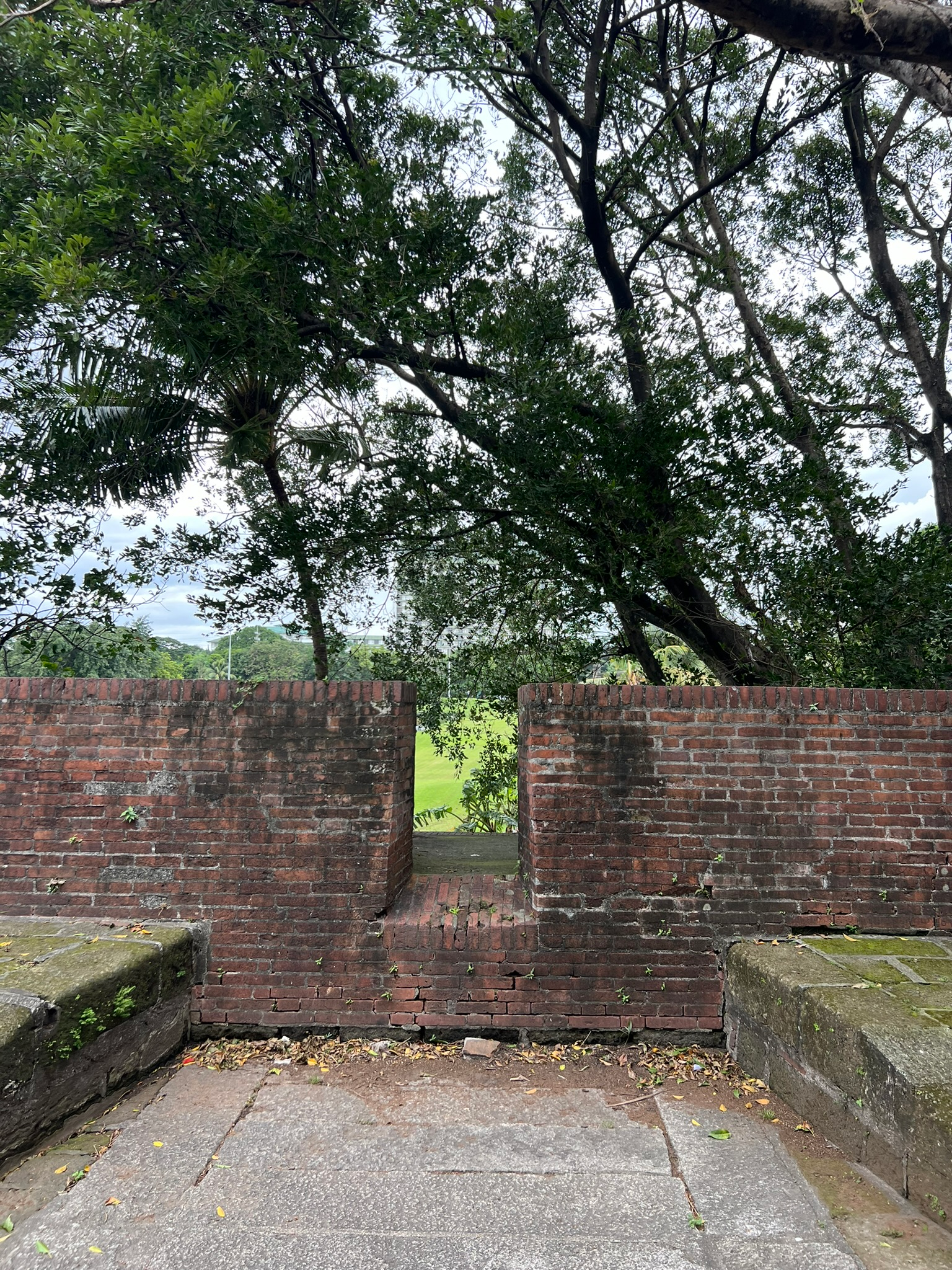
Our first stop was one of the bastions that surround the city. Here, Carla told us that the name Intramuros, also known as the Walled City, reflects the city’s history quite literally. In 1574, the Chinese pirate Limahong attacked the fledgling Spanish settlement of Manila, seeking to establish a base for piracy and conquest. He burned parts of the town and tried to breach the early defences, but the Spanish garrison, aided by local allies, resisted his forces. Unable to capture the main settlement, Limahong eventually retreated north to Pangasinan before fleeing.
The raid exposed the vulnerability of early Manila and helped underline the need for stronger fortifications. Over time, Intramuros developed its massive stone walls, moats and bastions, designed to protect the colonial city from invasions and uprisings. Inside those walls lay government offices, churches, schools and residences, making Intramuros the centre of Spanish political, military and religious power in the Philippines for over 300 years.
Of Gardens and Churches
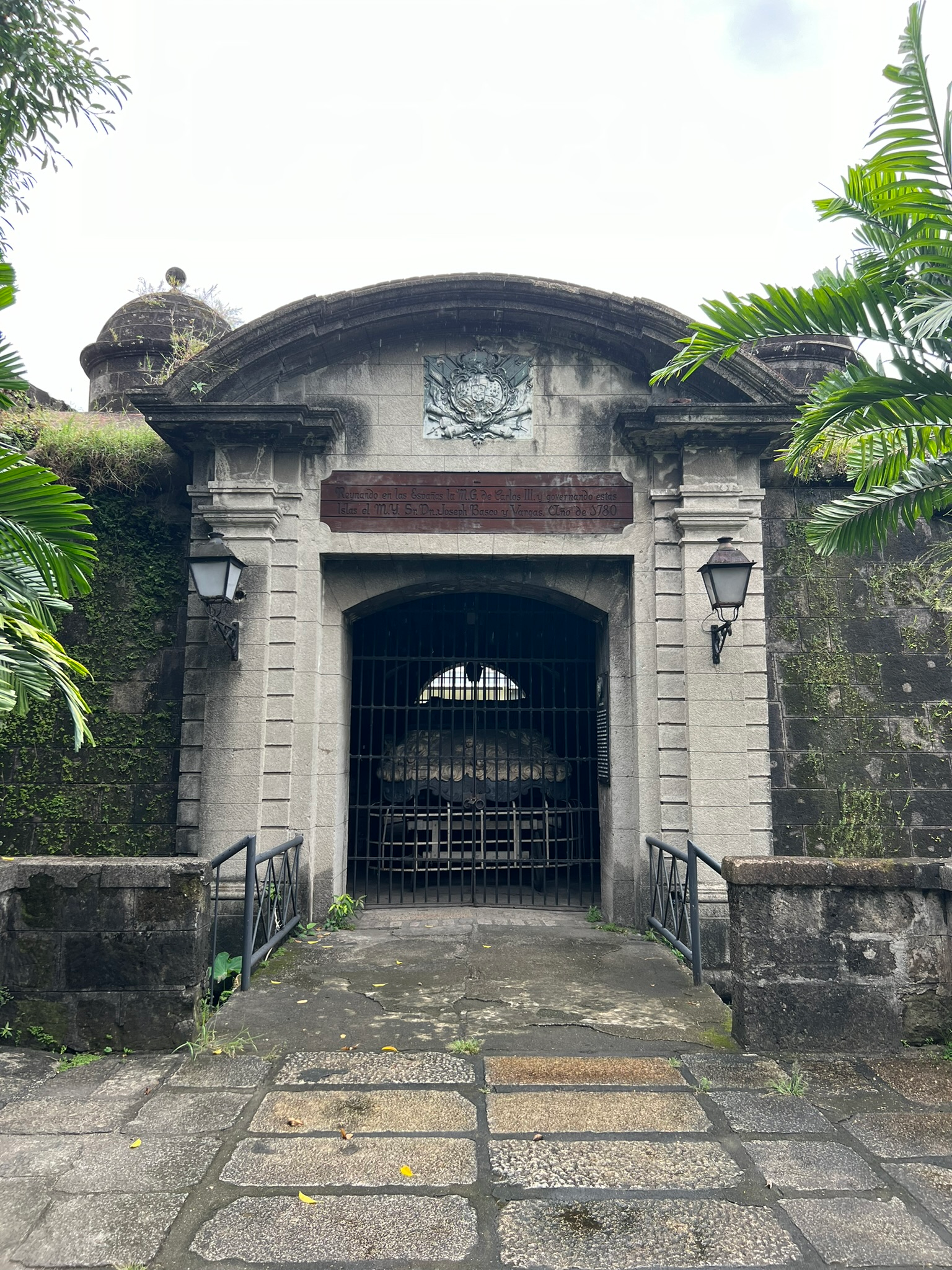
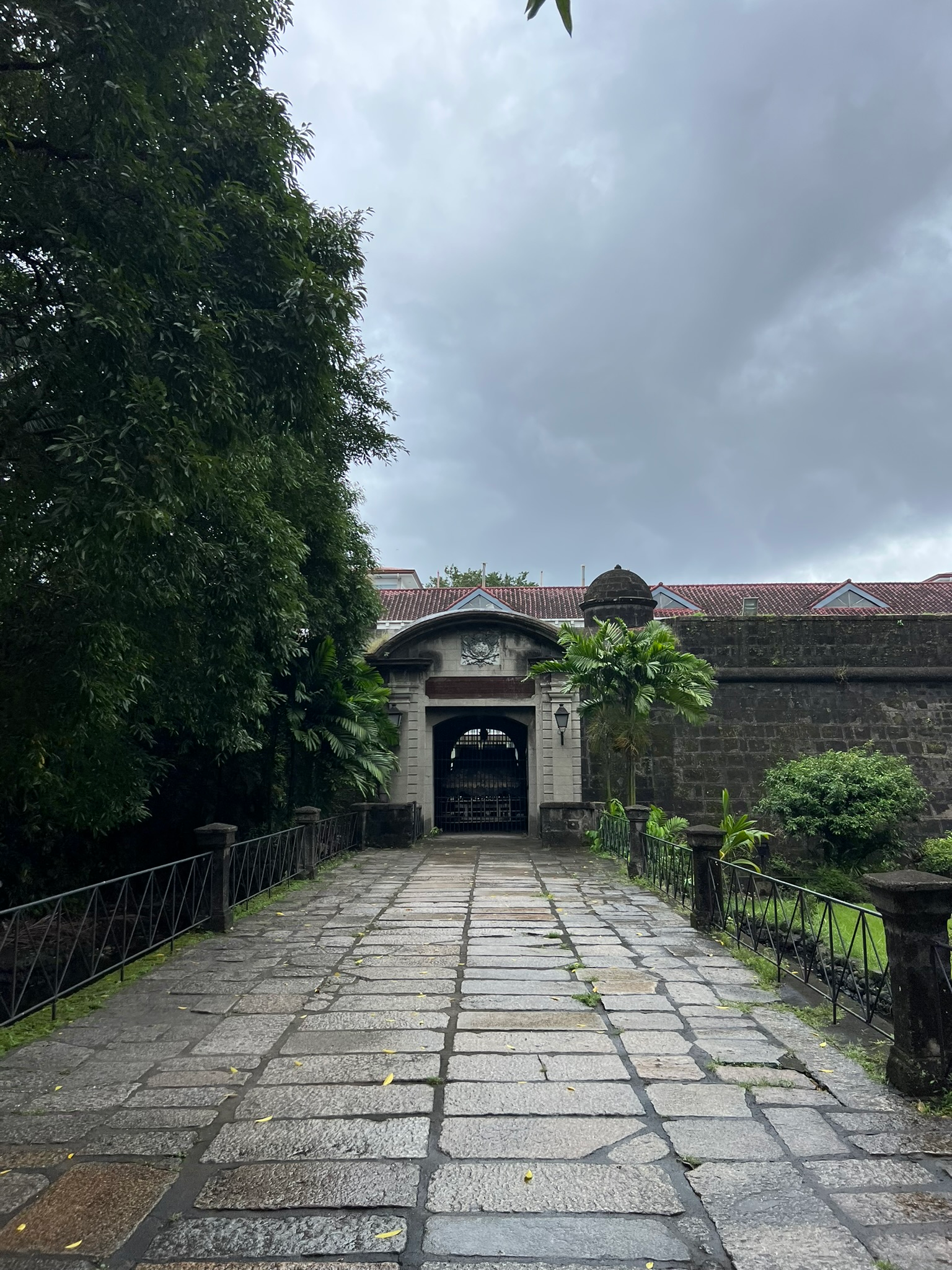
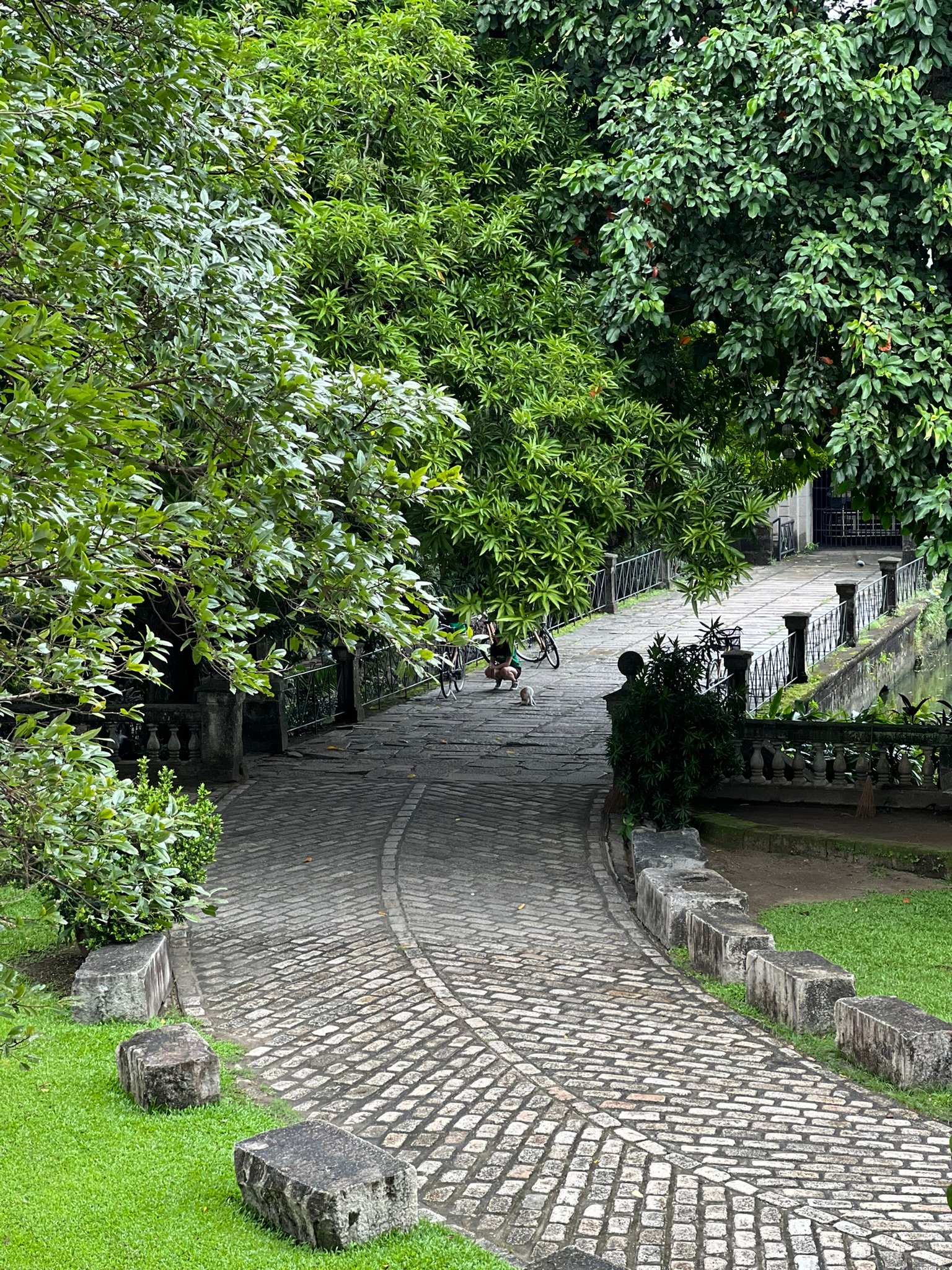
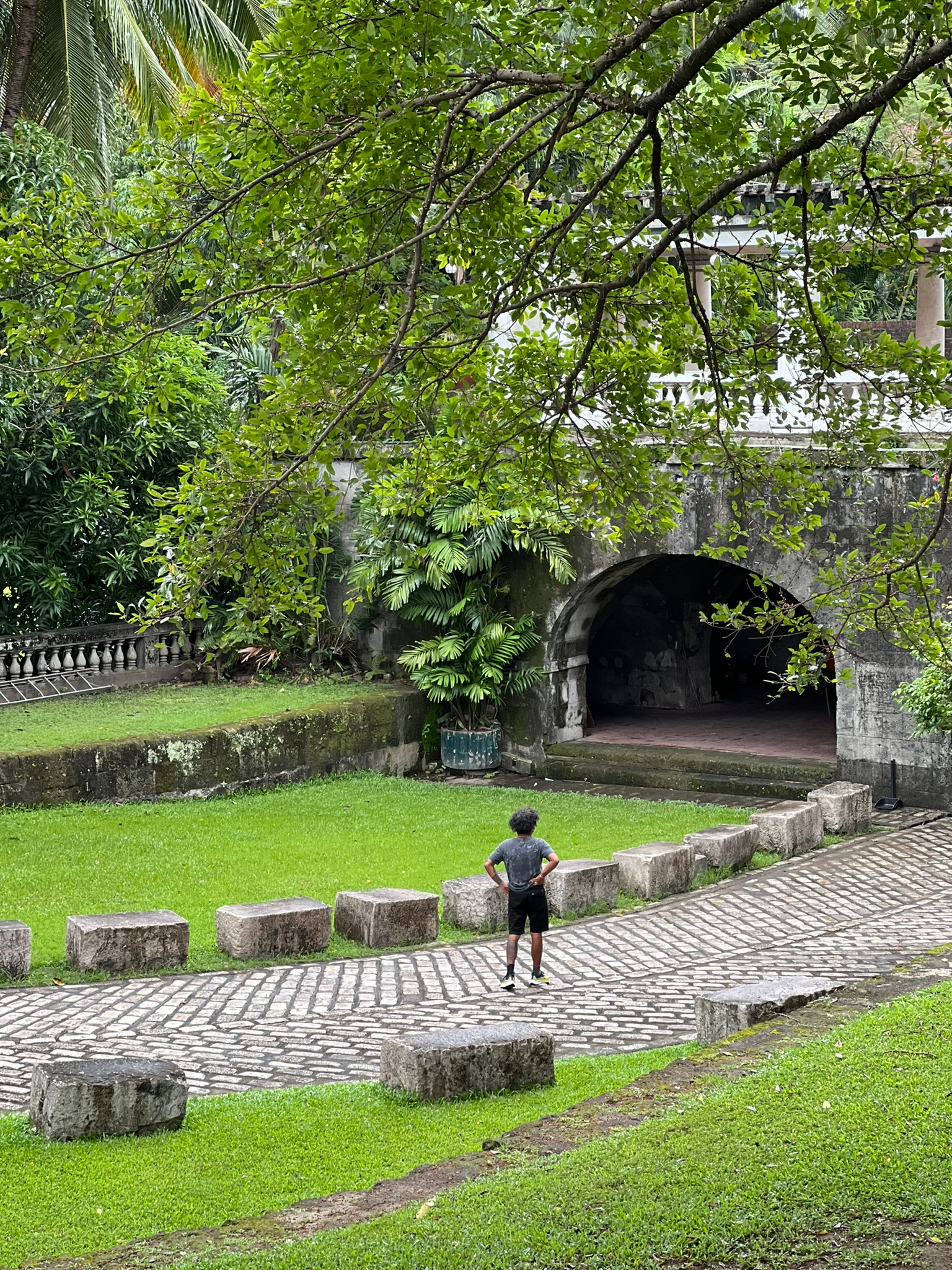
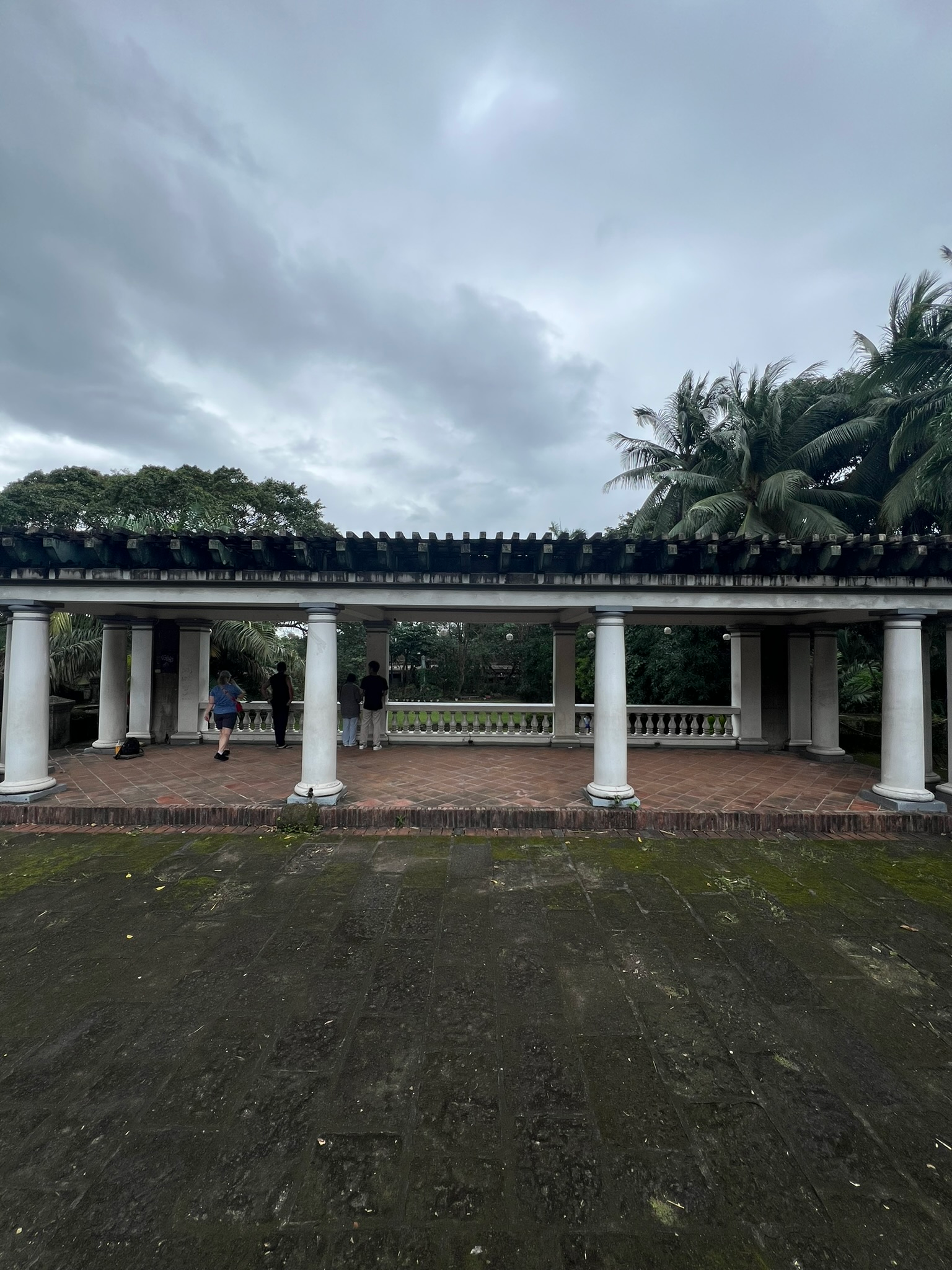
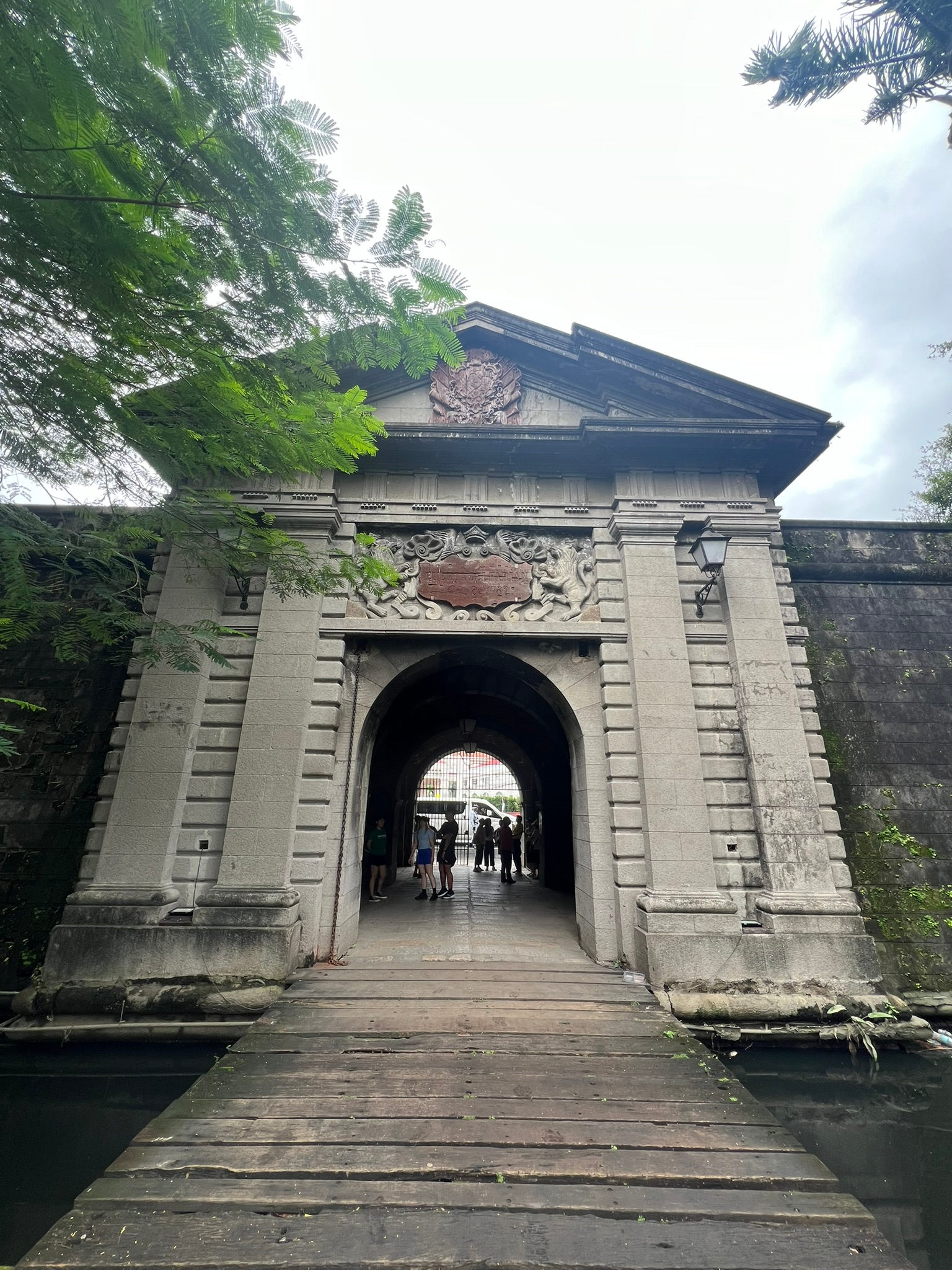
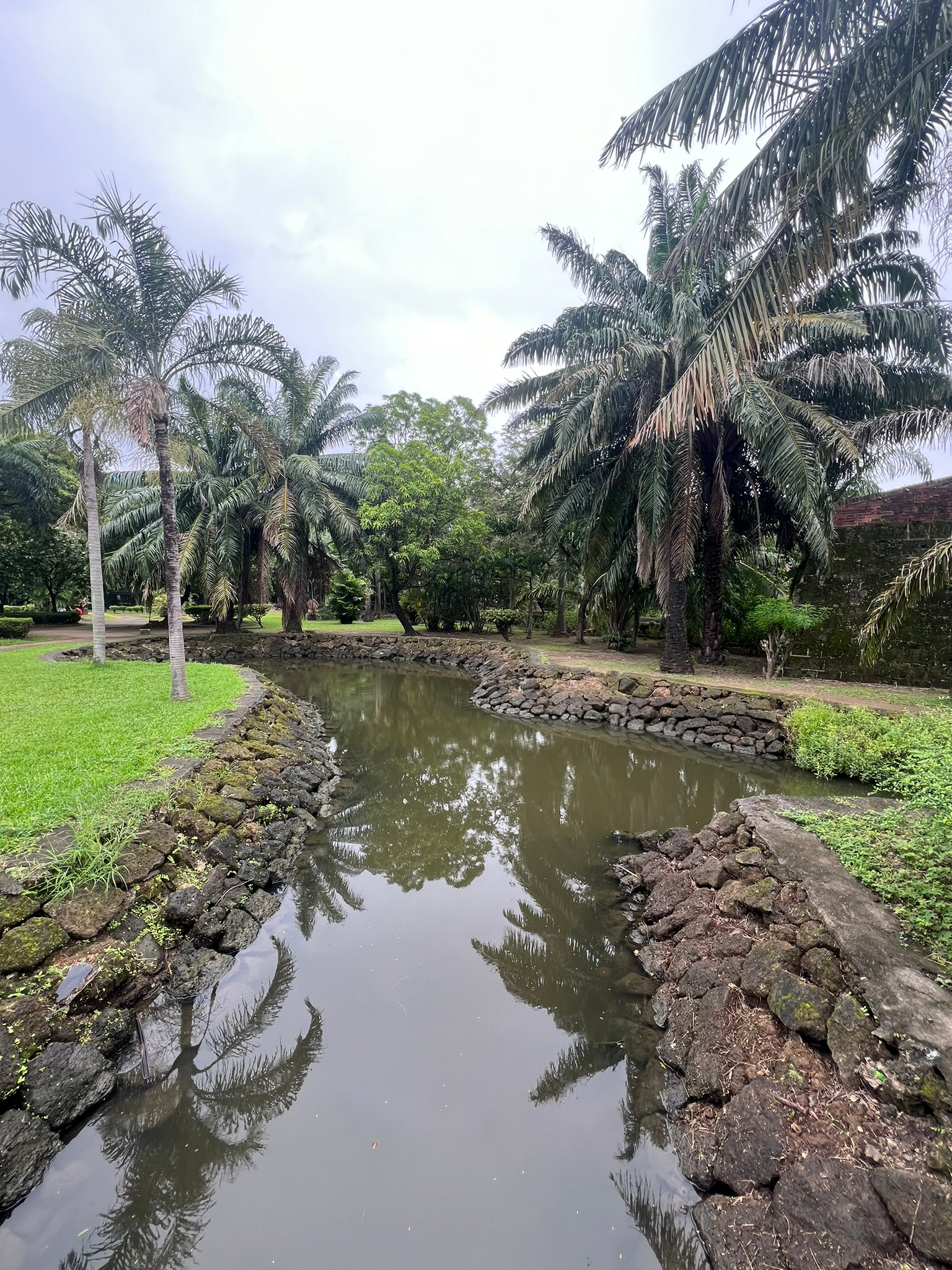
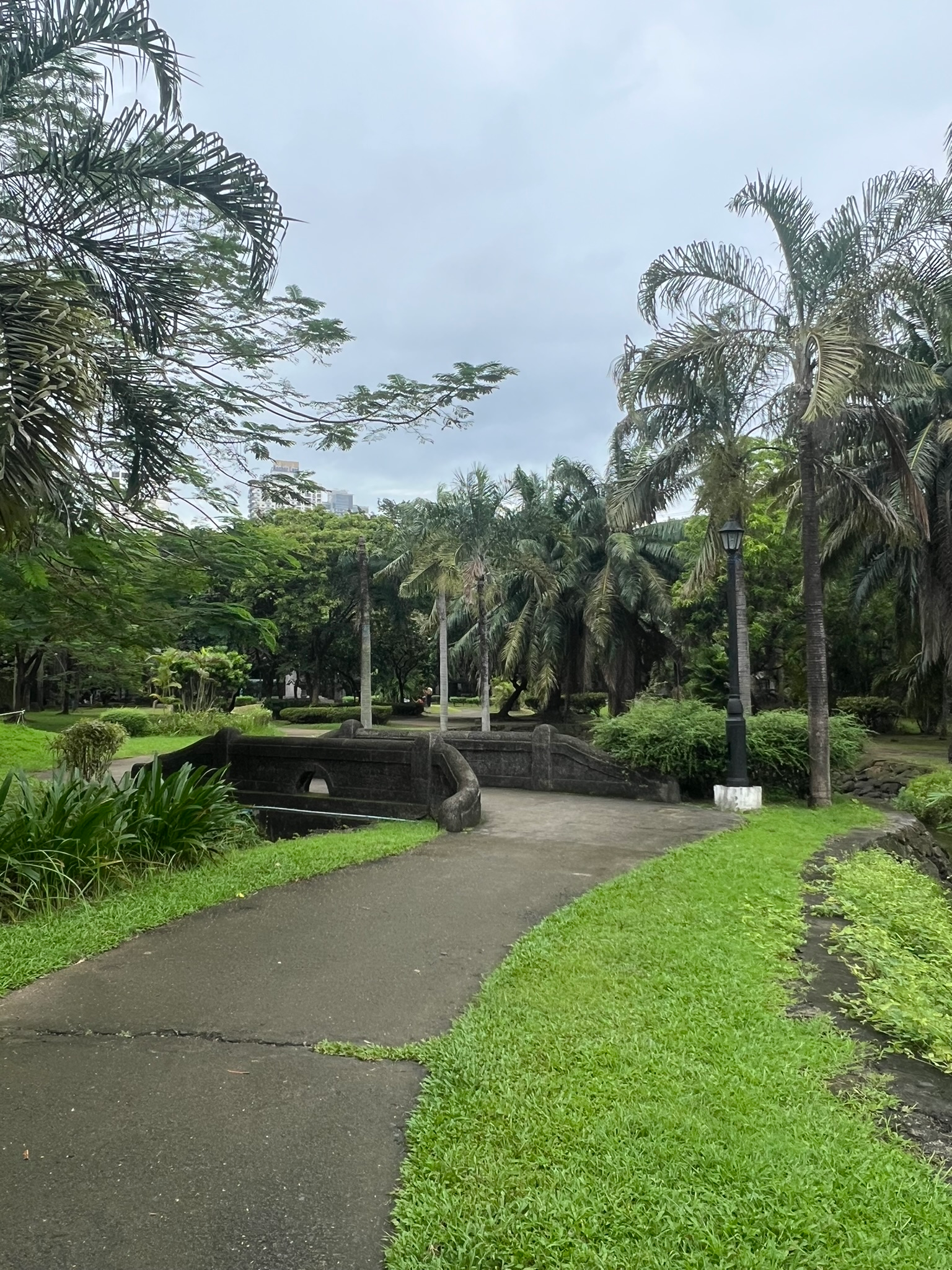
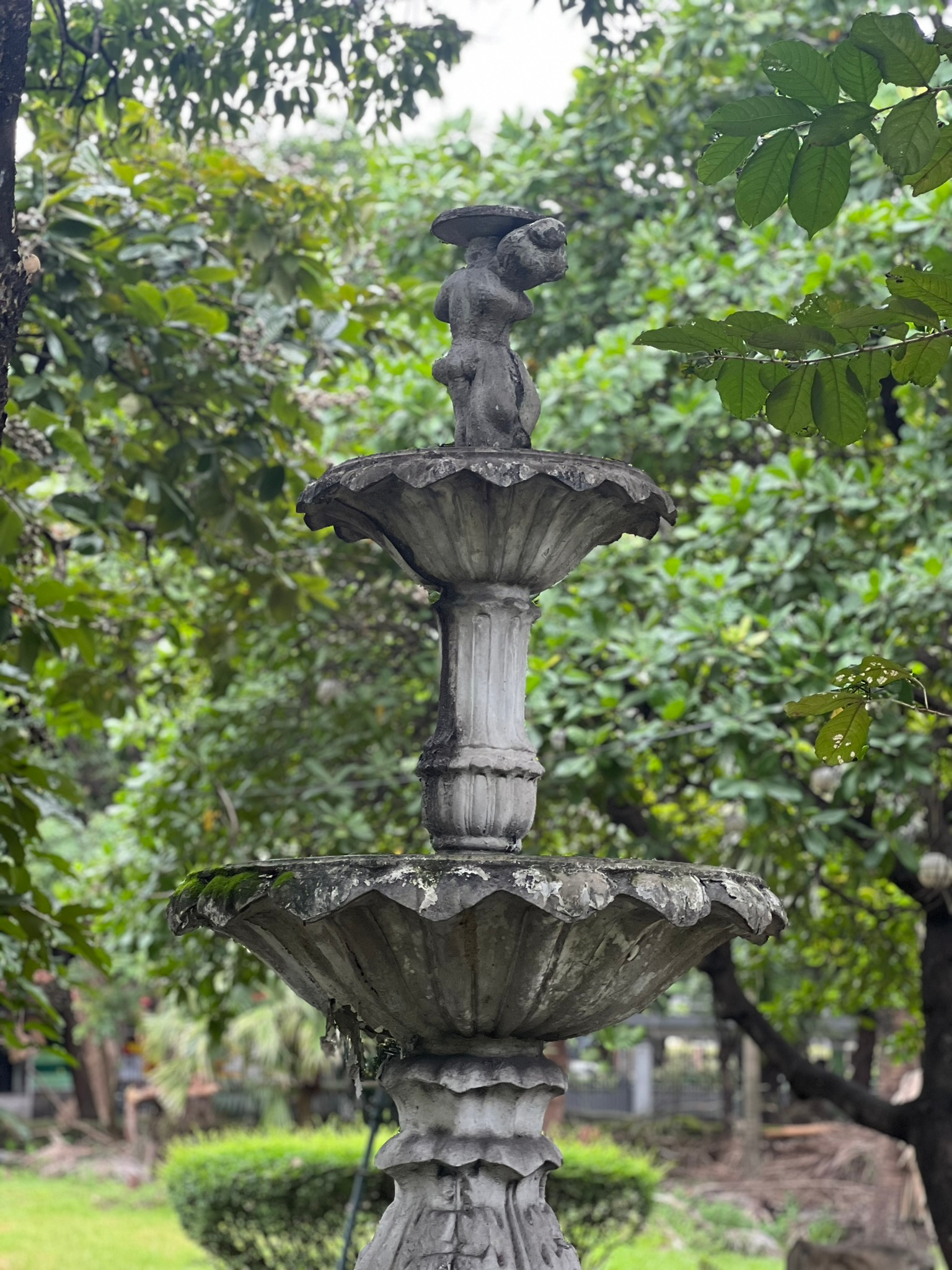
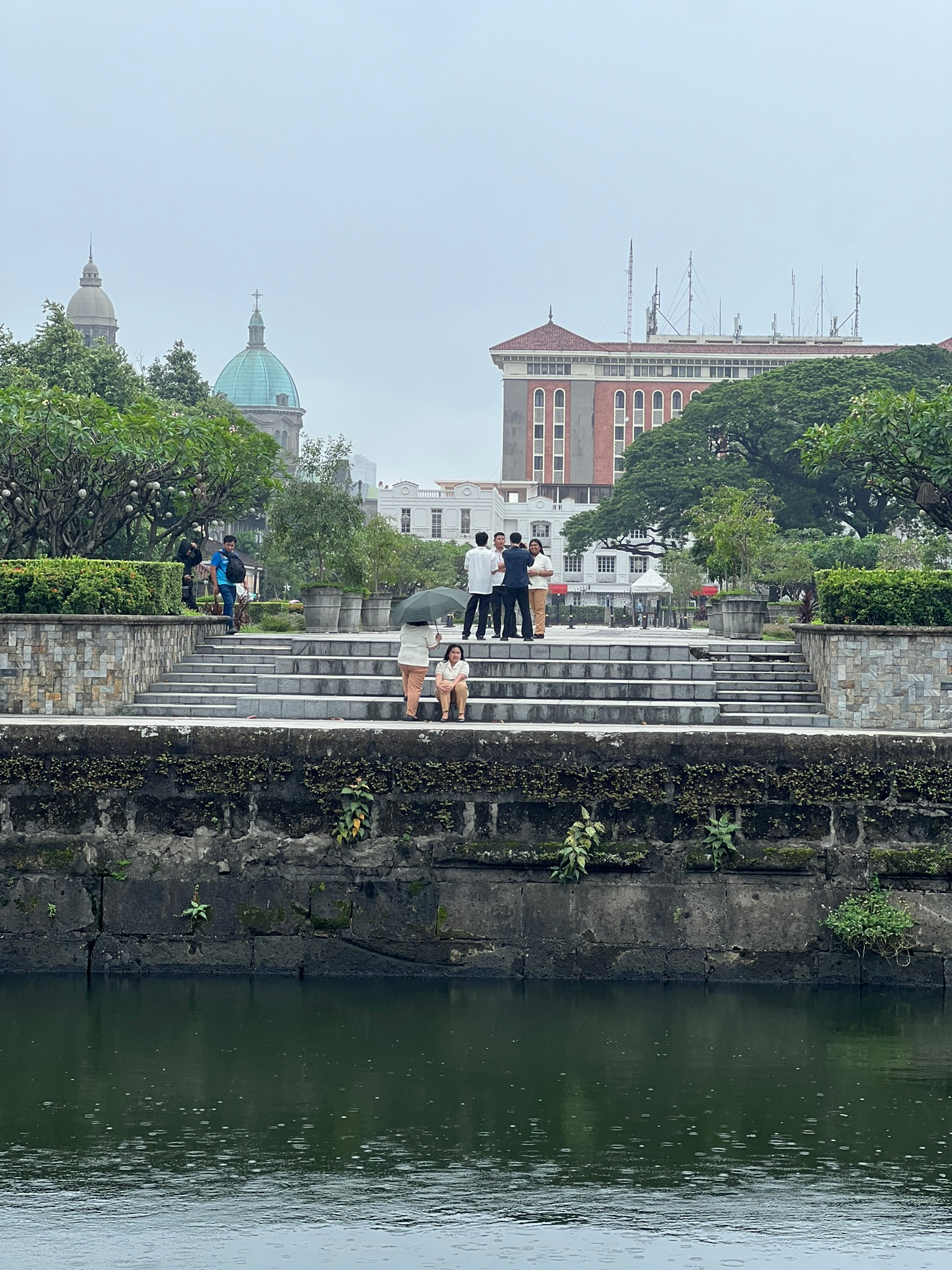
After this, we headed towards the Puerta Real Garden, a small but charming historic park located near the Puerta Real gate, which once served as one of the entry points into the walled city. As we stood in front of the impressive gate, Carla went on describing everything around us. Then we were given some free time to roam around the gardens, with their manicured lawns, benches and shaded walkways making for the perfect place to take a short break.
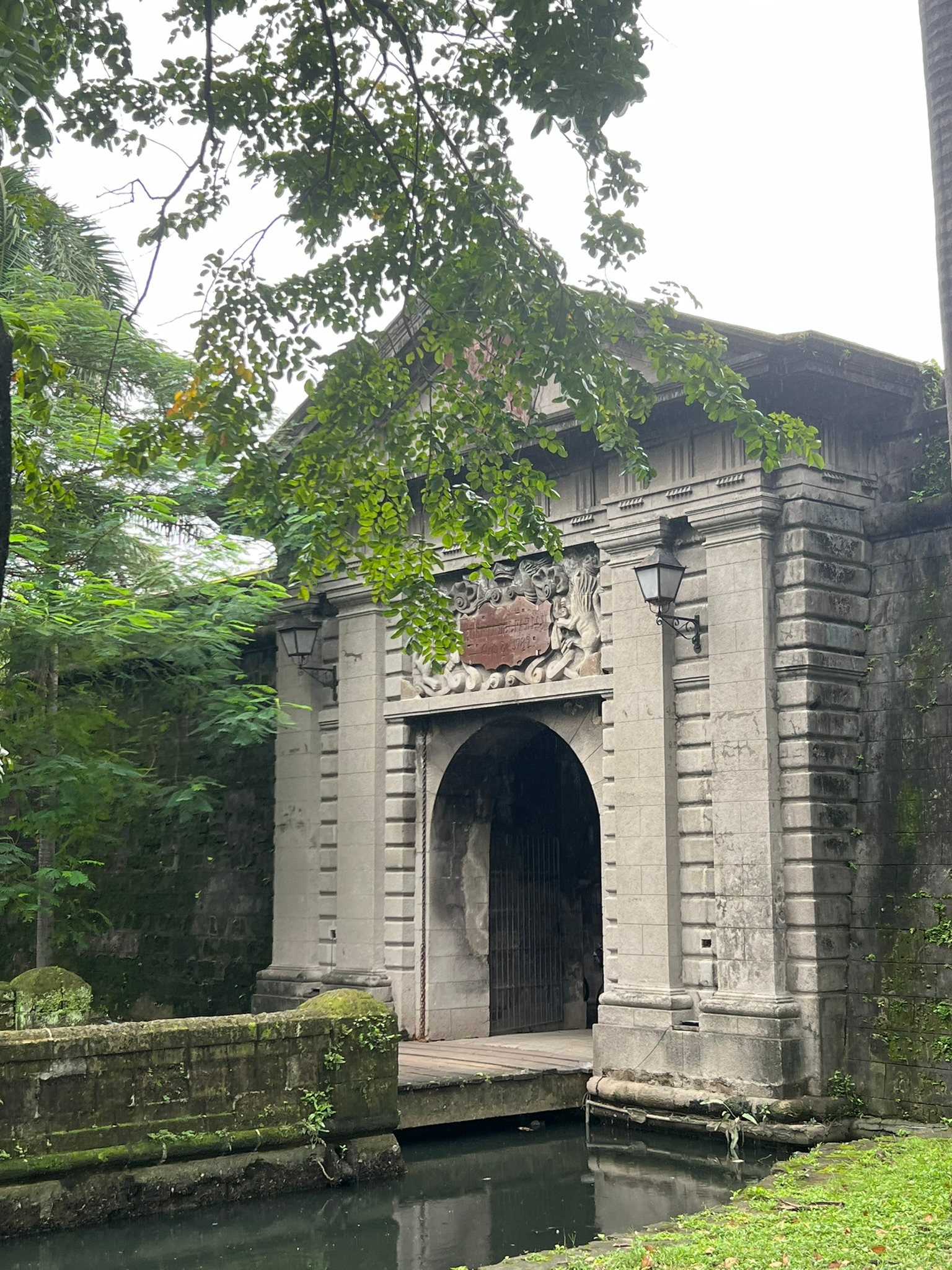
Up next, we headed to yet another garden, this one featuring the Puerta del Parián, another entrance to the Walled City. This gate once provided access to the Parián district, a commercial area associated with Chinese merchants who lived and traded around Spanish Manila. Carla also spoke about Binondo, often described as the oldest Chinatown in the world, and the wider role of Chinese merchants in the city’s history. The gate, with its colonial stone architecture, now stands as one of those quiet reminders that Manila’s story was never just Spanish or Filipino, but multicultural from the very start.
Back on the bike, we then headed towards the Manila Cathedral, the seat of the Archbishop of Manila and one of the most important churches in the Philippines. The first cathedral structure dates back to the Spanish colonial period, though the church has been rebuilt multiple times due to earthquakes, fires and war damage. The current structure was completed in 1958 after World War II, with its Romanesque Revival style, stained-glass windows and grand vaulted interior giving it that heavy, solemn, old-world feel.
PART II
Manila's Dark History
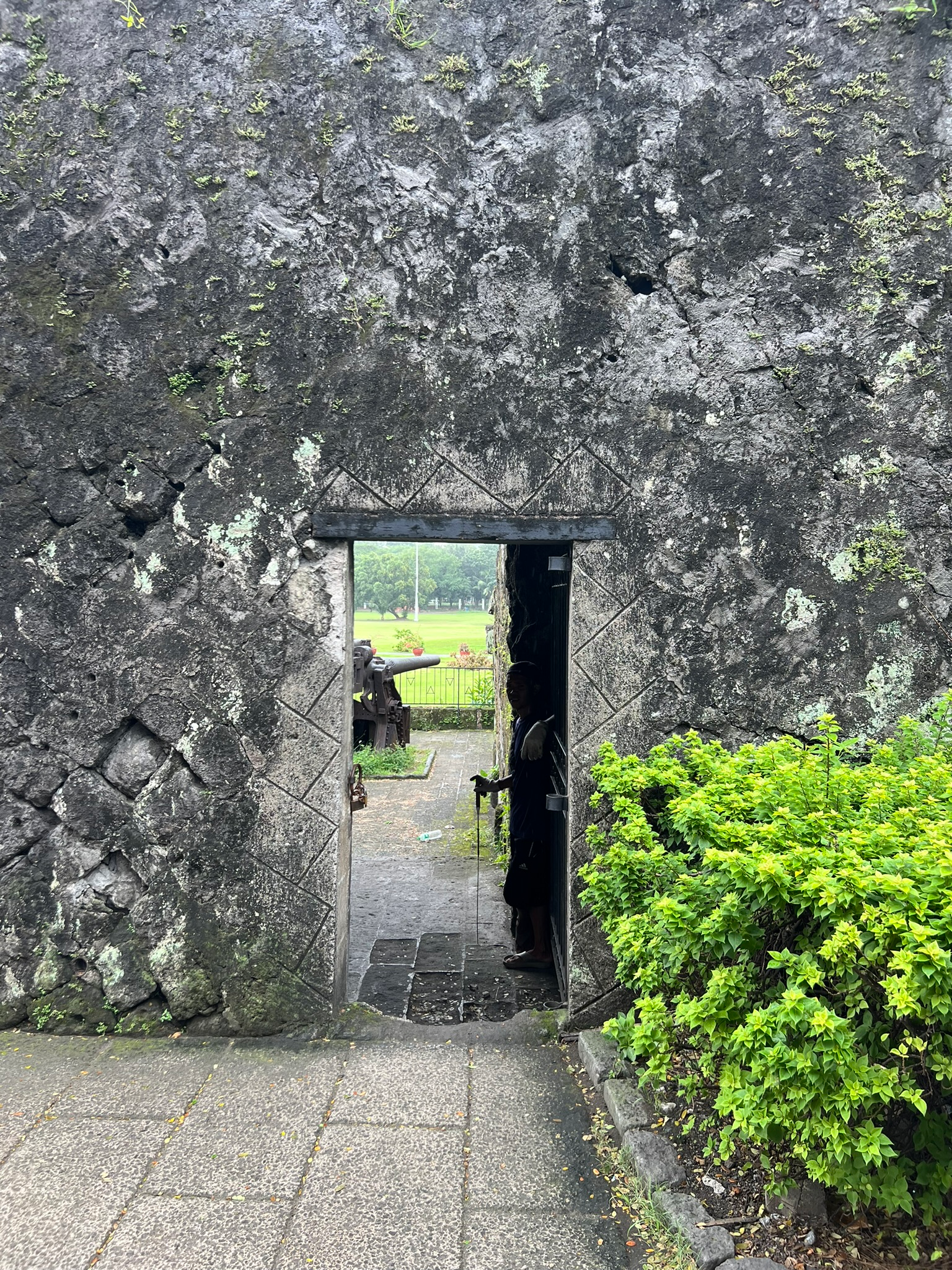
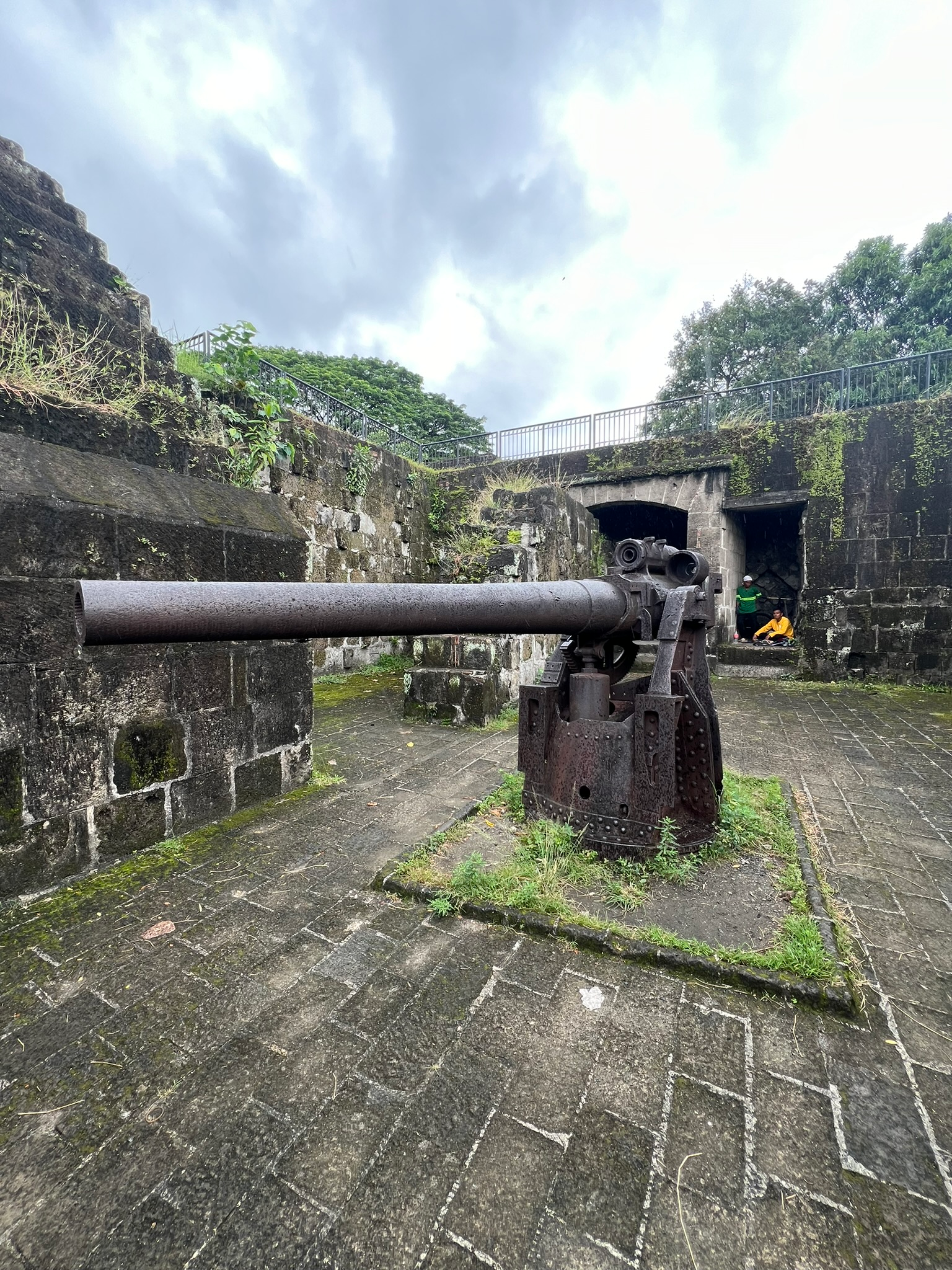
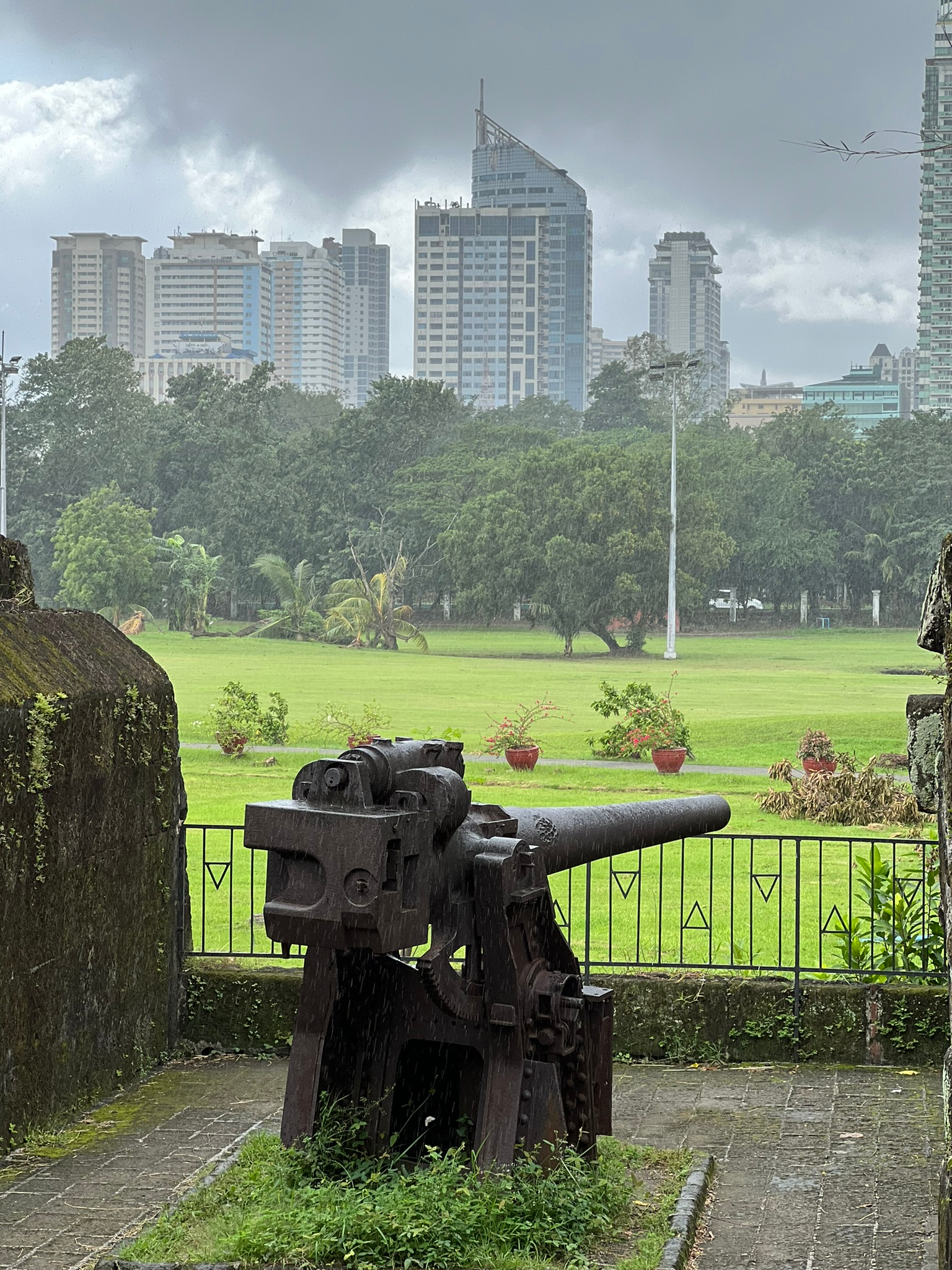
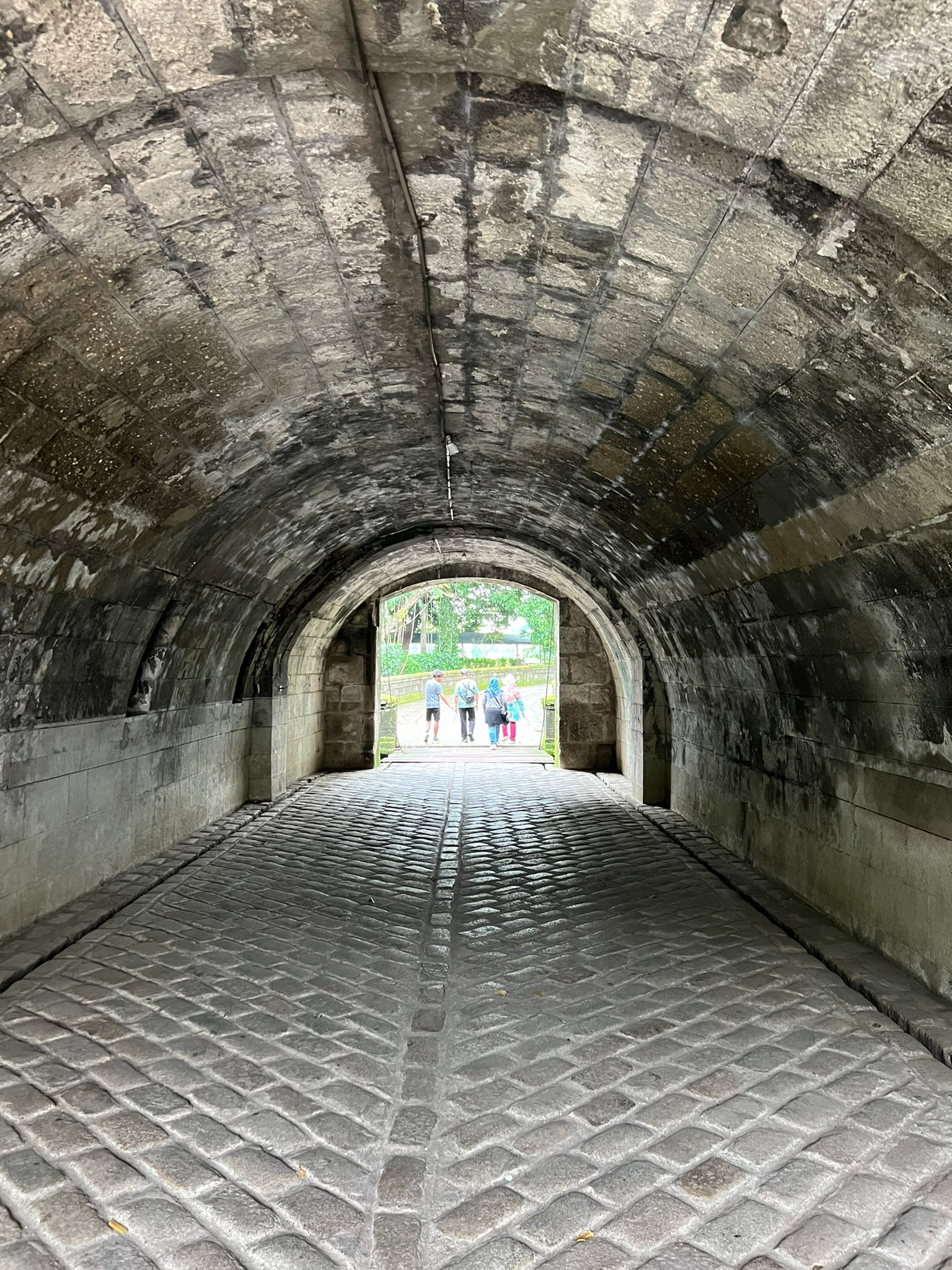
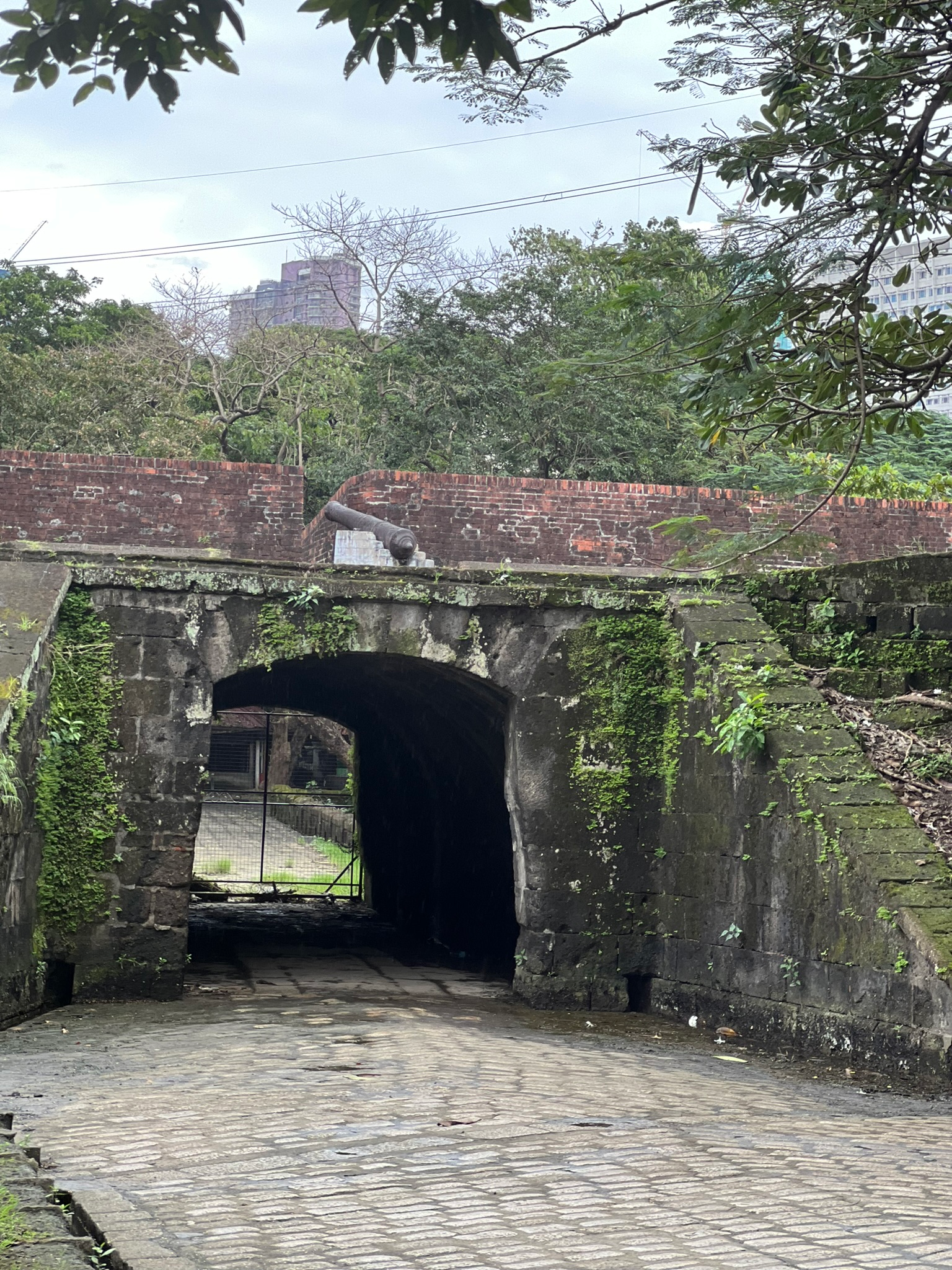
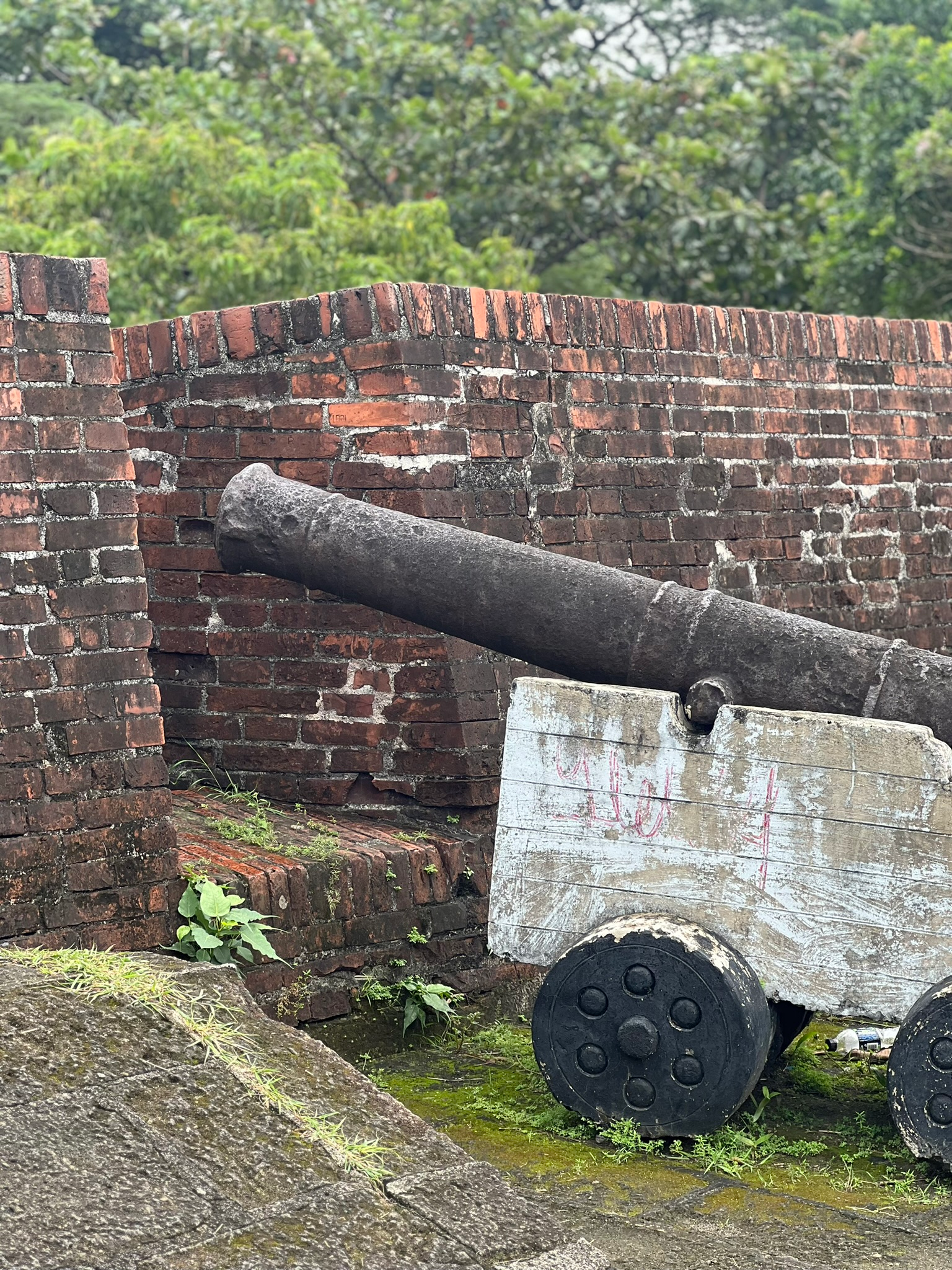
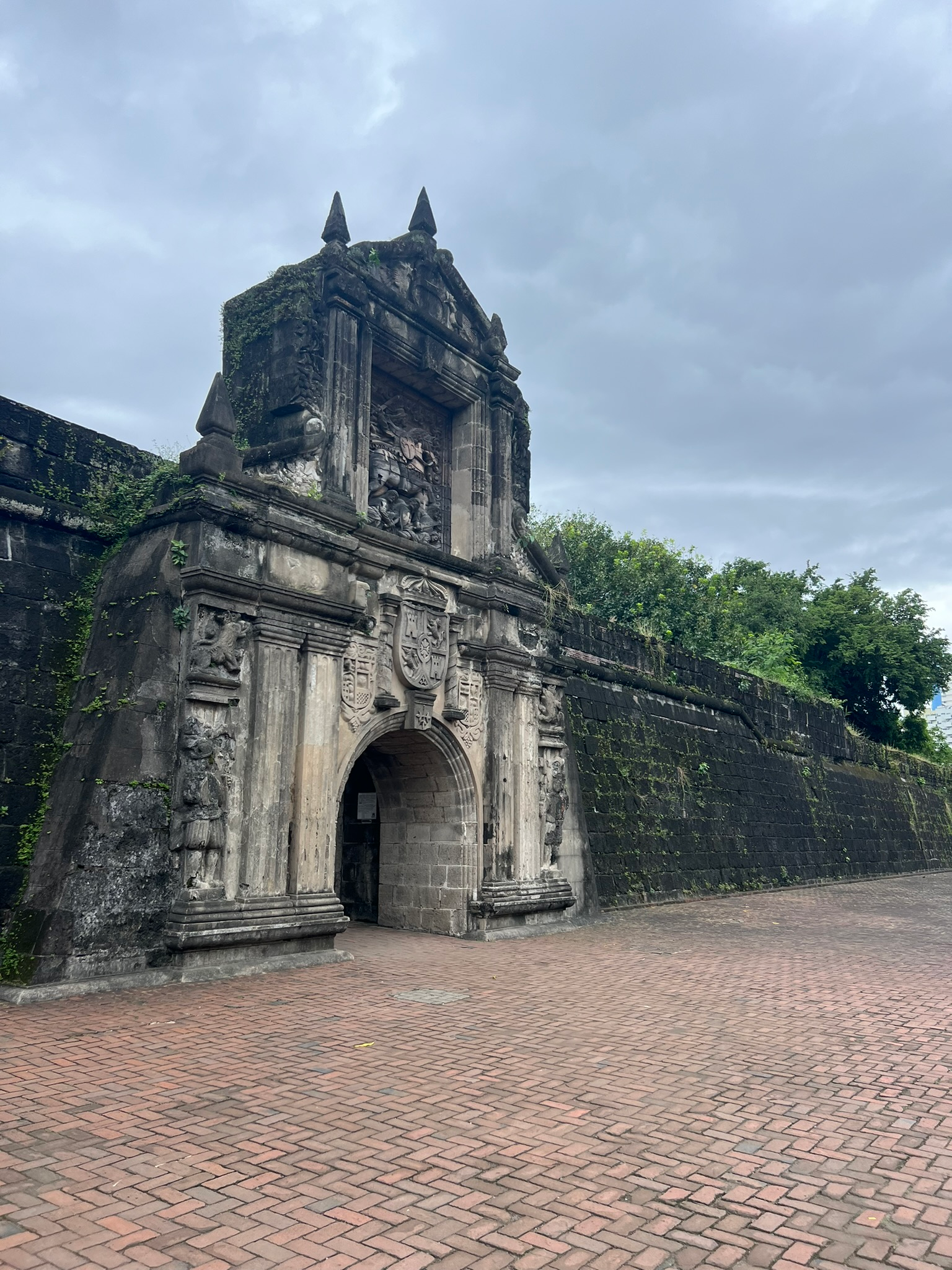
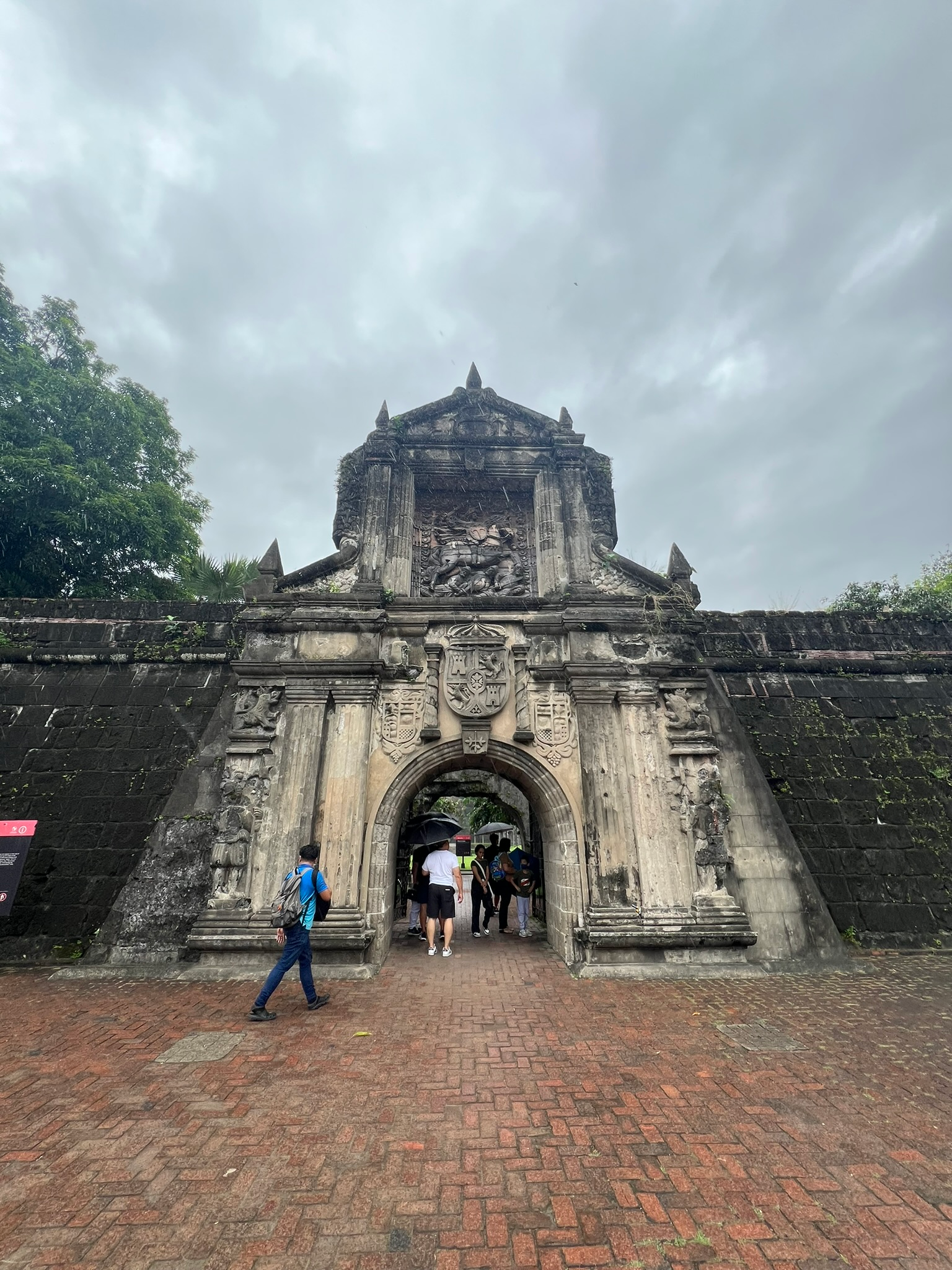
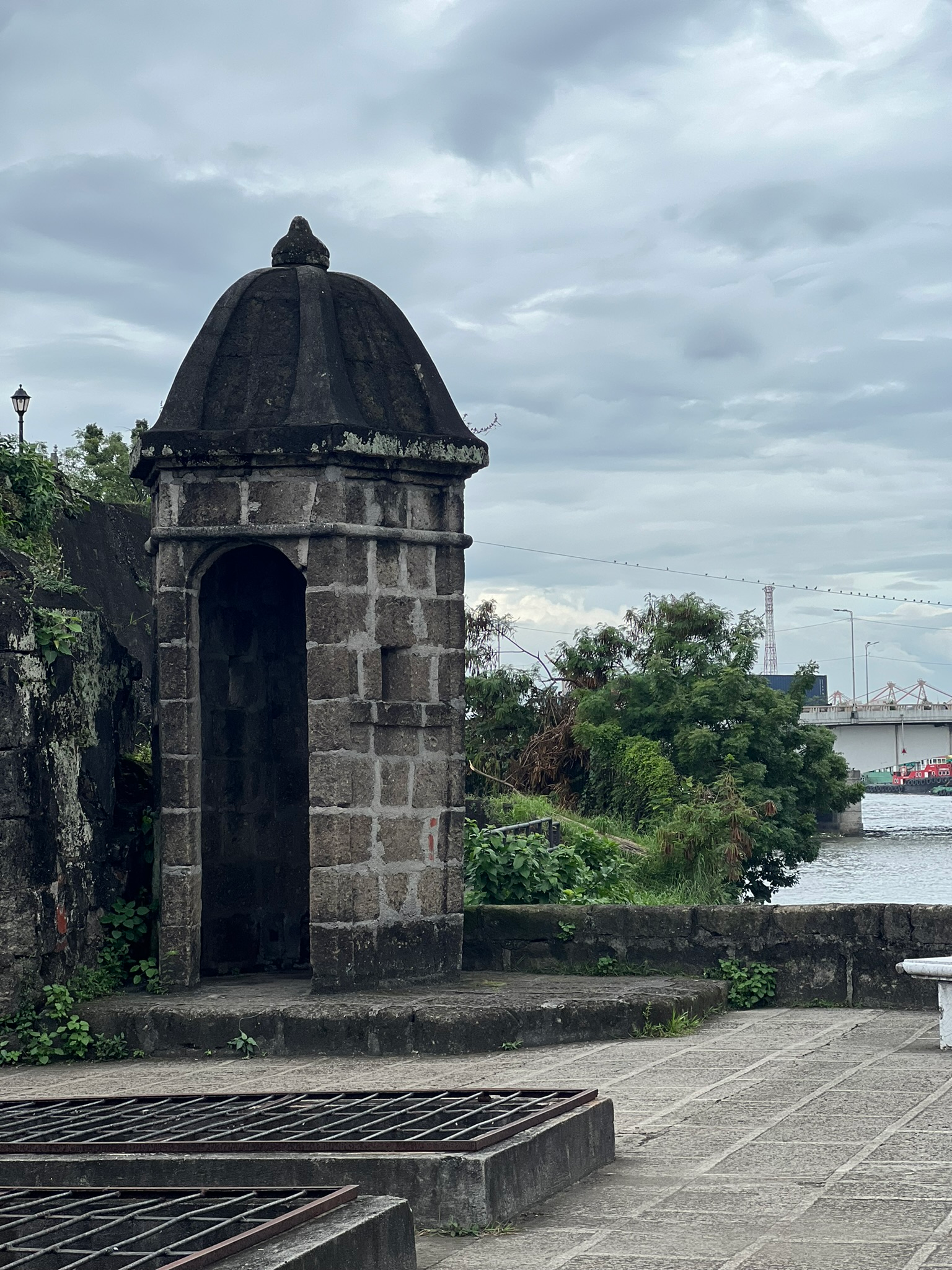
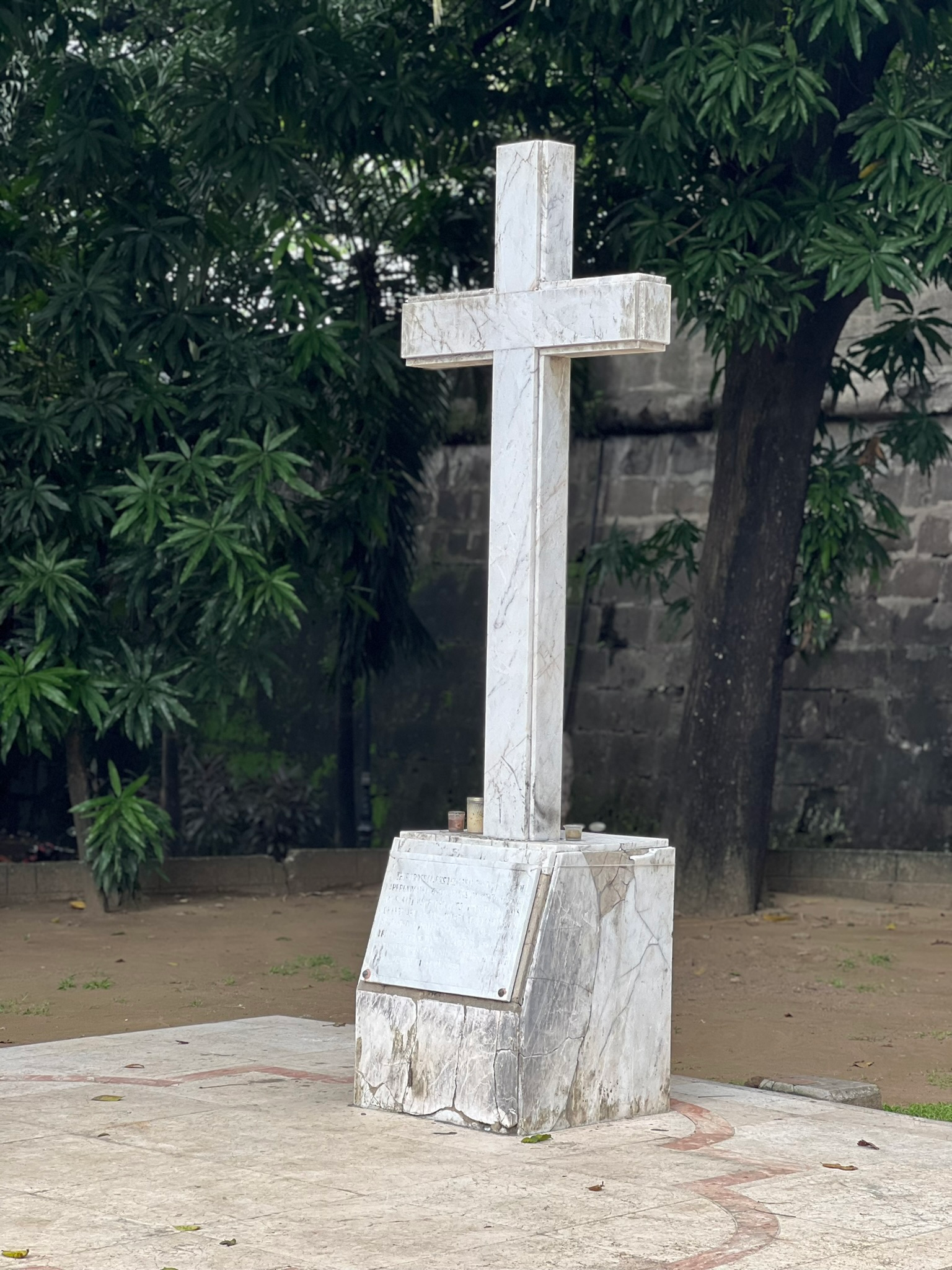
The next part of the tour focused more on the dark side of Manila’s history. Our next stop was Fort Santiago. Built as one of Manila’s main defence fortresses during the Spanish colonial period, it served to protect the city from foreign invasions and local uprisings. The fort features thick stone walls, bastions, dungeons and a moat, reflecting classic Spanish military architecture.
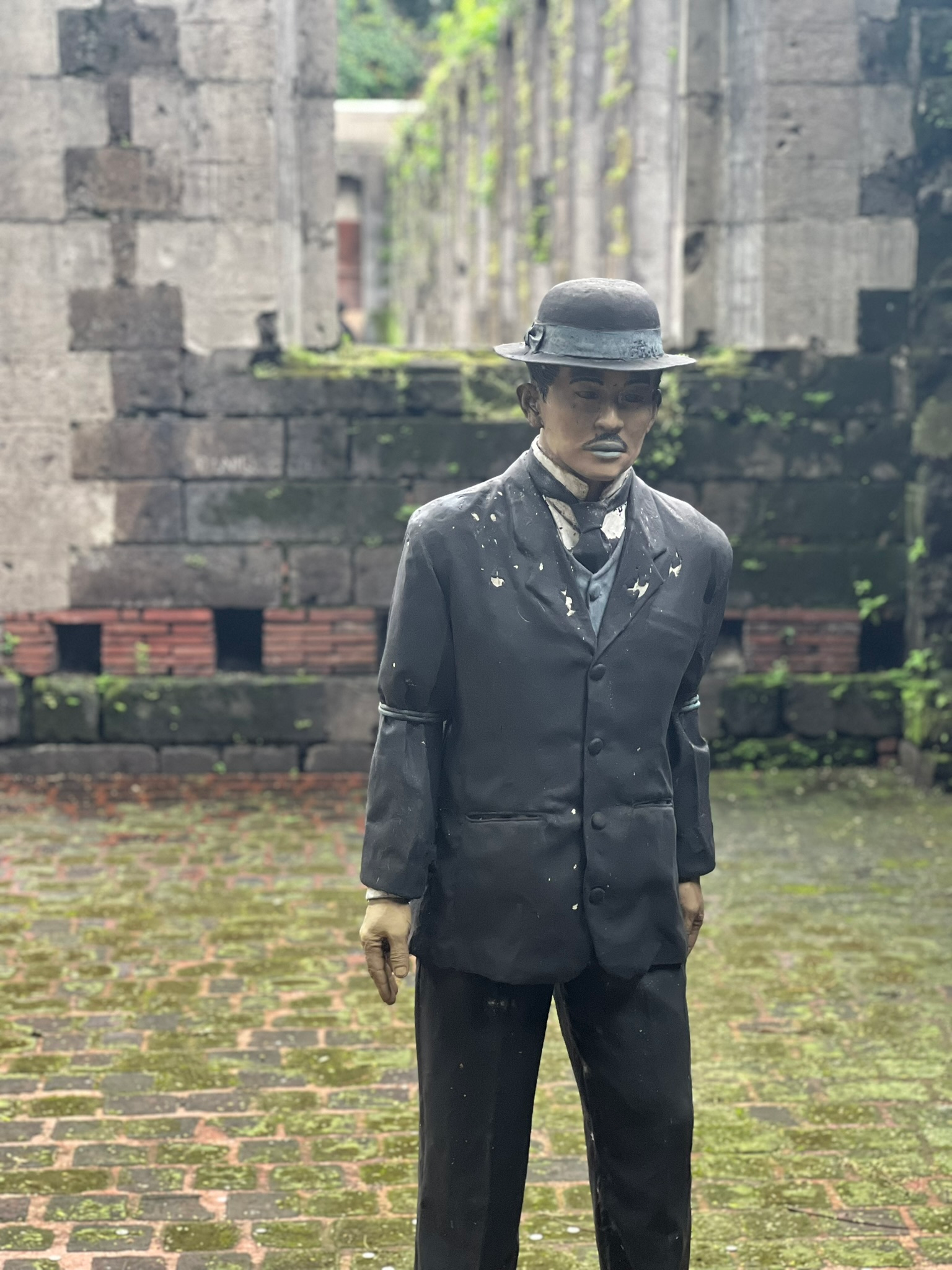
Here, Carla told us that Fort Santiago is perhaps best known as the prison of José Rizal, the Philippine national hero and polymath whose reformist approach sought peaceful change through education and civic empowerment rather than armed revolt. His two major works, Noli Me TangereandEl Filibusterismo, exposed the corruption and abuses of Spanish friars and officials, inspiring a national awakening among Filipinos. His writings were considered subversive, and he was eventually arrested, imprisoned at Fort Santiago and executed by firing squad at Bagumbayan on 30 December 1896. His death turned him into a martyr and helped fuel the nationalist movement against Spanish rule.
Though a hero on all accounts, Carla then told us about a long-standing conspiracy theory that kinda had us reconsidering everything about him for a hot second. Turns out, there’s a myth that tries to link José Rizal to Jack the Ripper, the unidentified serial killer who terrorised London in 1888. The theory arose because Rizal was in London around that time, had medical training, and happened to share the same initials as “Jack the Ripper.” Some speculative writers and internet sleuths have pointed to those coincidences and run wild with them. However, Carla made it very clear that there is zero credible evidence to support the claim and that, to her, he is still one of her heroes.
Ghastly Eye-Rolls
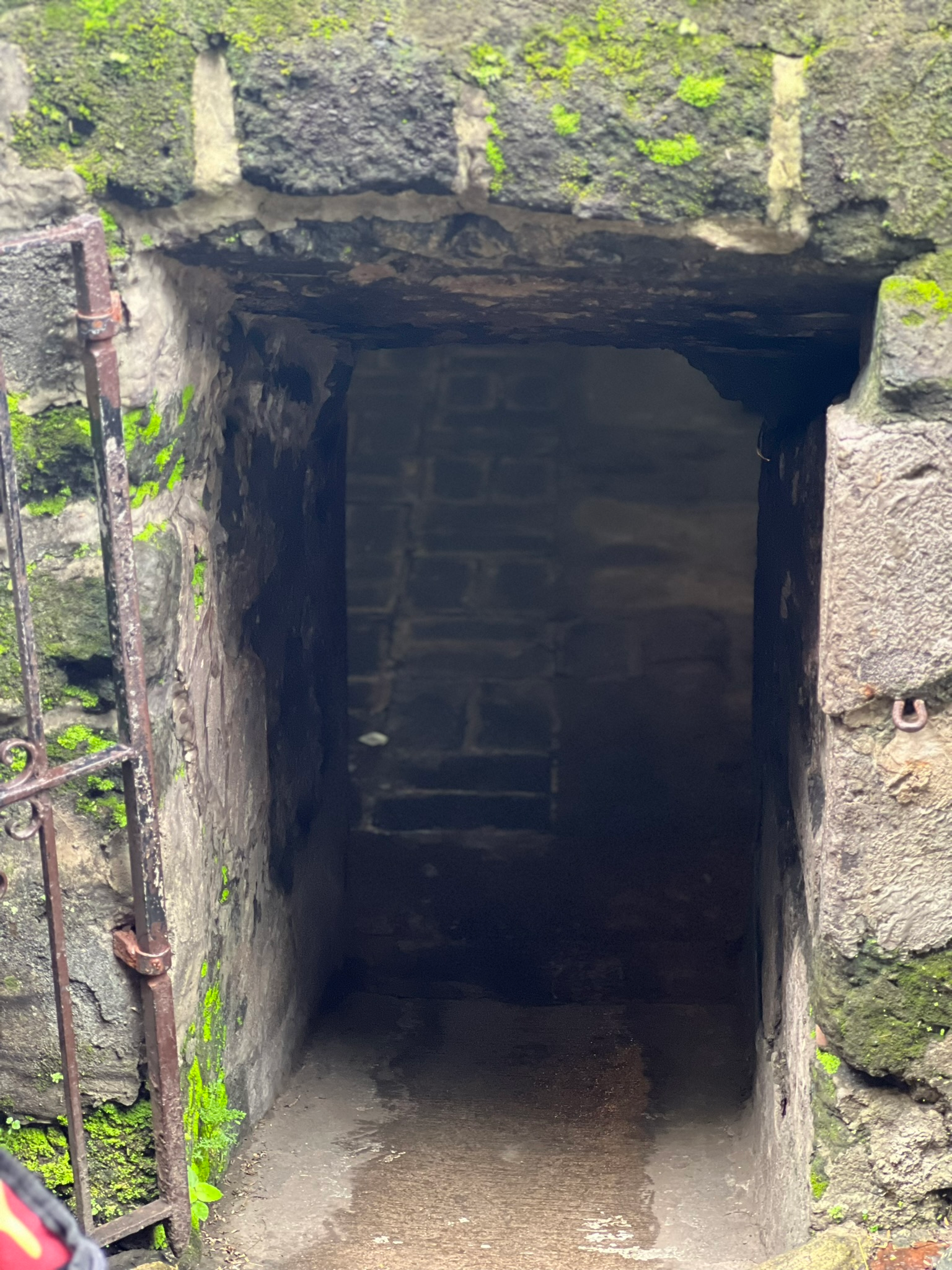
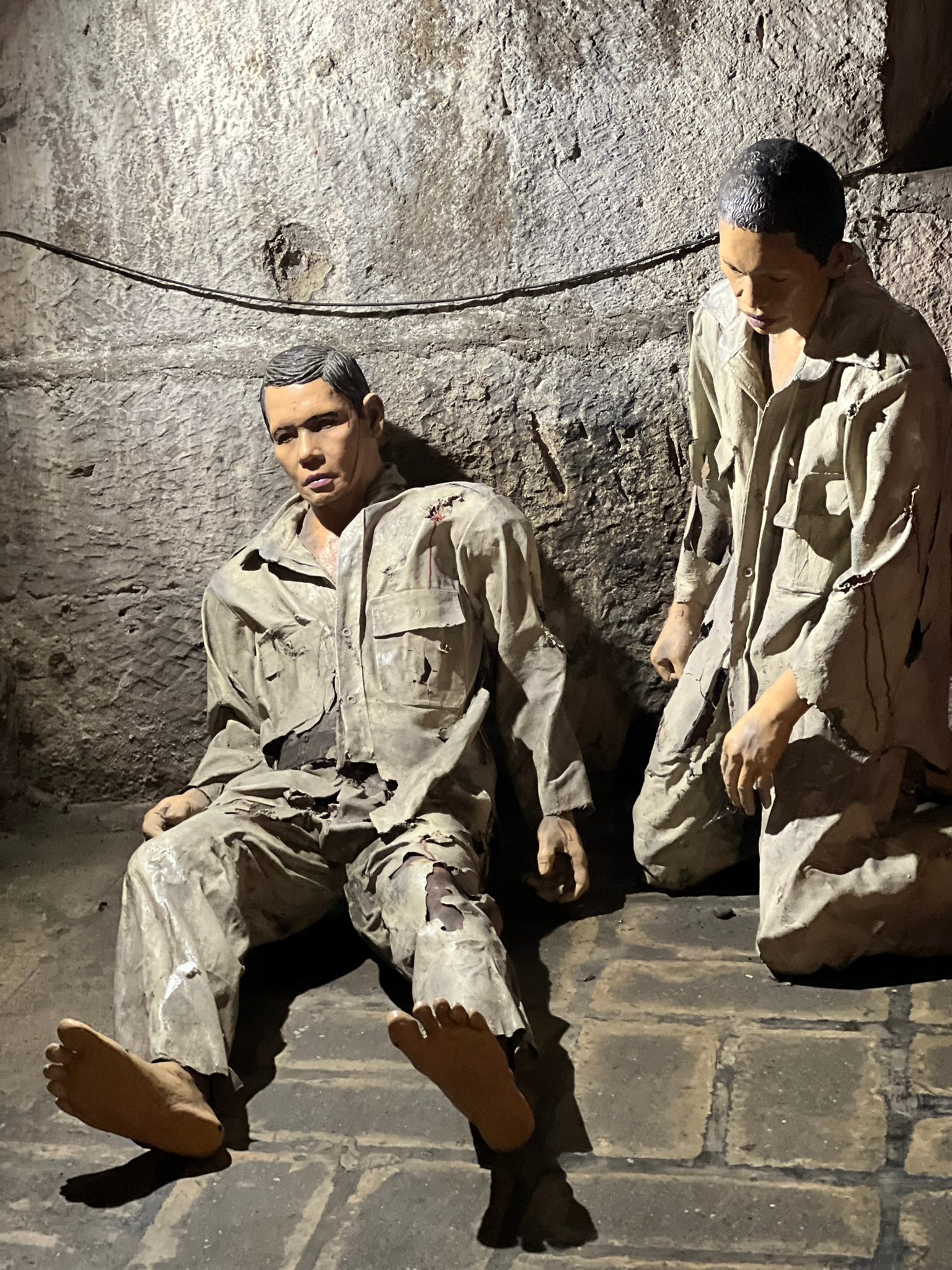
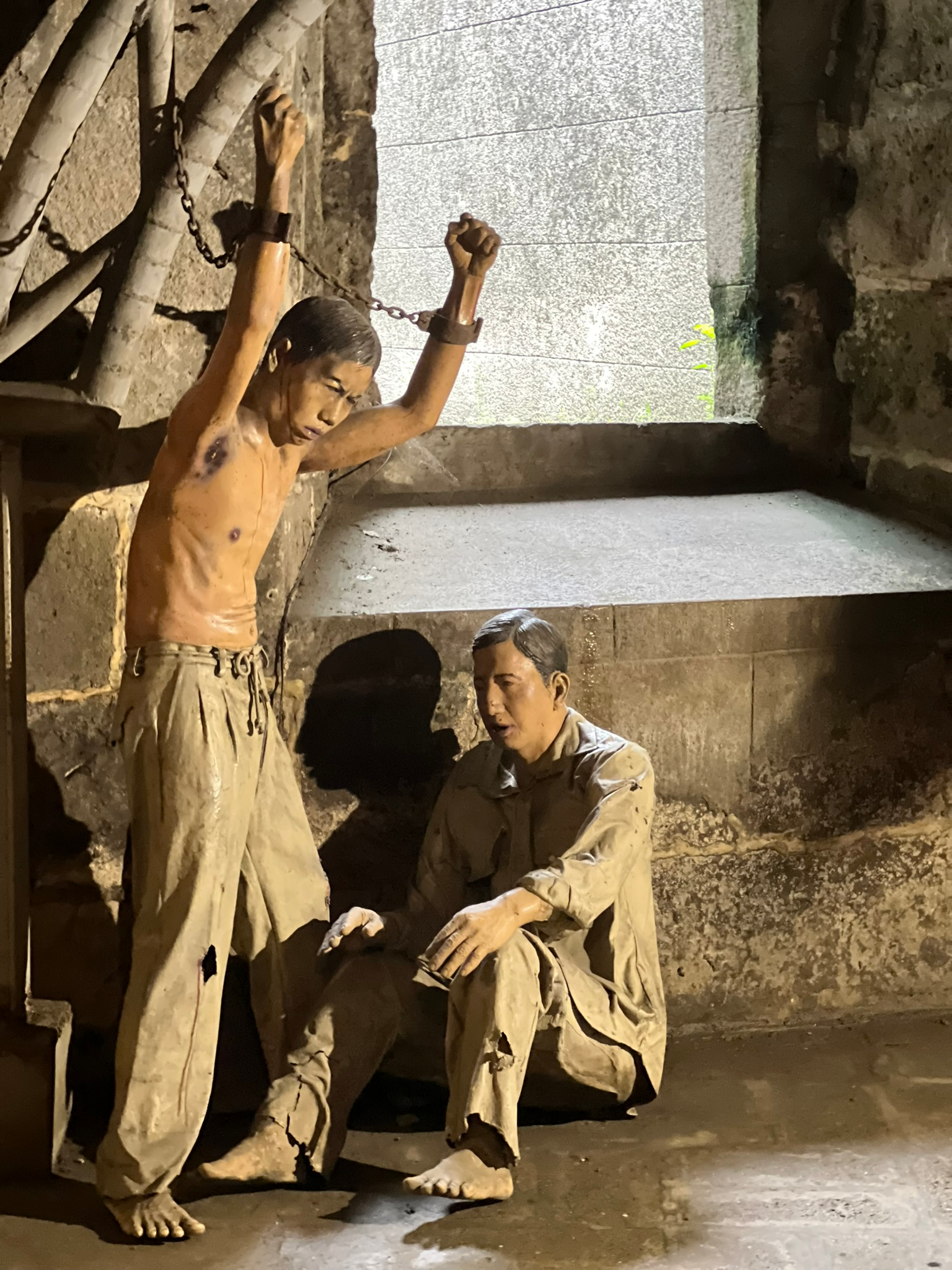
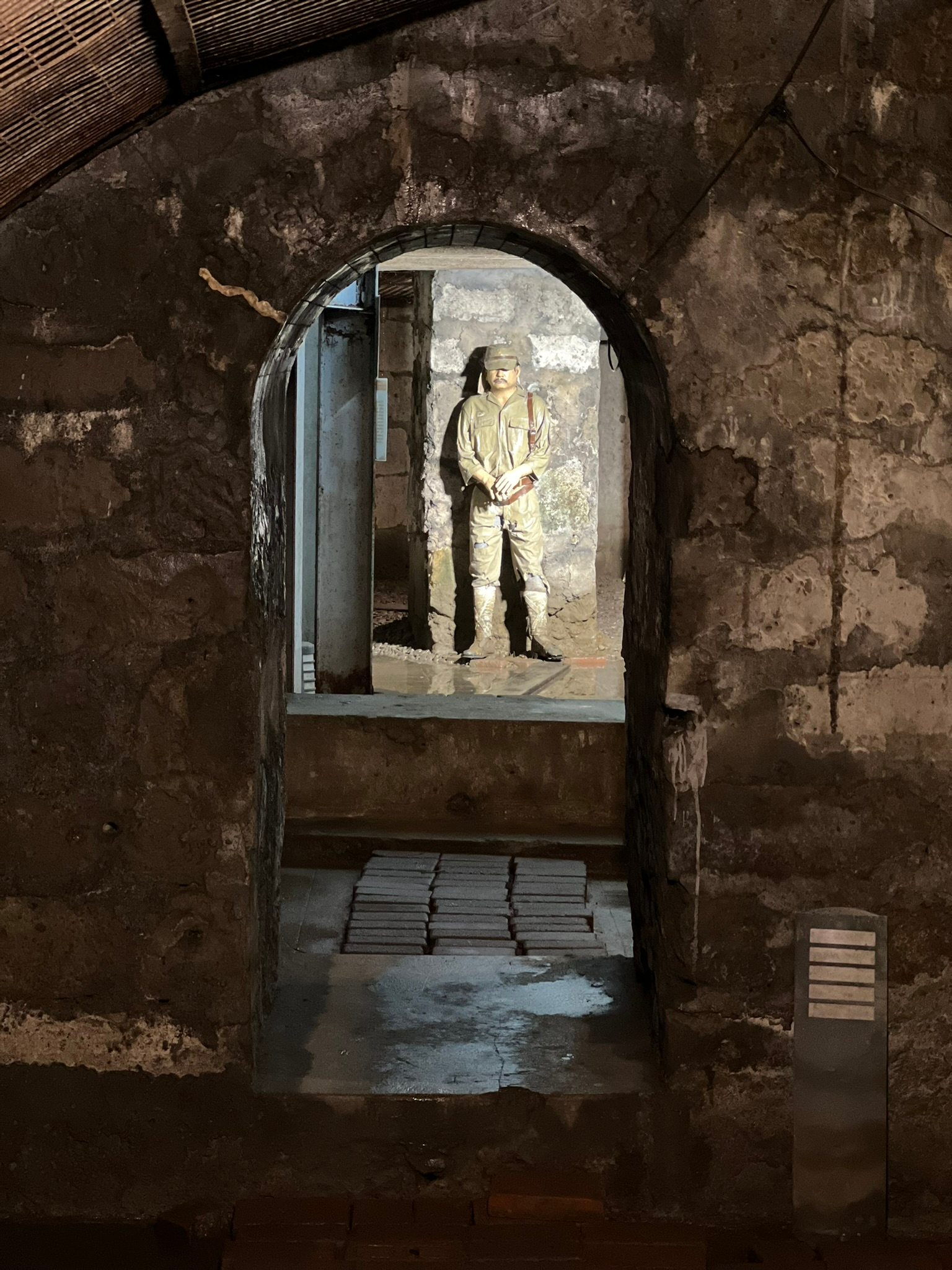
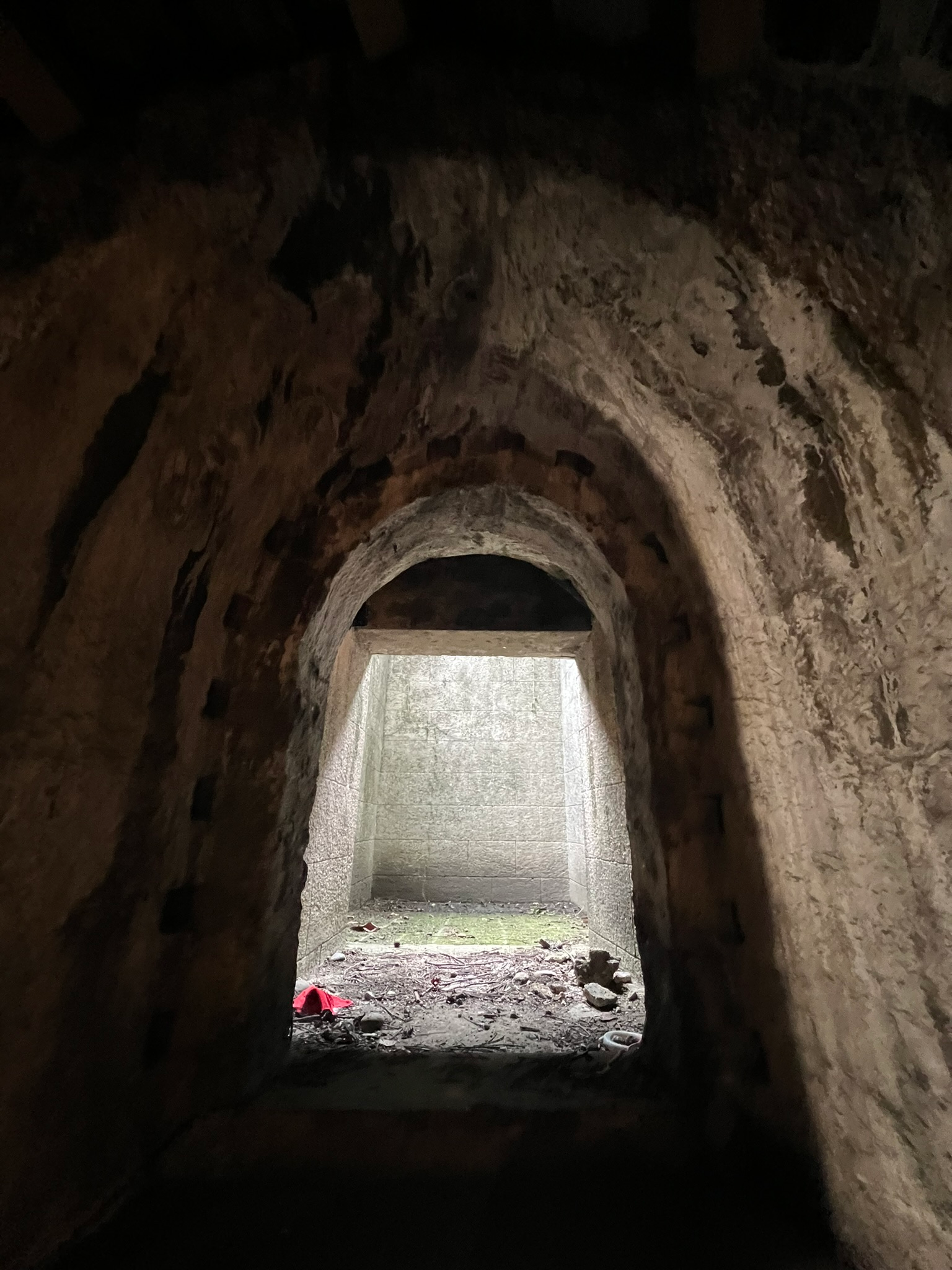
After telling us about him, we made our way to the fort’s dungeons. These, she explained, were originally built as storage areas for gunpowder and military supplies before later being converted into prison cells.
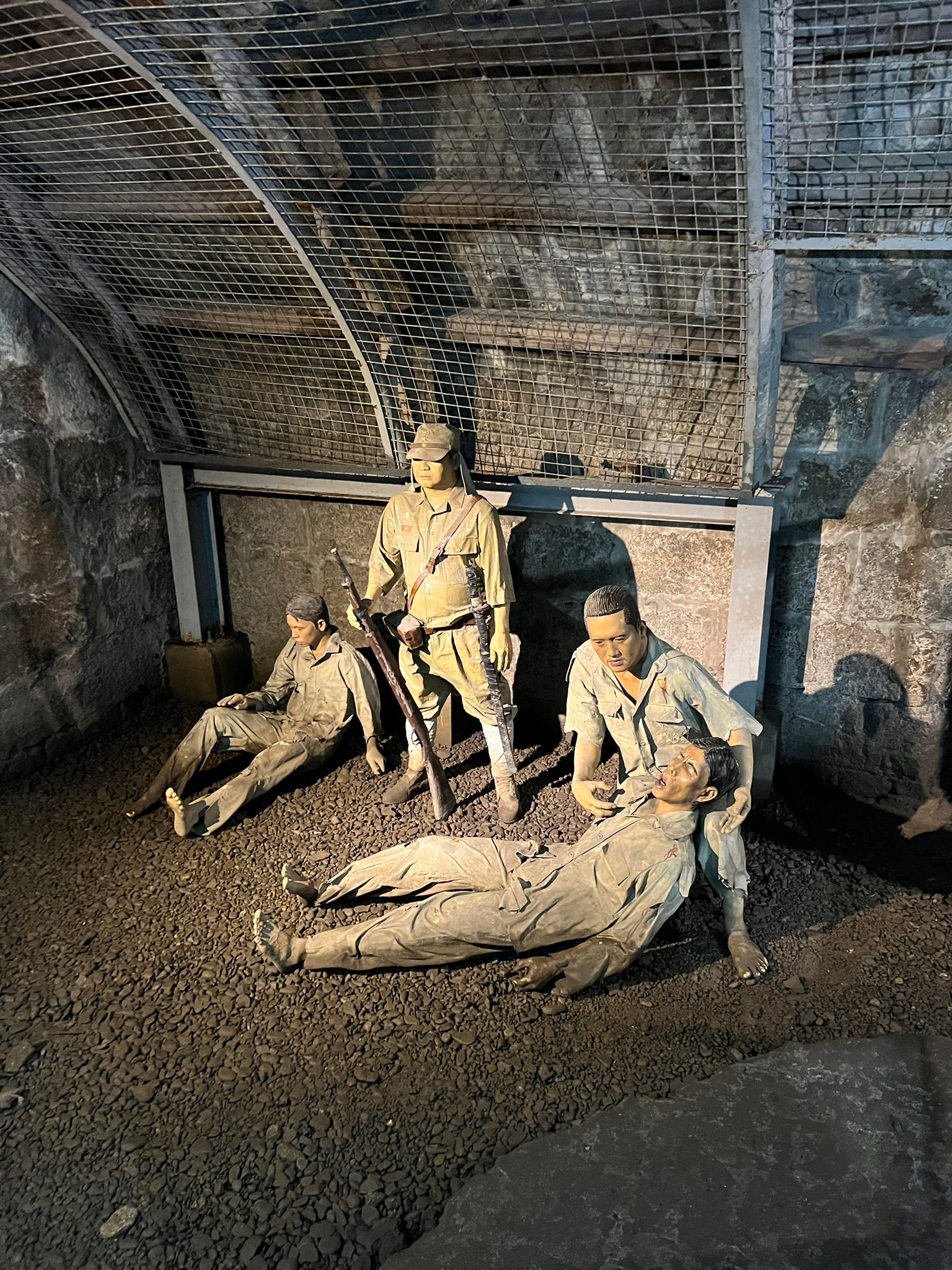
During World War II, Japanese occupation forces used parts of Fort Santiago to imprison guerrillas, civilians and prisoners, and hundreds of bodies were found in the fort after the liberation of Manila. Carla also mentioned the old story about prisoners being flooded during high tide, though I later found out that this particular detail is apparently disputed. Either way, the suffering that happened there was real enough.
Though Carla’s historical tales were spine-chilling, the next part, in my opinion, was a failed attempt to drive her point home. When asked about the presence of ghosts, she admitted that she had the third eye and a sixth sense and that yes, of course there were ghosts. In fact, there was a guy behind us who apparently always welcomed her as soon as she stepped inside the dungeon. There was also a headless guy on the side and a woman with a child, whom she described in painfully dramatic detail. The rest of the group seemed terrified, while I stood there wondering how on earth the tour, which had thus far been so perfect, had devolved into this.
The last straw for me was when they asked her how she still did this job despite all the ghosts. She said that she did it for the greater good, that despite feeling so cold when she entered the realm of the dead, and despite all the ghosts hovering around her, she was responsible for showing us the real side of Manila. In the cold and dark of the chambers, I hope her sixth sense helped her register my eyeroll.
Glad to move on, the tour concluded right in front of San Agustin Church, the oldest stone church in the Philippines and a UNESCO-listed Baroque masterpiece that has survived wars, earthquakes and centuries of history.
The Last Afternoon
Finally free to roam about, I spent the rest of the afternoon wandering around the cobbled streets of Intramuros.
For lunch, I met up with Chris – the guy I had spent three days stuck in Malapascua with – and we spent a couple of hours recounting our experiences over the previous week. Then, I headed to my hotel. I felt like I had seen and done more than enough. I could have visited a museum or a park or whatever, but there was simply too much ground to cover in too little time. As such, I retreated back to the comfort of my room to spend a few hours going over the incredible memories I had made along the trip. I journalled for hours on end, ordered takeout for dinner, and then journalled some more.
I’d be going back to Malta the following day. Much like when I had flown back home from Chile after being on the road for so long, I didn’t feel sad about it. I was excited for what was to come!