Tela – Day 1 & 2: Caribbean Shores and Botanical Wonders
TELA
Day 1 & 2: Caribbean Shores & Botanical Wonders
November 07 & 08, 2022
Two buses and a sunset later, I found myself in the town of Tela, navigating through pitch darkness with my two oversized, baggy companions, trying to find my way to the hostel I’d booked. Worn out from a long day of travelling, I finally stumbled upon the promised land that was my hotel and collapsed into bed the second they handed me the room keys.
Having no set plans, the following day I decided to follow a local’s advice and head to Lancetilla Botanical Gardens – a massive reserve covering around 1,600 hectares and home to over 1,500 different plant species from all over the world. Of these, 824 can be found in the smaller arboretum section alone. That’s where I met Marguerite, my guide for the day.
The reserve, she told me, is named after a type of palm and was originally founded as an experimental centre for tropical plants. Over the years, it’s grown into one of the largest botanical gardens in the Americas. She added that, despite our long tour, we’d only be seeing about 4% of the plant species the garden had to offer.

Nature's Colour Code
Most of the trees, she explained, are tagged in green, yellow, red, or black – marking those used for timber, those with ornamental value, fruit trees, others with medicinal properties, and finally, poisonous species respectively. As we strolled through, she pointed out one curious plant after another, explaining their quirks and virtues like they were old friends.
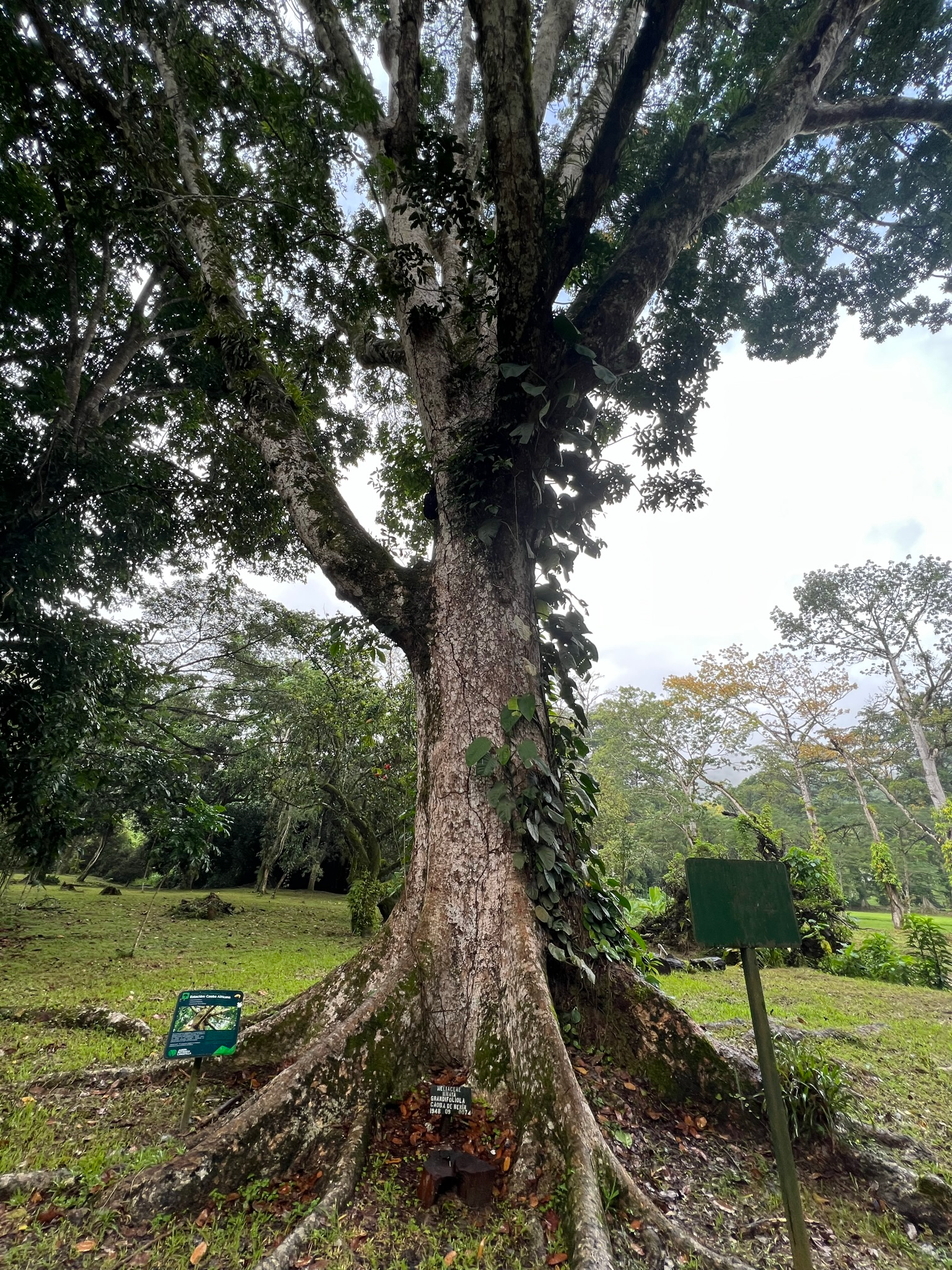
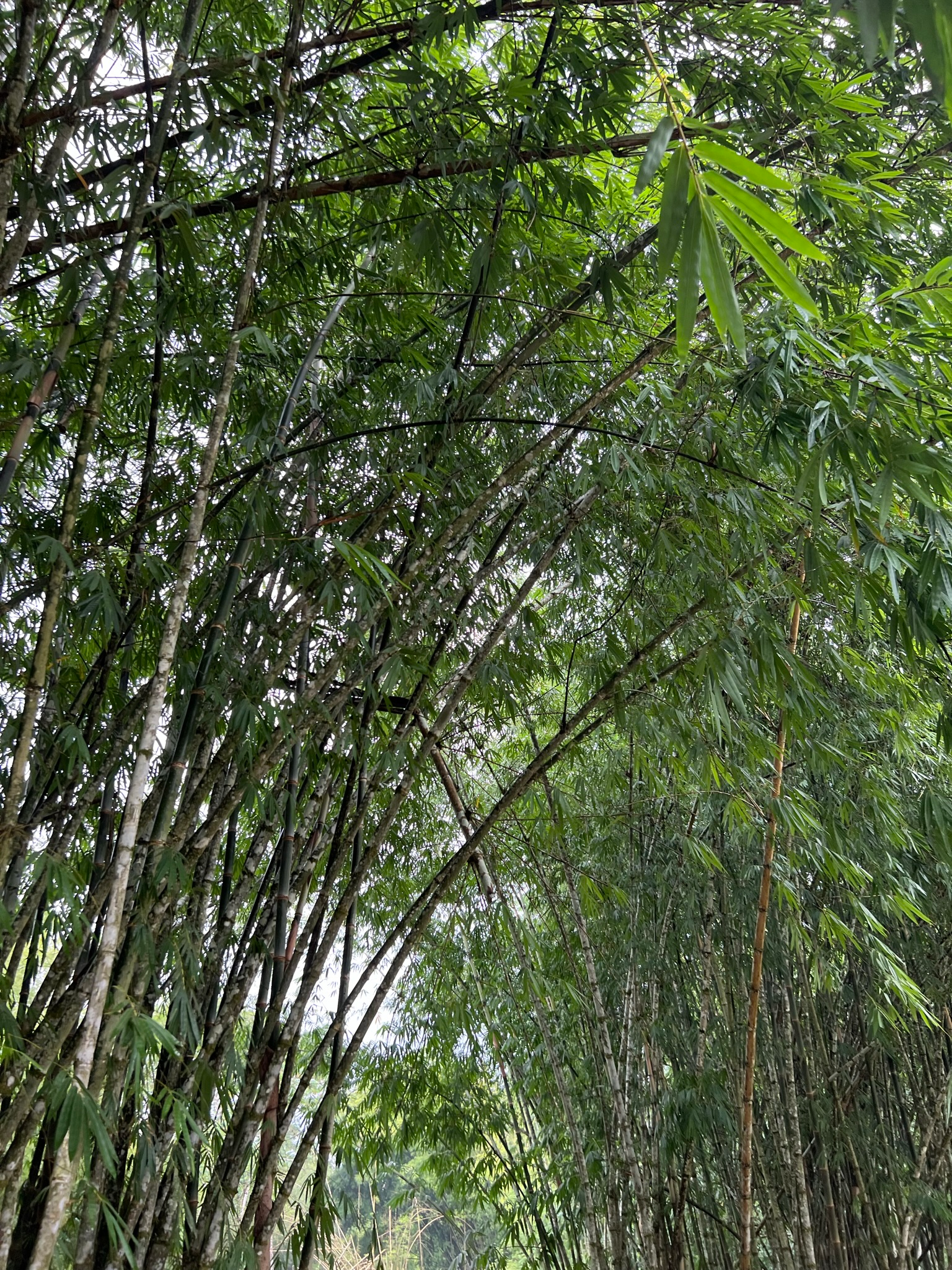
Not far into the walk, we came across a bamboo plantation with 27 species – some of which bloom only once every 45 years be and die shortly after, scattering their seeds to perpetuate their own species. Then we stumbled upon the ‘princesa de la colección’; a solitary 74-year-old African oak tree that towers above the rest, amongst which are teak trees from India and ebony trees which are prized according to weight and not size given the rarity of the tree. Then came the real showstoppers – the ones with the black plaques:
Strychnine Tree: One of the deadliest plants in the collection, its fruit contains a potent neurotoxin. In the past, it was used medicinally to stimulate the heart and bowels – in very controlled doses.
Akee Tree: Bears an orange fruit containing hypoglycine – a toxin that dangerously lowers blood sugar. When ripe, the fruit expels most of the toxin and becomes a delicacy in Jamaican cuisine.
Camotillo Tree: Its seeds contain a milky glycoside toxin that causes vomiting and diarrhoea. Apparently, this was once used to punish Honduran traitors. The tree itself is from one of the oldest plant families on Earth – a true living fossil.
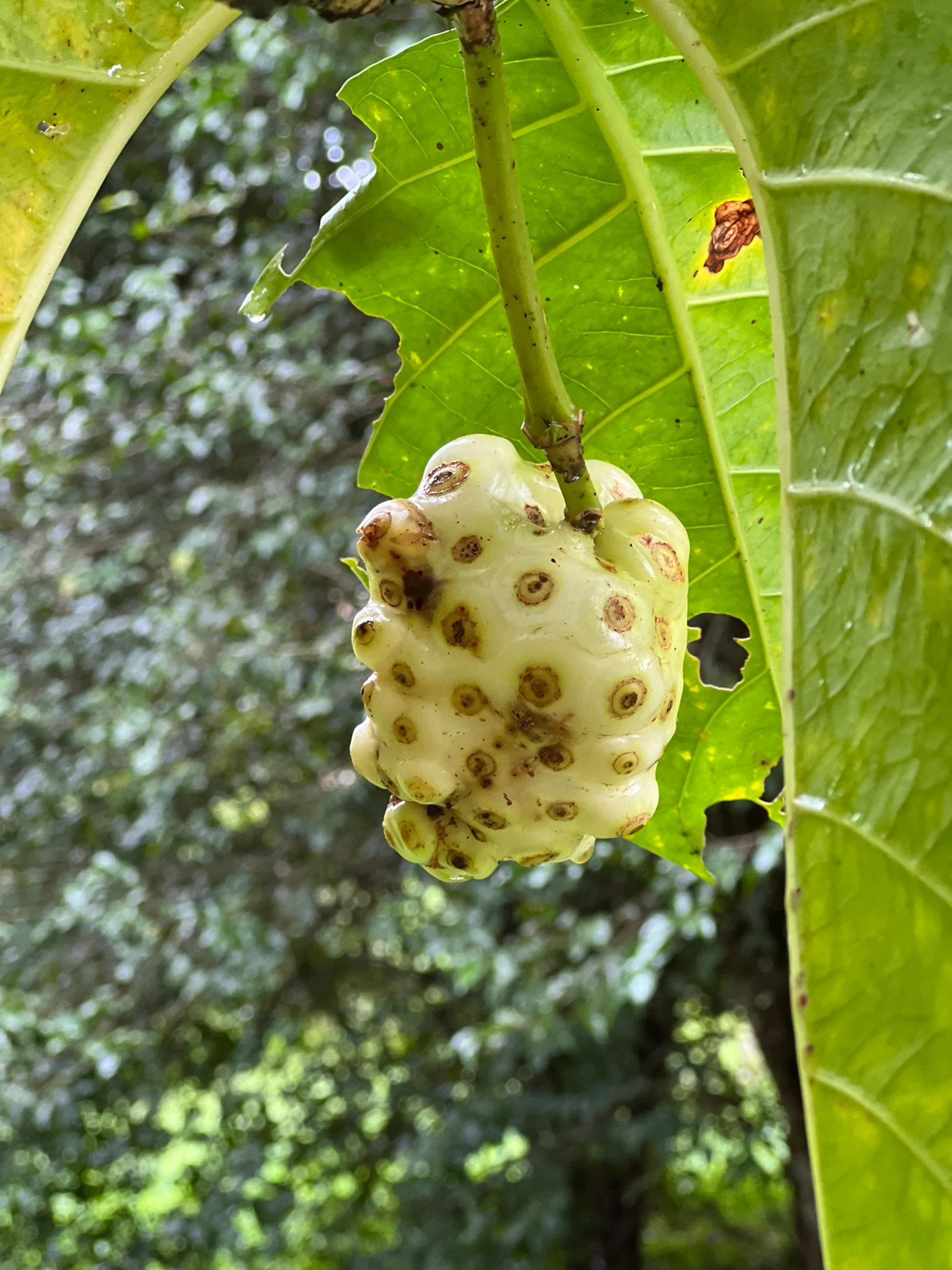
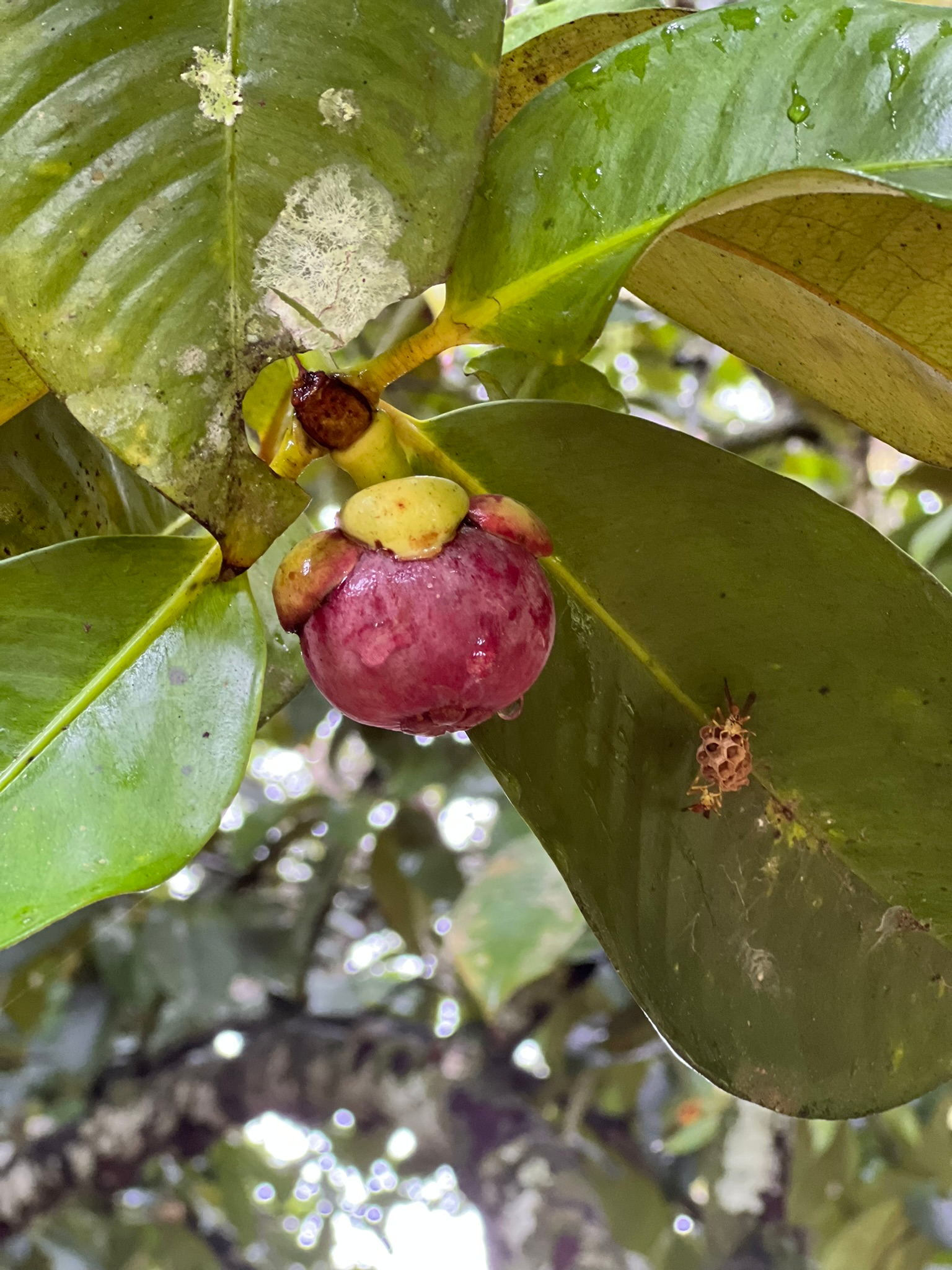
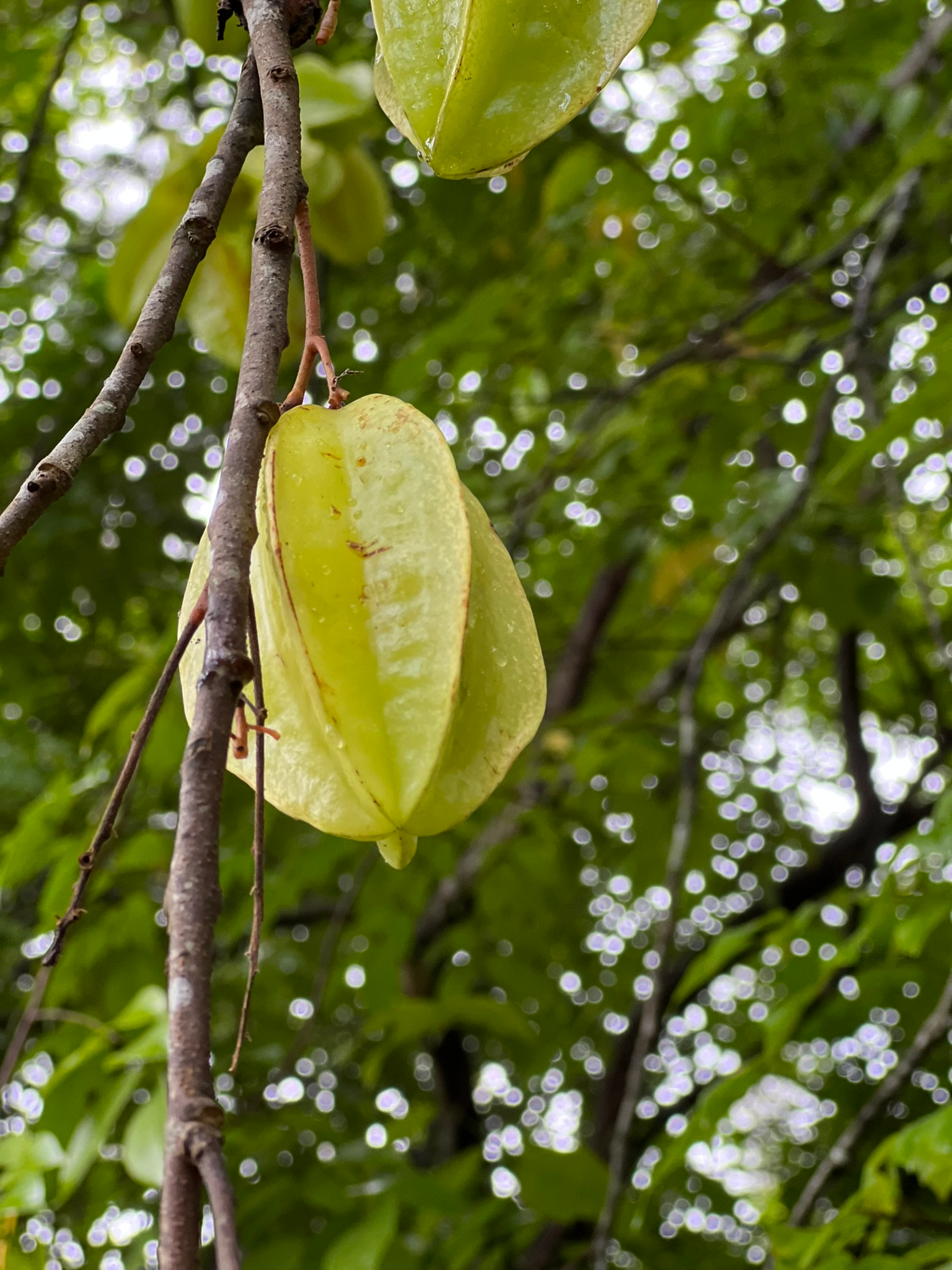
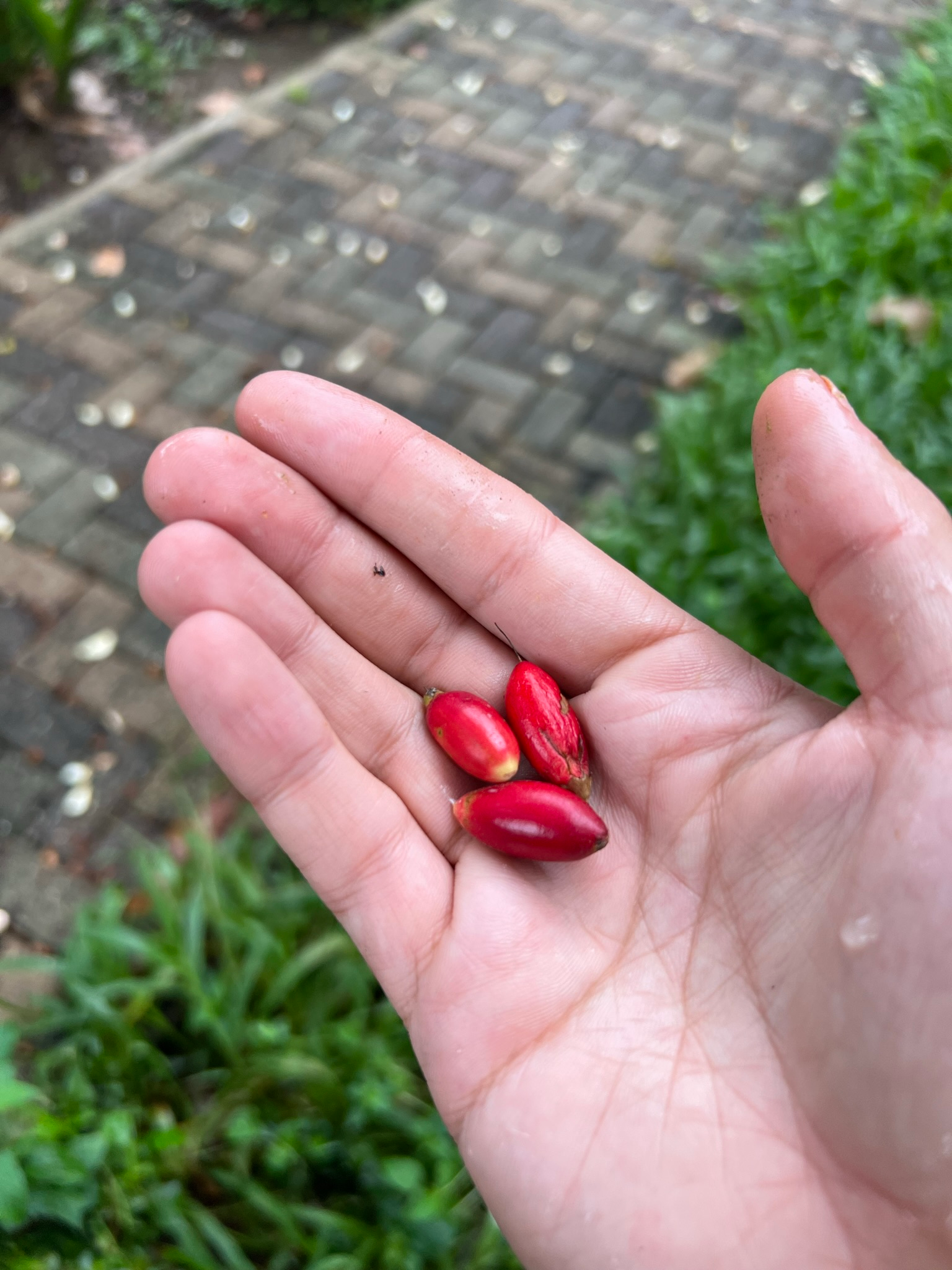
We moved on to friendlier plants – like the Mangosteen Tree, which bears what’s often called the tastiest fruit in the world (to which I can fully attest). Then there was the Miracle Fruit Tree, whose berries trick your taste buds into thinking sour is sweet (owing to the compound dubbed miraculin), and the Noni Tree, which produces the infamous “vomit fruit” – aptly named for the stench that seeps from its insides (and the sensation it elicits). At every stop, Marguerite would hand me something new to taste, keeping me drooling till the next bite. By the end of the tour, I was all set for lunch, full from my fruity feast and carrying a bag stuffed with mangosteens and starfruit for later.
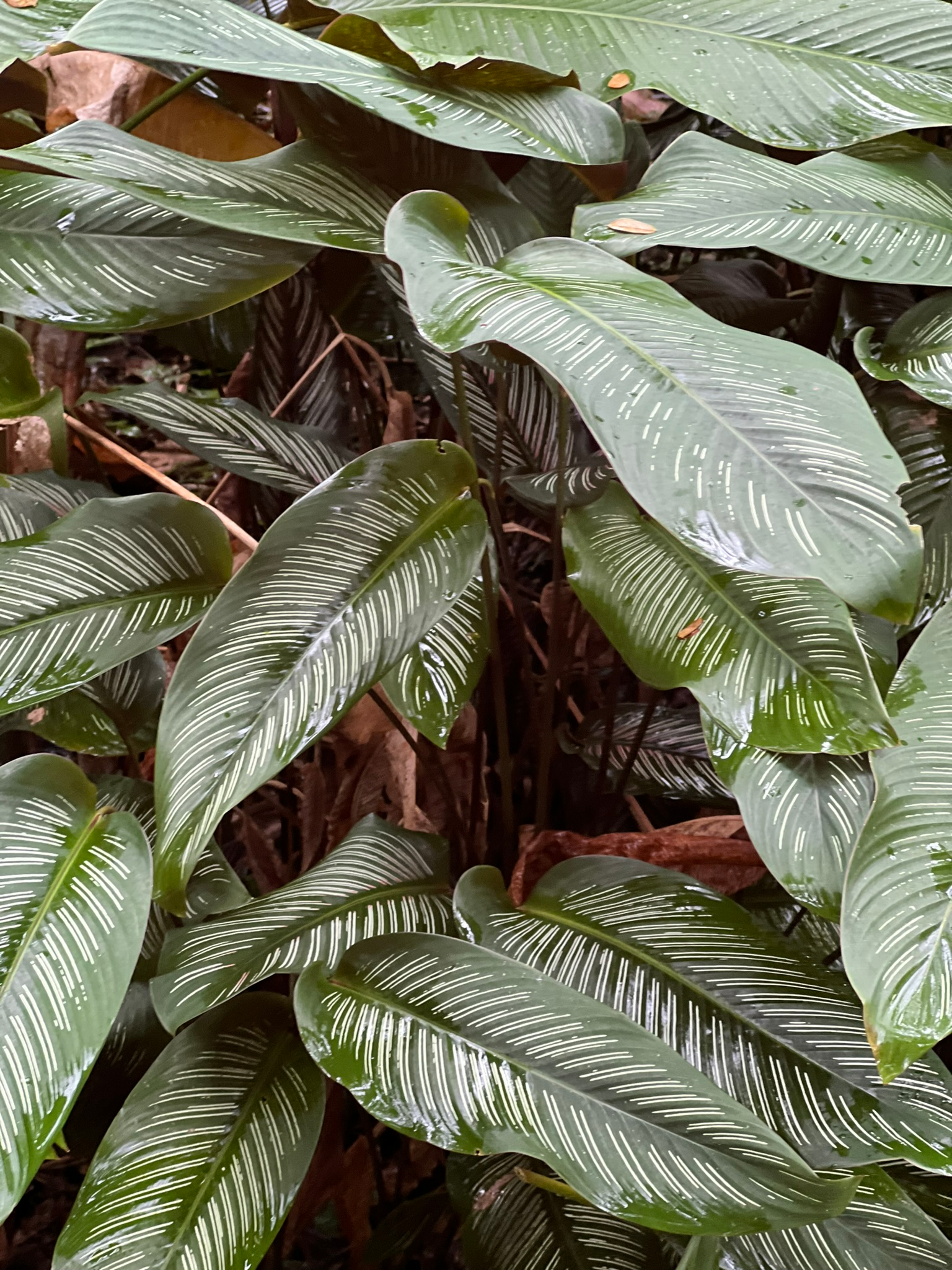
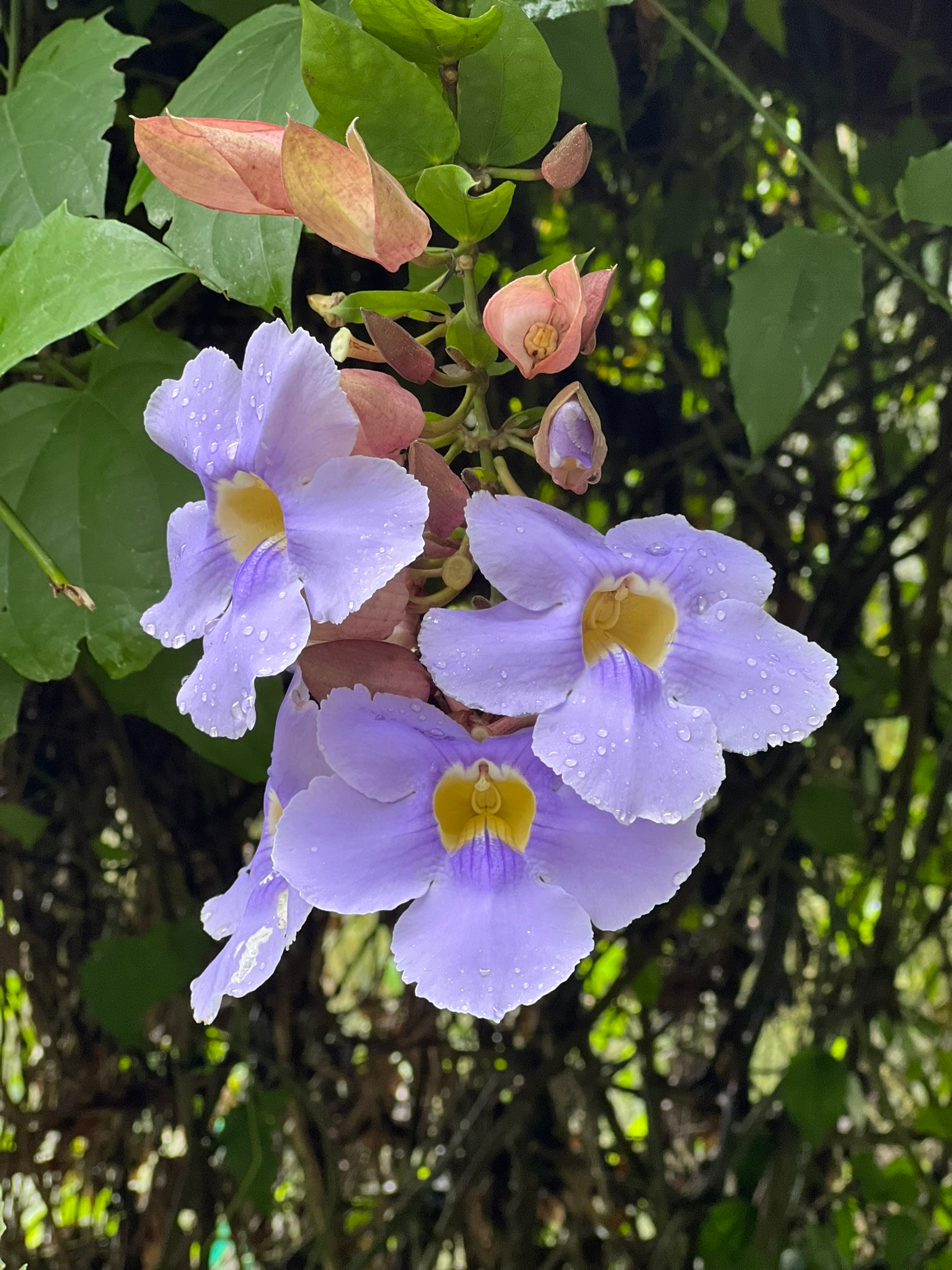
Once the guided part of the tour ended, I kept exploring solo, discovering even more corners of this giant green maze – from the medicinal herb garden to a tucked-away orchid greenhouse. It was like stepping into an encyclopedia of edible, toxic, and downright weird plants.
Village Hopping on the Garifuna Coast
With plenty of time on my hands, I decided I’d use the rest of my day to visit a couple of Garifuna villages in Tela – two of the thirty-six found in Honduras.
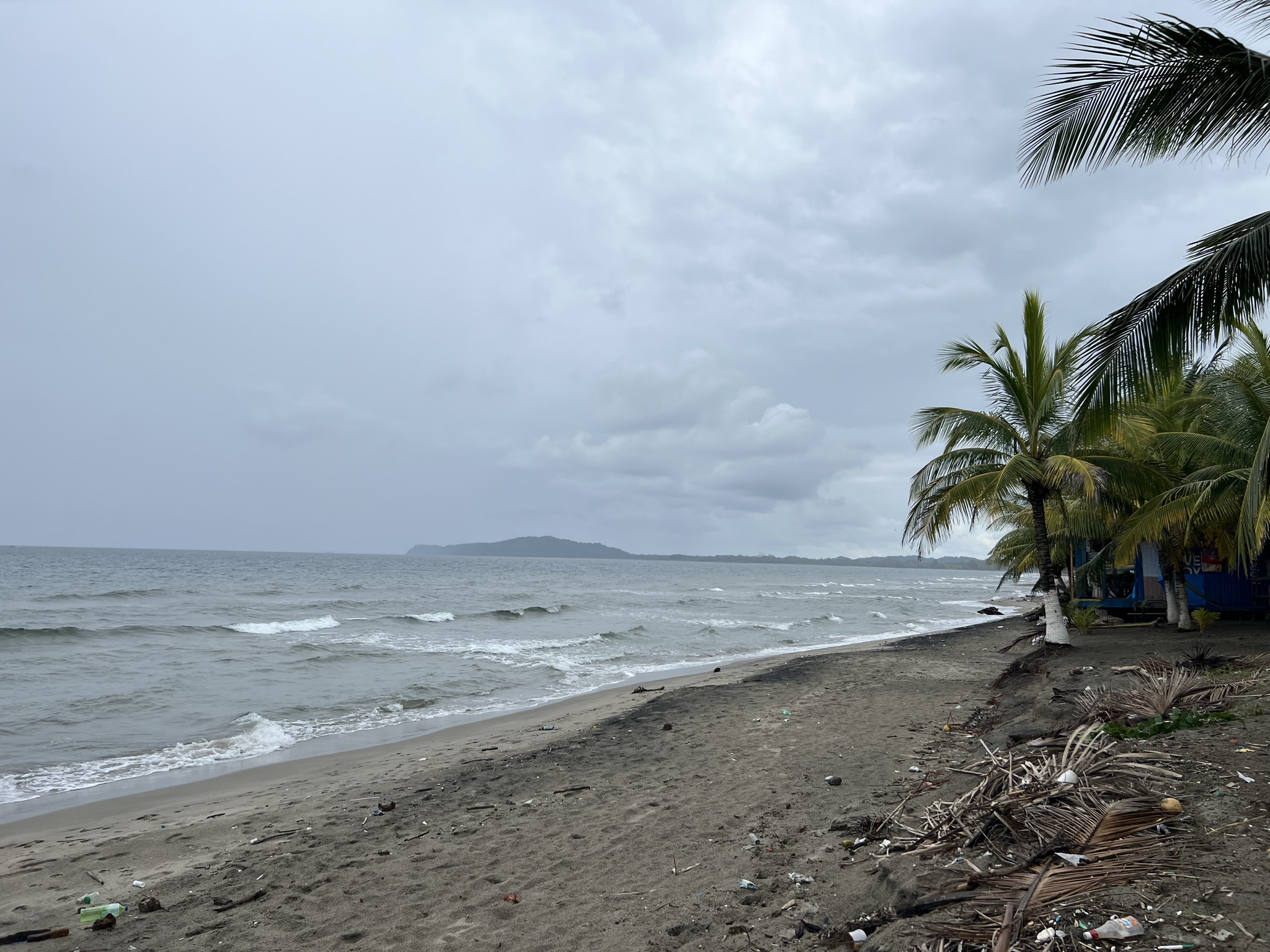
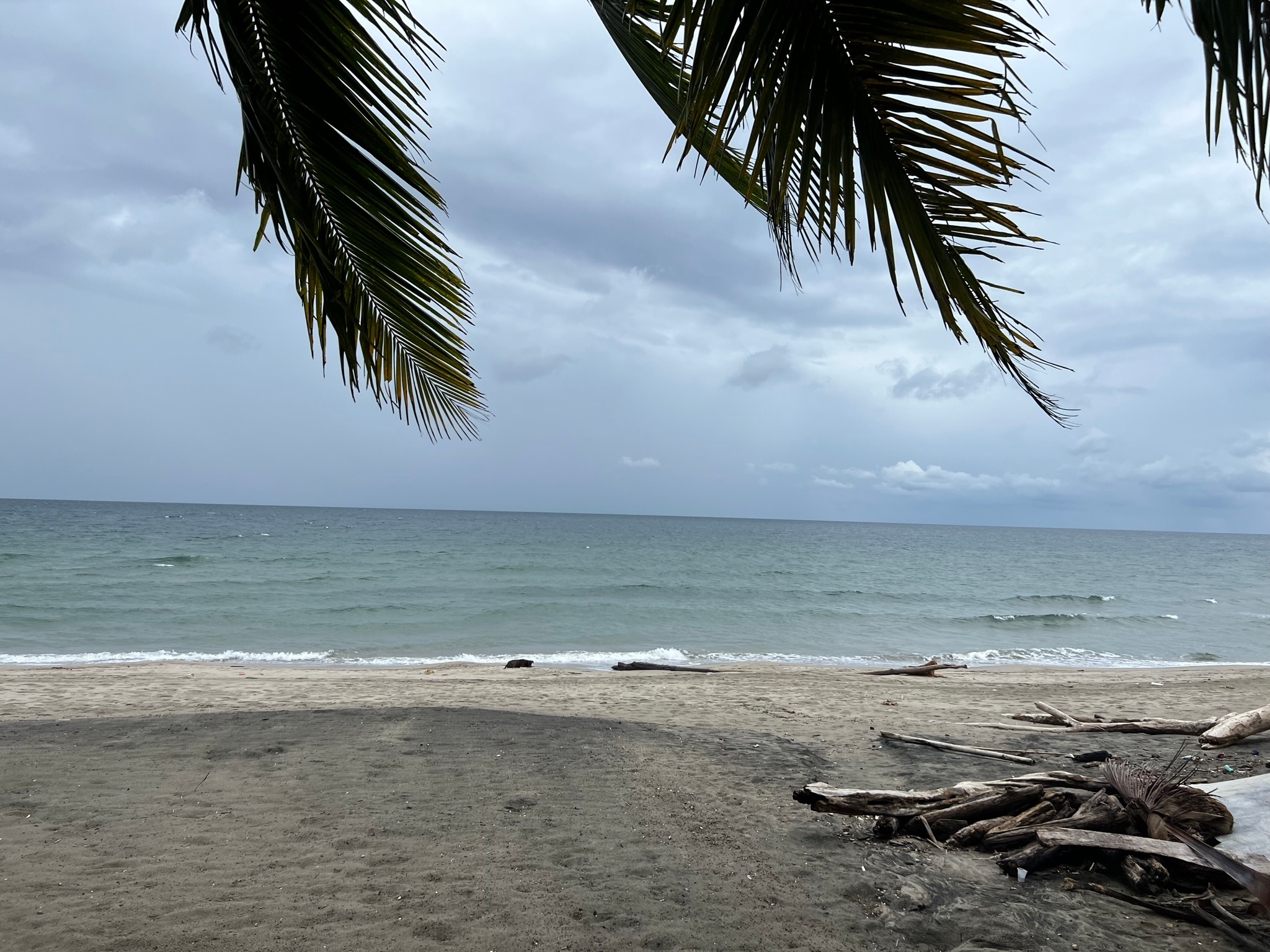
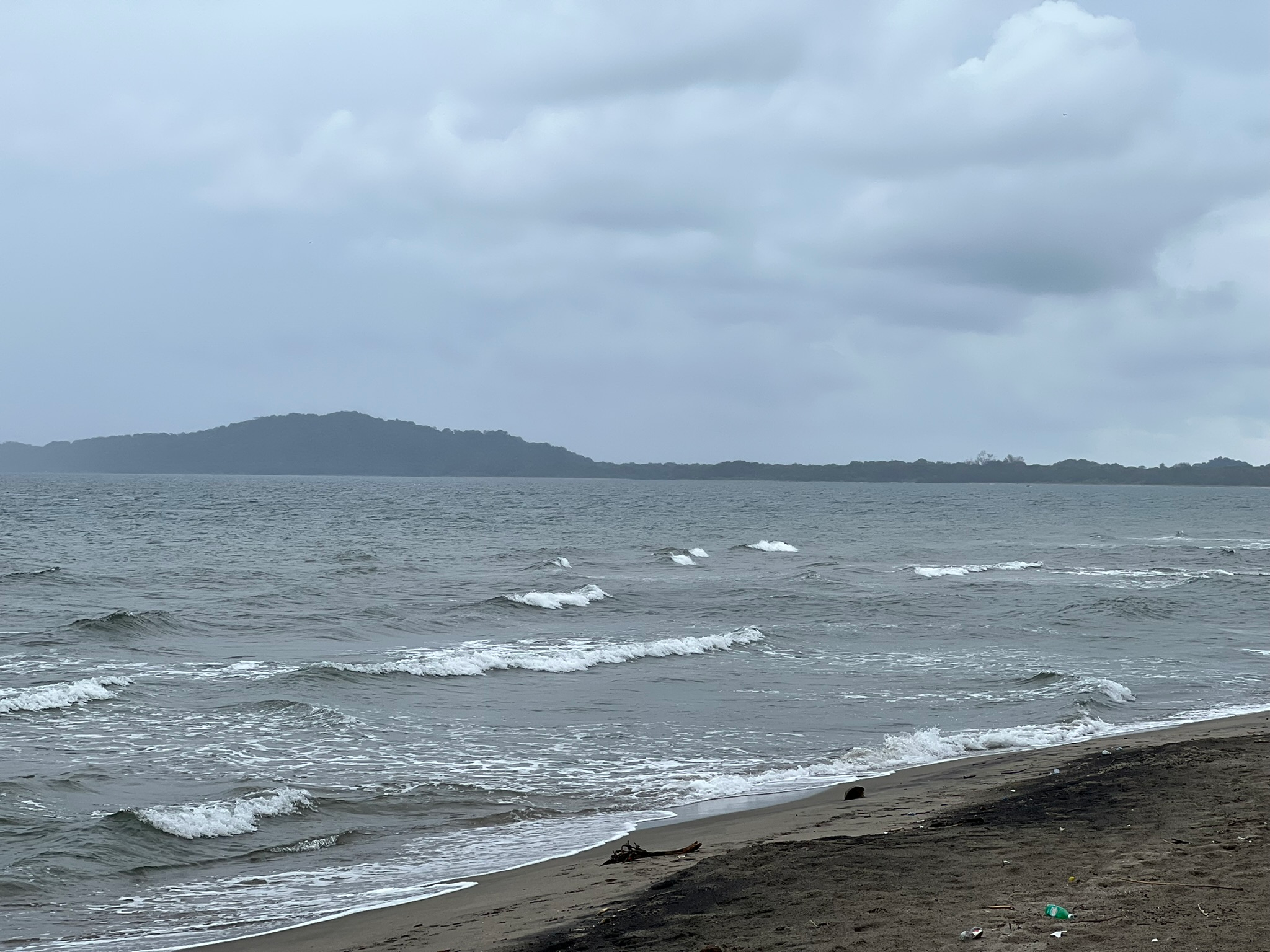
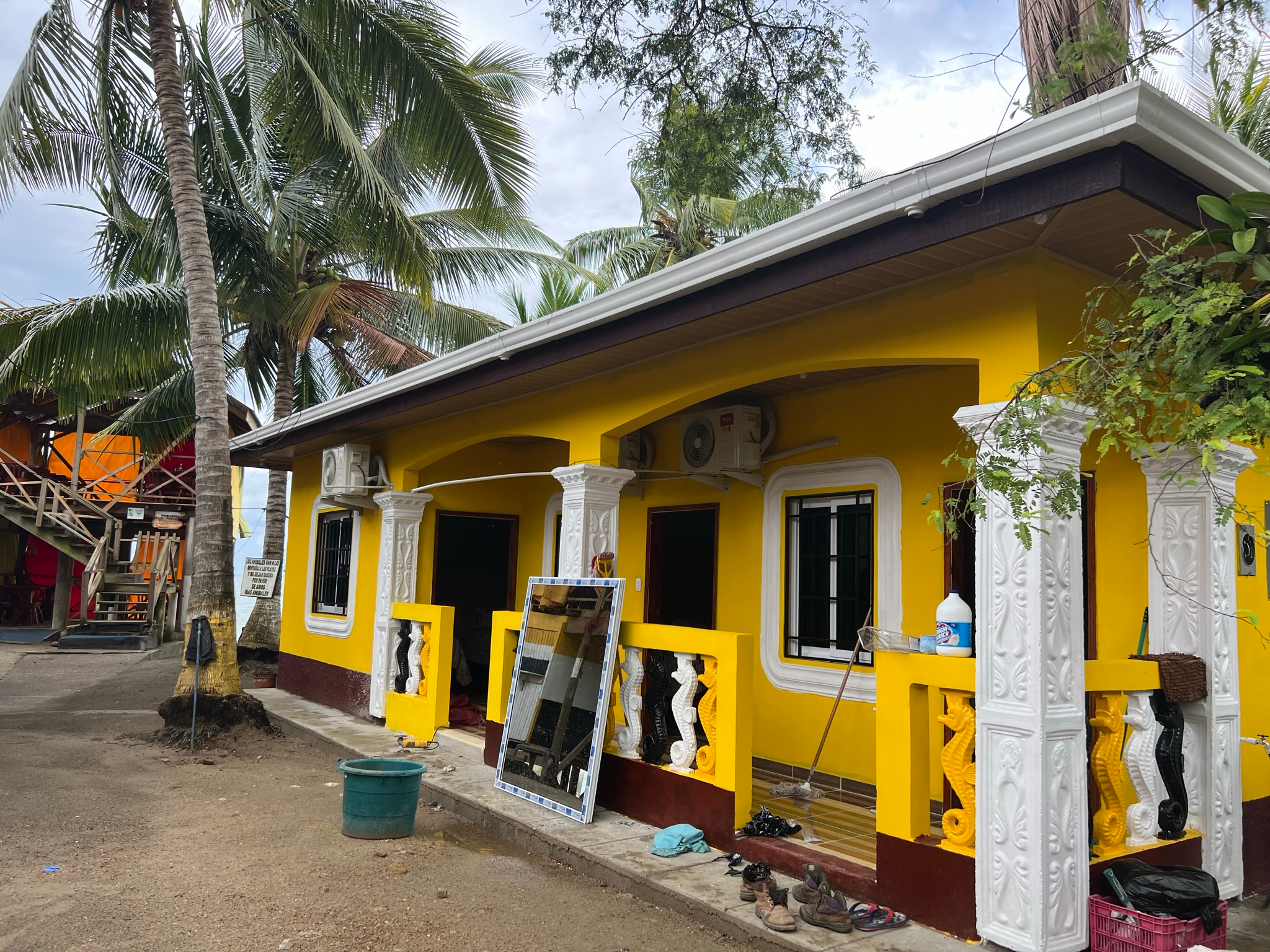
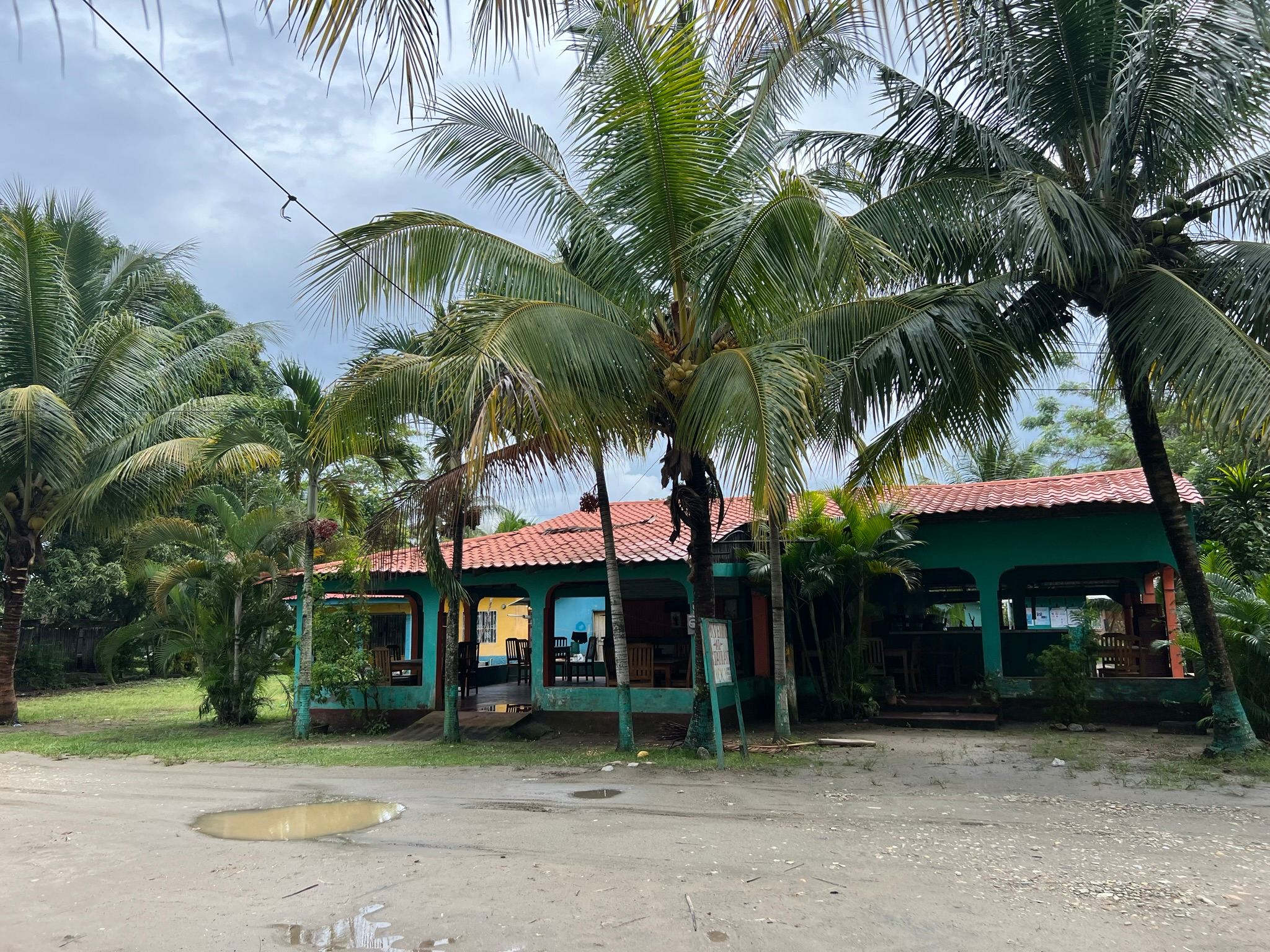
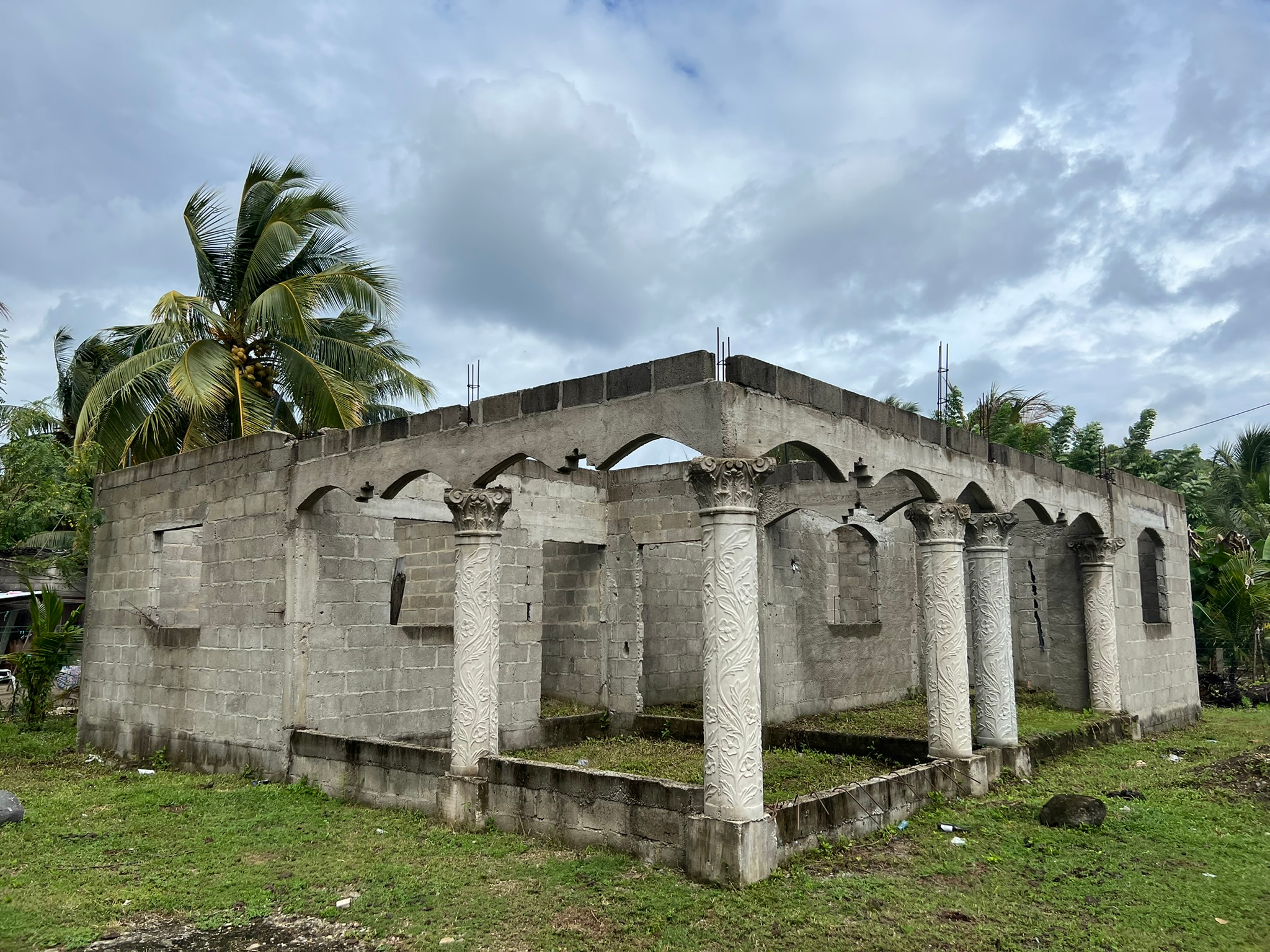
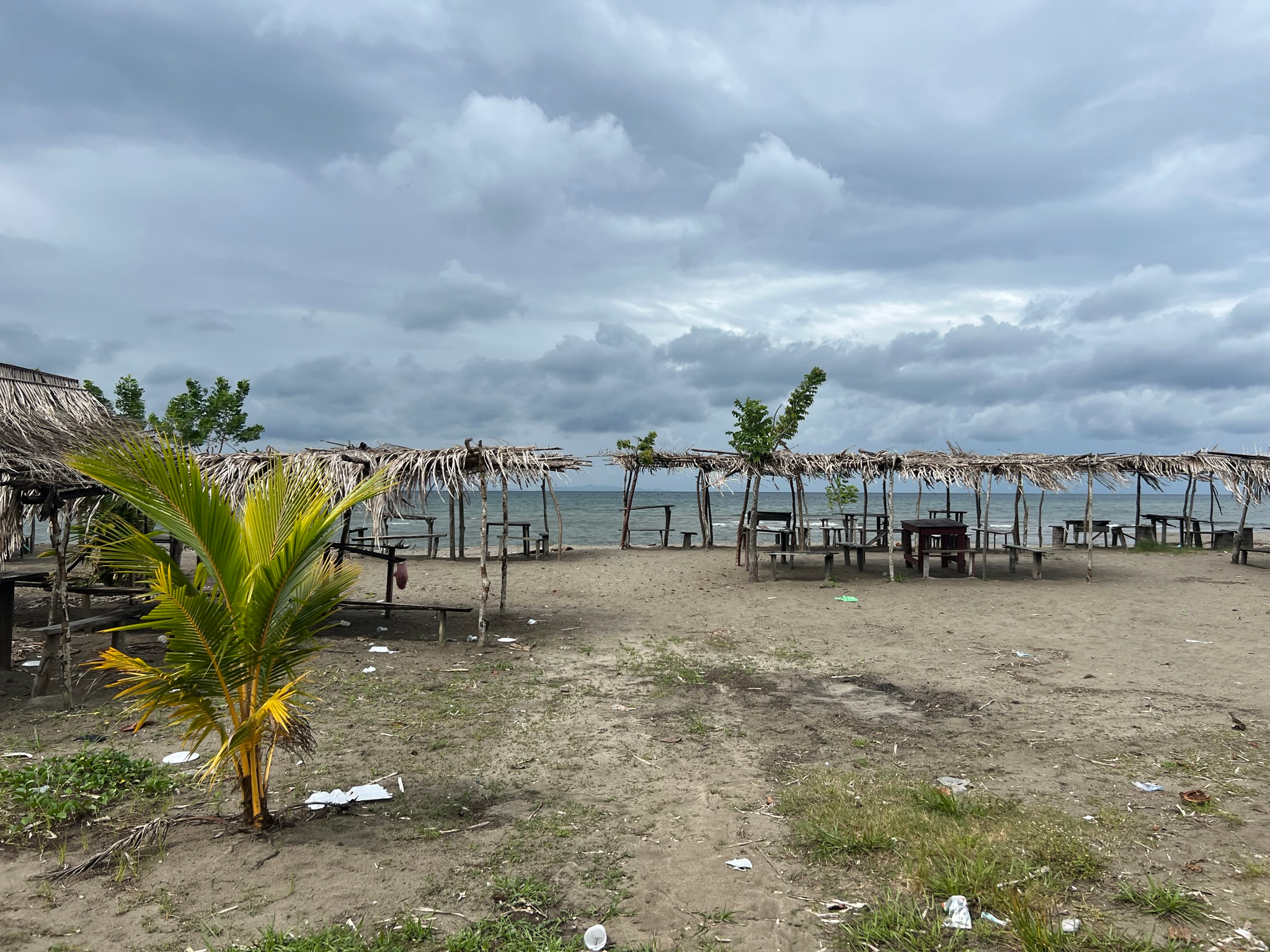
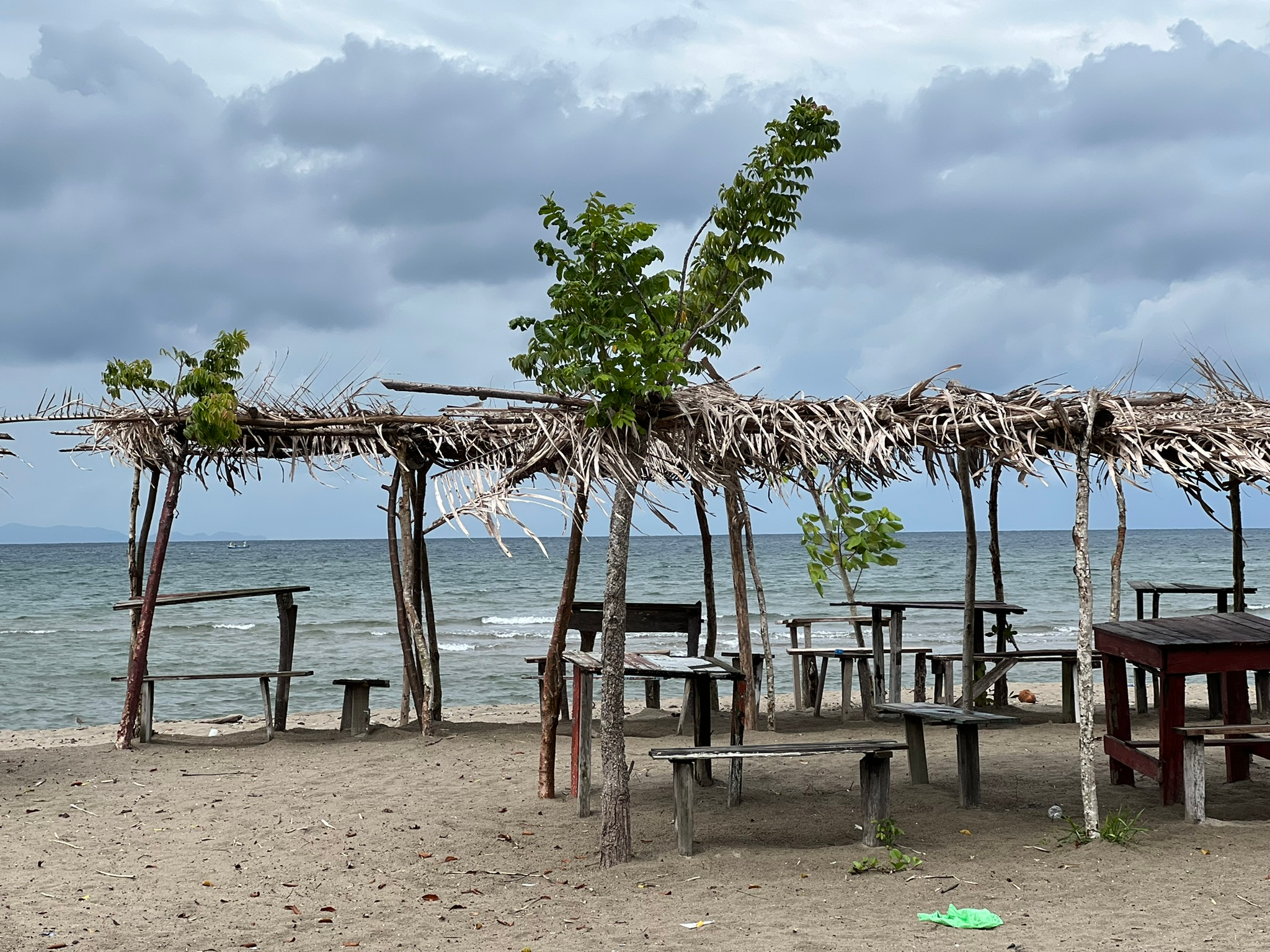
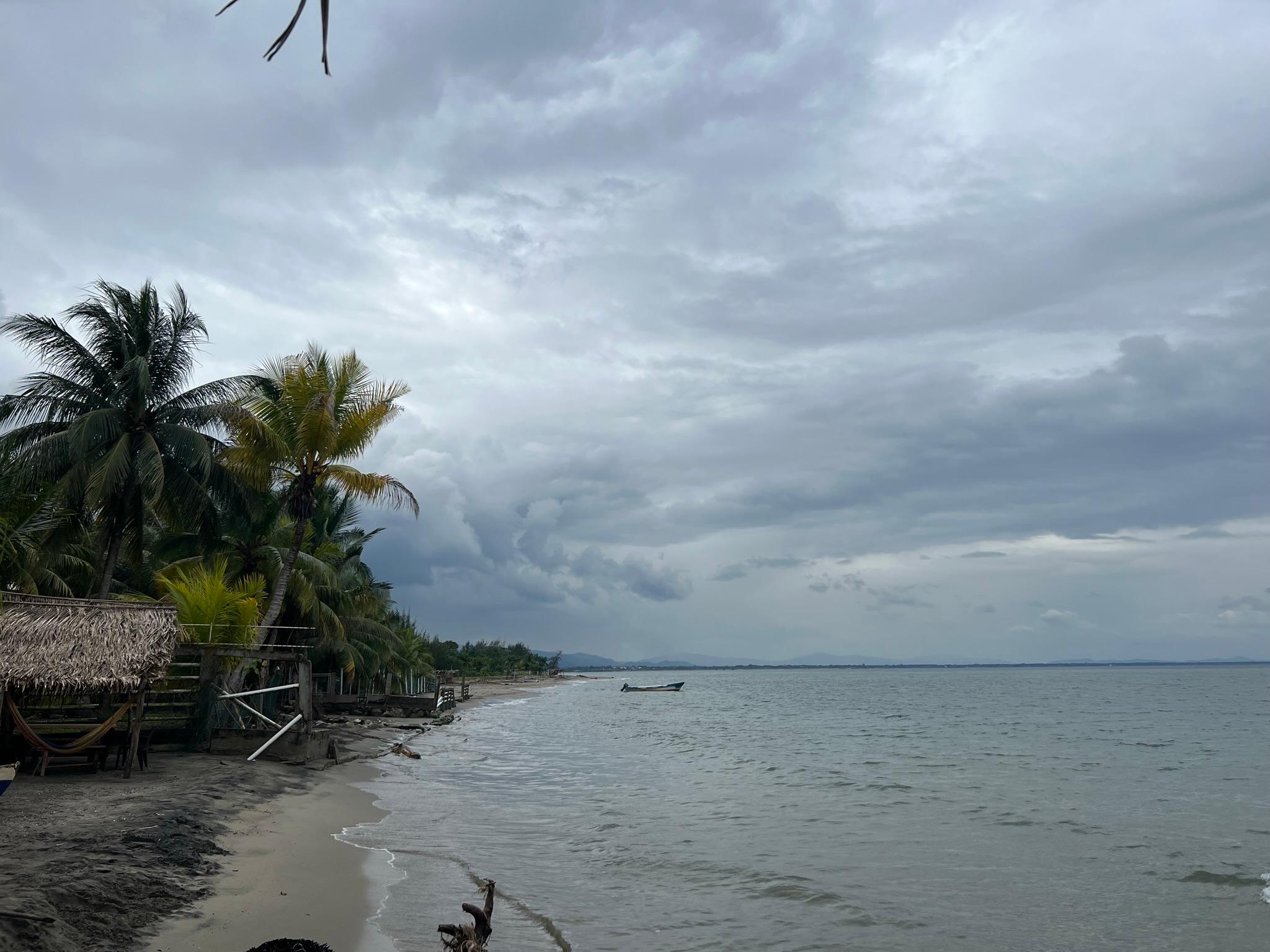
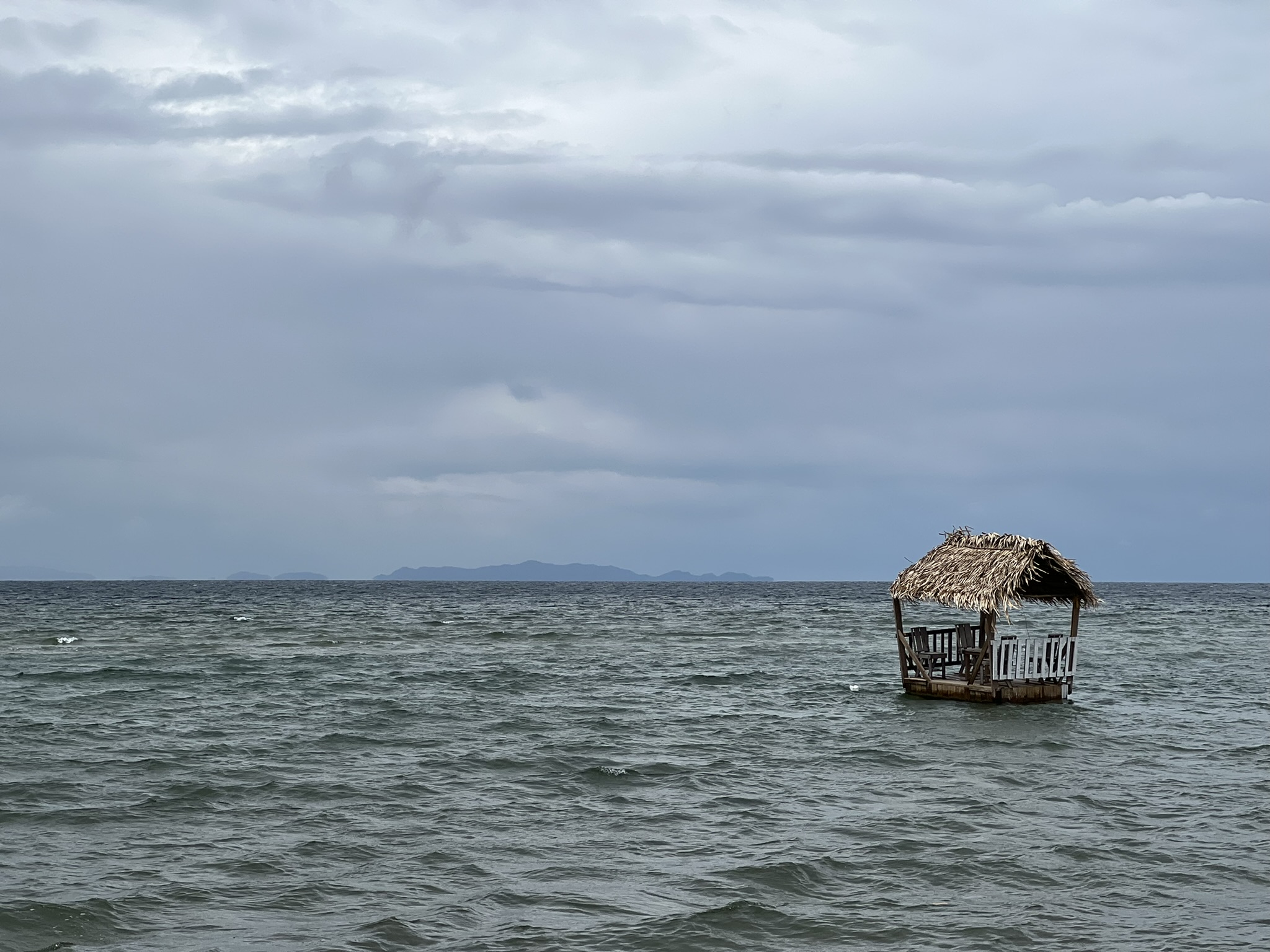
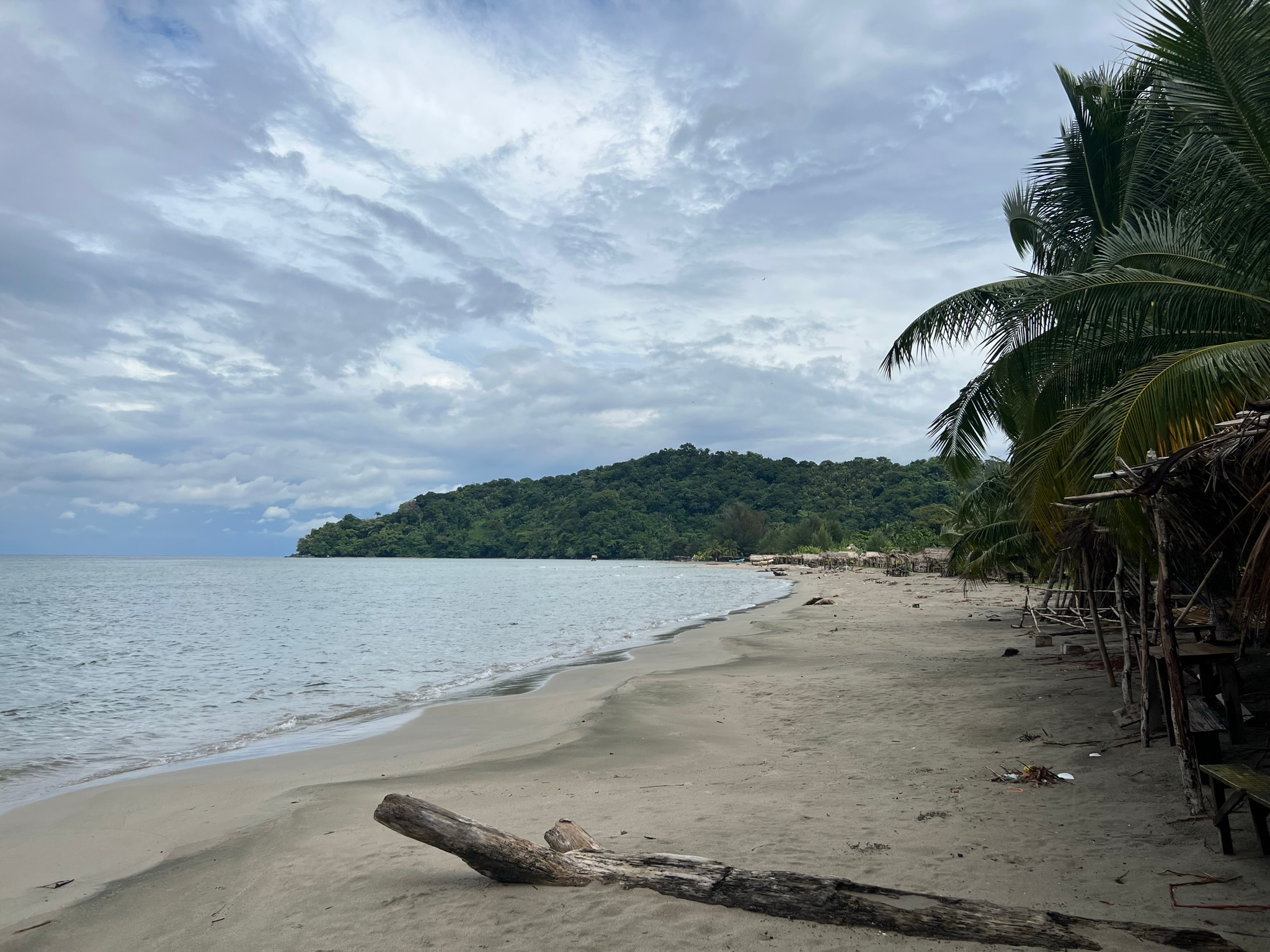
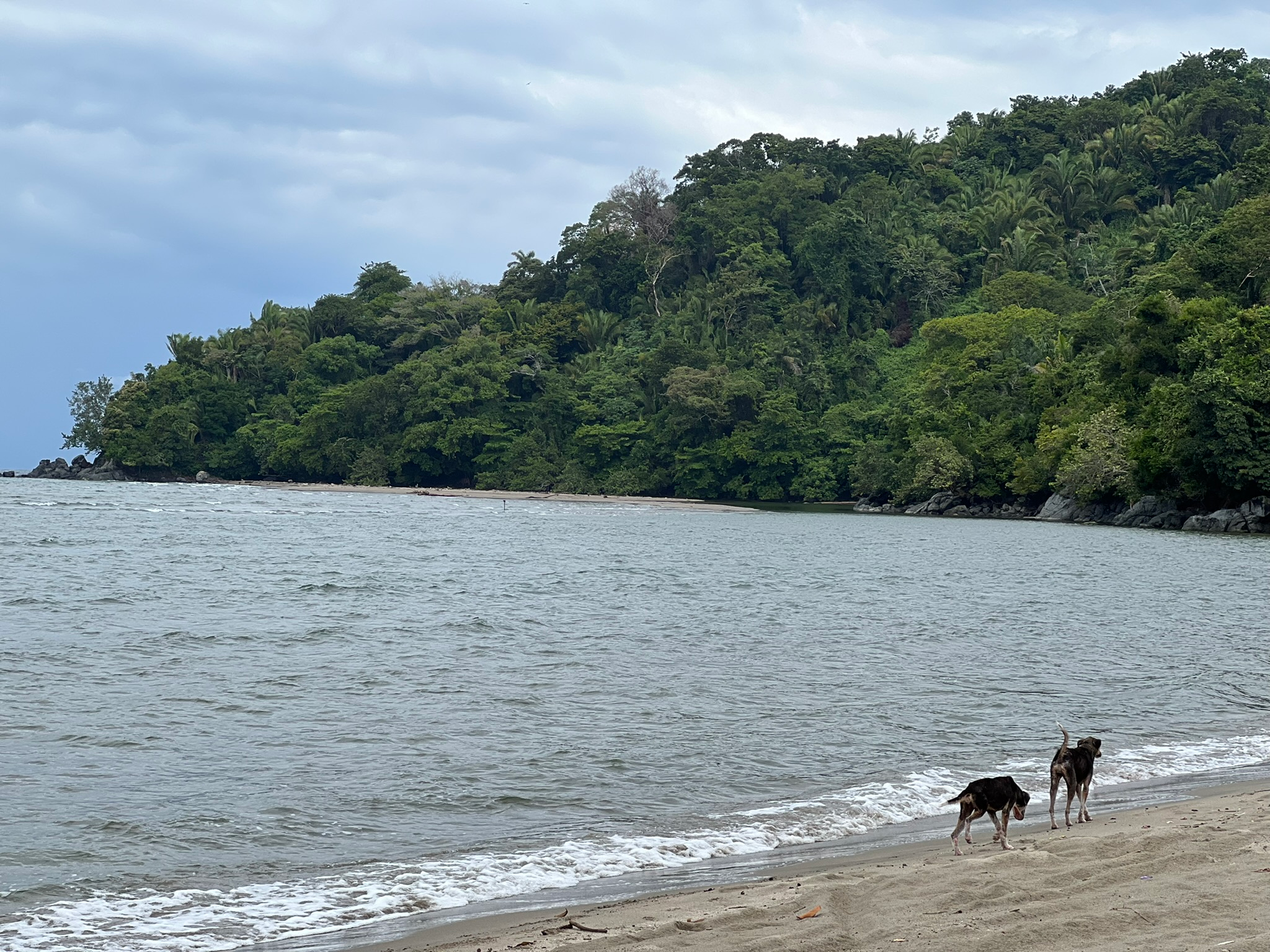
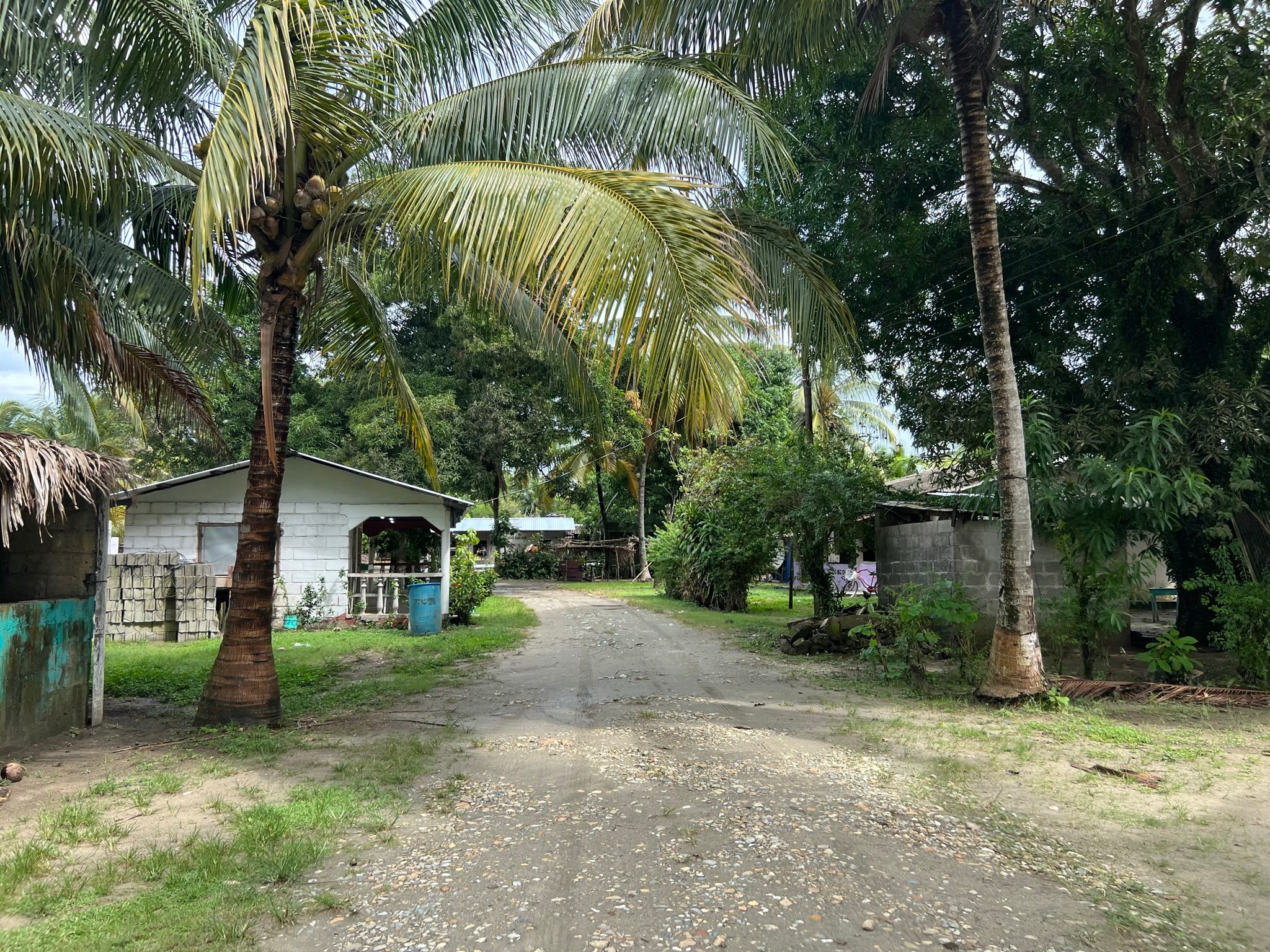
My first stop was La Ensenada, a beachside village that reminded me a lot of Hopkins in Belize. Many of the colourful houses here are adorned with the black, white and yellow colours representing the Garifuna, with some even featuring Corinthian-style columns. The white sandy beaches surrounding the town are lined with palm trees and hammocks strung between them – a wonderful sight, were it not for all the trash and waste that litters the area.
Here, I was once again reminded of how much beauty there is in simplicity, seeing the idyllic lives the locals seemed to partake in – some going about their own business, some just sitting and chatting, and kids playing around with a football or some sort of makeshift toys. It also made me realise (once again) the stark contrast between our Westernised cultures and those in places like these.
Being a twenty-seven-year-old guy who stops to have a chat with a group of kids and offers them fruit and candy would be seen as weird and creepy in our society – not warm and friendly. It had taken me quite a while to understand this, and despite my initial apprehension, playing with local kids had become something I cherished. Not only do they (generally) appreciate the company, it also makes me reconnect with my inner child. Plus, getting to see their happy faces (and their parents usually beaming) is just something else. In fact, I’d find myself channelling Monique’s spirit – the Canadian lady who goes around Central America face-painting unsuspecting strangers – and trying to provide some joy.
Snapper, Struggles and Small Talk
After taking my time going around the village, I walked a long way along the coast and then along the main road to a nearby village, Triunfo de la Cruz.
With Central America being Central America, the skies let loose without a moment’s notice, and once again I found myself caught in a torrential downpour. Luckily enough, Vanessa and Paloma, two locals from the village, took pity on me and offered me shelter at their home. Starving, I asked whether they knew somewhere I could buy food from – something which must have translated to “GIVE ME FOOD” to Paloma, who quickly set herself to work in the kitchen.
Whilst she was up at arms with her grill, I asked about the living situation here in Triunfo. She told me that there are around 36 Garifuna communities in Honduras and had much to say about how happy and appreciative of life they are. But she also emphasised that, for most, life is a day-to-day struggle – not knowing whether they’ll have enough food on their plates or a roof over their heads. She went on to say that most Garifuna across Central America go through this – something I had actually seen first-hand back in Guatemala.
After a short while, the rain had abated, and Paloma served me huachinango – the most delicious grilled red snapper I’ve ever eaten. Joe, Paloma’s husband, came back home in his super fancy SUV (making me rethink the whole survival sob story), after an entire morning trying to sell traditional handmade souvenirs at a market in Tela, only to find me in a full-fledged food coma – debating whether I could actually muster enough energy to stand up and continue with my day.
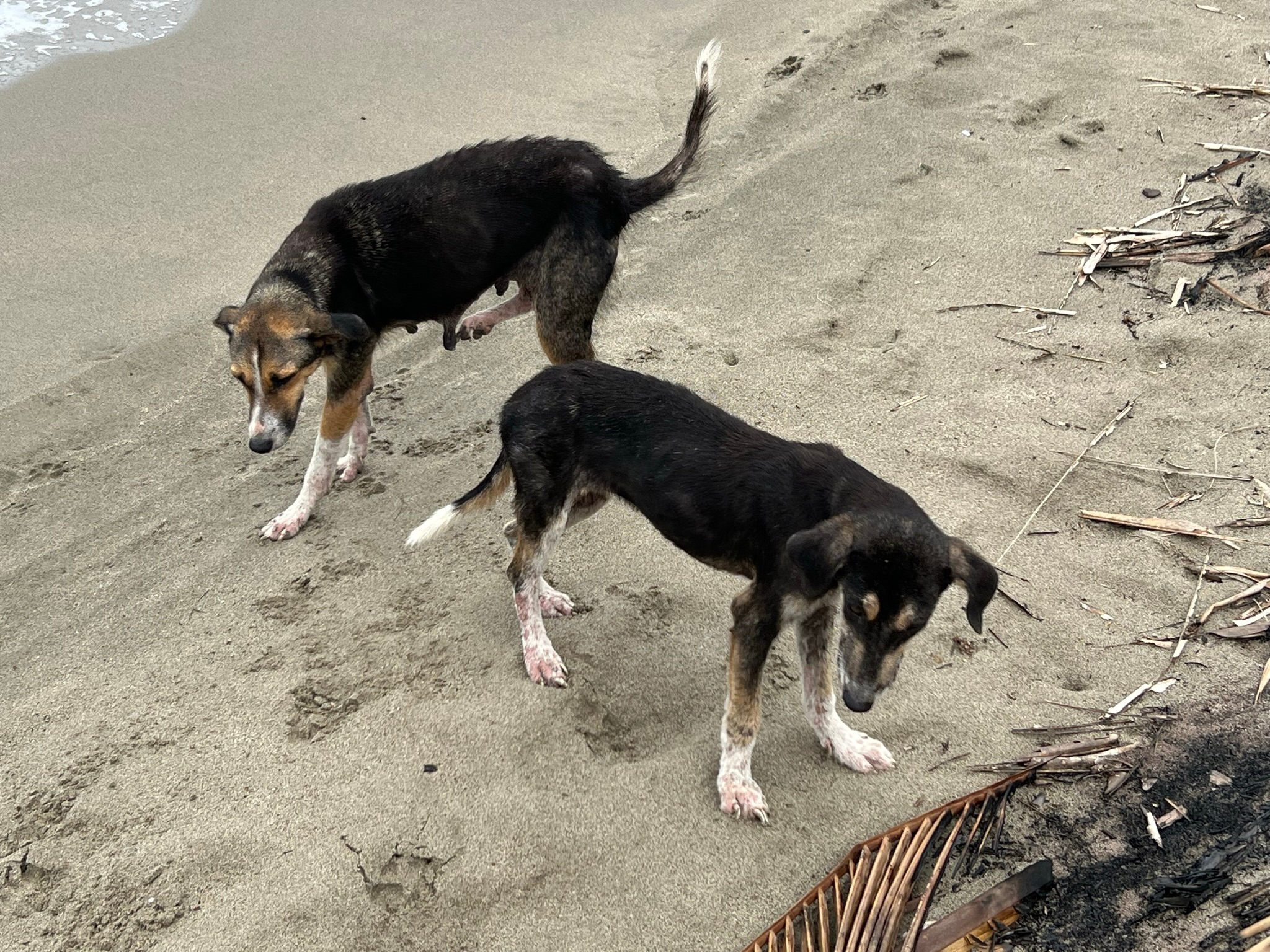
After thanking (and over-tipping) the sweet, kind family for taking me in and feeding me, I explored more of the village – accompanied by the two cutest stray dogs – and then had a swim in the pristine Secret Beach… which is anything but secret.