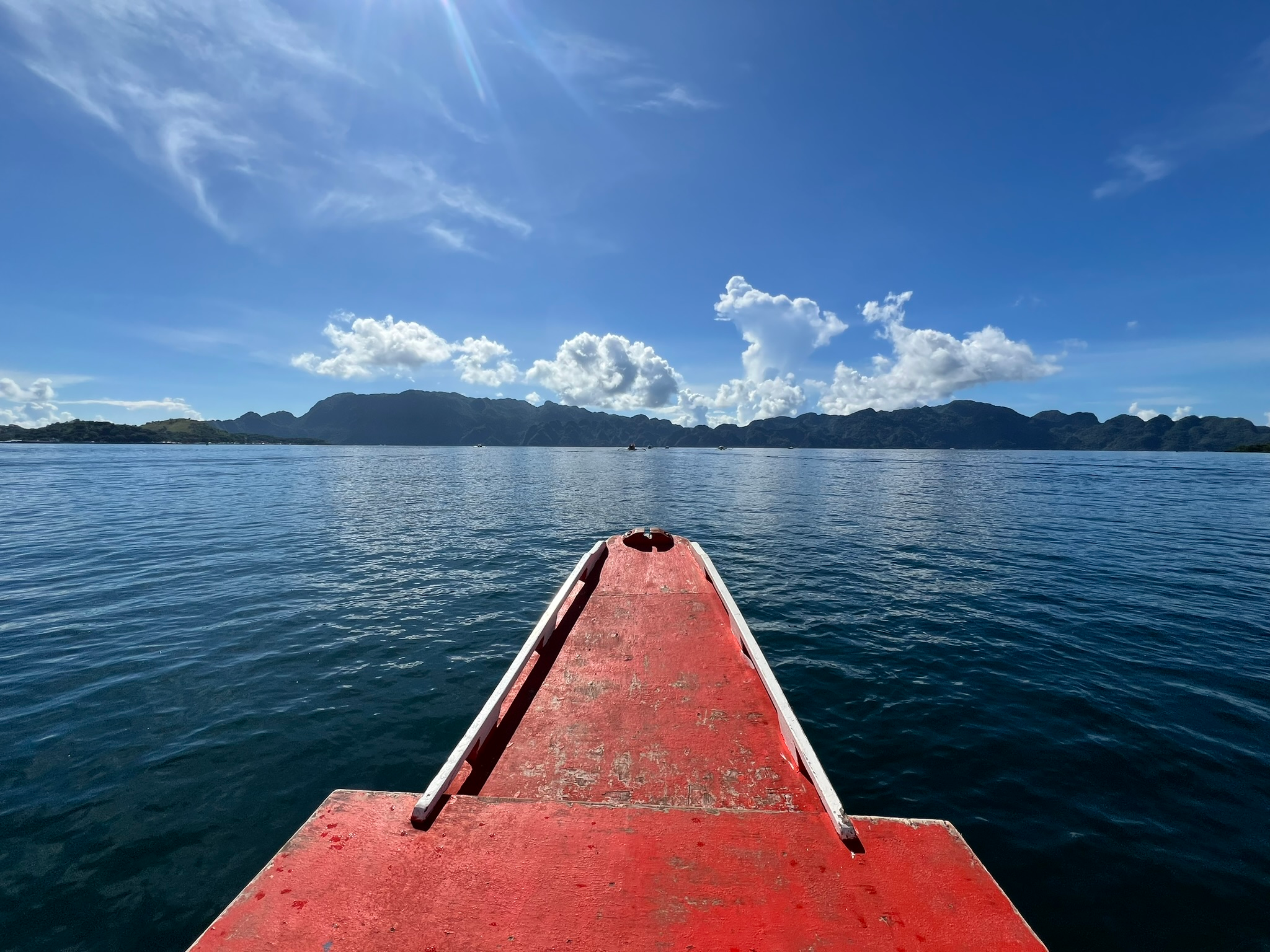
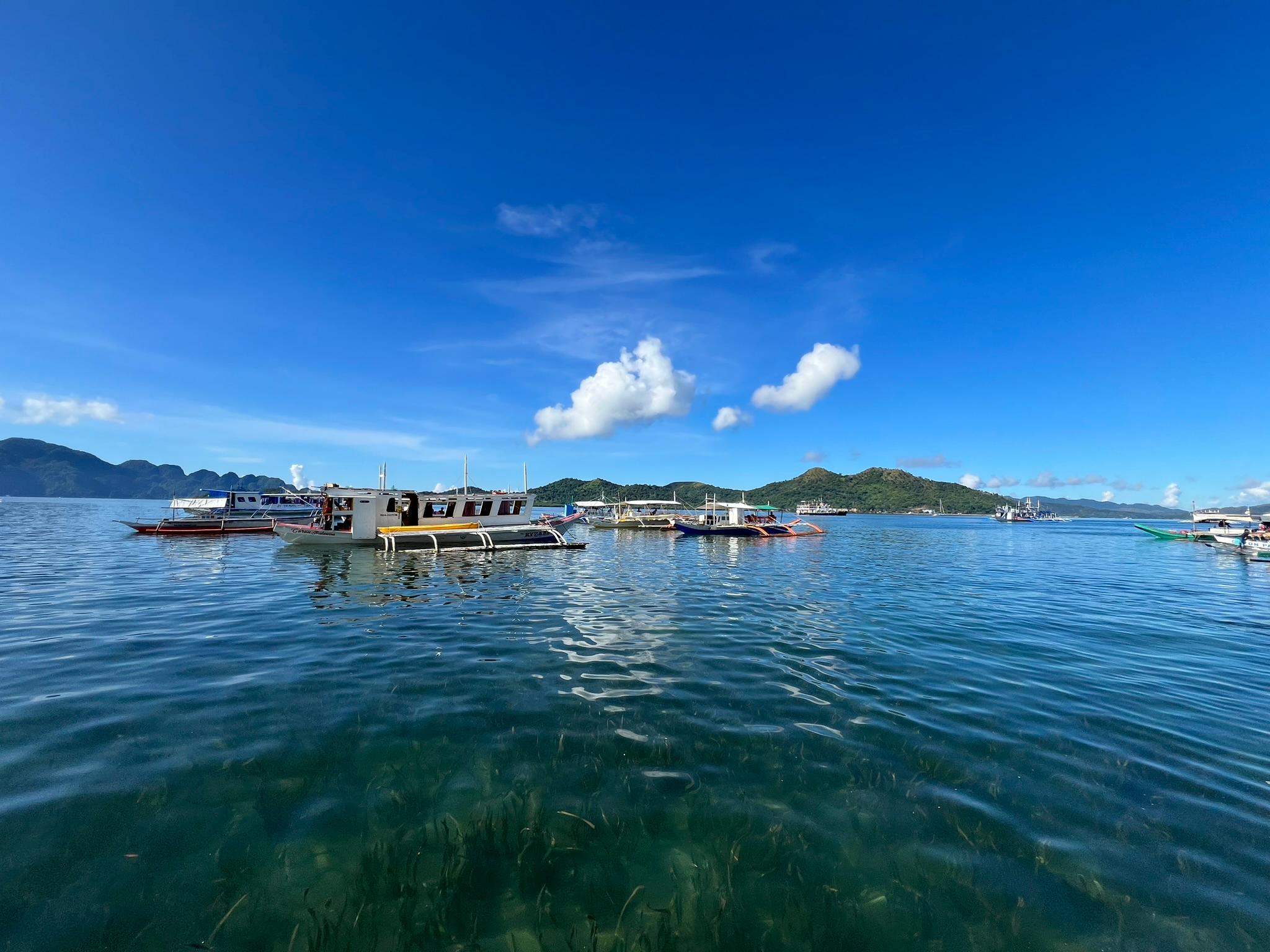
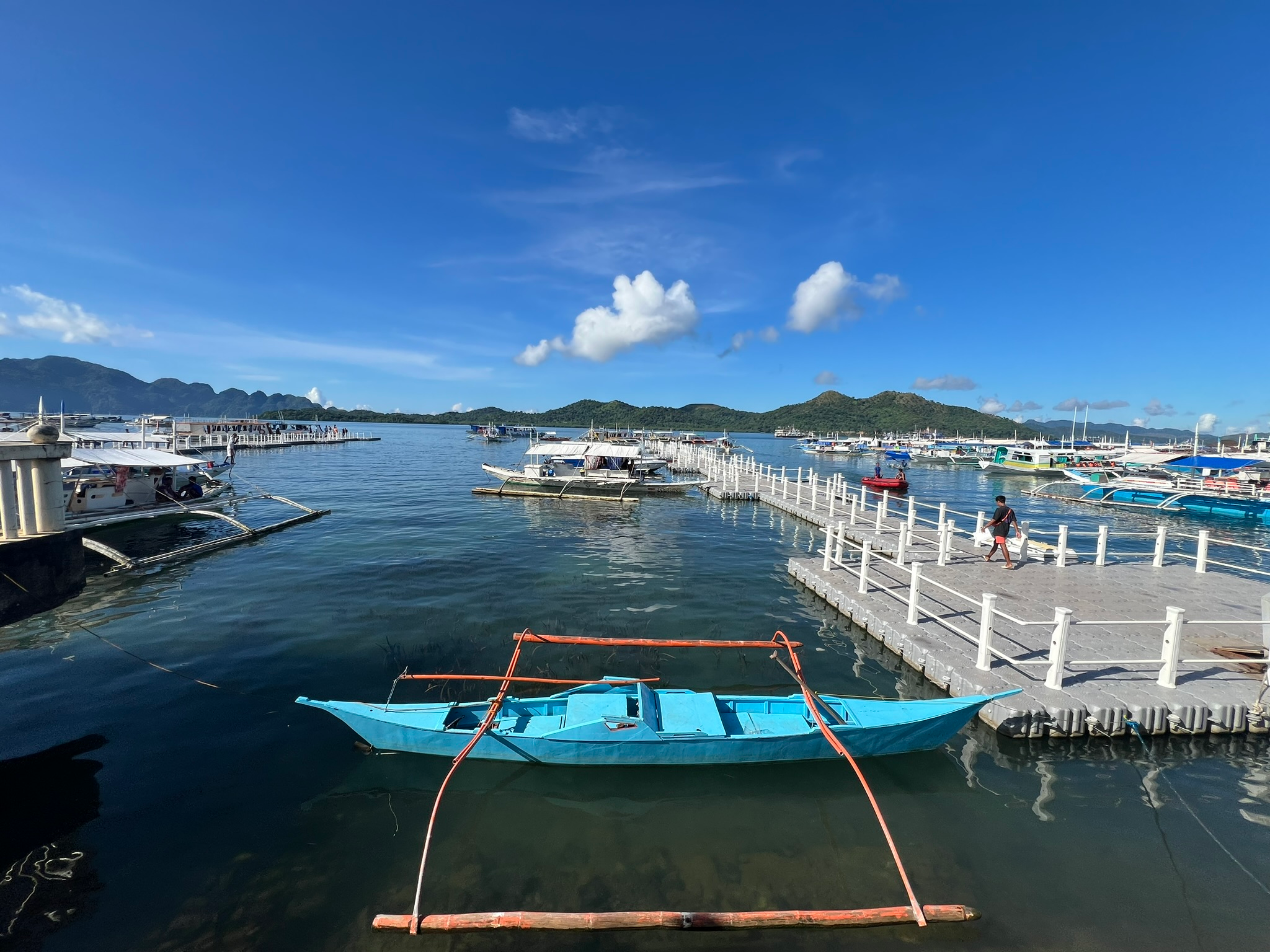
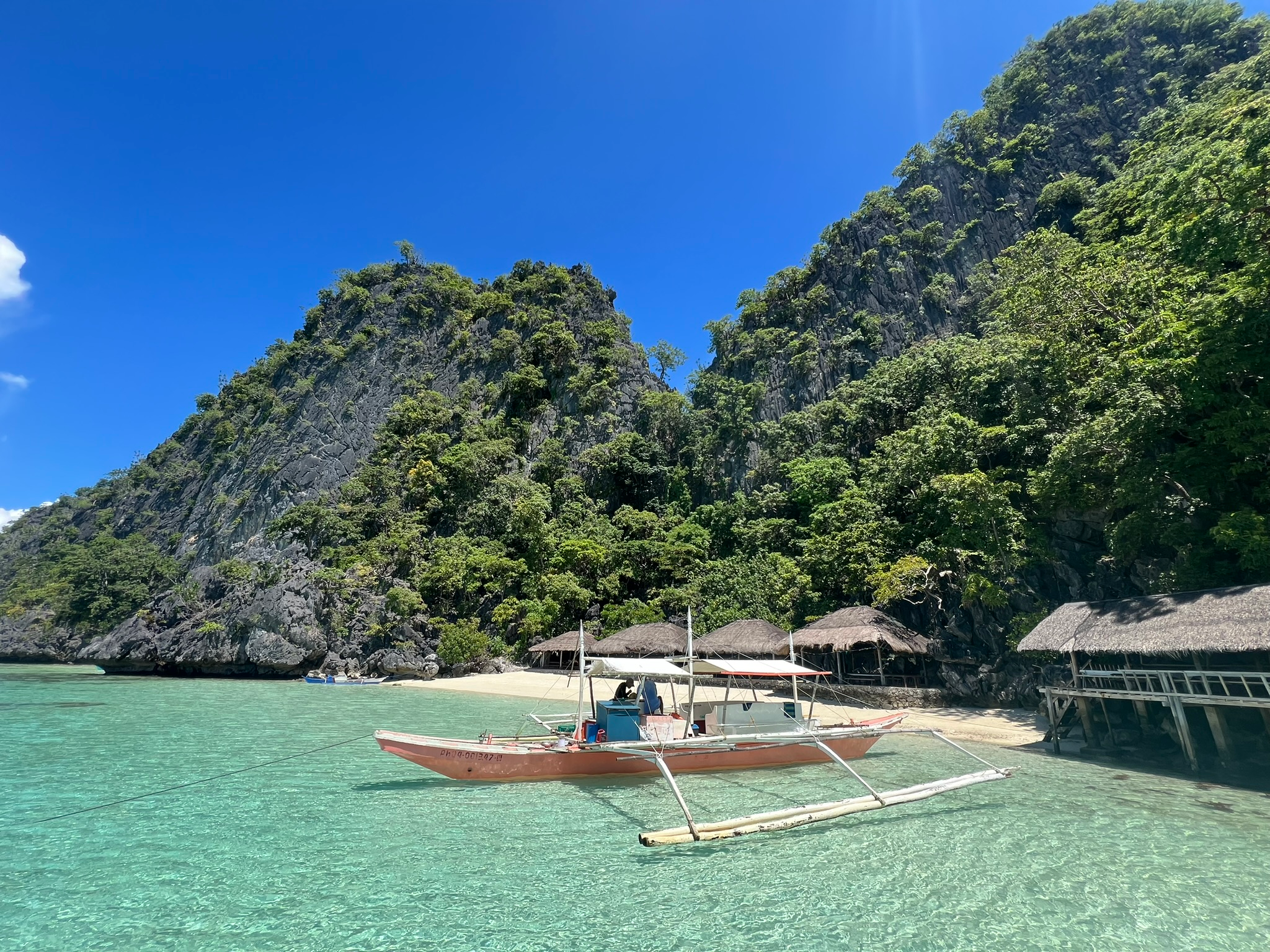
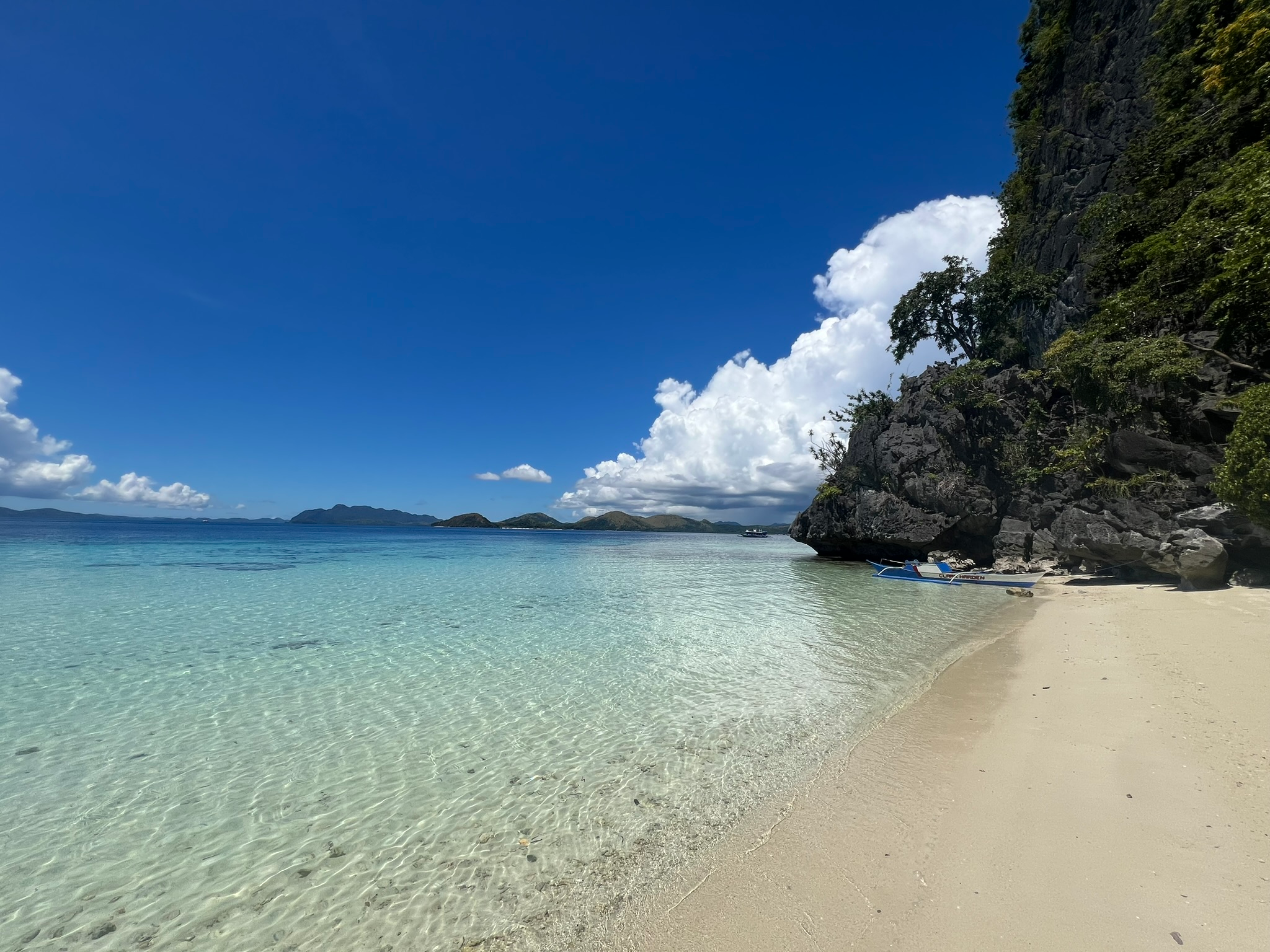
I’d be going on a Super Ultimate island-hopping tour around Coron. A short tricycle ride later, I found myself at the port, where the bangka was waiting for our group. A bangka is a traditional Filipino boat with bamboo outriggers used to stabilise the watercraft and carry supplies. With the marina full of bangkas, each one painted a different colour, you can only imagine how vibrant the scene was.
The group was made up of a Filipino couple, a European couple, an American couple and an Australian couple. “Don’t forget your loved one behind!” went our guide, before pointing at me and adding, “Except for you, sir, cause, heheh, you’re alone!”.
A Limestone Wonder
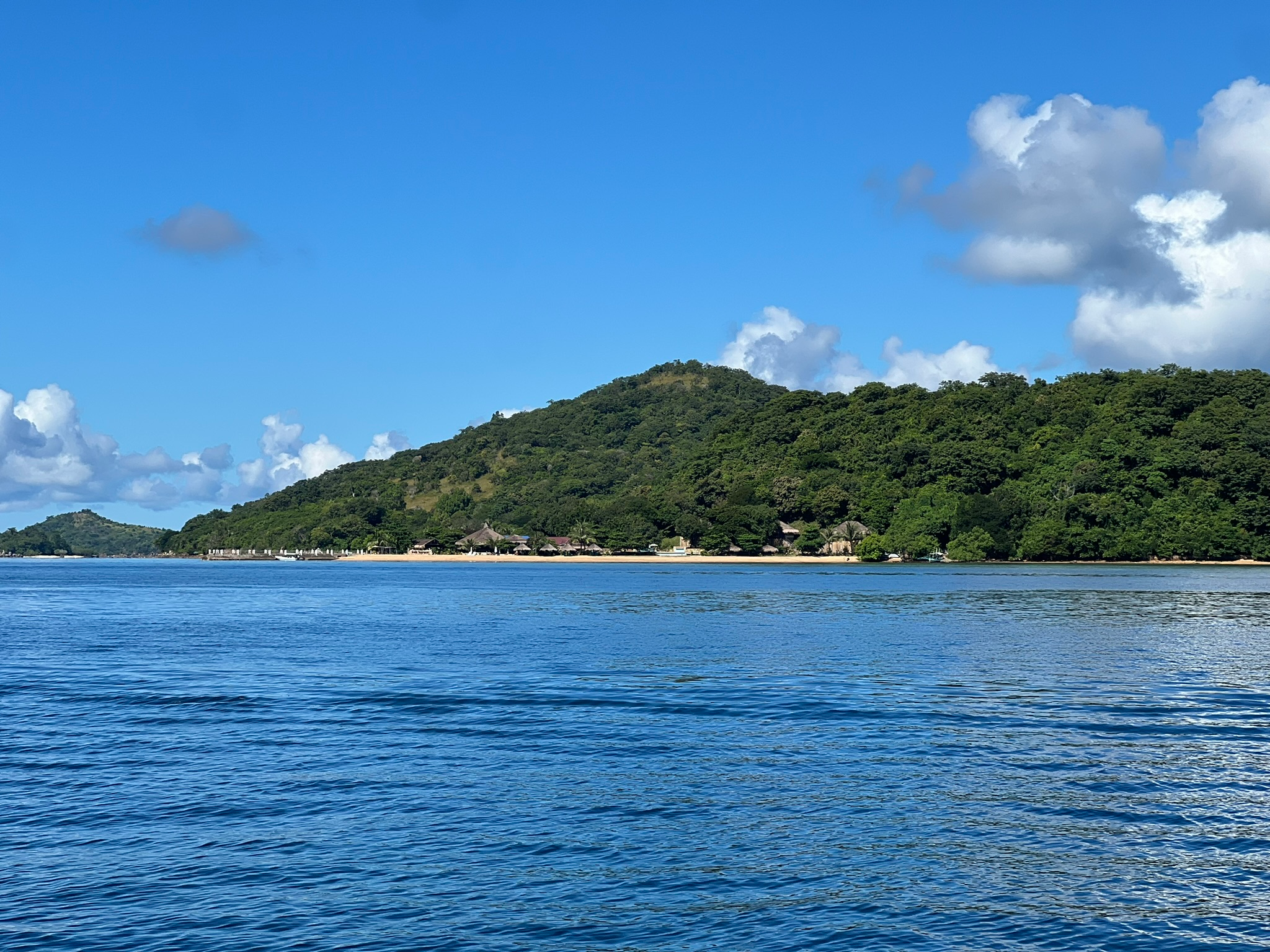
And just like that, the Super Ultimate tour started as we hopped onto our bangka. It felt so good being on a boat out in the open water again, especially with such sights in view. The last time I had seen anything comparable was back in Komodo National Park, Indonesia, where thousands of tree-covered mountainous islands dot the azure sea.
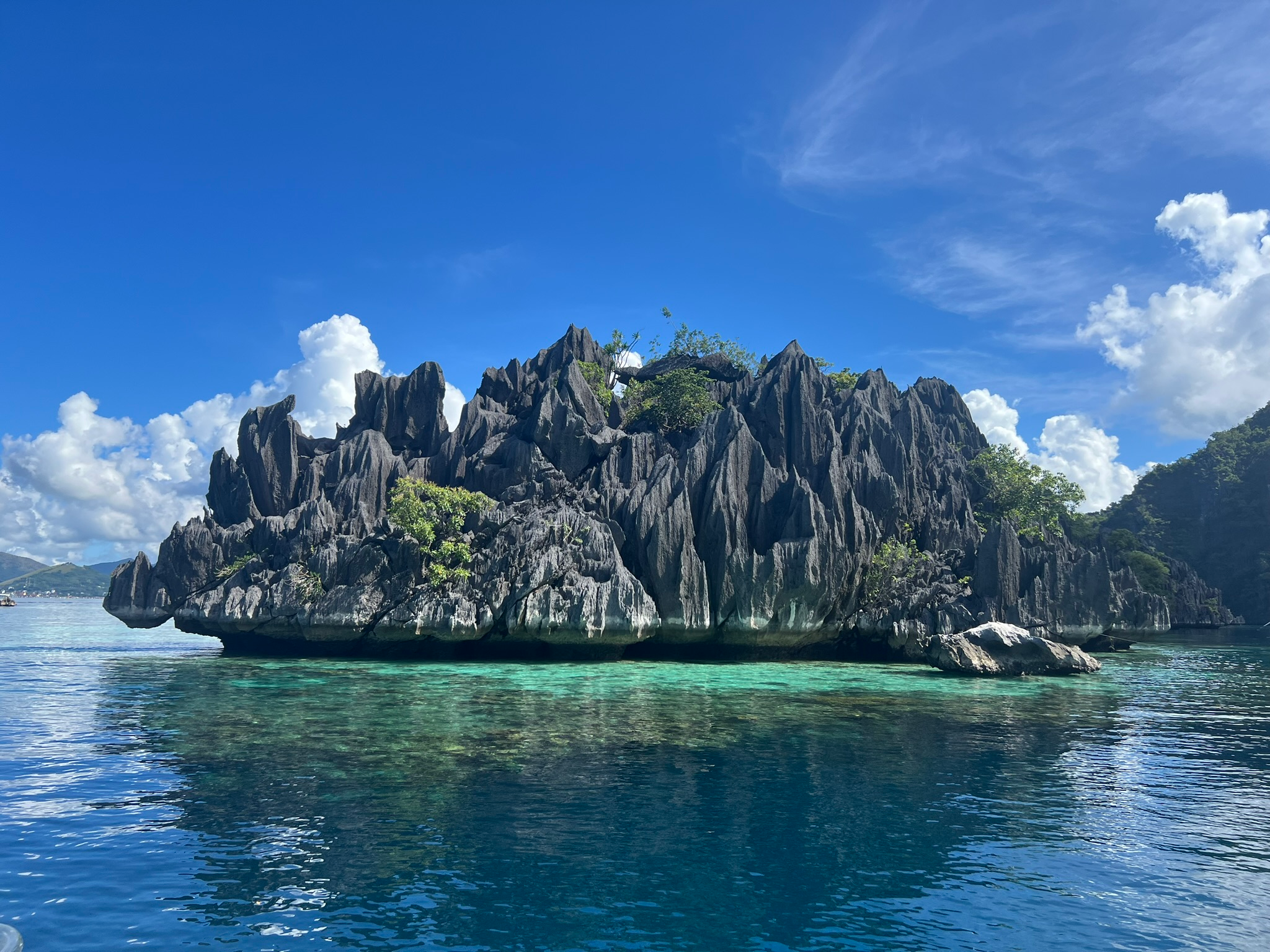
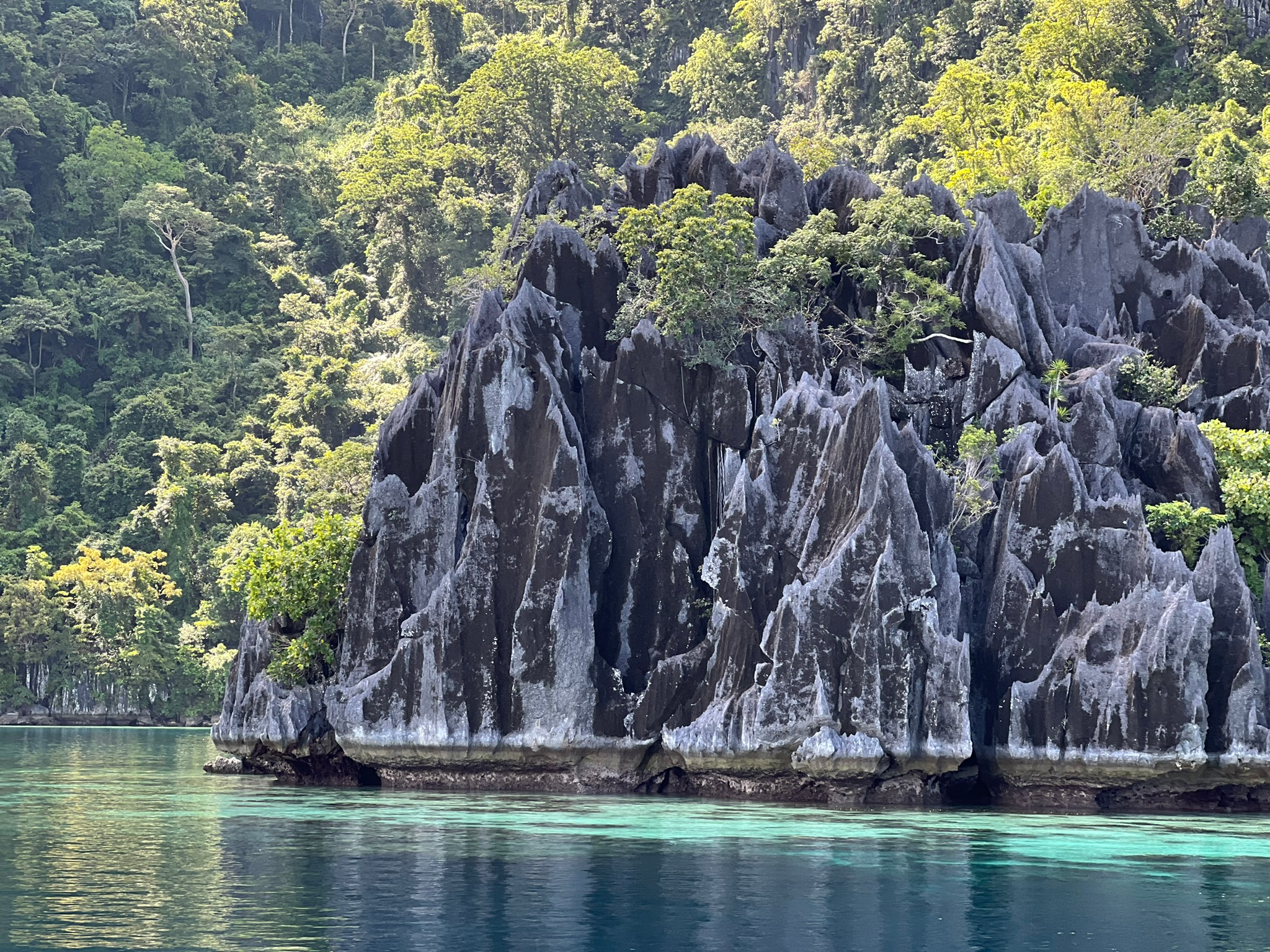
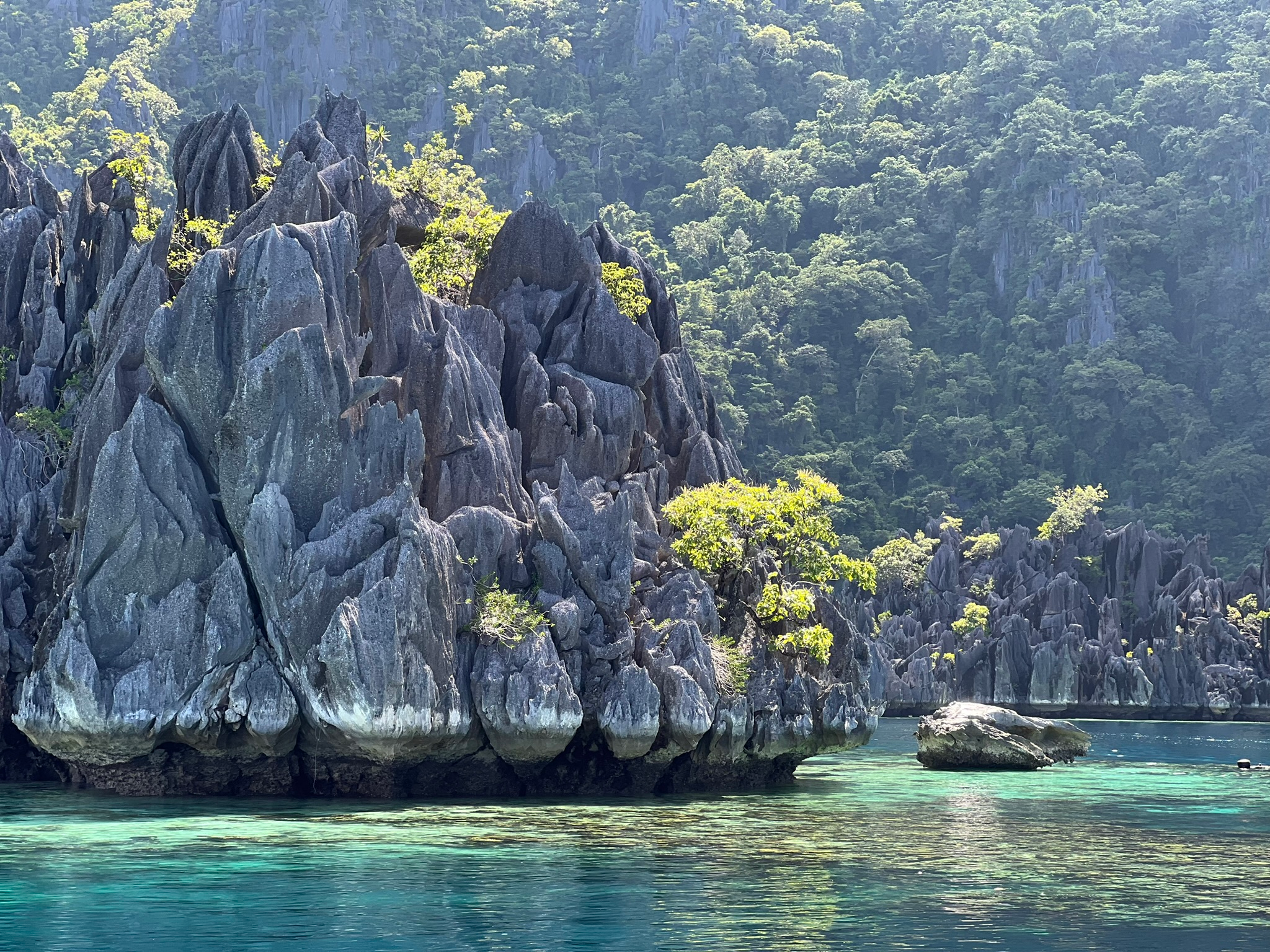
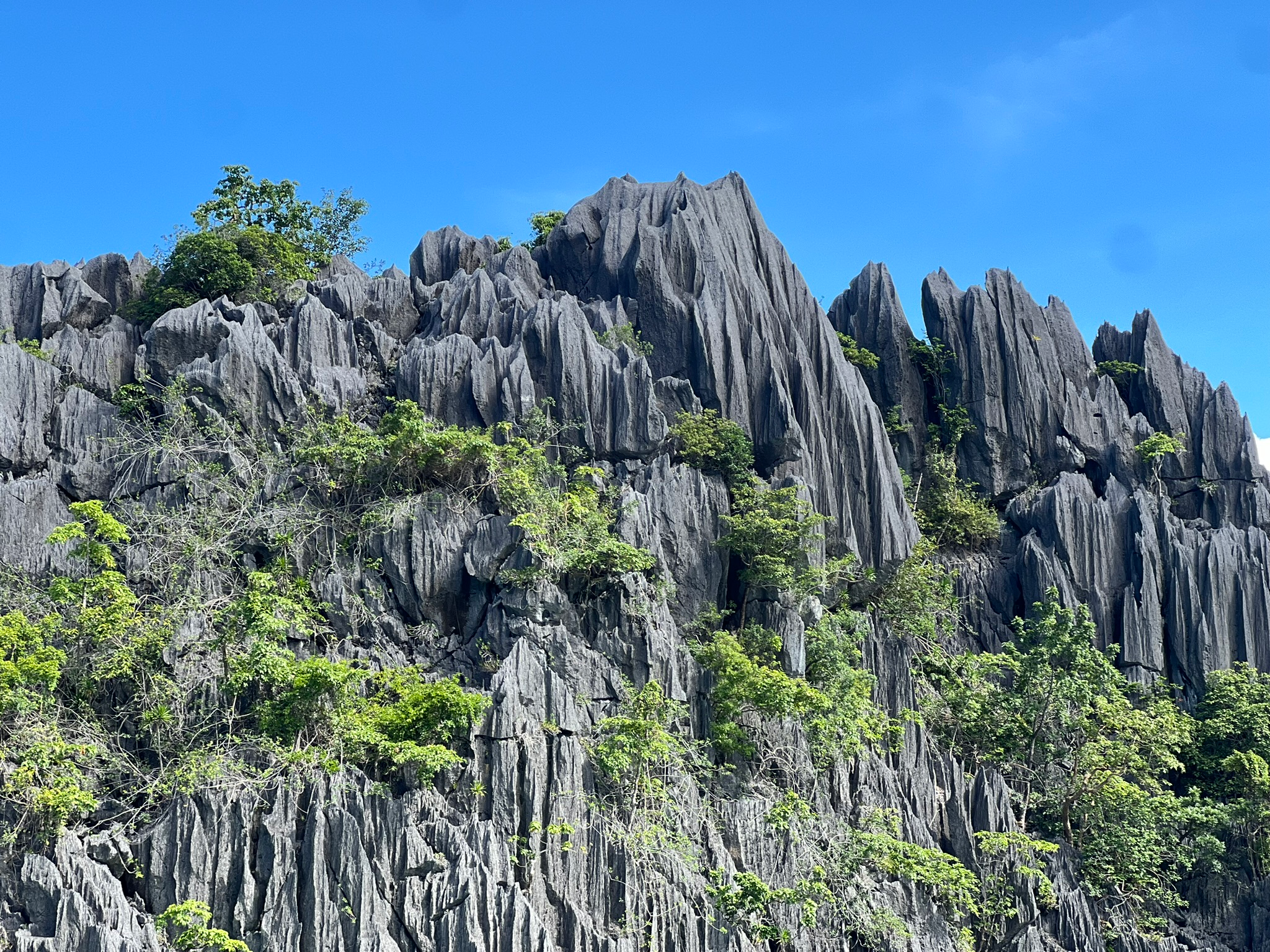
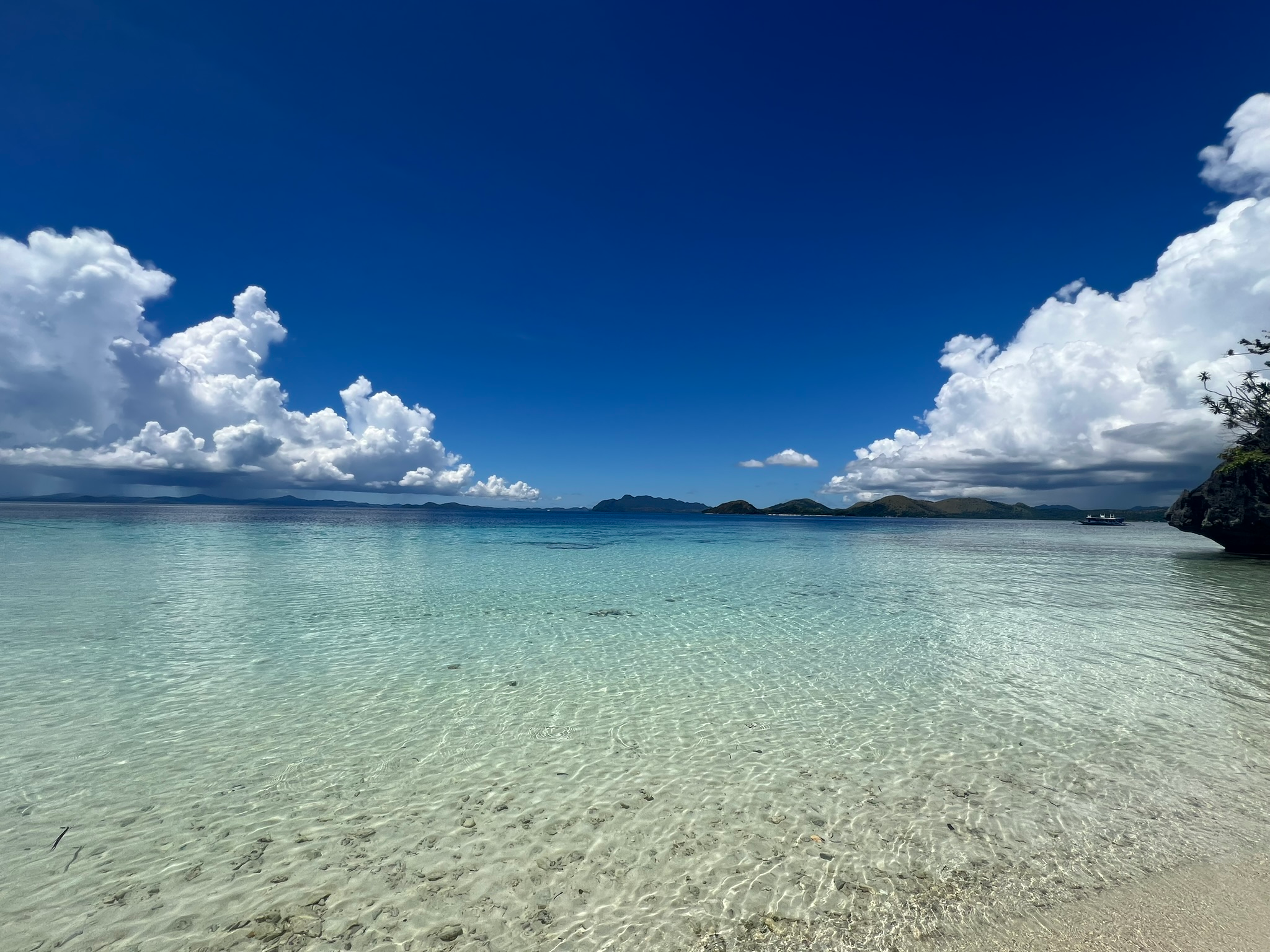
As we headed southwards towards Coron Island, the islands started to become barer, revealing their jagged limestone façades, with the water surrounding them the most beautiful shade of cerulean and patches of coral visible underneath. With the waters of the high tide lapping at the islands’ feet, recesses had formed around their bases over millions of years. Apart from this mushrooming effect, the changing tides also mean that some low-lying islands and sandbars may disappear beneath the water at high tide. So, while the Philippines is officially made up of around 7,641 islands, that number is often casually said to shrink at high tide. Cool, cool.
PART II
Twin Lagoon, Coral Gardens & Beach 91
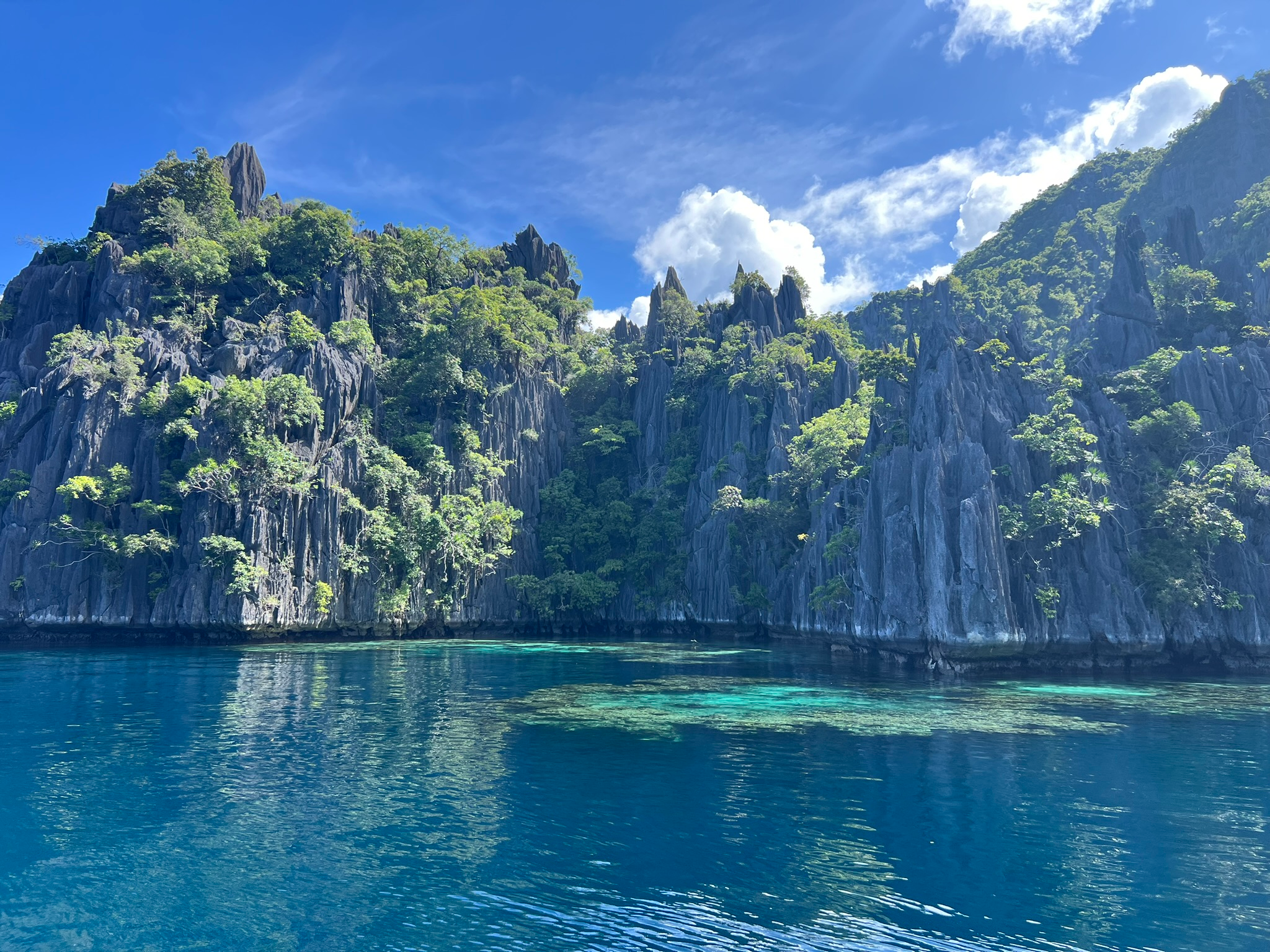
Our first stop was Twin Lagoon. As one might not-so-startlingly imagine, these are two bodies of crystalline, turquoise water separated by towering limestone cliffs, making for one of the most magnificent vistas I have ever seen.
Here, as the guide explained, after reminding me once again that I’d have no trouble forgetting my significant other, cooler freshwater and warmer seawater meet, producing brackish water and a shimmering thermocline-like effect that is actually visible.
We got to explore this paradise on a kayak, something I had practically been training for all summer. In fact, going around the entire thing was a breeze. We also managed to get a bit of snorkelling in, with the seascape here being equally impressive. The coral and rock formations left me in awe, as did the blurry whitish layer in the water, to which all kinds of small fish seemed to be attracted.
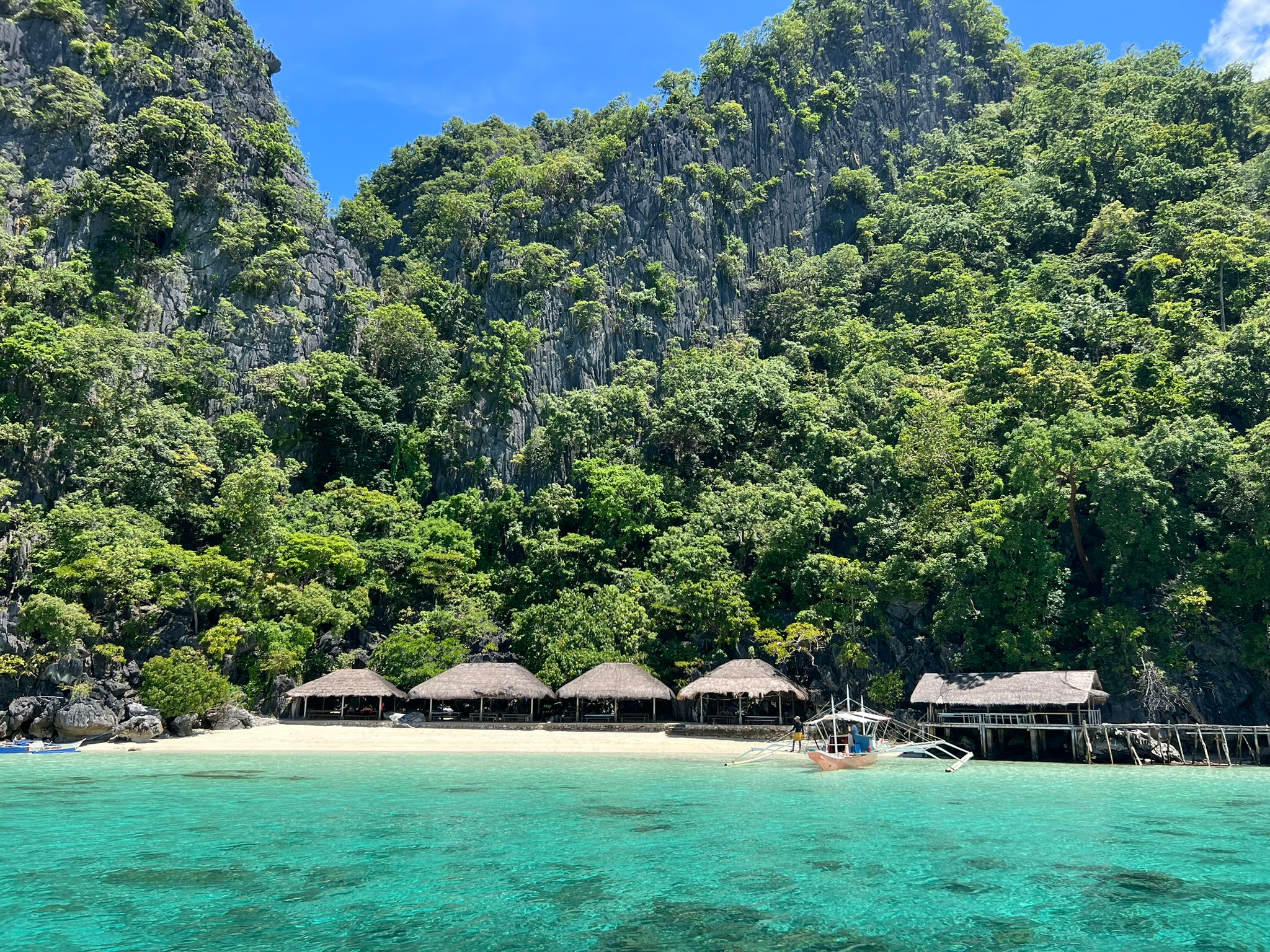
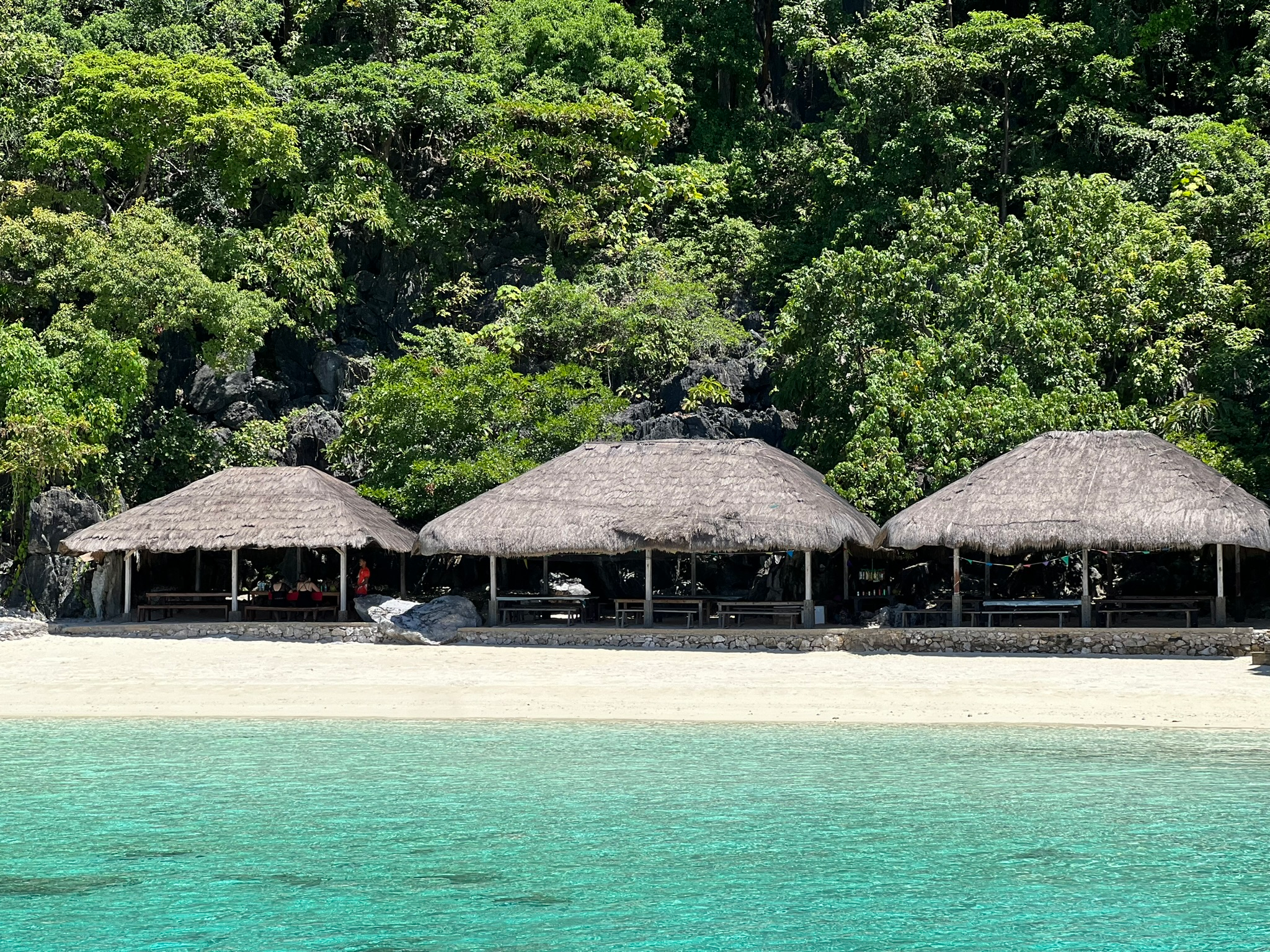
The next stop featured more snorkelling, as the bangka anchored directly above a coral garden. The highlight was a bunch of gorgeous, vivid-blue staghorn coral. Then we made our way to Beach 91, which, according to our guide, is always everyone’s favourite stop.
While the beach looked exactly like what you’d find on a typical tropical holiday brochure, he was mostly referring to the fact that it was our lunch stop. A buffet-style spread of noodles, rice, vegetables, chicken, fish and pork was served, leaving us equally full and content before going on with our tour.
Barracuda Lake
Next up was one of the highlights: Barracuda Lake. Named after barracuda that were once seen in the area, this lake is nestled between more limestone cliffs. What makes this place special is, once again, the thermocline, only this one is much harsher than the one in Twin Lagoon. Formed in a karst landscape, the lake contains layers of cooler freshwater and warmer saline water, with the deeper layer heated by geothermal activity.
While I’m used to thermoclines from diving in areas with different currents, I gotta say this was on a whole new level, with the temperature at the surface being around 28 to 31 degrees Celsius and the water below the thermocline reaching around 38 degrees Celsius. Here, we spent a few minutes snorkelling and freediving – if you could call my attempts that. Apart from the thermocline, the seascape (or lakescape, I guess) is one to behold. The jagged limestone surrounding the lake drops down into surreal underwater rock formations, with catfish darting around the recesses and brine shrimp scurrying about near the silty floor.
Of course, I could only afford to stay at depths of around ten metres for a few seconds at a time, given that my breath-hold isn’t exactly a decent one and that the heat was unbearable. To think that you can actually scuba dive in there!
Kayangan Lake
And then we had one final stop. Kayangan Lake, one of the most touristic places in the Philippines, is pretty much a bigger, more famous version of Barracuda Lake, only this one is much less accessible, with a climb of several hundred steps needed to reach it. Midway up, there’s also a cave and a viewpoint that offers one of the most beautiful vistas I have ever seen, reminding me of the viewpoint on Piaynemo Island in Raja Ampat.
Once at the lake, which is often described as one of the cleanest lakes in the country, we spent a few minutes exploring a cave and doing some more freediving. Having never done the course, I was actually impressed with myself that I could go down to around ten metres and hold my breath for about fifty seconds, not to mention that I managed to go through a couple of swim-throughs without panicking. I figured free diving could be something I would actually try in the future!