Day two started out… let’s just say it was quite entertaining. Did you know one can get into a heated argument over soap?
Let’s just say Kevin didn’t quite take it well when I didn’t use his “very expensive”, “high-end” soaps, which “anyone would have been lucky to try” and which he had “brought out just for me” to use in the shower. A few weeks earlier, he had specifically mentioned that I wouldn’t need to bring bedsheets or towels with me. Given that it wouldn’t have occurred to me in the first place, I erred on the side of caution and brought along the essentials anyway – including soap.
“How dare I?”, right? Thank God he’d have the entire morning to himself to get over it while working from home.
The Island Where Paris Began
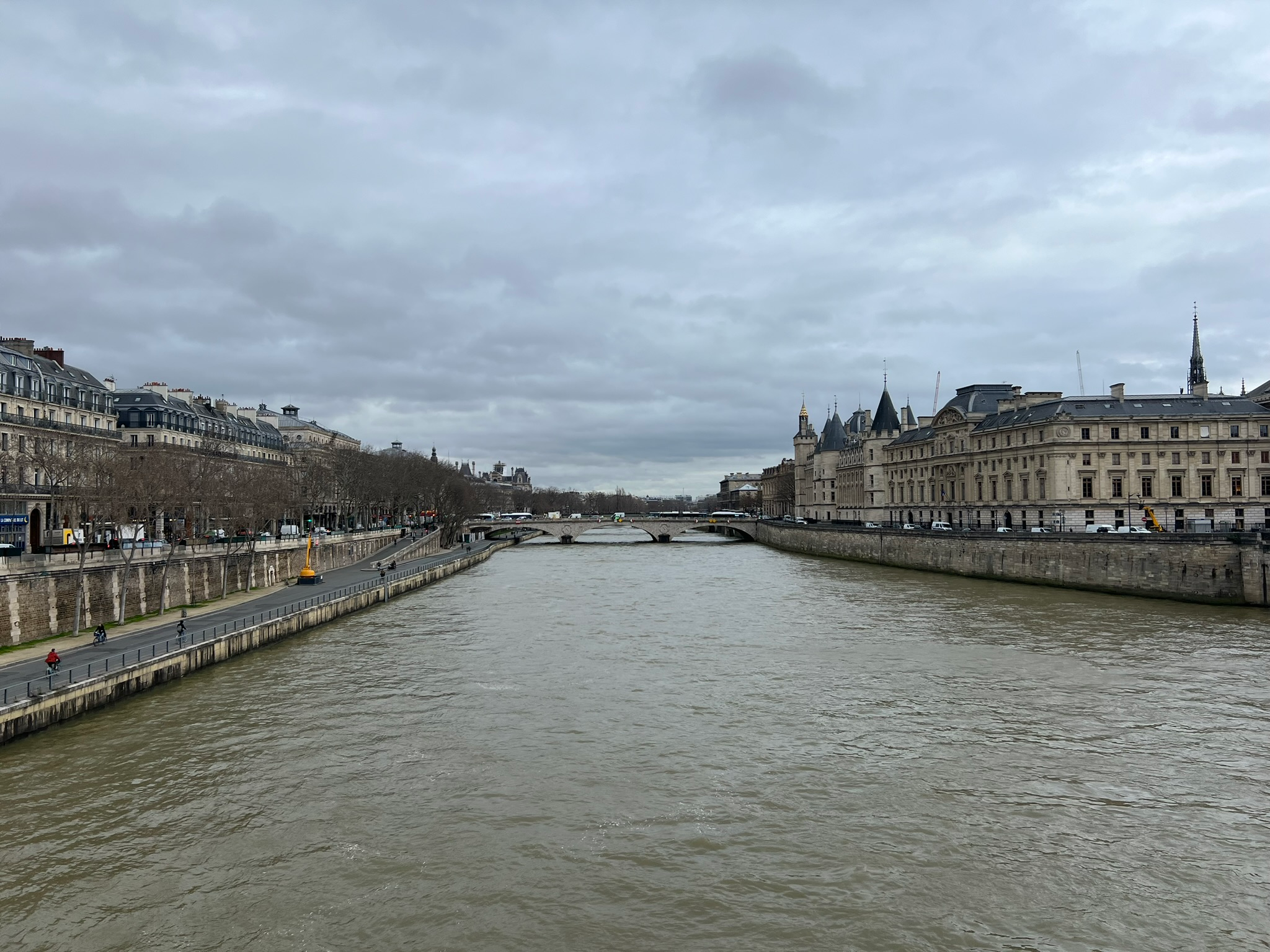
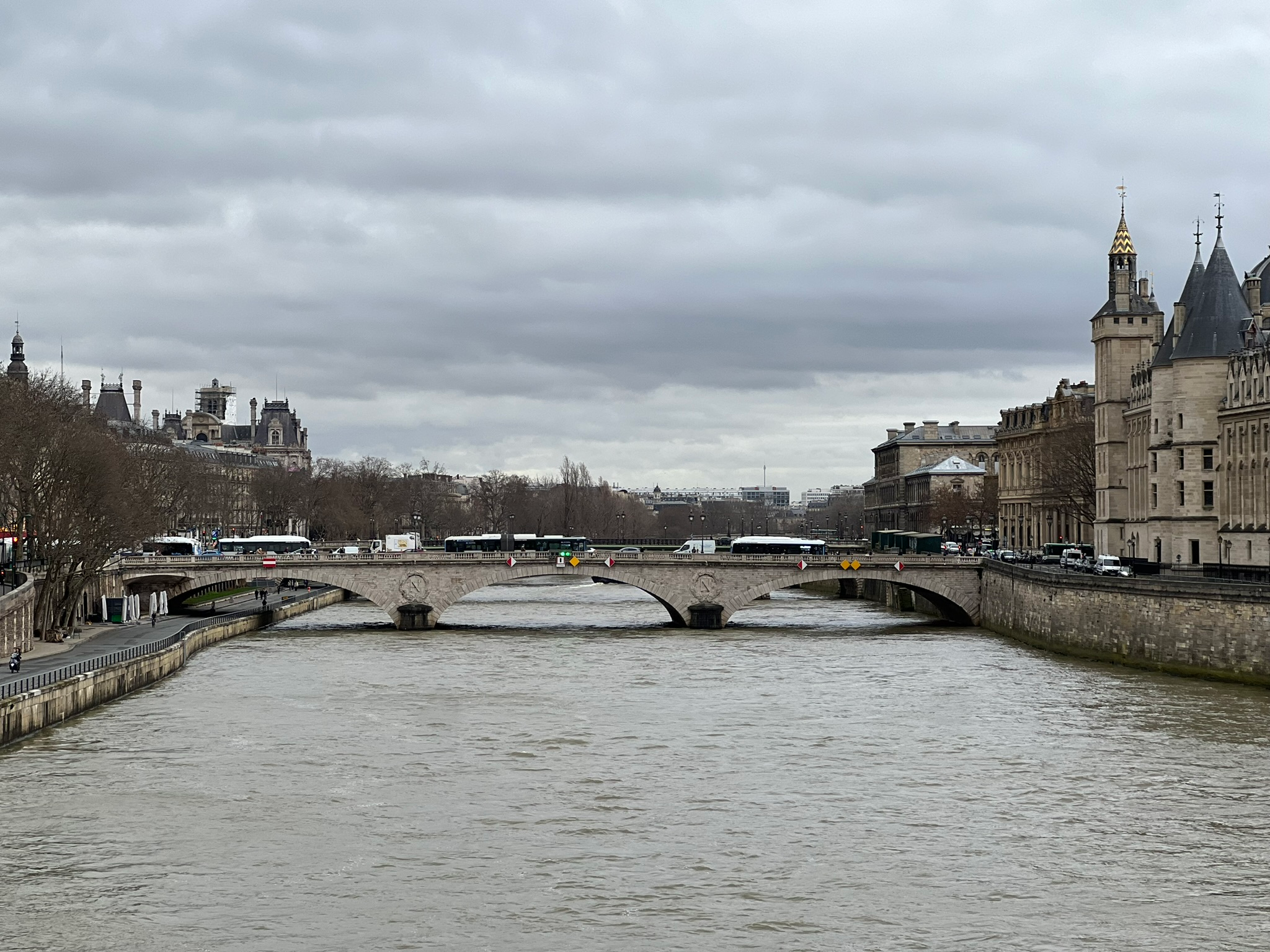
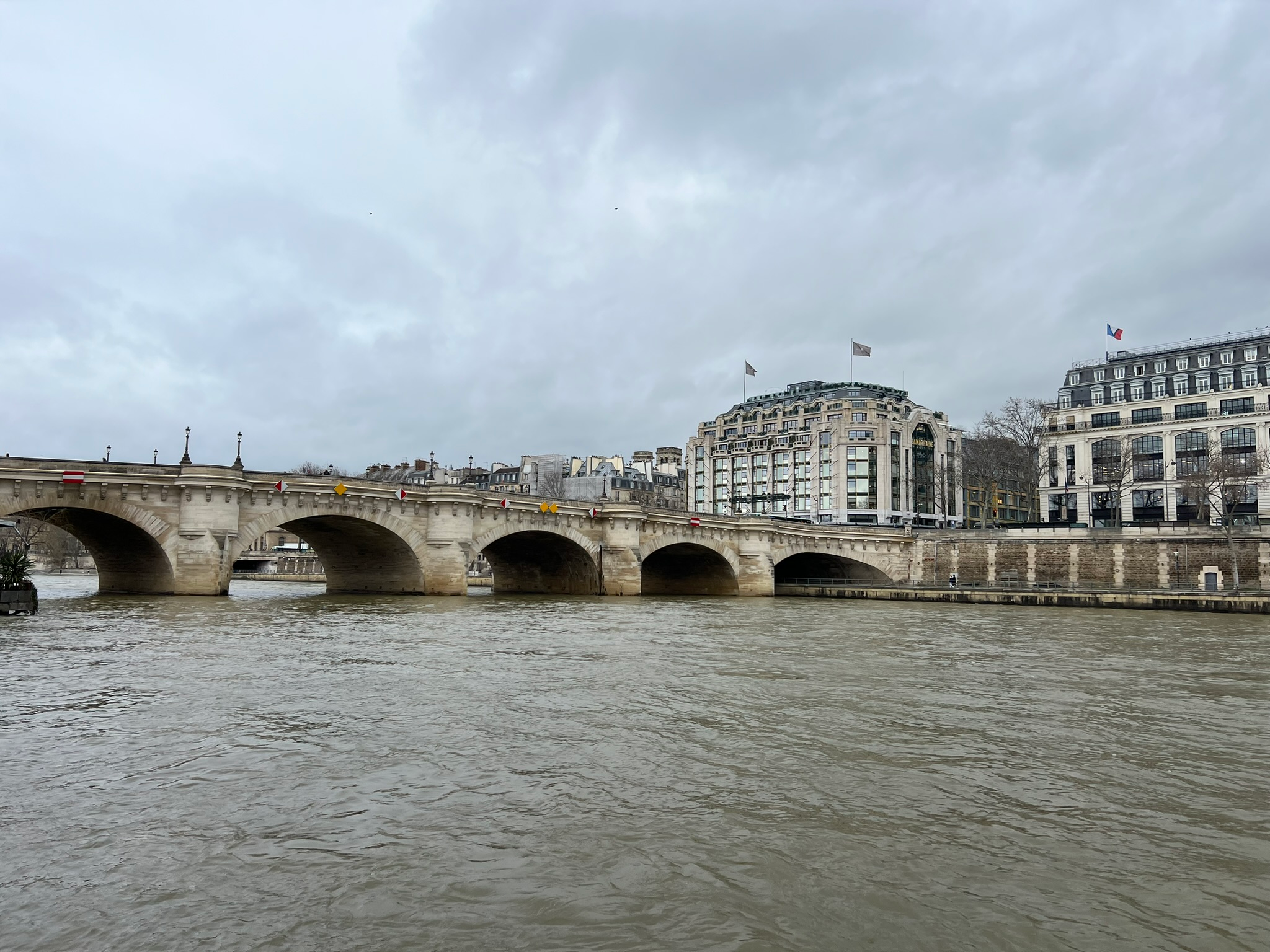
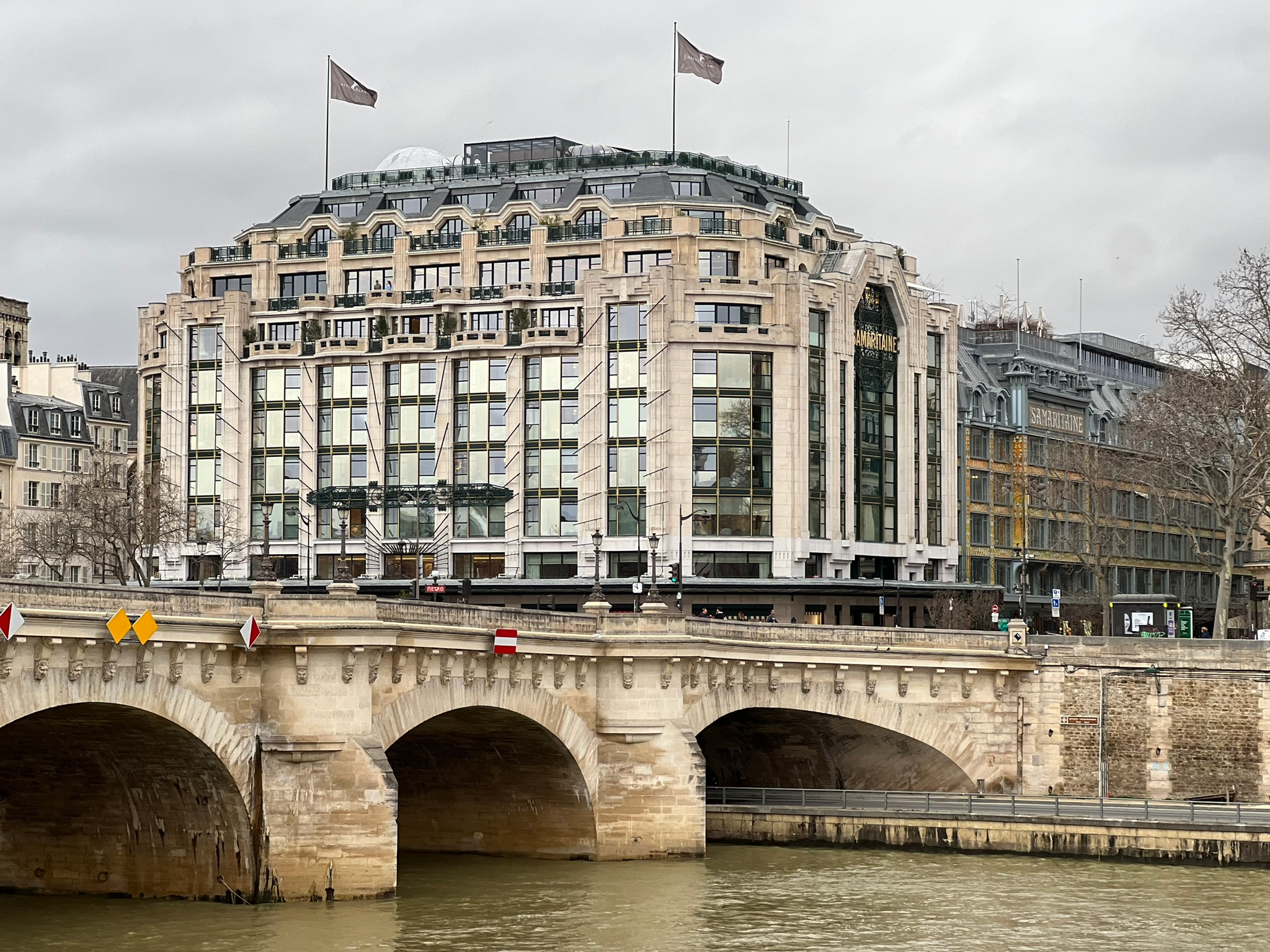
Meanwhile, I already had the plan for the day figured out. I had a cab drop me off at Pont Neuf, the city’s oldest surviving bridge, which crosses the River Seine and links the western end of Île de la Cité with both banks.
Île de la Cité is one of the natural islands in the Seine and is often considered the historic heart of Paris. By the mid-3rd century BC, the Parisii, a Gallic tribe, had settled in the region, taking advantage of the Seine’s strategic position for trade and communication. Their settlement, known as Lutetia, would eventually become the foundation from which Paris grew.
The rest of the city’s history is turbulent, to say the least. The Romans conquered the area in the 1st century BC, and the Gallo-Roman town of Lutetia developed, particularly on the Left Bank, with typical Roman features such as baths, forums and amphitheatres. After the fall of the Roman Empire, Paris became an important Frankish stronghold, later facing major Viking attacks, including the famous siege of 885 to 886. From there, under the rule of the Capetian kings, Paris emerged as a centre of royal power and, by the Renaissance and the Enlightenment, it had become the political, economic, religious and cultural capital of France.
This was followed by a time of civil unrest and political turmoil, culminating in the French Revolution. The storming of the Bastille in 1789 dealt a major symbolic blow to royal authority, while the abolition of the monarchy in 1792 led to the proclamation of the First French Republic. The executions of Louis XVI and Marie Antoinette then became two of the most famous and dramatic moments of the Revolution.
La Liberté Guidant le Peuple, Eugéne Delacroix
In 1799, Napoleon Bonaparte seized power in a coup d’état and eventually declared himself Emperor in 1804, ending the First Republic. Under his rule, Paris became an imperial capital, and monuments like the Arc de Triomphe were commissioned to celebrate military victories as the French Empire continued to expand. After his return from exile on Elba, Napoleon was finally defeated at the Battle of Waterloo in Belgium in 1815 and exiled to Saint Helena, leading to the second restoration of the monarchy.
After the Franco-Prussian War of 1870 to 1871, the Third Republic was founded. This new and improved Paris, unfortunately, still had a few hurdles ahead of it – World War I, World War II and the Nazi occupation from 1940 to 1944. In the post-war years, Paris saw reconstruction, urban expansion and political protest, becoming the hub of fashion, art, philosophy and global diplomacy we know today.
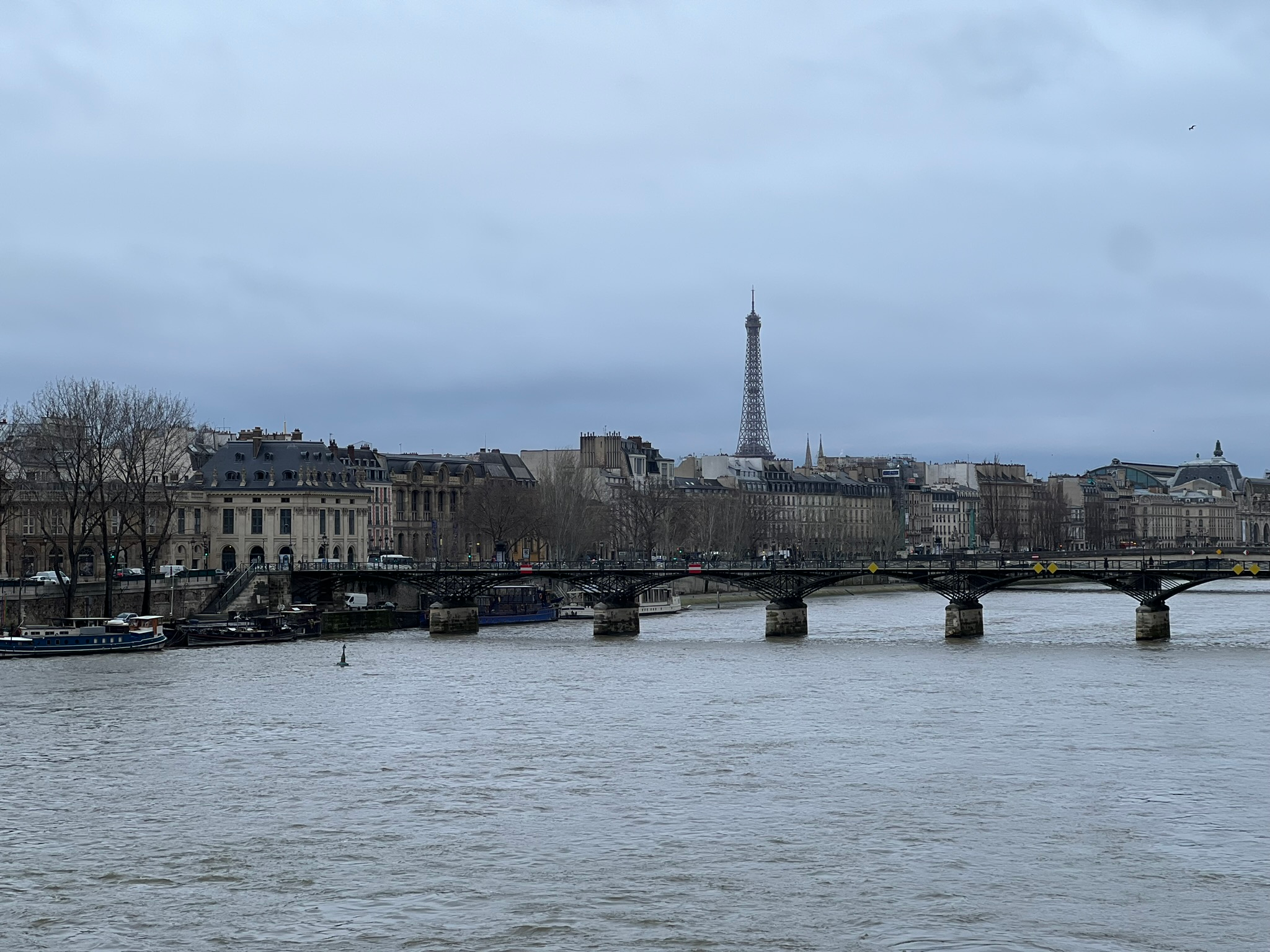
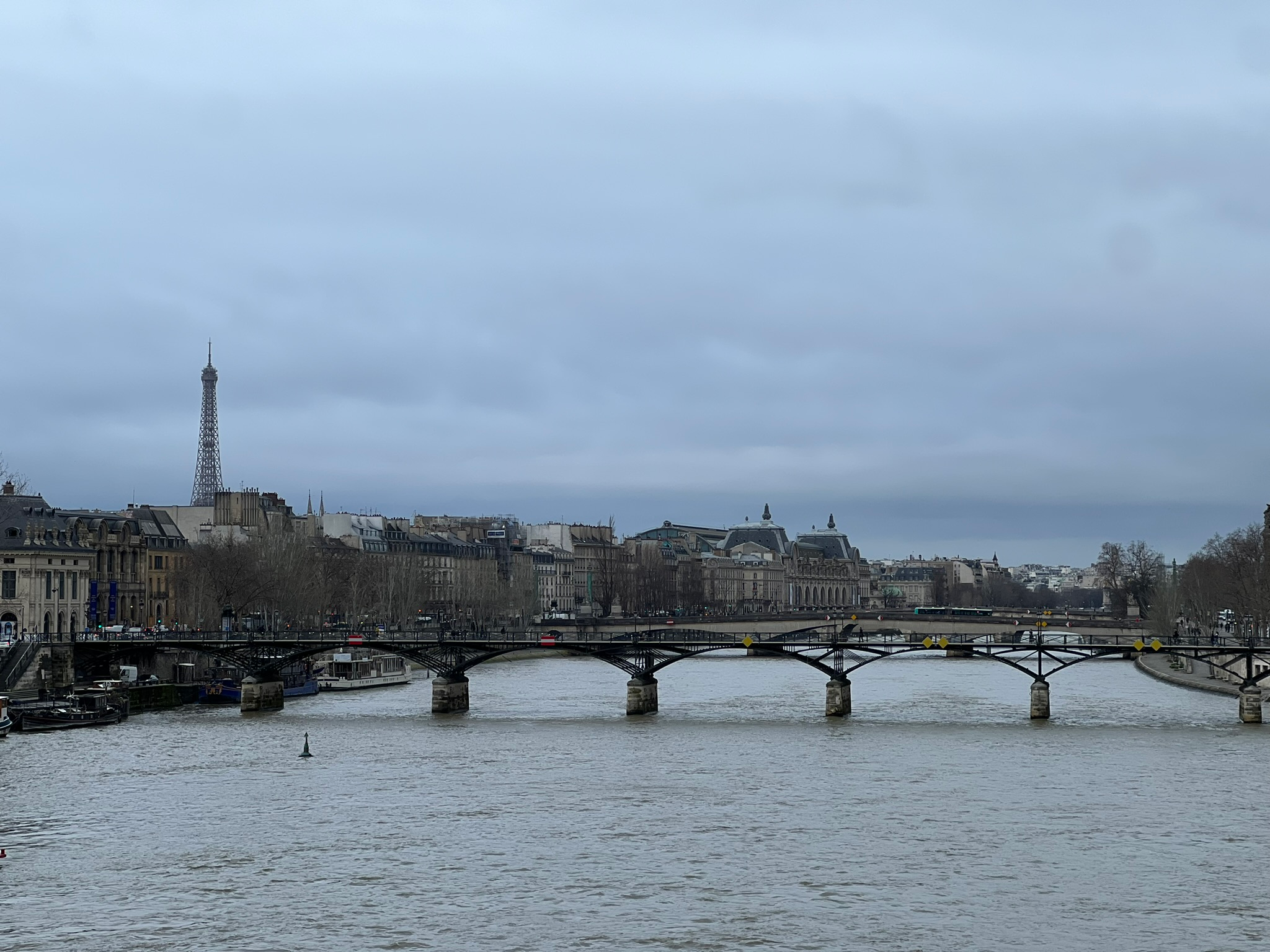
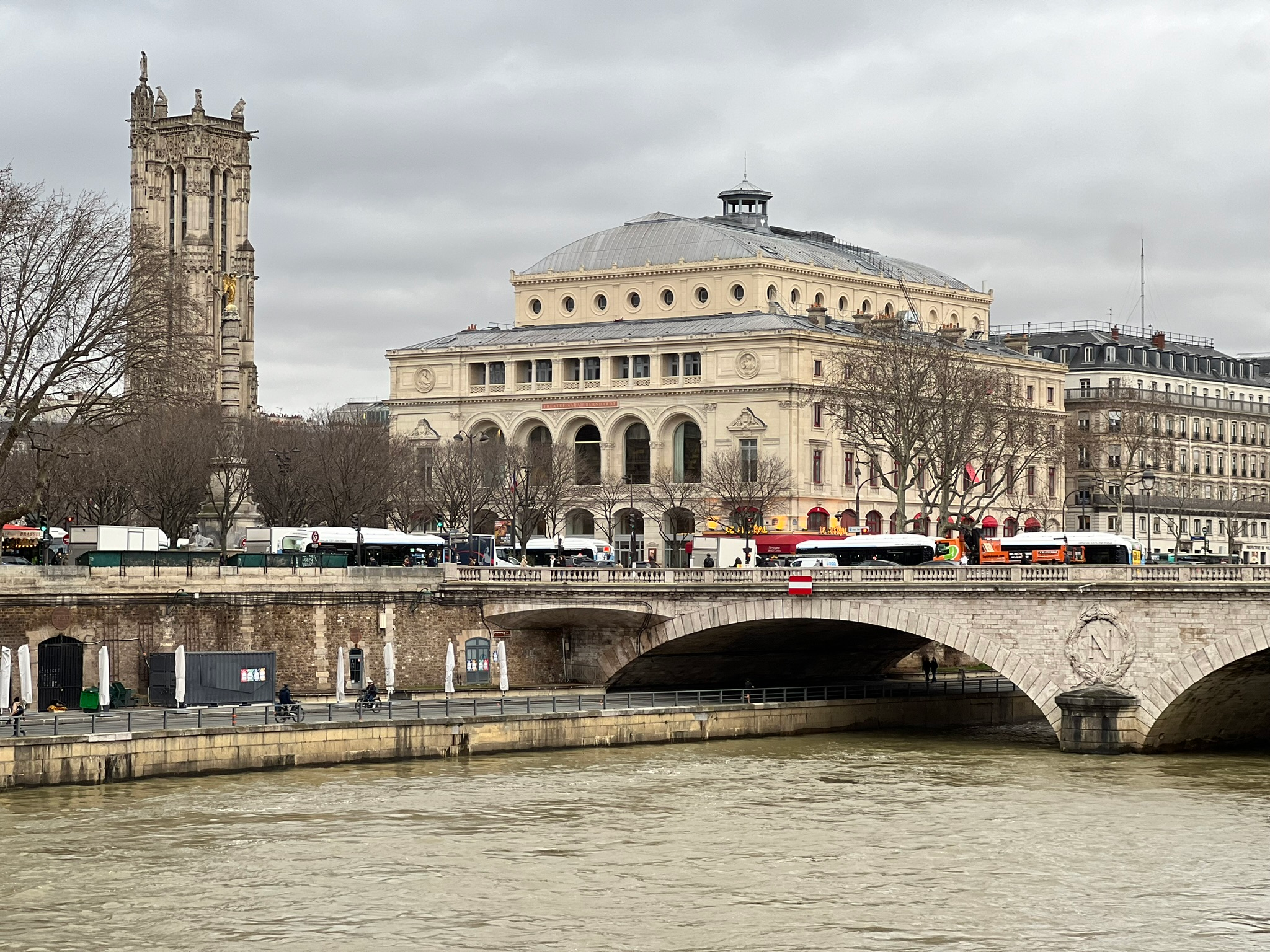
And so, I found myself in the heart of Paris – both geographically and historically. Crossing Pont Neuf, I felt as if everything was right with the world: the crisp winter cold, the bare brown trees, the murky green Seine and the old, picturesque buildings.
Ah… to be out and about on my own, exploring and wandering around aimlessly. As much as I like to plan, there’s also something so freeing about just going wherever the road takes you. And that’s practically how I explored Île de la Cité.
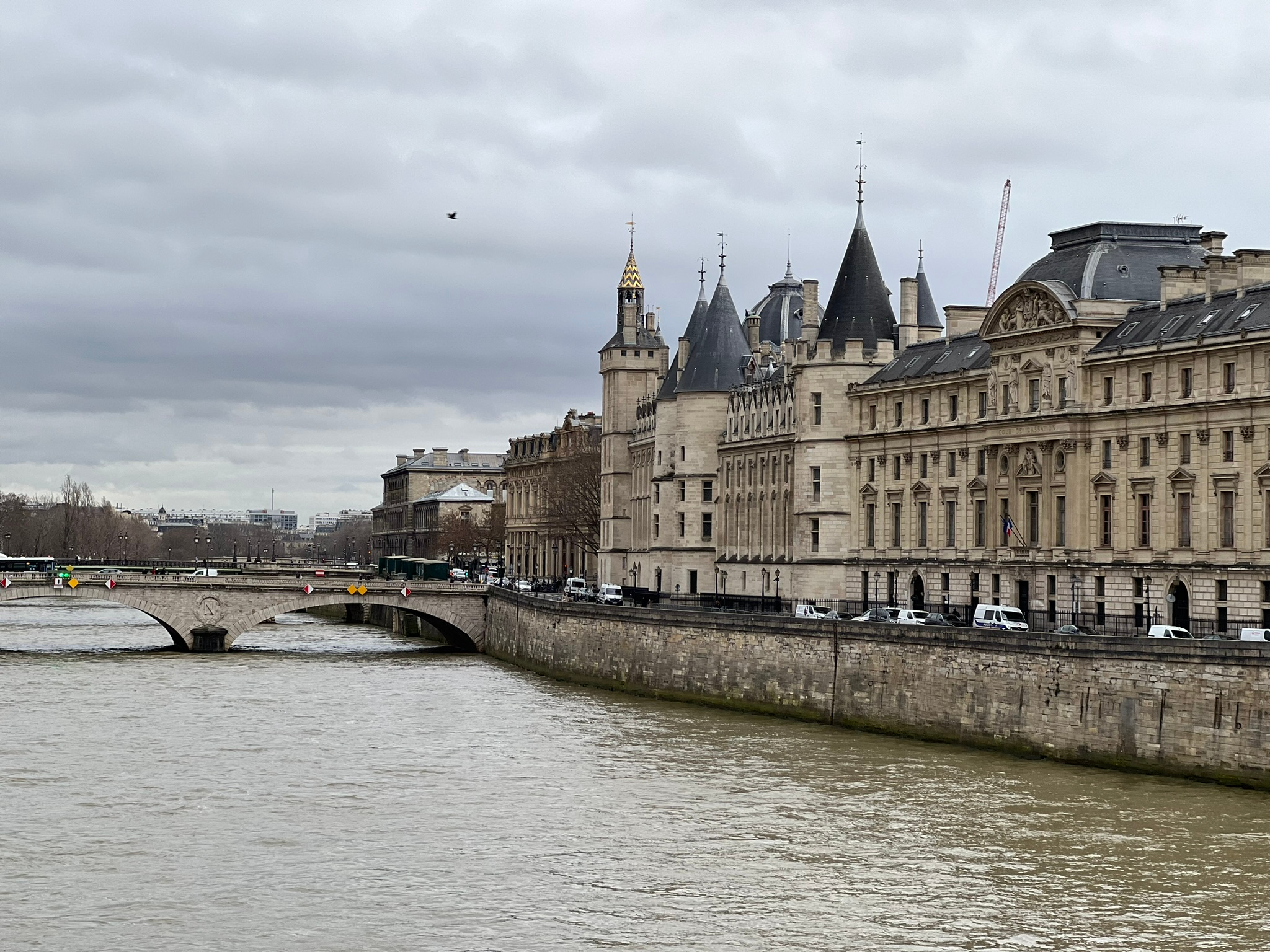
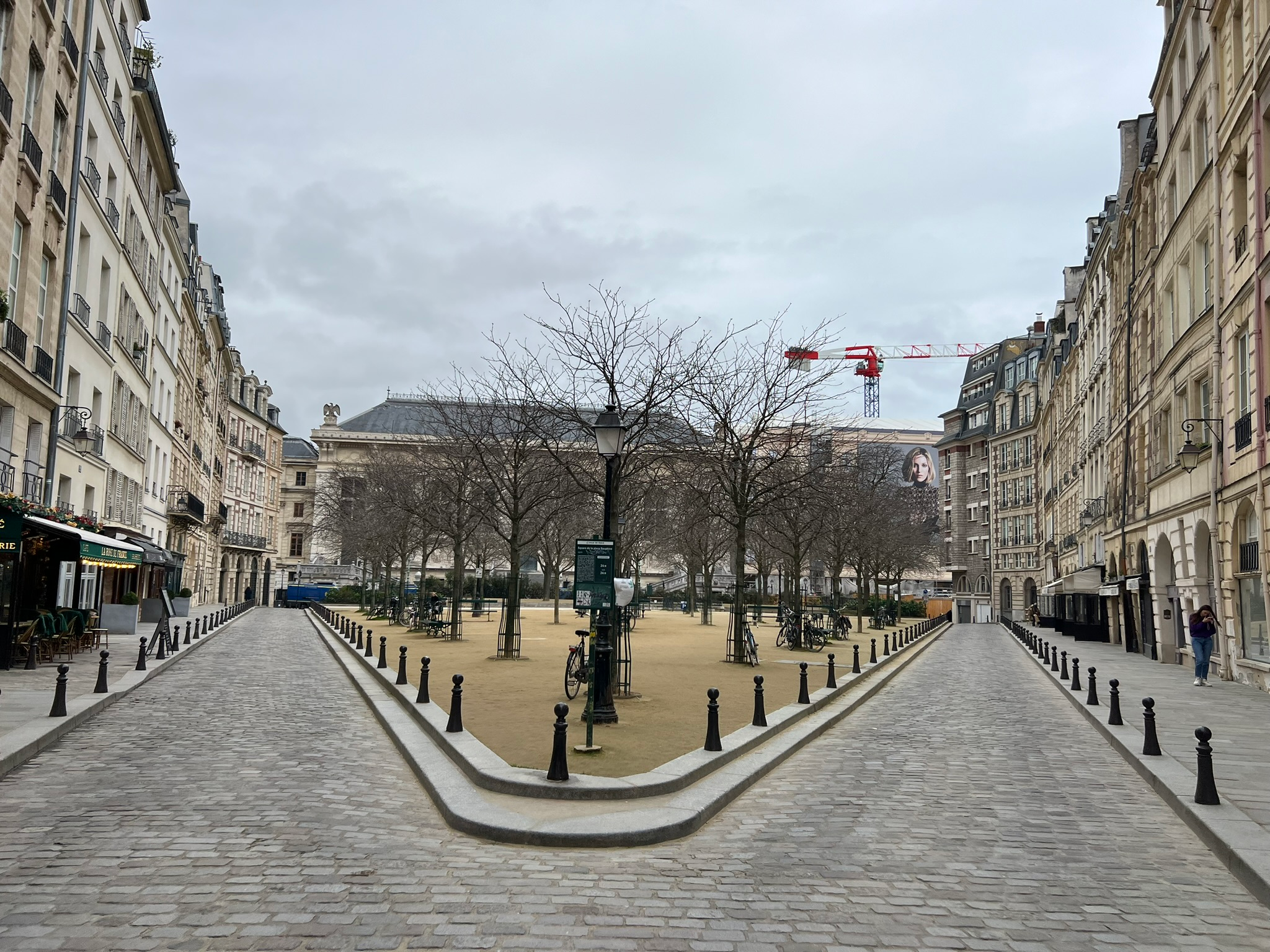
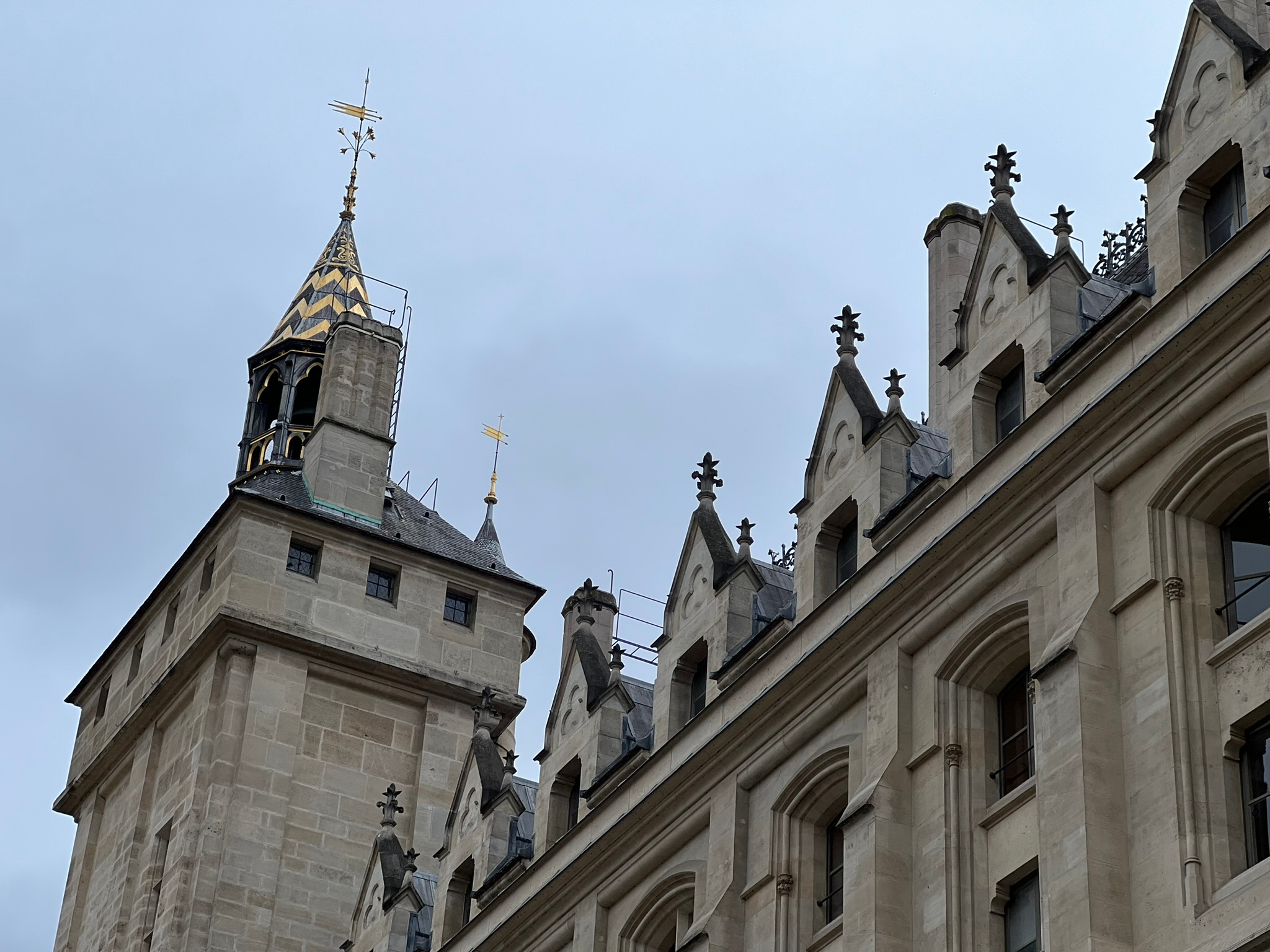
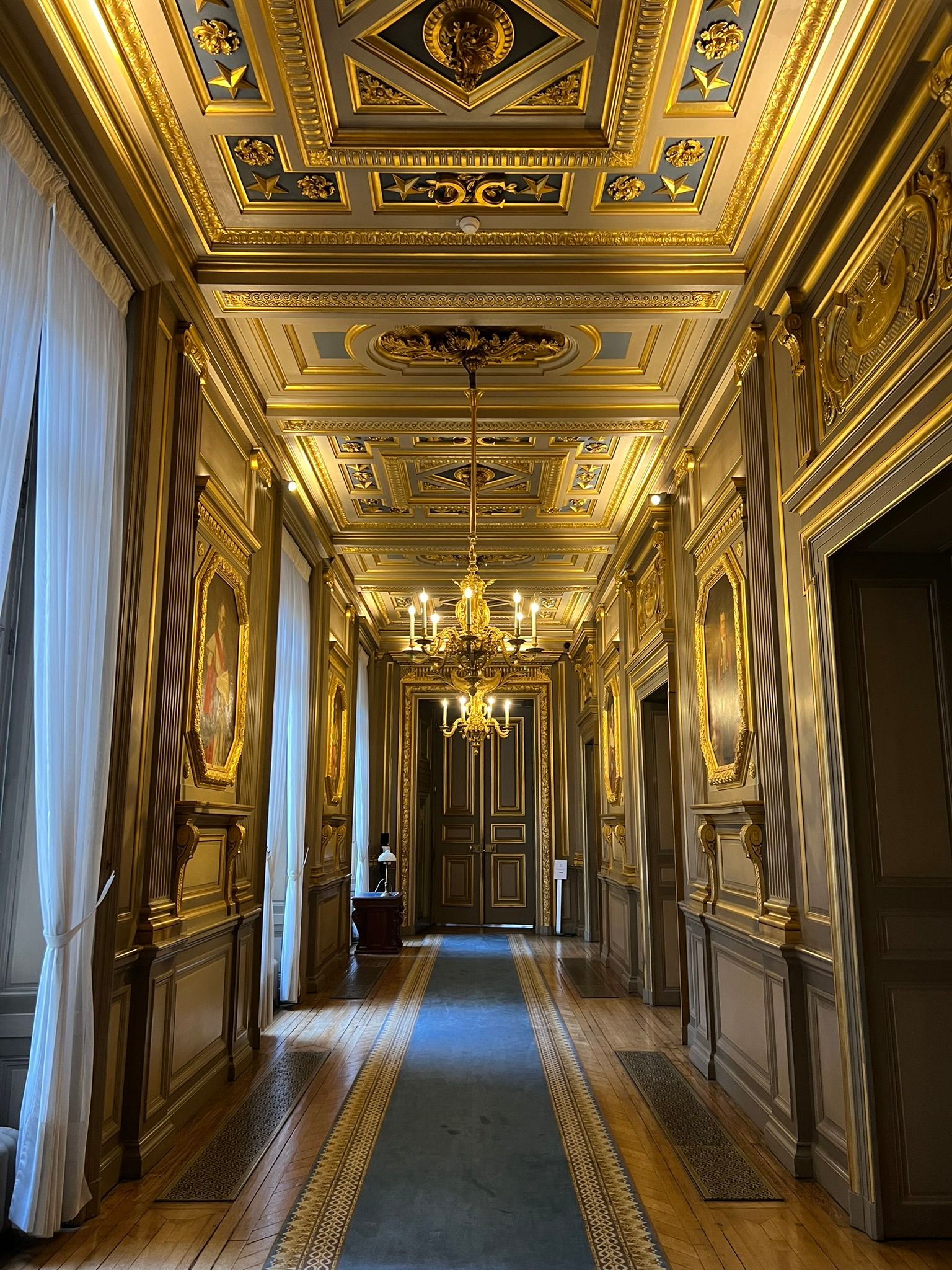
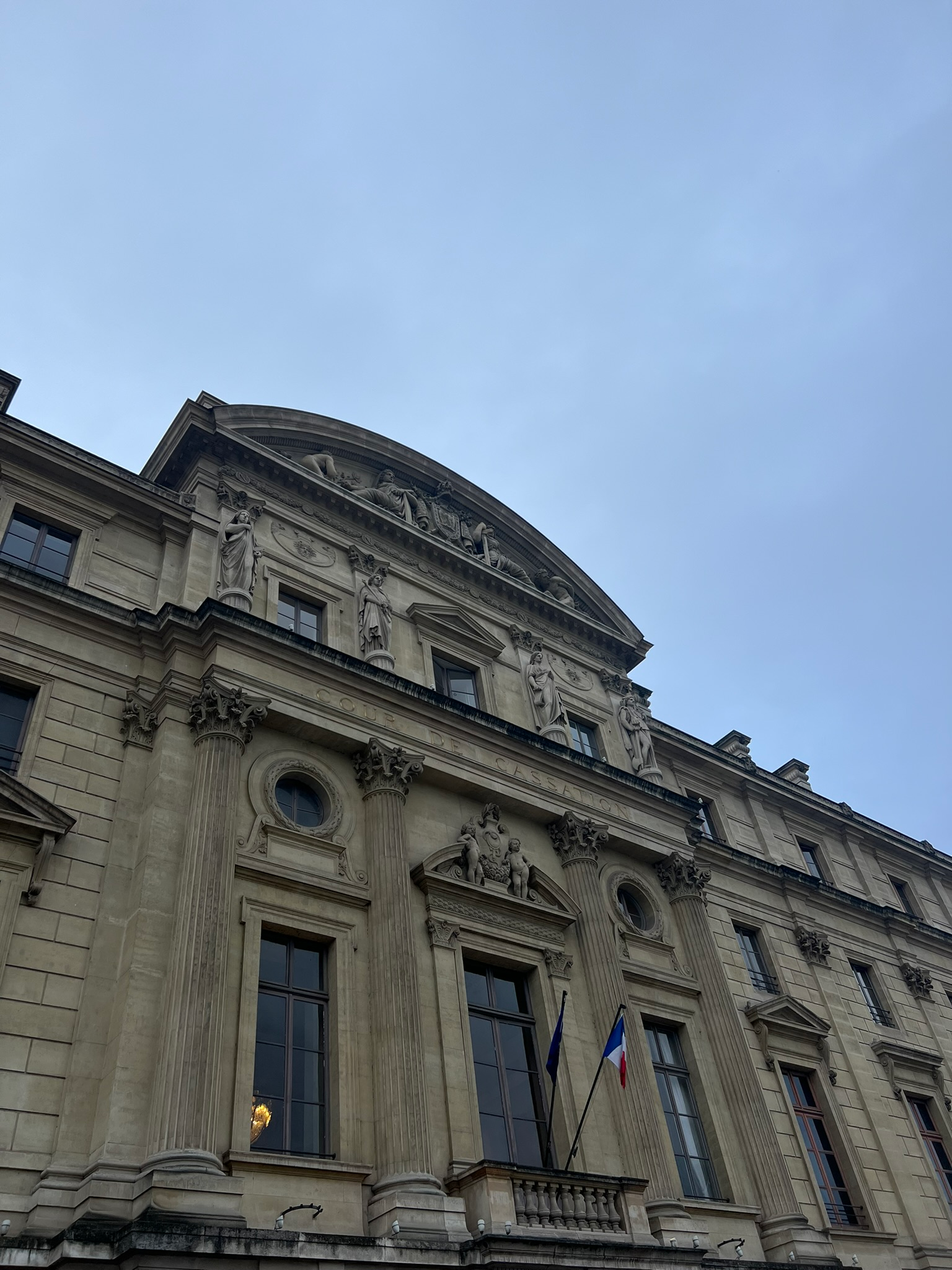
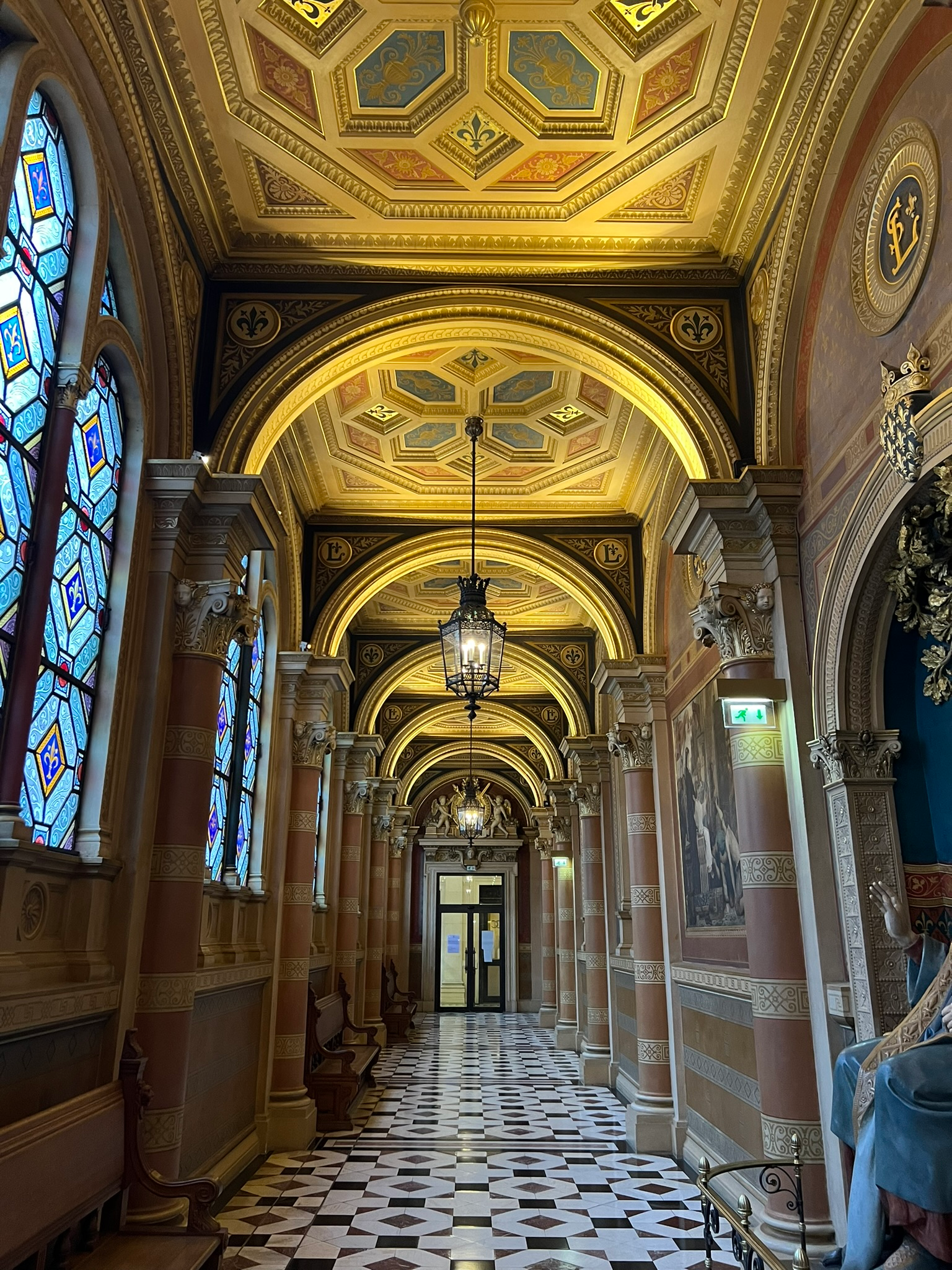
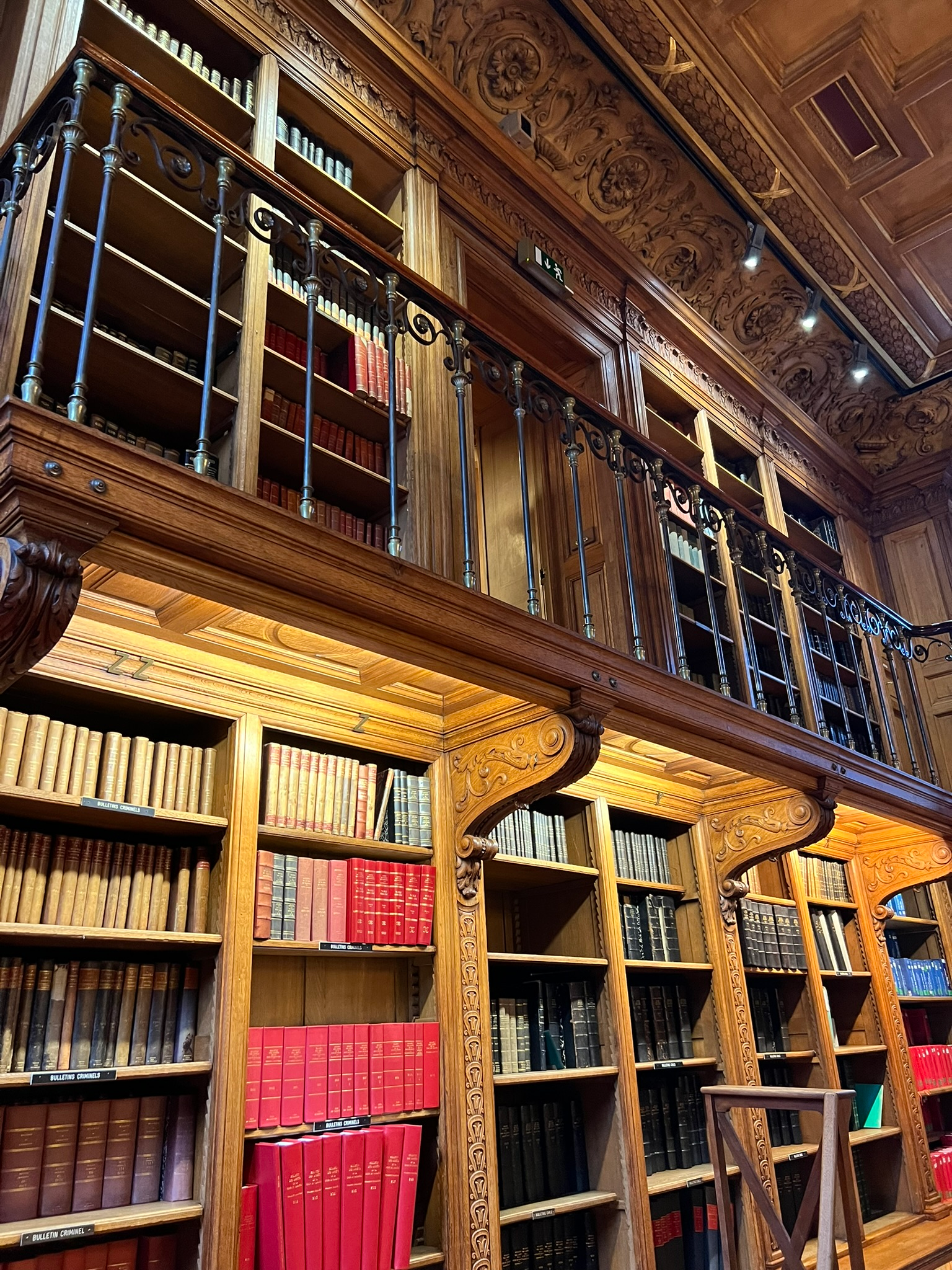
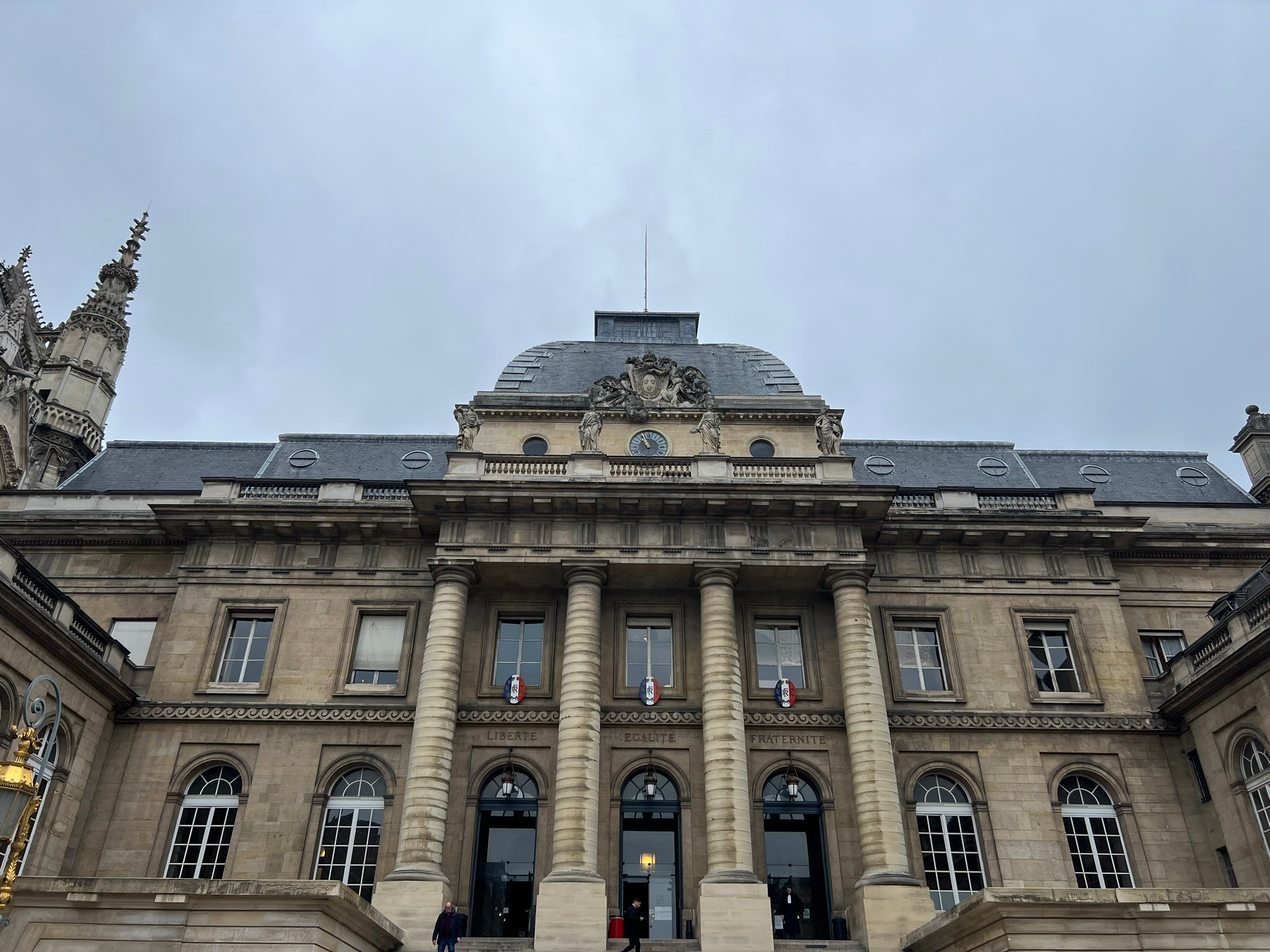
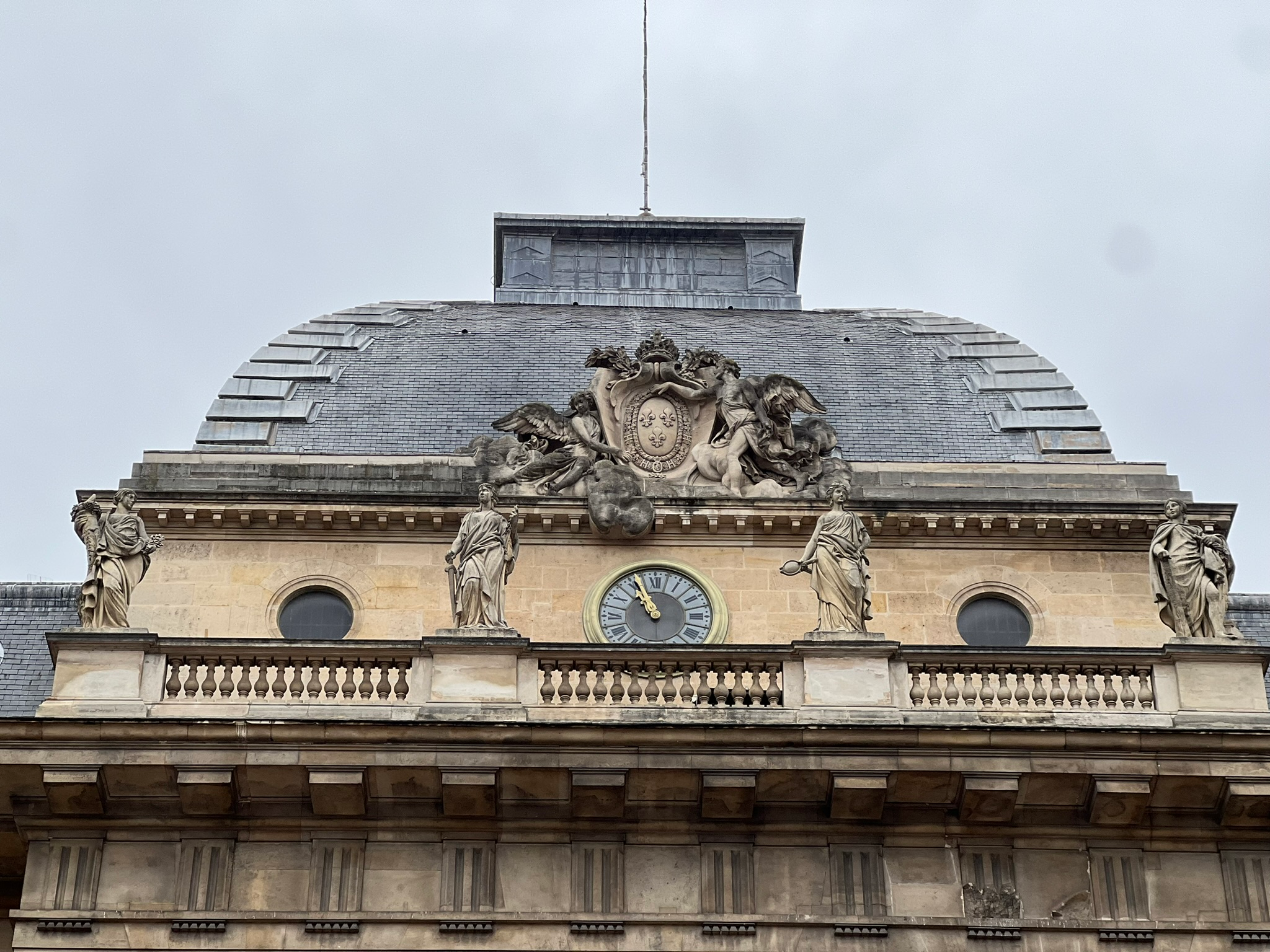
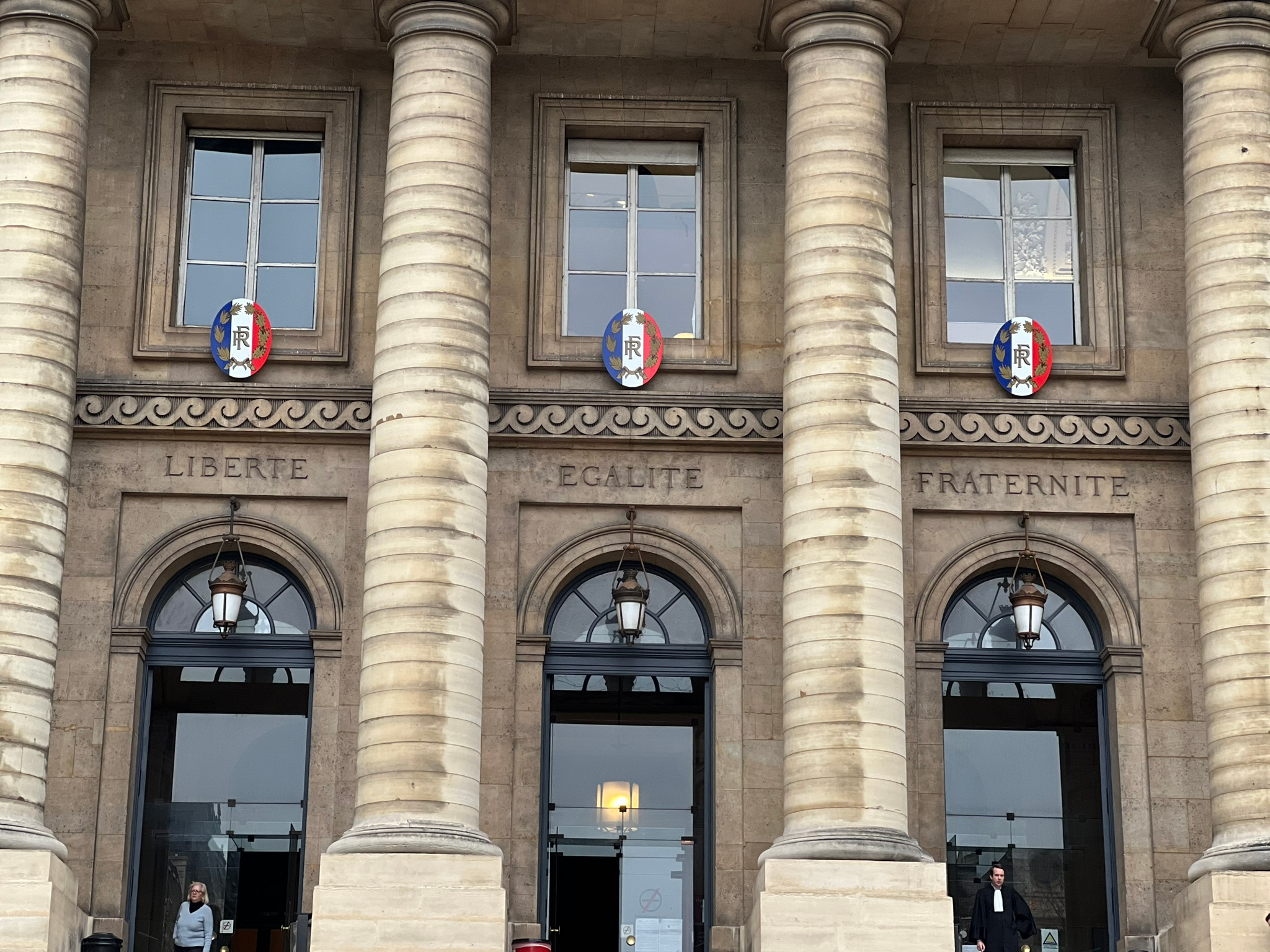
First up was Place Dauphine, a triangular square (oxymoron?) featuring a small garden and, nearby, the equestrian statue of Henri IV, the king who had commissioned both the square and Pont Neuf. Then, as I strolled along the riverbank, an old friend of mine who happened to work on the island hit me up on Instagram and gave me a brief tour of the Court of Cassation – France’s highest court for civil and criminal cases – a gorgeous building with the most exquisite interior design. Its back door led us to the Palais de Justice, its entrance one of the most intricate golden gateways I’ve ever seen.
Oh, serendipity… The entire complex, my friend explained, forms part of the historic Palais de la Cité, the former royal palace and seat of power on Île de la Cité.
Sainte-Chapelle and the Walls of Light
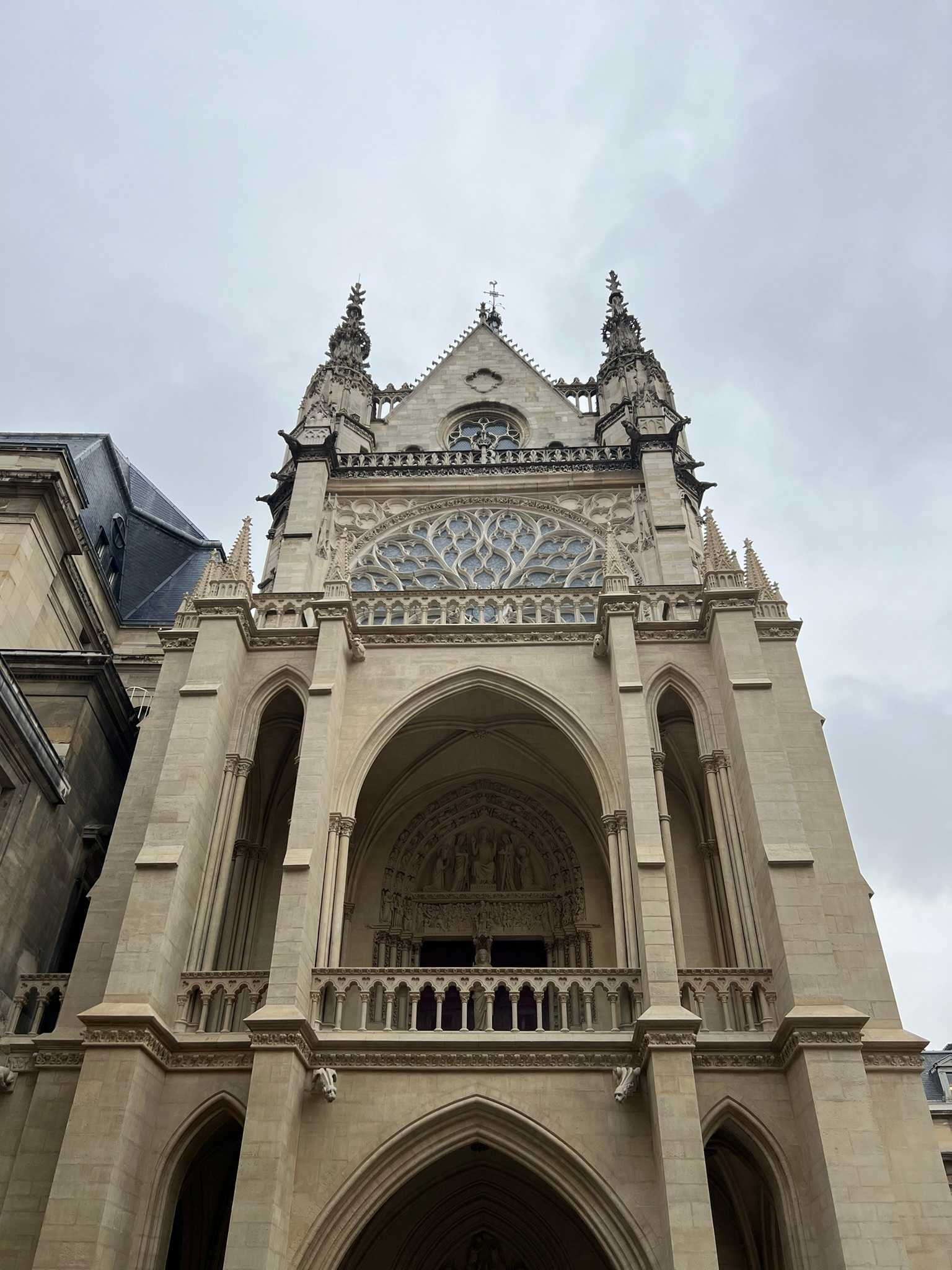
Apart from the Court of Cassation and the Palais de Justice, the complex also includes other significant historic sites, such as the Conciergerie, a former palace-turned-prison, and the medieval royal chapel of Sainte-Chapelle.
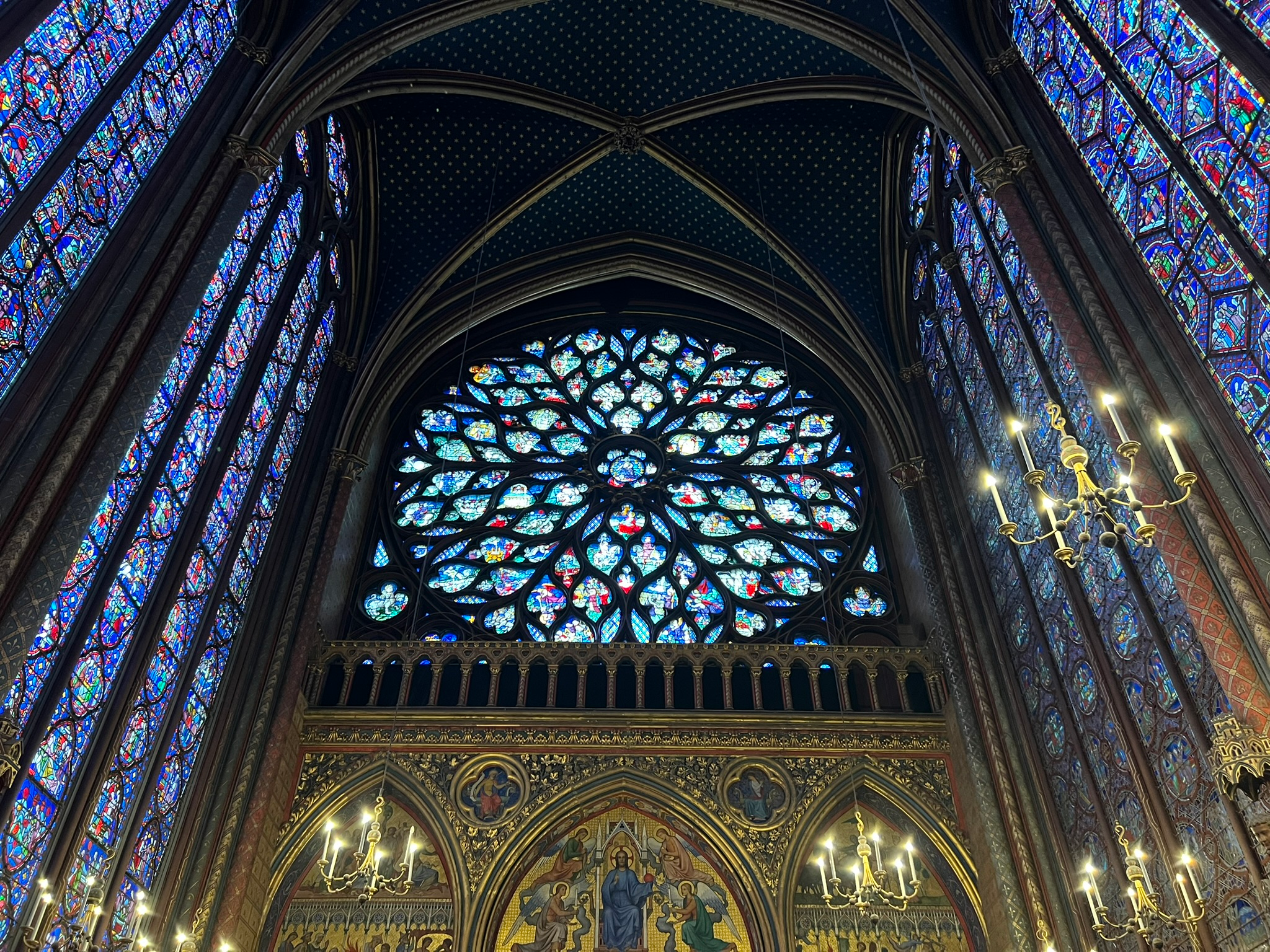
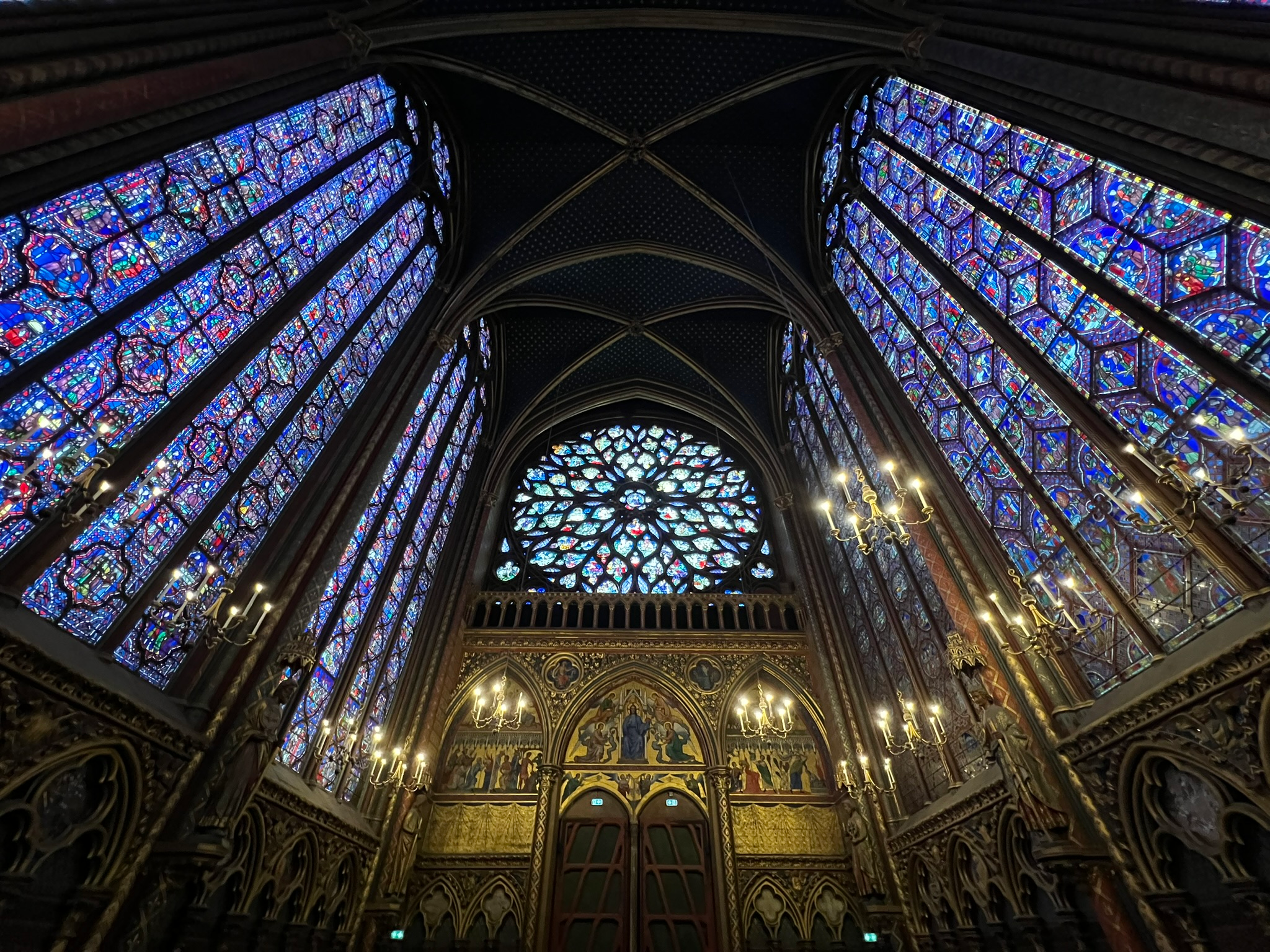
A masterpiece of Gothic architecture, Sainte-Chapelle was a royal chapel commissioned in the 13th century by King Louis IX to enshrine various Christian relics of the Passion, including the renowned Crown of Thorns, believed to have been worn by Jesus Christ, and fragments of the True Cross. In fact, the church functioned as a grand and sacred reliquary, built both to honour these holy relics and to highlight the divine right of the monarchy. The chapel is considered one of the greatest achievements of the Rayonnant Gothic period, owing above all to its extraordinary stained-glass windows.
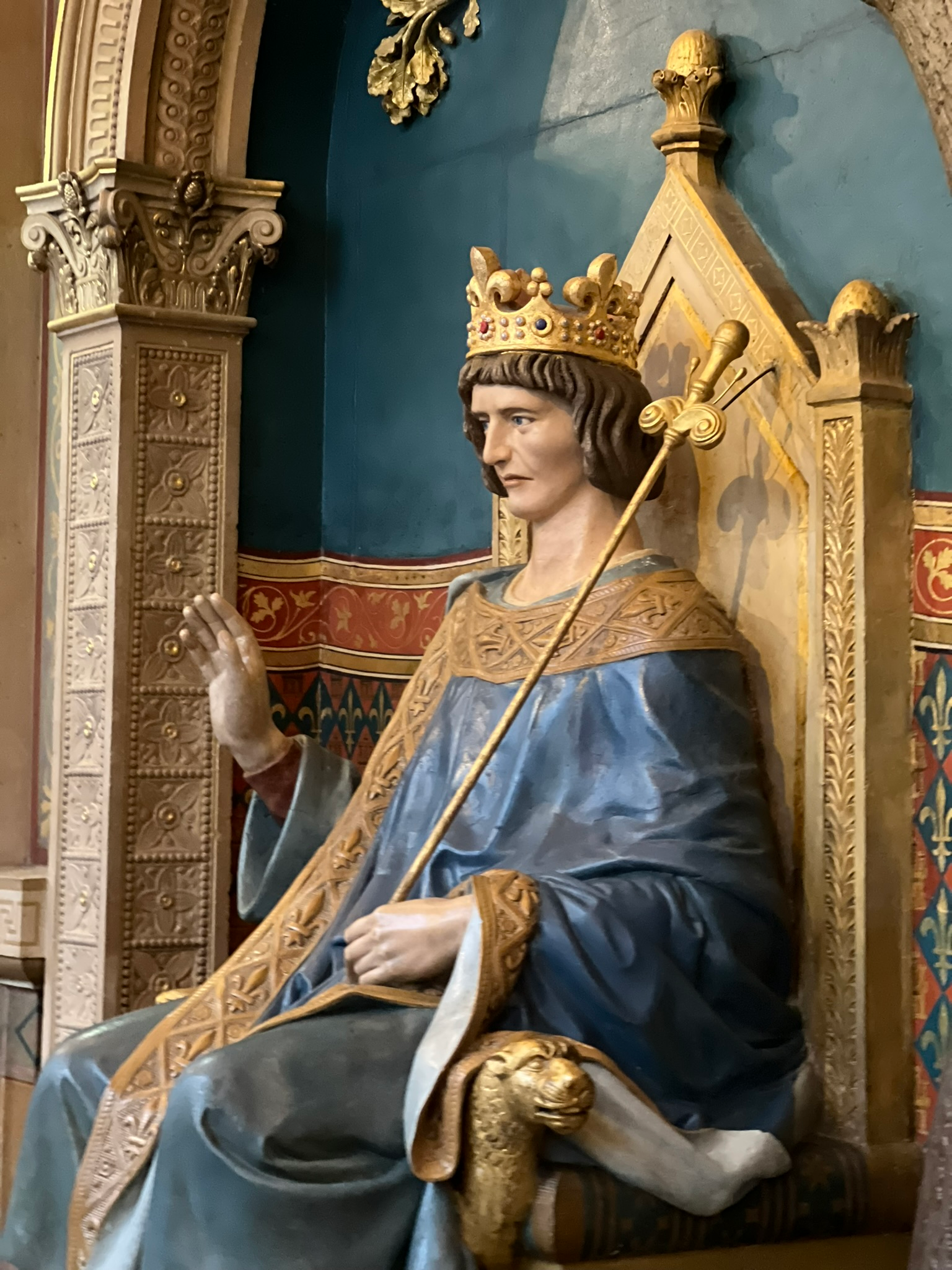
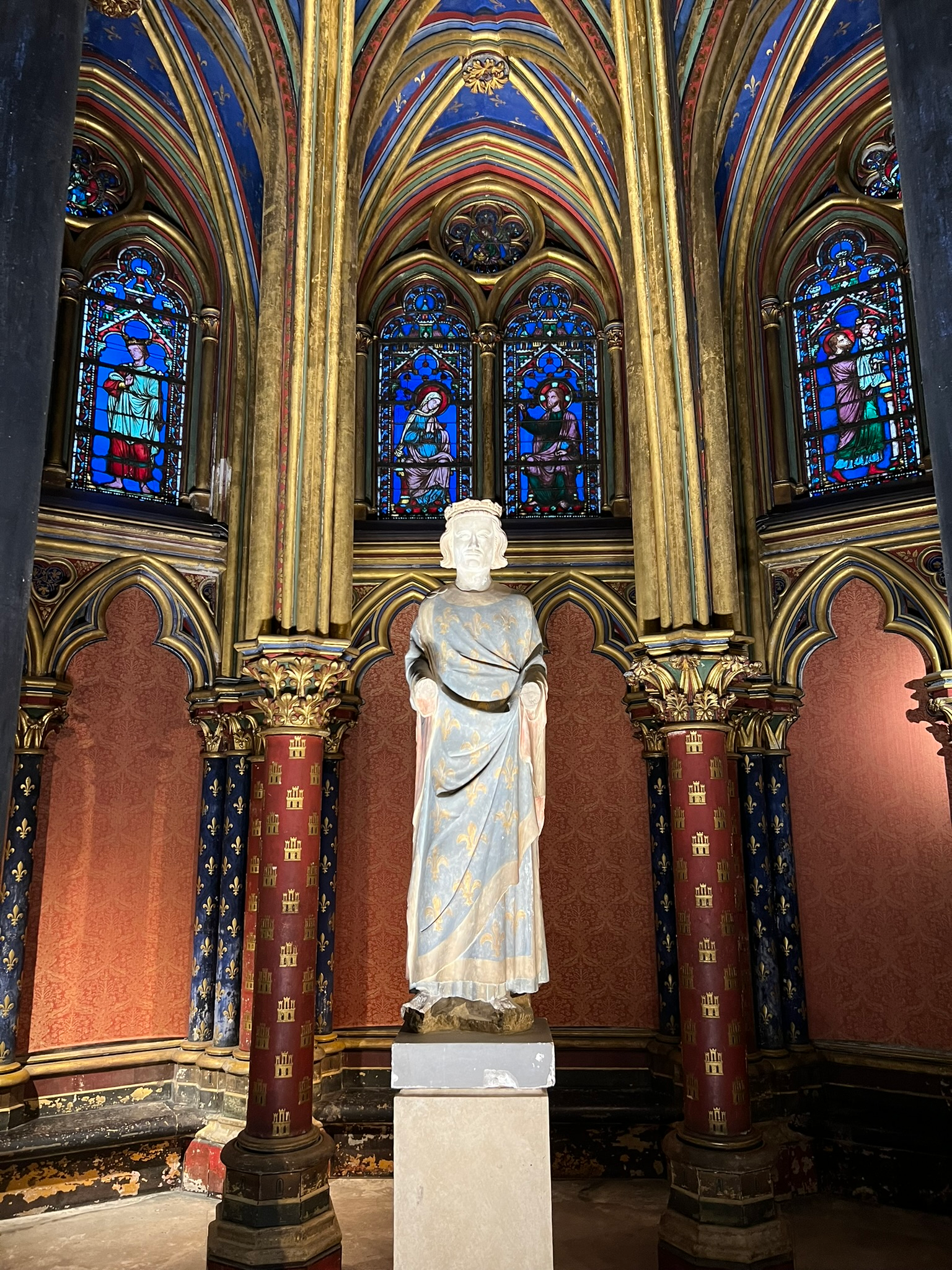
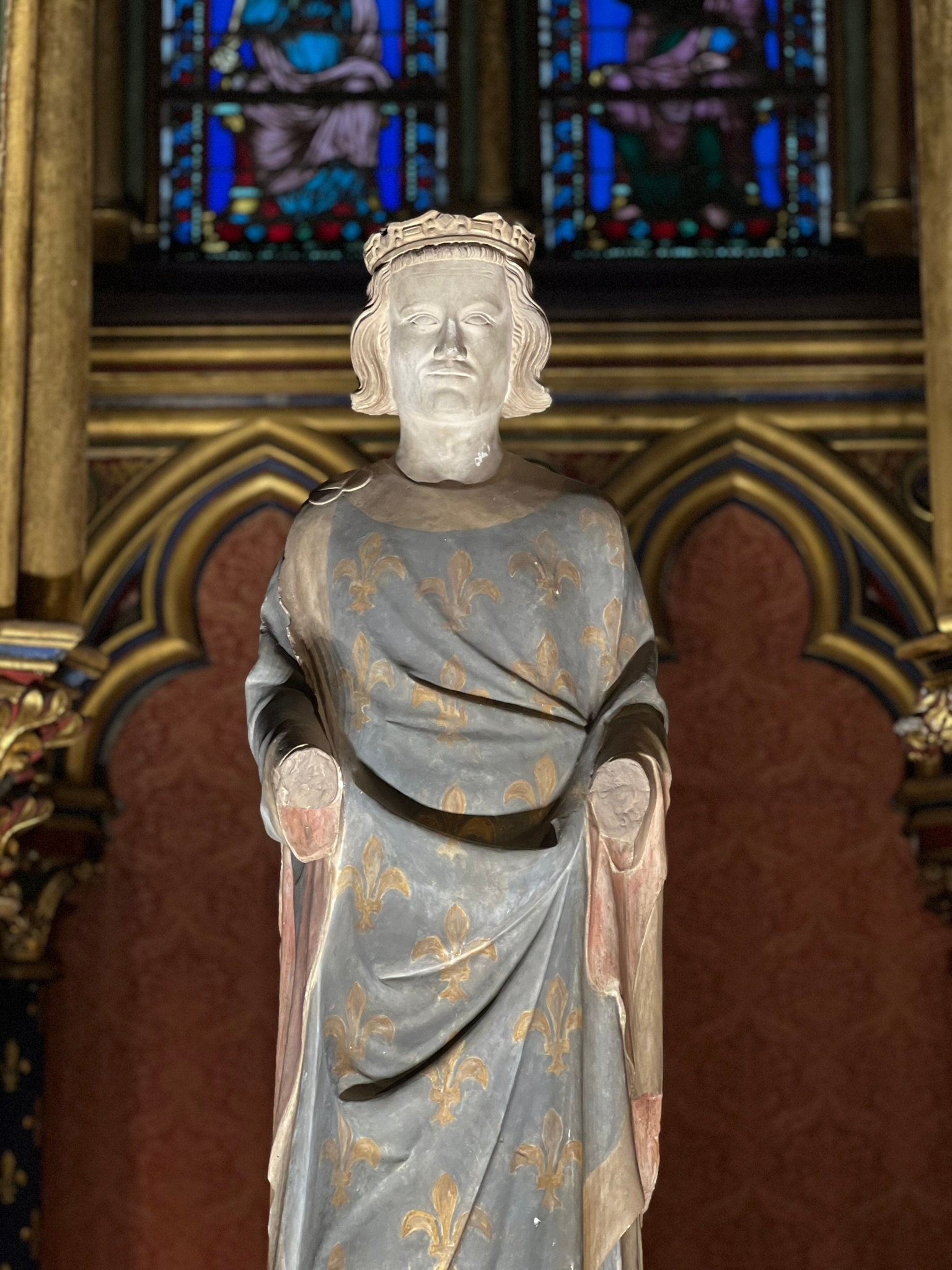
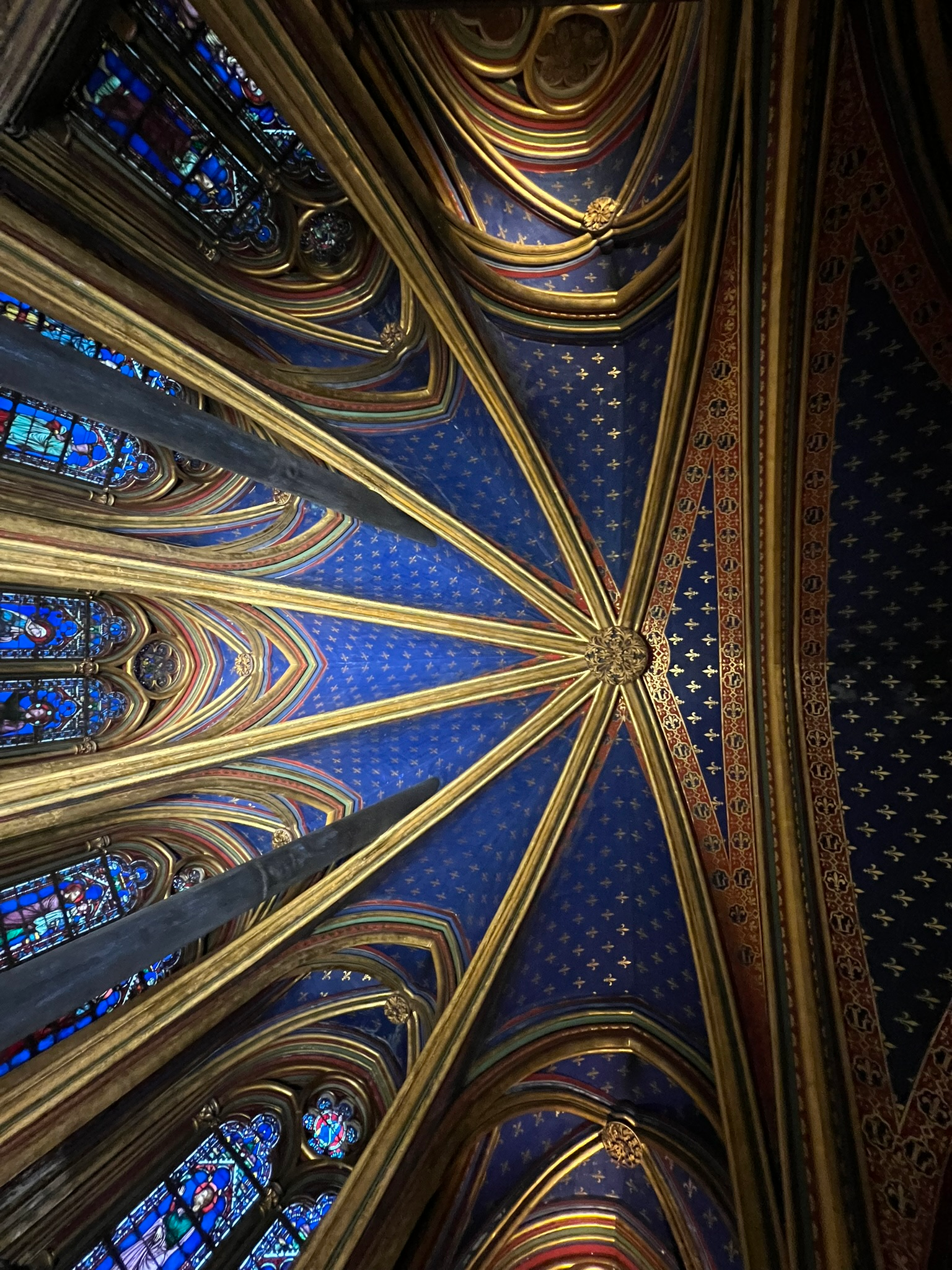
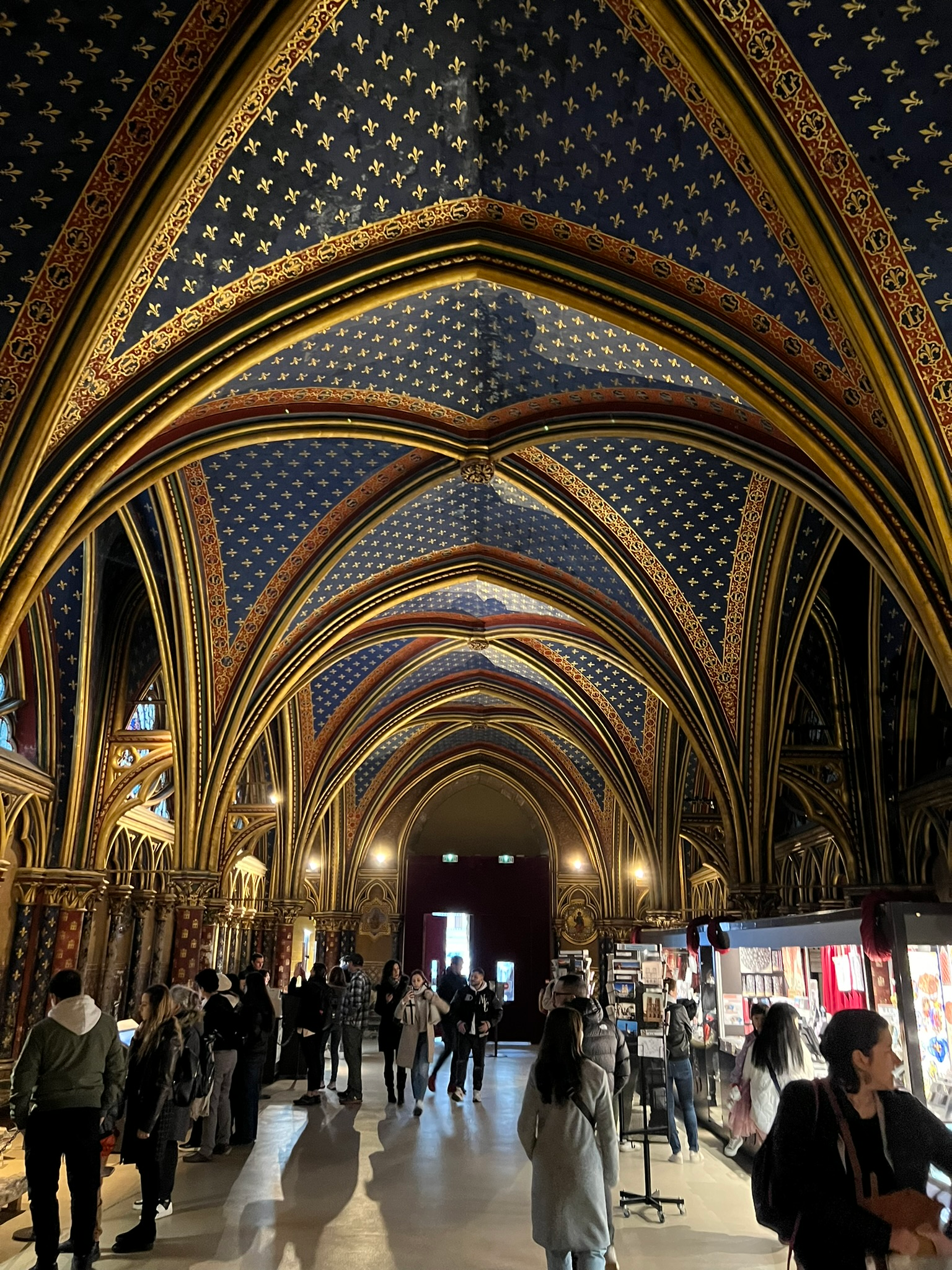
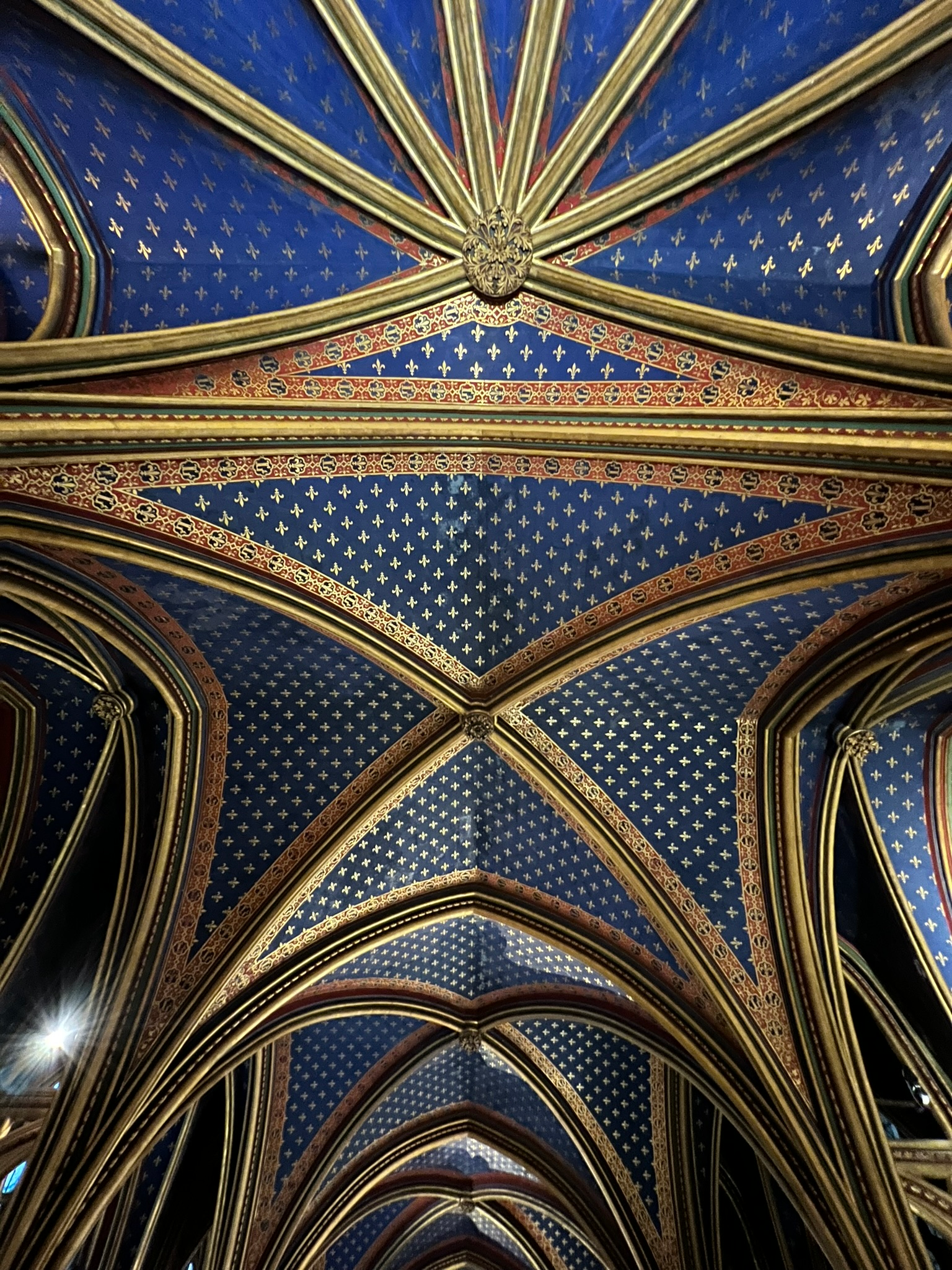
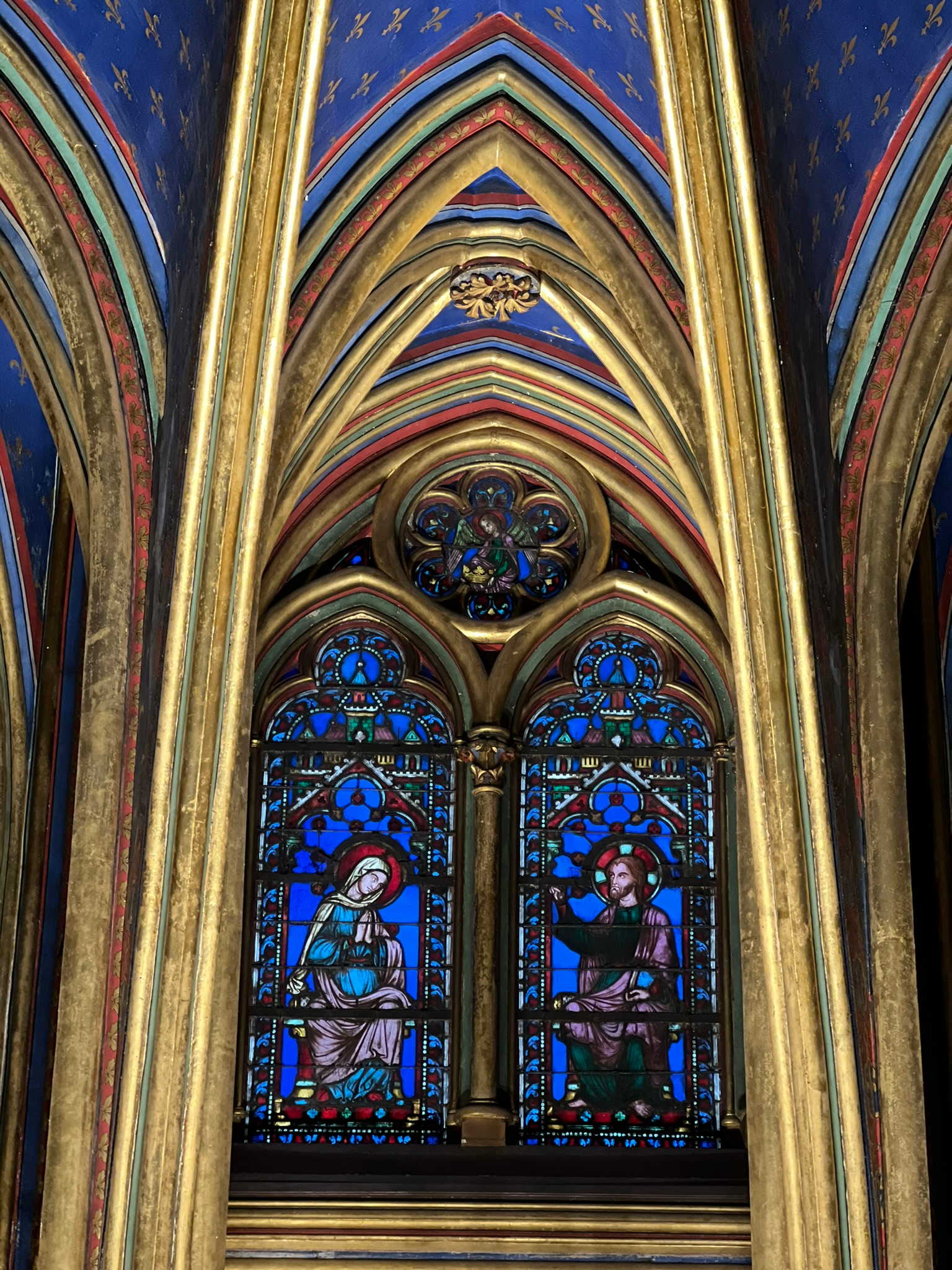
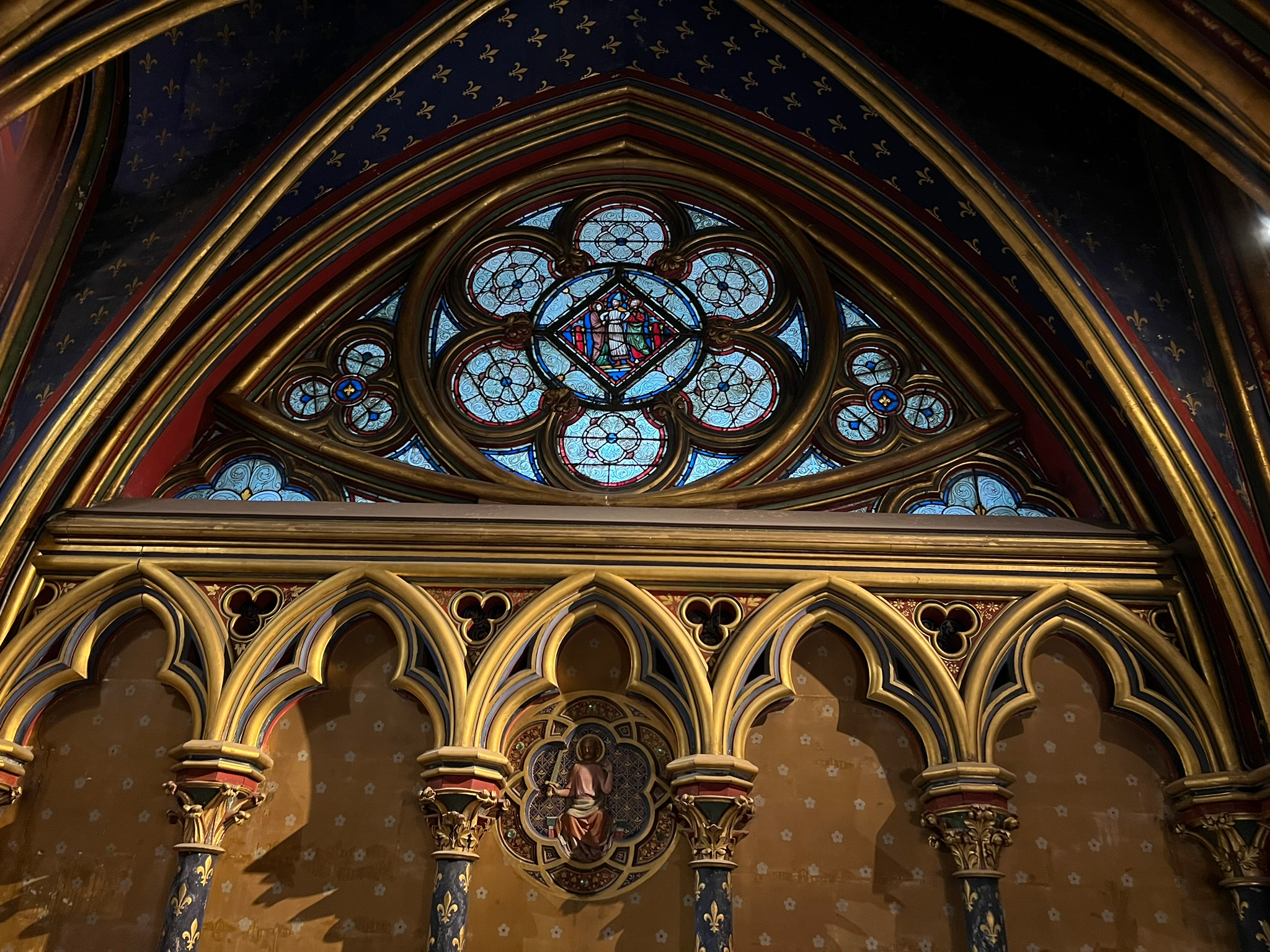
As I entered the chapel, I remember feeling a bit demystified, with the sales booths on the lower level drawing attention away from the church’s grandeur. That said, I could sense that this place was special in one way or another. The lower chapel, dedicated to the Virgin Mary, was once used by the non-royal inhabitants of the neighbouring royal palace. The painted vaulted ceiling is designed to resemble the night sky, with its deep blue shade peppered with golden fleur-de-lis, the symbol of French royalty, appearing like stars. The red and gold painted arches connect to numerous columns that support the ceiling, once again displaying the fleur-de-lis, as well as stylised castles representing the Castilian heritage of Louis IX’s mother, Blanche of Castile. At the base stands a statue of Louis IX.
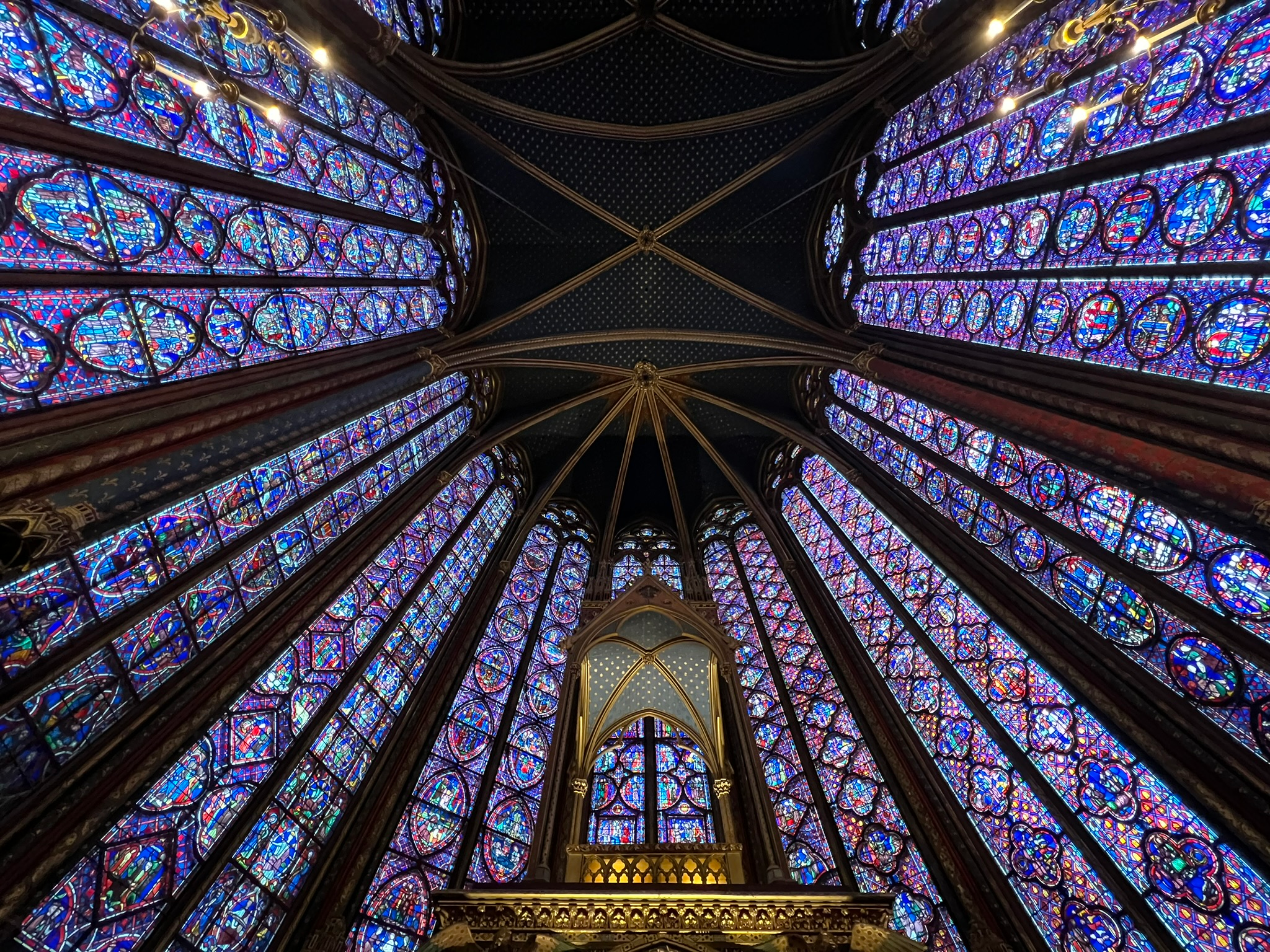
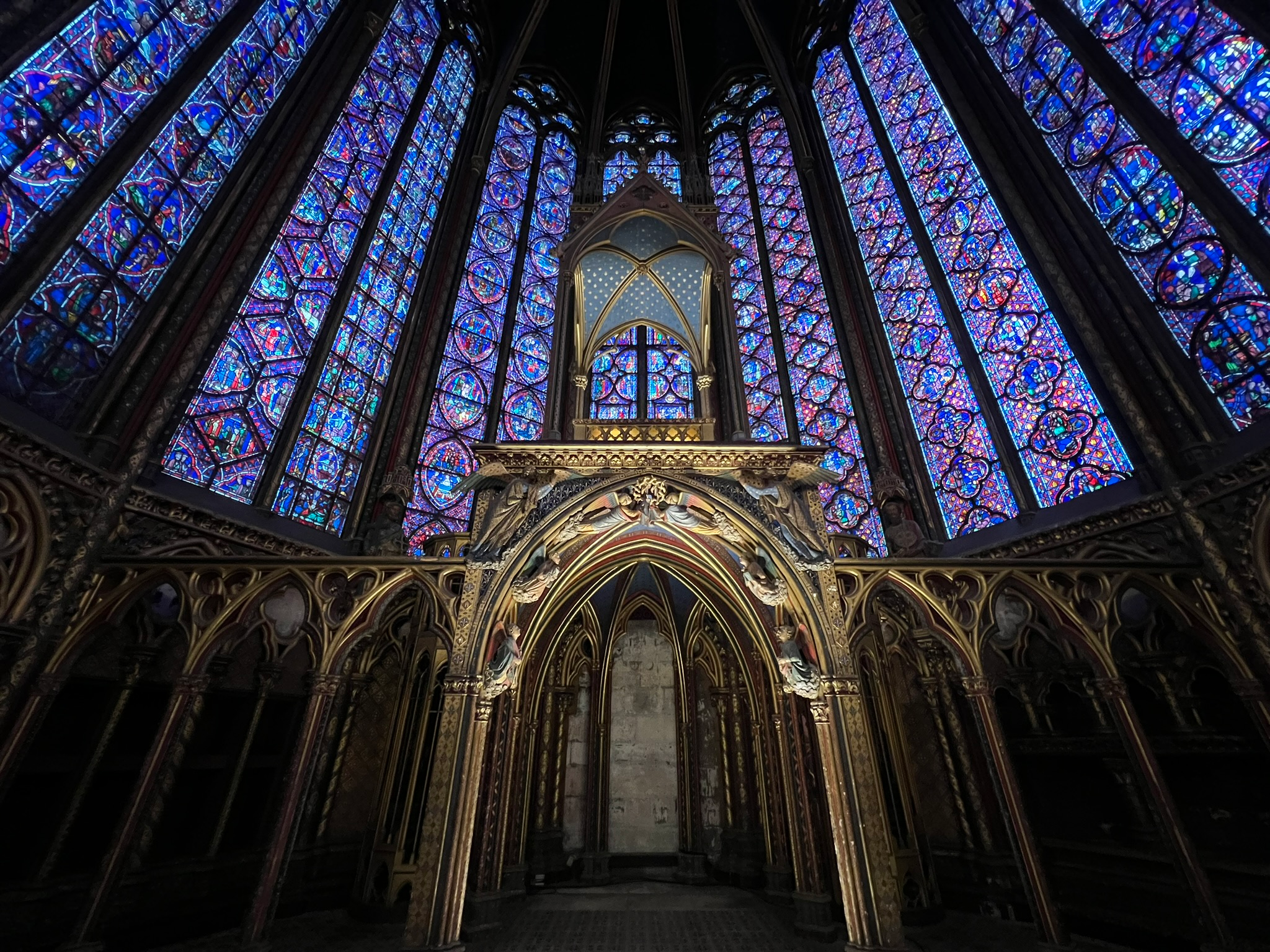
As mesmerised as I was by the lower chapel, let’s just say it pales in comparison to the upper one. As I ascended the narrow stairway, I had no idea what to expect. There, right in front of me, was one of the most beautiful, most magnificent sights I had ever seen. I was awestruck.
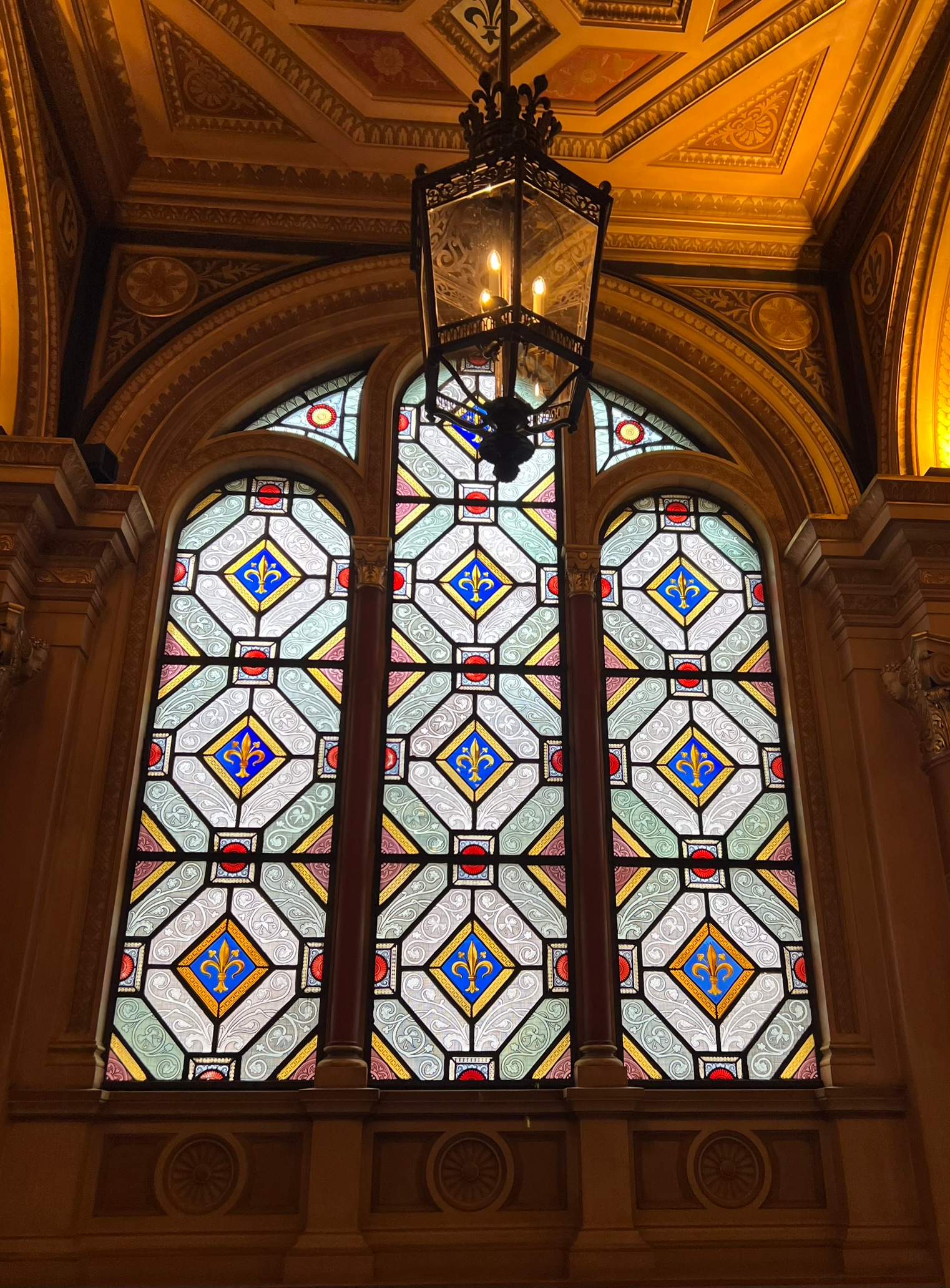
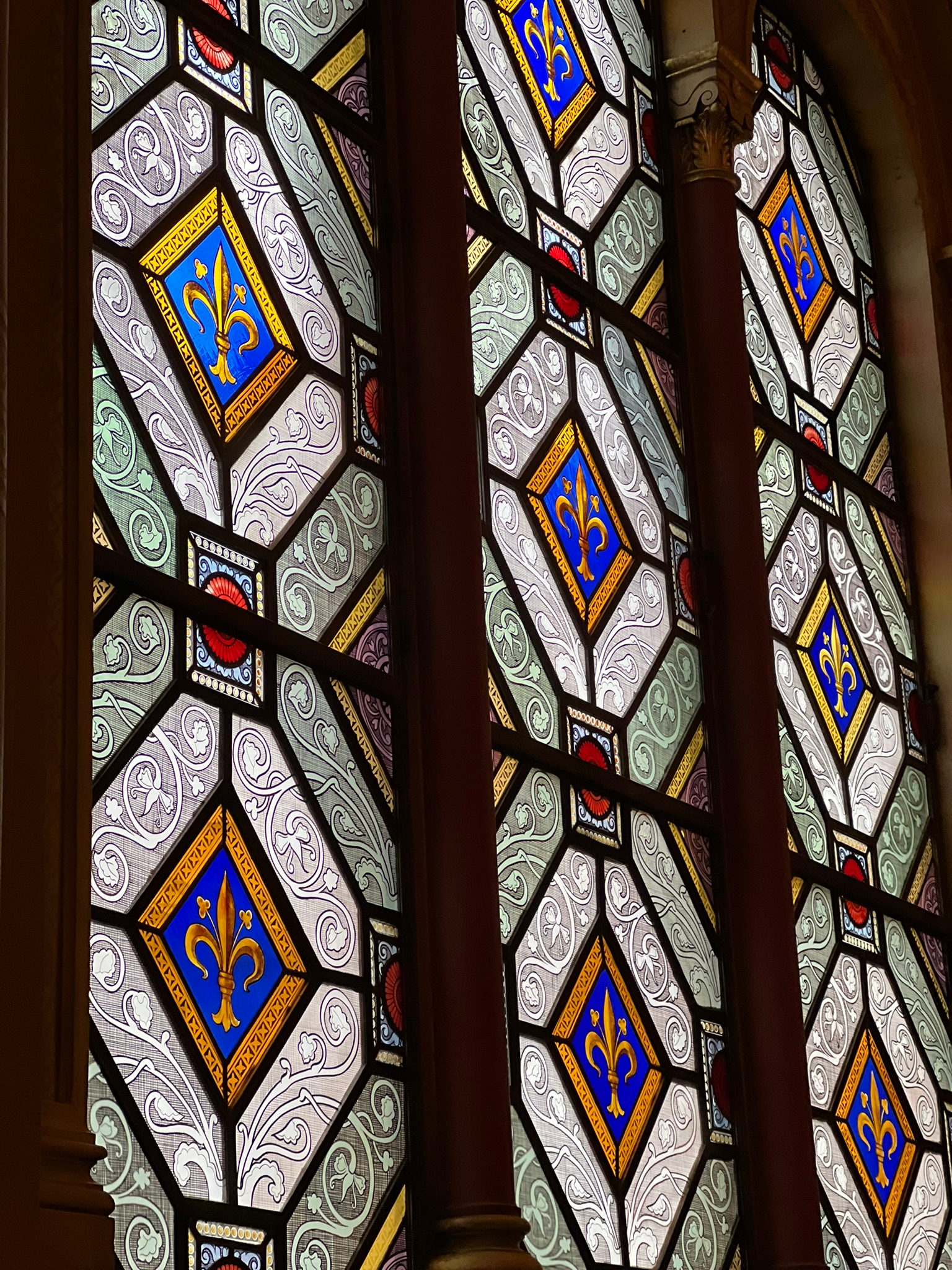
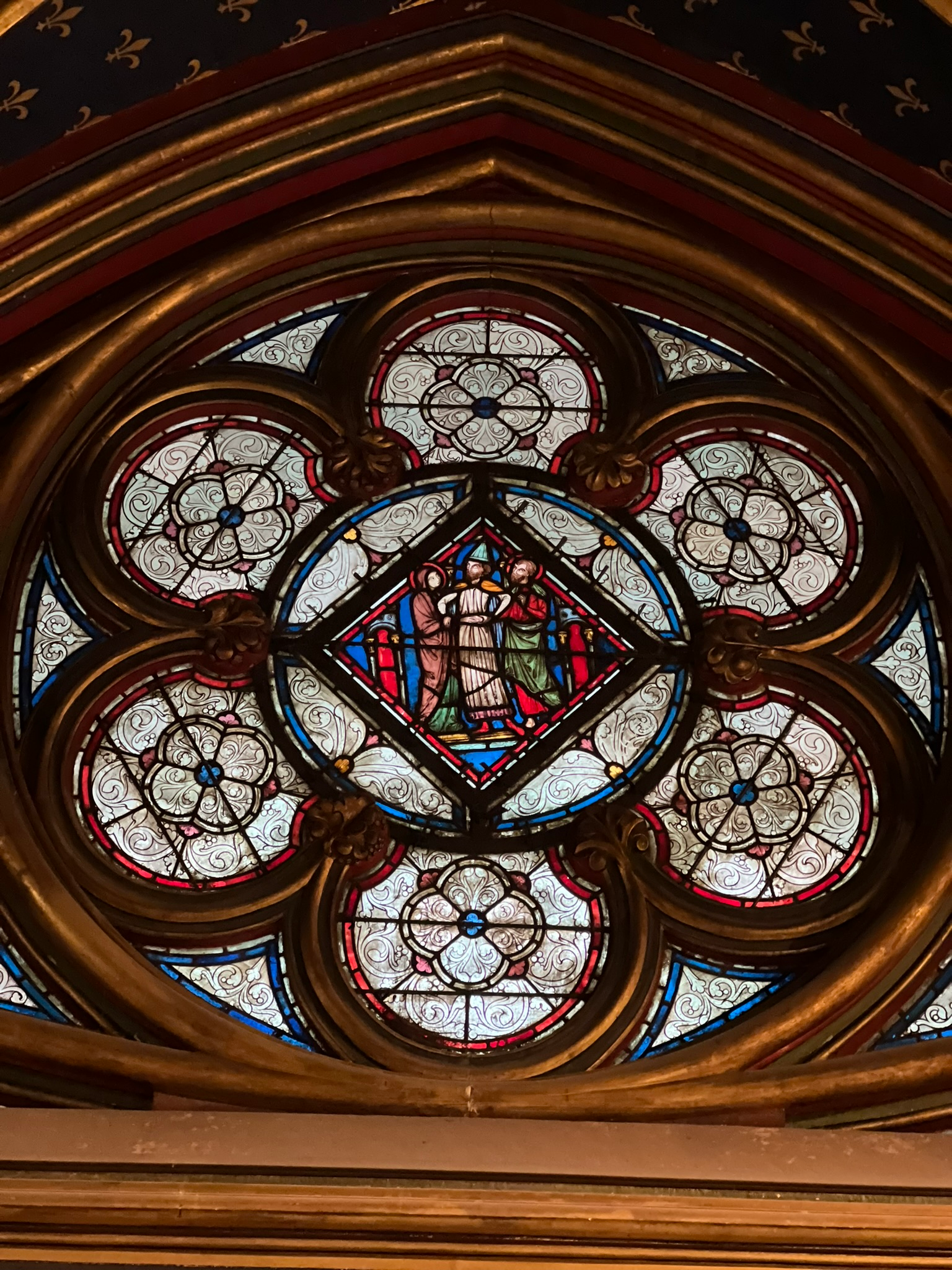
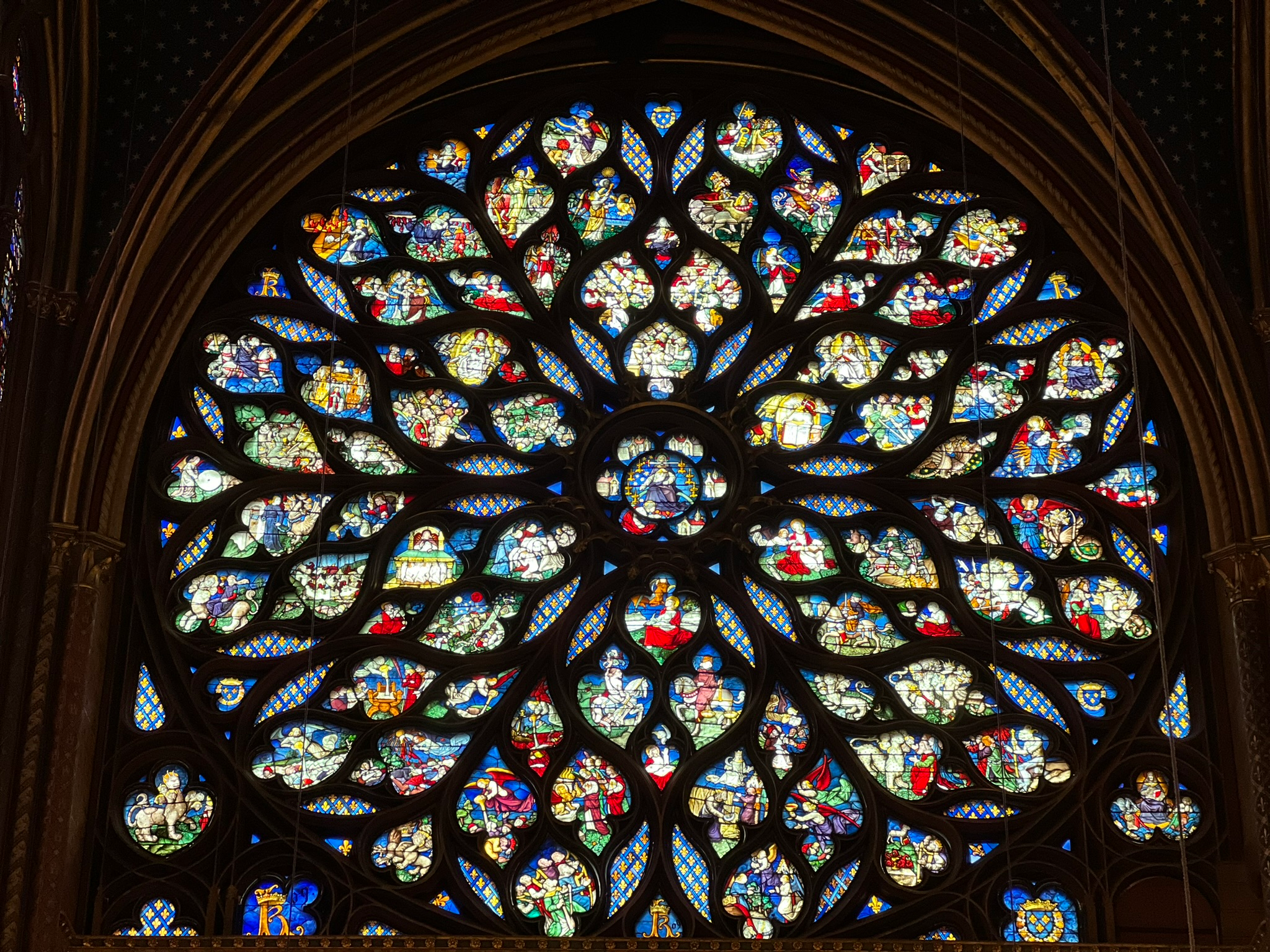
Fifteen soaring stained-glass windows, each around 15 metres tall, depict over 1,100 biblical scenes, from Genesis to the Passion and Resurrection of Christ. Most impressive of all, perhaps, is the rose window at the west end. Slender columns separate each window, making it seem as if the entire level is made of glass. Light filters through them, creating a kaleidoscopic glow that fills the chapel – one of the most breathtaking interiors in Europe.
Along the walls, between the windows, are statues of the Twelve Apostles, each placed atop ornate pedestals and beneath canopies, standing as guardians of the sacred relics. The roof, like that of the lower level, is vaulted and painted deep blue, sprinkled with golden stars. This level served as a royal reliquary and ceremonial space used exclusively by the king and other members of the royal court.
I could hardly believe my eyes as I stood there, admiring every single detail from every possible angle. In all my life, I have visited hundreds, if not thousands, of chapels, churches, cathedrals and basilicas, but to this day, I can honestly say that this was the most beautiful and enchanting of them all.
PART II
The Emperor's Tomb
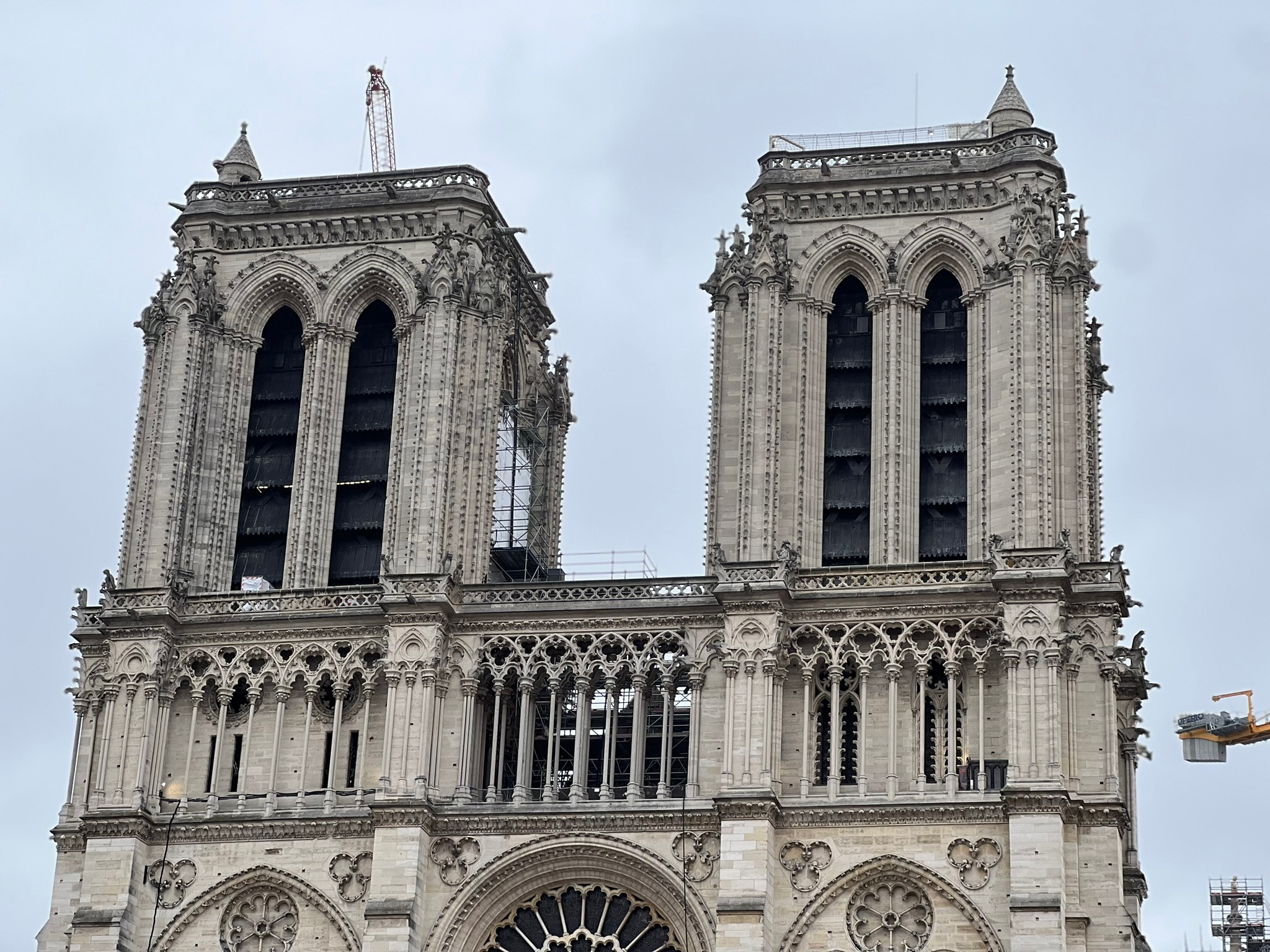
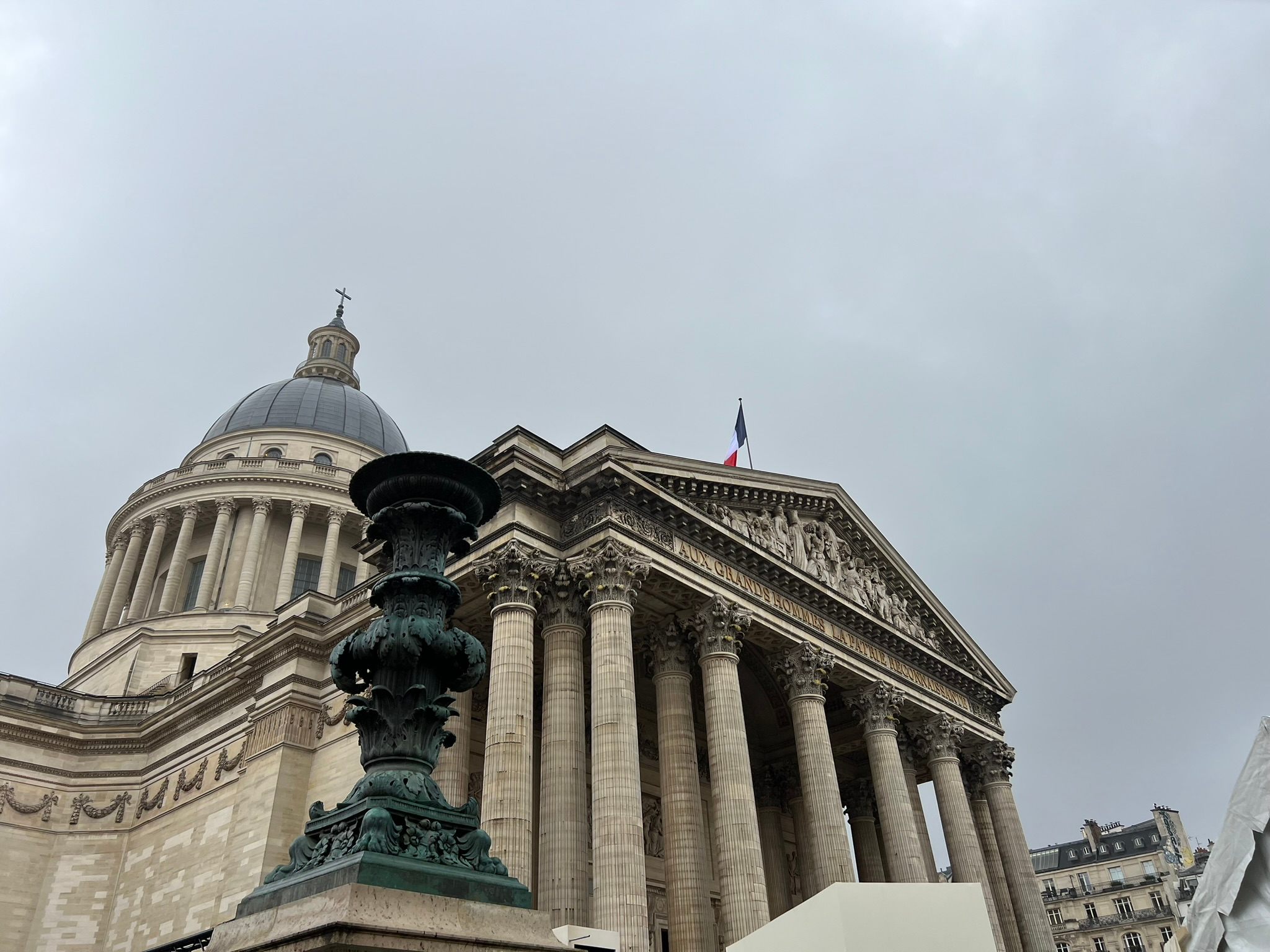
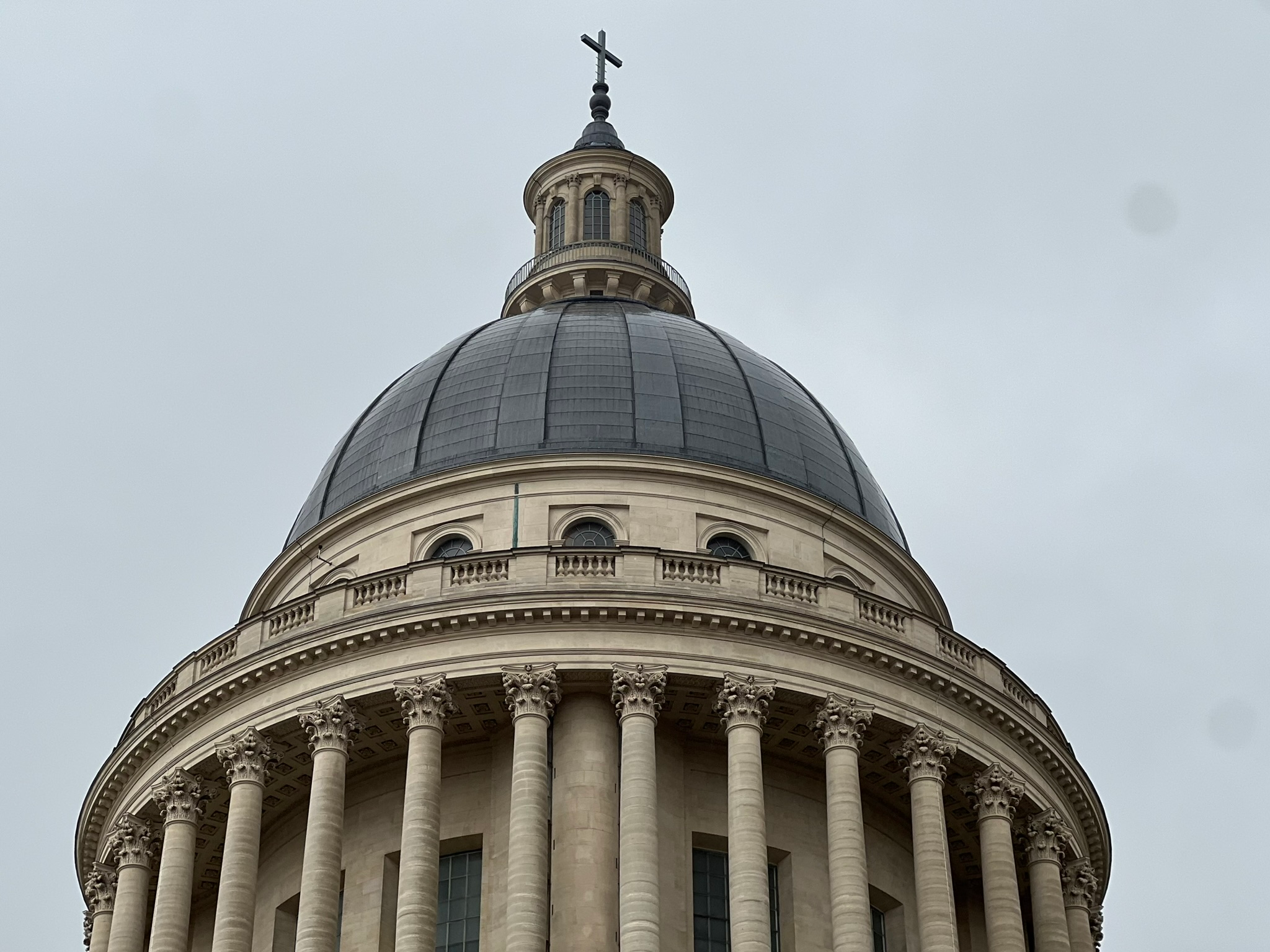
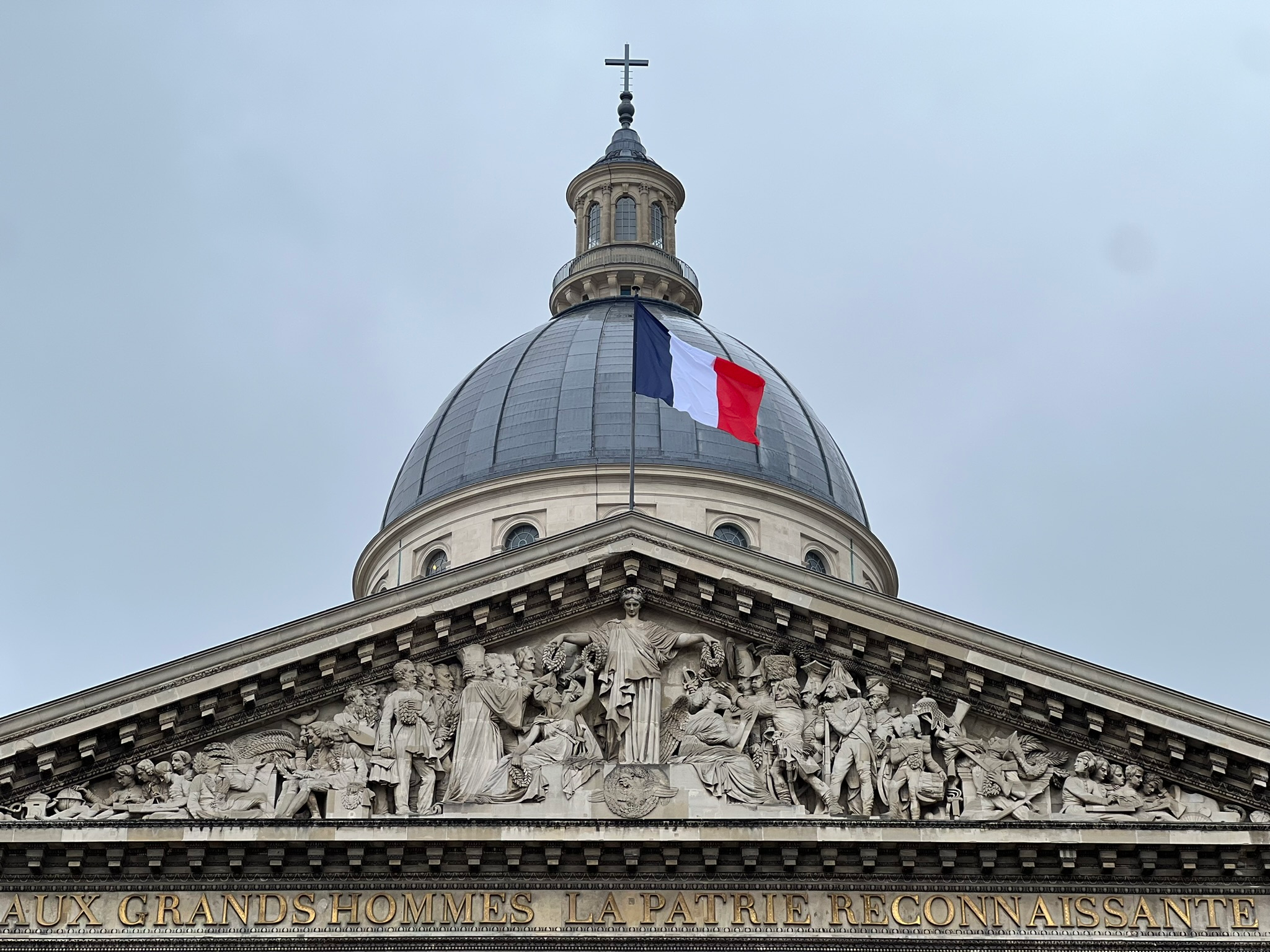
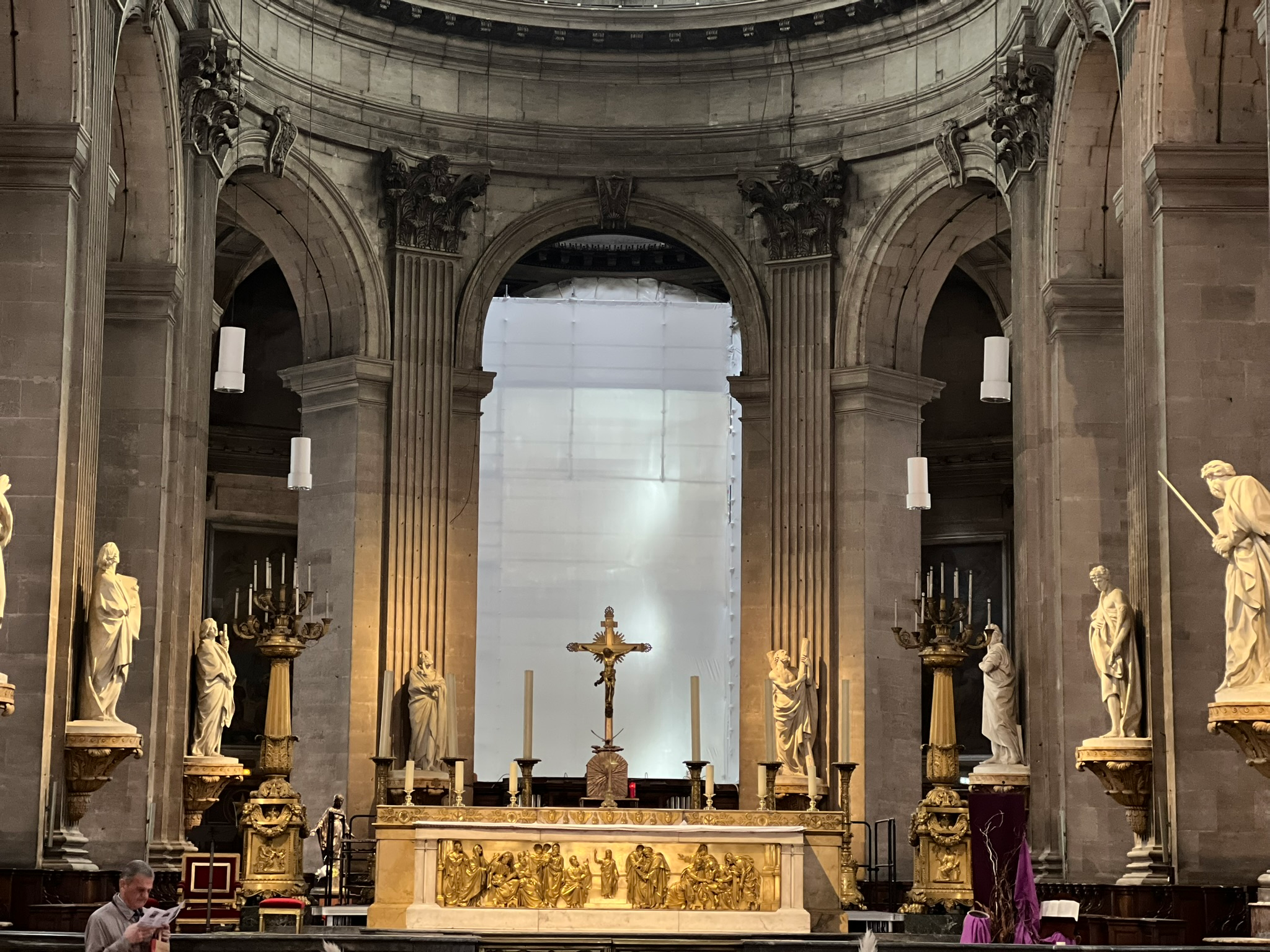
The rest of my walk took me through some other Parisian highlights, like the Panthéon, which was closed for construction, and Notre-Dame, which at the time was still closed for restoration following the 2019 fire. You’d think I’d die from FOMO, but after having seen Sainte-Chapelle, I counted my blessings and just shrugged it off.
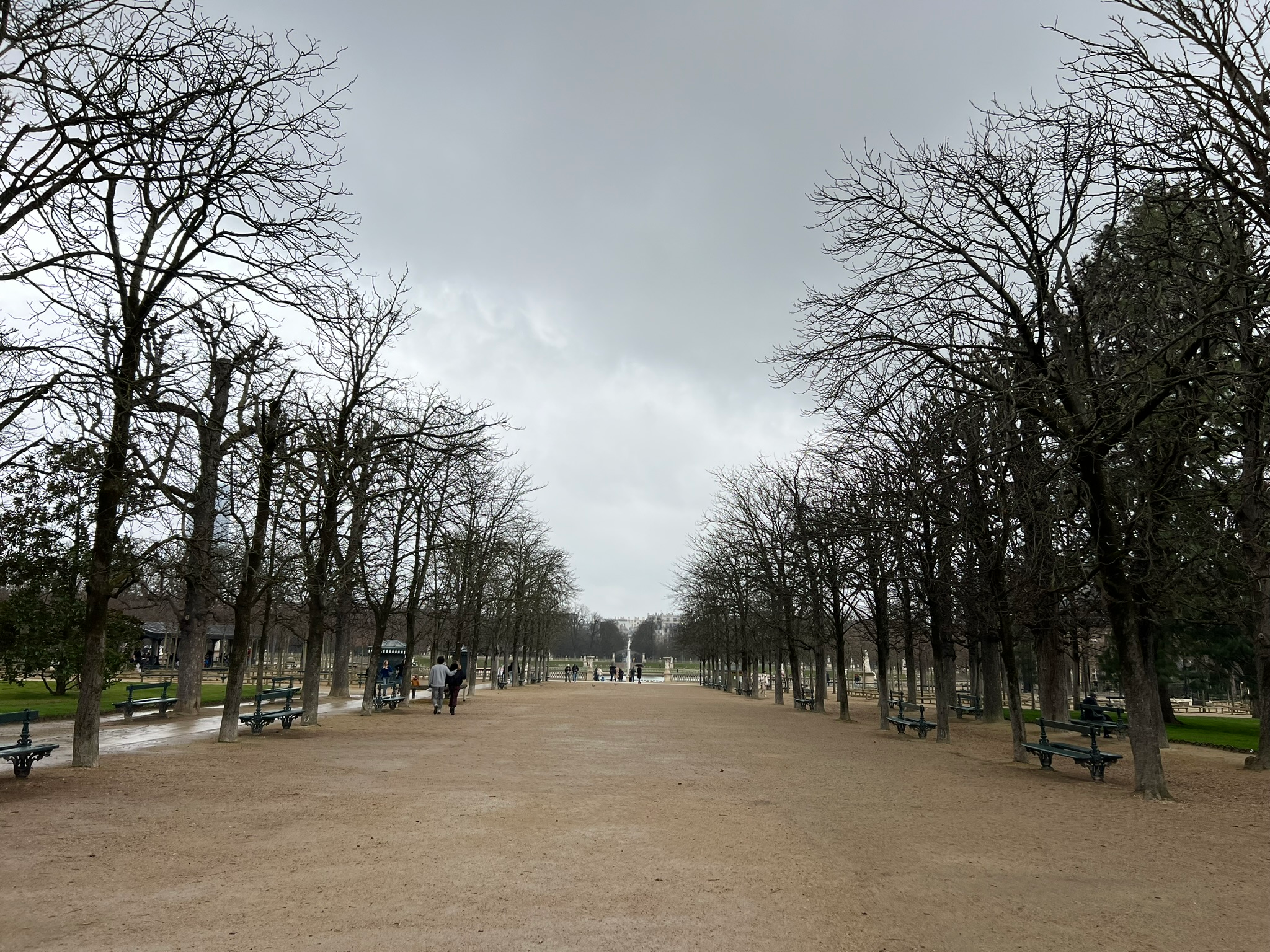
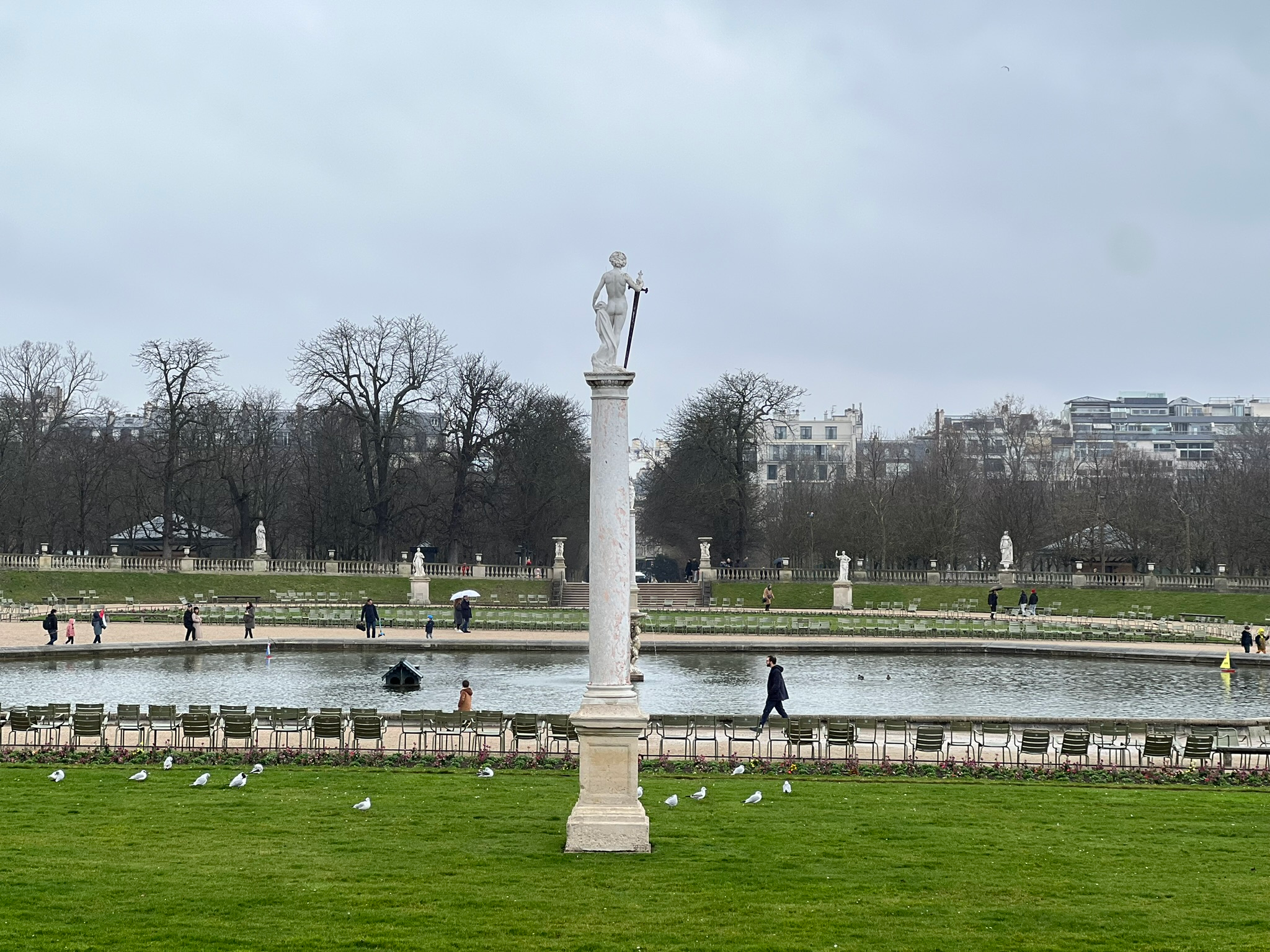
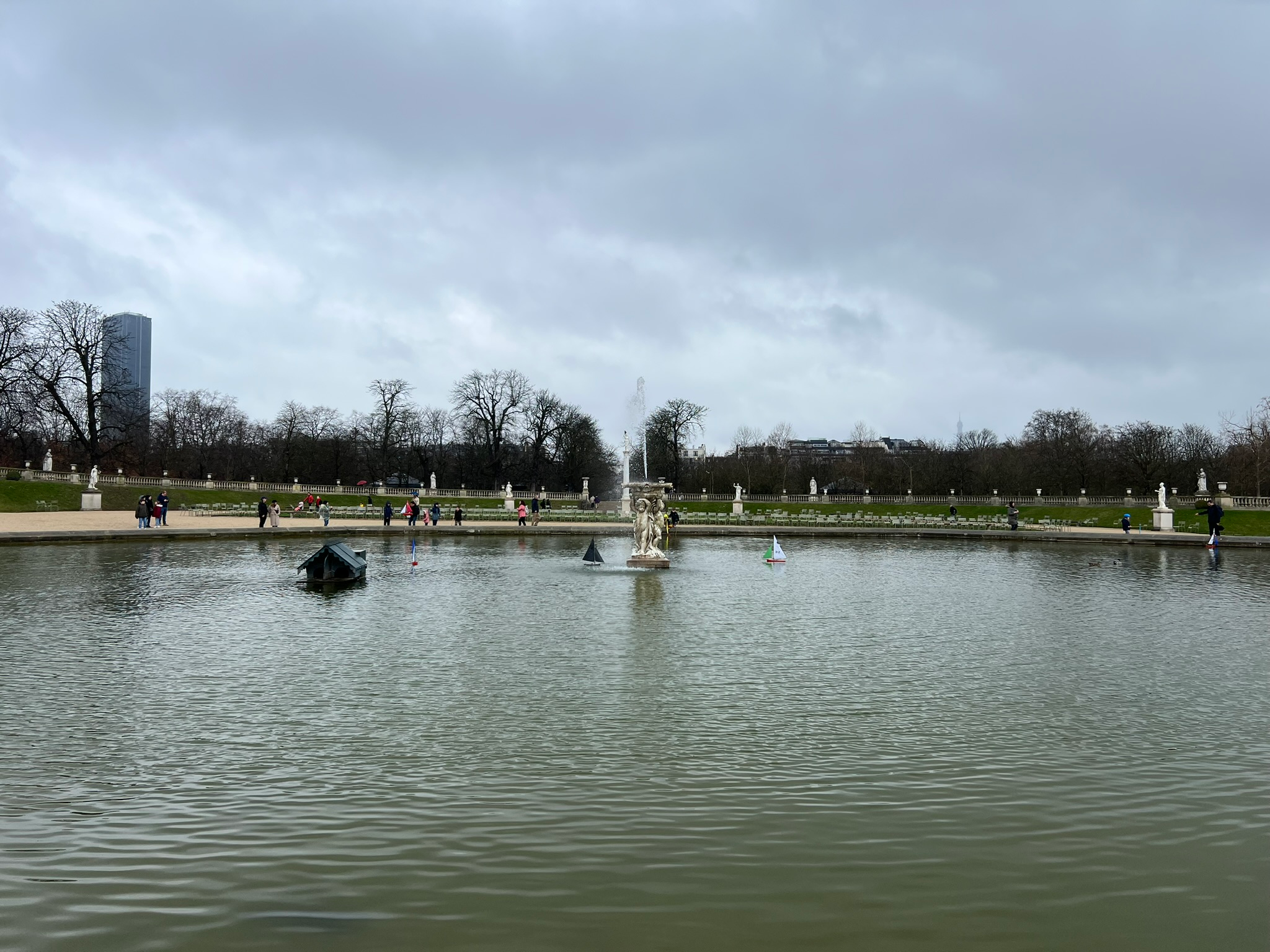
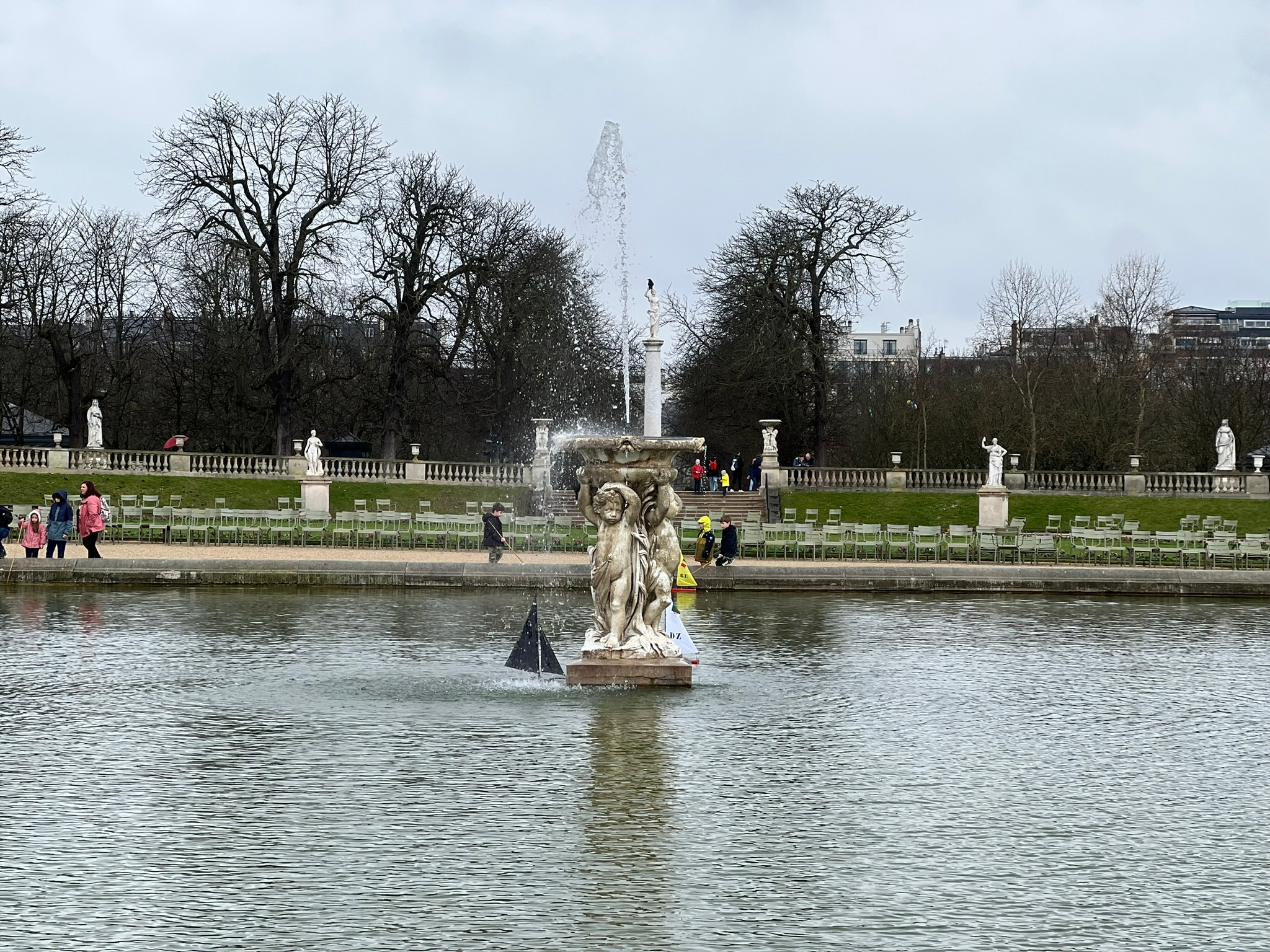
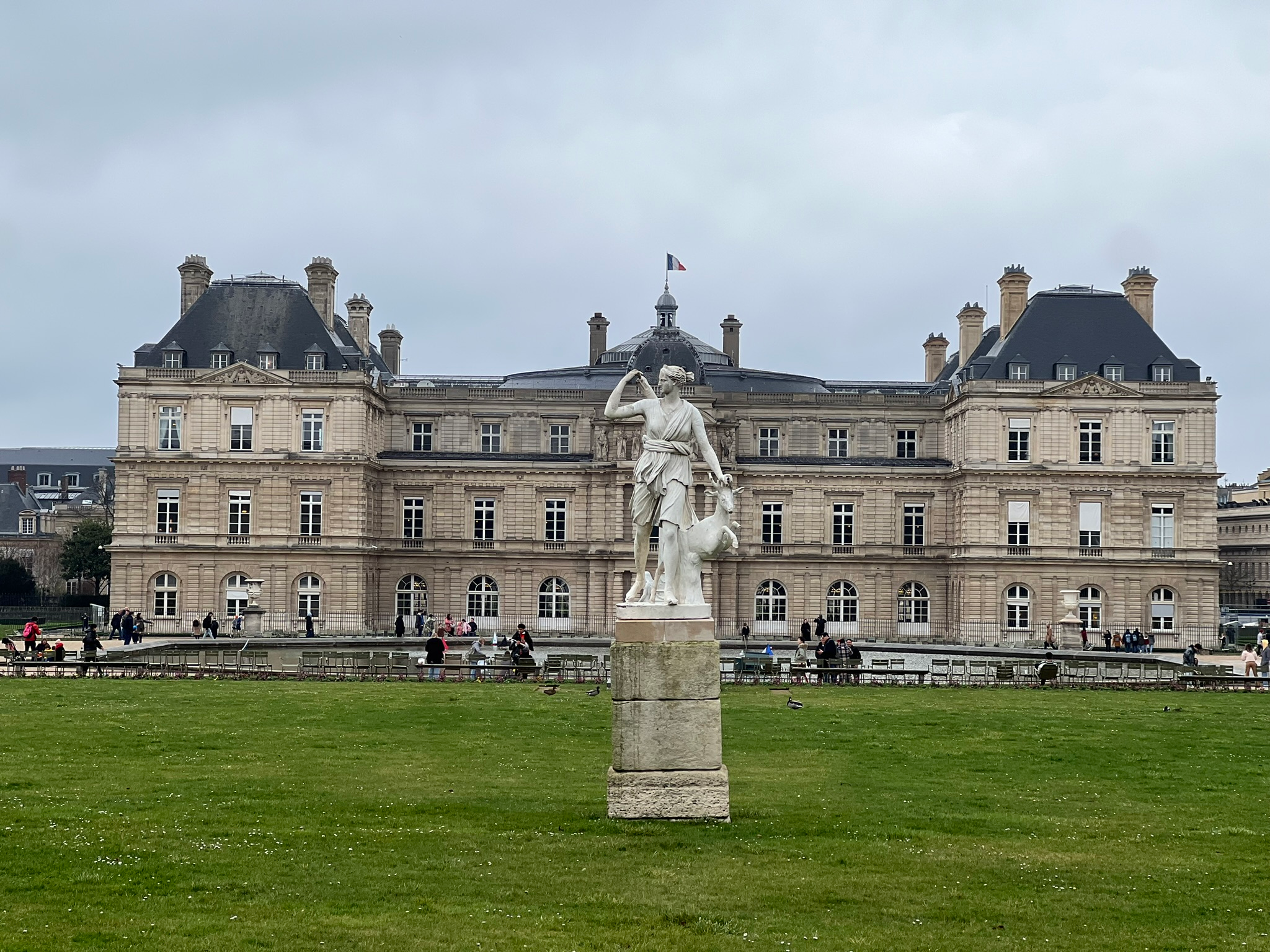
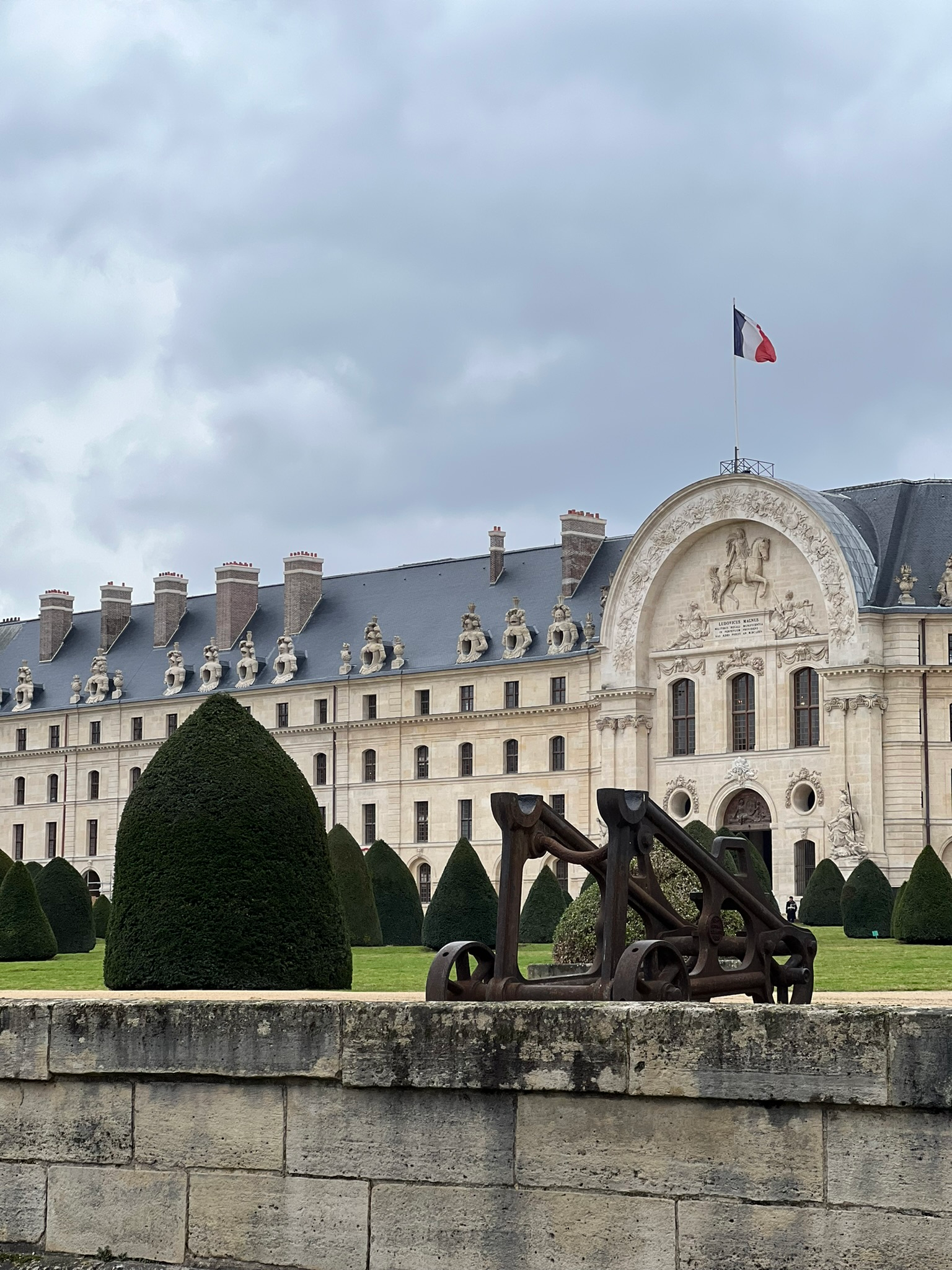
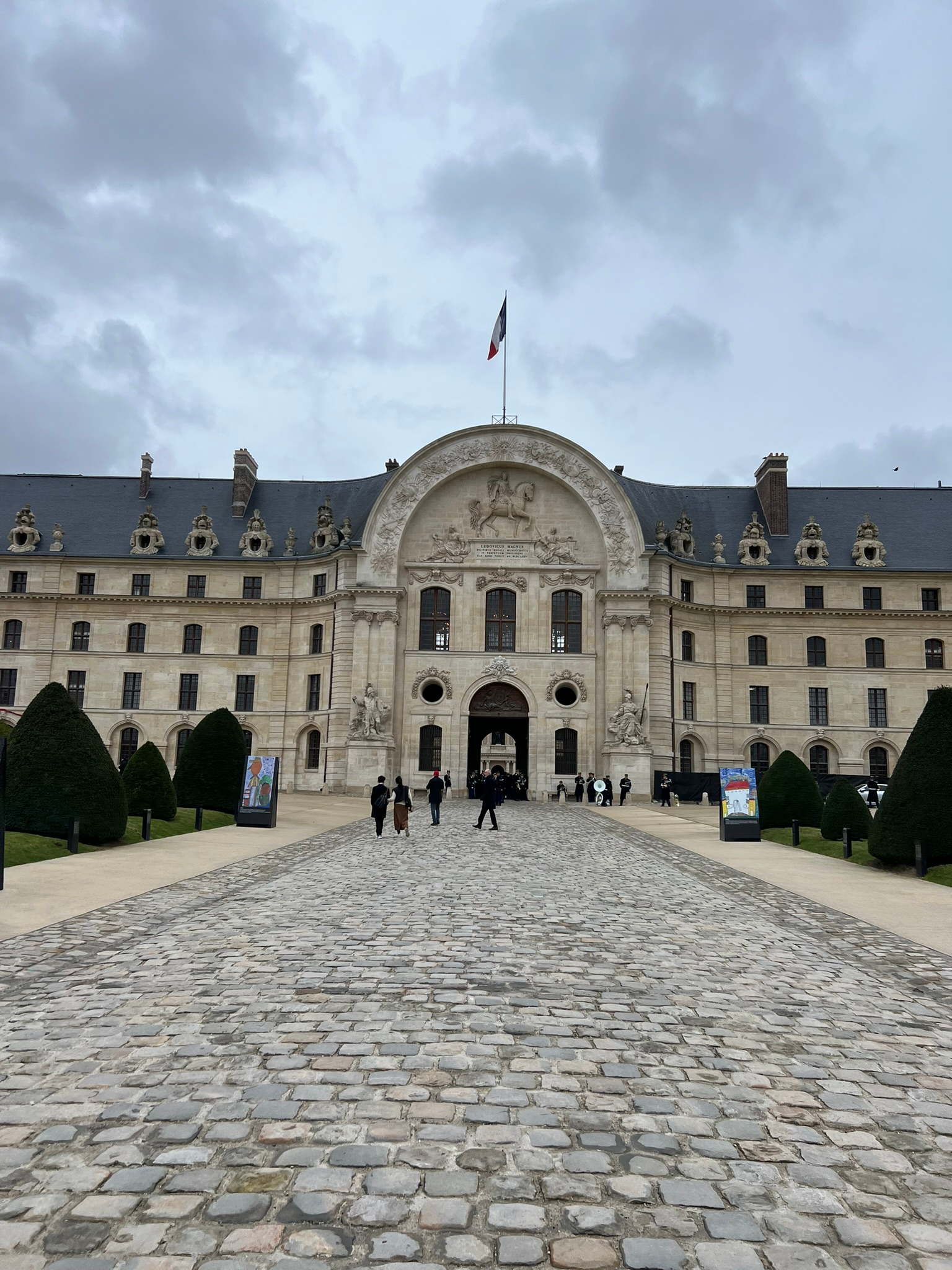
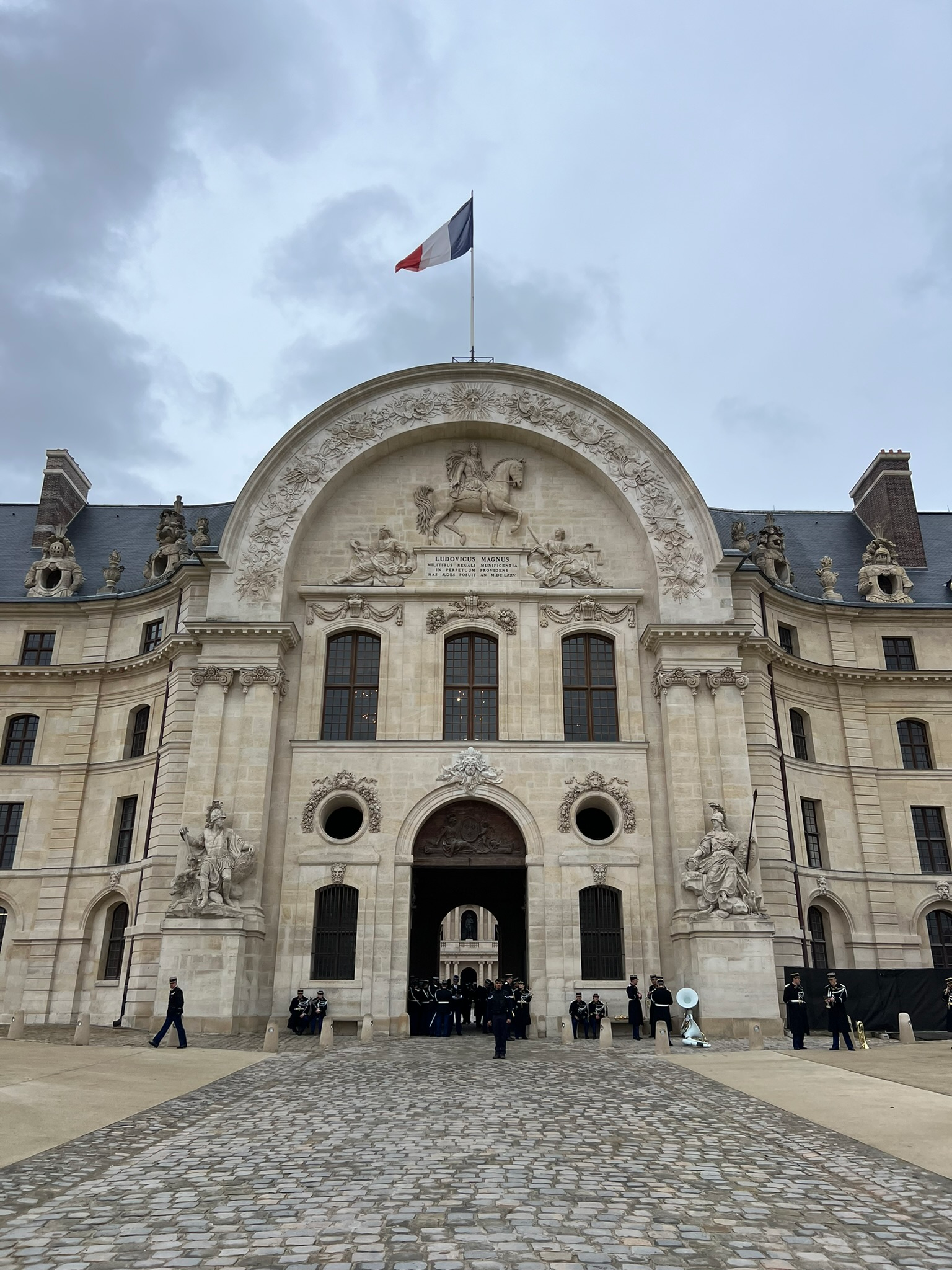
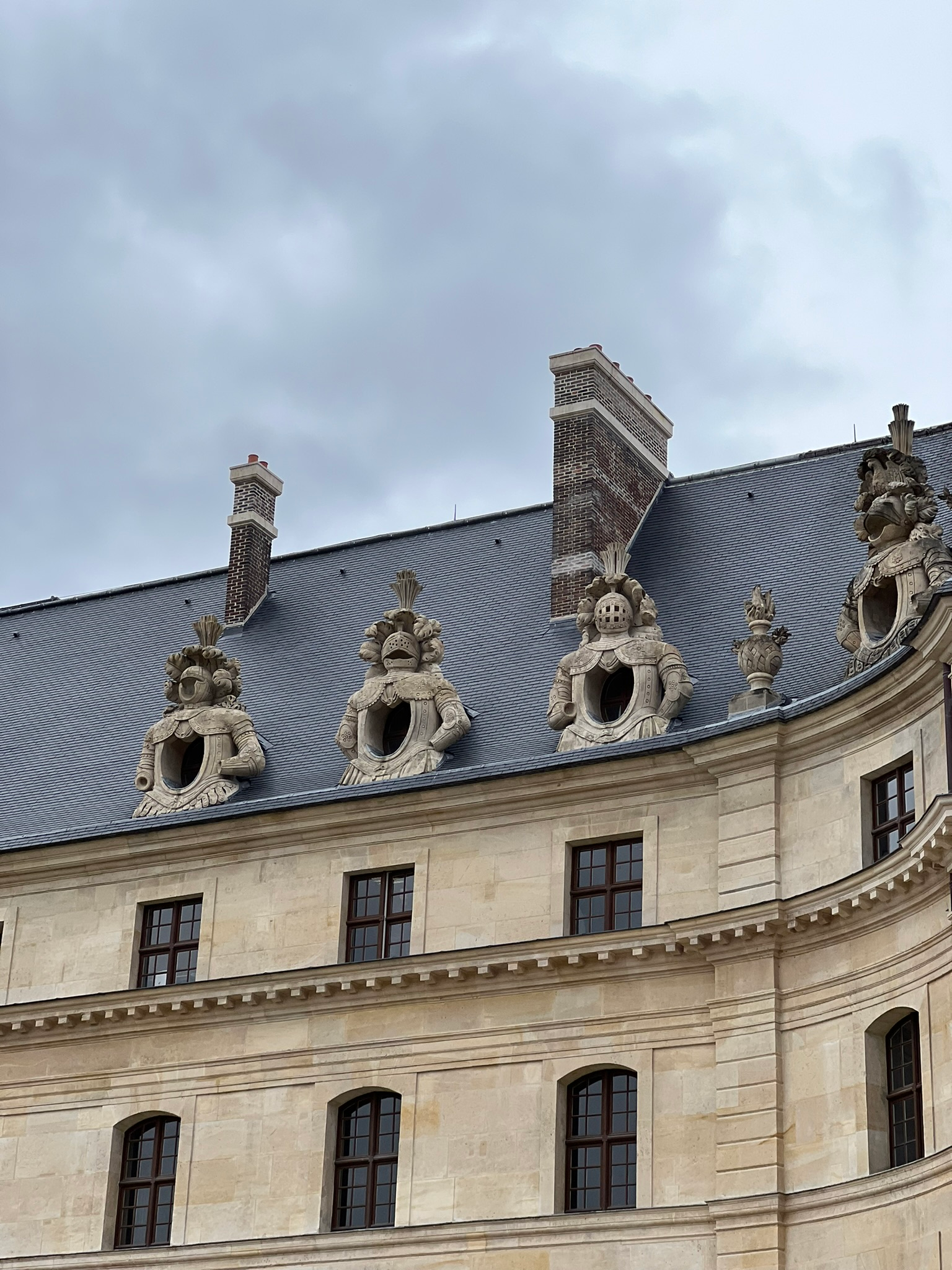
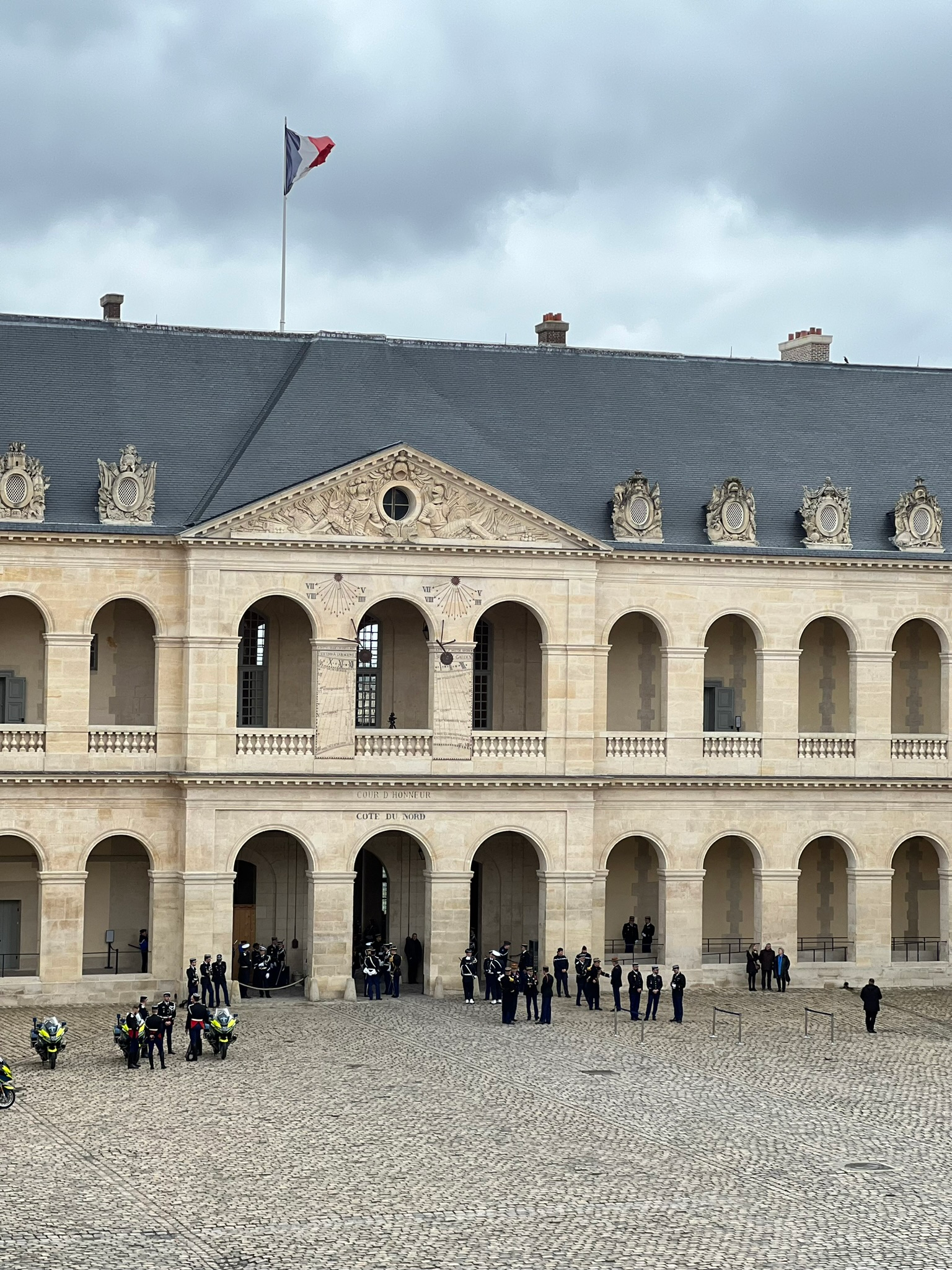
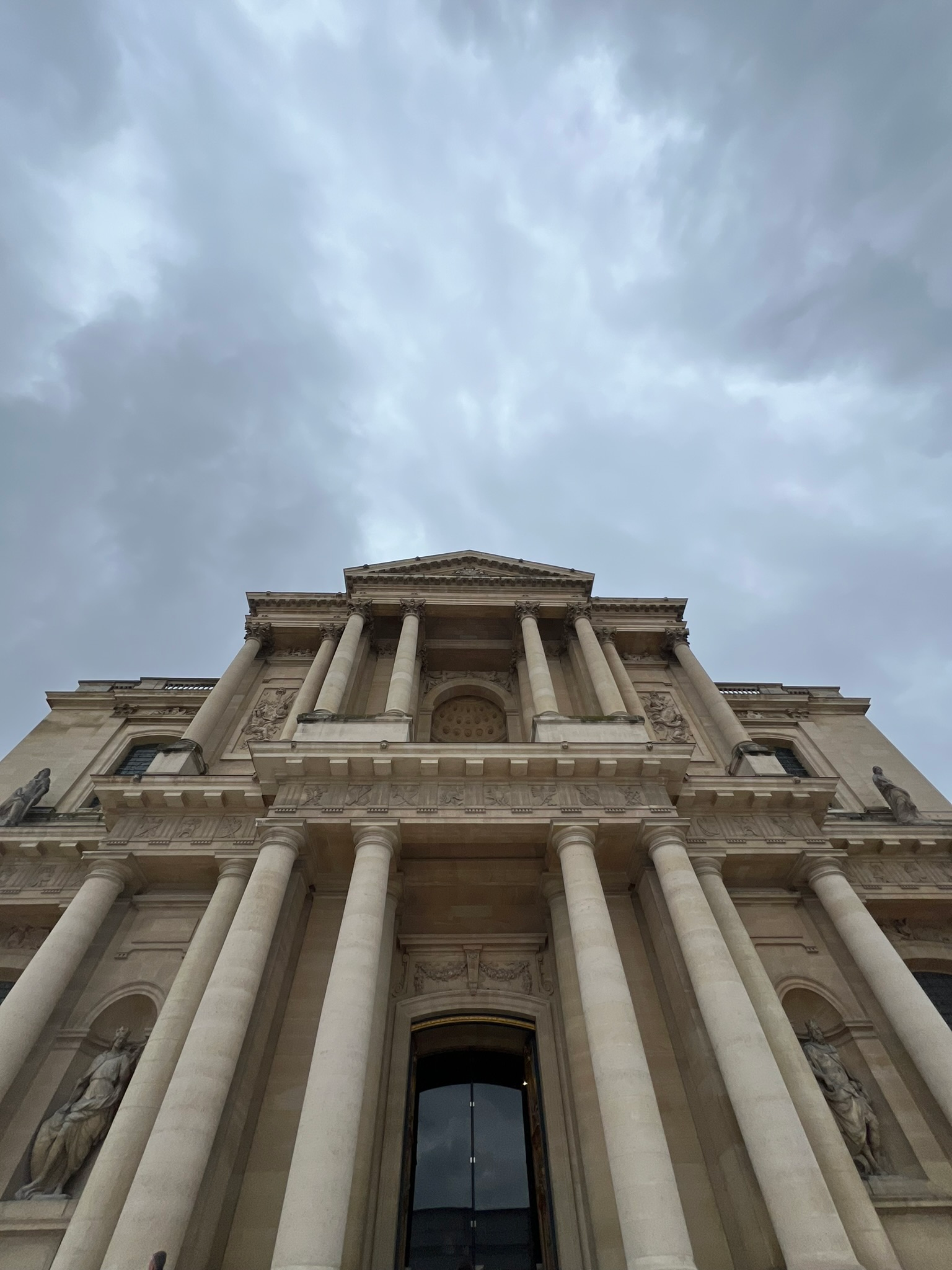
After lunch, I spent a few hours strolling around, exploring the perfectly idyllic Jardin du Luxembourg, and then made my way to the Hôtel des Invalides – the House of the Invalids. Originally built by Louis XIV as a military hospital and retirement home for injured, sick and elderly soldiers, the grand complex features classical French Baroque architecture and includes courtyards, museums, military spaces, a hospital and chapels – all related, in one way or another, to the military history of France.
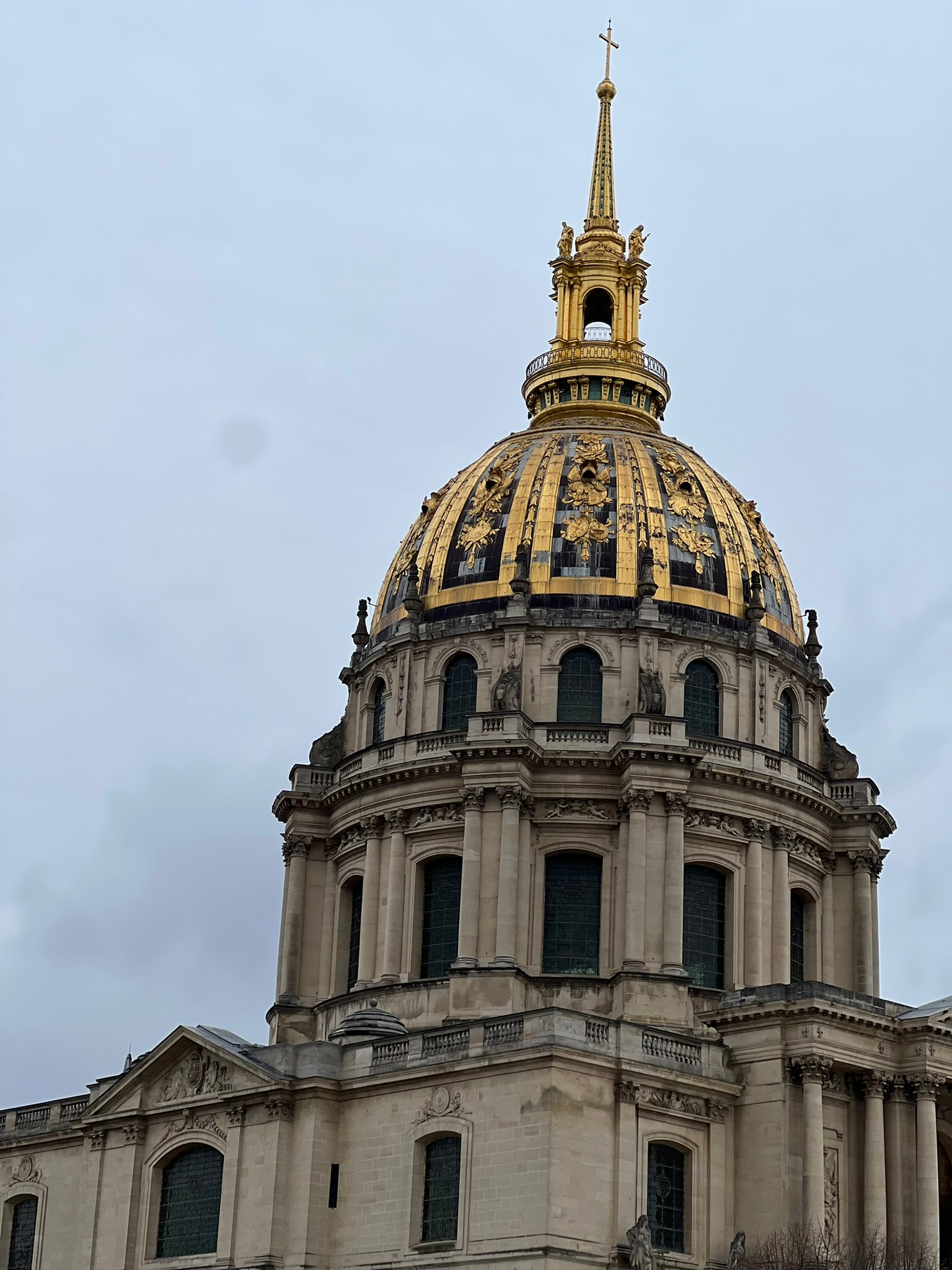
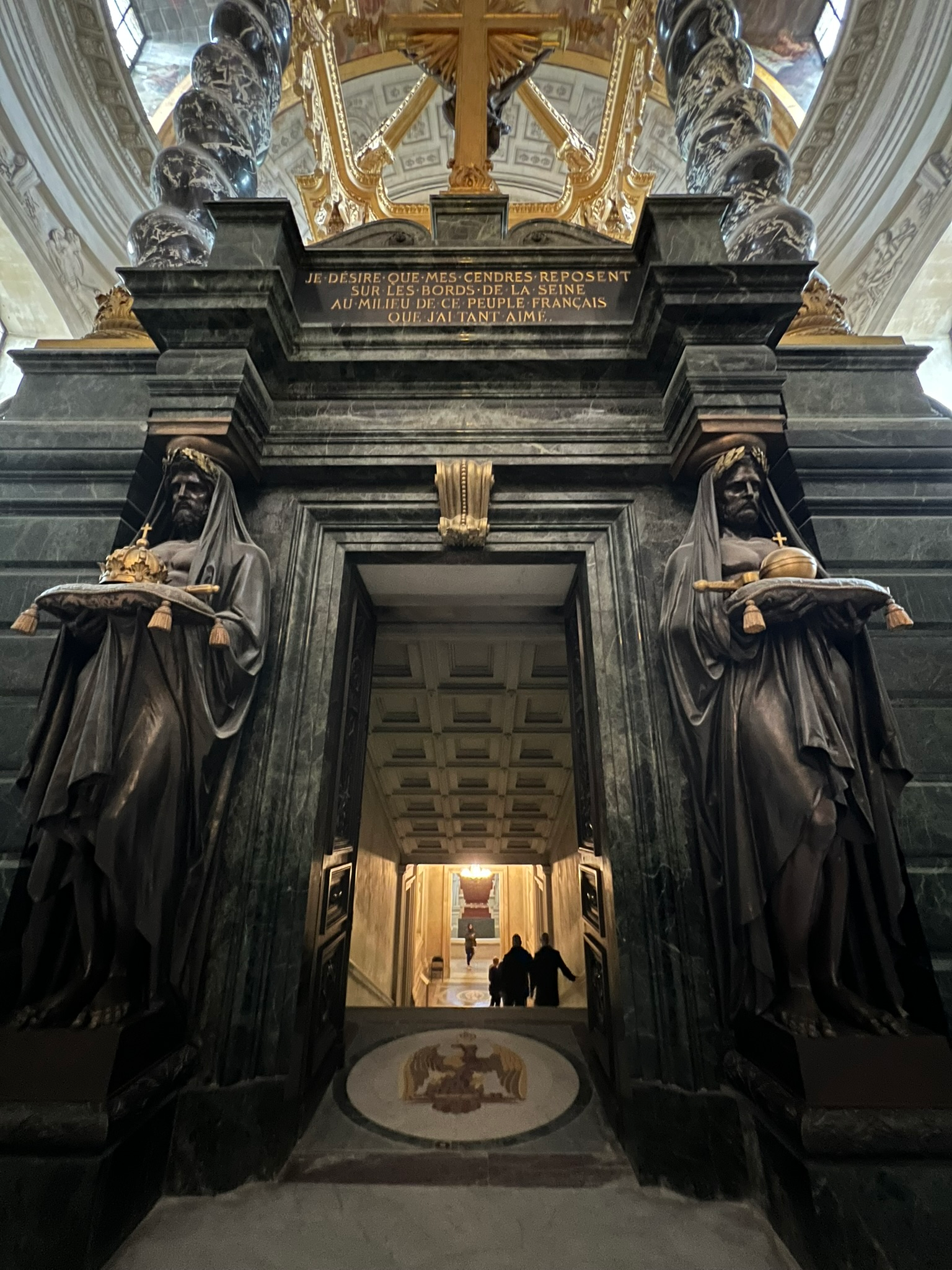
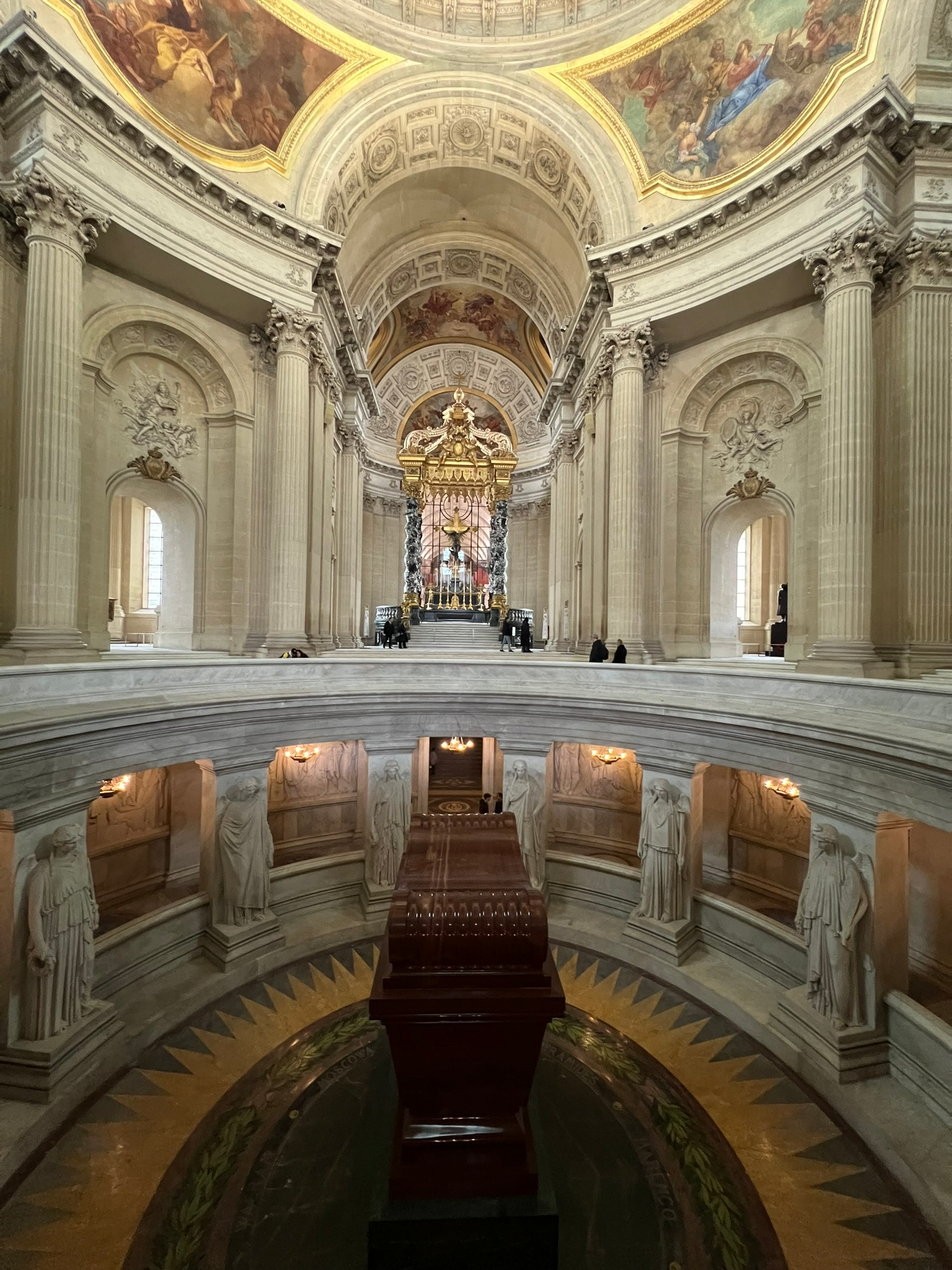
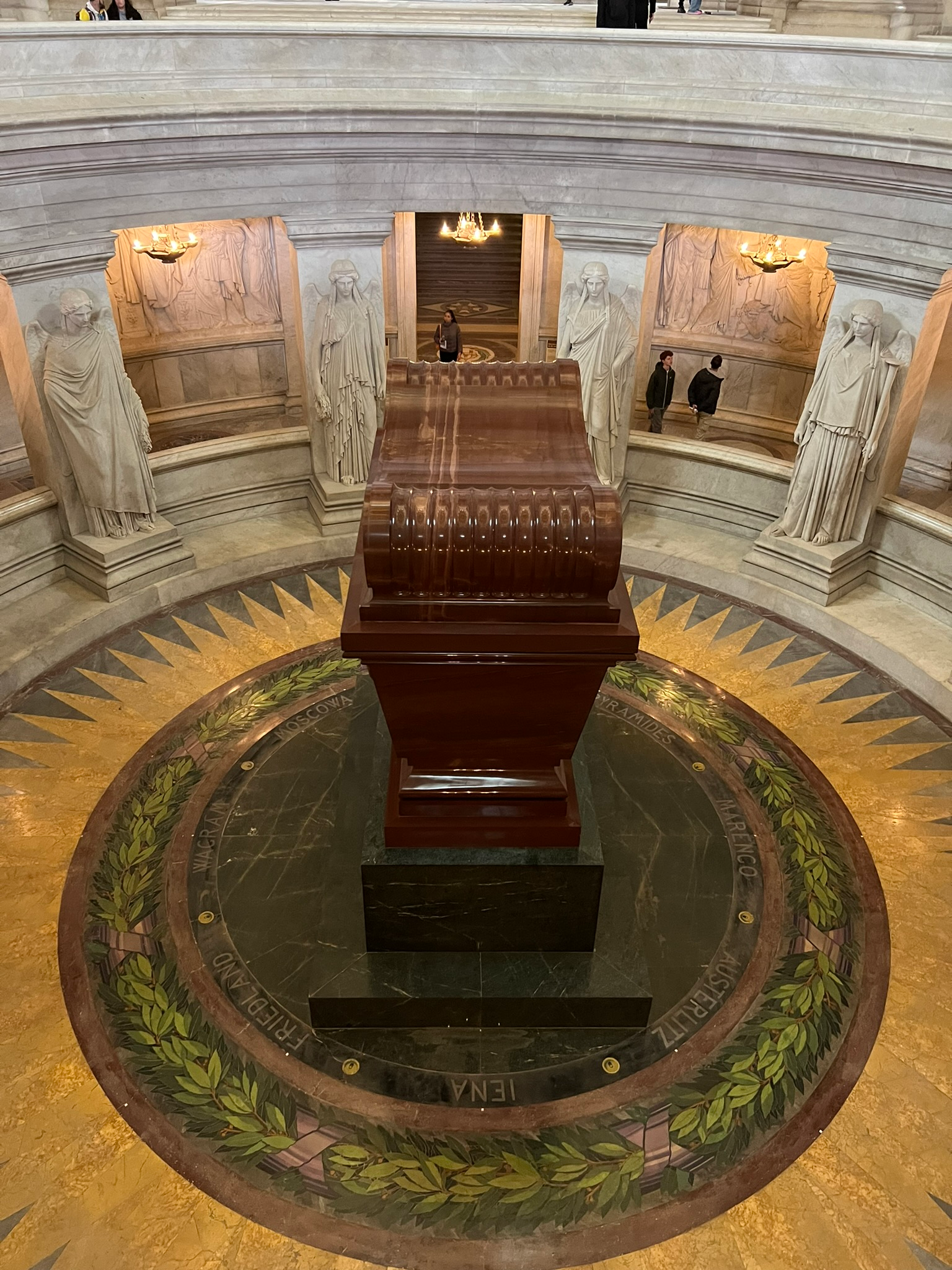
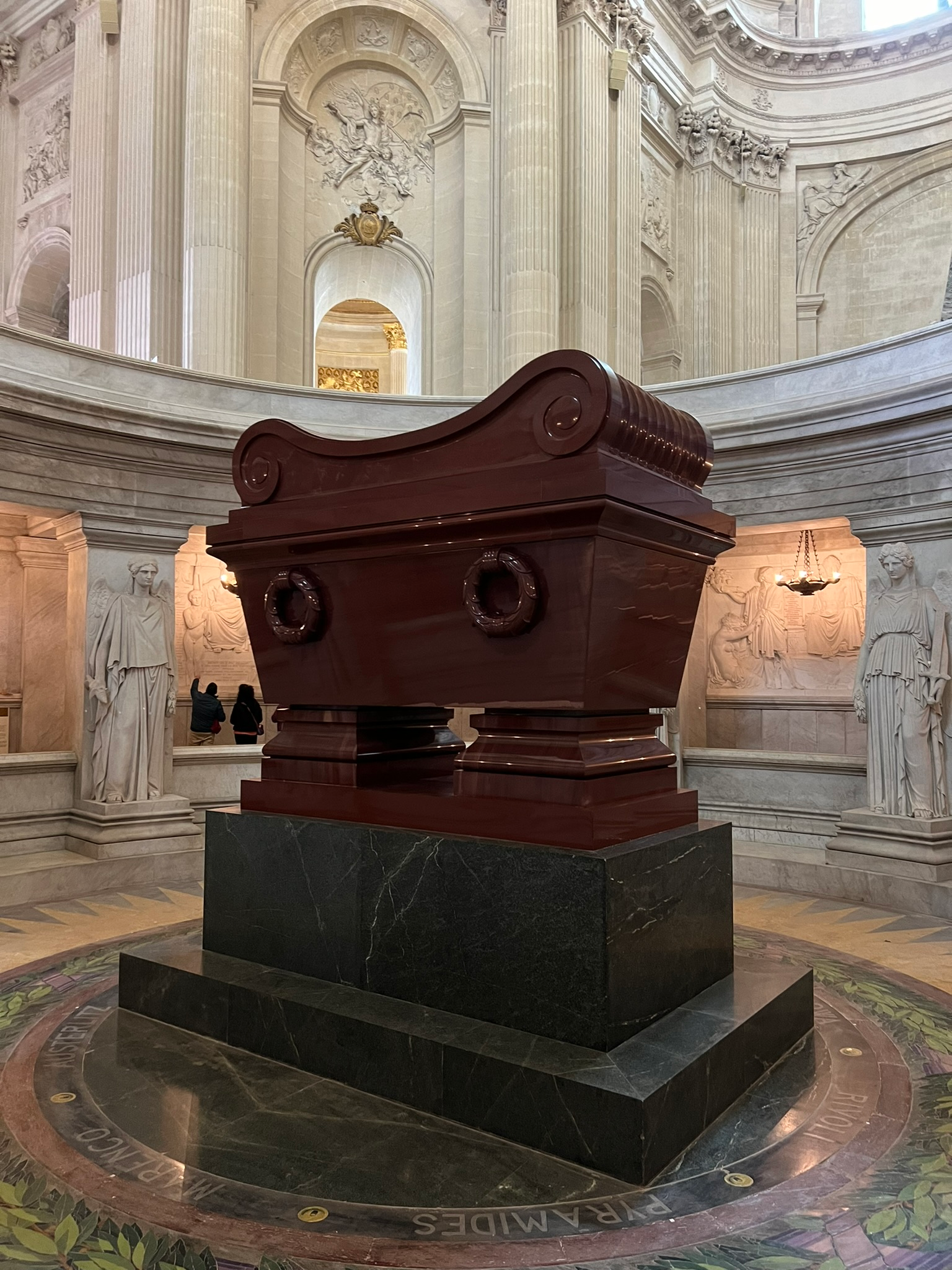
Of note, the Musée de l’Armée features an extensive collection of military artefacts that chronicle French and global warfare from antiquity to the 20th century. Then there’s the pièce de résistance: the Église du Dôme, a royal chapel with a striking golden dome, which now serves as the resting place of Napoleon Bonaparte, whose tomb lies in a crypt beneath the chapel.
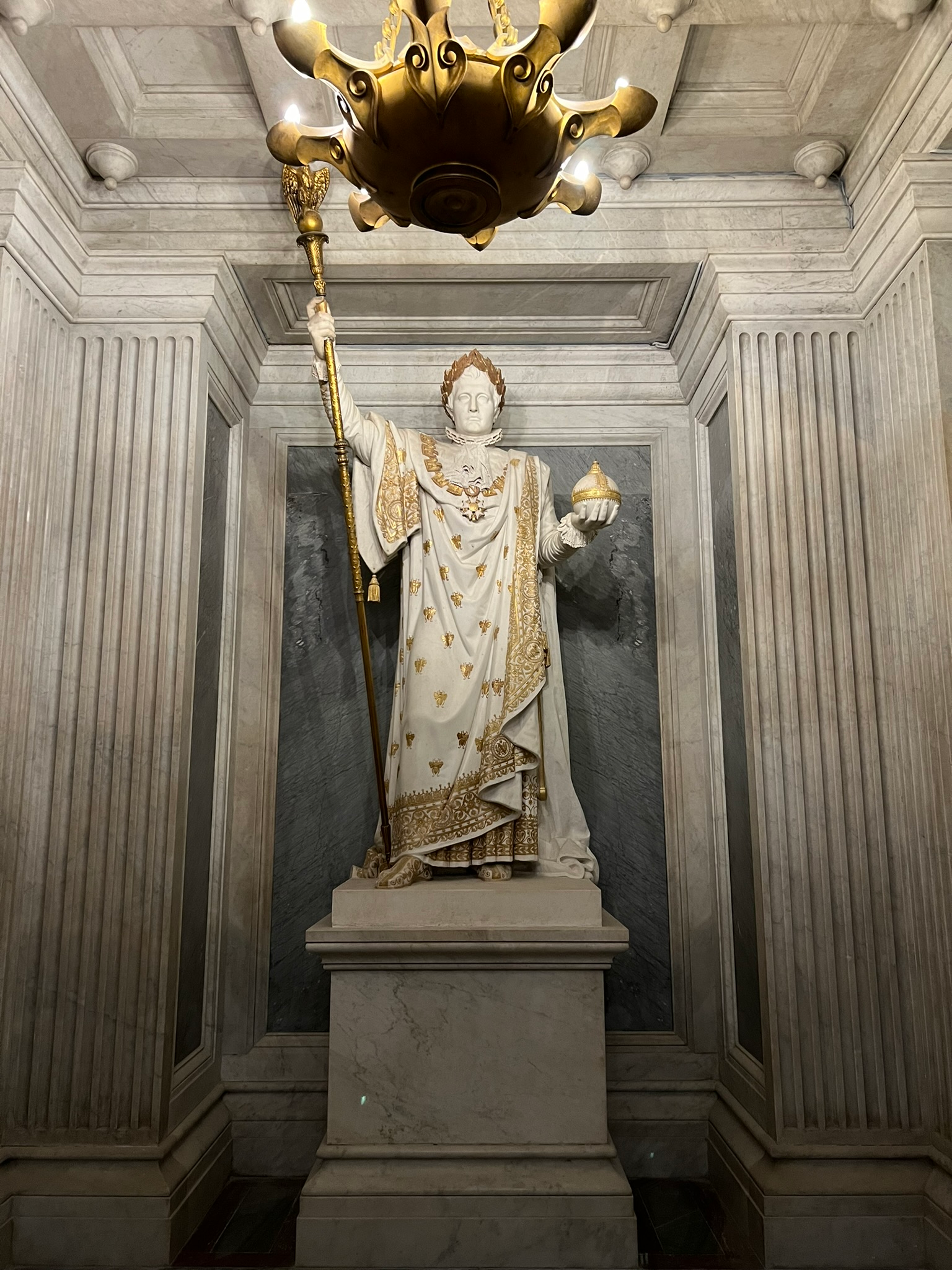
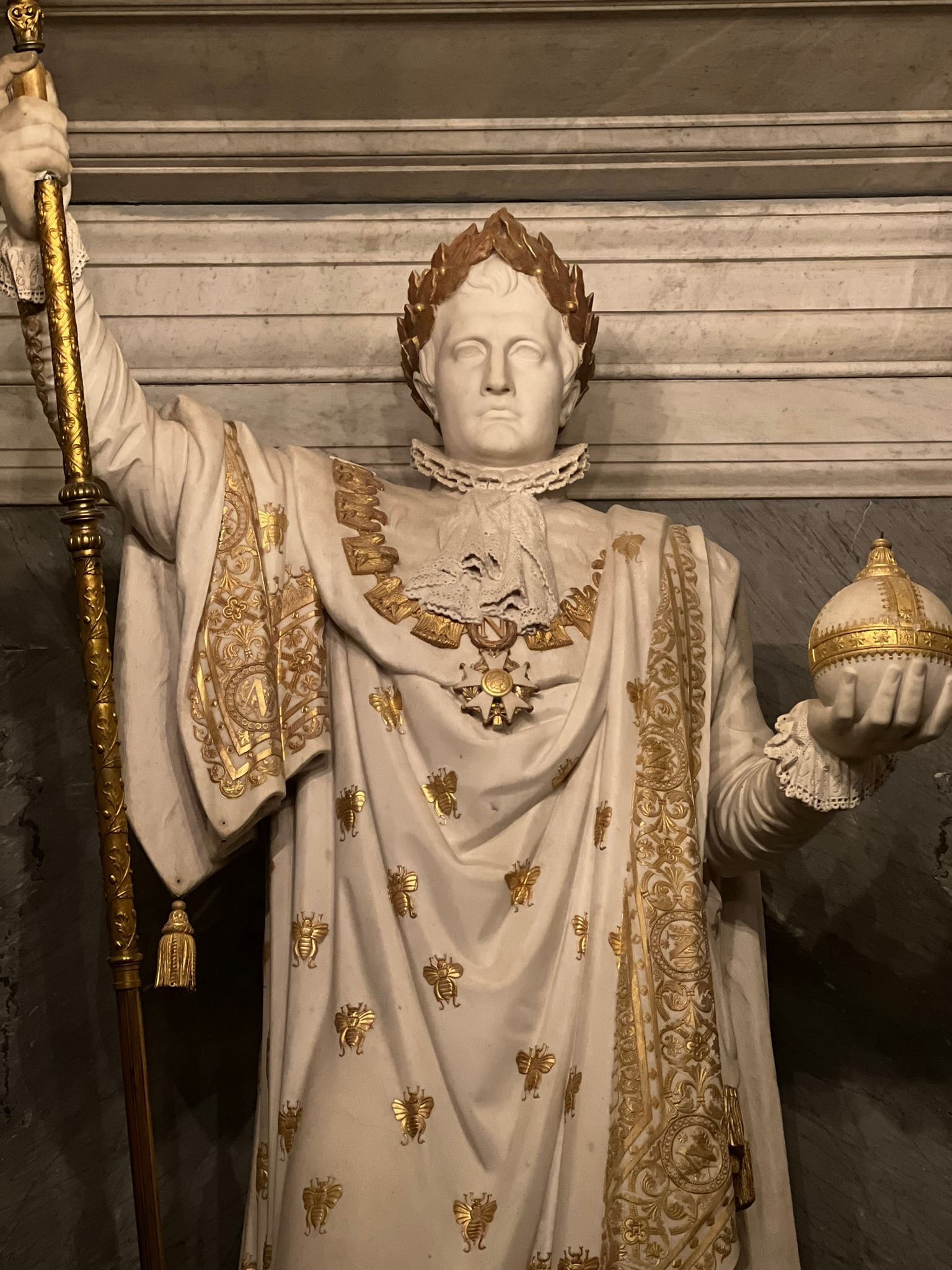
Alone in the crypt – a circular hollow right below the dome – I found myself facing the tomb of Napoleon himself and, in an inner chamber, a partly gilded statue of Napoleon in coronation attire. Moments like these always make me reflect on all my previous experiences and acknowledge my own privilege.
In my very short and inconsequential lifetime, I’ve had the honour of being in the same room as some of the greatest people the world has ever known and seeing wonders, both natural and man-made, that few people in the world ever get the opportunity to see. From the tomb of Tutankhamun to that of Napoleon, from the prehistoric ruins found in Malta to ancient Mayan cities, from the remnants of Greek civilisation to those of the Roman Empire, I’ve been so lucky to have experienced so, so much. Not to mention the many other places and people I had come to learn about and was yet to encounter. Pure privilege.
The Scratch Scare and the Musée d’Orsay
After the tour, I found myself along the bank of the Seine once again, this time crossing Pont Alexandre III, the most ornate and extravagant bridge in the city.
The morning away from Kevin had served as a reset button, and I was feeling okay with spending the rest of my day in his company. Then he told me about the “scratch scare” he had that morning when he accidentally bumped his Rolex against a wall, and I went straight back into full-body cringe.
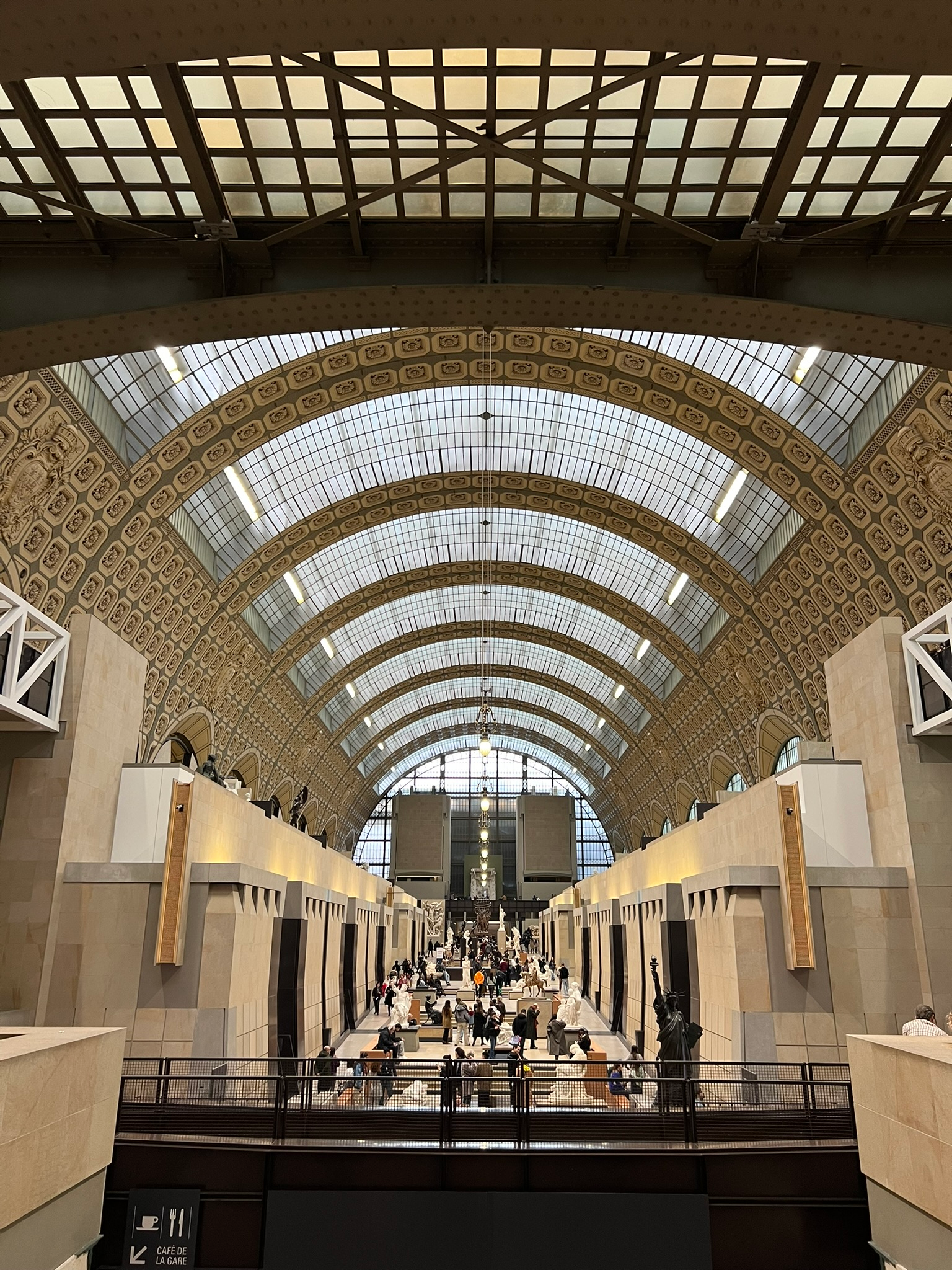
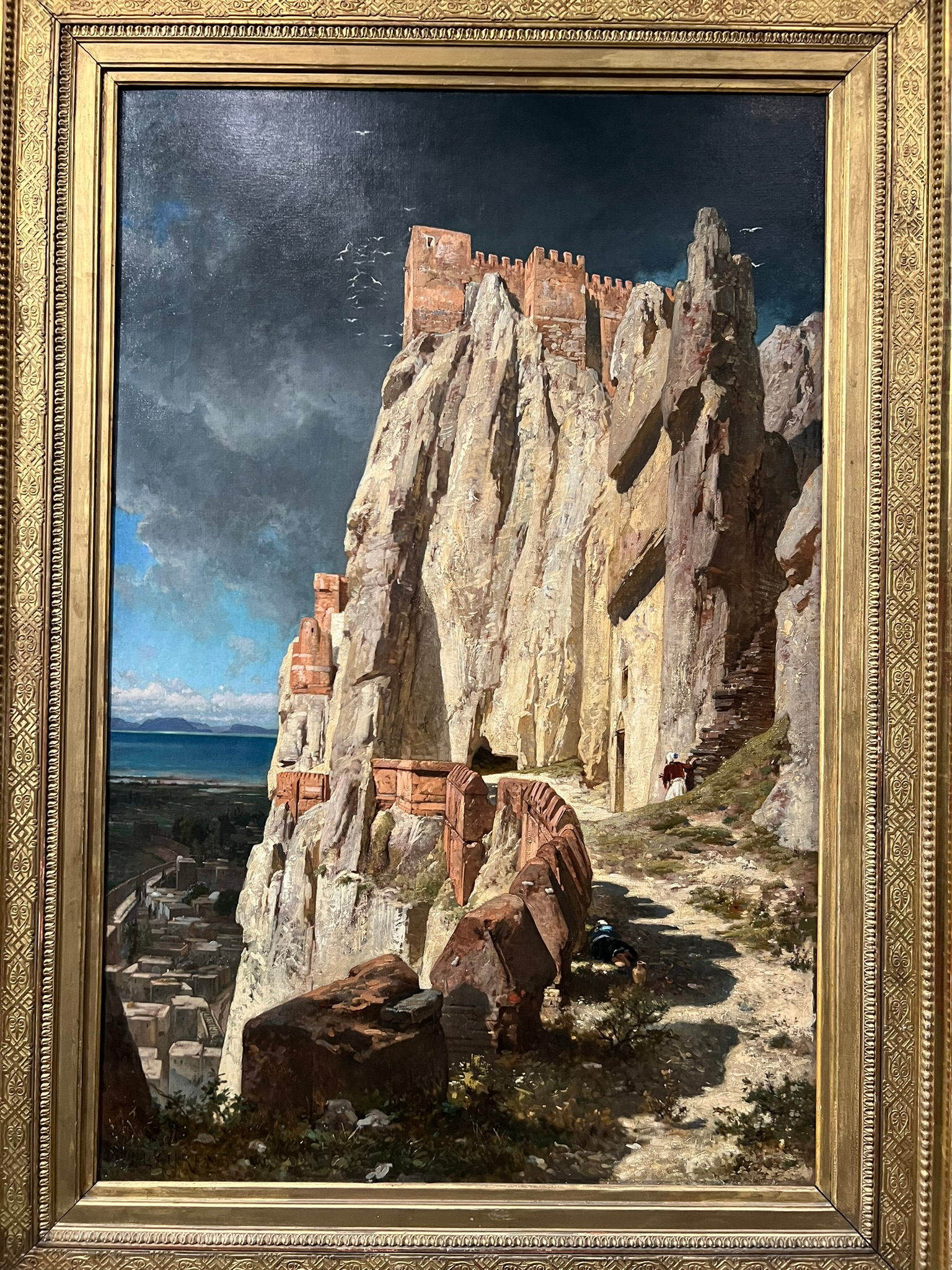
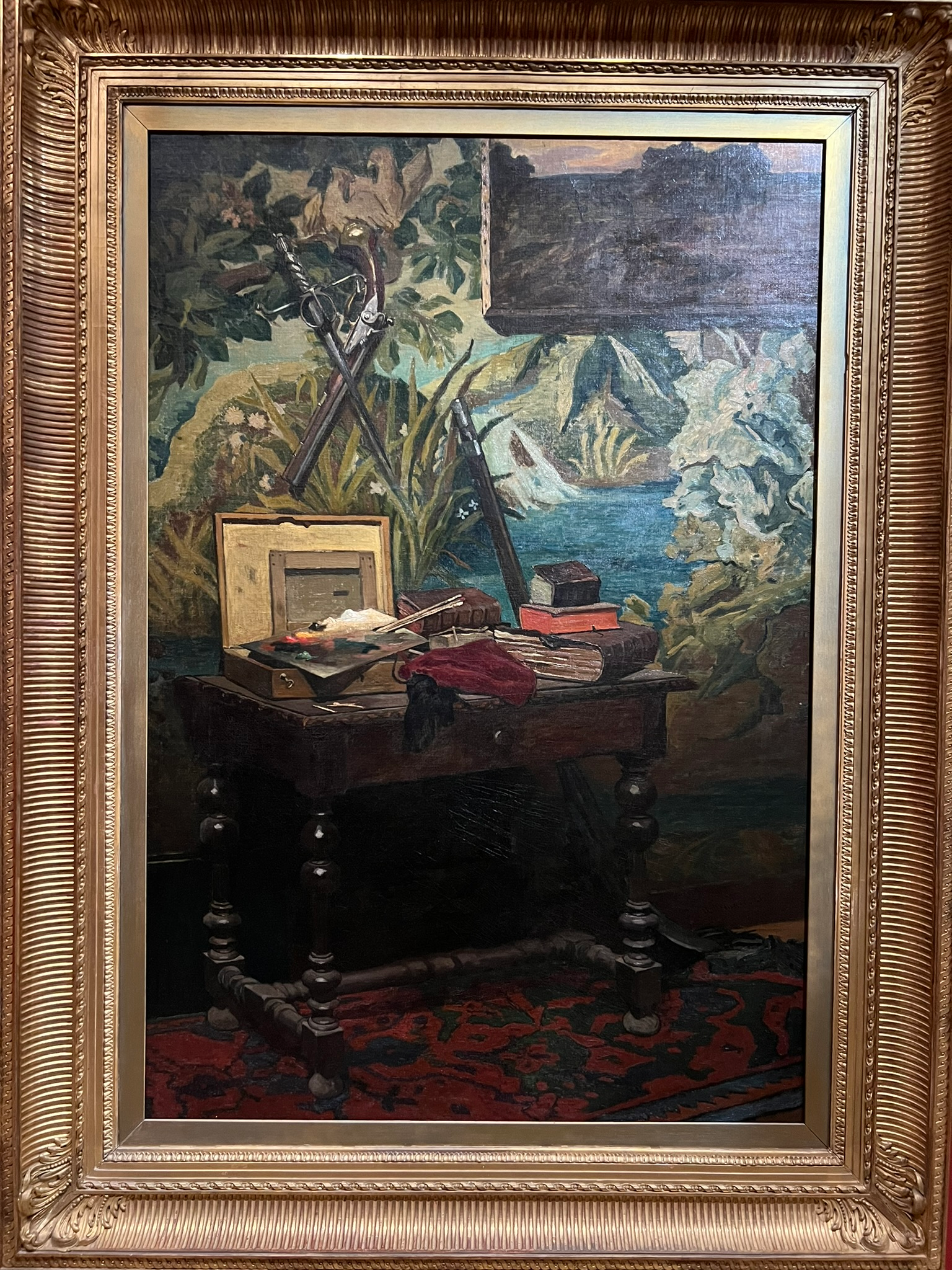
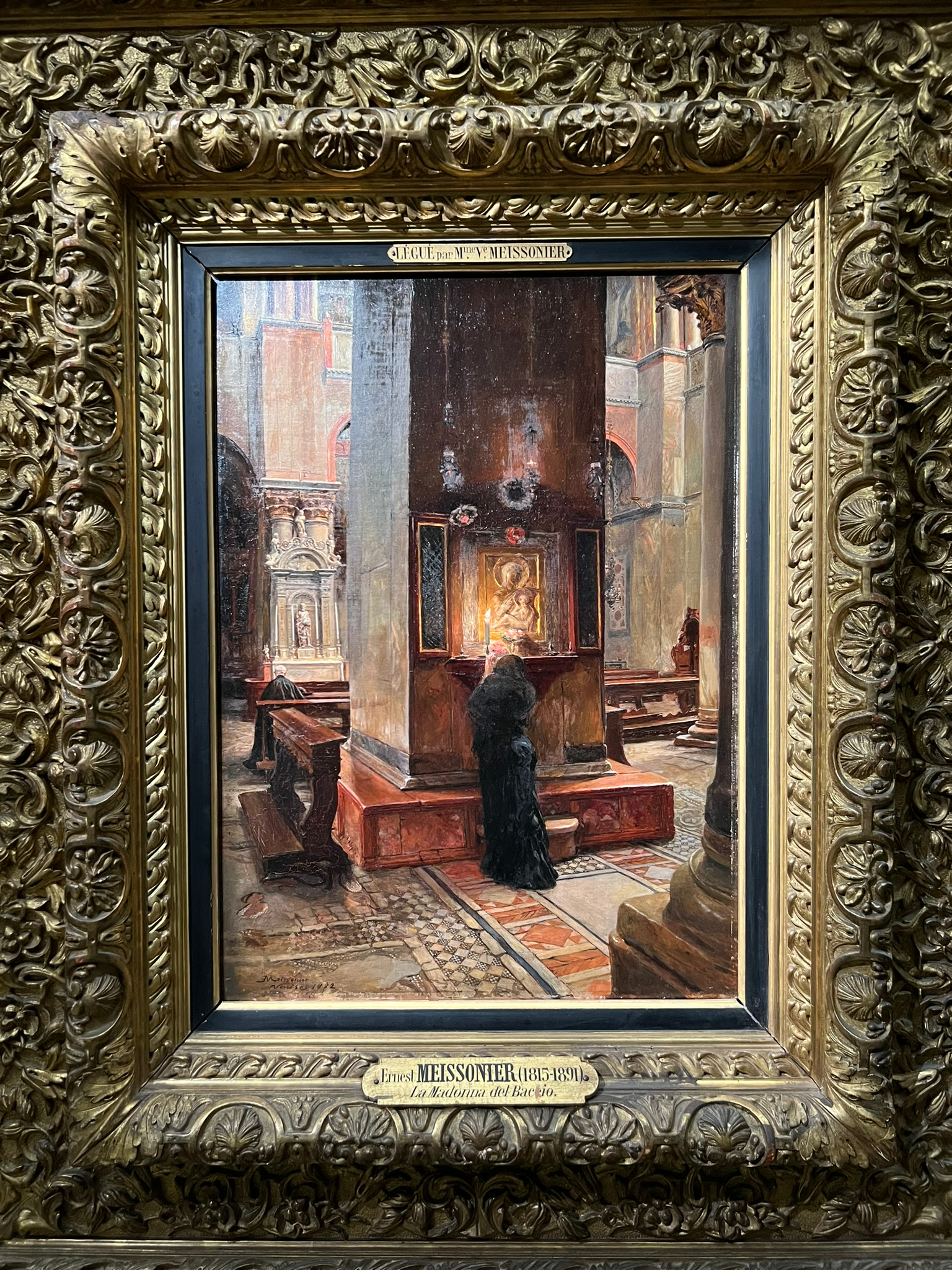
Since he had lived in the city for the better part of a year, I expected him to have covered most of the main landmarks, but, given his long working hours, he had hardly seen the city at all. And so, a visit to the Musée d’Orsay seemed like a great idea for both of us. Originally a railway station and hotel, the magnificent building is now one of the largest art museums in Europe and home to one of the world’s richest collections of Impressionist and Post-Impressionist art.
Stepping into the main hall, one is greeted by the grand architecture of what was once a train station, complete with a vast central nave and monumental clocks. Today, this space is home to paintings, sculptures and all kinds of extraordinary works of art, including a huge collection of Impressionist and Post-Impressionist masterpieces by world-renowned artists such as Monet, Renoir, Manet and Van Gogh.
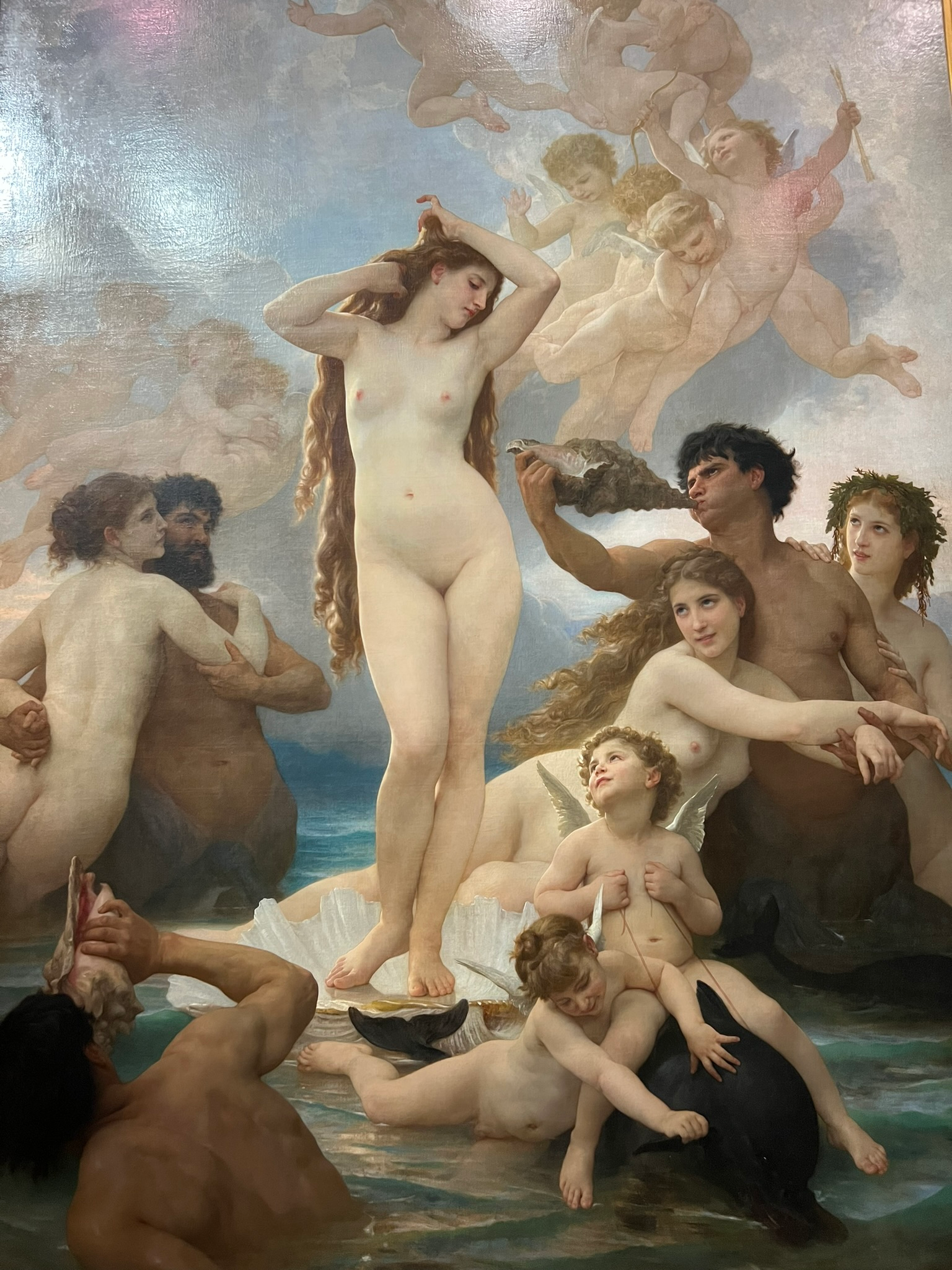
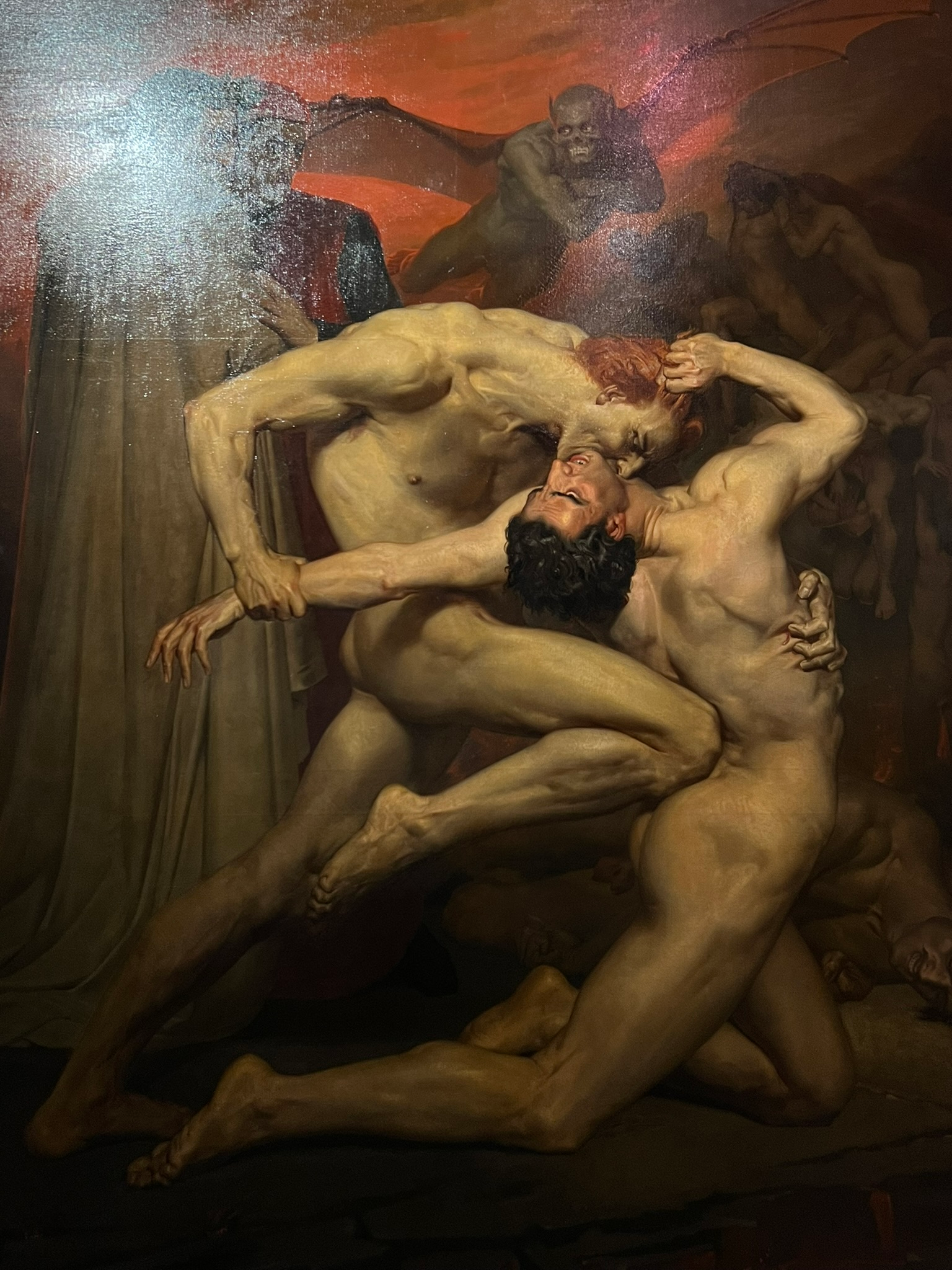
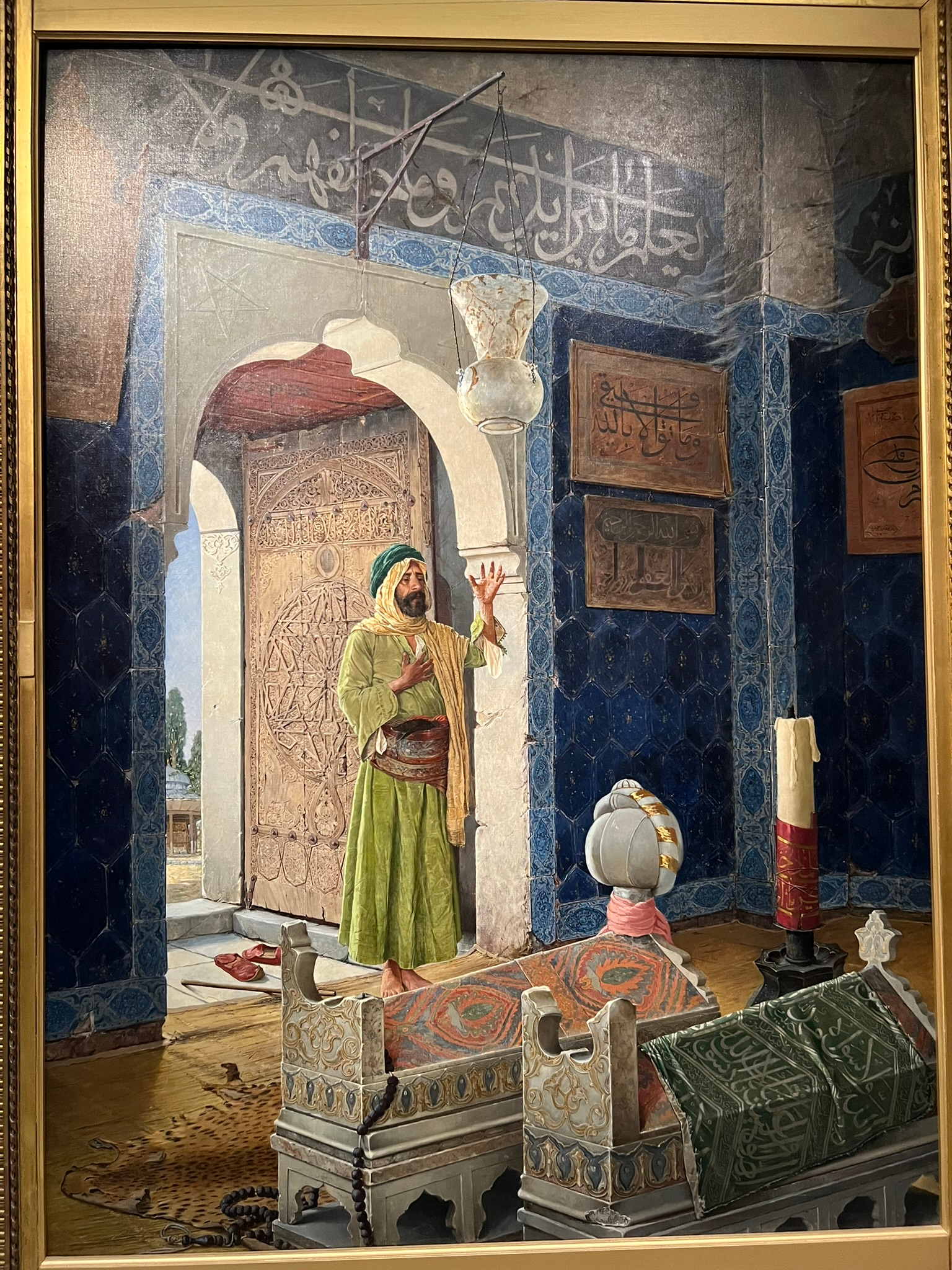
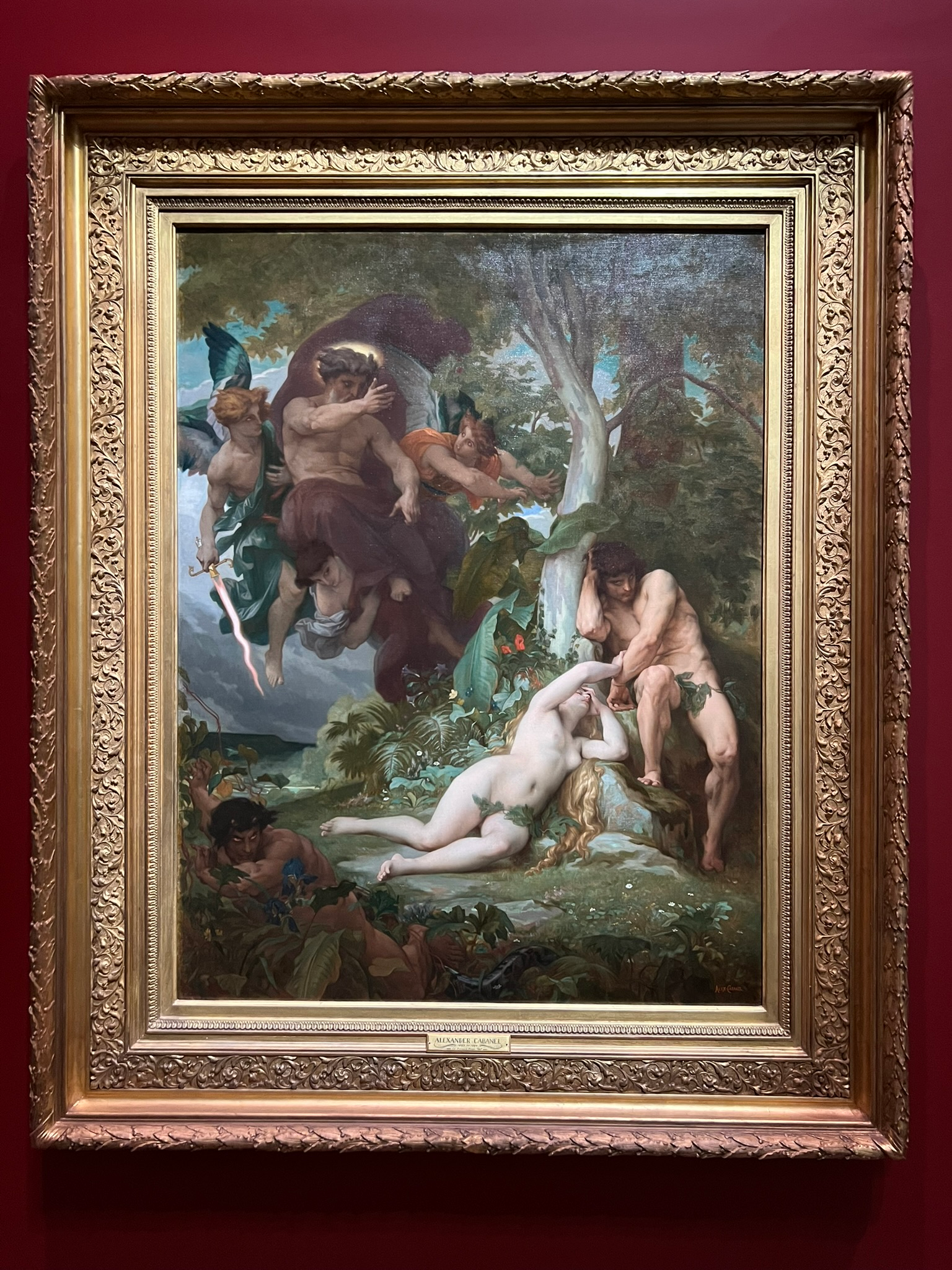
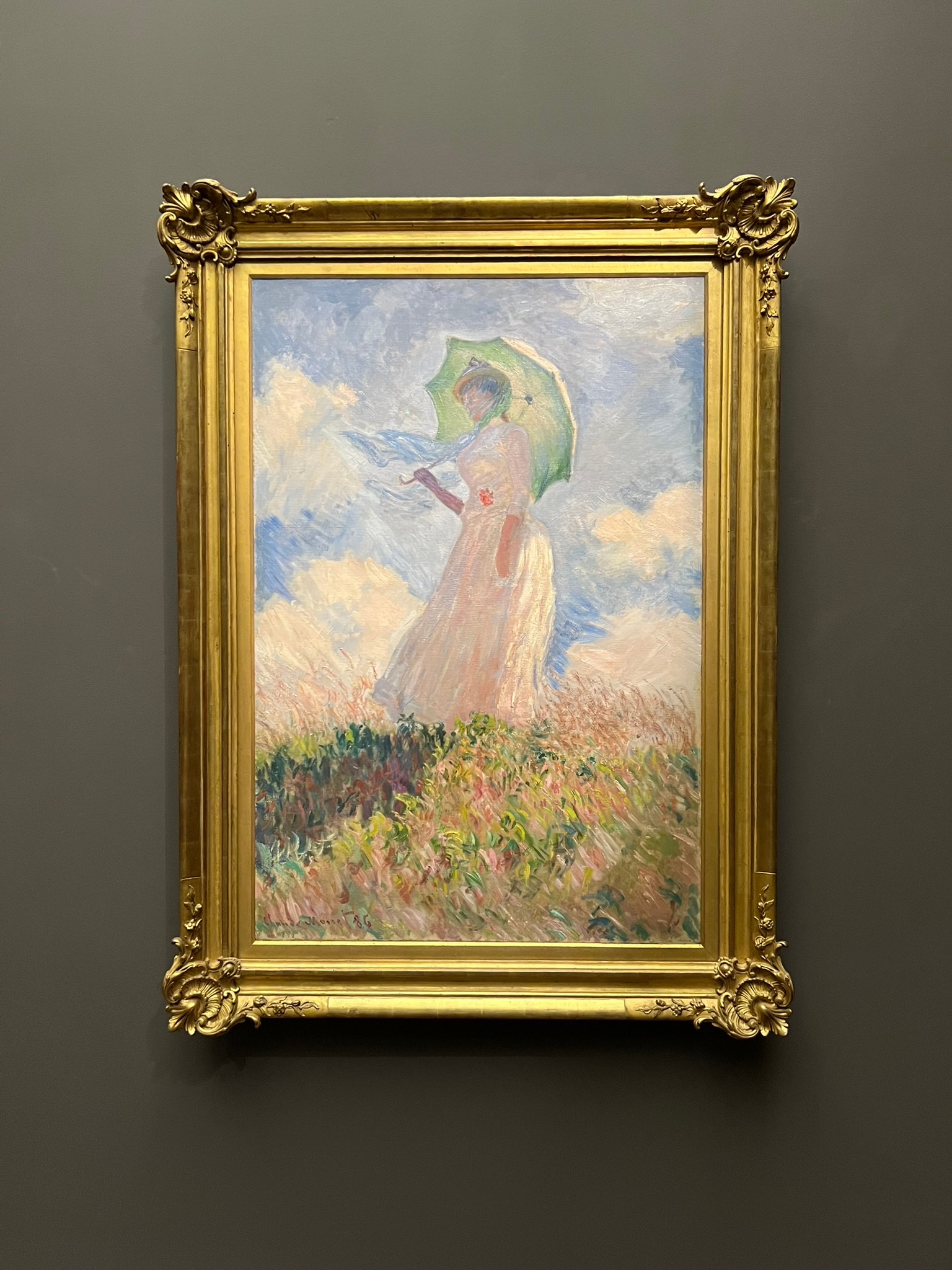
Great works of art delighted us throughout, including Woman with a Parasol, The Water Lily Pond, Green Harmony by Monet, Self-Portrait and Starry Night Over the Rhône by Van Gogh, Olympia and Le Déjeuner sur l’Herbe by Manet, The Birth of Venus and Dante and Virgil in Hell by William-Adolphe Bouguereau, and The Expulsion of Adam and Eve from the Garden of Paradise by Alexandre Cabanel. Man, do I love museums.
Following that, we had dinner at a fancy restaurant where we had the fanciest hors d’oeuvres, including escargot (delectable), beef tartare (decent) and, of course, my favourite dessert: crème brûlée (divine).