San Blas Islands – Day 2: Lionfish, Languages and Laziness
SAN BLAS ISLANDS
Day 2: Lionfish, Languages & Laziness
February 18, 2023
Woken up by the expert blowing of a conch, we were greeted by a pile of hojaldras welcoming us into a brand-new day of pure, unadulterated tropical island bliss. After we dug in, we were escorted to a new boat which took us to another island some ten minutes away, that of Anmardub.
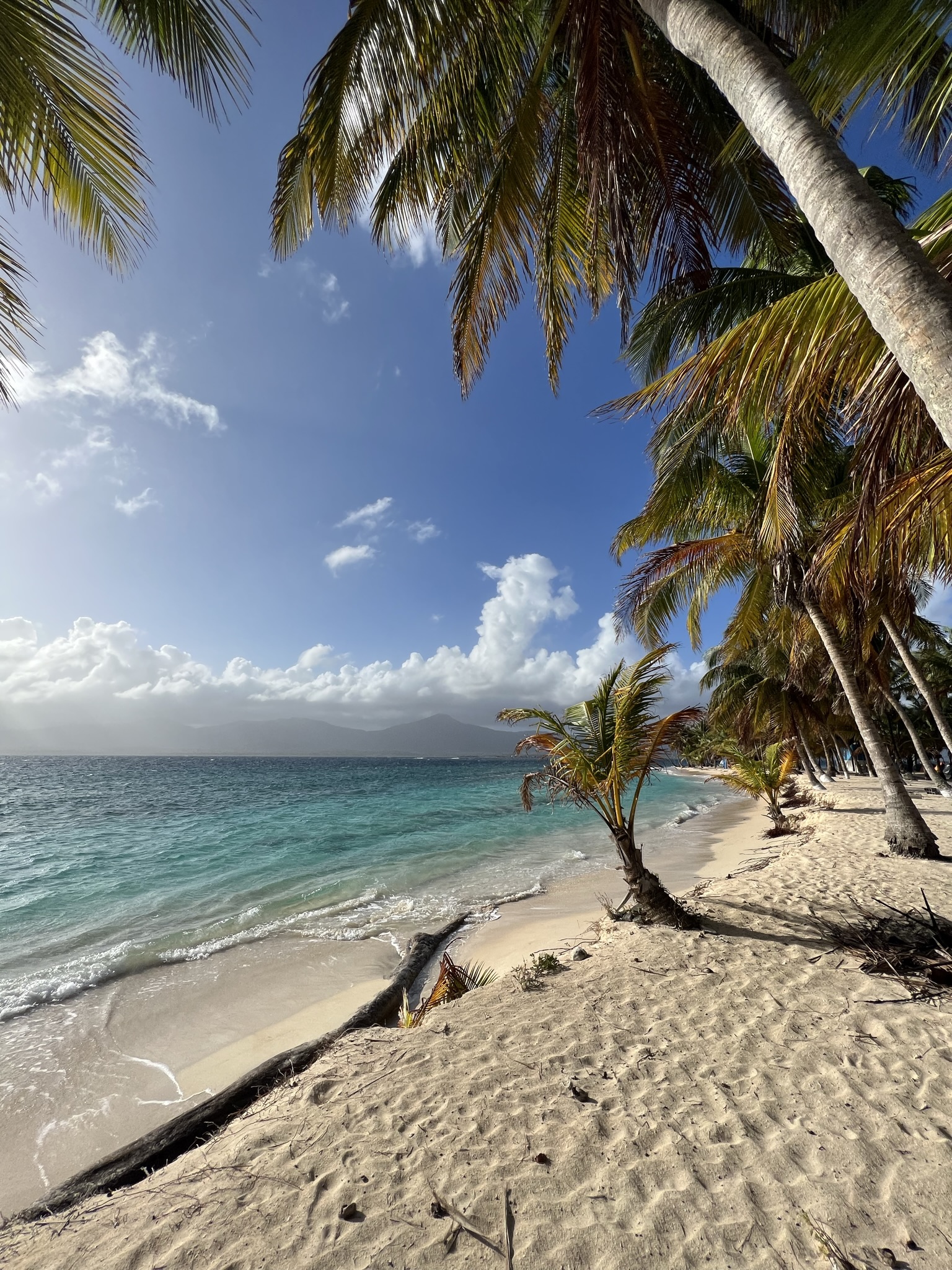
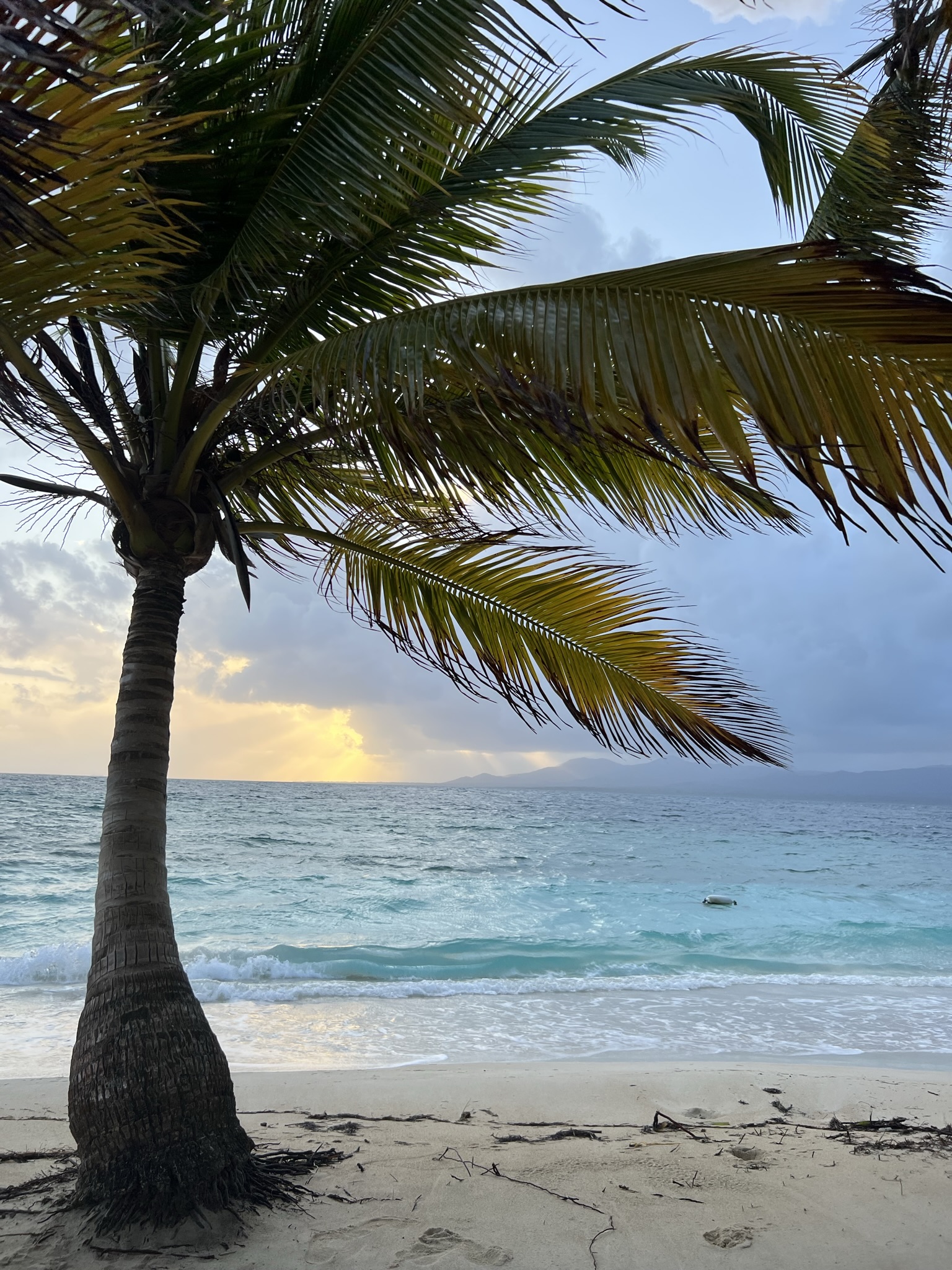
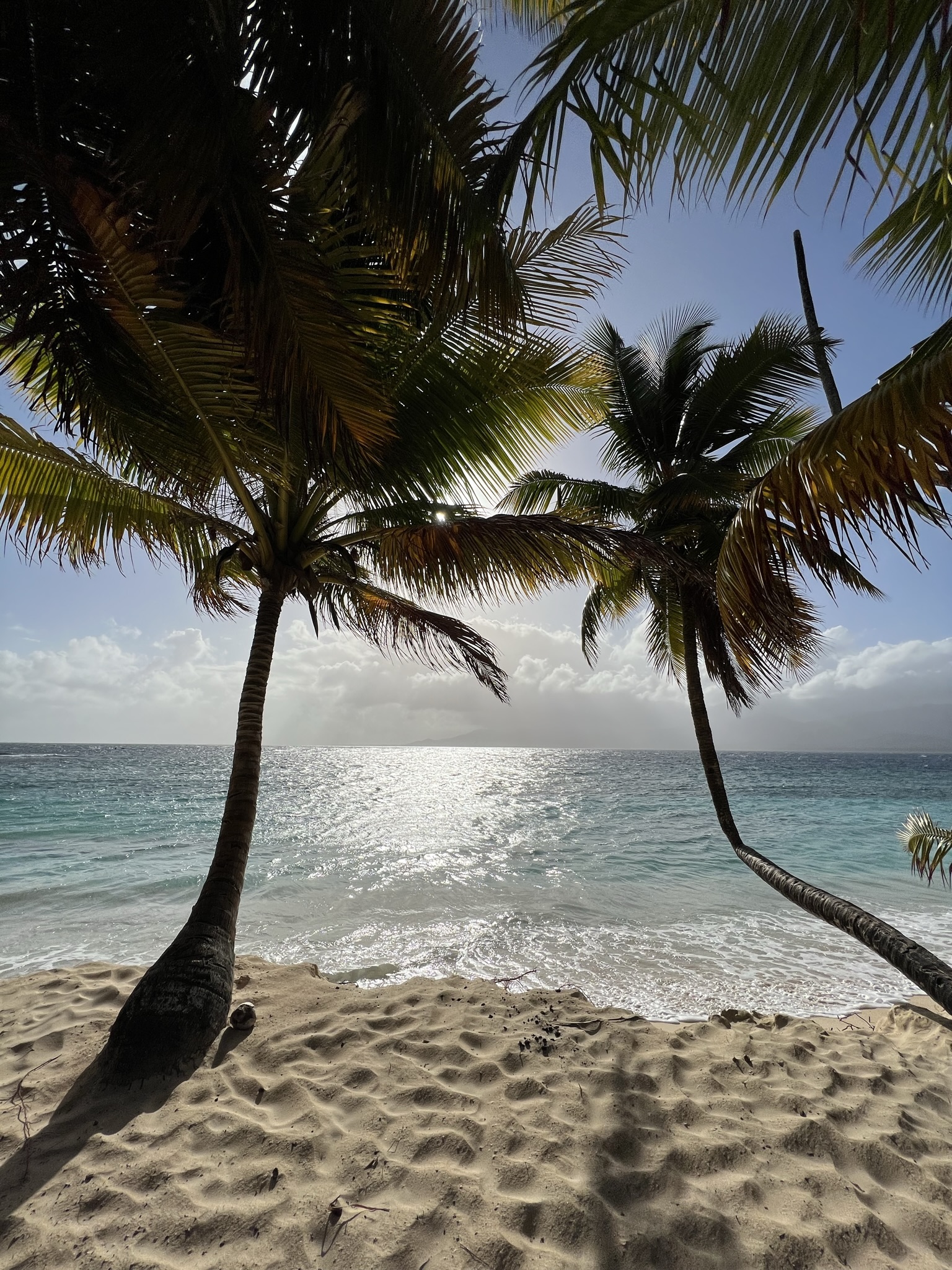
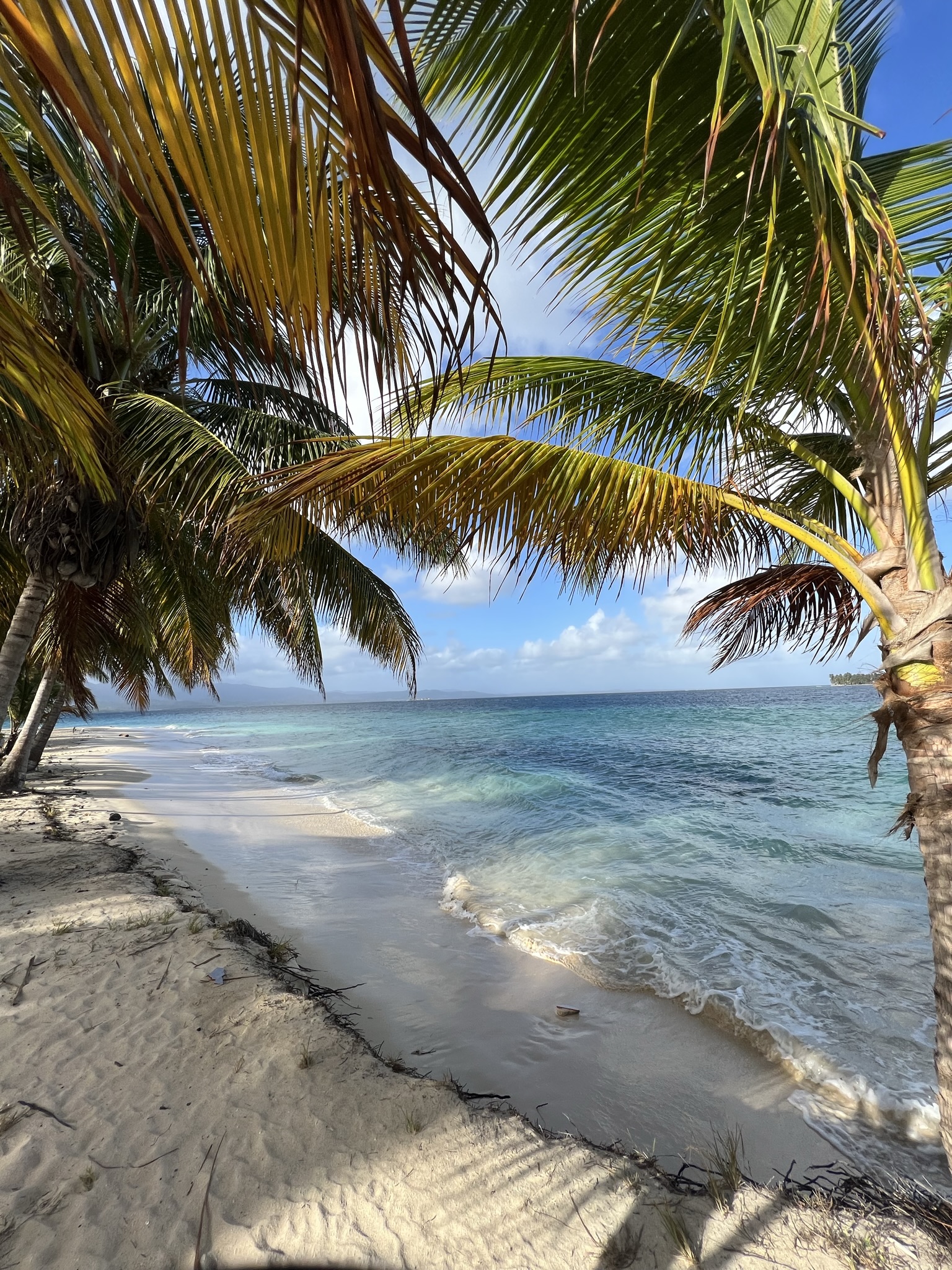
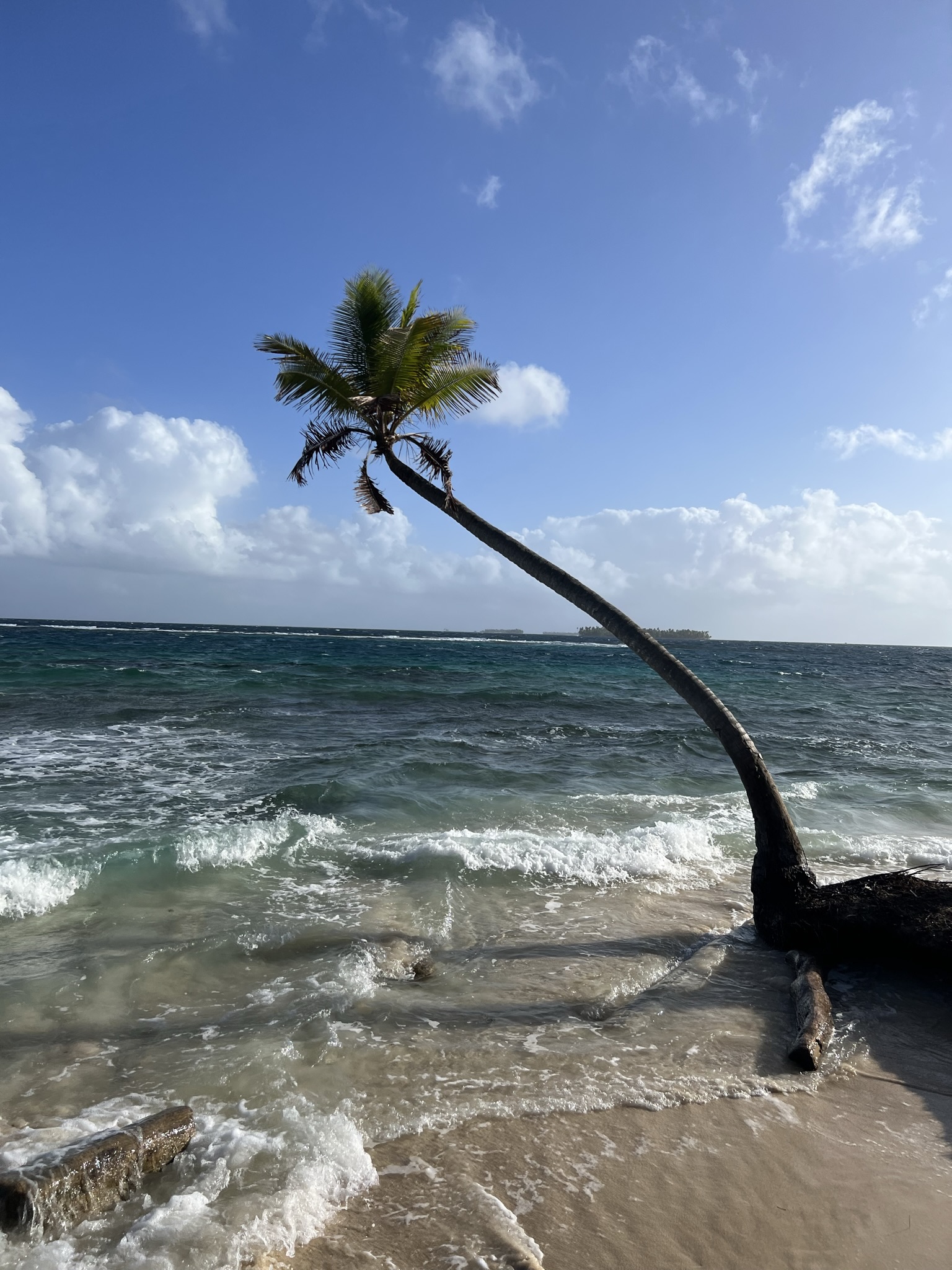
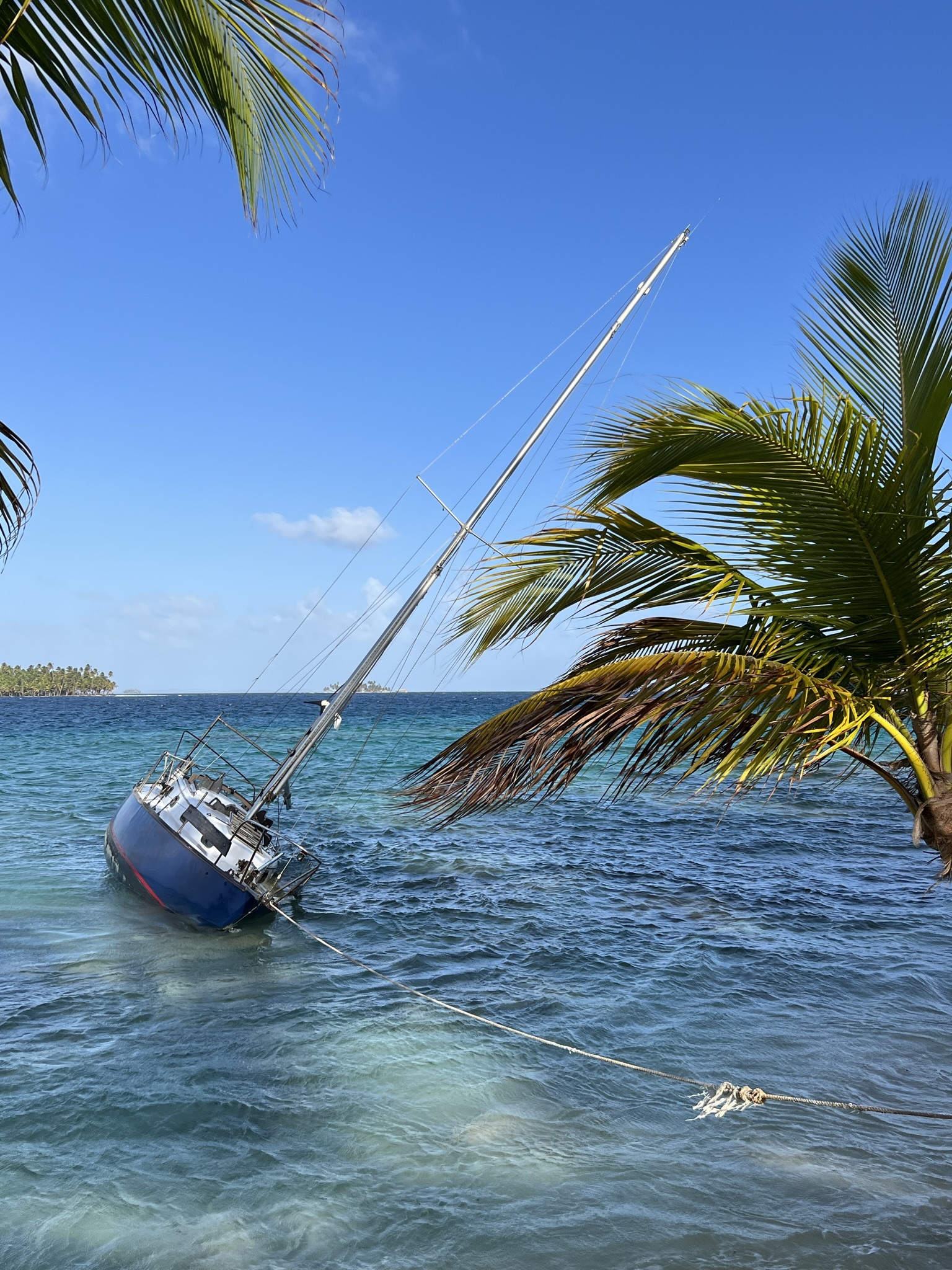
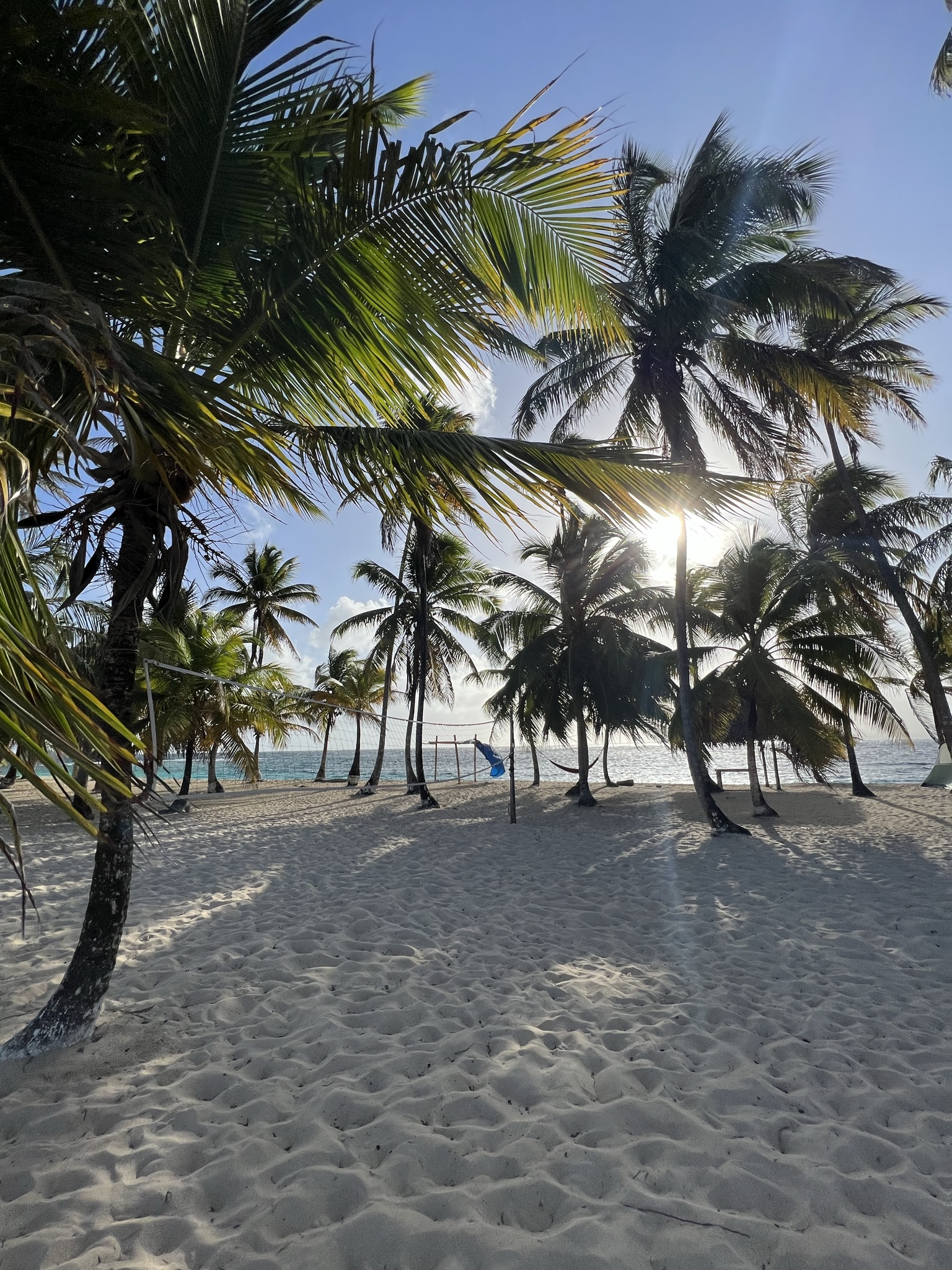
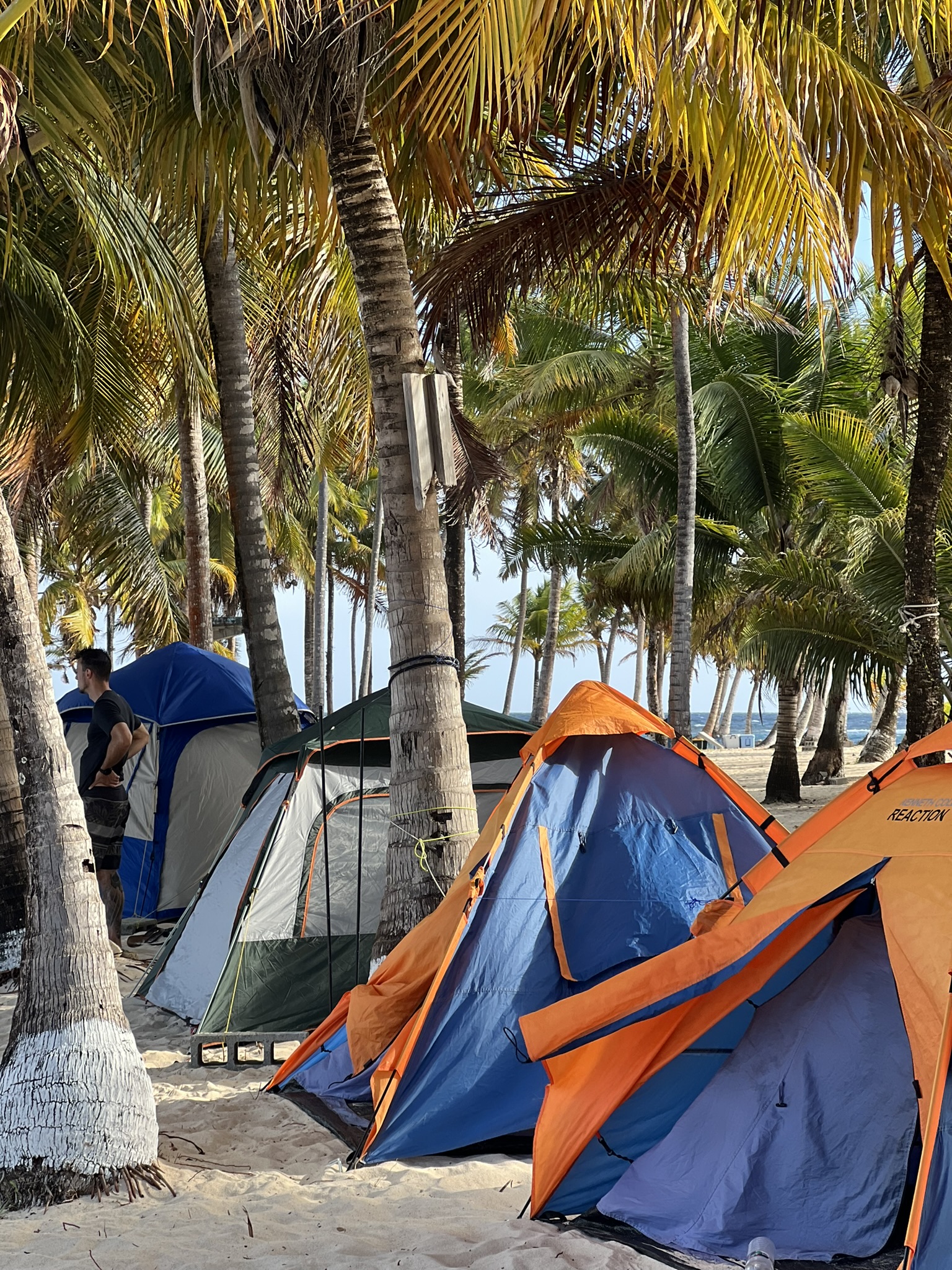
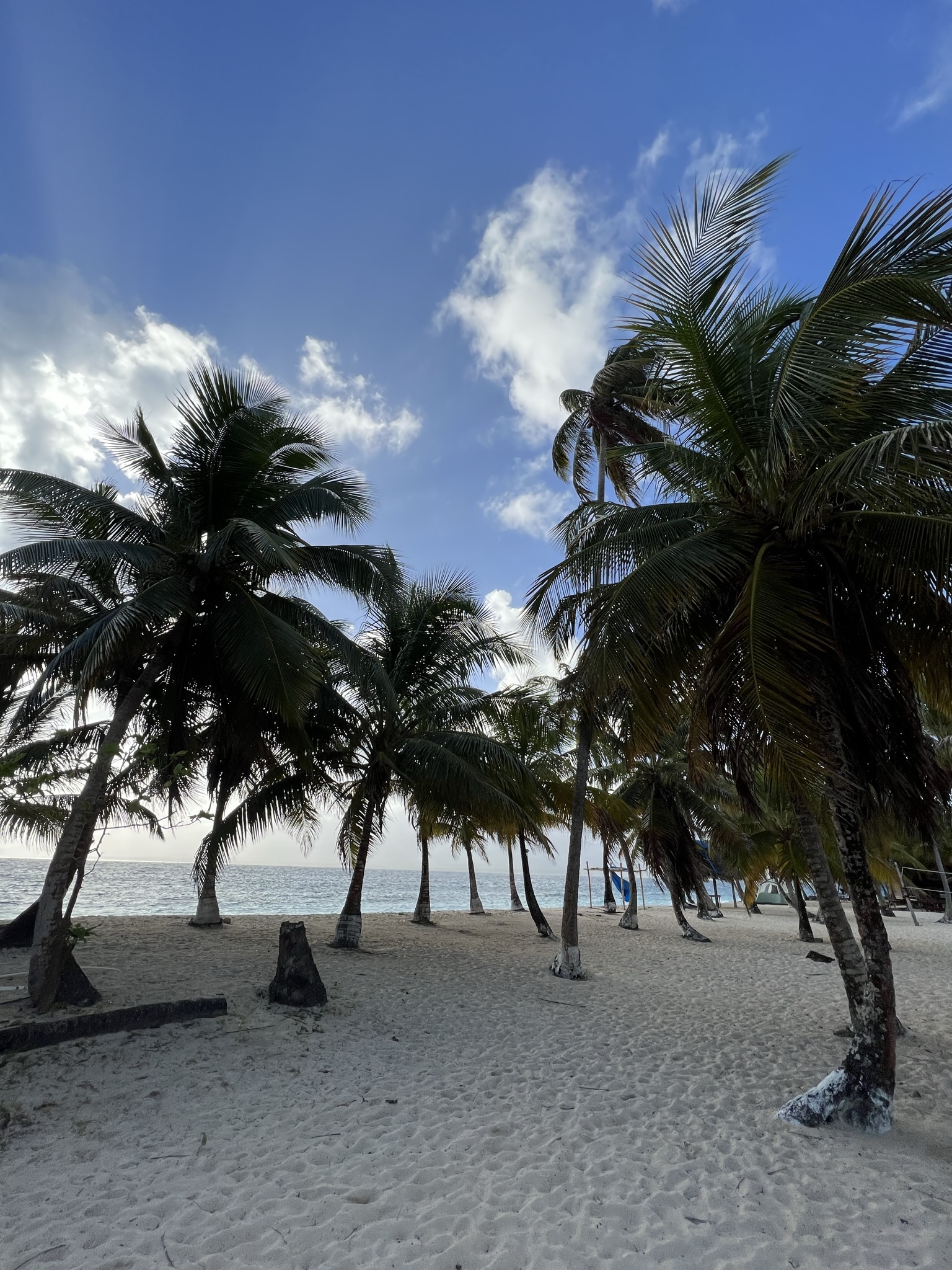
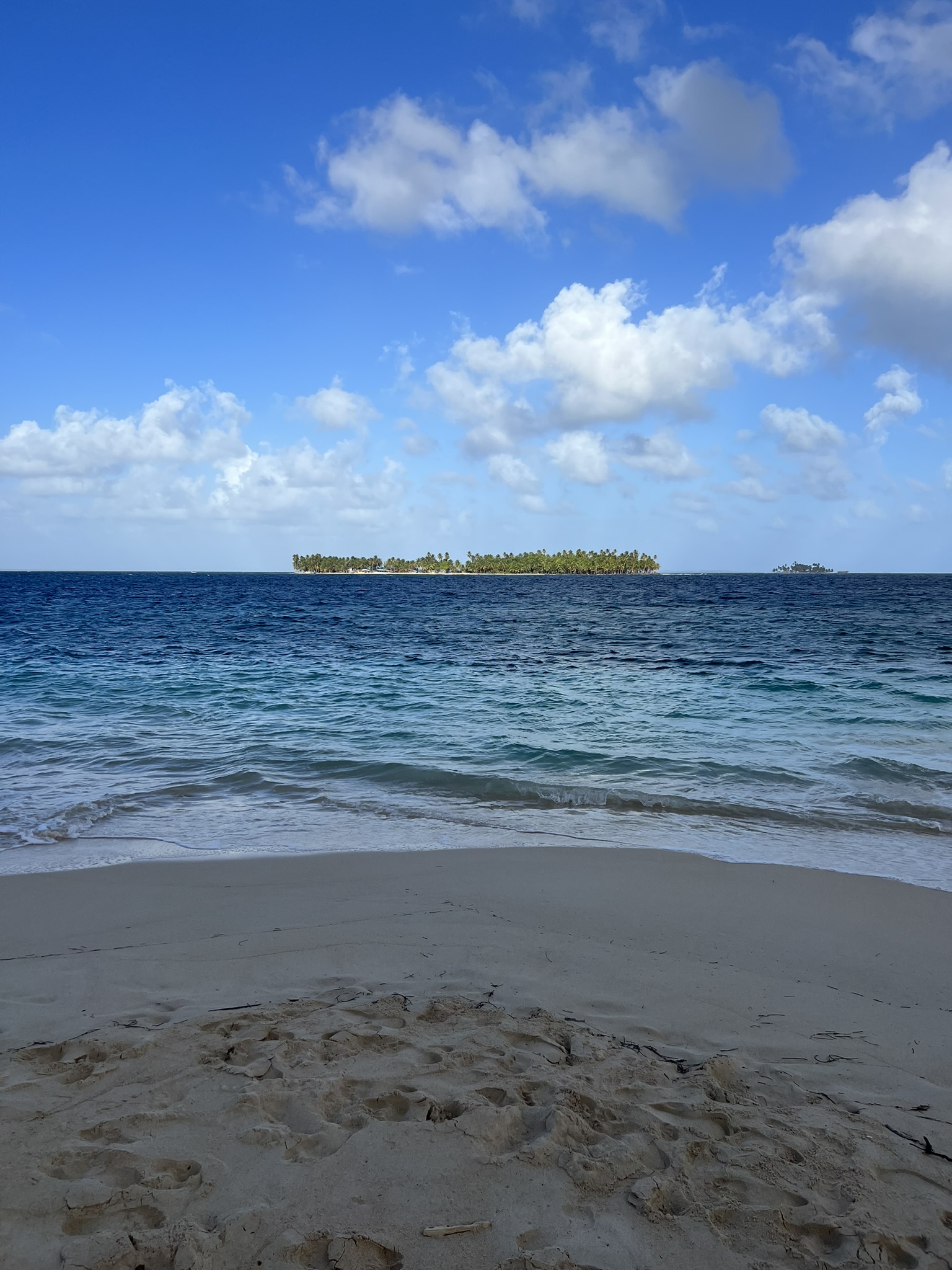
Unlike Pelícano, this was a smaller mound of bare sand with the occasional coconut palm, a shack in the centre, and a few camping tents on one side where we’d be spending the night. Now this felt like Sandy Caye. And it’d be just six of us – Sarah from the Netherlands, Robert from Austria, Tom the obnoxious Brit, and Lauren and Owen from Ireland.
I made it obvious that I’d be enjoying my own company rather than fraternising with anyone else by claiming a hammock and making intense eye contact with my Kindle – now on my second book.
Fake Diving and Real Failure
After dozing off a couple of times and waking up feeling like a glowing radioactive turd, I grabbed some snorkelling equipment and made my way into the Caribbean for some fake diving.
An old, submerged dock is now covered in coral and home to hundreds of different species of fish – ones I’d already seen, but ones that still left me amazed. Especially the huge lionfish I came across in one of the recesses a few metres below the surface. I rushed back to the island and found our host, Iniklipi, begging him for a spear, a harpoon, or anything I could use to hunt down the beast. Whilst he had no such weapon at his disposal, he resorted to his ingenuity and came up with a makeshift spear – a knife tied to a broomstick. Whilst I was sceptical, thinking the fish would simply slip away the second the knife got close, I can’t say I wasn’t excited to give it a go.
Lo and behold, when I swam back to the same spot where I’d sighted the son of a gun, it was gone. To me, this seemed next to impossible – a cruel trick played by the universe, a ploy concocted by marine life to fool me. You see, lionfish, as Catherine had asserted time and time again, are “stoopid”. Once they find a place they like, they don’t move, come hell or high water. Time and time again in Utila, we’d return to the same dive site only to find a lionfish sitting in the exact same spot days later.
And now? Now I’d stumbled upon the one lionfish that knew better. I searched all over for the now-mythical creature, only to return ashore empty-handed and reeking of failure.
An Evil Scheme
Of course, on a tropical island, the stench of failure doesn’t take long to dry up and evaporate. I curled back into my hammock and finished my book as the weather oscillated between scorching sun and overcast skies with a light pitter-patter of rain.
Whilst Sarah and Robert headed off to another island as part of a tour, I decided to sit it out and revel in my chill mode once again – that is, until Tom, Owen, and Lauren dragged me along for a couple of Balboas and a game of Spoons and Ride the Bus.
What followed was a discussion that somehow covered prostitution, cheating, economics, artificial intelligence, and languages. Of course, Tom mansplained and tried to impose his views on all of us at all times, the rest of us attempting to have a coherent conversation in between his outbursts. Tired of his obnoxiousness, I did my best to come up with a solution. Being the chaotic evil archetype that I am and feeding off his bravado, I quickly took my revenge by handing him a noni fruit. After reassuring him that it was edible, he took a big, avaricious bite out of the so-called vomit fruit. He retched for a solid fifteen minutes. The poor guy.

A Lesson on Language
With Tom rendered blissfully silent, the conversation flowed smoothly. It turned genuinely interesting, especially the language bit, with Owen telling us that in Irish – another language teetering on the edge of extinction – there are around thirty words for what in English would simply be a “field”.
Here, I couldn’t help myself and did some mansplaining of my own, harking back to my philosophy of language days. When we say languages are living things, it’s not just a metaphor. Languages are tools we use to describe our realities, and since realities differ from one person to the next, so do languages. In cultures where certain things are abundant or important, more words will exist to describe them, and the opposite is equally true.
I recalled my professor mentioning the indigenous Himba people of Namibia, who classify colours into five categories rather than our eleven, and who can distinguish between countless shades of green but struggle to differentiate blue from it – something that alters perception and, in turn, influences worldview. Or the Amondawa of the Amazon, who, despite living in the same physical world as us, have no words referring to time, as the concept itself holds little relevance in their culture. And much like the Irish and their agricultural roots, Arctic Inuit languages have dozens of words for what we simply call “snow”. This idea, known as linguistic relativity, suggests that language both shapes and is shaped by how we experience the world. Nifty, right?
Building on the previous day’s conversation about progress, this means that while progress may be inevitable, highly specialised languages that evolved in specific ecological or cultural niches won’t simply disappear unless reality itself changes for the people speaking them – say farming losing its economic importance in Ireland, or climate change de-snowing the Arctic in the foreseeable future. As always, it’s also a matter of natural selection – kill or be killed. For a language to survive, it must evolve, integrating words for what becomes important while shedding those that no longer serve a purpose.
And Maltese, my mother tongue, is the perfect example. It originated from Sicilian Arabic in the 9th century and gradually absorbed Latin and Anglo-Saxon influences over the centuries, reflecting layers of history. Whilst words for ploughs and sickles still exist, they now cower behind far more frequently used words like “computer” or “cellphone”. Man, I love languages.
Closing the Day
After our very interesting discussion, we were gathered at the lodge on the centre of the island for dinner. After a feast of fish, rice and beans, I headed back to the safety of my hammock to continue my reading.
After sunset, I closed my Kindle and let it rest on my chest as the hammock swayed gently beneath me. The waves kept their steady rhythm against the sand, unbothered by time or people or plans, and the air was thick with salt and warmth. For once, there was nothing I needed to do, nowhere I needed to be. Just the sound of the Caribbean breathing, and me breathing with it. I could live like that for the rest of my days…