Puerto Viejo de Talamanca – Day 3: The Trails of Cahuita
PUERTO VIEJO DE TALAMANCA
Day 3: The Trails of Cahuita
February 05, 2023
On my very last day in Costa Rica, more adventure awaited. I was originally meant to spend a couple of days in Cahuita, a nearby town home to one of the most impressive natural reserves in Costa Rica, but had to cancel it when I extended my stay in Utila. Only now I managed to re-convince myself to go anyway – even if just as a day trip.
Here, and in Punta Uva next to Puerto Viejo, diving is said to be incredible given the diversity of marine life. But taking a note from Vicente’s book, who’d been diving here a few days earlier and told me the visibility was predicted to be poor for the coming months, I decided to sit this one out and instead went for a guided walk in Cahuita National Park.
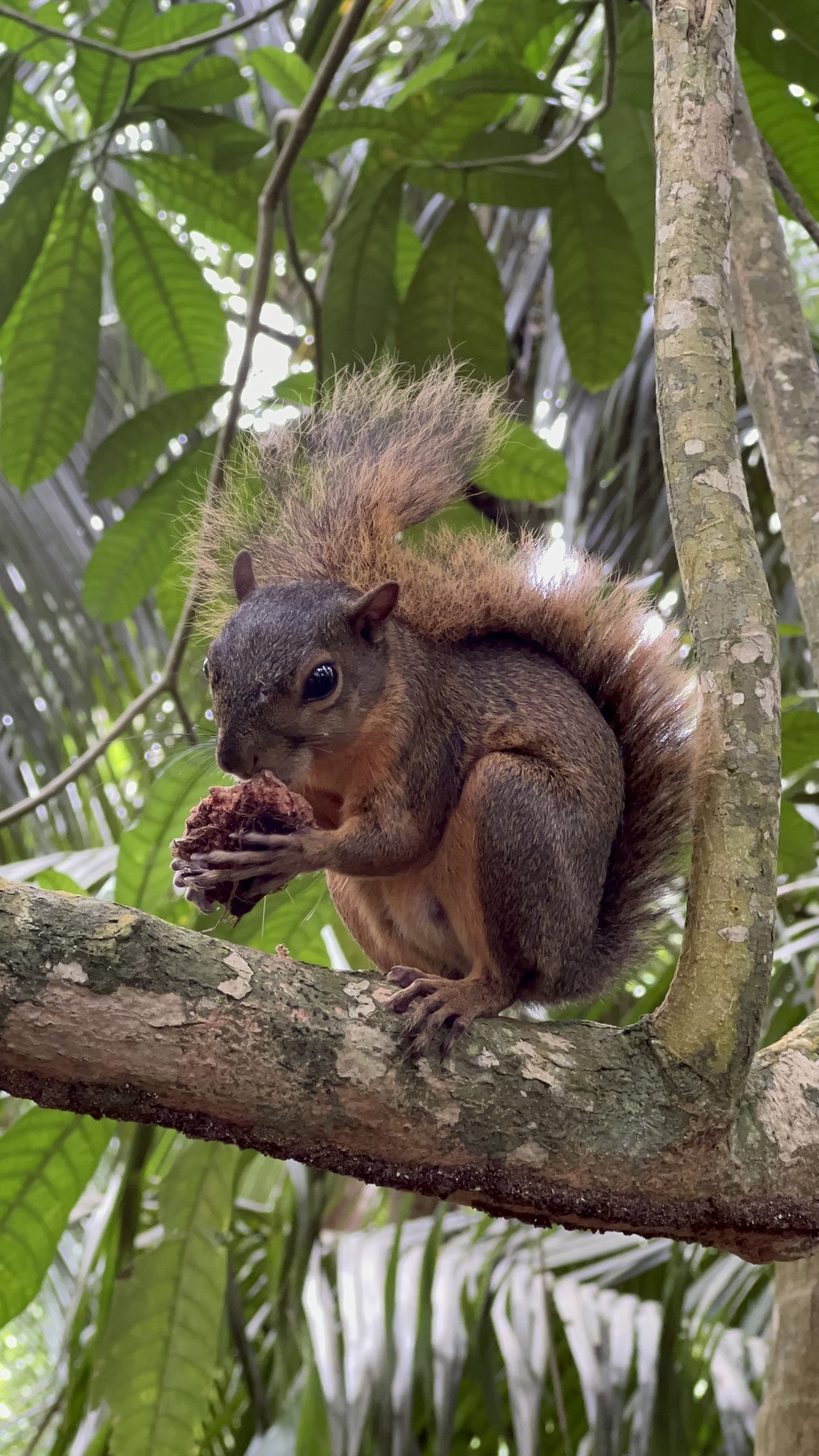
Rodrigo, my guide for the day, told me the park is a coastal reserve known for its rare combination of tropical rainforest, white-sand beaches and one of the country’s most accessible coral reefs. Established in the 1970s by his own grandfather, the park protects roughly 1,100 hectares of terrestrial forest and over 22,000 hectares of marine area, making it a hotspot for biodiversity both on land and underwater. Its flat coastal trail offers easy wildlife viewing, with sloths, monkeys, reptiles and countless bird species often spotted just metres from the path, all set against the constant backdrop of the Caribbean Sea.
Cahuita National Park
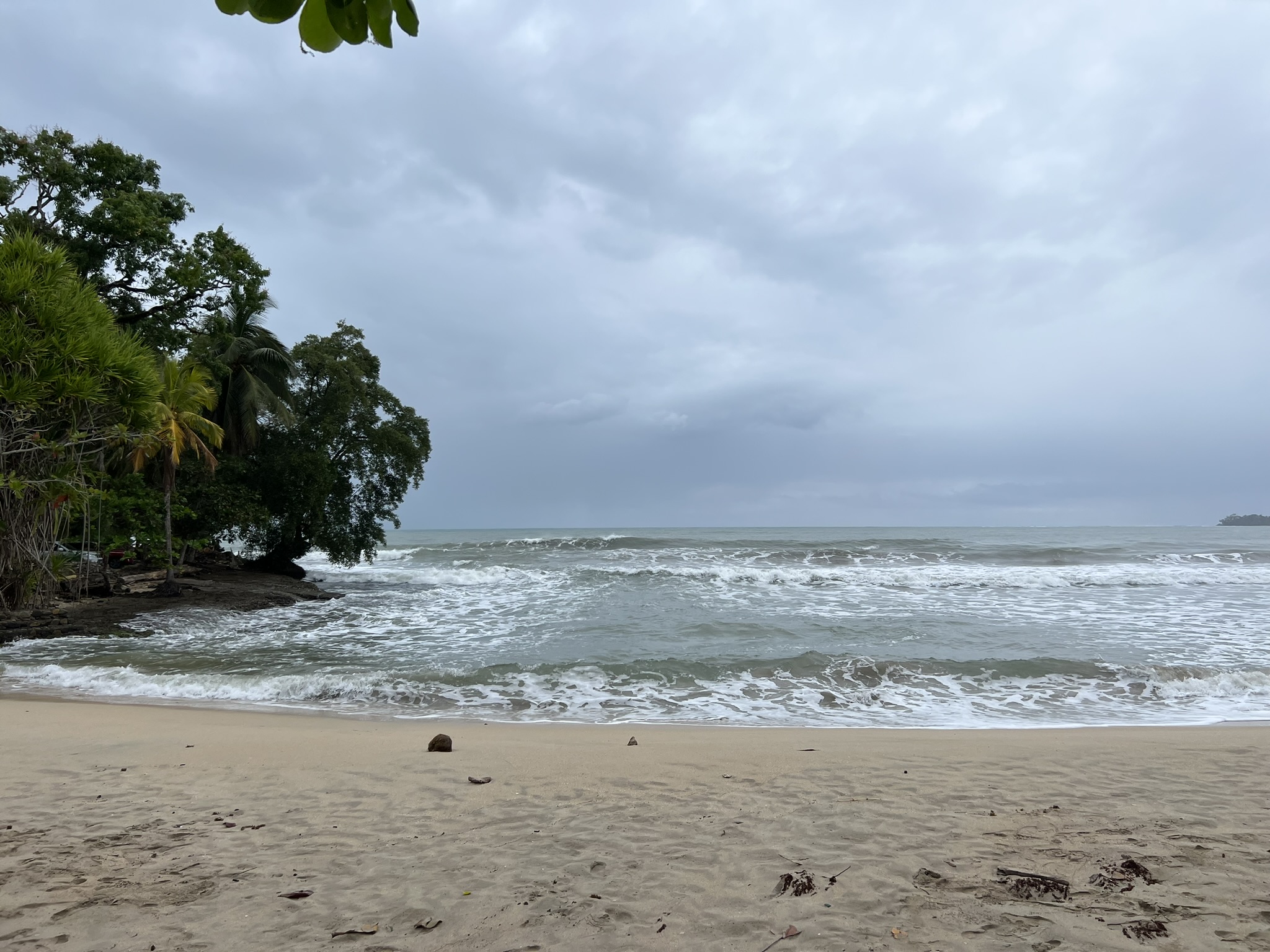
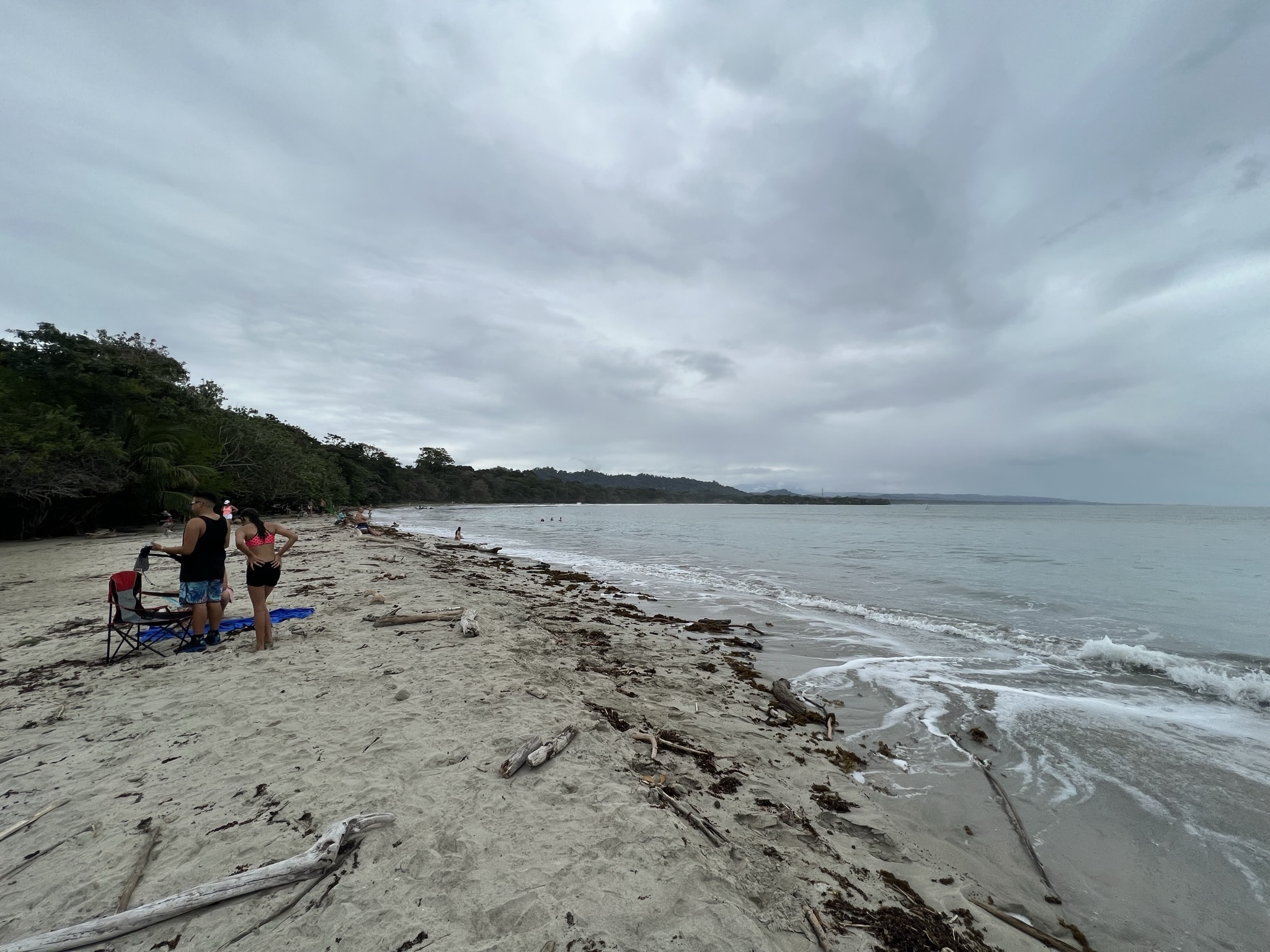
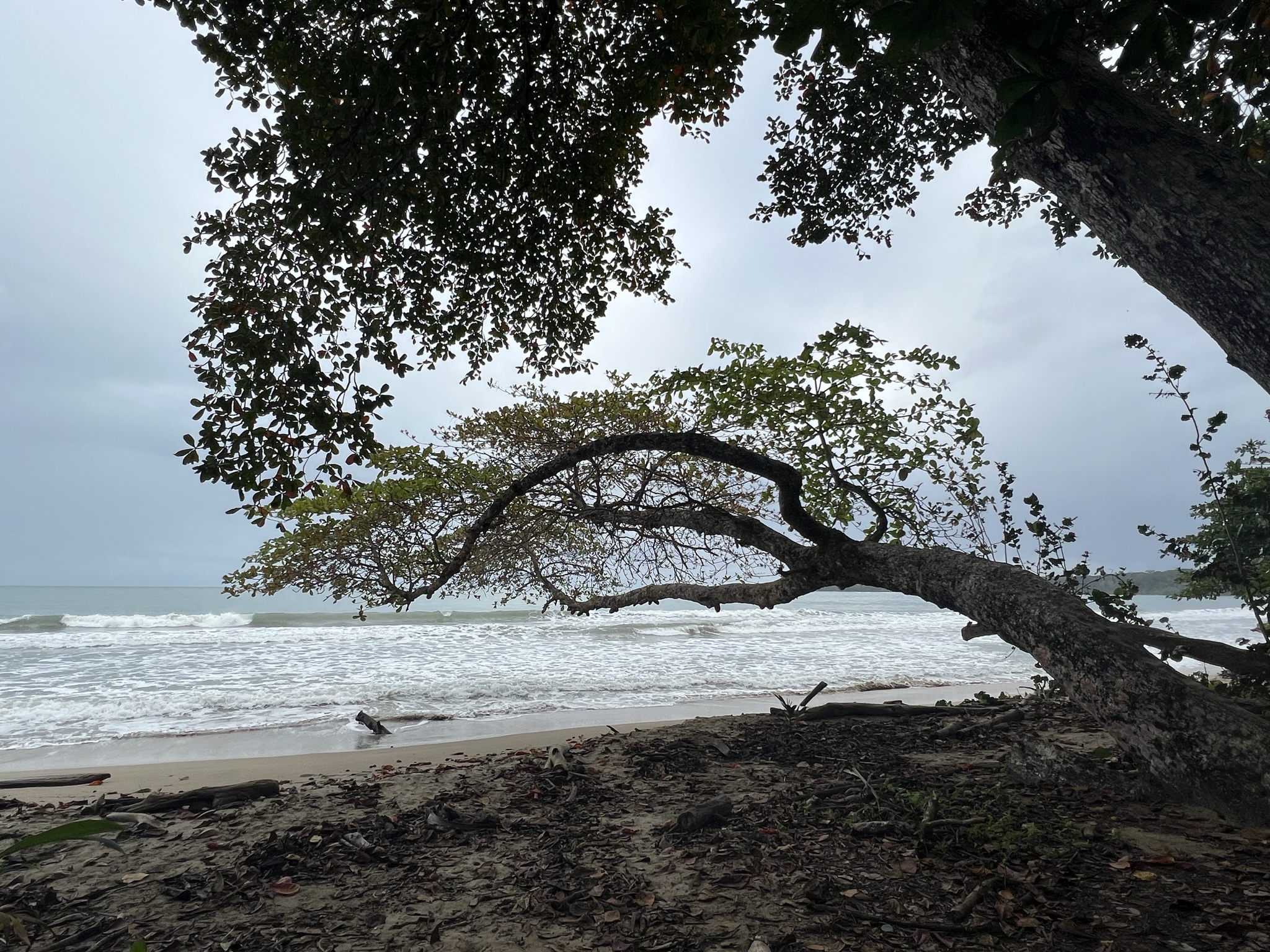
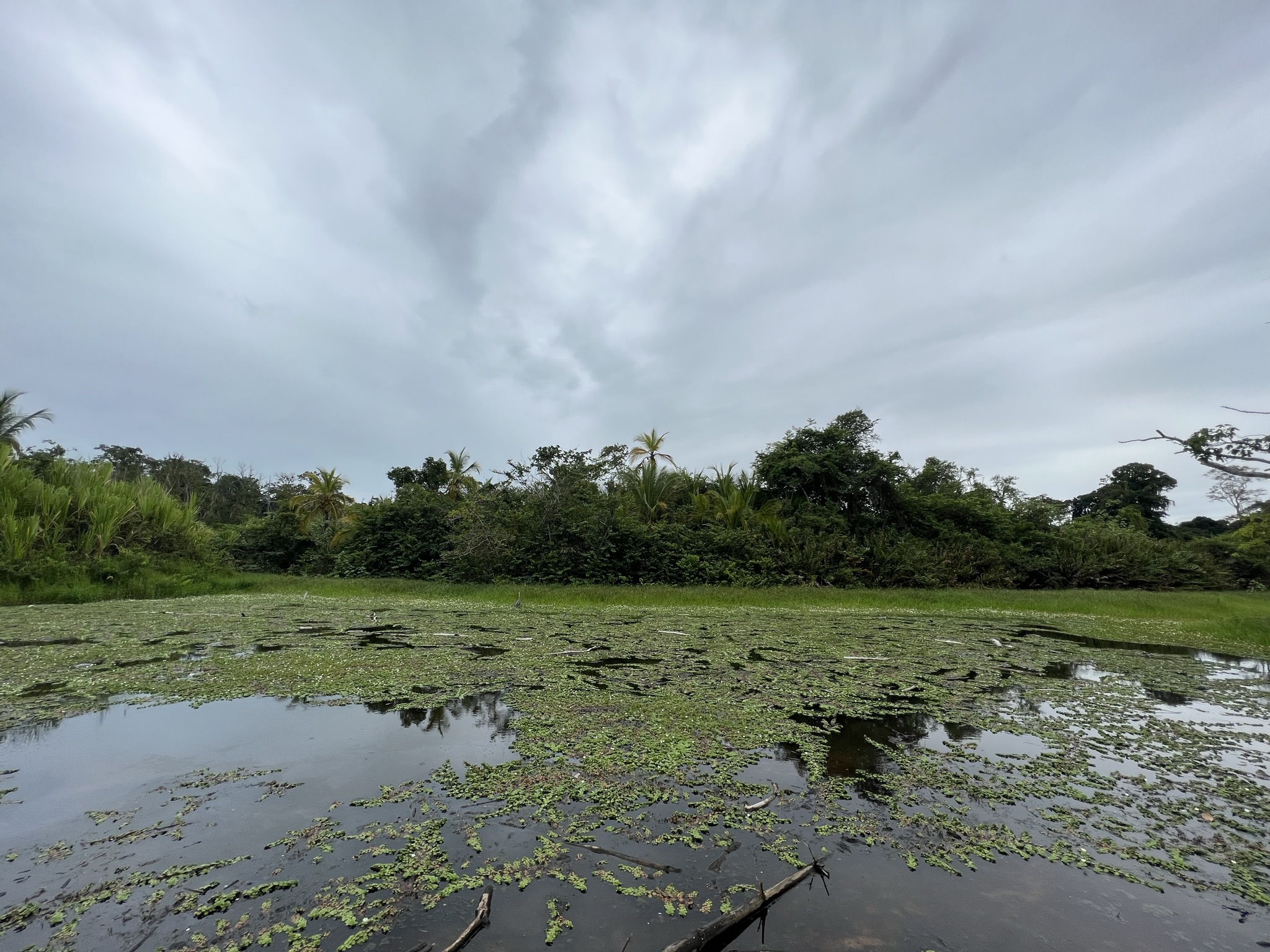
As we started on our trail, I was incredibly grateful to myself for having managed to make it all the way up there. The flat coastal trail felt more like a slow transition between worlds than a hike. One moment we’d be walking under a dense jungle canopy, roots and vines twisting overhead, and the next we’d step out onto open shoreline, with palm-fringed beaches, coral-strewn sand and the Caribbean stretching endlessly to our left.
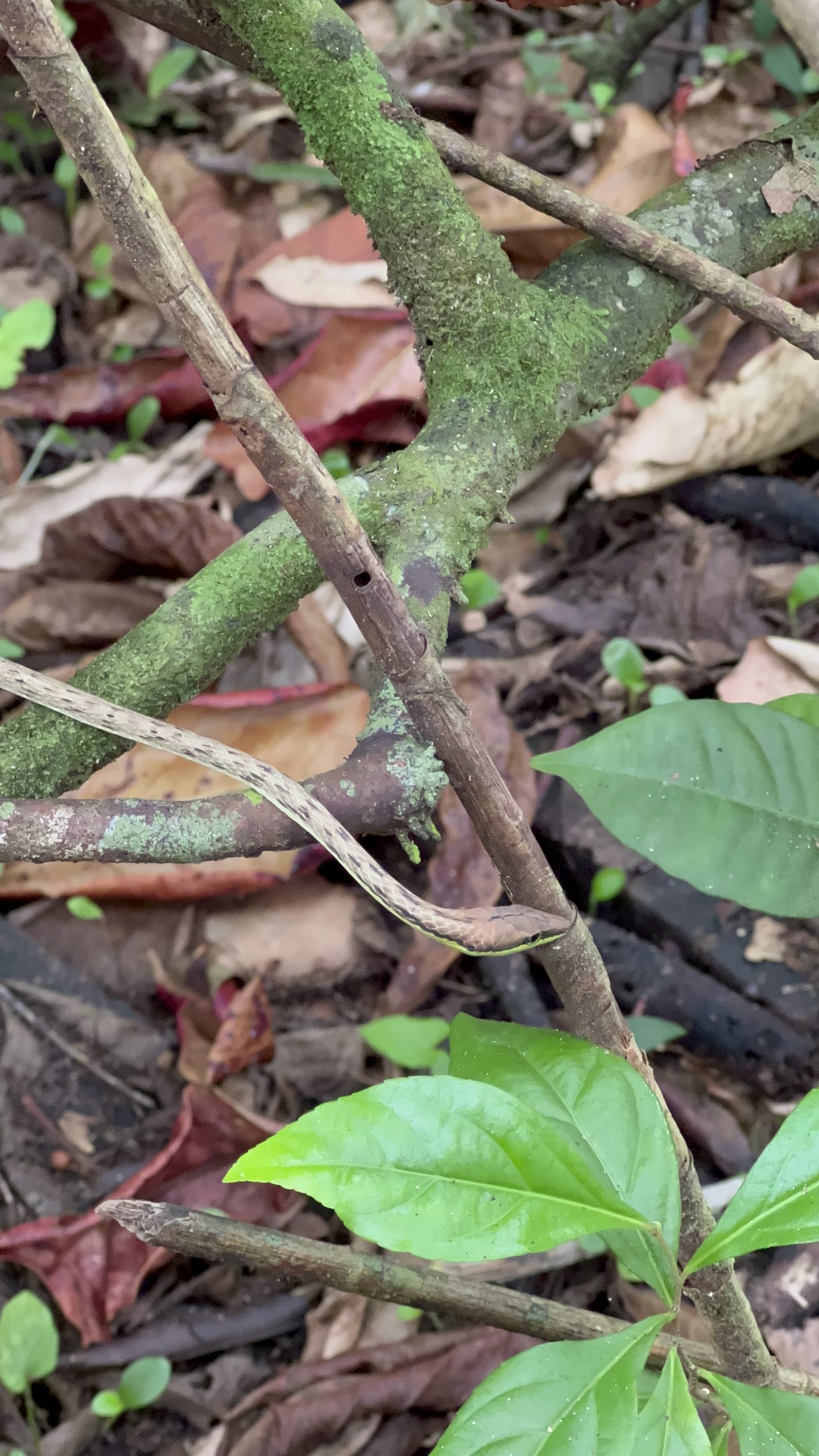
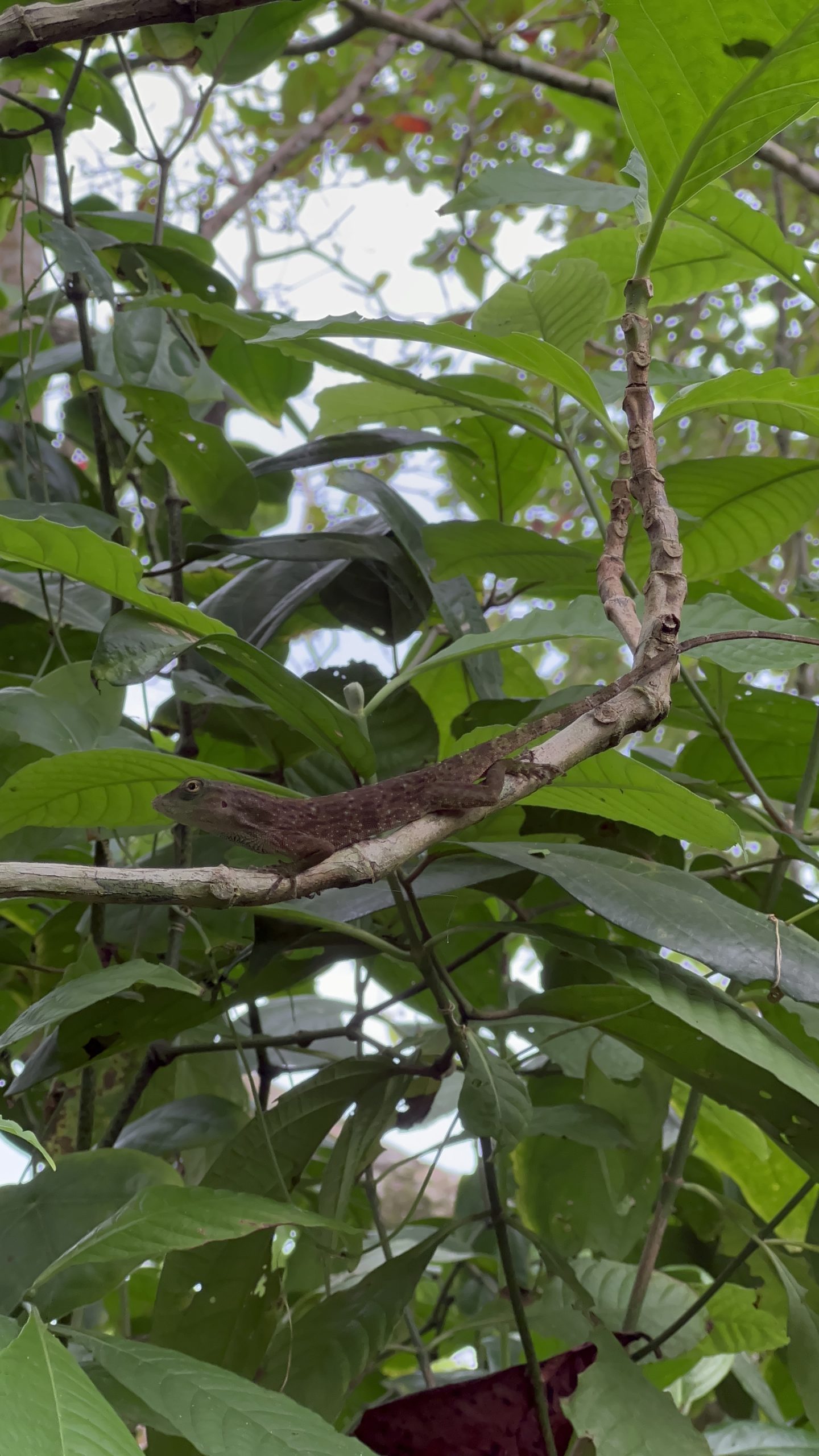
The walk itself was very pleasant, but to be completely candid, it would’ve been just that had I not been with Rodrigo, whose eagle eyes could pinpoint the tiniest creature from any distance. From basilisks and iguanas to brown anoles and brown vine snakes, my reptilian cravings were more than satisfied.
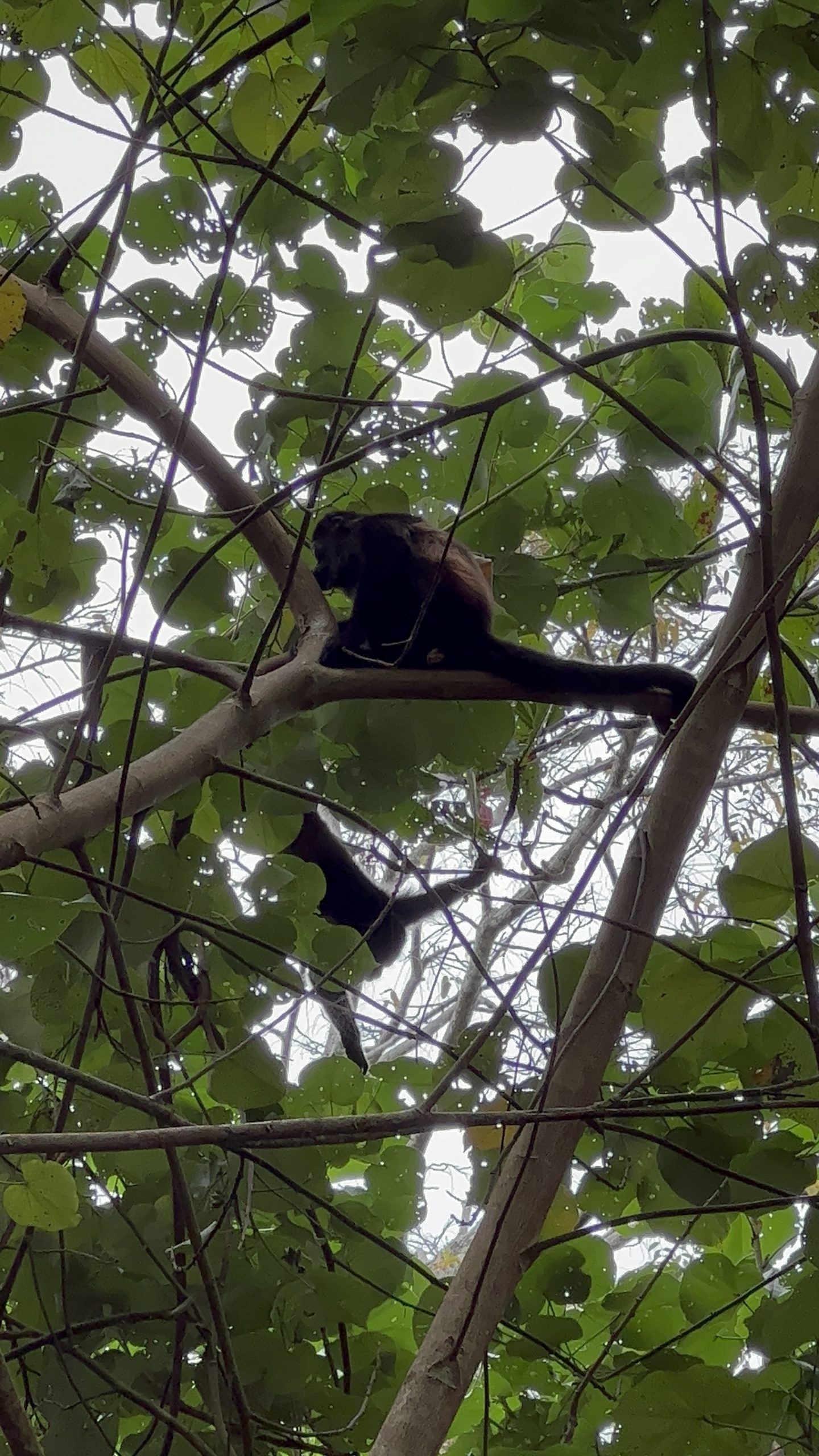
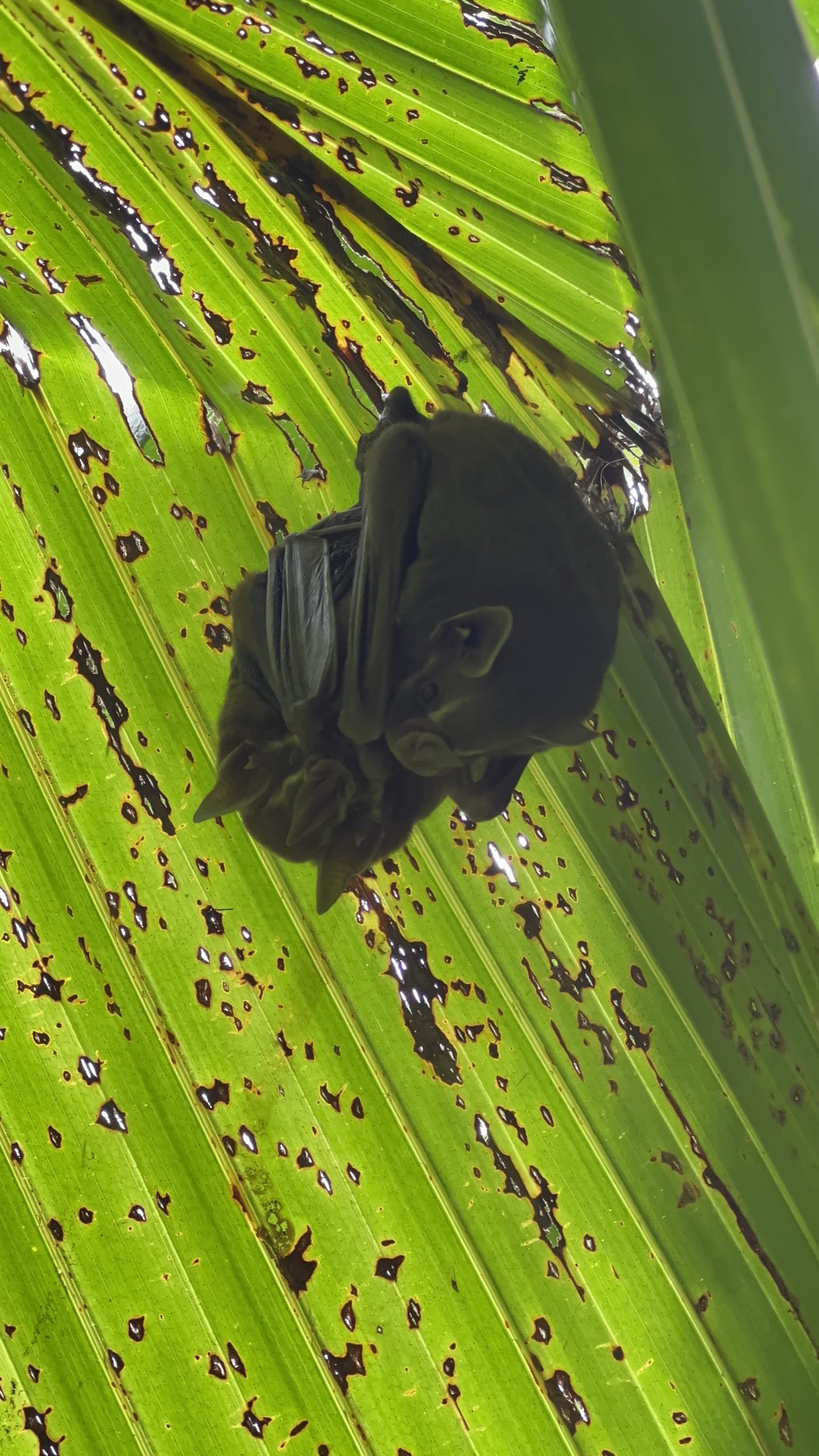
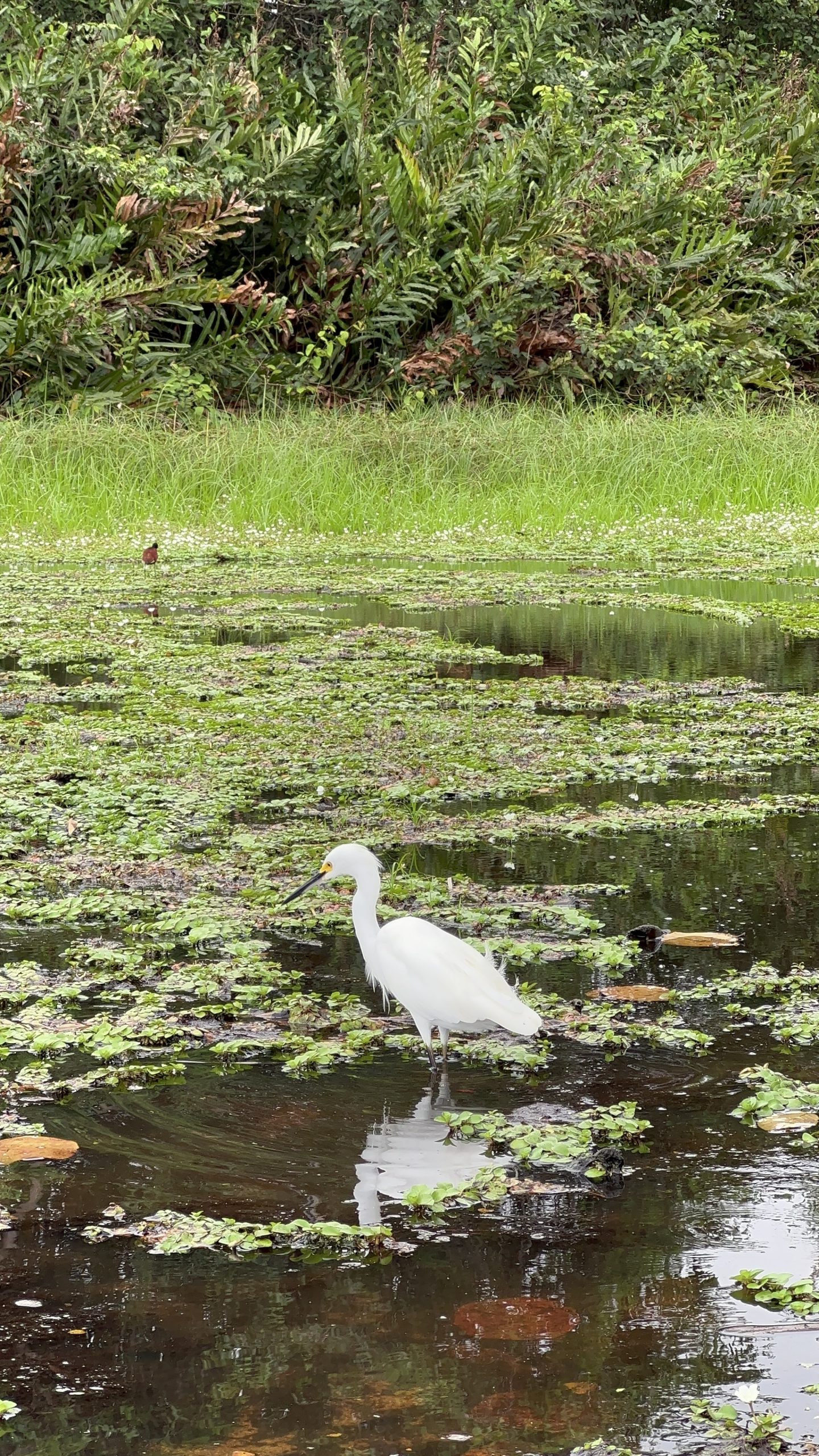
The same can be said for my aviary needs – common black hawks, toucans, jacanas, imperial herons and snowy egrets, the latter known for stomping on mud to scare away shrimp before eating them. Oh, and this one antbird whose eyes seemed bigger than its body as it stood guard over its nest, protecting its two eggs. In this case, the eggs did come first, as we found the bird on our way back. Then came the mammals – more sloths, more fruit bats and more monkeys. By this point, I can confidently say I’ve mastered my howler monkey call, because the second I yelled at one perched on a distant branch, its entire family came swinging our way.
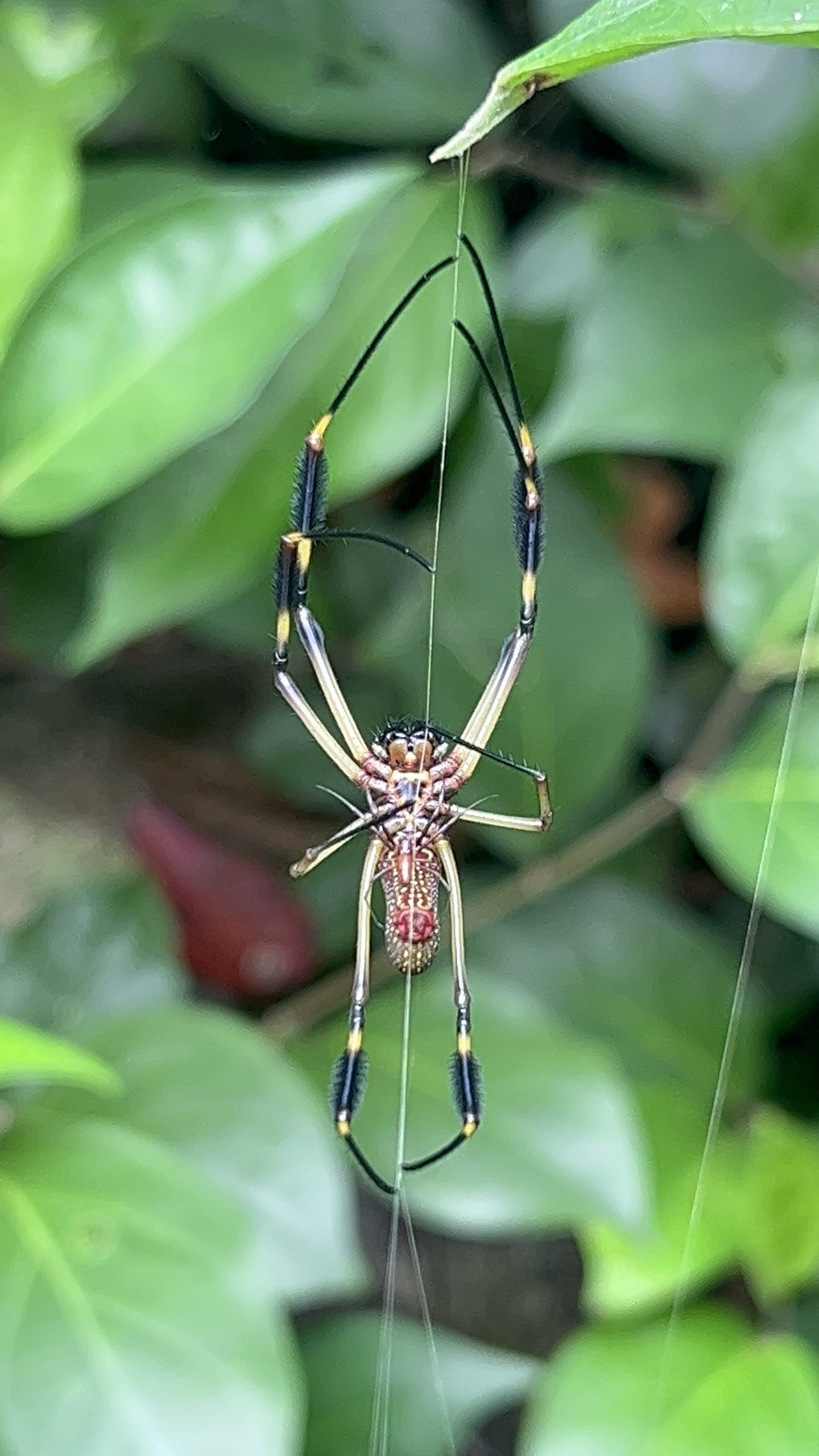
And among all the many-legged critters, the St Andrew’s cross spider takes the cake, with its silk, X-shaped stabilimentum in the centre of the web, a structure whose purpose still baffles biologists to this day. Some suggest it reflects UV light to attract prey, while others argue it reinforces the web.
He also kept pointing out different kinds of plants and tree, of which the most memorable is the manzanillo tree, one of the most toxic trees in the world, its sap causing blistering even when diluted by rainwater, and its green apple-like fruit being potentially fatal – all while iguanas eat it problem-free. A;so the he familiar almendra trees, whose fruit smells like mango, and the noni, whose fruit smells unmistakably like vomit or rotten cheese.
Goodbye Rich Coast!
After that, I had the rest of the day all to myself. I wandered around the town centre, had carbonara for lunch that came with a generous serving of cilantro (poor waiter), snacked on the best meat empanadas, followed by sweet banana empanadas for dessert, before making my way back to Playa Cocles to treasure the sea one last time, my adventures in Costa Rica having come to an end.
Costa Rica didn’t finish with a checklist ticked or a plan fulfilled, but with a feeling that lingered long after I’d stopped moving – and I’m not just talking about my shoulder and back pain. It gave me chaos and calm in equal measure, moments of recklessness followed by stillness. I’d leave this country painfully aware of how little time I had left – something I’d have to come to terms with pretty soon.