Mérida – Day 2: Mangroves and Memories
MÉRIDA
Day 2: Mangroves & Memories
August 25, 2022
The following day, I booked the first tour my hotel concierge recommended without so much as asking a single question. Just like that, I found myself in a 4×4 with Francisco, our guide, and a sixty-something-year-old Peruvian lady named Pina. While she usually travels with her husband, this year he was sitting it out, given that he was still in rehab following a knee operation. Her son would be joining her later in the week, so in the meantime, she was adventuring solo around the state of Yucatán. What a badass!
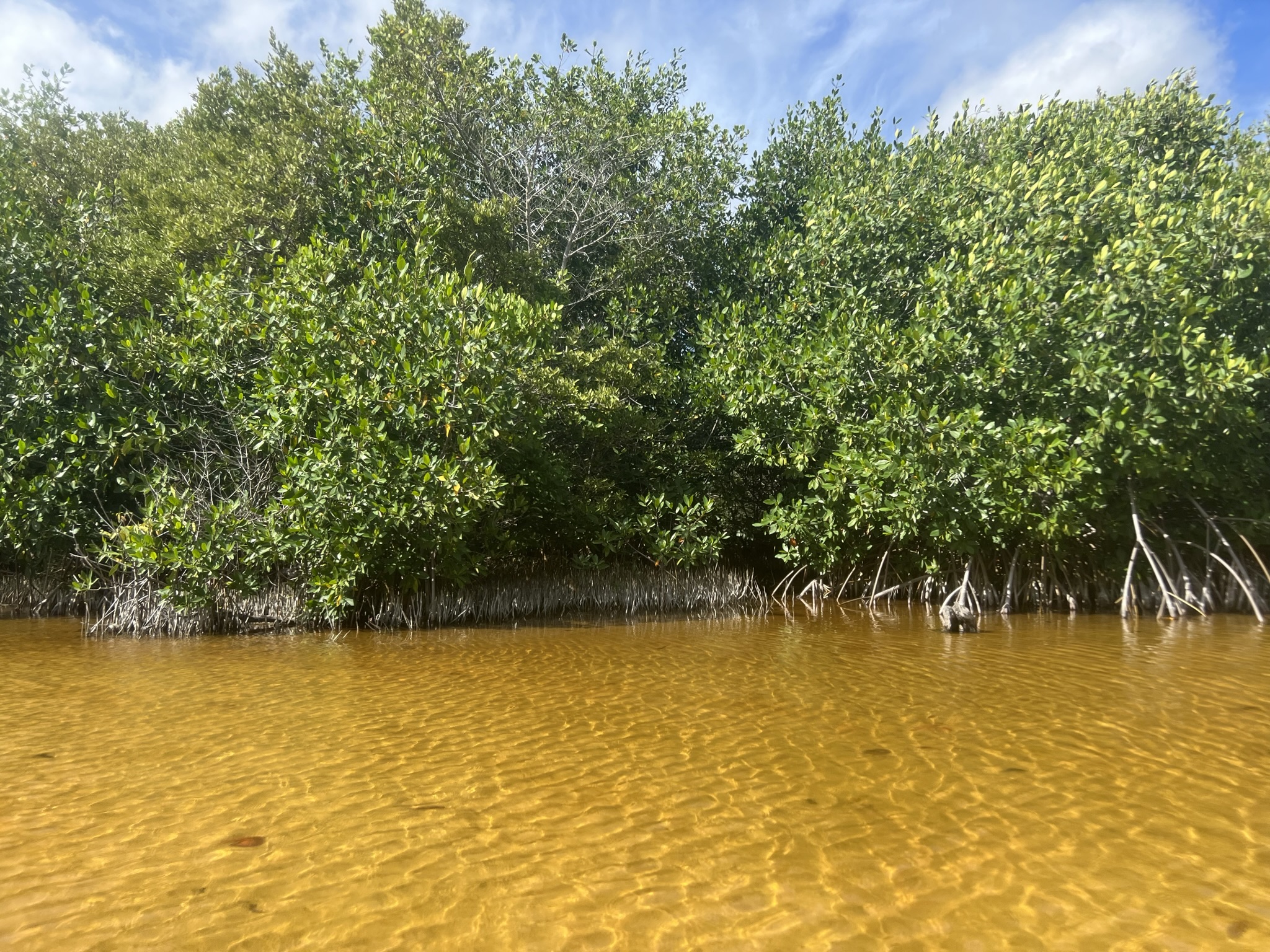
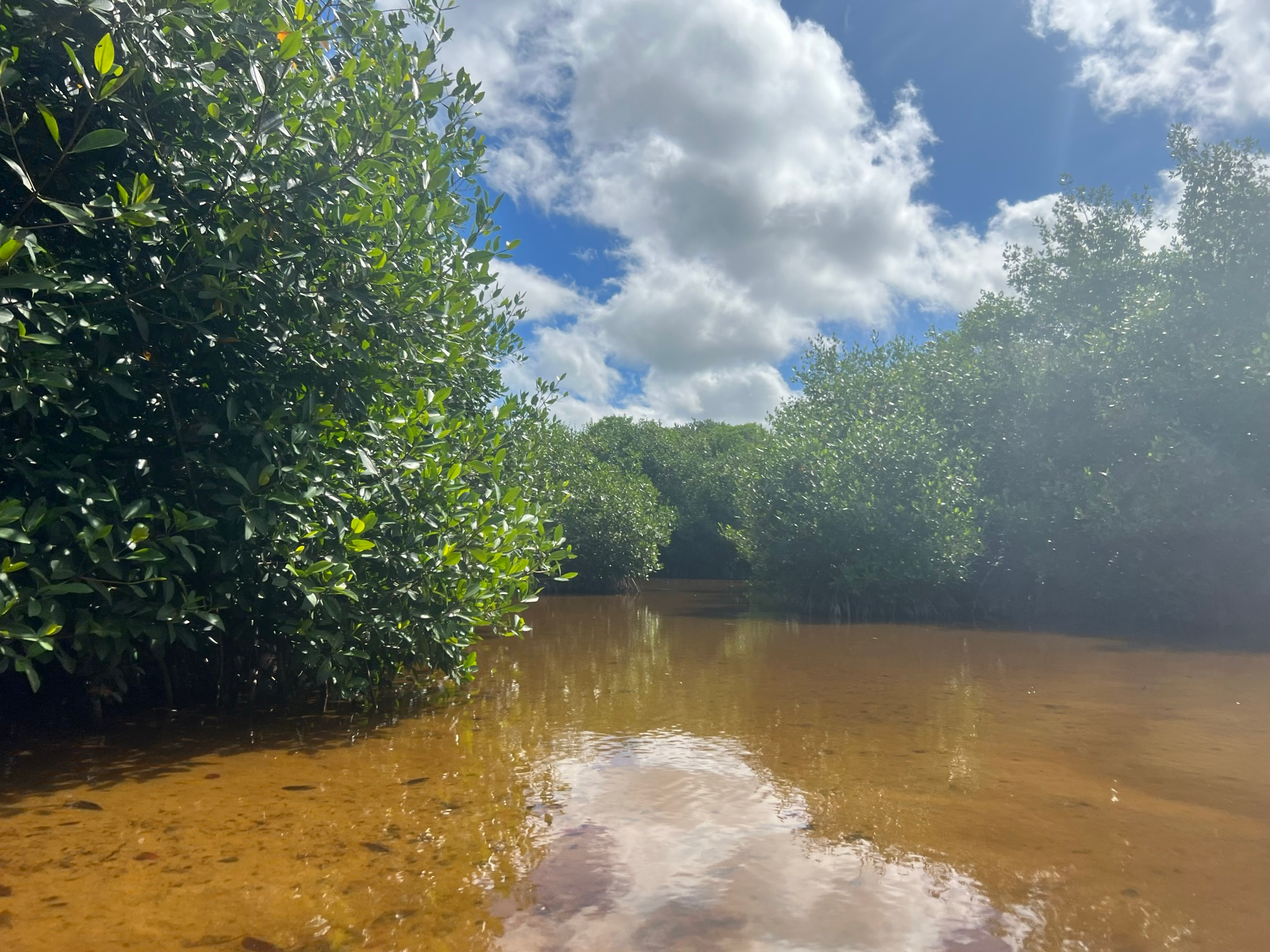
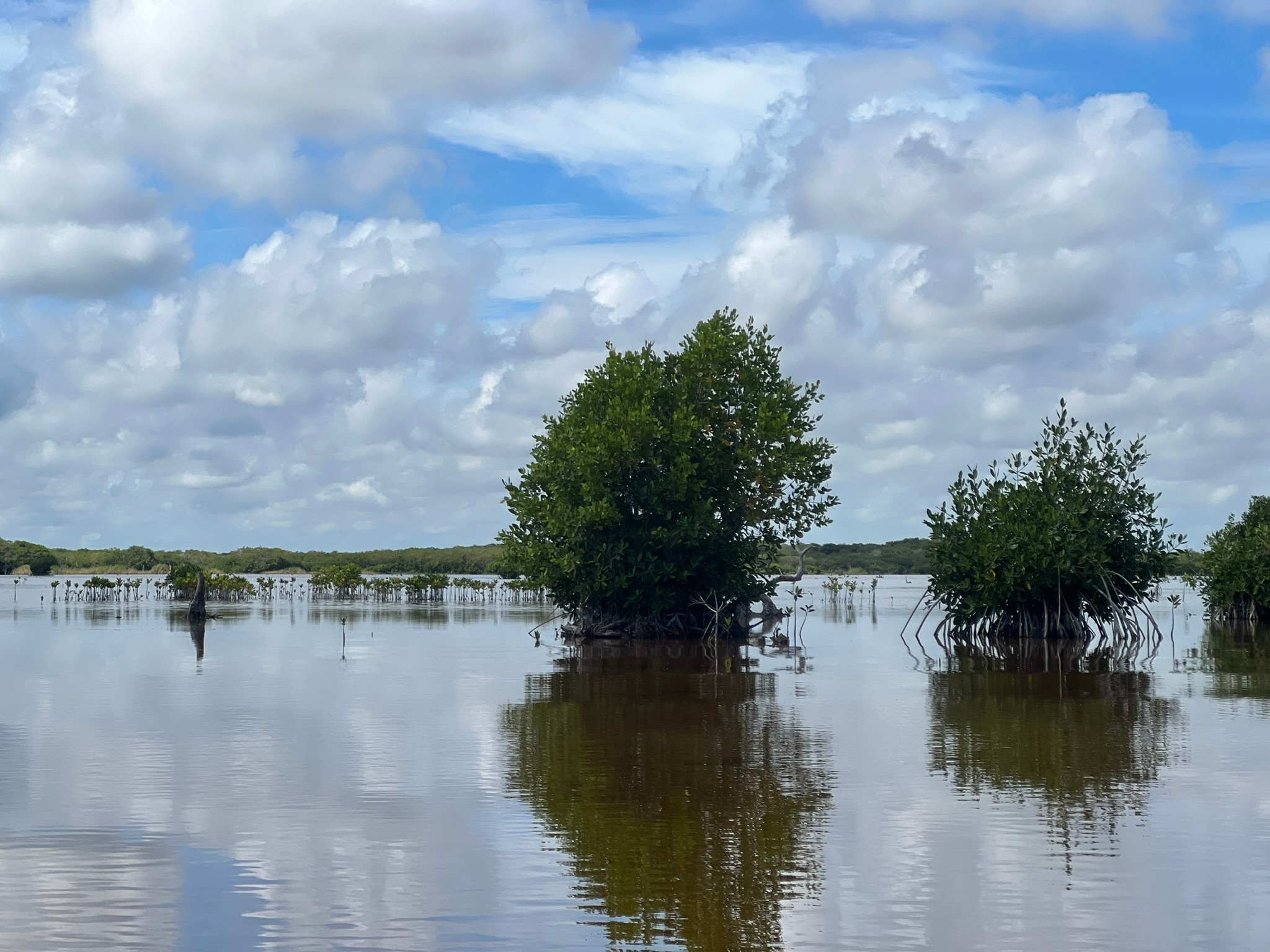
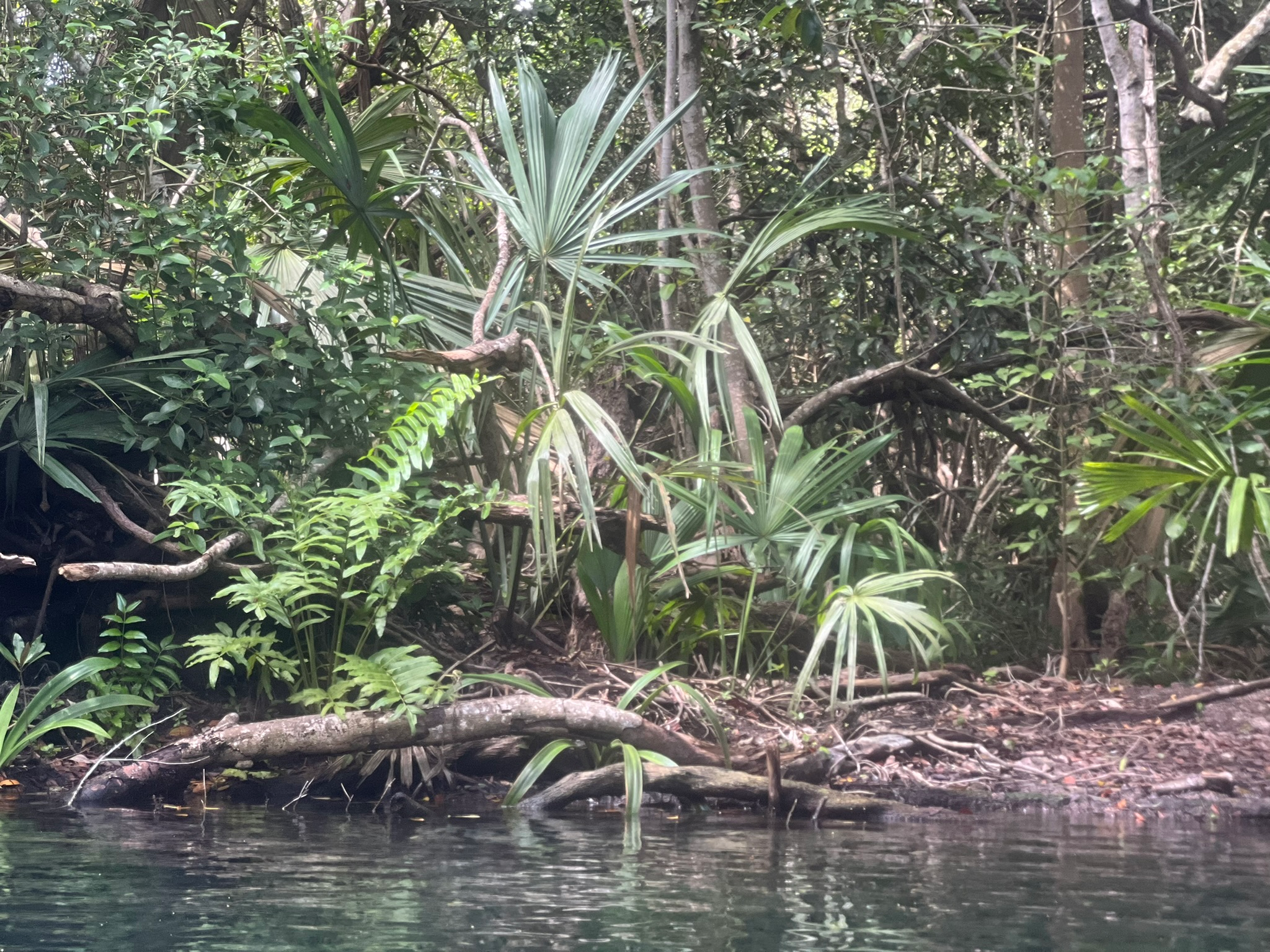
Our trip took us to Sisal, a small seaport town. We kicked things off by hopping into a kayak with a local who paddled us through the mangroves – a tangled network of lagoons known as petenes. As we glided through, our guide explained how vital mangroves are for maintaining water quality, trapping excess nutrients, pollutants, and sediments. This filtration is especially crucial in coastal zones where healthy mangroves help coral colonies to thrive.
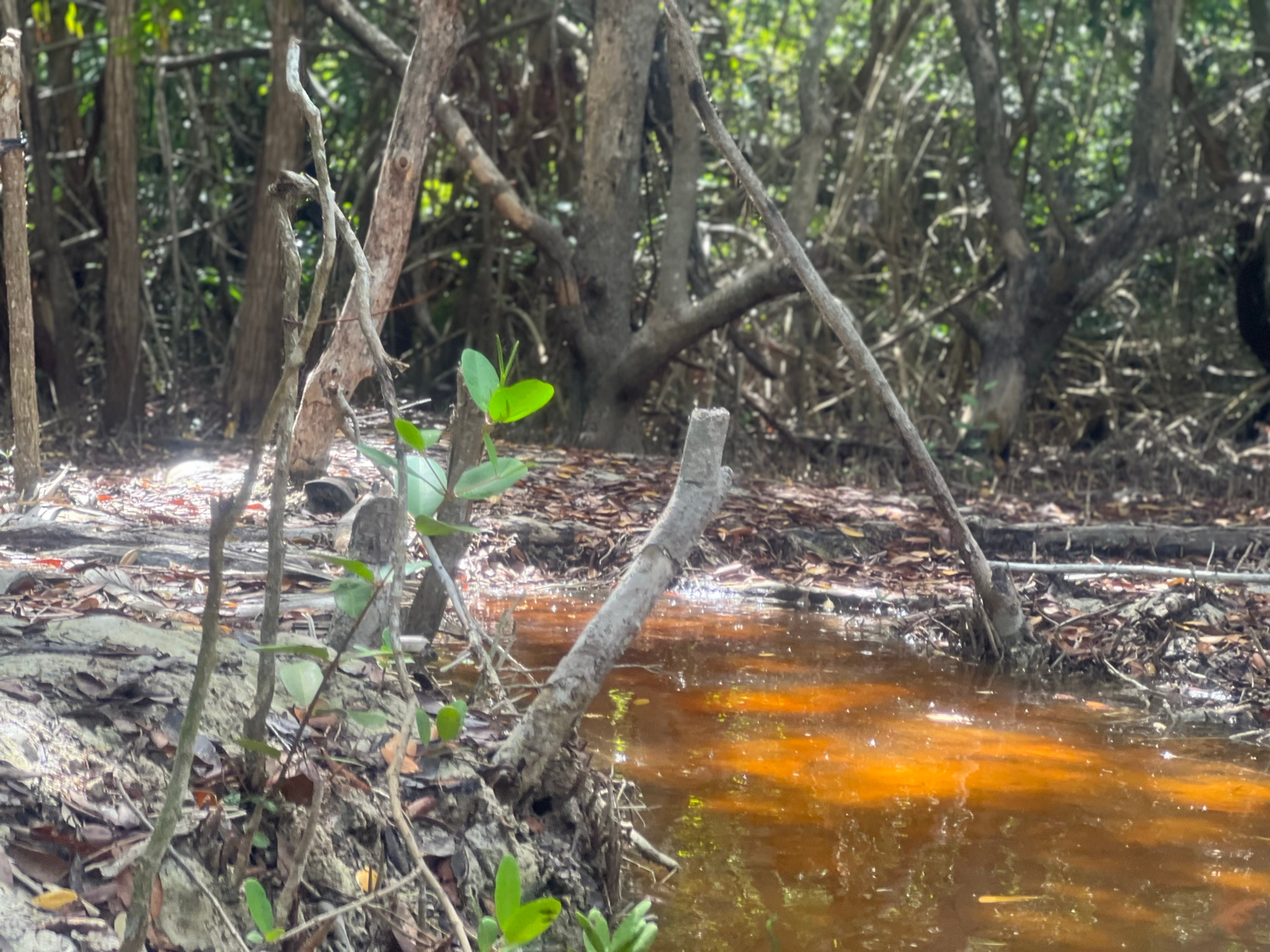
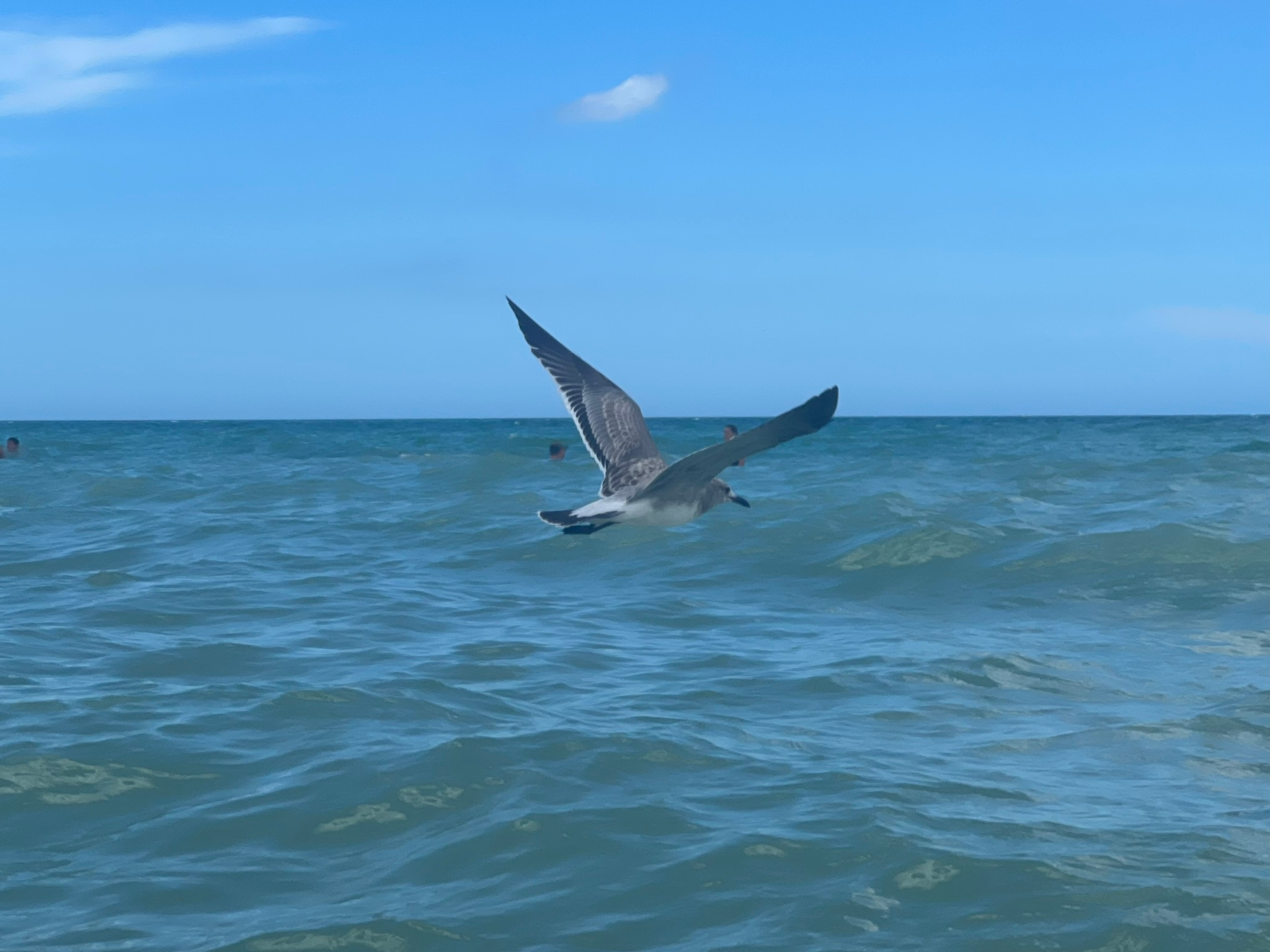
The contrast between the bright green leaves and the orange tint of the muddy water was unlike anything I’d ever seen – and lemme tell ya, it made for a surprisingly beautiful sight. Along the way, we spotted several types of birds, including grey herons and a few others I couldn’t identify (should’ve become an ornithologist, huh?). Unfortunately, the flamingos – our main quarry – remained elusive. Still, any disappointment was quickly replaced with angst. As we paddled right into the depths of the mangrove, we were swarmed by thousands of mosquitoes that feasted on us like we were the buffet special.
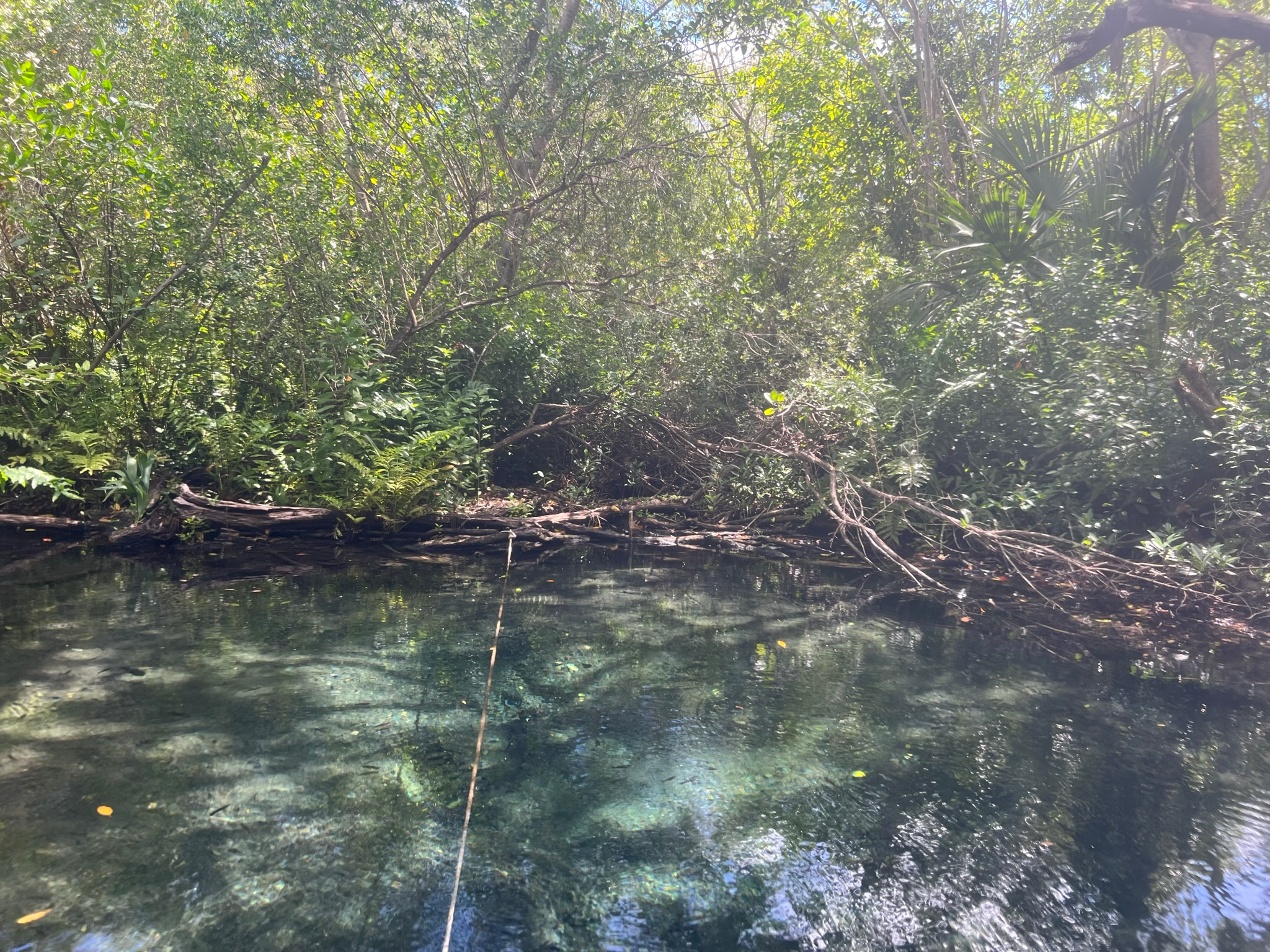
Fifty pints of blood lighter, we pushed on until we reached a hidden pool of crystal-clear, azure-blue water. This, our guide told us, was the ojo de agua – literally, “the eye of the water.” Fed by rainfall, this freshwater spring flows into the mangroves and eventually merges with seawater, creating the brackish conditions in which mangroves and thousands of species flourish.
Playa Sisal
I left her to her own devices in order to get some snorkelling done. From seashells to cowries, from murexes to scallops, this beach seemed to have everything hidden in its sands. A young boy also pointed out a couple of starfish to me and went so far as to dive down for them in order for me to take a photo of them.
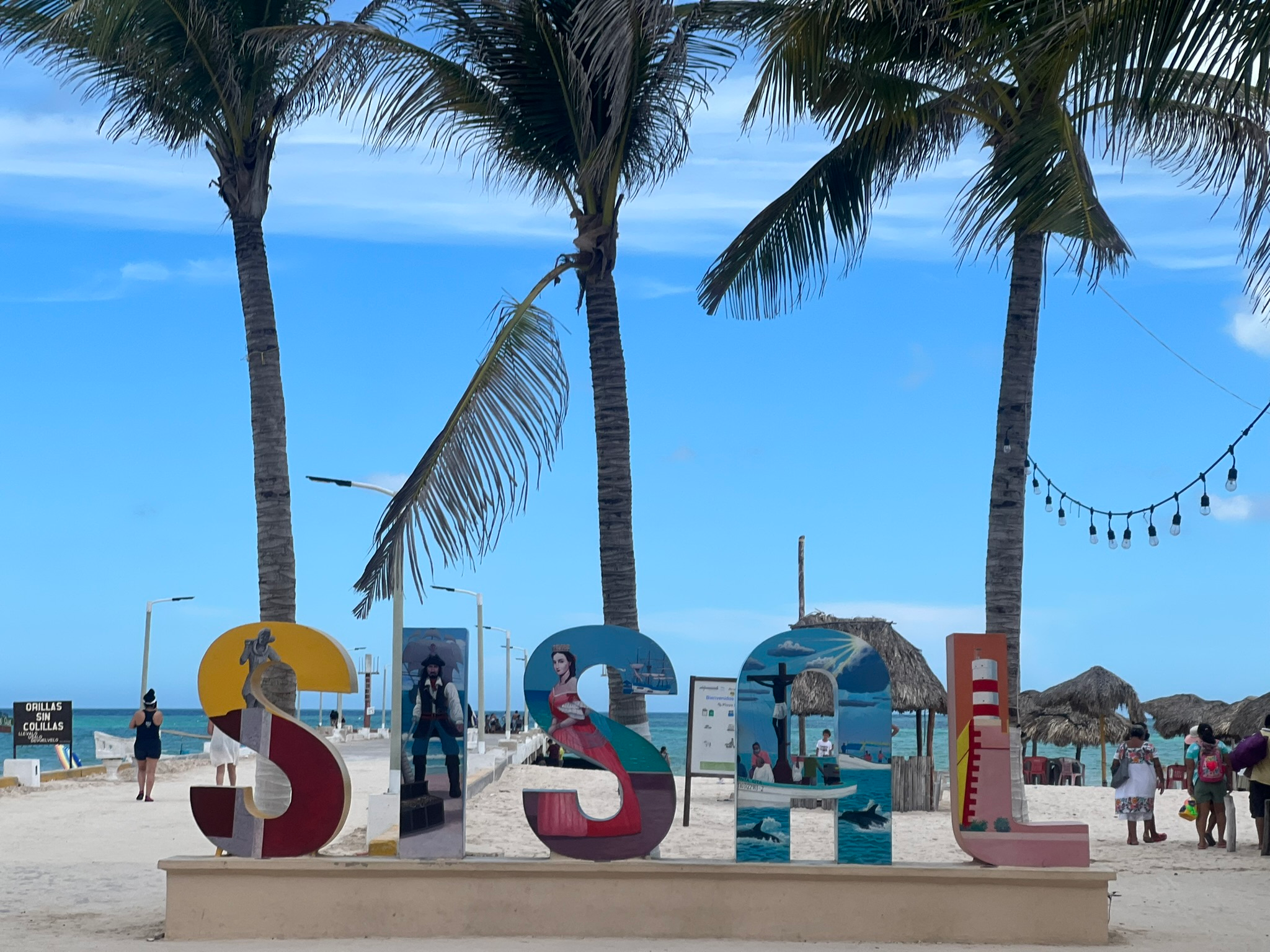
After the kayak tour, we headed to Playa Sisal. In some way, it felt oddly comforting being at the beach with Pina – almost like going to the beach with my grandparents, something I hadn’t done in a couple of decades. It took me right back to my childhood. Every summer, we’d spend a few weekends at my grandma’s summer house. I still remember hanging out on the balcony, welcoming the fresh breeze as I stared through the latticework down at the sea below. Then we’d head to the beach and spend a few hours there, coming back to eat the most delicious, heartiest meals prepared by her. God, I miss that part of my life. It had been such a long time since I even thought of them. Growing up, I had completely distanced myself from everyone in my family. When she and my grandpa died, I barely batted an eye. They were good people though, and I’m glad they were a part of my life.
As I lay on the sand reminiscing and getting my tan on, Pina went out for a swim. It didn’t take too long for me to follow suit. Following my trip to Playa Bonita in Campeche, I had bought some goggles. I figured there wouldn’t be a better place for snorkelling – especially since I was now heading towards the Caribbean. And God, was I right. From seashells to cowries, from murexes to scallops, this beach seemed to have everything hidden beneath its sands.
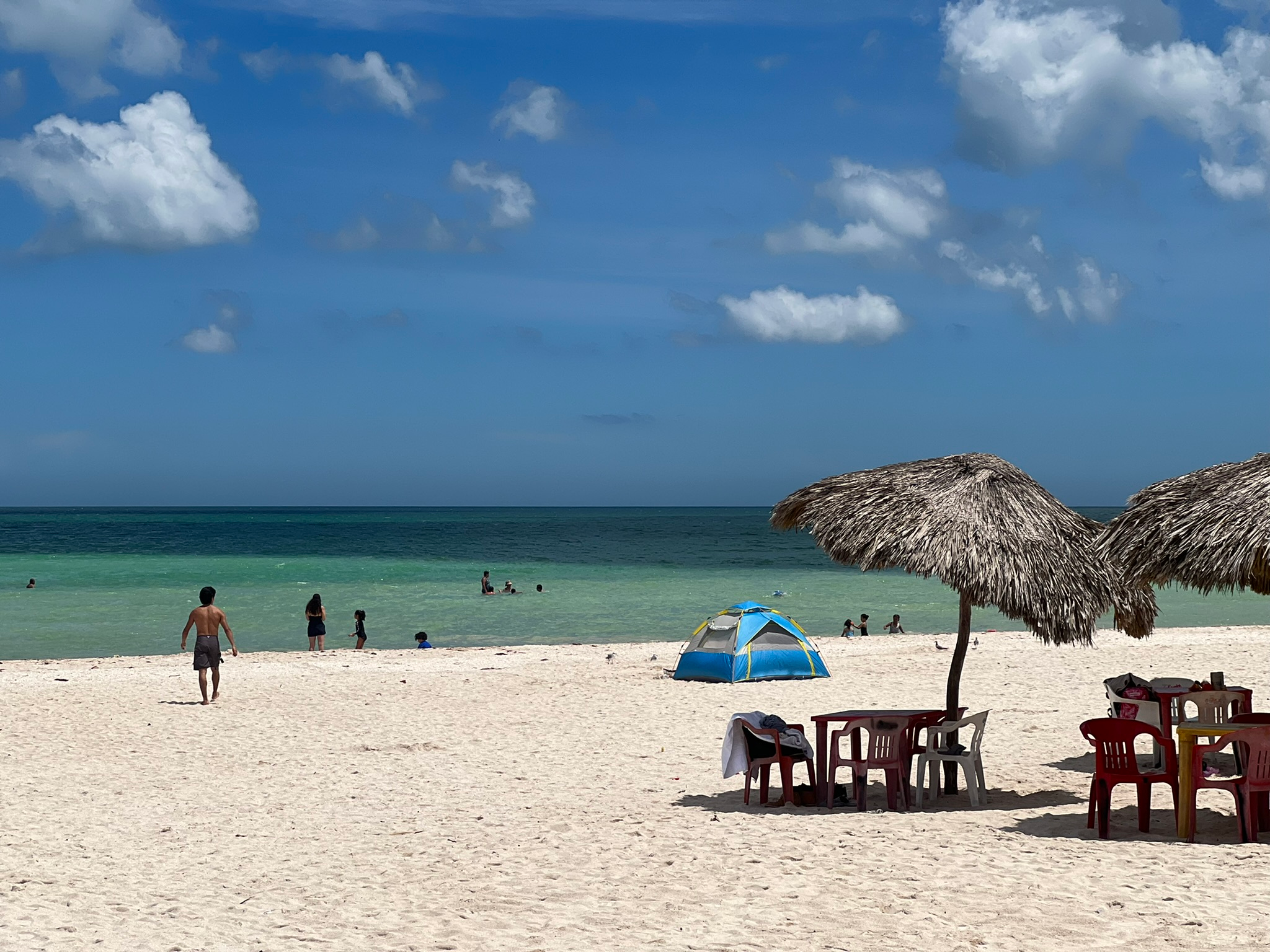
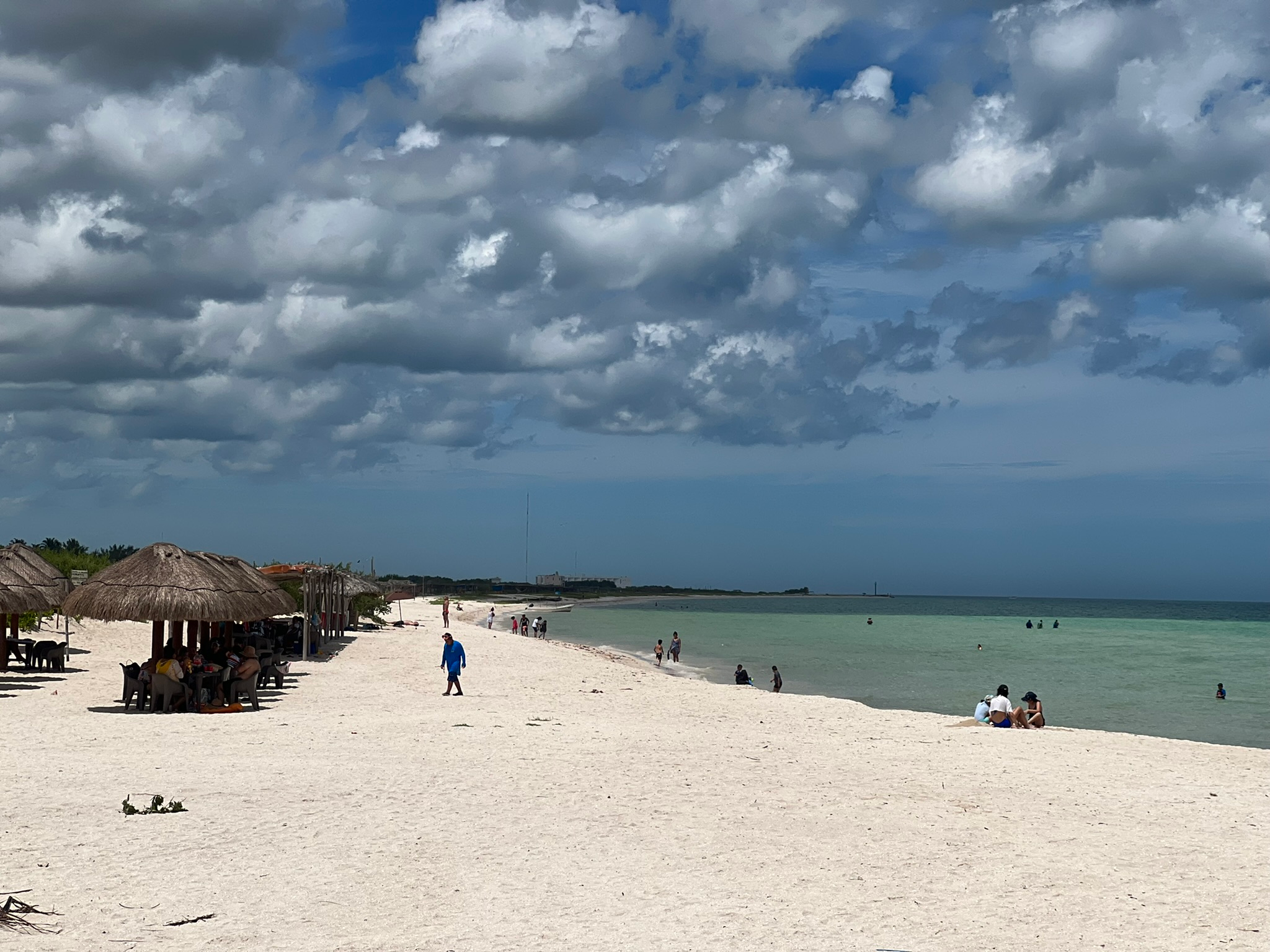
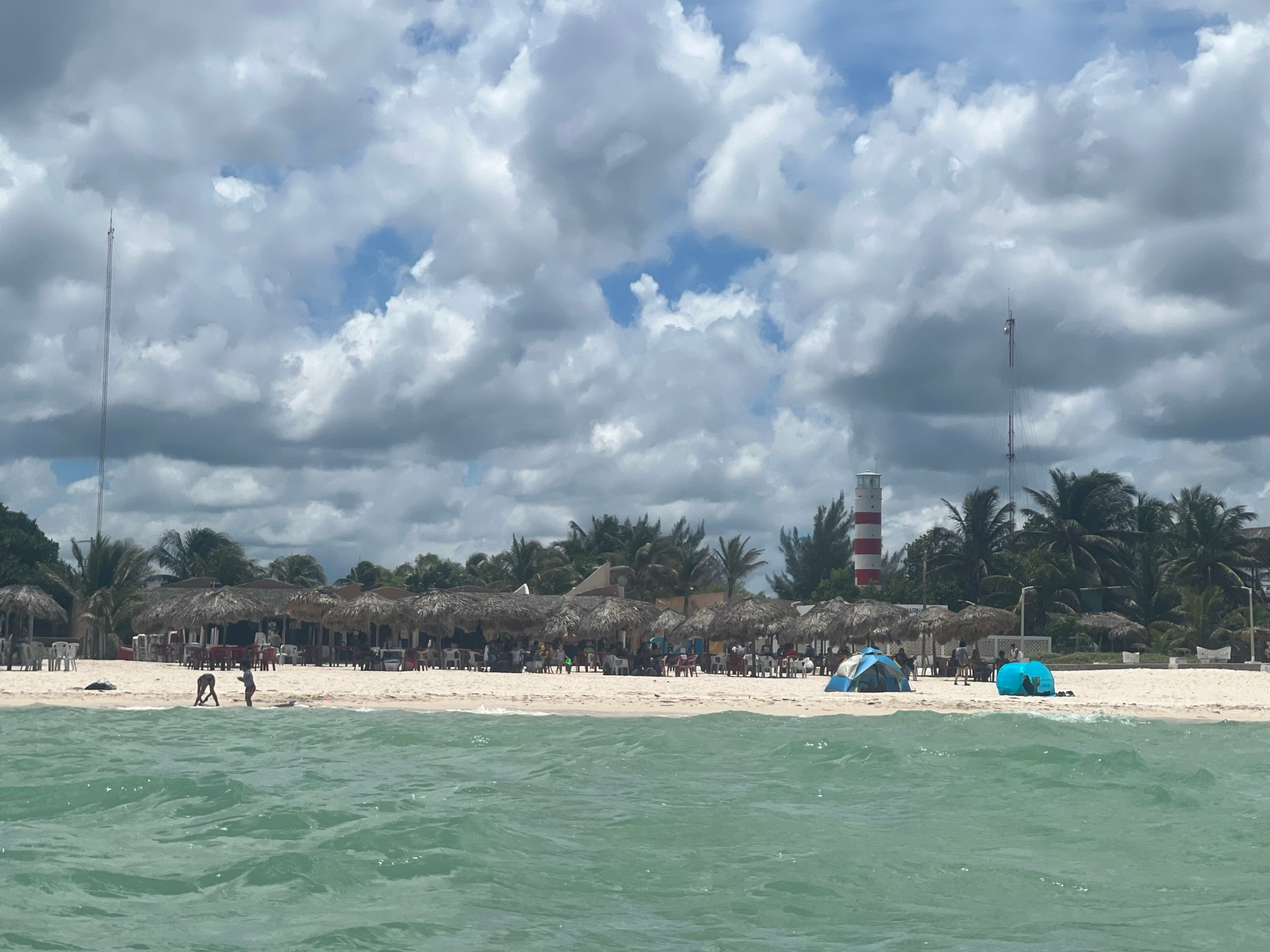
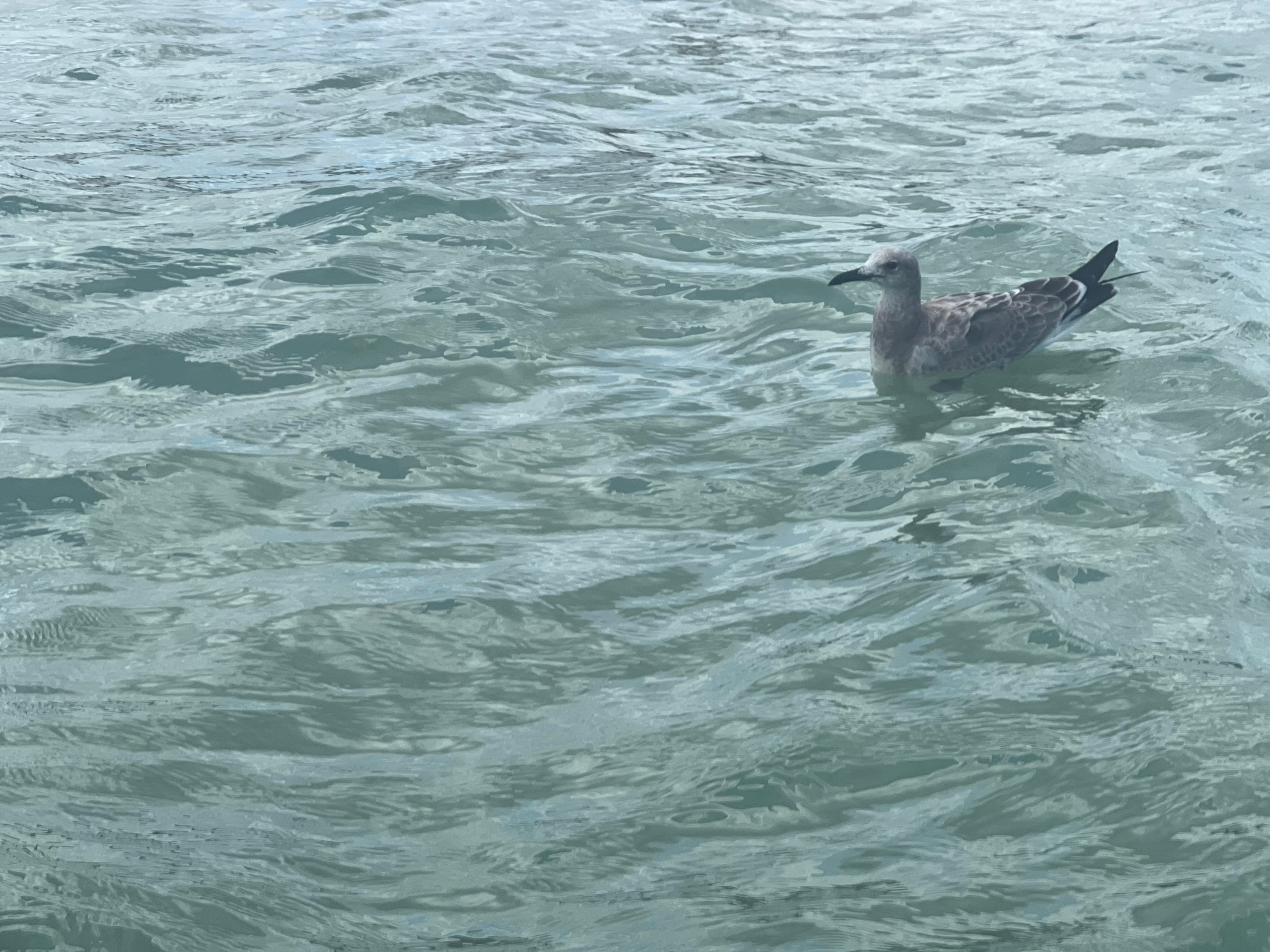
This too reminded me of a past I had thought was long forgotten. Summers spent at our summer house, my father taking my brother and me out to the beach. We’d pass through empty fields, occasionally stumbling upon a hedgehog or two, to get to that one rocky beach we always went to. We’d then spend hours snorkelling, sometimes fishing or chasing fish with our tiny nets. I remember one thing in particular – this tomato-like creature affixed to a rock that used to be there waiting for me every single year. Back then, I had no idea what it was. Turns out, it had been a beadlet anemone all along! Man, I loved the sea… and I have no one to thank for helping me cultivate that love other than my dad. Man…he truly was a good one.
Once again, I snapped out of my memory trip when a young boy pointed out a couple of starfish and even dove down to retrieve them so I could take a photo. Little did either of us know that removing starfish from the water – even for just a second – can be fatal. When exposed to air, they can develop bubbles in their water vascular system, disrupting their circulation and killing them. Even handling them can cause their stomachs to retract, preventing them from feeding. What’s more, bacteria from our hands or chemicals like sunscreen and insect repellent can harm them. Naturally, I only learned all of this after the fact, and to this day, I’m still mad at myself for not knowing better.
Later, I collected some (already dead) seashells to add to my collection and took them ashore to show Pina. Much to my surprise, she said she collected them too. After dividing the loot between us, she suggested we take a walk along the coast to search for more treasure. We ended up spending over an hour scouring the sand, hunting for the most beautiful shells we could find.


A Trip Down Memory Lane...
I have no idea how or why, but this beach made me all sentimental. First it was my grandparents, then my dad, and now…
Now it was something else. You see, as a young kid, I’d collect seashells every time I went to the beach. Hell, I’d collect anything – from soda and beer bottle caps to stamps, from public phone cards to coins, from Pokémon cards to Yu-Gi-Oh! cards, Pogs, Beyblades, marbles, buttons – anything and everything. Then somehow, along the way, I stopped doing it. We stopped doing it. Growing up, I used to follow my big brother’s lead. Needless to say, I idolised him. But when he started losing interest in ‘kid stuff’ and getting into ‘grown-up stuff’, I felt as though I’d been completely cast aside. He had cool friends now, and an entirely different repertoire of hobbies – if you know what I mean. I guess that’s when my brother and I grew apart. To this day, because of the rift he created, he feels like nothing more than an acquaintance to me.
And so I stopped collecting seashells. I stopped snorkelling. I stopped doing things that had no point in and of themselves. Instead, I focused on the things that ‘matter’. You know – school and career and blah, blah, blah. I stopped being curious. I stopped searching. I gave in to the monotony and conformity that comes with growing up. Until my so-called awakening, that is. Since then, my journey in life has been one of apparent regression – one that made me feel more in tune with Kid Marius than Adolescent Marius – or Adult Marius, for that matter. Spending hours trying to find seashells along the shore is a waste of time to most. But, much like one of the lessons from Le Petit Prince, this was me appreciating the beauty and meaning of something that, for anyone who’s alienated, has neither.
And to be sharing that moment with a sixty-something-year-old lady? It made it all the more priceless. So thank you, Pina – for reaching out to my inner child, for sharing my curiosity, for appreciating such beauty!