El Mirador – Day 5: The Final Push
EL MIRADOR
Day 5: The Final Push
October 06, 2022
The way back was admittedly harder. We didn’t have the same push we had a few days earlier. We’d walk, and walk, and then walk some more. I’d tell myself I needed a break, but I’d force myself to keep going.
That’s what I used to do during those 32-hour on-call shifts back at work. Only this was much easier by comparison. And, more importantly, no one would live or die under my watch here. The discipline I’d developed during my first two years of practice had somehow hardened me. Before, I would’ve stopped. I would’ve taken as many breaks as I wanted. I would’ve blamed smoking or a lack of exercise for my ineptitude. But this time, I just pushed. Harder and harder. Through mud and mosquitoes. Through swamps and puddles. Through highs and lows.
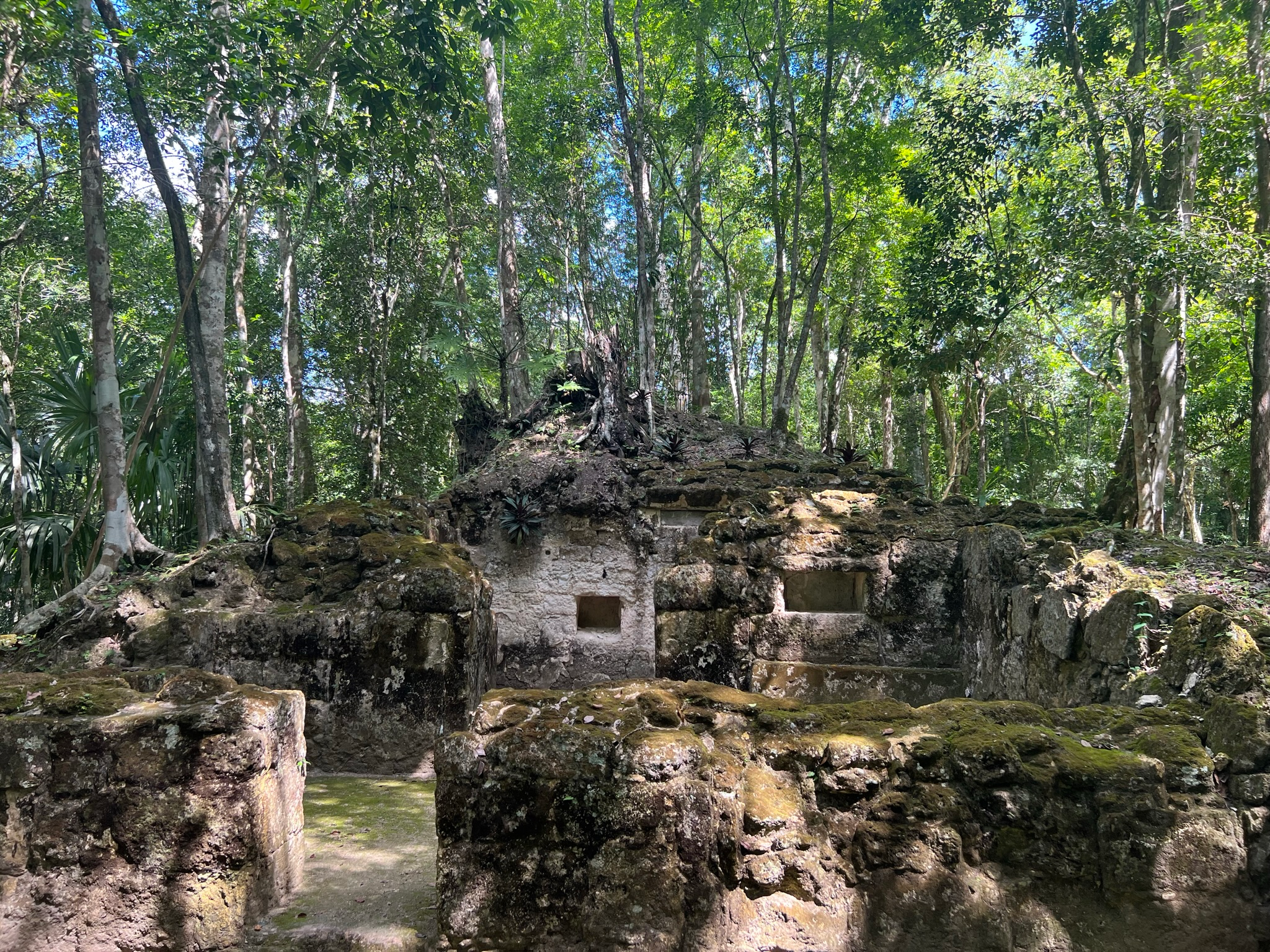
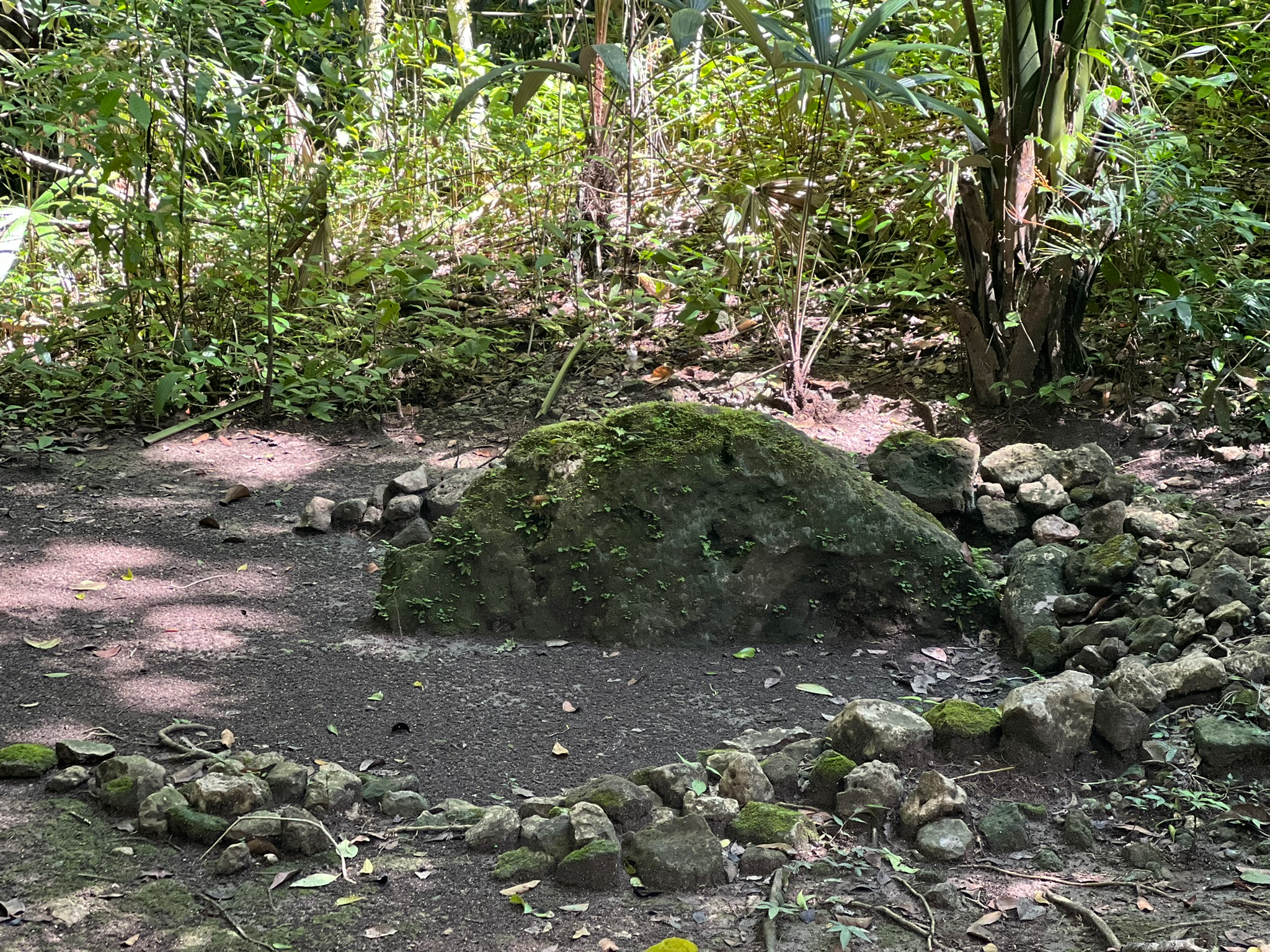
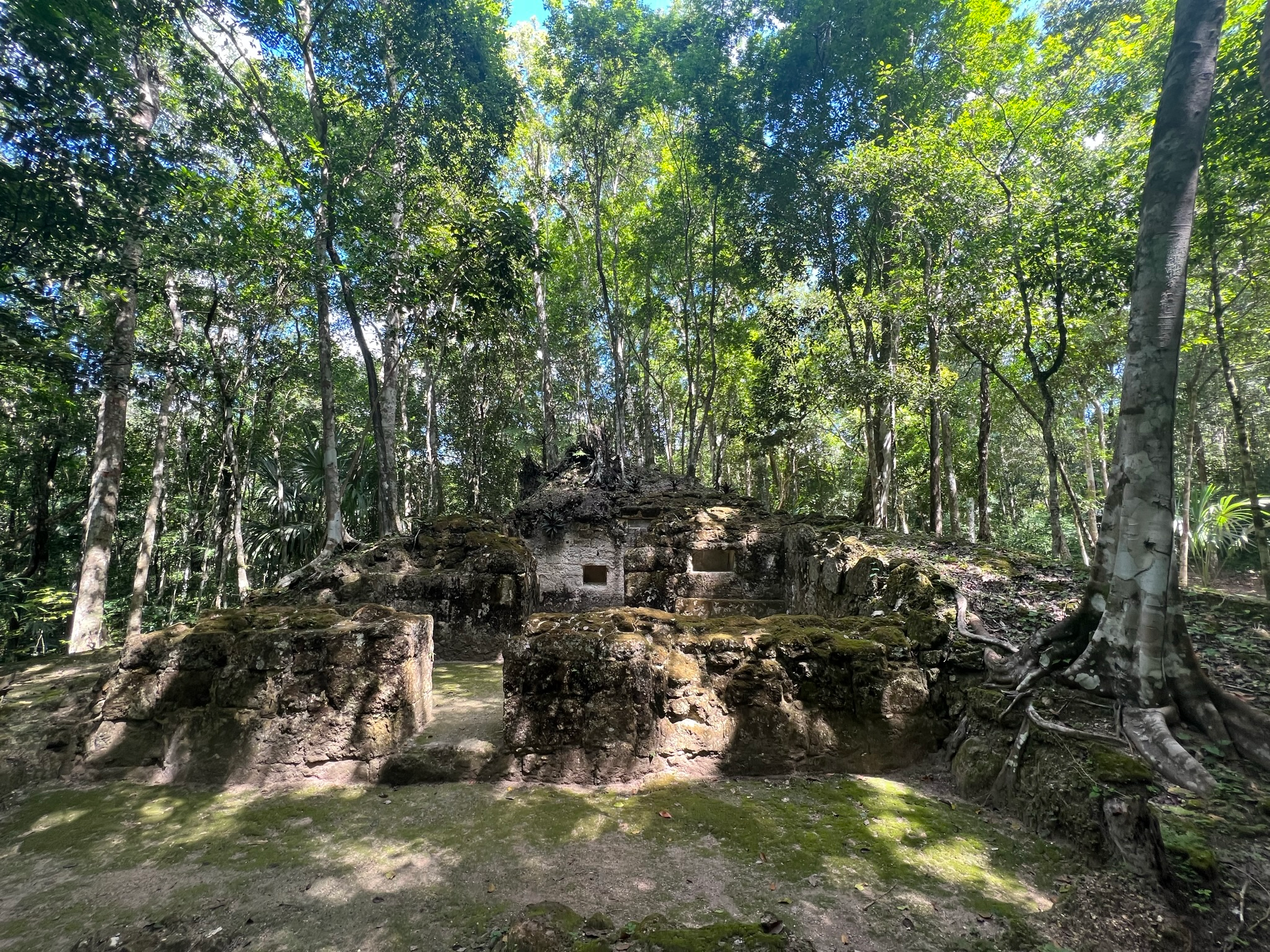
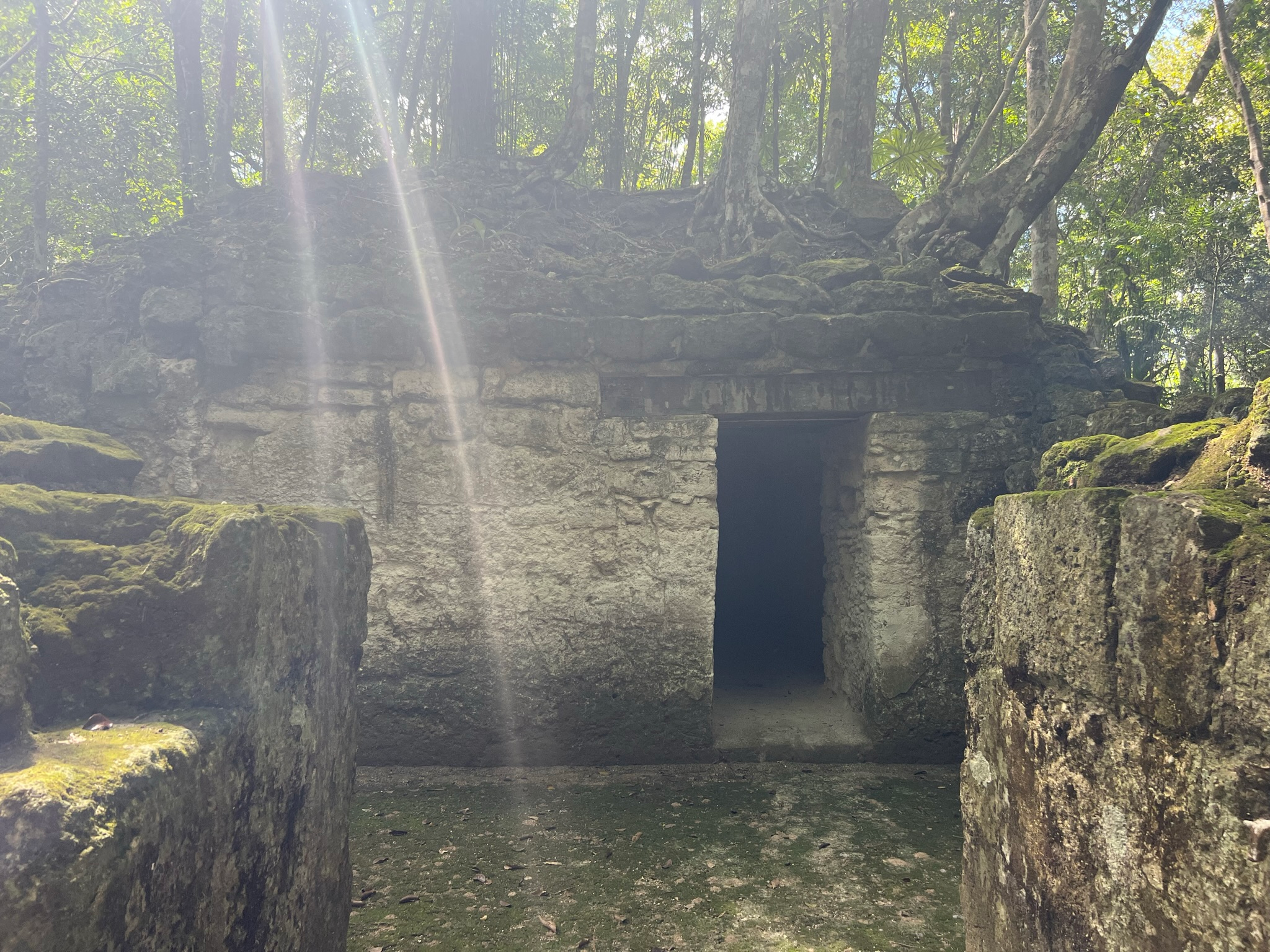
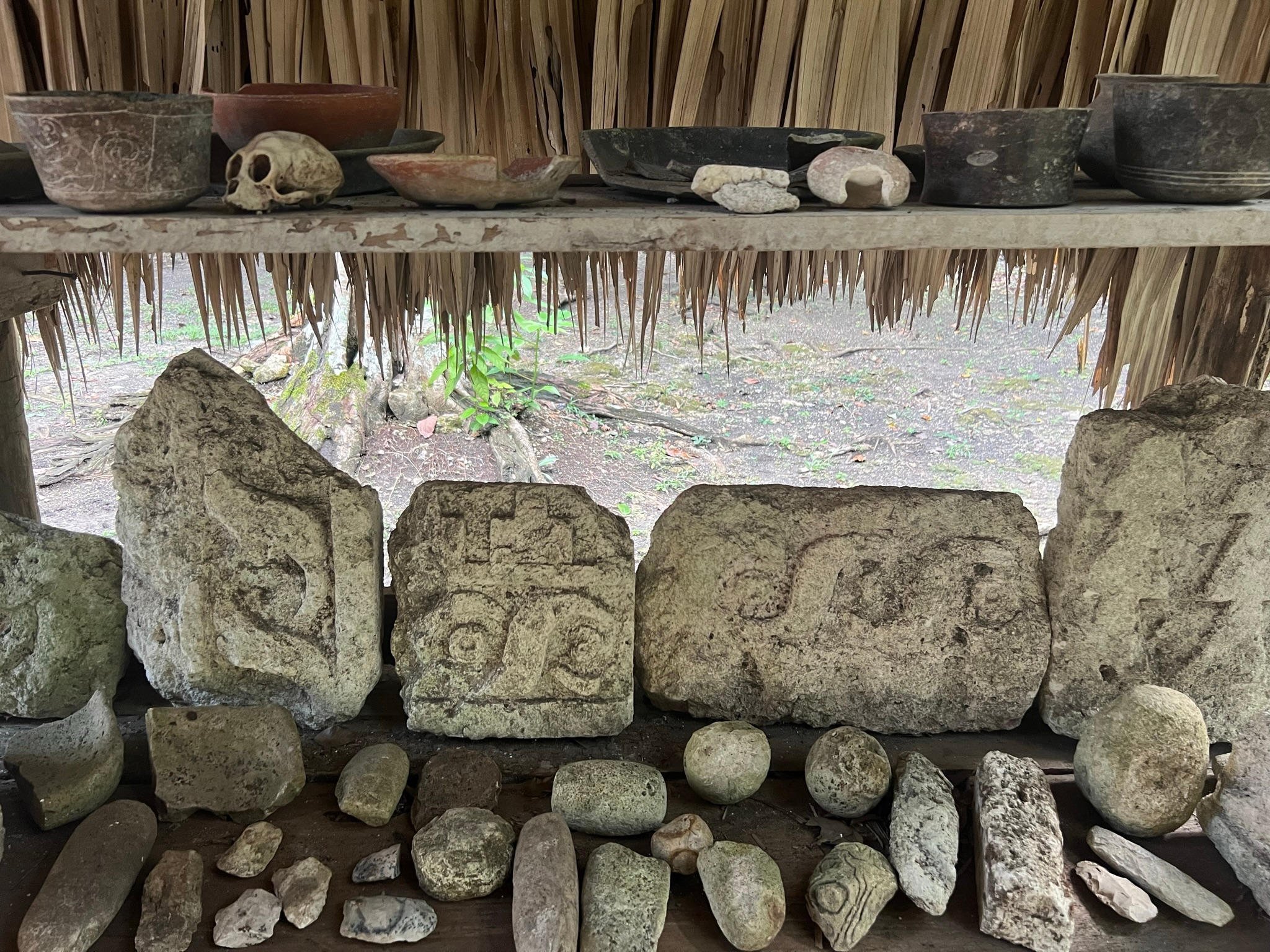
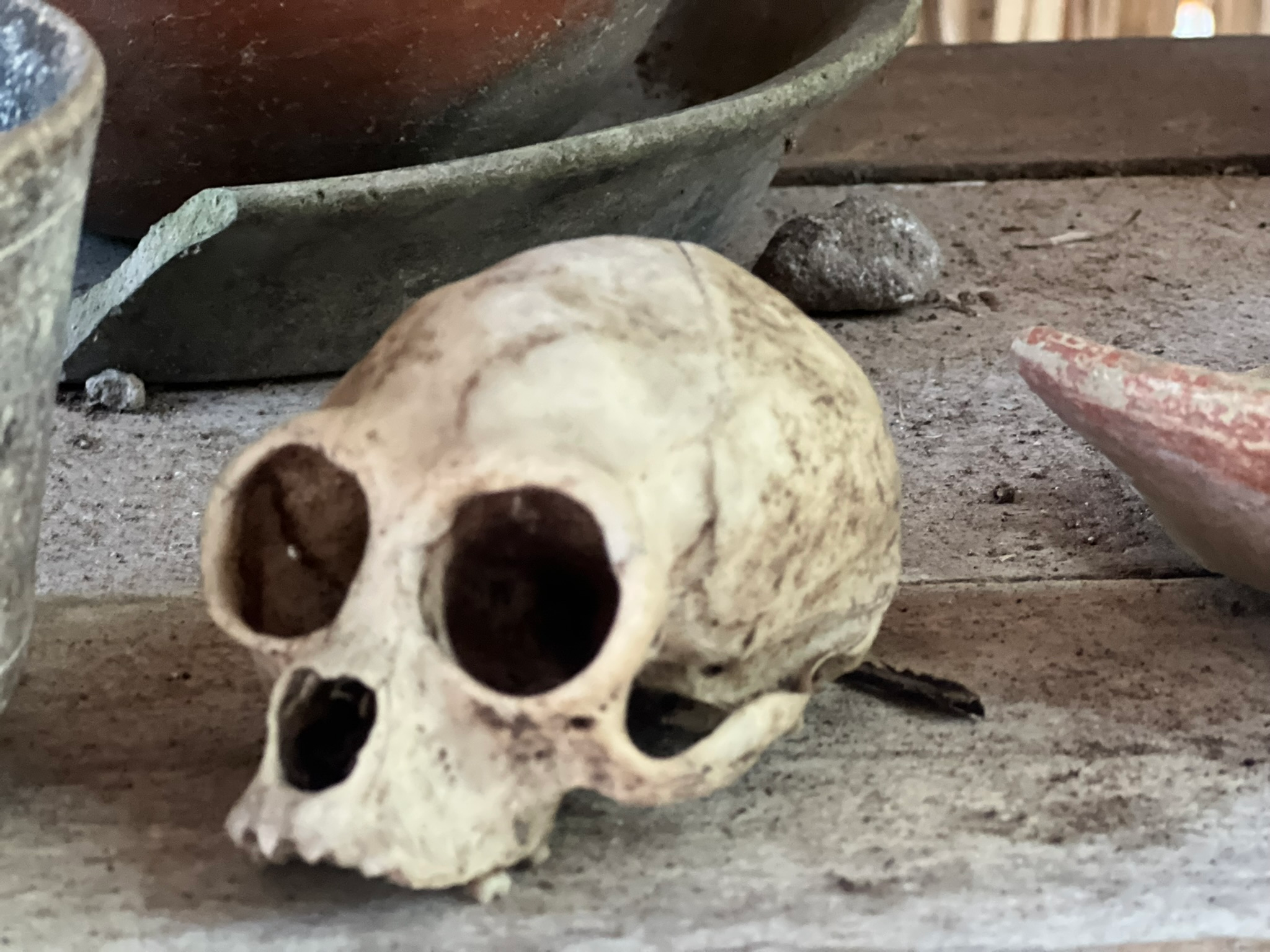
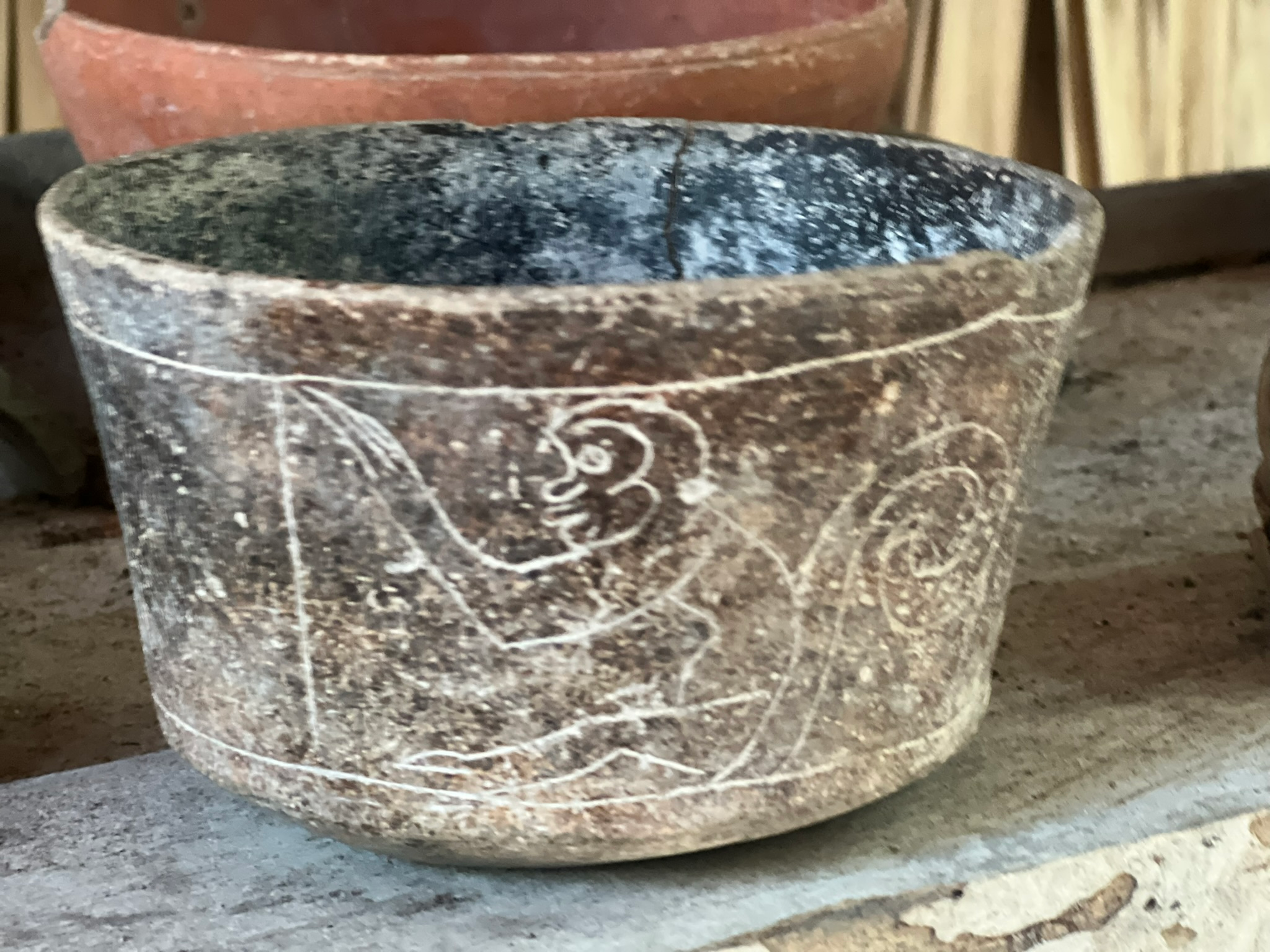
It wasn’t all jungle, to be fair. Having taken a short detour, we also stumbled upon the ruins of Florida (nope, not that one) – the remains of a governor’s estate and a huge ceiba tree that’s at least two hundred years old.

A Lecture on Israel's Politics
As always, trekking always leads to some of the best conversations. With the hike about to come to an end, I simply had to bombard Ethan and Hannah with a relentless barrage of questions that had been piling up all throughout.
I had met dozens of Israelis, but somehow, it always felt like they were there and I was here. I had taught English to a few who’d come to Malta to learn, but that was pretty much it. However, much to my surprise, since I started travelling, I’d been stopped by Israelis again and again, convinced I was one of their own – only for them to be sorely disappointed the second I revealed the bitter truth about my nationality. So I asked Ethan what was up with that. He said it was mostly a language thing. Israelis usually speak Hebrew amongst themselves, and many aren’t as fluent in English, so they tend to stick together. Add to that the fact that most of them travel in groups – usually before or after their military service – and you’ve got a pretty insular travel culture.
Perhaps naïvely, I asked whether it might also have something to do with their people’s history. Ethan said that whilst there are still some Israelis who do indeed still harbour some form of resentment towards outsiders, it is mostly confined to the older generation who’ve been through hell and back themselves, or had relatives of their own that were directly or indirectly affected by WW II. Those who do hold a grudge rarely act on it – except for the few who use it as an excuse to behave however they want.
I pressed them a bit more about military service, having heard much about it but never directly from Israelis. Hannah explained that it’s mandatory at age eighteen – three years for men, two for women. Military service can involve anything from IT to logistics, kitchen duty, or active combat. After completing their service, some go on to do Master’s programmes offered by the army to ensure stable employment, while others take time off to travel and explore new cultures. Ethan served in active duty, with around eight months of basic training, while Hannah worked in the educational sector, teaching geography to soldiers who hadn’t finished school.
Eventually, our conversation turned to war. Ethan and Hannah explained their take on the ongoing Israeli-Palestinian conflict. According to them, much of the issue stems from historical displacement – the rich and noble Arabs fled the region during the early 20th century, leaving behind the poorer and more destitute communities that still live there today and seek independence, even though the territory is now occupied by Israel. The conflict largely centres around the West Bank, a region next to the Mediterranean. Control of this area is split: some parts are governed solely by the Palestinian Authority, others are jointly managed, and some are entirely under Israeli control. Free-flow between the State of Palestine and Israel is heavily restricted, with Palestinians often viewed as security threats. Ethan believes this separation also hides another purpose – to prevent the two populations from mixing and realising how similar they really are, thus perpetuating the conflict. In his words, “It’s a form of apartheid.”
He added that, in past efforts to reduce tensions, the Israeli government has tried – often unsuccessfully – to evacuate Israeli settlers from Palestinian territories, at significant financial and political cost. Meanwhile, granting full rights to the Arabs living there could shift the balance of power, potentially giving them majority influence in Israeli parliament. As such, the situation remains unresolved, with around two-thirds of the Israeli population leaning right-wing. That their Prime Minister, Benjamin Netanyahu, was elected despite four pending court cases (and being ineligible to serve as a minister because of this) doesn’t help matters either.
At the ripe and tender age of eighteen – an age when most of us were preoccupied with exams or losing our virginity – Ethan was drafted as a combat soldier in the West Bank. He was stationed at a border checkpoint where long queues of people would line up daily to cross into different territories, often for work. He told us that Palestinians underwent more scrutiny than necessary, and while many days were uneventful, others weren’t. Sometimes, rocks were thrown at passing traffic from overhead bridges—though the armoured vehicles were unaffected. On rarer occasions, if someone was suspected of harbouring weapons, Ethan’s unit would conduct night raids. This, he recalls, was one of the worst experiences as they would have to ransack homes and make a show of power, usually humiliating the men – culturally seen as the heads of the household – and terrorising their families in the process – a trauma they’ll surely carry with them for the rest of their lives.
Back when he was conscripted, he considered himself right-wing, proud of his role in what he saw as Israel’s defence. He had grown up indoctrinated with nationalistic values, especially since his grandfather had fought in the war for Israel’s independence. He admitted he liked the adrenaline, the authority, the power.
But everything changed after he completed his duty. As he began travelling and meeting people from all over the world, his views began to shift. Studying in Jerusalem, he came to realise something profound: people – no matter where they come from – mostly want the same things. They want to lead a peaceful life – they want to work, earn a living, maintain their families, and pursue their goals, that’s it.
A Muddy Farewell...
As we conversed ad infinitum, we failed to notice that we were back to the part we had all been dreading – the first part. More mud. More mosquitoes.
By then, Blister had somehow self-cleaned and was pretty much back to his old self. And now, he’d be in the same predicament all over again! I was genuinely miserable throughout the whole ordeal, placing every step with surgical precision in a desperate attempt to preserve whatever cleanliness my boots had attained and avoid having to throw them away. “Just thirty more minutes!” Luis would yell – much to our annoyance when he’d repeat the same thing after the stipulated time had passed. I can’t say I wasn’t elated the second we saw the light at the end of the… well, jungle.
And just like that, yet another life-changing trek was over. Back in El Carmelita, we said our goodbyes to Luis as he returned to his family and finally got the well-deserved break he’d earned. Then came the long-awaited shuttle ride back to Flores. It felt so good to indulge in a bit of comfort – sitting back in the microbus with the air-con blowing straight into my face. Aaaah, that was the life!
Until the whole thing got stuck in the mud. “This is never gonna end!” we all yelled at the same time without any kind of rehearsing. In pure disbelief that we’d have to exert ourselves again, we got off the damned thing. Ethan and the driver put their backs into it, trying to dislodge the van and push it forward, to no avail. I stuck with the gurls and took videos and photos. Then, like some mythical hero summoned by our collective frustration, a good Samaritan stopped by, tied our van to his, and drove for dear life until the vehicle was set free. Then, we were finally back on our merry way to Flores.

And with that one last adventure, it was all over. Once again, I’d have to bid farewell to another group of extraordinary group of people who went from strangers to family in just five days. With one final group hug and a bittersweet goodbye, we all went our separate ways. Gracias, El Mirador family!
Stay wild,
Marius
Post-Scriptum I
Right when I got back to my homestay, I took my lovely host Rosaria up on her word and had her do my laundry. I apologised in advanced and offered her an N-95 mask. She had my whole trekking wardrobe and hiking boots looking all brand new and smelling all nice by the following afternoon. I tipped her way more than I should have and decided I’d be using laundry service more often from thereon.
Post-Scriptum II
Needless to say, this post hasn’t aged all that well, given how much the Israel–Gaza conflict has escalated in 2023. While it remains a highly controversial and sensitive topic, my opinion is still very much in line with Ethan’s: that what most people want – whether they’re Palestinian or Israeli – is simply to lead normal, peaceful lives.
Throughout my travels and life in general, I’ve met incredible people from both sides, many of whom I’m lucky to call friends. From what they’ve shared with me, this desire for peace seems to be the overwhelming consensus. I look forward to a future where everyone can live not just peacefully, but also safely – side by side.