Cancún – Day 4 to 6: Tropical Islands, Pink Lakes & Epiphanies
CANCÚN
Day 4-6: Tropical Islands & Pink Lakes
August 30 - September 01, 2022
I spent the rest of my days in Cancún doing the touristy, “must-do” things. While my original plan was to go off the beaten track, I figured things wouldn’t be so popular if they weren’t at least a little bit amazing. Much can be said about that mindset, but so far, it seemed to work – everything I did ended up being quite the adventure.
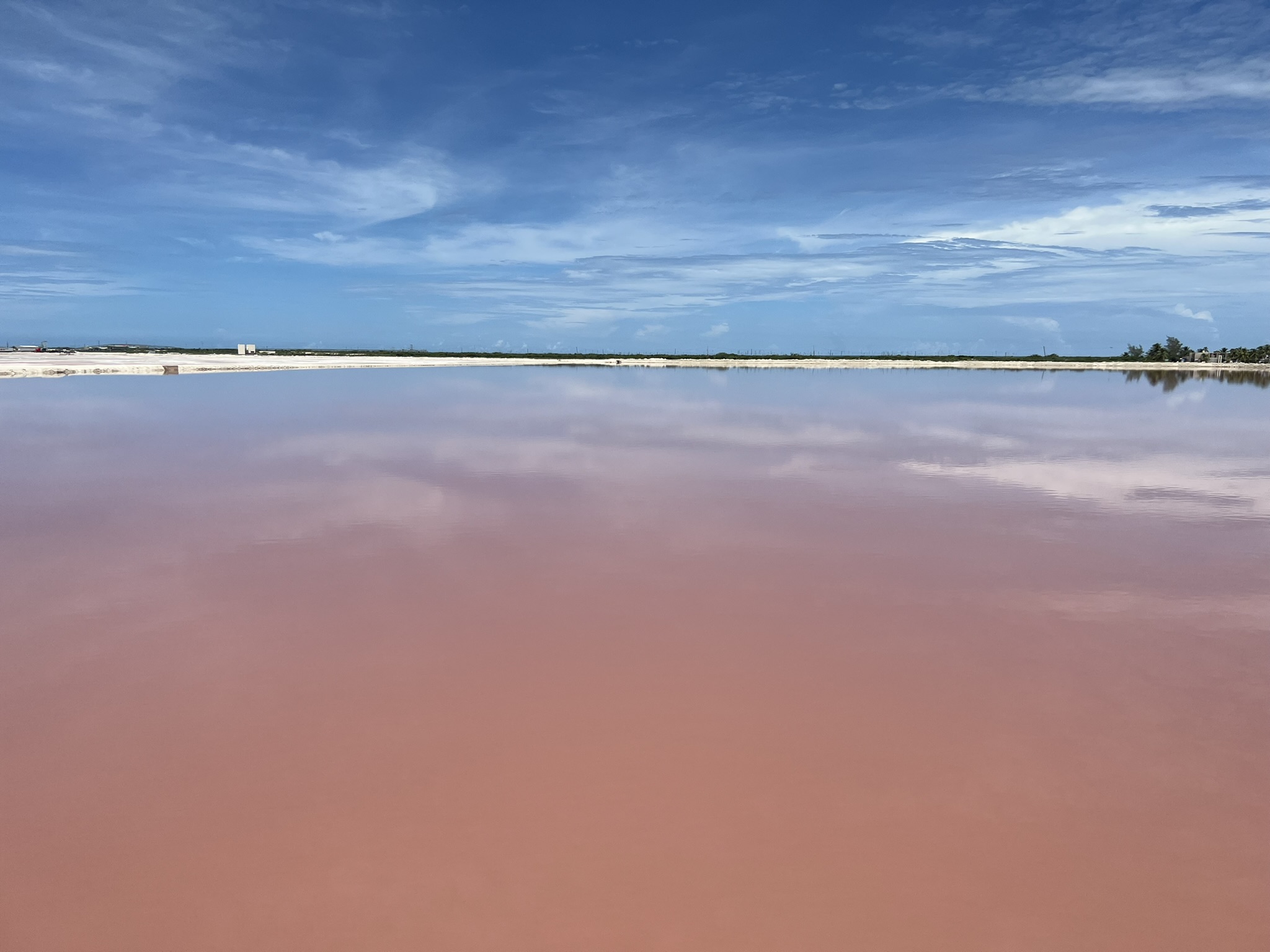
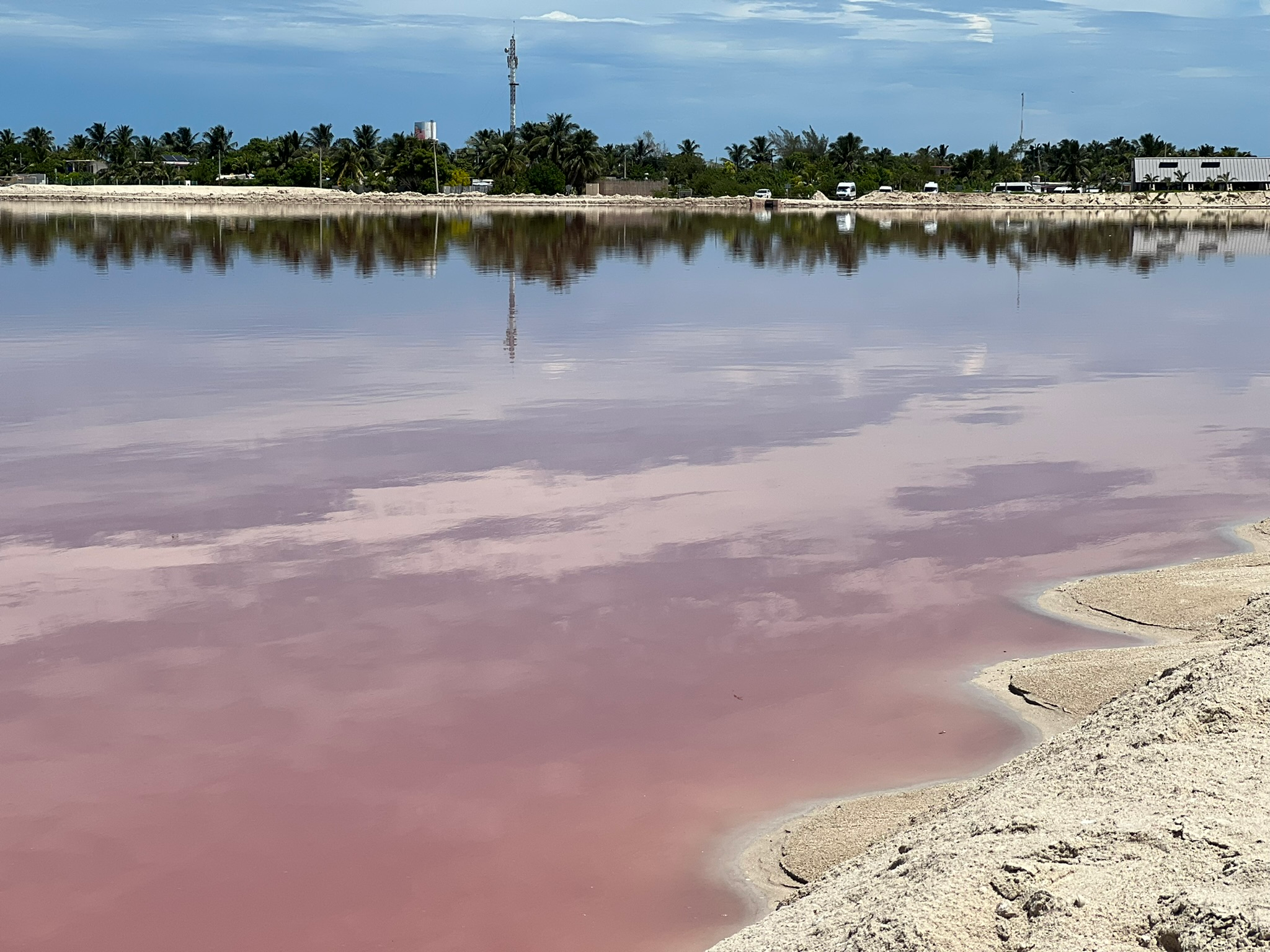
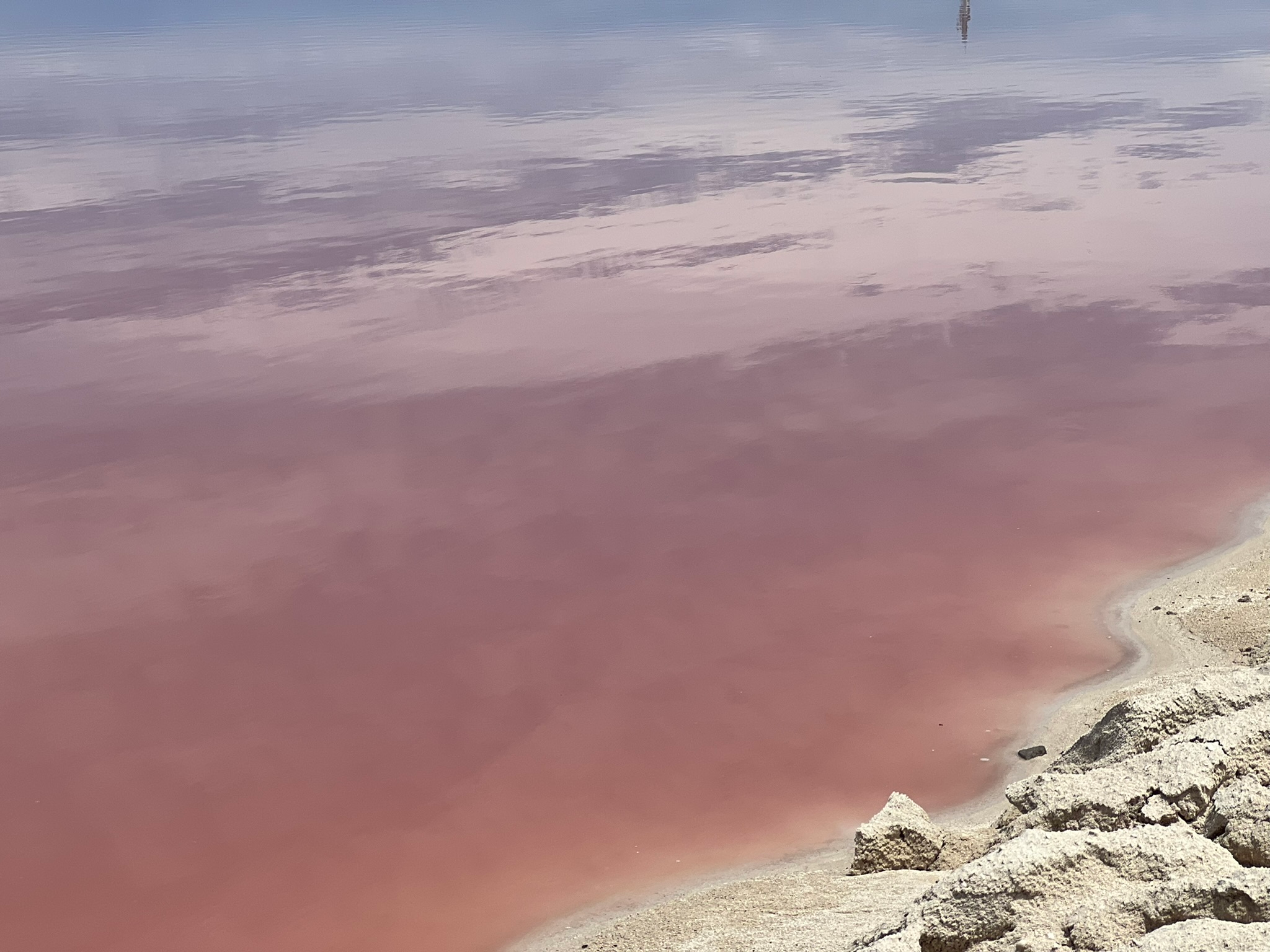
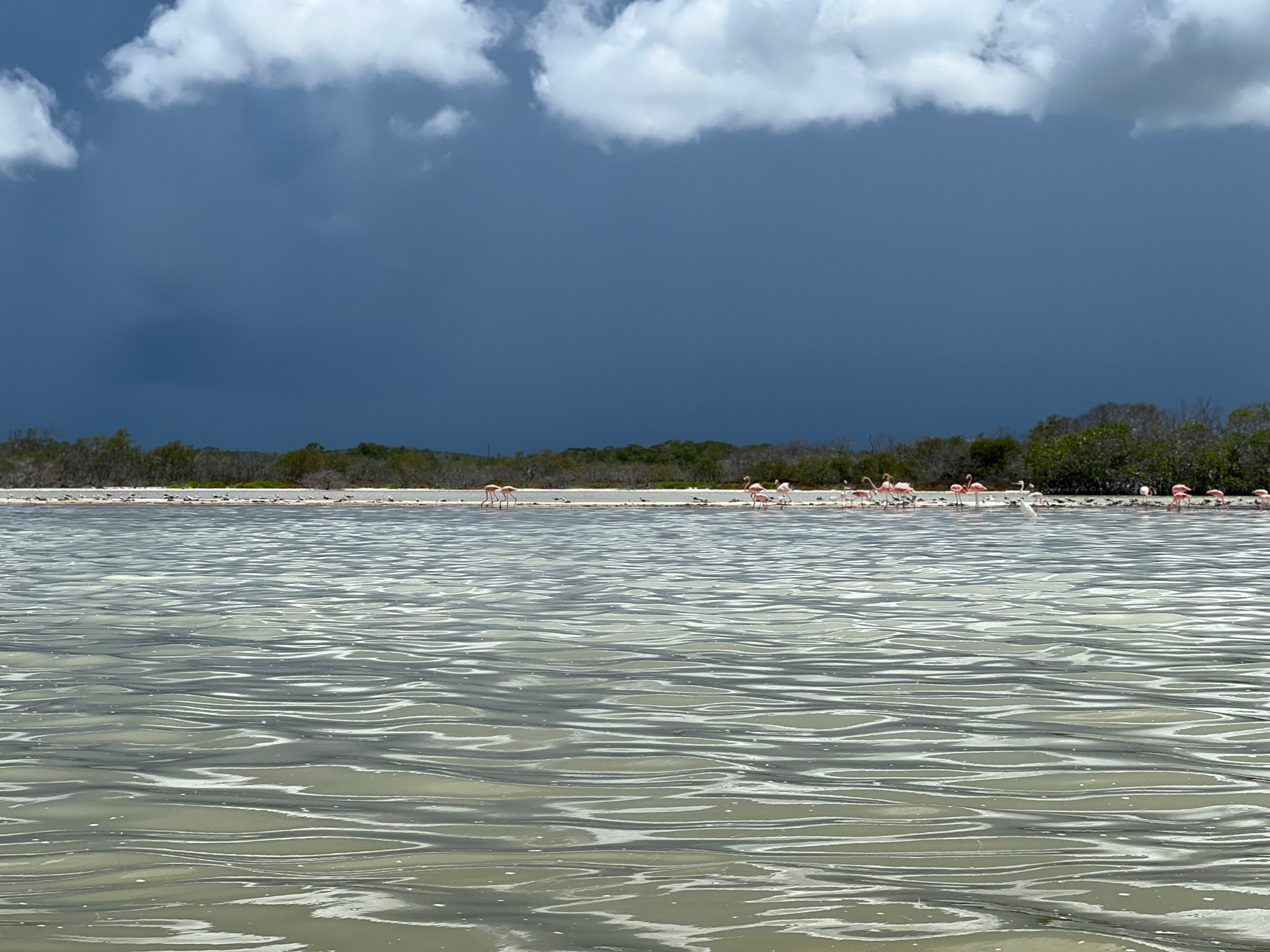
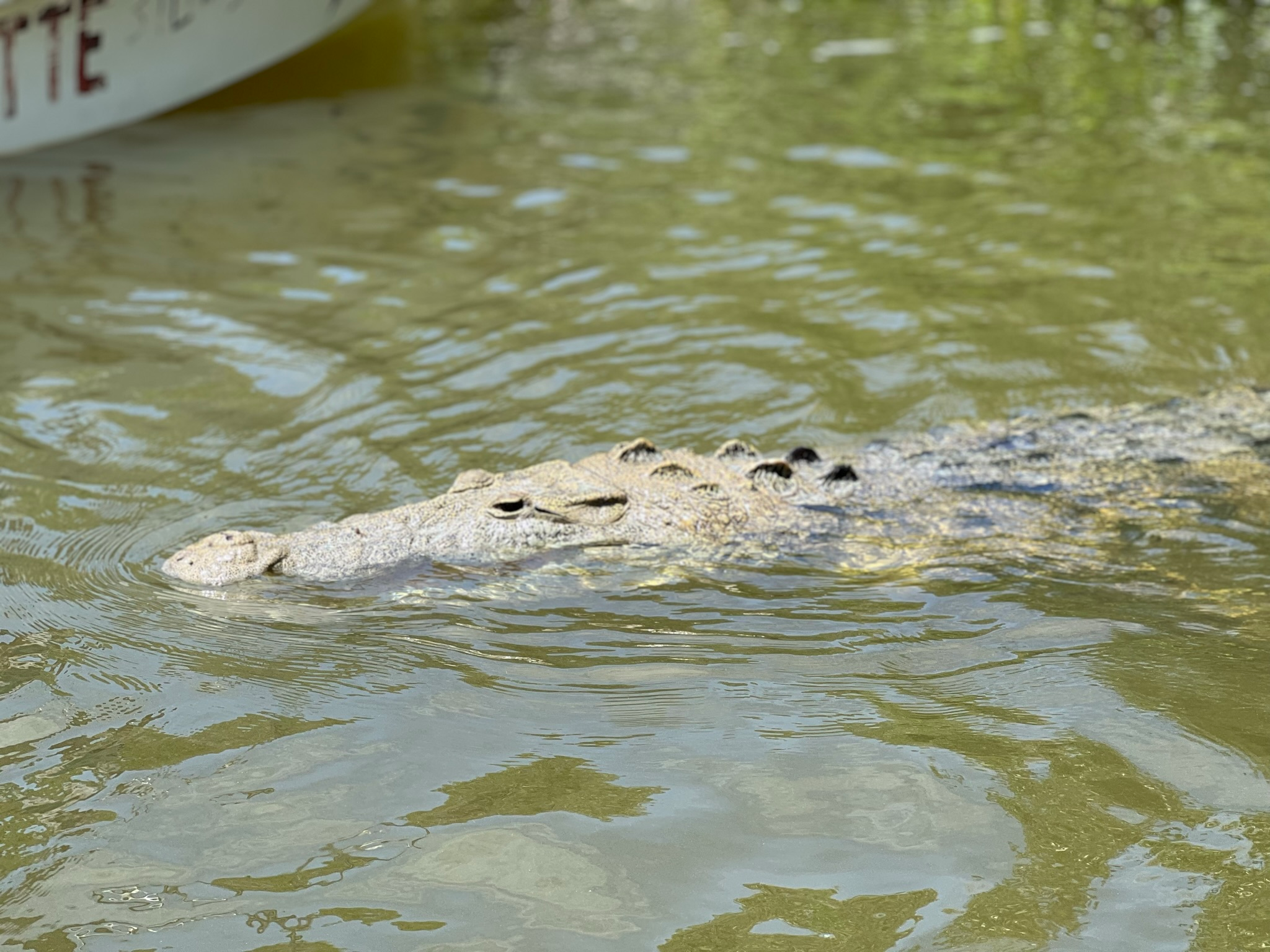
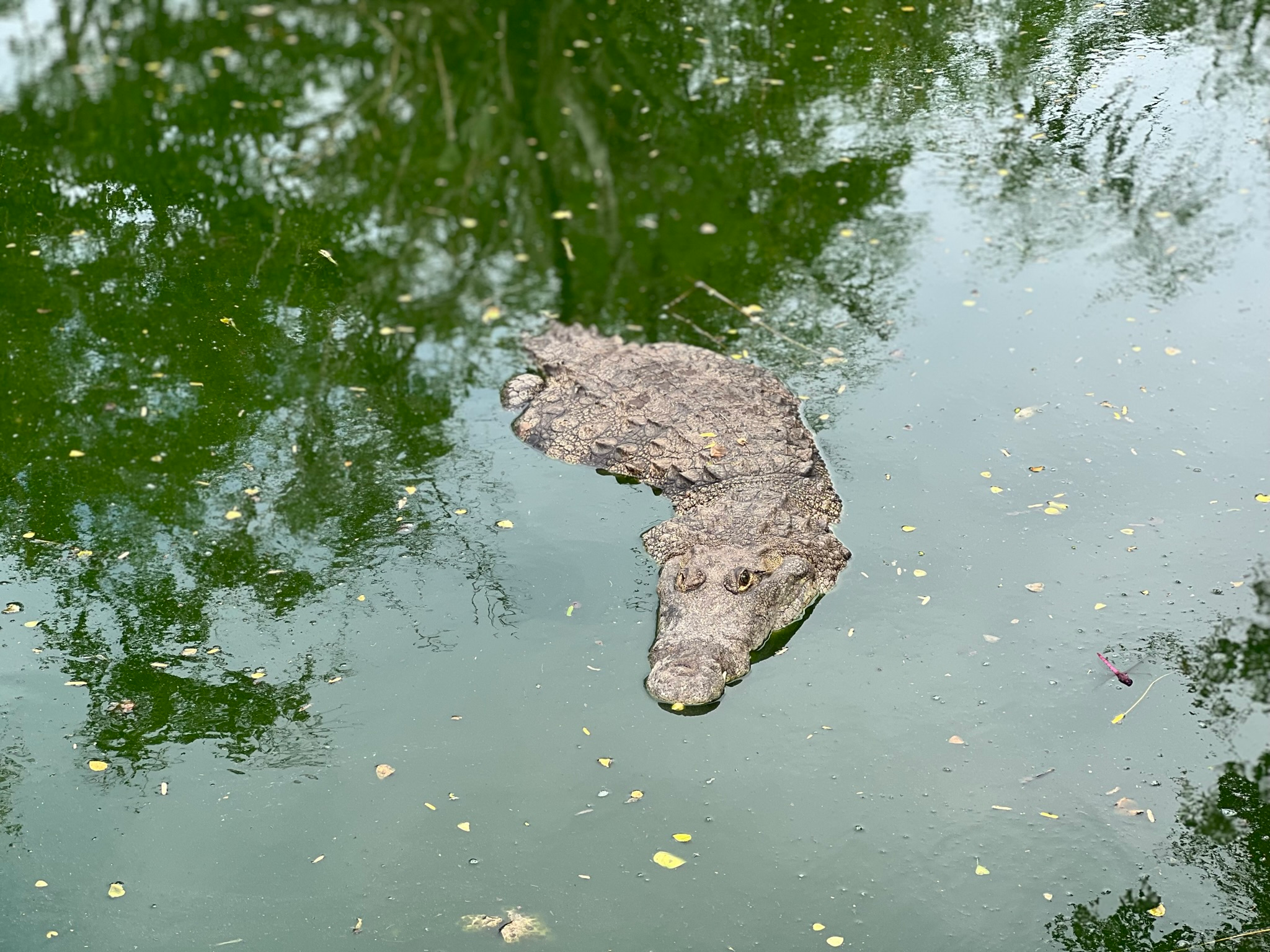
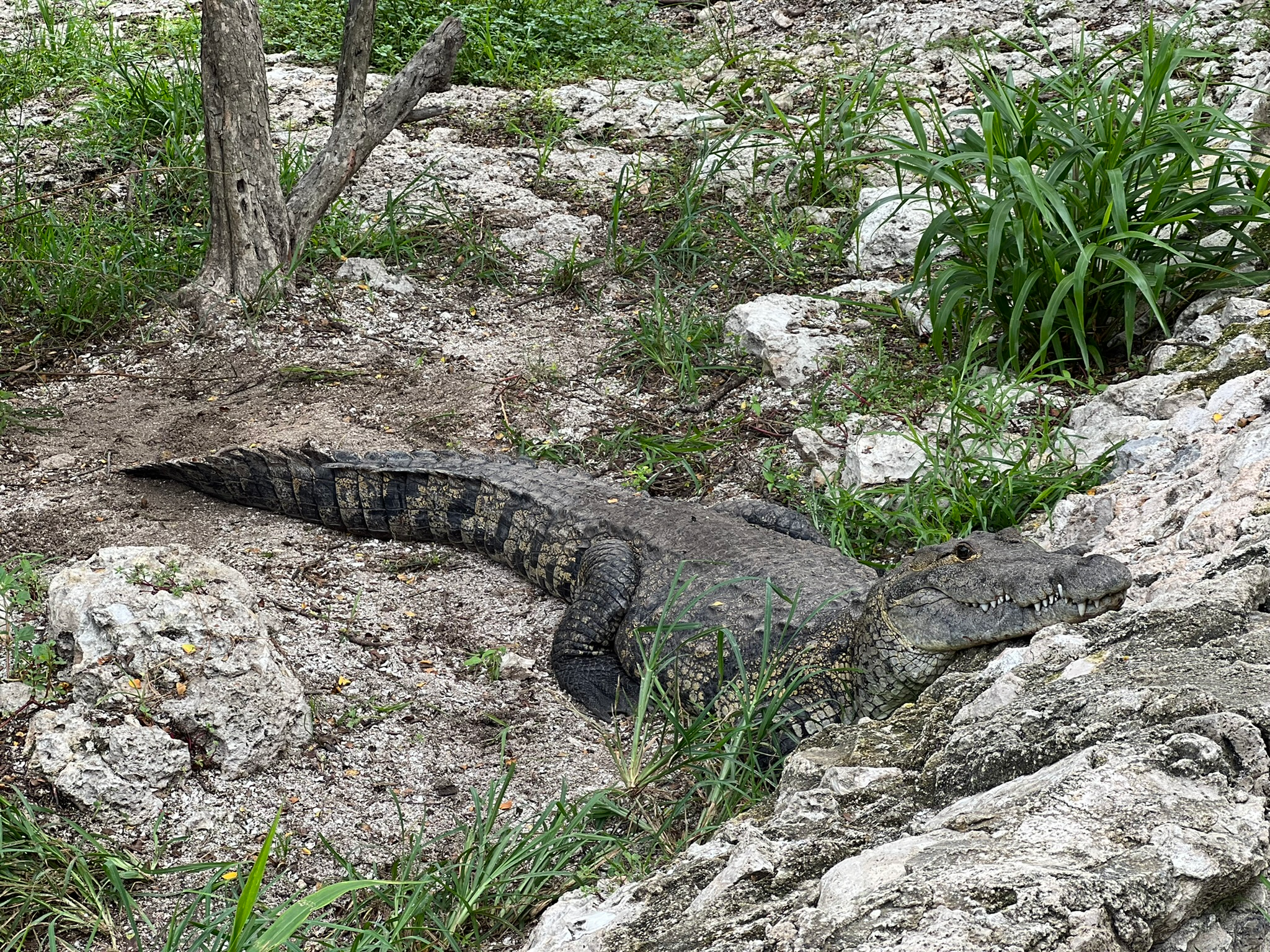
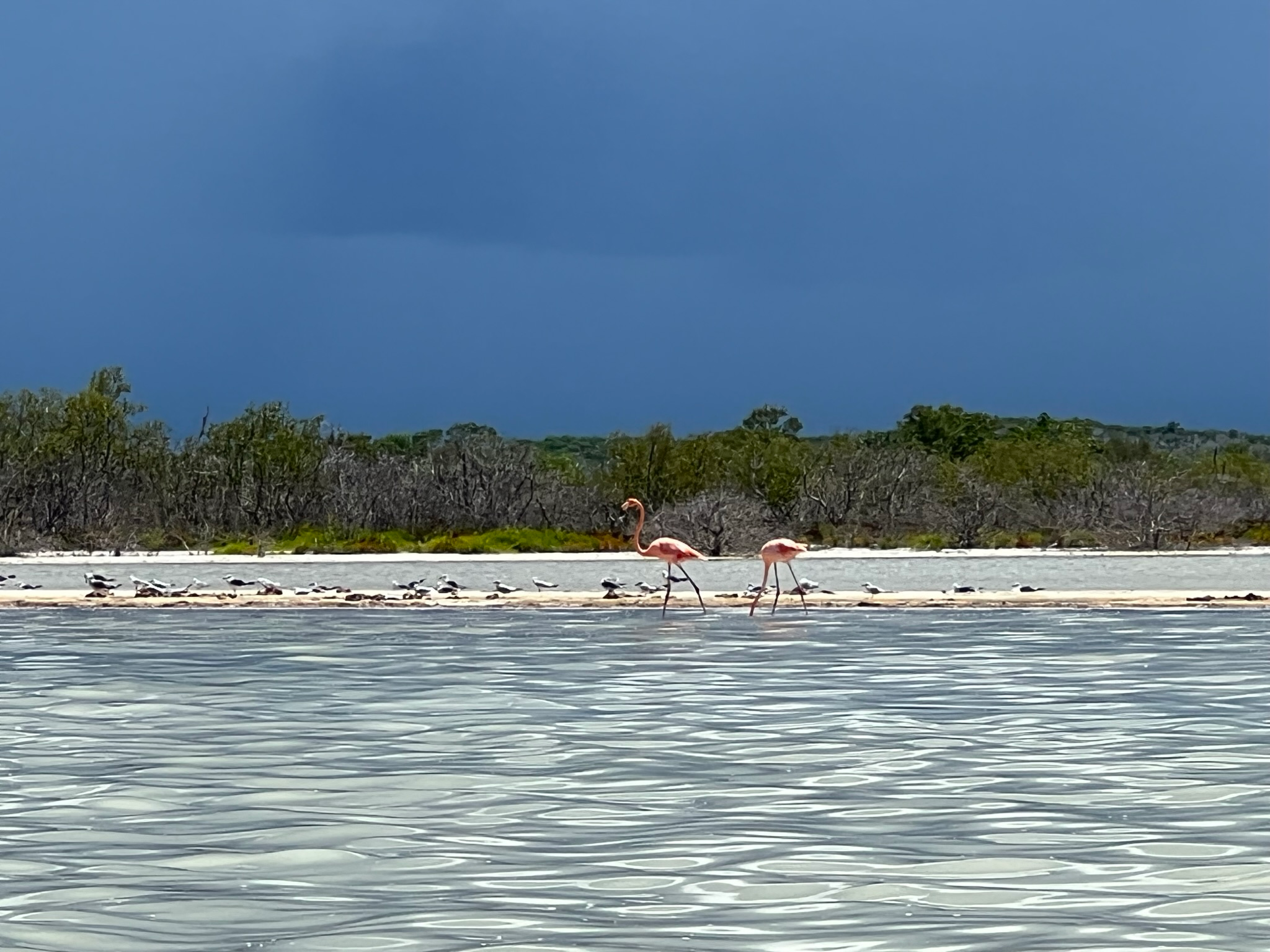
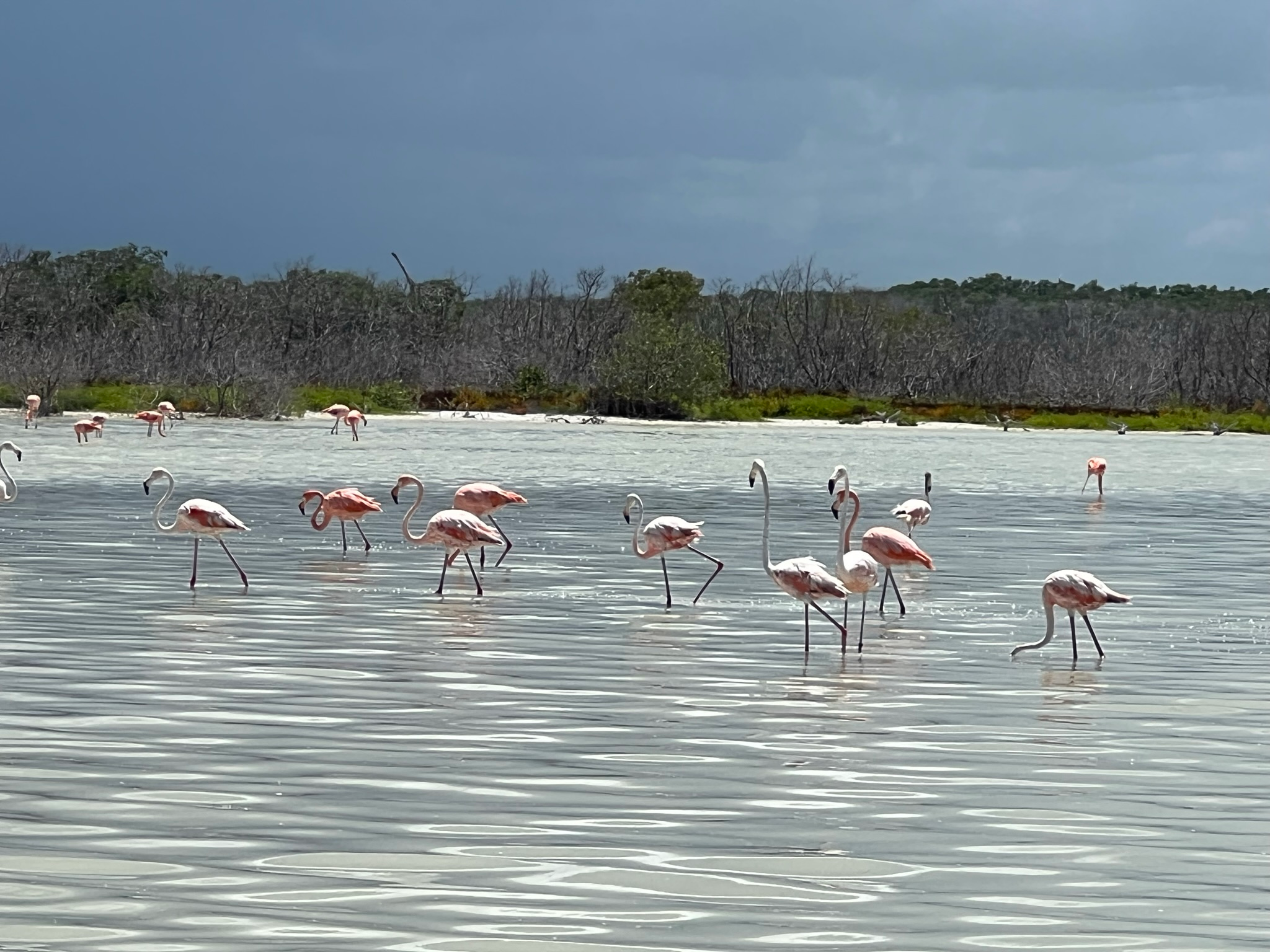
Like that day tour to the pink lake of Las Coloradas, for example. Who the hell could’ve imagined that such a thing existed? I certainly didn’t! Apparently, the glorious body of water owes its striking hue to pigments produced by microorganisms living in the ultra-saline water. Still baffled by such biochemical wonders, we then headed to Río Lagartos – a lake teeming with flora and fauna – where we saw monkeys, fed crocodiles, and… drumroll… flamingos! So, so many adventures in so, so little time!
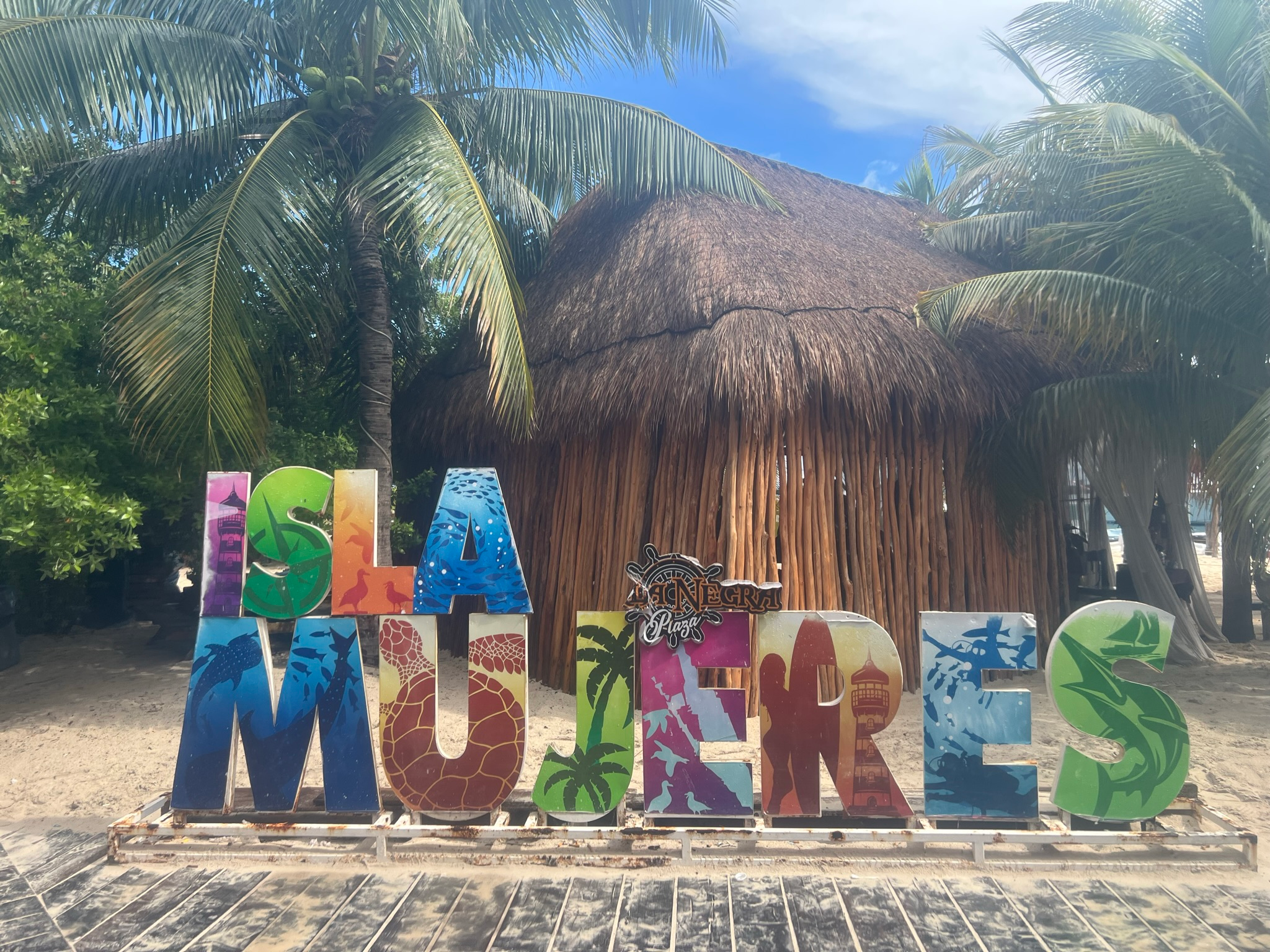
Isla Mujeres
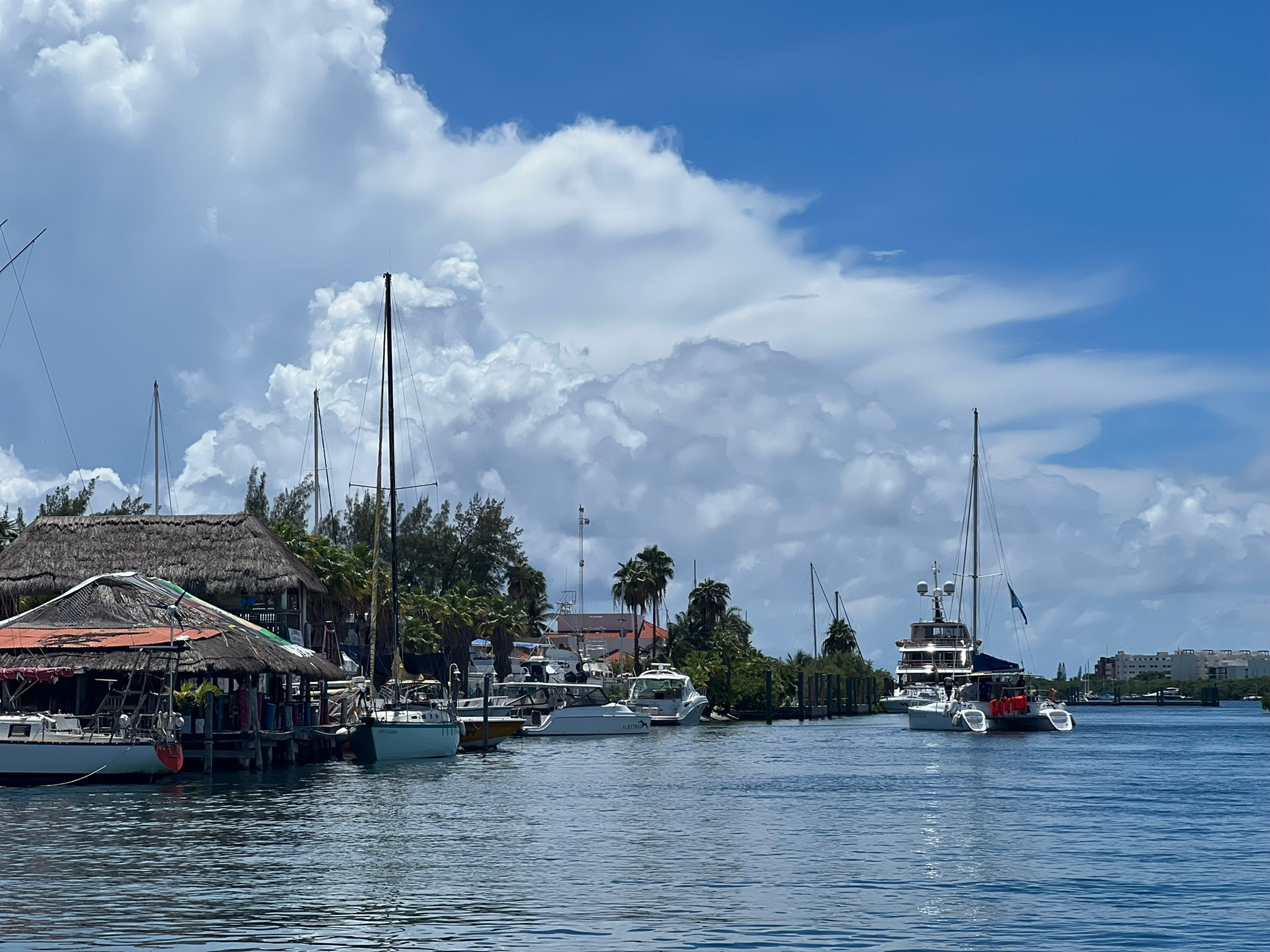
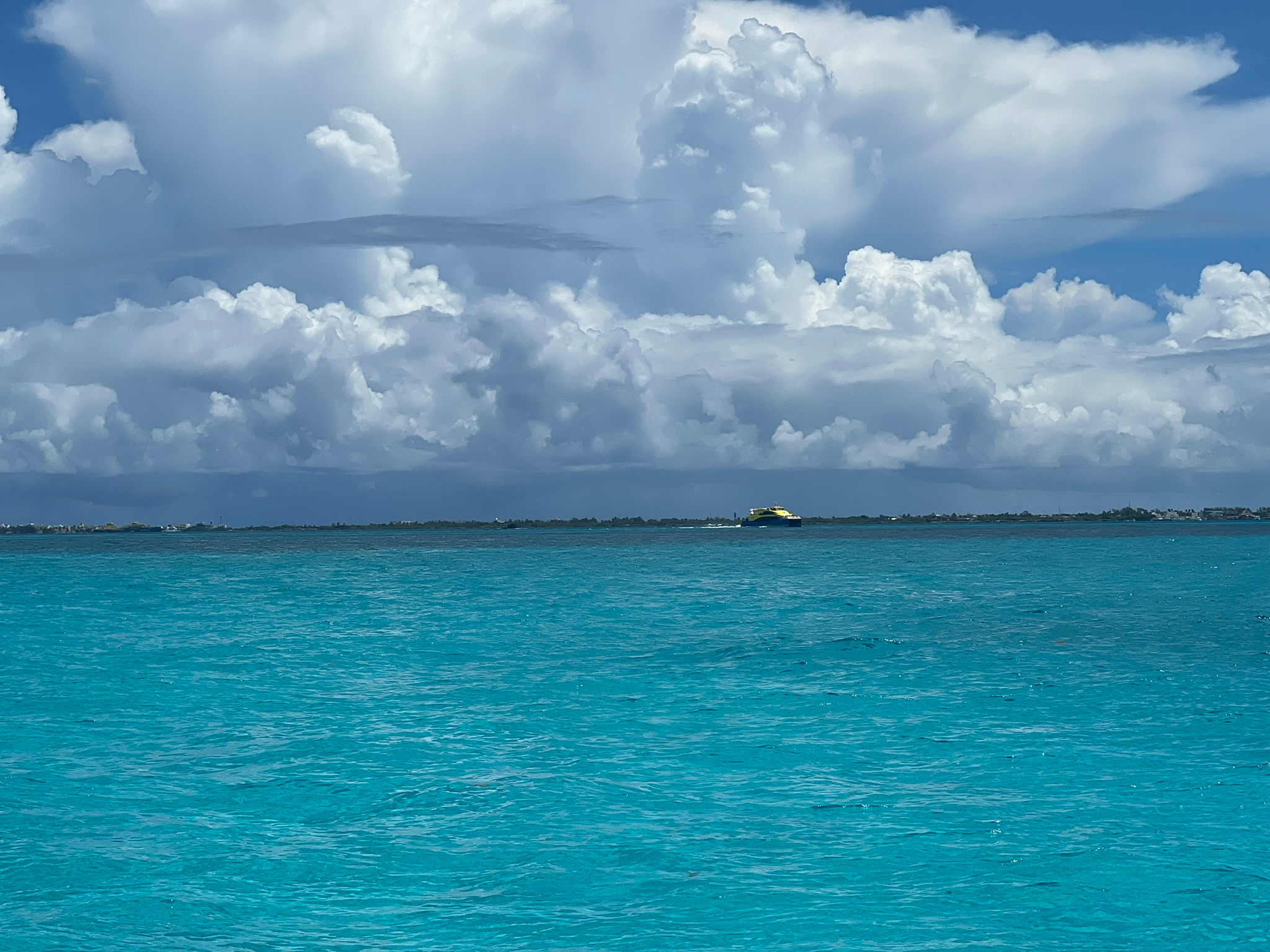
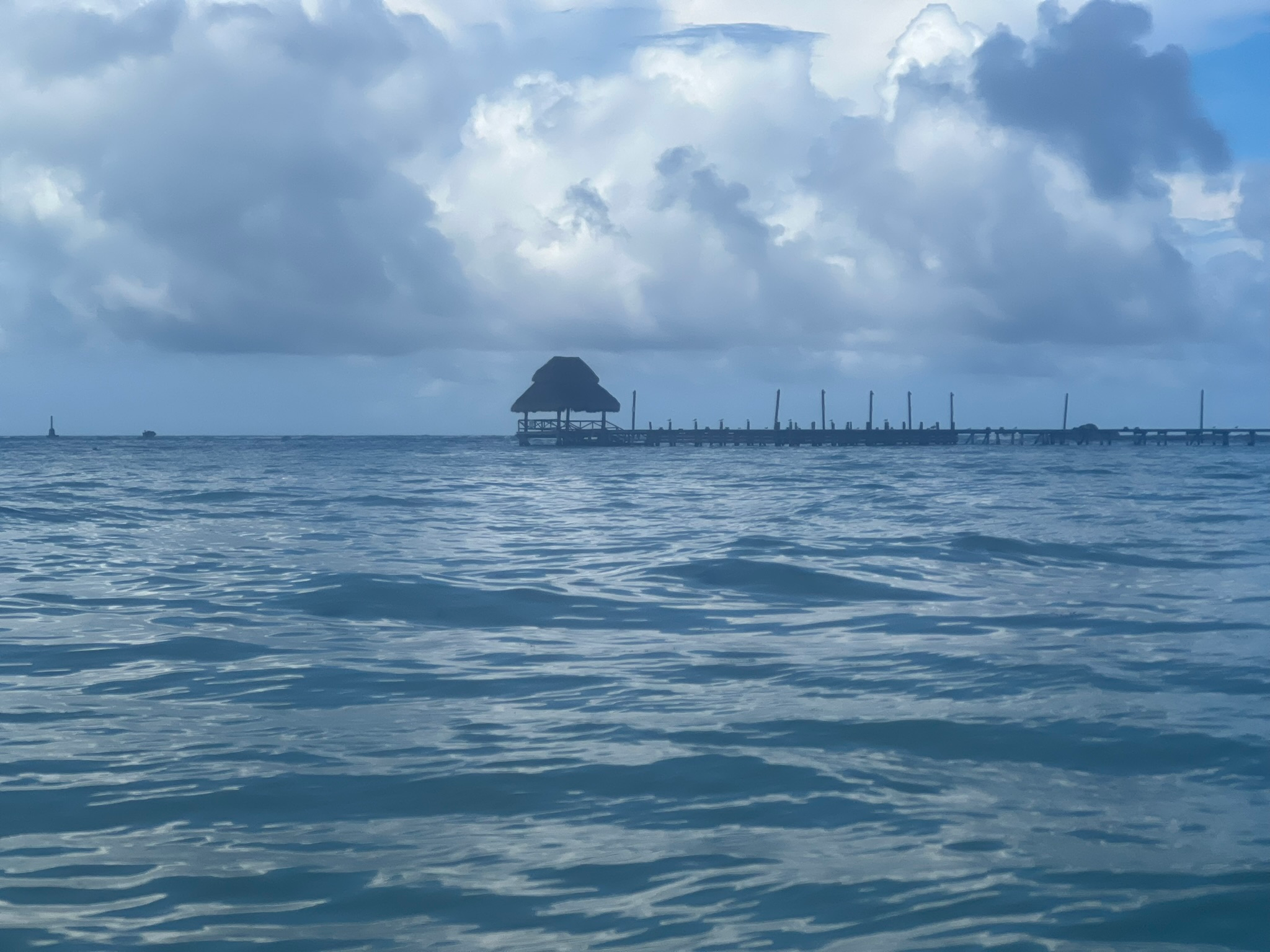
Take that catamaran trip to Isla Mujeres, for instance. To me, there’s nothing quite like being out on the open sea, skimming over the waves and feeling like a pirate. Of course, there was more to it than swashbuckling daydreams. There was snorkelling, too – this time round in the crystal-clear Caribbean waters that surrounded us. As much as I loved snorkelling back in Malta as a kid, and as much as I loved snorkelling in Playa Sisal with Pina, I gotta admit that the seascape here kinda made the rest pale in comparison. From my first glimpse of coral to spotting countless species of fish, a turtle, and even a stingray, I knew I was hooked. Oh, and the underwater statue museum? Now that was friggin’ awesome!
Once back on the catamaran, it was party time. Under normal circumstances, I would’ve loved being out on the open ocean with loud music and an open bar – but given that I was on my own, let’s just say I couldn’t quite make the most of it. With everyone else seemingly in their groups of friends, I opted to stay on the sidelines and enjoyed watching the waves as I progressively got more inebriated. What a life, huh? In moments like these, it takes me back to Miguel singing La Vida Pirata back in Pécs, Hungary during my medical exchange.
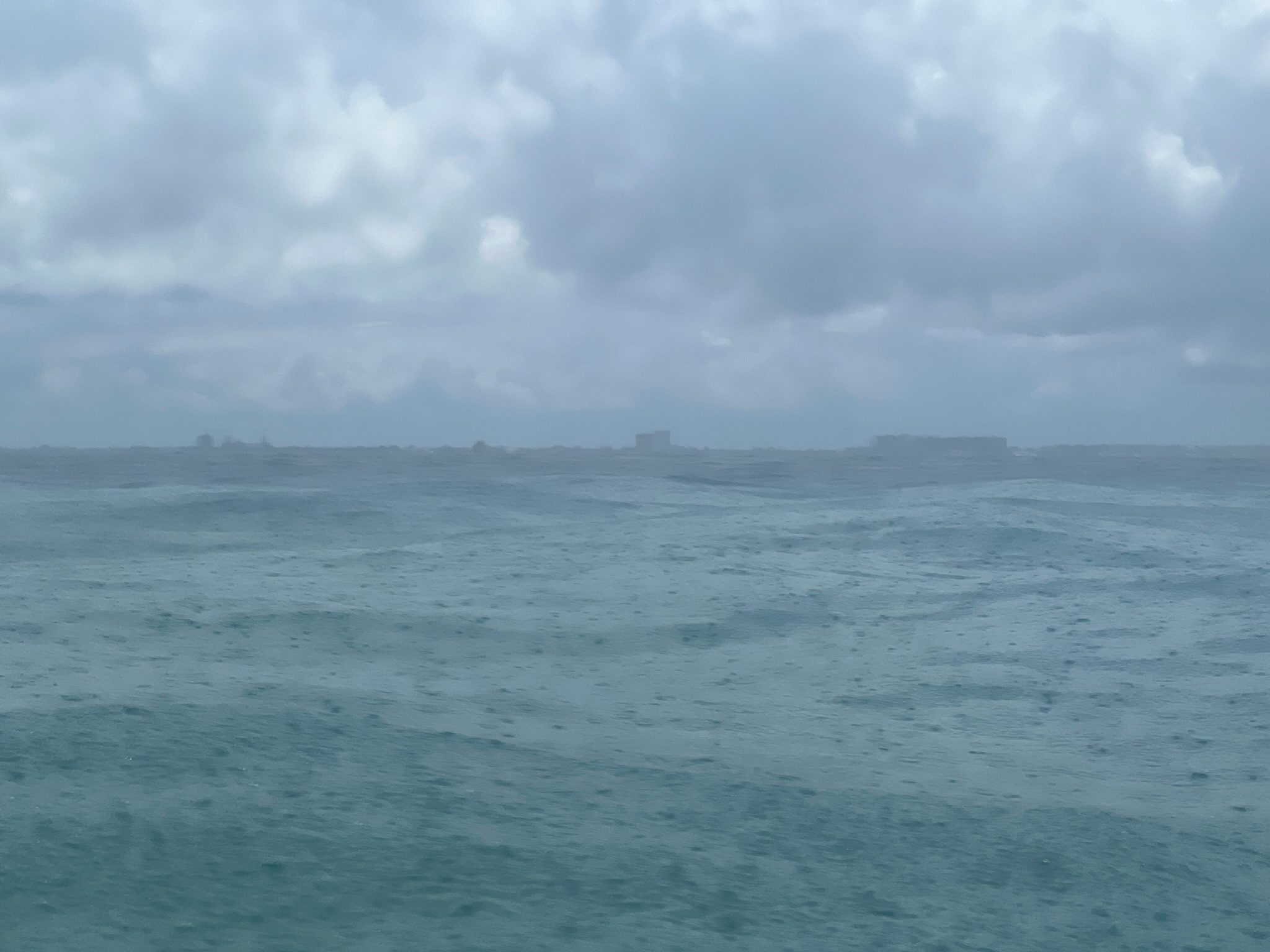
Then we got to the island. Named after a collection of statues dedicated to Ixchel – the Mayan goddess of the moon, fertility, medicine, and happiness – this little jewel boasts some of the most stunning beaches I’ve ever laid eyes on. Beautiful, yes. But also crowded and noisy – a compromise that frequently had me questioning why I joined such tours in the first place. Still, after a good stretch of walking along the coast, I managed to find a quiet patch of beach just in time for a tropical storm to roll in. Fortunately, by that point, swimming in a torrential downpour had become something of a routine – if not something I actually enjoyed.
Isla Holbox
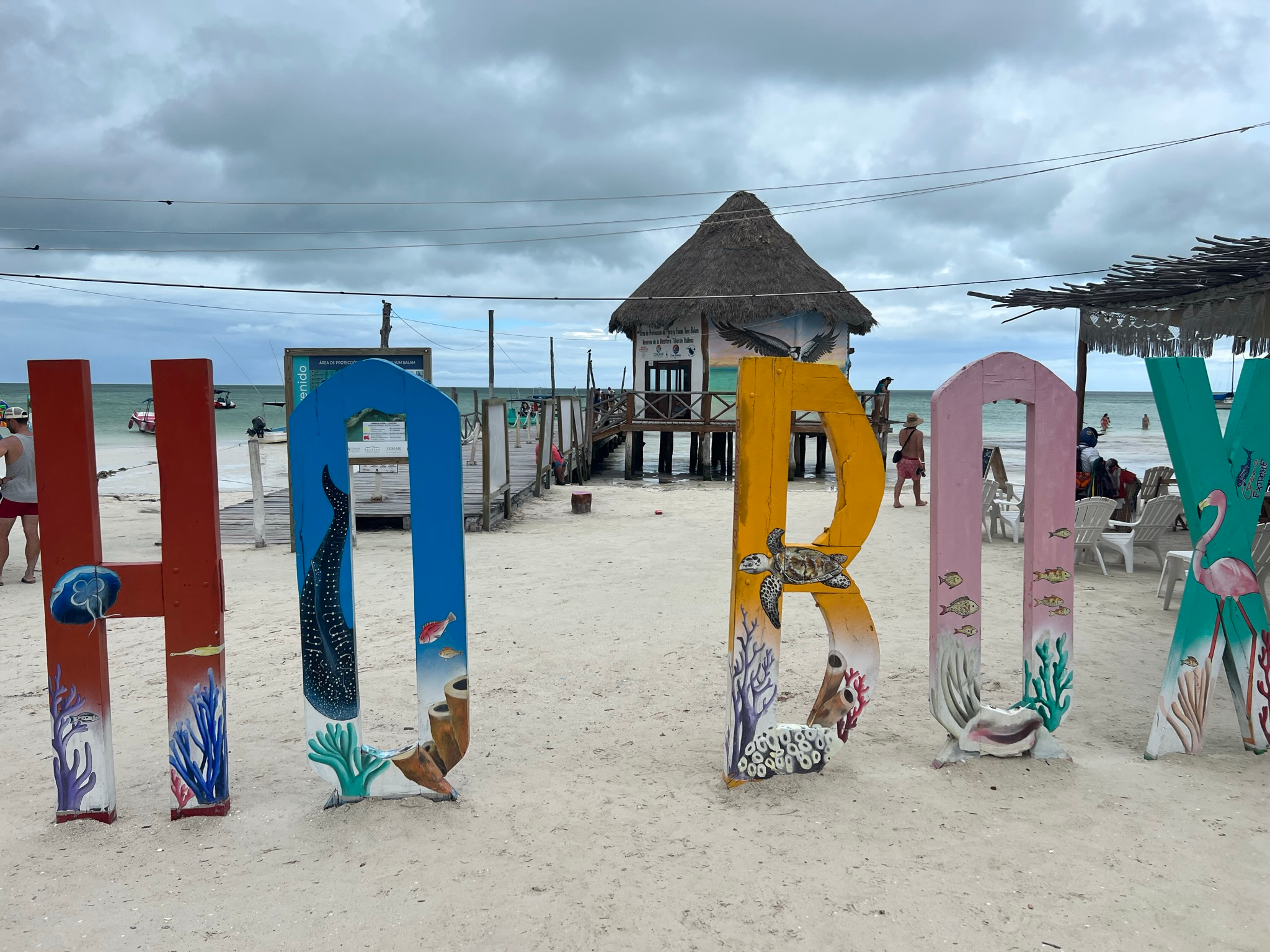
The tour to Holbox Island was yet another highlight – though it wasn’t the tropical haven itself that left me in awe. Along with a new group of tourists, I found myself on yet another boat – this one much more modest and small-scale.
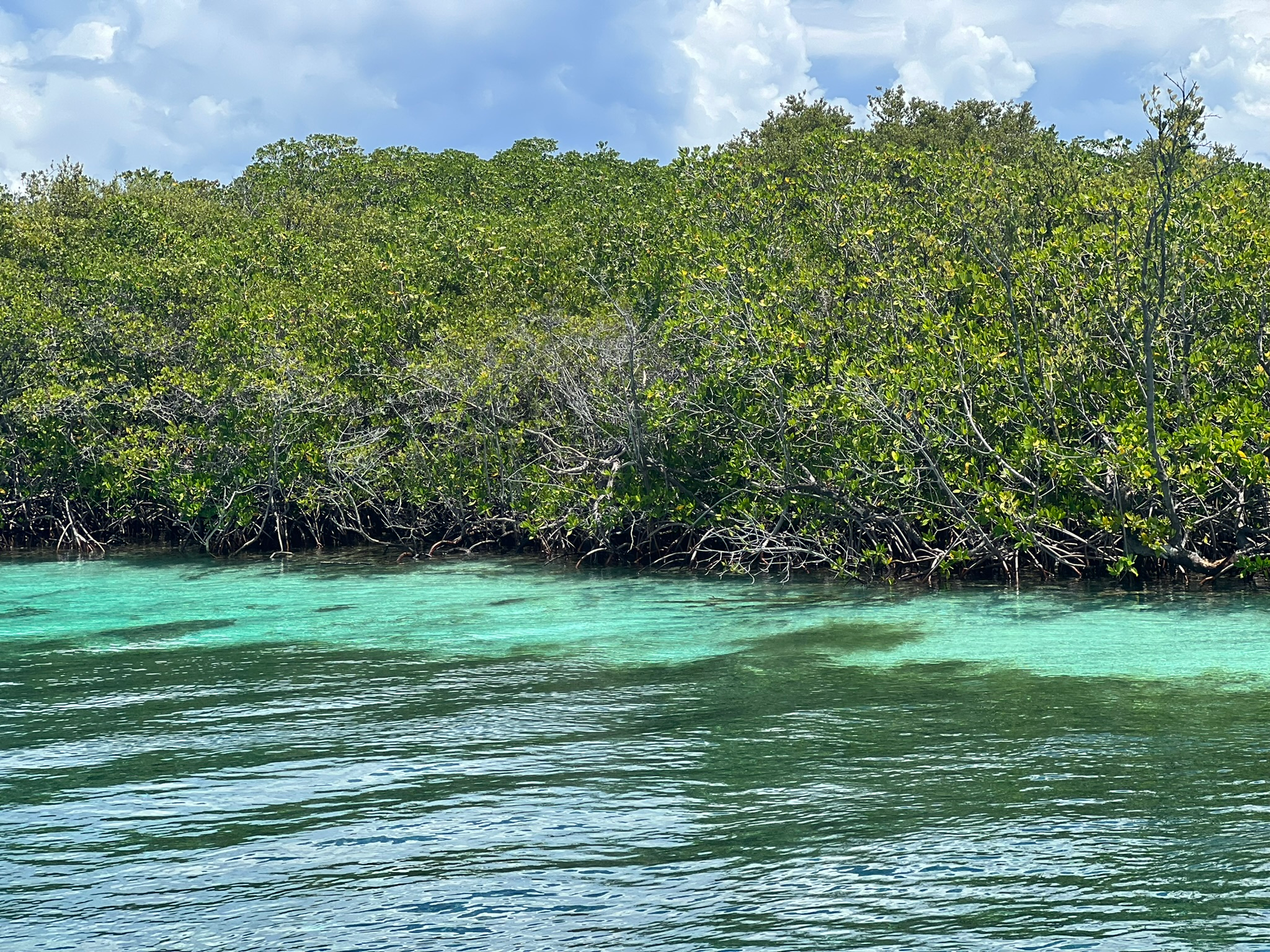
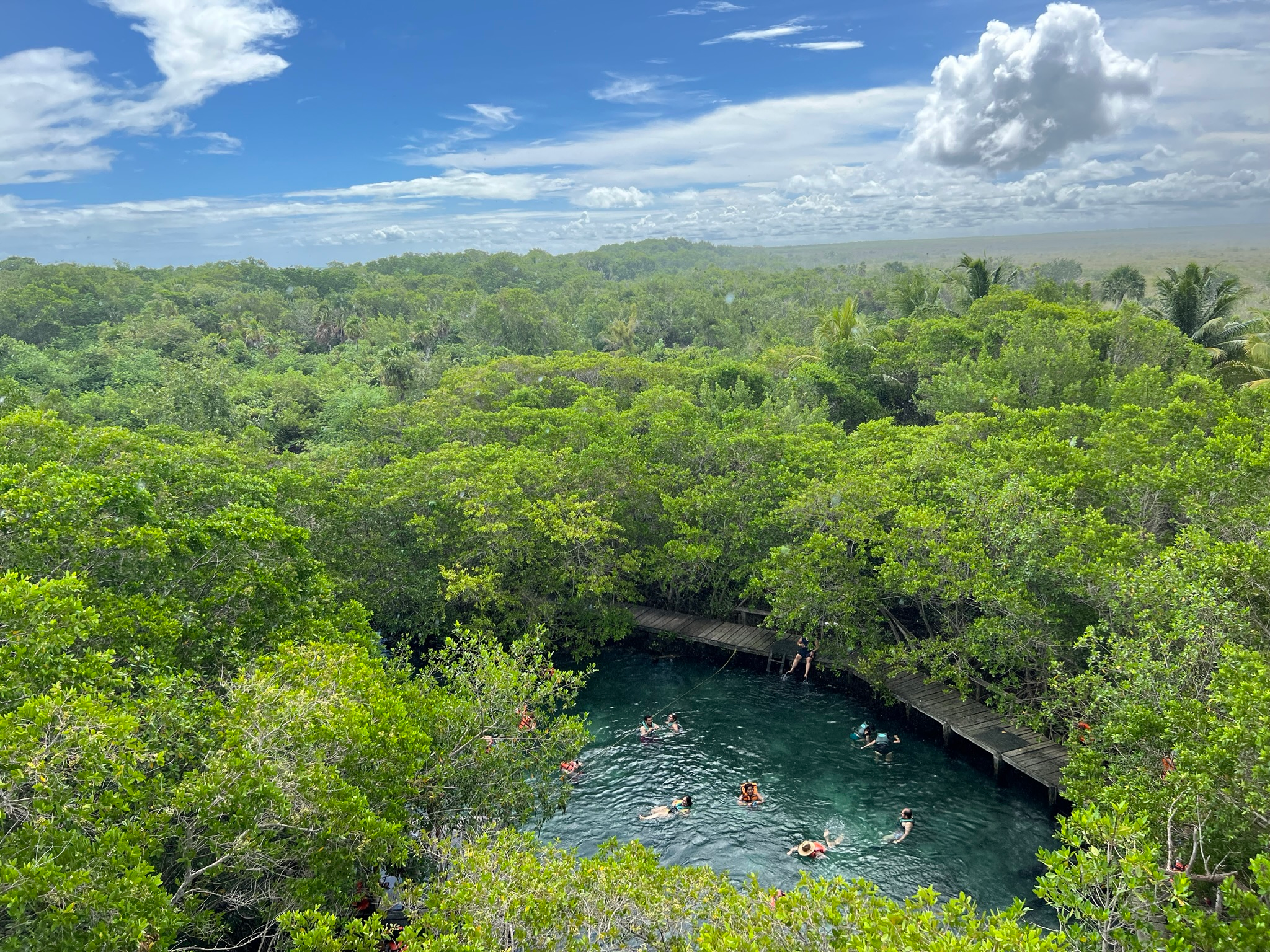
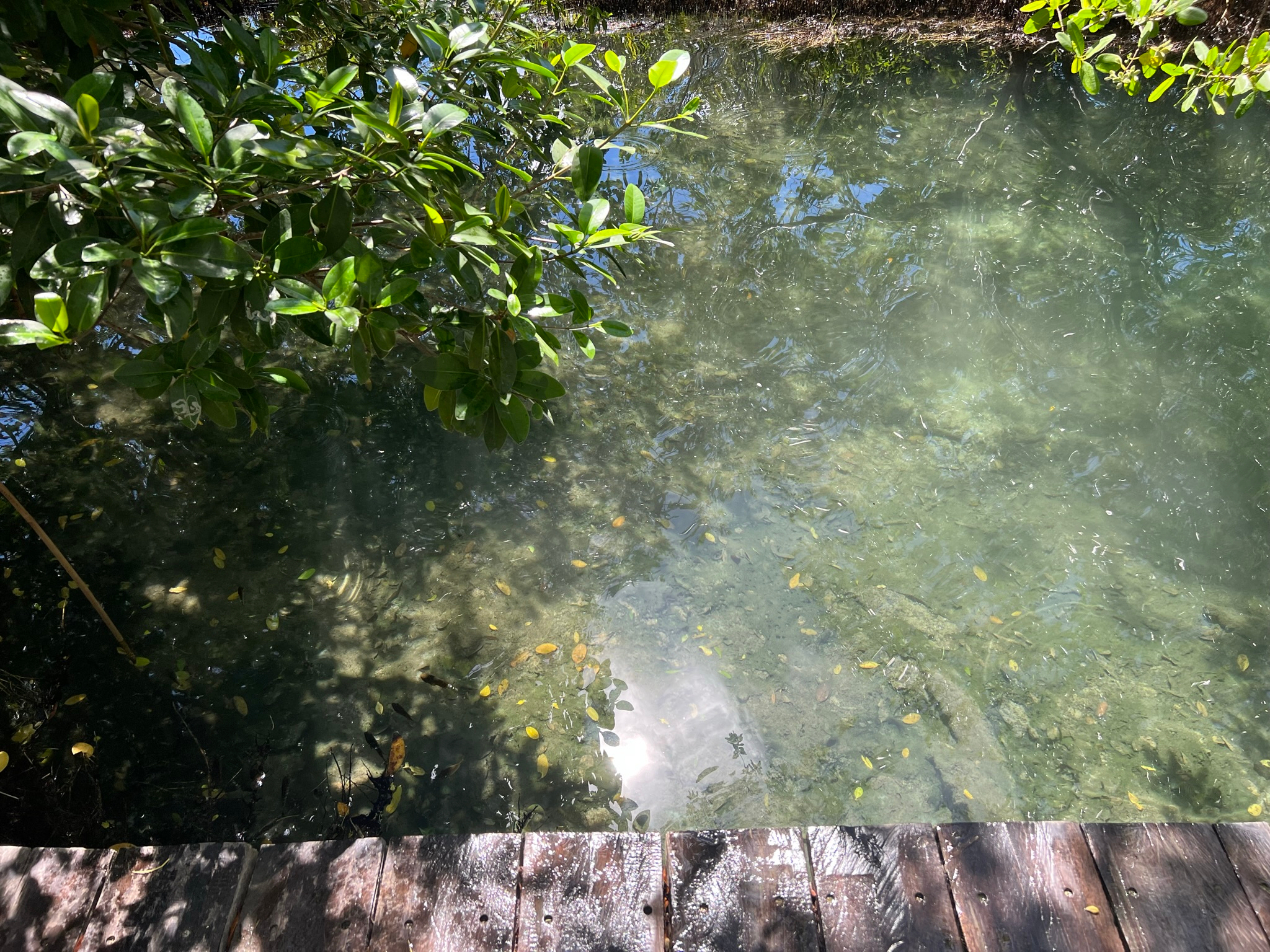
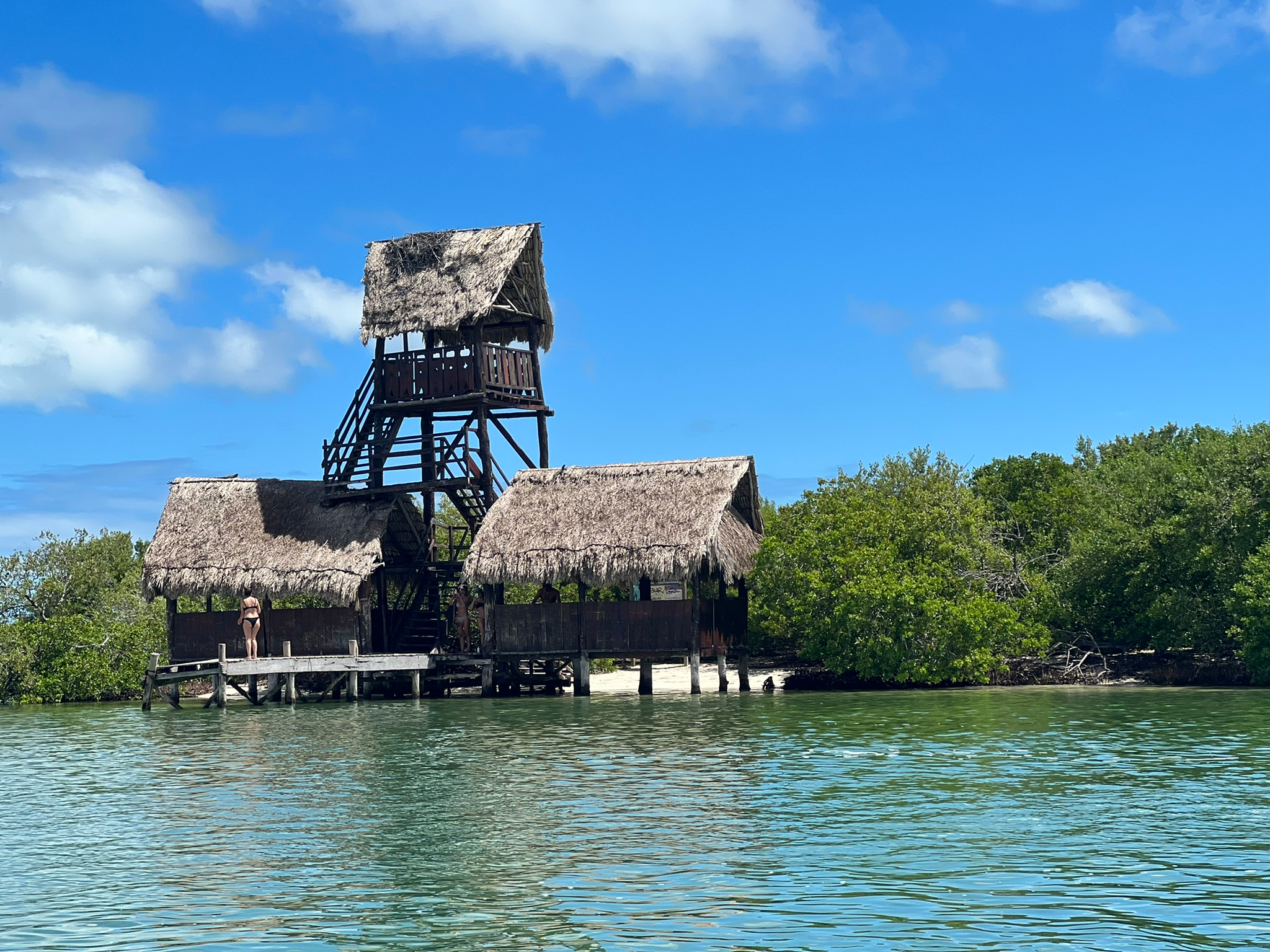
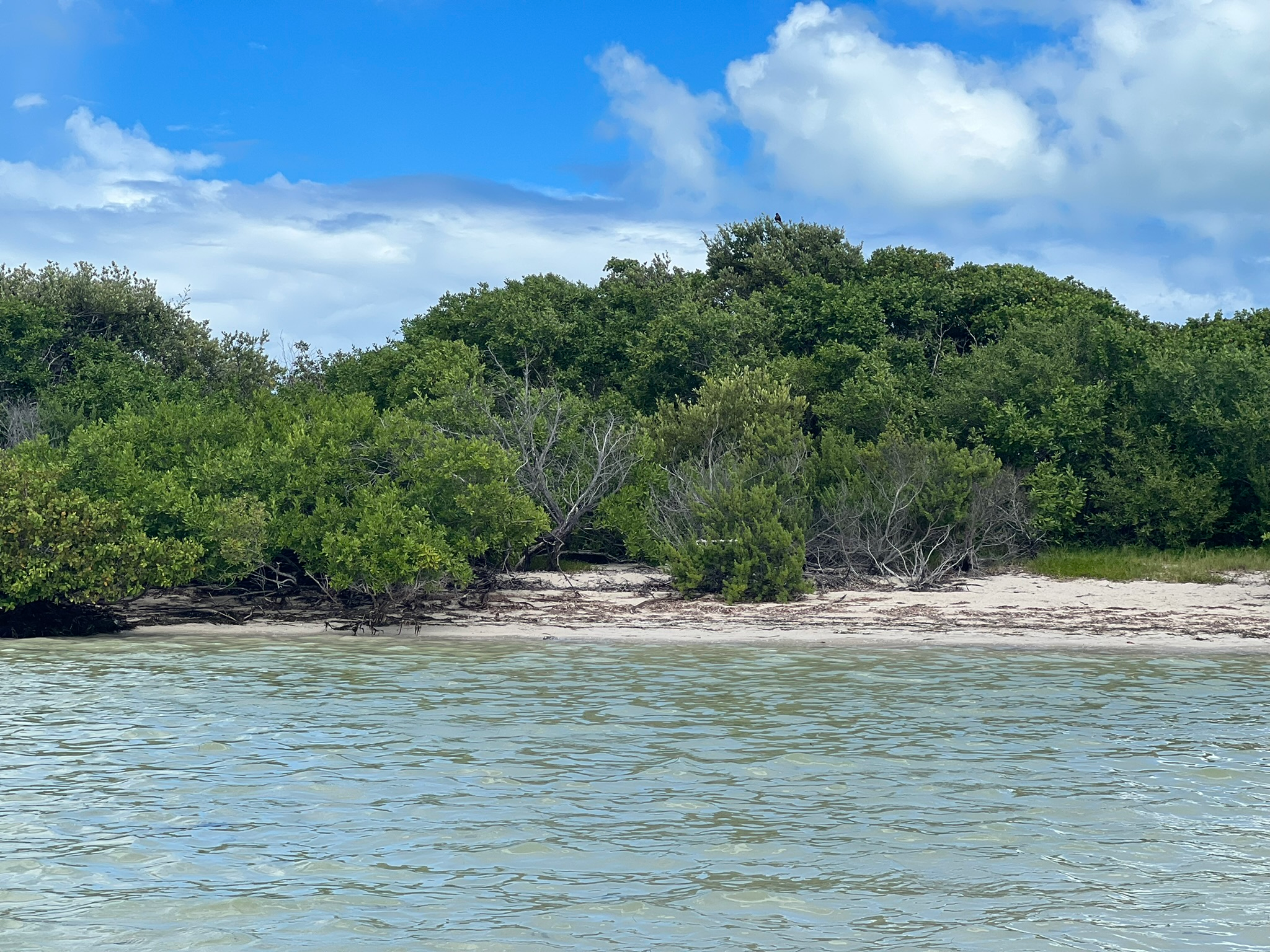
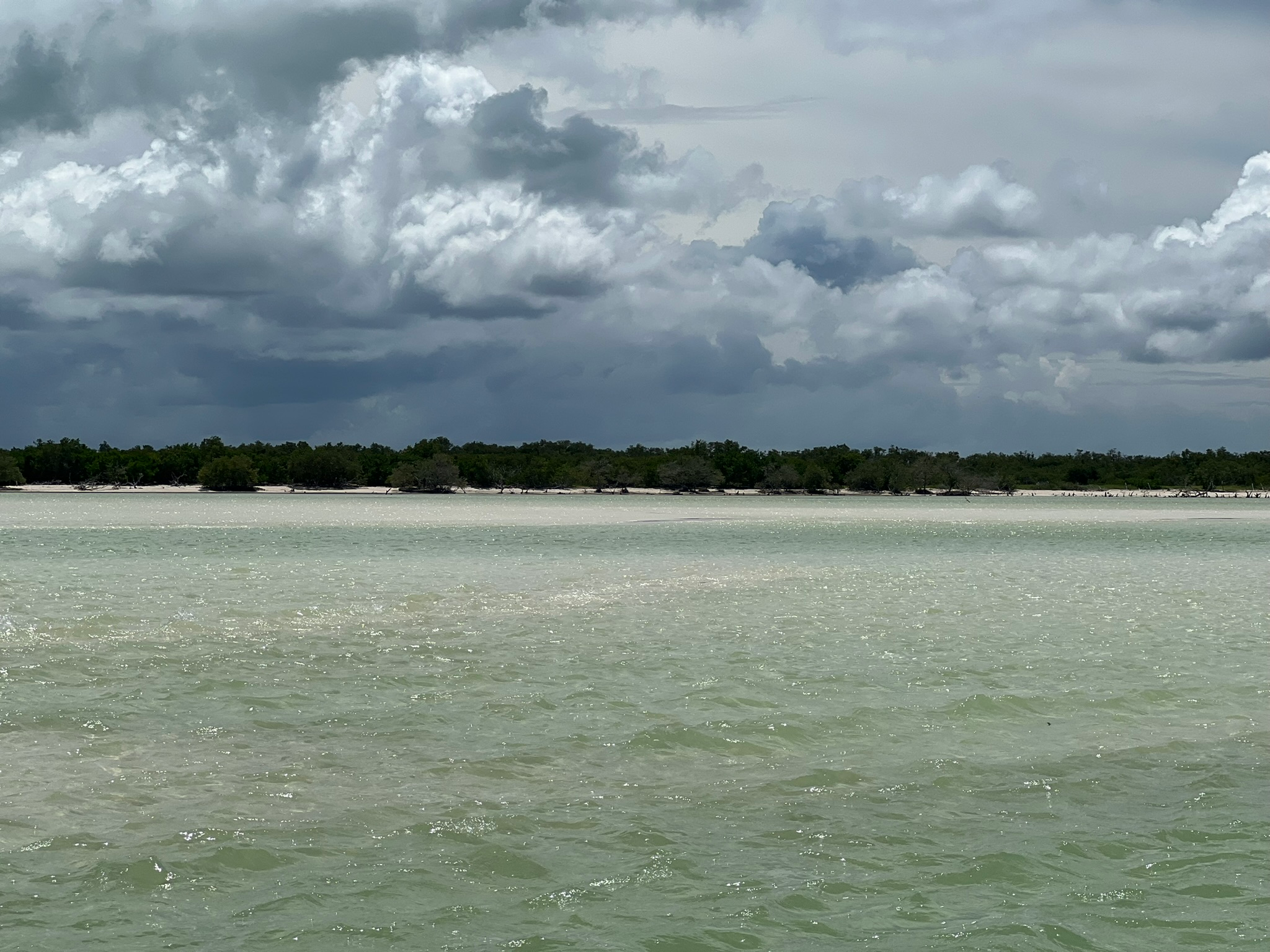
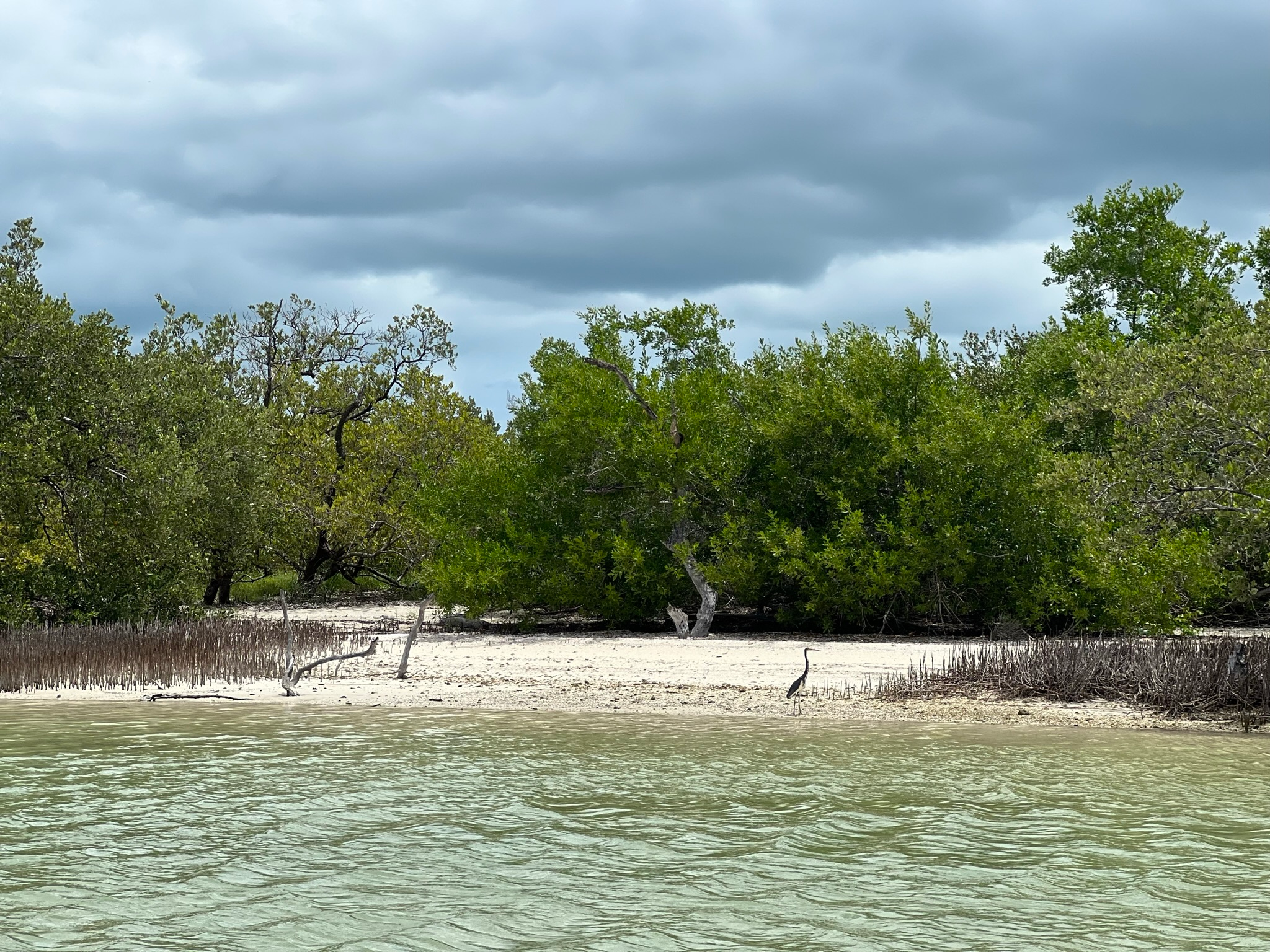
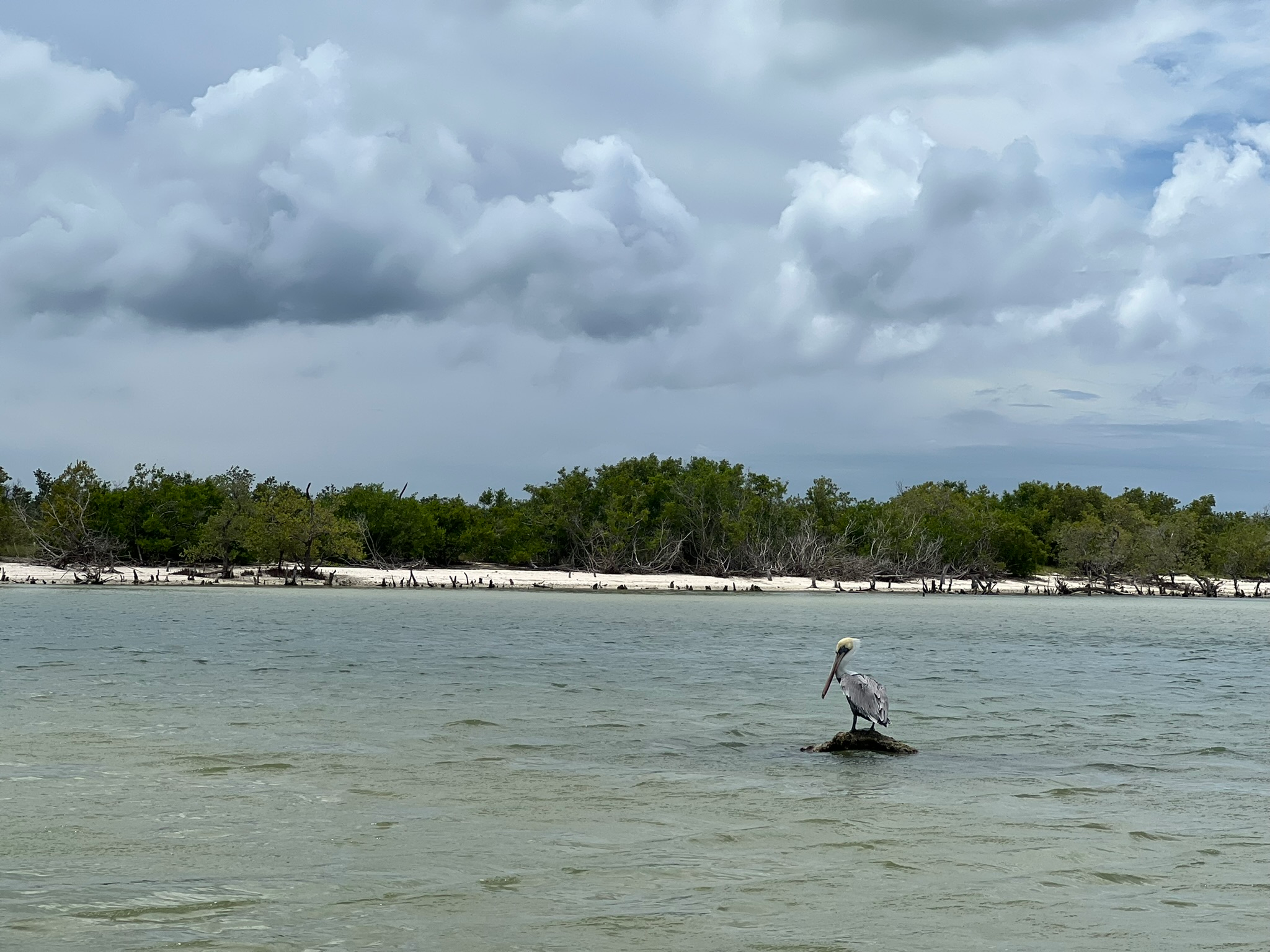
On our way there, we made a few memorable stops: first, at Cenote Yalahau – a pool of azure, crystalline water surrounded by dense jungle; then Isla Pasión – an honest-to-God tropical island, the kind you see on travel brochures; and finally, my favourite stop, Yum Balam – a vast nature reserve made up of sprawling wetlands and home to hundreds of species, from whale sharks and flamingos to jaguars and tapirs. I’d suggest anyone reading this (probably just myself), to hold their horses, as none of those animals made a show.
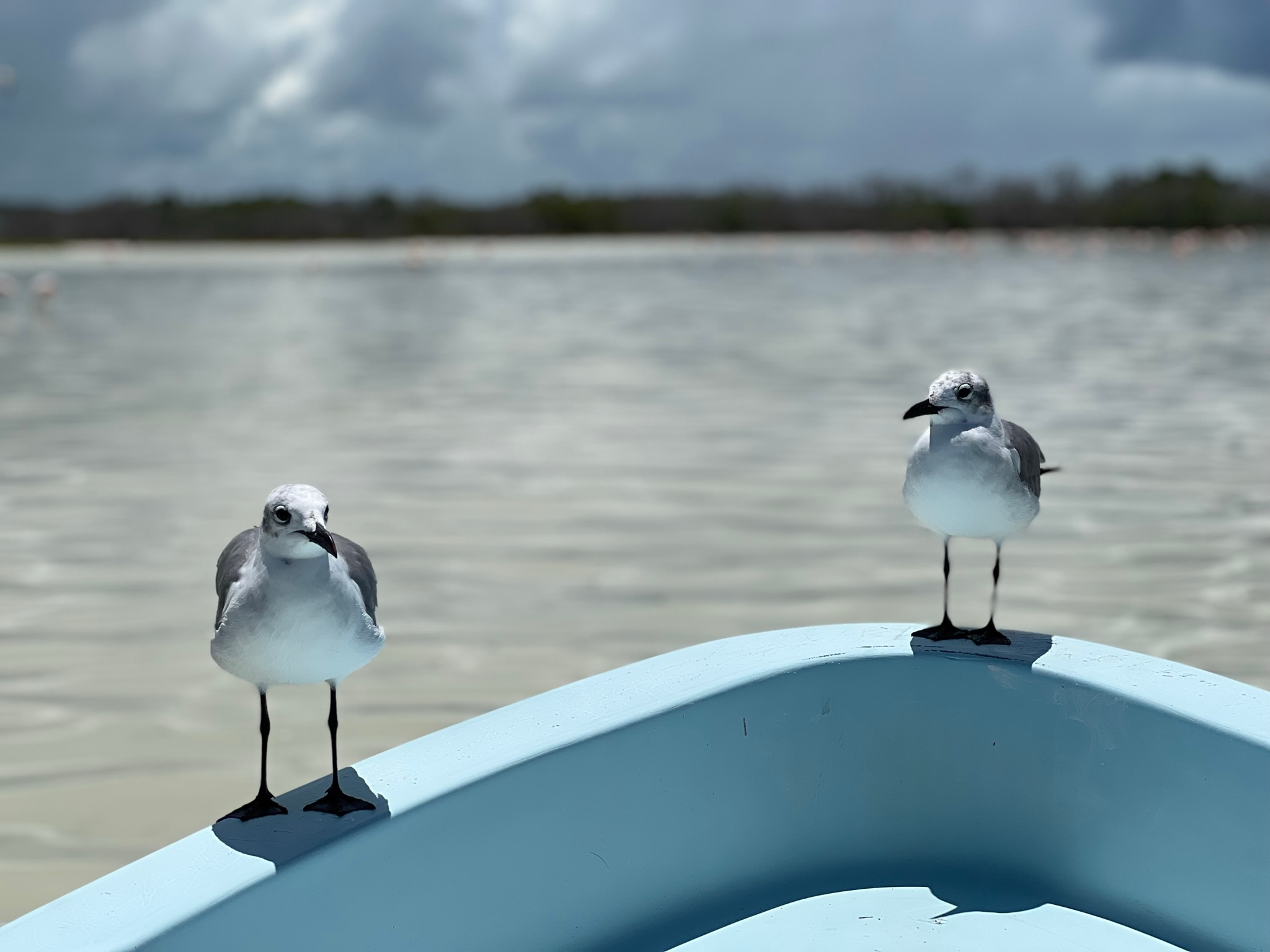
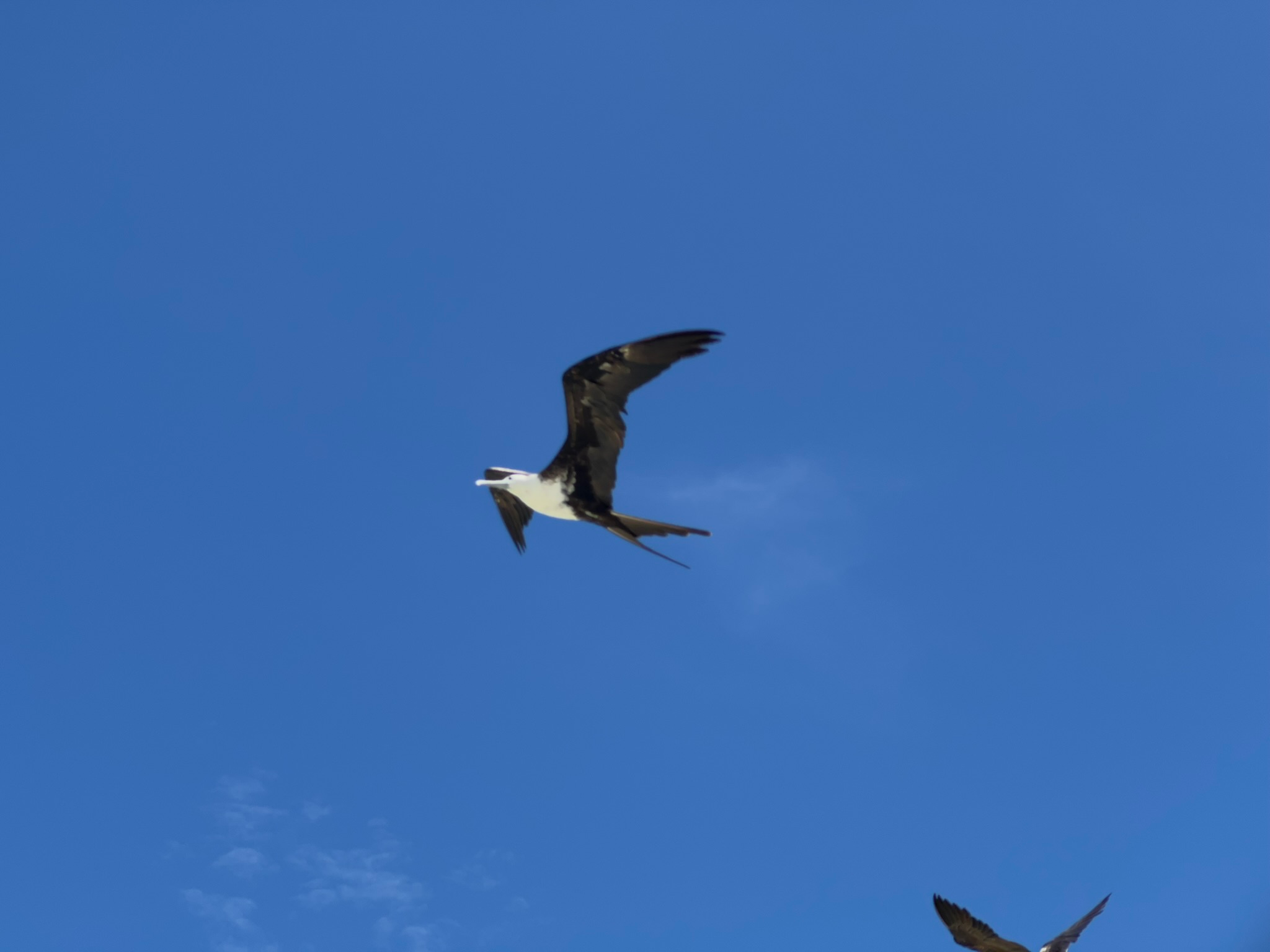
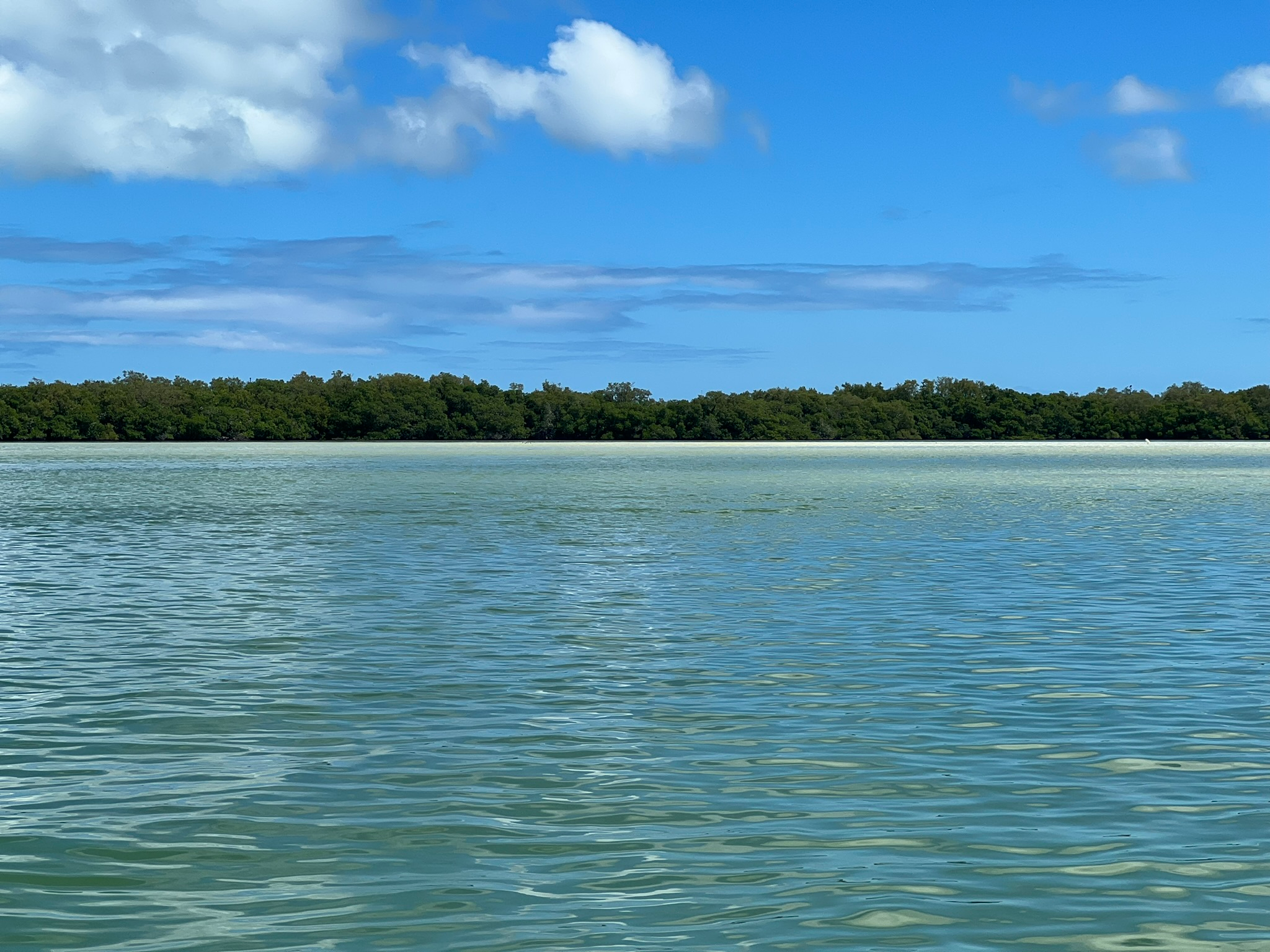
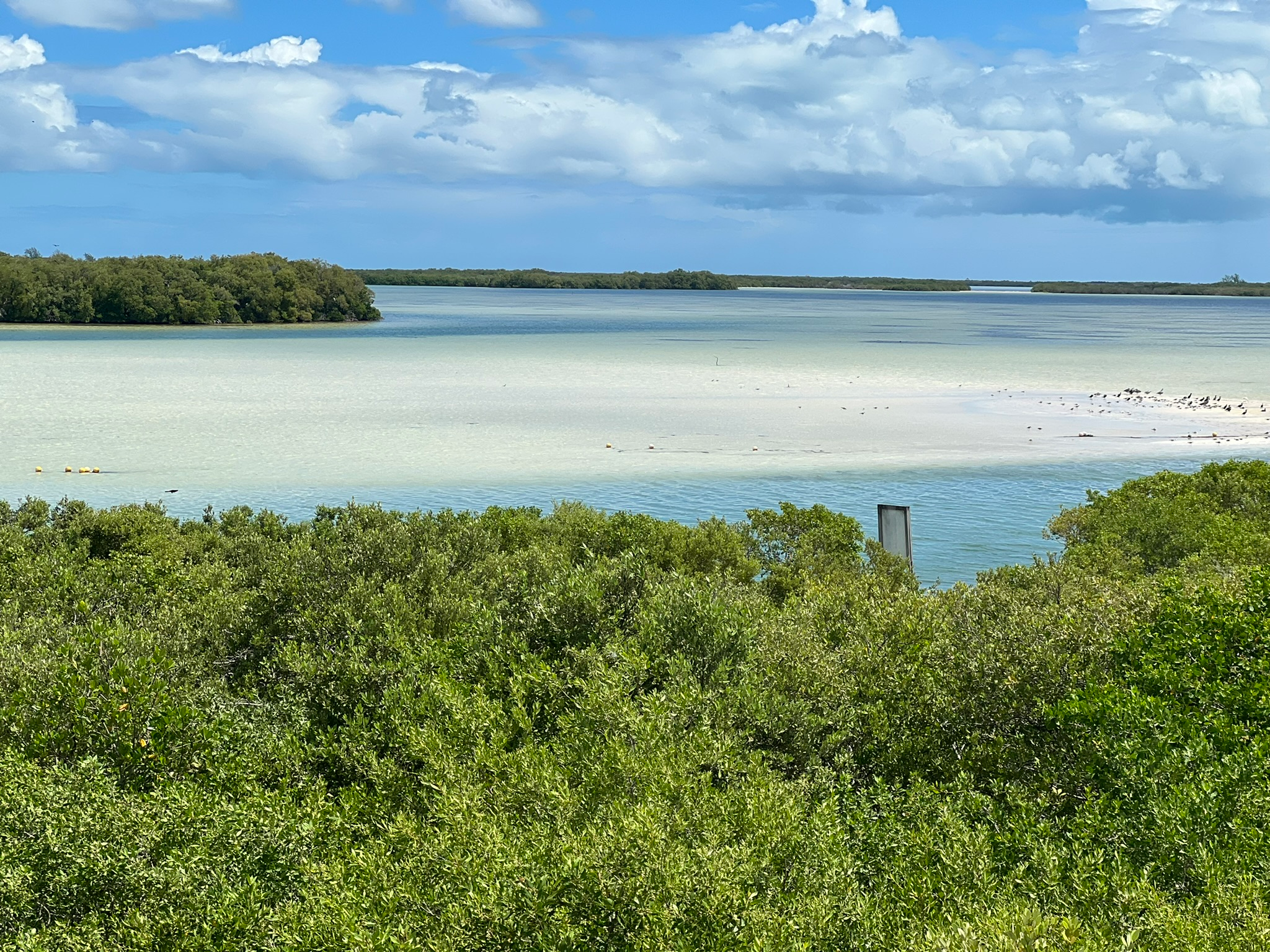
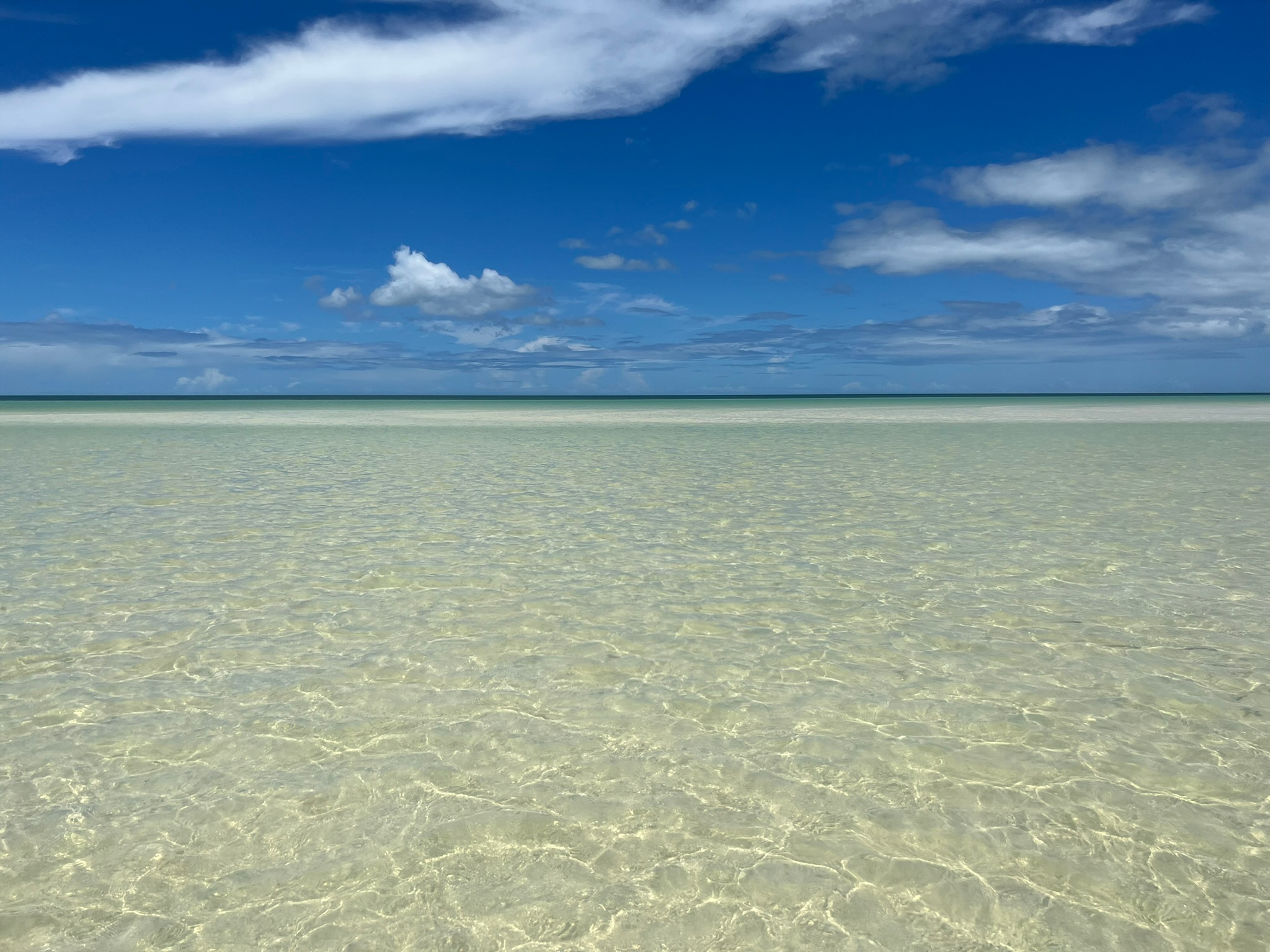
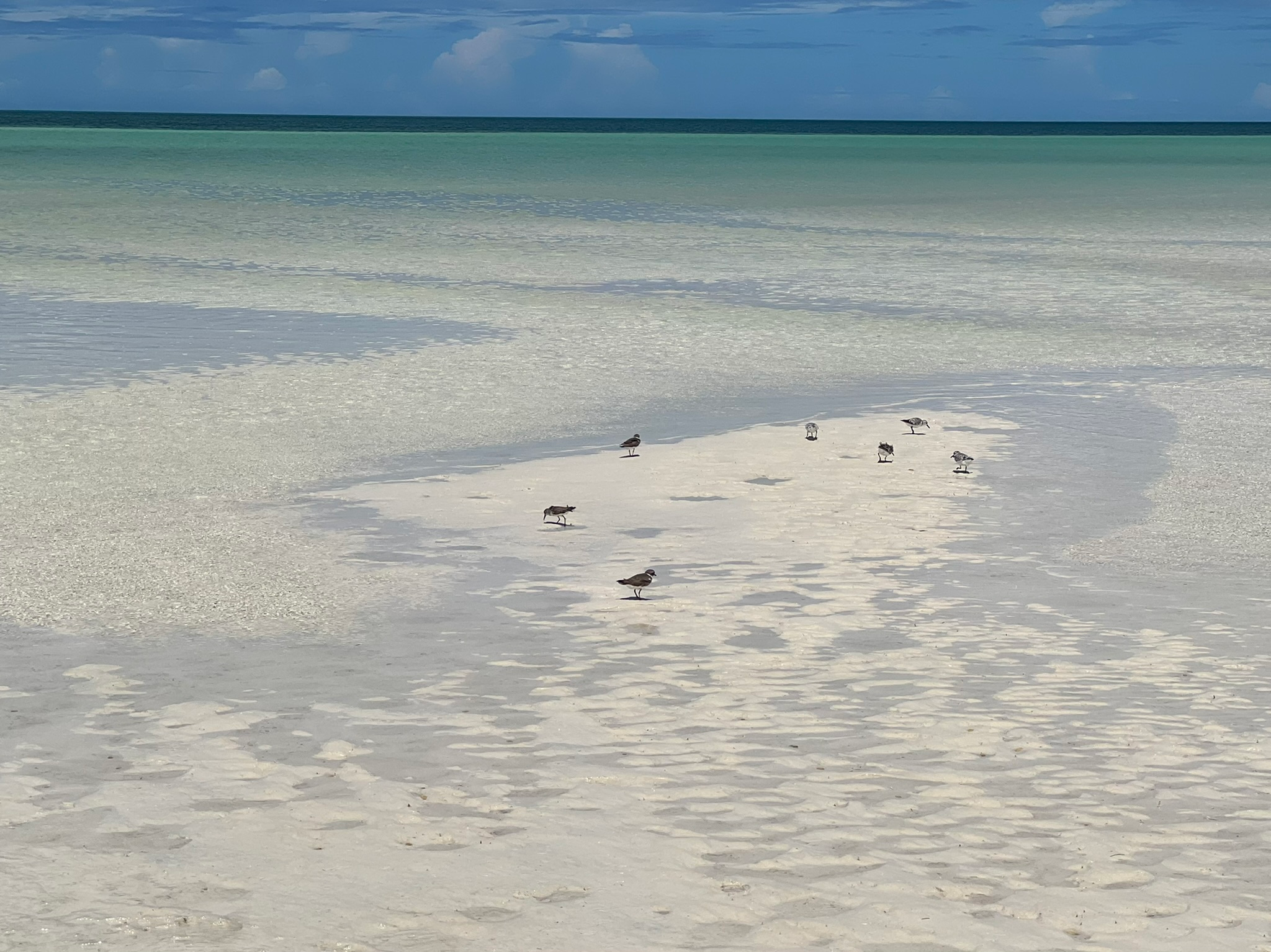
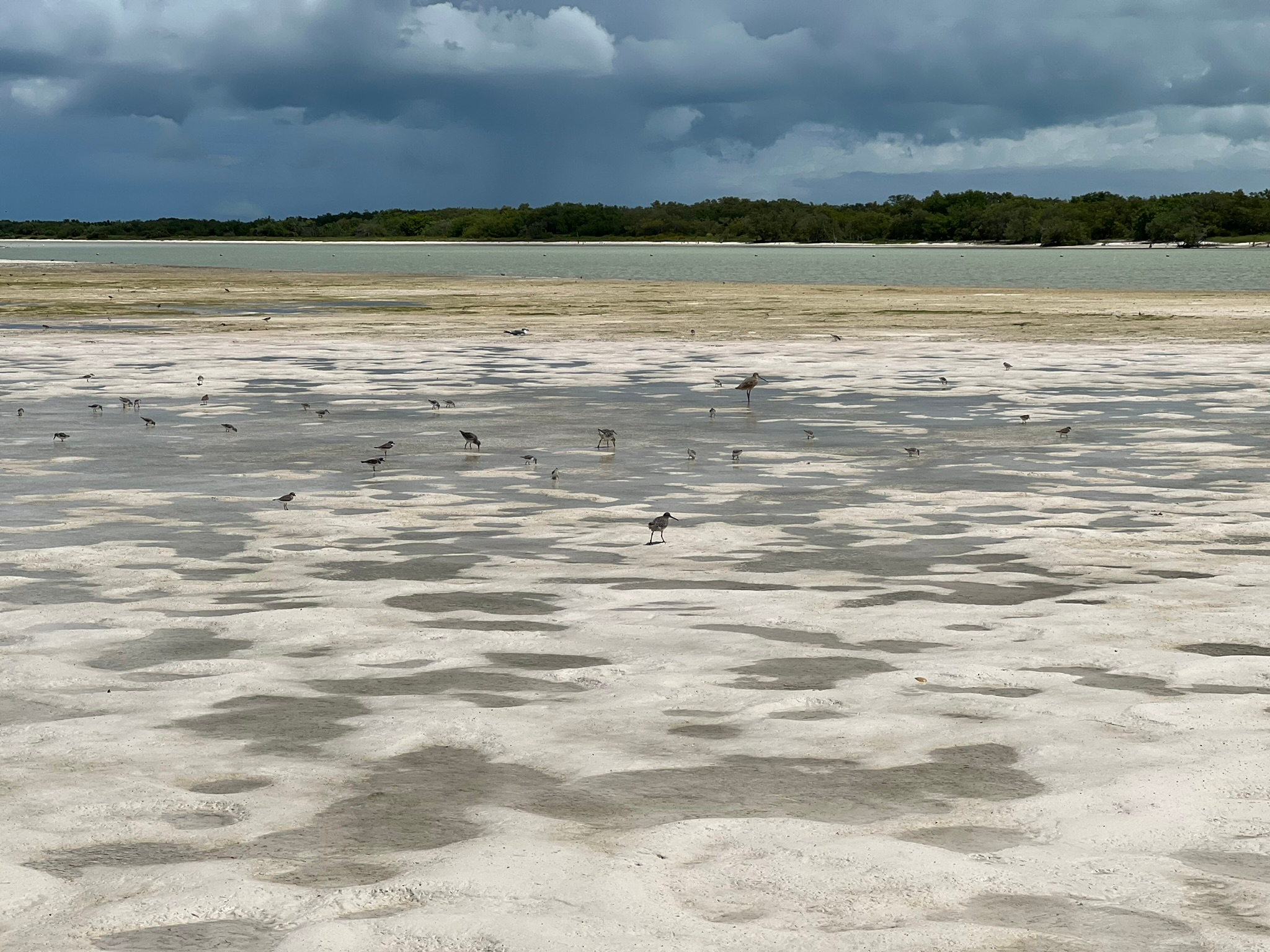
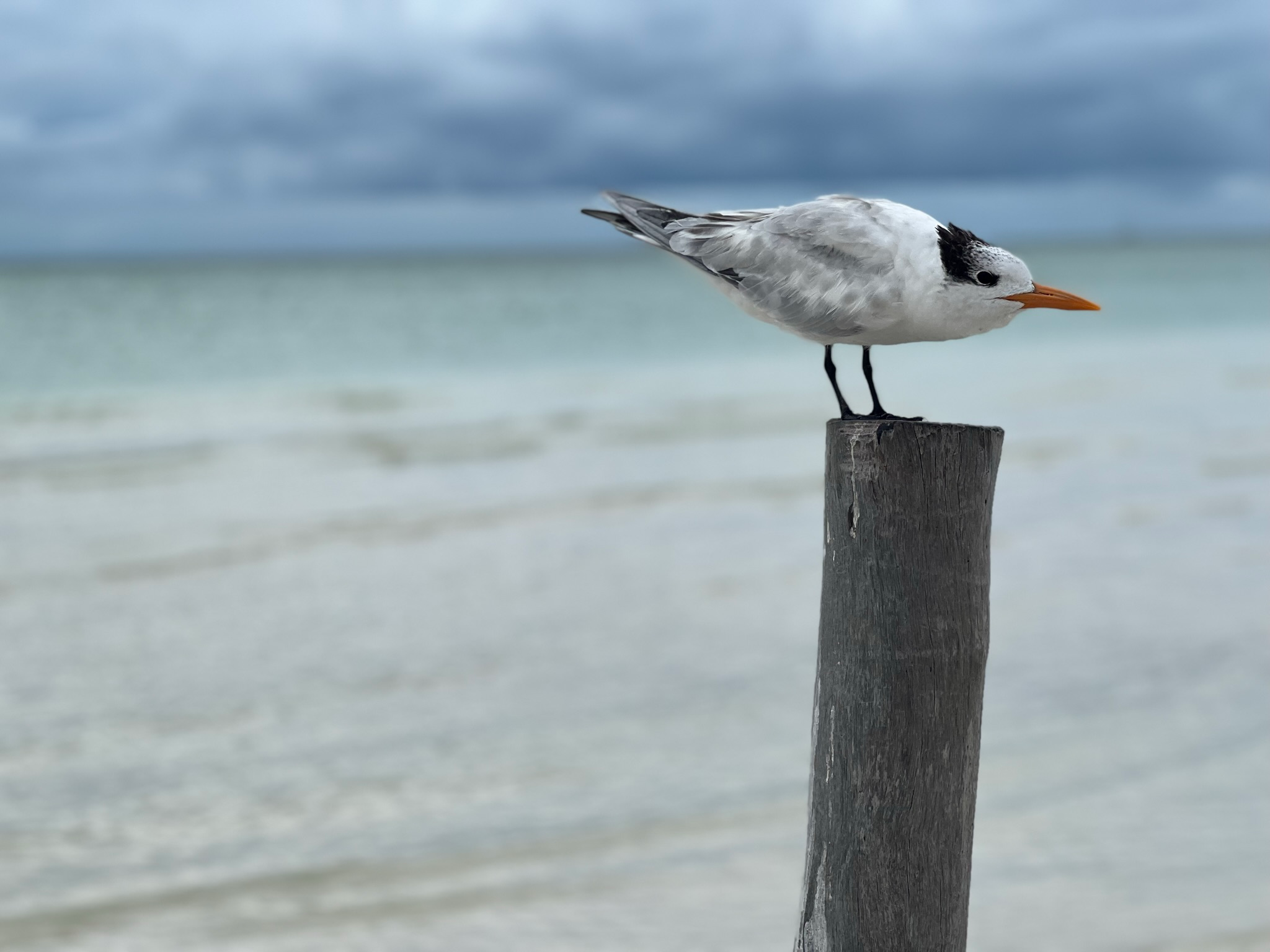
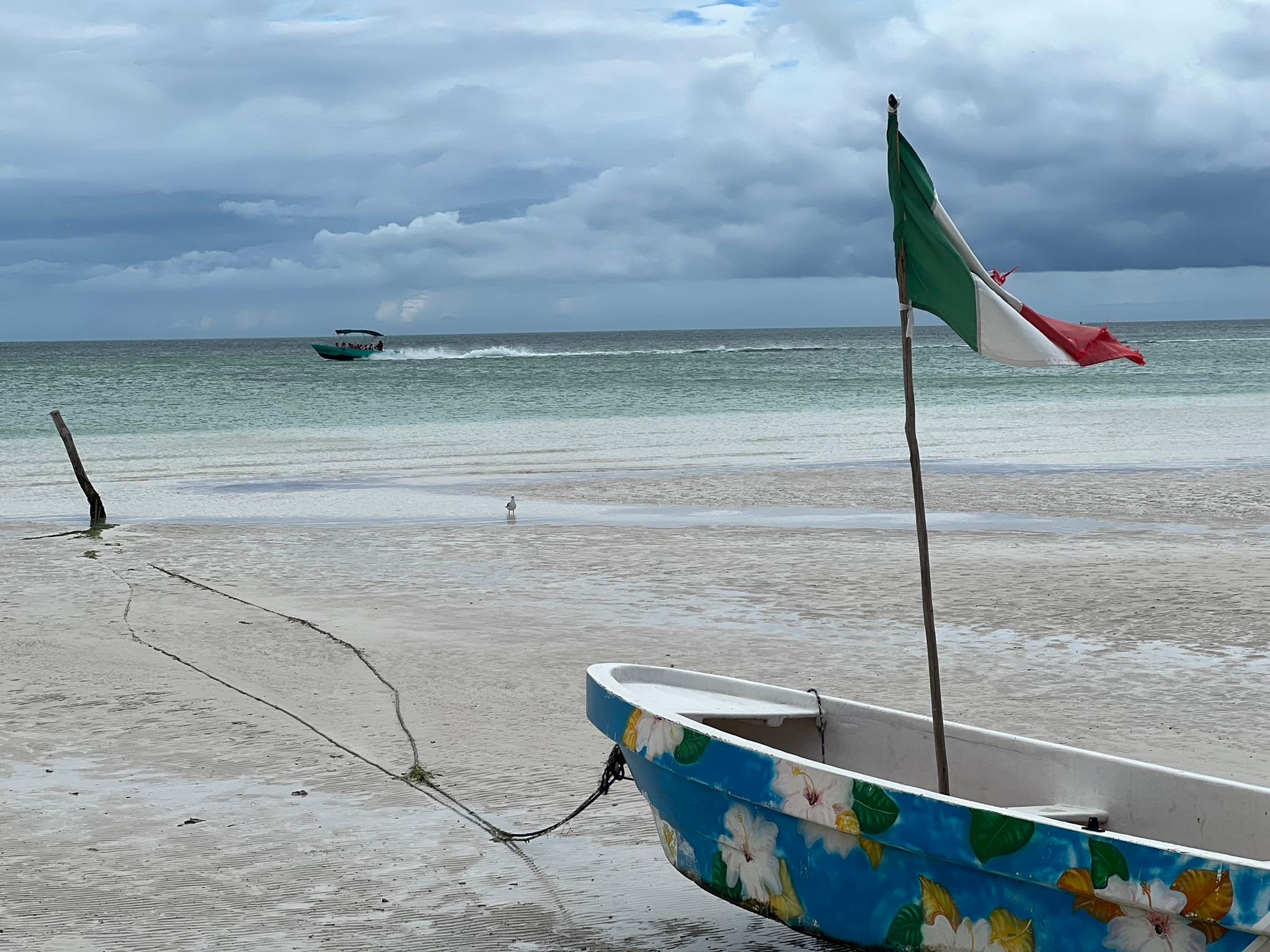
We only had an hour there, which was nowhere near enough time to explore the place properly. Still, it gave us a chance to roam a vast stretch of ankle-deep water scattered with tiny sand islands, all occupied by thousands of piping plovers, red knots, and other birds. It was truly a spectacular sight – patches of pure white sand interspersed with shallow pools of crystal-clear water, reflecting the blue sky and the turquoise horizon beyond, while clusters of birds flew up as one the moment you stepped too close.
That said, the MVP this time around wasn’t a feathered one. As I wandered aimlessly through the shallows, I suddenly stumbled upon a shield-like structure ineffectively hidden beneath a thin layer of sand. The moment I saw it, I could hardly believe my eyes. One of my favourite animals – one I’d dreamt of seeing since I was a kid. A friggin’ horseshoe crab!
These critters are actually arthropods, best known for their hard, plate-like carapace, their long, spiky tail (which they use to steer and burrow), and an underside that could easily give most people nightmares. One of the coolest things about these real-life Kabuto is their blood – it contains specialised cells called amoebocytes, which produce a chemical used to detect bacterial endotoxins, the compounds responsible for causing illness. Because of this, they’ve been harvested extensively for biomedical use, often being released back into the wild after extraction. Most survive, depending on the amount of stress exerted – though females subjected to this process have been known to spawn less. Thankfully, this practice is now being phased out, with synthetic alternatives beginning to take its place.

Just seeing one of them made my entire holiday! It also made me forget all about my disappointment when I heard that the sand of Holbox glows at night, something I wouldn’t get to see as I’d only be there for the day! This, I was told, is a phenomenon called bioluminescence which arises when certain types of plankton are disturbed by a wave breaking in the water. So, so cool!
Just seeing one of them made my entire holiday! It even made me forget all about my disappointment at not being able to witness the glowing sands of Holbox at night – a phenomenon I’d miss out on since I was only there for the day. Also known as bioluminescence, this phenomenon occurs when certain types of plankton are disturbed by waves breaking in the water. So, so cool!
One Caveat...
Much can be said about the city’s surroundings and wonders, though the city itself was arguably my least favourite place in Mexico.
Still, I owe it to that city for one unexpected thing: an epiphany. Maybe it was the overly plastic, artificial façade designed to appease spoiled, bougie tourists and their Instagram followers. The same tourists who fork out obscene amounts of money just to chill at a resort, hit the clubs at night, and then return home proudly ticking “Mexico” off their bucket list. I know – I’m being judgemental and perhaps unnecessarily venomous, and for that I apologise. Maybe it’s because I have the privilege of doing all those things back home, so I never saw the point of flying halfway across the world just to replicate the same lifestyle. But I think what really sparked this realisation was something else entirely. Around the time I was in Cancún, I had started reading The Motorcycle Diaries by Ernesto Che Guevara.

I’d watched the movie eons ago when it first came out, and I remember being quite moved by it – though that was a different time. I was younger then. Inspired, sure, but to me it had just been a nice film. Now, much like young Che, I was a doctor travelling through Latin America. Much unlike him, though, I wasn’t doing it on a rusty old motorbike. On my worst days, I’d be bouncing along in a derelict bus that looked like a death trap, but miraculously always held together. By that point, I’d never had to camp in the desert or rely on the kindness of strangers for a roof or a meal.
I mean, one could argue that I was simply enjoying the luxury I’d earned – after all, I had worked my ass off for two years and was now reaping what I had sown. And that’s true. But reading Che’s book made me feel like as if we were on the same journey but I was taking the easy way out – and, more importantly, that I was missing out on a lot of stuff. Mostly, it was about connecting with people. So far, I’d seen all kinds of wonderful places. Places I never imagined I’d get to visit. Places I didn’t even know could exist! But the reality is, most of them I’d seen on tours. And tours – especially in places as touristy as Cancún – can feel a lot like a conveyor belt in a factory. You get picked up, shuttled around, shown a few sights, fed some pre-packaged information, herded through a souvenir shop or two, and then dropped back off, ready for the next batch. You do meet other travellers, sure, but there’s hardly any real mingling with locals beyond your guide.
I can’t say I didn’t enjoy the tours. Honestly, they let me see more than I could have on my own. But that’s just it – it didn’t feel like that was enough. I’ve always been fascinated by history: the Greeks, the Romans, the Incas, the Mayans. I’d devoured books and documentaries about these great civilisations. But somewhere along the way, I realised I was missing something just as important – the present. I hadn’t stopped to ask the more pressing questions. What’s life like now in these countries? Are their people thriving? What’s the state of education, of healthcare, of the economy?
I’d seen hundreds of homeless people in Mexico by then. Spoken to dozens of unemployed workers. Heard families voice their frustrations about schools, doctors, water, food. But these were moments I stumbled upon by chance. I wasn’t actively engaging. I wasn’t really immersing myself in the country’s present-day reality. And that left me wondering – could I experience that on such a tight schedule? Or would that have to take second place if I wanted to see as much stuff as I wanted to see?