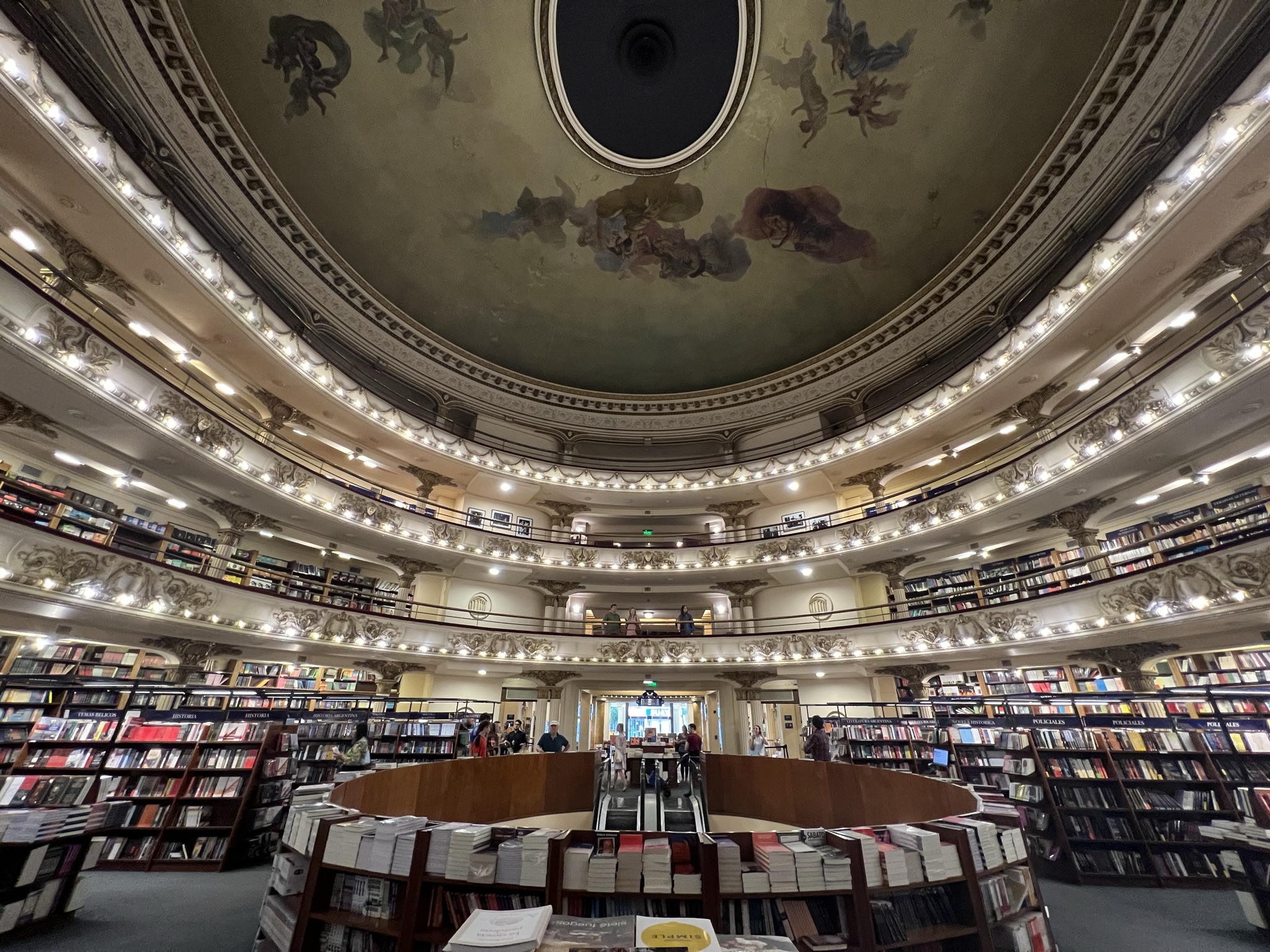
Waking up in Buenos Aires felt a bit like waking up from a dream. It took me quite a wile to orient myself – to realise that I was no longer in Central America. Of course, the promise of more adventure in an altogether different region of Latin America was enough to get me going.
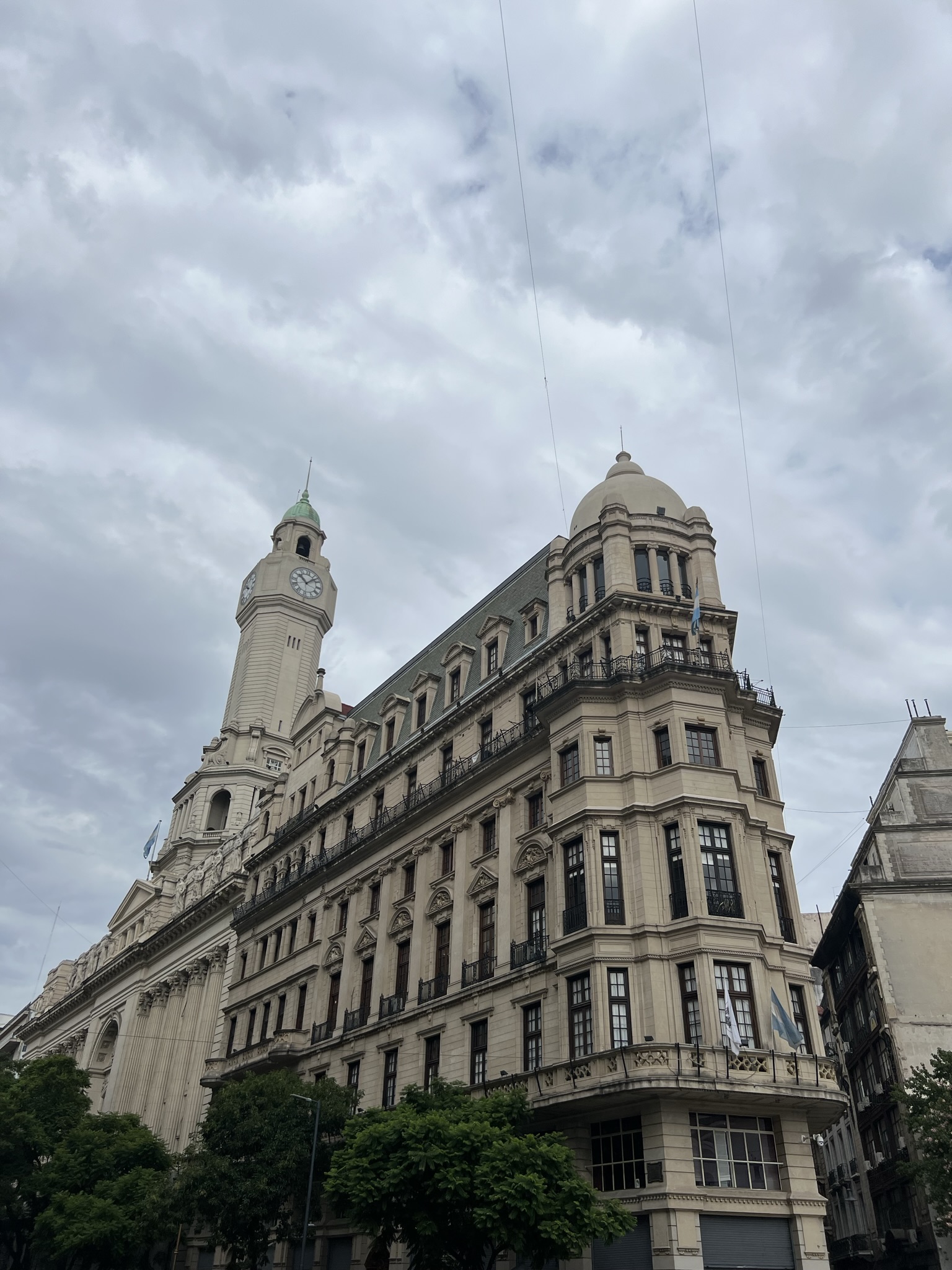
And Buenos Aires? Let’s just say this was the best place to start the next leg of my trip. True to its name, stepping out into the streets of this beautiful city felt like a breath of fresh of air. Often referred to as the Paris of South America due to its strong European influence, Buenos Aires is Argentina’s capital city. It makes up its own autonomous district and along the years, it has played a central role in the country’s history since long before independence. Shaped by waves of immigration from across the world, the city boasts a rich, layered culture that’s hard to find anywhere else. And finally, I’d be exploring it in all of its glory!
The Paris of South America
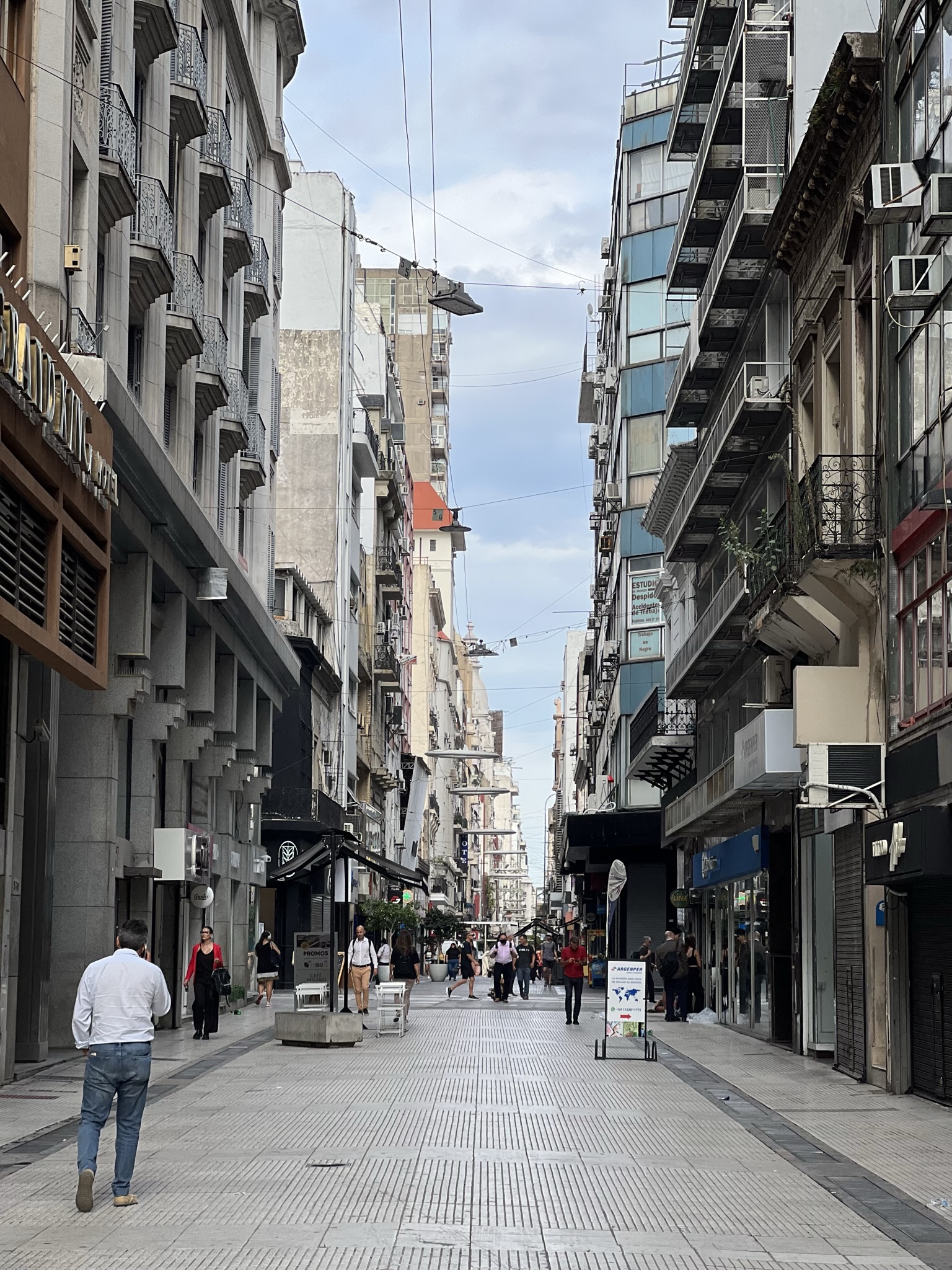
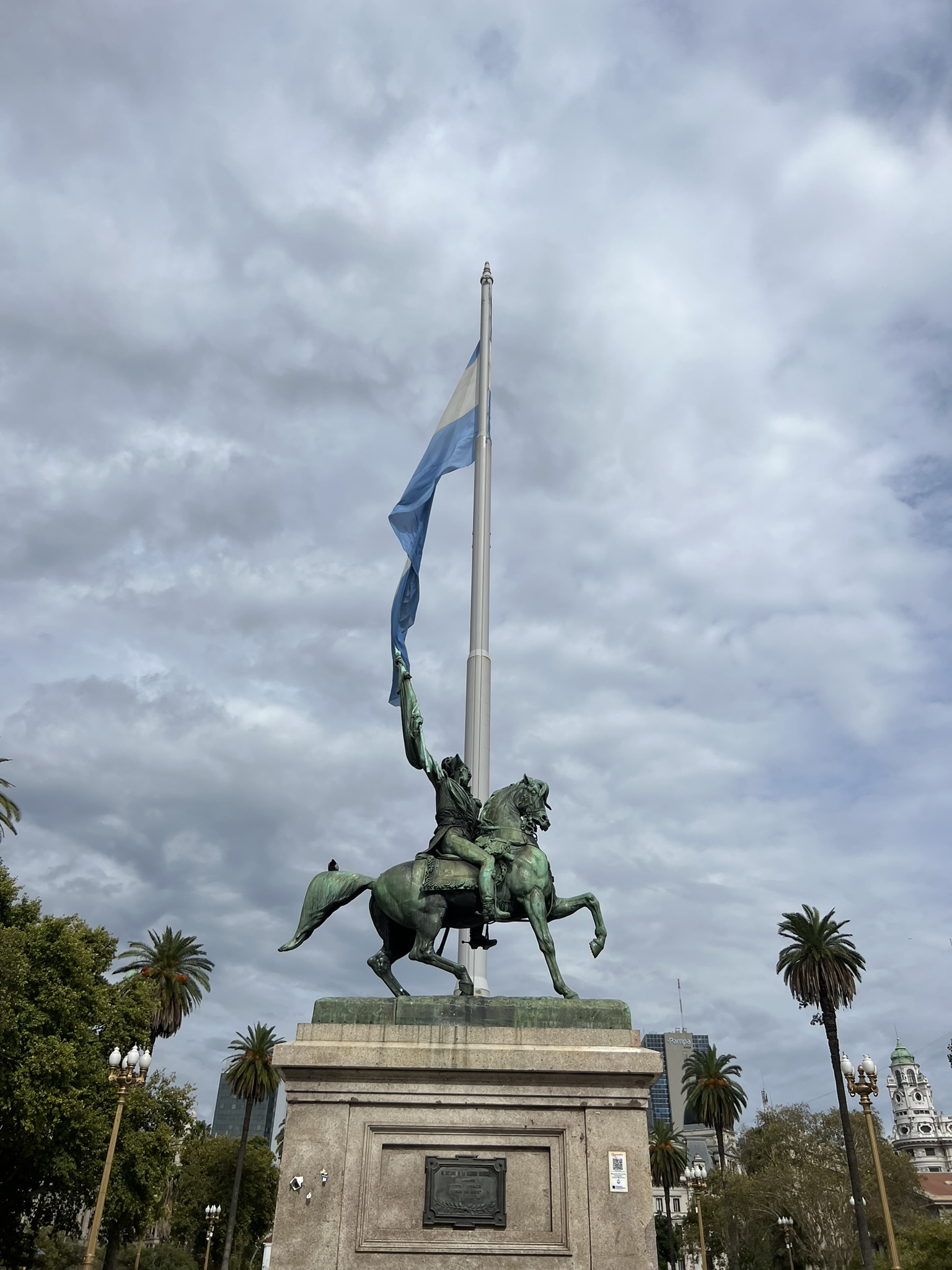
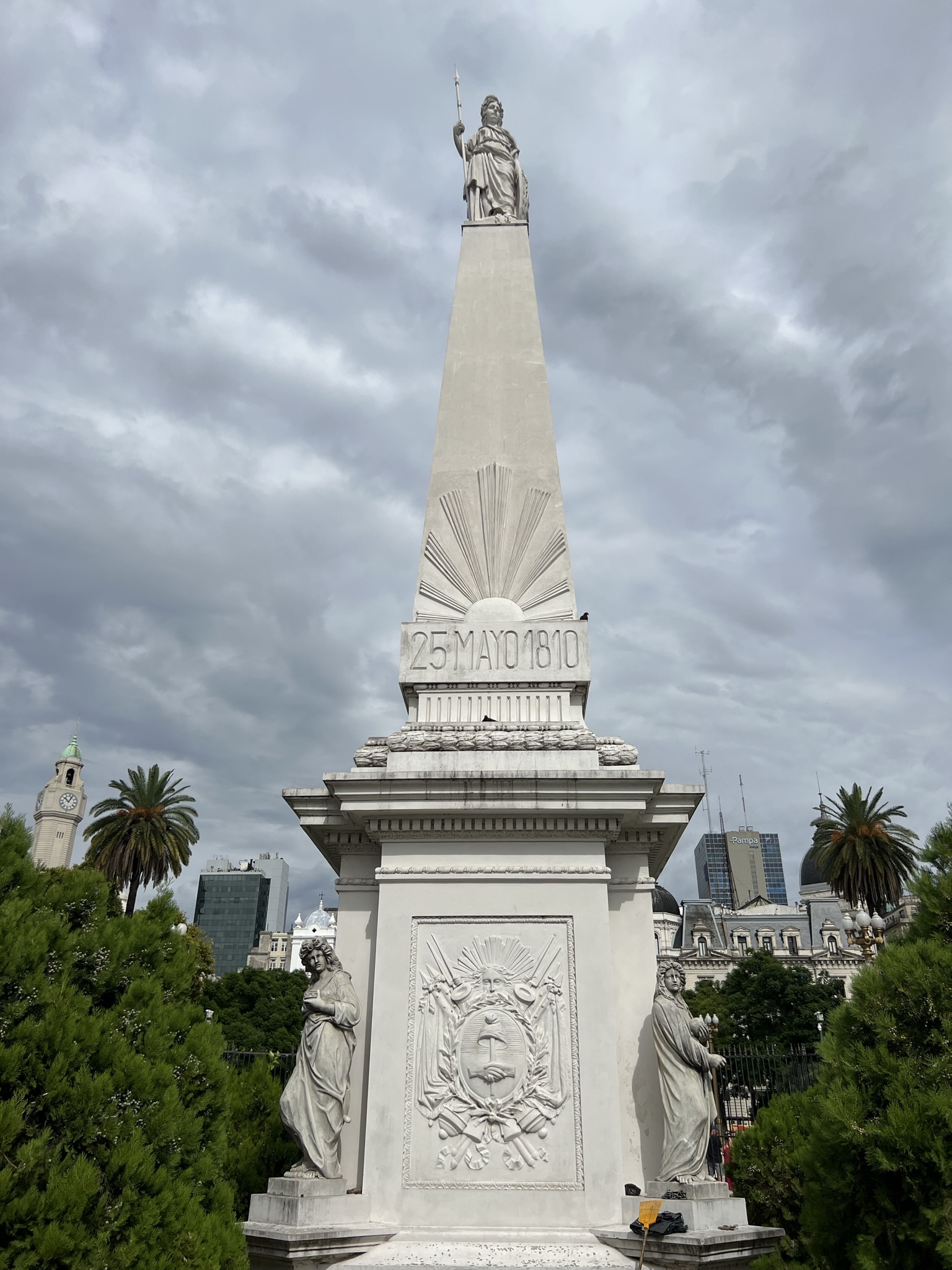
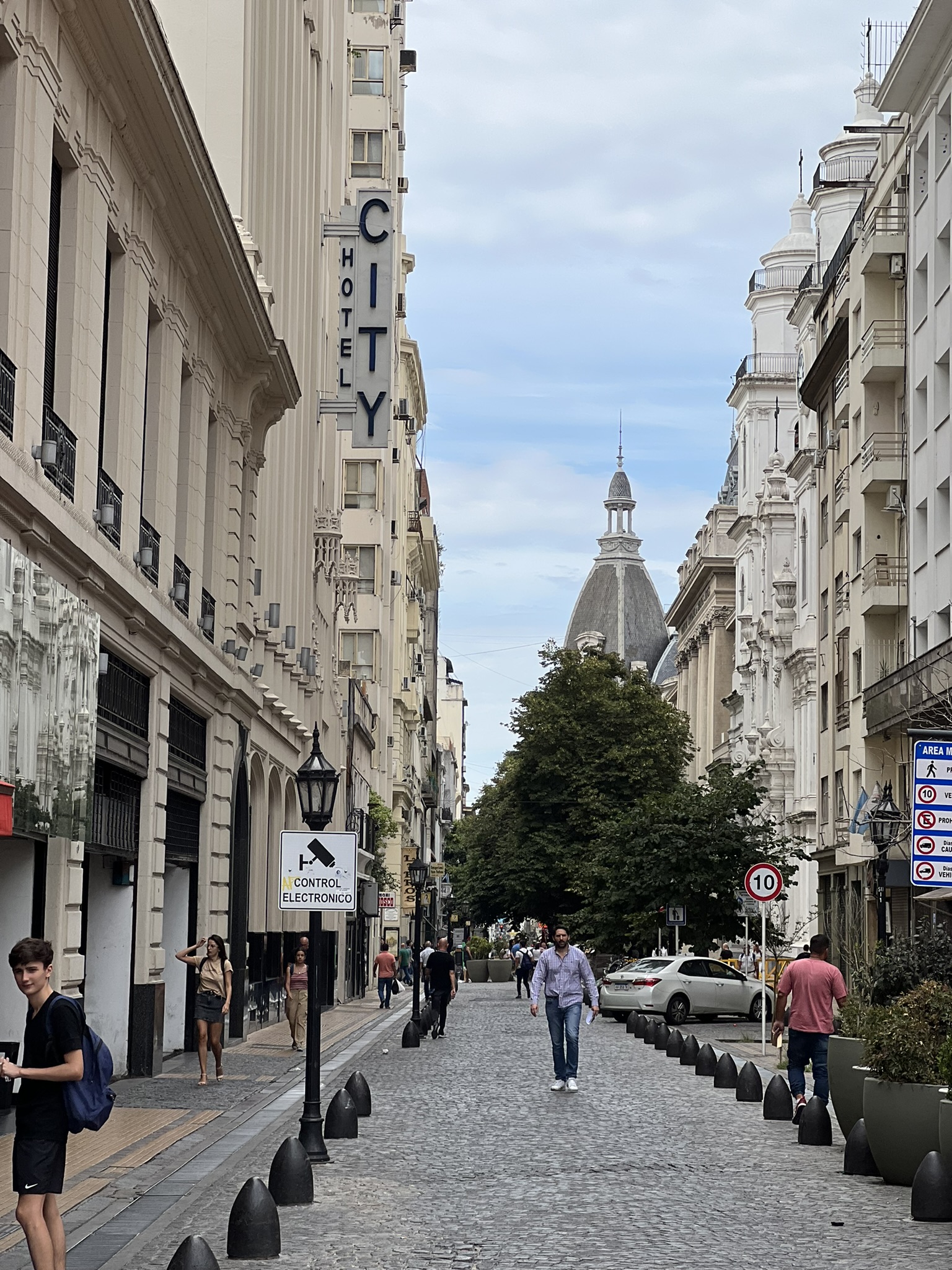
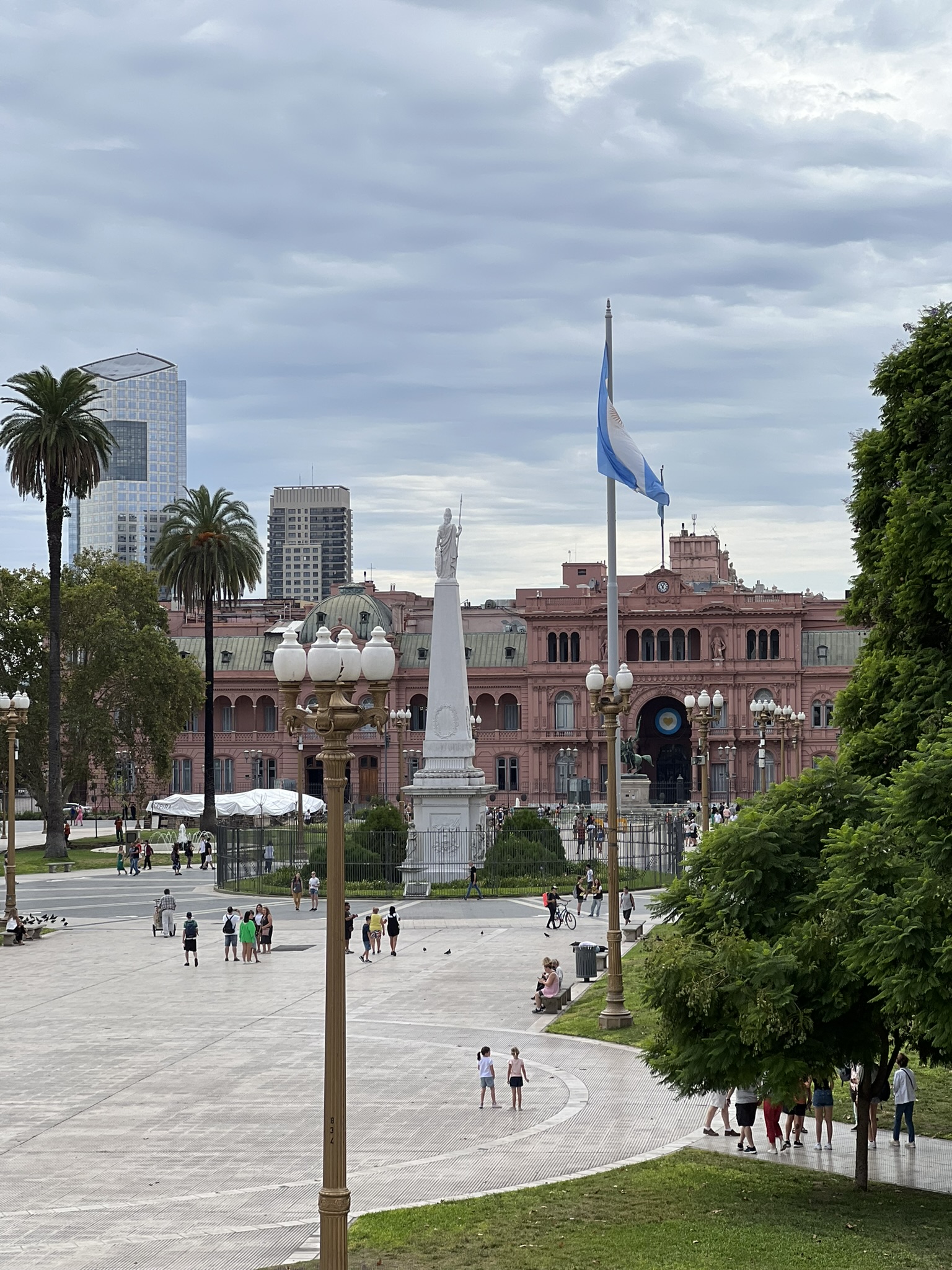
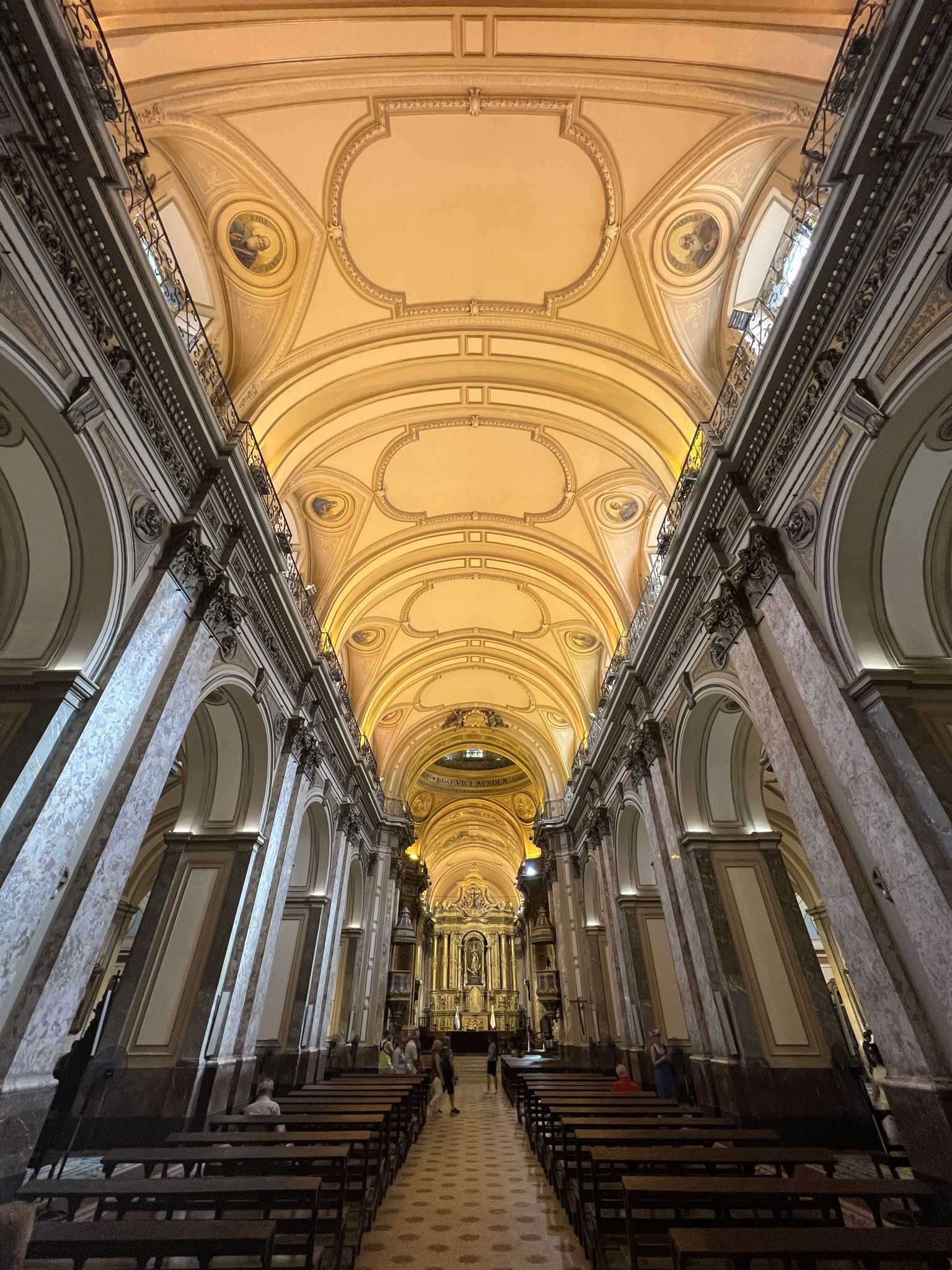
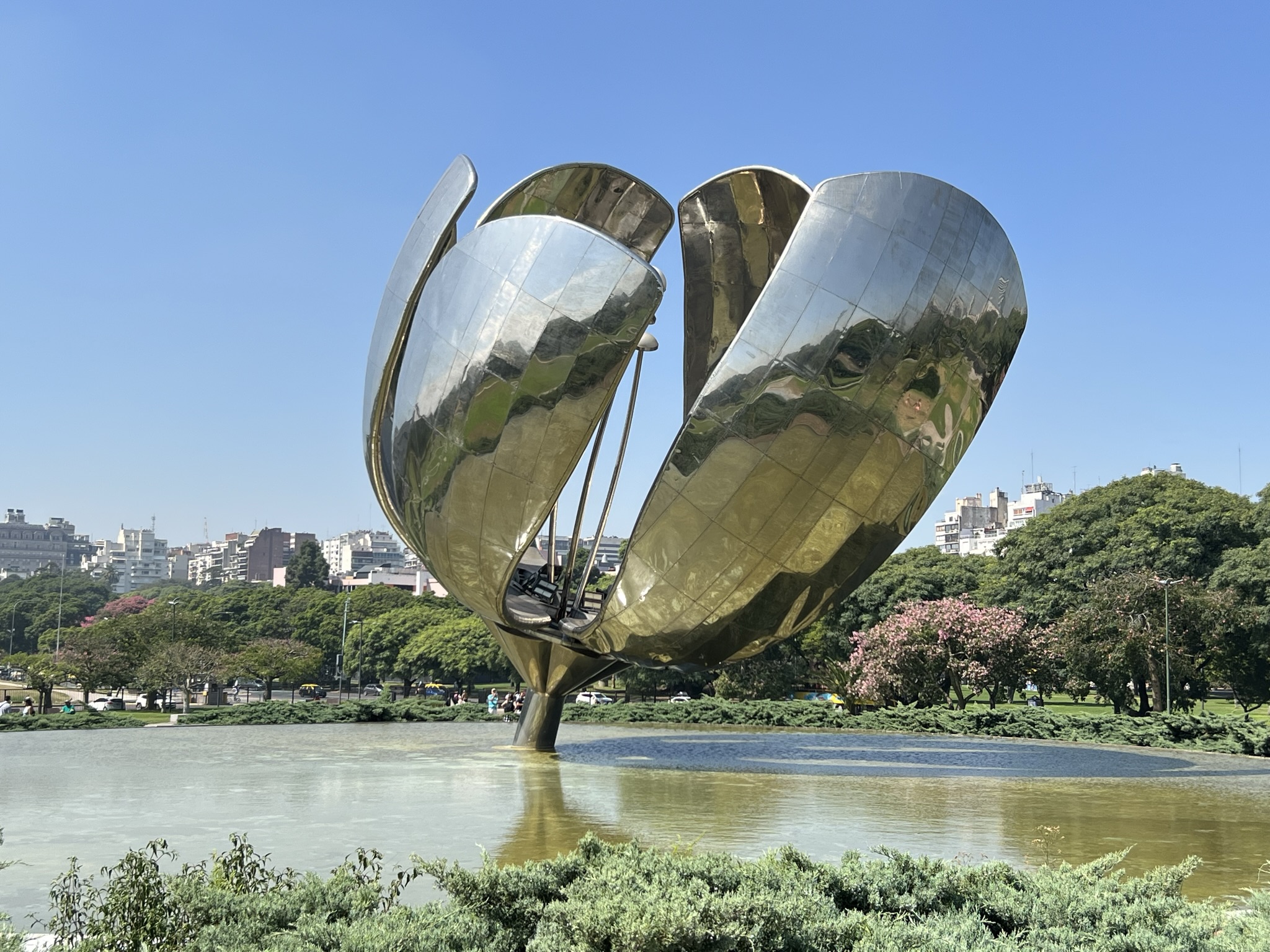
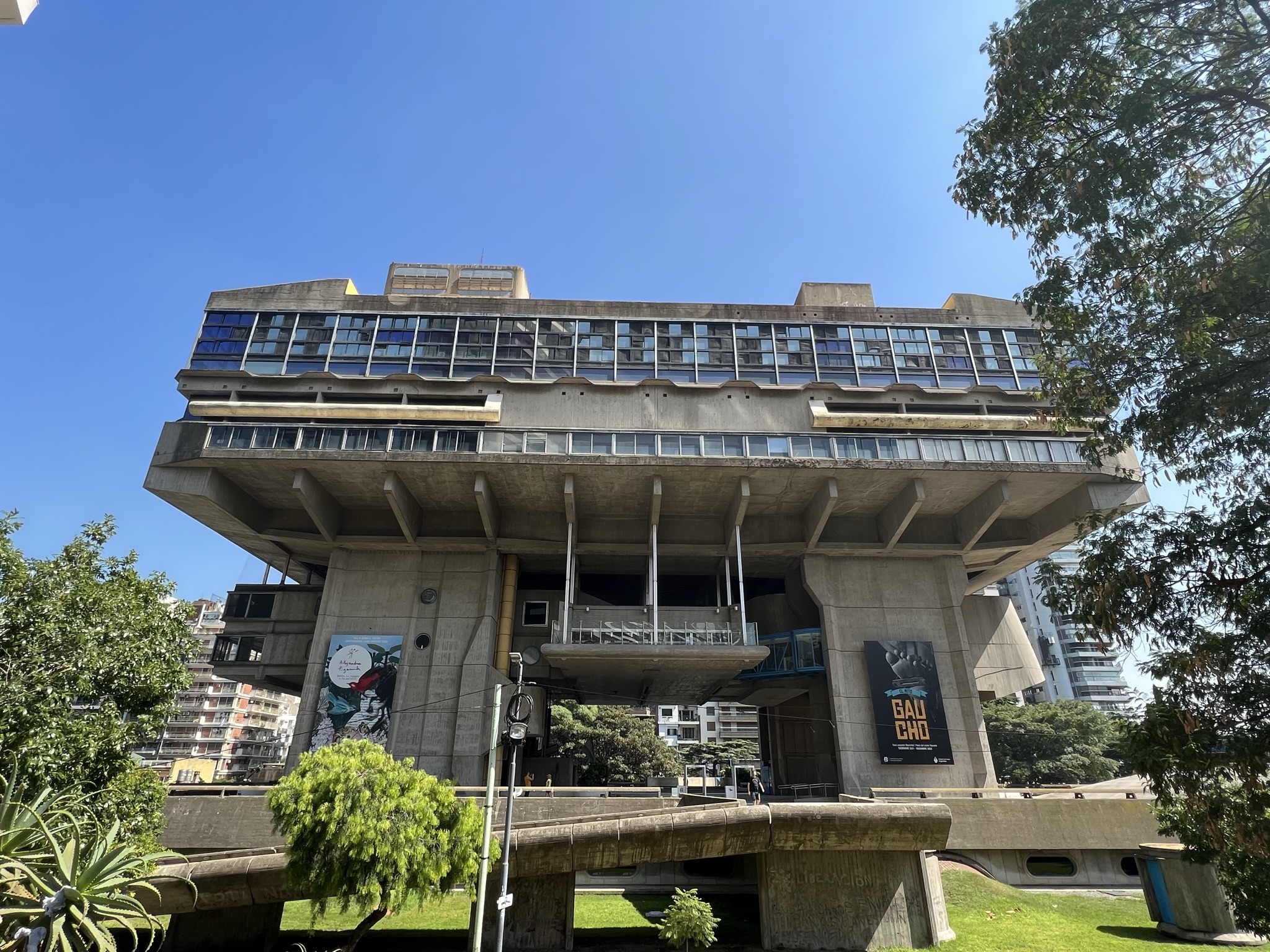
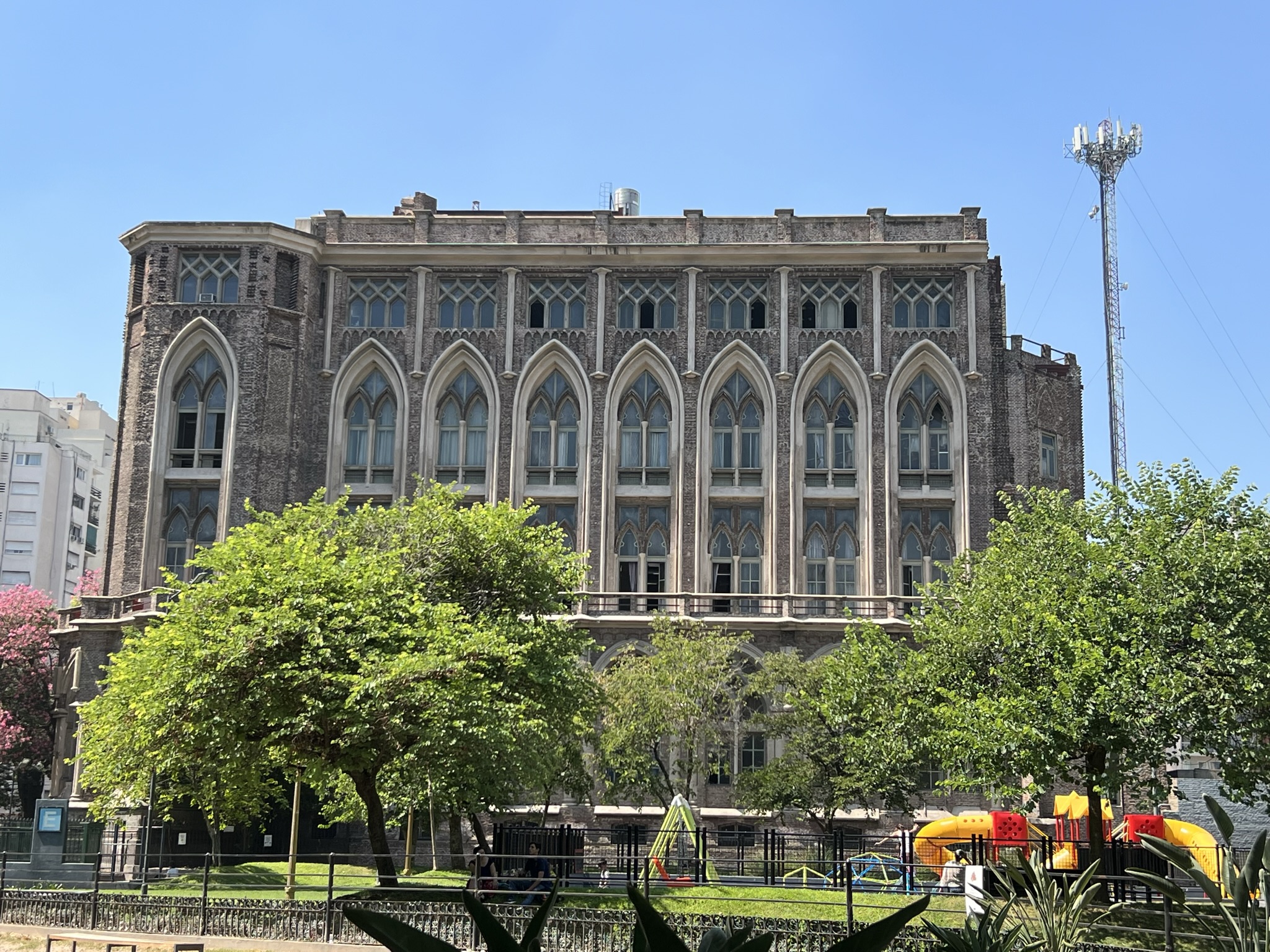
I spent my days trying to see as much of this massive city as I humanly could in such a short time. From Calle Florida, the city’s main commercial artery, and Avenida 9 de Julio, one of the widest avenues in the world, crowned by its iconic obelisk, to Plaza de Mayo with the Casa Rosada where the Argentine president resides, the Cabildo from the colonial era, and the Metropolitan Cathedral whose façade looks like it was lifted straight from ancient Rome, I tried to cram it all in.
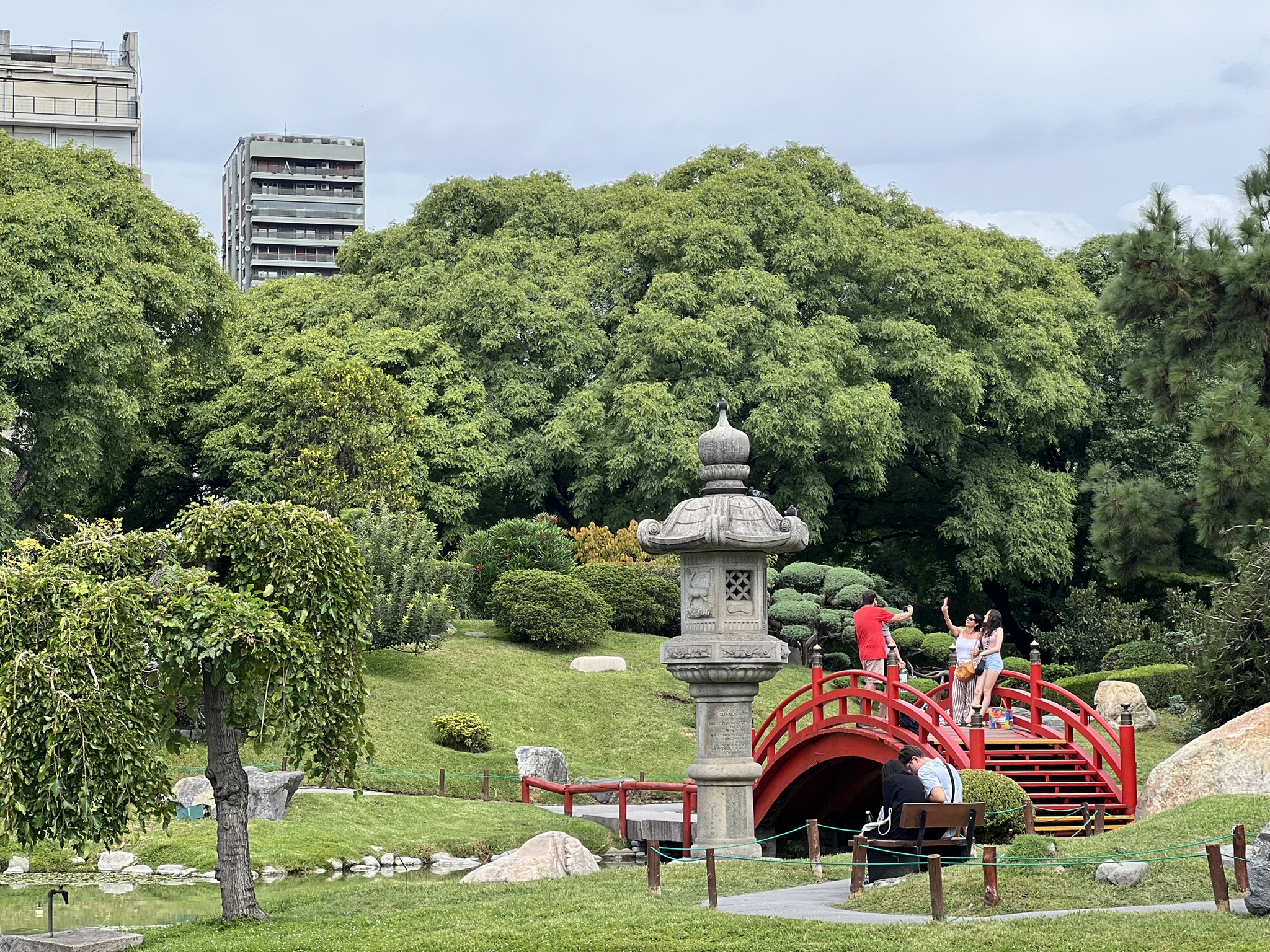
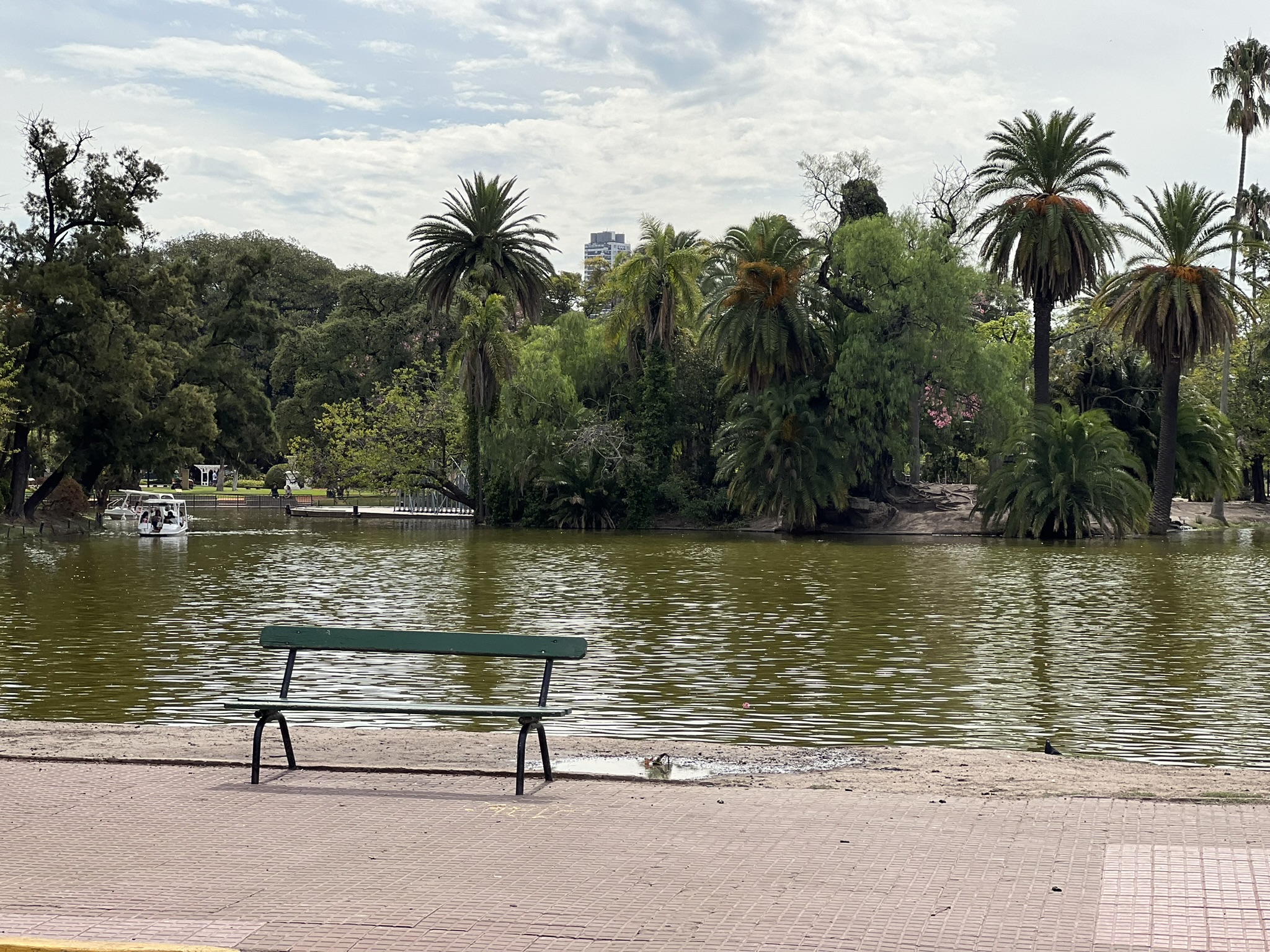
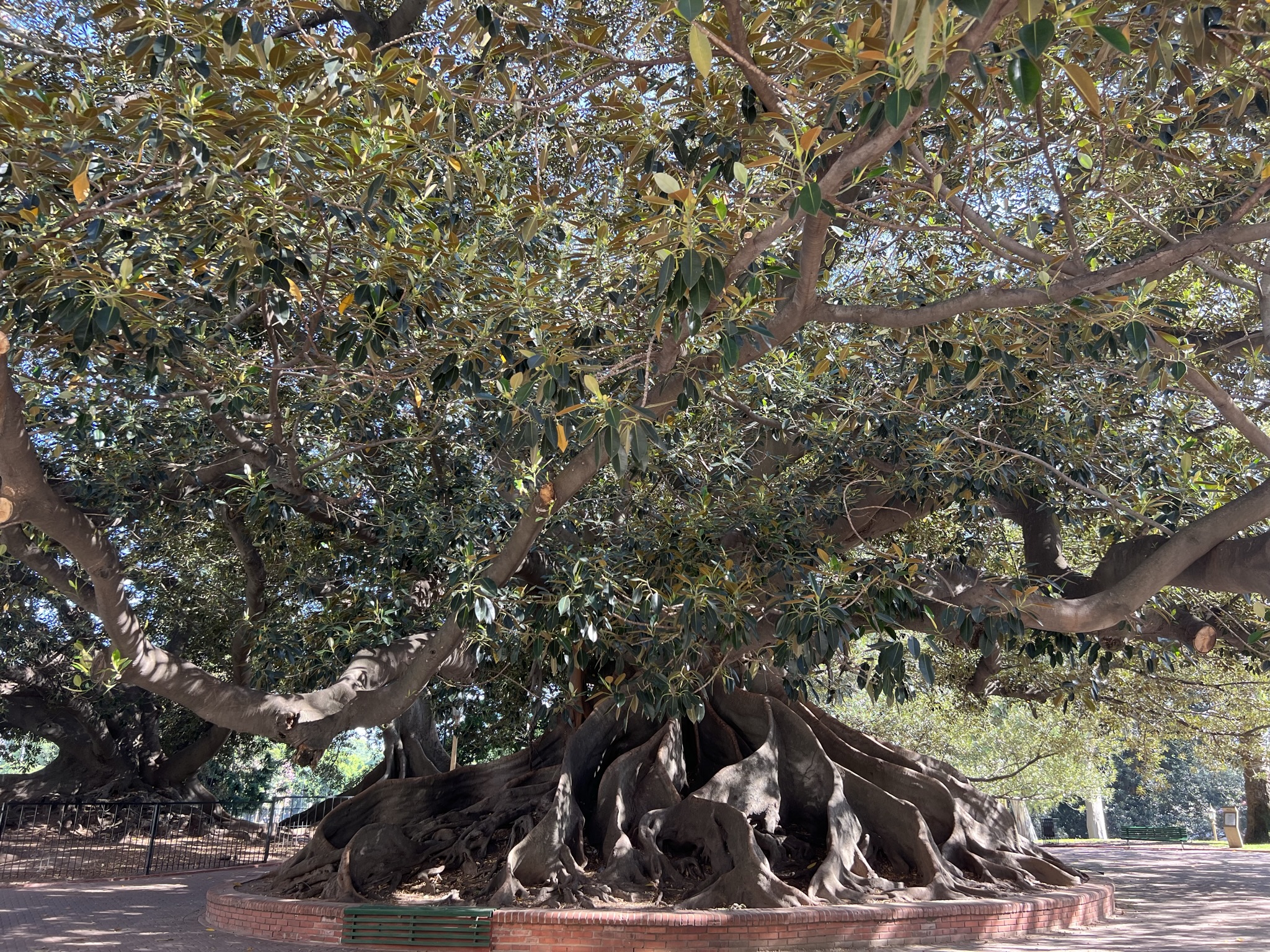
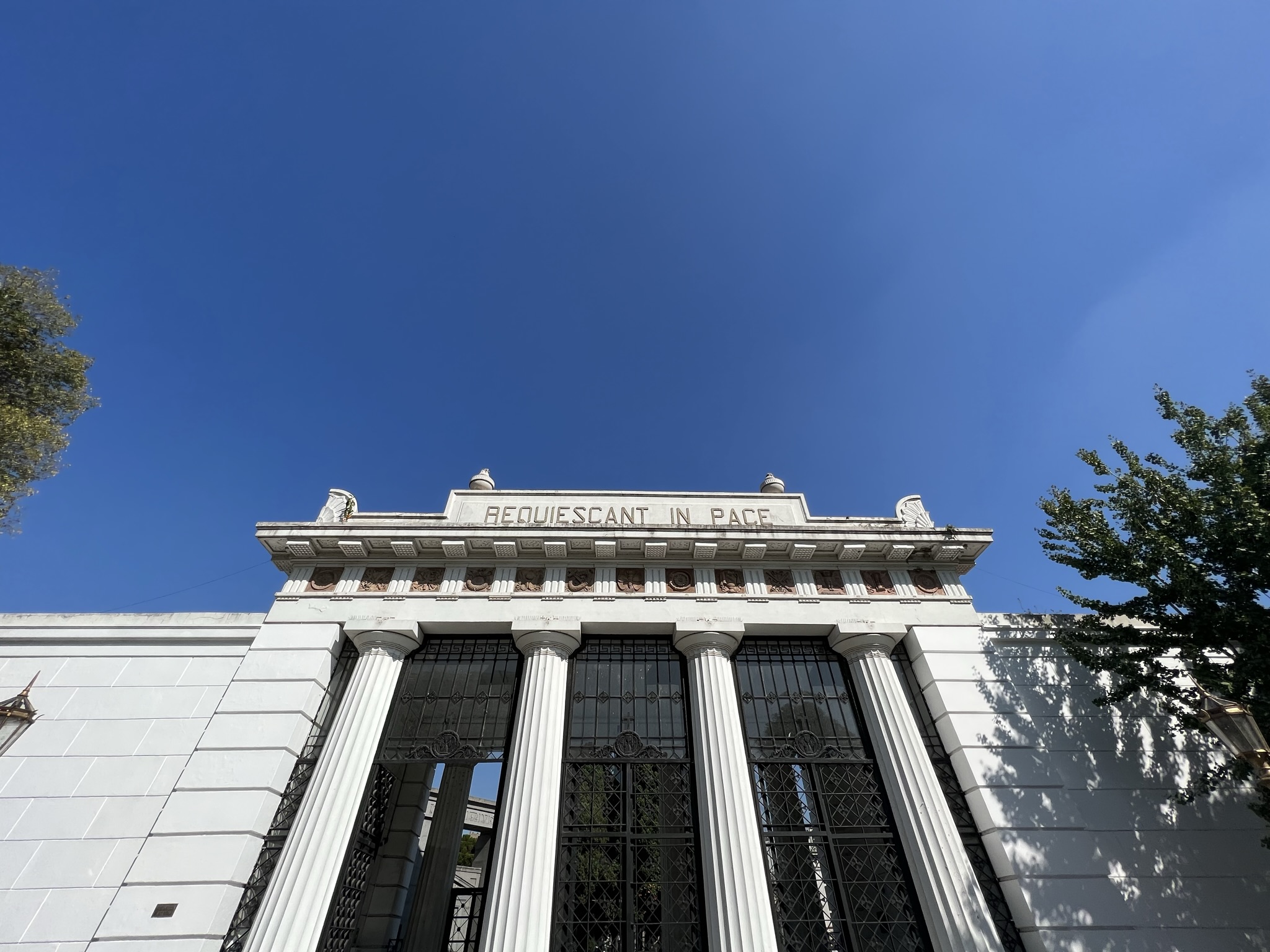
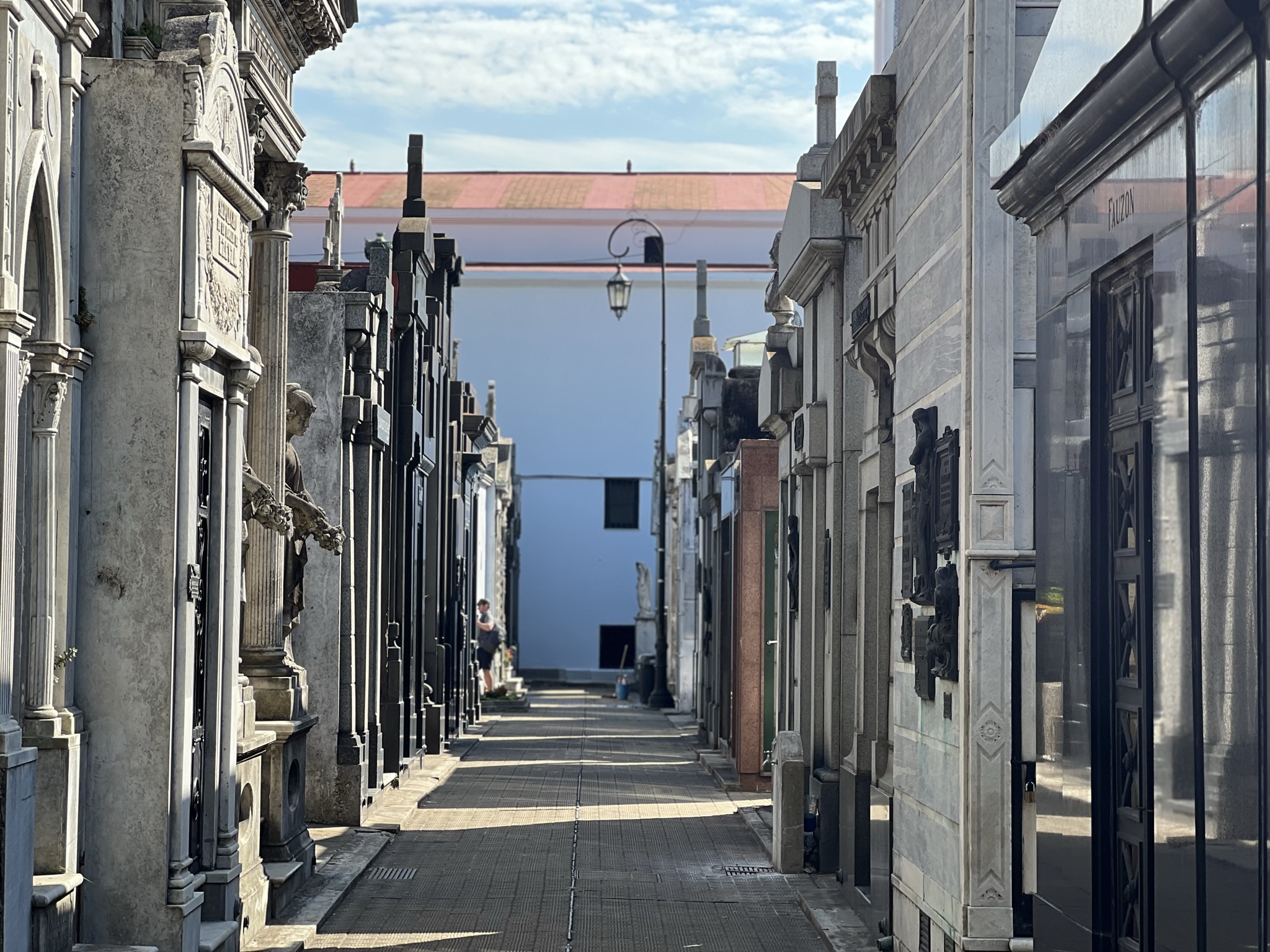
I also wandered through neighbourhoods like Palermo, home to the vast Tres de Febrero Park and the stimulating MALBA modern art museum, which I’d probably appreciate even more if I ever took a course on the damned subject, and Recoleta, with its over-the-top cemetery and the National Museum of Fine Arts.
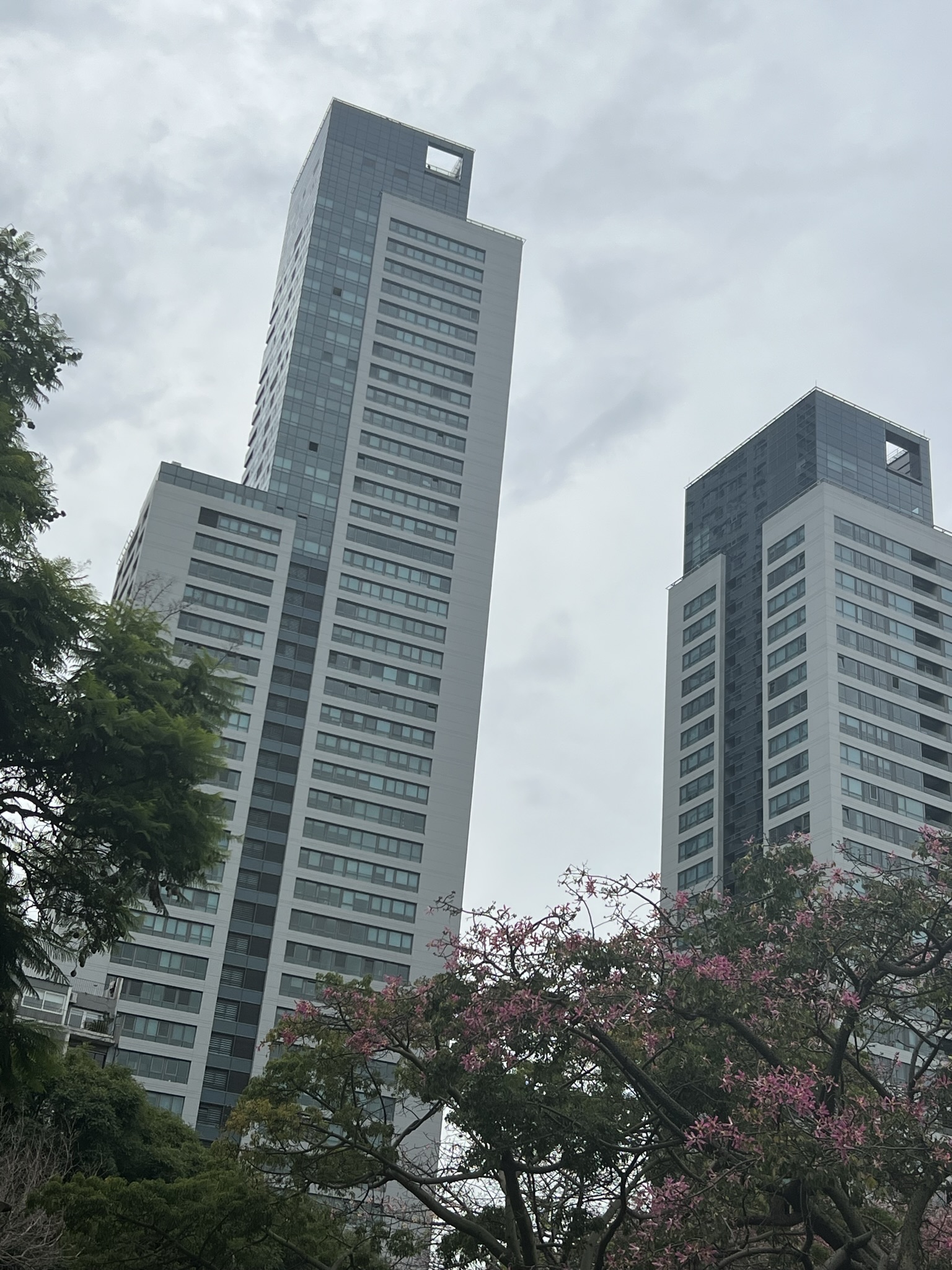
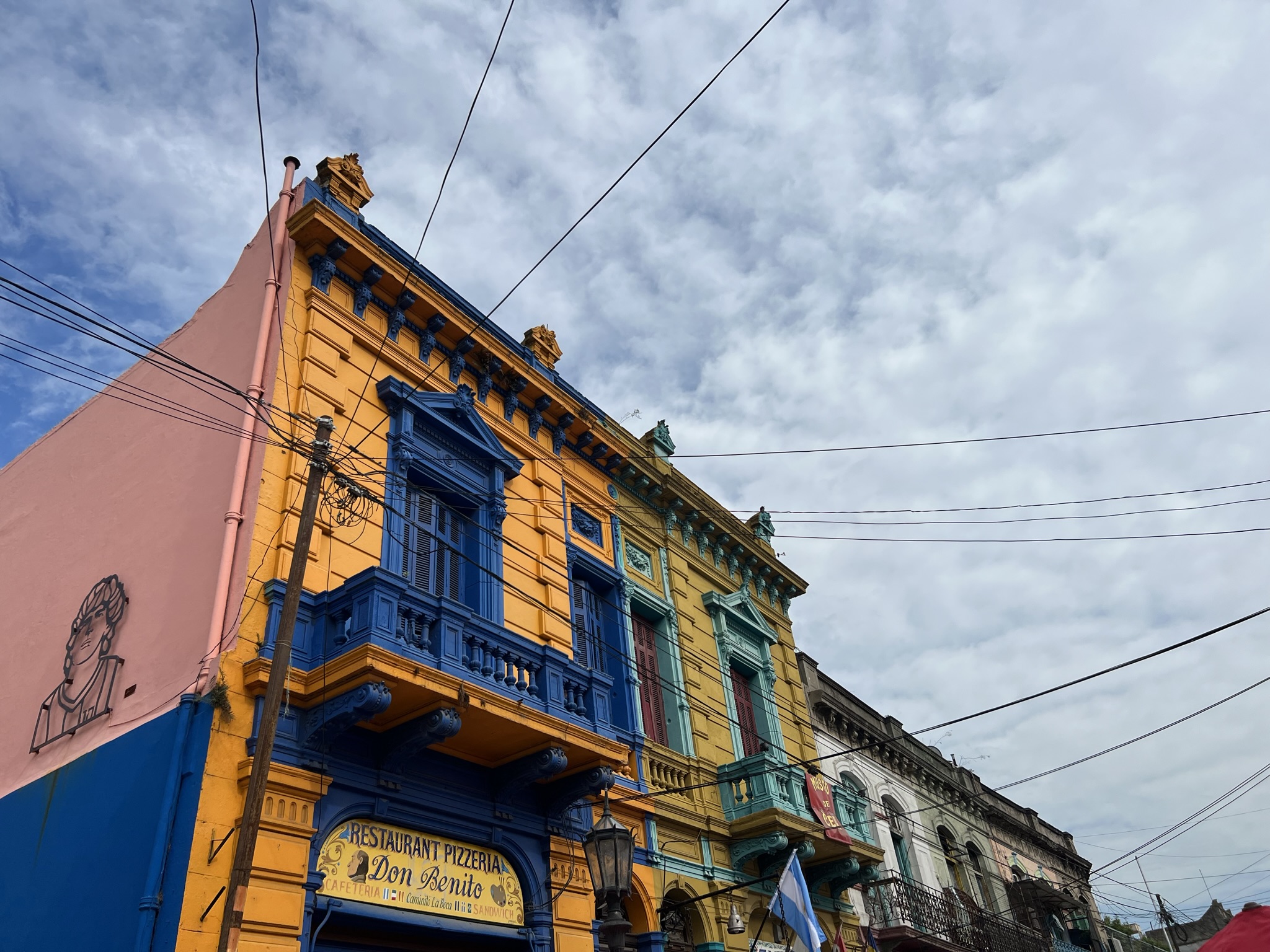
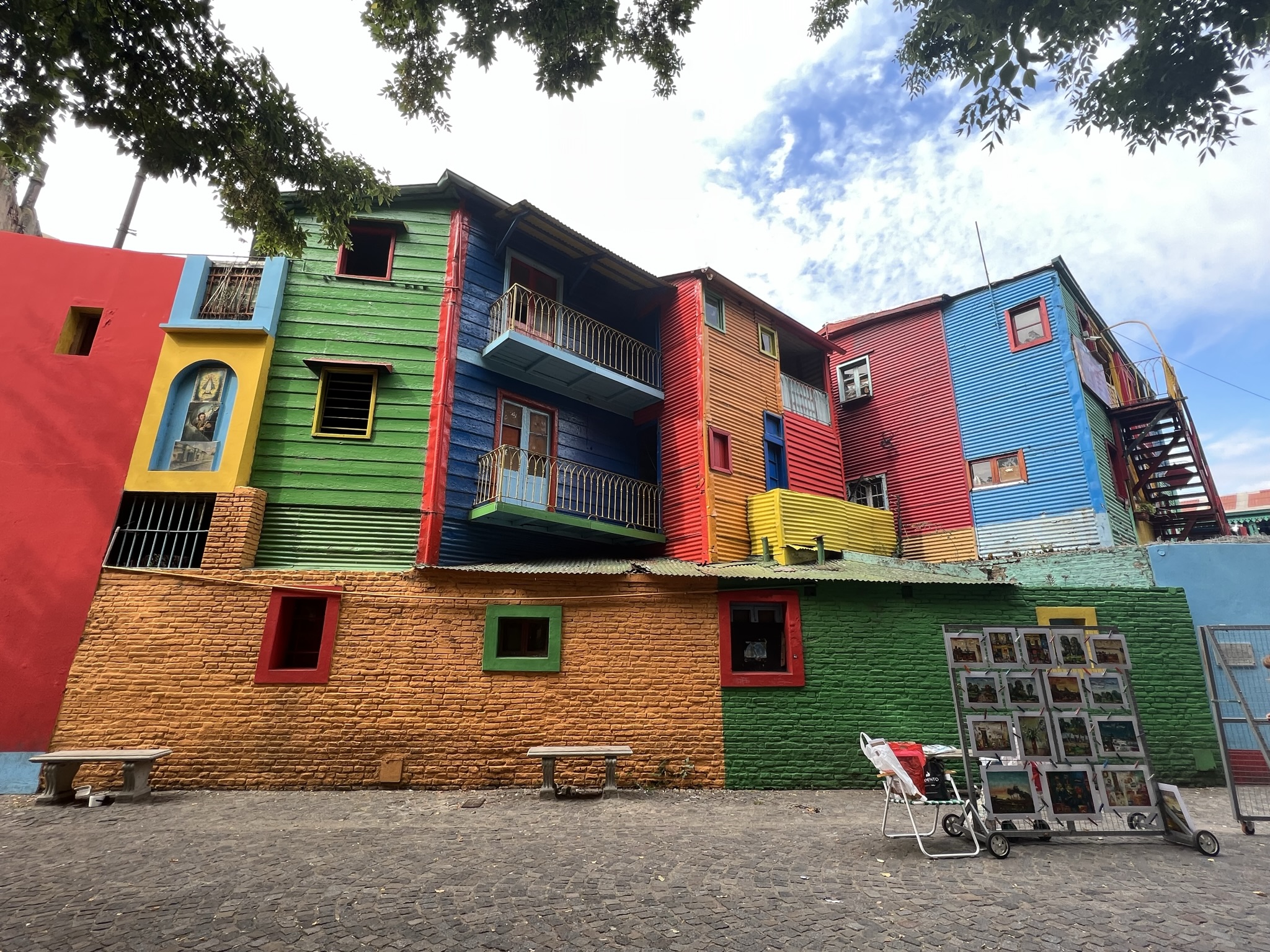
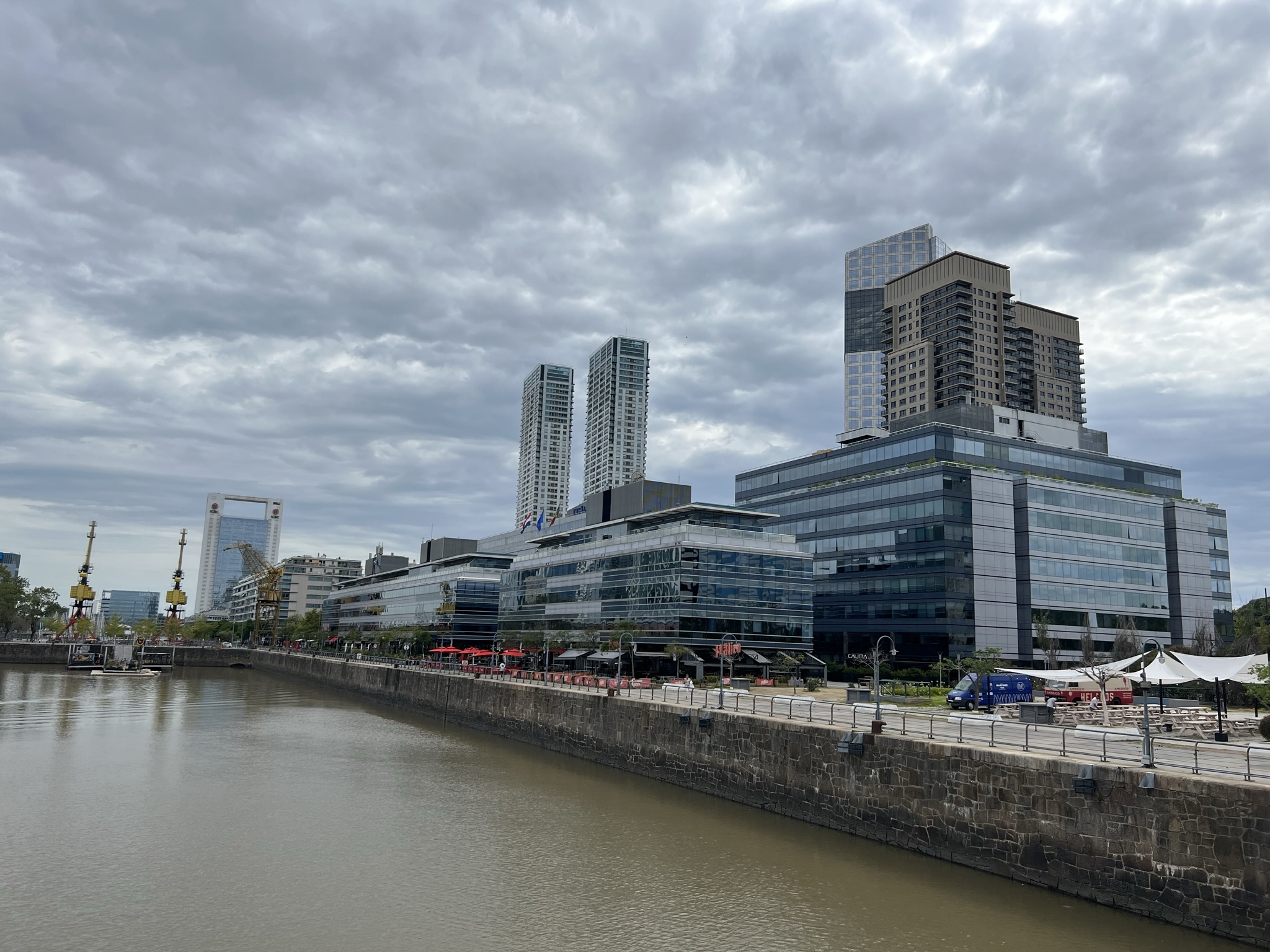
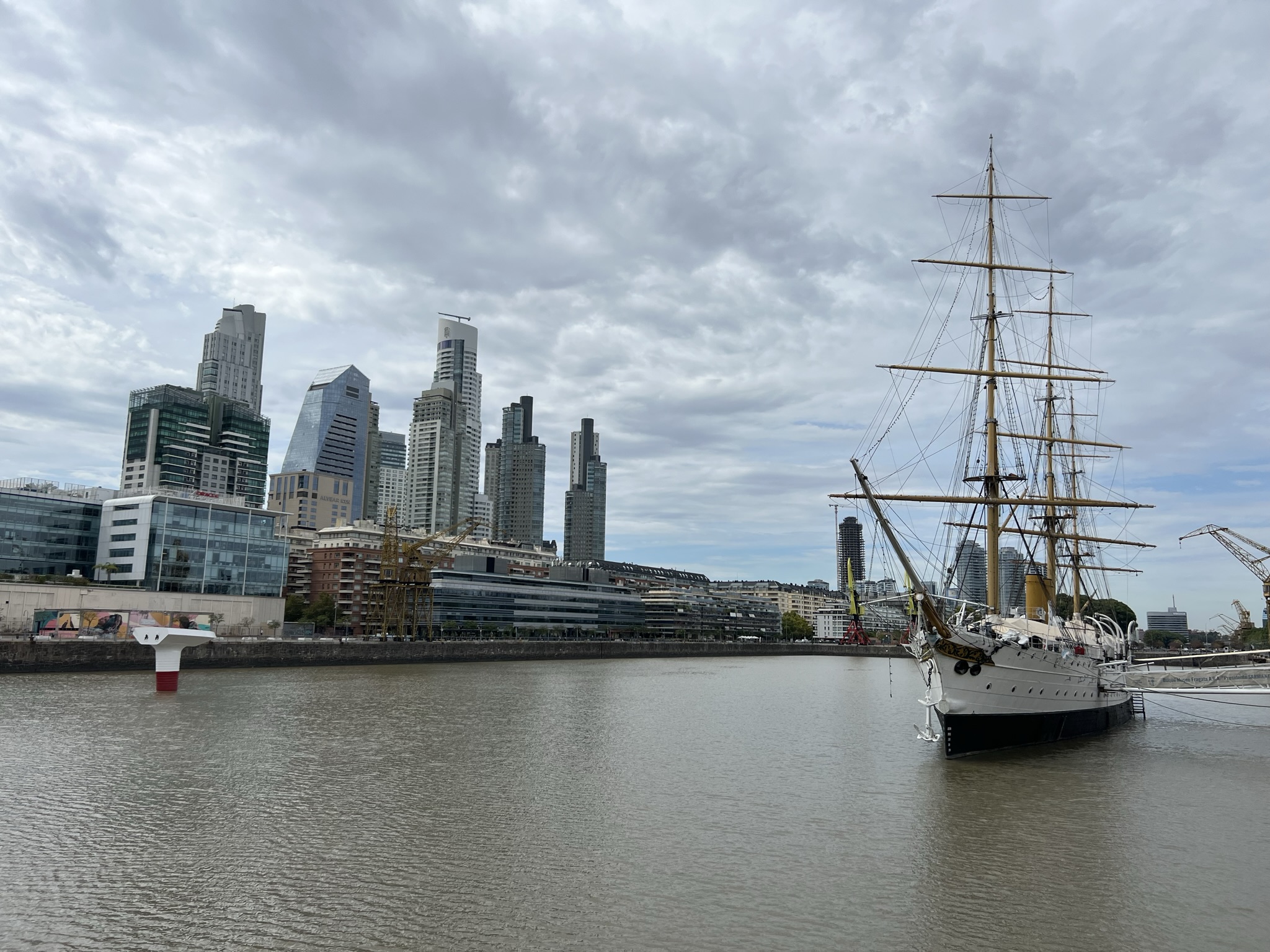
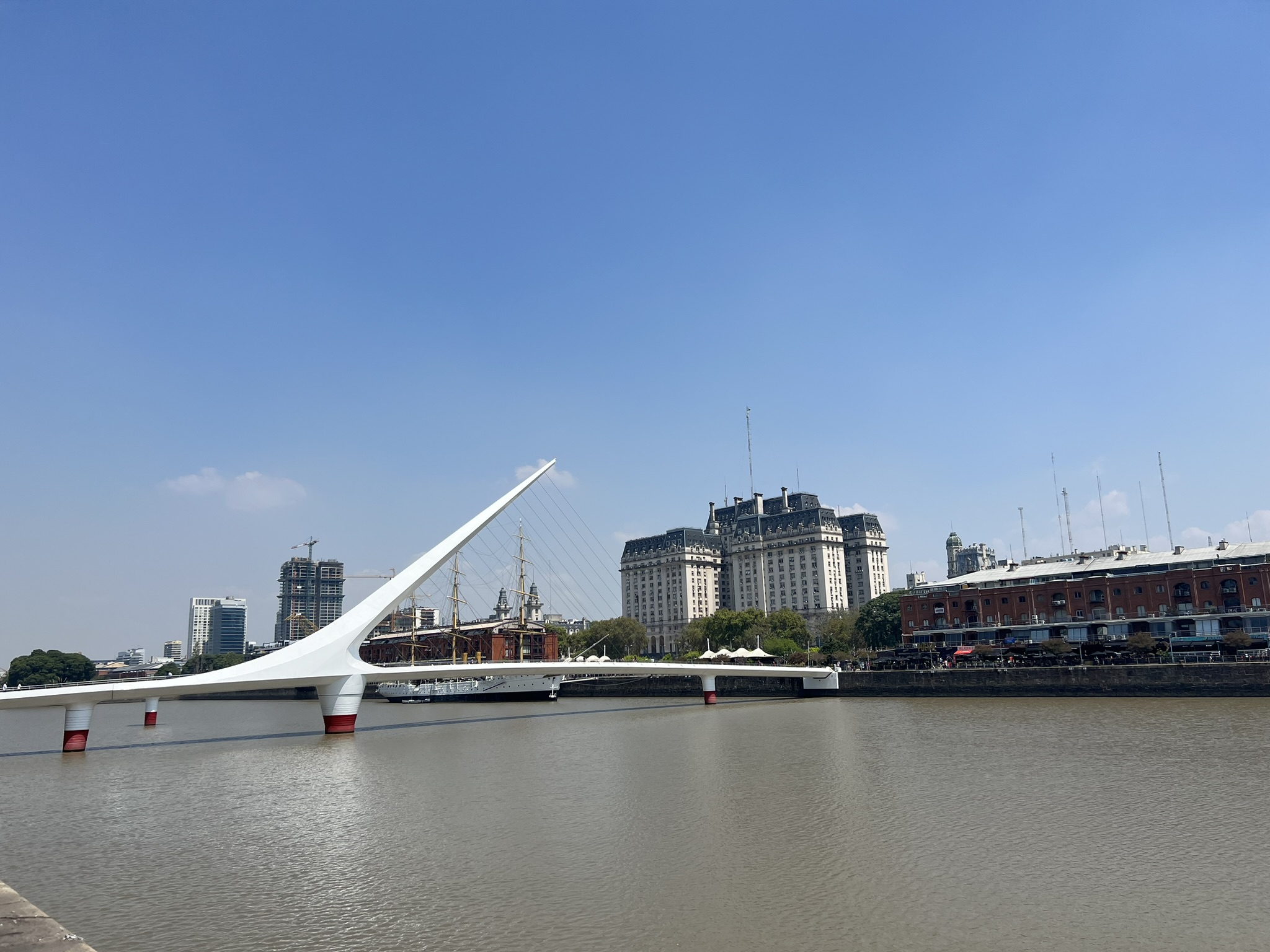
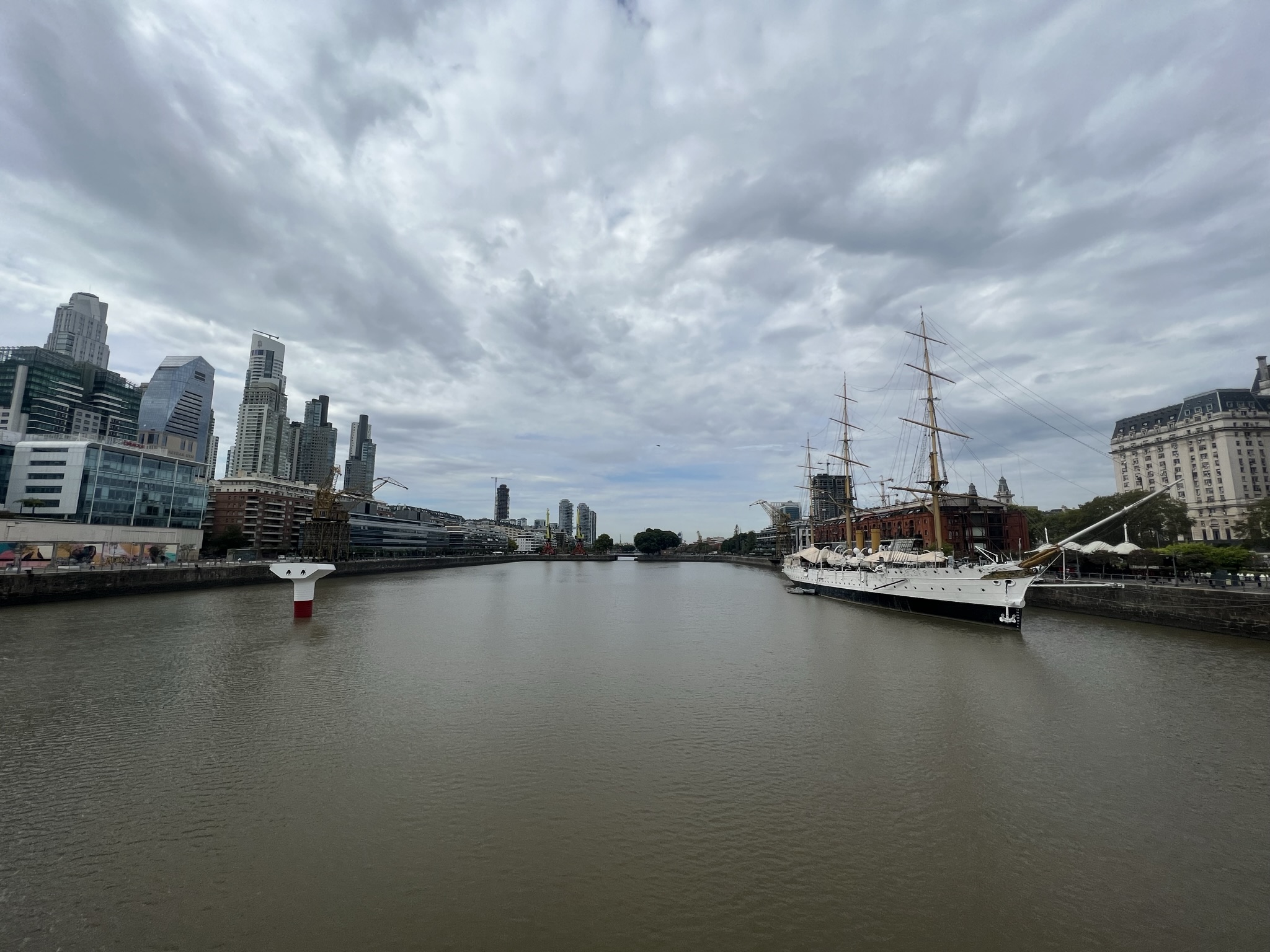
As much as I loved the city’s mix of classical and modern architecture, the highlight for me was La Boca, a former port district known for its brightly coloured zinc houses that reflect the area’s immigrant past, particularly those who arrived from Genoa, Italy. And then there was Puerto Madero, a sleek docklands district of skyscrapers, restaurants, and pedestrian bridges that reminded me a lot of the riverside streets along the Thames in London.
Argentinian Culture 101
Every single corner of the city seemed to leave me in awe. I could genuinely imagine living here. I swear – there wasn’t a single thing I didn’t like about the city.
Like the people. My god. How is it even possible for humans to look this good? The streets of Buenos Aires felt like one endless catwalk, packed with genetically blessed, supermodel-level hunks and babes at all times. And then there was me, rocking full backpacker mode with overgrown hair and beard. Still, despite feeling wildly out of my league appearance-wise, it didn’t stop me from enjoying myself one bit.
Another reason I could easily see myself staying? The food. It’s no secret that Argentine beef has a global reputation, and while I haven’t travelled absolutely everywhere, it’s hands down the best meat I’ve ever tasted. The first steak I had here nearly brought me to tears. One bite was enough to permanently alter my expectations of food. Life-altering might sound dramatic, but I stand by it. And so, much to the horror of vegetarians and environmentalists everywhere, I decided I was gonna indulge in Argentine beef daily during my stay. And before you judge me, I’ll have you know that I know plenty of vegetarians – including Natalie 2 – who broke their carnivorous celibacy here in Argentina. Mate also deserves a mention, a traditional tea made from yerba mate leaves, usually drunk from a gourd with a metal straw, which locals seem permanently attached to. I liked it, but honestly, I don’t get the hype.
Another thing that completely won me over was tango, Argentina’s cultural tour de force. I tried and failed to find a free show, so eventually I caved and splurged on a formal performance. Accompanied by violins, accordions, and pianos, the dancers put on an absolutely mesmerising display. From flicking their pointed feet into the air to sensually sliding them between their partner’s legs, every movement felt deliberate and charged. It wasn’t just the music and the dance, but the whole theme behind it. A throwback to a time of courting and pursuit. What might now be labelled sexist is really just a reflection of an outdated way of life, one that still carried a strange kind of charm.
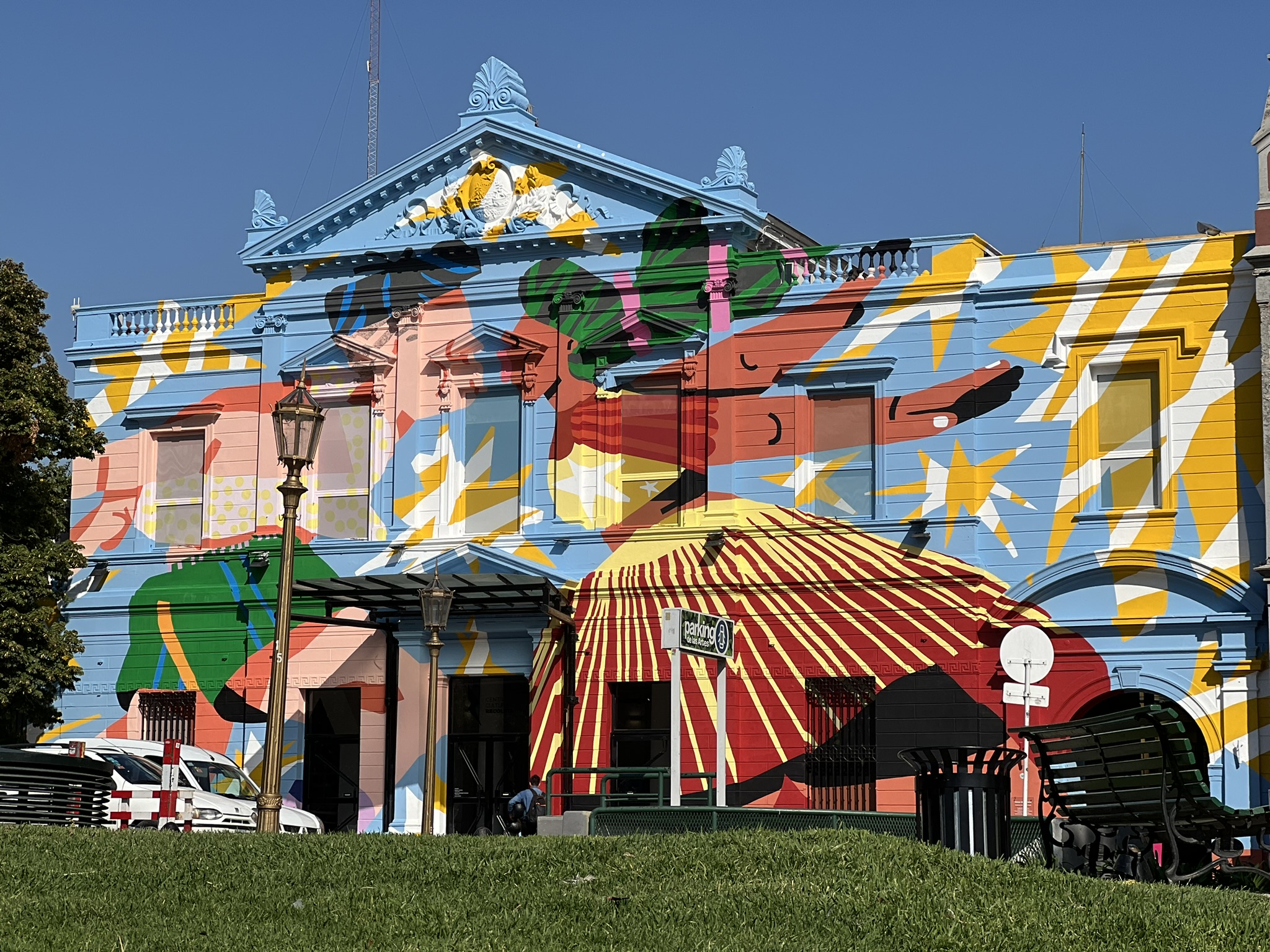
And finally, football. Argentina had recently won the World Cup, and the energy was still electric. Street art on almost every corner featured either Messi or Maradona kissing or clutching the trophy. Locals and tourists alike wore the national team’s colours, and the final match was still on everyone’s lips. The passion was impossible to ignore, as was the pride of being Argentinian. Even as someone who’s never been a massive football fan, I couldn’t help but appreciate it. I found myself thinking back to the day I celebrated their victory at Underwater Vision in Utila – a memory that’s slightly tarnished by what followed – but still unforgettable.
PART II
Money 101
Finding myself smack in the middle of yet another city, I also busied myself with the usual chores I’d grown used to whenever I travelled to a new country – including currency exchange.
Turns out, this was something that’s a bit more complicated here in Argentina, or at least that’s what I’d been told by every Argentinian I spoke to. And this, they all said, boils down to inflation – a concept I’d never quite wrapped my head around before this trip, mostly cause anything involving finances makes it feel like someone’s pressed the snooze button in my brain. It took a five-minute Google search of “inflation for dummies” for things to finally click. Inflation, it turns out, refers to the rate at which prices for goods and services rise. It’s expressed as a percentage, meaning that the higher the inflation rate, the less that same unit of currency will buy over time. Simple enough, right?
Well, it gets a bit more complicated, especially in Argentina. The ongoing economic crisis has been driven largely by the central bank printing money to finance public spending, which in turn pushes prices up and requires even more money to be printed, alongside massive fiscal deficits that remain unresolved.
This has resulted in some of the highest inflation rates in the world, peaking at over 200% annually in recent years. To put that into perspective, something that cost 100 pesos in 1980 would now cost hundreds of billions of pesos today. With the Argentinian peso’s worth plummeting year by year, paper money is virtually meaningless, despite it being used to run the country. On the other hand, the US dollar is treated like gold, and locals often try to convert their pesos into any currency that’s depreciating more slowly, just to protect what little purchasing power they have left.
While the official exchange rate sat at around 195 pesos to 1 USD at the time of writing, the so-called blue rate, an unofficial and technically illegal black market that accounts for a huge proportion of currency exchanges, hovered closer to 360 pesos to 1 USD. Locals, who are legally restricted to buying only 200 USD per month, end up paying more to get less, simply to preserve their savings. Meanwhile, foreigners arriving with pockets full of dollars suddenly find themselves very comfortably off. While the situation remains grim, President Alberto Fernández has attempted to curb inflation through price freezes and targeted household subsidies, though with limited success so far. That’s the situation in a nutshell.
Drowning in Pesos
Naturally, the second I asked my host about exchanging money, he pointed me straight to Calle Florida, a hotspot for arbolitos, the informal street money changers. It’s genuinely impossible not to find help there. The moment you step onto the street, you’re met by dozens of them yelling “¡Cambio!”, seemingly unfazed by police officers or government officials strolling past. That alone says everything about just how broken the system is.
So I nodded at the first guy who made eye contact with me, haggled the rate exactly as my host had instructed so I wouldn’t get ripped off, and before I knew it I was being led to his so-called office. He took all my dollars and handed me five massive wads of cash, which I immediately buried deep in the bowels of my backpack. I felt like I was in Grand Theft Auto, walking around with that much money on me. And knowing I’d effectively made a profit off the whole thing made me feel kinda dirty. Cause let’s face it, it was dirty money. But everyone does it, and it didn’t take long to shrug it off and enjoy the fact that I could now afford proper meals instead of skipping dinner or surviving on Doritos and fried plantains just to stay on budget.