Monteverde – Day 2: The Legendary Bird
MONTEVERDE
Day 2: The Legendary Bird
January 20, 2023
The next morning, I was inexplicably up at dawn, ready for yet another day of adventure. After breakfast, I was happy to see that Jennie had made it to Monteverde. With the both of us being wildlife enthusiasts, she’d be accompanying me to the Monteverde Cloud Forest Reserve – the main attraction in the area.
Cloud forests, according to my good ol’ friend Wikipedia, are “generally tropical or subtropical, evergreen, montane forests characterised by persistent, frequent, or seasonal low-level cloud cover – usually at canopy level”. I’m getting lazy in my old days… so I’ll summarise the cool factoids instead of basically copy-pasting the whole thing. Cloud forests make up 2.5% of the global woodland, compared to the estimated 11% back in the 1970s. Despite accounting for some 0.4% of the global land surface, they’re thought to shelter around 15% of the world’s known species.
Monteverde, specifically, is absolutely stacked: sources commonly cite over 2,500 plant species, around 100 mammal species, and more than 400 bird species, plus thousands of insects and a whole cast of amphibians and reptiles. Rodrigo, our guide for the day, pretty much confirmed the vibe. He’d worked in the reserve for decades and had been involved in conservation projects the whole time.
A Botanist's Wildest Dream
Lemme just say, the cloud forest’s reputation does hold up. We started off on a trail through virgin primary forest – a spectacular walk that had Jennie and me fawning.
As we walked on, our eyes were glued to everything around us. Like the twenty-metre tree ferns and the even taller fig trees – all smothered in epiphytes. Rodrigo explained that epiphytes use trees for support rather than nutrients, and in cloud forests they can thrive thanks to constant moisture from mist and low cloud. Some plants called hemiepiphytes eventually send roots down to the soil to access nutrients directly. He told us there can be around 1,000 species of epiphytes in the area, and that a single tree can host an absurd number at once.
Monteverde also famously has hundreds of orchid species, with some sources citing more than 450 orchids and over 3,000 plant species across the wider preserve. From shrimp flowers to torch flowers, from mucuna vines to aguacatillo trees, needless to say, our eyes were having a feast.
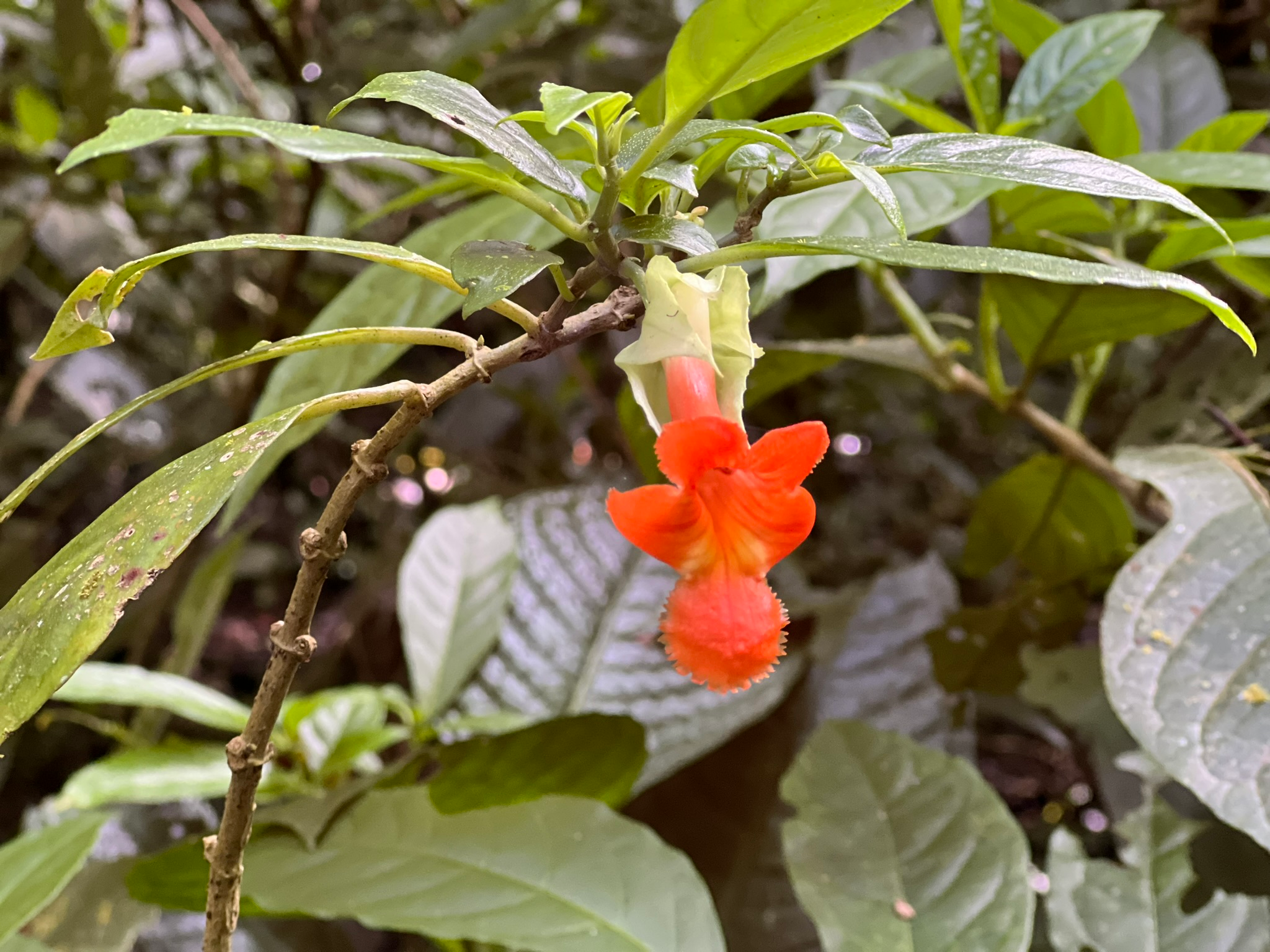
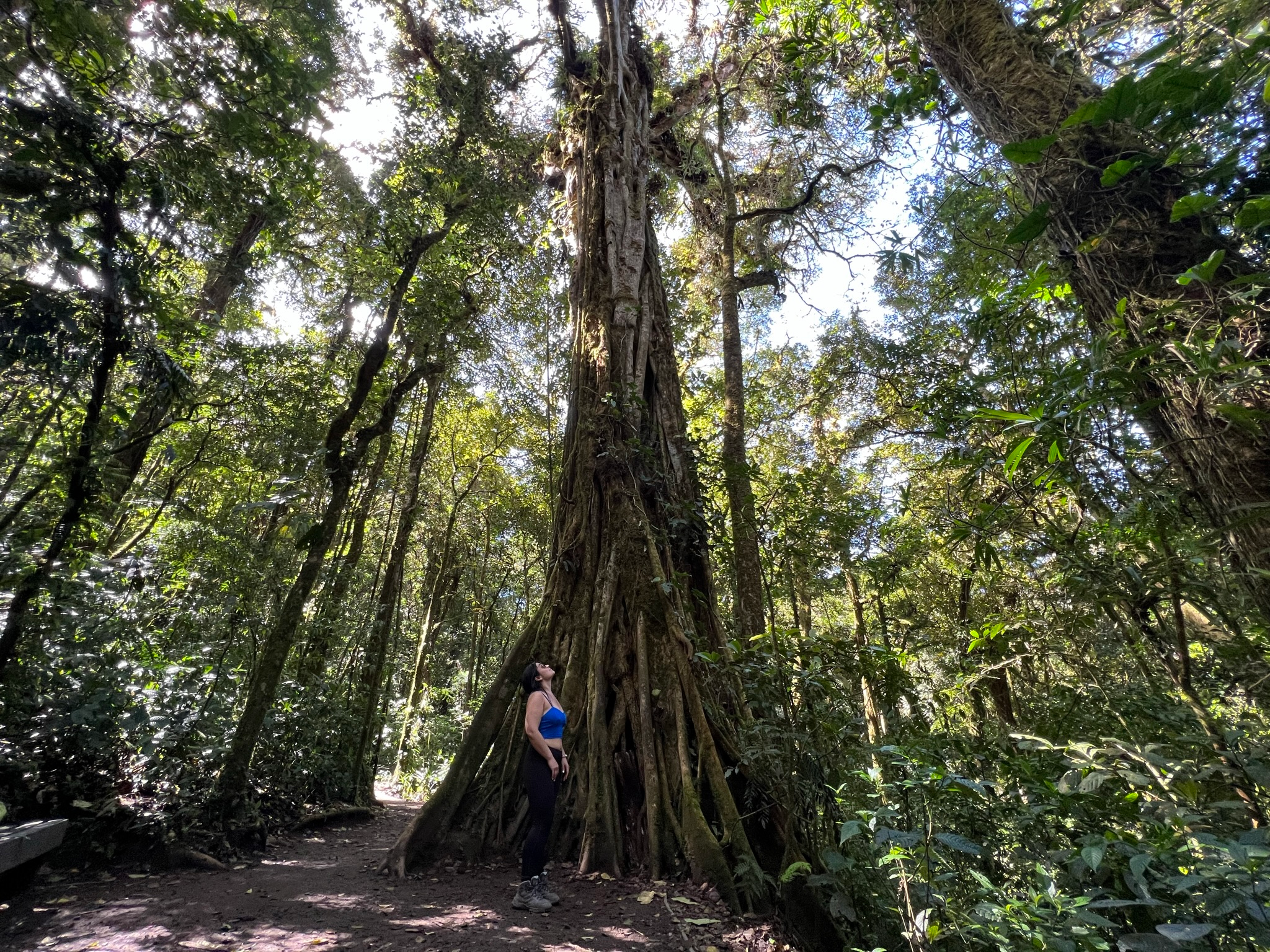
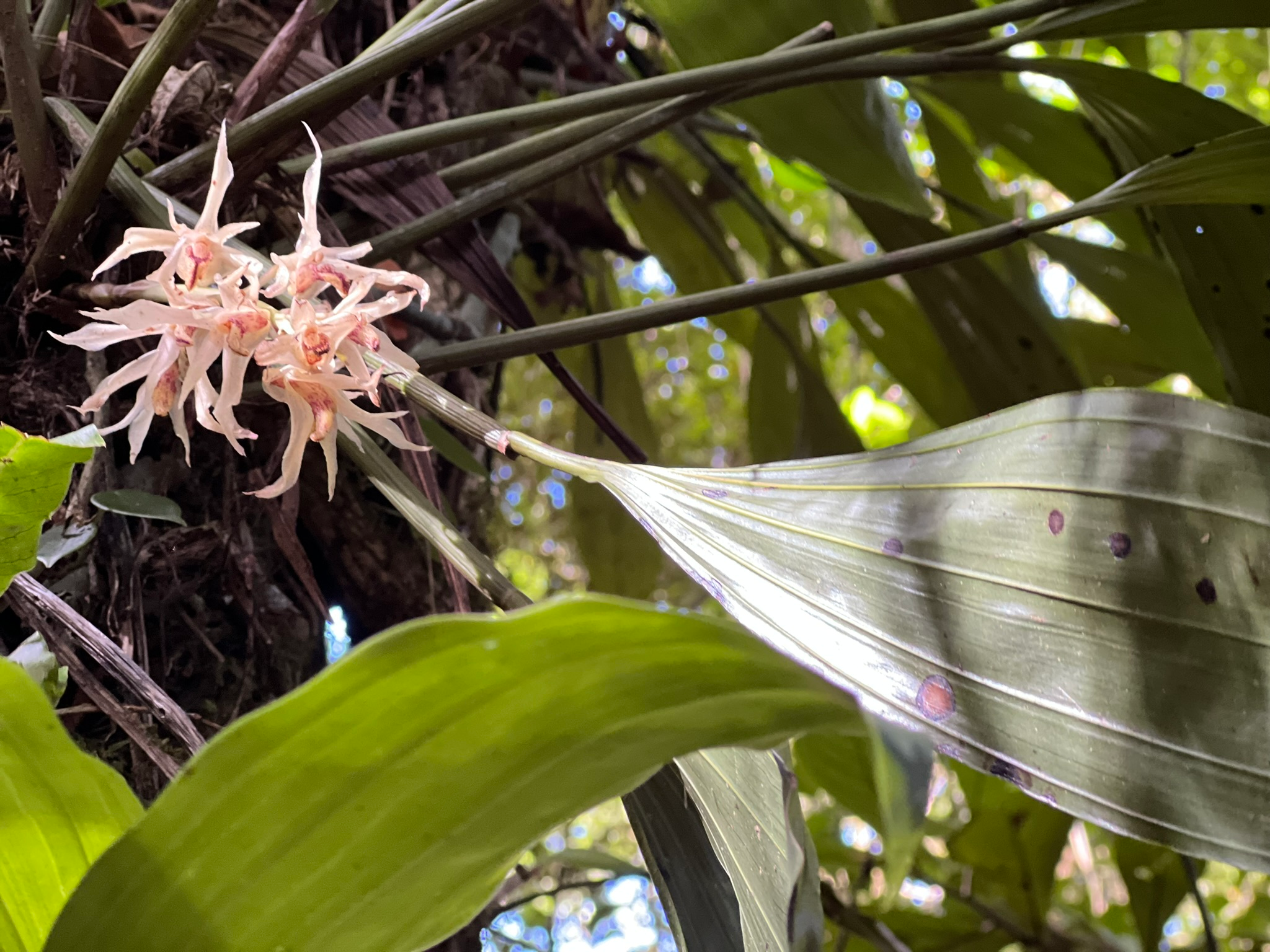
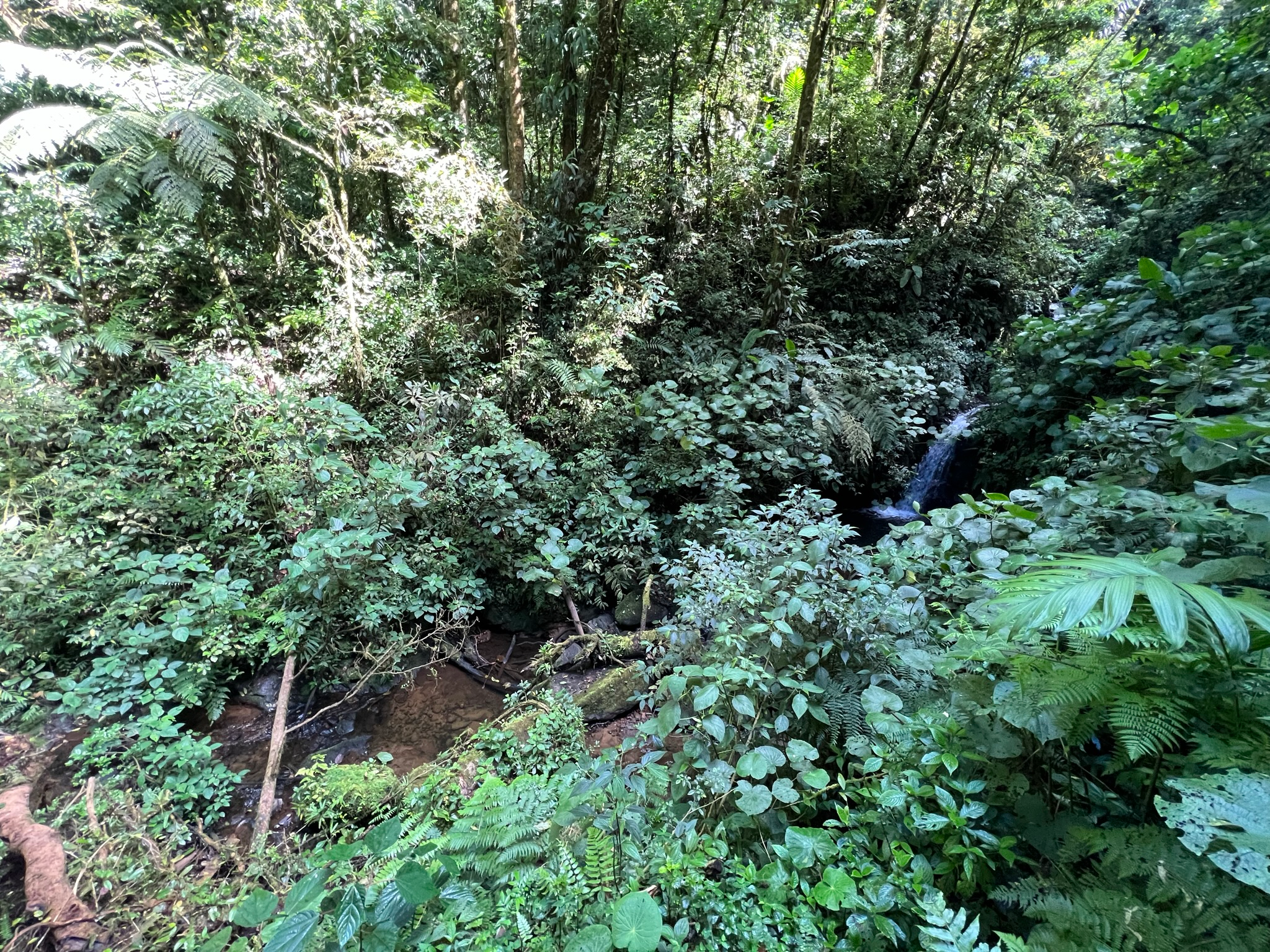
He then told us there are around 800 different types of trees in the reserve and launched into a mini-lecture on hardwood versus softwood. Hardwoods generally come from broad-leaved flowering trees, while softwoods come from conifers – and the terms don’t always perfectly match how “hard” the wood feels. Tree rings, though? Those are legit: slicing through a trunk can show growth rings, with ring width reflecting growing conditions – in many places, tighter rings often reflect slower growth in colder climates, and wider rings faster growth in hotter temperatures, though the exact signal depends on the local climate.
Jungle Pokémon: The Real Edition
As fascinating as all that was, it was the animals that kinda stole the show. I swear, every single nook and cranny seemed to hide something that was waiting to be found!
Like the cute slaty-backed nightingale-thrush, and the even cuter slaty-throated redstart. Crested guans, grey-breasted wood-wrens – anything and everything you could possibly imagine. And the insects – so, so many insects! Orange-knee tarantulas, leaf-cutter ants, katydids, thorn bugs, wolf spiders, unicorn grasshoppers – I could go on forever. And yes, I do know spiders aren’t insects.
Oh, and coatis, agoutis, and monkeys – of which Rodrigo told us there are four species in Costa Rica:
Howler monkeys: These black beasts are aptly named for the sound they make. Howler monkeys are widely cited as the loudest land animals relative to body size. Their howls vary depending on what’s going on – alarm, territorial displays, mate competition, the whole drama. They’re largely folivorous and have slow digestion, which helps explain their energy-saving lifestyle and small home ranges. I first met their screeches back in Bocawina, Belize, got annoyed by them in Tikal, Guatemala, and then moved on to hating them with a passion whenever I stayed near jungle accommodation and woke up to their infernal screams at 5AM.
Geoffroy’s spider monkeys: Among the largest monkeys in Costa Rica, with a prehensile tail they basically use as a fifth limb. They mainly eat fruit, but they’ll also snack on leaves, insects, and other bits depending on season and availability.
White-faced capuchins: These have a white face (no way!) and a darker body. They’re famously clever and opportunistic, living in troops and eating pretty much anything – and yes, they can be absolute menaces around humans with food.
Squirrel monkeys: Tiny, orange-backed critters with a black-and-white face, found on the Pacific side of Costa Rica (and Panama). They’re threatened or endangered depending on the classification used, mostly due to habitat loss and fragmentation. They were still the only ones I hadn’t seen in Costa Rica.
As we walked, we saw all of that and then some. If I had a Pokédex, there’s a big chance it might’ve run out of storage space. Well, I might not have a Pokédex, but I do have a phone – and yes, it did run out of storage.
The Legendary Bird
After a couple of trails in primary forest, we moved into secondary forest – regrowth that comes back after an area has been cleared for one reason or another. We were enjoying the scenery when another guide mentioned a sighting of a specific bird nearby, and suddenly we went on a monomaniacal hunt to find it.
And this bird? Let’s just say it had been a childhood dream of mine to see it. Ever since I started this trip, it had been one of my main goals – charging through one jungle after another, always hoping I’d finally catch a glimpse. And now, it felt like there was still hope left. I started actively praying to something I don’t quite believe in. Paulo Coelho’s line kept looping in my head: “when you want something, the universe conspires to help you achieve it”. I could feel a lump in my throat – despair, anxiety, but also hope. I hoped to God we’d stumble upon it. It. The mythical bird. The one Mesoamerican cultures revered and wove into legend. The resplendent quetzal.

It felt like we were playing hot and cold. We’d walk a hundred metres, only for another guide to say they’d seen one a hundred metres ahead. At one point it started to feel like a full-blown quetzal chase. When I’d almost given up, Rodrigo spotted one through his binoculars. “A juvenile…” he said, almost disappointed – but a quetzal nonetheless.
I outran the others to get the first look. I deserved this – I had earned this. There, right in front of my eyes, was a seraphic vision: a juvenile quetzal, with iridescent green-blue plumage and a darker underside, its ruffled head angled right towards me. I couldn’t take my eyes off it. I did let the others have a go, but the second they’d seen it, I grabbed the binoculars again. I’d earned this.
And then… we spotted a second one – an adult male in all its ridiculous glory. I swear I could’ve died right there. Intense green on top, incandescent red belly, deep dark inner wings, pale undertail, and that gloriously long tail for which the bird is named – the word “quetzal” comes from Nahuatl, tied to “quetzalli”, meaning a large tail feather. It perched above an aguacatillo tree like a king on his throne. I couldn’t help but tear up. It felt simply unreal – the stuff of legends. I could just picture this scene from a past I’d never get to experience: a quetzal soaring above a gold-encrusted Mayan city.
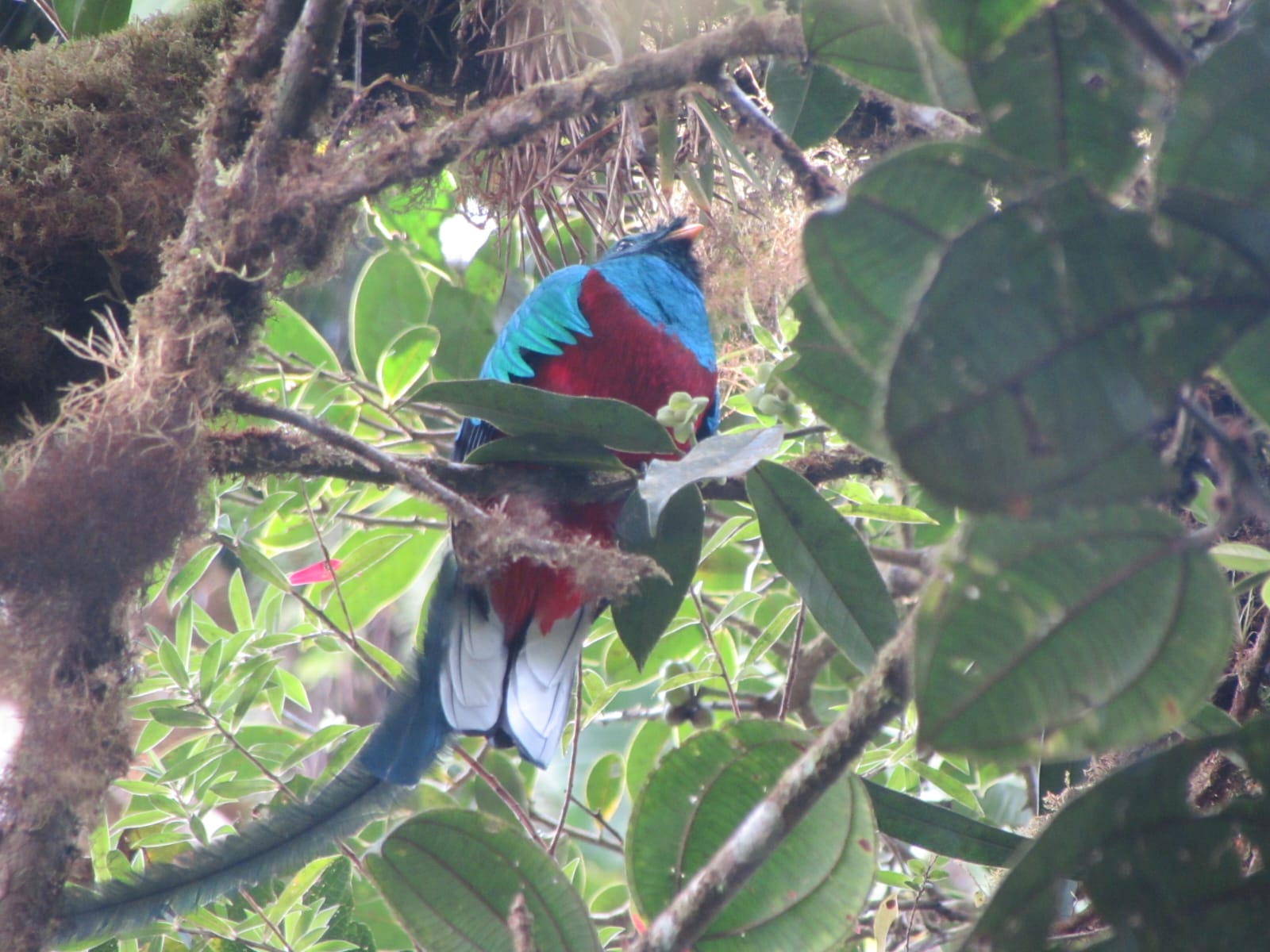
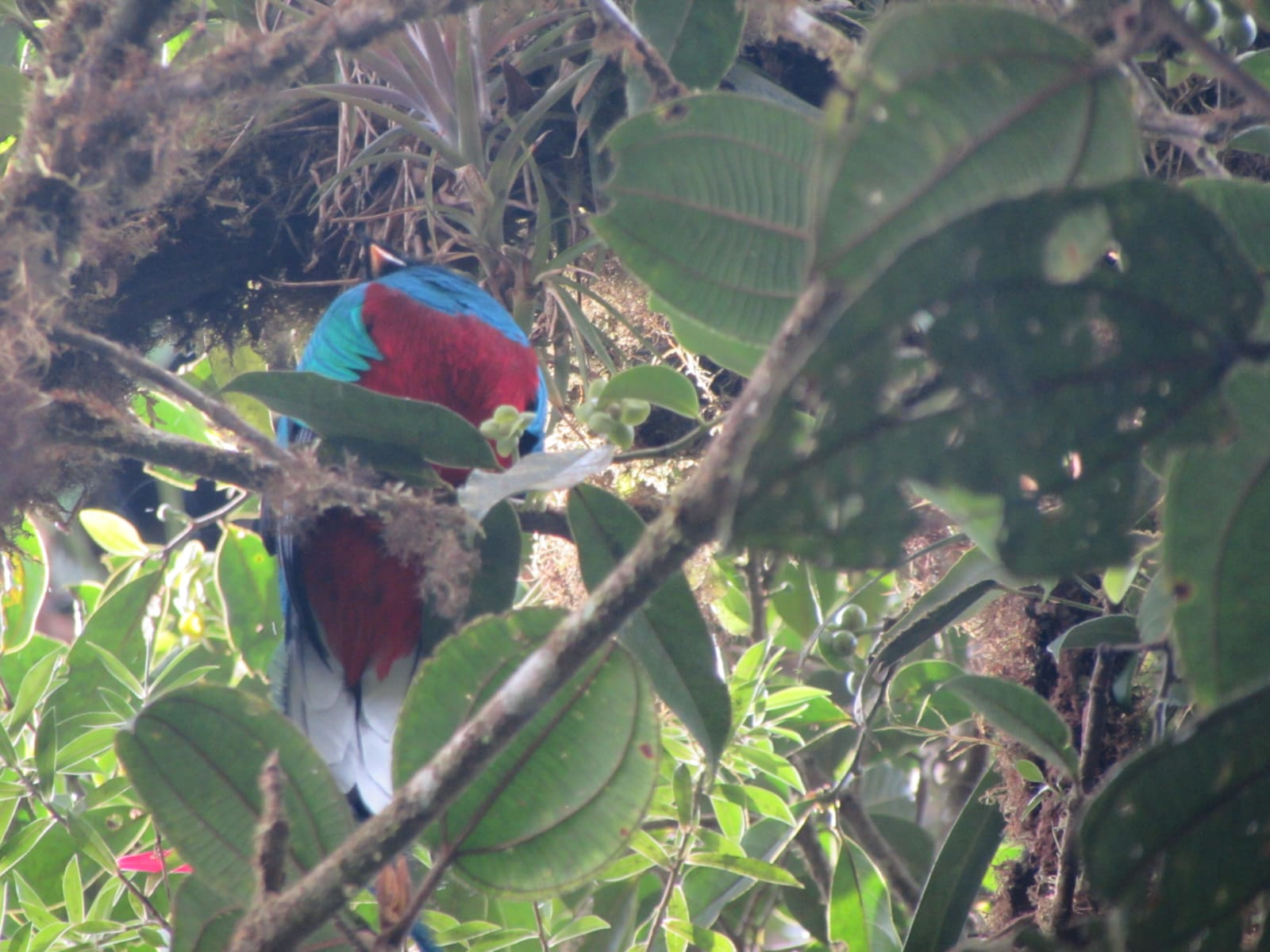
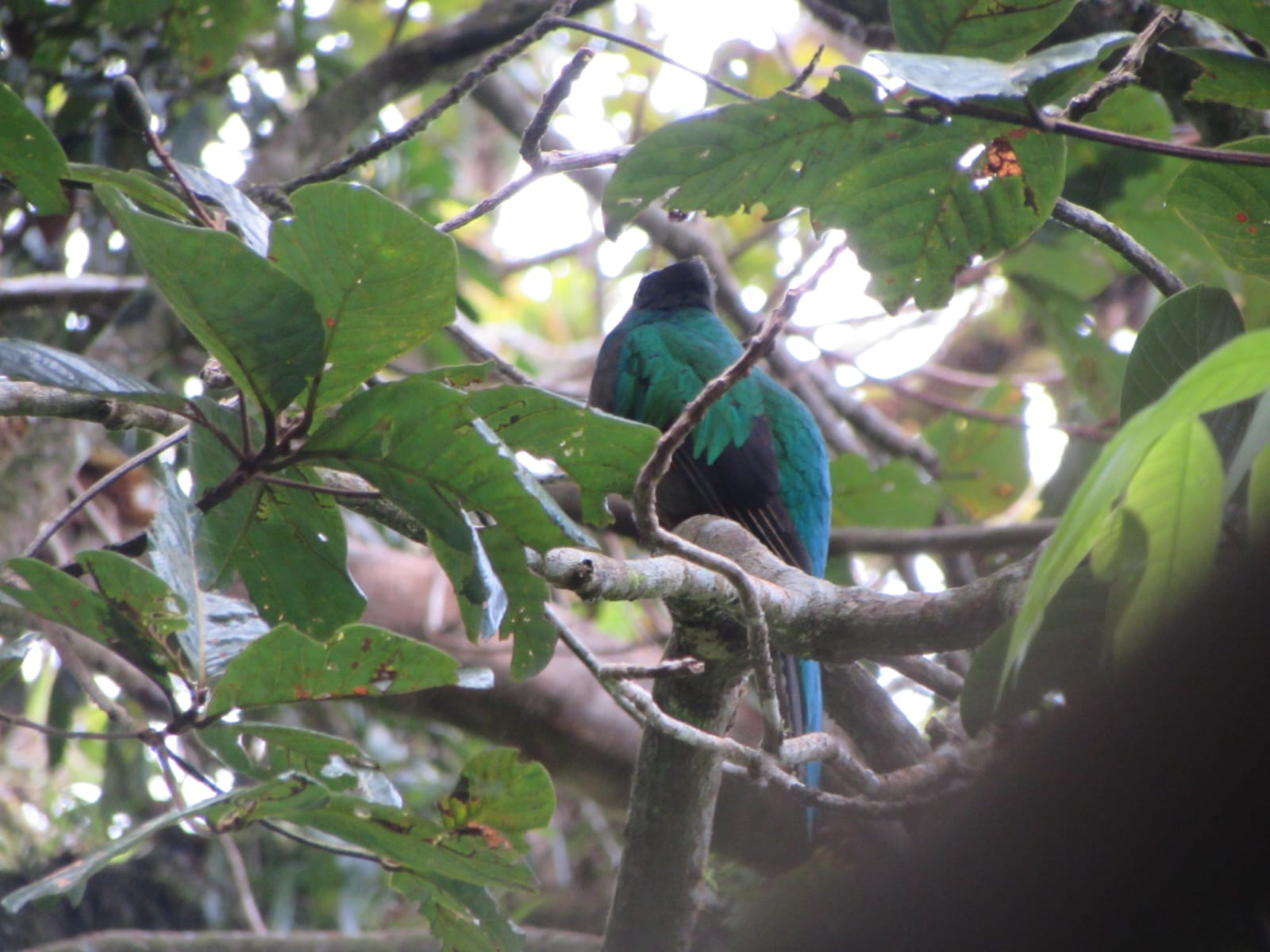
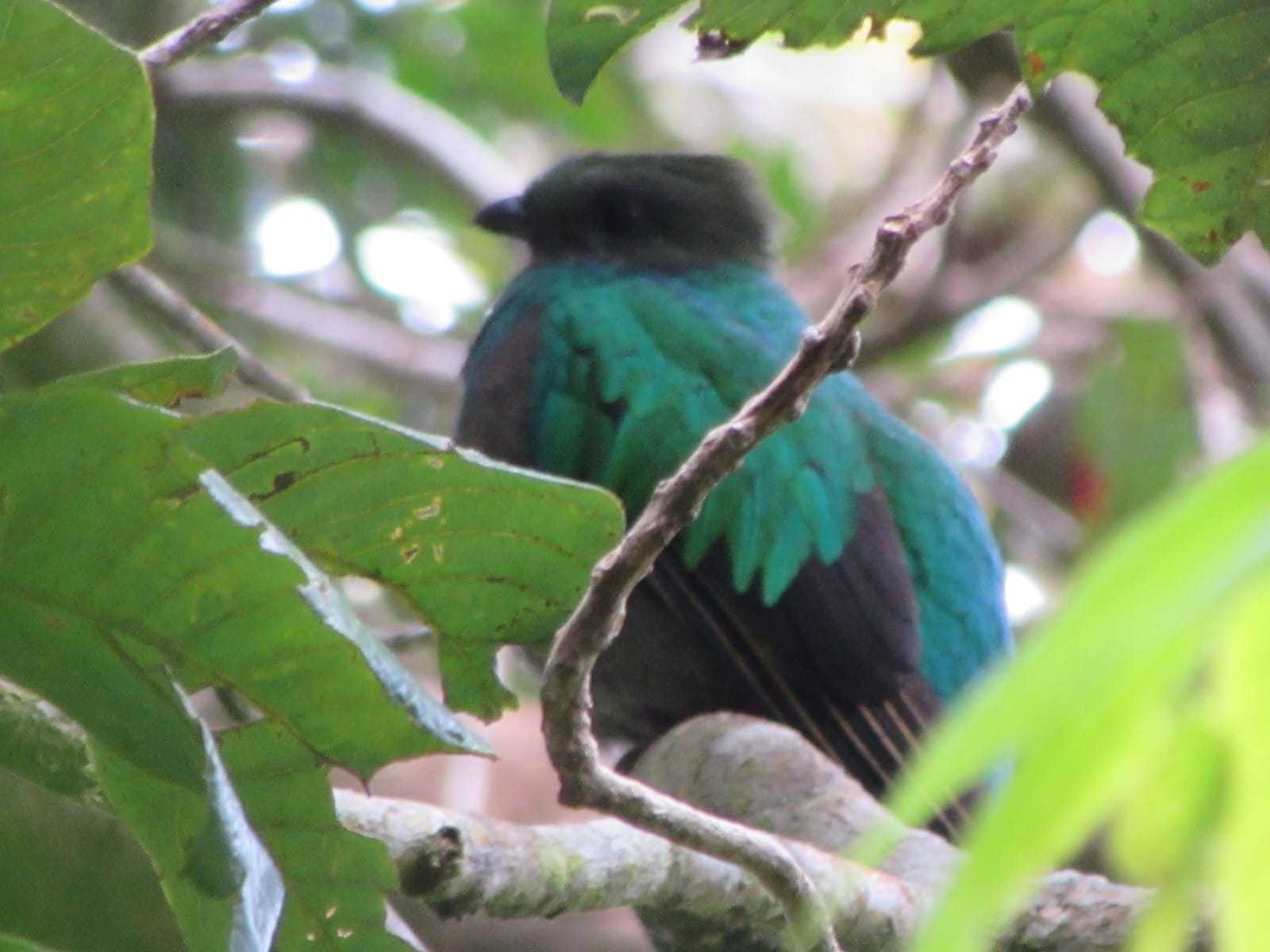
Our walk finished at the Hummingbird Gallery, where we got to see dozens of hummingbirds zipping from one feeder to the next. Costa Rica has more than 50 hummingbird species, so I can safely say I’d seen at least fifteen by this point. After that, while the others were ready to move on, I felt like I needed to step back and take it all in. For the first time, I kinda felt like I’d seen enough.
Night Crawlin'
While Jennie continued wandering around the park, I made my way back to the hostel feeling emotionally overwhelmed. I had to put it all into writing and, for the first time in my life, I felt the need to actually draw out the scene I had in my head. I spent my afternoon doing just that – all cosied up next to the fireplace, minding my own business while everyone else chatted away.
I could afford to take it a bit easy given that later that evening, I’d be going on a night jungle tour with Rachel. A very expensive taxi ride to Santa Elena – the nearby town where everything seemed to be happening – and I was outside Rachel’s hostel, ready to be picked up by yet another expensive shuttle that would take us to the Don Rodolfo conservation area.
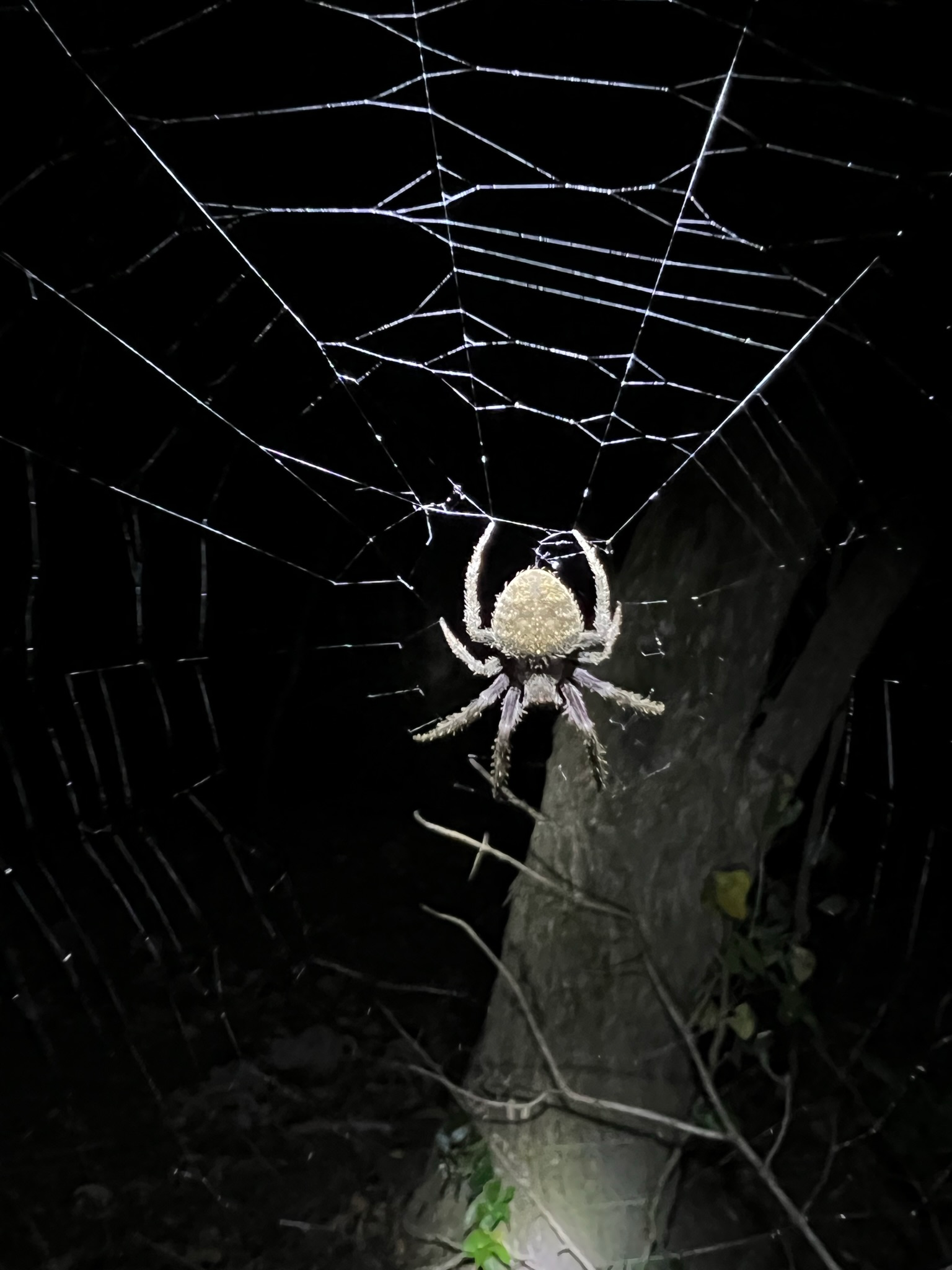
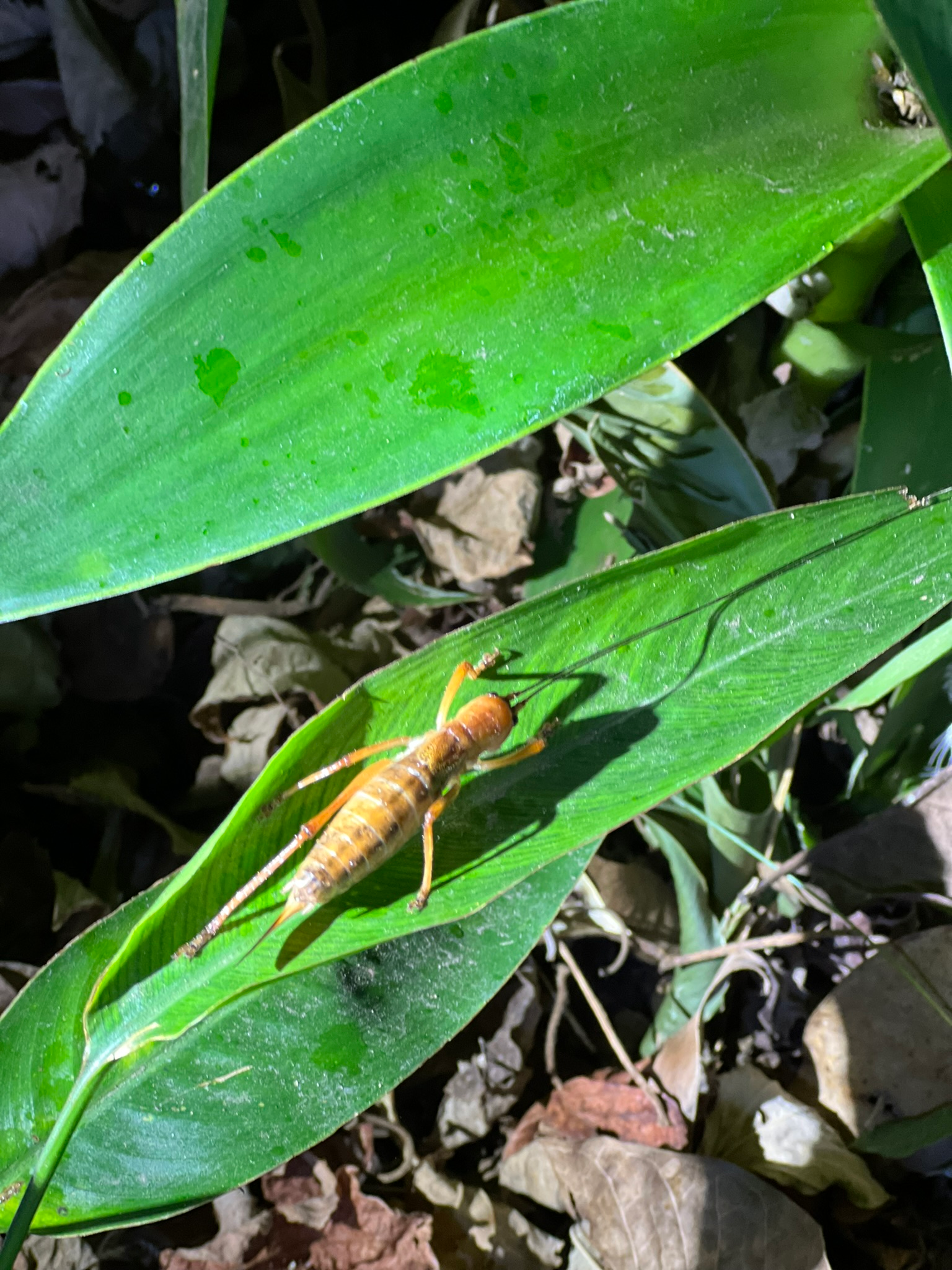
Equipped with our flashlights, we were soon in the middle of the jungle with Maria, our guide for the tour. It didn’t take long to start spotting interesting creatures – like crickets, which she taught us to sex by looking for the female’s ovipositor, and katydids, which she told us are seen as a hopeful sign by some locals. We saw daddy-longlegs (the name people use for a few different critters) and other long-legged arachnids, plus orb-weaver spiders that often rebuild their webs, sometimes consuming the old one first. Then came the cicadas, which according to Maria, spend a variable amount of time as nymphs living underground (depending on the species and may last up to even 17 years) , only to emerge and live for a couple of weeks or months to fulfil their reproductive duties before they die.
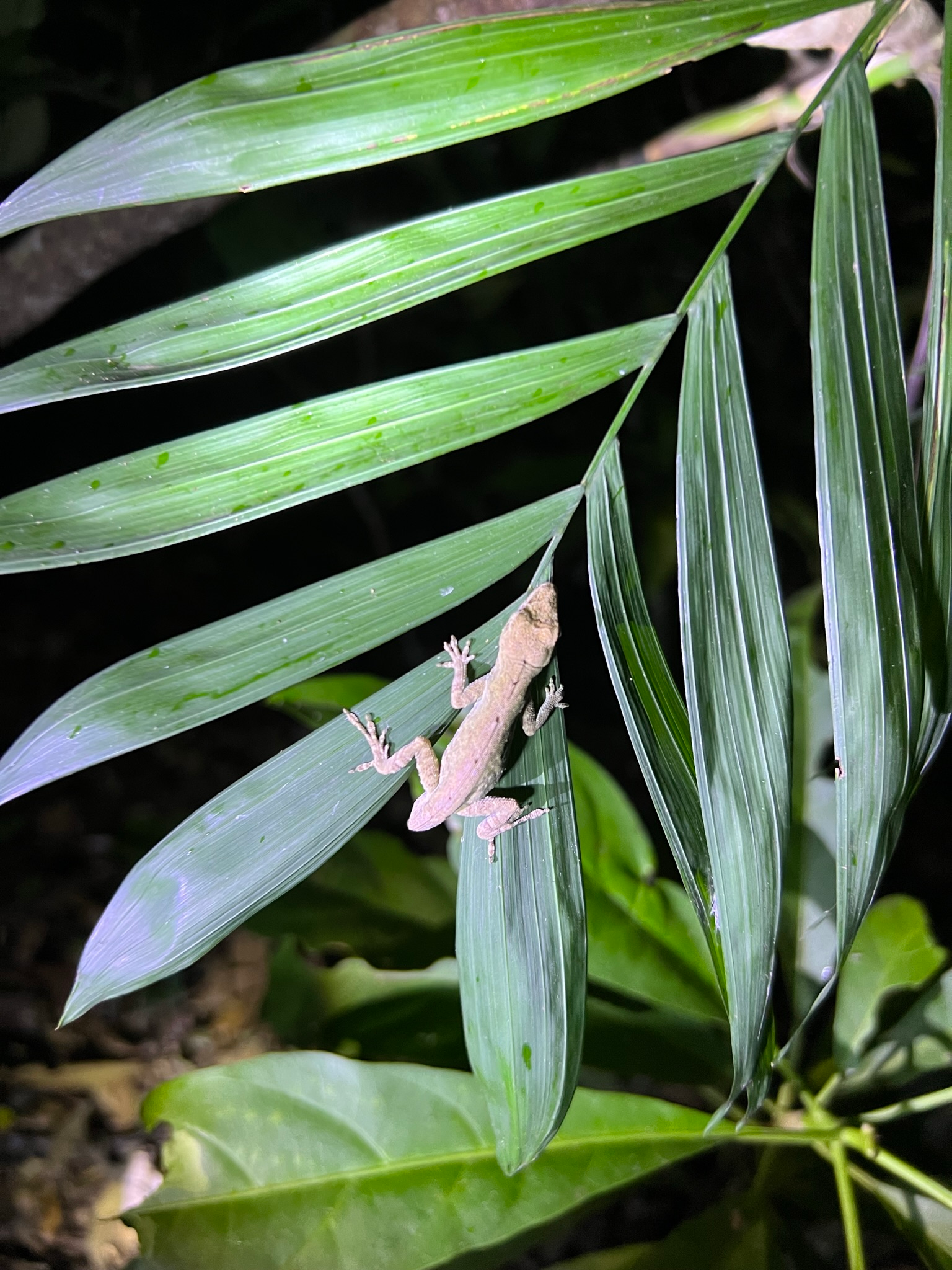
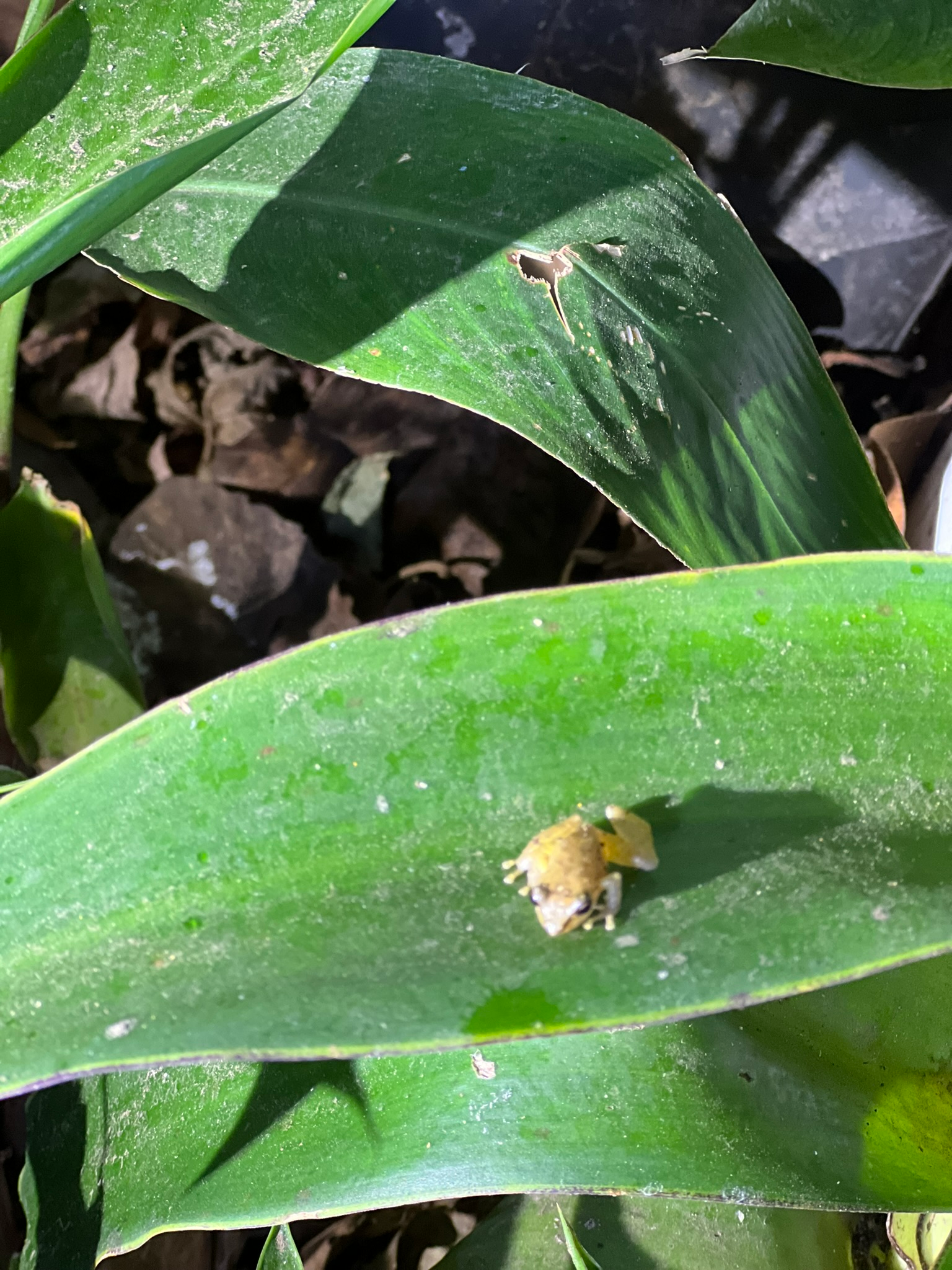
We also spotted turkey vultures using warm air currents to glide, motmots nesting in tunnels in earth banks, and an emerald toucan that looked like a tennis ball while sleeping with its head tucked beneath its wings. There was a family of three plain chachalacas huddling together on a branch, a common rain frog whose call sounds like two stones being clicked together, a pale anole that Maria said is found at higher elevations, and a Virginia opossum – which, fun fact, has documented resistance to some snake venoms. And then the rare find – a Mexican hairy dwarf porcupine, climbing from branch to branch above our heads (also Maria’s first time seeing one!). Pure bliss.
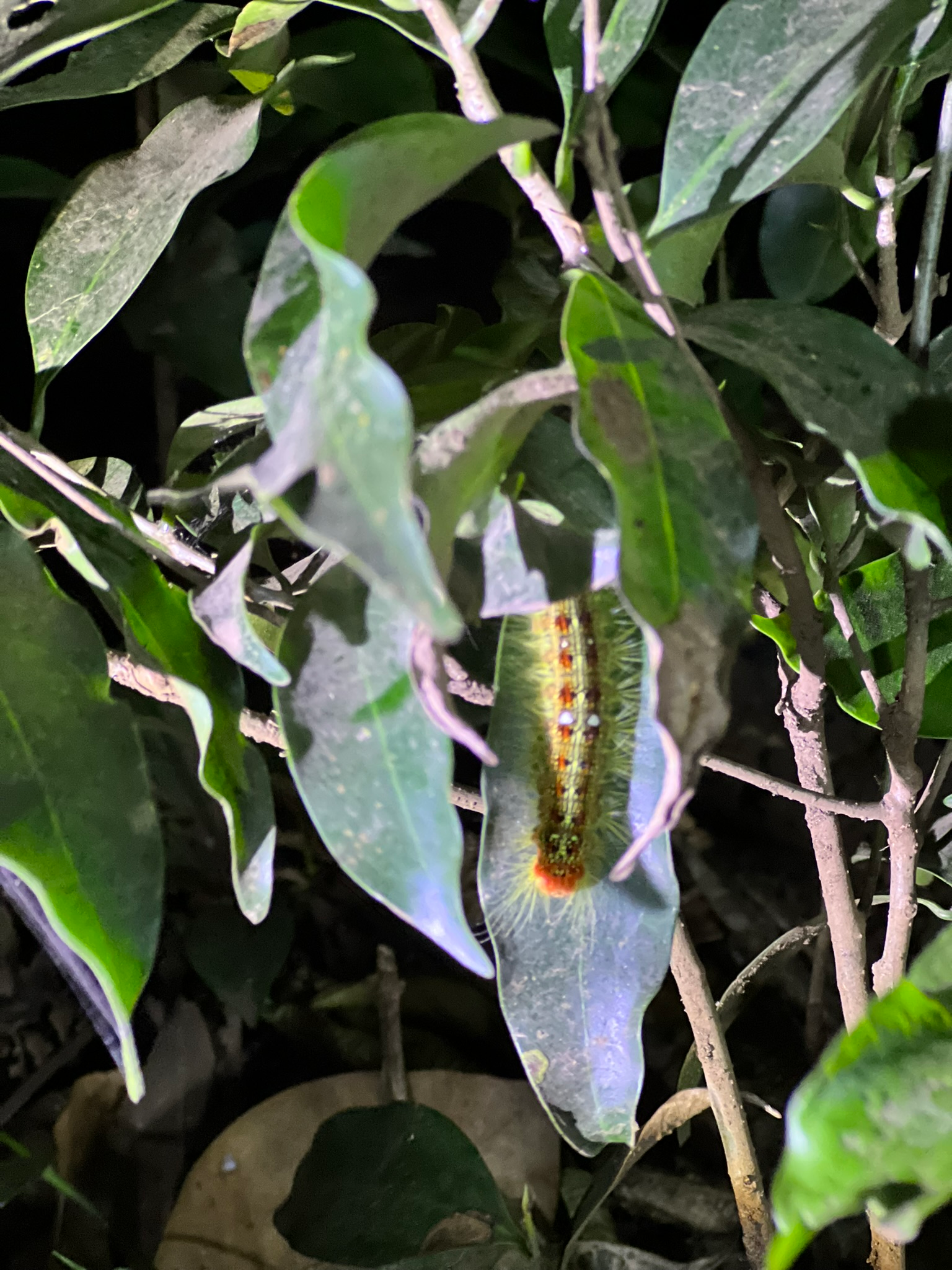
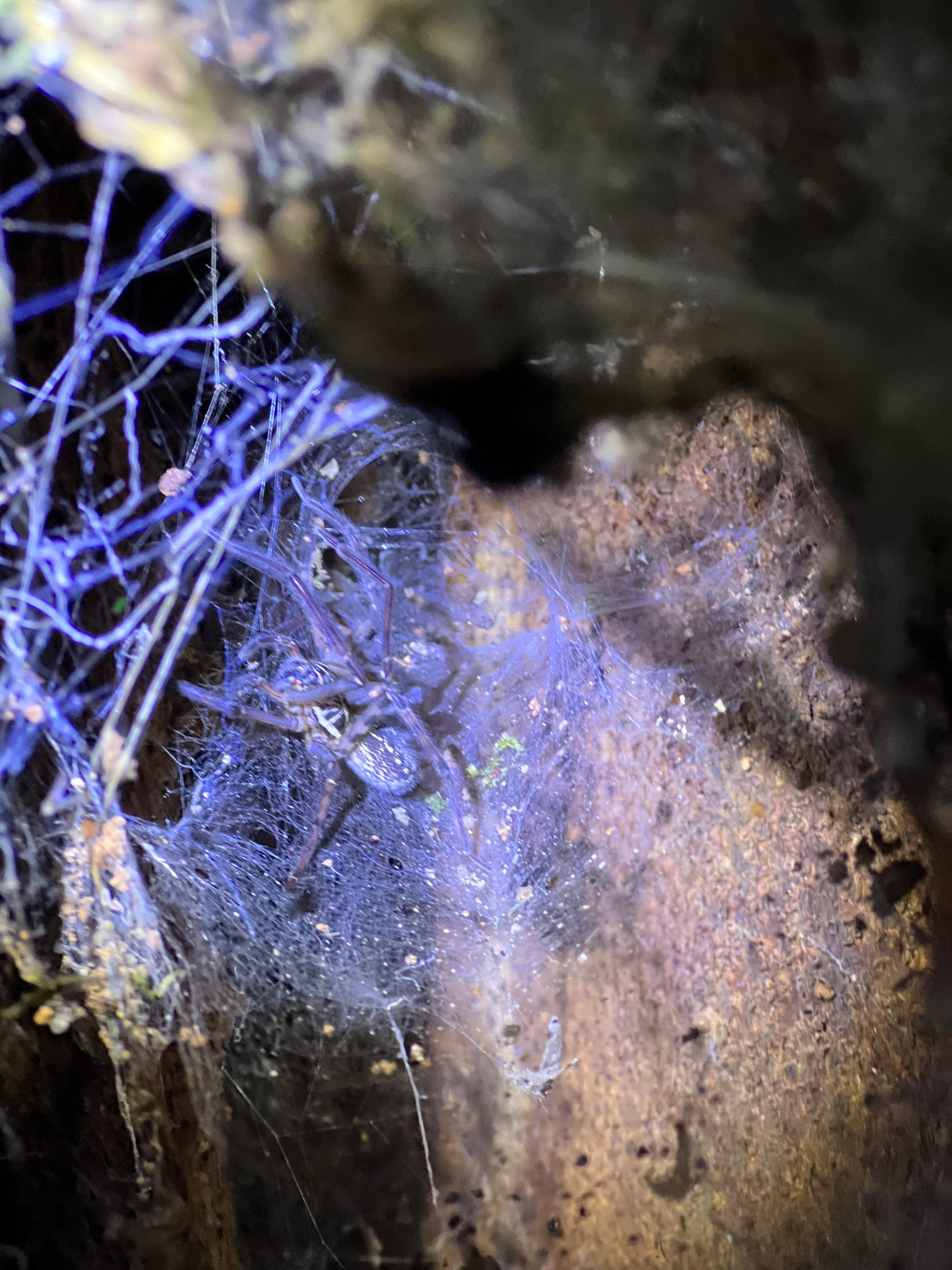
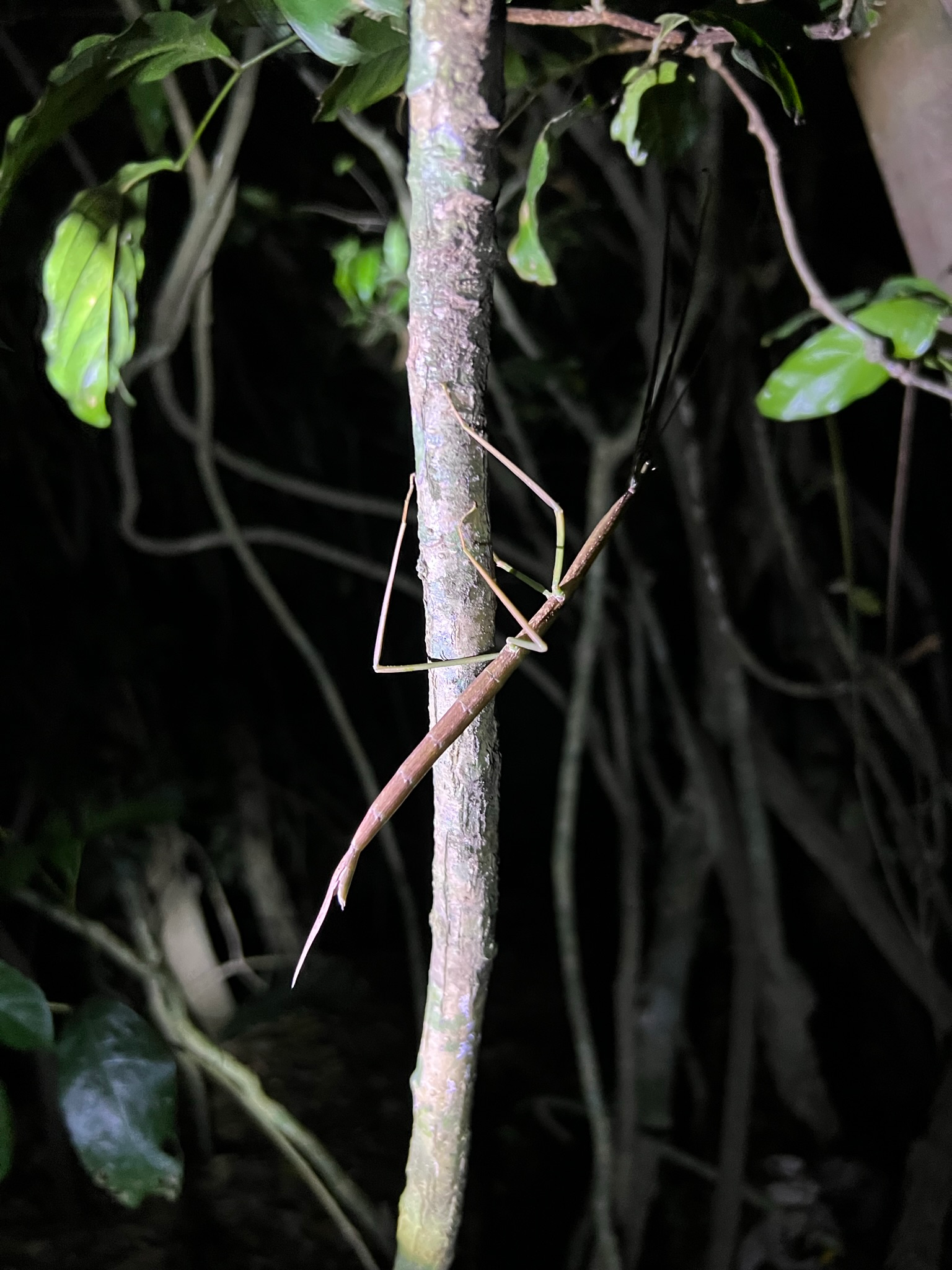
During the tour, Maria also took time to show us plants that grow in the area. From plantains to bananas, from fig trees to balsa trees, she made it a point to share facts and answer our questions. We came across a plant she called sour cane, which she said is in the ginger family. Locals use its juicy stem as a drink – kind of like lemonade – and in traditional remedies for kidney stones and external ear infections. She also said the thin, leathery leaves are used by some people as a substitute for toilet paper, hence the nickname papel de los pobres.
From there, she segued into Costa Rica’s history – how it was relatively poor for much of the 20th century as they used to sell most of their natural resources to the US for little profit. Deforestation and agriculture led to a large percentage of Costa Rica’s forests being lost, and, when the government realised it could not go on like that, it started investing its money and changing its laws to enforce restoration and conservation of the country’s natural assets. In around a decade or so, they had managed to regain most of their forests, owing in part to the effort of its people and also to the country’s geographic location. This, in turn, helped the economy flourish, mostly through tourism – now attracting more people who are charmed by the country’s astounding biodiversity. The dark side to this, she added, is that although the country’s GDP shot up, those on the lower end of the social spectrum got the short end of the stick, their poverty still an issue to this day.
She also talked about Costa Rican customs. Like how the pura vida attitude isn’t always a good thing, especially in contexts where people expect strict professionalism. Or how Ticos roll their R’s – it’s true, their Spanish can sound a bit posher. Or just how patriotic people are. In fact, I haven’t met a single Costa Rican who didn’t tell me their country was their favourite. I can’t quite blame them for it!