I woke up and opened my eyes to find out that I was not, in fact, in my dorm back at Underwater Vision. It took a while for it to hit me – the fact that we were no longer in Utila and that we wouldn’t be diving any time soon.
At the same time, I felt reinvigorated. To be in a new country, in a new city, to start exploring again. This was the whole point of my trip after all. And, to top it off, this was Amelia’s first time touring around Latin America. She had landed directly in Utila and, despite having travelled all over the world ever since she was a kid, she had never set foot on this continent. Her stay in Utila didn’t exactly count as a travelling experience, given that she had spent most of her time diving.
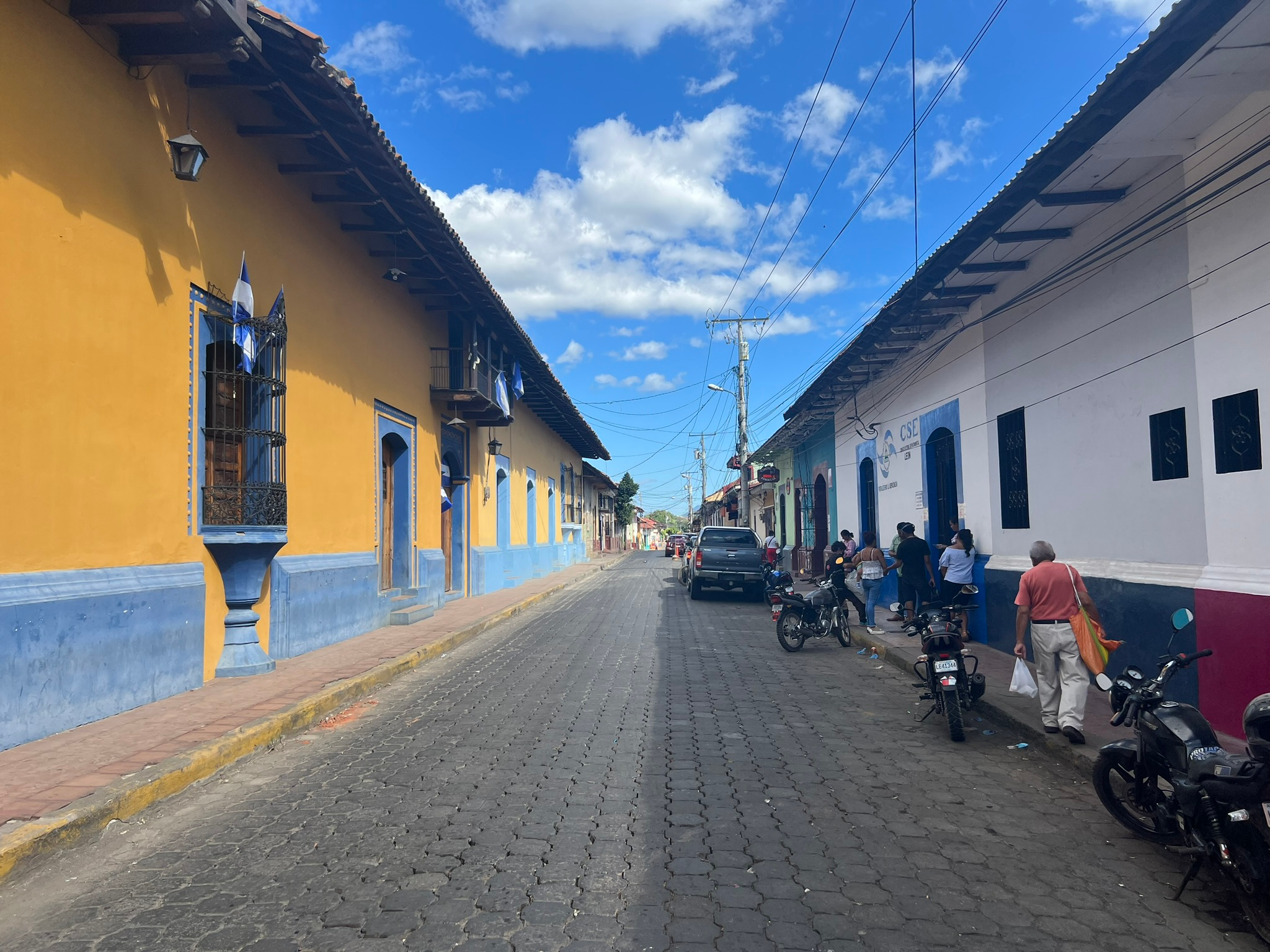
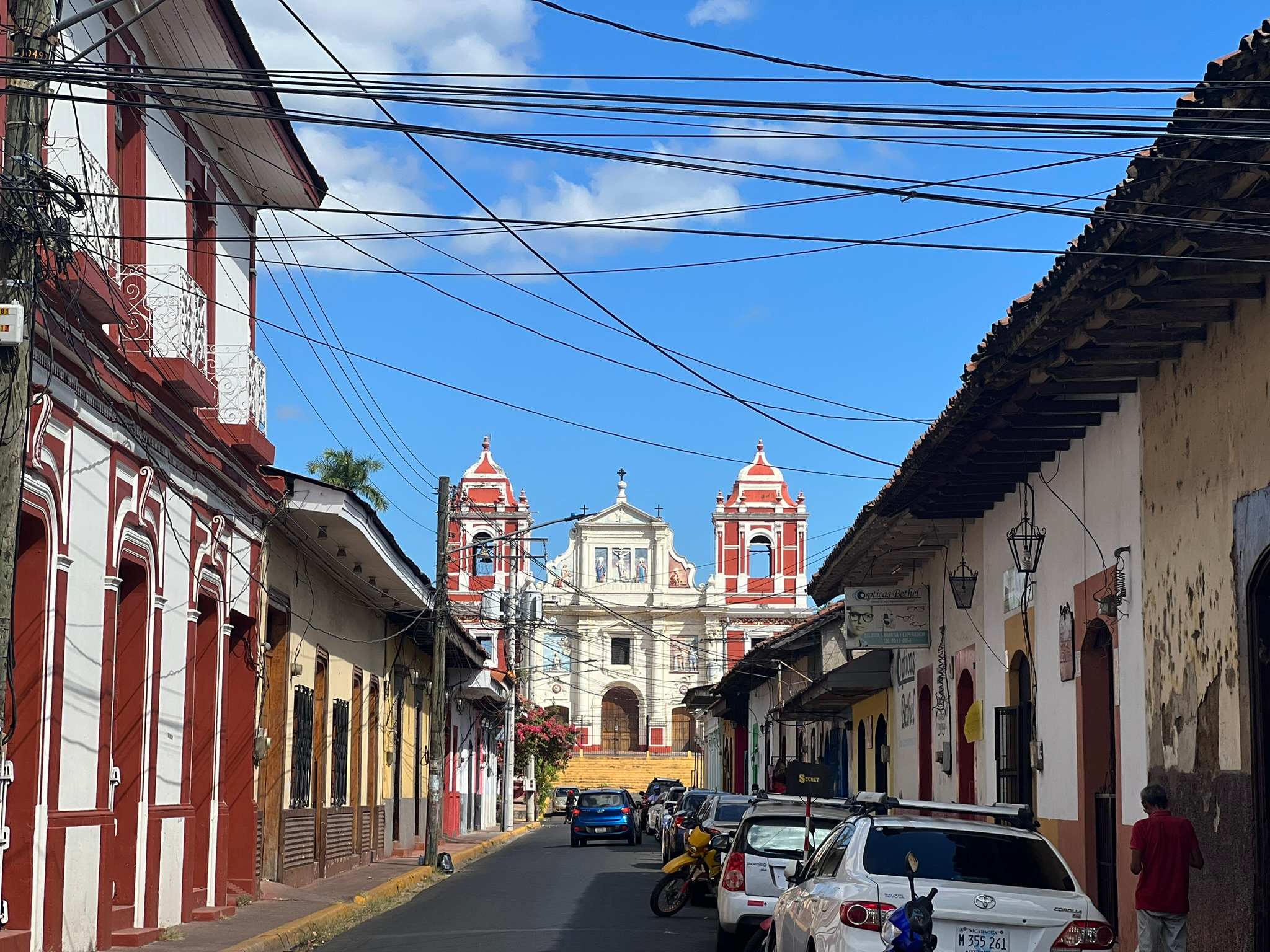
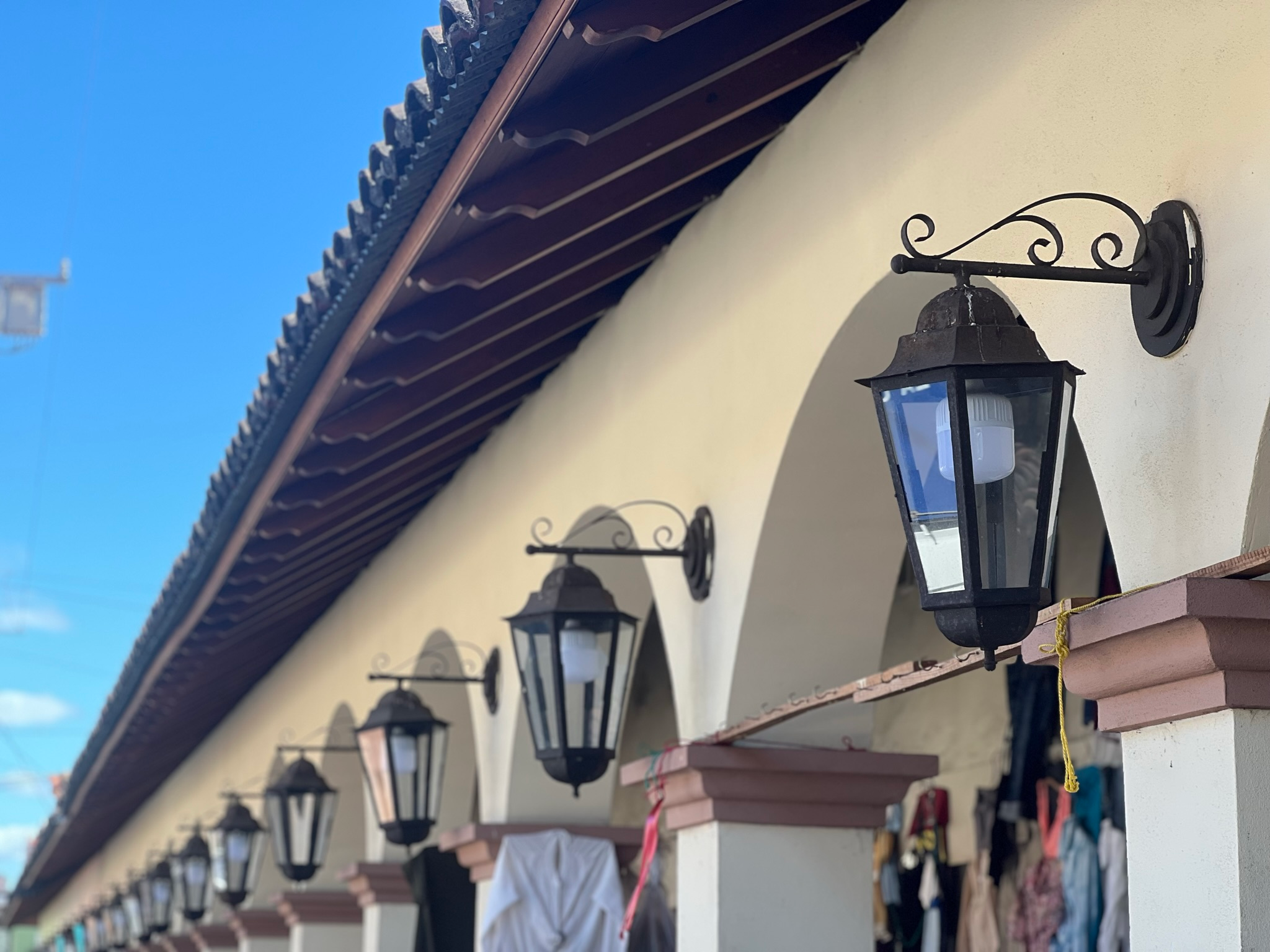
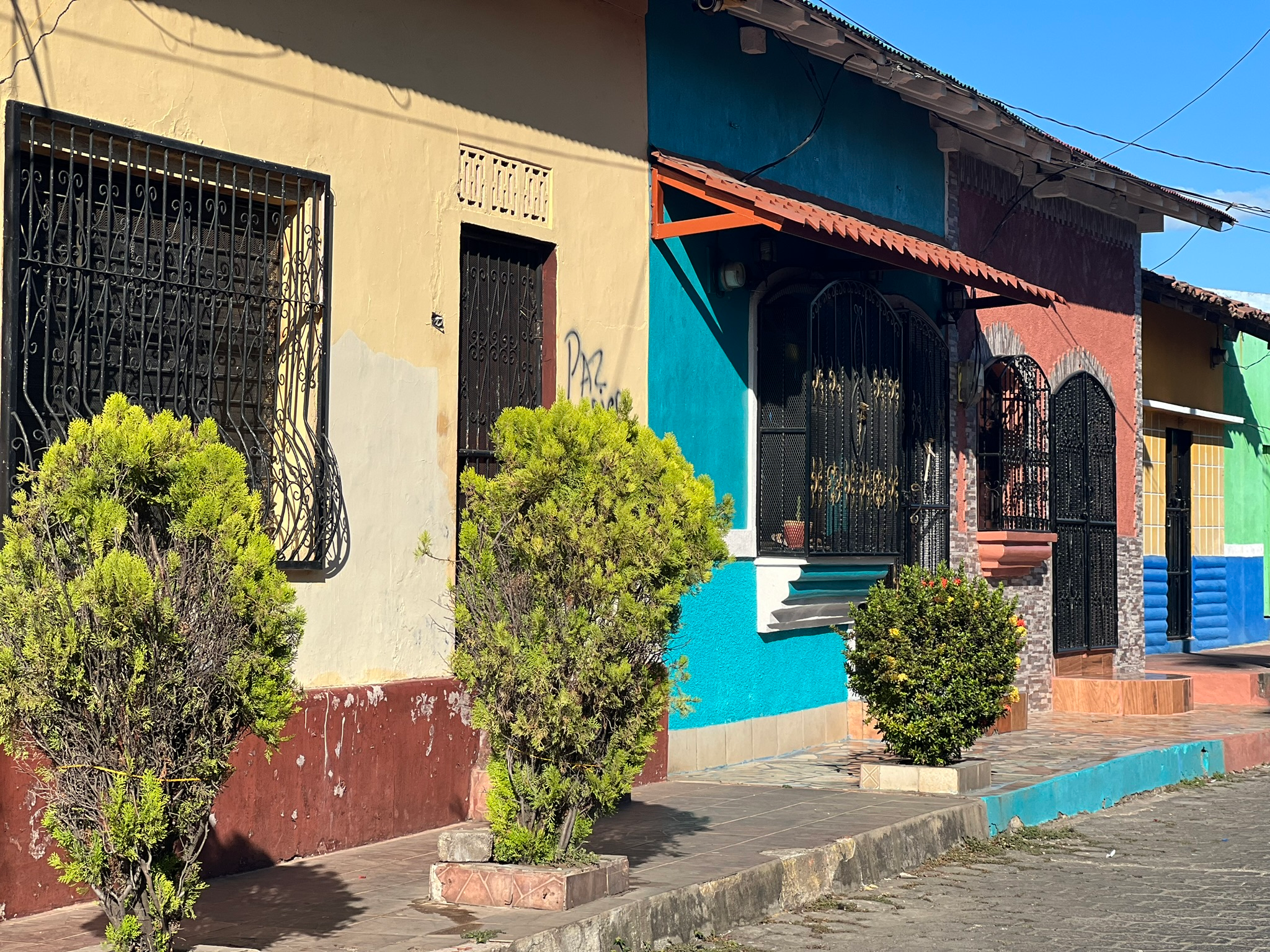
And so, all pumped up and ready to go, we made our way to the city centre. Ah, to be in a colonial city once again – a feeling unlike any other! I had genuinely missed going around cities, admiring the colourful buildings with their corrugated iron roofs and barred windows. Amelia was impressed by the architectural style and road infrastructure, expecting more chaos and disorganisation.
The Mighty Cathedral
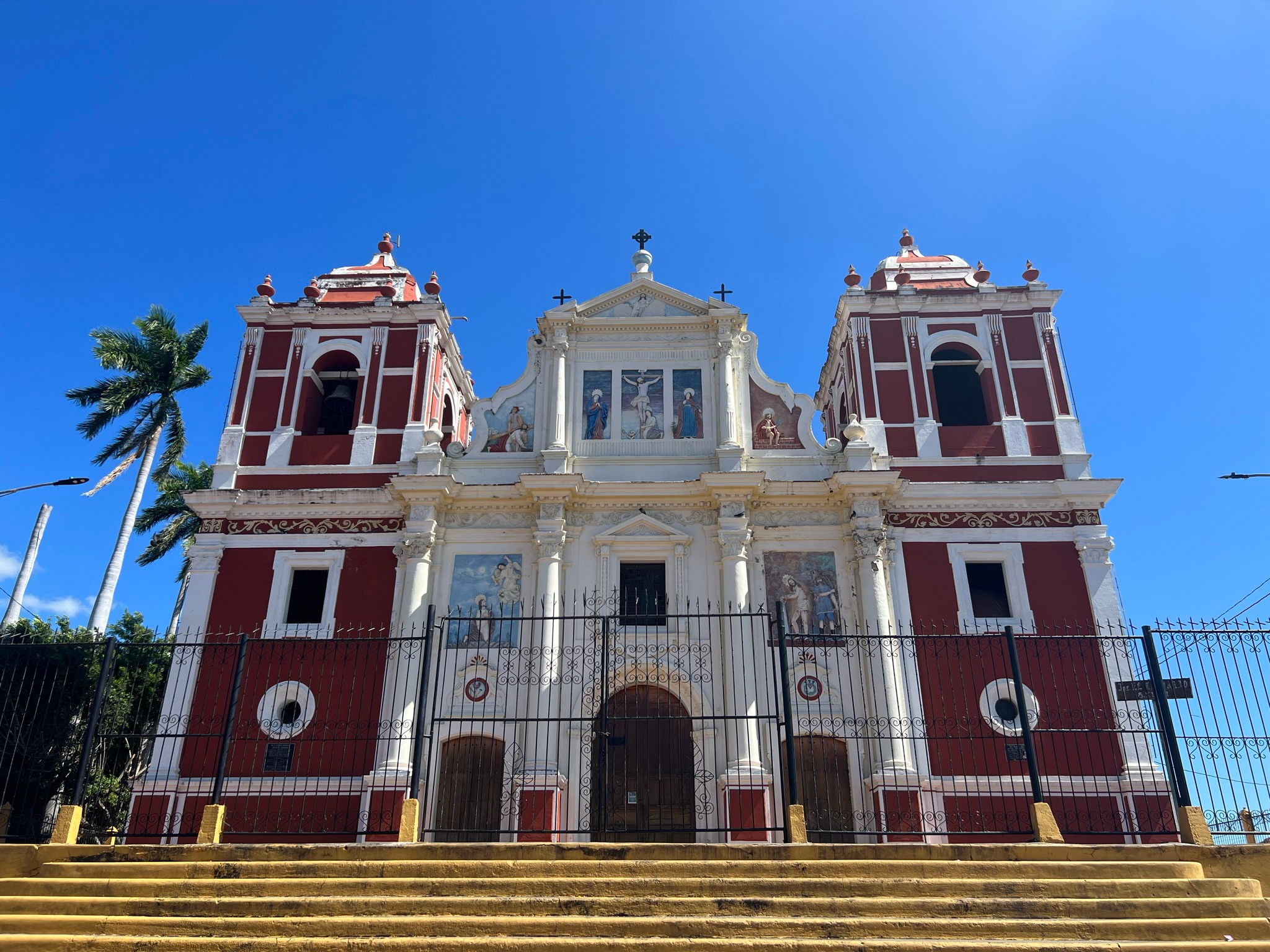
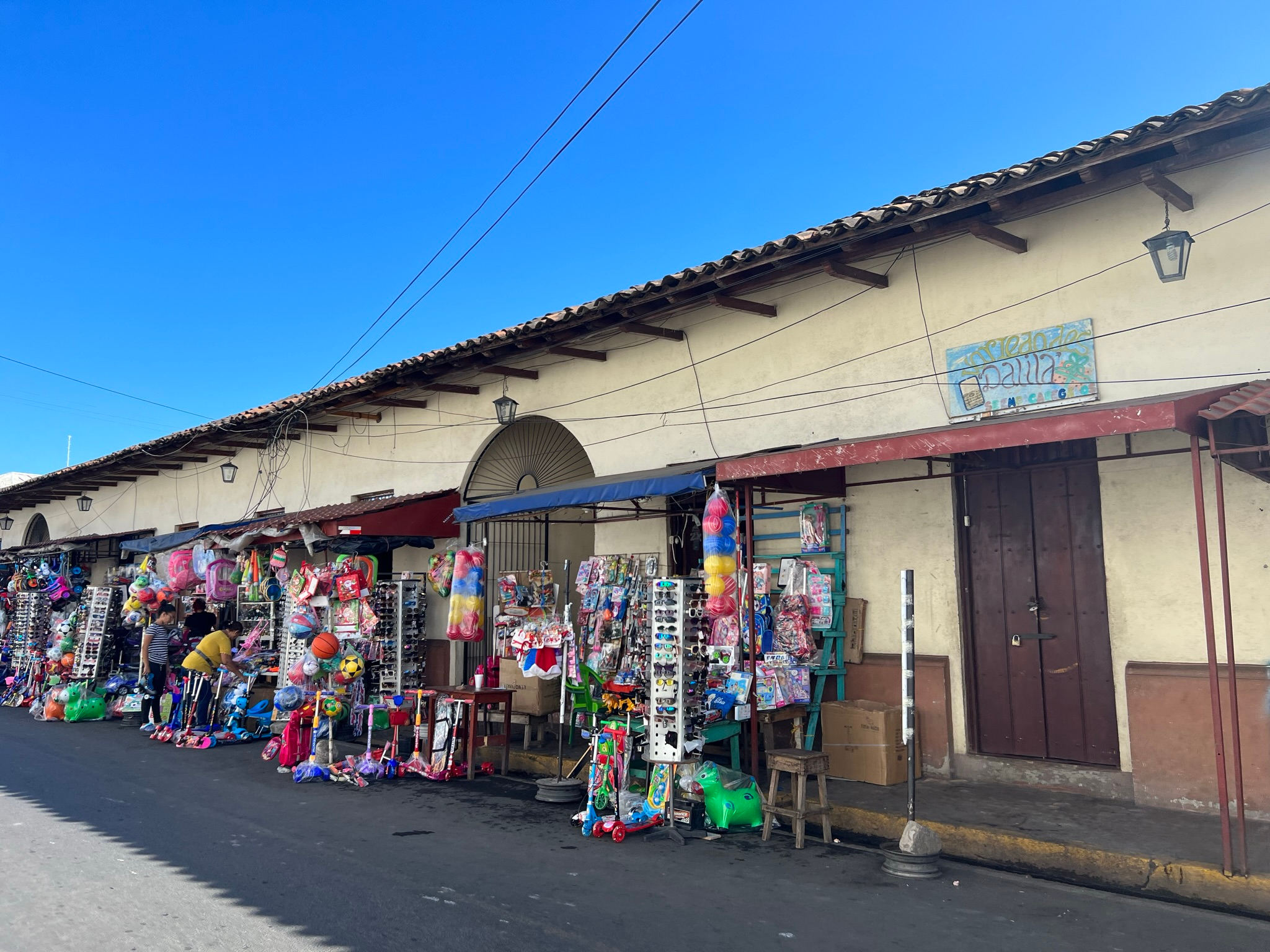
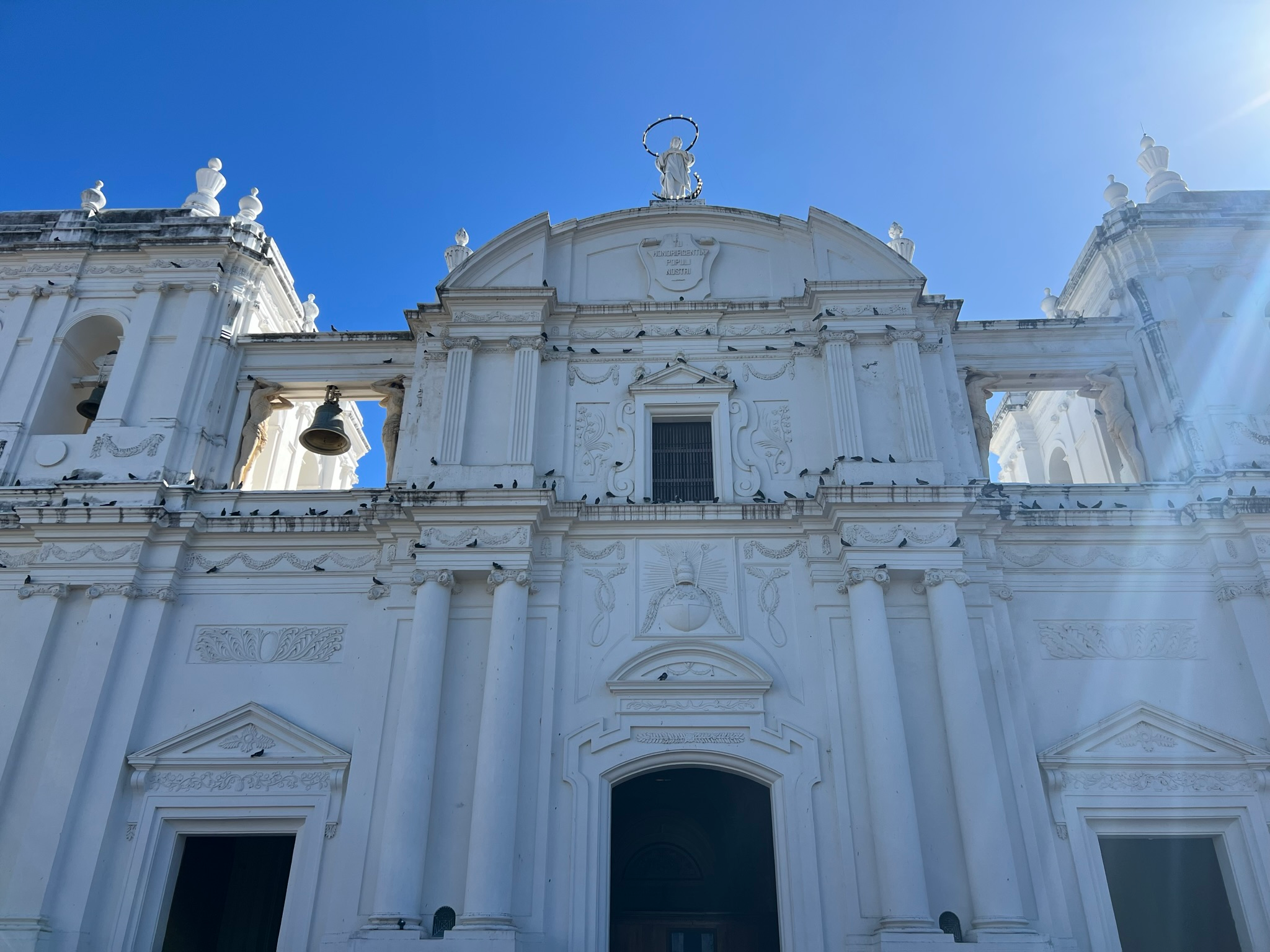
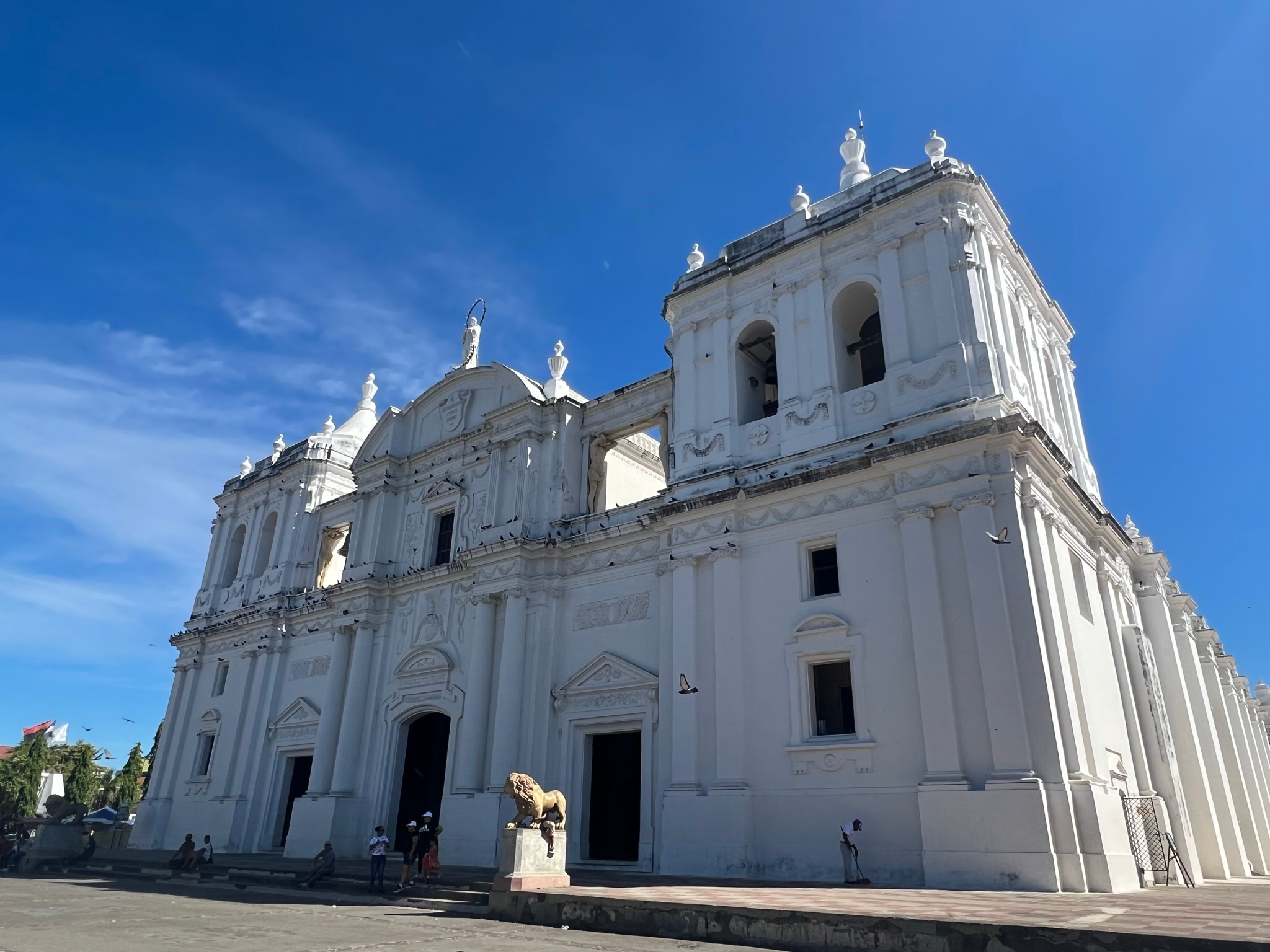
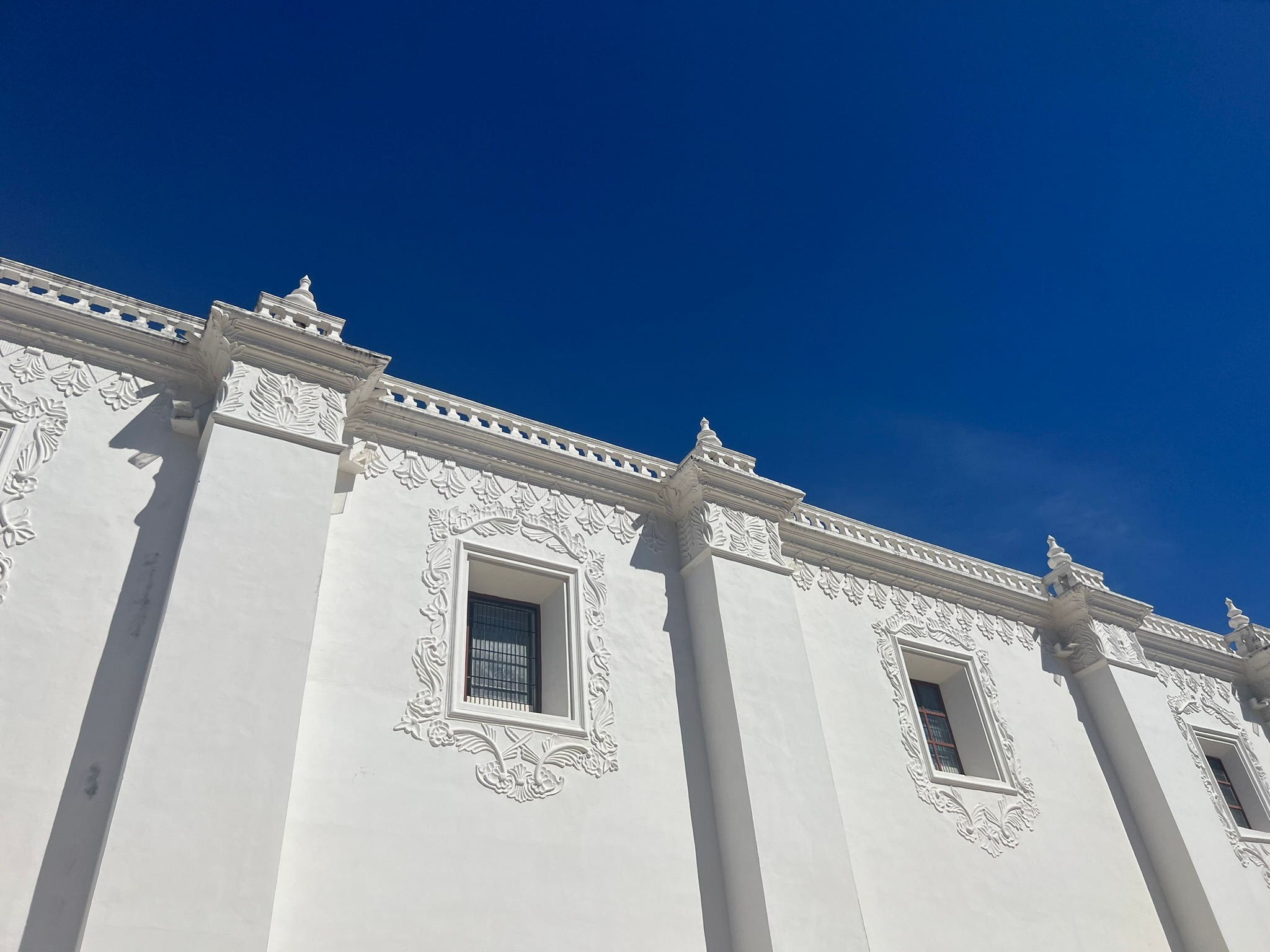
We went around the street markets, explored a few roads and, after a while, it became quite apparent we had reached the city centre as the imposing white cathedral of León came into view; an impressive structure that left both of us in awe.
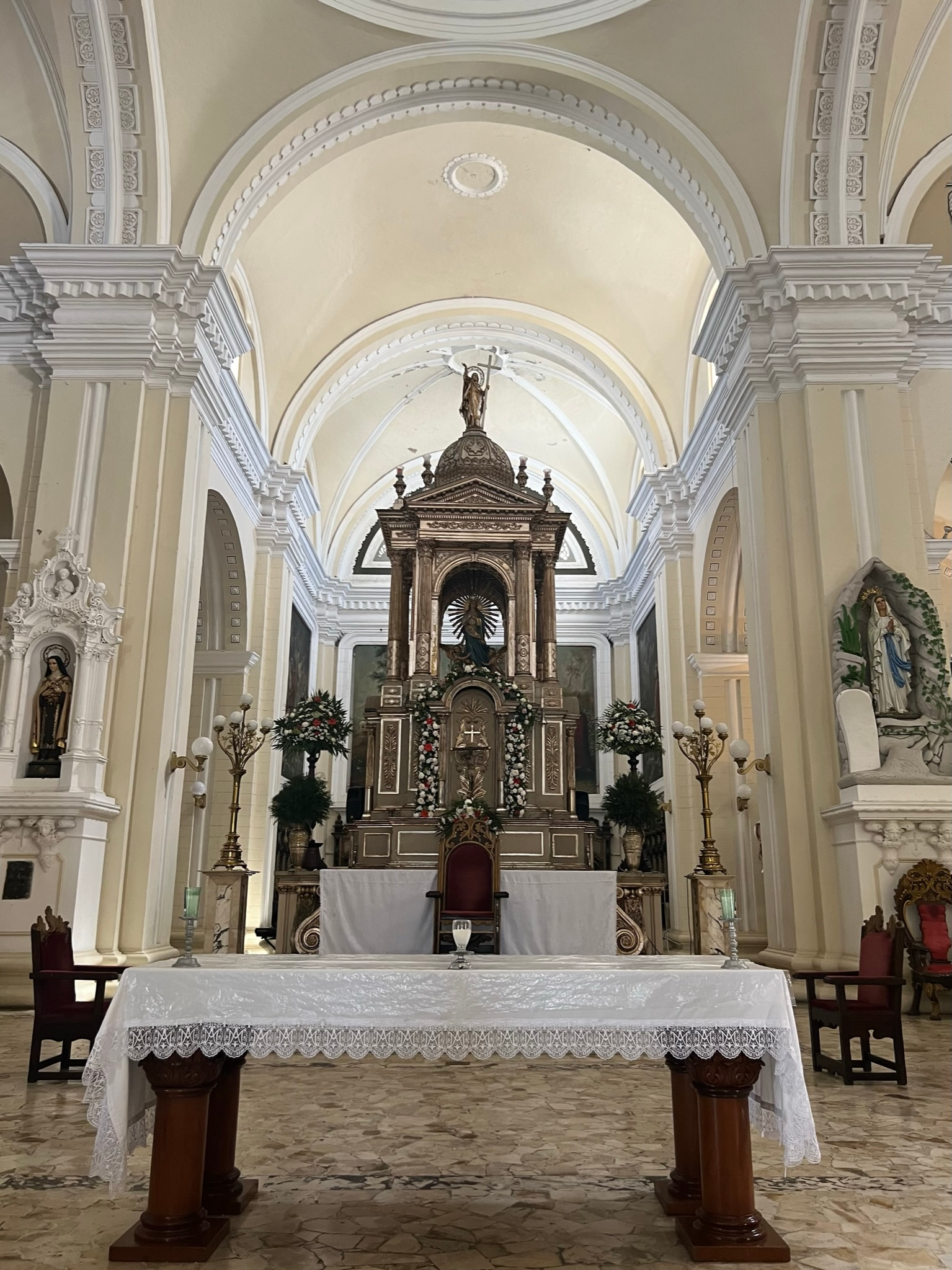
The Cathedral of the Assumption of Mary, also known as – one sec, deep breath in – the Real e Insigne Basílica de la Asunción de la Bienaventurada Virgen María (phew, I’m winded), is the largest cathedral in all of Central America and a UNESCO World Heritage site. Its construction was commissioned by Diego José de Porres Esquivel, a Guatemalan architect, starting in 1747 and taking around 67 years to complete, featuring Baroque and Neoclassical styles amongst others .
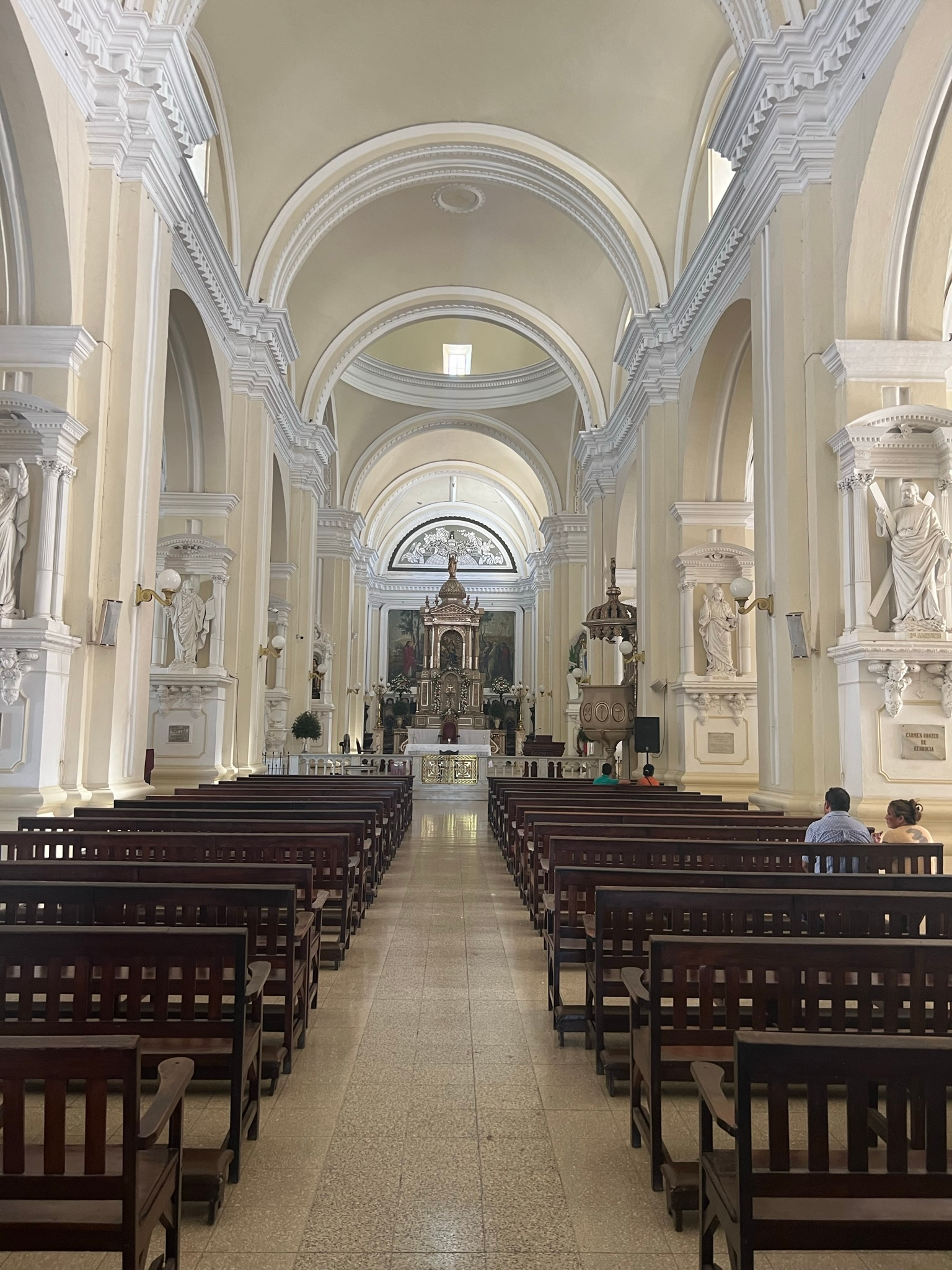
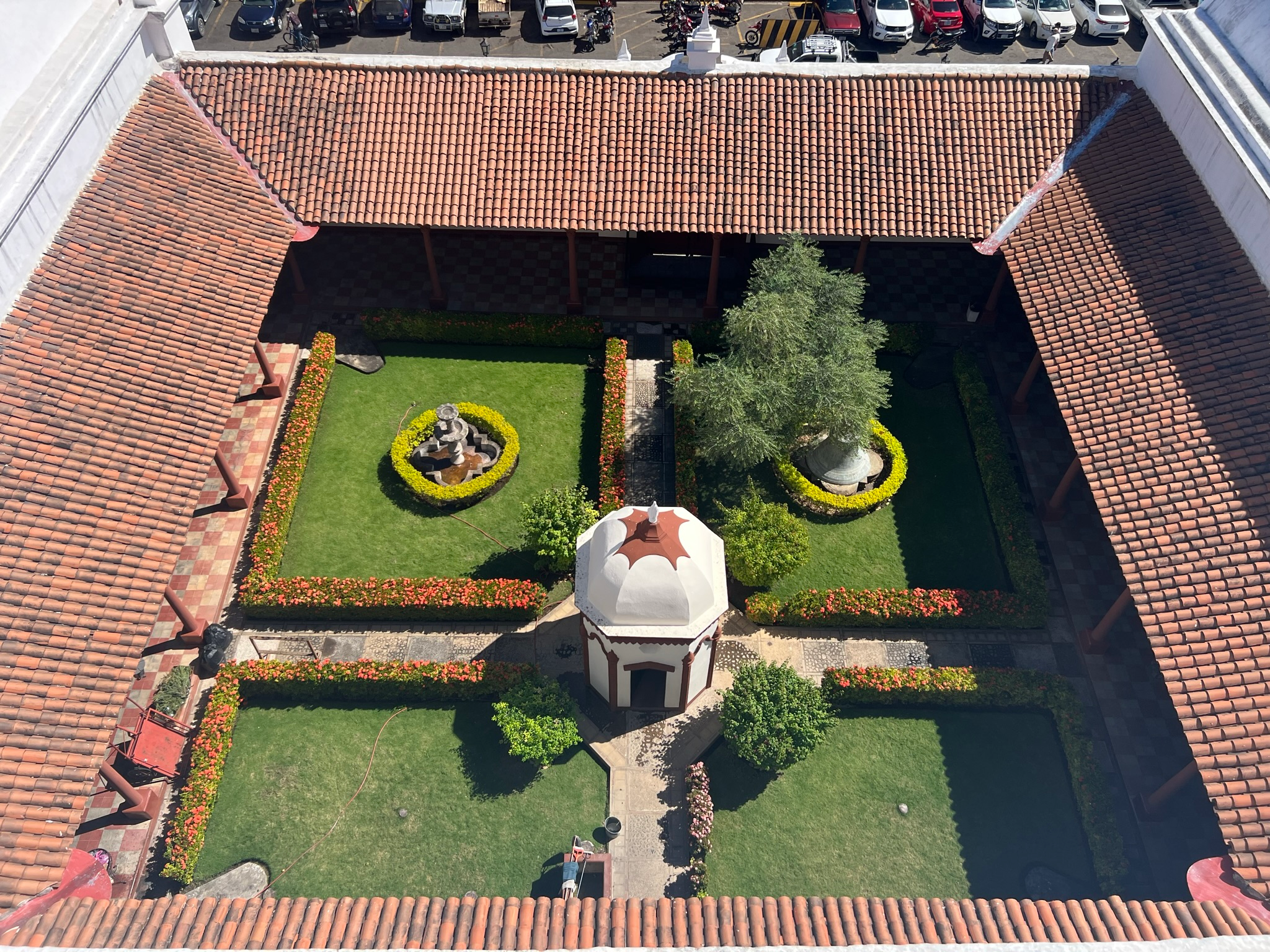
After gazing at its impressive façade, we entered the building and met up with Rolando, a guide who’d be showing us around the cathedral. The cathedral, he explained, is rectangular in structure and consists of a square garden and the cross-shaped church, with the nave at its centre separated from the four aisles by cruciform columns and topped with a large dome.
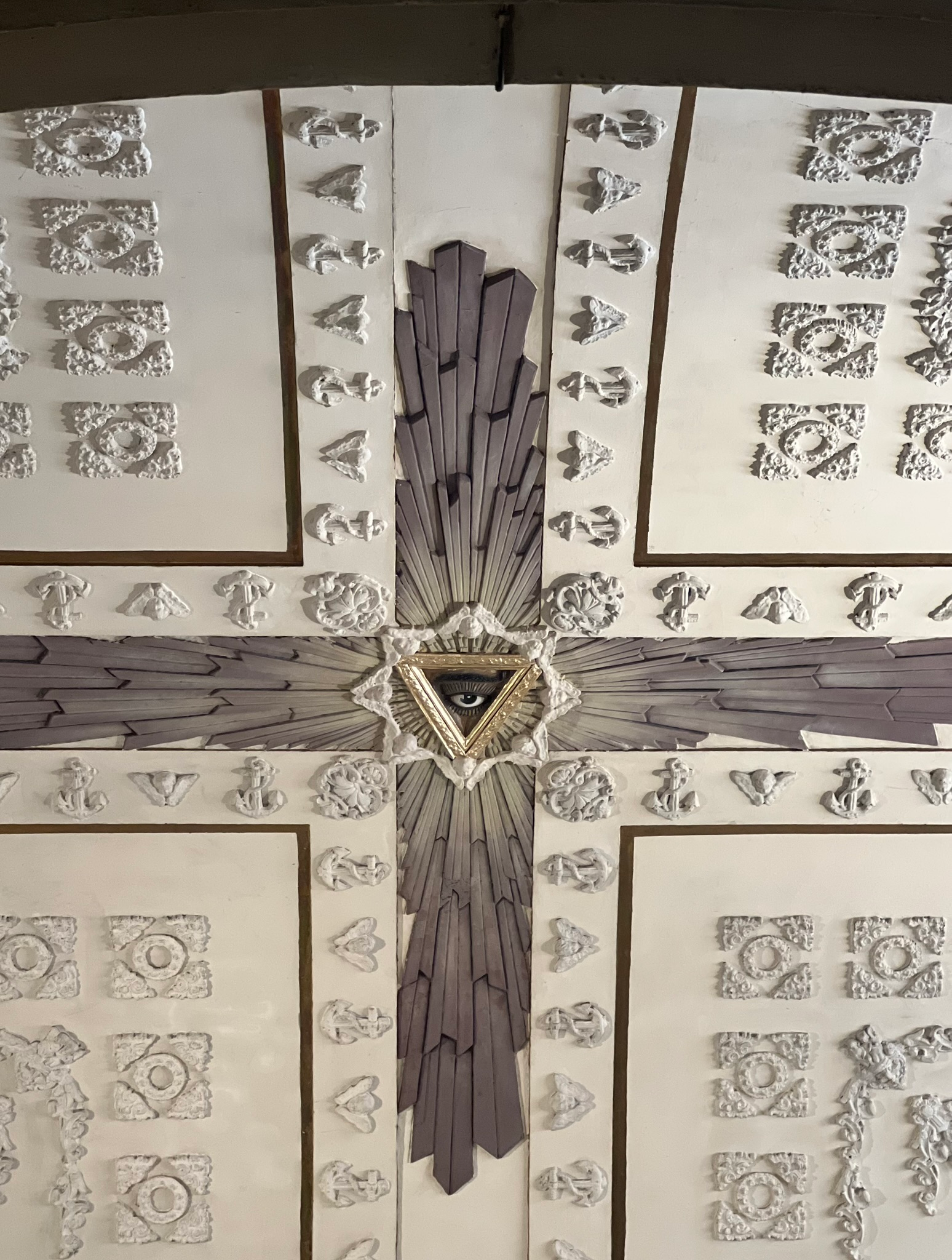
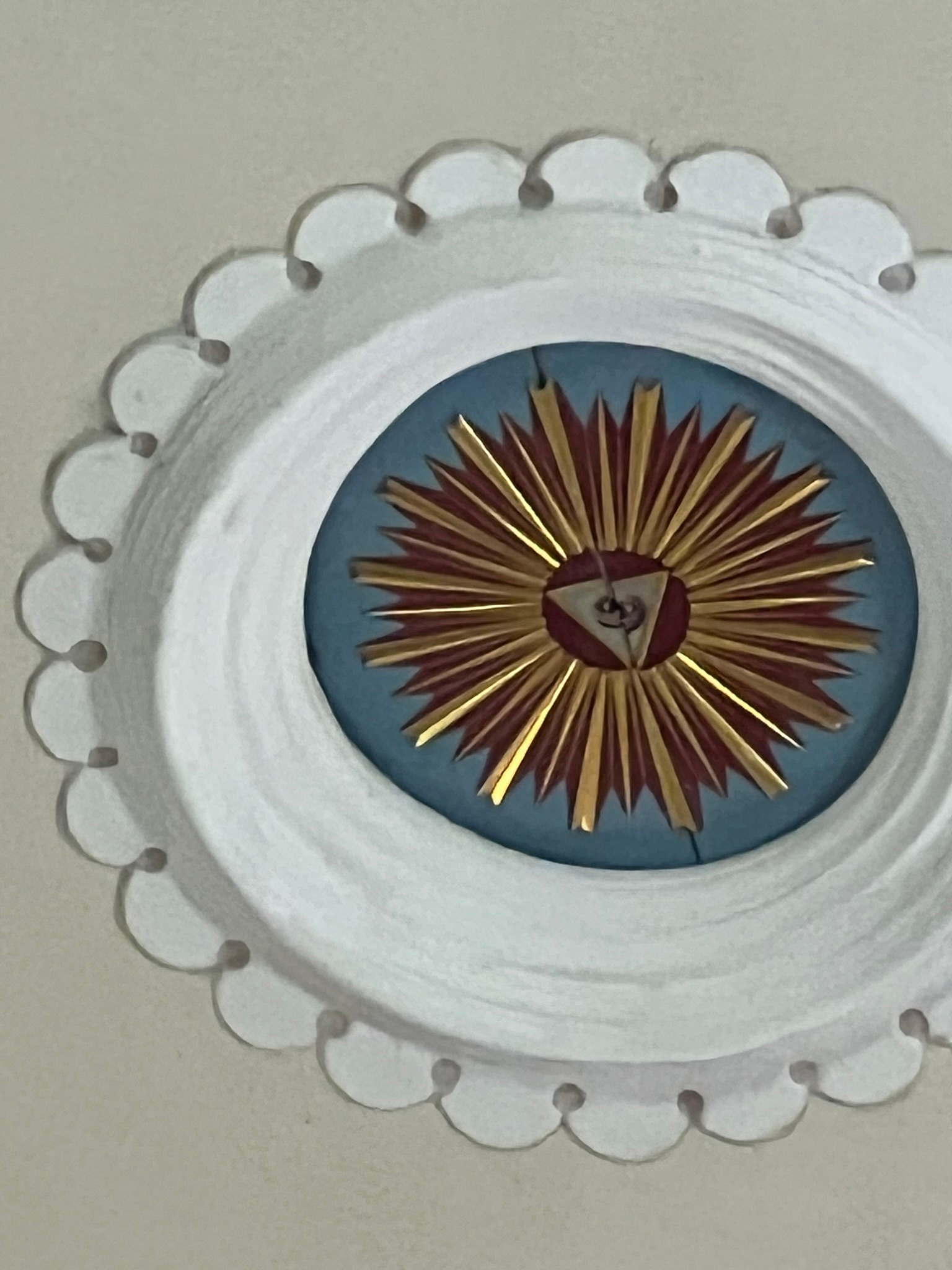
On the dome, the main altar and a smaller altar on the right aisle are paintings of a triangle featuring an eye at the centre; each representing the Father, the Son and the Holy Spirit respectively. Rolando also told us that a fourth one might or might not be present, granting the seer a wish if ever found (I certainly couldn’t!). The cathedral also boasts Central America’s biggest painting collection, with six of them portraying the Passion of Christ. Right in the centre is a grand statue of a sorrowful lion standing on top of the tomb of the most famous Nicaraguan poet, Rubén Darío. Apart from him, other notable figures are buried in the cathedral’s cellars, with the money earned from securing a tomb being used to complete the building’s construction.
The Cathedral's Basement
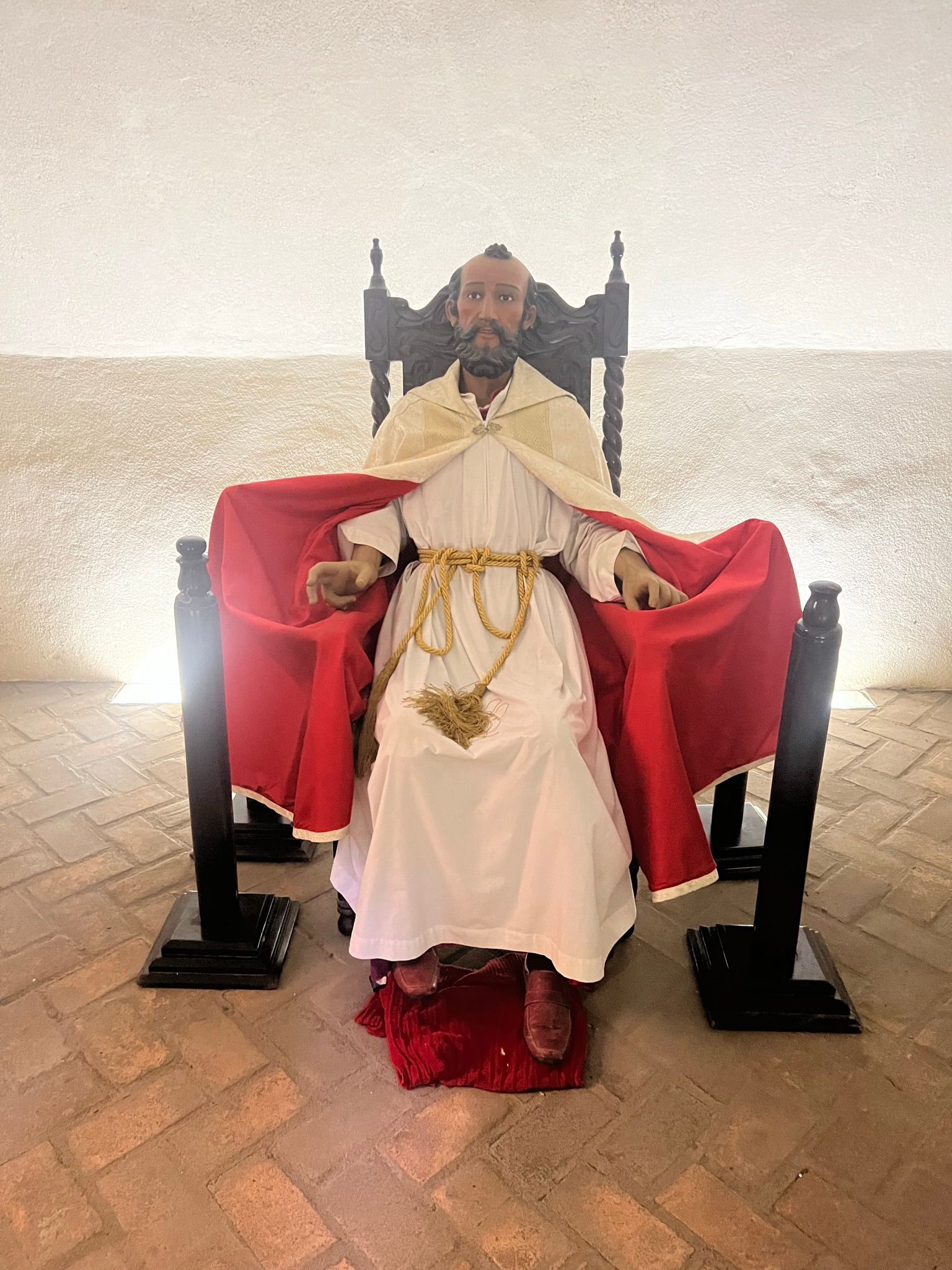
Underground are some seven cellars, each housing rare treasures – including a splinter from the original cross (or so Rolando claims).
These cellars, together with a large subterranean platform and arches at the top, were built to provide a stable foundation for the cathedral, having to withstand the tremors from earthquakes and the eruptions of the surrounding volcanoes . One of them, he added, has access to seven tunnels that connect to different churches around the city which were supposedly used as a means to flee from pirates when they ransacked the city for its riches and treasures, with the pirate William Dampier playing a role in Nicaragua’s piracy history.
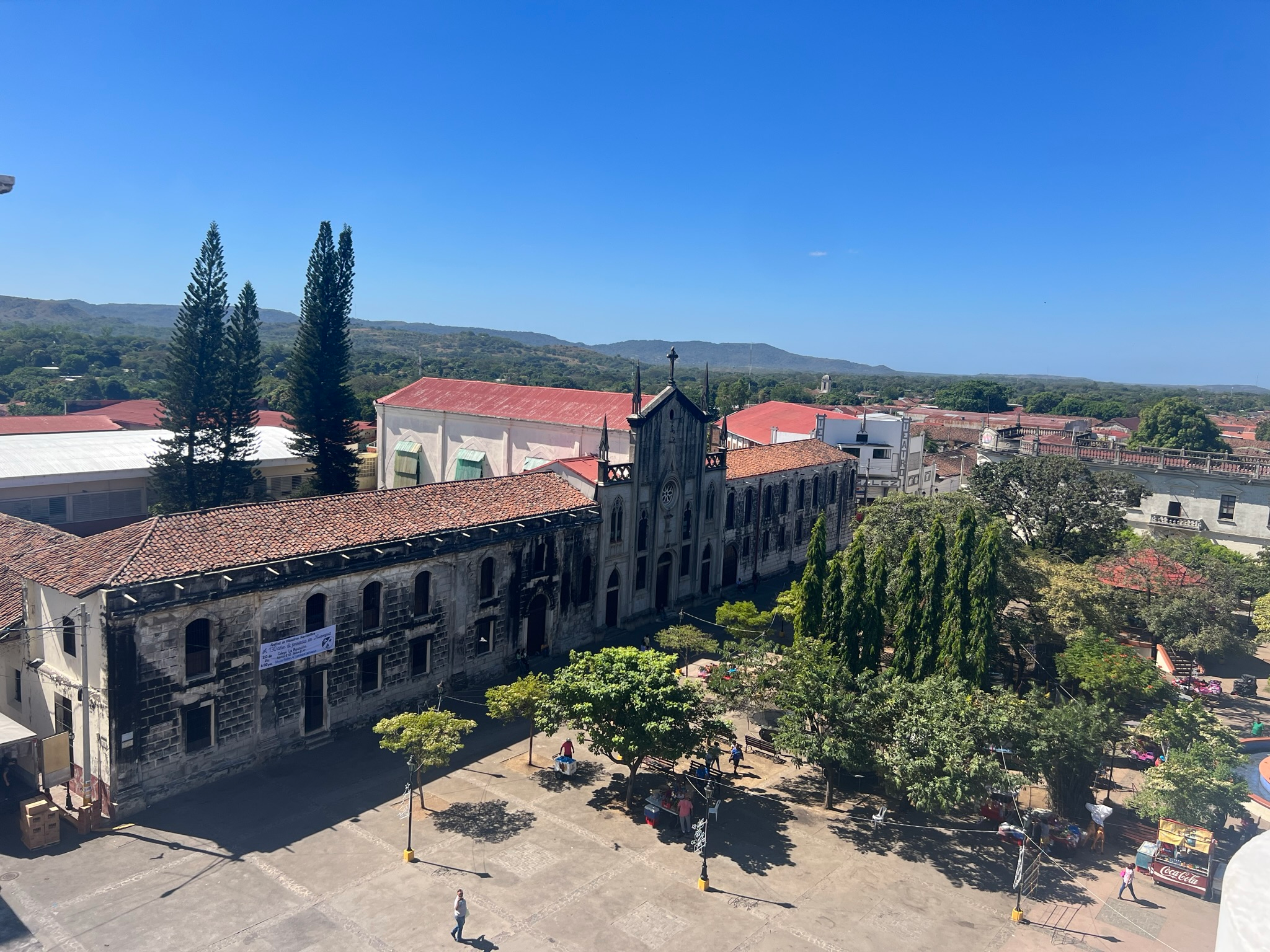
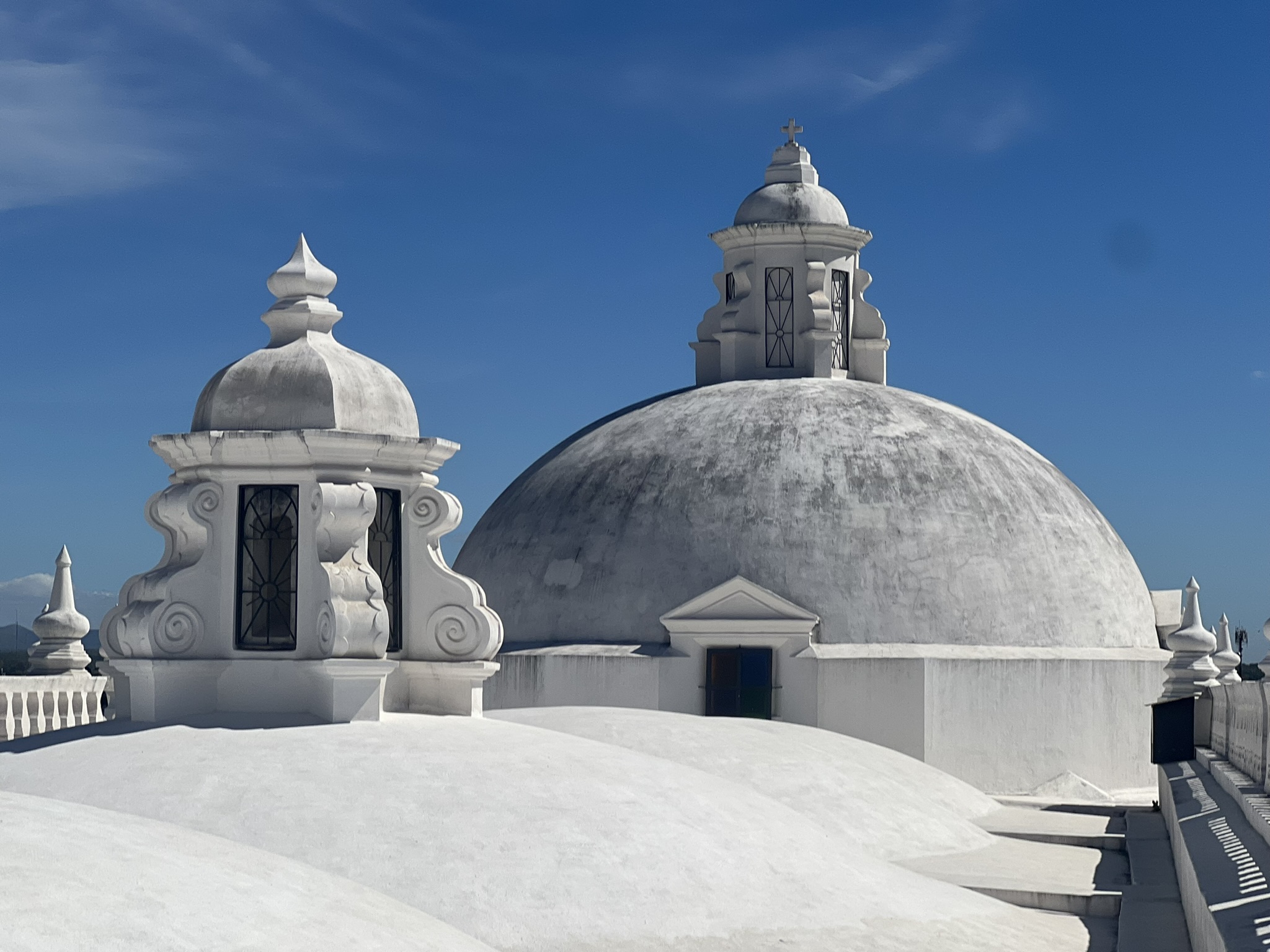
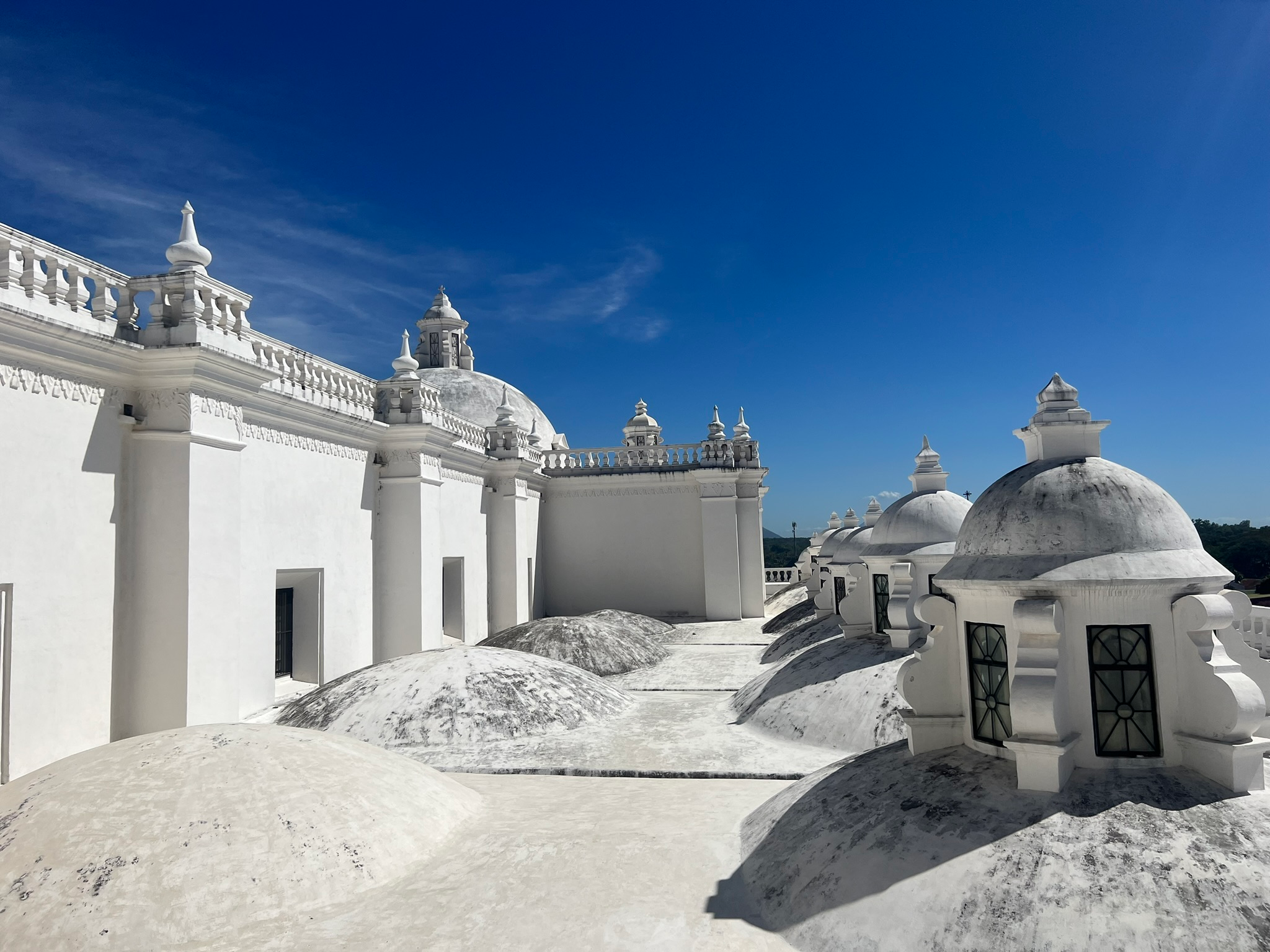
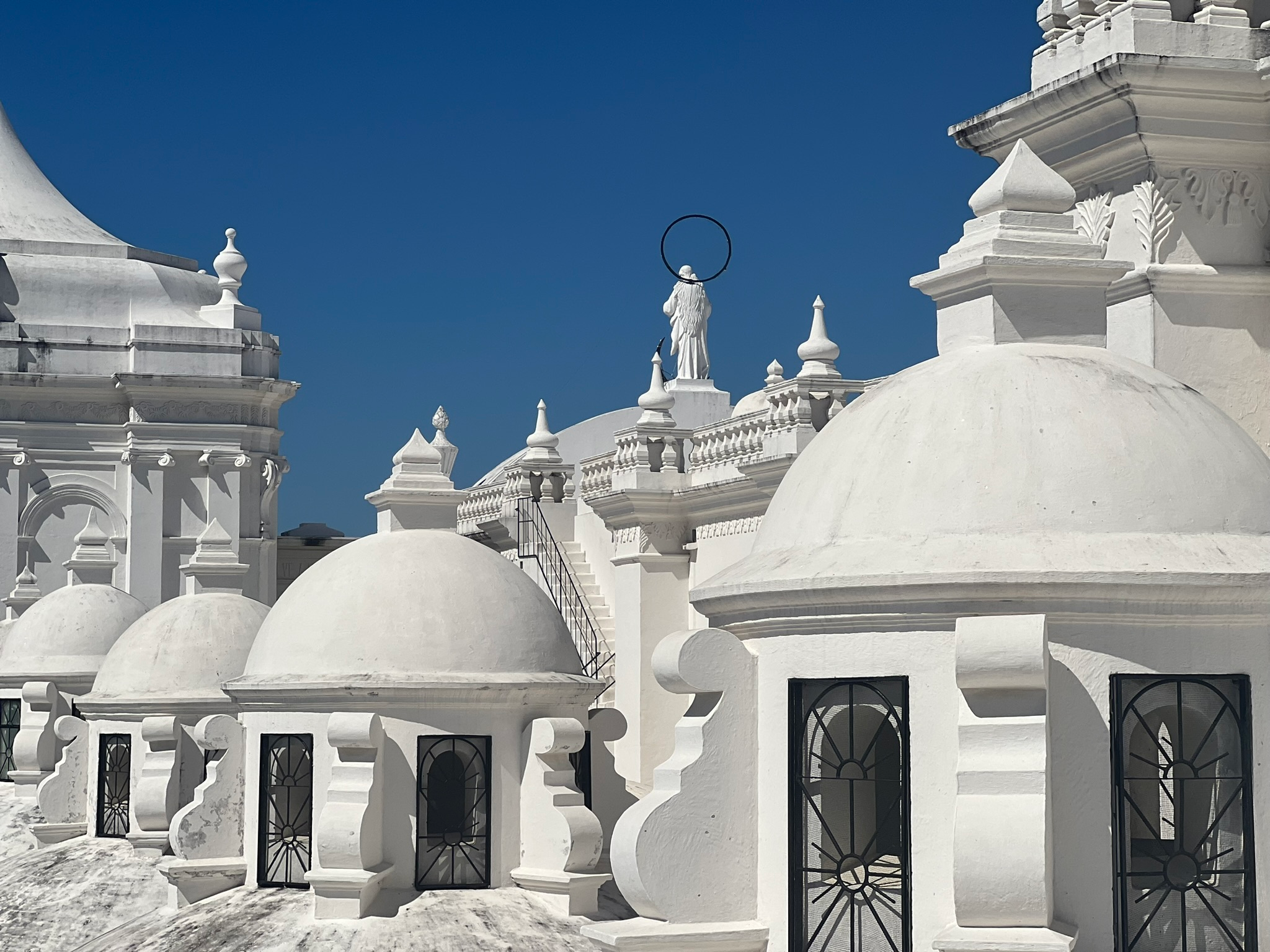
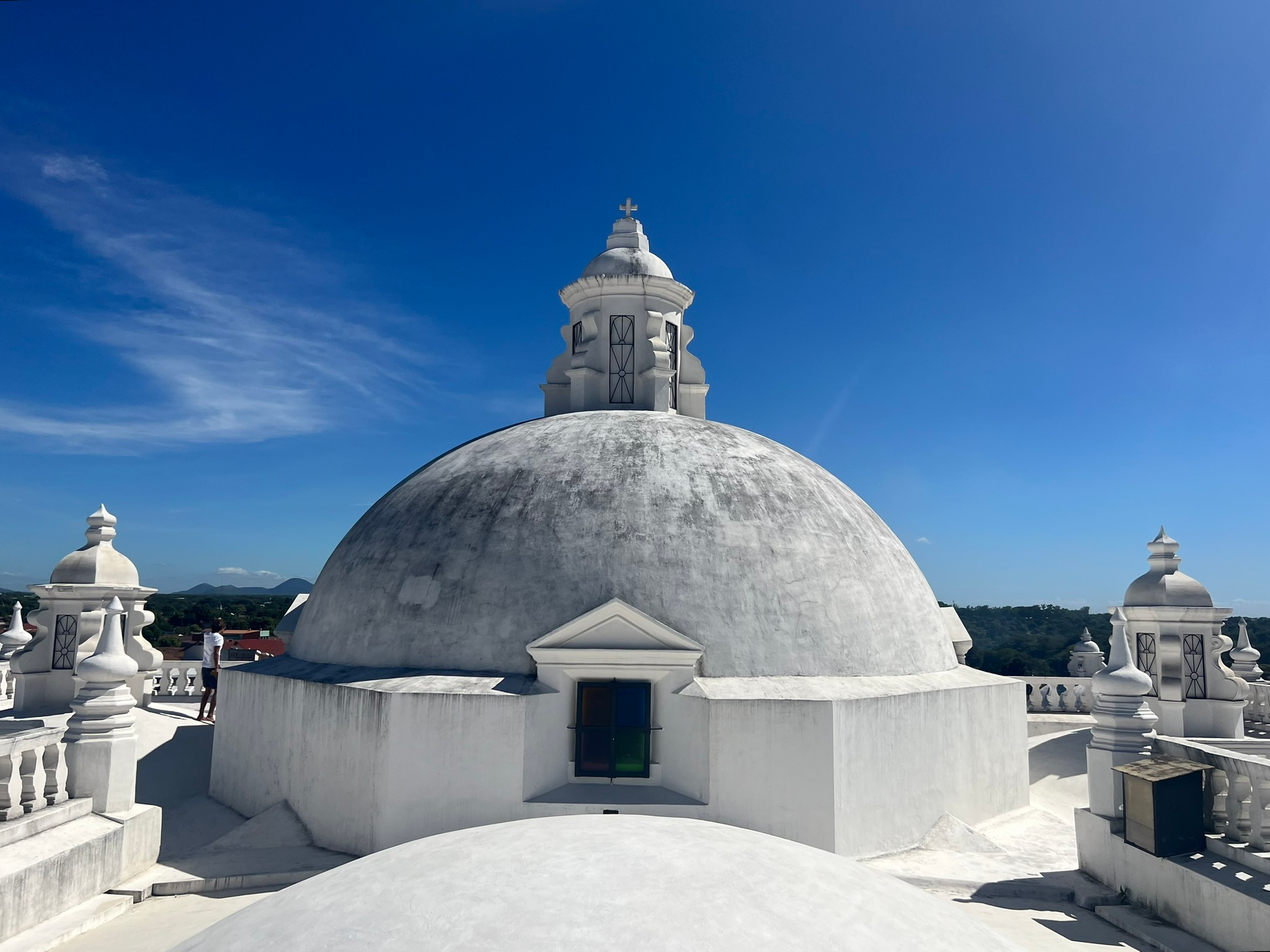
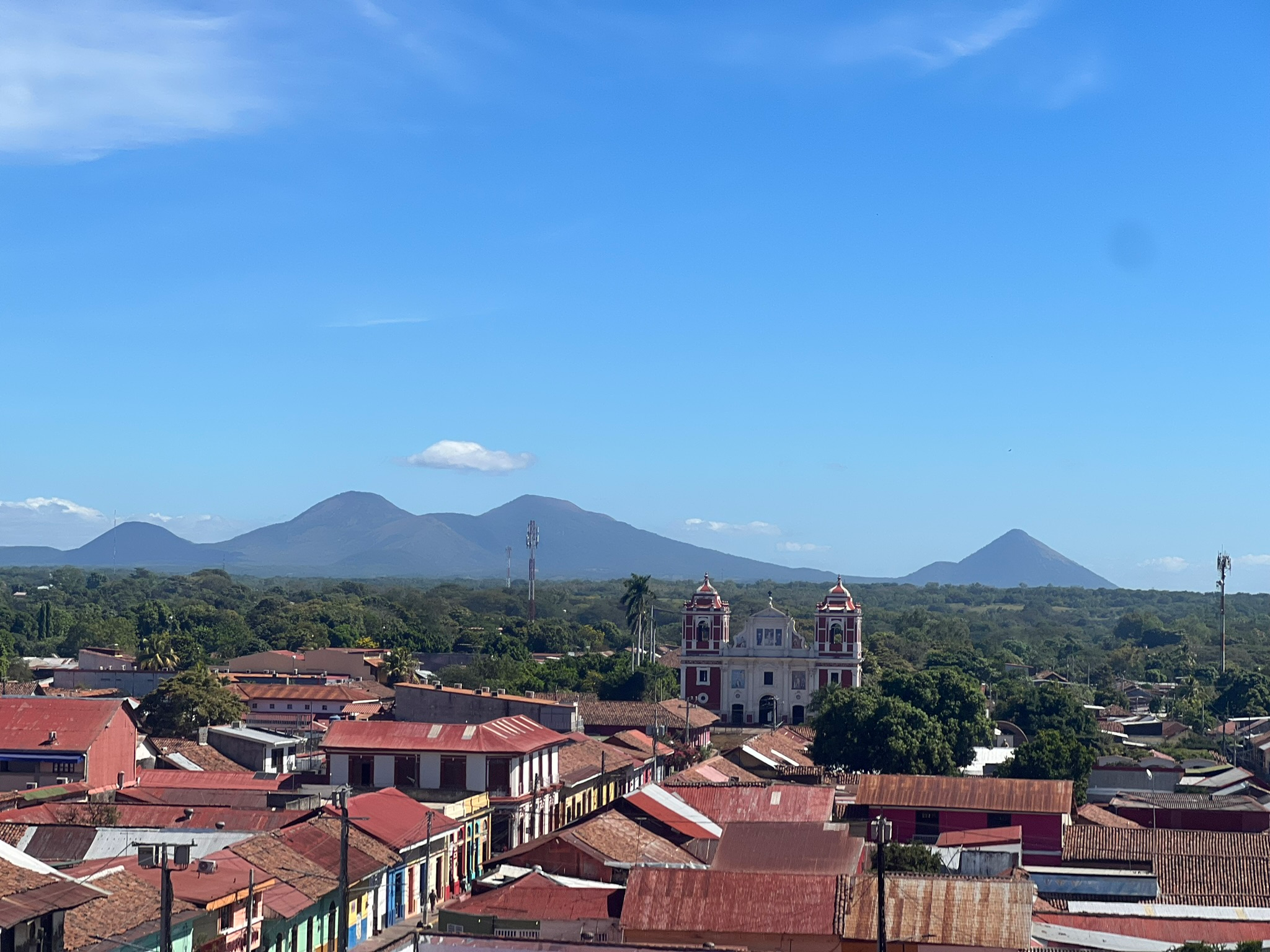
The most striking feature, perhaps, is the rooftop of the cathedral featuring thirty-four domes, four statues and numerous church bells – truly a sight to behold. The view at the top had us drop our jaws, with a full view of the city below and the chain of volcanoes right in front of us.
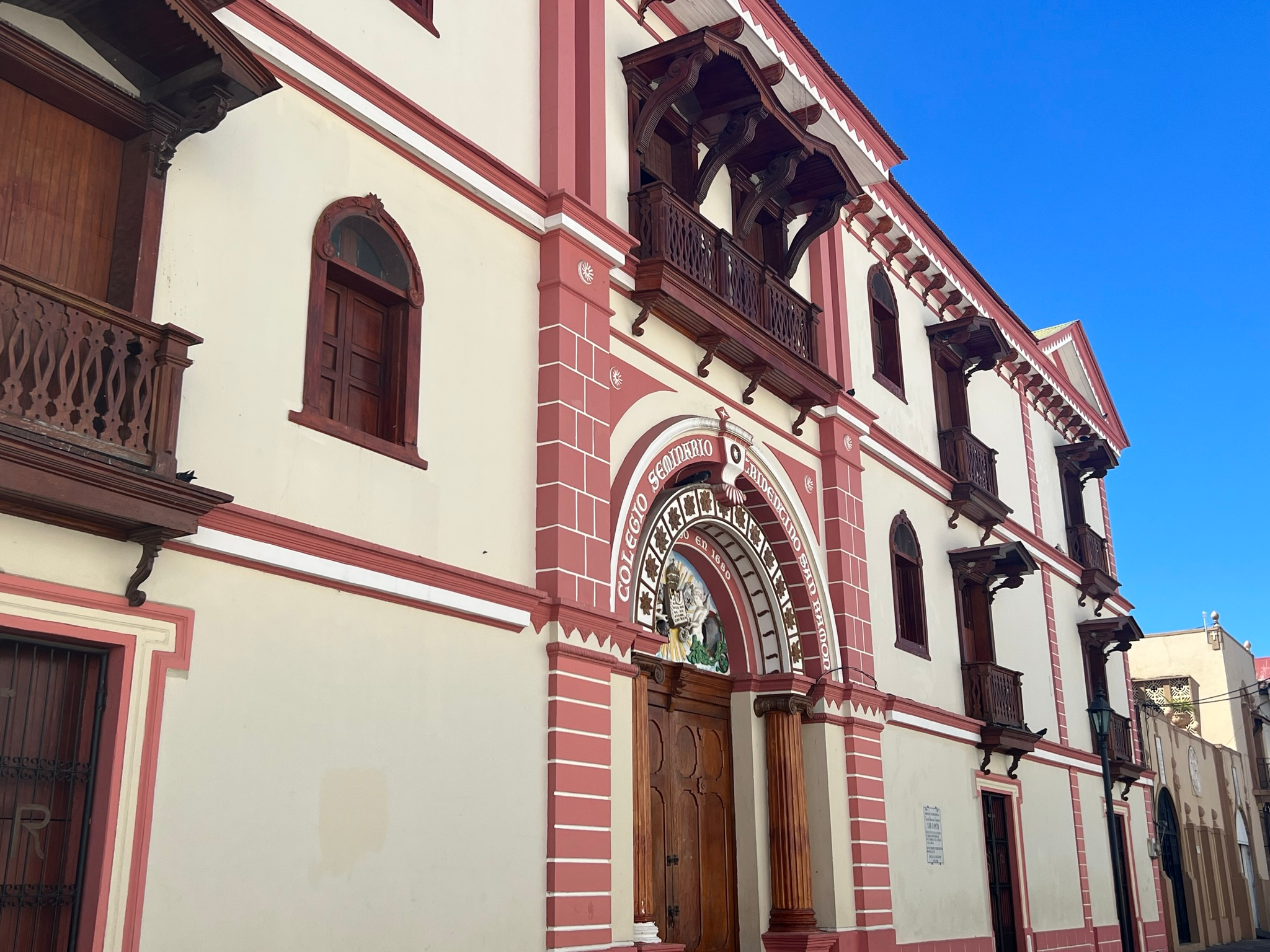
In the city’s surroundings, Rolando explained, were eleven volcanoes, with the active San Cristóbal, Telica, Momotombo and Cerro Negro dominating the landscape. Volcanic and seismic activity was the main reason why the original city of León, found some thirty kilometres away from the present site, had to be evacuated and relocated in 1610 . Now, the current city of León is renowned both for its rich history and as a university town, with the Colegio de San Ramón being Nicaragua’s first and Central America’s second oldest university, founded in 1680.
Hangry in León
After taking it all in and trying to control our gurgling stomachs, we practically ran out of the cathedral in search of food.
Wanting to save some money, we decided to scour the streets away from the centre for some decent restaurants, but, much to our displeasure, it seemed we had run out of luck. We’d look up one restaurant or another on Google Maps only to go there and find nothing. I don’t know why but, in hindsight, I can say Google Maps and Nicaragua don’t exactly go hand in hand. Perhaps this is why we dubbed León the City of Hangriness. After finally stumbling on one restaurant, I stuffed myself with some delicious gallo pinto (rice and beans), tostones (mashed and fried plantains), tajadas (long and thin fried plantains), and a mouth-watering steak, all washed down with a few Toña beers.
Exhausted both physically and emotionally, we then headed to our hostel for some much-needed respite. Our evening was quite uneventful, featuring more gorgeous streets and delicious food. Throughout, Amelia and I kept constantly reminiscing on our time in Utila. As happy as we were to be on the road, we couldn’t help but ask ourselves: “What did we do?!” over and over.