Santa Ana – Day 3: Ruins, Ash and Romance
SANTA ANA
Day 3: Ruins, Ash & Romance
October 23, 2022
Free from the clutches of my then-nemesis, Kevin, I would be visiting some of the most important archaeological areas around Santa Ana.
The last Mayan ruins I had visited before then were those at El Mirador in the middle of the Guatemalan jungle, meaning I was pretty psyched to be adding a couple more to my list. All pumped up for another day of exploration, I sat myself in front of my hotel door, waiting expectantly for my tour guide to pick me up – surely an upgrade from the previous day.
It was there, right at that point in time, that I rued my own thoughts – my very own, treacherous, back-stabbing thoughts – the very same ones that ricocheted right back into my face. There, in the flesh and blood, as I lived and breathed, right in front of my very own disbelieving eyes, was him – the devil incarnate, the spawn of all evils, the very inhabitant of Pandora’s box… Kevin. Much like someone going to a war they already know they’re gonna lose, I got into the car and said nothing apart from the most apathetic of all holas.

Right away, he told me that he’d be dropping me off at three archaeological sites, with local guides being available at every stop. This already had me in a better mood, knowing he’d be nothing more than a driver and not a nuisance all day long. Perhaps I was being spoiled and capricious – nevertheless, I was paying good money for a terrible service, so I guess I still had the right to complain about it.
El Tazumal: The Forgotten Pyramid
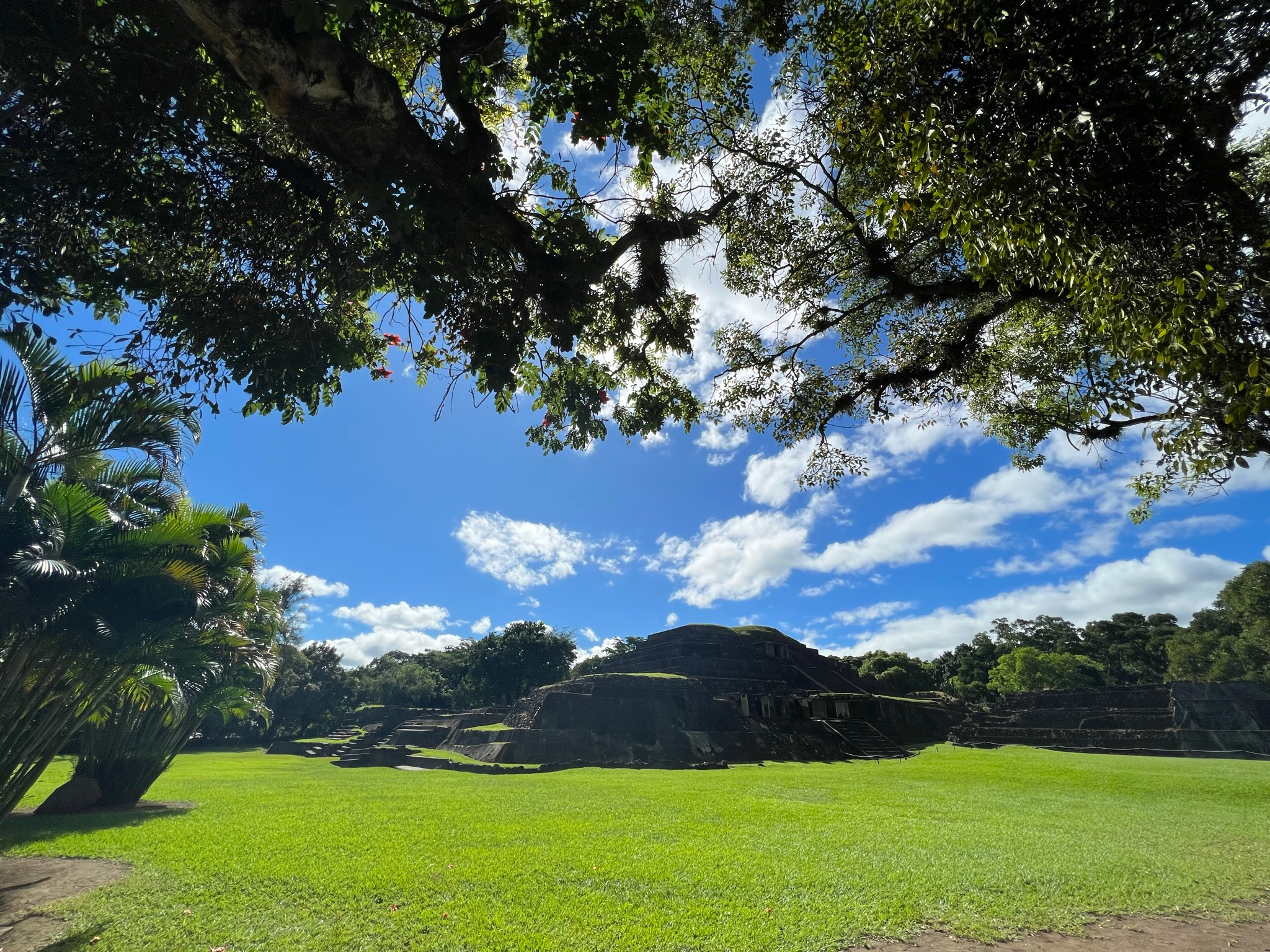
My first stop would be at the ruins of El Tazumal – a Mayan site dating back to the Early Preclassic period that had important trading links with the Teotihuacan culture in Mexico and the Toltec and Pipil civilisations in Guatemala.
At its very peak, the city was abandoned due to an eruption of a nearby volcano. Construction resumed around 600 AD. Even after the Maya left, the site continued to be used by the Pipil, a Nahua-speaking people who migrated from central Mexico. They added their own temples and artifacts atop older structures, however, the city never regained its former prominence.
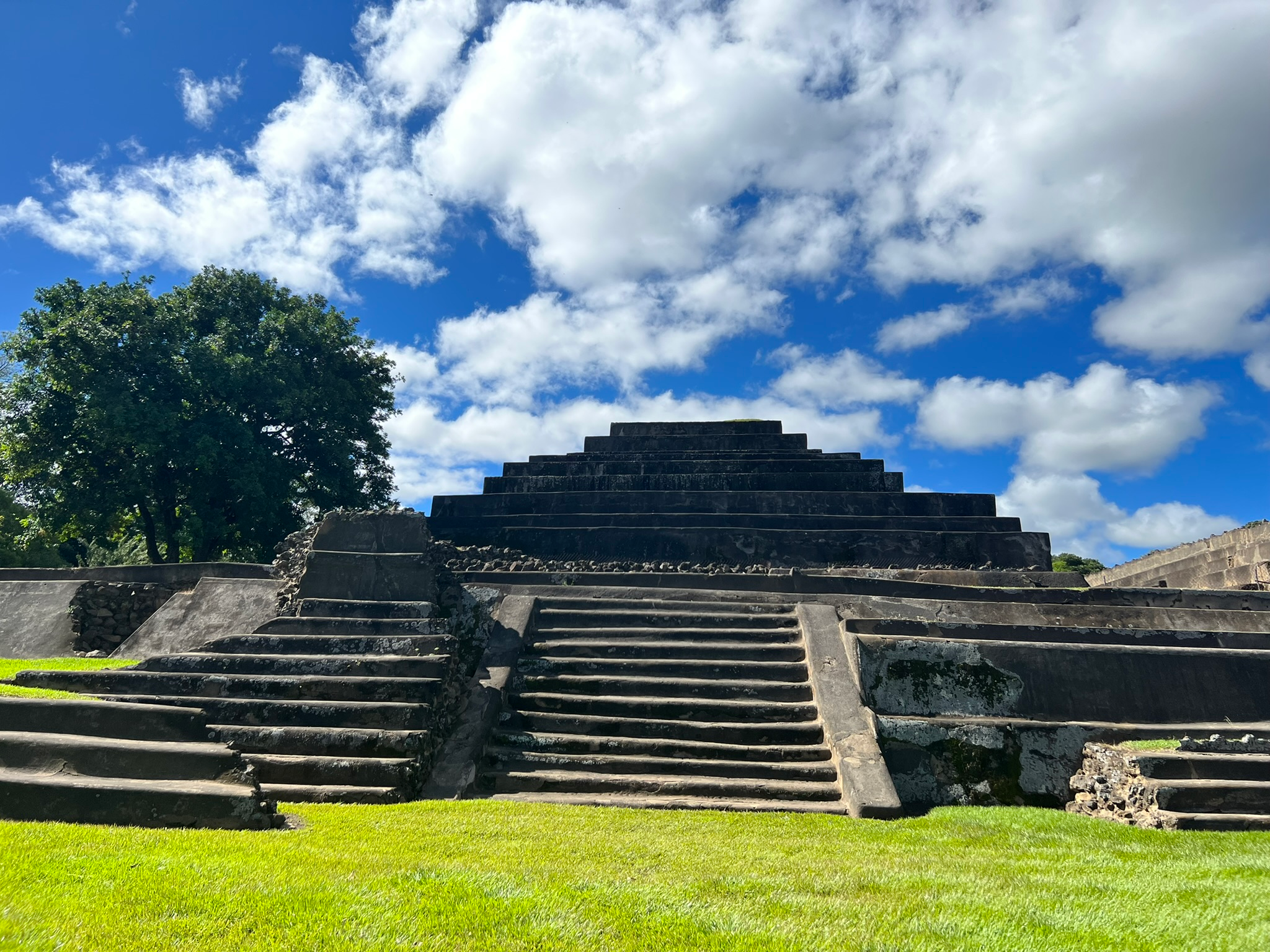
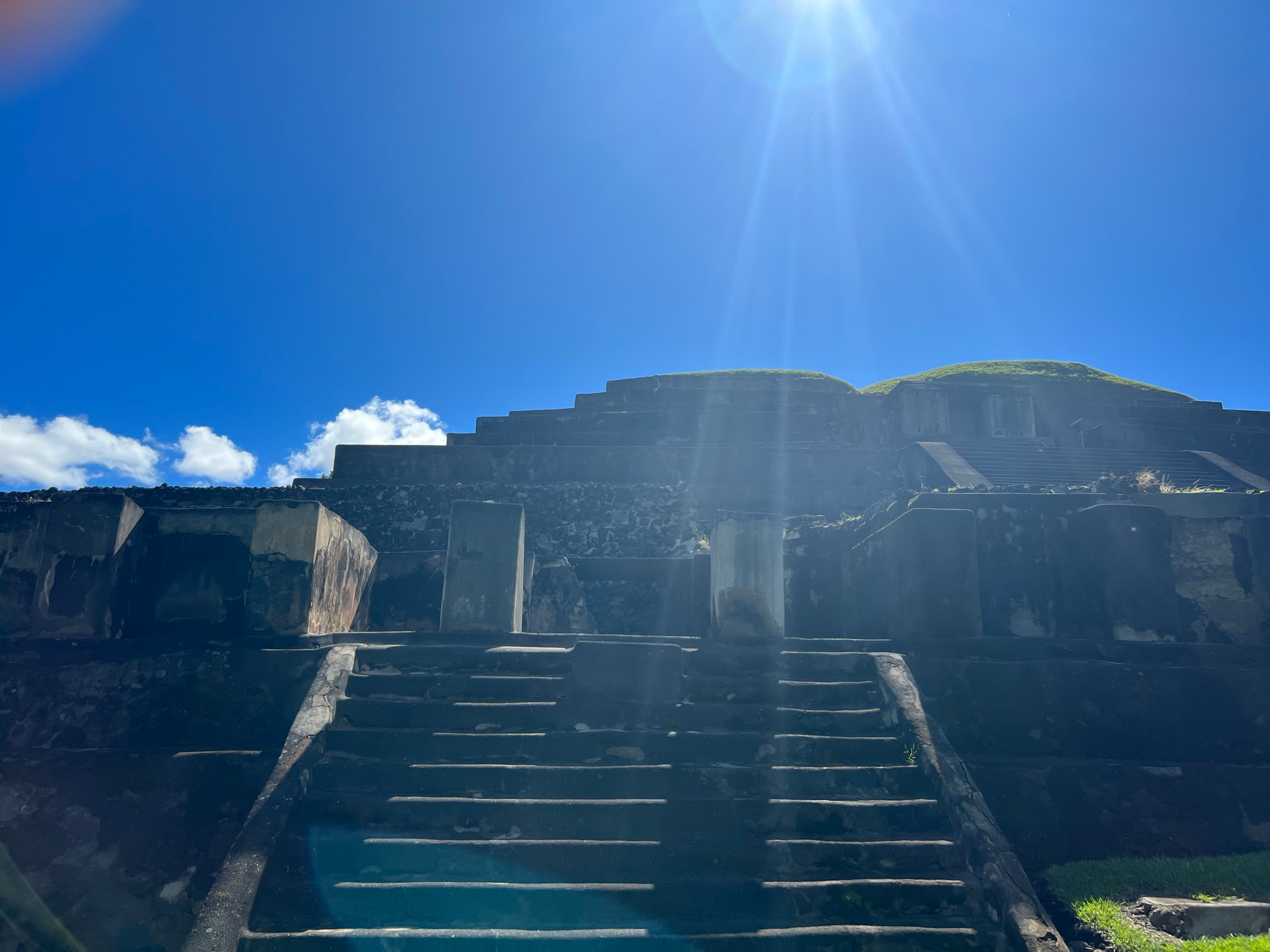
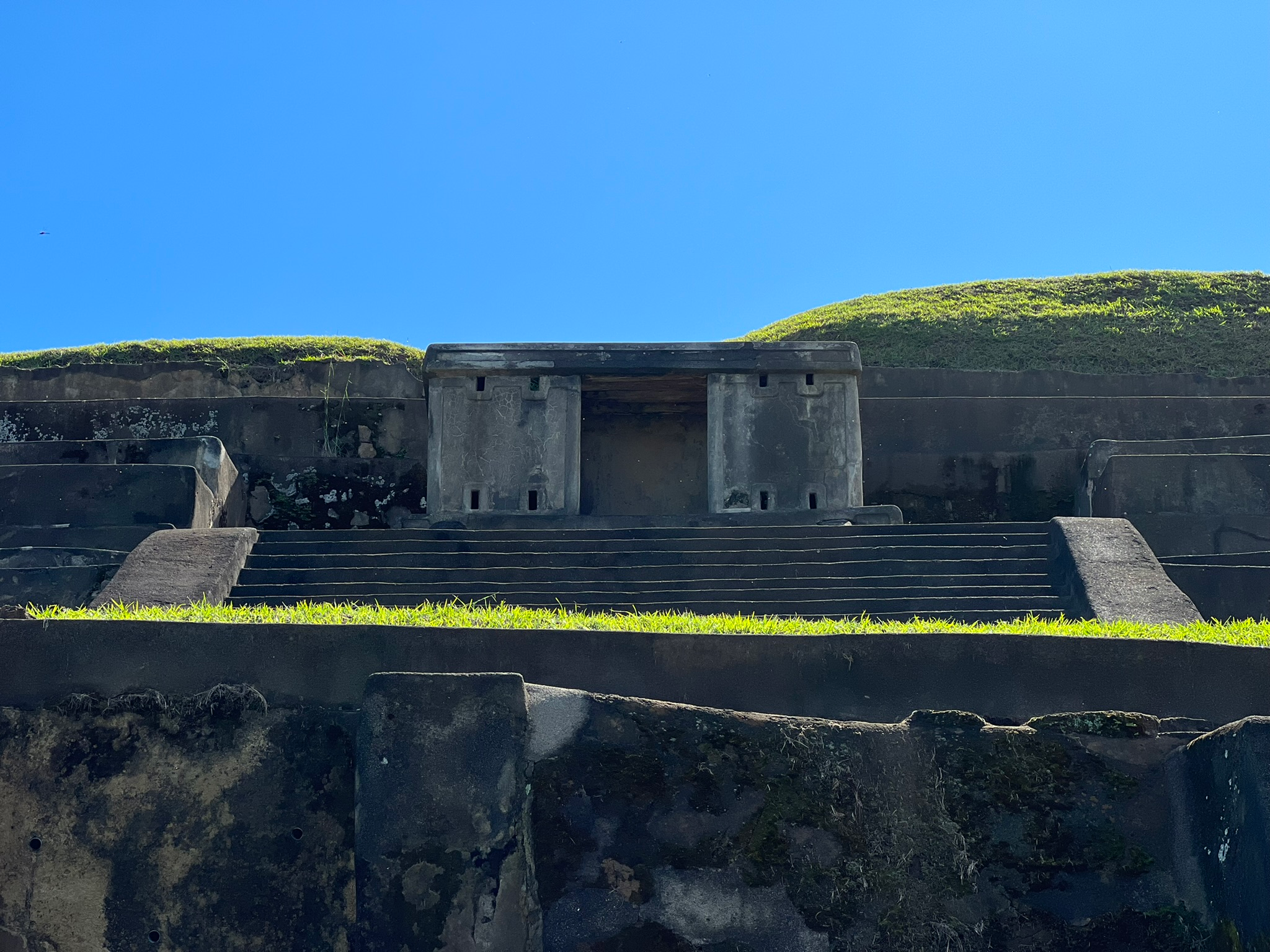
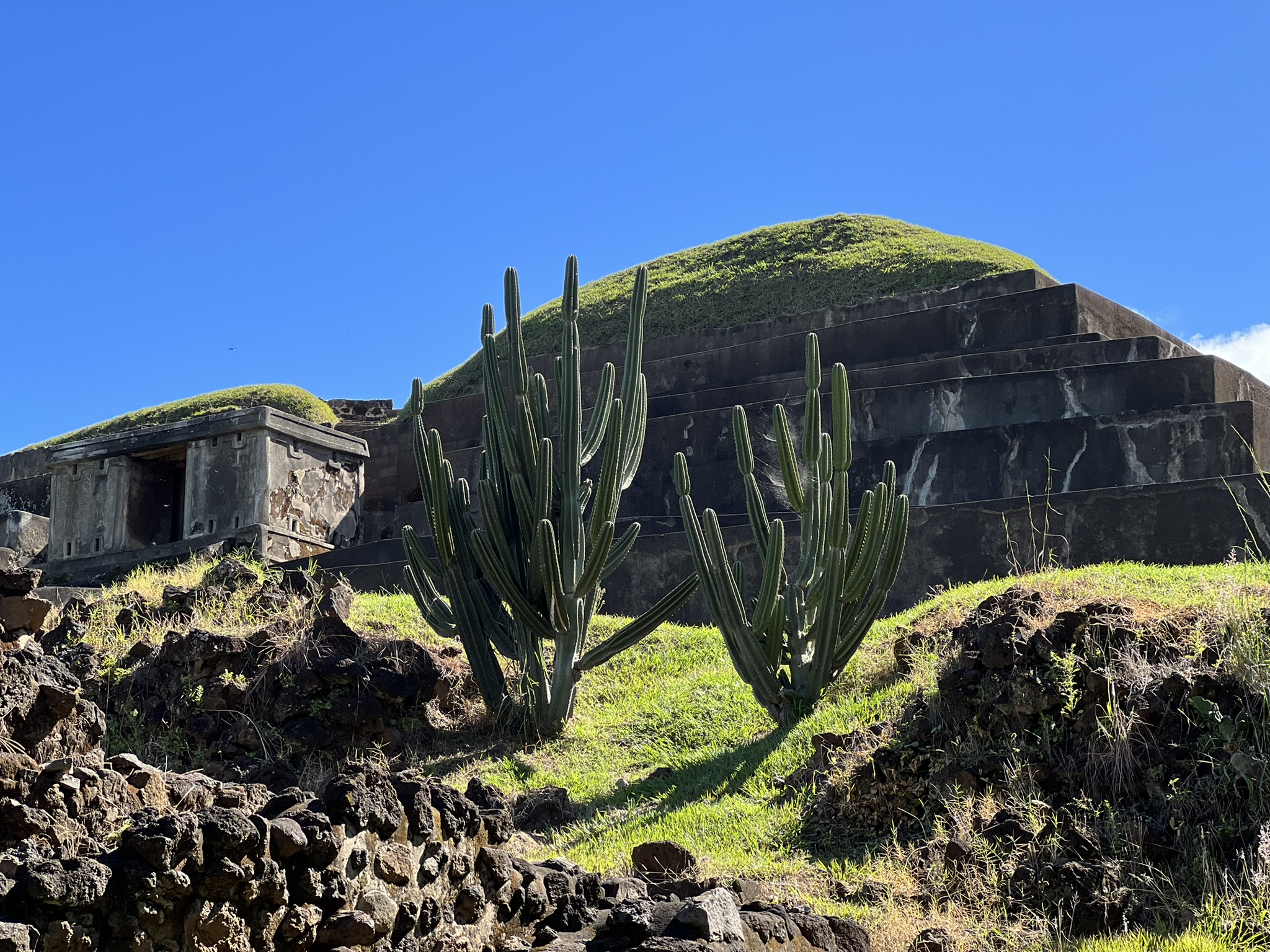
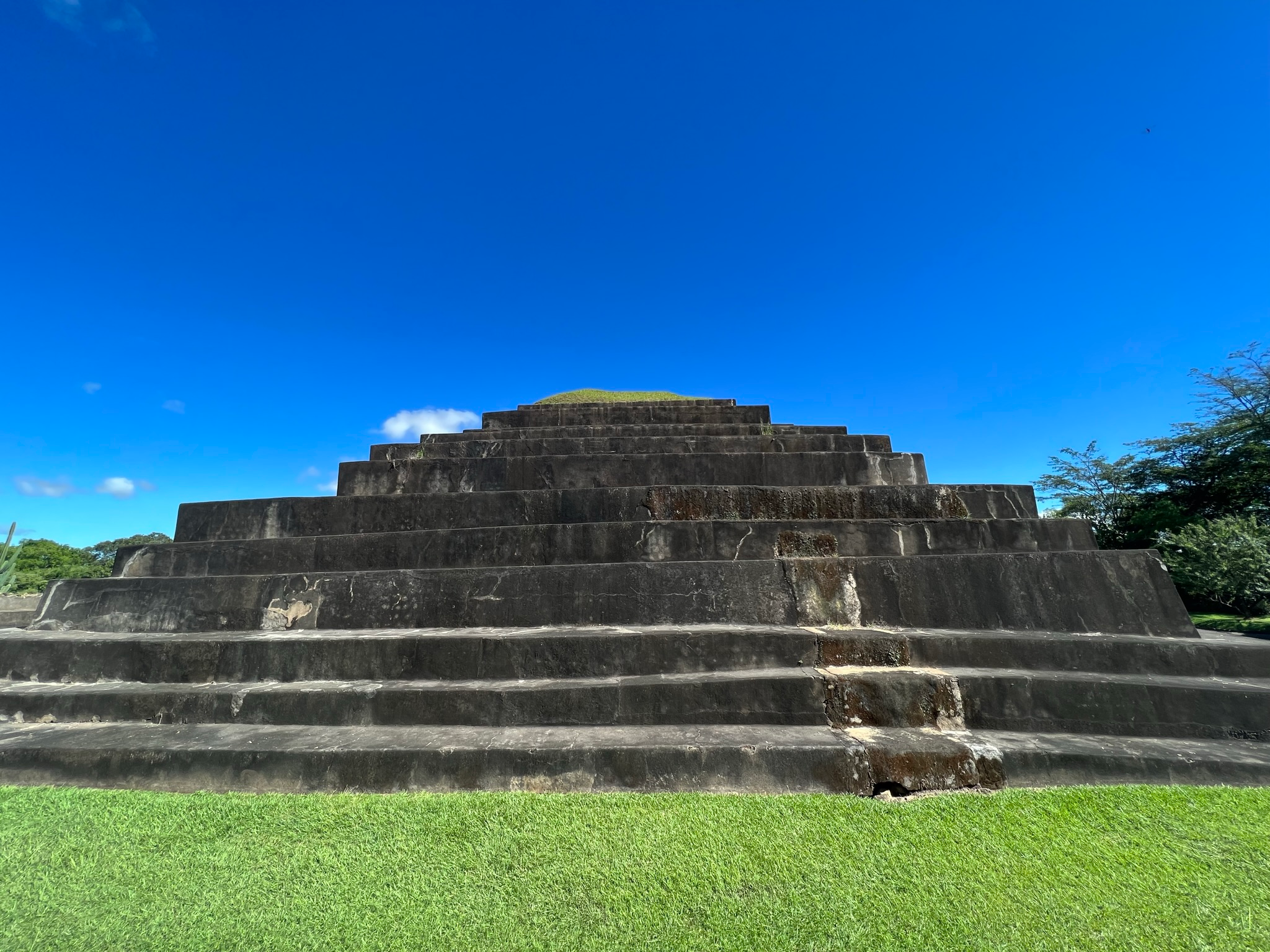
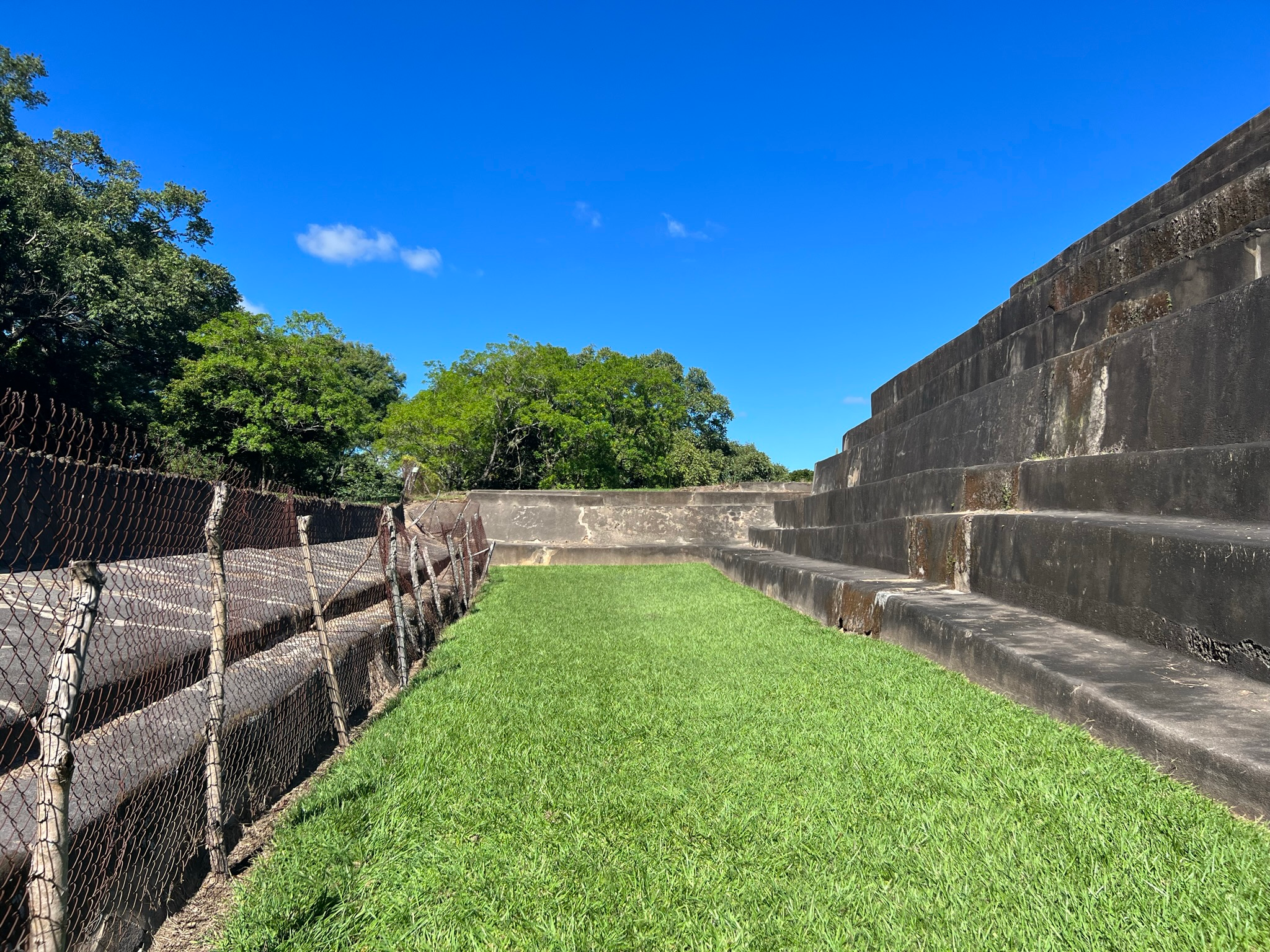
Whilst the site is small, it boasts several impressive structures, such as an oratory, a ball court, and a temple, with the most important being the main pyramid. The 23-metre, multi-tiered thing of beauty has various platforms that jut out from its base, with a staircase on its western side leading to the Temple of Columns, whose entrance is marked by six stone slabs, and a second set of stairs leading to a terrace where another temple can be found.
Joya de Cerén: Pompeii in the Jungle
After my brief tour, we started heading southeast, the landscape now dominated by black volcanic rocks. Here, we’d be visiting Joya de Cerén, or, as the locals refer to it, Latin America’s very own Pompeii. Having never entered the site himself, Kevin decided to join me – taking it for granted that I’d be paying his entrance ticket too. But I wasn’t gonna let it get in the way of me experiencing yet another marvel of history and nature.
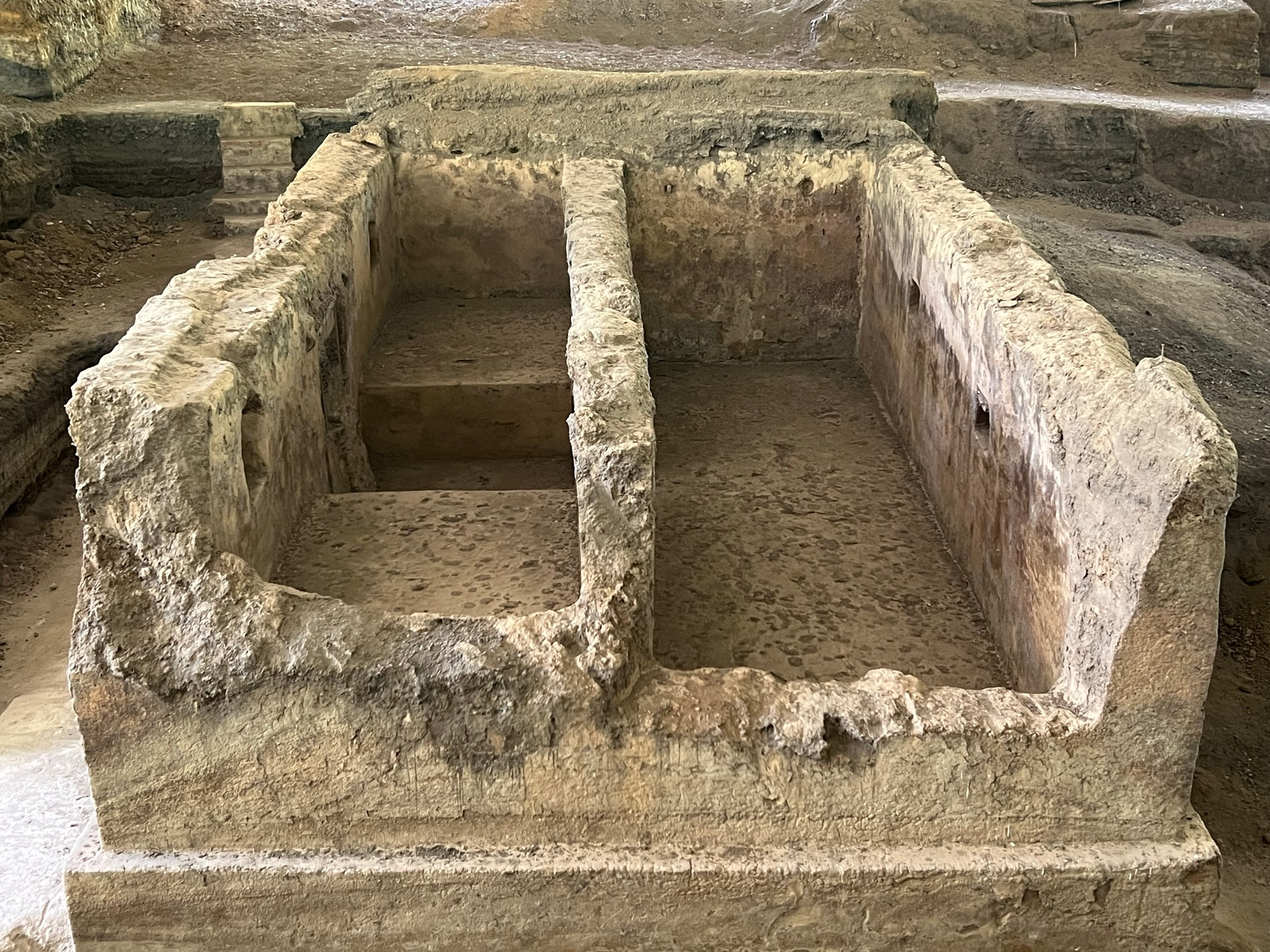
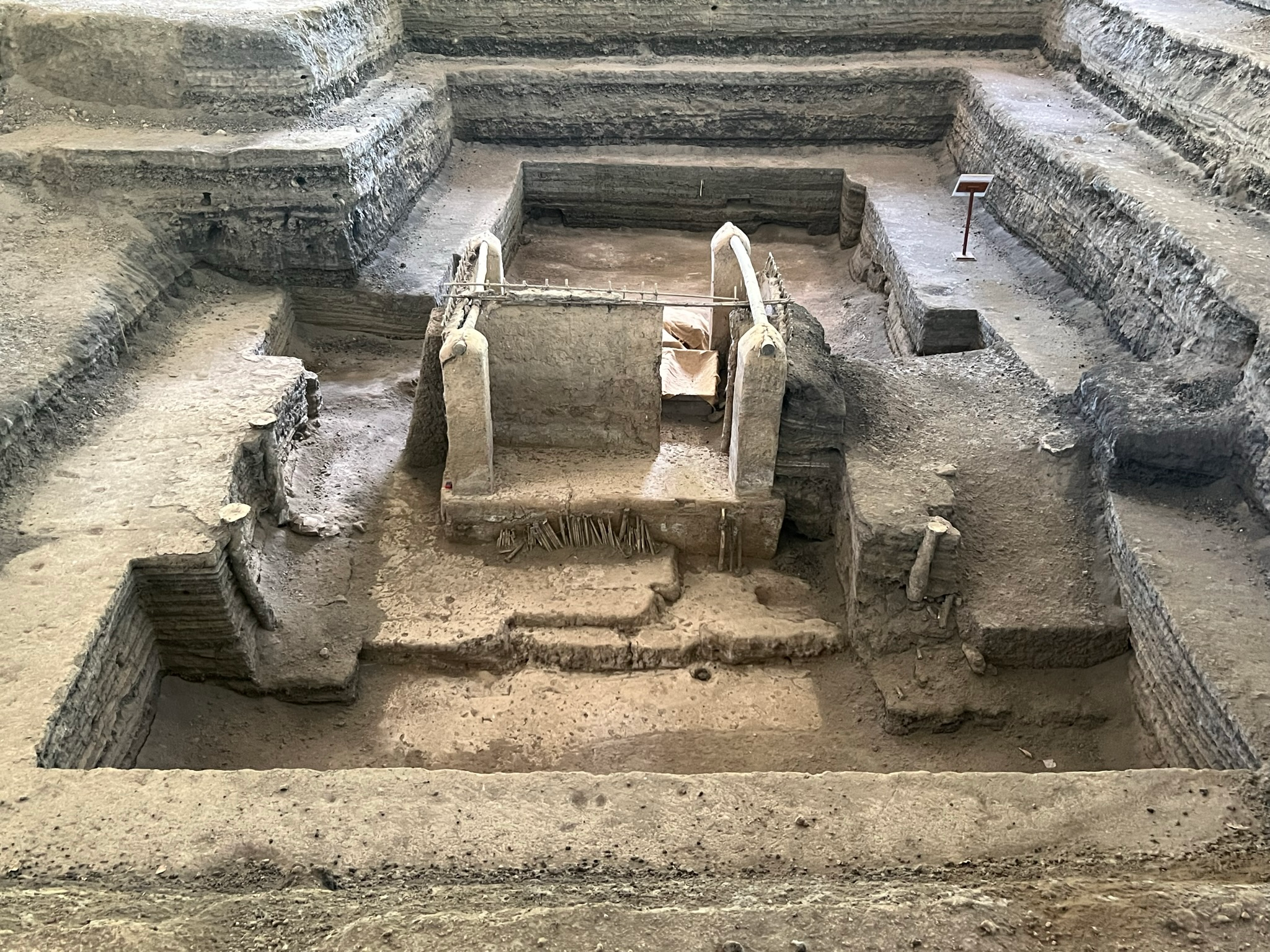
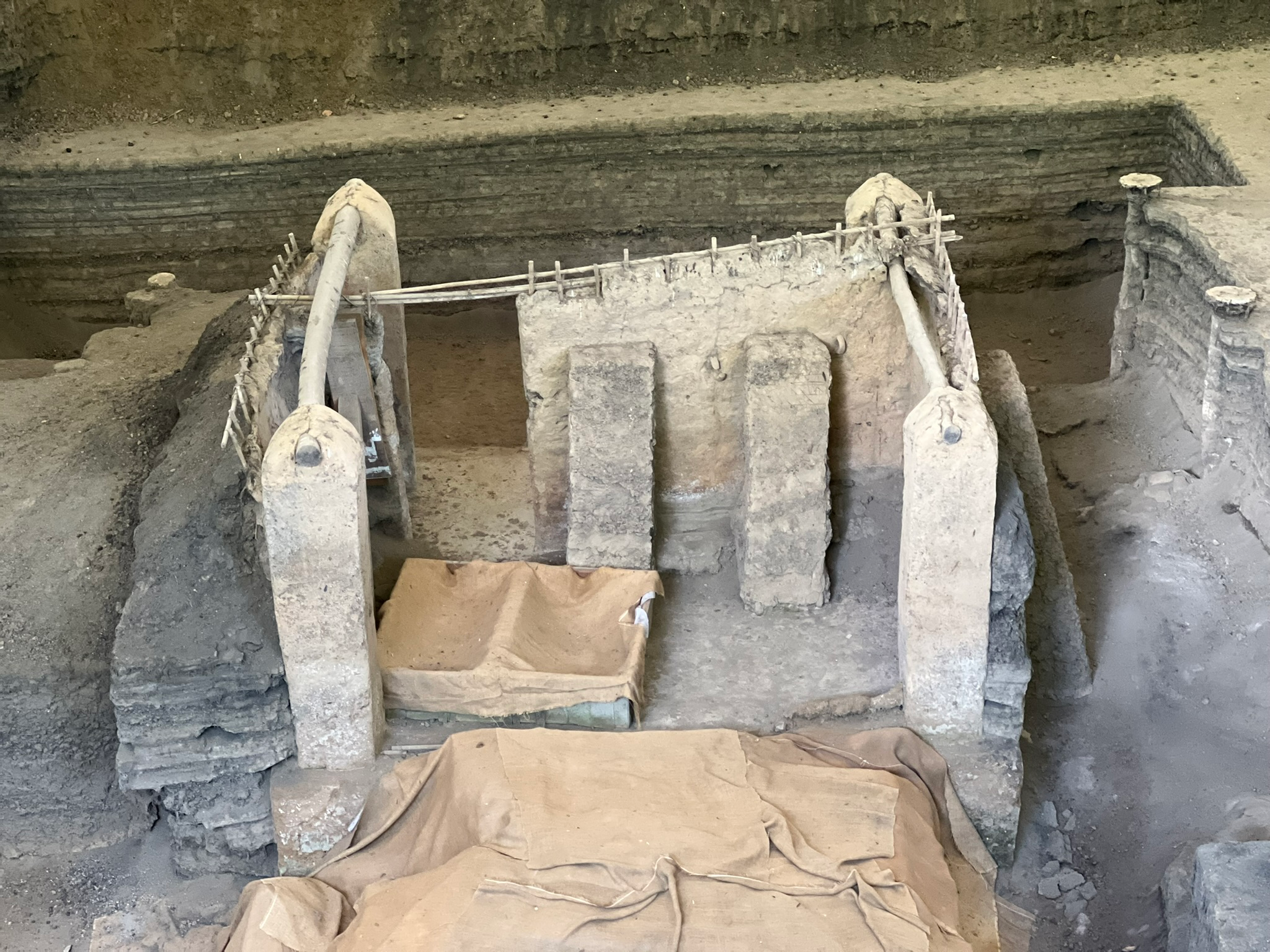
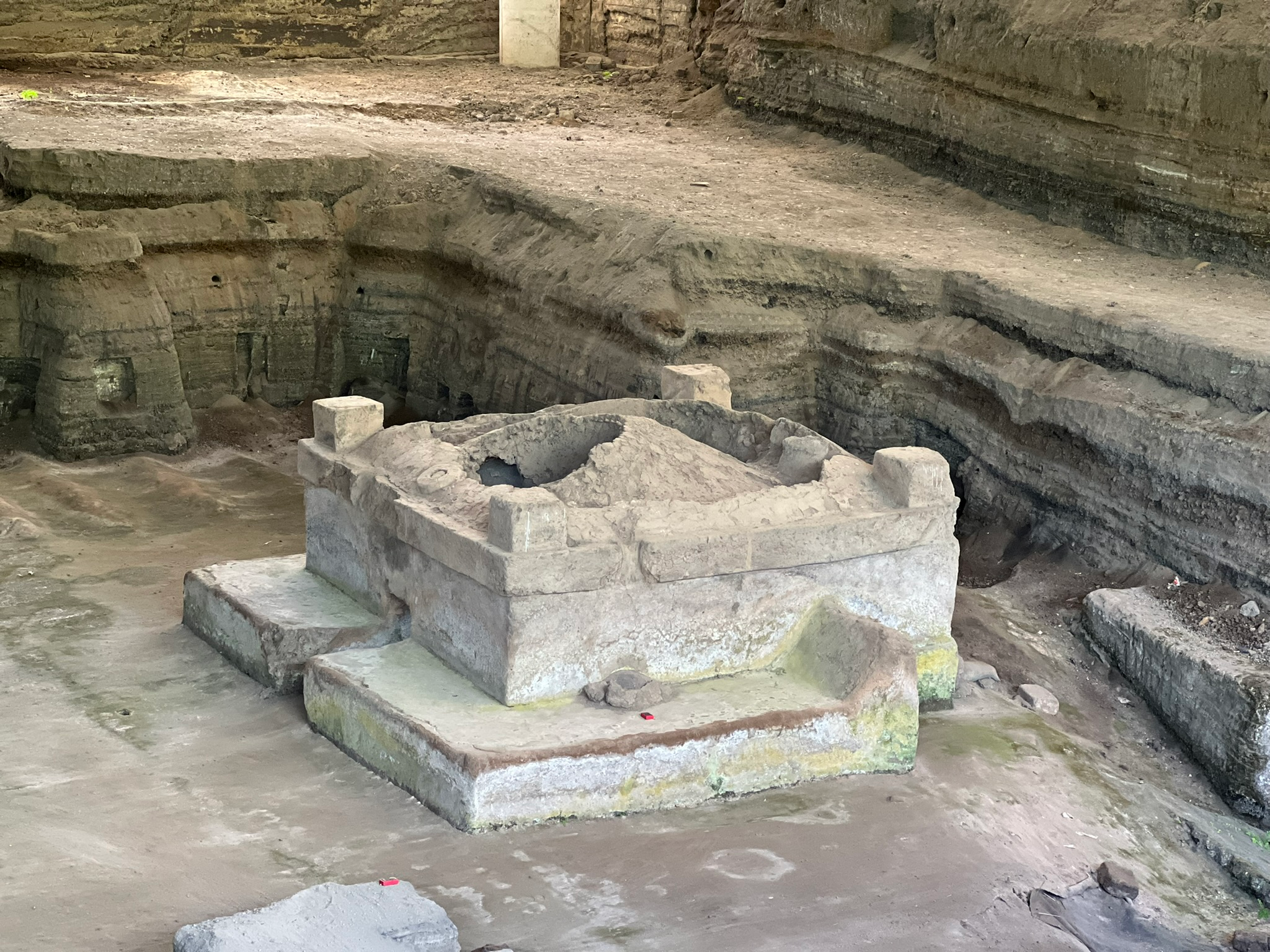
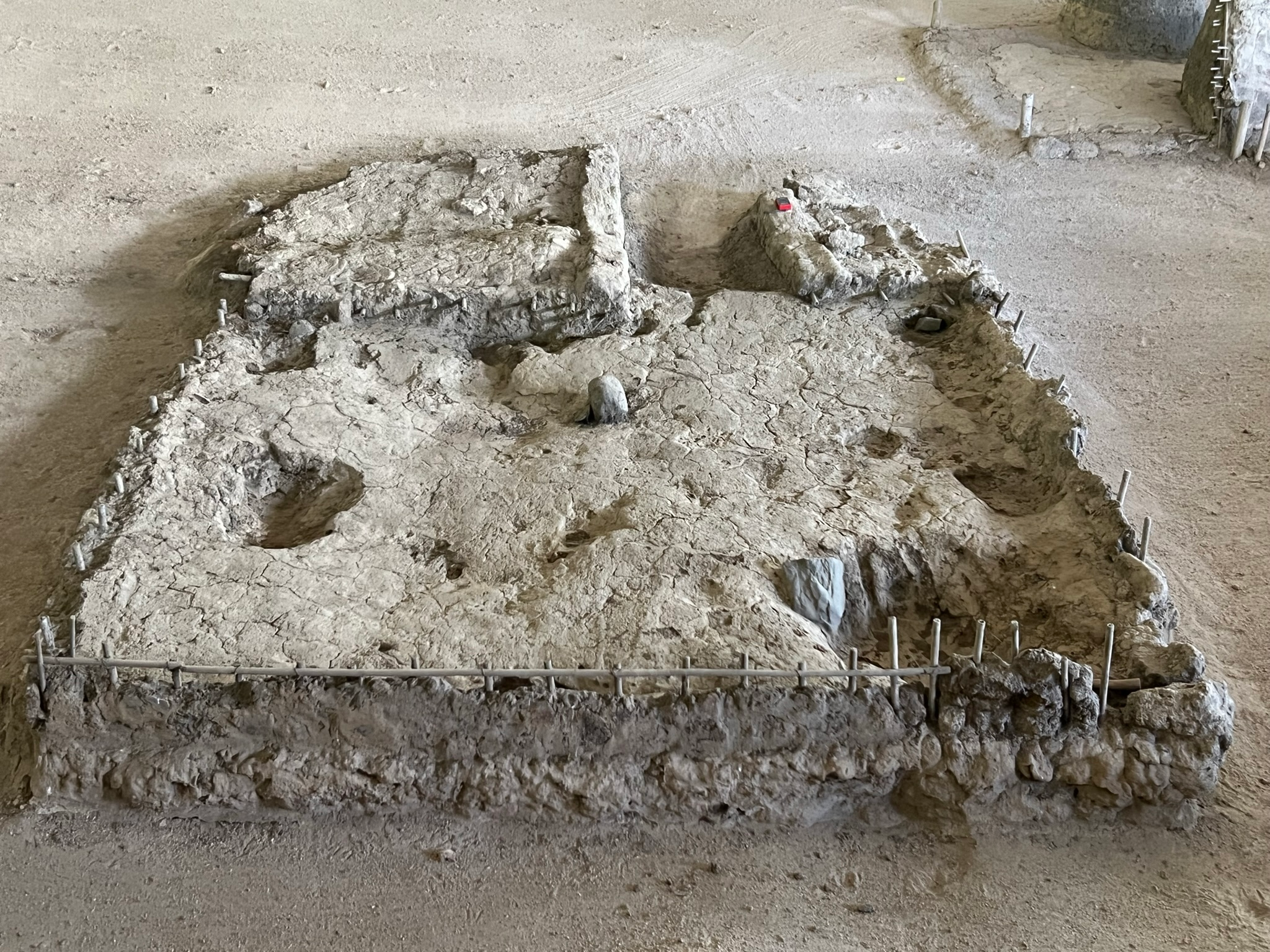
Joya de Cerén, according to our (real) guide, used to be a tiny farming village that was completely encased in some fourteen layers of volcanic ash when the Loma Caldera volcano erupted around 600 AD, leaving behind a cast of a once-thriving community. Luckily enough, only one human skeleton has been found, with experts suggesting that a previous earthquake might have warned people of the imminent eruption, resulting in an immediate evacuation of the site.
We spent some time going around the well-preserved residential areas, the adobe houses still perfectly intact. In each household used to live three to five family members, with enough space for a common area, a dormitory, a storage area, and a raised platform to make chicha or display various religious memorabilia. On the outside, each family had a small field where they used to grow crops like corn and cacao – the rows still preserved. Amongst the other structures we could appreciate were a temazcal sauna – which would fit up to nineteen people inside – and the shaman’s house, which was usually occupied by a woman whose role involved healing the sick. The latter’s abode has two panels on the outside full of round holes to allow light in, two stones where people could sit while queueing, and a labyrinthine corridor leading to the interior.

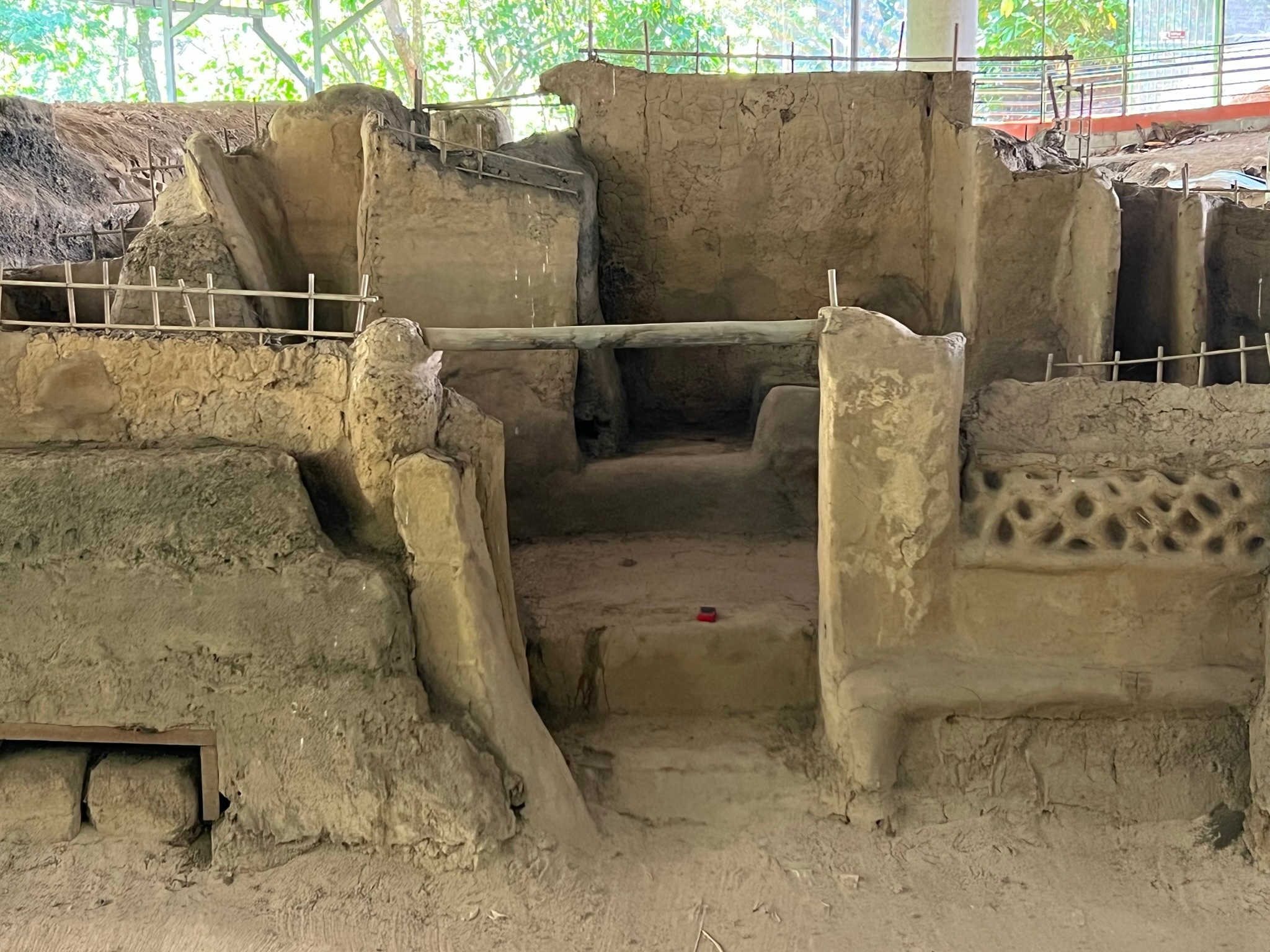
What we saw, our guide explained, was just the tip of the iceberg, with a big chunk of the site still unexcavated due to limited resources and conservation priorities. It was at this point that Kevin offered his suggestions as to how they could possibly proceed. Way to go, Kevin.
Beneath the Grass: The Hidden Legacy of San Andrés
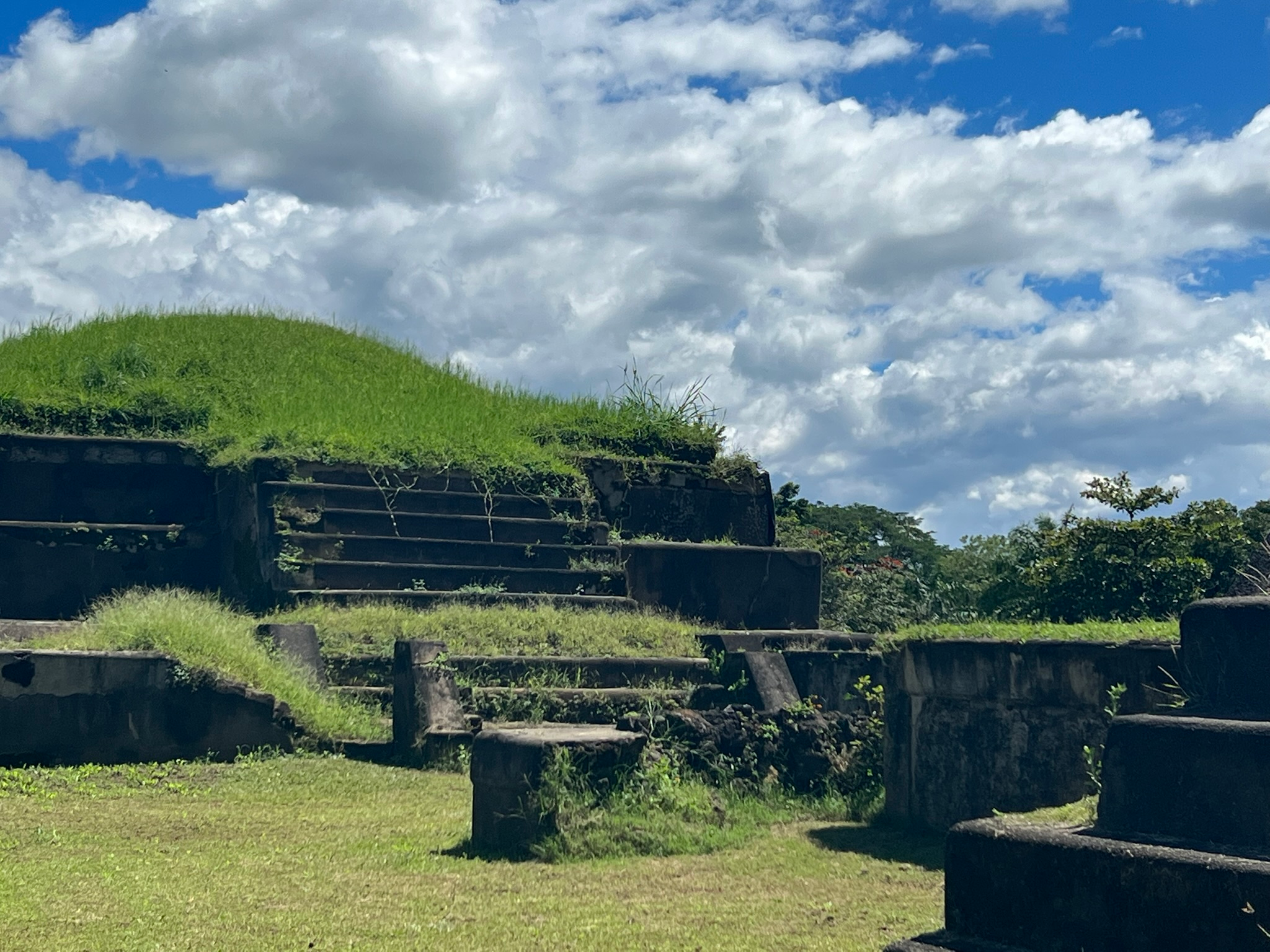
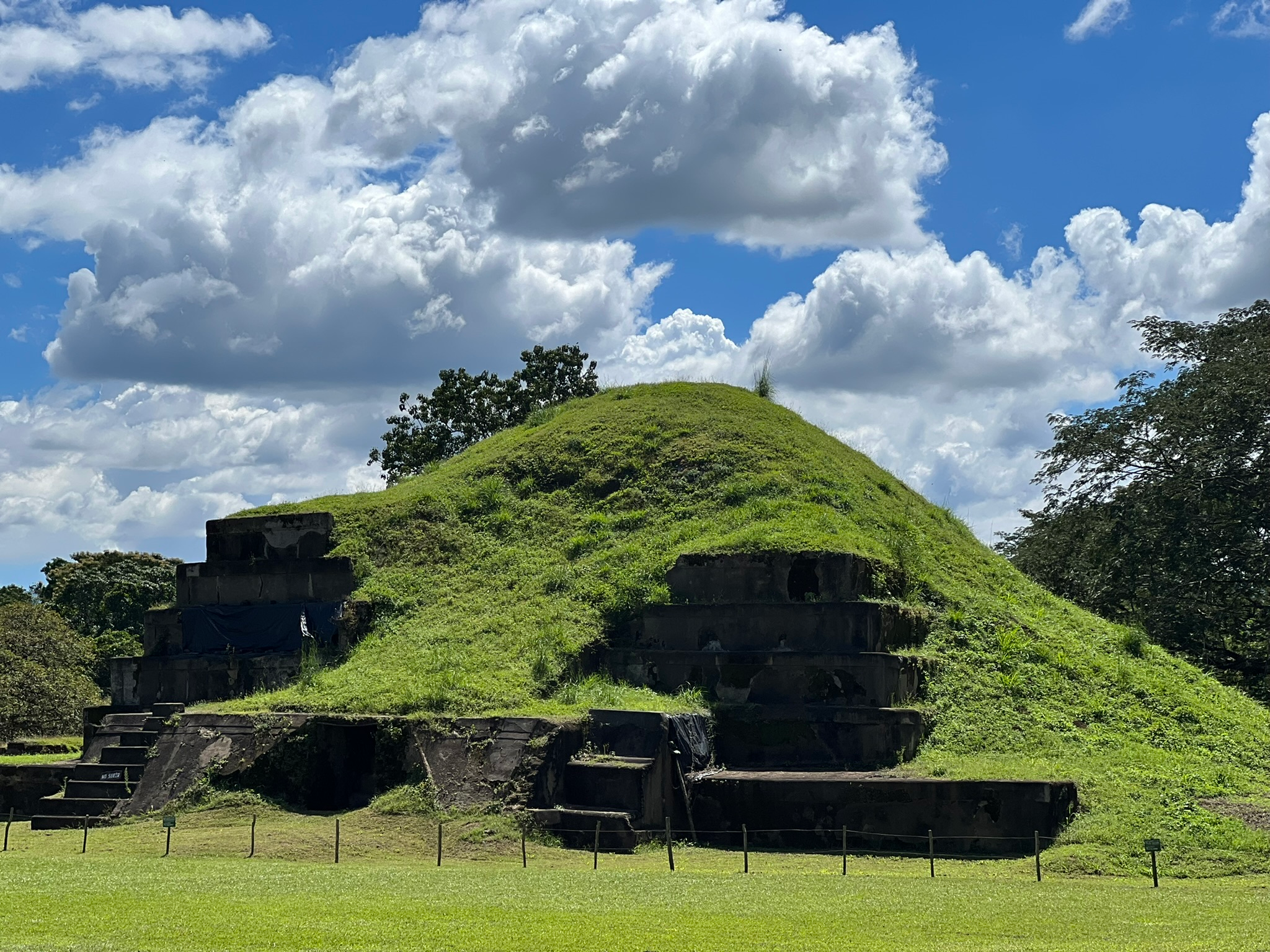
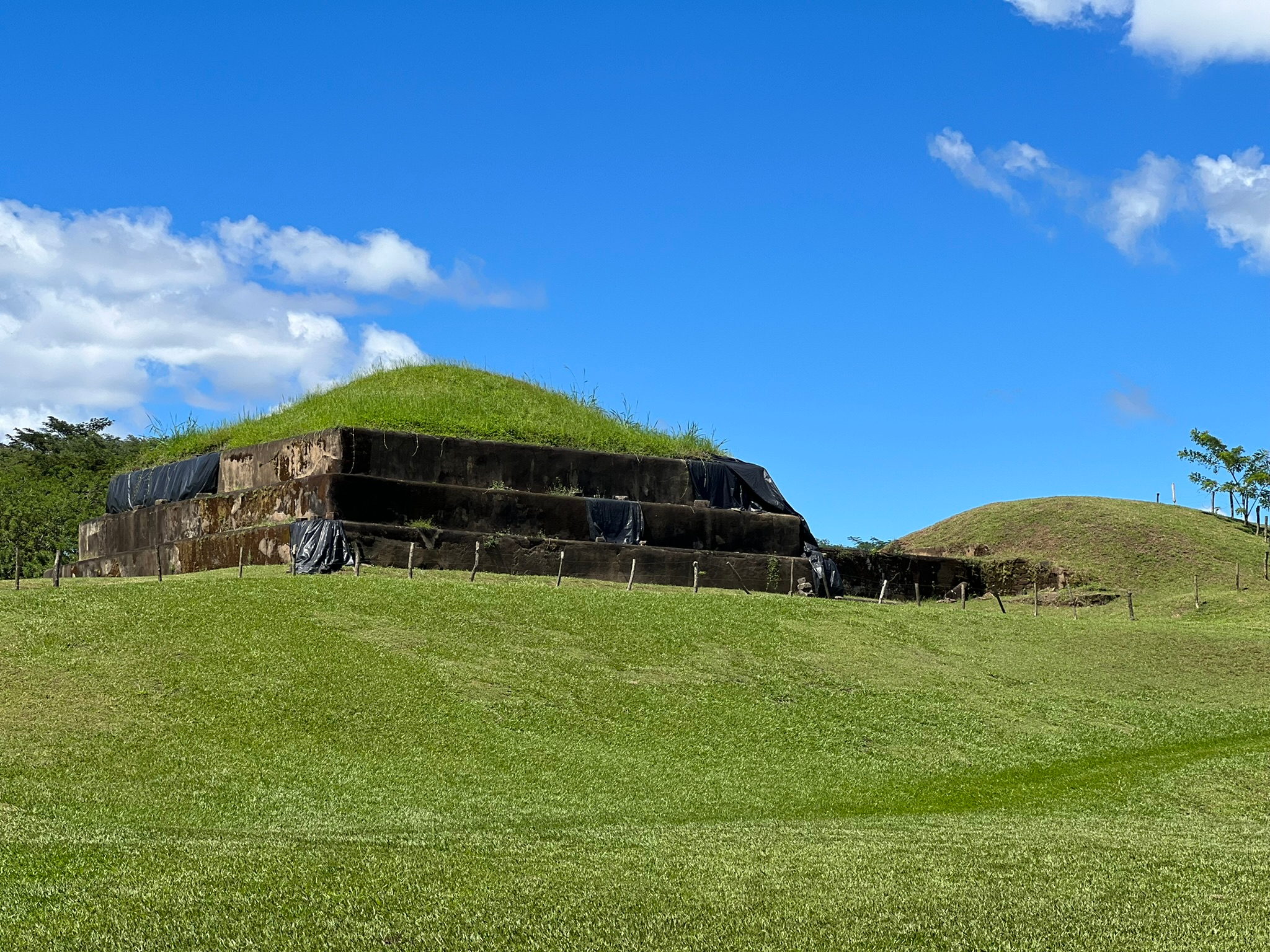
To end the day, we had one last stop to make – the ruins of San Andrés. This was a Preclassic Mayan city that later became the political capital of the Zapotitán Valley, with important trade links with Guatemala and Honduras – something that came to an abrupt end after the massive eruption of the Ilopango volcano around 535 AD. While the site is quite large, much of it is still unexcavated, with grass-covered mounds promising the discovery of more ruins.
What we could see, however, was impressive enough. Of note was the Grand Plaza – a large open space flanked by the Acropolis to the south, the La Campana pyramid to the northeast, and other unexcavated mounds on the other sides. Needless to say, being guideless and having to babysit Kevin, my knowledge by the end of our walk through the site wasn’t exactly boosted.



The Personal Element
Going back to Santa Ana, I found myself with some time to kill. I had only been there three days but I had fallen in love with the city. It wasn’t just how beautiful and charming everything was, it was also the people’s warmth and cheery demeanour that made me feel welcome from the very start.
An honourable mention would have to go specifically to the staff at the place I was staying in – Hotel Brunette. The concierge, William, worked tirelessly day and night, always making sure everything was in order and all clients were happy. He even got me in touch with a travel agency that had the tours I wanted after all my fruitless efforts. And then Brenda – the owner. Oh my god, if she ain’t the best, I don’t know who is! She’d sit with a couple of other guests and me until late into the night, talking about anything and everything, from break-ups and heartache to travelling and adventures – something I had never done up until that point, always preferring the privacy of my room to read and write. She even took us around to show us the city and let us try some local food – including quail eggs and snails! Man, do I have such fond memories of that place. Except when a bat flew right into my face as I had just poured myself a cup of coffee, spilling the entire thing on the floor (accompanied by a manly squeal), which, of course, William was ready to clean up at the unruly hour of 11 PM.
Along with the staff, I also got to be in the company of Victor – a Salvadoran who has been living in LA for the past twenty years as a sous chef. He invited us out for Pilseners and dinner a couple of times on account of this being the best time he’s had in years. Then there was another guest – Andreas – a German-born guy who’s currently living in Mexico and touring Central America while he’s not at the bank working his ass off.
The second I saw him, I had a massive crush. He had the classic Aryan look, which – despite its negative connotation after what transpired – still made me a bit weak, not gonna lie. With his long blonde hair and deep blue eyes, it was it for me.

When he let it slip that he had moved to Mexico with his now ex-boyfriend, I knew I’d have my shot with him. It wasn’t just his looks, mind you. He’s the type of guy who never shuts up but who keeps you entertained and interested throughout – quite a rare quality, if I may say so myself. Also, he’s cool. Born and raised in a wine region in northern Germany, he’d been reared by his family to take up the wine biz once his father retired. Well, his father did retire – then sold the company to his nephew after Andreas showed more promise in banking and business. His studies then took him to Guadalajara in Mexico, where he decided to stay after getting his Master’s degree.
Given that I still had all kinds of tours lined up throughout the rest of my stay in Santa Ana, he decided to take me up on my offer to join me, giving me a chance to get to know him quite a bit.