Tortuguero – Day 2: The Amazon of Central America
TORTUGUERO
Day 2: The Amazon of Central America
February 02, 2023
The following morning, I had a jam-packed day full of activities that would keep me entertained throughout. Shortly after dawn, I headed to the port to meet up with Leeroy and a group of other tourists who’d be joining me for a canoe tour around the canals of the region. Opting for canoeing instead of kayaking in order to give my poor body some much-needed respite, you can imagine my reaction the second each of us was handed a paddle. With the exhaustion piling up and no food in my stomach, this was the last thing I had on my mind. But anyways, what doesn’t kill ya, right?

And so, with paddles in hand, bags under my eyes, and a fresh batch of animals to set my sights on, we made our way down the river. Having already been blown away by Tortuguero’s wildlife the day before, I simply couldn’t wait for more.
Canoeing Through the Amazon of Central America
As we meandered along the canals of Tortuguero, Leeroy made it a point to explain everything around us, pointing at every single thing that we could see.
The canals of Tortuguero, he explained, are characterised by a variety of ecosystems, including swamps, mangroves, estuaries, beaches and marine habitats, with around 400 different types of trees and over 2,200 plant species responsible for regulating river flow and providing habitat for thousands of animal species. No wonder they call this place the Amazon of Central America. The trees, he went on, are generally shorter than those found deeper in the national park, owing to the instability of the swampy ground and the poor drainage of the soil, with much of the vegetation being secondary growth.

The brown-green waters of Laguna Tortuguero are carpeted with floating aquatic plants such as water lettuce and water pennywort, with northern jacanas, egrets and herons traipsing over them in search of prey between the leaves. As Leeroy masterfully navigated the labyrinthine natural and man-made canals of the region, he told us about some of the most common trees found in the area:
Guiana chestnut: The most common tree in the area, with a trunk reaching up to sixty feet and beautiful flowers with curved petals and numerous red stamens. It bears reddish-brown fruit that is toxic to humans but eaten in abundance by monkeys and other animals.
Ylang-ylang: A tree reaching up to twelve metres in height, with fragrant yellow flowers, known as the Queen of Perfumes – its scent being used in several famous fragrances and colognes.
Raphia palms: Tall palms reaching up to sixteen metres, with long compound pinnate leaves. Their fibres can be used for textiles and rope-making, while their sap is used to produce palm wine and even biodiesel. The long arching leaves also provide shade for animals and make for a truly spectacular sight.
Gavilán: A tall tree with compound, pinnate paired leaflets arranged spirally along the stem, producing racemes of up to 200 white flowers. Its brown pods contain seeds that can be used to extract oil for cosmetics, antivenom and even as a fish poison.
It wasn’t just trees we got to see. Apart from the fauna I’d already encountered along the Rio Suerte and Laguna Penitencia the previous day, we also spotted the magnificent yellow-crowned night heron, great curassow, green ibis and green heron, all of them leaving us mesmerised as we canoed right past them.
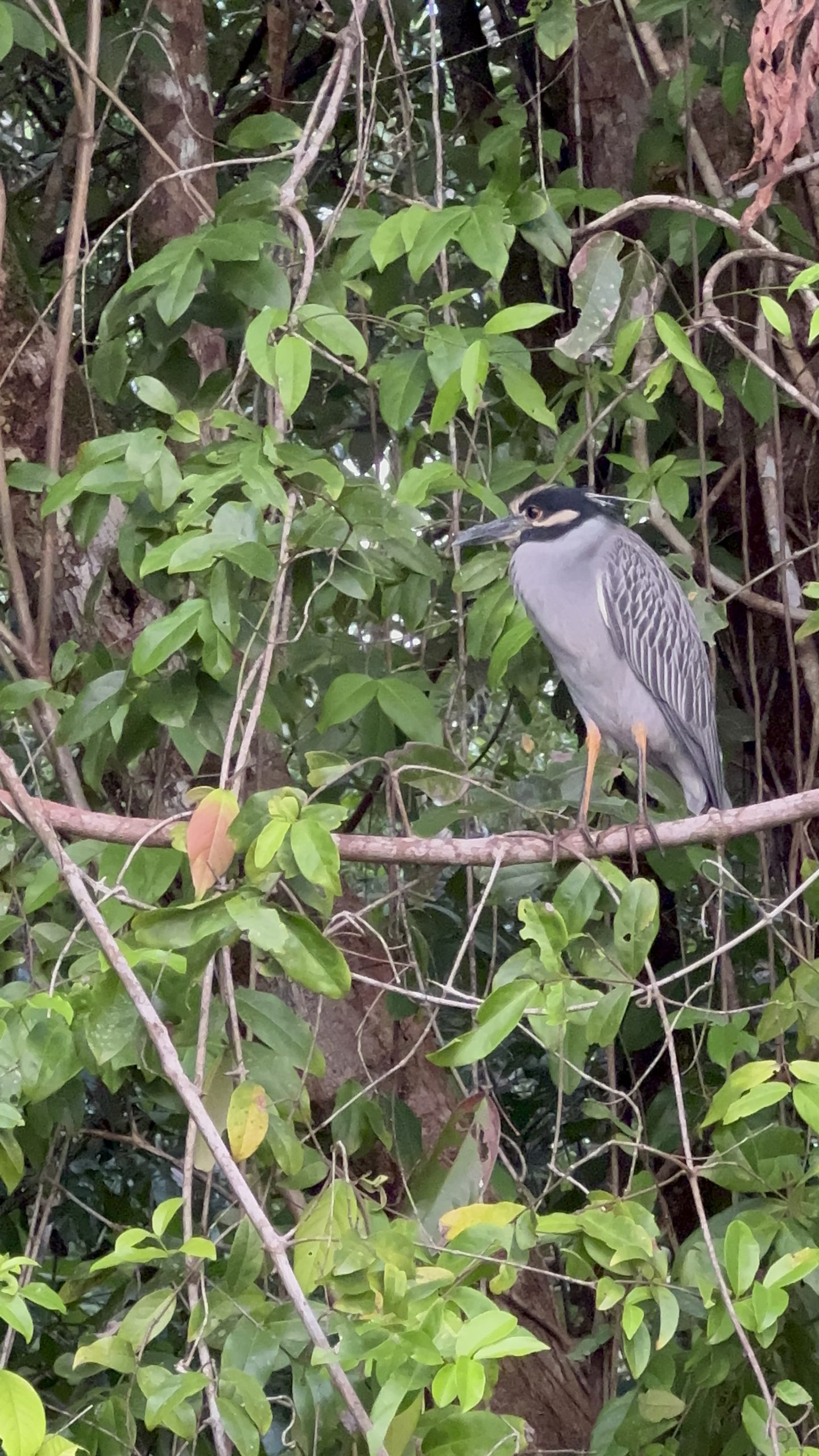
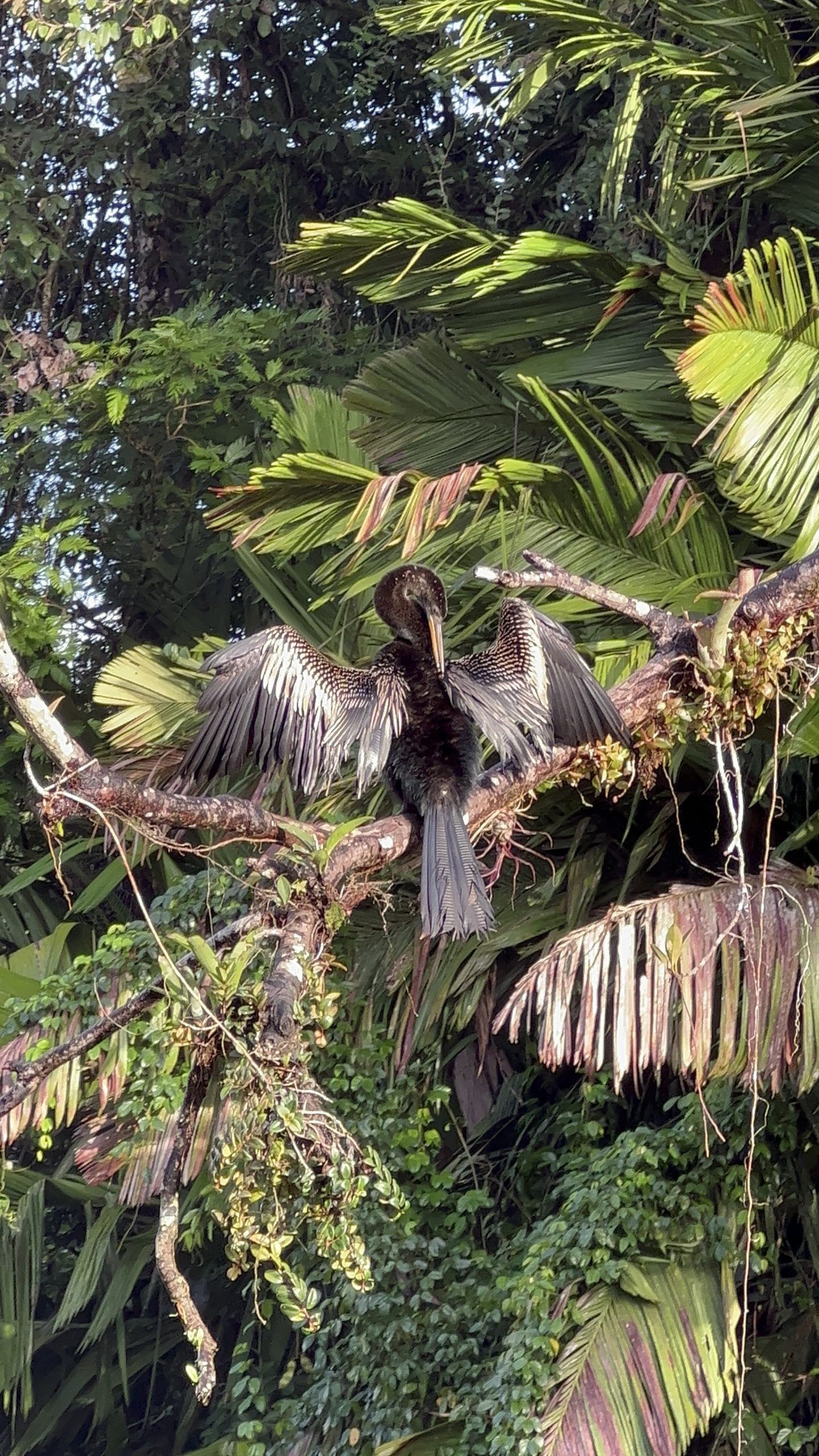
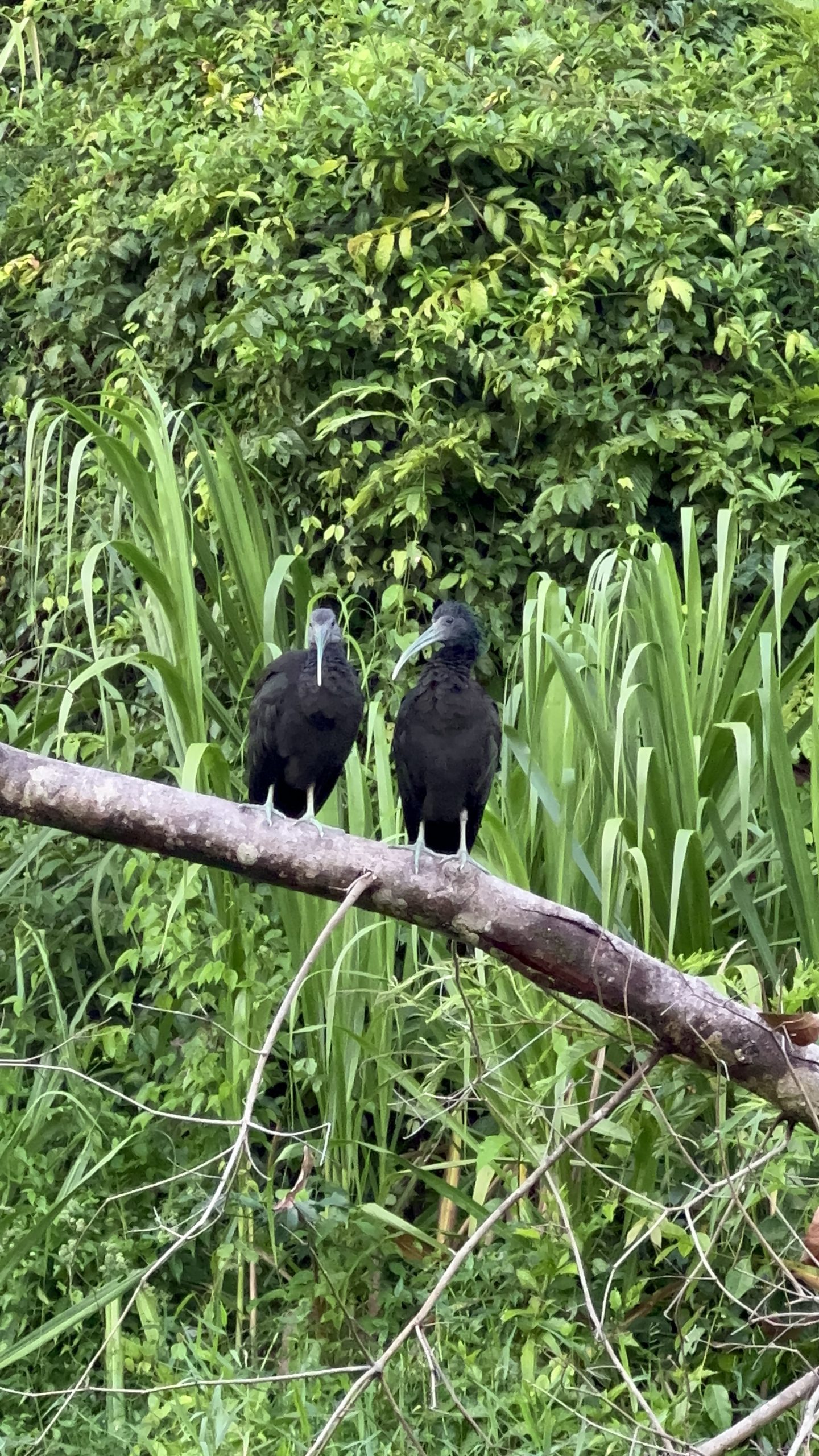
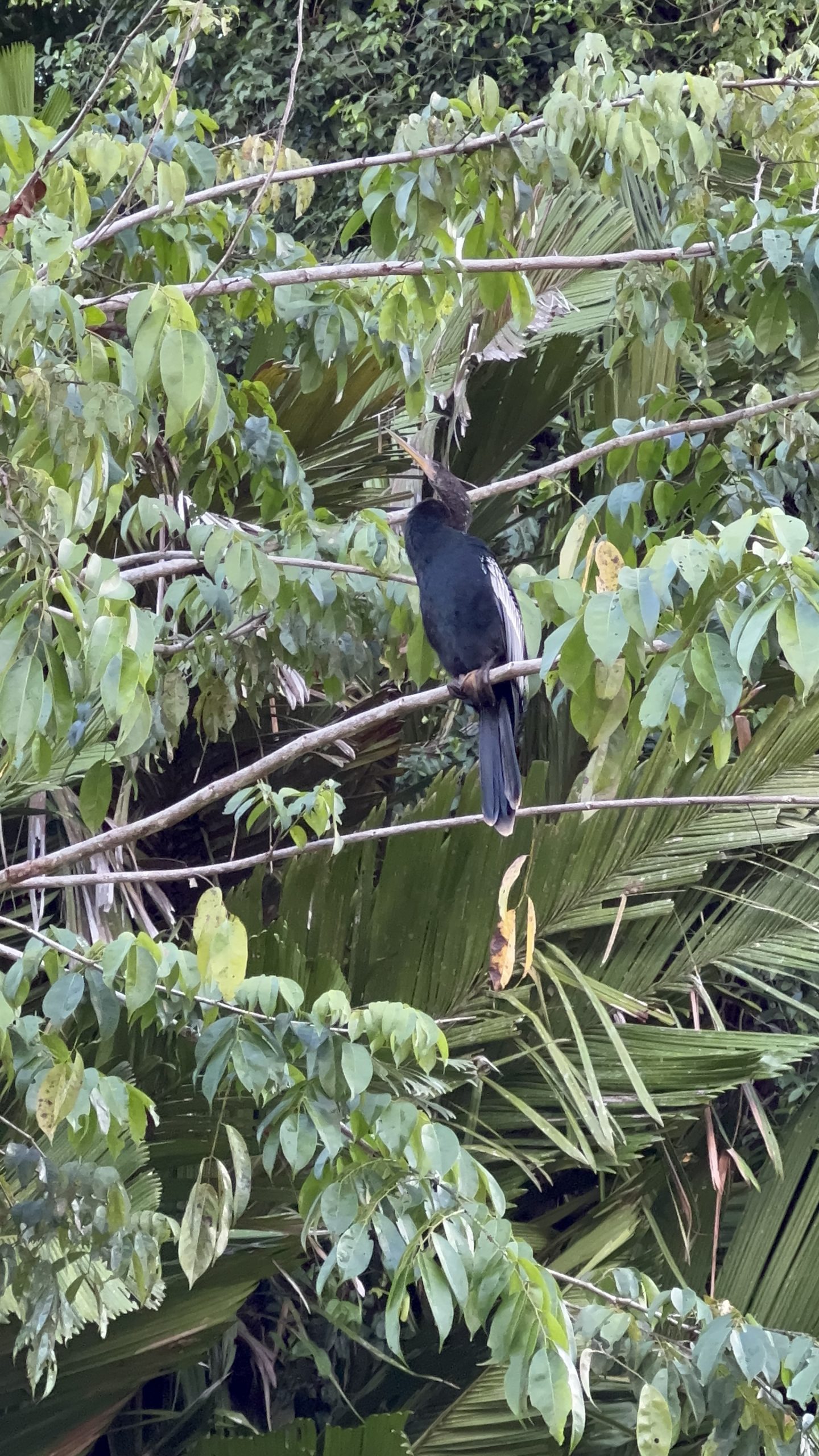
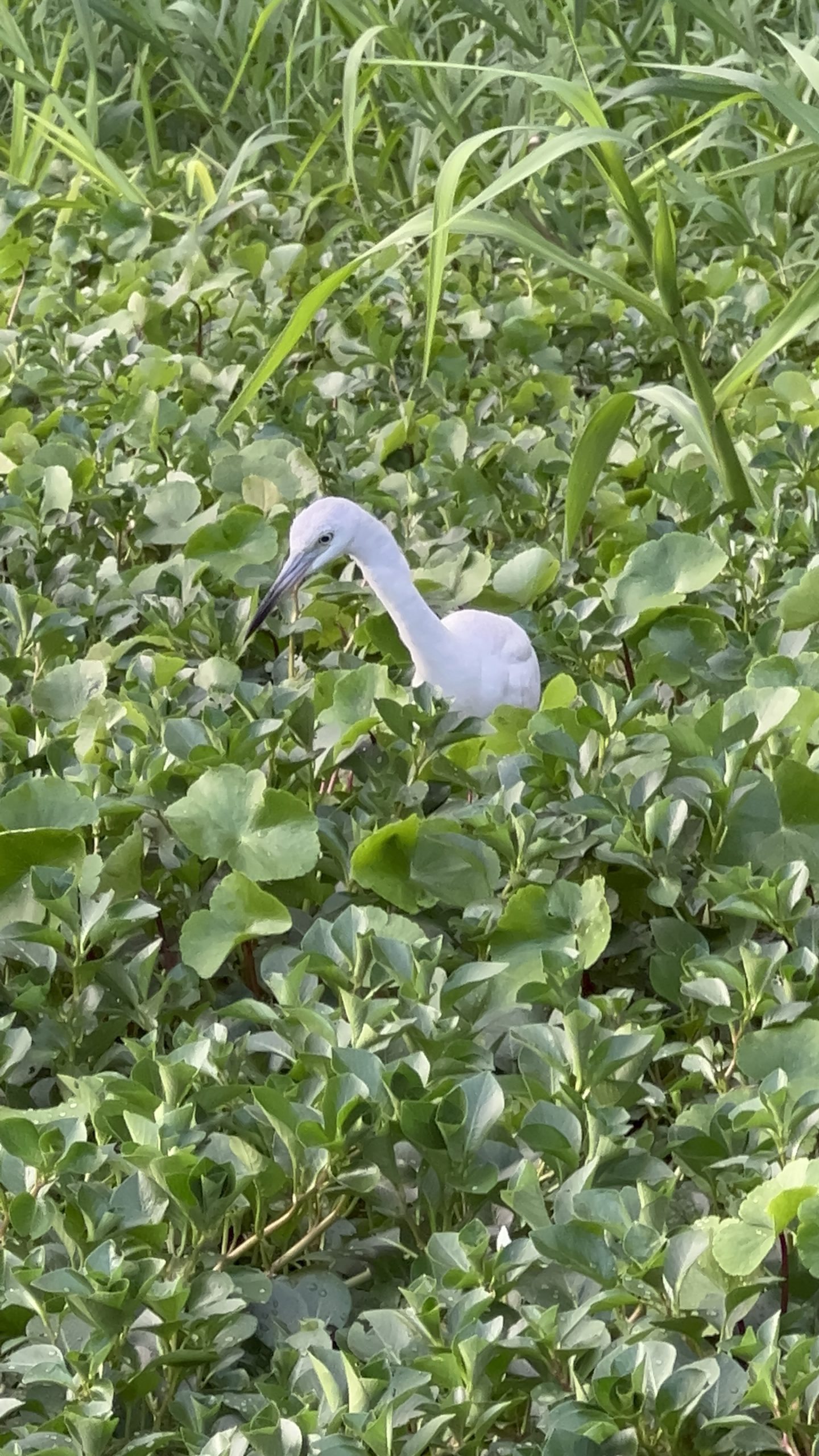
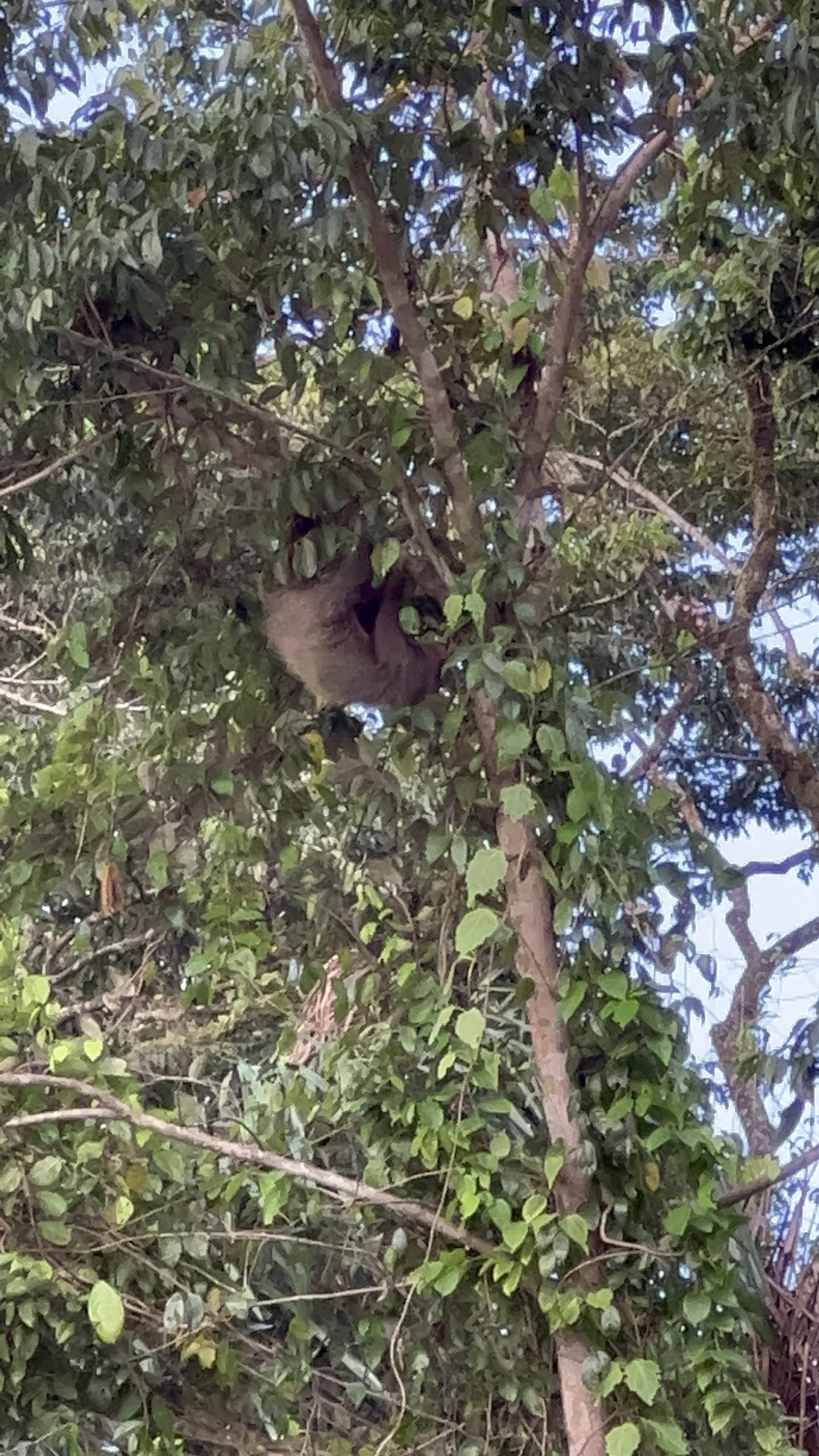
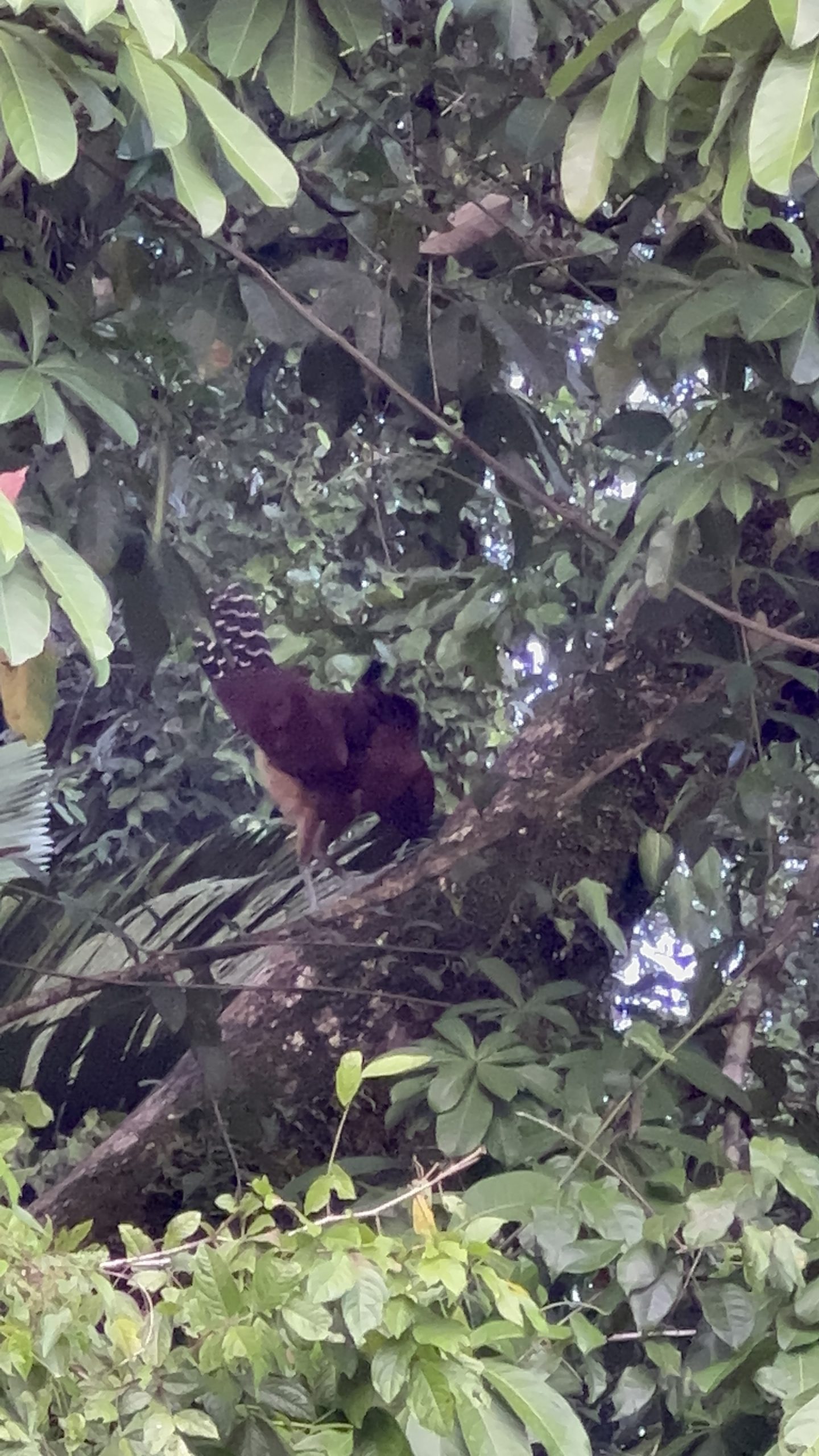
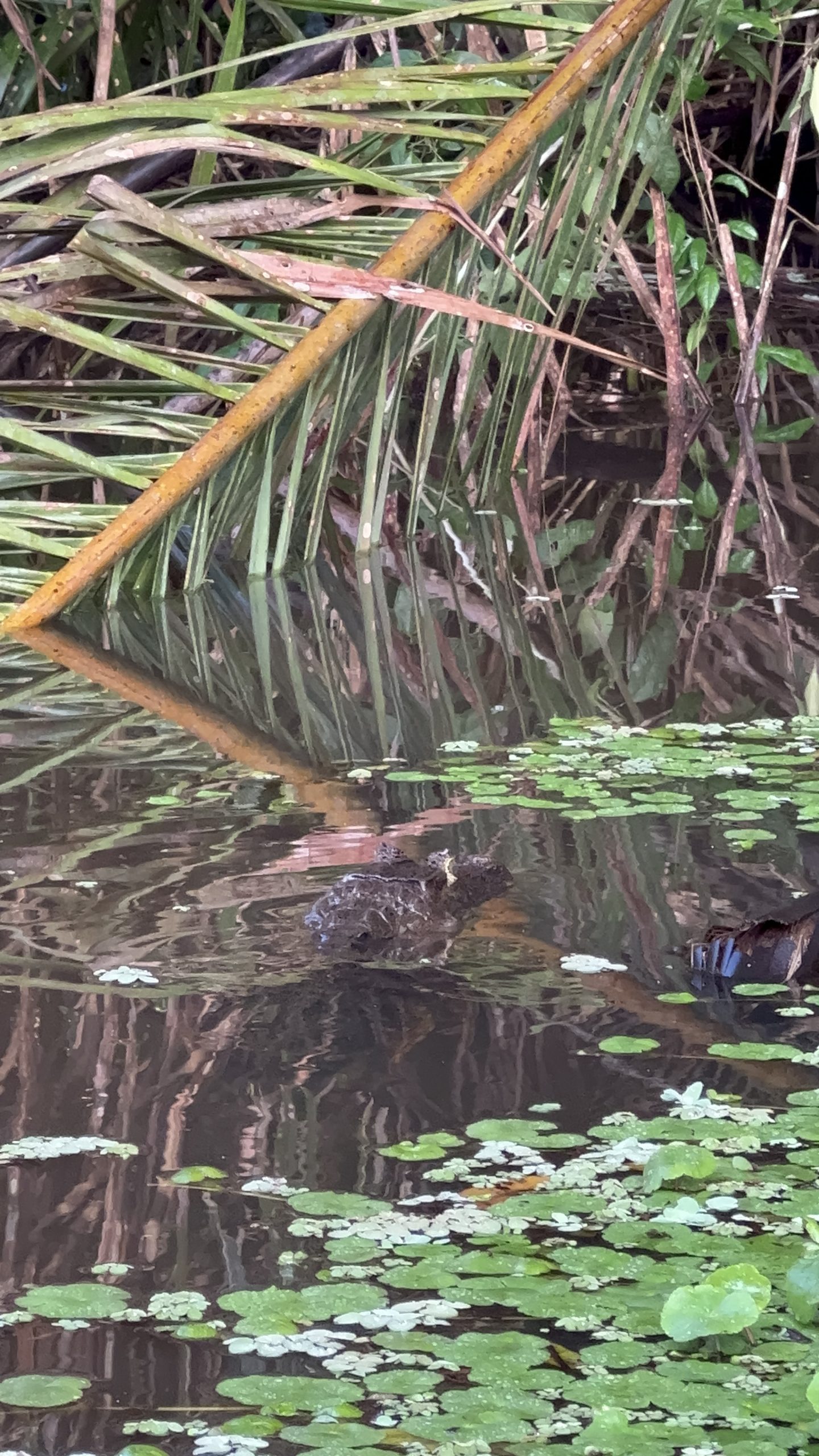
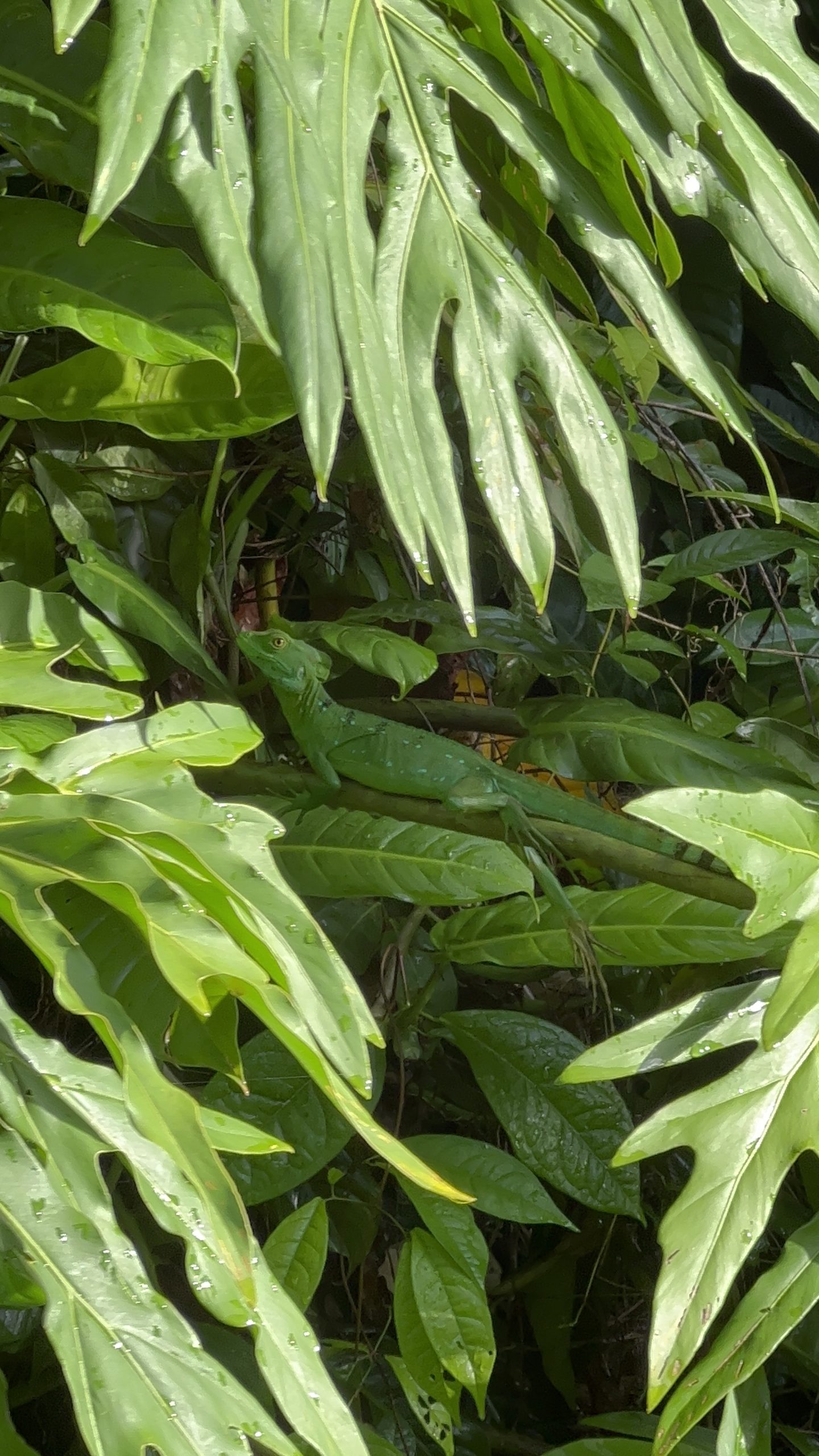
And many non-aviary creatures too. Spider and howler monkeys, sloths, black river turtles, caimans, crocodiles and iguanas, aaaand the infamous Jesus lizard – the basilisk, so called due to its ability to walk on water. Using momentum and the scaly fringes on its hind legs, it traps tiny air bubbles that help keep it afloat, an adaptive mechanism used to escape predators. Whilst juveniles can run across water for up to twenty metres, adults can only manage a few metres before sinking. We saw a couple of brown basilisks and a green one, with the males sporting a crest over their head, body and tail. So damn cool!
Manifesting Jaguars, Finding Crabs
After this, I finally had some time to enjoy a well-earned breakfast and a nap. Then it was time for a jungle walk in Tortuguero National Park, with Carla, a local guide, accompanying myself and six other tourists.
The park, she told us, was declared protected in 1970 and has gradually expanded over the years, now encompassing roughly 50,000 hectares of marine territory and 25,000 hectares of terrestrial land, with only about 1 percent open to the public. Unsurprisingly, the reserve is a paradise for wildlife enthusiasts, myself very much included.
We started off on the Jaguar Trail, with each section marked by a number used by guides to communicate sightings of rare animals. Carla, who had recently found a jaguar paw print near her own home, told us not to discount the possibility of encountering one, despite daytime sightings being rare. To this, I immediately rejoiced and started, once again, to manifest.
We traipsed through lush jungle trails and encountered some of the most pristine beaches I’d ever seen, always on the lookout for the legendary creature. As much as I enjoyed the walk and the views, my search for the jaguar was now my new monomaniacal obsession. But long story short, by the end we saw a lizard, a crab and a sloth. That’s it.
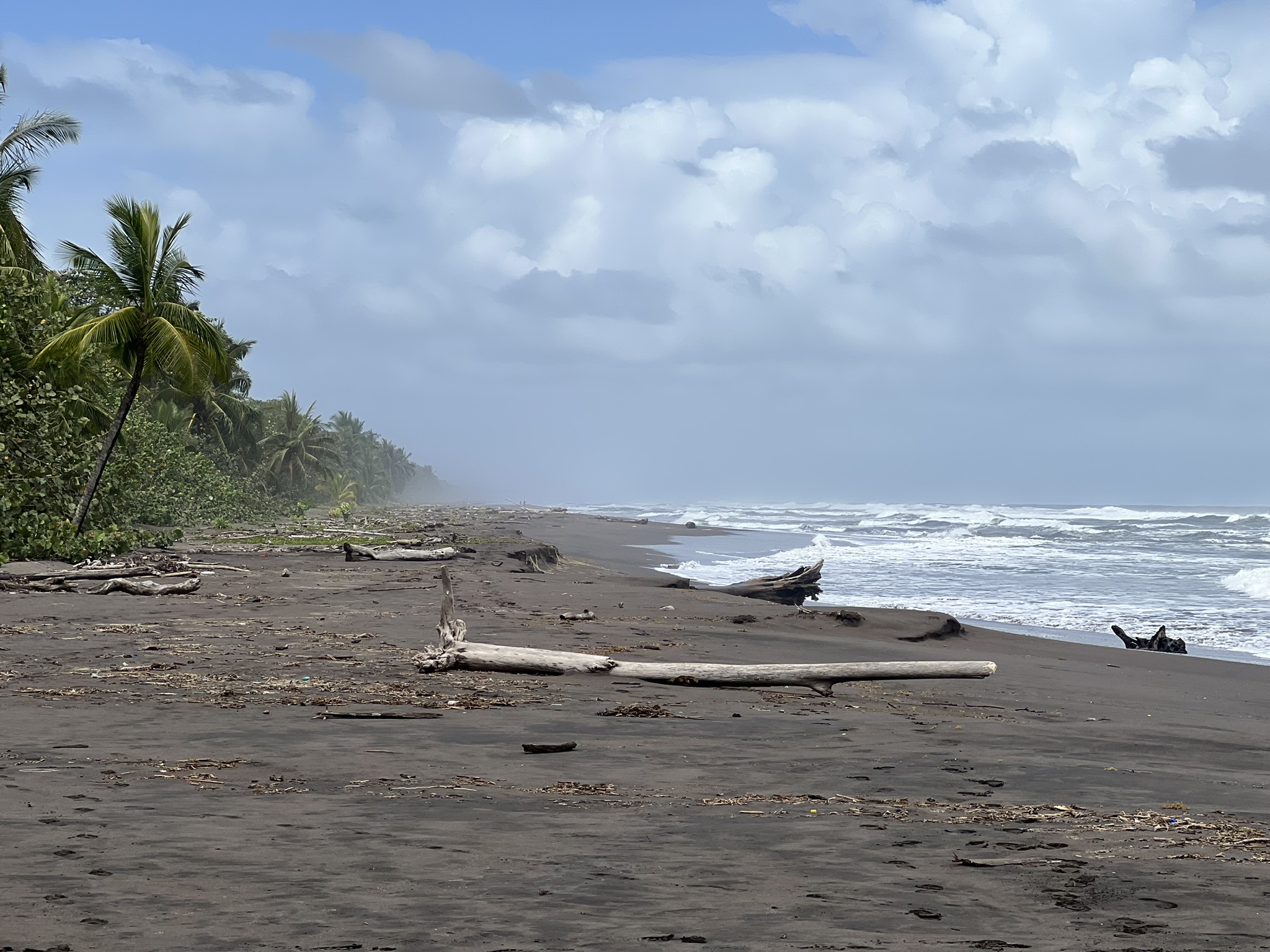
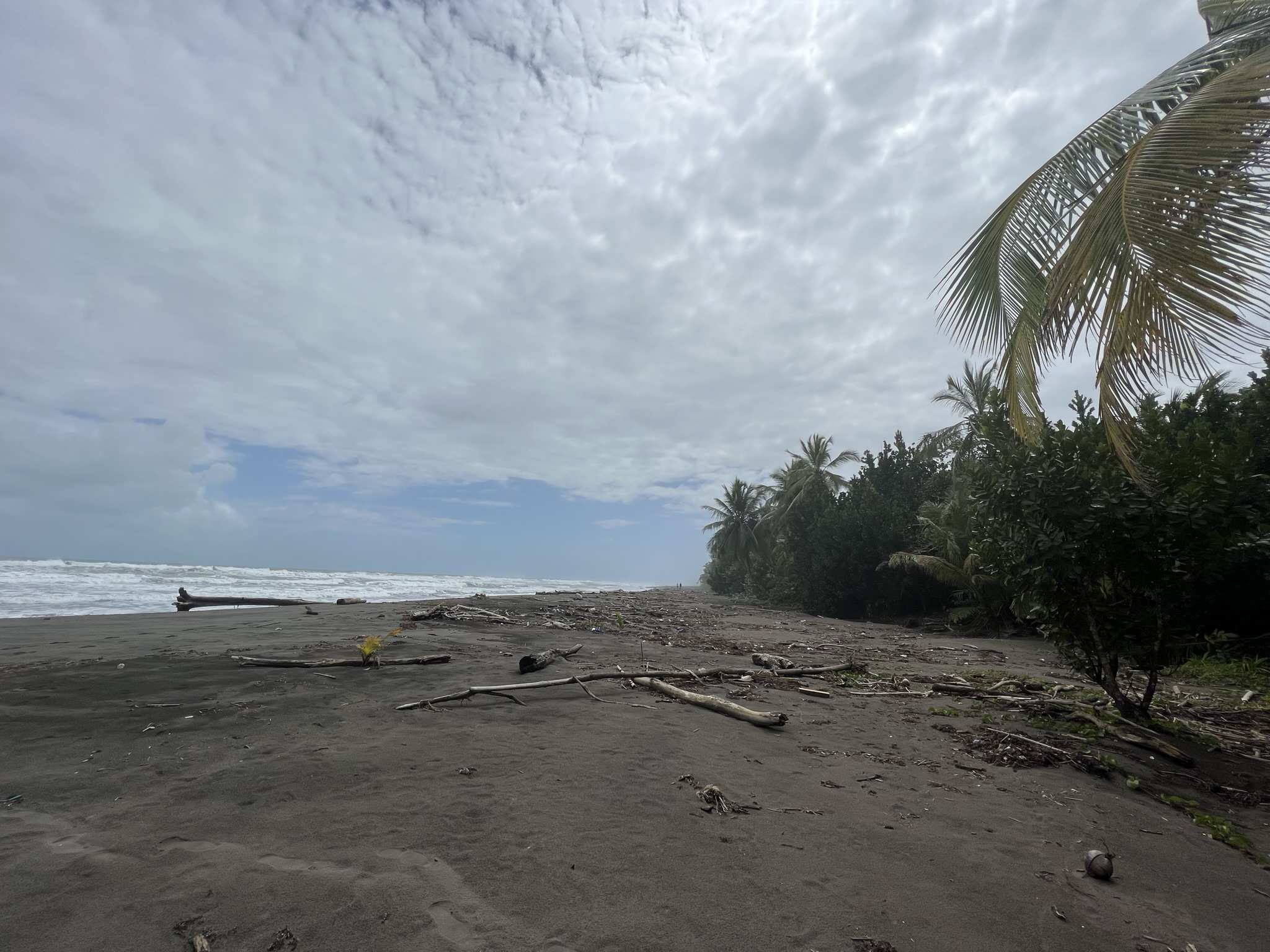
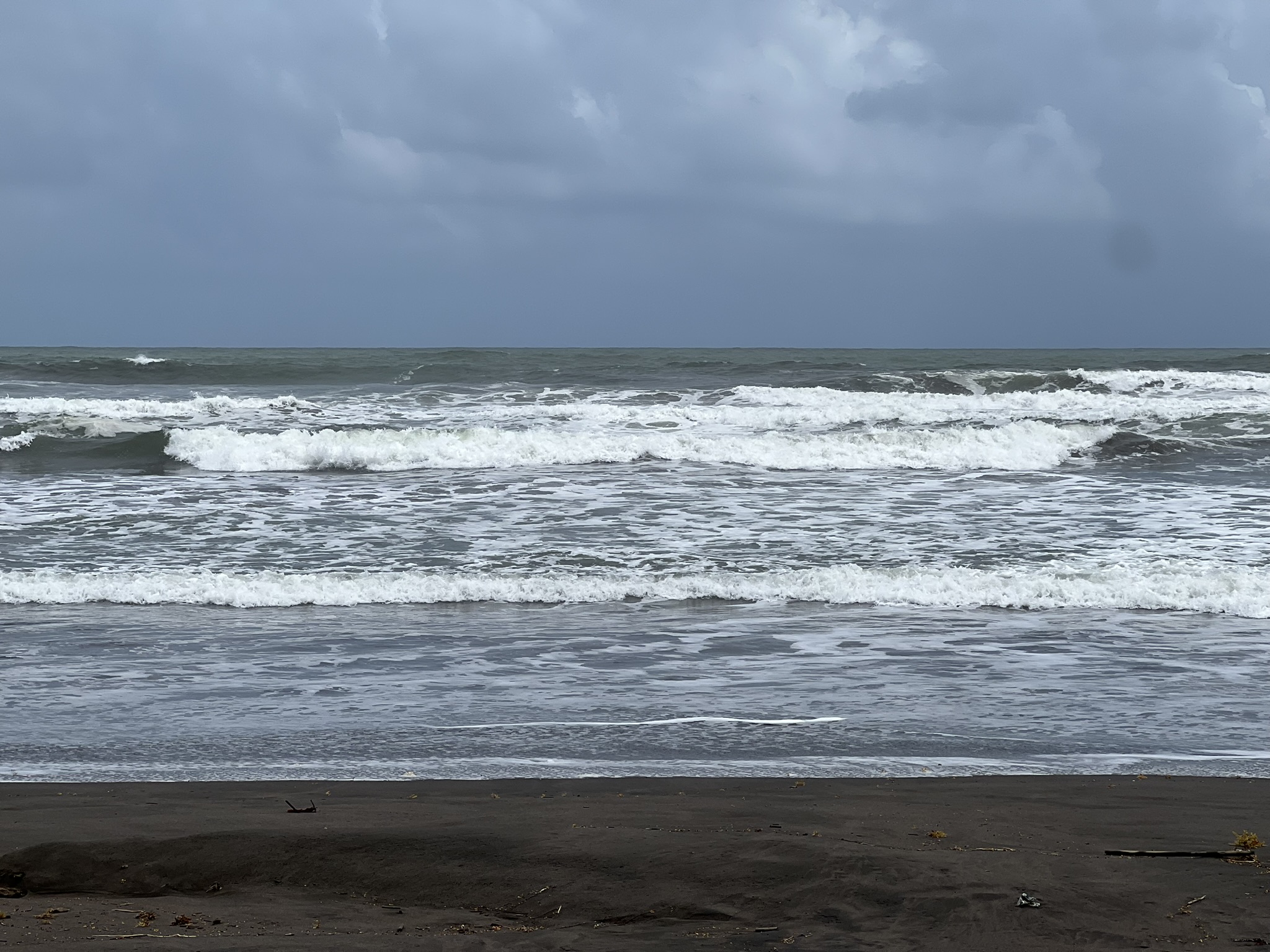
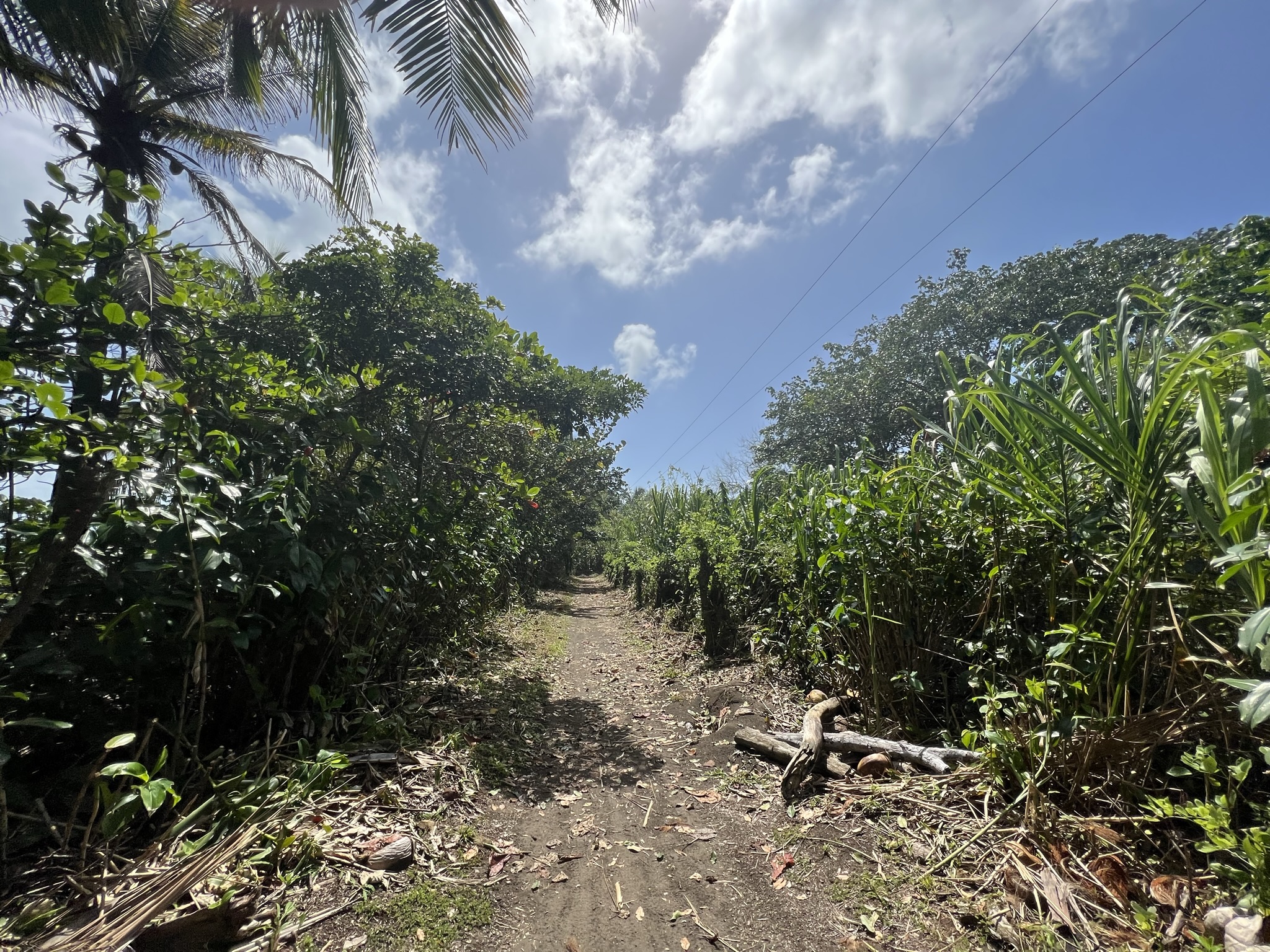
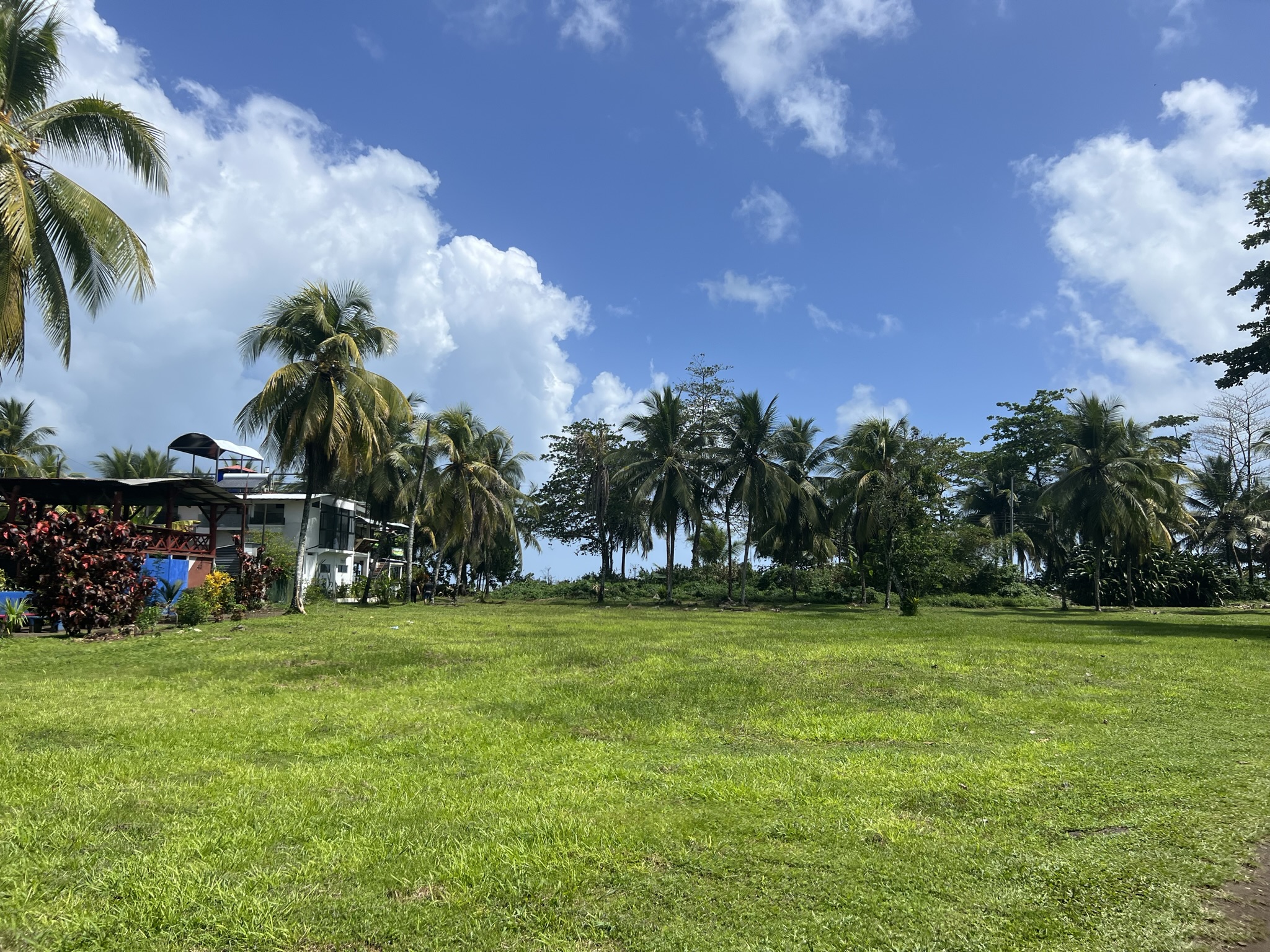
I’d usually blame nature for this, always saying that one day you go into the jungle and stumble upon a zoo, only to return the next day and find nothing. Only this time, I felt like putting the blame on our noisy group. Noisy and disinterested, might I add. And by disinterested, I mean in the wildlife, as they seemed far more intrigued by village life in Tortuguero.
The Real Jungle Life
Despite how interesting and cultural the tour was, I’d signed up for a jungle walk hoping to see as many animals and plants as possible. Instead of scrutinising every tree, branch and leaf in search of some hidden gem, we stopped every few minutes to listen to Carla answering a barrage of questions.
Questions like how a lot of money goes into the park yet no one really knows where it goes, given that it remains severely understaffed, with much of the work falling on the shoulders of around fifteen park rangers. Or how, as the park expanded over the years, many locals were evicted from land that had previously been theirs, often with little or no compensation. Or how the village fared during COVID, having been completely shut down for a year and a half, relying on fishing and fortnightly food provisions sent by the government to survive. They suffered no deaths here, with most of the population feeling the restrictions were unreasonable. At this point, I had to interject and once again insist that this was exactly why the restrictions were important, despite the economic turmoil.

There were also discussions about proposed plans to build a road from Cariari to Tortuguero, backed by the government and the economic powerhouses of the village, namely eco-lodges and hotels. Locals are firmly opposed to this, fearing deforestation and a shift towards day-tripping tourism, much like what locals feared in El Mirador in Guatemala, where visitors come and go without meaningfully supporting the local economy. Finally, she told us that women were previously barred from working in the tourism sector, with many aspiring female guides forced to leave town, a situation that has thankfully begun to change, with many companies now advocating a more equal approach.
During the hour-and-a-half tour, I did my best to engage with the group as they rambled on lugubriously, while scanning the jungle for something cool. That said, I did learn that shampoo ginger contains potable water that can be squeezed directly from its stem, and that its edible flower tastes like Bermuda buttercup – which I grew up sucking on as a kid. So I guess I did learn something after all.
The Real Safari Begins
My roommate Vicente, a sixty-year-old Spanish guy from Andalucía who’s travelling the world on his motorbike as a retirement gift to himself, tagged along with me for a jungle night tour. He told me all about his wild life, including his previous career as a policeman and the fact that he’s also a divemaster, having dived all over the world. Taking an immediate liking to him, I didn’t hesitate to invite him along, and he quickly took me up on the offer.
We started the tour in the middle of the road under the cover of complete darkness, pointing our lights at every bush and scanning the foliage above us. Carlos, our guide, seemed to have the eyes of an eagle, pinpointing a slightly different-coloured leaf half a mile away that would turn out to be a moth resting on a branch.
The walk to the actual jungle was as fruitful as a full-on safari. Golden orb-weavers were everywhere you looked, iguanas and basilisks expertly camouflaged among the trees, and turkey vultures and black hawks roosted on branches above our heads. We also spotted a couple of green vine snakes – an animal I’d wanted to see since I was a kid – as well as a common blunt-headed tree snake, whose eyes seem to take up most of its head. Oh, and the Brazilian wandering spider, whose powerful venom can cause everything from cardiac arrhythmias and seizures to flash pulmonary oedema and, wait for it, priapism – a persistent erection.
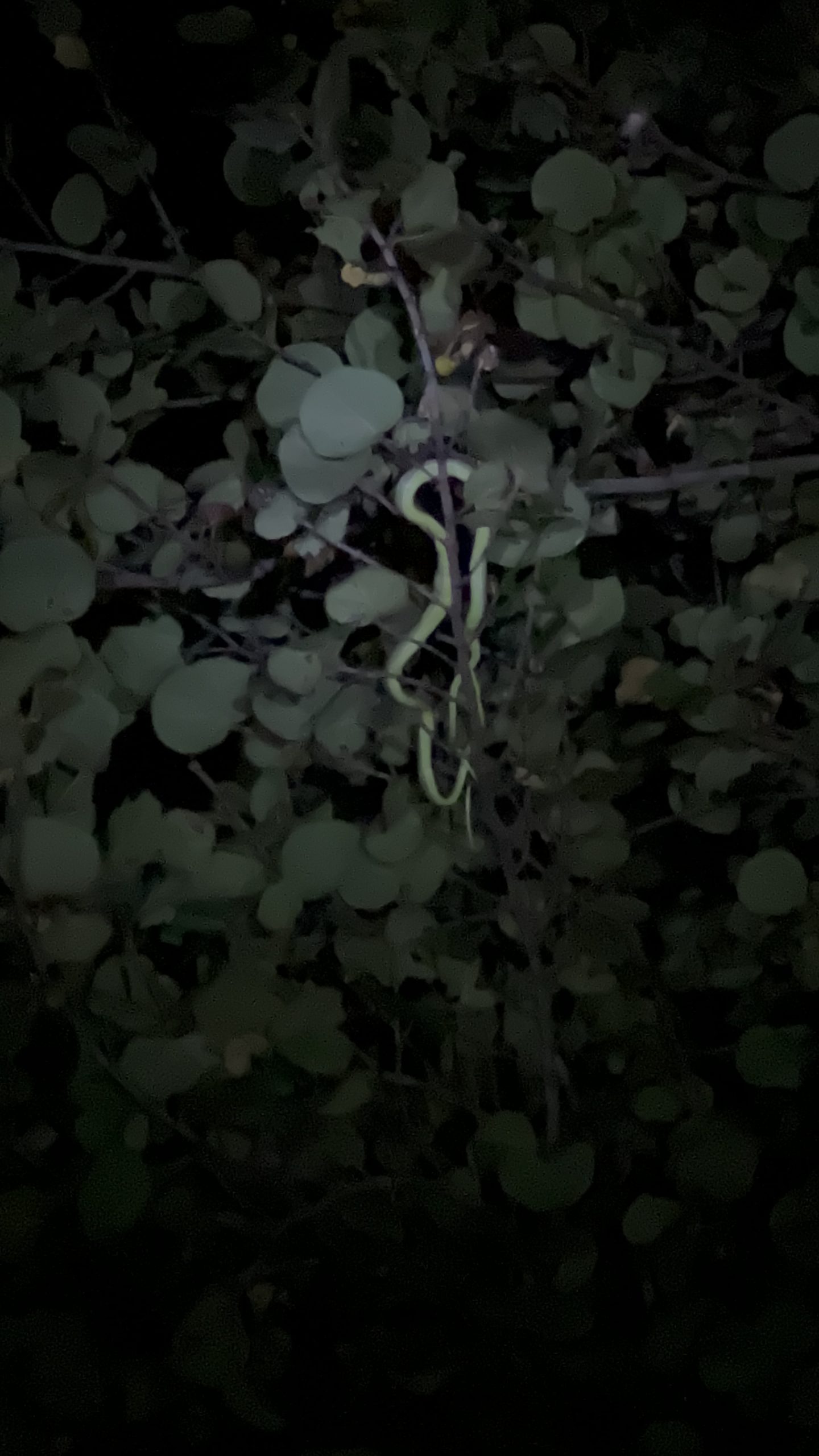
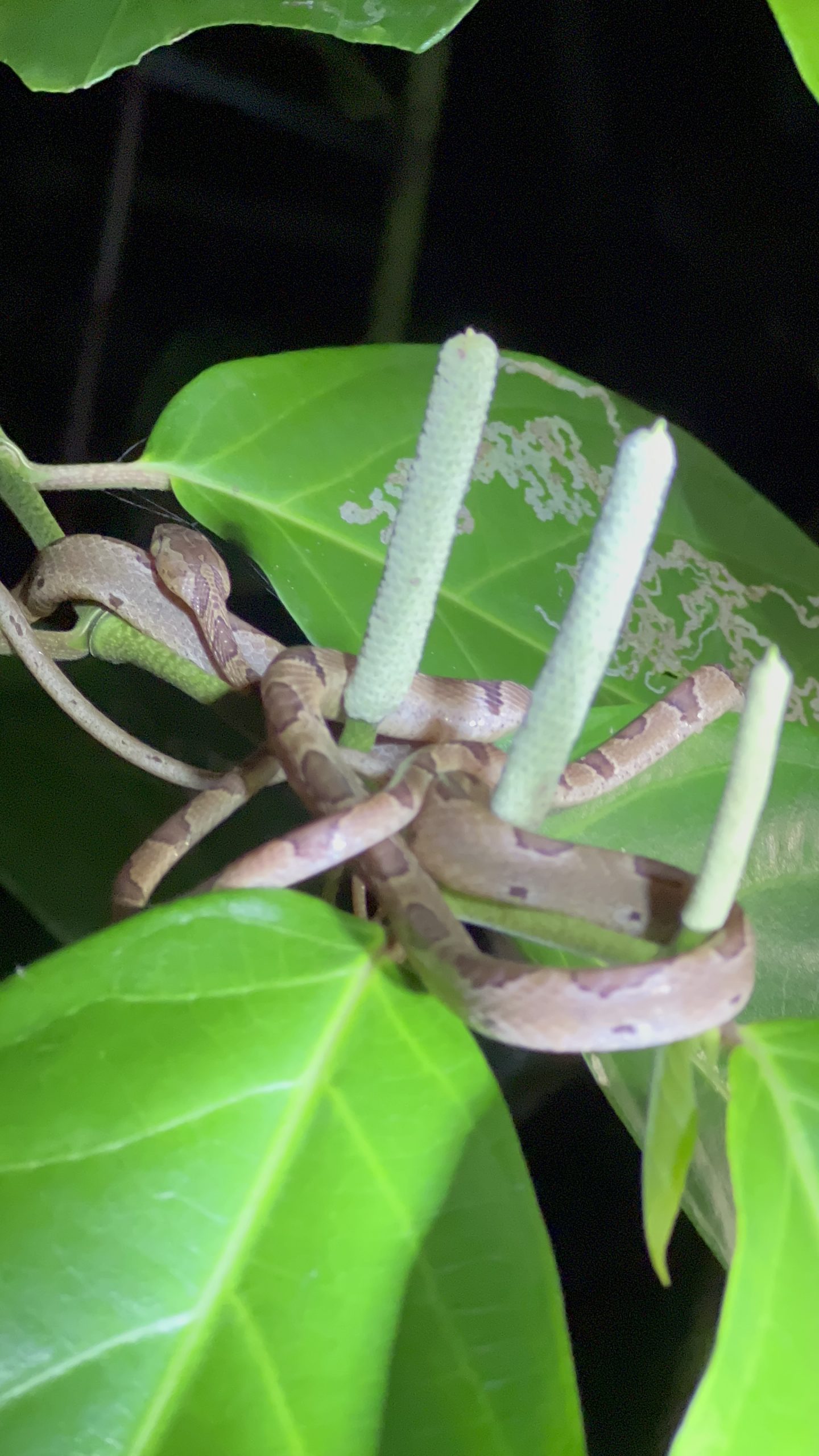
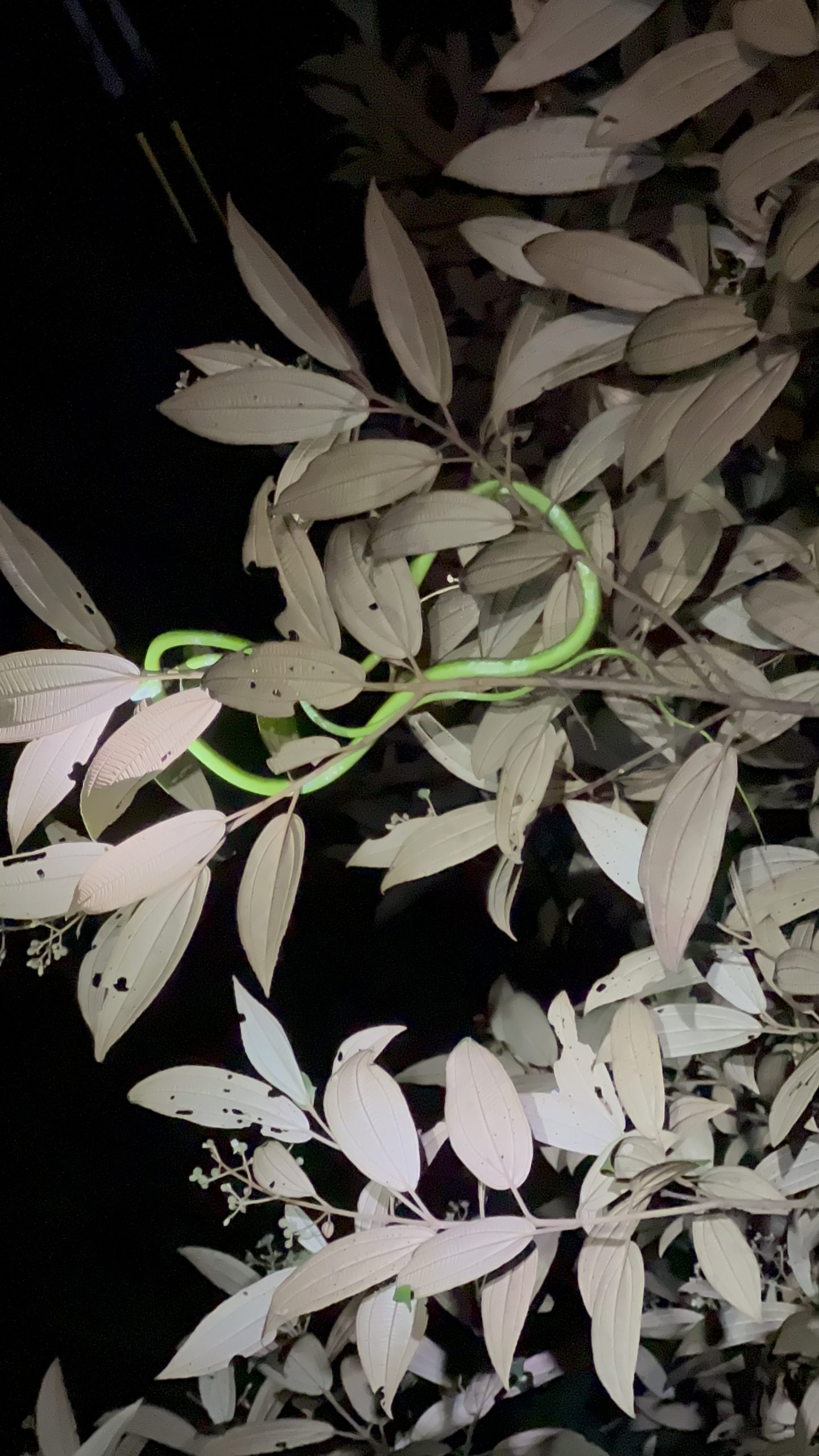
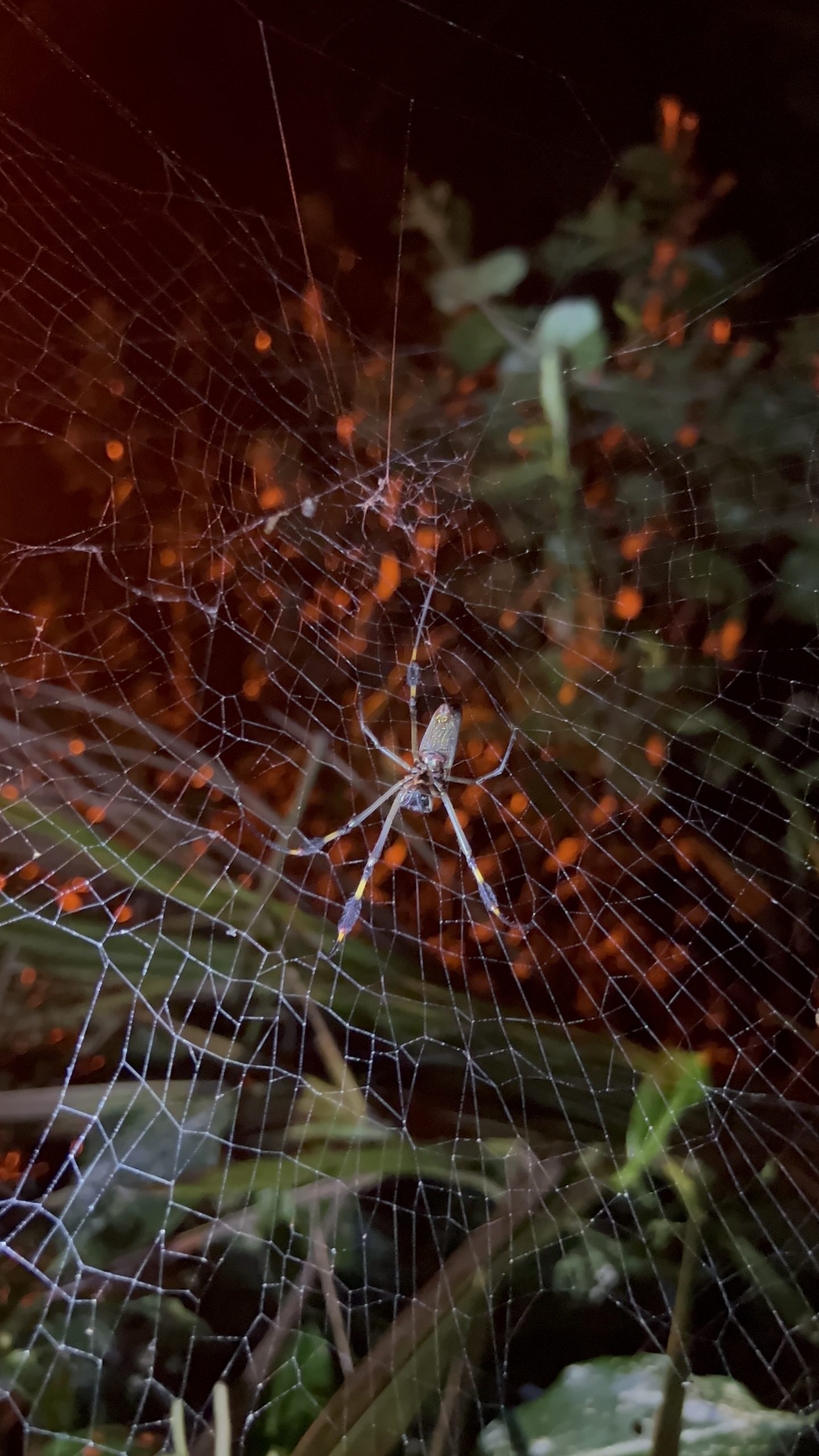
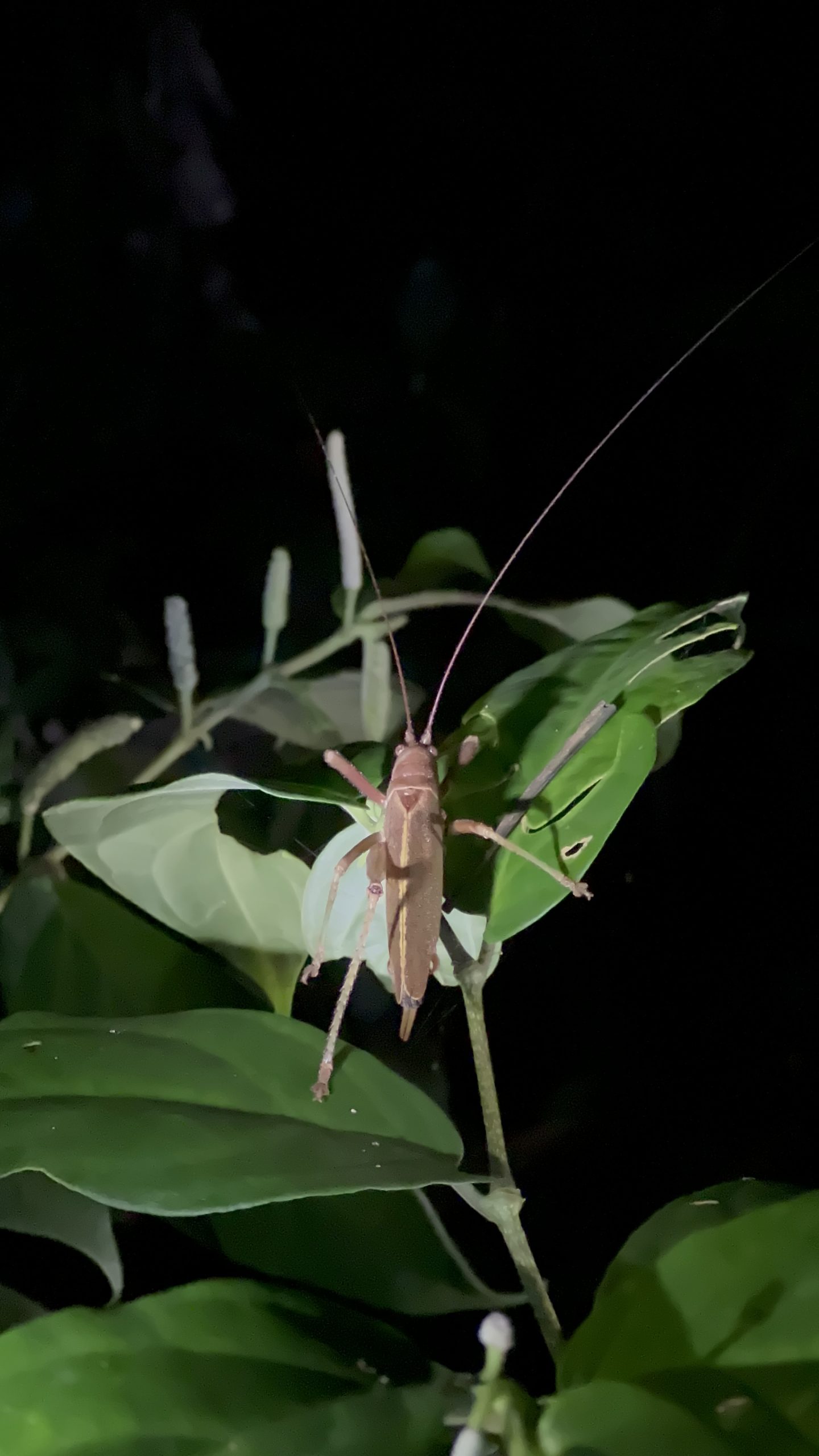
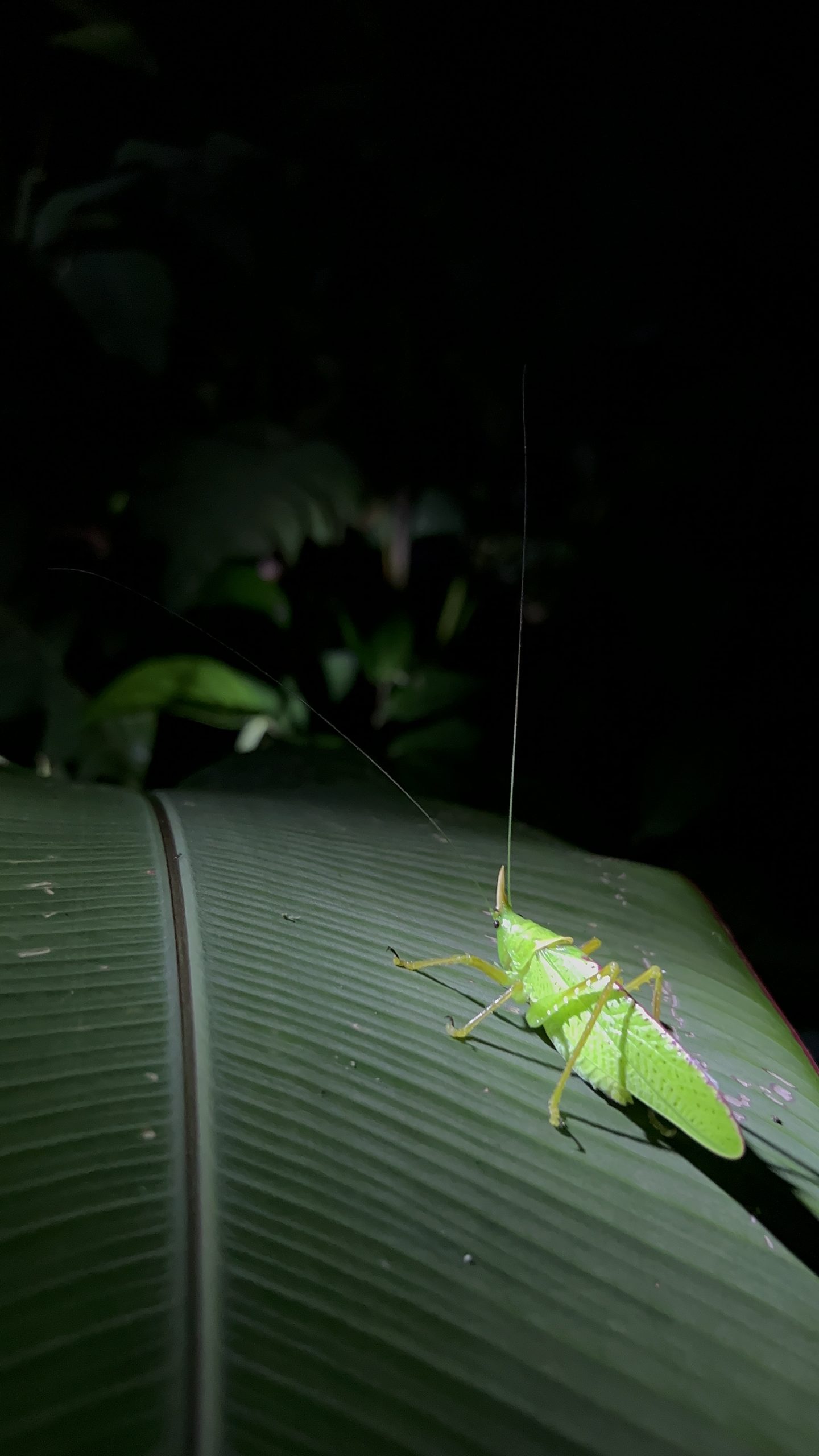
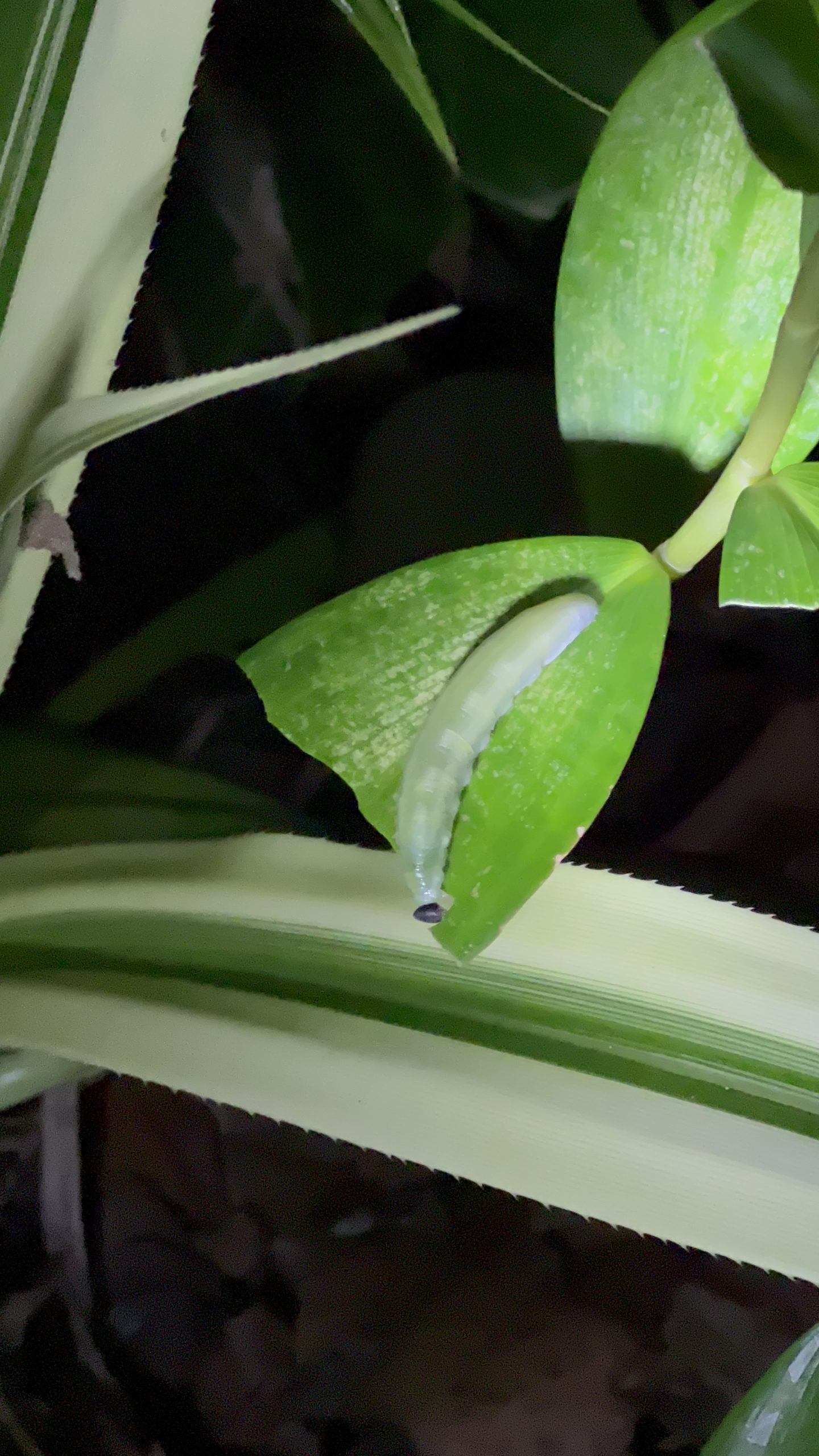
At one point, we stumbled upon the entrance to a trail that led deeper into the jungle. Here, every leaf, branch and trunk seemed to hide something. All we had to do was carefully examine a single structure and we’d uncover a trove of spiders and insects, from katydids and grasshoppers to crickets and stick insects. Add to that a couple of rain frogs, sloths and, right at the very end, yet another Mexican hairy dwarf porcupine, and one could safely say it was a damn good tour.