Monteverde – Day 3: Curi-Cancha & The Quetzal
MONTEVERDE
Day 3: Curi-Cancha & The Quetzal
January 21, 2023
The next day, even more wildlife exploration awaited Jennie and me. Now aware that we’d have better odds of spotting animals early in the day, we found ourselves at the entrance of the Curi-Cancha Nature Reserve as soon as it opened. Trying to give our bank accounts some much-needed respite, we chose to hike the trails without a guide, knowing full well it would dent our sighting tally by the end.
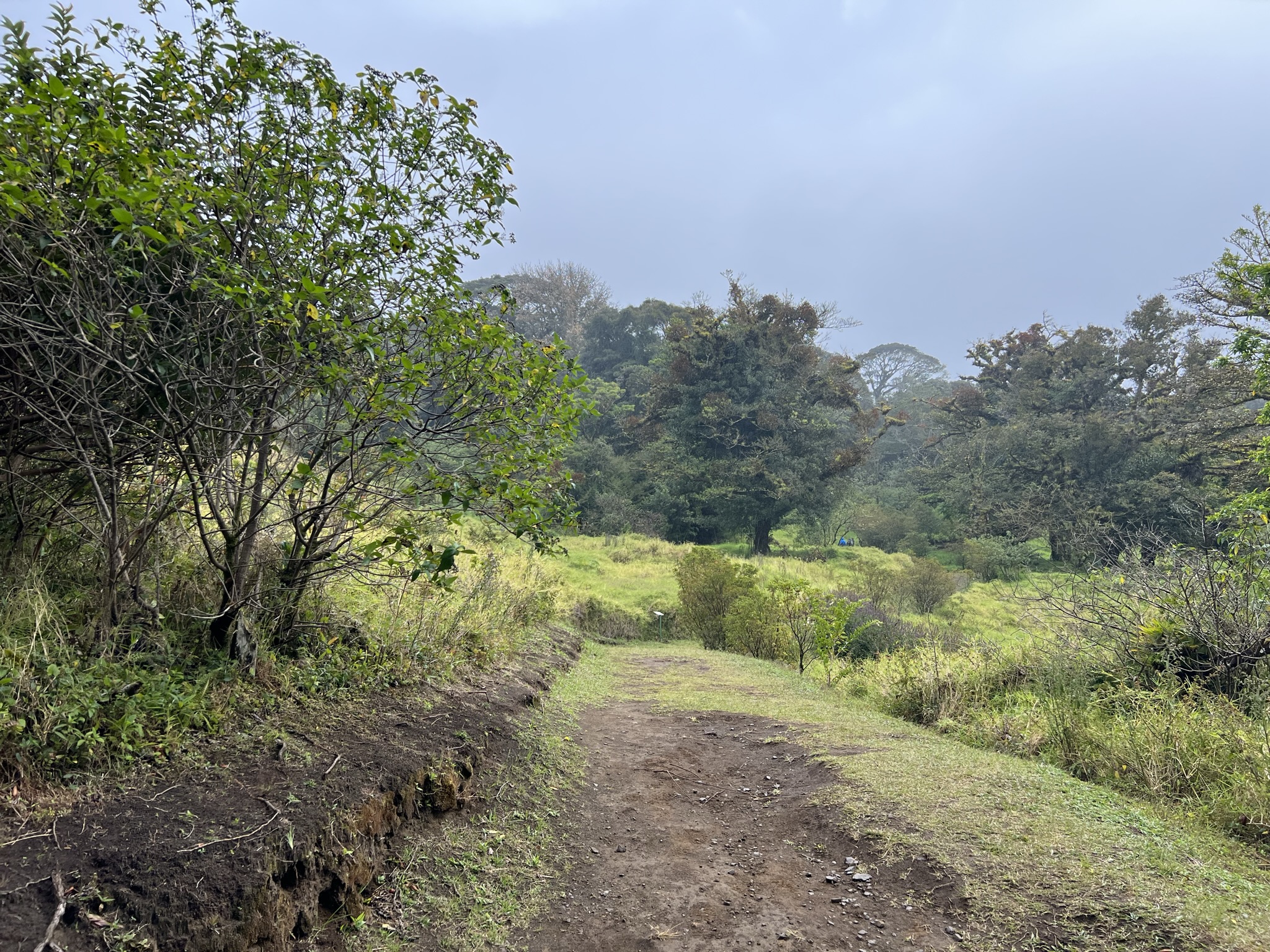
Being so like-minded, we decided we’d hike all nine trails around the reserve – roughly 7 to 8 kilometres of paths that promised wondrous creatures and would definitely satisfy our craving for wildlife. A light, fresh breeze and the finest pitter-patter – like pins and needles all over my skin – accompanied us throughout.
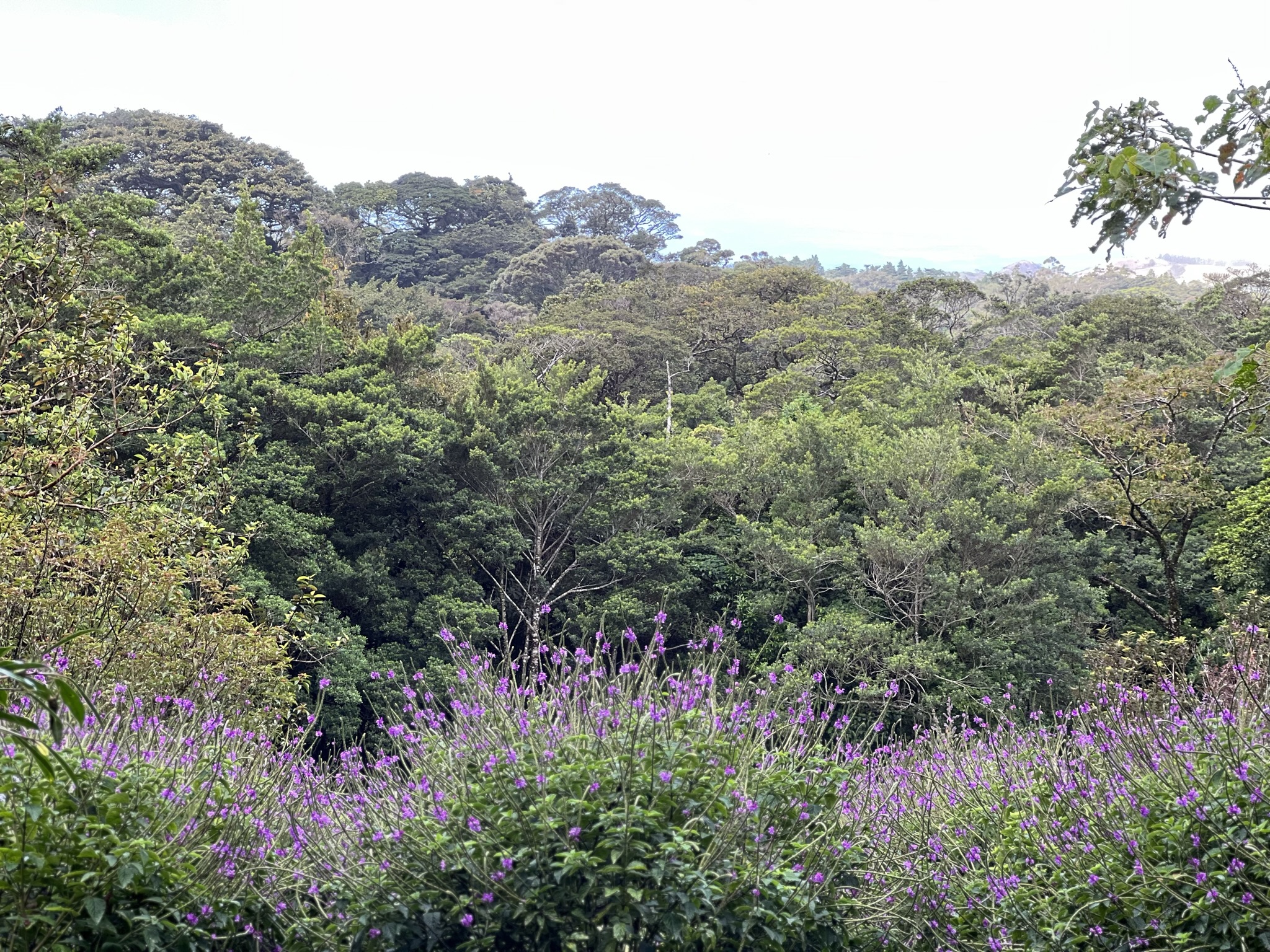
The first trail led us through wet woodland, ending at a nice but pretty unimpressive waterfall and a creek, with wrens and warblers keeping us company along the way. Then we reached a viewpoint over the forest-engulfed valley below, where a garden of blue porterweed was attracting dozens of hummingbirds – brown violetears, purple-throated mountain-gems, magenta-throated woodstars, violet sabrewings, green hermits, and what have you – all flitting around, busying themselves trying to get their beaks on as much nectar as it was birdly possible.
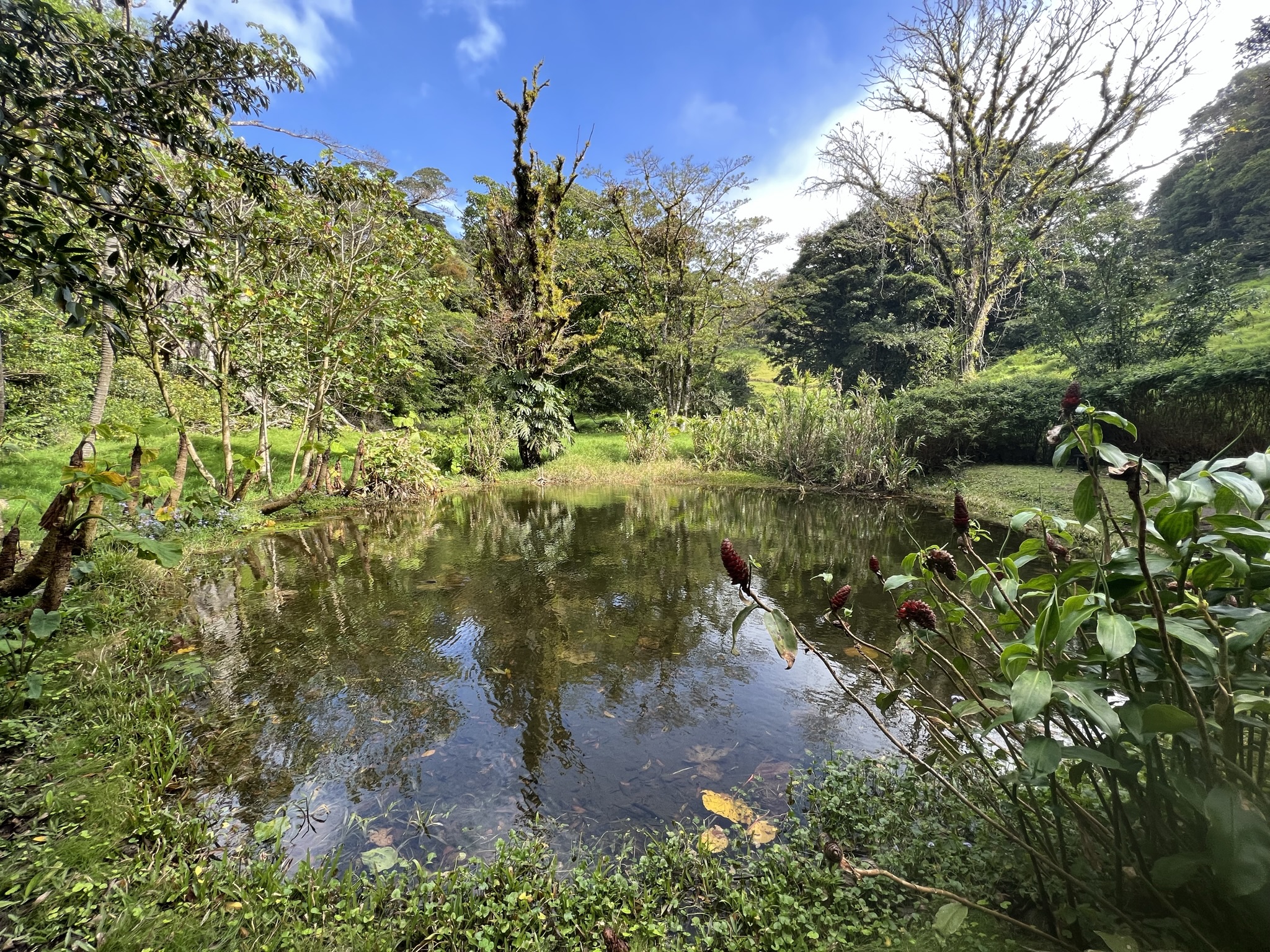
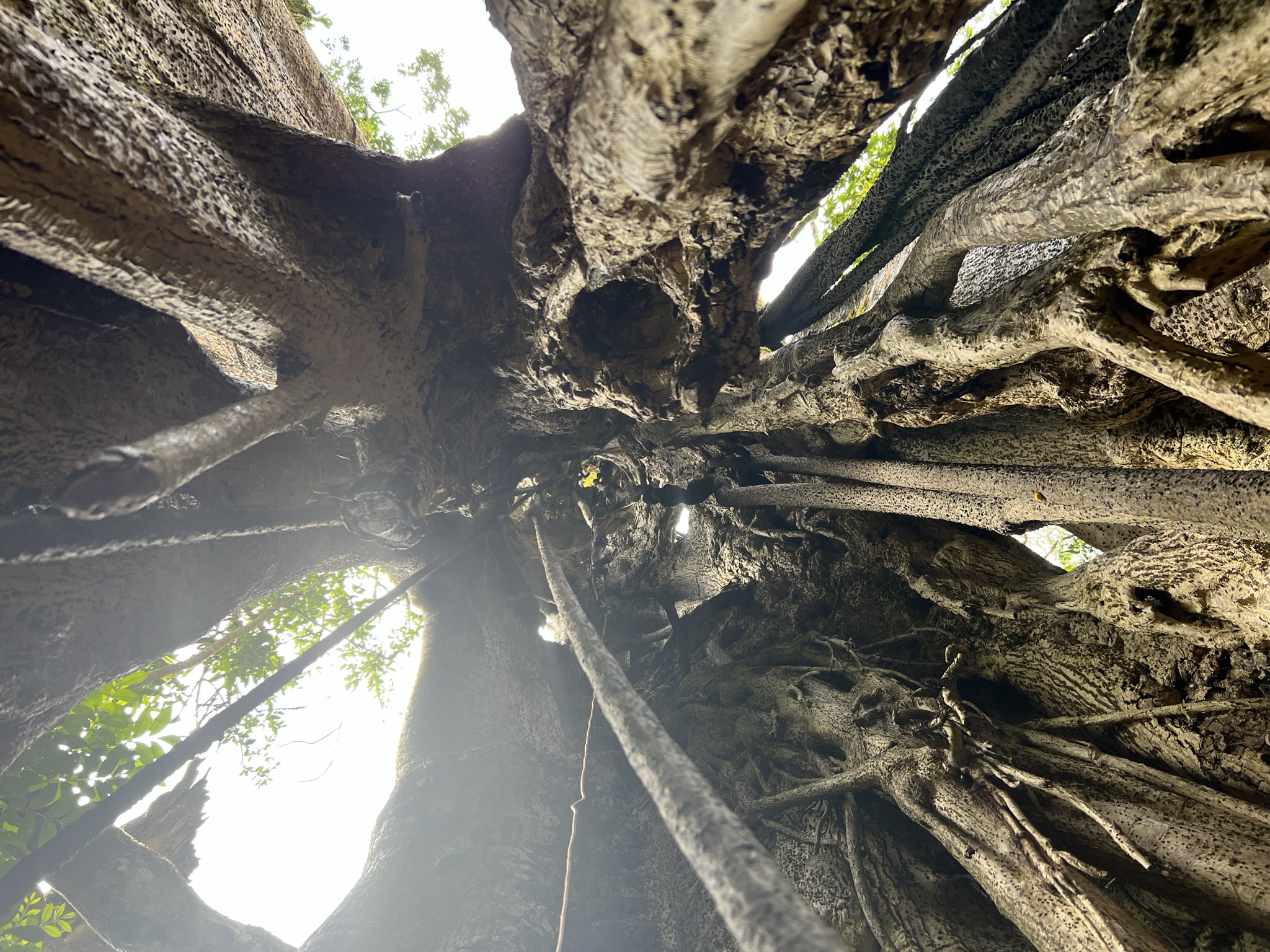
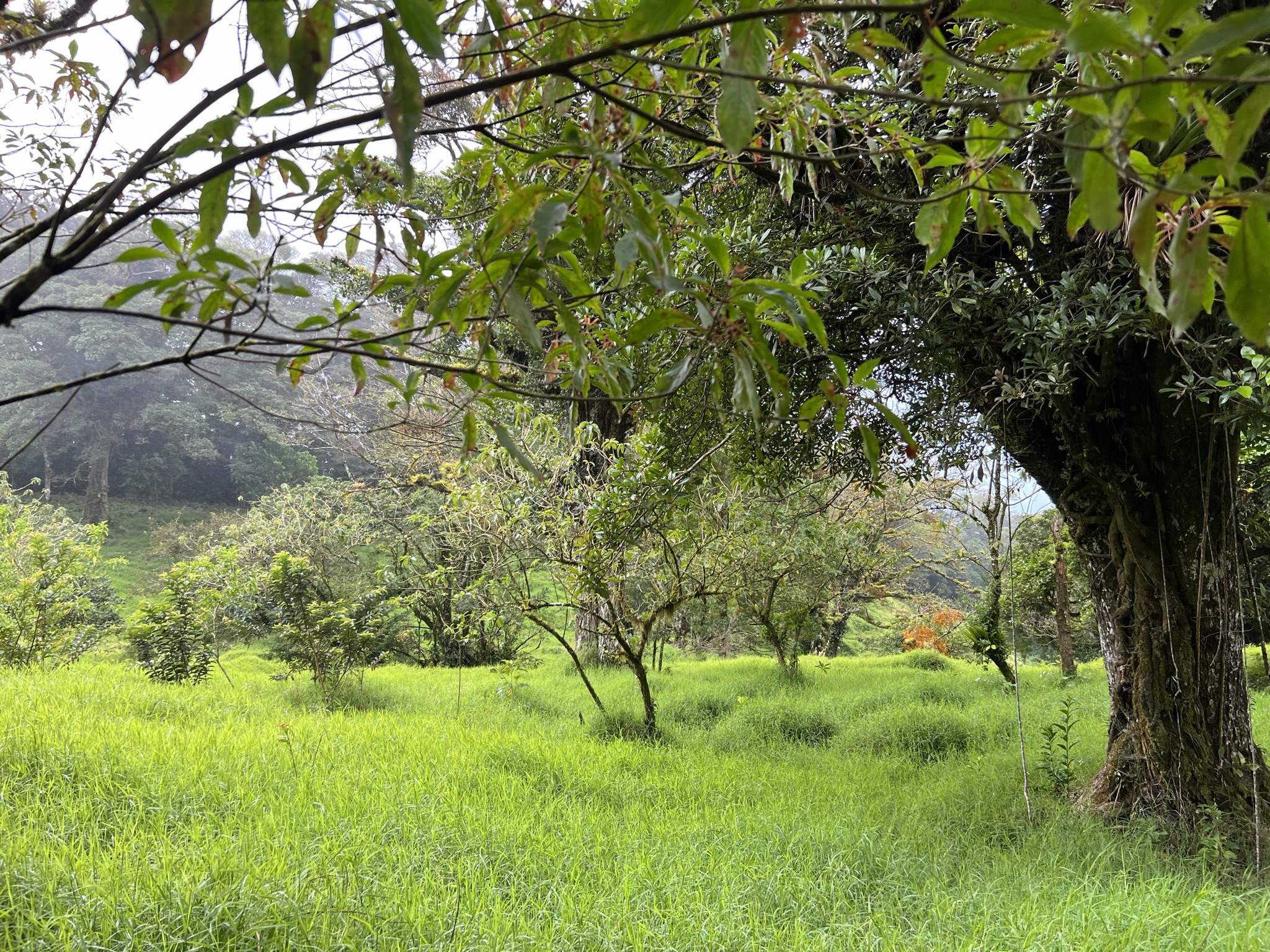
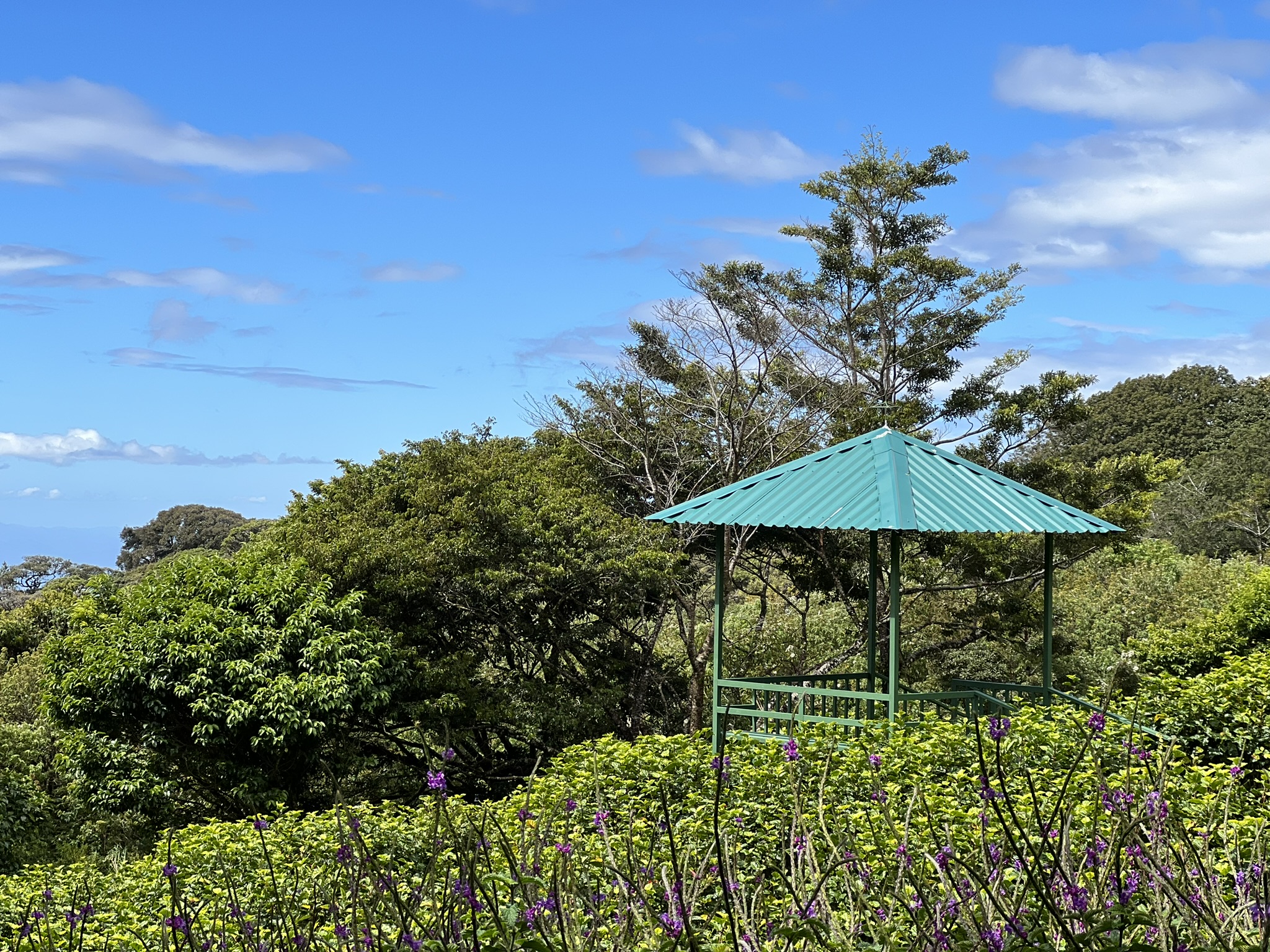
We moved on, discovering small ponds, plantations, a very big, very dead fig tree whose hollow trunk we could both fit inside, and a flower garden buzzing with different types of bees. Then, at one point, we ran into a group of tourists huddling in front of a scope. I couldn’t help but ask what they’d spotted.
Lo and behold – another quetzal, in the flesh. And this time, it was only a few metres away. Again, I was awestruck, my eyes glued to it. I couldn’t believe my luck. Jennie and I just stood there, admiring the glorious creature as different groups of tourists came and went. I swear we must’ve been there for at least an hour, with the magnificent bird barely moving except for the occasional slow turn of the head. What a friggin’ honour.
Keel-billed toucans, emerald toucanets, blue-crowned motmots, collared redstarts, brown jays, grey-tailed grackles, chachalacas, red-billed pigeons, social flycatchers, clay-coloured thrushes (Costa Rica’s national bird) – I was about to lose my mind with the variety of birds we kept stumbling upon. Some were pure luck. Others we found by shamelessly tailing other tour guides as they aimed their scopes at whatever rare thing they’d just clocked.
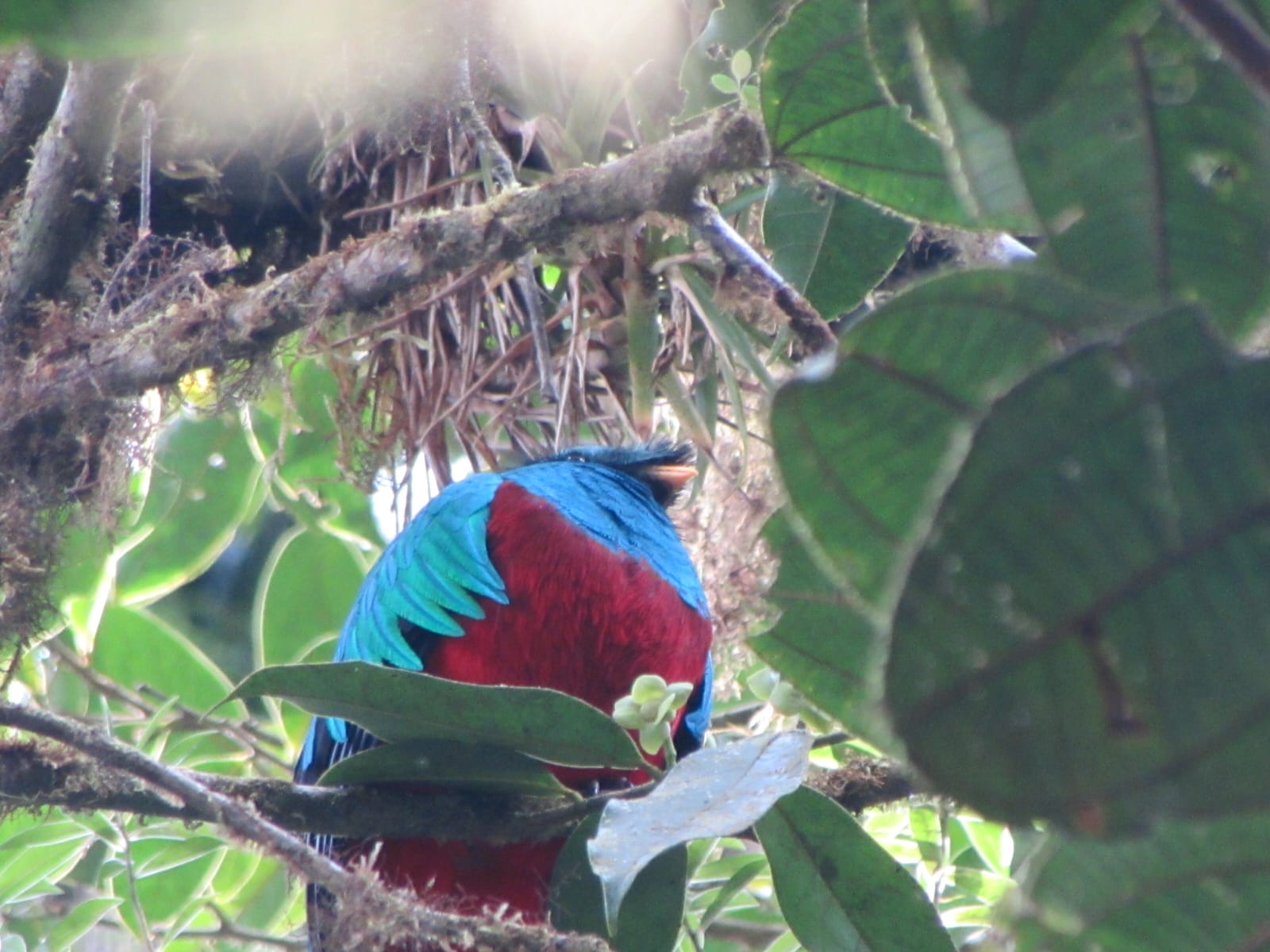
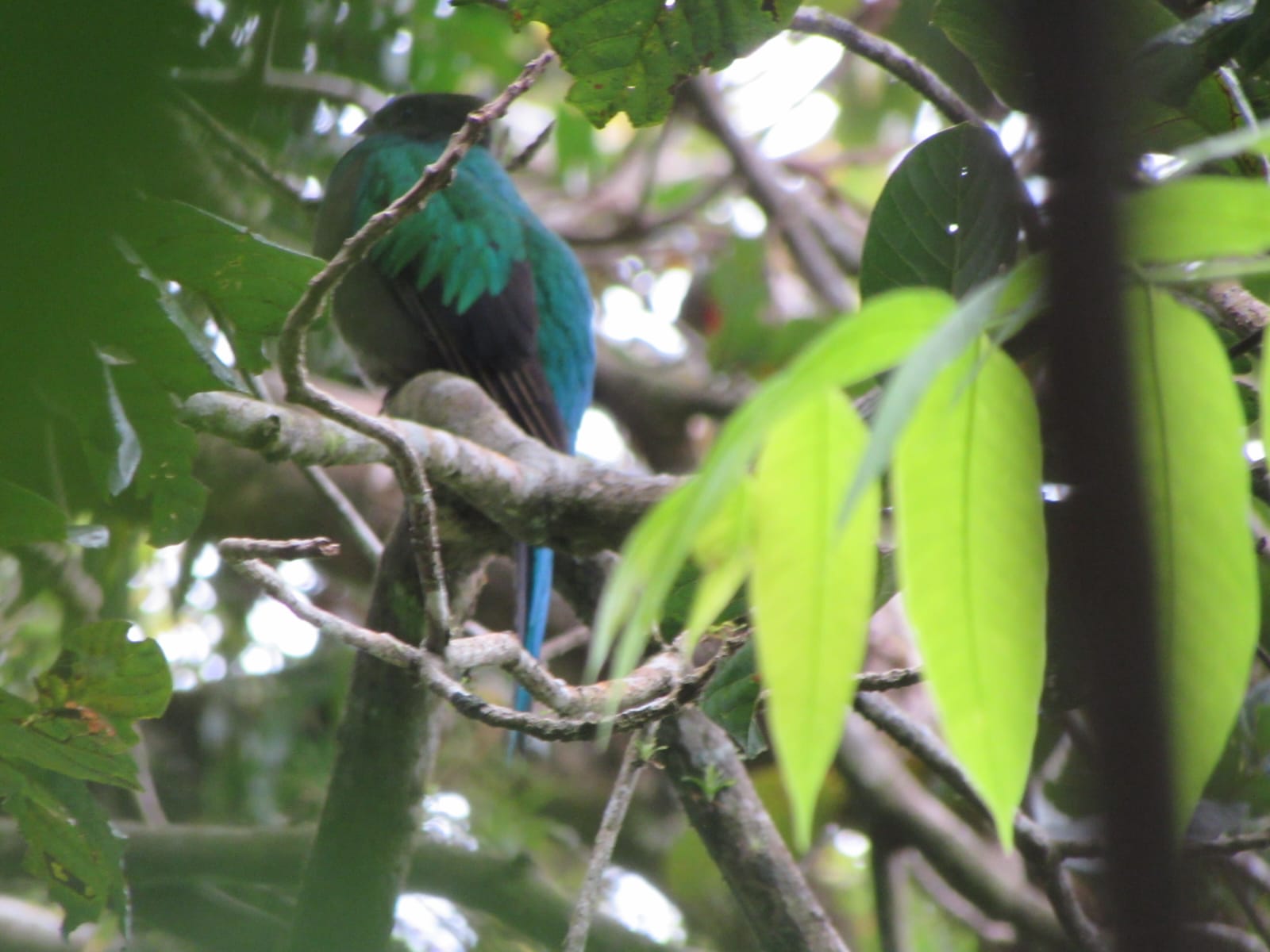
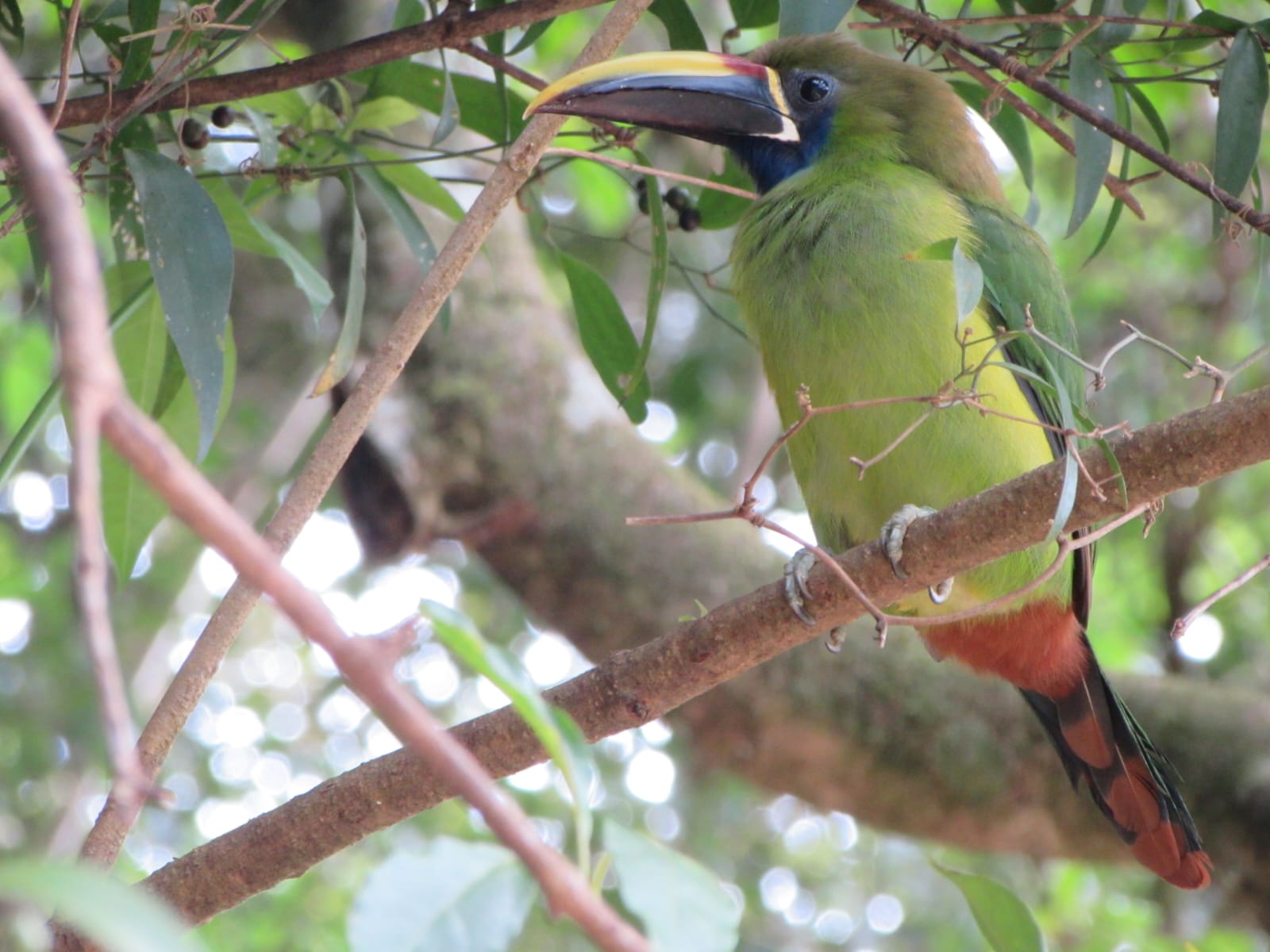
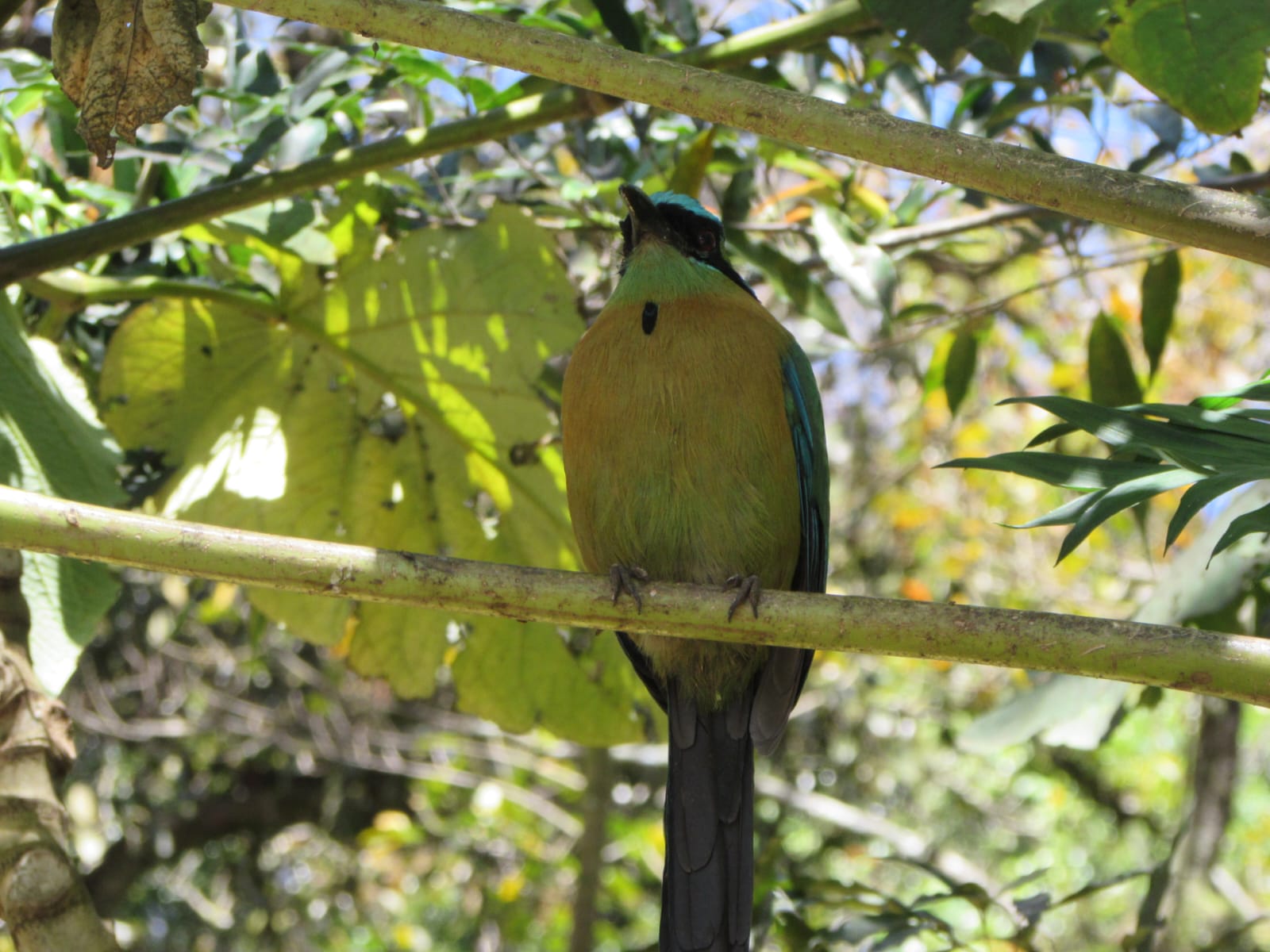
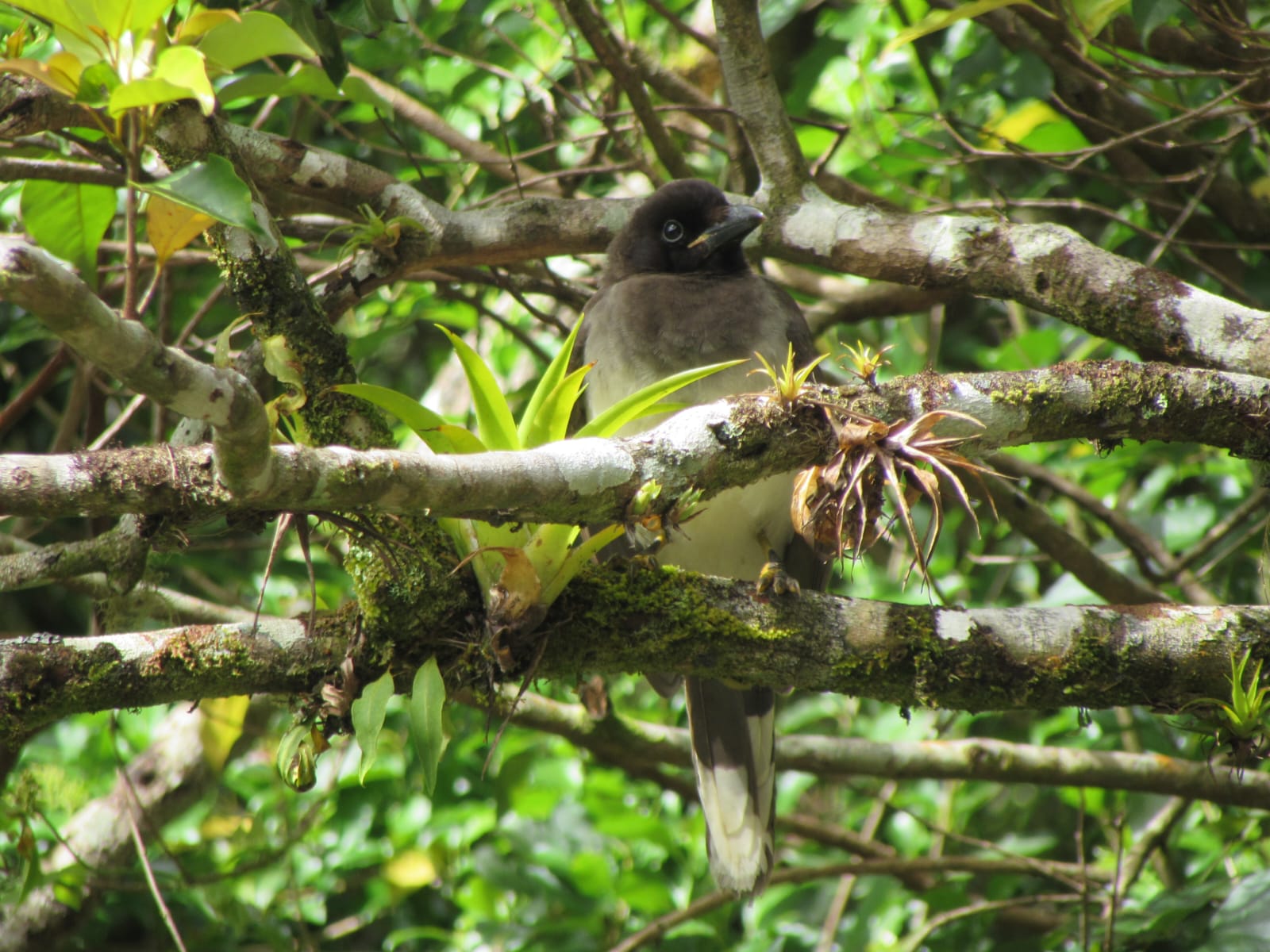
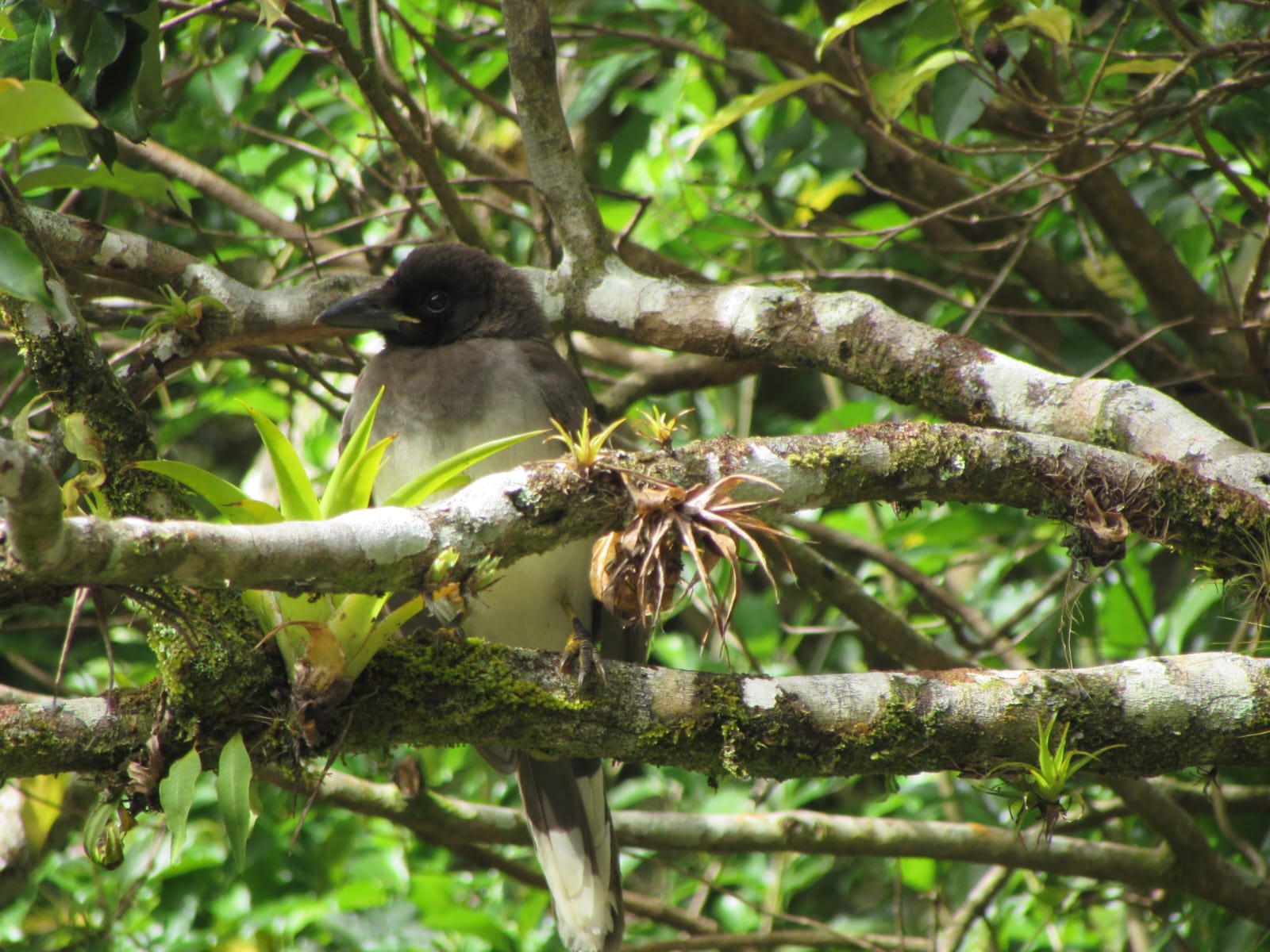
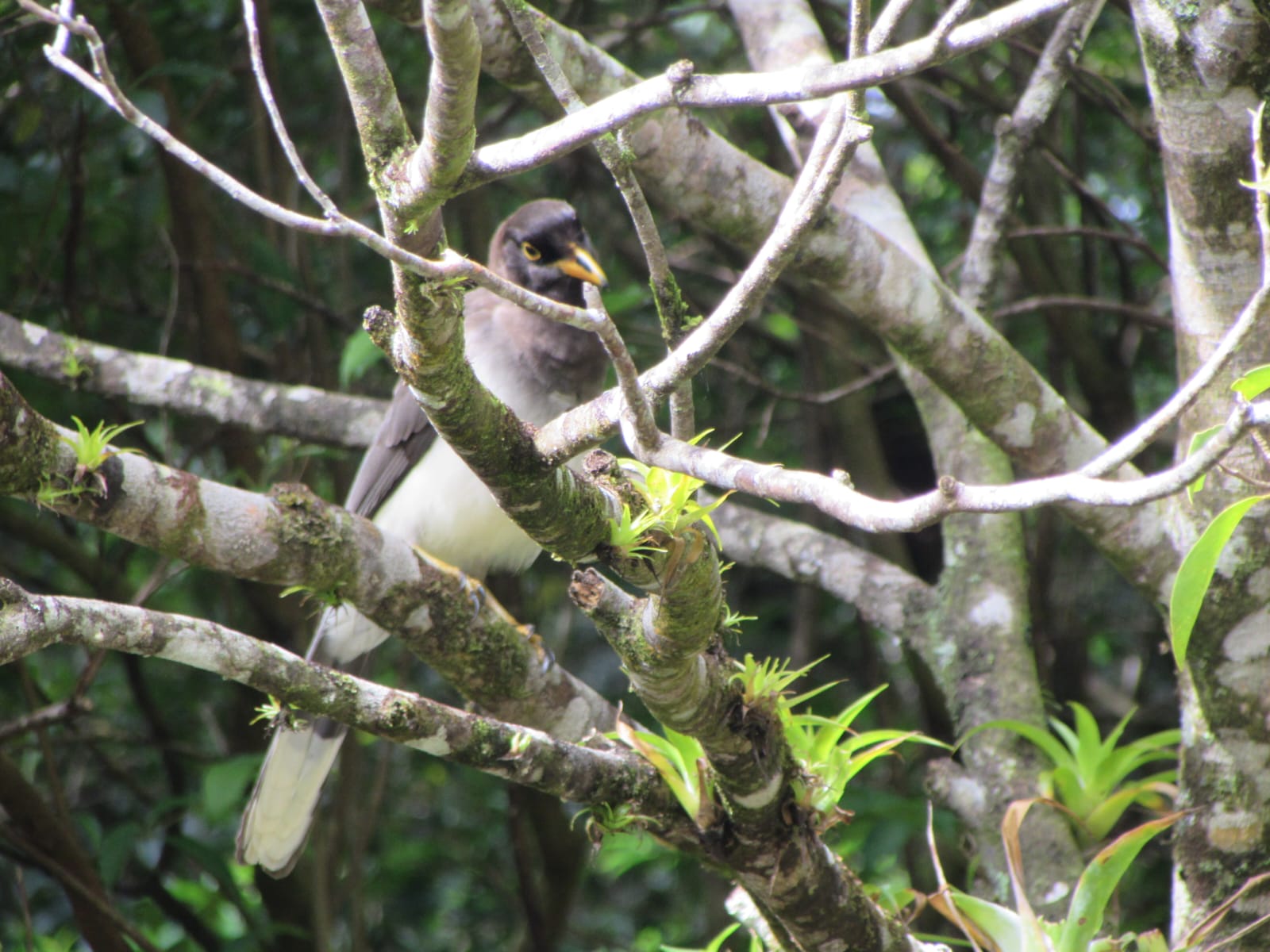
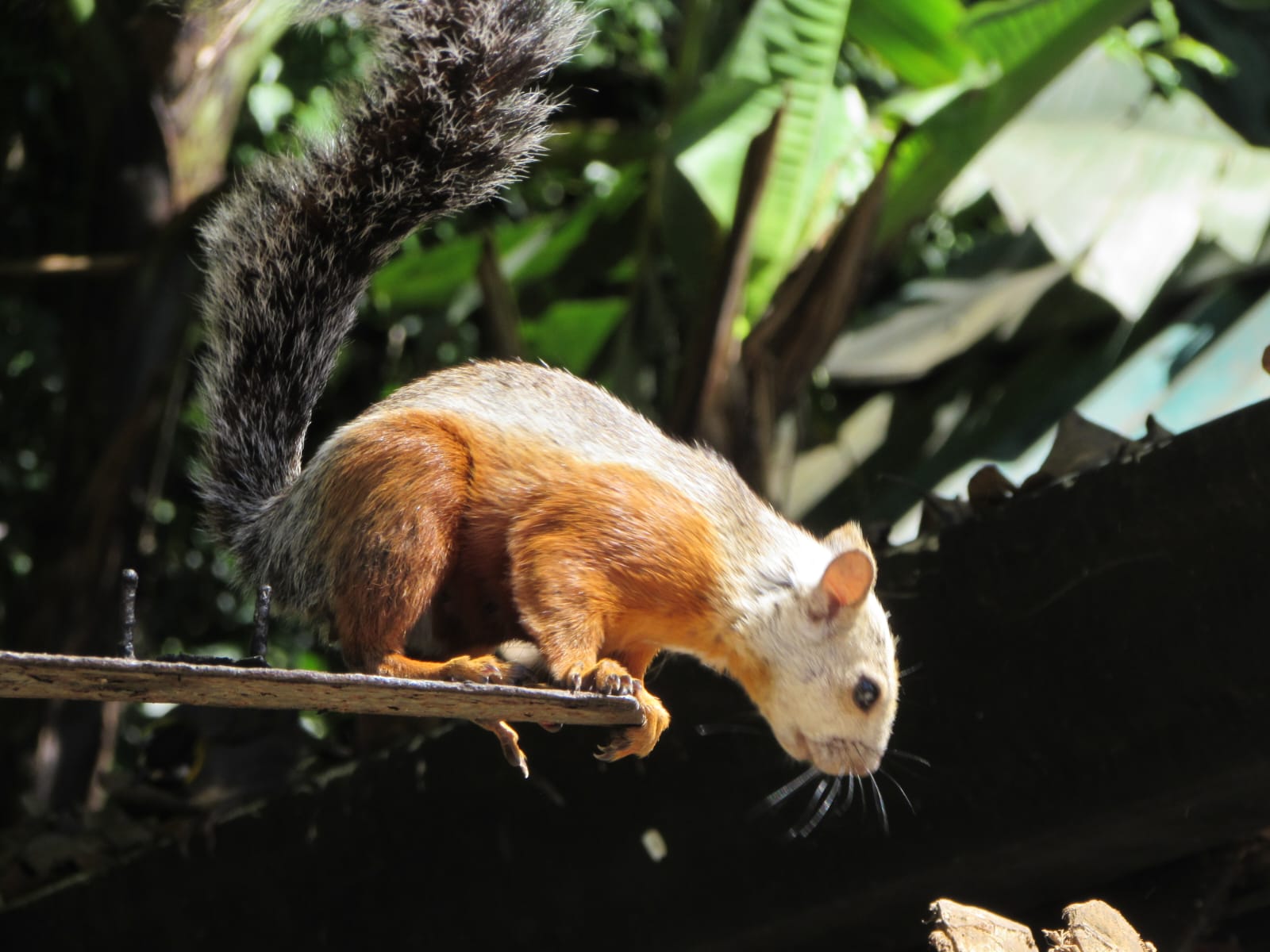
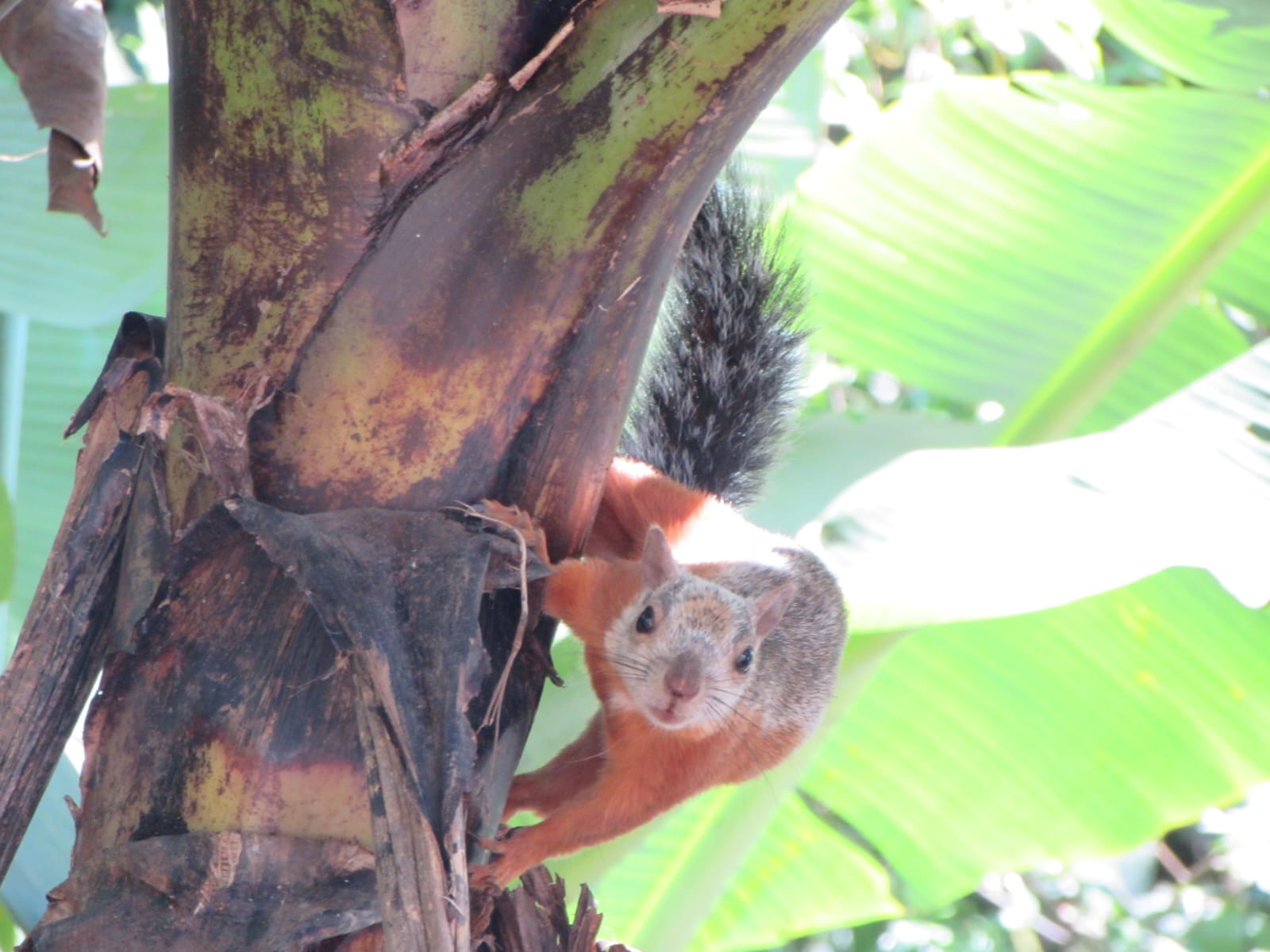
A couple of agoutis and variegated squirrels crossed our path too, kindly reminding us that other classes of animals do, in fact, exist.
That said, my hopes of stumbling upon a feline remained just that. While the country has six wild cat species in total, sightings in Monteverde are the stuff of luck and legend, and my obsession was focused on the rarest of them all – the jaguar. I didn’t quite care about pumas or ocelots or margays (even though the latter really can mimic prey sounds, including young monkeys, to lure victims – which is just devilishly cool). Much like my quetzal obsession, I’d been searching for a jaguar monomaniacally ever since the start of my trip.
But as I reasoned it out, it’d be too soon. It’d be way too soon for me to tick off yet another dream so, so fast. So I decided I’d bide my time a bit longer. But mark my words, jaguar – I’ll see you in the wild someday. Mark my words.