San Salvador – Day 1 & 2: Palaces, Art & Urban Chaos
SAN SALVADOR
Day 1 & 2: Palaces, Art & Urban Chaos
October 27 & 28, 2022
Somehow, I said goodbye to Santa Ana and moved on, this time to the country’s capital – San Salvador. A two-hour car ride later and there I was, in pitch darkness, trying to find the hotel I’d be staying in, walking up and down the same road for what felt like an eternity, until some good soul pointed me to my place, which had no signs or banners whatsoever.
Luckily, my host welcomed me with a much-needed hot cuppa java and gave me my room keys without so much as asking me for my name. As soon as I got to my room, I collapsed into bed and that was that.
San Salvador’s Palacial Grandeur
Another busy day awaited me. Whilst the city has six districts apart from the Historic Downtown, I would only have enough time to explore just a tiny area – and that’s only if I made the most of my time.
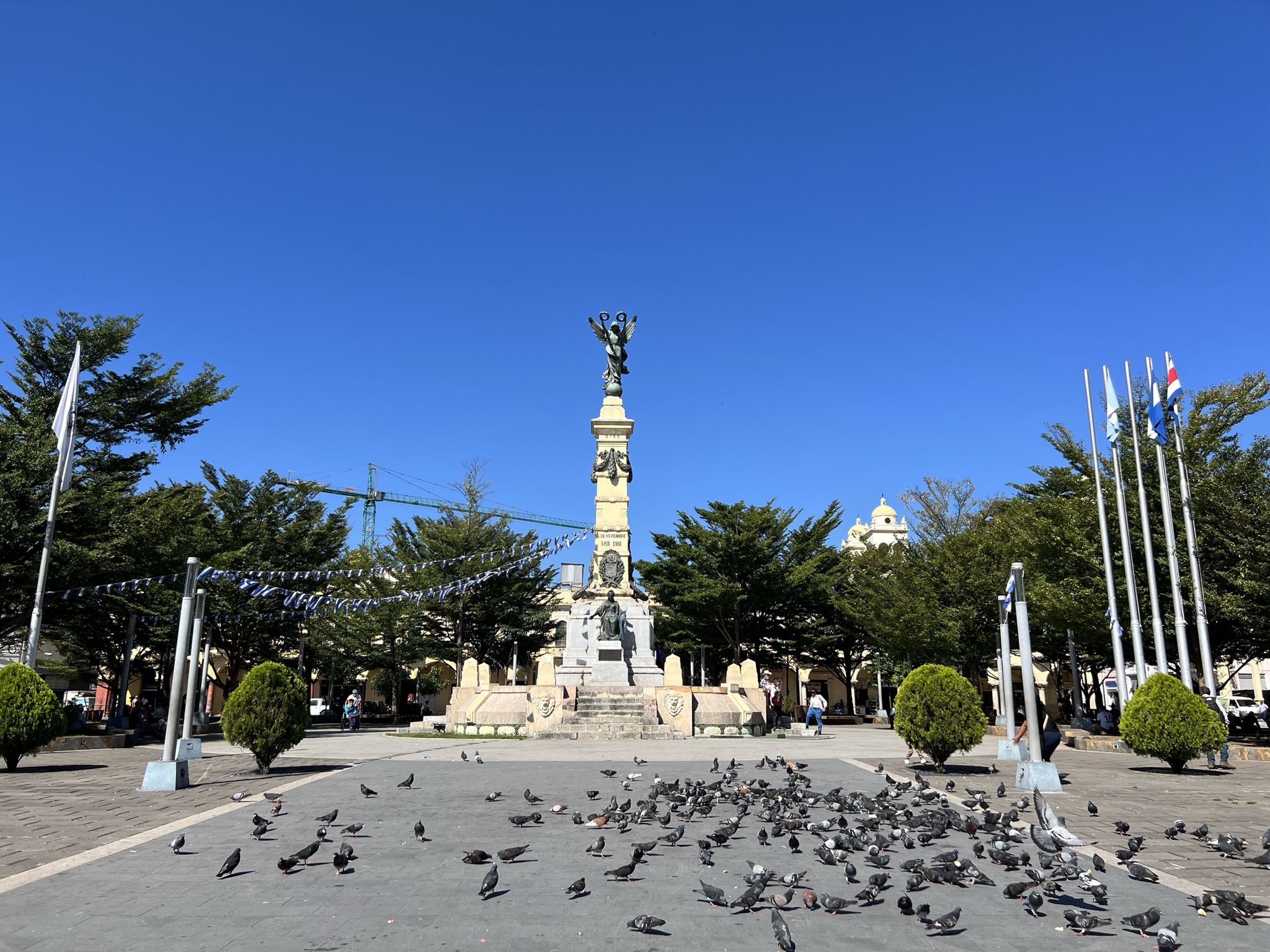
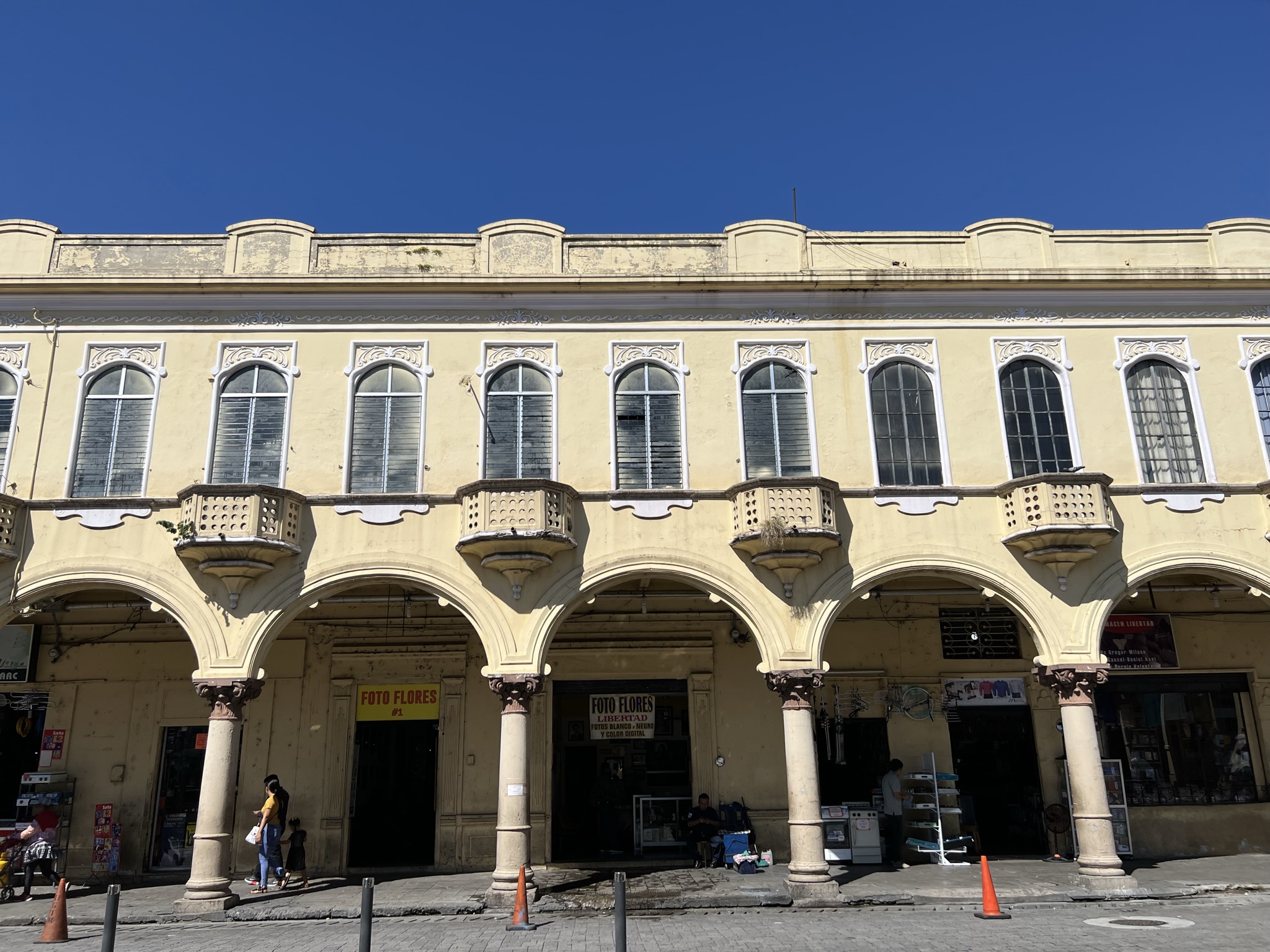
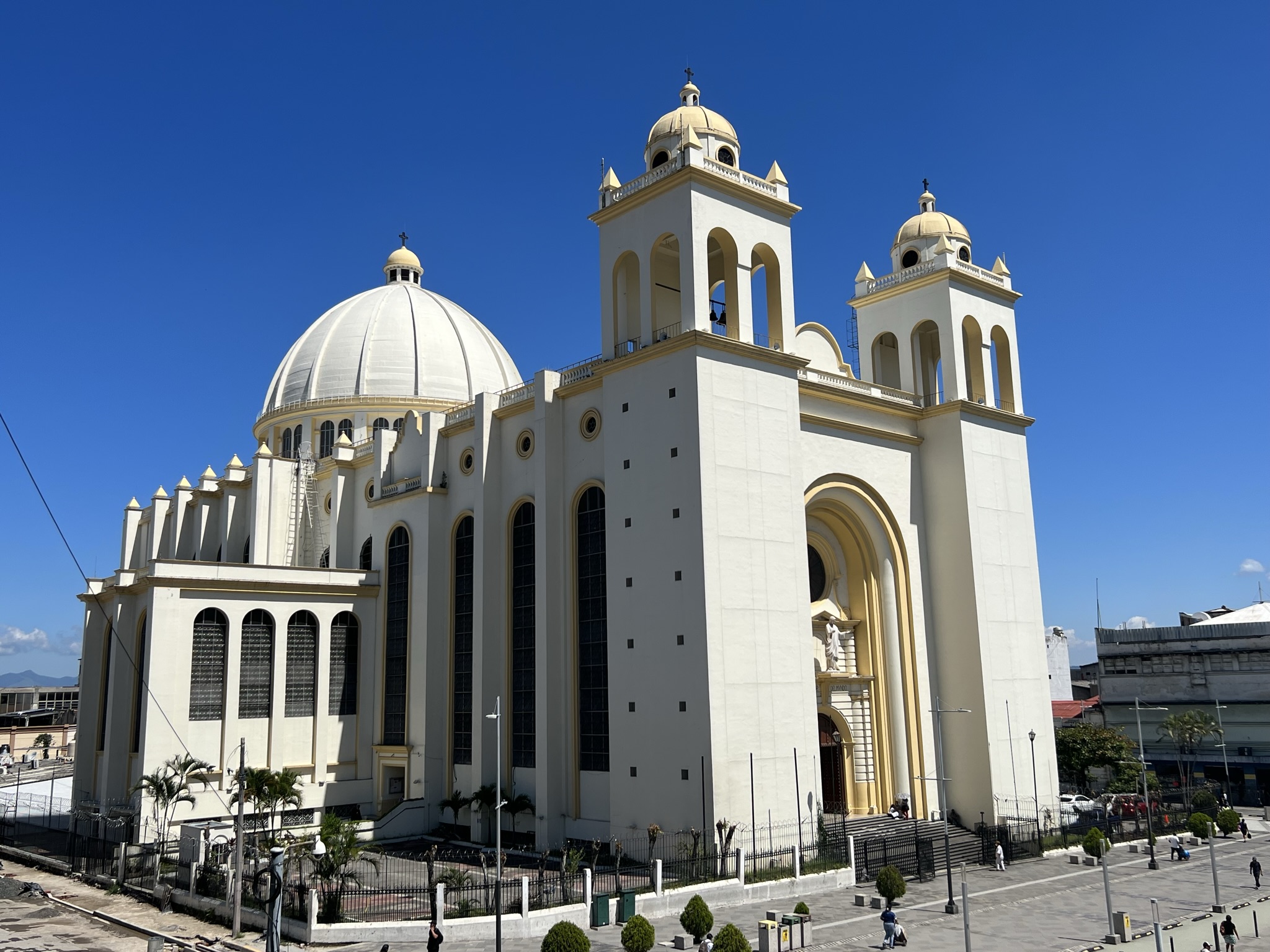
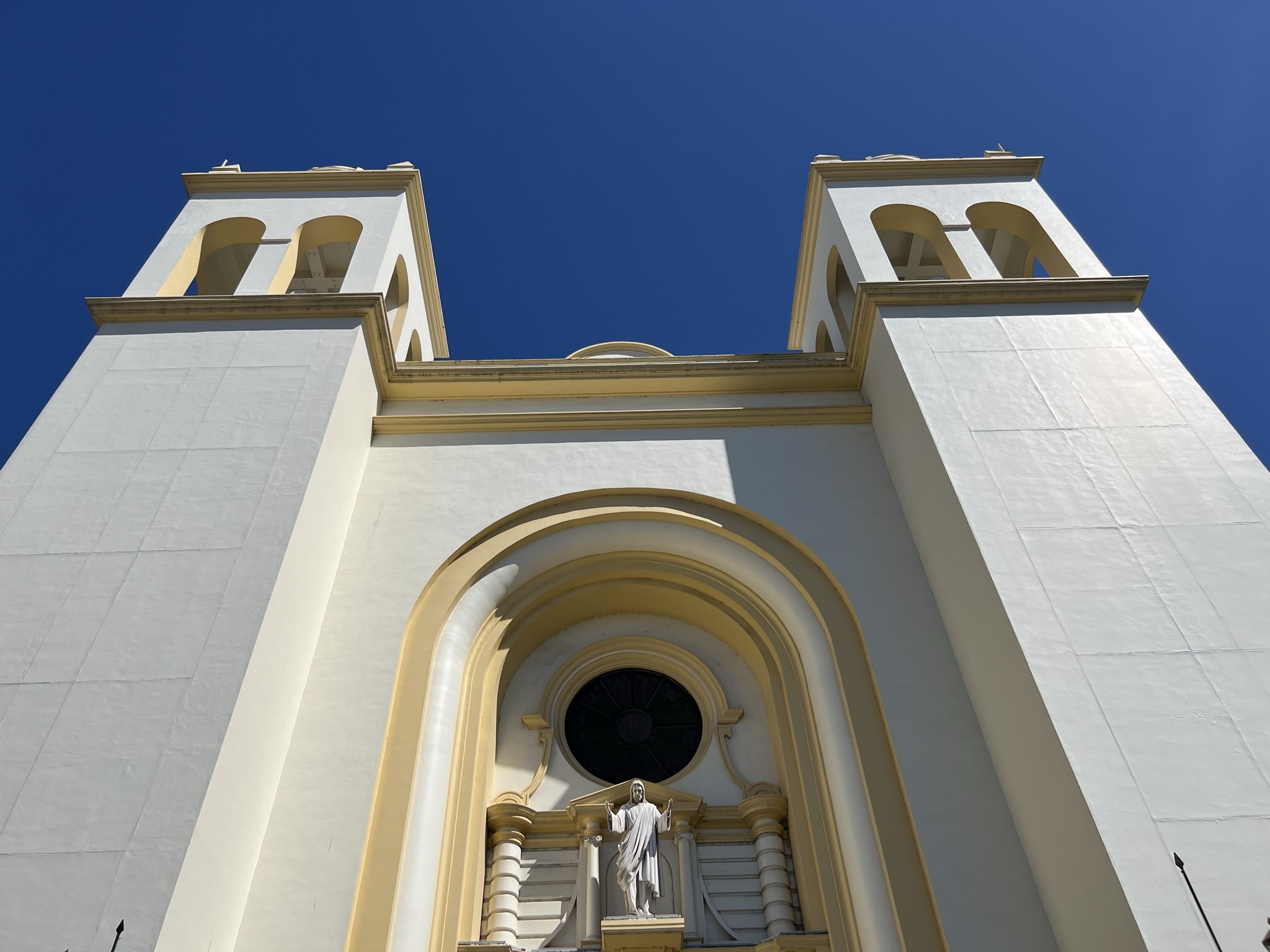
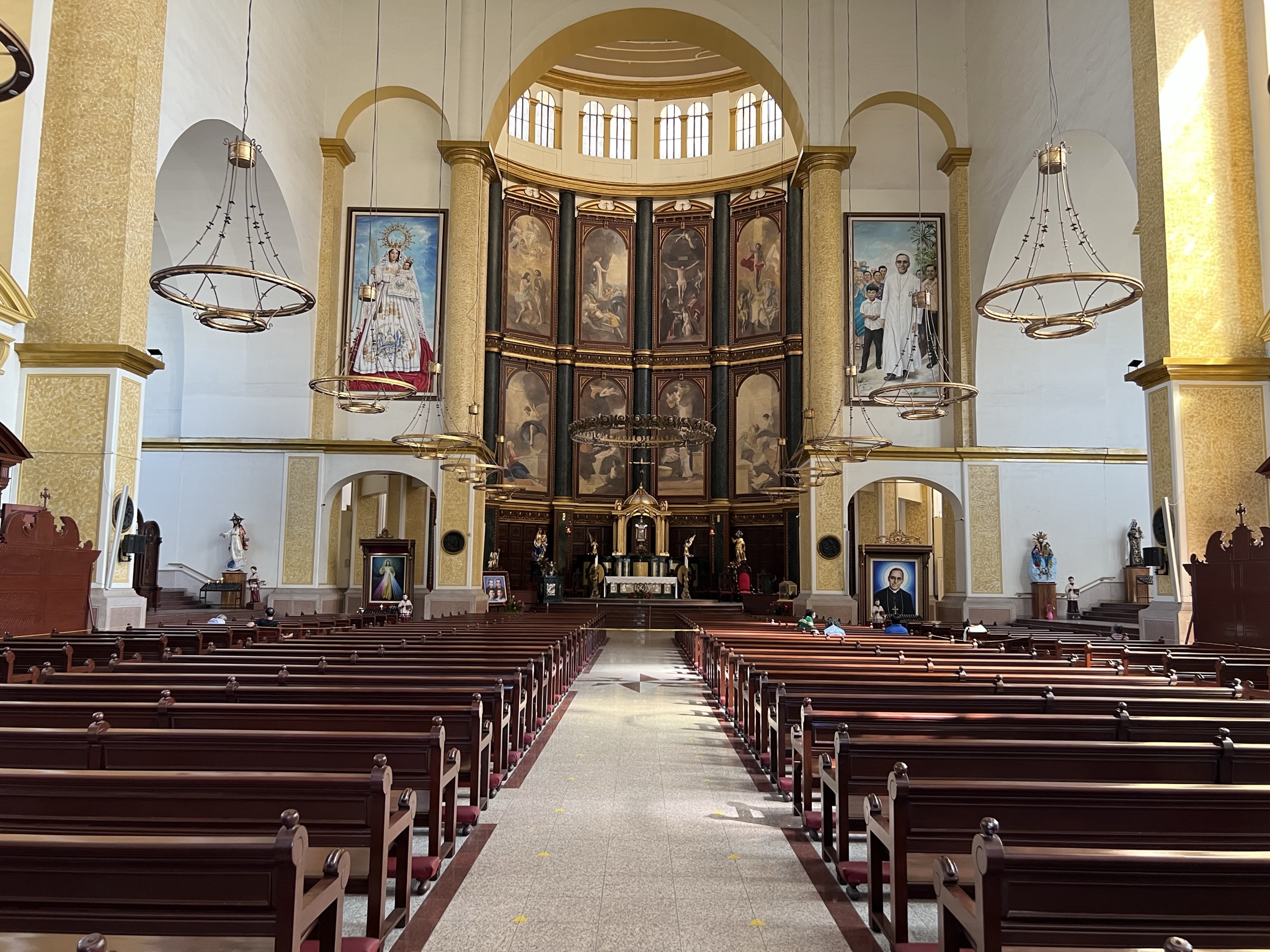
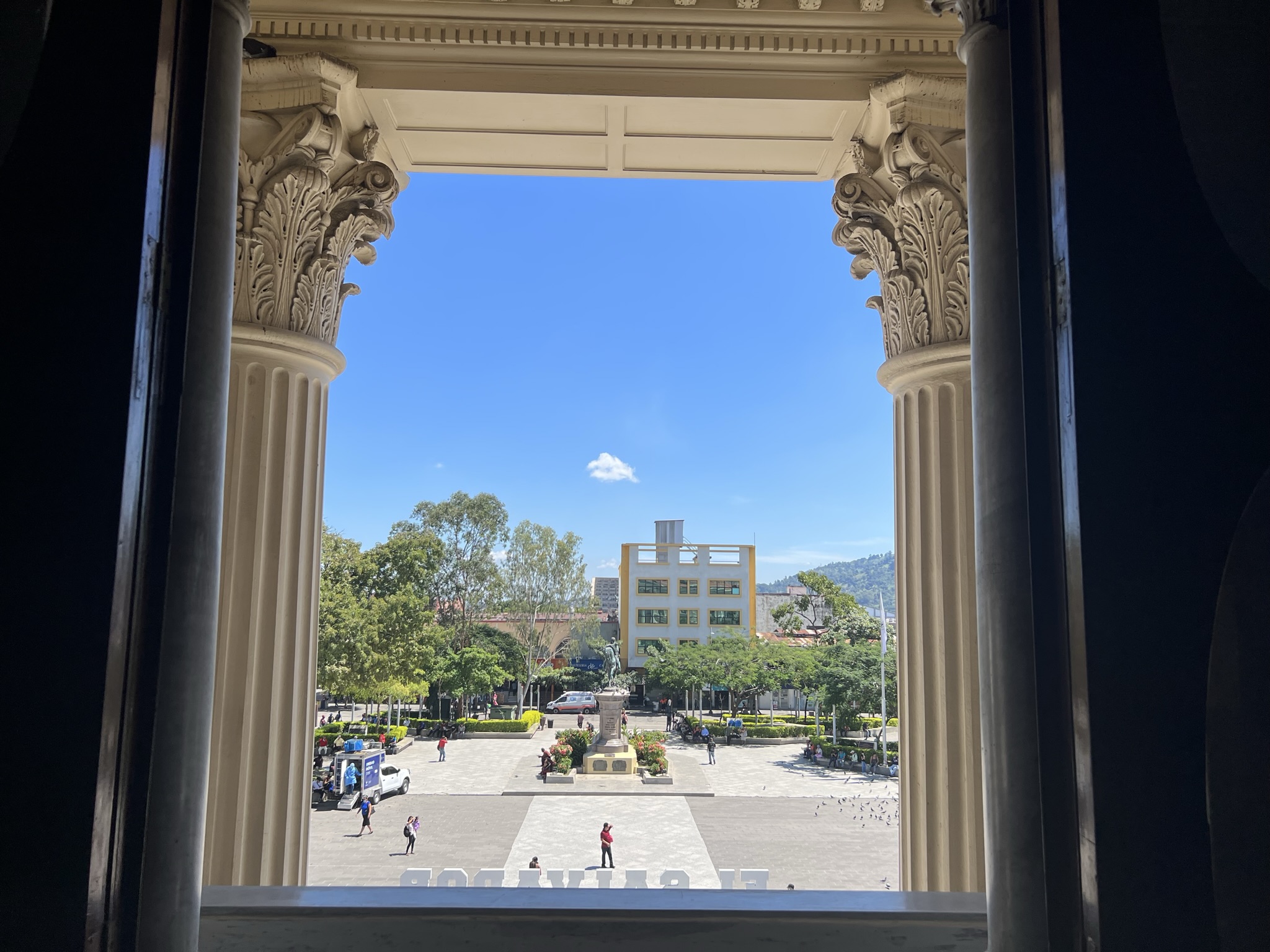
As such, I got up early and made my way to Plaza la Libertad: a big square with a monument commemorating the country’s independence at its centre. There, people seemed to be leading an idyllic life, isolated from the city’s chaos. People were strolling along, chatting, or just enjoying an ice cream or some delicious pupusas – stuffed corn-based flatbreads which usually have black beans inside. Around the plaza are some arched buildings representing the country’s colonial past, as well as the unimpressive Metropolitan Cathedral and the gorgeous National Palace.
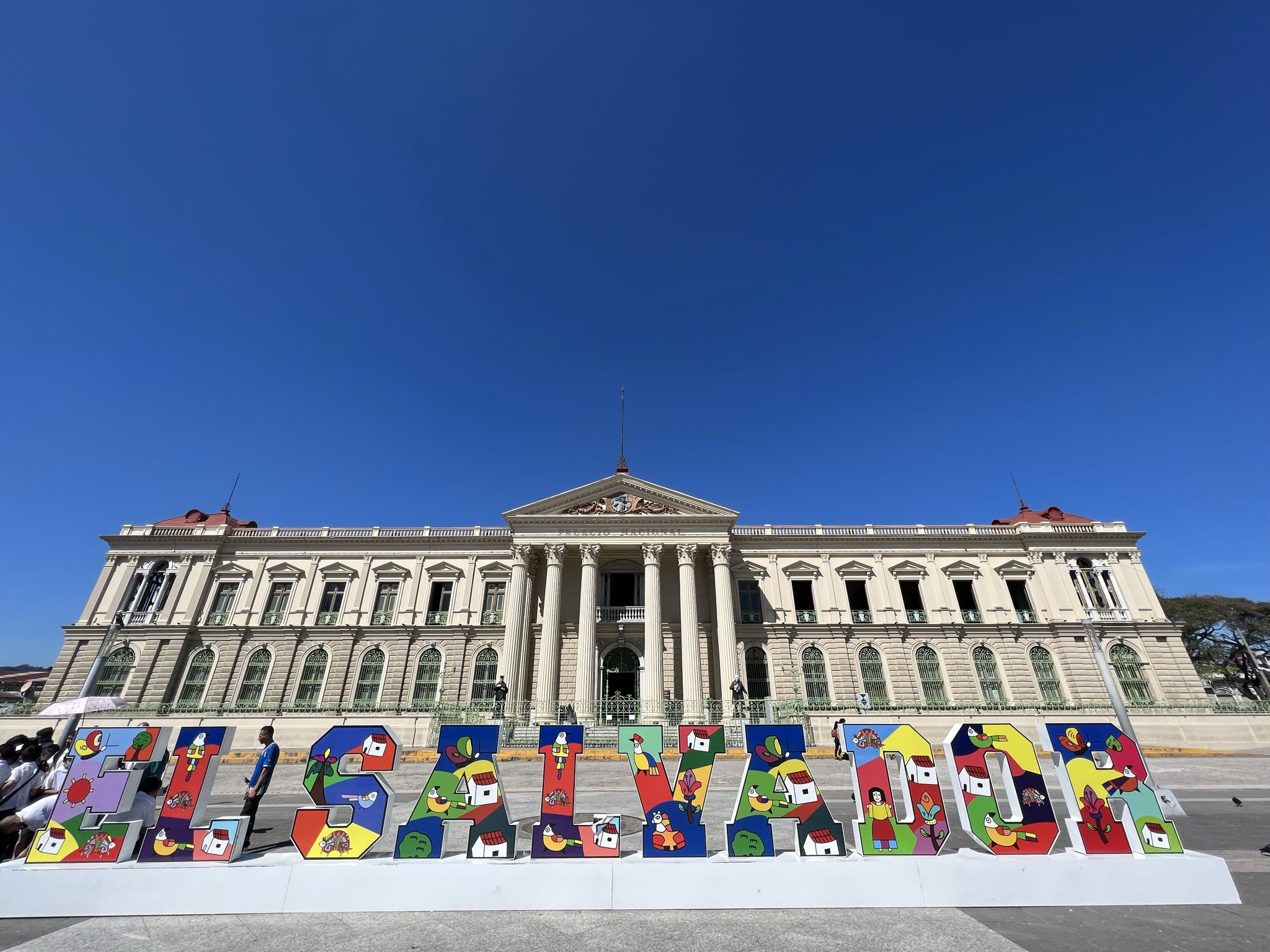
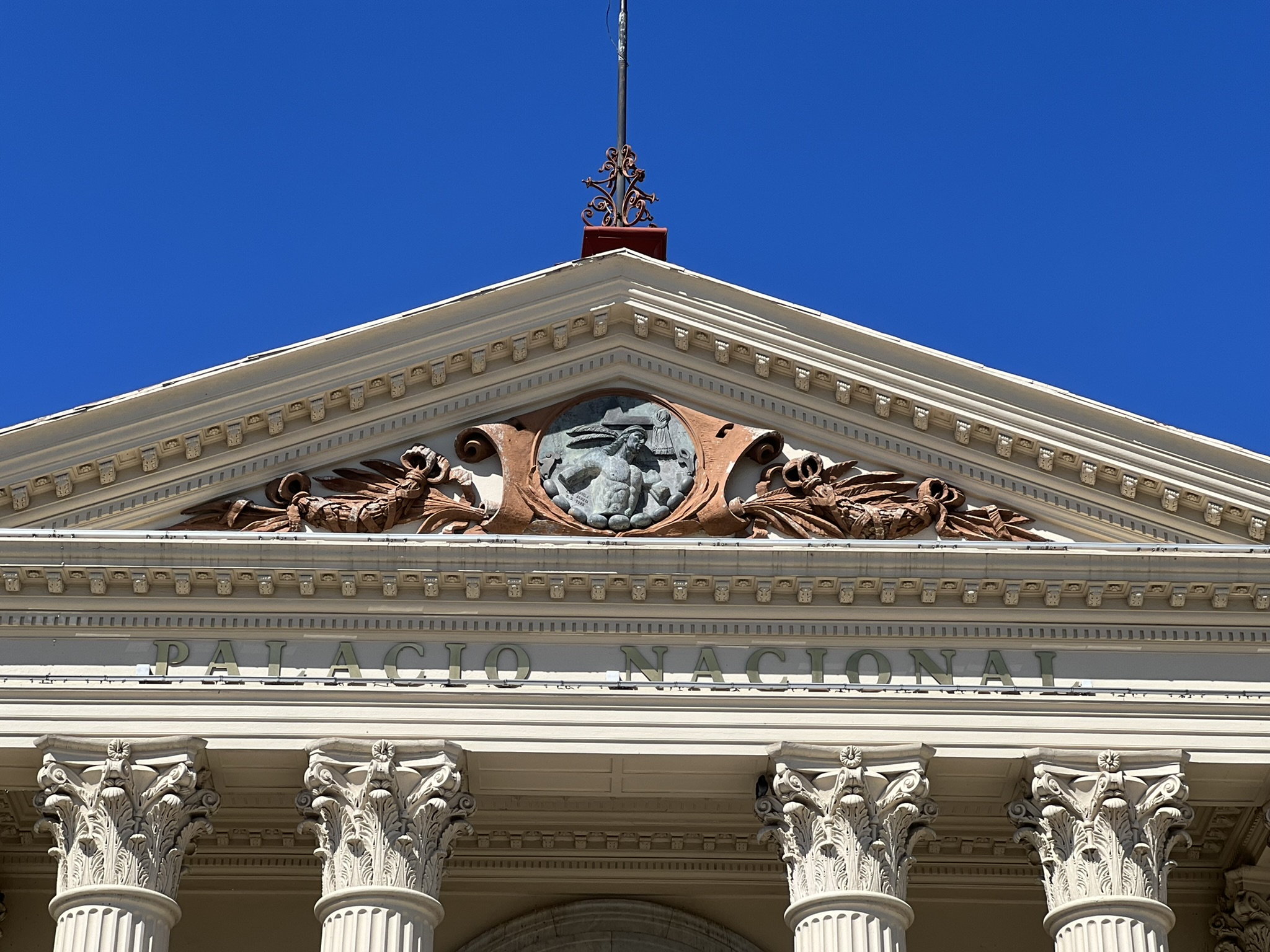
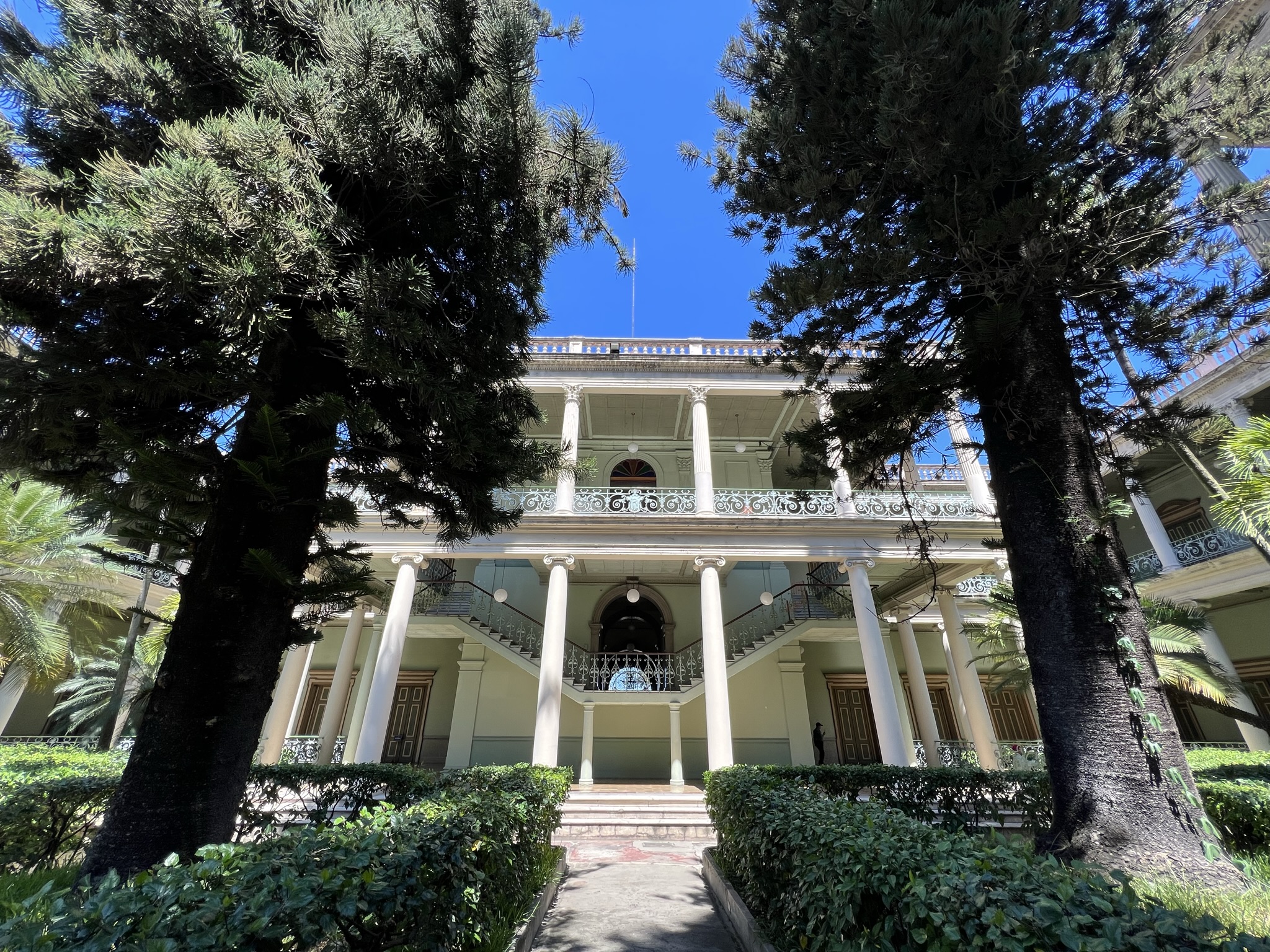
After spending some time strolling around, I decided to visit the National Palace – a huge two-storey building with a columned entrance and an intricate pediment at the top, flanked by the sides, each having nine windows at the top and bottom.
Upon entering the building, a guide rounded up a group of locals and myself to show us around. In the squeakiest, most high-pitched voice ever, she parroted out a well-rehearsed speech, describing every single detail of the building, including its architectural style and its history. The palace, she told us, replaced the old one that was destroyed by a fire in 1889 and was built using money obtained from coffee exports.
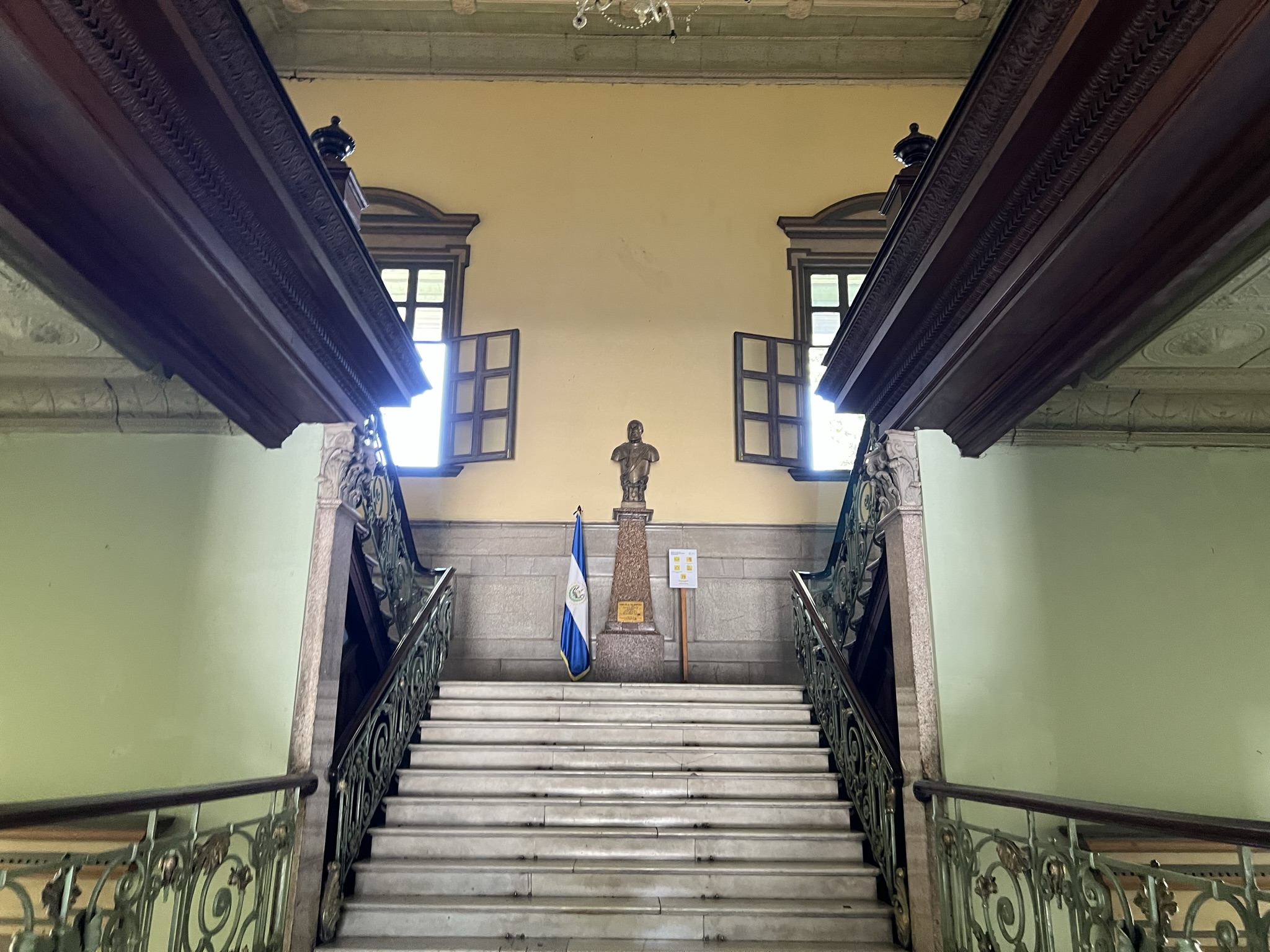
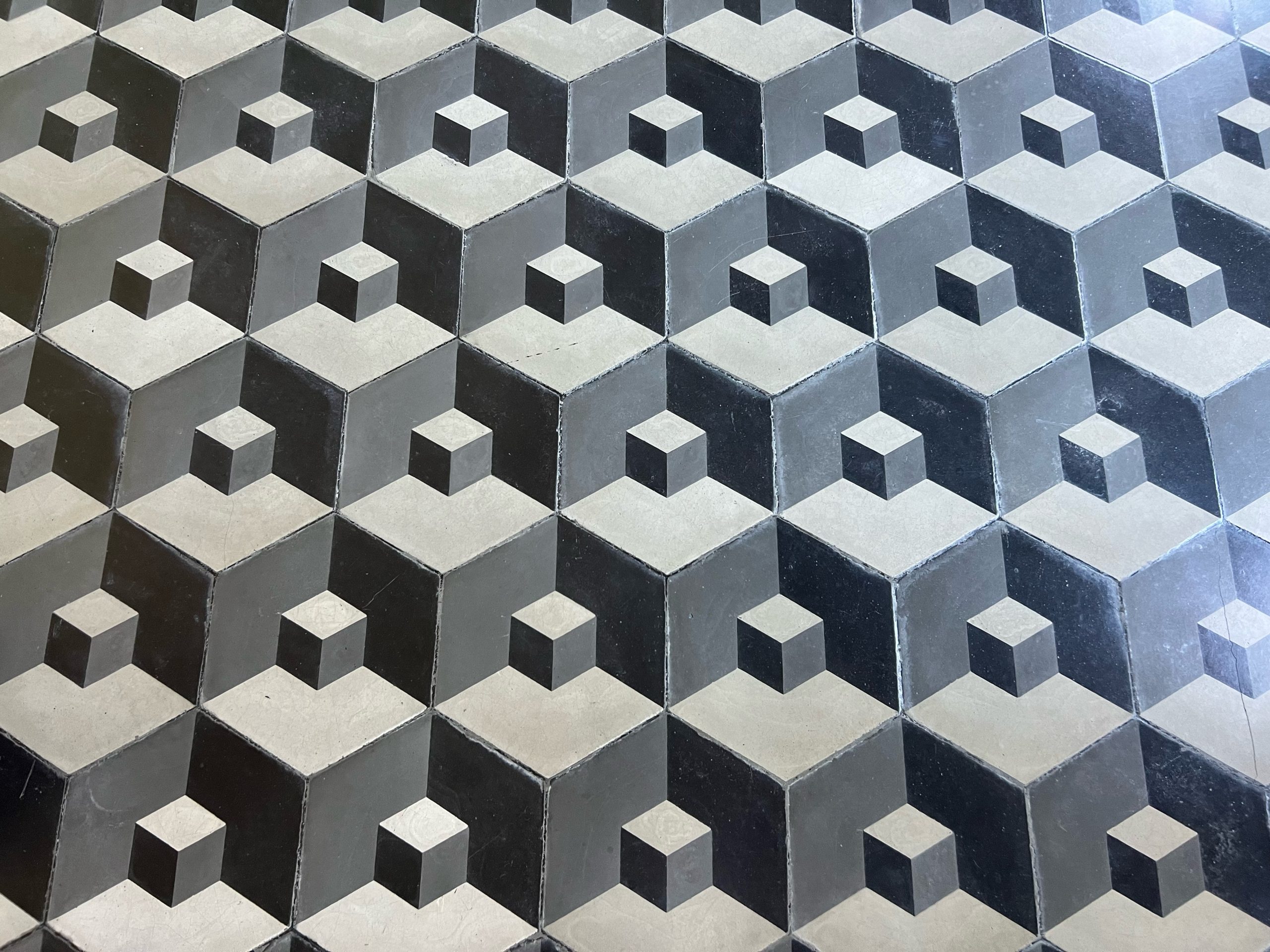
From the entrance, one is met with a large courtyard – a garden containing five pine trees representing the unification of El Salvador, Guatemala, Honduras, Nicaragua, and Costa Rica after the Spanish conquest. Facing this is a large stairway with columns featuring Corinthian and Roman capitals, leading to the second floor. The building, the guide told us, features fifty different types of floor tiles, with some creating optical illusions. In all, the building boasts 105 rooms, with four of them being the main halls – all named after the colour of their wall painting and décor:
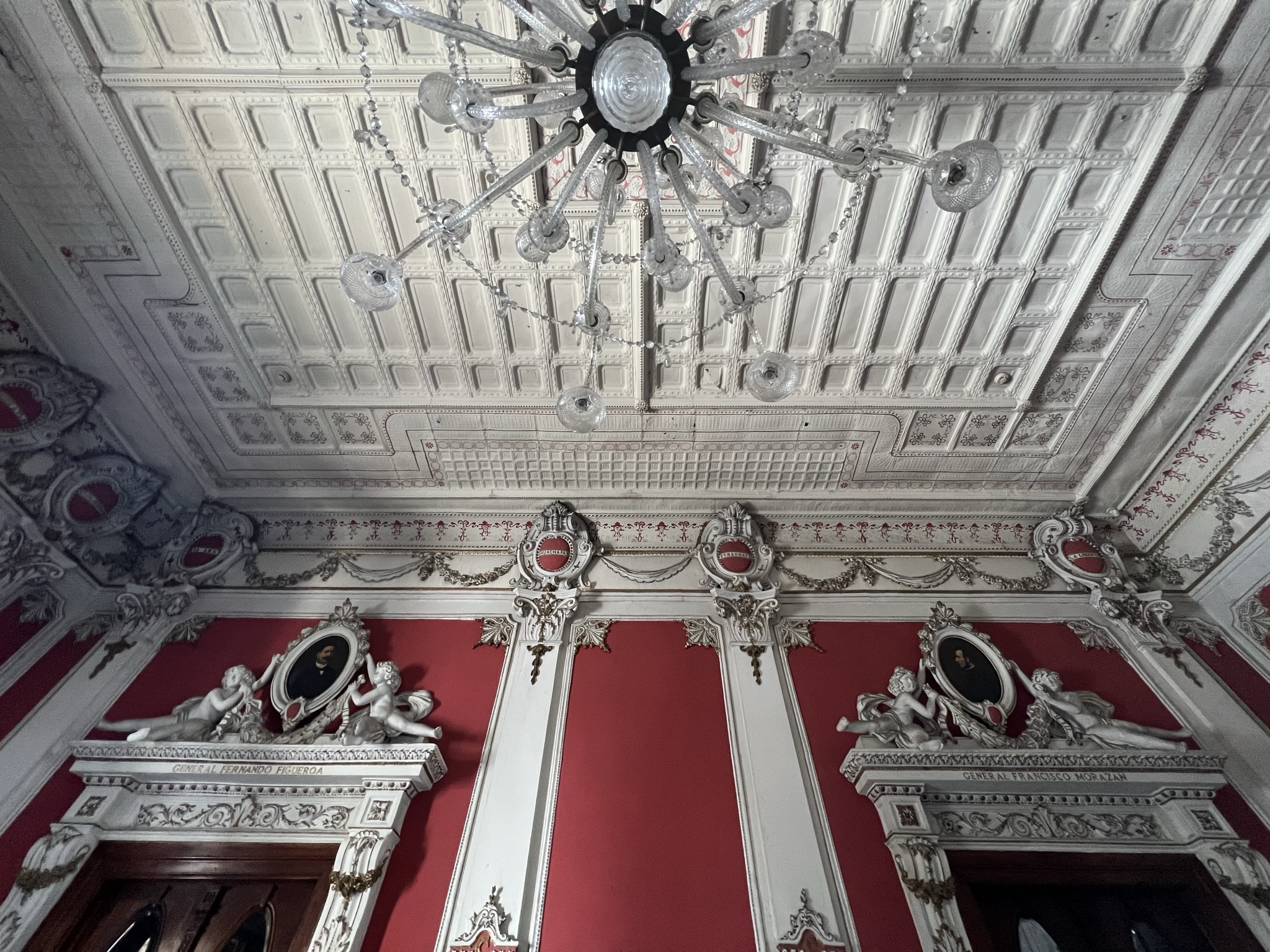
Red Hall: Used for receptions held by the Foreign Ministry and to welcome ambassadors from different countries.
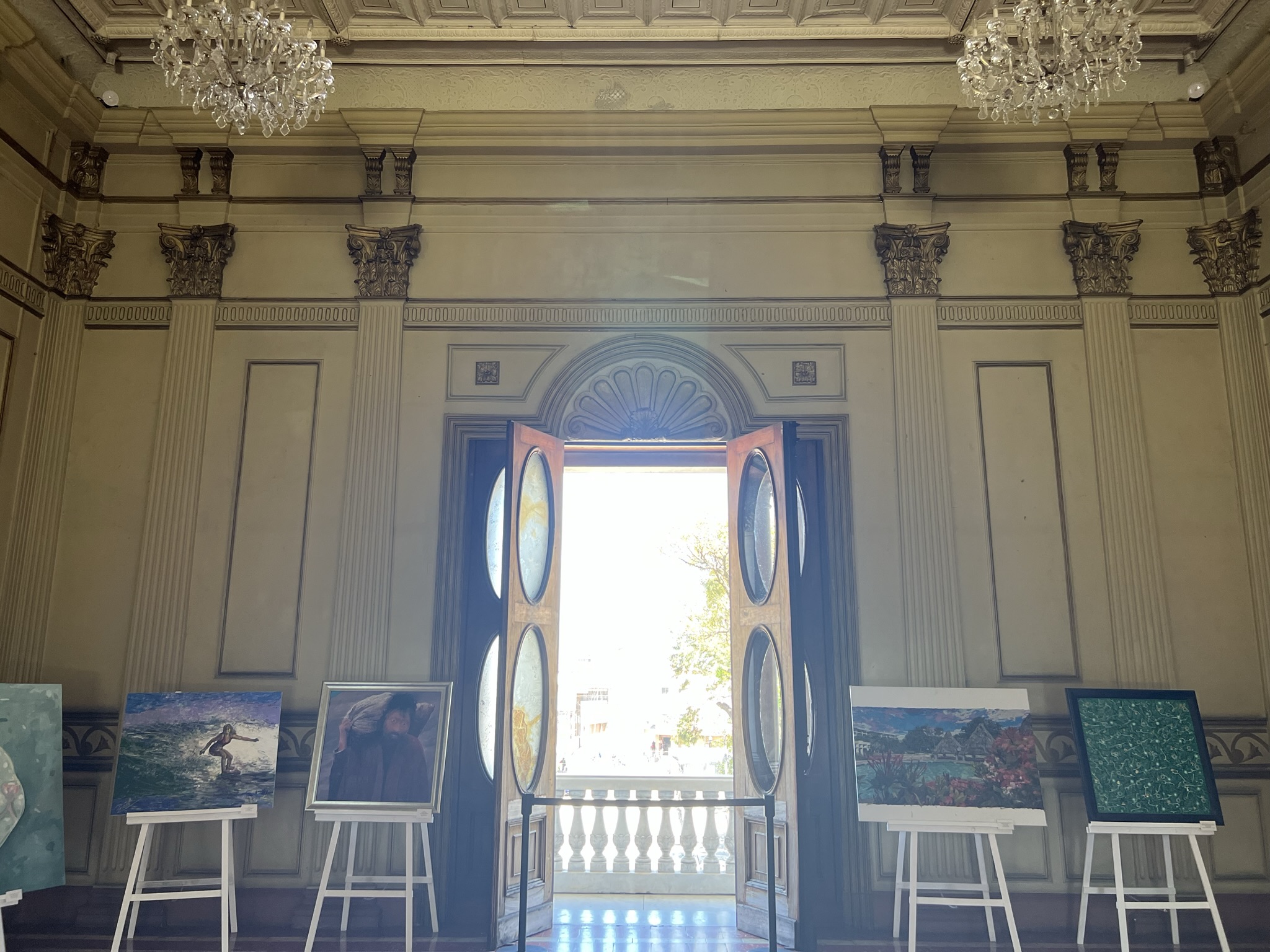
Yellow Hall: The office of the President of the Republic. Here, there was an art exhibition featuring the cultural heritage of El Salvador.
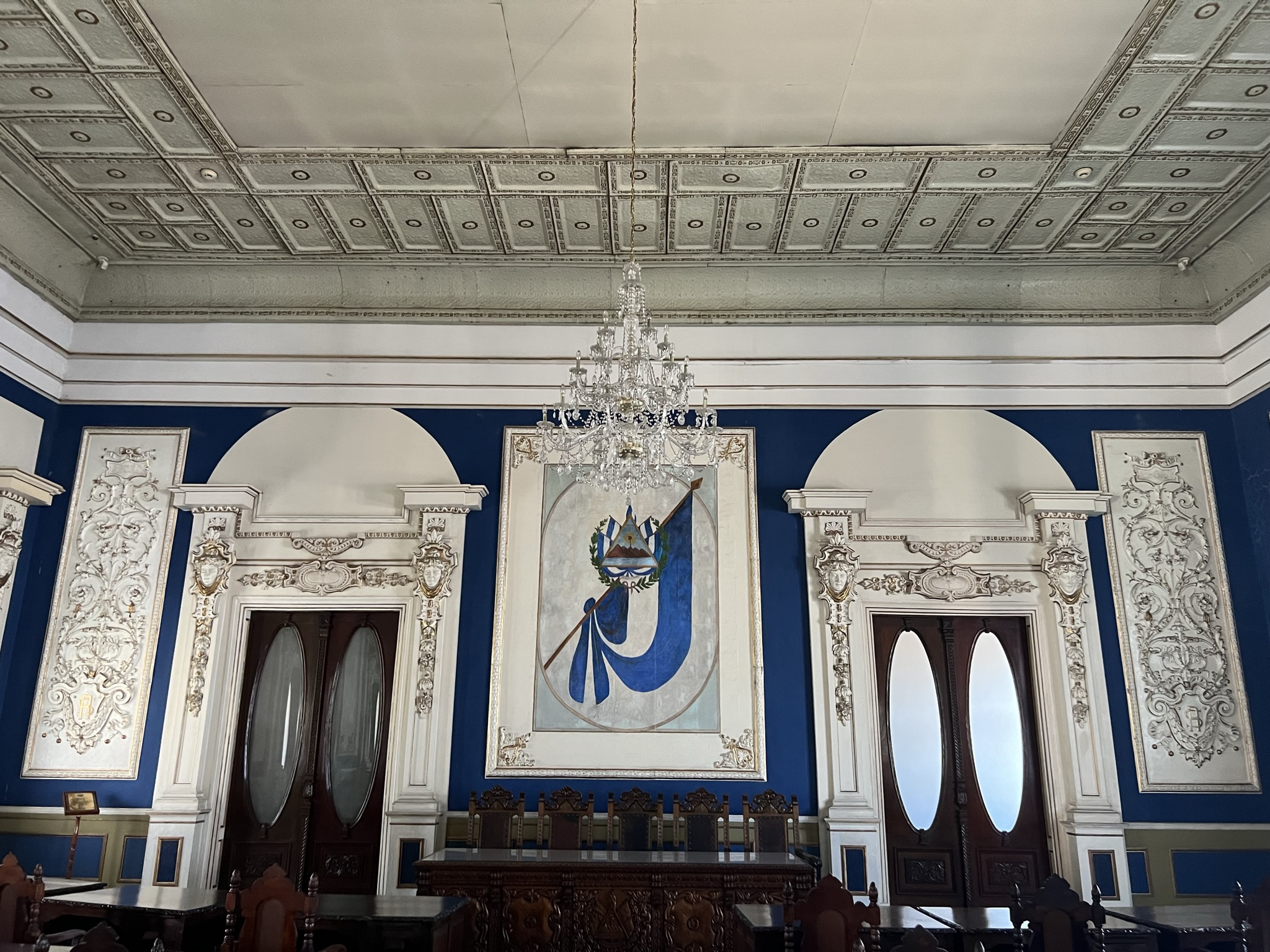
Blue Hall: The meeting place of the Legislature of El Salvador. The interior is decorated in three different styles – Ionian, Roman, and Corinthian.
Pink Hall: Used by the Supreme Court and later by the Ministry of Defence. This was the only hall we couldn’t visit as it was closed for restoration.
There was also an art exhibition featuring paintings symbolising El Salvador’s growing ties with China. According to our guide, the two nations are negotiating a free trade agreement aimed at boosting Salvadoran exports and strengthening economic cooperation. China has already supported El Salvador through major infrastructure investments, including a new national library, a stadium, and planned water treatment plants — and has even expressed interest in purchasing Salvadoran sovereign debt.
These initiatives were spearheaded by El Salvador’s current president, Nayib Bukele, who led the country through significant financial and political upheaval (though critics argue that adopting Bitcoin as legal tender disproportionately benefited the wealthy and left the poor more vulnerable). Still, seeing the Mayan Feathered Serpent intertwined with a Chinese Dragon was a creative and striking representation of this evolving alliance.
The palace’s beauty, unmarred by the unbearably shrill voice of the guide, is truly an impressive work of art.
Art, Insects and a Social Commentary
After this, I walked about a thousand miles to get to the Train Museum, channelling Sheldon Cooper’s passion, only to find out it’s been closed since the advent of our friendly neighbourhood virus, COVID-19.
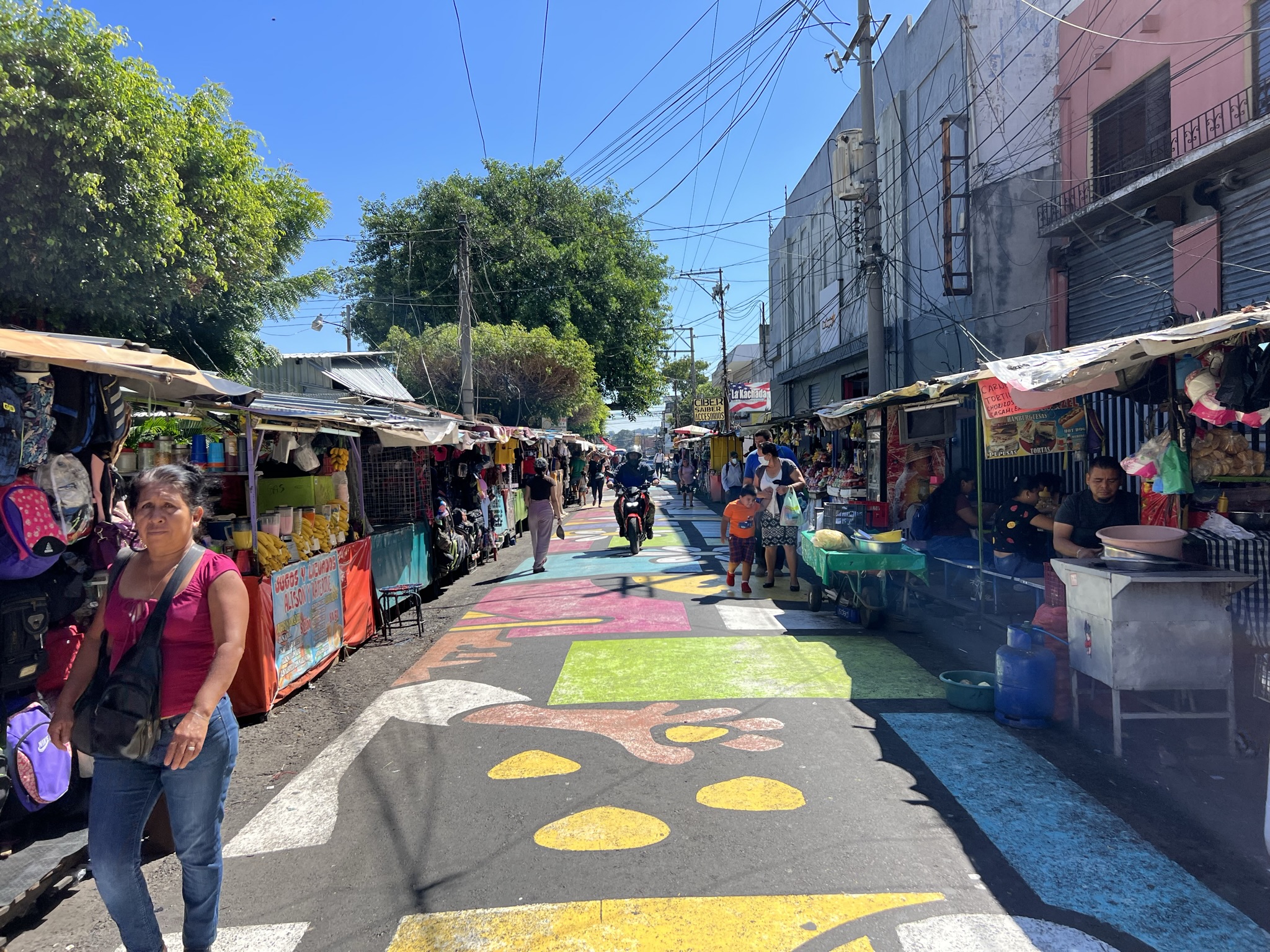
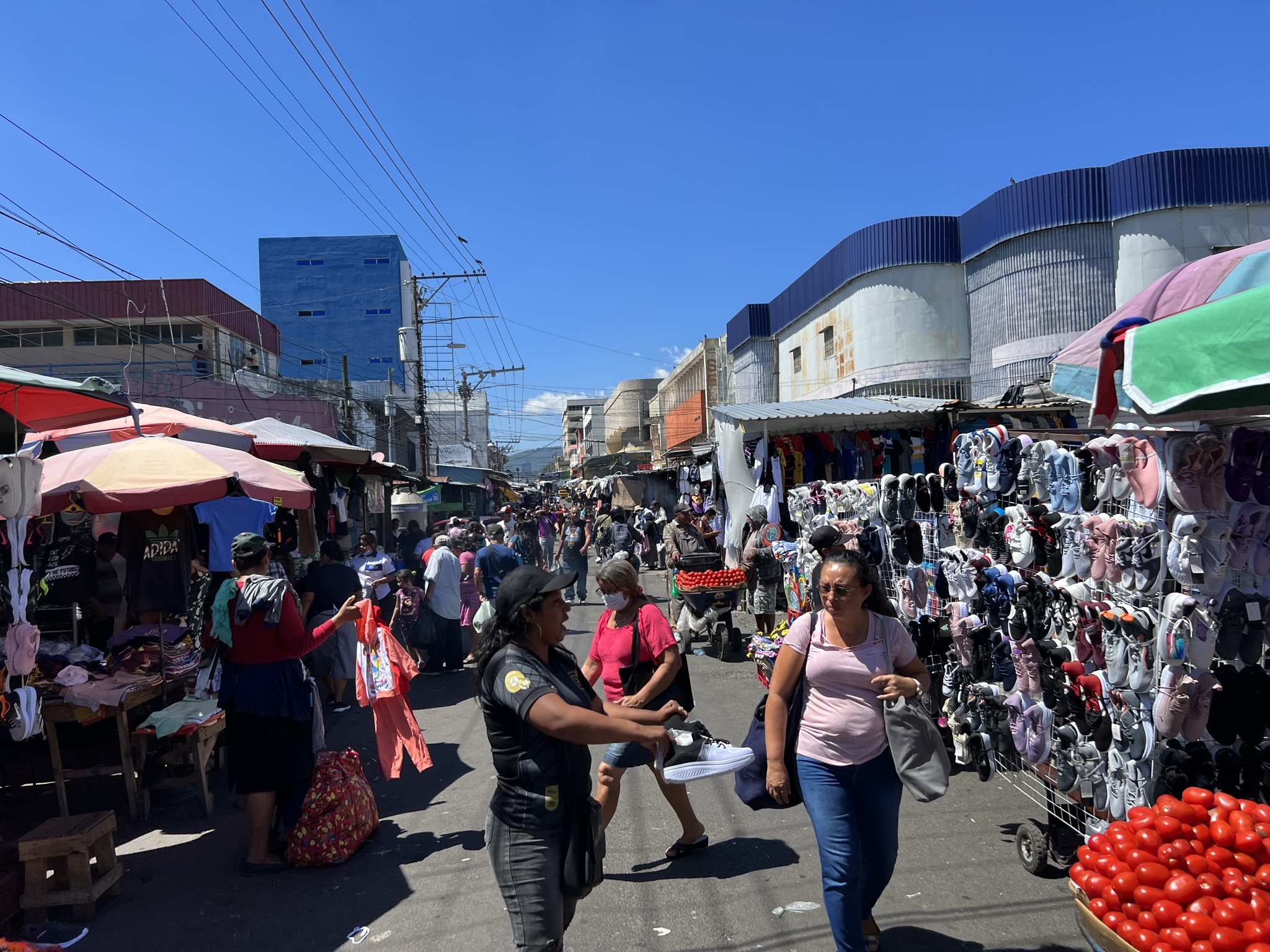
From there, I spent the rest of my morning going around different squares and wandering through the never-ending street market – a bustling hurricane of activity and clutter, hidden beneath large knots of telephone lines. One observation I could easily make about the capital’s people is that they are much less warm and friendly than their Salvadoran counterparts in Santa Ana – or at least that’s the impression I was given by the locals there who wouldn’t so much as reciprocate a hola or a smile. Maybe they just didn’t like me – which, let’s face it, is totally possible.
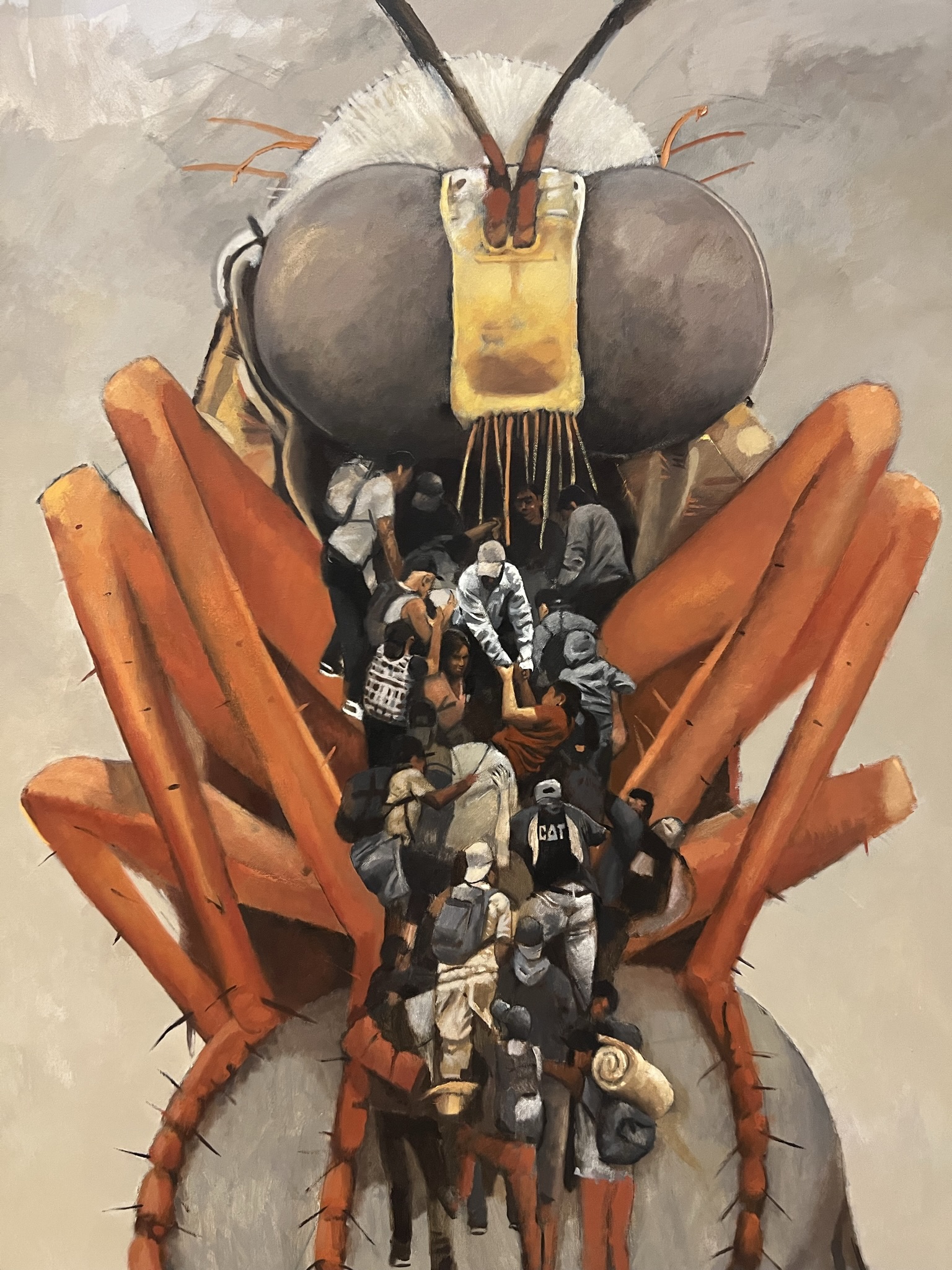
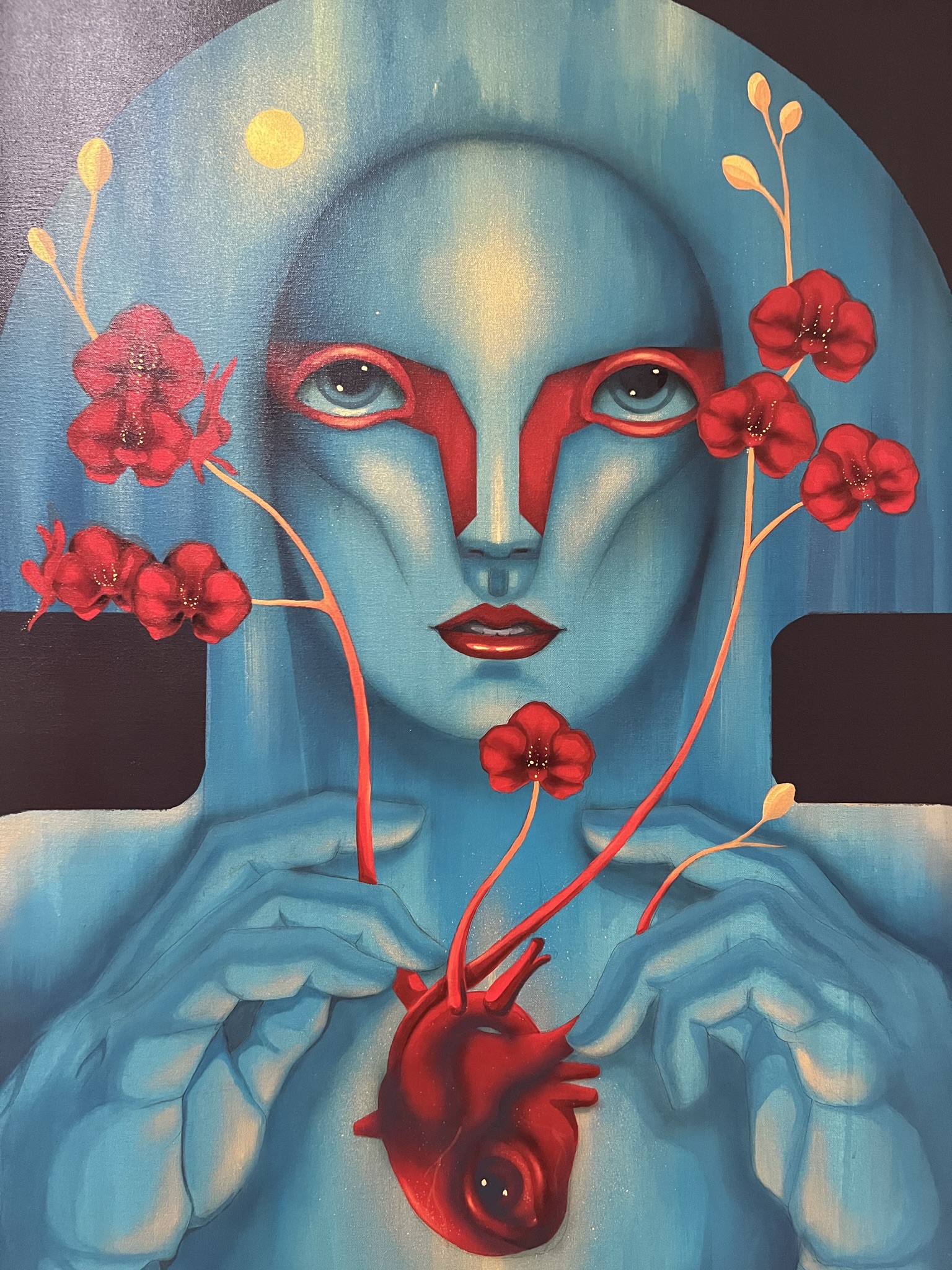
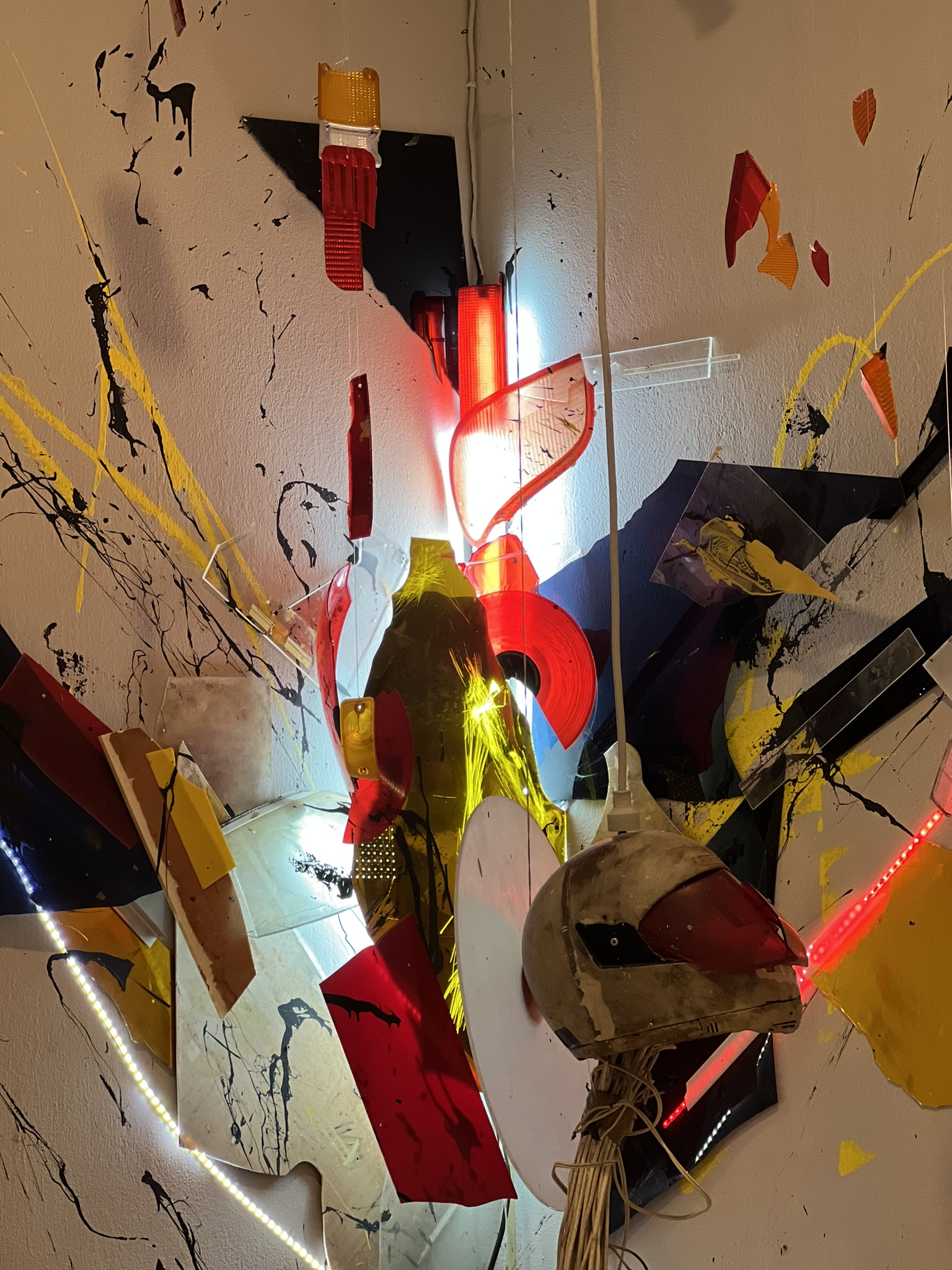
After this, I made my way to Zona Rosa – the suburban, commercialised area of San Salvador. Here, I roamed around the centre and visited the Museum of Art. One of the exhibitions that stole my attention was by Ricardo Clement, a Mexocan-Salvadoran artist who works under the pseudonym Alecus. The exhibition, titled “I Dreamed of an Insect with People on It…”, features over-sized insects carrying large numbers of people on their backs. This, according to the artist, represents the fact that insects – much like migrants – can be counted in the millions, and to most, are just a forgettable number. Given Malta’s immigration situation, I could totally relate to this!
All in all, I can’t say the city of San Salvador was one that left me in awe. As with any other city, it does have its own charm and points of interest, that said, I was glad I had only scheduled one day here.