Flores -Day 1: Entry into Petén
FLORES
Day 1: Entry into Petén
September 30, 2022
It was time to cross yet another border. Always, every time, unfailingly, I’m a friggin’ wreck. When the time approaches, I feel my heart thumping like crazy – as if suddenly I’m this criminal trying to run away from another country, as if my bag’s full of explosives and weapons. I’d heard that the Belizean–Guatemalan border is one of the easiest and most unproblematic to cross, but still, my nerves wouldn’t be appeased.
As the hundreds of Belizean flags gave way to hundreds of Guatemalan ones, I was finally across the border. No questions asked, no trouble whatsoever. I was, however, stopped by a government official who asked to take a selfie with me cause she’d never met a Maltese guy before. Can’t quite blame her. (That said, I find it astounding how I somehow manage to bump into Maltese people everywhere I go, despite there being so few of us!).
And so, I found myself in yet another country – Guatemala. Right from the very start, I could tell this place was a somewhat wilder, rawer version of Mexico. In fact, Petén, the northernmost department of Guatemala, borders Chiapas – the wild, raw Mexican state that also happens to be my favourite!
The Island of Flores
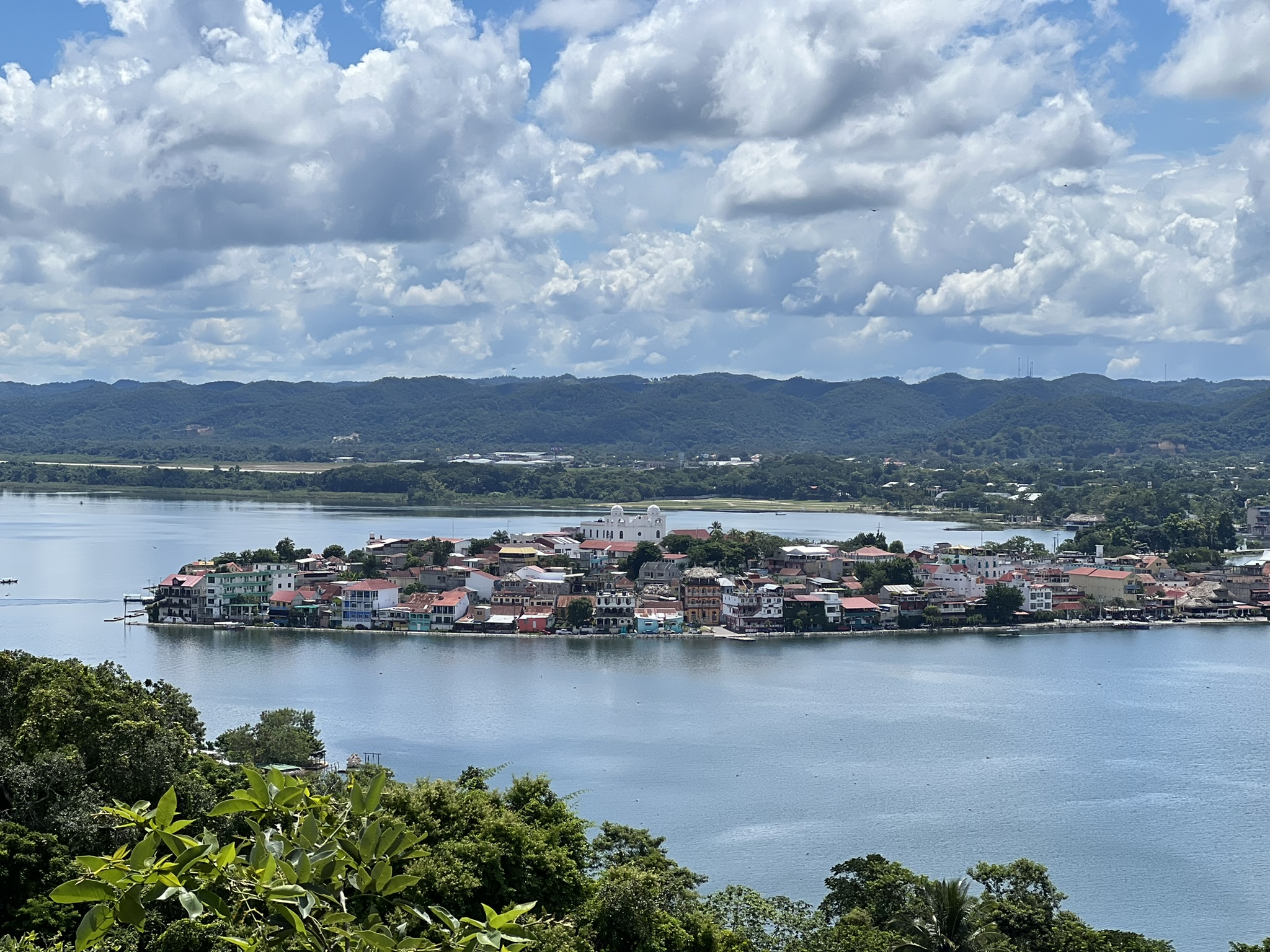
A short bus ride later and I was at my first destination in Guatemala – the island of Flores. The city is divided into two parts: the old town, which sits on an island in Lake Petén Itzá, and the mainland, both connected by a causeway. The city was originally called Nojpetén – meaning “Great Island” – and, living up to its name, it was the last independent Maya stronghold to fall to the Spanish conquistadors in 1697. Its people, the Itzas, fled into the surrounding jungle after the island’s destruction.
The modern city of Flores was later built and named after Cirilo Flores Estrada – a doctor and former vice president of Guatemala. Today, the island is a mix of narrow, cobbled streets and colourful colonial-style buildings adorned with street art, with red tuk-tuks weaving through at all times. Given its charm and proximity to many major attractions, it’s no wonder that the city draws in hundreds of thousands of tourists each year.
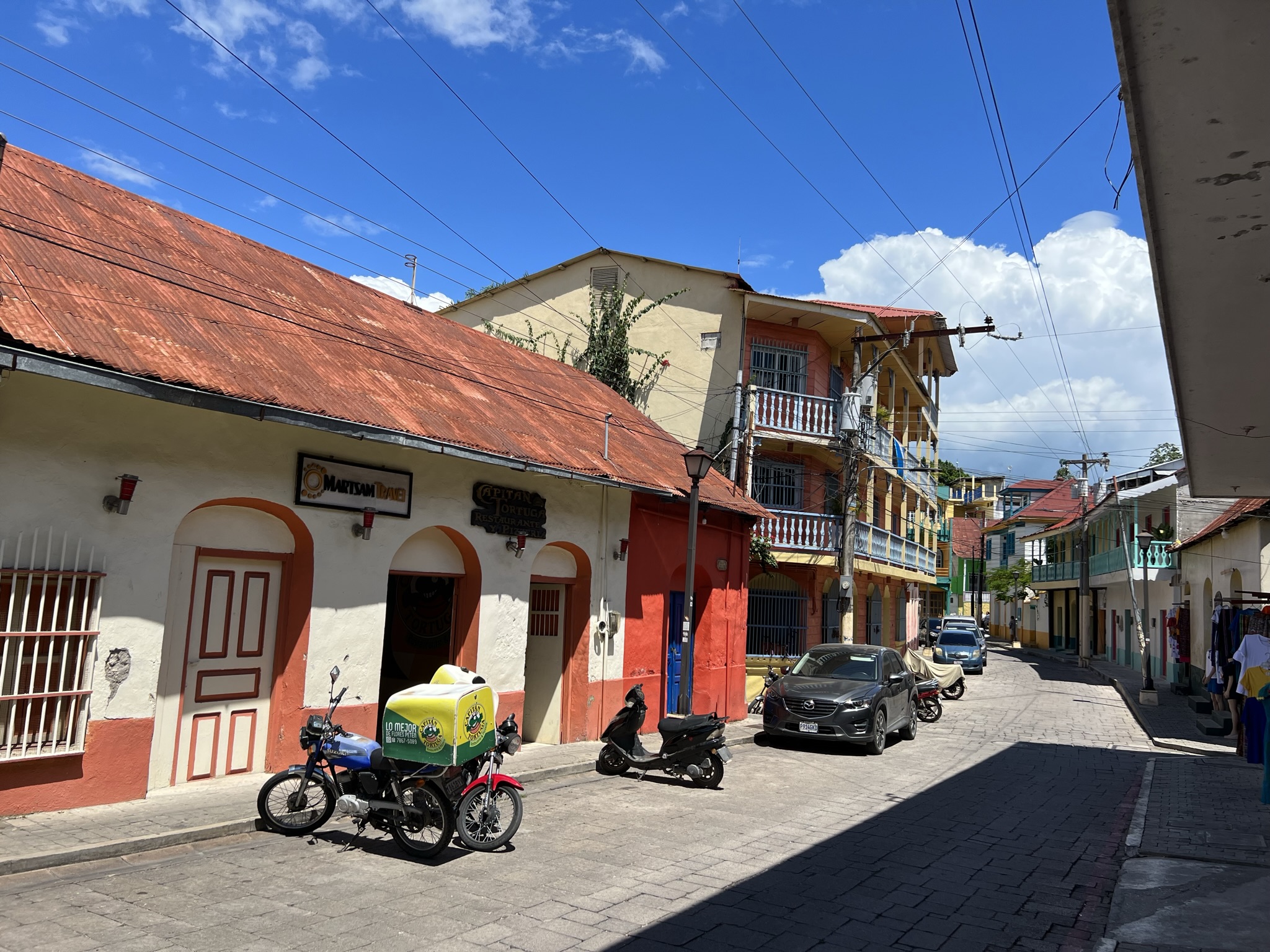
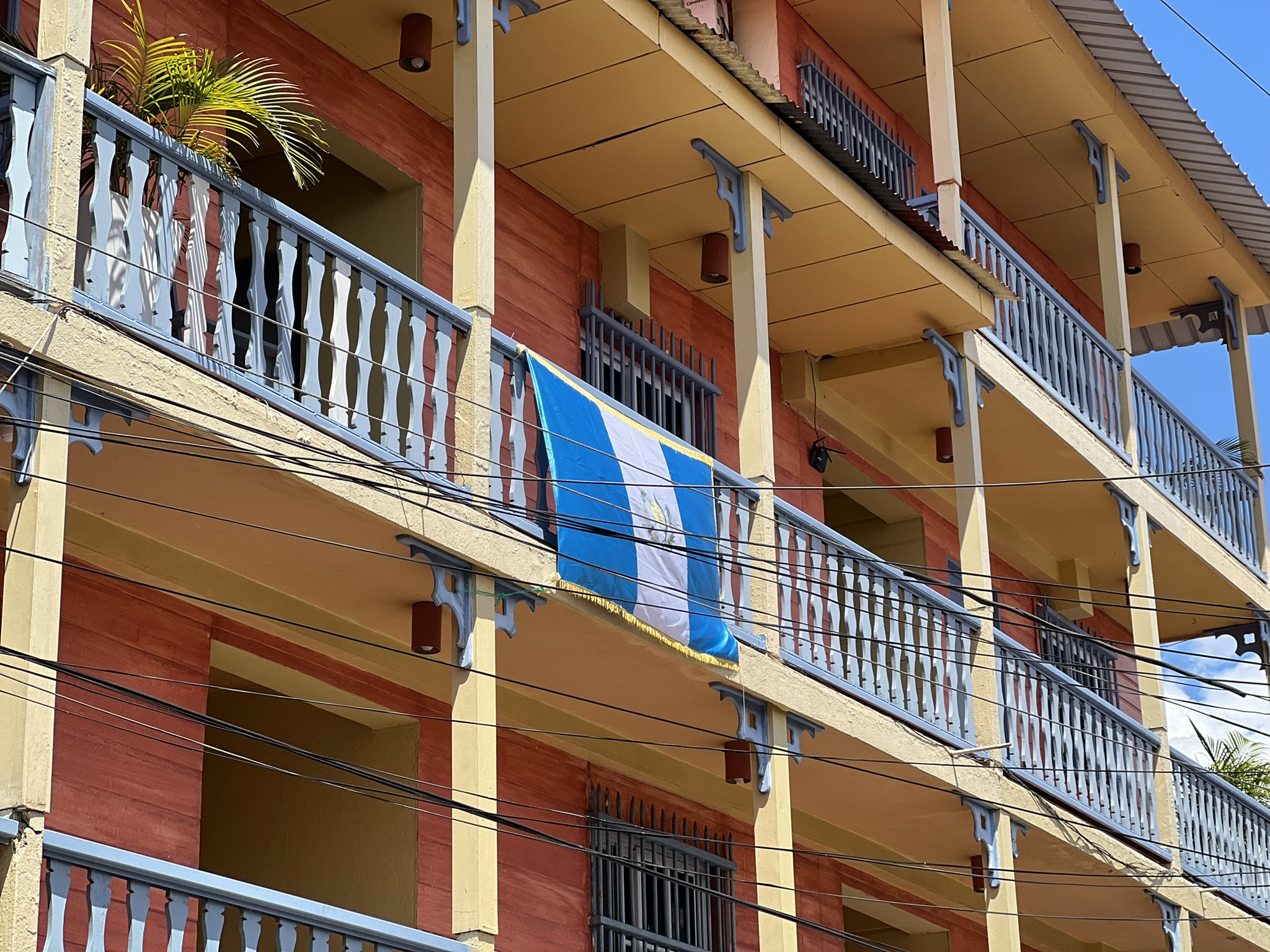
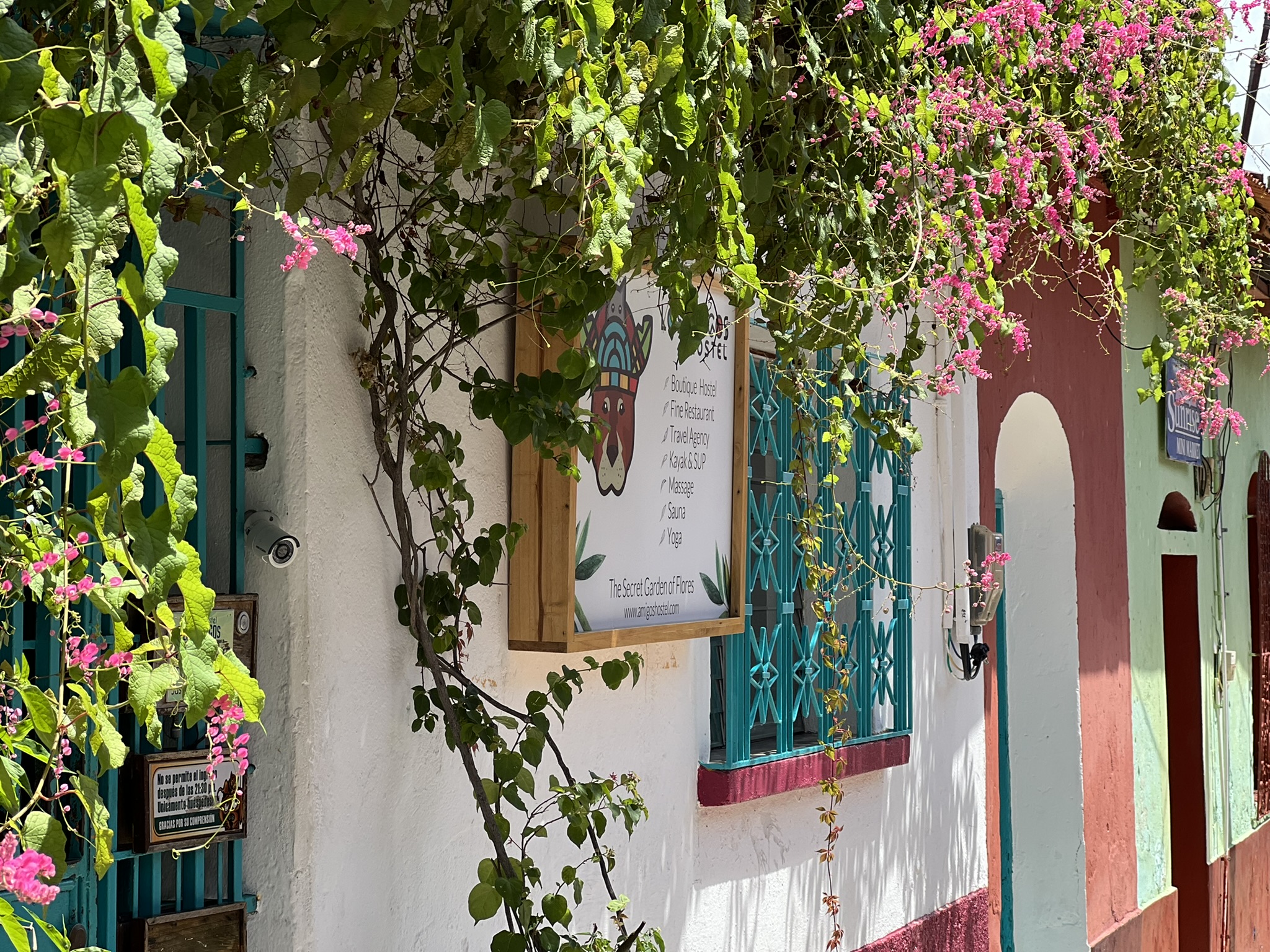
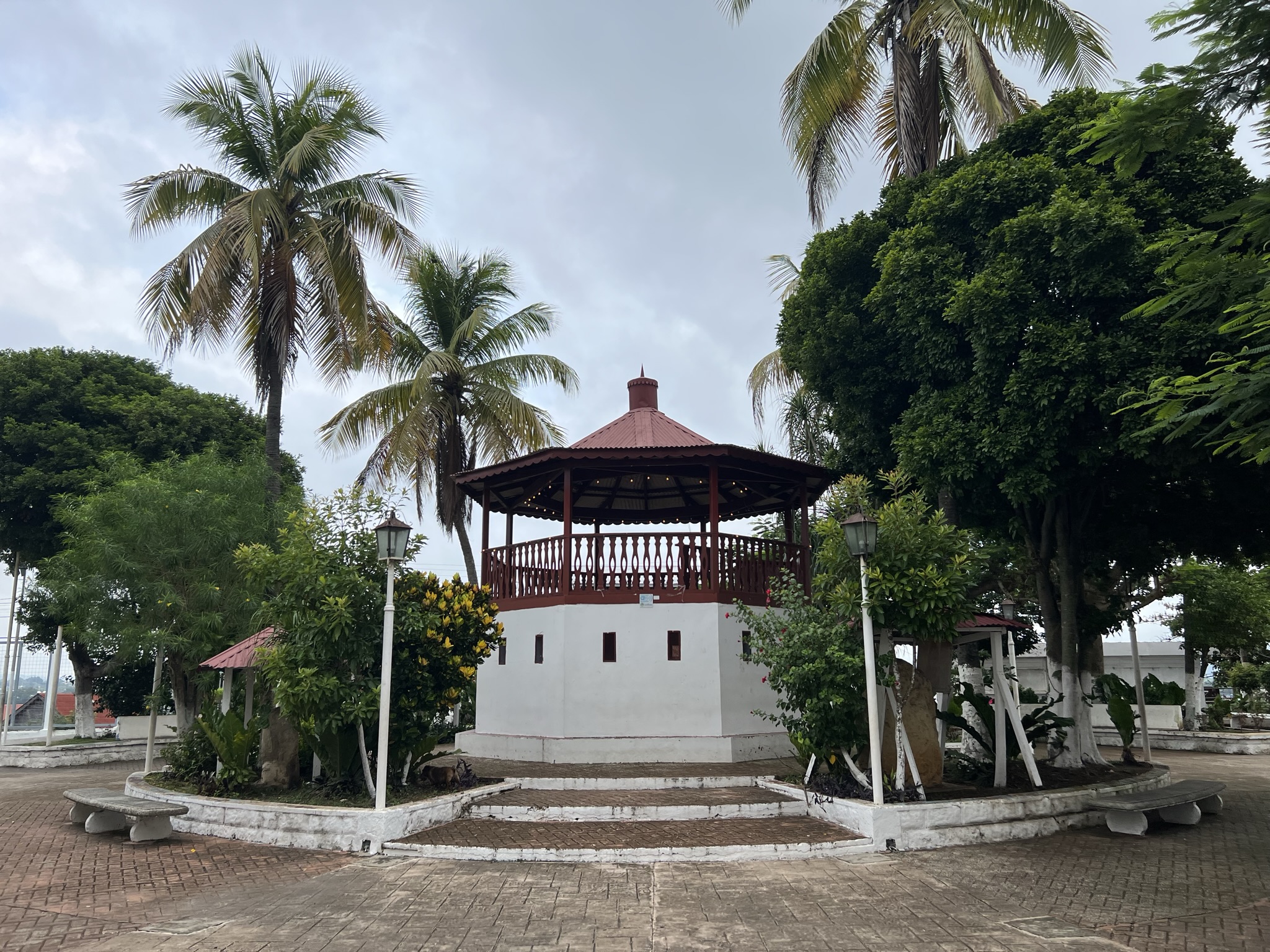
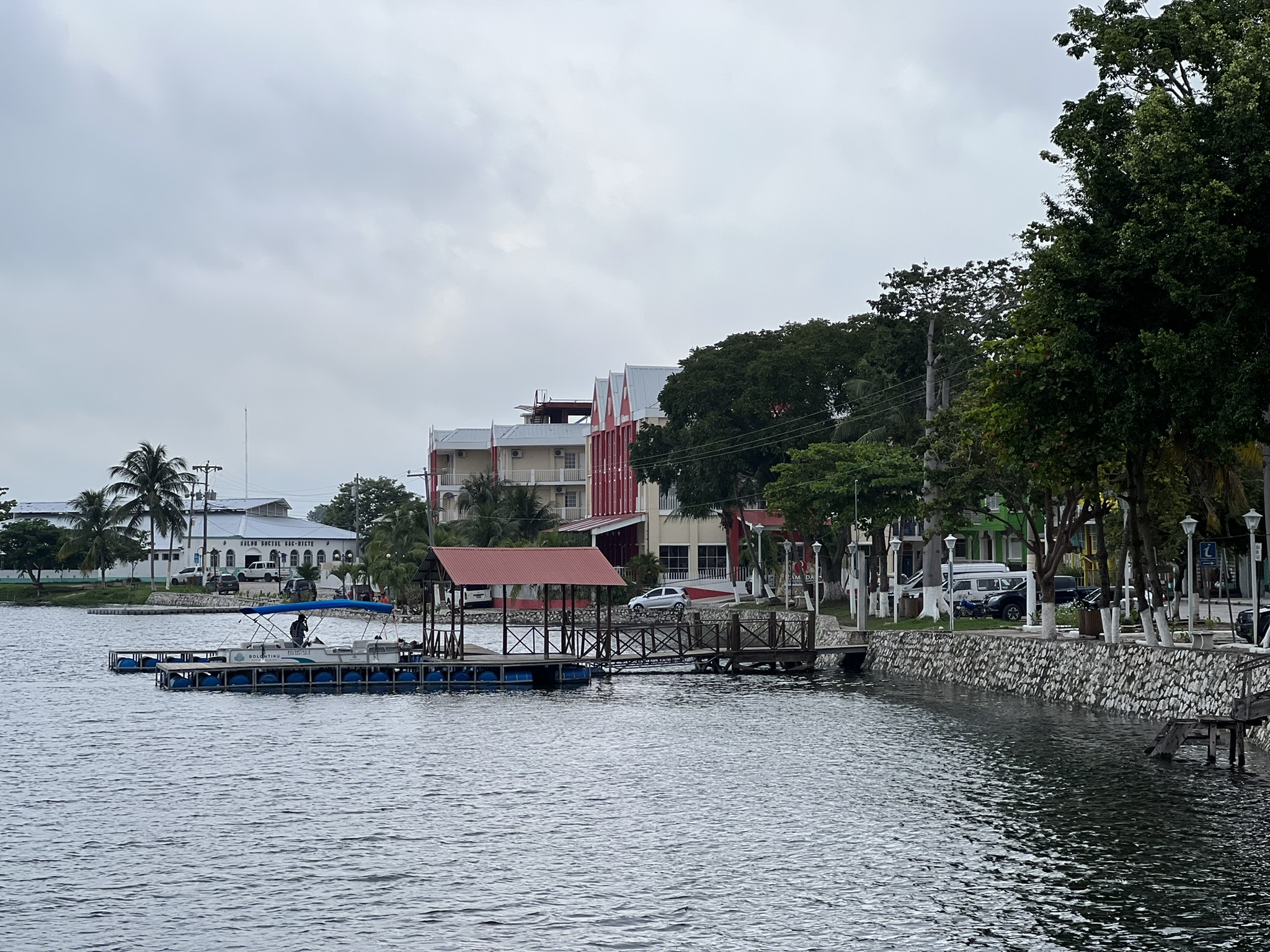
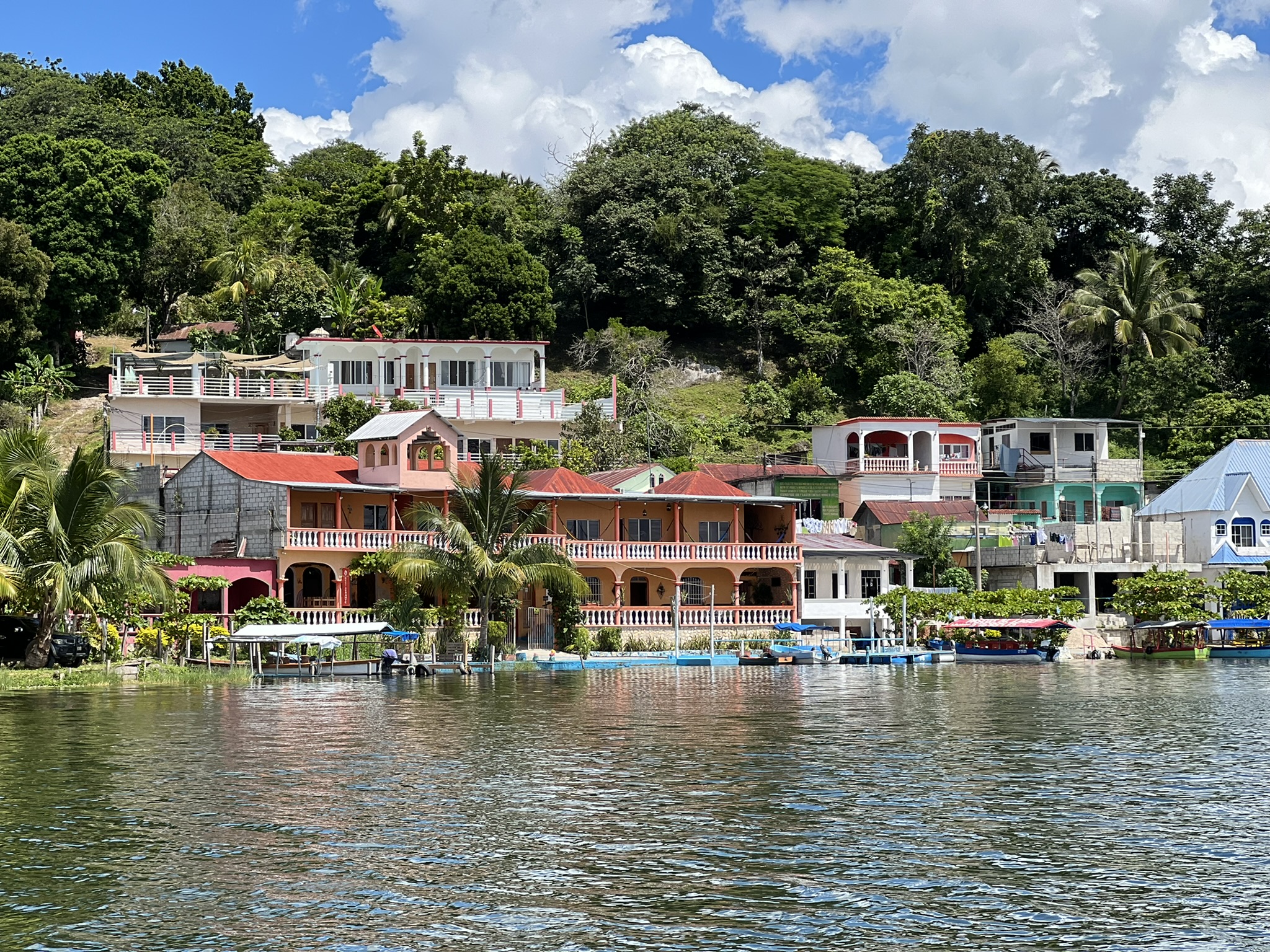
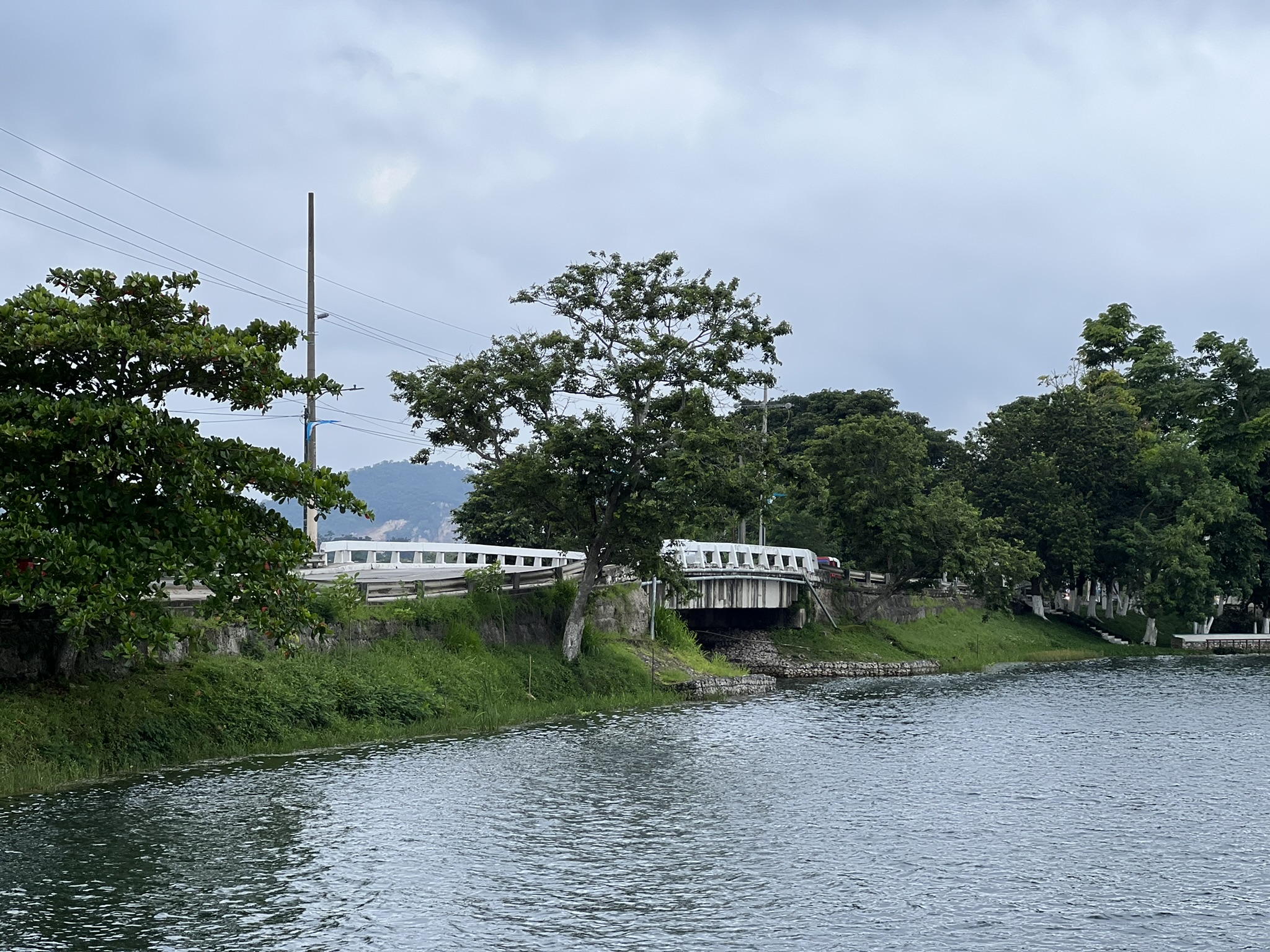
What struck me the most as I explored Flores was the amiability of complete strangers. Like the security guard who got me a SIM card for free when he saw my desperation the second he told me the shop was about to close and I didn’t have enough time to go get my passport. Or my lovely host, Rosaria, who answered every single one of my million questions without so much as a murderous glance. Or the chef at Bistro Puertas del Cielo, who actually sat down next to me and asked all kinds of questions to get a feel for what I’d find delectable. So warm and welcoming!
Lake Petén Itzá
I spent my day roaming around the streets – ones that were by now all too familiar, but nonetheless enticing. It didn’t take a genius to figure out that this city is, in fact, backpacker-friendly. Hundreds of hostels and restaurants dot the island, as do hundreds of backpackers themselves, vulturing around for a better deal than the previous. And I too was now in their midst. I haggled the price of a boat trip around Lake Petén Itzá to almost half the original ask – guess my experience in Nepal did come in handy after all.
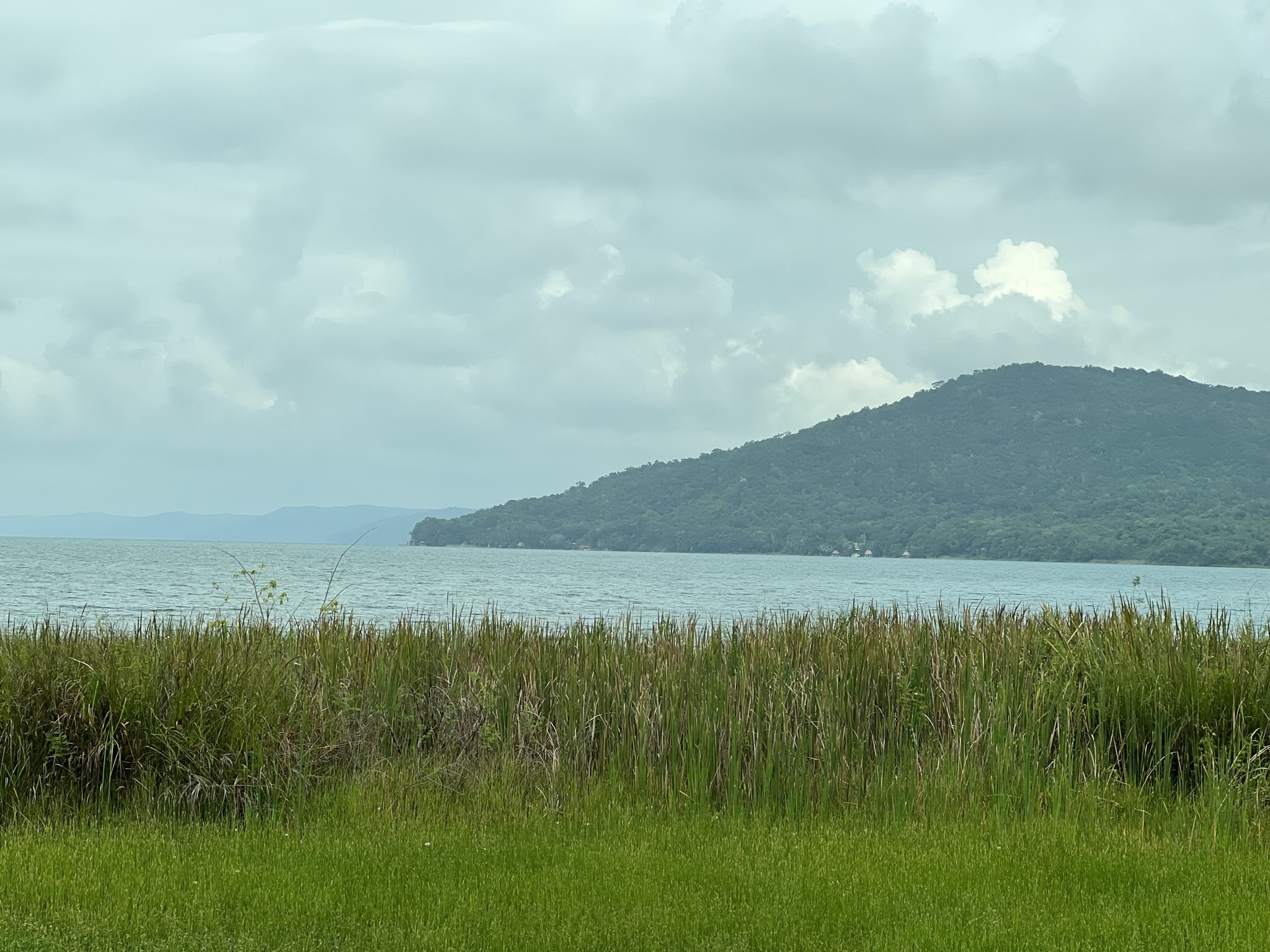
Lake Petén Itzá is a freshwater body that is shaped exactly like the lateral ventricle, with the island of Flores sitting comfortably in its inferior horn and the rural village of El Remate at the tip of its anterior horn. I’m sorry, I miss medicine, okay? It’s C-shaped – with Flores at the tail and El Remate at the northeast tip – better? The lake measures around 99 square kilometres and is the third biggest in Guatemala. More fascinating, at least to me, is the fact that the lake houses over a hundred indigenous species of fauna and at least 25 Mayan archaeological sites around it.

:background_color(FFFFFF):format(jpeg)/images/library/13975/Lateral_ventricles.png)
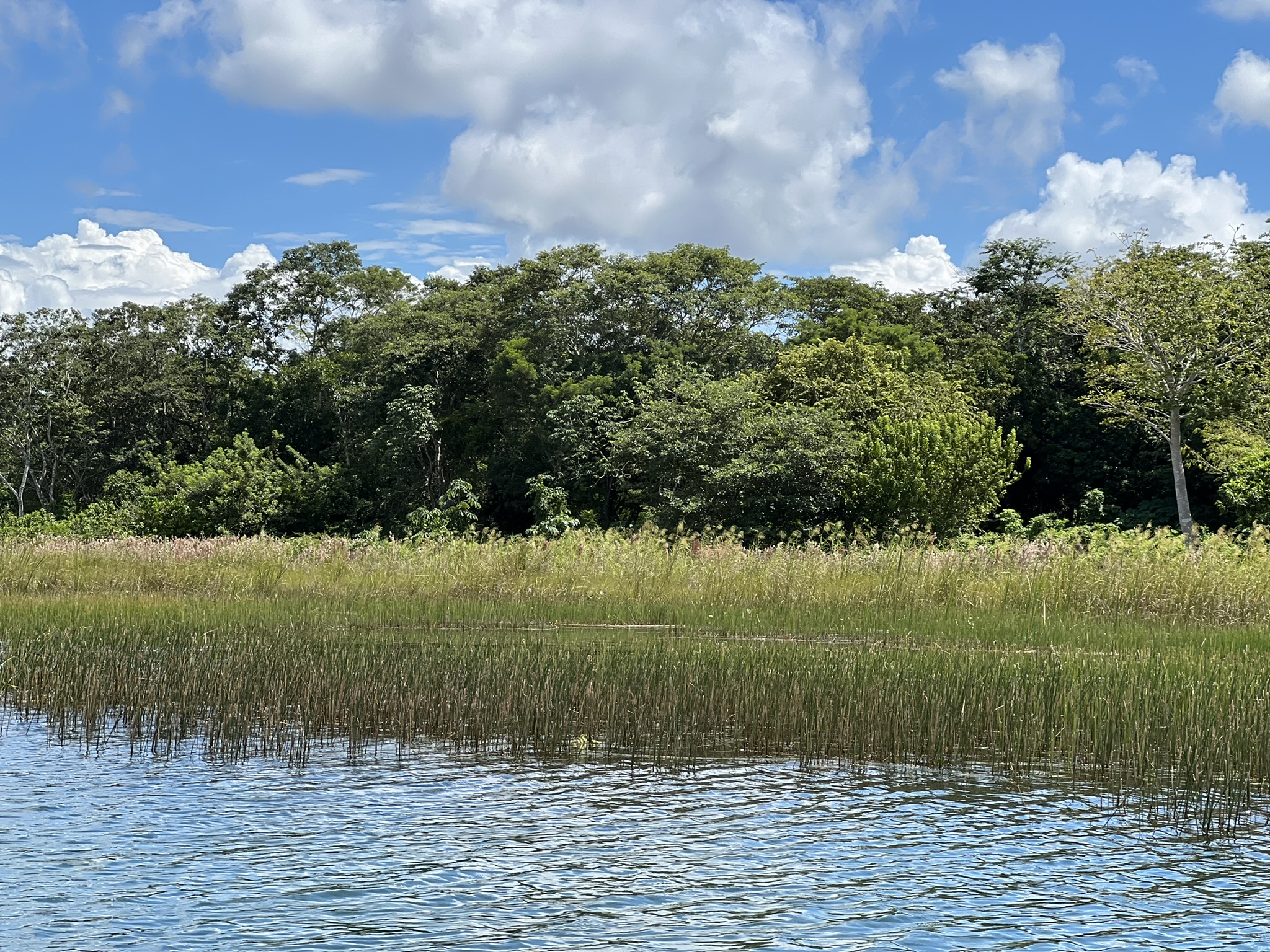
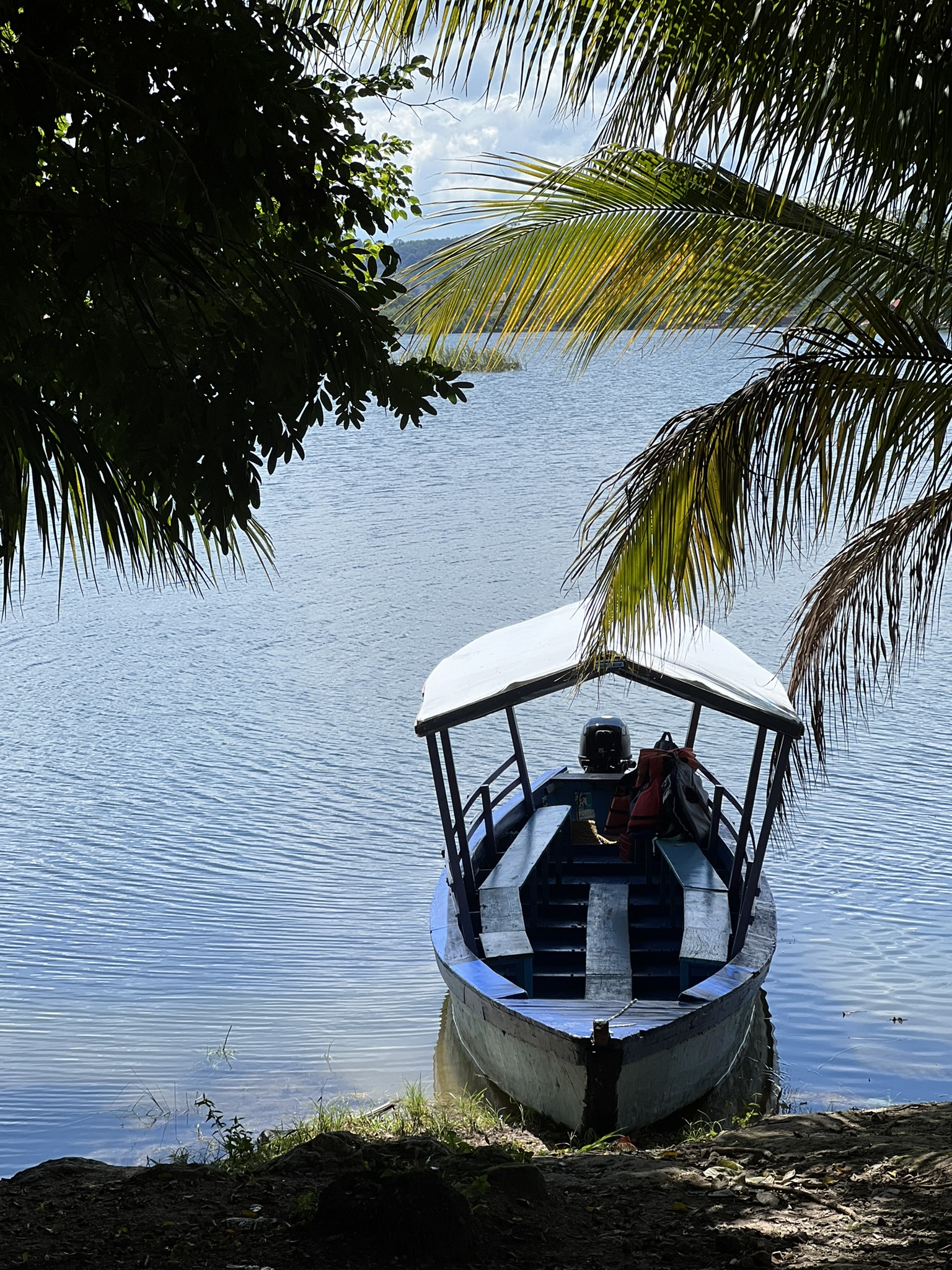
The azure lake, seemingly continuous with the sky if not for the emerald green of the jungle or the grey buildings on the horizon, is always abuzz with all kinds of activities – from colourful boats, canoes and kayaks floating about, to people swimming and paddleboarding over its smooth surface. A boat trip around the lake seemed like the perfect way to spend my afternoon. The captain, who introduced himself as Pablo, was a man of very few words. He’d point to a place, mutter its name, and that’s it.
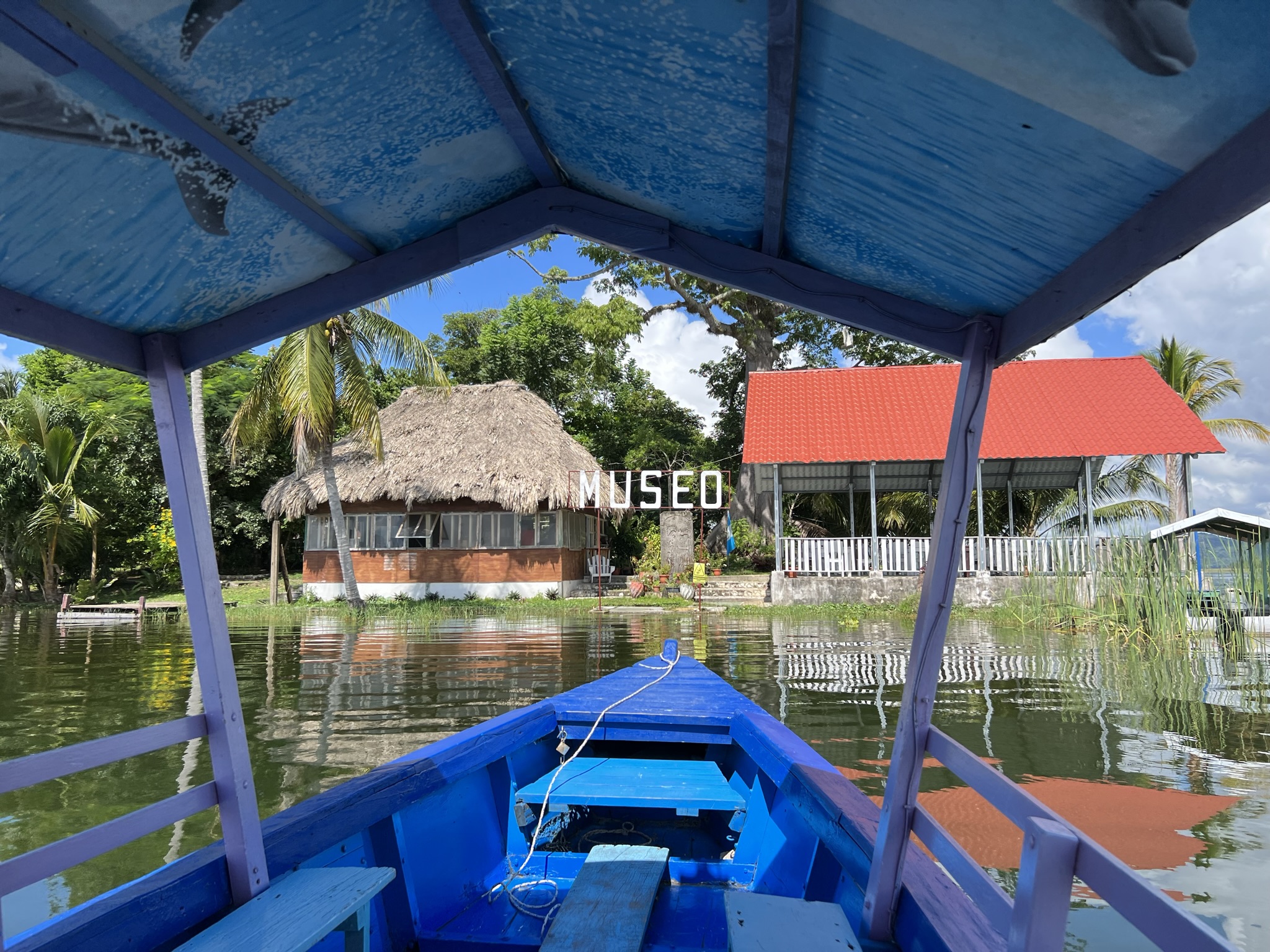
Our first stop was the Islote de Santa Barbara – a puny island housing a punier, very weird museum that contains ancient Mayan relics and old radio junk. Smack right in the middle of the island is a huge radio tower which has been in use for the past fifty years – or so said the cutest old living relic herself. The museum stands as a testament to both archaeological and technological history.
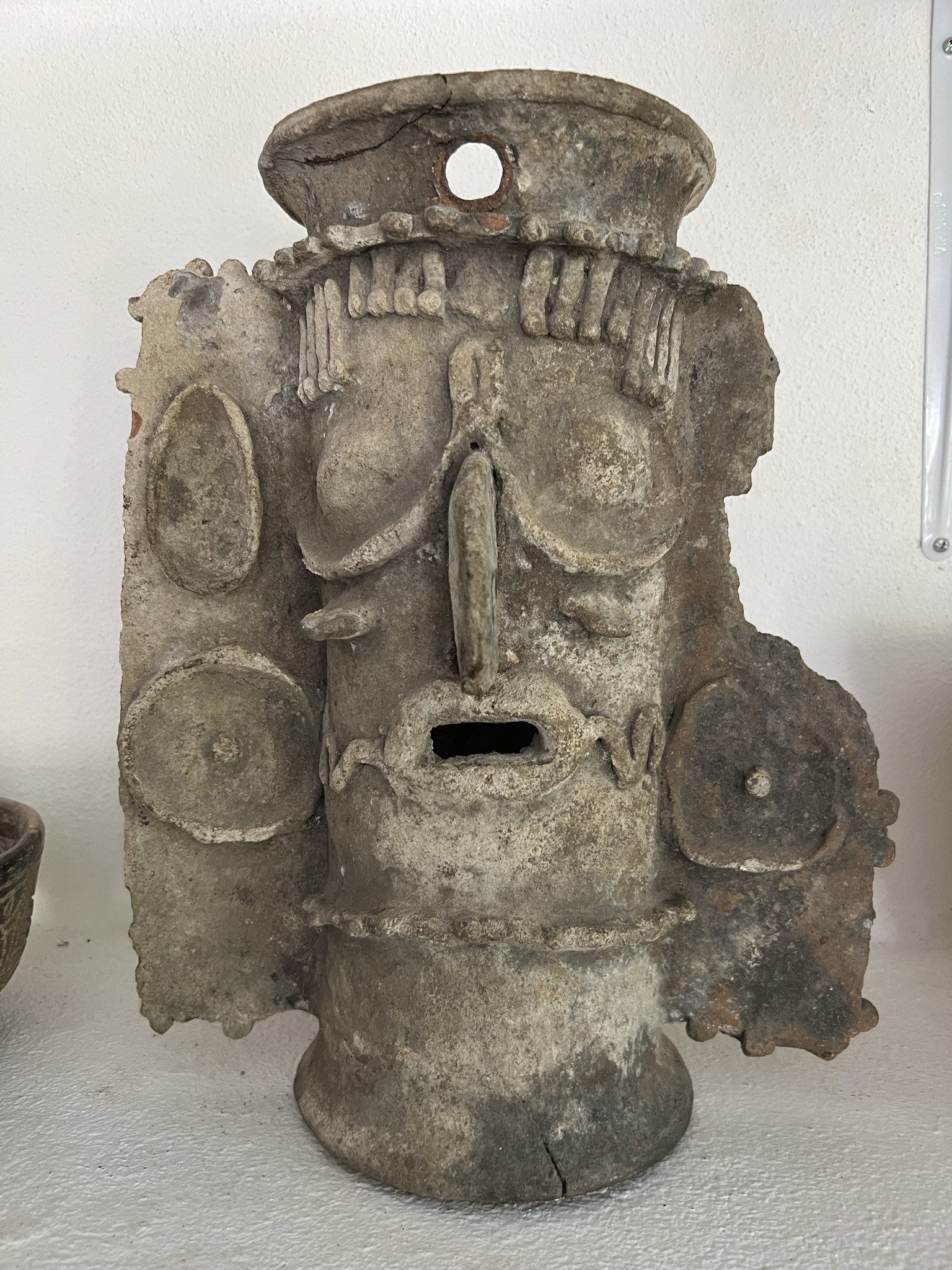
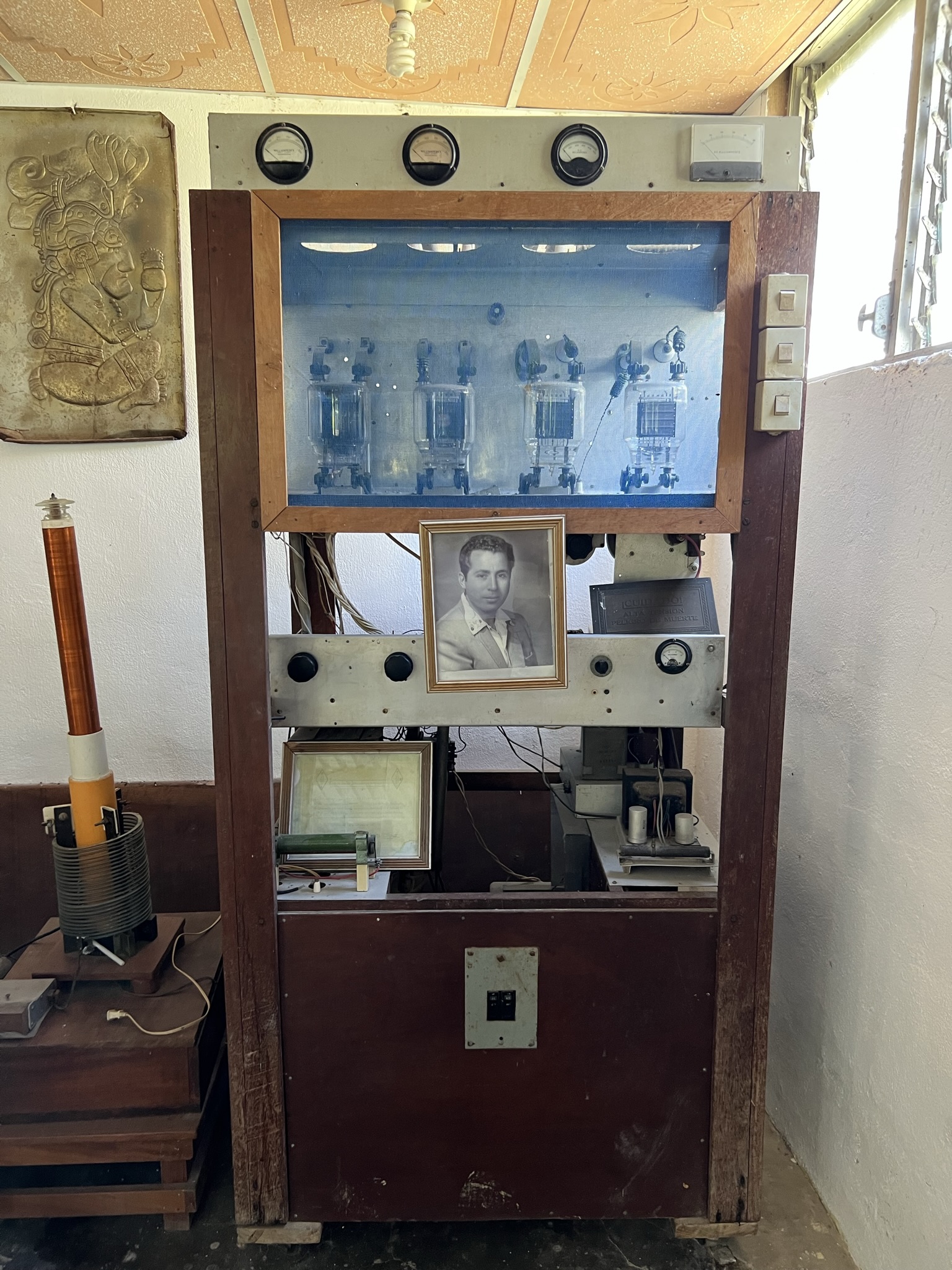
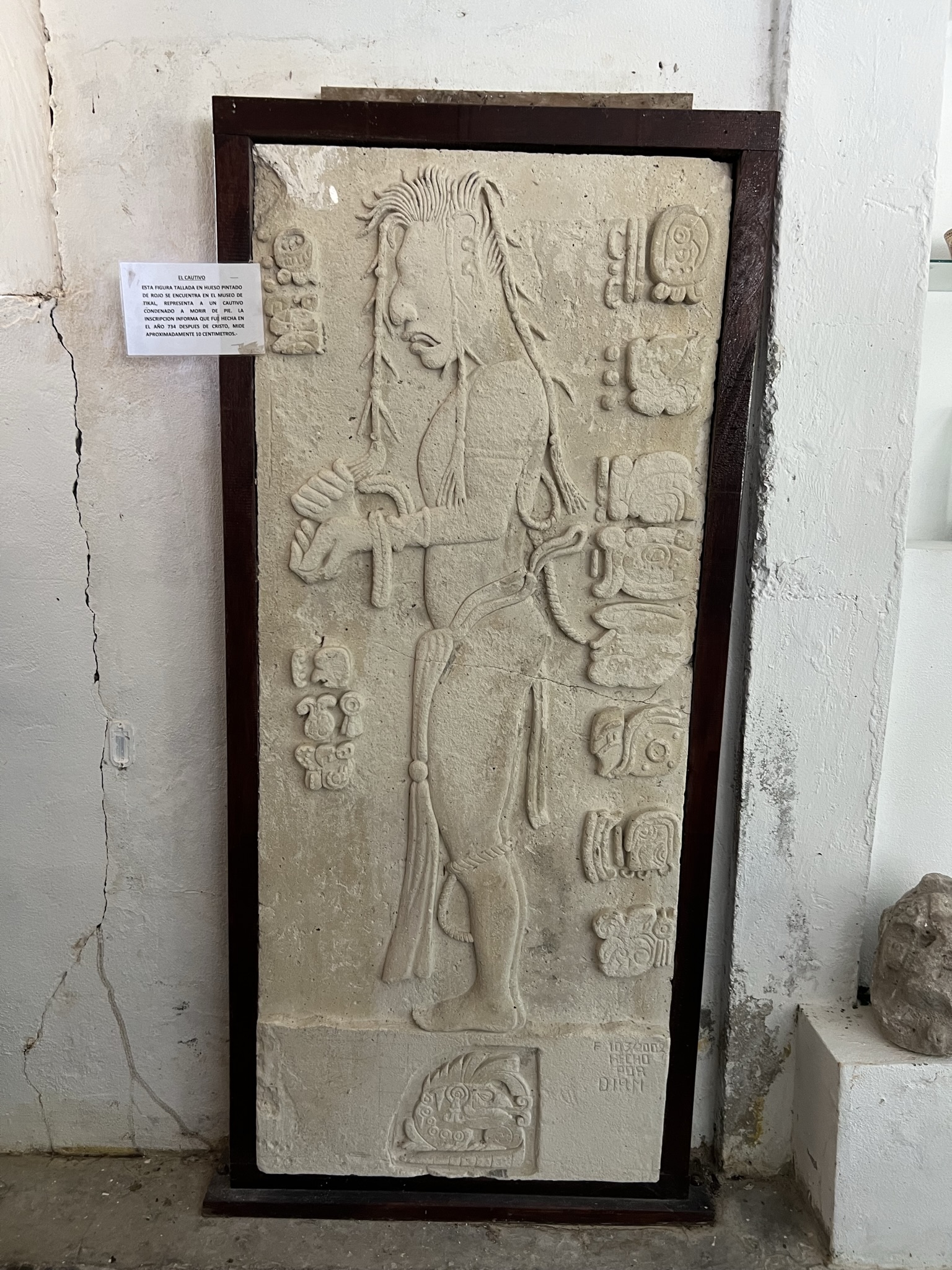
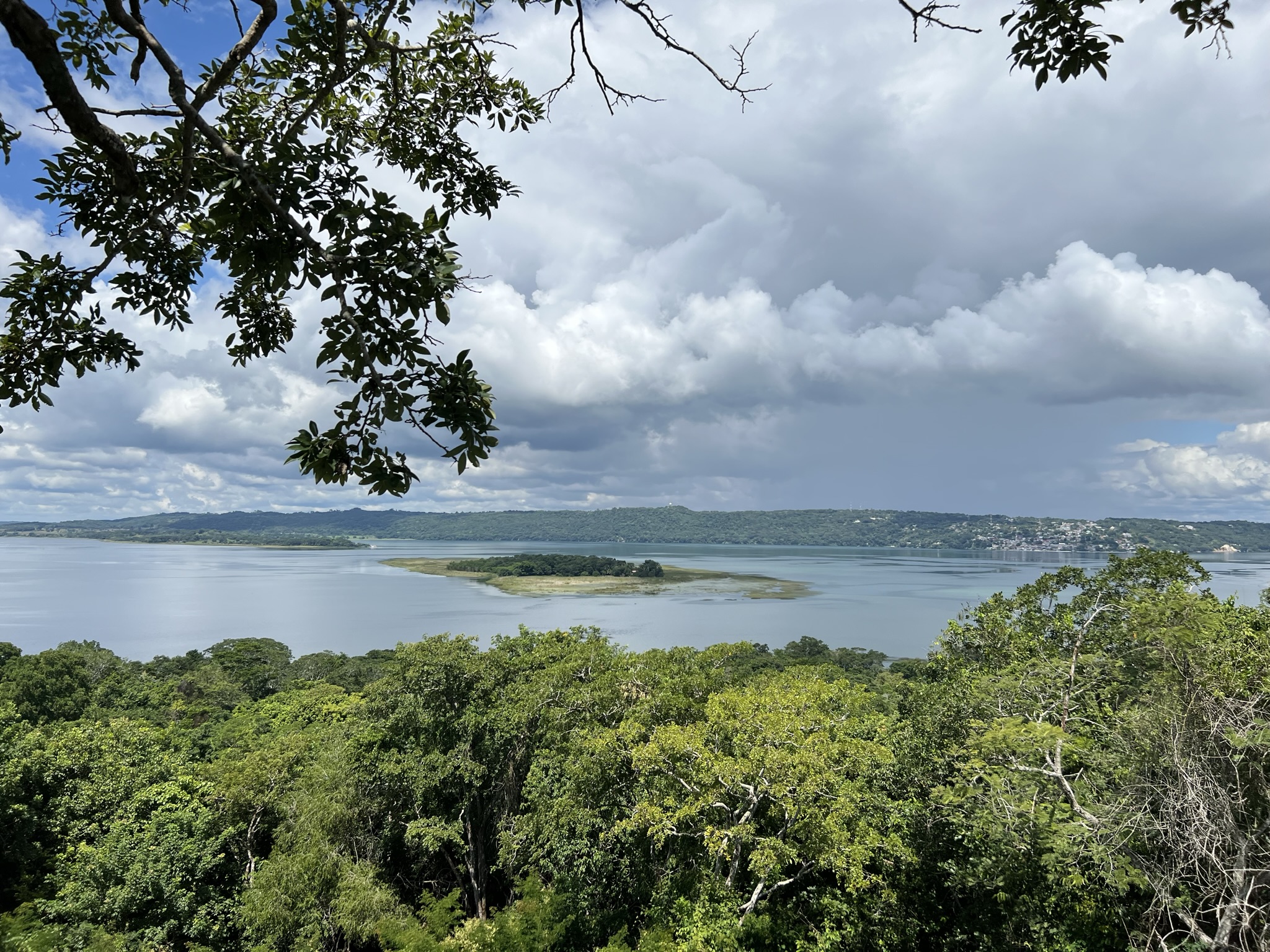
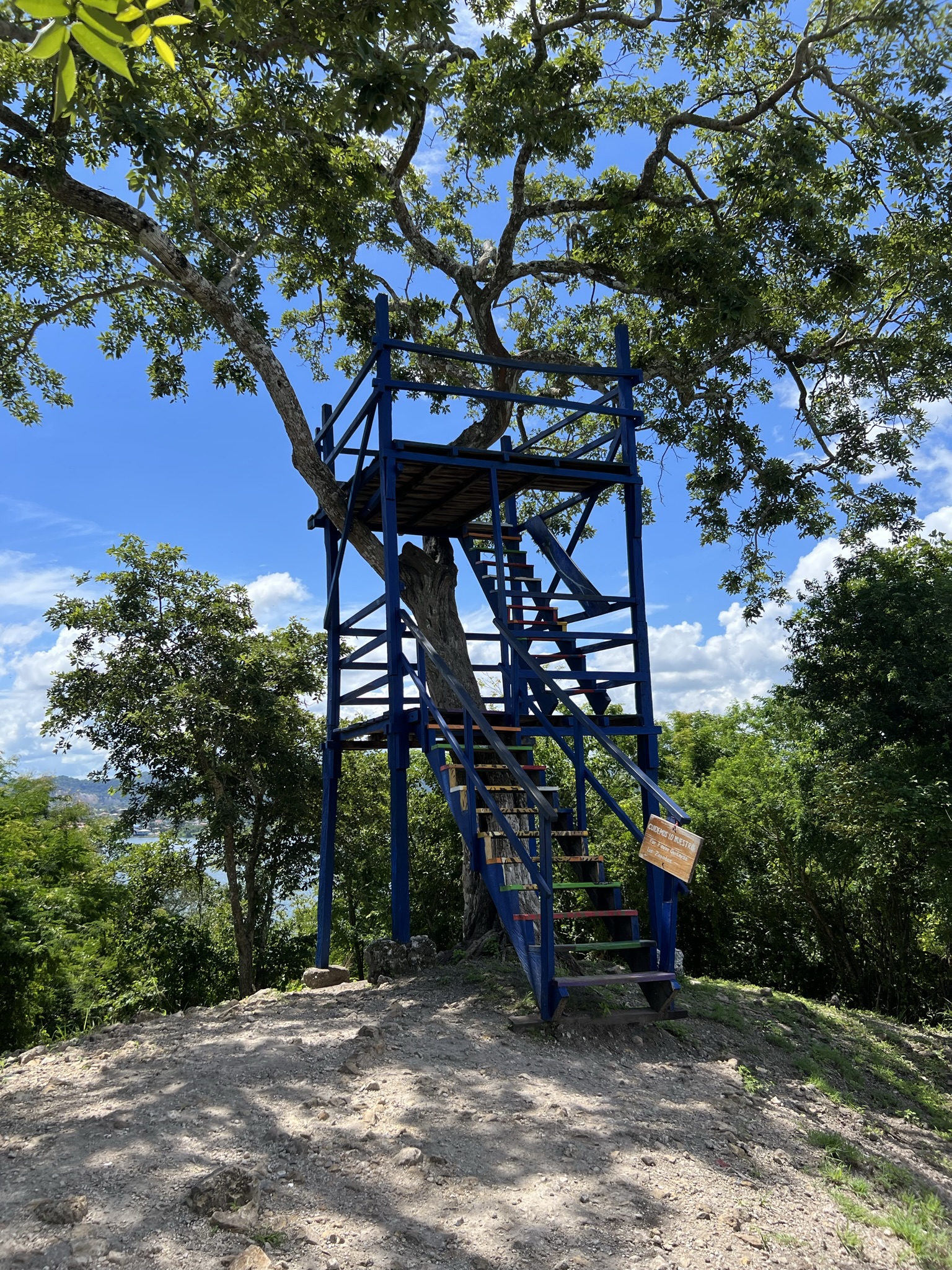
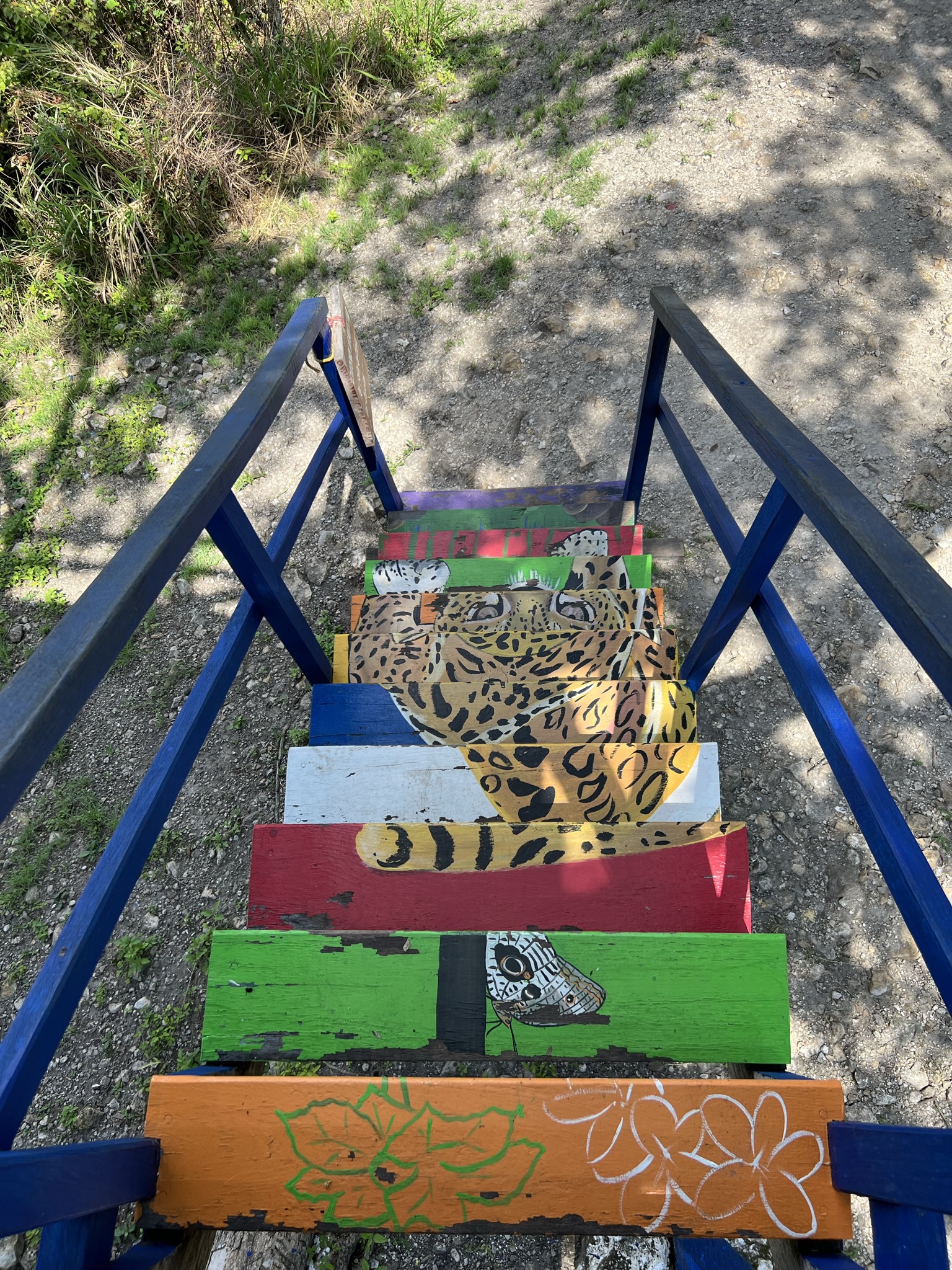
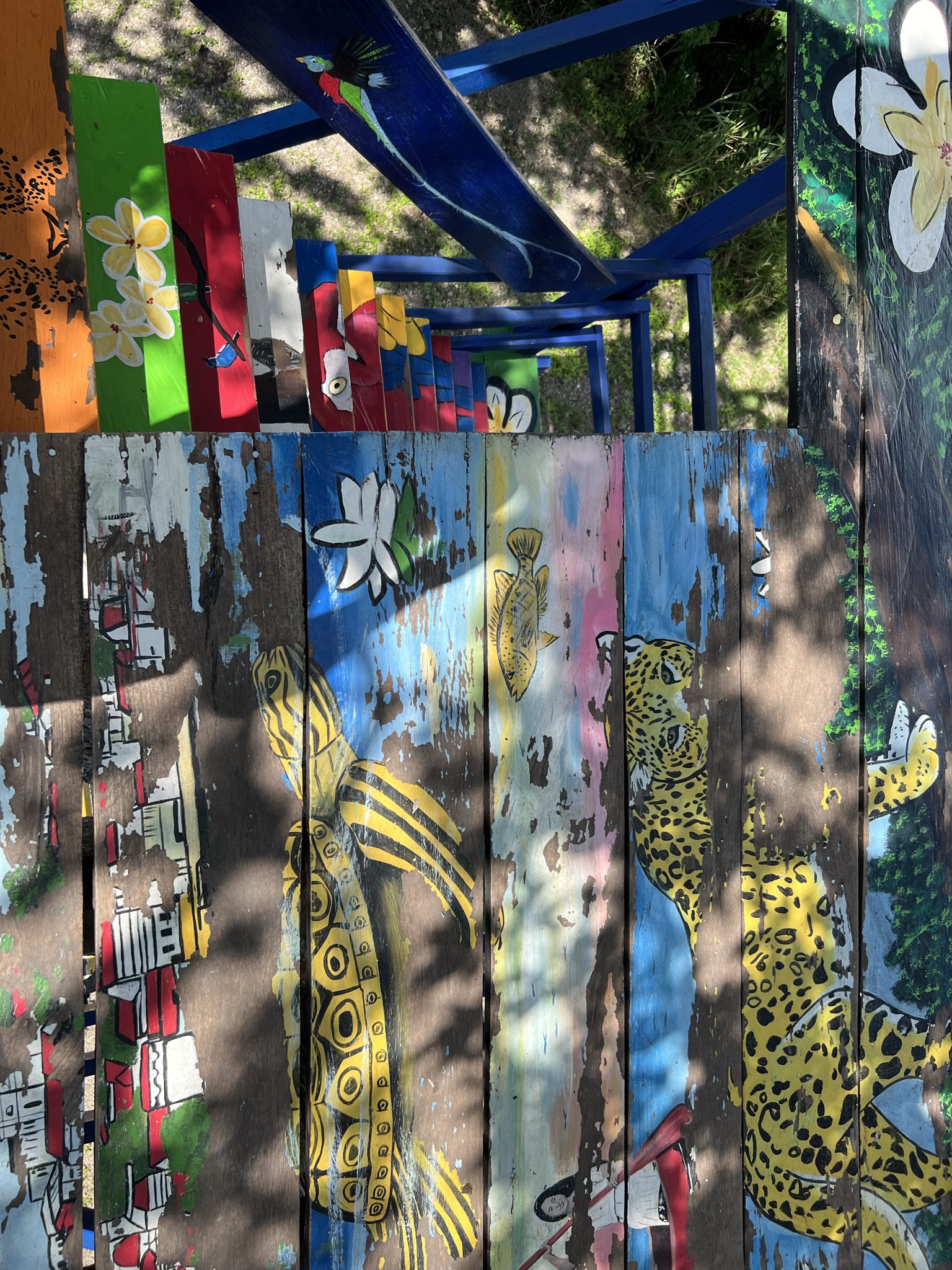
Feeling somewhat fulfilled but none the wiser after my twenty-minute visit, I got back on the boat, which now headed to the opposite bank. There, a short uphill climb led to what is known as the Mirador del Rey Canek – a viewpoint named after an Itzá state-lord. Here, a wooden platform with colourful art painted all over it towers above a hill that offers a 360-degree view of the entire lake. Truly a spectacular vista!
Standing up there, all alone, I felt so grateful to be able to do so many things, see so much stuff. I realise this might be getting repetitive, but it’s true – I’d experience this feeling of almost unbearable gratitude on most days, especially when looking at something this gorgeous!
The Real Flores
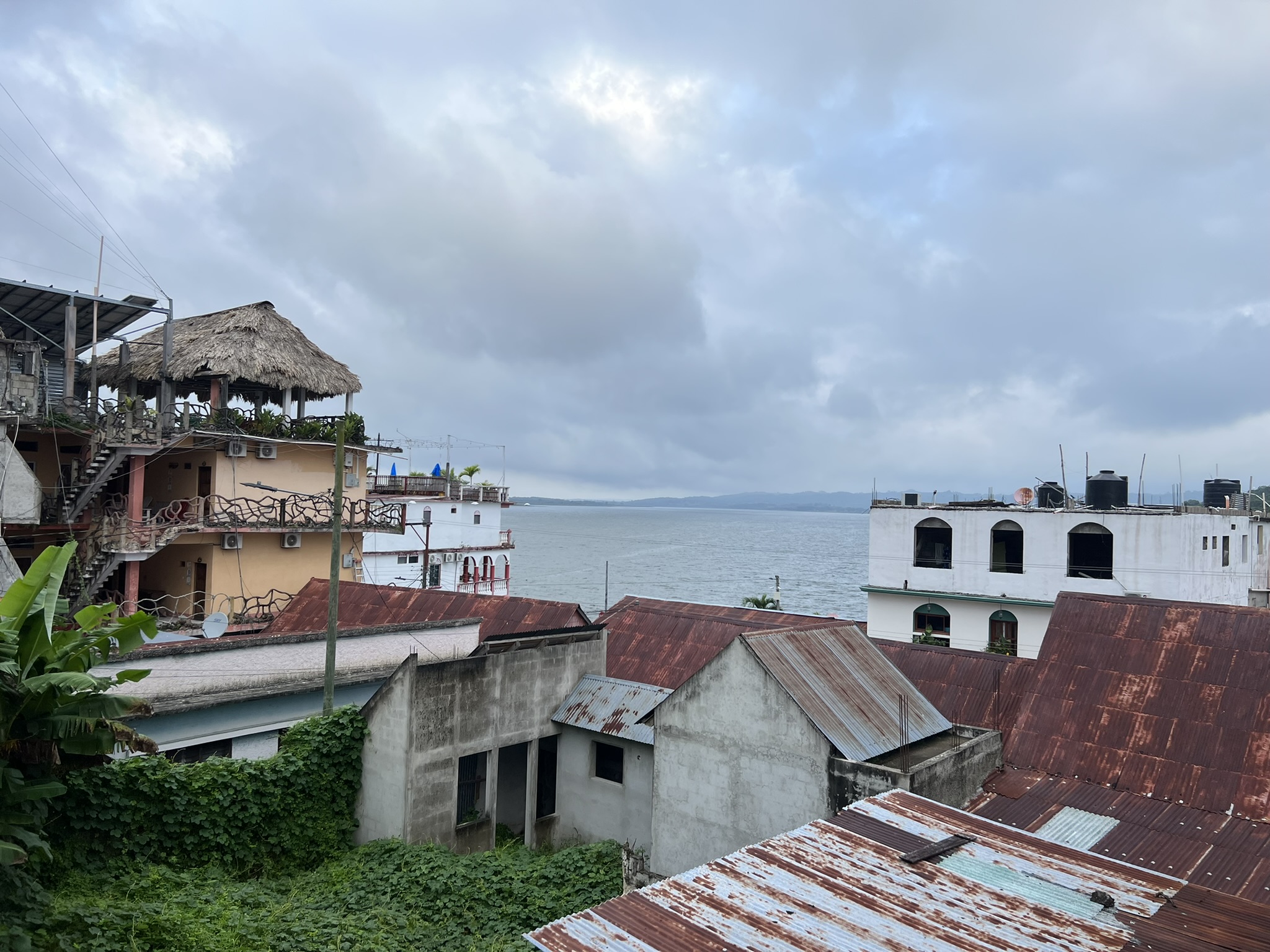
The boat then made its way around the opposite side of the island, passing underneath the causeway to return to the starting point. From there, I made my way to the mainland, where the buildings were more typical of other residential areas in Latin America – run-down houses with their paint peeling off, corrugated iron roofs, knots and tangles of telephone lines littering the view, and banners and posters advertising all kinds of stuff.
This always makes me think of the “Instagram vs Reality” thing. Mostly cause we don’t usually see these areas on travel brochures and blogs. But really and truly, this is where most of the people of Flores live. This is the real Flores. And always, every time, I find myself feeling guilty that I don’t spend more time appreciating these areas or getting to know the locals. Even then, it doesn’t come naturally to me. You know, when travelling – especially in less affluent regions – I find it’s easy to blur the line between genuine curiosity and unintentional exploitation. Asking locals about their healthcare, jobs, or financial situation can feel intrusive – like I’m some outsider at a zoo, entertaining myself at their expense. Even though my intention is to learn, it can still feel off.
They tell me all about their families, their jobs, what makes them happy – and I just stand there, smiling like an idiot, sharing in their happiness. Then they tell me about the difficulties they face, and all I can do is smile sympathetically and say I wish it weren’t the case – while simultaneously thinking about my own privilege.
To be completely fair, I never got the sense that they minded my questions or felt I was prying. In fact, here in Latin America, I’ve found it pretty common for people to randomly stop me and ask where I’m from, then follow up with a deluge of questions – about my country, then my job, then my family, and whatever else they feel like. I never thought much about it, so maybe they don’t either. Maybe it’s not just about entertainment or education after all. Maybe asking the real questions helps break down boundaries – helps us connect.