Panama City – Day 2: The Canal and the Causeway
PANAMA CITY
Day 2: The Canal & the Causeway
February 16, 2023
The following day, I got up early to get a head start. After breakfast, I grabbed an Uber to my first stop – the infamous Panama Canal, one of the most important conduits for global maritime trade. And honestly, that was pretty much all I knew about it before arriving at the Miraflores Visitor Center.
The second I got there, the lady at the counter rushed me to buy my ticket and head straight to the canal because the last ship was already passing through. “Where’s the canal? What ship? Huh?” I asked, completely confused and trying to process what was happening. She handed me the ticket, pointed in a vague direction and sent me on my way. I followed her instructions and suddenly found myself standing in front of the canal, everyone around me going “oooh” and “aaah” as the gates opened and a massive cargo ship called Venture Spirit passed through, accompanied by some random guy playing the trumpet as a warm welcome.
I had no idea what was actually going on. And before I could even begin to question it, a staff member appeared out of nowhere and shouted, “MOVIE IN ONE MINUTE! GO, GO, GO!!!” “Uhm, what movie?!” I yelled, as I was swept up in a small stampede of tourists sprinting towards a cinema.
A Land Divided, A Land United
Somehow, I ended up seated, watching a forty-five-minute documentary about the canal narrated by none other than Morgan Freeman. While it definitely added some much-needed context, I couldn’t help but wish I’d seen it before watching the ships pass through. That said, the film did the canal’s history justice and explained everything I’d completely missed during my rushed introduction.
The Panama Canal is an extraordinary feat of engineering. An 82-kilometre artificial waterway, it connects the Atlantic and Pacific Oceans across the Panamanian isthmus, dramatically shortening global trade routes. After the Spanish conquistadors identified the Chagres River as a potential asset for interoceanic transit, the French attempted to replicate the success of the Suez Canal in 1881. They tried to carve a sea-level canal straight through the mountains, dredging enormous quantities of earth in the process. The project failed catastrophically, with thousands of workers dying from brutal conditions and diseases such as yellow fever and malaria.
In 1904, the United States took over the project, motivated largely by the need to move goods quickly between California, New York and the rest of the world. Taking a “work smart, not hard” approach, they identified mosquitoes as the vectors of yellow fever and malaria and implemented large-scale eradication campaigns. They also created the artificial Gatun Lake by damming the Chagres River, drastically reducing the amount of excavation required and making the lock-based canal system possible. At both ends of the canal are lock systems that raise and lower ships between sea level and the canal itself, allowing vessels to pass without altering the canal’s overall structure. Ships are guided through the locks by expert pilots, assisted by electric locomotives, affectionately known as “mules”, which keep them centred as water levels rise and fall.

The canal officially opened in 1914. In 1977, the Torrijos-Carter Treaties set the process in motion for Panama to regain full control, which was completed in 1999. A major expansion was finished in 2016 to accommodate the ever-growing size of modern ships. Today, vessels passing through include container ships, tankers, bulk carriers and cruise ships, some measuring up to 49 metres wide, nearly 366 metres long, and capable of carrying over 13,000 containers. The canal connects more than 140 maritime routes, linking around 1,700 ports in over 160 countries, with a full transit taking roughly eight to ten hours. Because the system relies heavily on freshwater, canal authorities often describe themselves as a water management company first, with the canal operating as a relatively low-emission trade corridor. Pretty cool, all things considered.
It’s no surprise, then, that Panama is often referred to as the crossroads of the world, boasting one of the strongest economies in Central America.
The Old and the New Panama City
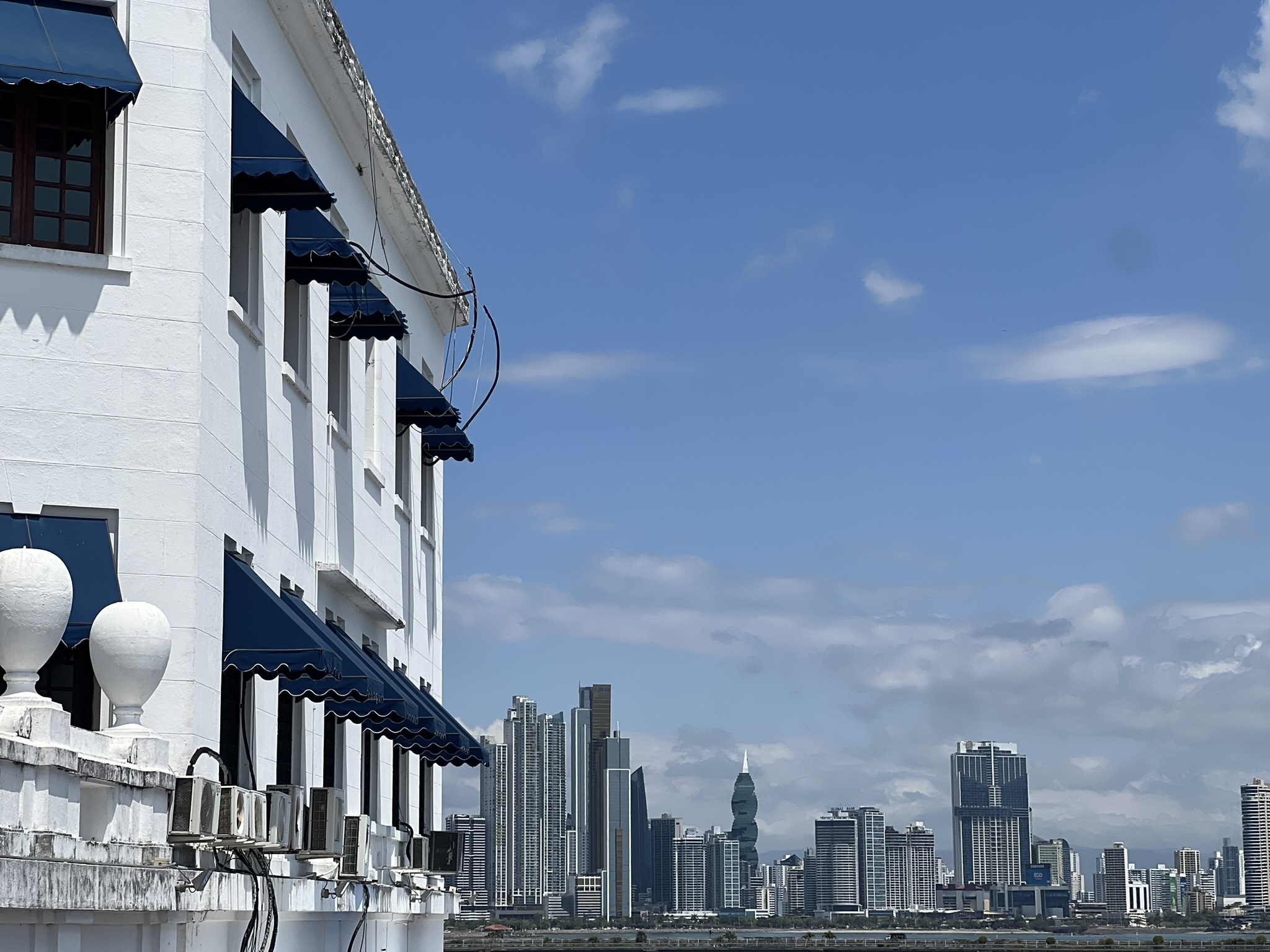
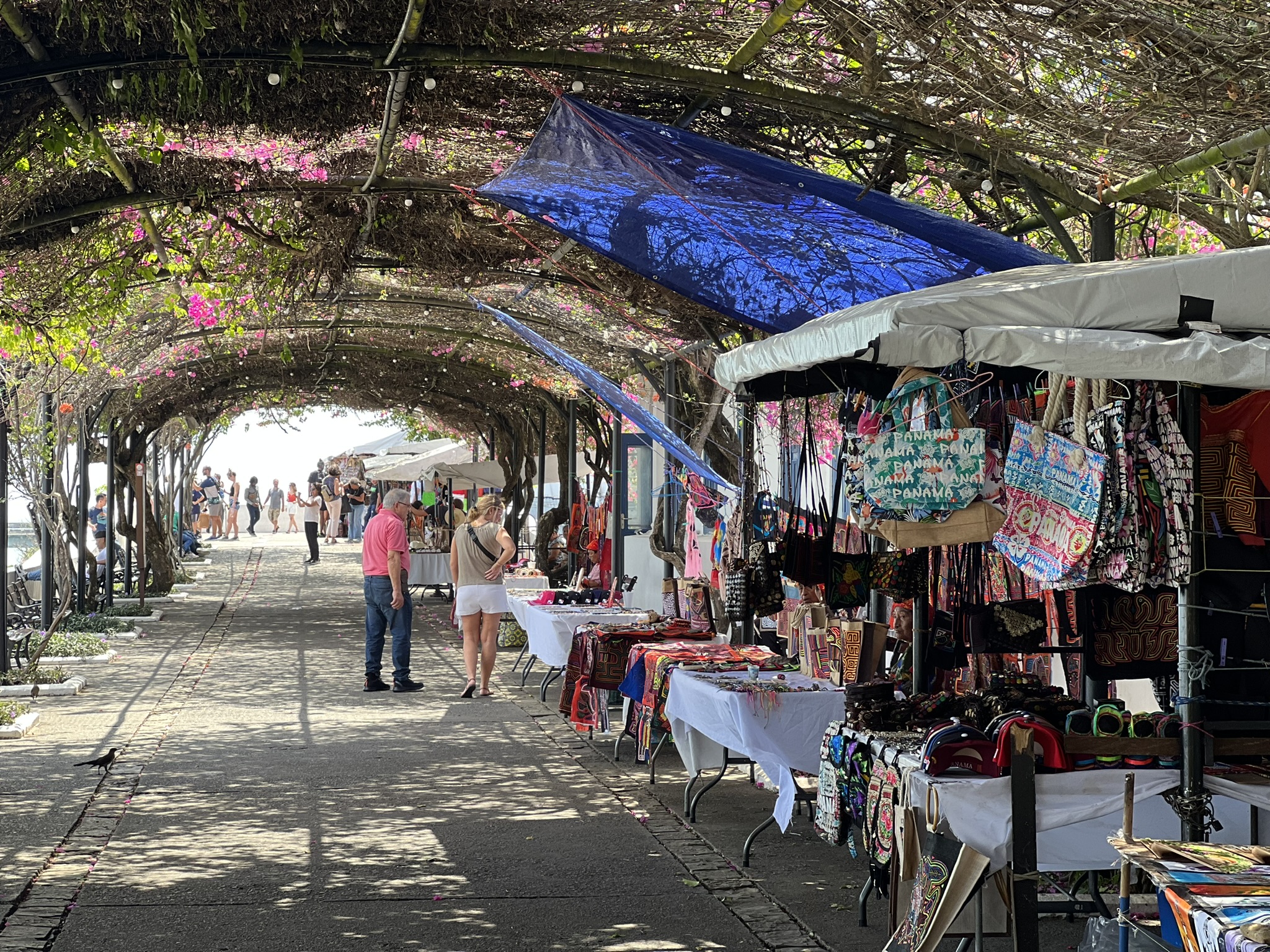
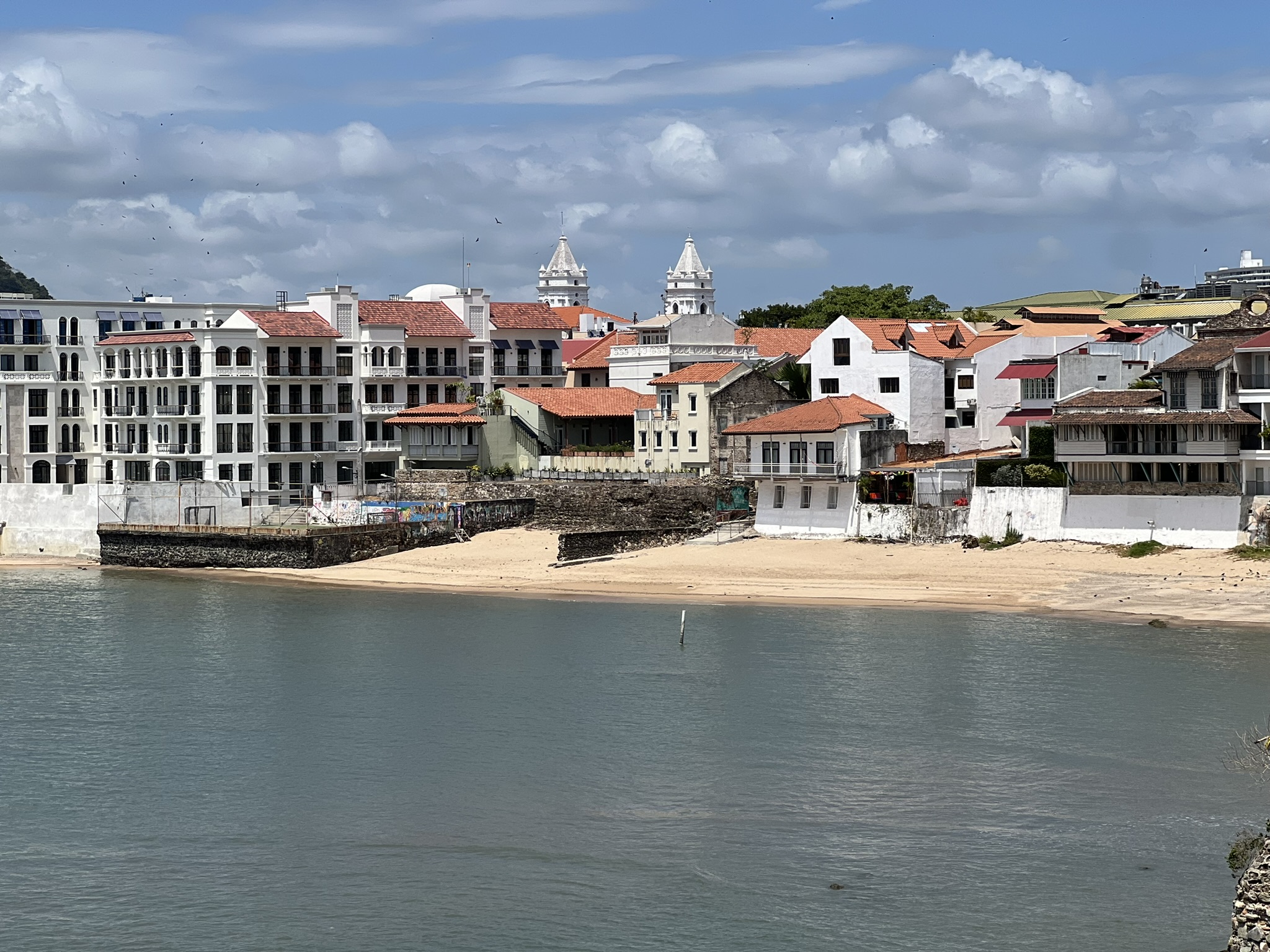
After that, I made my way to Casco Viejo, the historic heart of Panama City. This area, now a major tourist hotspot, was built after the near-total destruction of Panamá Viejo in 1671 by pirates. I spent most of the day wandering its colourful streets, drifting from one square to another, stumbling upon cathedrals, church ruins, museums and beautifully restored buildings.
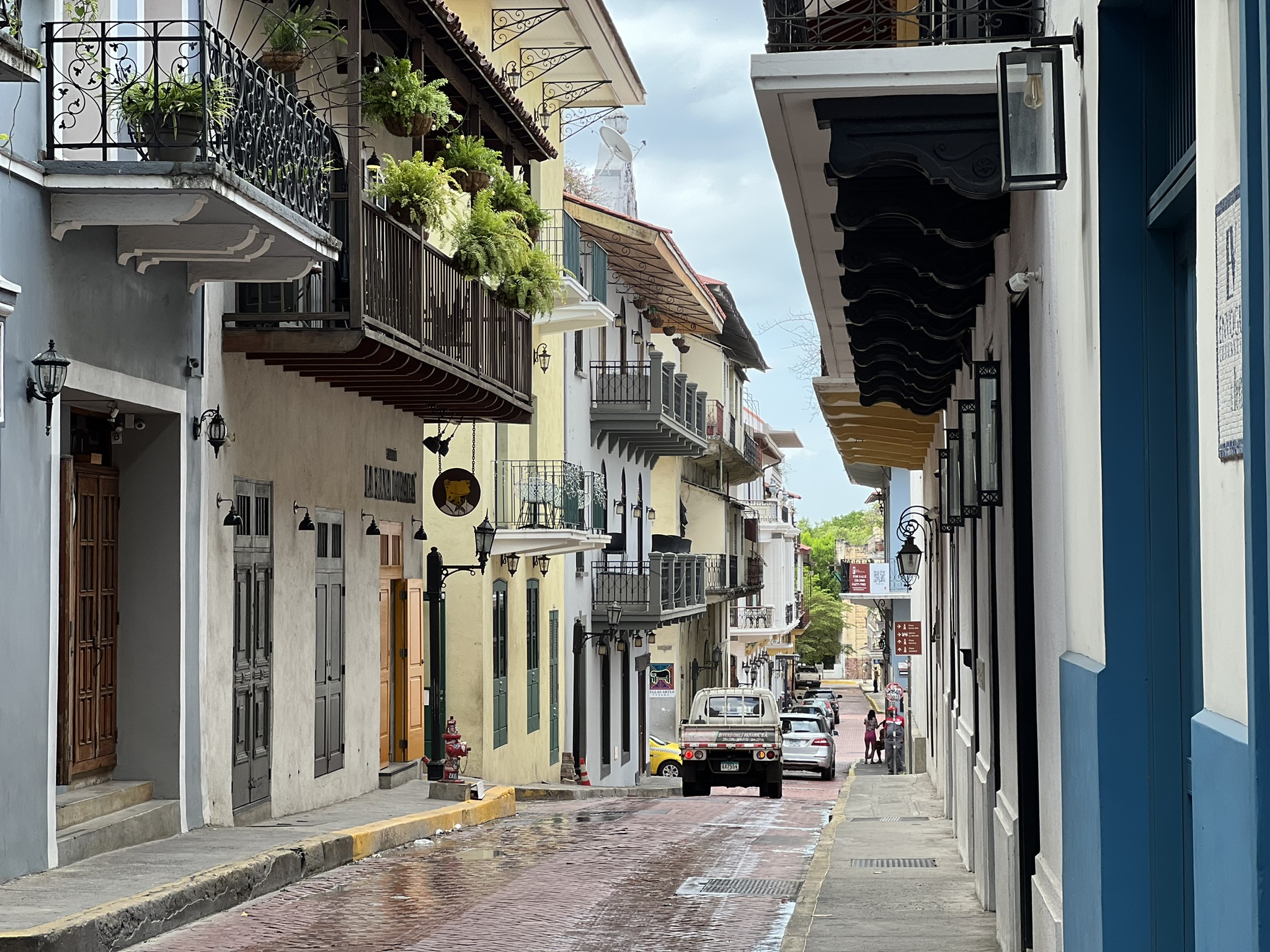
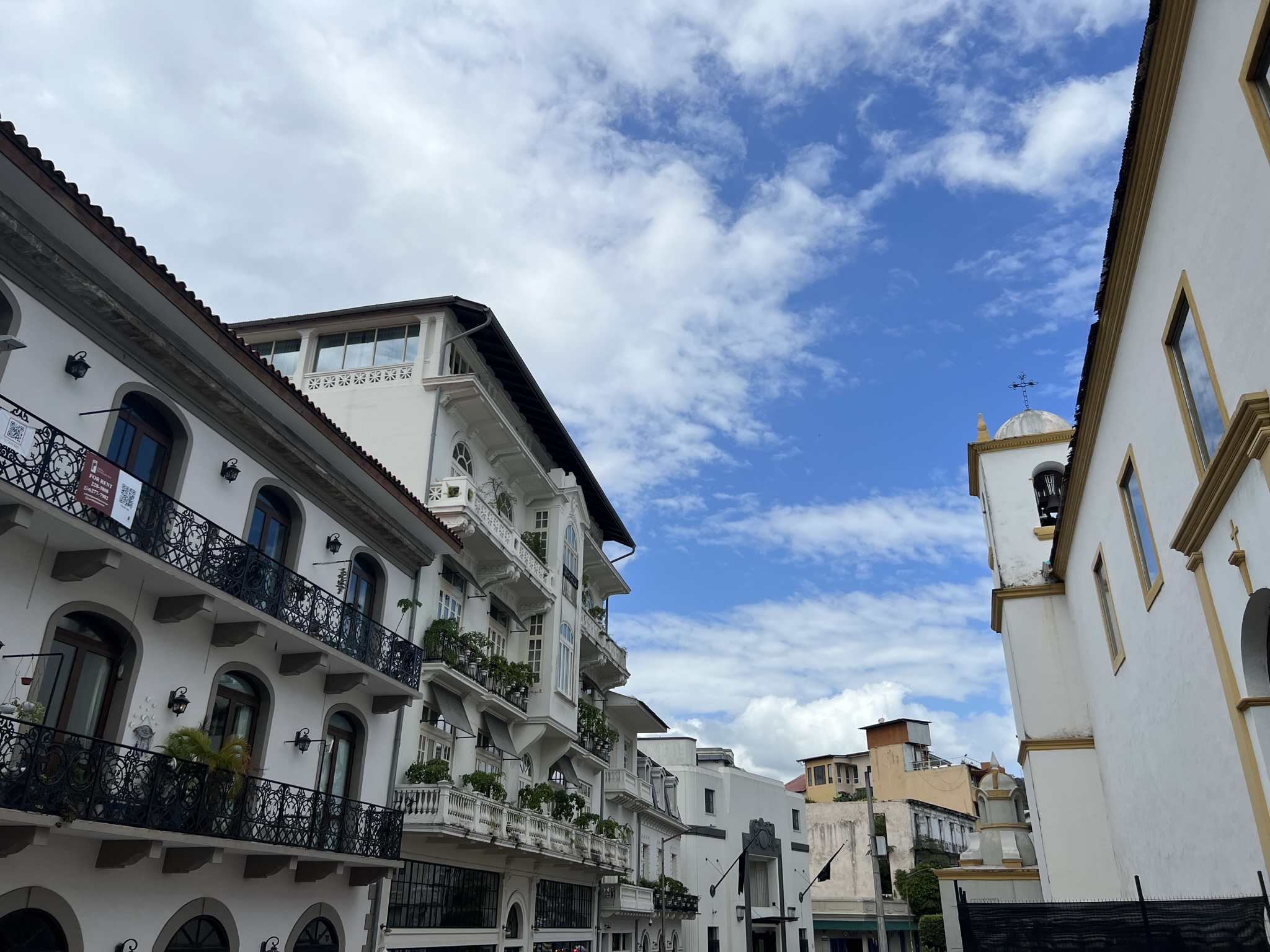
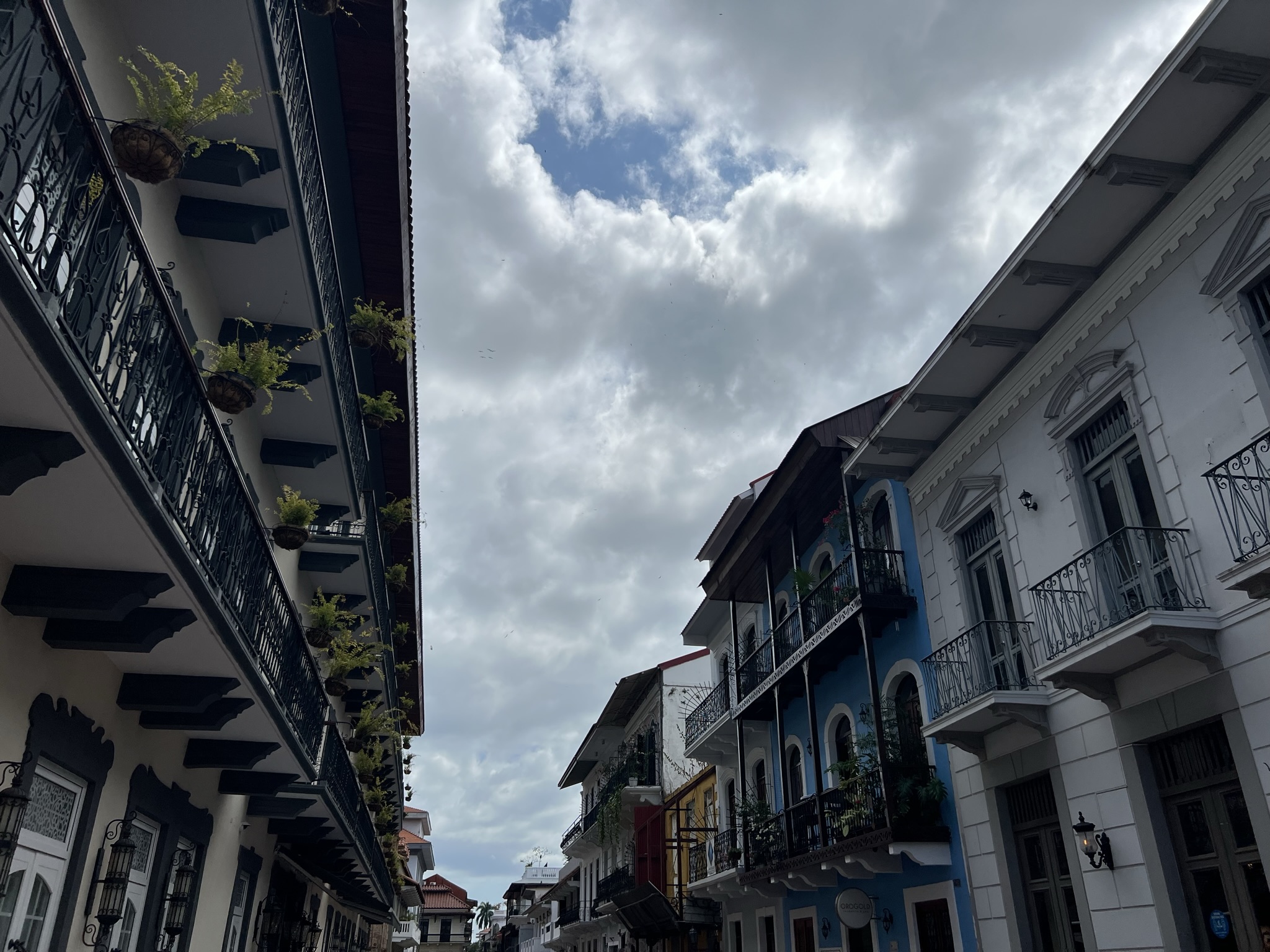
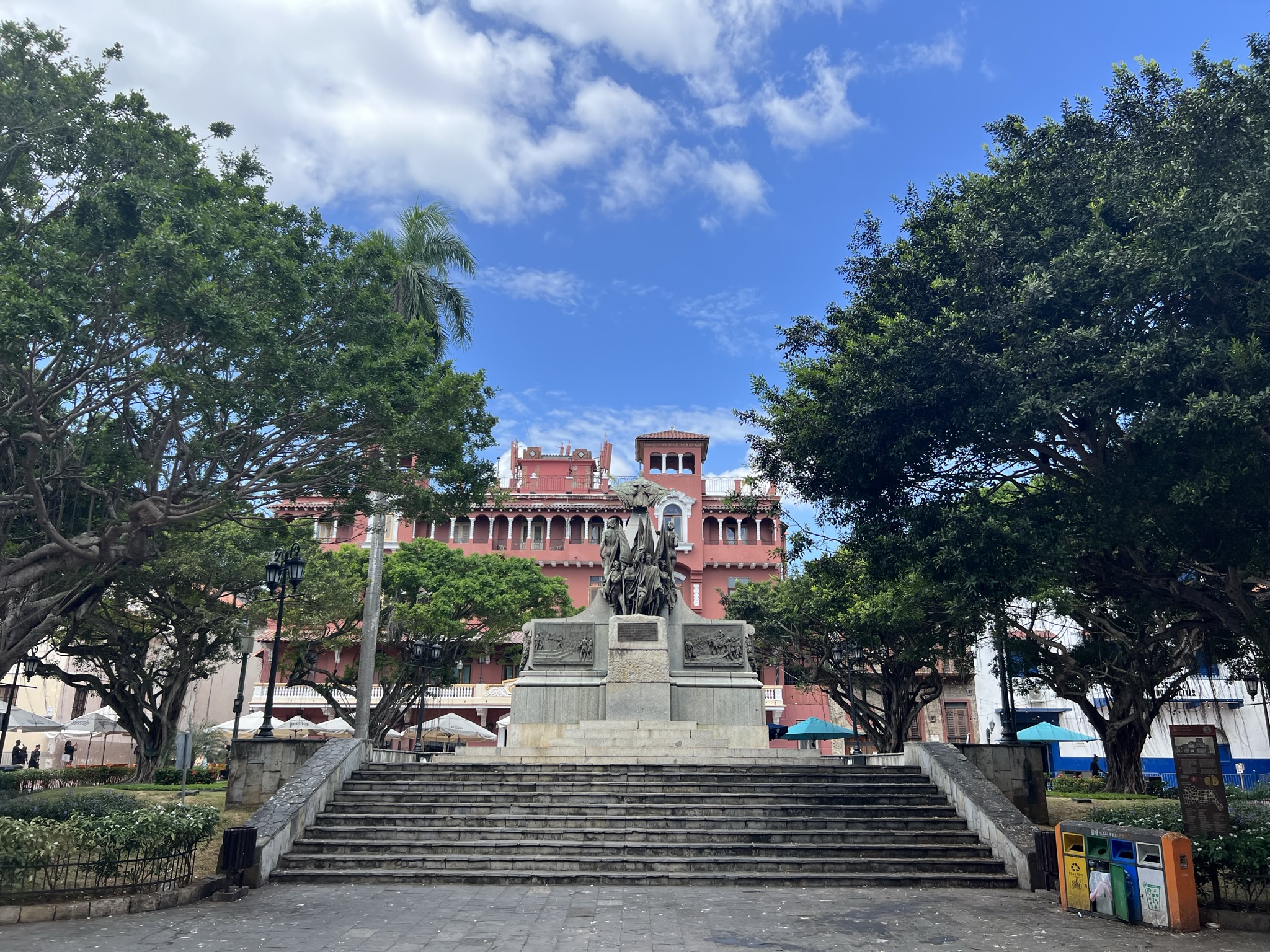
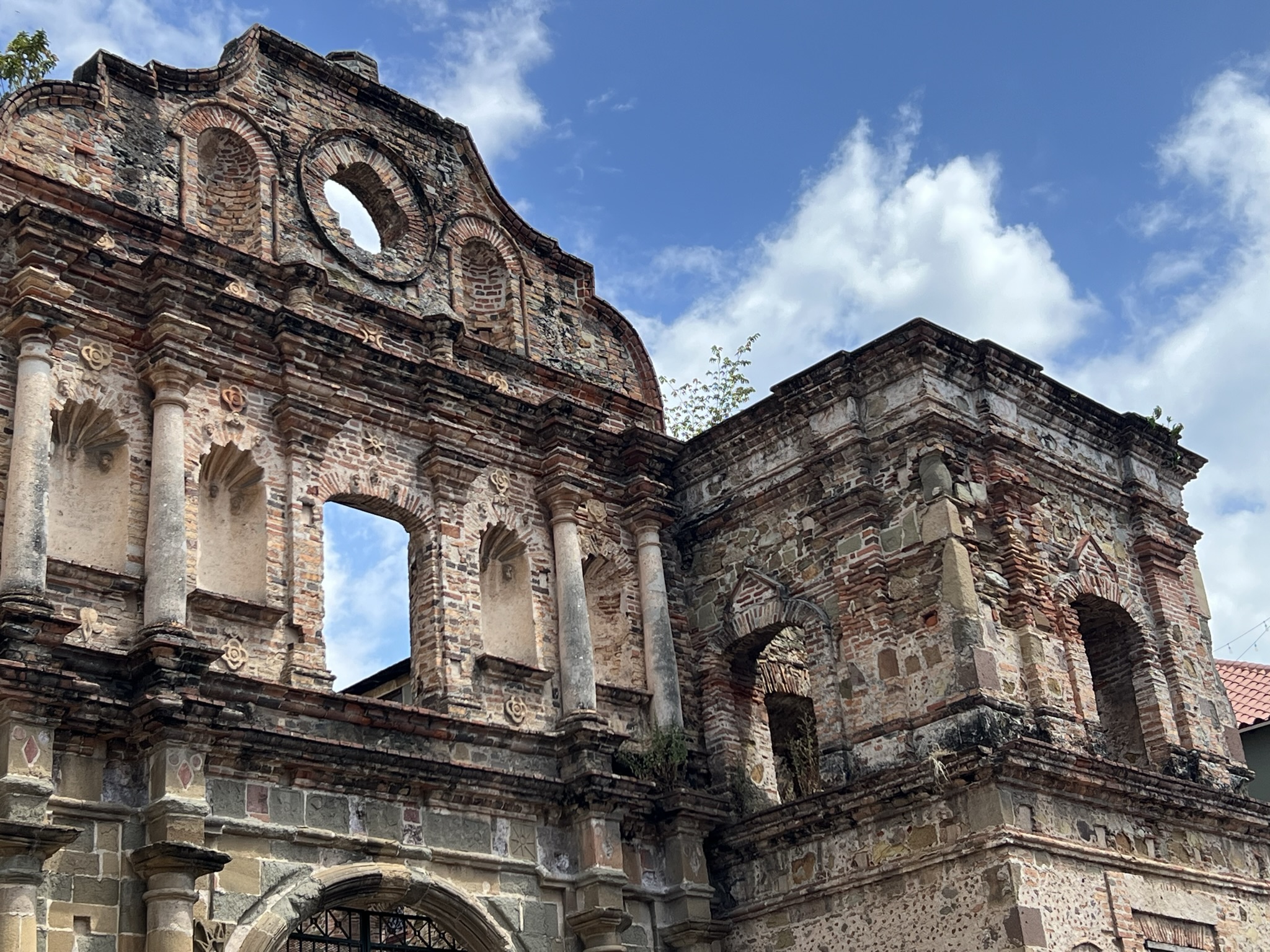
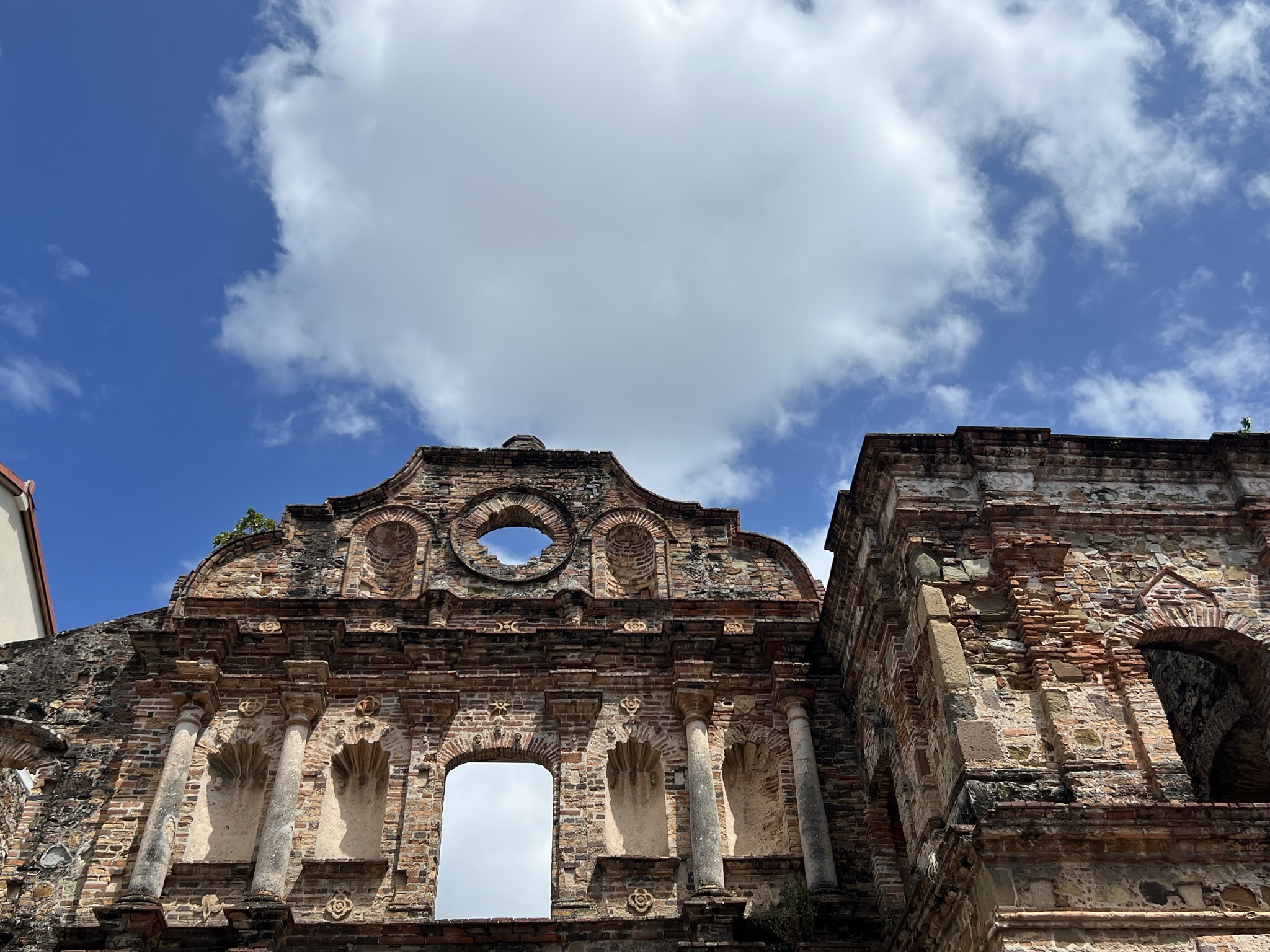
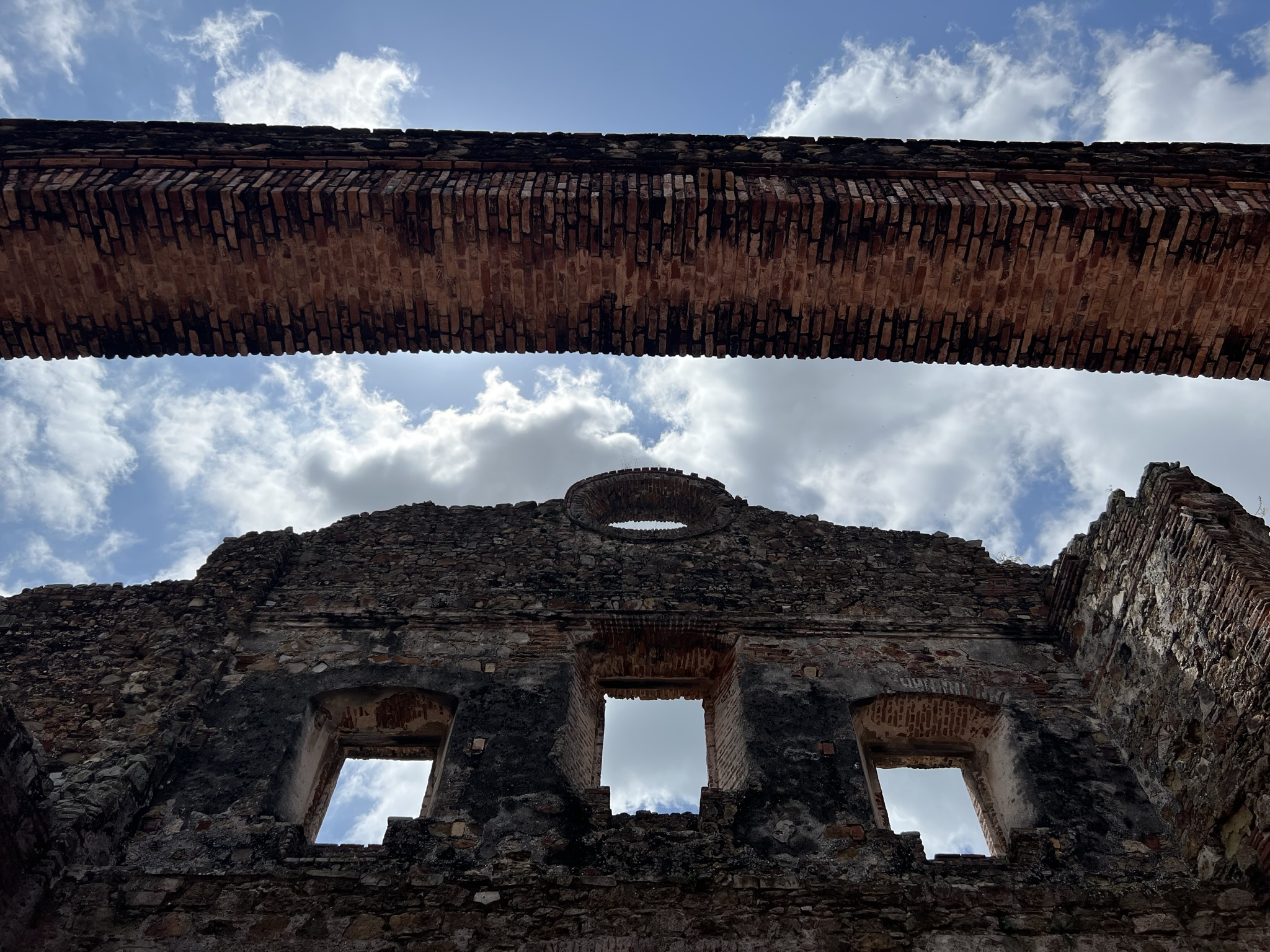
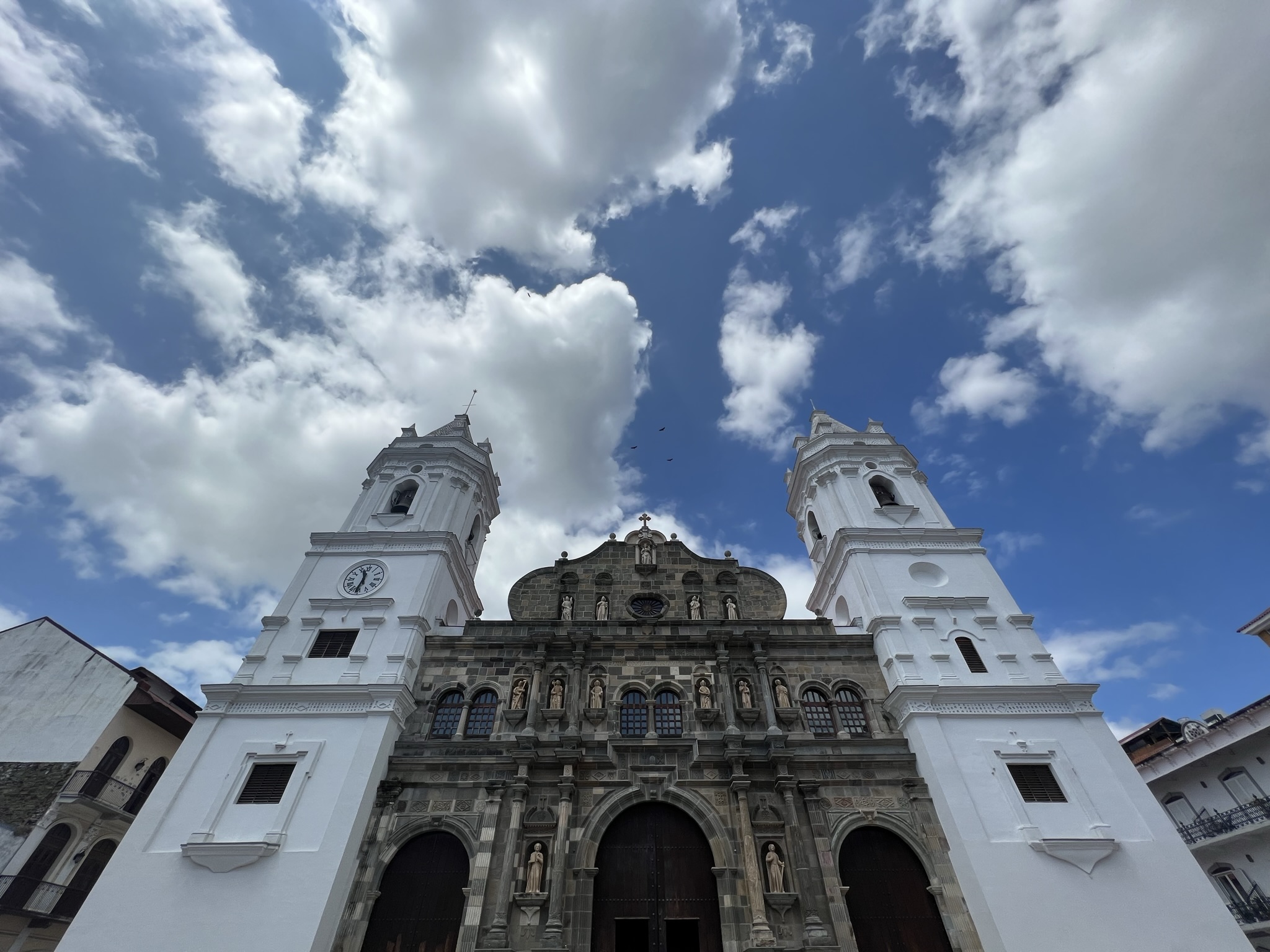
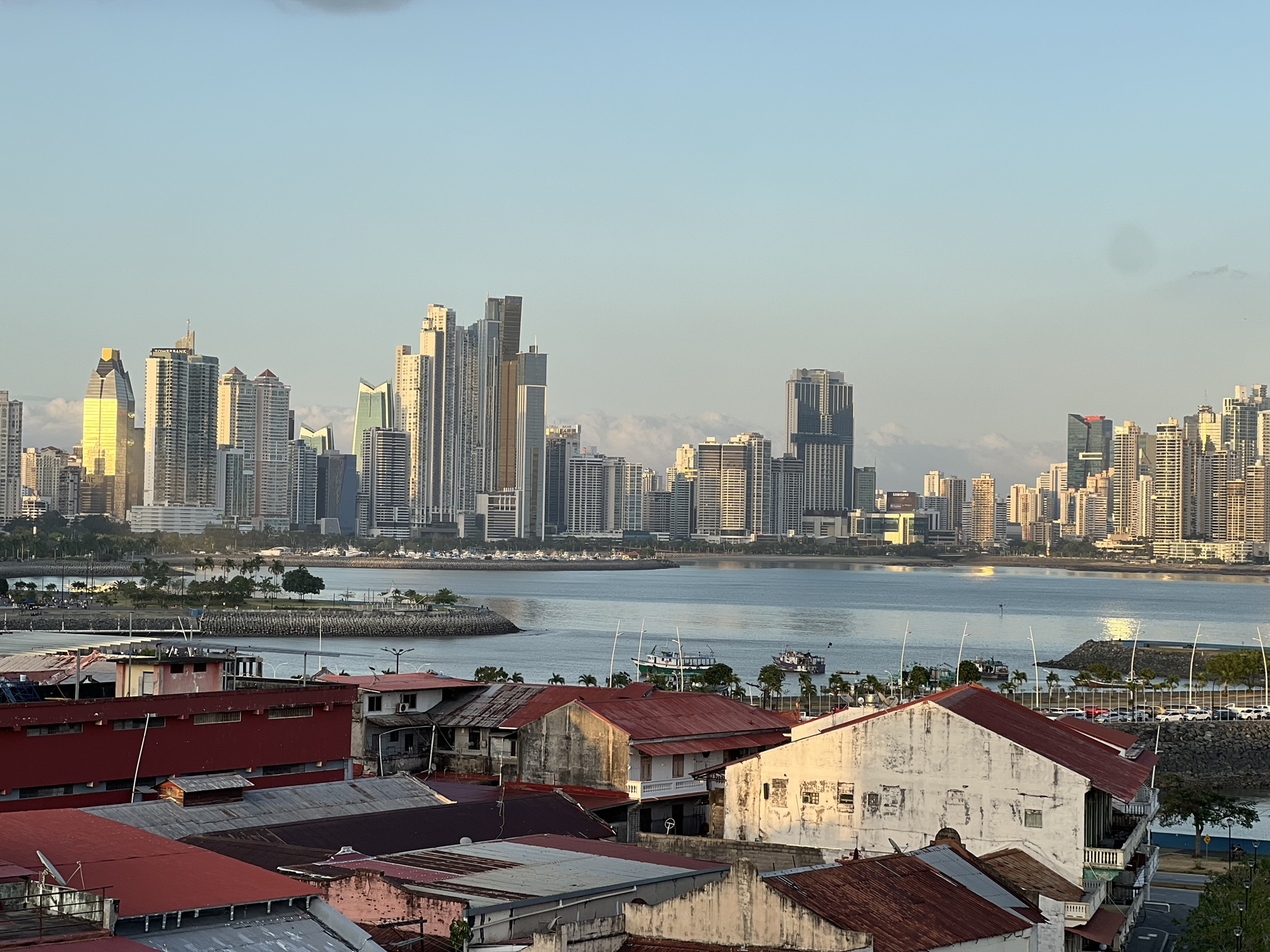
Encircling the historic district is the Cinta Costera, a coastal roadway developed through a large land-reclamation project. From here, or from Casco Viejo’s waterfront, the skyscraper-studded skyline of modern Panama City can be admired in all its glory. And that’s exactly what I did until late afternoon, soaking in the striking contrast between the old city and the new.
Later on, I hopped into yet another Uber and headed to the Calzada de Amador, a chain of four small islands connected by a causeway built from rock excavated during the canal’s construction. In the early 20th century, the Amador Islands housed US military installations, complete with coastal artillery and fortifications built to defend the canal during World War II, which thankfully were never used. The Smithsonian Institution later repurposed many of these former bunkers into research facilities, including marine laboratories, over the course of several decades. A railway once used to transport canal excavation material, and later military supplies, was dismantled shortly after the war.
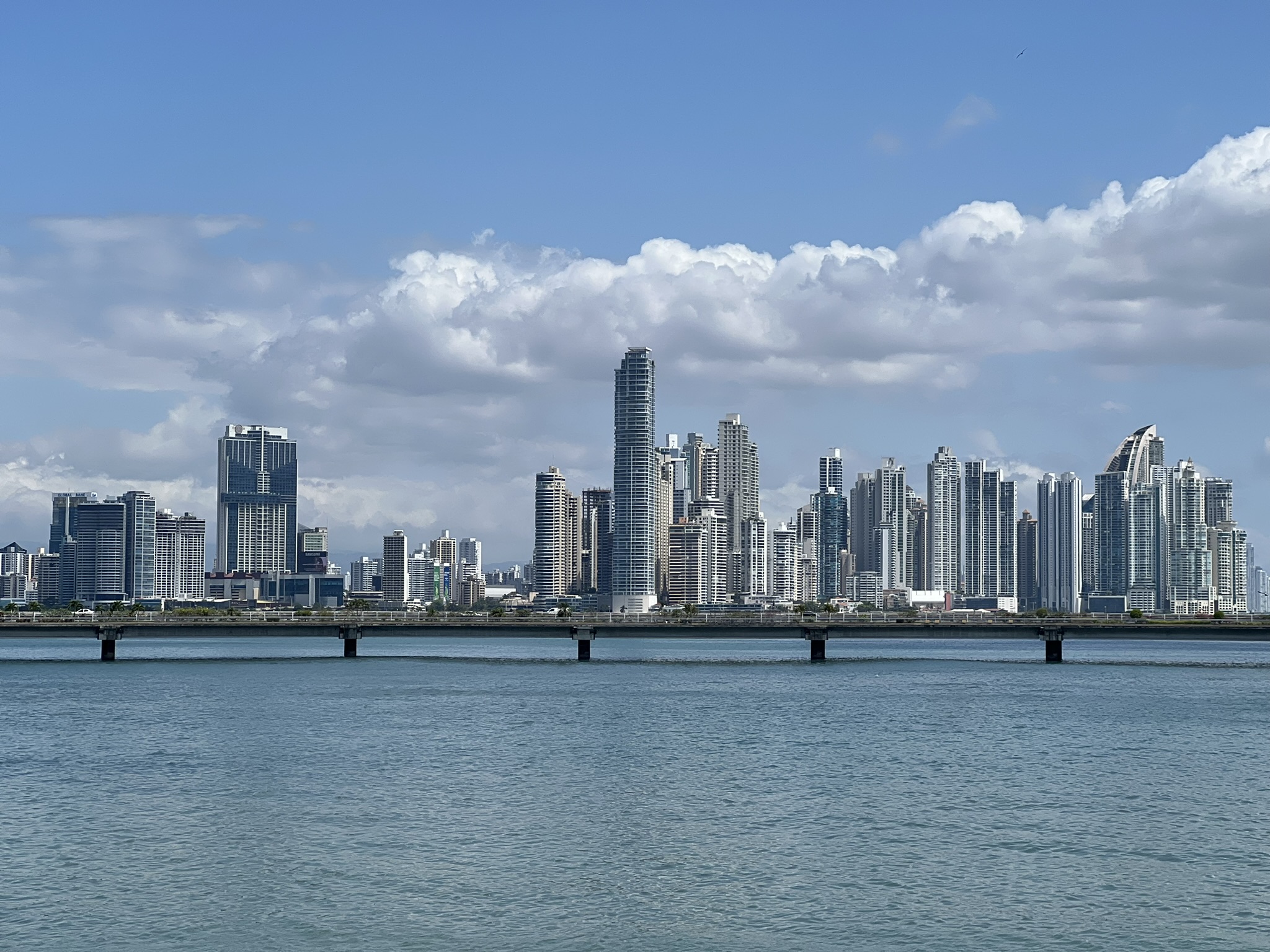
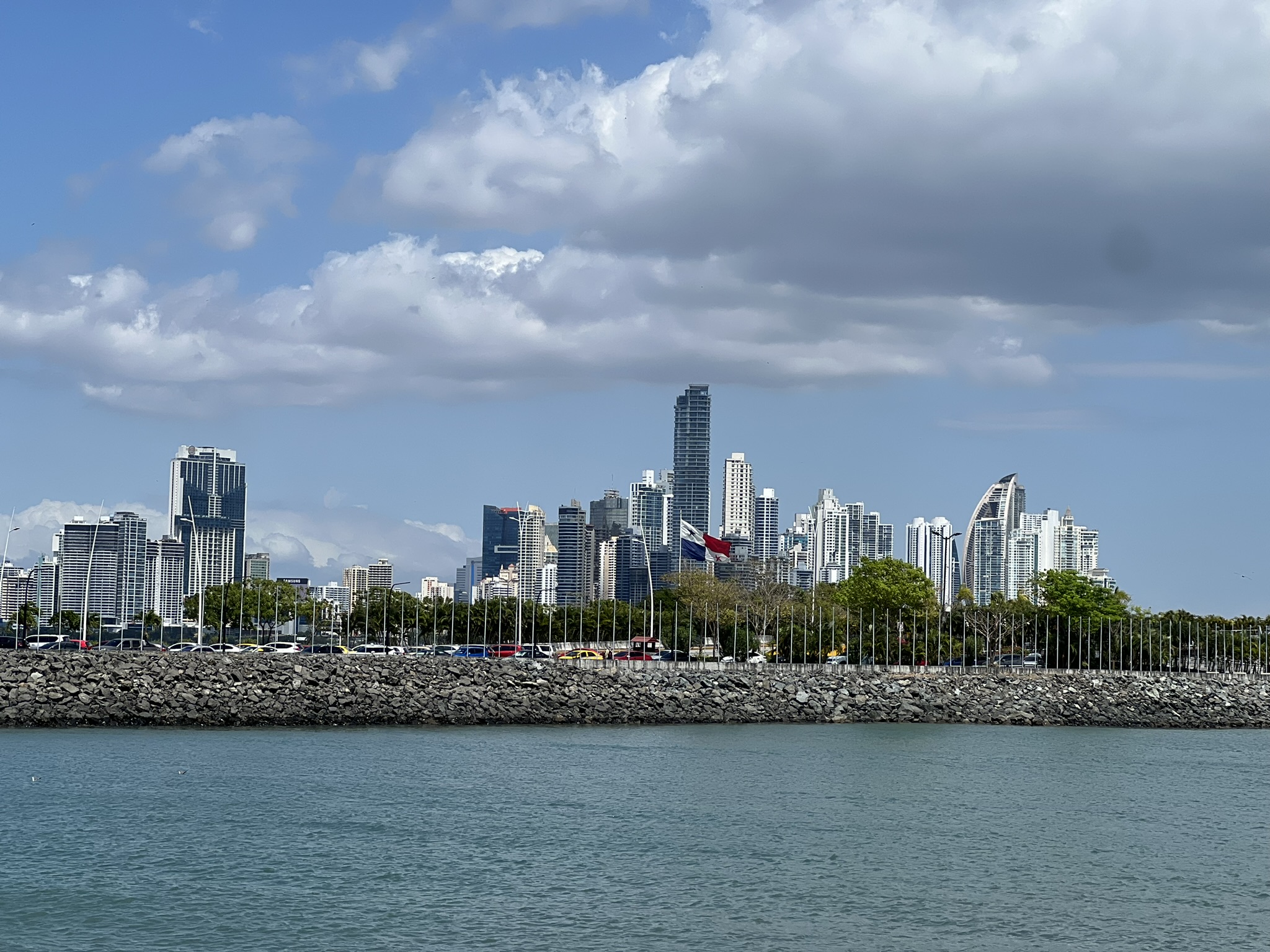
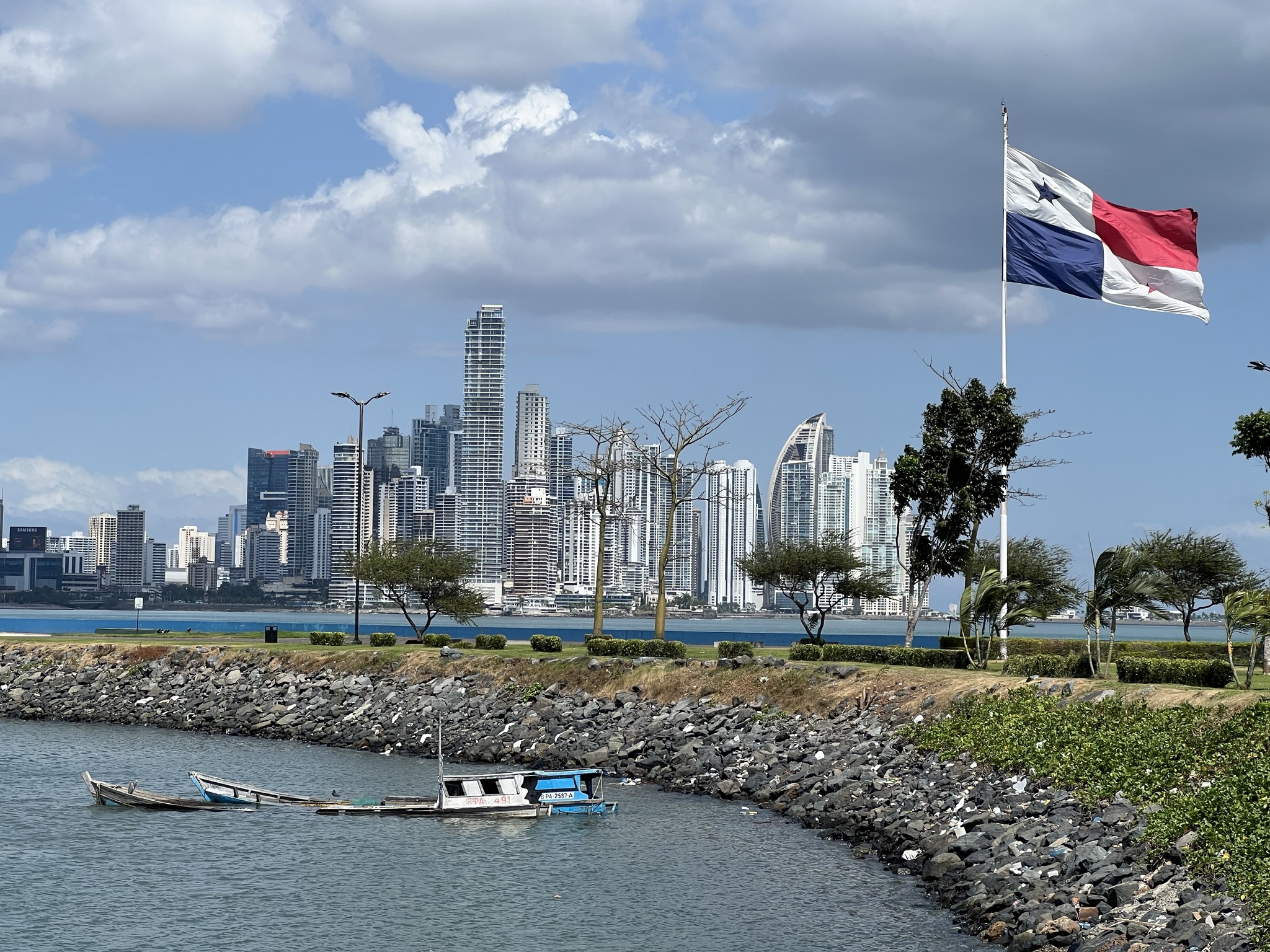
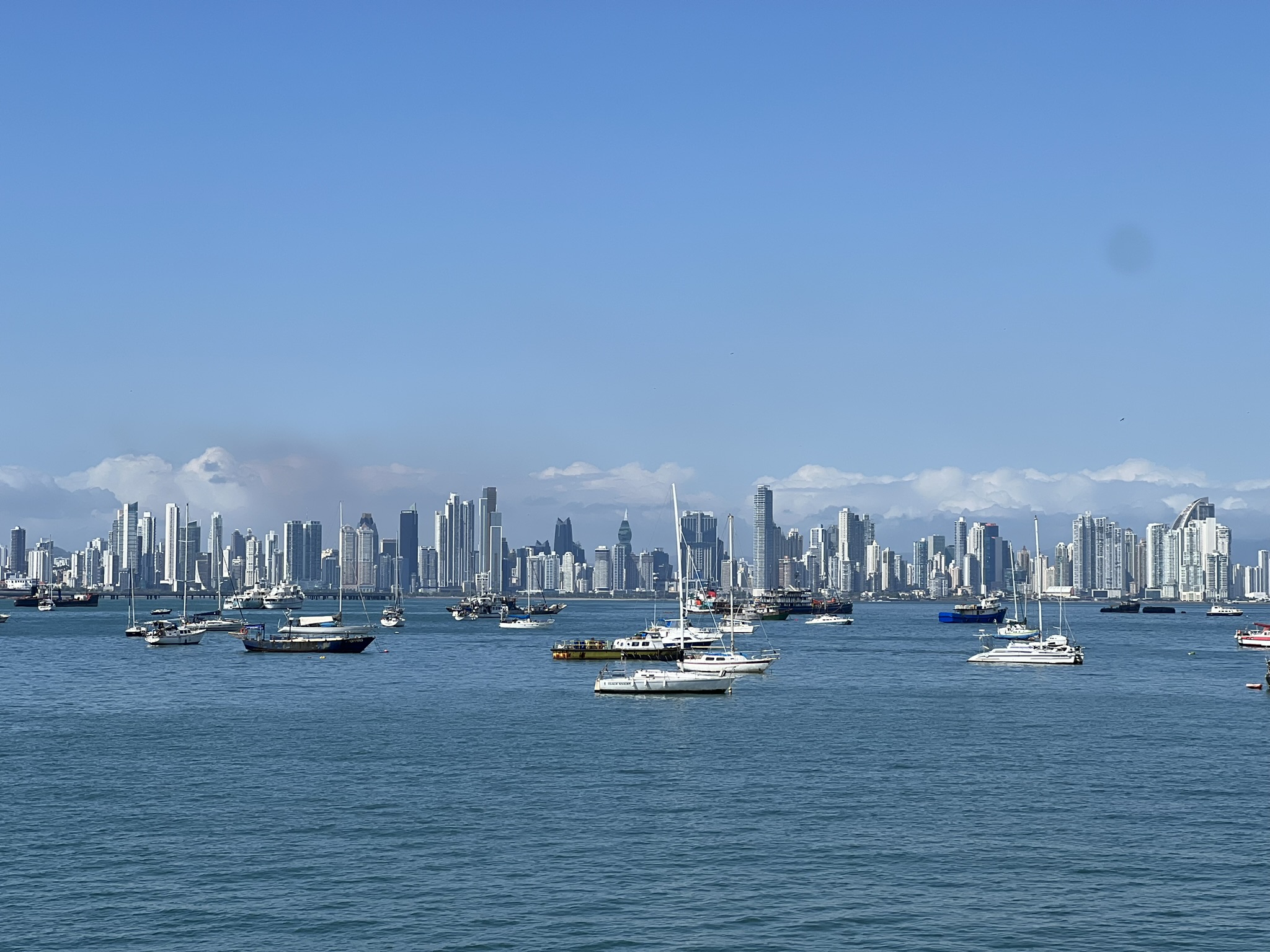
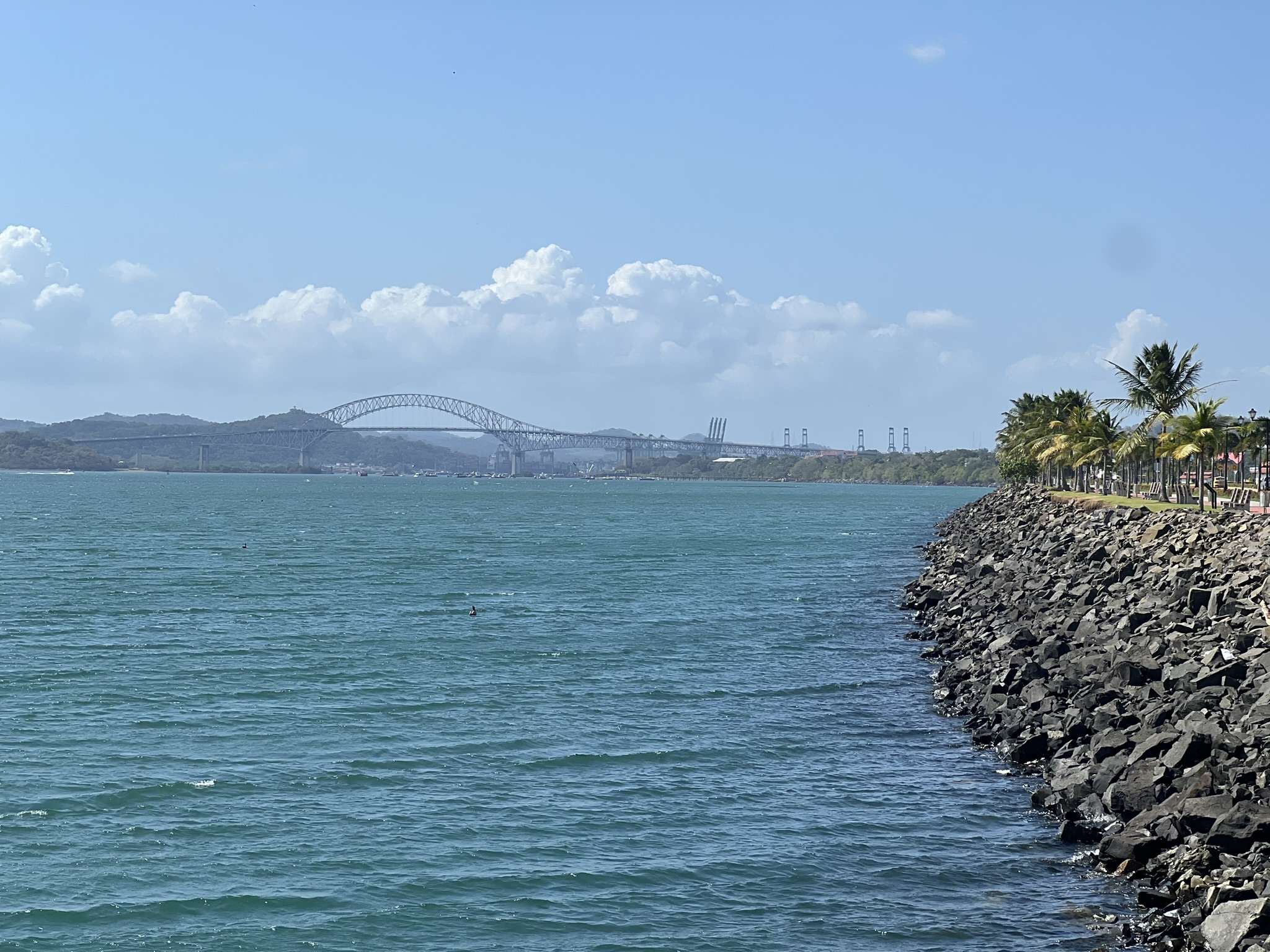
I was dropped off at Flamenco Island, the furthest of the four, and walked back along the promenade, enjoying sweeping views of the sea, the Bridge of the Americas, the city skyline and the other islands – Perico, Culebra and Naos. With a gentle breeze cutting through the heat, the area felt peaceful and relaxed, locals fishing from the piers, chatting, or enjoying ice cream as the day wound down.
One Last Goodbye over Sunset
To end the day, I met up with an old friend. After weeks of narrowly missing each other by a single day in city after city, Amelia and I finally found ourselves in the same place for one night only.
We met at a bar and, together with Sebastian, an Austrian guy she’d briefly had a fling with earlier on her trip, spent a few hours catching up. It didn’t take long for us to slip back into our usual rhythm. Stories overlapped, inside jokes resurfaced, and Underwater Vision memories were dragged out one by one, each requiring less explanation than the last. I’m fairly certain Seb felt a little sidelined as Amelia and I talked over each other, filling in gaps that only the two of us could understand, the kind of shorthand that only comes from shared chaos and time spent living in close quarters.

Knowing we wouldn’t be seeing each other again for the foreseeable future, we eventually shared one last goodbye. There was no dramatic build-up, no forced sadness, just a quiet acceptance of the fact that this chapter was coming to an end. Of course, we talked about the future – me visiting Austria at some point, Amelia coming to Malta to dive – but neither of us clung to those plans too tightly.
By then, we’d grown used to crossing paths every other week, only to separate again just as quickly, and somehow that made it easier to let go. We knew that whatever we’d built over those months wasn’t tied to geography or timing. It was one of those rare bonds that doesn’t demand constant presence to survive. And that certainty, more than anything else, made the goodbye feel less like an ending and more like a pause. Thank you for everything, and till we meet again, my Dirty Little Elf!