At the inhumane hour of 4AM, I was literally shook awake by a 5.6 magnitude earthquake. It was pretty inconsequential, save for the fact that I couldn’t go back to sleep. Didn’t matter much anyway, mostly cause my shuttle – which would take me to my fifth country in Central America, Honduras – was meant to arrive soon.
At 5AM, the company dutifully informed me that they had, in fact, forgotten about me, and would be a bit late to pick me up. At 6AM, I was finally collected, with Natalie – my friend from El Mirador who serendipitously happened to be on the same shuttle – waiting patiently in the back seat. She told me they were almost at the border when they realised they’d left me behind. After a few hours on the road, we reached the border (again?)…
Officer: Where are you from?
Me: Malta!
Officer: I’m afraid that’s not a country.
Me: I beg to differ — been living there my whole life.
* shows her my passport *
Officer: Well, it’s not in our system…
Me: Here’s my pre-entry form. It specifically says Malta.
Officer: Hmm, I see… well, it’s not here.
Me: So?
* proceeds to browse through all their system folders *
Officer: Hmm… Turns out you were right after all.
Me:
Might’ve been the fact I’d been ‘on the road’ since 4AM or maybe just the stress of nearly being denied entry to a country on account of me having been born in a non-existent country – but I was carsick the rest of the way. Somehow though, I made it across and arrived at my first stop in Honduras: the city of Copán Ruinas.
First Impressions of Copán Ruinas
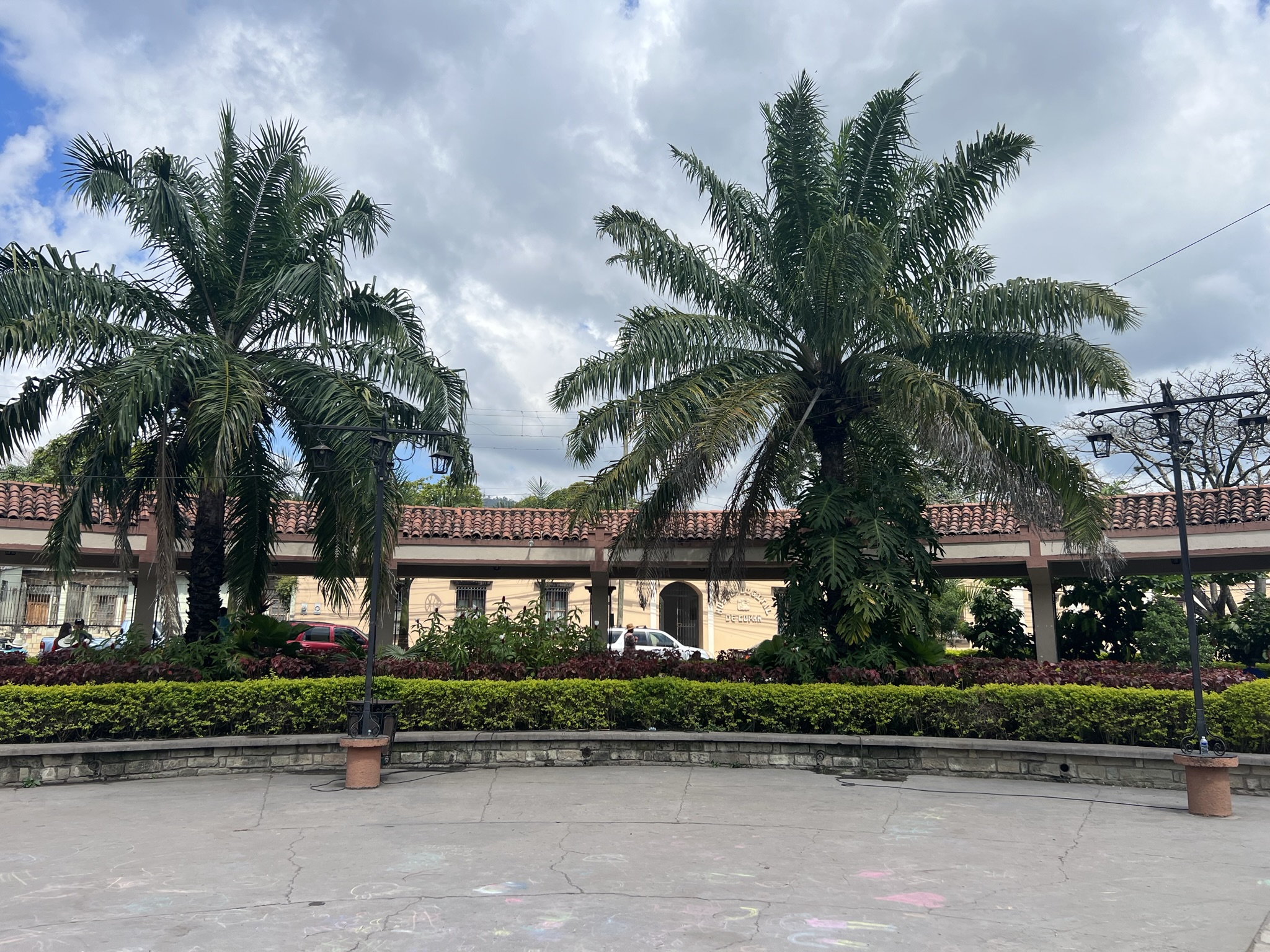
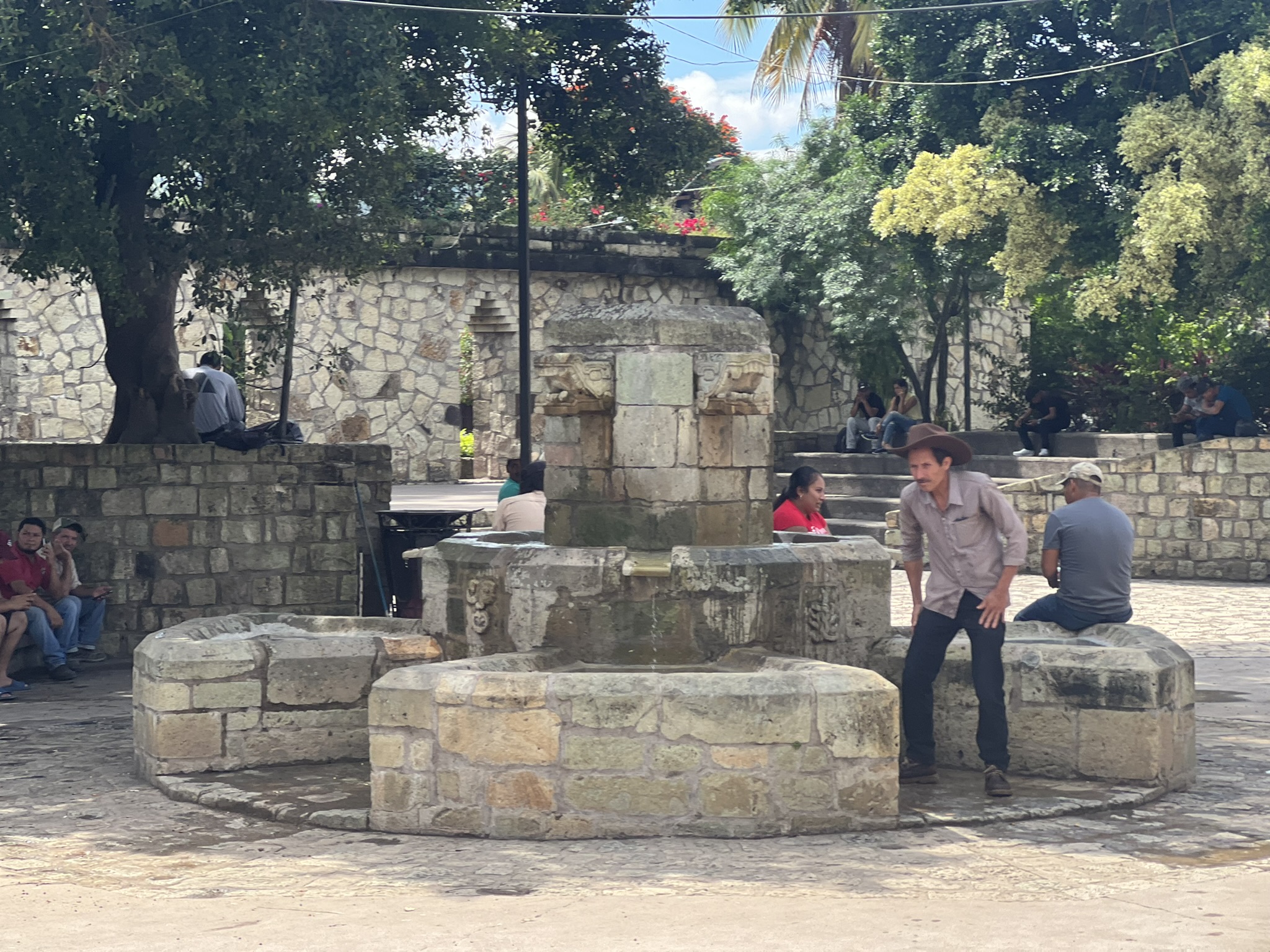
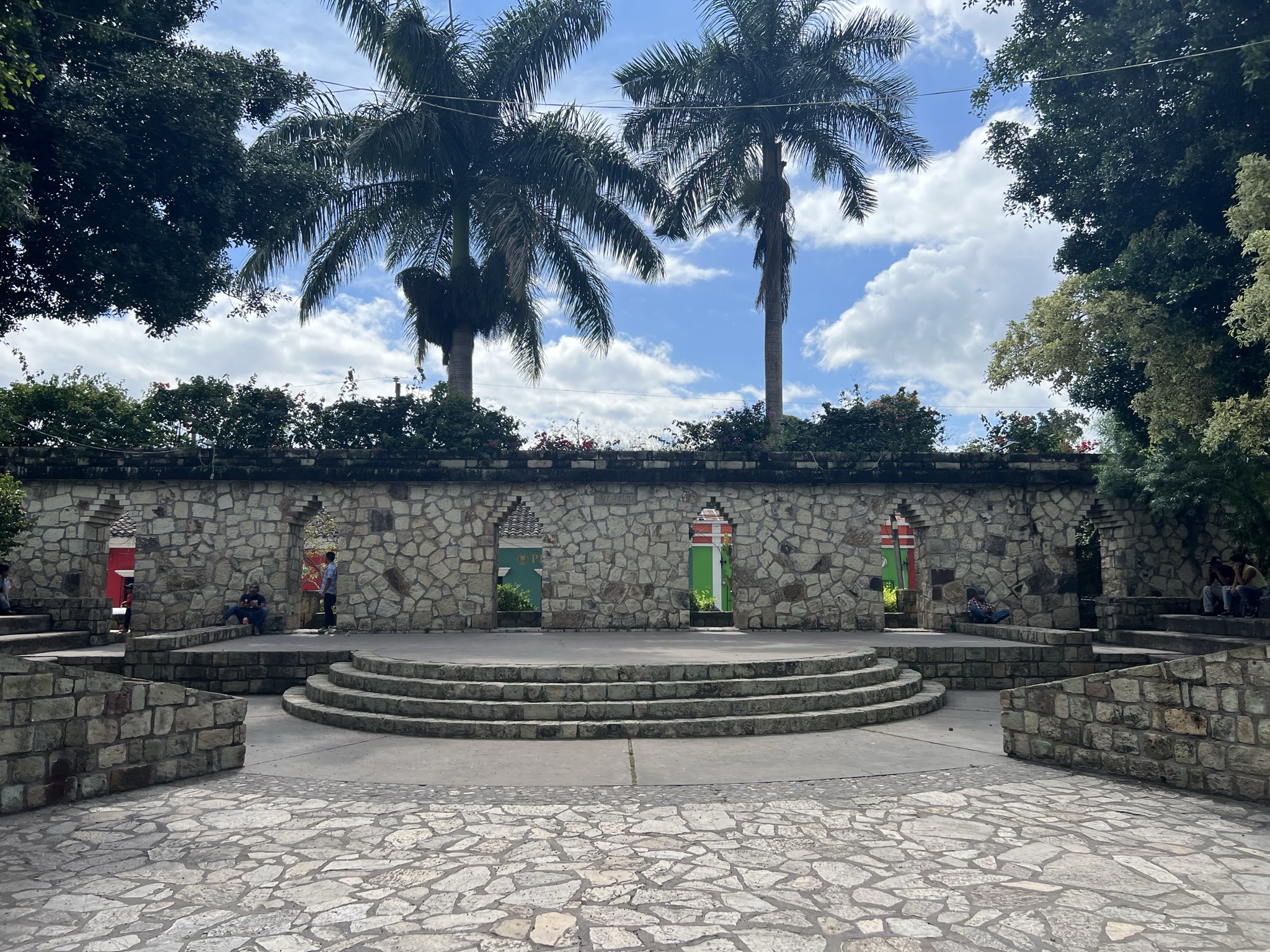
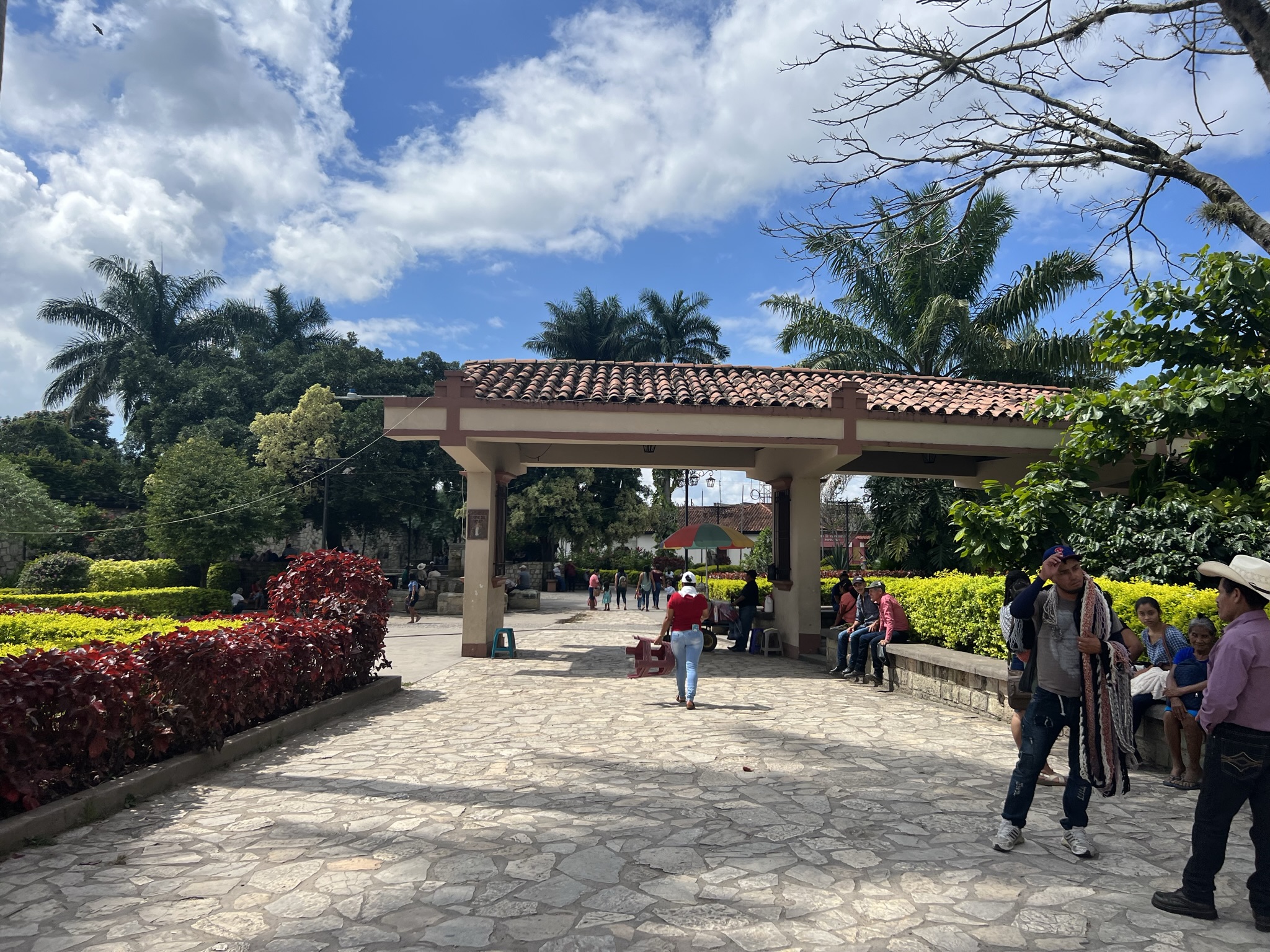
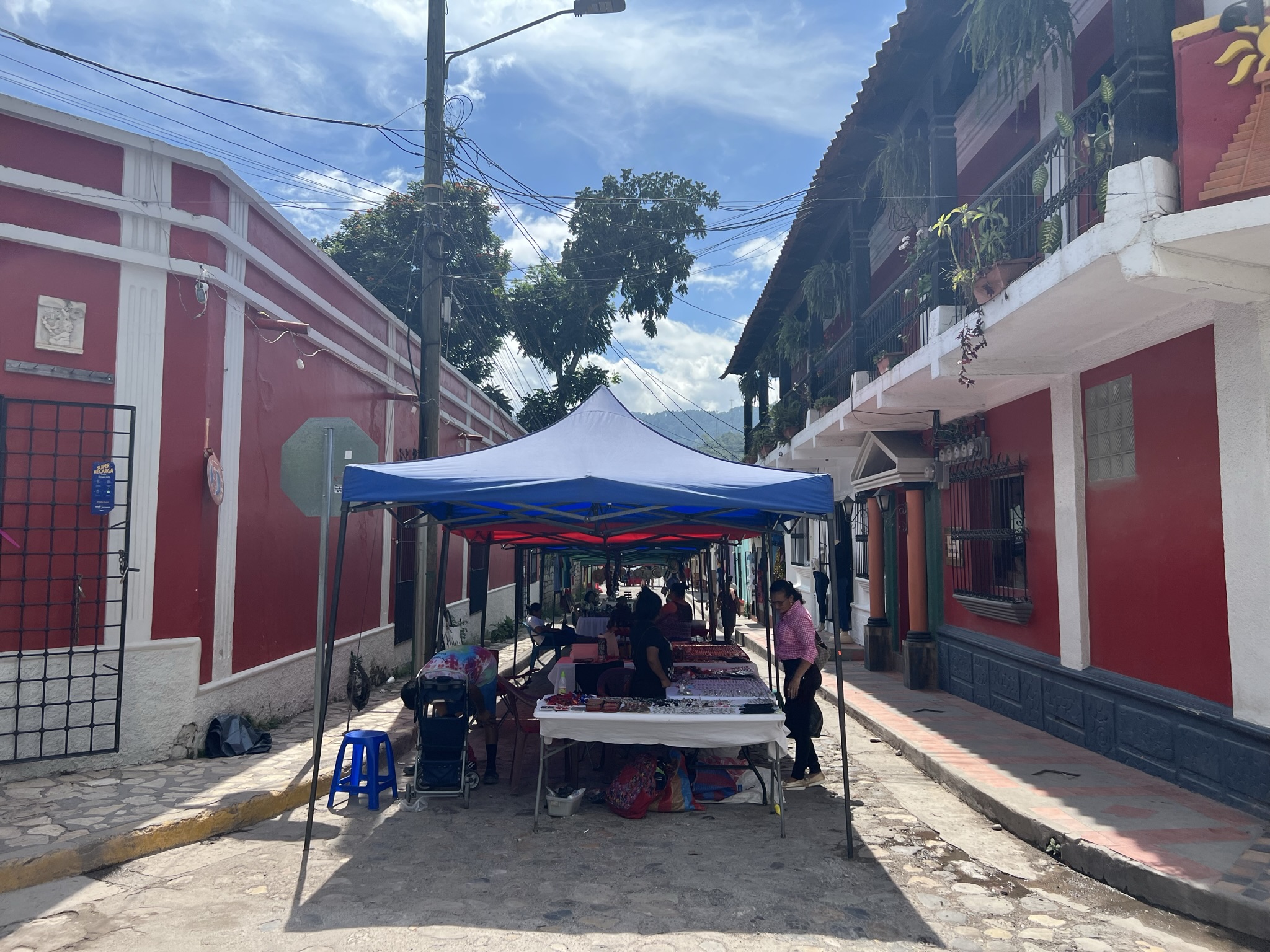
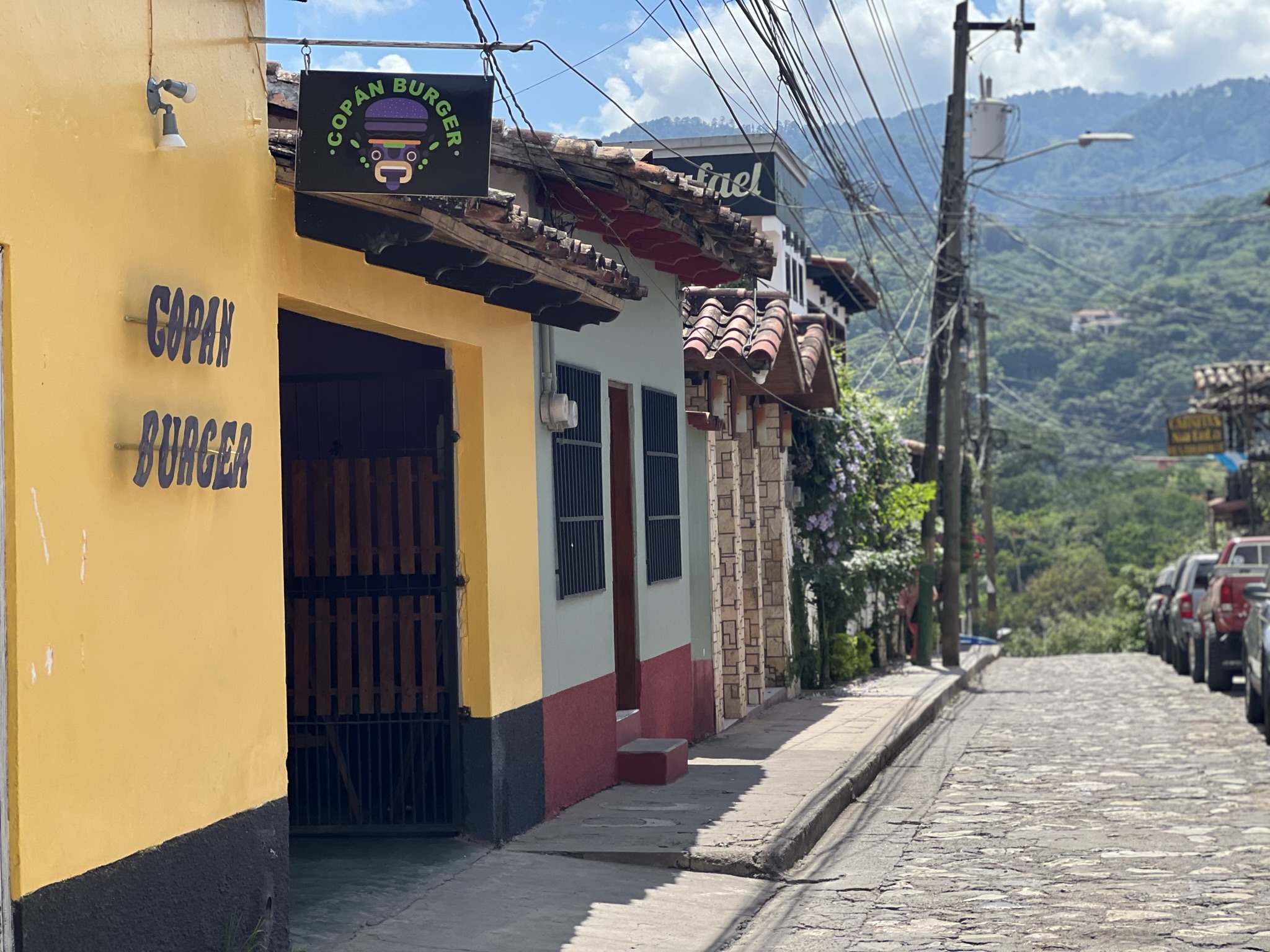
Copán Ruinas, a colonial town near the Guatemalan and Salvadoran borders, reminded me a lot of San Cristóbal de Las Casas in Mexico — colourful houses, uneven cobblestoned roads and cracked pavements. A large central park, featuring an arched wall that mimics Mayan architecture, is flanked by the town’s church and a couple of museums (which were closed when I visited).
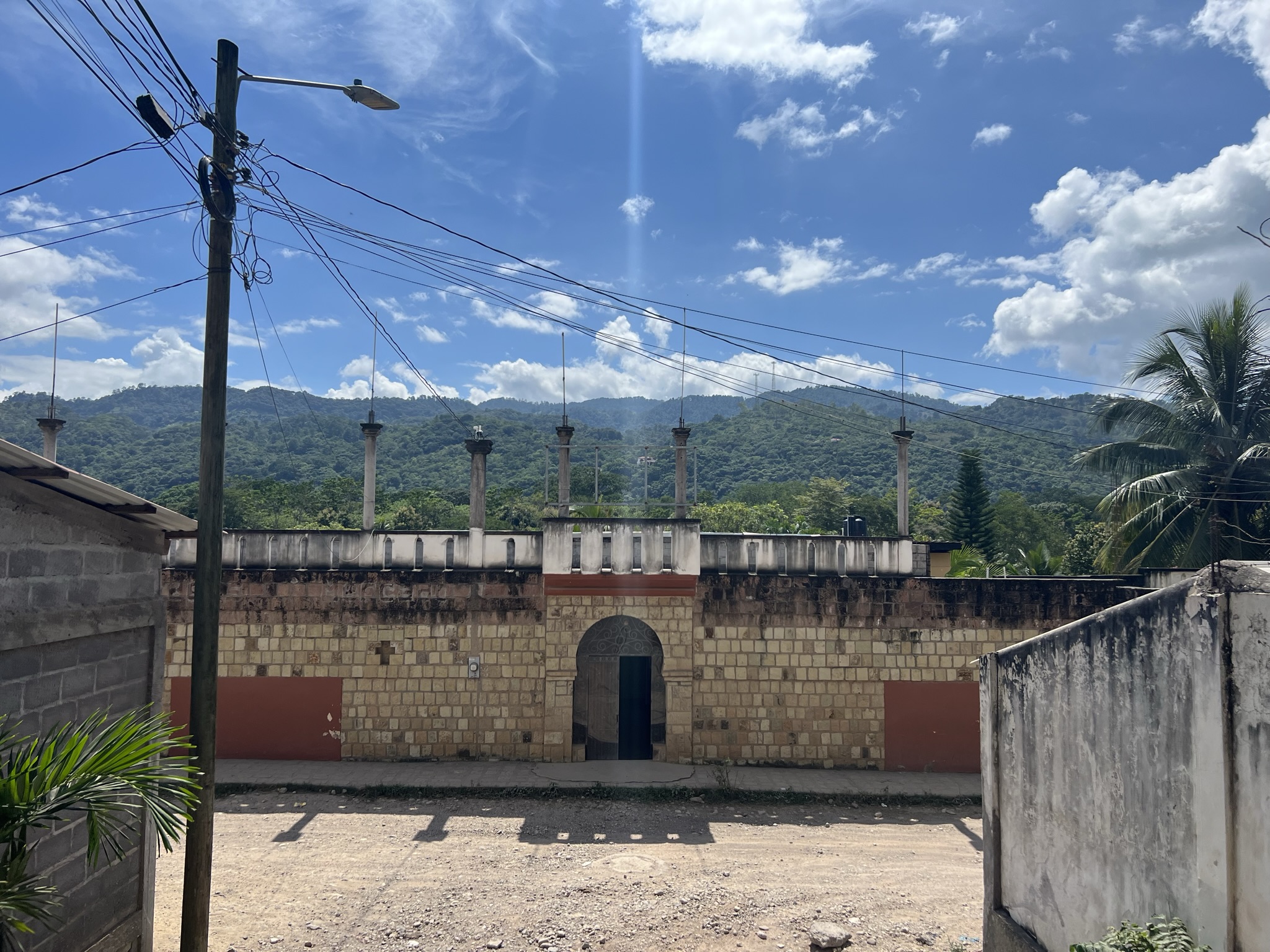
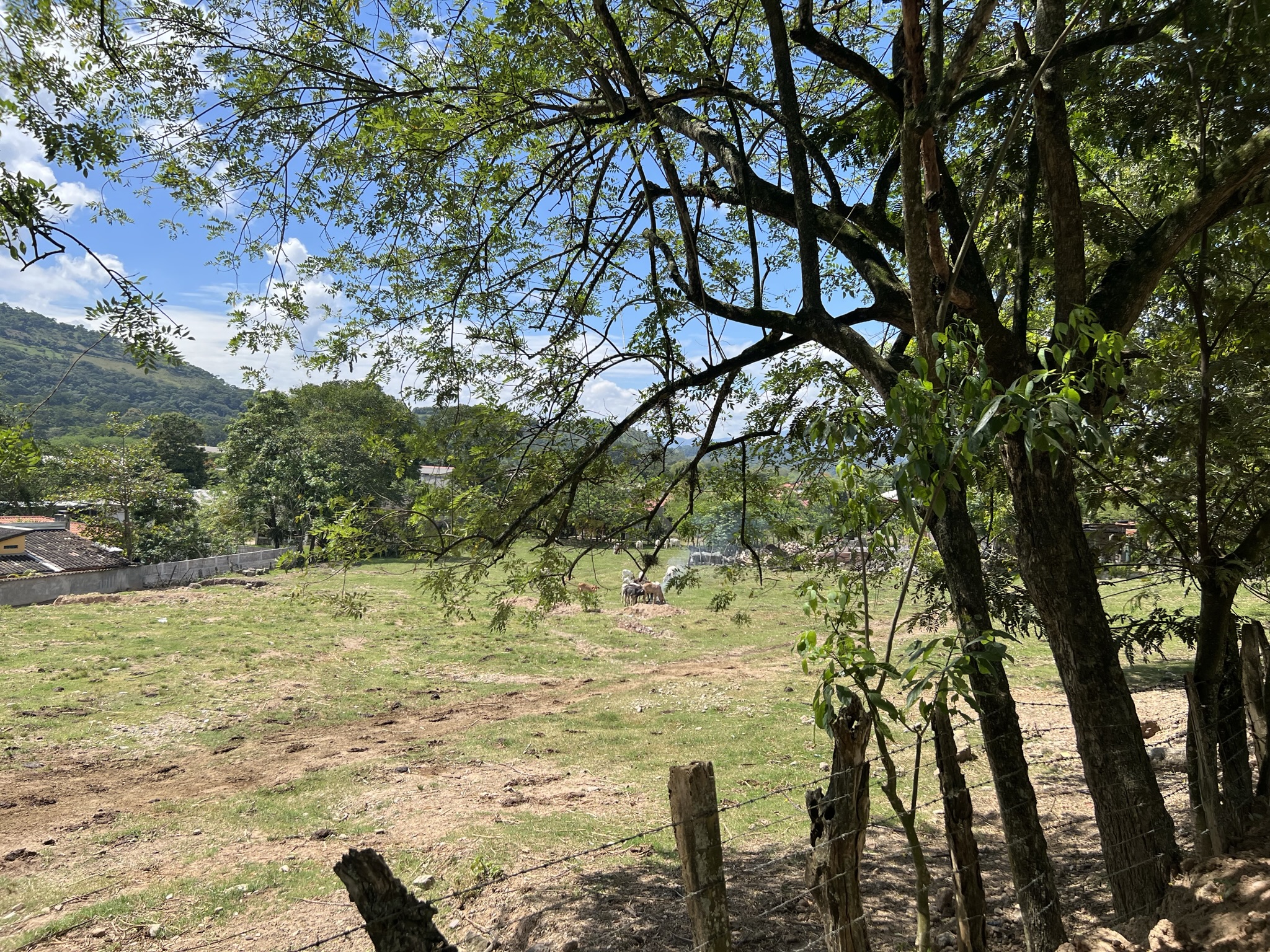
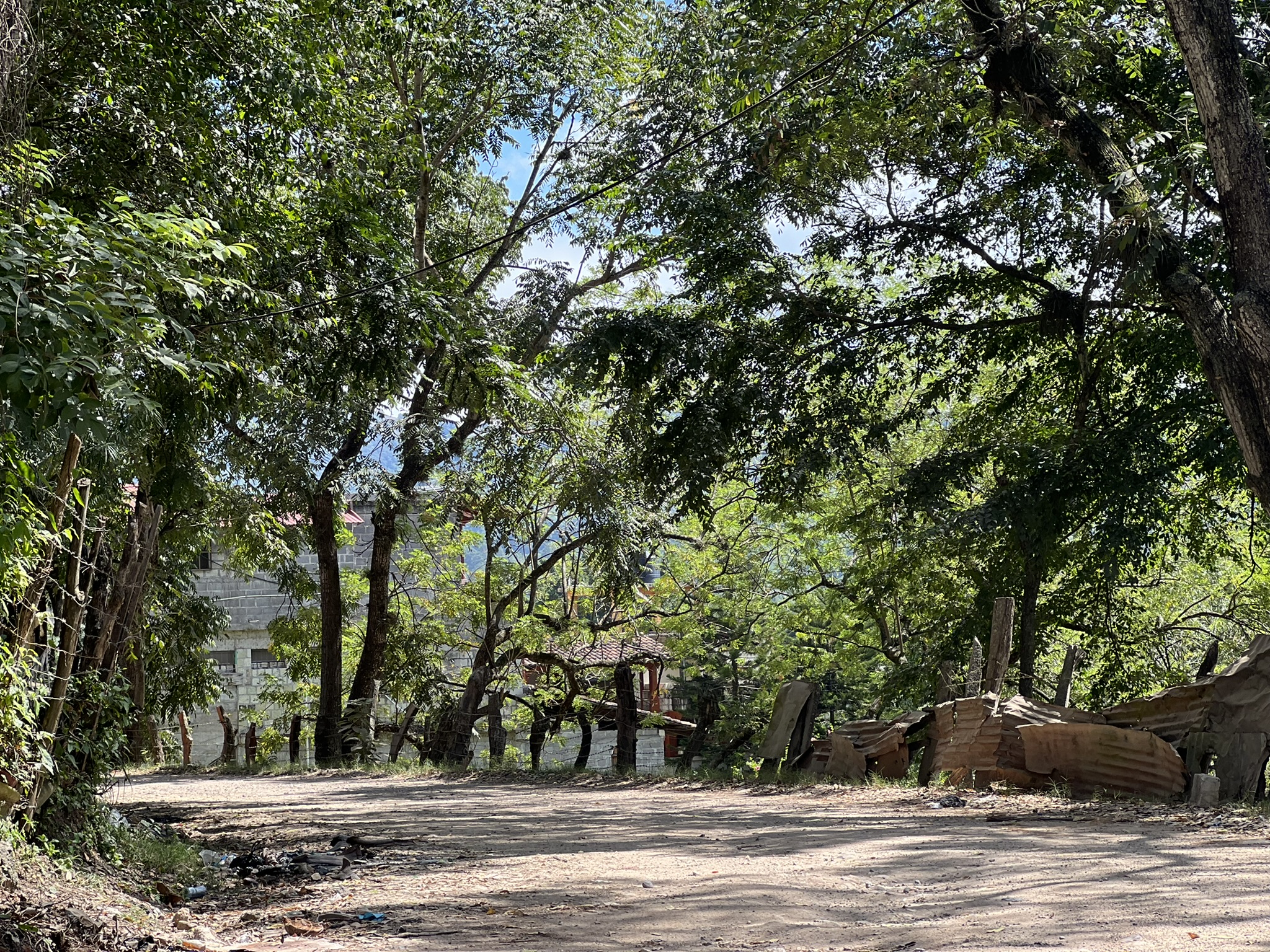
Whilst sitting on a bench here, Mario – a long-haired local in a Nirvana tee – sat by me and offered to show me around. It turned into a whirlwind of a tour, barely fifteen minutes long, taking me through the local market, around some key buildings, and out to the edges of town where the farming communities lived. These people, along with those from the surrounding mountains, gather at the market at least once a week to sell their produce.
After telling me all about the city’s highlights, I invited him for a well-earned Salva Vida — one of Honduras’ national beers — before he dashed off to play a gig at a local pub.
Into the Wild: Macaw Mountain Bird Park
Keen to make the most of my day, I roamed the streets to my heart’s content, then hopped into a tuk-tuk to the Macaw Mountain Bird Park — a nature reserve nestled in a stream-fed valley that serves as a rescue, rehab and release centre for native birds.
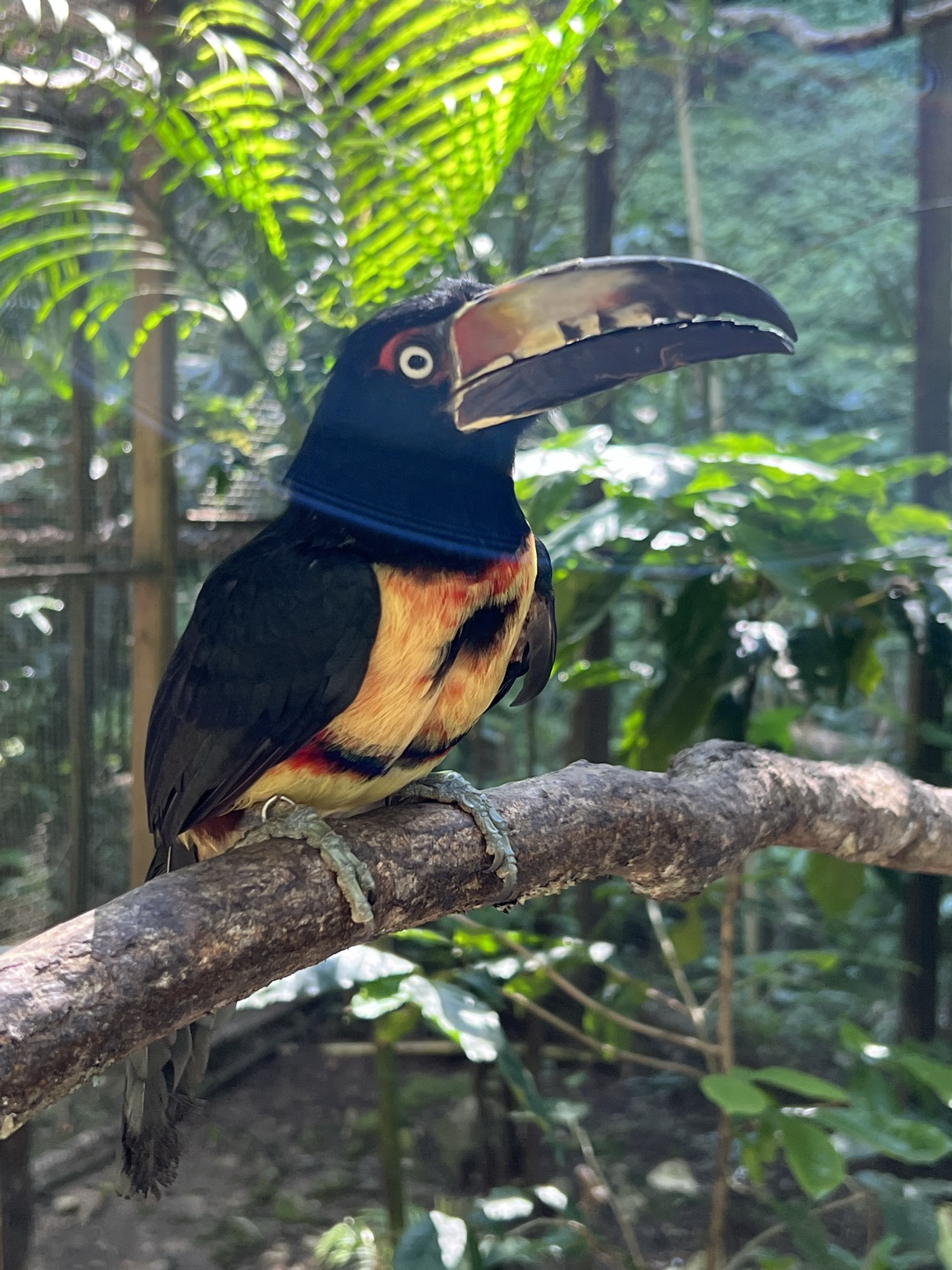
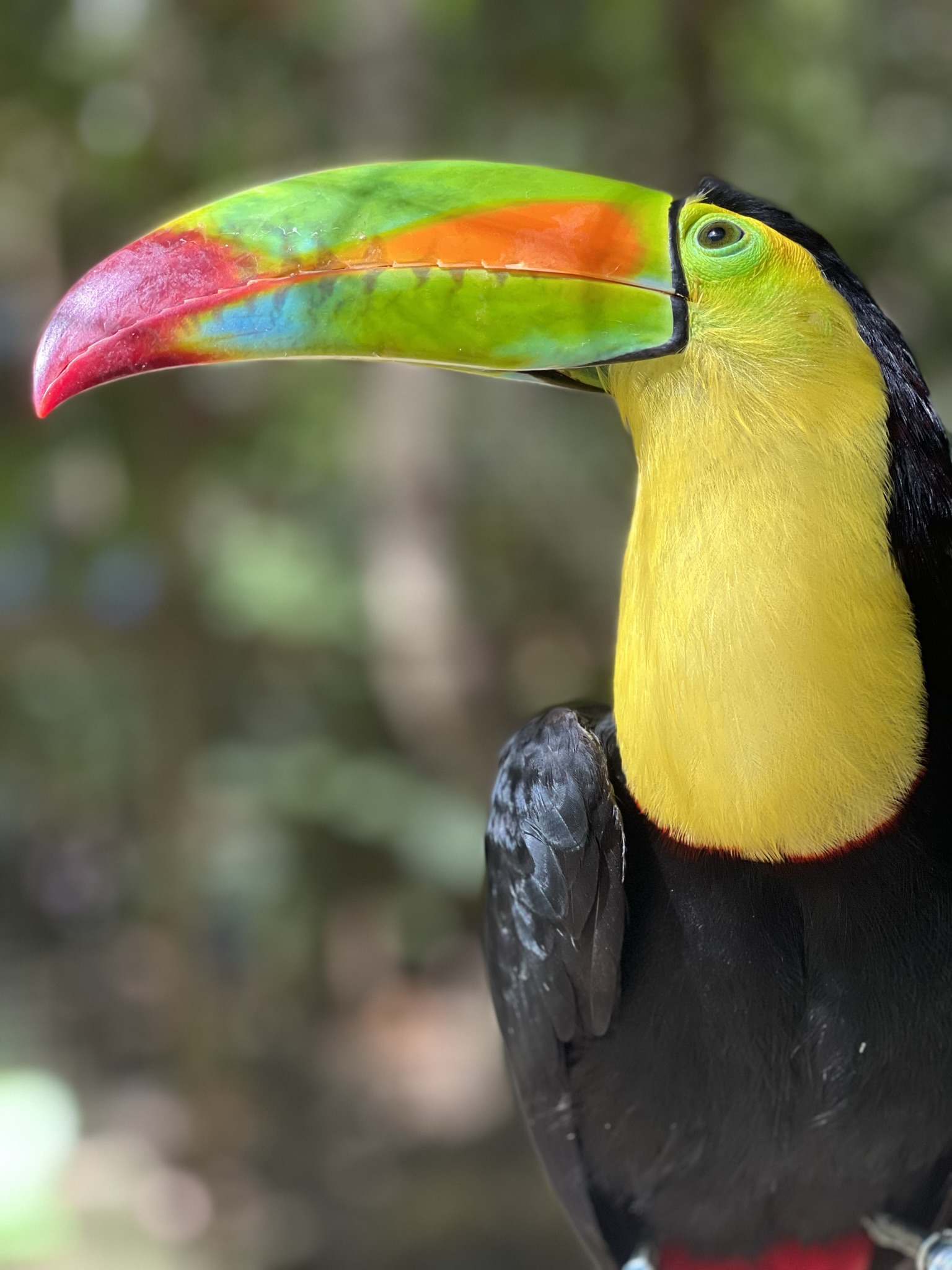
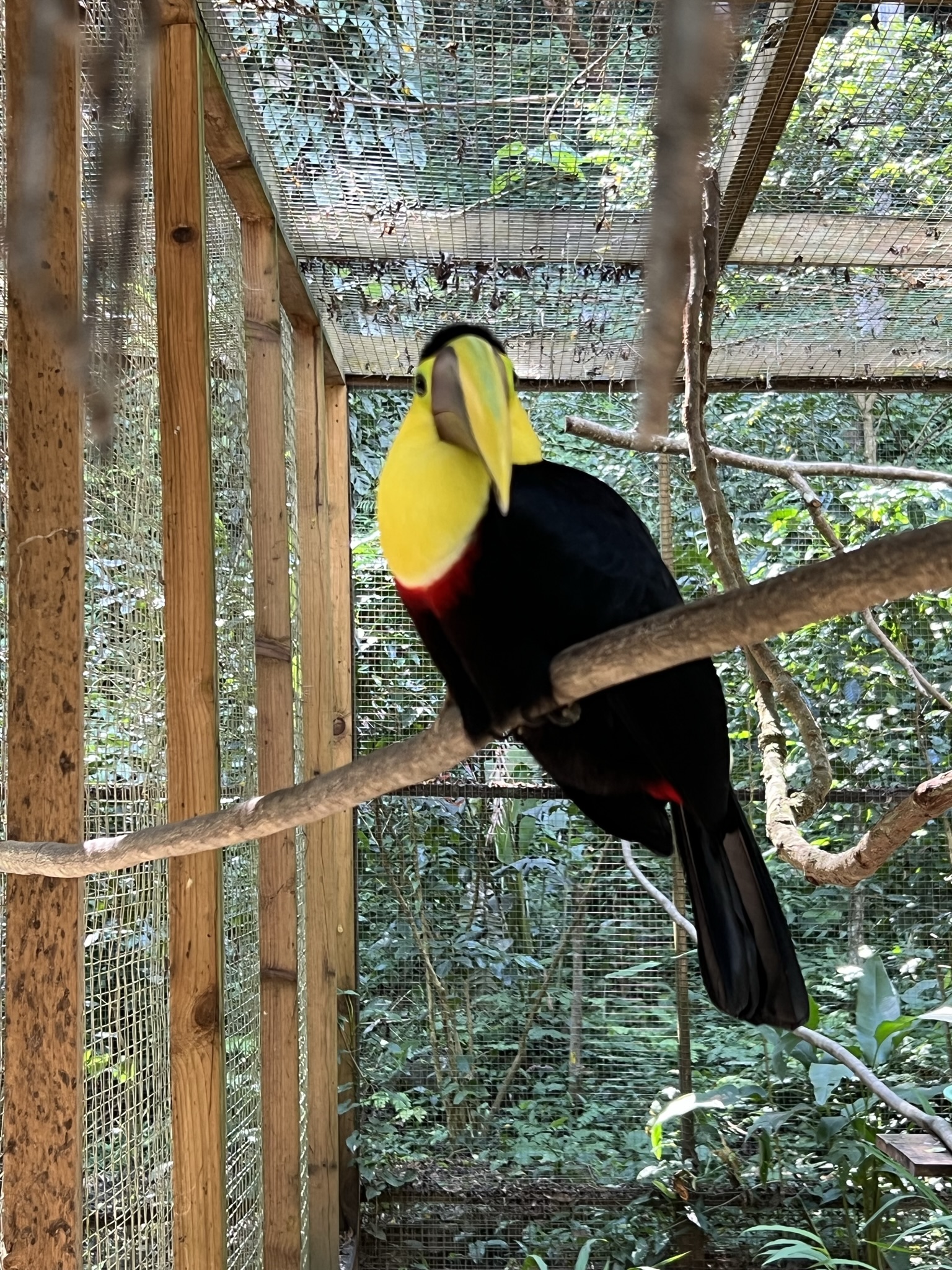
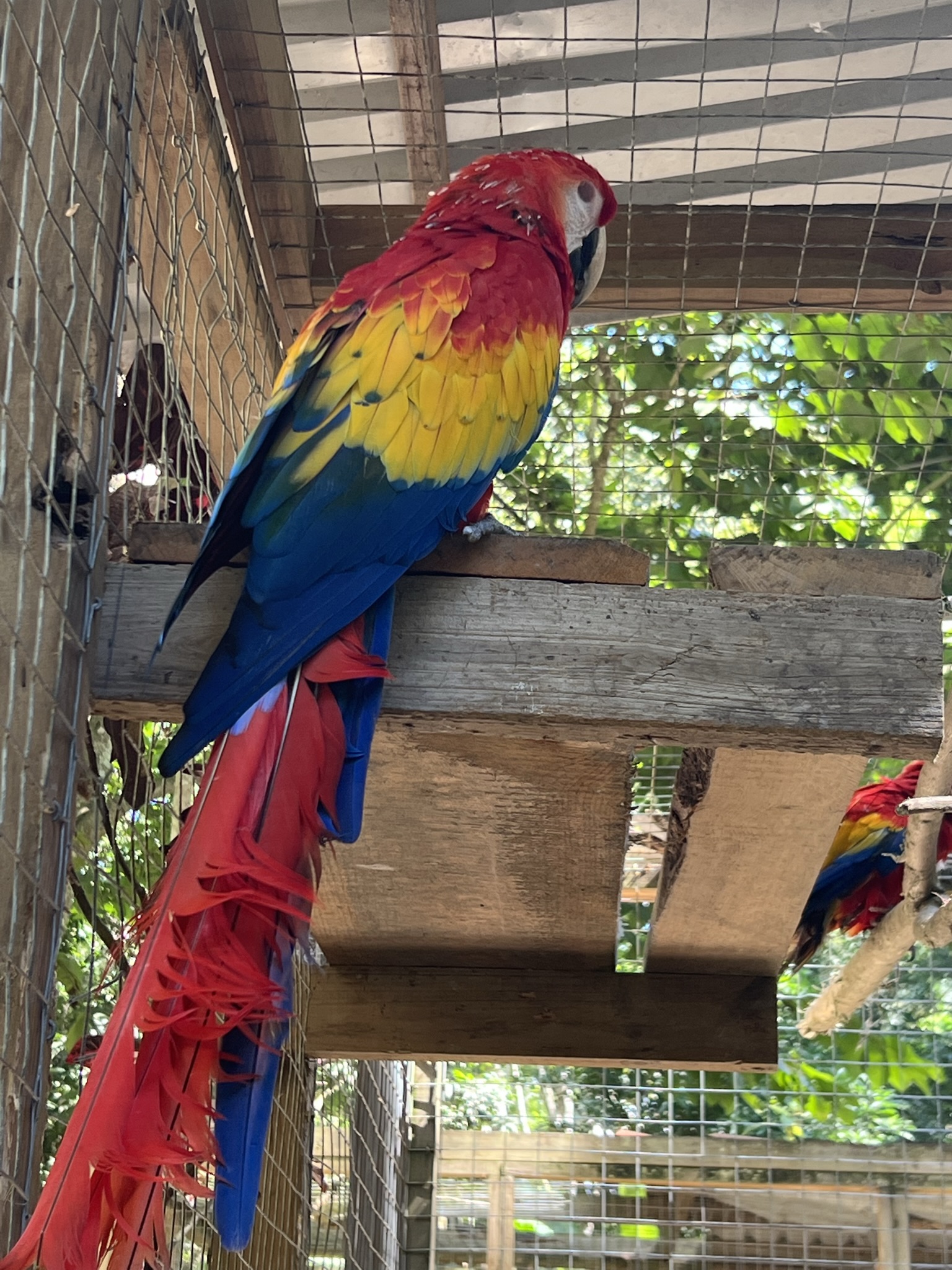
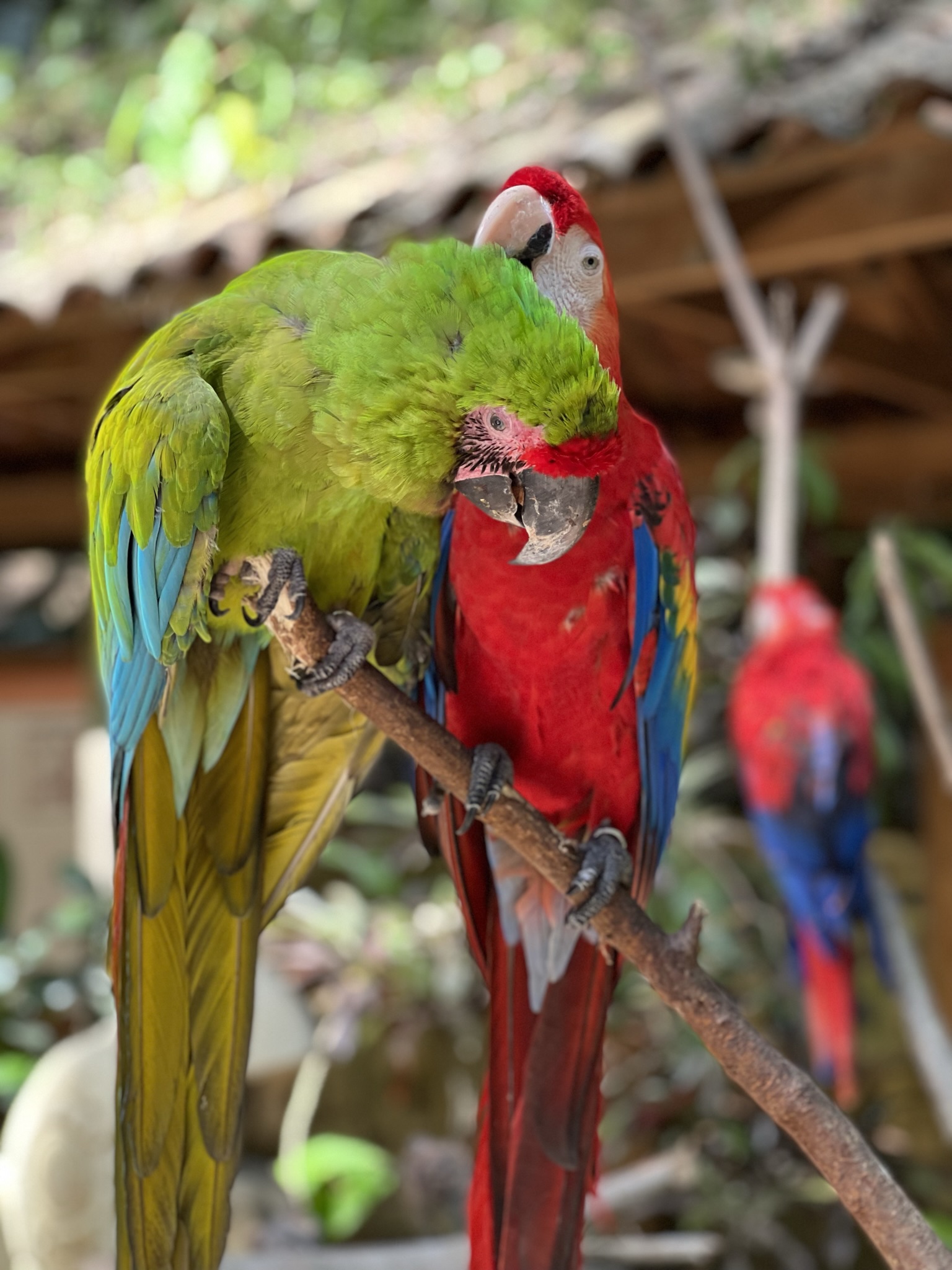
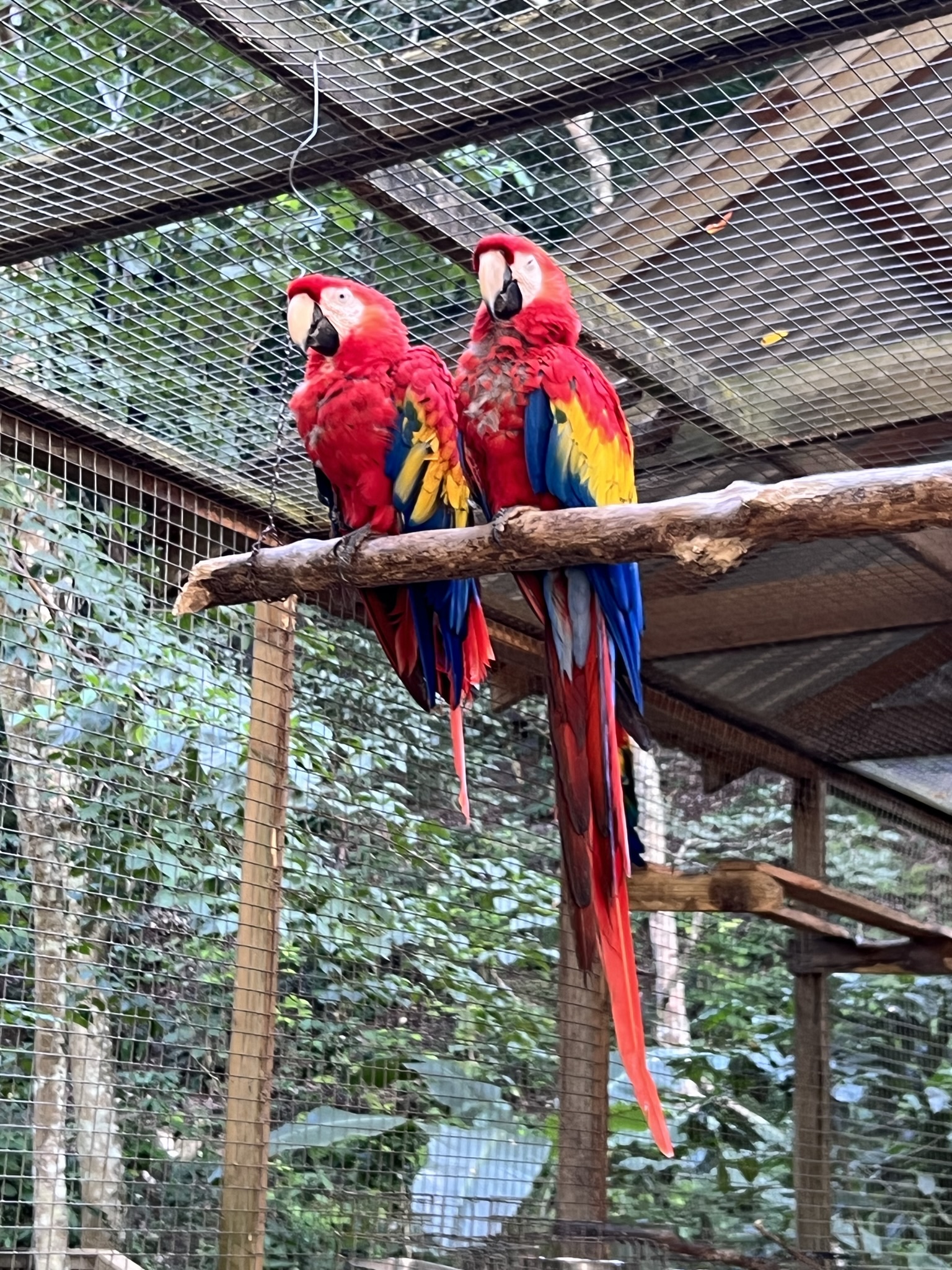
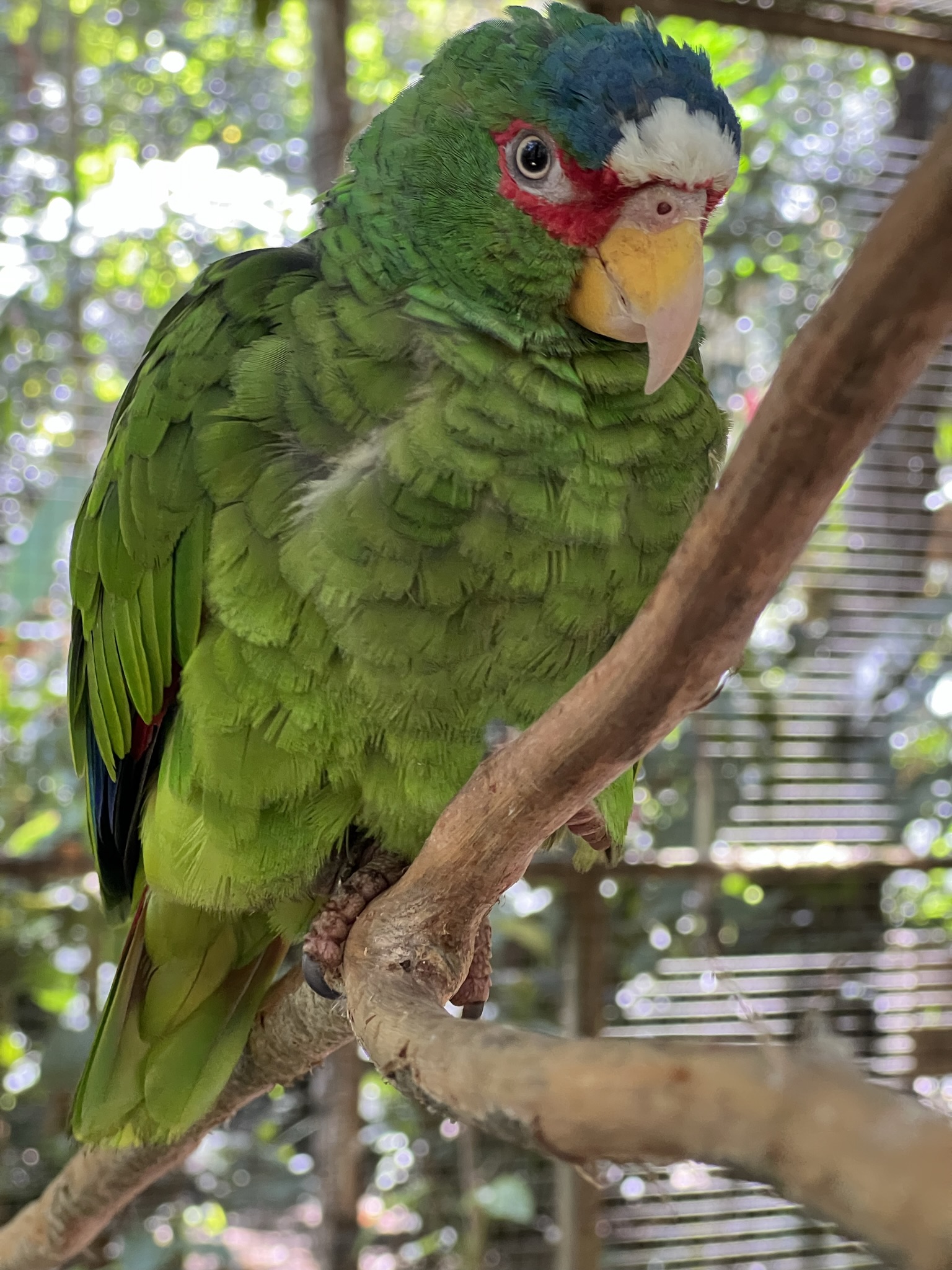
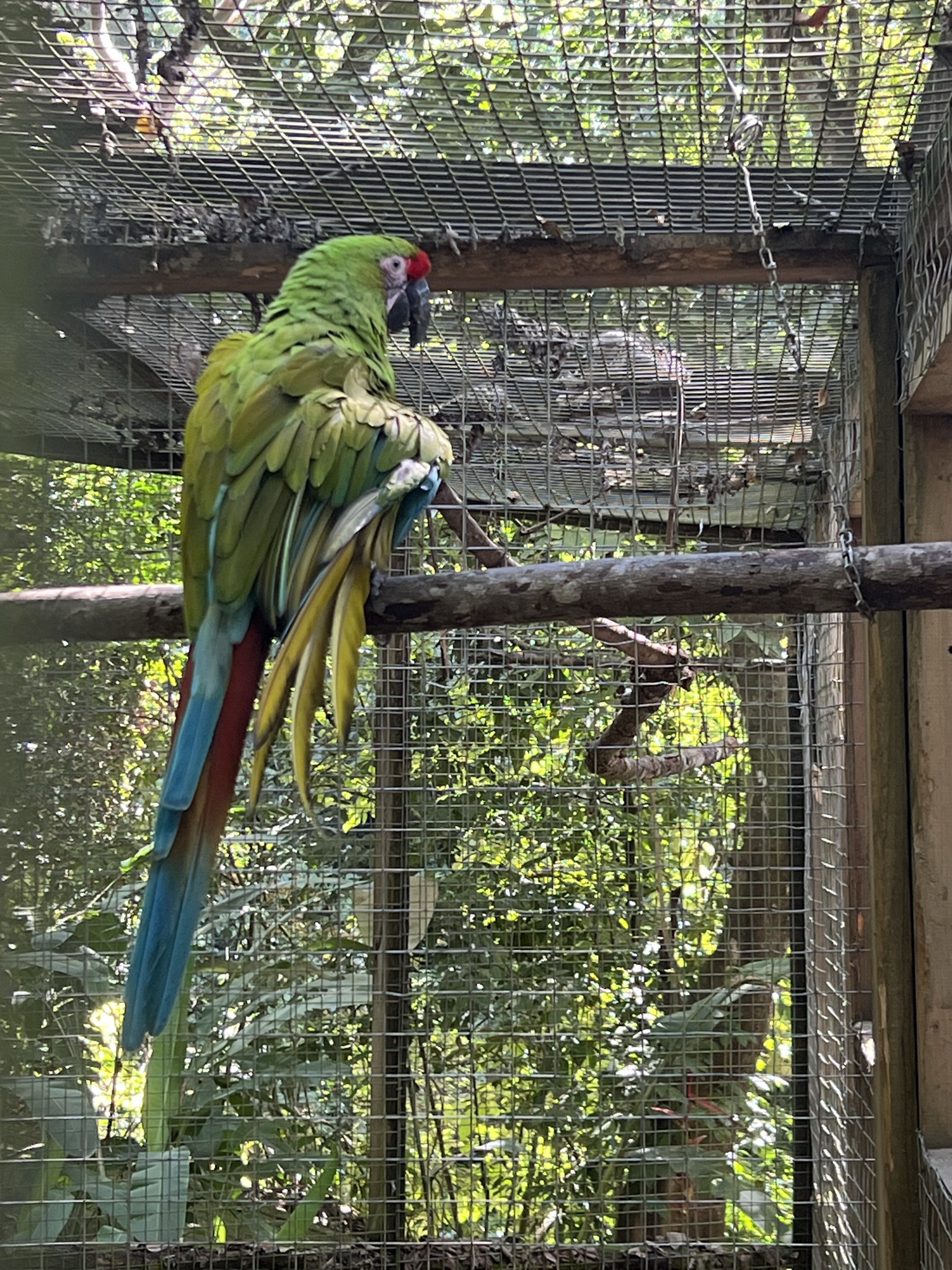
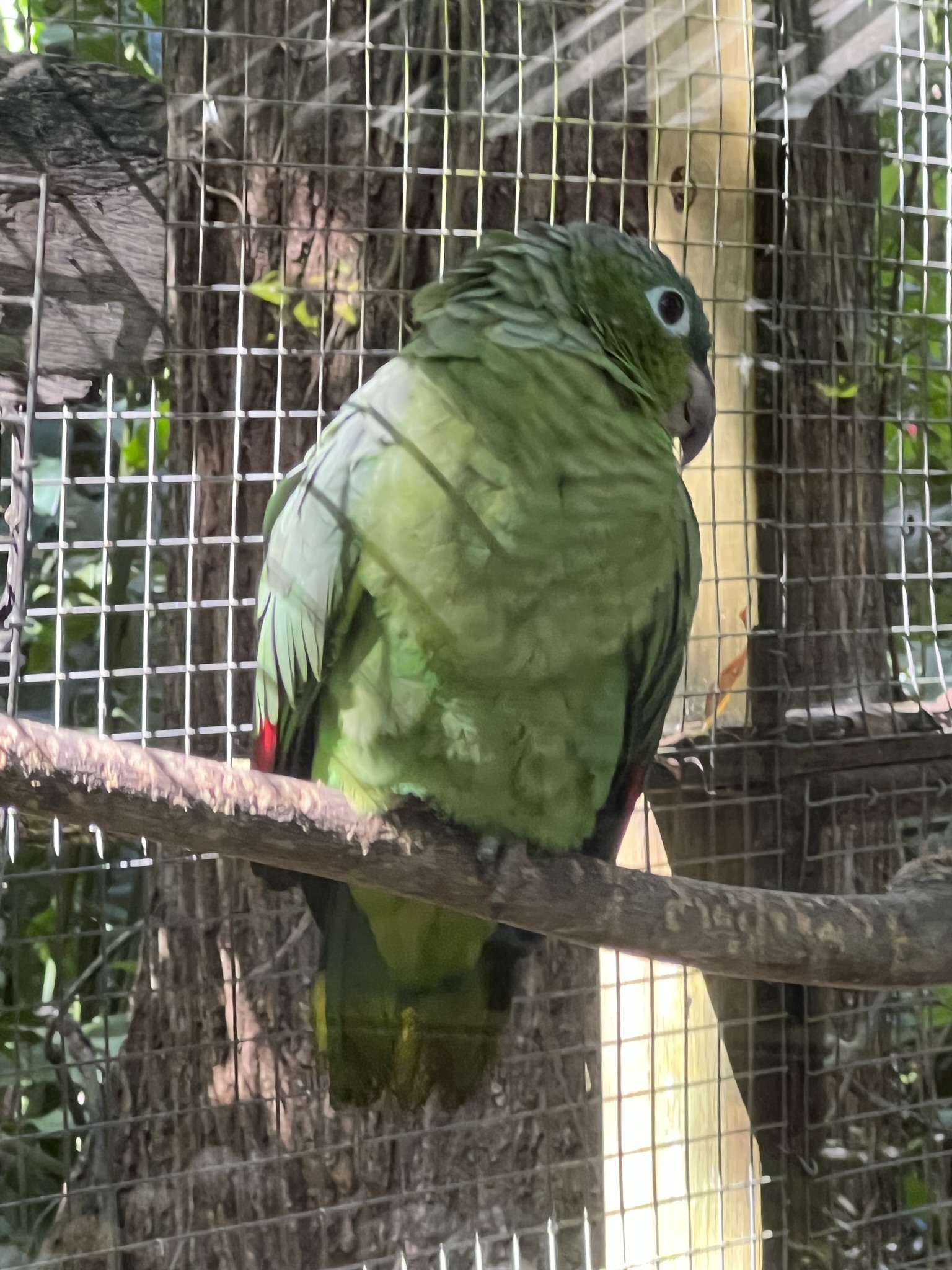
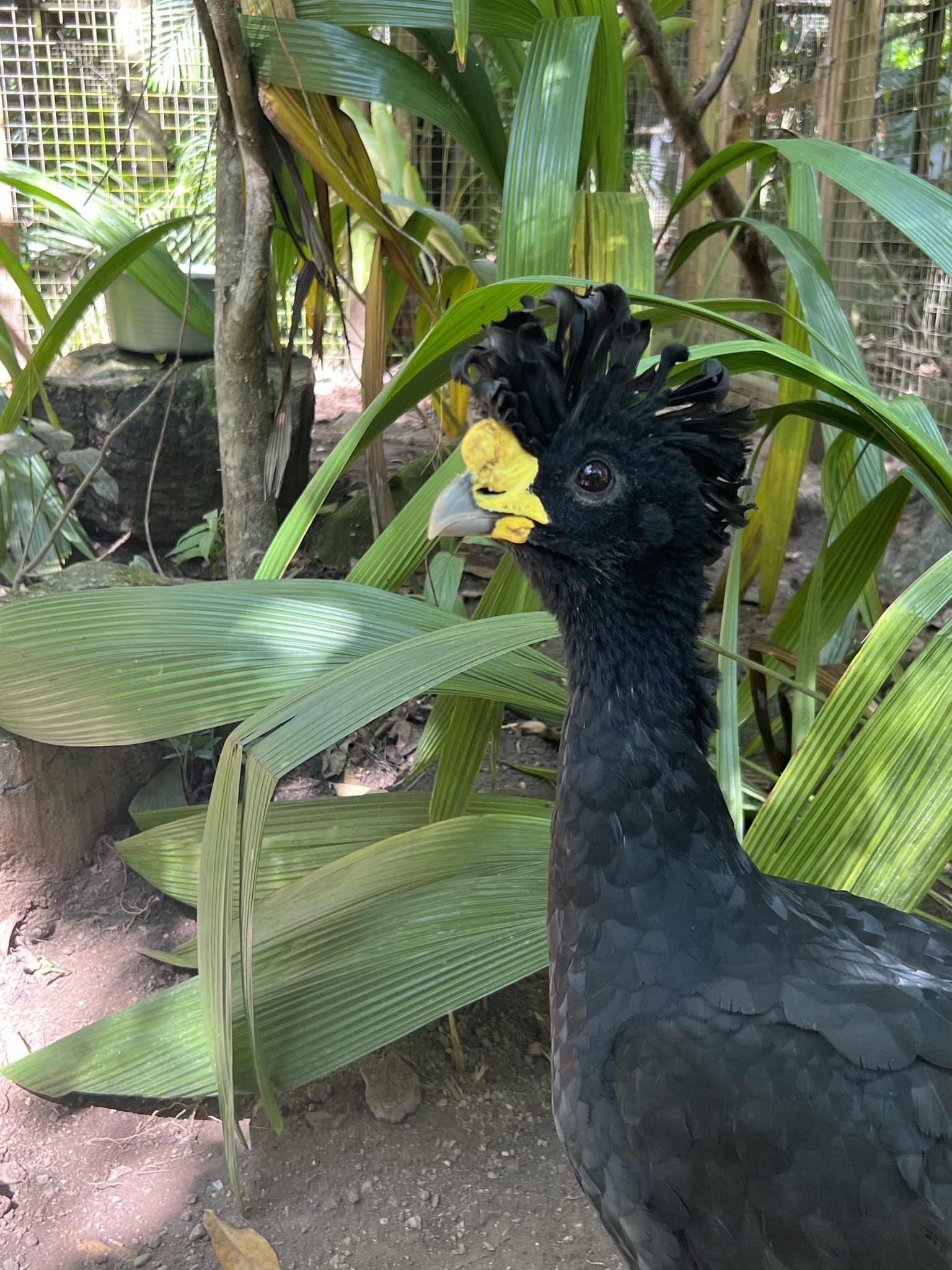
Here, individual species are housed in separate enclosures, each tailored for mating, treatment, or rehabilitation before release. From scarlet macaws to white-fronted Amazons, highland guans to keel-billed toucans, great curassows to barn owls, I laid eyes on some of the most beautiful birds I’ve ever seen. My favourite? The collared aracari — a toucan-like bird with a black back and red, yellow, and black stripes on its body and bill. ¡Qué tuanis!