Lake Atitlán – Day 2: Sunrises, Steeds, and Spirit Animals
LAKE ATITLÁN
Day 2: Sunrises, Steeds & Spirit Animals
October 13, 2022
All sleep-deprived and zombie-like, I found myself contemplating self-harm at the unhuman hour of 3 AM, waiting expectantly for a van that would take a group of fellow hikers and me to the village of Santa Clara, where the infamous Indian Nose Peak hike starts.
My apologies – it’s now called the Rostro Maya hike, or the Mayan Face hike, on account of the former being politically incorrect. I shrugged after hearing this one. After a few minutes’ drive, I found my decaffeinated, self-loathing self at the start of the trail – the terrain uneven and pitch black. Rosaria would be our guide, a local from Santa Clara who’s been doing this job ever since she was a kid – trailing along after her father, who still does the hike every day himself. After the whole El Mirador rigmarole, I couldn’t help but wonder when I’d eventually learn from my mistakes and buy a friggin’ headlamp. But in terms of hiking, this was peanuts. It took us some twenty minutes to hike the somewhat steep trail, eventually arriving at the vantage point where a full, unobstructed panoramic view of the lake could be beheld.
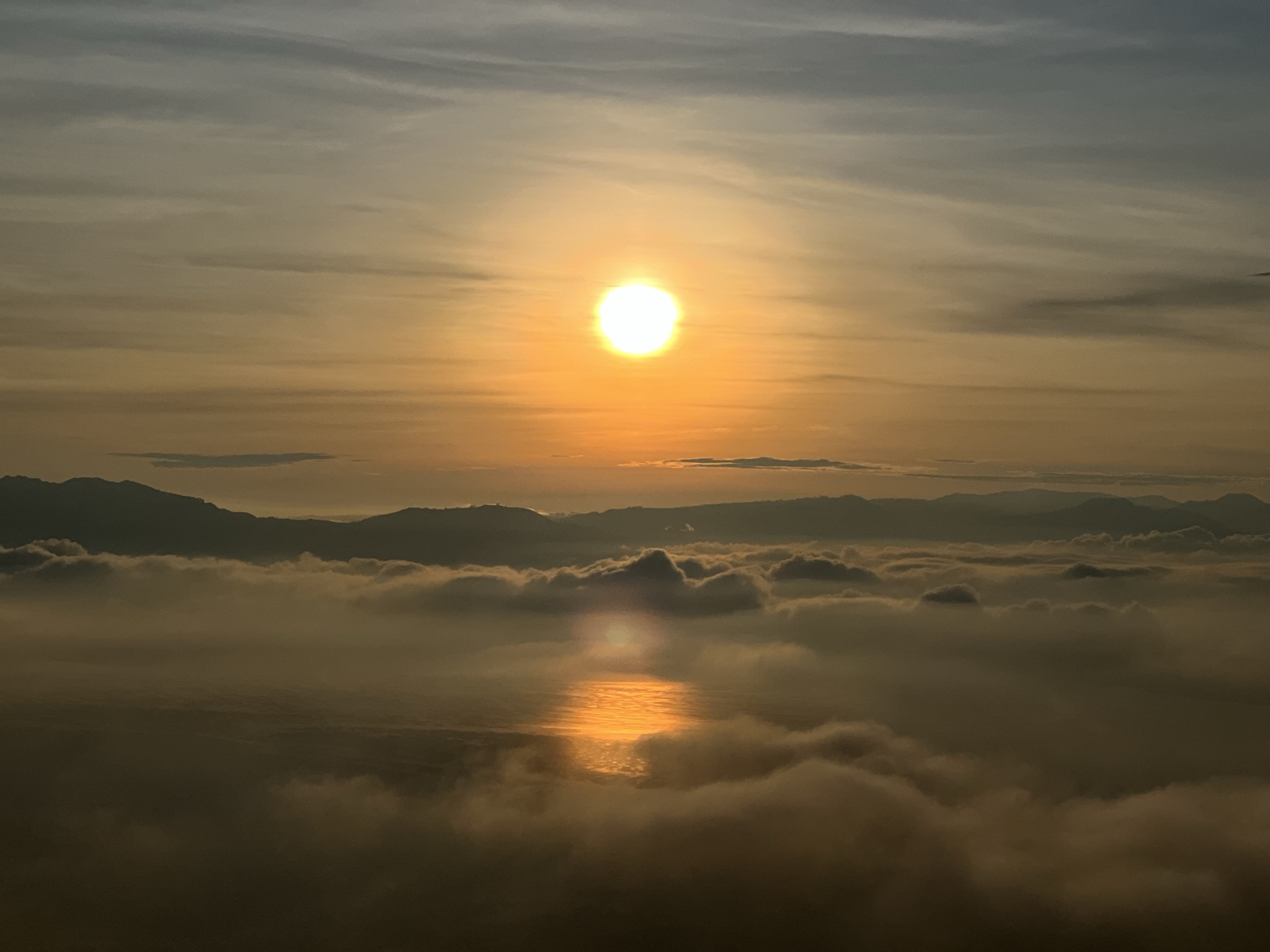
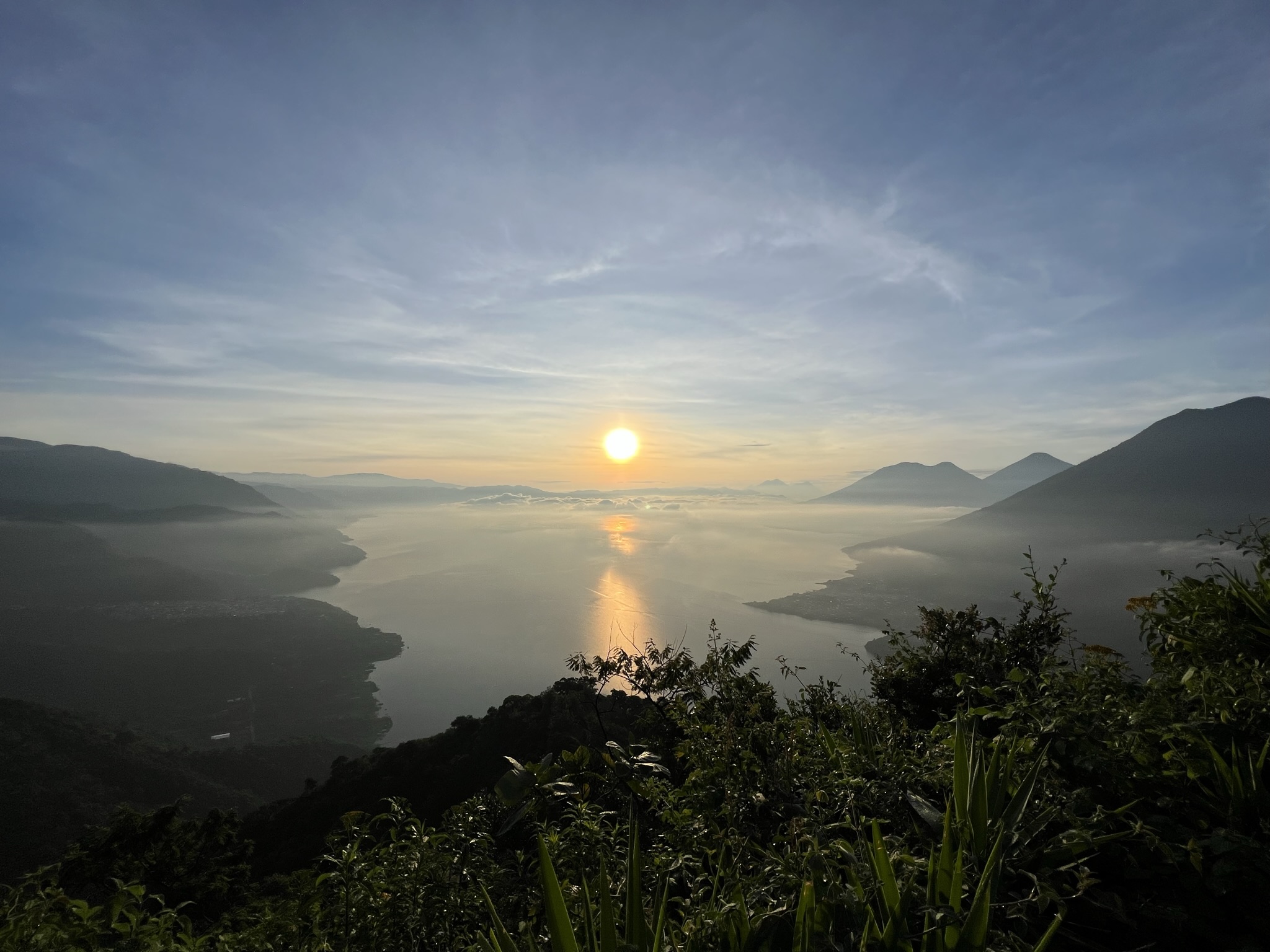
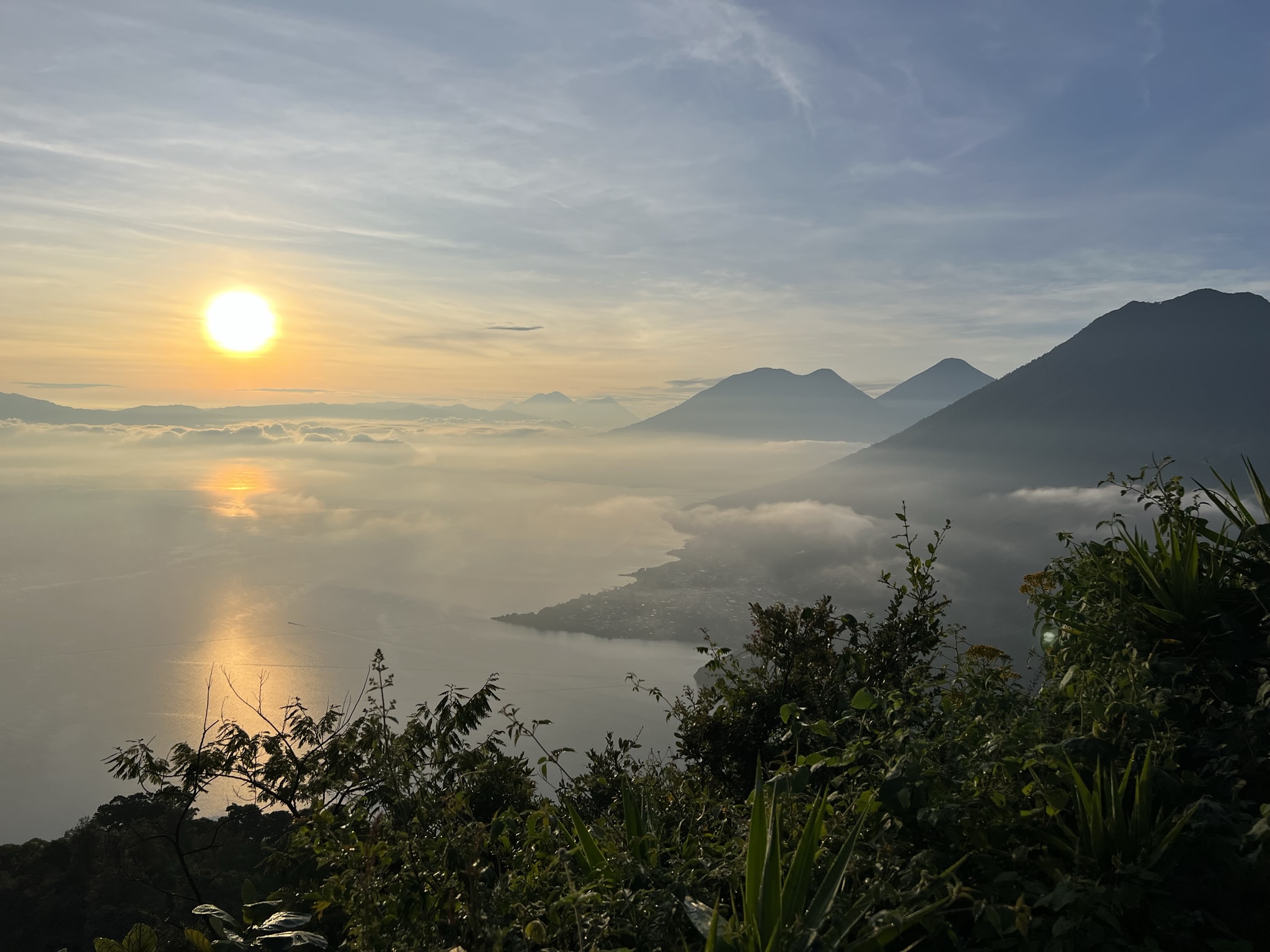
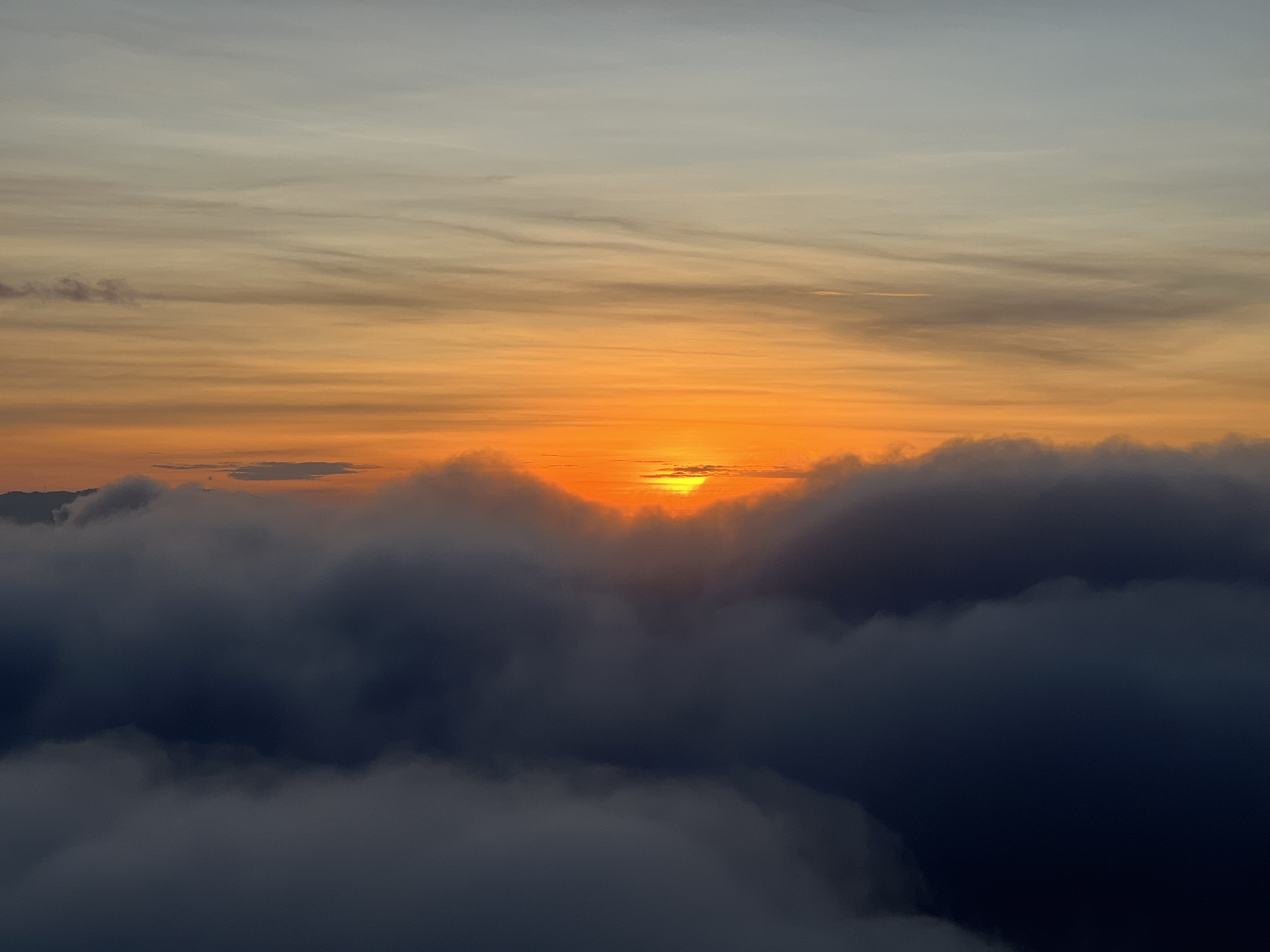
Finally, with a hot cup of coffee in my hands and the chilly morning breeze waking me up, I could start coming to terms with why I was doing this. As the curtains of darkness started to unveil, revealing a blanket of clouds that covered all but the tips of the faraway volcanoes, the dull orange glow of the rising sun began to appear. The clouds slowly drifted away, making way for the colours of the sky that seemed to intensify by the minute, every shade reflected in the lake below. I was genuinely wonderstruck – the best sunrise I had ever had the honour to witness. Maybe sunrise hikes aren’t the worst thing in the world, after all.
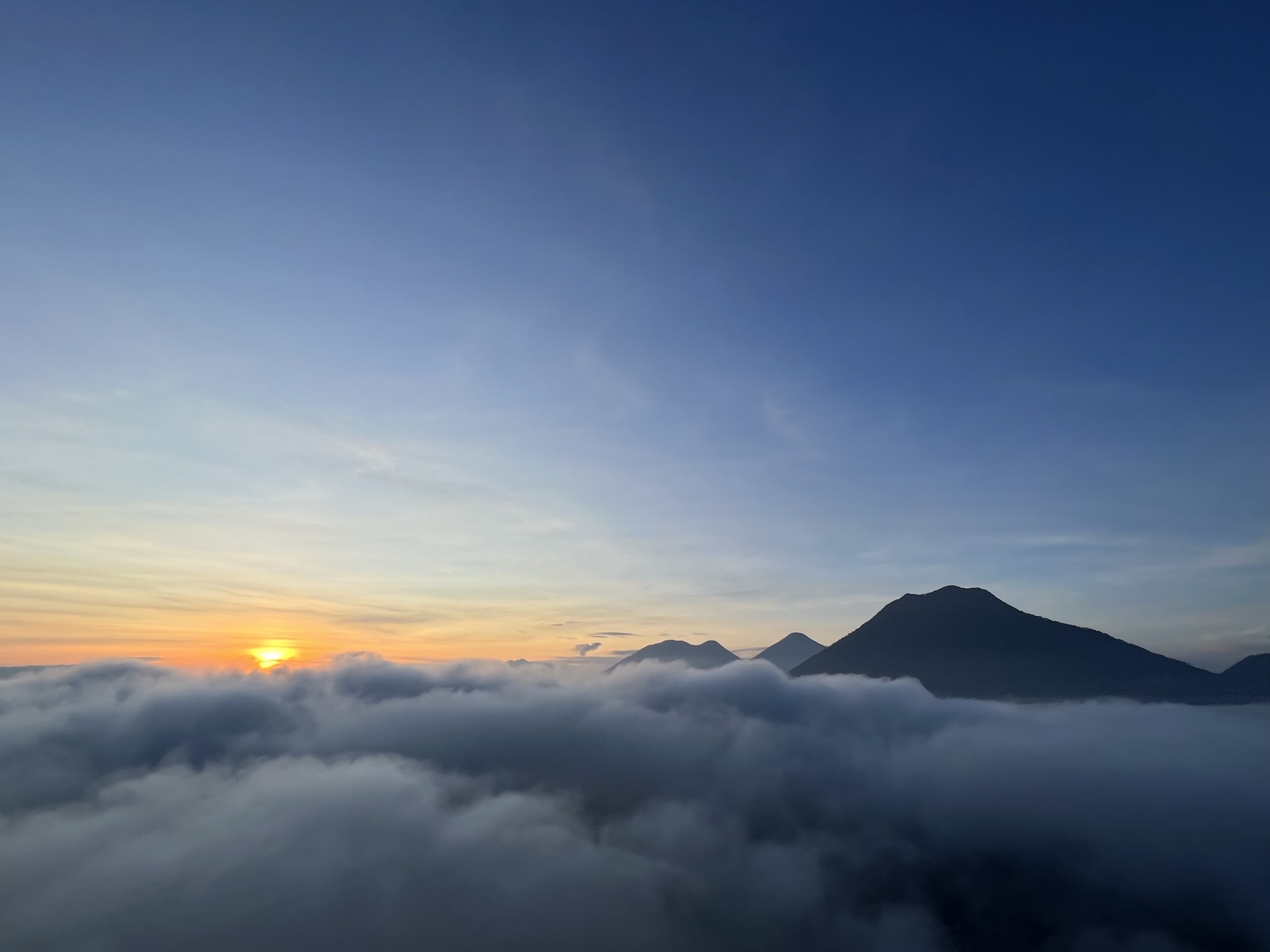
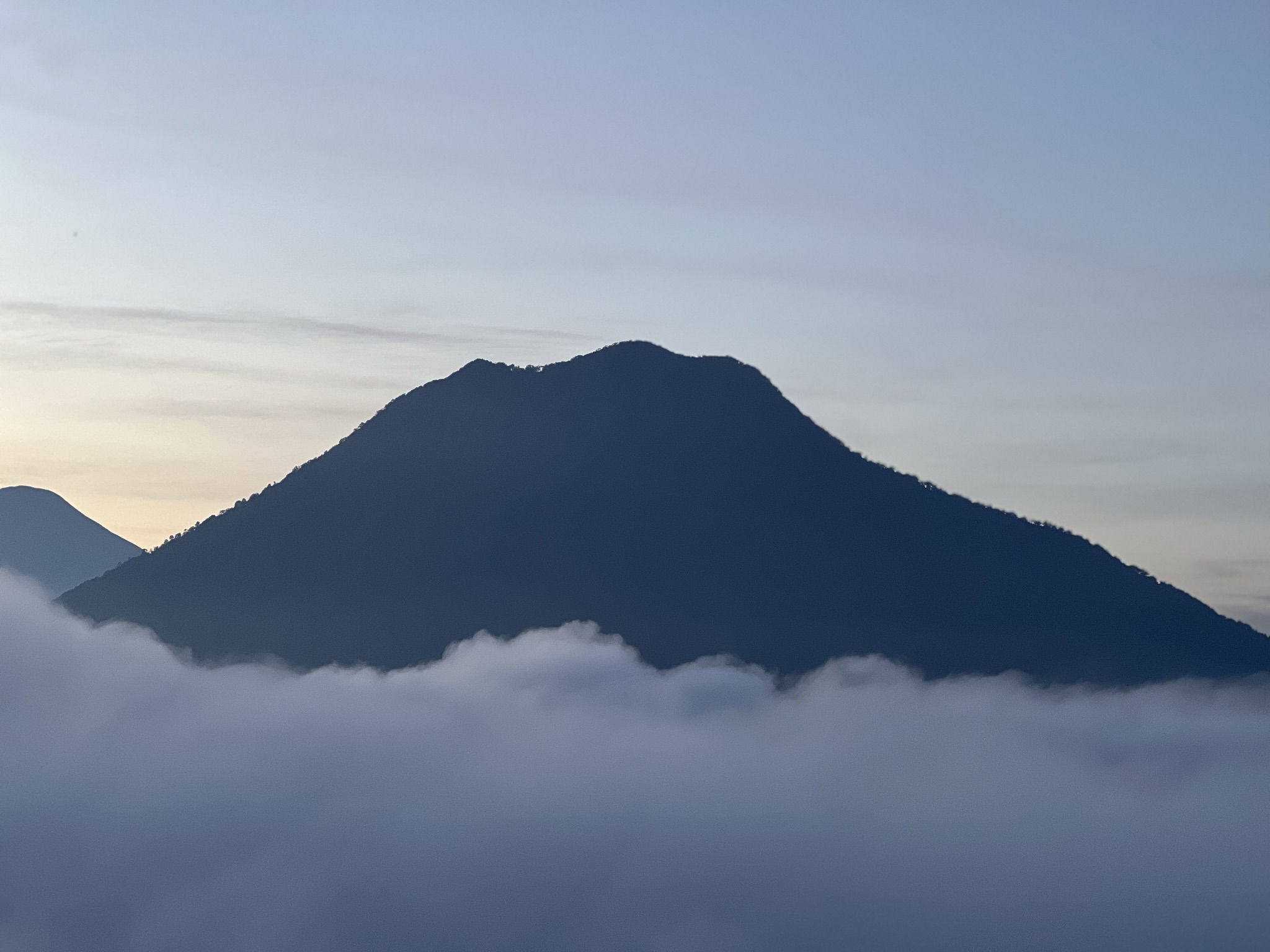
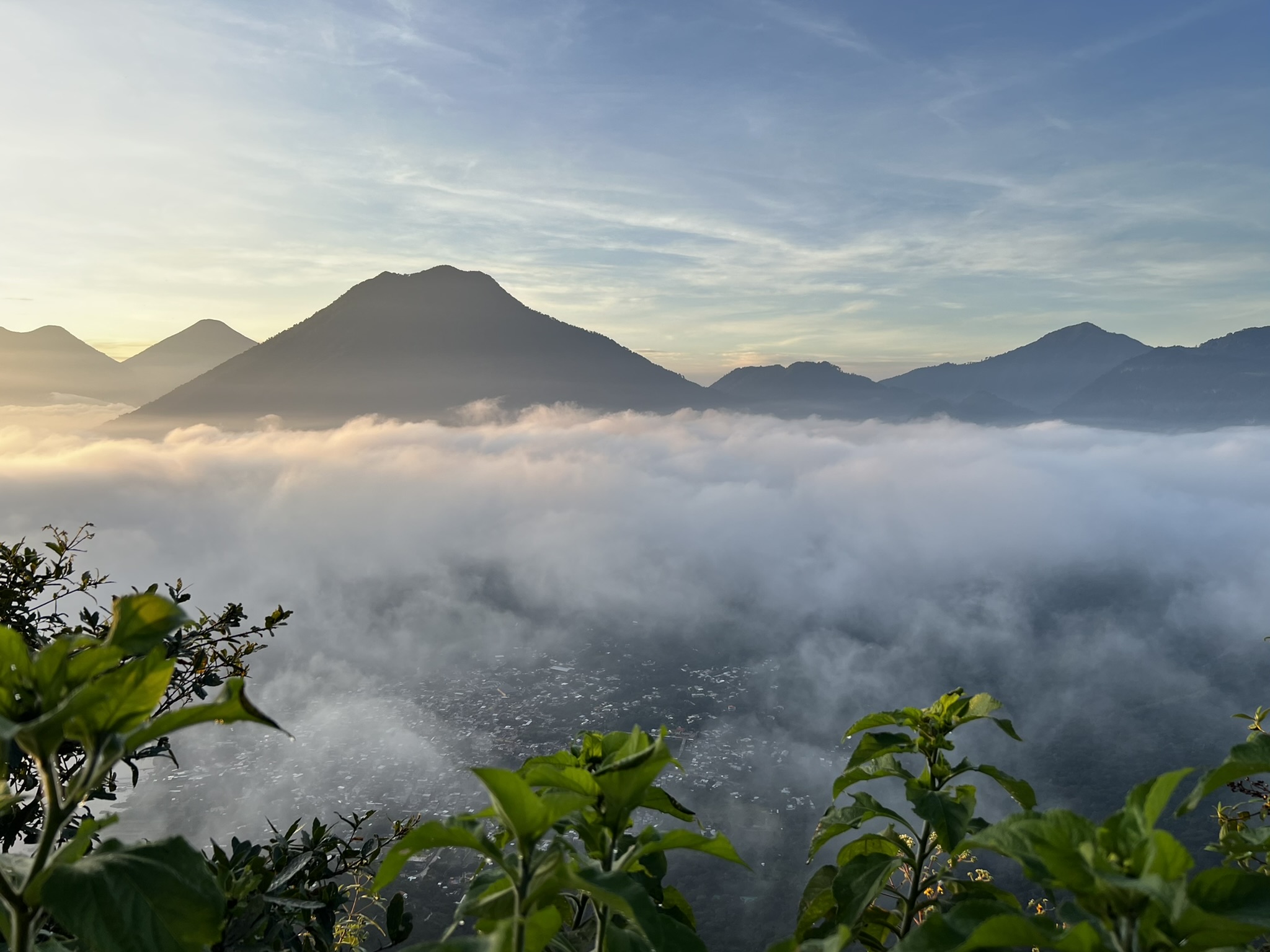
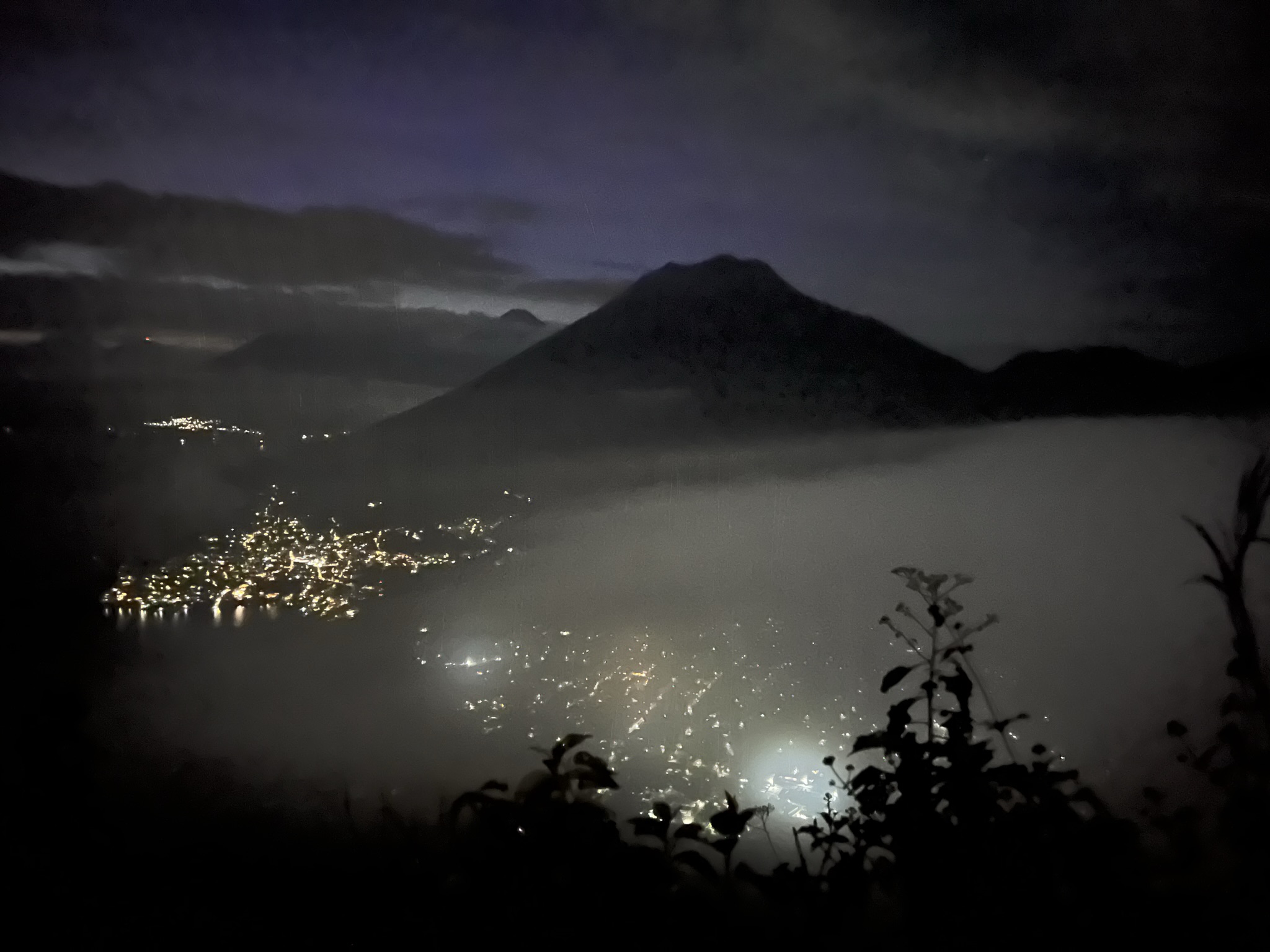
Horseback Ridin'
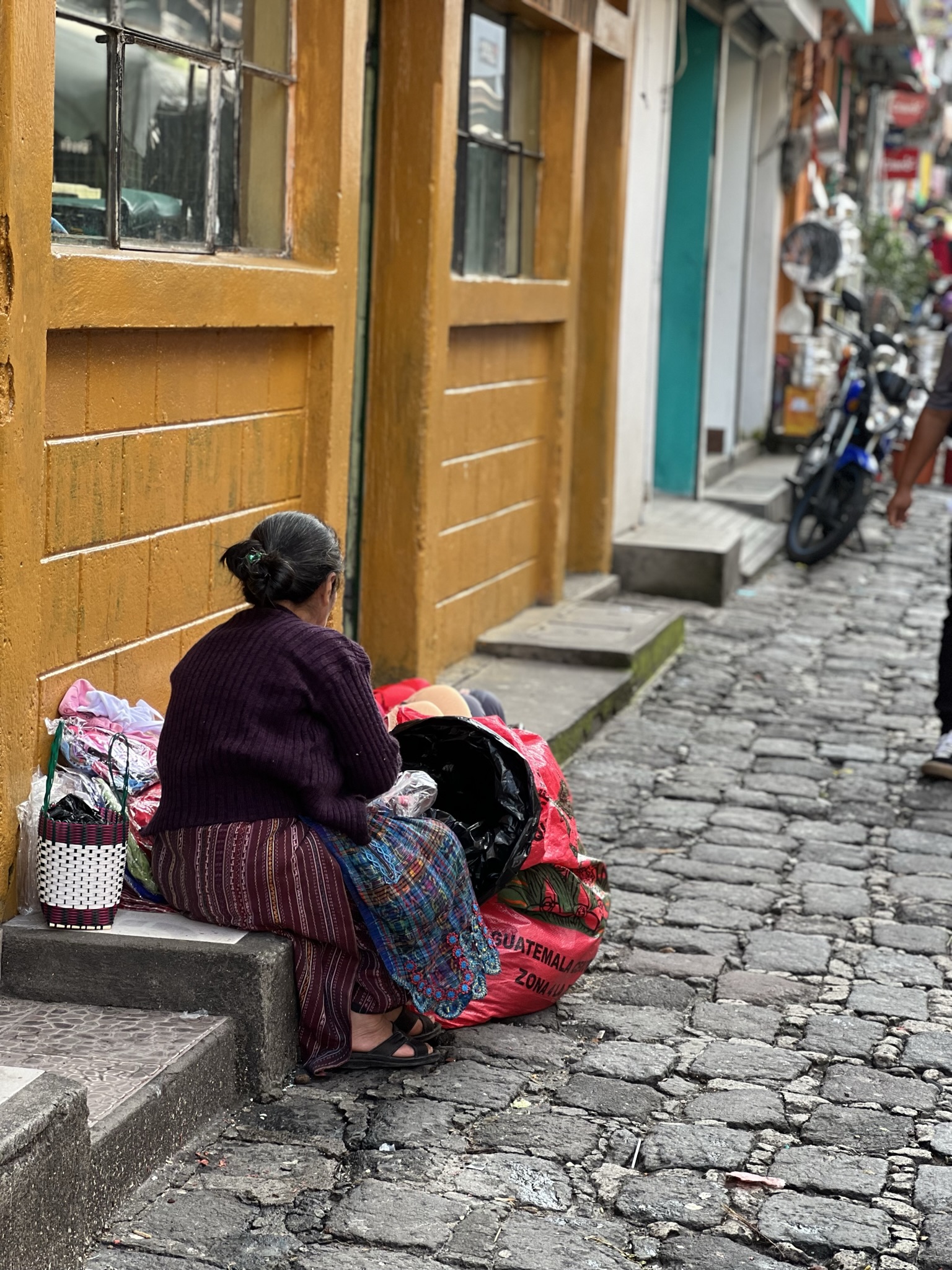
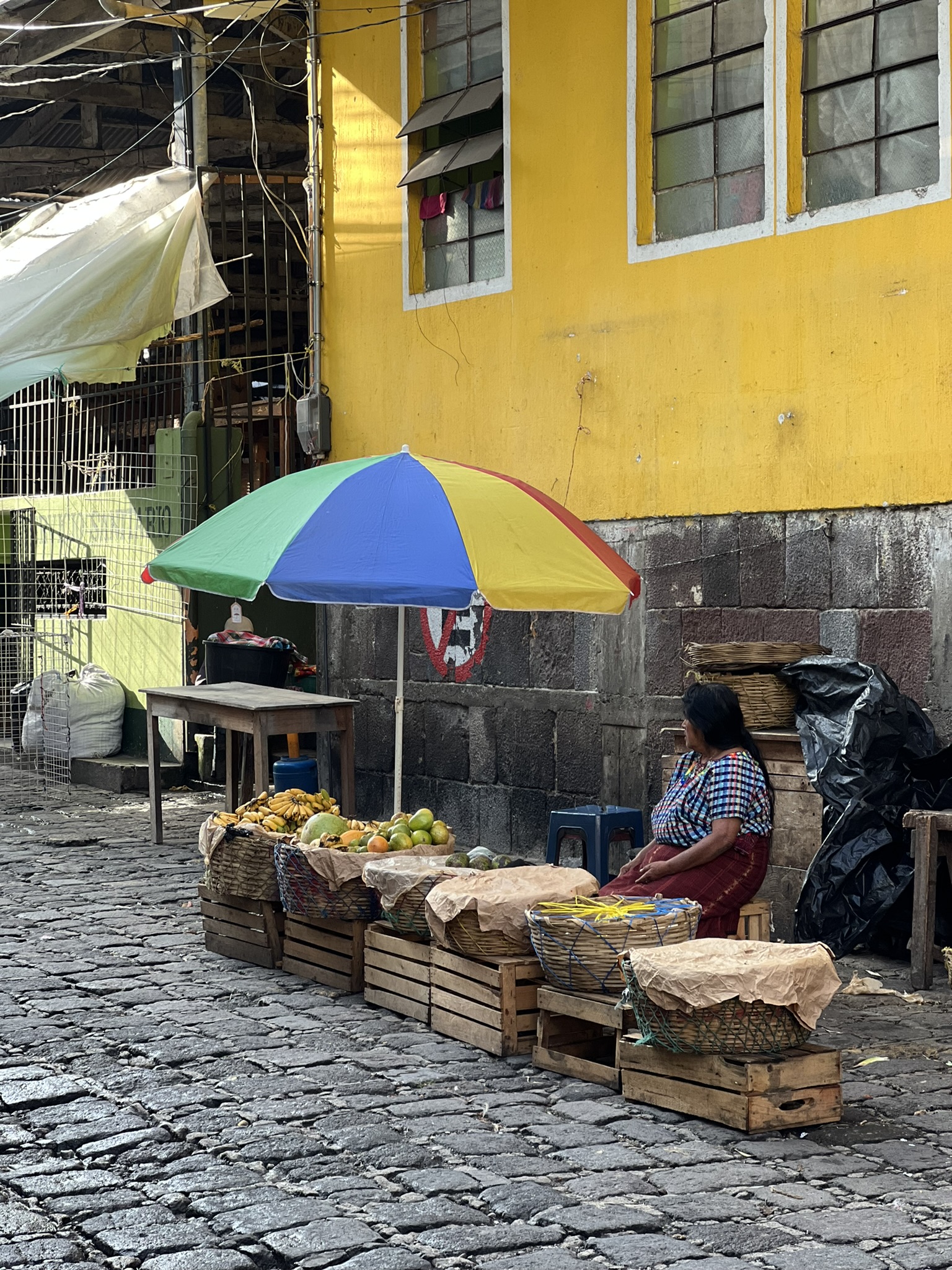
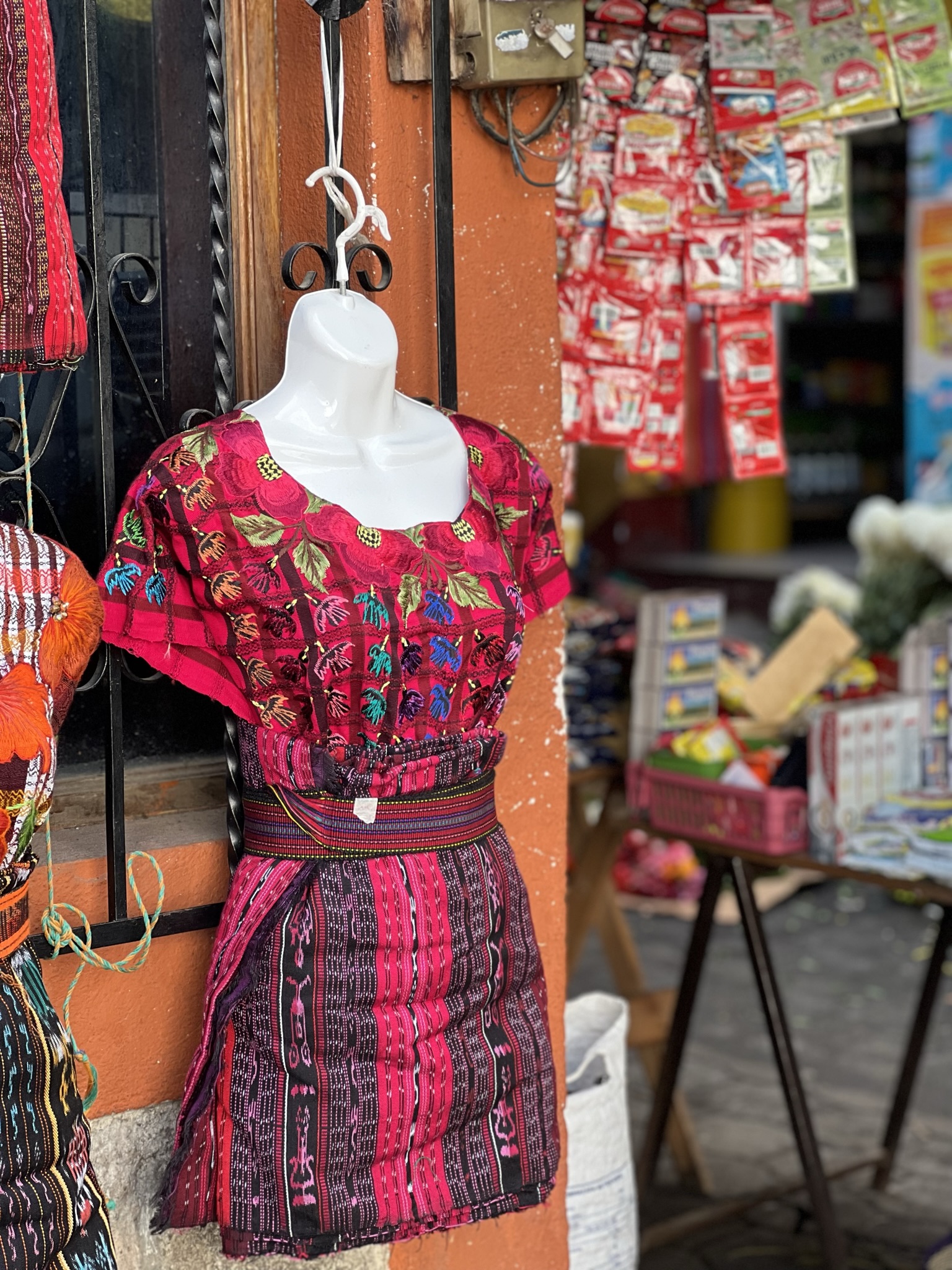
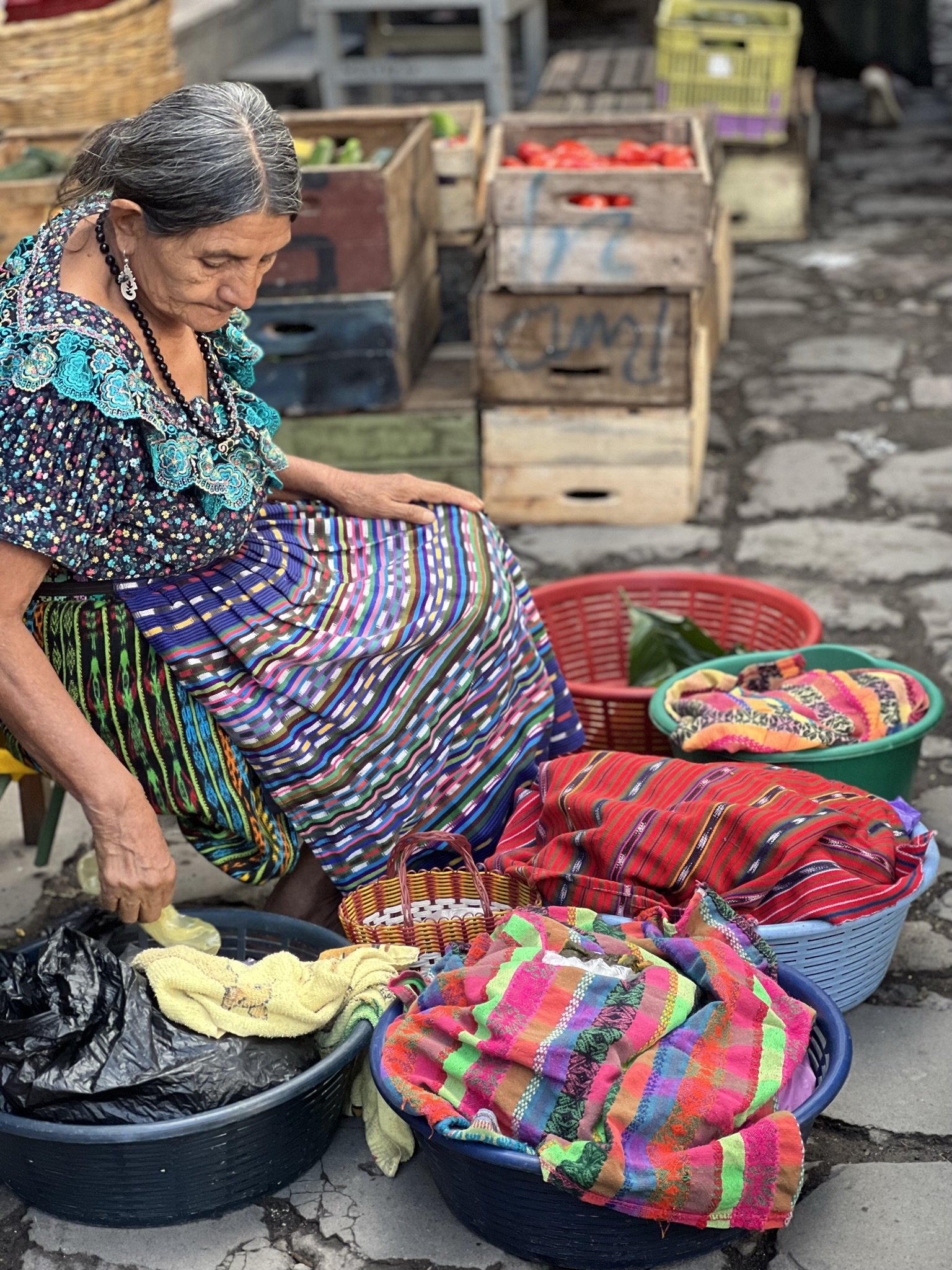
With the rest of the day ahead and no plans whatsoever, I found myself roaming around the streets of San Pedro, admiring the street art and the many markets that one can find on the roads.
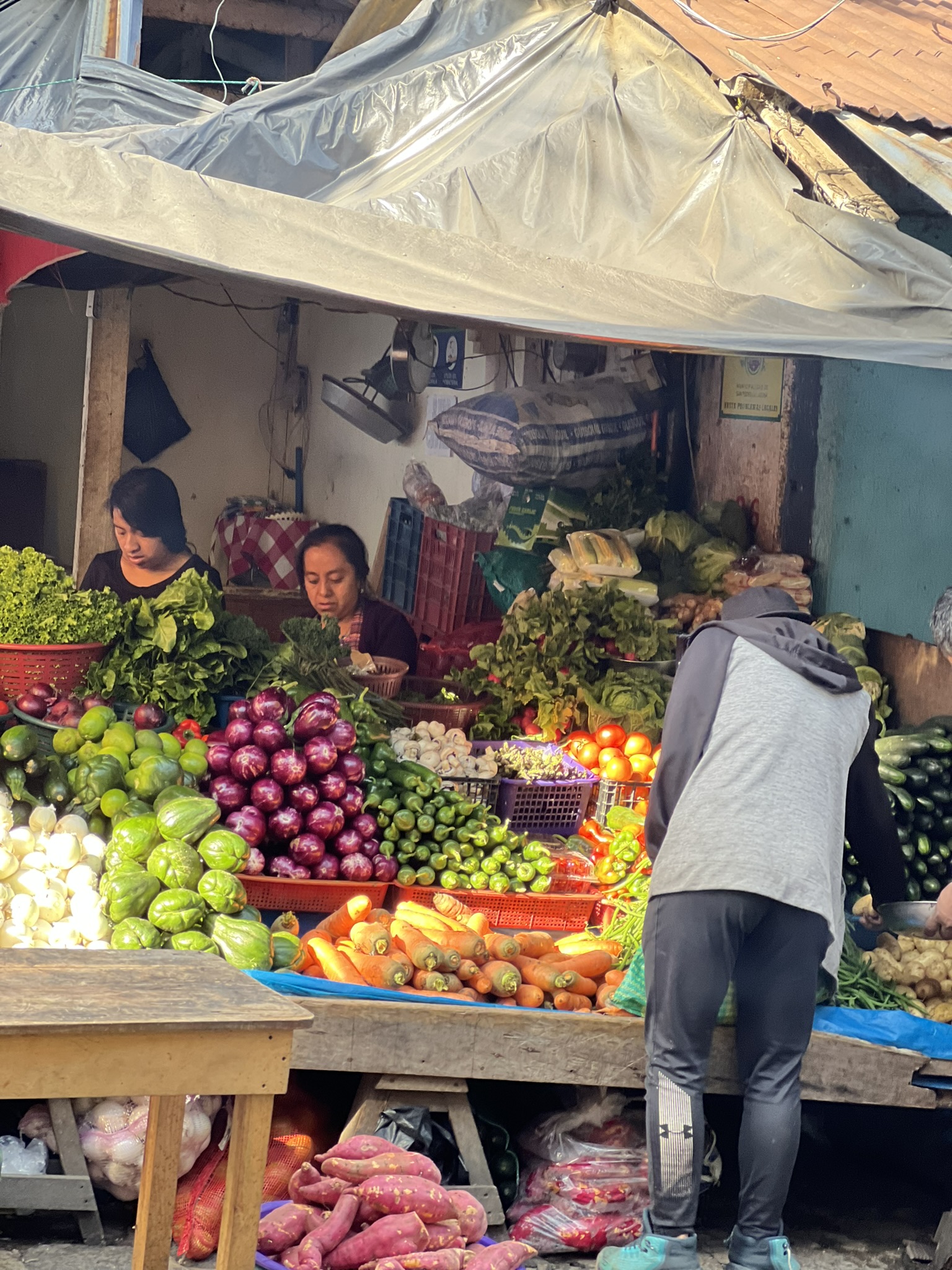
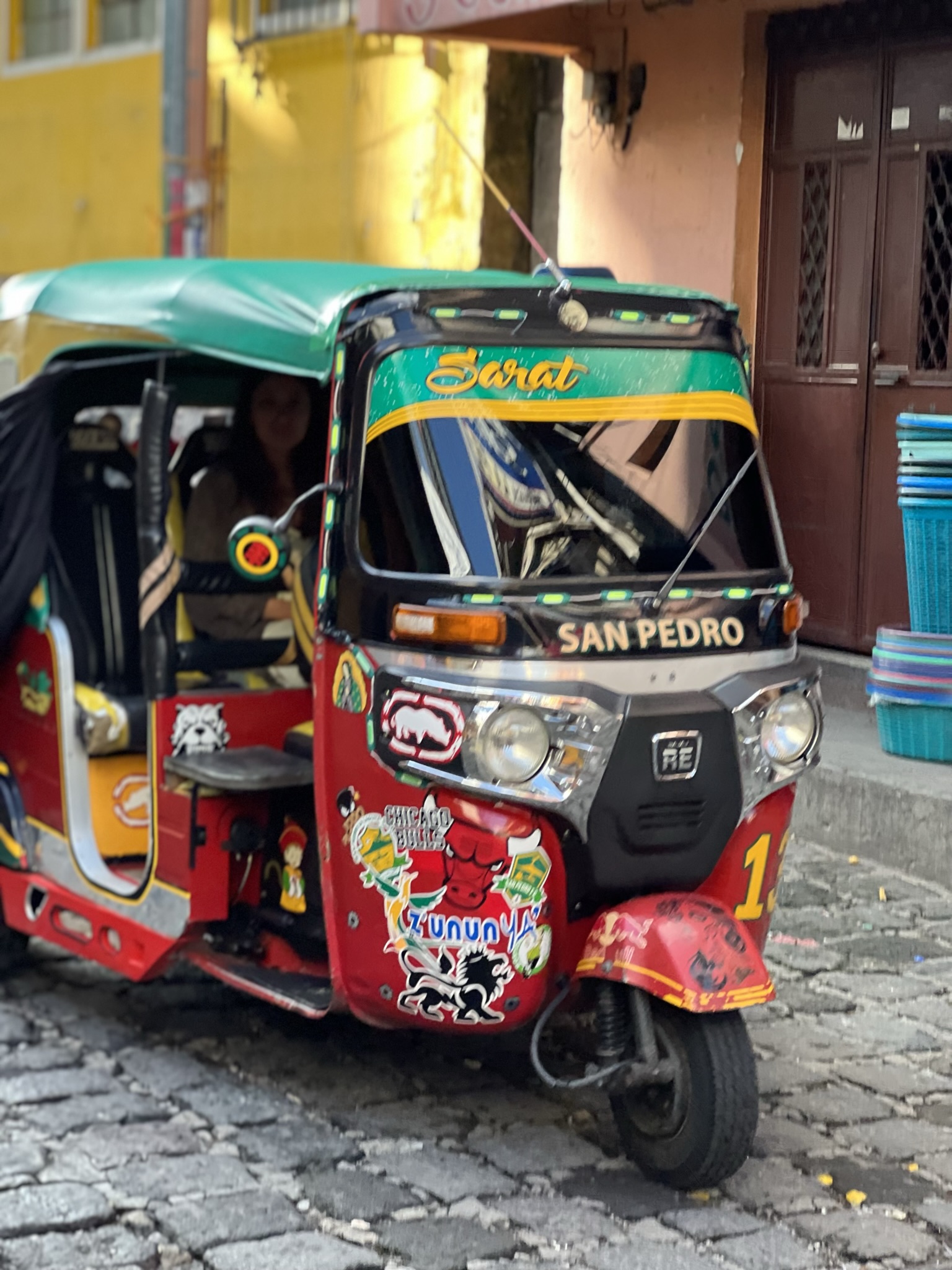
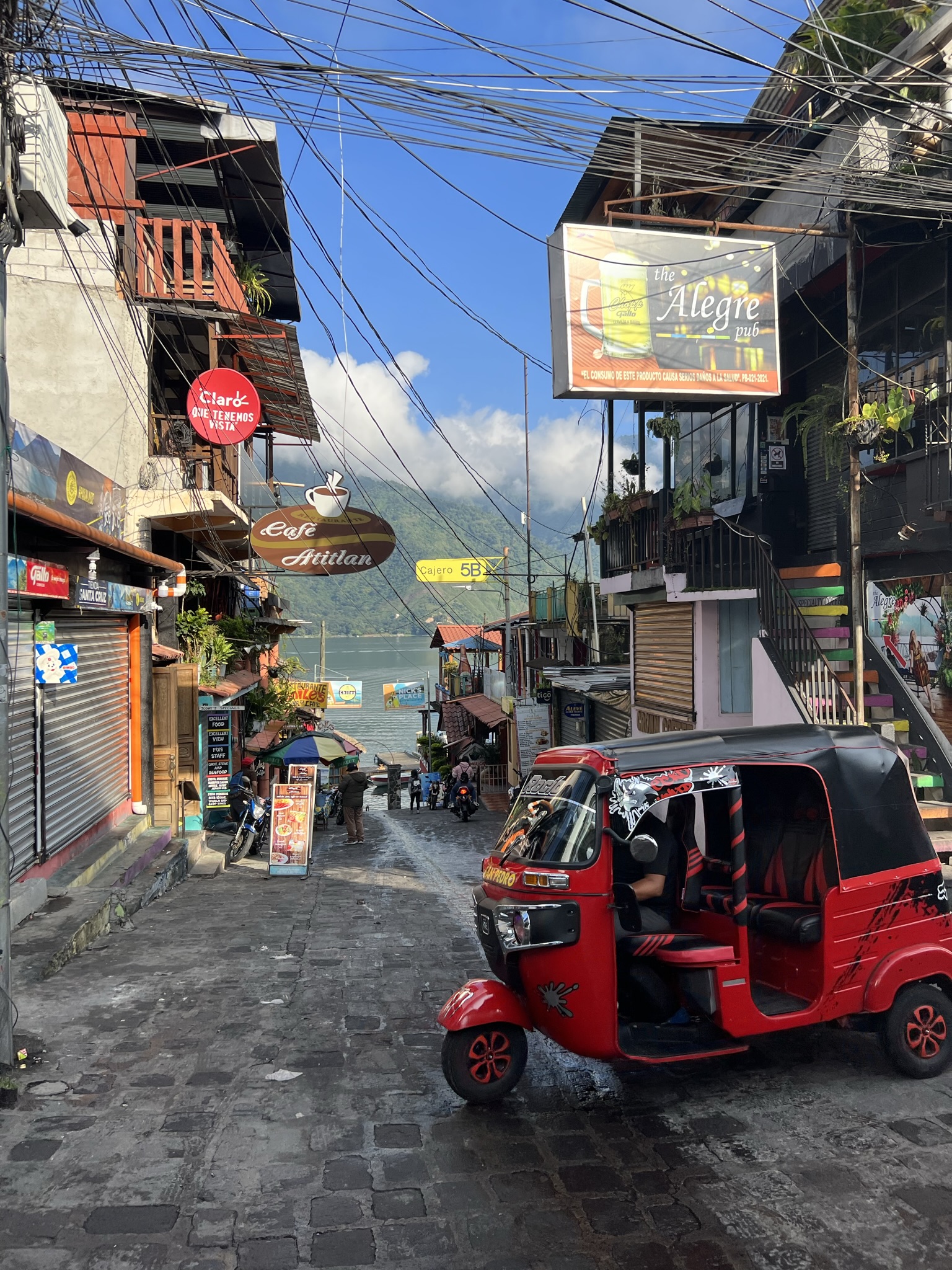
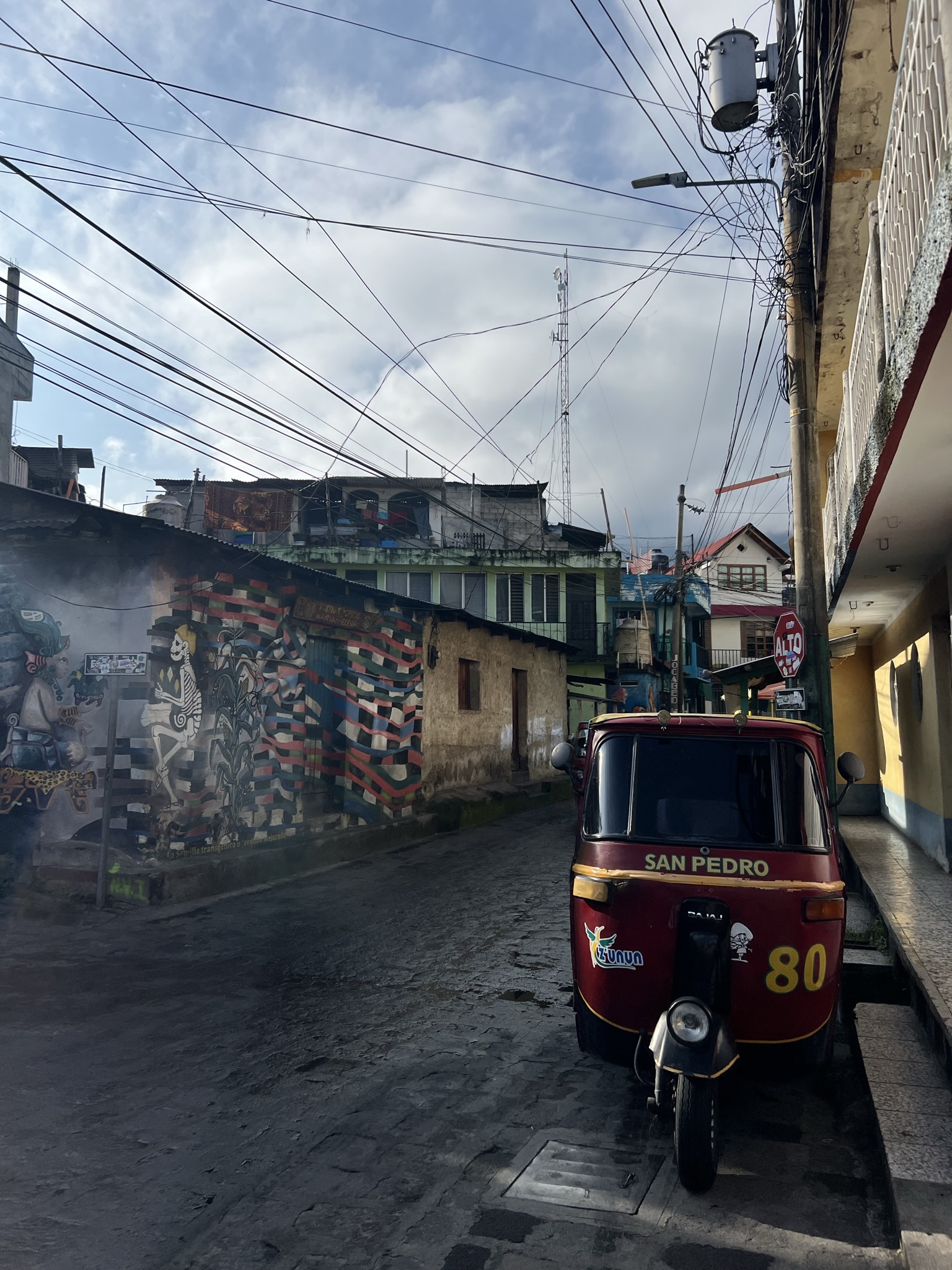
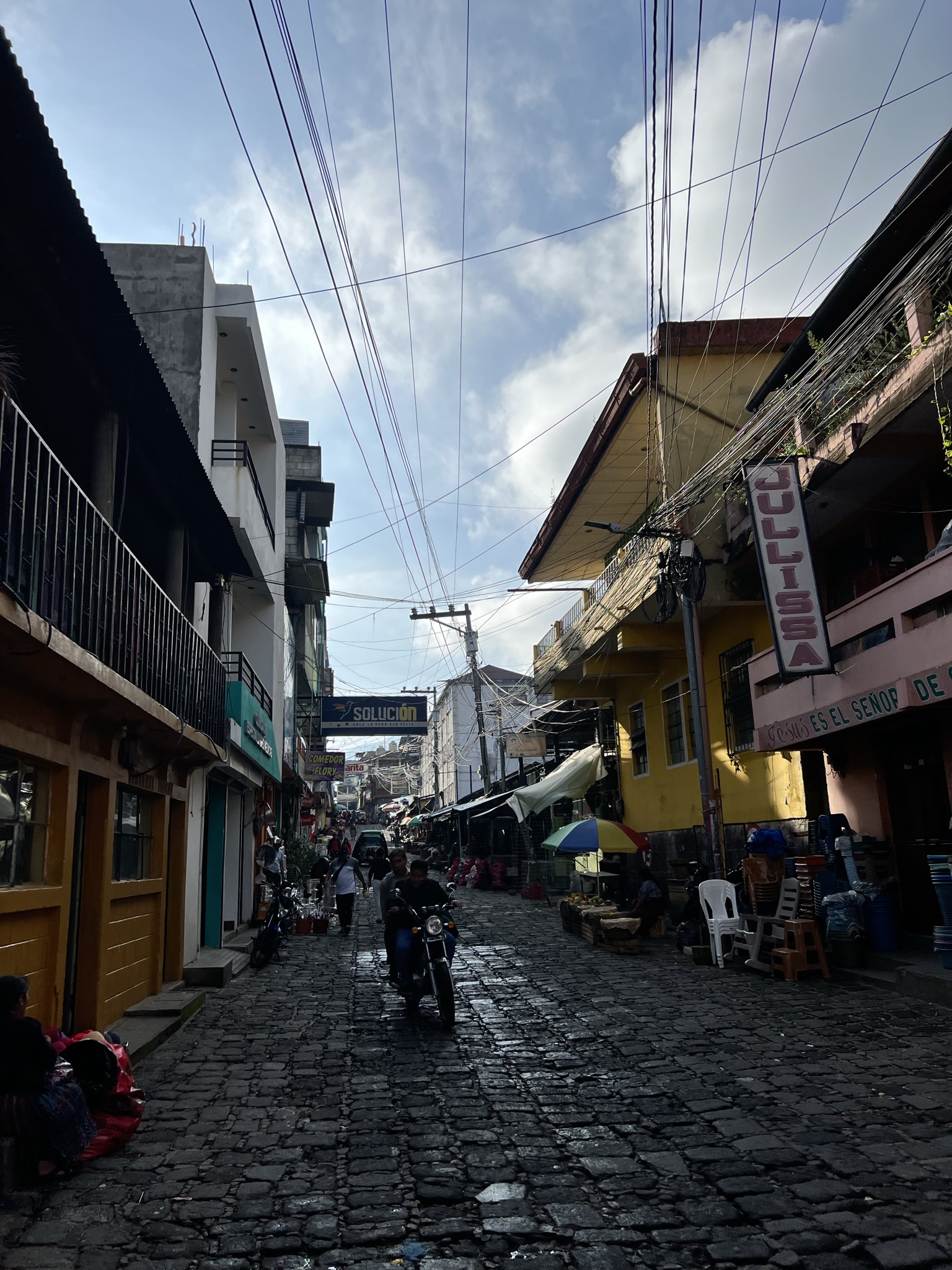
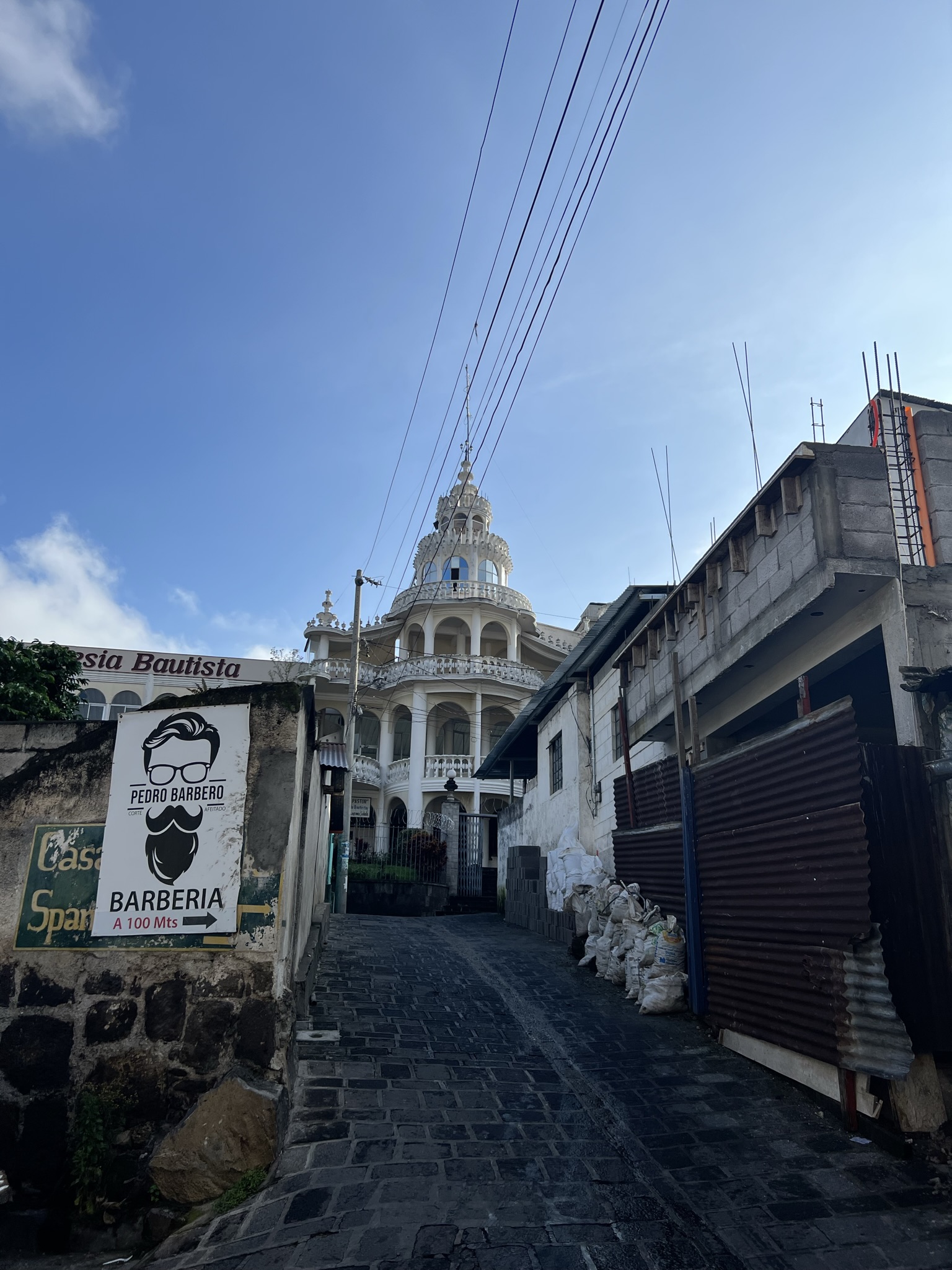
My aimless walking then took me to a farm area, where one of the locals badgered me into going horse-riding. I had done it a couple of times before, but I could easily justify the cost. This way, I could see more of the town and its surroundings, and I could enjoy the ride. My trusty steed, a seven-year-old horse named Lluvia – which means rain – would be my buddy for the upcoming two hours.
Leah, my guide, briefly reminded me of the basics as she climbed on top of Papo. Sway the reins to the side to direct the horse, pull them to stop, and, finally, make kissey sounds to accelerate – something we probably wouldn’t need. During uphills, she told me to lean forward, and to lean backwards when going down. Oh, and just in case we’d be galloping, she emphasised I should push the balls of my feet against the stirrups to avoid jumping up and down – or, possibly, off the horse. Miel and Guapo, their farm dogs, would be tagging along – something they do on a daily basis. Talk about getting their walk of the day!
After a fun trot in town, feeling like a cowboy and saying ‘howdy’ to complete strangers instead of the usual hola, we headed eastward into the town’s outskirts. Here, I had a brief flashback of my fender bender back in Cozumel as Lluvia swerved to one side in order to avoid a tuk-tuk, decimating a motorbike’s mirror in the process. That was the first time I used the kissey sounds – and the first time I had a hit and run on a horse. All perked up and focused, I started steering Lluvia from thereon, my trust issues prohibiting me from giving her too much freedom. As we got further from the town and deeper into the countryside, I let her take control again, unafraid of her breaking twigs and branches.
On the way, Leah told me she grew up on her family farm, being surrounded by horses ever since she could remember. She’s nineteen years old and is studying English in hopes that one day she becomes a teacher. At this point, I offered to switch to English so she could practise a bit. Having previously worked as an EFL teacher, I shared my number one advice for those attempting to learn a new language – to speak, speak again, and then speak some more. The trick, I’ve come to learn whilst learning Spanish myself, was to gain confidence. Then would follow the other systems – listening, reading, and writing. Much like I’d tell my students, I gave her some homework – to watch TV, listen to music, and read a good book!
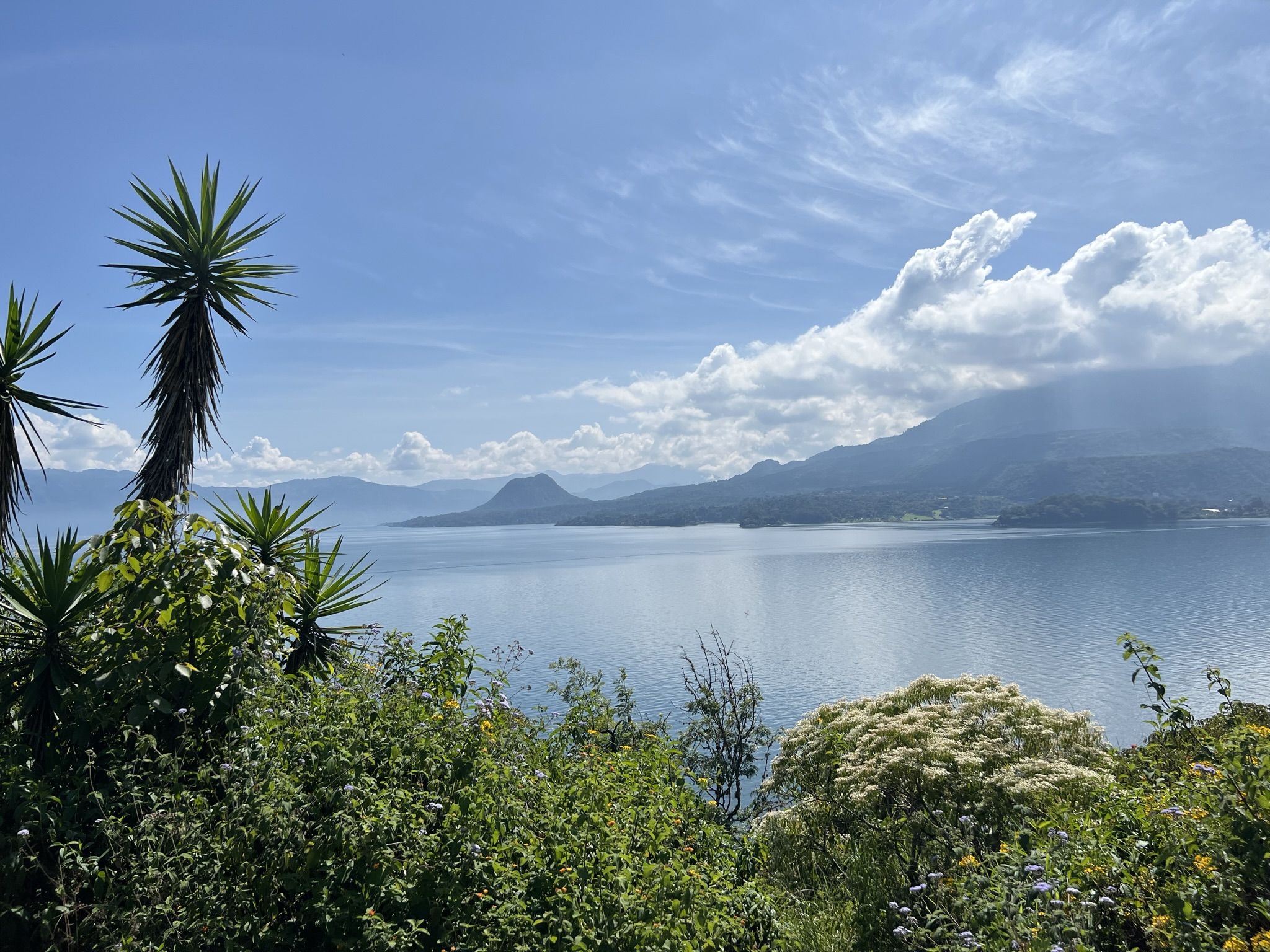
We stopped a couple of times to soak in the gorgeous views of the lake from different points and then headed into the woods, always followed by our two canine companions as they played rough along the way. Once we got through the dense foliage, we came to a viewpoint where the town of Santiago, with the Tolimán volcano in the backdrop, came into view. As we’d go on, somehow, one vista seemed to top the other, requiring plenty of stops in order to take it all in.
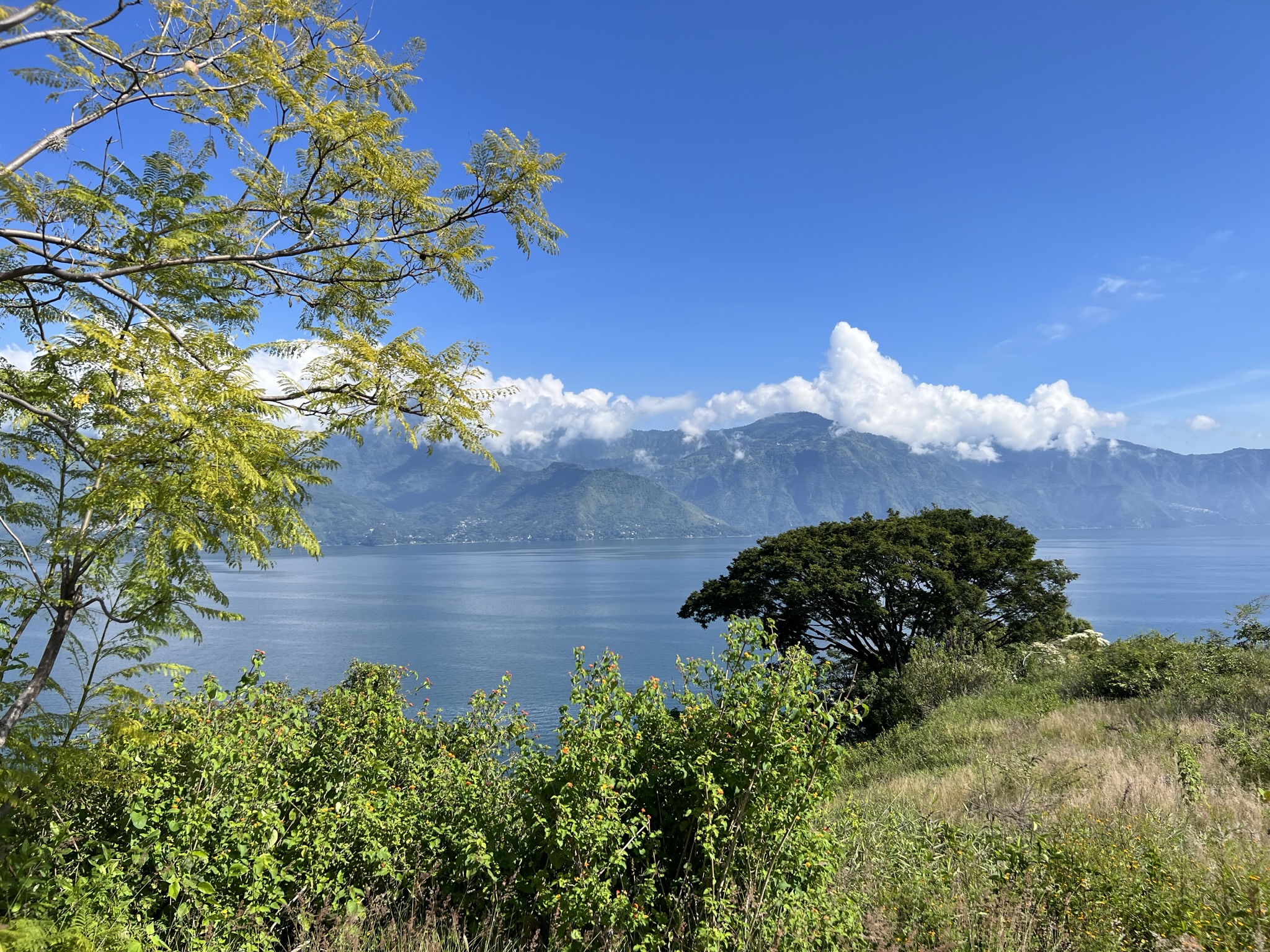
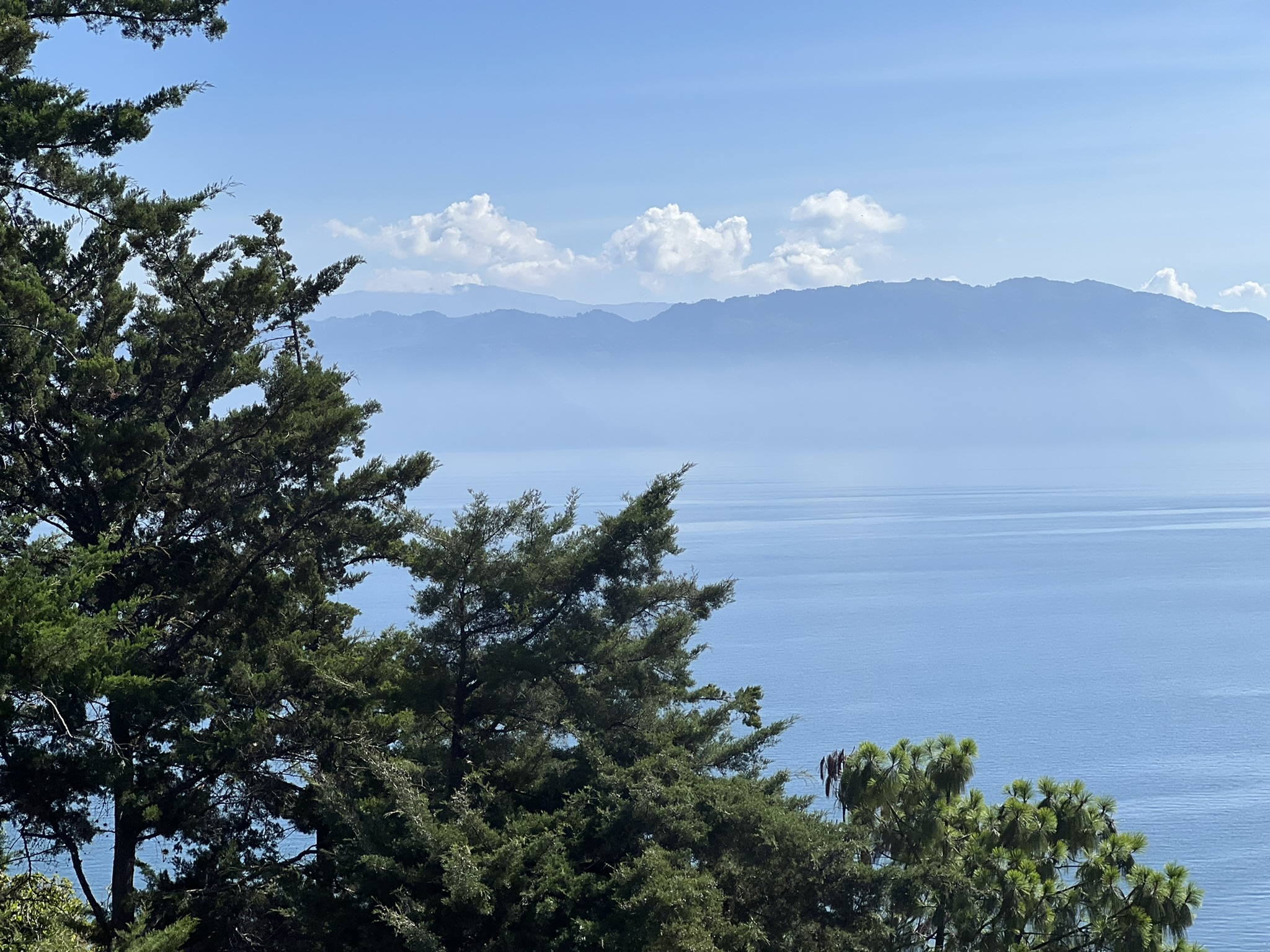
With Lluvia and the dogs well-rested, we started on our way back. As we trotted along, I noticed Lluvia becoming somewhat restless. “She’s not used to going slow!” Leah told me – which I took as an open invitation to pump up the gas. “¡Ándale, ándale!” I shouted. It took less than two seconds for Lluvia’s trot to turn into a full-on gallop. I grabbed onto the reins for dear life and pushed against the stirrups as hard as it was humanly possible, but I still kept bouncing up and down.
I swear I never felt that free in my life. It took me right back to when I was a kid, watching Dr Quinn, Medicine Woman and fawning over how gallant they all looked riding a horse. Instead, it was now Dr Brown, Medicine Man, who looked anything but gallant. But man, was it exhilarating – an adrenaline rush I hadn’t felt in ages!
Tz'utujil Mayans
My next stop would be the Tzunun’Ya Museum, which provides a thorough overview of the Tz’utujil Mayan culture and history, and that of the area’s geology.
As soon as I got there, I was given a warm introduction by Lola, the museum operator, who kindly asked me for my details and to sign the guestbook – which, much to my surprise, hadn’t been signed in a couple of days, despite the overwhelming number of tourists.
After roaming around the museum and learning a bit more about the formation of Lake Atitlán and the lives of the people living around it, Lola led me to a cinema room where a short video of life in San Pedro in 1943 was playing, showing the locals partaking in a number of traditional customs. Amongst these was the use of a cup-shaped gourd called jícara, from which they drink matz – a corn-based beverage consumed during special Catholic feasts. The locals were bathing and washing their clothes in the lake, and young girls were carrying water jugs on their heads back to the village, where they played the important role of taking care of their siblings in preparation for having kids of their own one day.
Whilst I was busy taking down notes, Lola was busy doing something herself. At the end of the short clip, she approached me and handed me my very own nahual – the Mayan spirit animal counterpart that is acquired at birth. Turns out, my nahual is a Tz’i or Ok.

Representing a dog or a cayote, the spirit animal is associated with many other things:
- Colour: White, beige and yellow (I hate yellow.)
- Direction: South (Panama, here I come!)
- Element: Water (Milotic, I choose you!)
- Meaning: Guardian of the mountains (Cool)
- Values: Loyalty, authority, and law (Boring?)
- Professions: Lawyers and… doctors (Damn!)
- Energetic place: Beach, mountains, nature (It knows!)
- Characteristics:
- Positives:
- Practices social justice (I try!)
- Peaceful and spiritual (When in ruins?)
- Friendly and happy (On most days…)
- Curious and investigative (YAS!)
- Negatives:
- Prone to infidelity and alcoholism (NO!)
- Hyper-sexual (Uhm…)
- Easily irritable (True, true…)
- Vengeful and destructive (Harsh!)
There is also a list of kindred nahuales which are complementary to yours, and harmonic nahuales with whom you’re more likely to have a good relationship. Much like astrology, I don’t quite believe in this… well, crap. These things are so broad and generalised that they’re bound to describe a particular trait or two with which you can relate. Kinda like saying “If you’re a Libra, you’ll most likely have two arms”.
Whilst tons of scientific studies have concluded that astrology is, in fact, a pseudoscience, I once came upon this really interesting article on Time magazine that suggested the circumstances of one’s birth are not irrelevant. Sorry to break it to you, Mewtwo! Turns out, the season during which one is born can have tremendous consequences on their personality. For example, shorter days during winter can result in lower serotonin levels in both mother and foetus during gestation, leading to poorer feeding patterns and activity levels after birth. In fact, winter babies are more prone to mental health disorders. Speaking as an autumn baby myself, I do fit the ‘irritable’ stereotype – so maybe there is some truth in this after all.