As accomplished and fulfilled as I might have felt after trekking on Iztaccíhuatl, my legs weren’t quite as thrilled the following day. All sore and limping, I spent my last remaining day in Puebla doing some sightseeing.
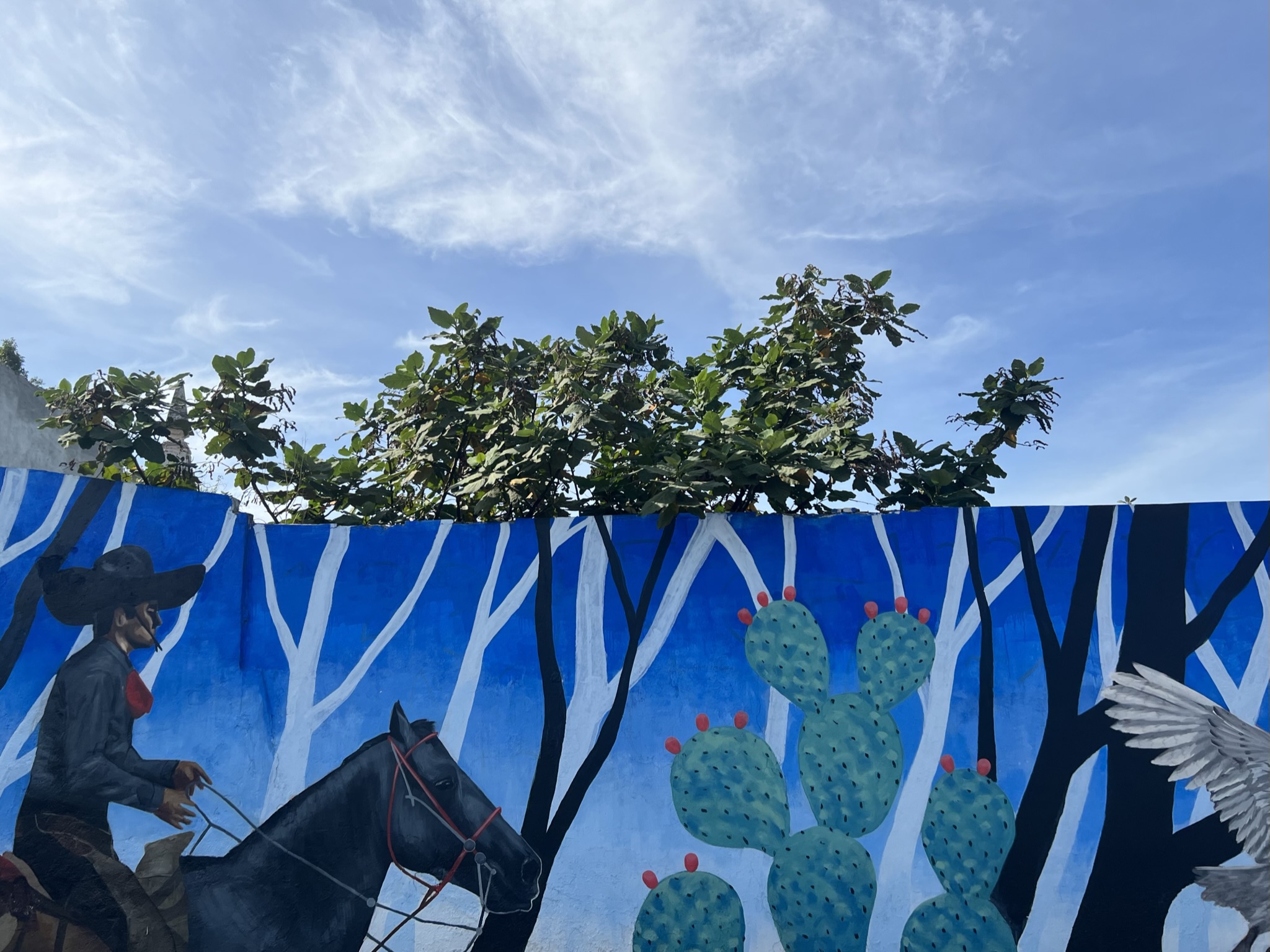
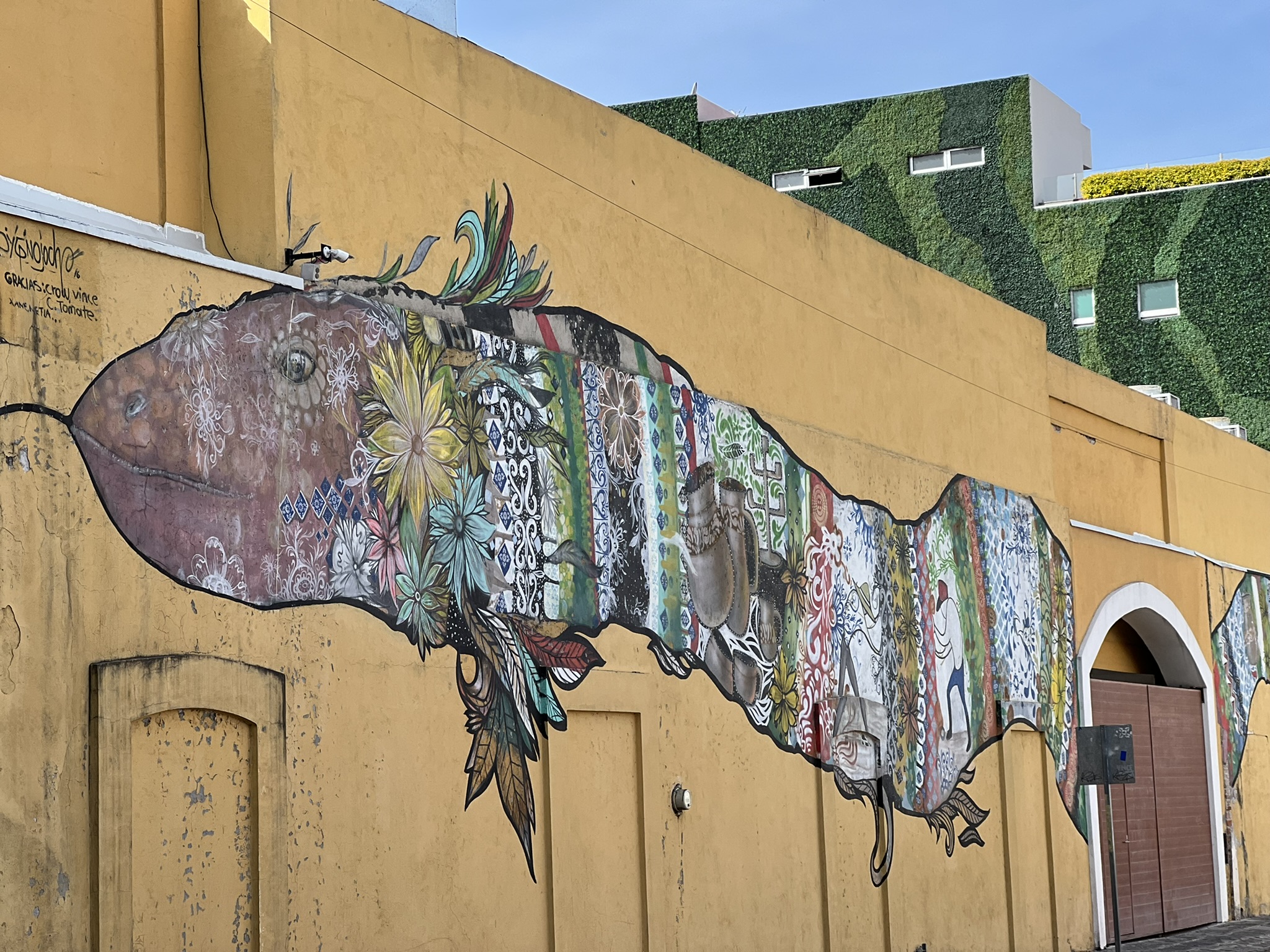
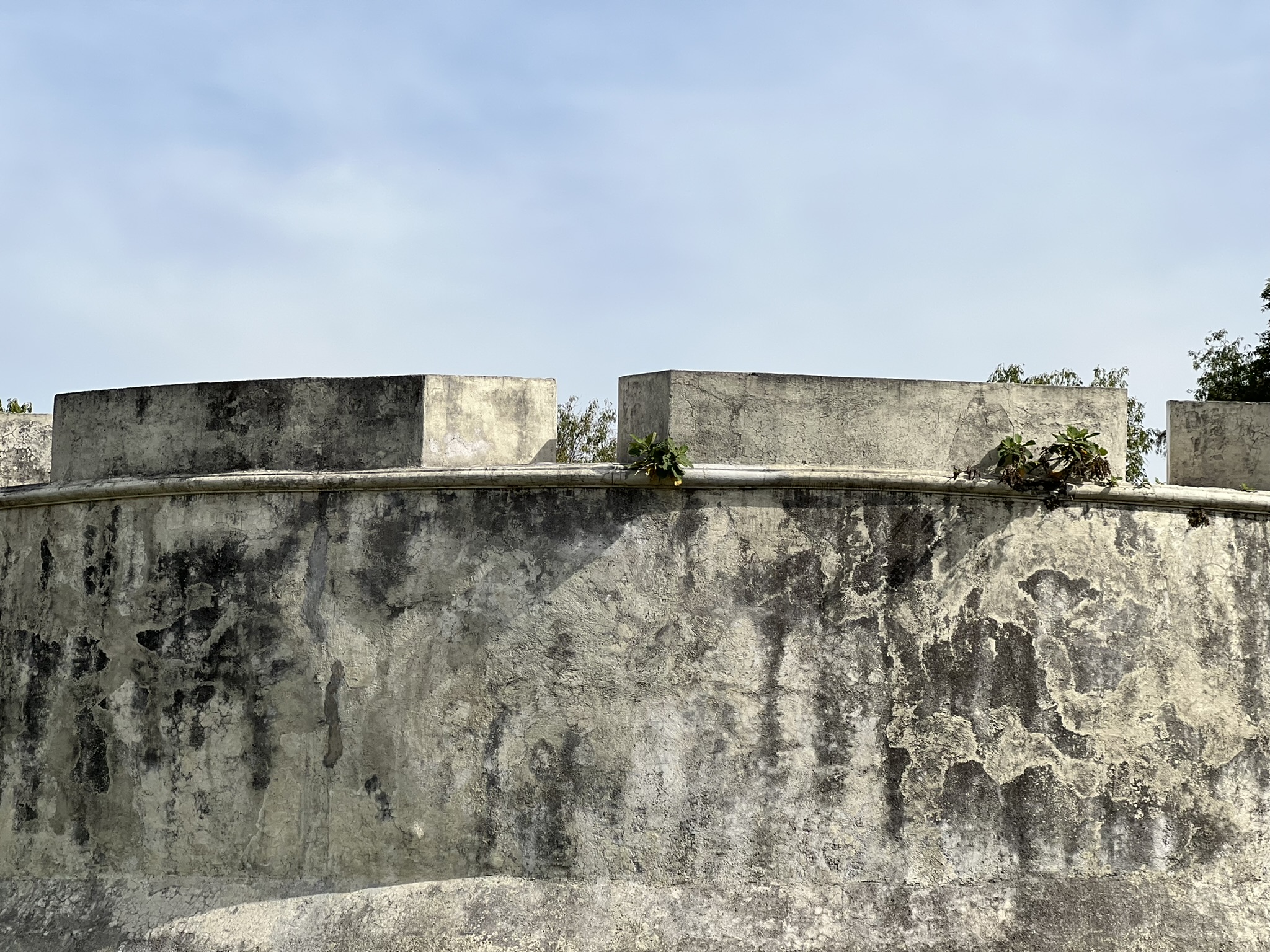
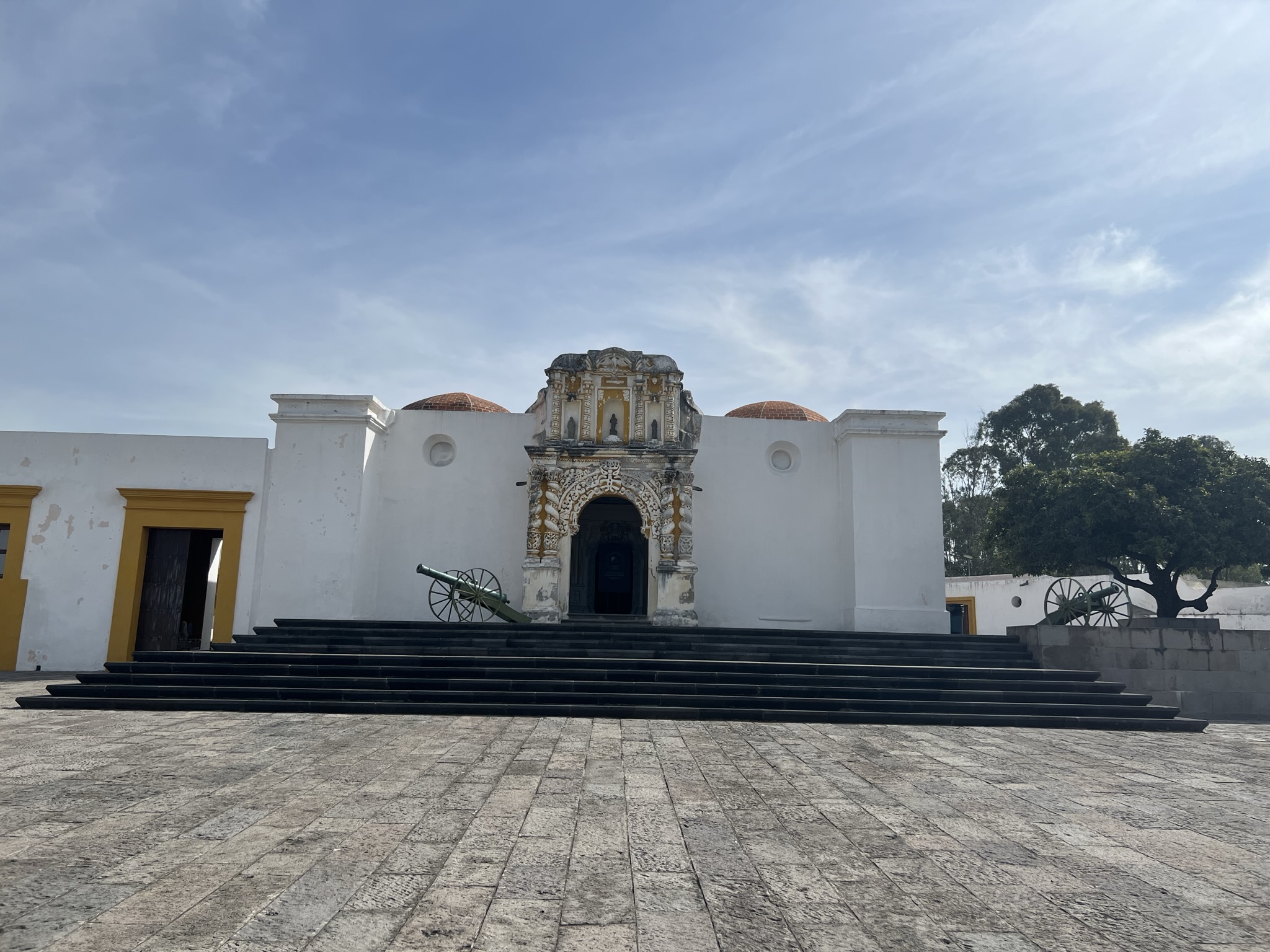
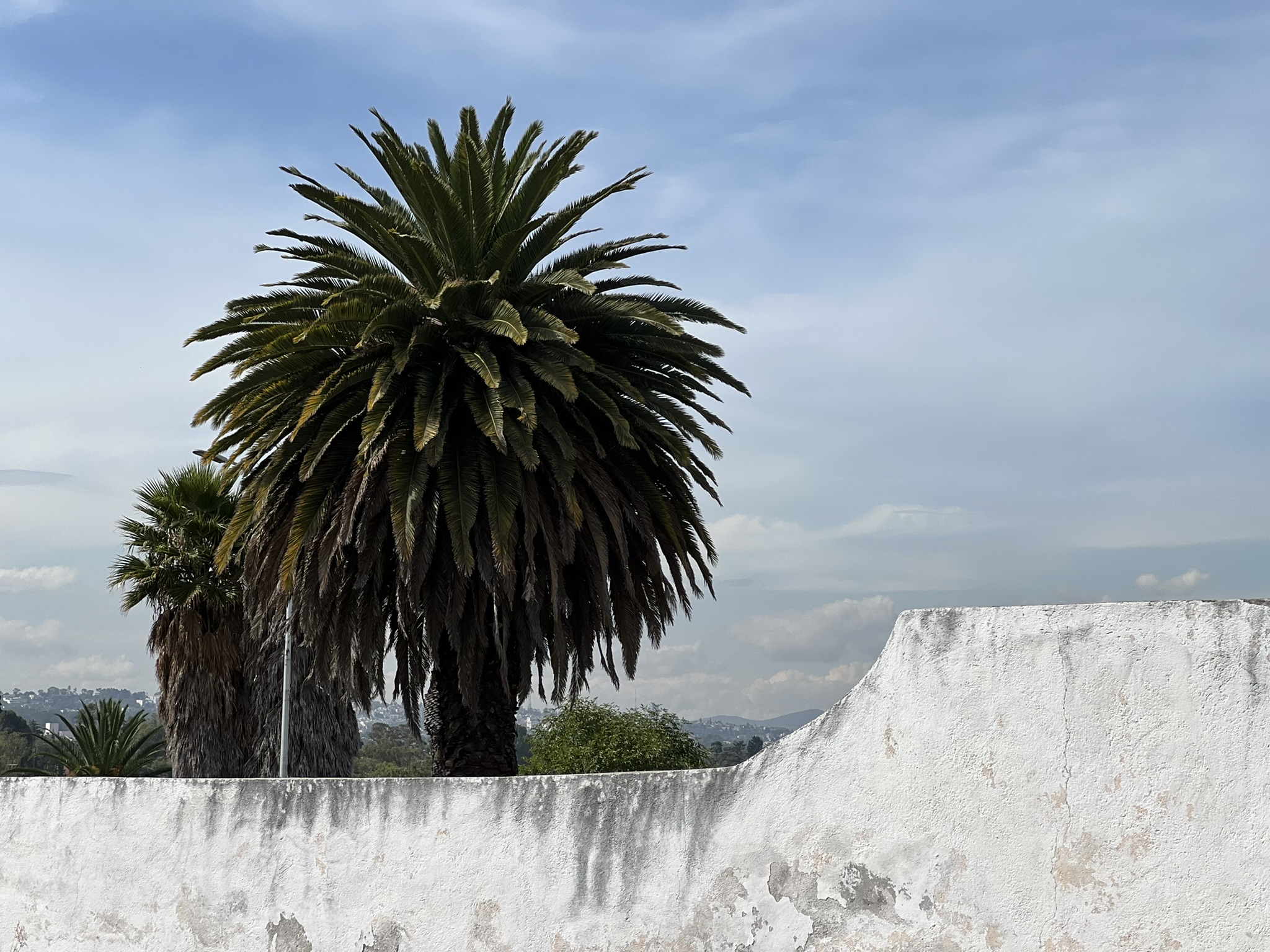
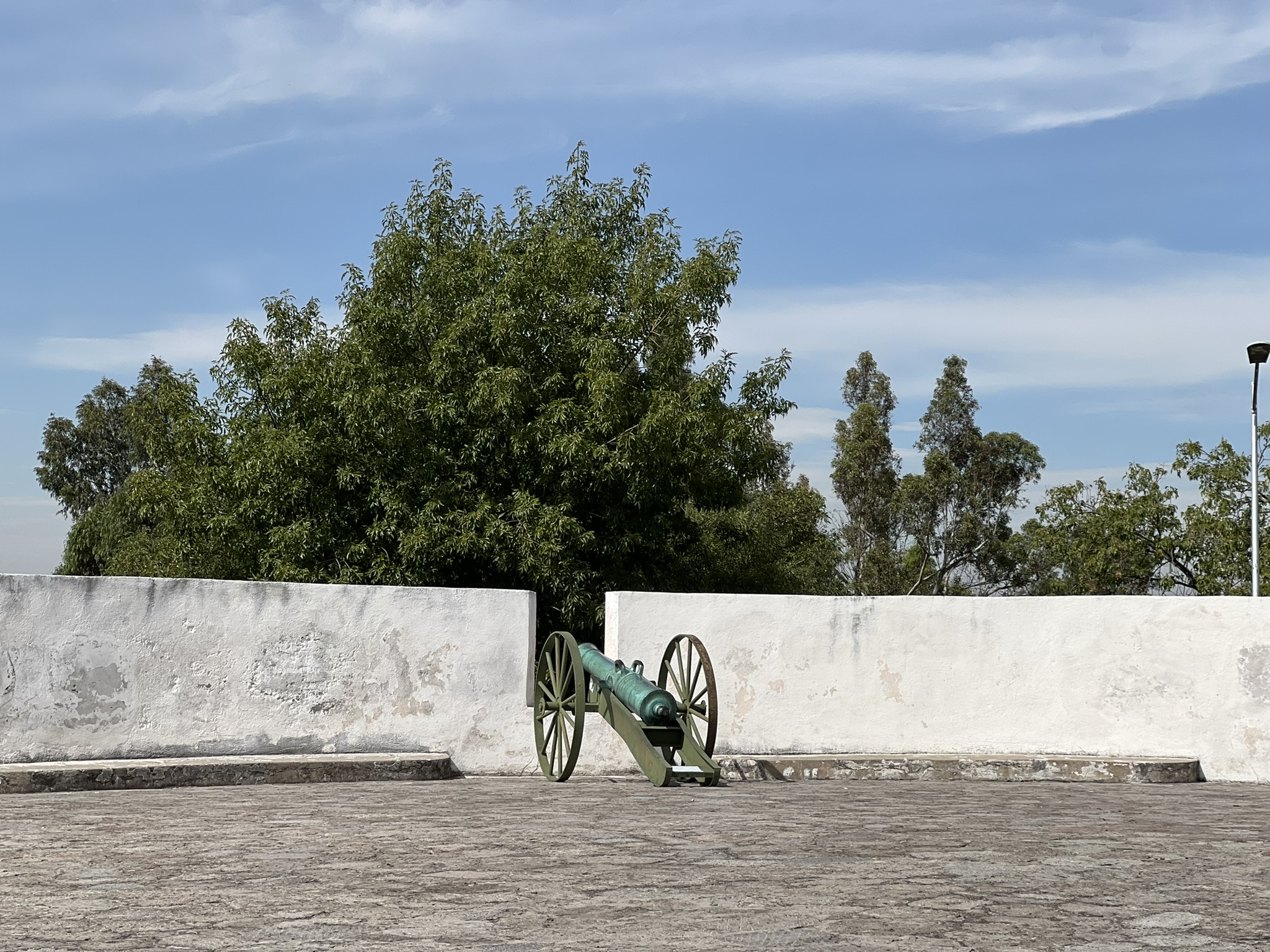
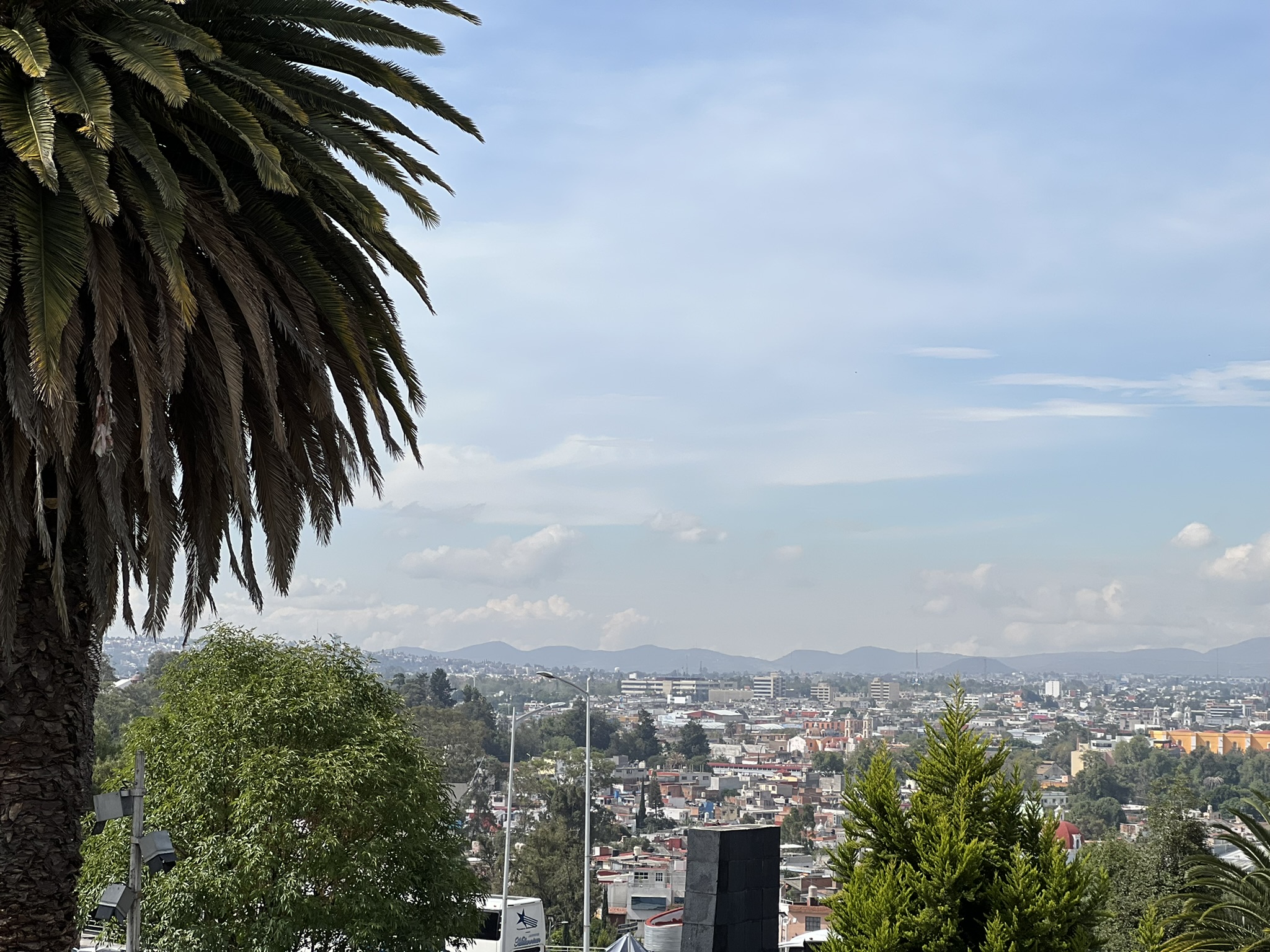
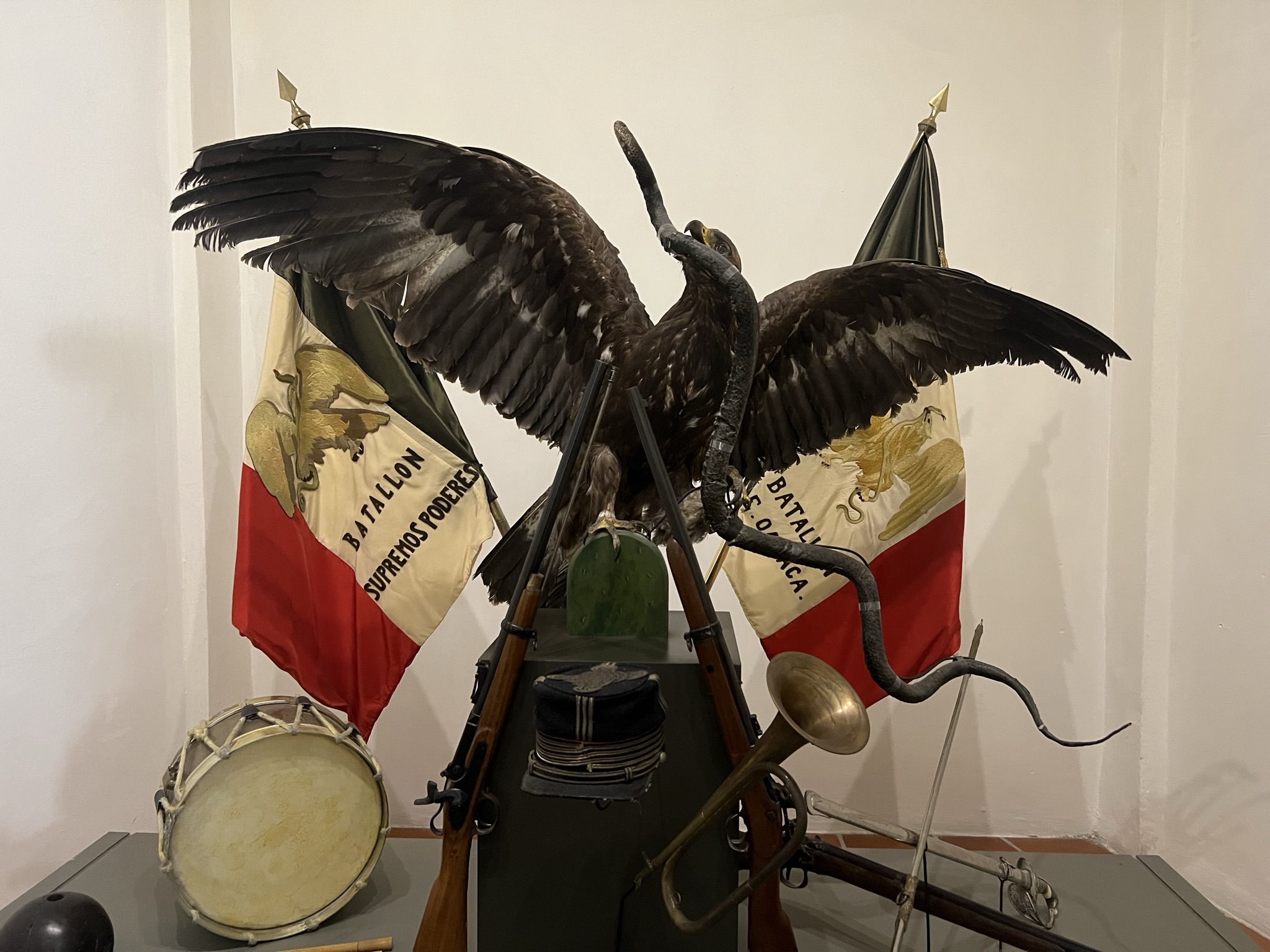
I started my day by checking off some of the things I had read about when planning my visit to the city. My first stop was the Xanenetla neighbourhood, where I spent a few hours gazing at the beautifully eclectic murals covering the walls of the streets – an initiative aimed at bringing together artists and local residents. Then I made my way to the imposing Fuerte de Loreto y Guadalupe – a fortress built atop several chapels on Acuayemetepec Hill to protect the city during the French invasion in the 19th century. This was the site of the Battle of Puebla, where Mexican forces achieved a decisive victory – an event still celebrated today on Cinco de Mayo.
While the city’s charm is enough to quench any explorer’s thirst, one can also appreciate the areas surrounding it. To this end, I ended up on a guided sightseeing bus tour. I’d usually dismiss such tours, but given how little time I had, it seemed like the best possible way to see as much as I could.
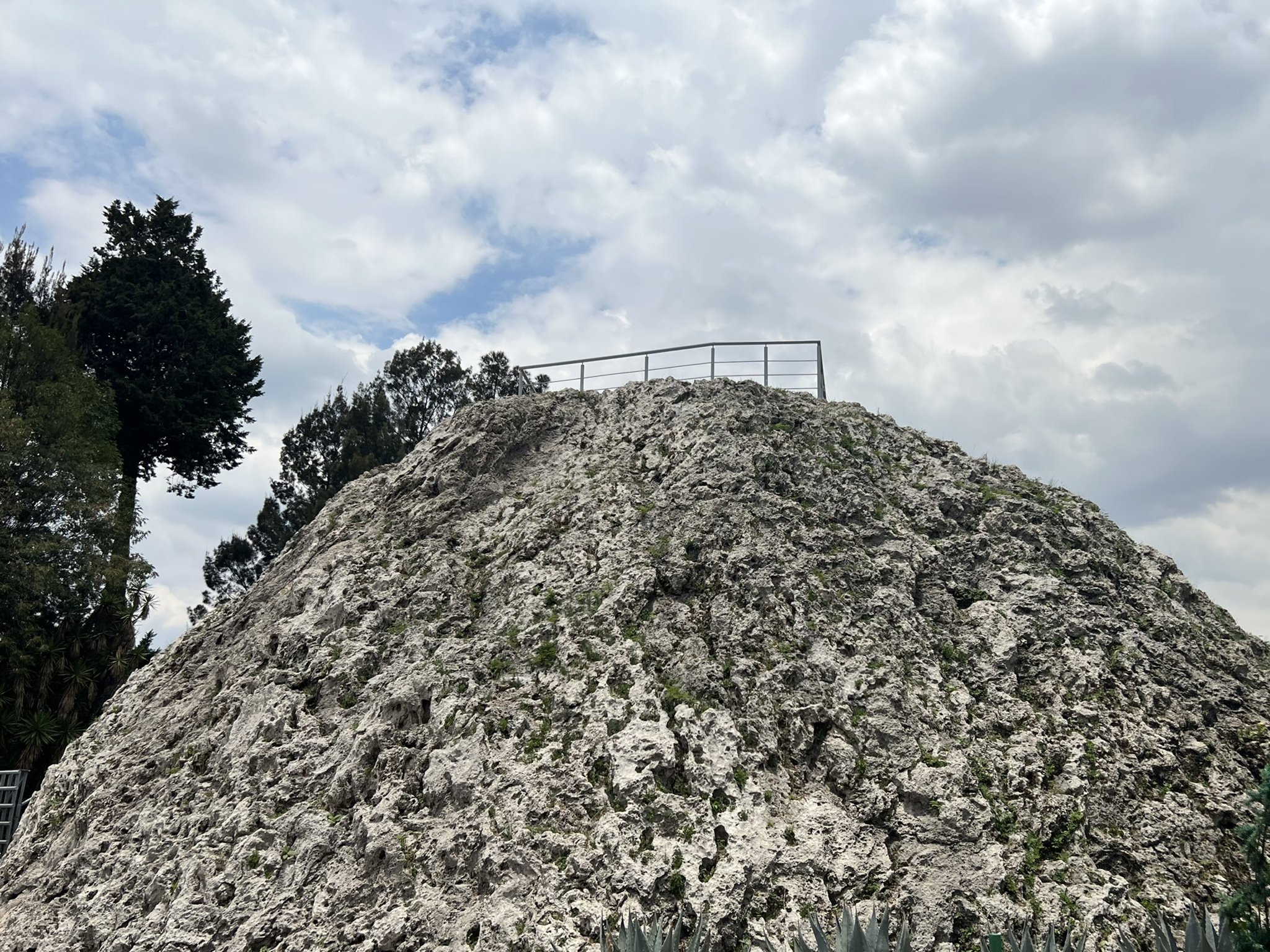
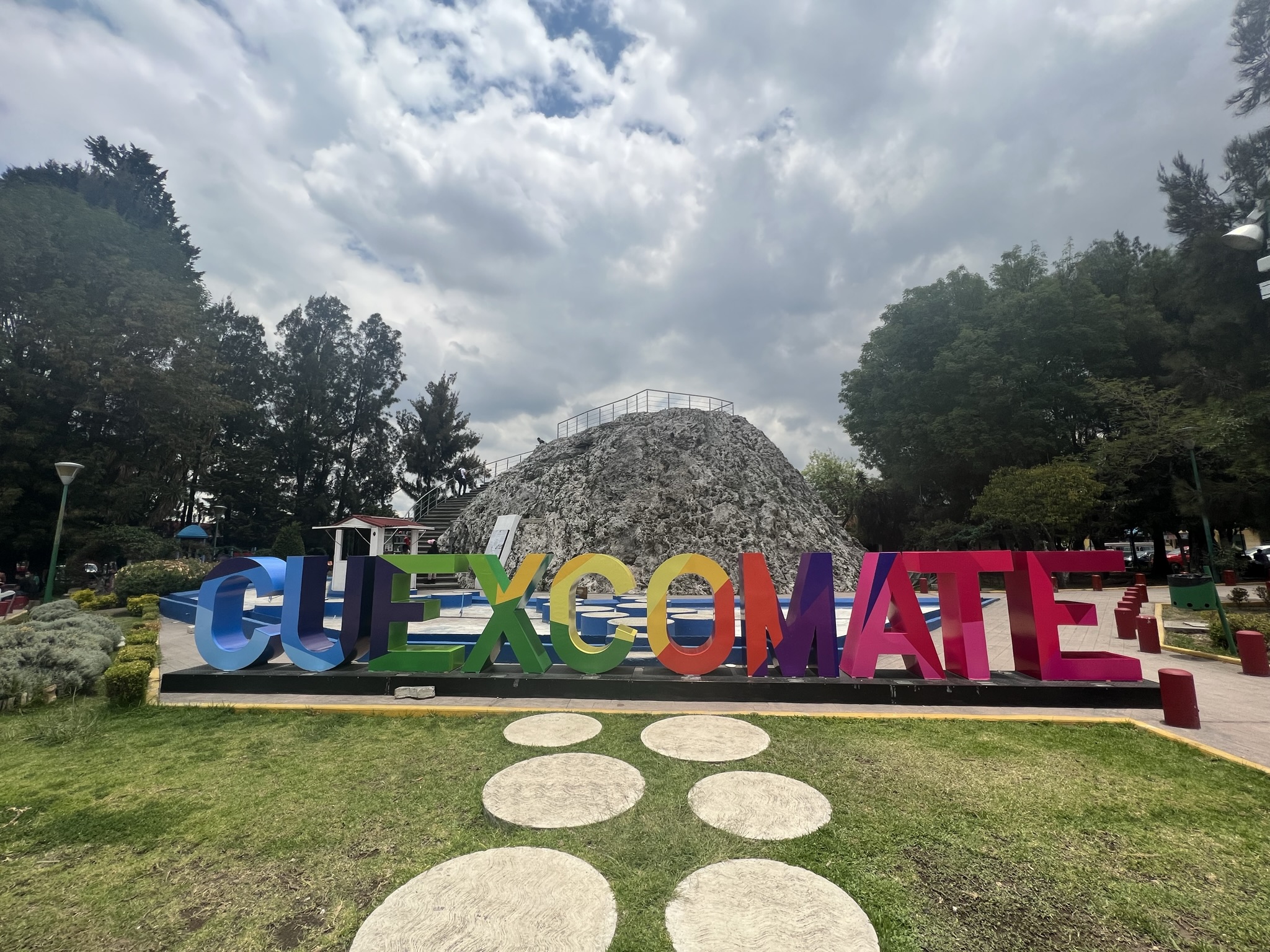
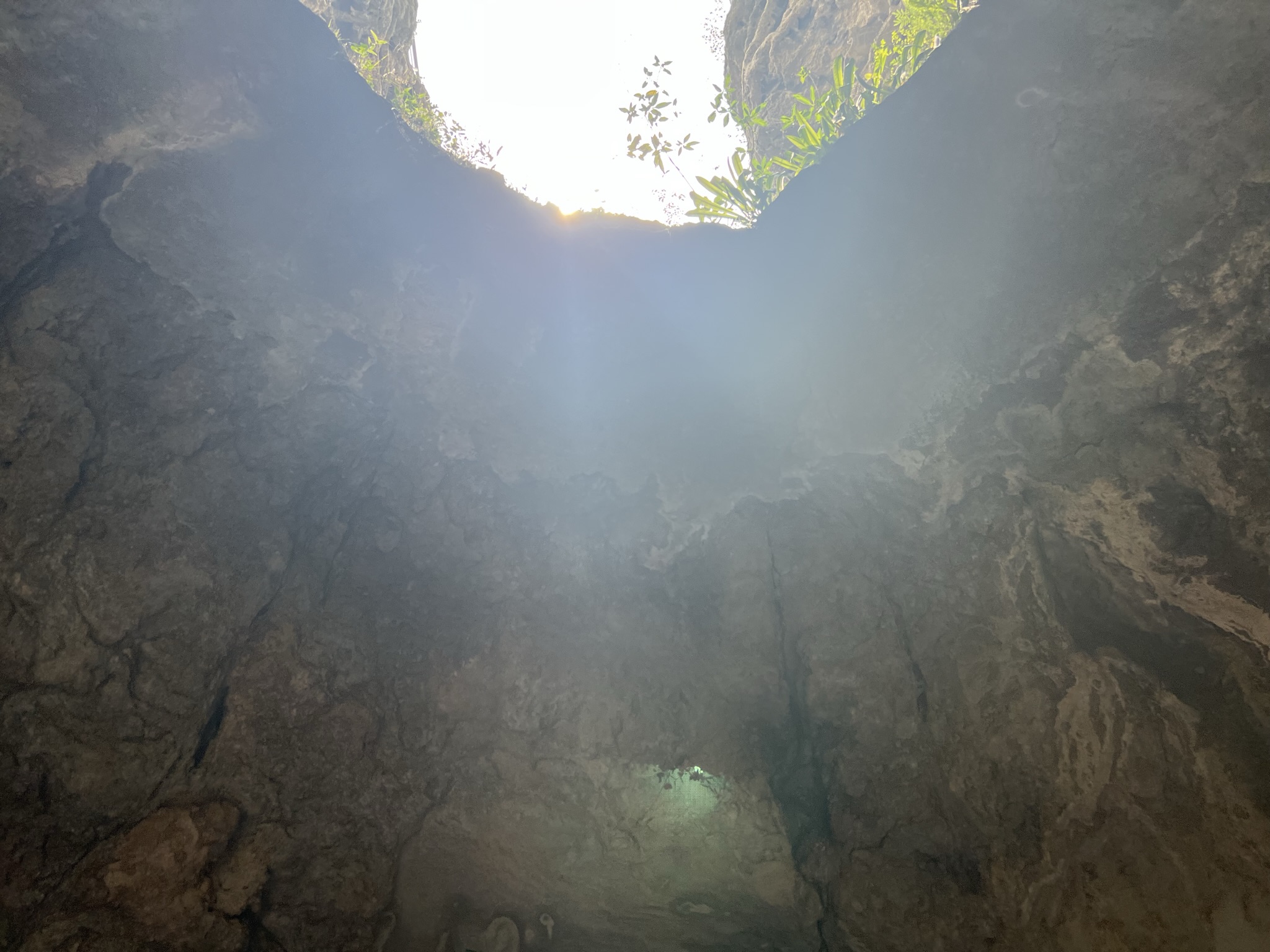
Our first stop was the rather unimpressive geyser of Cuexcomate, which locals erroneously market as the ‘world’s smallest volcano’. Small though it might be, it was still a super cool experience getting to enter the thirteen-metre sinter cone. Its rocky innards, covered in moss and plants, are also home to a pool of sulphurous water that is said to be a geothermal spring arising directly from Popocatépetl.
As can be expected during such tours, we then made a couple of stops at artisanal shops selling everything from obsidian souvenirs to handmade rugs – a complete waste of time for a backpacker with no space in his bags and no money to dish out. Whilst I’m usually the perfect prey for such tourist traps, I had to refrain this time round – spending my time walking aimlessly whilst the other tourists indulged in their materialistic ventures instead.
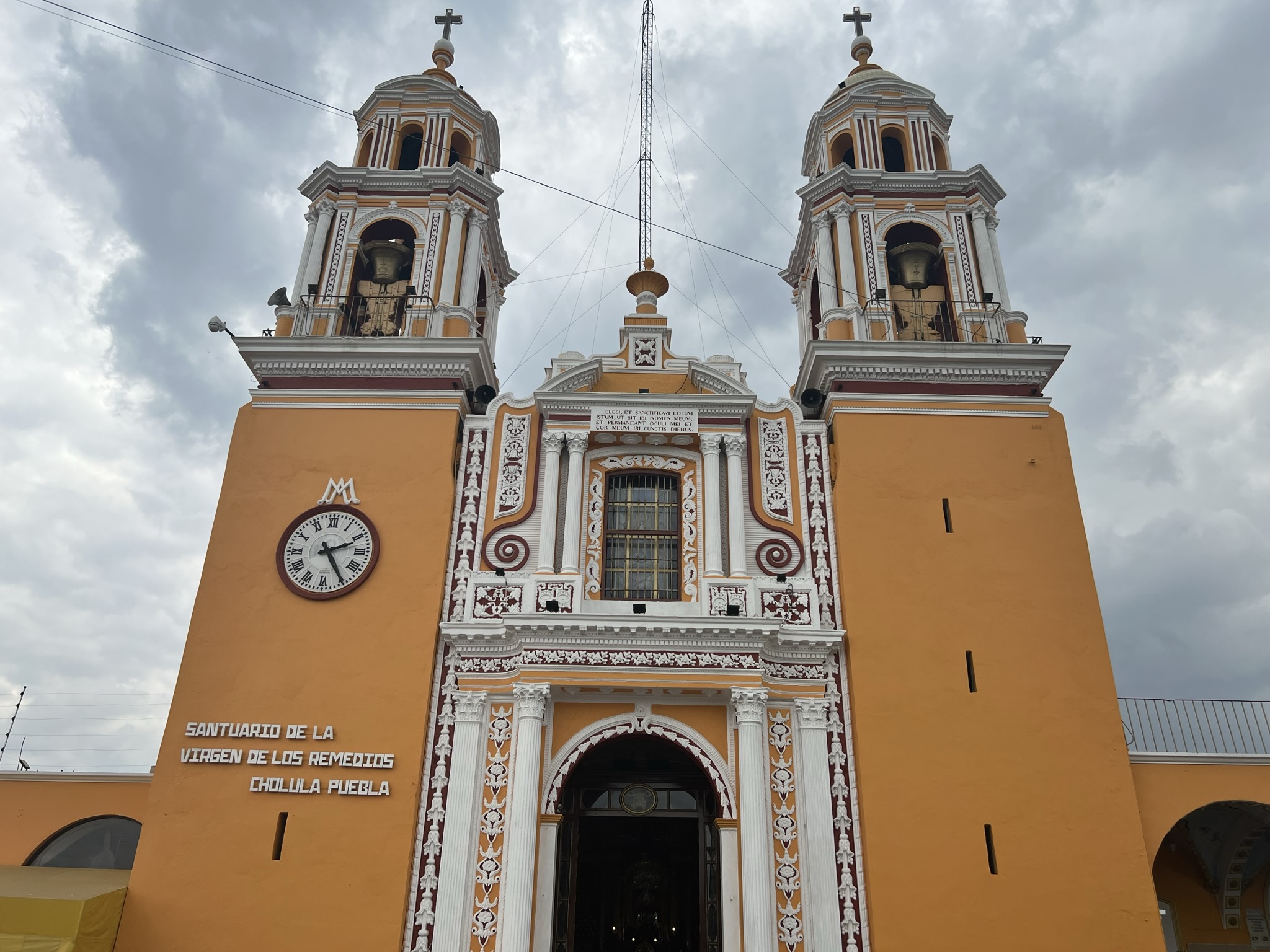
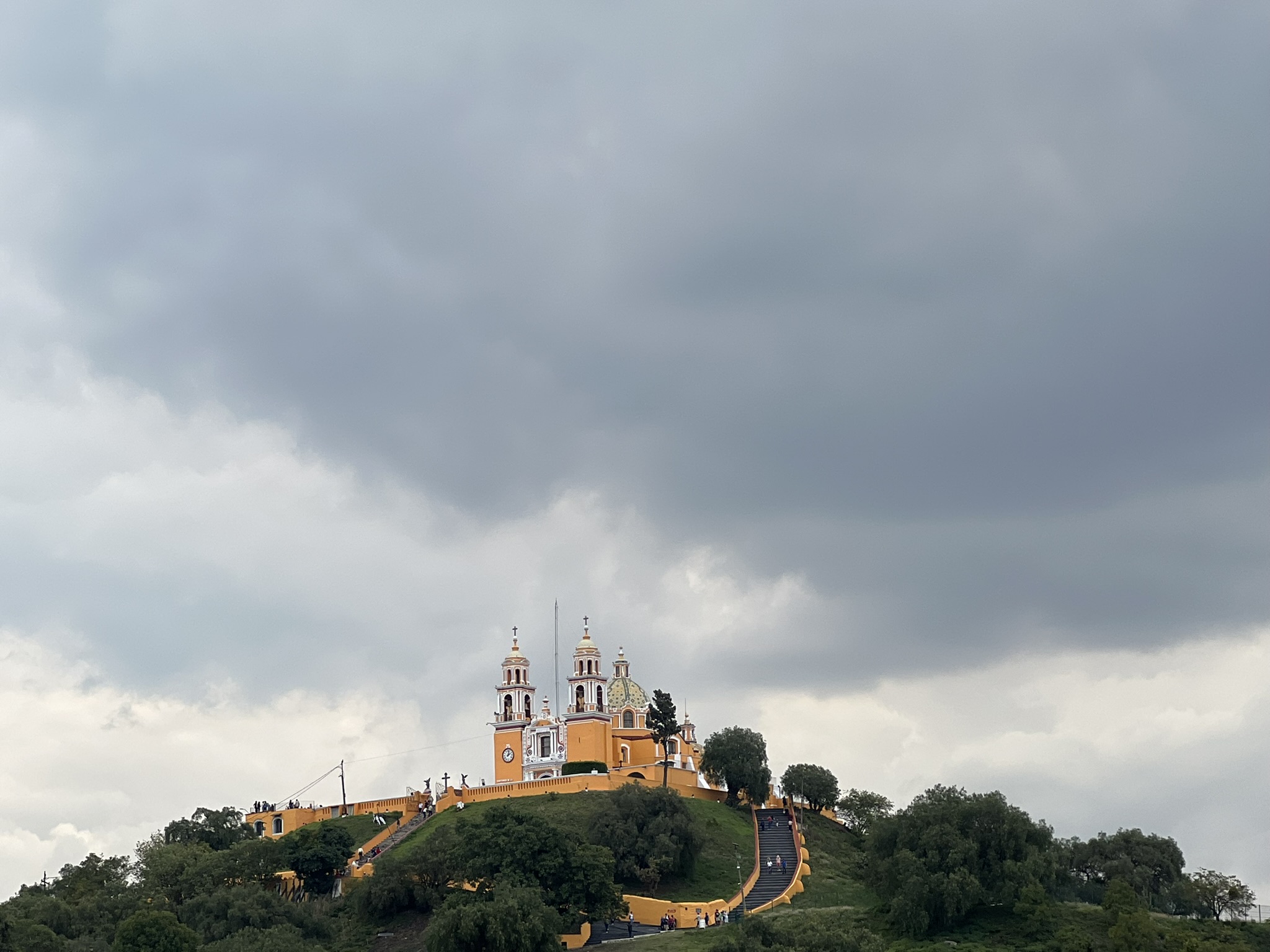
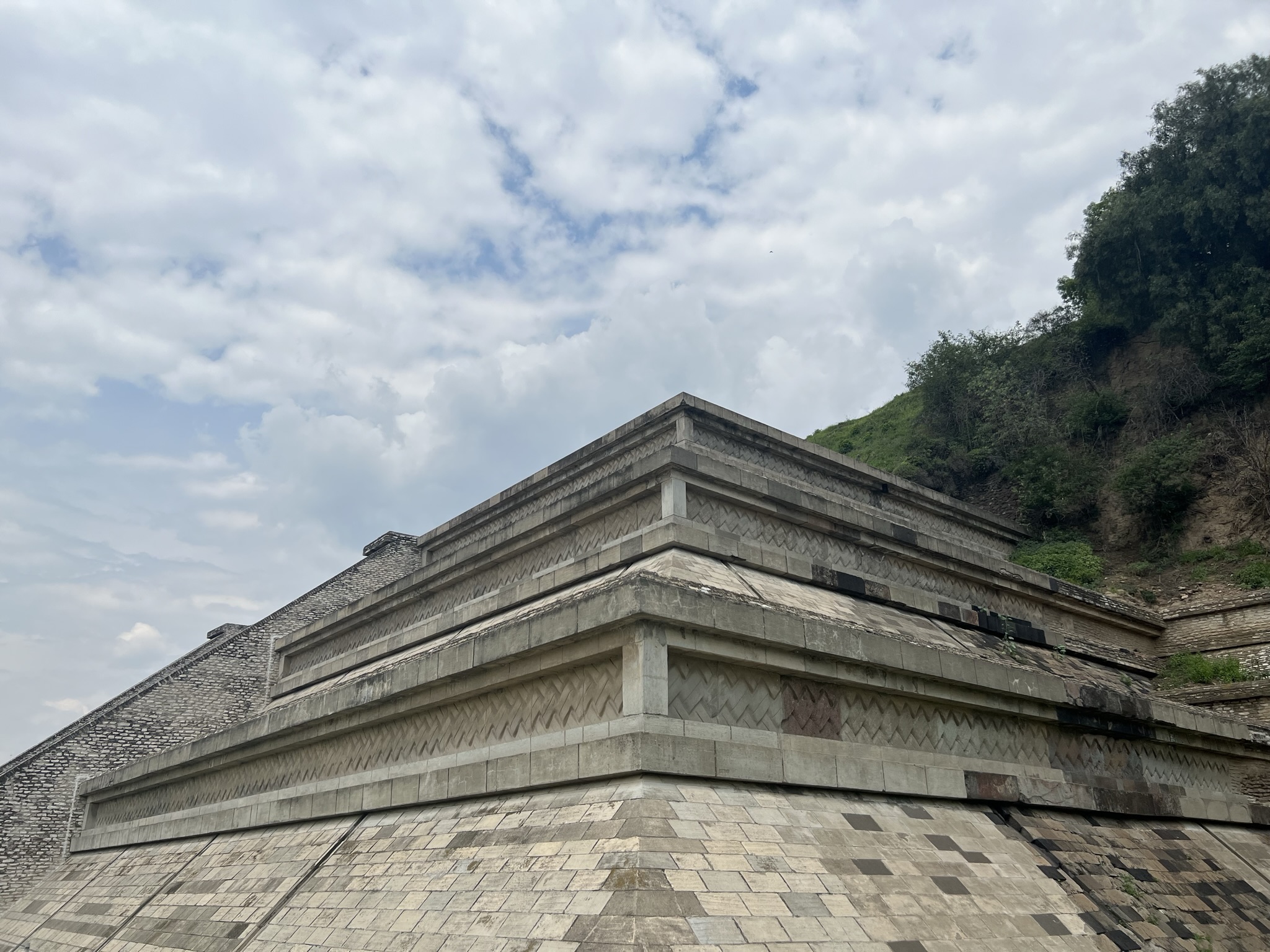
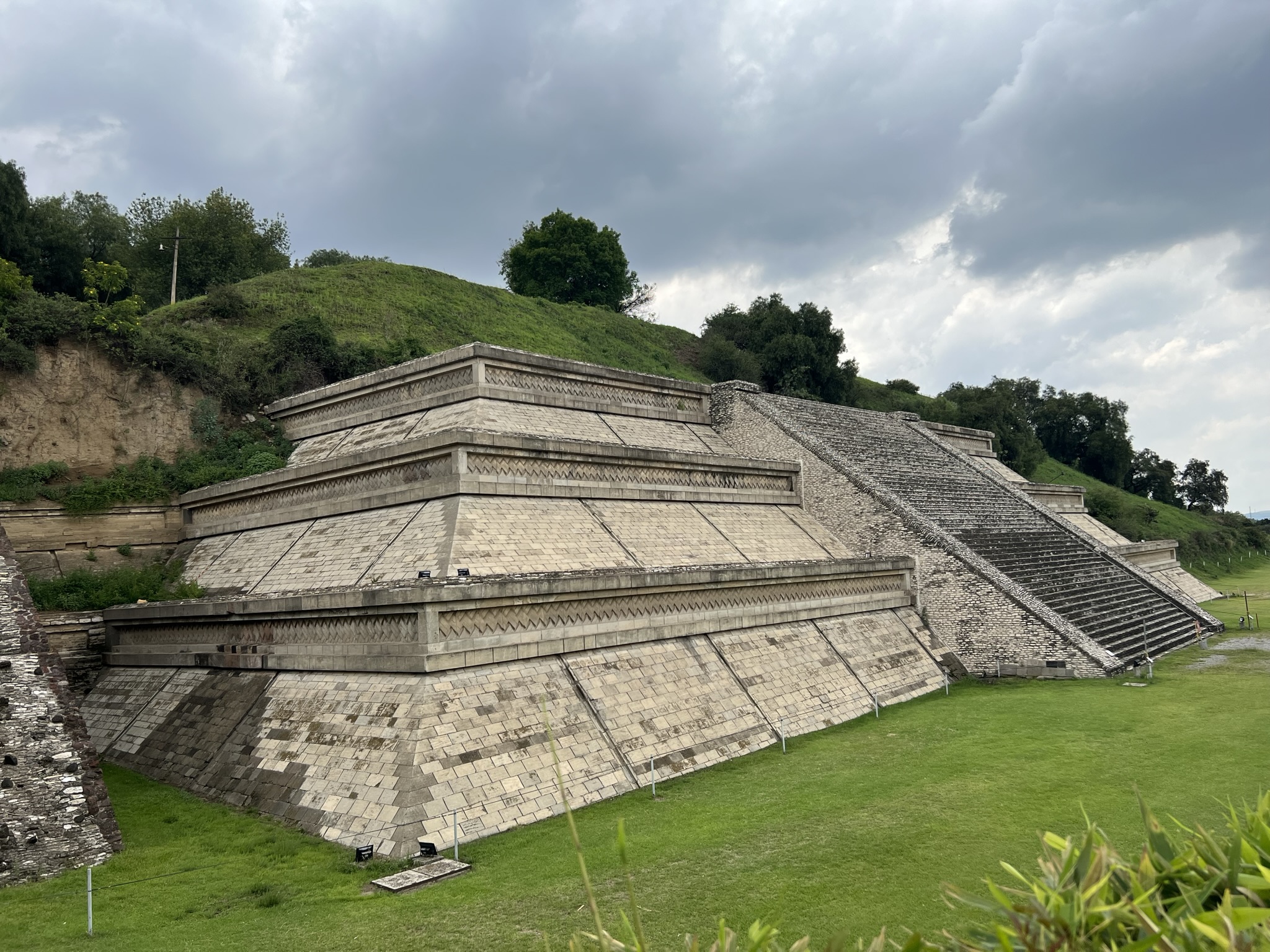
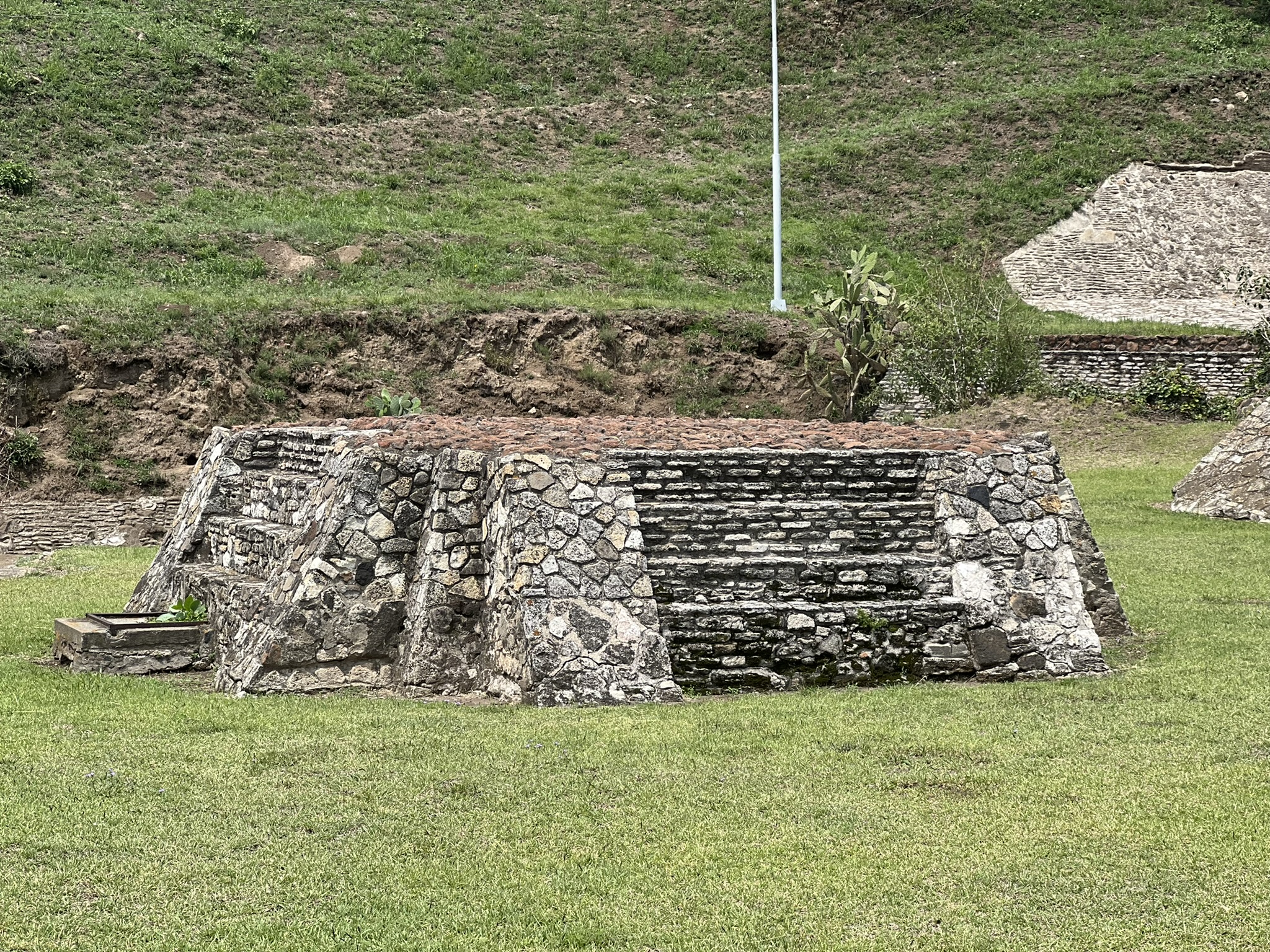
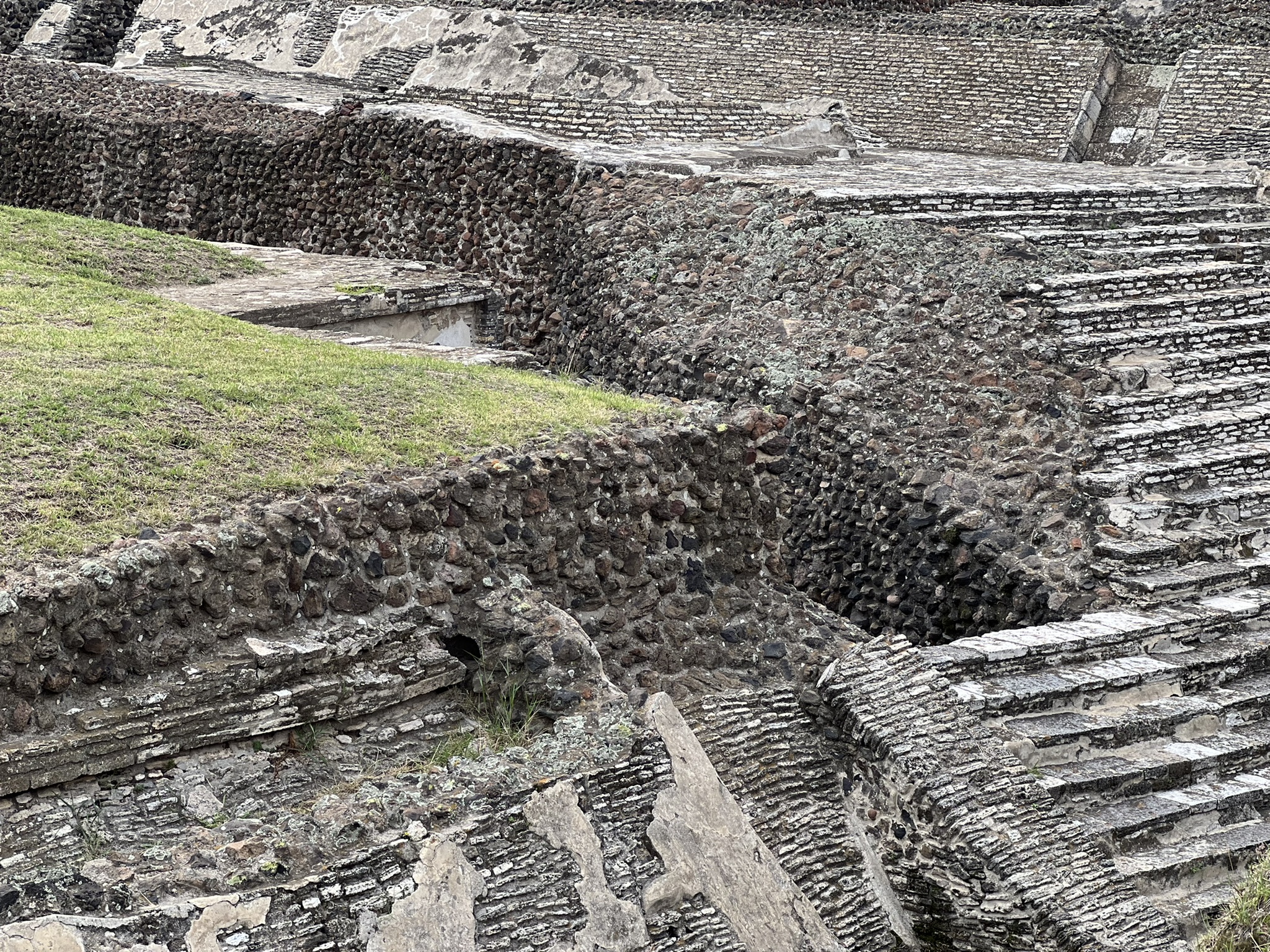
Then we headed to the highlight of the tour. A short ride away from Puebla is the city of Cholula – the oldest continuously inhabited town in the Americas. Here, we had some time to visit the Iglesia de Nuestra Señora de los Remedios, a Christian church built atop the remains of the Great Pyramid of Cholula – the largest pyramid in the world by volume.
https://lugares.inah.gob.mx/
Otherwise known asTlachihualtepetl, meaning “Handmade Mountain” in the Nahuatl language, the adobe pyramid stands only 25 metres tall, though it boasts a staggering 300 by 315 metres in width. Its construction was begun by the Toltecs around 300 BC and continued until the 9th century. It is said to have been a temple dedicated to the serpent god Quetzalcoatl. At its peak, Cholula had the second-largest population in the country, but the temple was abandoned in the 12th century. By the time the Spaniards arrived, the pyramid had already been overtaken by vegetation.
To finish off, we were given a brief talk about Cholula’s history. During the Spanish Conquest, the indigenous people attempted to resist Cortés and his army at the request of Montezuma. Unfortunately, their efforts failed miserably, resulting in a massacre that haunts the people to this very day.