Of Mountains and Wonders

IV.II.II
OF MOUNTAINS AND WONDERS
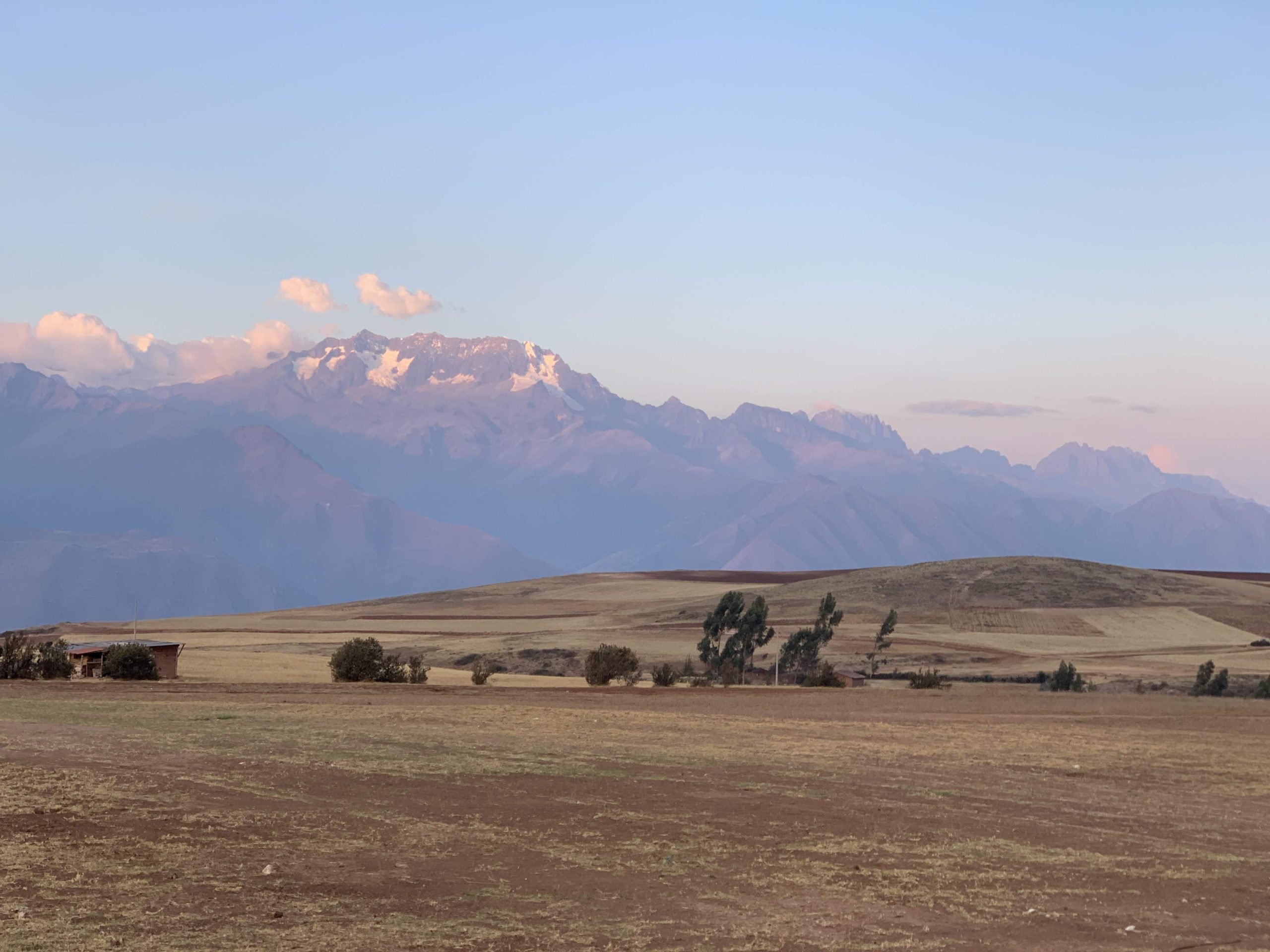
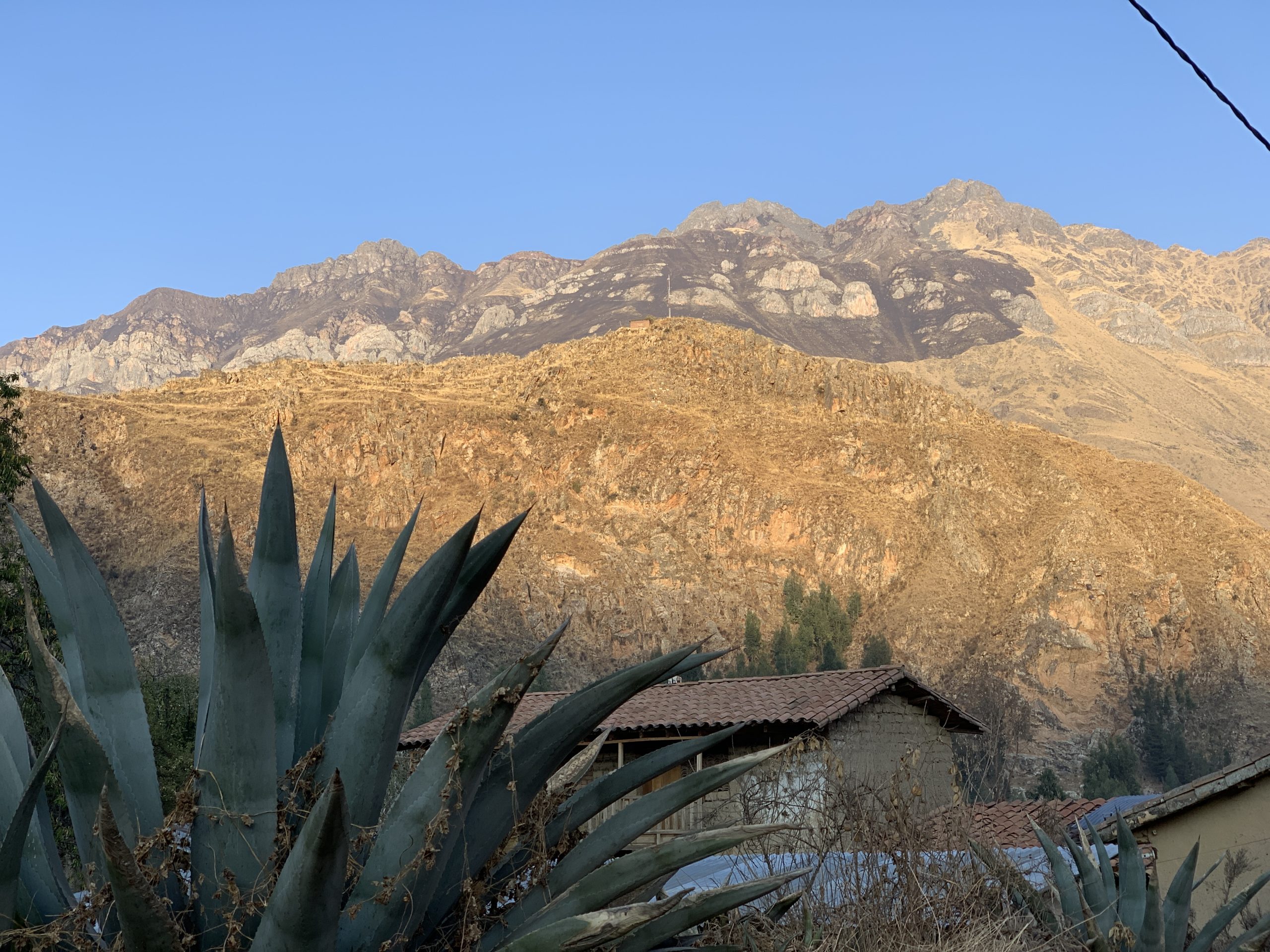
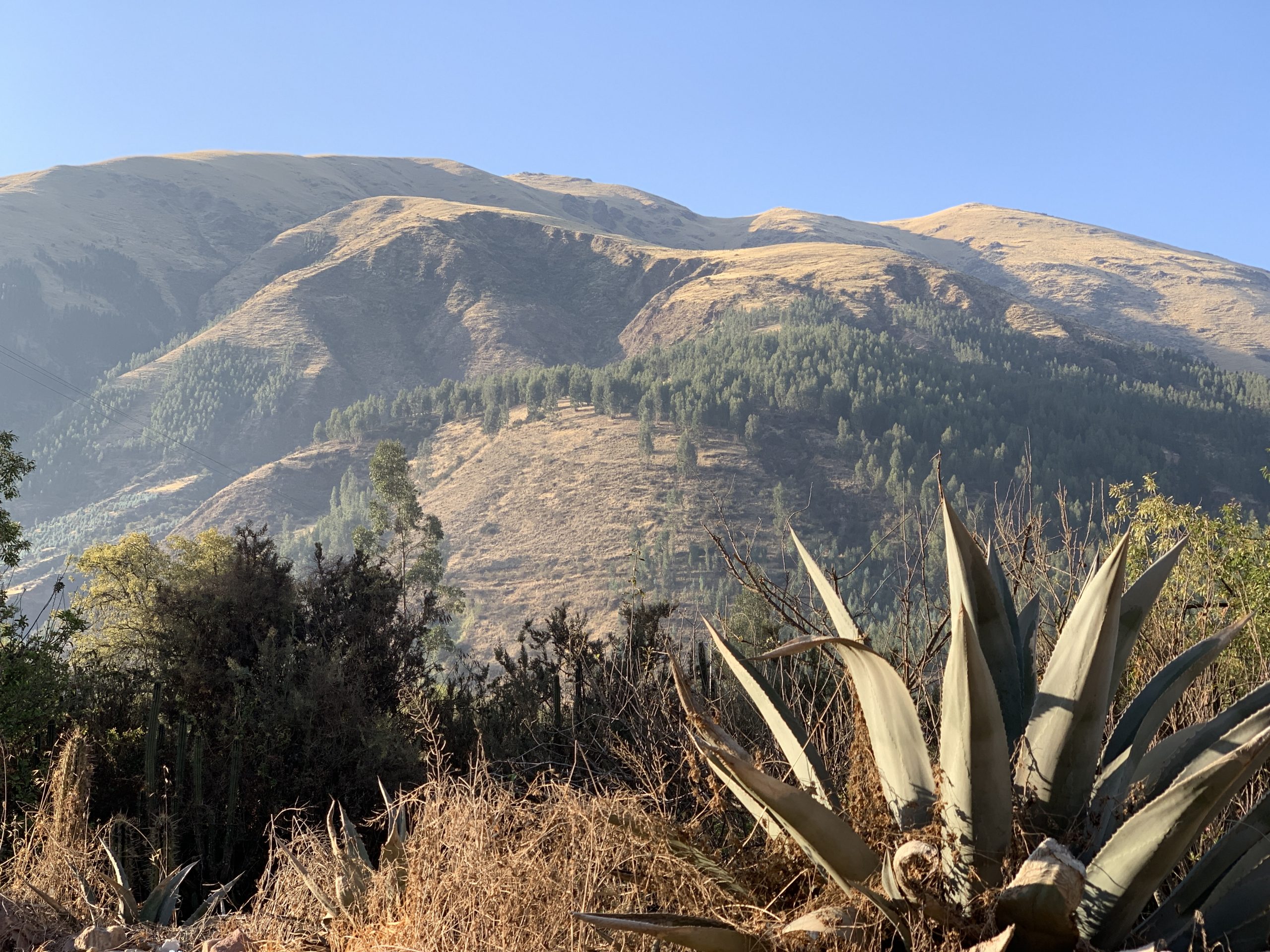
Looking back on my days in Peru, I still remain incredulous at how diverse a country it is. From its natural beauty to its historical treasures and everything in between, this country truly is heaven on Earth. I got to discover more than I could have ever hoped for in such a short time, and for that I shall forever remain grateful.
Likewise, the city of Cusco is a haven for history buffs and adrenaline junkies alike. From hiking to trekking, from horseback riding to biking, from ziplining to quad-biking, there is no way one can get bored. Truly incredible and unforgettable experiences. Or so one would think. I happen to remember almost nothing at all when it comes to my tour of the Sacred Valley.

The Sacred Valley, or the Valle Sagrado de los Incas, is a valley in the Andes that spans from Pisac to Ollantaytambo – with the river Urubamba flowing straight through it, giving life to the entire area. An ATV tour, of course, is ideal to explore the valley in that one can see all the main attractions in one go. An ATV tour, of course, is also a sure-fire way to get yourself a good ol’ concussion.
Together with a bunch of tourists from all over the world, I found myself on a minibus that took us straight to the heart of the valley, where we practised driving the damned things for a few minutes. Then off we went. I was a bit apprehensive at first, knowing I’m a horrible driver at best. But the more I drove, the more confident I got. I was mindlessly driving, taking it all in: the mountains, the lakes, the sky – when, all of a sudden, I tried to make an abrupt turn and – BAM! The whole damned thing toppled over and I found myself on the ground a good two metres away from it. I was all bloody and bruised, dusty and dazed, though I felt fine – probably the adrenaline kicking in. As far as I could recall, I didn’t hit my head. I was helped back up on the damned thing by my guide and some other fellow tourists and then off we went again.
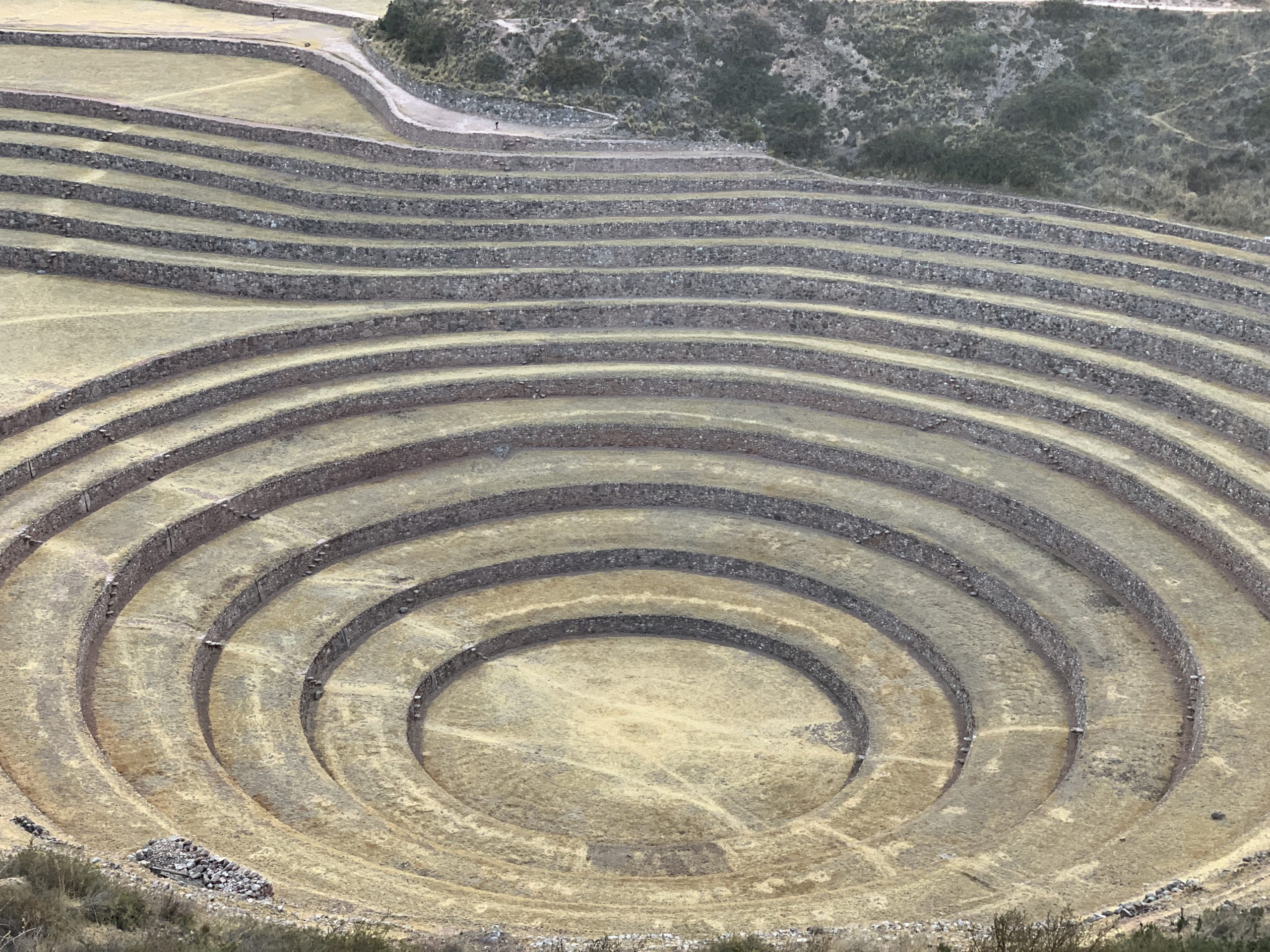
We got to the first stop, the Salineras de Maras: some 3000 natural salt wells etched on the side of the mountain. I tried putting its beauty into words but, somehow, I realised that my (very basic) Spanish had all but left me. So I stayed silent the entire time. Next up were the ruins of Moray, an archaeological site made up of a series of terraced circular depressions in the ground, complete with an irrigation system believed to have been used for agricultural purposes. It looked like something that came out of Roswell. However, when I opened my mouth to share such wisdom, I discovered that my English too had disappeared.

The tour went on and I had no time to think about it. As dusk settled over the valley, we got to our final destination, the Laguna de Huaypo, a small but lovely body of water. Basically a blur to me. Mostly cause it was too dark to appreciate, also cause I was too disconcerted and dizzy. In trying to verbalise my disappointment, I noticed that much of my Maltese had abandoned me too.
“It’s probably a mild concussion, nothing much to do about it,” my mind told itself – in complete and total denial that I now couldn’t speak. I mean, what else was I to think? Was I to give into the fear that I’d never be able to speak again? That I was alone on the other side of the planet and was now unable to verbalise anything? For all I knew, I could have bled into my Broca’s area – the language centre of the brain where speech is produced. This was textbook expressive aphasia – something I’d seen back during my neurology rotation.
It was now dark and I knew that the promise of regaining my languages did not, in fact, lie in the heart of the valley. And so, we made our way back to Cusco. I got off the damned thing, and, to my complete and utter surprise, I bid the guide “muchas gracias y buenas noches” without a second thought. Then I went back to Yuri’s, had dinner, and a good night’s rest as if nothing had ever happened.
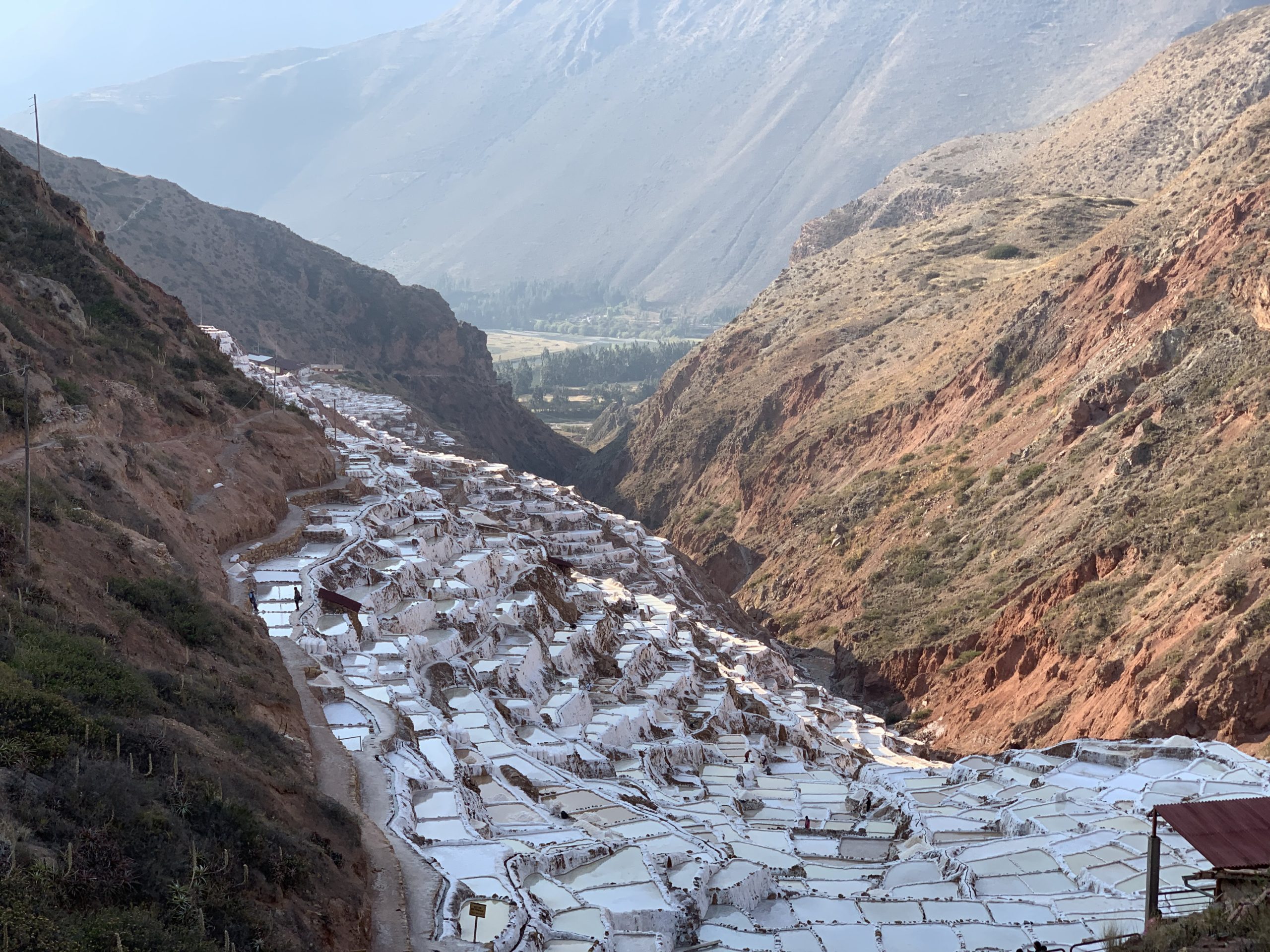
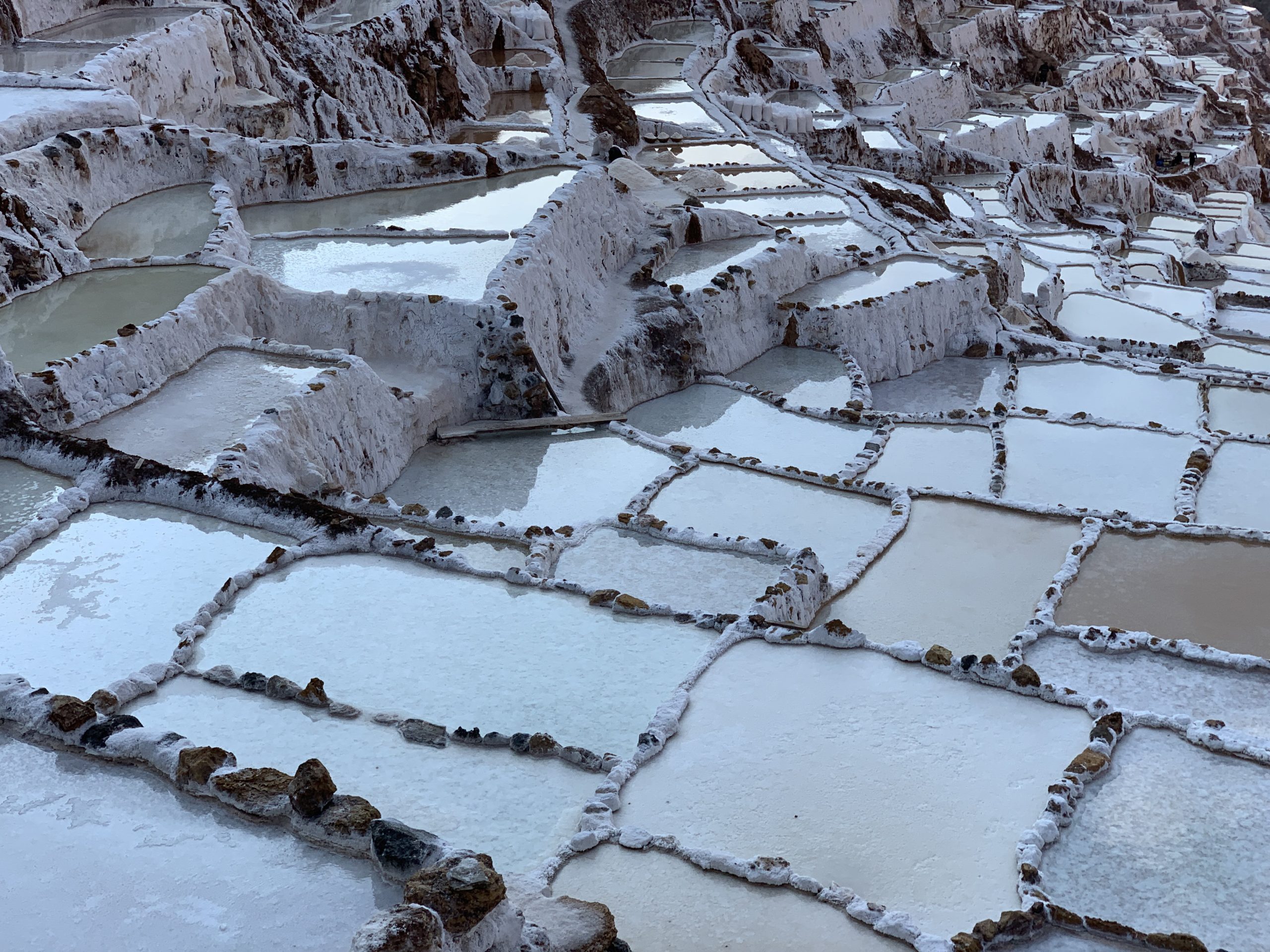
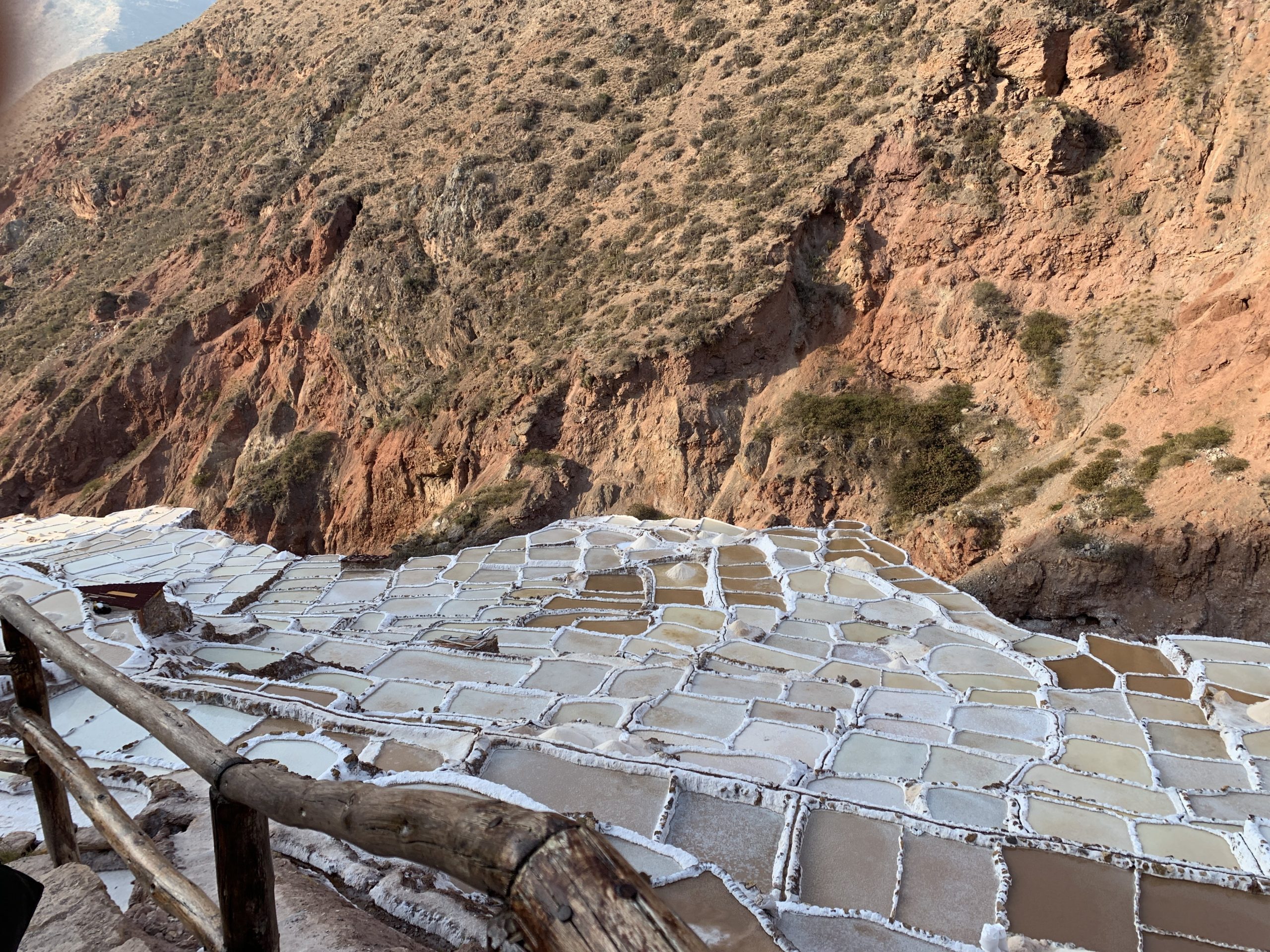
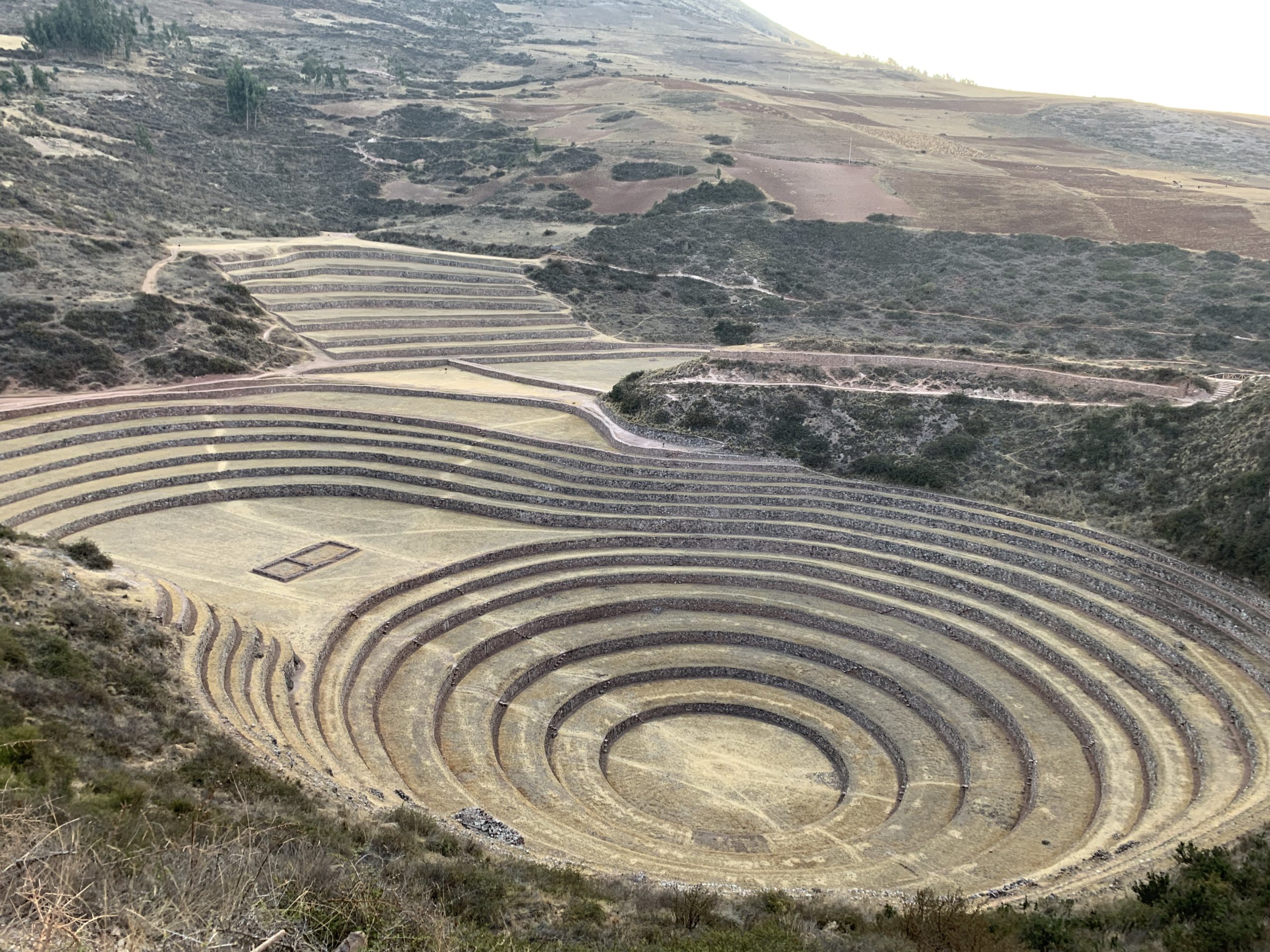
My time in Cusco was also a unique opportunity for me to relive one of the best memories of my life – that is, my trek to the Ciudad Perdida way back in Colombia.
It had been two long years since I got to use my old friend, Blister – my worn-out trekking boots. Marking the end of my stay in Cusco was a one-day trek on Mount Vinicunca, better known as the Rainbow Mountain – one of Peru’s most famous tourist attractions. And rightly so, for its colourful stripes really do make for quite an incredible sight. Or so one would expect. I’d heard of many a naïve tourist who felt underwhelmed by the actual view – given that the word ‘rainbow’ promises at least seven colours, though the mountain bears just a few of them. It’s not just semantics that get visitors’ hopes up high though – it’s also the heavy editing that goes into most photos that come up on a Google search.
In actual fact, the Vinicunca boasts stripes of red, yellow, green and white – with all kinds of different shades in between that give rise to the many hues one can see. It might not feature the seven colours of the rainbow, sure, but the mountain is a mineralogical marvel to say the least – with the red arising from iron oxide (rust), yellow from sulphurous compounds, green from chlorite and white from calcium carbonate.
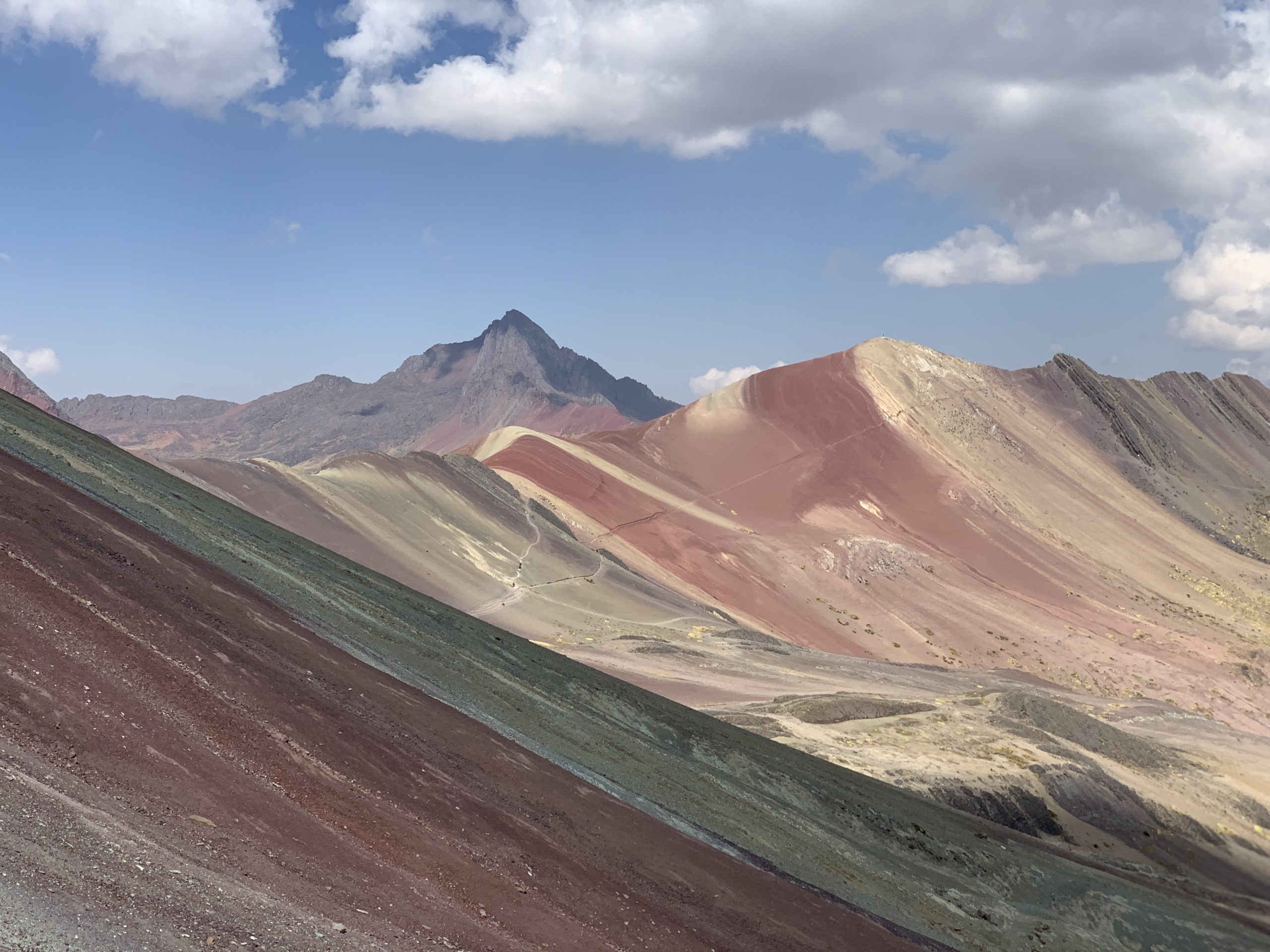
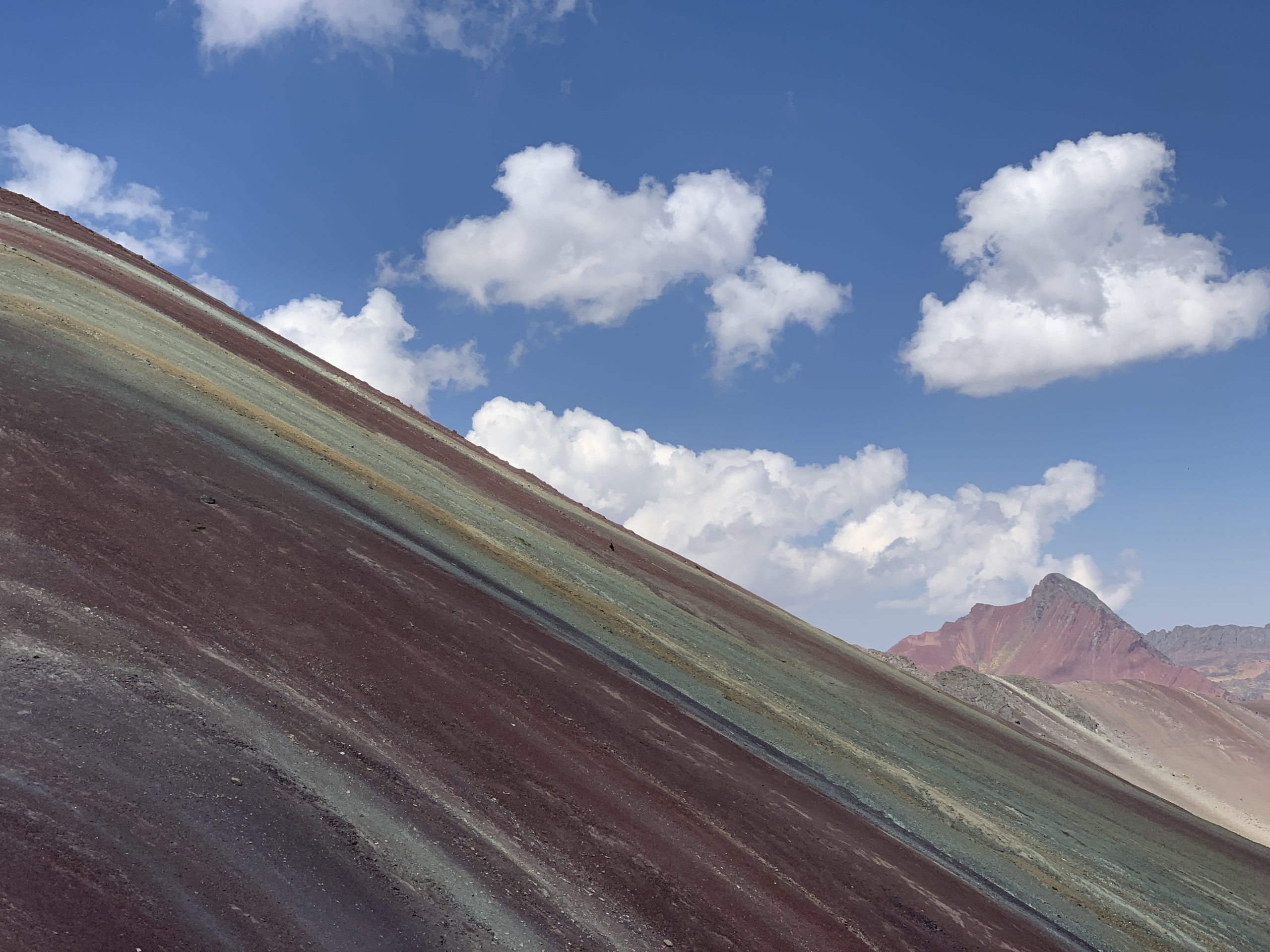
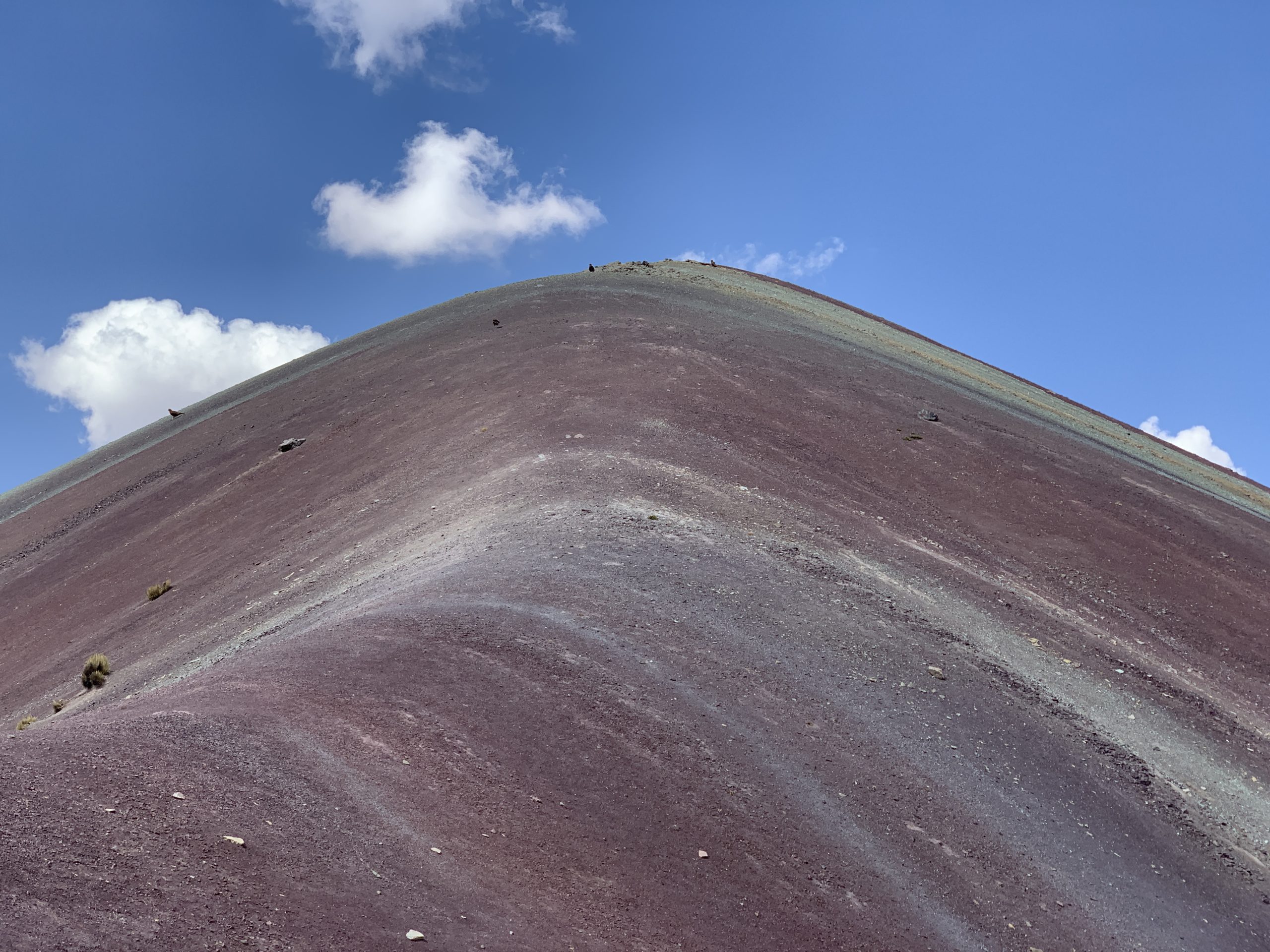
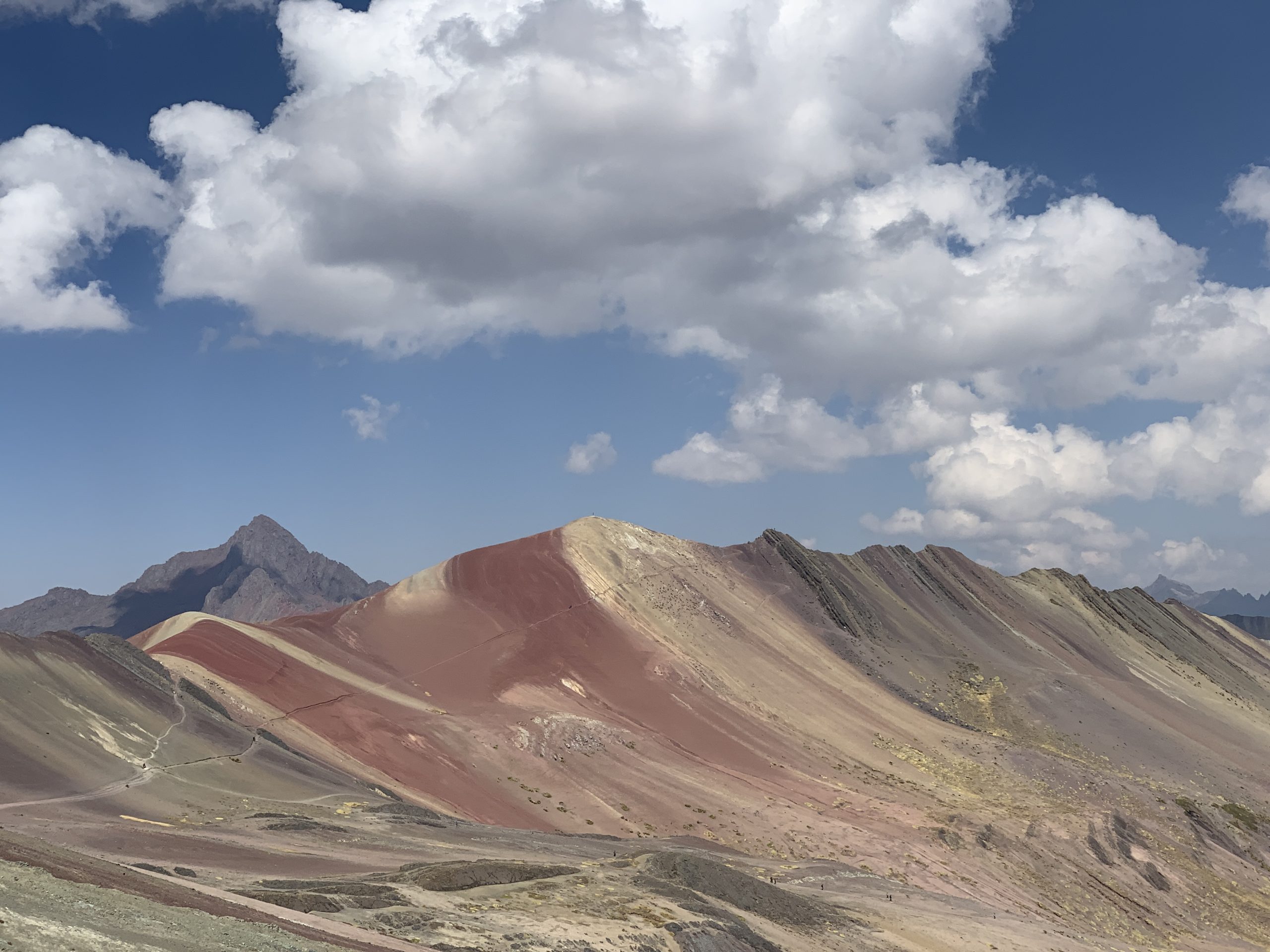
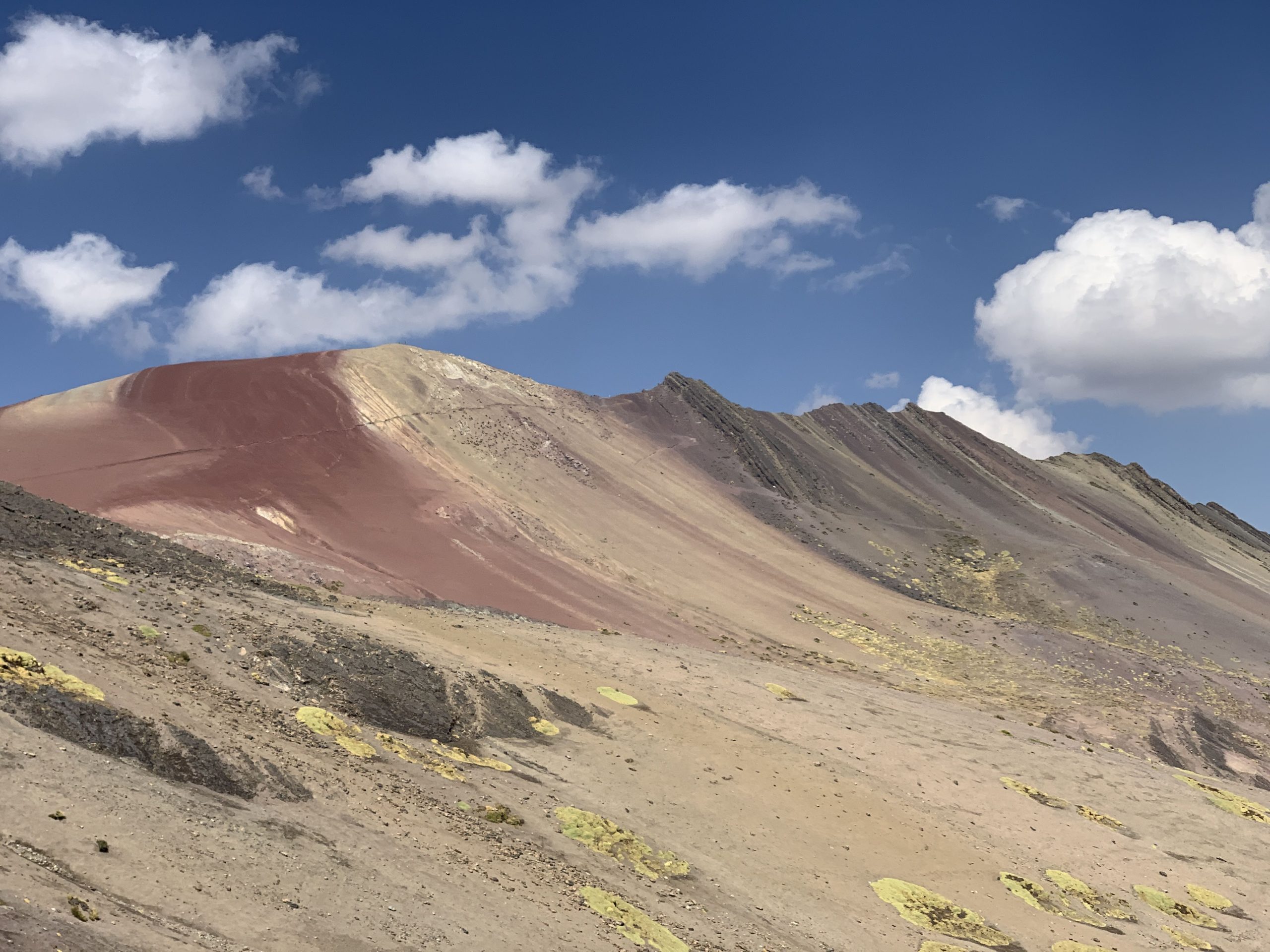
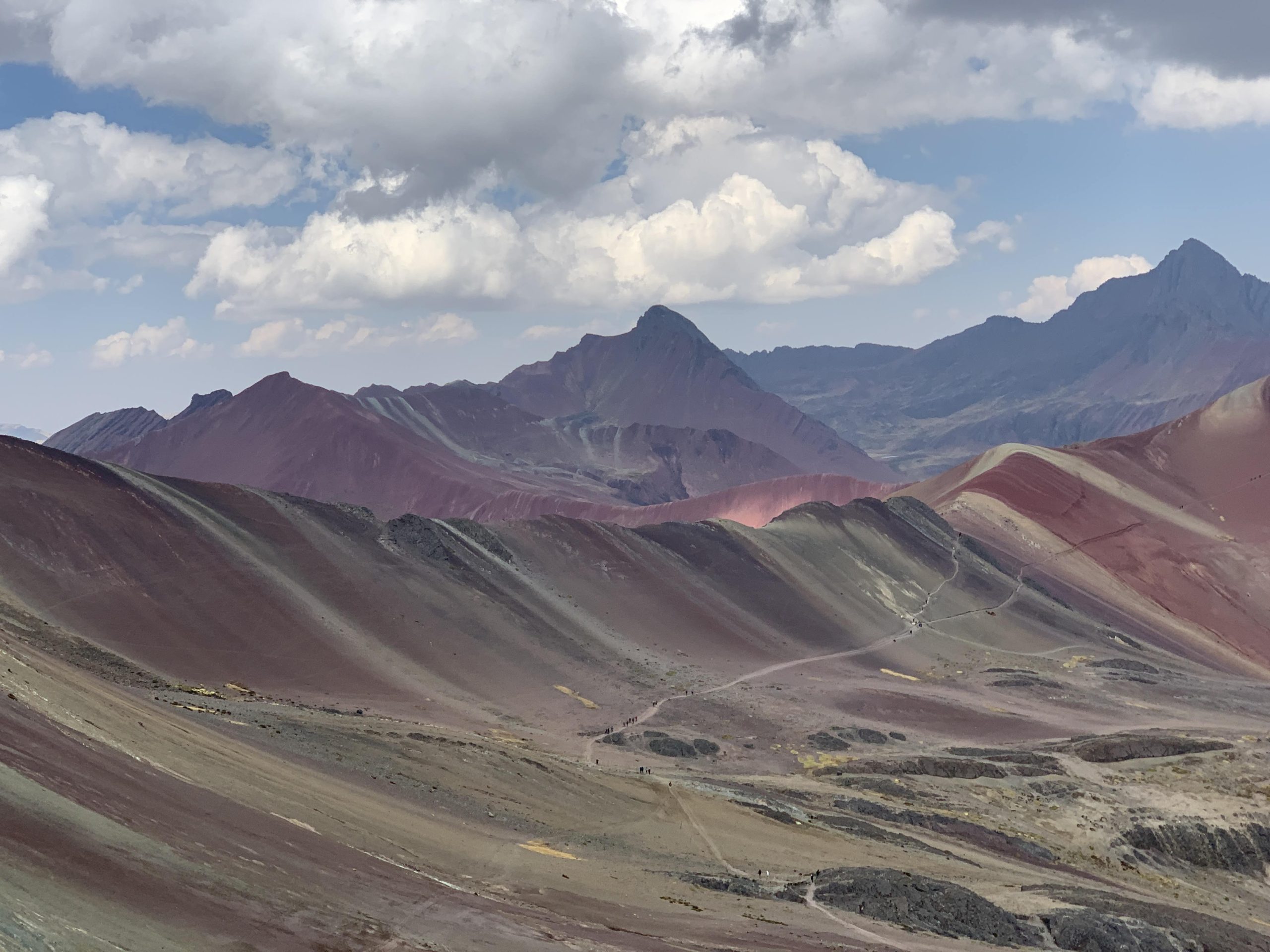
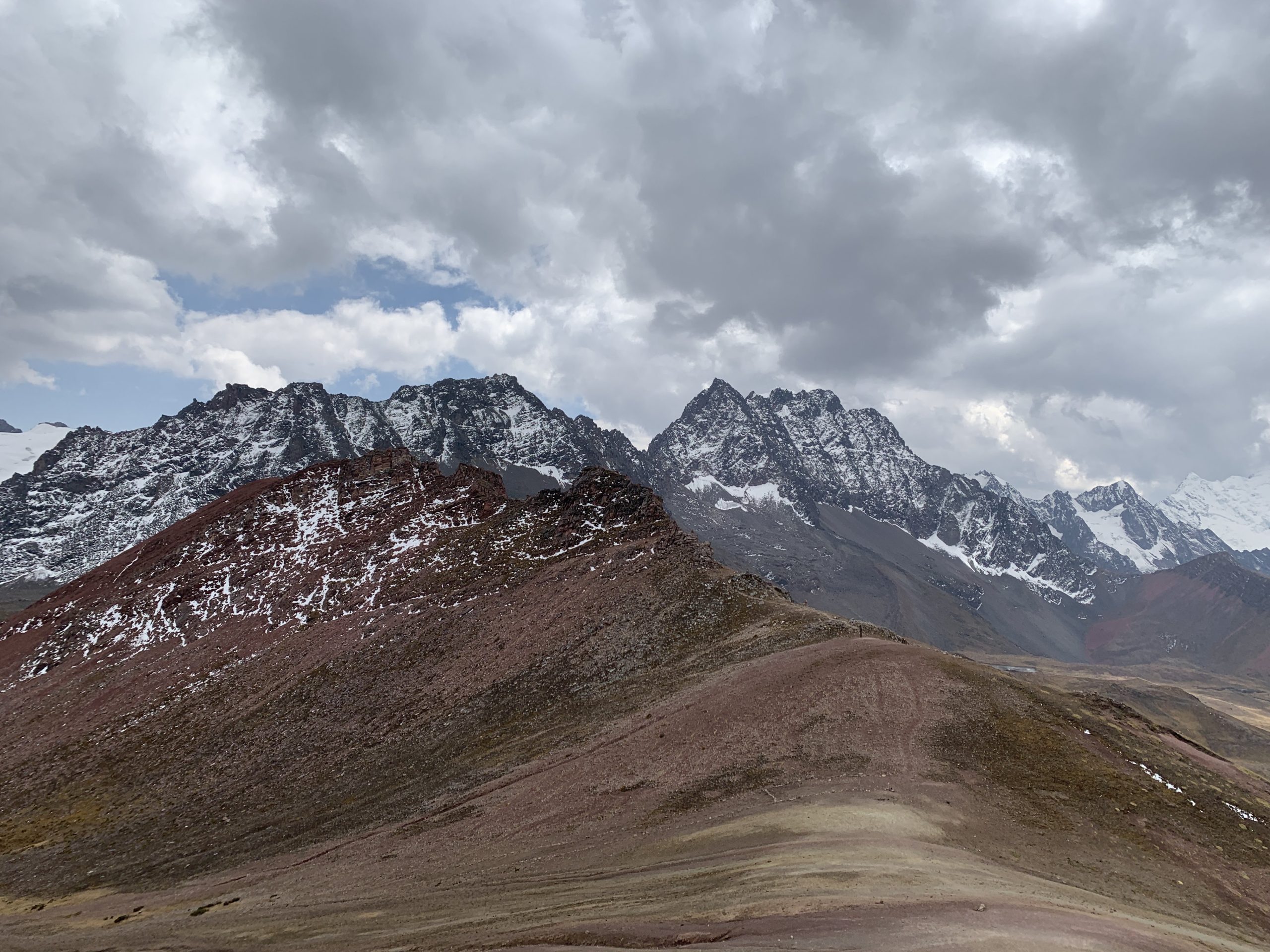
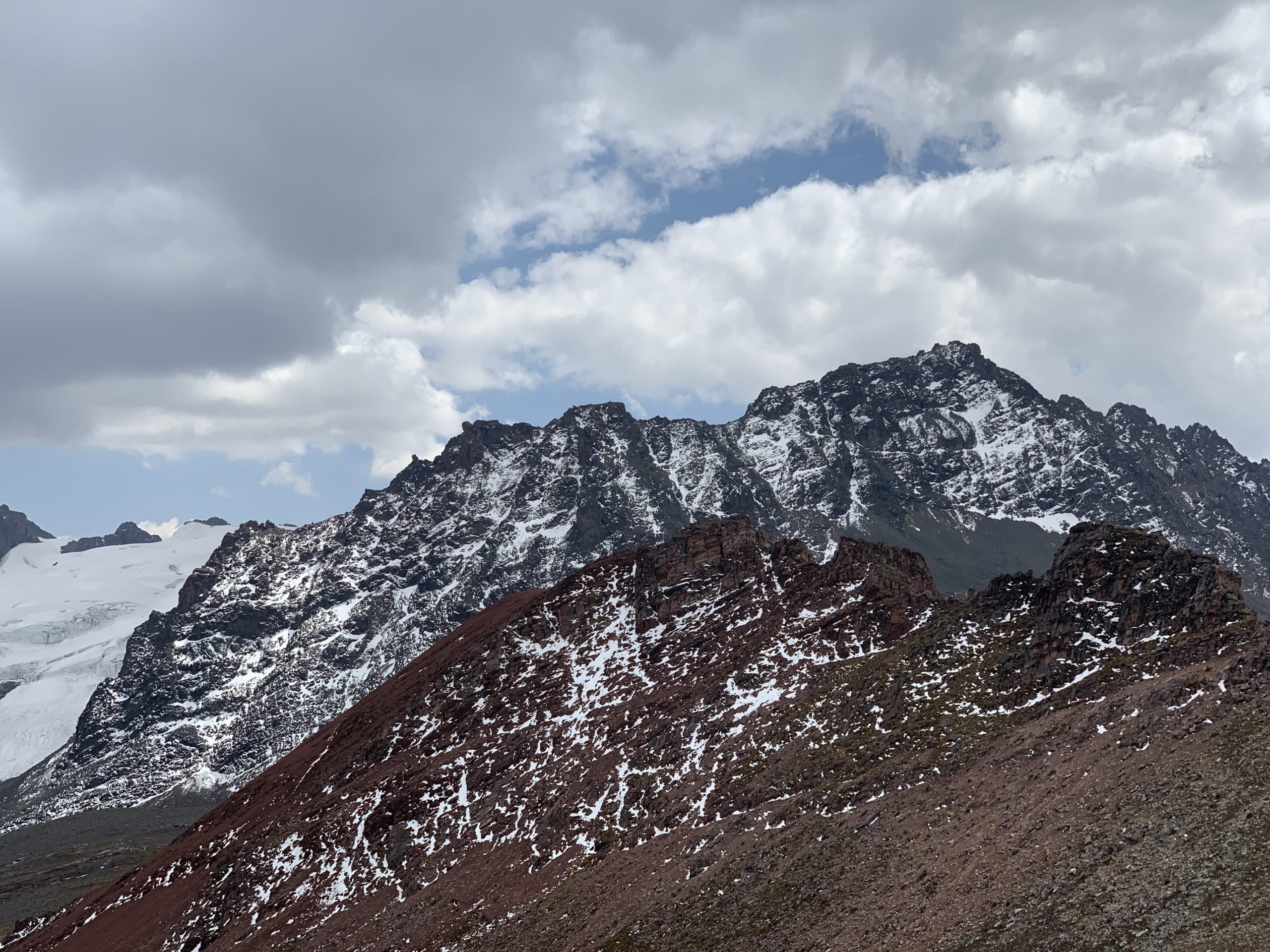
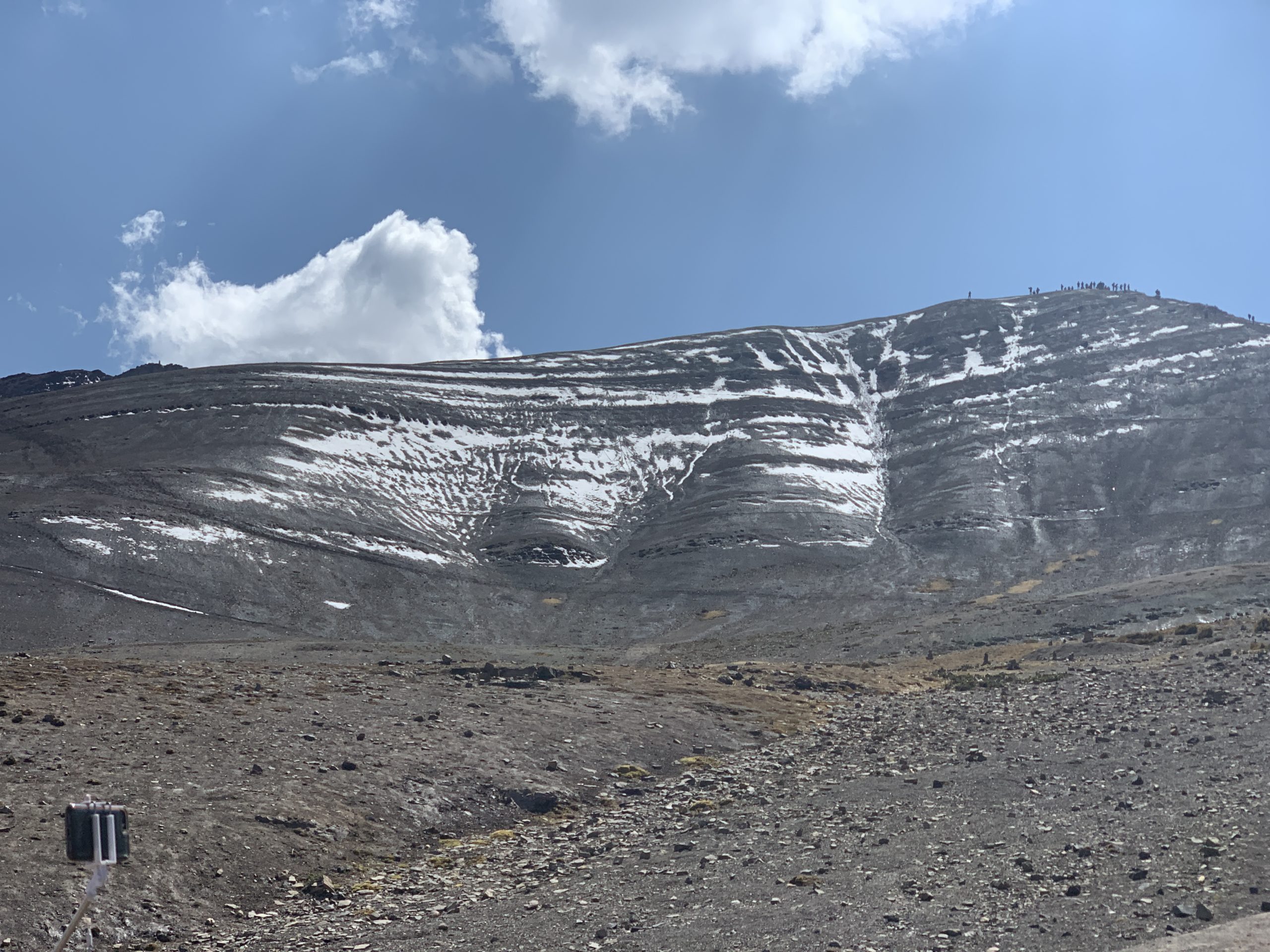
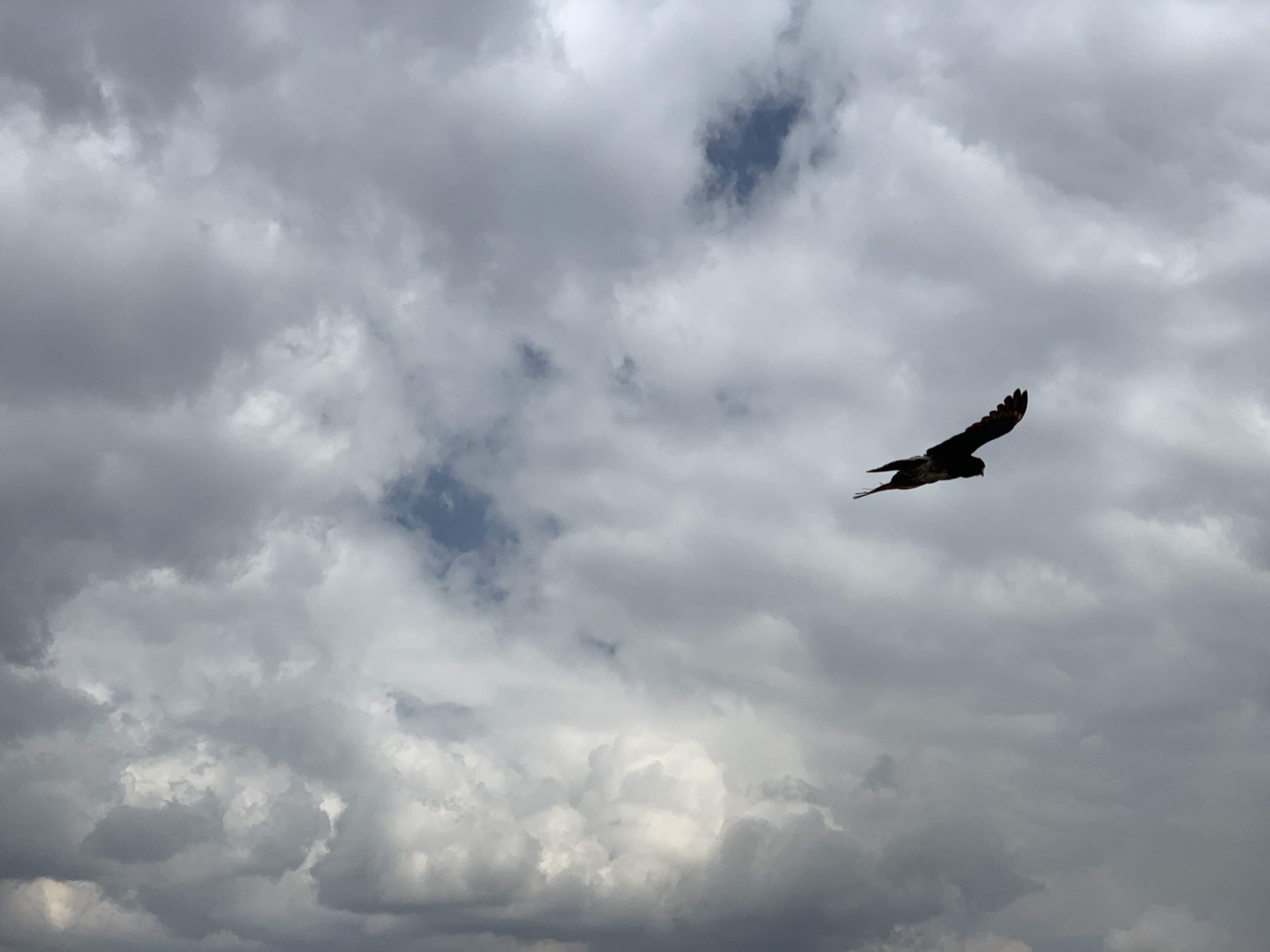
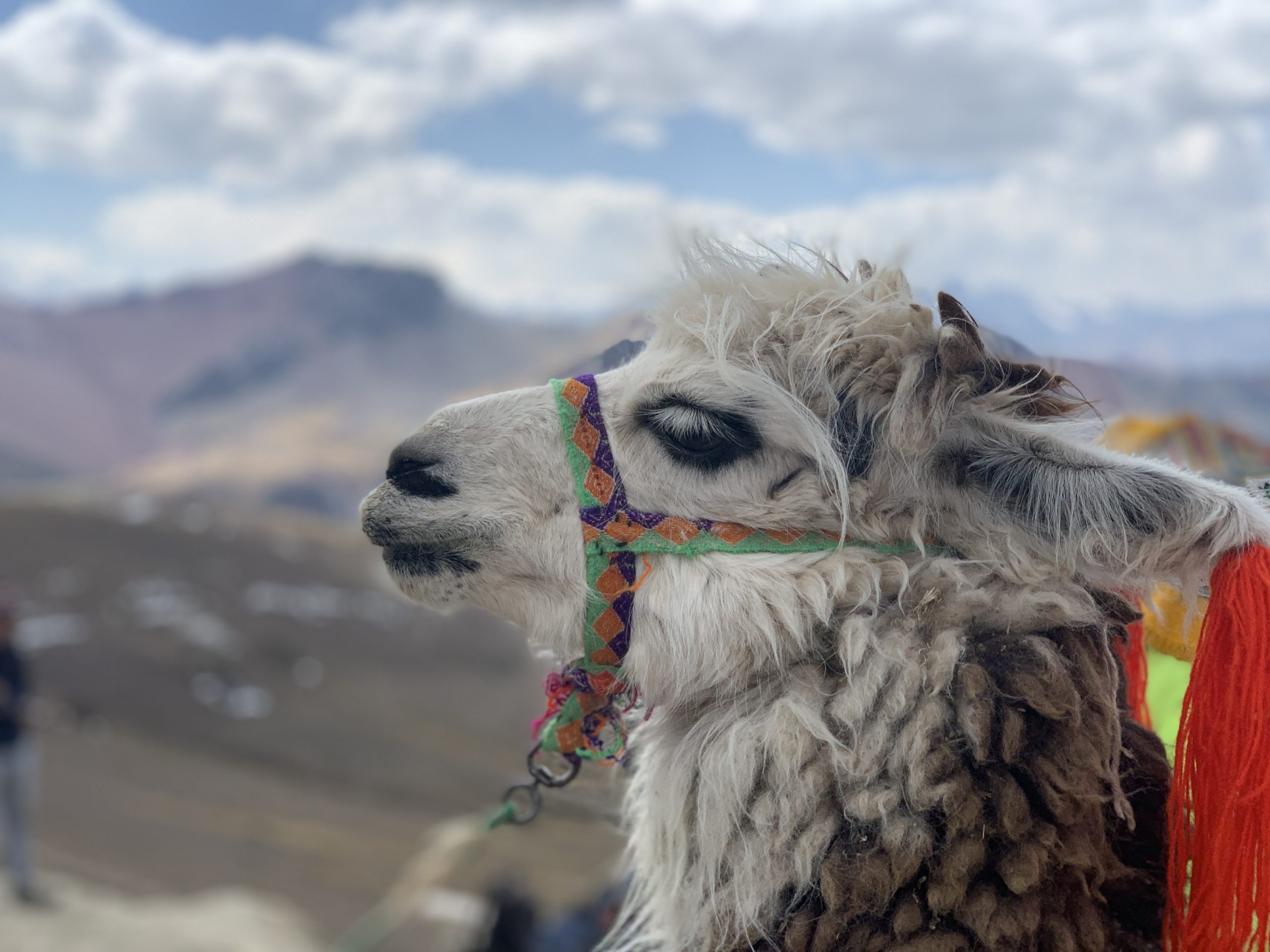
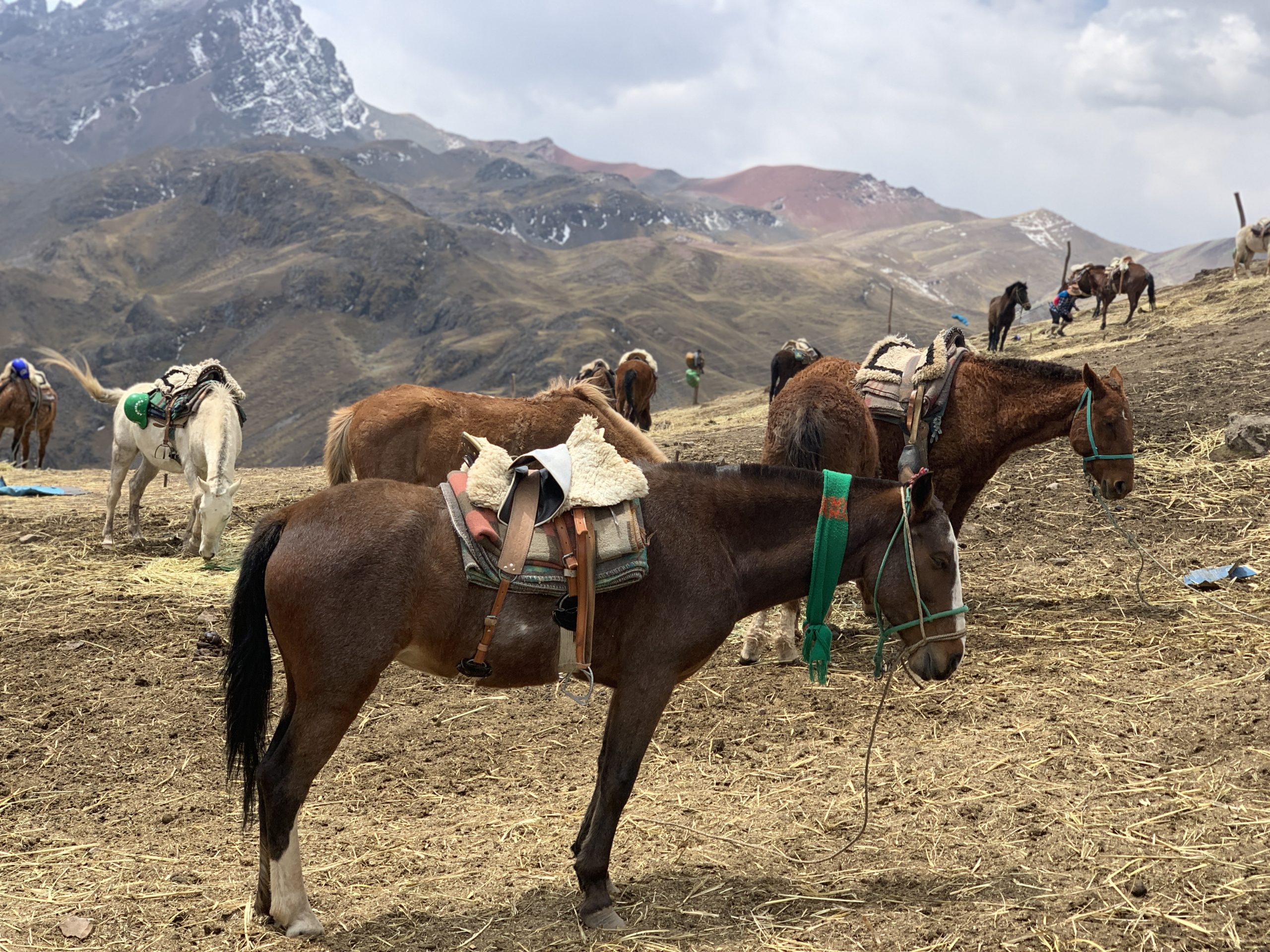
The mountain stands at around five kilometres in height and, given that there are progressively lower levels of oxygen the higher you climb, I estimate there to be round about fifty molecules of oxygen in total at the summit. Every single step upwards would leave me short of breath – kinda like how I used to feel back when I used to smoke. Though this was all natural, the difference is quite inconsequential when you’re on the precipice of blowing out a lung. Screw you and the chorus of The Climb, Miley Cyrus – screw you.
But enough whining. As always, the trouble is well worth it in the end. You get to the summit and you forget all about your breathlessness and your blisters and your bruises and your whatever. All you can think about is how you’ll manage to remember every single detail of such a gorgeous vista.